About
Still in its early stages, the negotiating process on the UN Framework Convention on International Tax Cooperation is trying to increase domestic resource mobilization for sustainable development and other assistance, including by tightening global tax practices.
Final report
Summary report 10–19 November 2025
All coverage
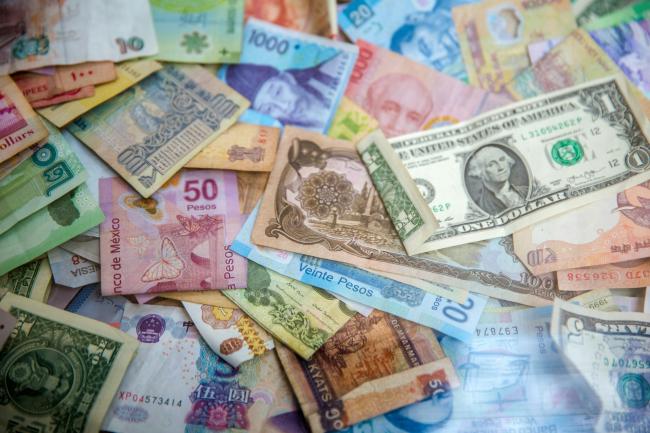
The world of business is increasingly globalized and digitalized. Companies in one country may employ labor in another country and serve consumers in yet another. Which governments, then, should collect the tax—and who decides that? For tax purposes, how should companies with no physical presence be treated vis-à-vis those with a bricks-and-mortar presence? How can fairness and efficiency be promoted, and double taxation avoided?
Negotiations toward this new, UN-led convention seek to answer such questions. The negotiations are a critical step in the fight for tax justice, as it will create a more equitable decision-making forum for all countries, including those that have traditionally been excluded from decision making. The convention and its protocols are expected to tackle issues including tax base erosion, profit shifting, and tax evasion, which prevent developing countries, in particular, from mobilizing domestic revenue that is crucial for their sustainable development.
The Programme of Work for the third session of the Intergovernmental Negotiating Committee to develop a UN Framework Convention on International Tax Cooperation (INC3) included discussion of proposals for a draft structure for the framework convention and two protocols: Protocol 1 on taxation of income derived from the provision of cross-border services in an increasingly digitalized and globalized economy, and Protocol 2 on prevention and resolution of tax disputes.
During its organizational session in New York from 3-6 February 2025, delegates agreed on decision-making rules for the negotiation process. At the INC’s first and second sessions in August 2025, delegates discussed cross-border services, including definitions of “services,” and processes for dispute prevention and resolution, including ways to ensure that tax authorities have the necessary information for resolving issues. The negotiations were expected to have at least three substantive sessions per year, with final texts to be submitted in 2027 during the General Assembly’s 82nd session.
INC-3 took place from 10–19 November 2025, in Nairobi, Kenya.
The Earth Negotiations Bulletin (ENB) writers for this meeting were Delia Paul, Ph.D.; Tallash Kantai; and Gabriella Boger Prado. The Digital Editor was Danny Skilton. The Editor was Pam Chasek, Ph.D.
View past and future events
Past event
Resumed 3rd Preparatory Committee for the International Conference on FfD
Past event
2005 High-level Dialogue of the UN General Assembly on Financing for Development
Past event
1st Drafting Session of the Outcome Document of FfD3
Past event
2nd Drafting Session of the Outcome Document of FfD3
Past event
1st Additional Session for the Preparatory Process for FfD3
Past event
2nd Additional Session for the Preparatory Process for FfD3
Past event
3rd Additional Session for the Preparatory Process for FfD3
Past event
3rd Drafting Session of the Outcome Document of FfD3
Past event
3rd FfD International Conference
Past event
UN Summits Week 2019
Past event
Organizational Session for the Intergovernmental Negotiations for the UN Framework Convention on International Tax Cooperation
Past event
3rd Session of the Preparatory Committee for the 4th International Conference on FfD
Past event
ECOSOC Forum on Financing for Development and the Fourth Session of the Preparatory Committee for the Fourth International Conference on Financing for Development
Past event
3rd Session of the Intergovernmental Negotiating Committee to develop a UN Framework Convention on International Tax Cooperation (INC3)
To receive free coverage of global environmental events delivered to your inbox, subscribe to the ENB Update newsletter.