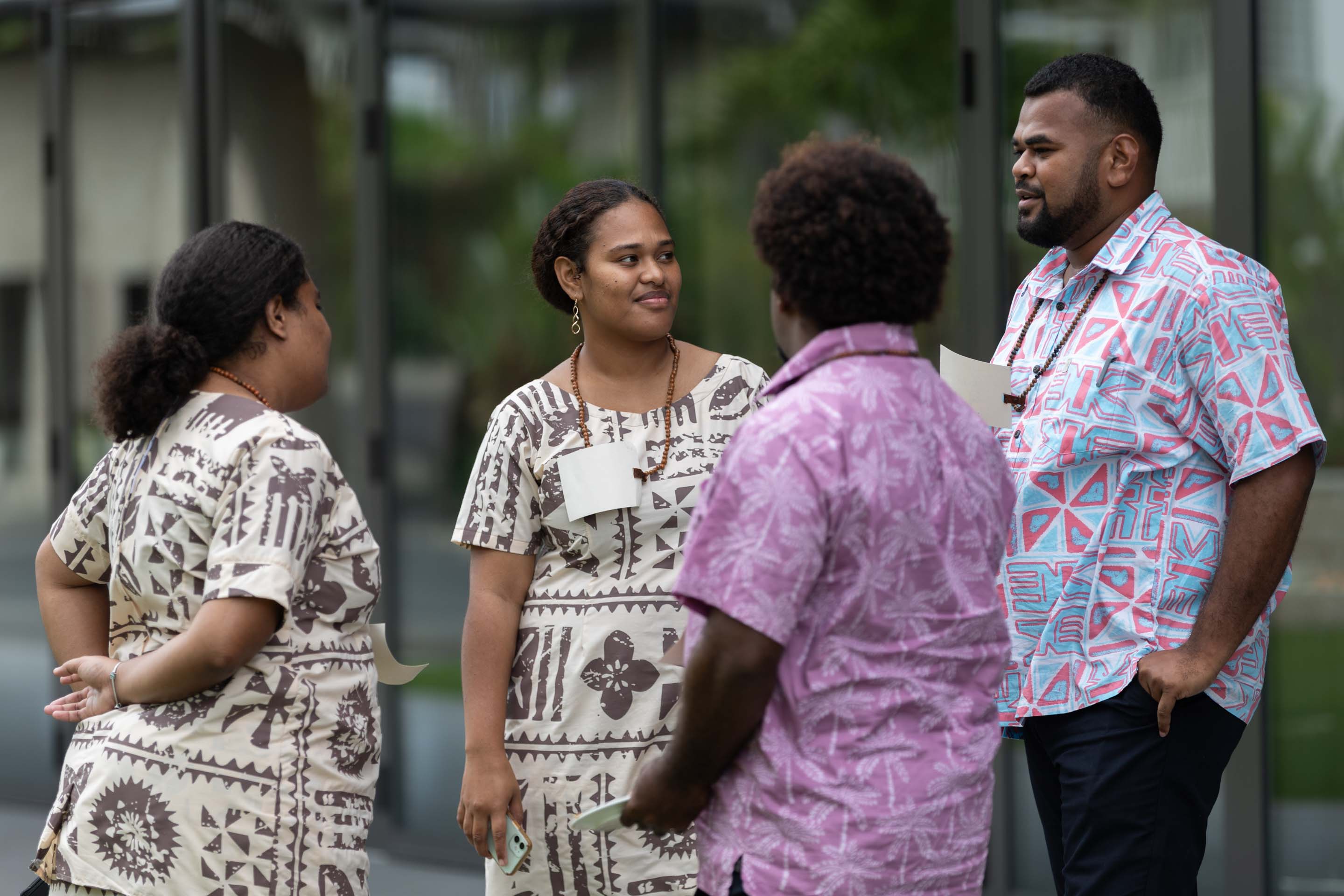
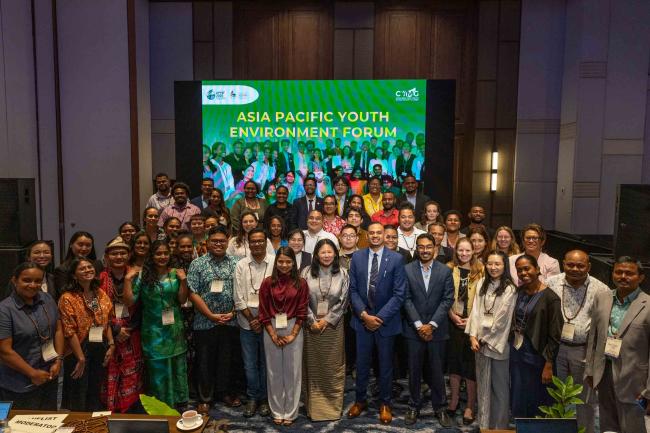
The Asia-Pacific Youth Environment Forum (APYEF) and the Science-Policy-Business Dialogue convened in parallel to develop recommendations that will inform high-level meetings of Asia-Pacific environment ministers later this week. Gathering at the idyllic conference location of Wailoaloa Beach, Fiji, participants were warmly welcomed by two Ministers of the Government of Fiji, as they prepared to discuss ‘Advancing Sustainable Solutions for a Resilient Planet.’
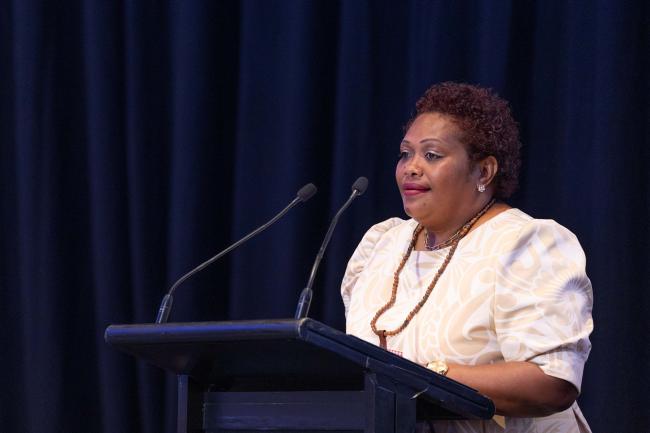
Opening the APYEF, Mosese Bulitavu, Minister for Environment and Climate Change, Fiji, welcomed the momentum of youth leadership, “at a time of urgency and great necessity.”
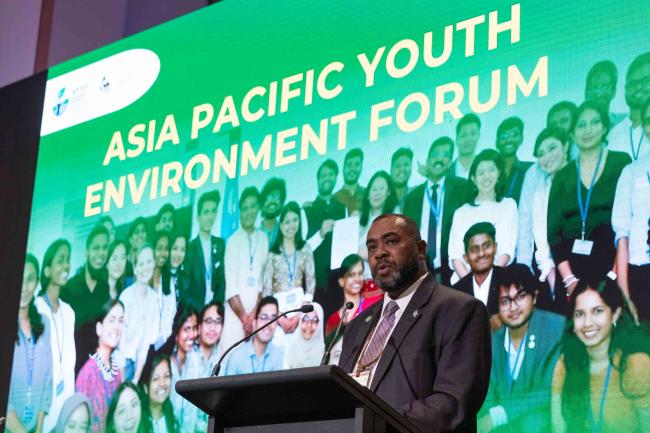
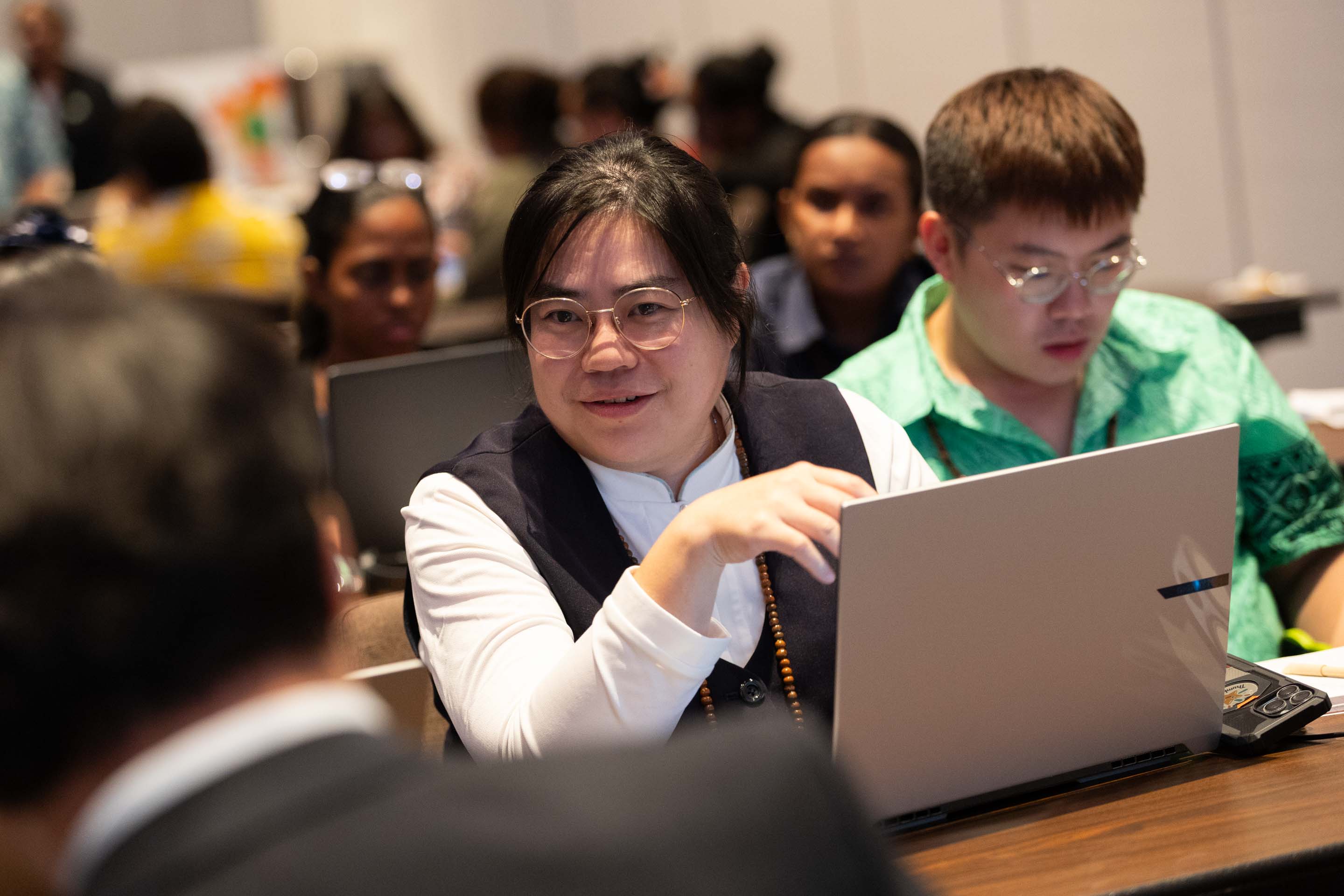
Miliana Iga, Coordinator, Pacific Youth Council, drew attention to the existential crisis of climate change, saying every conversation, every partnership built, and every commitment made must be measured against this reality. In line with this theme, many speakers drew on religious and spiritual perspectives when discussing current environmental challenges. Referring to Buddhist practice, Tiffany Tu, Buddhist Tzu Chi Foundation, noted the value of reminders in daily practice, such as the standard of using “one chopstick of water,” in limiting the volume of water flow when turning on the tap.
Ladislaus Chang’a, Vice-Chair, Intergovernmental Panel on Climate Change (IPCC), urged youth delegates to participate in reviewing IPCC reports. Georgina Lloyd, UN Environment Programme (UNEP), suggested that youth participation in their countries’ national delegations is the most influential way to participate in multilateral processes.
In thematic dialogues, APYEF participants first addressed the pressing challenges of pollution, plastic waste, and advocacy for sustainable lifestyles. In the second dialogue, they discussed youth-led achievements and impacts in the region including: plastic-free initiatives; mangrove and ecosystem restoration; community awareness; coral reef rehabilitation; and integrating Indigenous and traditional perspectives. In a third dialogue on “blue futures,” they considered opportunities to safeguard the rights of present and future generations to a healthy Ocean, by leveraging the July 2025 International Court of Justice (ICF) opinion on the obligations of states with respect to climate change, and the current process toward ratification of the Agreement on the Conservation and Sustainable Use of Marine Biological Diversity of Areas beyond National Jurisdiction (BBNJ Agreement) under the UN Convention on the Law of the Sea (UNCLOS).
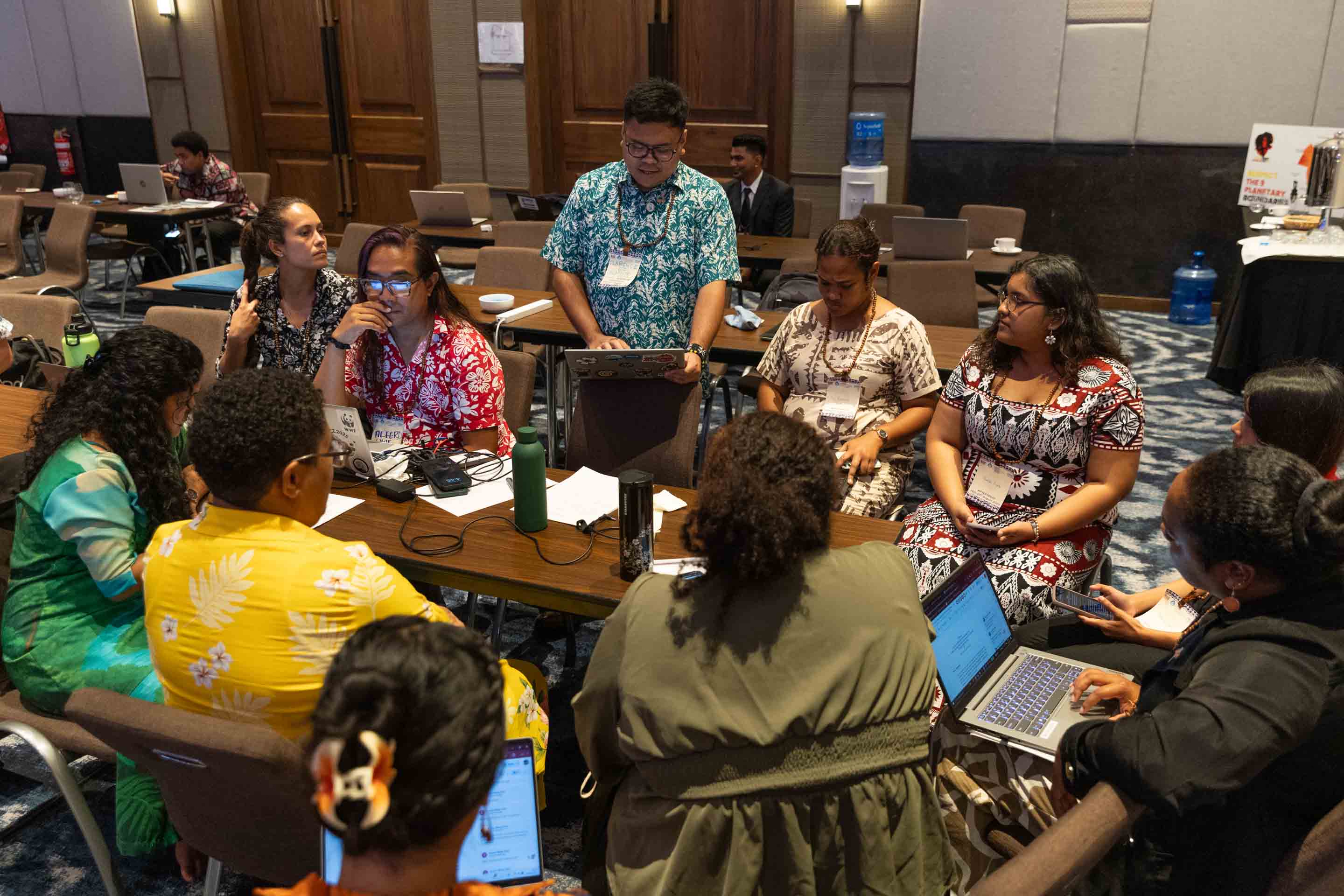
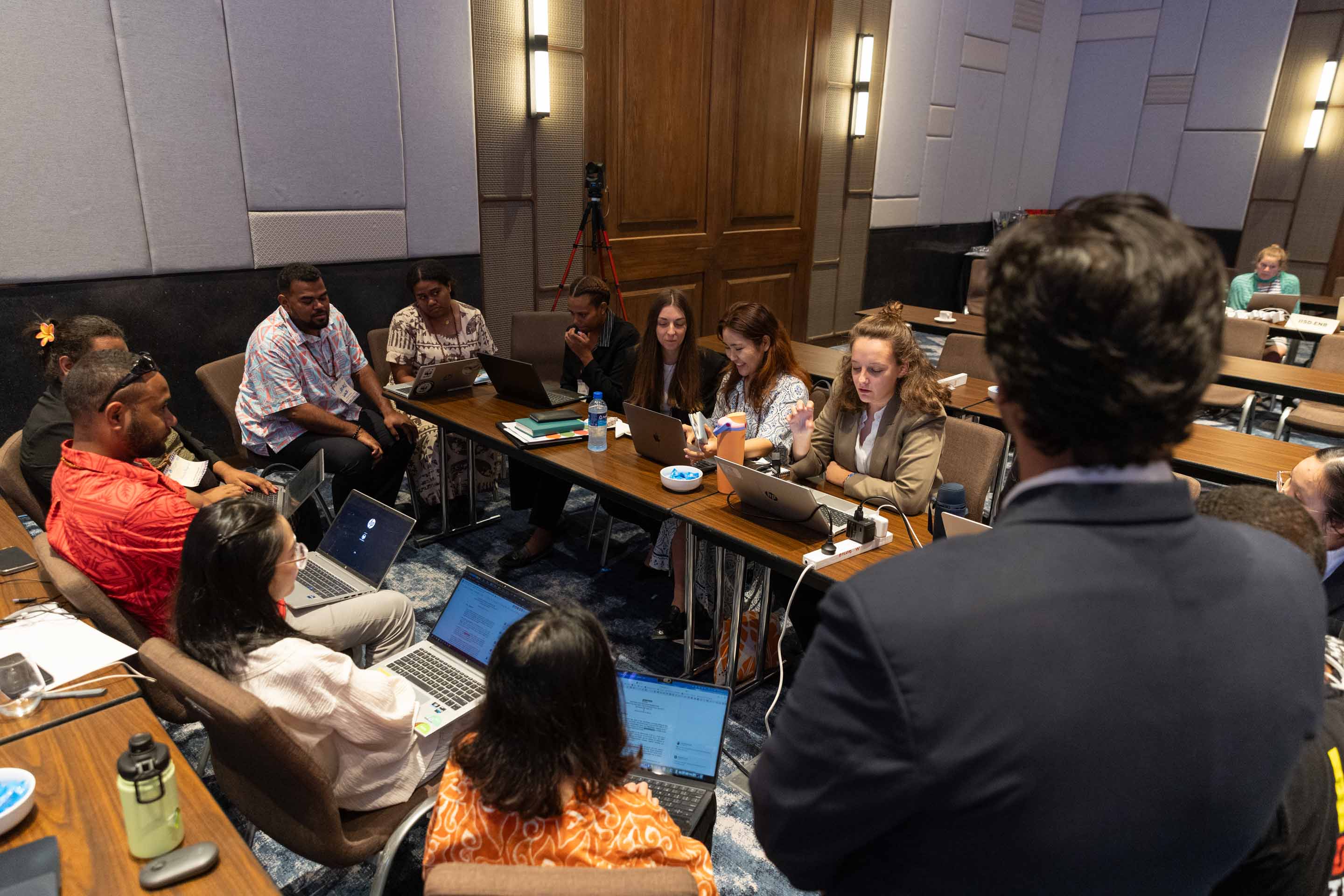
At the close of the day, youth delegates met in small groups to finalize the Asia-Pacific Youth Environment Manifesto, which will inform ministerial discussions later in the week. The Manifesto calls for stronger action to address the triple planetary crisis with full participation of youth, including through multilateral environmental agreements and their national implementation, as well as through rights-based and holistic approaches. In a keynote address, Sivendra Michael, Permanent Secretary, Ministry of Environment and Climate Change, Fiji, praised the work of youth for carrying action into decision rooms, noting “words alone do not feed families or protect our Ocean, our Moana.”
Next door to the APYEF, the Science-Policy-Business Dialogue took place throughout the day. Alitia Bainivalu, Minister for Fisheries and Forestry, Fiji, urged delegates to test new technologies through “innovation sandboxes,” invest in connectivity for under-served communities, and ensure that public procurement is in line with sustainability principles. While highlighting Fiji’s achievements in advancing green and blue economies, she stressed that “no country can do this alone” and that regional collaboration and pooled financing can accelerate implementation. Dialogue participants discussed several topics in relation to the theme of “Growing Sustainable, Clean, Green Tech Economies: A Path to Resilience and Prosperity in Asia-Pacific.”
The APYEF and Science-Policy-Business Dialogue provide input to draft resolutions from Asia-Pacific countries on regional environmental challenges, such as marine conservation and ocean health, sustainability of food systems, and impacts of plastic waste in the environment. The environment ministers meeting later this week will finalize the draft resolutions, which will be forwarded to the seventh session of the UN Environment Assembly (UNEA-7) for further consideration and adoption, when it convenes in December 2025.
To receive free coverage of global environmental events delivered to your inbox, subscribe to the ENB Update newsletter.
All ENB photos are free to use with attribution. For the 6th Forum of Ministers and Environment Authorities of Asia Pacific please use: Photo by IISD/ENB - Kiara Worth
Asia-Pacific Youth Environment Forum
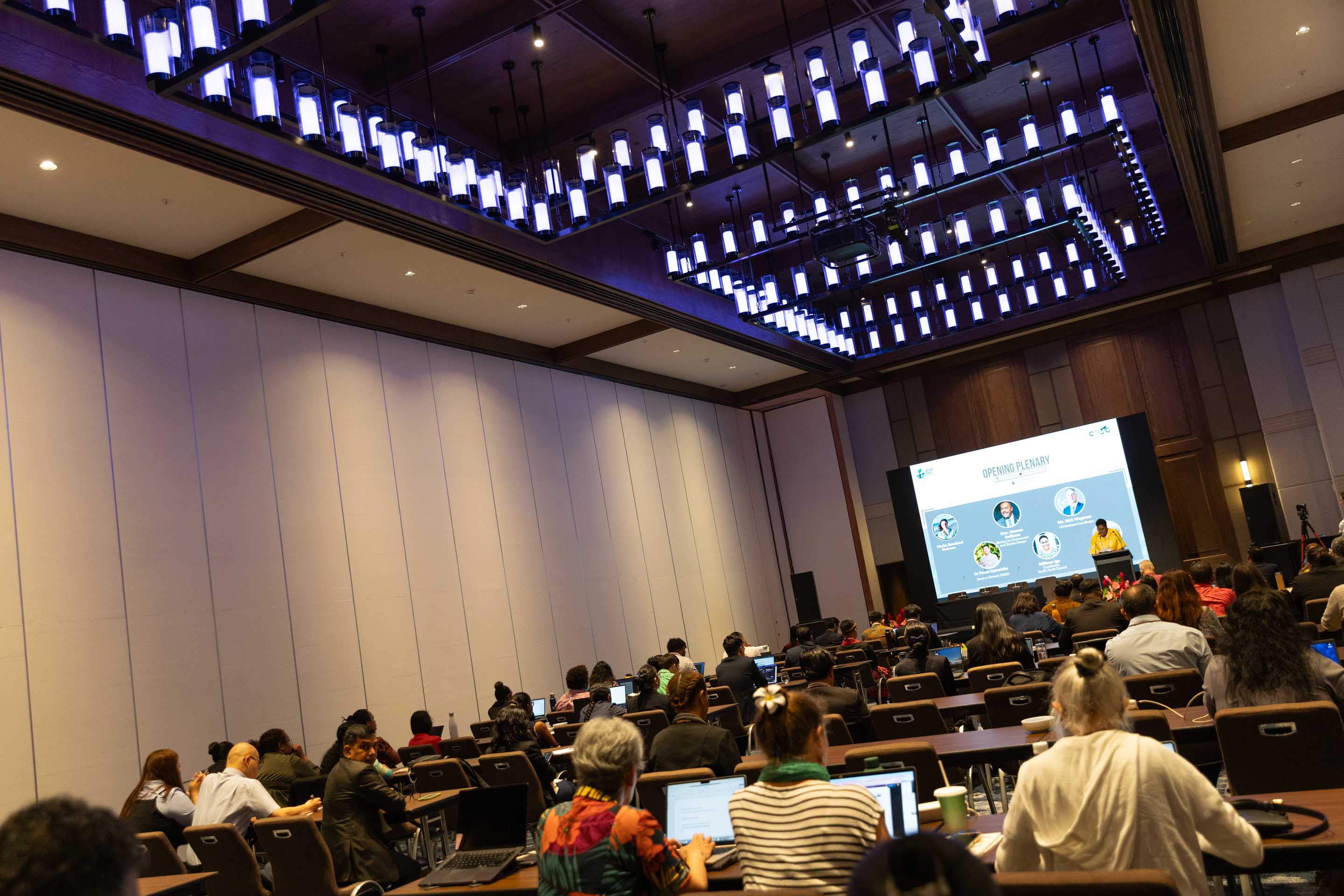
Participants gather for the start of the Asia-Pacific Youth Environment Forum
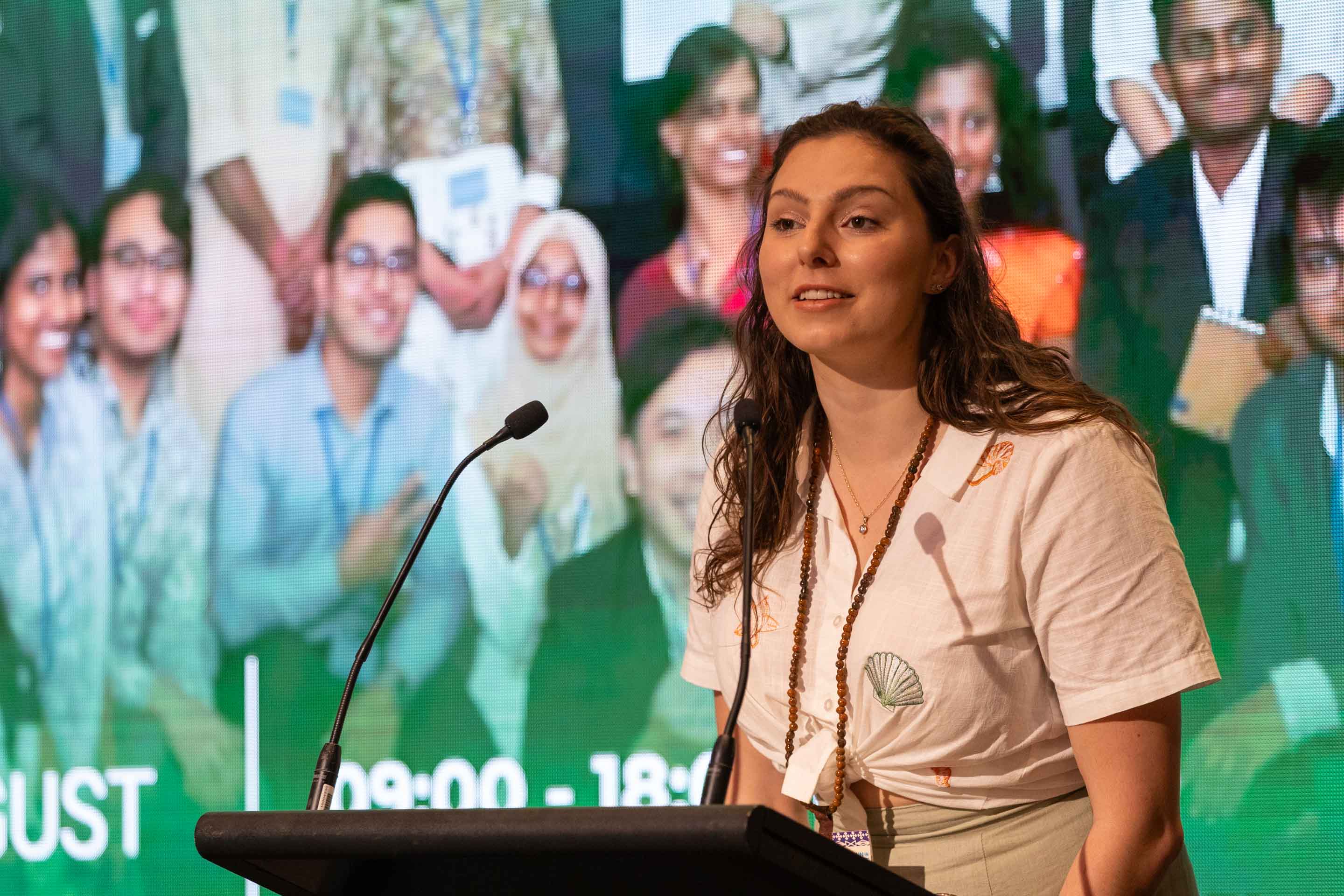
Phebe Fidge, Youth Task Force, UN Decade on Ecosystem Restoration
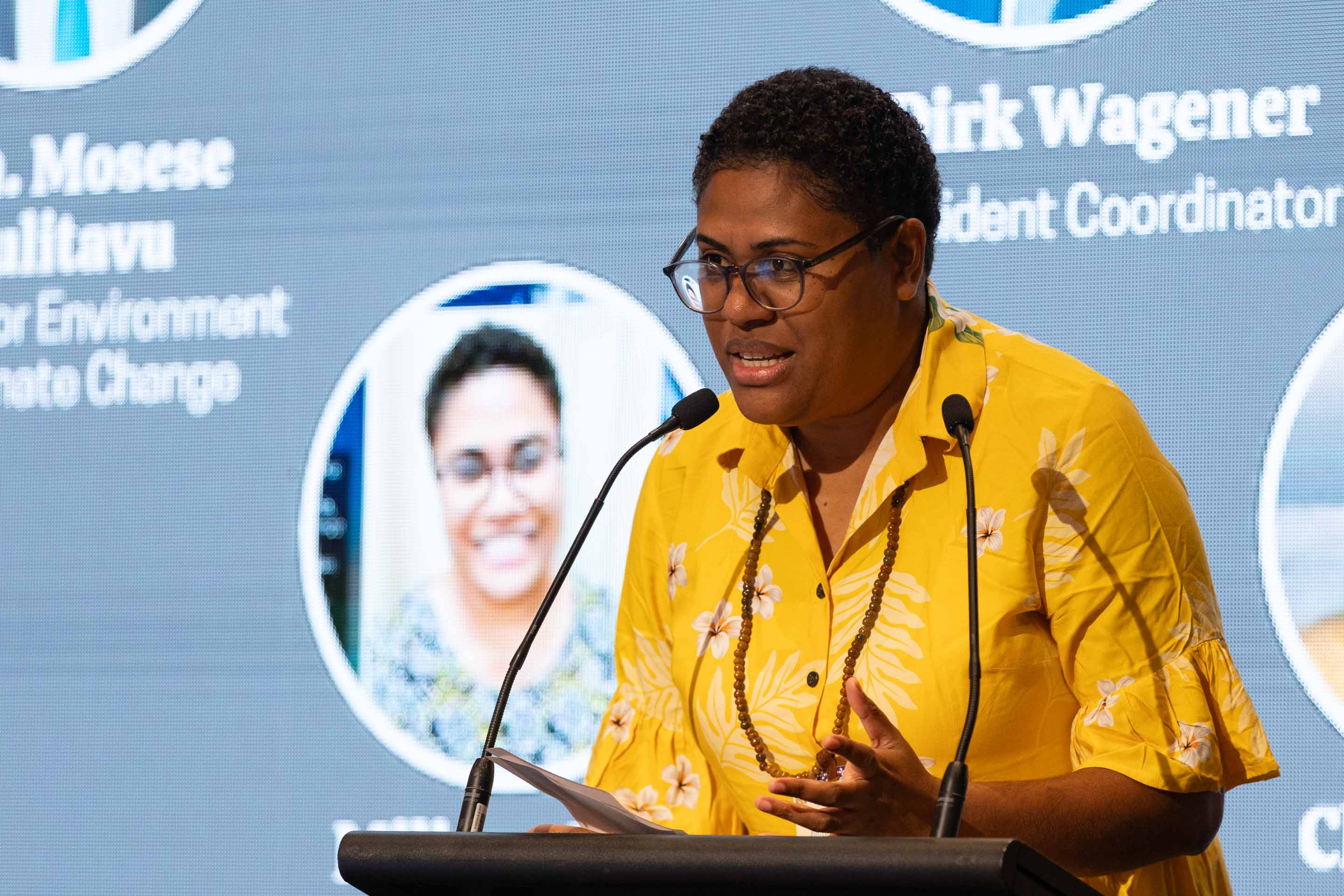
Miliana Iga, Pacific Youth Council

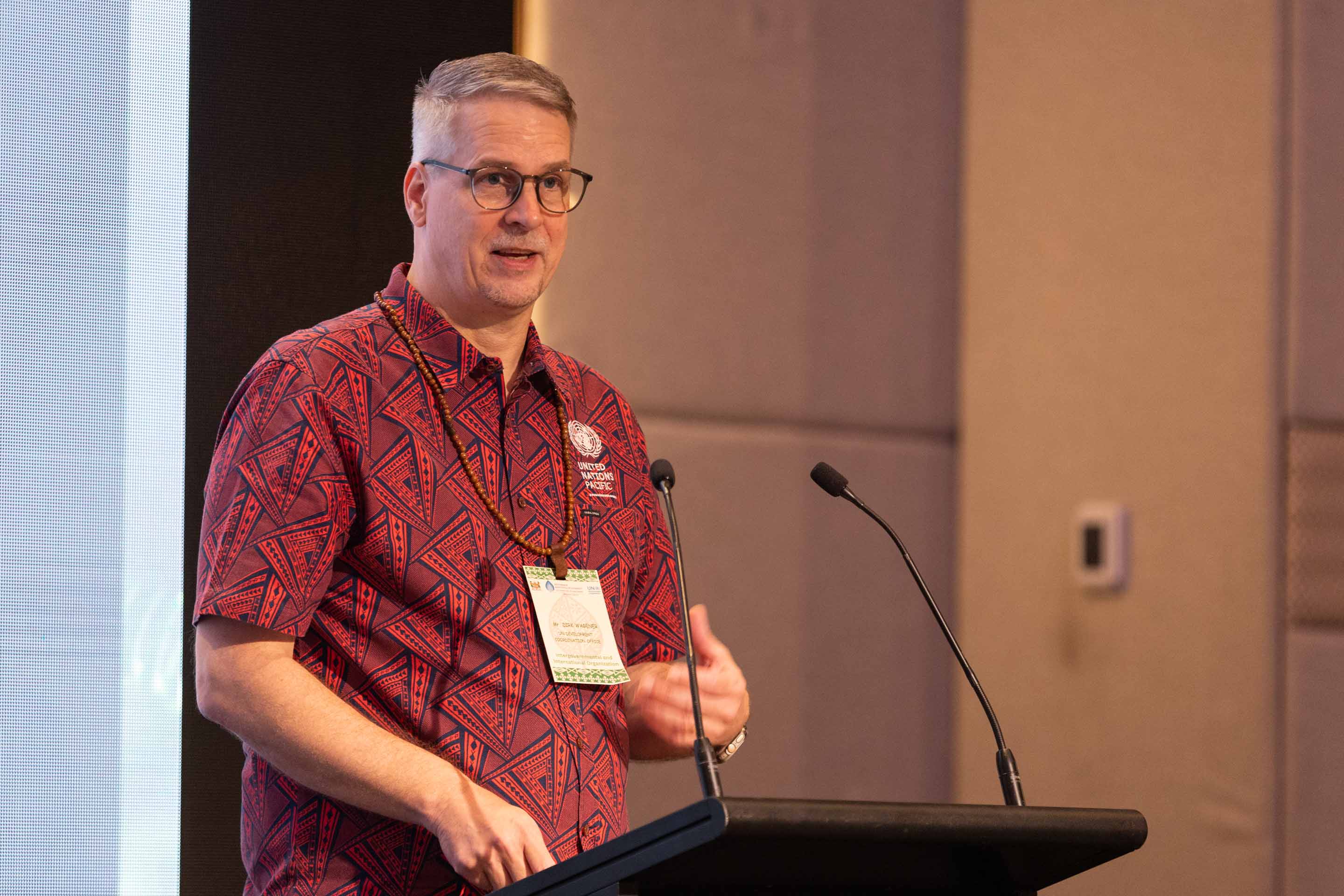
Dirk Wagener, UN Resident Coordinator, Fiji Multi-Country Office
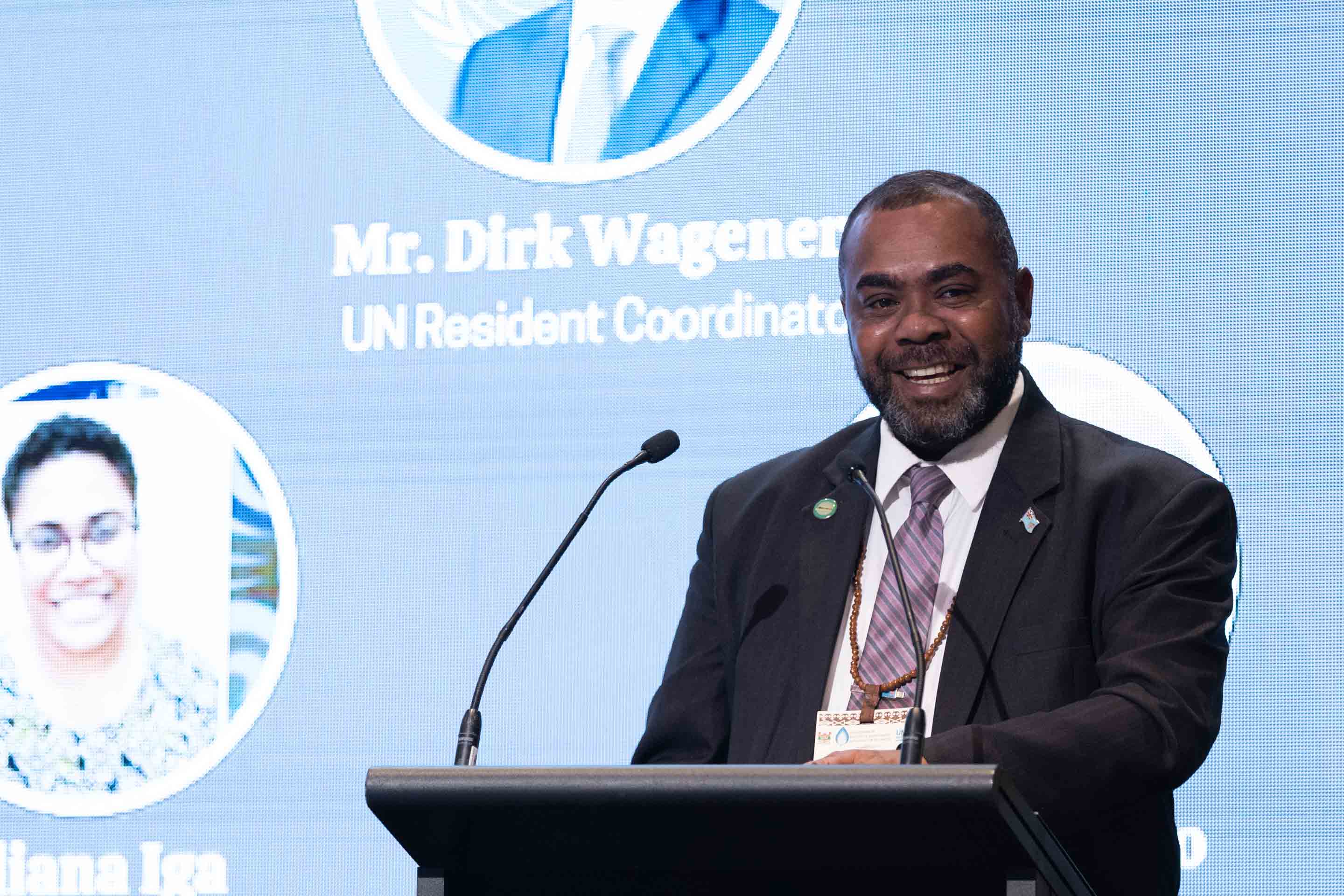
Mosese Bulitavu, Minister for Environment and Climate Change, Fiji

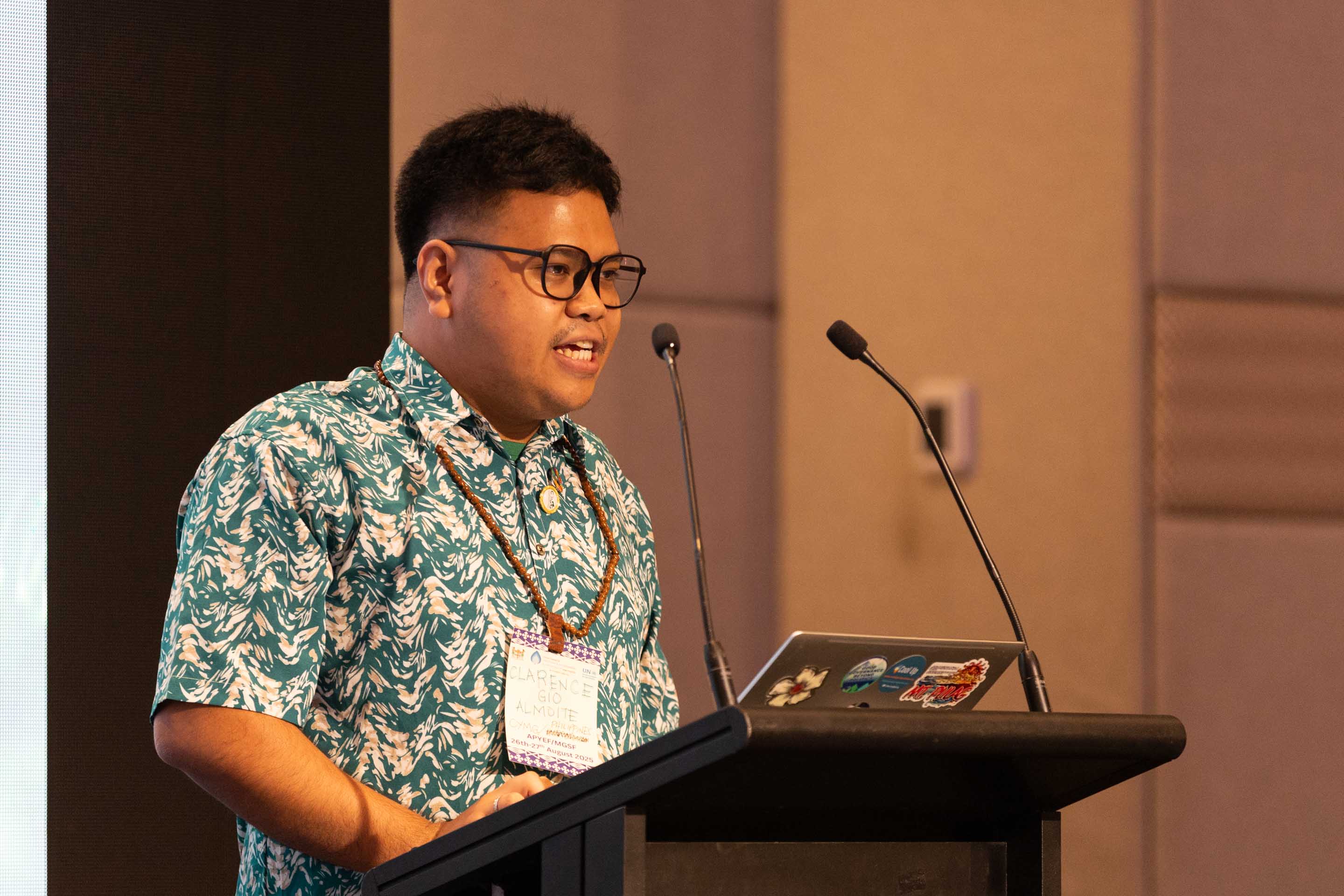
Clarence Gio Almoite, UNEP Children and Youth Major Group (CYMG)
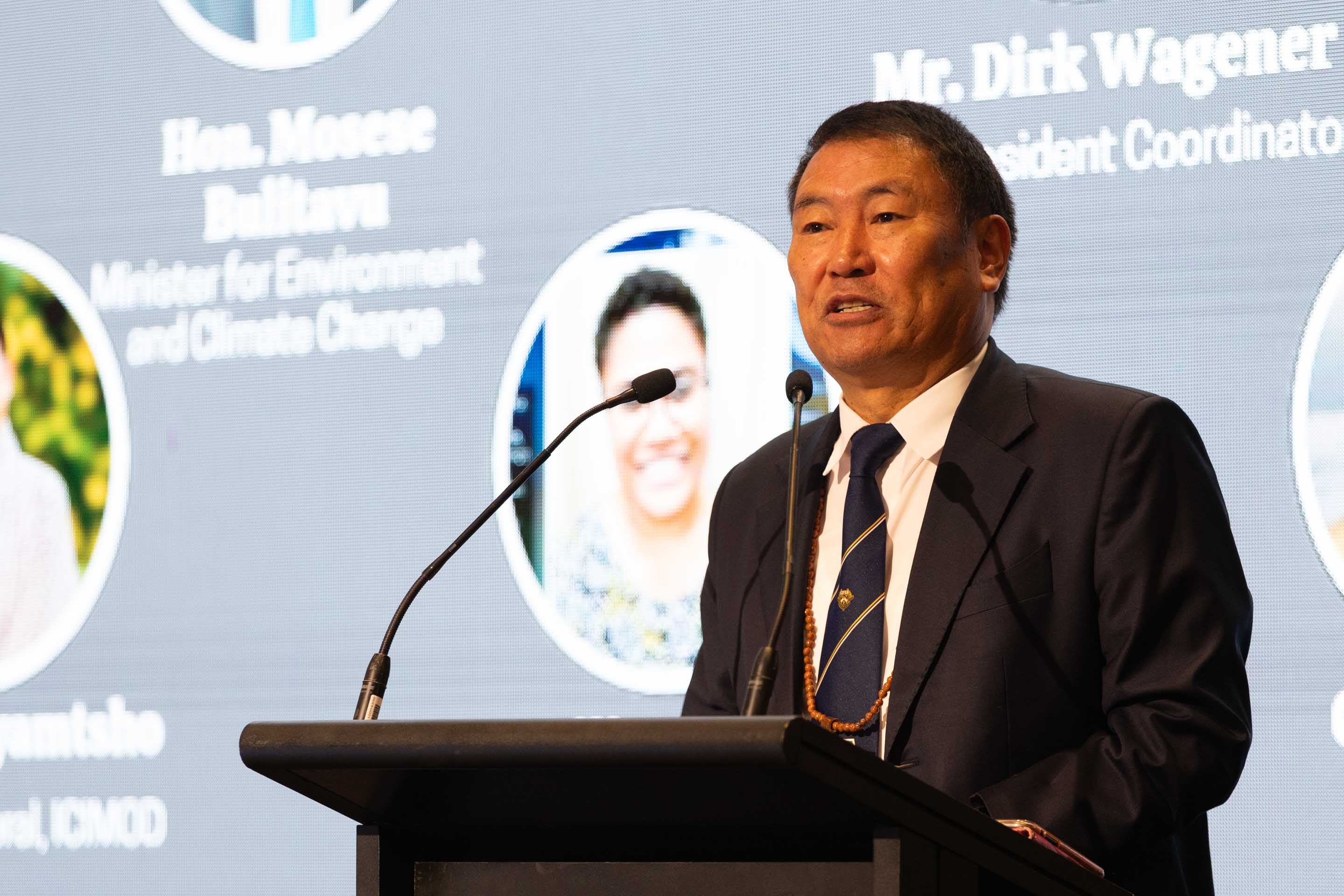
Pema Gyamtsho, Director-General, International Centre for Integrated Mountain Development (ICIMOD)
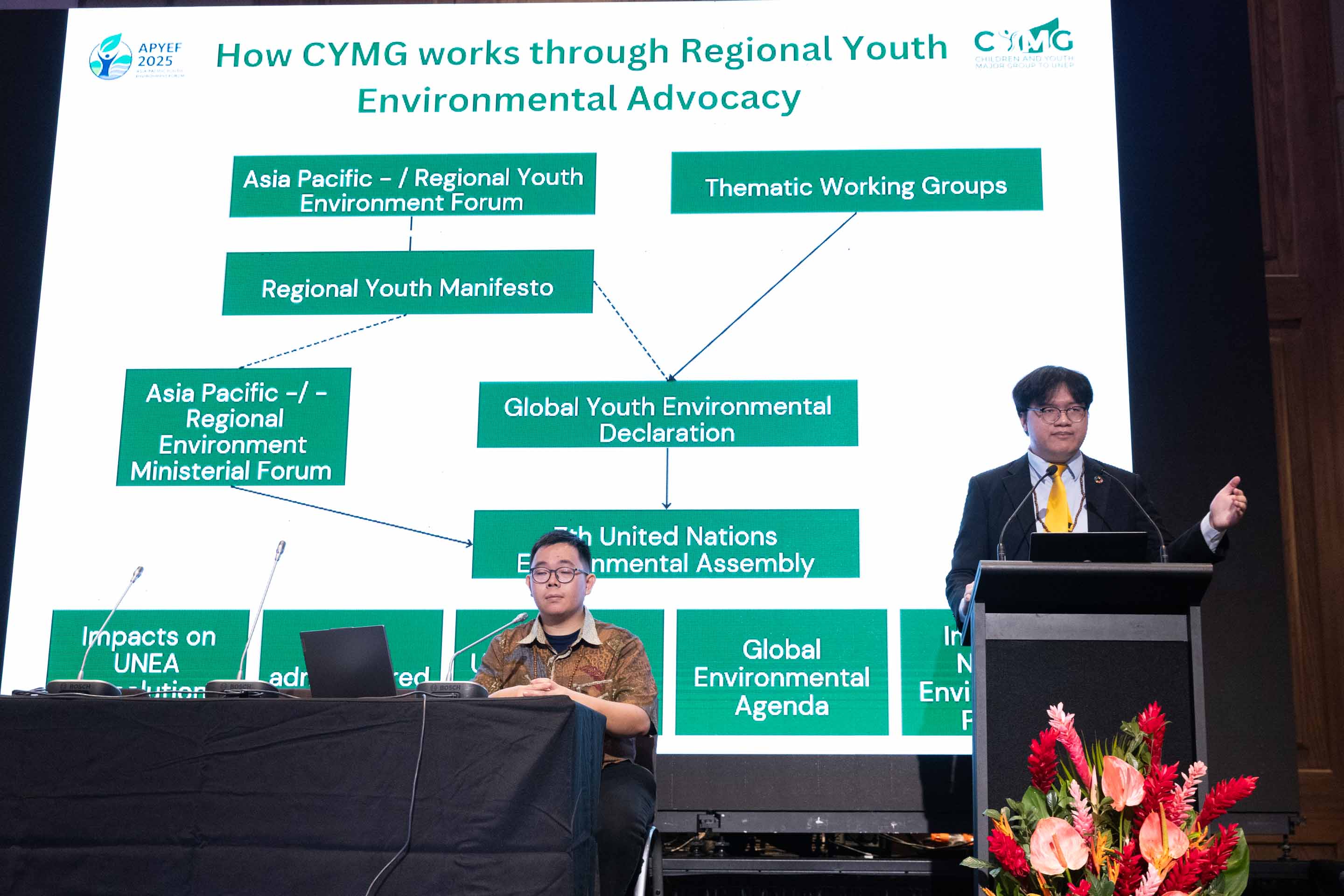
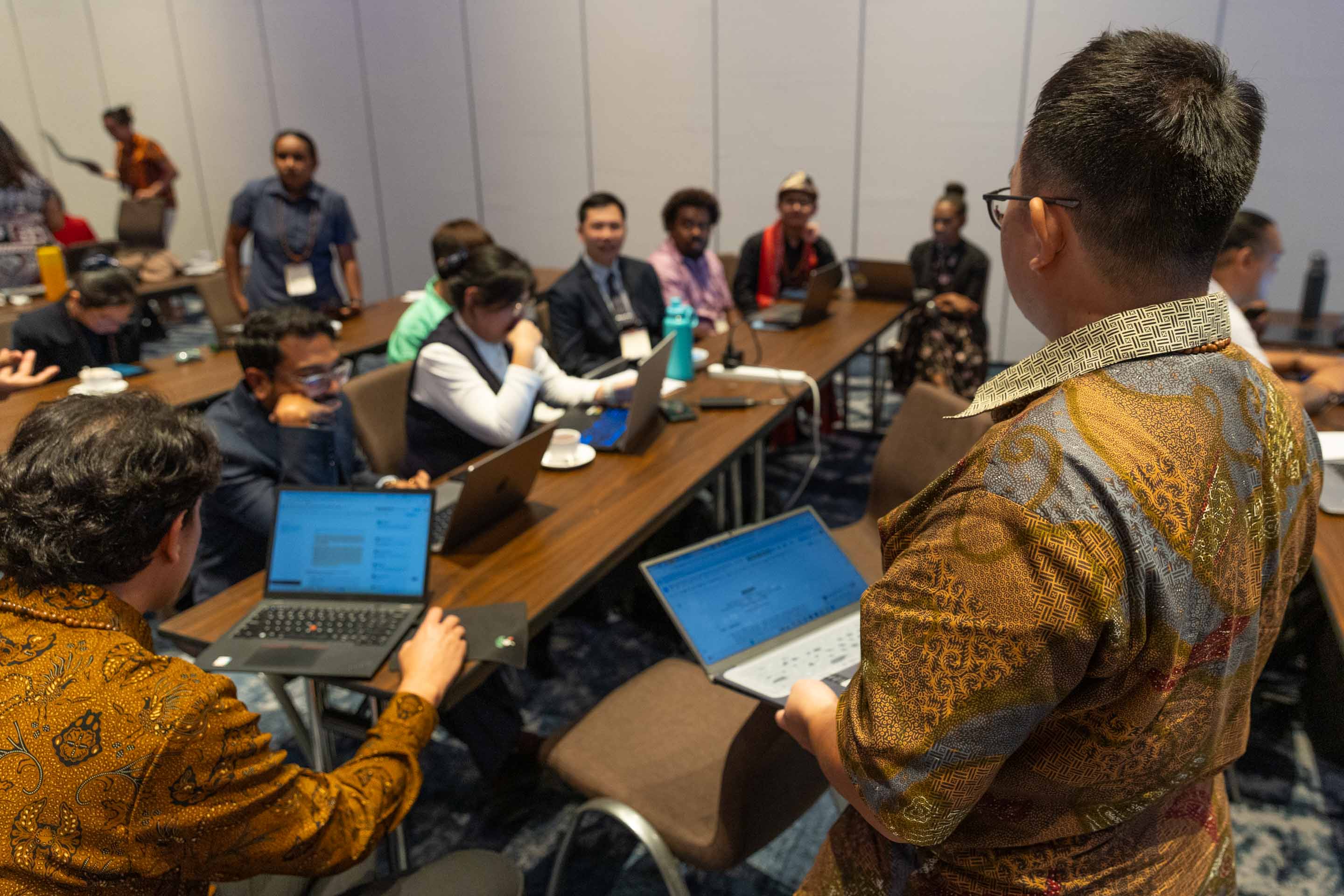
Steven Setiawan and Hino Samuel Jose, CYMG, conduct a capacity-building exercise to explain the work of the CYMG.
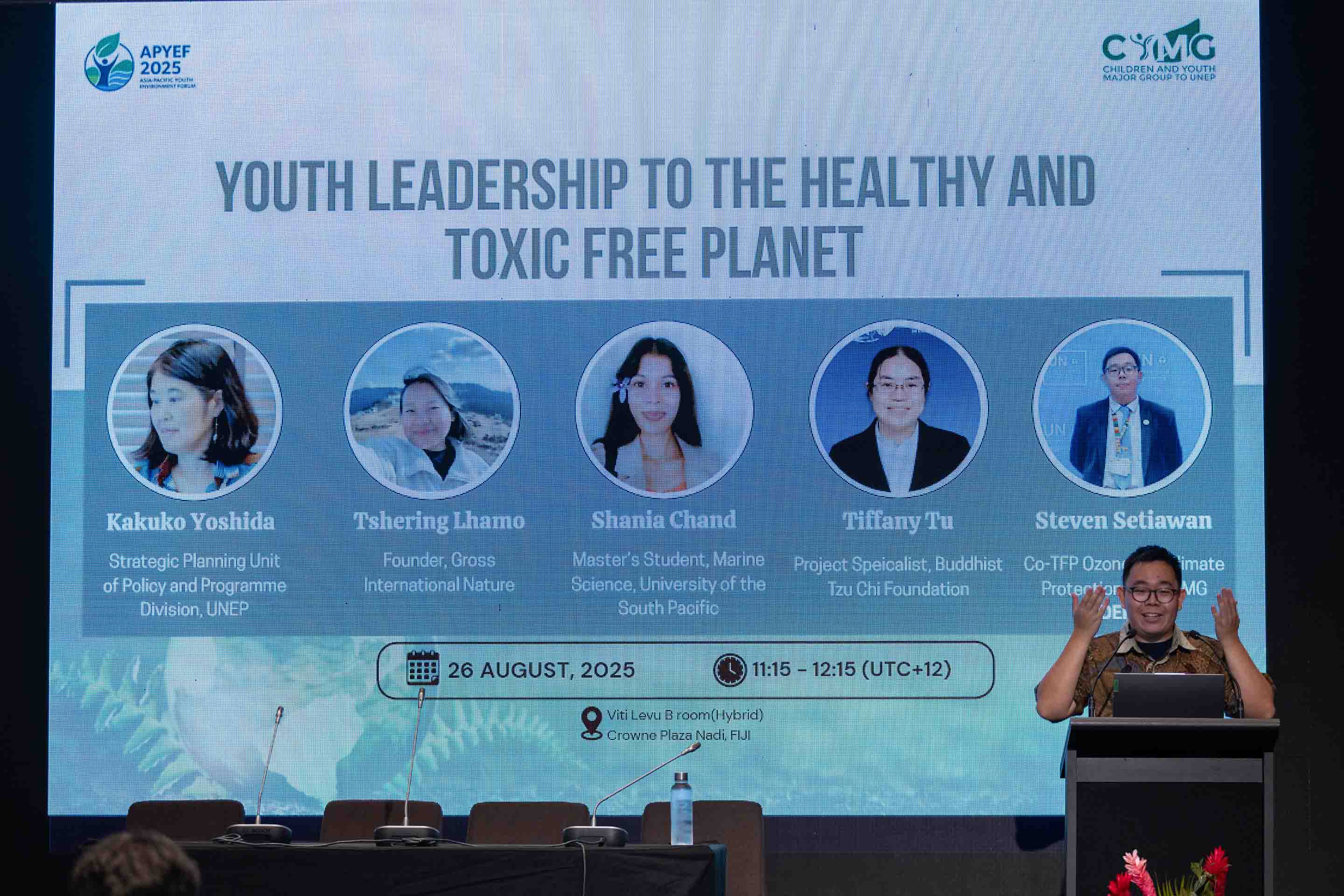
Steven Setiawan, CYMG, facilitates a thematic dialogue focused on youth leadership for a healthy and toxic-free planet.
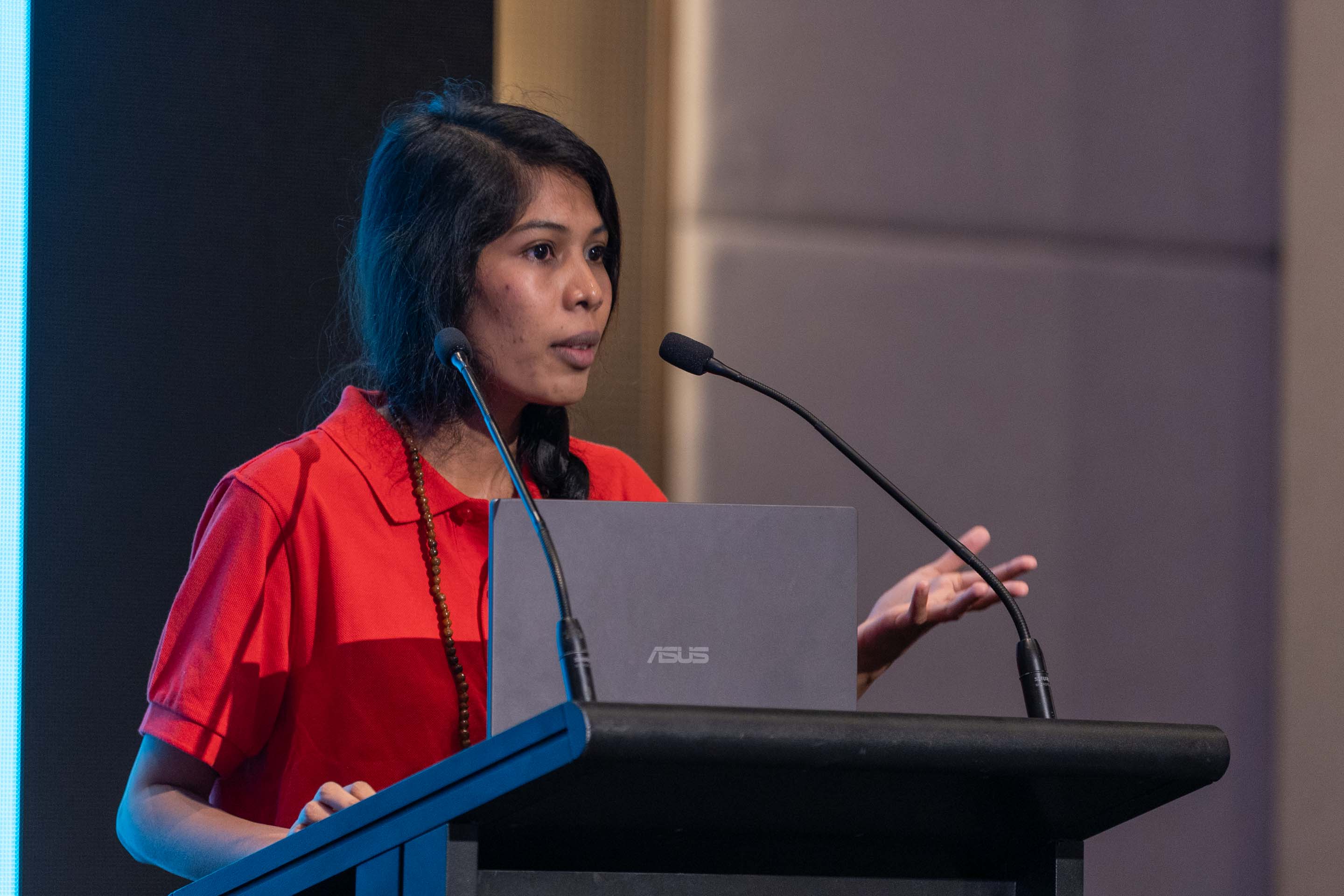
Shania Chand, University of the South Pacific
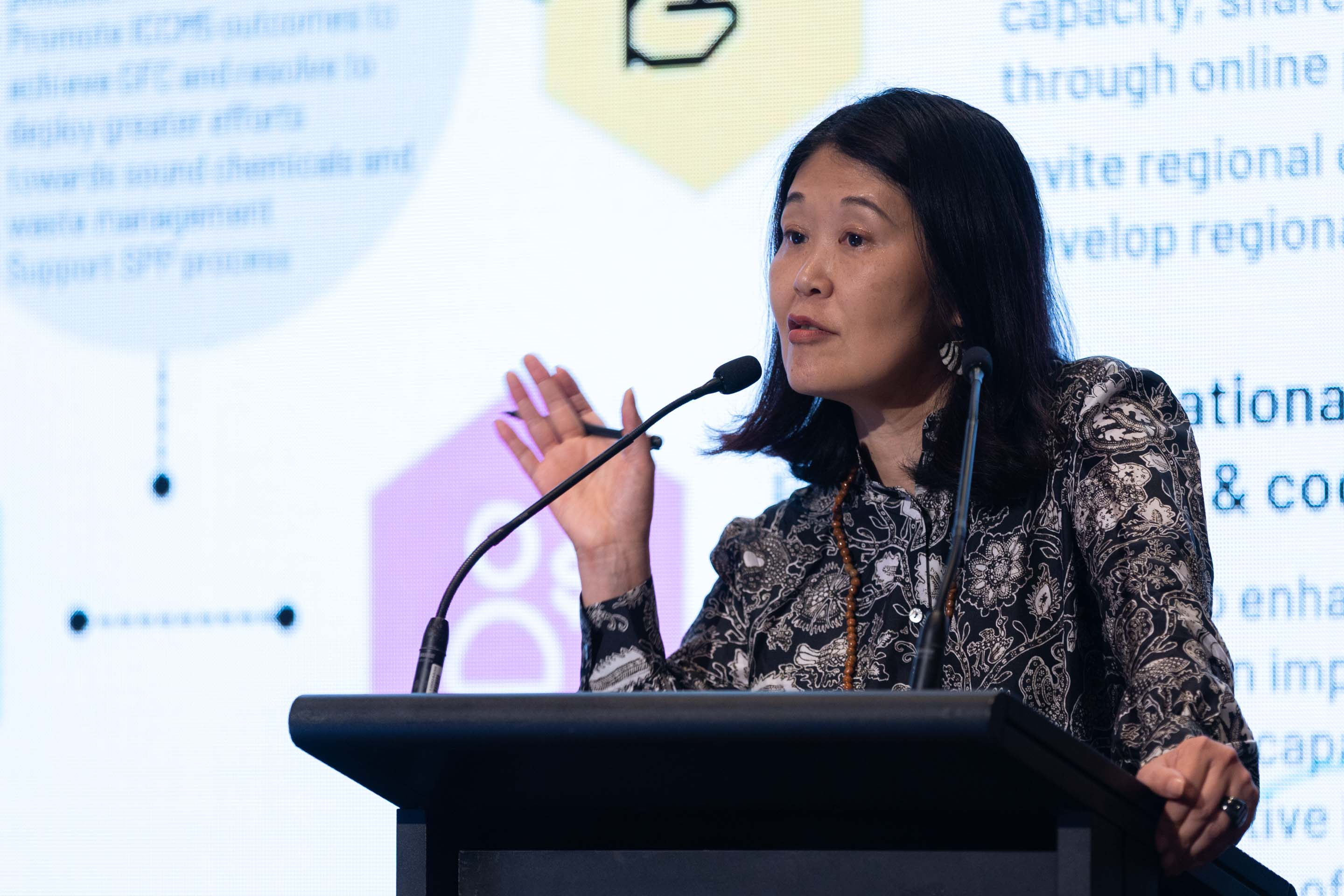
Kakuko Yoshida, UNEP
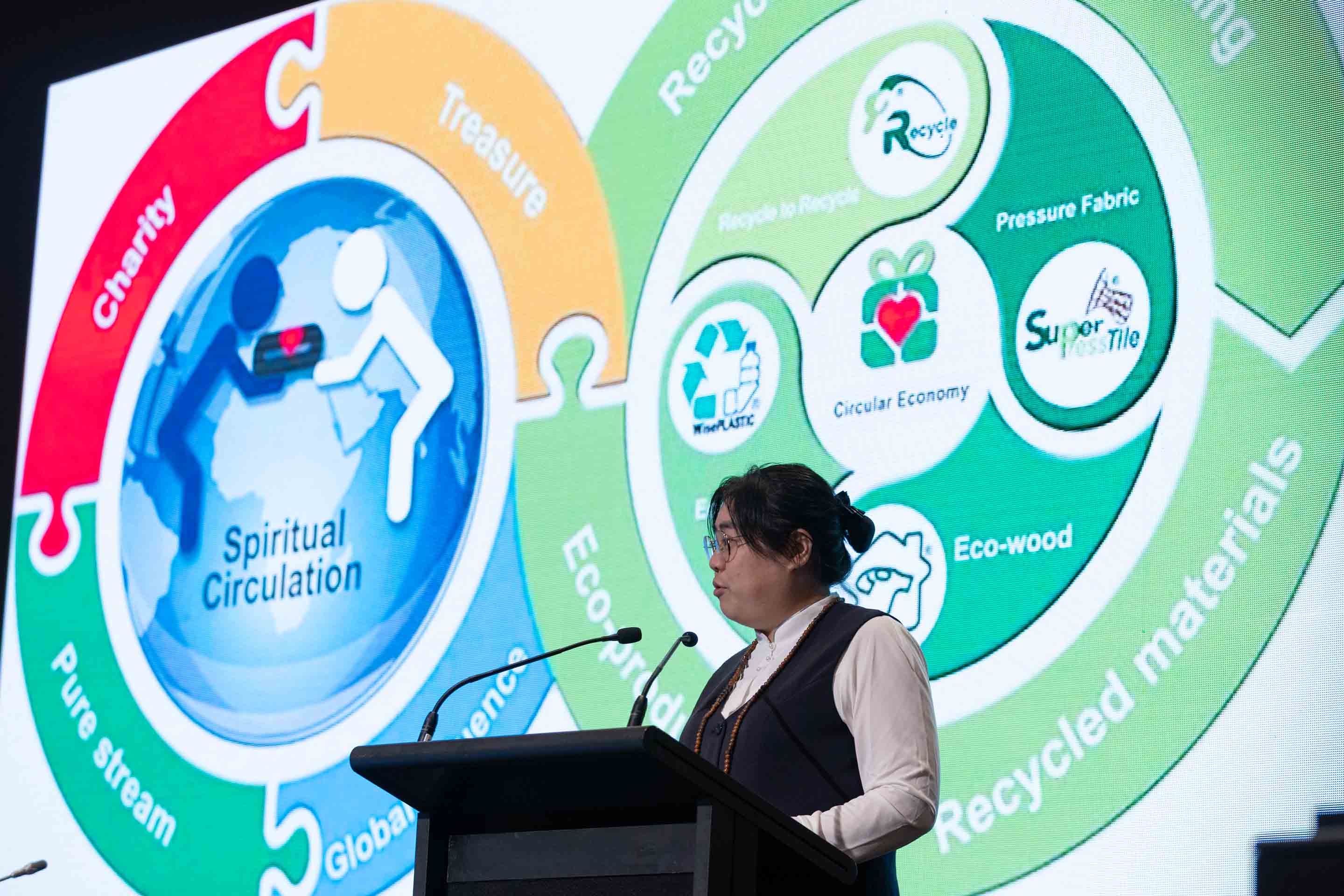
Tiffany Tu, Buddhist Tzu Chi Foundation
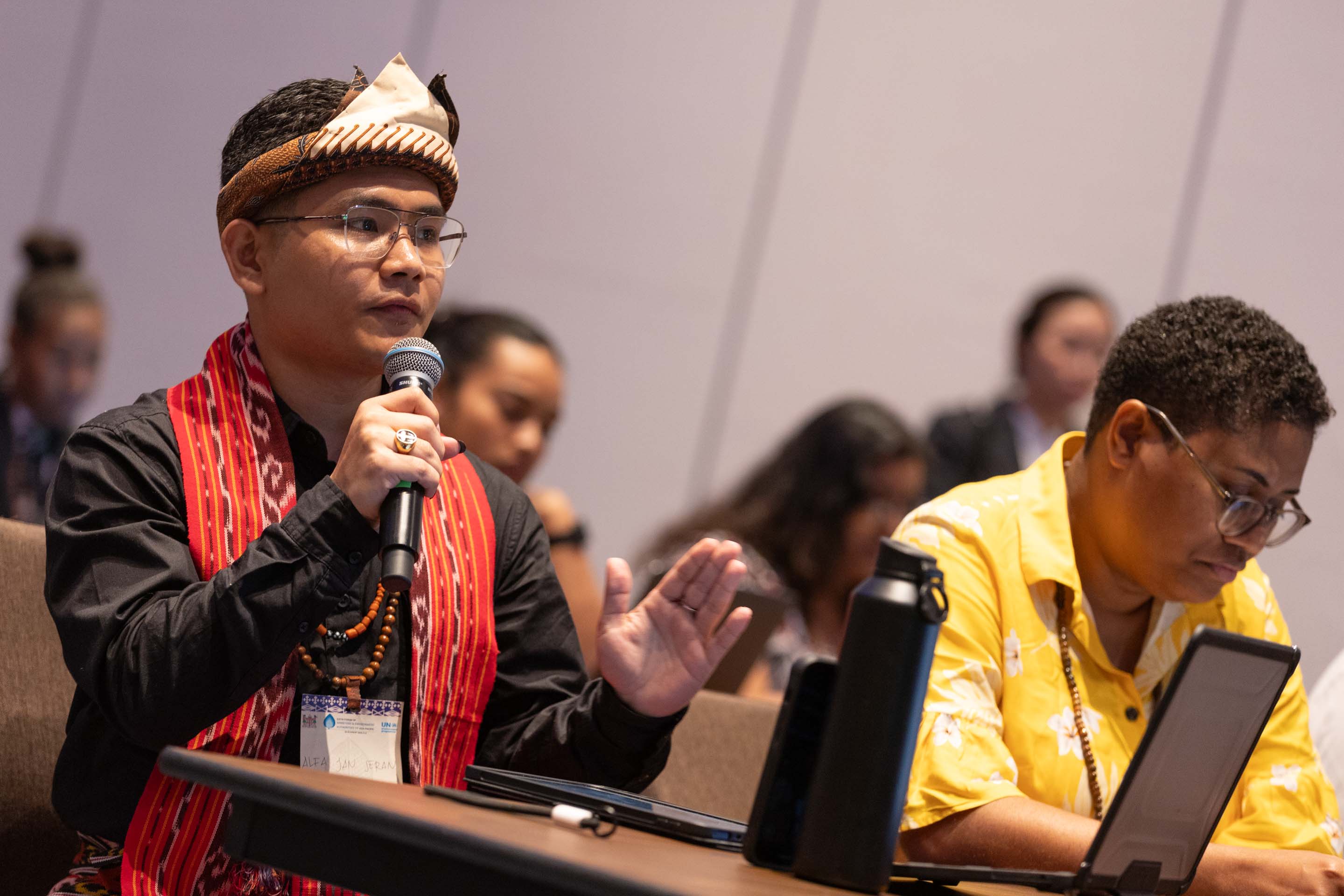
Participants ask questions as part of the interactive element
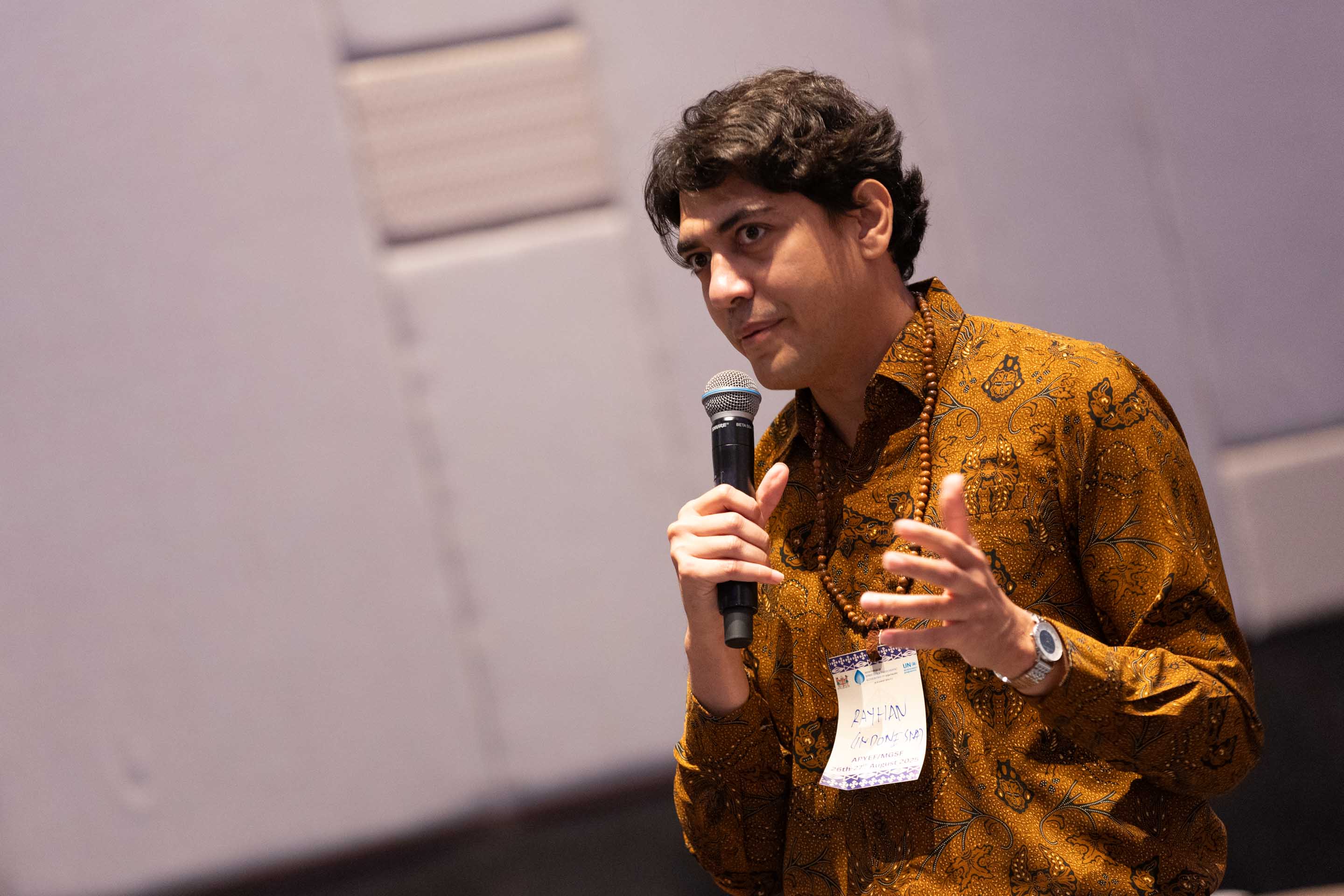
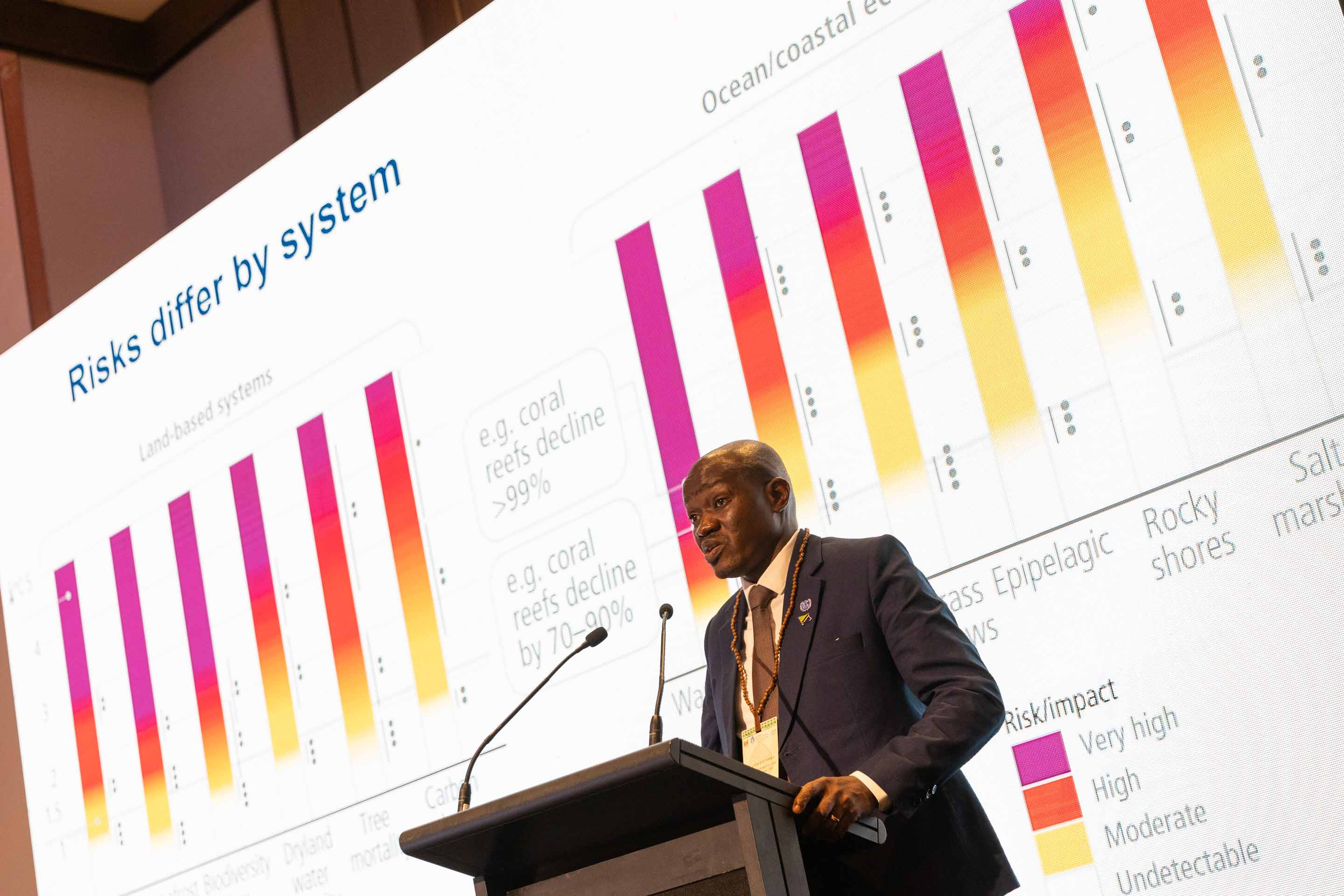
Ladislaus Chang’a, Vice Chair, Intergovernmental Panel on Climate Change (IPCC)
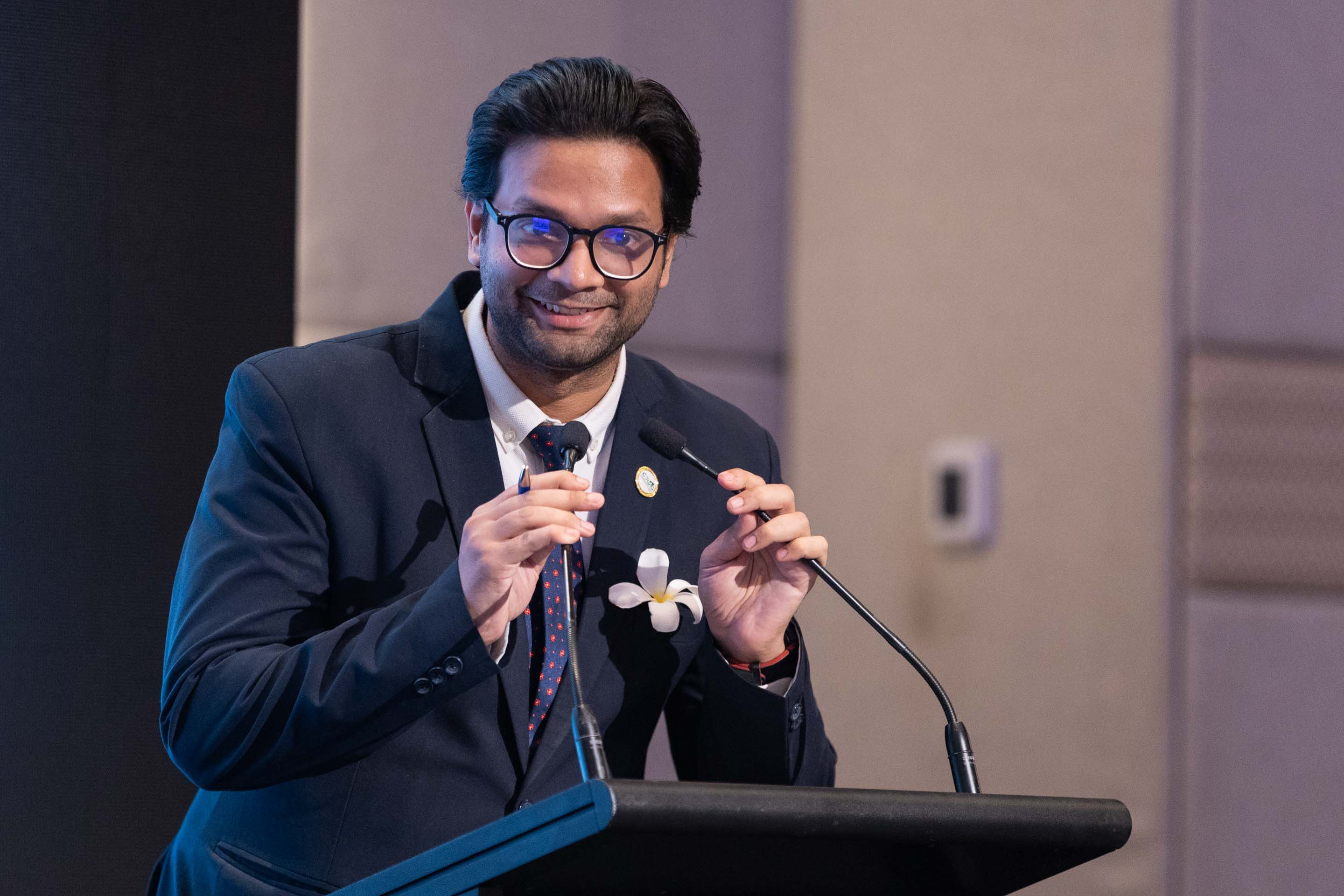
Vikrant Srivastava, CYMG
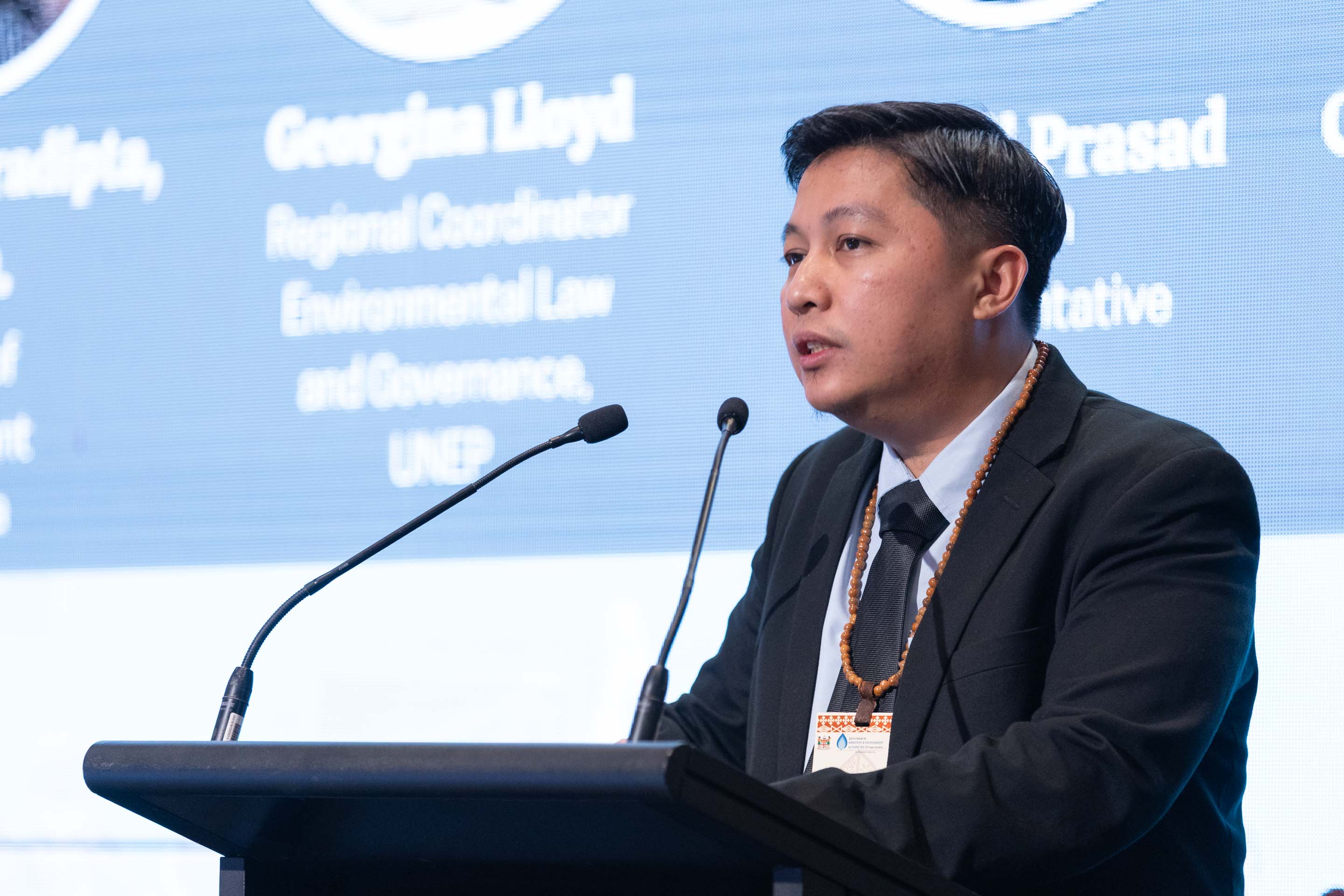
Sena Pradipta, Ministry of Environment, Indonesia

Georgina Lloyd, UNEP
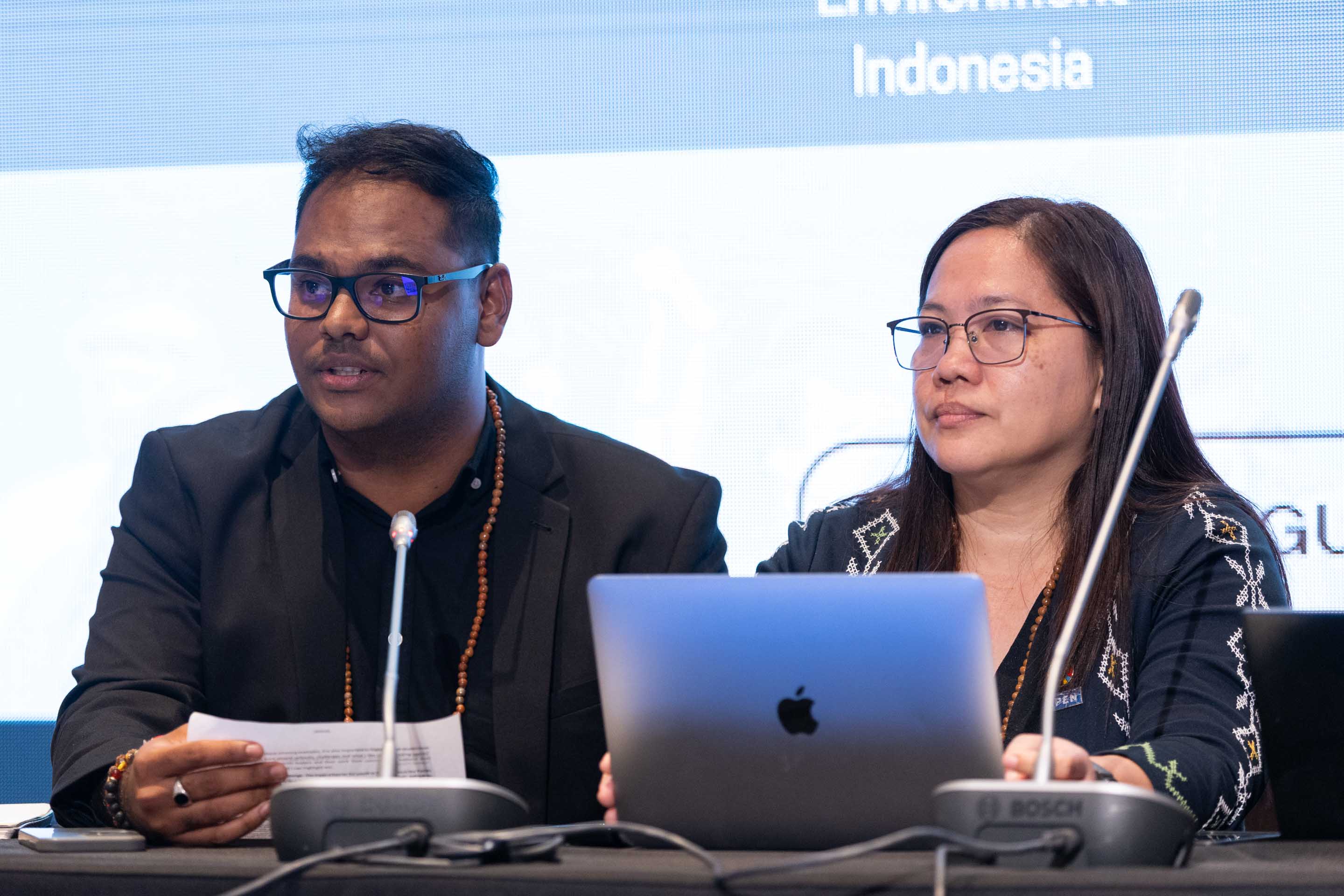
Neekhil Prasad, Youth Representative, Fiji, and Chinkie Peliño-Golle, Major Groups and Stakeholders Representative
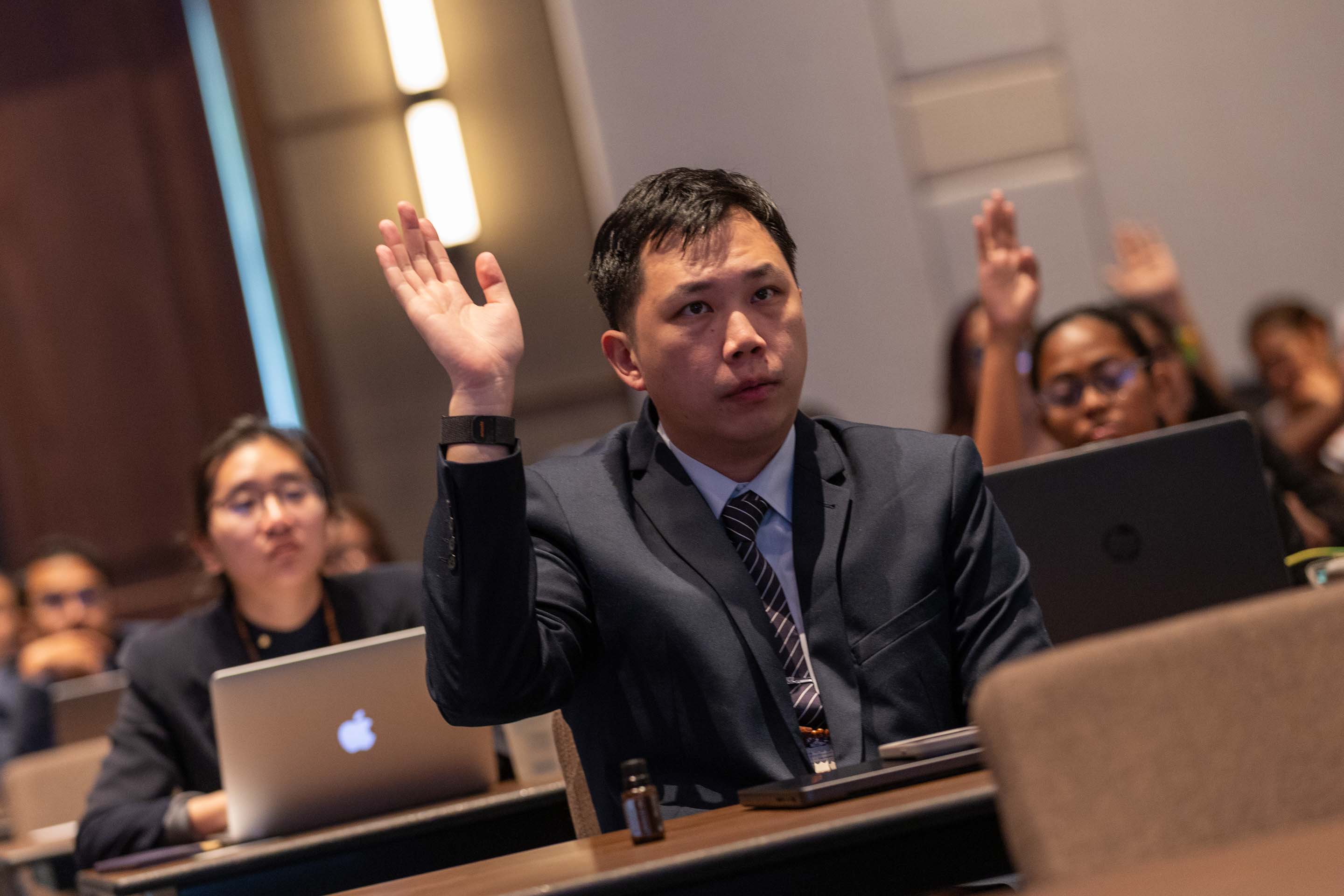
Participants raise their hands to show their involvement in local, national, and international policy processes.
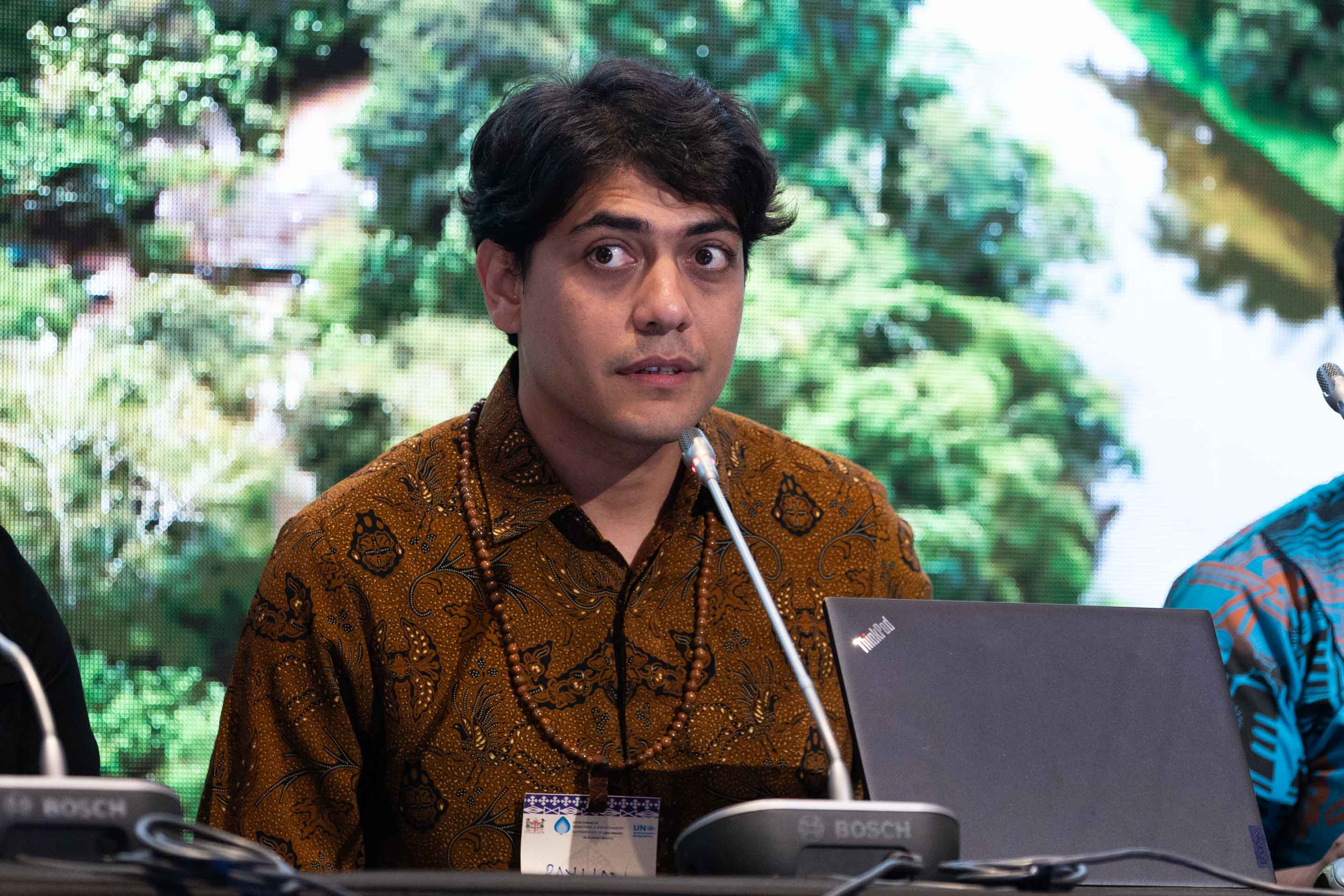
Rayhan Dudayev, Greenpeace, South East Asia
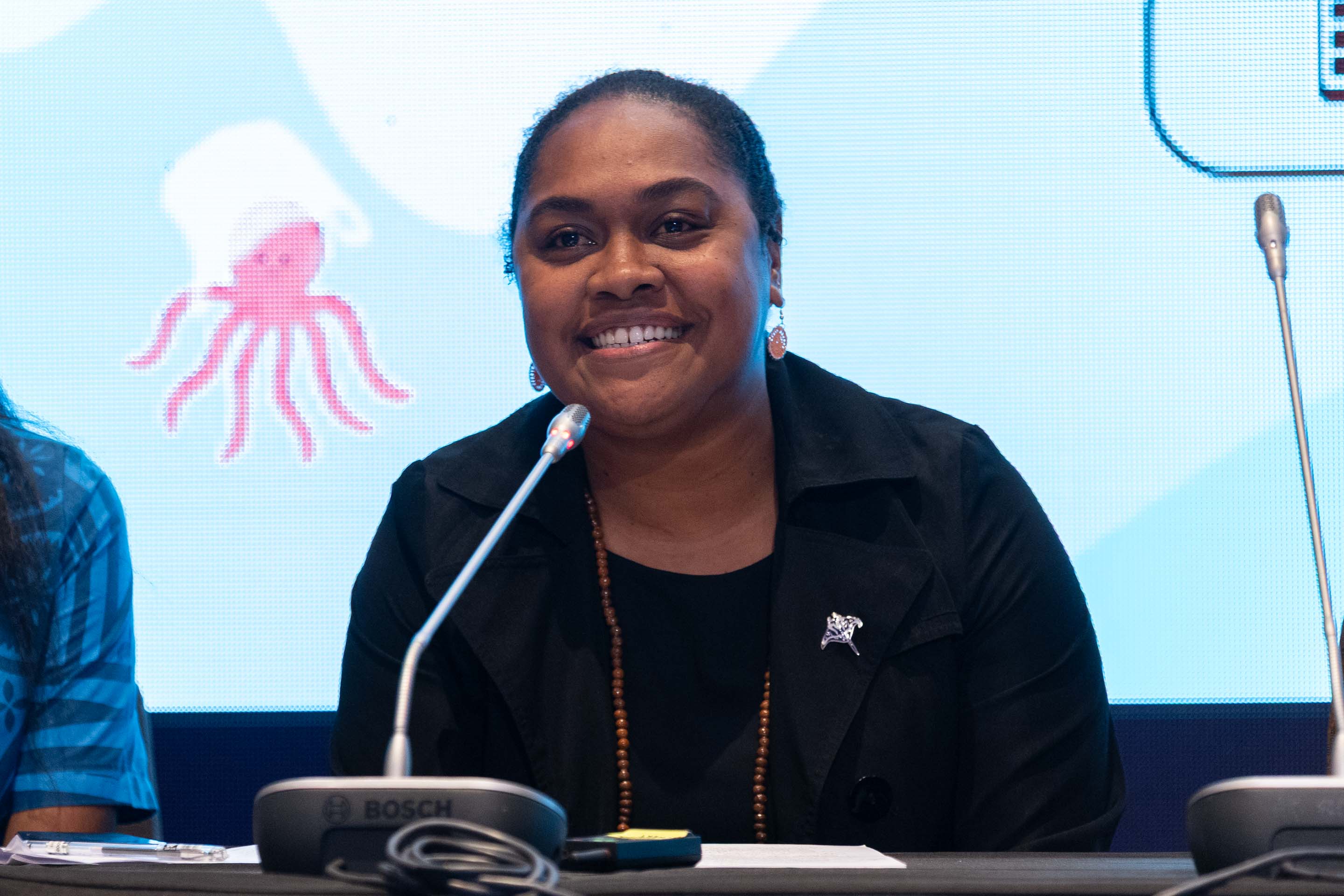
Janice Taga, Wildlife Conservation Society (WCS), Fiji
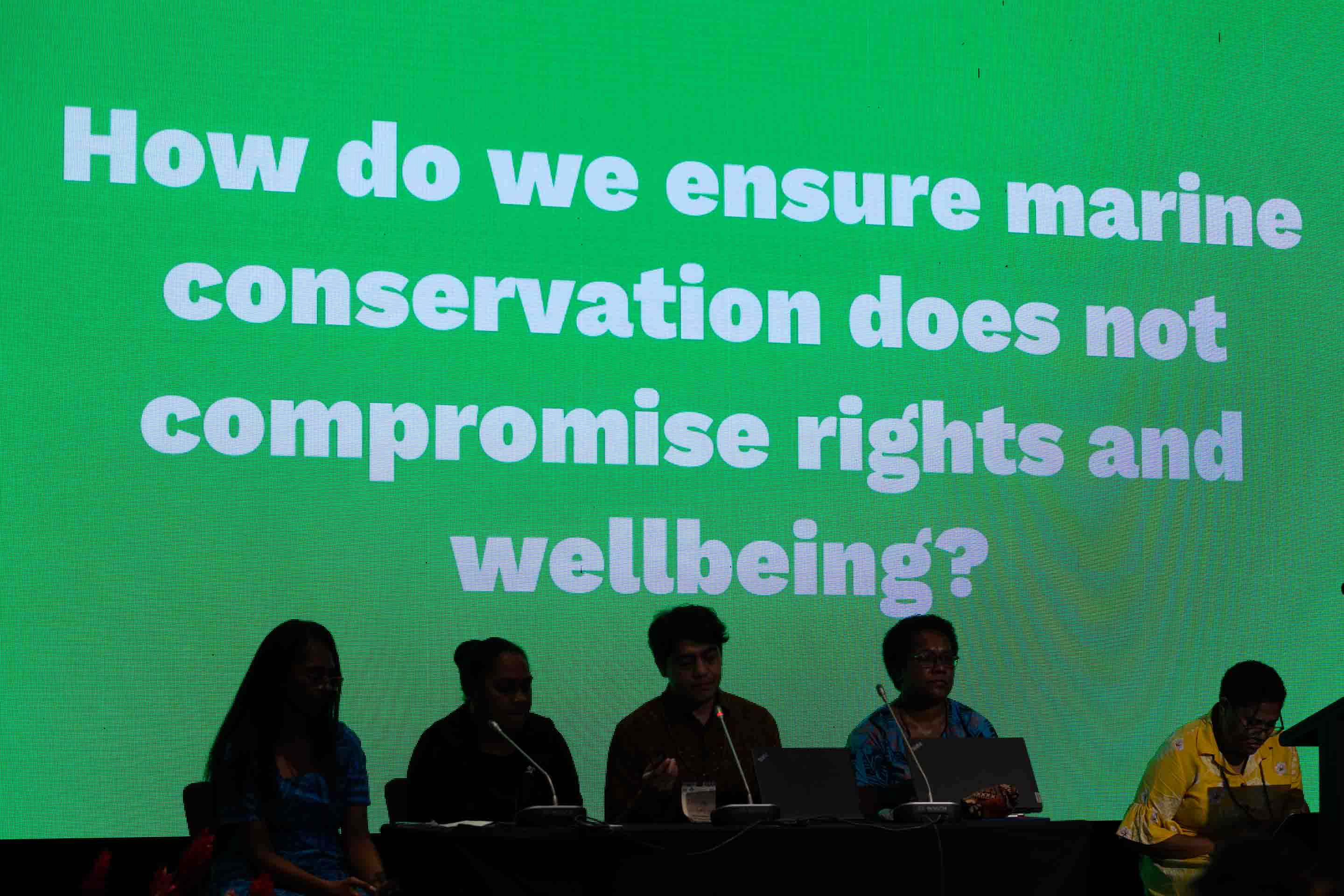
Different questions are posed during the thematic session on how youth can shape regional ocean governance.
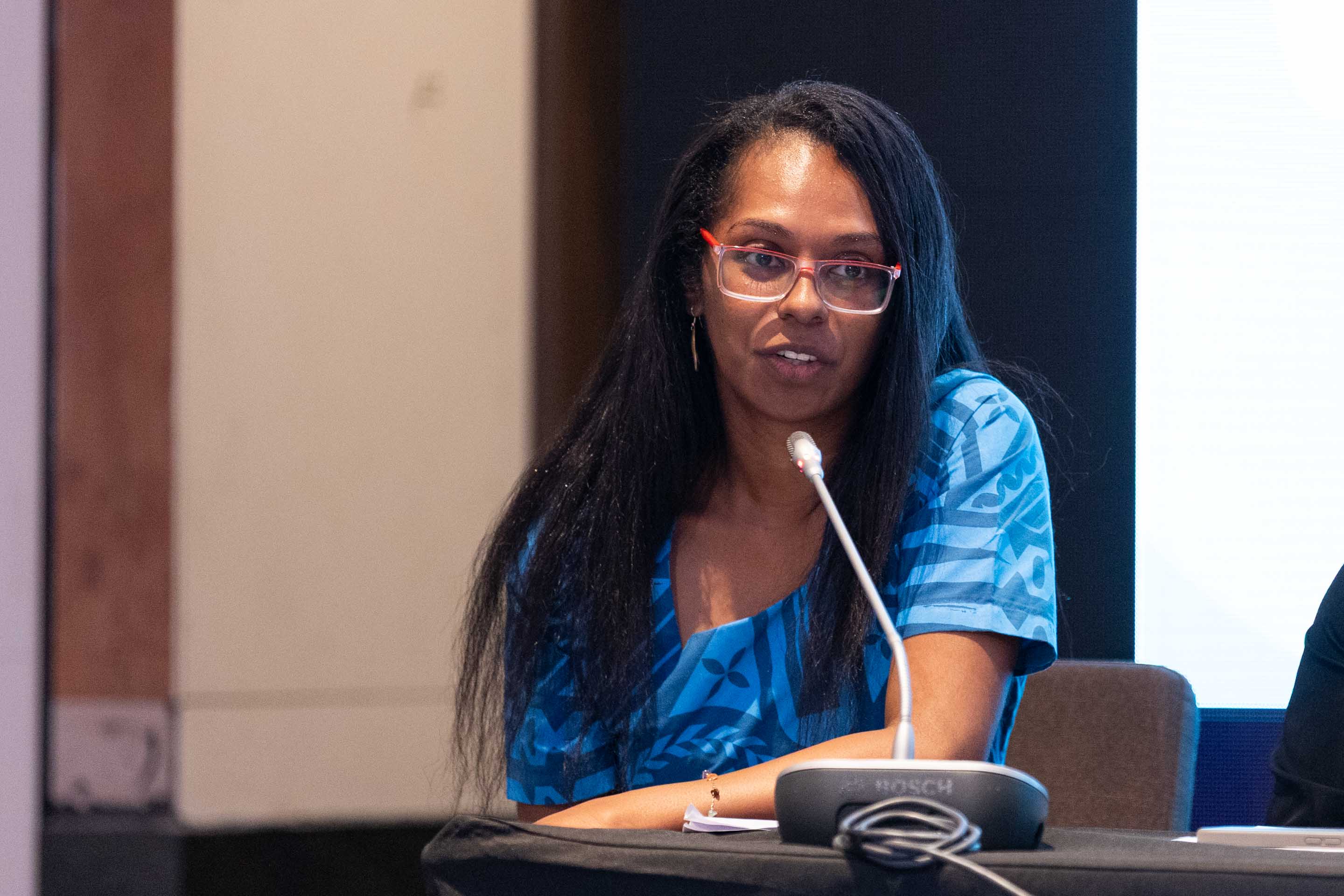
Davila Talemaimaleya, Itaikei Women in Conservation
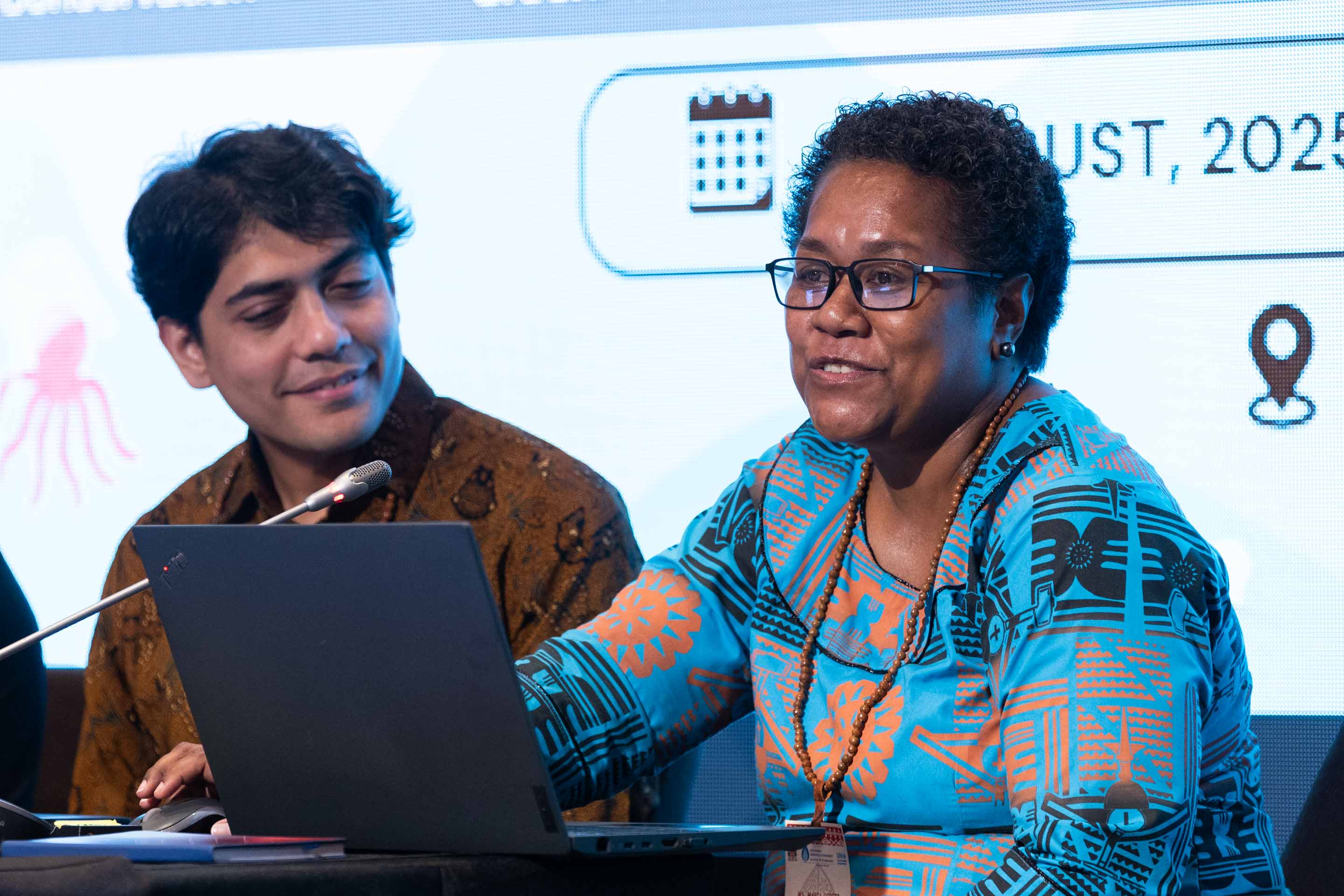
Mari-Goreti Muavesi, Consultant and Environmental Lawyer, Fiji
Participants break out into small groups to discuss, refine, and finalize the Asia-Pacific Youth Environment Manifesto.



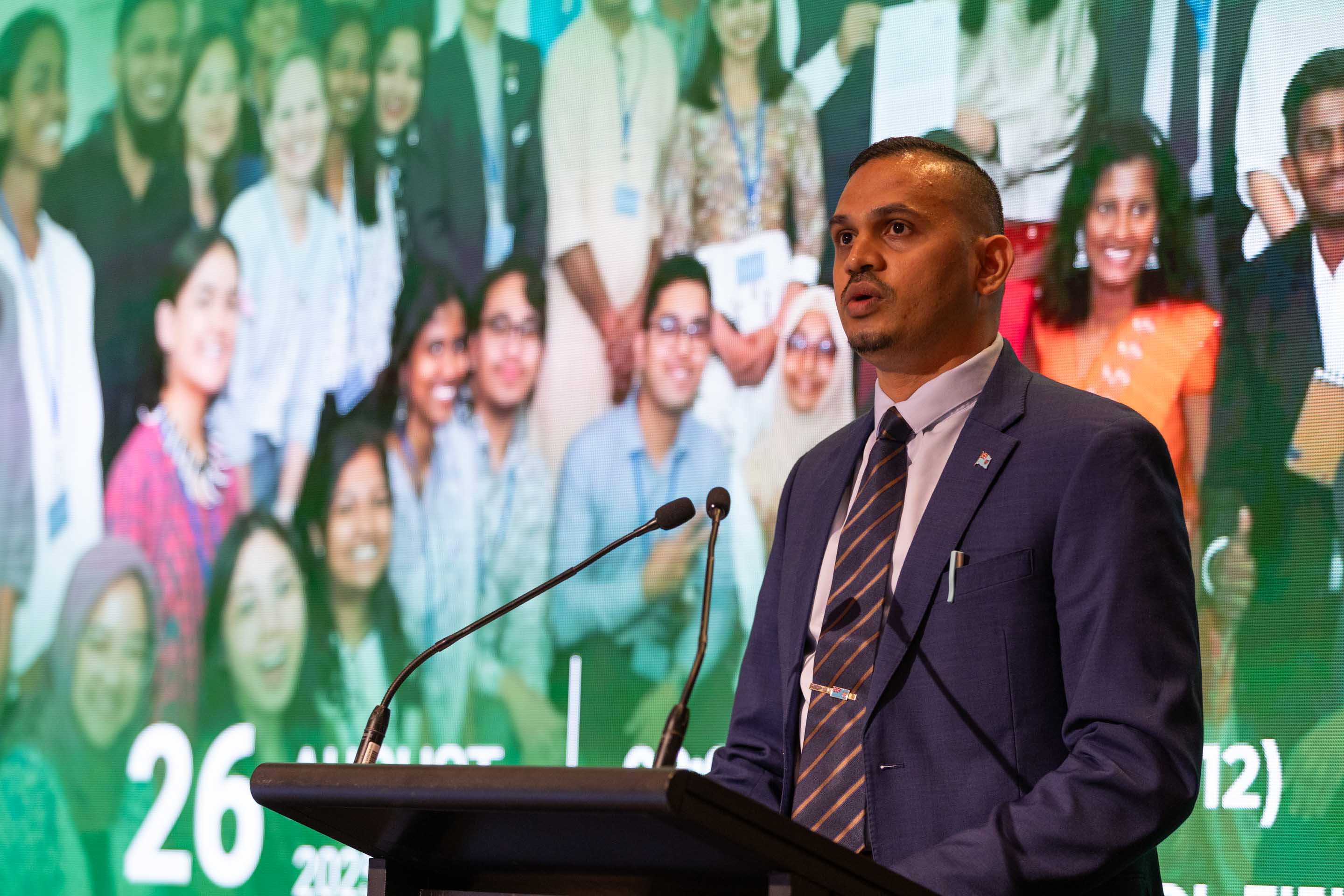
Sivendra Michael, Permanent Secretary, Ministry of Environment and Climate Change, Fiji, delivers remarks during the closing session.
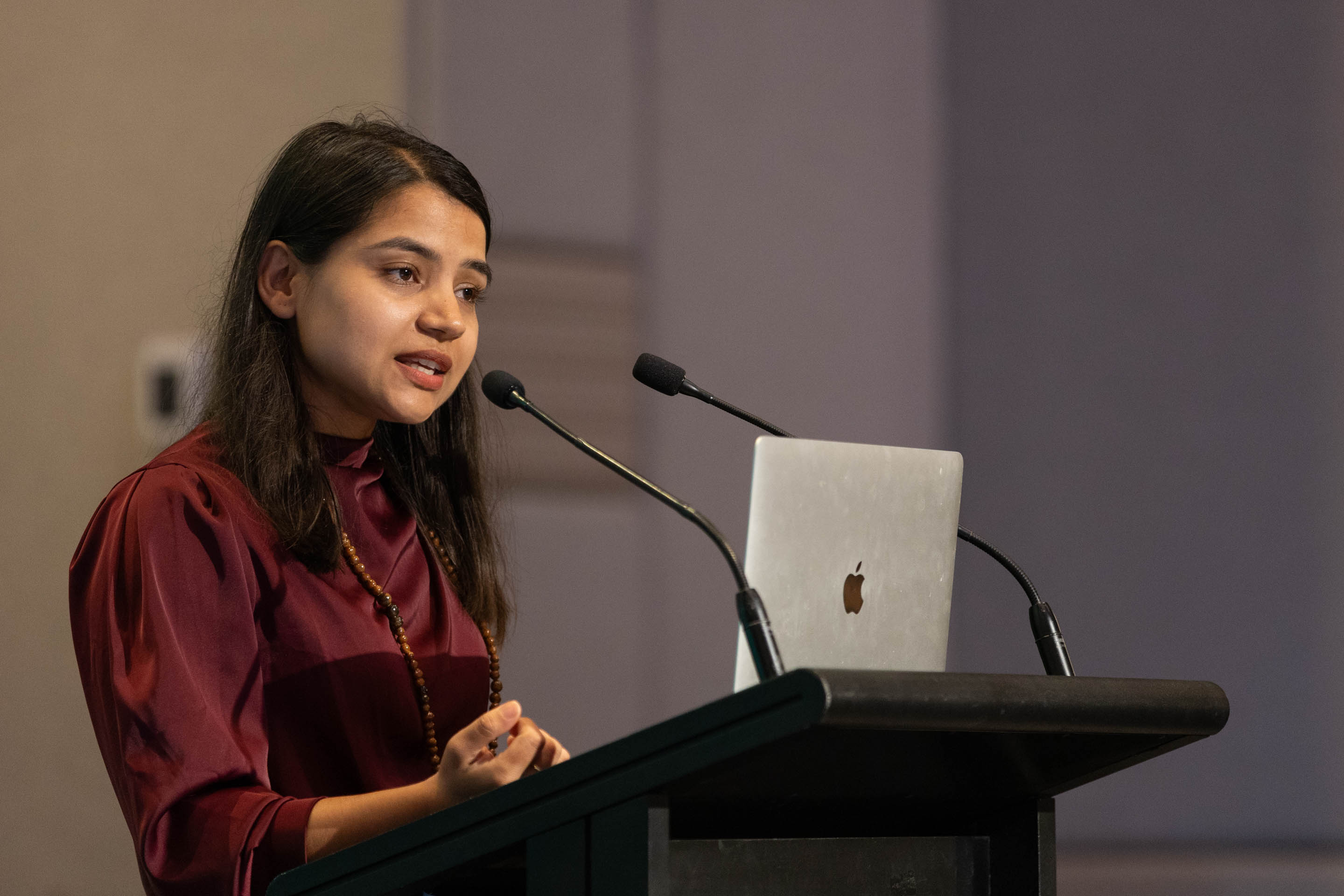
Rubina Adhikari, CYMG
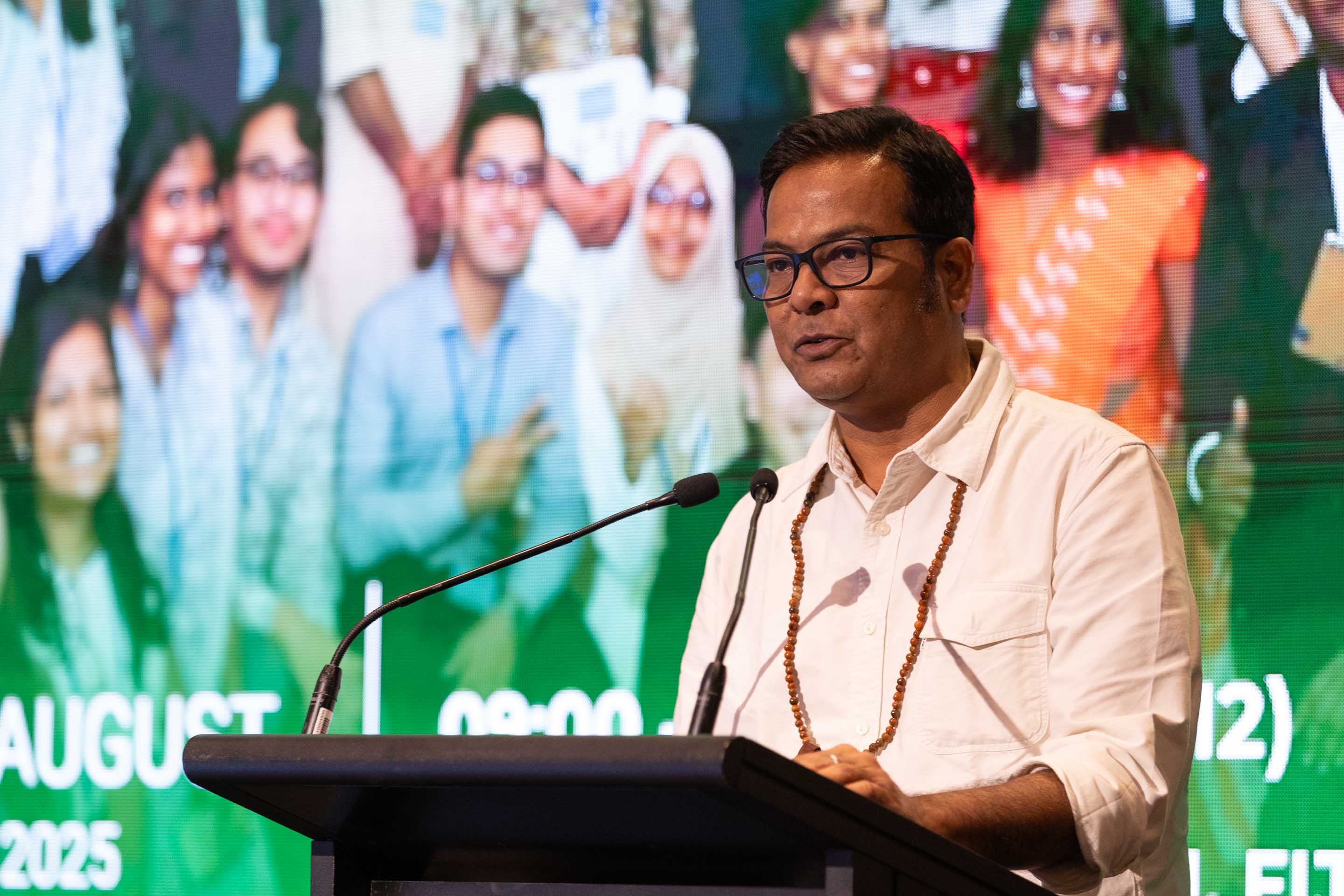
Ajay Kumar Jha, Asia Pacific Major Groups and Stakeholders
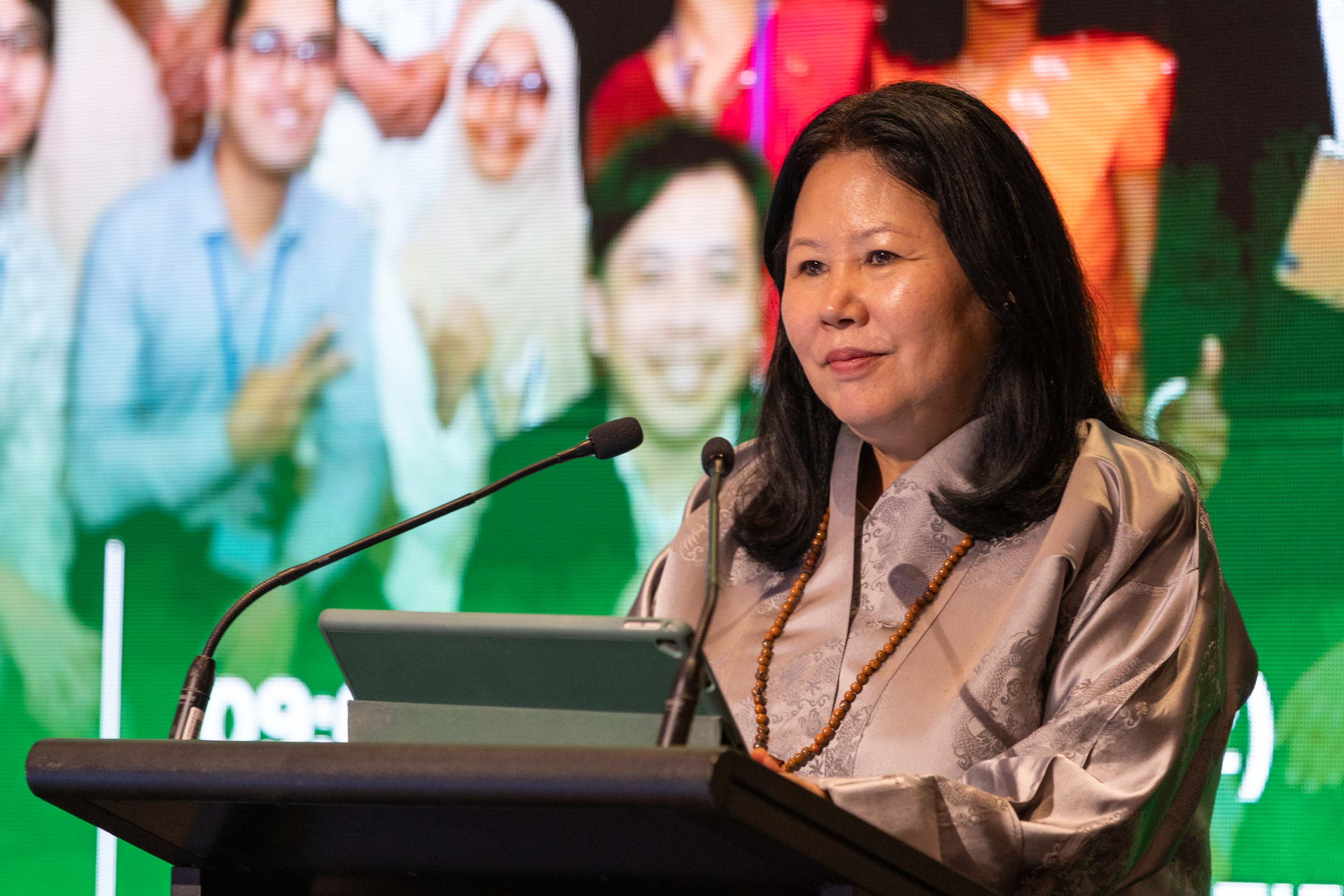
Dechen Tsering, Director, Regional Office of Asia Pacific, UNEP
Science-Policy-Business Dialogue
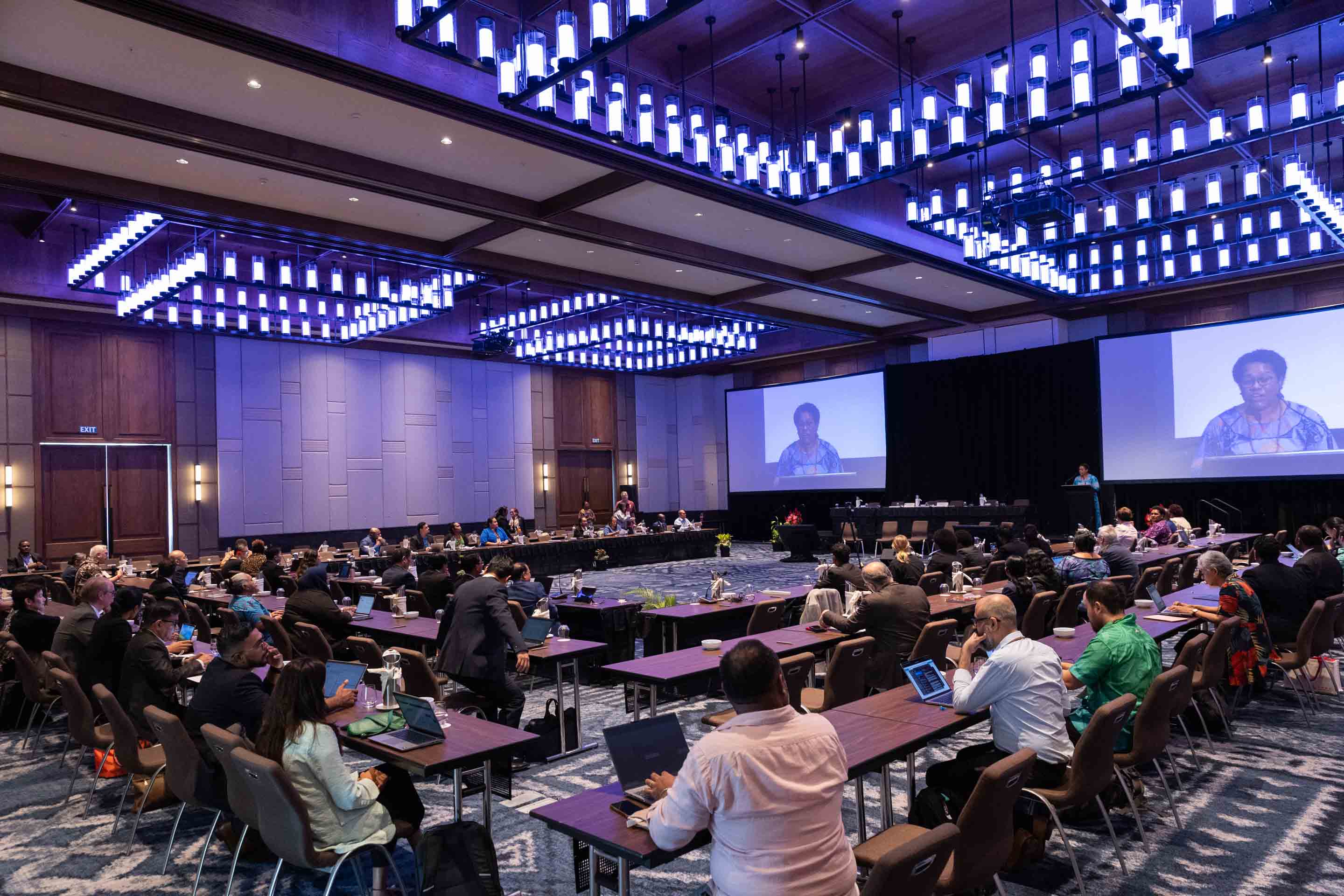
Delegates gather for the Science-Policy-Business Dialogue
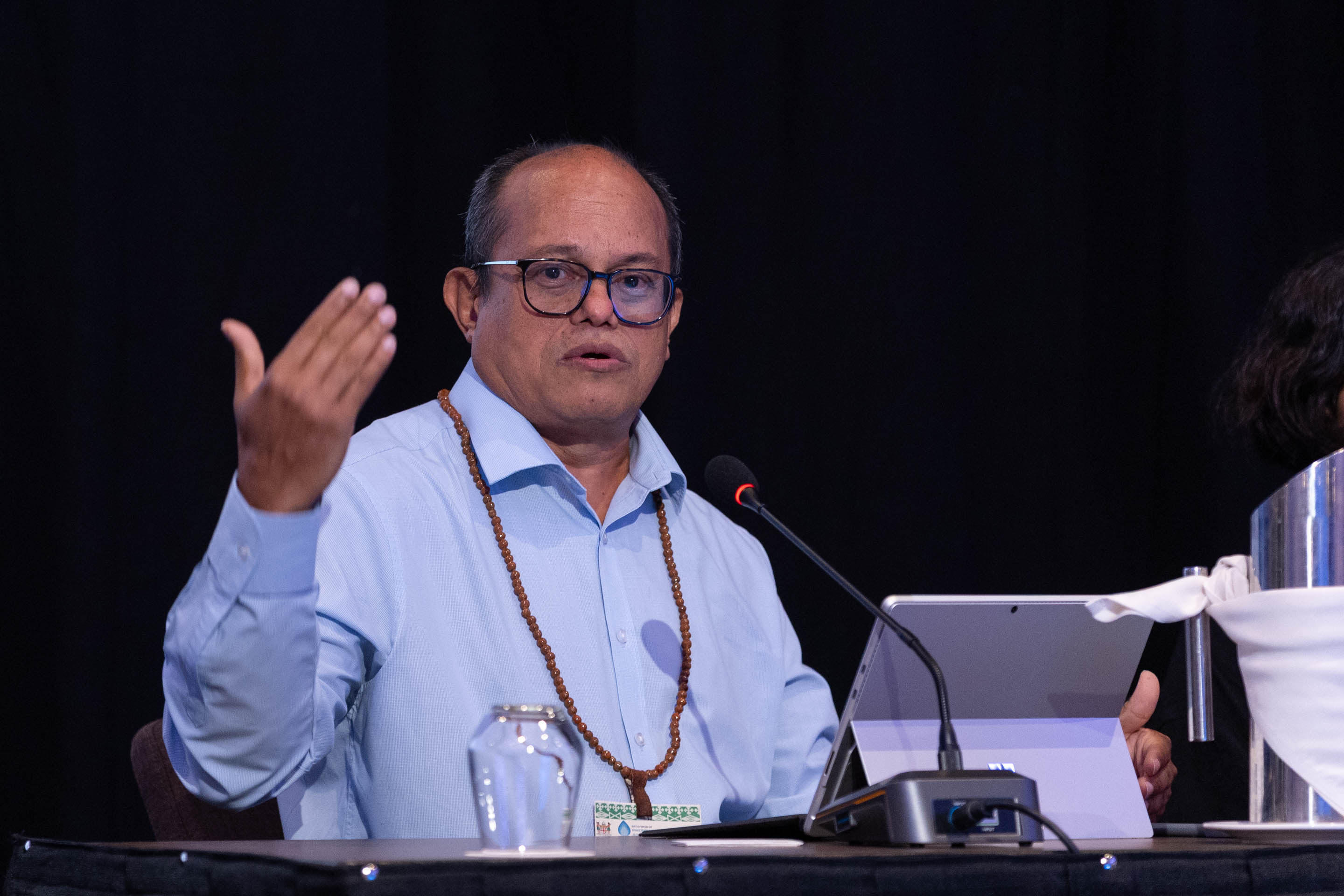
Rolph Payet, Executive Secretary, Basel, Rotterdam and Stockholm (BRS) Conventions
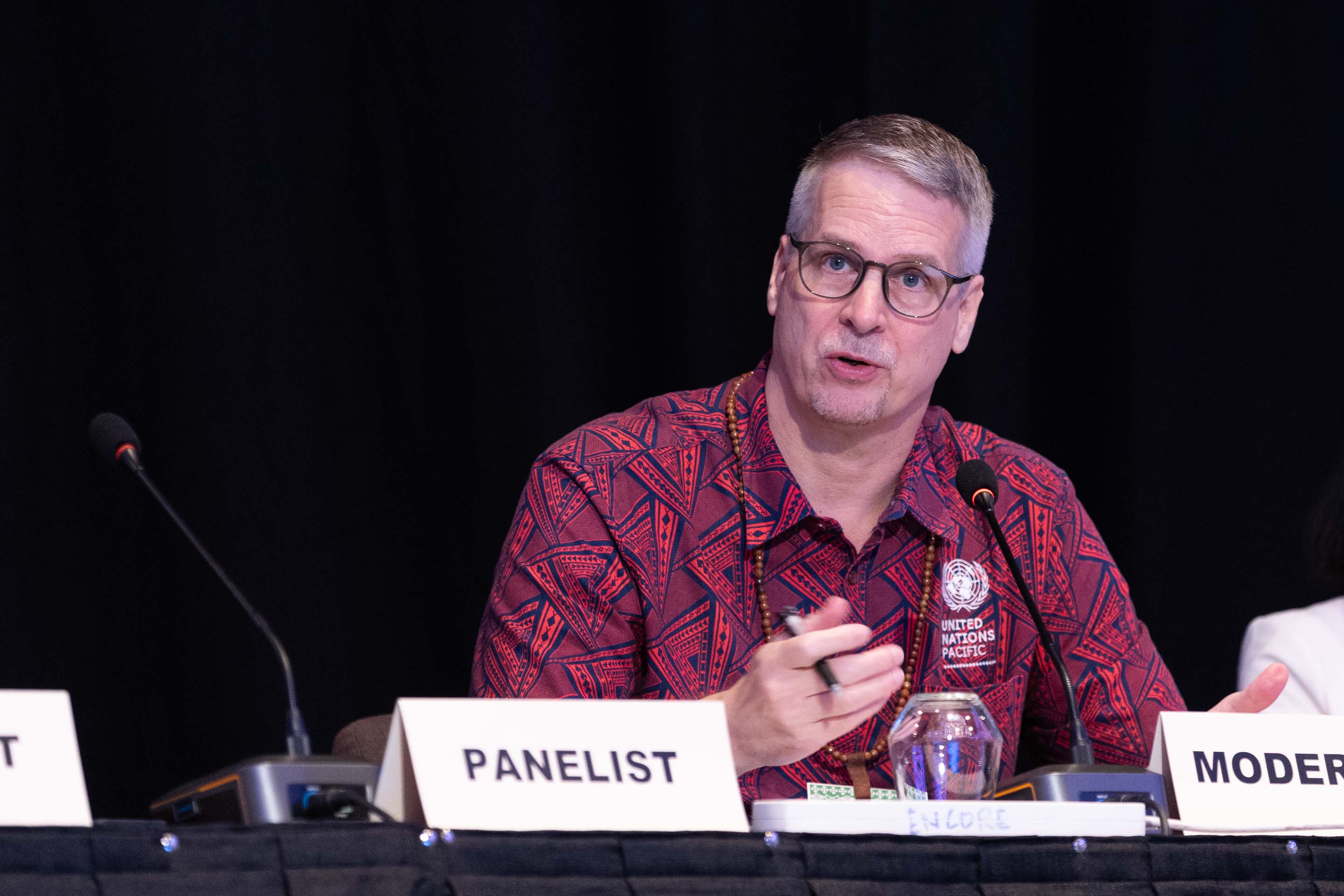
Dirk Wagener, UN Resident Coordinator, Fiji Multi-Country Office
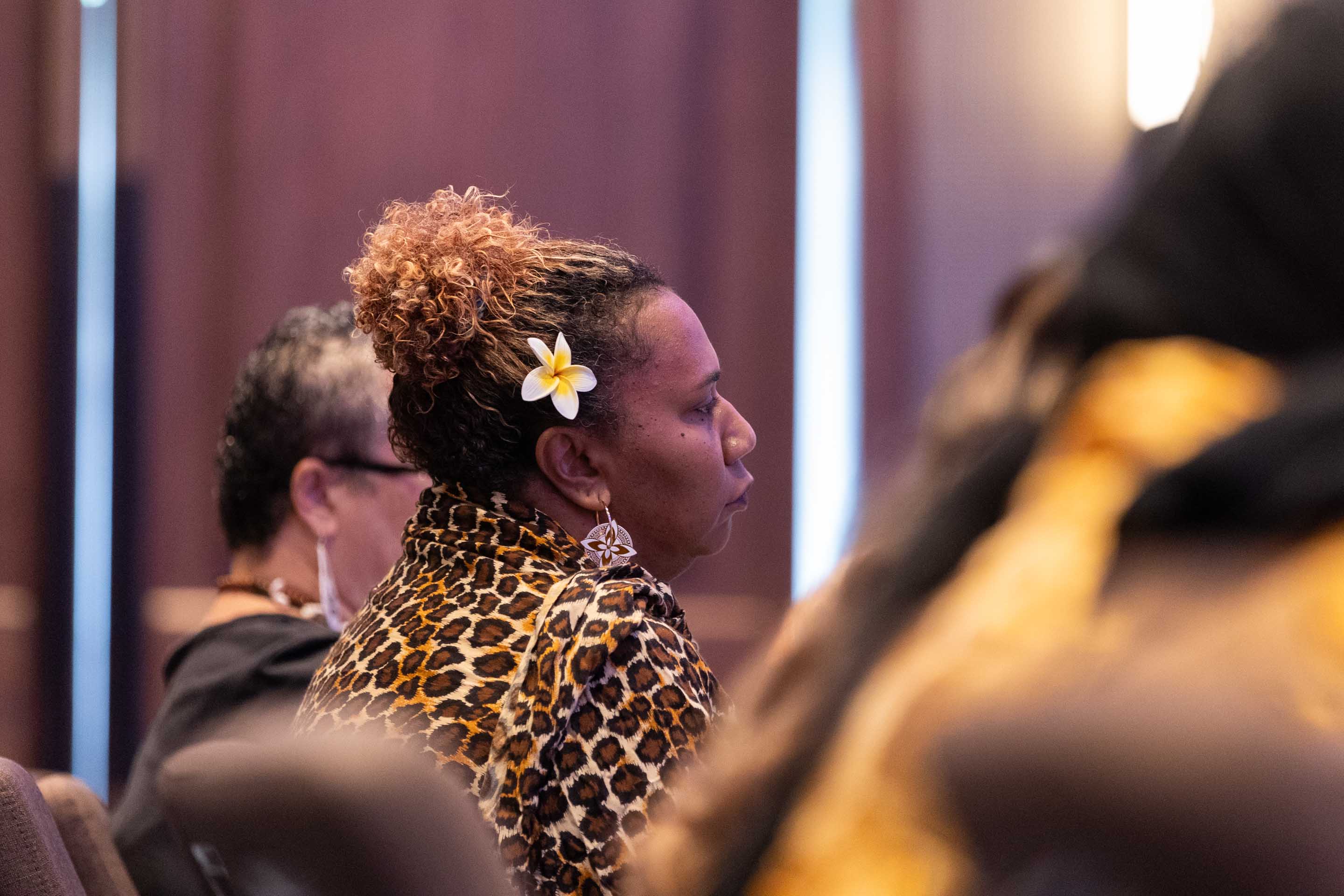
Participants listen to the discussion
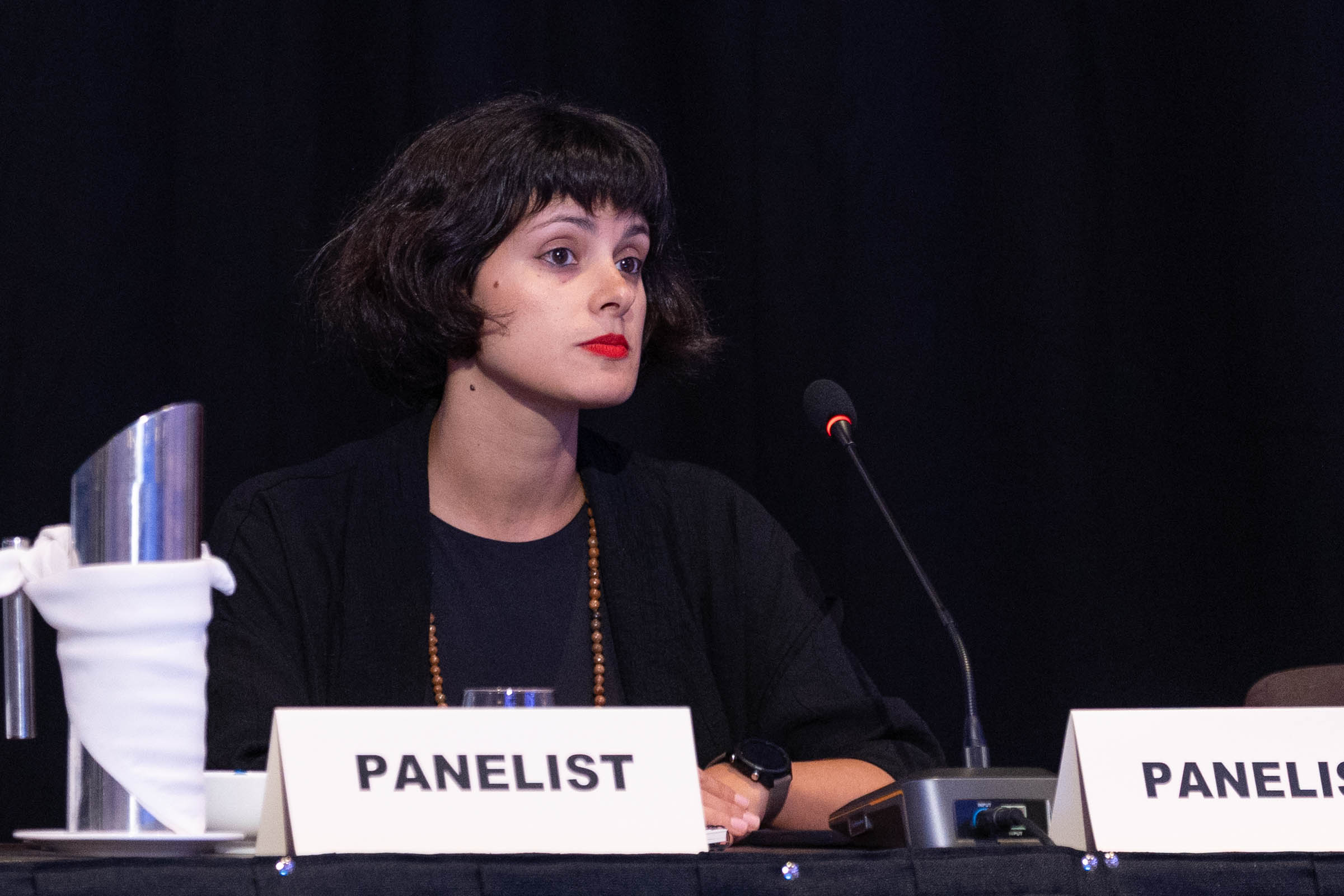
Raquel Saavedra Dias, Six Senses
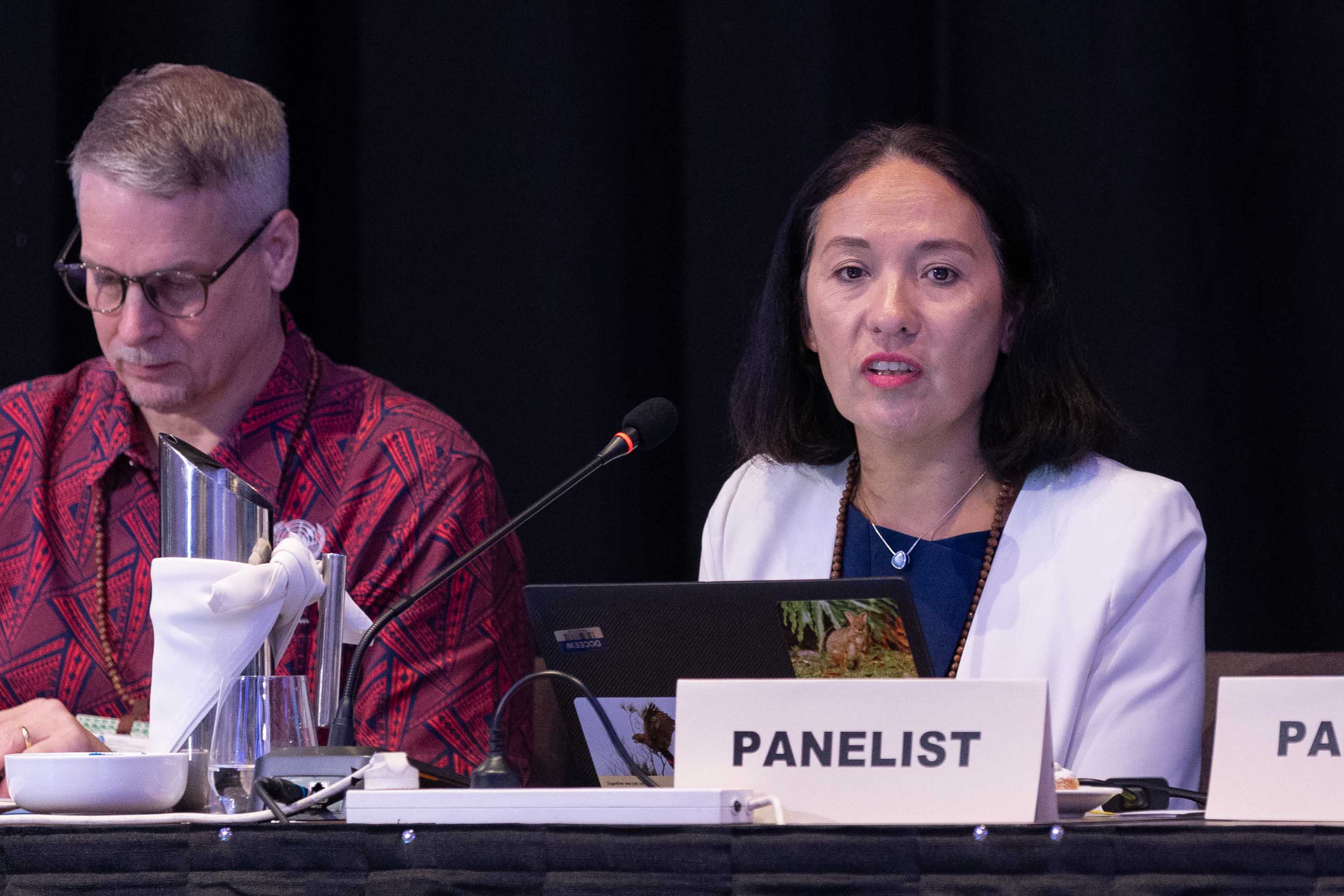
Fleur Downard, Department of Climate Change, Energy, the Environment and Water, Australia
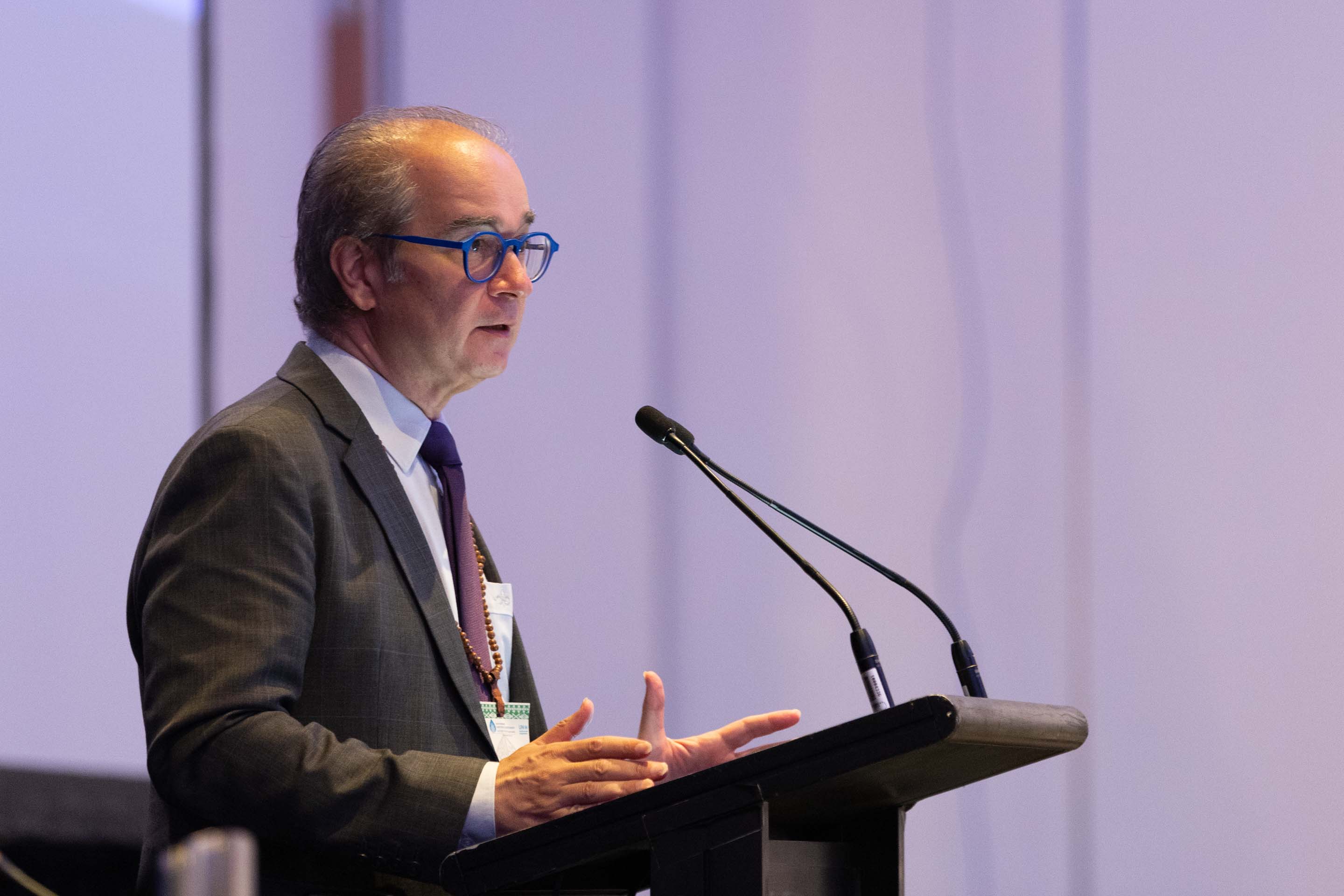
Stefanos Fotiou, Director, UN Food Systems Coordination Hub
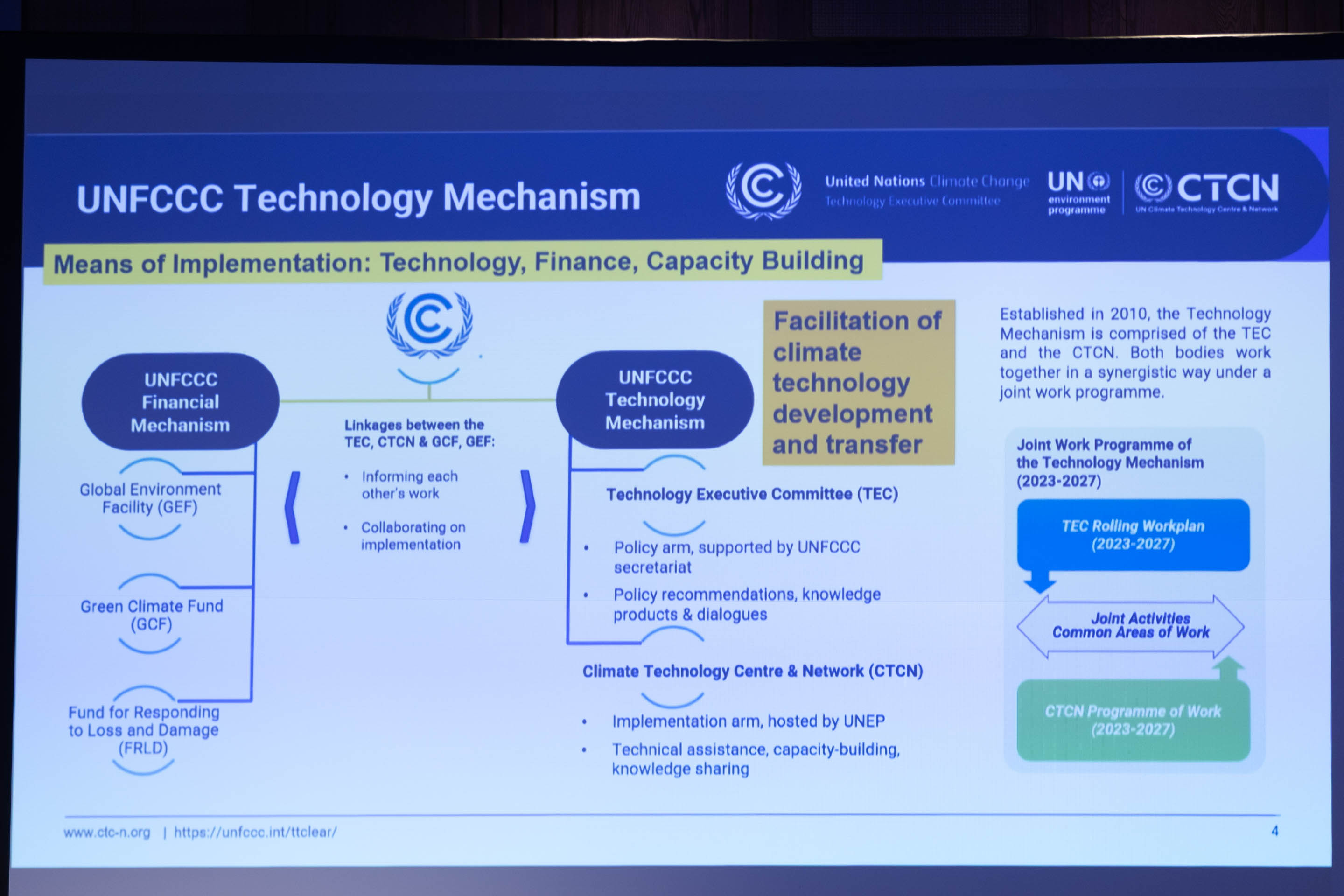
A lie on the UNFCCC Technology Mechanism during the presentation made by Sunil Kang, UN Climate Technology Center and Network (CTCN)
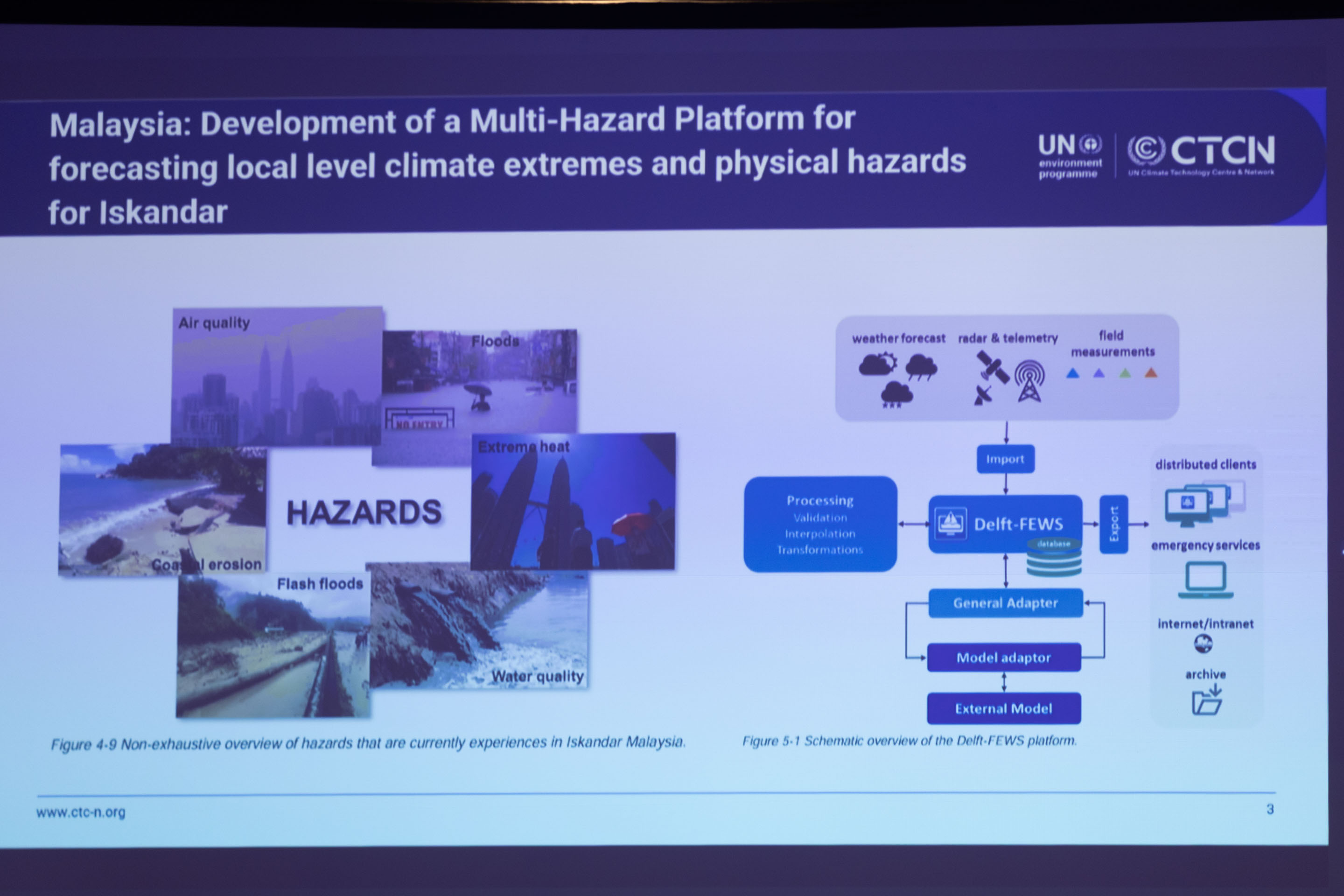
A slide highlights how a multi-hazard platform helps to forecast climate impacts
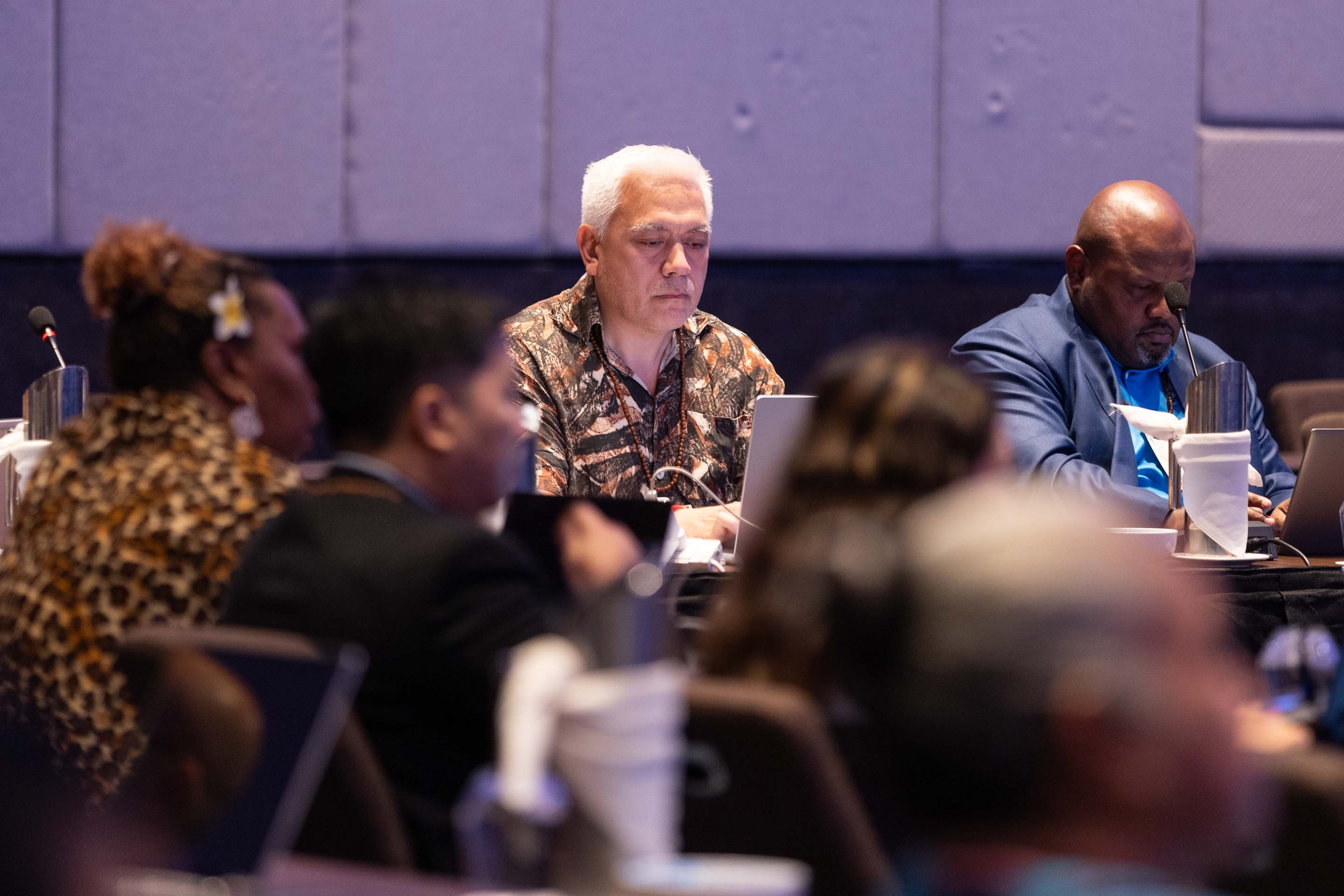
Around the Venue

Participants collect their badges at the start of the day

Badges are made entirely from traditional materials, including handmade clay beads and fasteners made from tree bark.
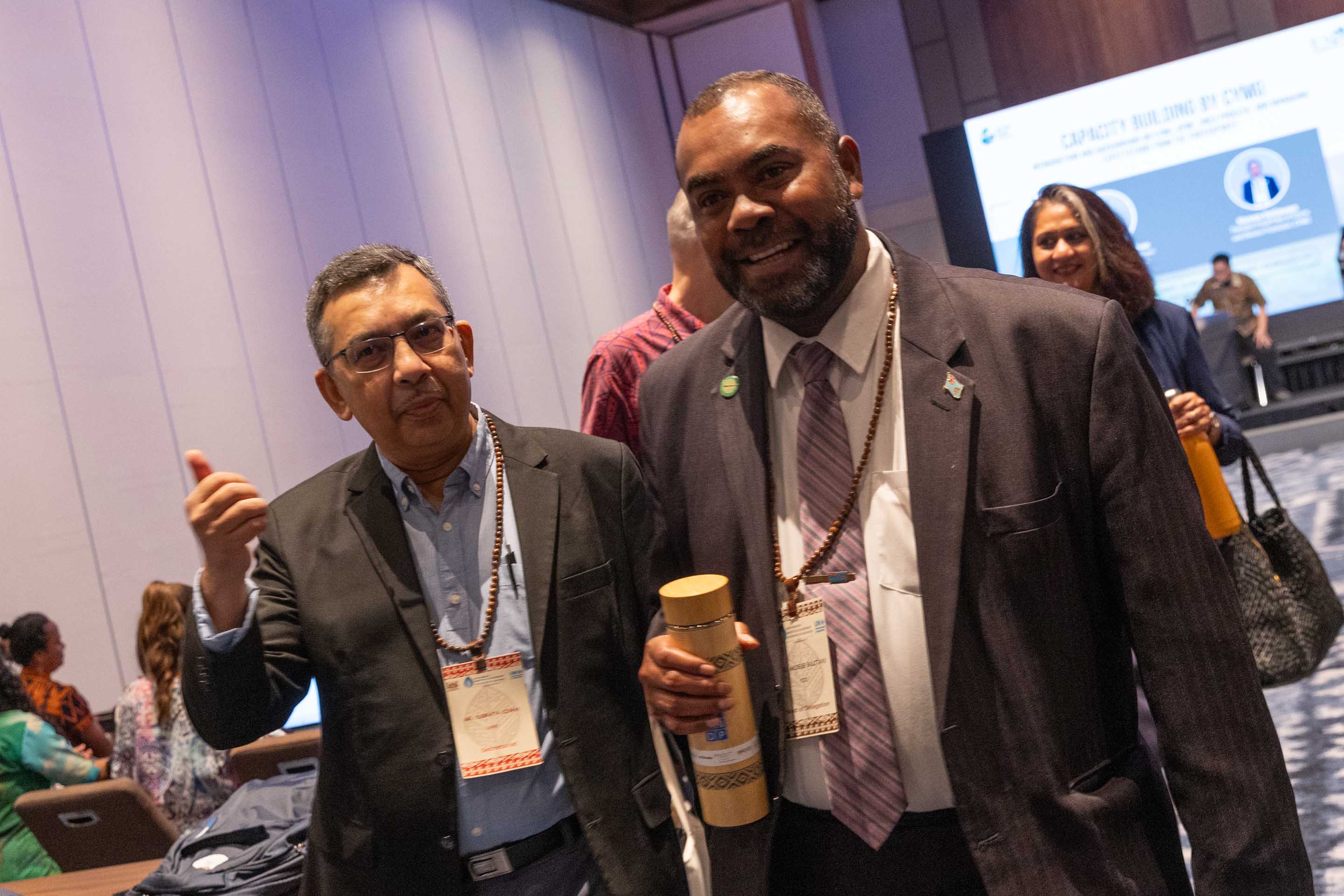
Subrata Sinha, UNEP, and Mosese Bulitavu, Minister for Environment and Climate Change, Fiji
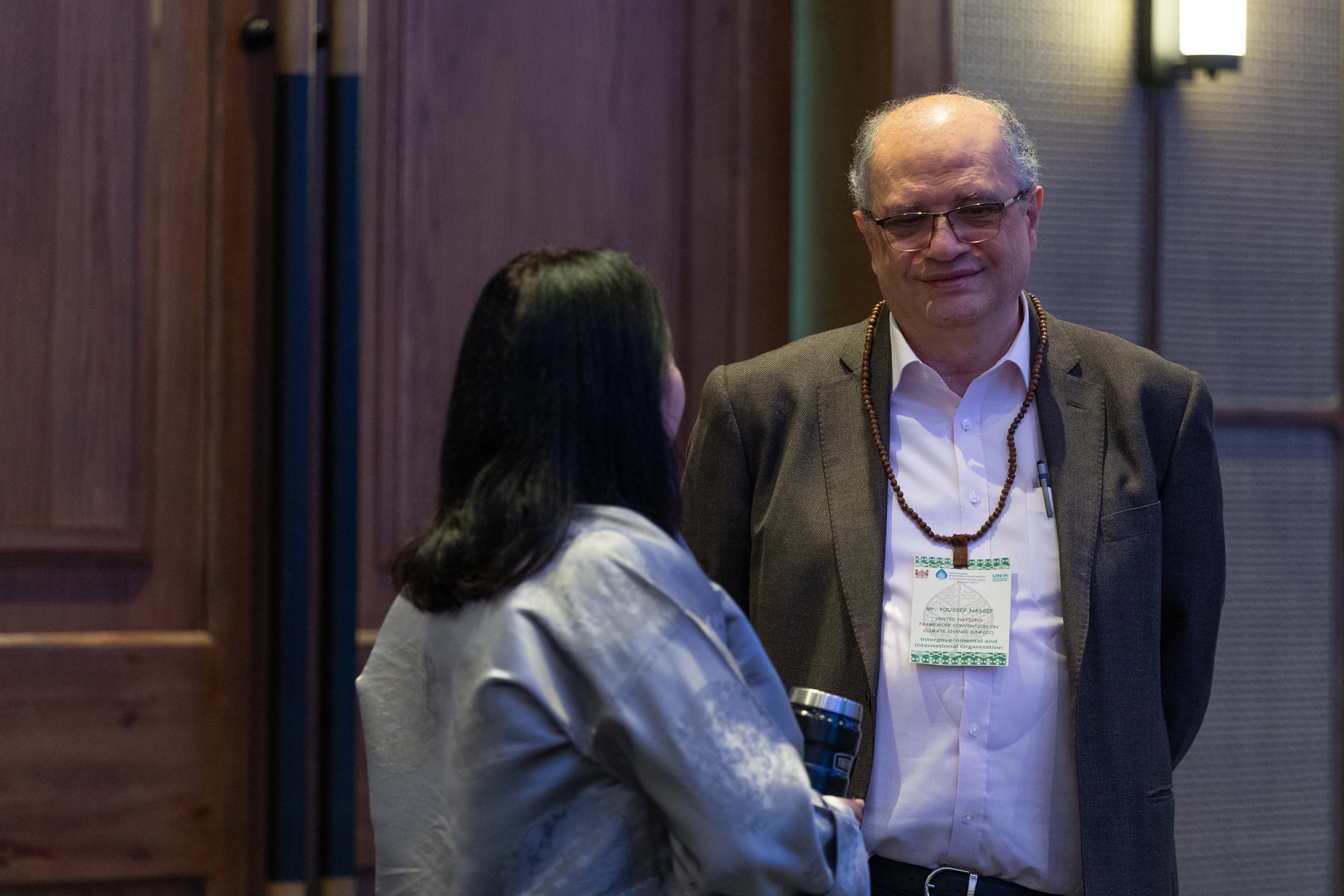
Youssef Nassef, UN Framework Convention on Climate Change (UNFCCC)
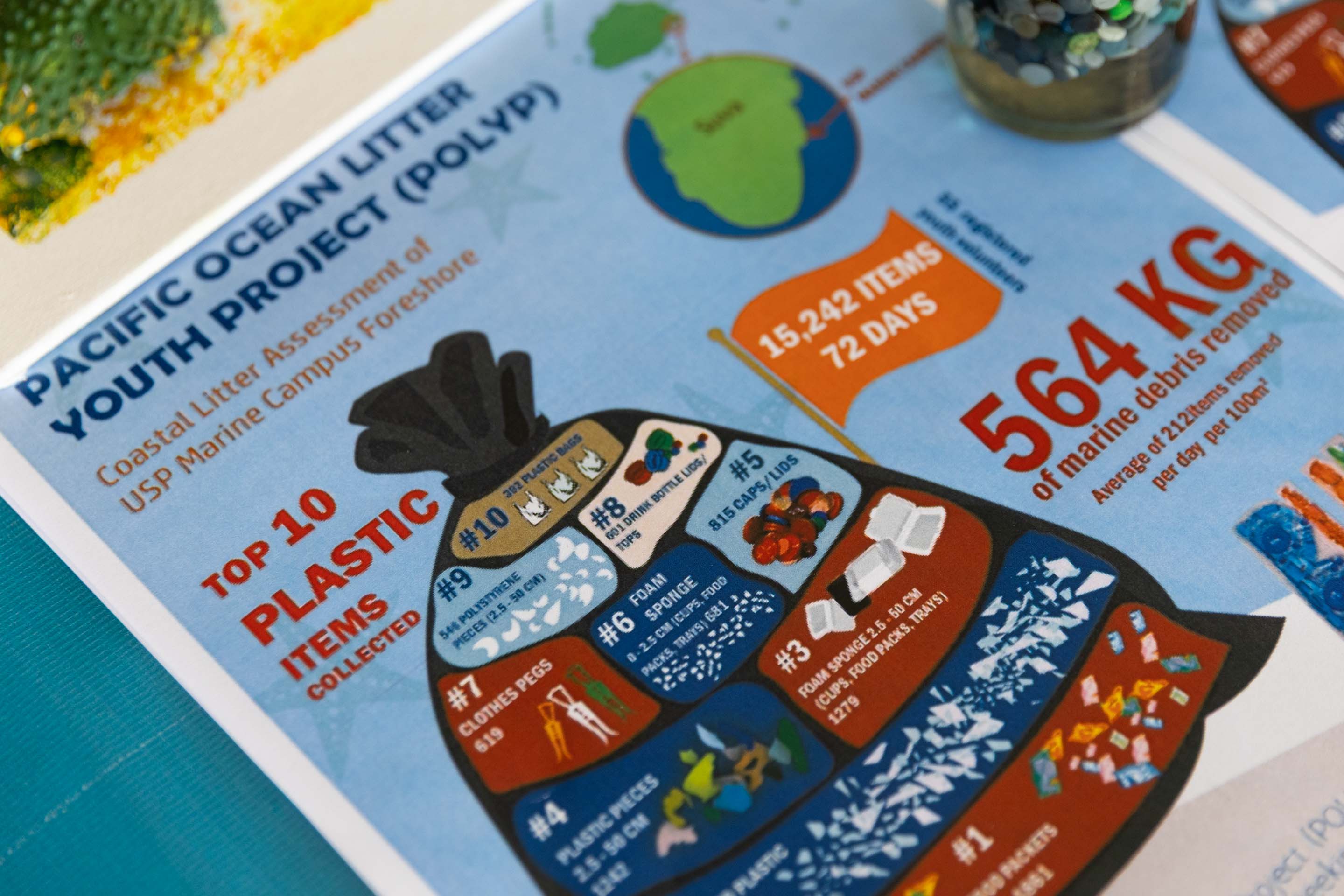
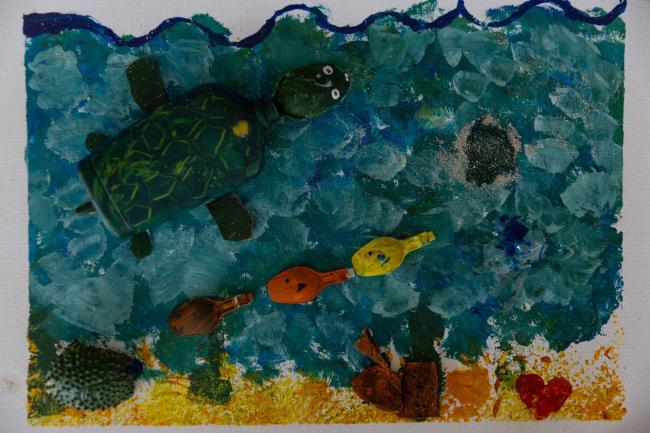
Artwork on display from Pacific Ocean Litter Youth Project (POLYP) highlights the severe impact plastics are having on the Ocean, and how youth across the Pacific are taking action through 'artivism.'
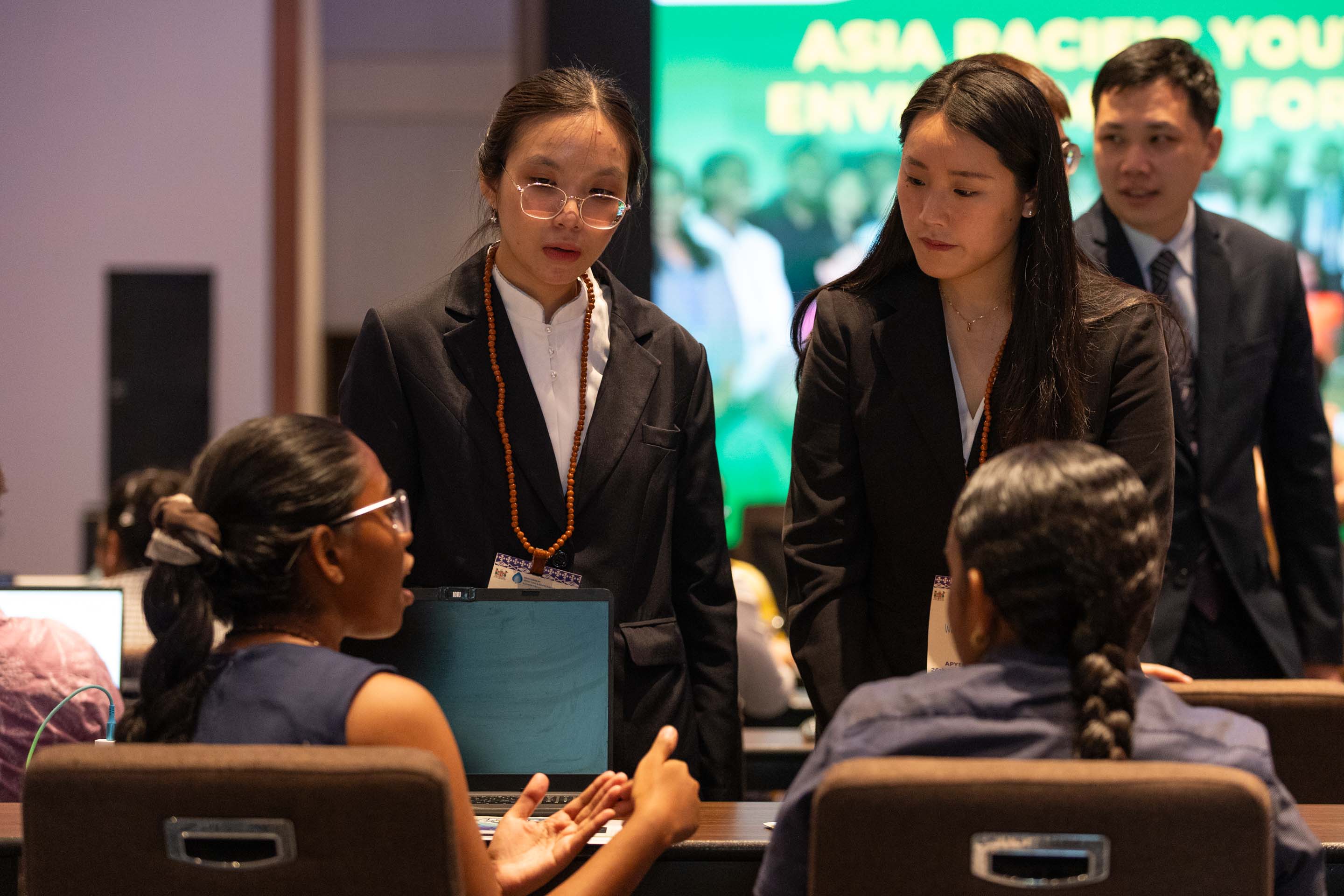
Youth participants speak informally