Rising sea levels have already caused the relocation of six coastal communities in Fiji, and another 17 need to move right now. This is the lived reality of climate change for small island developing States (SIDS), as Sivendra Michael, Fiji Ministry of Environment and Climate Change, reminded visiting delegates: “This is what a planetary shift of one degree looks like.”
On Wednesday, senior officials from the Asia-Pacific region are in Fiji met for talks that will inform decision making on Thursday, when environment ministers will agree on priorities to take forward to the seventh meeting of the UN Environment Assembly (UNEA-7) December 2025. UNEA is the world’s highest-level governance body on the environment and relies on regional consultations to develop its decision-making agenda.
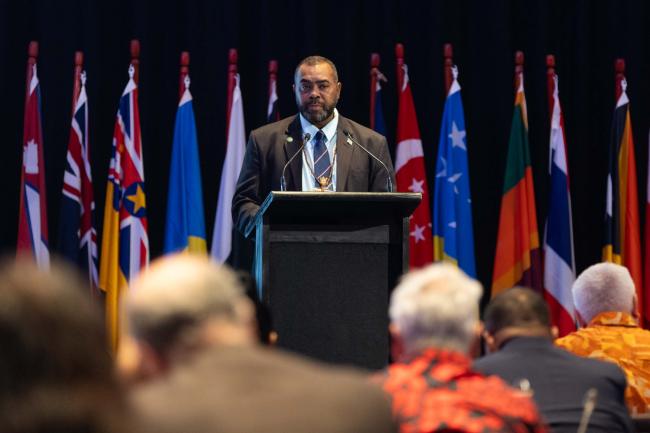
Opening today’s talks, Mosese Bulitavu, Minister of Environment and Climate Change, Fiji, highlighted environmental integrity as a growth strategy, not a constraint. He noted the Forum’s mandate to deliver to UNEA-7 a report that outlines action, accountability, and financing mechanisms in line with the theme of “advancing sustainable solutions for a resilient planet.”
Dechen Tsering, Regional Director, UN Environment Programme (UNEP), highlighted countries’ concerns around water resource management, pollution from agricultural nutrients, and the environmental footprint of data centres to power Artificial Intelligence (AI), among other issues.
The Forum elected Sivendra Michael (Fiji) as Chair, and Monyneath Vann, Under Secretary of State, Ministry of Environment, Cambodia, and Masako Ogawa, Deputy Director General, Global Environment Bureau, Japan, as Vice-Chairs of the Senior Officials Meeting. They then adopted the provisional agenda (UNEP/APEnvForum(6)/L.1).
In plenary sessions, delegates reviewed implementation of previous UNEA resolutions in the Asia Pacific (UNEP/APEnvForum (6)/1), focusing on issues of pollution, climate change, air quality, biodiversity conservation, land restoration, international and regional cooperation, and synergies. Several countries called attention to the need to address production and the full life cycle of plastics and expressed concern with the process to implement UNEA resolution 5/14 for the plastics treaty. Tuvalu proposed continuing plastics treaty talks at UNEA-7, emphasizing “all the technical issues have been resolved; now we need a political process.” Many drew attention to their own progress in managing and recycling waste, with India noting the sector’s employment potential.
On financing, China expressed its long-standing commitment to environmental multilateralism “with UNEP at its core” and highlighted its own provision of USD 200 million to Global South countries to implement the Kunming-Montreal Global Biodiversity Framework. Many countries emphasized the need for continuous funding, technology transfer, and enhancing access to financing. UNEP reported on the role of the Environment Fund (UNEP/APEnvForum/(6)/3), noting that its USD 484-million project portfolio in the Asia-Pacific region forms part of UNEP’s global portfolio of more than USD 2.2 billion, which includes substantial support from the Global Environment Facility (GEF) and Green Climate Fund (GCF).

Delegates also debated the content of UNEP’s Medium-Term Strategy 2026-2029 and Programme of Work (UNEP/APEnvForum(6)/INF/1) and the draft Ministerial Declaration (UNEP/APEnvForum(6)/4) to be adopted at UNEA-7. Towards the close of the day, four draft resolutions were submitted to plenary for consideration:
- International environmental cooperation for country-specific strategies to accelerate the transition to a circular economy, (6/Res/1), sponsored by the Republic of Korea;
- Accelerating global action to promote the climate resilience of coral reefs (6/Res/2), sponsored by Fiji;
- Enhancing the meaningful participation of children and youth in environmental and climate change action (6/Res/3), sponsored by Sri Lanka; and
- Strengthening global response on the management of wildfires (6/Res/5.1), sponsored by India.

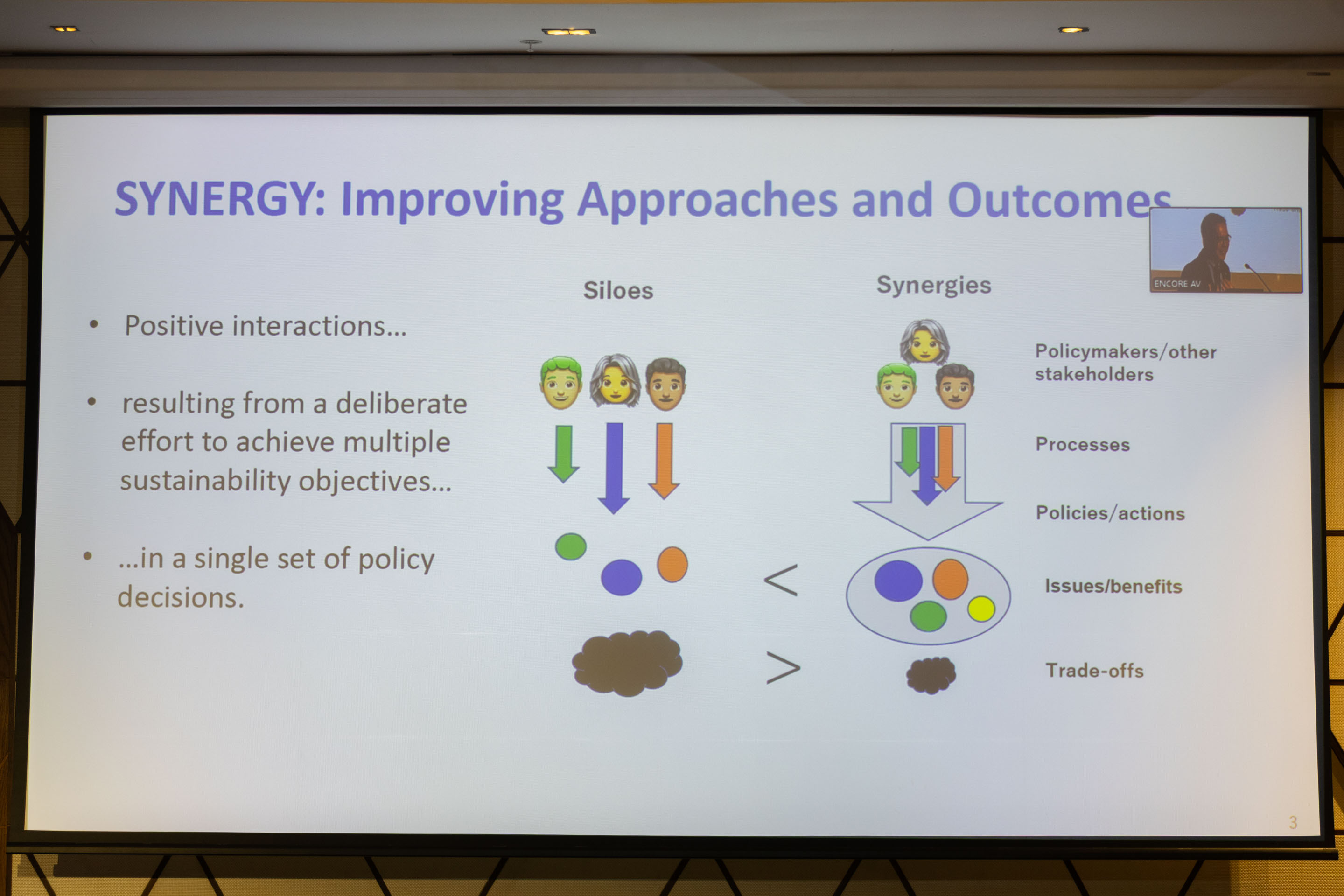
Japan submitted a concept note for a draft resolution on promoting synergies, cooperation and collaboration for national implementation of MEAs and invited input to the draft (6)/Res/4. Tuvalu signaled it would submit a further two resolutions on: a regional legal framework giving rights-based protection to people displaced across national borders due to climate change; and on urgent actions for sea-level rise and accelerated impacts due to emissions scenarios.
At the end of the day, the meeting took note of the Chair’s Summary. They authorized the Chair to work with the Secretariat to finalize the summary, based on all inputs received from delegates. The Senior Officials Meeting closed at 8.17 pm.
Two side events took place during the day, on: promoting synergies for national implementation of MEAs; and advancing gender-responsive technology and finance solutions for a climate-resilient Asia Pacific. In the evening, a reception and side event took place to celebrate the successes of the Montreal Protocol and the Kigali Amendment in protecting the ozone layer and climate.
To receive free coverage of global environmental events delivered to your inbox, subscribe to the ENB Update newsletter.
All ENB photos are free to use with attribution. For the 6th Forum of Ministers and Environment Authorities of Asia Pacific please use: Photo by IISD/ENB - Kiara Worth
Morning Plenary
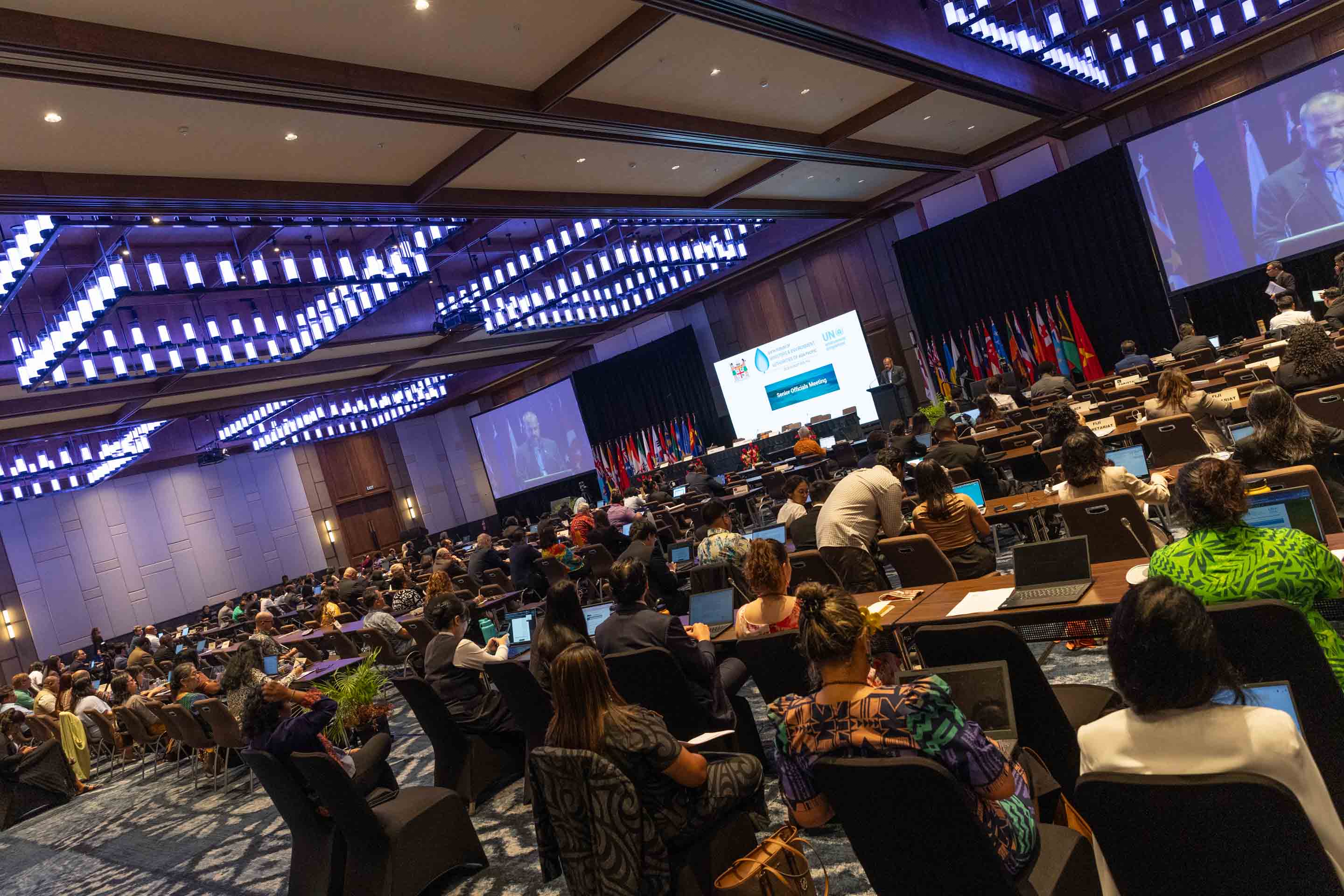
Delegates attend the opening of the Senior Officials Meeting
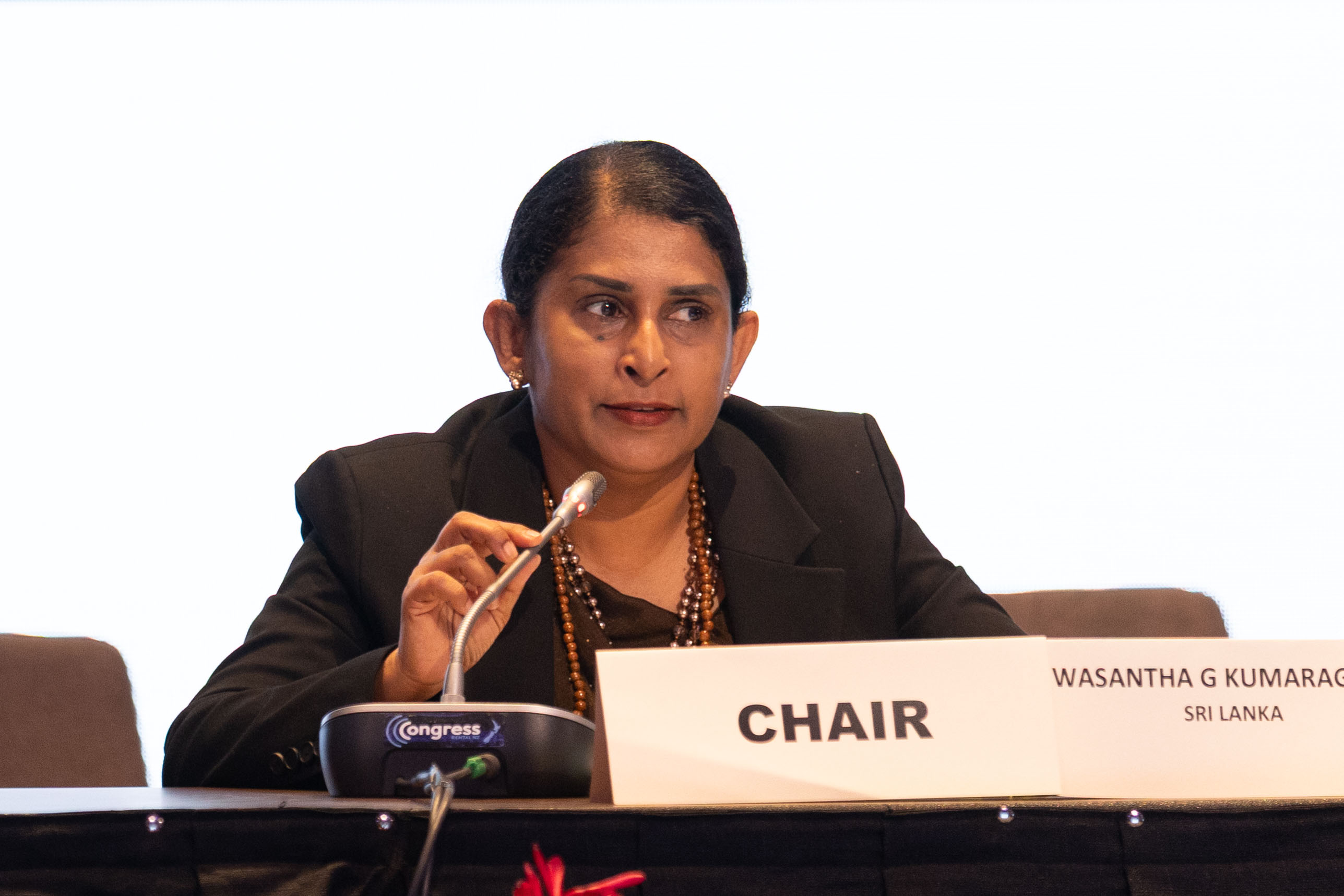
Wasantha Geethanjali Kumaragama, Chair, 5th Forum of Ministers and Environment Authorities of Asia Pacific
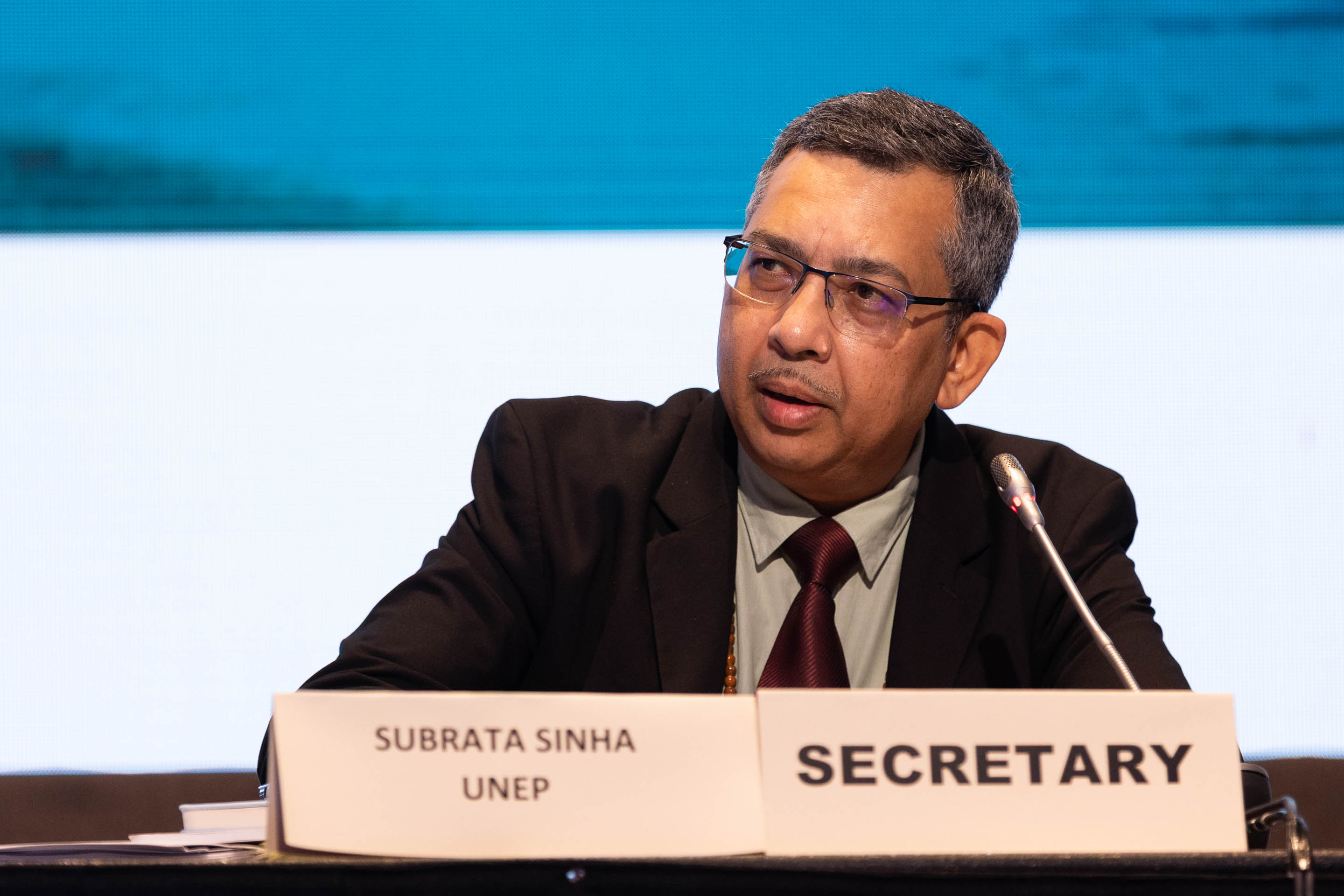
Subrata Sinha, UNEP

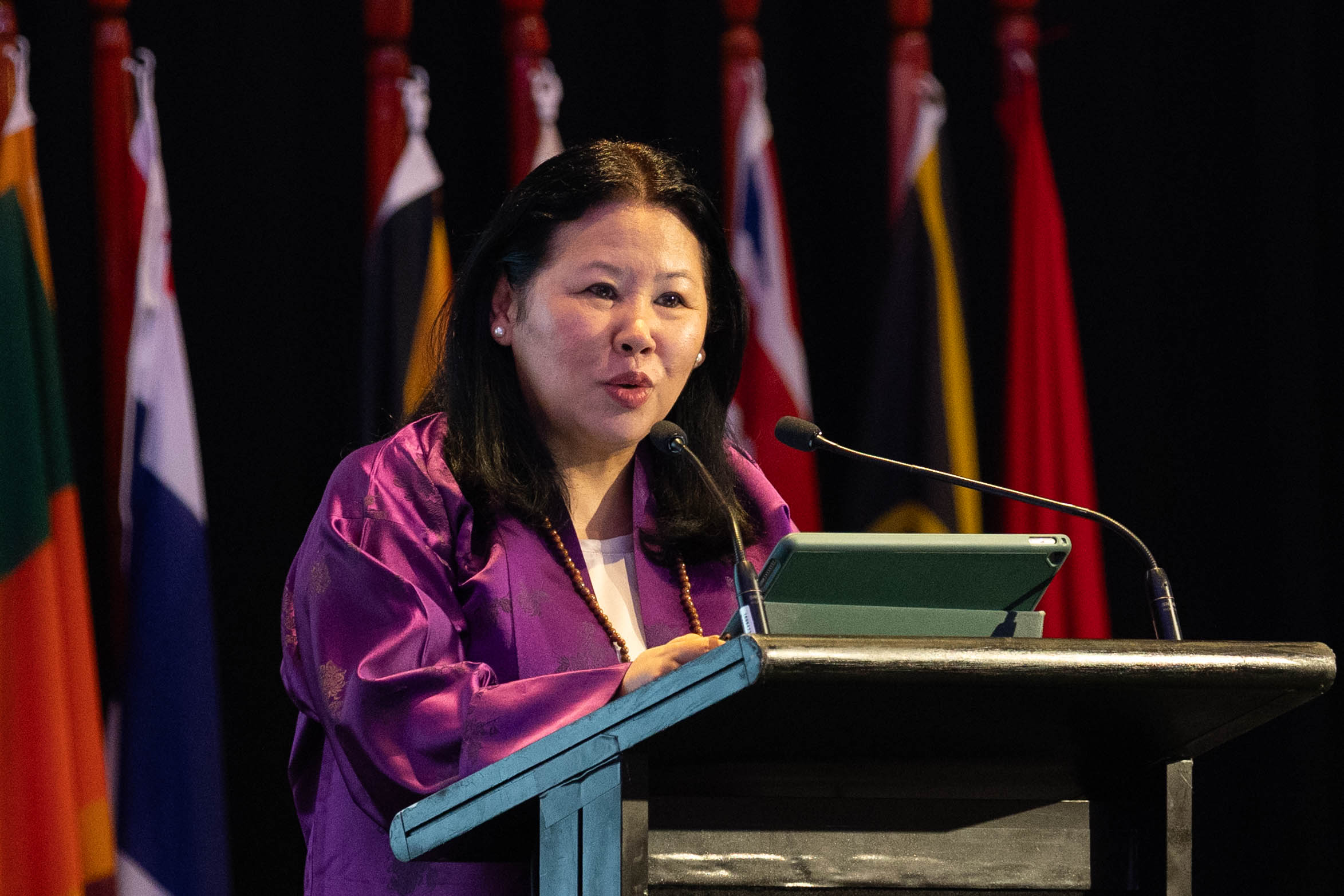
Dechen Tsering, Director, UNEP Regional Office for Asia Pacific (UNEP ROAP)
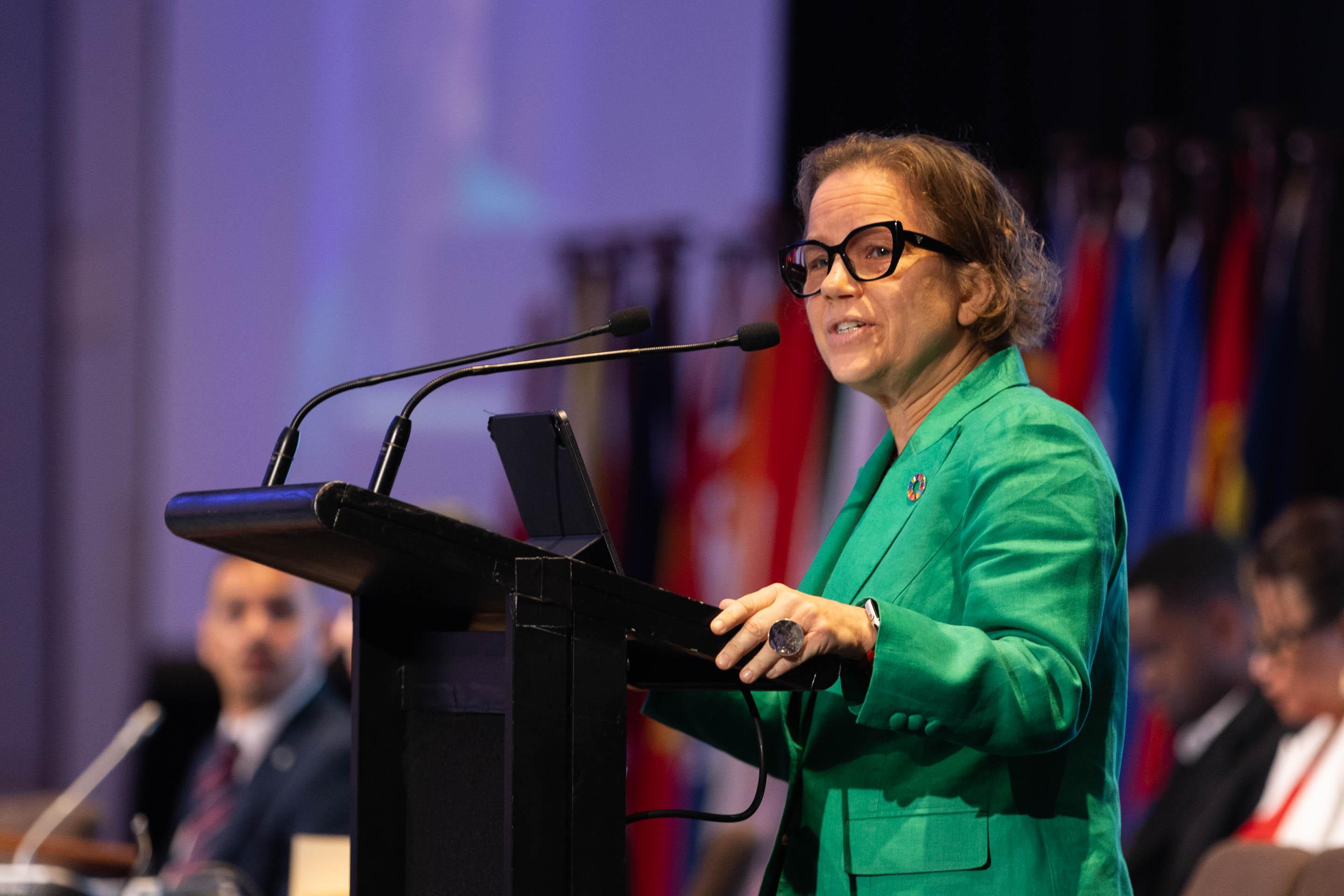
Marlene Nilsson, Deputy Regional Director, UNEP ROAP
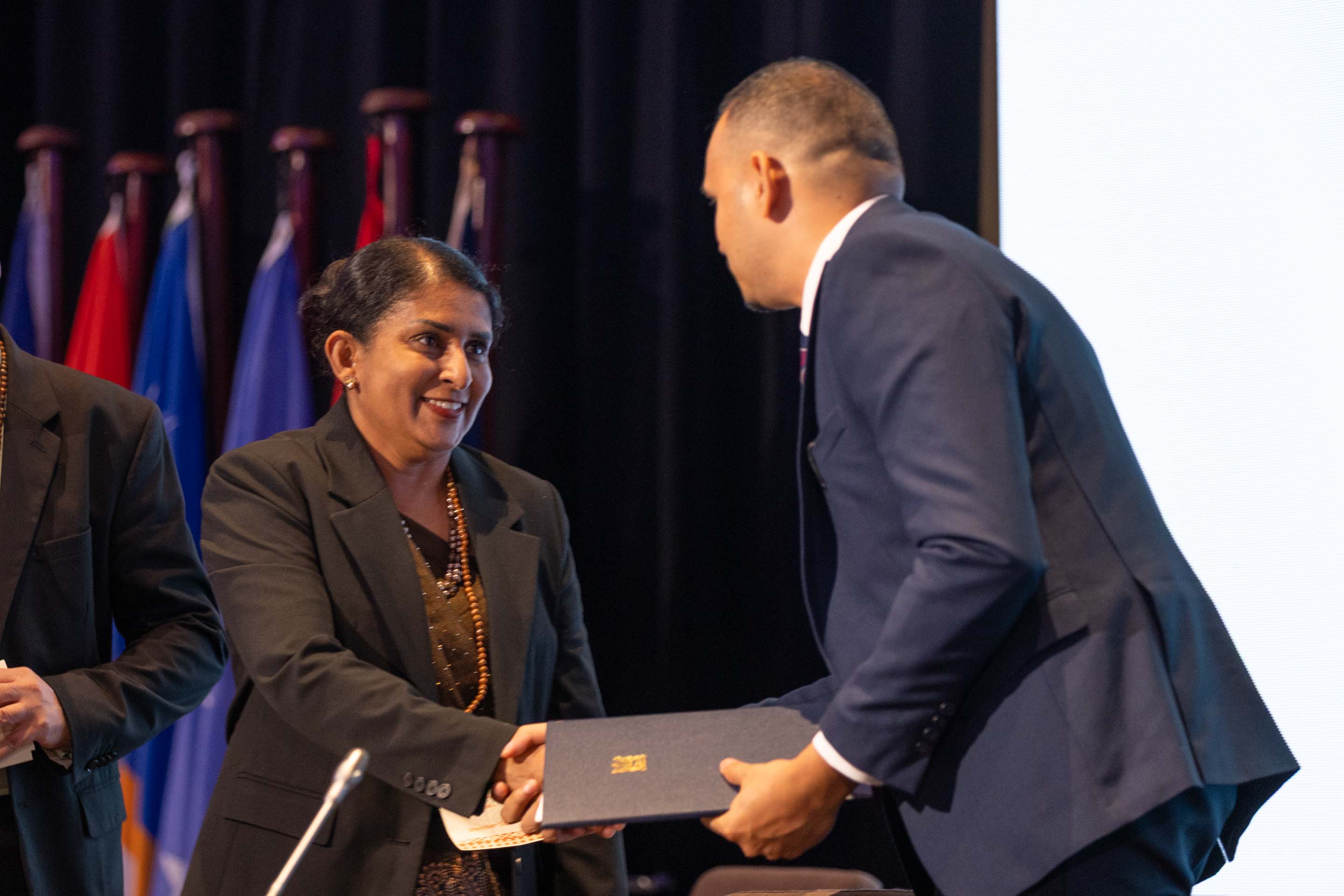
Wasantha Geethanjali Kumaragama, Chair, 5th session of the Forum of Ministers and Environment Authorities of Asia Pacific, congratulates Sivendra Michael, Permanent Secretary of the Ministry of Environment and Climate Change, Fiji, on his election as chair of the session
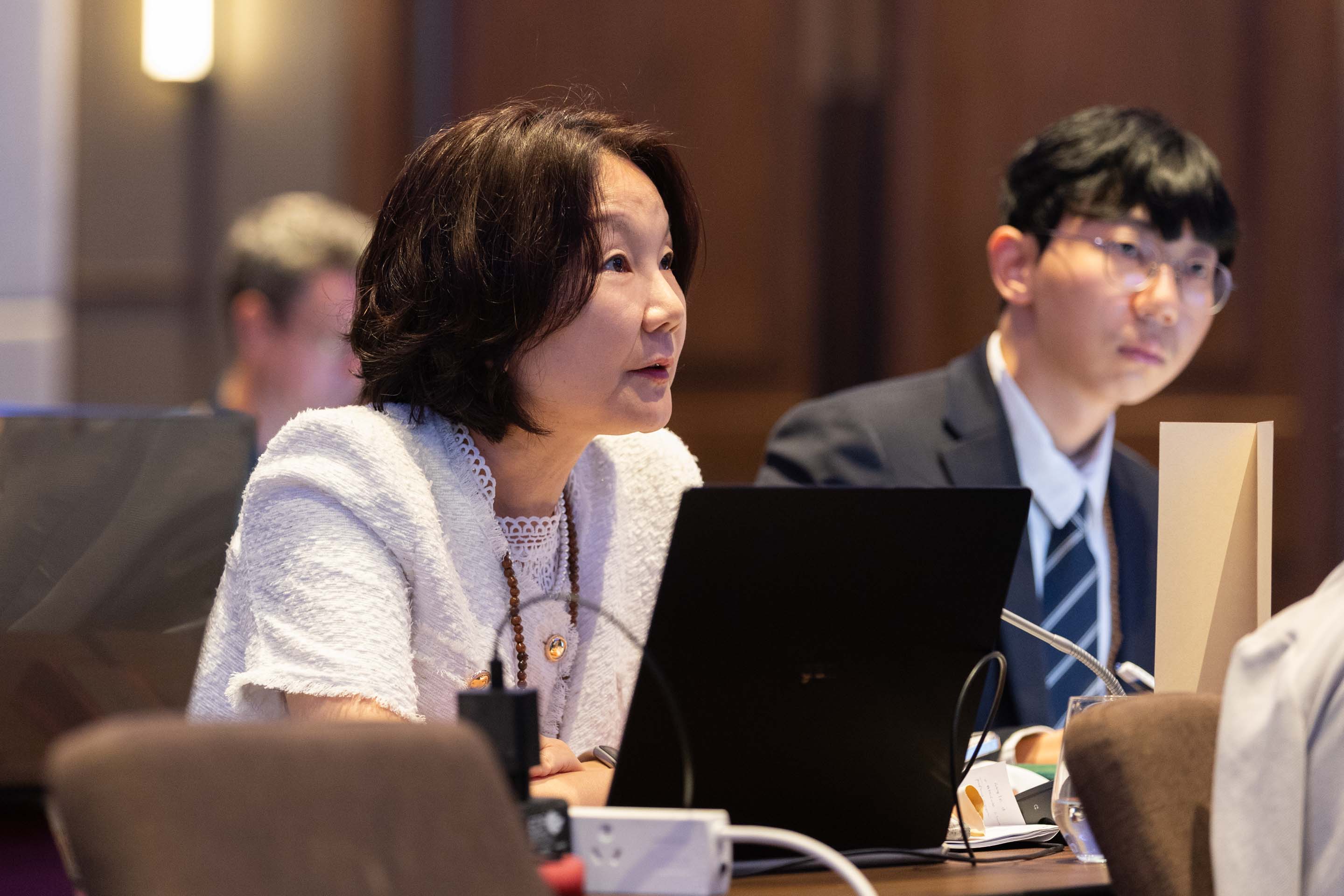
Eunhae Jeong, Director General, International Cooperation Division, Ministry of Environment, Republic of Korea
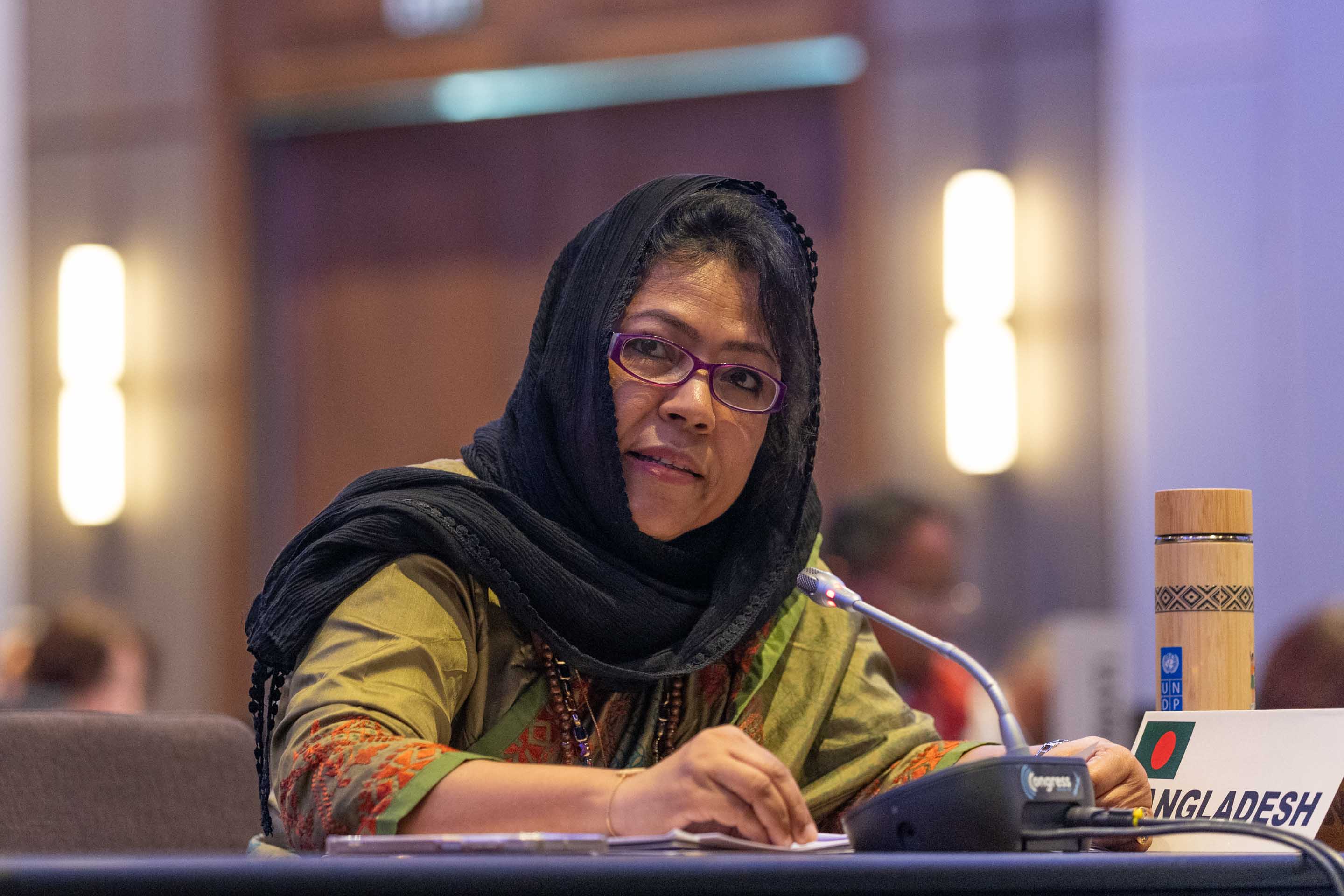
Farhina Ahmed, Secretary, Ministry of Environment, Forest and Climate Change, Bangladesh
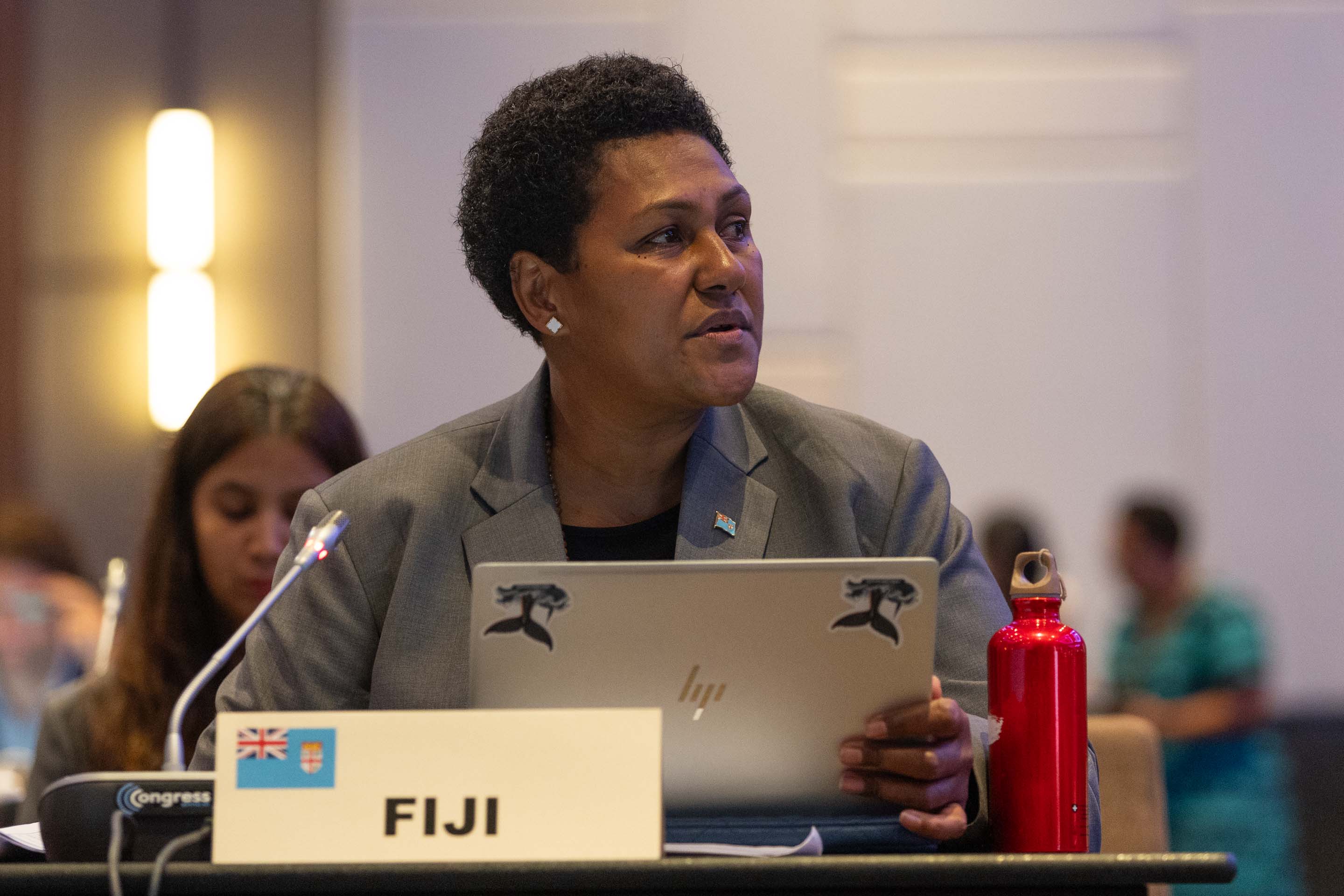
Senimili Nakora, Director of Environment, Ministry of Environment and Climate Change, Fiji
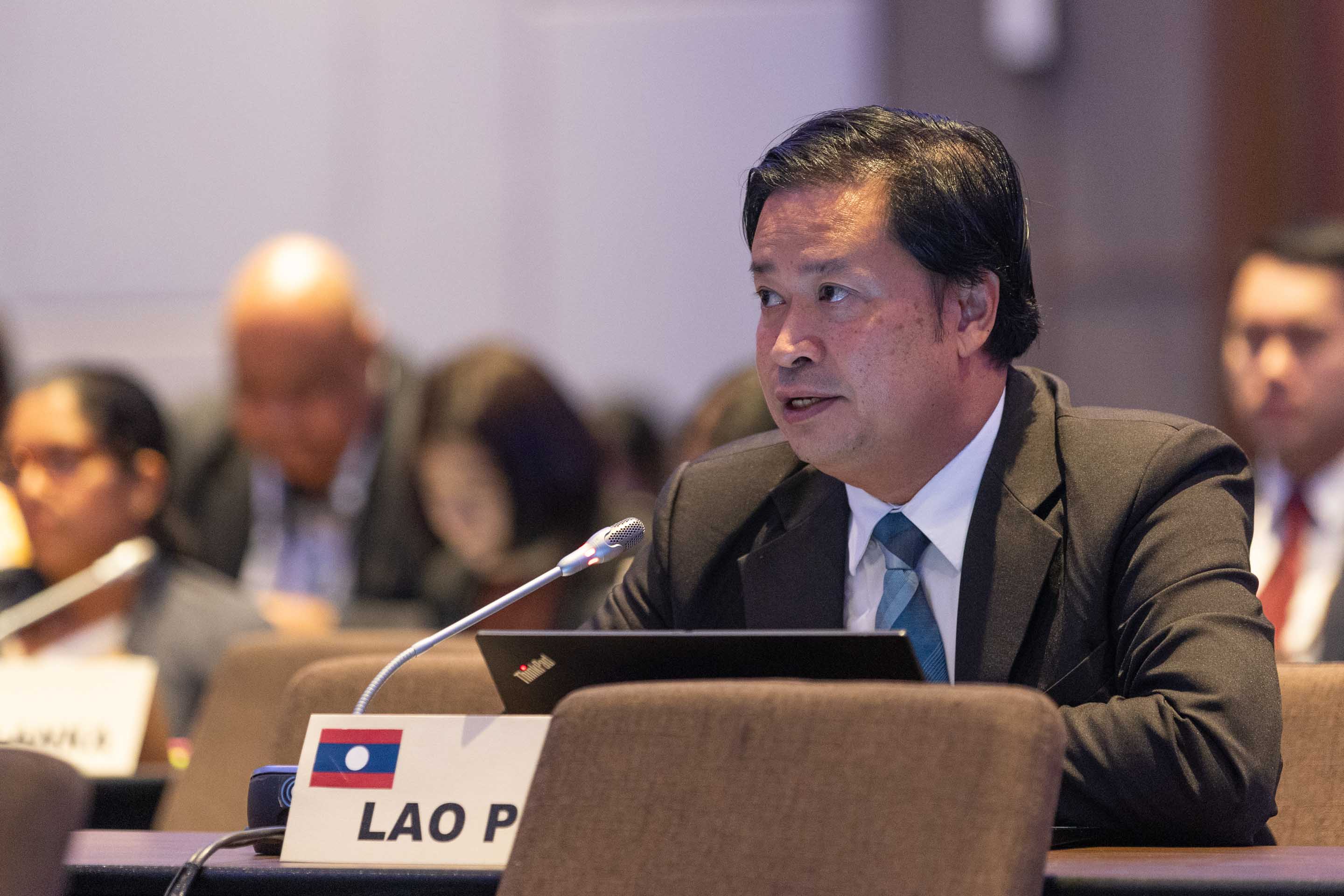
Sounadeth Soukchaleun, Lao PDR
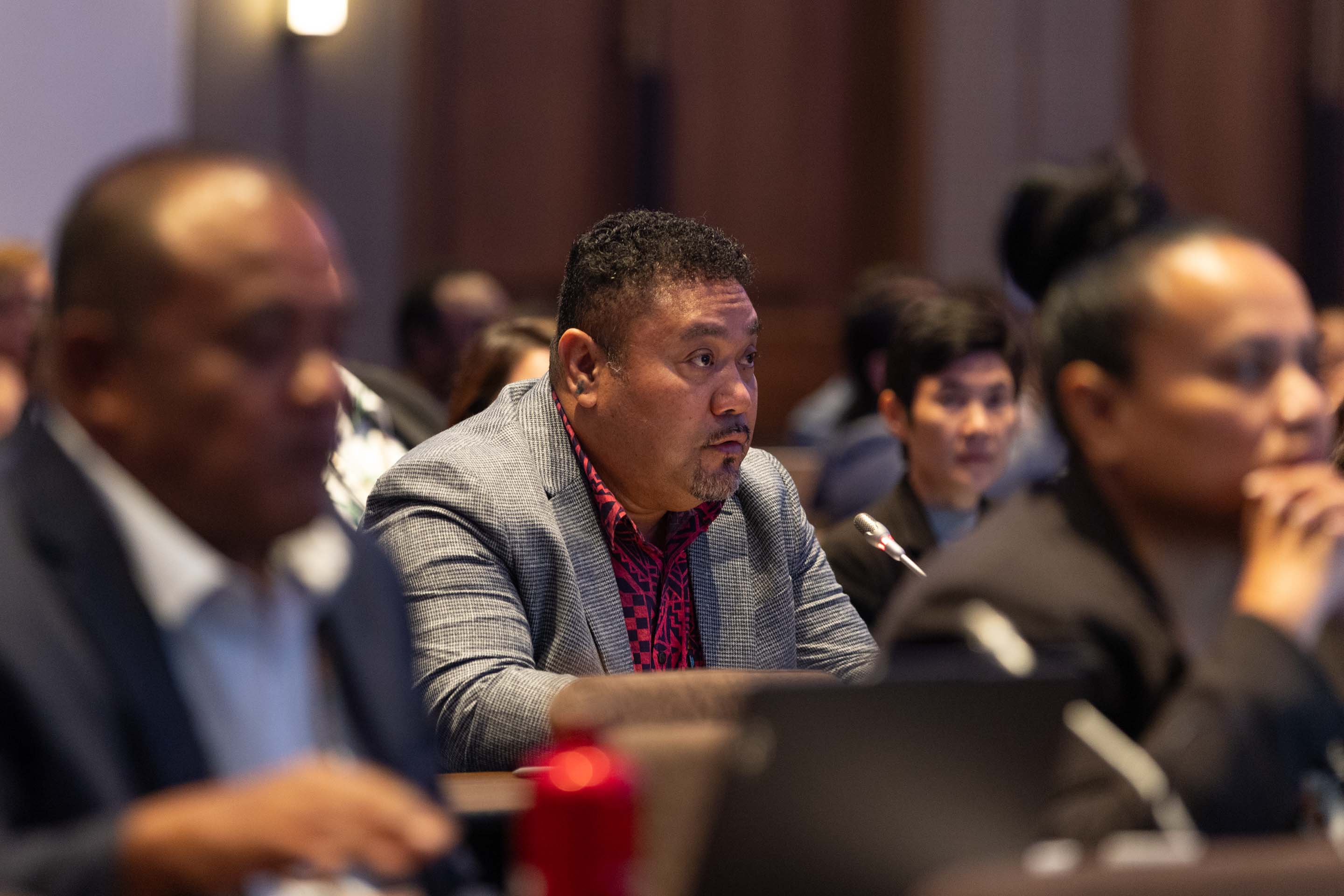
Sione Akauola, CEO, Ministry of Meteorology, Energy, Information, Disaster Management, Environment, Climate Change and Communications (MEIDECC), Tonga
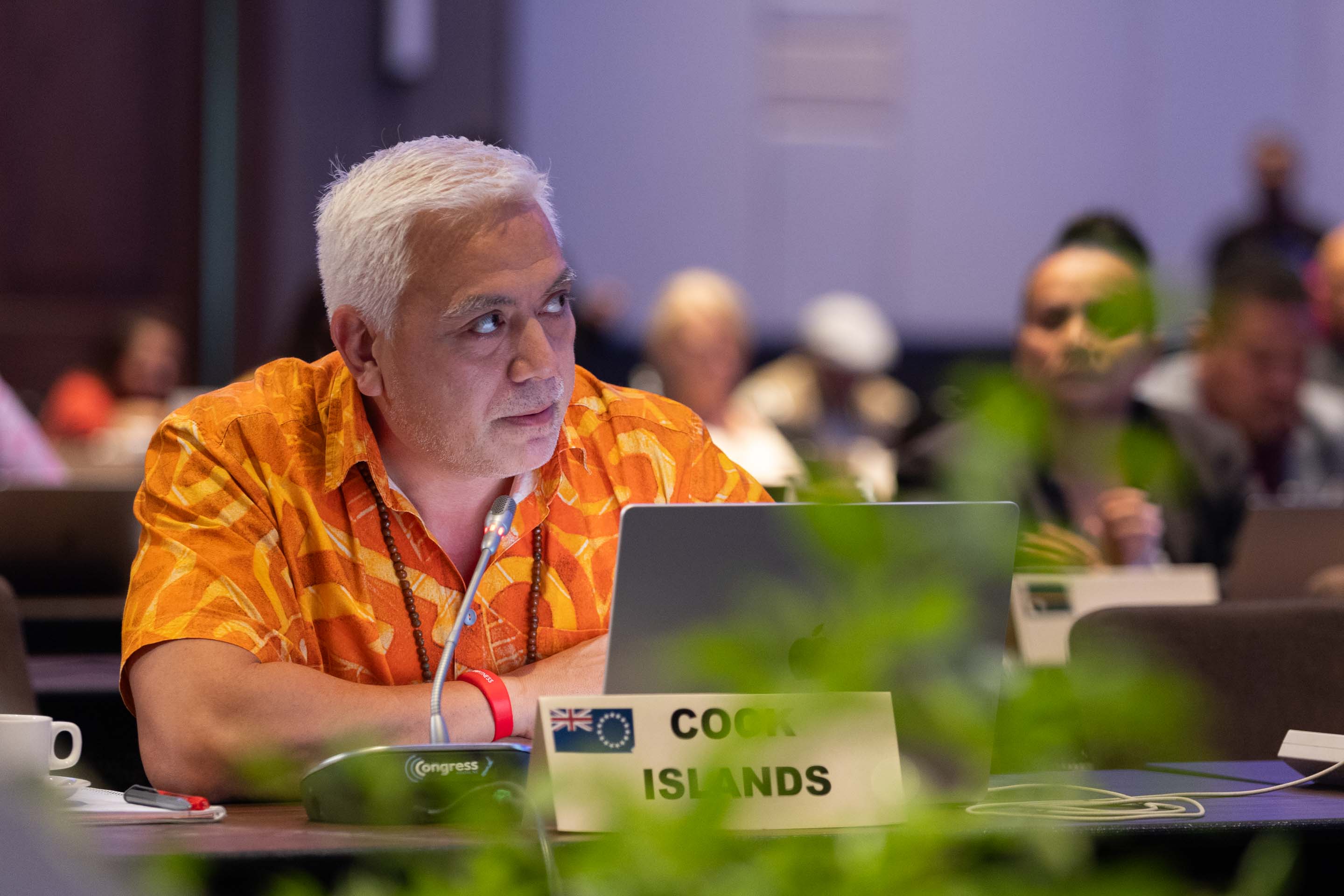
Halatoa Fua, Director, National Environment Service, Cook Islands
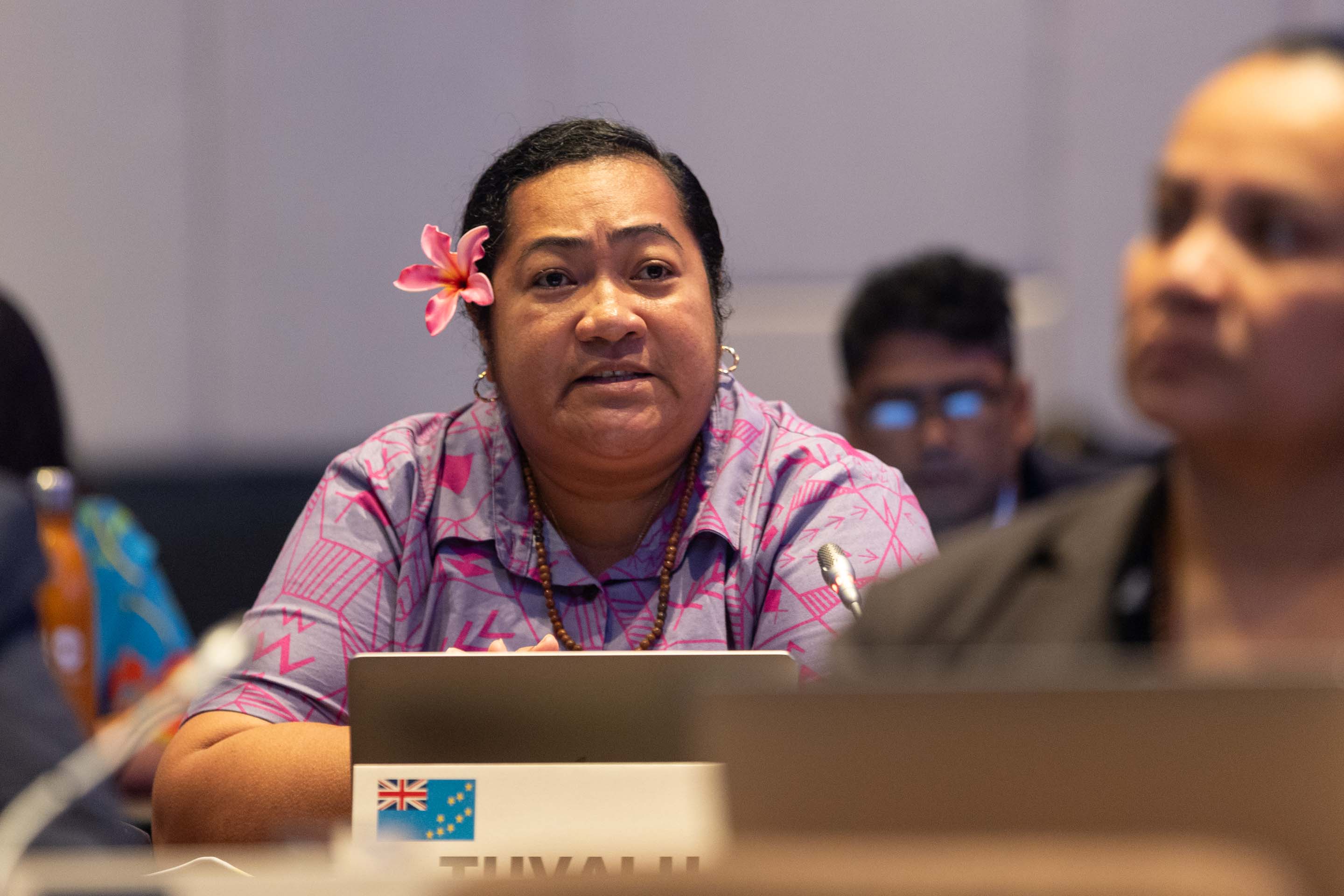
Pepetua Latasi, Secretary, Ministry of Home Affairs, Climate Change, and Environment, Tuvalu
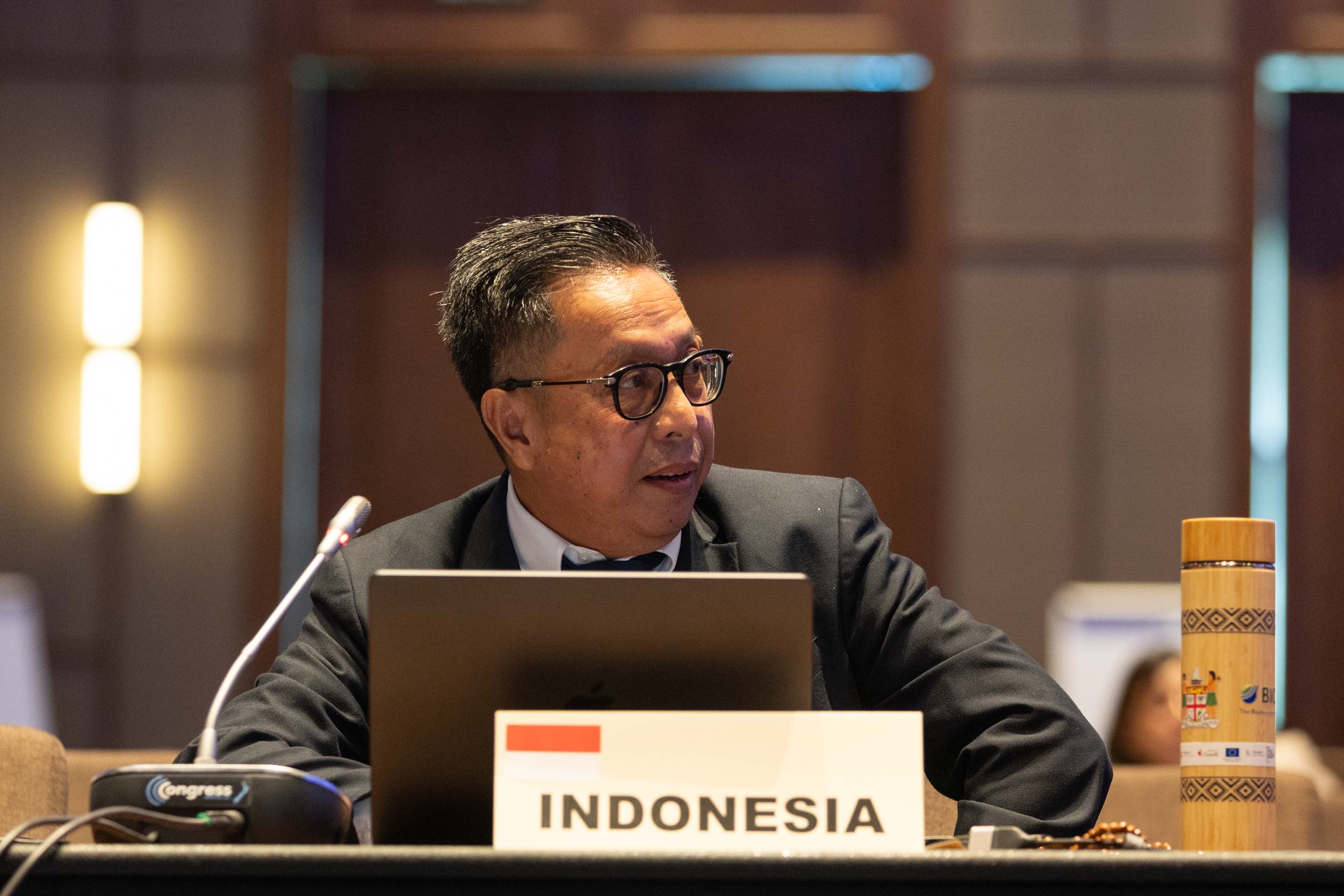
Rasio Ridho Sani, Deputy Prime Minister, and Minister of Environment, Indonesia
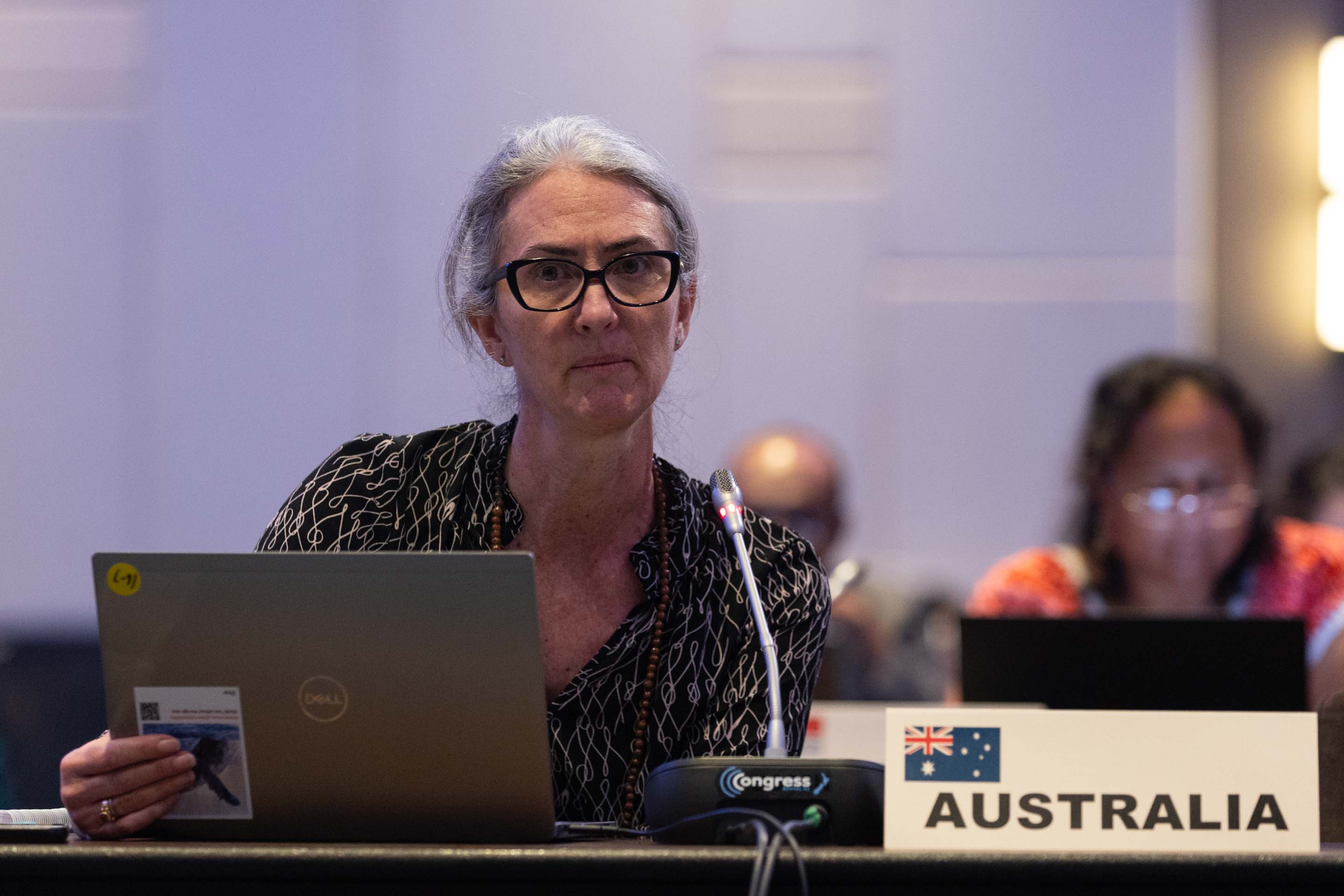
Katrina Maguire, Department of Climate Change, Energy and Environment, Australia

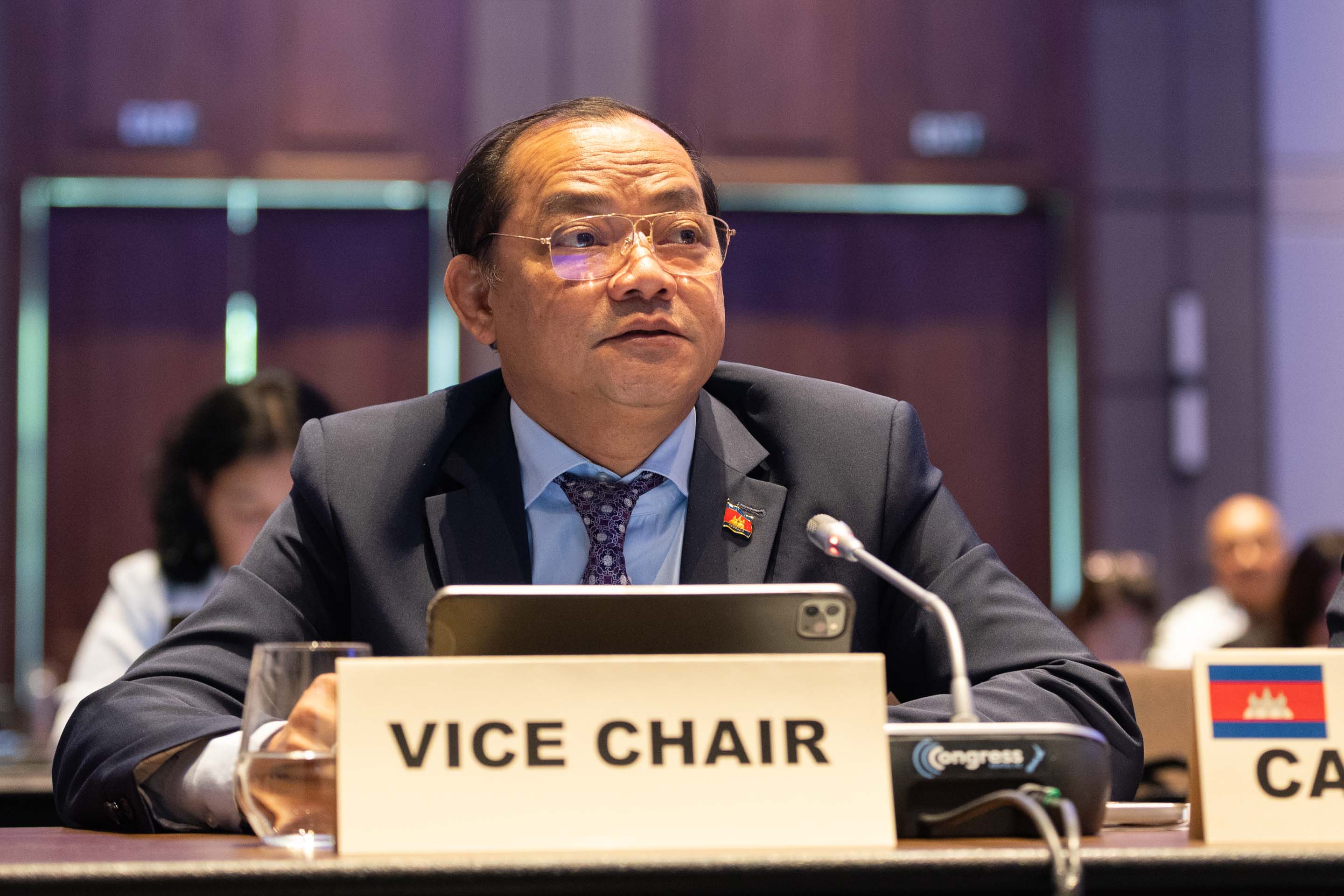
Monyneath Vann, Under Secretary of State, Ministry of Environment, Cambodia
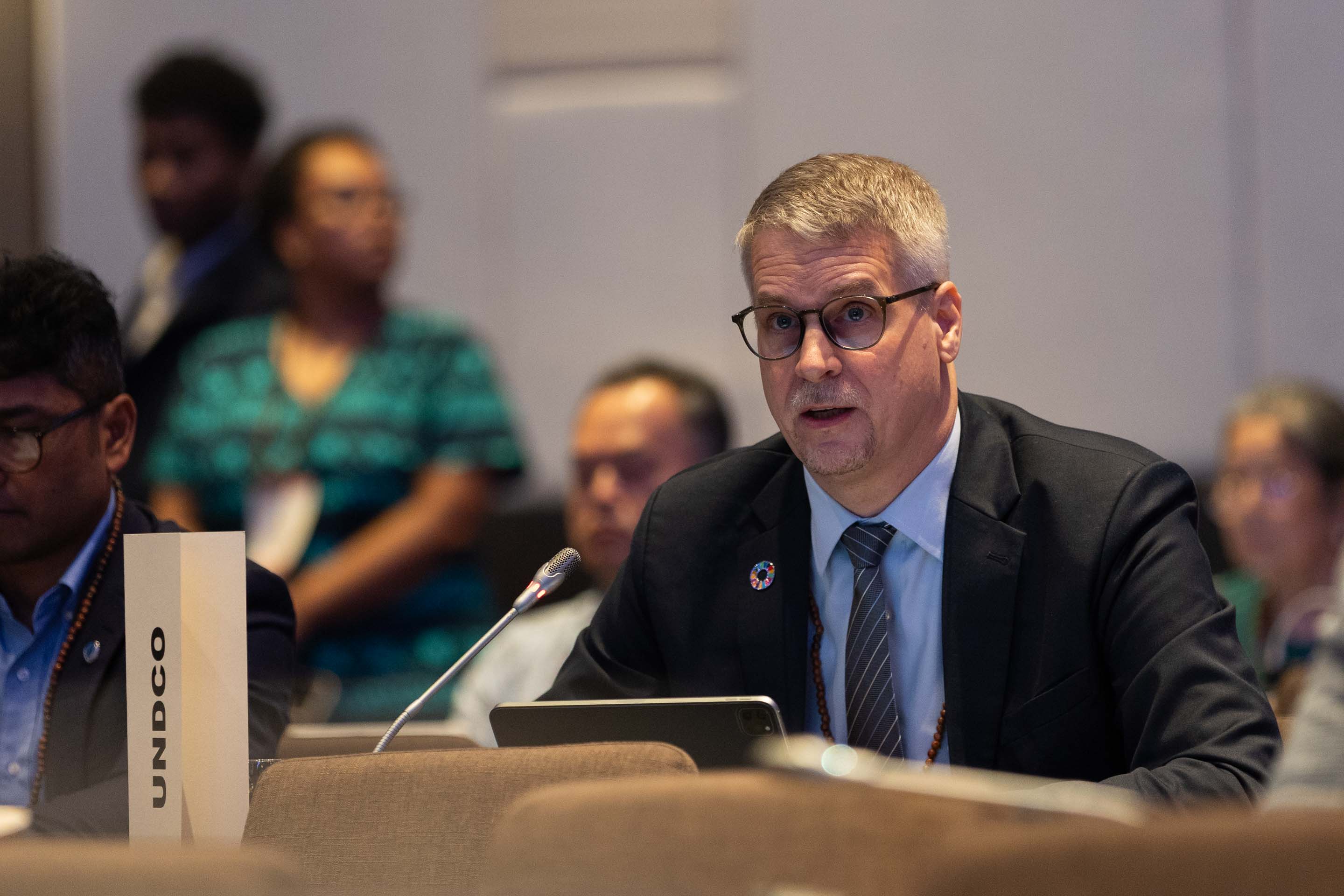
Dirk Wagener, UN Development Coordination Office (UNDCO)
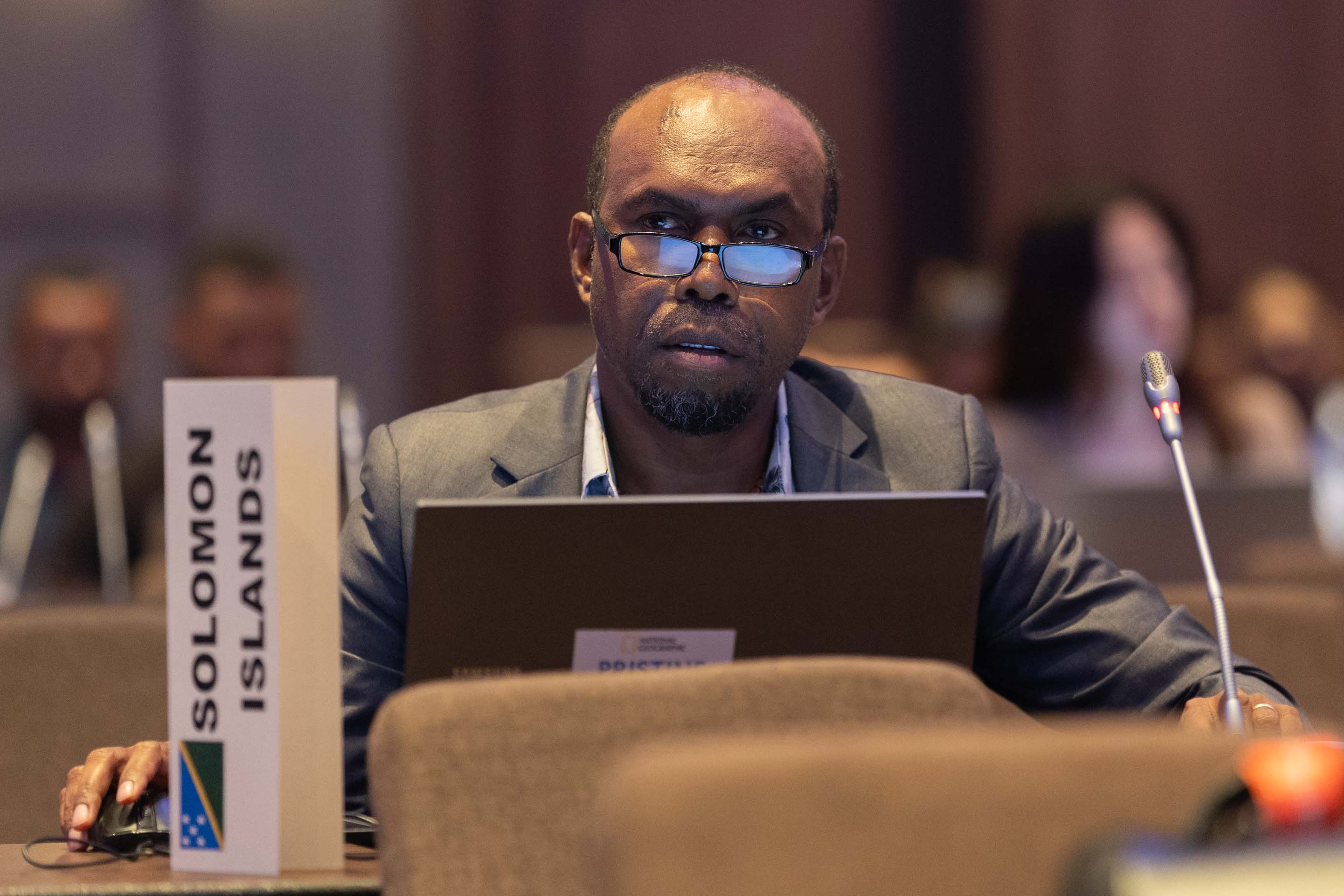
Josef Hurutarau, Solomon Islands
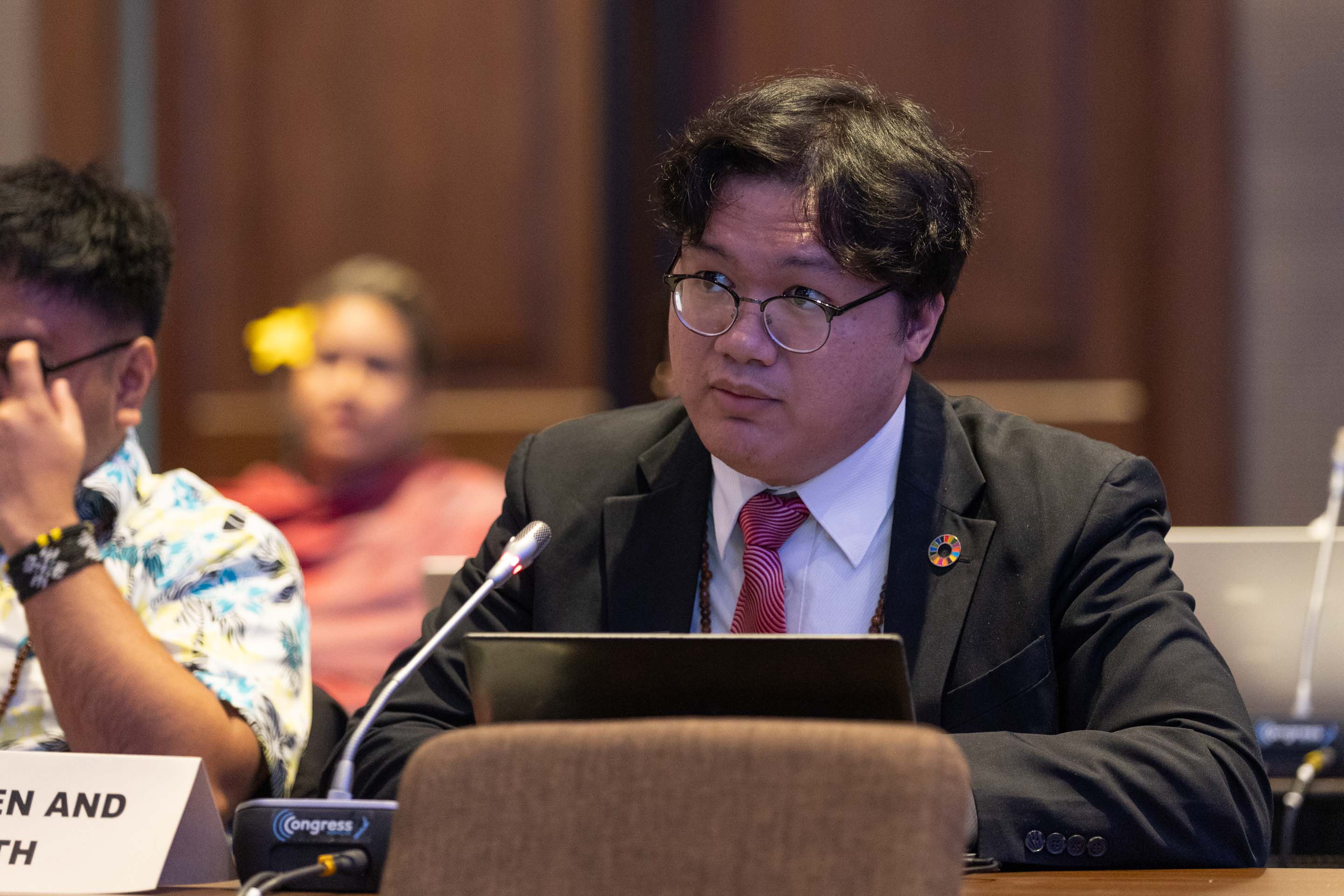
Hino Samuel Jose, Children and Youth Major Group to UNEP (CYMG)
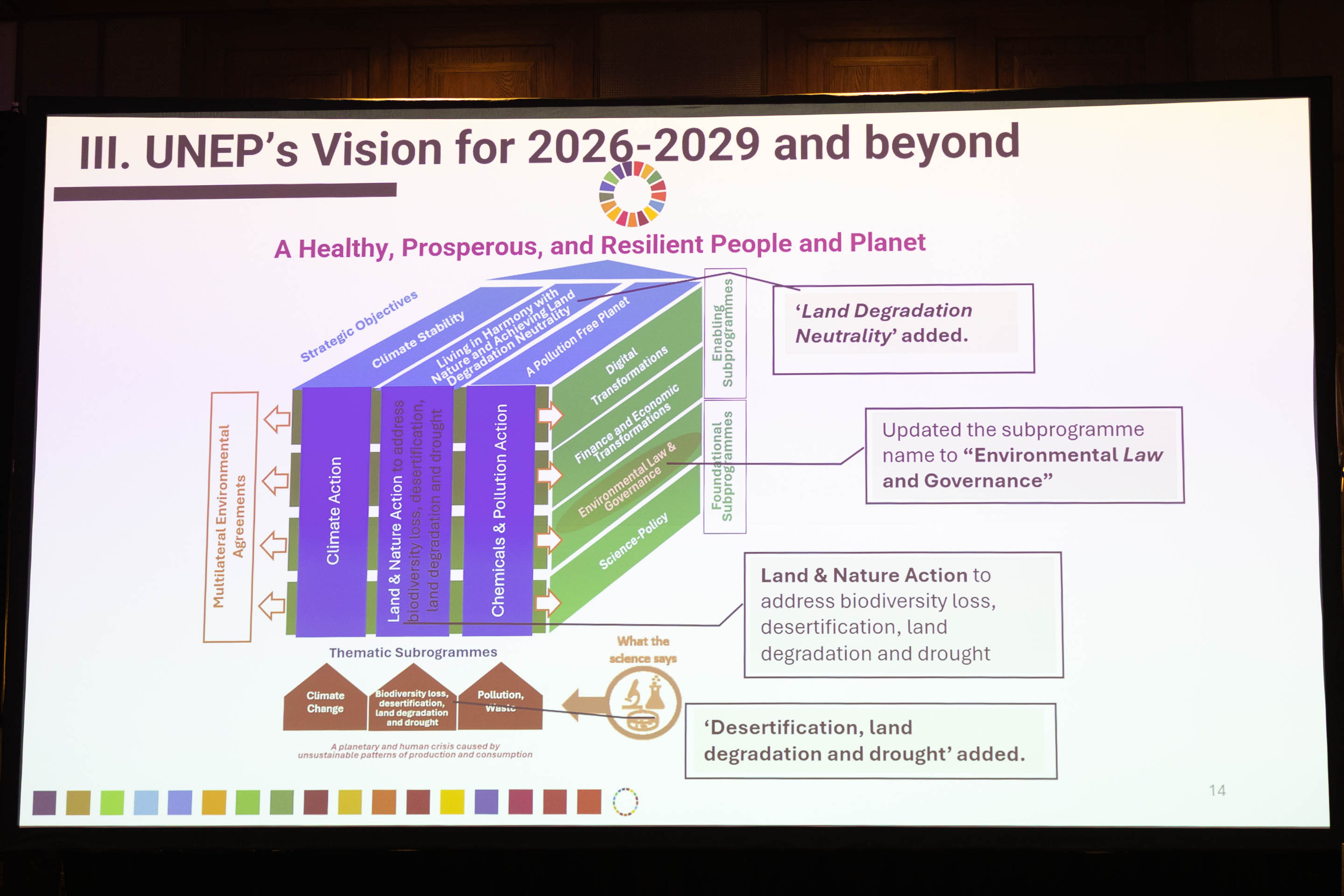
UNEP's vision for 2026-2029 and beyond is discussed during the session
Side Events Throughout the Day
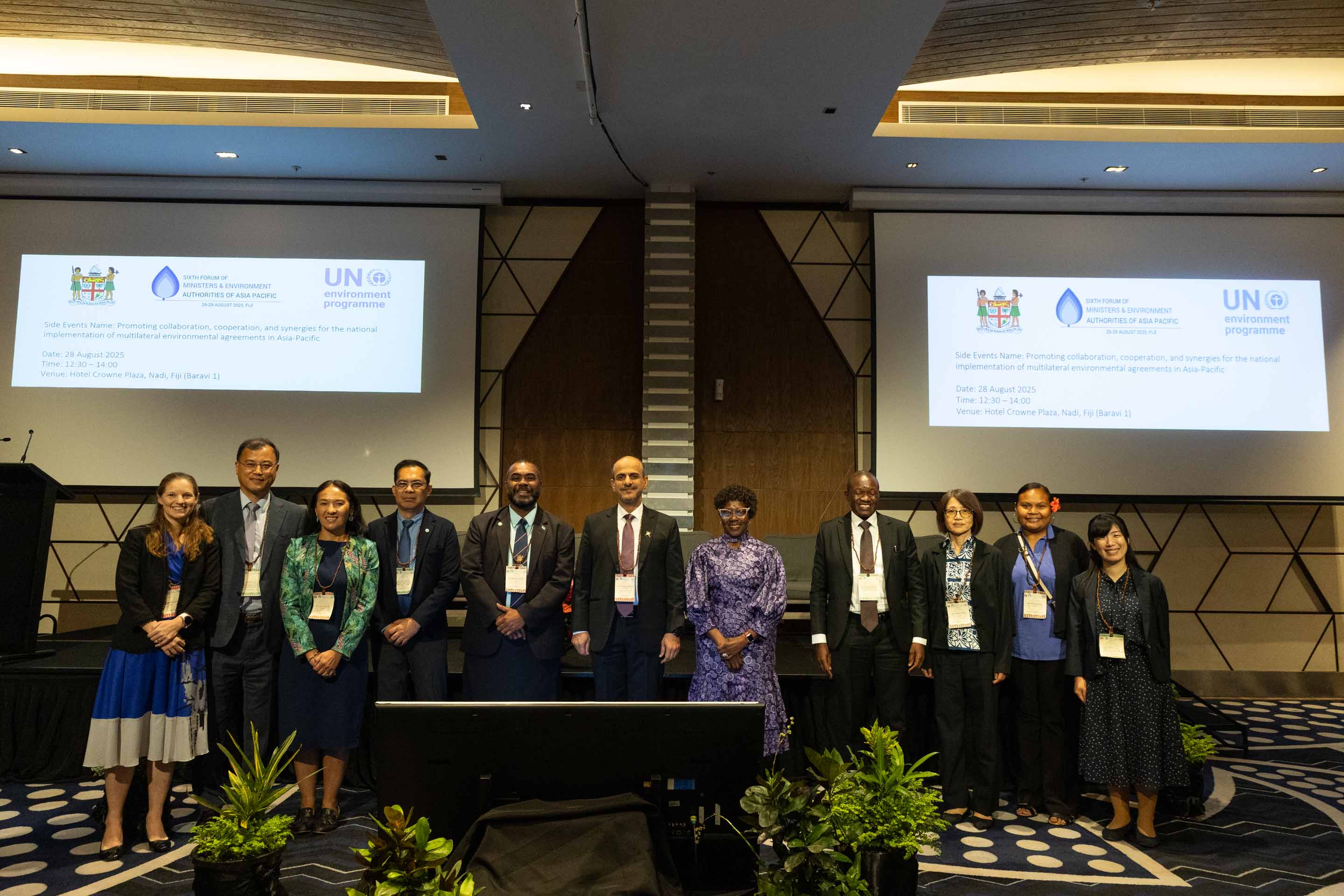
High-level dignitaries attend the side event on "Promoting collaboration, cooperation, and synergies for the national implementation of multilateral environmental agreements in Asia-Pacific"
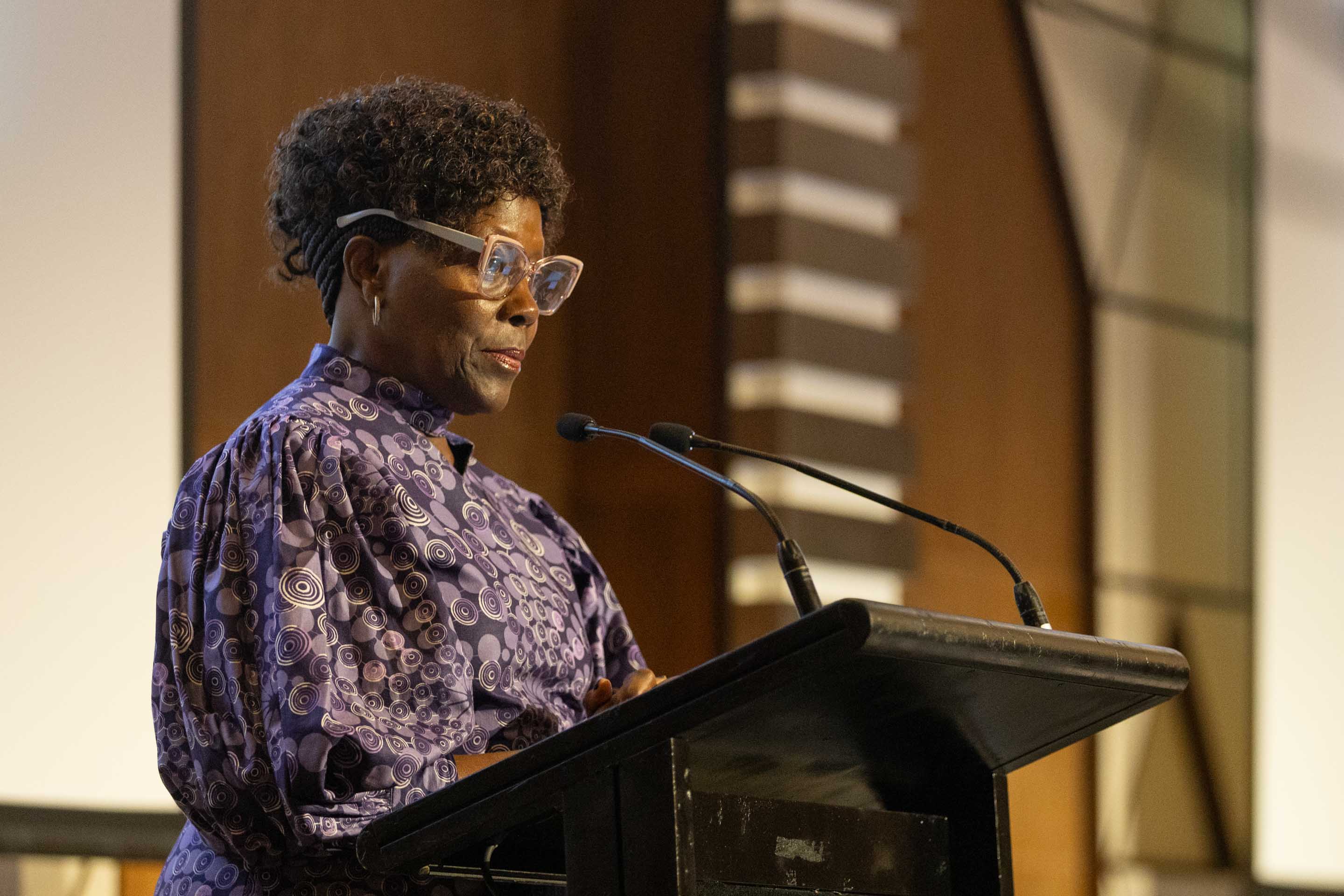
Elizabeth Maruma Mrema, Deputy Executive Director, UNEP
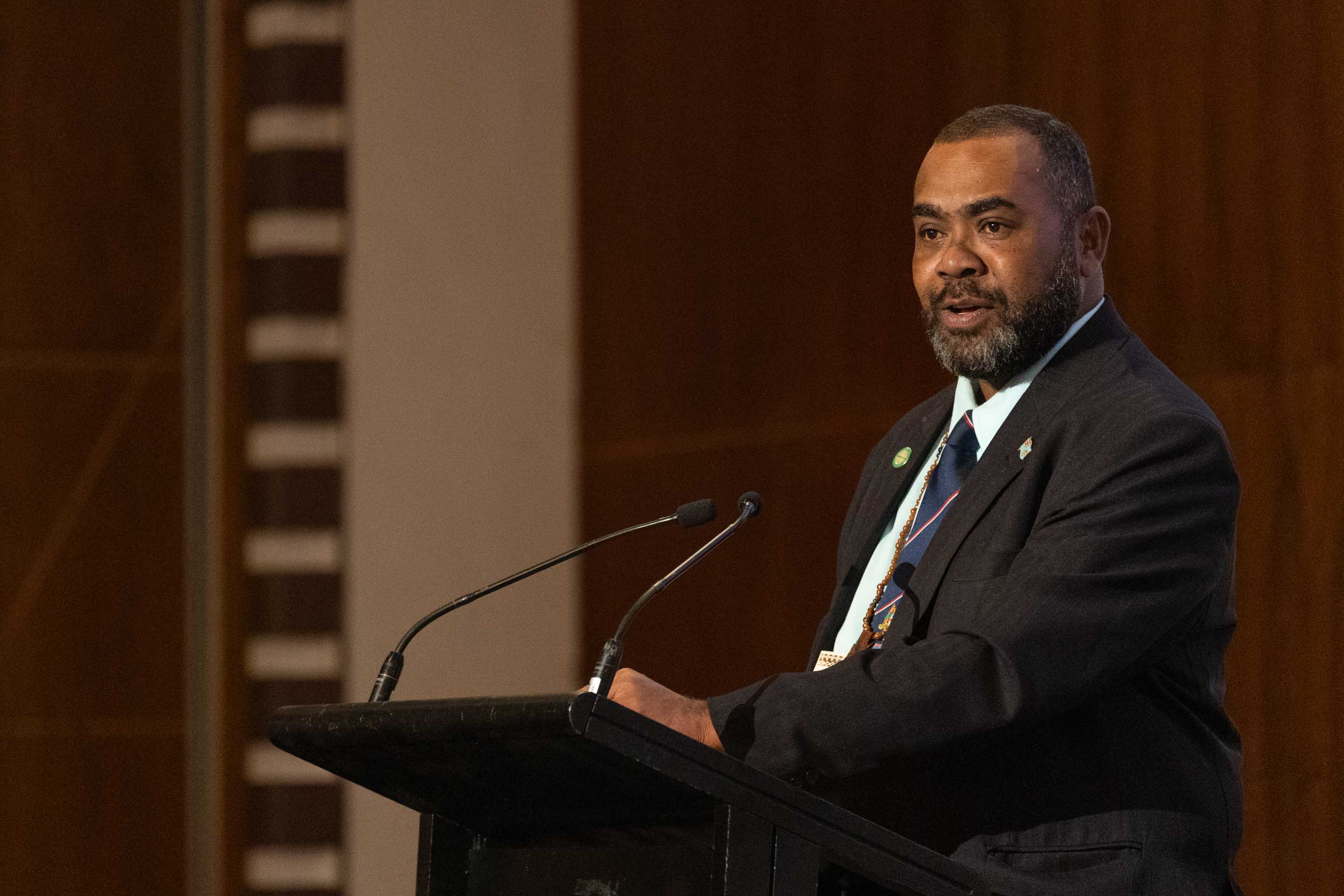
Mosese Bulitavu, Minister for Environment and Climate Change, Fiji
Delegates listen to the presentations
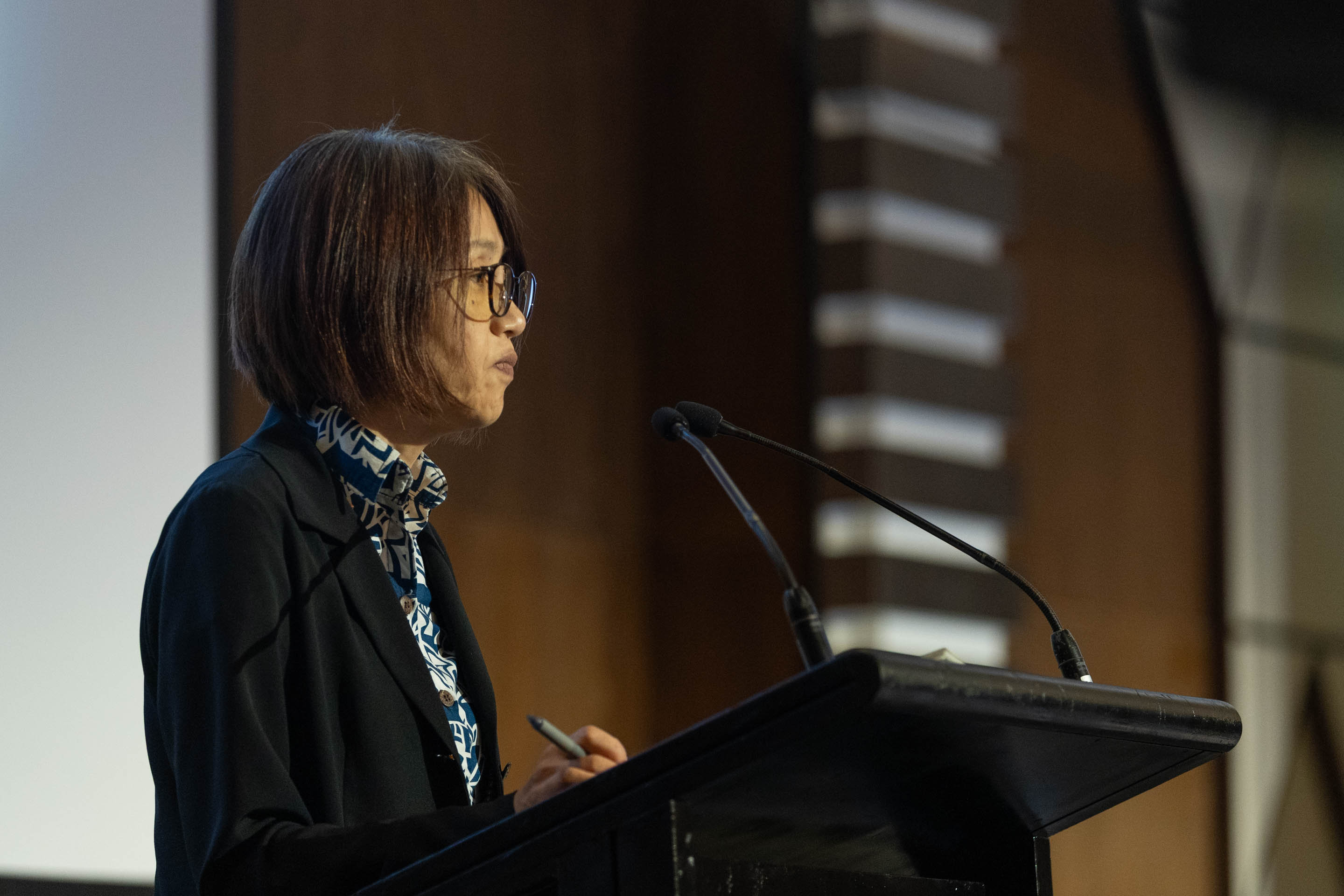
Masako Ogawa, Deputy Director General, Global Environment Bureau, Japan
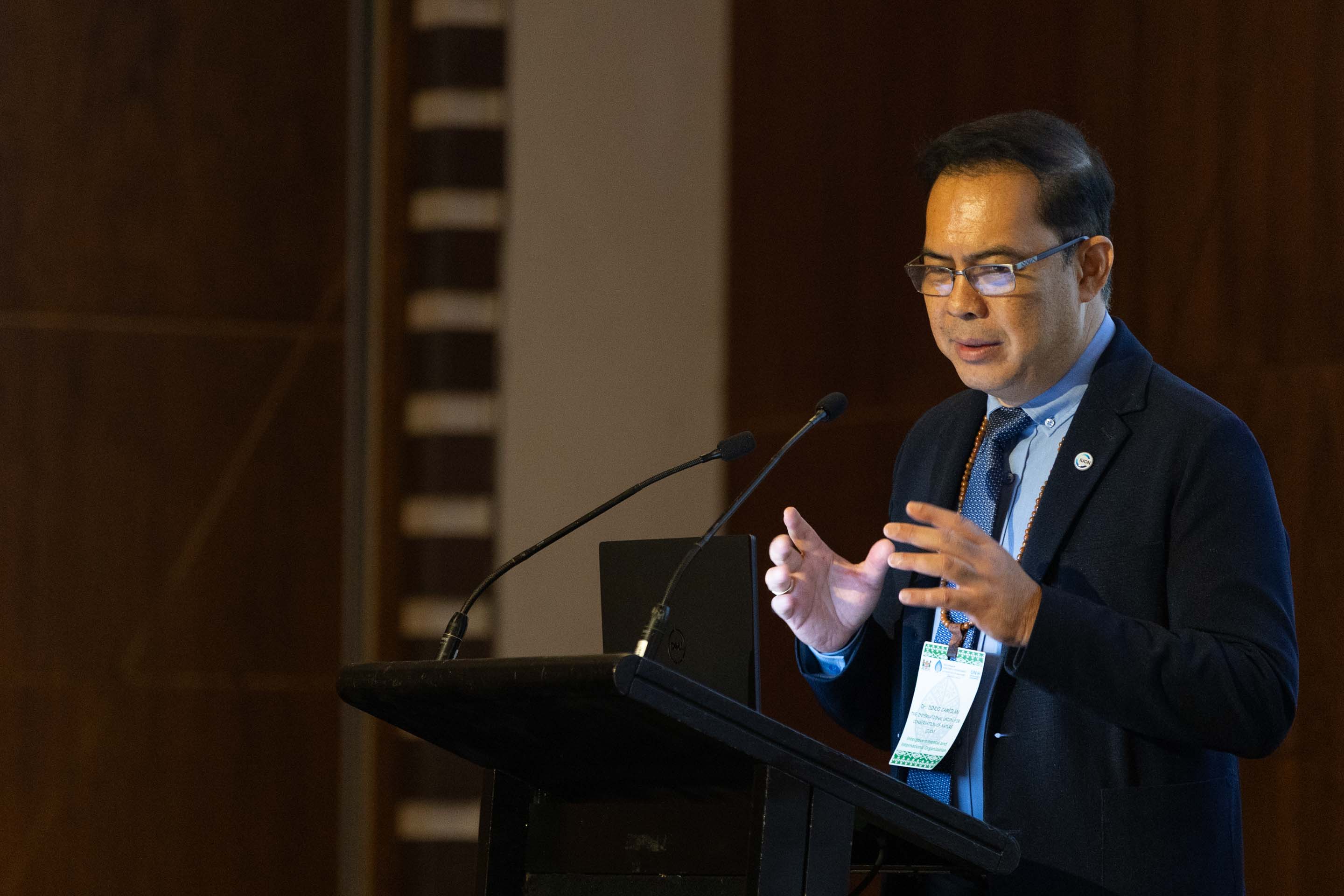
Dindo Campilan, Regional Director for Asia, IUCN
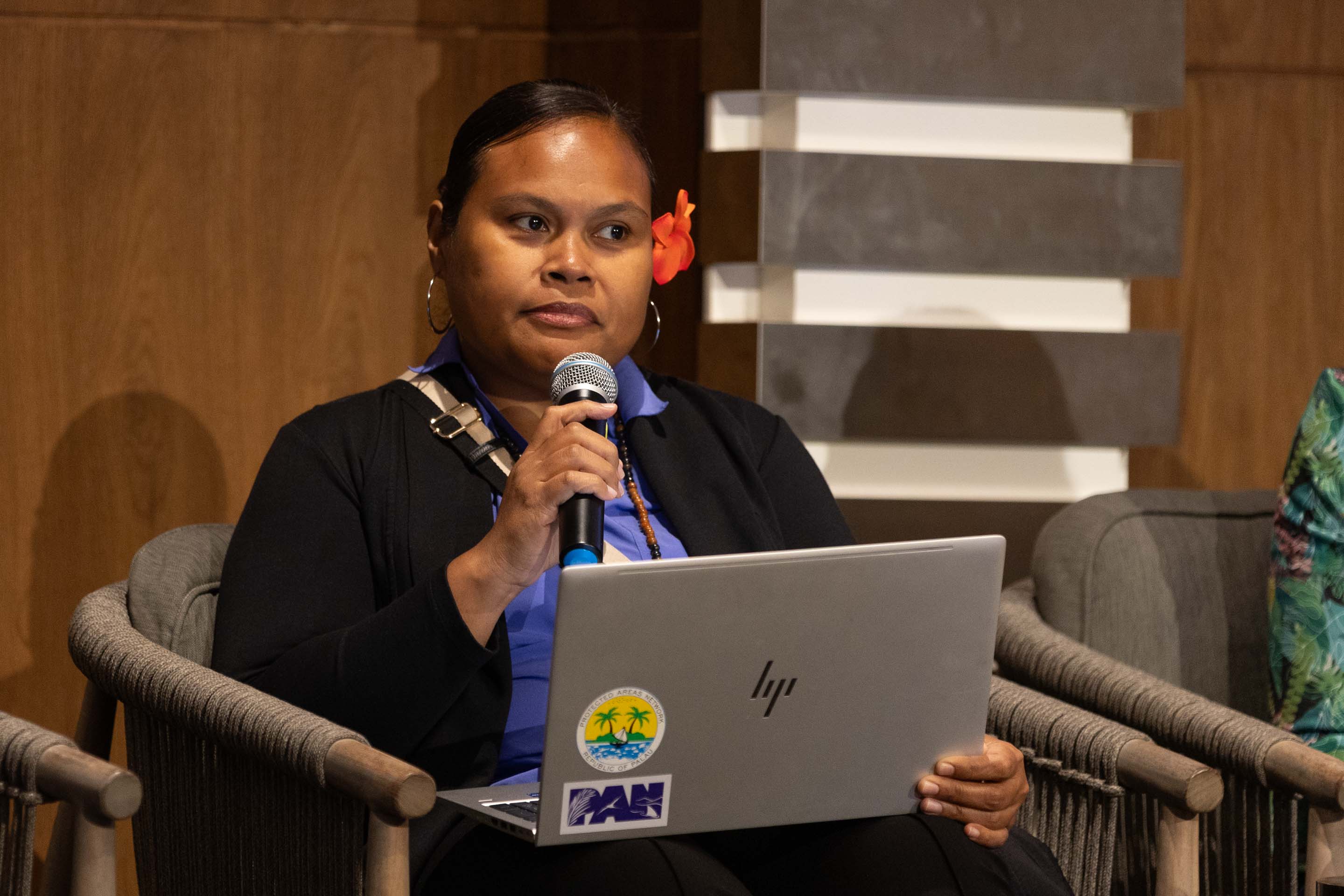
Ilima Kloulchad, Director, Bureau of Environment, Palau
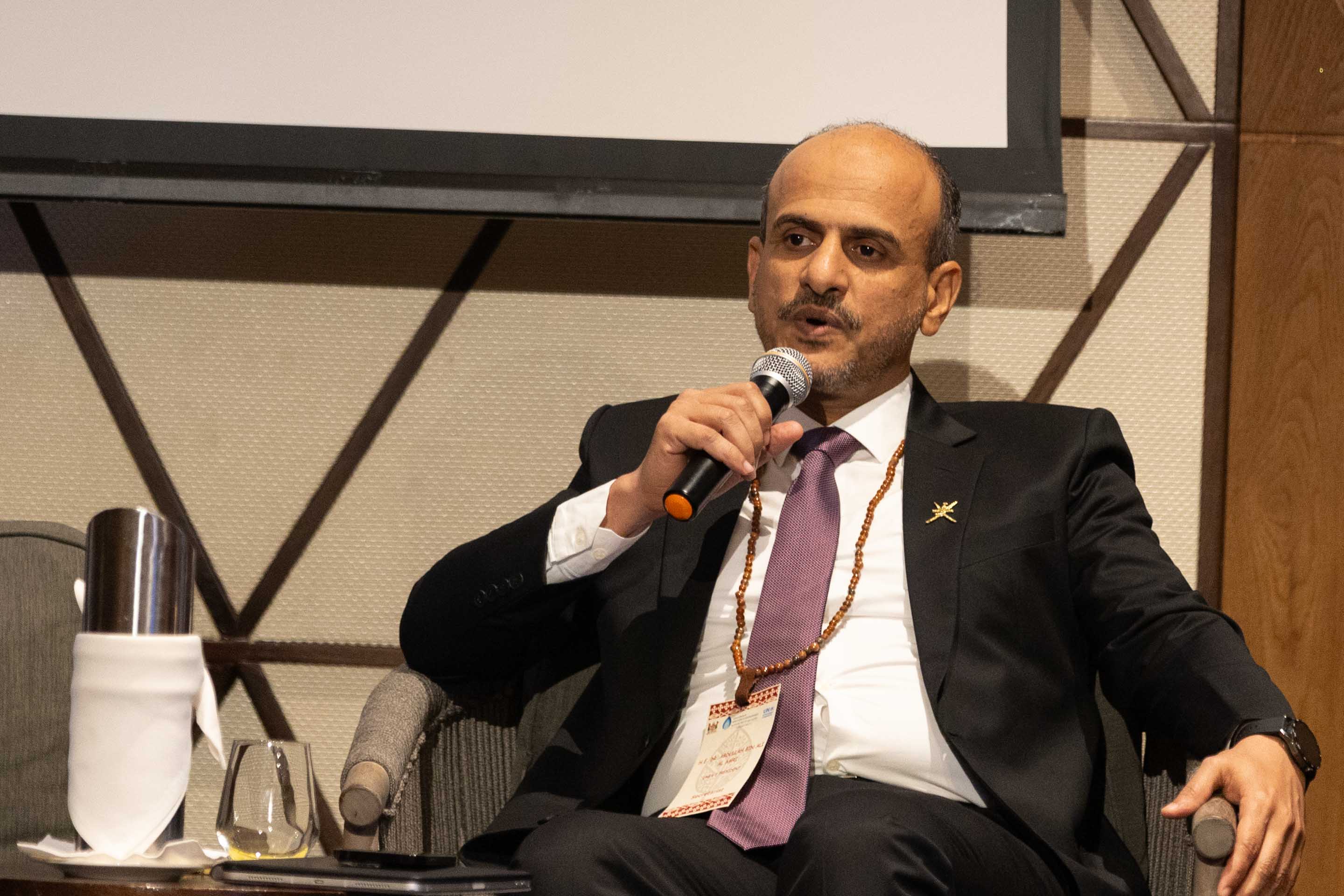
Abdullah bin Ali Al Amri, President, UNEA-7
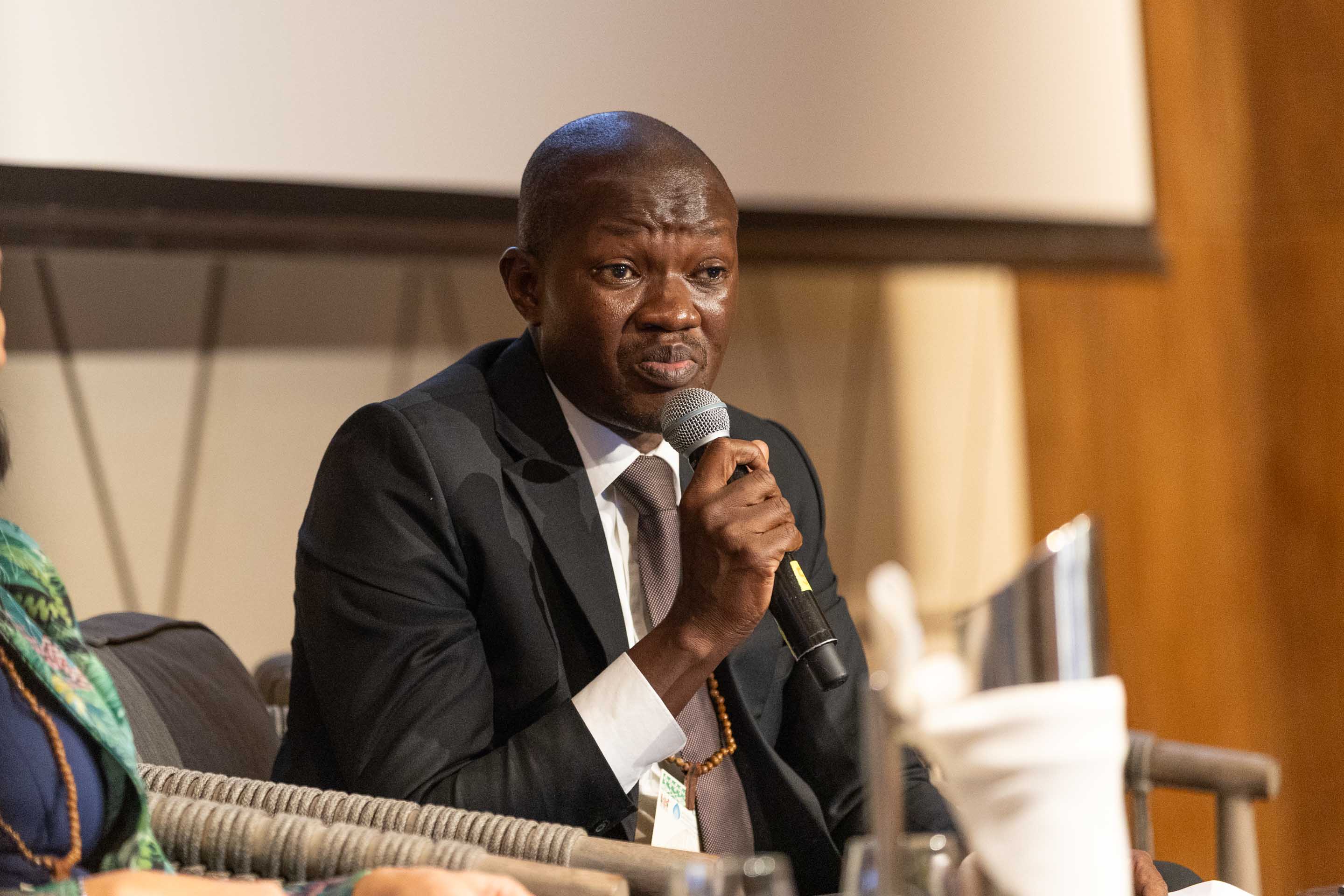
Ladislaus Chang’a, Vice Chair, IPCC
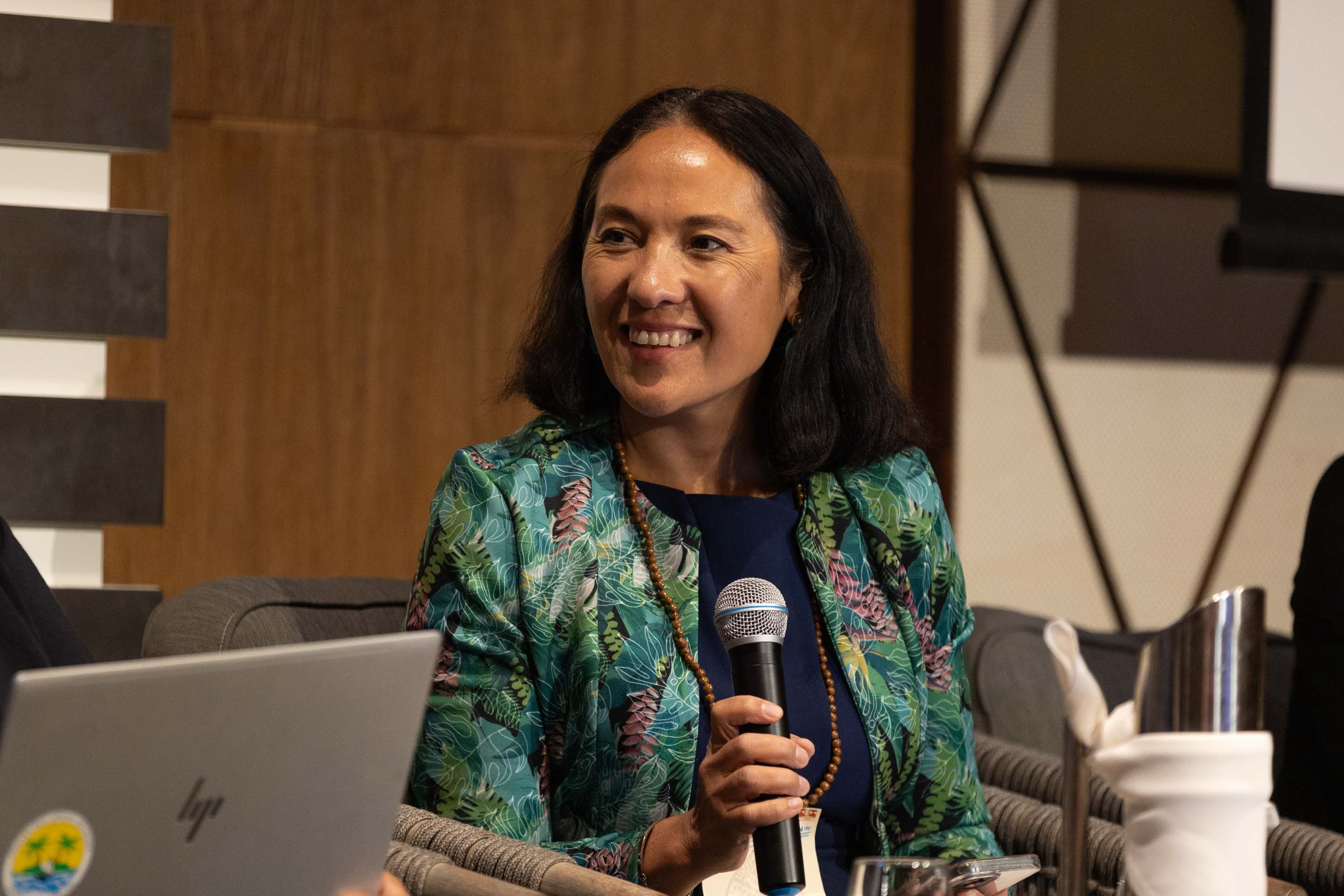
Fleur Downard, Department of Climate Change, Energy, the Environment, and Water, Australia
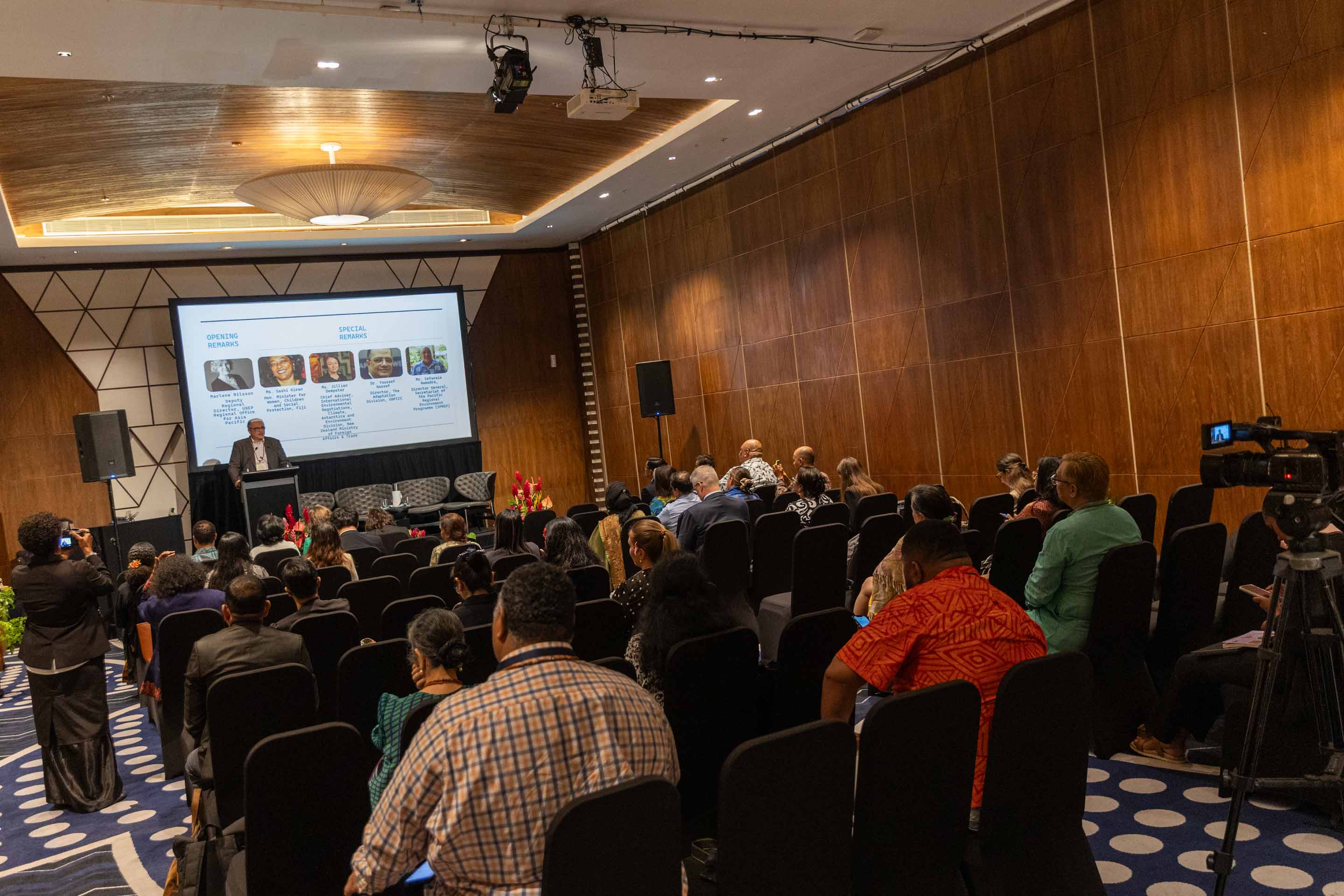
Delegates gather for the side event on "Advancing Gender-Responsive Technology and Finance Solutions for a Climate Resilient Asia-Pacific"
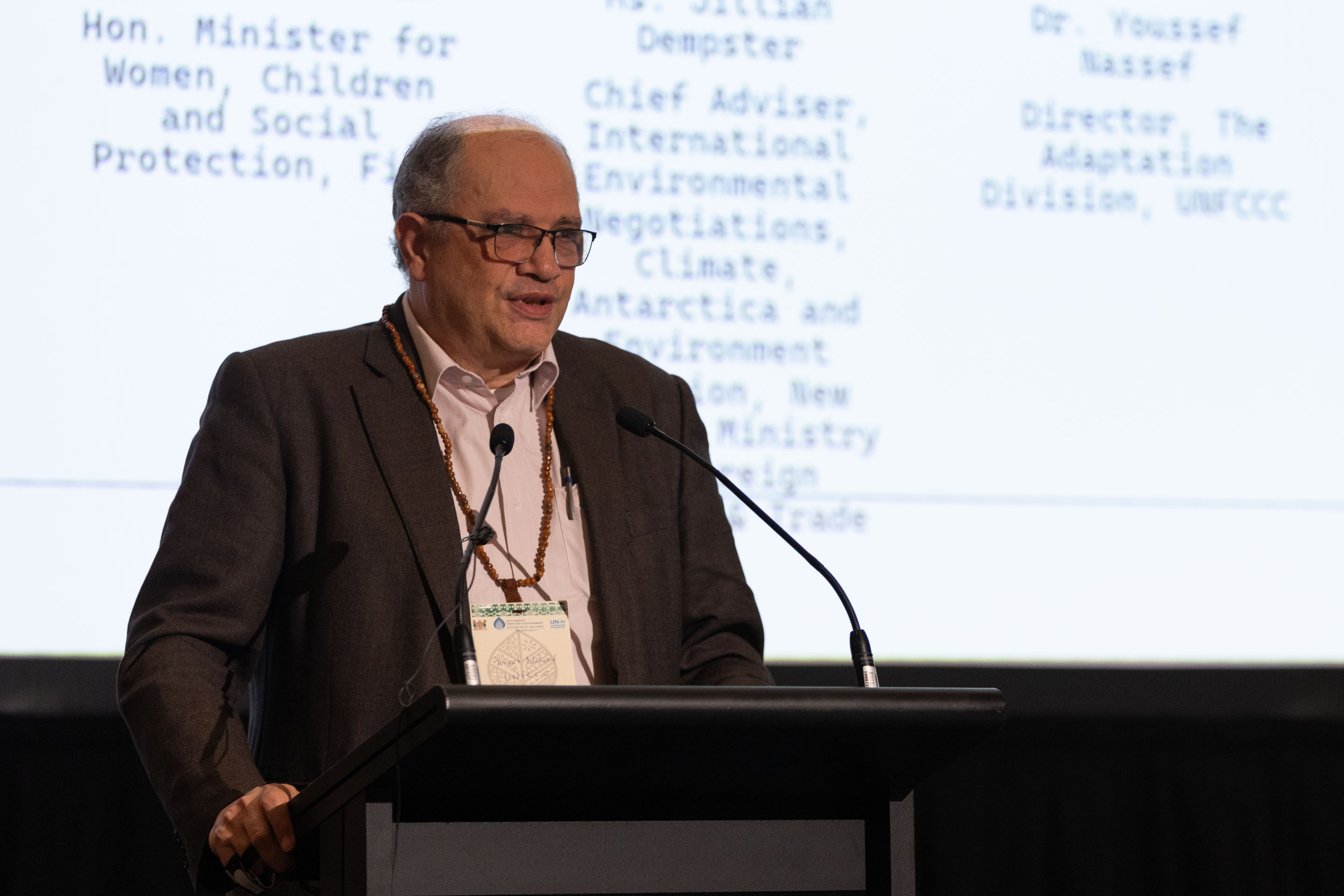
Youssef Nassef, UN Framework Convention on Climate Change (UNFCCC)
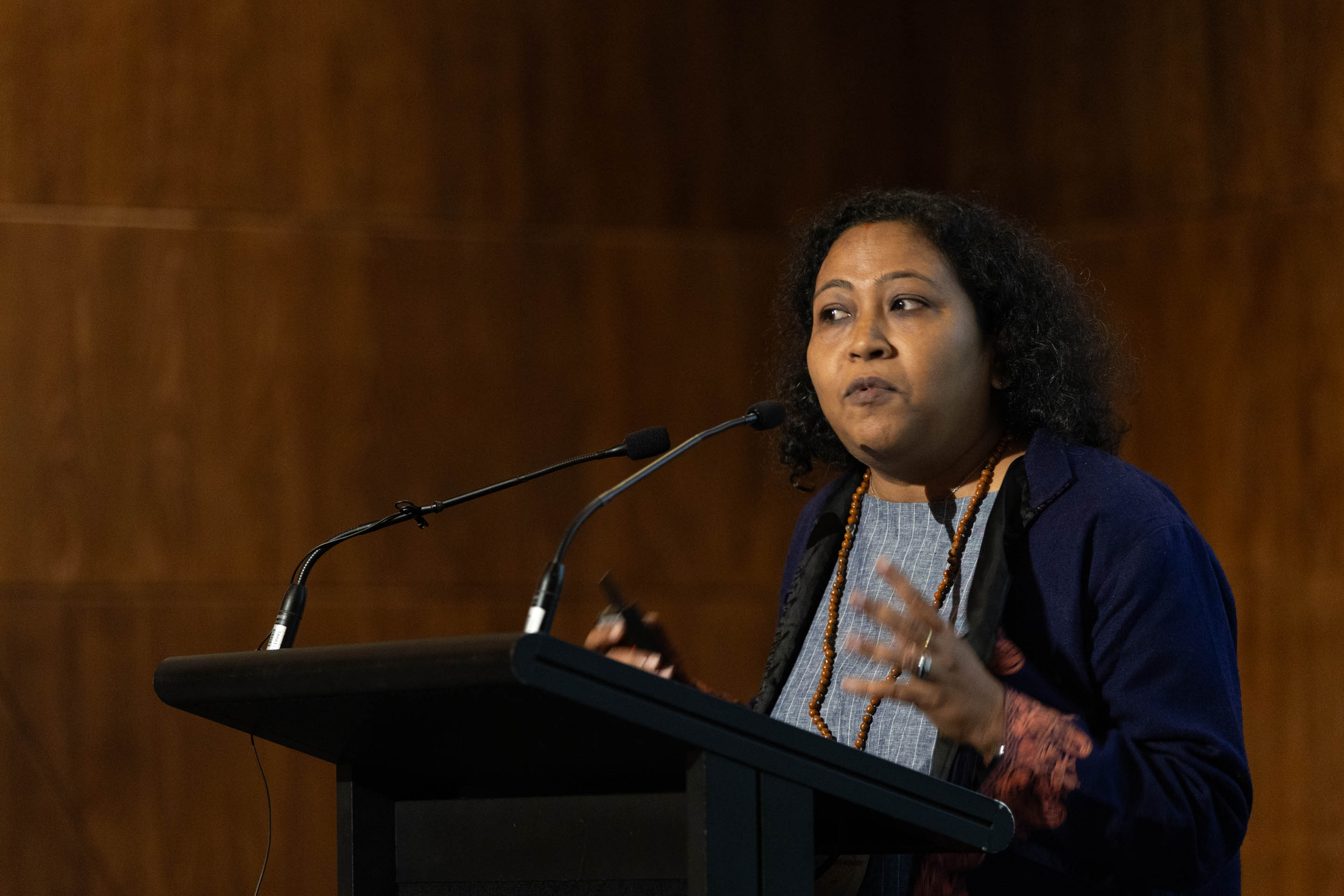
Sashi Kiran, Minister for Women, Children, and Social Protection, Fiji
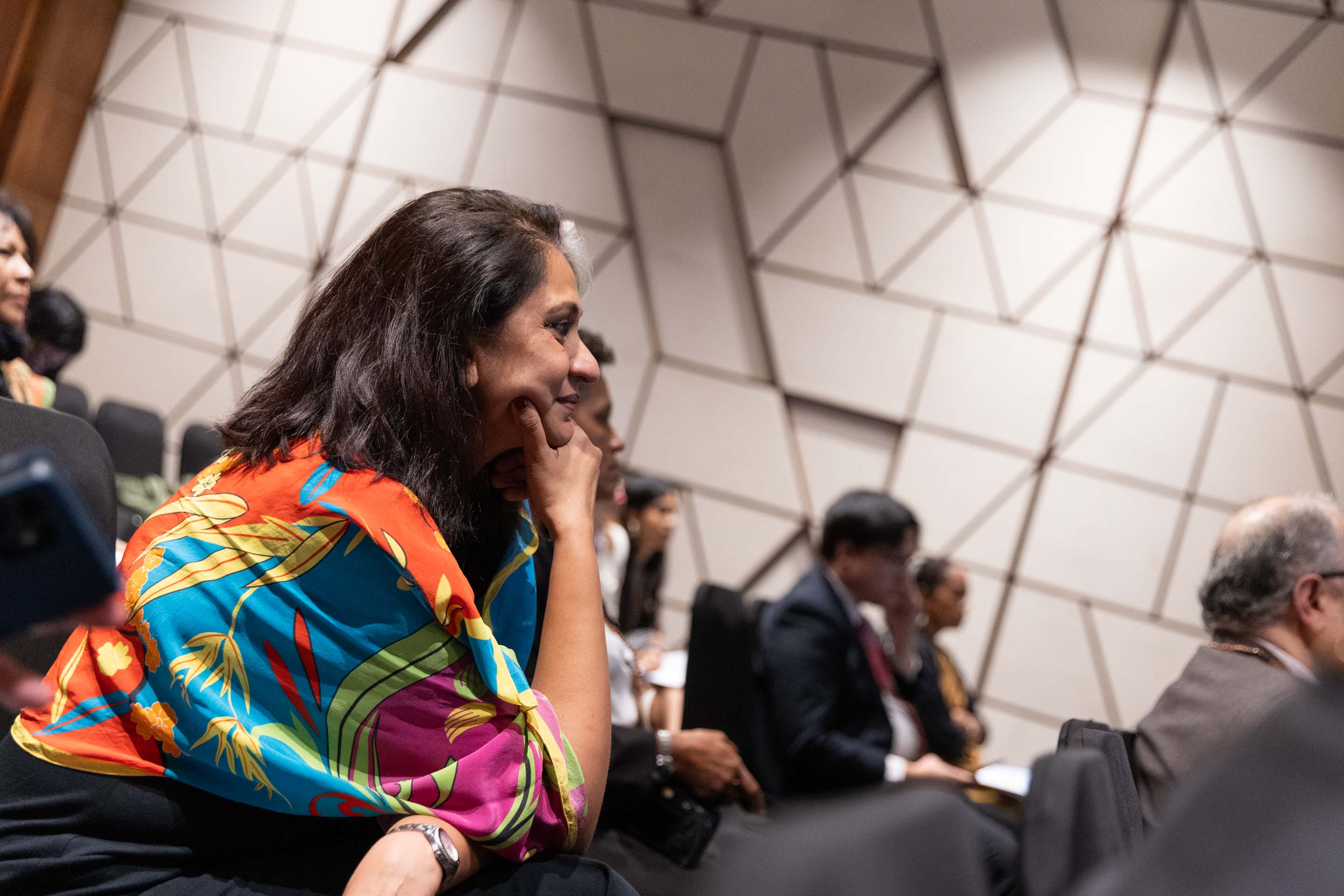
Afternoon Plenary
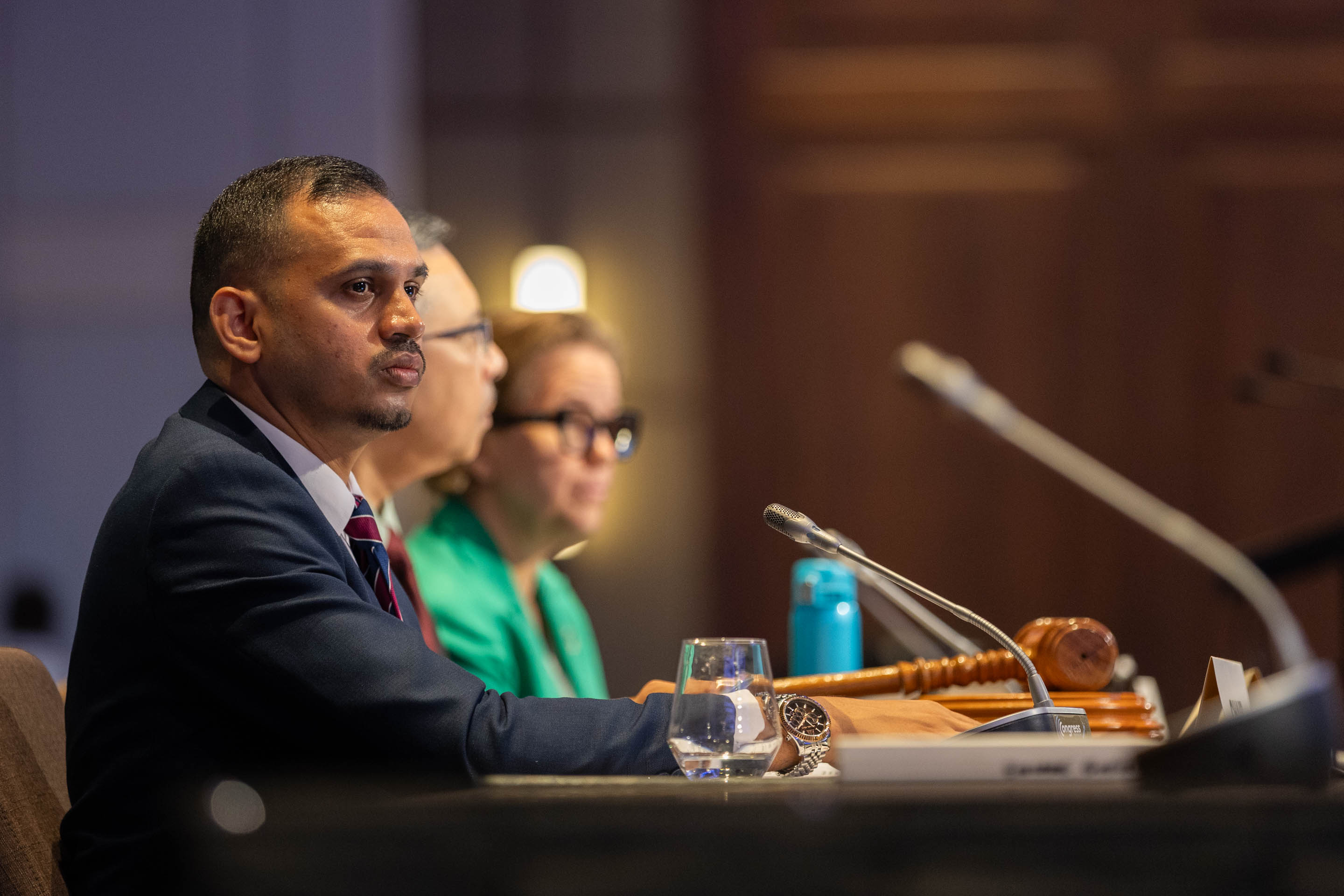
Sivendra Michael, Chair, 6th Forum of Ministers and Environment Authorities of Asia Pacific
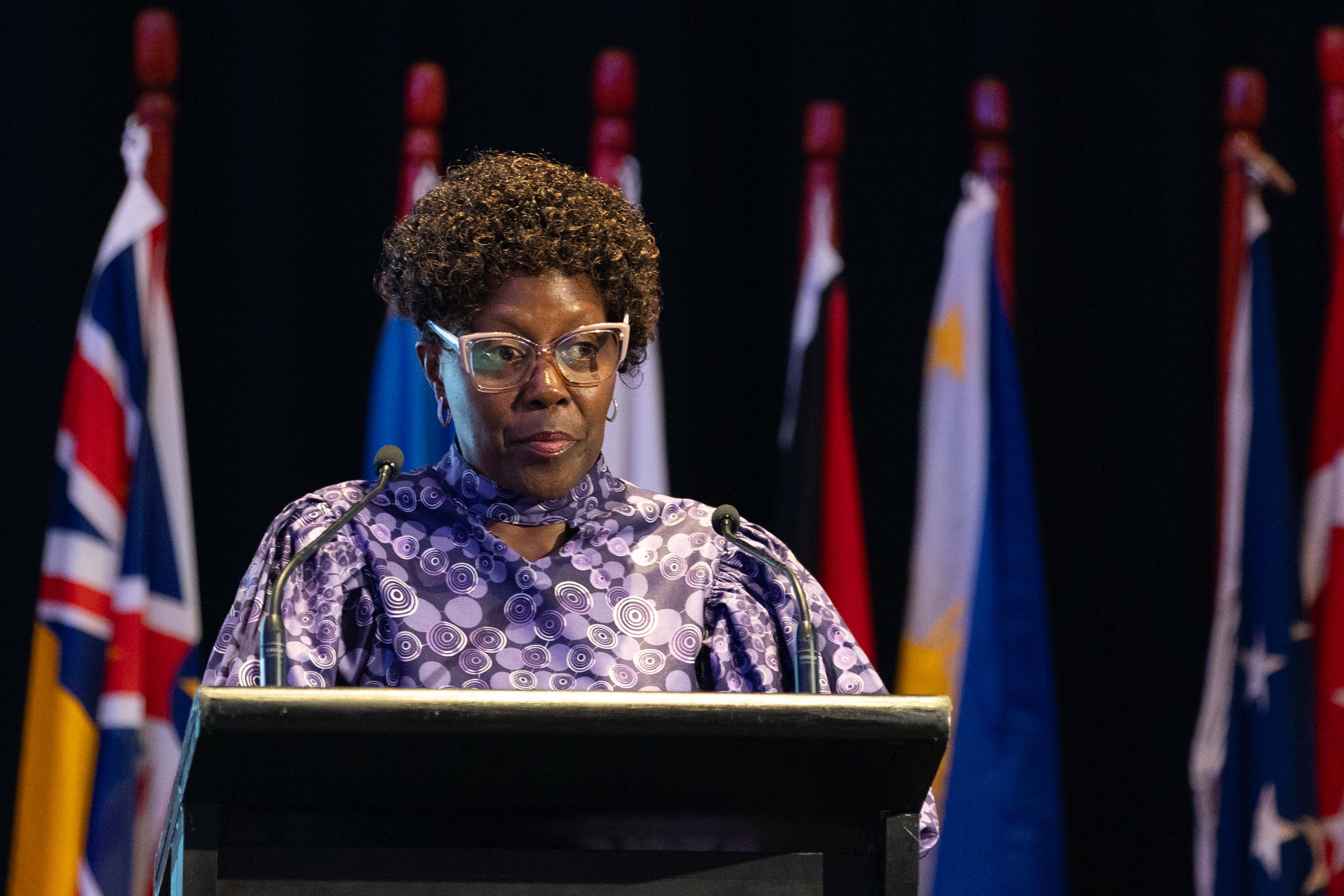
Elizabeth Maruma Mrema, Deputy Executive Director, UNEP
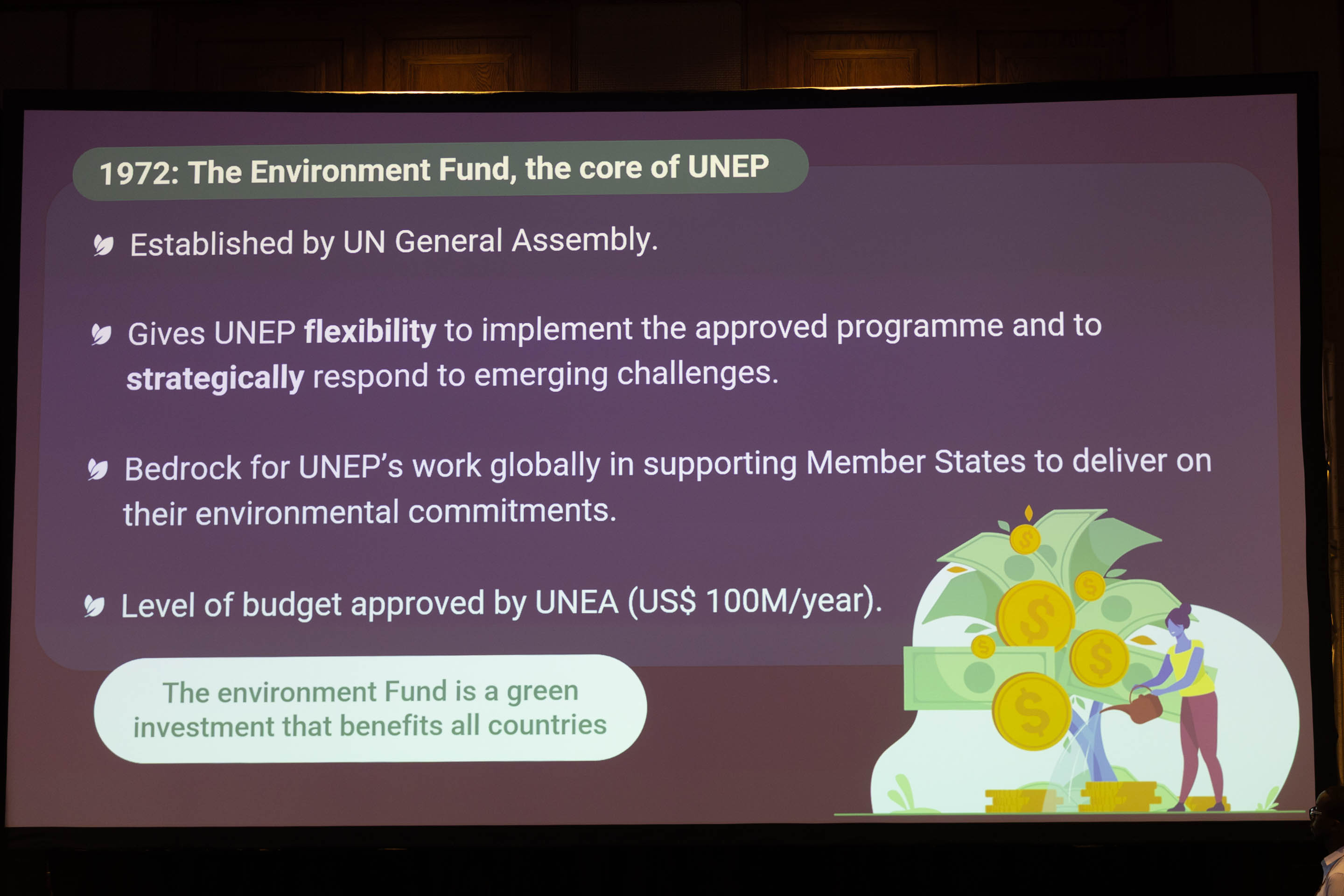
A slide highlights the importance of UNEP's core funding
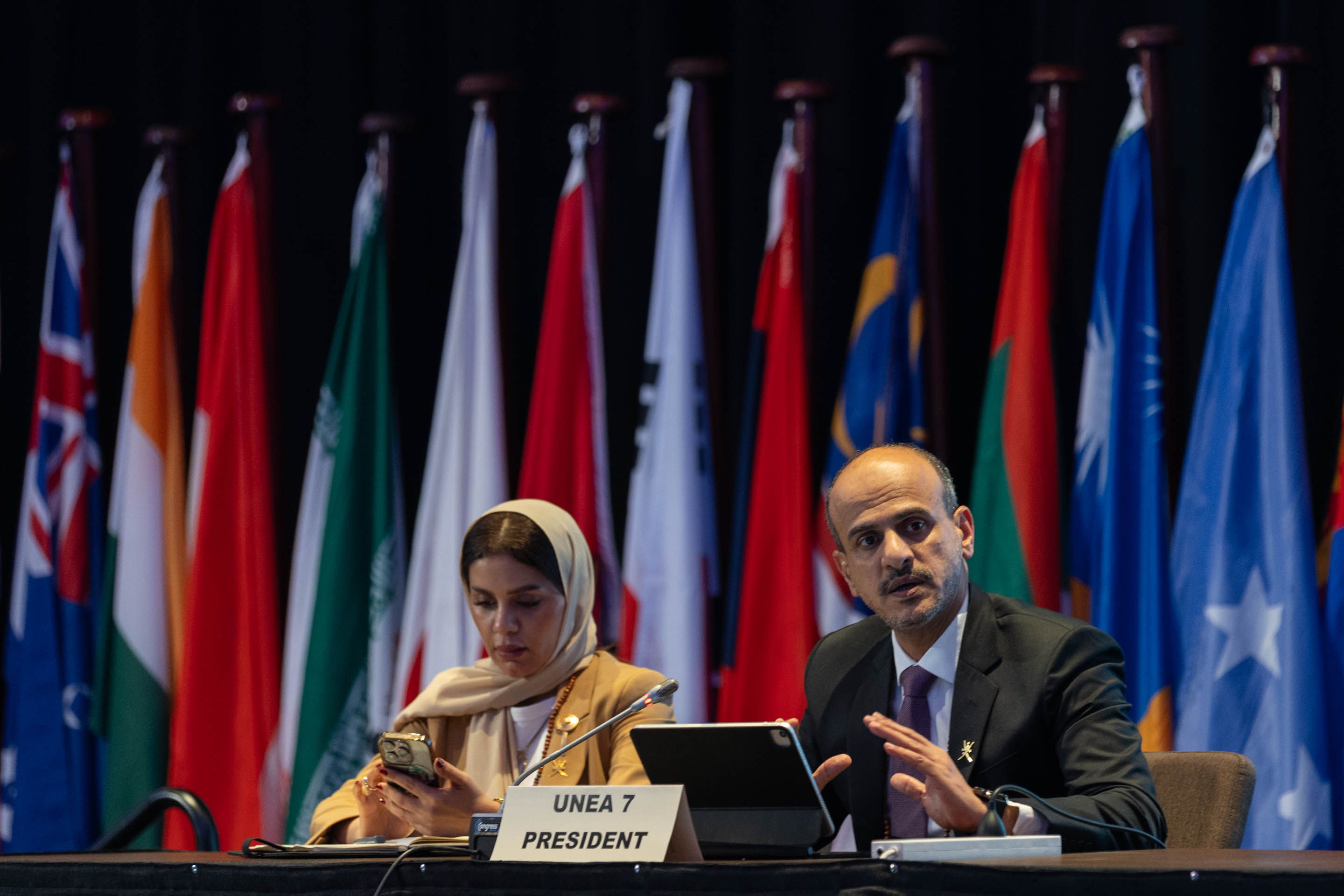
Abdullah bin Ali Al Amri, President, UNEA-7
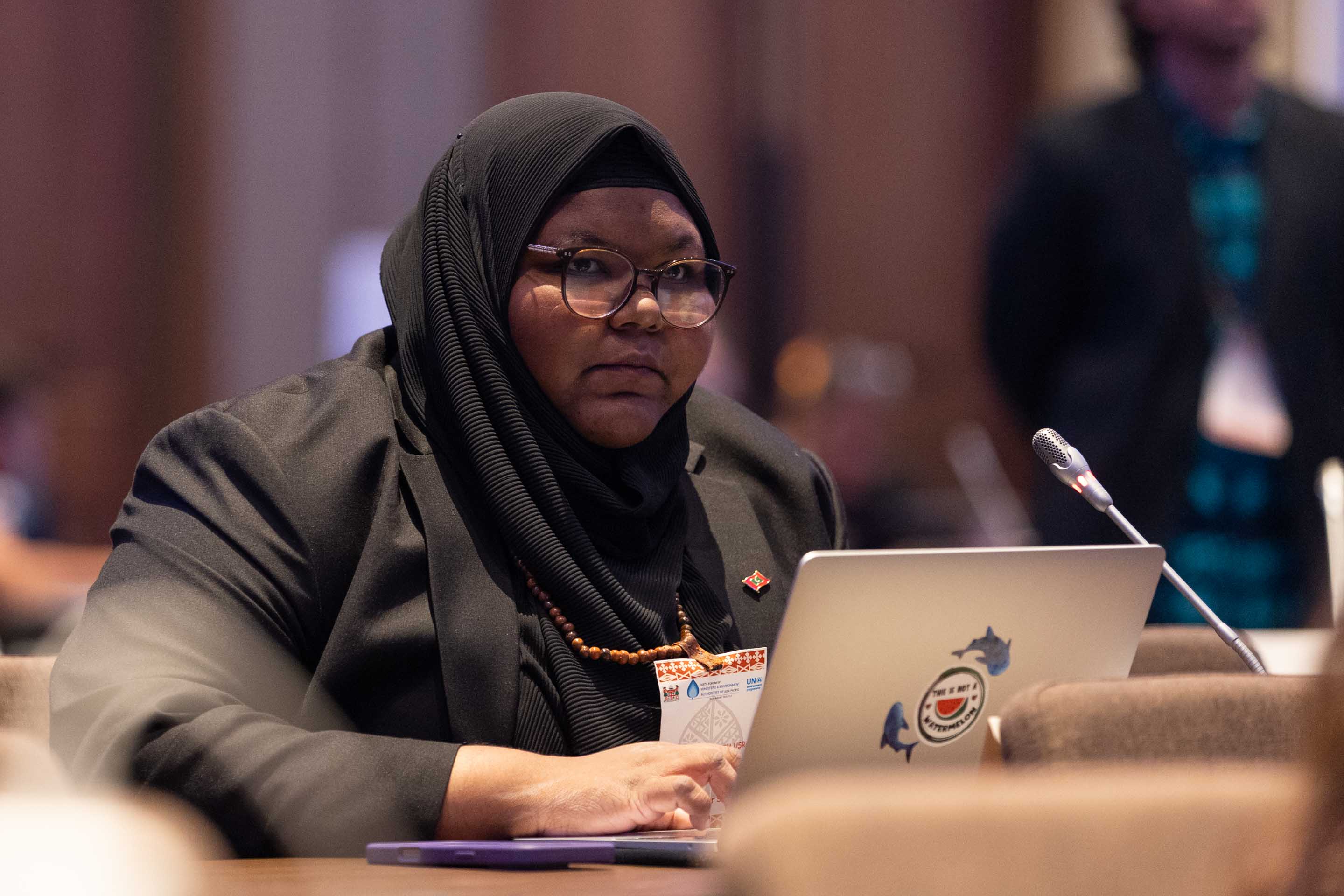
Fathmath Usra, Maldives
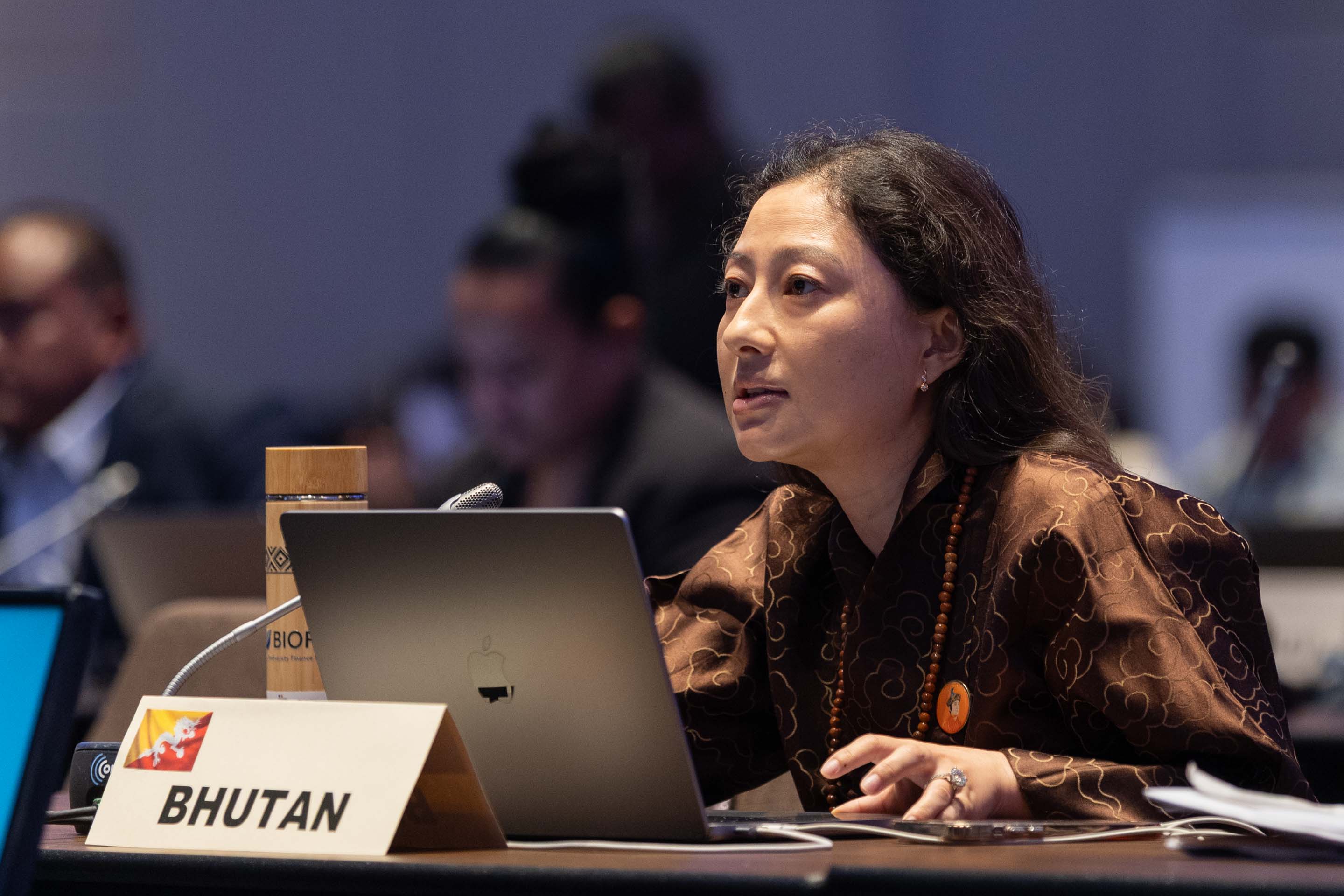
Tshering Choden, Chief Environment Officer, Department of Environment and Climate Change, Bhutan
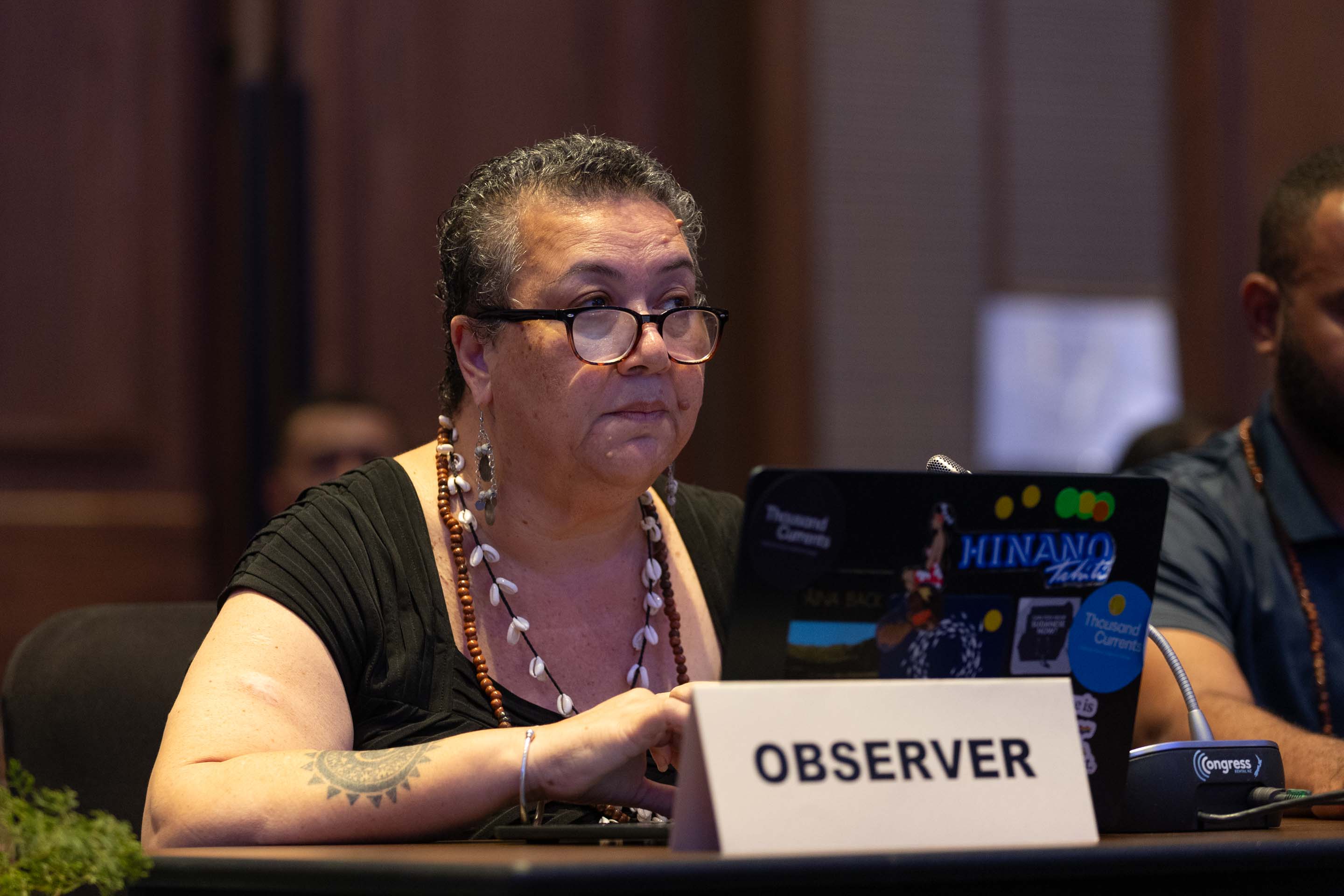
Noelene Nabulivou, Pacific Feminist Network
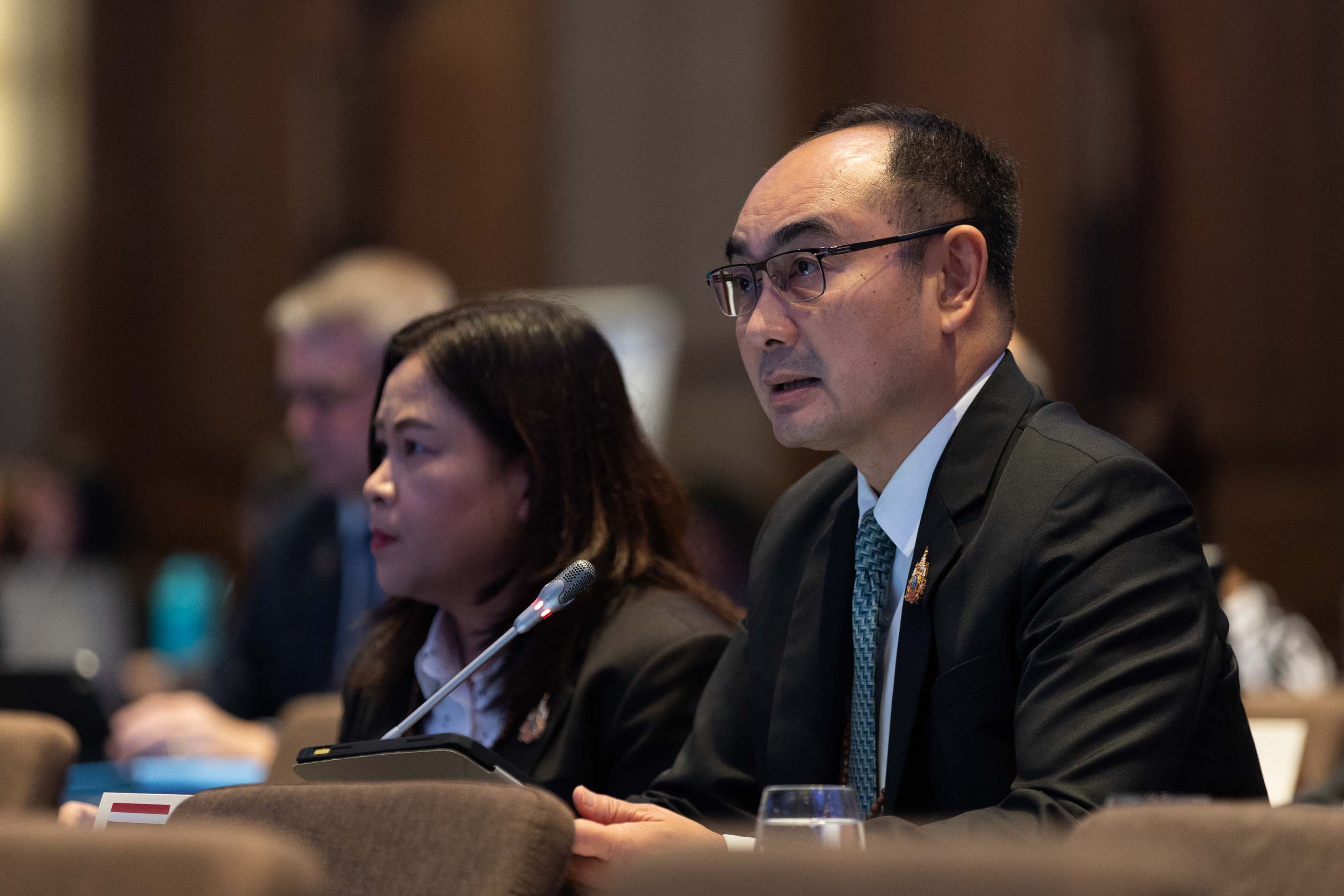
Narapat Kaeothong, Vice Minister, Ministry of Natural Resources and Environment, Thailand
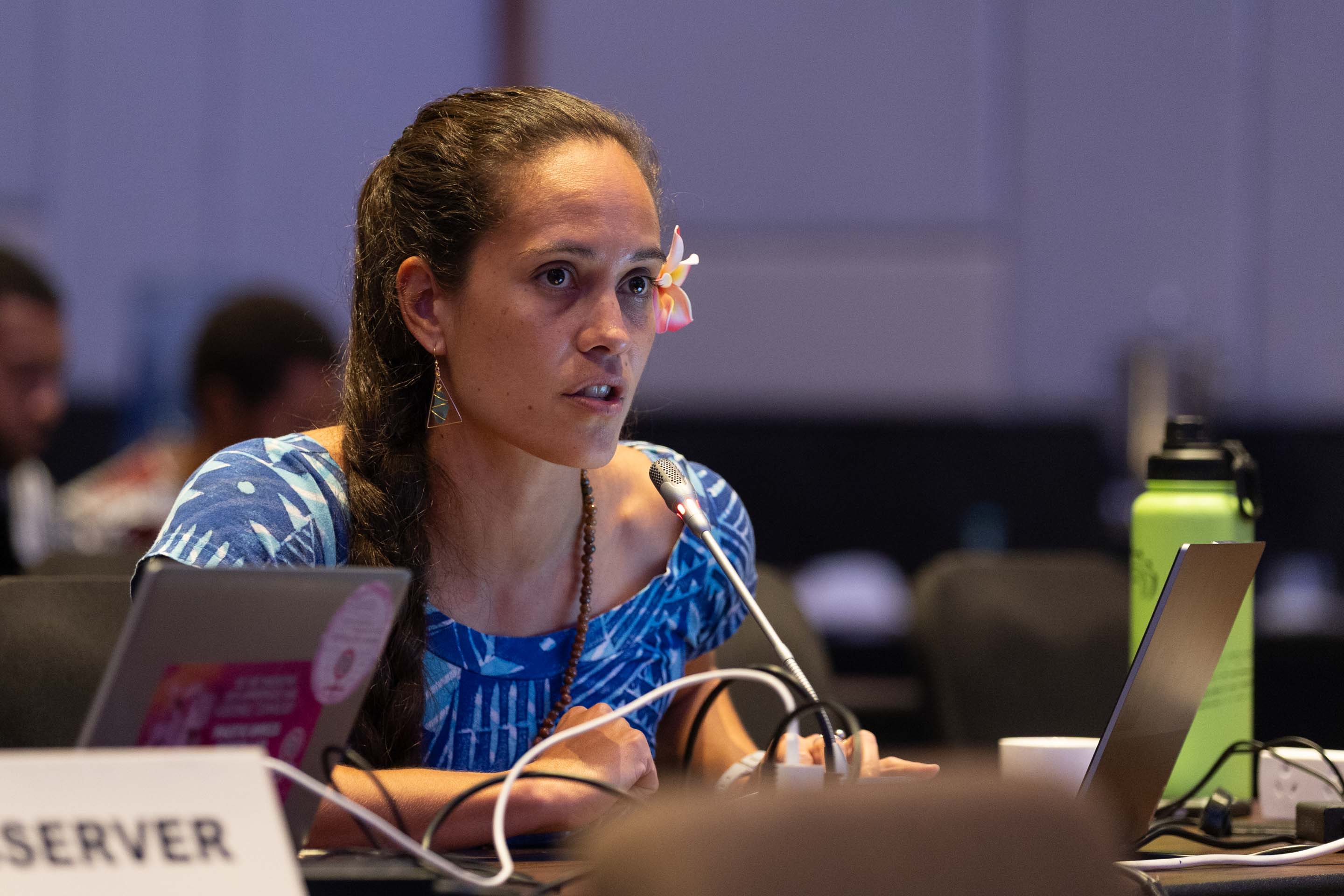
Alanna Smith, Te Ipukarea Society, Cook Islands
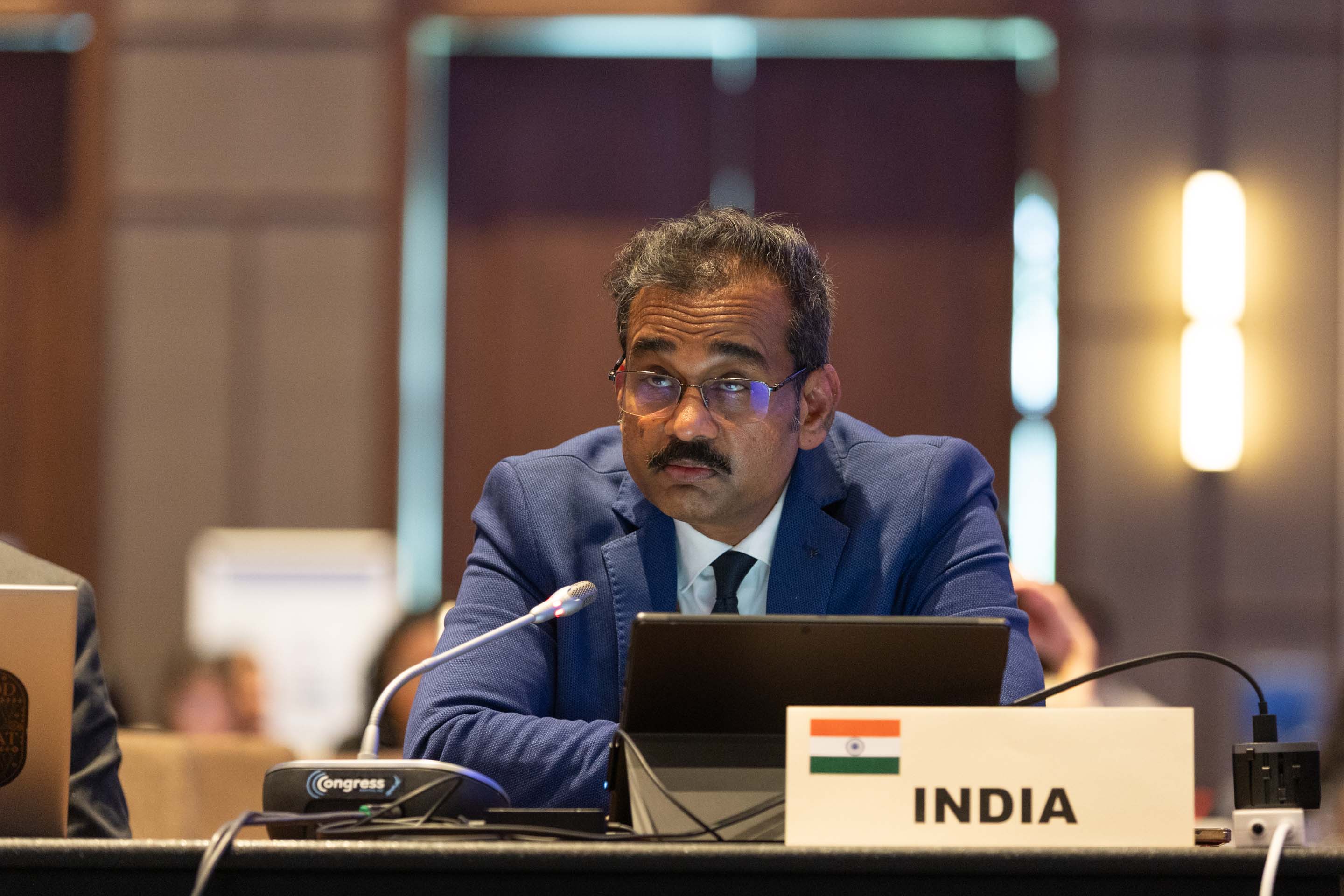
Raghu Prasad, Inspector General of Forests, India
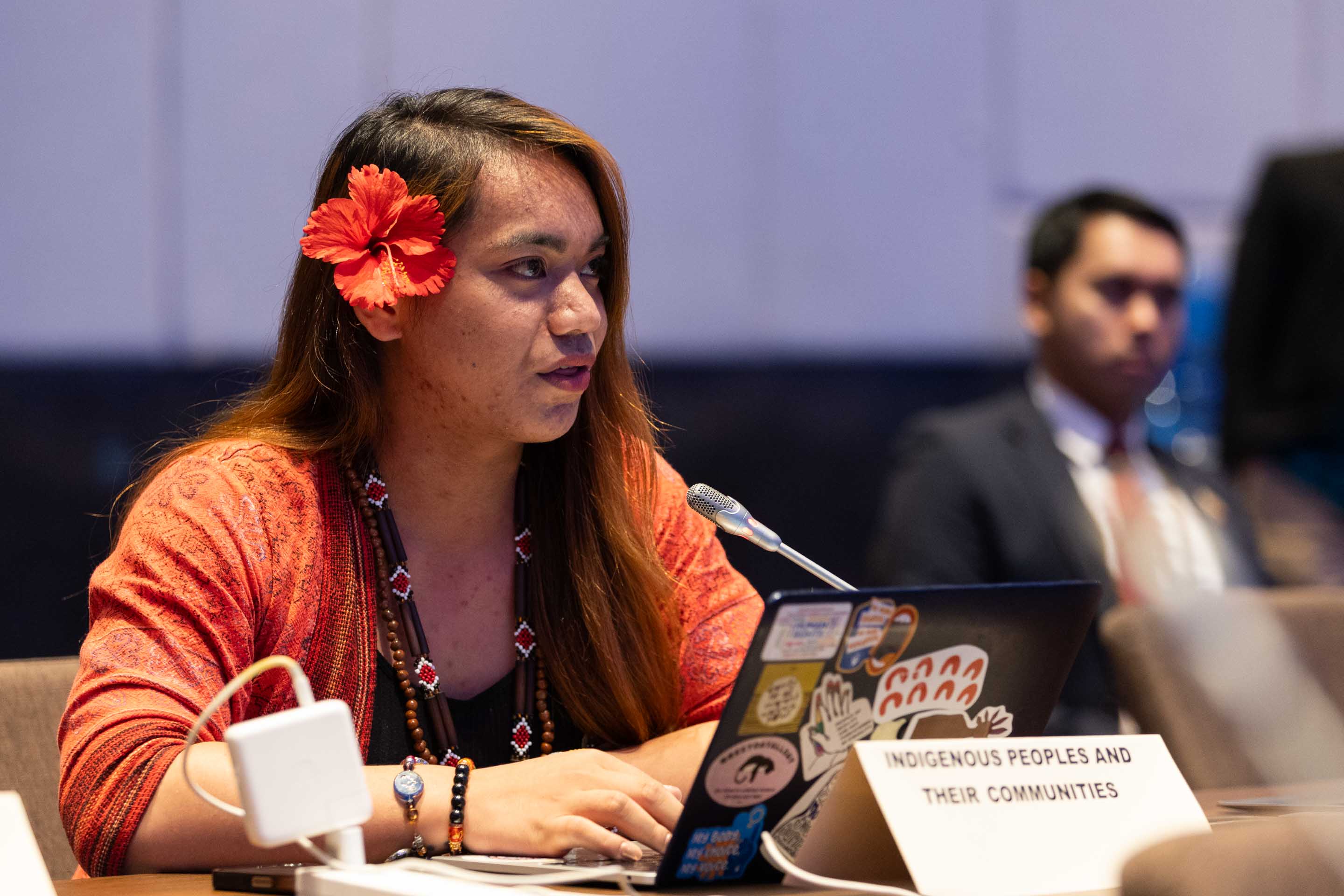
Mitch Teofilo, Indigenous Peoples' and their Communities
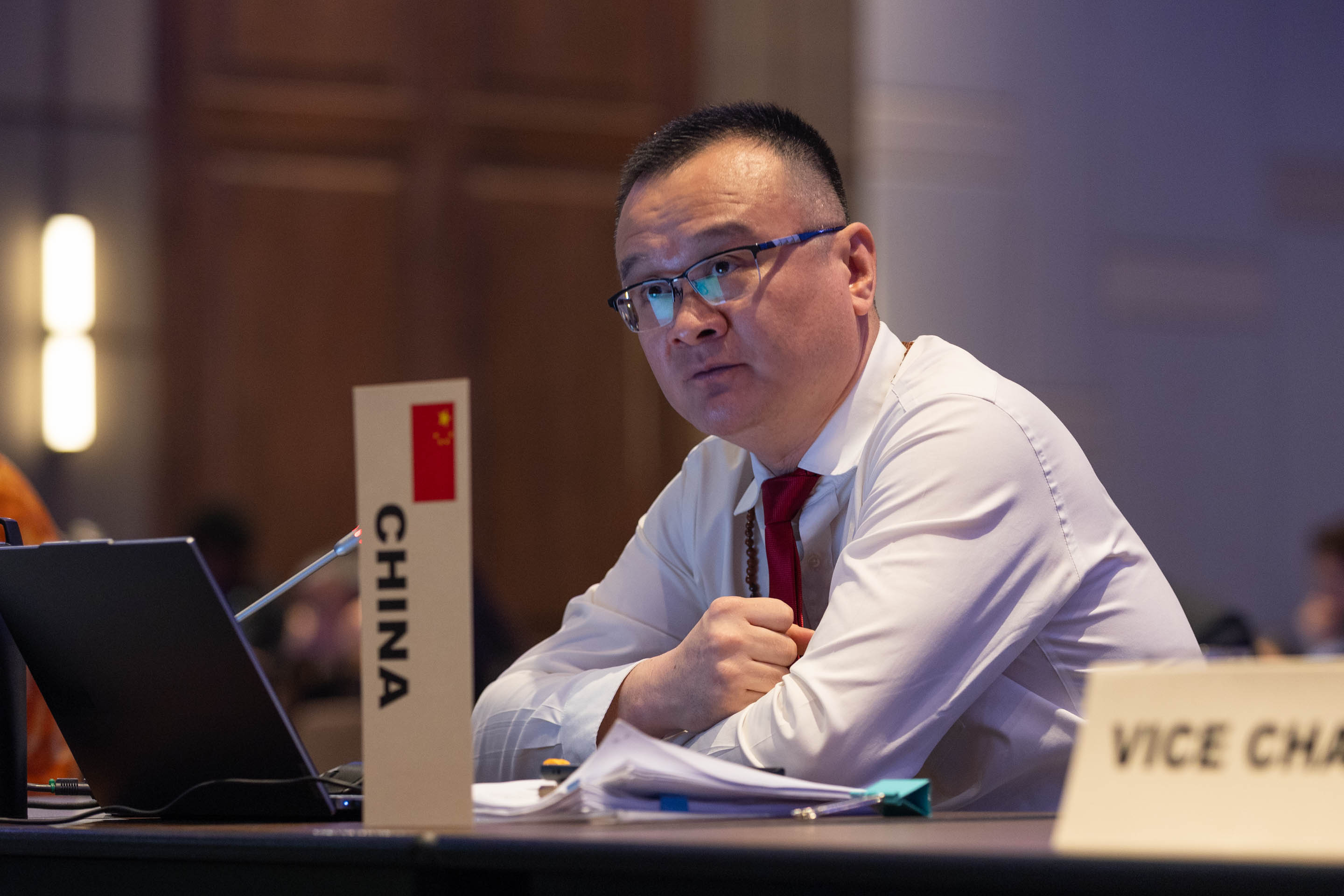
Zhang Zhuo, China

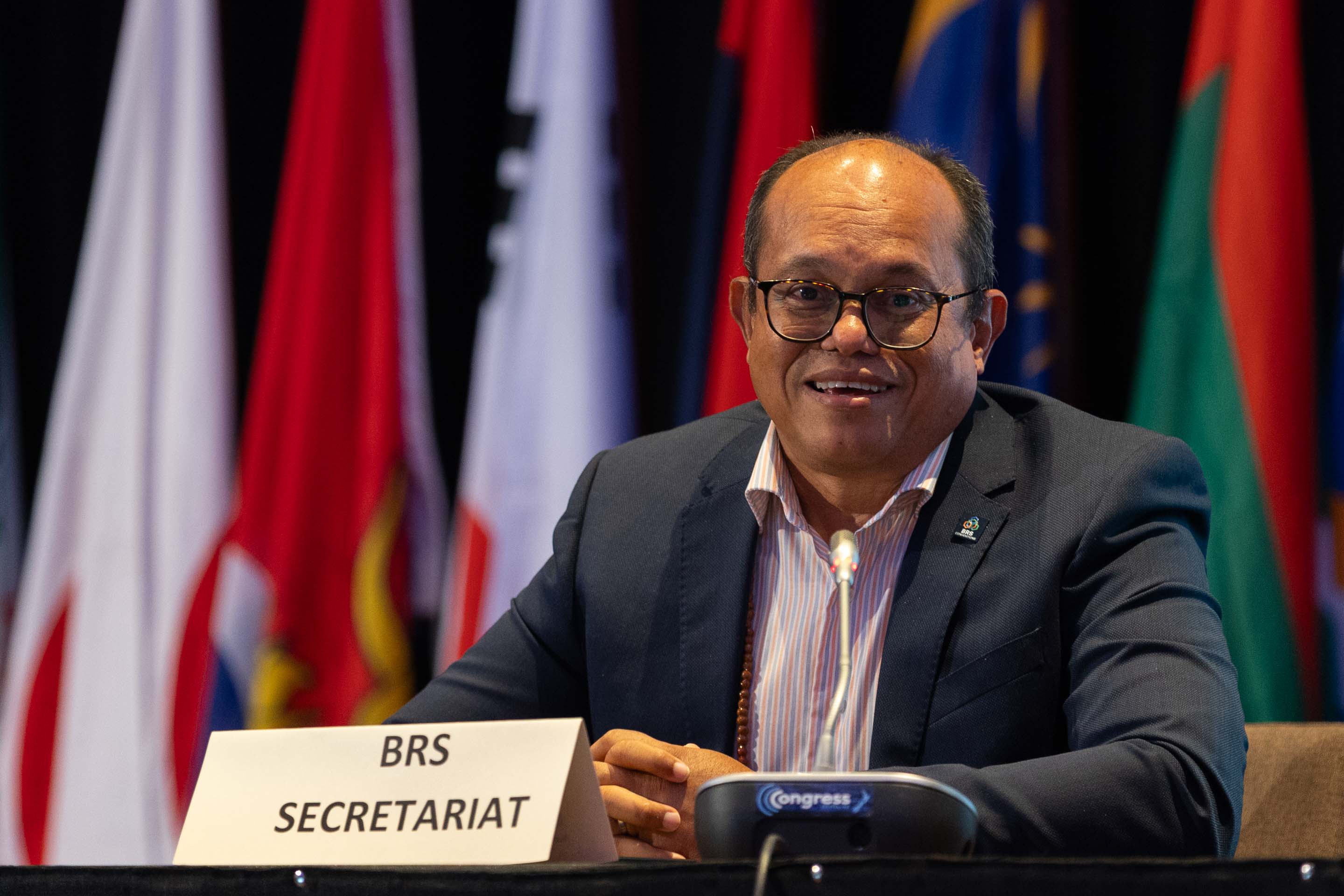
Rolph Payet, Executive Secretary, Basel, Rotterdam and Stockholm (BRS) Conventions
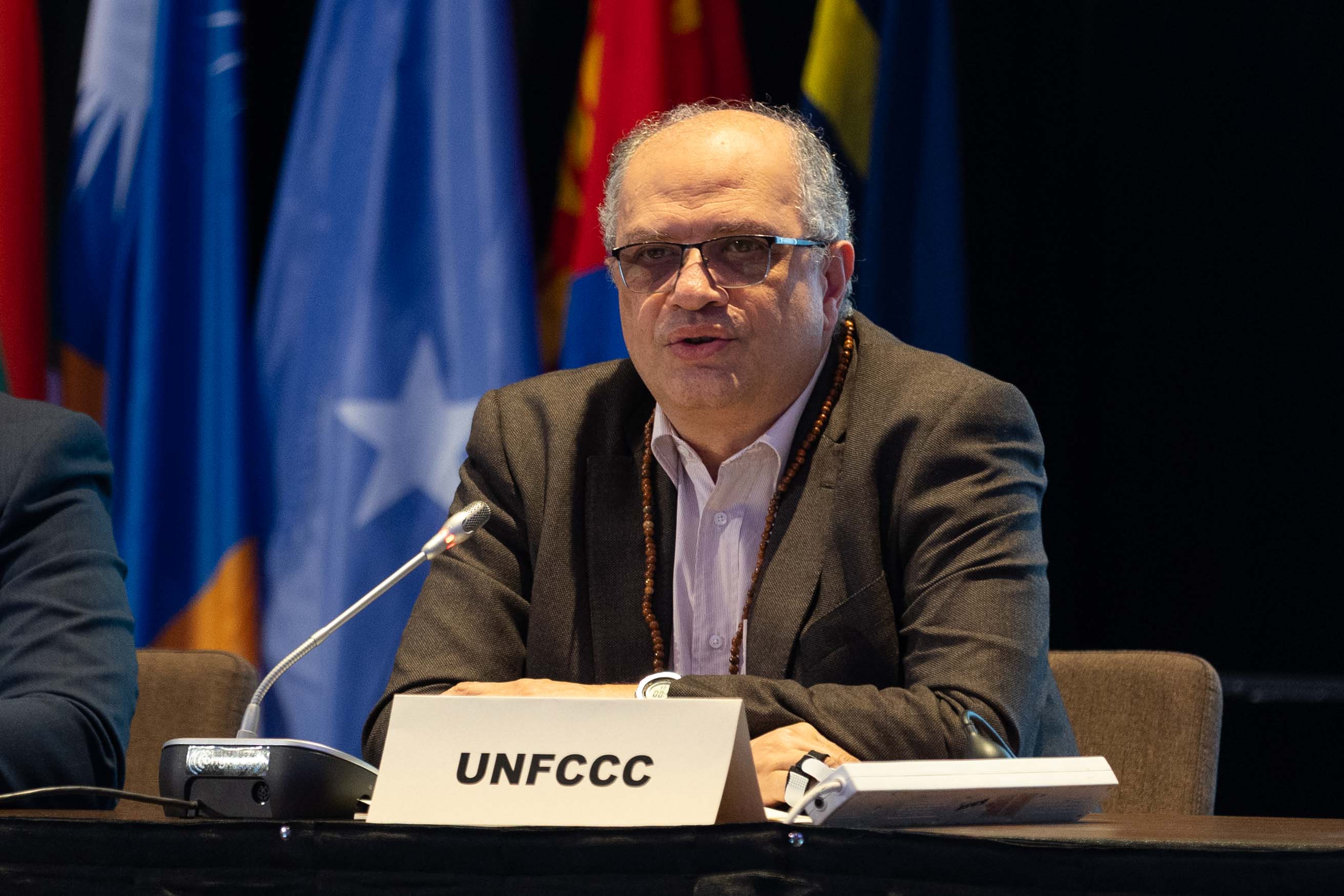
Youssef Nassef, UNFCCC
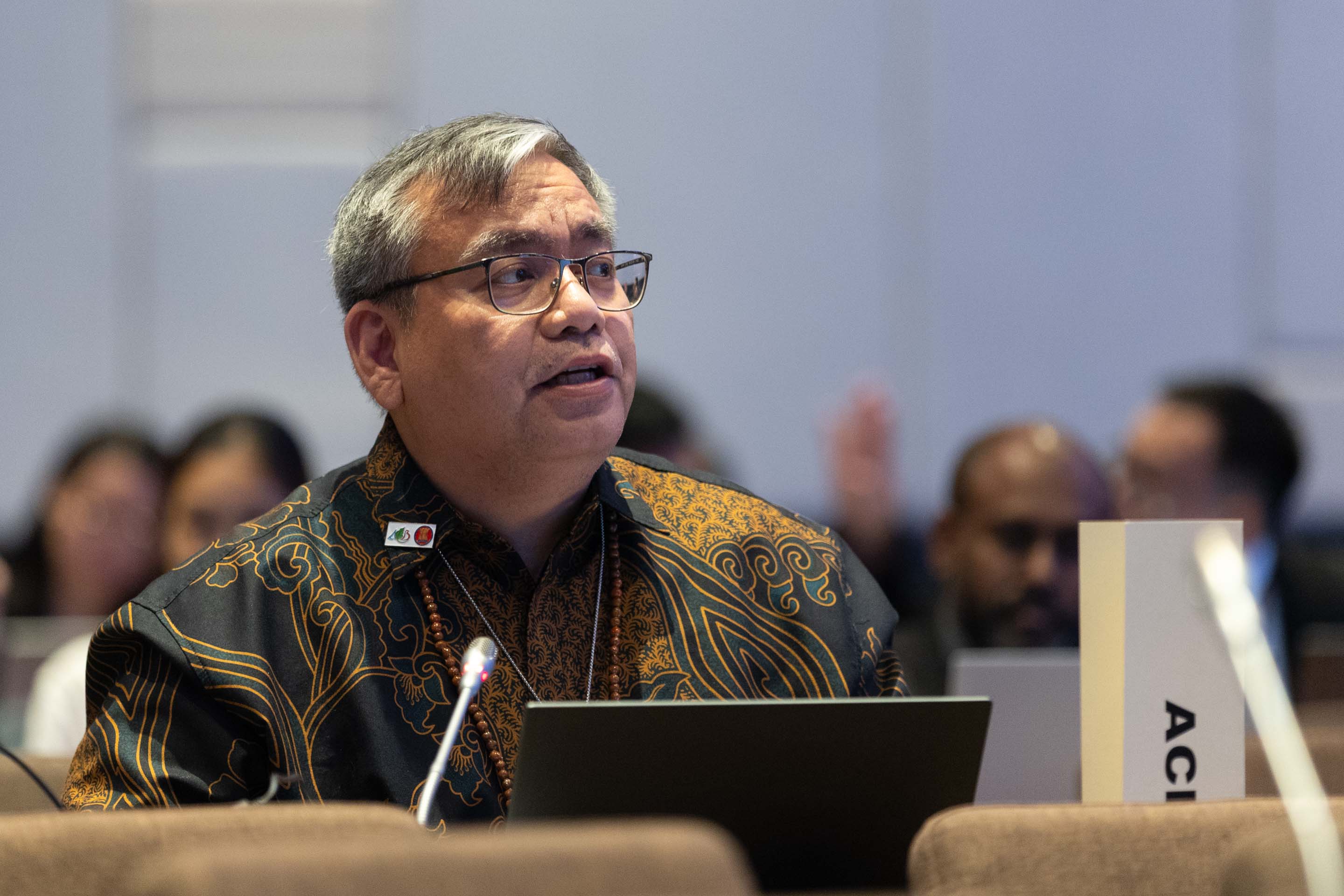
Jerome Montemayor, Executive Director, ASEAN Centre for Biodiversity

Astrid Schomaker, Executive Secretary, UN Convention on Biological Diversity (CBD), via video message

Around the Venue
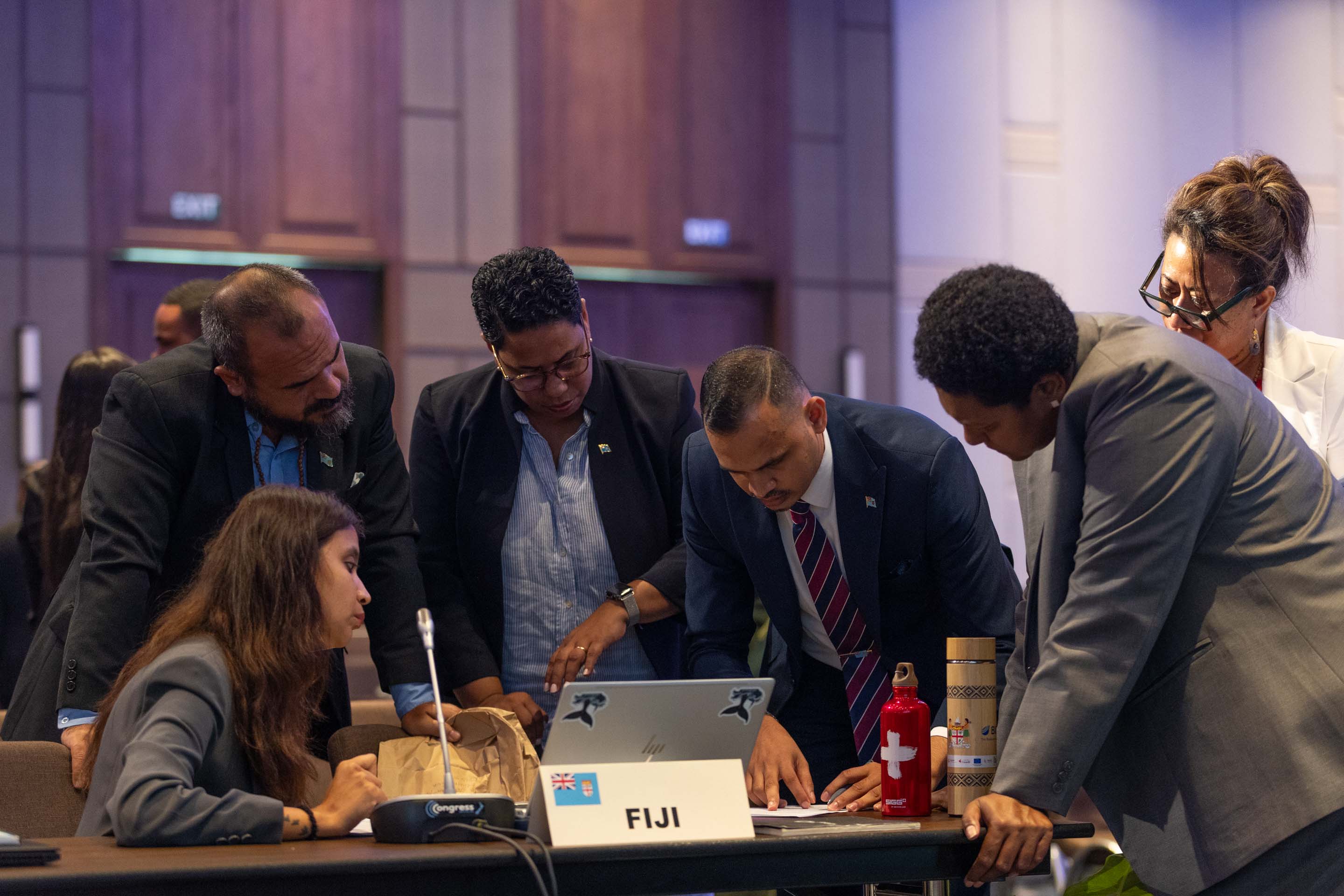
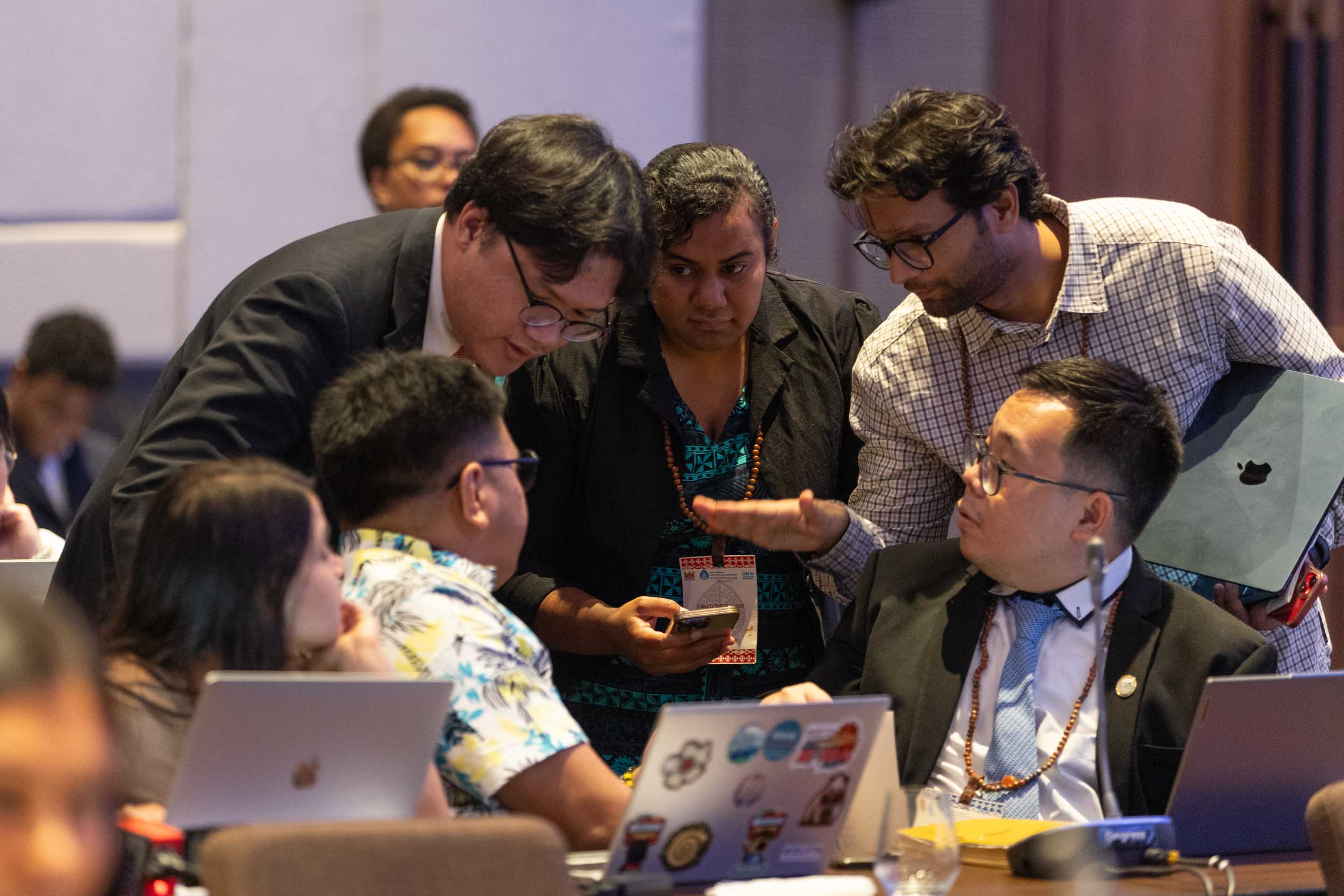
Delegates from Fiji consult at the start of the day
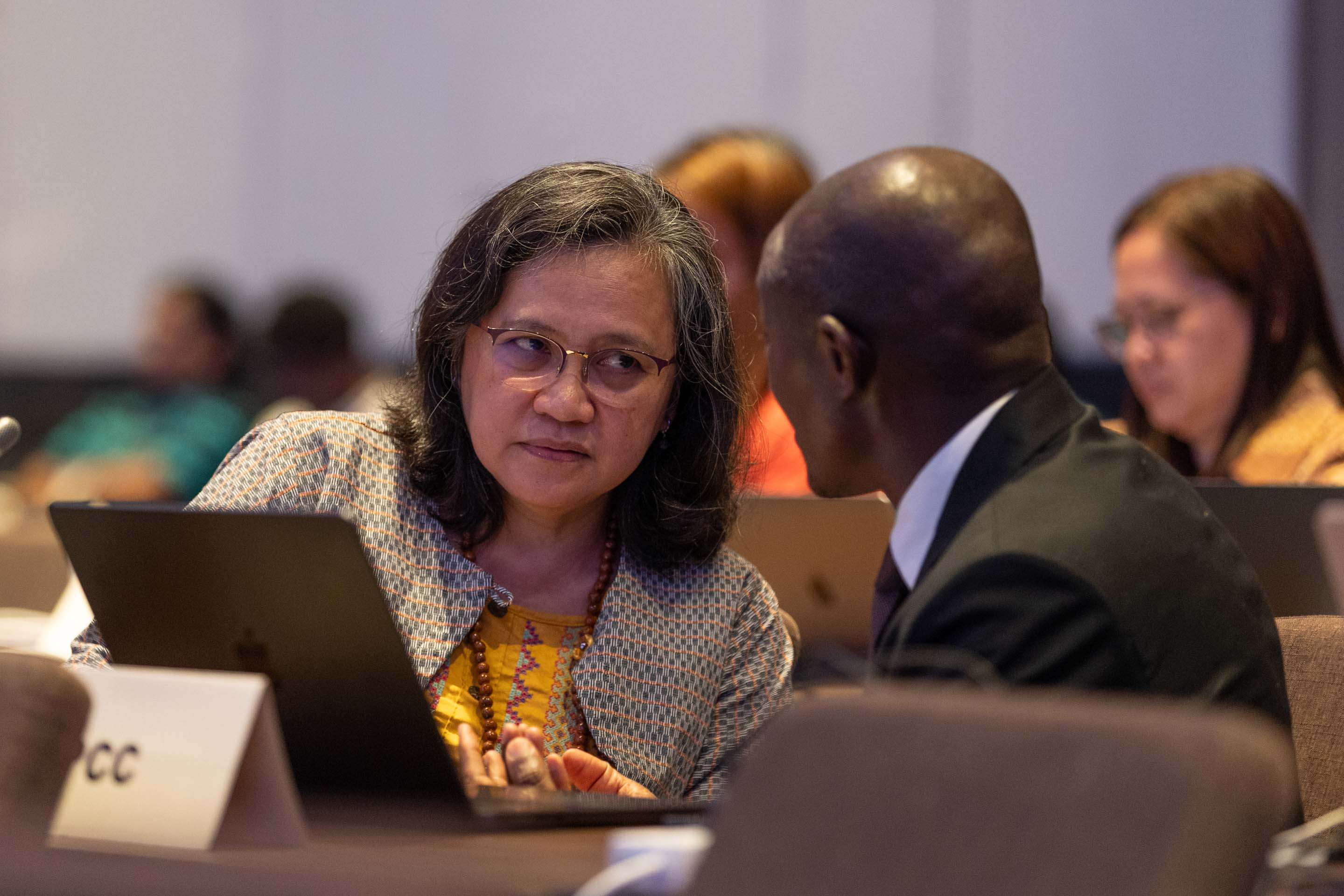
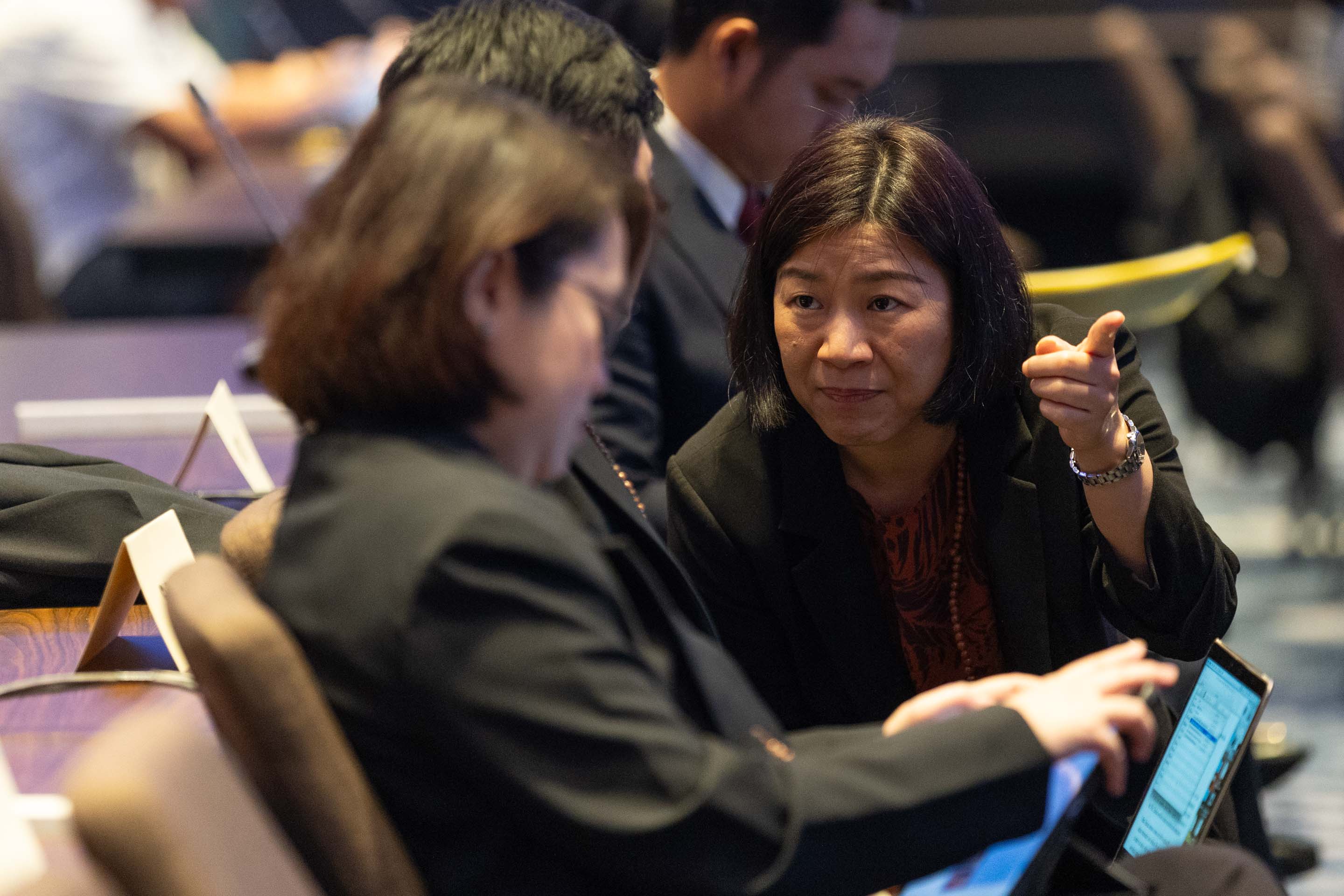
Elenita Daño, For the Upliftment of Moral, Economic, Technological and Socio-Spiritual Aspirations of People (METSA), the Philippines, speaks with Ladislaus Chang’a, Vice Chair, IPCC
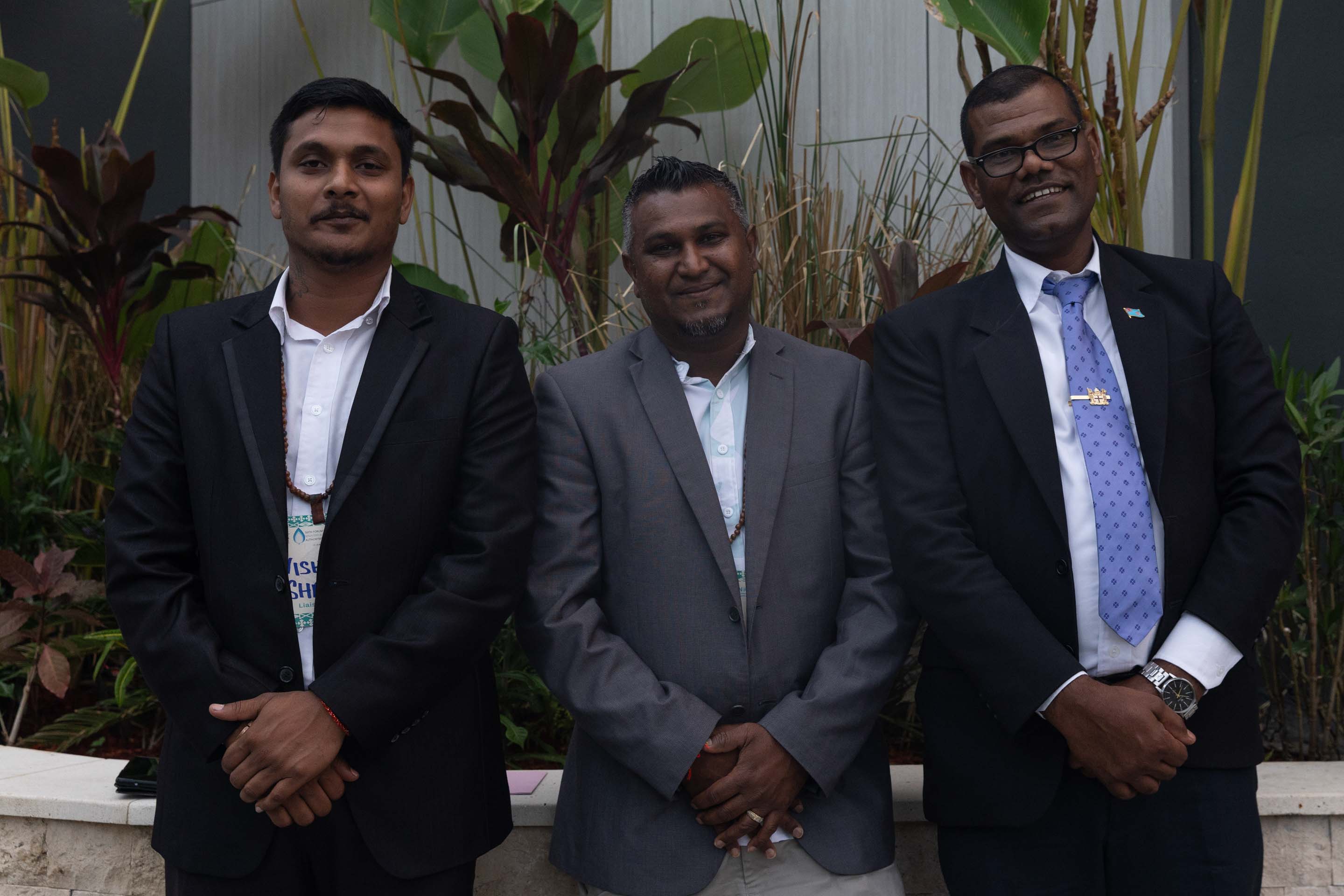
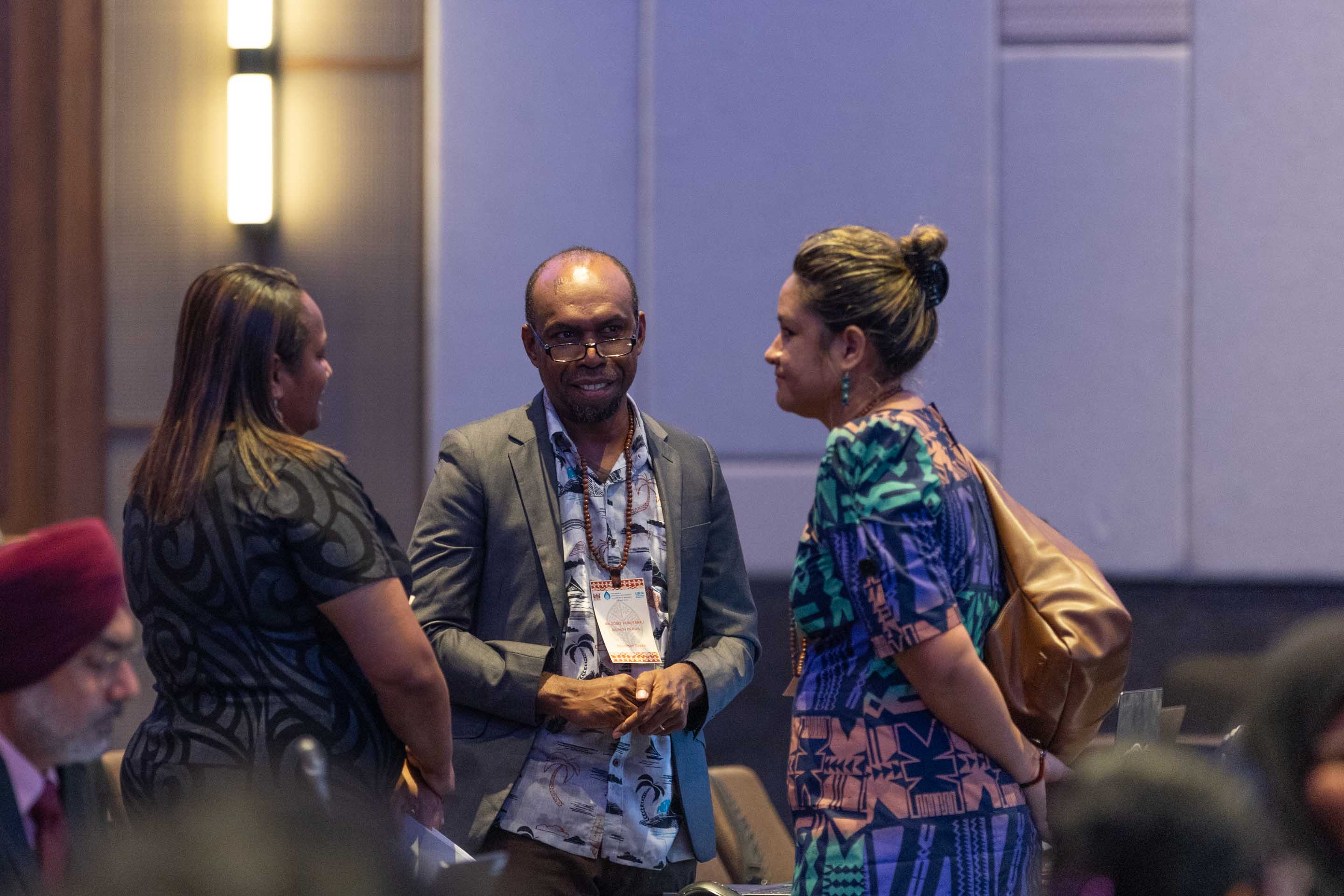
Delegates from Fiji around the venue
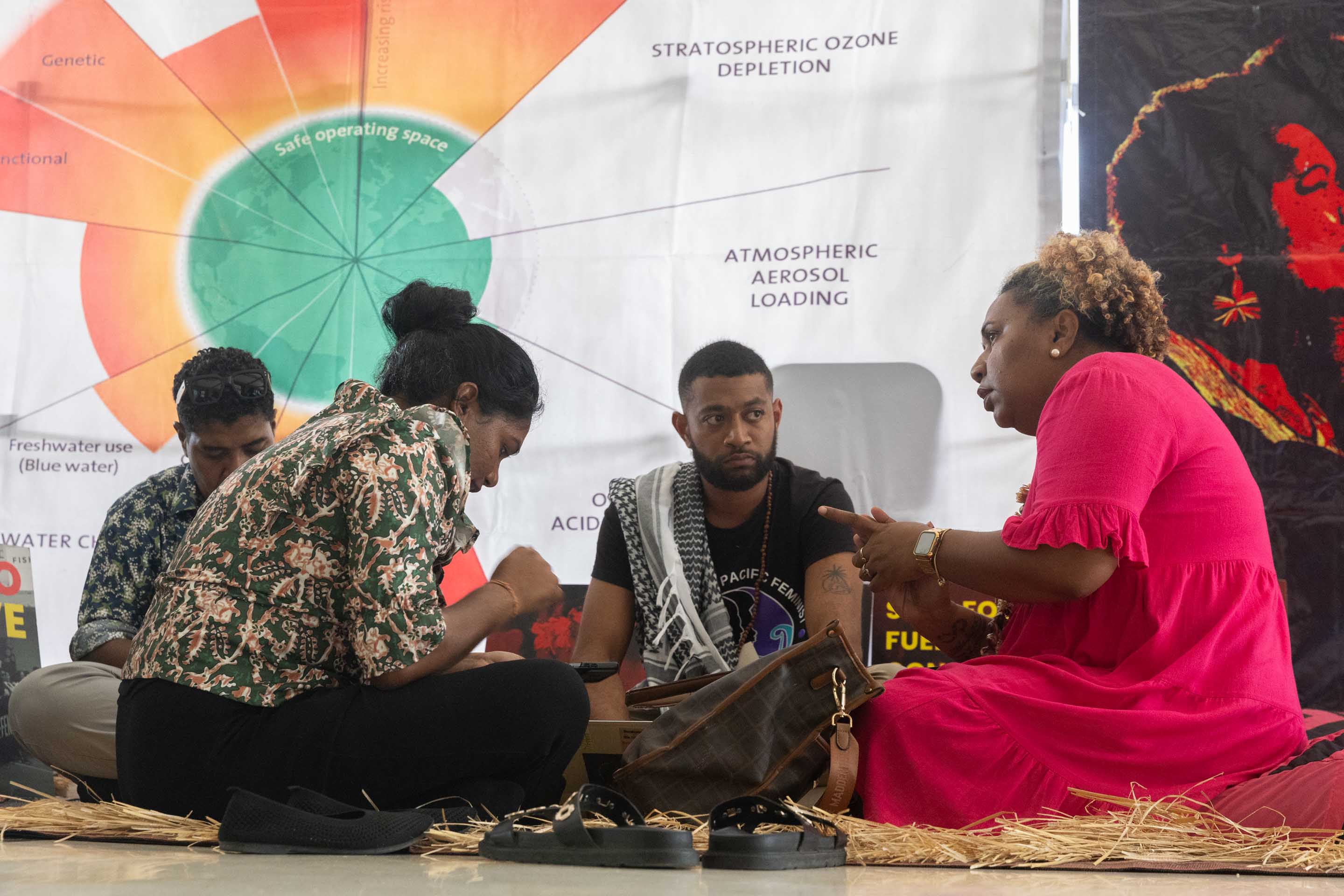
Members of CYMG consult

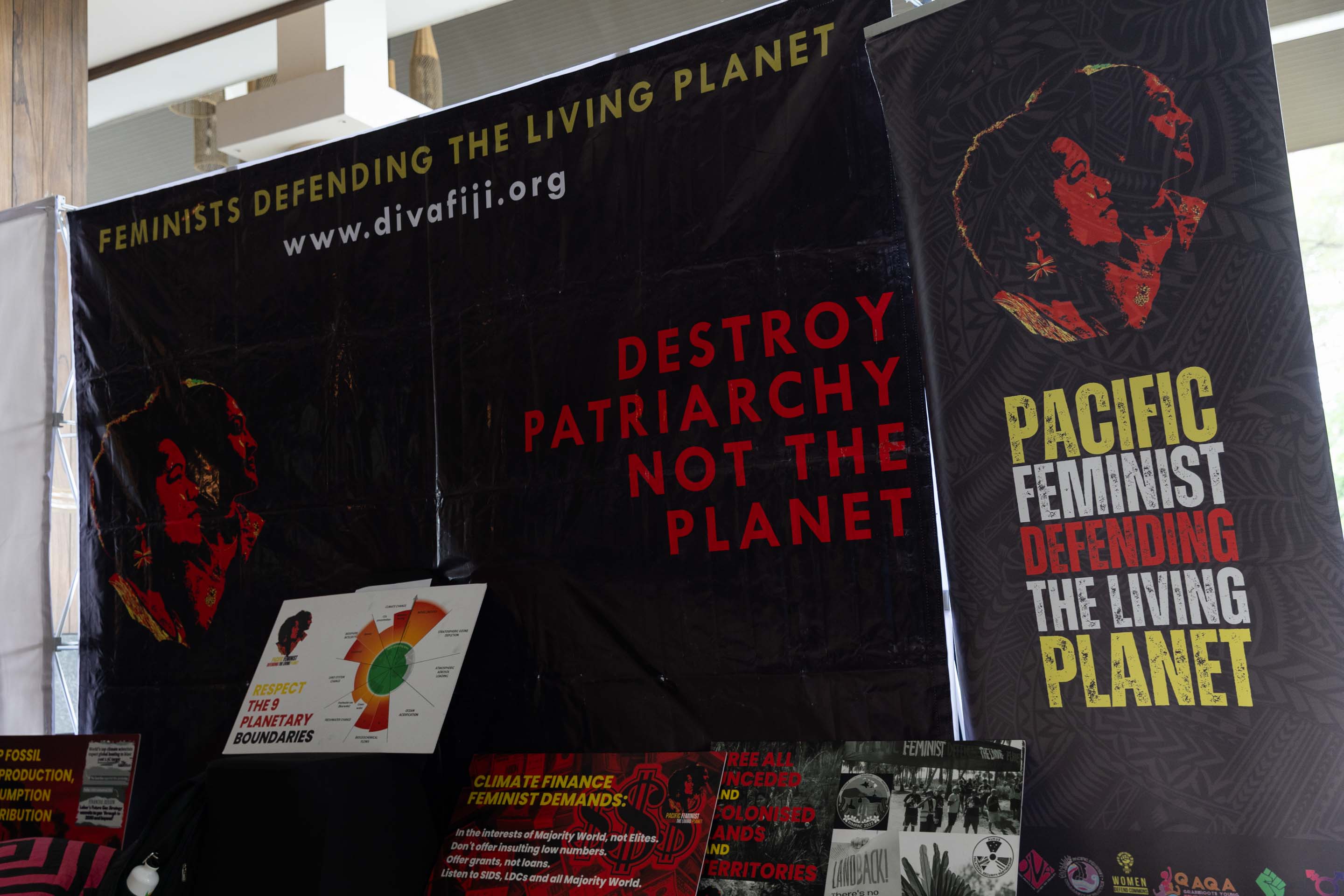
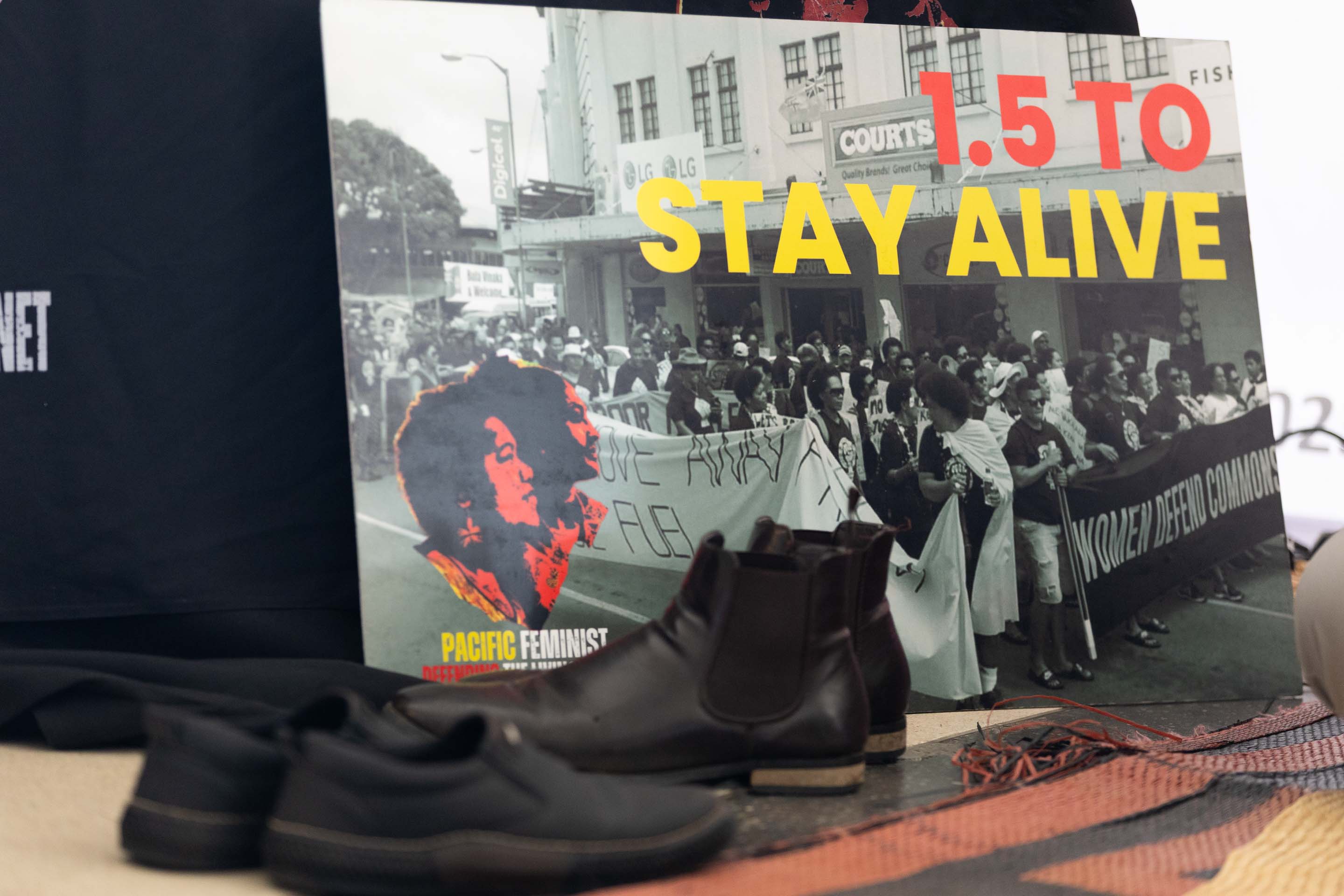
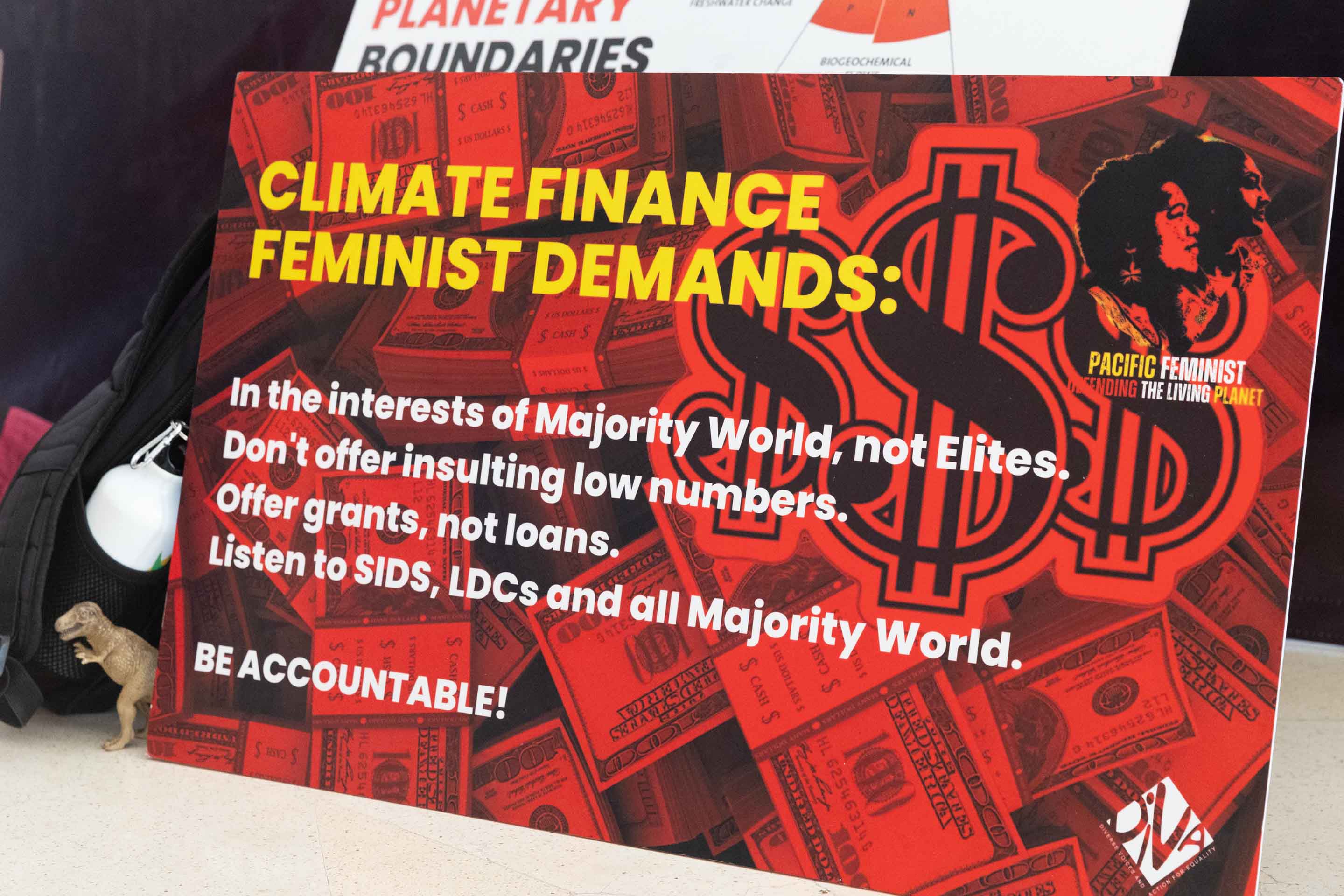
Materials on display around the venue