
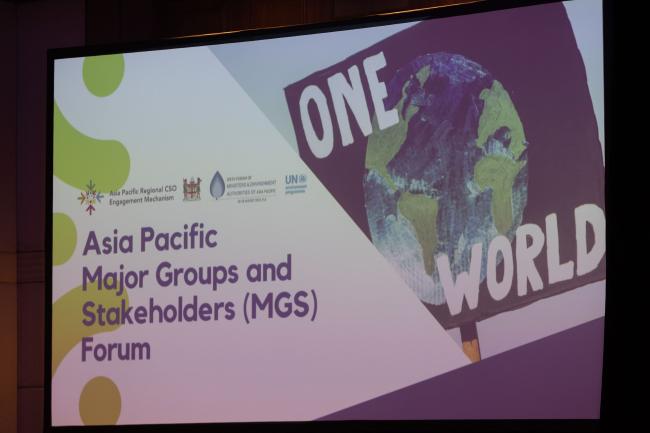
Opening the one-day Major Groups and Stakeholders Forum (MGSF) one-day meeting, Lenora Qereqeretabua, Ministry of Foreign Affairs, Fiji, highlighted the role of Pacific Islanders as custodians of a region “that holds the key to the health of humanity.” She called on UNEA-7 and the international system to deliver real action not “delay disguised as diplomacy.” Abdullah bin Ali Al Amri, UN Environment Assembly (UNEA-7) President, encouraged all present to use the MGS to build alliances, hear regional voices, and craft solutions together.
Elizabeth Maruma Mrema, UN Environment Programme (UNEP) Deputy Director, highlighted the “transformative power of local advocacy,” and urged the Forum to produce actionable recommendations.
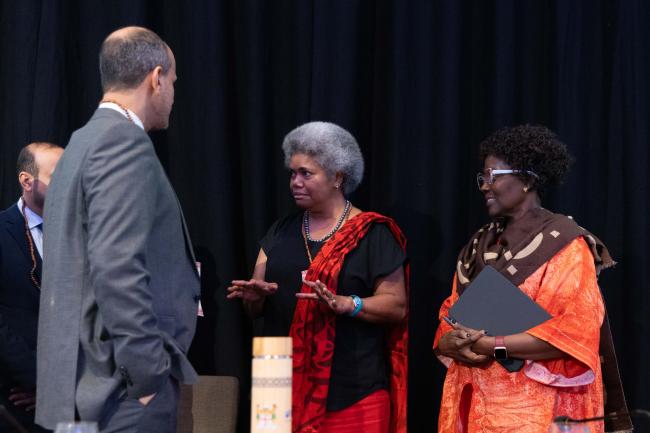
Ladislaus Chang’a, International Panel of Climate Change (IPCC) Vice-Chair, updated participants on progress toward the IPCC’s 7th Assessment Report, highlighting also its forthcoming special reports and methodology reports.
MGS then met in plenary throughout the day. Speakers discussed grassroots community responses to environmental challenges, including examples from Sri Lanka, Thailand, and Bangladesh, as well as regional perspectives. In subsequent sessions, they discussed the triple planetary crisis and development challenges, as well as the role of science, technology, and Artificial Intelligence (AI) in advancing solutions.
Ajay Kumar Jha, Centre for Community Economics and Development Consultants Society (CECOEDECON), India, stressed issues of climate justice, nuclear justice, food sovereignty, decolonization, and the need to shift the control of production systems to address equality, pollution, and the crisis of overproduction. Several other MGS participants called for a moratorium on deep sea mining and cautioned against deploying untested geo-engineering technologies to address climate impacts.
In the afternoon, UNEA-7 President Abdullah bin Ali Al-Amri held a dialogue with stakeholders. He expressed hope that UNEA can reduce the number of resolutions adopted, focusing instead on a few that are scientifically grounded and supported with funds for implementation. Participants raised questions about the institutional design of the science-policy panels on chemicals and waste, the fate of the plastics treaty talks, balancing environmental protection with economic growth, and mining activities taking place at world heritage sites, among other issues. Abdullah anticipated that UNEA-7 will provide opportunities for Member States to discuss the future of the plastics treaty process.
Subrata Sinha, UNEP Regional Office for Asia and the Pacific, highlighted opportunities for MGS to contribute to the governance process, for example by commenting on the draft Medium-Term Strategy (MTS) 2026-29 for UNEP, the draft ministerial declaration, and any draft resolutions. He noted that the Asia-Pacific region has put forward three draft resolutions to UNEA, which address: accelerating the transition to a circular economy; promoting the climate resilience of coral reefs; and the role of children and youth in environmental and climate action. He invited all to share “success stories” in developing sustainability solutions.
Six side events took place during the day on: air quality targets; harnessing the International Court of Justice (ICJ) Advisory Opinion and strengthening environmental rule of law, health and access to justice in environmental matters across the Pacific; scaling up food systems; plastic pollution; end-of-life electric vehicles (EVs) and EV batteries; and scaling up actions on One Health.
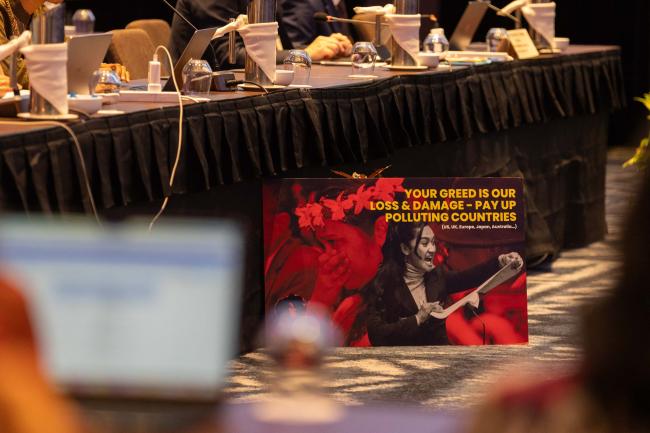
During the side event on the ICJ, speakers highlighted the potential for constitutional and legal reforms, developing regional mechanisms for environmental justice, and supporting an upcoming UN General Assembly resolution to operationalize the ICJ opinion.
At the One Health side event, a dozen speakers from UNEP and across the region provided insight into the concept and urged implementation of the One Health approach in the Asia-Pacific region from a range of perspectives, including financial, donor, government, regional and UN institutions, and youth.
In a “valedictory session” at the close of the day, Sivendra Michael, Ministry of Environment, Fiji, urged participants to carry the words spoken at the MGSF back to their communities, institutions and governments, saying, “The children of our region are watching us and they will live in the world shaped by decisions made here.”
To receive free coverage of global environmental events delivered to your inbox, subscribe to the ENB Update newsletter.
All ENB photos are free to use with attribution. For the 6th Forum of Ministers and Environment Authorities of Asia Pacific please use: Photo by IISD/ENB - Kiara Worth
Asia-Pacific Major Groups and Stakeholders Forum
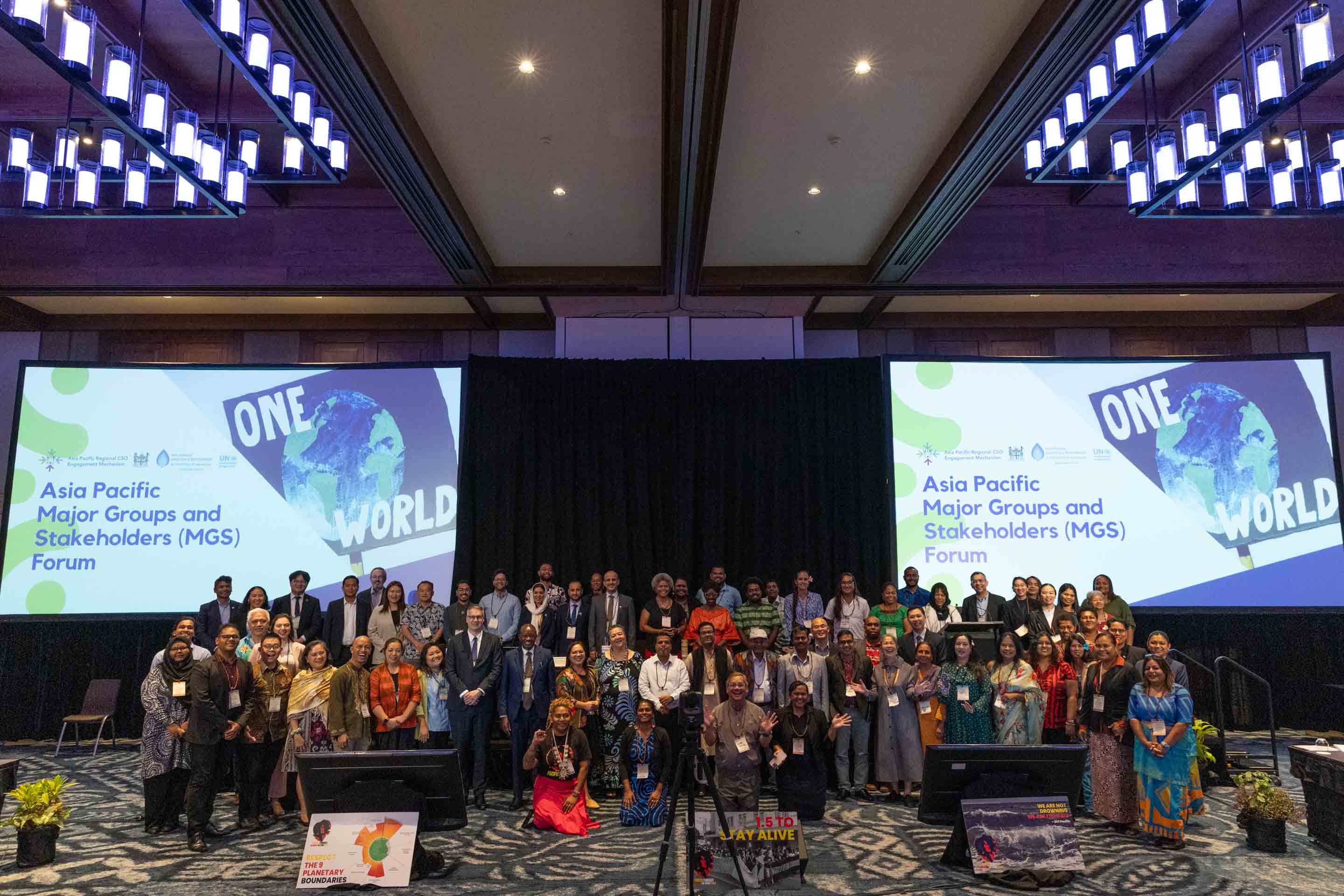
Delegates attending the Asia-Pacific Major Groups and Stakeholders Forum
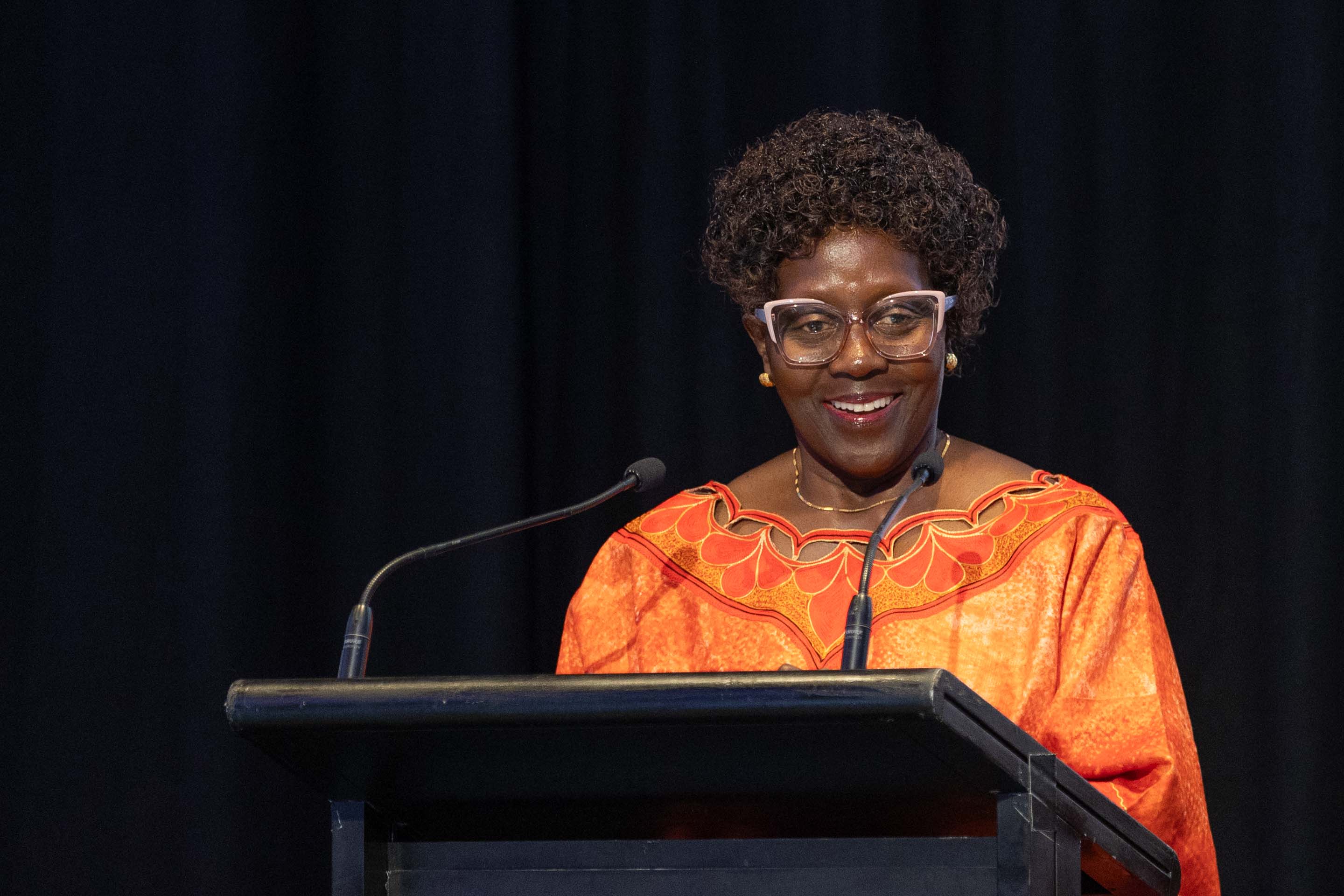
Elizabeth Maruma Mrema, Deputy Executive Director, UNEP
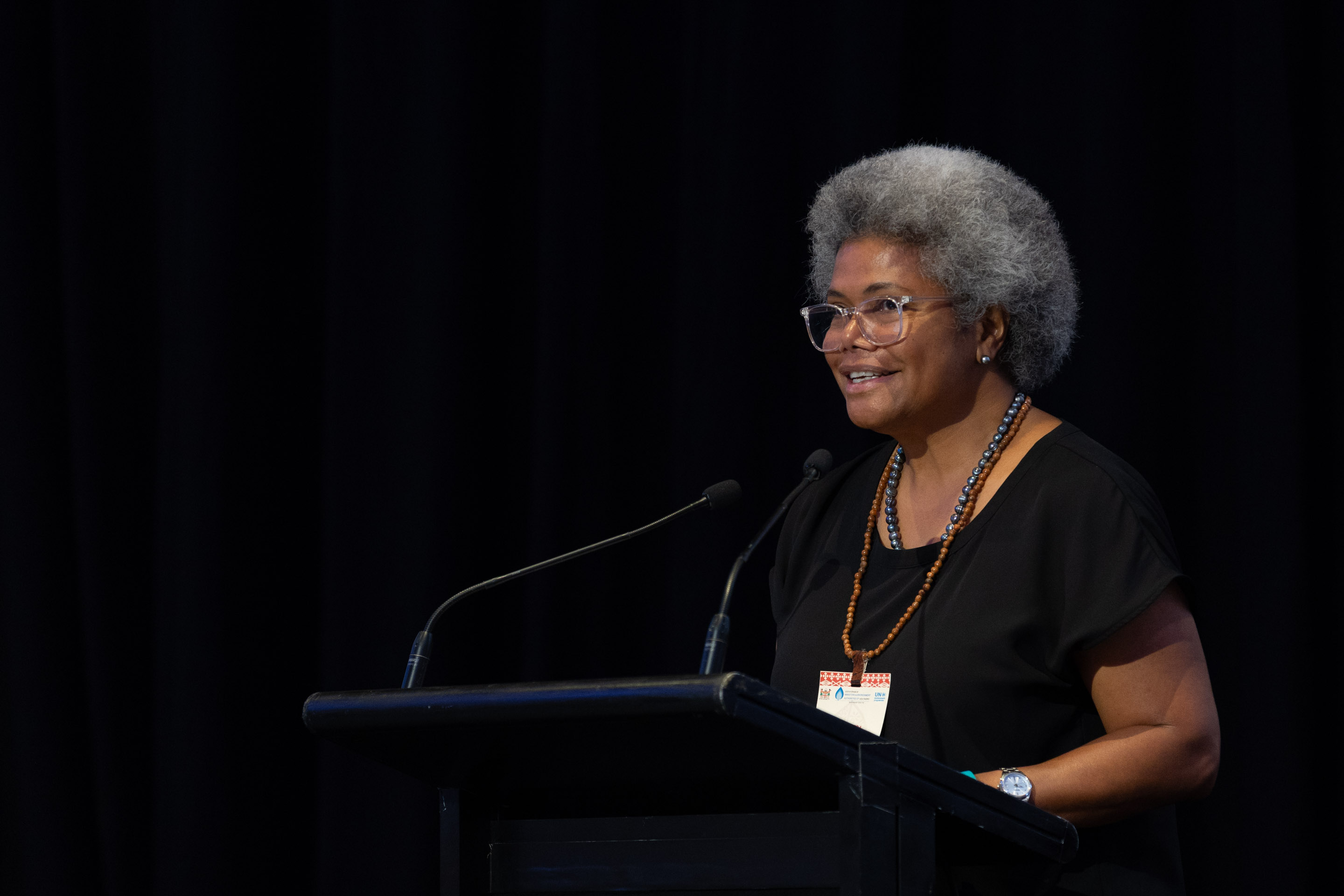
Lenora Qereqeretabua, Assistant Minister for Foreign Affairs, and Deputy Speaker for Parliament, Fiji

Delegates listen to the interventions
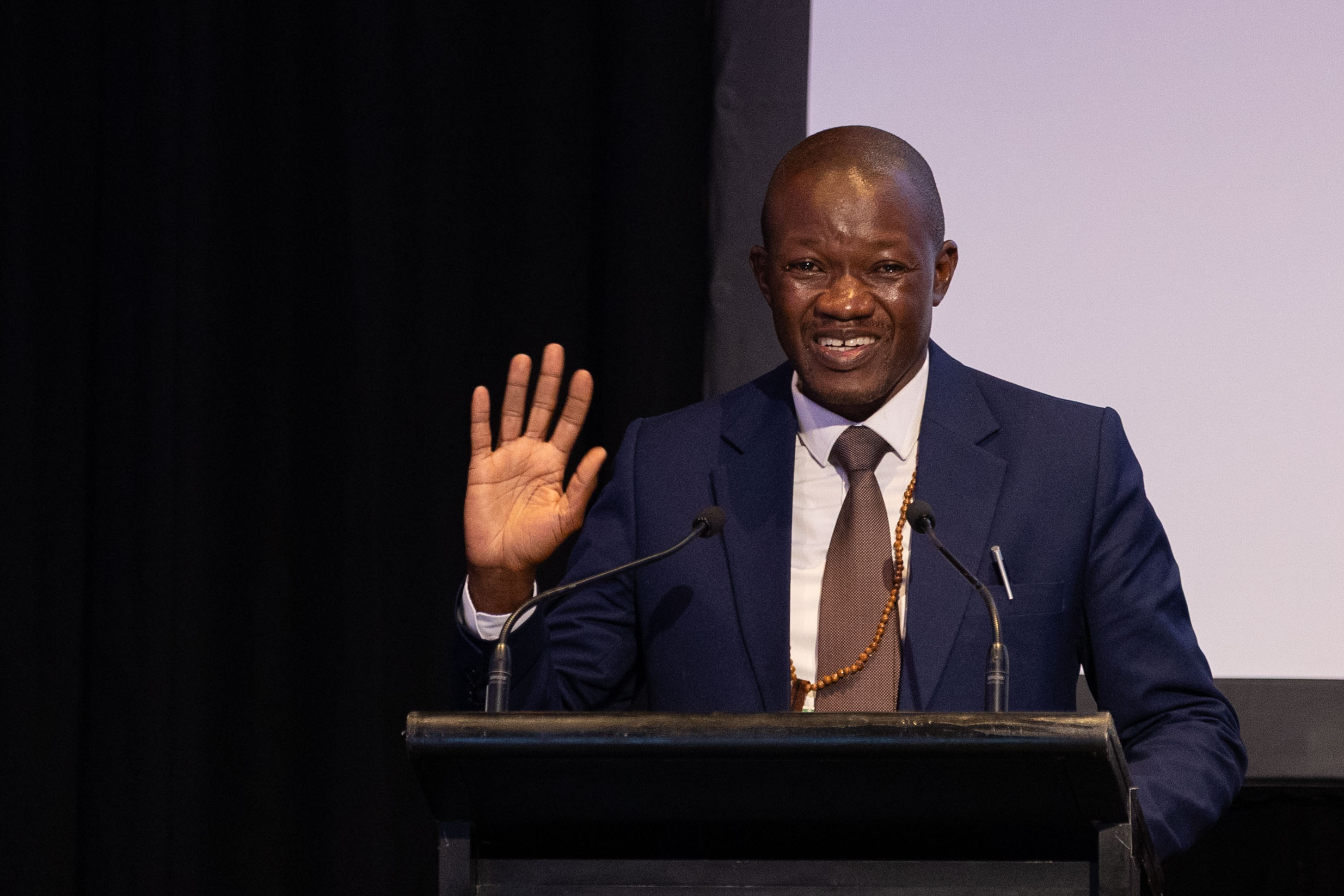
Ladislaus Chang’a, Vice Chair, IPCC
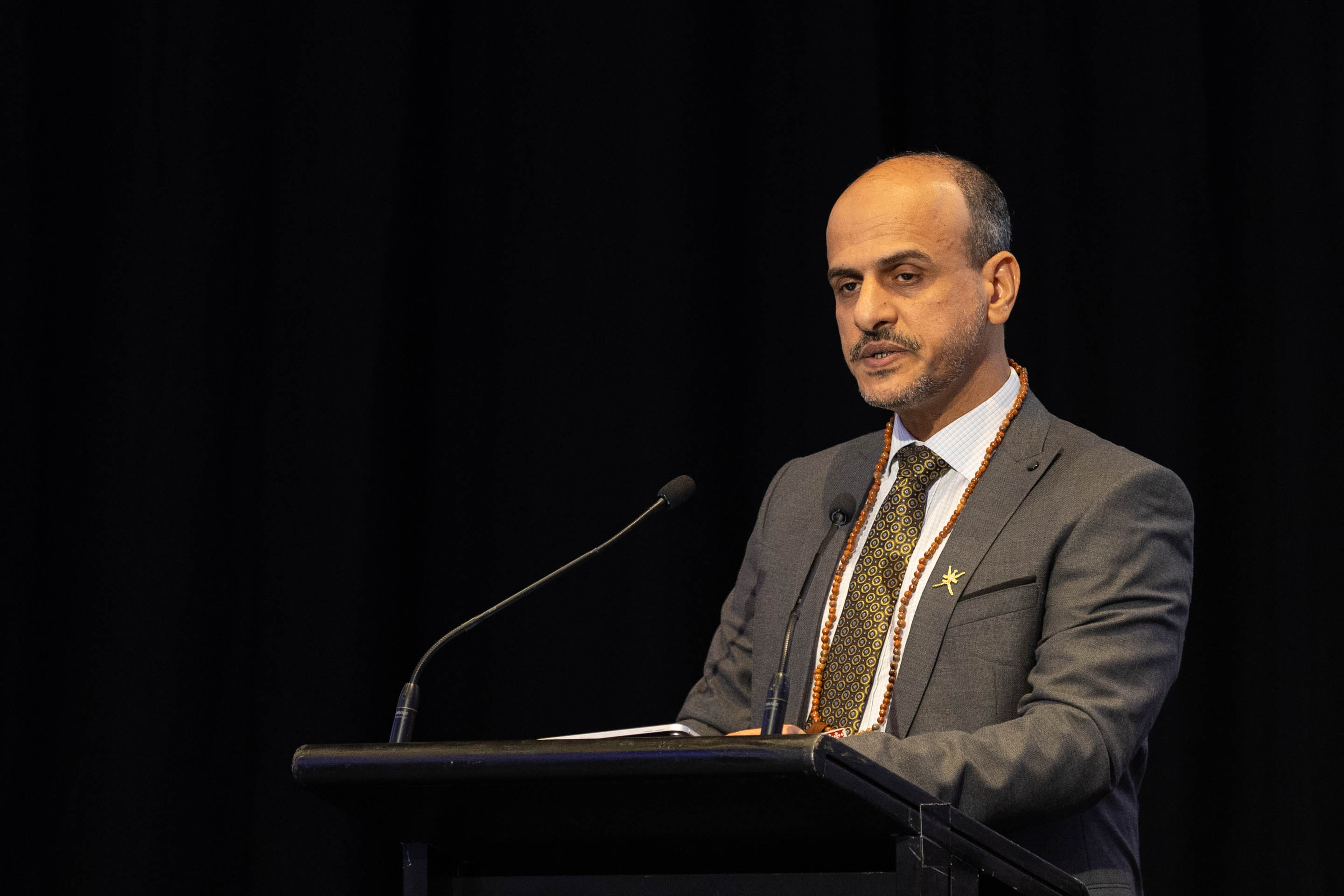
Abdullah bin Ali Al Amri, President, UNEA-7
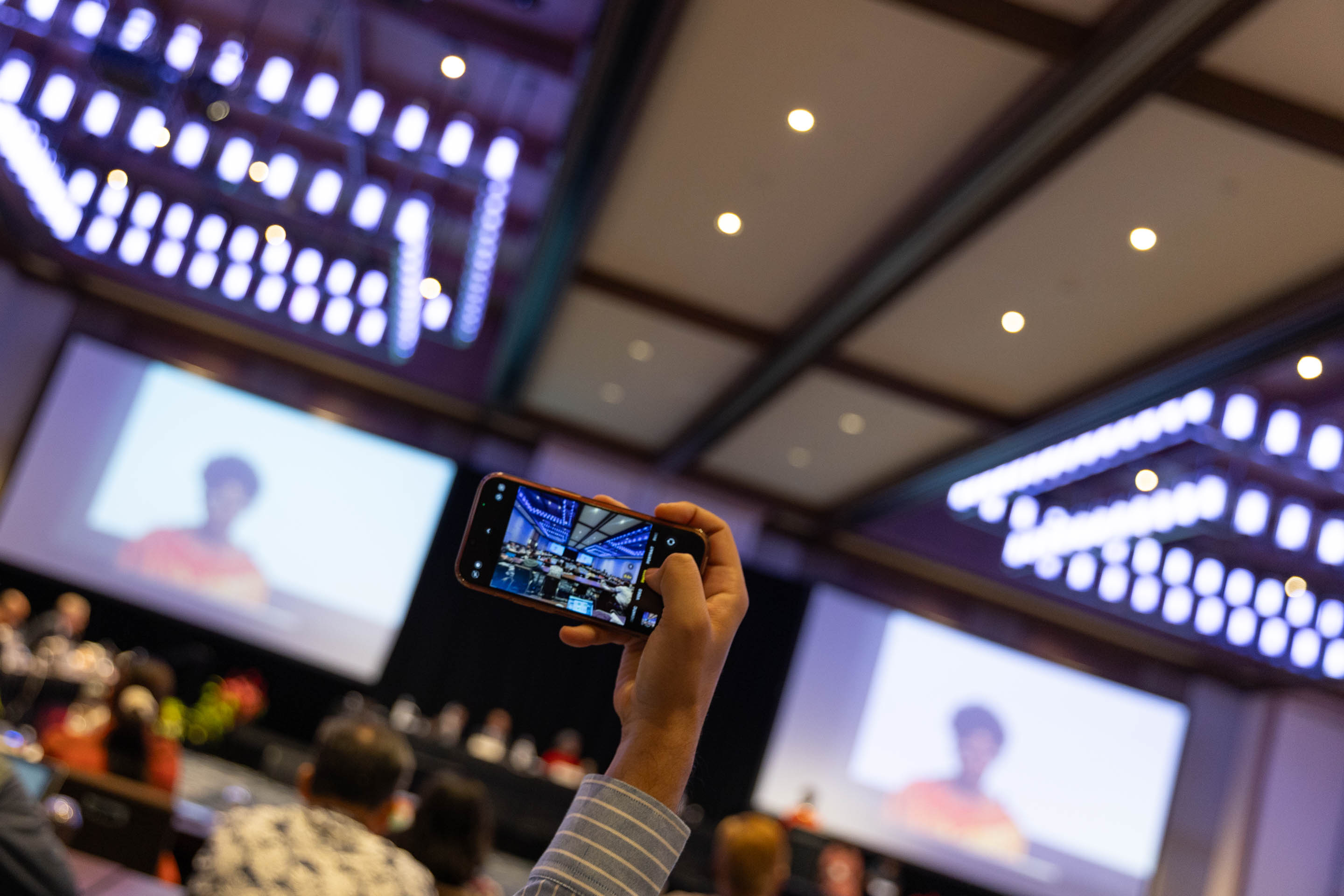
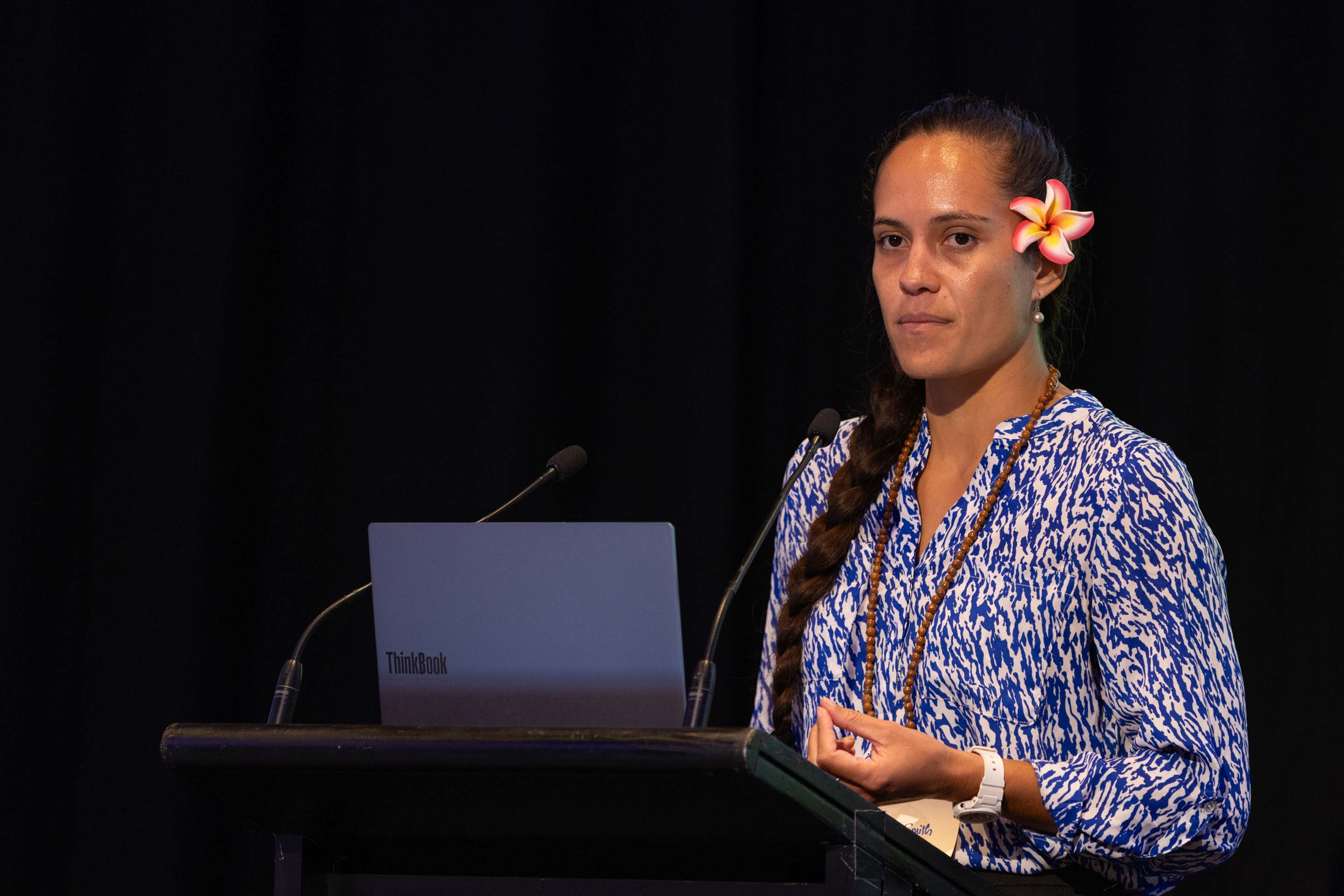
Alanna Smith, Te Ipukarea Society, Cook Islands
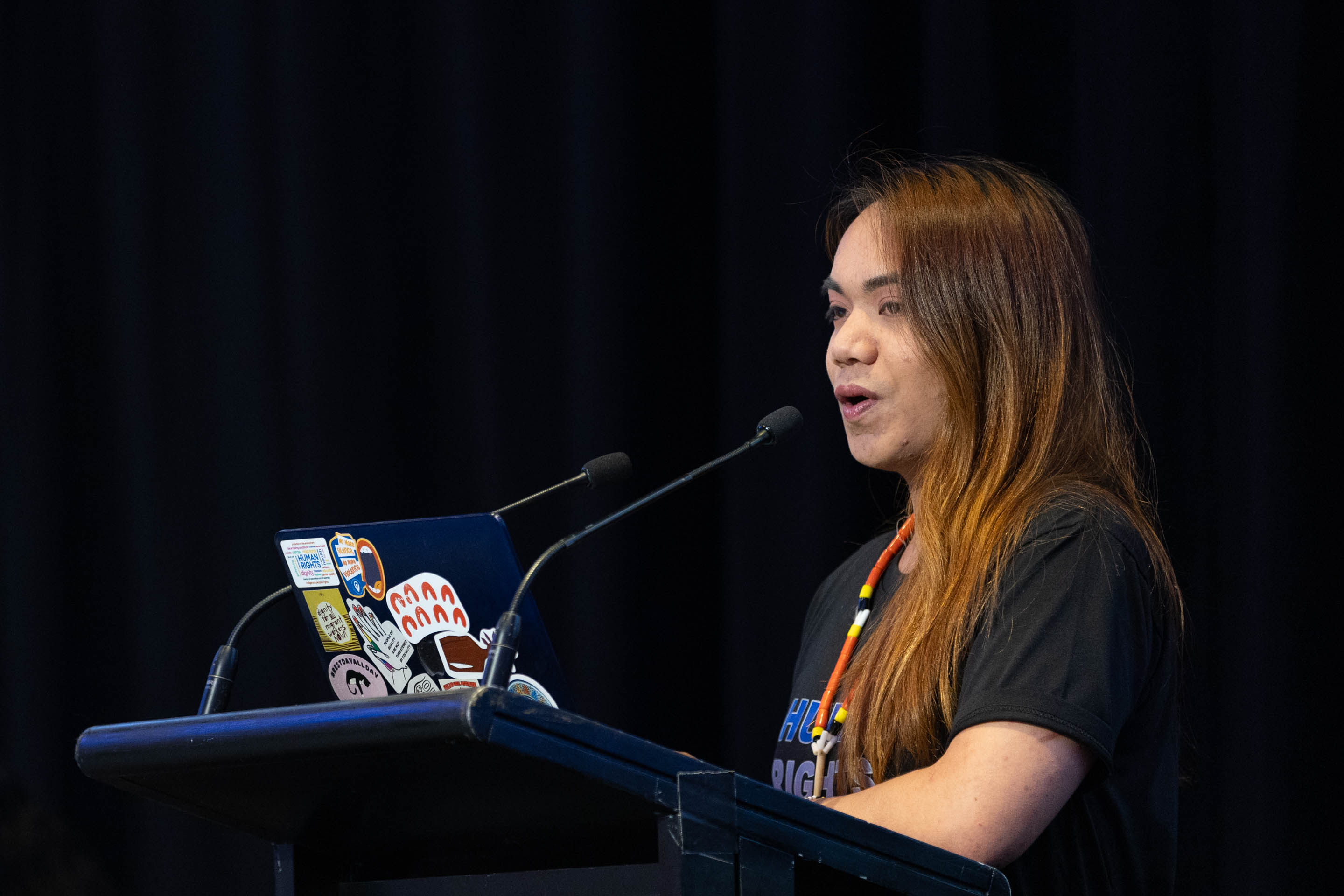
Mitch Teofilo, Indigenous Peoples' International Centre for Policy, the Philippines
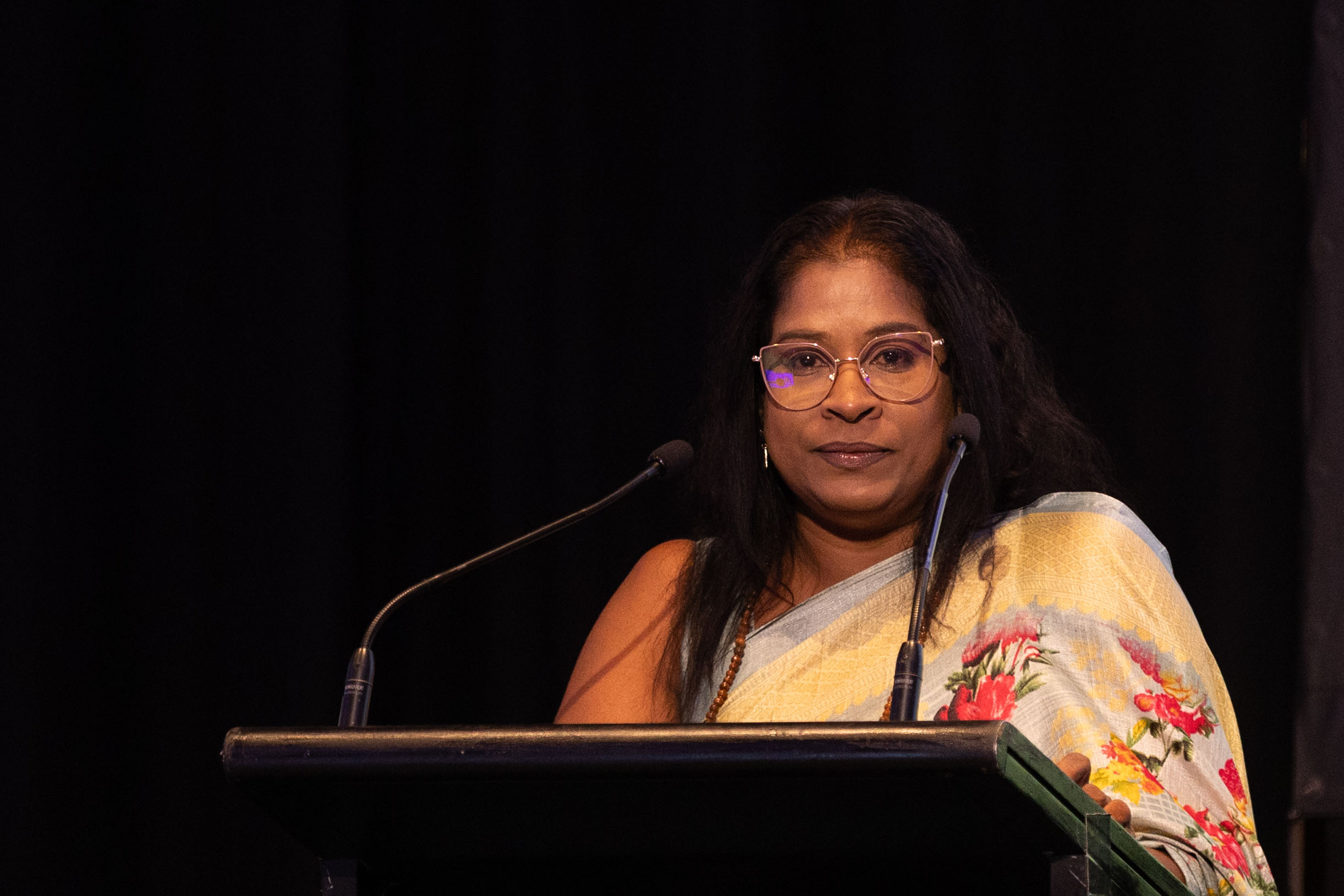
Kala de Costa, Center for Women’s Research (CENWOR), Sri Lanka
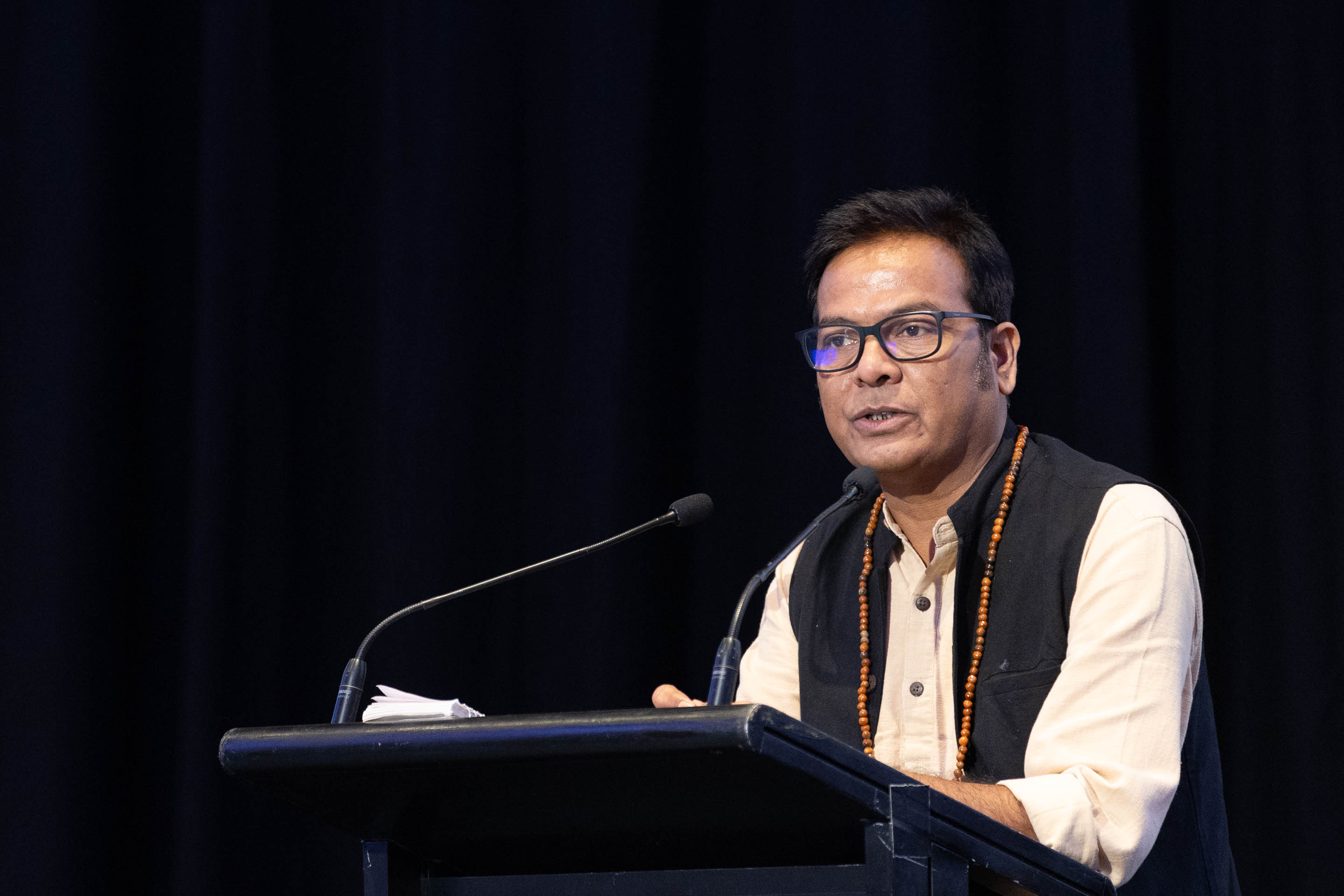
Ajay Kumar Jha, Asia-Pacific Major Groups and Stakeholders
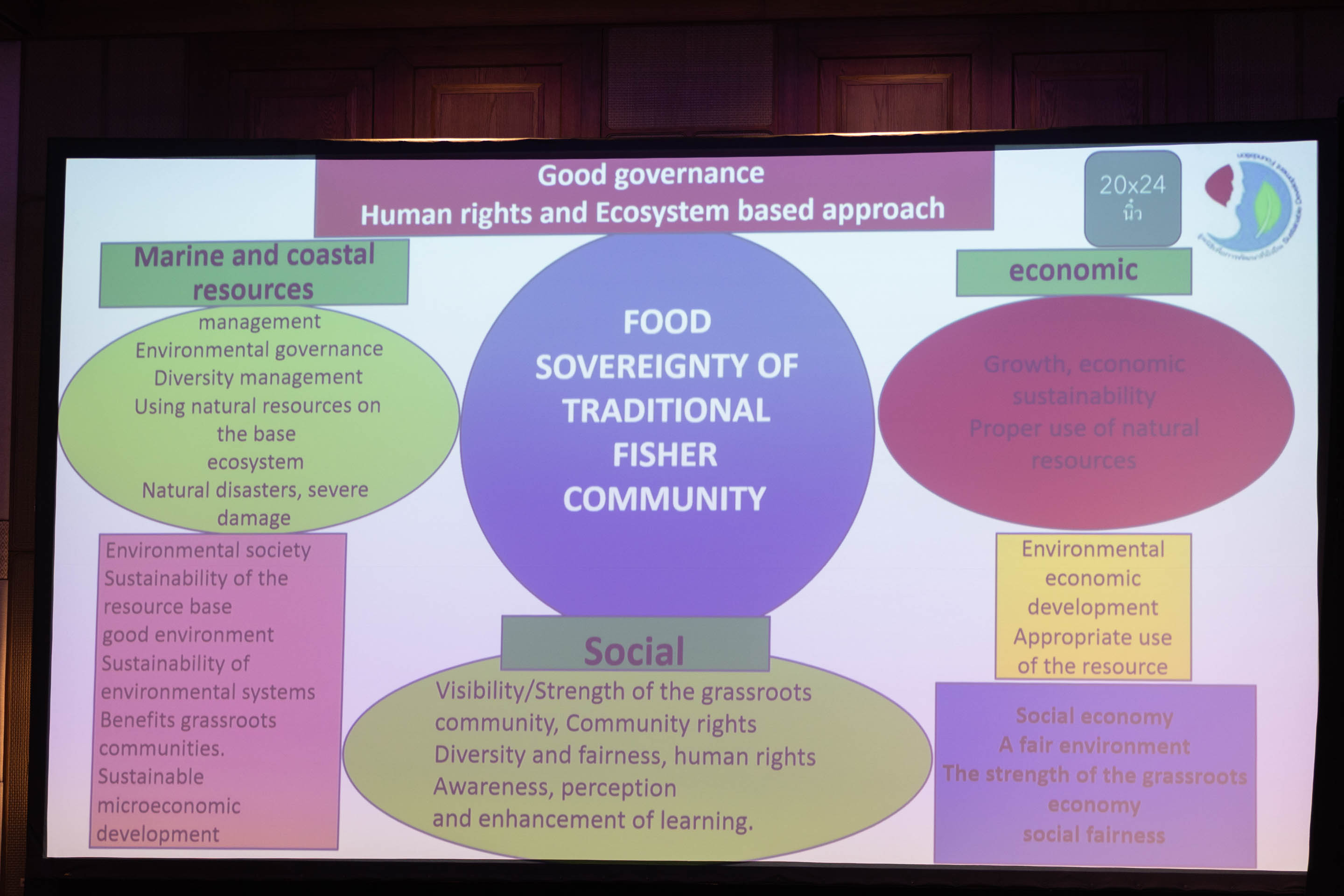
A slide highlights the interlinkages of good governance, human rights, and an ecosystems approach
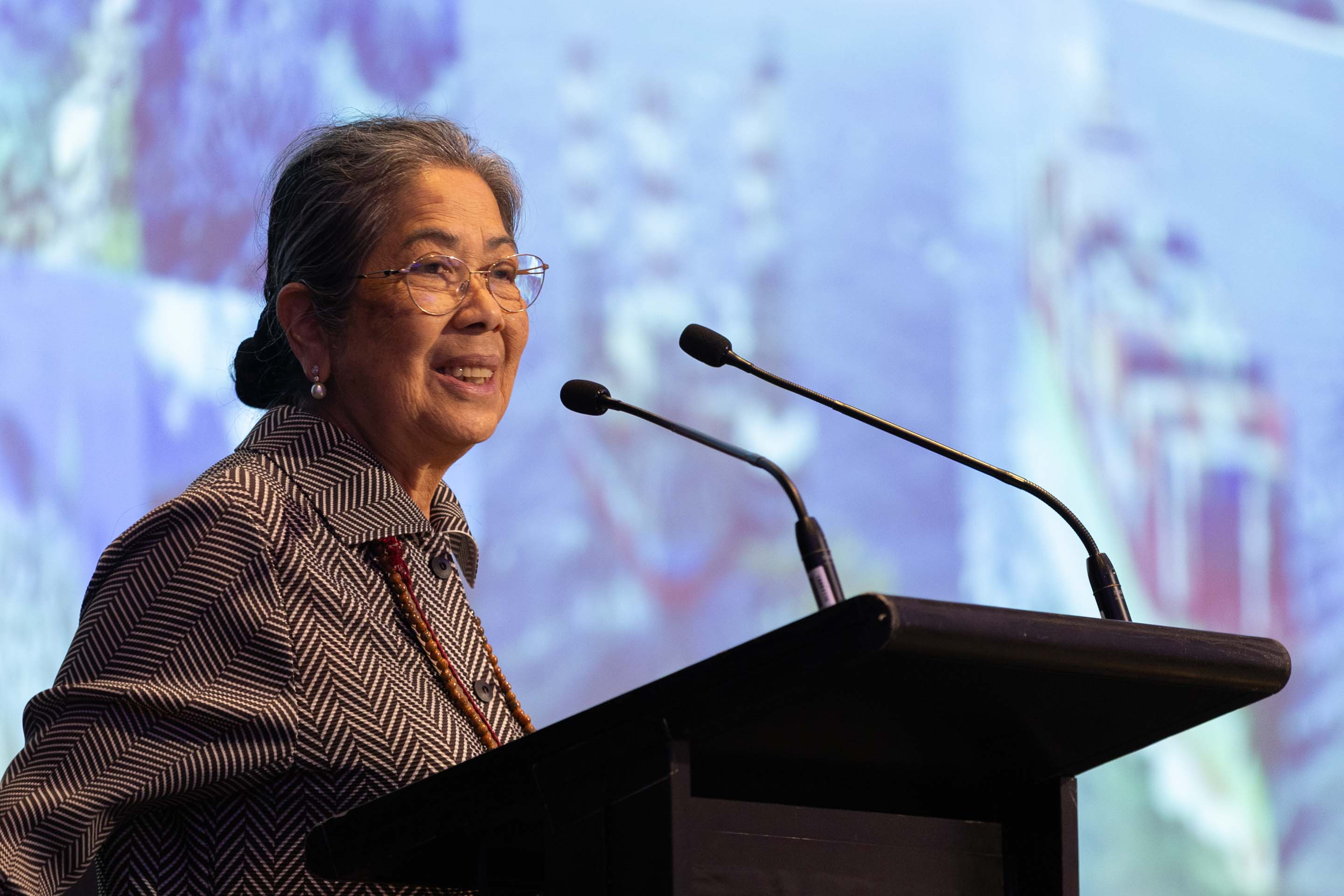
Ravadee Prasertcharoensuk, Sustainable Development Foundation, Thailand
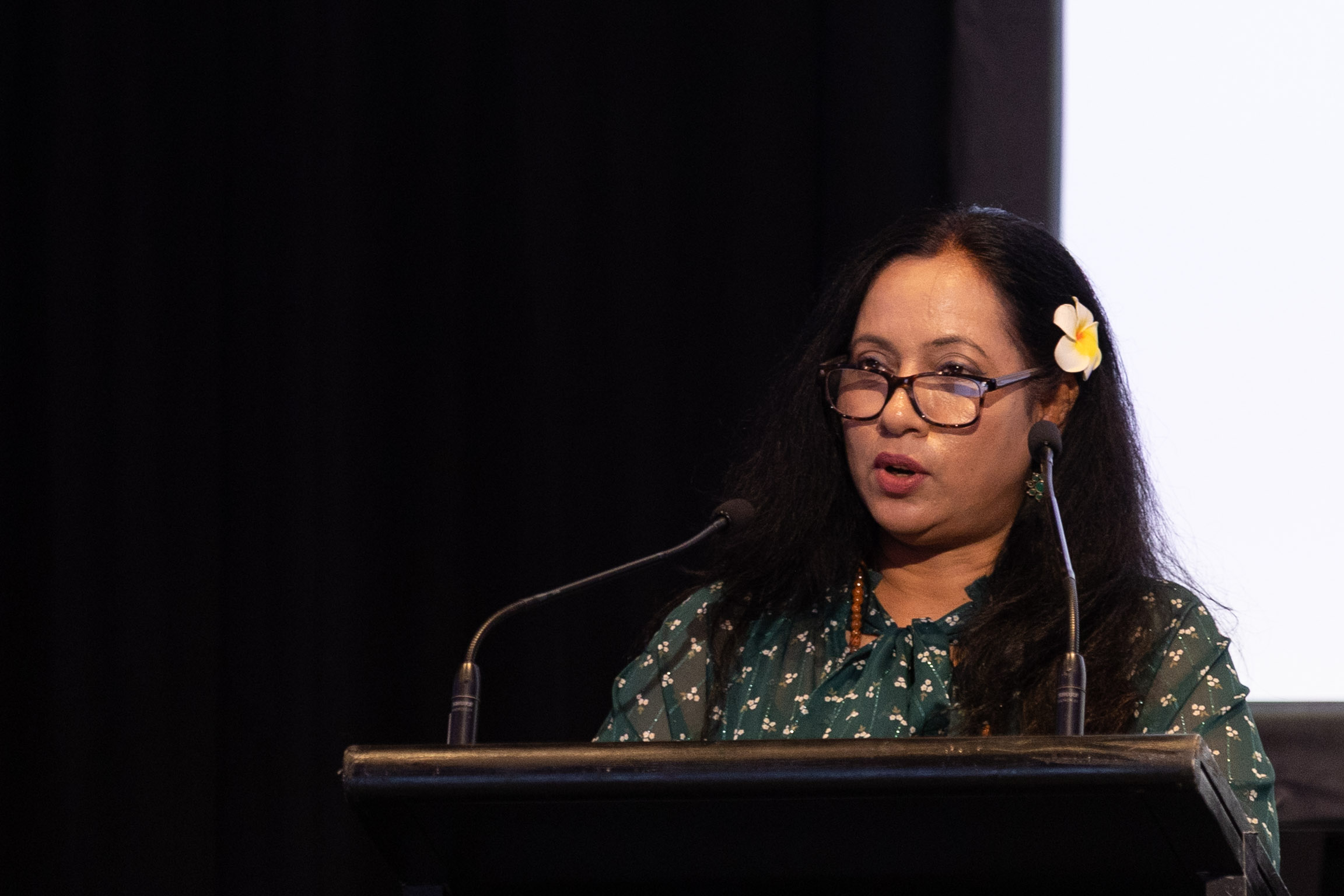
Shaila Shahid, GenderCC - Women for Climate Justice, Bangladesh
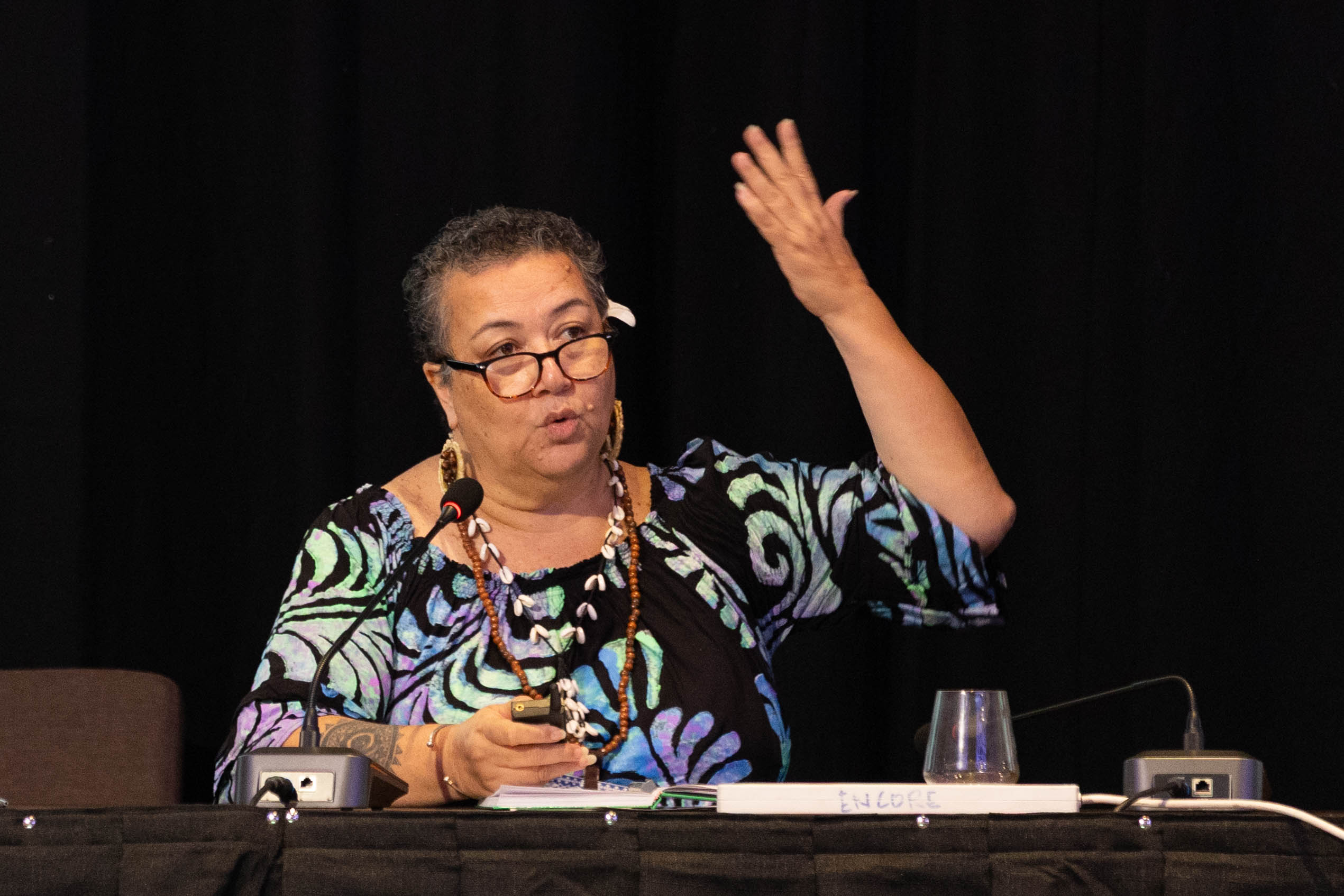
Noelene Nabulivou, Diverse Voices and Action (DIVA) for Equity, Fiji
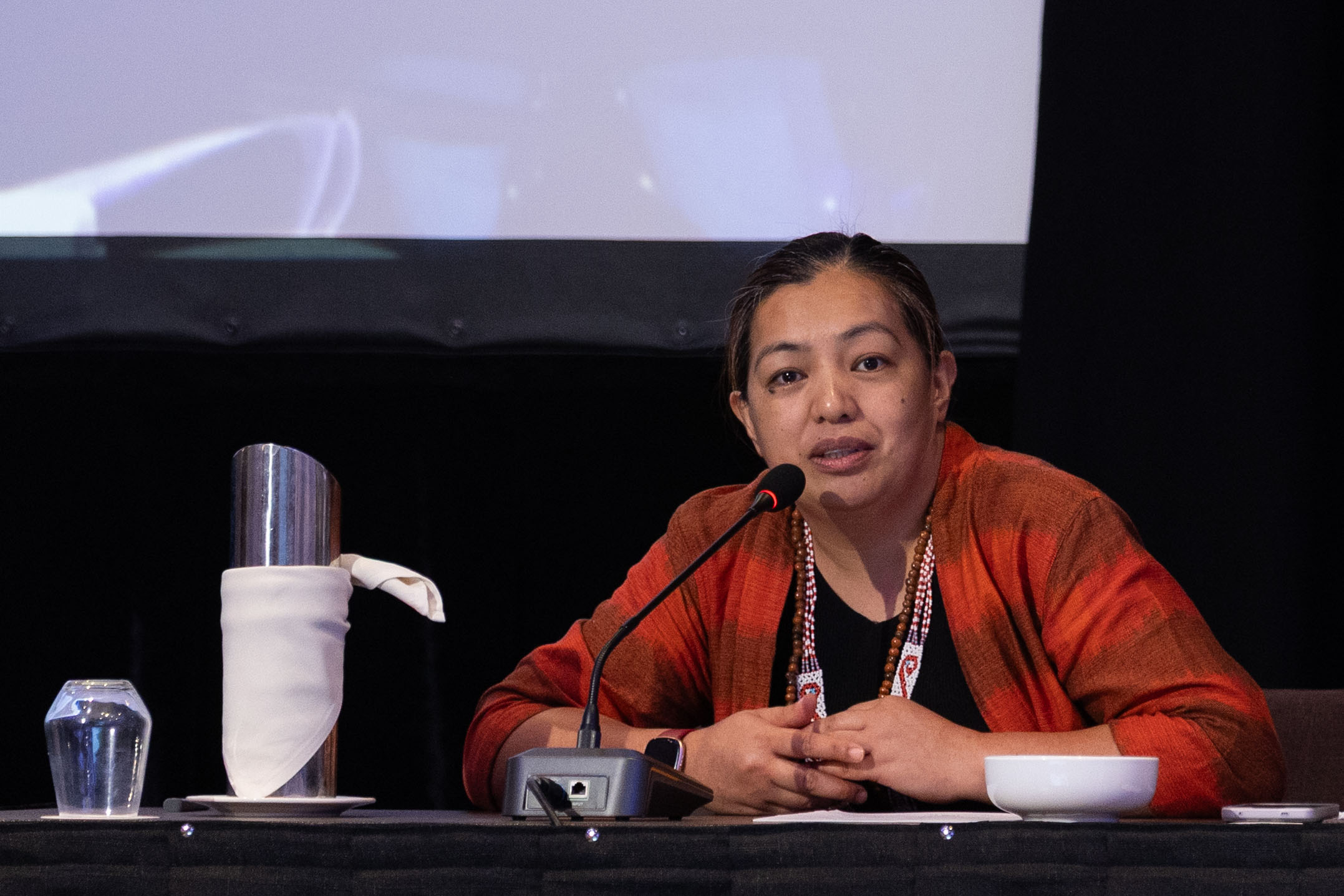
Robeliza Halip, Right Energy Partnership, the Philippines
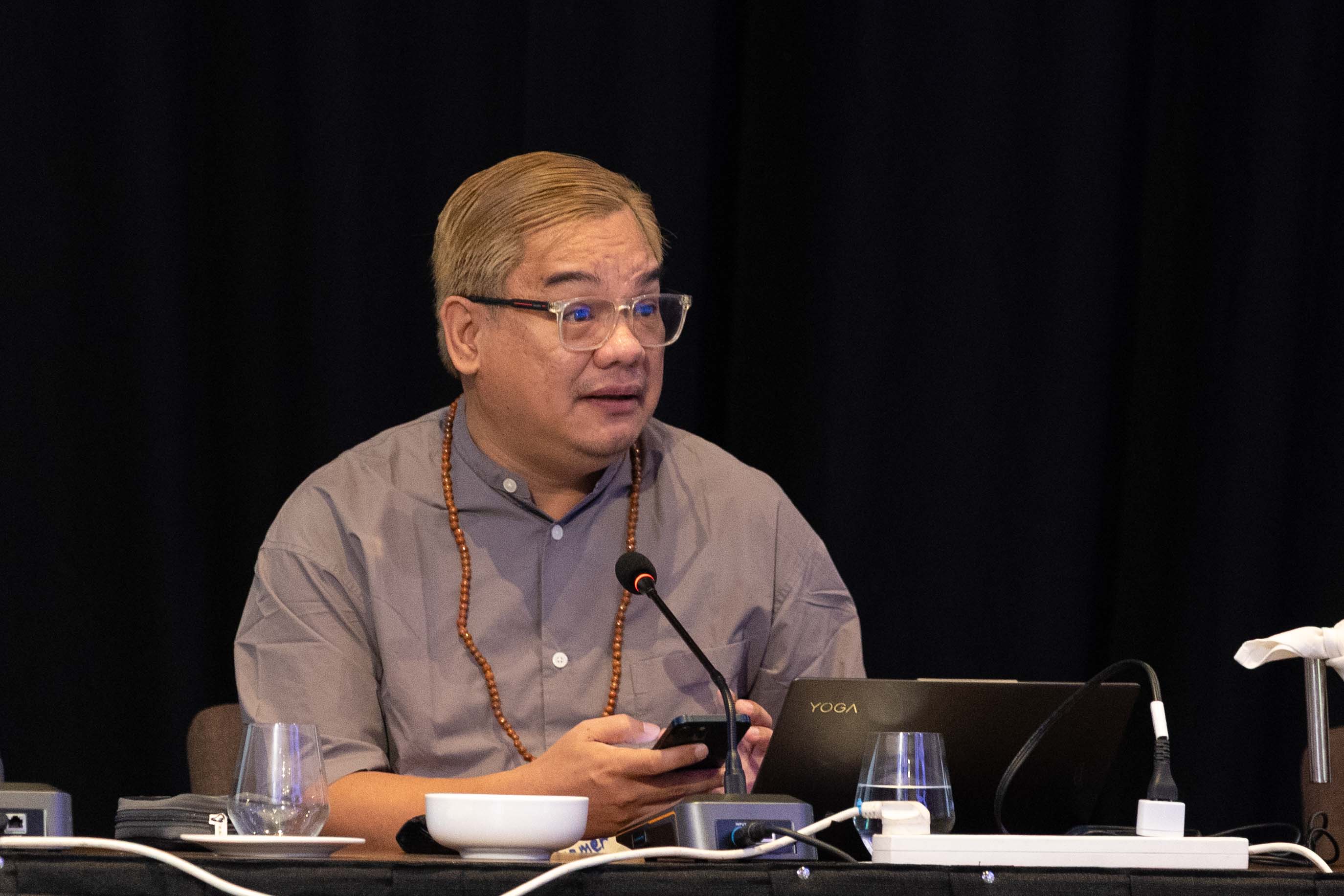
Gomer Padong, Institute for Social Entrepreneurship in Asia, the Philippines
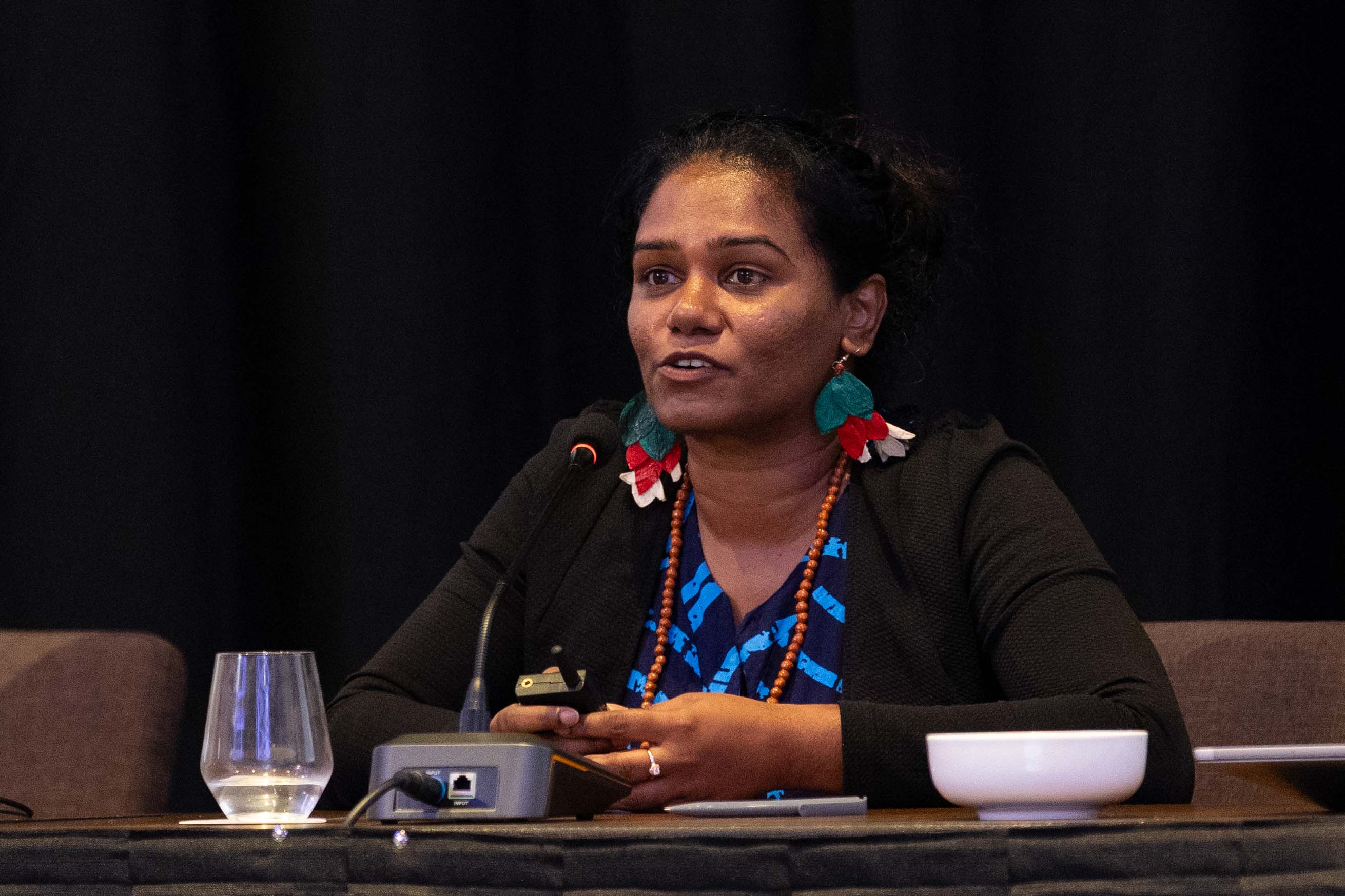
Bindiya Rashni, Wetlands PasifiKa, Fiji
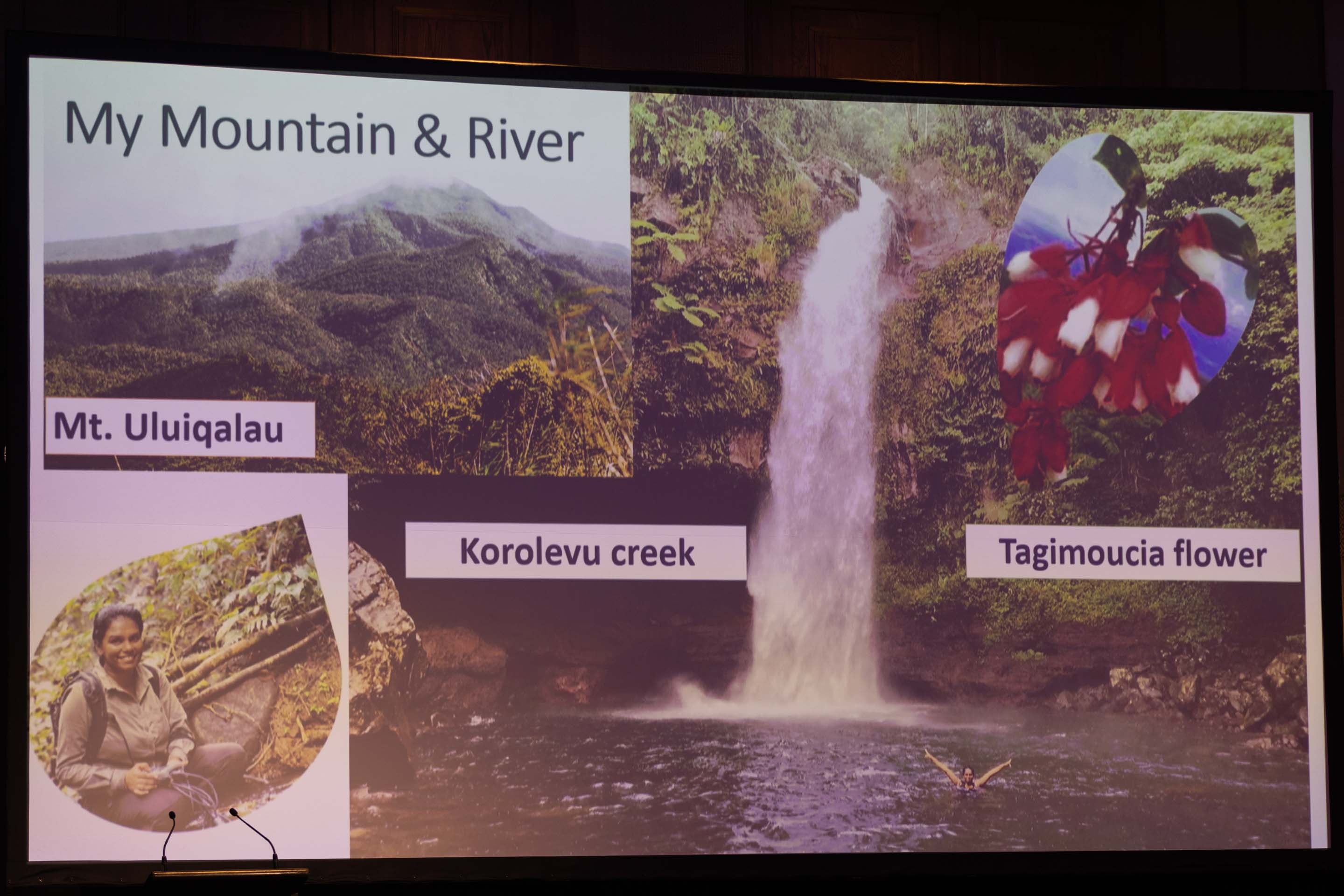
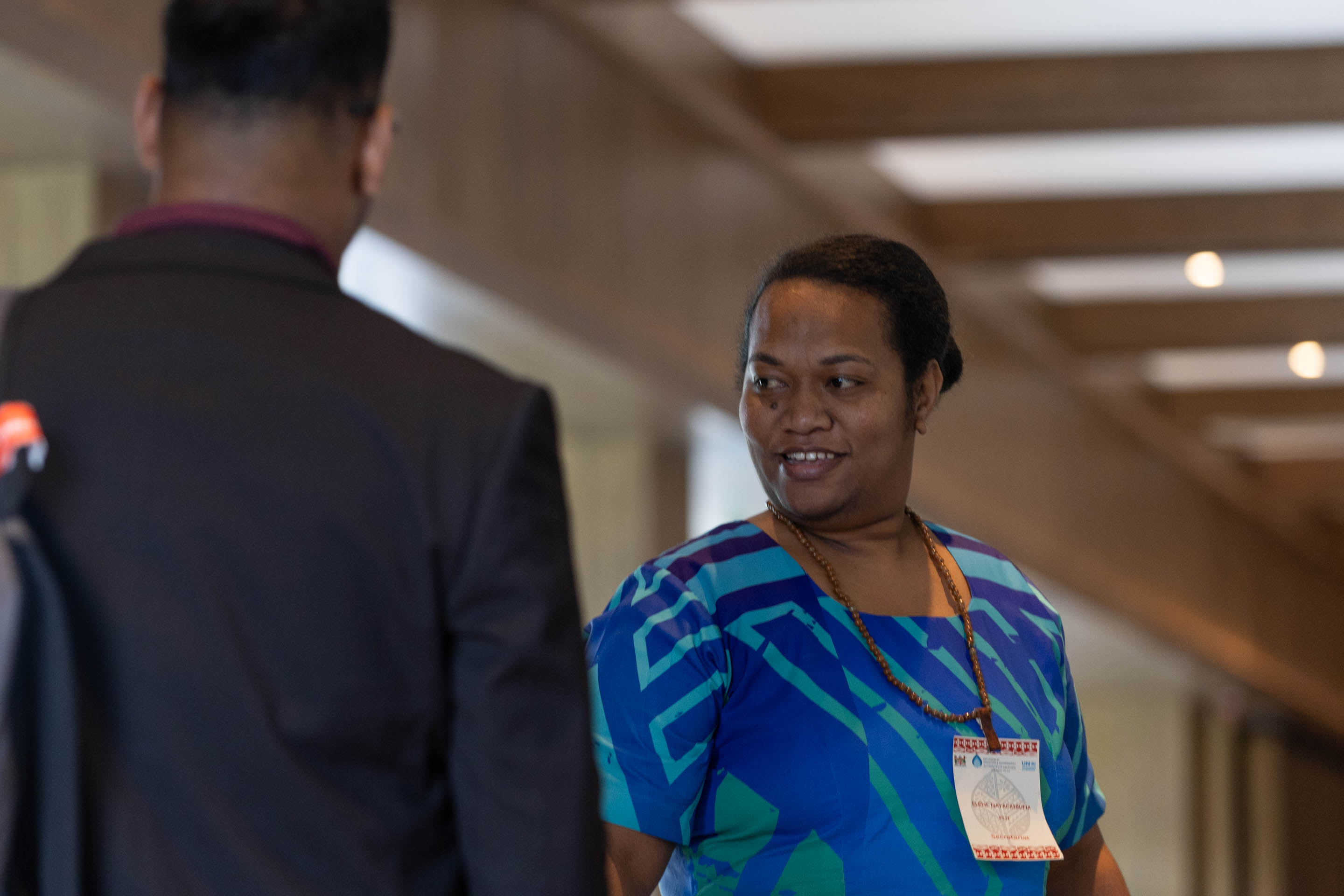
Throughout the day, many Fijian delegates follow tradition by introducing themselves with their totems – the names of their mountain, river, flowers, and animals – showing their deep connection with the natural environment.
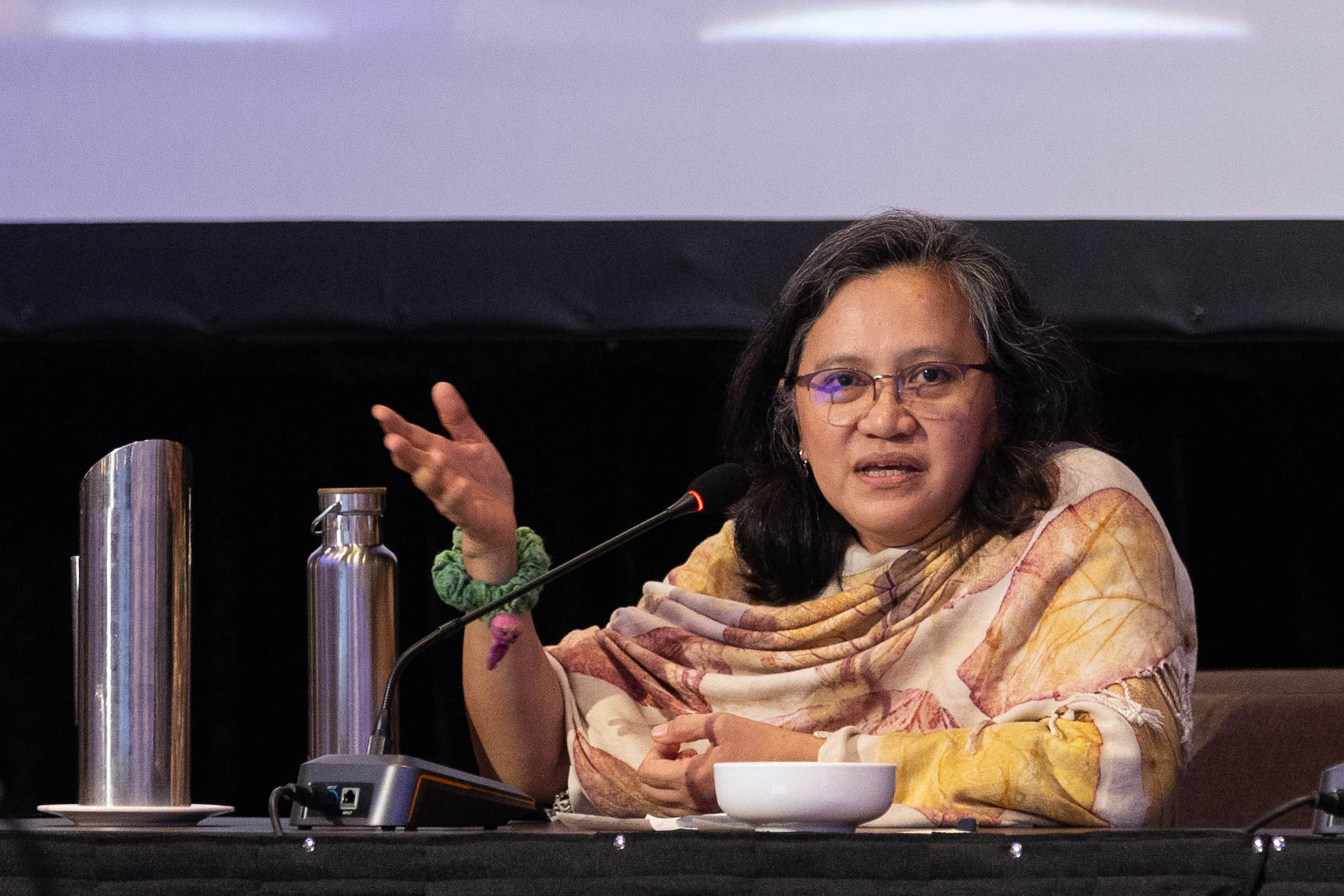
Elenita Daño, For the Upliftment of Moral, Economic, Technological and Socio-Spiritual Aspirations of People (METSA), the Philippines
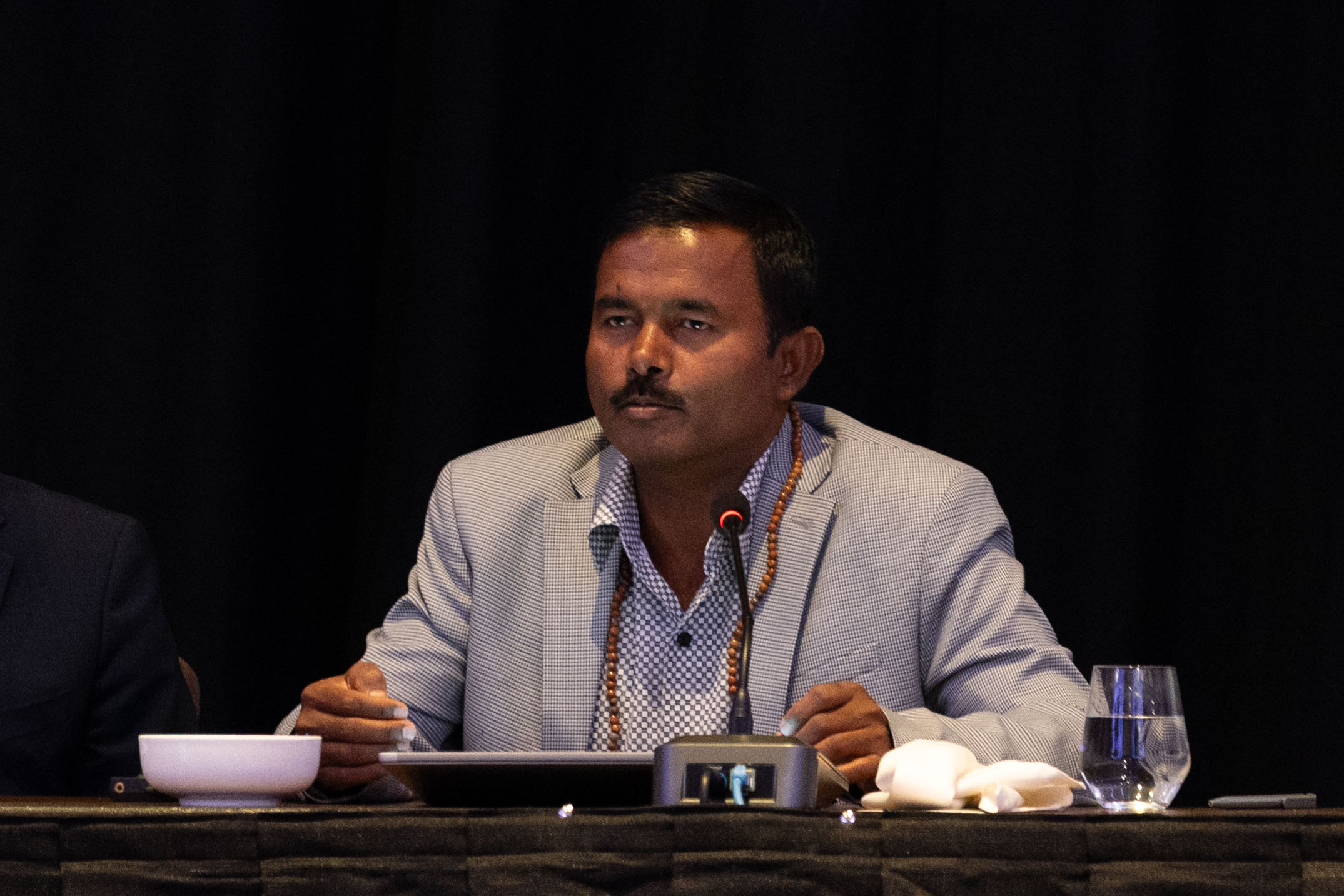
Ram Charitra Sah, Center for Public Health and Environmental Development (CEPHED), Nepal
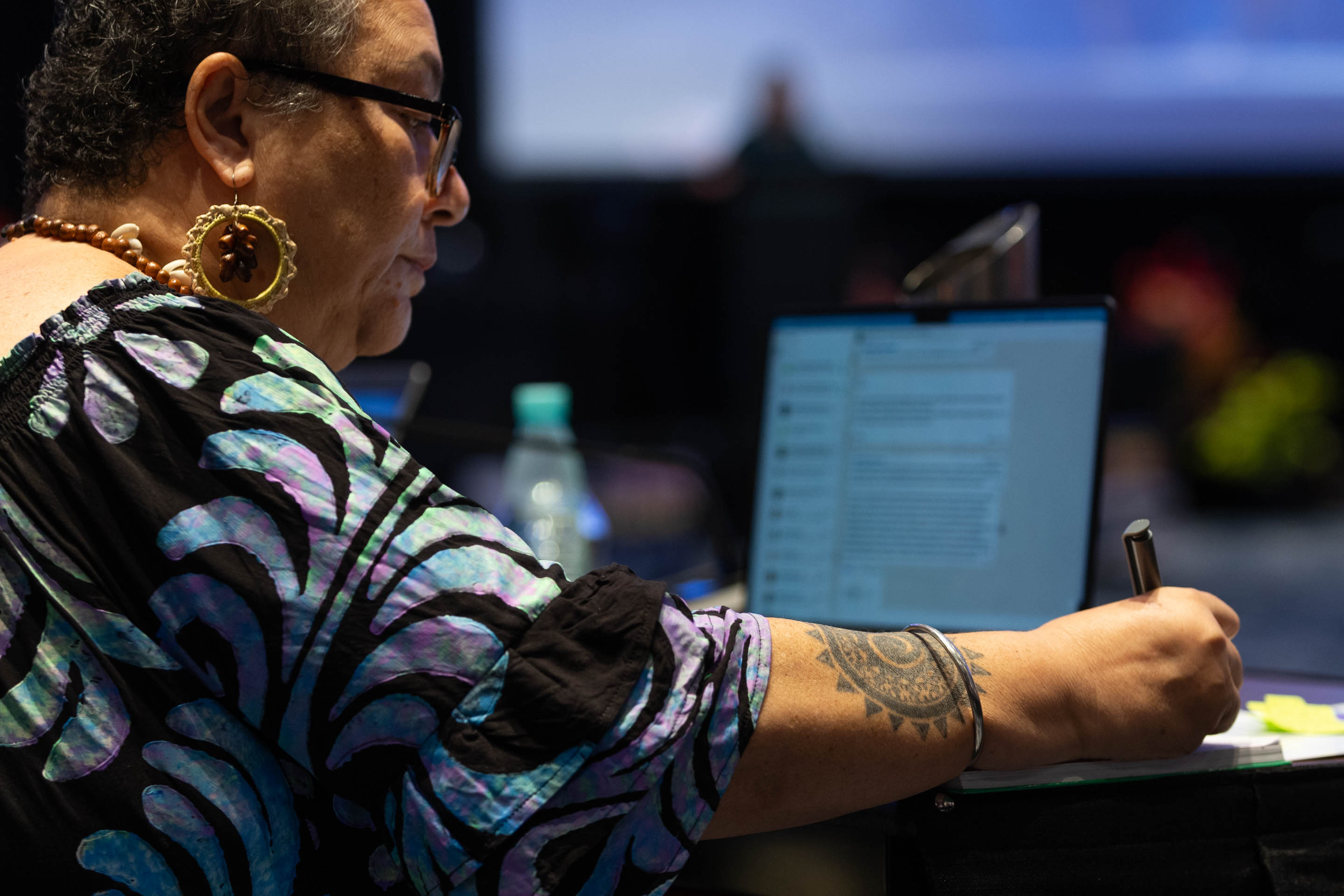
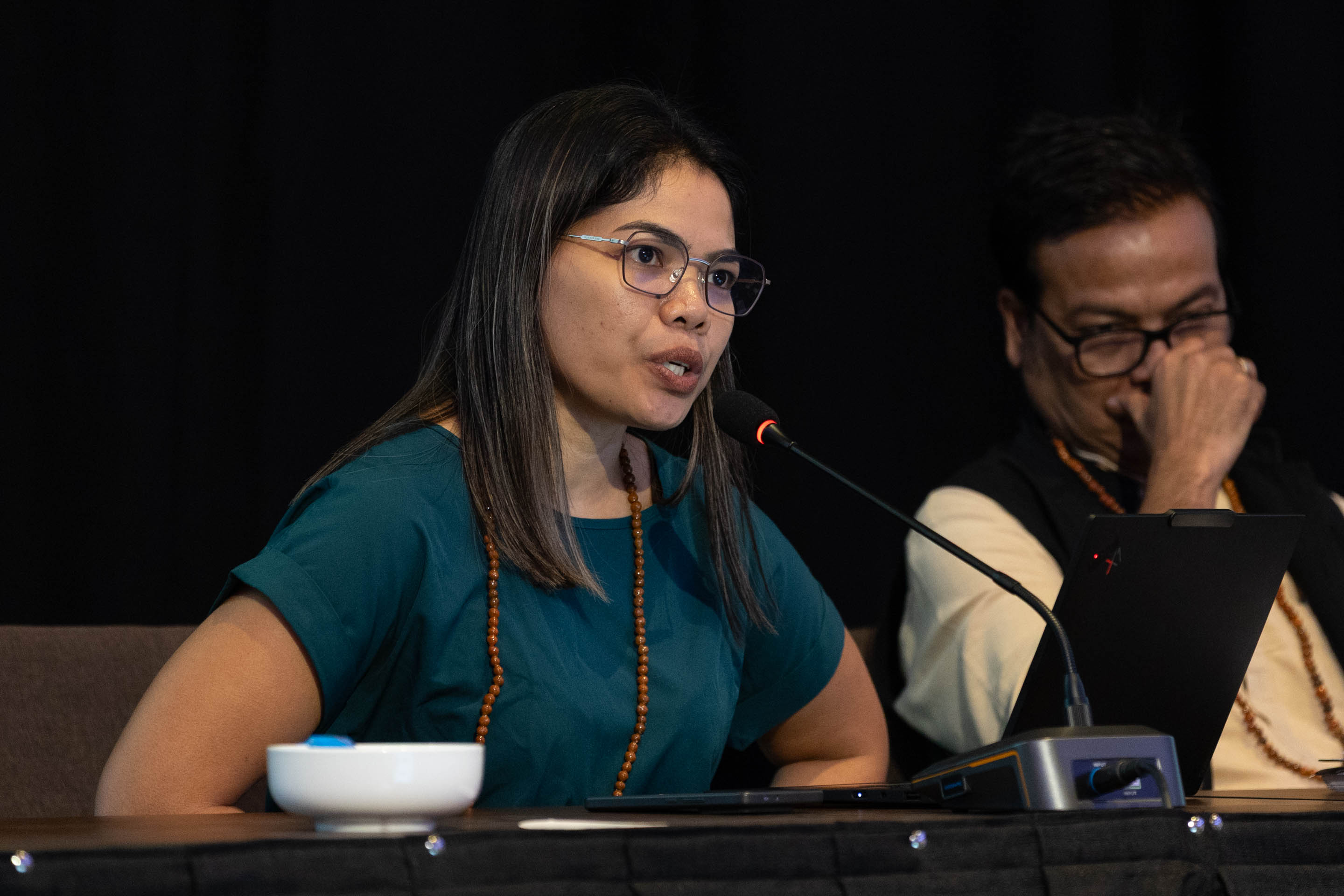
Joy Hernandez, International Trade Union Confederation (ITUC) - Asia Pacific
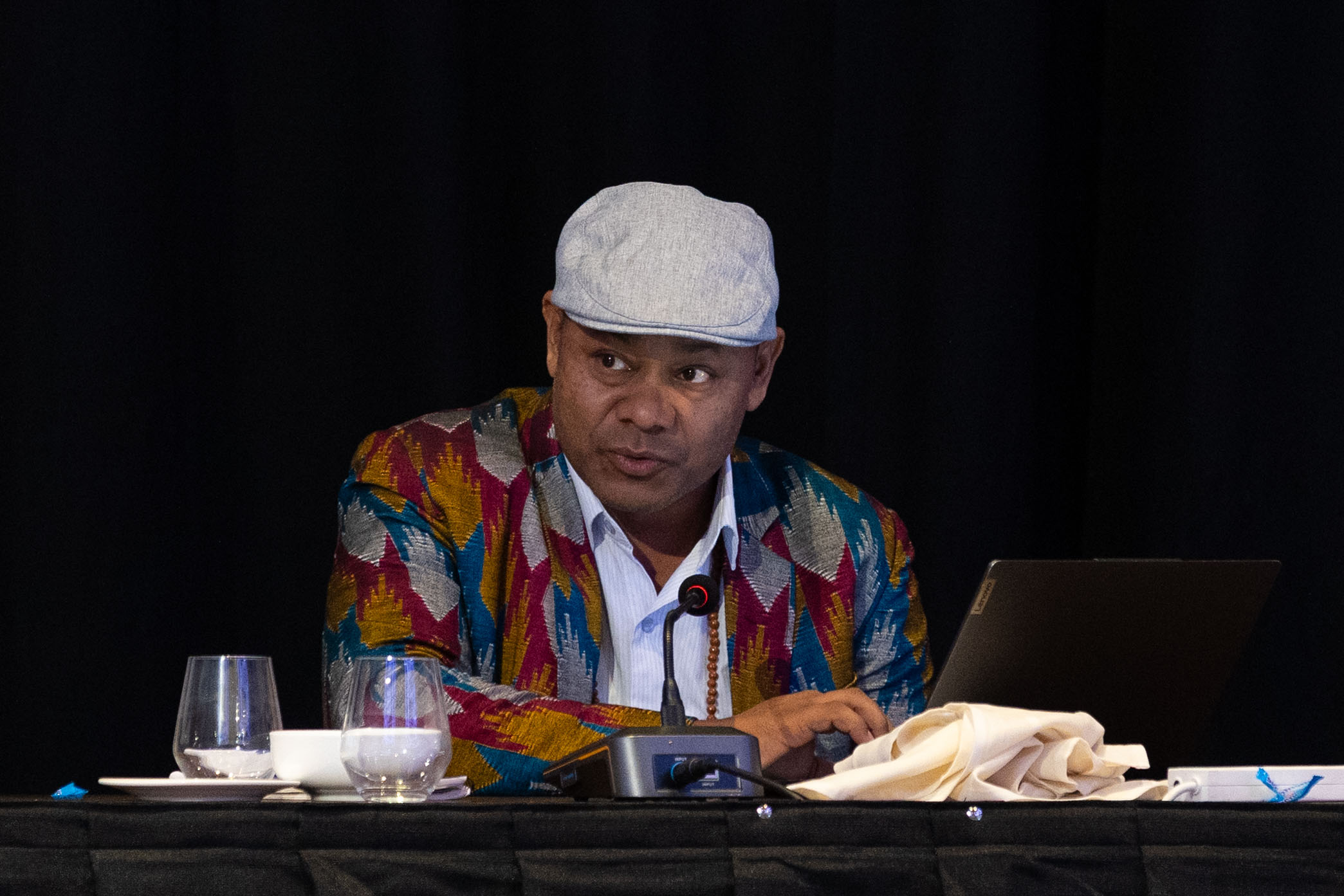
Prem Singh Tharu, Asia Indigenous Peoples Pact
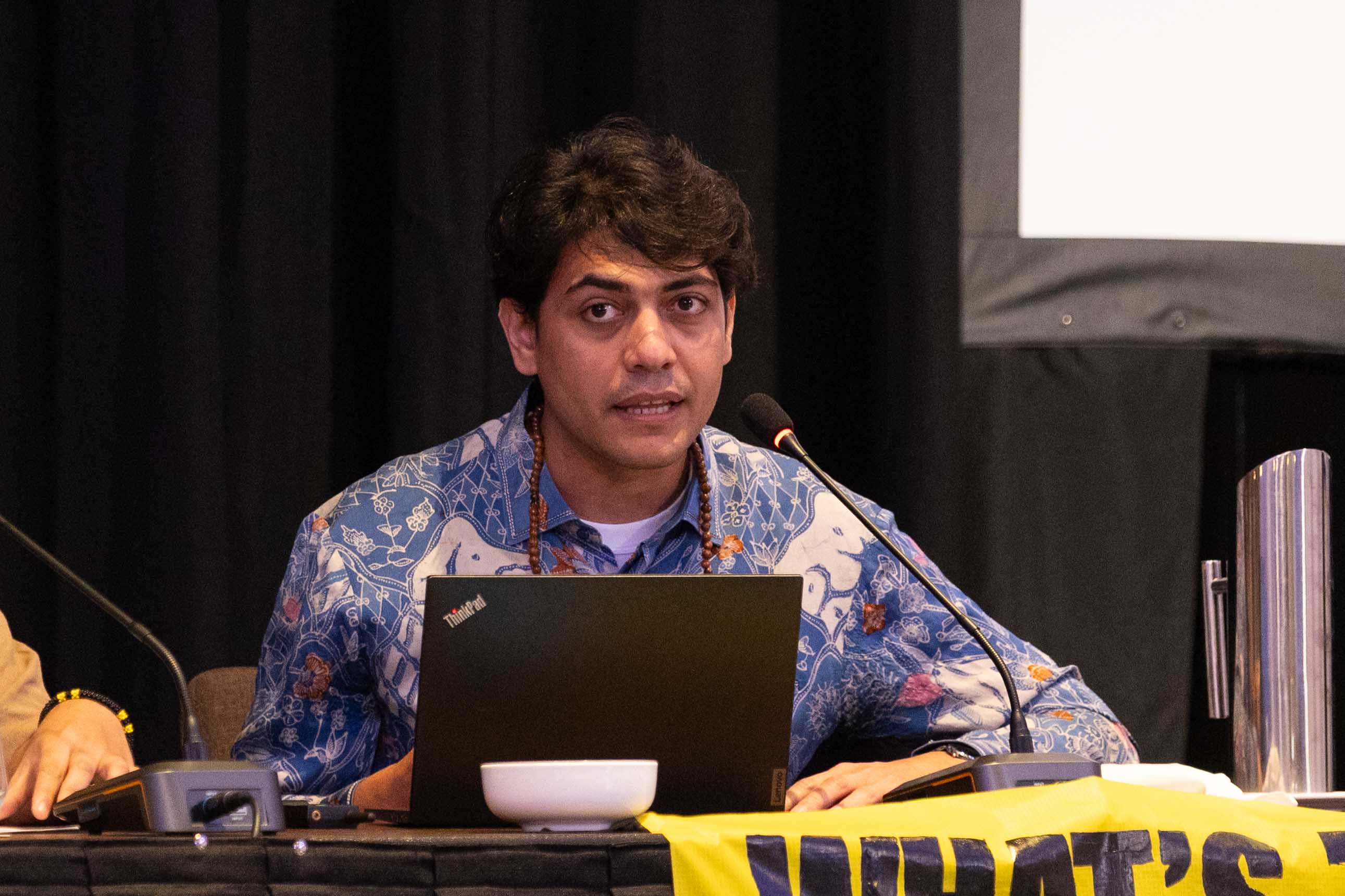
Rayhan Dudayev, Greenpeace Southeast Asia
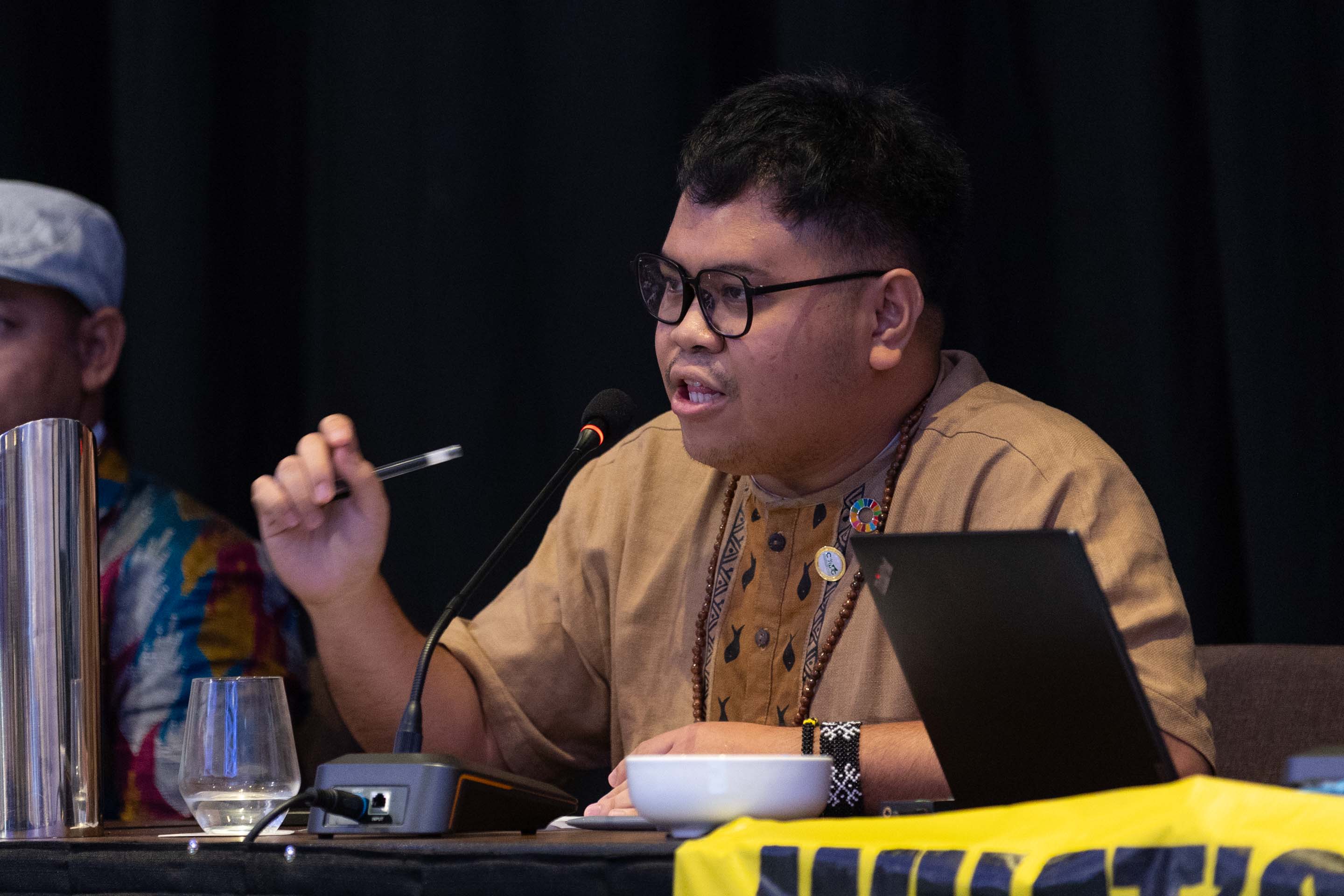
Clarence Gio Almoite, Children and Youth Major Group to UNEP

Members of civil society raise questions during an interactive dialogue with the UNEA-7 President
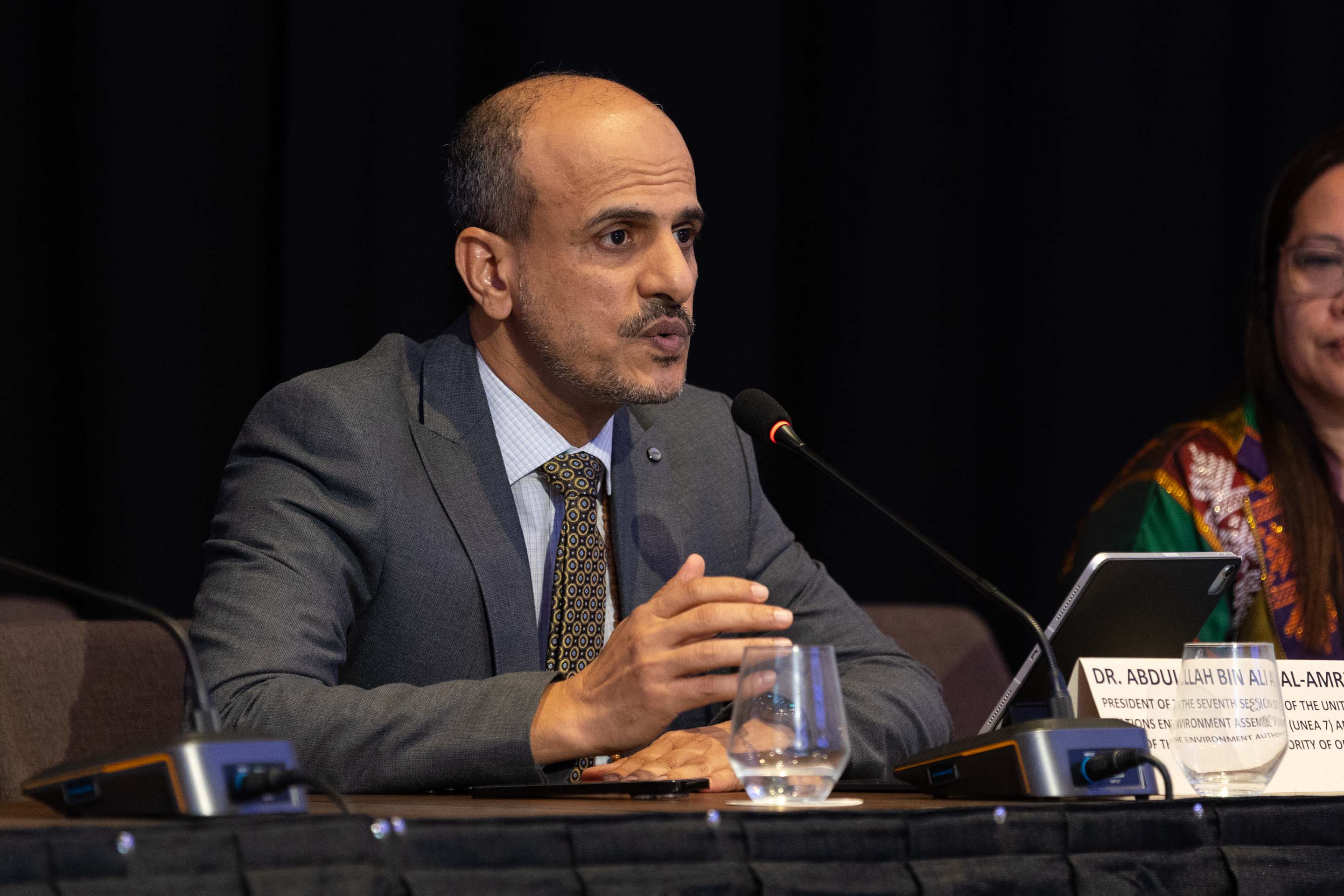
Abdullah Bin Ali Al-Amri, President, UNEA-7
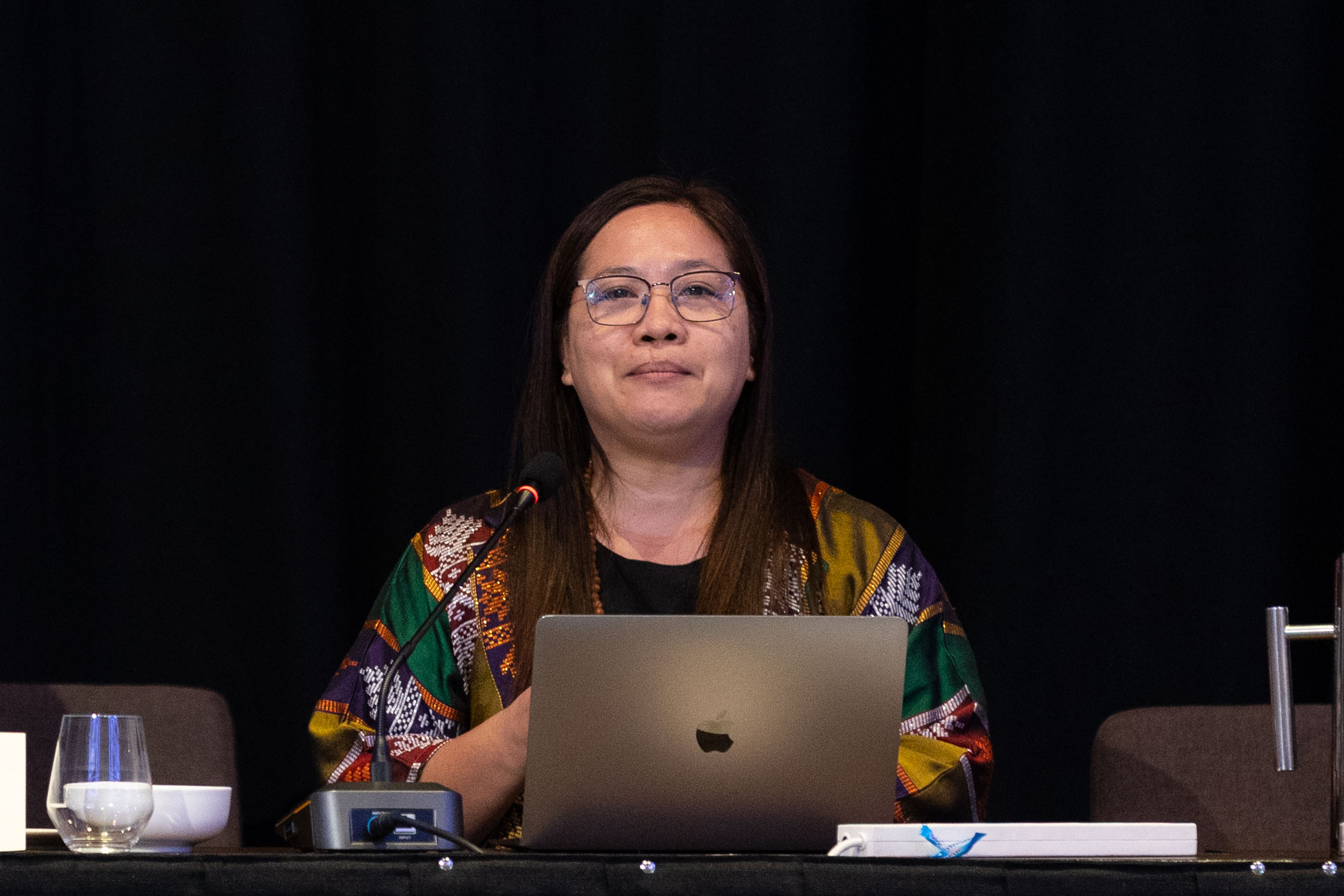
Chinkie Peliño-Golle, UNEP Major Group Regional Facilitator for Asia Pacific
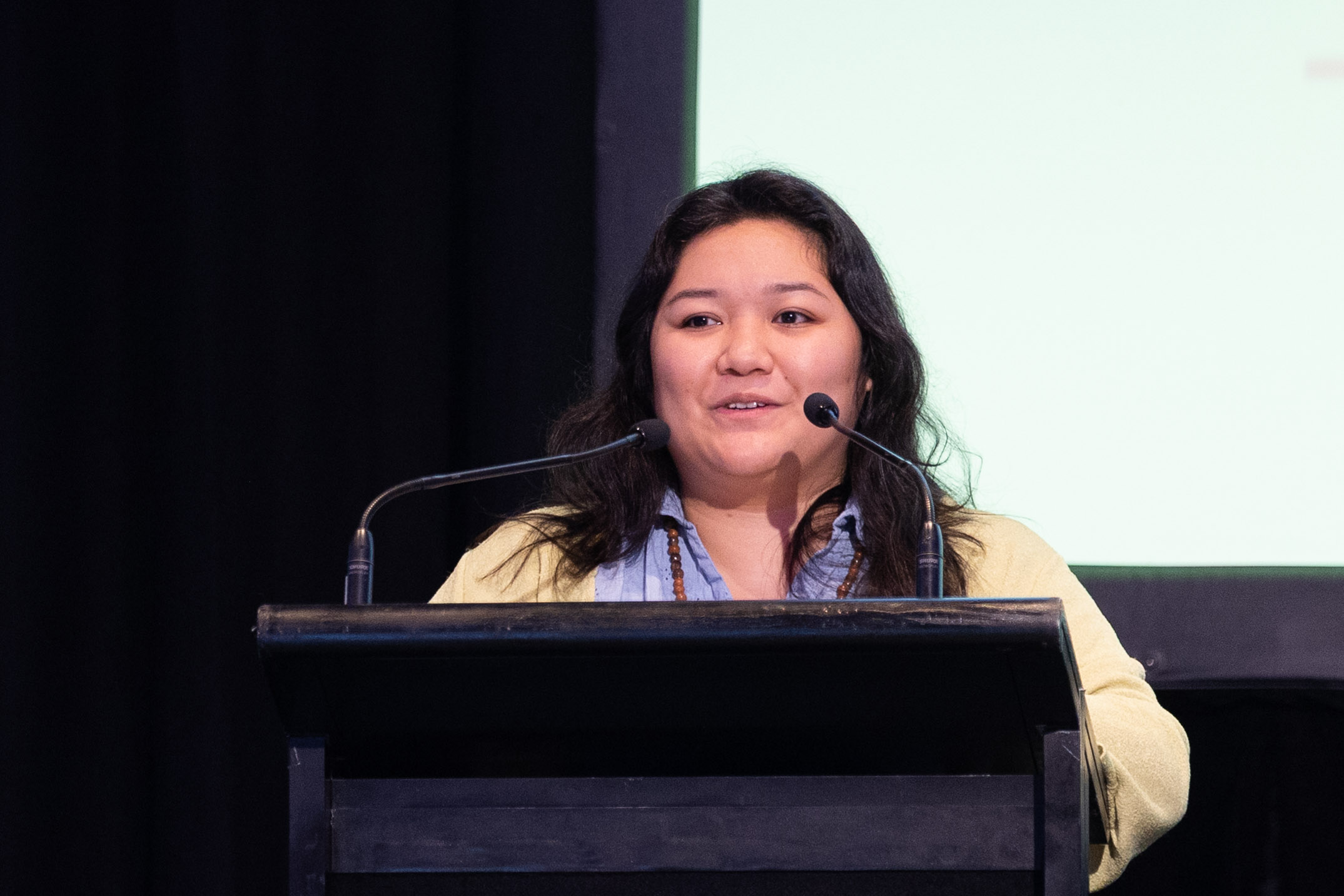
Julia Puno, Asia Pacific Research Network
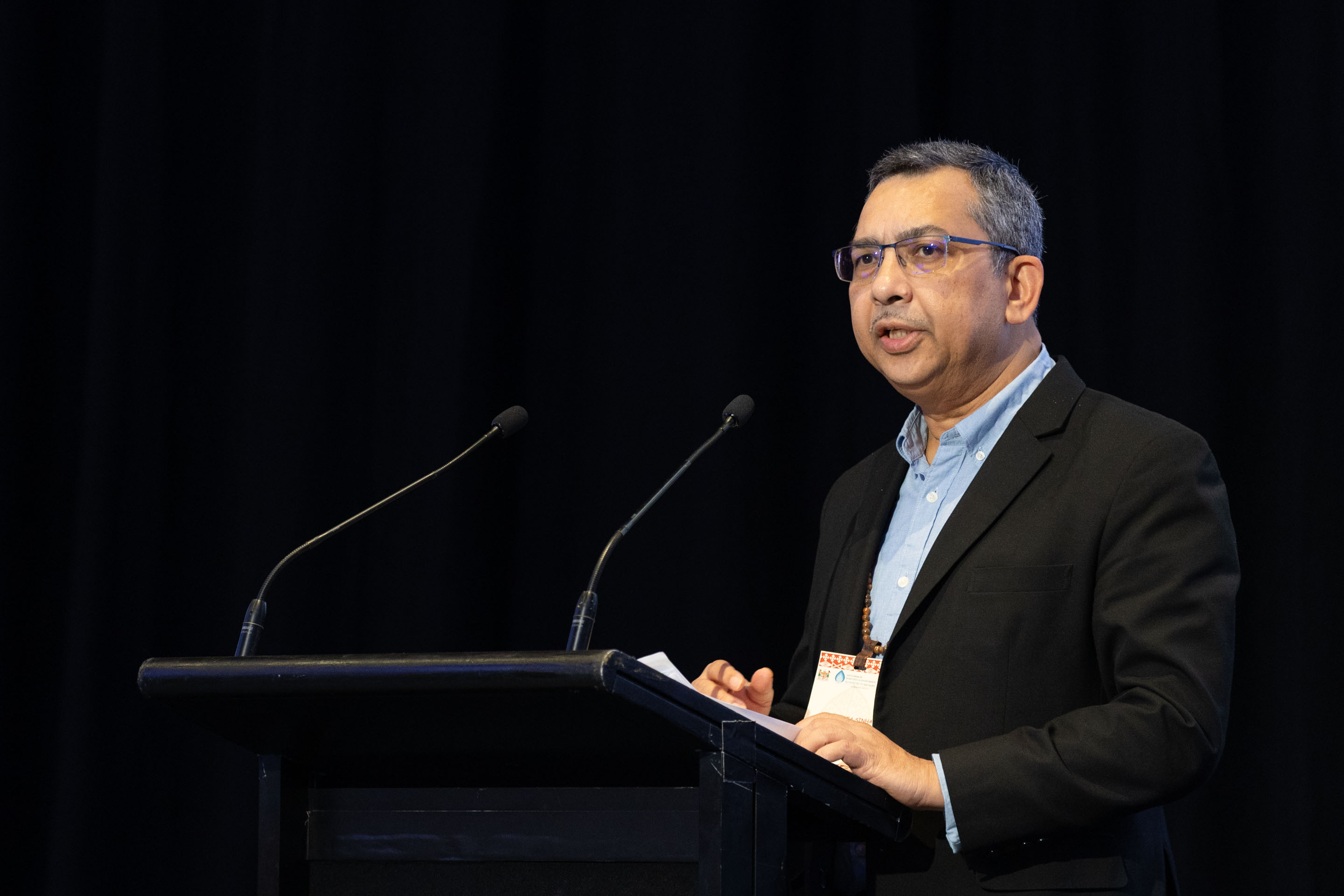
Subrata Sinha, UNEP
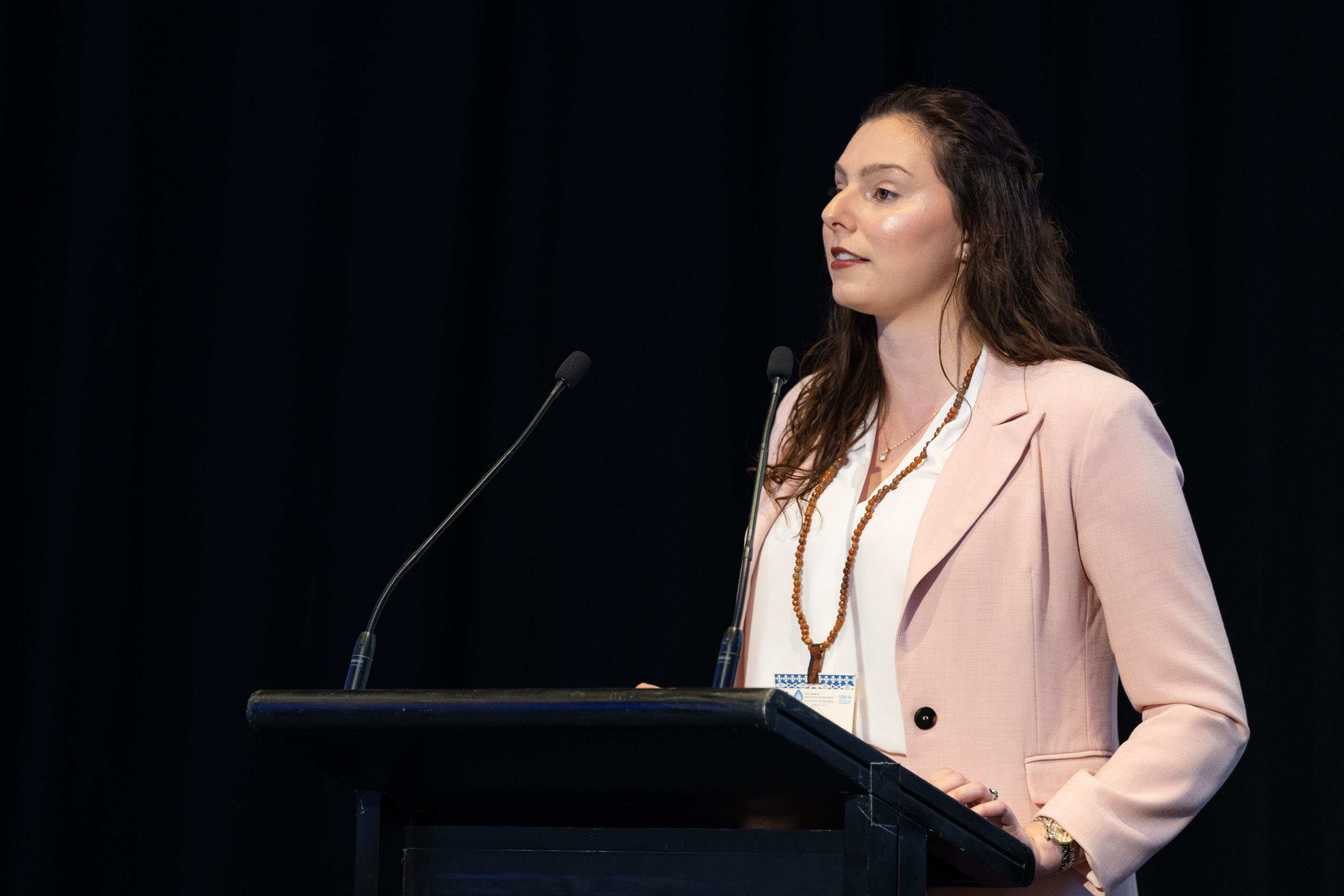
Phebe Fidge, Asia-Pacific Youth Environment Forum Representative
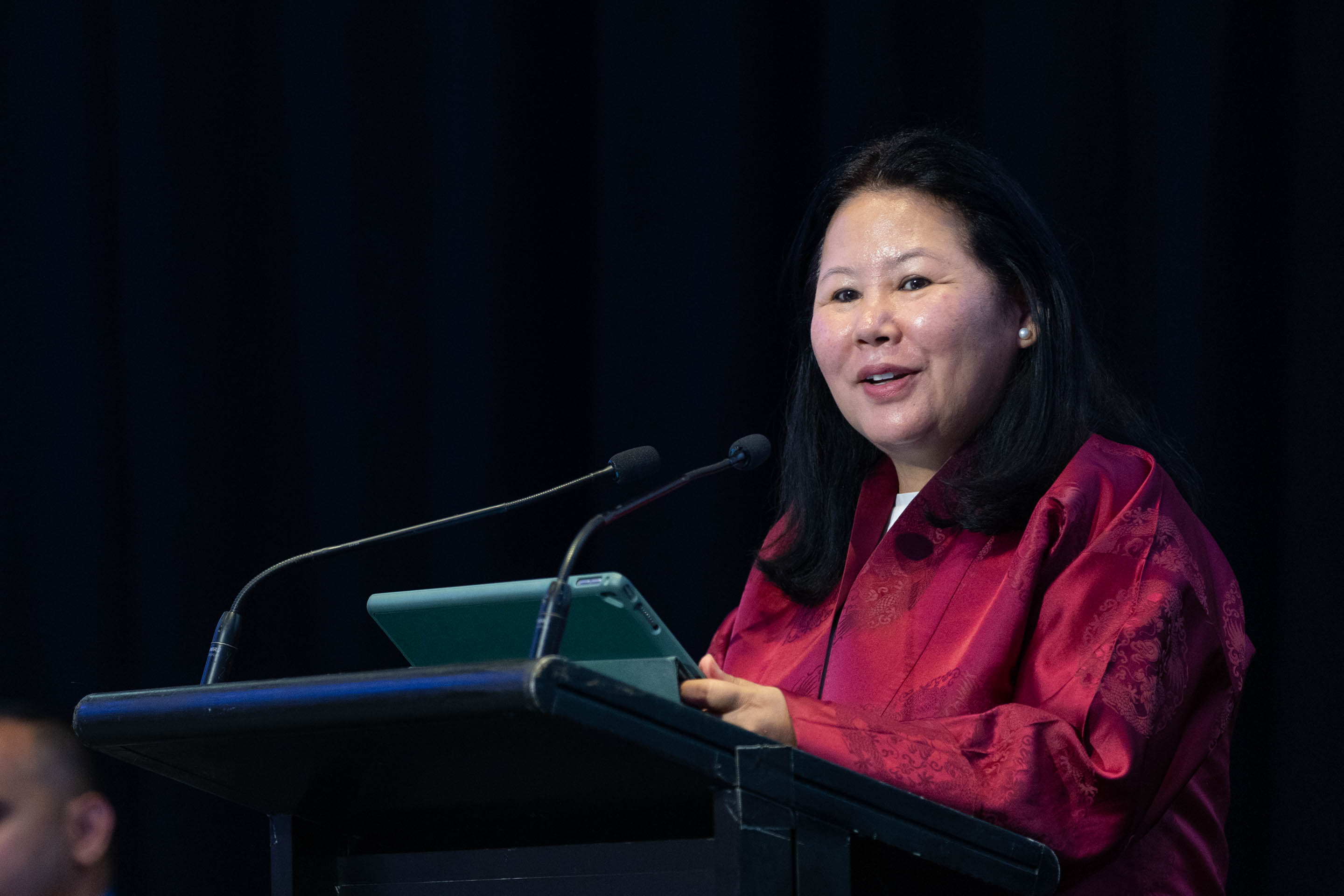
Dechen Tsering, Director, UNEP Regional Office of Asia Pacific
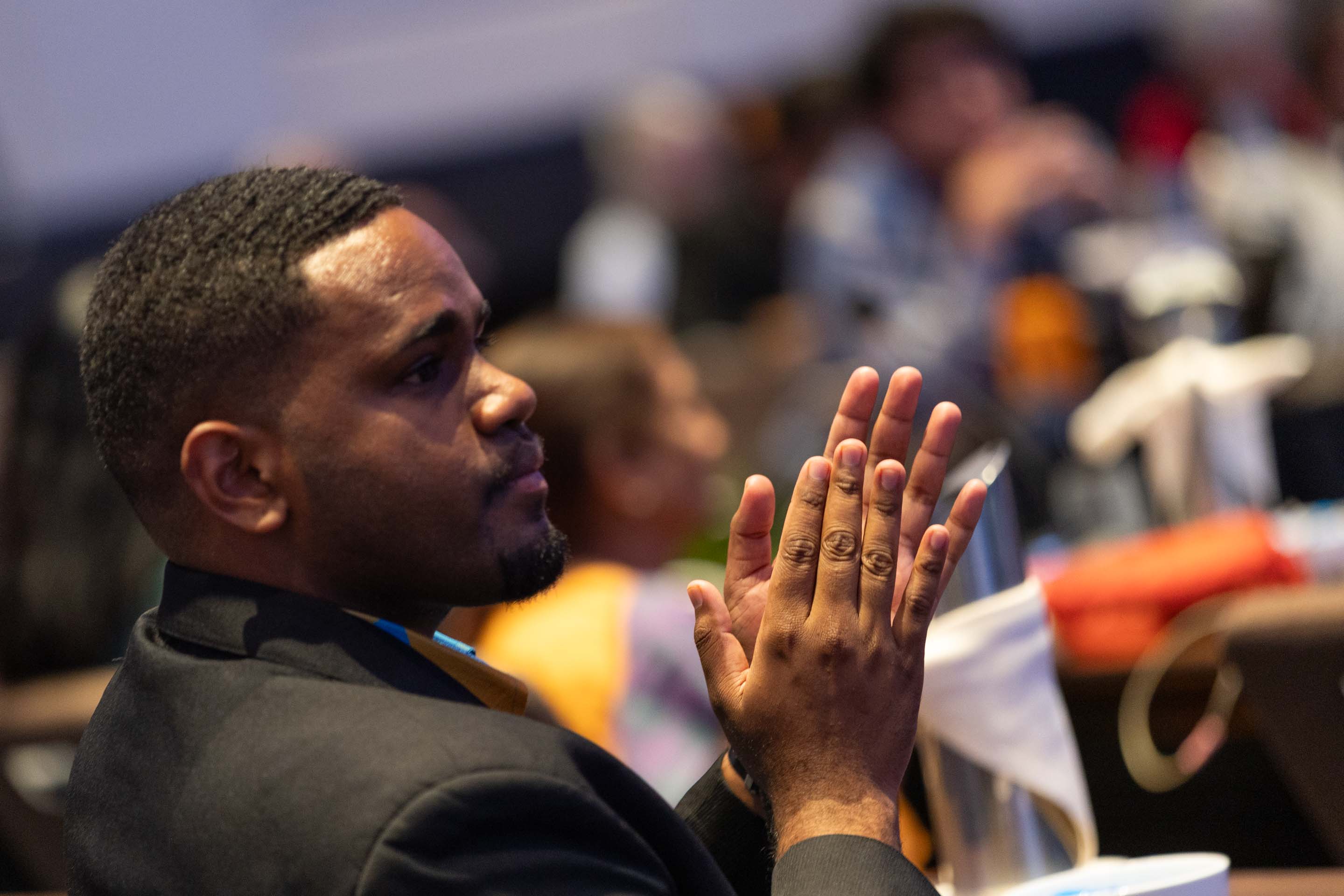
Delegates applaud the work done throughout the day
Side Events Throughout the Day
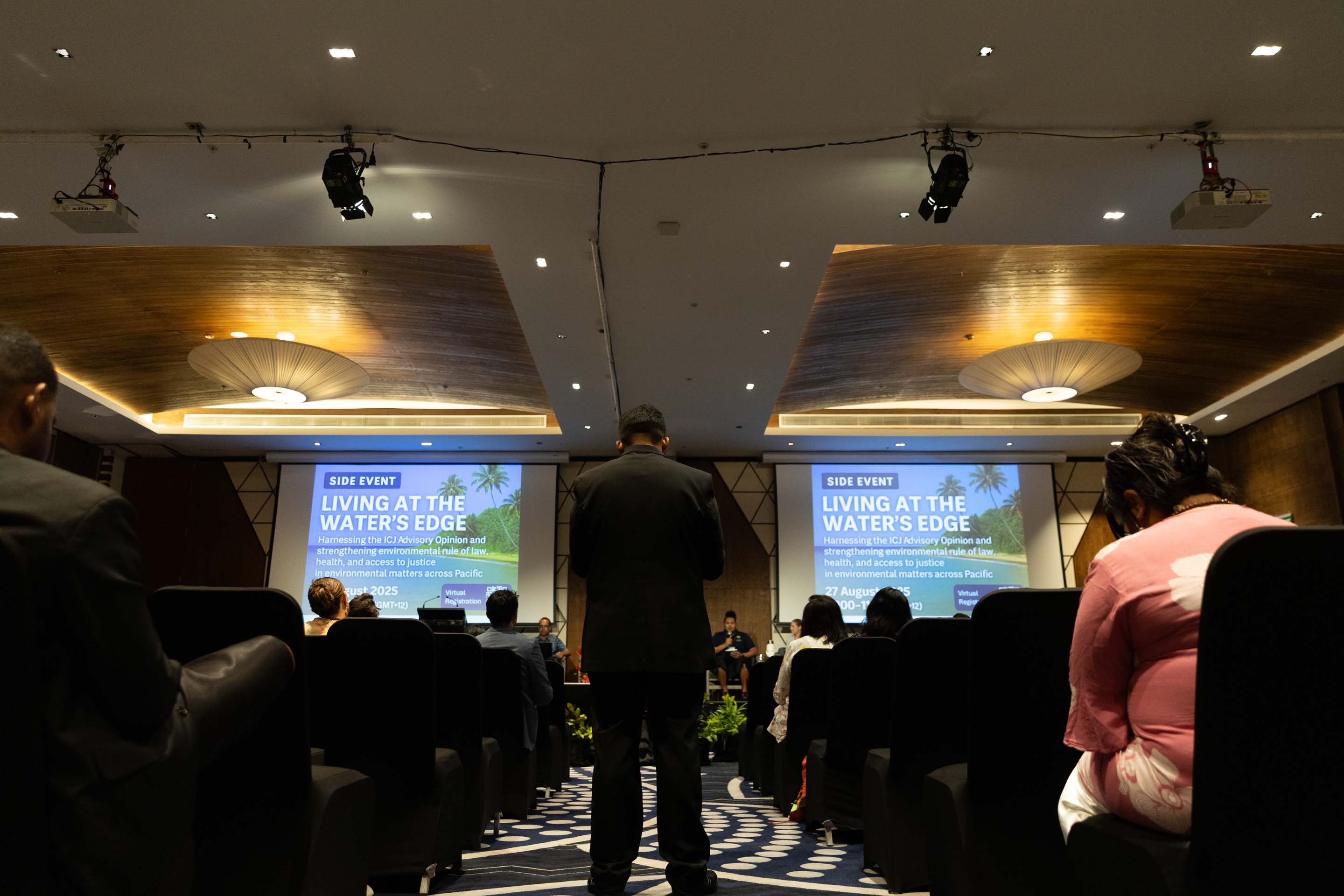
Delegates attend the side event "Living at the Water's Edge"
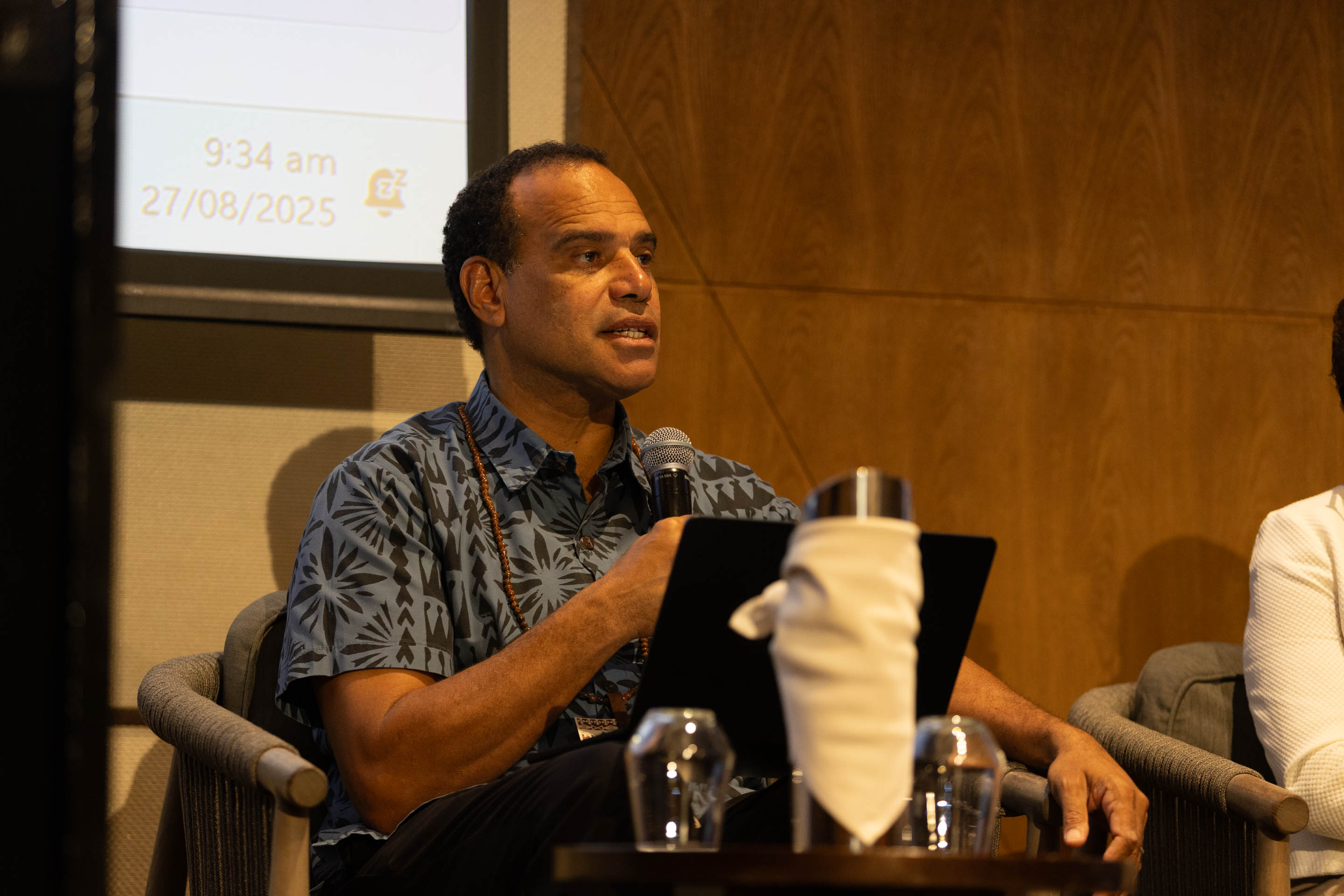
Ralph Regenvanu, Minister of Climate Change Adaptation, Meteorology and Geo-Hazards, Energy, Environment and Disaster Management, Vanuatu
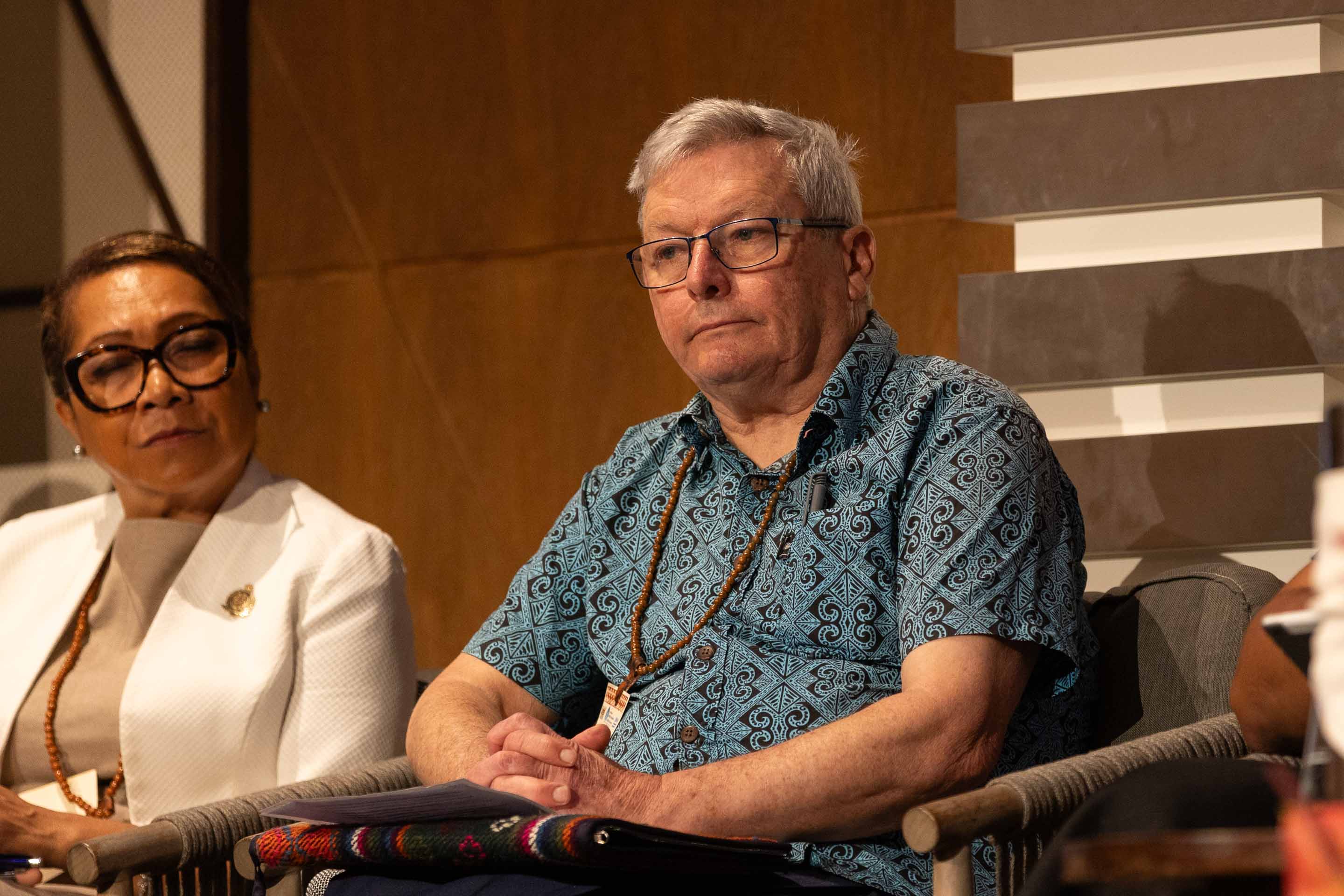
Ian Fry, Ambassador for Climate Change and Environment, Ministry of Home Affairs, Climate Change and Environment, Tuvalu
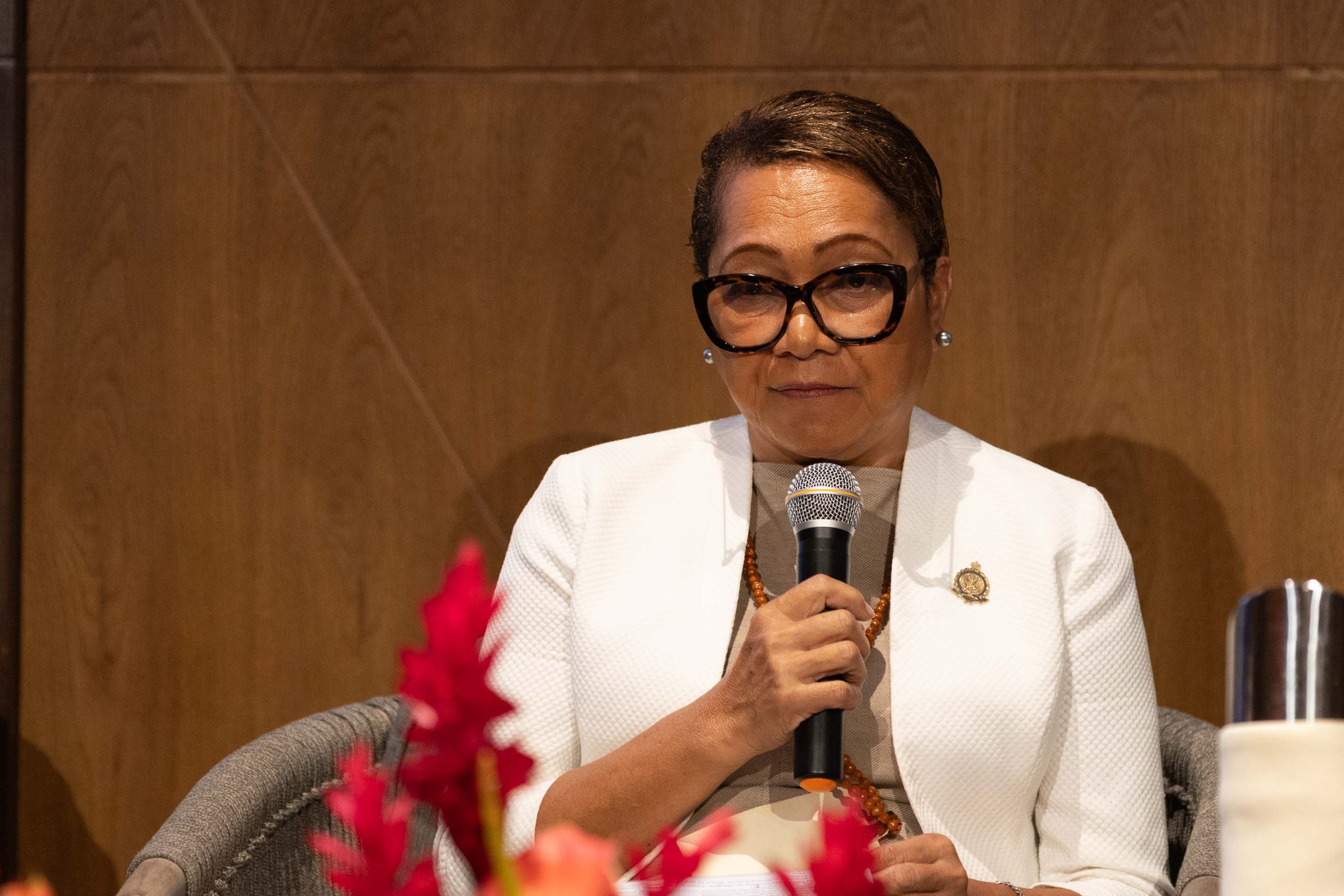
Esa Sharon-Mona Ainu'u, Minister of Natural Resources, Niue
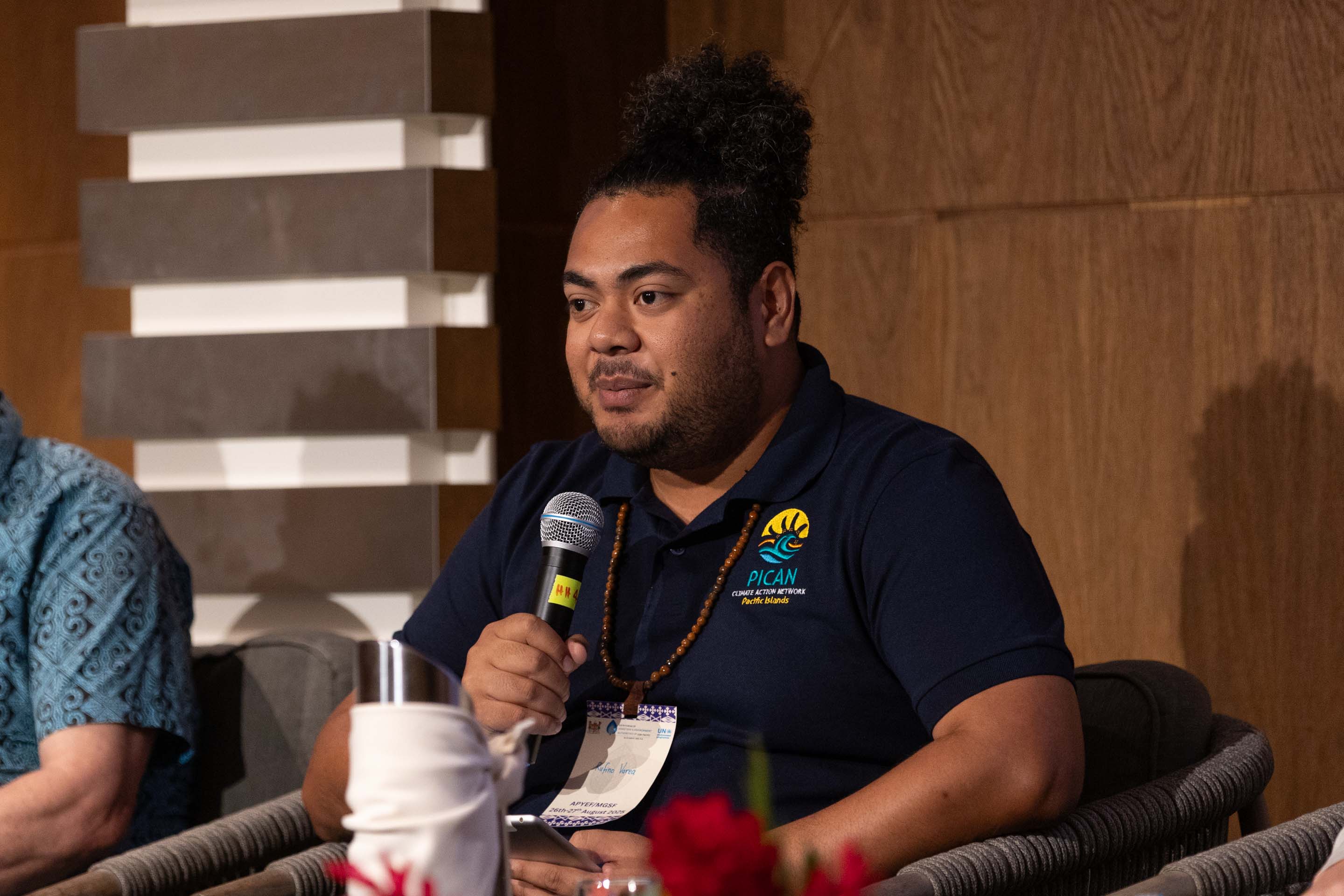
Rufino Varea, Director, Pacific Islands Climate Action Network (PICAN)
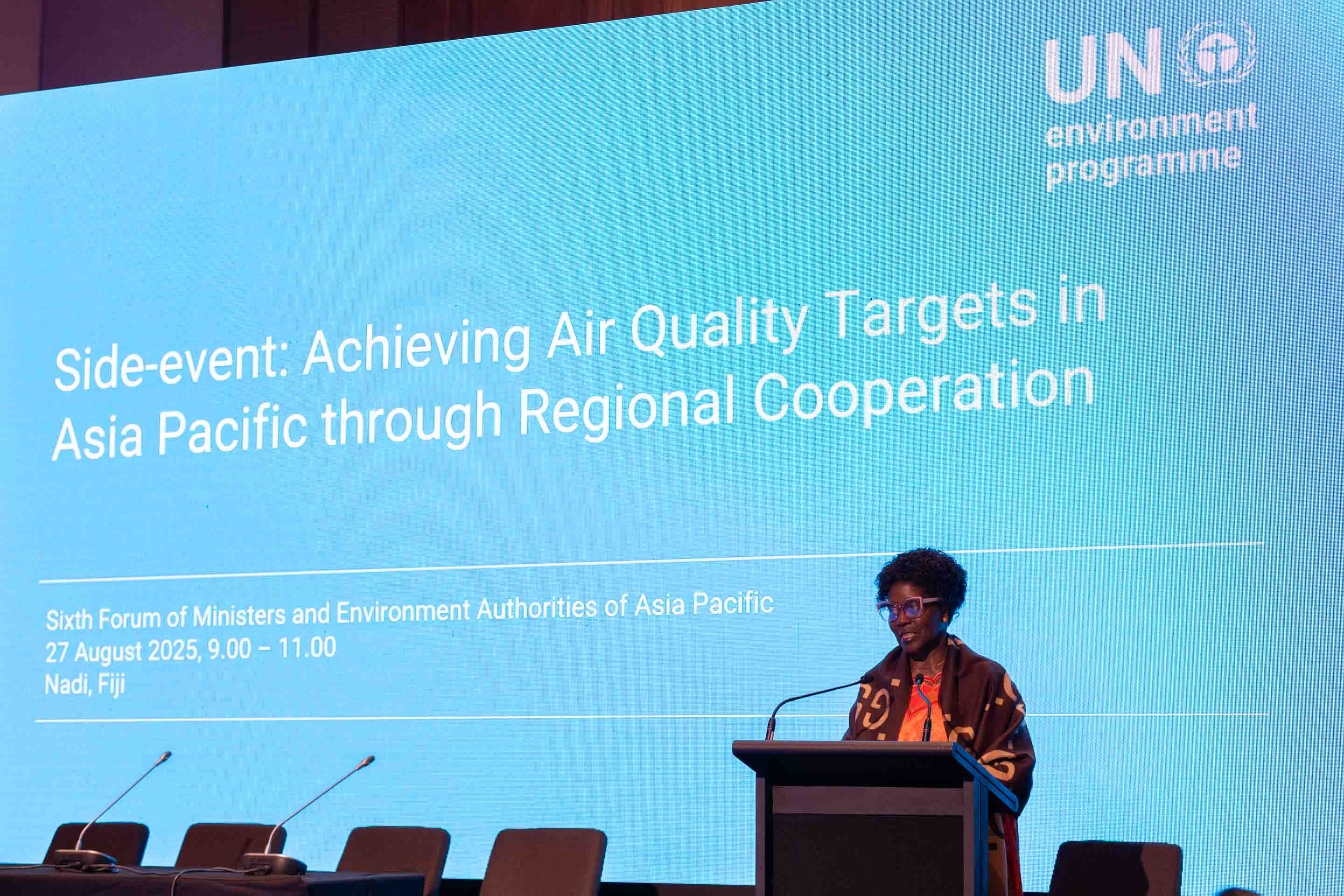
Elizabeth Maruma Mrema, Deputy Executive Director, UNEP, speaks during the side event on "Achieving Air Quality Targets in Asia Pacific through Regional Cooperation"
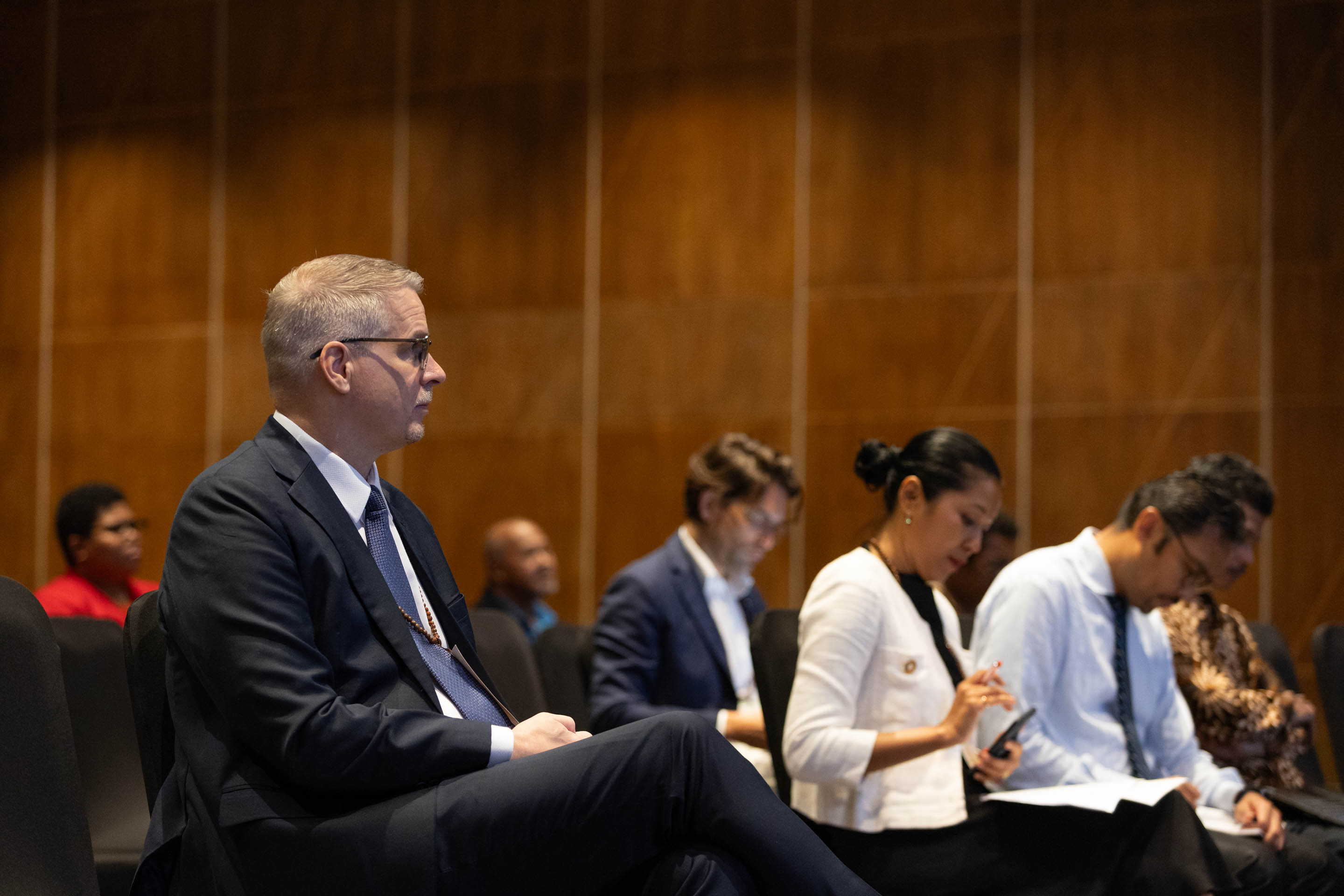
Dirk Wagener, UN Resident Coordinator, Fiji Multi-Country Office, attends the side event on "Scaling Up Food Systems Transformation for a Resilient Planet"
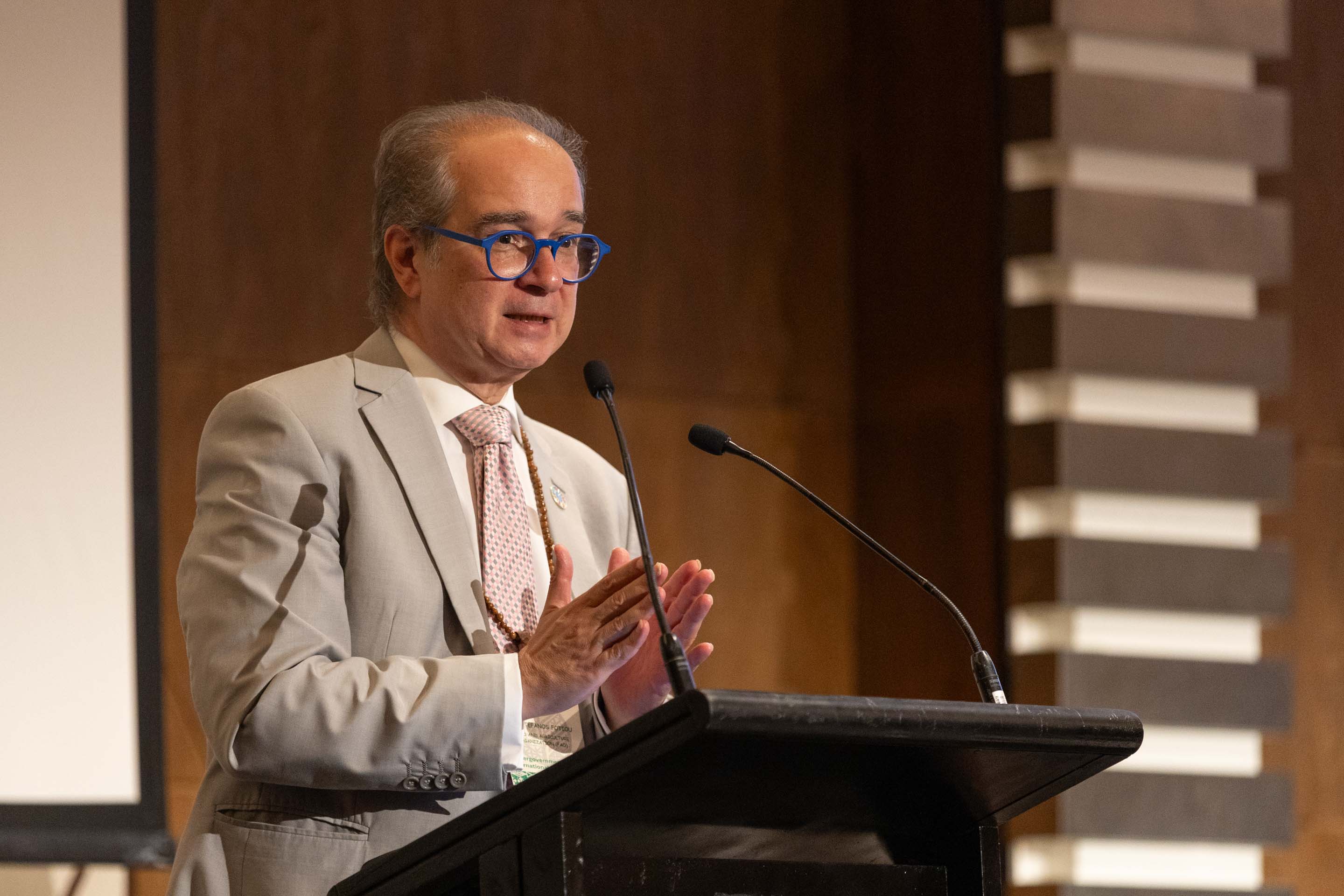
Stefanos Fotiou, Director, UN Food Systems Coordination Hub
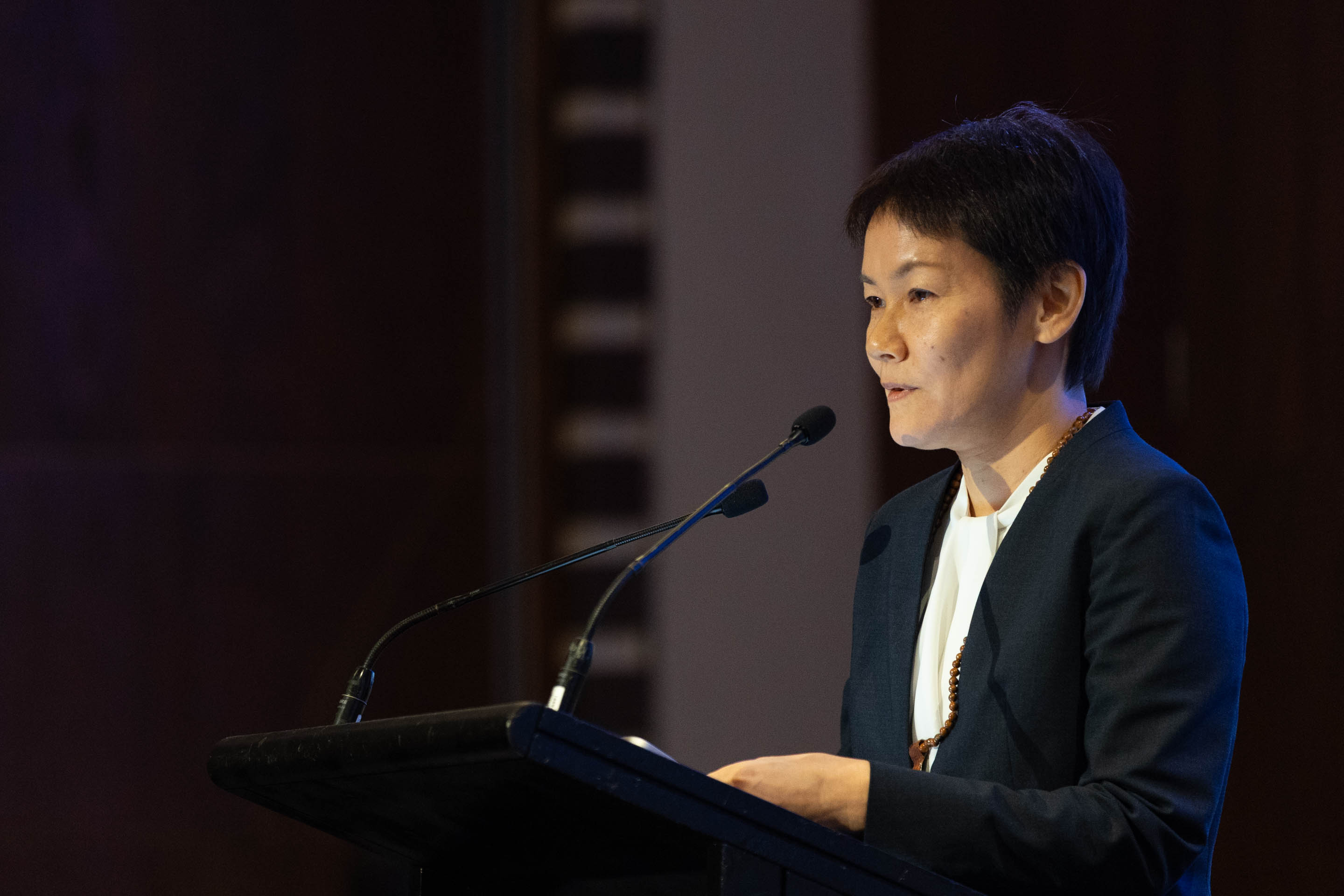
Makiko Yashiro, UNEP Regional Office for Asia and the Pacific
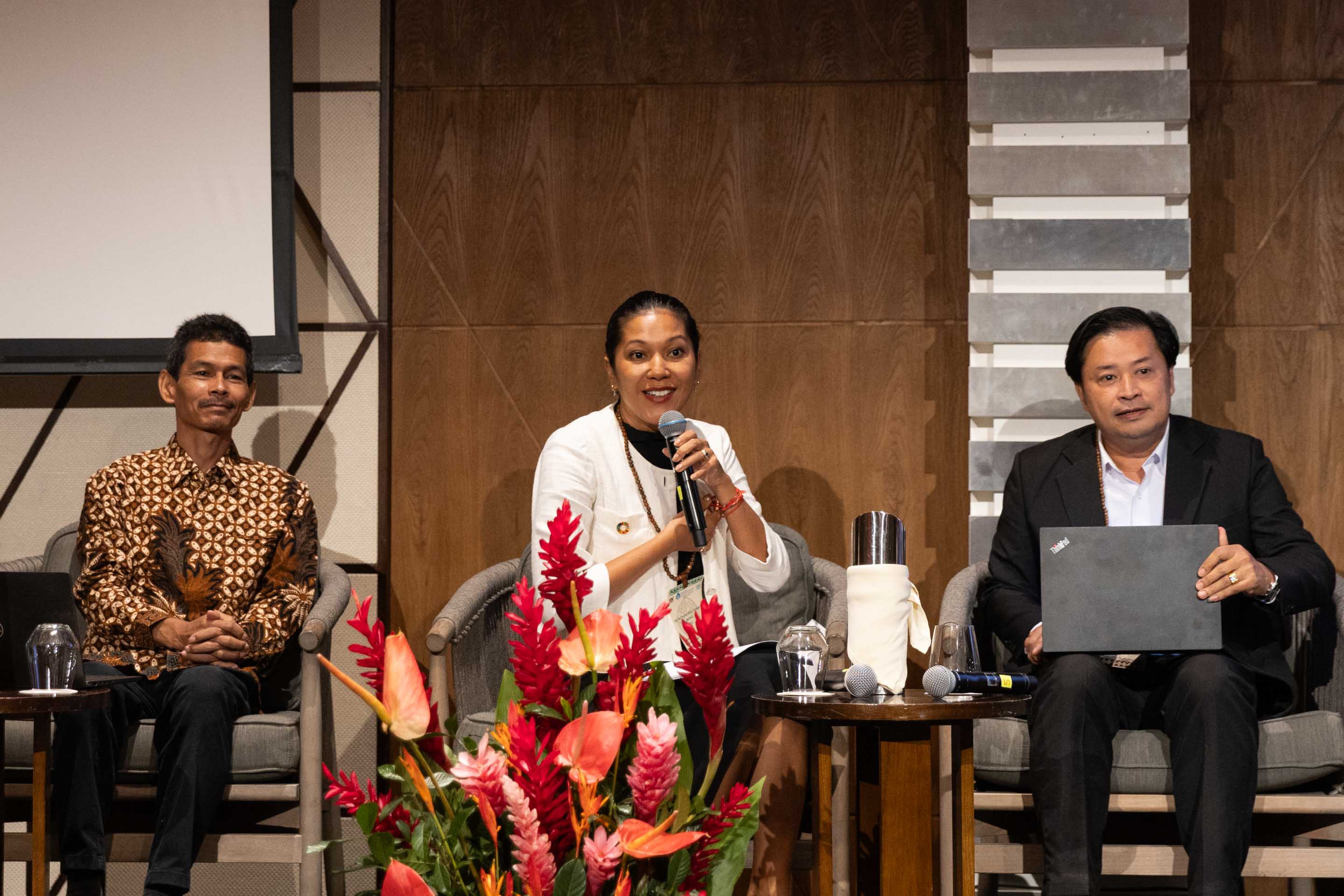
Panel speakers: Jarot Indarto, Ministry of National Development Planning, Indonesia; Rathana Peou Norbert-Munns, Food and Agricultural Organization of the UN (FAO); and Sounadeth Soukchaleun, Ministry of Natural Resources and Environment, Lao PDR
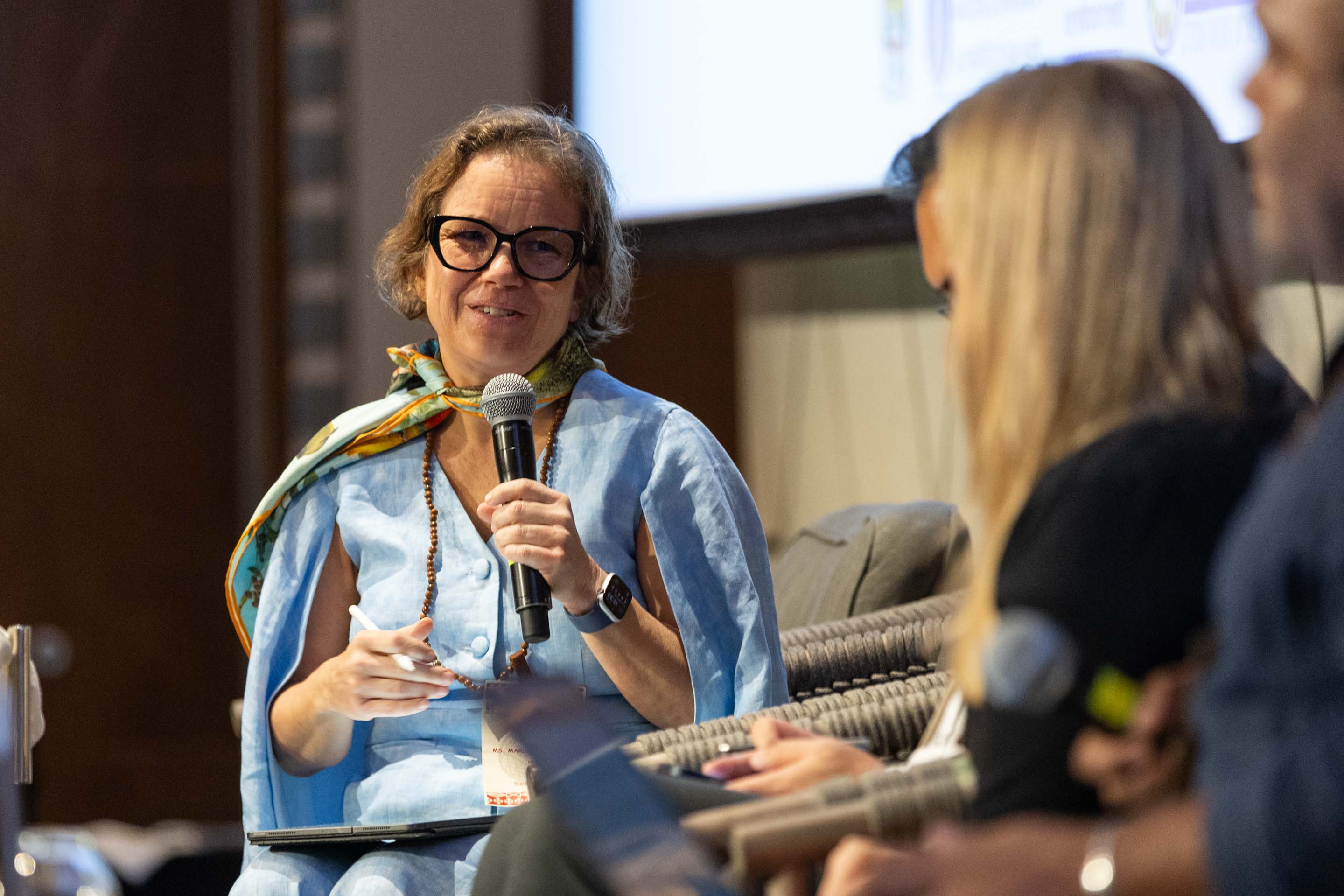
Marlene Nilsson, Deputy Regional Director, UNEP Asia and the Pacific Office
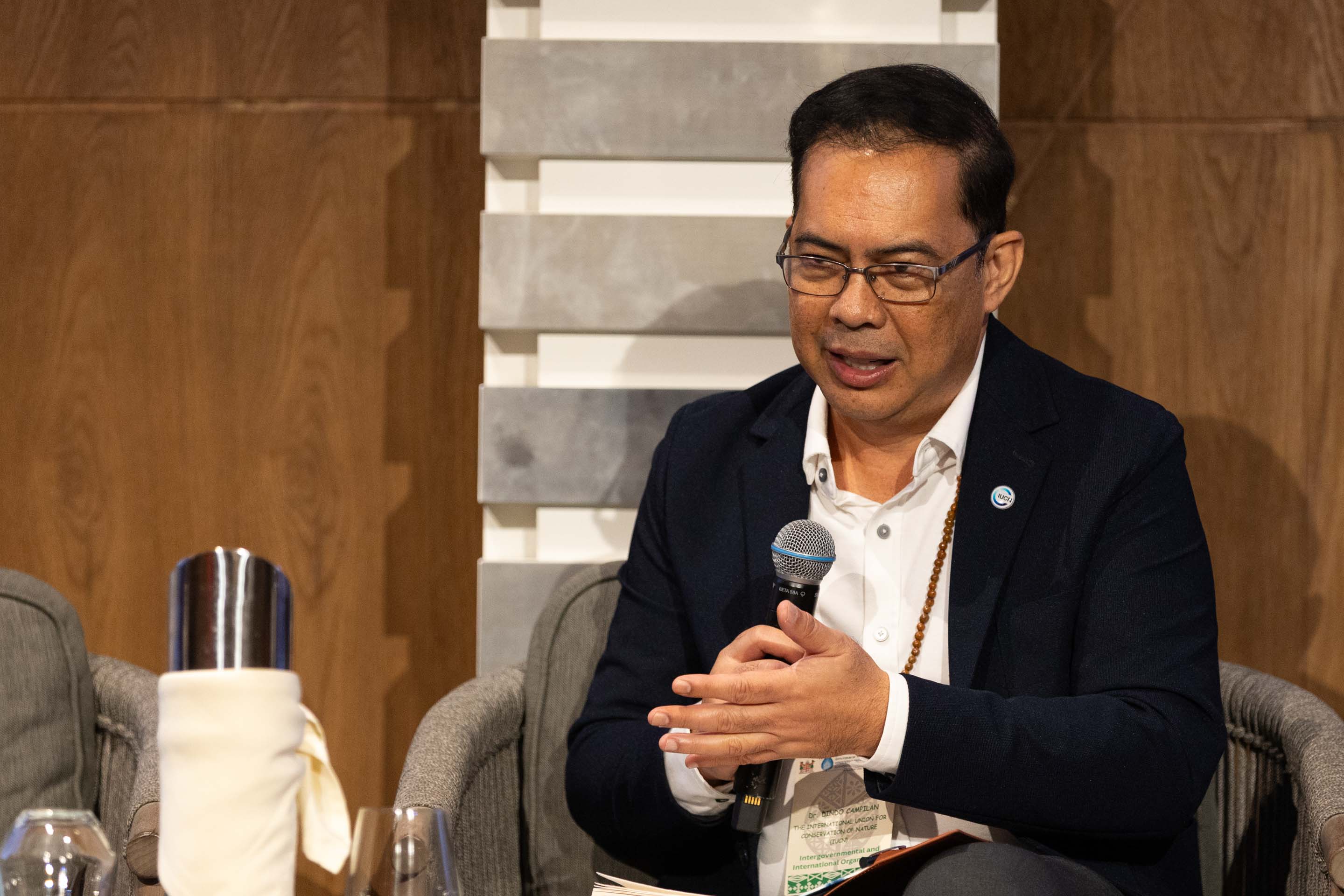
Dindo Campilan, Regional Director for Asia, IUCN
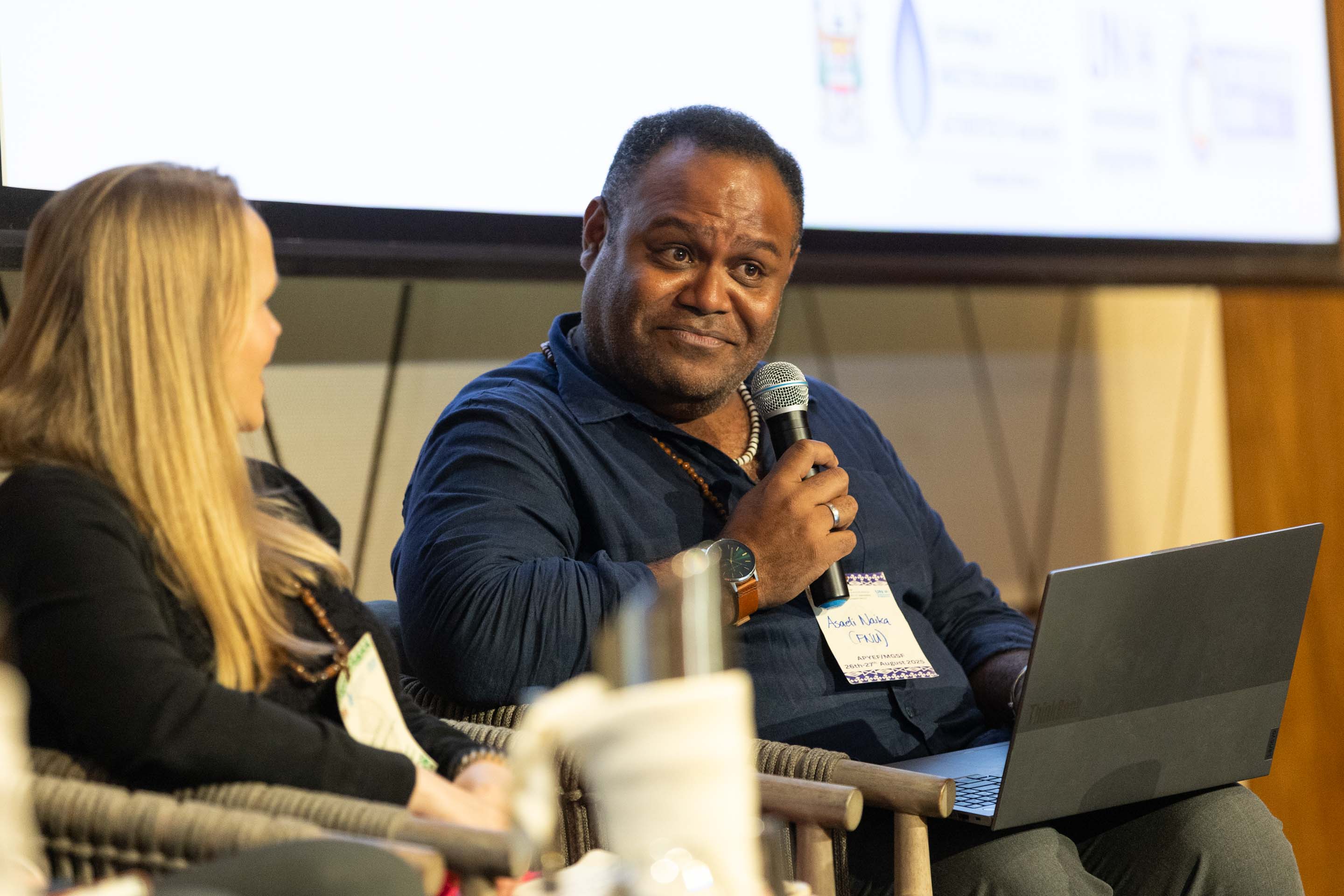
Asaeli Naika, Youth Representative, Fiji
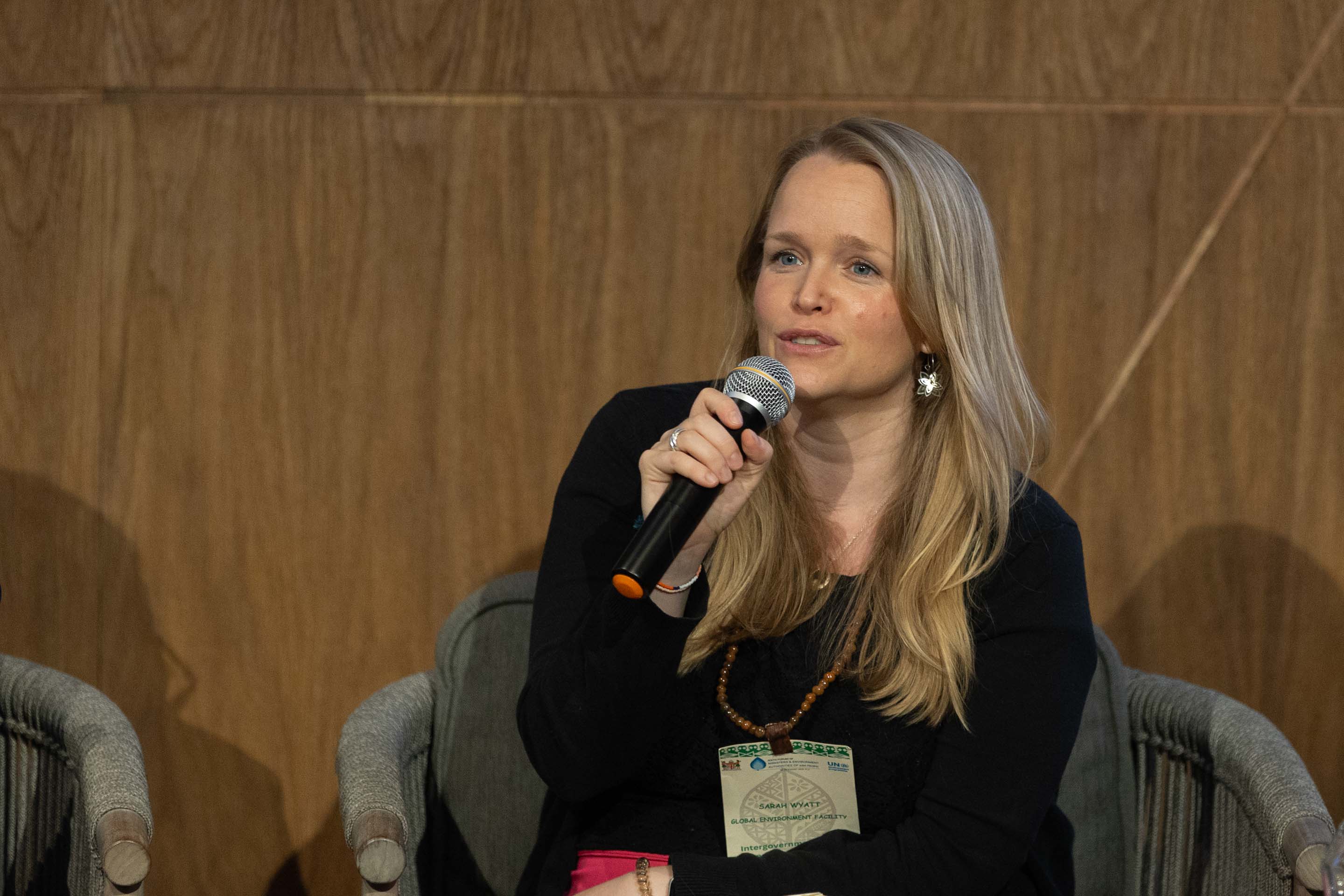
Sarah Wyatt, Global Environment Facility (GEF)
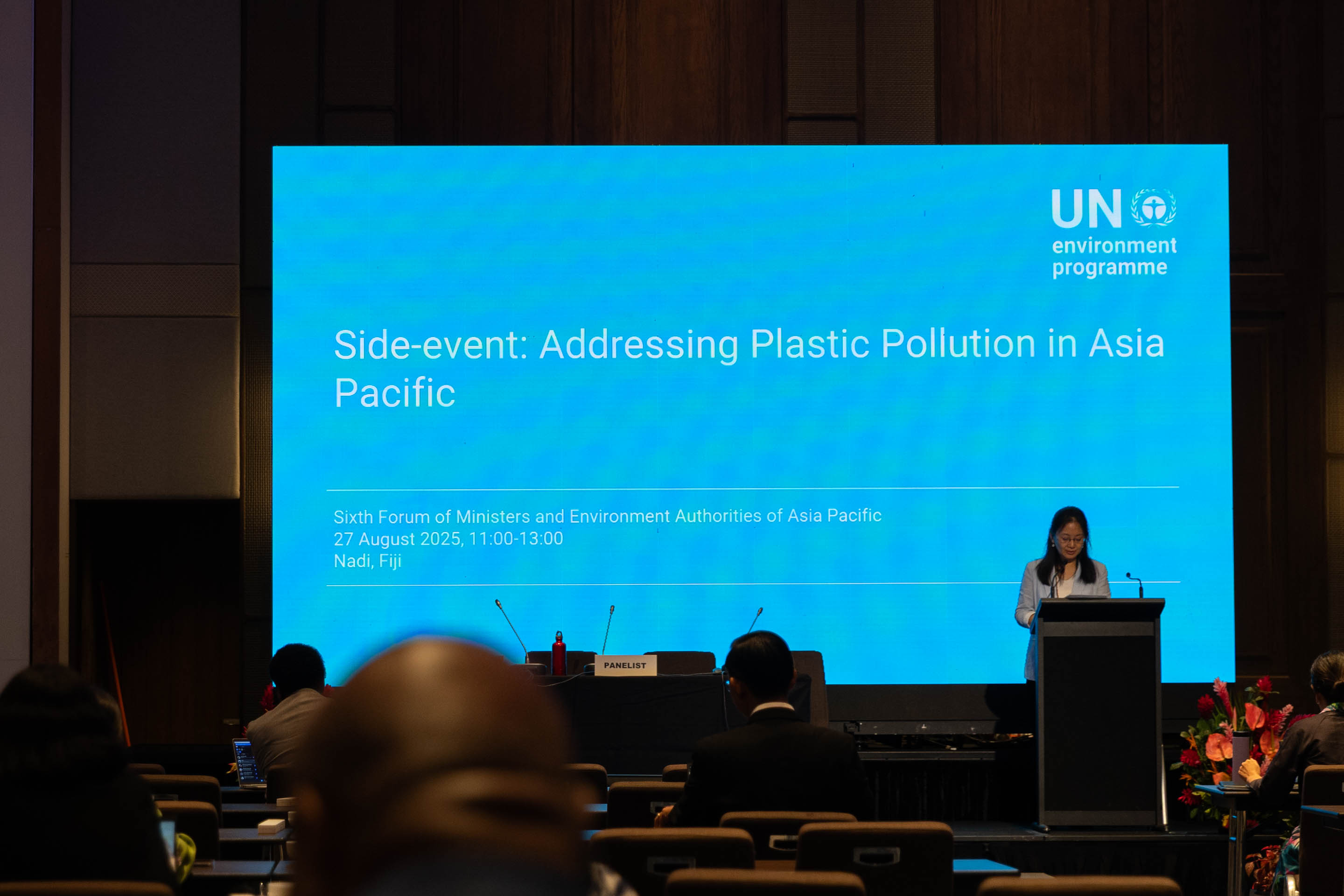
Delegates attend a side event on "Addressing Plastic Pollution in Asia Pacific"
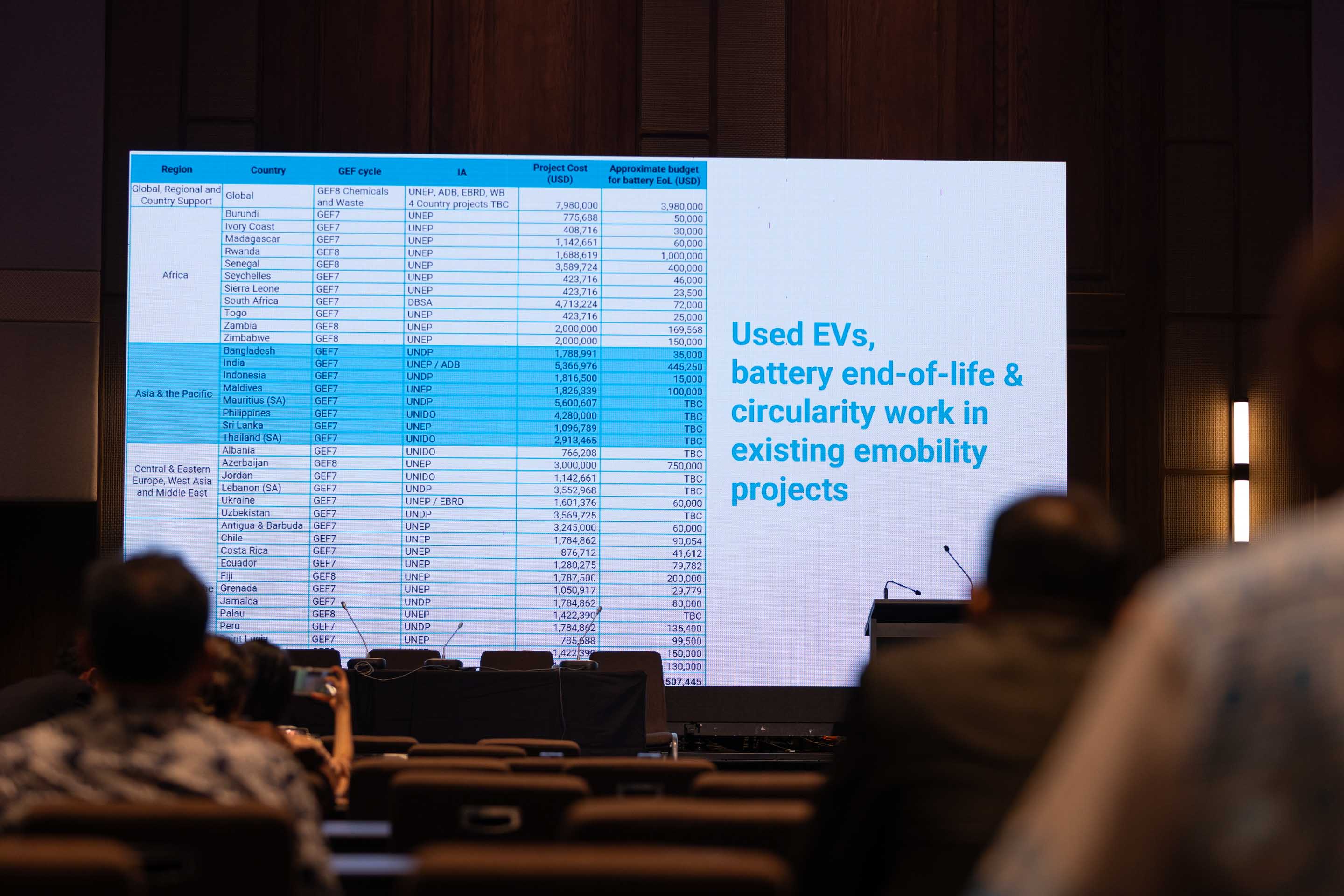
Delegates attend the side event on "Sustainable Management of End-of-Life Electric Vehicles (EVs) and EV Batteries"
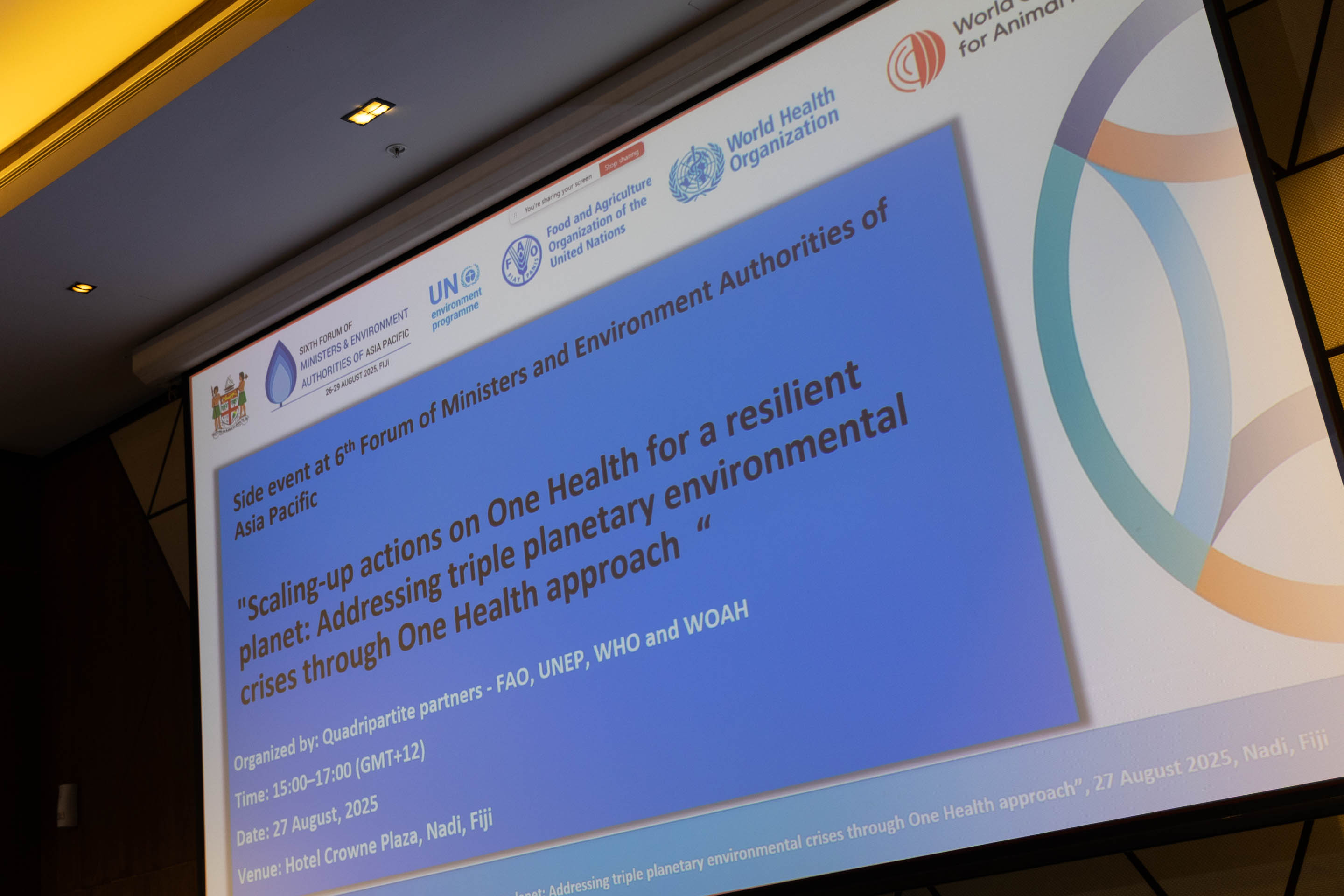
Delegates attend a side event on "Scaling-up actions on One Health for a resilient planet"
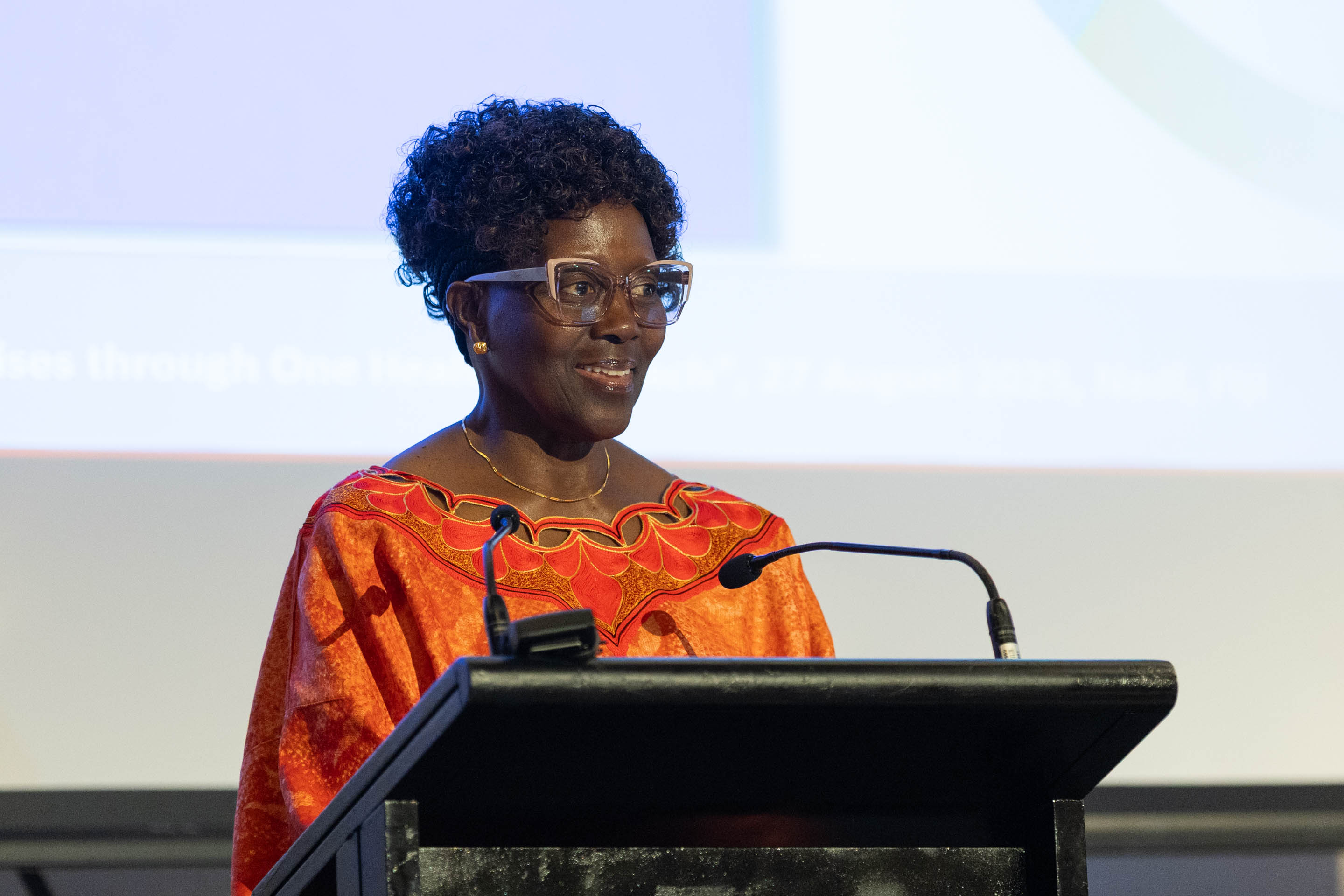
Elizabeth Maruma Mrema, Deputy Executive Director, UNEP
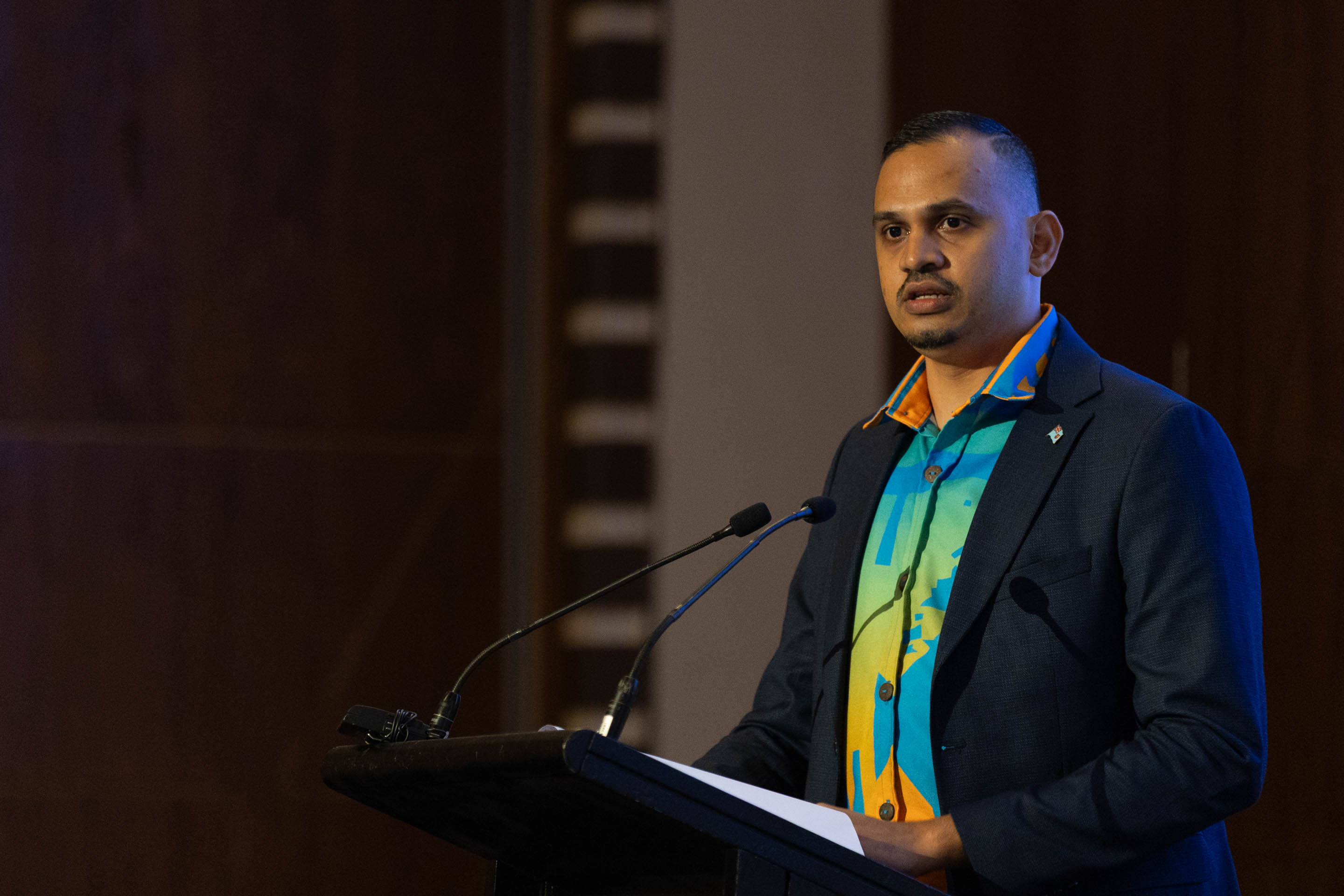
Sivendra Michael, Permanent Secretary, Ministry of Environment and Climate Change, Fiji
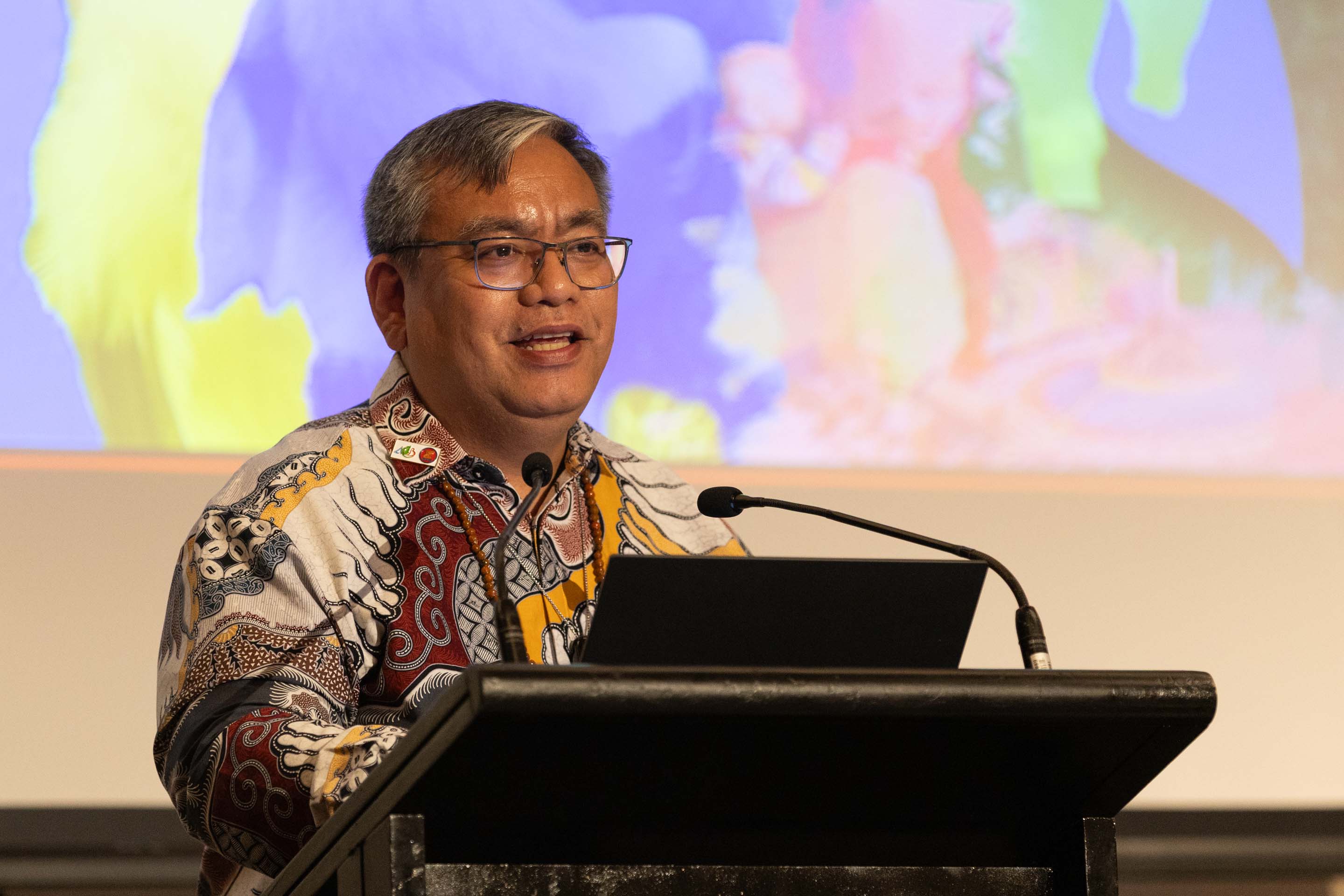
Jerome Montemayor, Executive Director, ASEAN Centre for Biodiversity
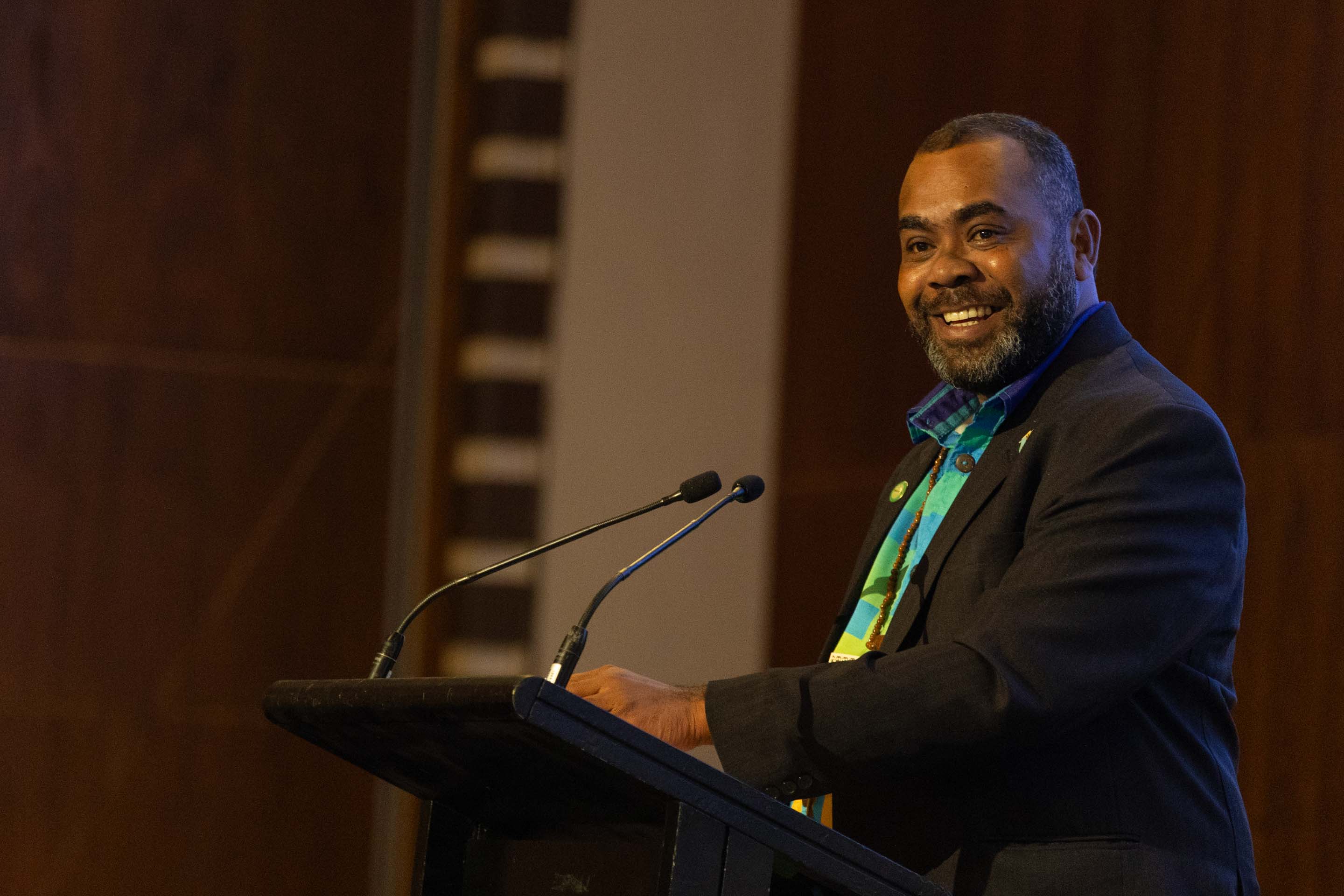
Mosese Bulitavu, Minister for Environment and Climate Change, Fiji
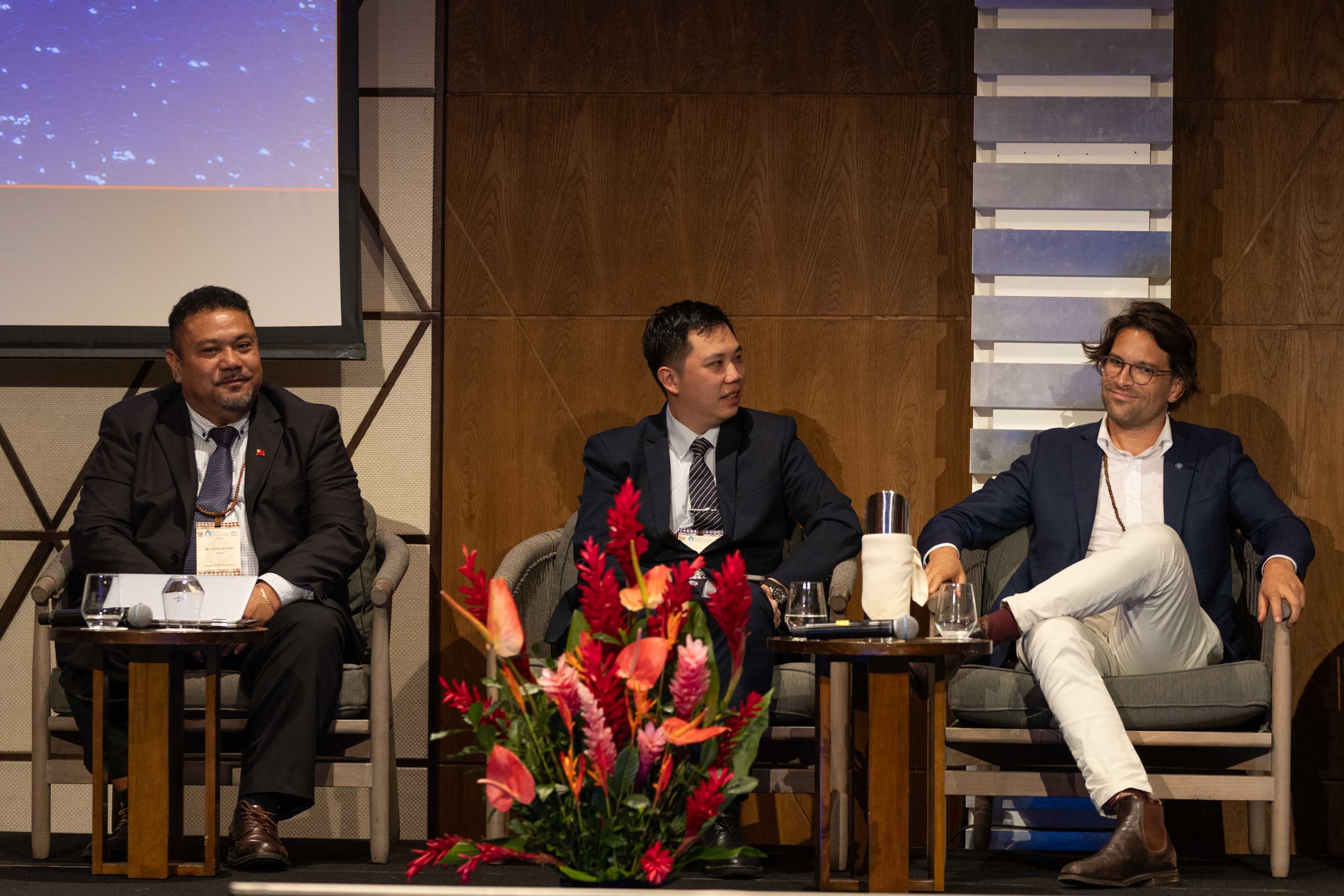
Panel speakers: Sione Akauola, CEO, Ministry of Meteorology, Energy, Information, Disaster Management, Environment, Climate Change and Communications (MEIDECC), Tonga; Johnson Kao, Tzu Chi Foundation; and Sandro Demaio, Director, WHO Asia-Pacific Centre for Environment and Health, Western Pacific
Around the Venue

Registration badges line the table as delegates arrive for the Asia-Pacific Major Groups and Stakeholders Forum
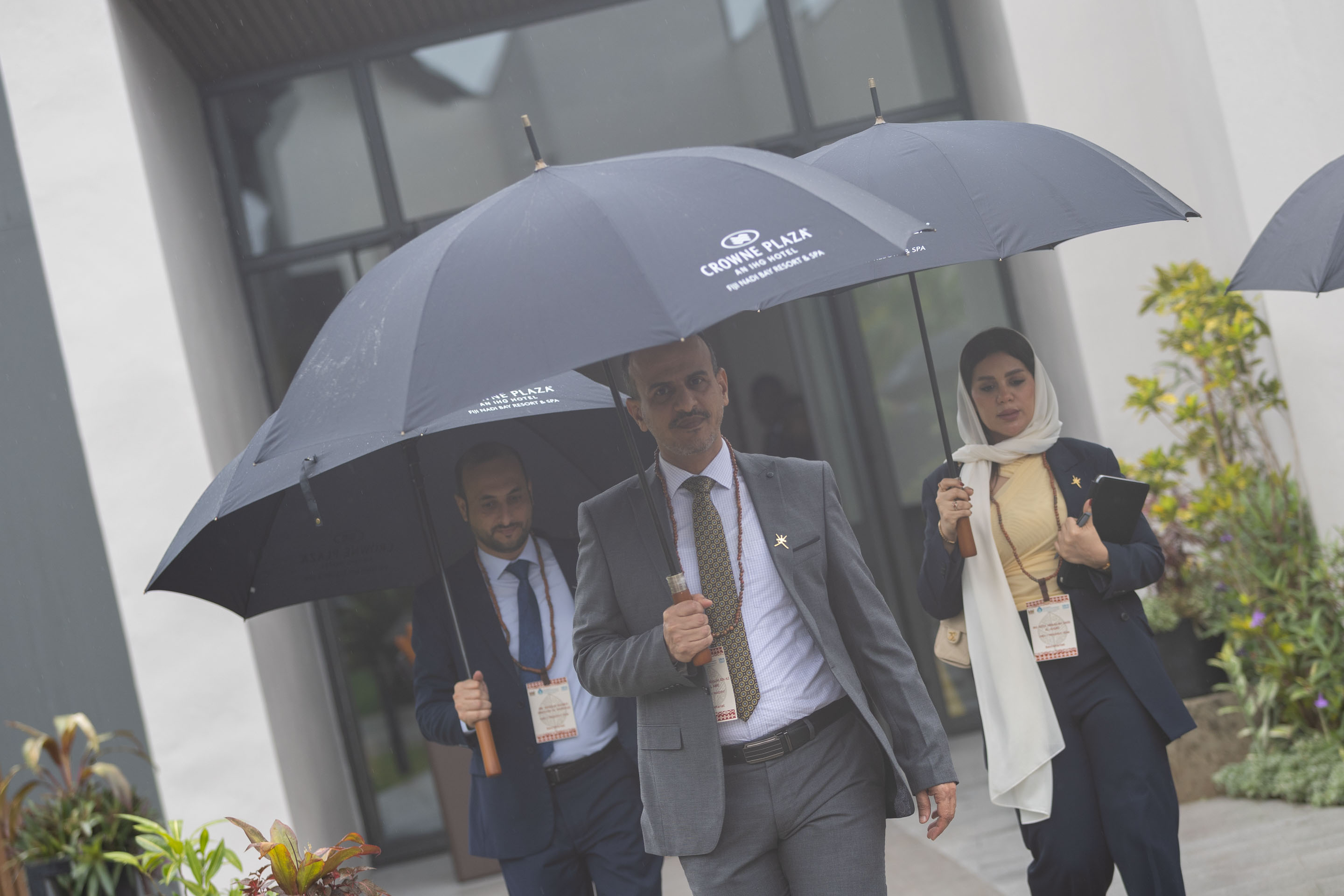
Abdullah bin Ali Al Amri, President, UNEA-7, walks through the rain
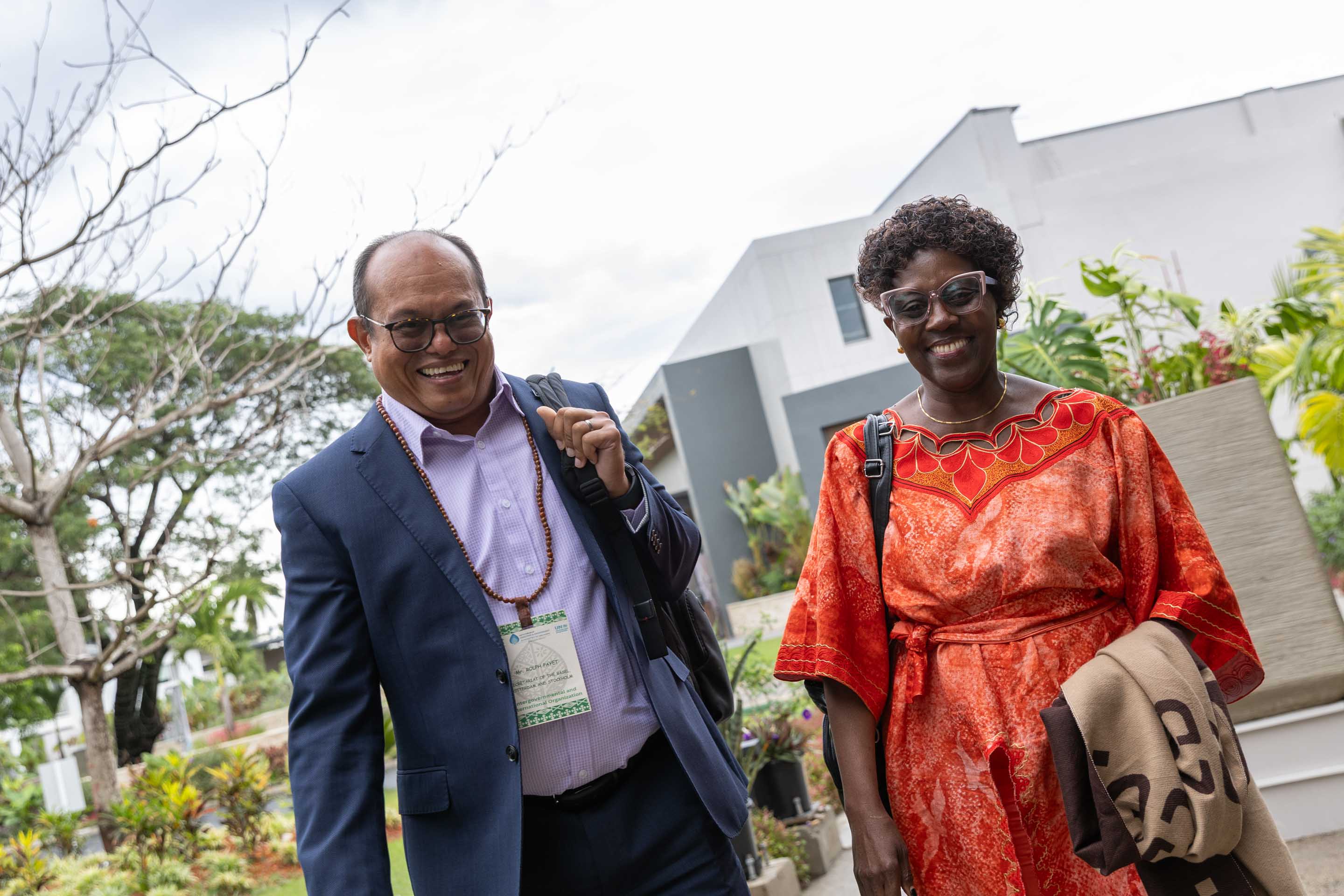
Rolph Payet, Executive Secretary, Basel, Rotterdam and Stockholm (BRS) Conventions, and Elizabeth Maruma Mrema, Deputy Executive Director, UNEP

Delegates have the opportunity to network throughout the day
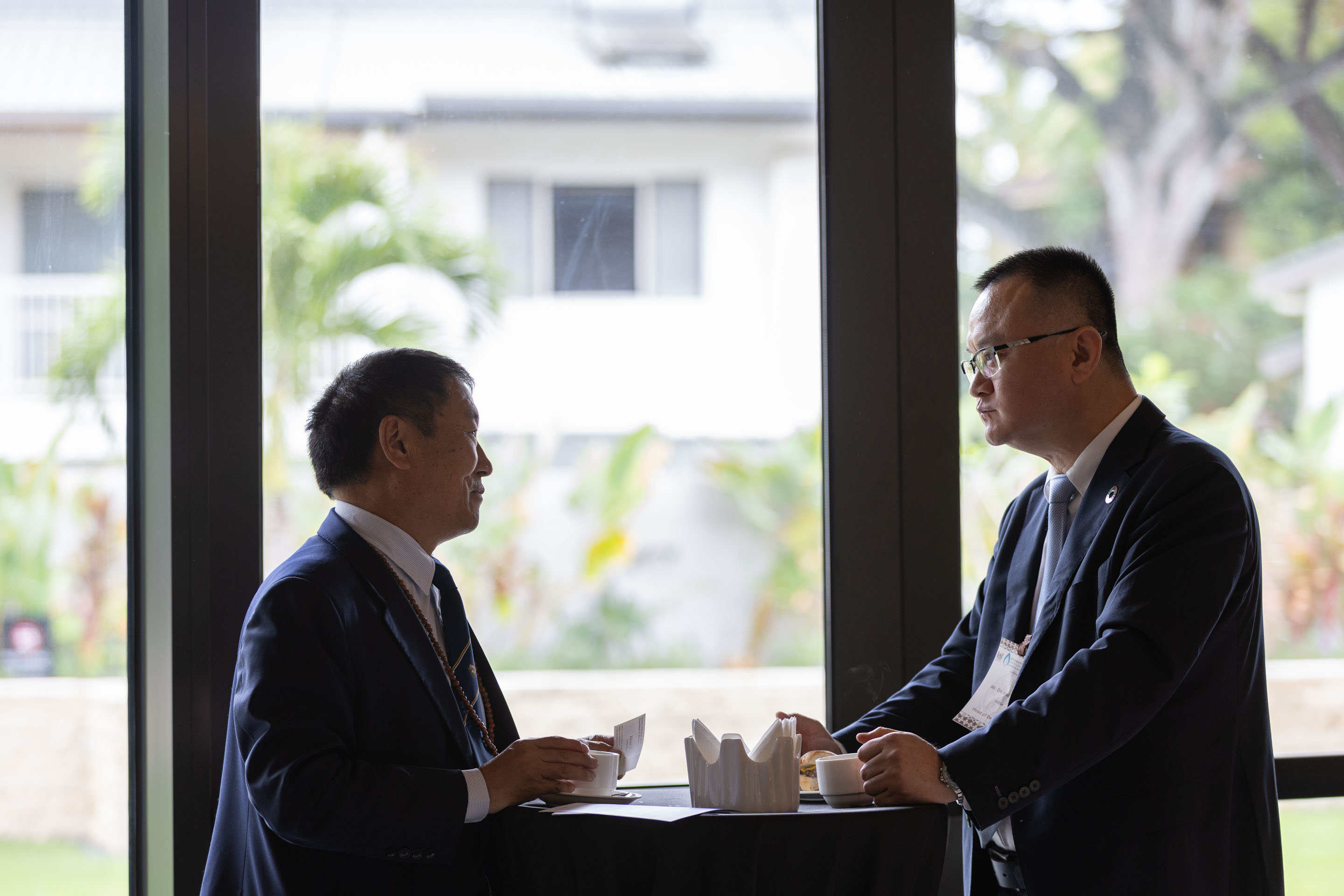
Delegates speak informally between sessions

Artwork created by the Pacific Ocean Litter Youth Project (POLYP) highlights the impact that plastics are having on the Ocean