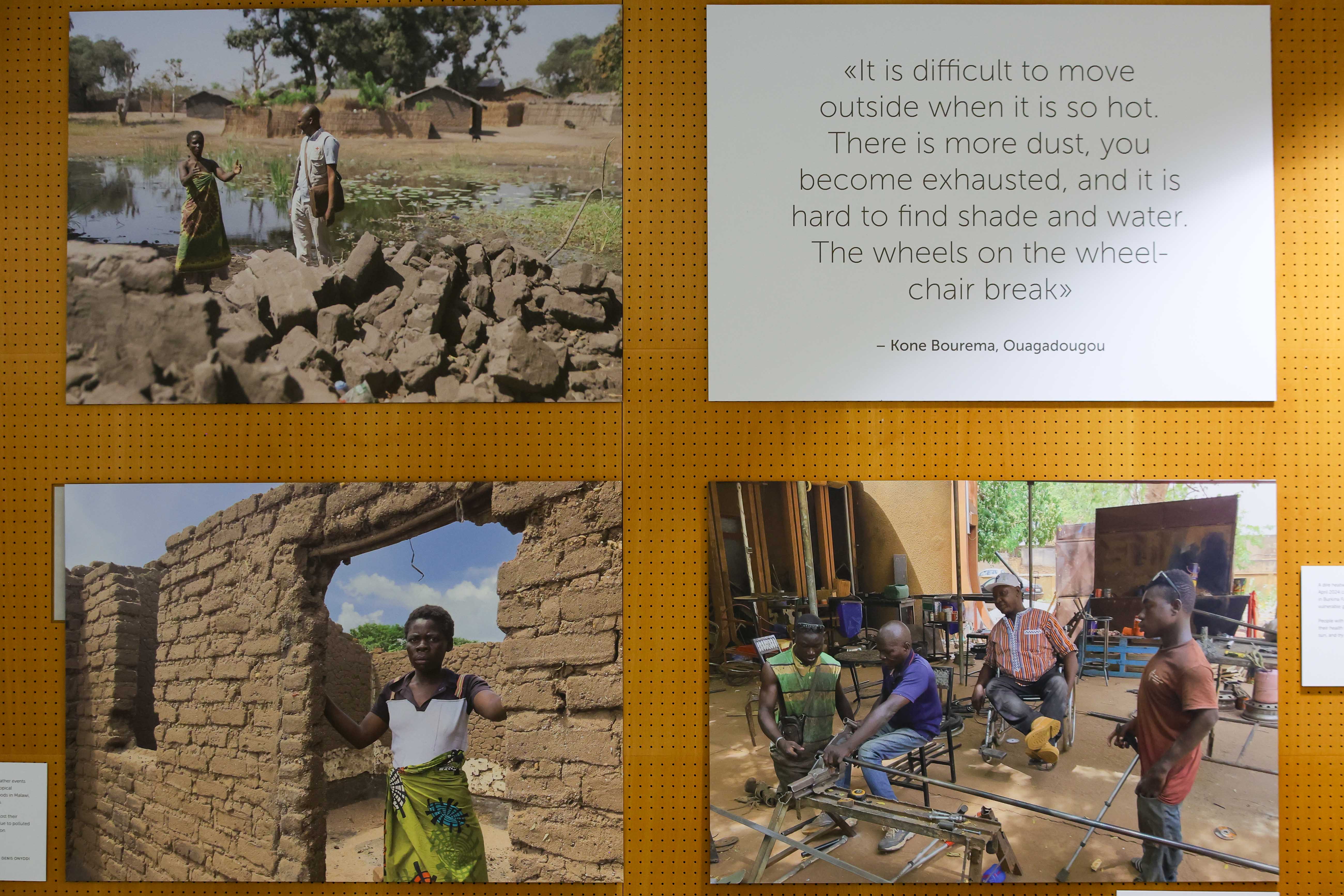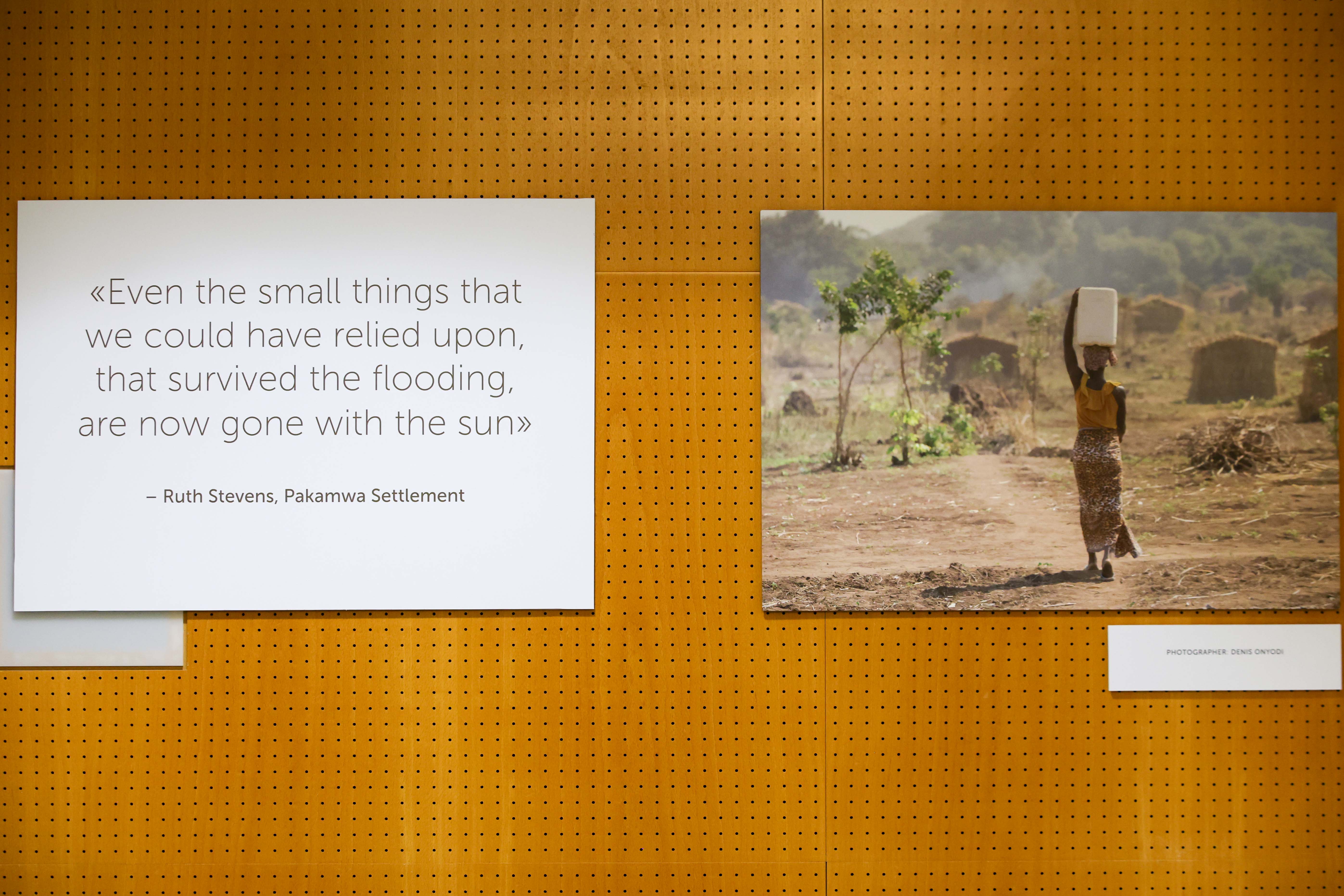
Disaster displacement is on the rise around the world. The year 2024 saw the highest number of people newly displaced within a single year, according to Internal Displacement Monitoring Centre (IDMC) research. It was also the hottest year on record, bringing increased risk of disasters such as floods, fires, and tropical storms. Under current climate conditions, an average of 32 million displacements occur in any given year. IDMC anticipates that, even under an “optimistic” scenario of 1°C of temperature rise, there will be twice as many global displacements by the year 2100. Under a “pessimistic” scenario of 5°C, this figure would increase significantly.
Want to dig deeper into today's talks? Read the full Earth Negotiations Bulletin daily report.
To discuss strategies and solutions for disaster risk reduction (DRR), the Eighth Global Platform on Disaster Risk Reduction (GPDRR) convened two preparatory days in the lead-up to the official programme on Wednesday. On the first day, two conferences began in parallel: the Third Stakeholder Forum on DRR and the Global Early Warning For All Stakeholder Forum (EW4All).
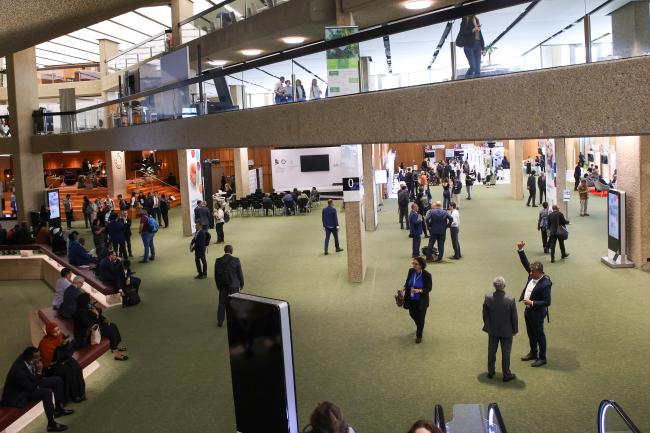
During the opening of the Stakeholder Forum at the Geneva International Conference Centre (CICG), Mirjam Macchi, Swiss Development Corporation, recalled the devastating impacts of the glacial landslide caused by melting permafrost, which buried the village of Blatten, Switzerland, in May. The incident was a stark reminder that the impacts of climate change, she observed, are not some future scenario, but are taking place here and now. At the same time, Macchi and other speakers noted signs of hope that, with adequate preparation, resilience can truly begin “with the people.”
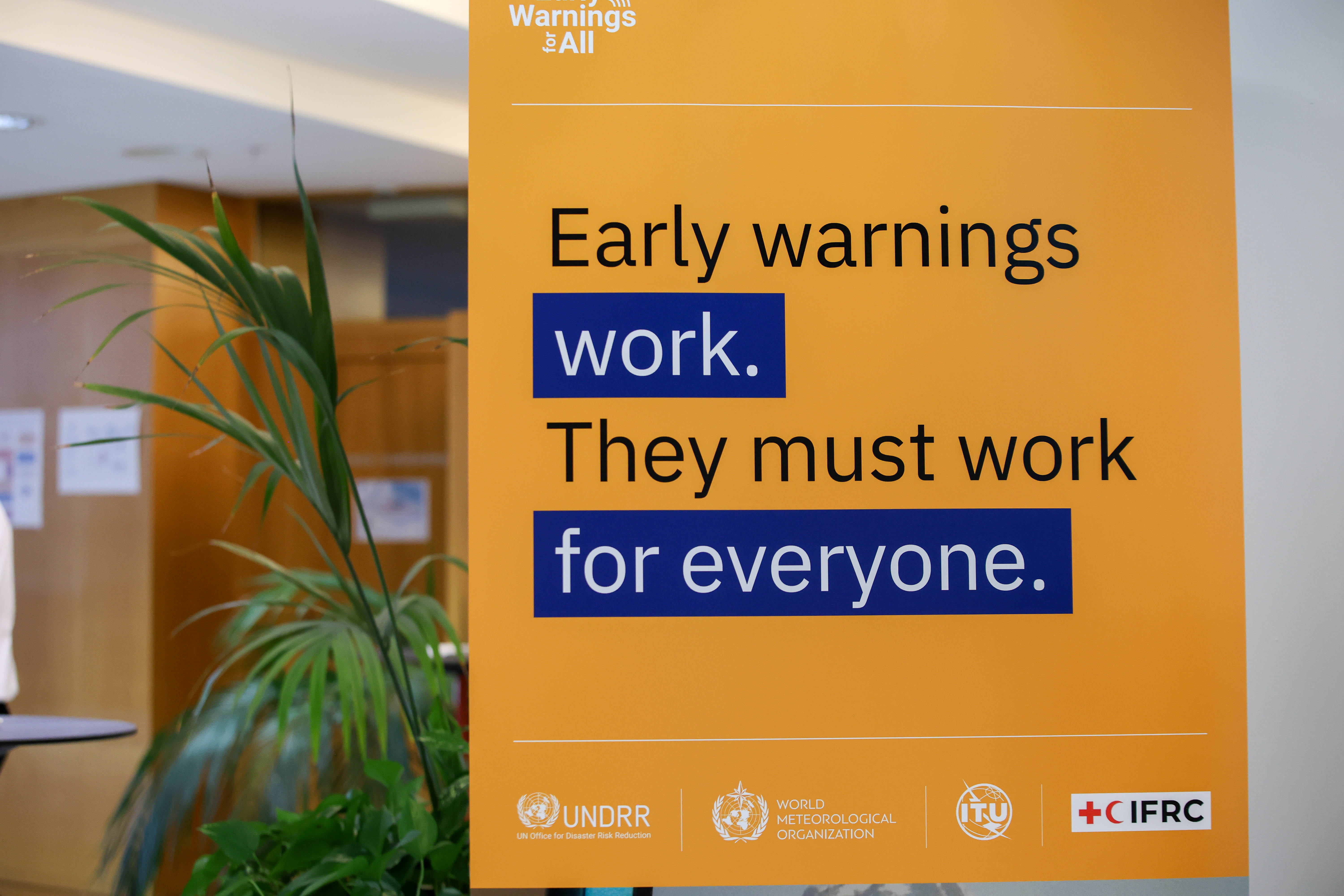
At the EW4All conference, which took place at the World Meteorological Organization (WMO) building, speakers highlighted good practices in early warning across the regions of the world. They discussed prospects for co-ownership of strategies with local communities, in addition to co-design approaches.
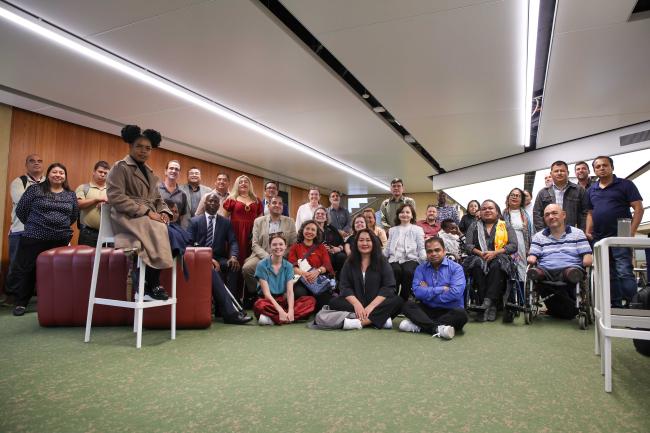
The dominant theme of the day was that of governments and communities working together. Sub-themes that emerged throughout the day were the value of inclusive DRR, traditional knowledge, and localization. Indigenous Peoples’ knowledge, some speakers noted, can help predict and prepare for lean times, complementing the use of sophisticated technology. Combinations of gray and green infrastructure also offer durable solutions: for example, private equity specialist Emma Haight of Impact Sync described the adoption of a green sewer design, first developed in Washington DC, which proved so successful that the design was replicated in London, UK, Cape Town, South Africa, and Quito, Ecuador, yielding long-term asset value.
Conference rooms around the venues were packed to overflowing, a testament to participants’ interest in stories such as these. Tanjir Hossain, moderator of the Stakeholder Forum’s opening session, reminded everyone that these preparatory days provide a less formal space for governments, scientists, and representatives of at-risk communities to speak about the issues: “Our role is to bring knowledge and expertise and say things about what is happening on the ground.”
To receive free coverage of global environmental events delivered to your inbox, subscribe to the ENB Update newsletter.
All ENB photos are free to use with attribution. For this event, please use: Photo by IISD/ENB | Anastasia Rodopoulou.
Third Stakeholder Forum – United for Resilience: Opening Session
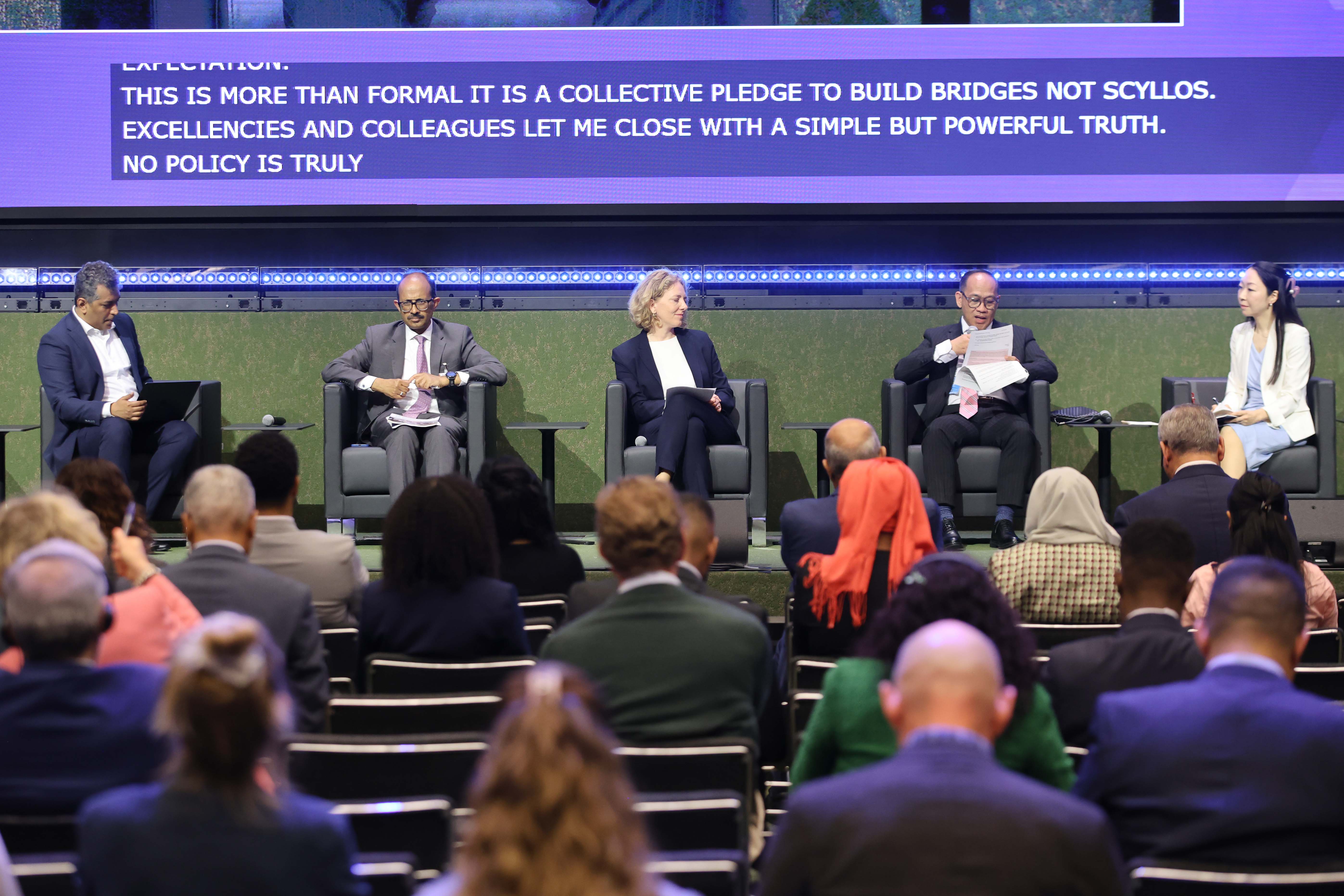
View of the panel, with surtitles displayed on the live screen
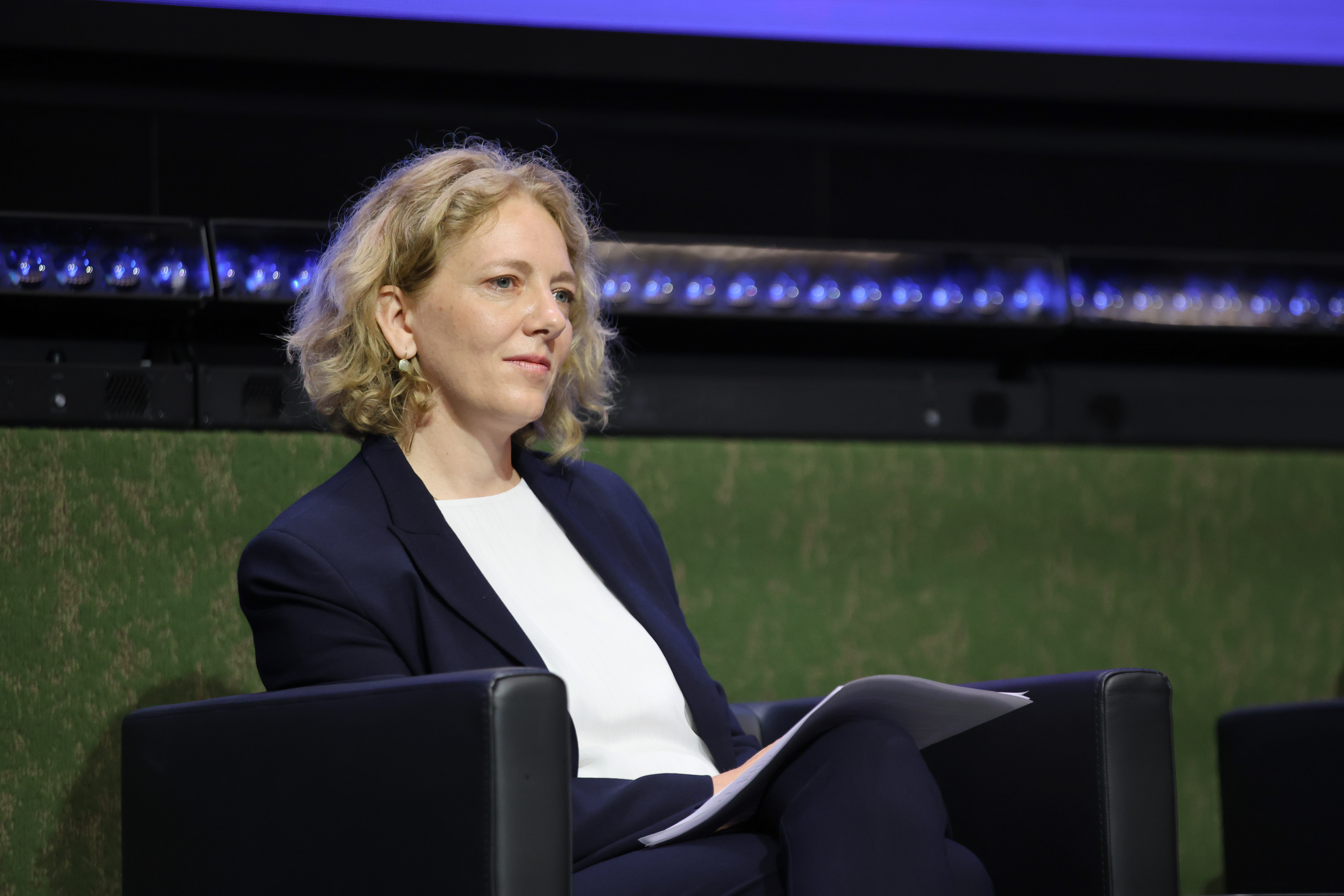
Mirjam Macchi, Swiss Agency for Development and Cooperation
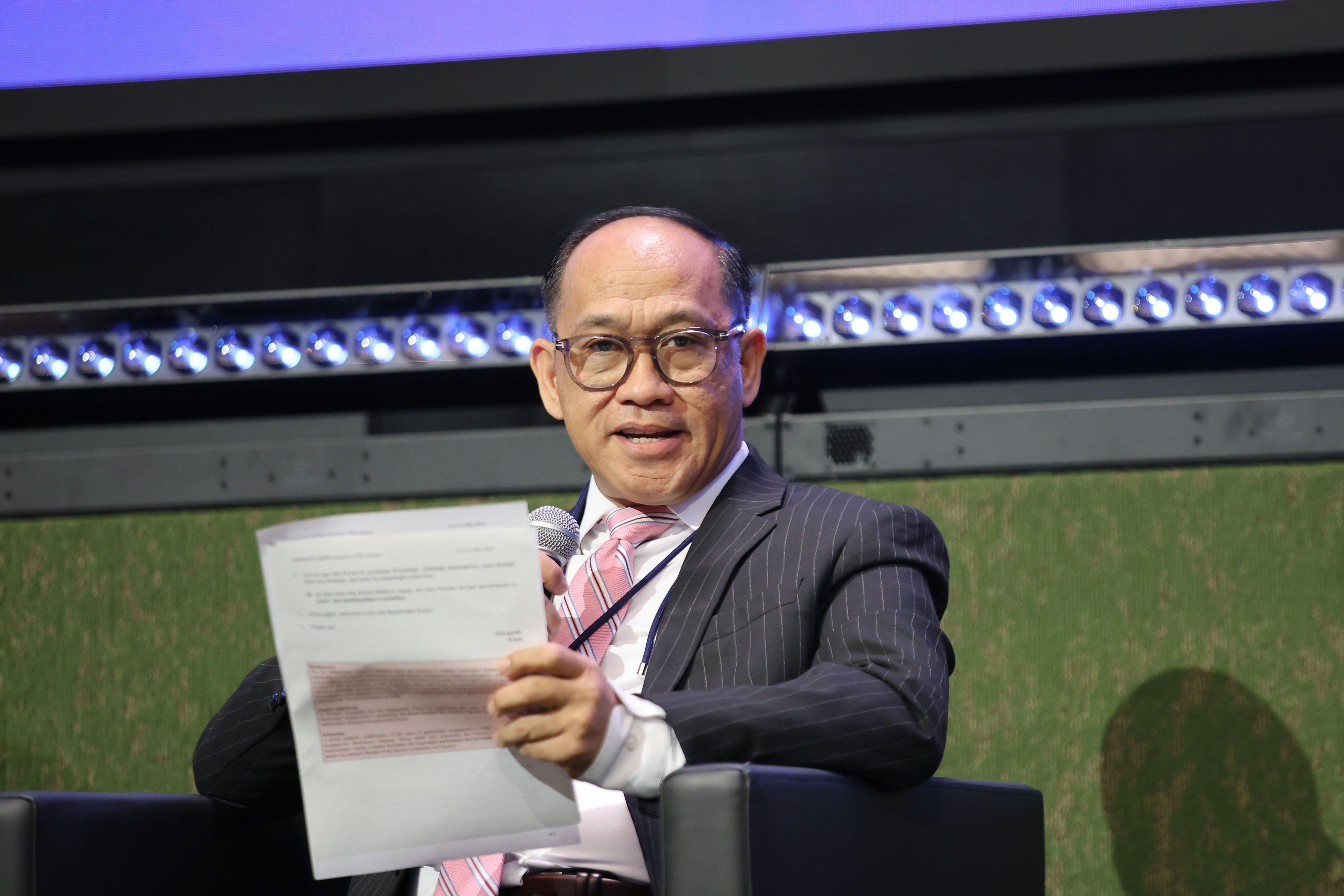
Achsanul Habib, Permanent Mission of Indonesia to the UN
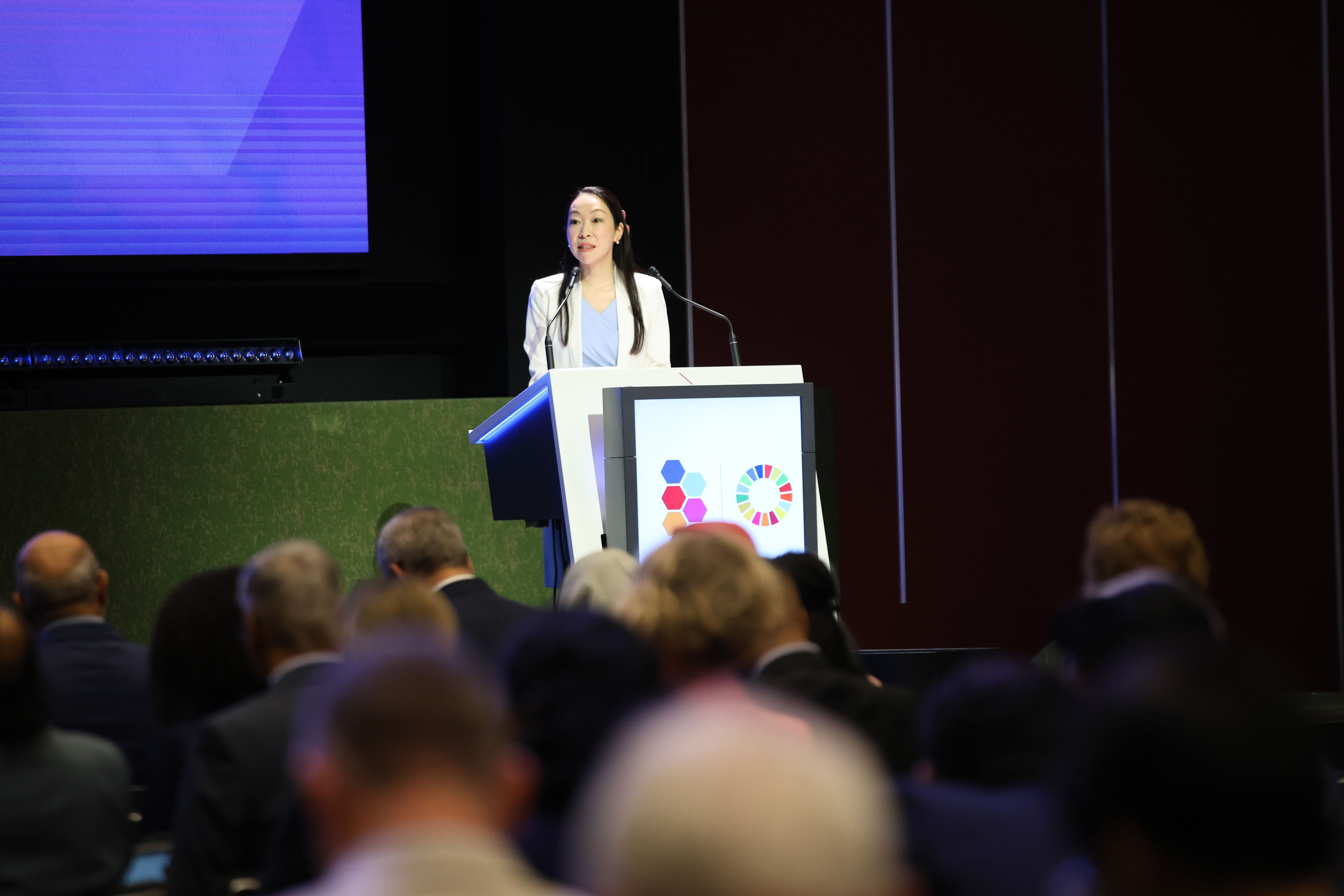
Yuki Matsuoka, UNDRR
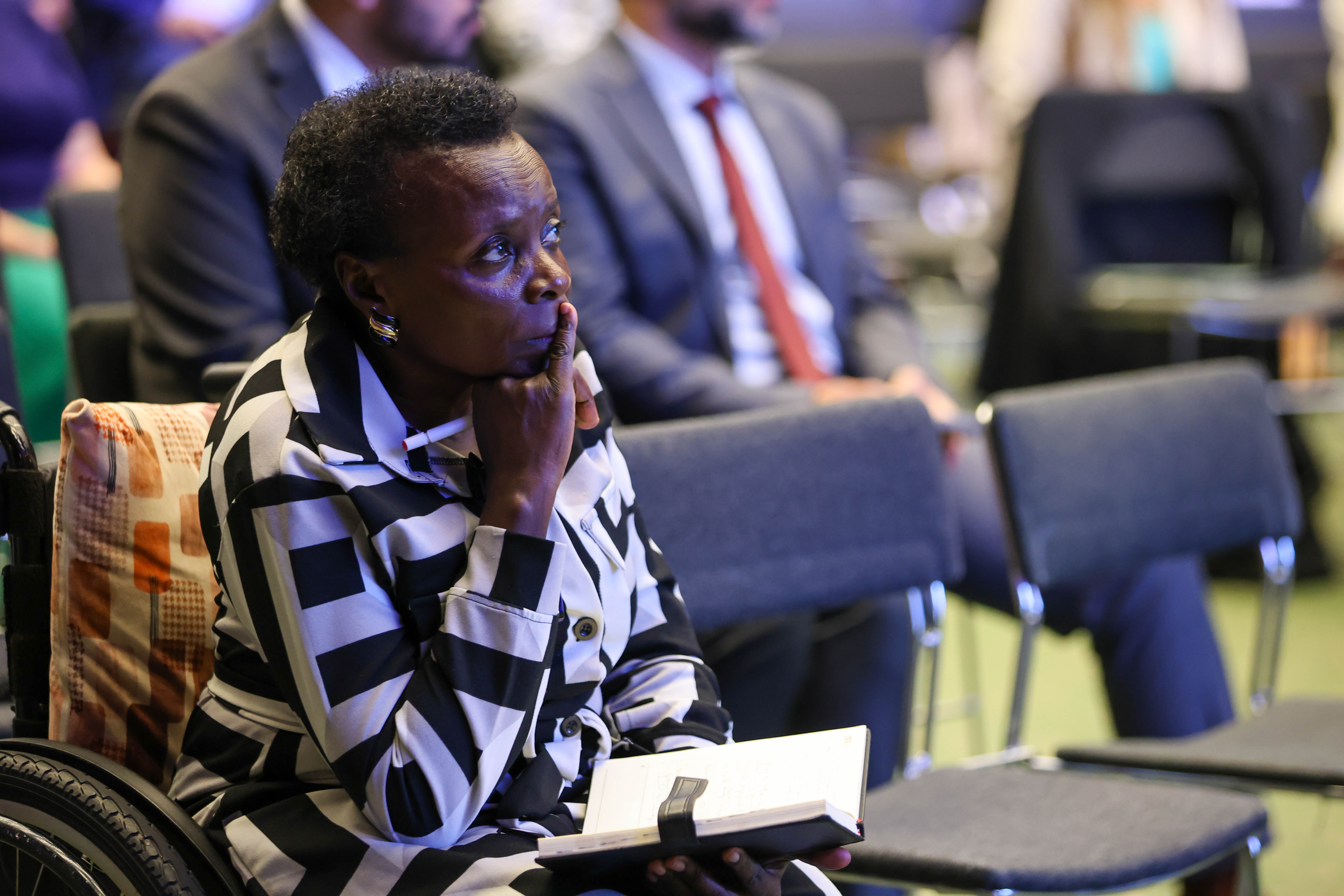
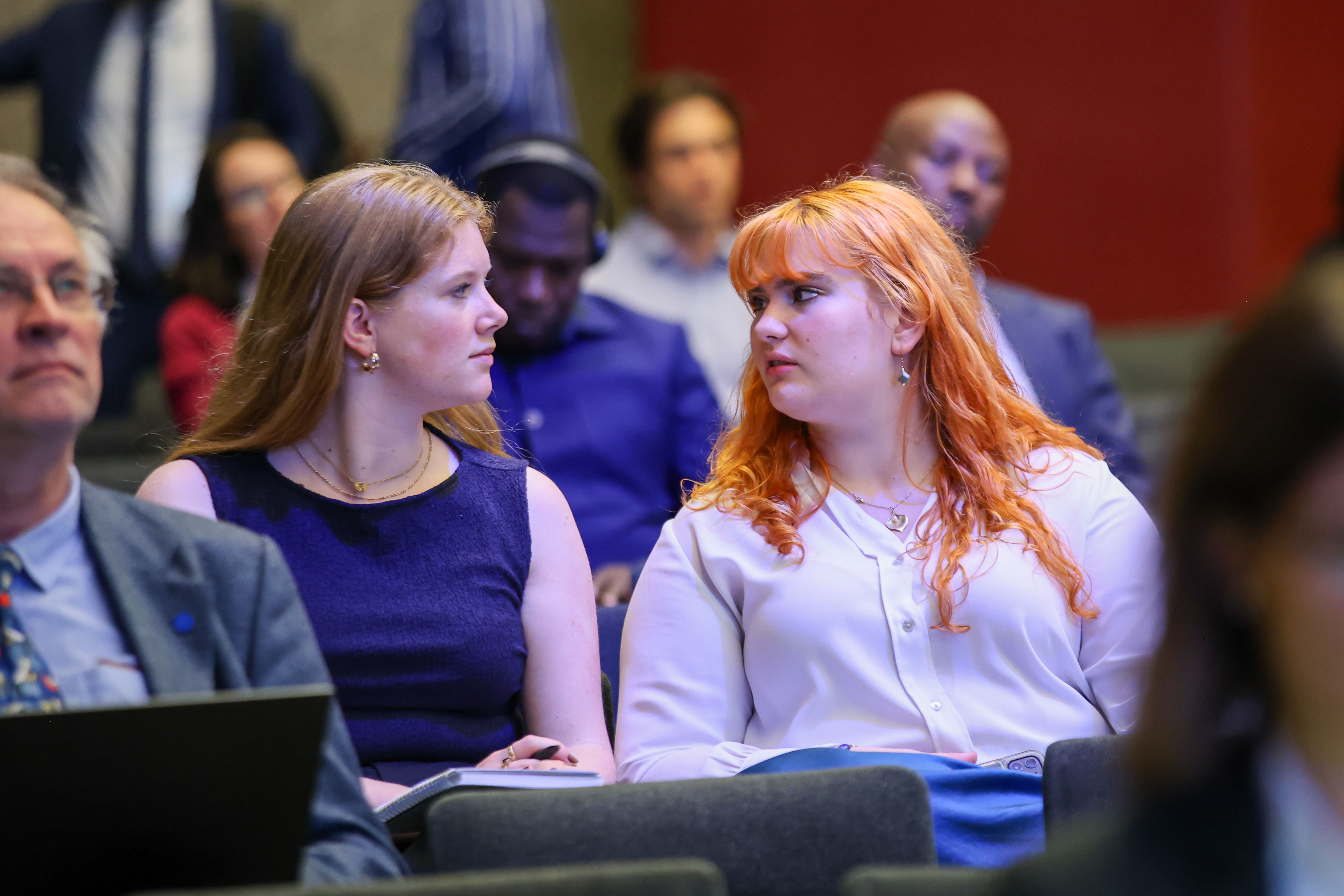
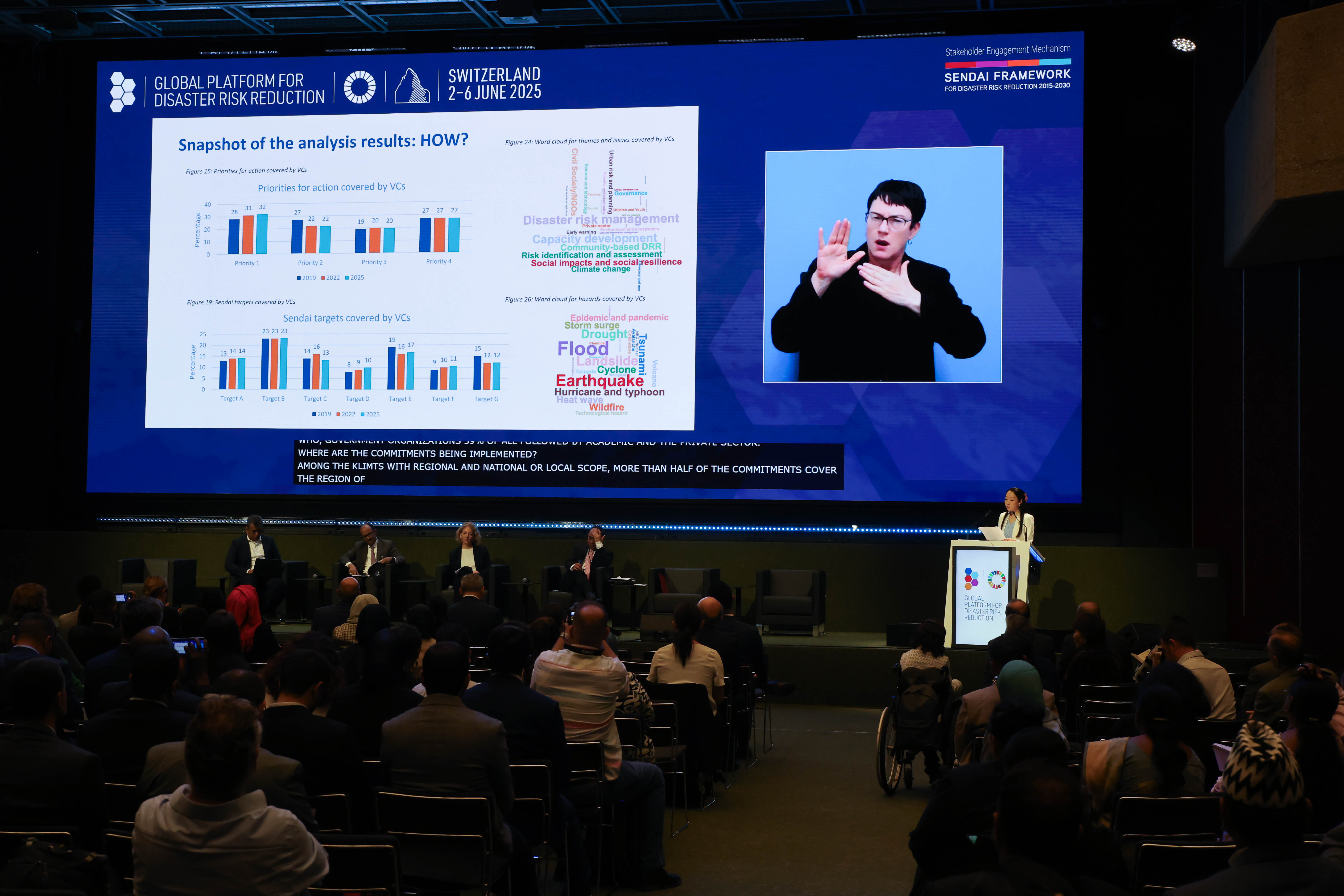
Interpretation in sign language was available at all times during the events.
Global Early Warning for All: Opening Session and Stocktake
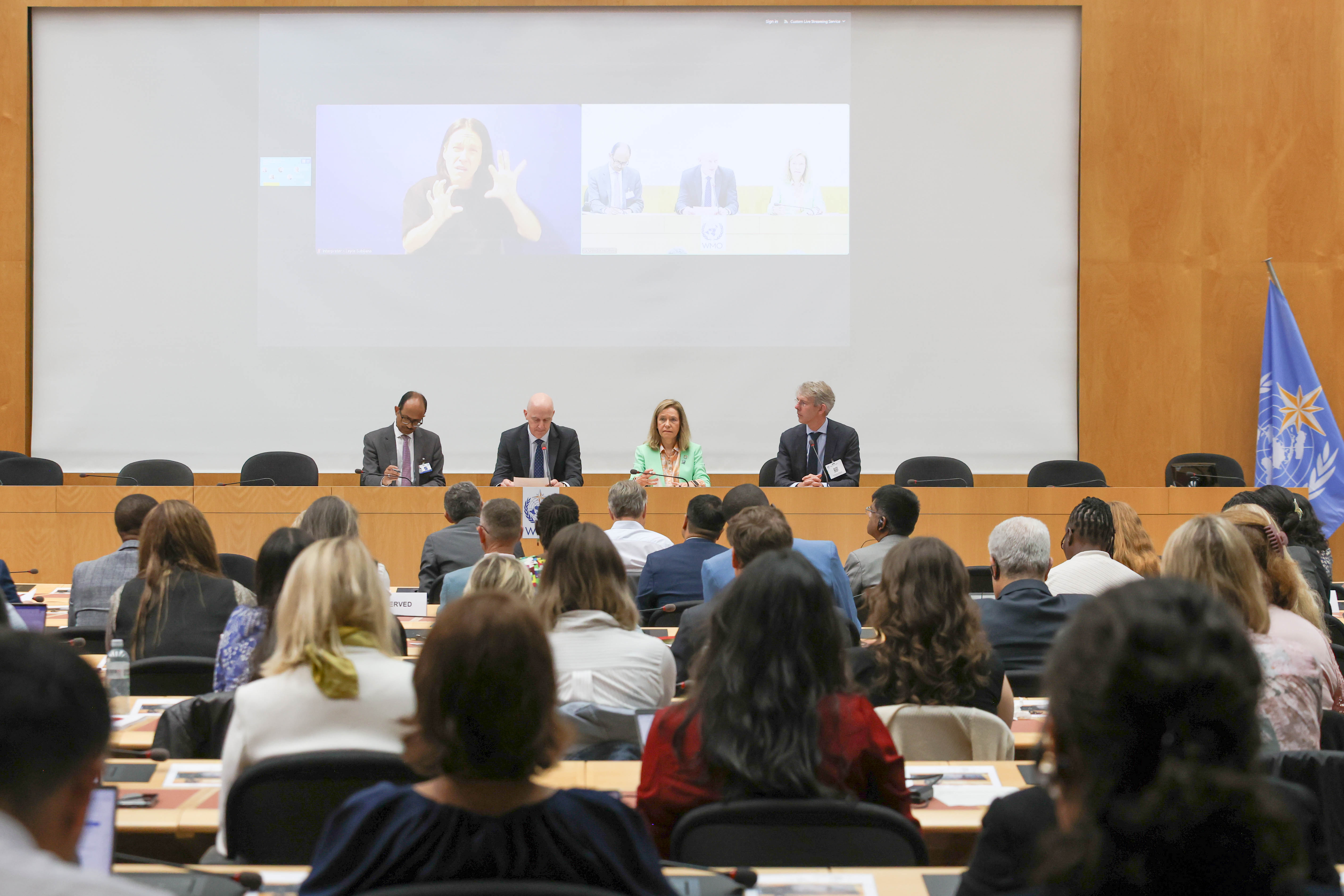
View of the panel
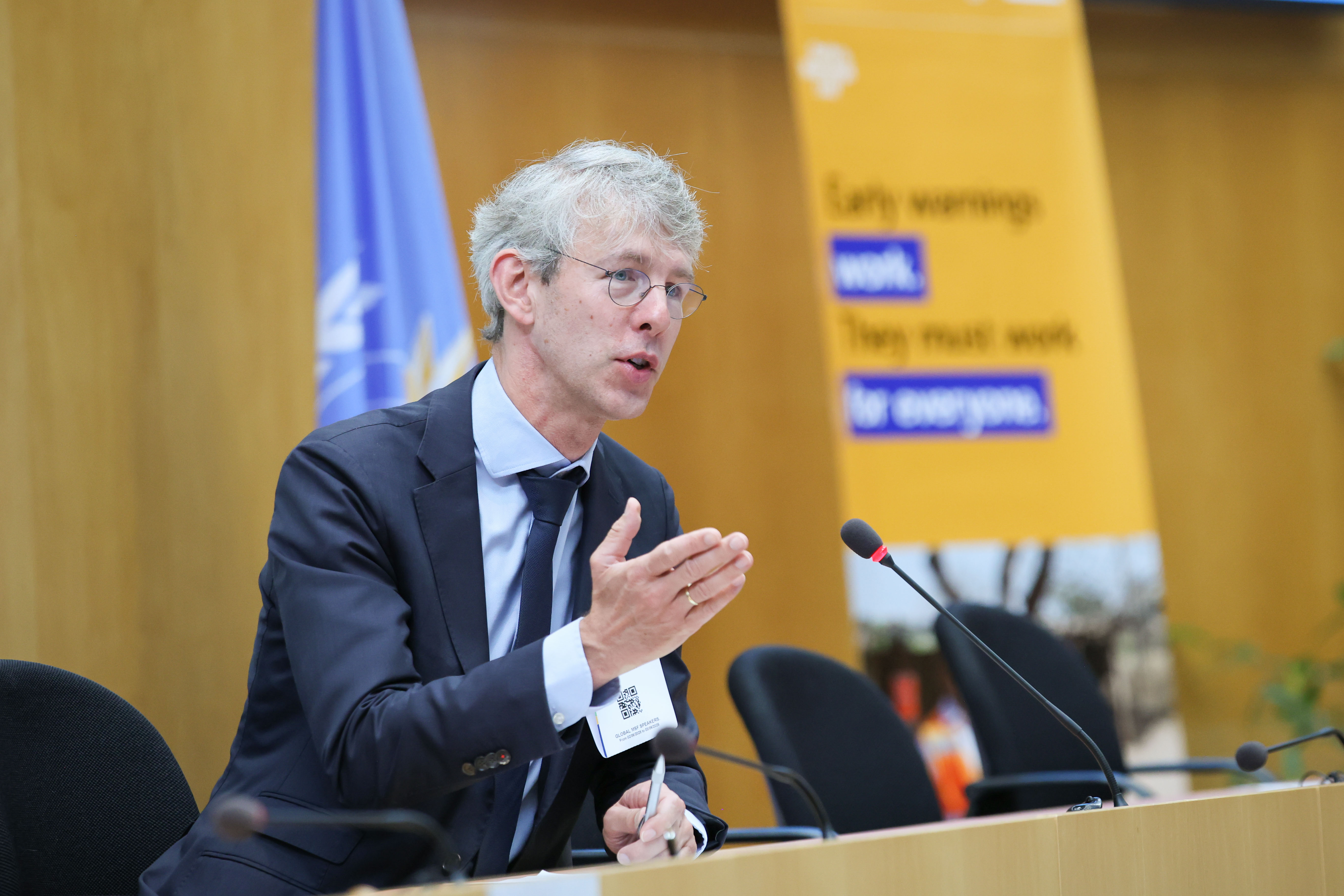
Maarten van Aalst, Director-General and Chief Science Officer, Royal Netherlands Meteorological Institute
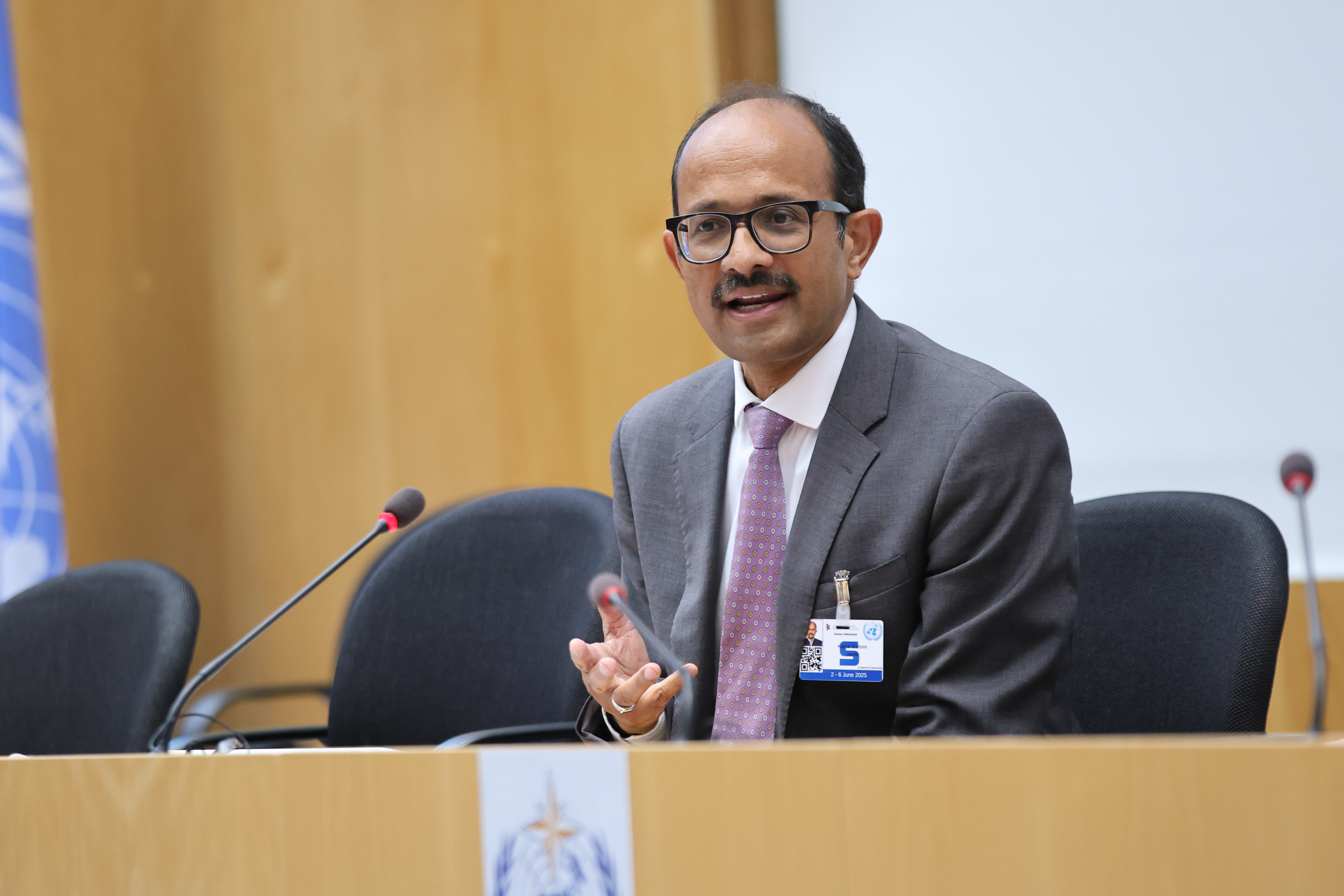
Kamal Kishore, Special Representative of the United Nations Secretary-General for Disaster Risk Reduction, and Head of UNDRR
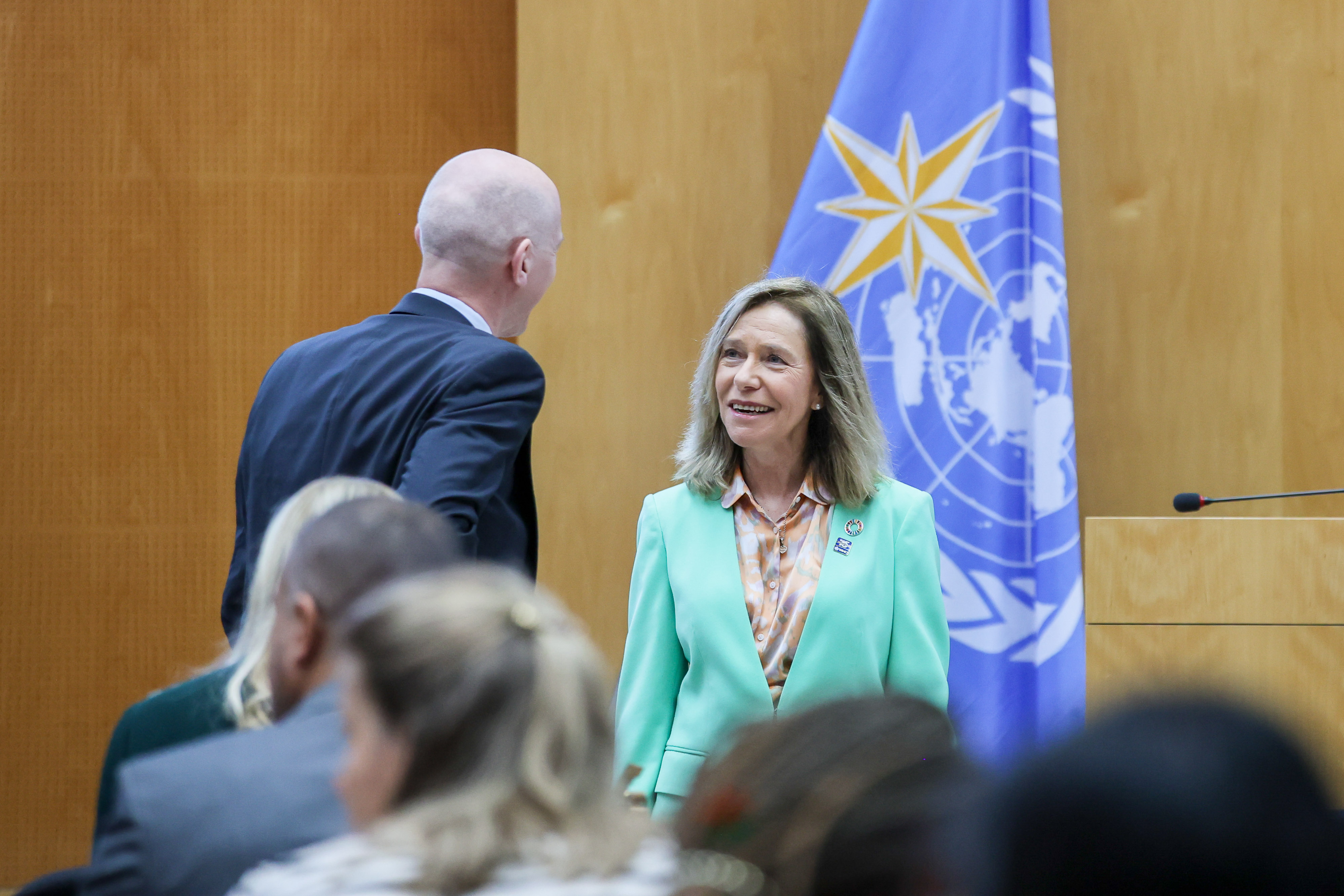
Celeste Saulo, Secretary-General, WMO
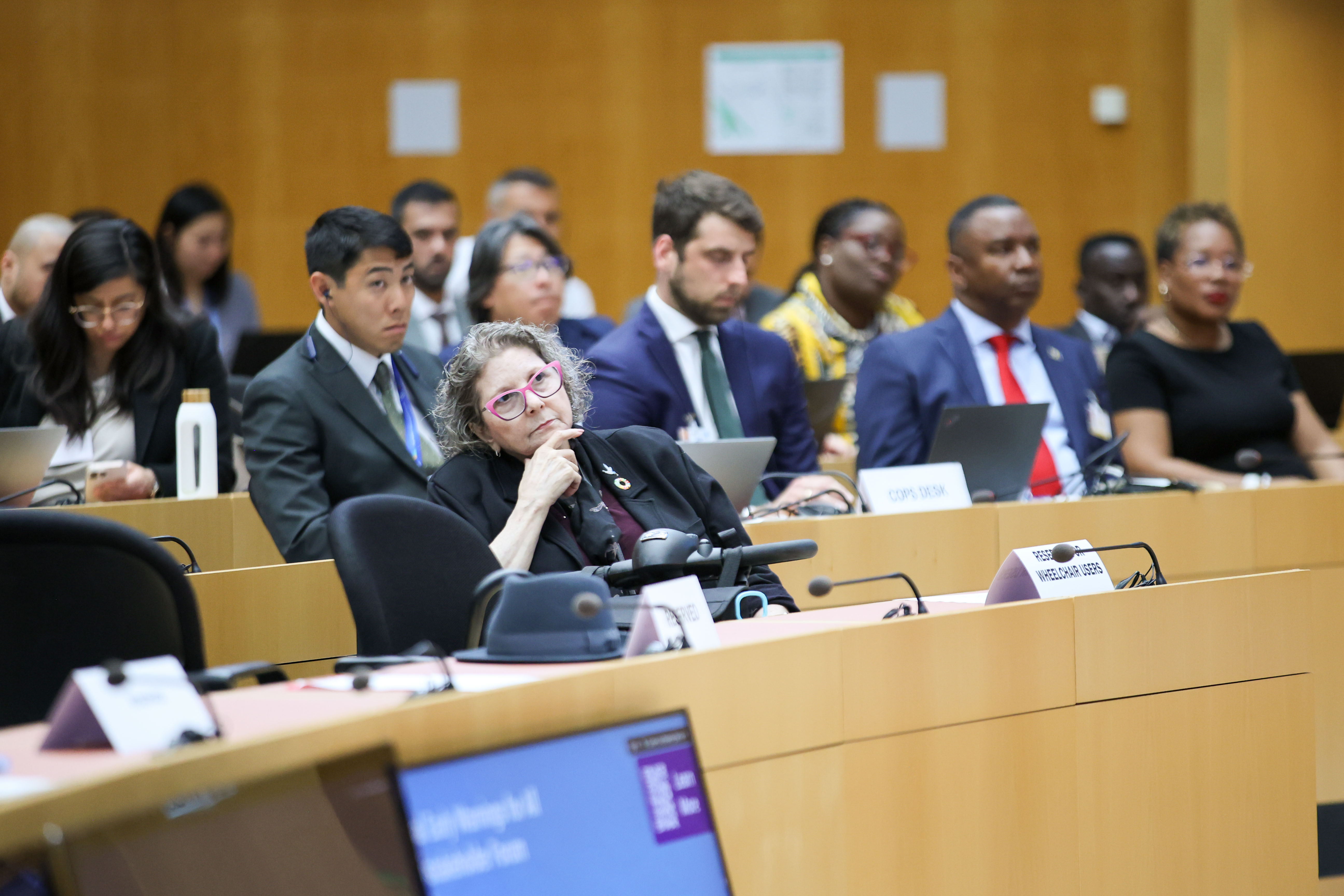
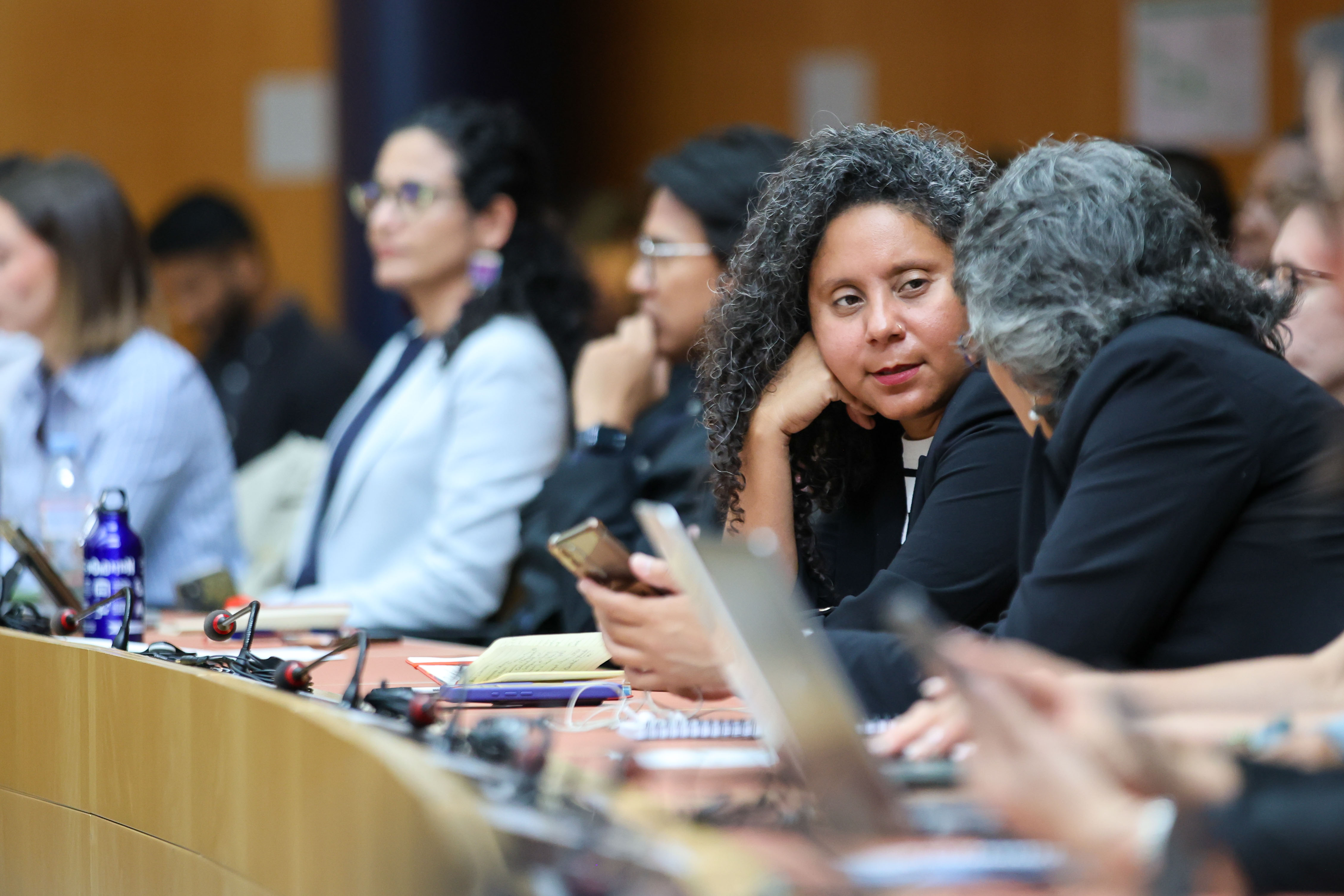
Stakeholder Forum: Whole-of-Society Approach for Sendai Framework of Disaster Risk Reduction
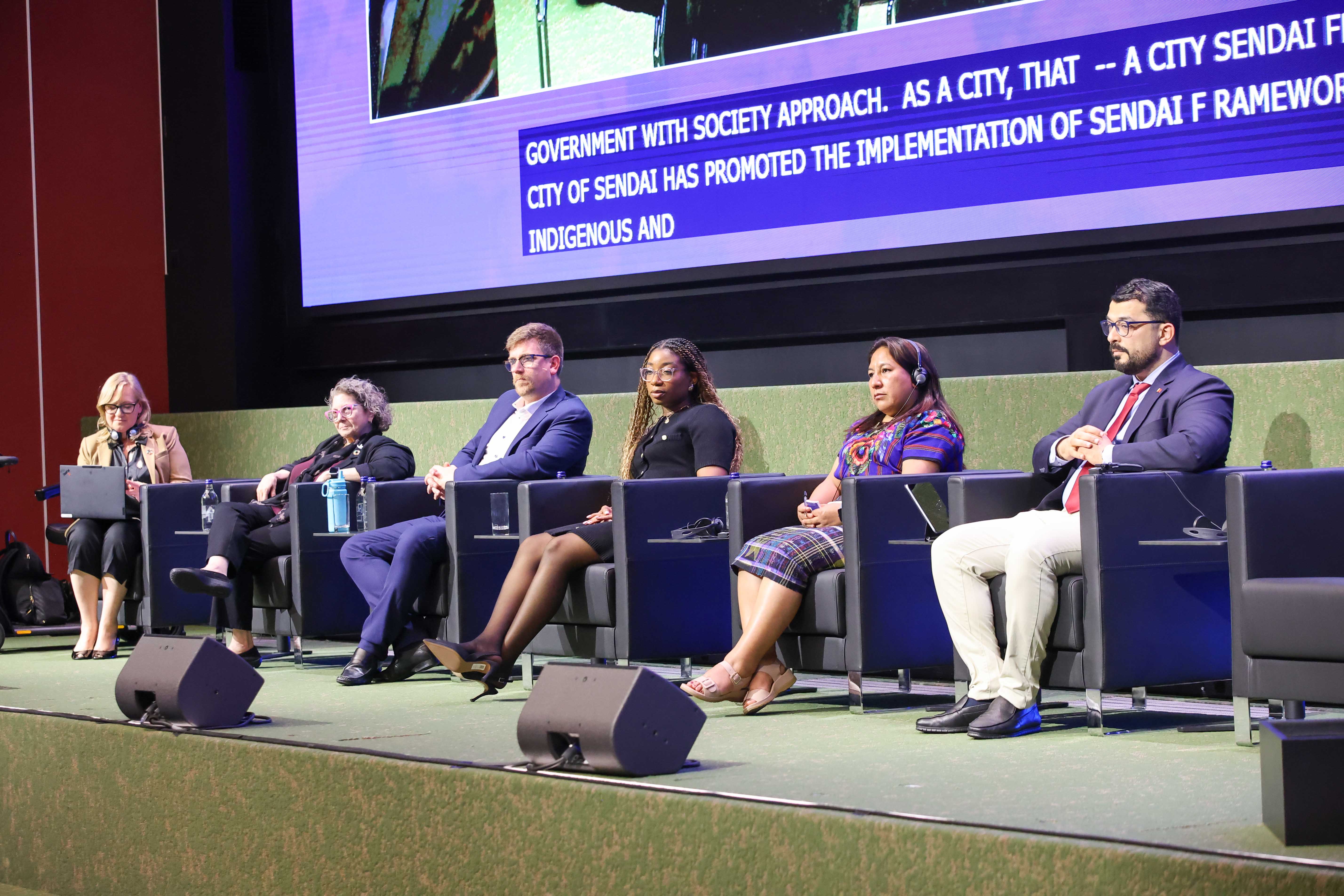
View of the panel
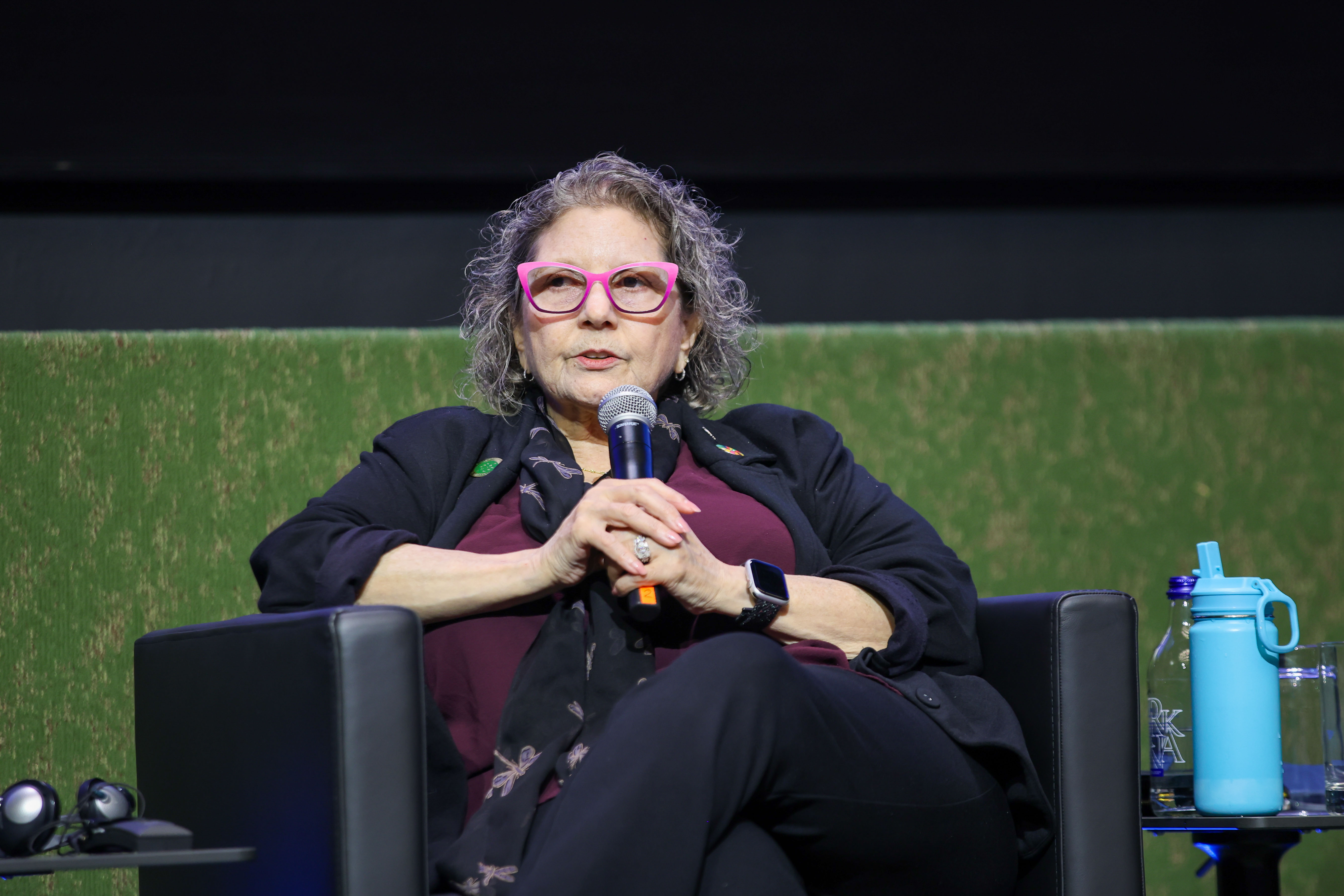
Marcie Roth, World Institute on Disability
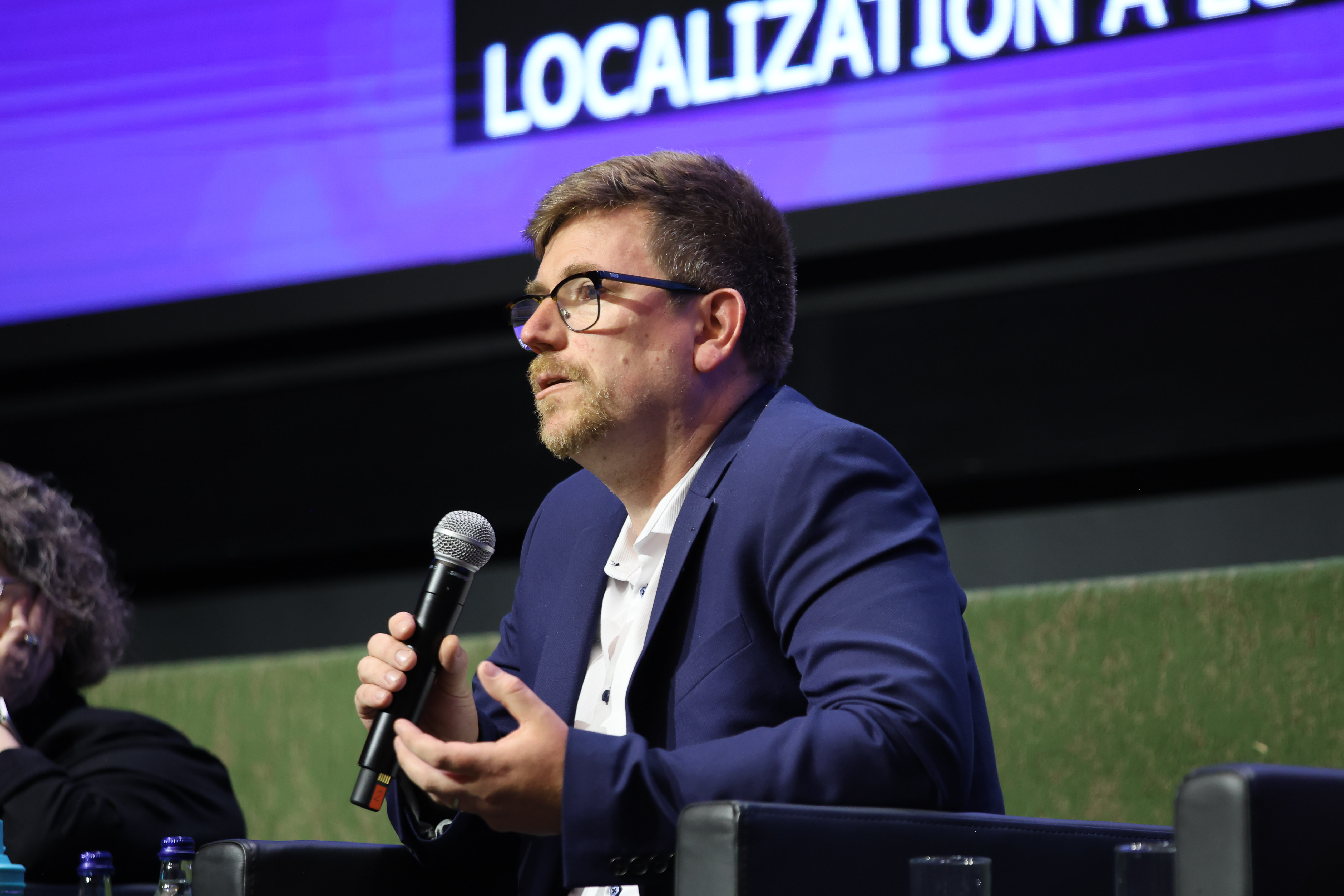
Tom Colley, HelpAge International
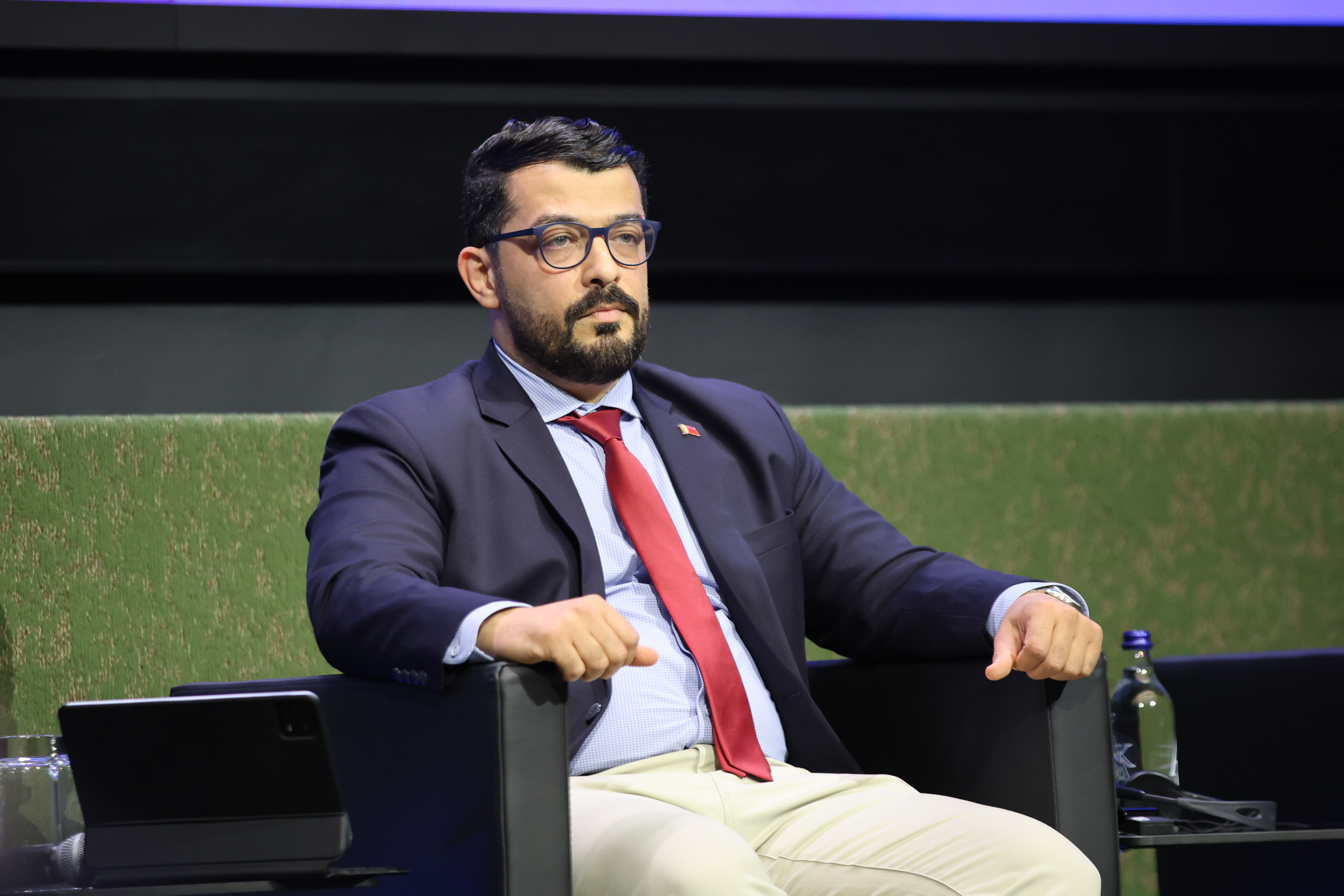
Major Hamad Sabah Al-Sawar, Director of Crisis and Disaster Management, Bahrain
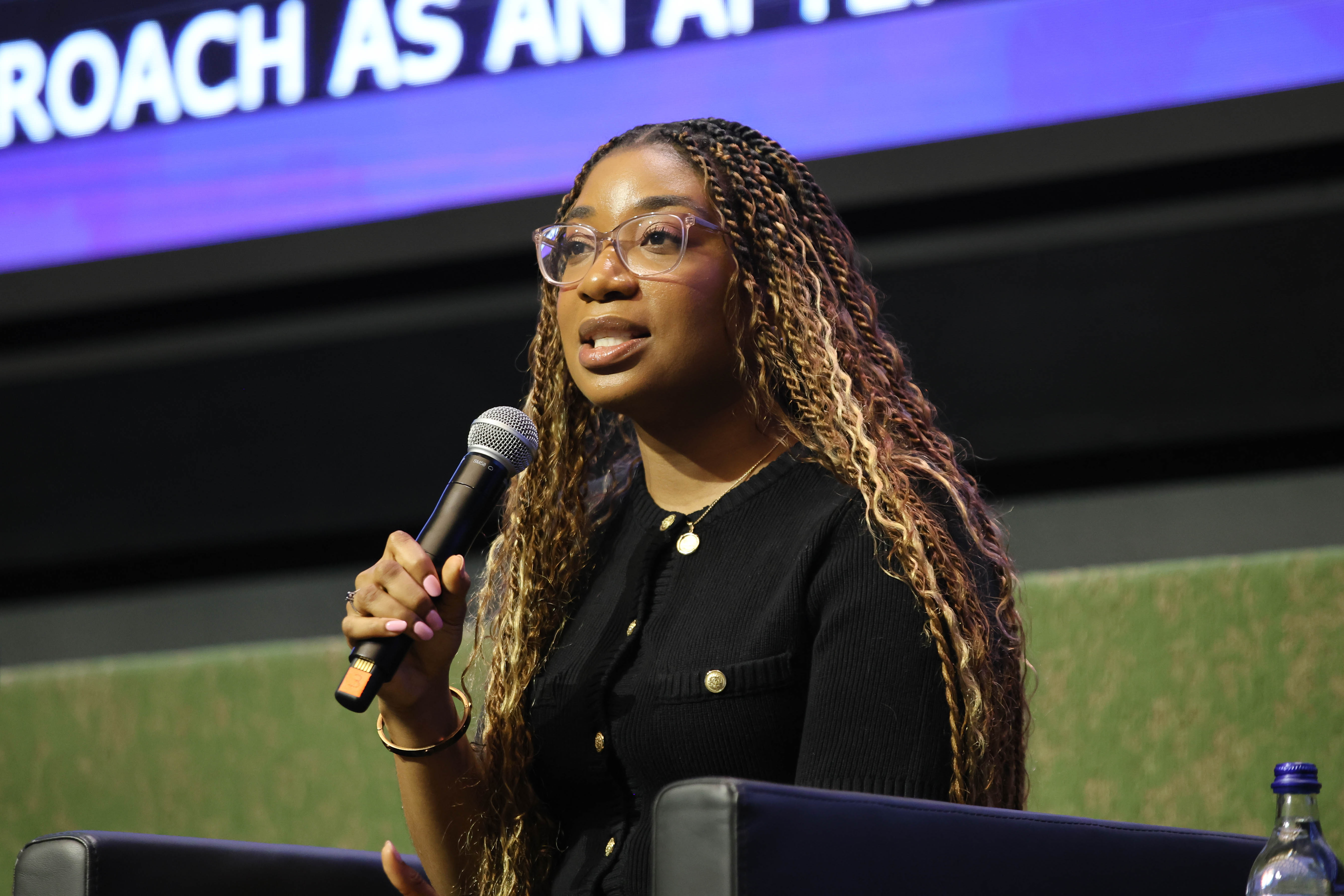
Barrise Griffin, Disaster Risk Management Authority, The Bahamas
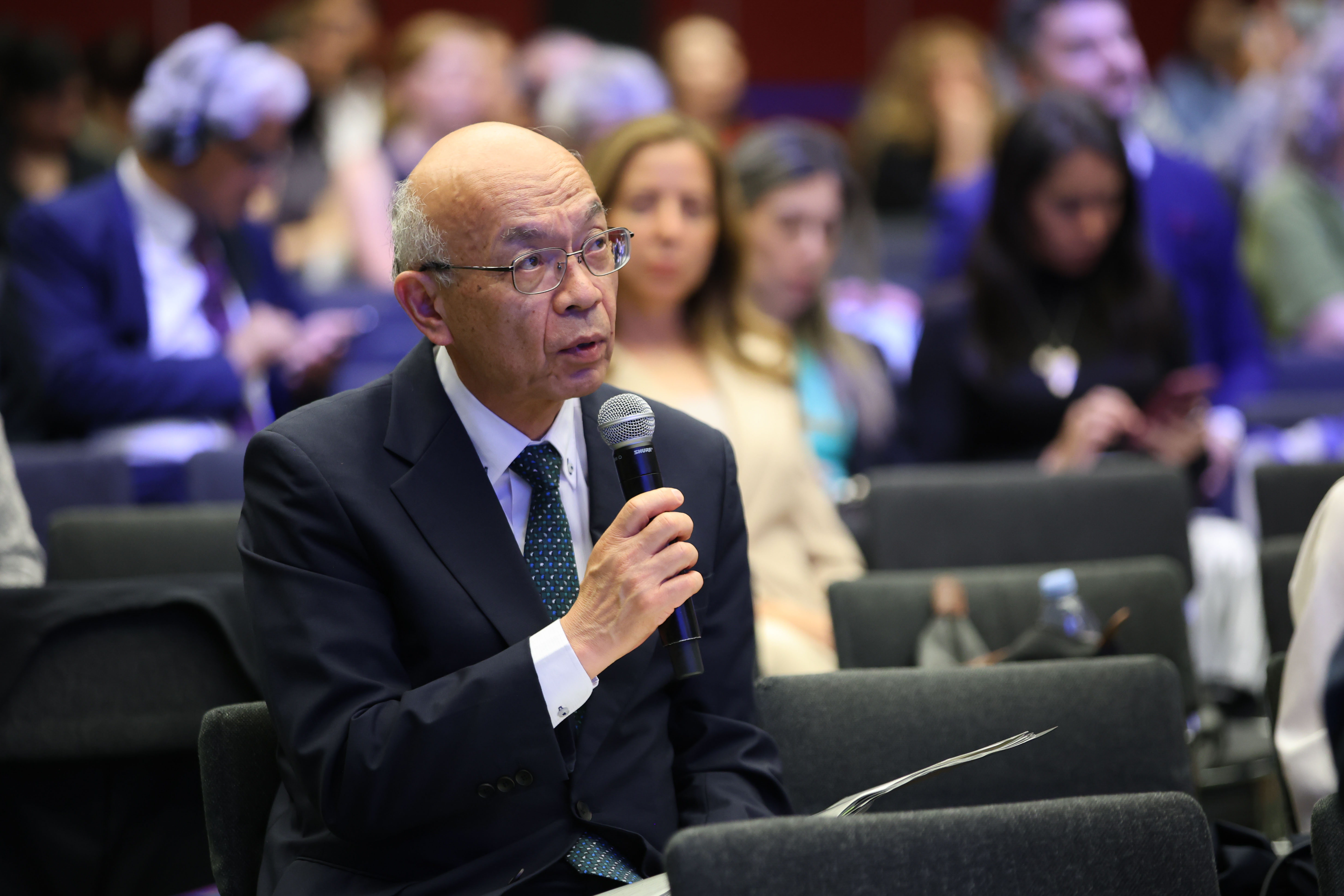
Shinichi Takahashi, Vice Mayor, Sendai, Japan
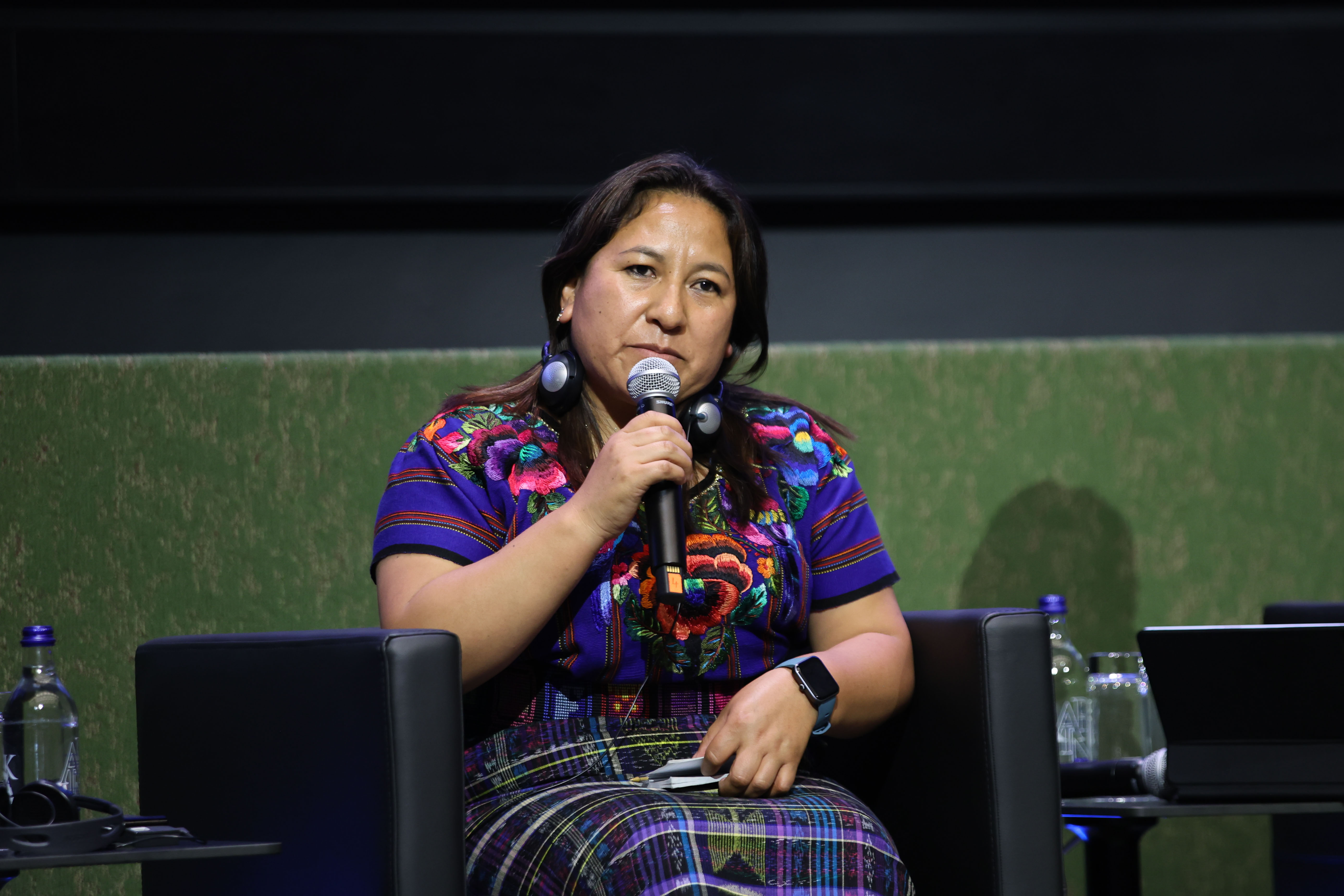
Josefina Miculax Sincal, Huairou Commission
Stakeholder Forum: Data and Financing for Disaster Displacement as Loss and Damage
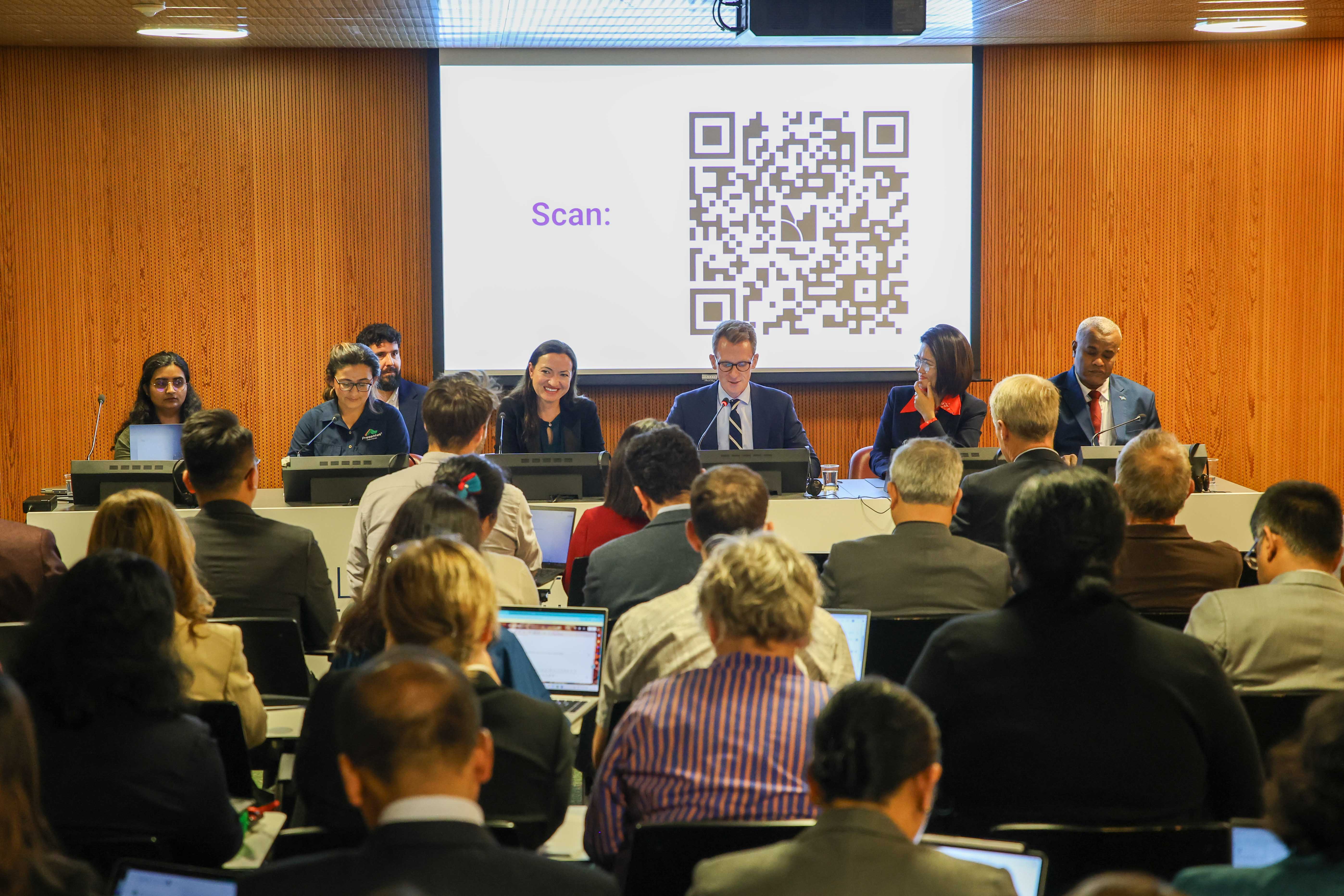
View of the panel
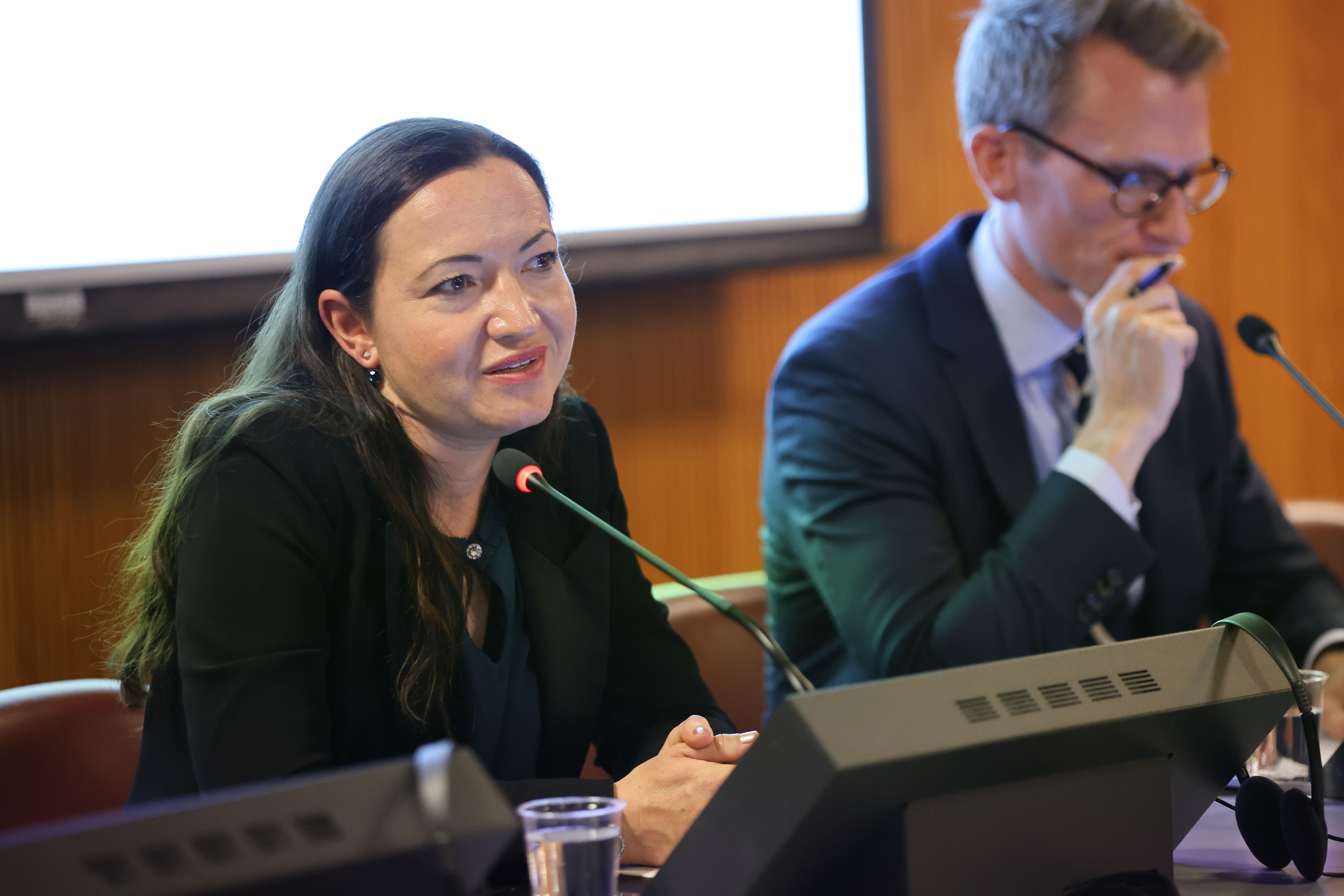
Christelle Cazabat, Internal Displacement Monitoring Centre
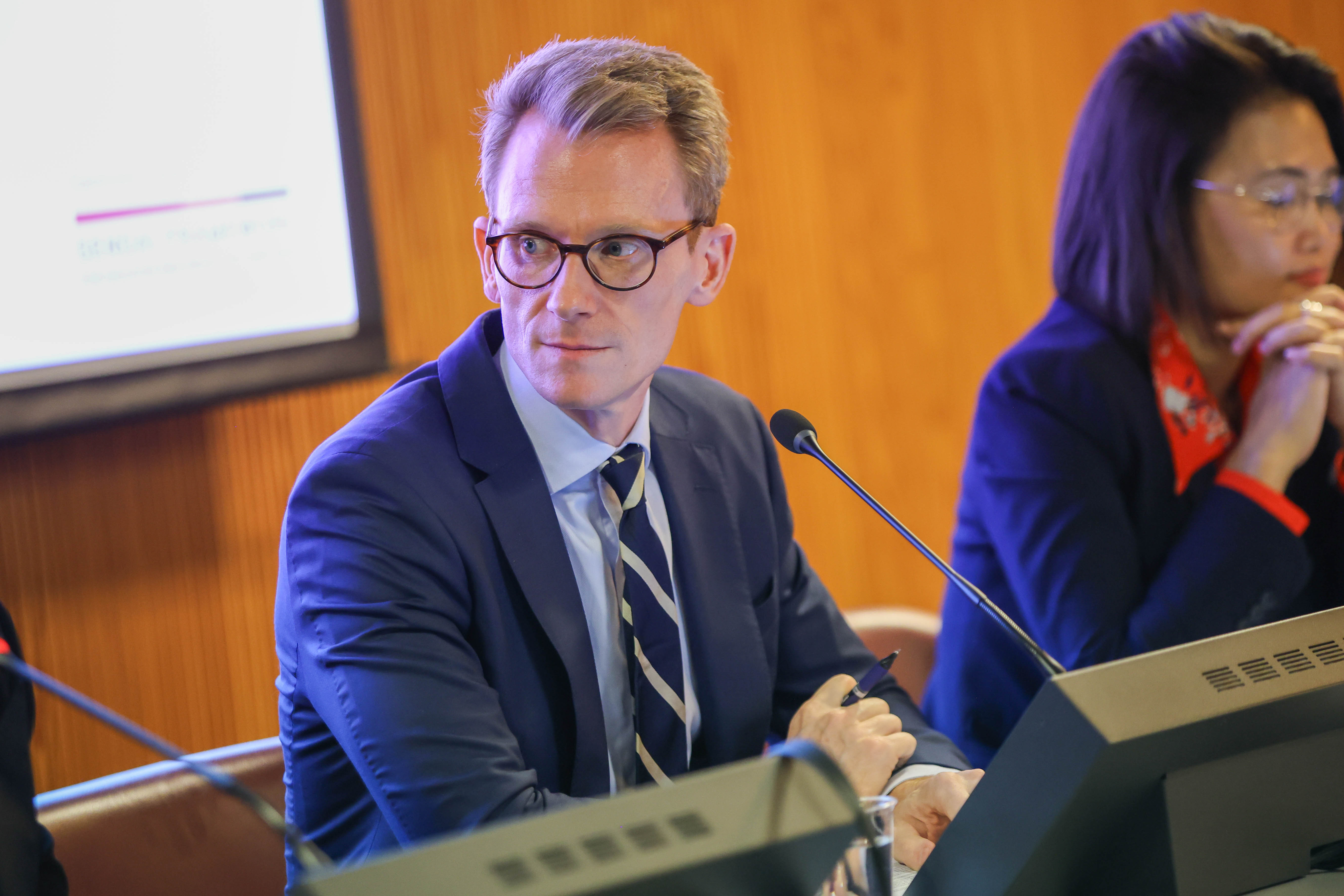
Steven Goldfinch, Asian Development Bank
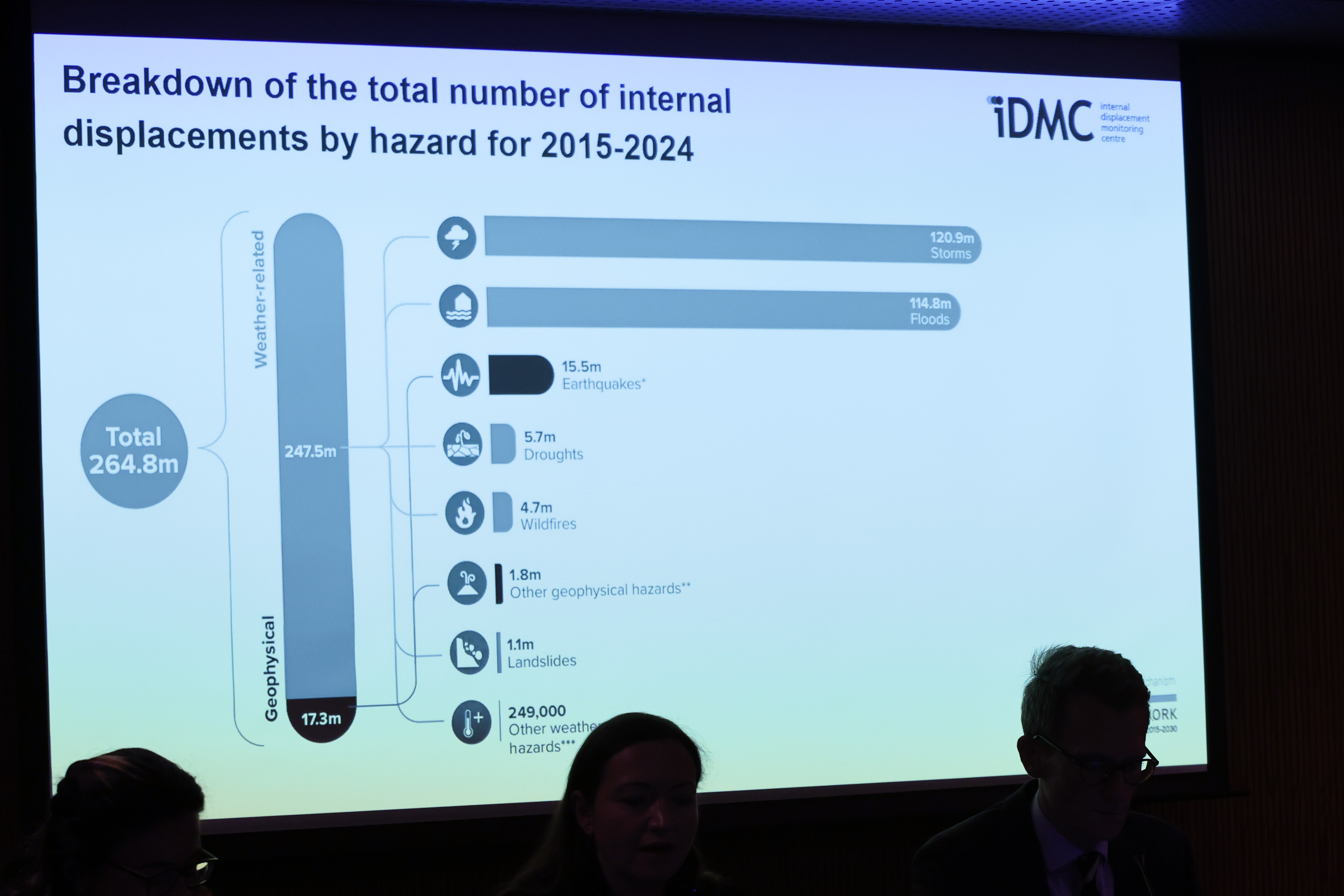
A slide showing the numbers of internal displacement by hazard for 2015-2024.
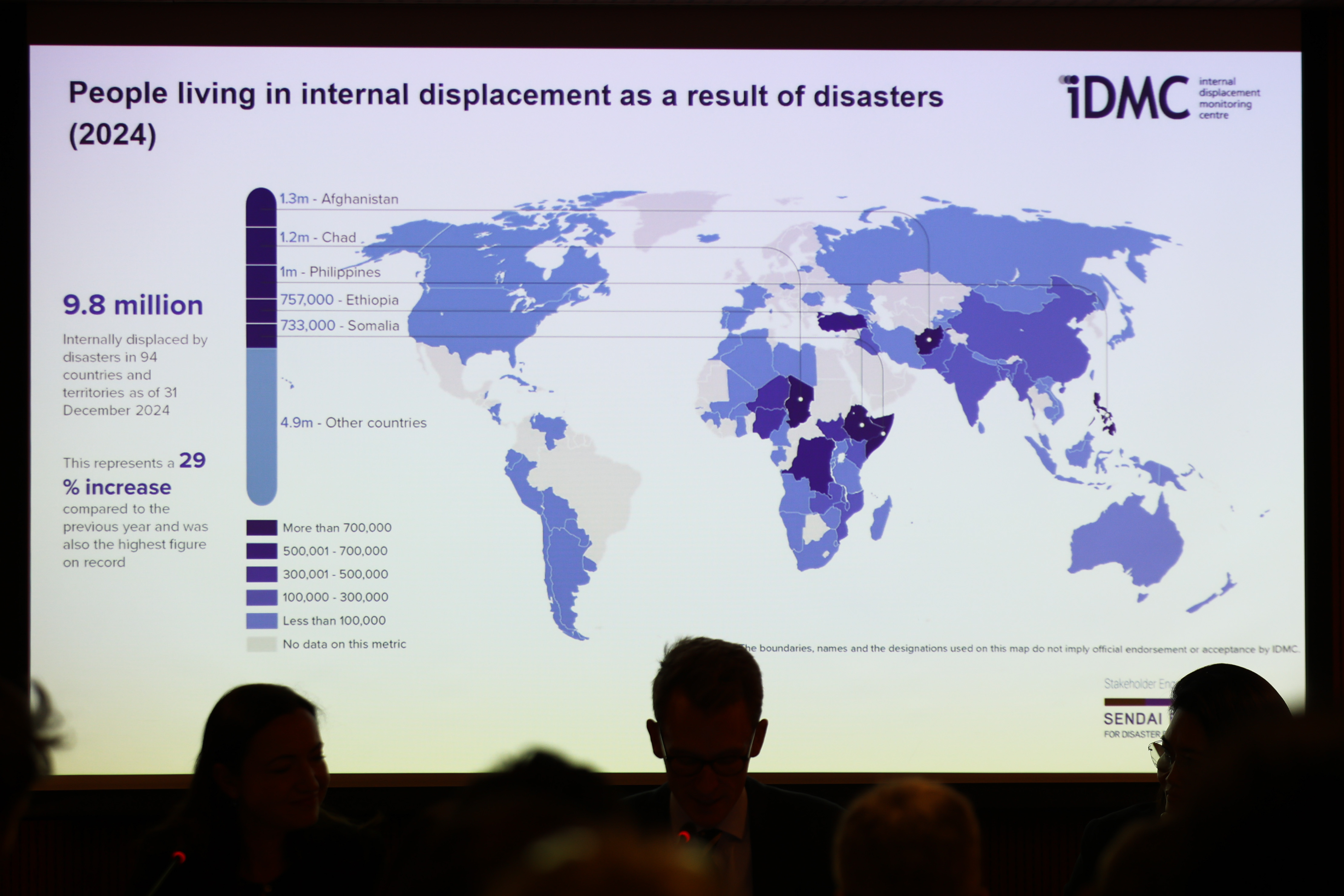
A global map shows that 9.8 million people continued living in displacement in 2024 from previous disasters, in addition to the 45.8 million people who were newly displaced that year.
Stakeholder Forum: Innovative Financing and Private Sector Leadership in Disaster Risk Reduction
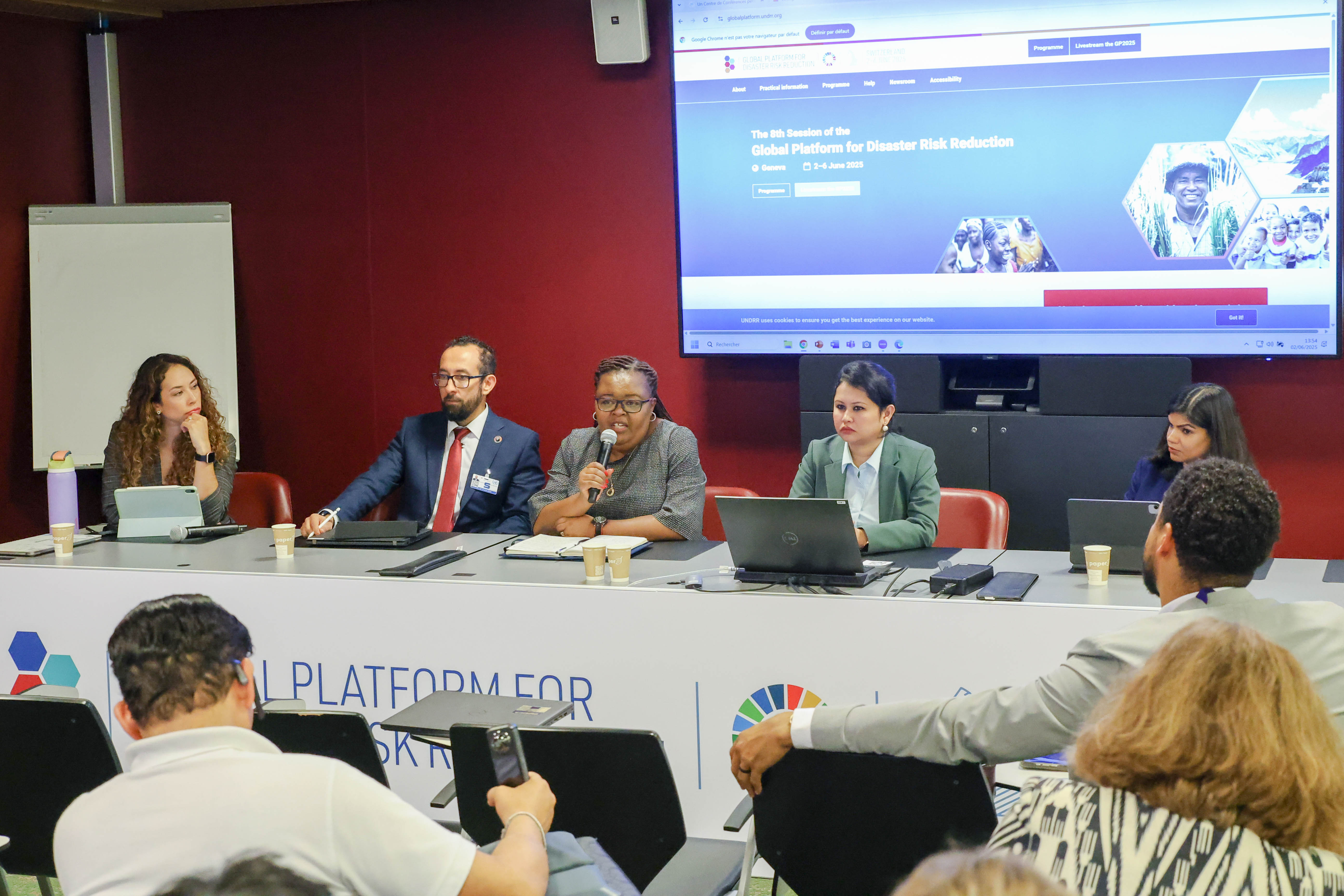
View of the panel
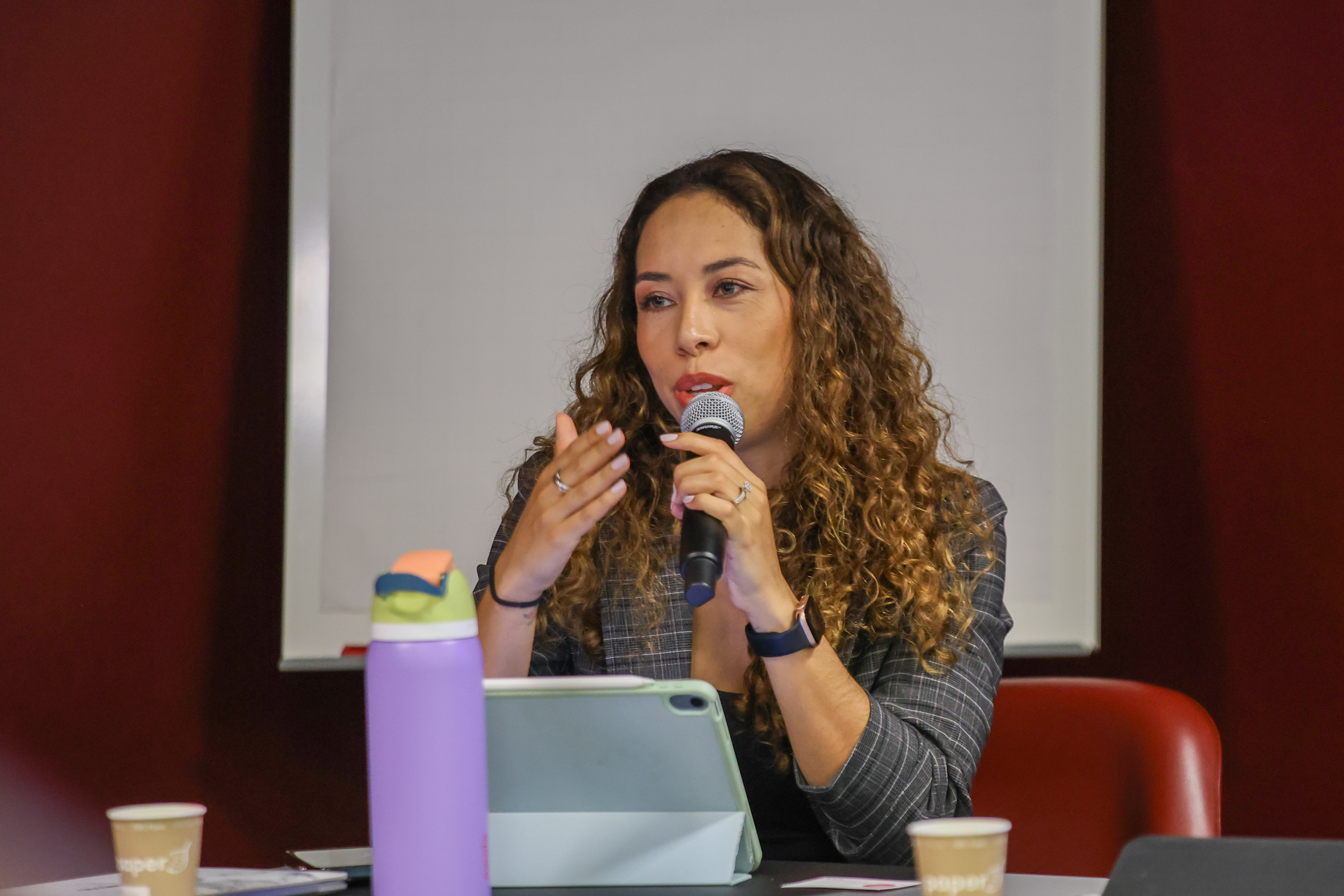
Camila Tapias, UNDRR ARISE Global Board Member
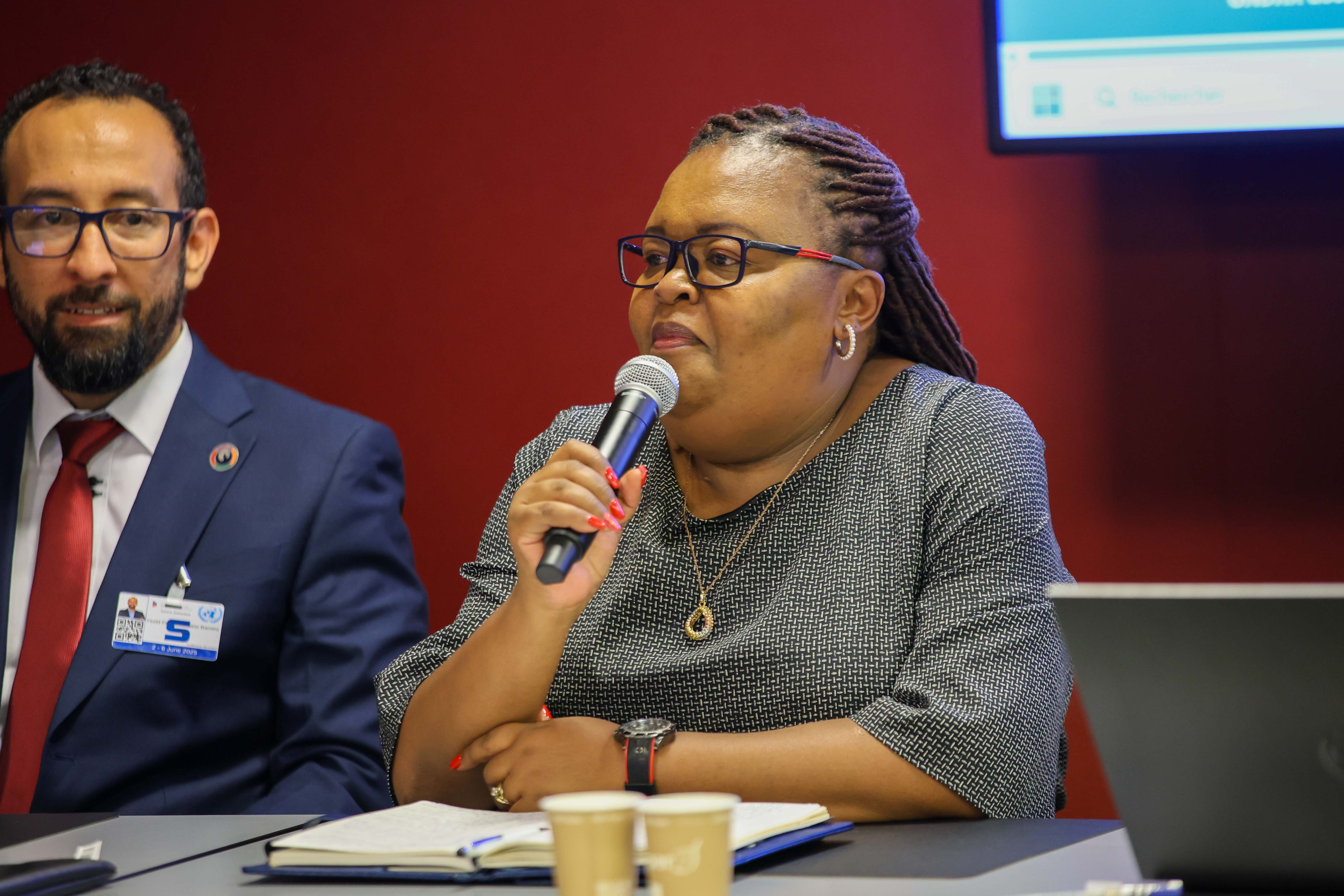
Terry Kinyua, Co-Chair, ARISE Global Board
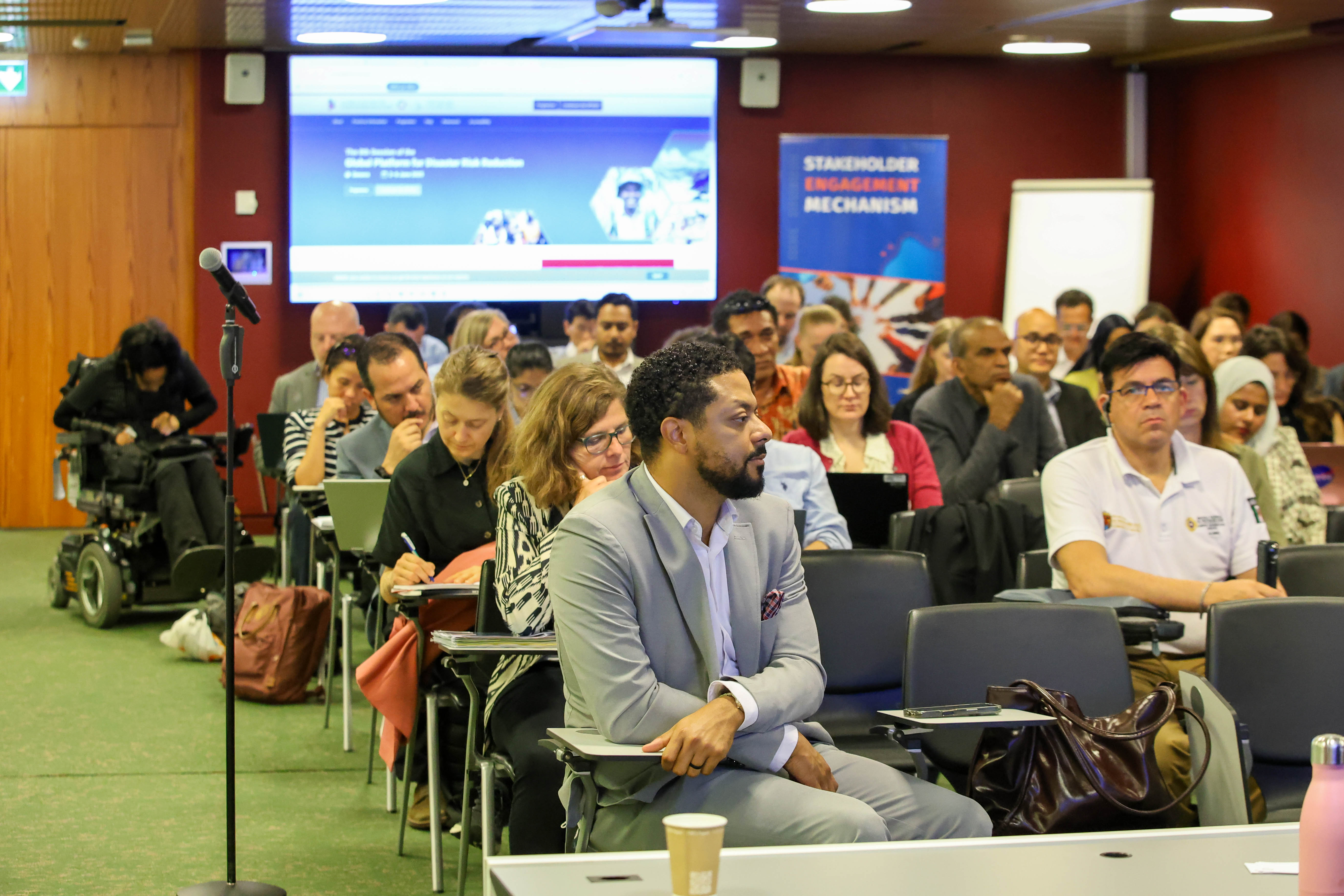
Stakeholder Forum: From Paris to Sendai - The Fundamental Connection of Climate and Disaster Risk Reduction
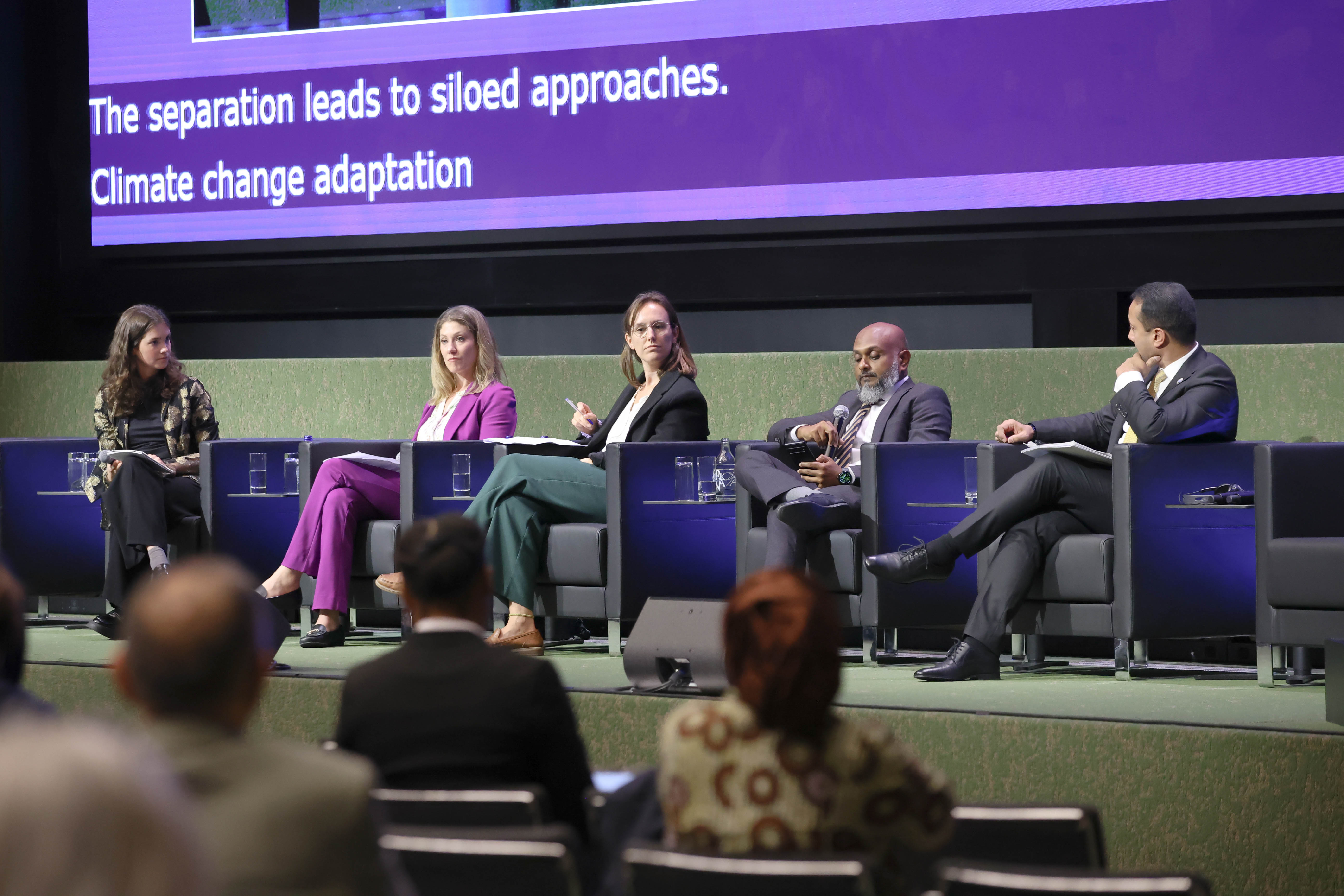
View of the panel
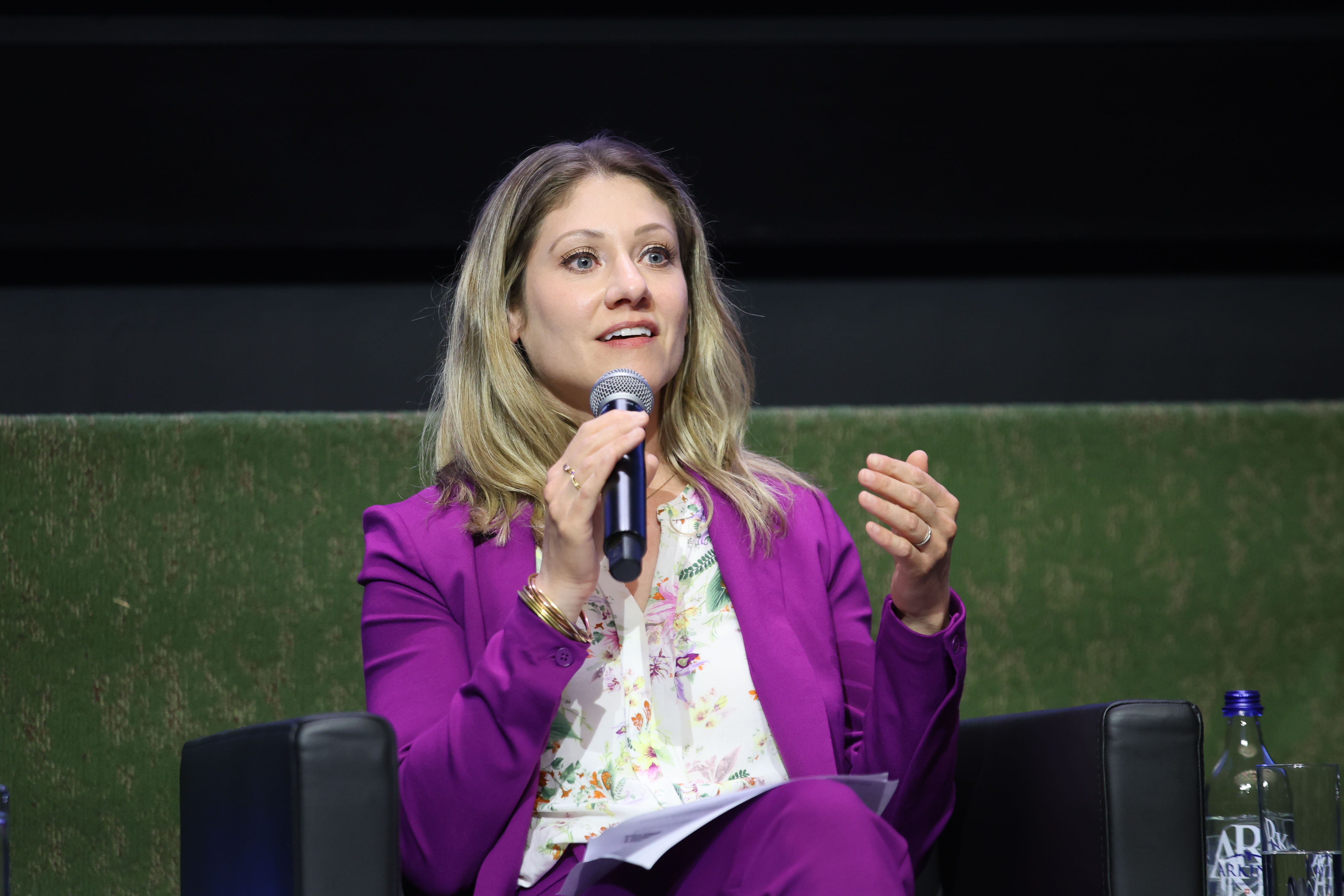
Amber Fletcher, University of Regina
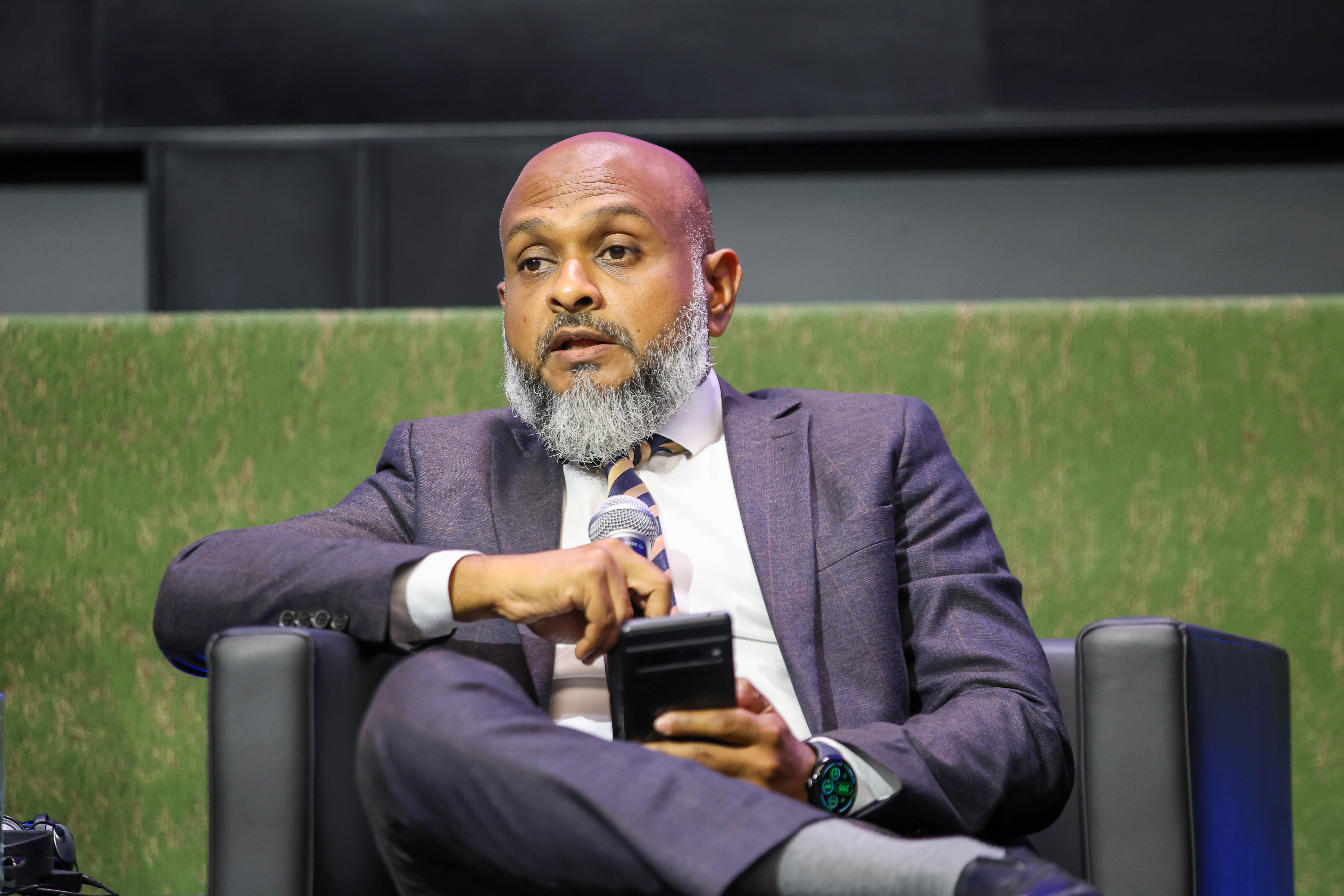
Hisan Hassan, National Disaster Management Authority, Maldives
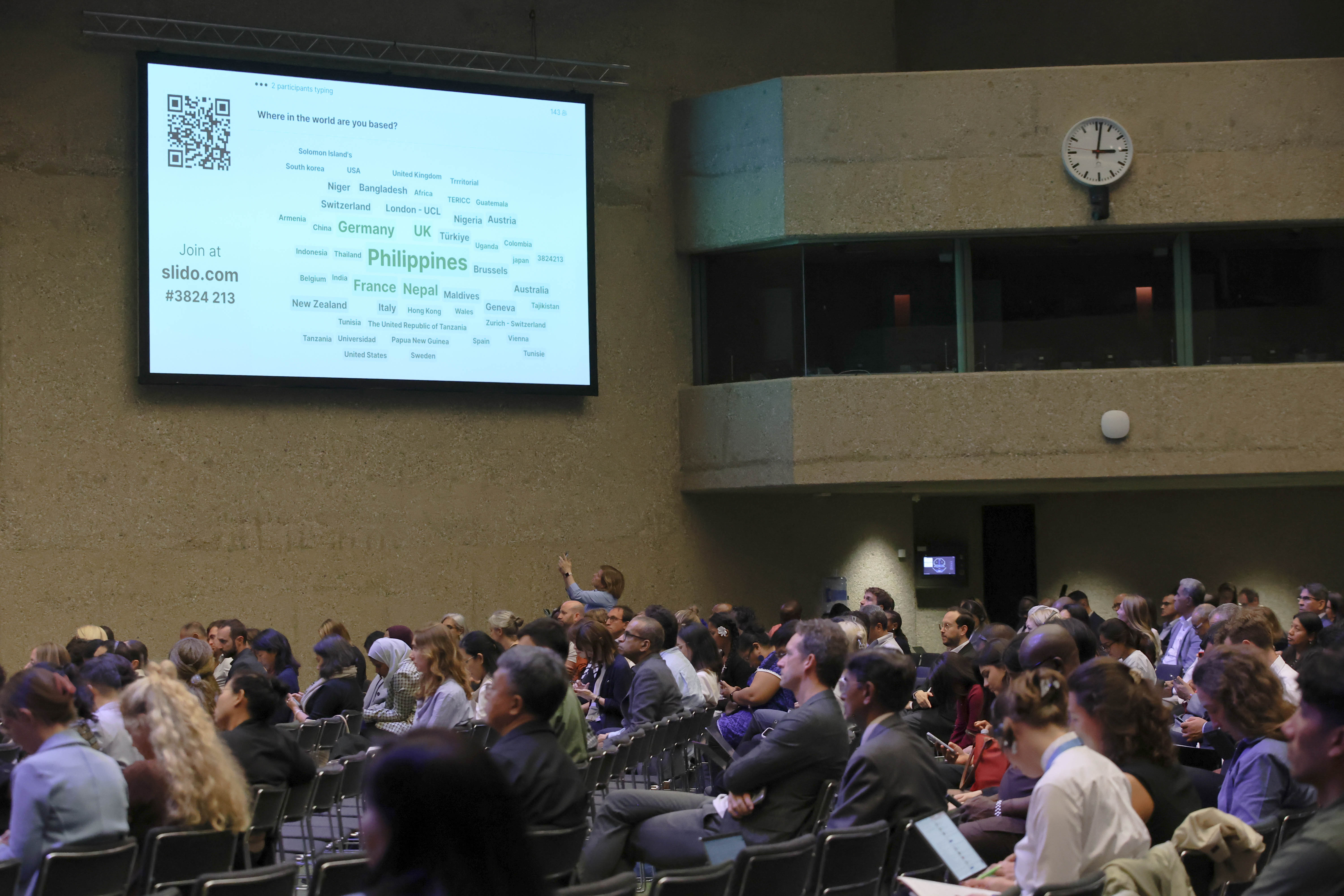
A slide showing where participants are based worldwide.
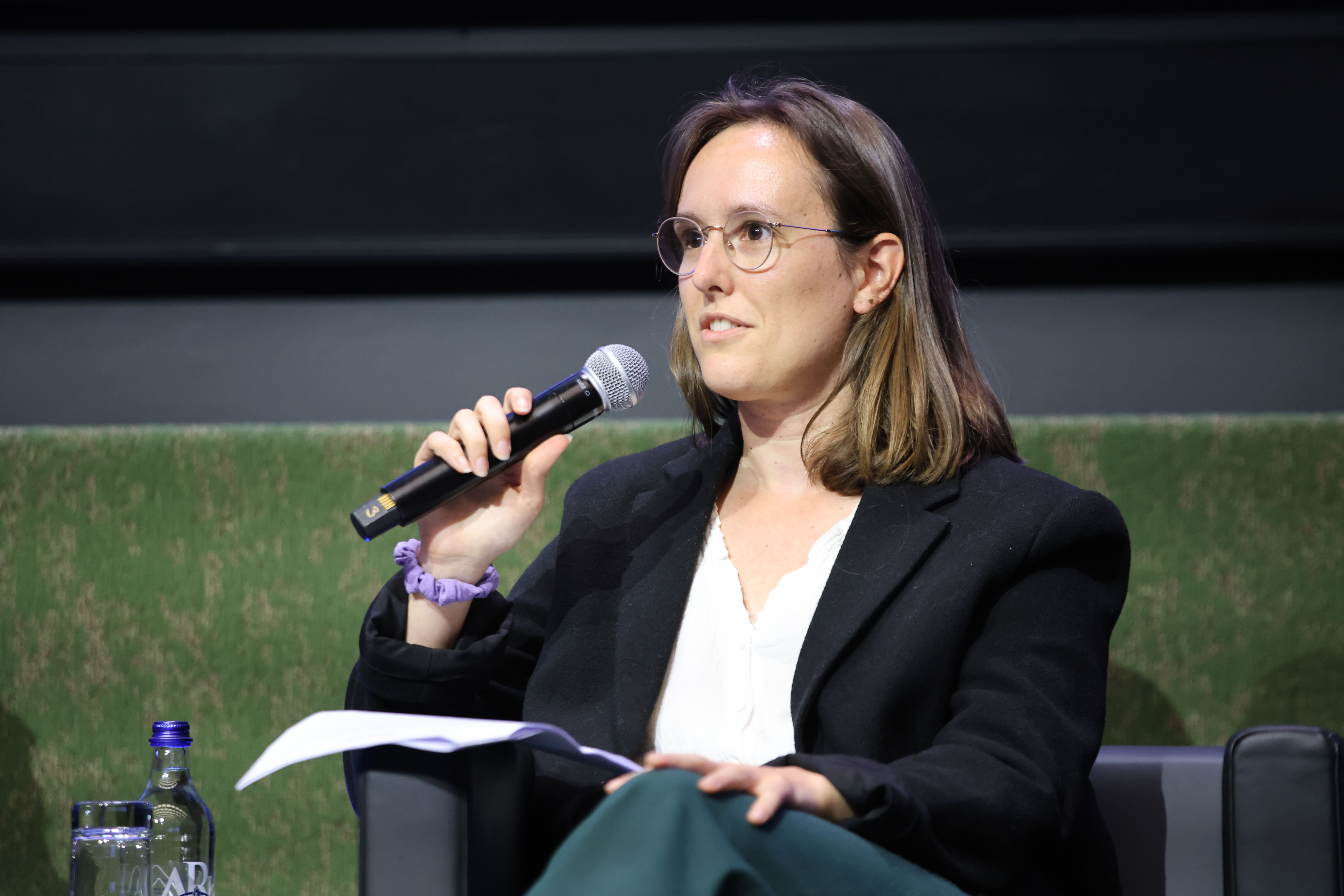
Jamie Cummings, Sendai Stakeholder Engagement Mechanism
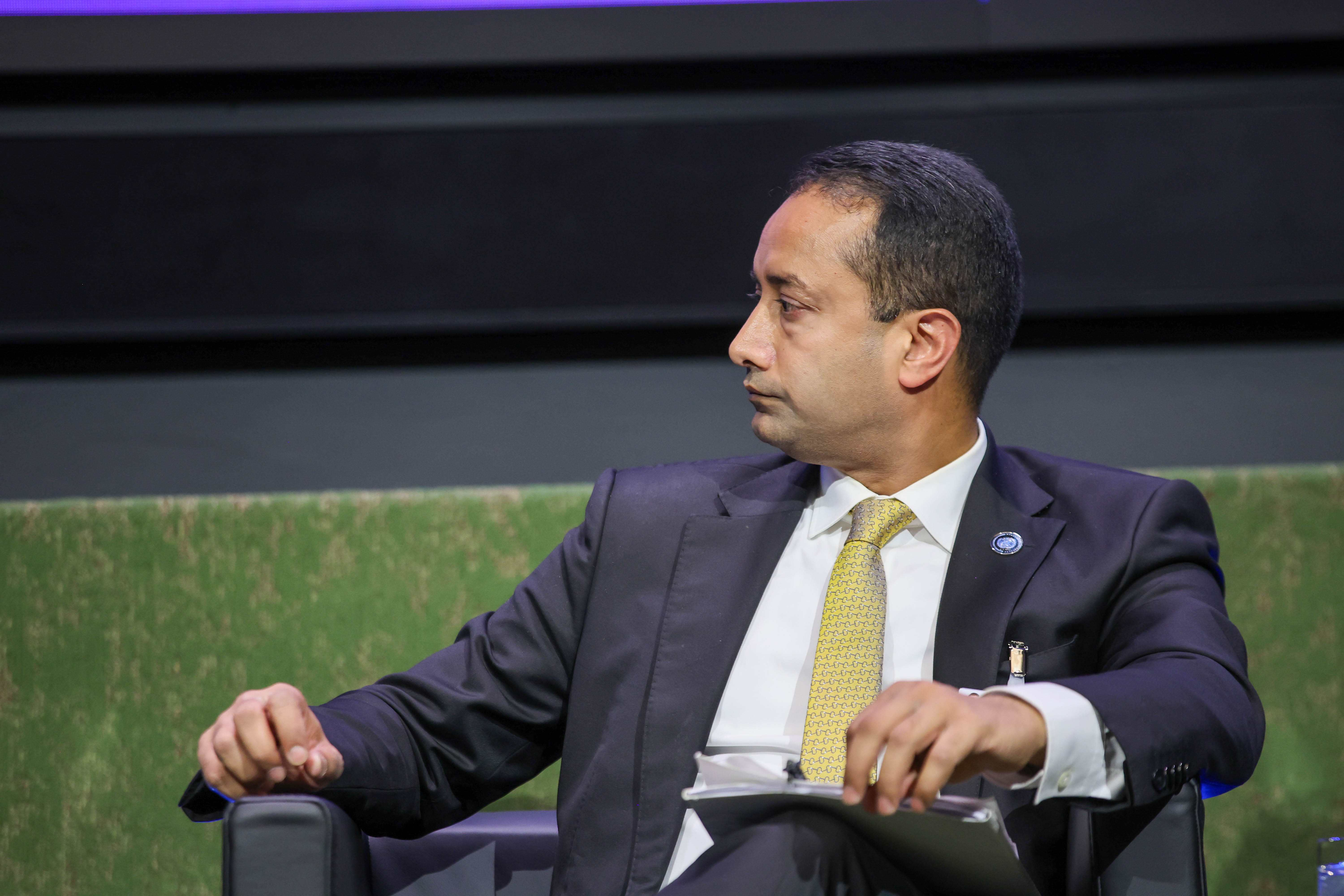
Animesh Kumar, UNDRR
Stakeholder Forum: Community-led Action for Resilience, Building Partnerships for Inclusive Action
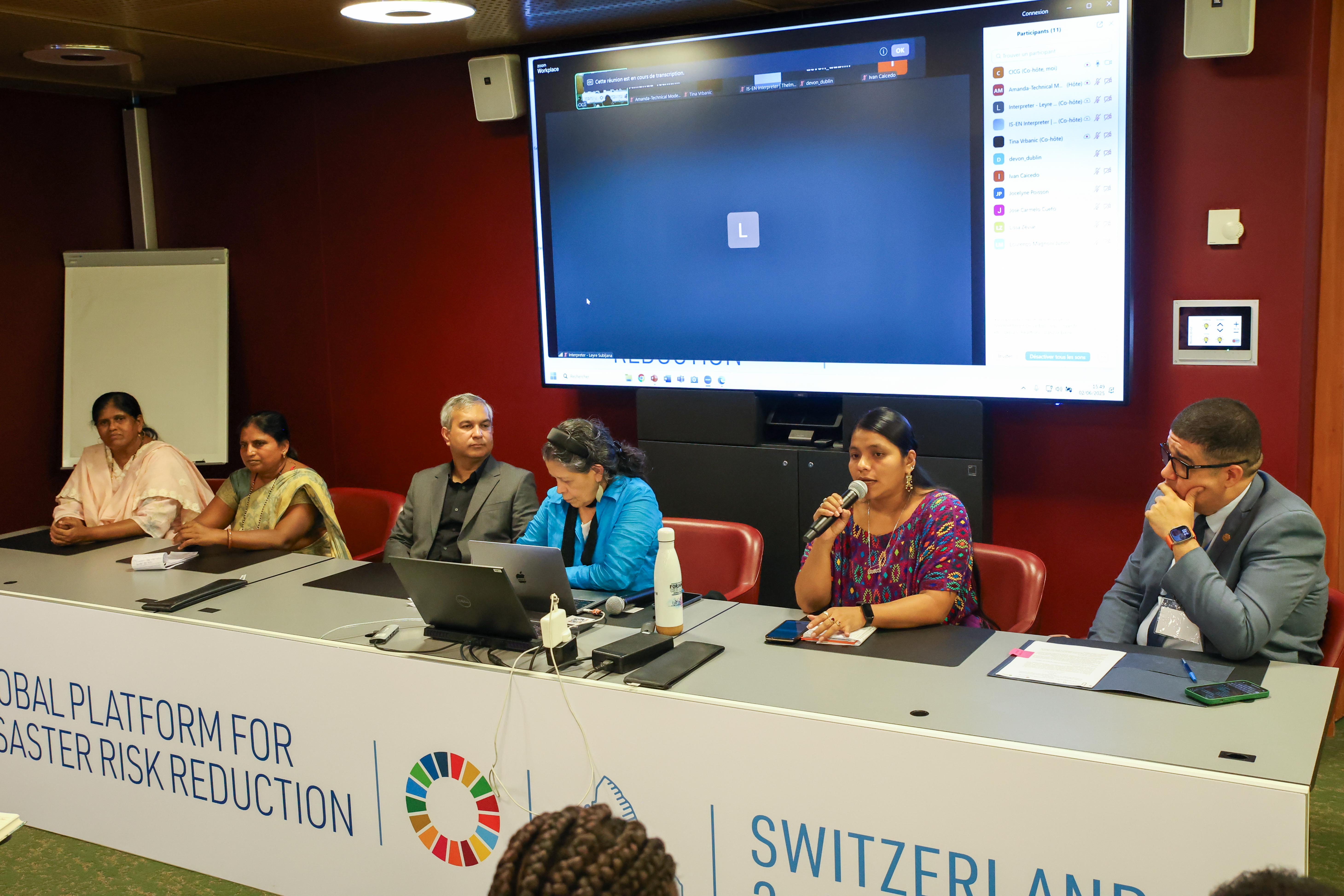
View of the panel

Sifayet Ullah, Asian Development Bank
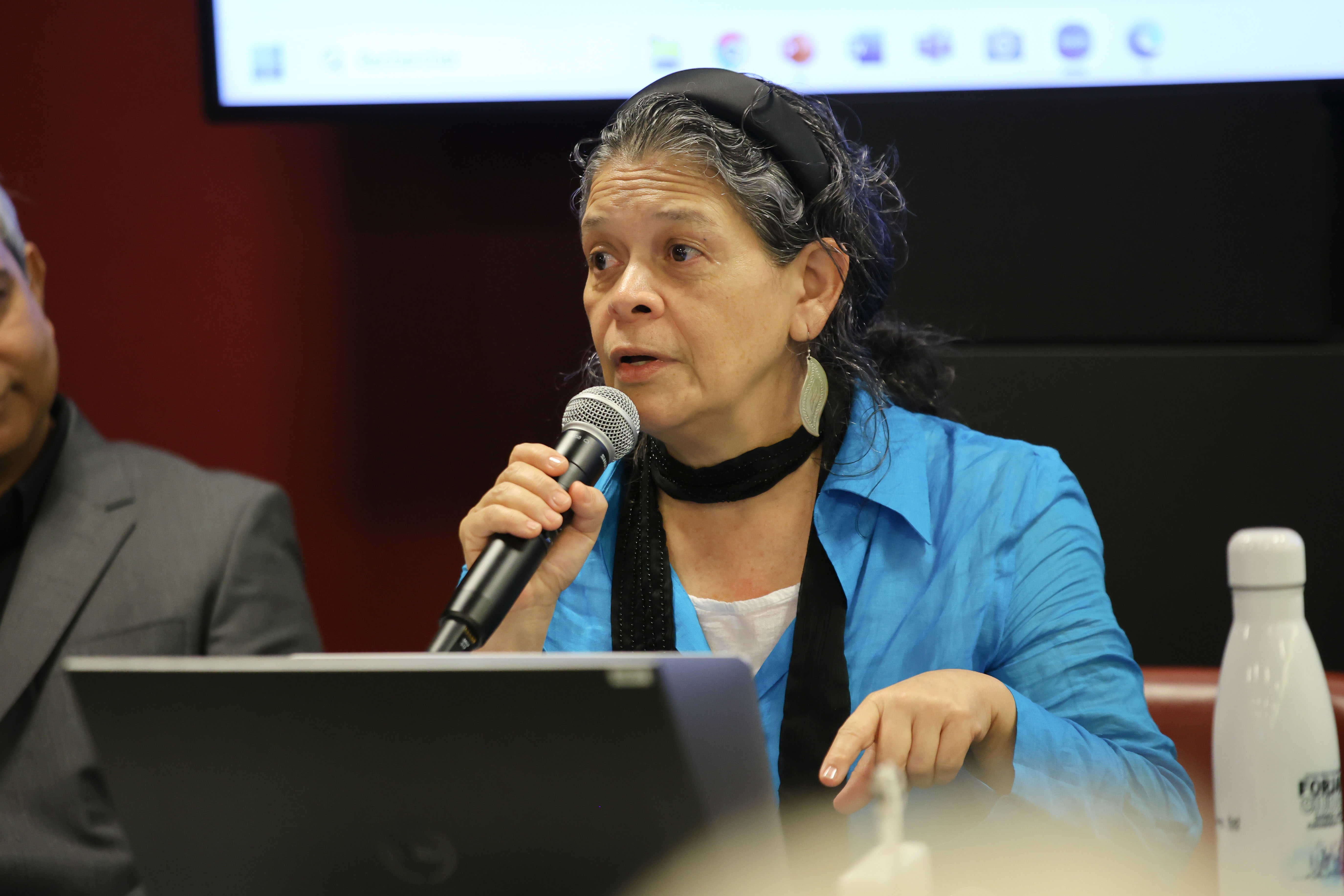
Maité Rodríguez, Fundación Guatemala
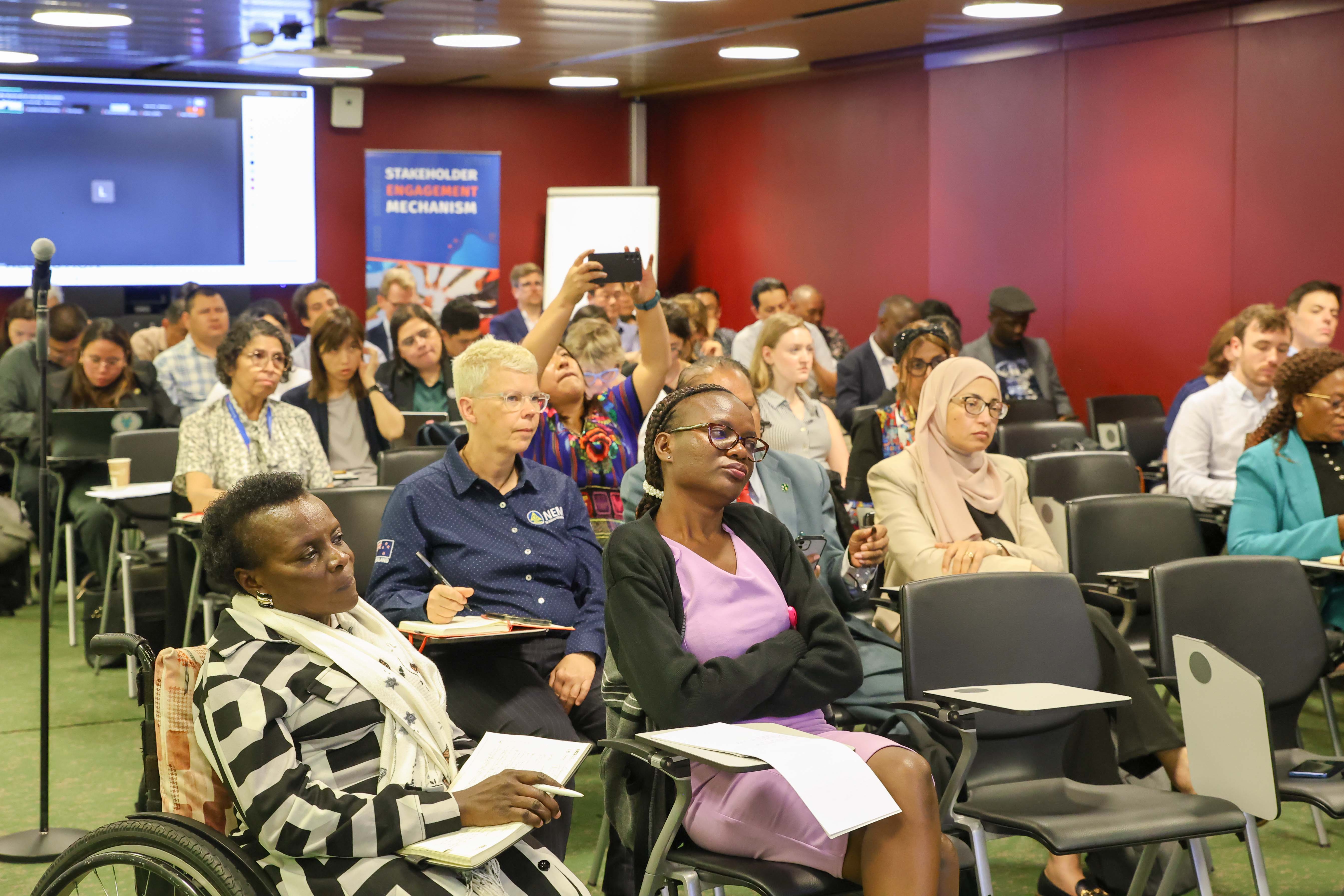
A view of the room
Stakeholder Forum: Implementation of Climate and Disaster Risk Reduction Gender Action Plan at National Level

View of the panel
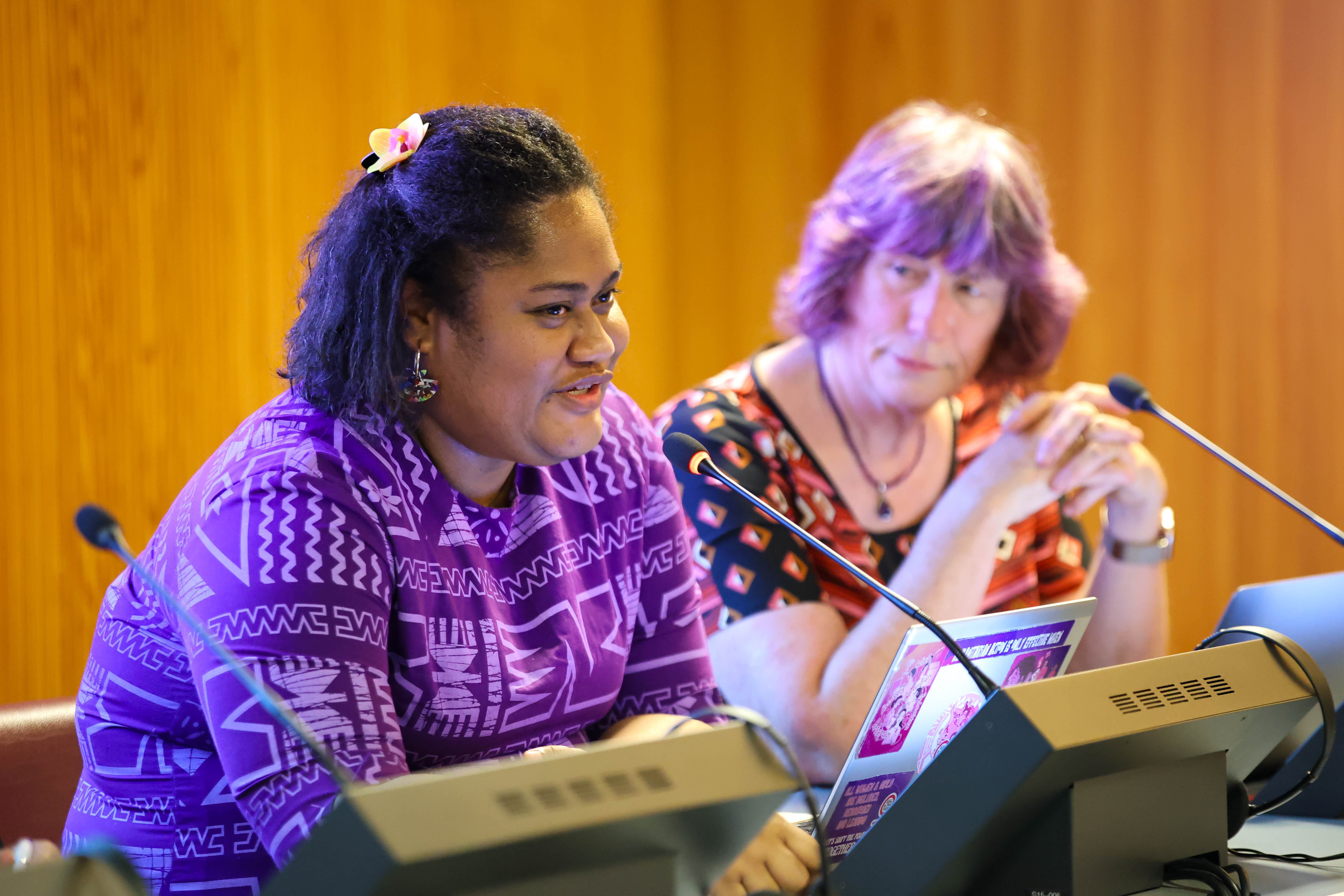
Mee Kyeng Kim-Lambert, Federated States of Micronesia
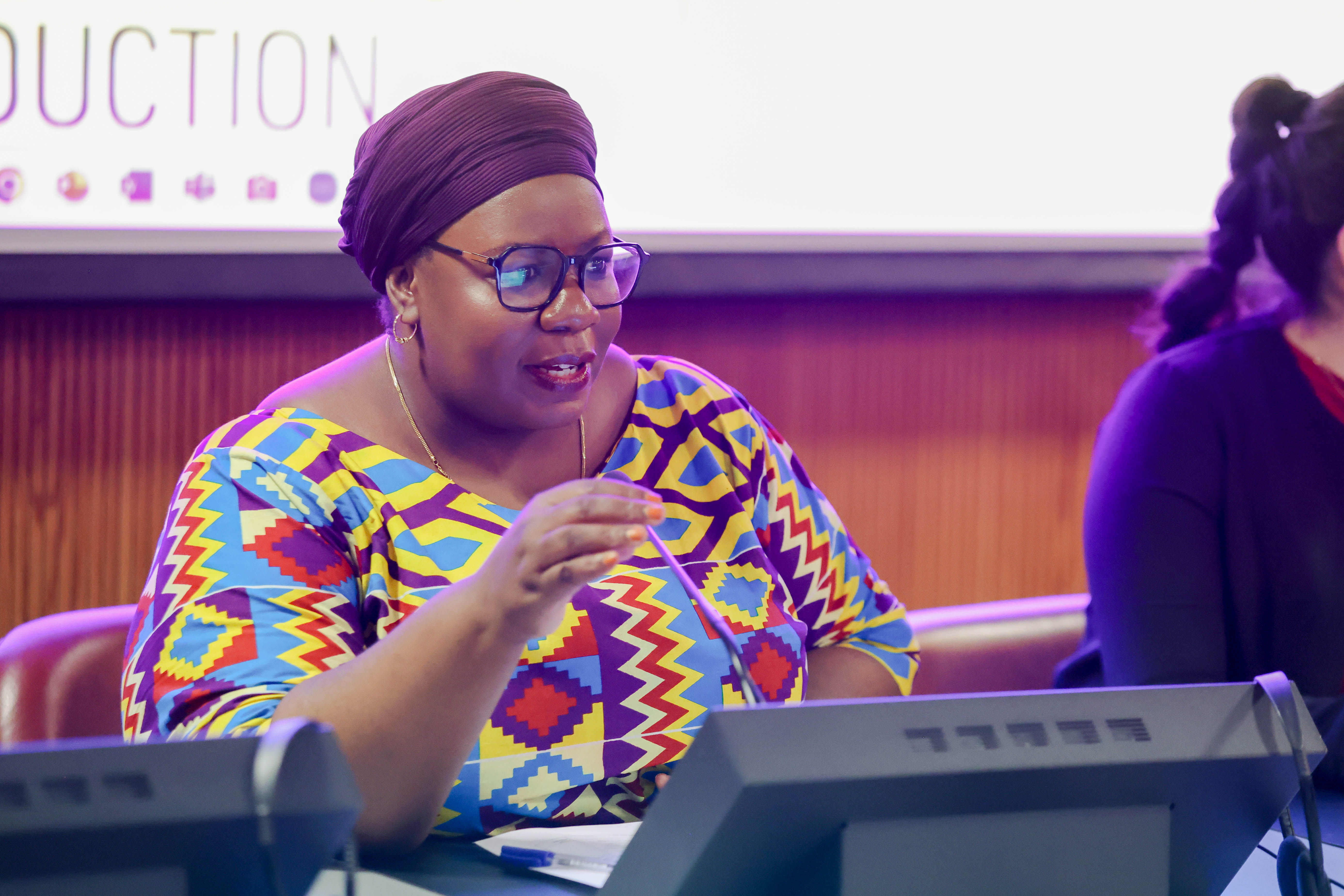
Mwanahamisi Singano, Women and Gender Stakeholder Group
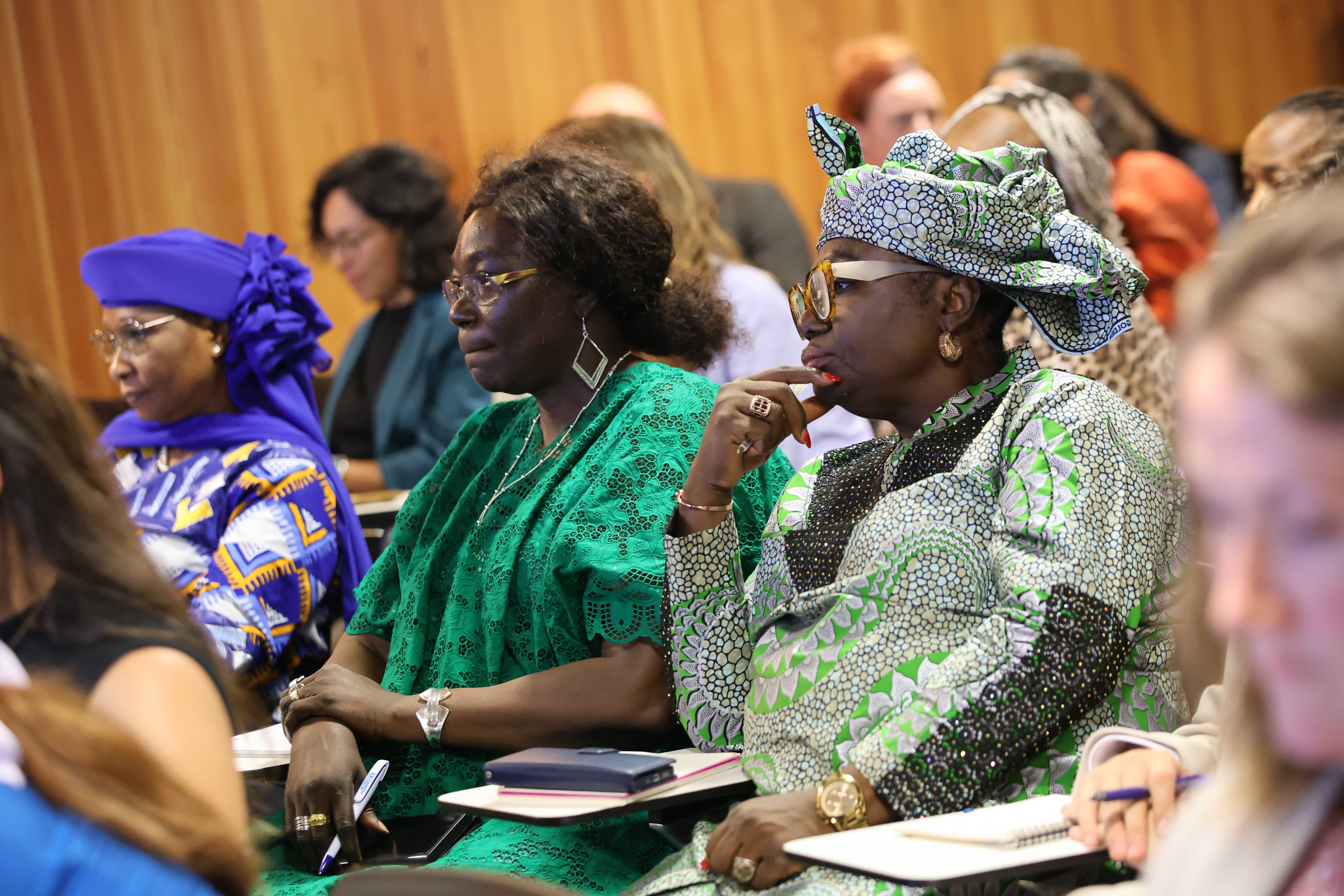
Participants listening to the presentations
Stakeholder Forum: Disaster Preparedness and Risk Reduction in Urban Areas
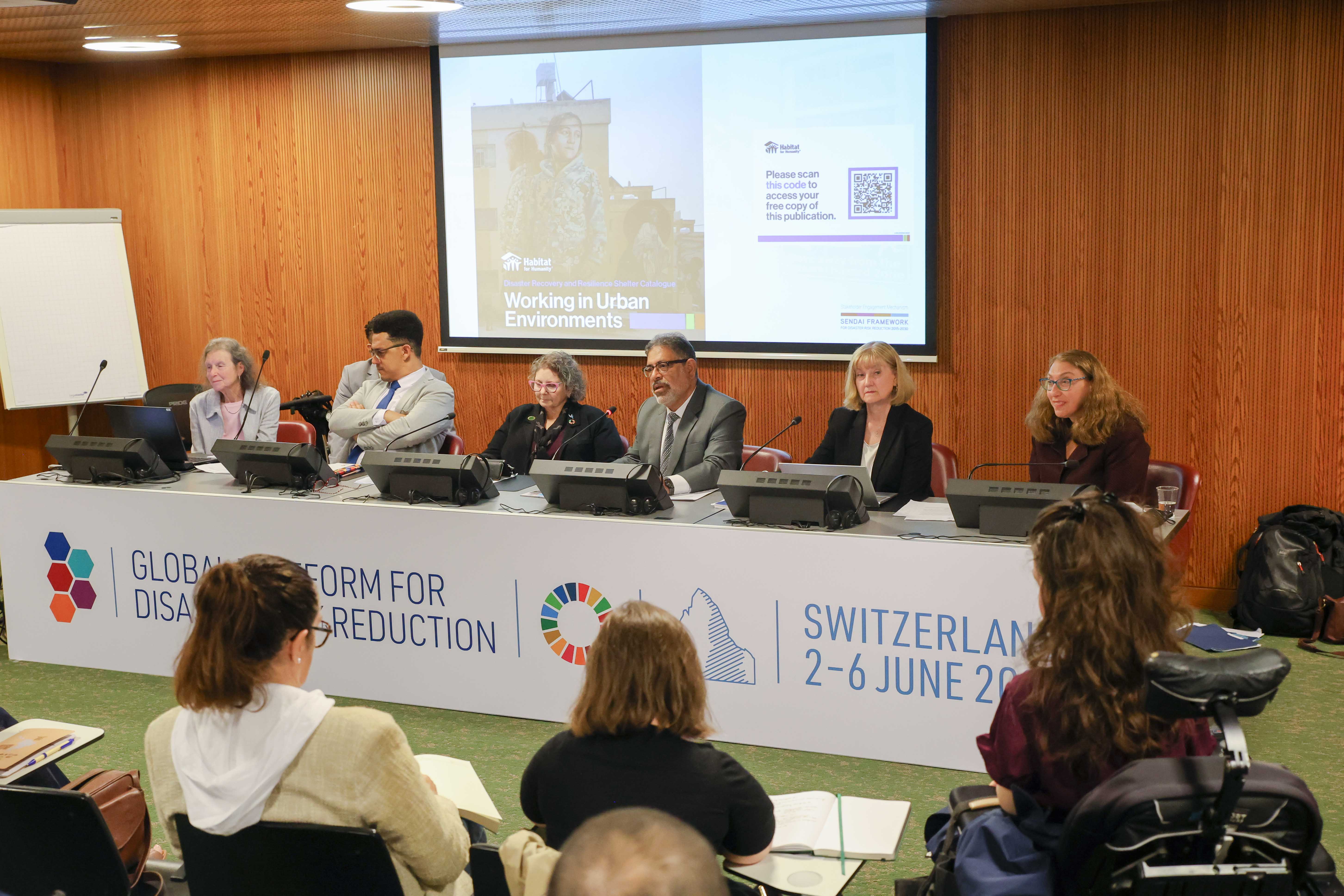
View of the panel
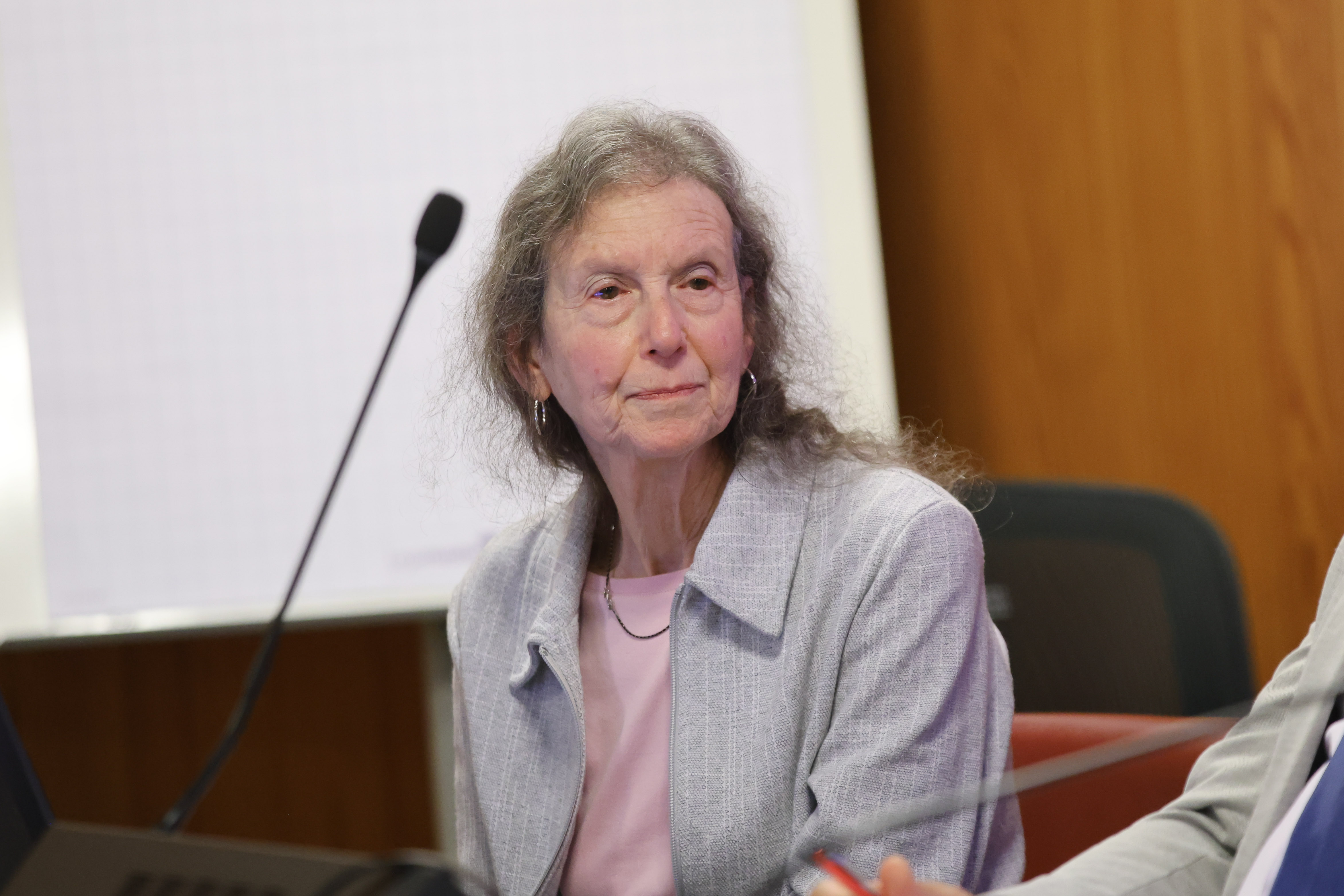
Jane Katz, Global Urban Development
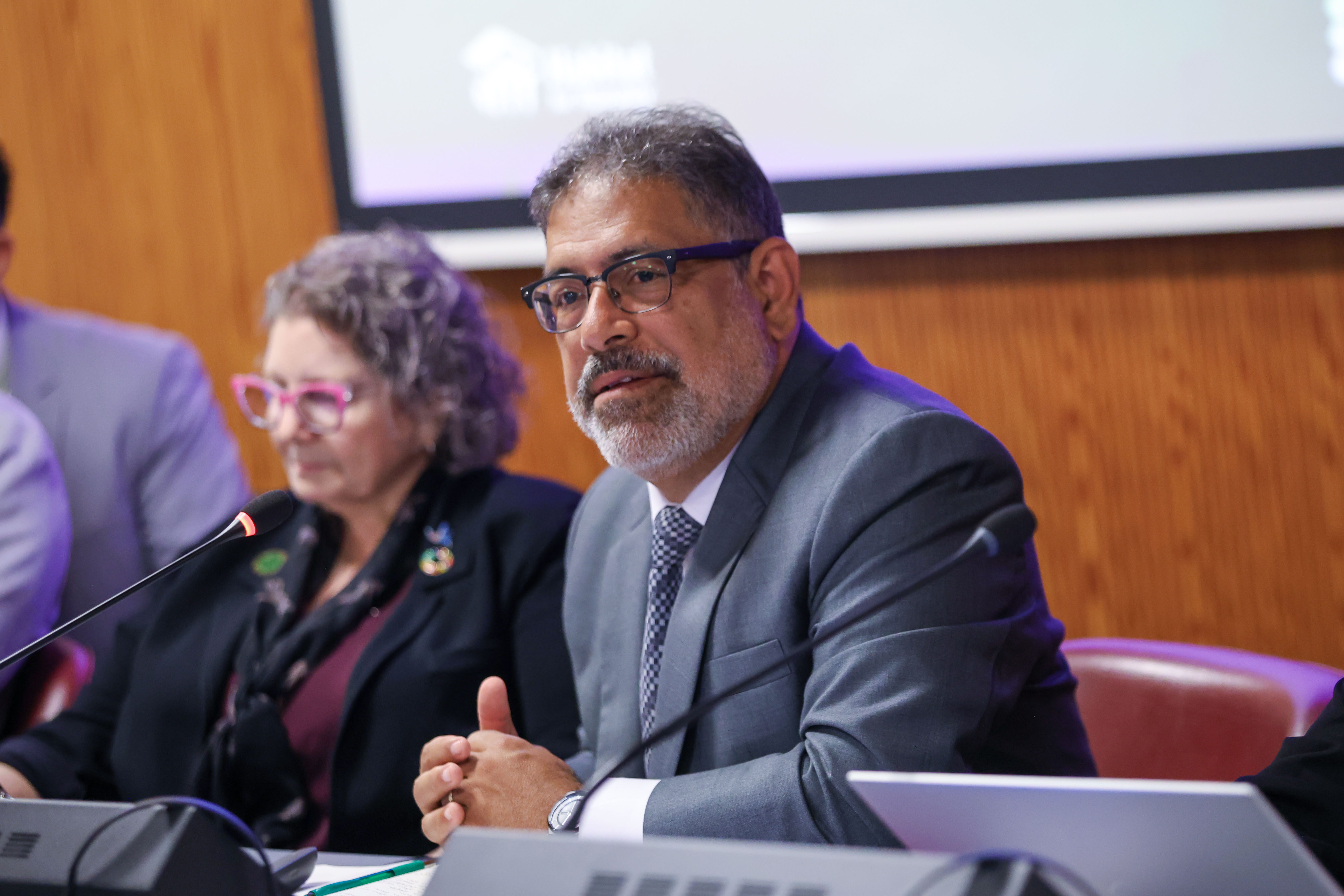
Mario Flores, Habitat for Humanity International
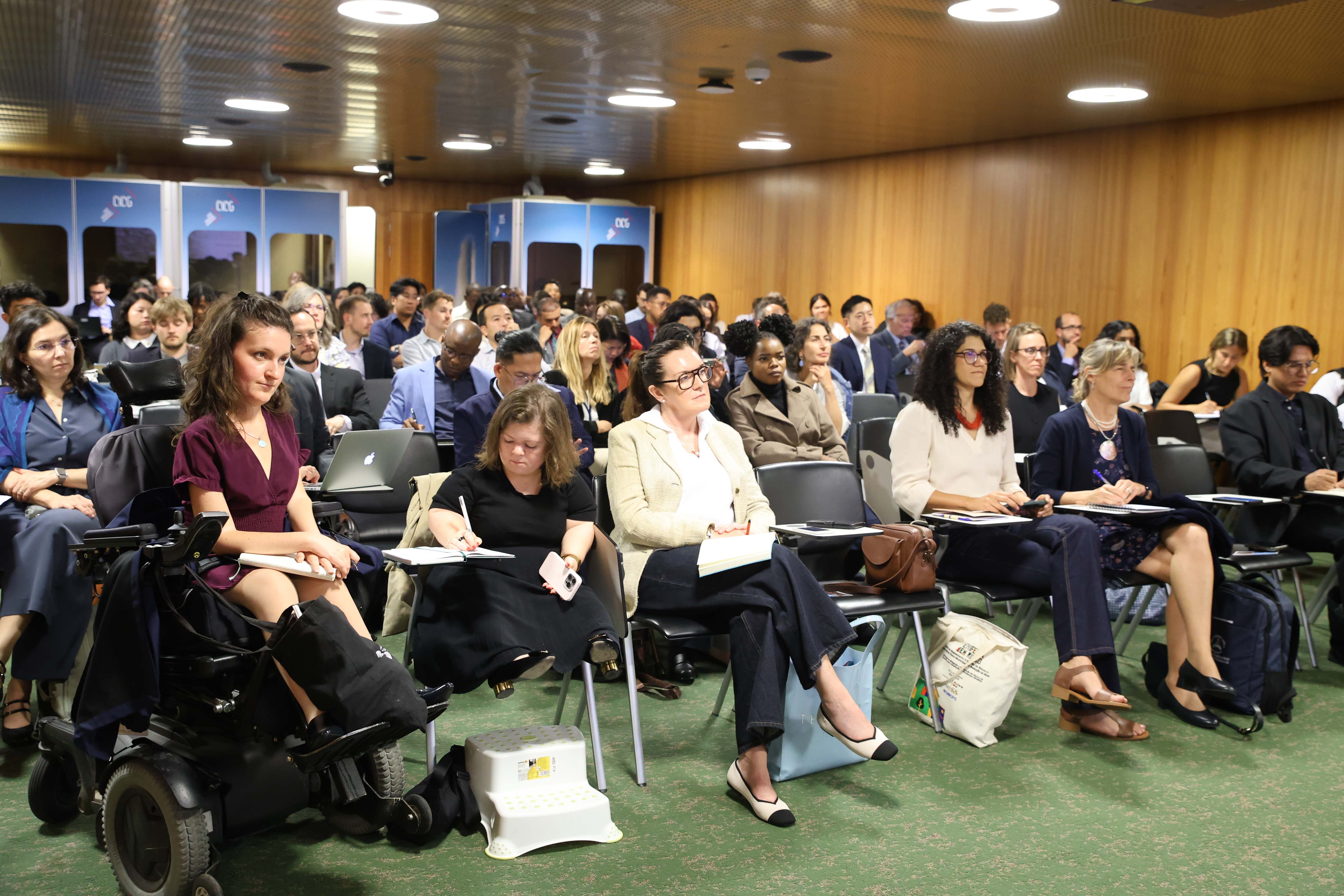
A view of the room
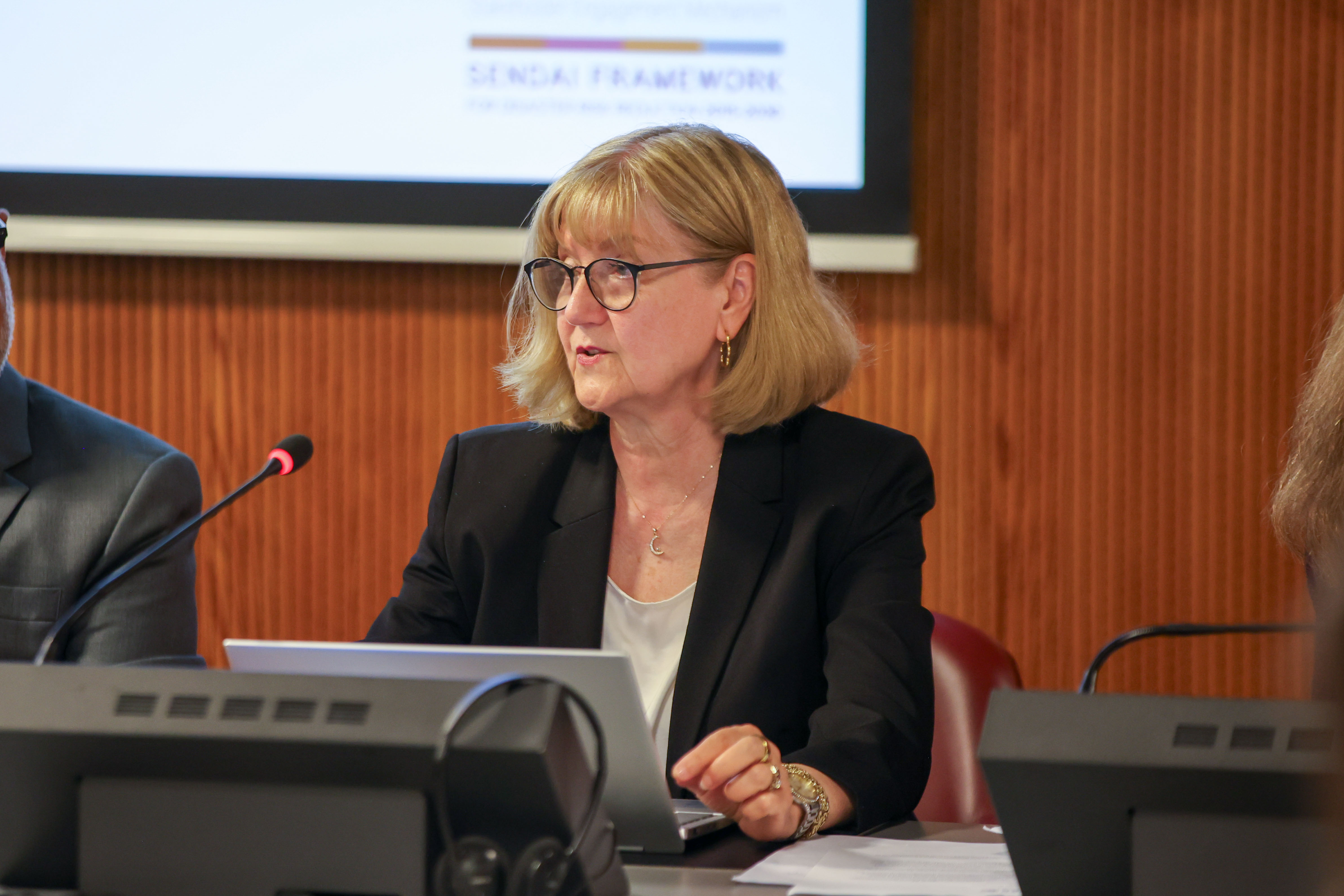
Debbra Johnson, ARISE-US Network
Stakeholder Forum: Breaking the Disaster Risk Reduction Financing Silos
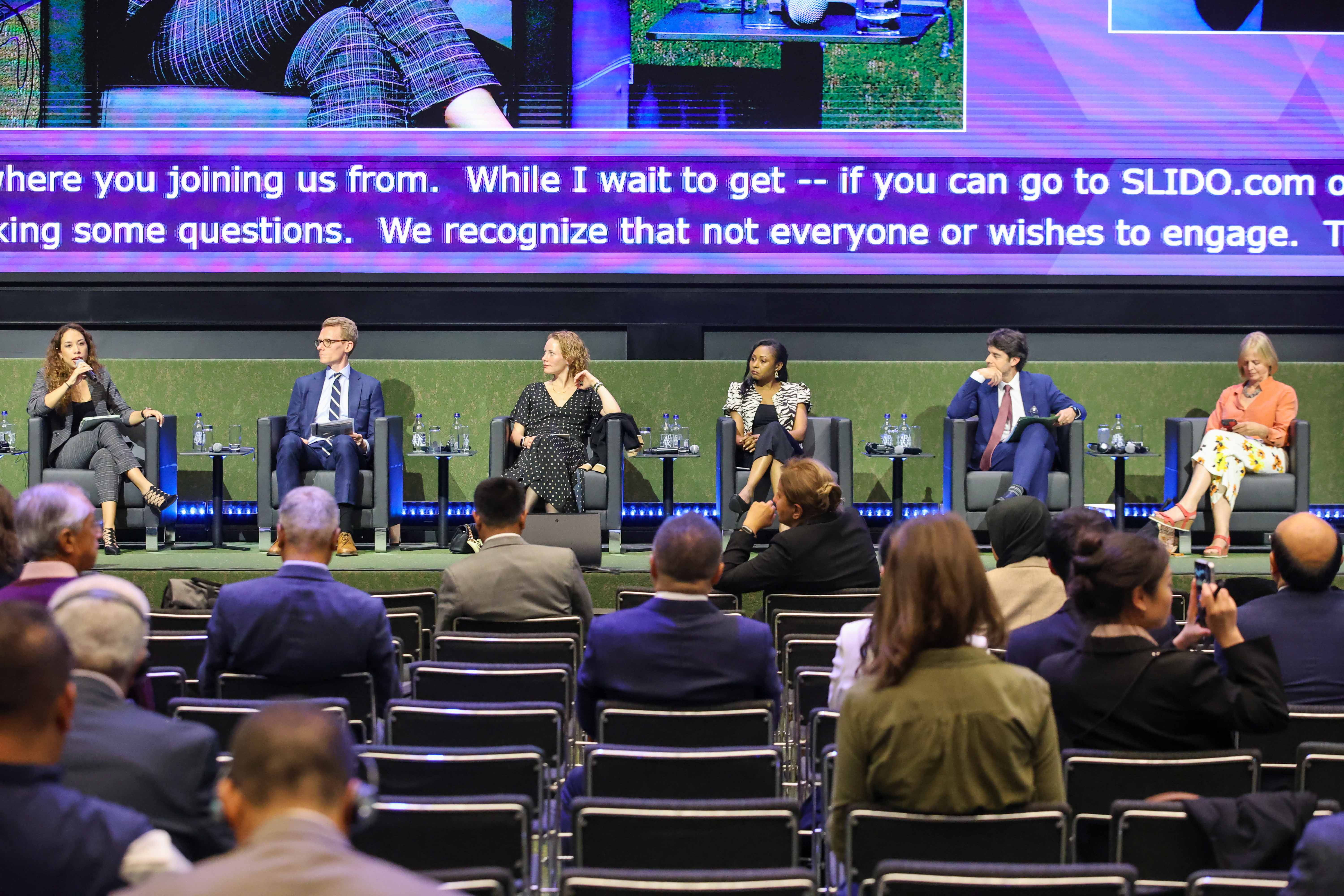
View of the panel
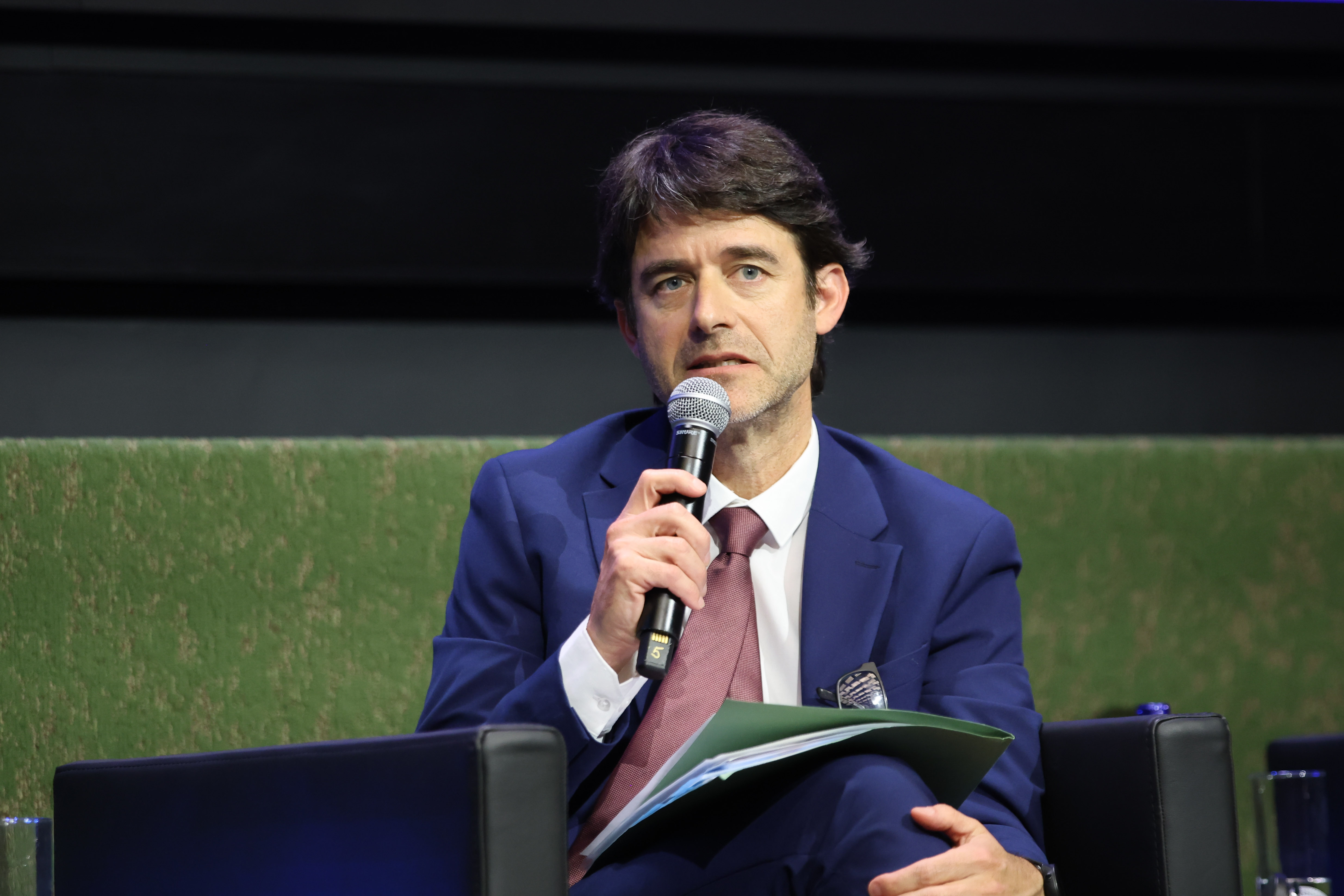
Marcos Concepción Raba, Global Network of Civil Society Organisations for Disaster Reduction
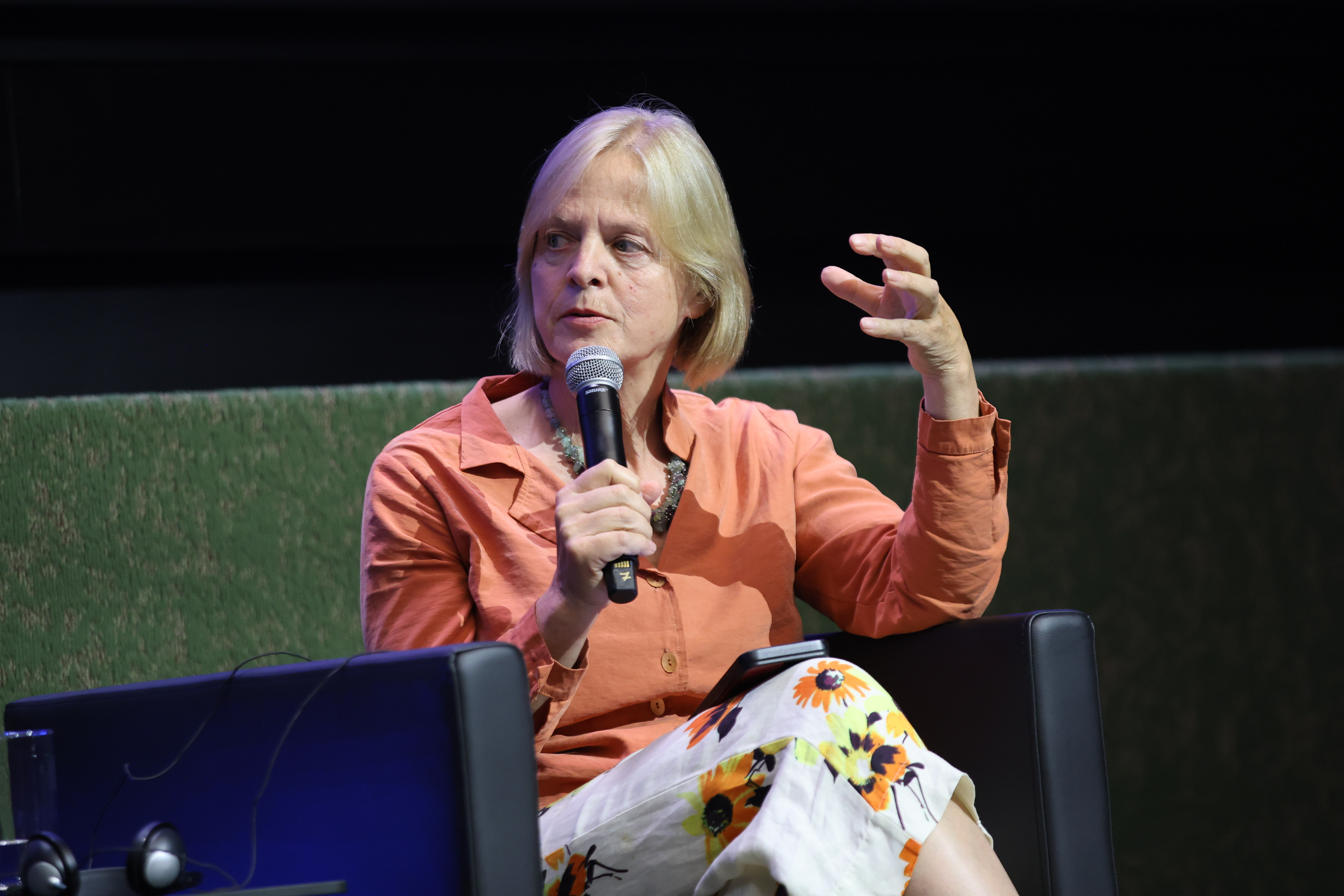
Sara Hoeflich, United Cities and Local Governments
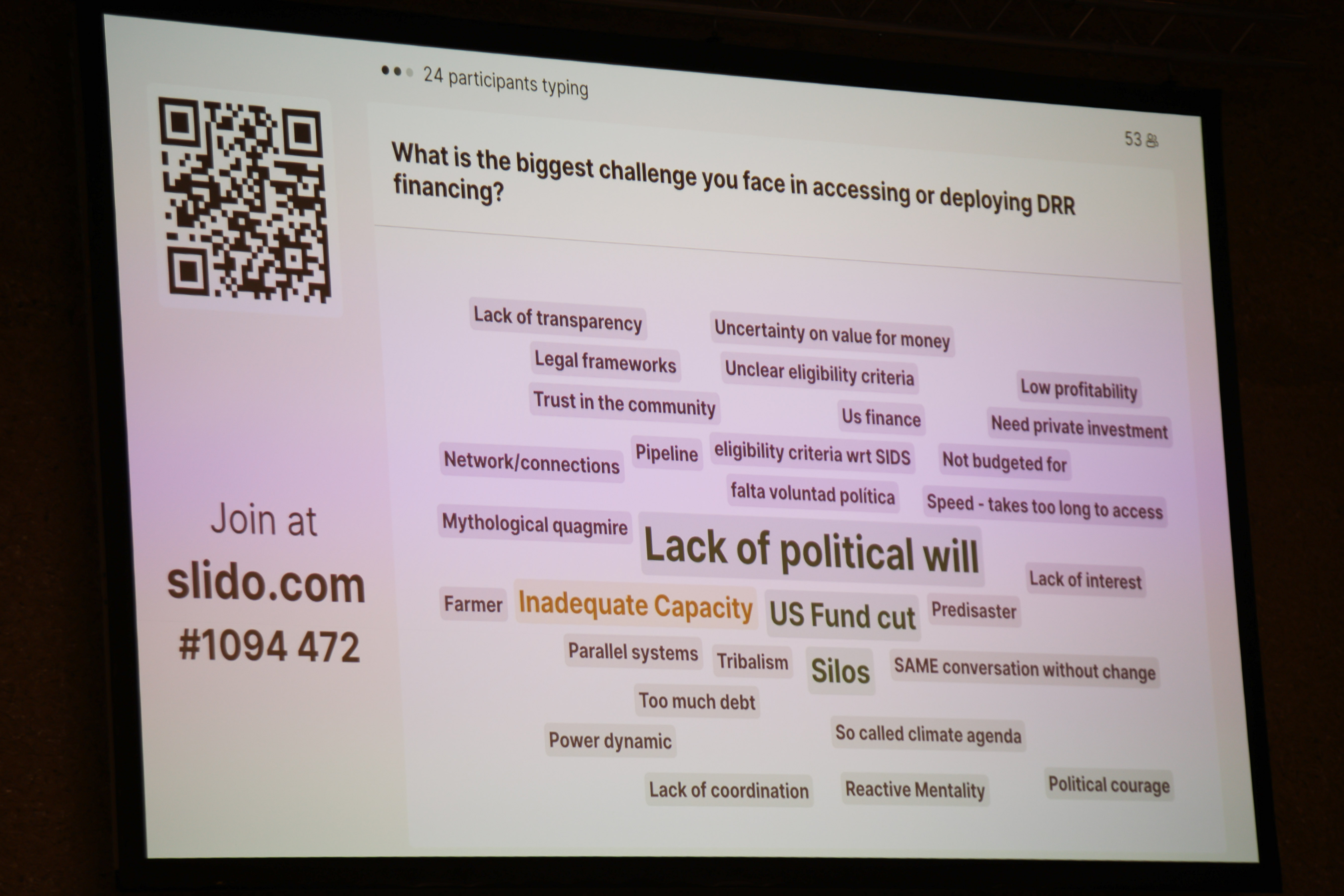
A slide showing some of the biggest challenges in accessing or deploying DRR financing.
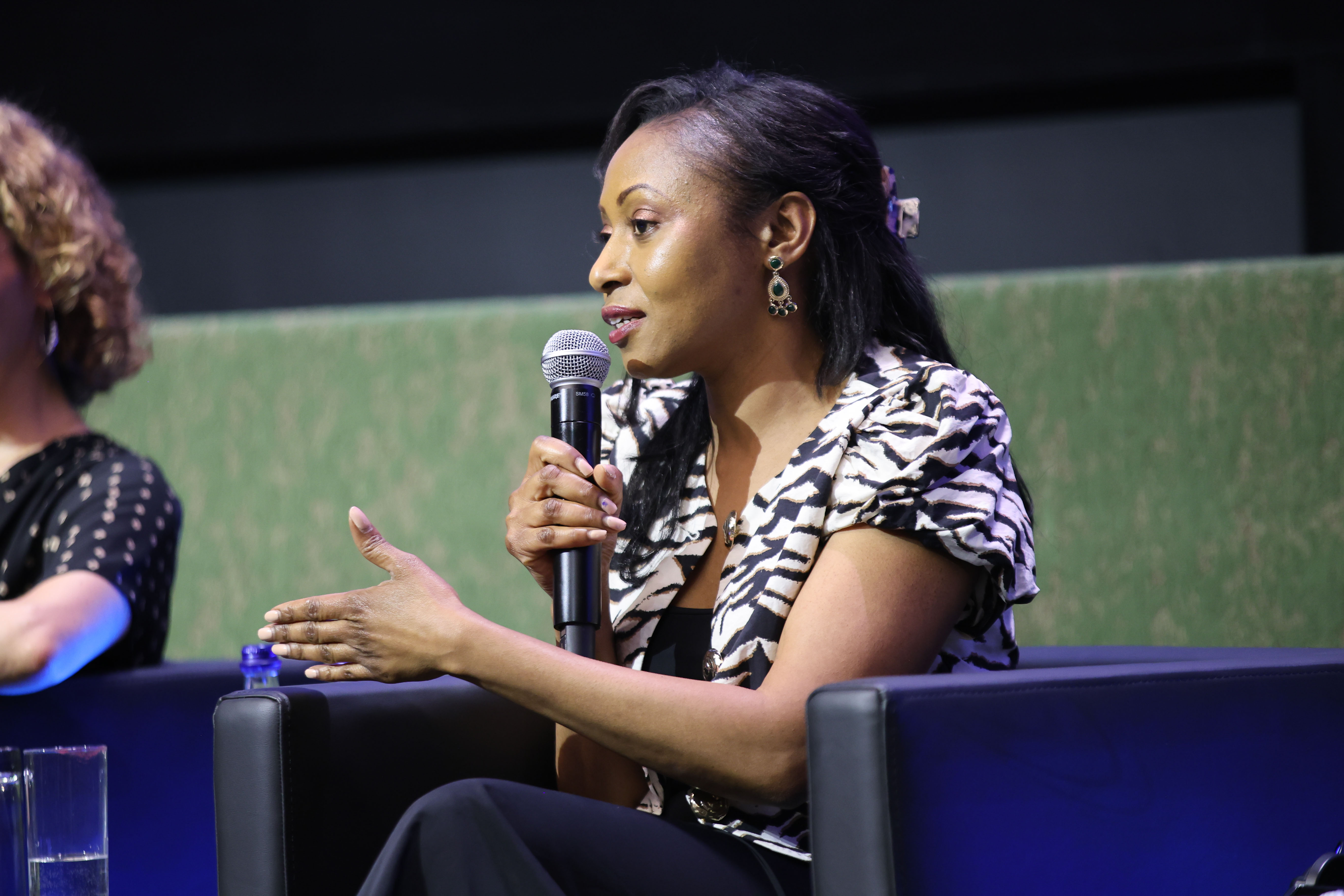
Michelle Chivunga, Global Policy House
Around the Venue
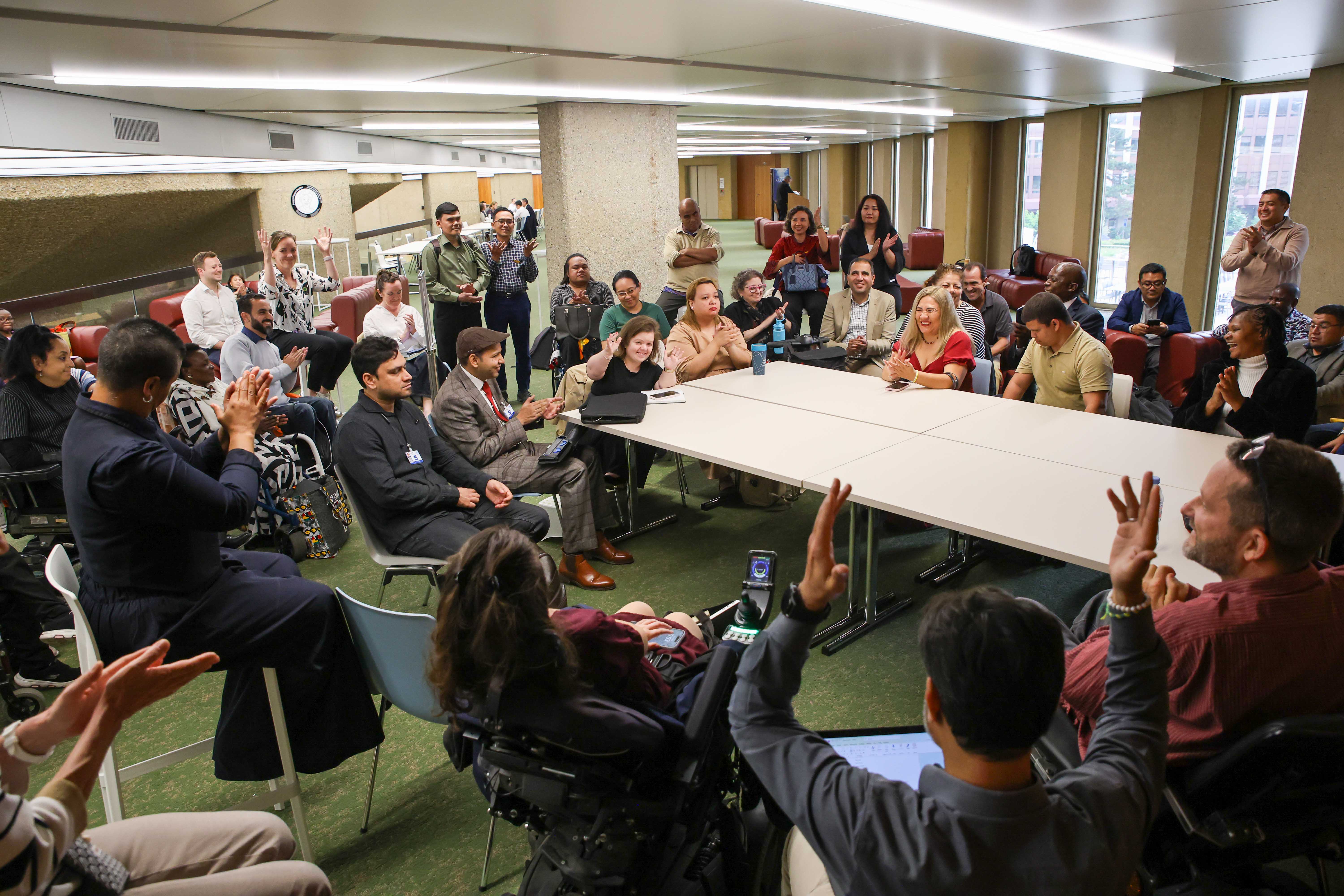
UNDRR Disability Leaders gather at the end of the day.
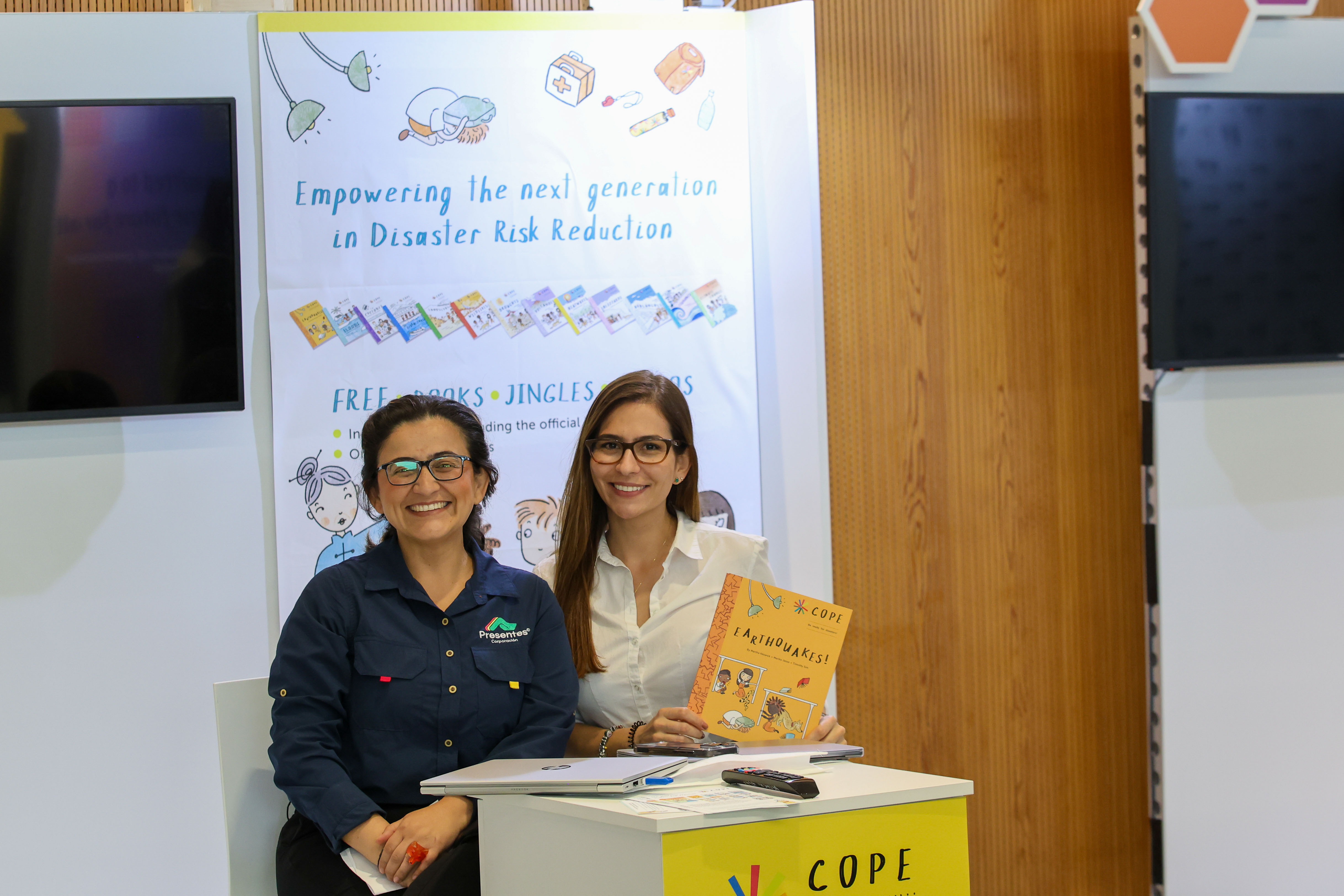
Members of COPE Disaster Champions
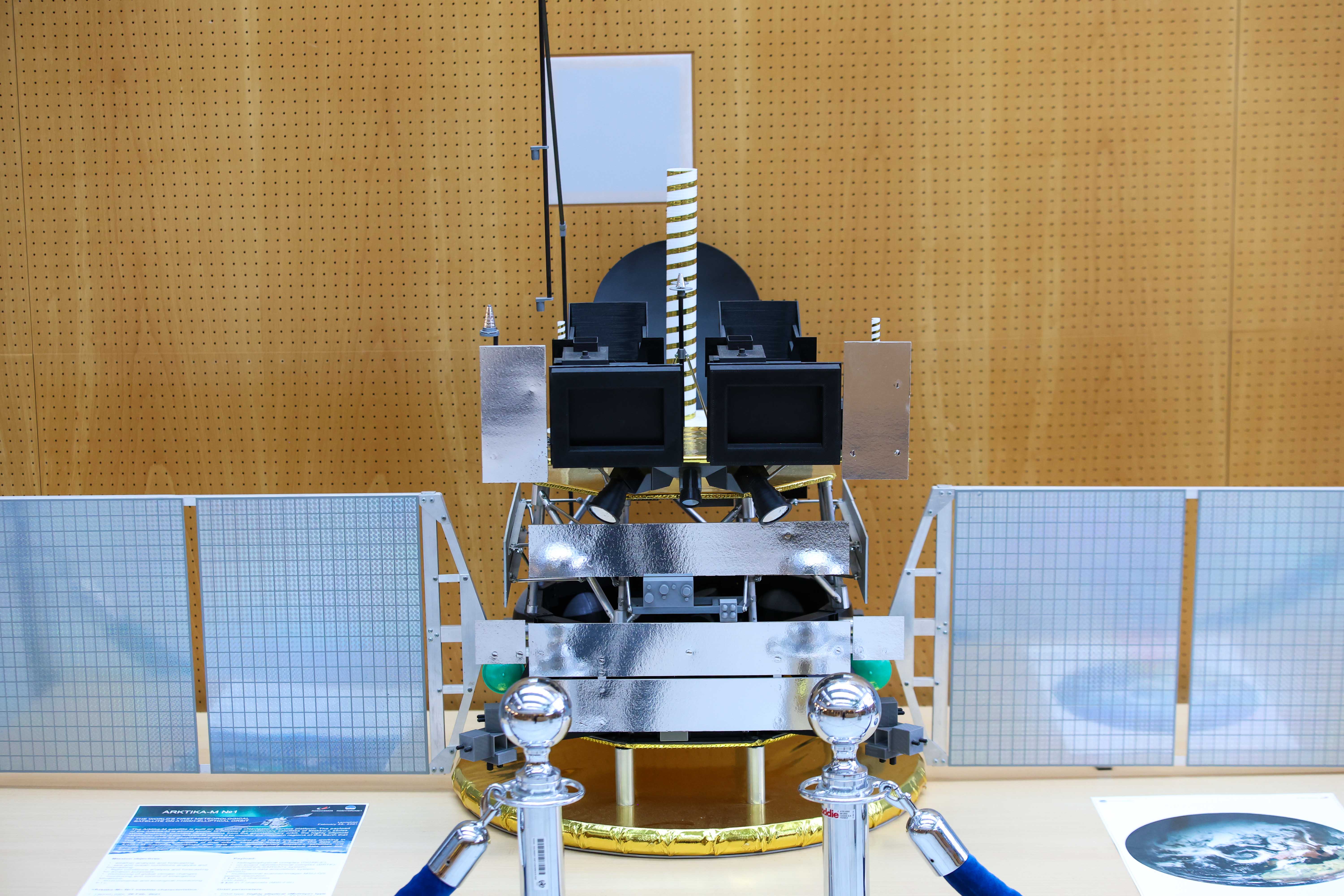
A miniature of the first meteorological satellite in high-elliptical orbit