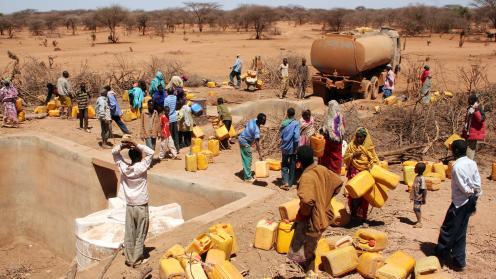
The Sendai Framework on Disaster Risk Reduction (DRR) was adopted 10 years ago, but many of its commitments remain unfulfilled, even as disasters become more frequent and intense. Only five years remain until 2030, when the Sendai Framework was meant to be achieved—so, many country delegates and stakeholders participating in the Global Platform on Disaster Risk Reduction (GPDRR) are calling for urgent action to put in place multi-hazard early warning systems (EWS), restore livelihoods for displaced people and communities, and build resilience.
Want to dig deeper into today's talks? Read the full Earth Negotiations Bulletin daily report.
The second preparatory day of the eighth GPDRR featured several parallel events. At the opening of the one-day World Resilience Recovery Conference (WRRC), UNDRR head Kamal Kishore explained that the event, previously known as the World Reconstruction Conference, was renamed to place the focus where it should be—not only on physical assets but on the resilience dimension of recovery. Kishore noted that disasters also offer an opportunity to pivot away from livelihoods that were already fragile and eroding, toward more sustainable and value-added pursuits.
Restoring livelihoods and building trust with local communities and people were recurring themes in all discussions. Some speakers noted the situation of communities affected by long-term systemic change, who may remain in a “perpetual recovery” state in which they are buffeted by one disaster after another. Small and medium-scale disasters, they argued, deserve greater attention and financial commitment. Krishna Swaroop Vatsa of India’s National Disaster Management Authority presented an example of how this can be achieved, noting the agency has allocated 30% of its funds specifically for recovery and reconstruction.
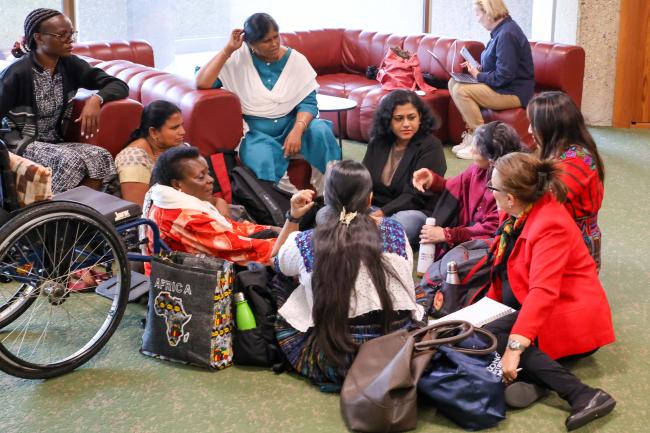
Many speakers emphasized the central importance of local-level trust and social inclusion for DRR to be successful. At the Stakeholder Forum closing event, Jamie Cummings, UNDRR Stakeholder Engagement Mechanism, presented a fresh take on the familiar message of inclusion of people with disabilities, affirming that the message from the Forum was “not only ‘nothing about us, without us’, but more broadly, ‘nothing without us’ at all.”
WRRC ran in parallel with the second day of the Stakeholder Forum on DRR and the Global Early Warning For All Multi-Stakeholder Forum (EW4All).
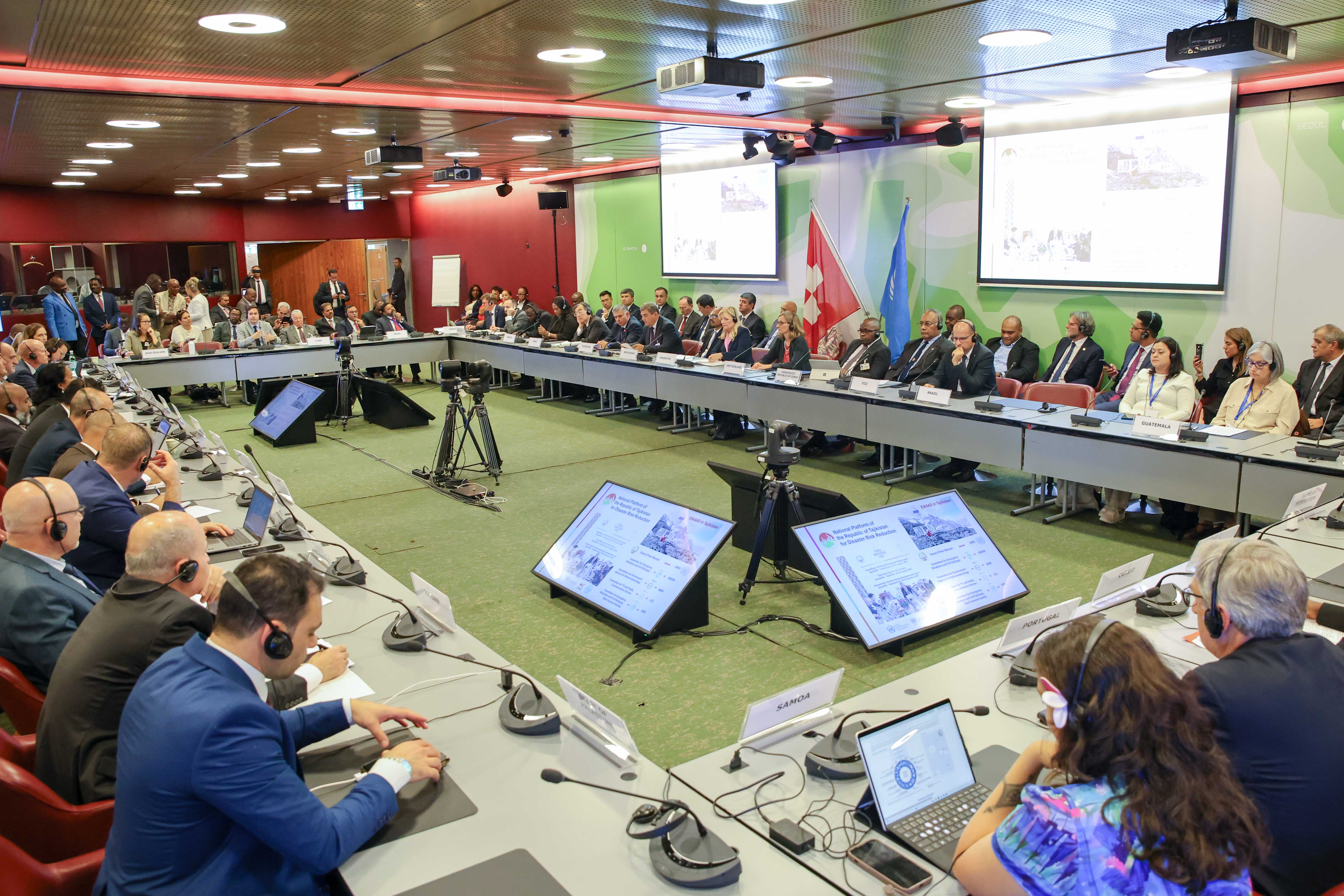
The Global Platform’s official programme began at mid-day with a high-level roundtable event in which Deputy Prime Ministers of Tajikistan and the Democratic Republic of Congo, as well as many ministers and senior country delegates, described achievements of their national platforms for DRR.
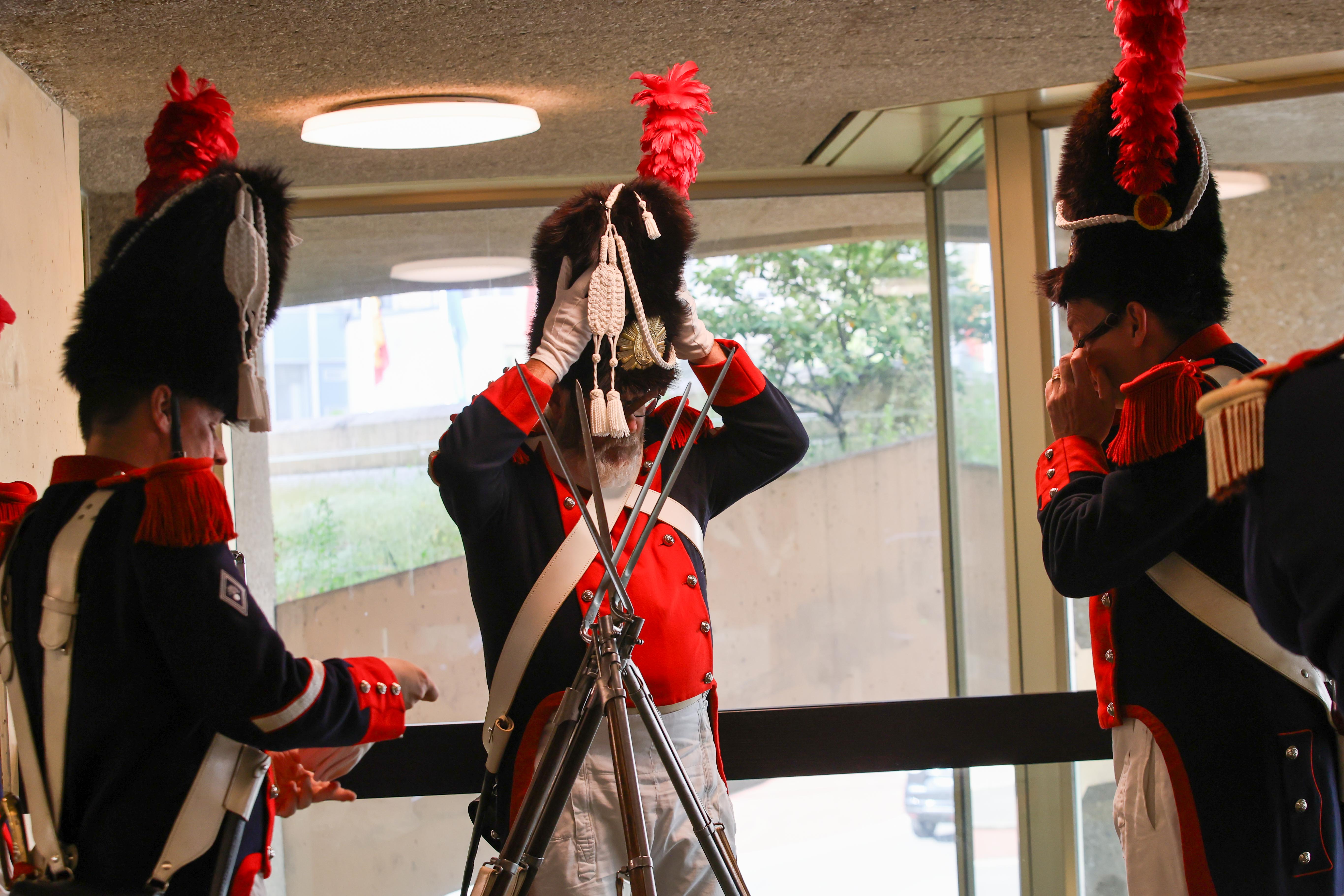
The formal opening of the Global Platform of DRR 2025 took place in the afternoon, with a choreographed performance by Sendai4Youth, in which a parade of young people addressed the crowd. “We are the catalysts for resilience, the architects of now,” they said, “Observers, co-creators of policy leading to action…We code not just apps, but answers. Let innovation walk with inclusion, because risk does not wait.”
A reception hosted by the Government of Switzerland, featuring singers and traditional instruments including a Swiss alphorn, brought the day to a festive close.
To receive free coverage of global environmental events delivered to your inbox, subscribe to the ENB Update newsletter.
All ENB photos are free to use with attribution. For this event, please use: Photo by IISD/ENB | Anastasia Rodopoulou.
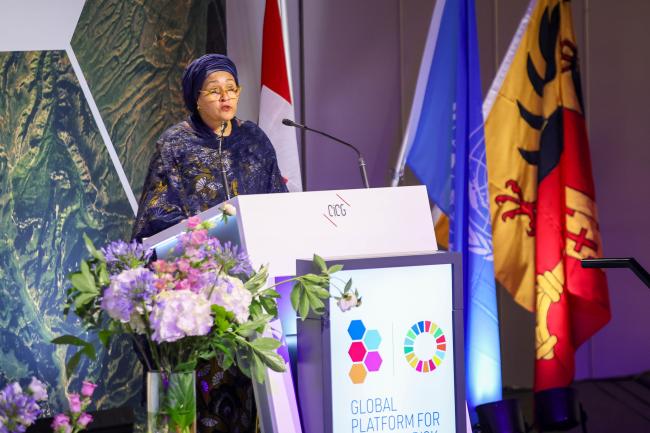
Opening of the Global Platform for Disaster Risk Reduction Official Programme
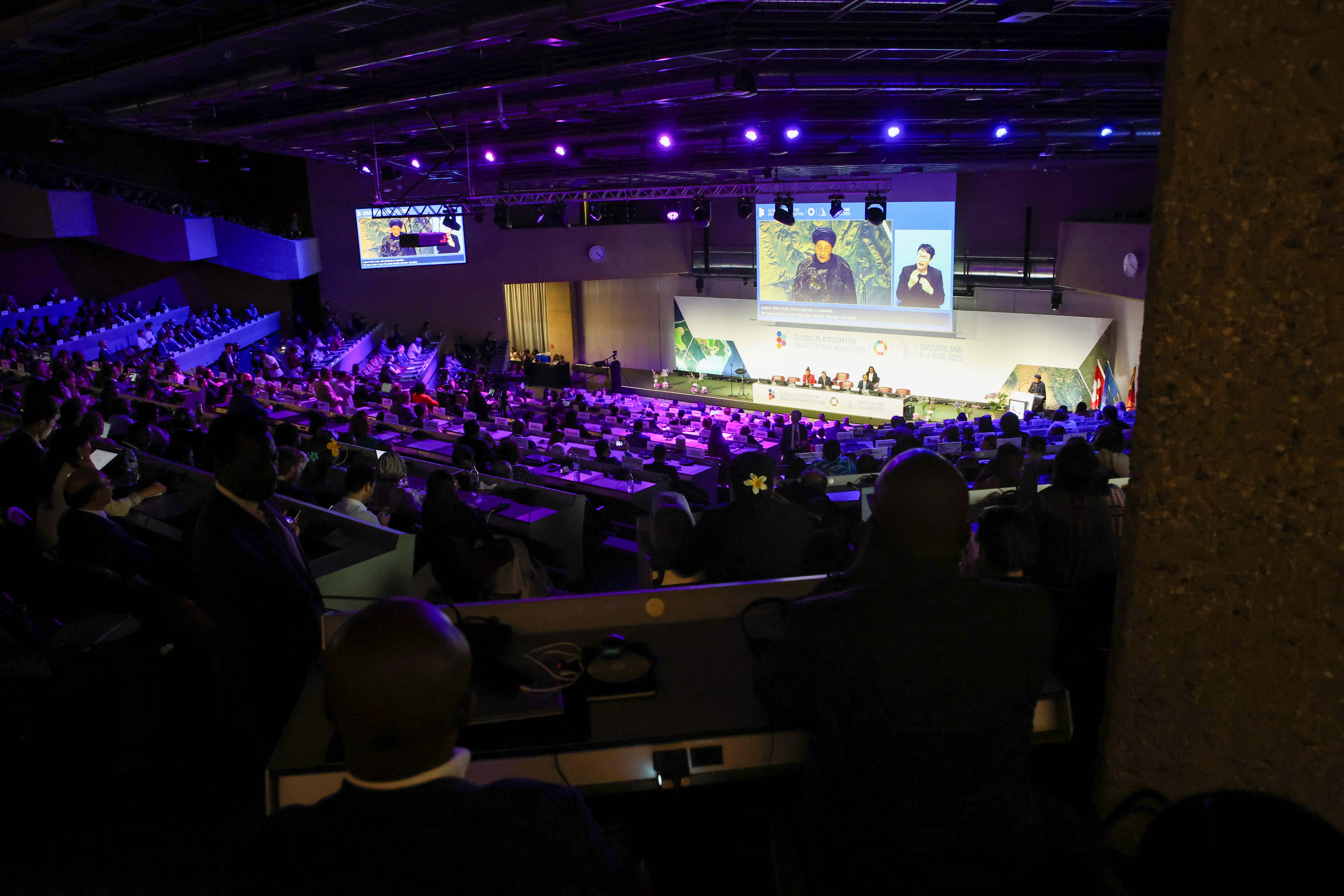
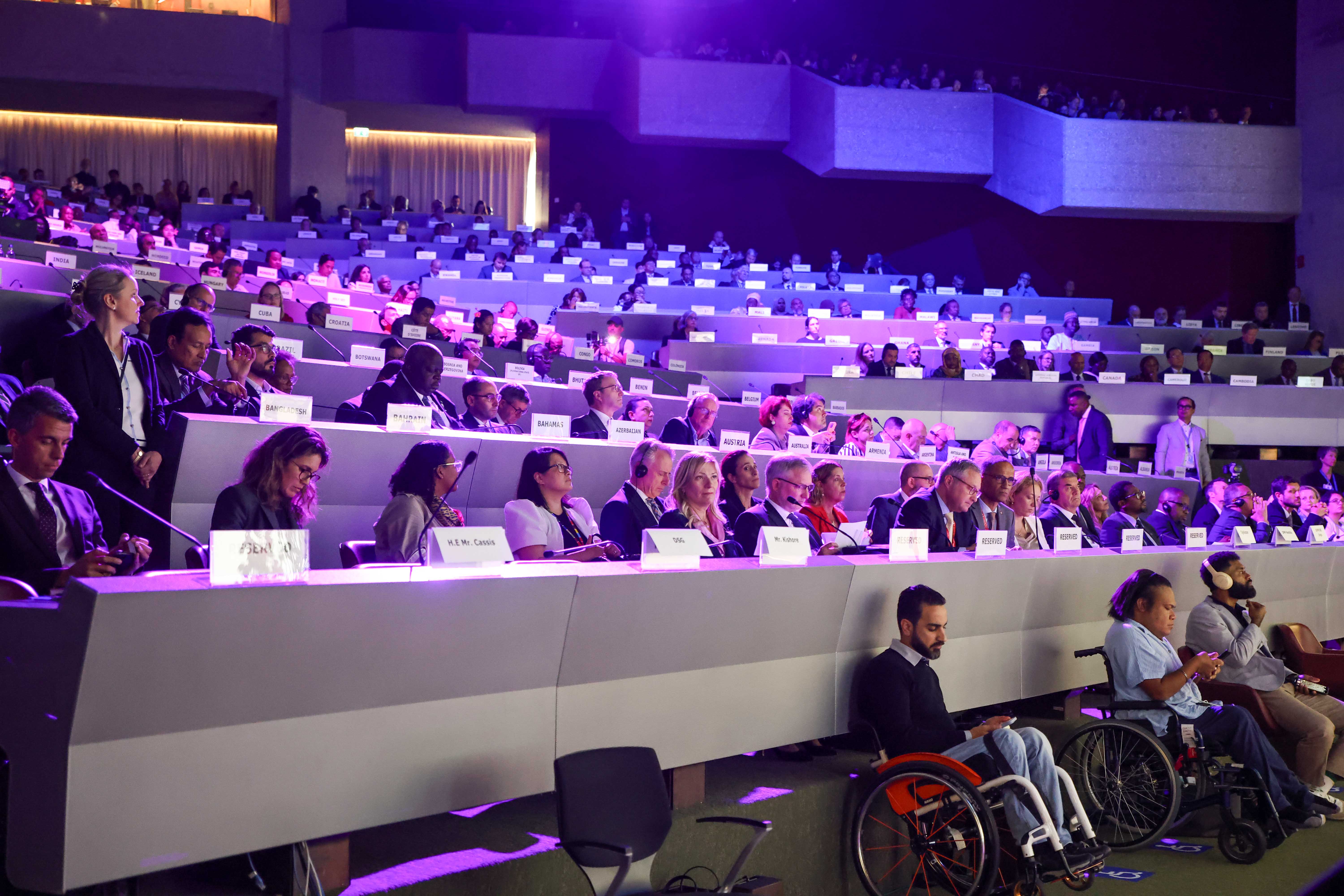
View of the room
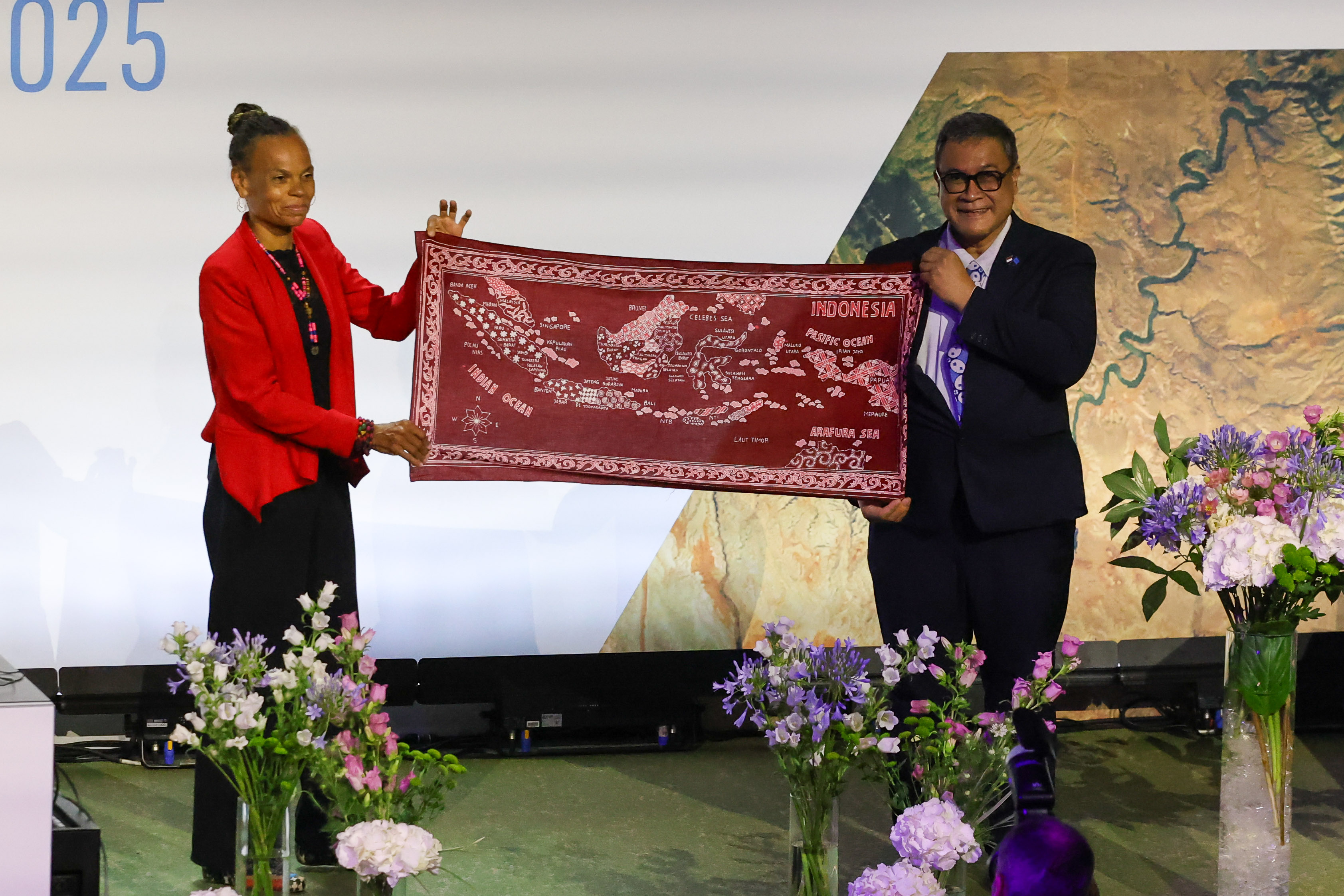
Patricia Danzi, Swiss Agency for Development and Cooperation, and GPDRR Co-Chair, with Raditya Jati, Deputy Minister, National Disaster Management Authority, Indonesia
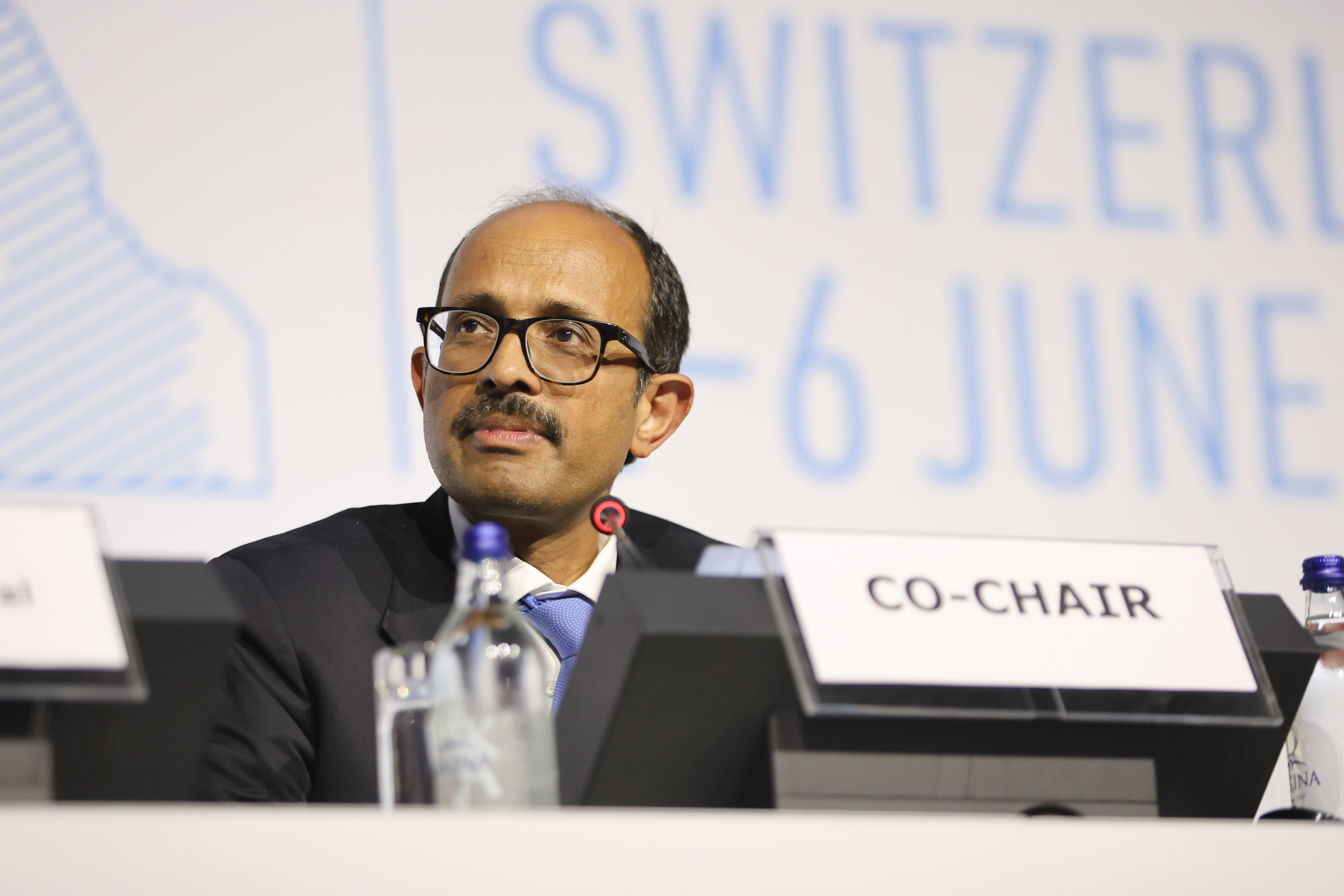
Kamal Kishore, Special Representative of the United Nations Secretary-General for Disaster Risk Reduction, and Head of UNDRR
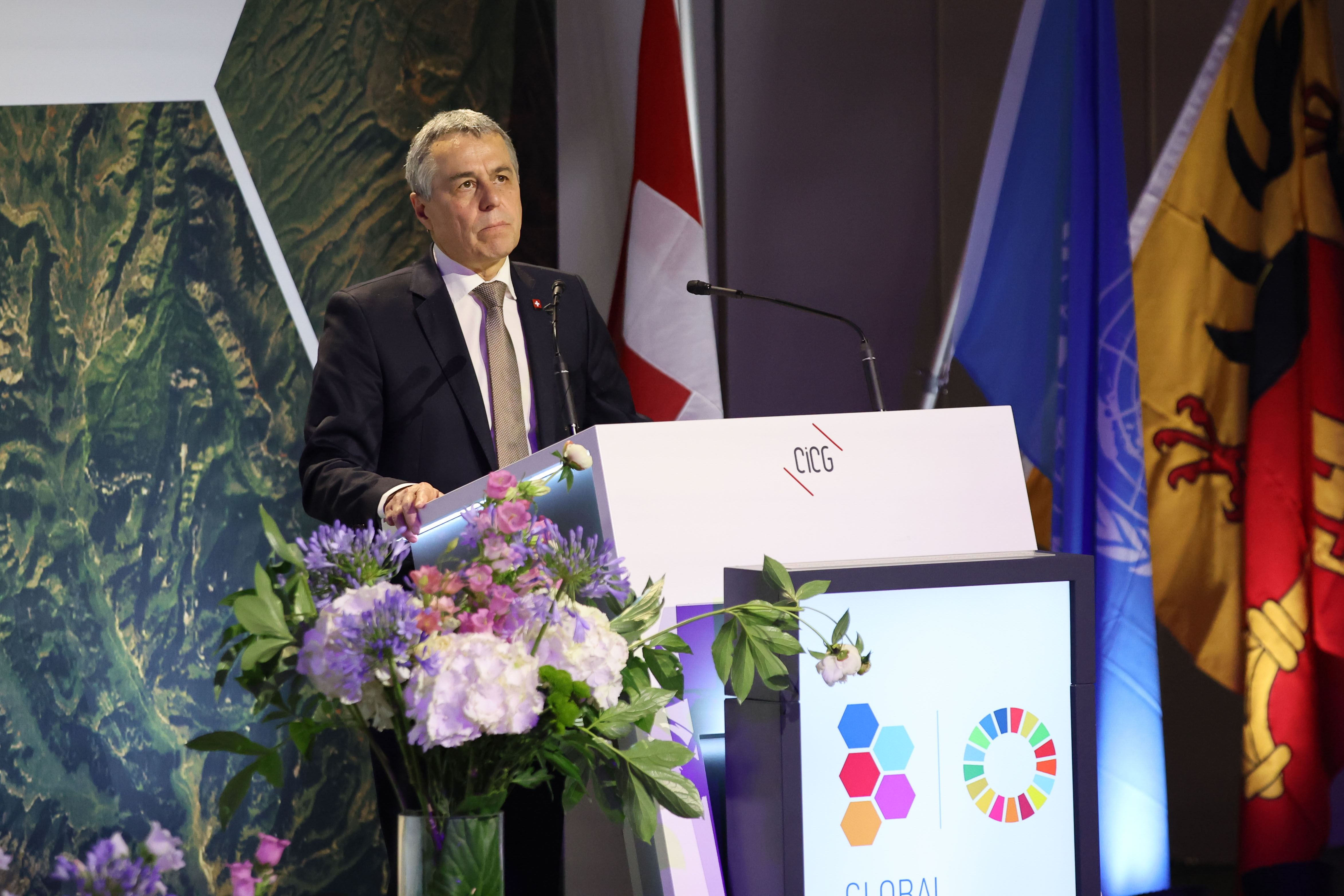
Ignazio Cassis, Minister, Federal Department of Foreign Affairs (FDFA), Switzerland
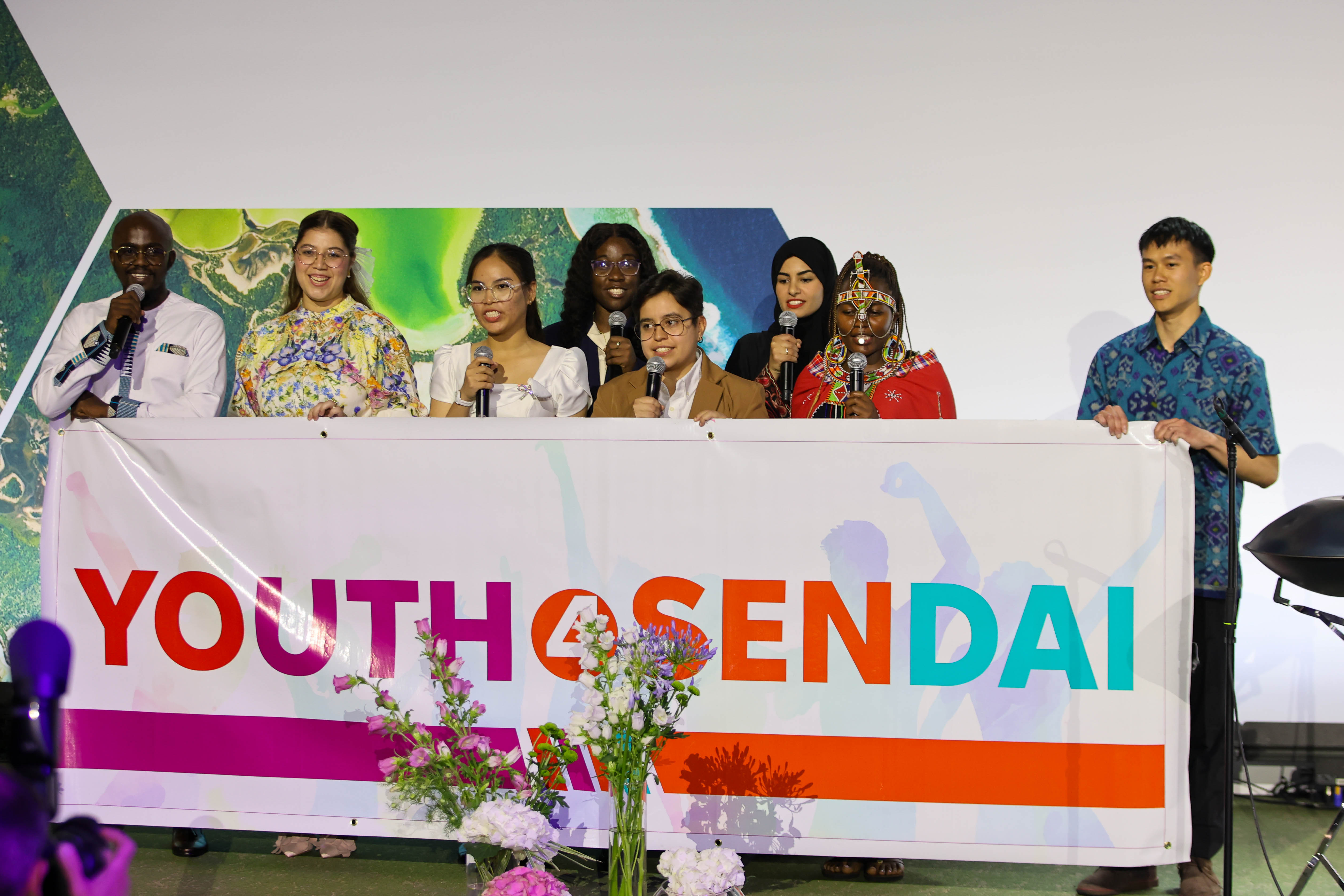
UNDRR Youth Leaders
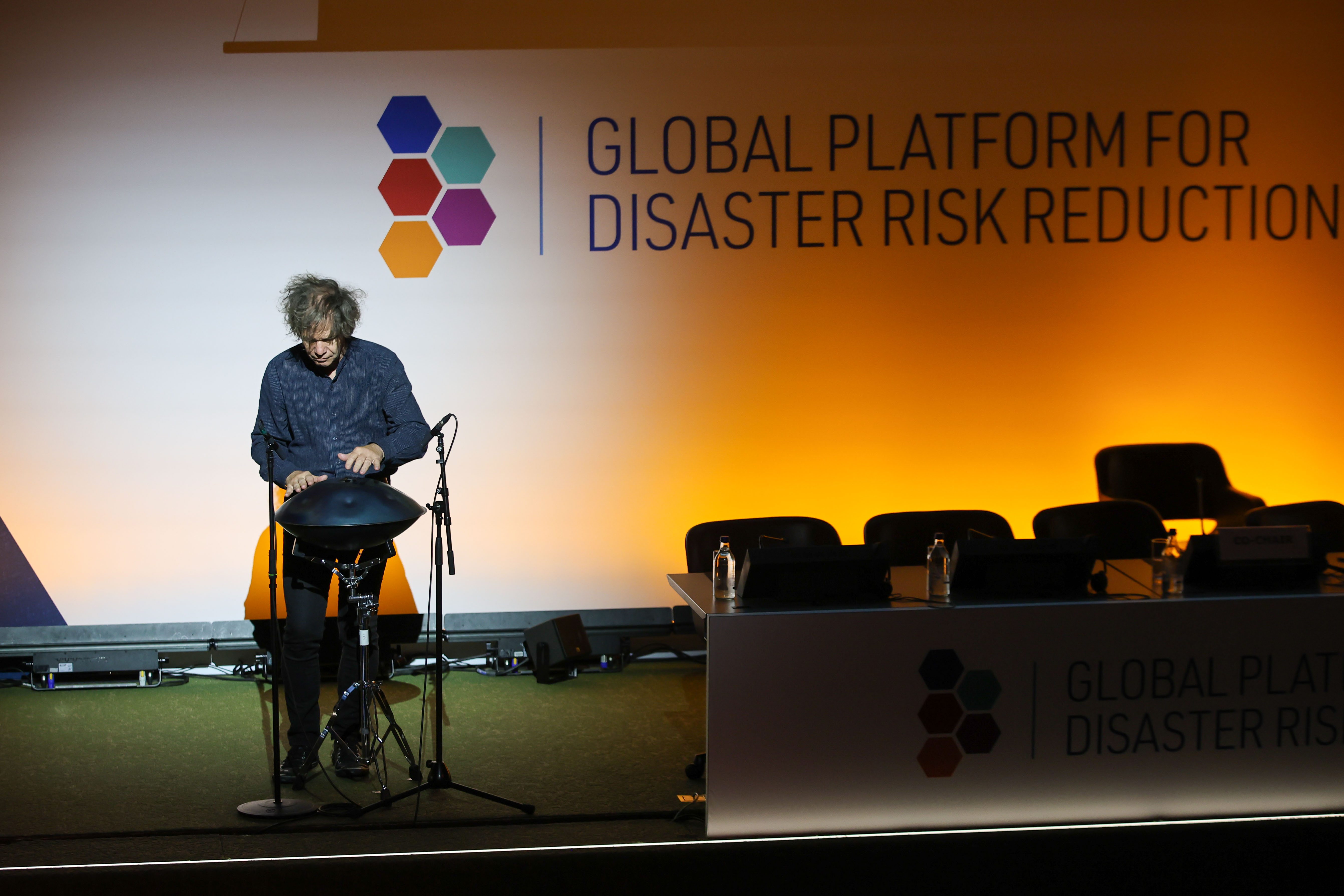
A Hang drum performance concludes the Opening Ceremony.
Official Programme: Dialogue Among National Platforms for DRR – Enhancing DRR governance by 2030
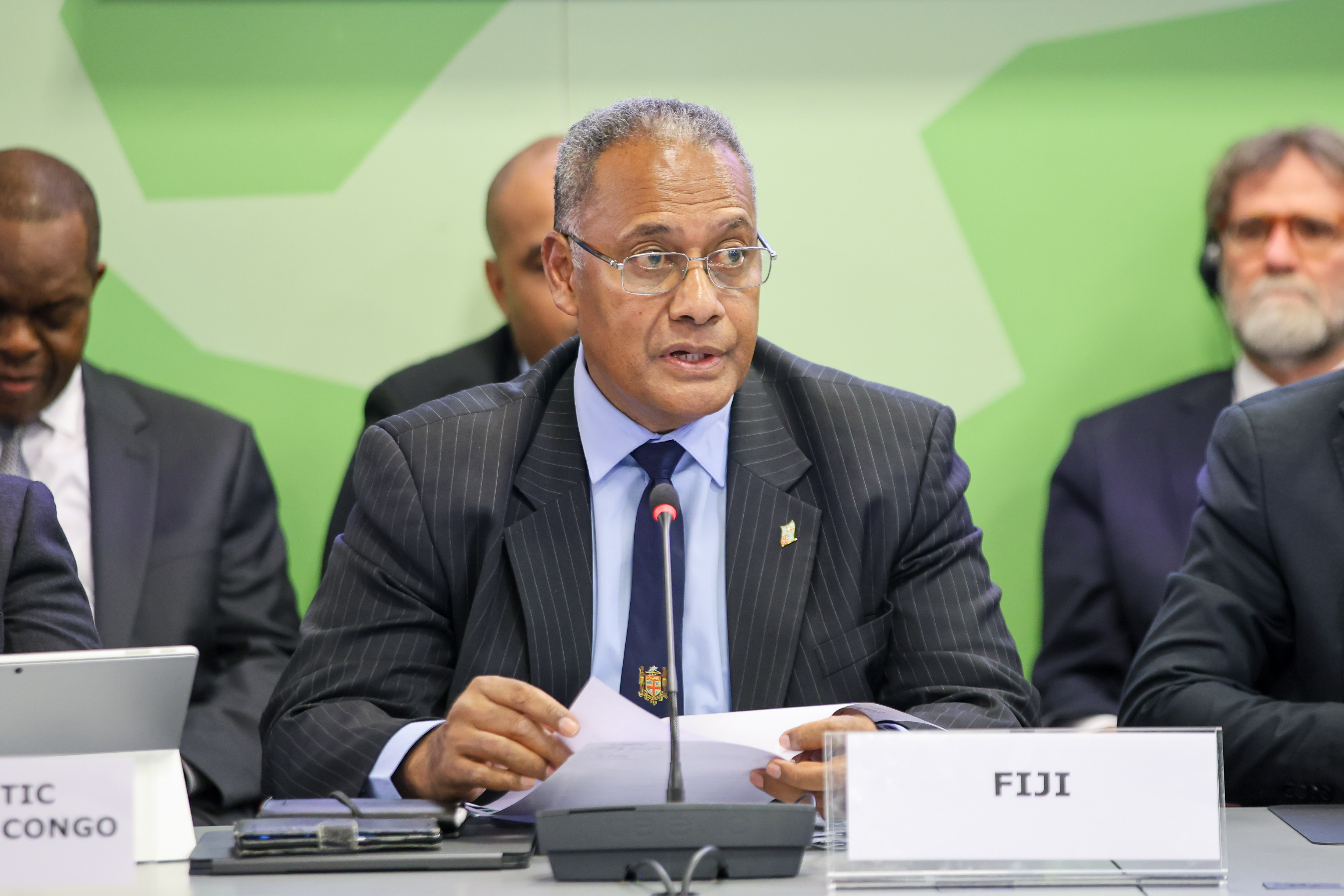
Sakiasi Ditoka, Minister for Rural and Maritime Development and Disaster Management, Fiji
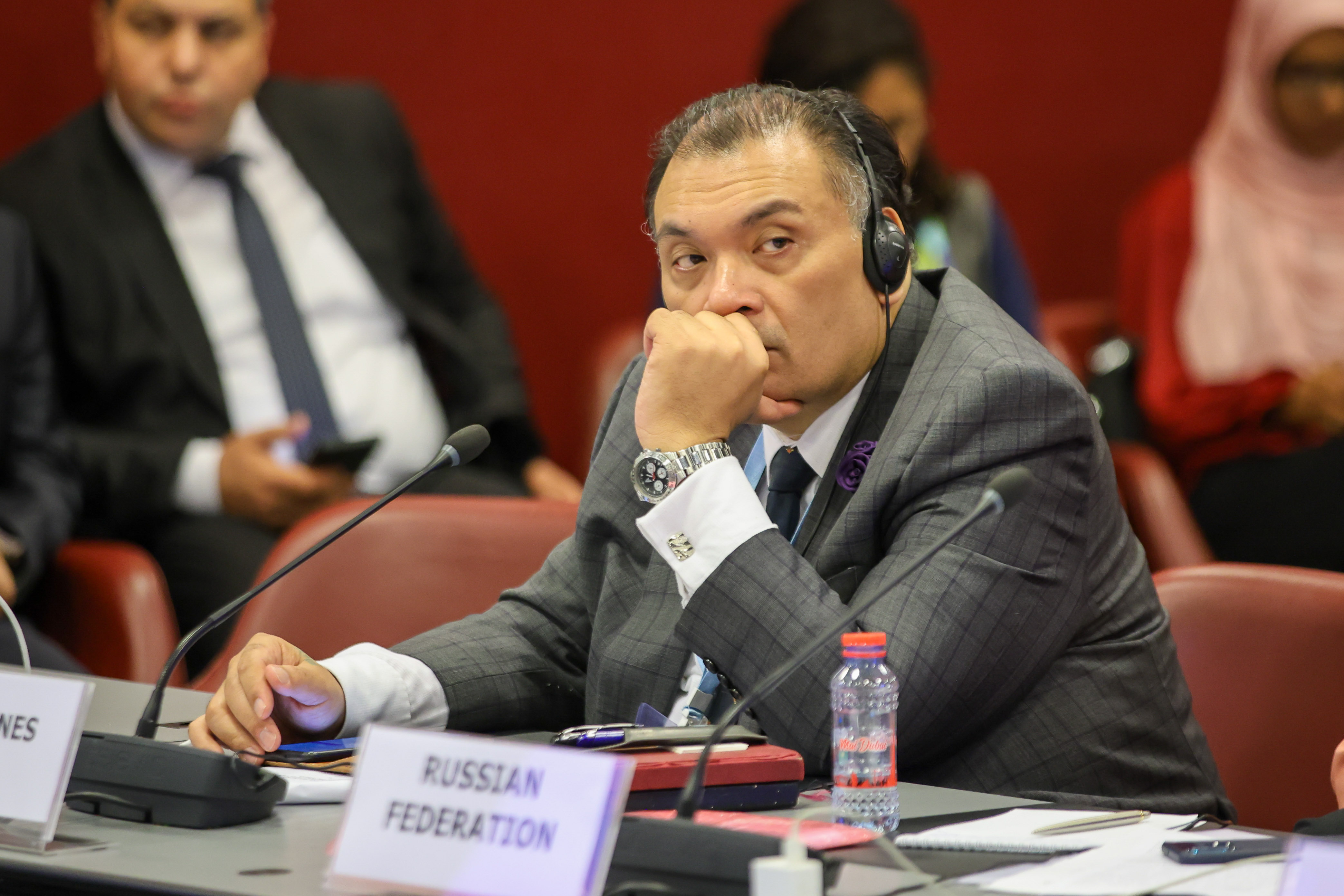
Jesus Domingo, Department of Foreign Affairs, the Philippines
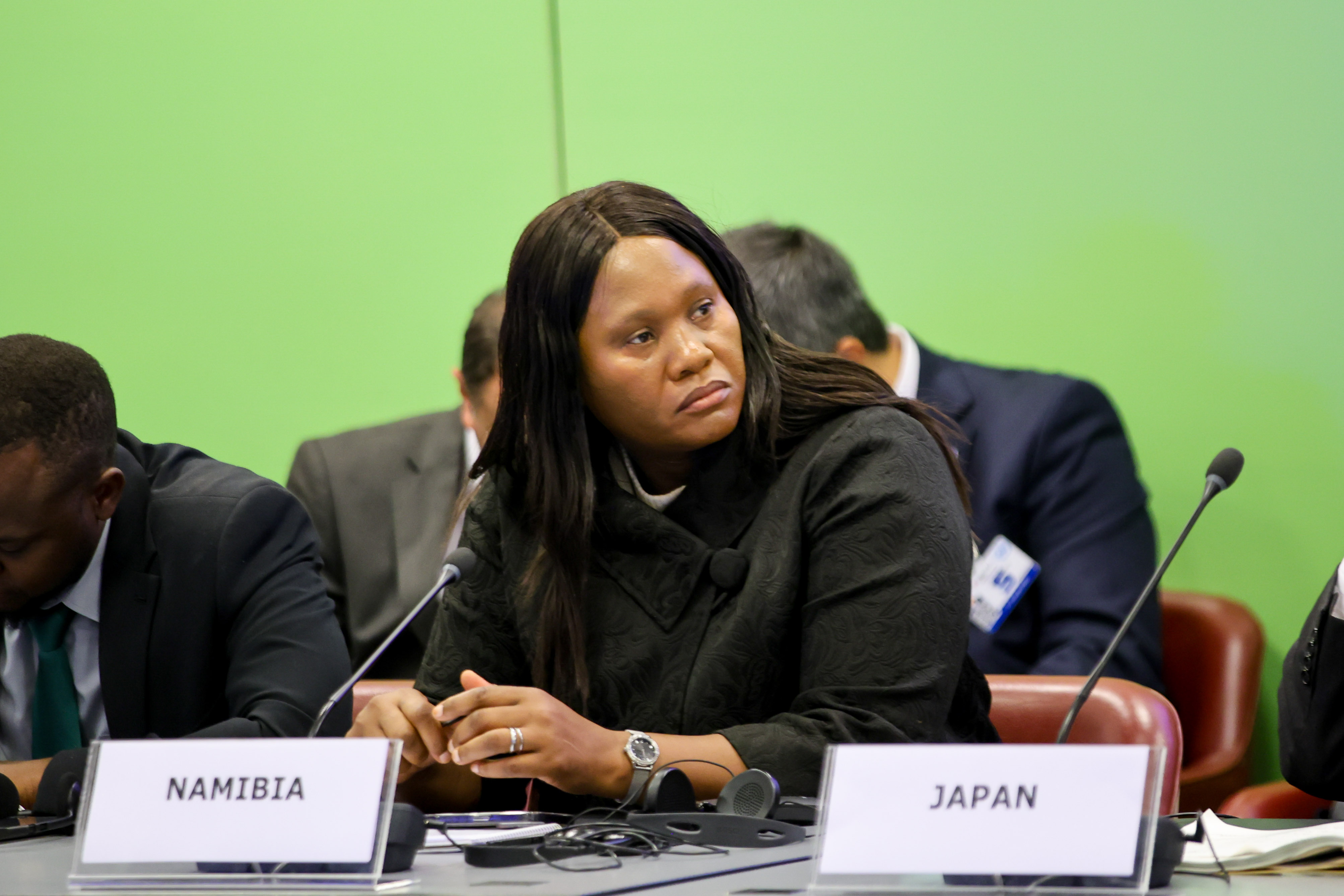
Hellen Likando, Director, Directorate Disaster Risk Management, Office of the Prime Minister, Namibia
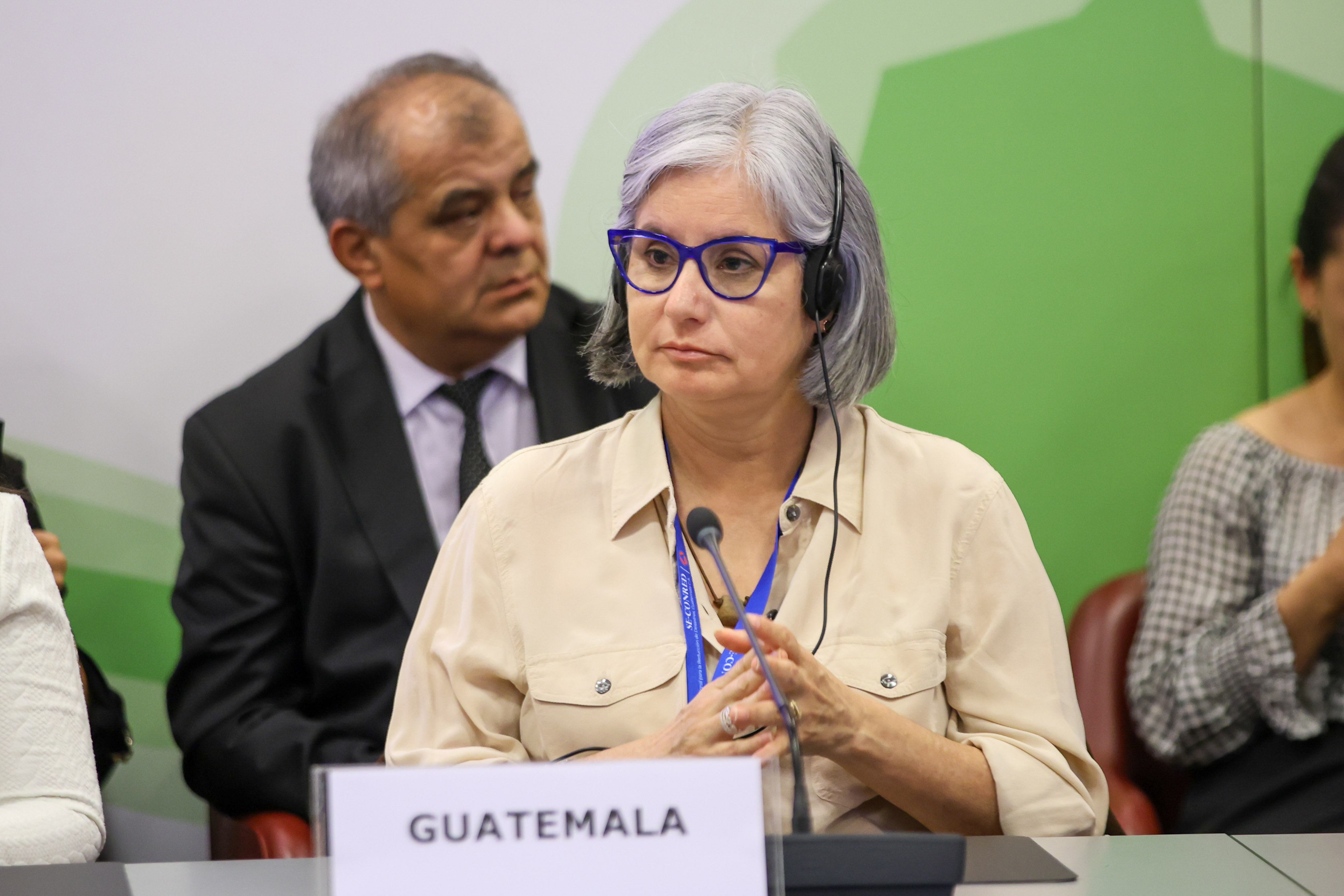
Claudinne Ogaldes, Guatemala
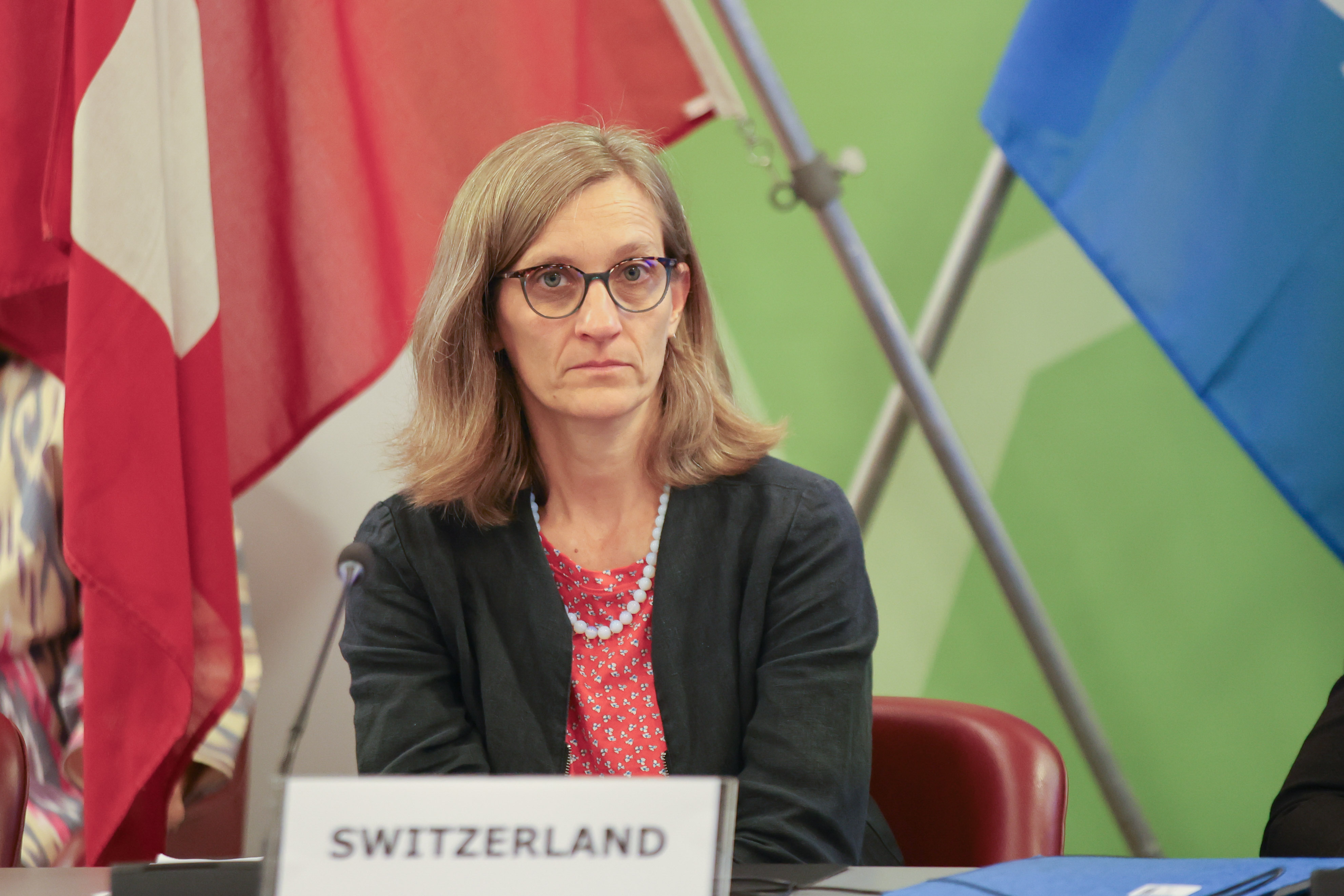
Franziska Schmid, Swiss National Platform for Natural Hazards
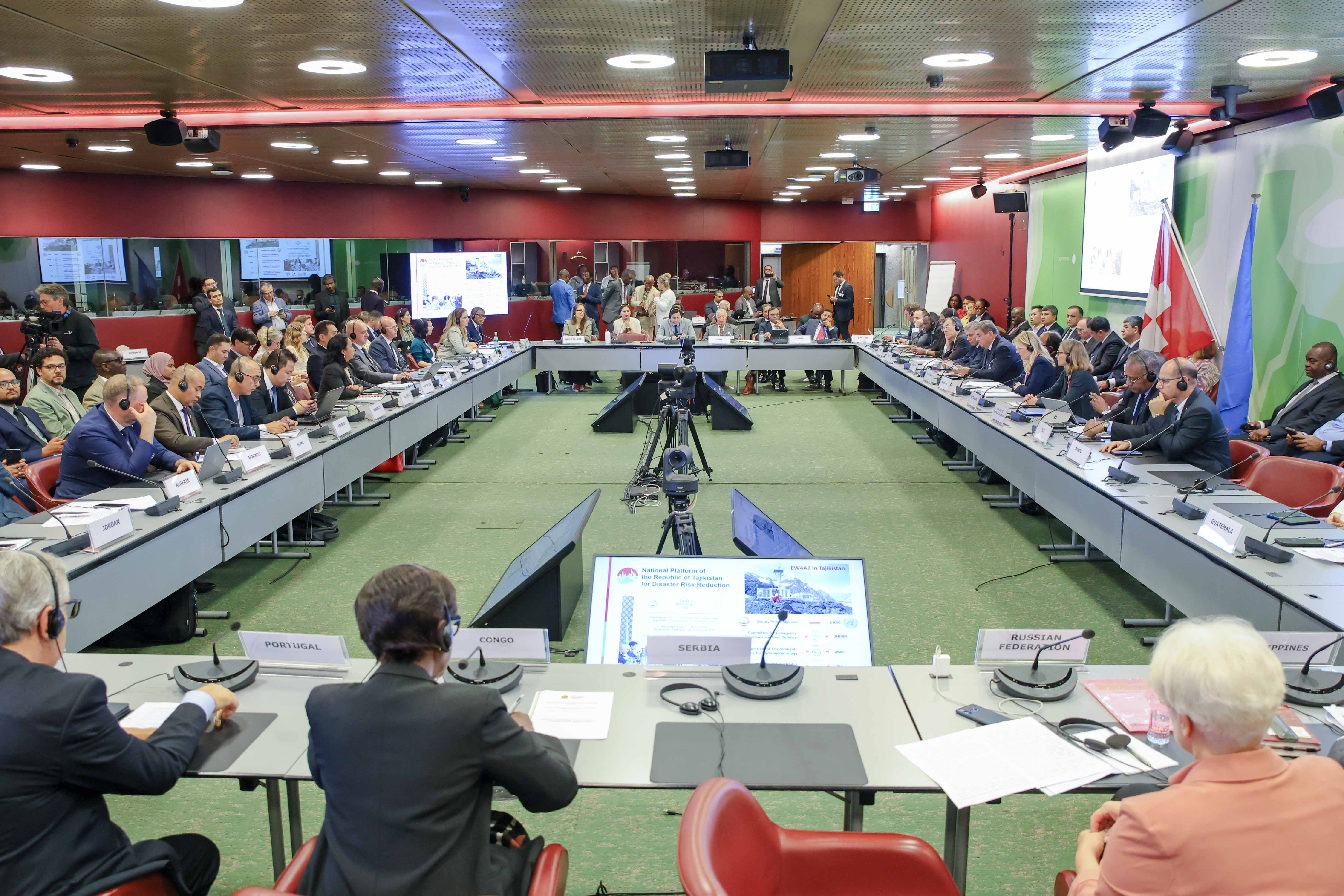

Stakeholder Forum: Spotlight Session - Early Warnings for All
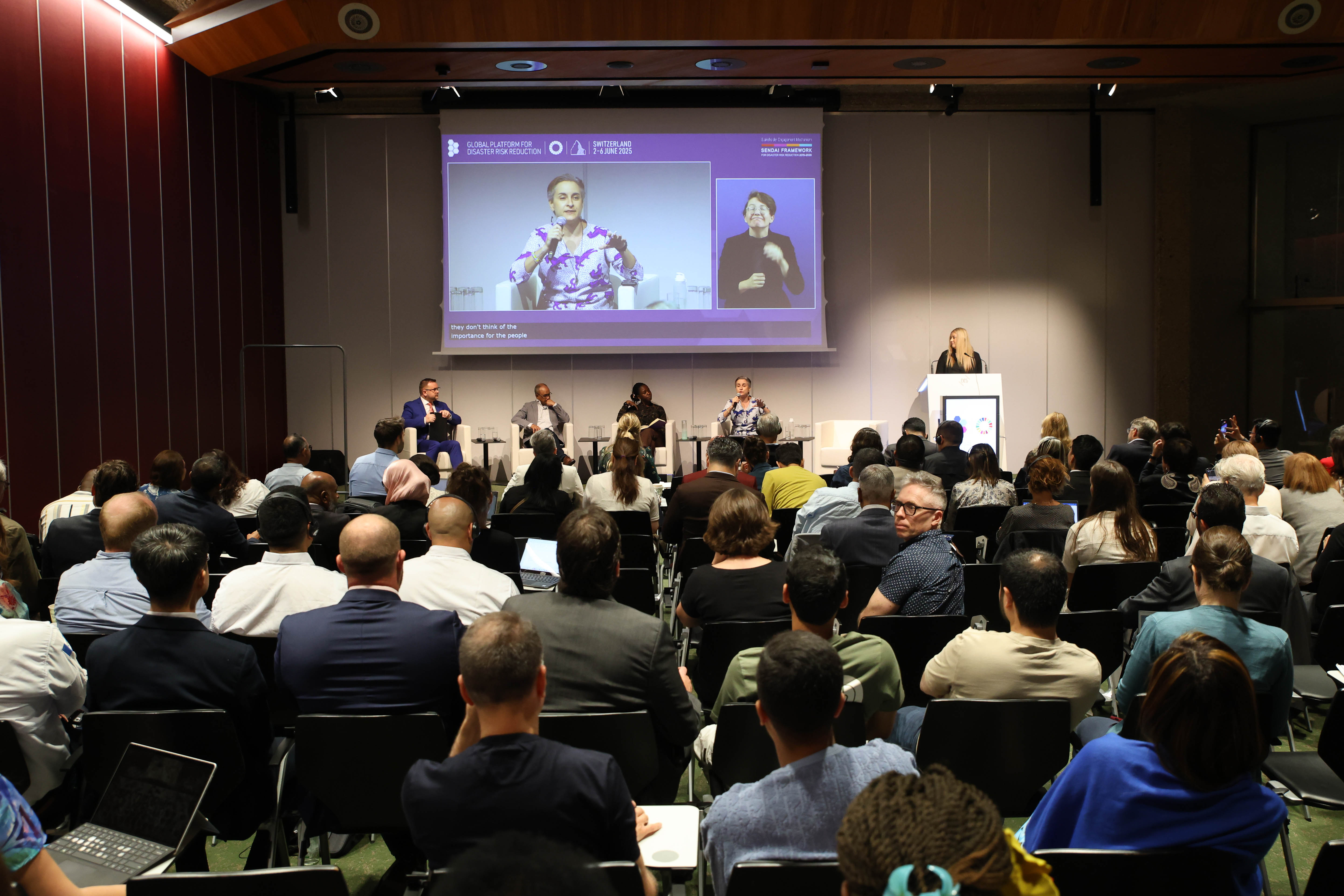
View of the room
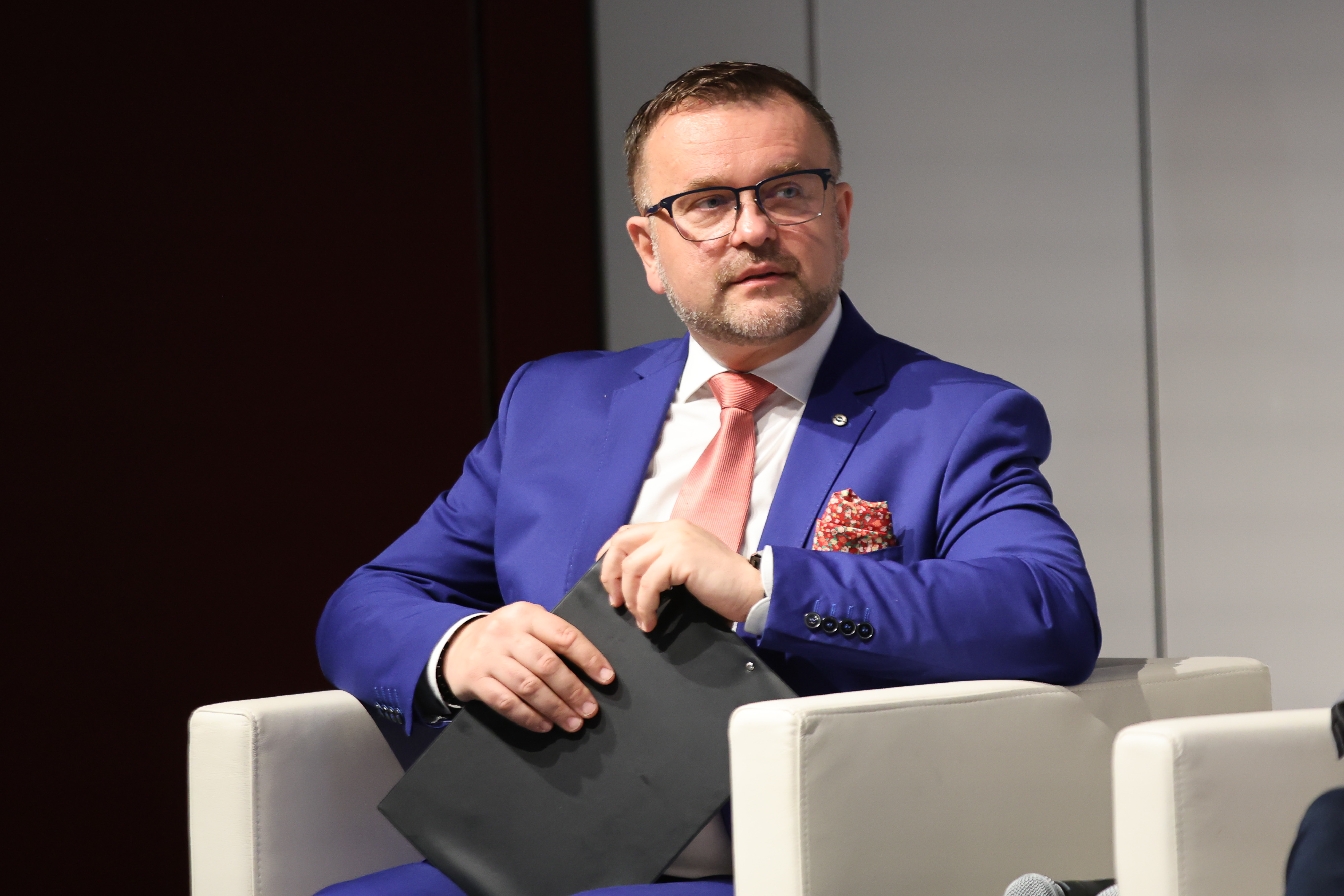
Michał Robert Chołody, The Right Bite
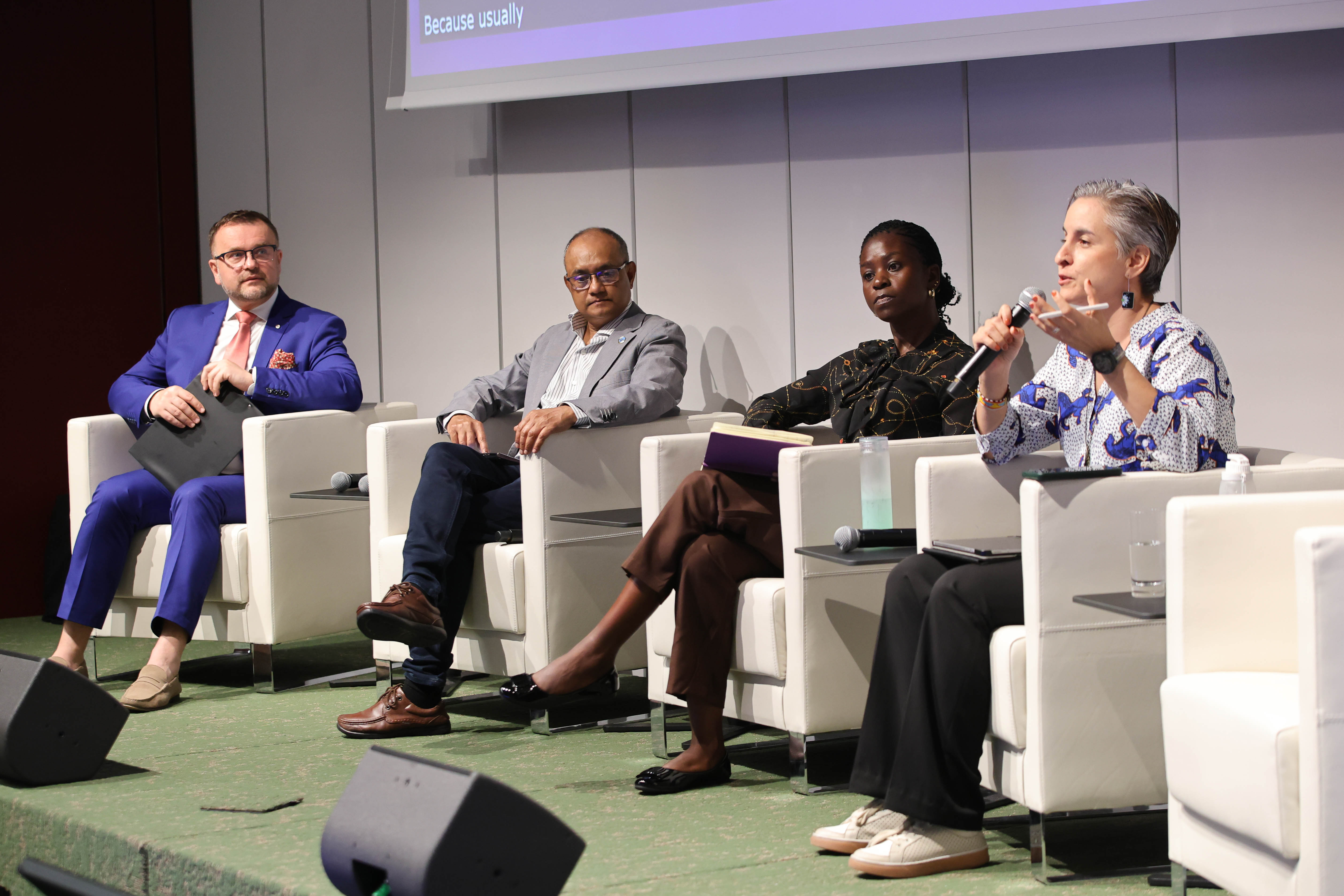
View of the panel
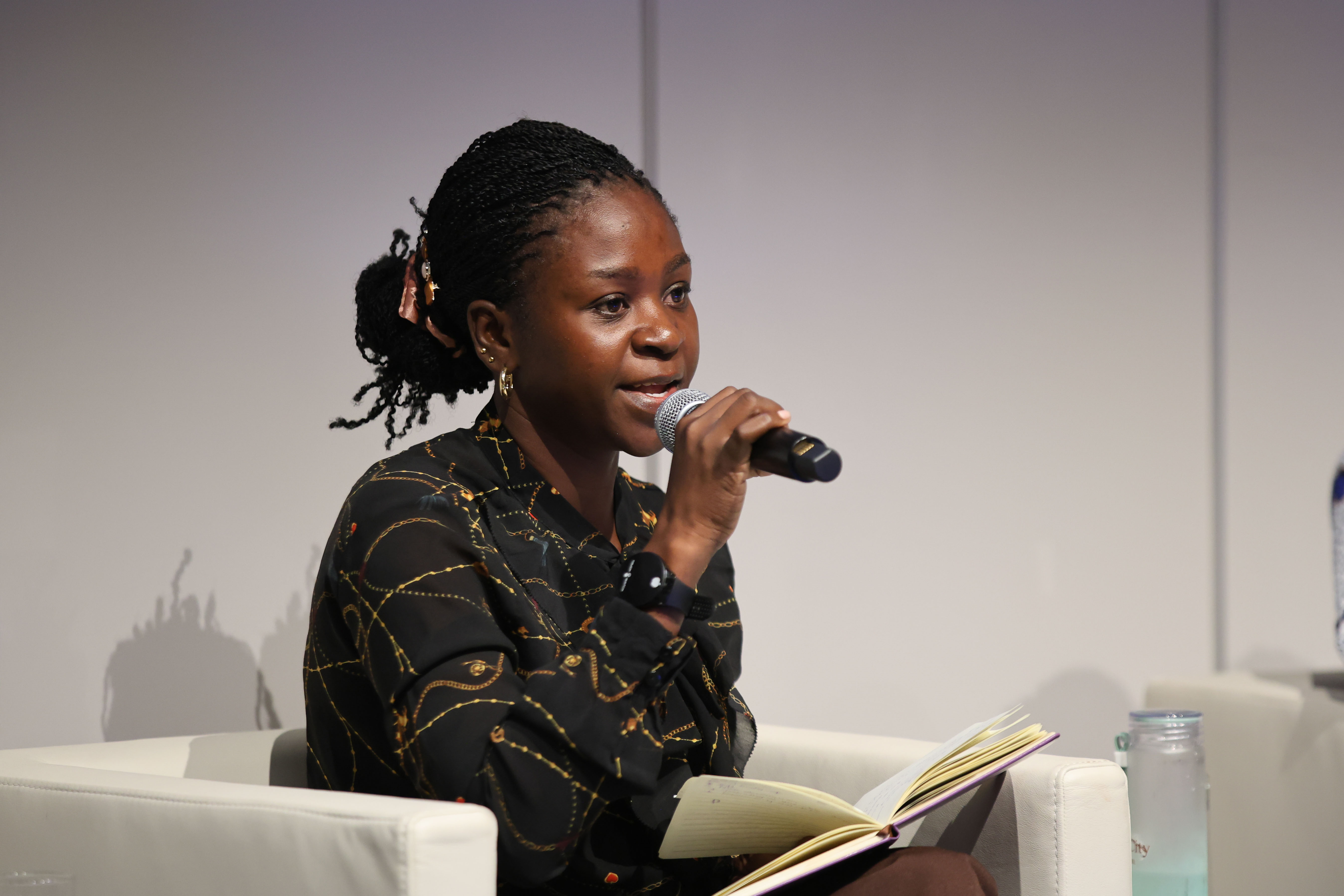
Winnie Atieno Okoth, Tinada Youth Action Africa
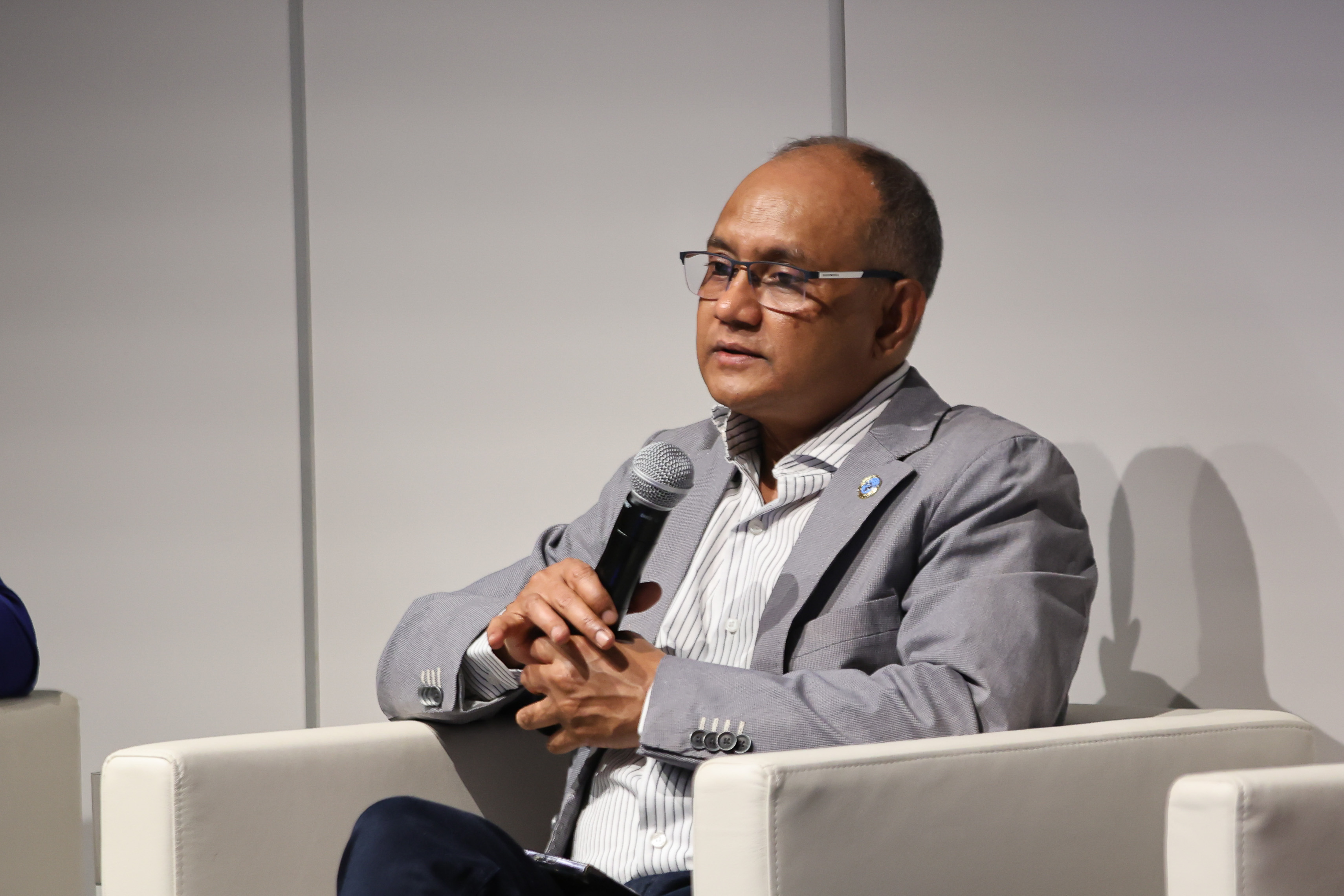
Shamim Arfeen, An Organisation for Socio-Economic Development (AOSED)
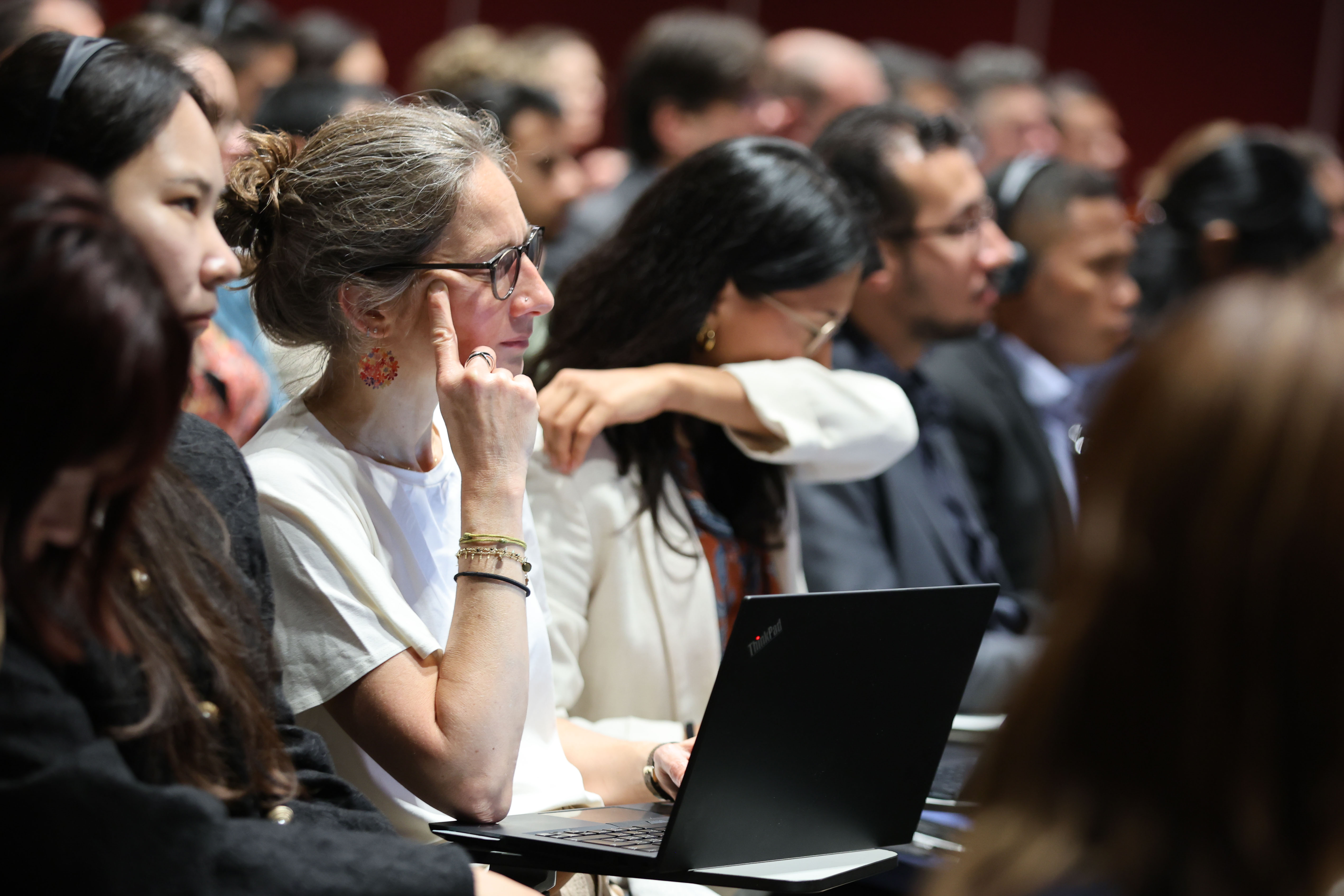
Participants listening to the presentations
Stakeholder Forum: Bridging the Gap - Critical Media’s Role in Strengthening Alerts and Enhancing Disaster Preparedness
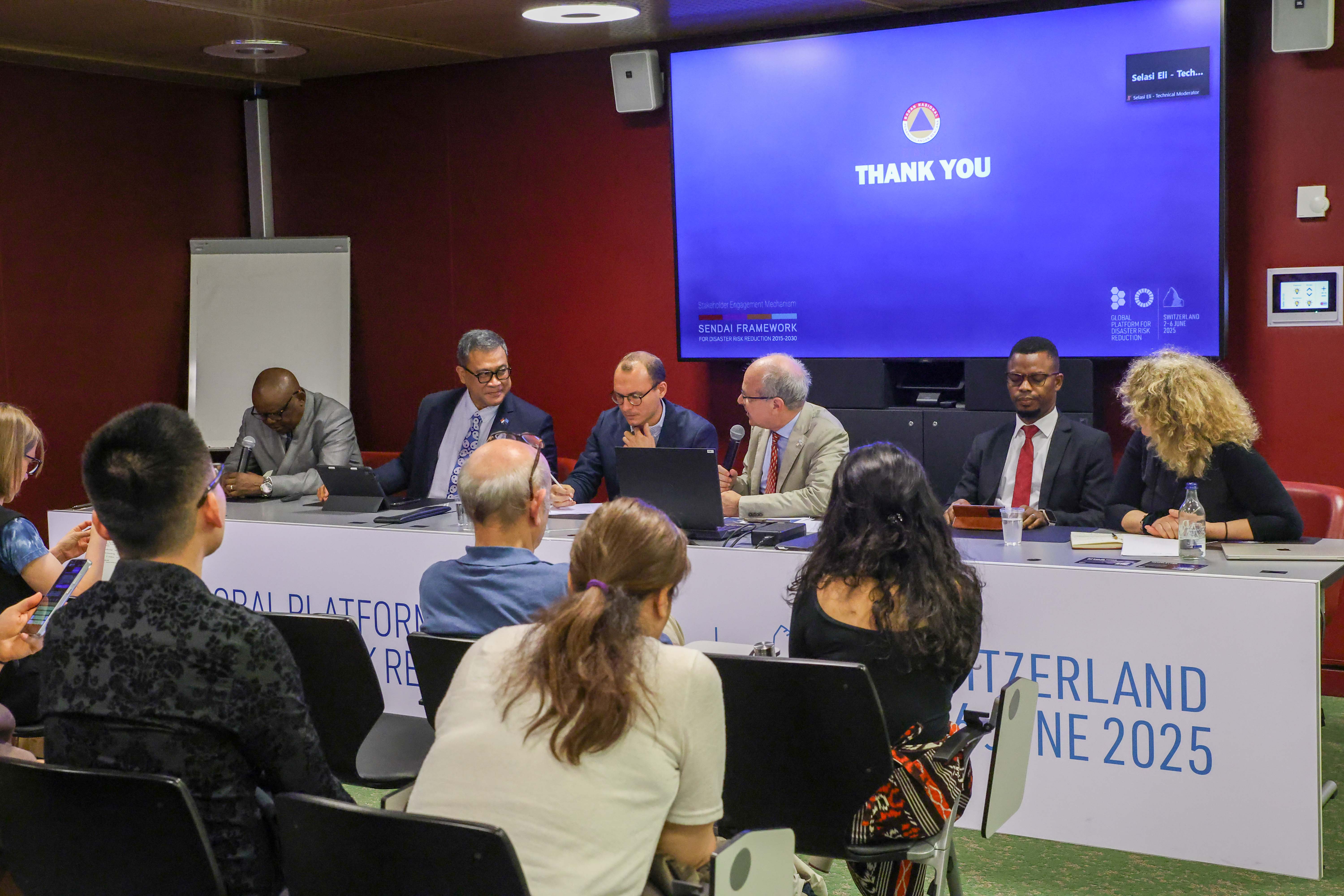
View of the panel
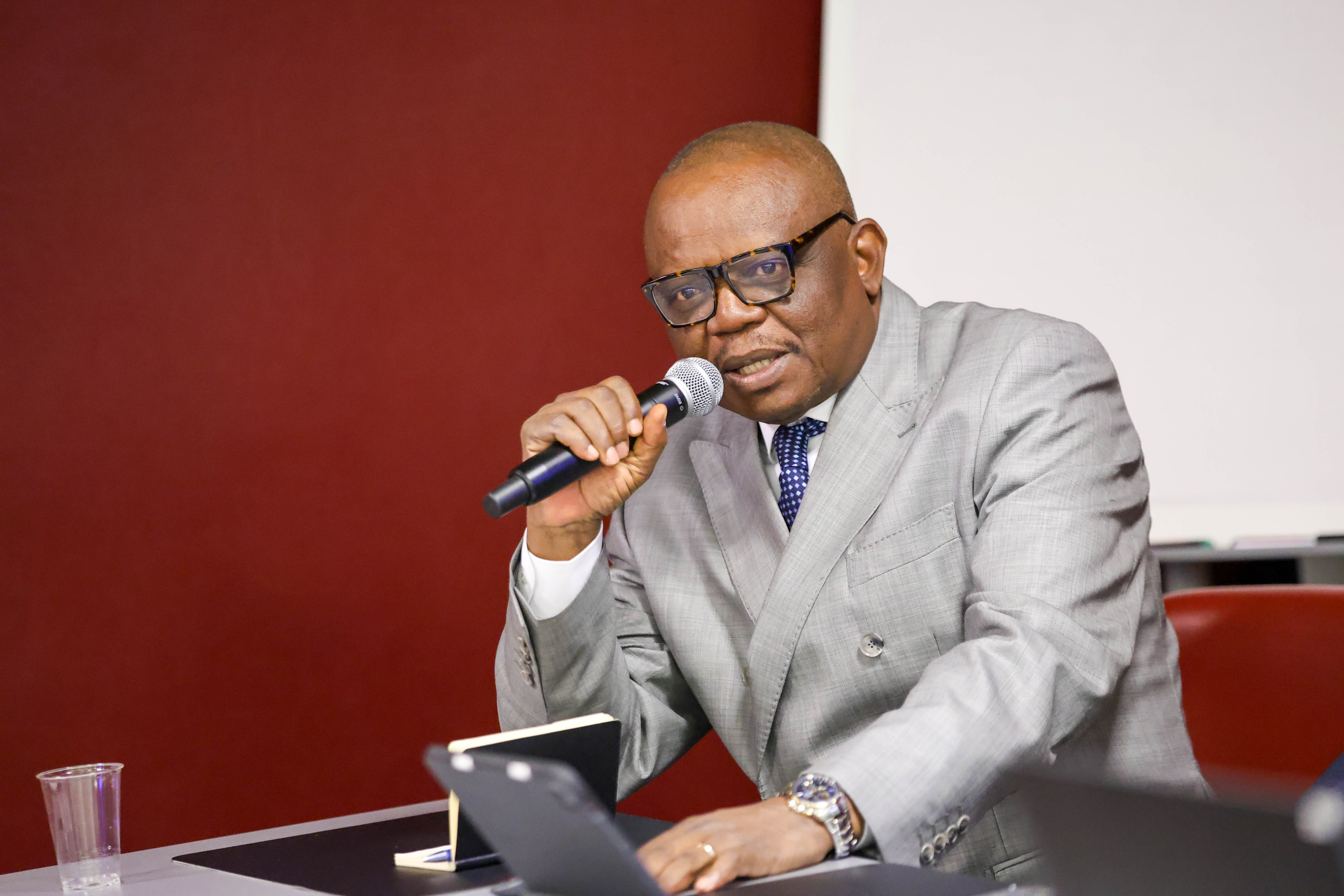
Grégoire Ndjaka, African Union of Broadcasting (AUB)

Raditya Jati, Deputy Minister, National Disaster Management Authority, Indonesia


Stakeholder Forum: Shaping a Sustainable Tomorrow - Aligning the Sendai Midterm Review with The Pact for the Future
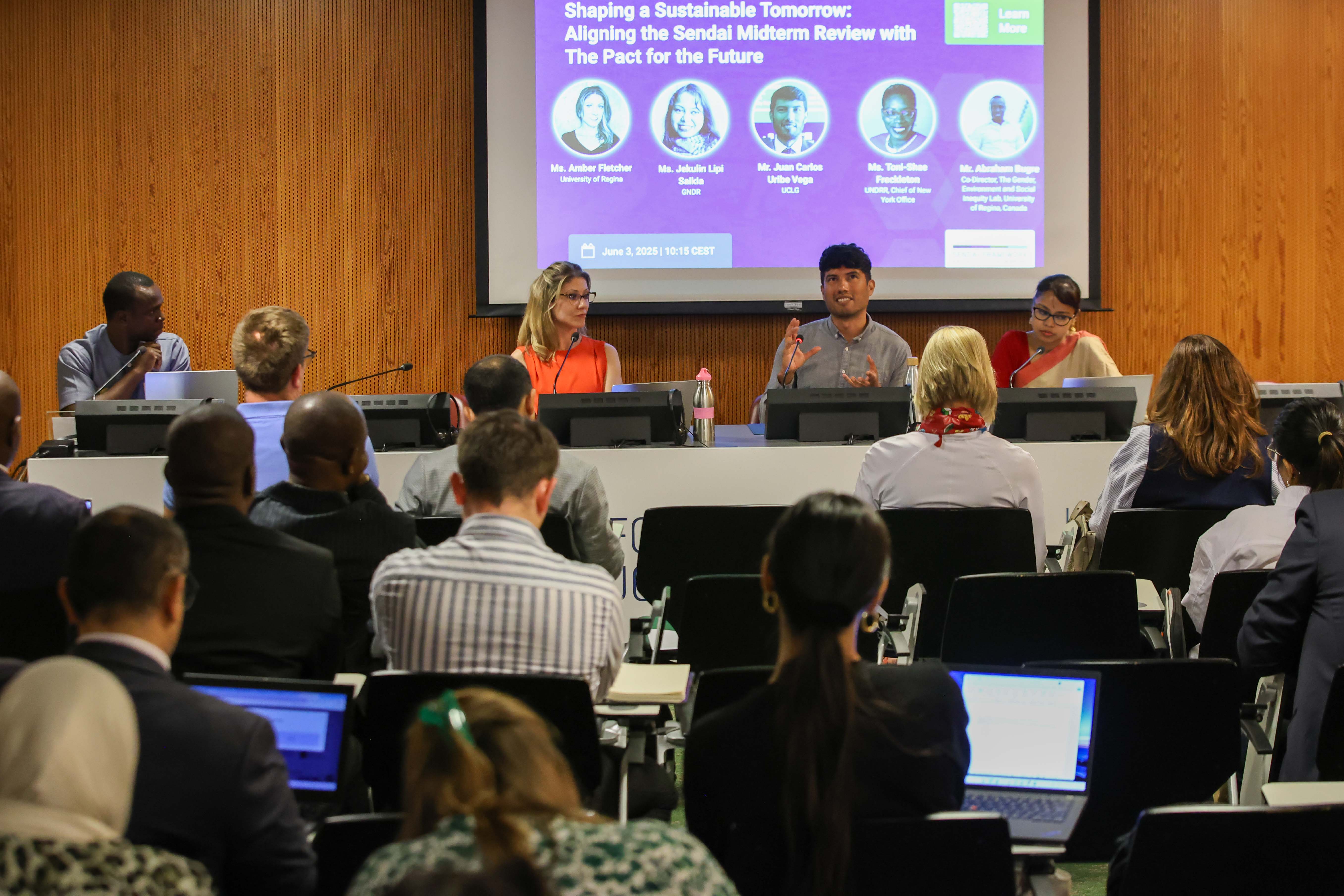
View of the panel
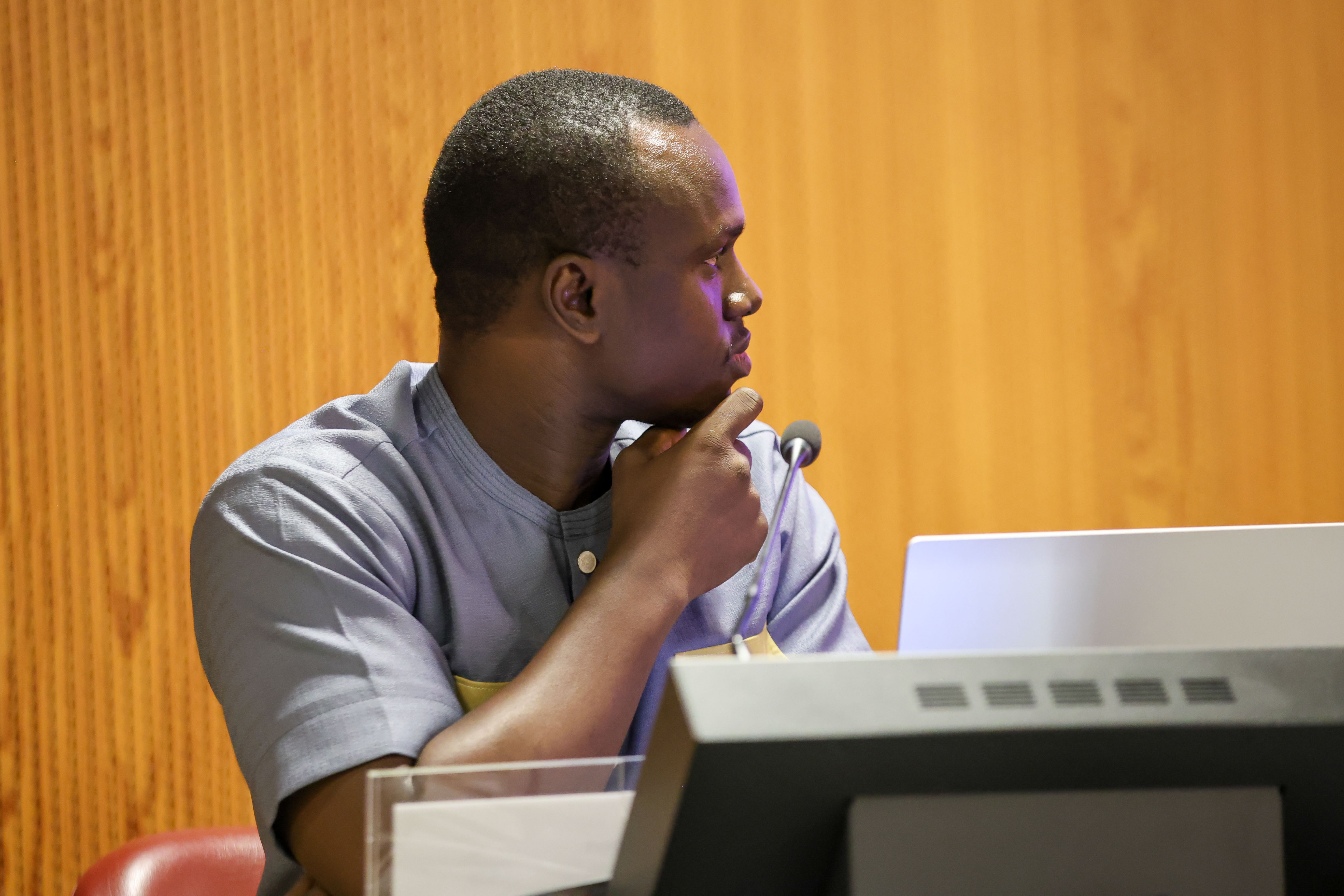
Abraham Bugre, University of Regina

Juan Carlos Uribe Vega, United Cities and Local Governments (UCLG)
Stakeholder Forum: Closing Session

Tanjir Hossain, UNDRR Stakeholder Engagement Mechanism

Sujit Kumar Mohanty, UNDRR

Jilhane El Gaouzi, African Union Commission

View of the room

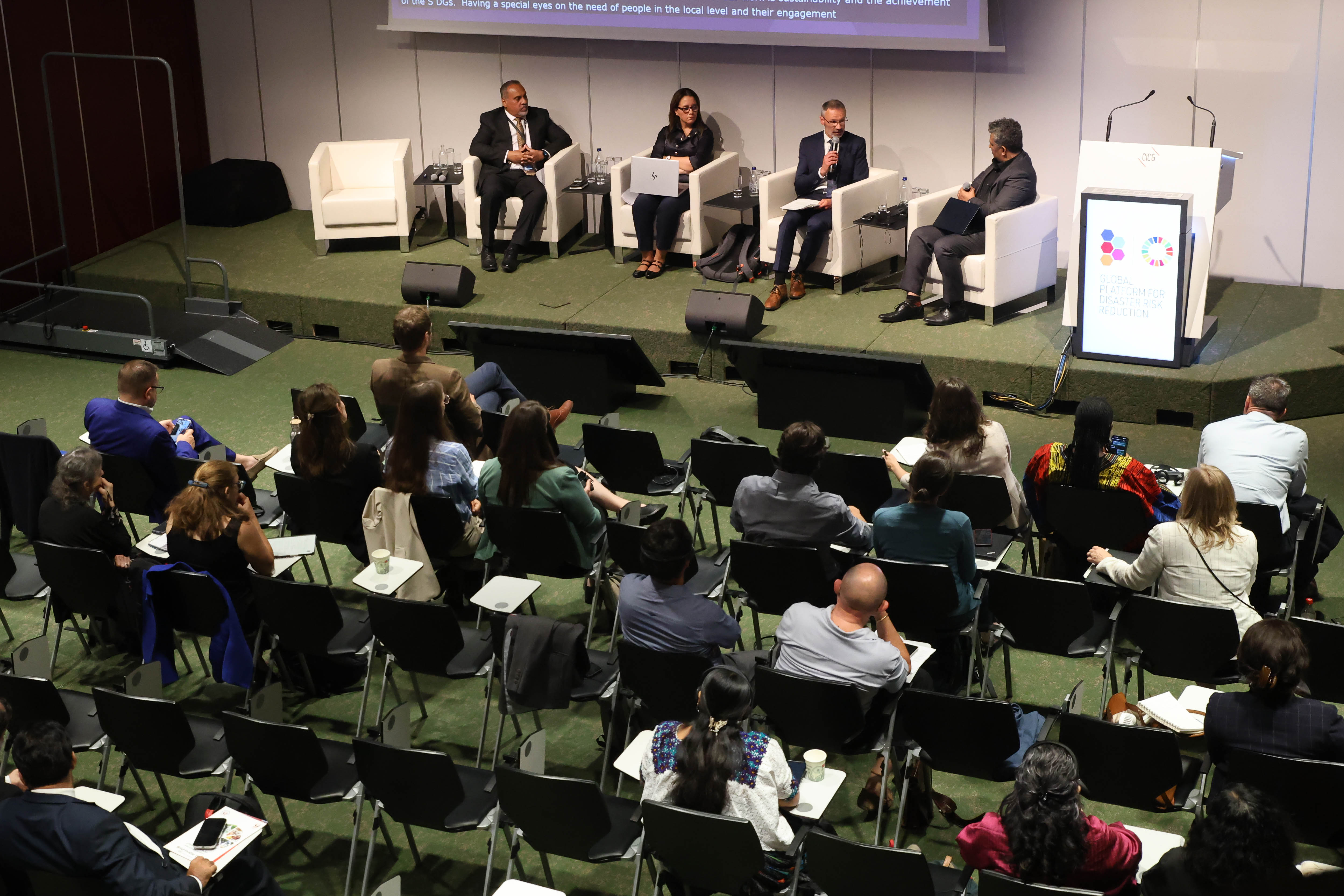
World Resilient Recovery Conference: Taking Stock of Current Recovery Practices

Sujit Kumar Mohanty, UNDRR

Krishna Swaroop Vatsa, National Disaster Management Authority, India

Renato Umali Solidum, Department of Science and Technology, the Philippines
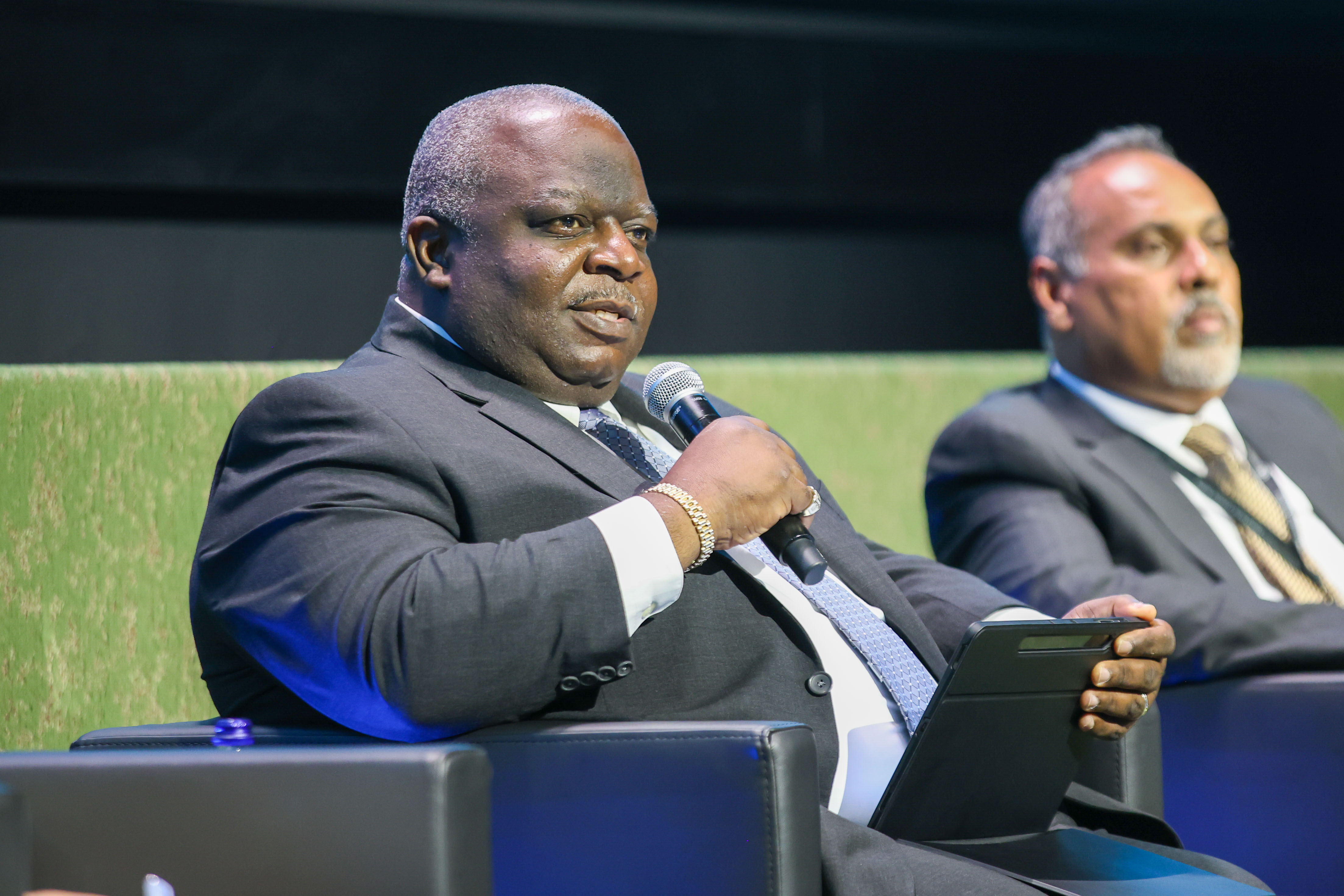
Leon Lundy, Minister, State Office, The Bahamas

Carolina Fuentes Castellanos, Santiago Network Secretariat

World Resilient Recovery Conference: Thematic Session on Restoring Livelihood: Solutions for Disaster-Induced Displacement and Resilient Recovery
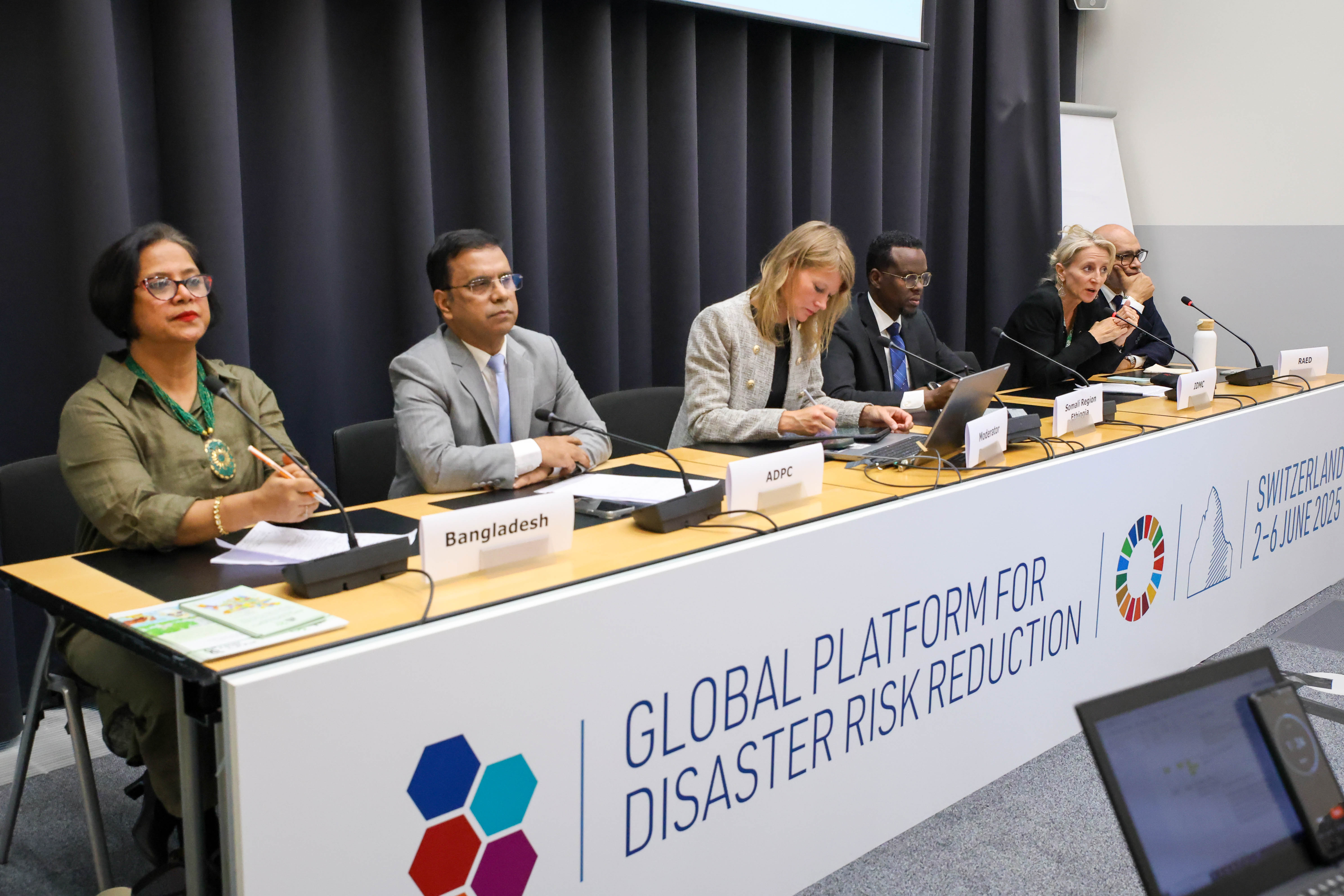
View of the panel
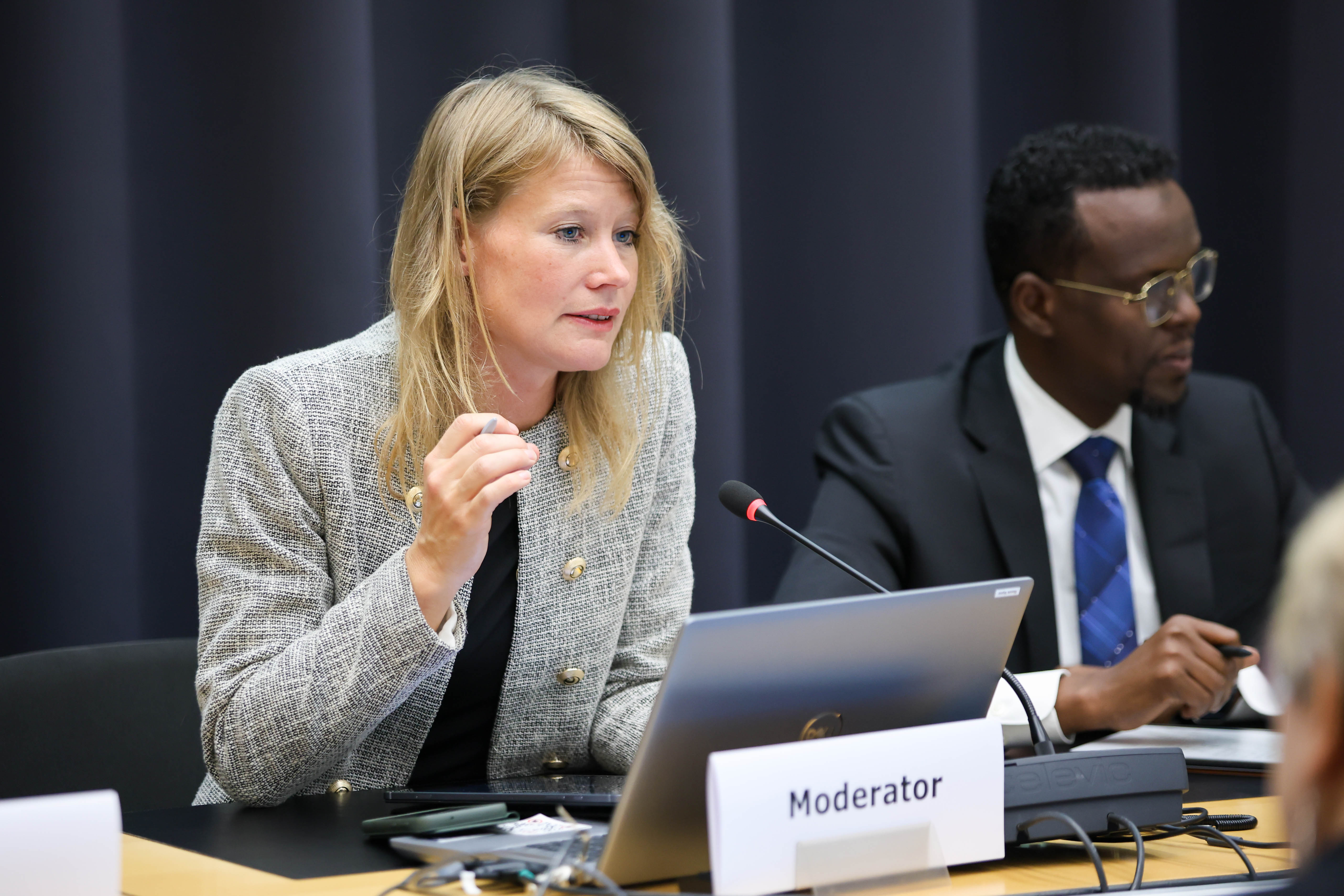
Mona Folkesson, Solutions Hub
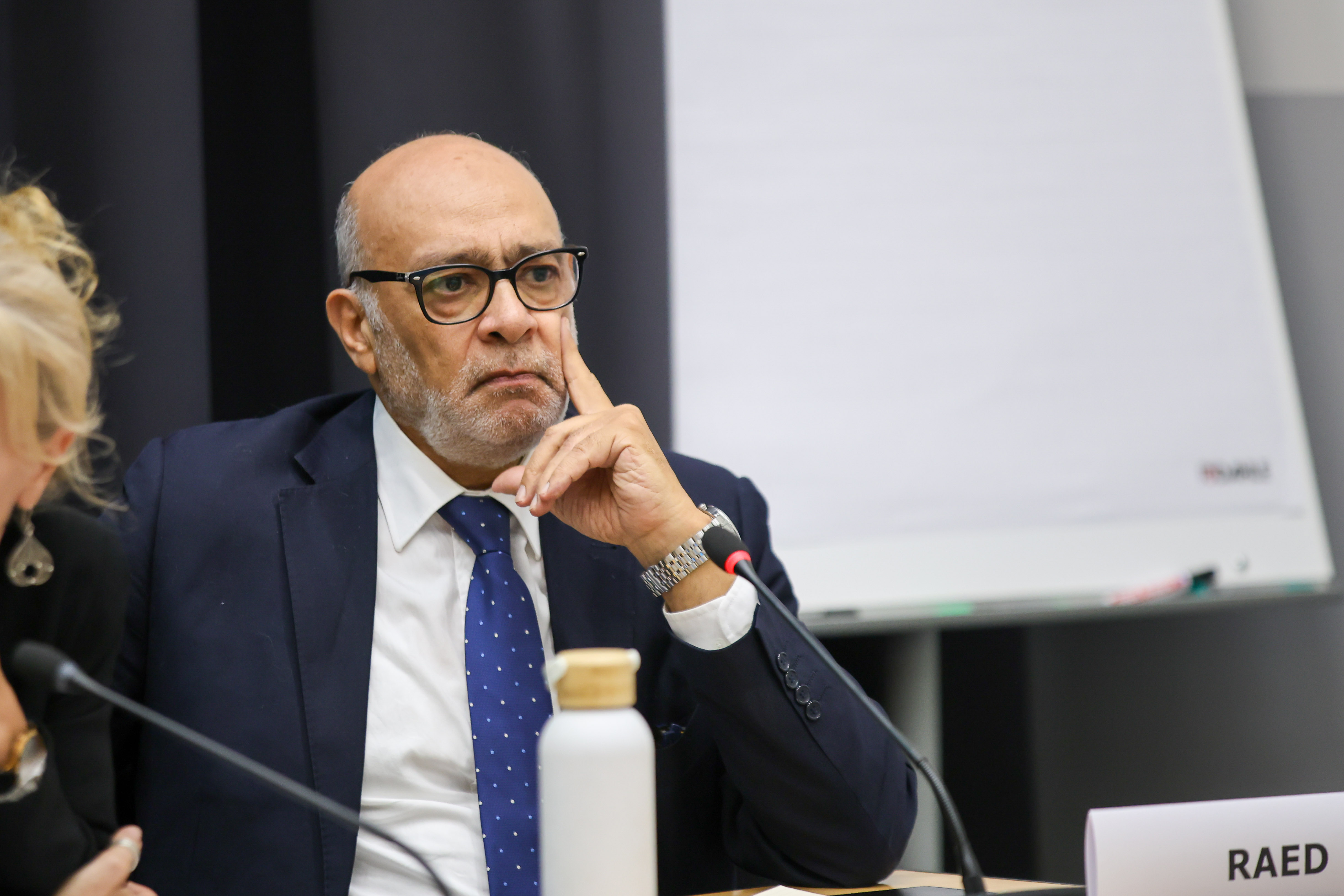
Emad Adly, Arab Network for Environment and Development (RAED)

Tasneem Siddiqui, University of Dhaka

Alexandra Bilak, Internal Displacement Monitoring Centre (IDMC)
World Resilient Recovery Conference: Thematic Session on The Critical Role of Private Sector's Operational Readiness for Resilient Recovery
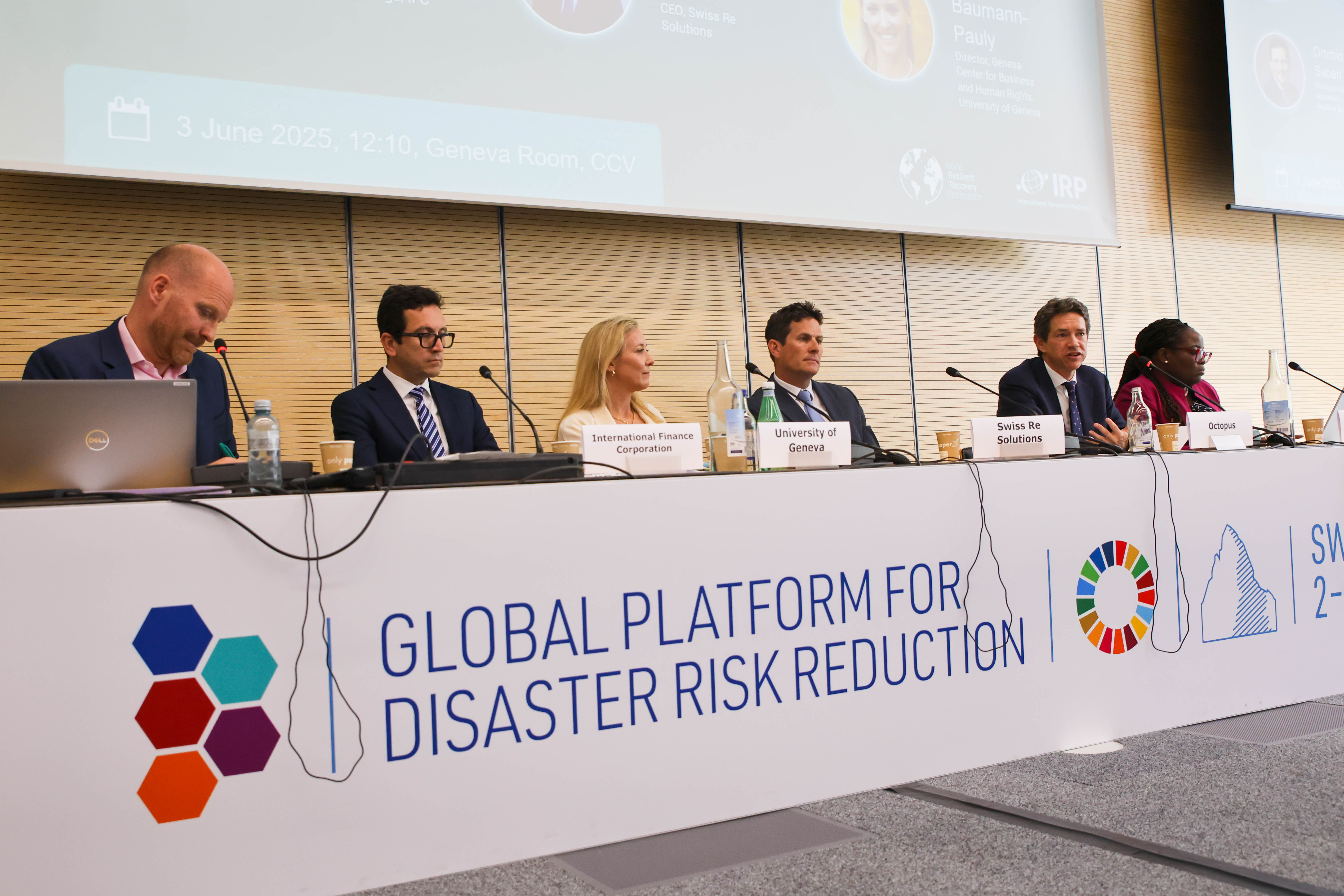
View of the panel

Dorothee Baumann-Pauly, University of Geneva

Jonathan Rake, Swiss Re Solutions

Kerry Hinds, Department of Emergency Management, Barbados

Ommid Saberi, International Finance Corporation

Cédrick Moriggi, Corporate Chief Resilience Officers (CCRO) Network
World Resilient Recovery Conferenece: Thematic Session on Turning Experience into Action: Learning from Large-Scale Disasters

View of the panel
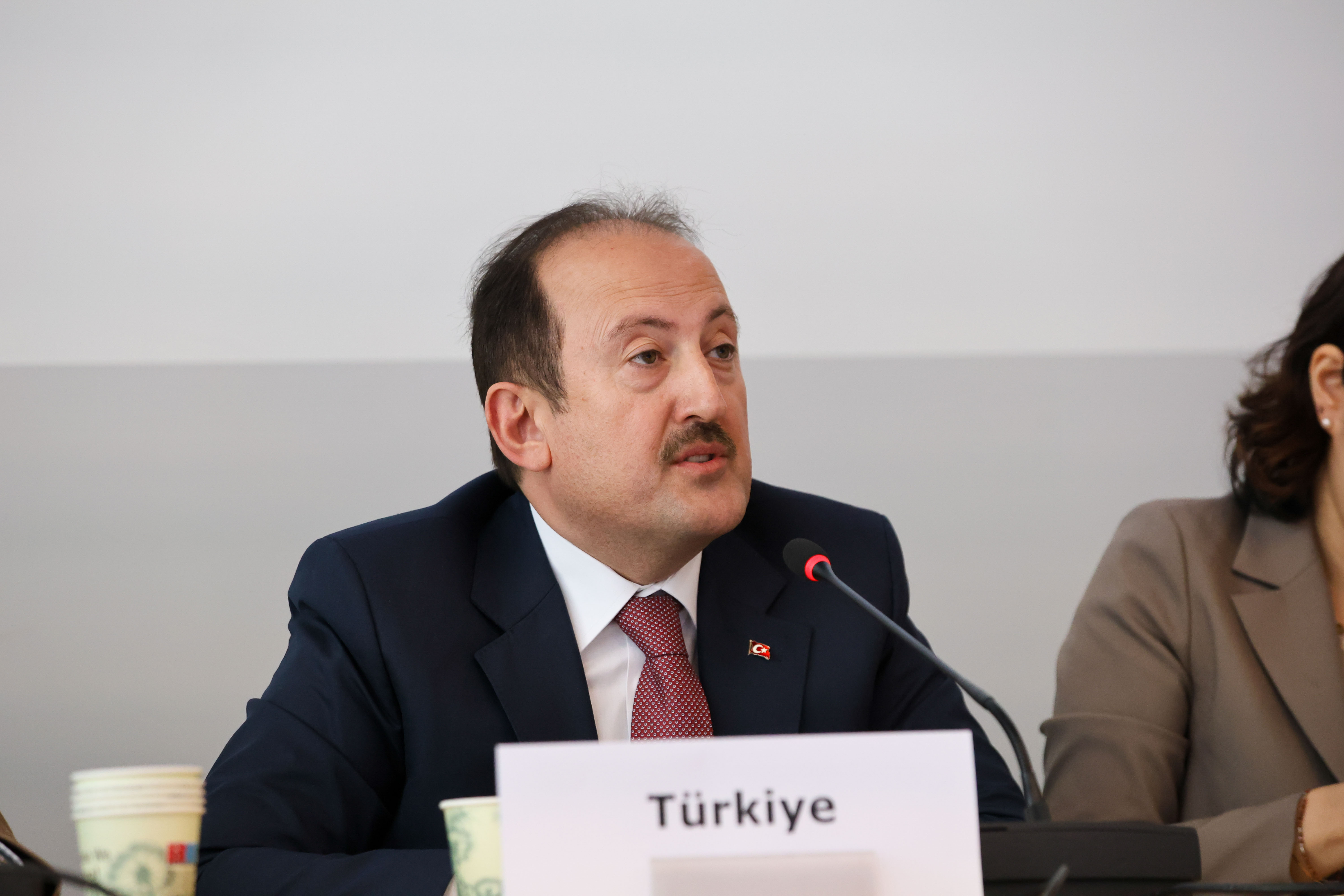
Ali Hamza Pehlivan, Disaster and Emergency Management Authority (AFAD), Türkiye

Dilanthi Amaratunga, Intergovernmental Coordination Group for the Indian Ocean Tsunami Warning and Mitigation System
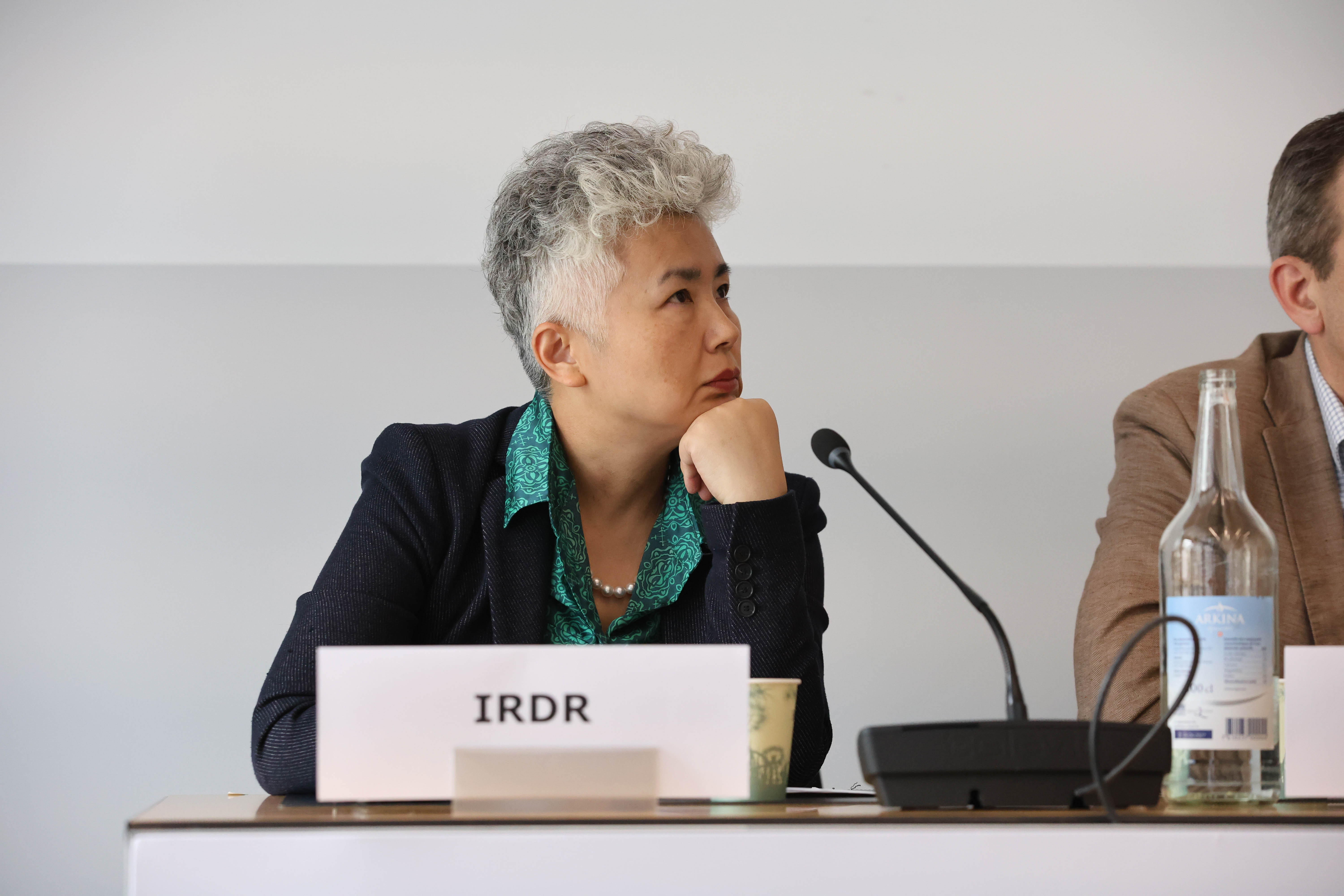
Saini Yang, Integrated Research on Disaster Risk (IRDR)
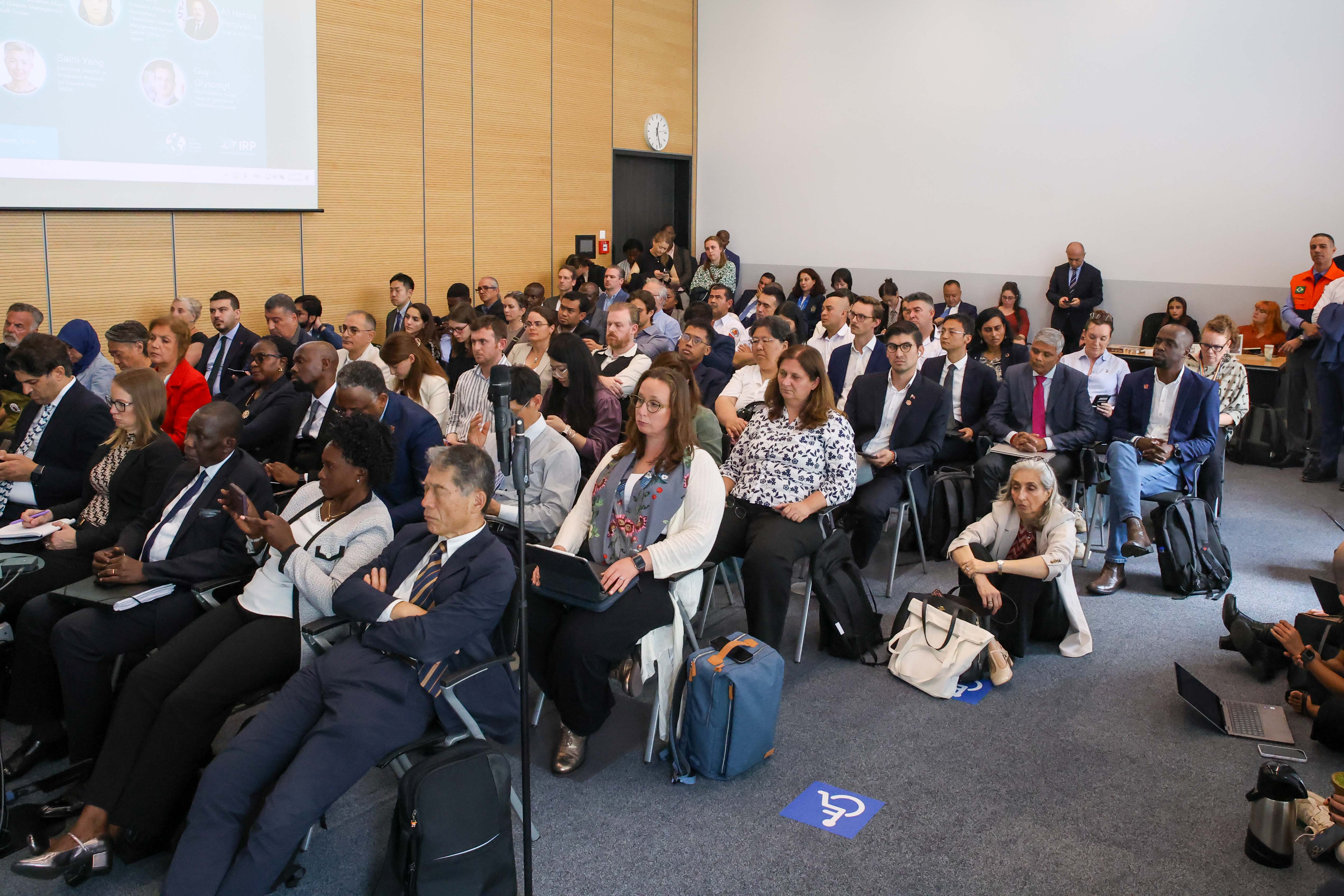
View of the room
World Resilient Recovery Conference: From Commitment to Action: Leadership for Resilient Recovery
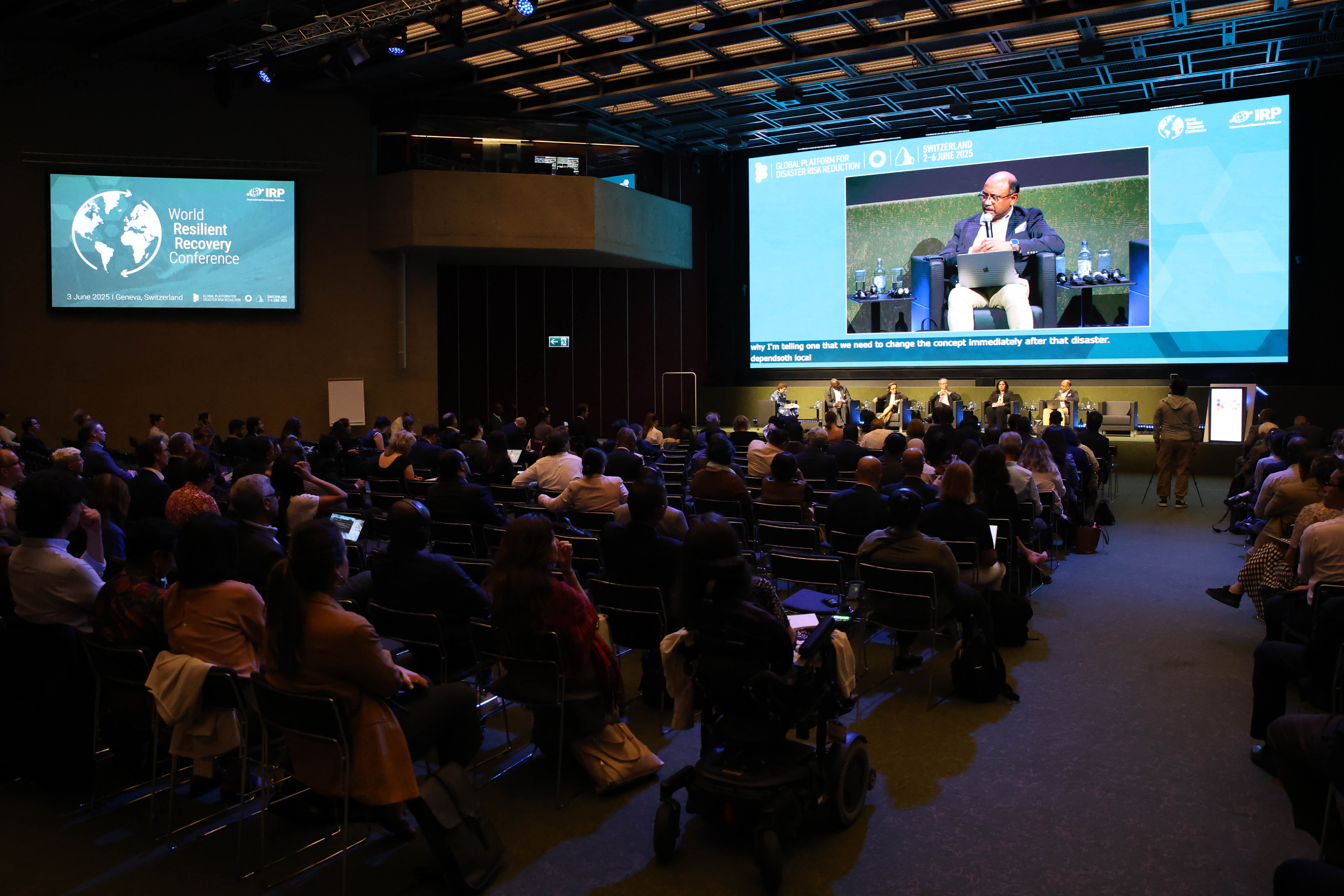
View of the room
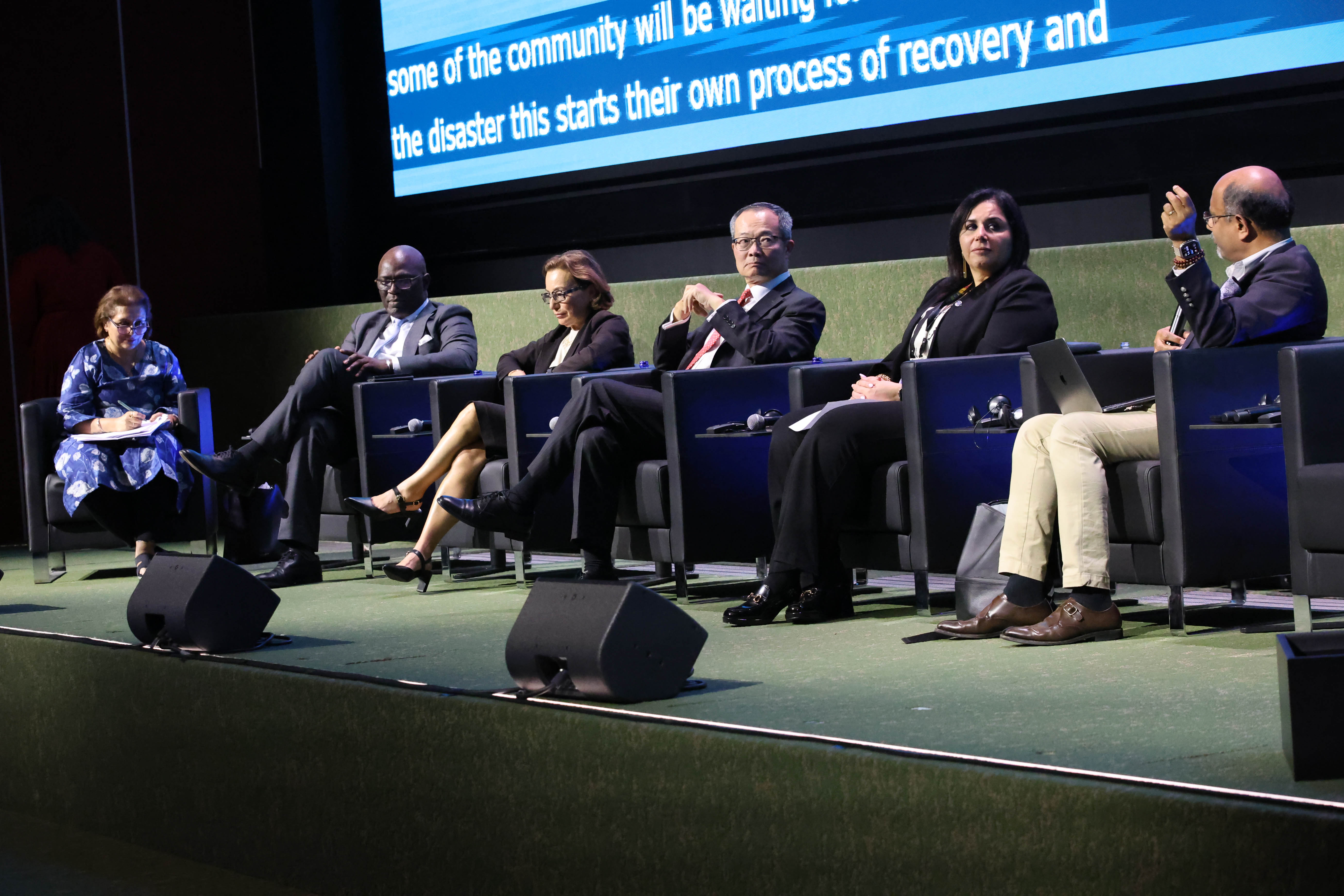
View of the panel
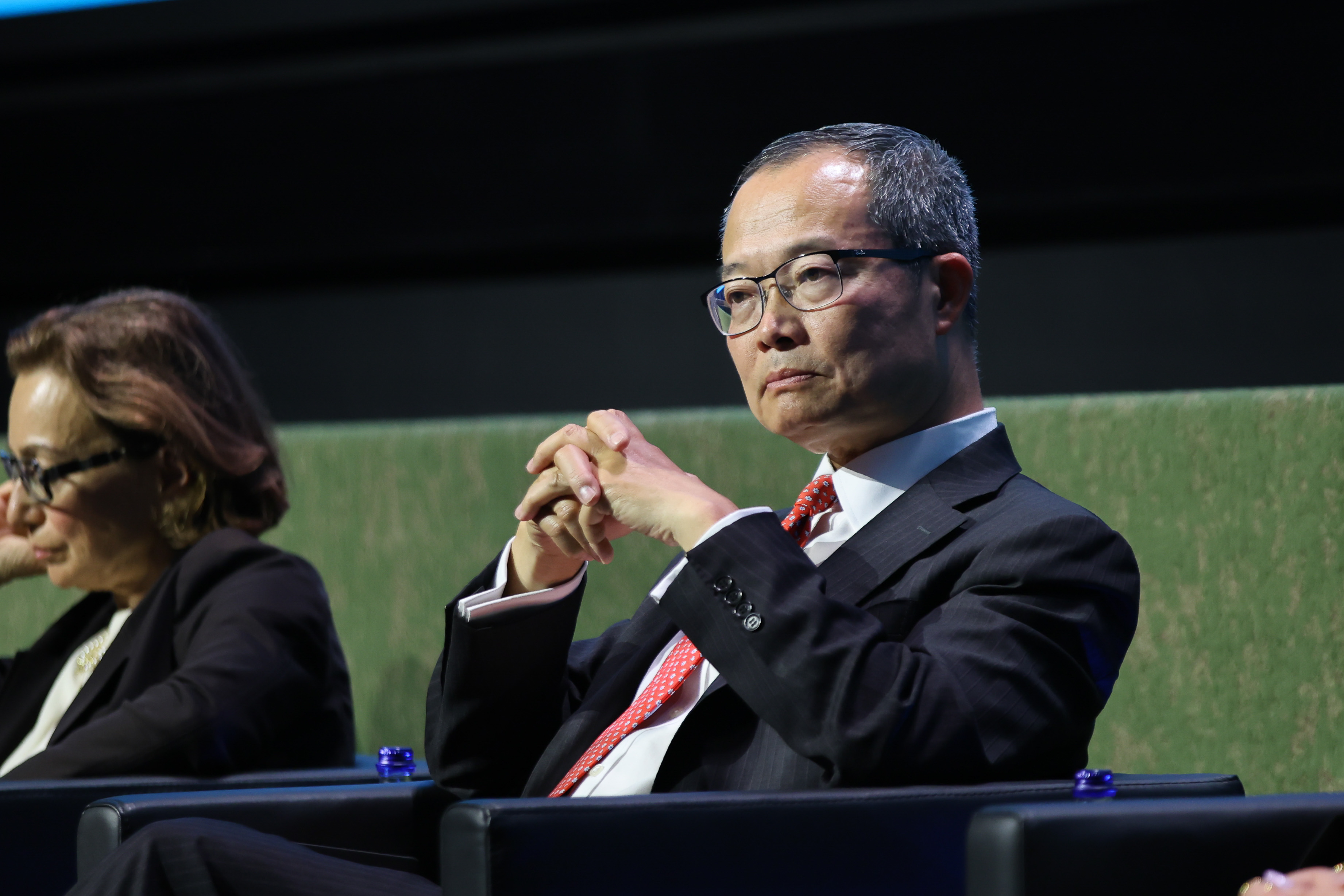
Guangzhe Chen, World Bank
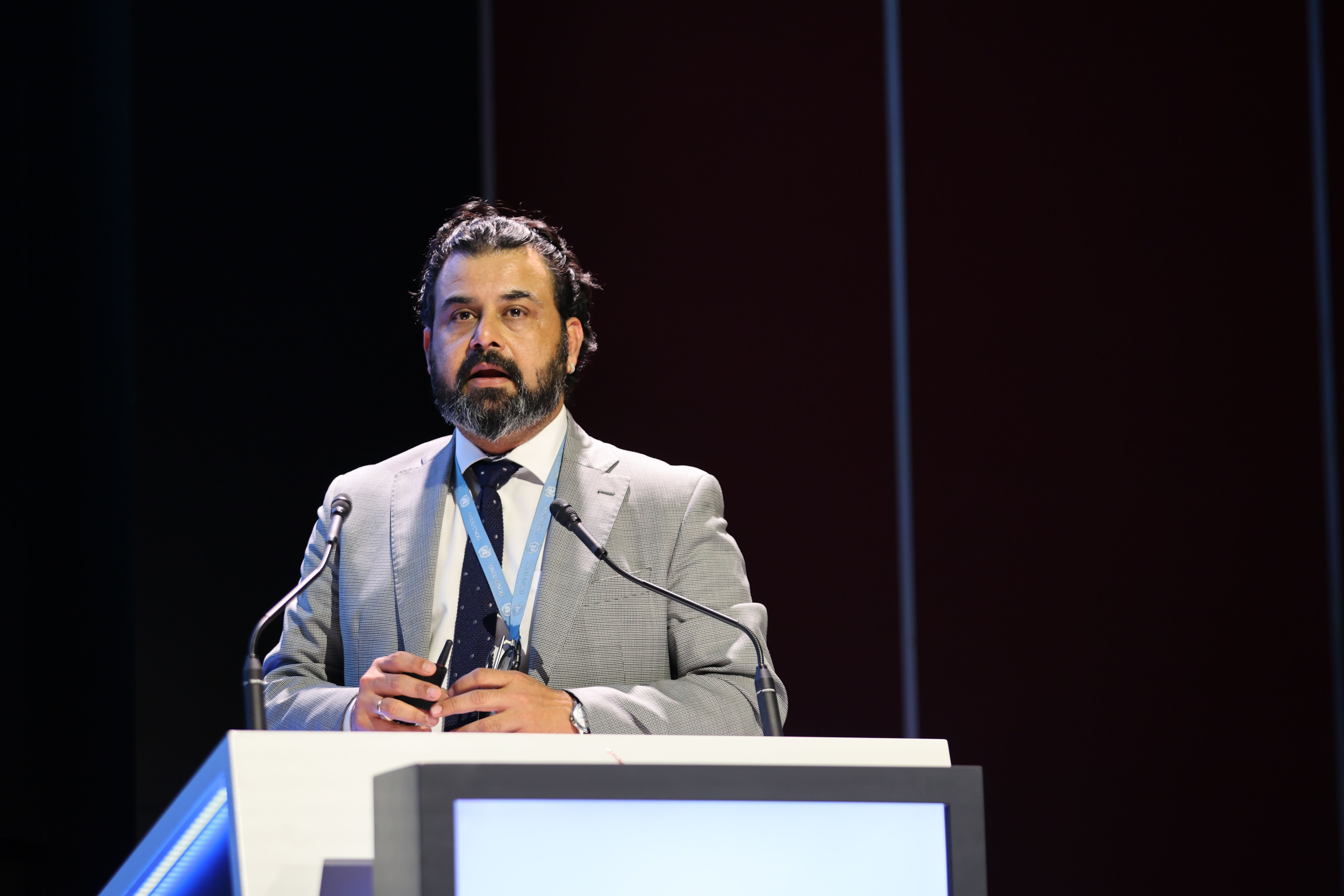
Abhilash Panda, UNDRR
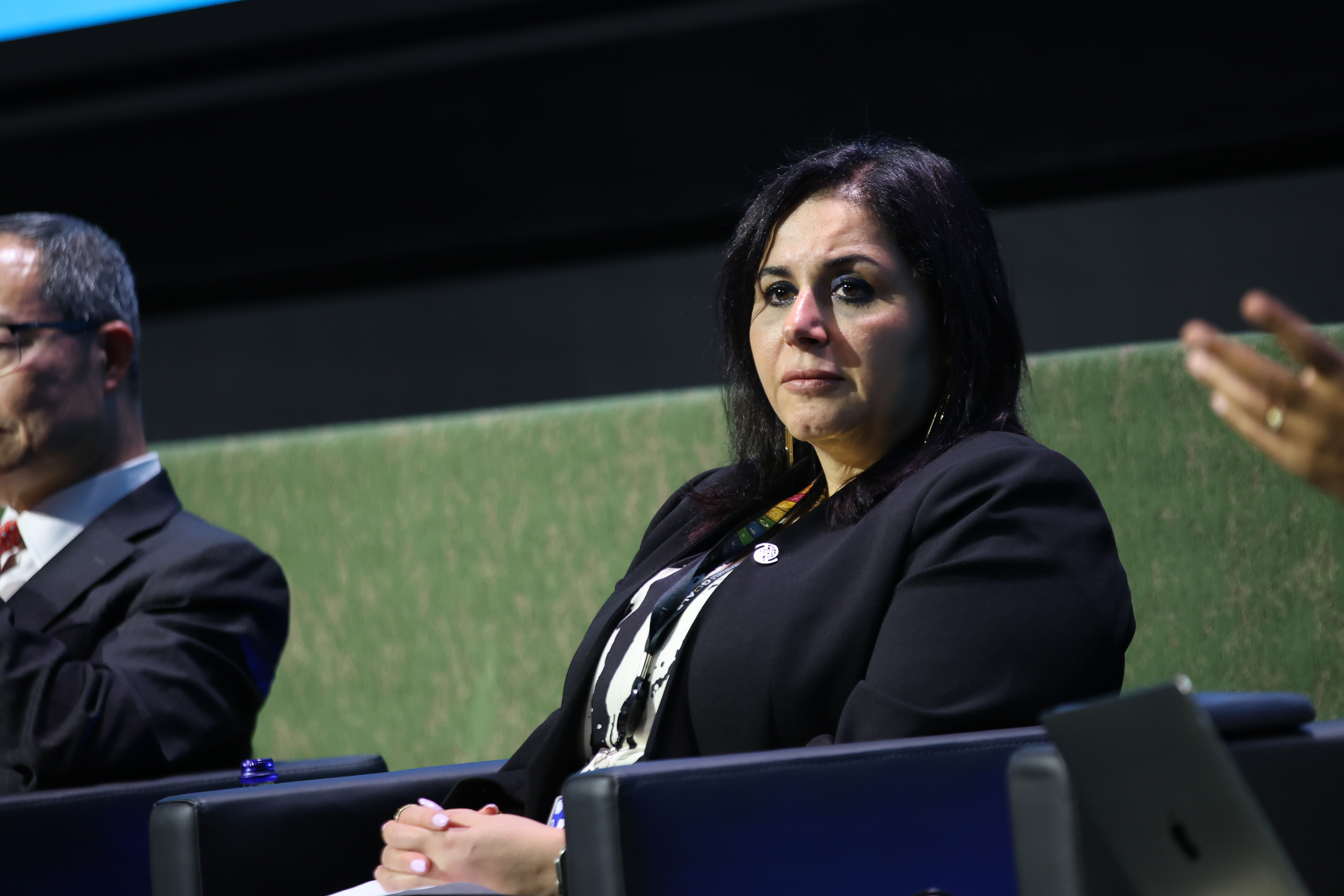
Rania Sharshr, International Organization for Migration (IOM)
Closing of the Global EW4ALL Multistakeholder Forum
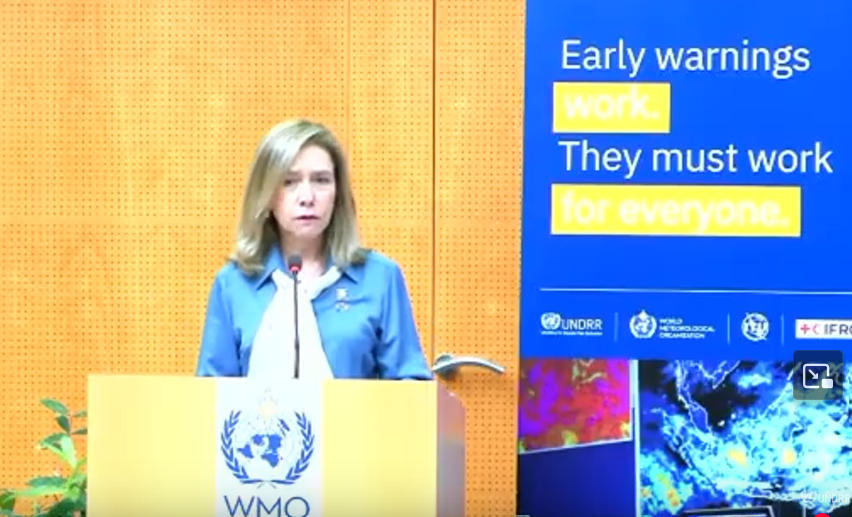
Celeste Saulo, Secretary-General, WMO
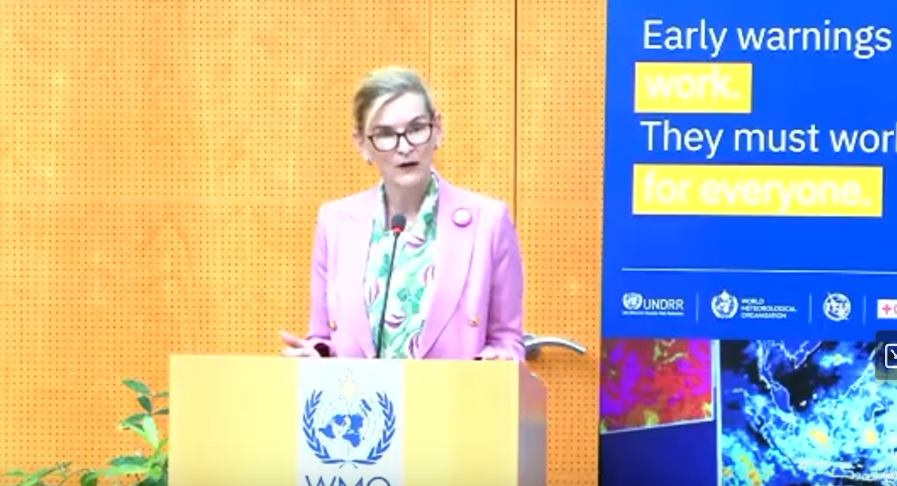
Doreen Bogdan-Martin, Secretary-General, International Telecommunication Union
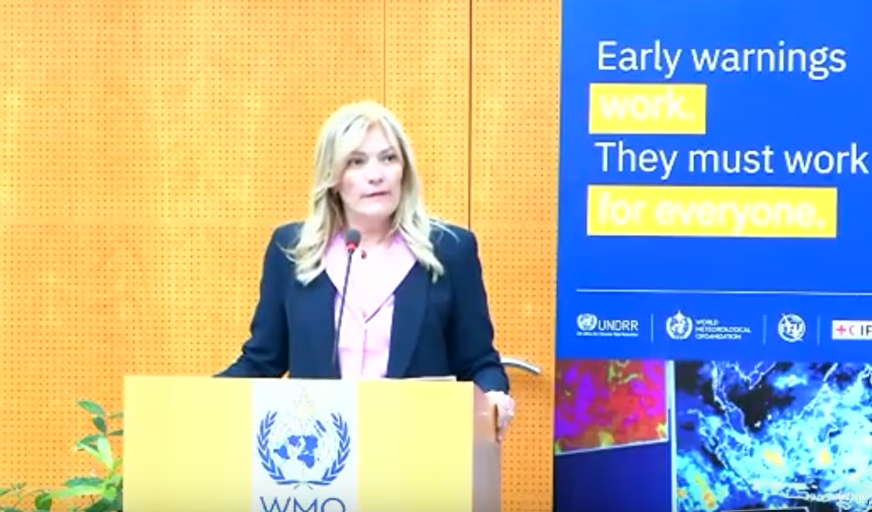
Paola Albrito, Director, UNDRR
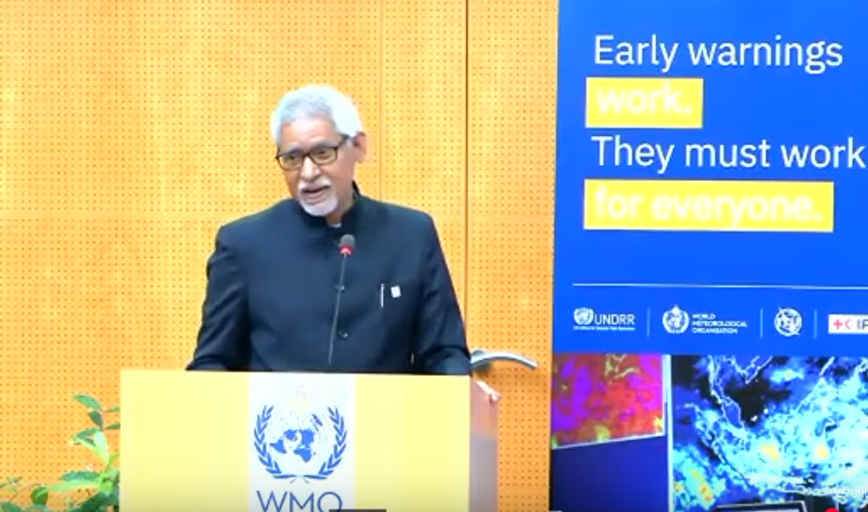
Jagan Chapagain, Secretary-General, International Federation of Red Cross and Red Crescent Societies (IFRC)
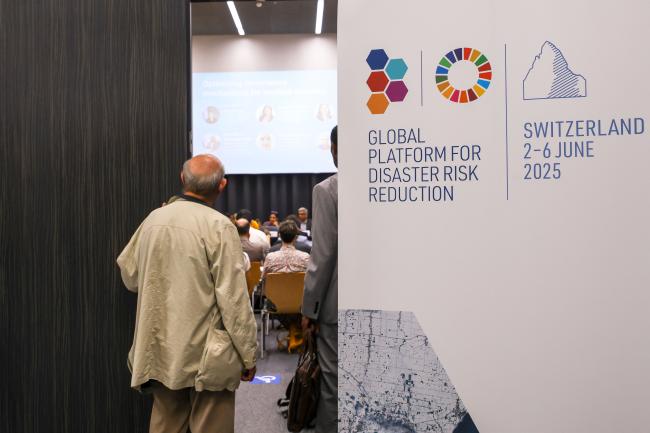
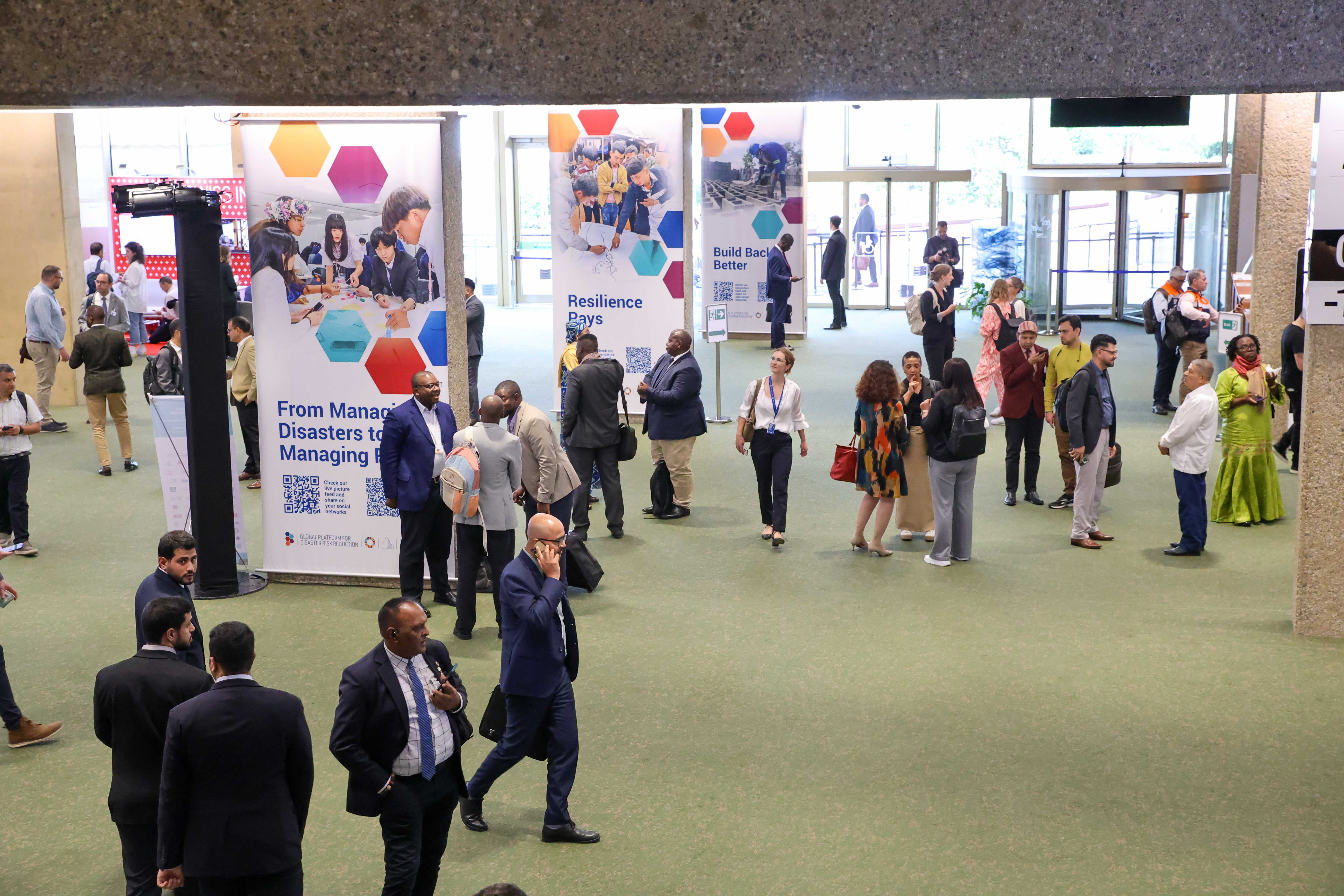
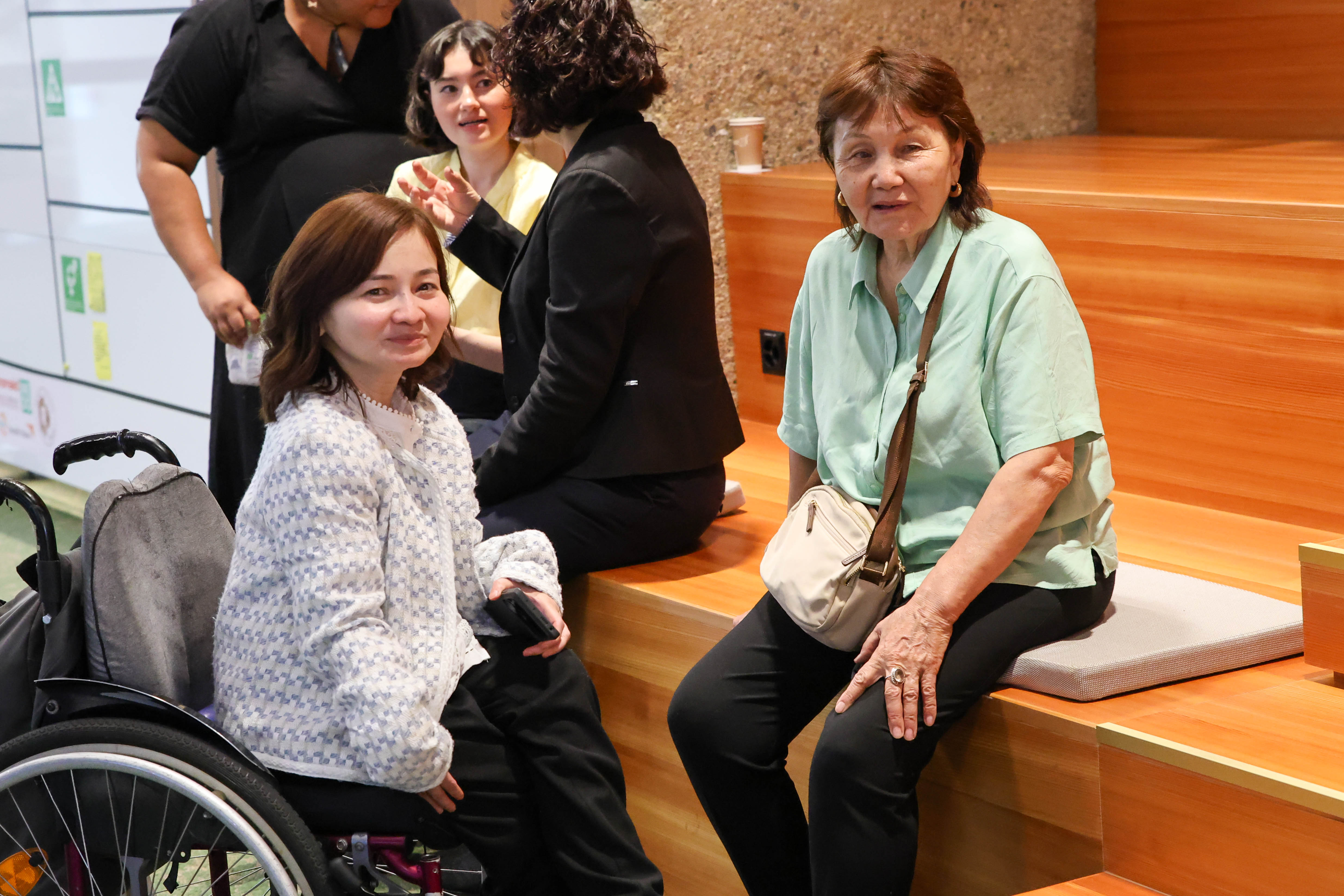
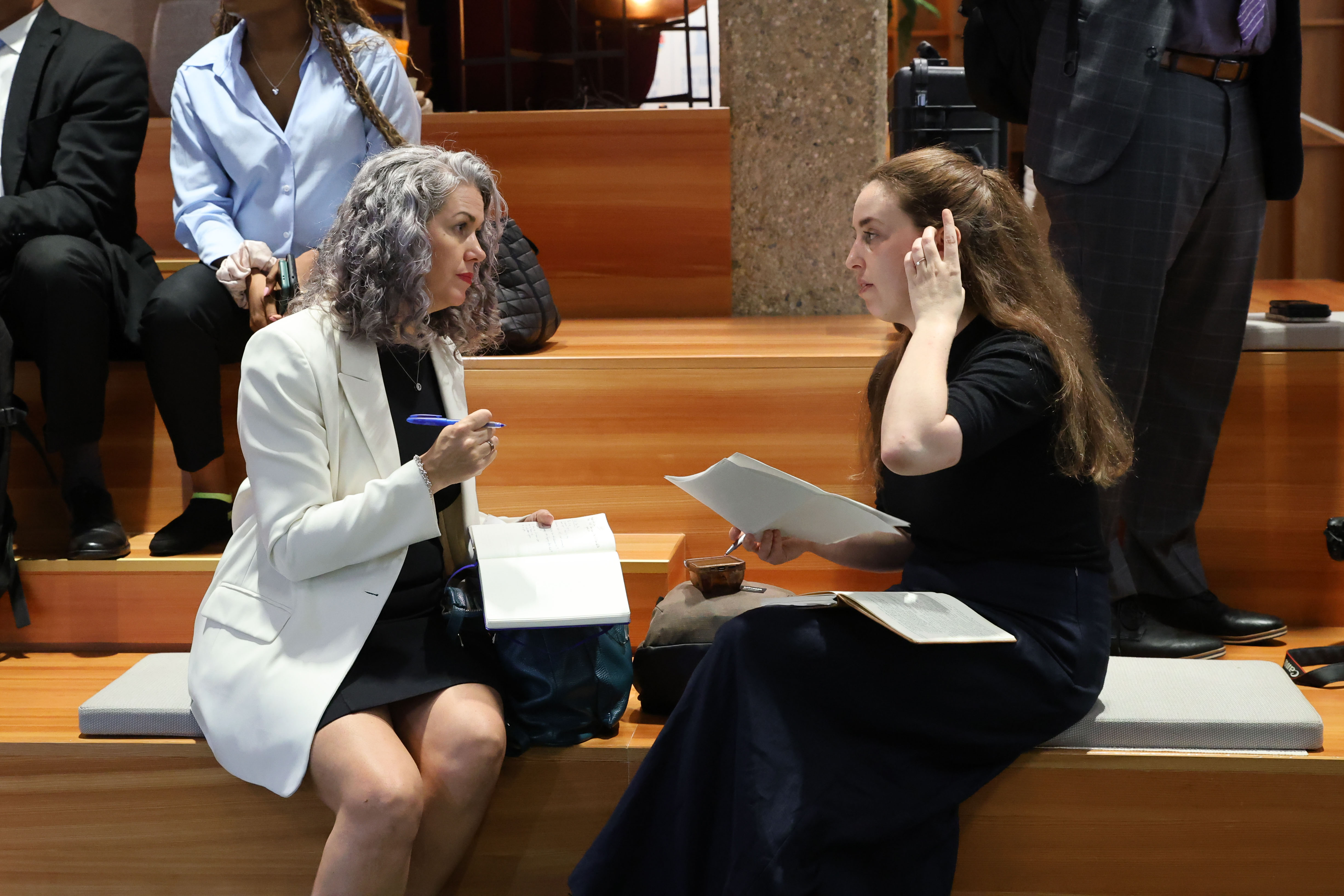
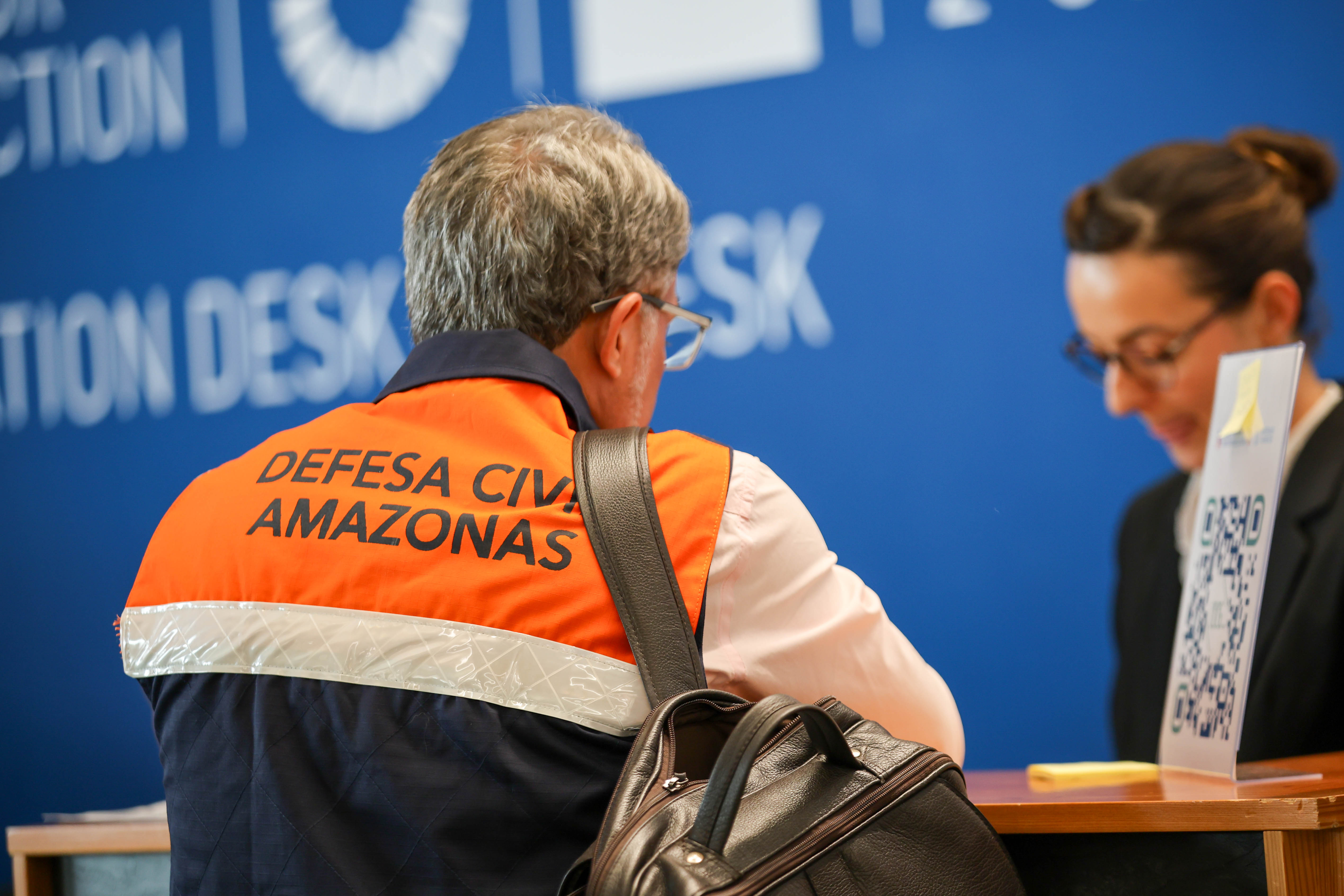
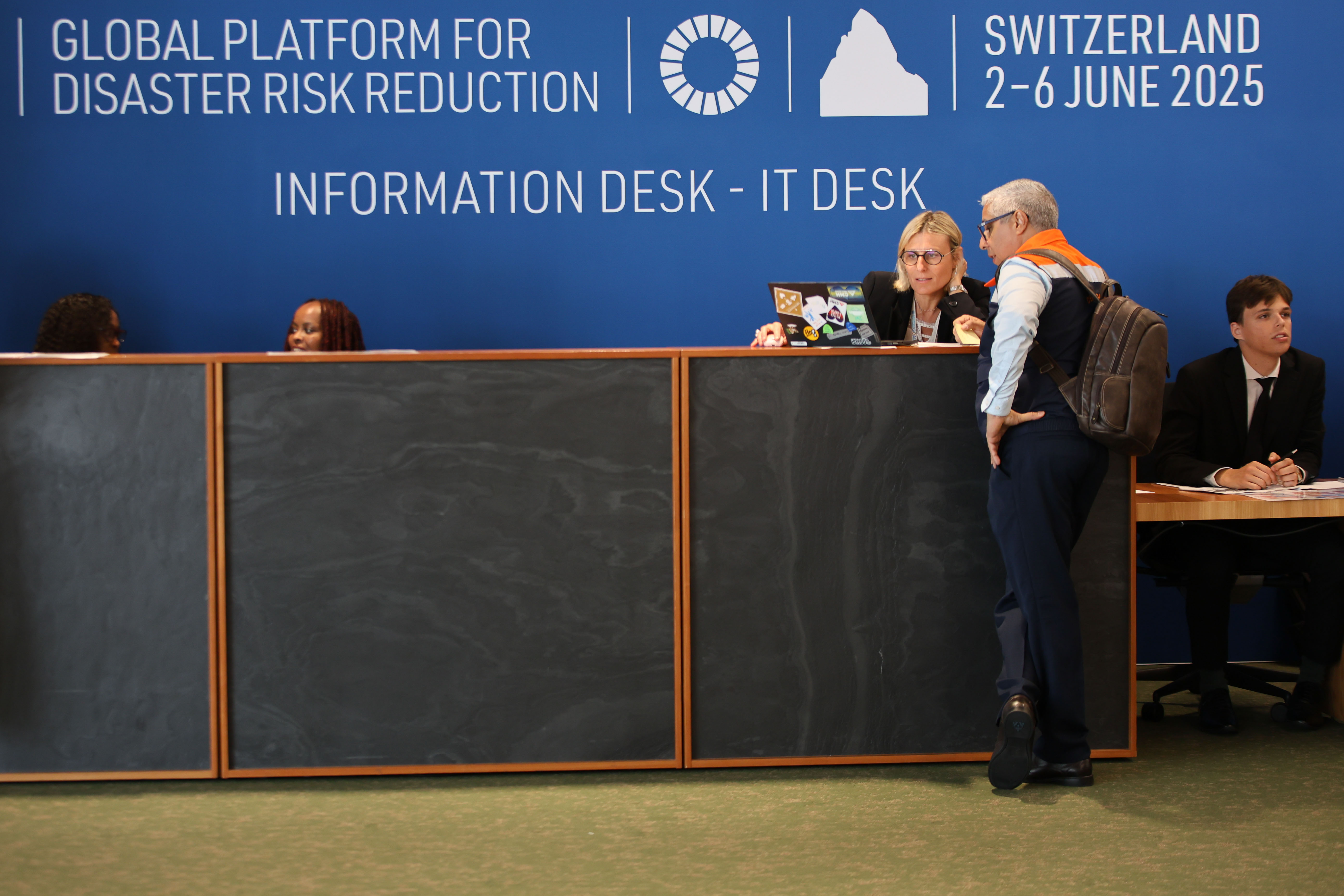
Around the Venue

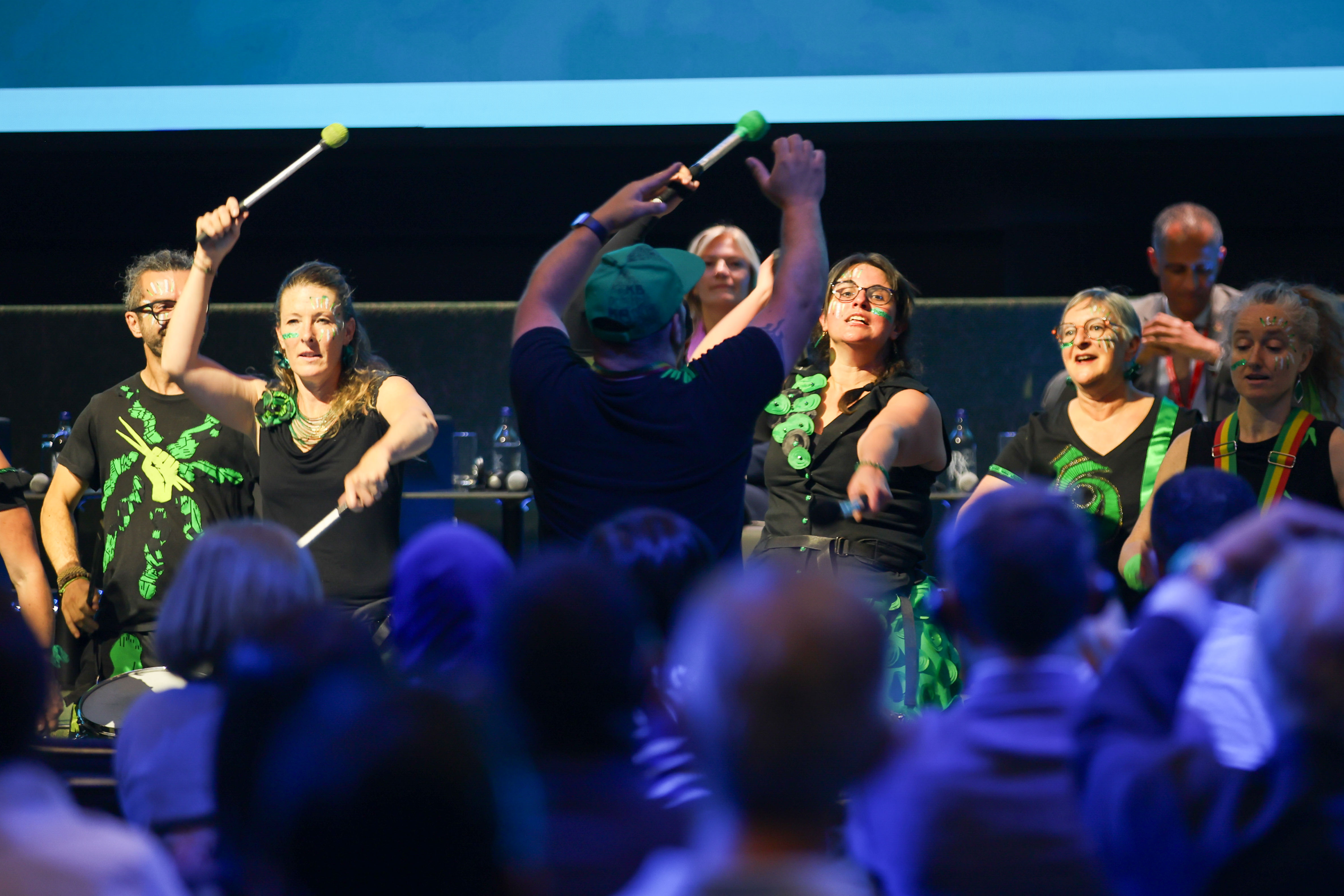

The percussion group "Komando Bidon" performed during the closing of the World Resilient Recovery Conference.