Finance is critical to implementation of the Sendai Framework on Disaster Risk Reduction (DRR), but investments have not kept pace with rising demands, and aid budgets are shrinking worldwide. In sessions throughout the day, delegates at the 8th session of the Global Platform for DRR focused attention on where funds may be found for a wide range of needs, including school safety, measures to deal with extreme heat, and nature-based solutions (NbS).
Want to dig deeper into today's talks? Read the full Earth Negotiations Bulletin daily report.
Many suggested that financing for DRR and climate action could be better aligned, as they looked to climate funds such as the Fund for Responding to Loss and Damage, and mechanisms such as the Santiago Network, for guiding countries in preparedness and recovery.
A high-level dialogue on the topic ‘What will it take to scale DRR financing solutions at the national and local level?’ and a special session on ‘Comprehensive approaches to reduce loss and damage: Bridging climate action and DRR’ reiterated in different ways the old saying, “prevention is better than cure”—indeed, as one speaker at the latter event asserted, “Prevention is not better than cure; it is the cure.”
Delegates debated how spending can be most effective, as some highlighted the need for rigorous accounting, numerical quantification, and analysis to prove the value of nature-based and other kinds of solutions. Other speakers, such as John Mussington, who was displaced from the island of Barbuda when Hurricane Irma struck in 2017, highlighted issues of justice. He noted that the decision to declare the island largely uninhabitable was not made by the residents, but by others with vested interests in redeveloping the land for commercial purposes.
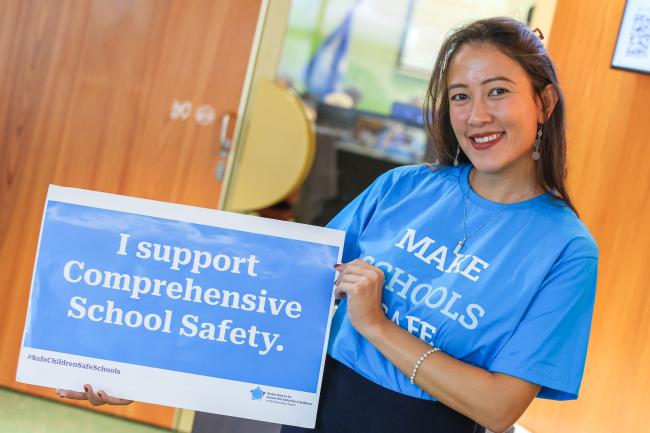
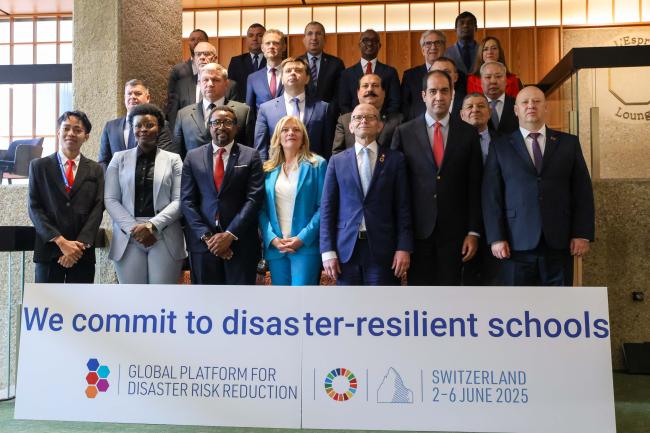
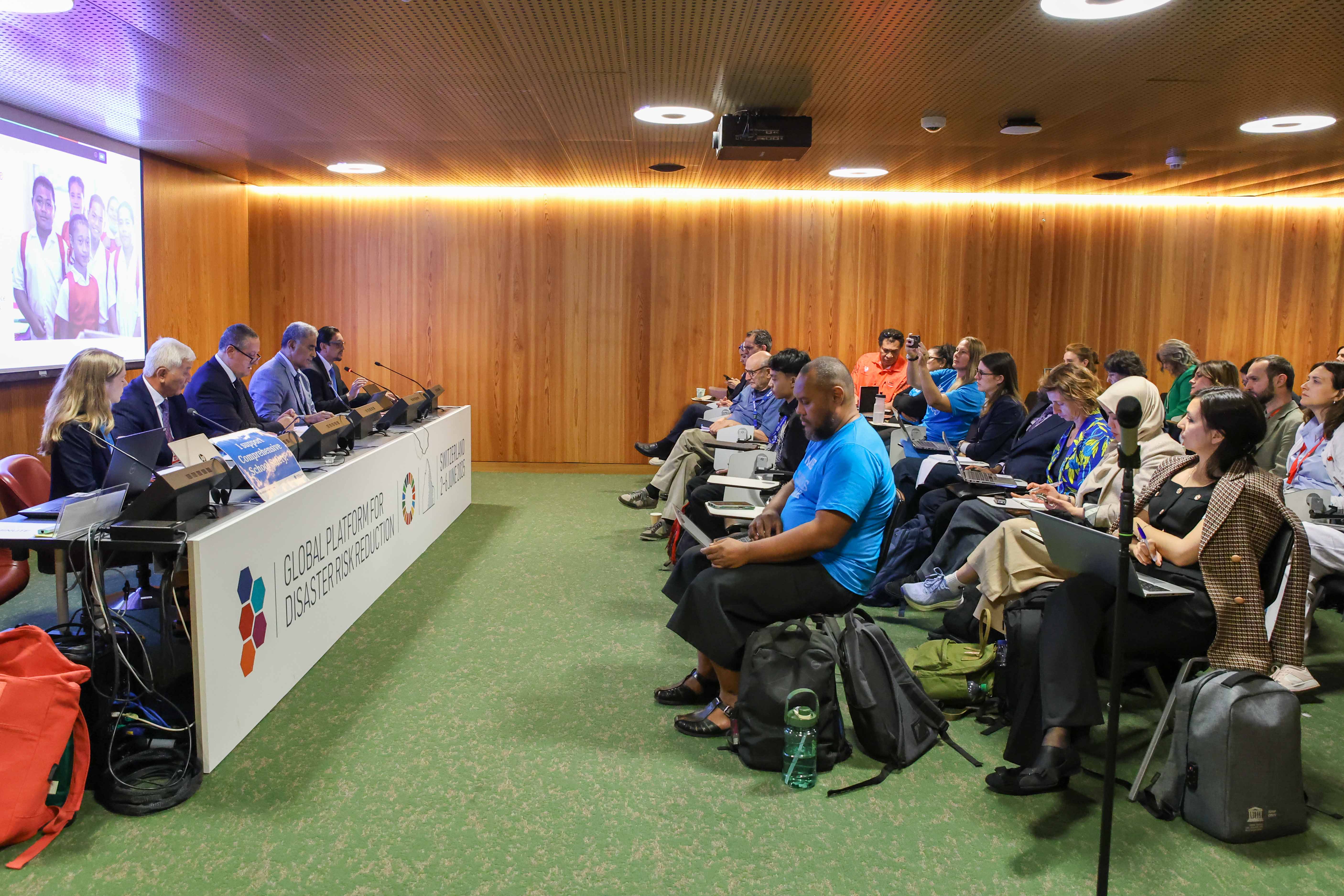
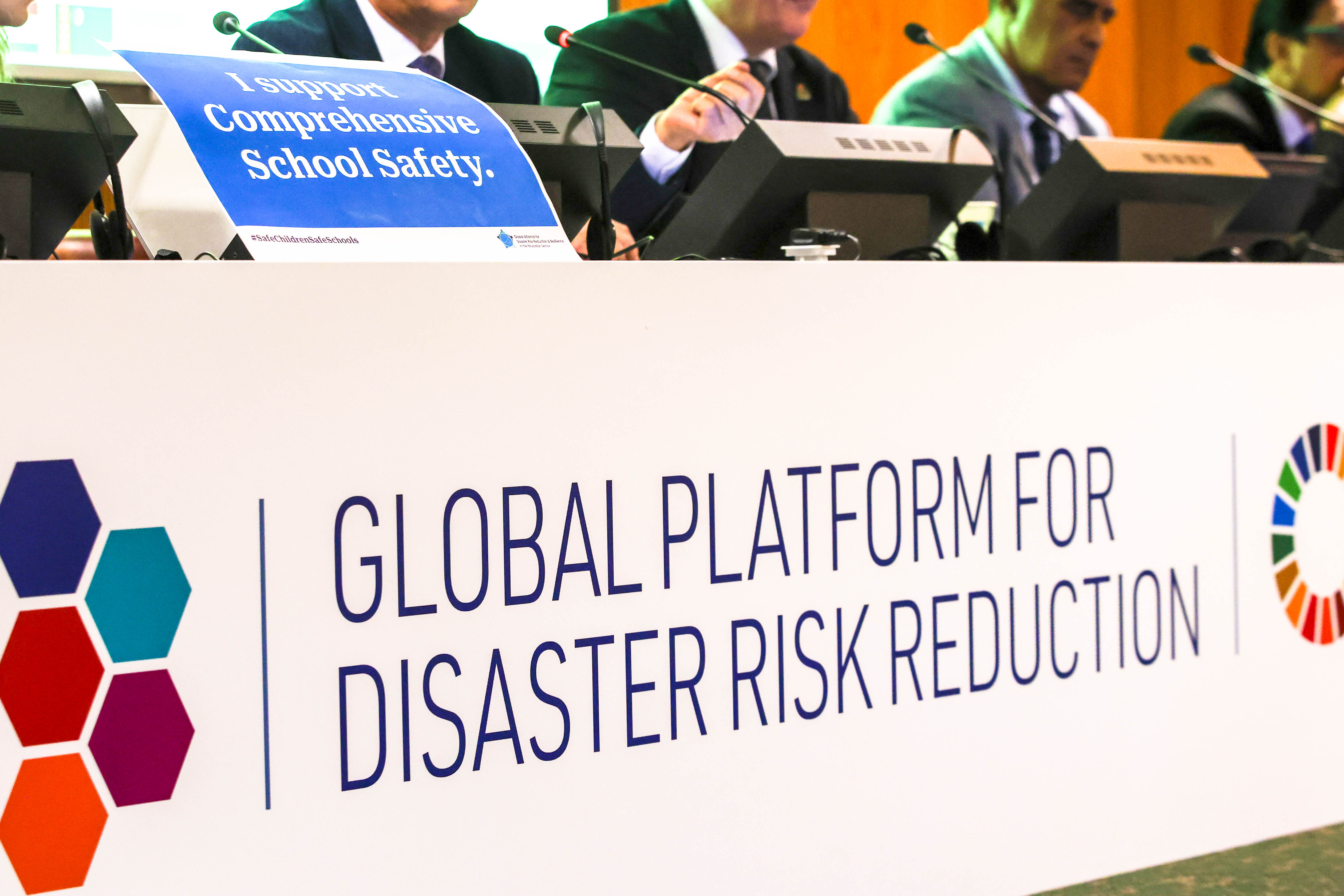
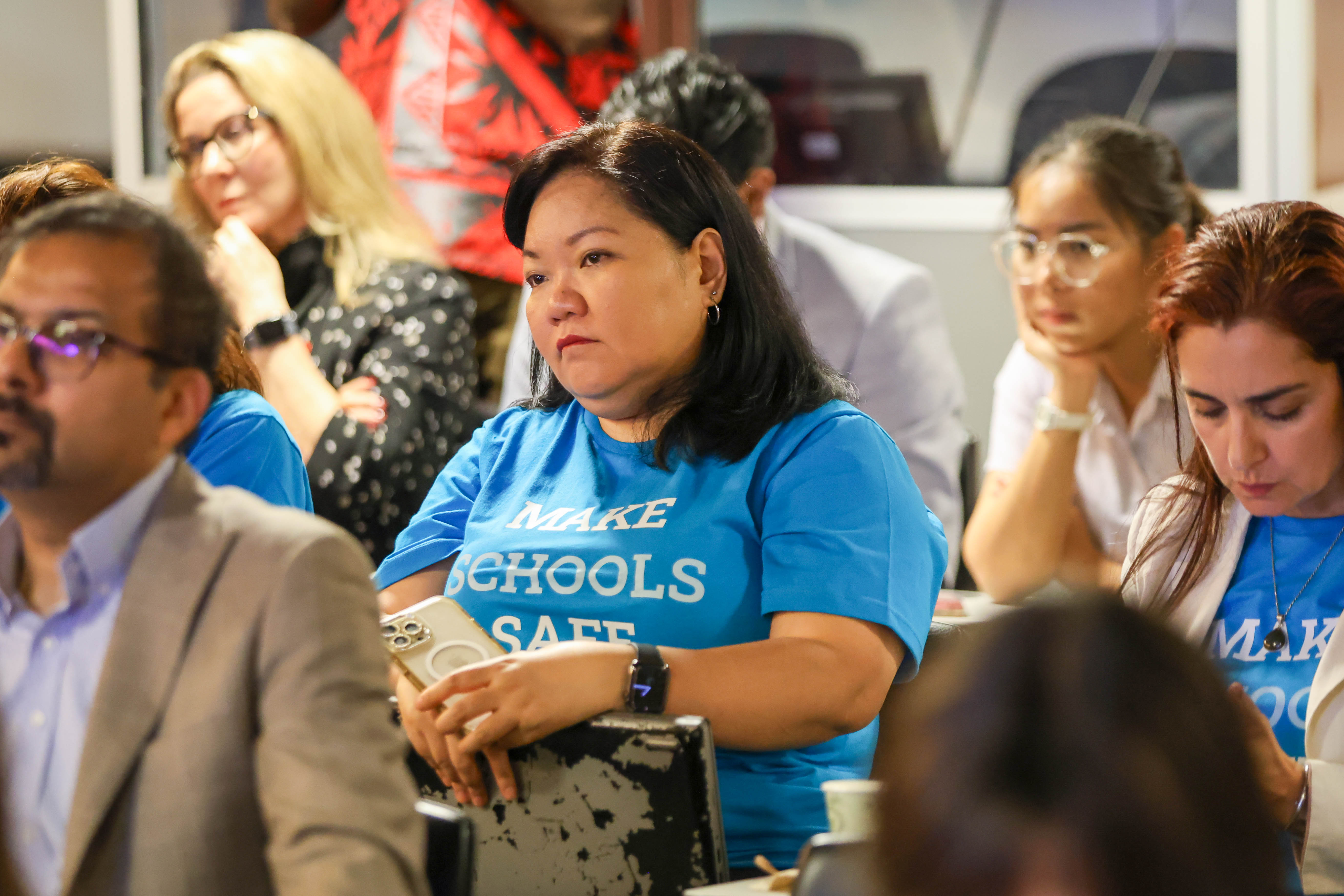
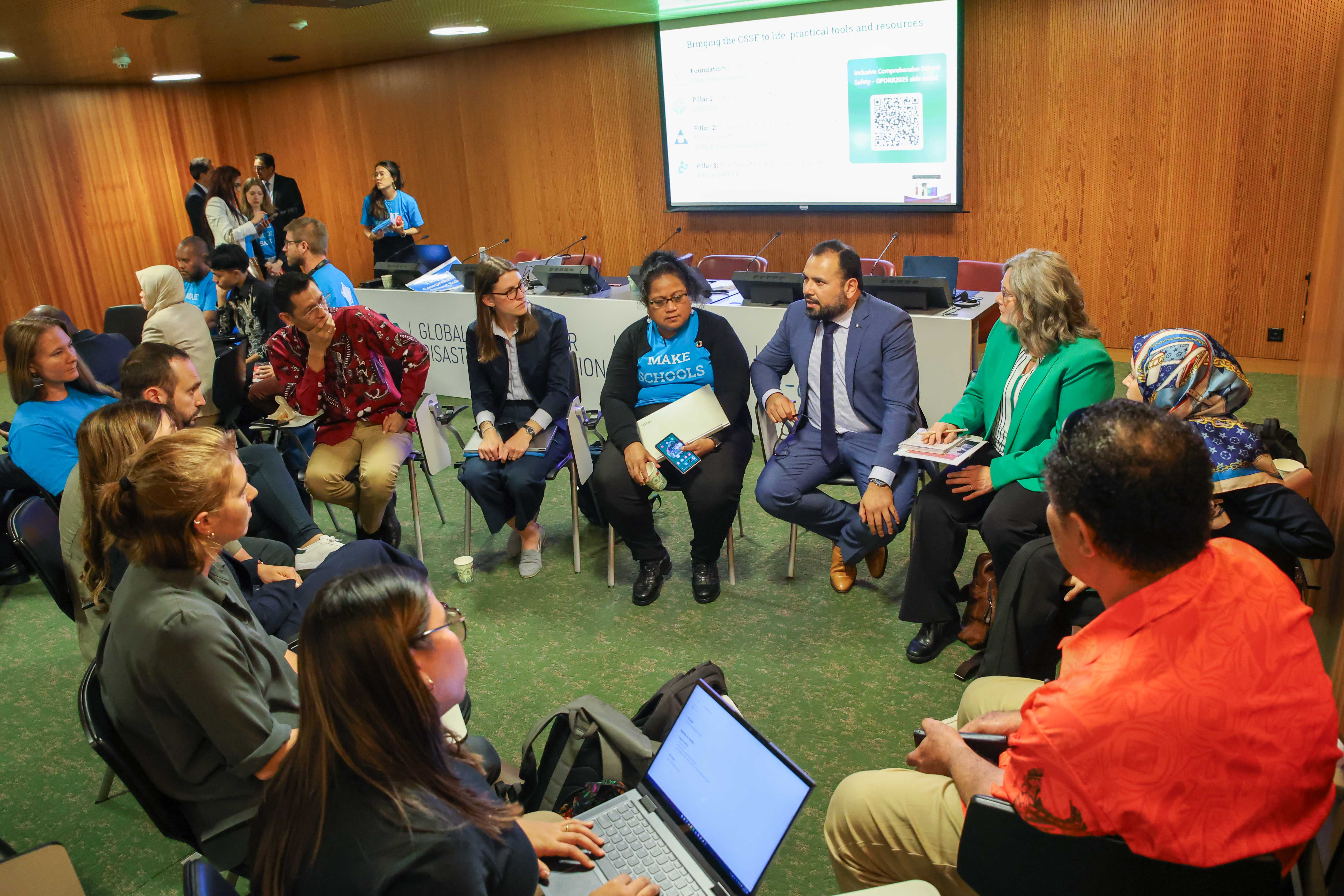
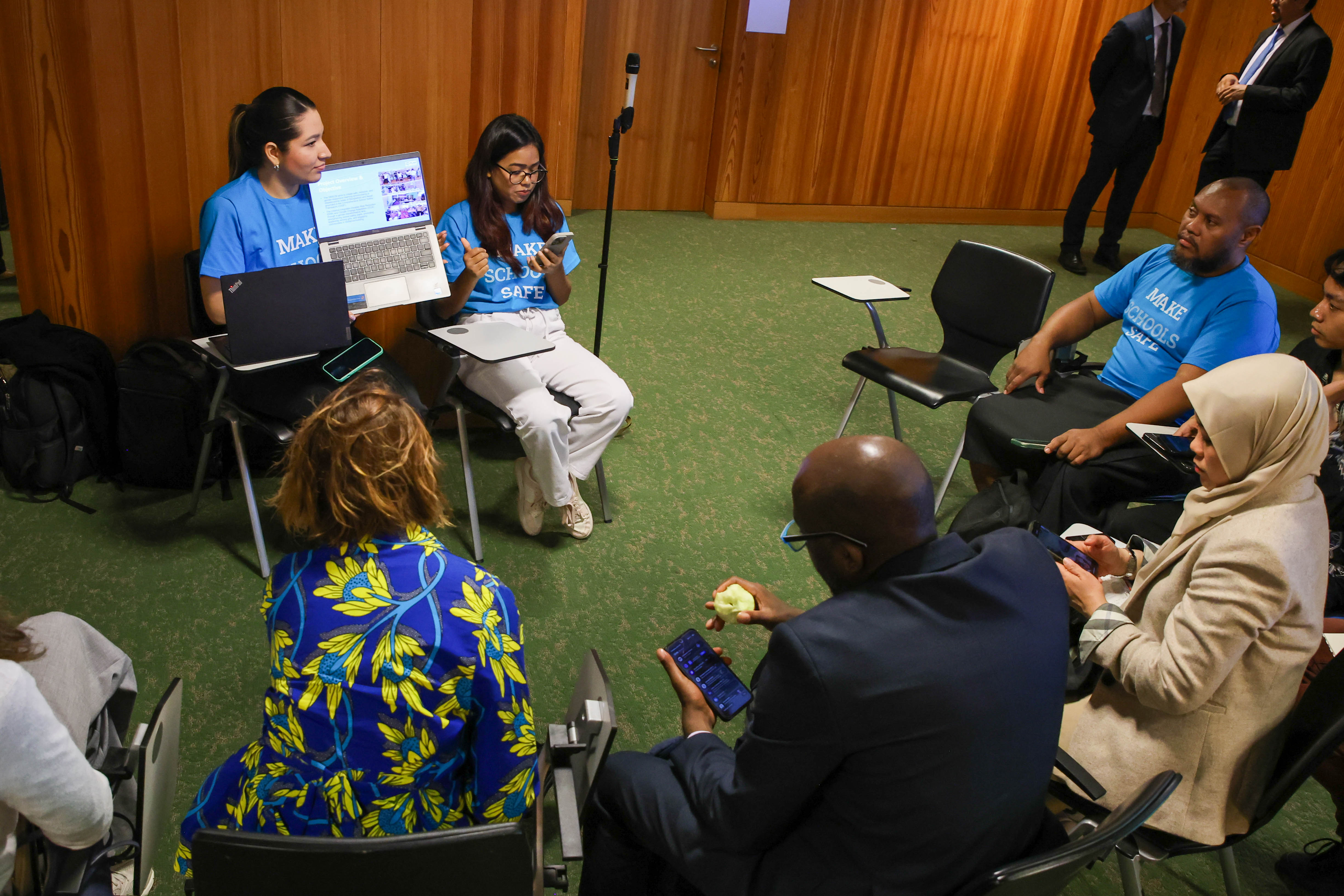
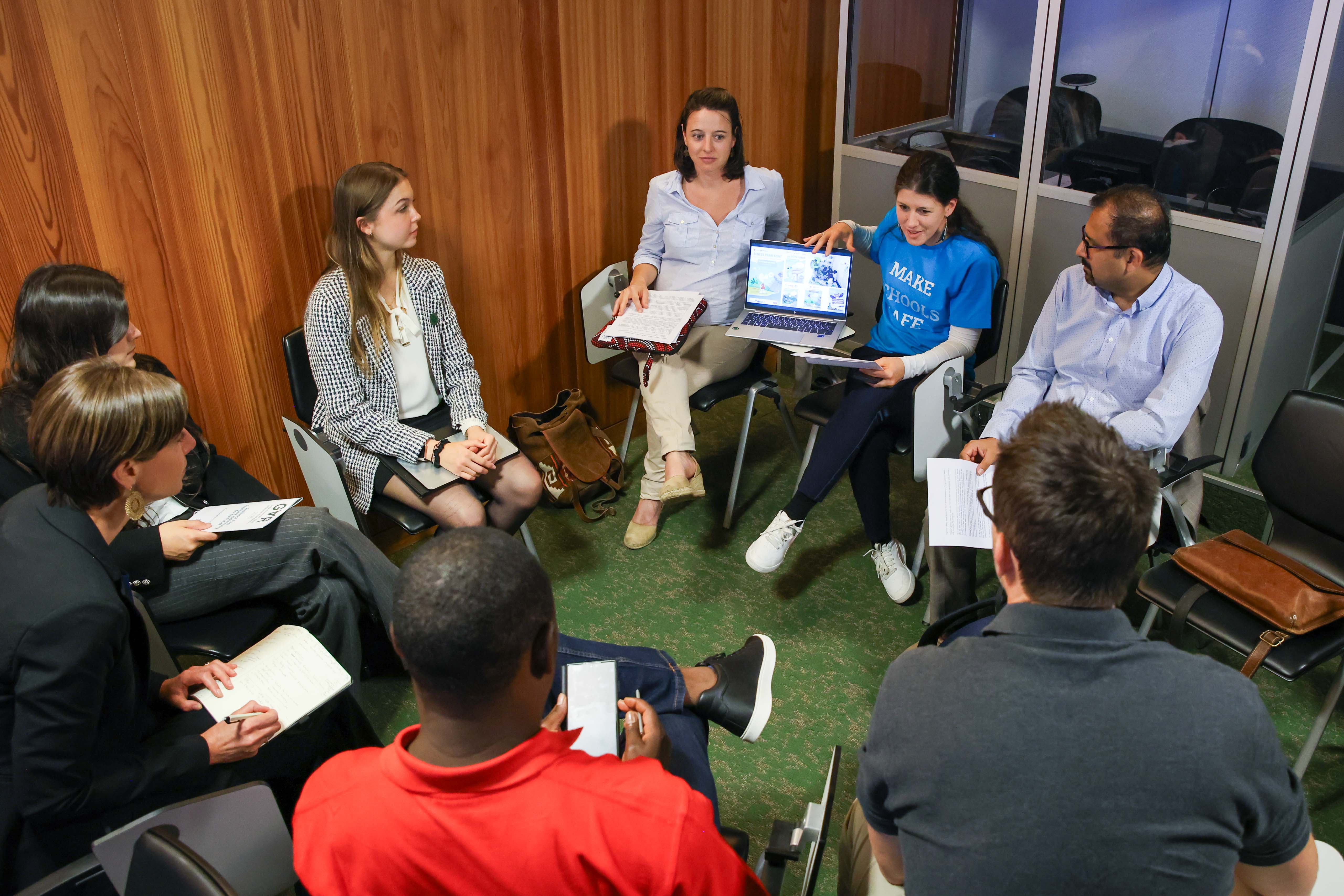
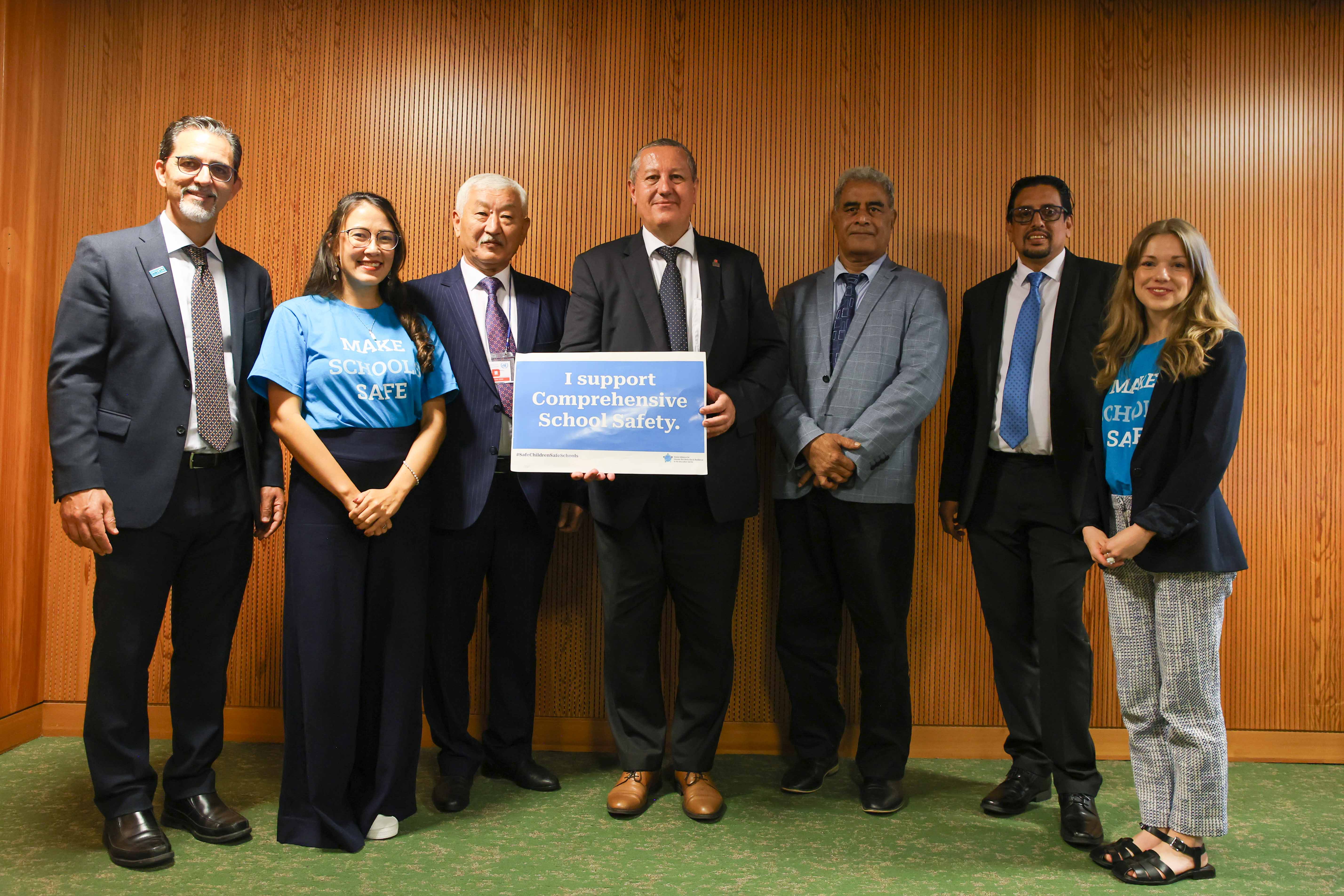
Rich discussions on addressing disasters and safety in schools further drew attention to equity. In a ministerial event, 36 countries emphasized capacity building for children. Interventions addressed mental and emotional impacts on children, education programming to enhance preparedness and mobilize youth as agents of change, and technical solutions for infrastructure. Ministers as well as participants at a school safety side event emphasized strengthening school safety governance, particularly the Comprehensive School Safety Framework, as a component to national DRR planning, with some highlighting the fundamental right of children to safe school environments.
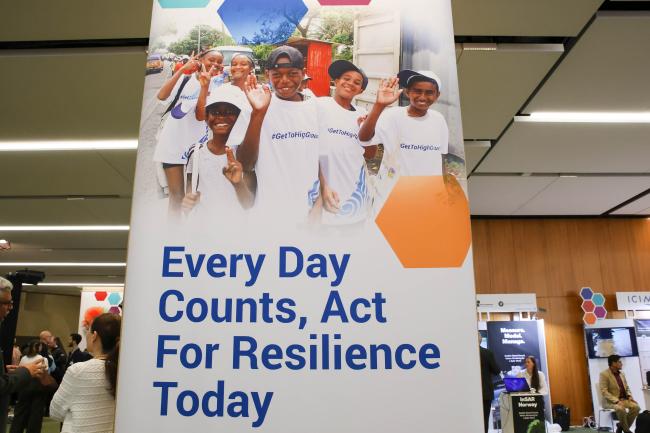
Many other events took place around the Global Platform venue through the day. In the evening, presentation of the UN Sasakawa Awards for DRR recognized the work of individuals and organizations. Awards went to the Global Network of Civil Society Organisations for Disaster, Harkunti Rahayu of the Indonesian Disaster Expert Association, and Mrutyunjay Mohapatra of the India Meteorological Department.
Reflecting the mood of the day, Makalese Mata, Pasifika performance artiste, presented a dance during a thematic session. In traditional dance movements, she told the story of the volanic eruption in Tonga and people’s resilience, urging all present, “Let us not only prepare for disaster; let us prevent it with justice.”
To receive free coverage of global environmental events delivered to your inbox, subscribe to the ENB Update newsletter.
All ENB photos are free to use with attribution. For this event, please use: Photo by IISD/ENB | Anastasia Rodopoulou.
High-Level Dialogue: What Will it Take to Scale DRR Financing at the National and Local Levels?
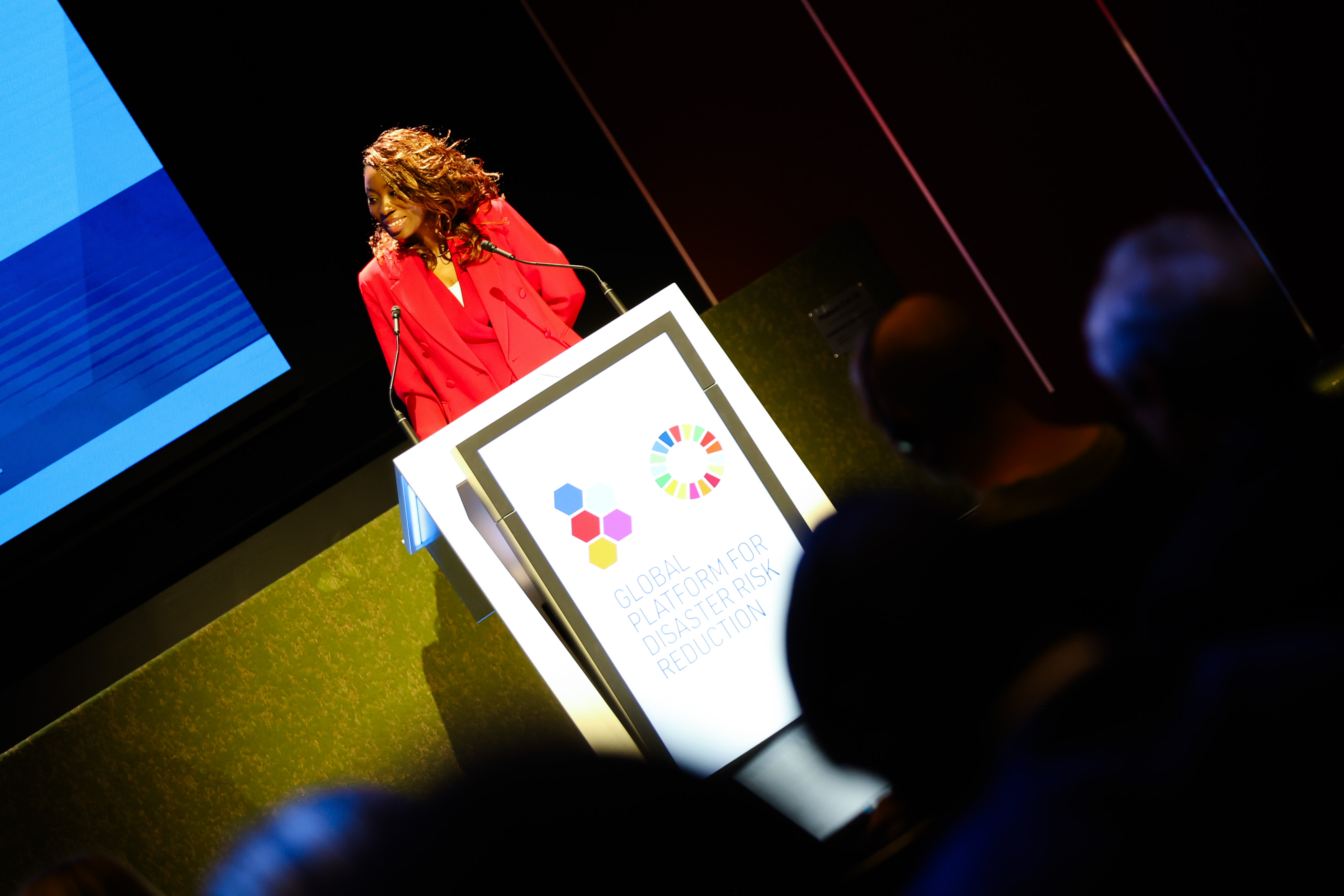
Mayowa Adegoke, International Journalist
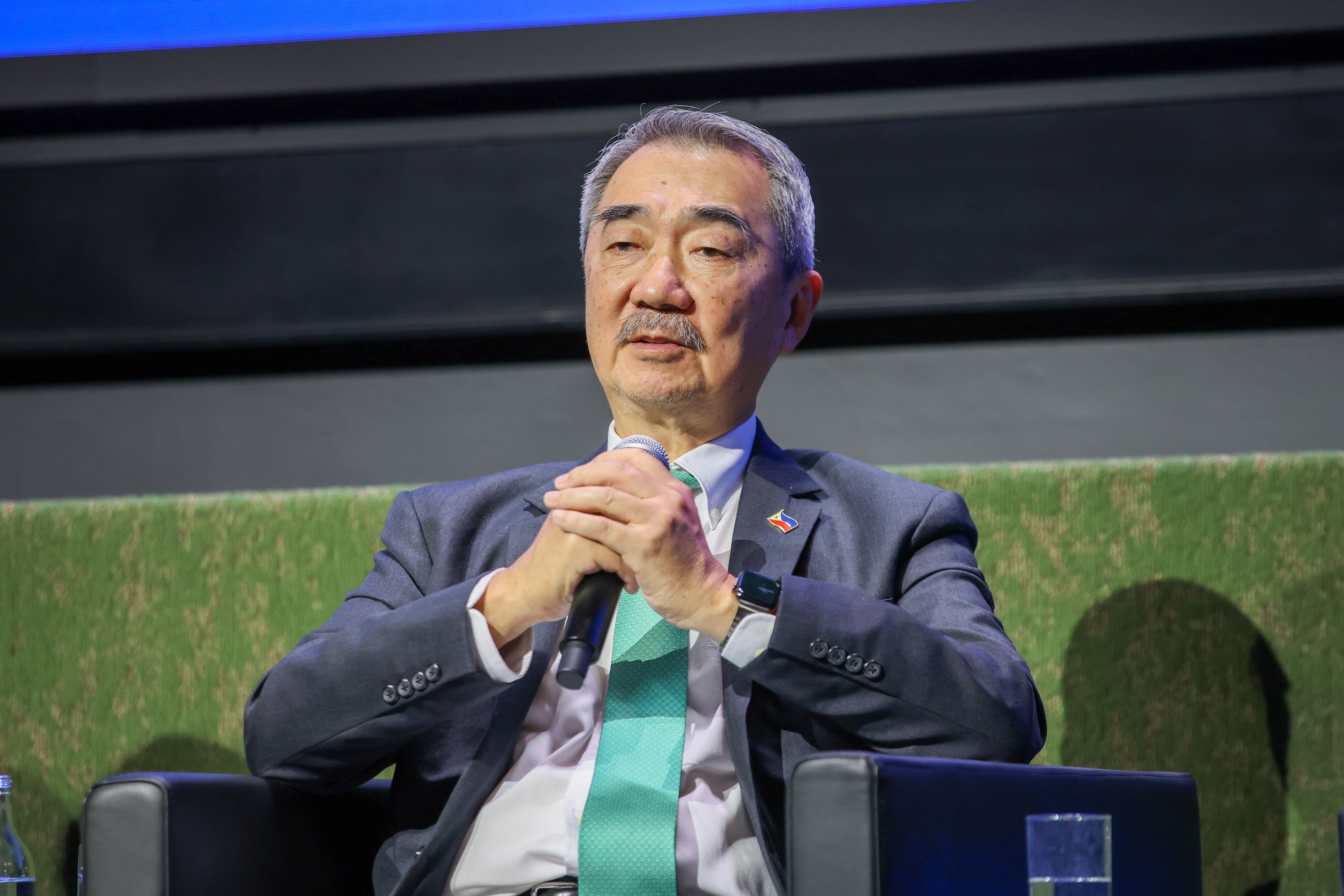
Hans Sy, CEO, SM Prime Holdings
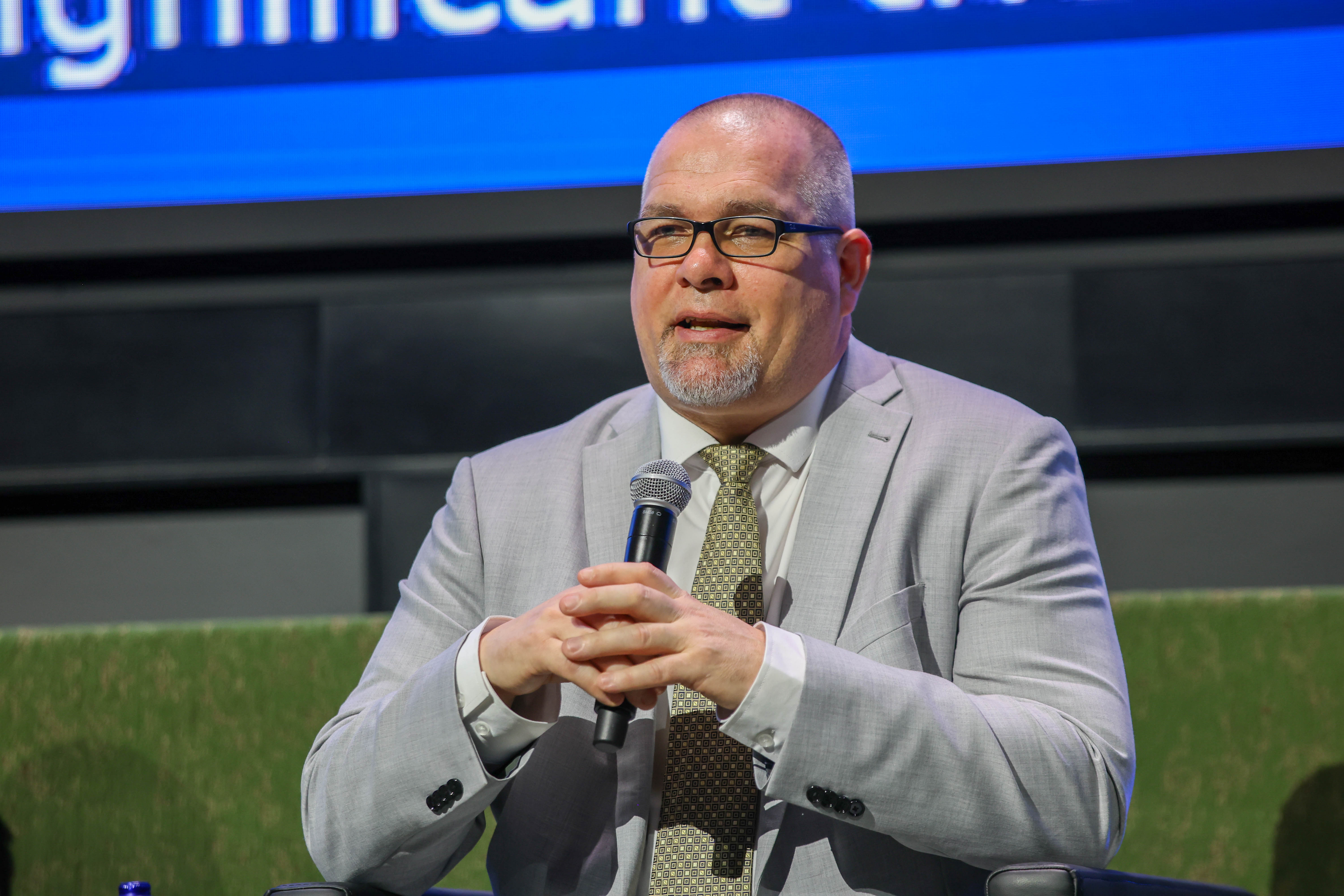
Rob Wesseling, CEO, Co-operators Group Limited
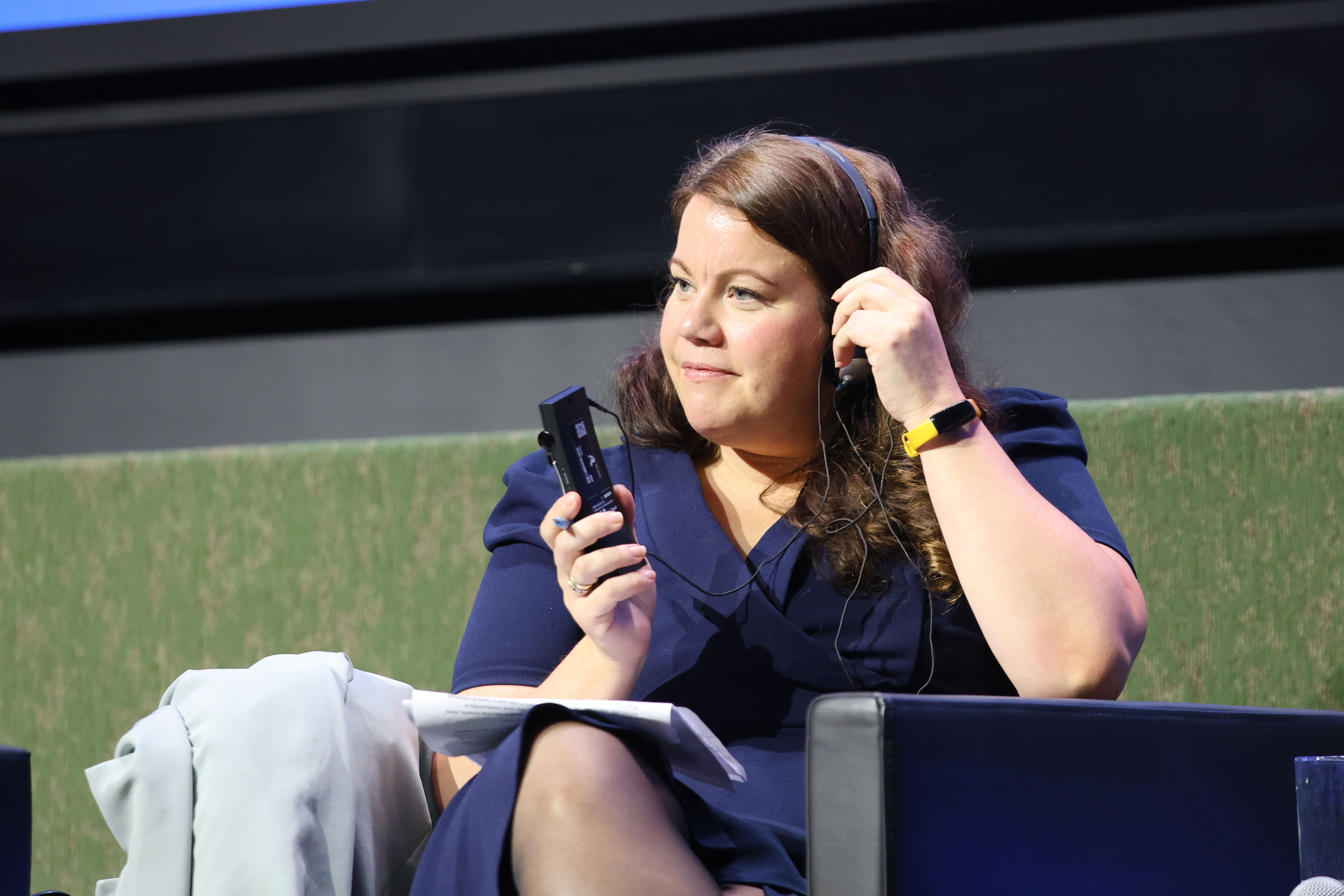
Stine Renate Håheim, State Secretary to the Minister of International Development, Norway
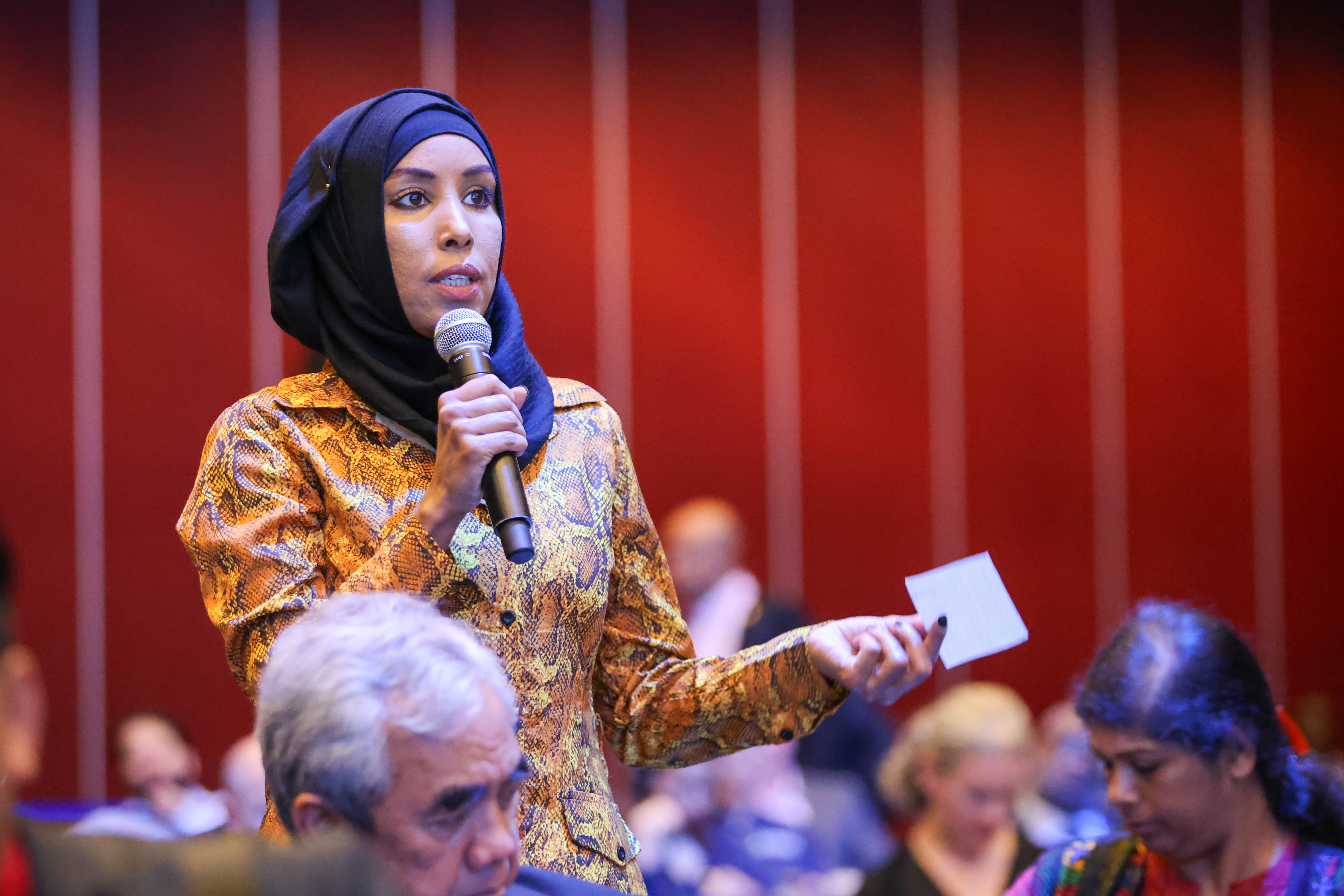
Participants asking questions to the panelists
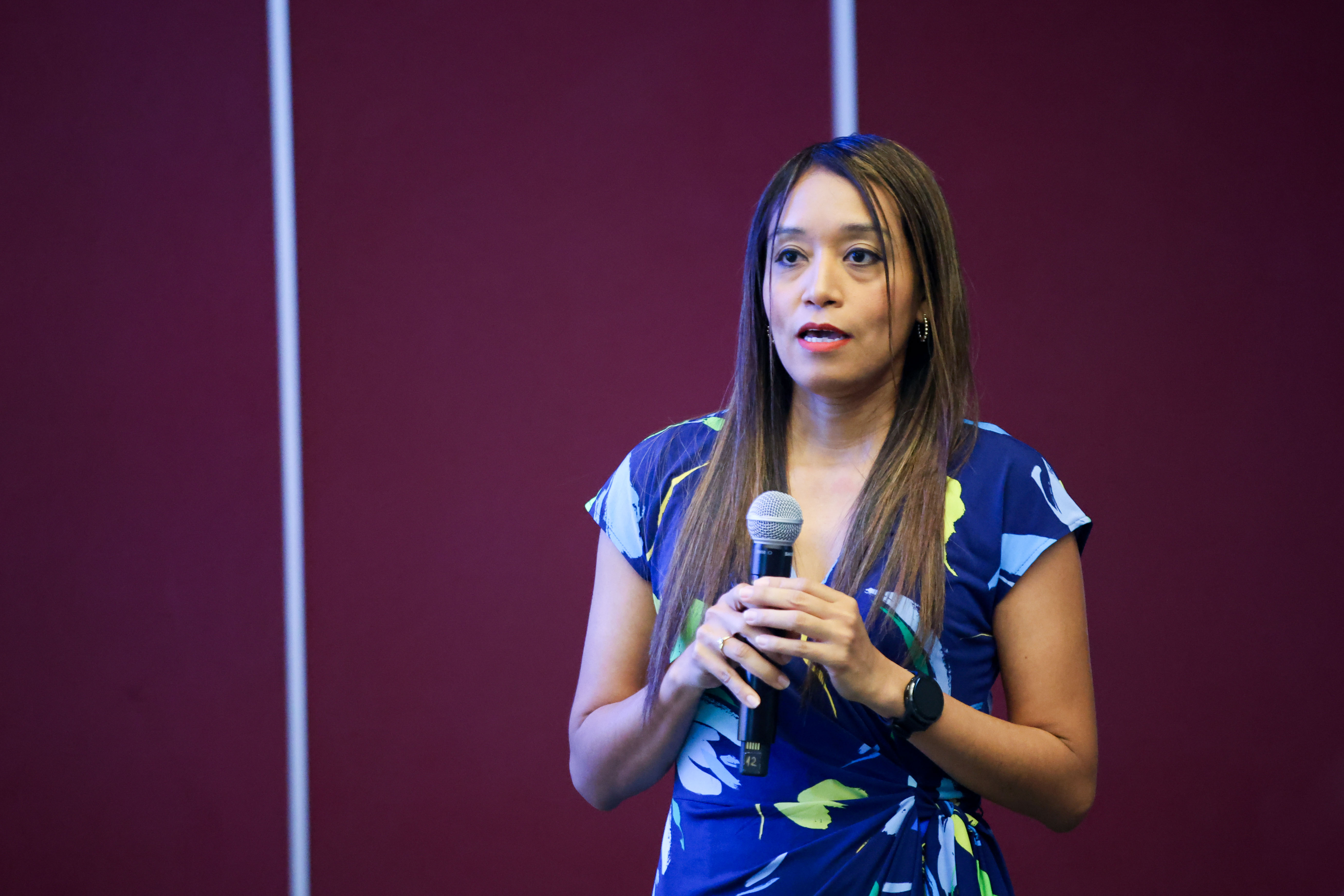
Ministerial Roundtable: Safe Schools Now: Protecting Every Child from Disaster and Climate Risk
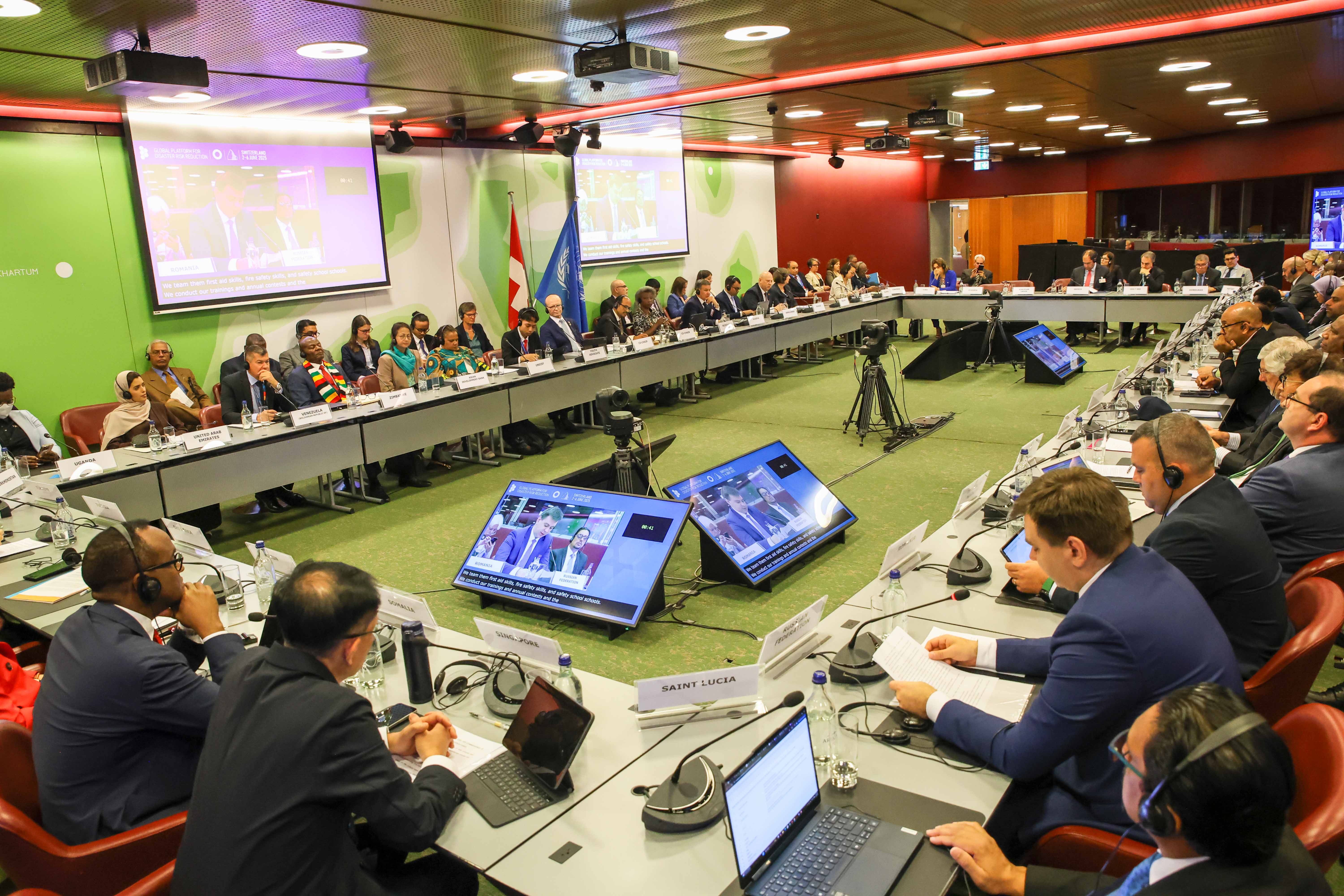
View of the room

Daniel Garwe, Minister of Local Government and Public Works, Zimbabwe
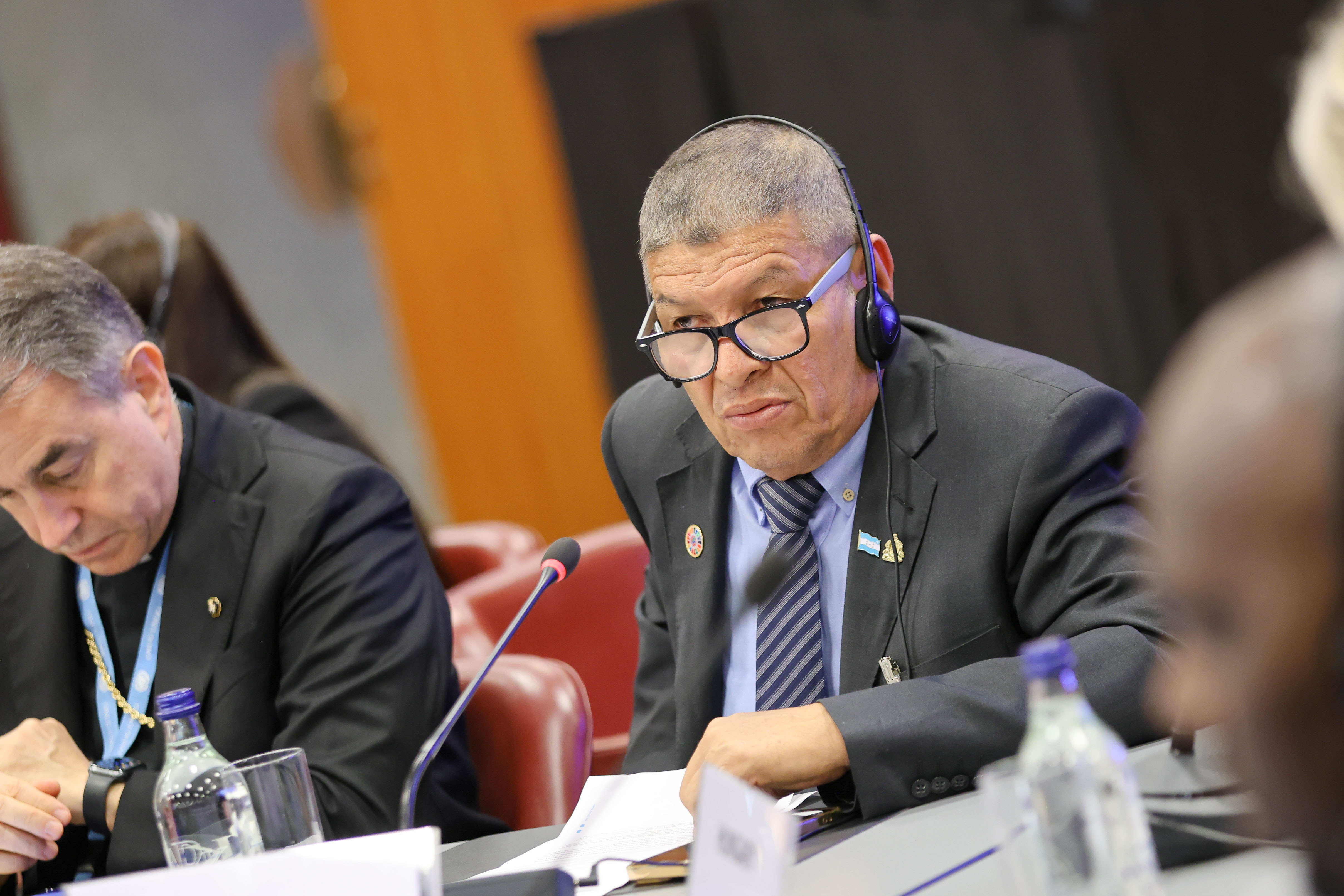
José Benedicto Santos Castro, Office of Risk Management and National Contingencies (COPECO), Honduras
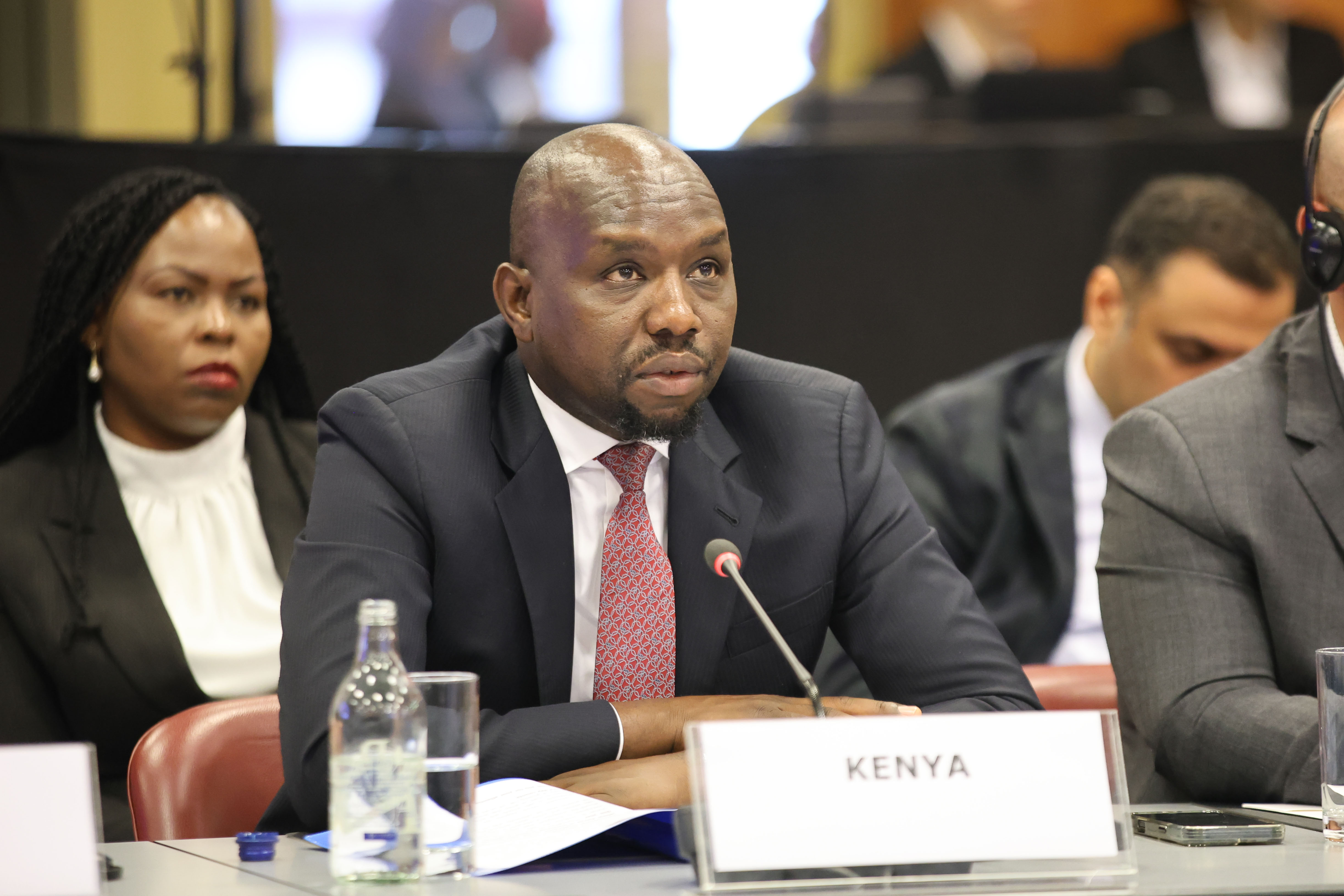
Onesimus Kipchumba Murkomen, Ministry of Interior, Kenya
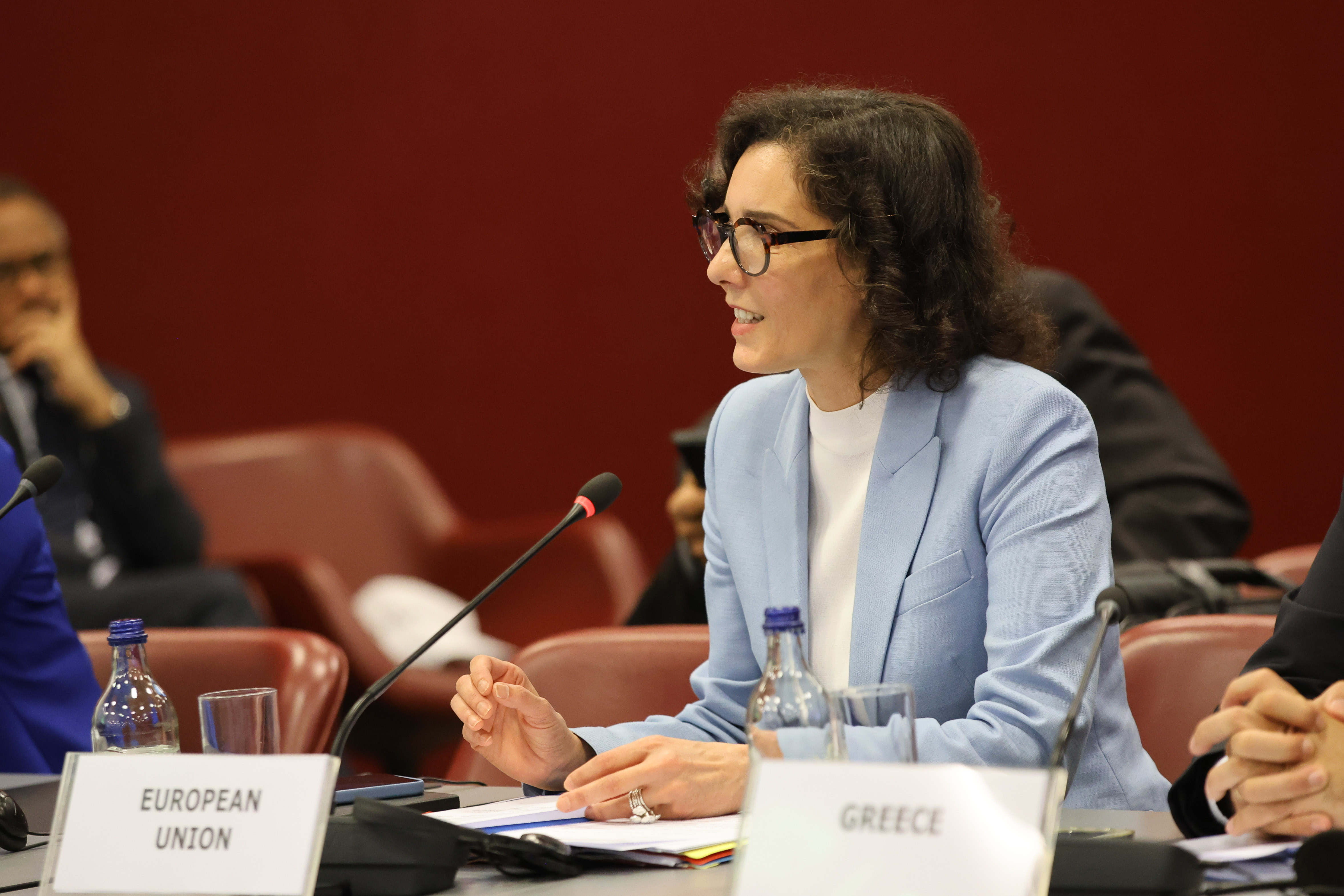
Hadja Lahbib, EU Commissioner for Equality; Preparedness and Crisis Management
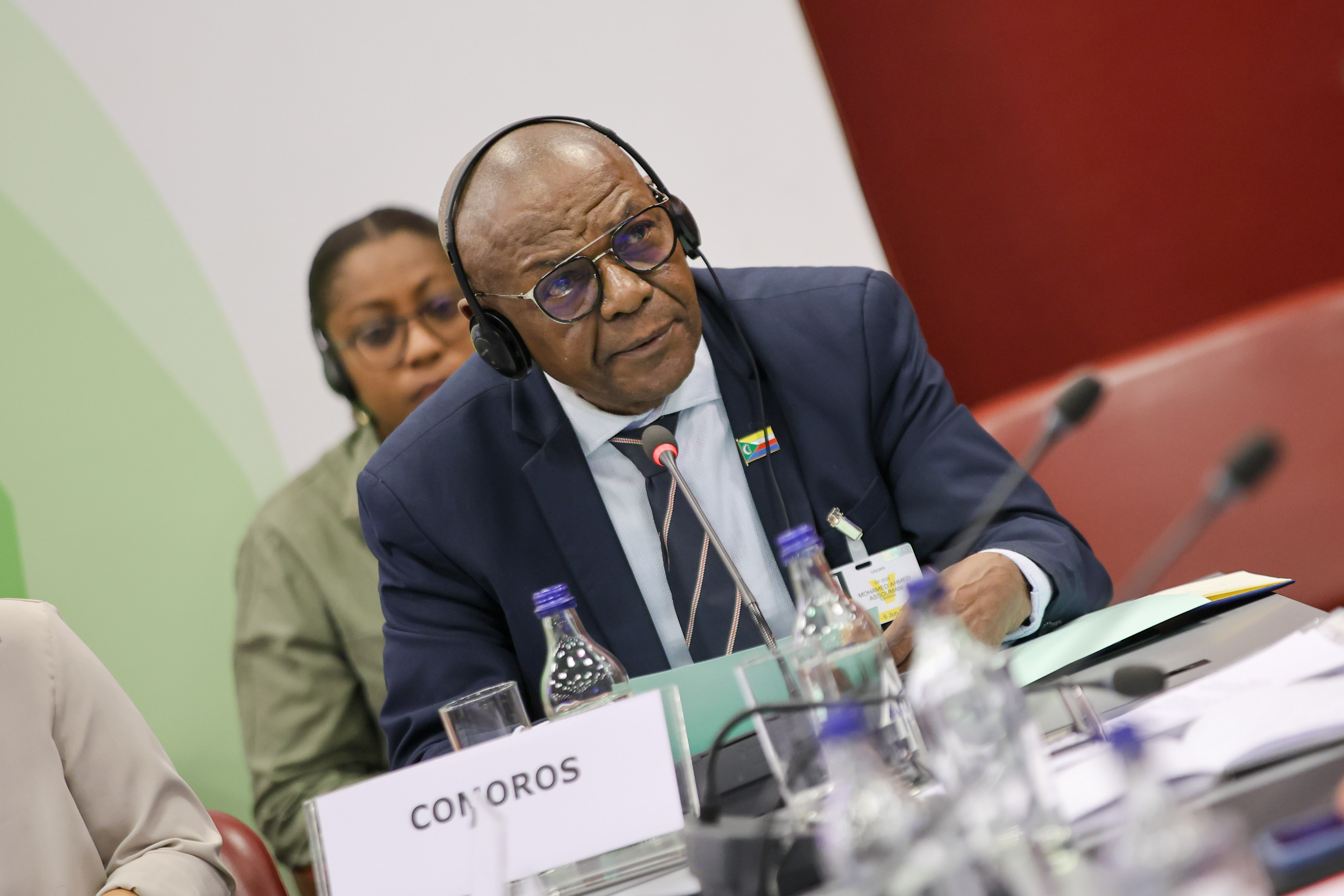
Mohamed Ahmed Assoumani, Minister of Interior, Comoros
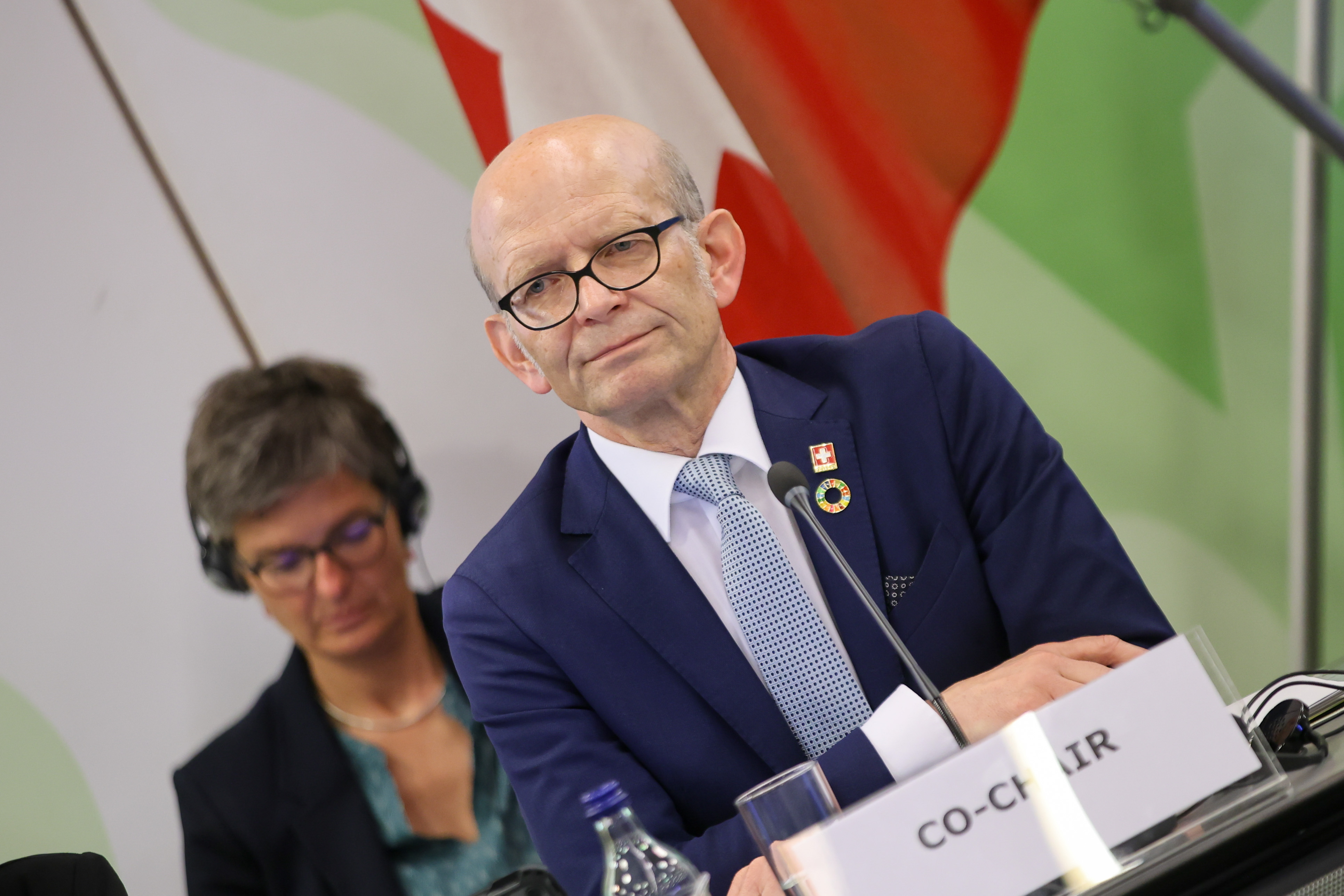
Paul Steffen, Deputy Director-General, Federal Office for the Environment (FOEN), Switzerland
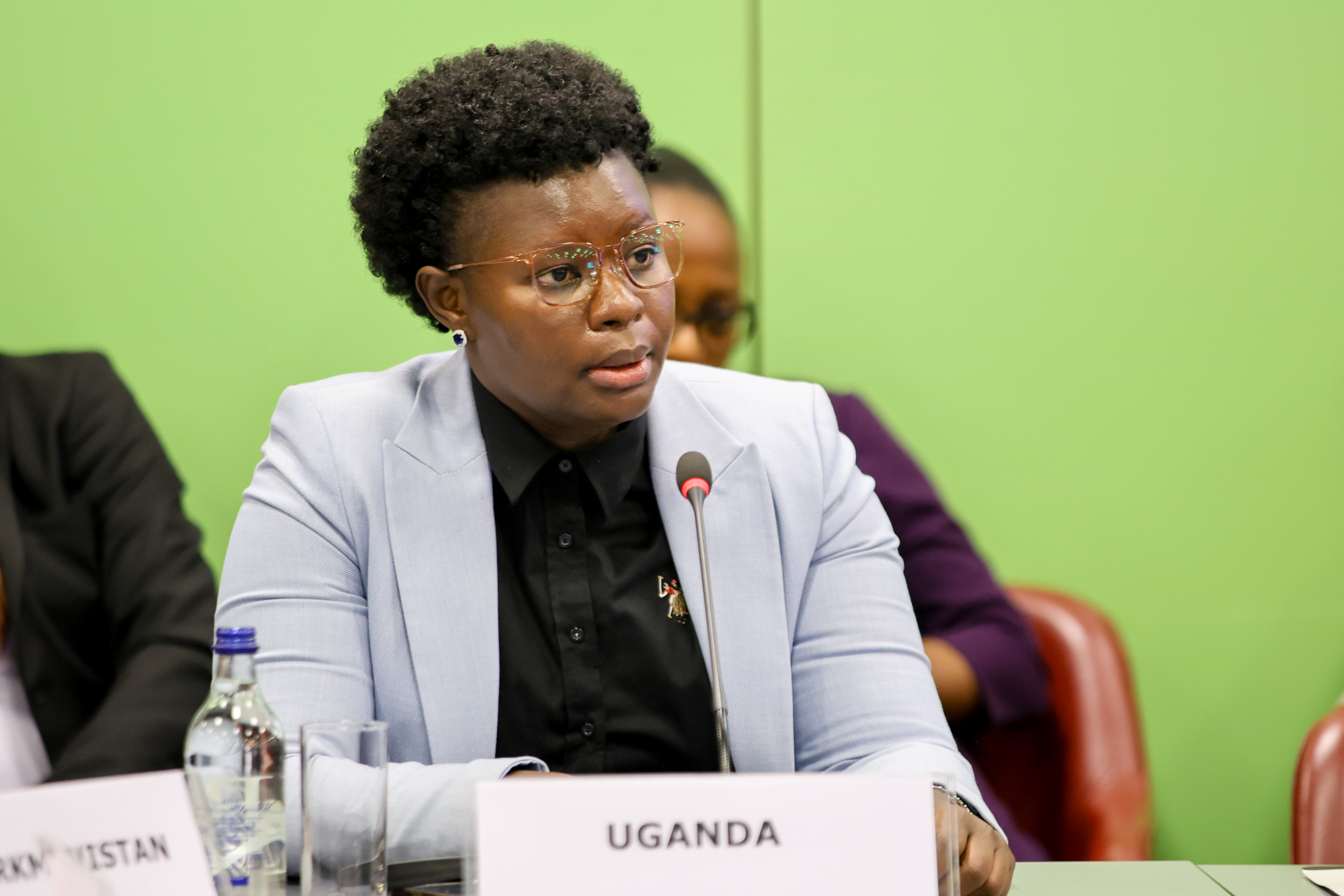
Lillian Aber, Minister of Relief, Disaster Preparedness and Refugees, Uganda
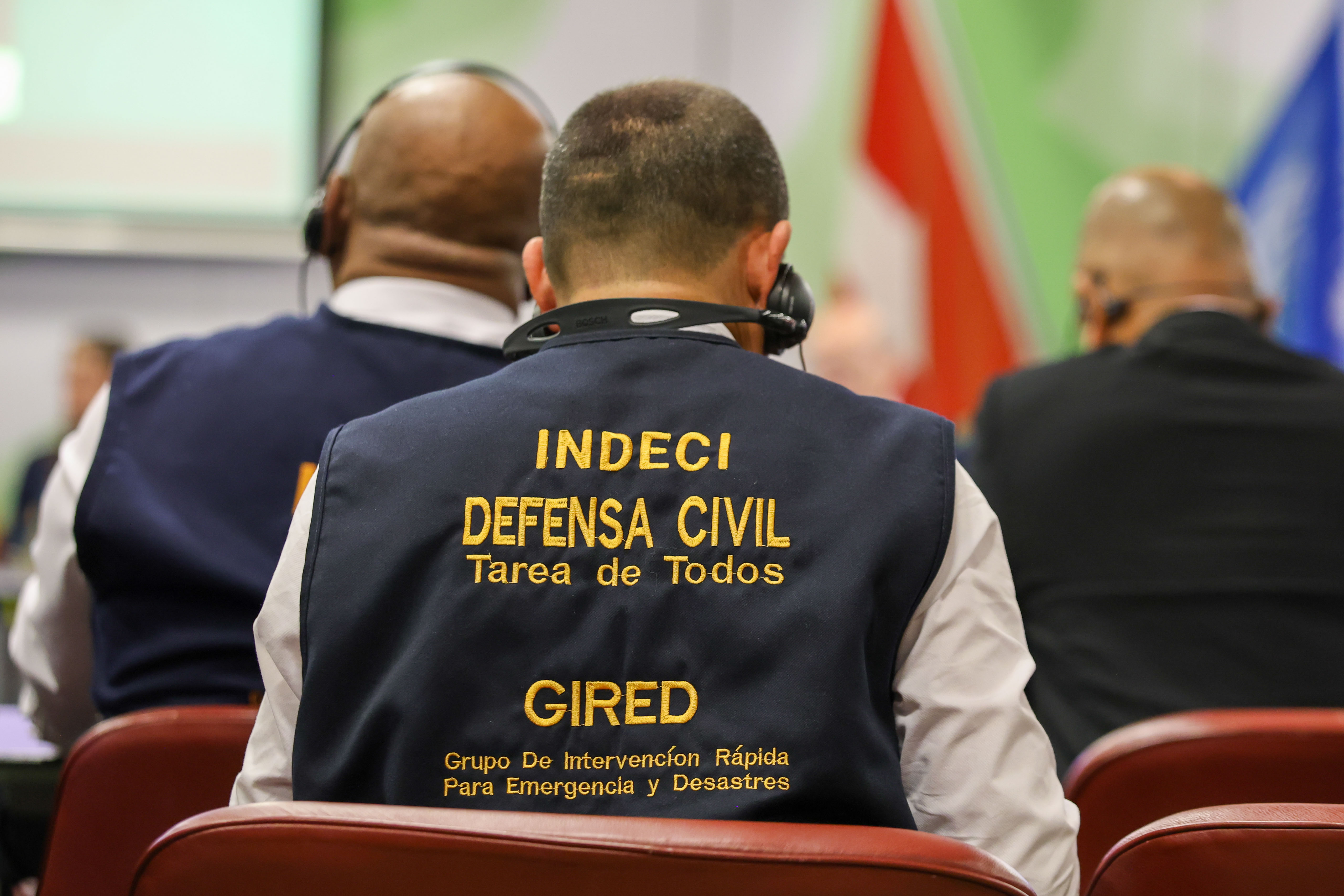
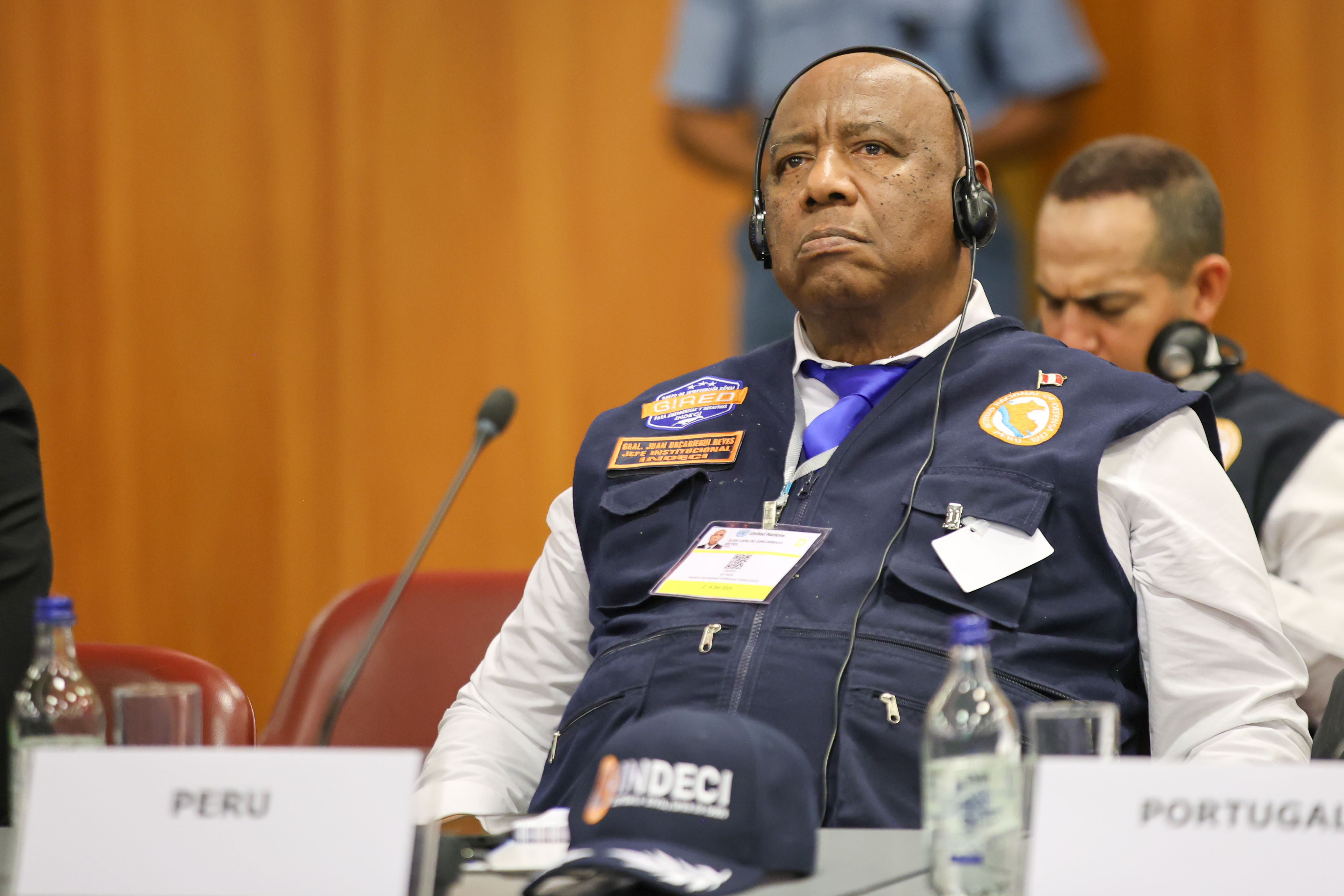
Juan Carlos Urcariegui Reyes, Head, National Institute of Civil Defense, Peru
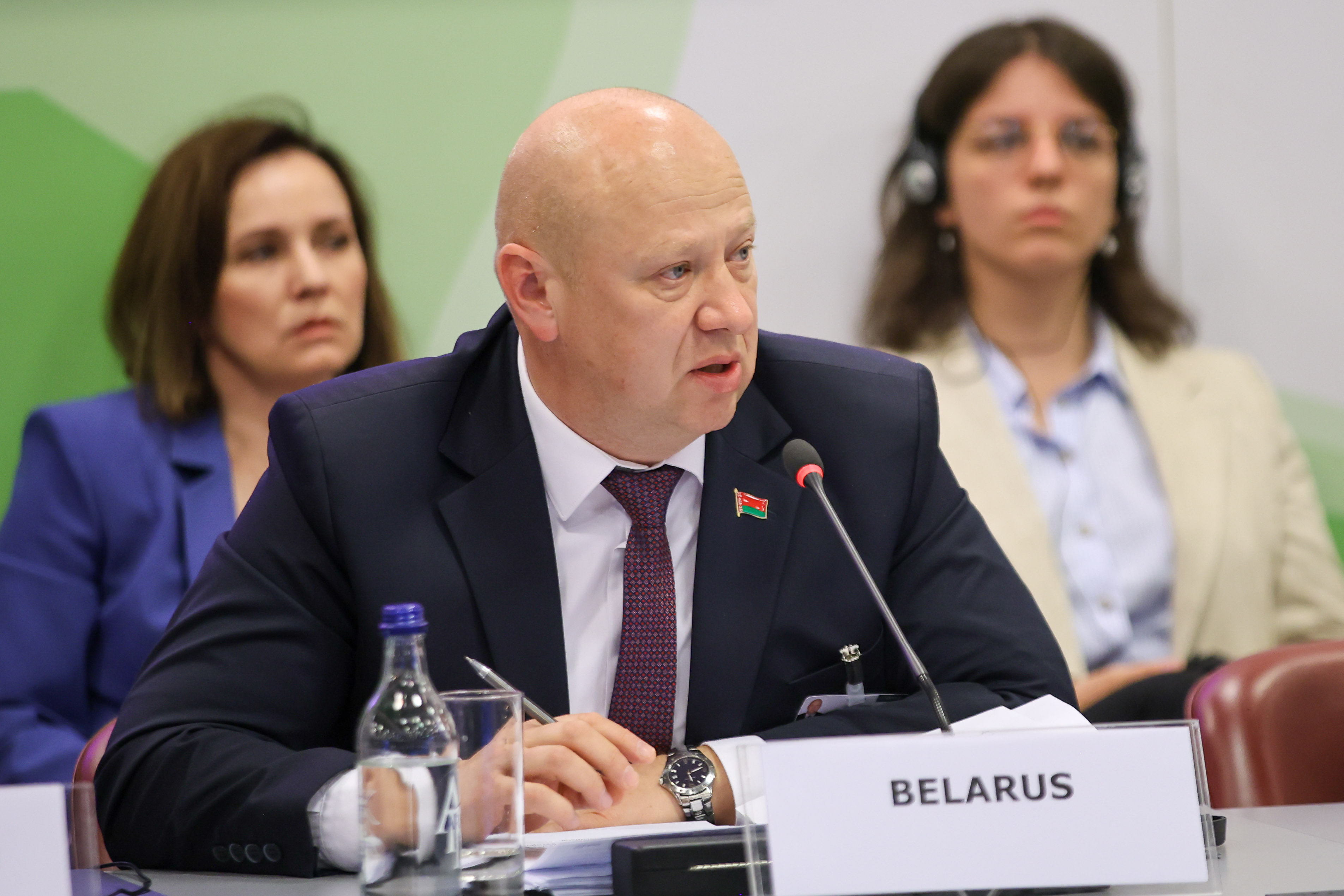
Siarhei Salanovich, Deputy Minister for Emergency Situations, Belarus
Multi-Stakeholder Plenary
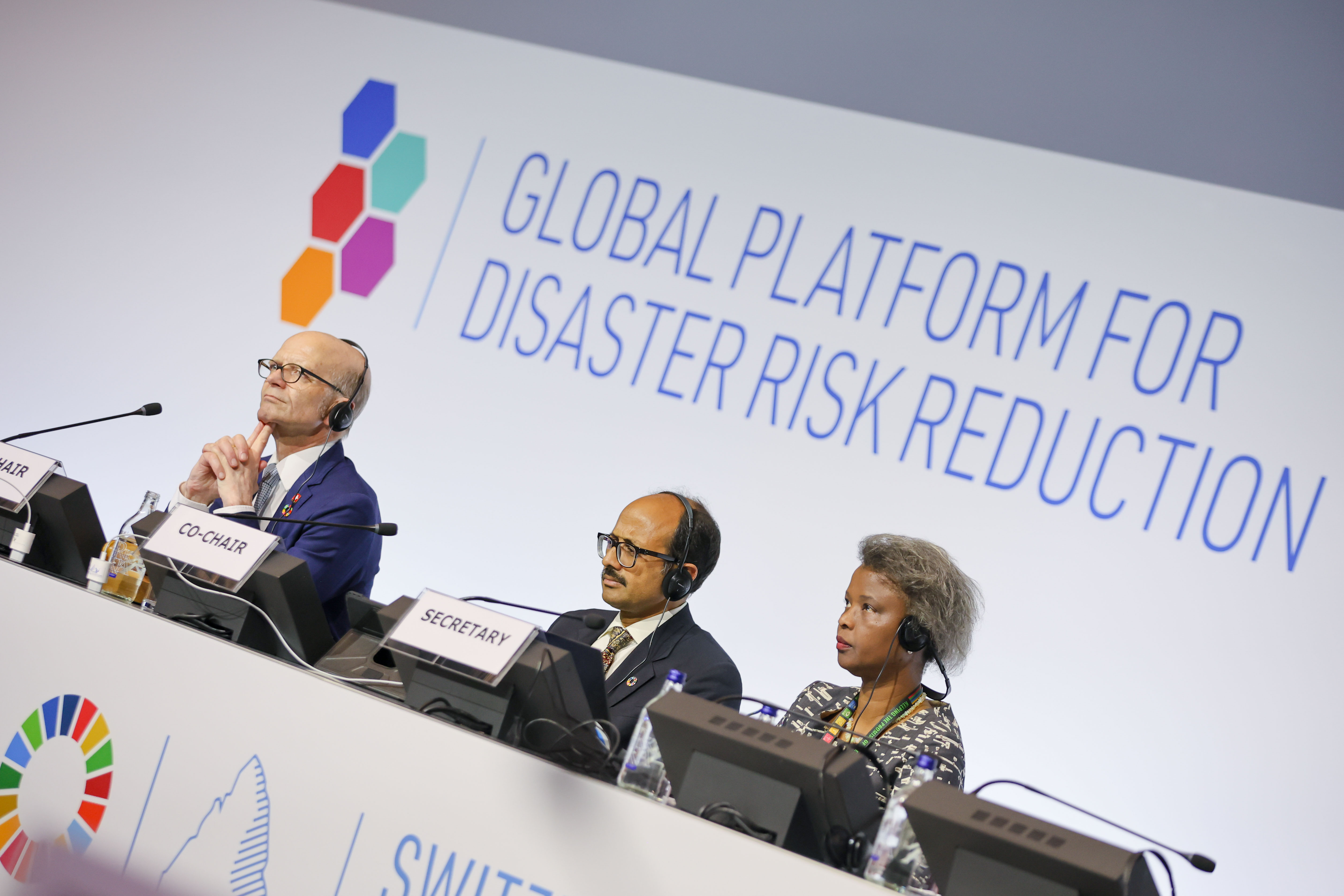
View of the panel
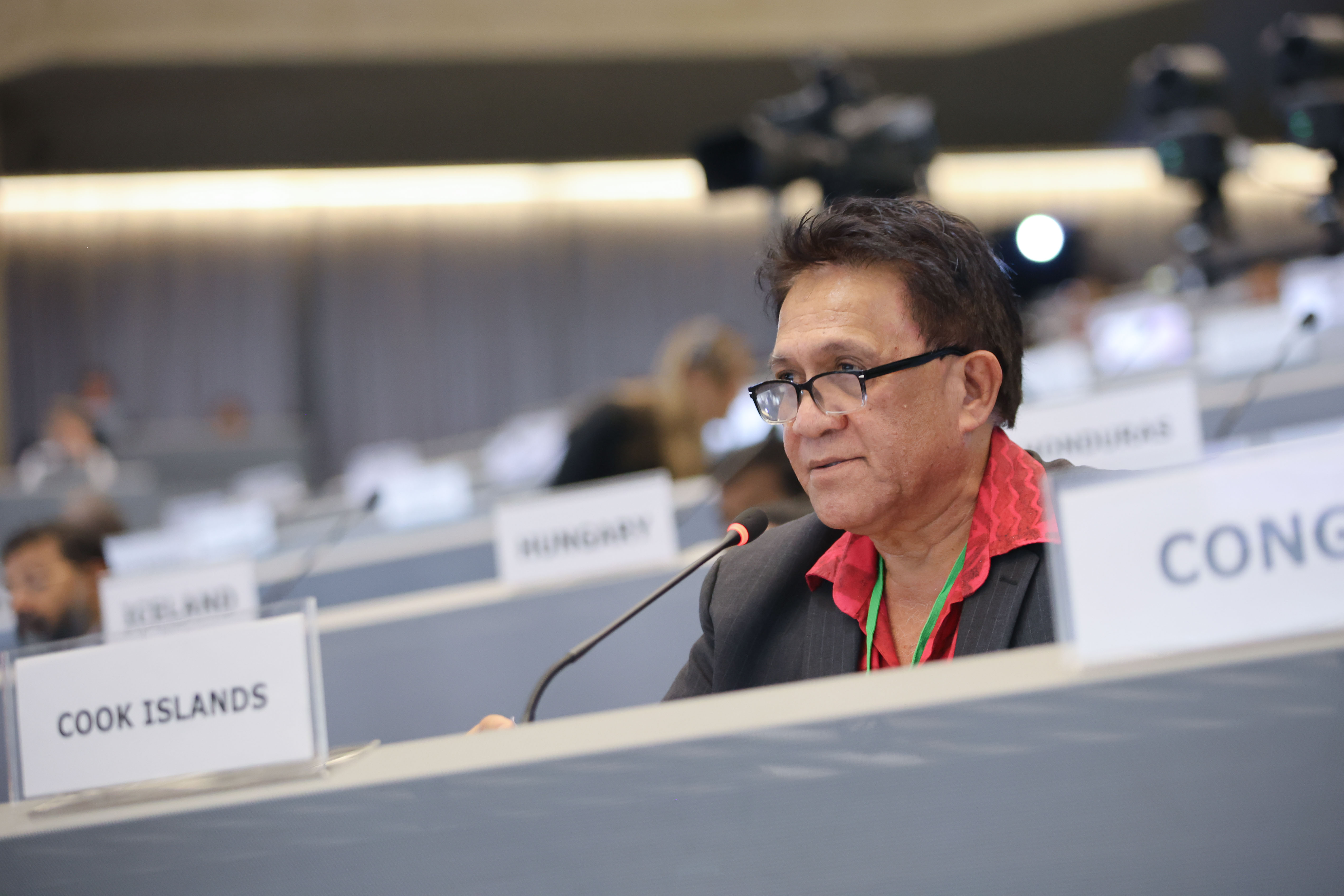
John Strickland, Cook Islands

Mohamed Jarefa, Morocco
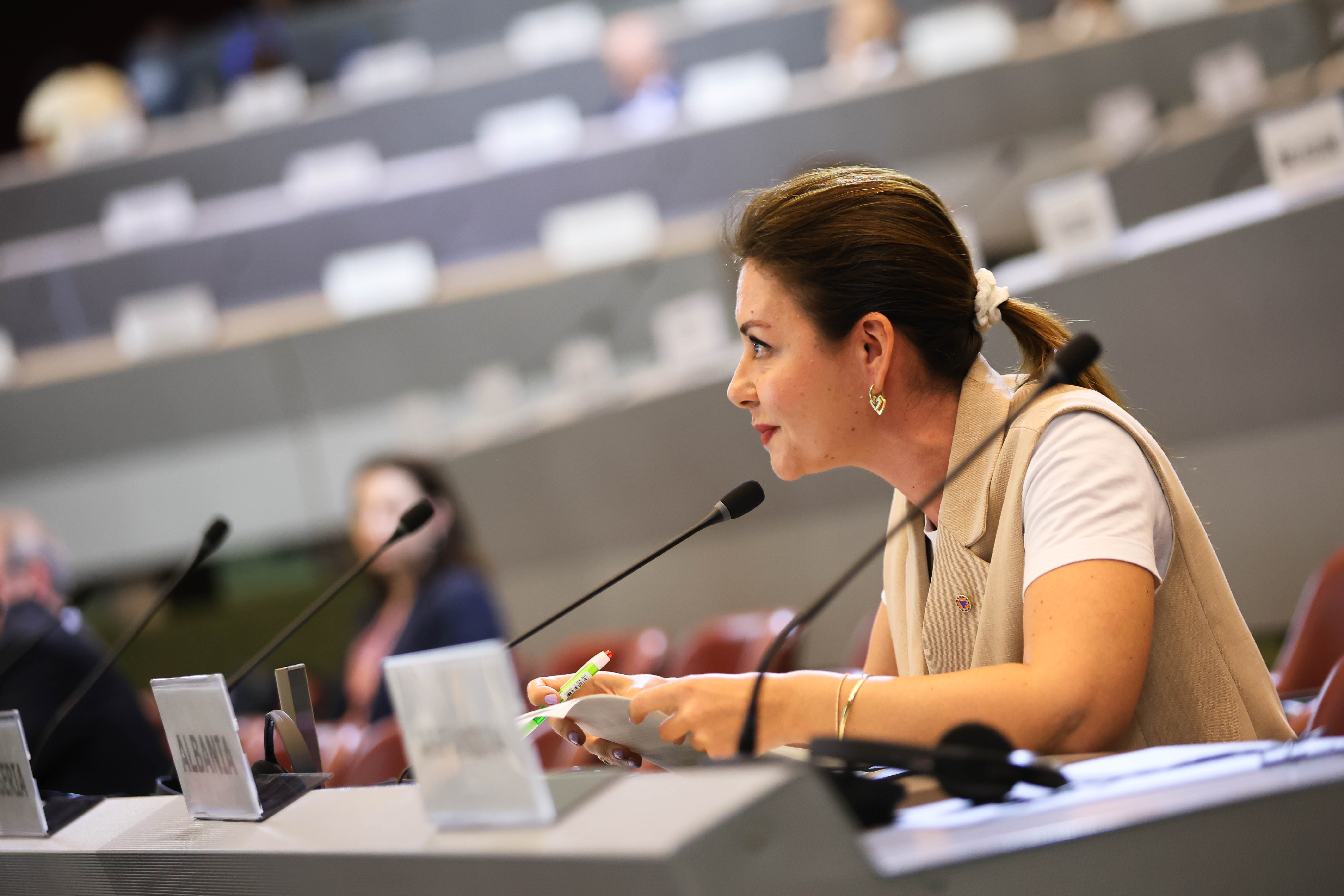
Adisa Bala, Albania
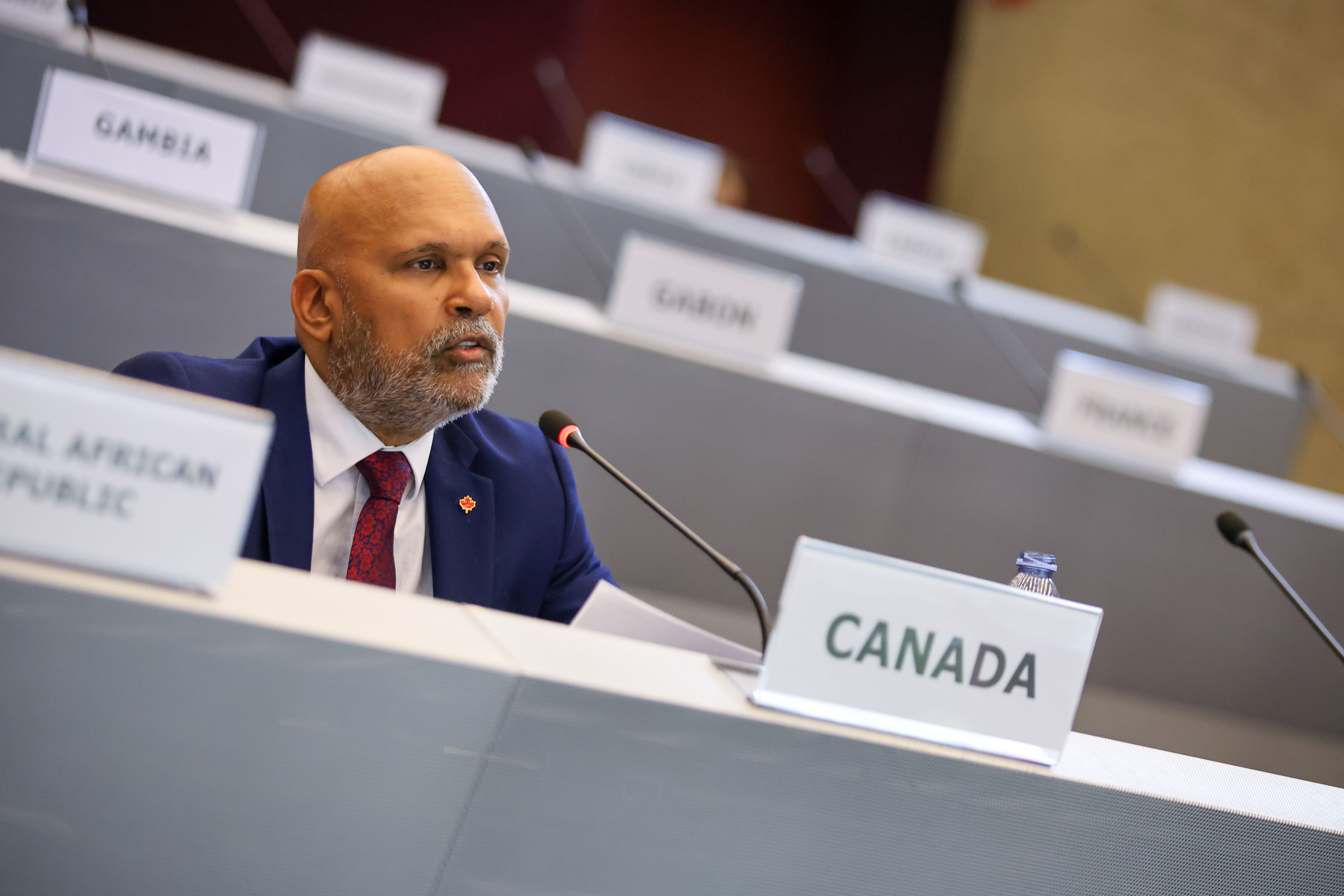
Trevor Bhupsingh, Canada
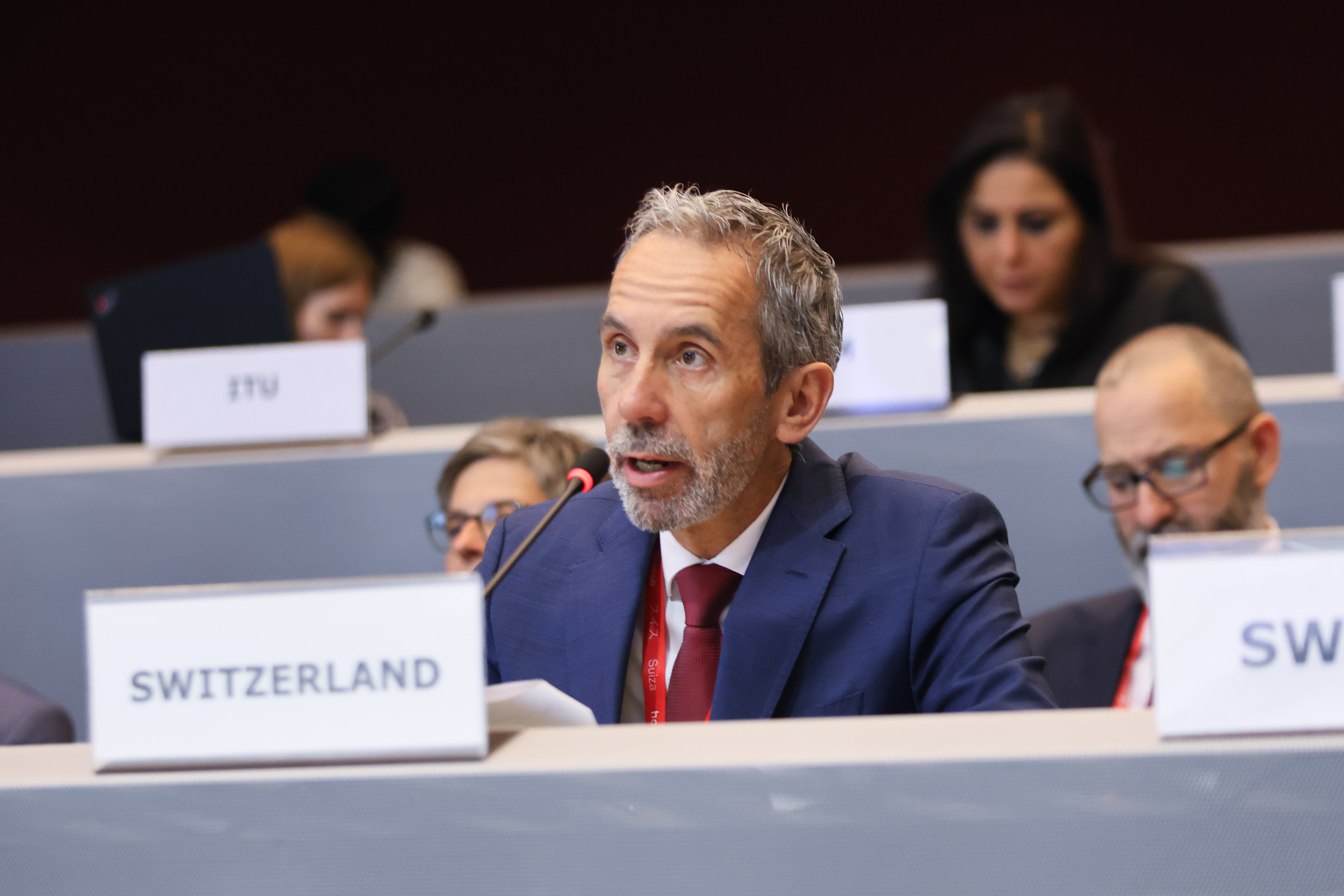
Dominik Stillhart, Switzerland
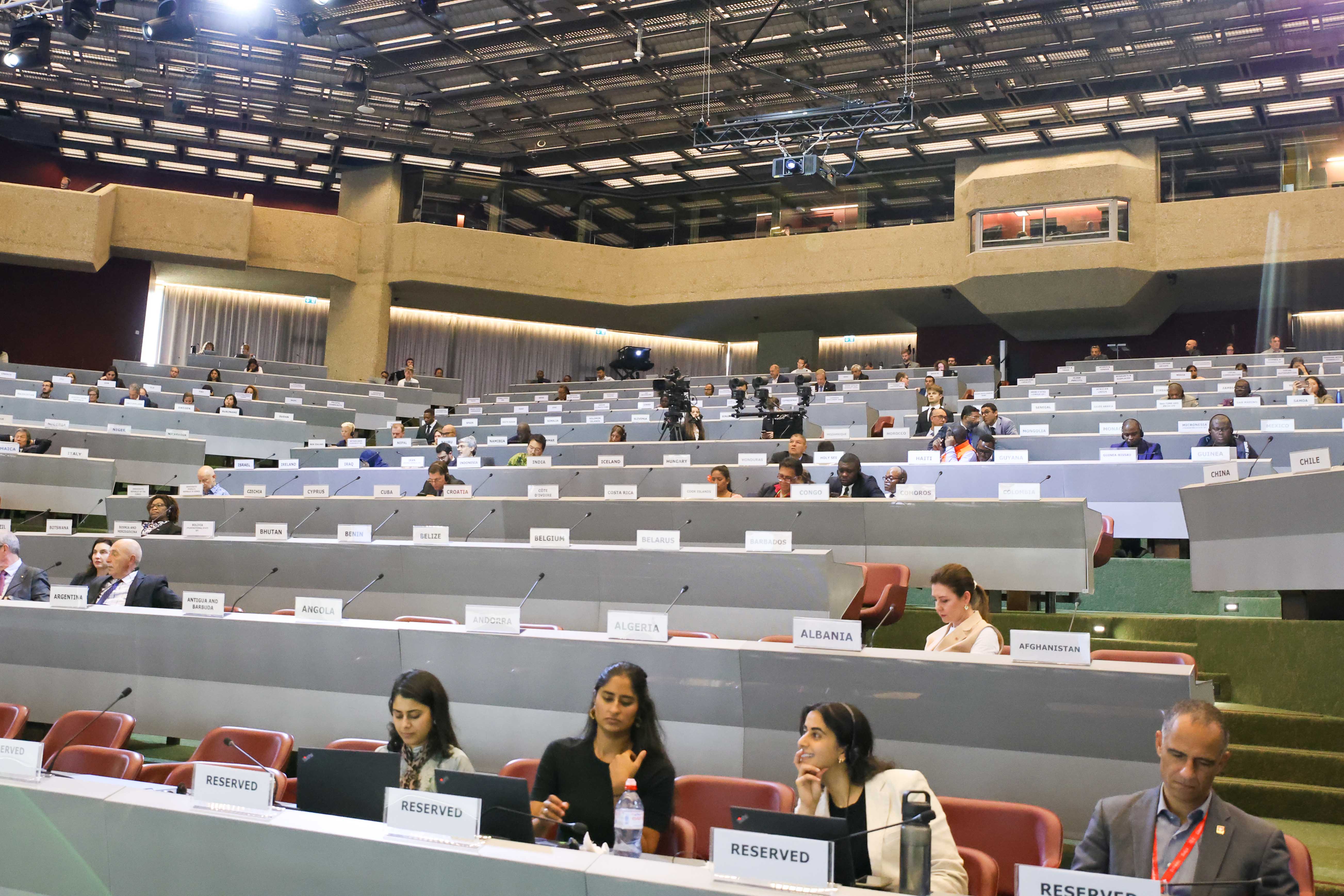
View of the room
Thematic Sessions
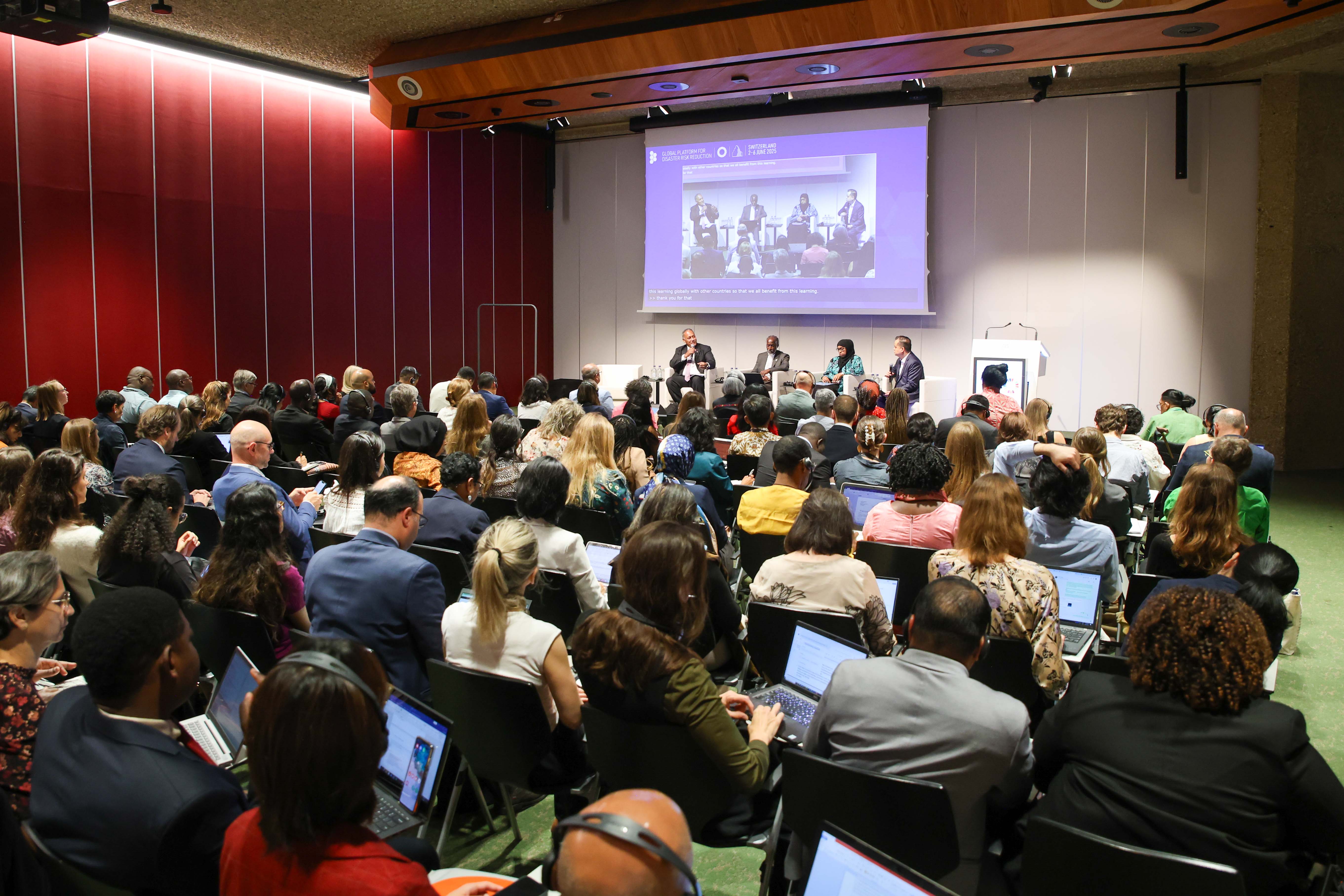
View of the room during the Thematic Session on Catalyzing Governance Solutions for Disaster and Climate-related Displacement
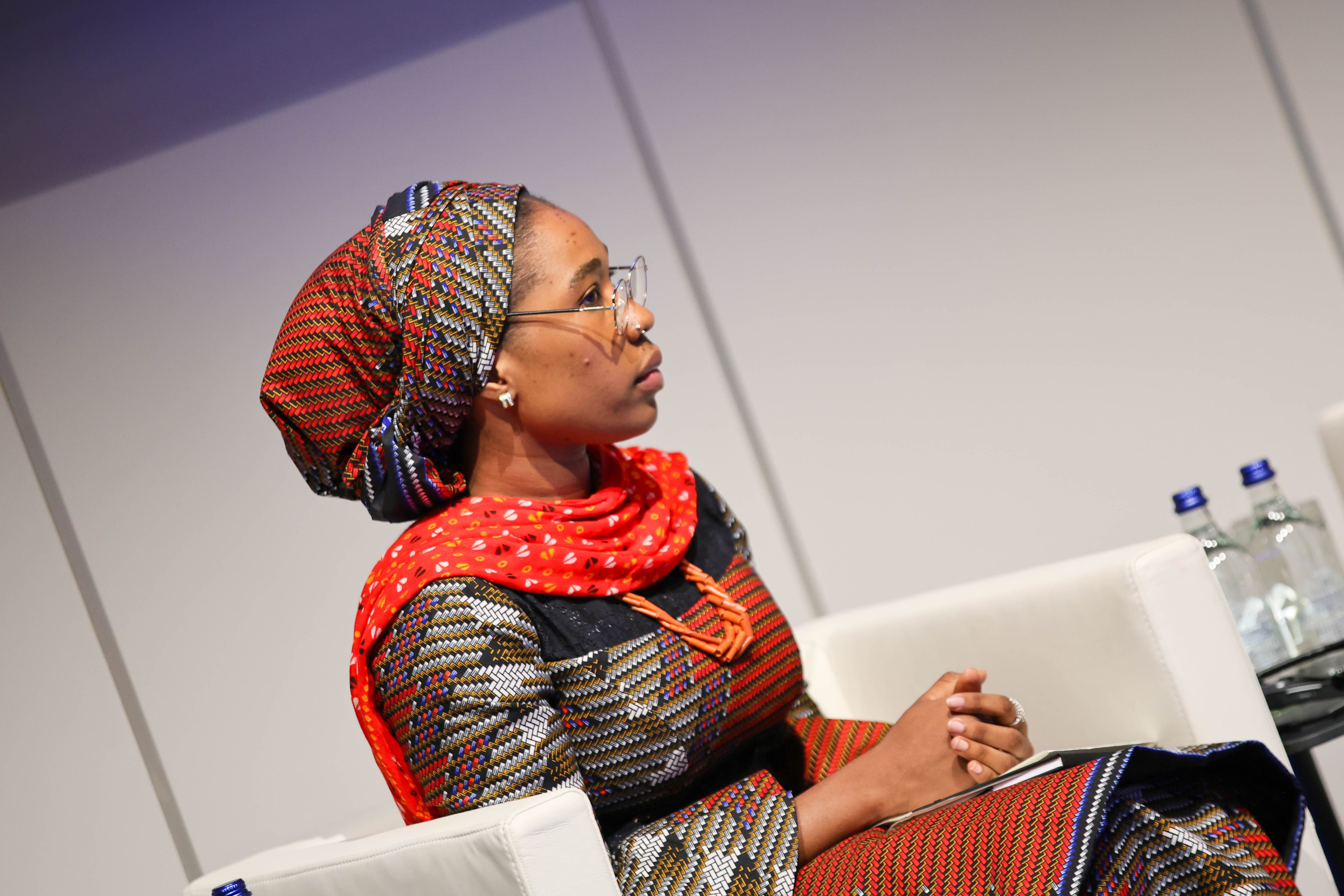
Fatimah Zannah Mustapha, Rehabilitation, Empowerment and Justice Community Action (REJECA)
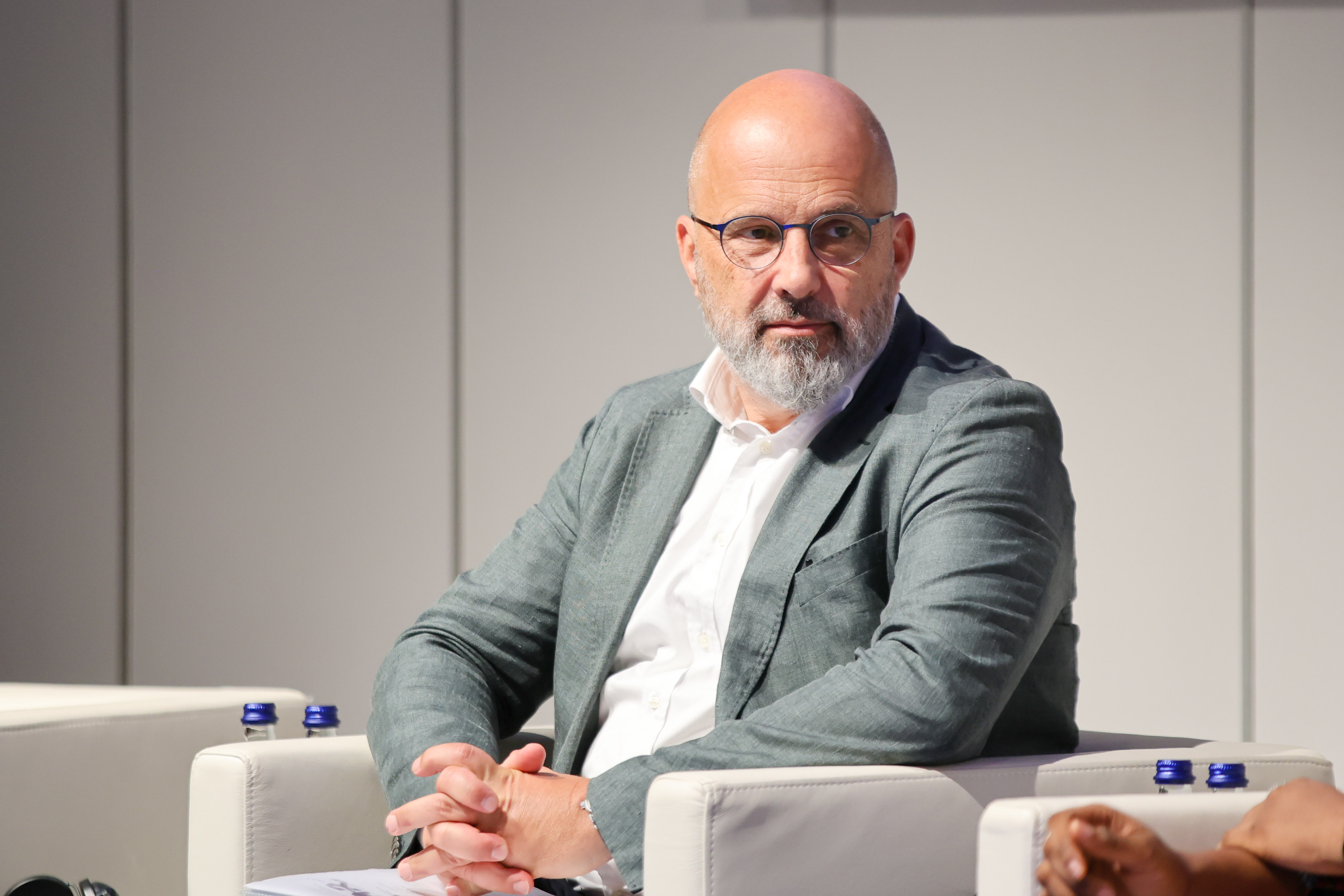
Robert Piper, Former UN Secretary-General’s Advisor on Solutions to Internal Displacement
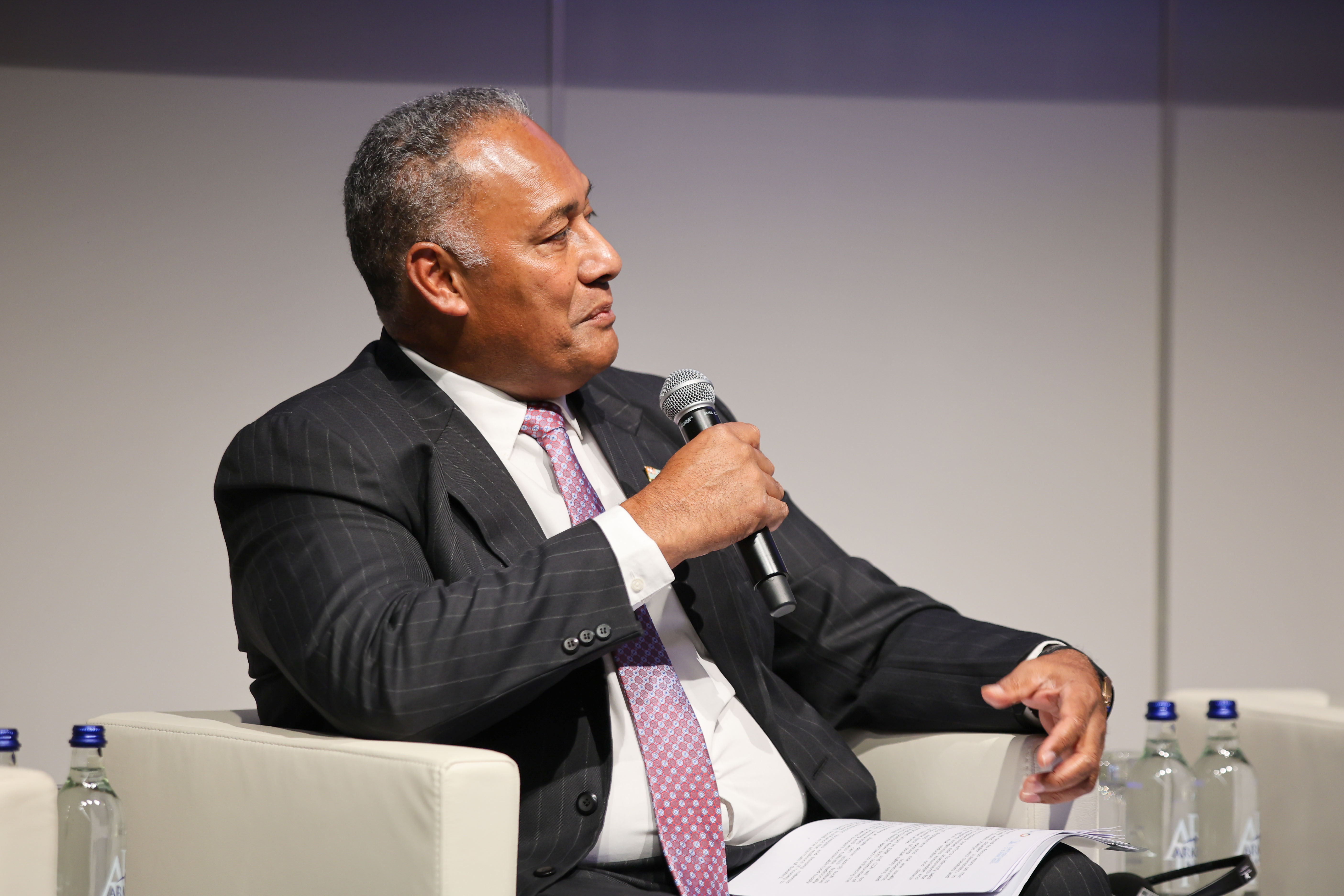
Sakiasi Ditoka, Minister for Rural and Maritime Development and Disaster Management, Fiji
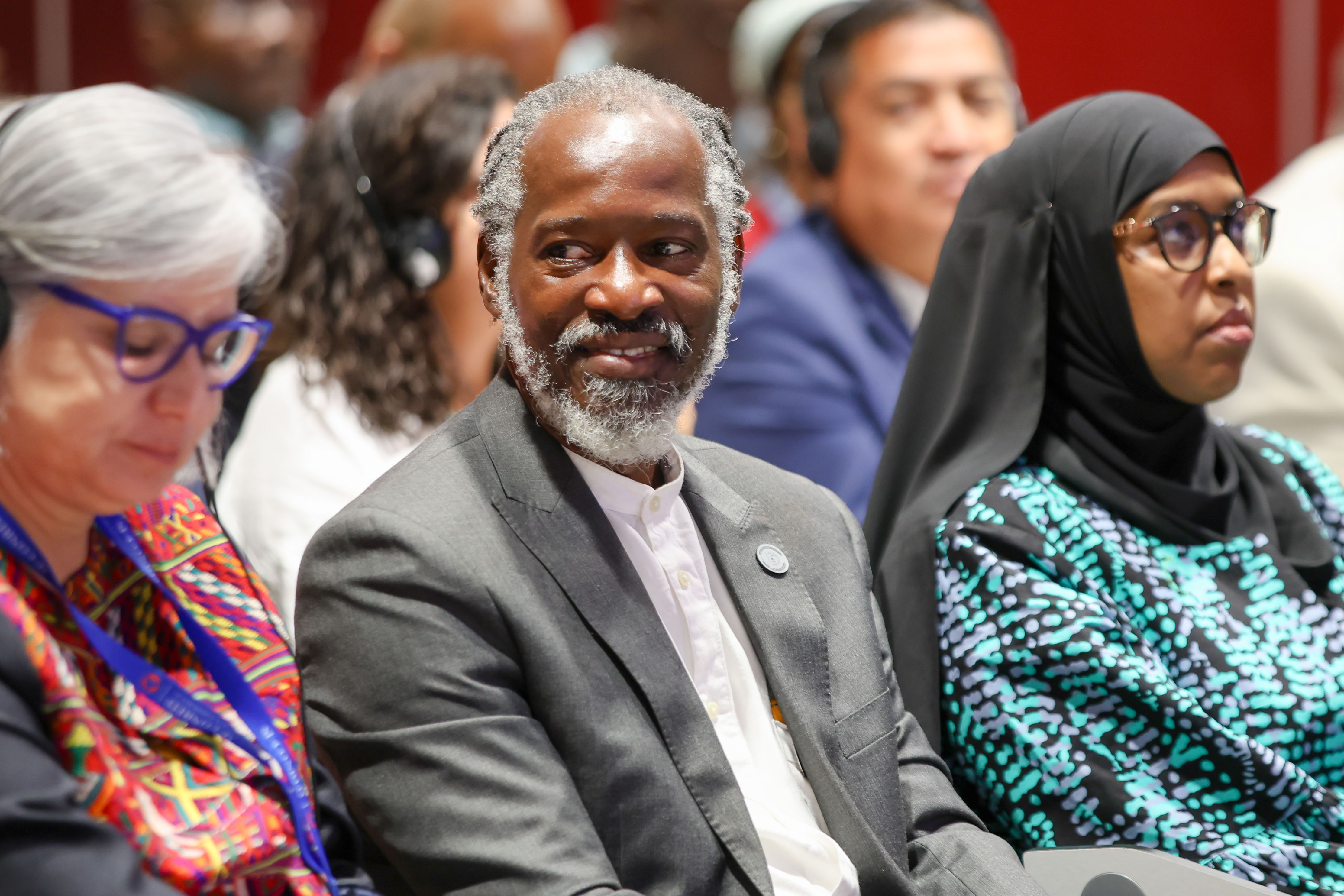
John Mussington, Antigua and Barbuda
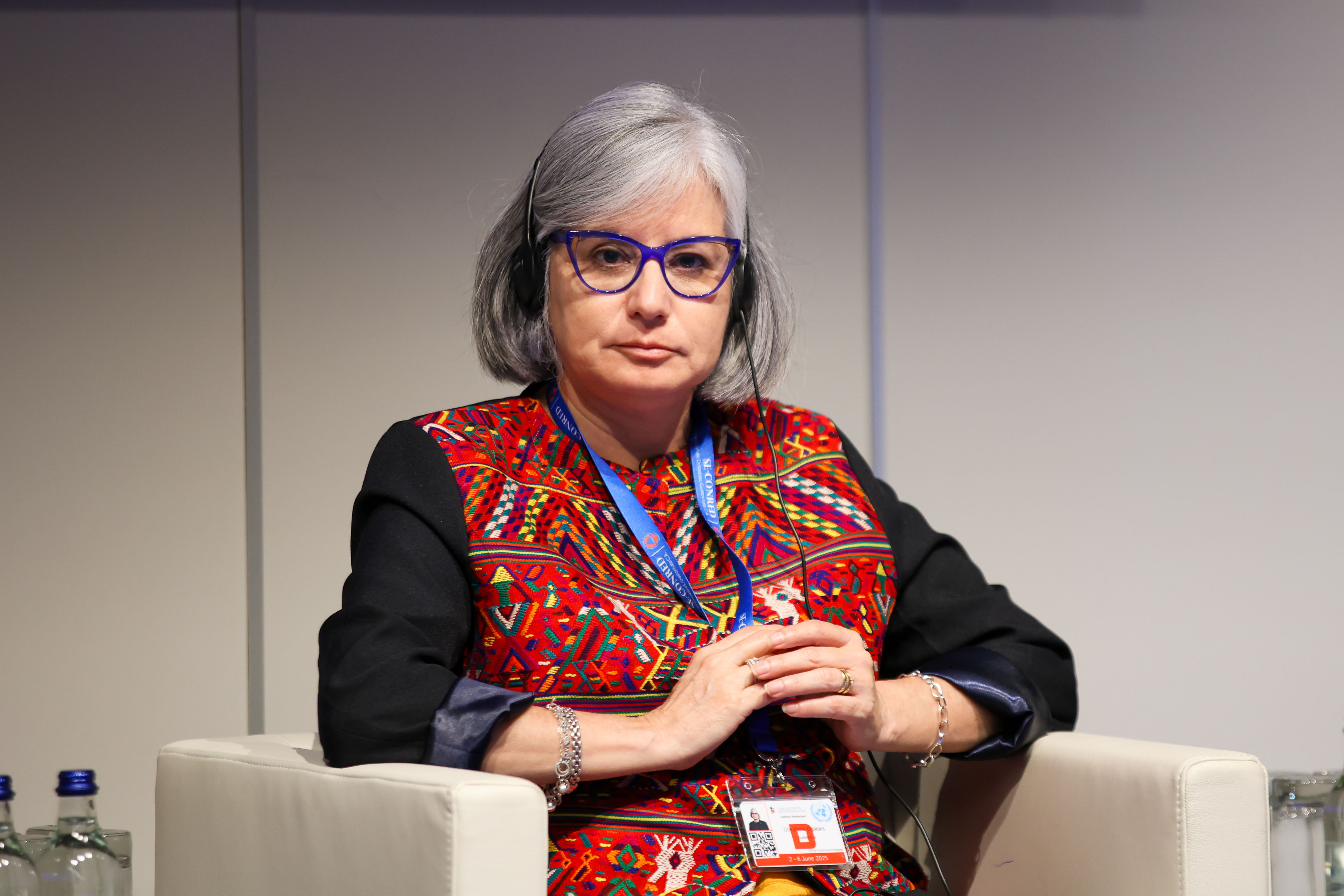
Claudinne Ogaldes, Guatemala
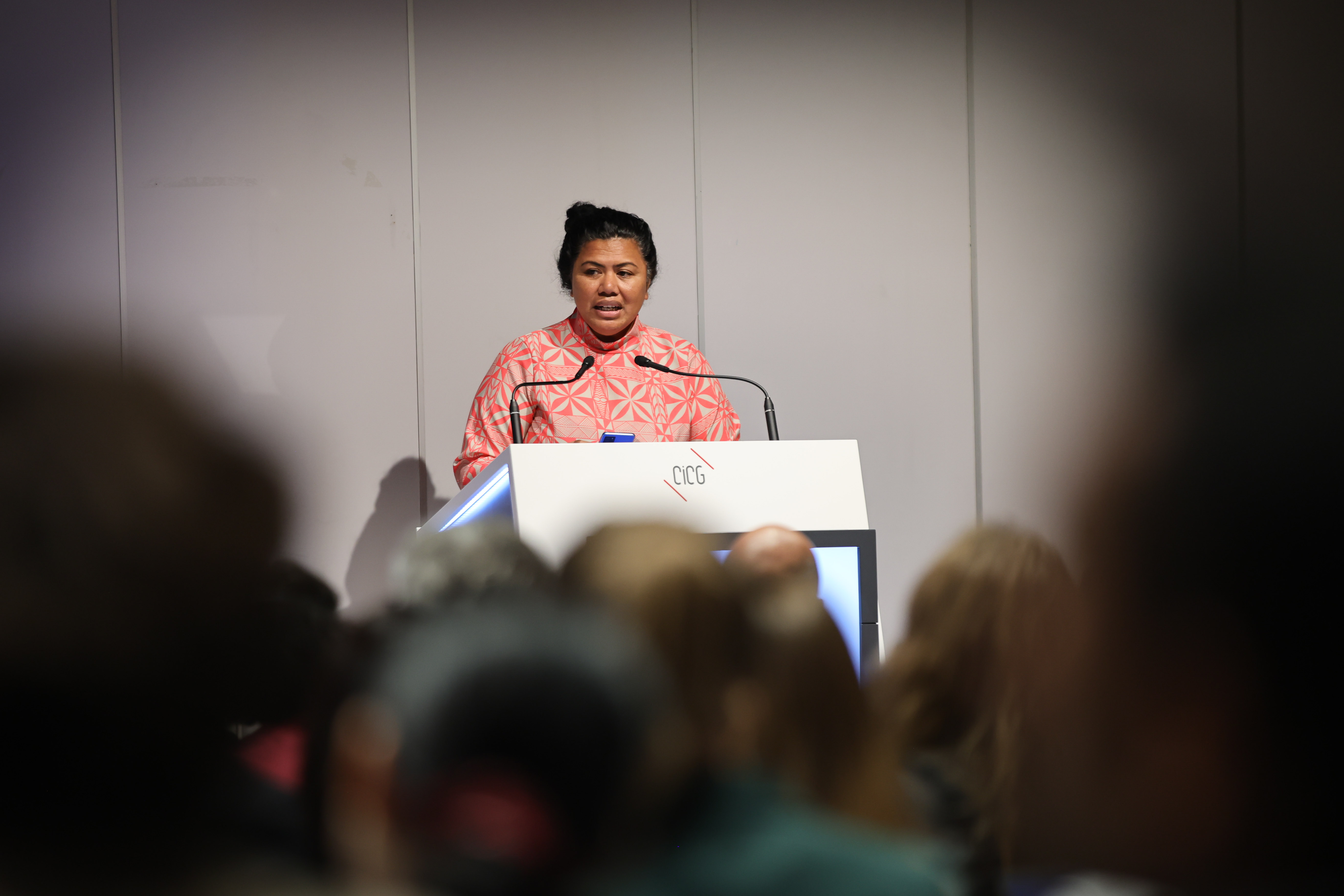
Makelesi Ngata, Pacific Women’s Representative and DRR champion
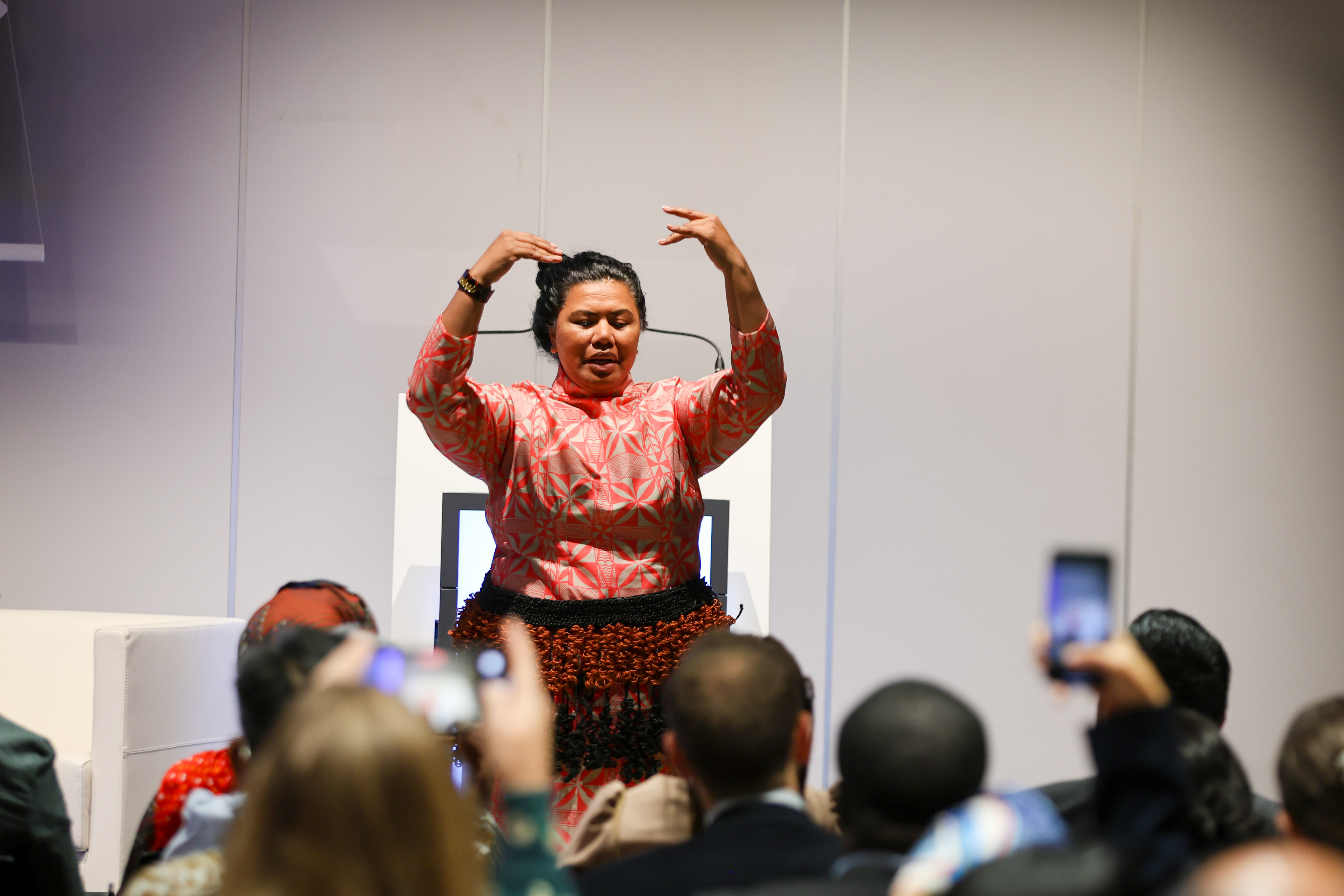
Makelesi Ngata, Pacific Women’s Representative and DRR champion, performing a dance
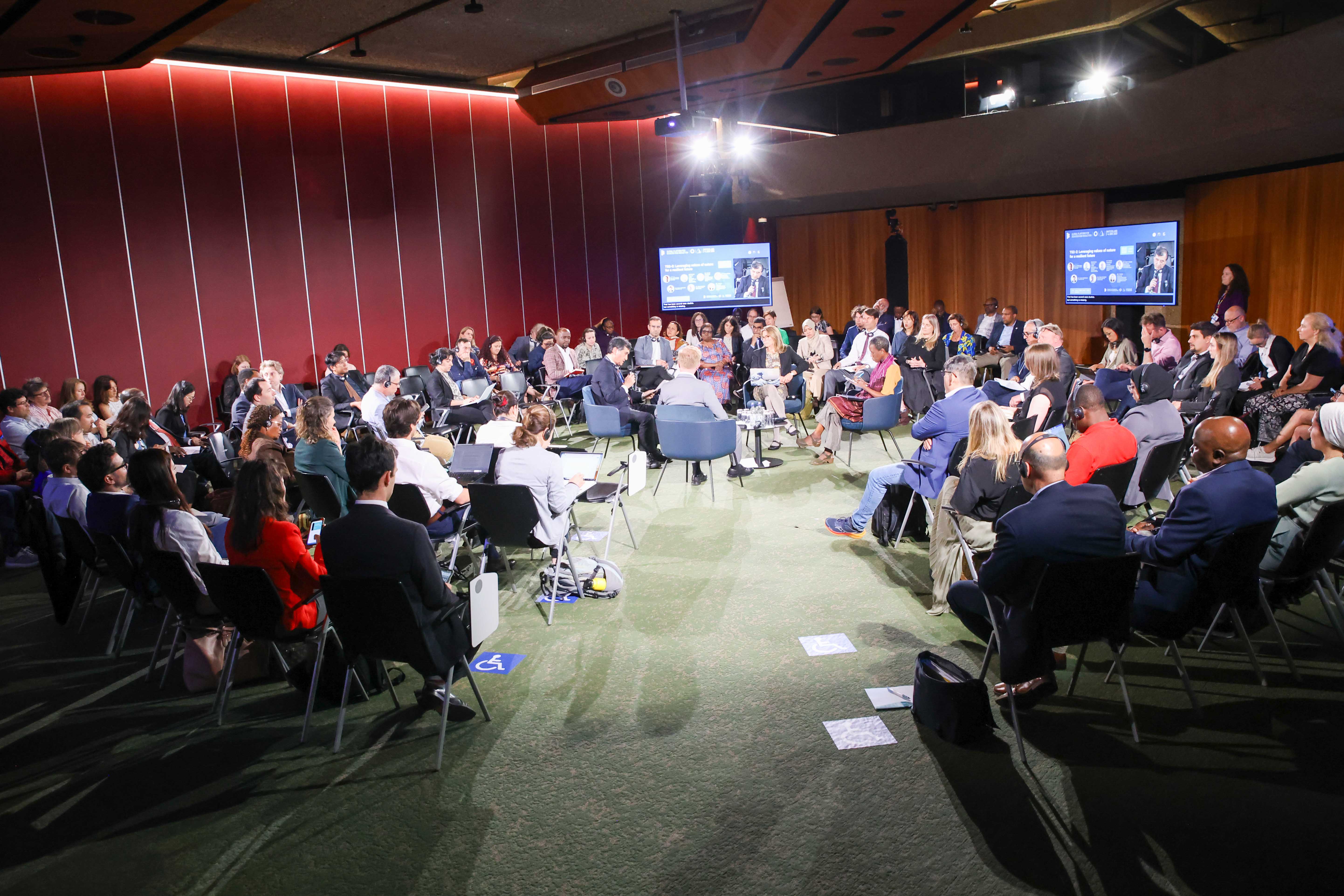
View of the room during the Thematic Session on Leveraging Values of Nature for a Resilient Future
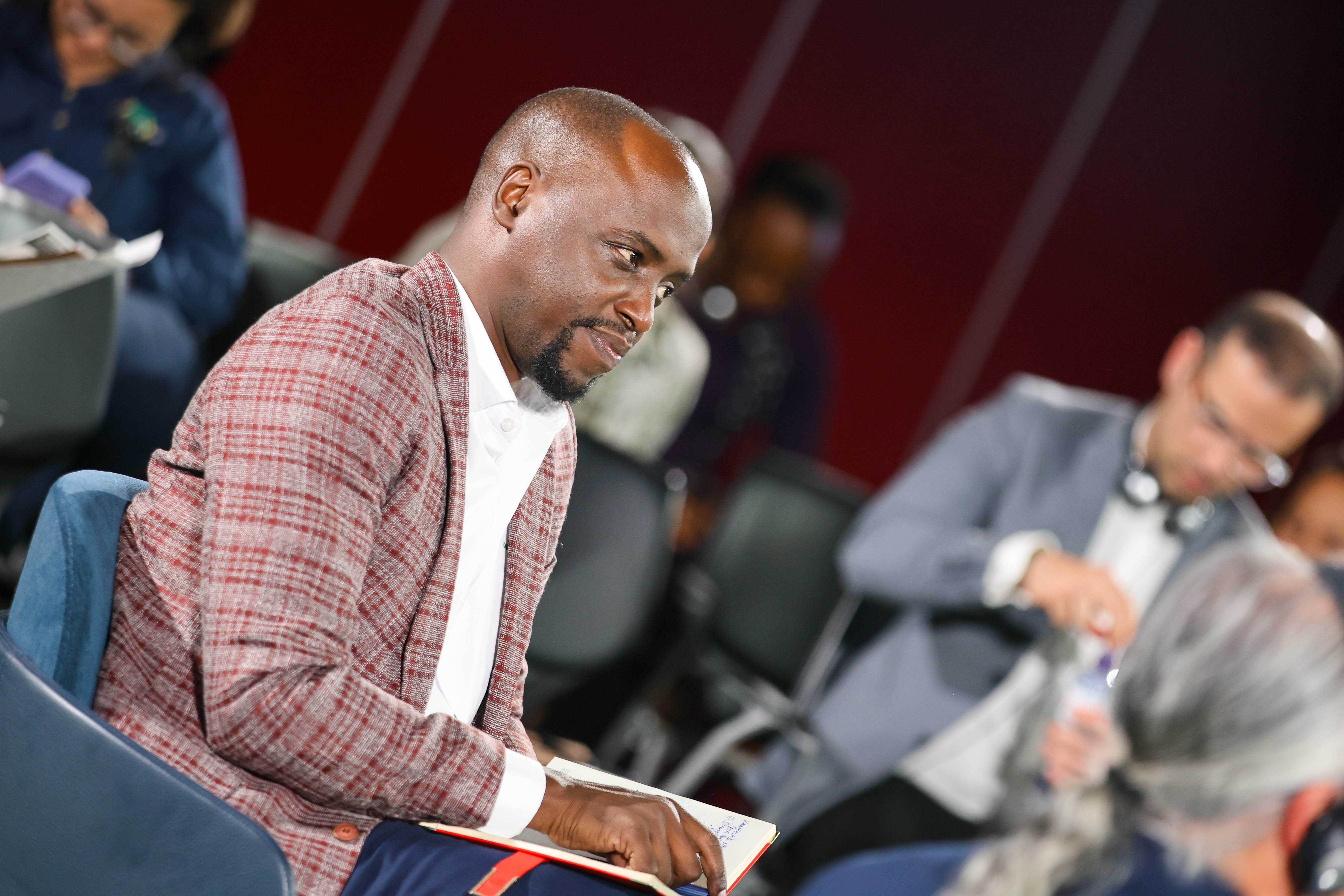
Isaac Luwaga Mugumbule, Kampala Capital City Authority (KCCA)
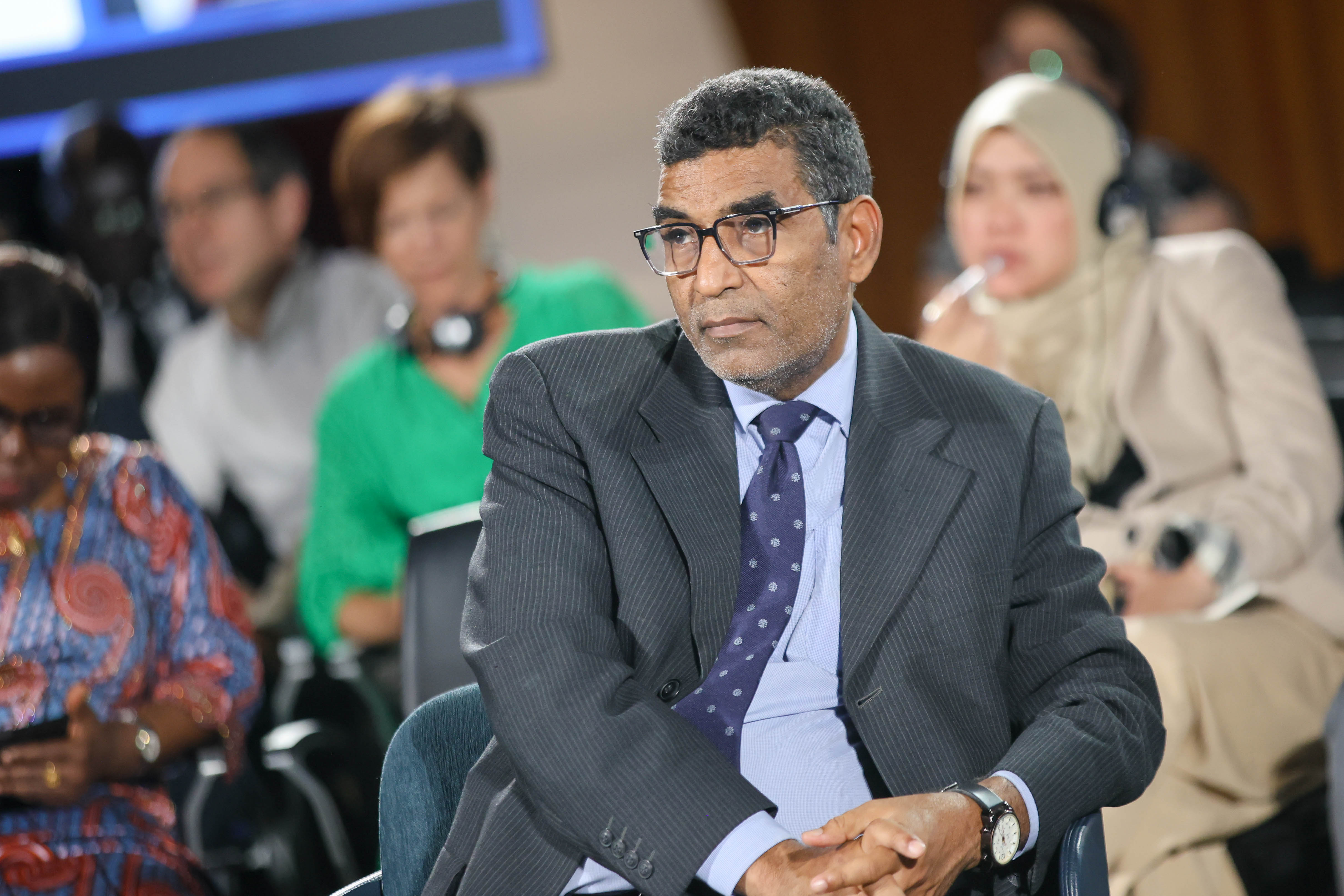
Mohammed-Yahya Lafdal, Director-General, National Environmental and Coastal Observatory, Mauritania
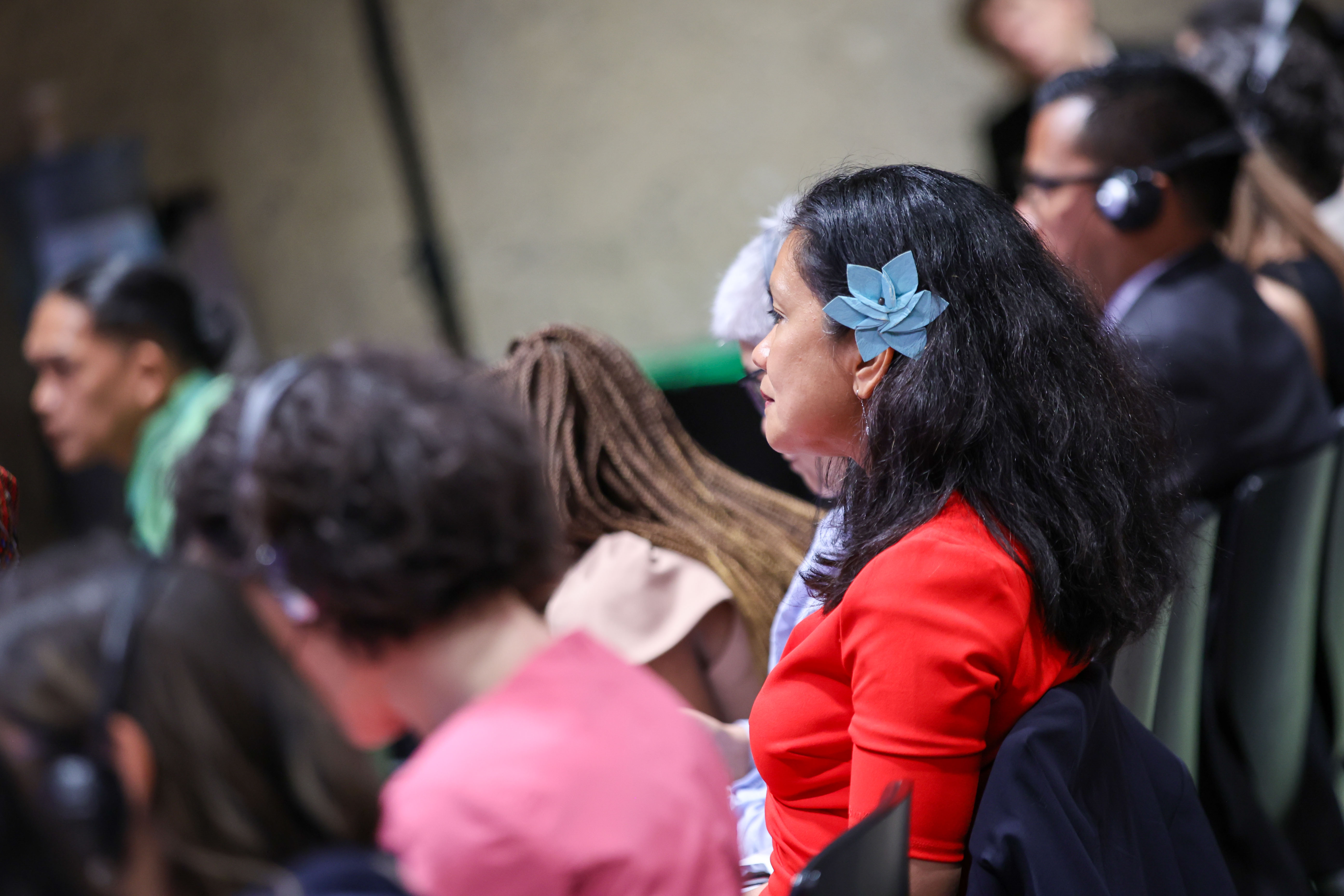
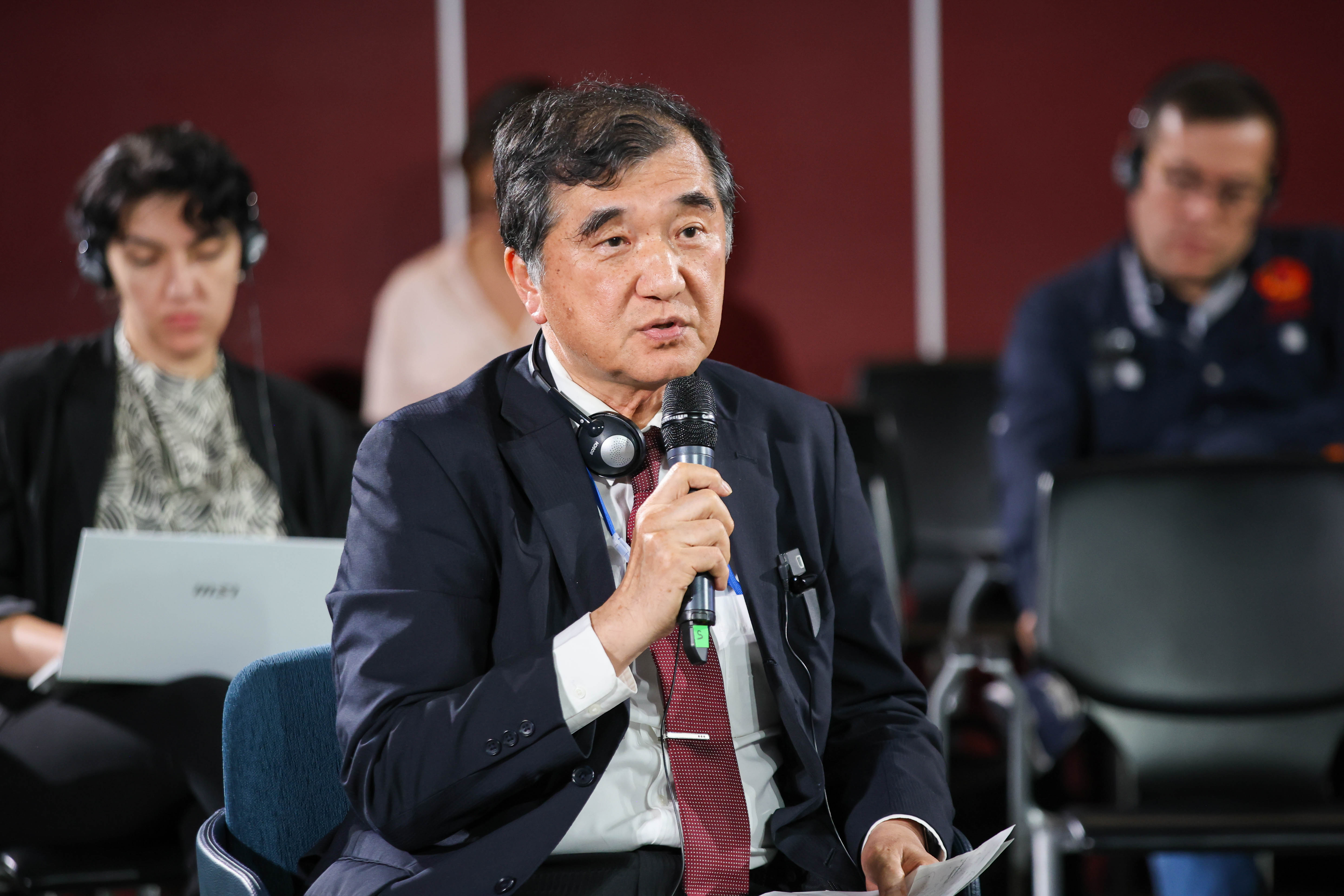
Satoru Nishikawa, Japan International Cooperation Agency (JICA)
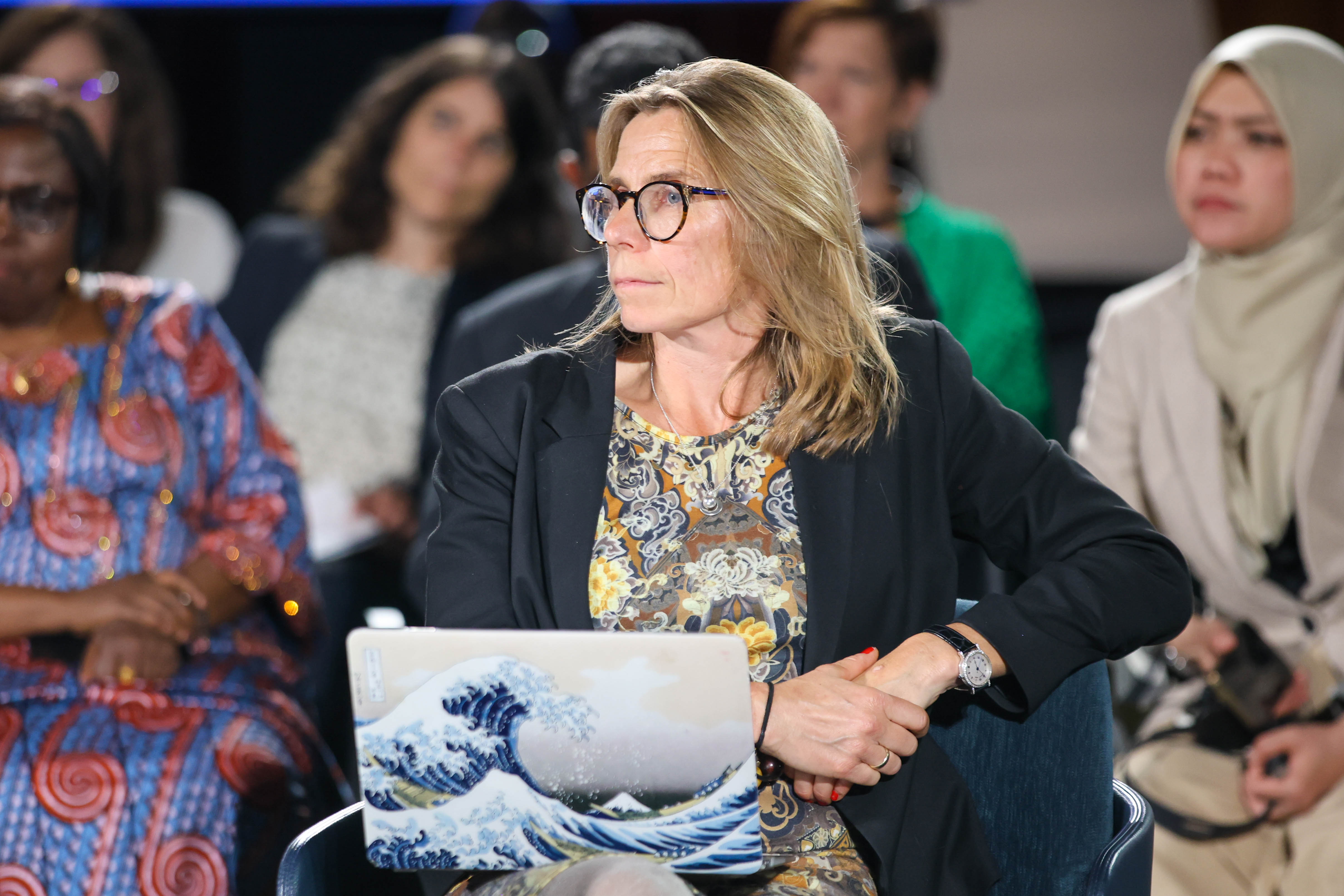
Swenja Surminski, London School of Economics
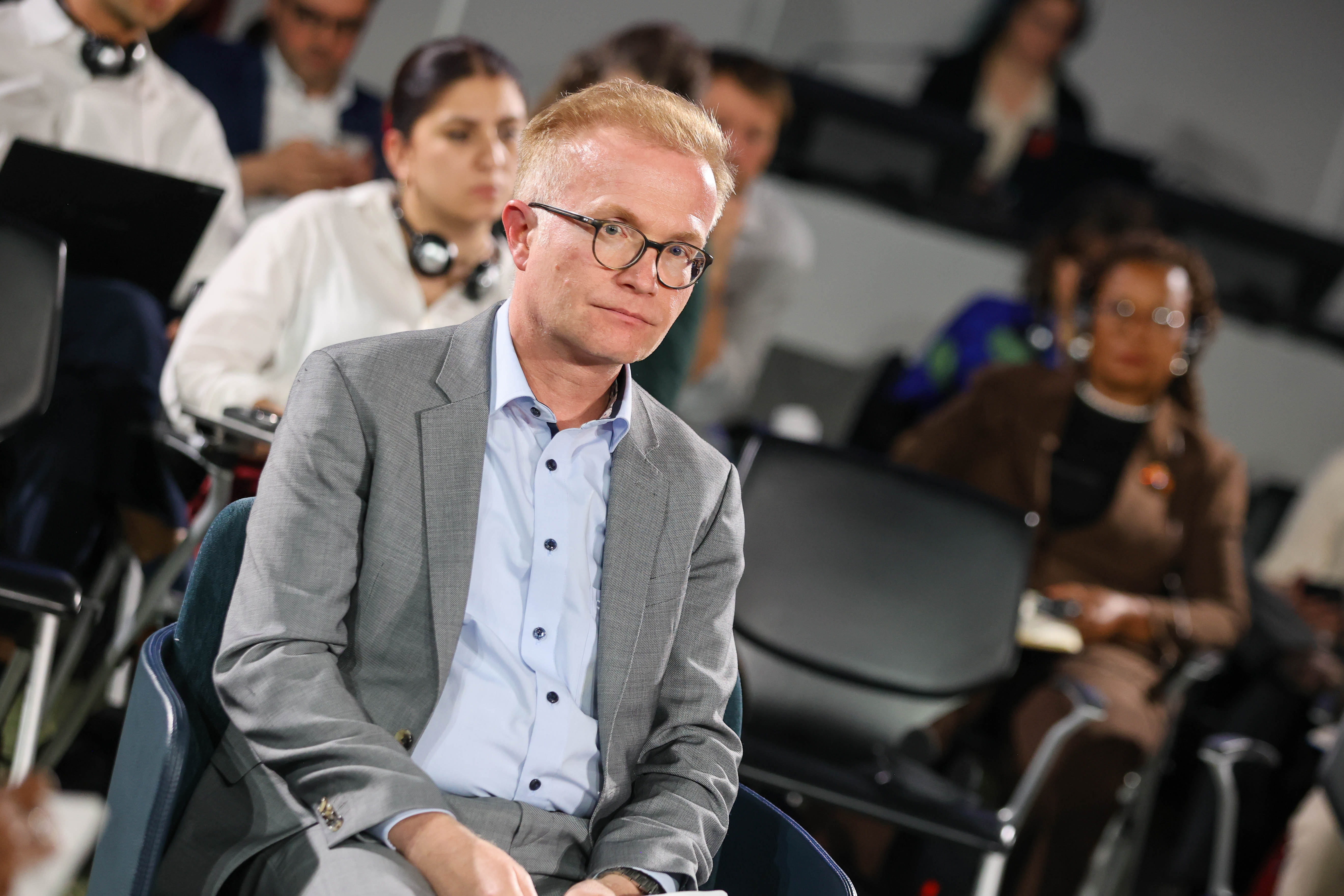
Oliver Schelske, Swiss Re Institute
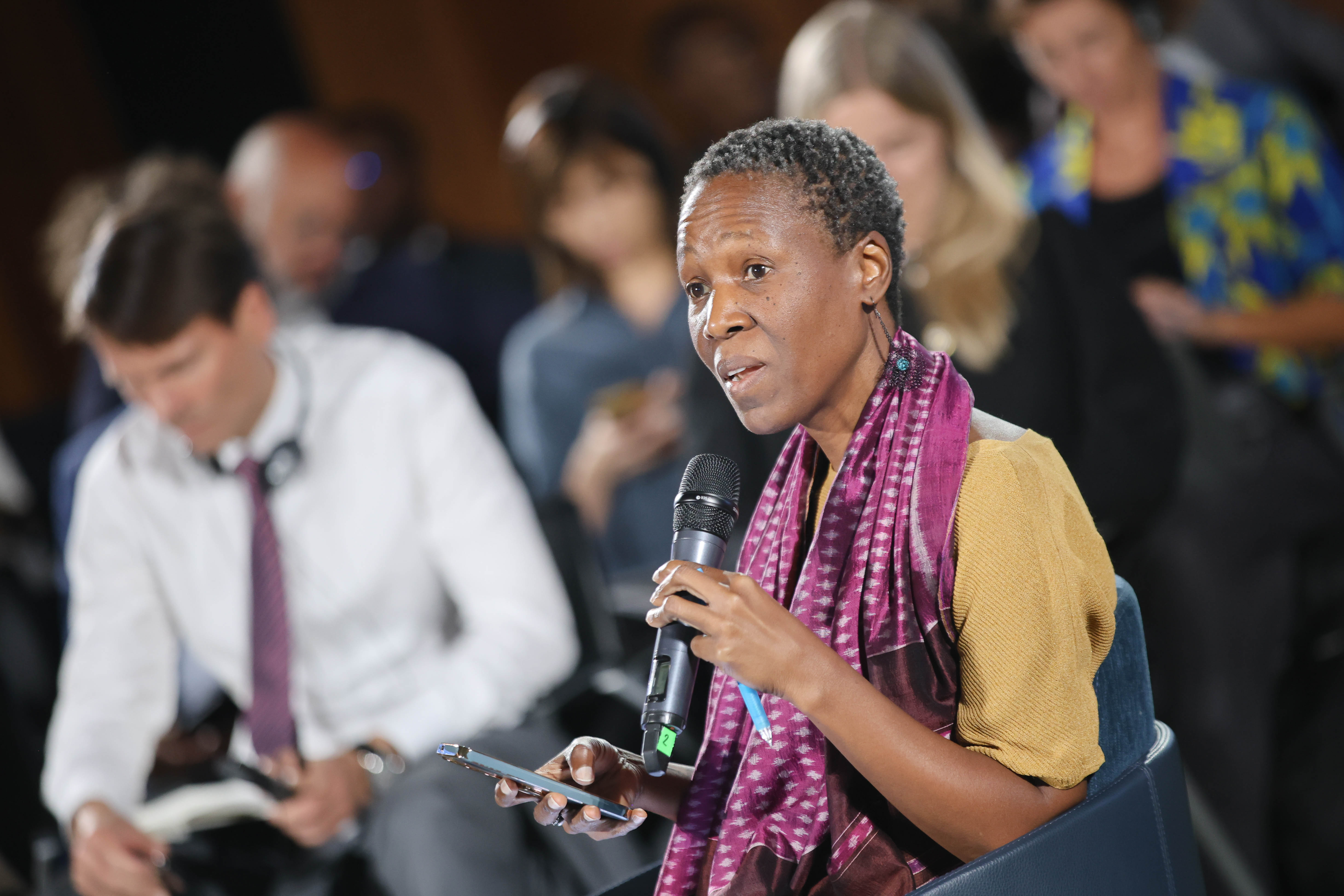
Cecilia Aipira, UN Environment Programme (UNEP)
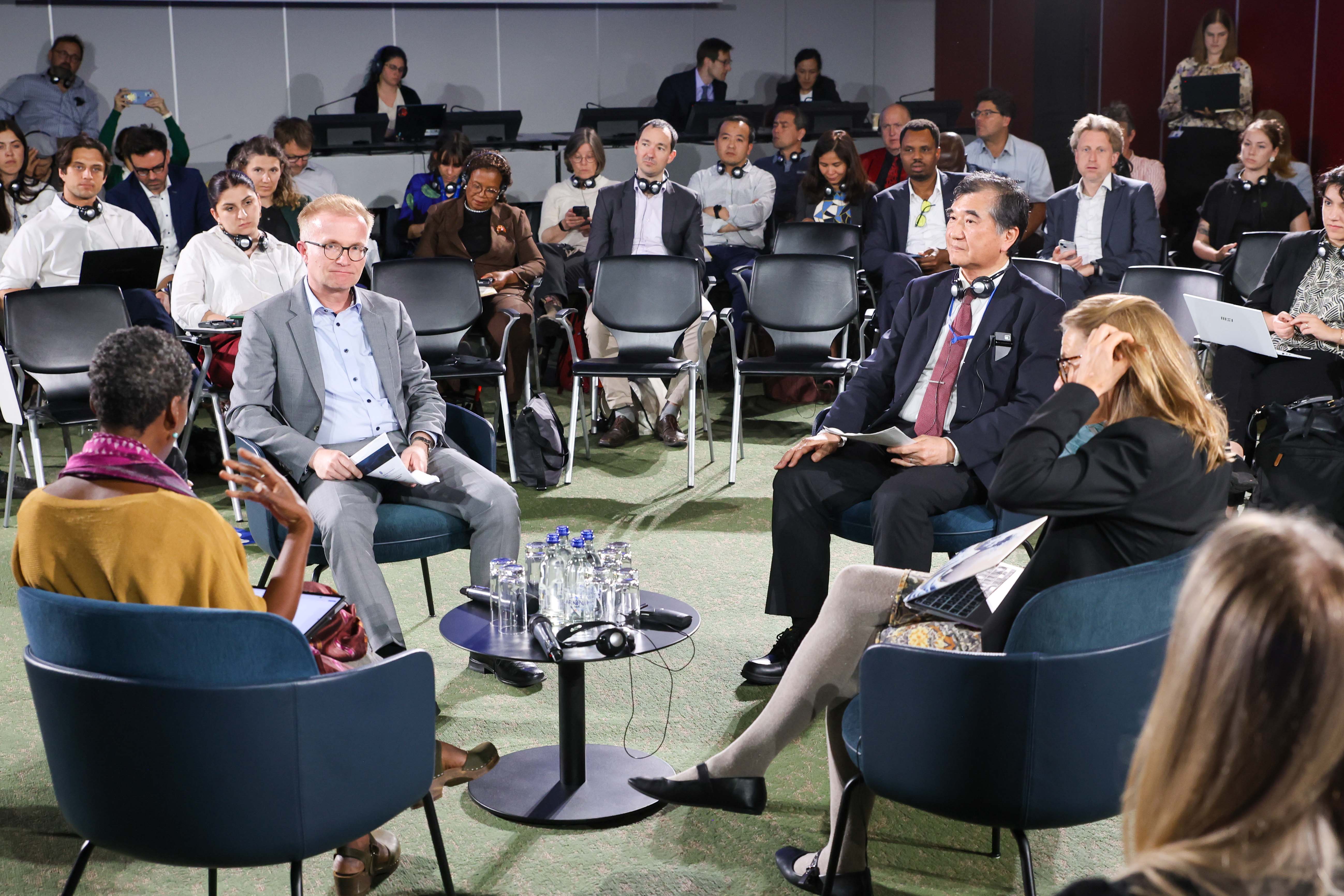
View of the panel
Special Session: Comprehensive Approaches to Reduce Loss and Damage: Bridging Climate Action and DRR
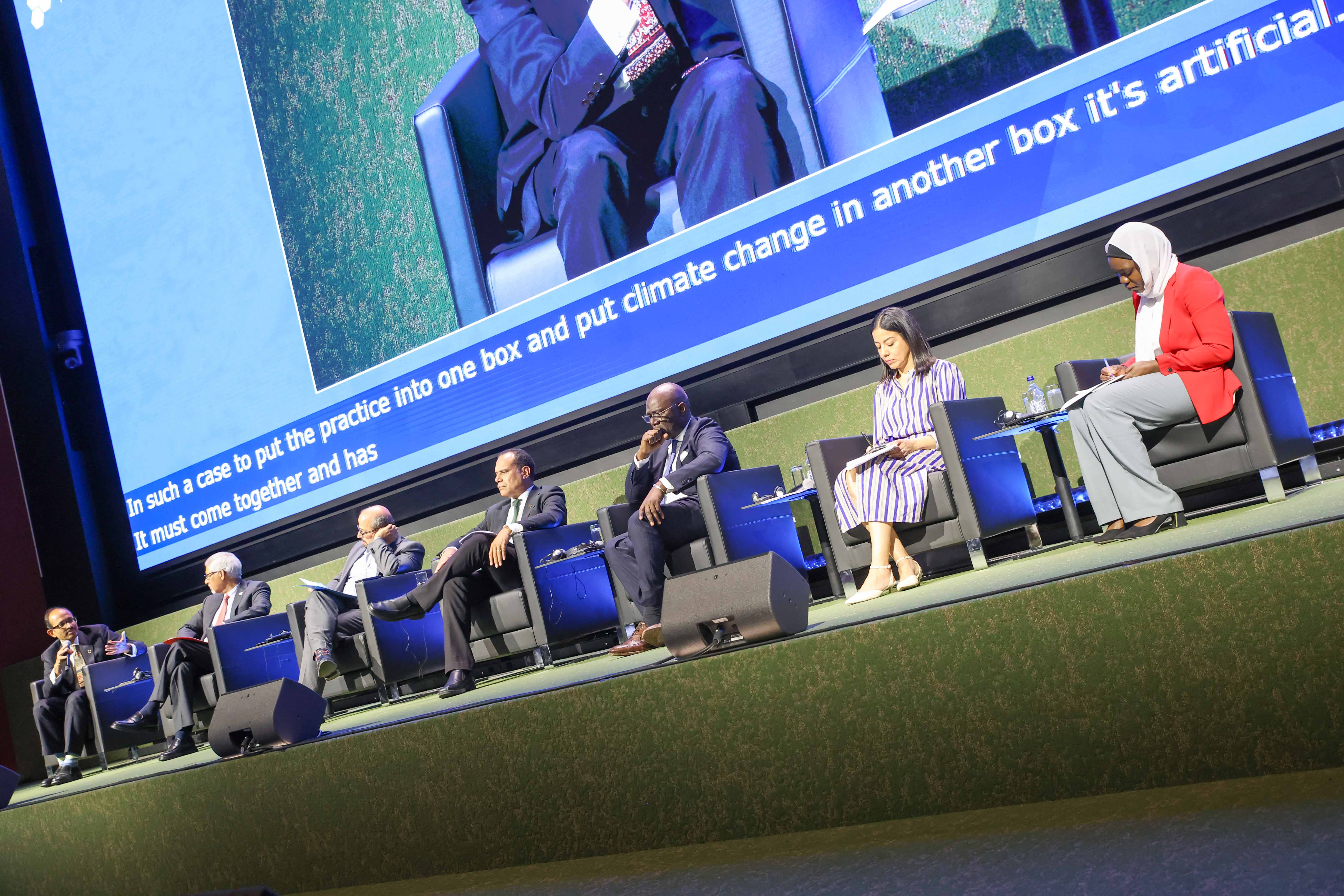
View of the panel
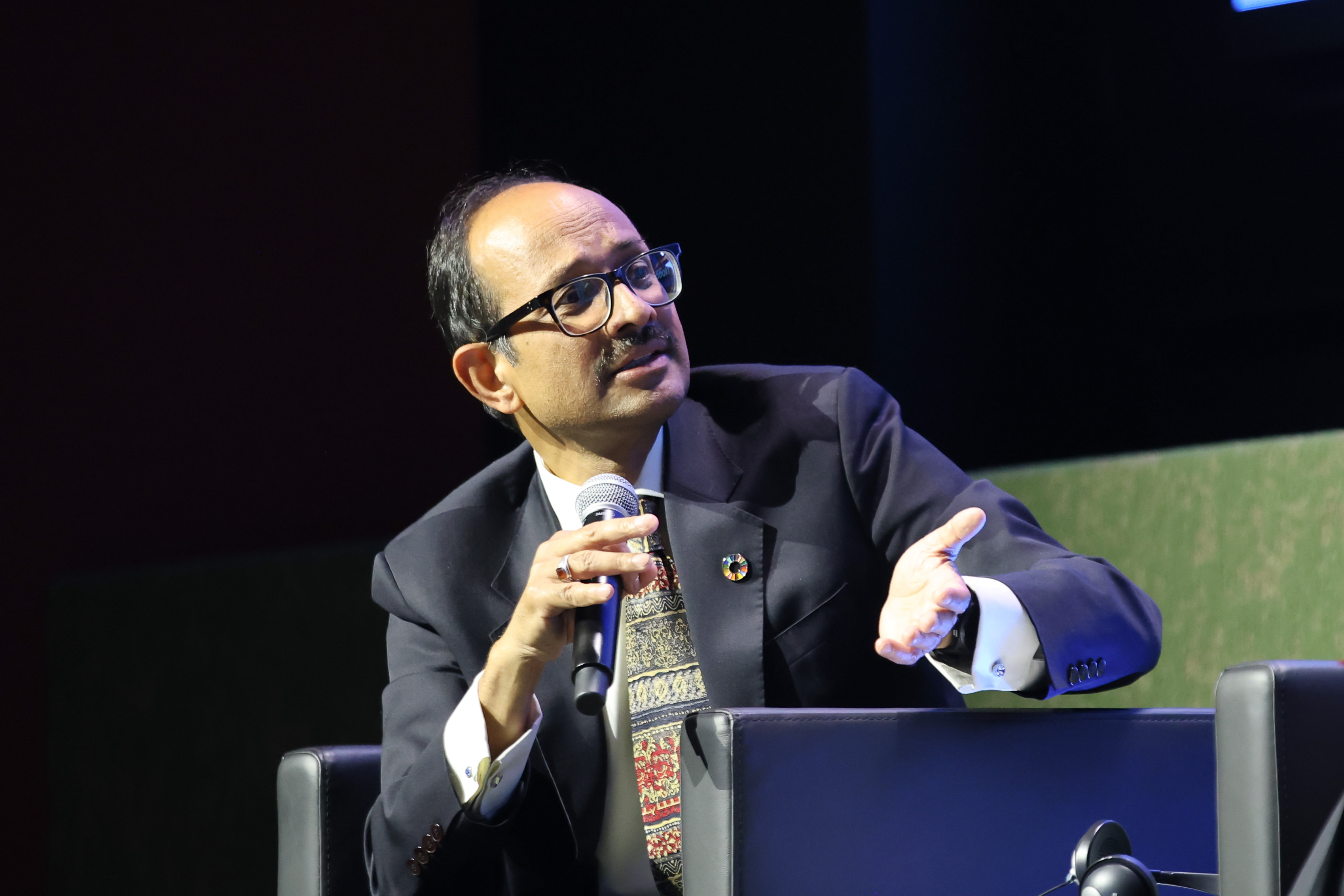
Kamal Kishore, Special Representative of the United Nations Secretary-General for Disaster Risk Reduction and Head of UNDRR

Ralph Regenvanu, Minister for Climate Change, Adaptation, Meteorology and Geo Hazards, Energy, Environment and Disaster Management, Vanuatu
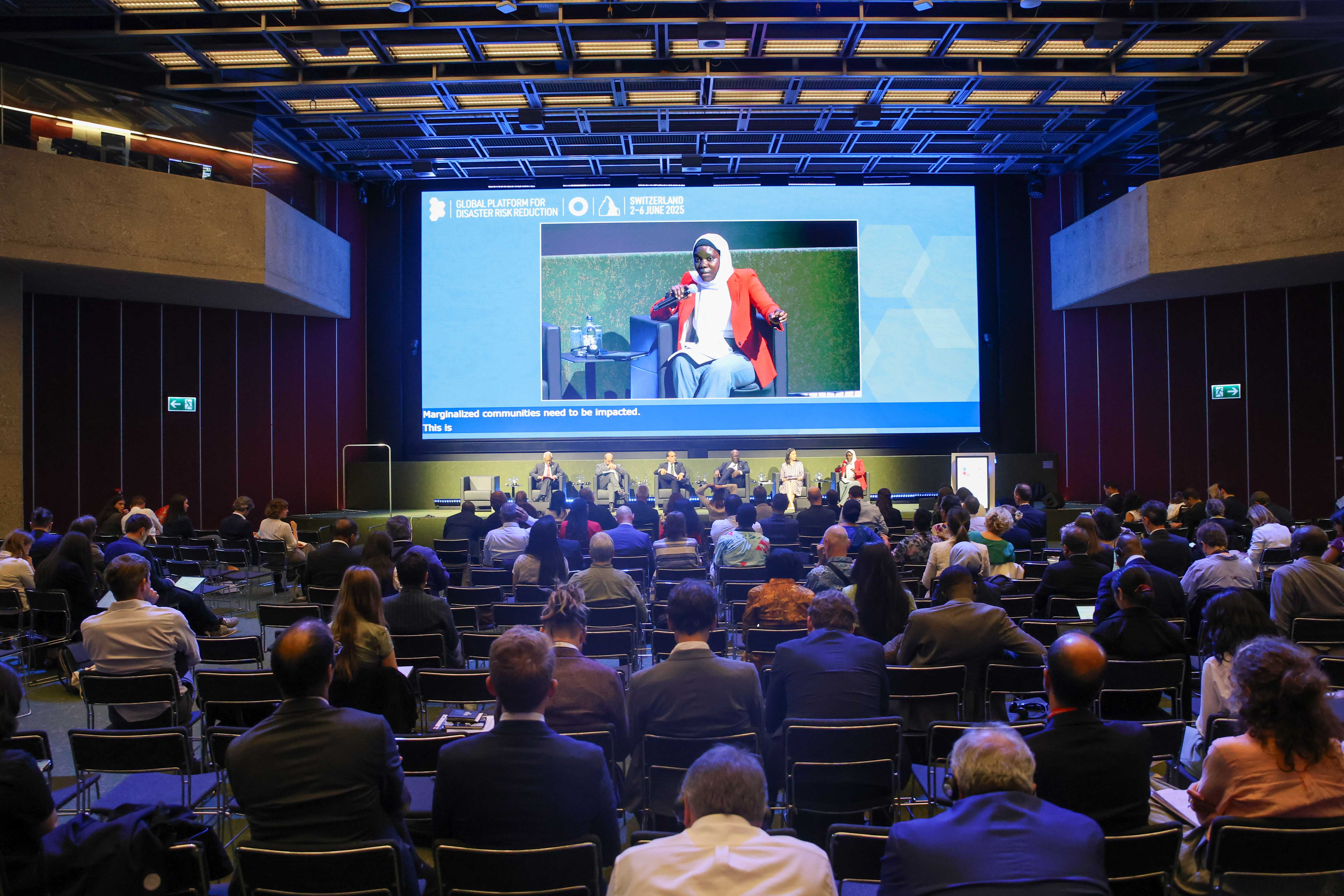
View of the room
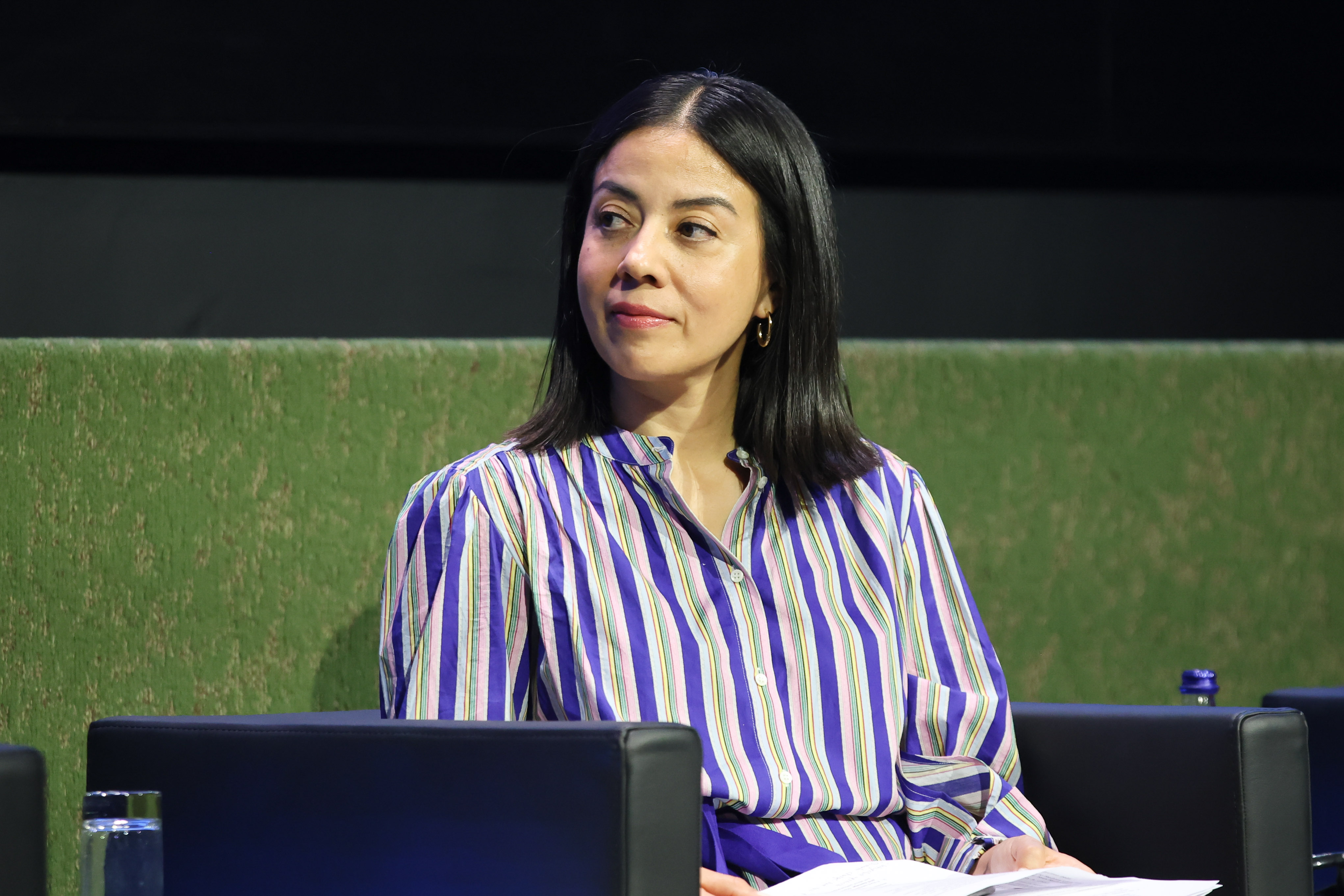
Carolina Fuentes Castellanos, Santiago Network Secretariat
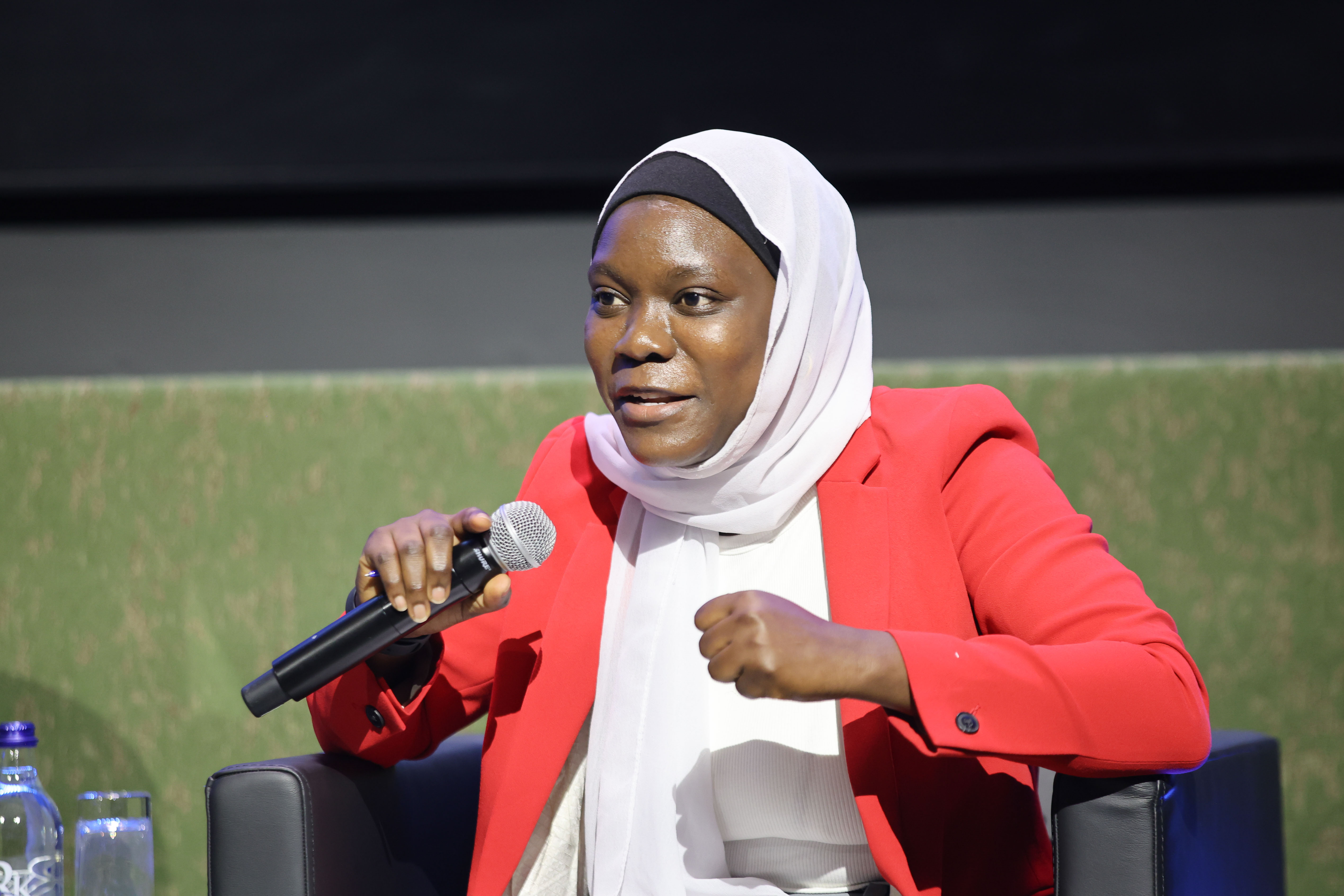
Fatou Jeng, Early Warnings for All Advisory Panel
Special Event: Extreme Heat Risk Governance
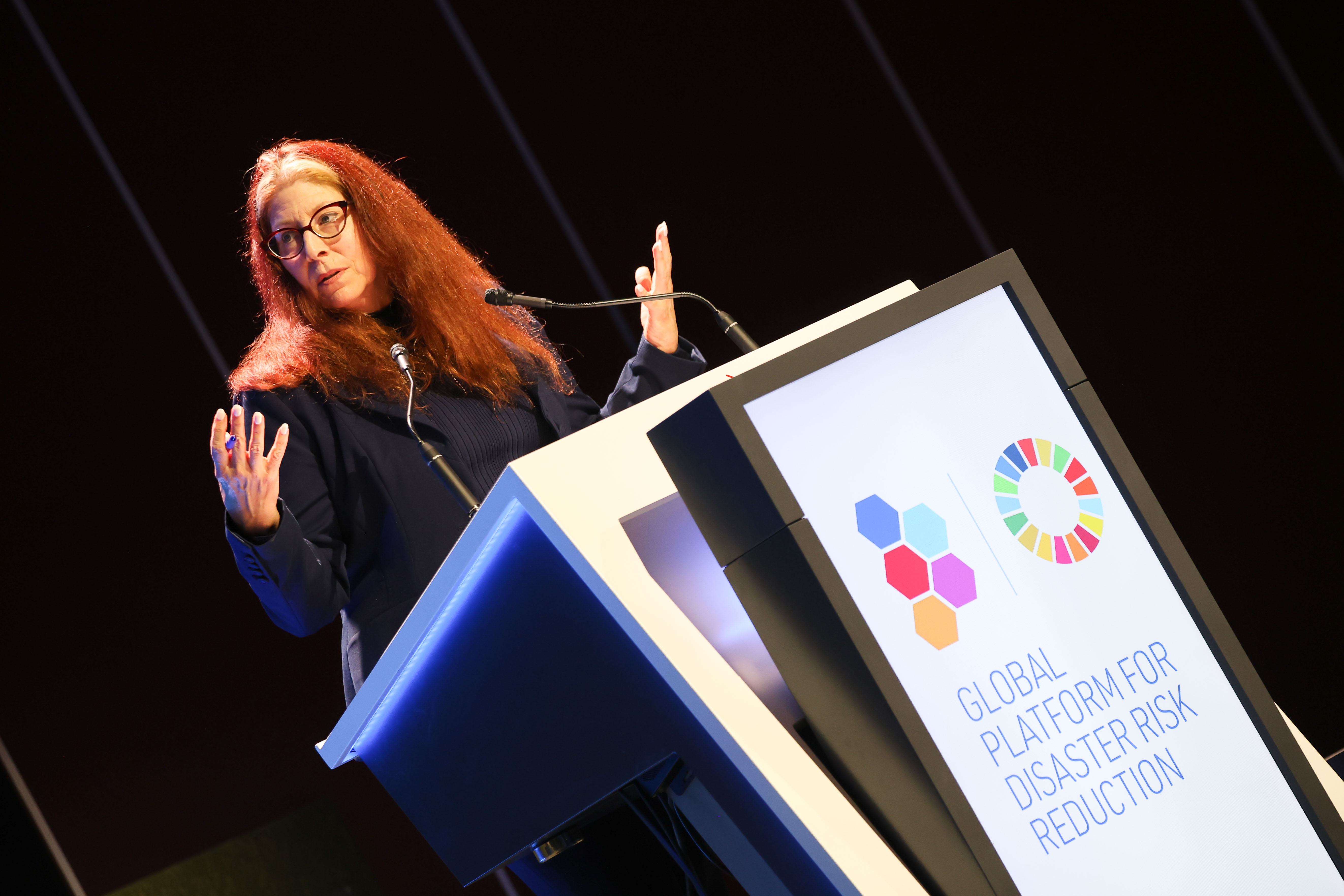
Juli Trtanj, Global Heat Health Information Network (GHHIN), and Inter-American Institute for Global Change Research (IAI)
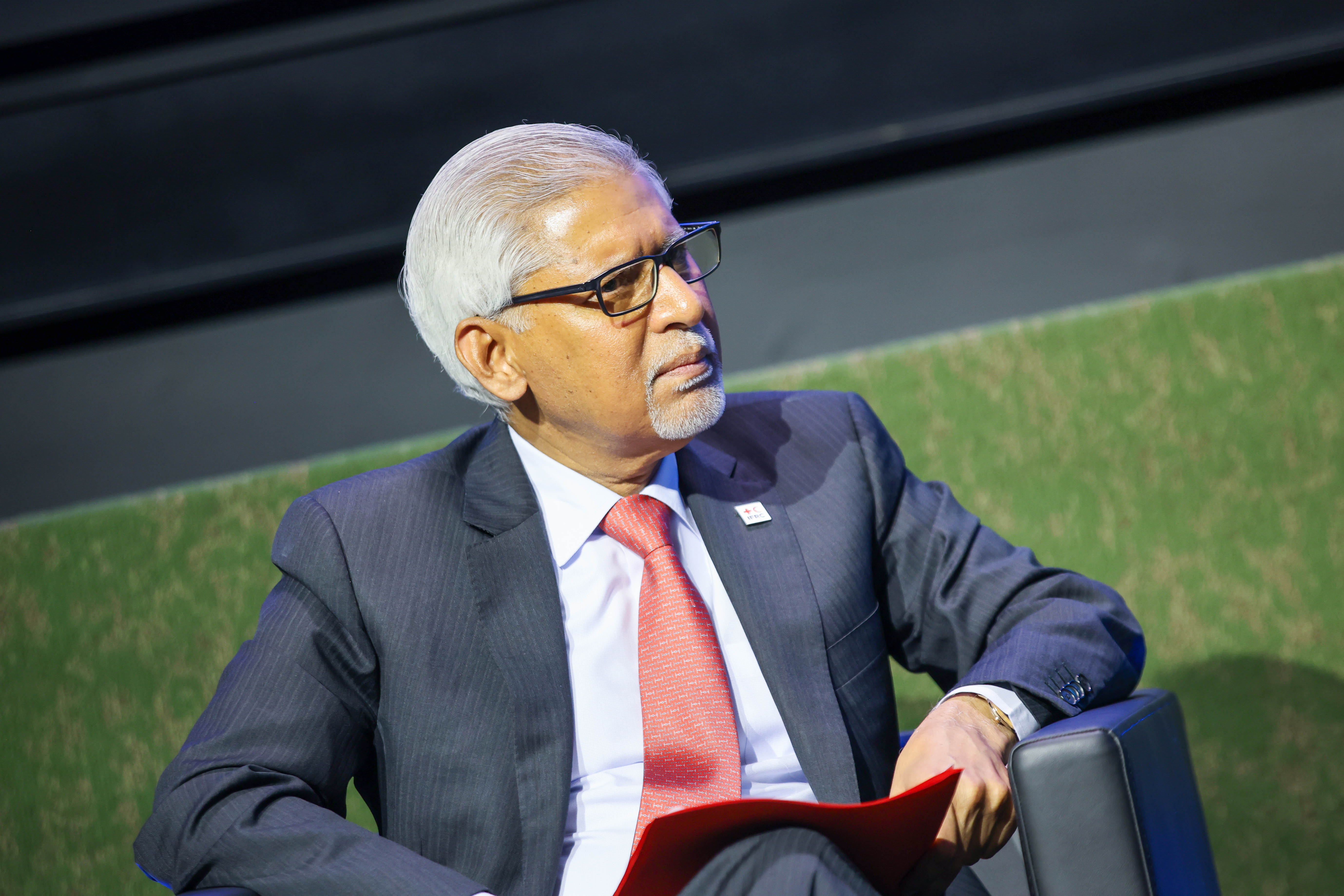
Jagan Chapagain, Secretary-General, International Federation of Red Cross and Red Crescent Societies (IFRC)
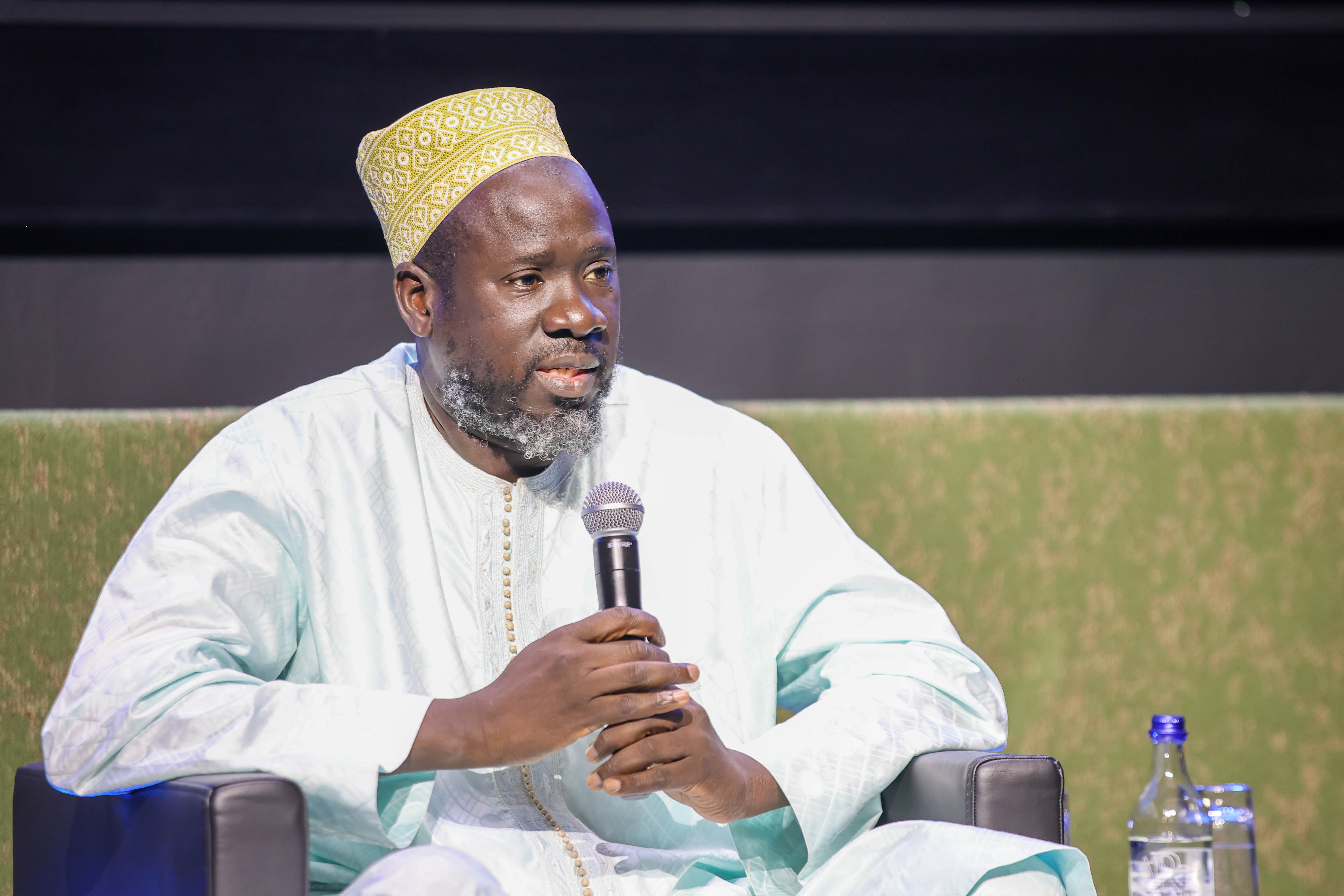
Ousmane Ndiaye, Director-General, African Center of Meteorological Application for Development (ACMAD)
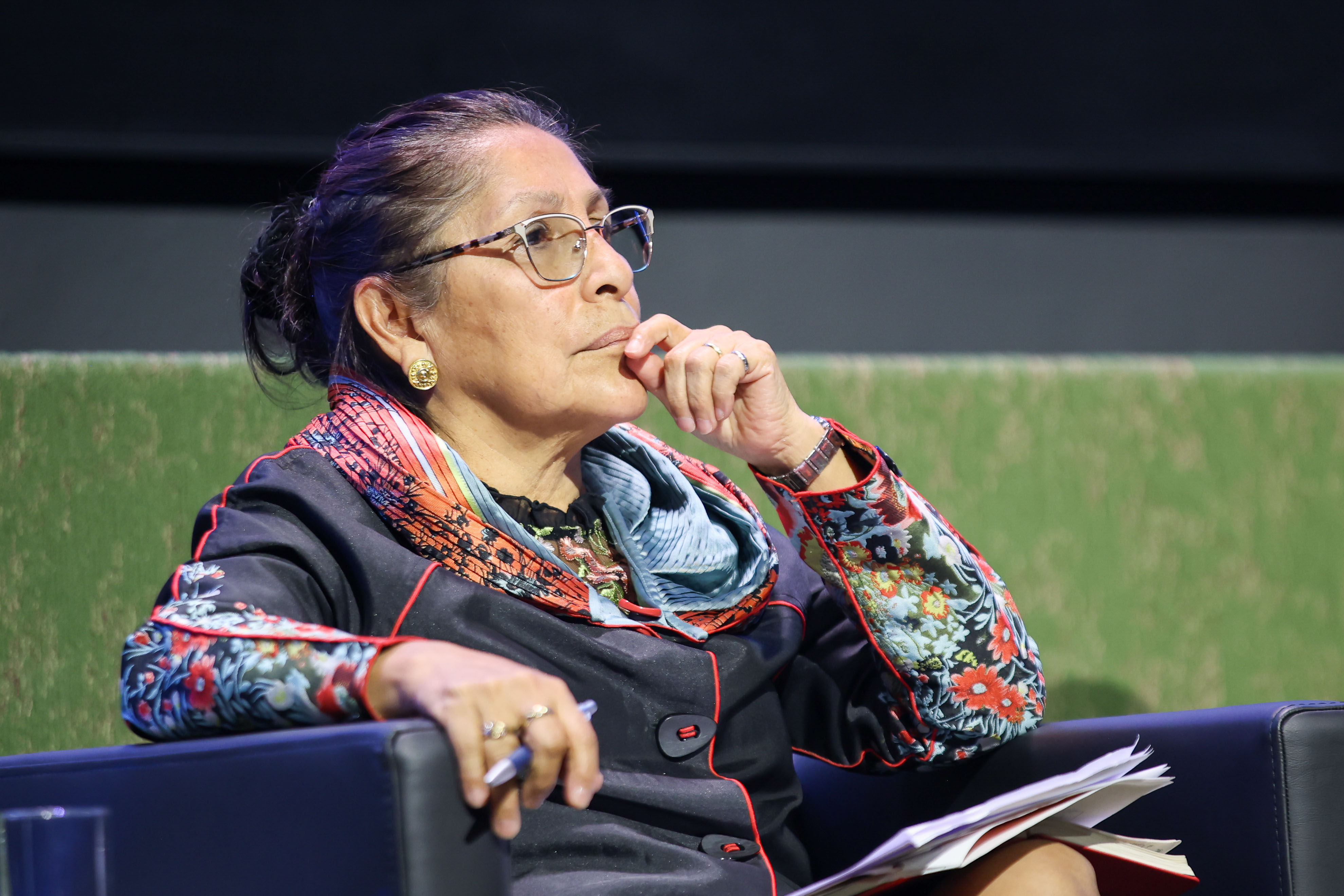
Rosa Galvez, Senator, Canada
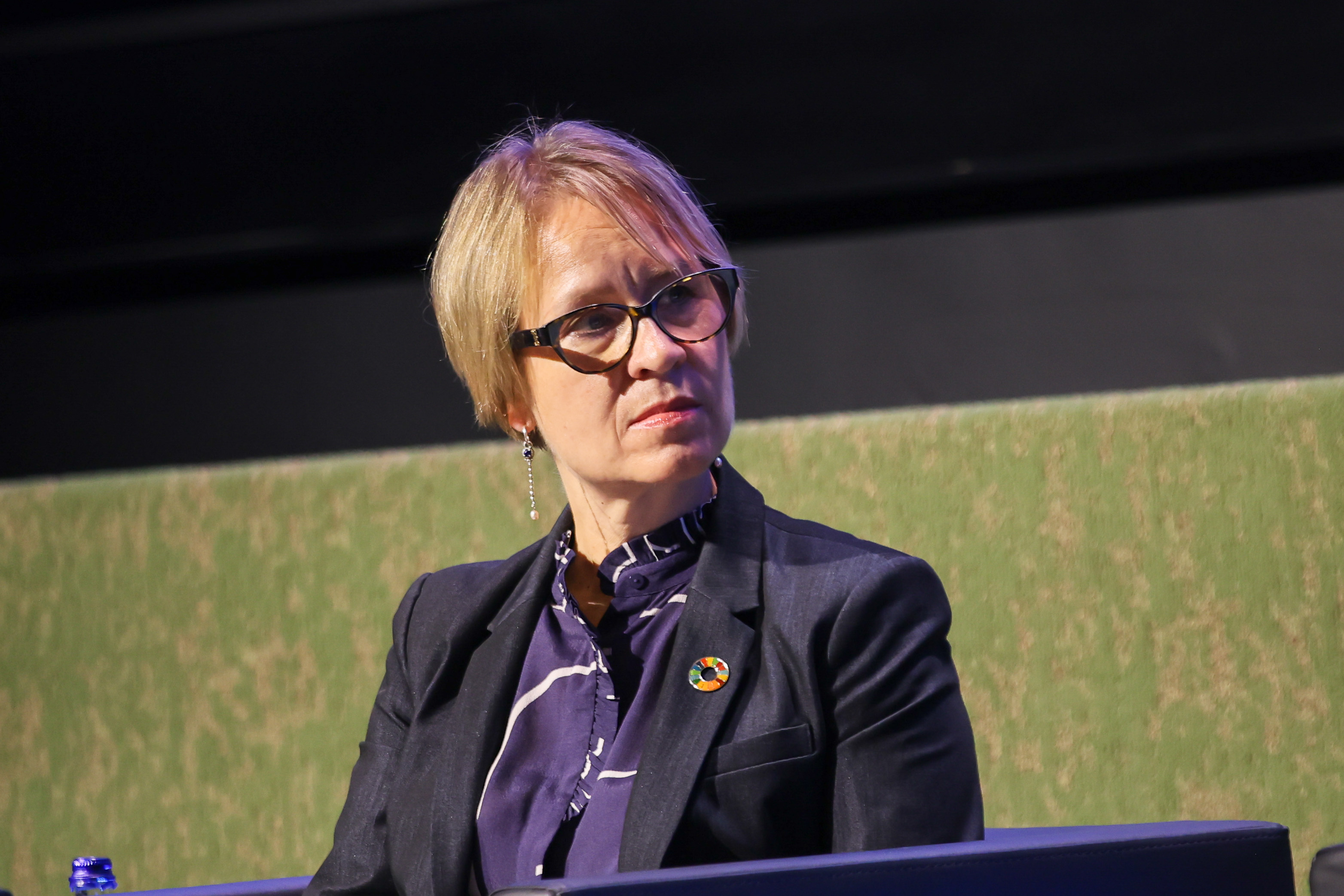
Mia Seppo, International Labour Organization (ILO)
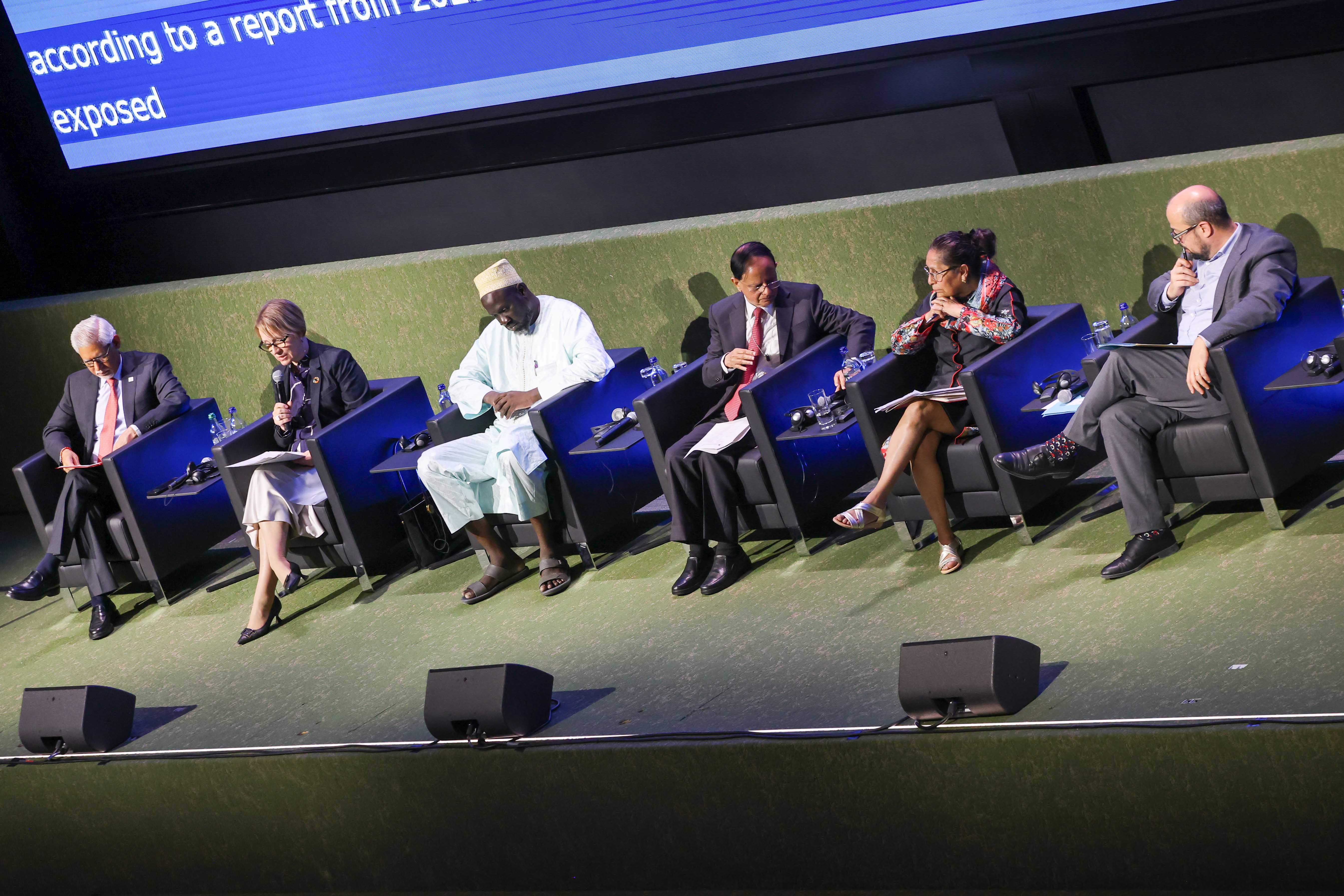
View of the panel
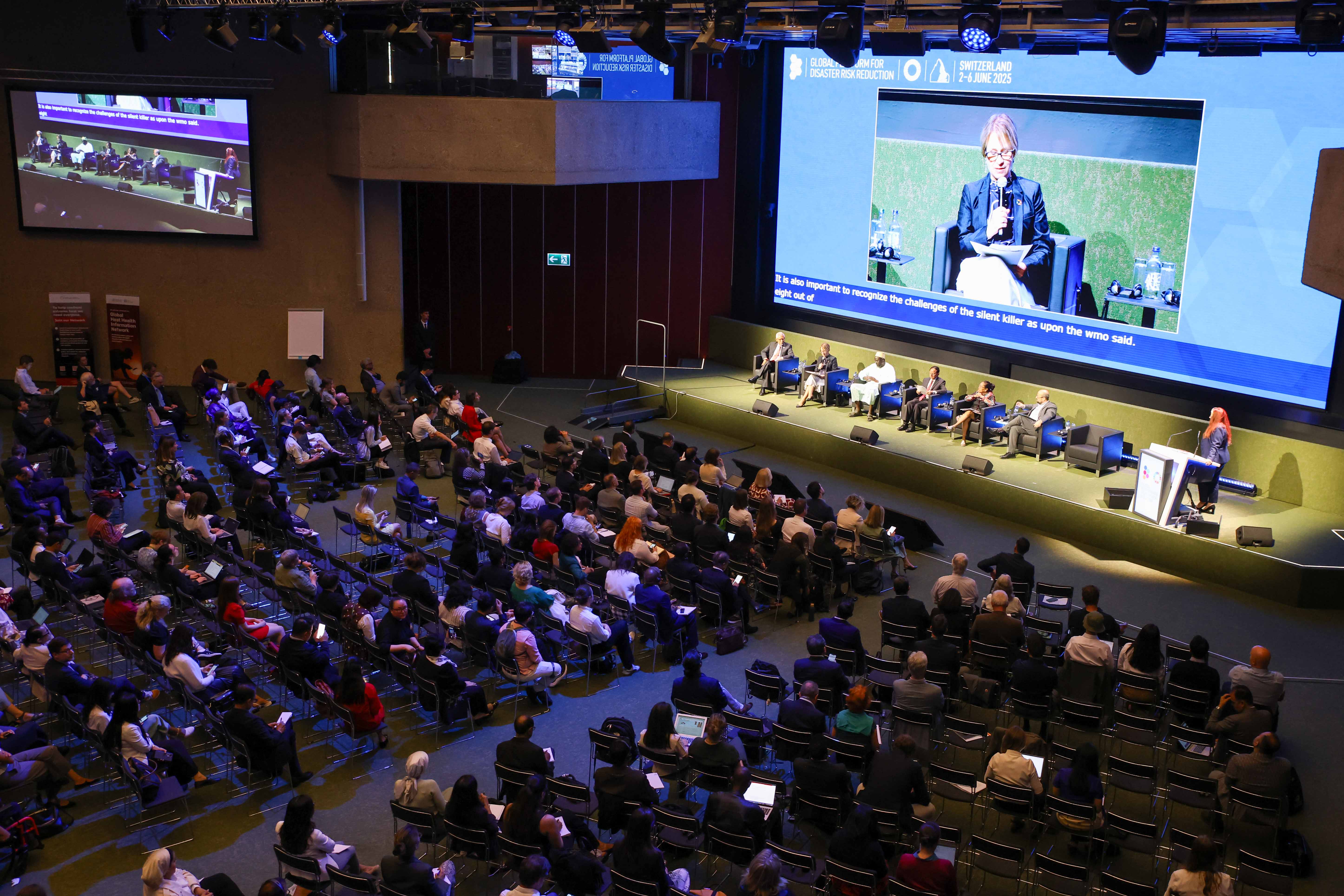
View of the room
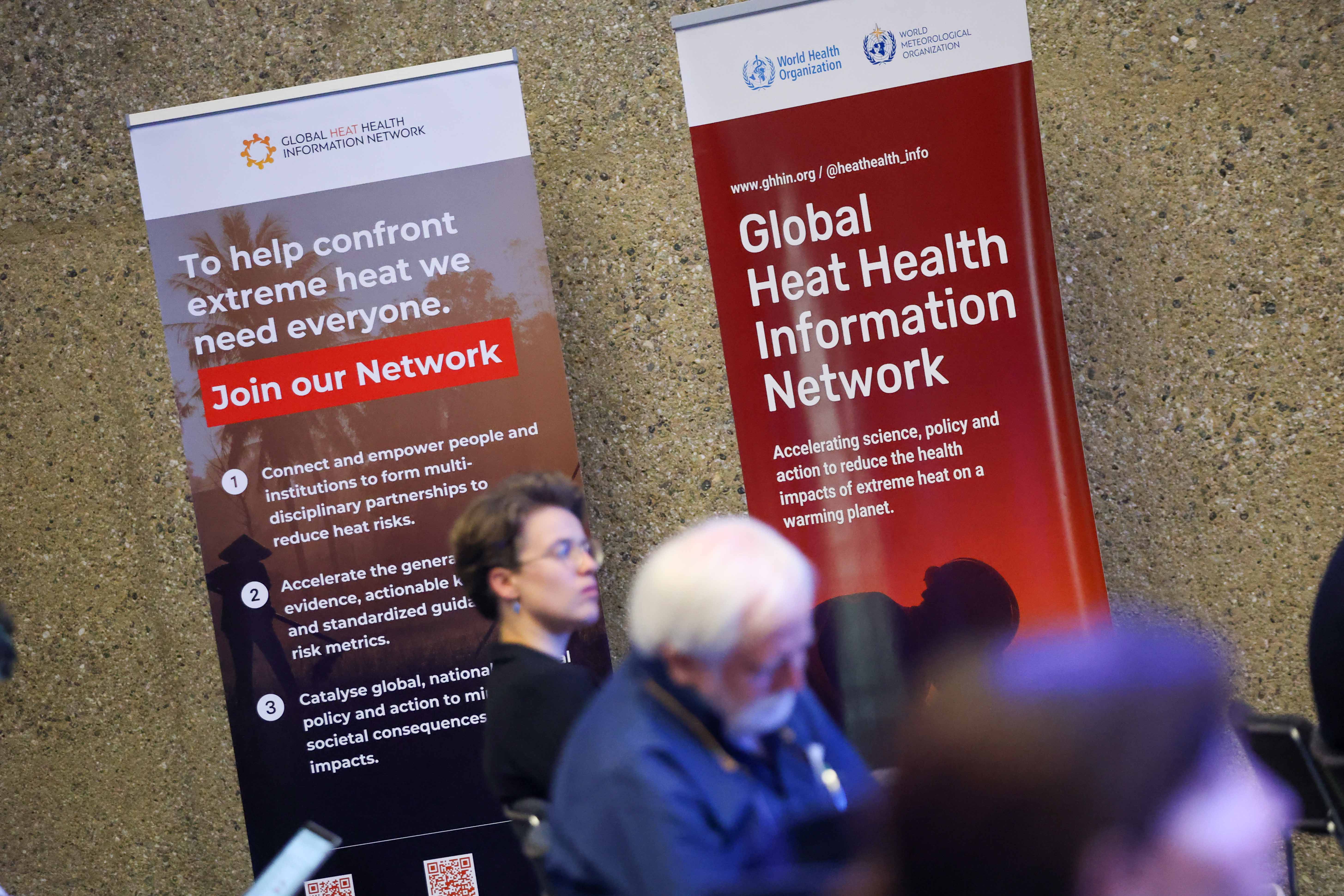
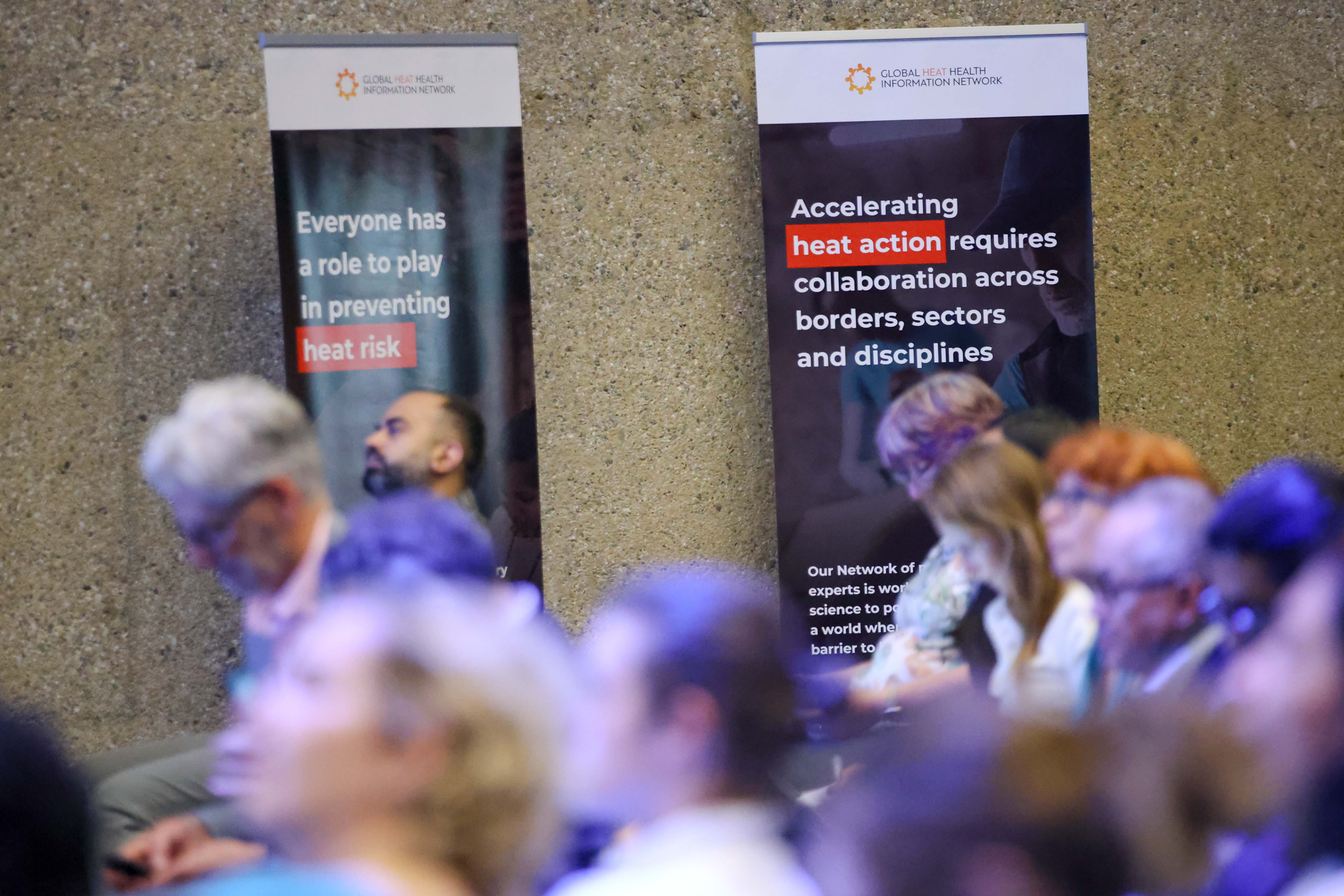
Side Event: Inclusive Comprehensive School Safety: Strengthening Resilience for Children and Youth in All Hazards
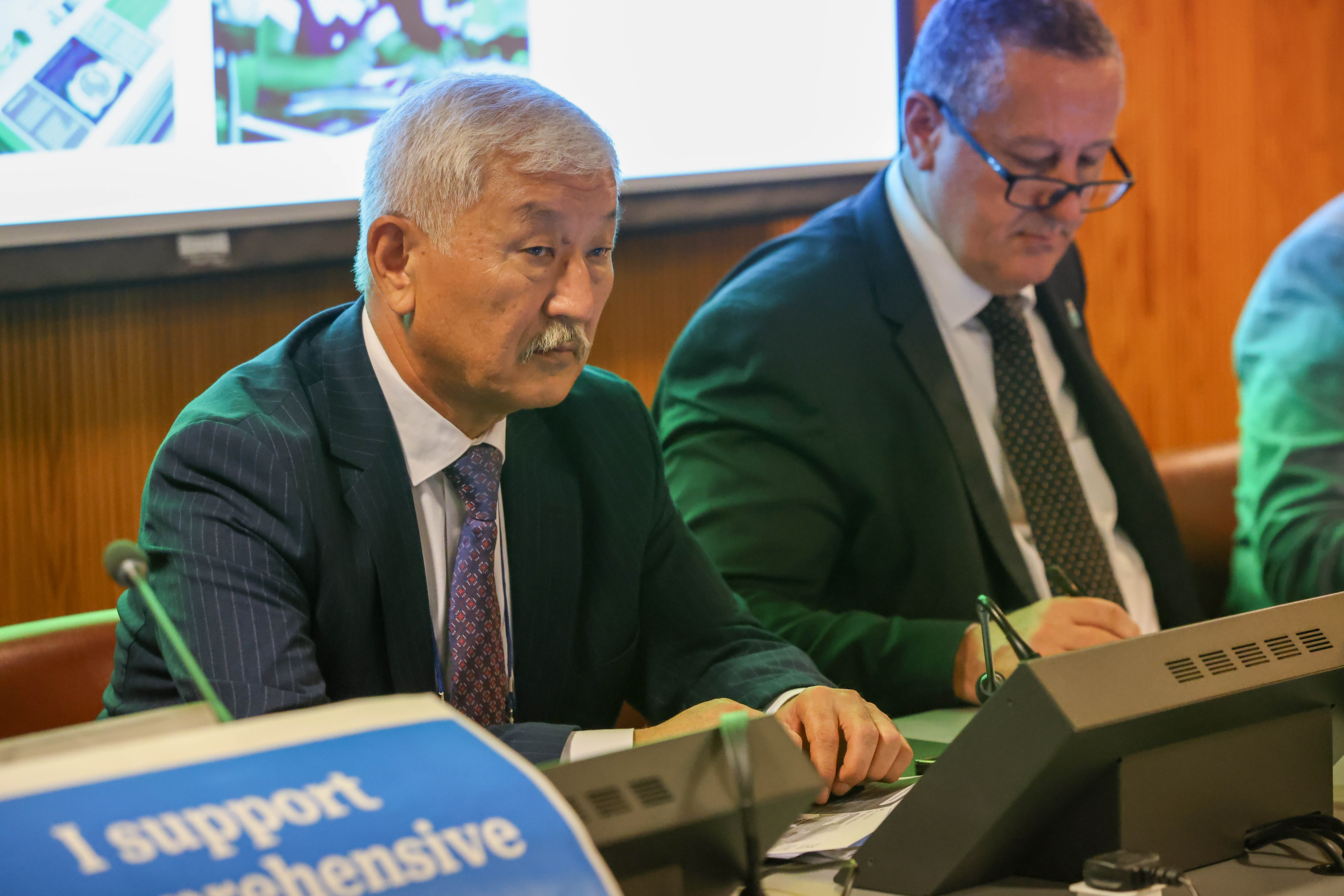
Almabek Aidakeev, Head, National Platform for DRR, Kyrgyzstan
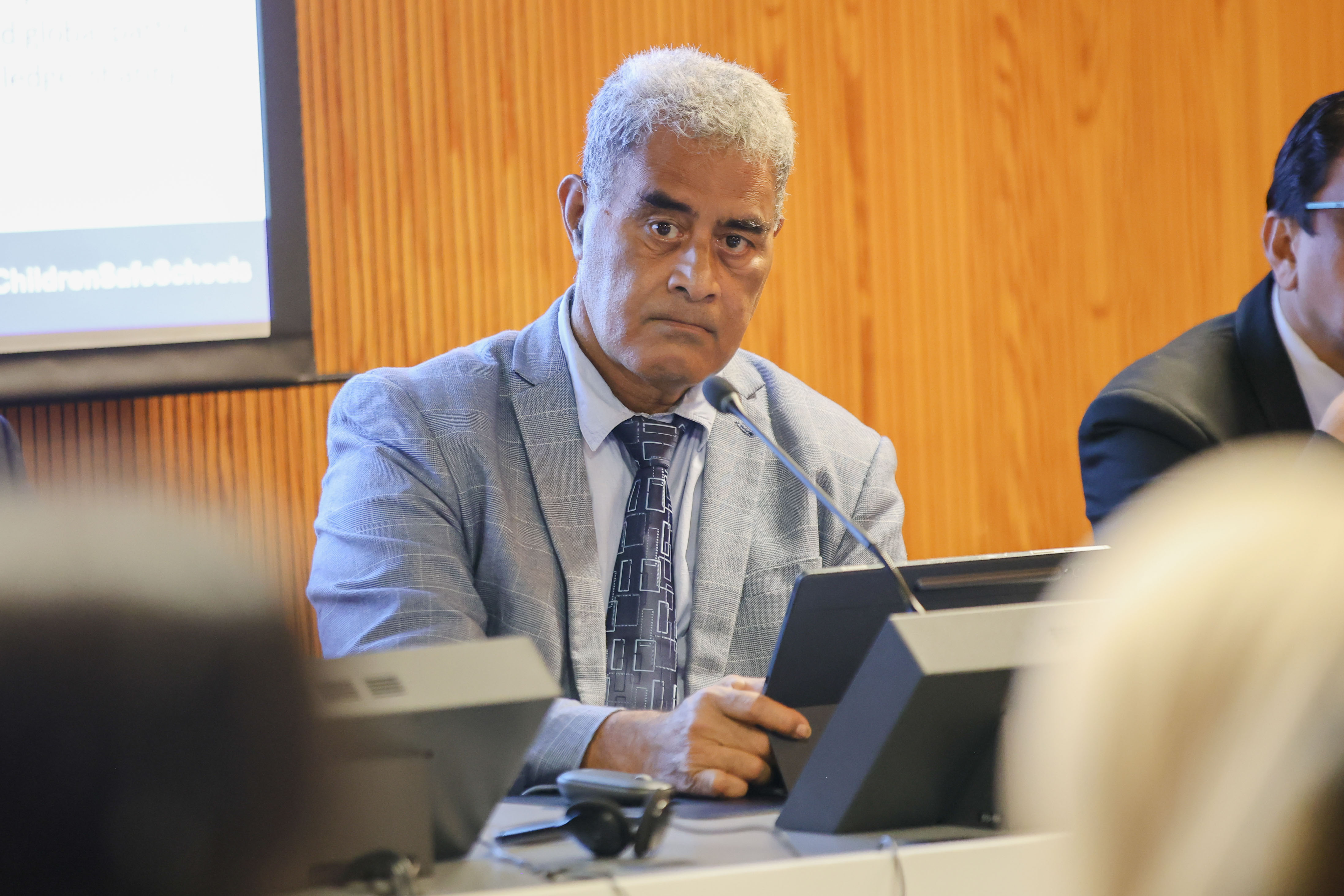
Isikeli Oko, CEO, Ministry of Education and Training, Tonga
Sasakawa Awards
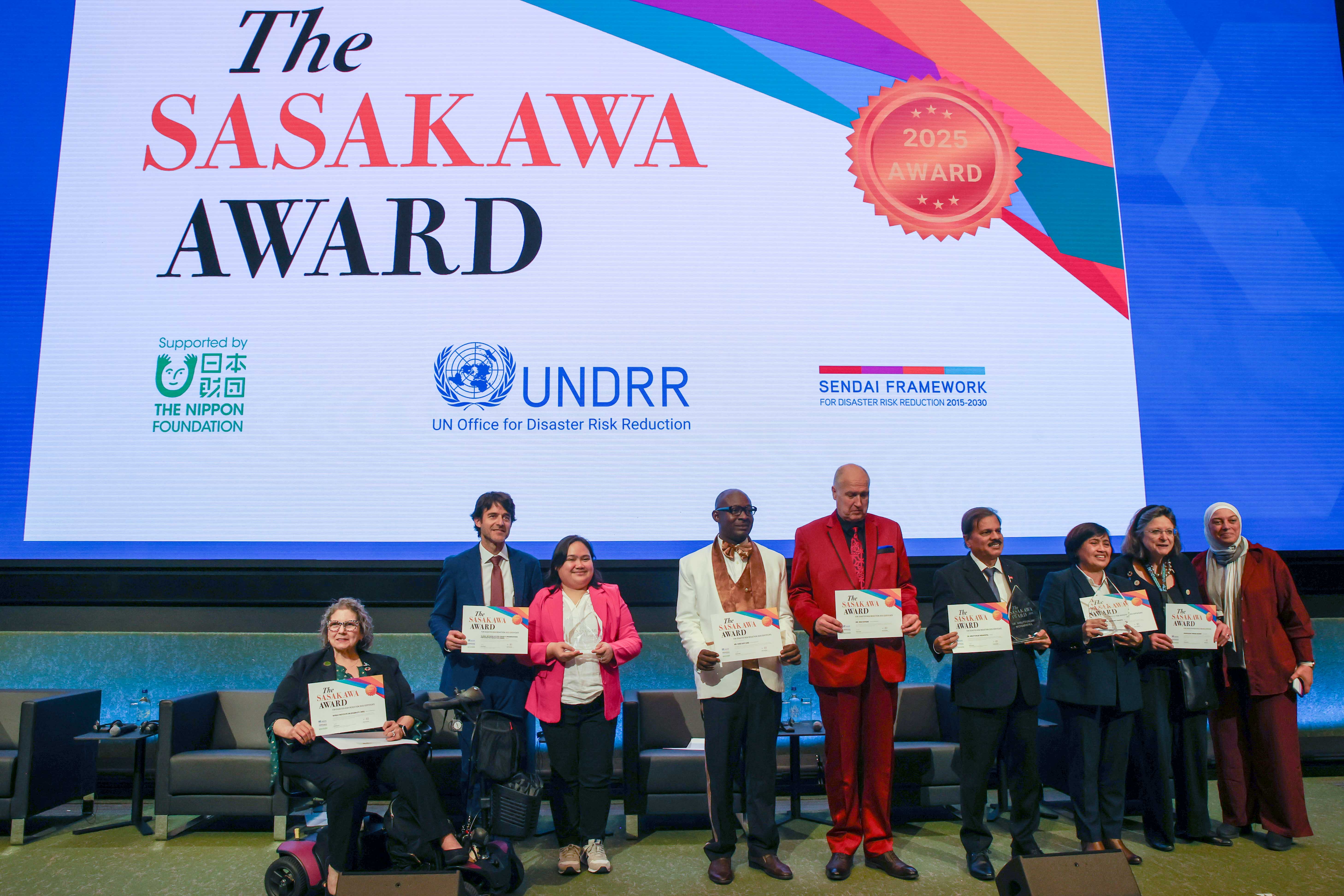
The Sasakawa Award Winners
Around the Venue
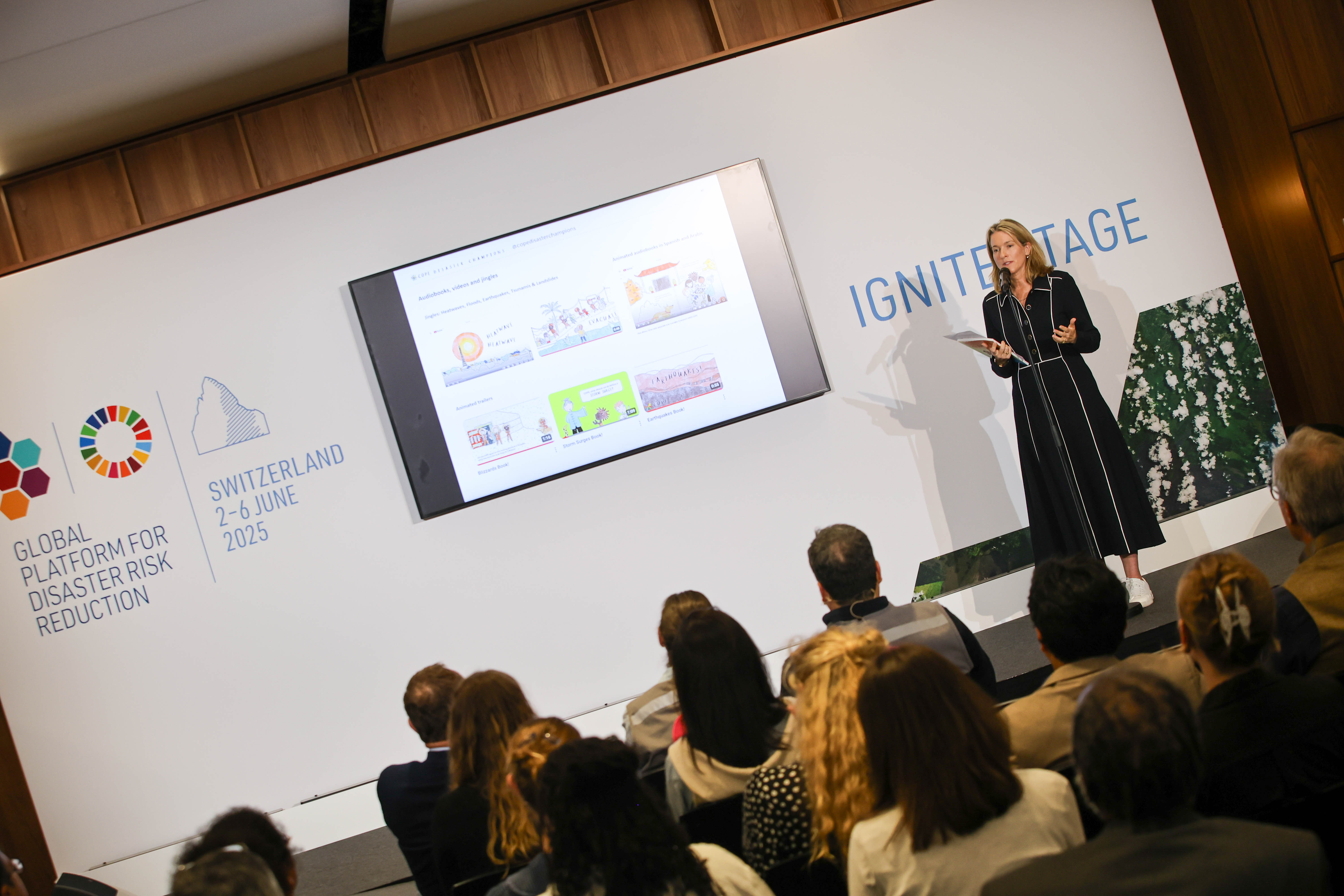
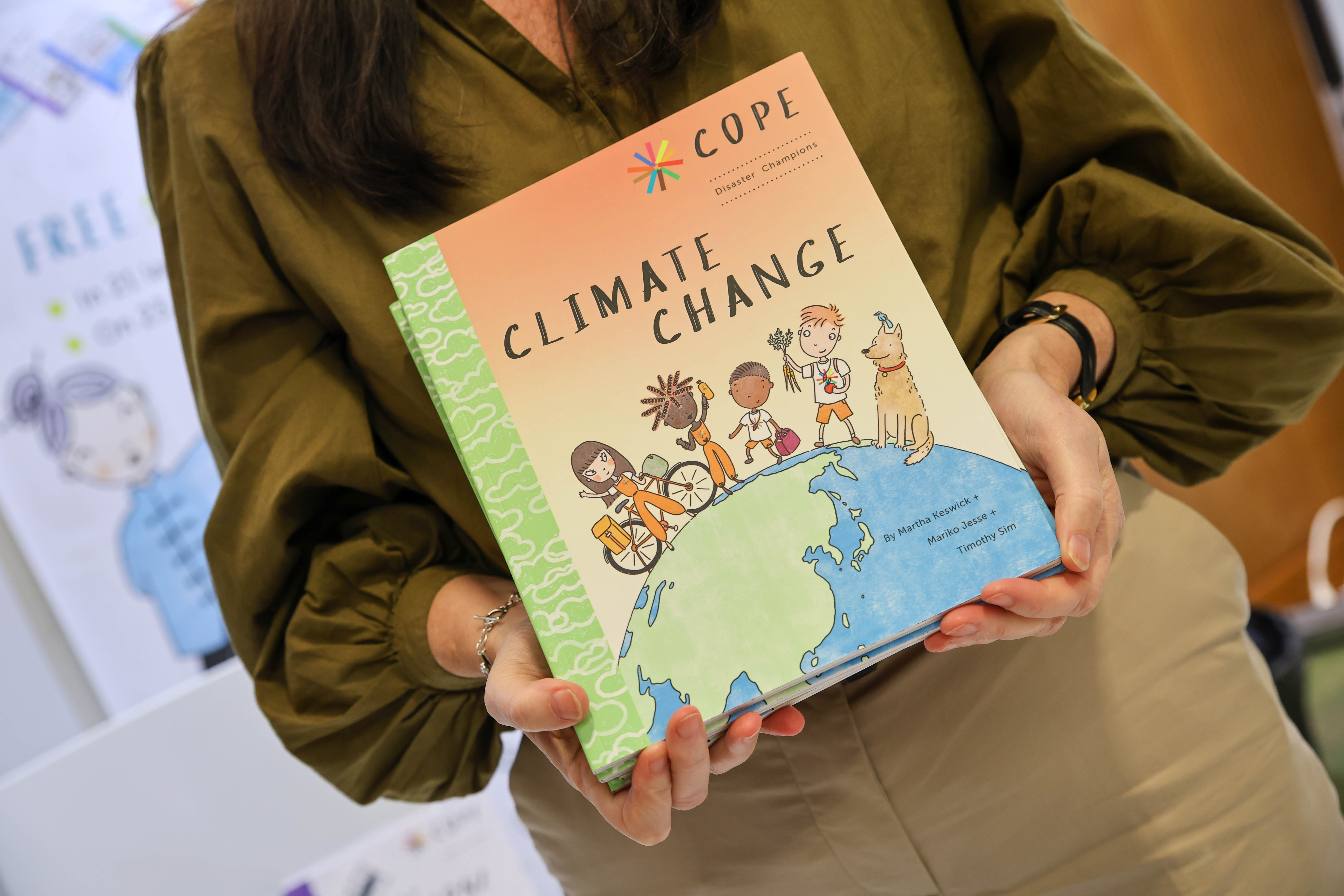
COPE Disaster Champions launched their new book on climate change.

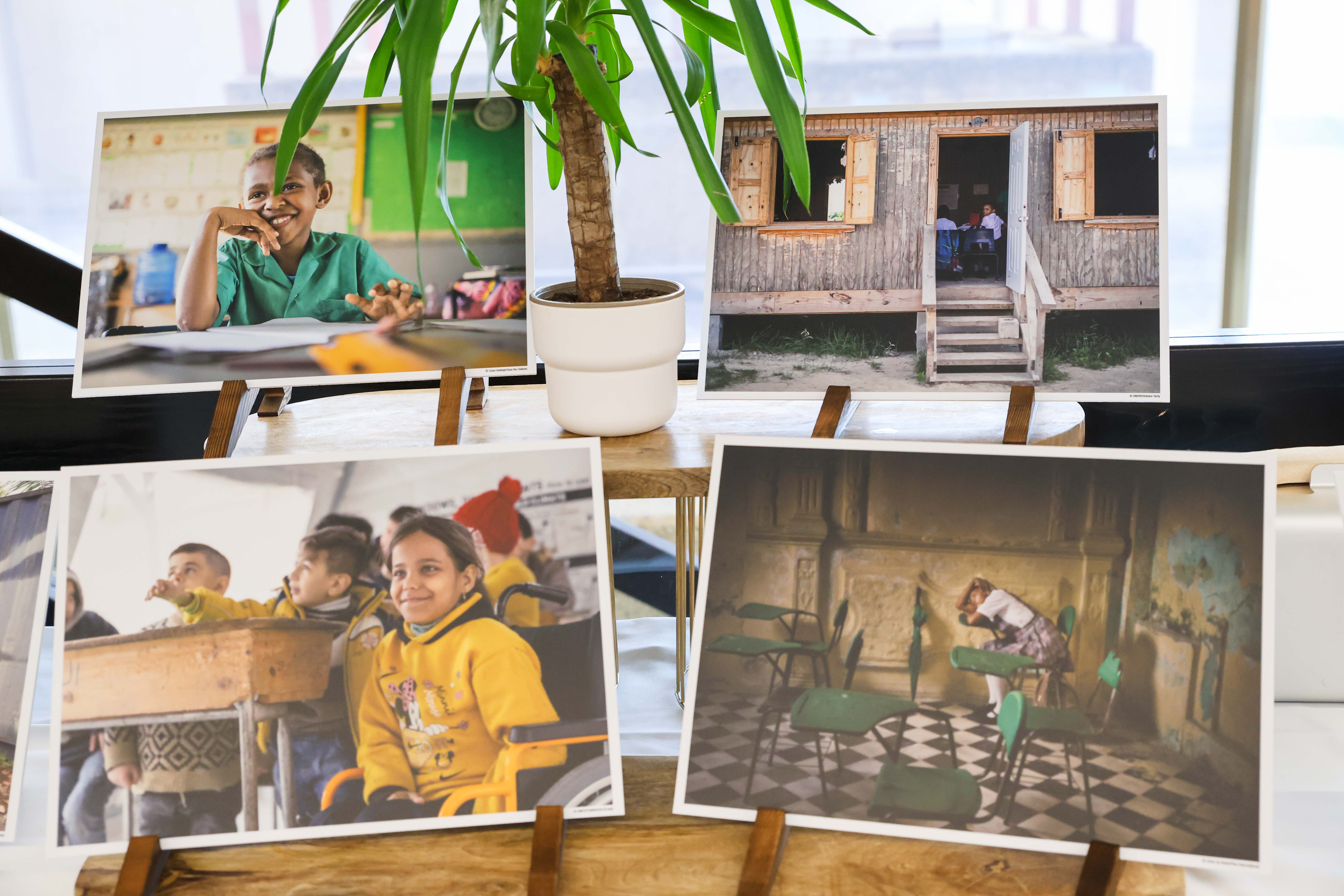
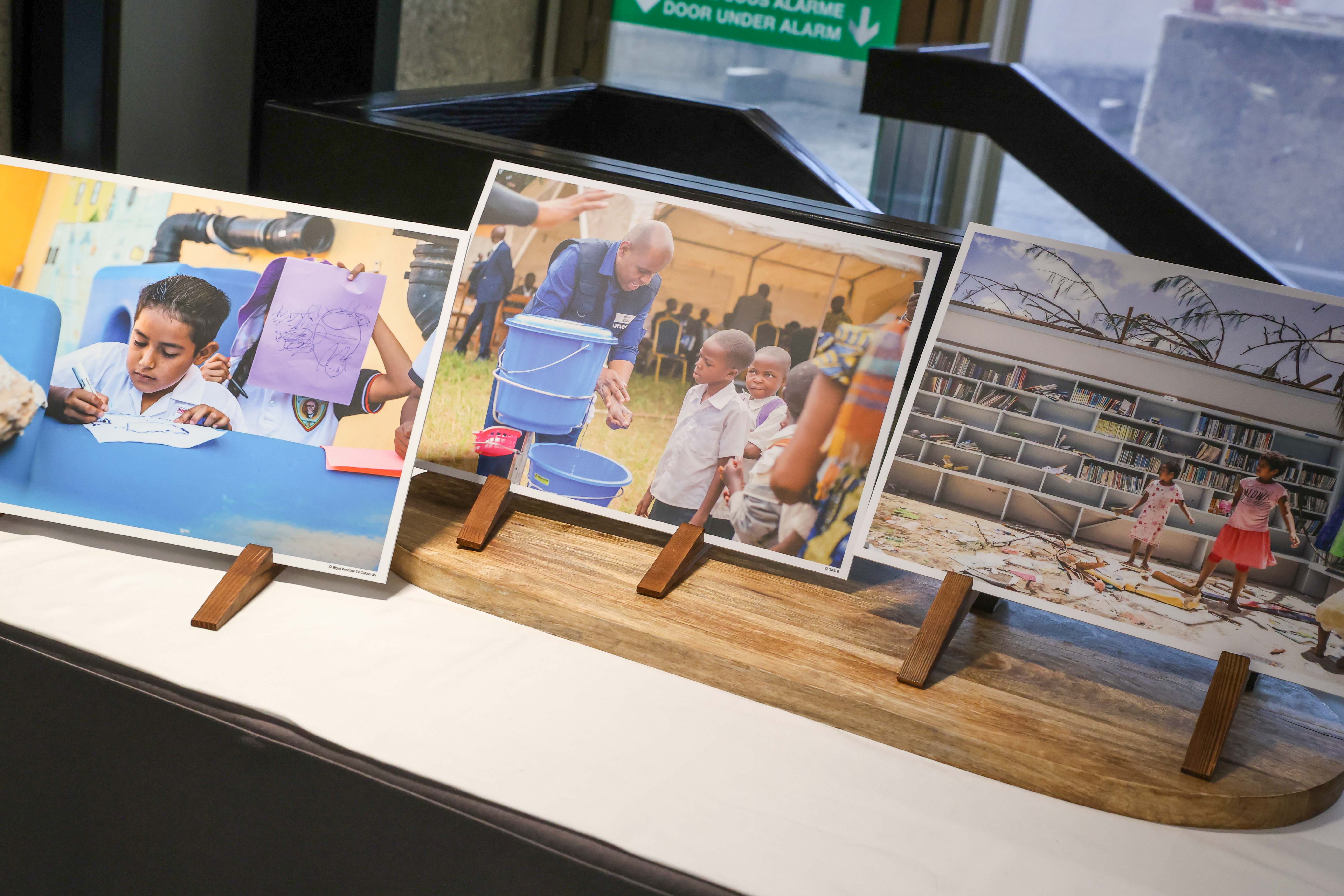
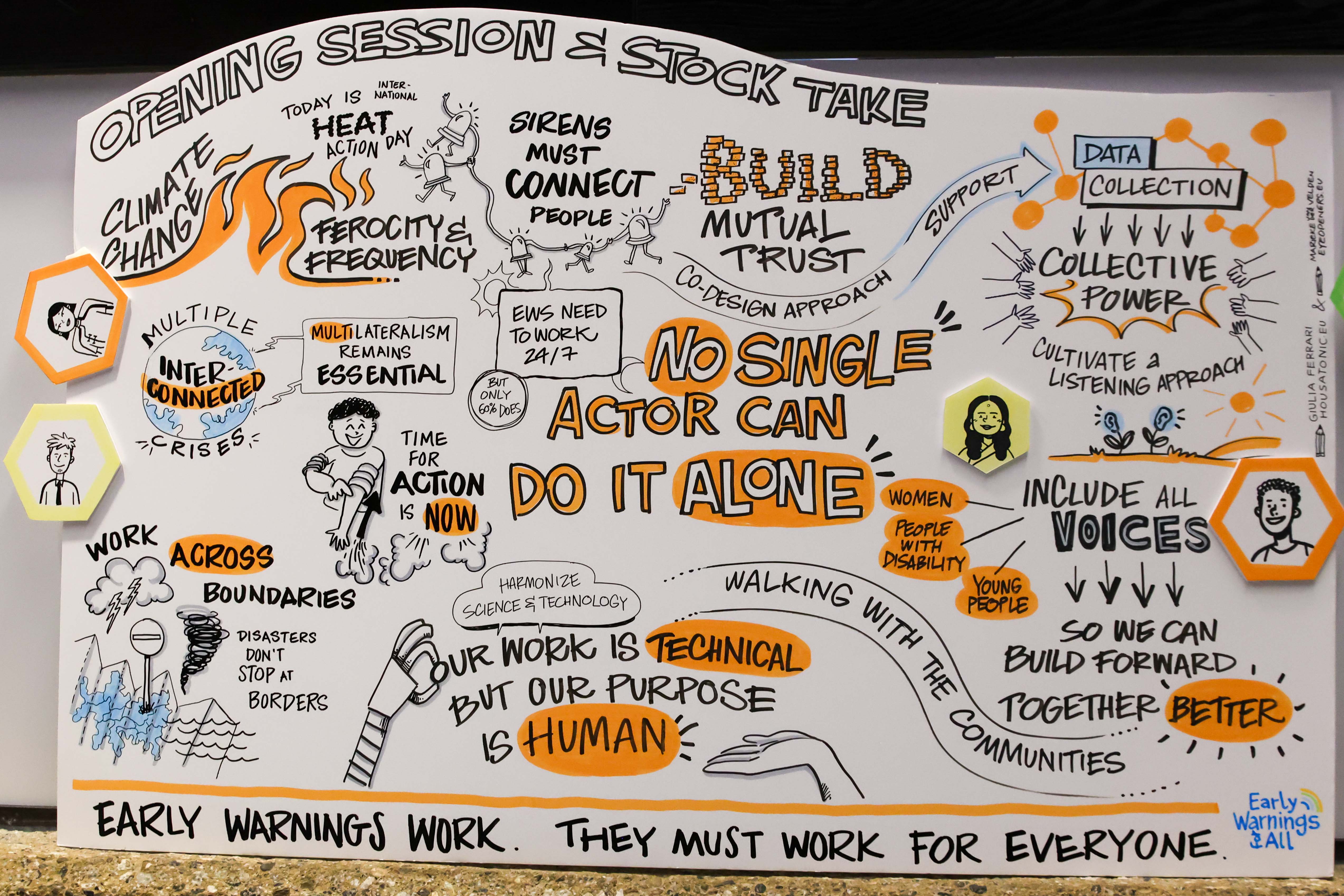
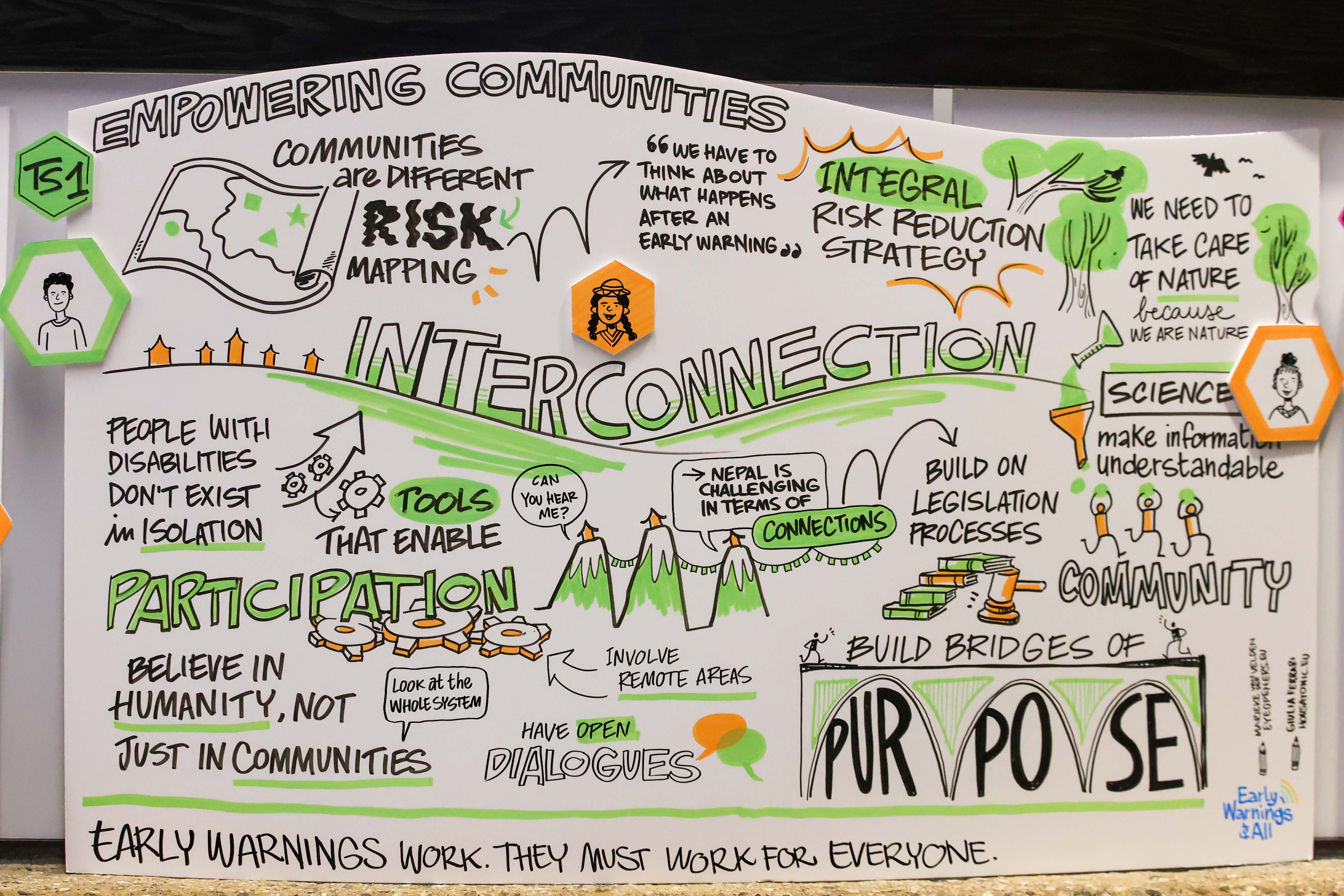
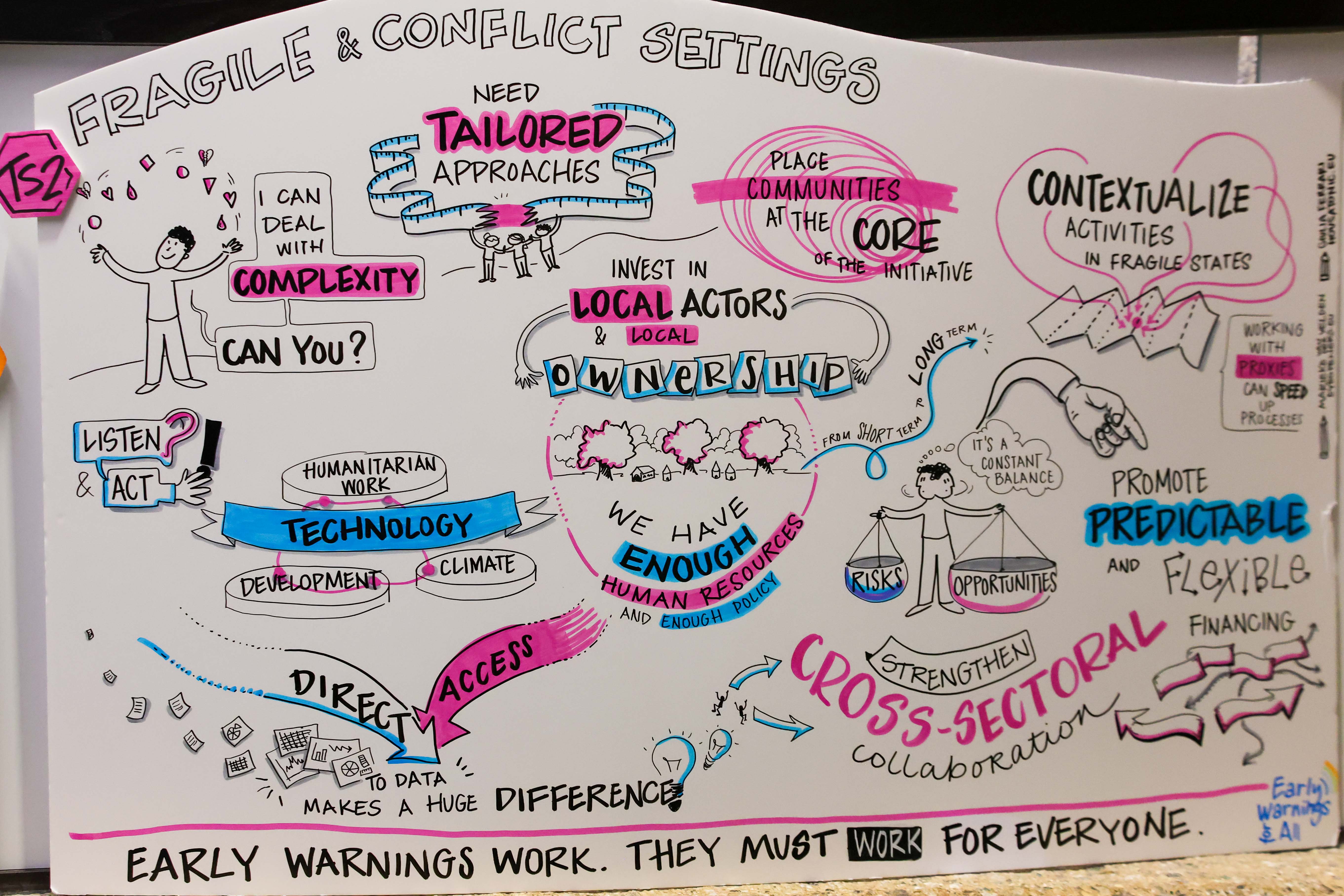
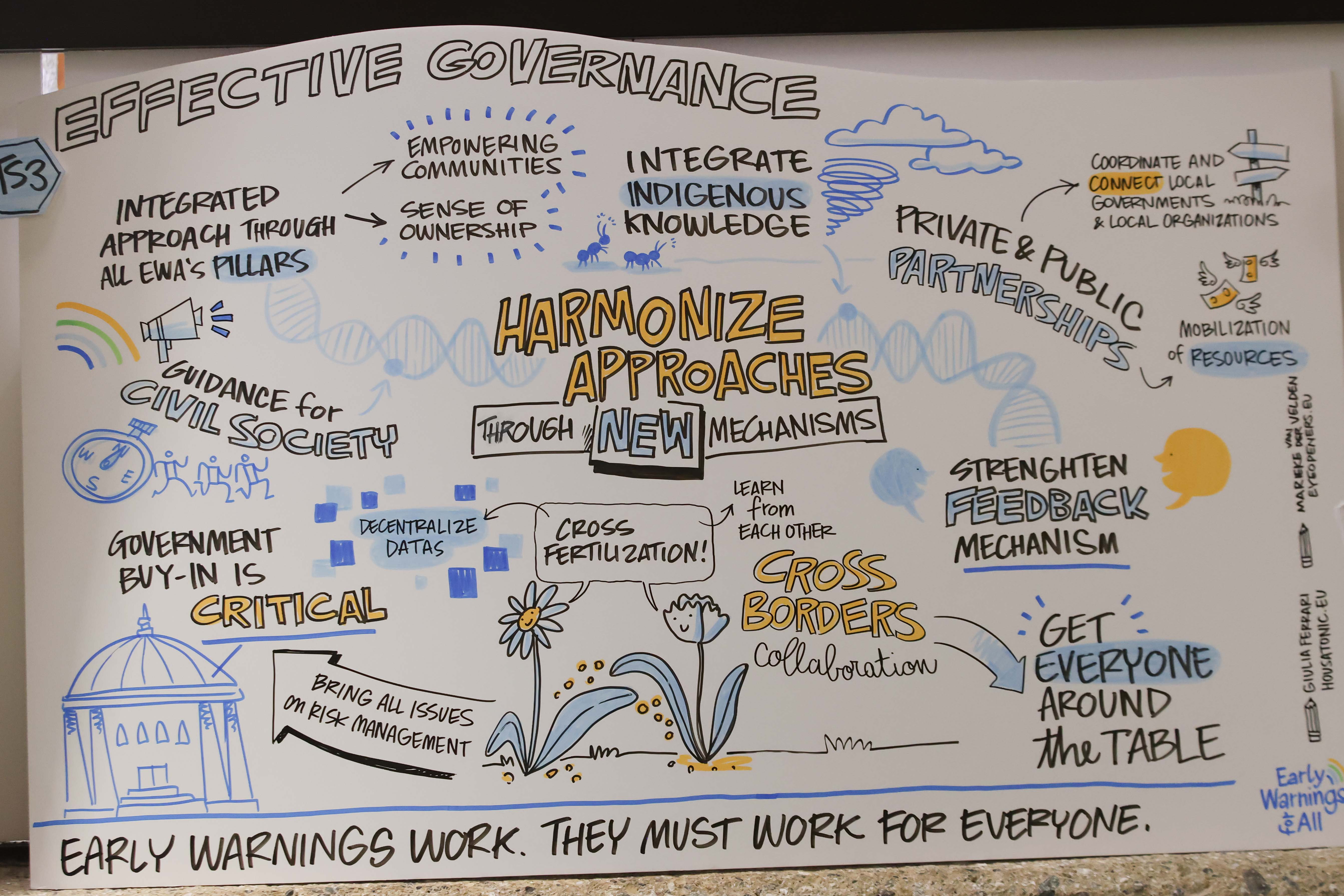
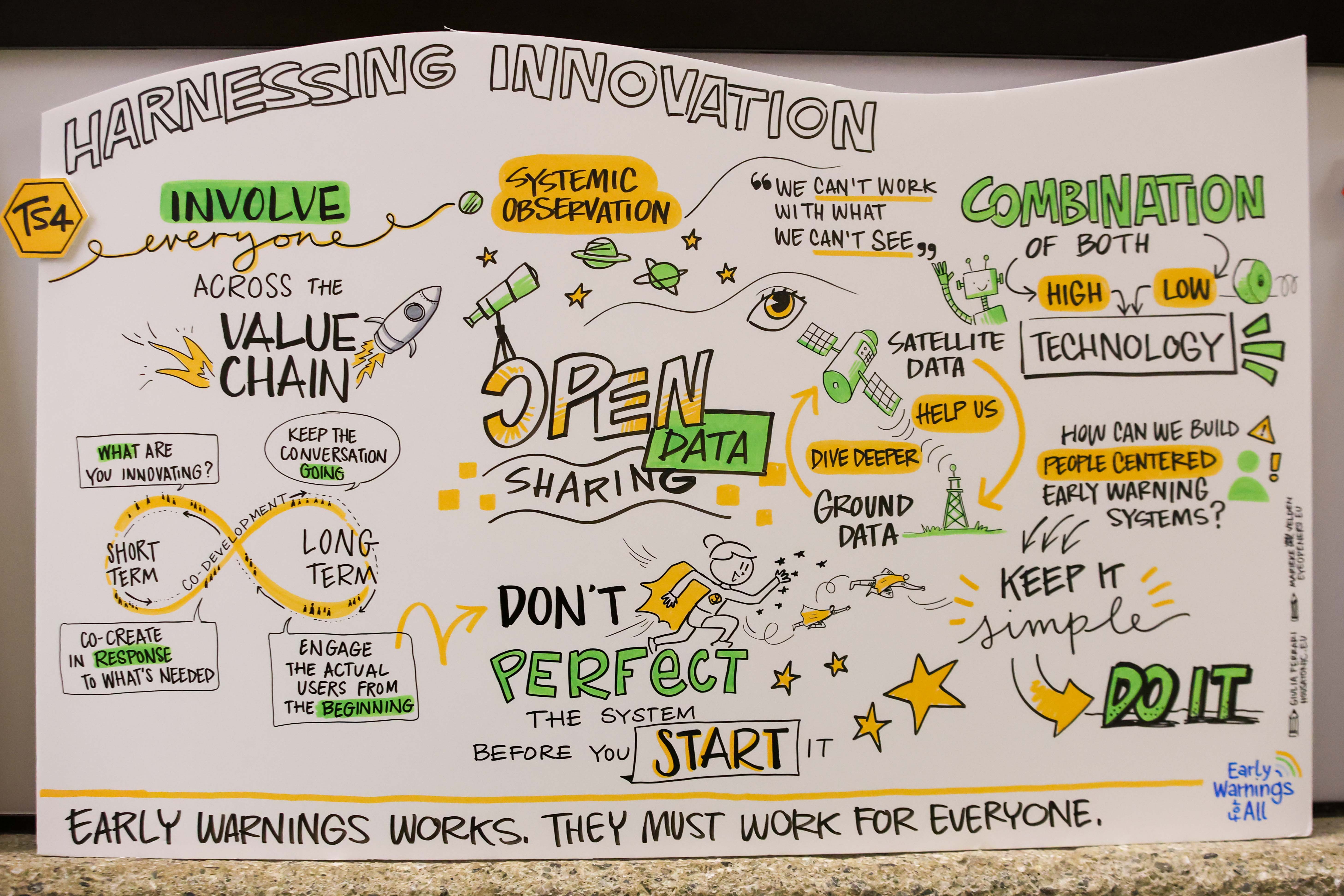
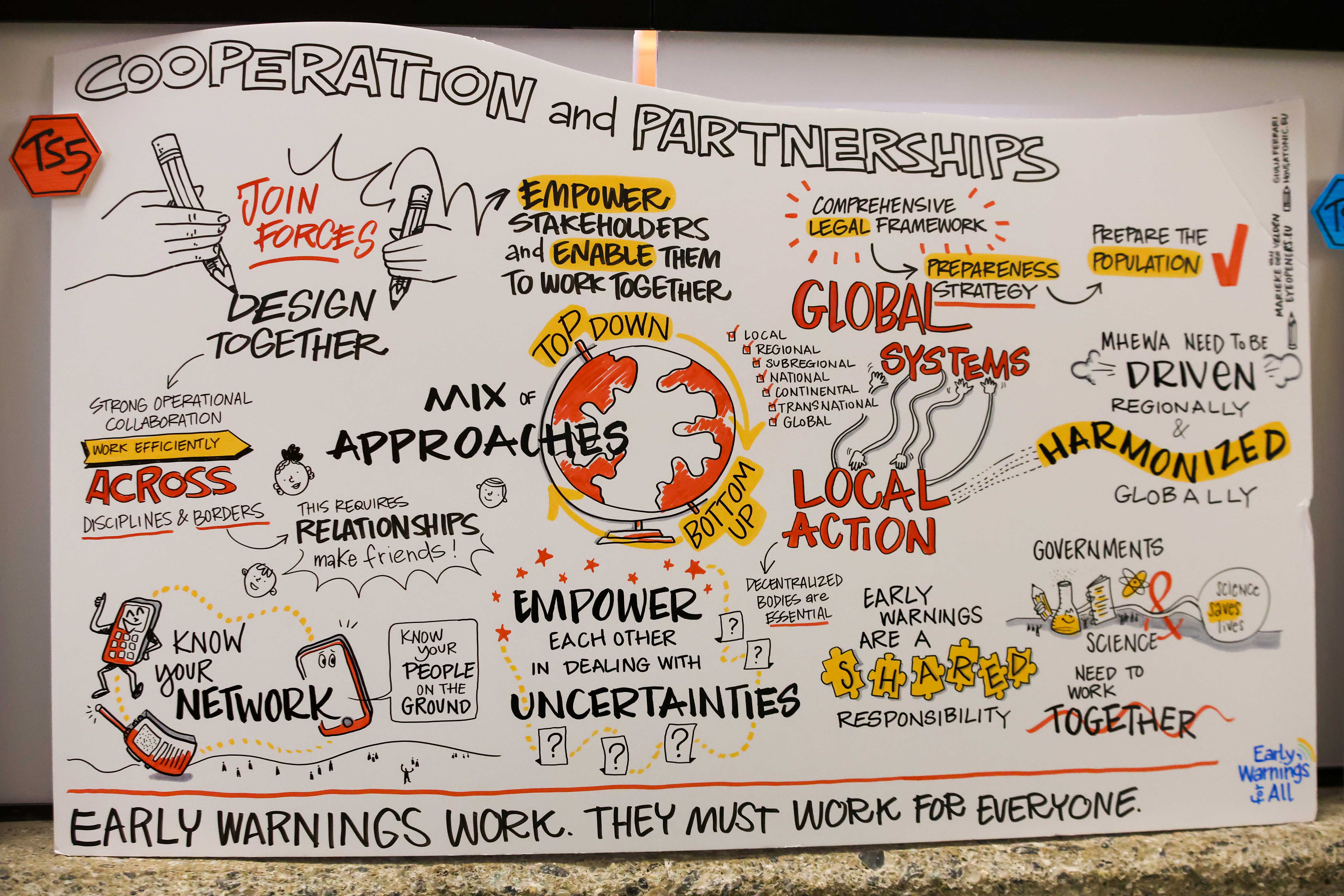
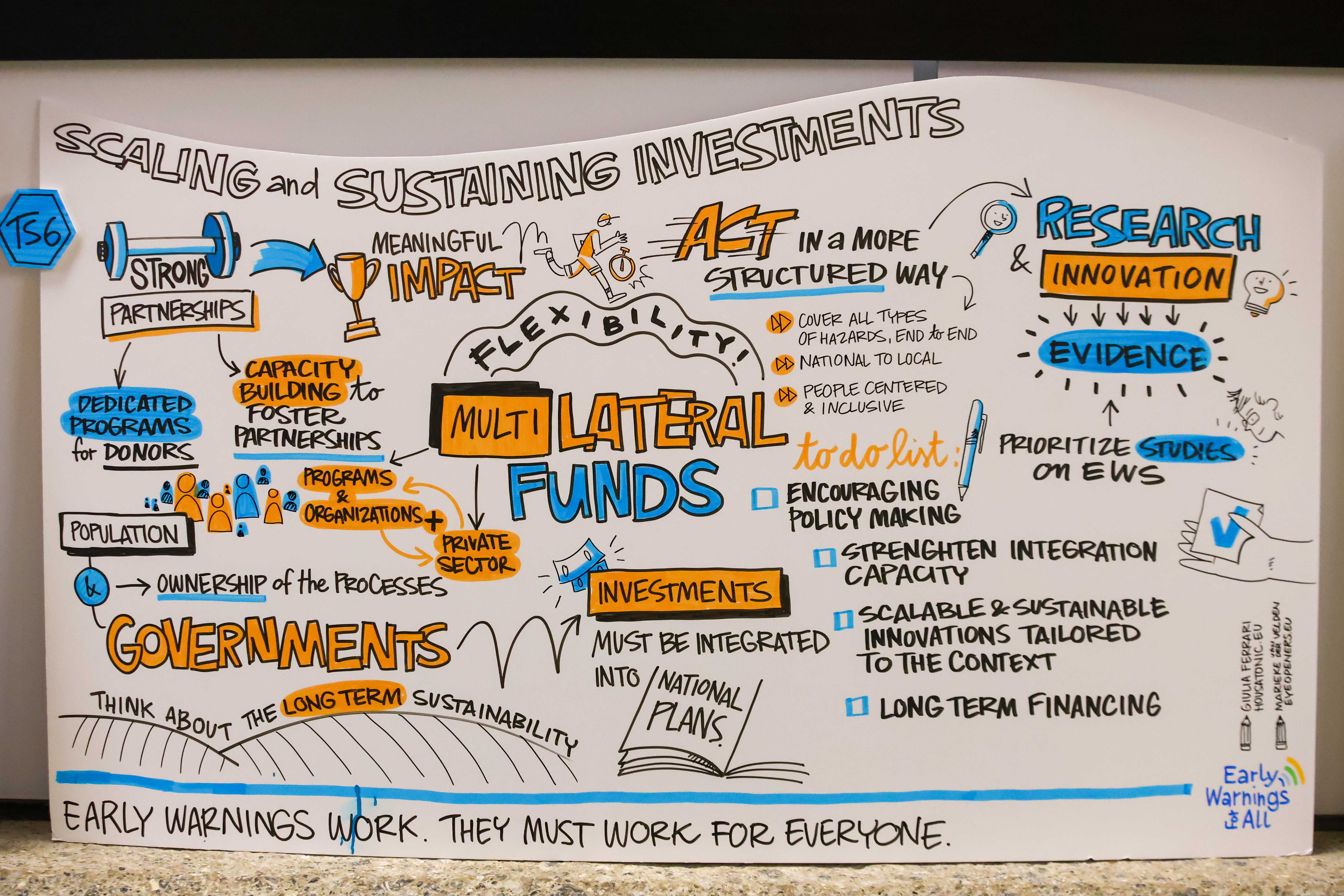
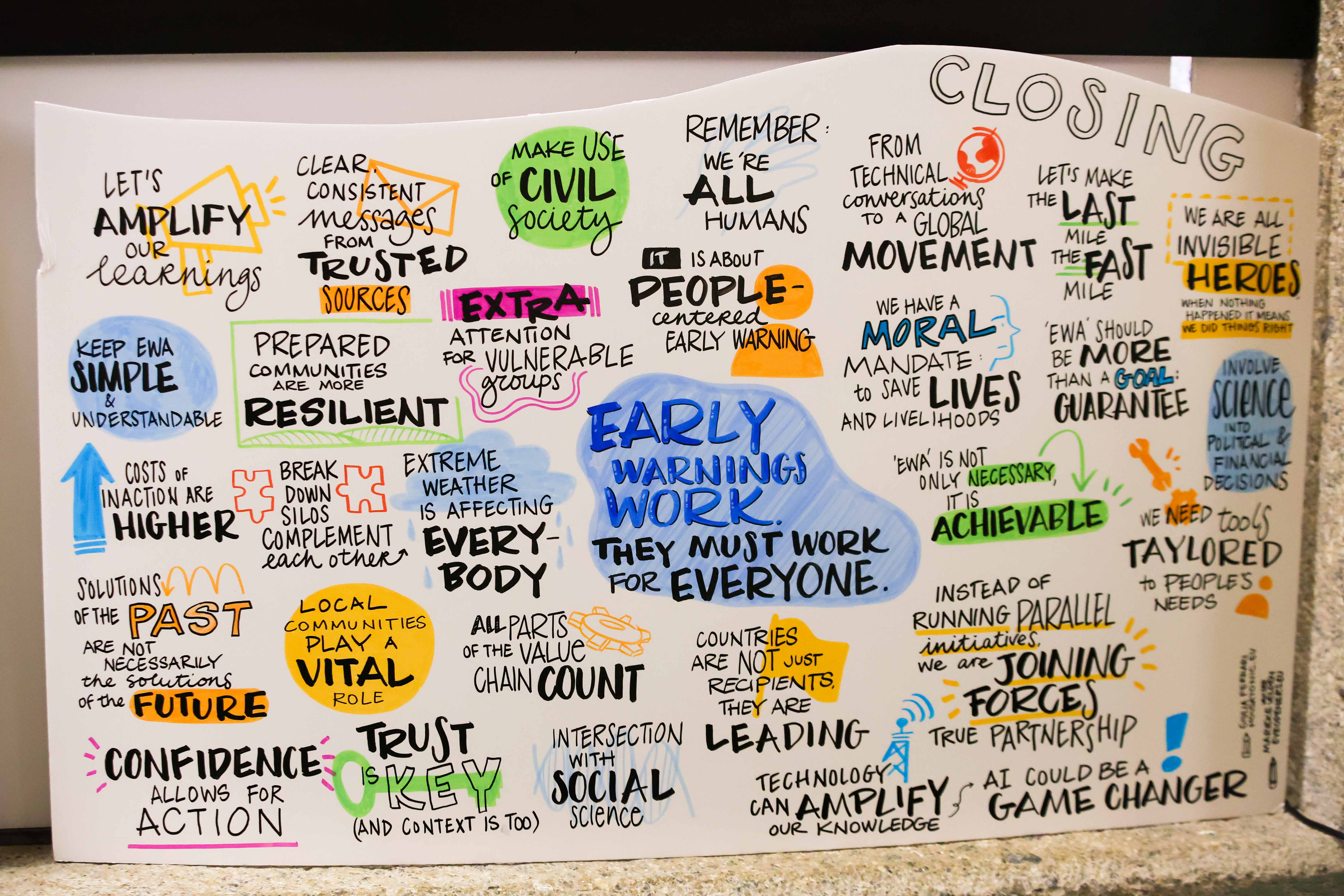
Thematic Sessions as visual summaries capturing key messages and insights.