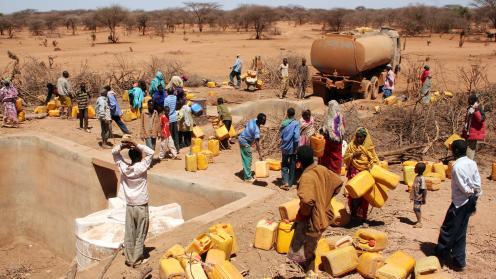

As disasters become more frequent and intense, governments, local authorities, and communities, as well as the private sector, are looking at ways to enhance capacity building for disaster prevention, response, and recovery. Many are looking at legislative and institutional arrangements, along with the use of new technologies and financial incentives, to boost their efforts.
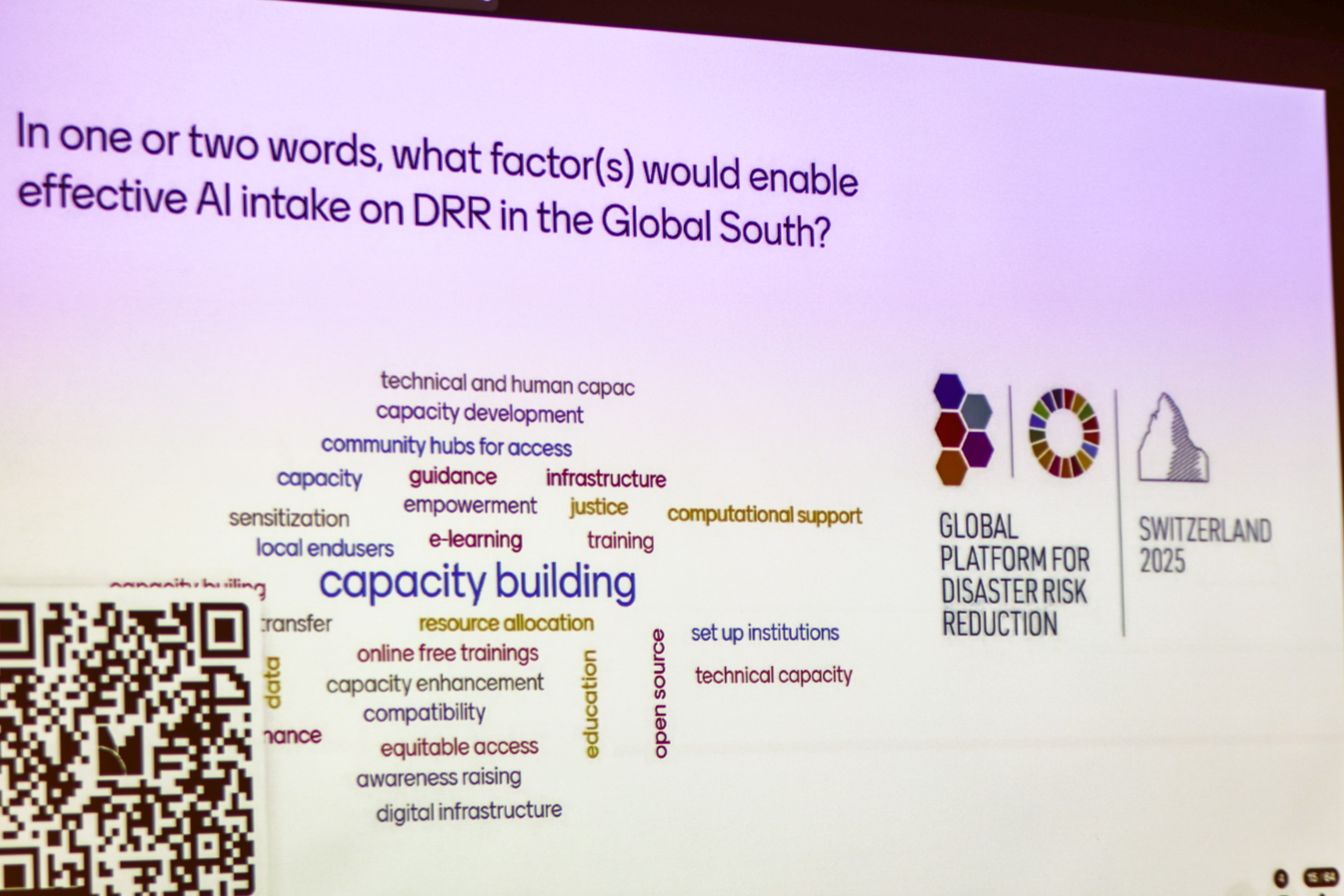
In the fourth and final Multi-Stakeholder Plenary, Ethiopia, Pakistan, the Philippines, and Kazakhstan highlighted their use of AI-enhanced forecasting and analysis tools to support disaster risk reduction (DRR). A lunchtime side event on ‘Advancing Risk Reduction with Inclusive AI Solutions,’ organized by UN University (UNU), delved into specifics. David Daou, UNU Institute for Environment and Human Security (UNU-EHS), warned that AI can be a “double-edged sword” if basic ethics are ignored, noting however its value when used to integrate data for early warning systems (EWS) with governance systems to improve reaction speed and coordination. Maxime Souvignet, UNU-EHS, challenged panelists and participants to go “beyond the AI hype” and explore how to ensure new technologies do not exacerbate inequalities by only benefiting those with access to digital systems. Other presenters noted that many organizations lack the basic amenities to exploit the power of AI, such as fast computers, processing and storage capacity to manage big data, or even access to a reliable electricity supply.

A special event on small island developing States (SIDS) stressed the need to harness local knowledge and innovation—tapping into people’s lived experience and histories of resilience. Ralph Regenvanu, Minister of Climate Change, Adaptation, Meteorology and Geo-Hazards, Energy, Environment and Disaster Management, Vanuatu, described how his country is integrating its disaster risk strategy and loss and damage into its National Adaptation Plan, and strengthening community committees to serve, both as first responders and to inform development.
In thematic sessions, government delegates highlighted national progress toward stronger institutional arrangements. Krishna Vatsa, National Disaster Management Authority (NDMA), India, highlighted India’s 2024 amendments to its National Disaster Management (Amendment) Bill, which provides a funding window for recovery efforts, thereby enabling state governments to access recovery funds based on loss and damage assessments. The change, he noted, provides impetus to institutionalize recovery efforts in the long term. Michelle Forbes, Director, National Disaster Risk Management Office, Saint Vincent and the Grenadines, noted that the post-disaster project management structure created in her country has become a permanent part of the Ministry of Planning.

In a special session on implementing the Sendai Framework Gender Action Plan, which was launched in March 2024, delegates presented on how they are integrating gender considerations into their DRR actions. Saskia Carusi, UNDRR, spoke about the Medellin Gender Observatory and Local Governance in DRR, which is located in Colombia. She noted that similar projects are being developed in Uruguay and Chile.
During the closing ceremony, GPDRR 2025 Co-Chair Christian Frutiger, Vice-Director General and Head of Thematic Cooperation at the Swiss Agency for Development and Cooperation, presented the Co-Chair’s Summary—titled the Geneva Call to Action—which gives recommendations for advancing implementation of the Sendai Framework over the remaining five years to its deadline.

Kamal Kishore, UNDRR Head and Co-Chair of the Global Platform, congratulated the UNDRR community and Global Platform participants for a successful meeting. He applauded countries' successes in reducing the disaster mortality rate by 50% over the last decade, noting that 131 countries so far have developed national DRR plans. He urged all to build on their achievements, by “organizing the money” and elevating local participation and action.
Reminding everyone that the meeting outcomes will inform the continued implementation of the Sendai Framework, UNDRR Director Paola Albrito closed the Eighth Global Platform on DRR at 17:26 pm.
To receive free coverage of global environmental events delivered to your inbox, subscribe to the ENB Update newsletter.
All ENB photos are free to use with attribution. For this event, please use: Photo by IISD/ENB | Anastasia Rodopoulou.
High-Level Dialogue: Advancing Multi-Hazard Early Warnings and Early and Anticipatory Action: User-Centred Design for a Resilient Future
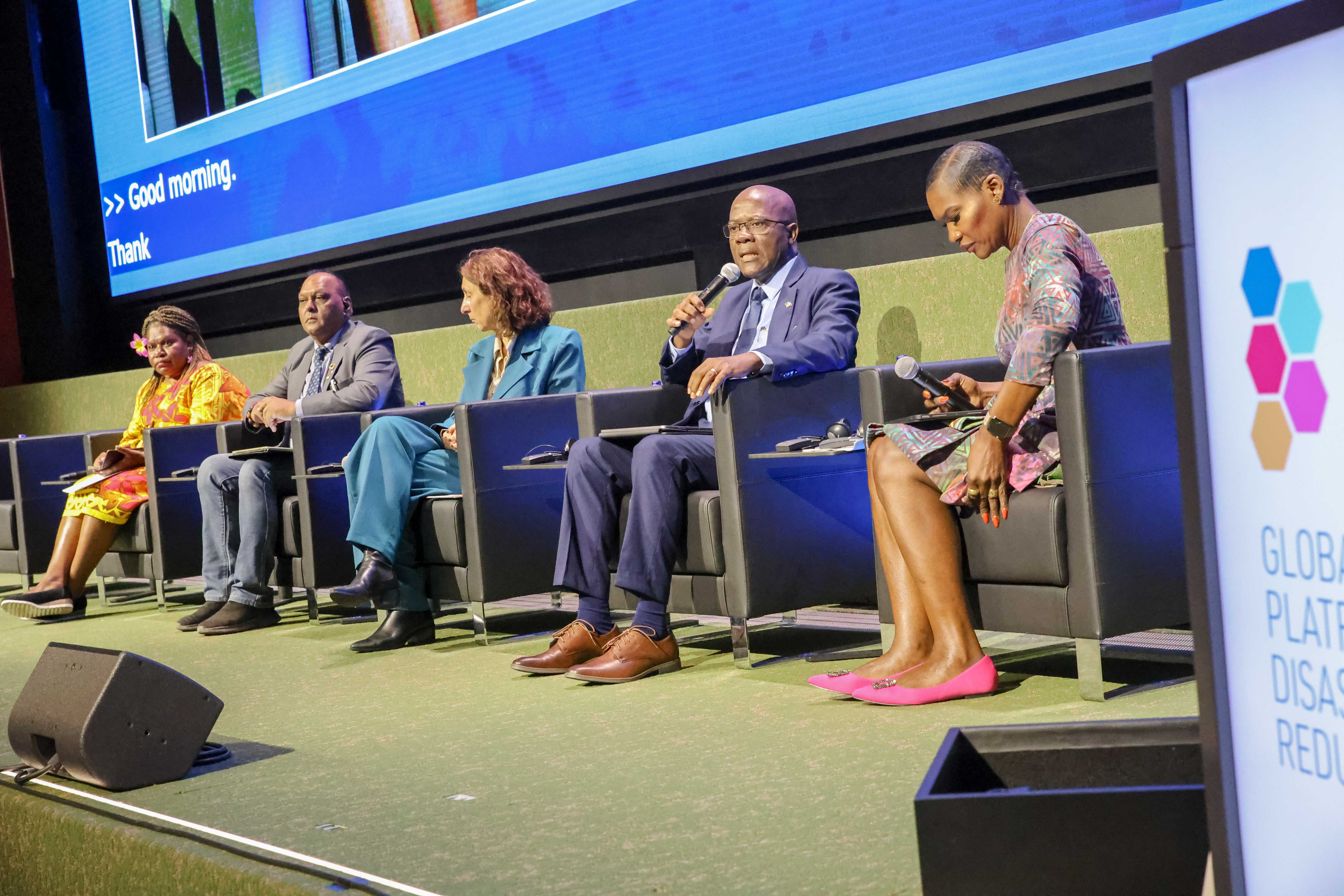
View of the panel
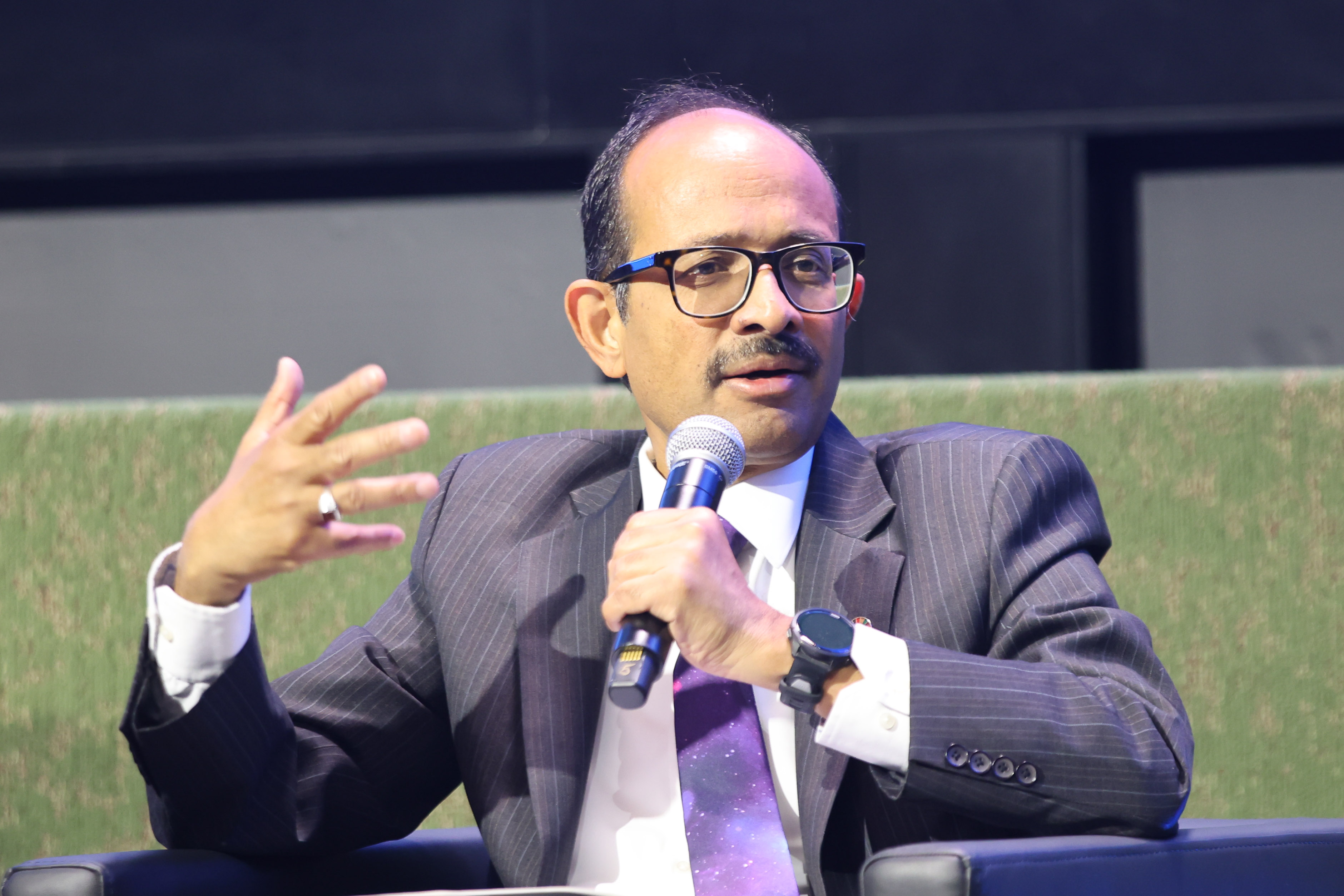
Kamal Kishore, Head, UNDRR
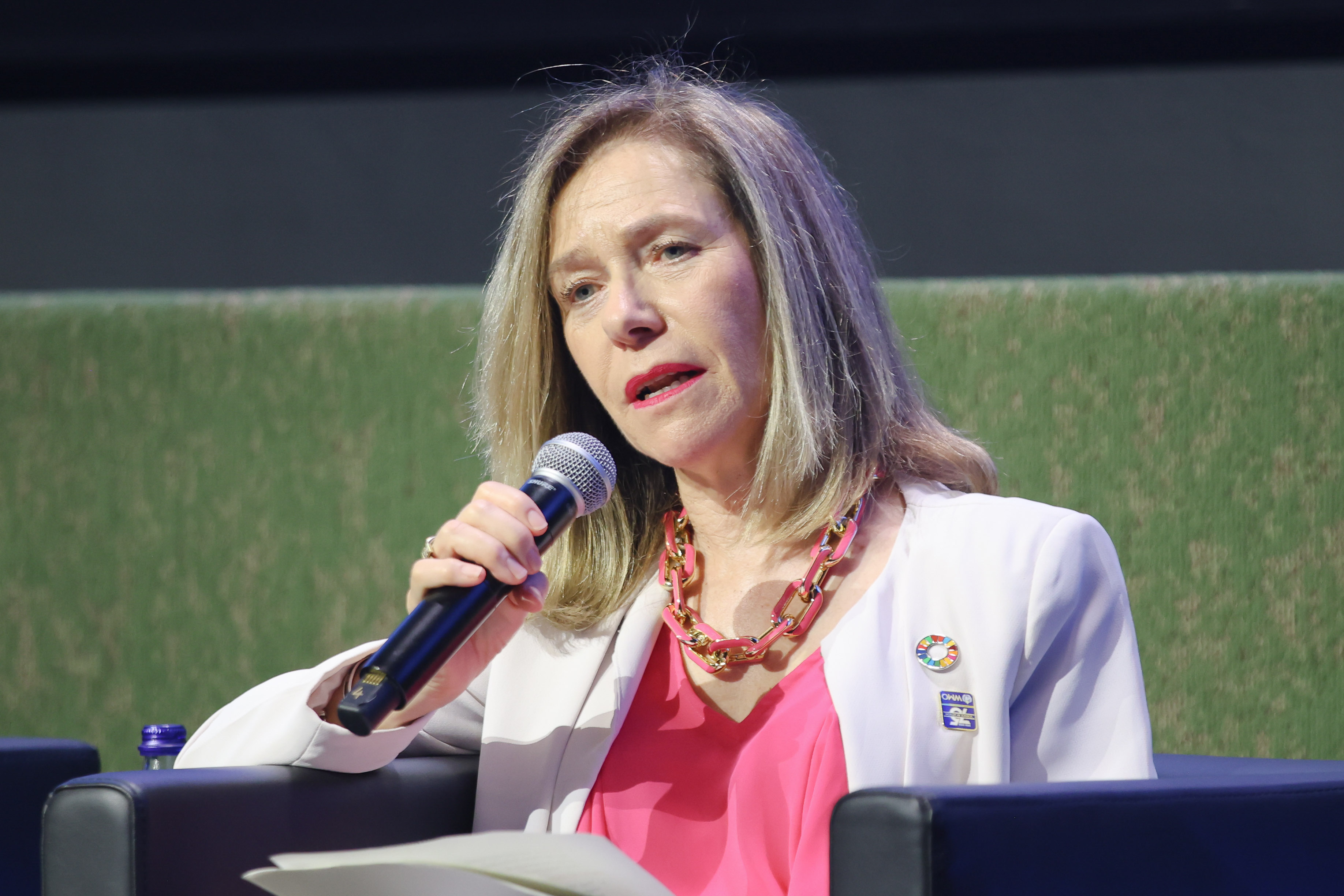
Celeste Saulo, Secretary-General, WMO
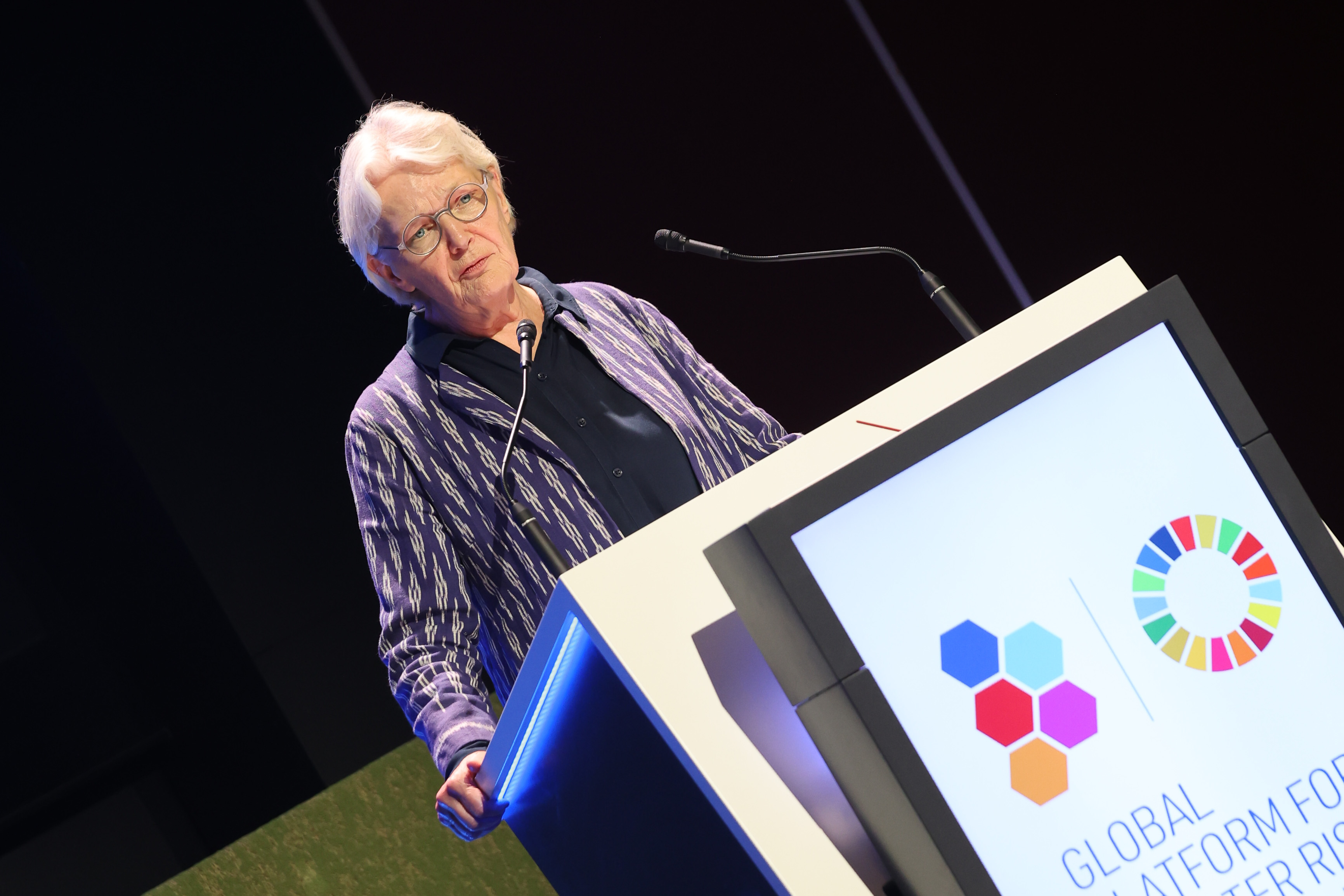
Margareta Wahlström, President, former Special Representative of the UN Secretary-General for DRR
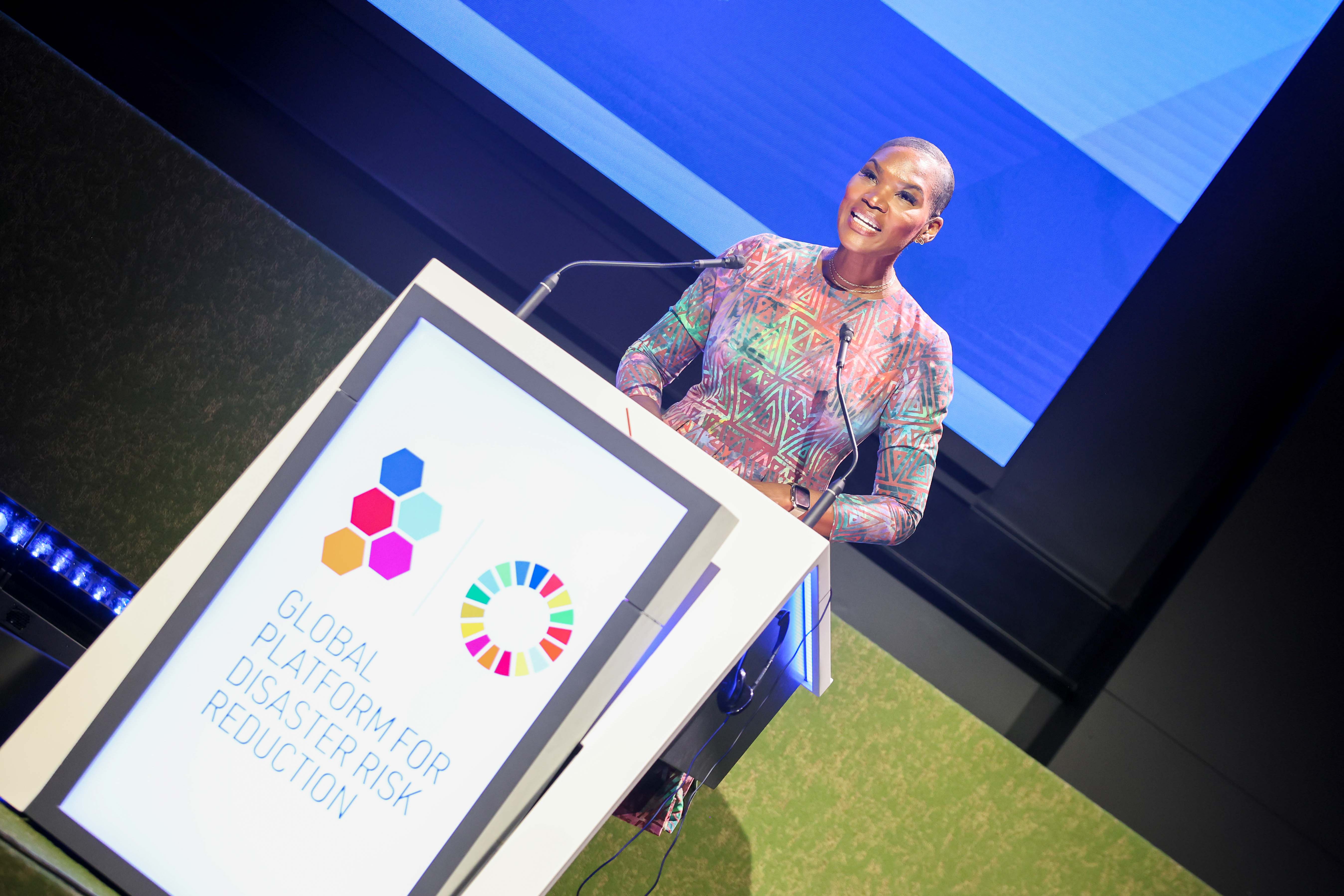
Anita Erskine, Executive Director, Erskine Global Communications
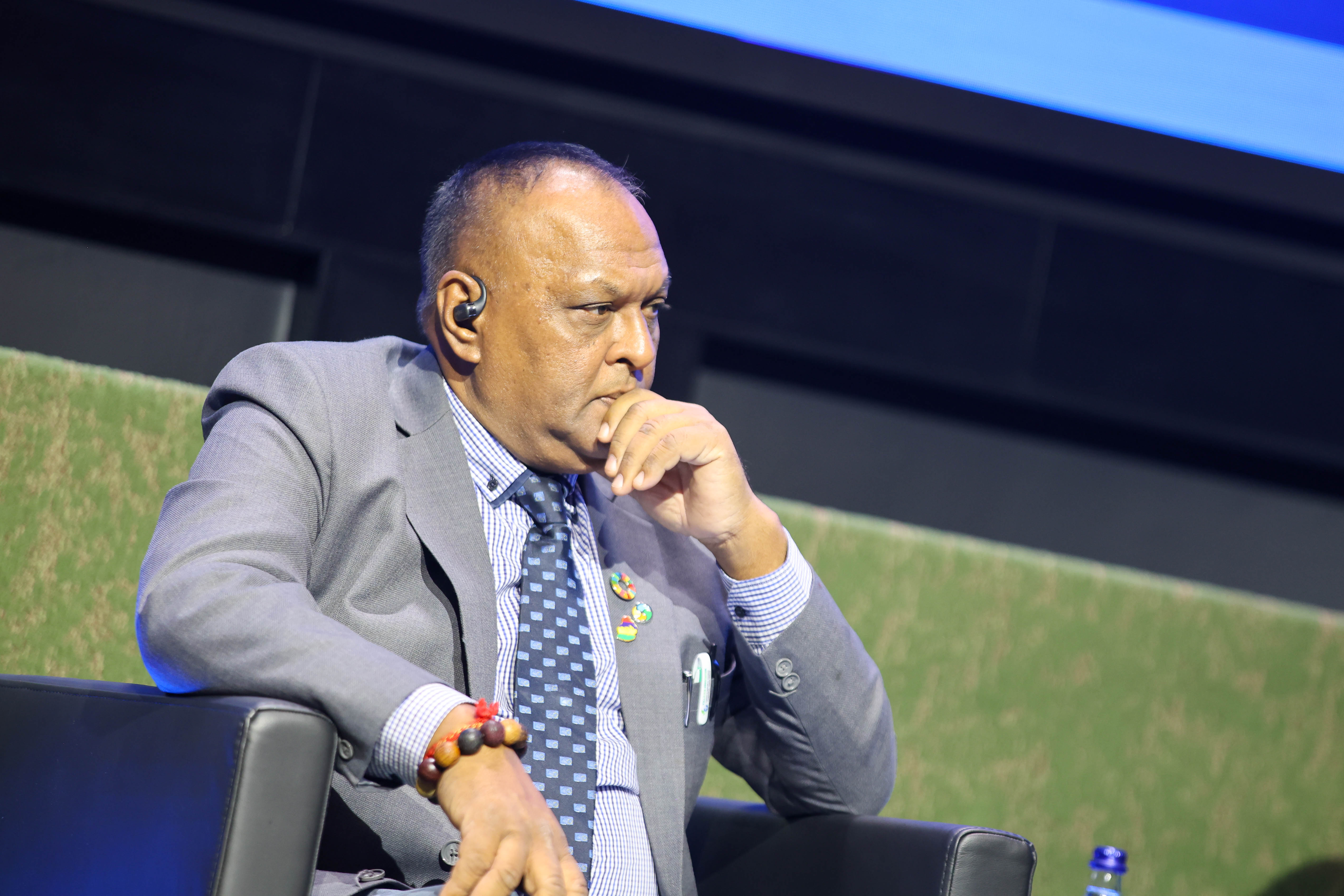
Gunsham Seeborun, World Farmers’ Organisation
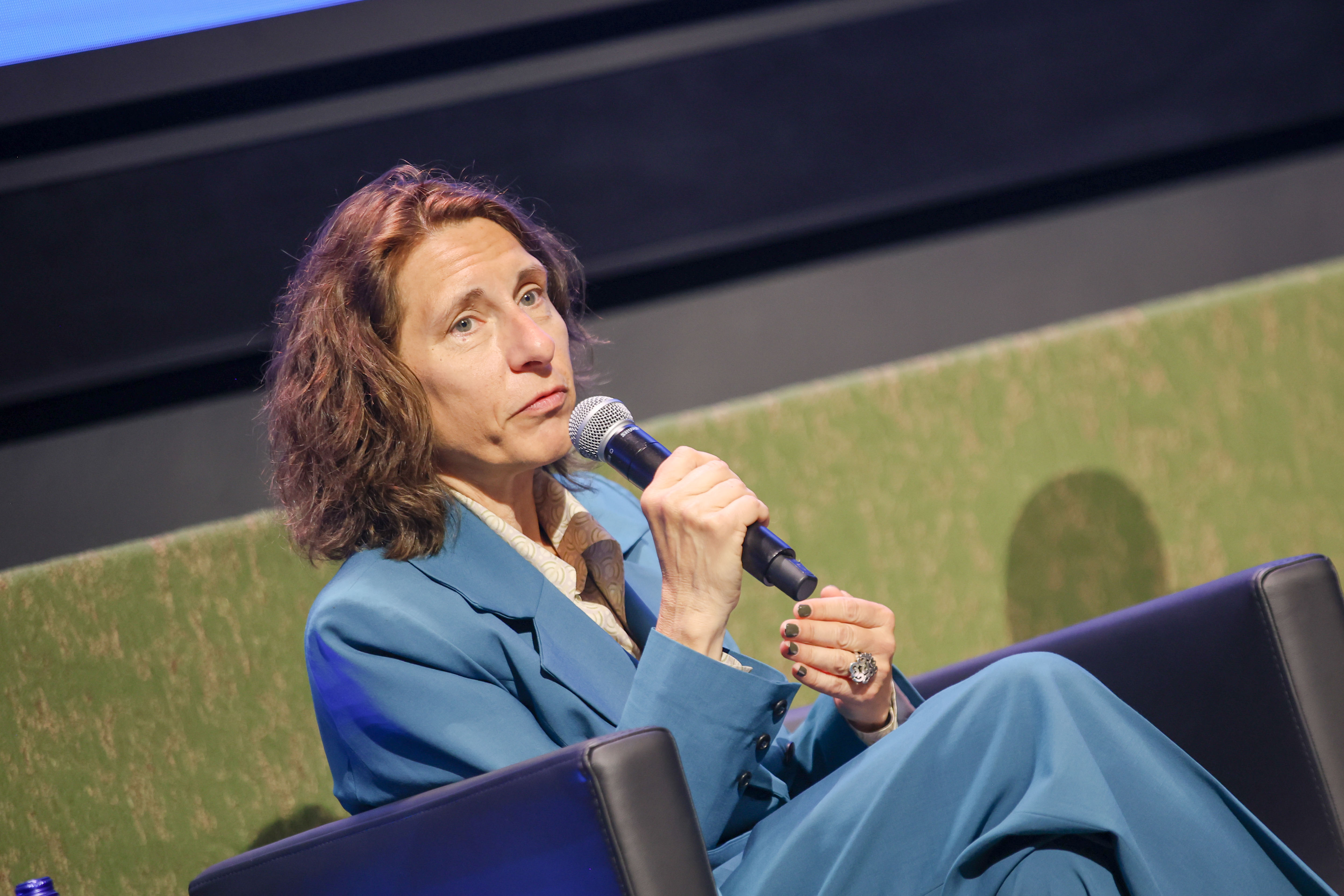
Deike Potzel, Federal Foreign Office, Germany
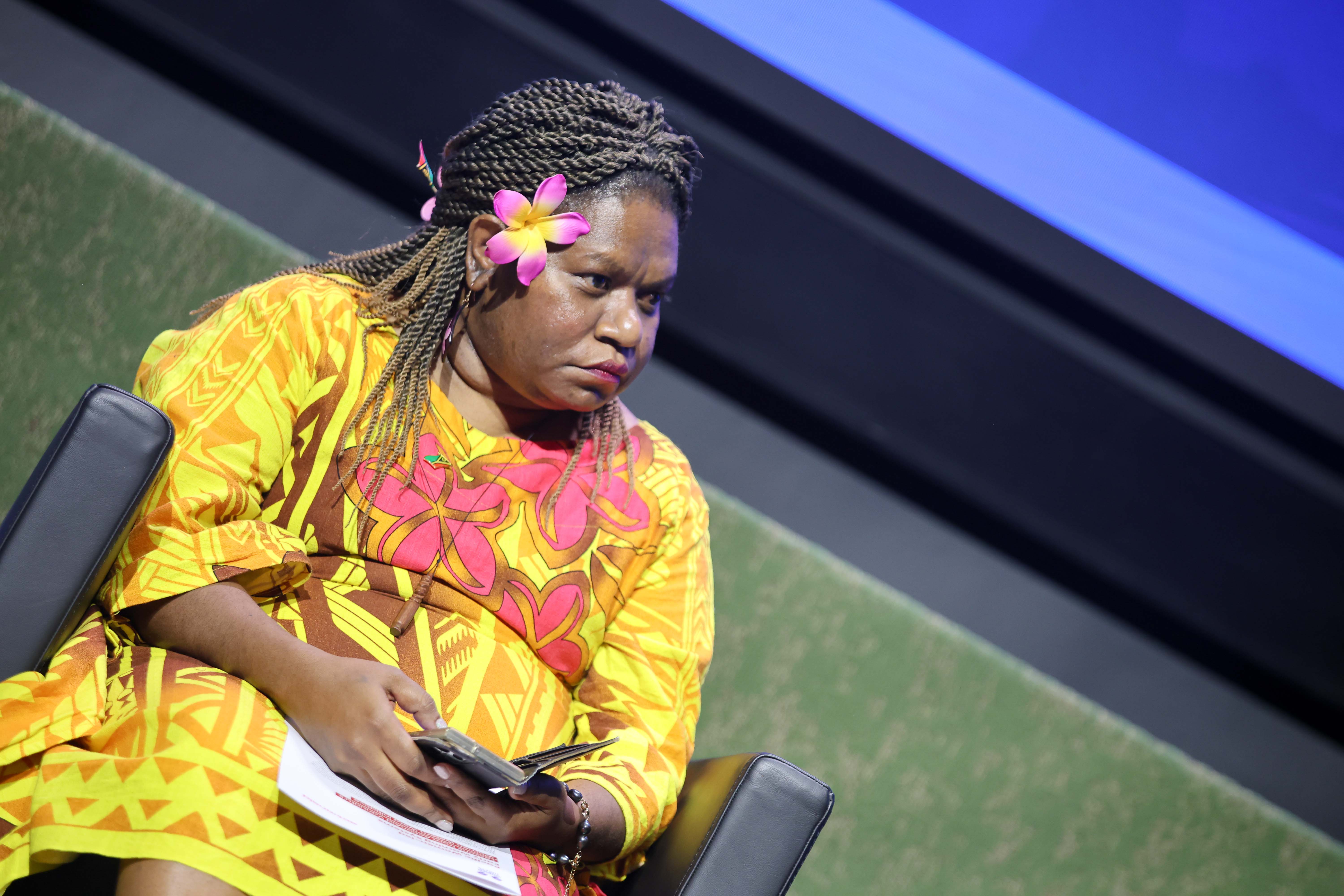
Flora Vano, ActionAid Vanuatu
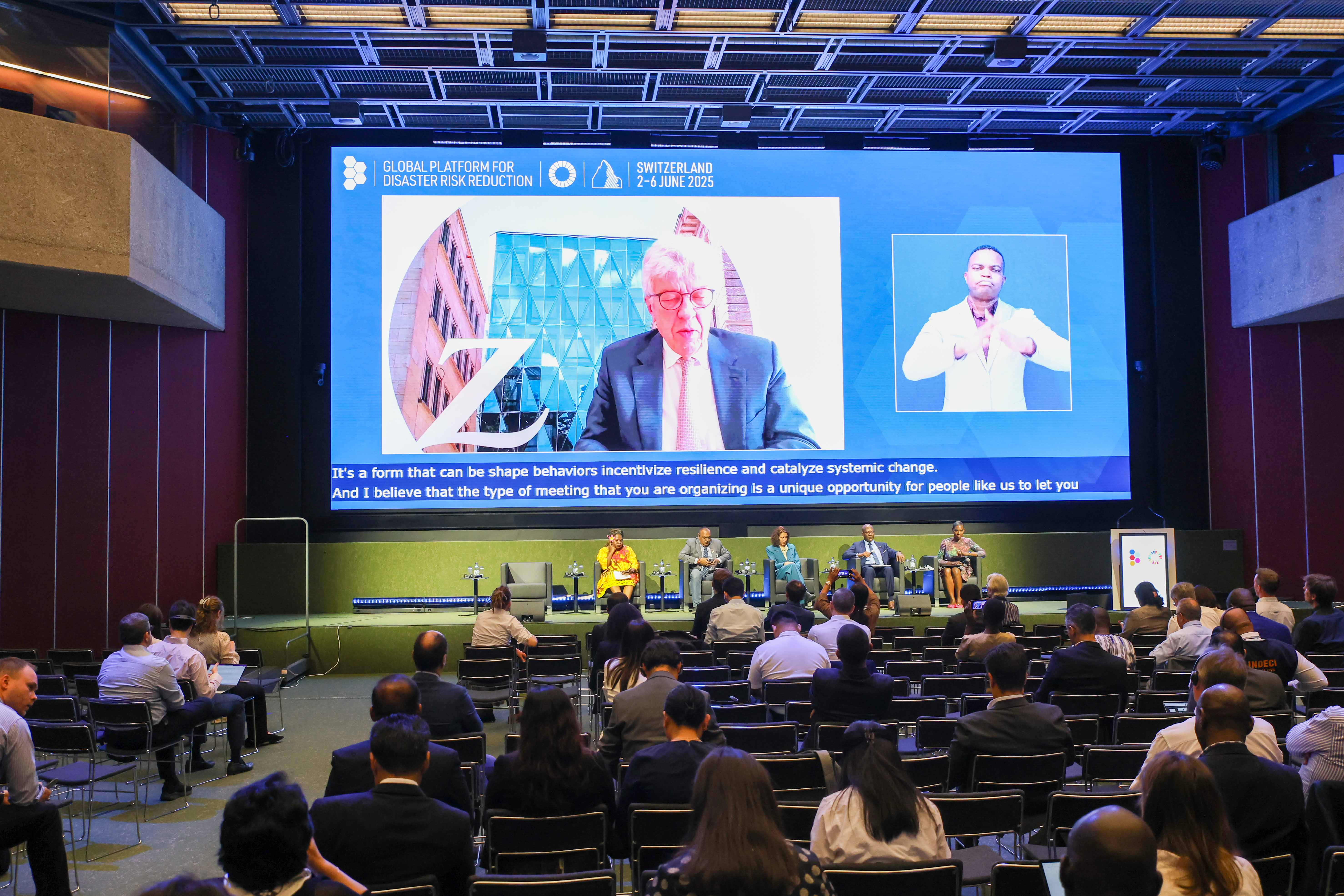
Michel Liès, Chair, Zurich Insurance, Switzerland, participated virtually.
Multi-Stakeholder Plenary
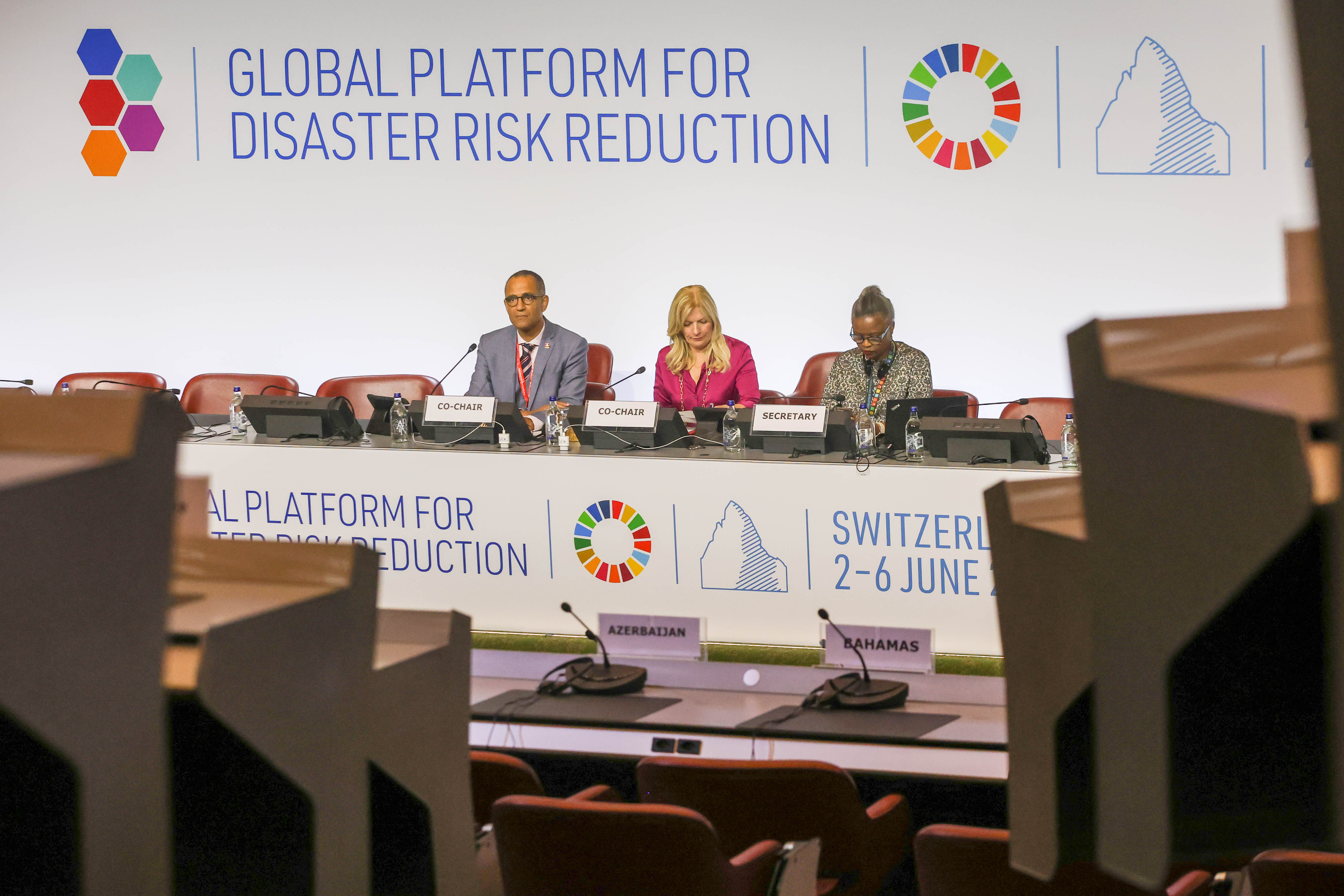
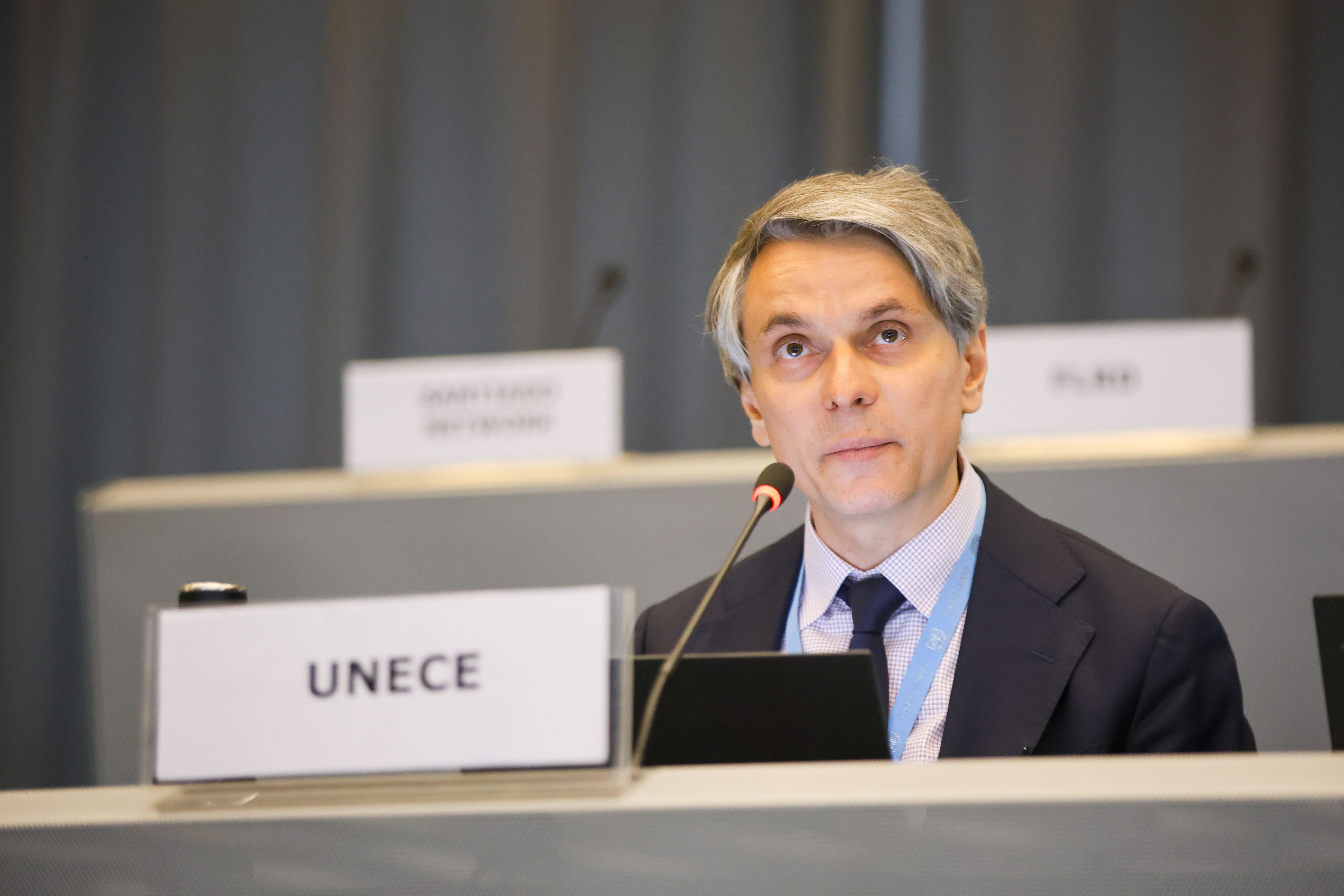
Dmitry Mariyasin, Deputy Executive Secretary, UN Economic Commission for Europe (UNECE)
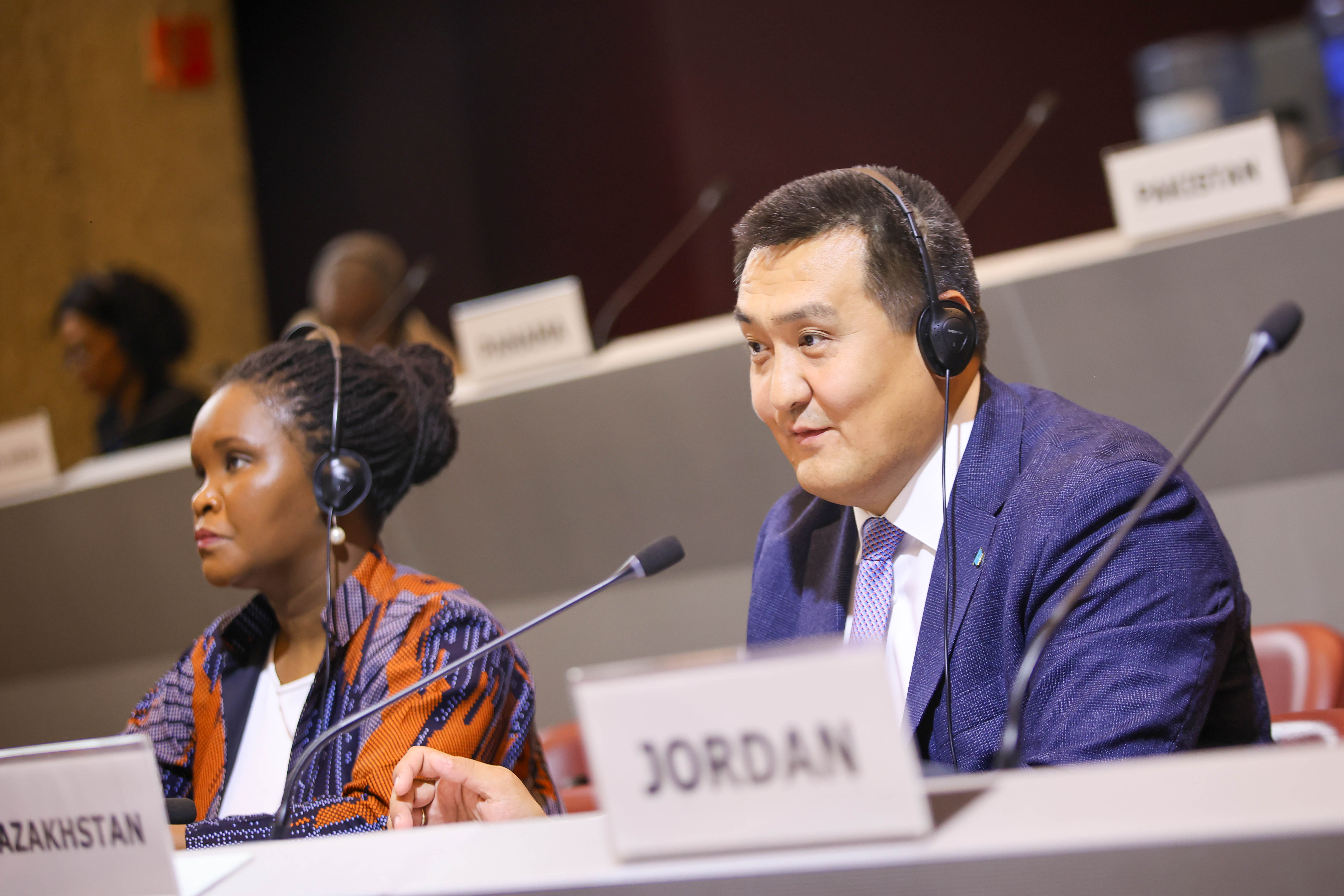
Serik Junisbekov, Kazakhstan
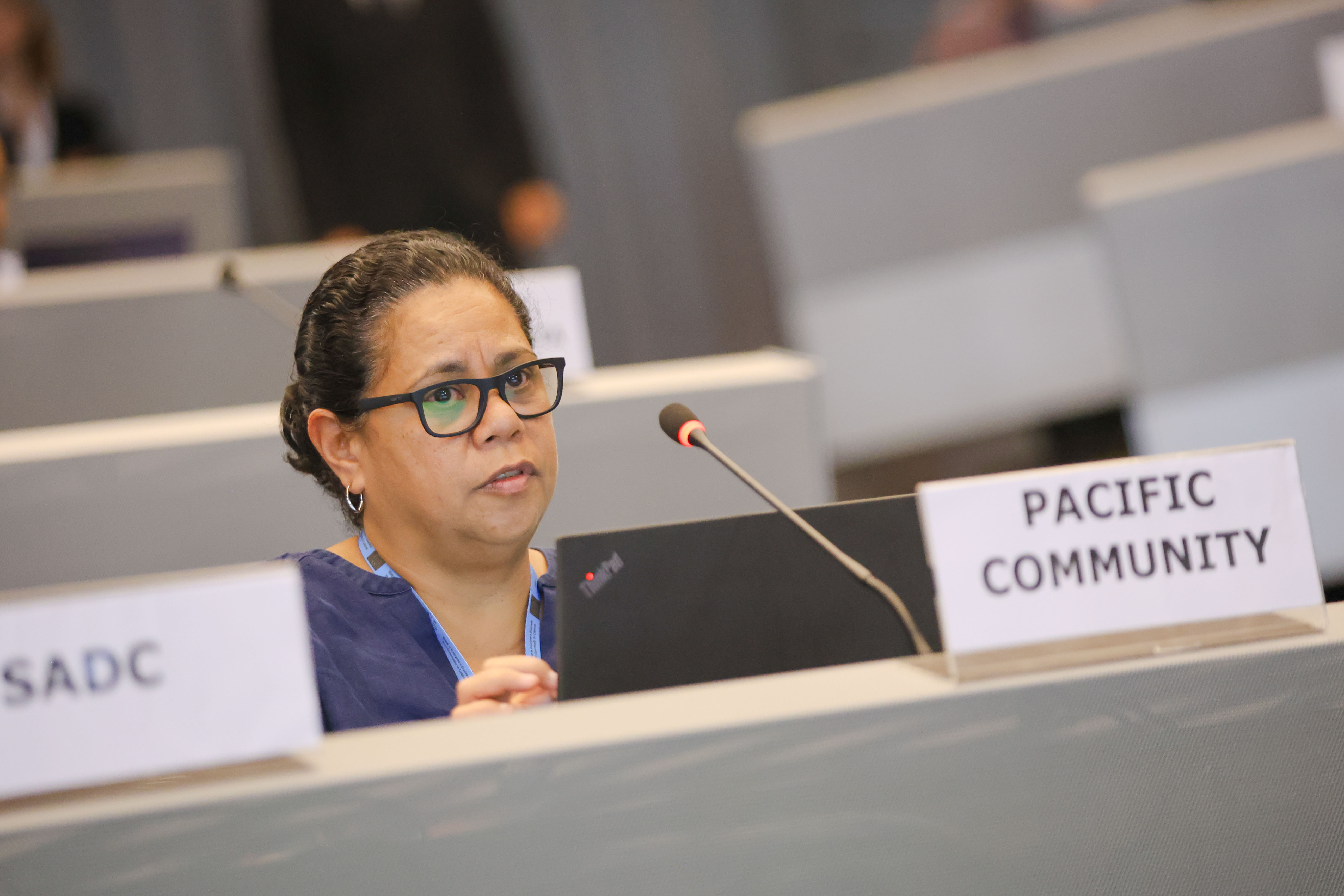
Rhonda Robinson, The Pacific Community (SPC)
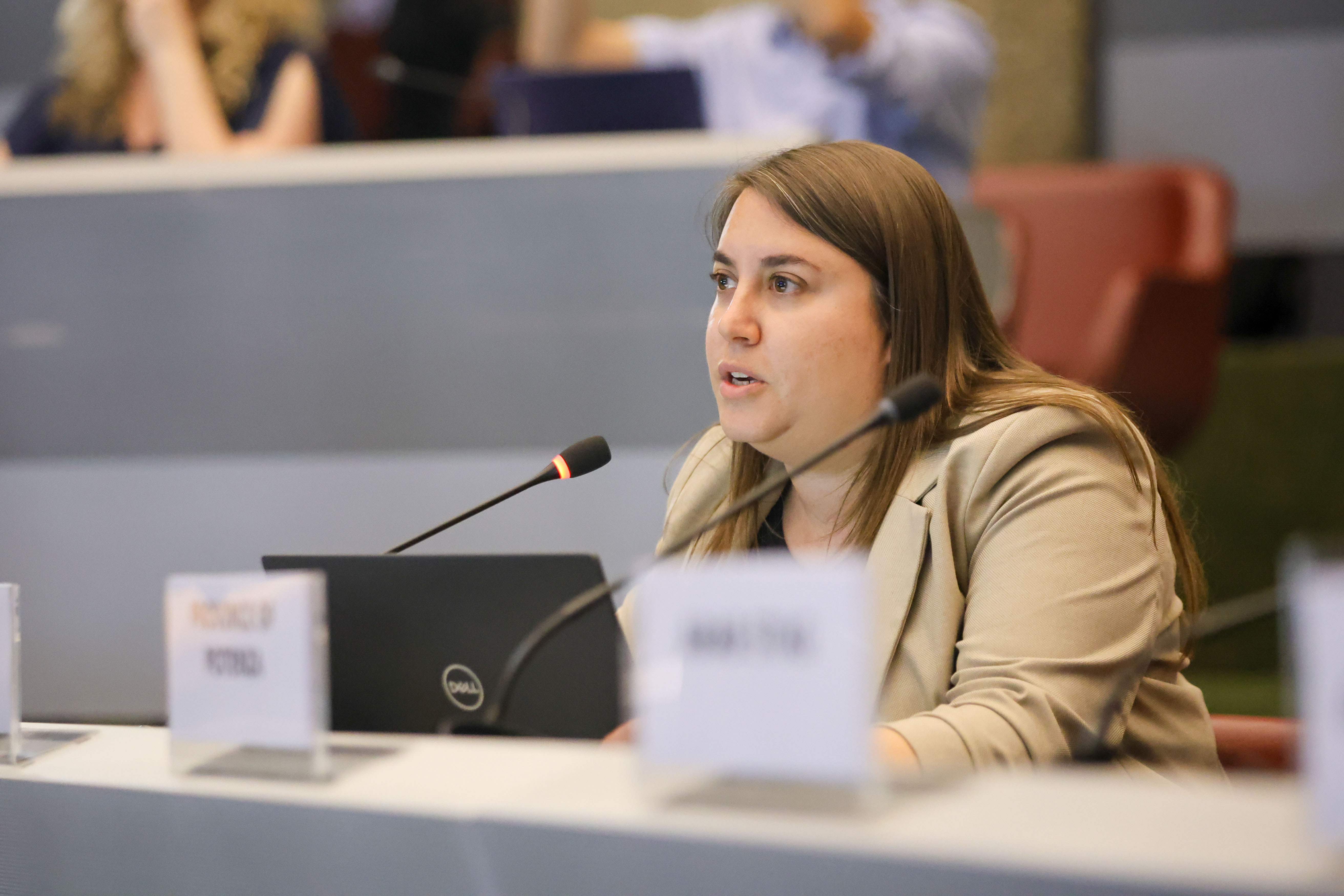
Lara Mani, University of Cambridge
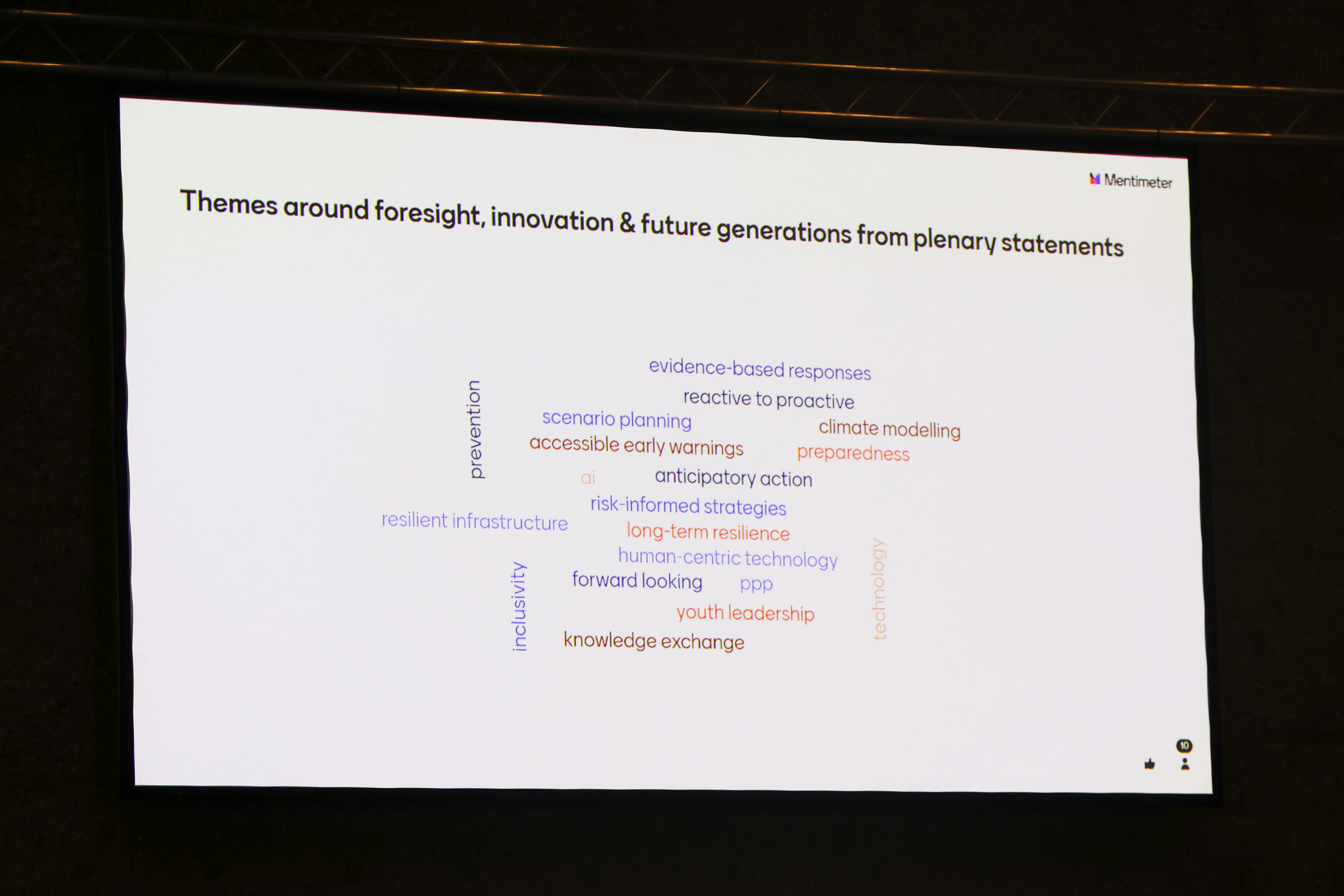
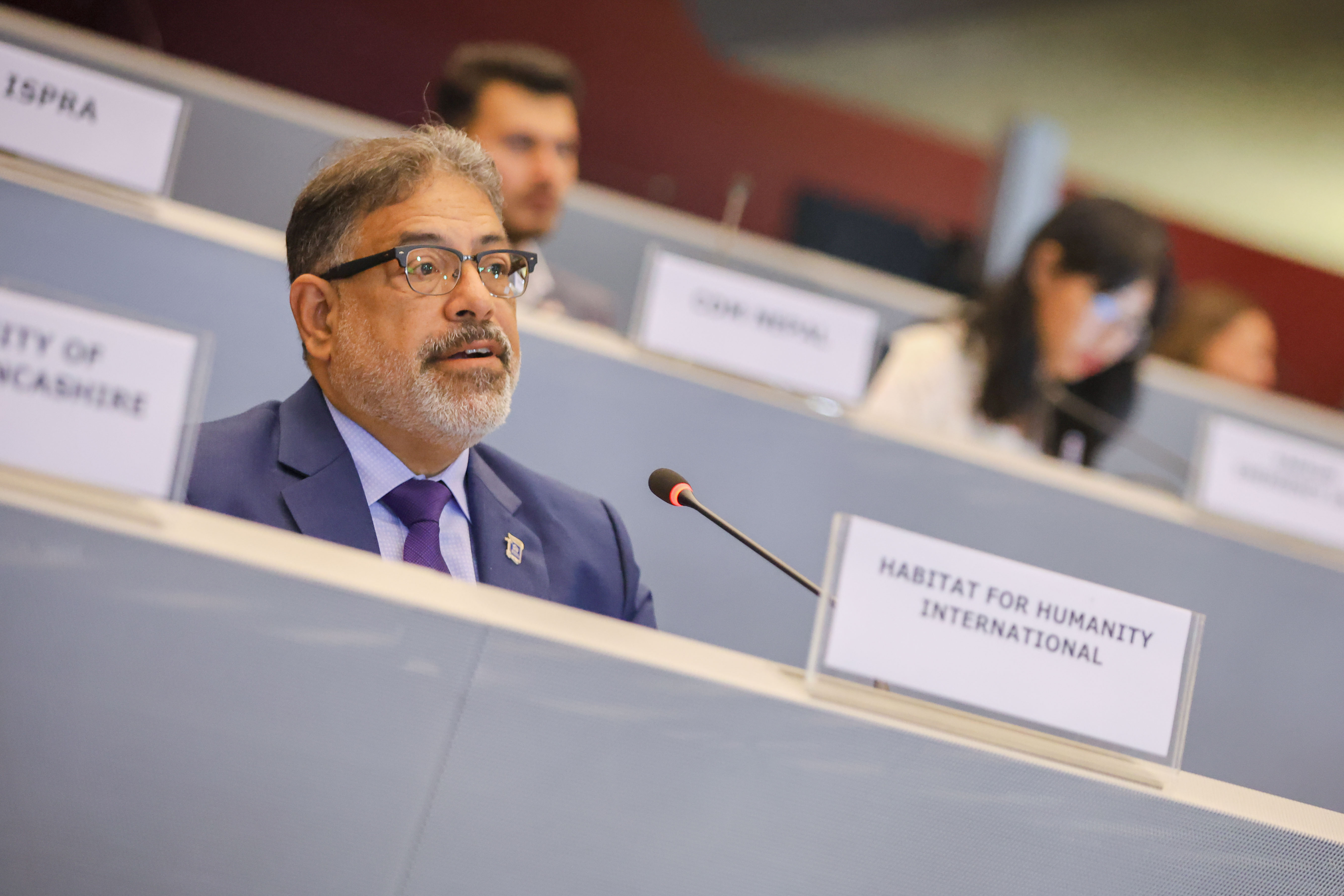
Mario Flores, Habitat for Humanity International
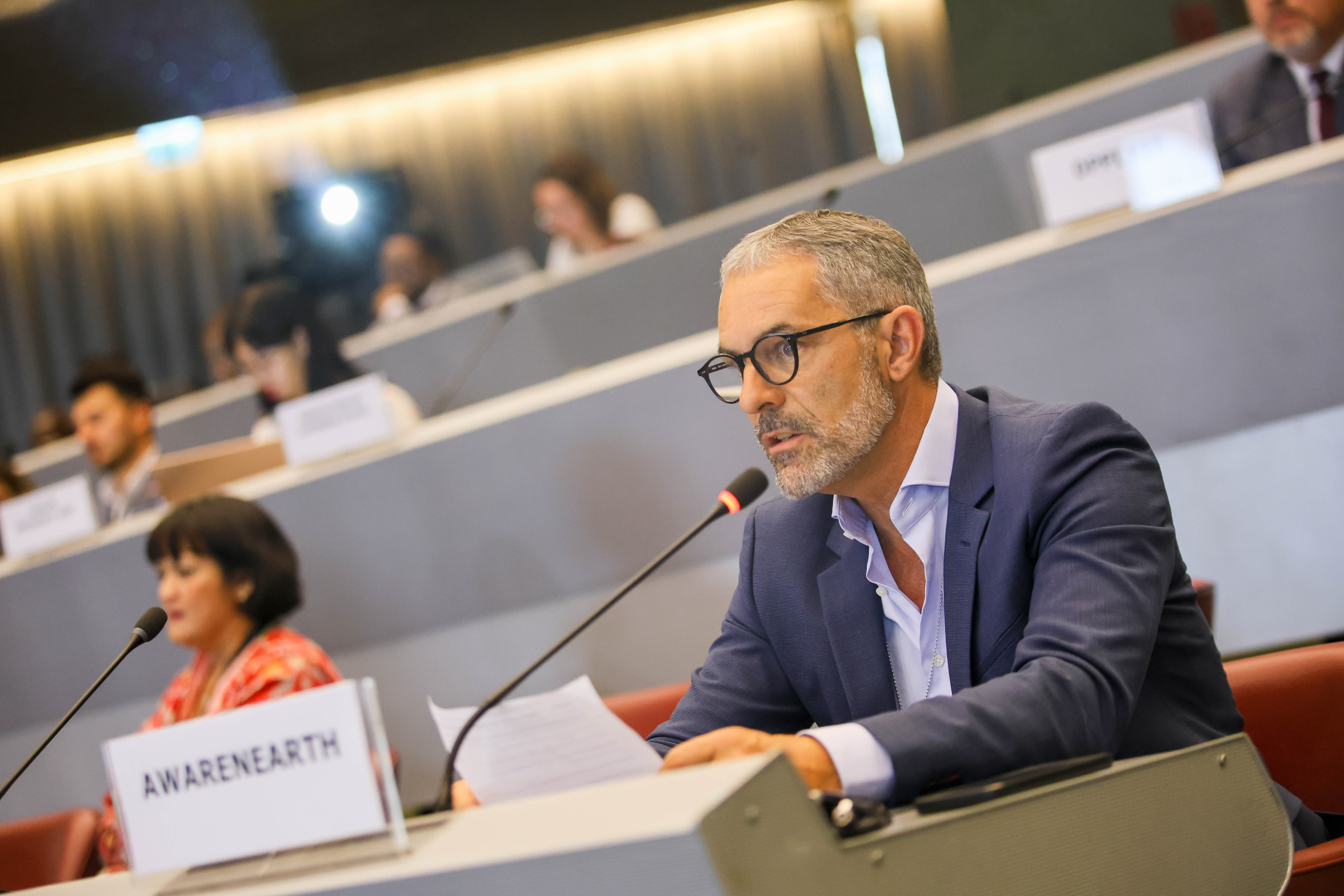
Chris Guillot, AwareNearth
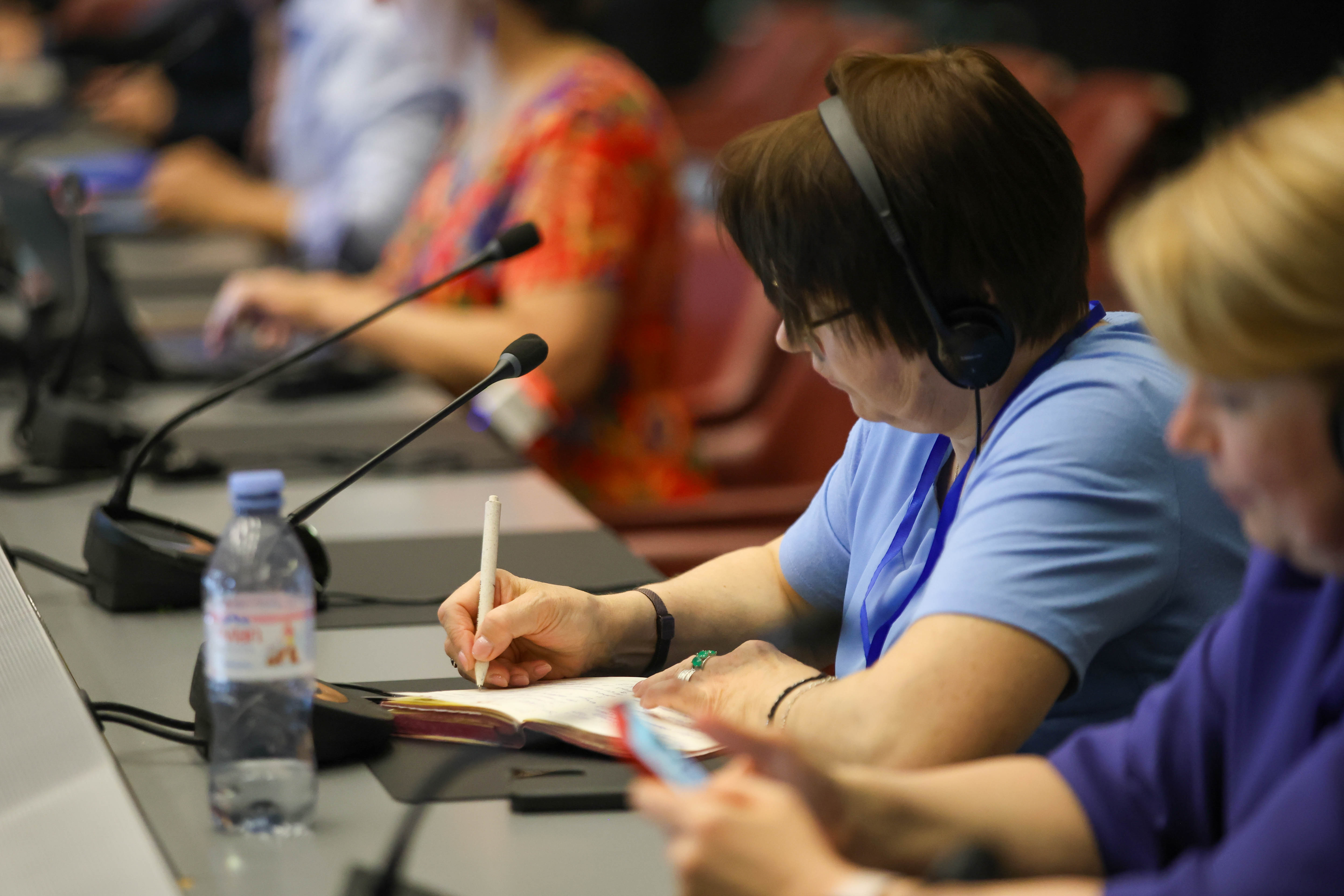
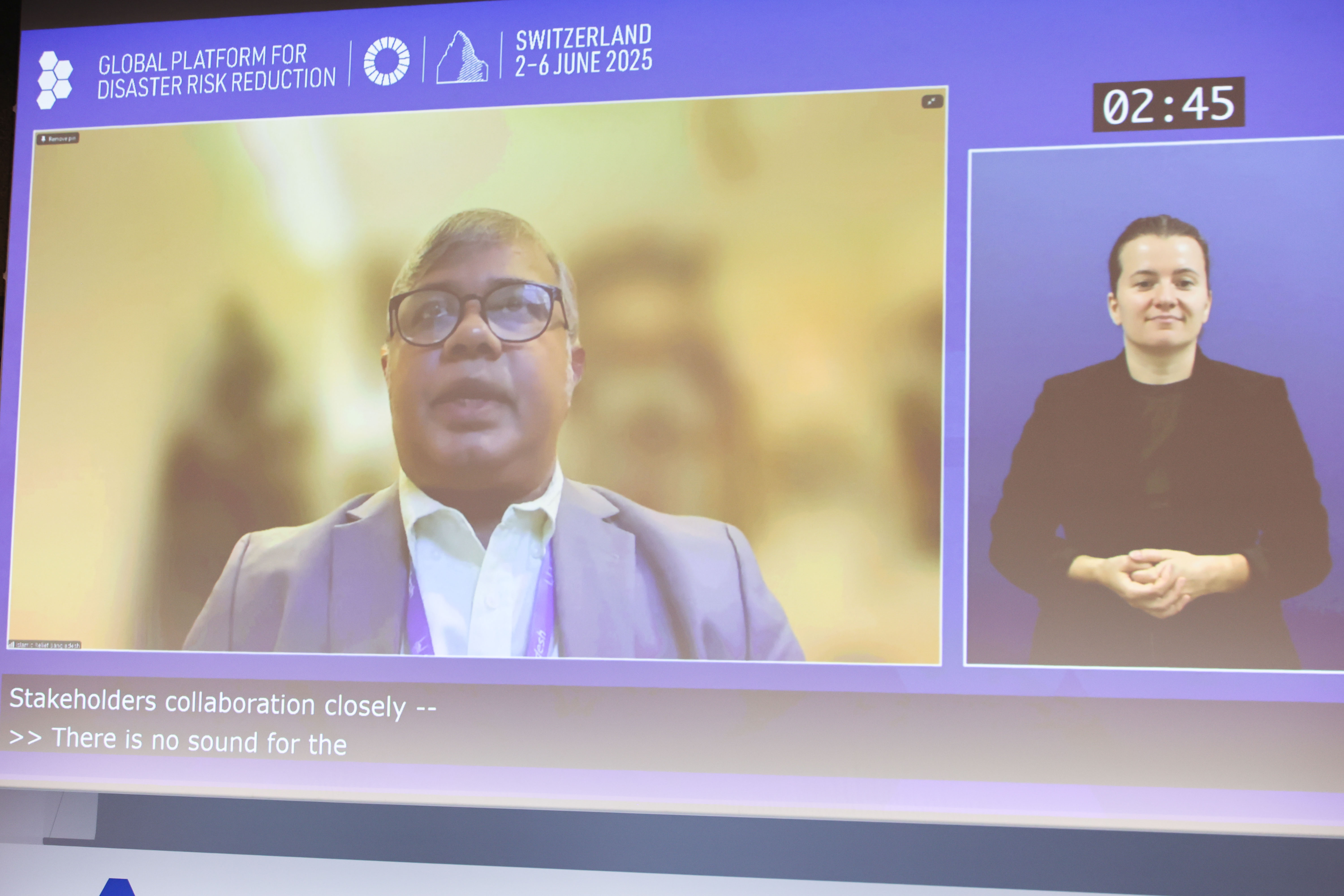
Virtual statement by a delegate from Islamic Relief Bangladesh

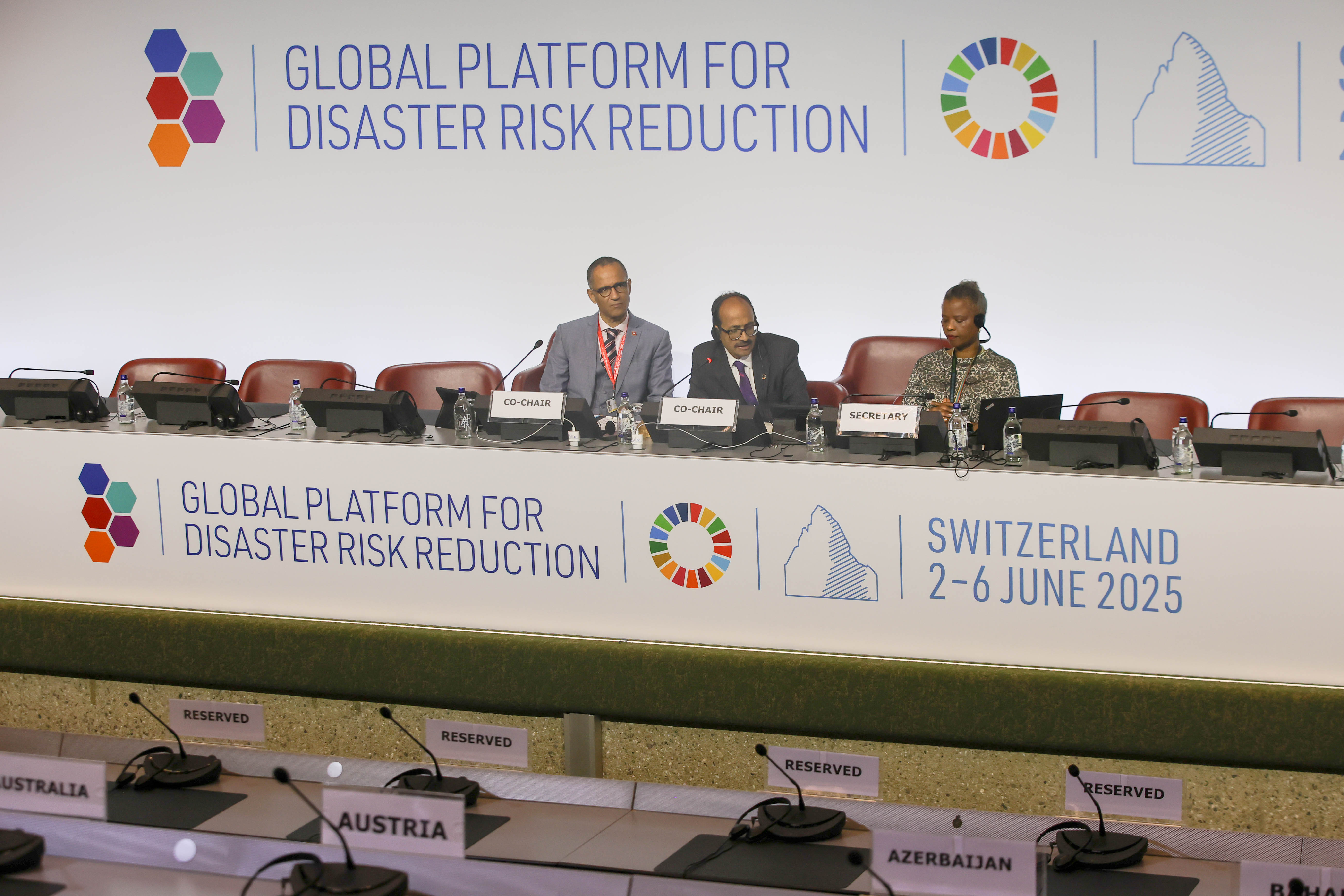
Thematic Sessions
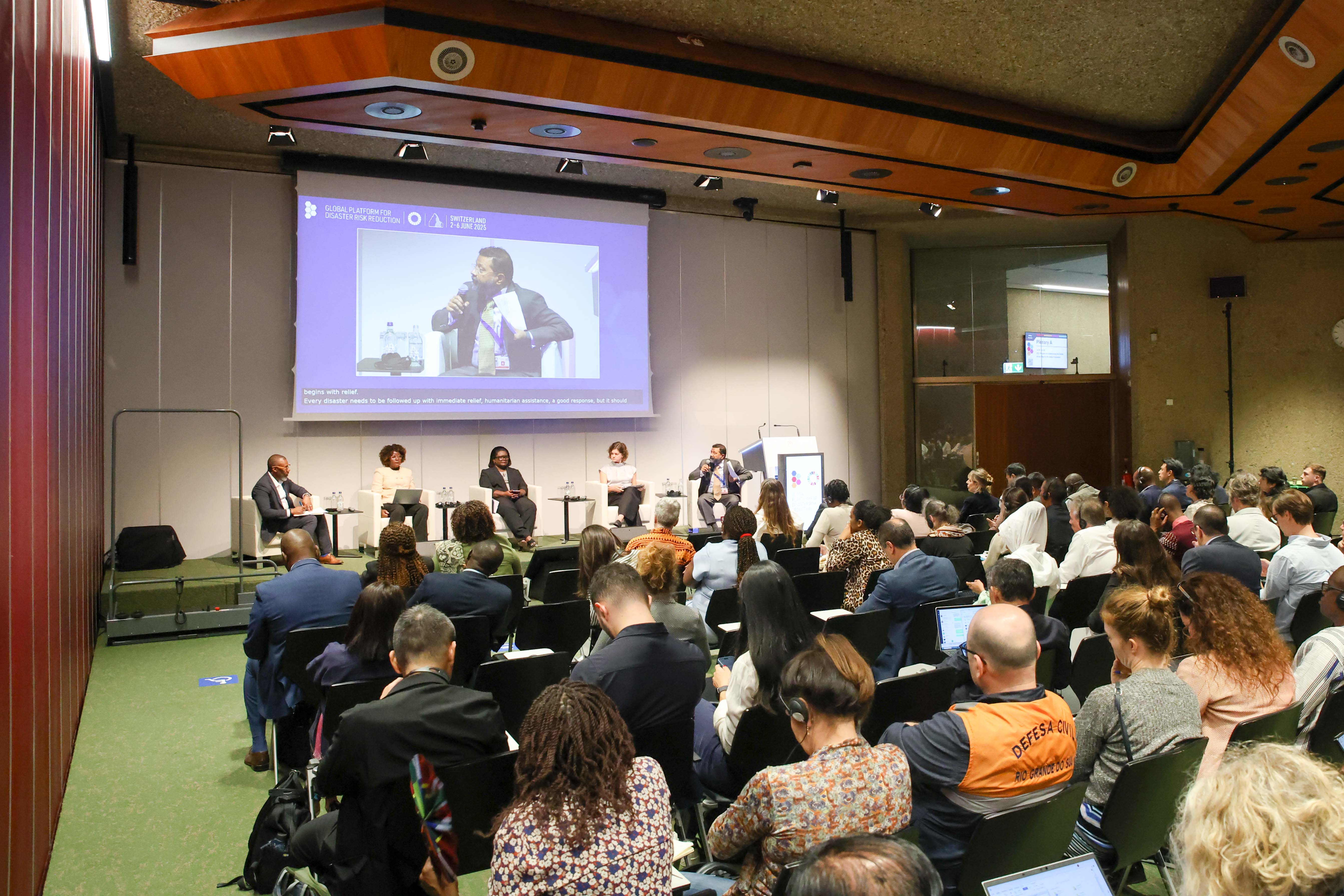
View of the room during the Thematic Session on Accelerating Progress for Building Back Better
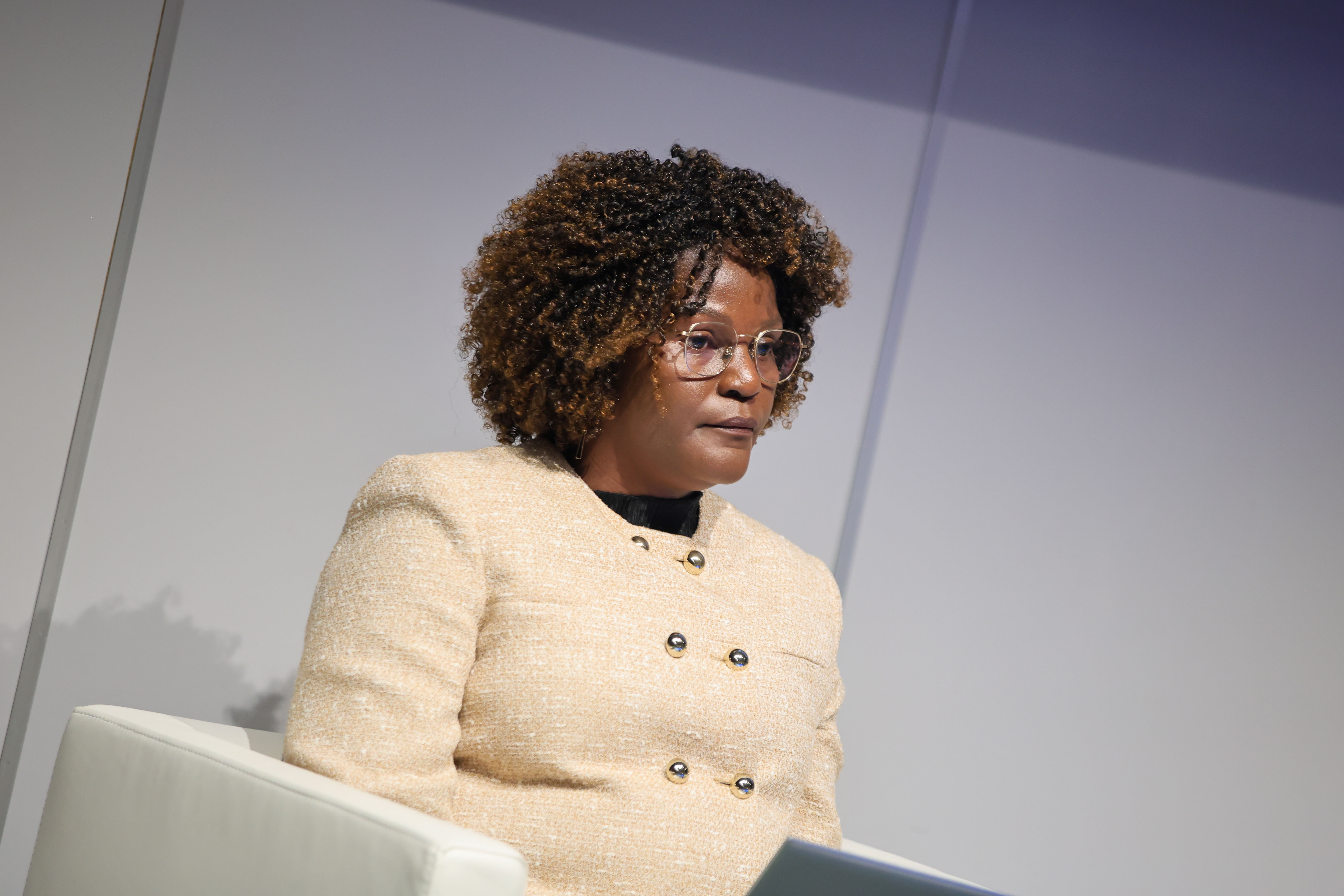
Nadia Adrião, Post-Cyclone Reconstruction Cabinet, Mozambique
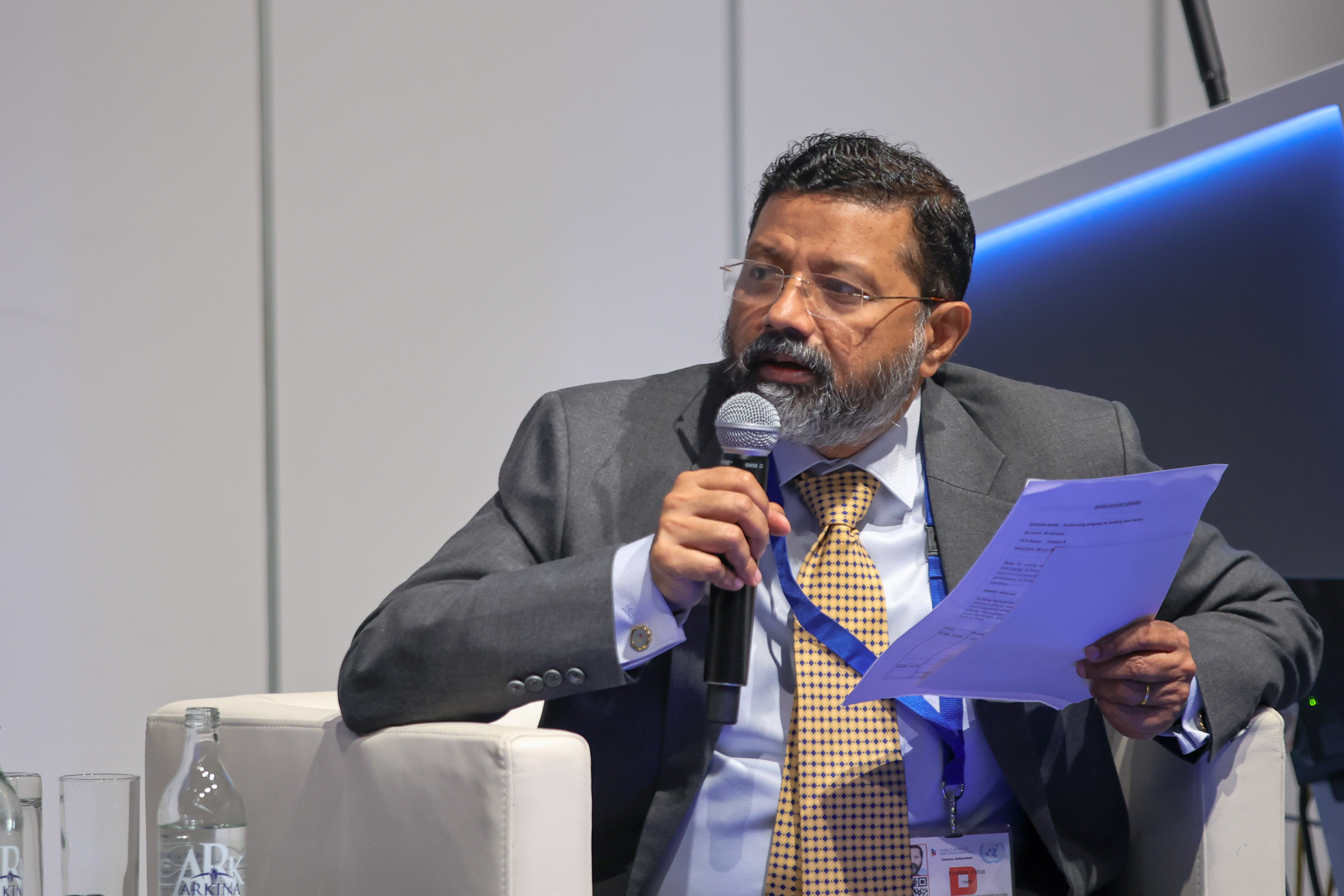
Krishna Swaroop Vatsa, National Disaster Management Authority, India
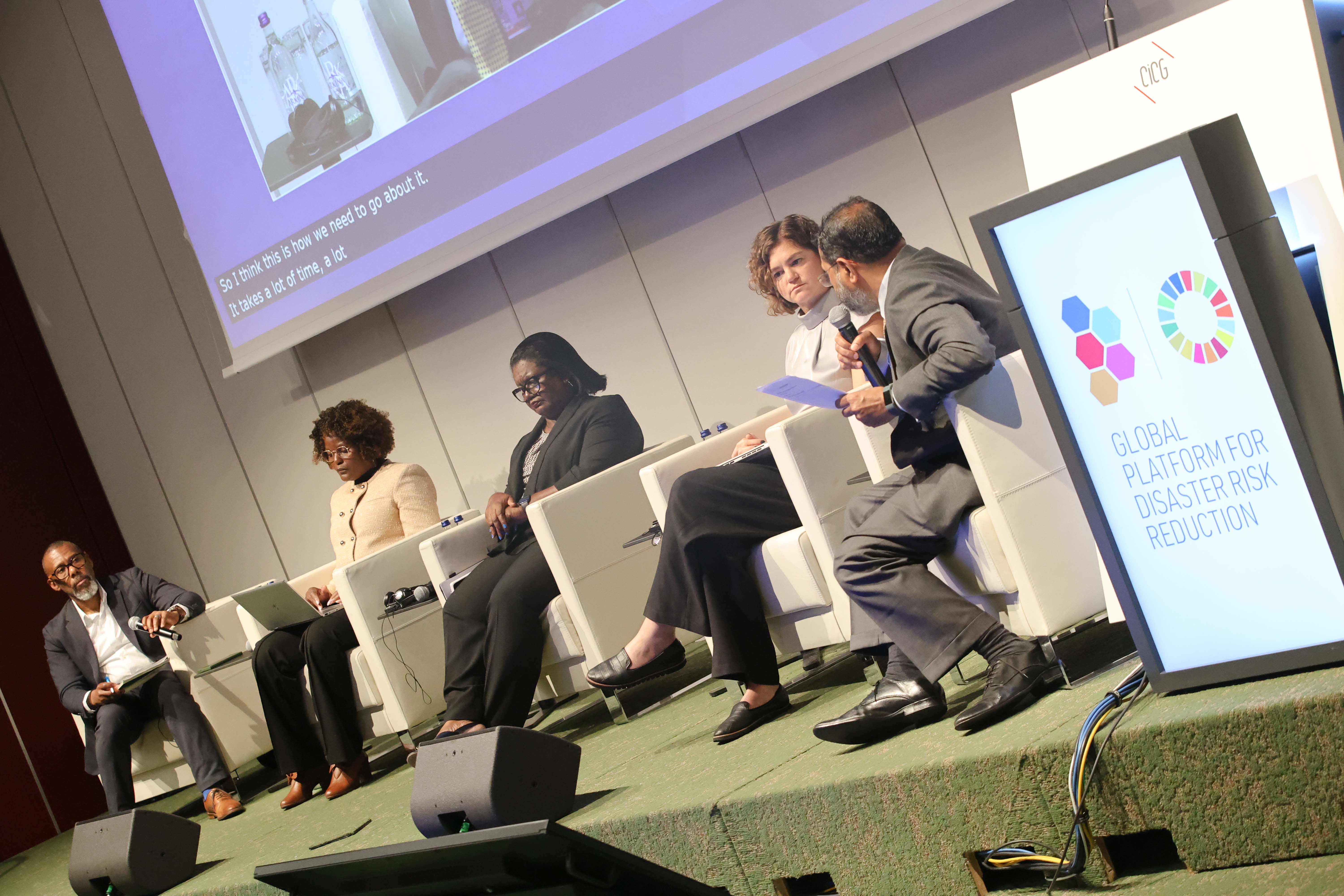
View of the panel
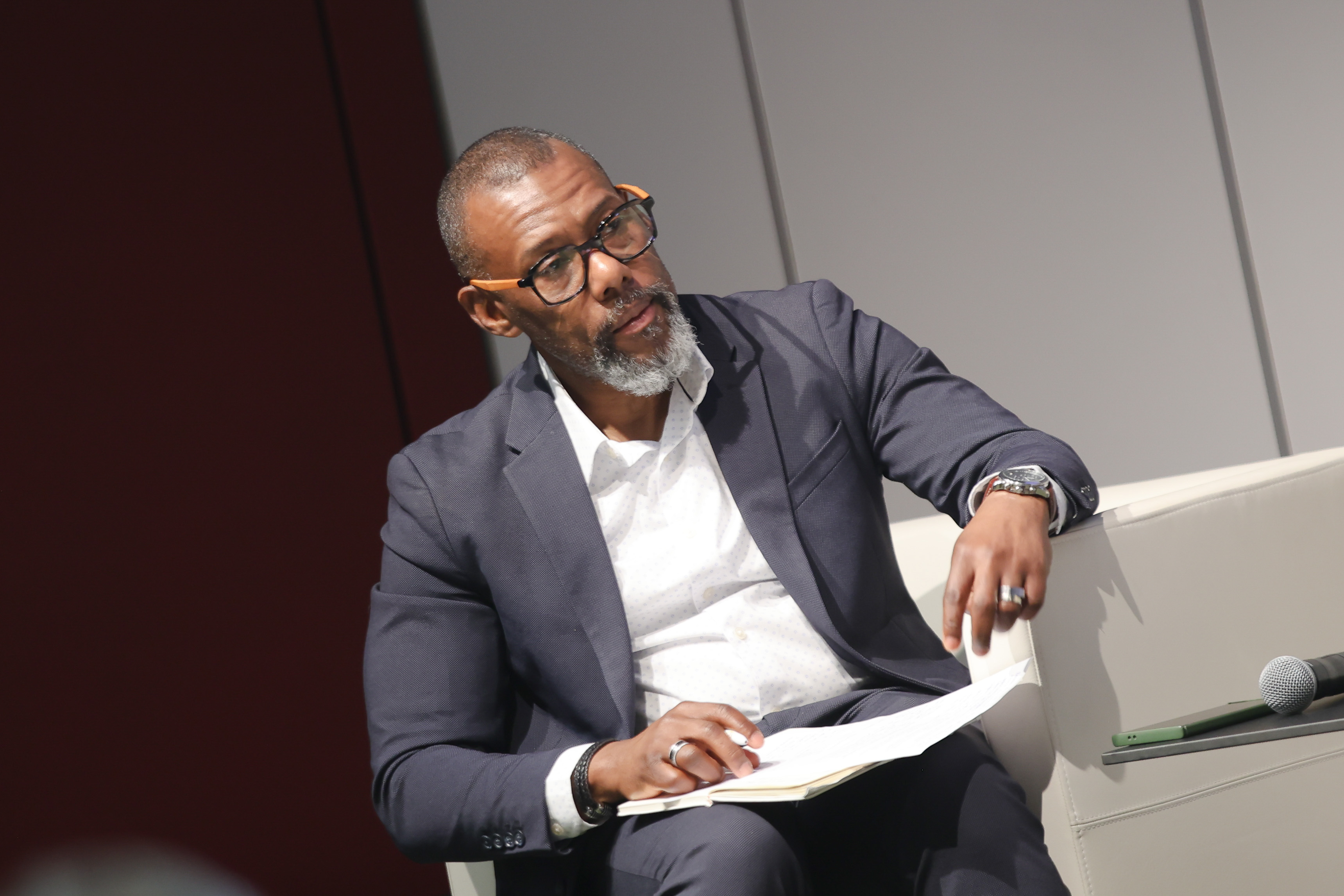
Ronald Jackson, UN Development Programme (UNDP)
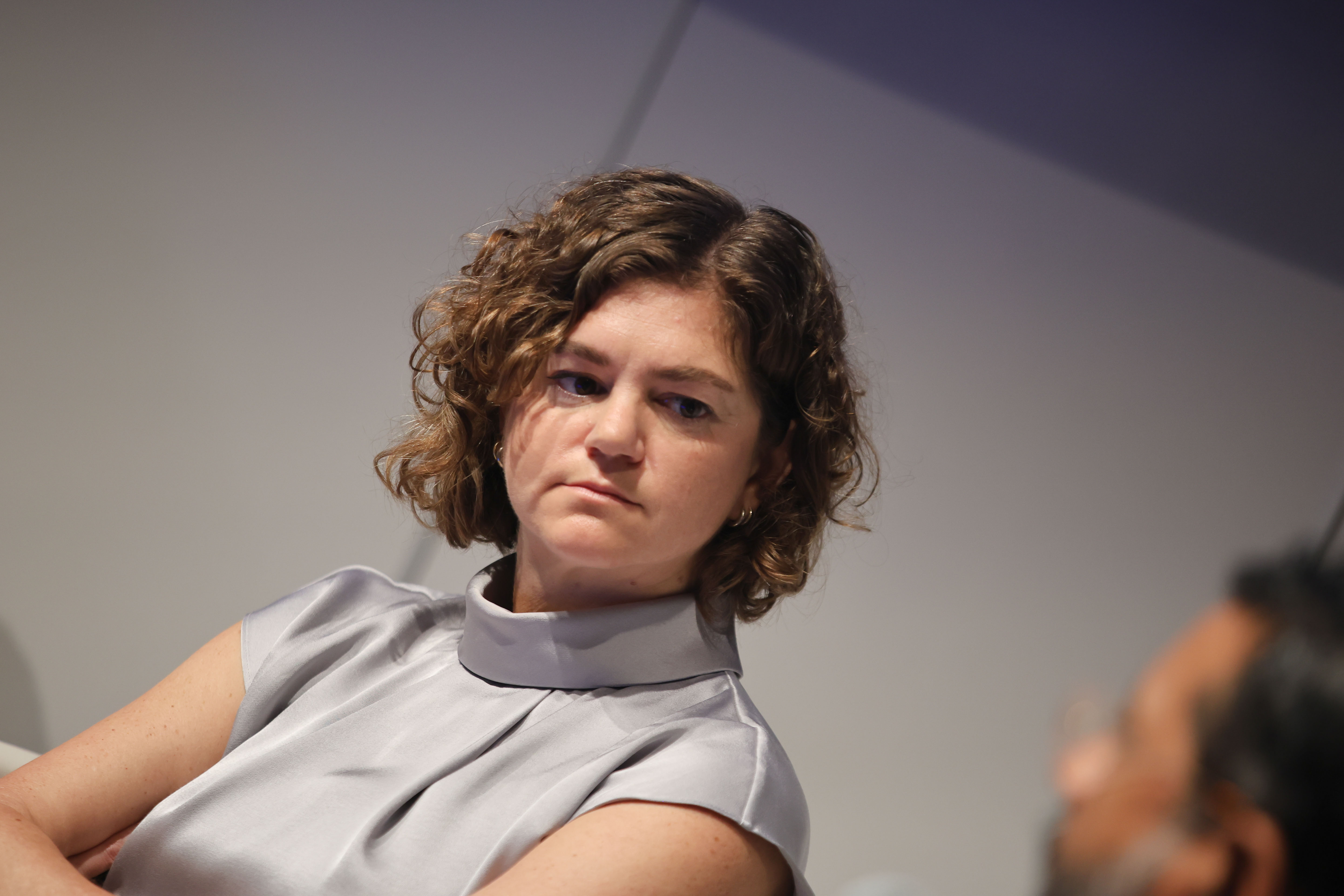
Emily Wilkinson, Overseas Development Institute (ODI)
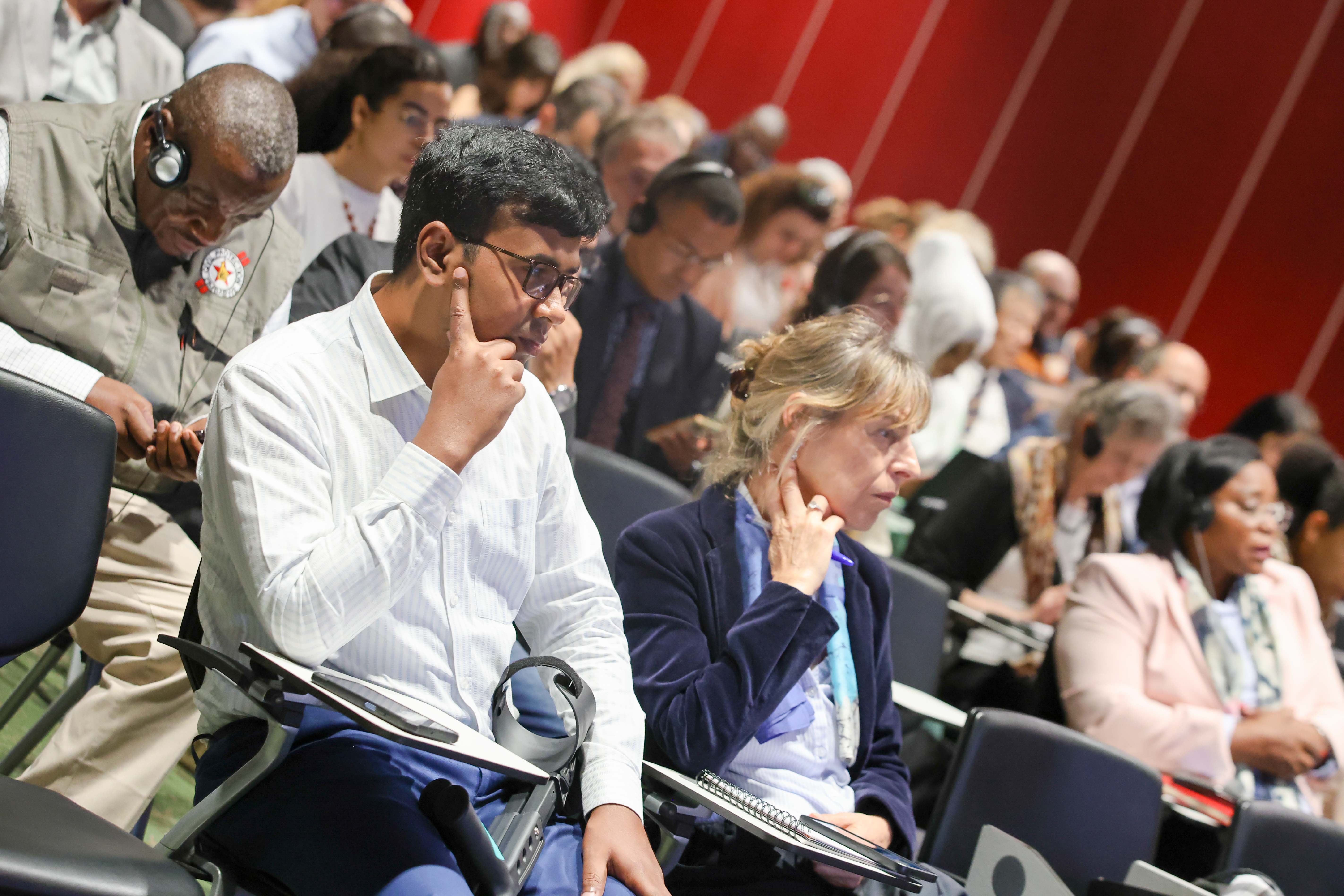
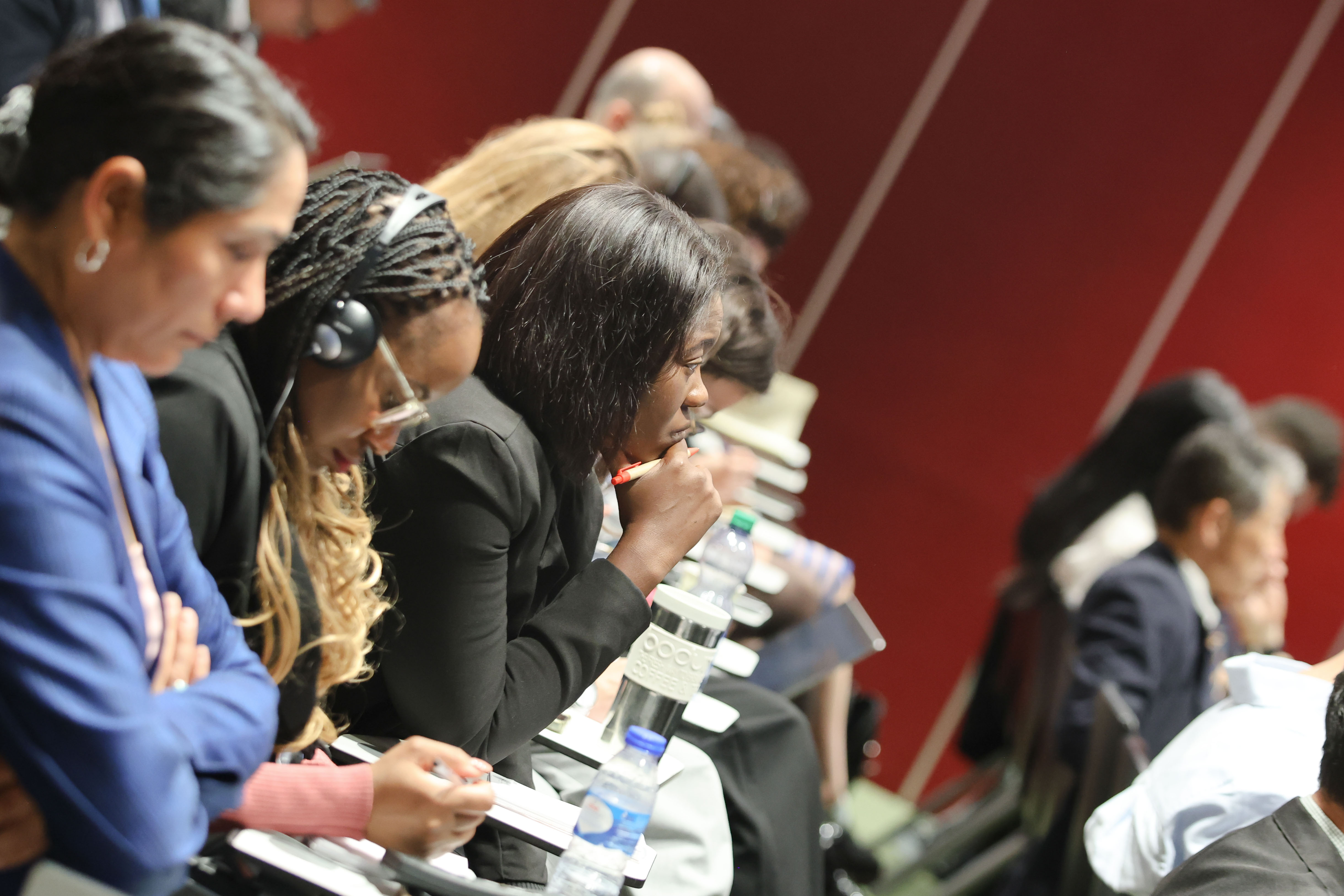
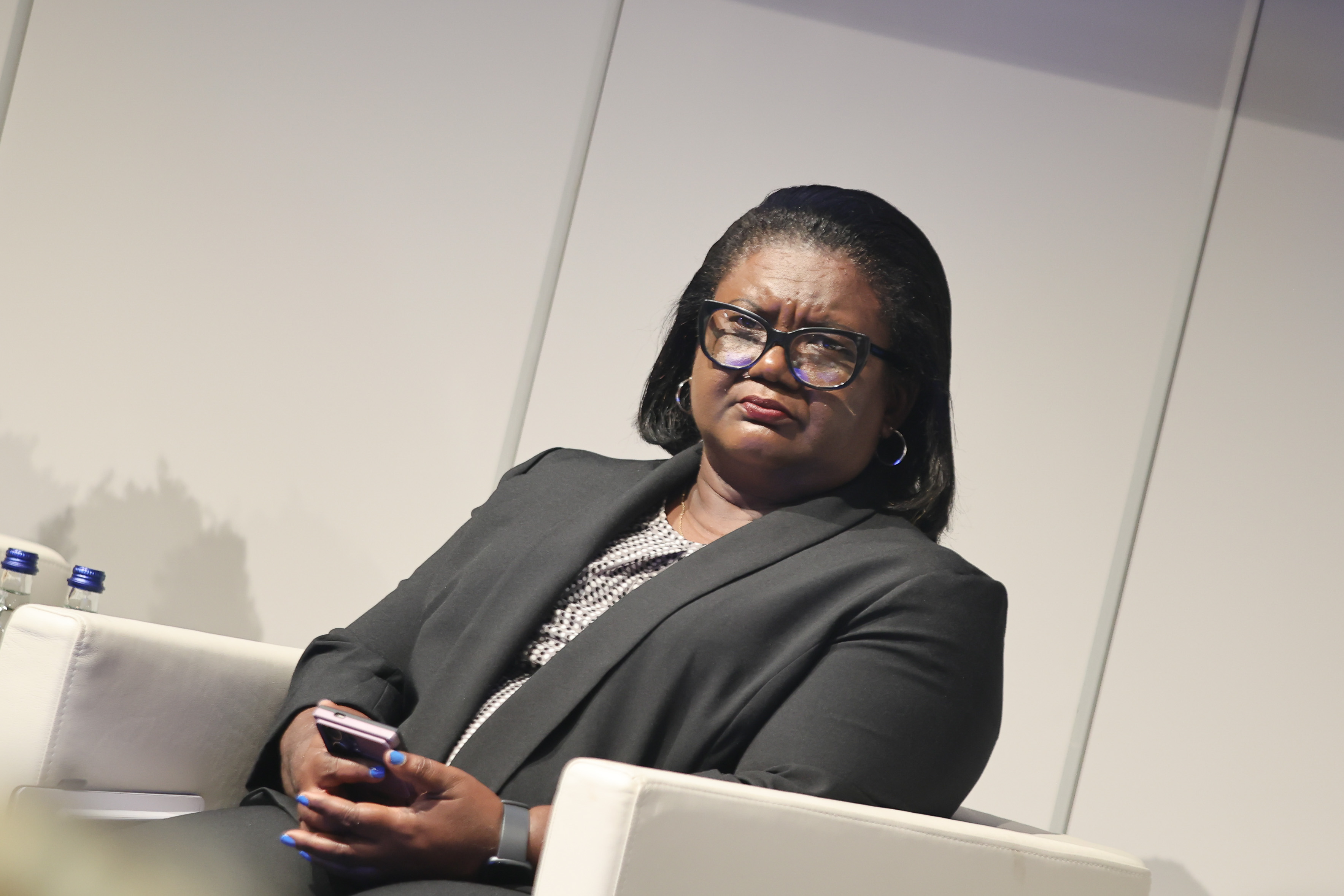
Michelle Forbes, Director, National Disaster Risk Management Office, Saint Vincent and the Grenadines
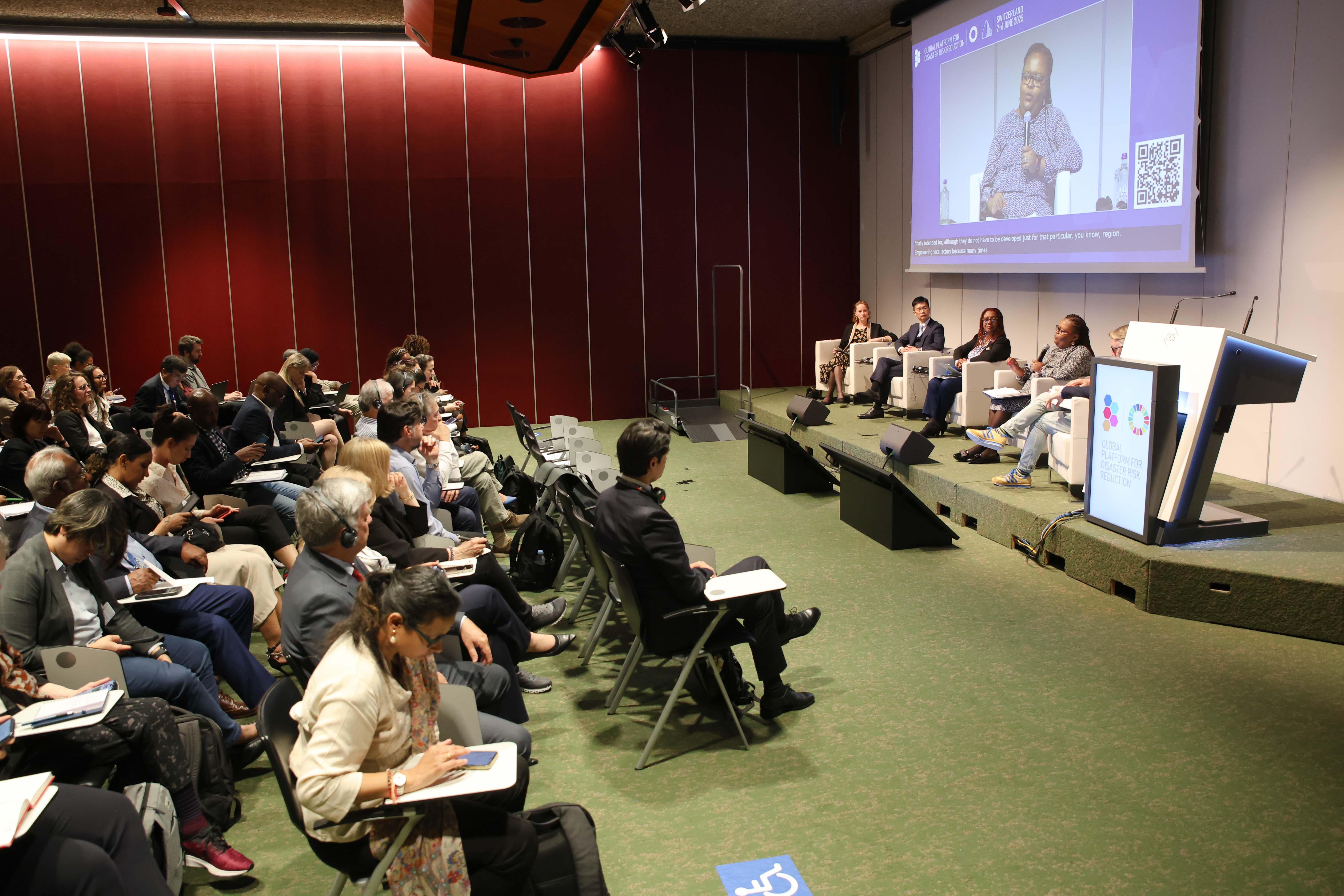
View of the room during the Thematic Session on Accelerating Private Sector Engagement in Disaster Risk Reduction
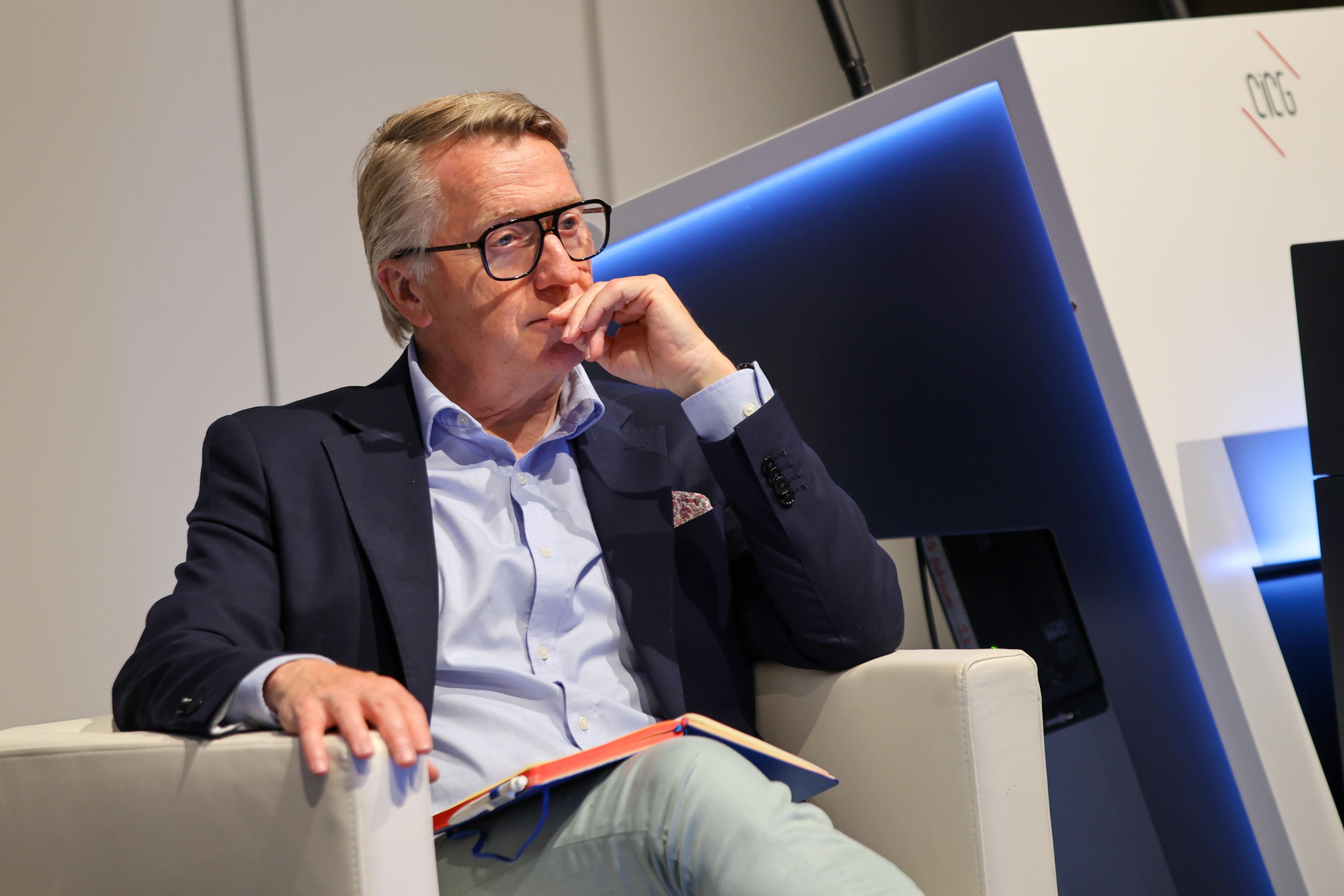
Laurent Giezendanner, Syngenta Group
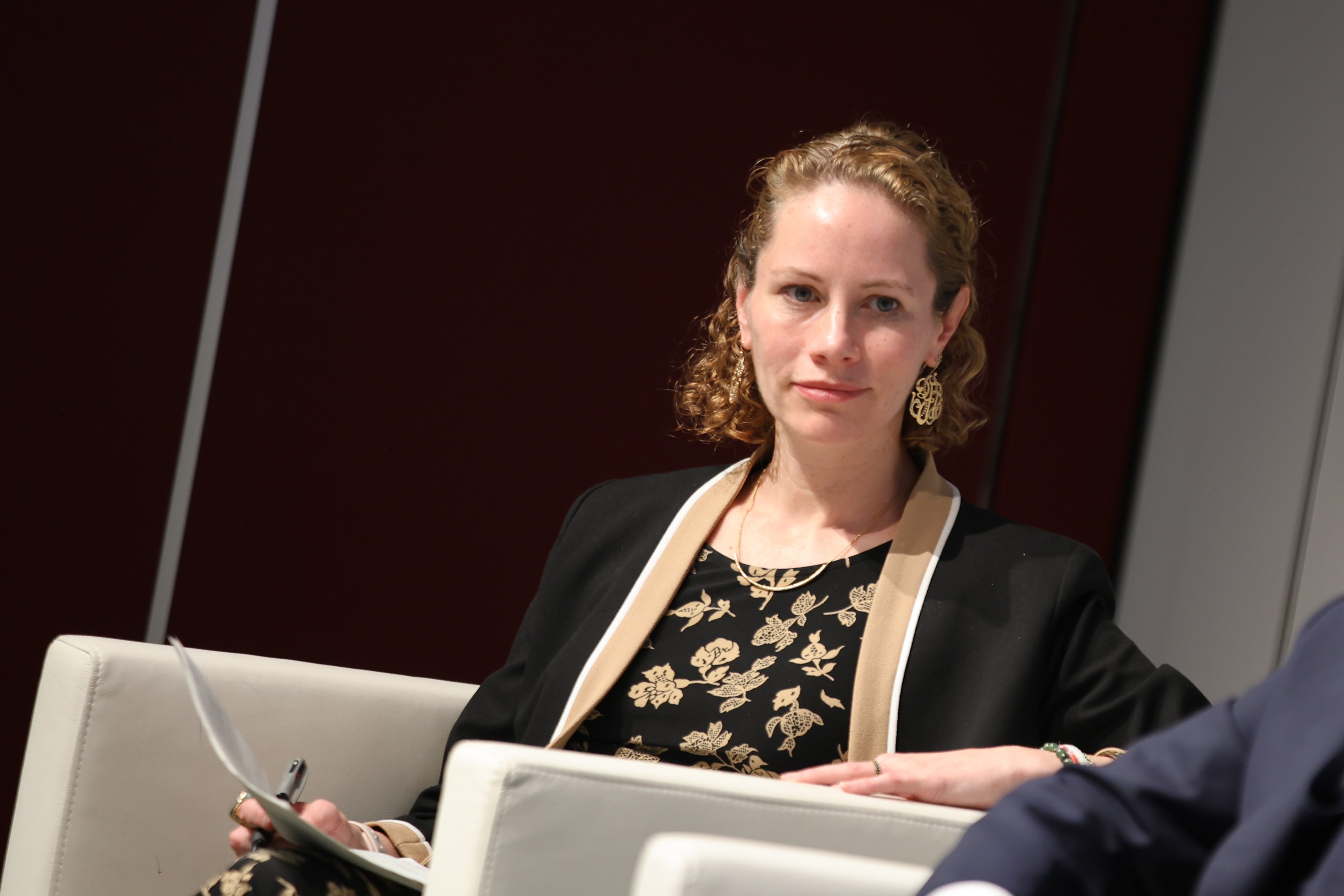
Emma Haight, Impact Sync
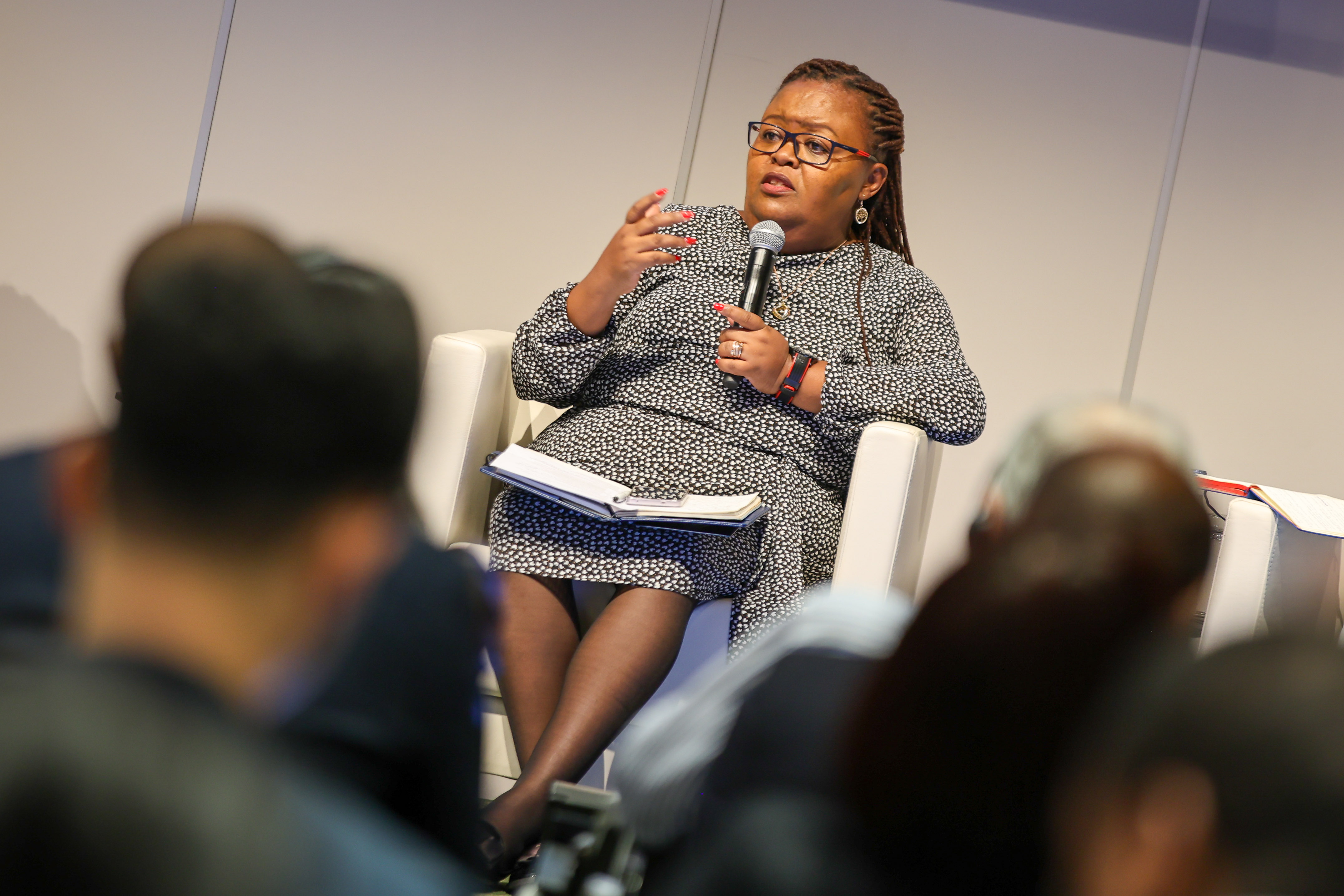
Terry Kinyua, Co-Chair, ARISE Global Board
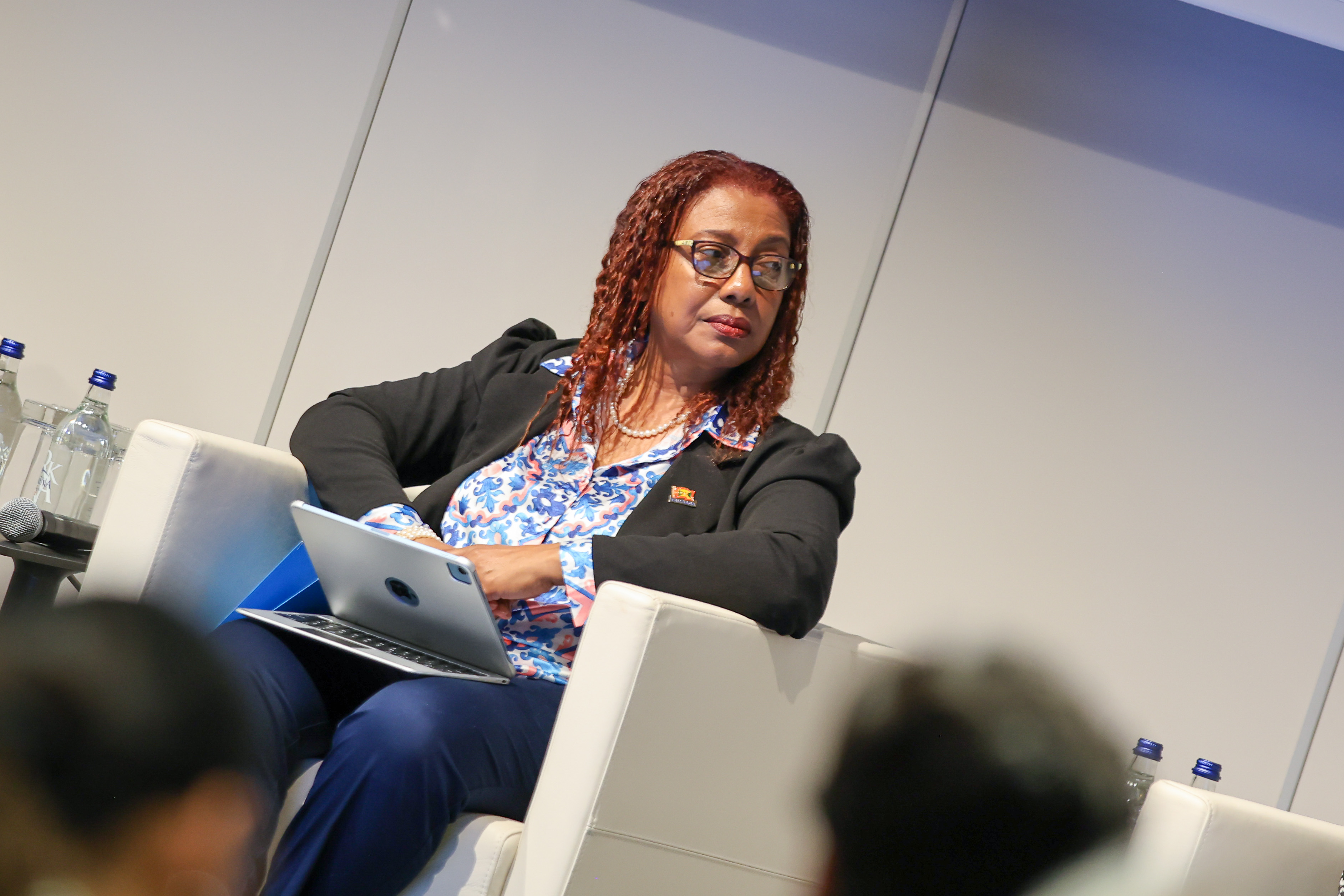
Petipha Lewis, Chair, Network of Caribbean Chambers (CARICHAM)
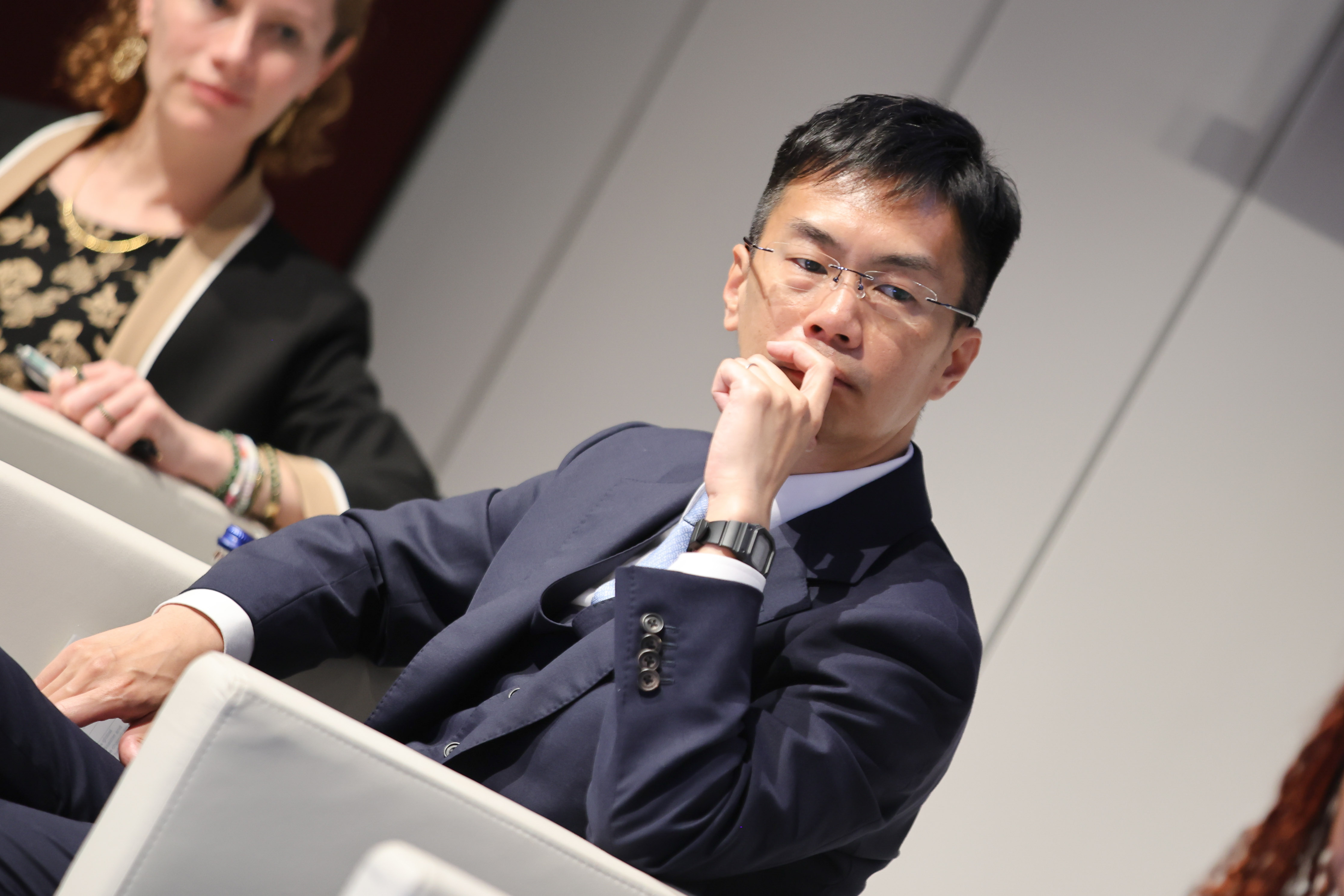
Yoshiki Hiruma, Vice-President, Development Bank of Japan
Special Session: Progress on Implementing the Gender Action Plan for the Sendai Framework
Maureen Fordham, University College London (UCL)
Takena Redfern, Director, National Disaster Management Office, Kiribati
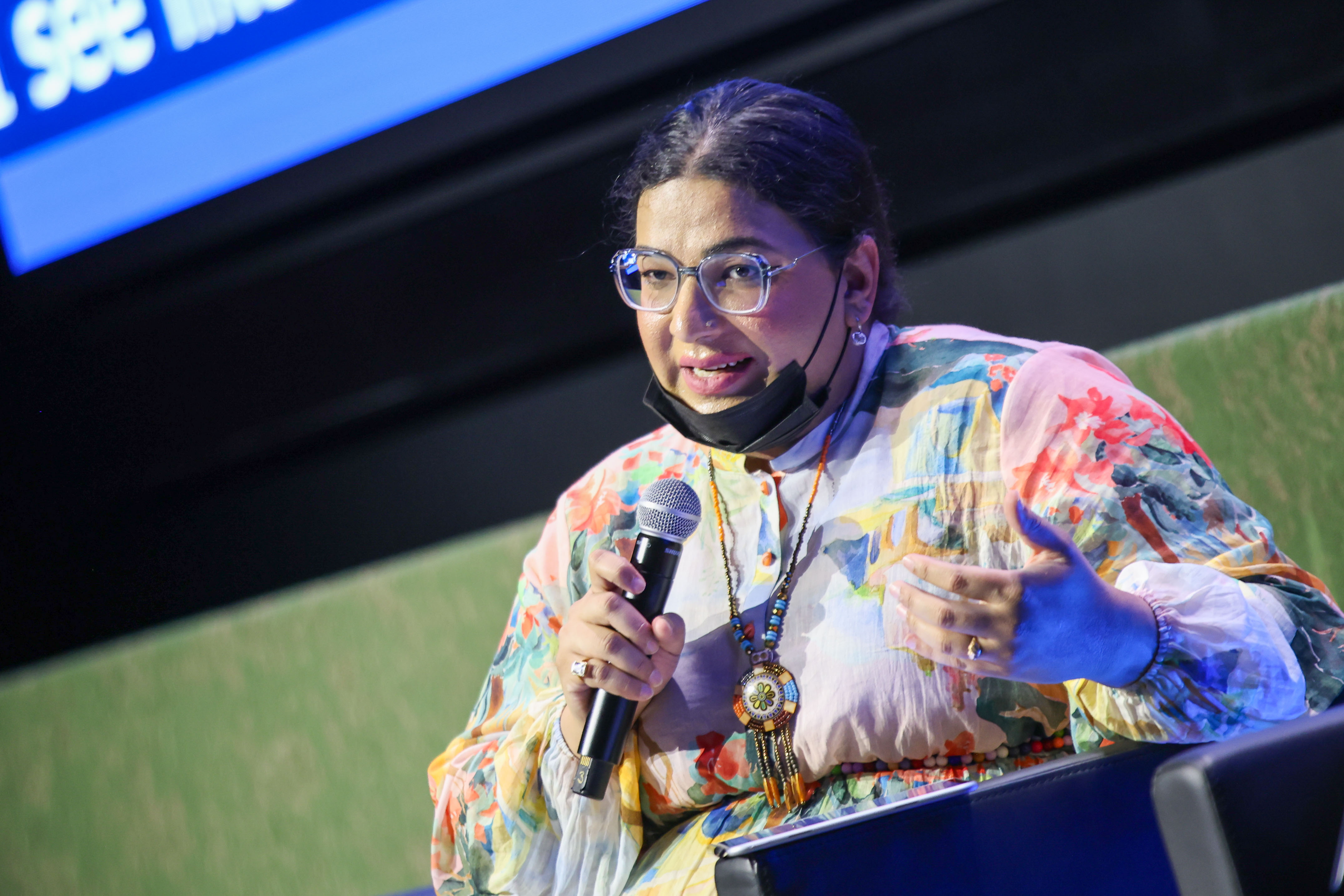
Nayyab Ali, Peace and Justice Network, Pakistan
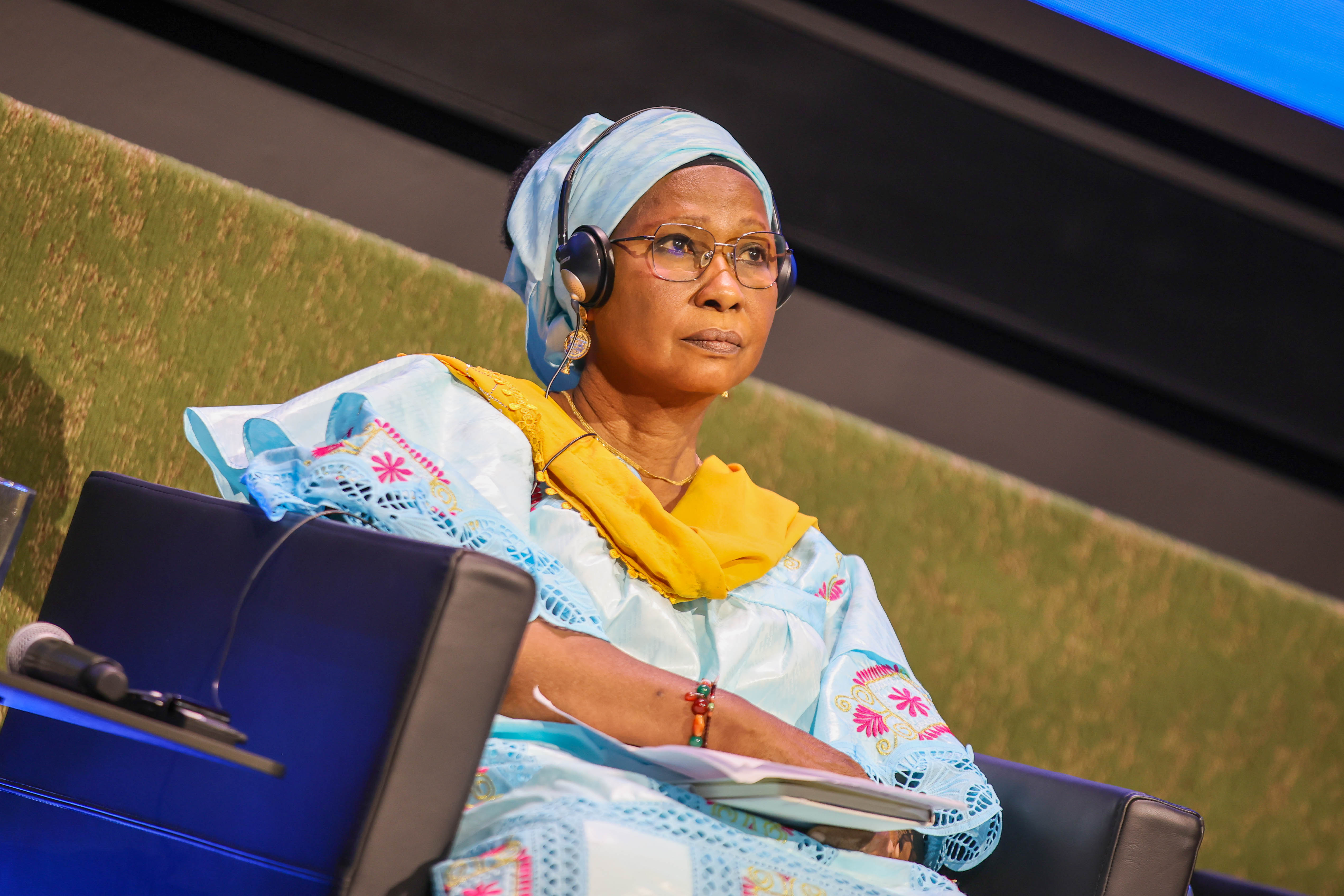
Goundo Sissoko, President, Women's Network for Environmental Rights, Mali
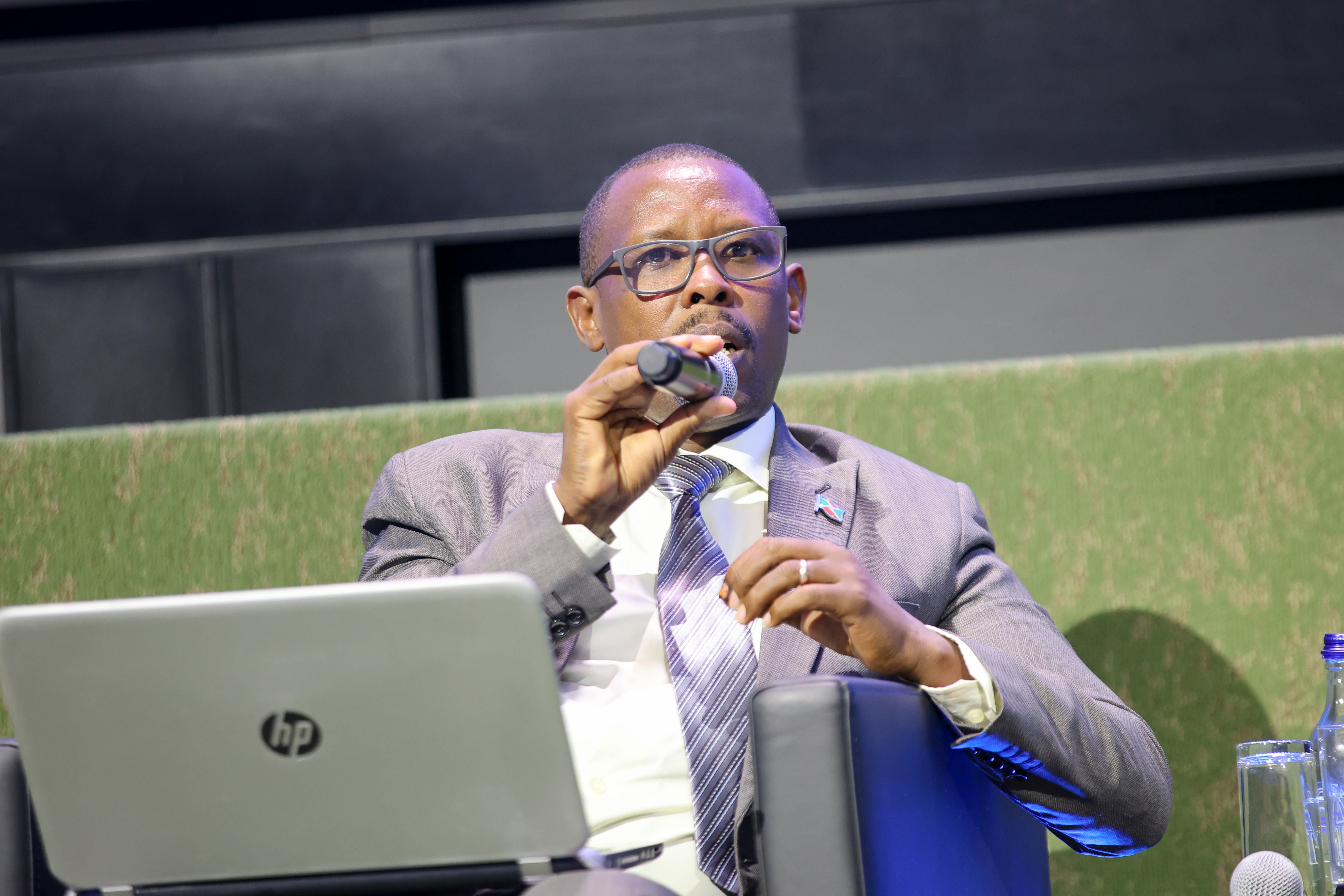
Richard Nzambimana, Director, Civil Defense and Disaster Management, Burundi
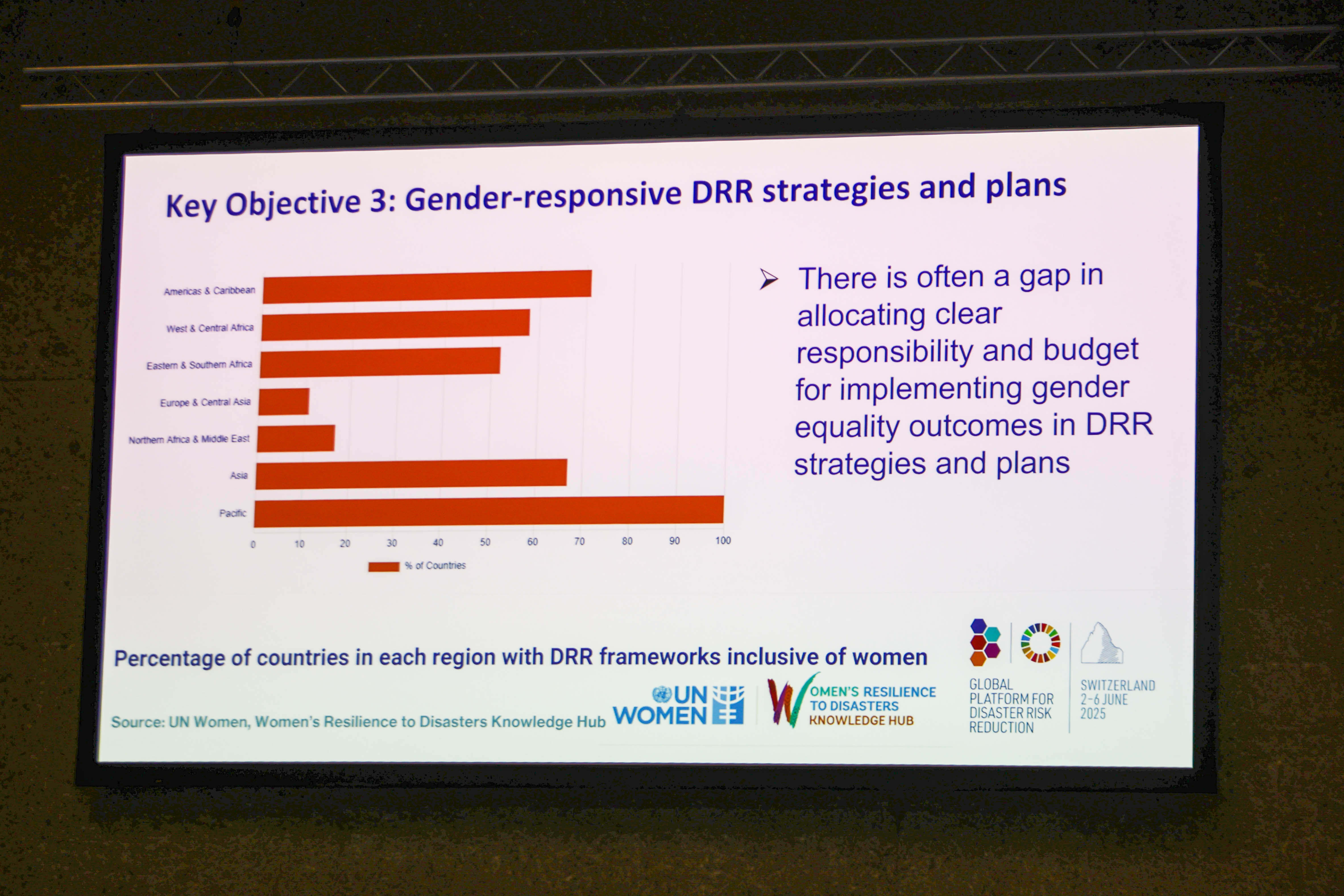
A slide showing regional progress on gender-responsive DRR strategies
Special Event: DRR in Small Island Developing States
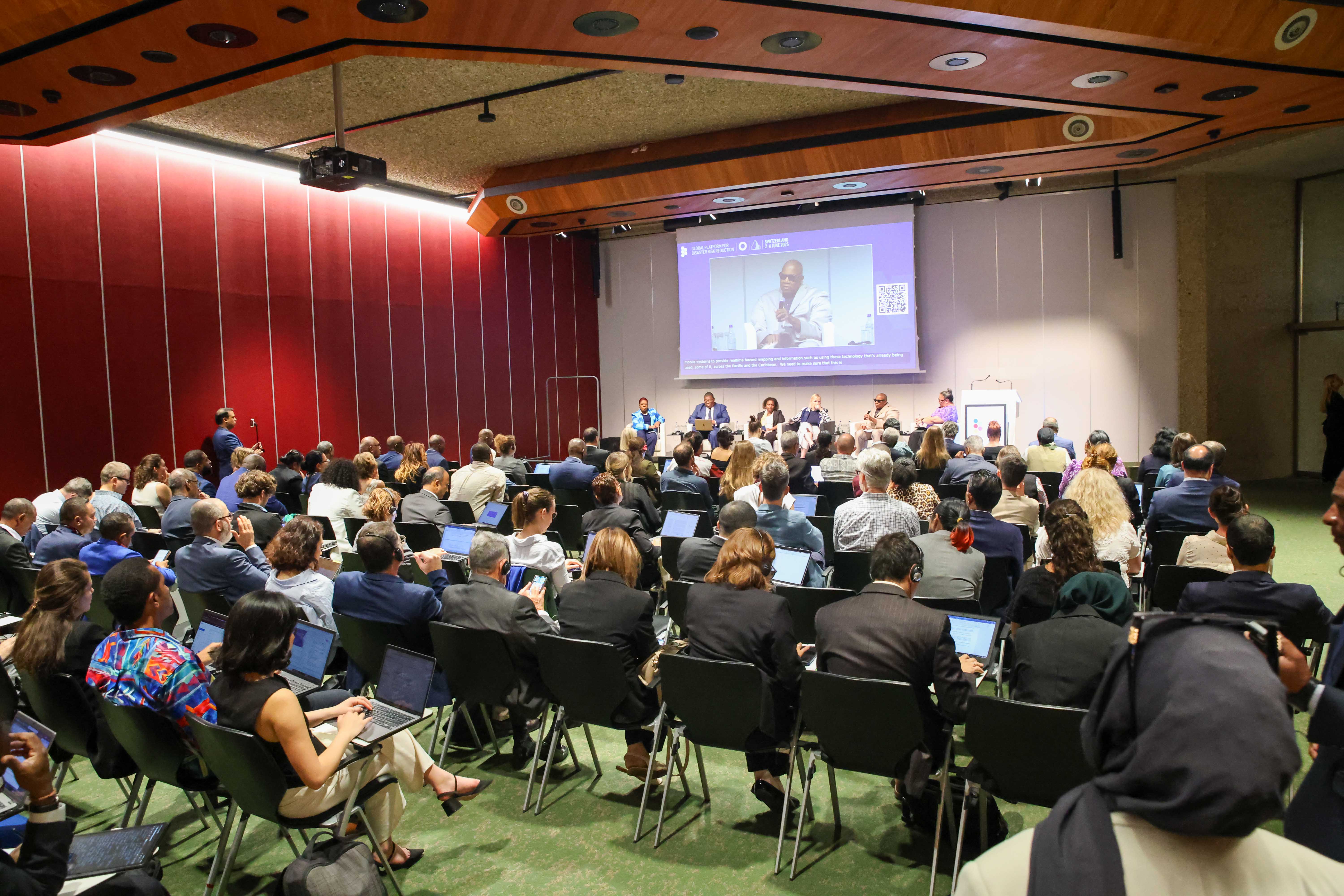
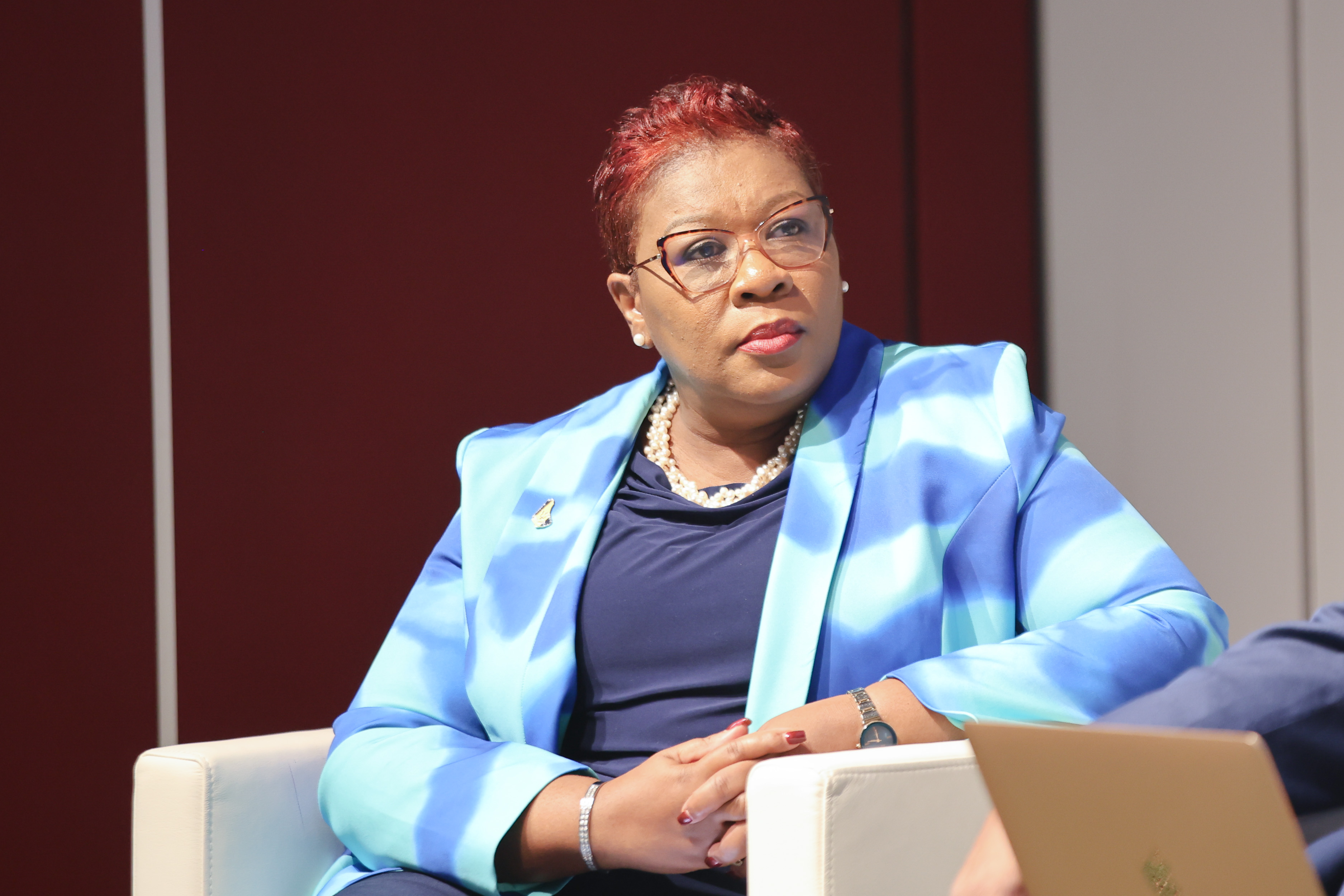
Misha Lobban Clarke, Executive Director, Barbados Chamber of Commerce and Industry
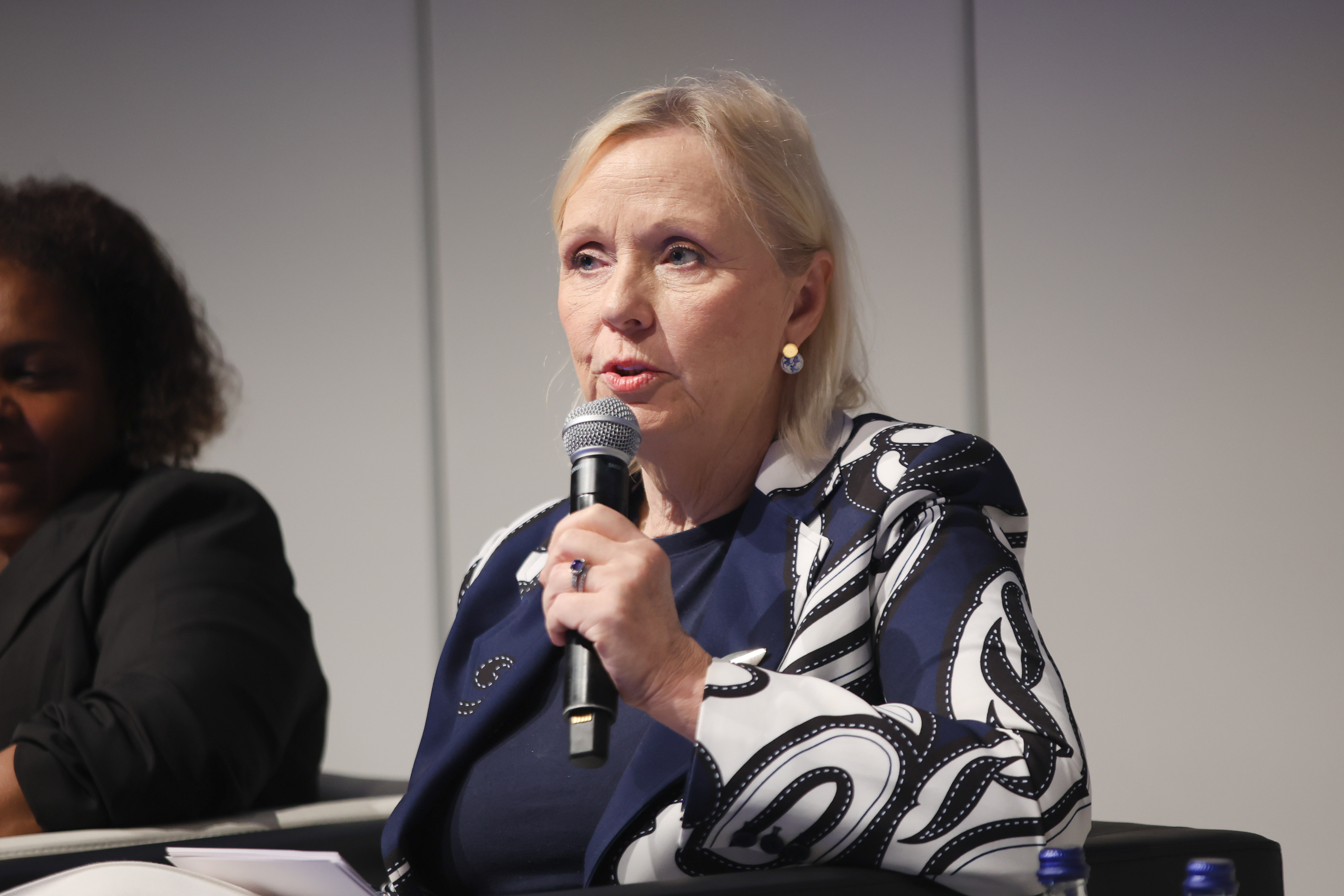
Heidi Schroderus-Fox, Permanent Representative of Finland to the UN Office in Geneva
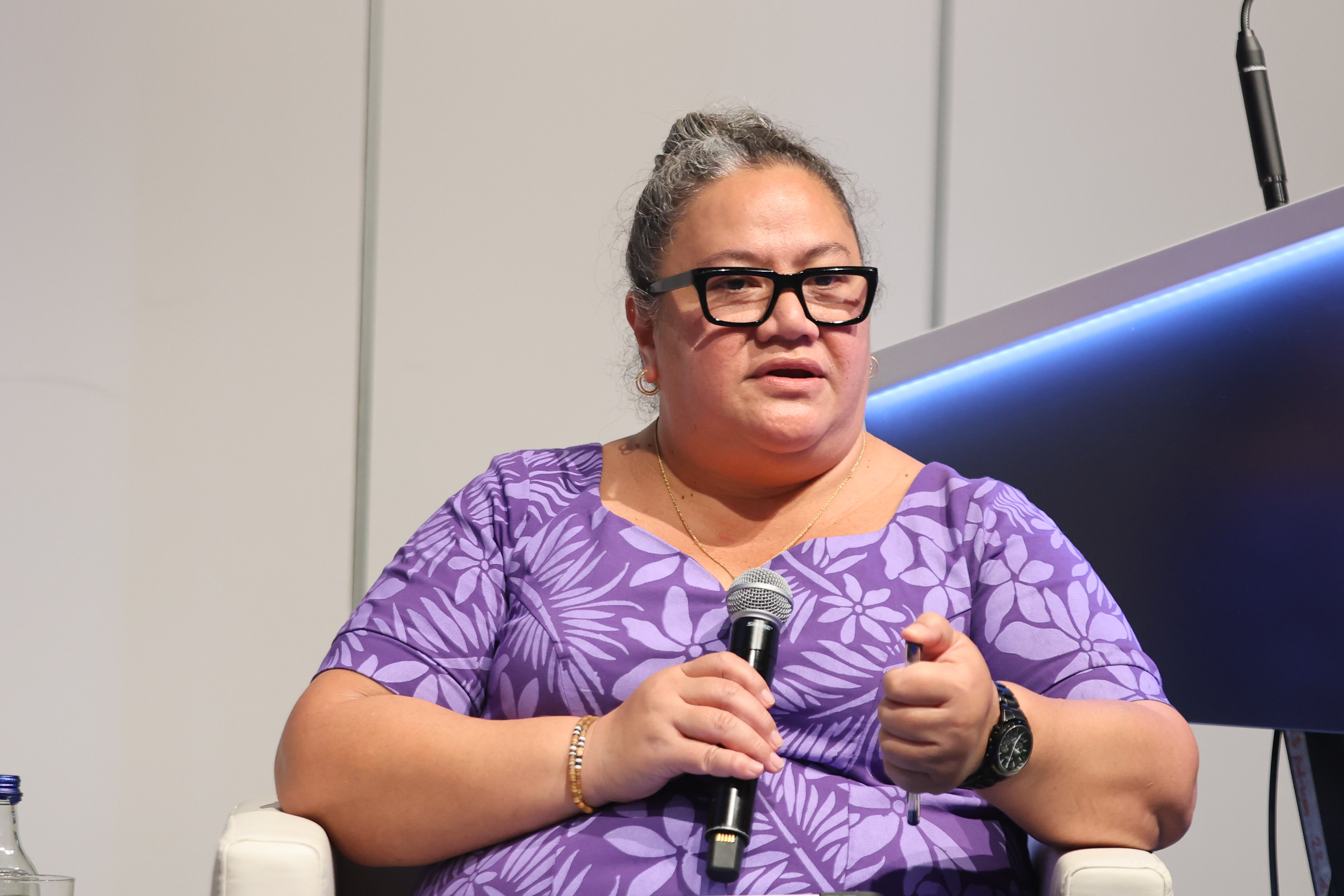
Desna Solofa, Deputy Secretary-General, Pacific Islands Forum Secretariat
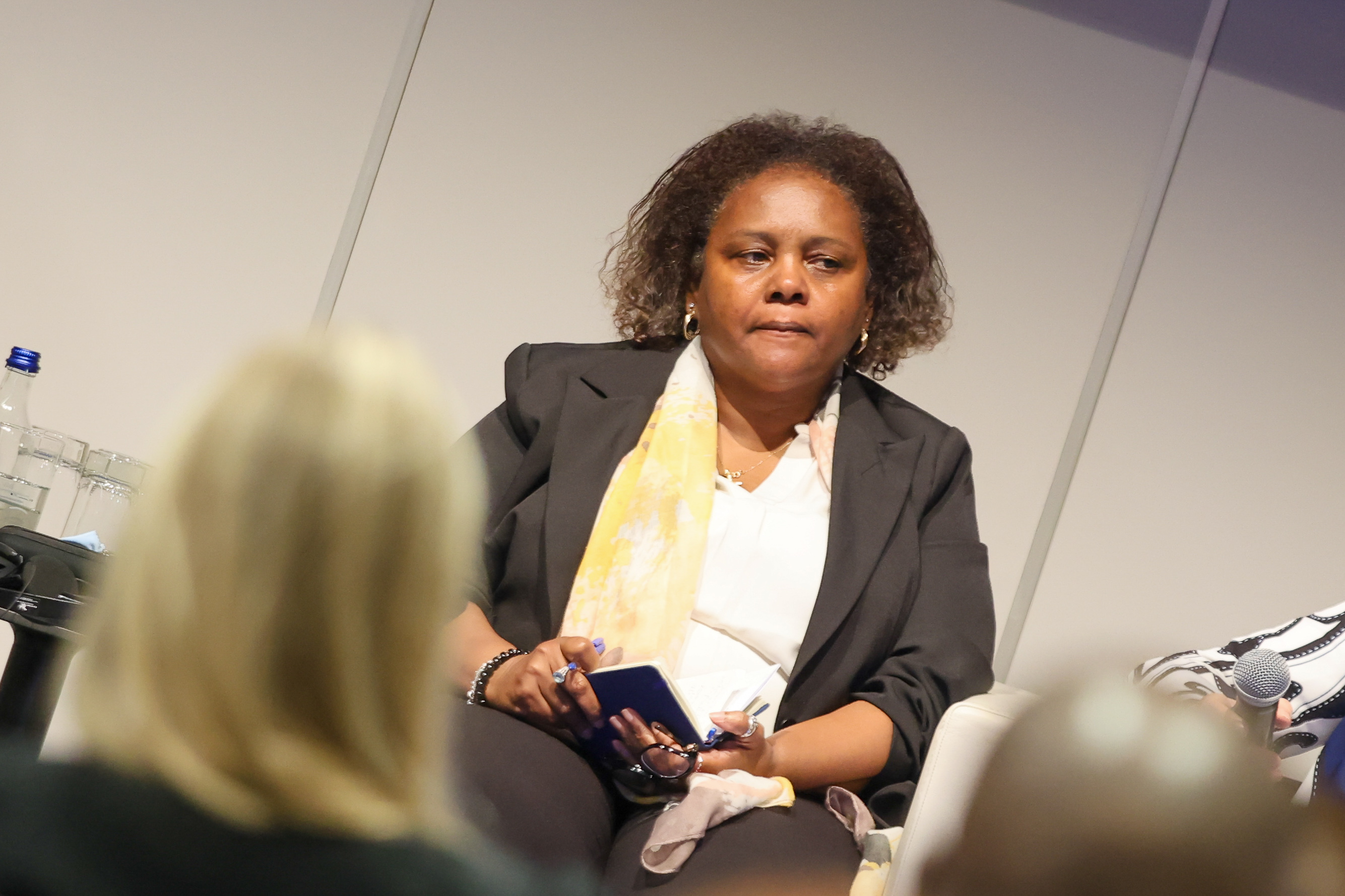
Gina Bonne, Chargée de Mission, Indian Ocean Commission
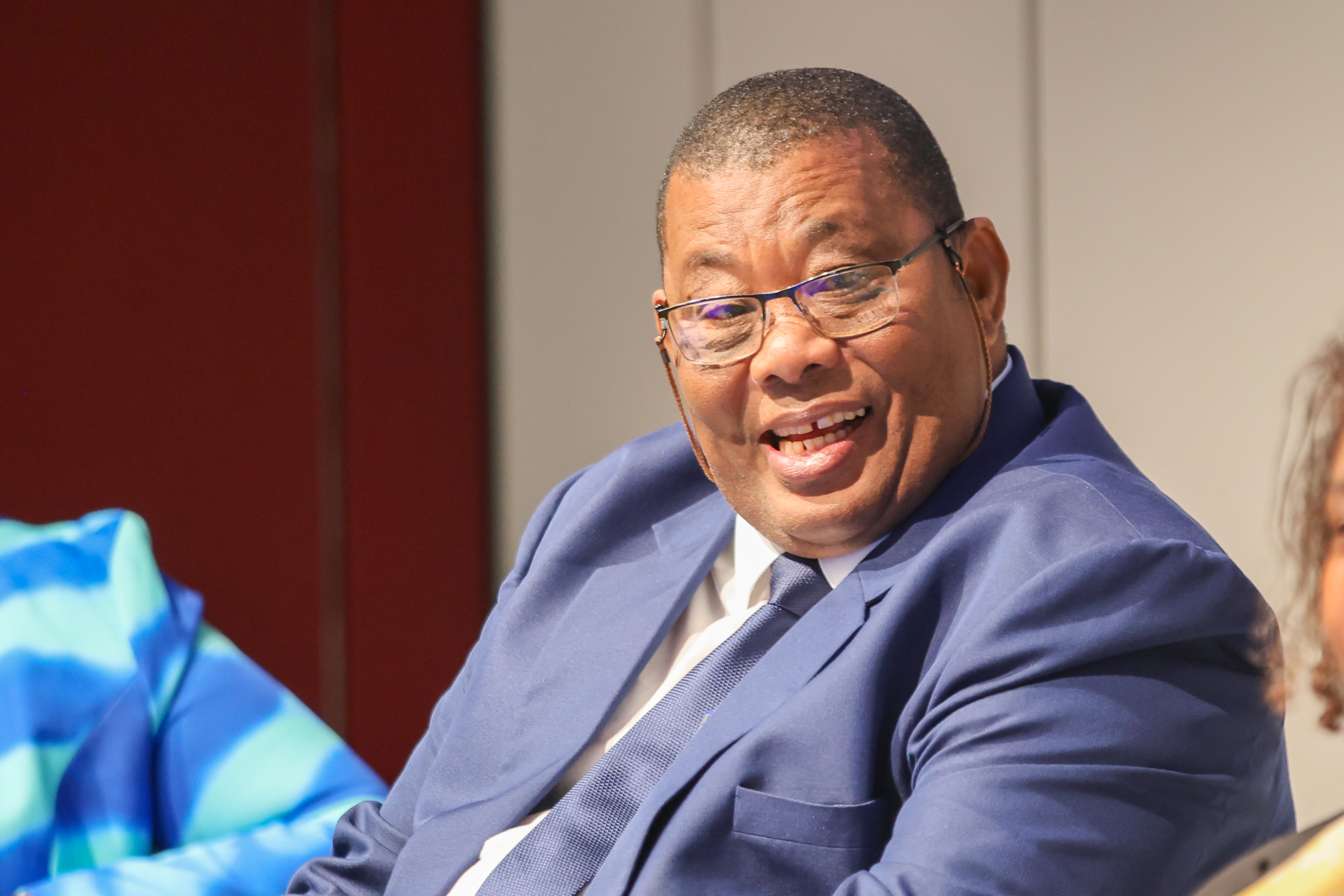
Robert Jules Ernesta, Director-General, Department of Risk and Disaster Management, Seychelles
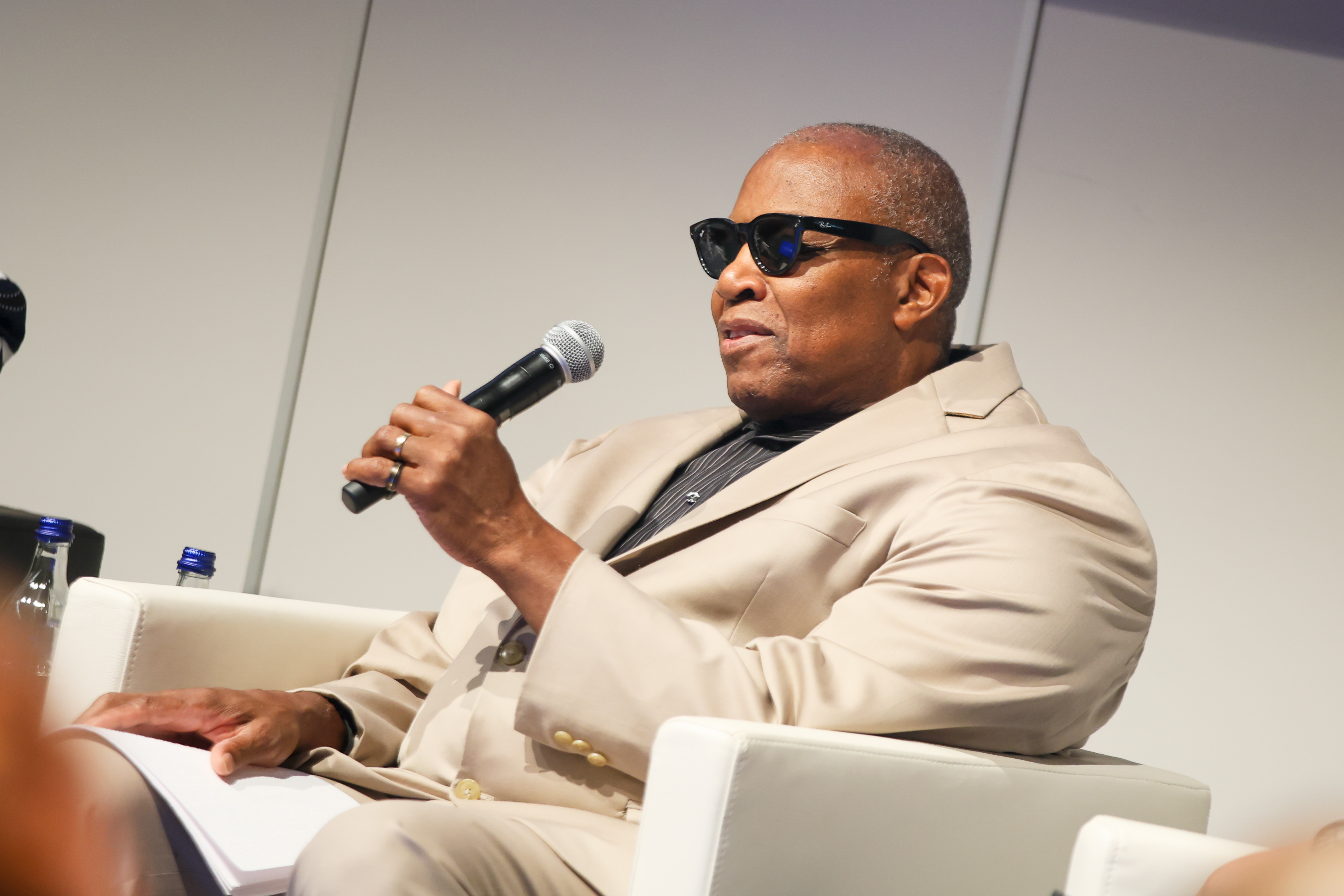
Walton Webson, Permanent Representative of Antigua and Barbuda to the UN
Side Event: Advancing Risk Reduction with Inclusive AI Solutions
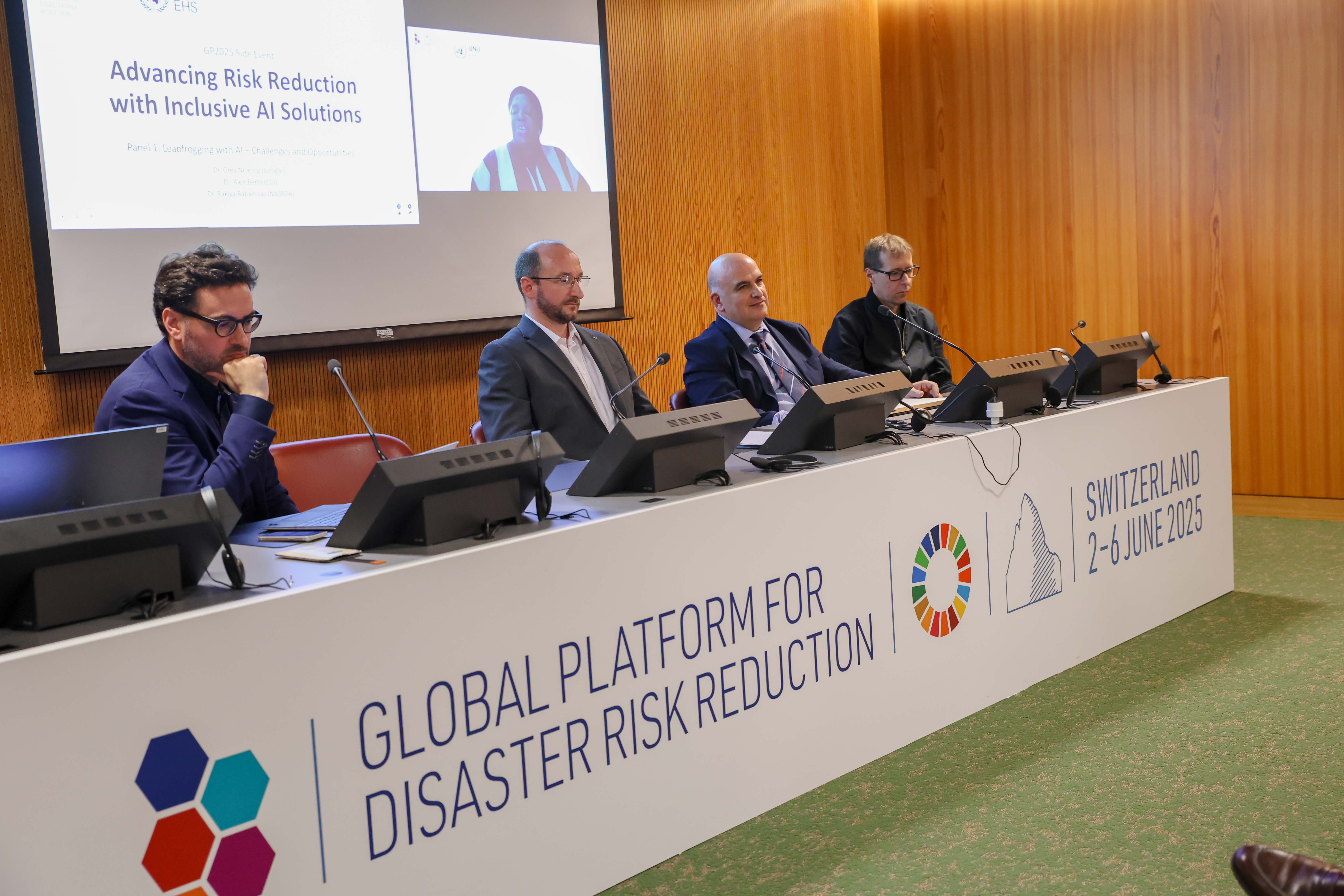
View of the first panel
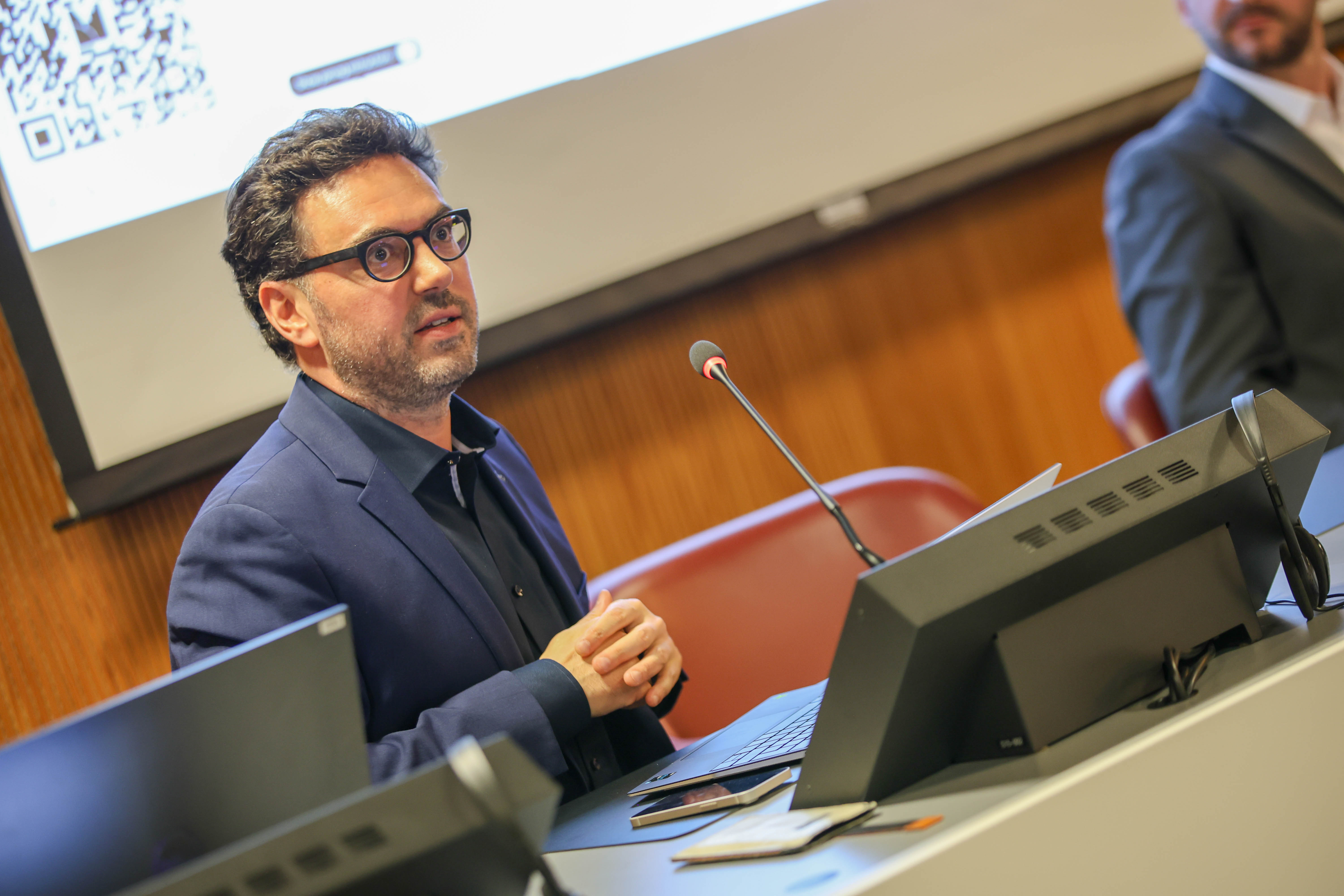
Maxime Souvignet, UN University
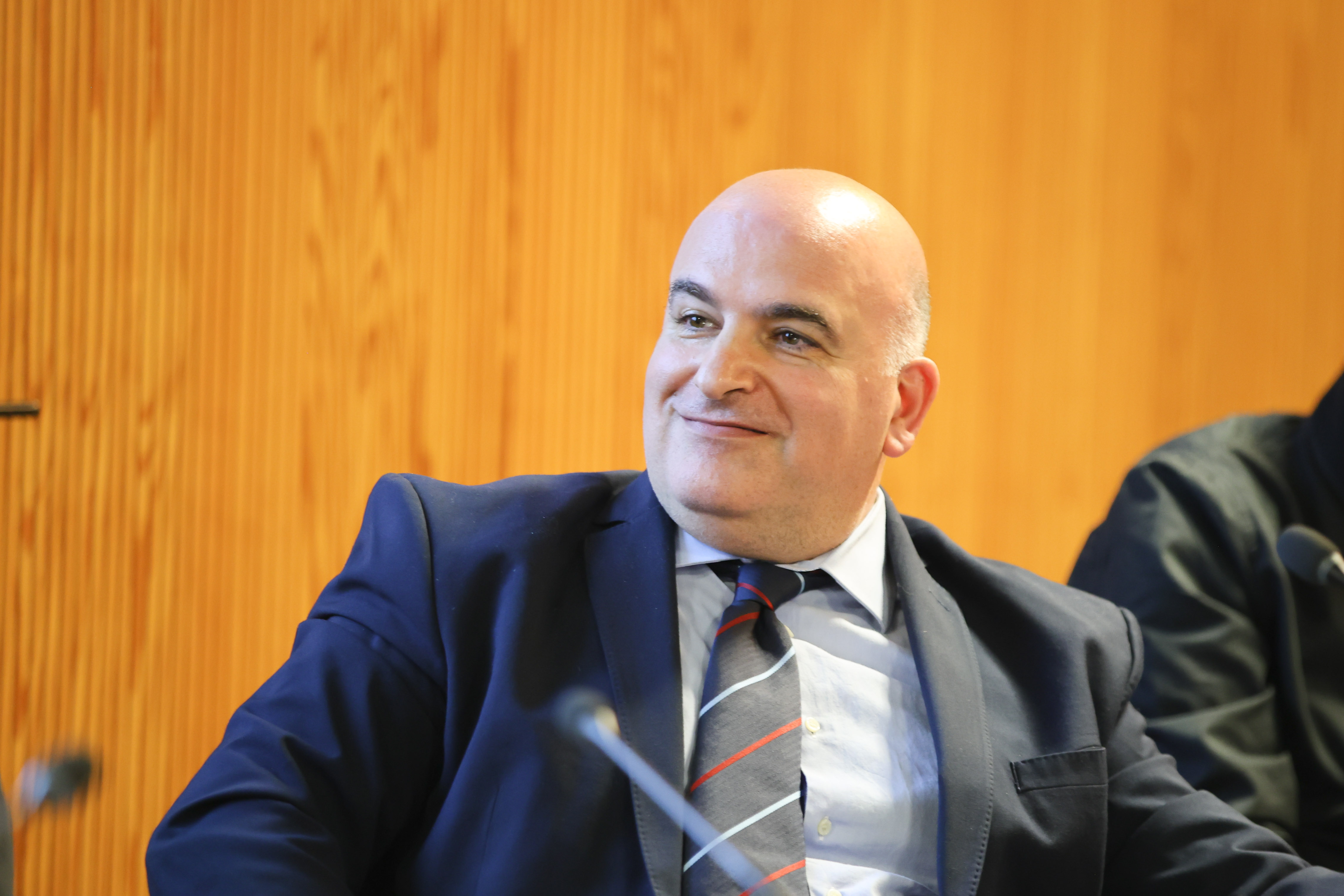
David Daou, UN University
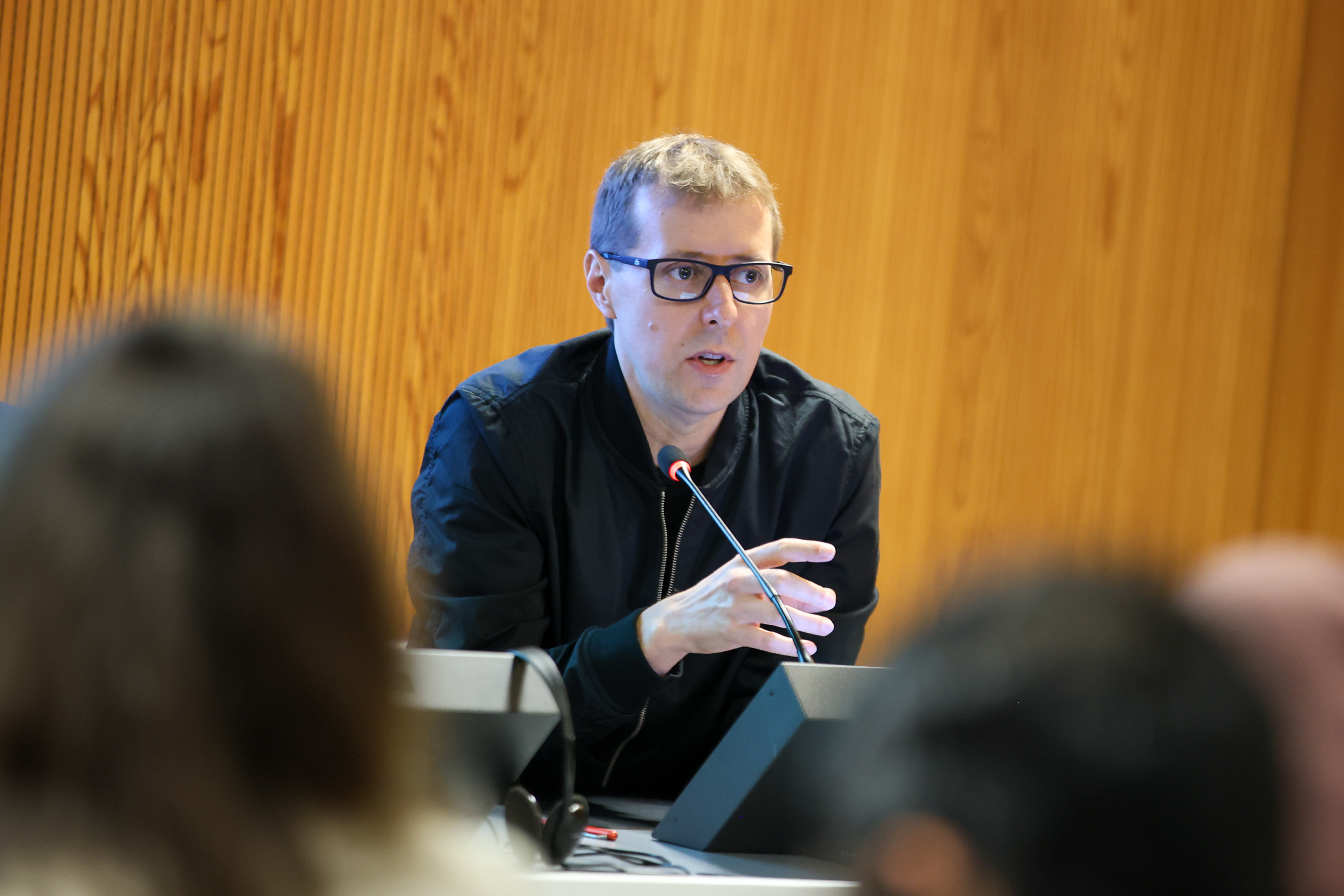
Grey Nearing, Google Research
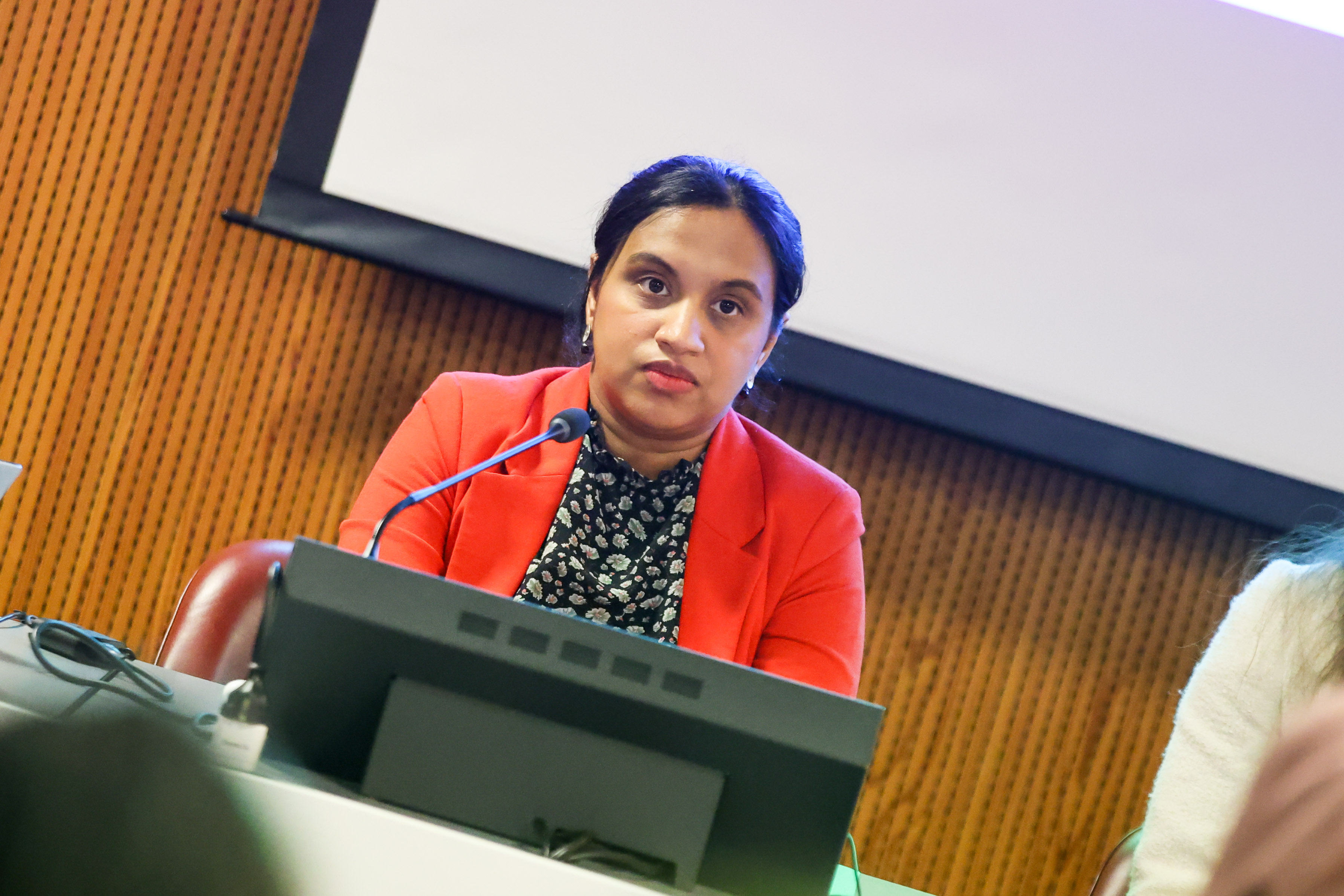
Mythili Menon, International Telecommunication Union (ITU)
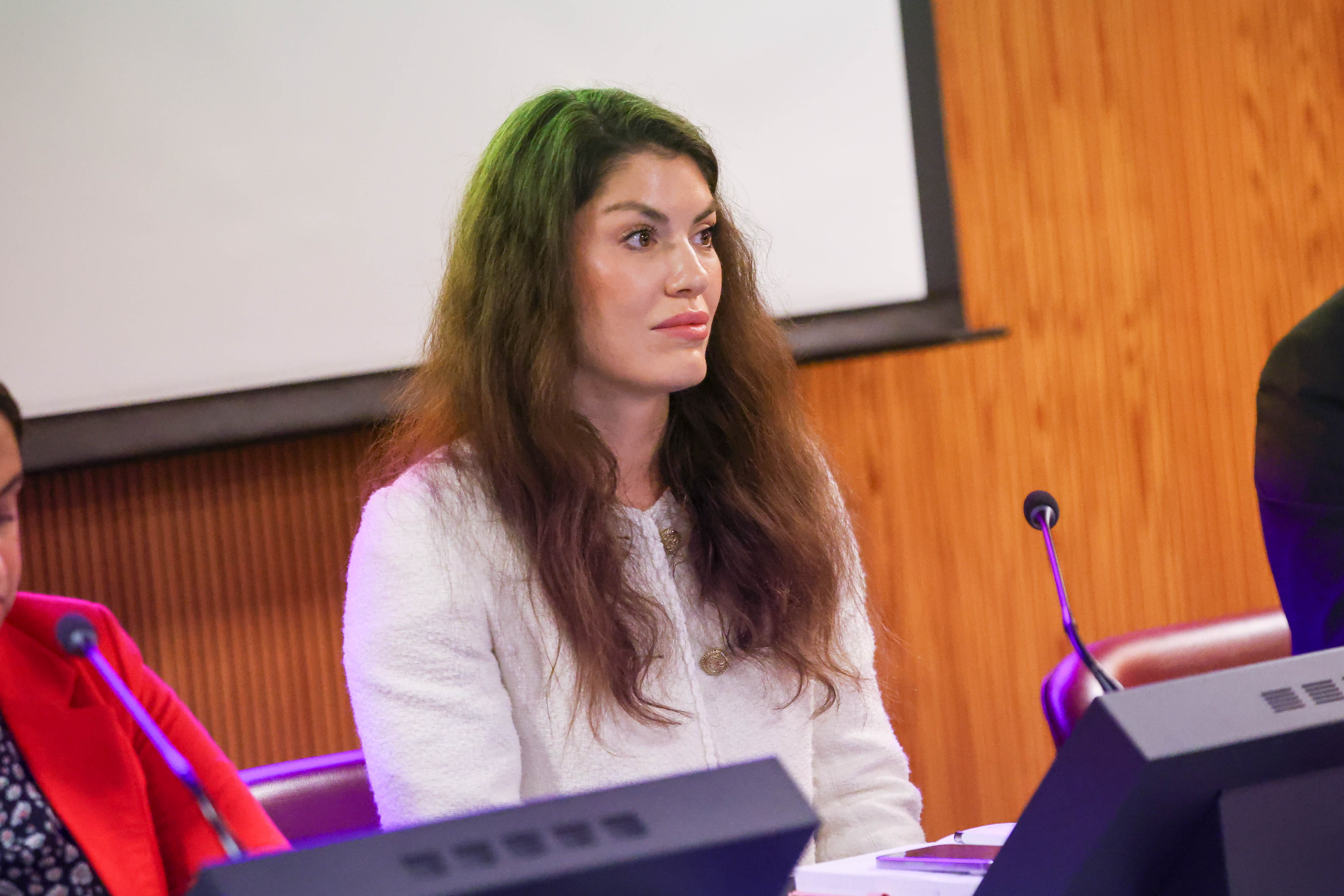
Ildiko Almasi Simsic, CEO, E&S Solutions
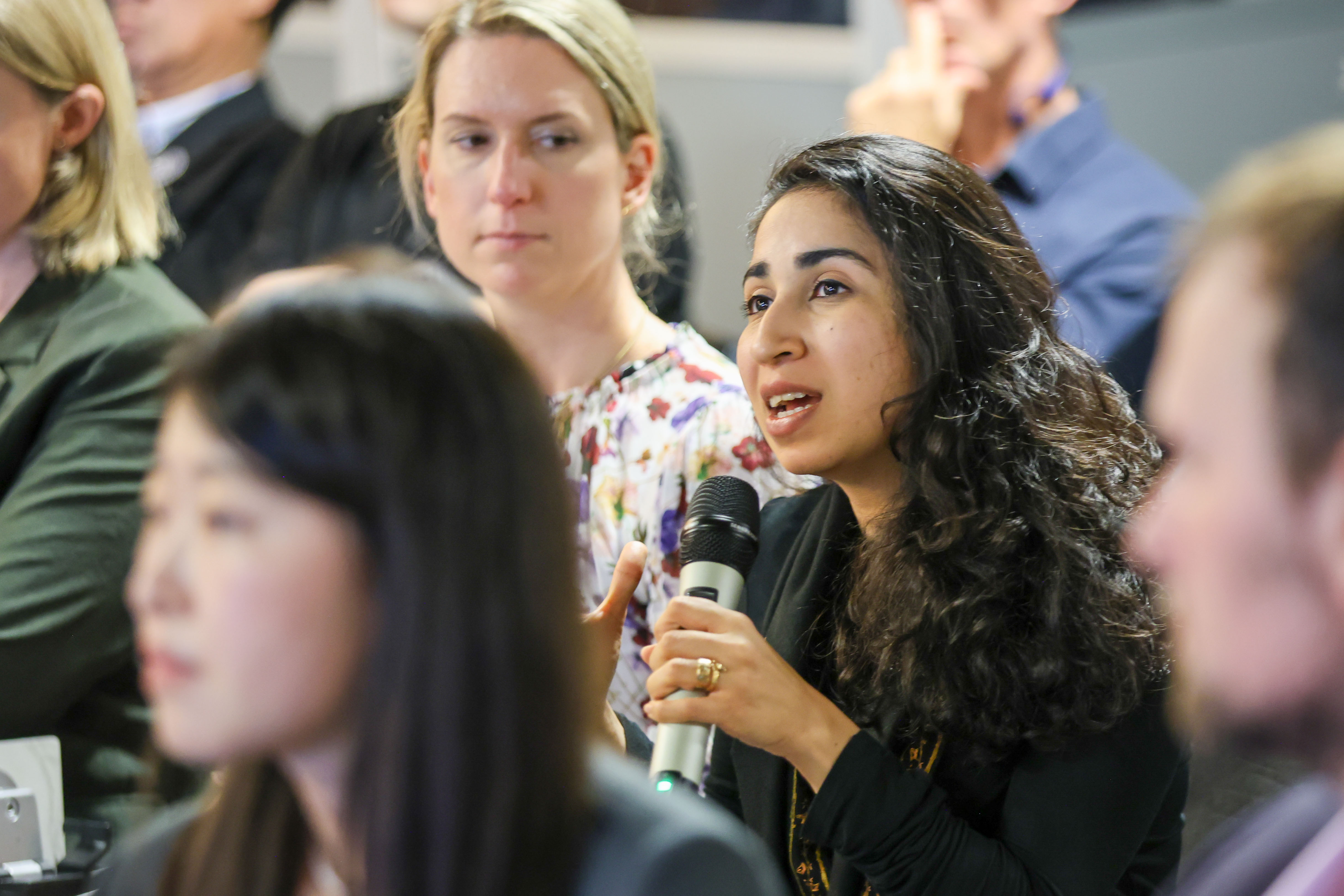
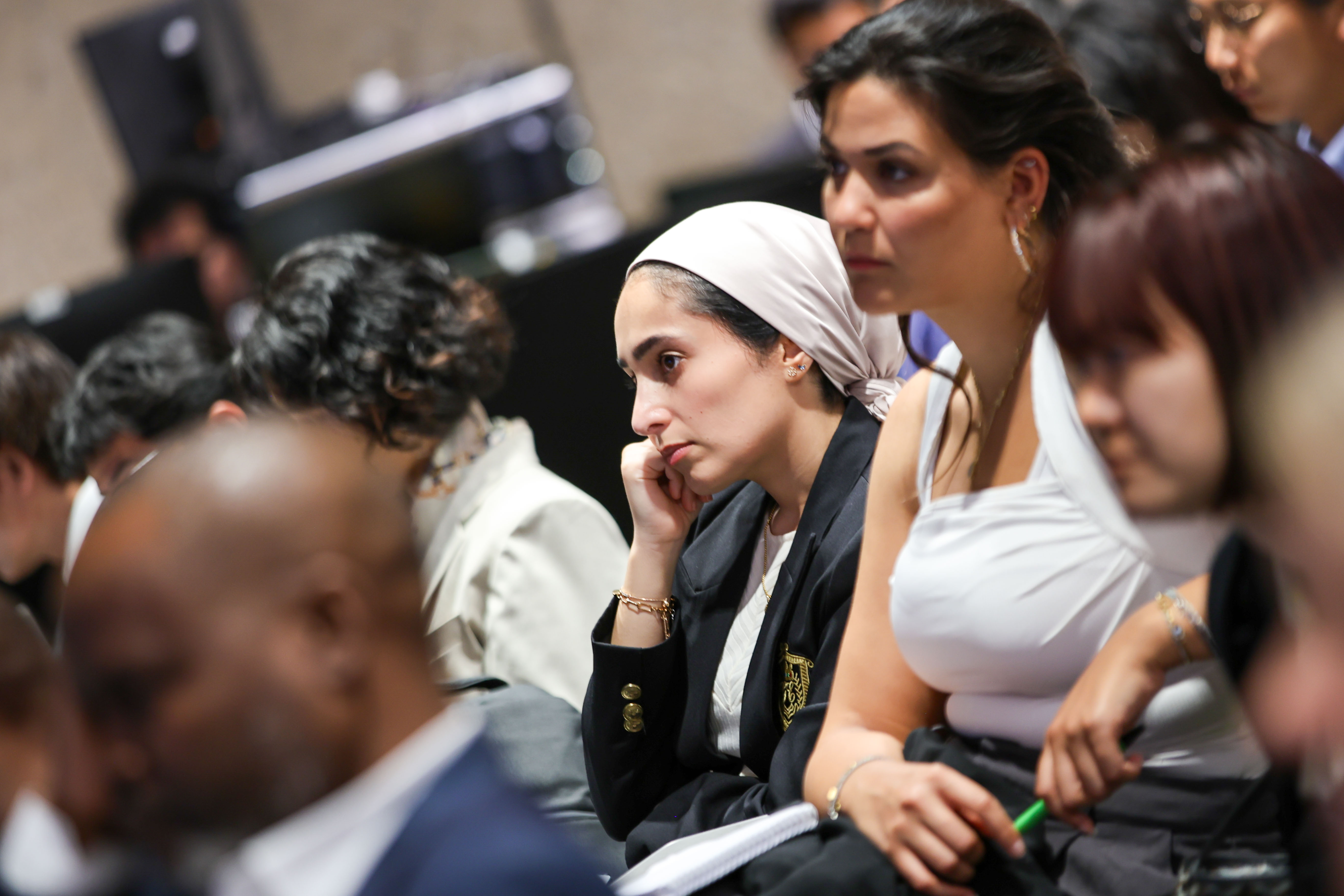
Participants asking questions to the panelists
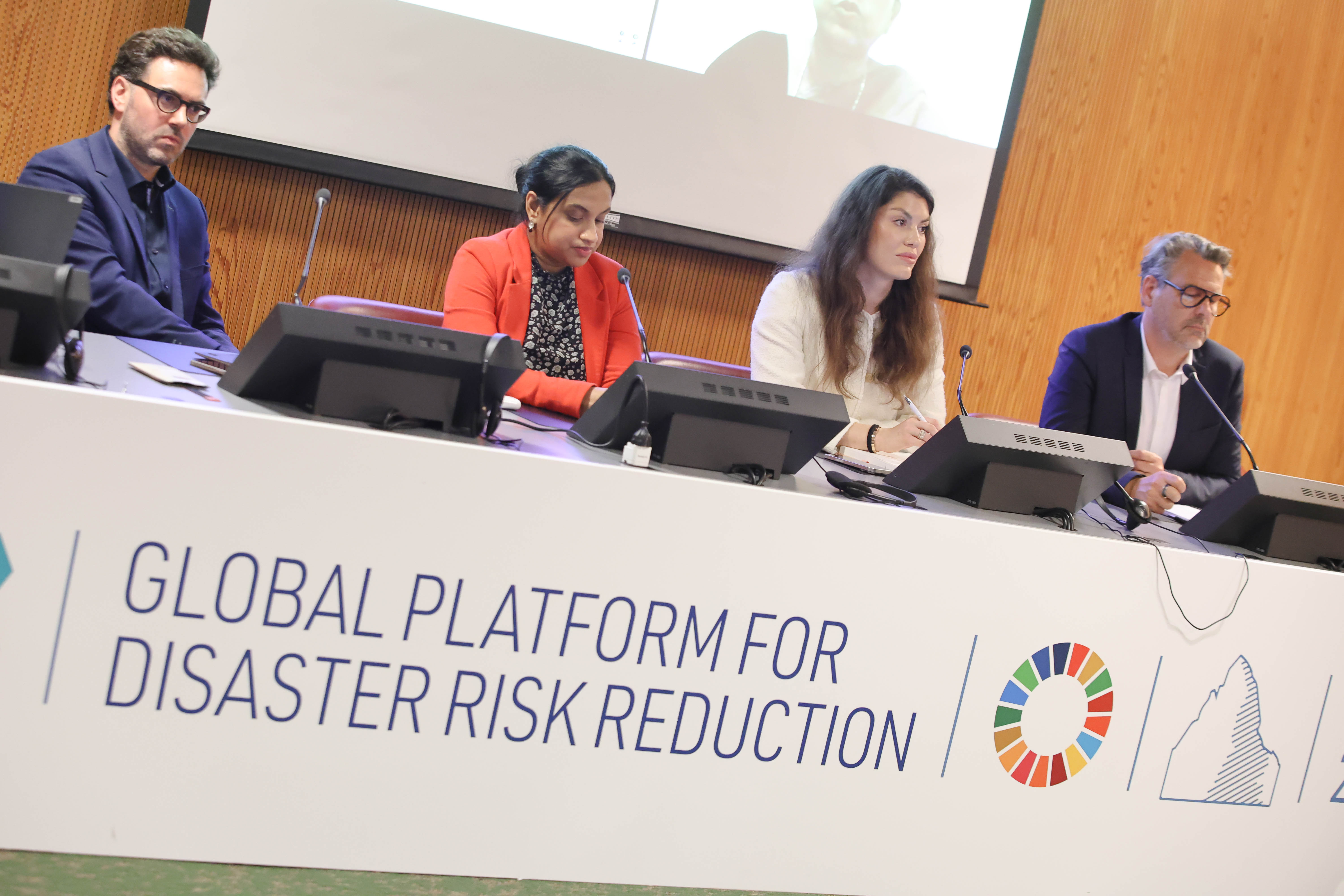
View of the second panel
Closing Ceremony
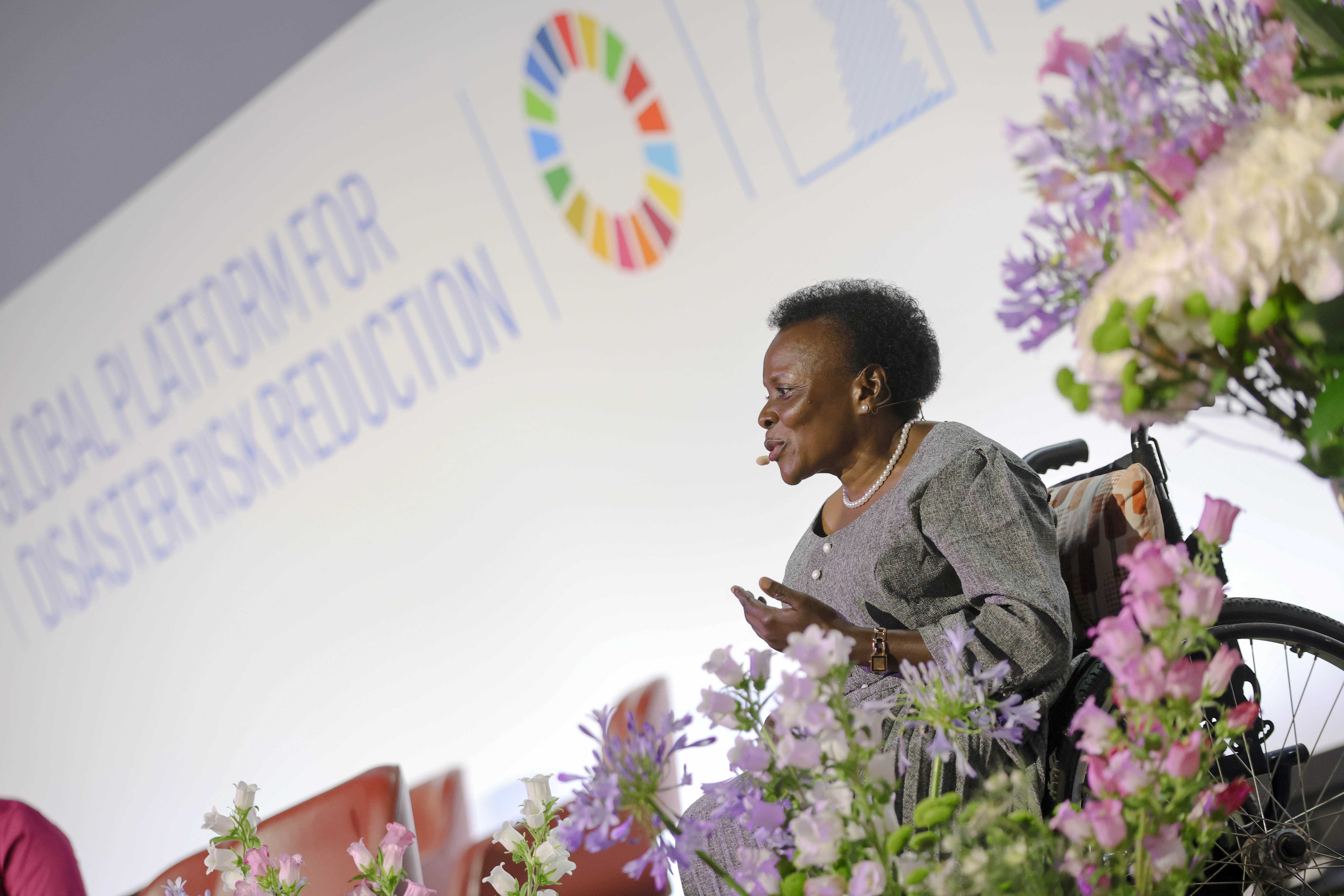
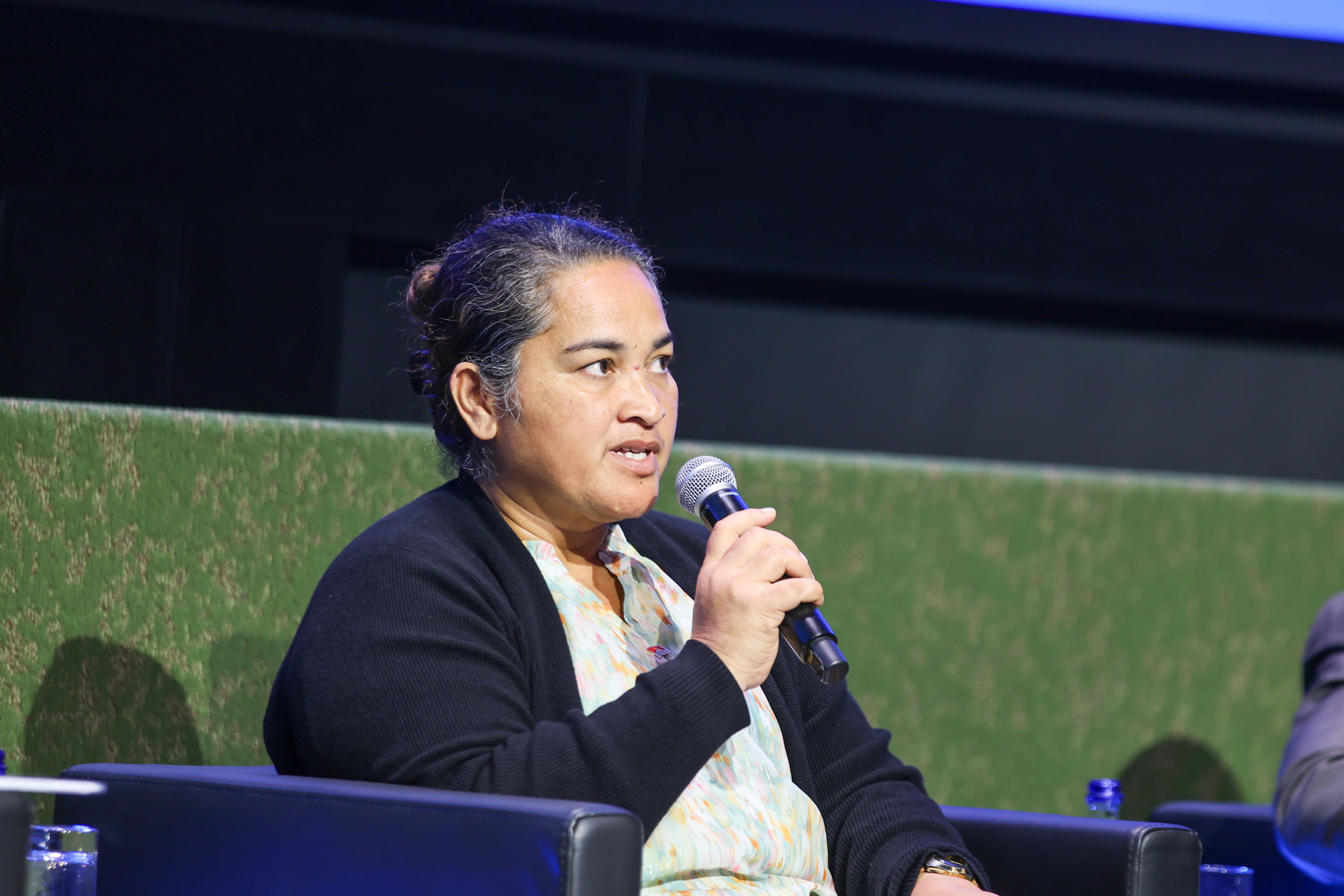
Maxensia Nakibuuka, Founder and Executive Director, Lungujja Community Health Caring Organisation (LUCOHECO)
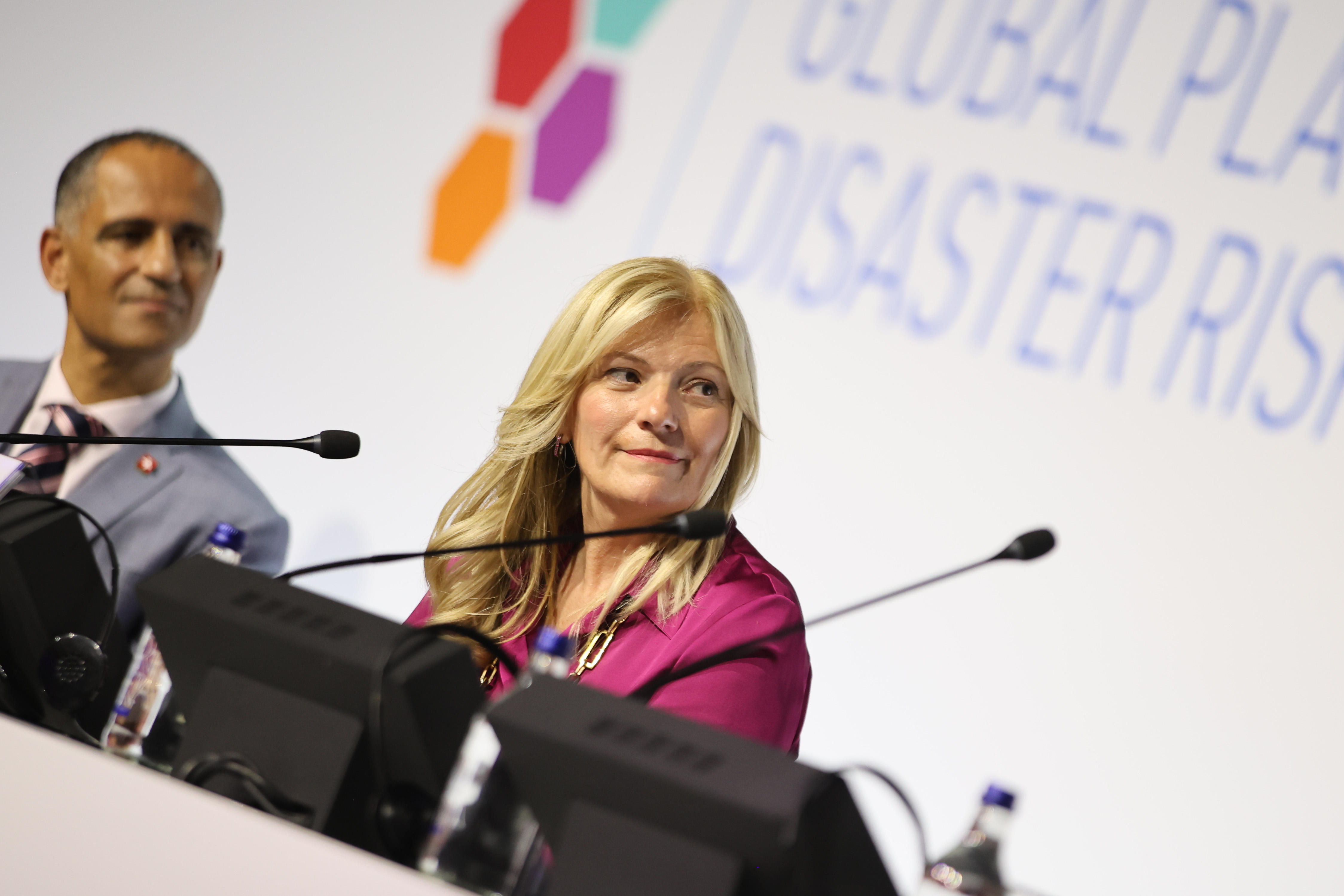
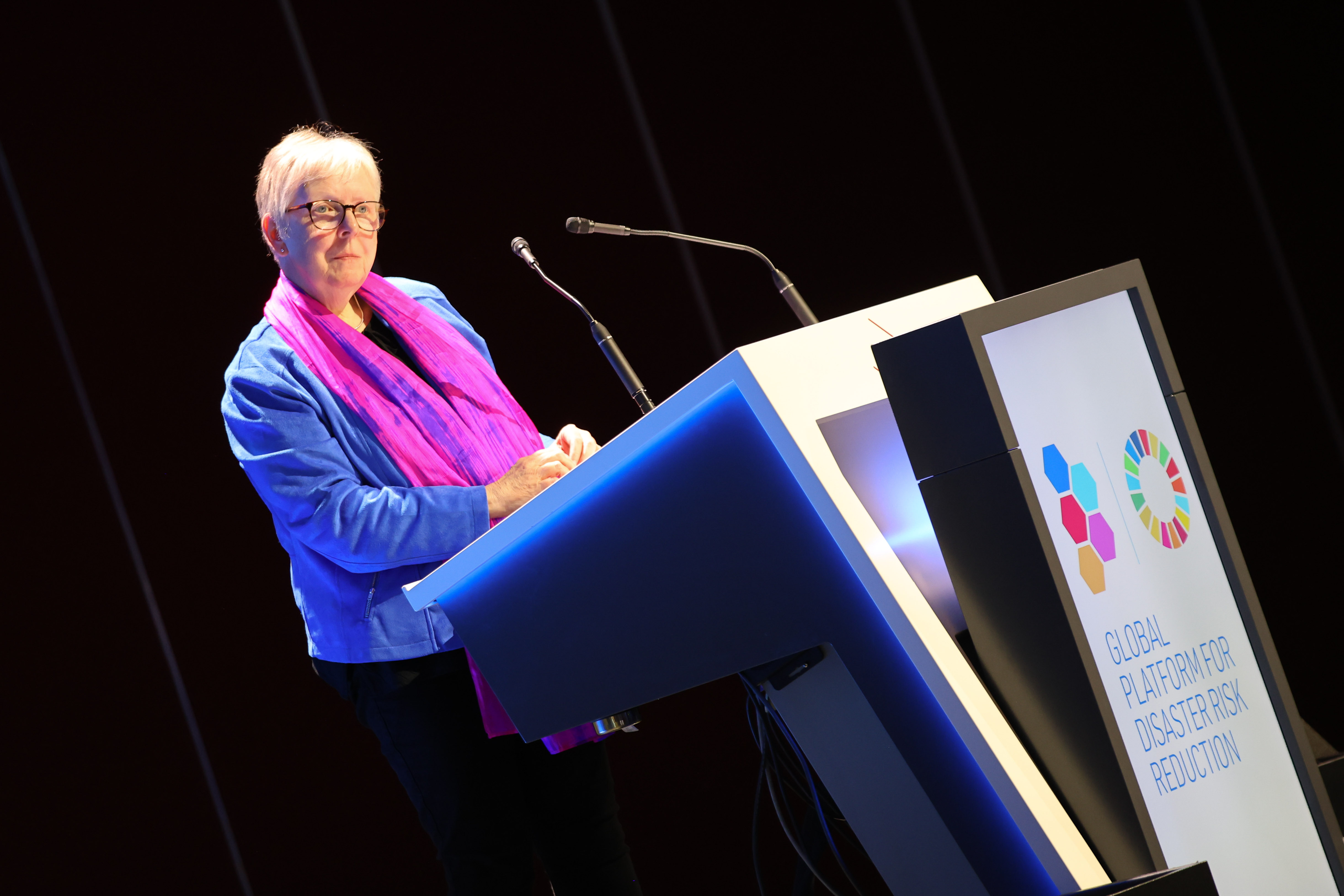
Paola Albrito, Director, UNDRR
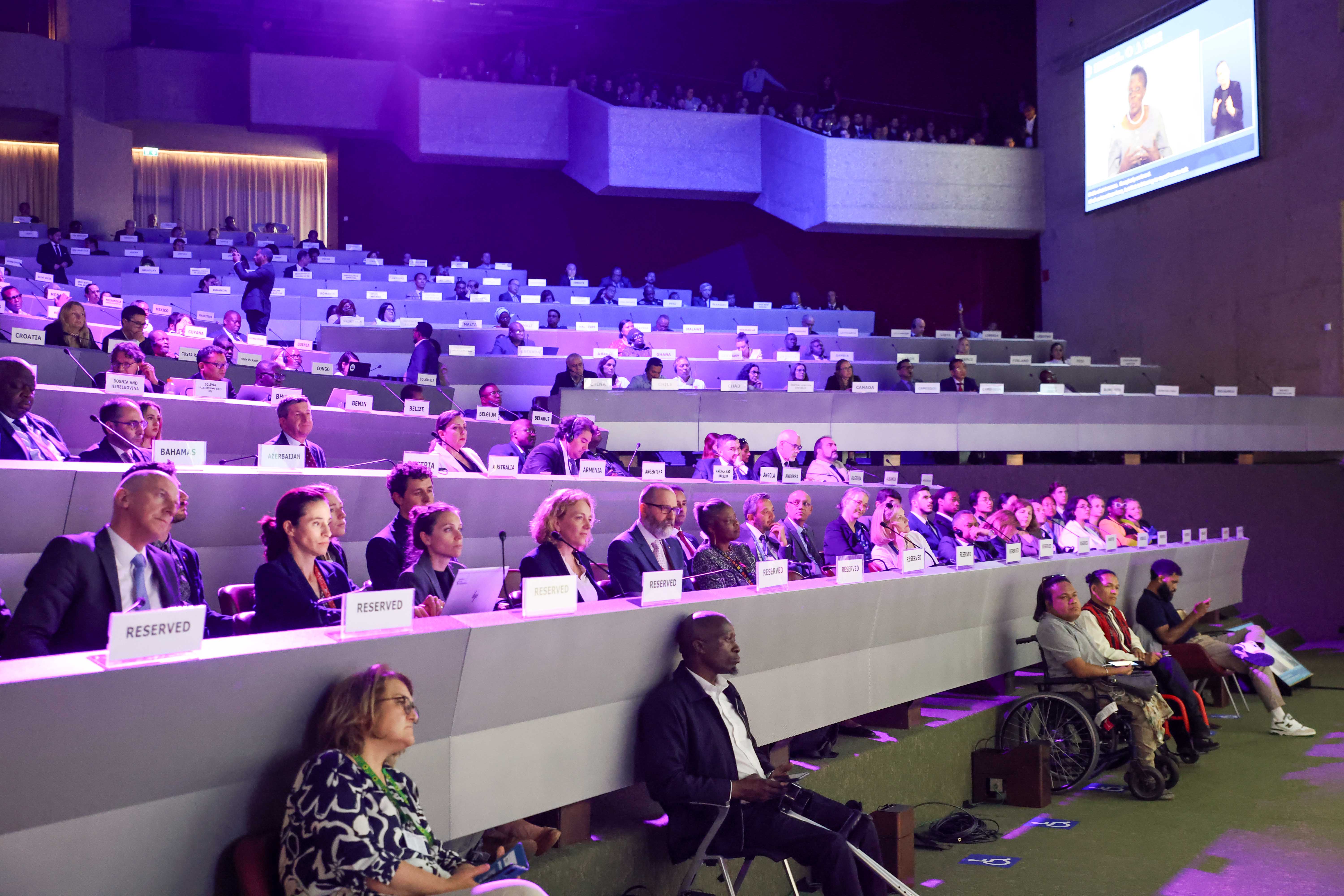
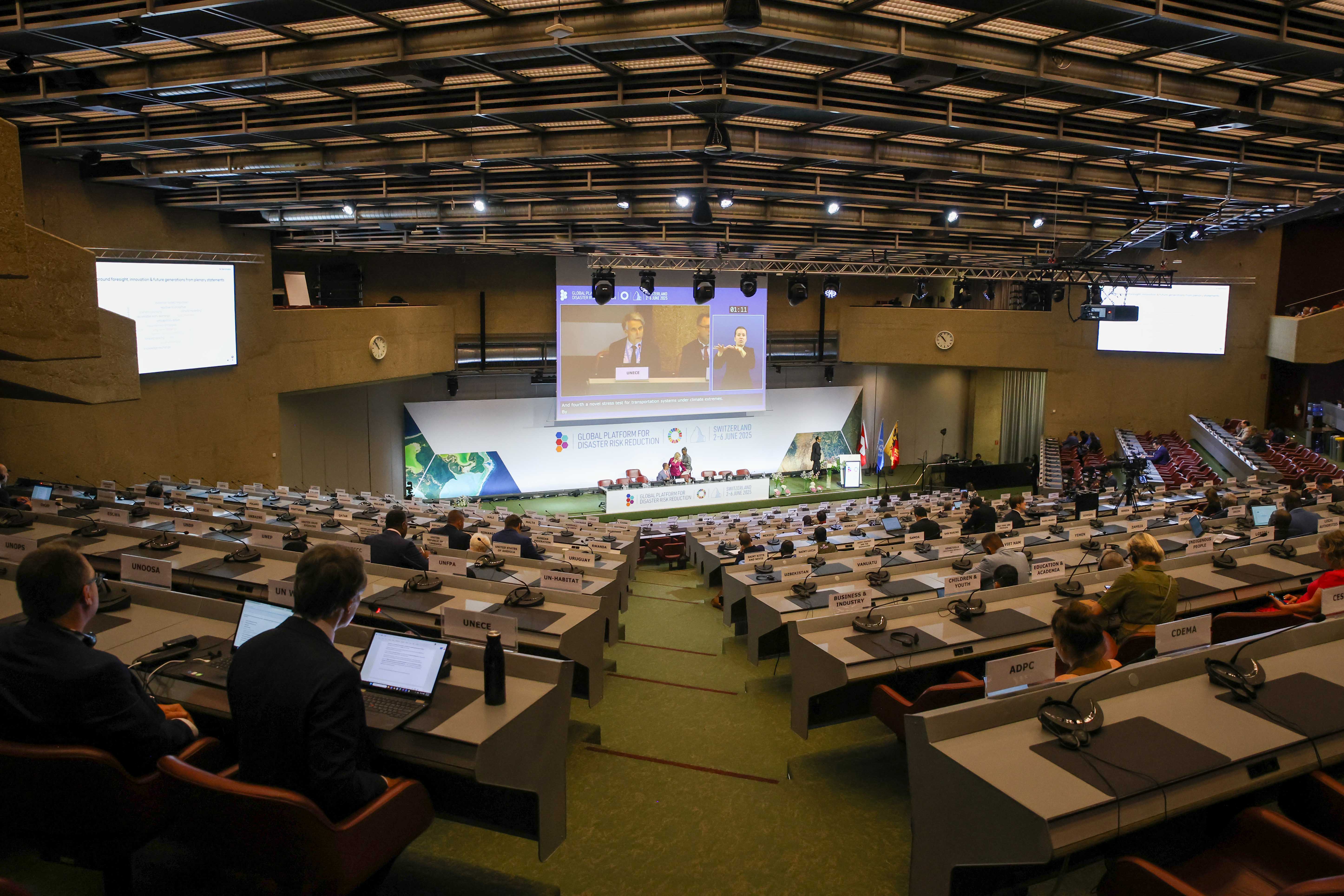
View of the room
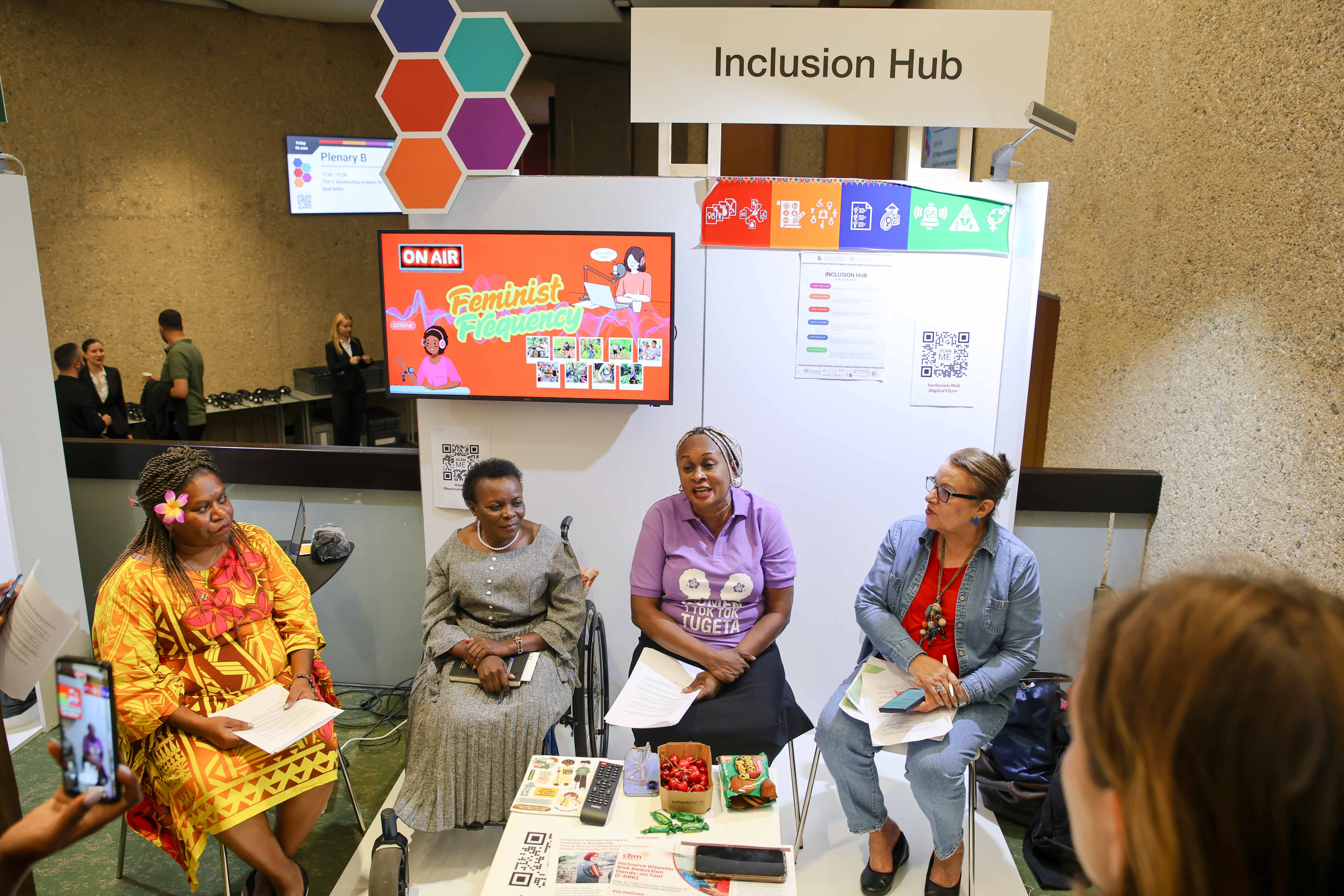
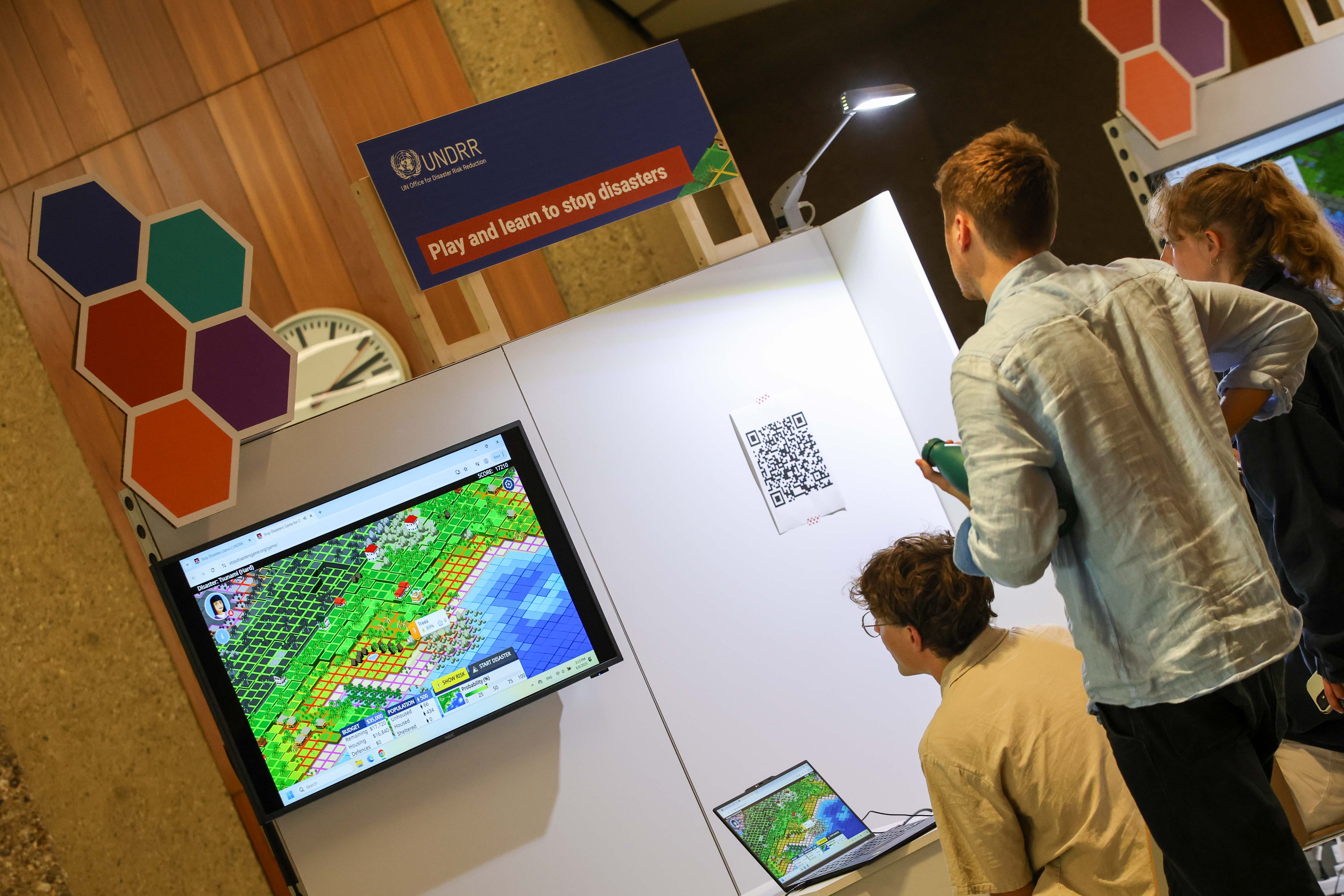
Around the Venue

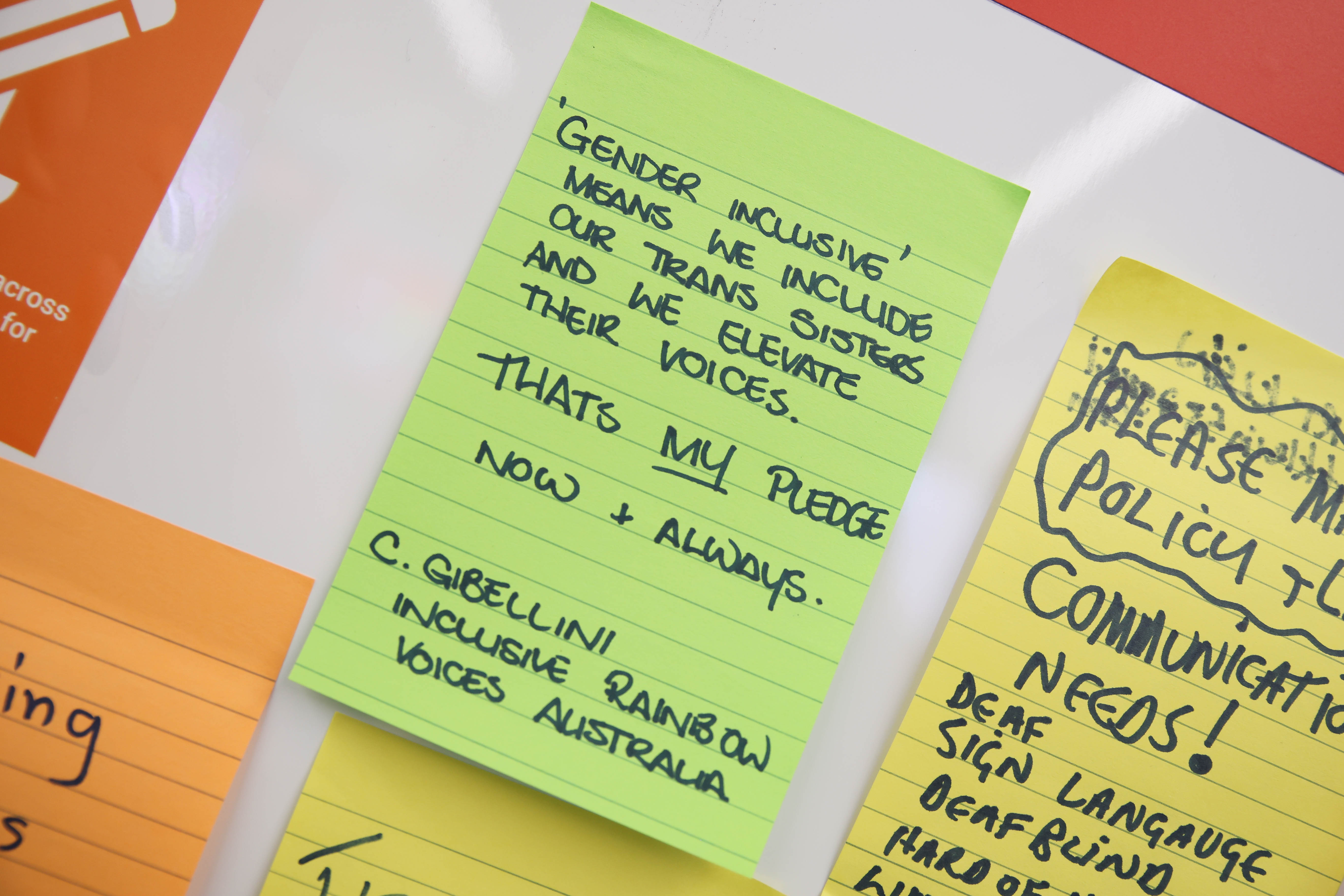


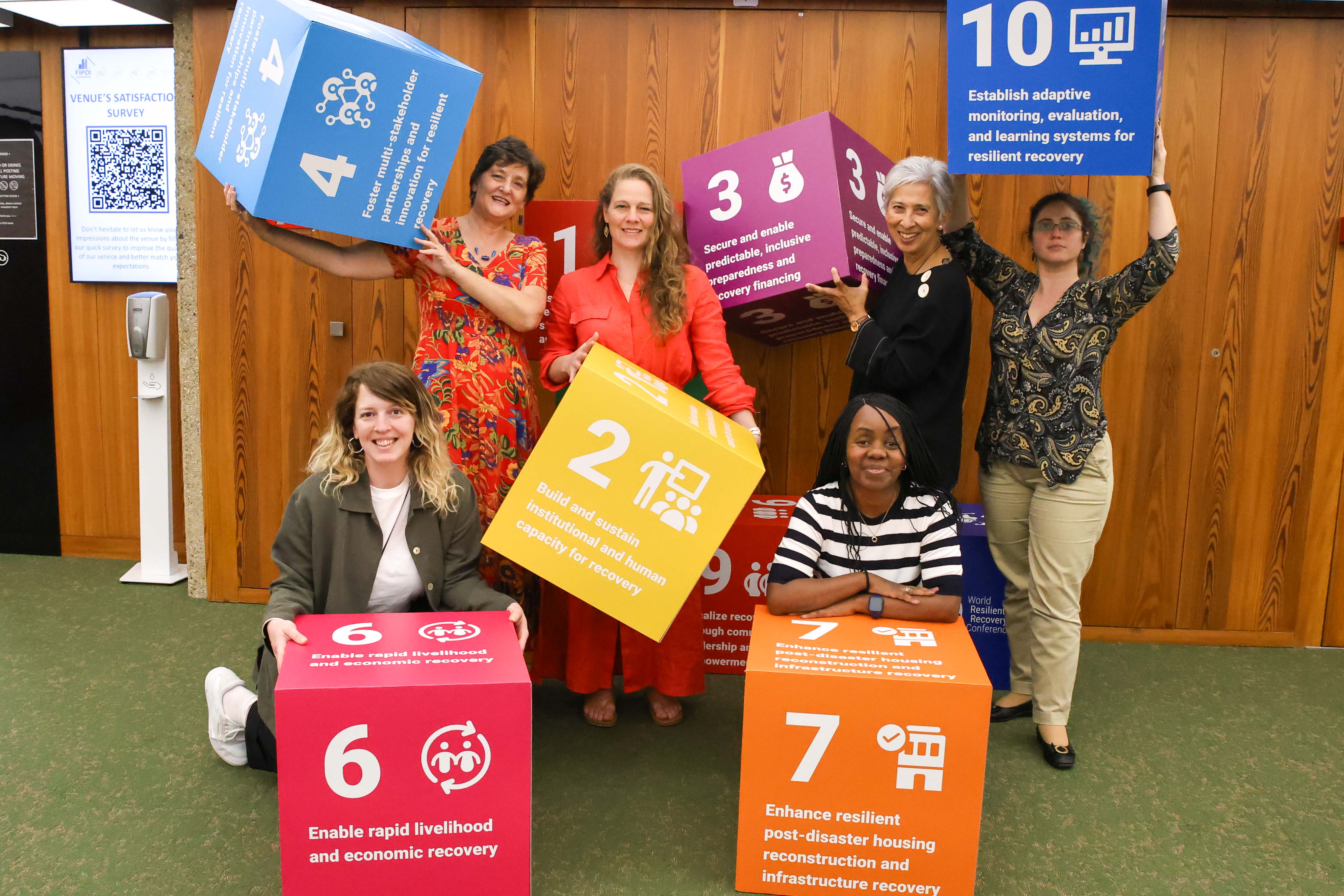
L-R (standing): Suzi Malan, South Africa, Liz Willetts, US, Delia Paul, Australia, and María Ovalle, Chile; L-R (sitting): Anastasia Rodopoulou, Greece, and Nancy Mutonyi, Kenya,