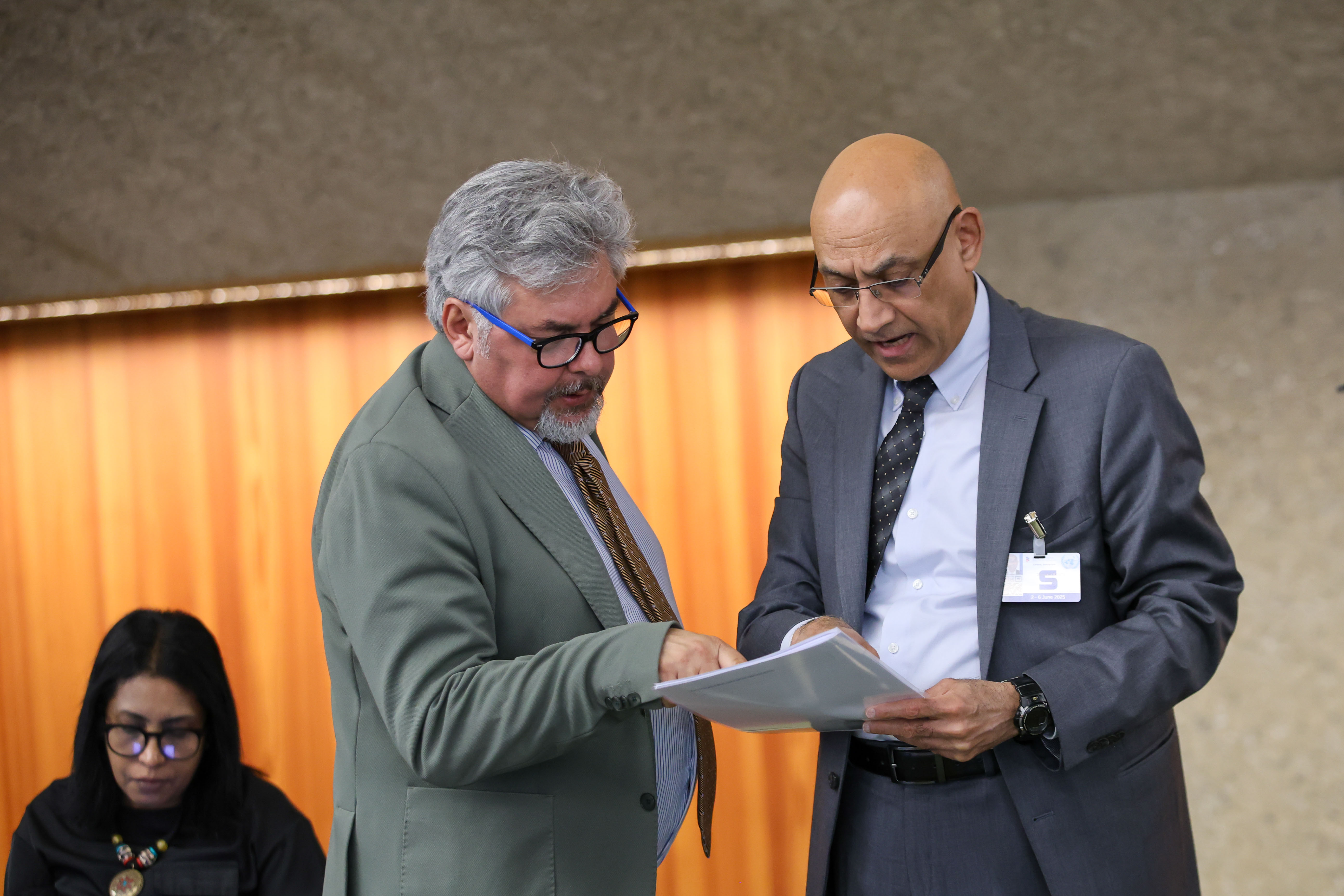
Everyone agrees that data is essential for successful planning—the challenge lies in its collection, making it available and usable to the people, and truly applying it to decision making. For countries to collaborate and cooperate on disaster risk reduction (DRR), common standards for data and arrangements for data sharing are needed—and data for resilience will take even more effort. As one expert in risk information management advised, “Data sharing is old school. We need to go for data interoperability. In addition, we must to aim for data that is ‘just-in-time,’ not ‘just what is available’.”
Want to dig deeper into today's talks? Read the full Earth Negotiations Bulletin daily report.
Discussions on the first day of the official programme tackled this and other issues during high-level dialogues, a ministerial roundtable, and a multi-stakeholder plenary.
In a dialogue on harnessing risk understanding for a safer future, The Bahamas emphasized the need for data to not only focus on numbers when talking about disaster impacts, but also to consider the human loss in terms of health and livelihoods. Pakistan offered the Indus Water Treaty, a water-sharing agreement between India and Pakistan, as a model of data-sharing arrangements. She suggested that countries use legal instruments to enable data sharing. Delegates heard that UNDRR is currently working with the UN Economic Commission for Europe (UNECE) to develop common standards for disaster-related data and statistics.
A ministerial roundtable addressed financing for DRR, attended by 43 ministries. Delegates considered the interlinkages of disaster risk and climate change financing, innovative financial tools and policies, and social aspects of disaster investments.
In a special event on investing in resilience for Africa, delegates highlighted multiple opportunities for innovation and the potential sevenfold return on investment for any infrastructure developments in Africa.
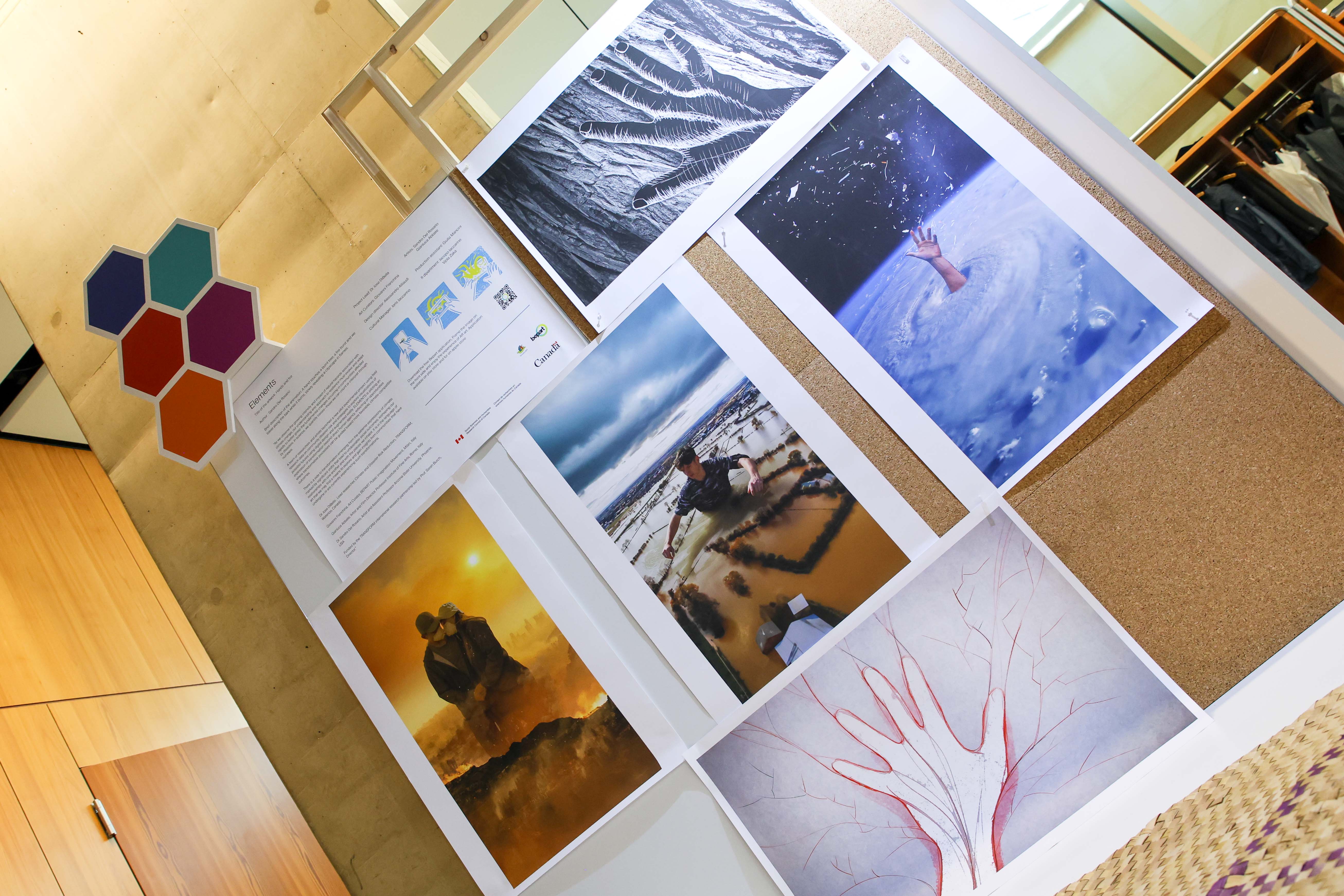
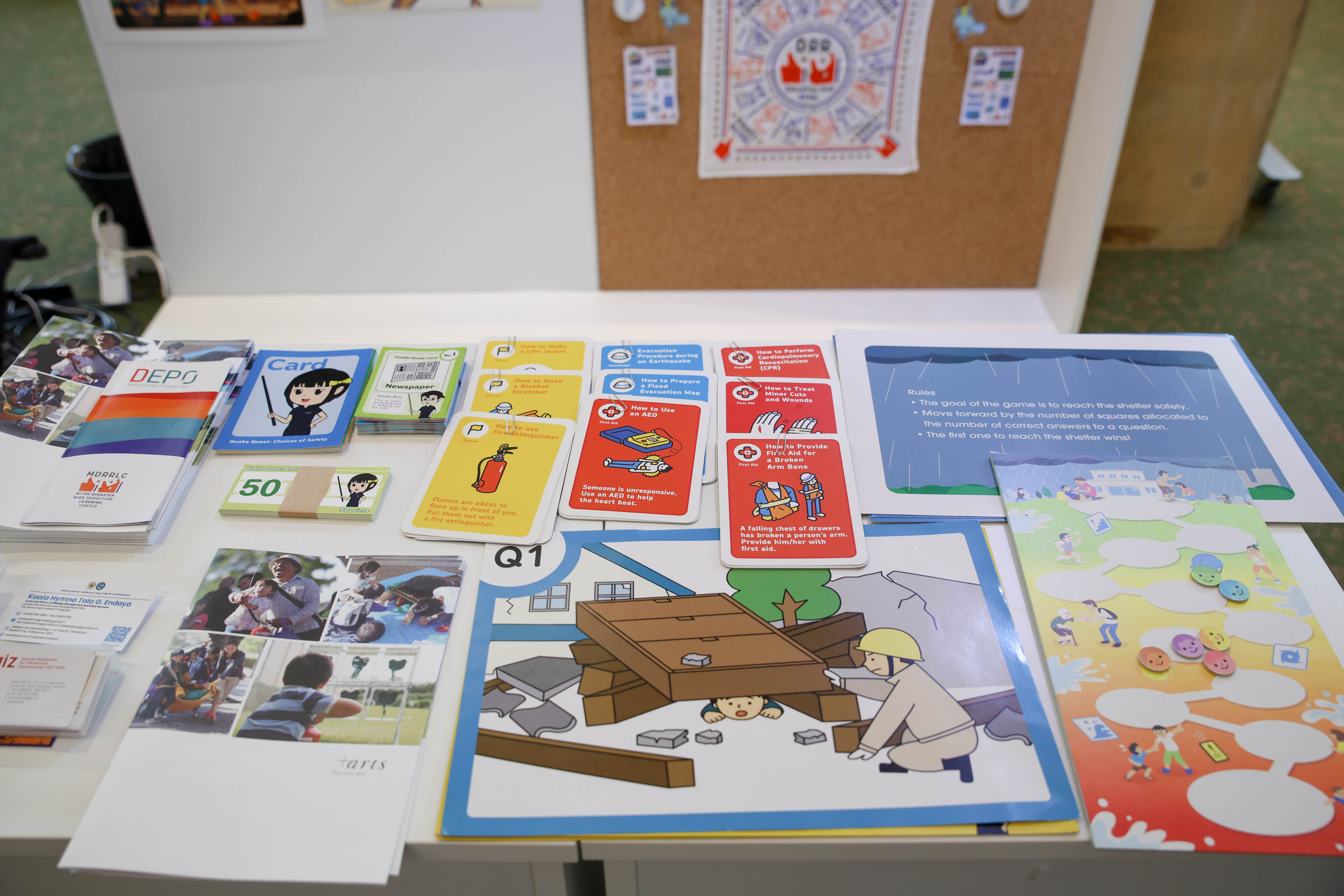
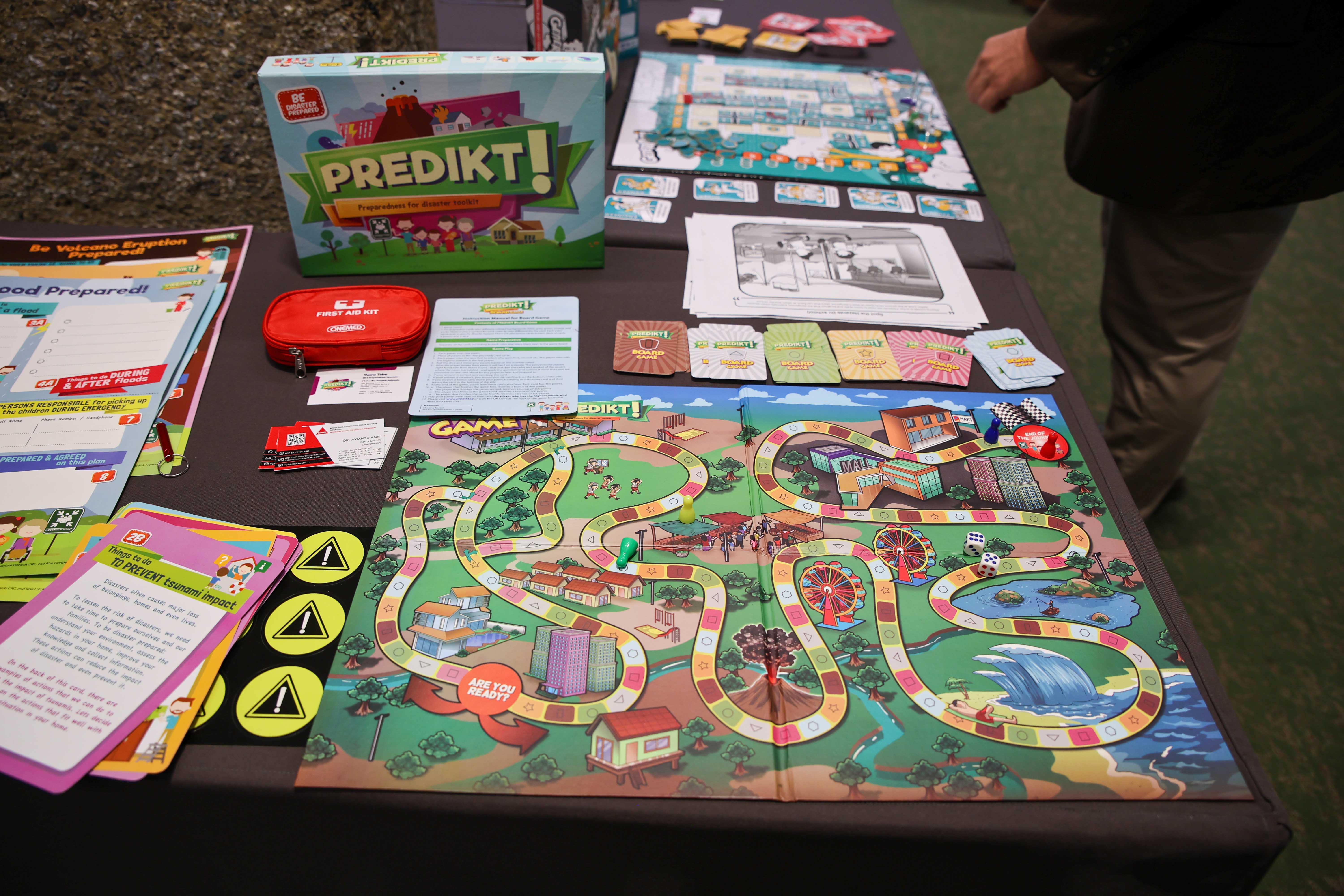
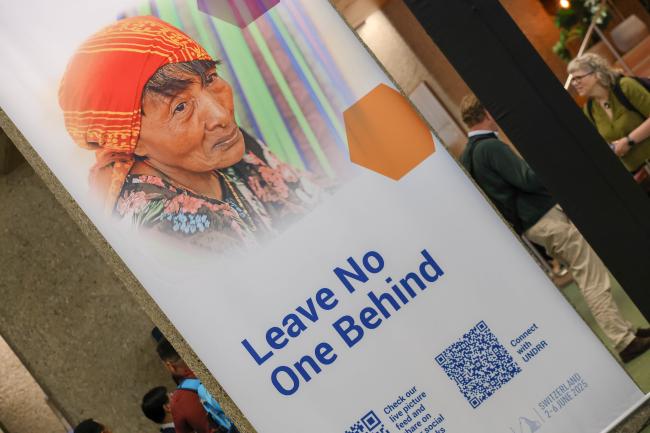
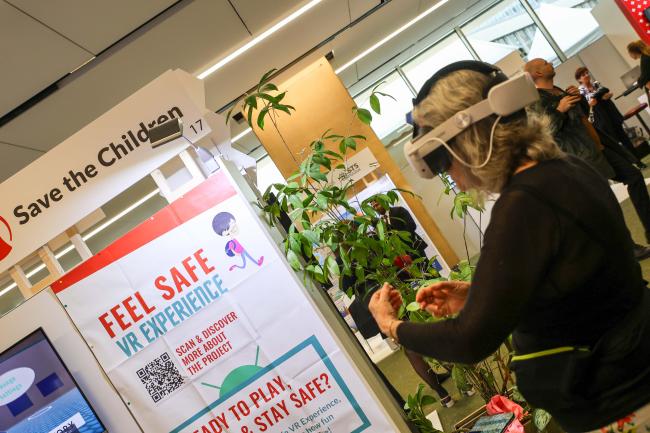
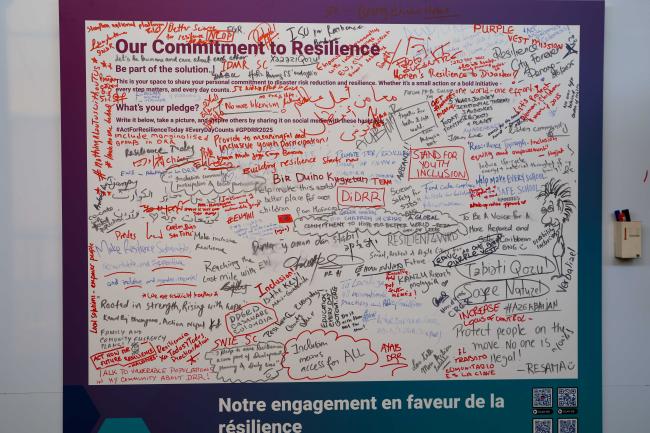
During the multi-stakeholder plenary, one attendee cautioned that a technocratic approach to risk is likely to overlook the experience of marginalized communities, and that data are made more memorable when integrated with human stories. Human stories featured throughout the day as grassroots champions participated in many events around the venue.
Naomi Woyengu, a woman leader from Papua New Guinea, highlighted in the multi-stakeholder plenary the value of traditional knowledge in DRR. In a reflection on the role of rural women’s preparation for hard times, she recalled, “They saved the seeds when the yams grow bitter, they knew the signs…Our wisdom isn’t written in books. It lives in stories told under coconut trees. We are the plan, we are the first response…We walk tracks where roads have given out…We remember the women who came before, and we make space for the girls who come next. Logistics fail and funding stops, but still we cook…join us at the tables we build.”
To receive free coverage of global environmental events delivered to your inbox, subscribe to the ENB Update newsletter.
All ENB photos are free to use with attribution. For this event, please use: Photo by IISD/ENB | Anastasia Rodopoulou.
Multi-Stakeholder Plenary
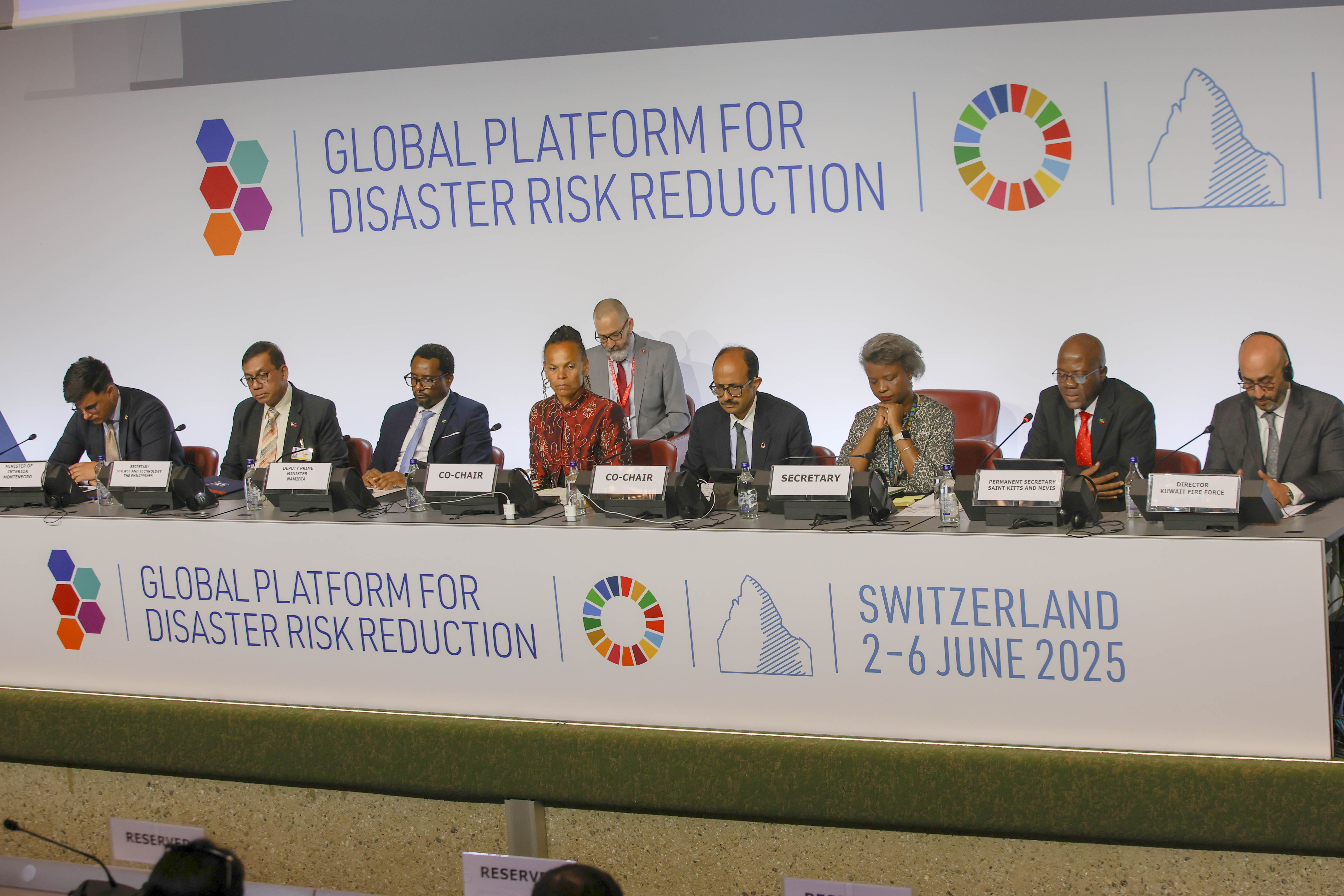
View of the panel during the session about Regional Progress
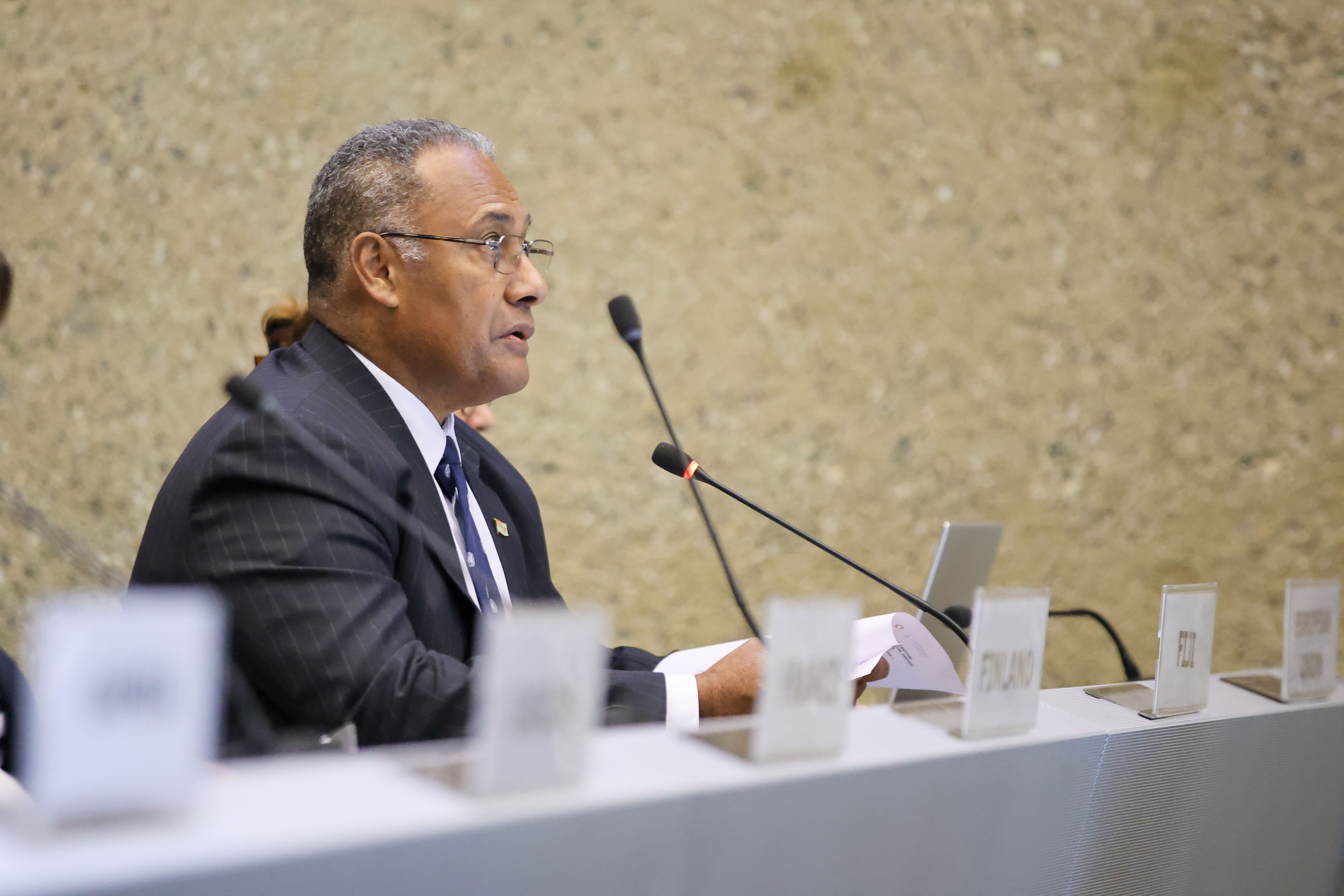
Sakiasi Ditoka, Minister for Rural and Maritime Development and Disaster Management, Fiji
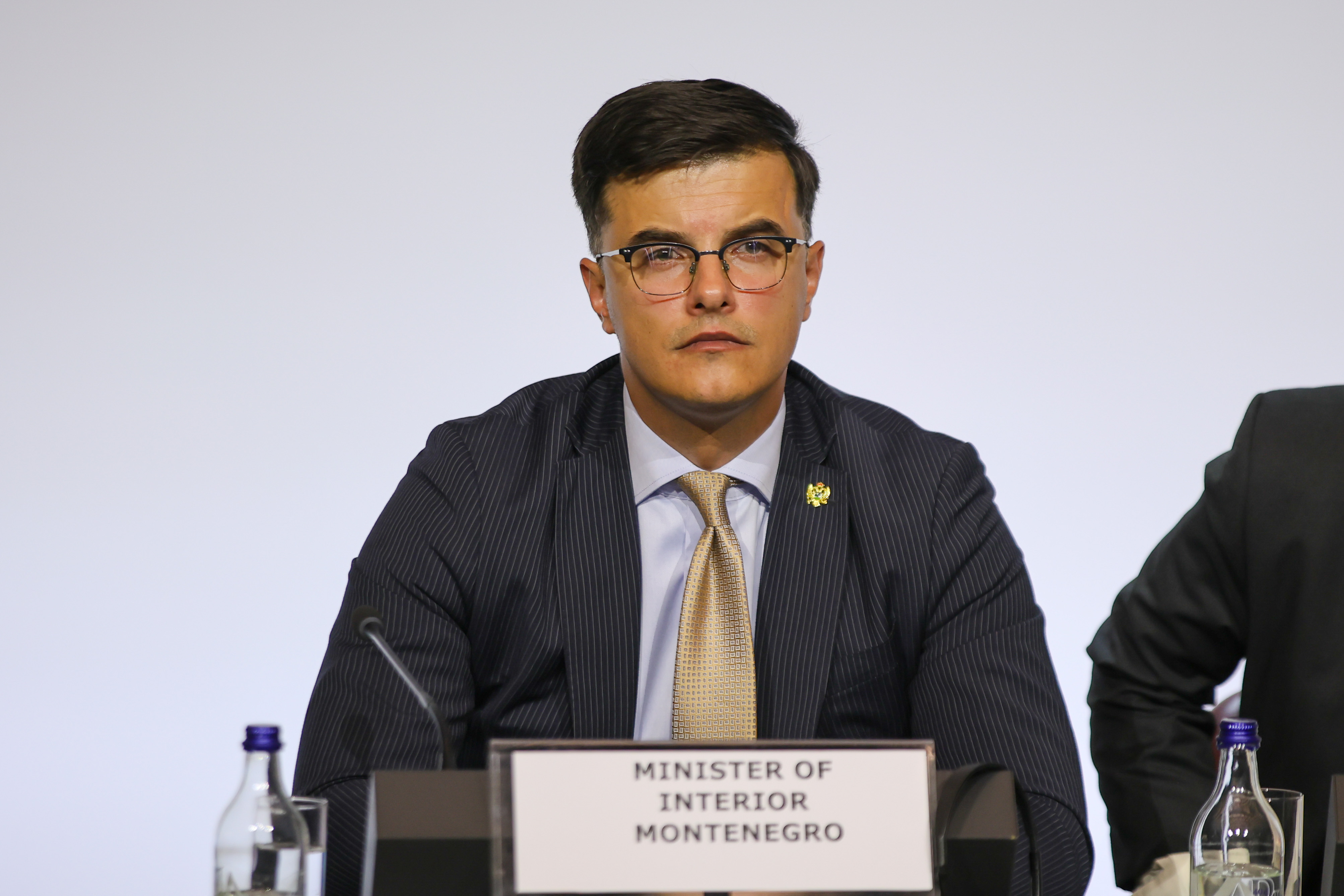
Danilo Šaranović, Minister of Interior, Montenegro
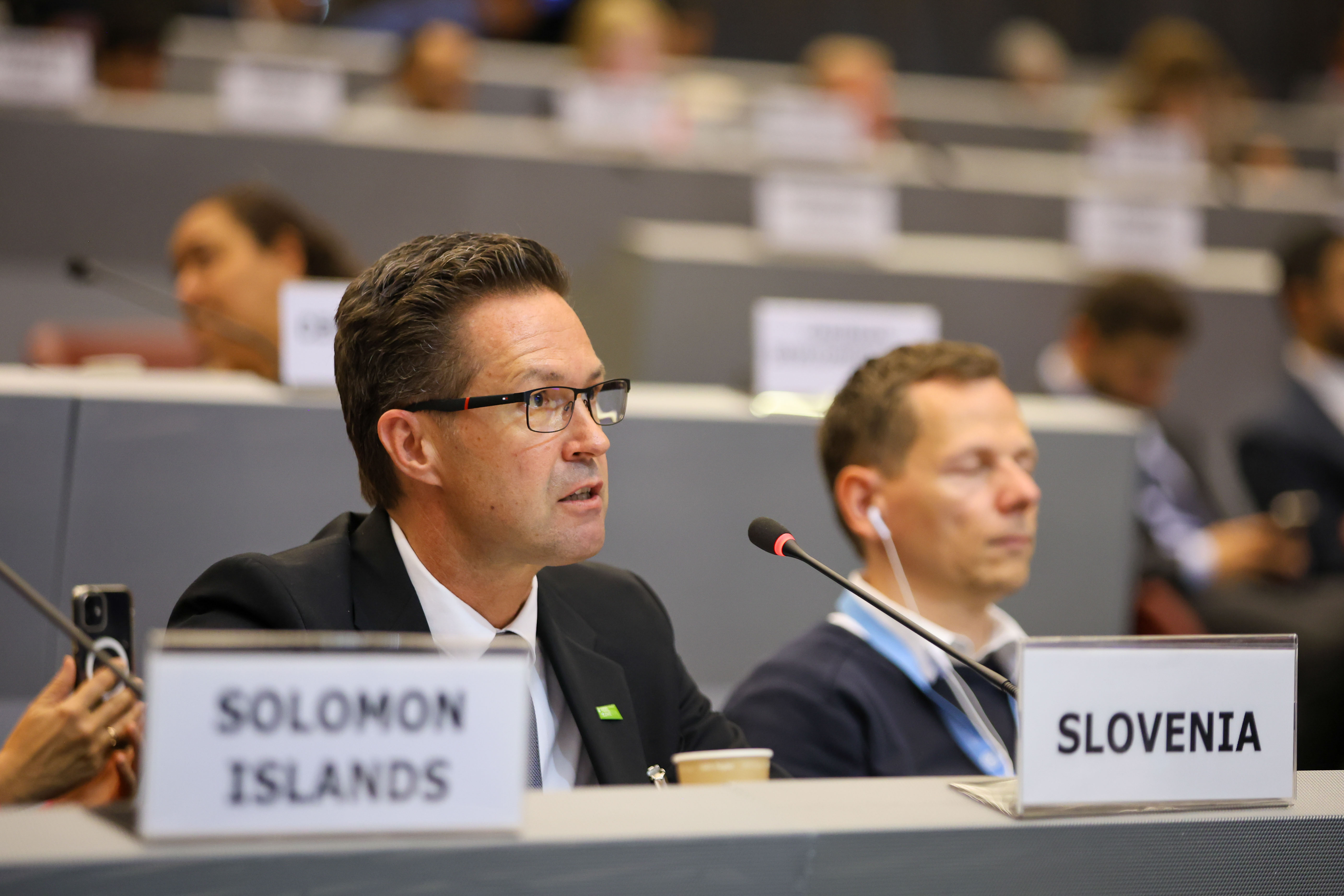
Marko Lovše, State Secretary, Ministry of Defence, Slovenia
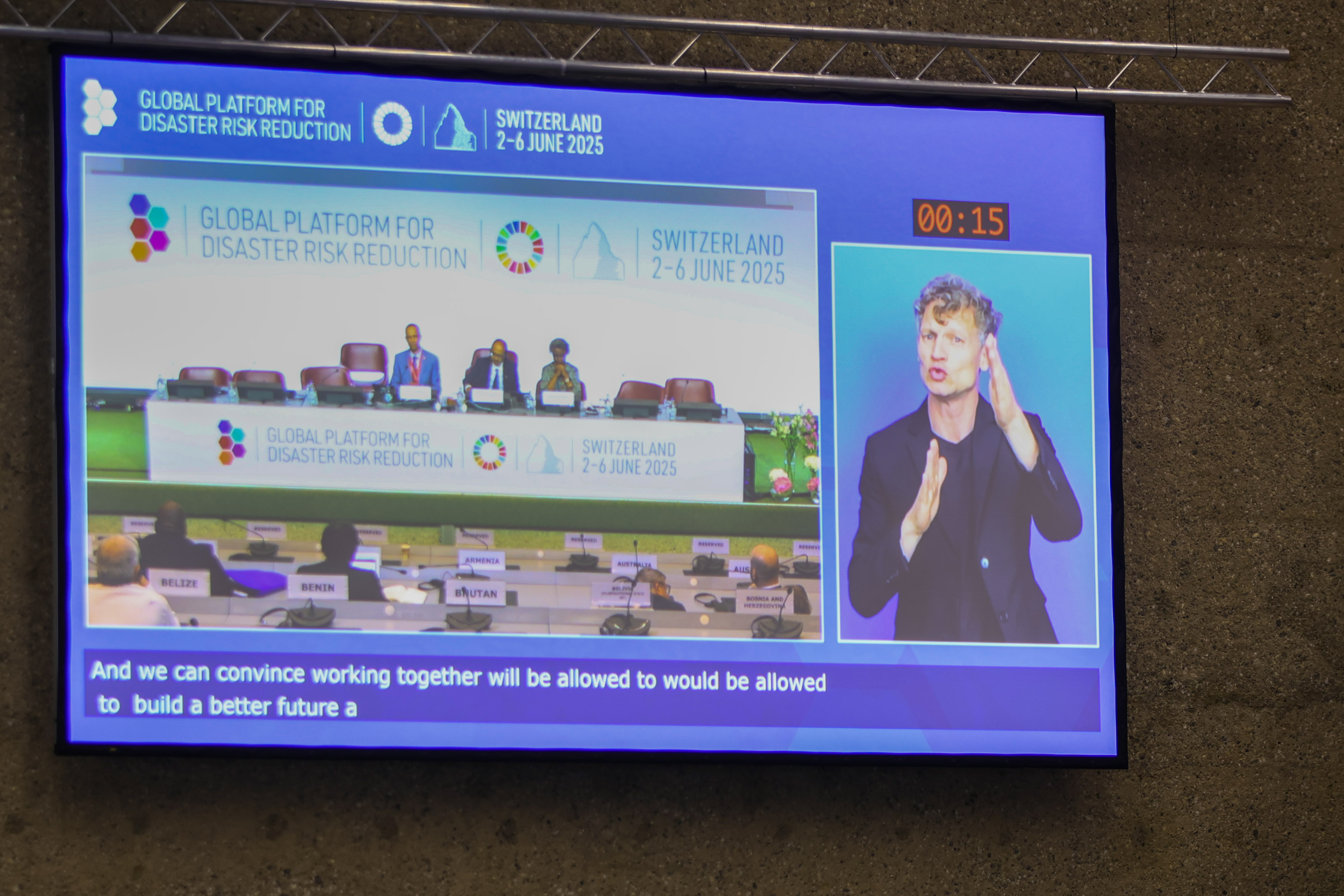
Interpretation in sign language was available at all times during the events.
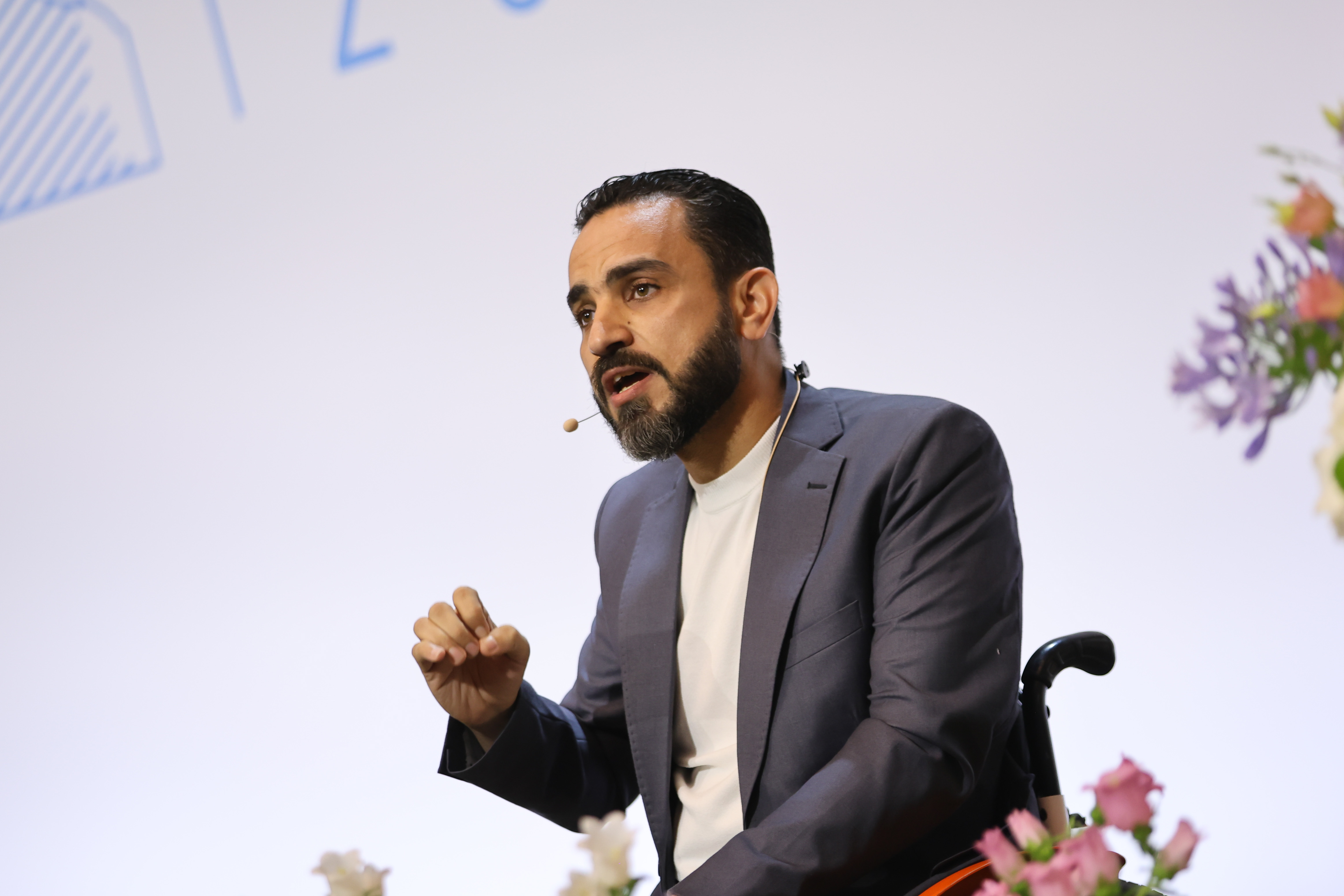
Alaa Elnady, Alhassan Foundation for Differently Abled Inclusion
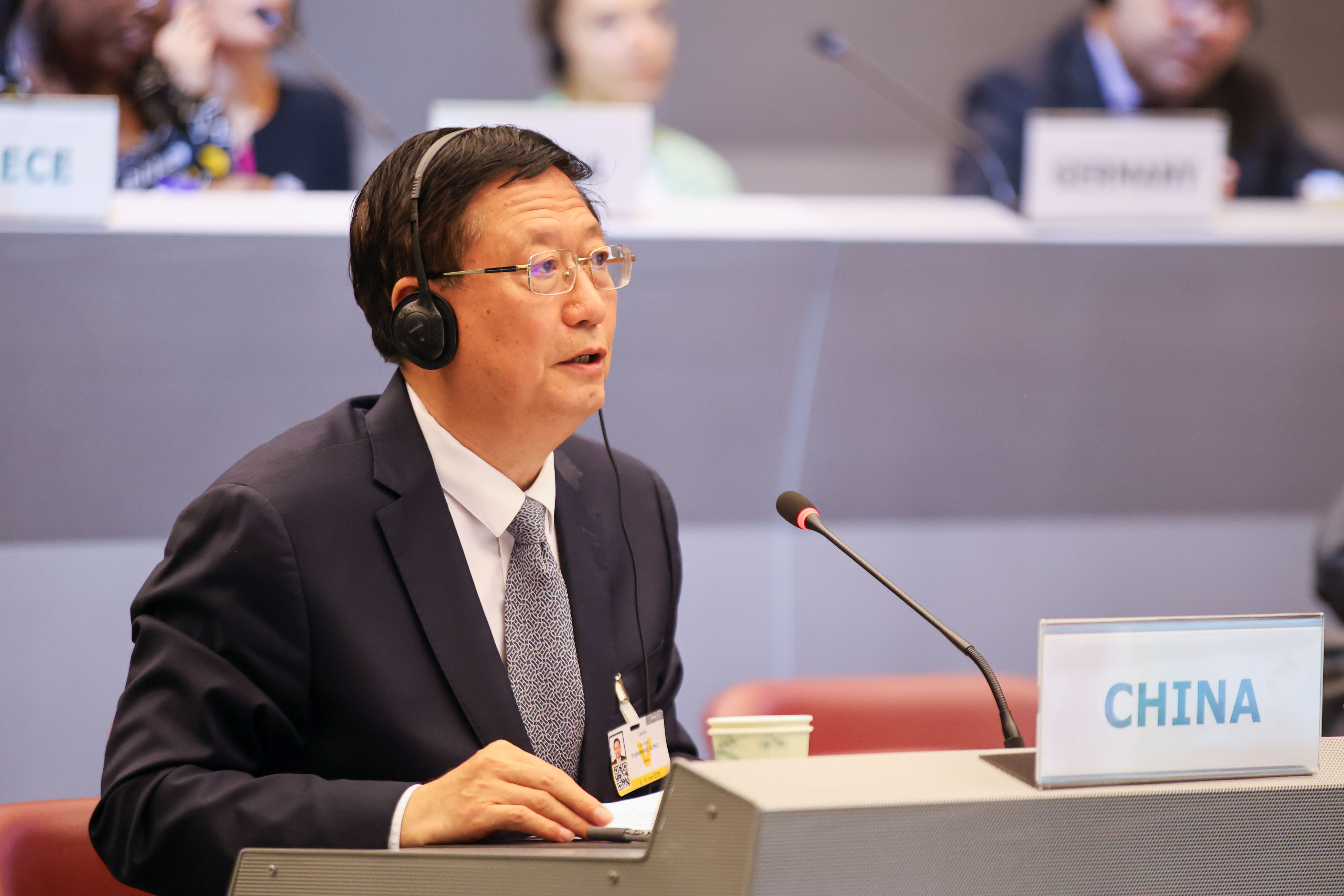
Song Yuanming, Vice-Minister, Emergency Management, China
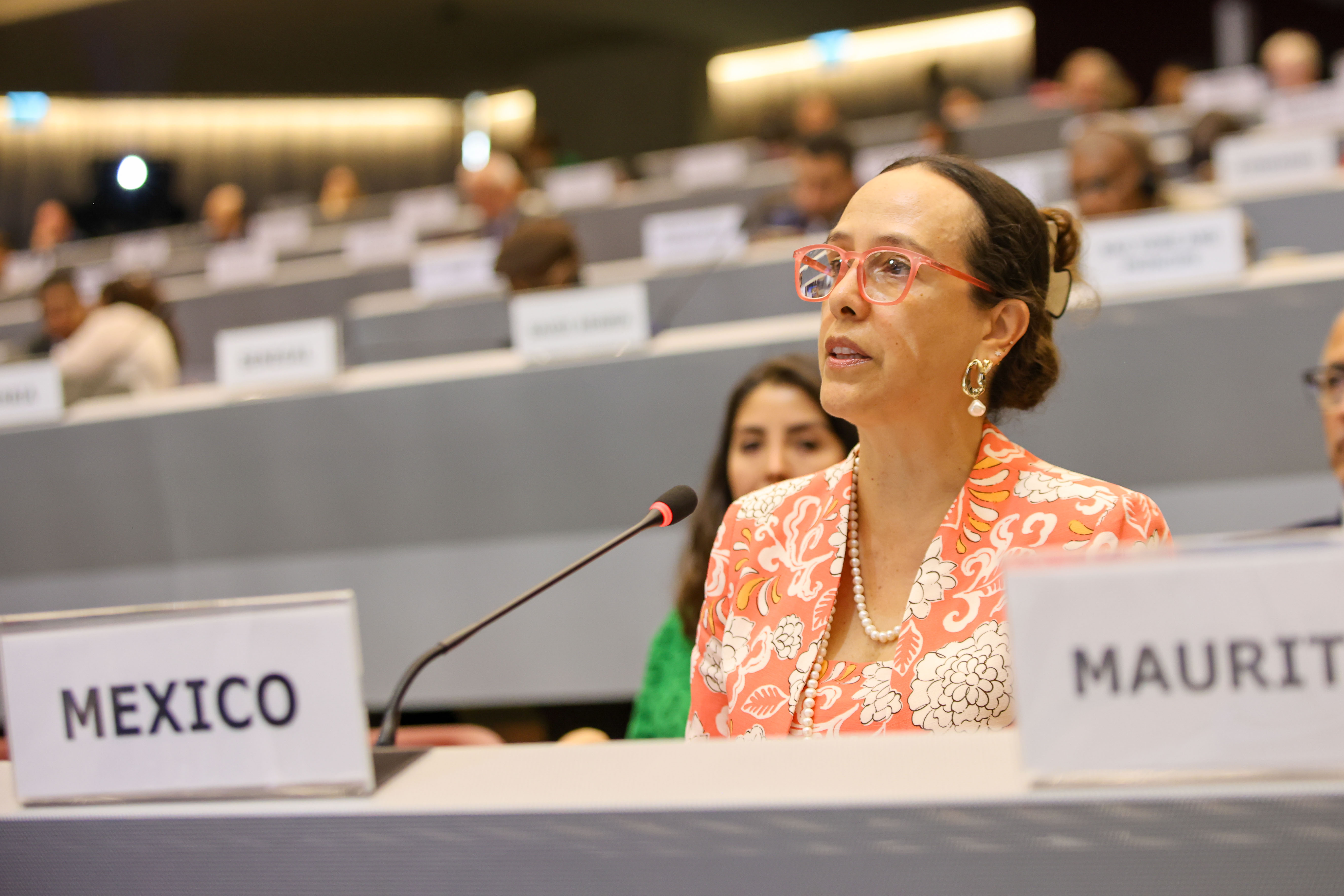
Francisca Elizabeth Méndez Escobar, Mexico
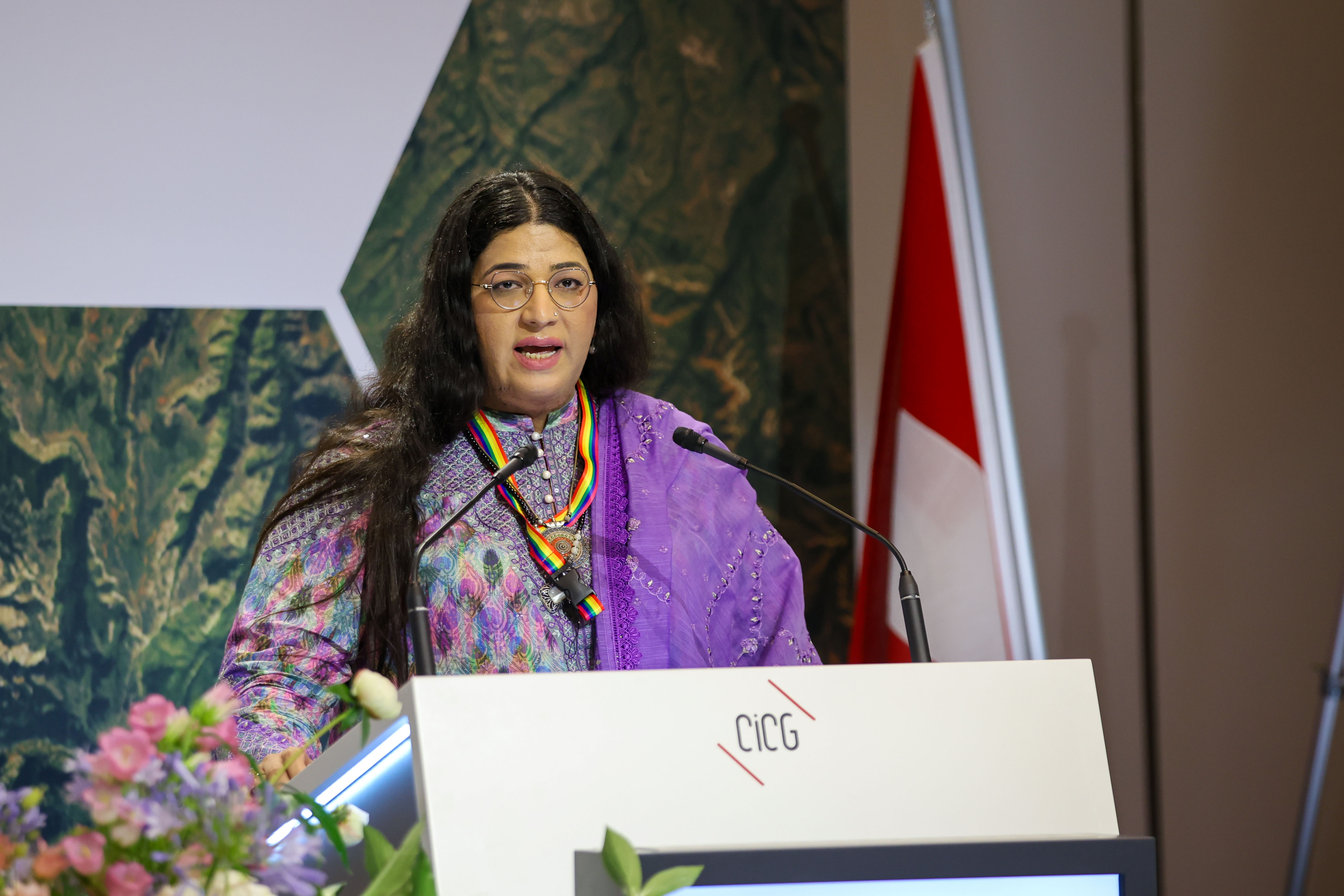
Nayyab Ali, Transgender Rights Consultants, Pakistan
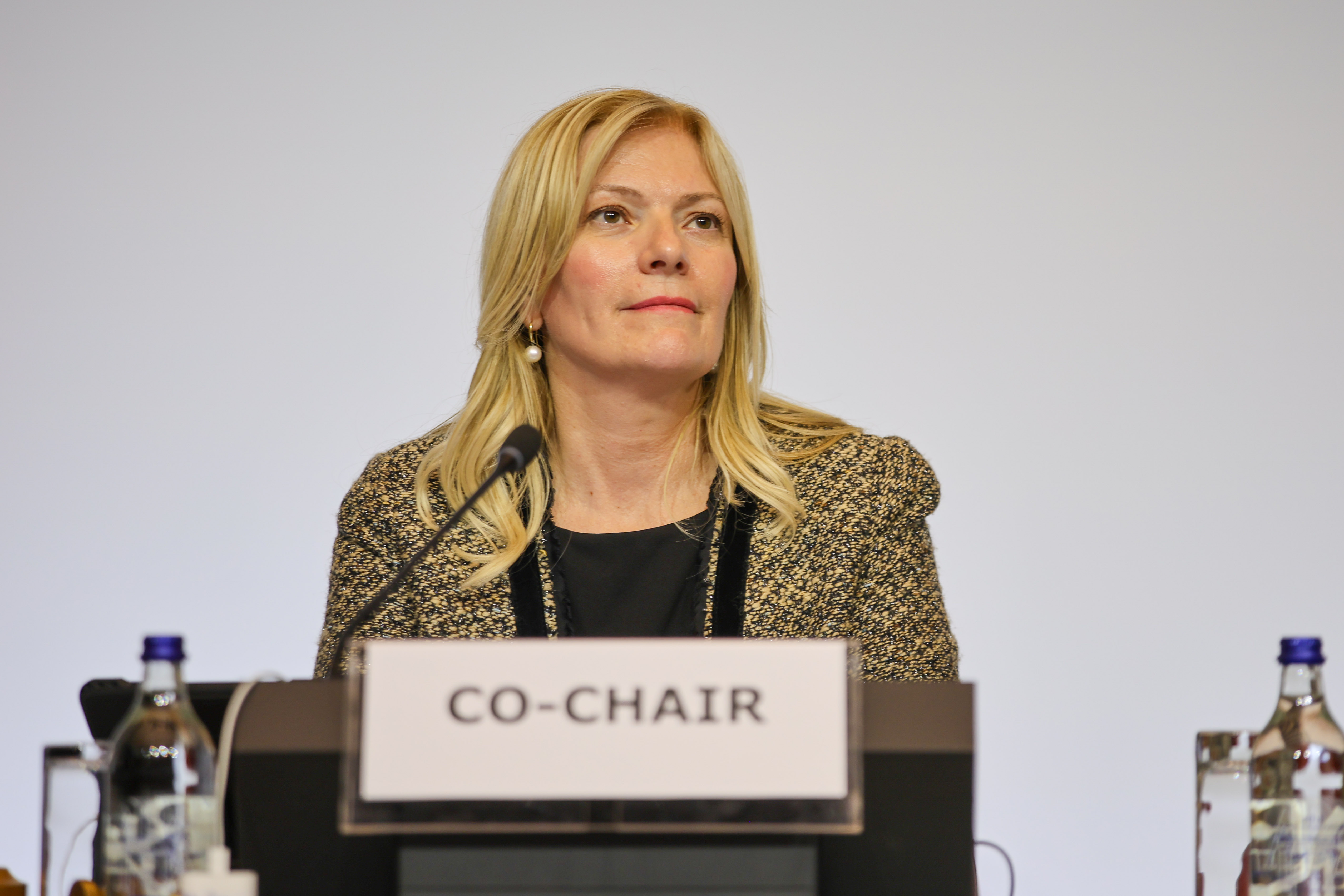
Paola Albrito, Director, UNDRR
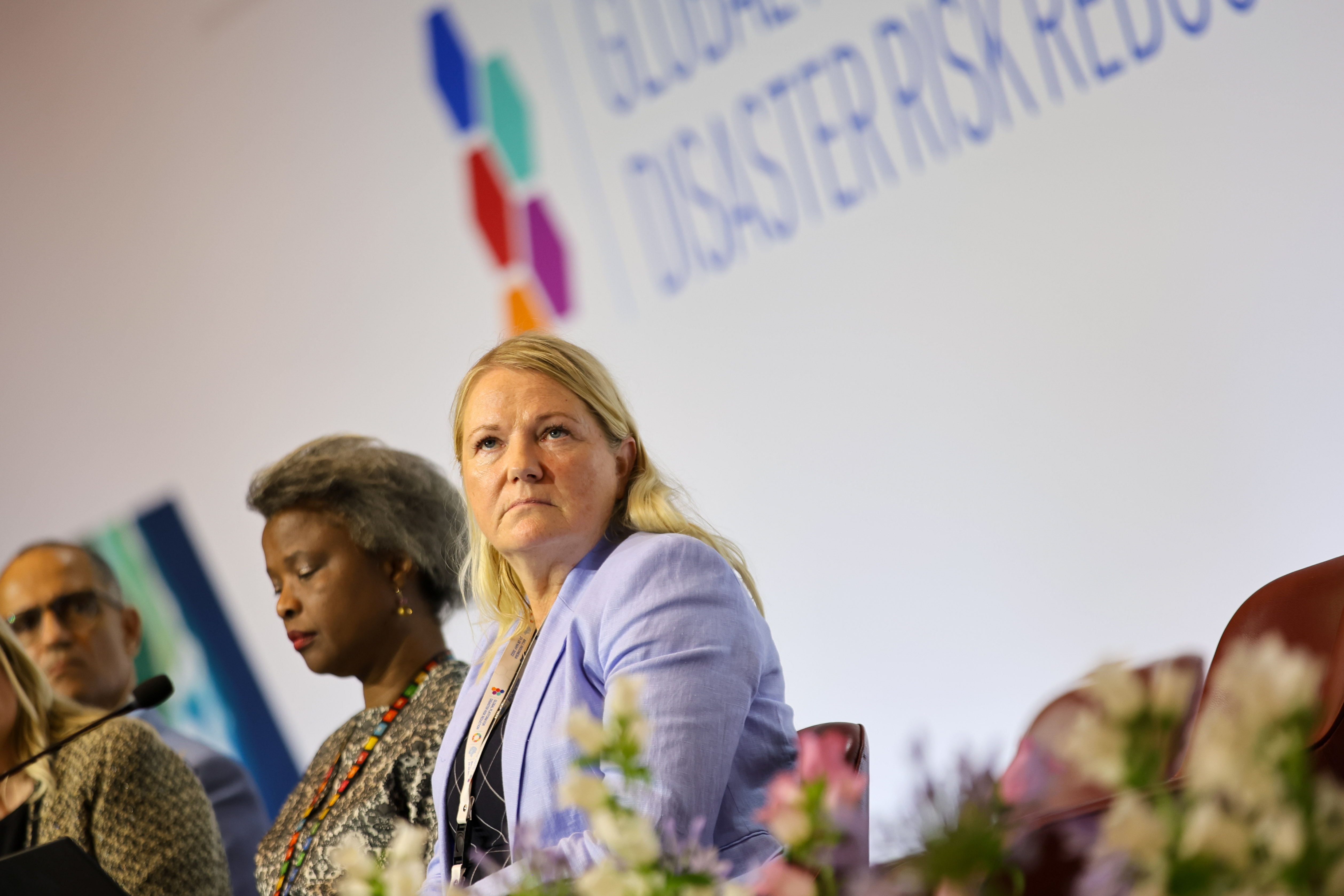
Elina Palm, UNDRR
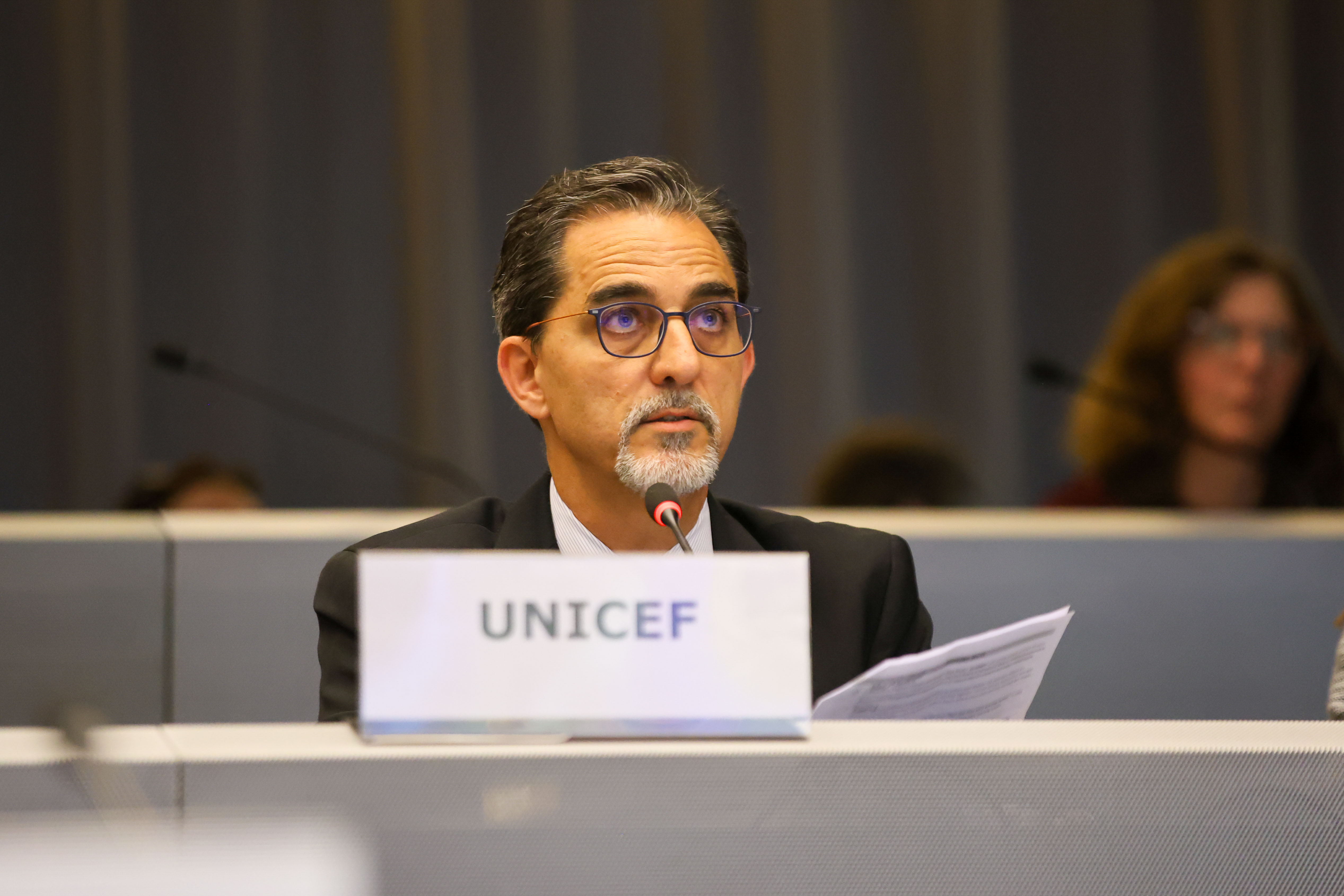
Michelle Messina, UN Children's Fund (UNICEF)
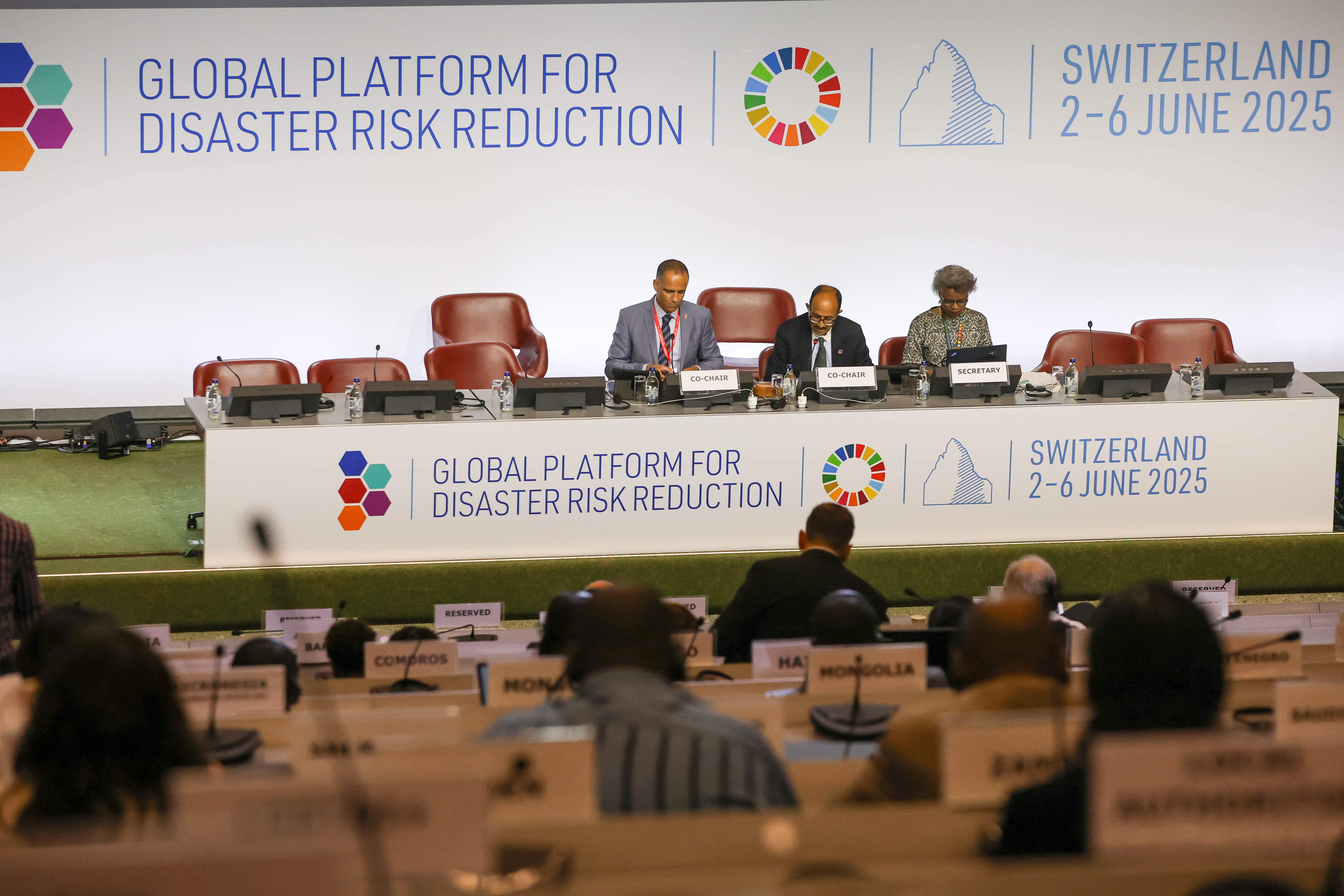
View of the panel during the "Leave no one behind" session
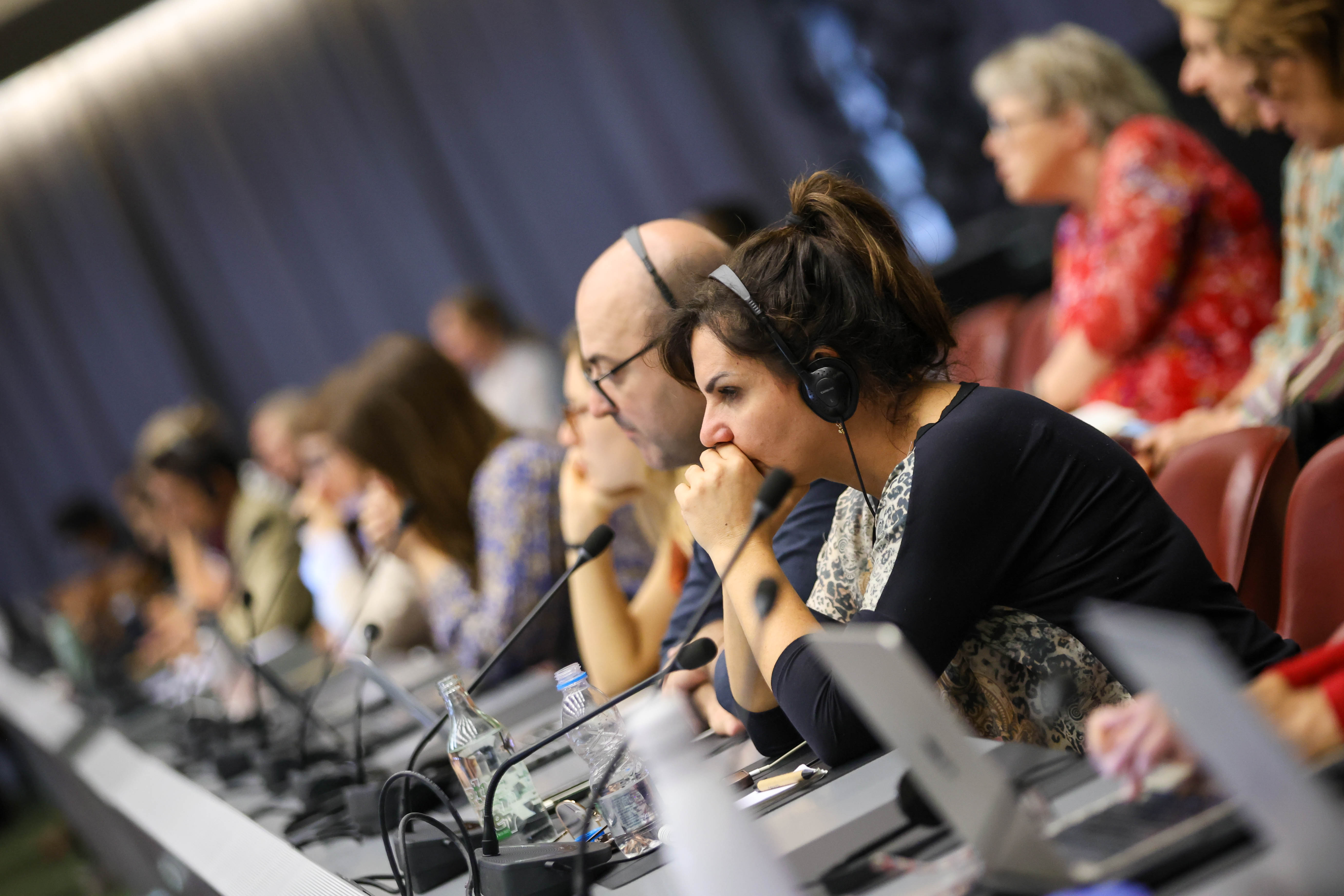
High Level Dialogue: Harnessing risk understanding for a safer future: Are we keeping up?
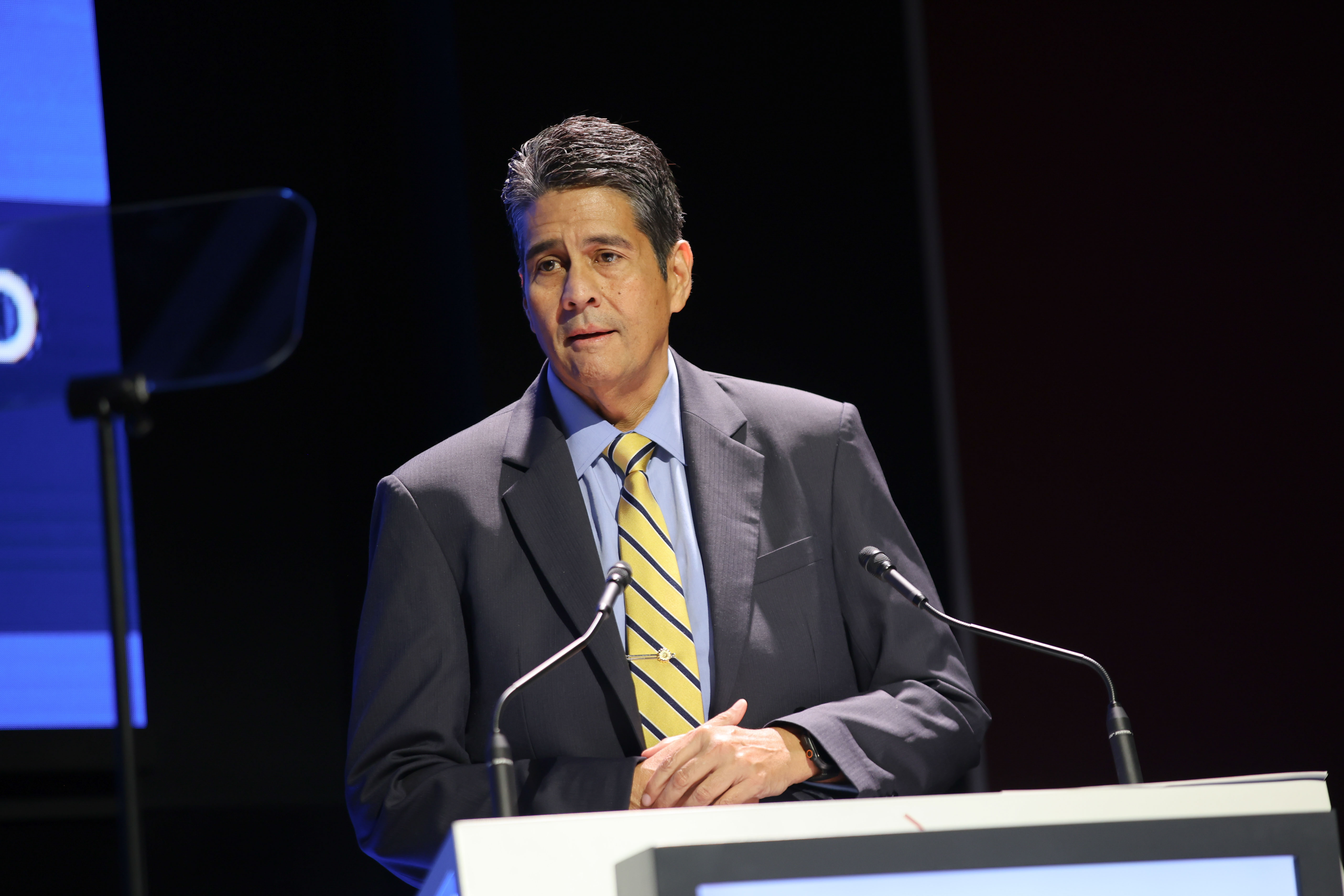
President Surangel Whipps Jr., Palau
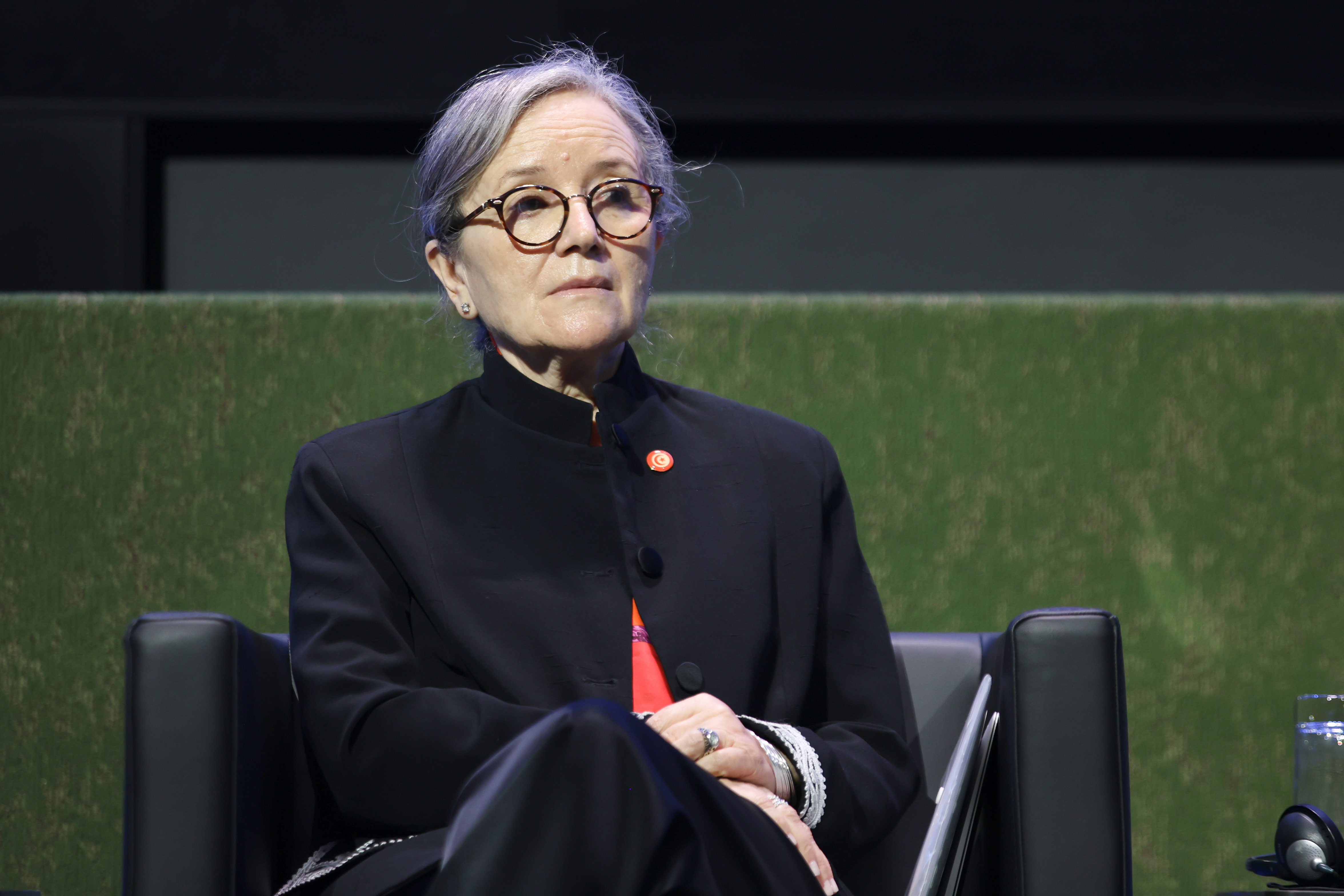
Najla Bouden, Science and Technology Advisor Group, Tunisia
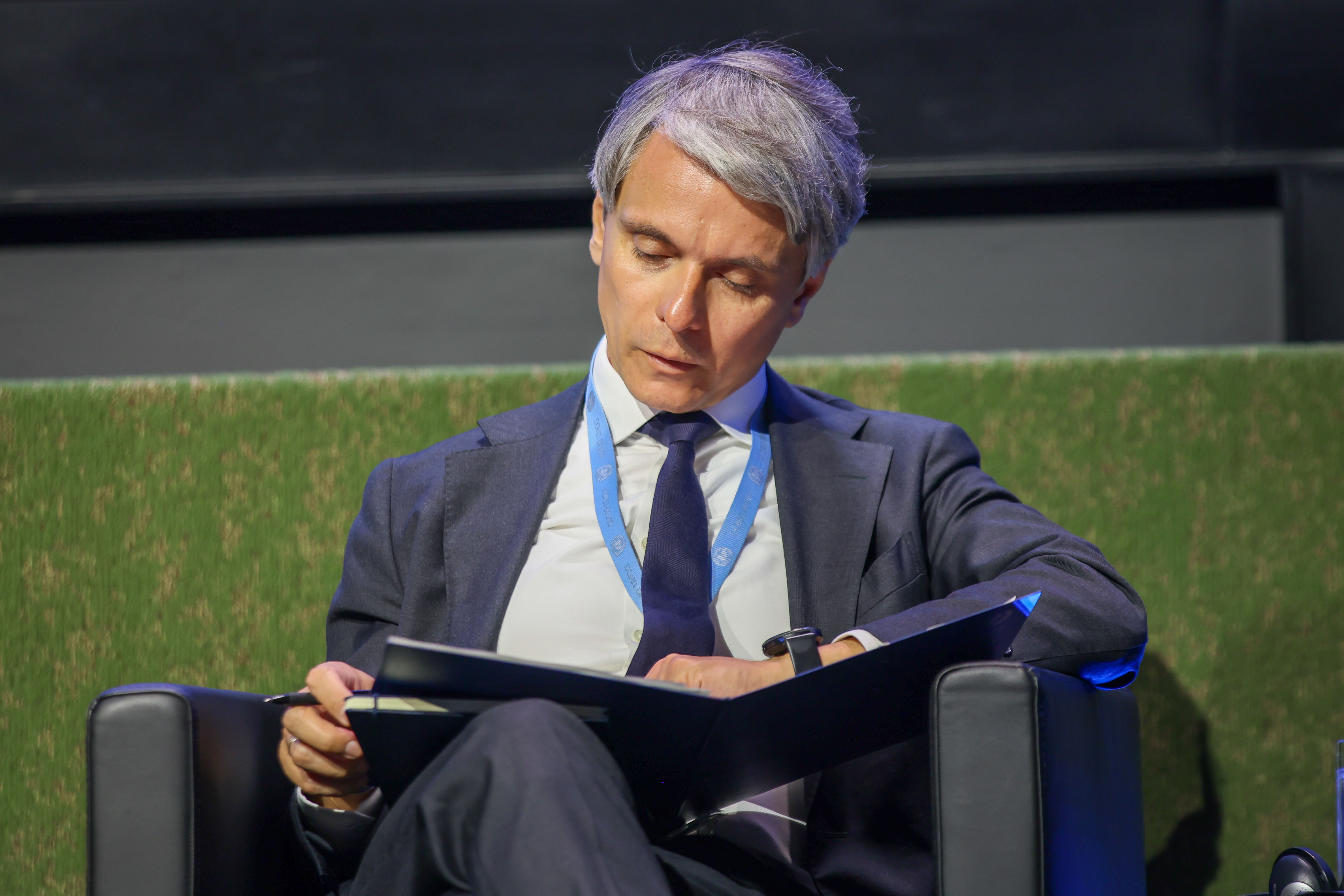
Dmitry Mariyasin, Deputy Executive Secretary, UN Economic Commission for Europe (UNECE)
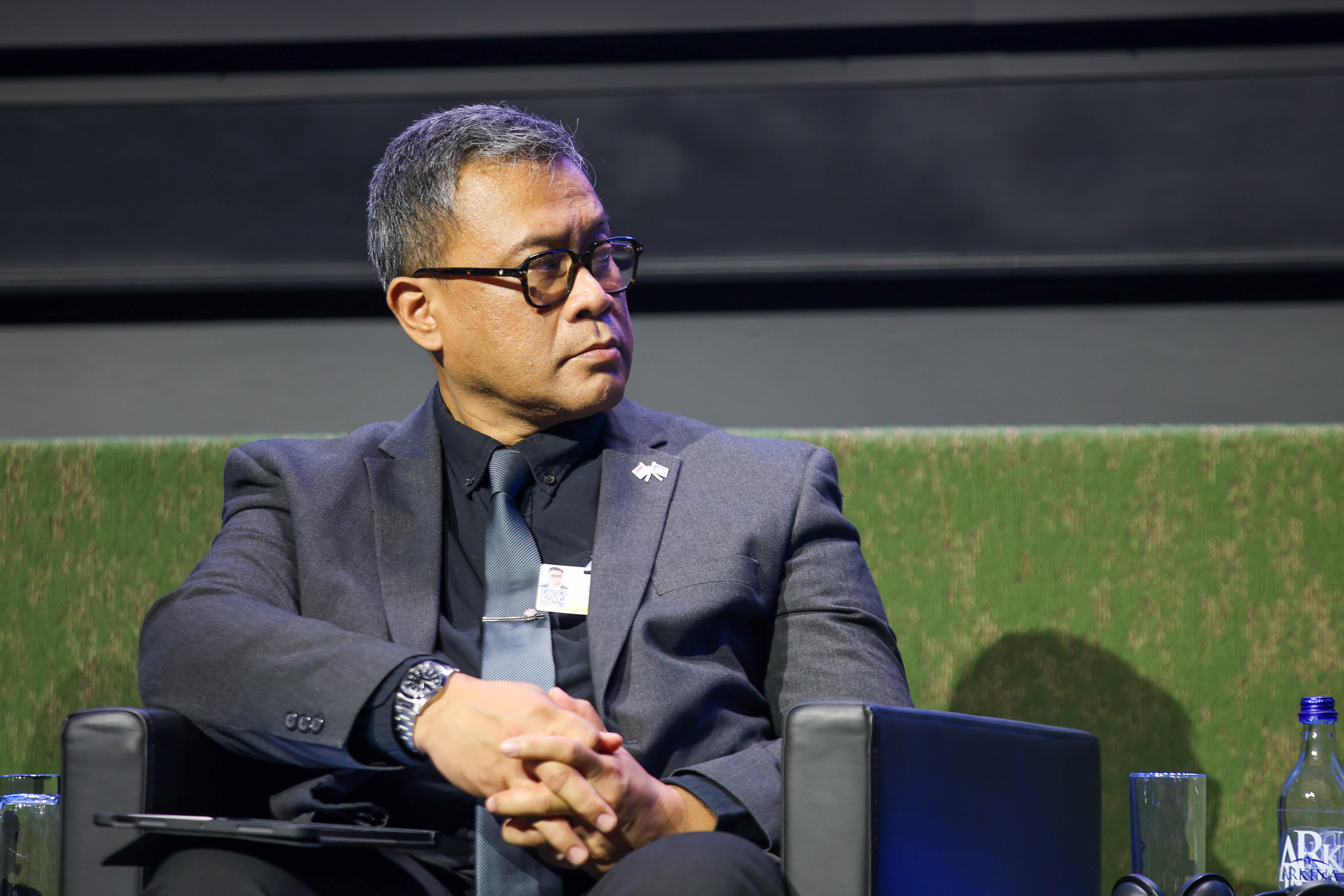
Raditya Jati, Deputy Minister of Systems and Strategy, National Disaster Management Authority (BNPB), Indonesia
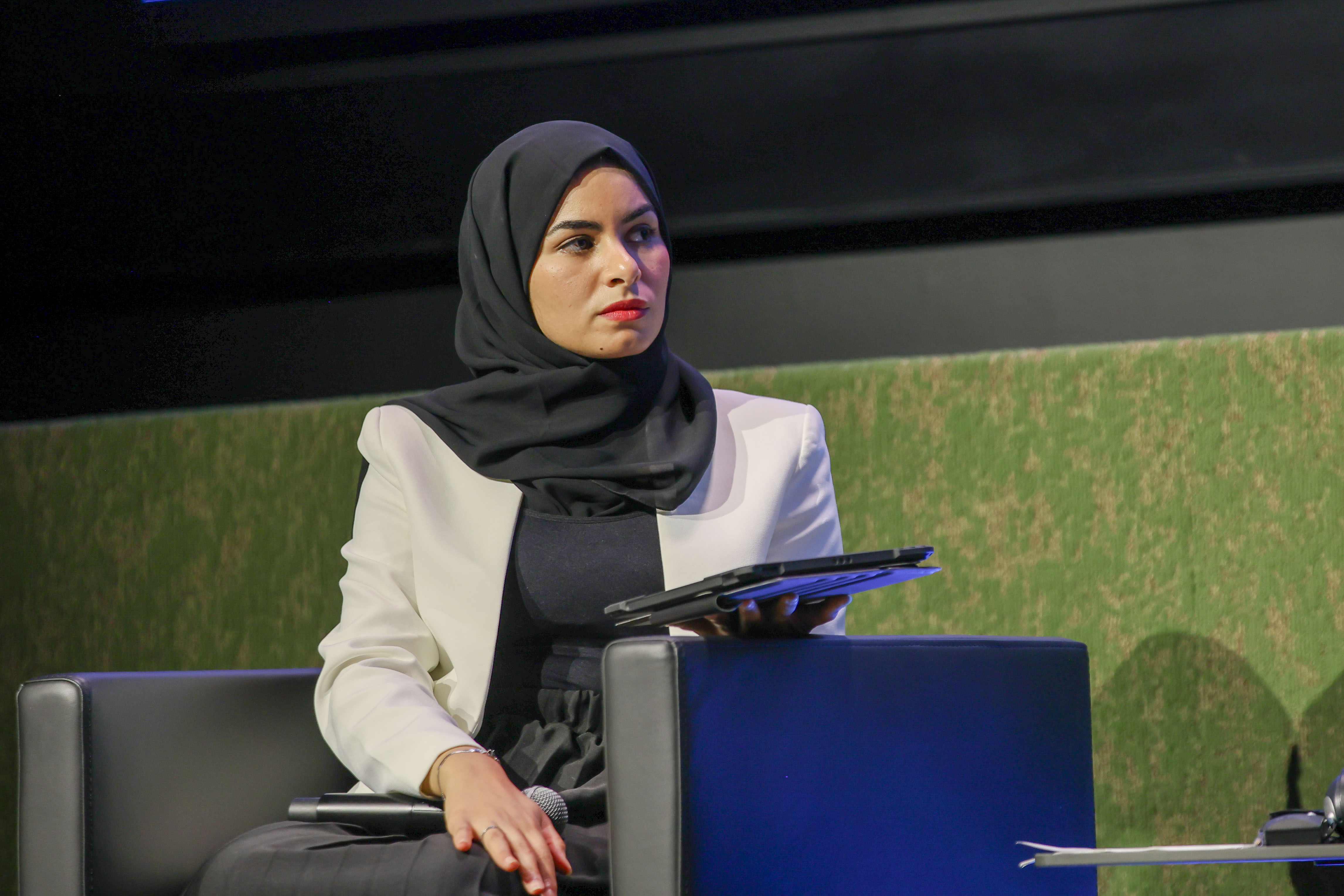
Haya Al-Kubati, Major Group for Children and Youth
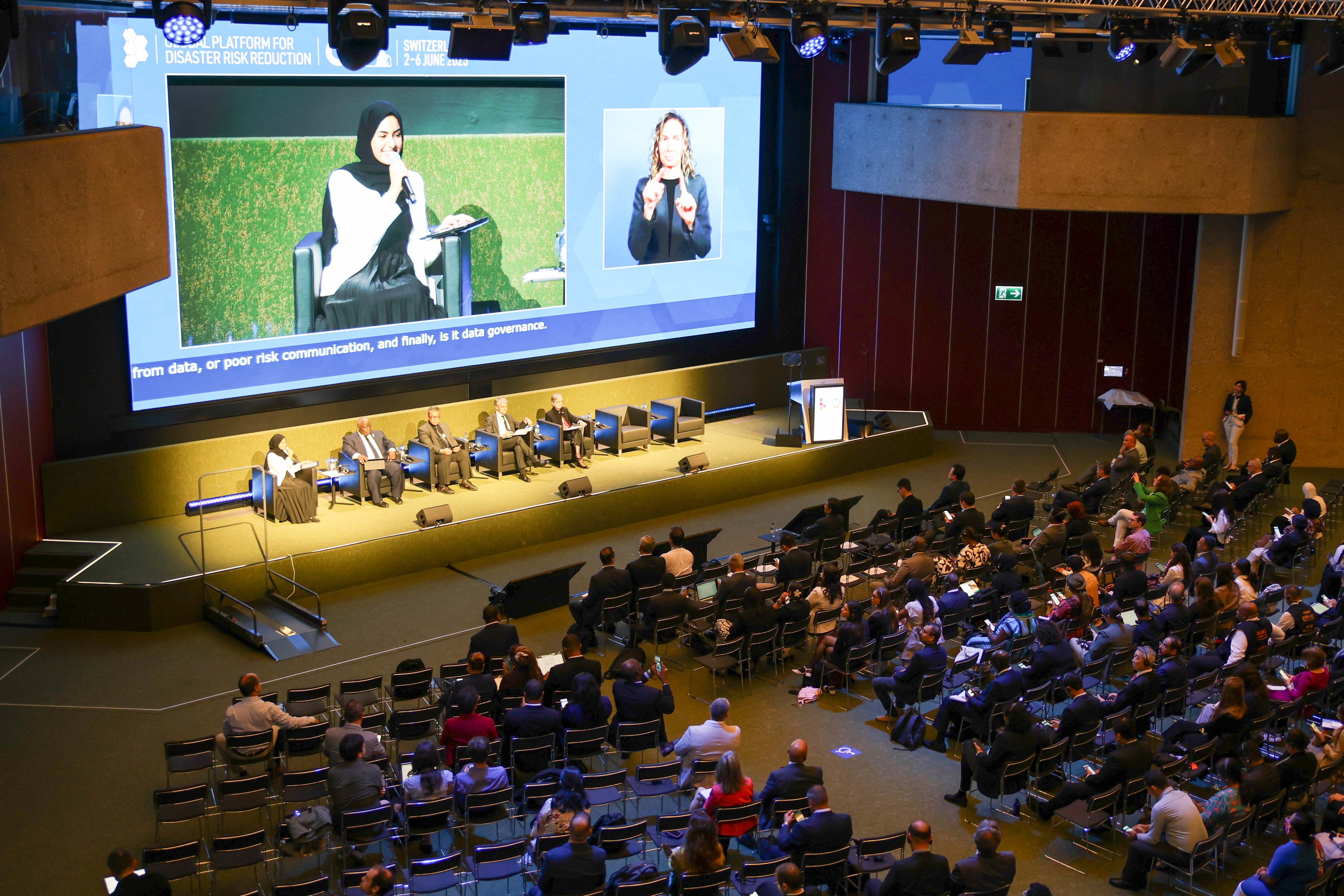
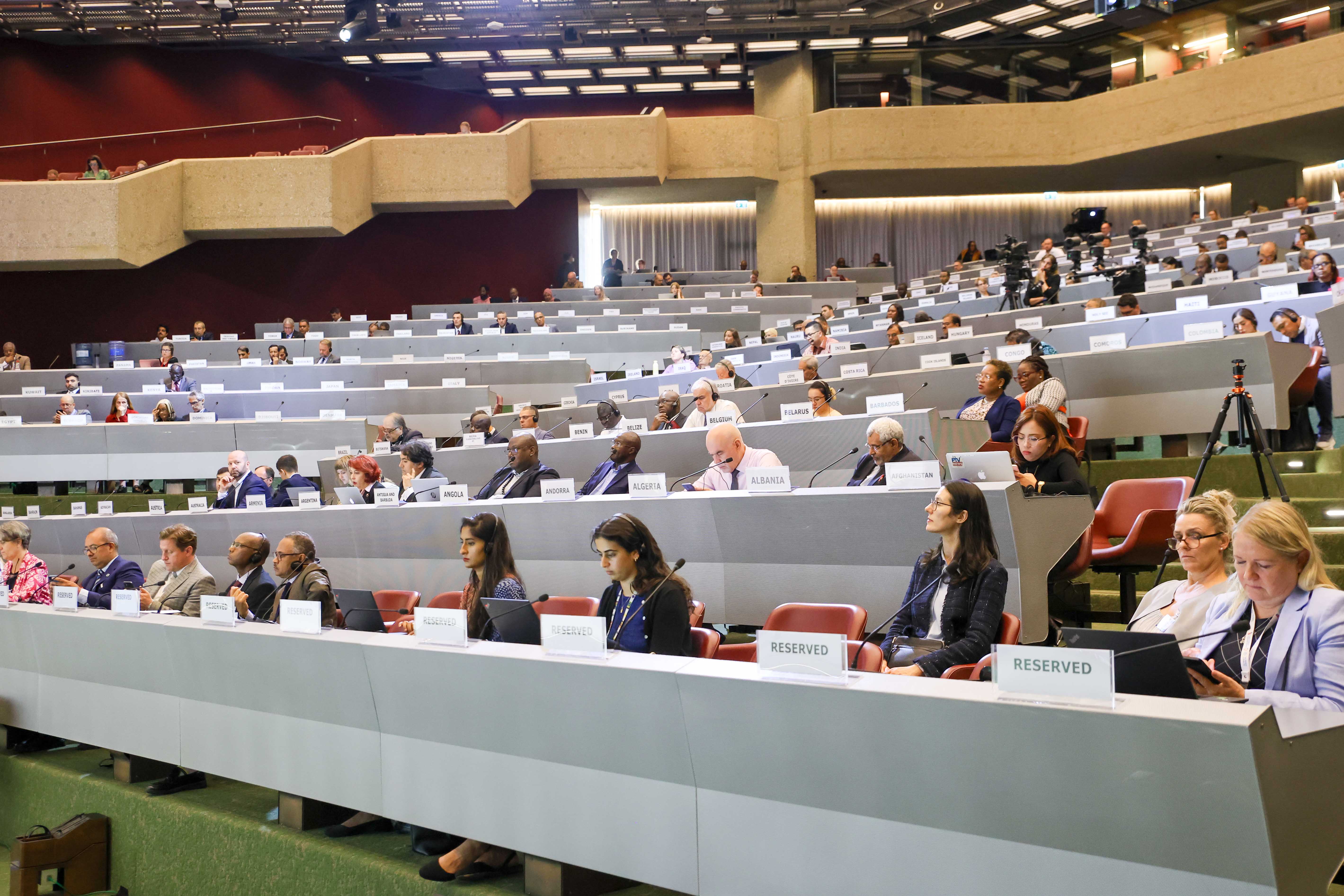
View of the room
High-level Dialogue: Strengthening disaster risk governance for transformative action and outcomes
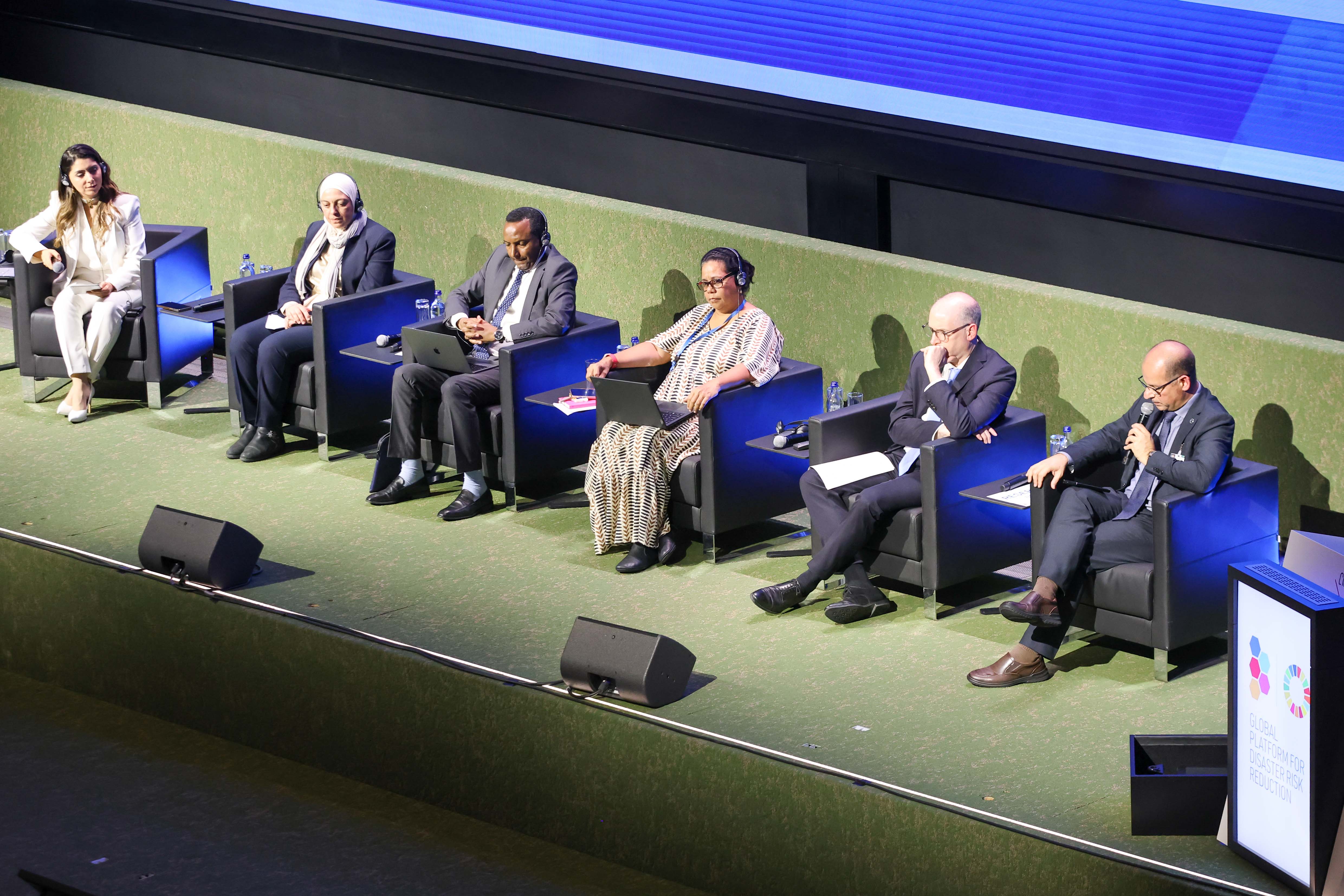
View of the panel
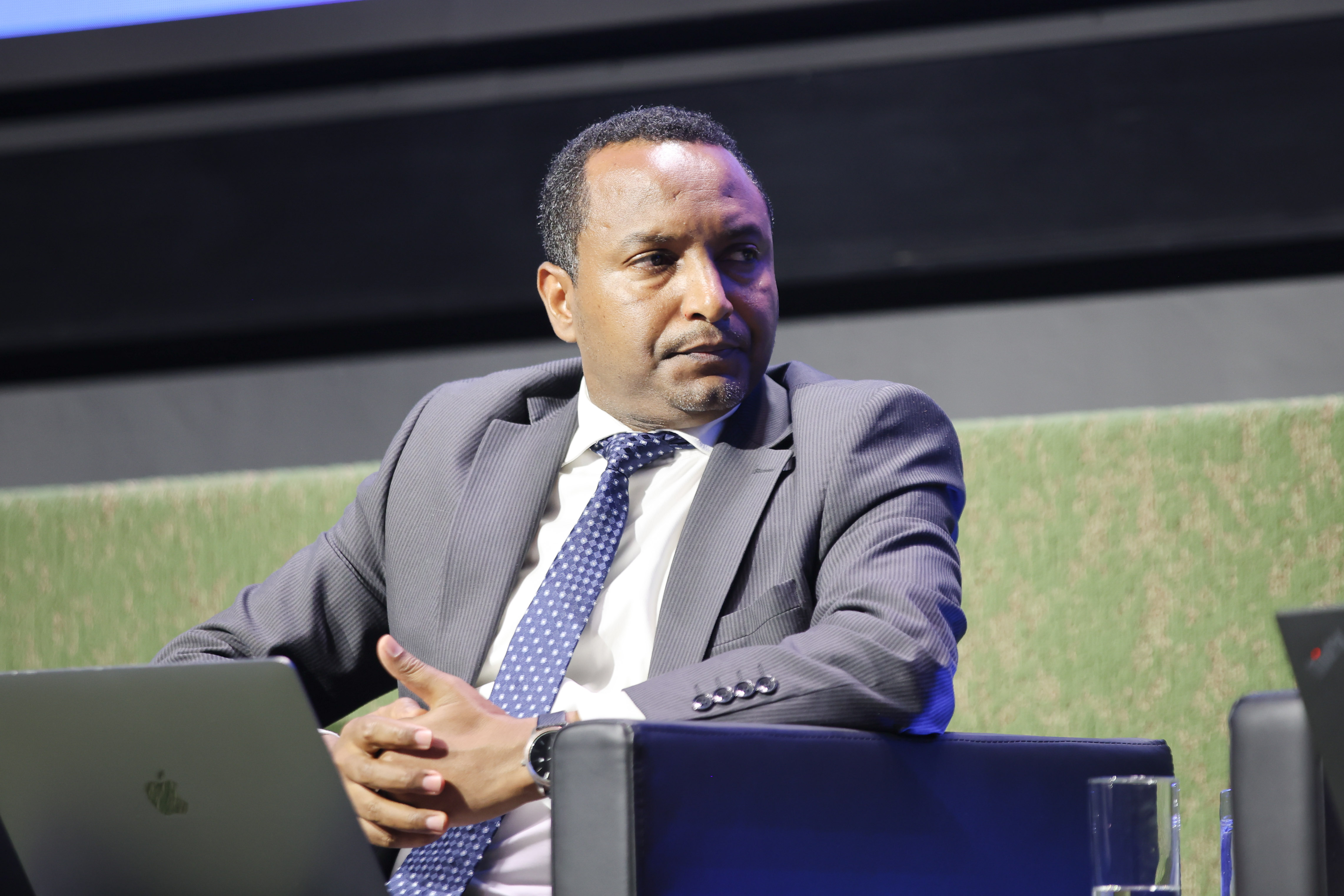
Ahmed Amdihun, Intergovernmental Authority on Development (IGAD), Kenya
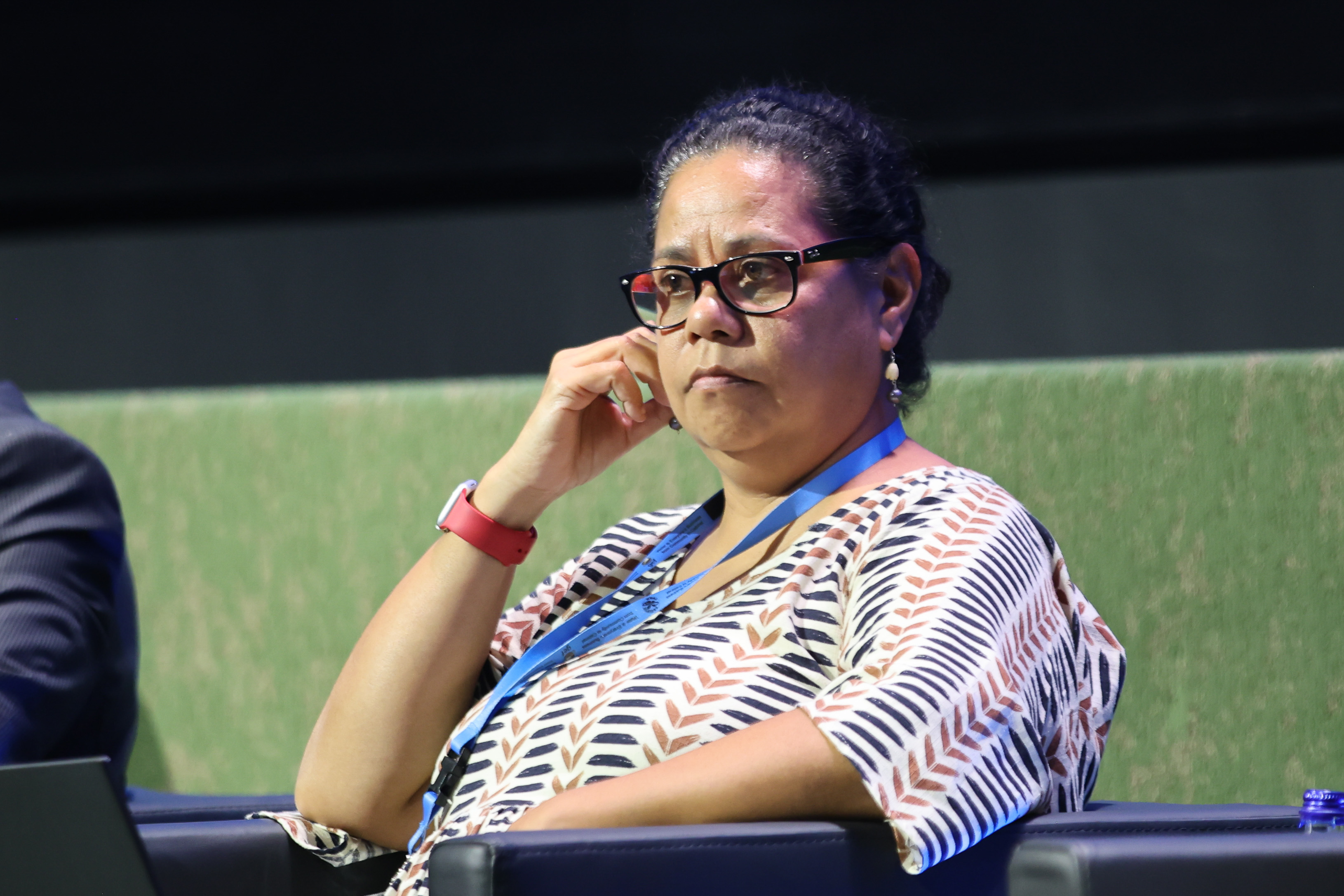
Rhonda Robinson, The Pacific Community (SPC)
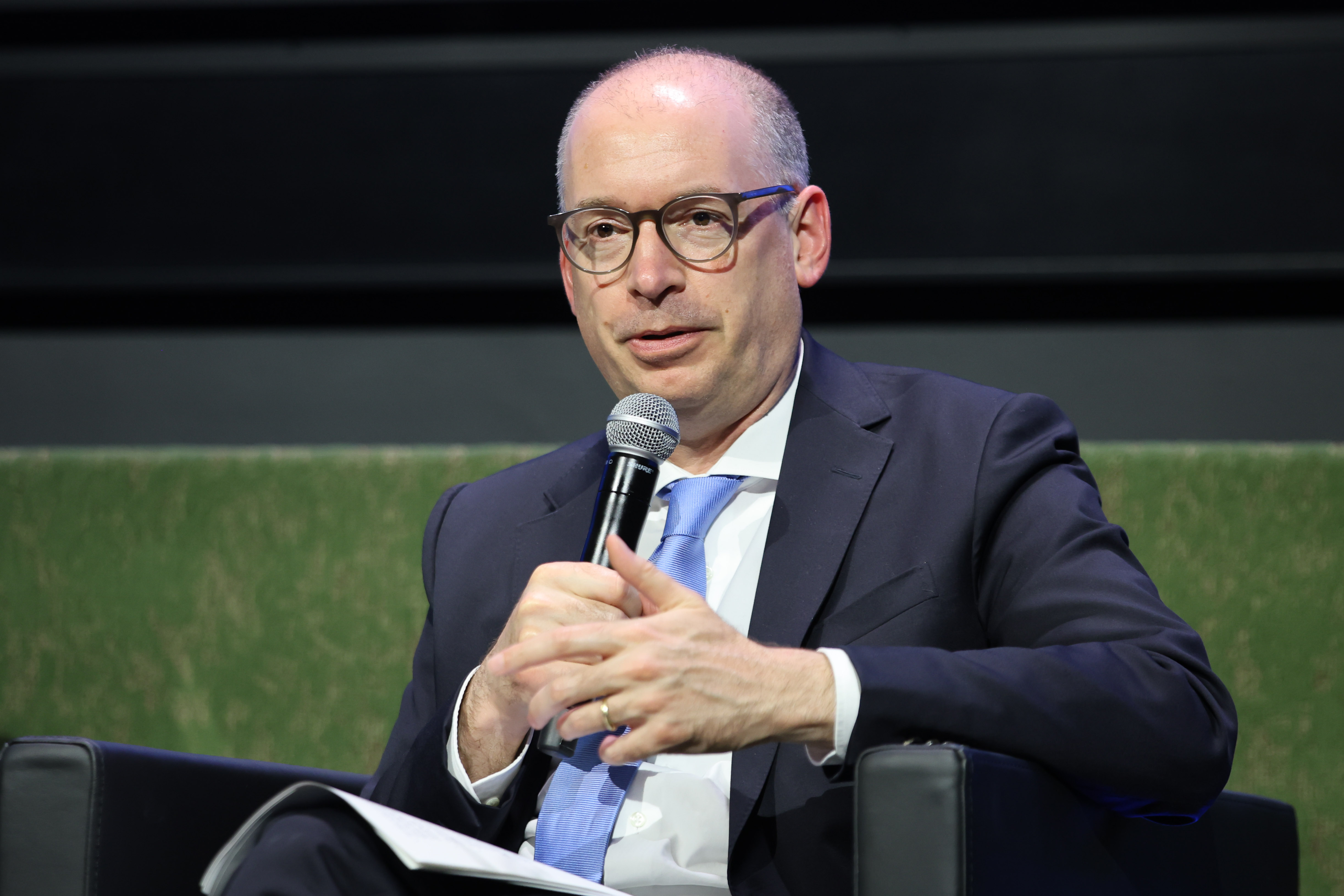
Niels Annen, State Secretary, Federal Ministry for Economic Cooperation and Development (BMZ), Germany
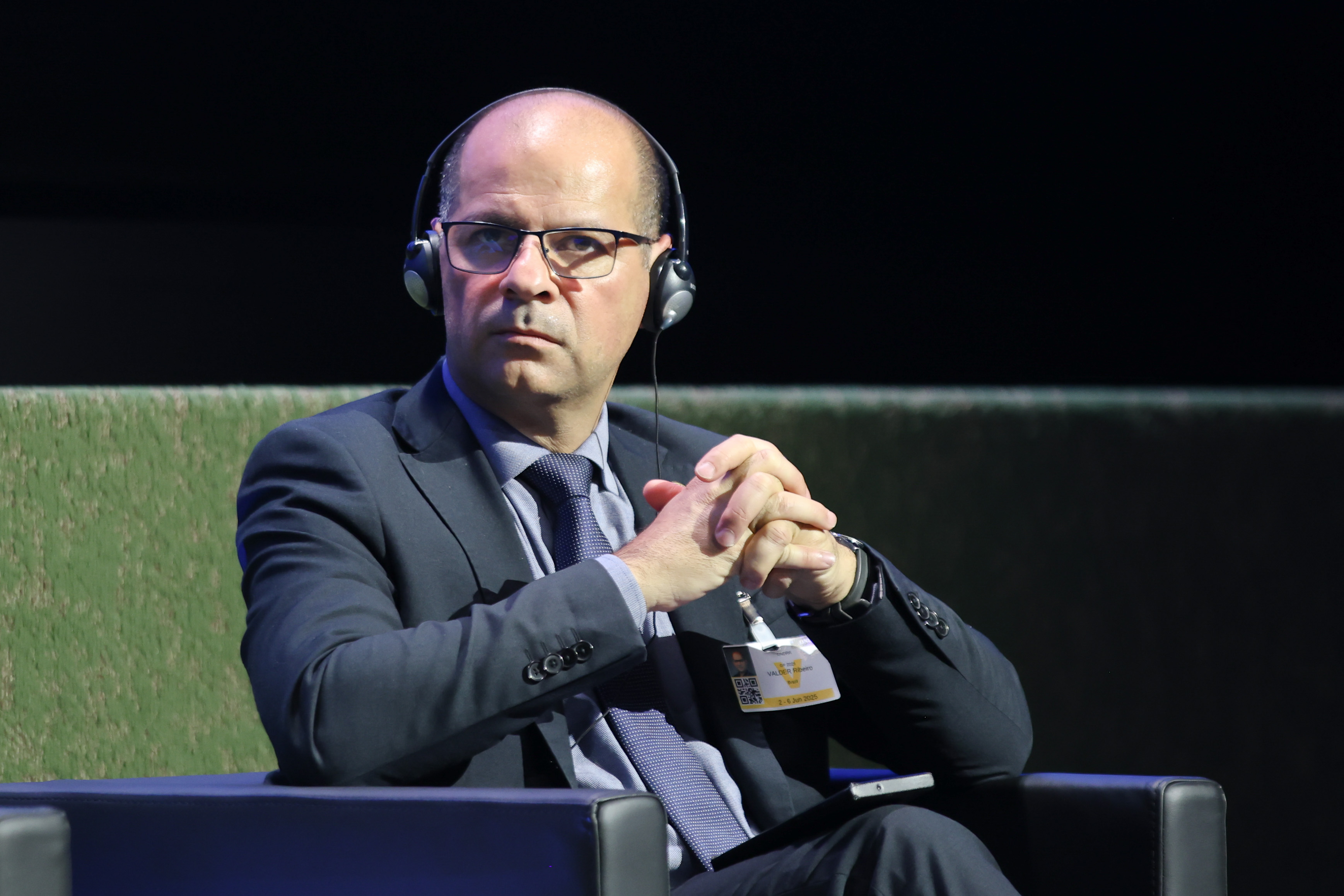
Valder Ribeiro de Moura, Vice-Minister, Ministry of Integration and Regional Development, Brazil
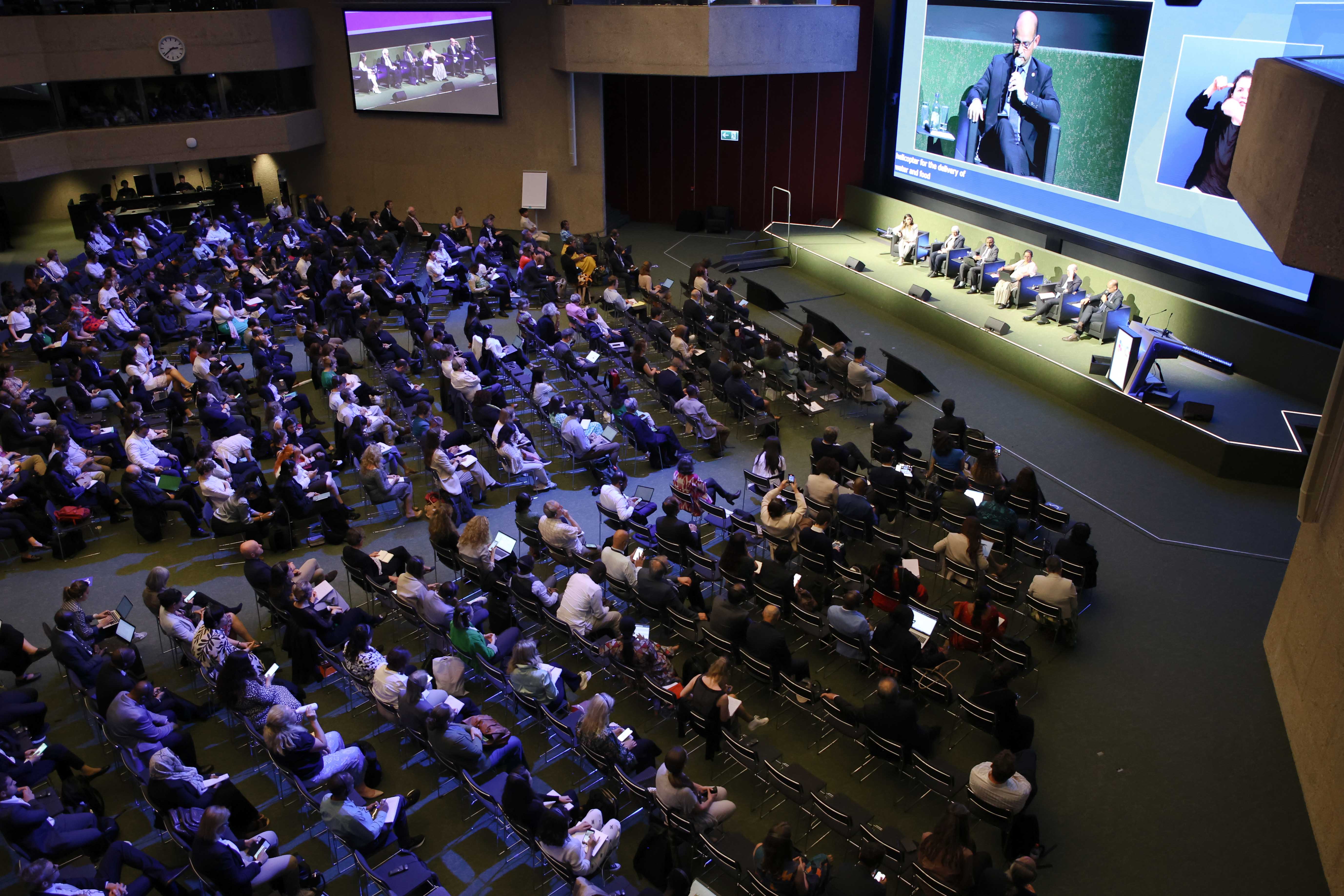
View of the room
Ministerial Roundtable: Accelerating Financing for Resilience: Tailored Solutions for Disaster Risk Reduction
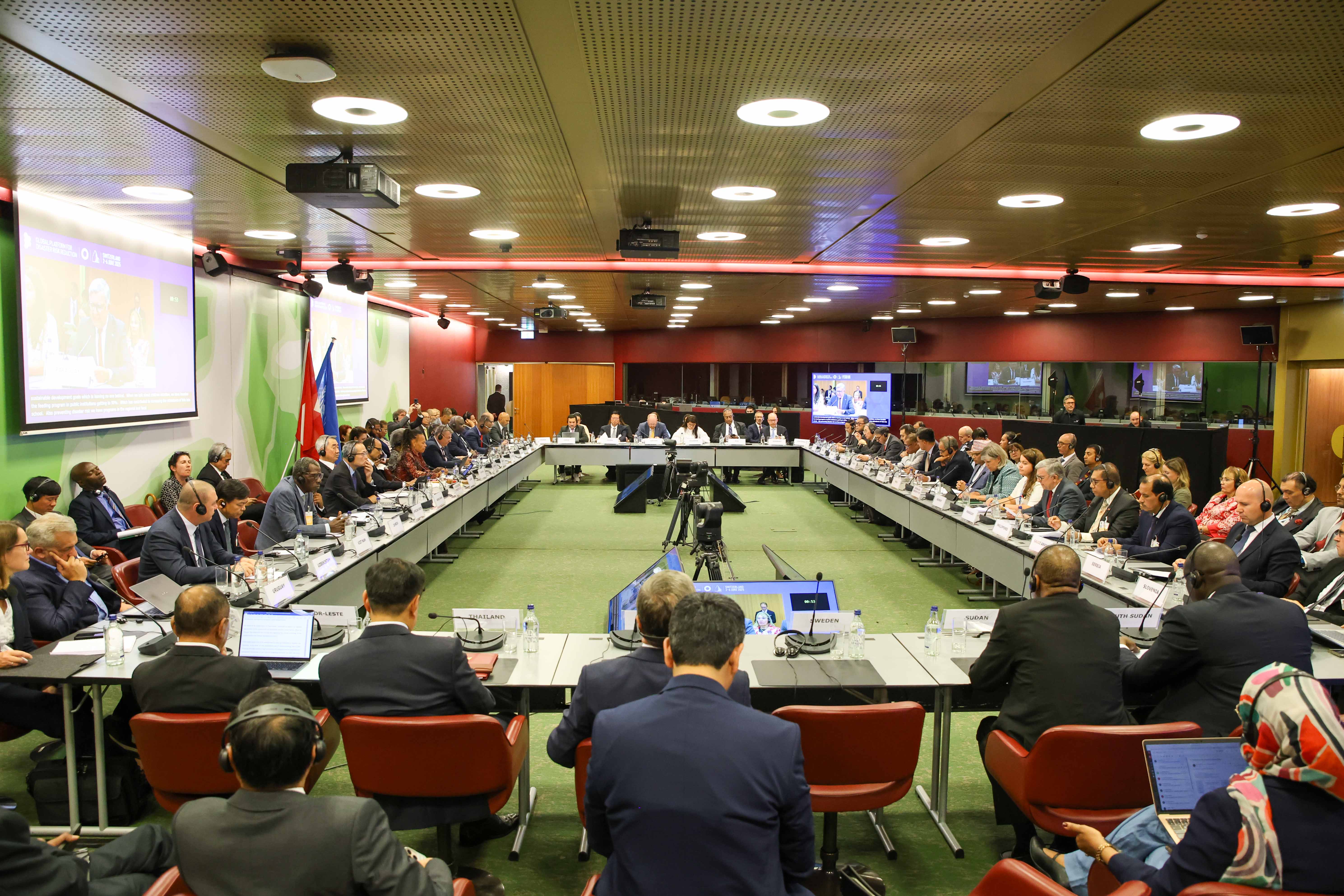
View of the room
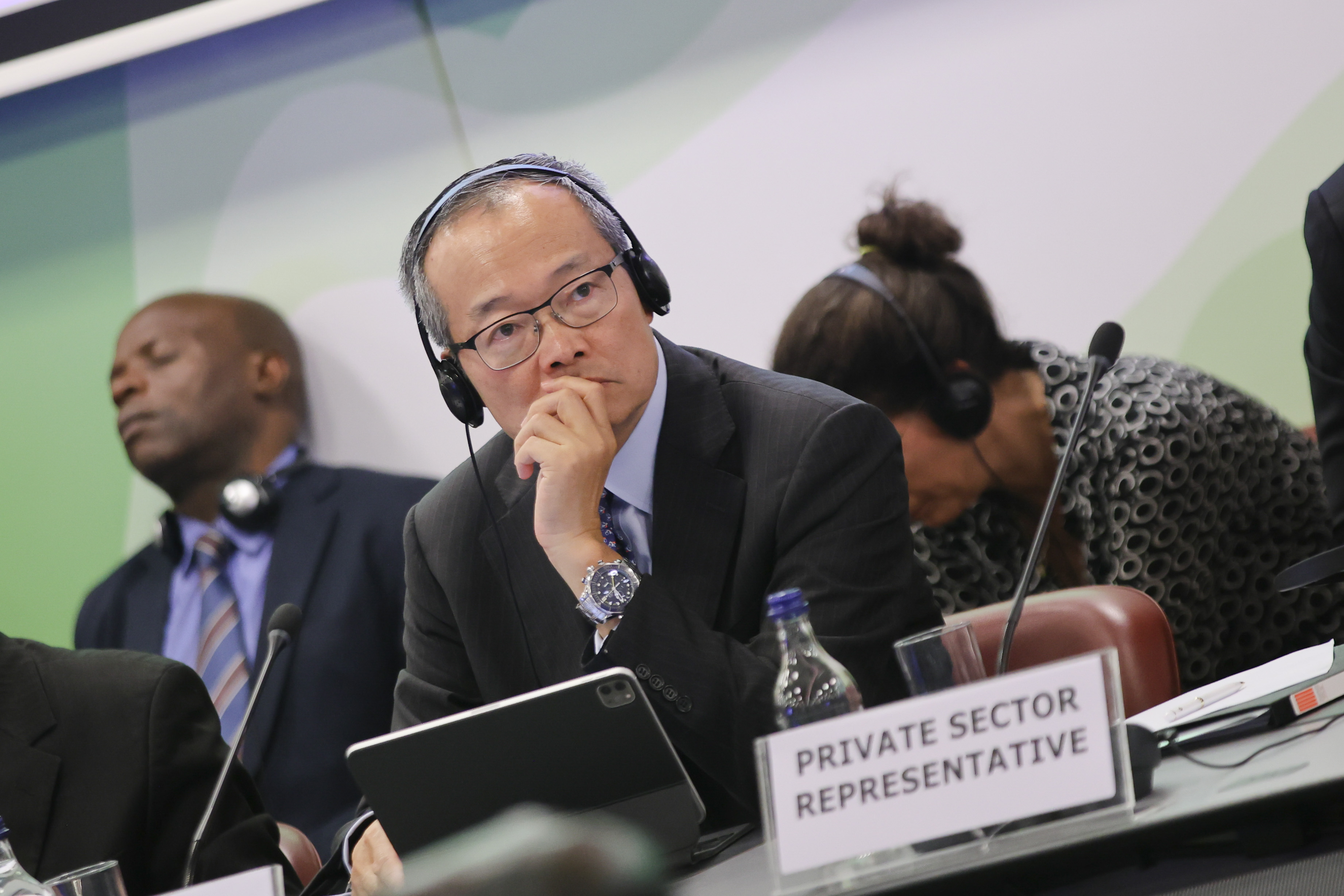
Guangzhe Chen, World Bank
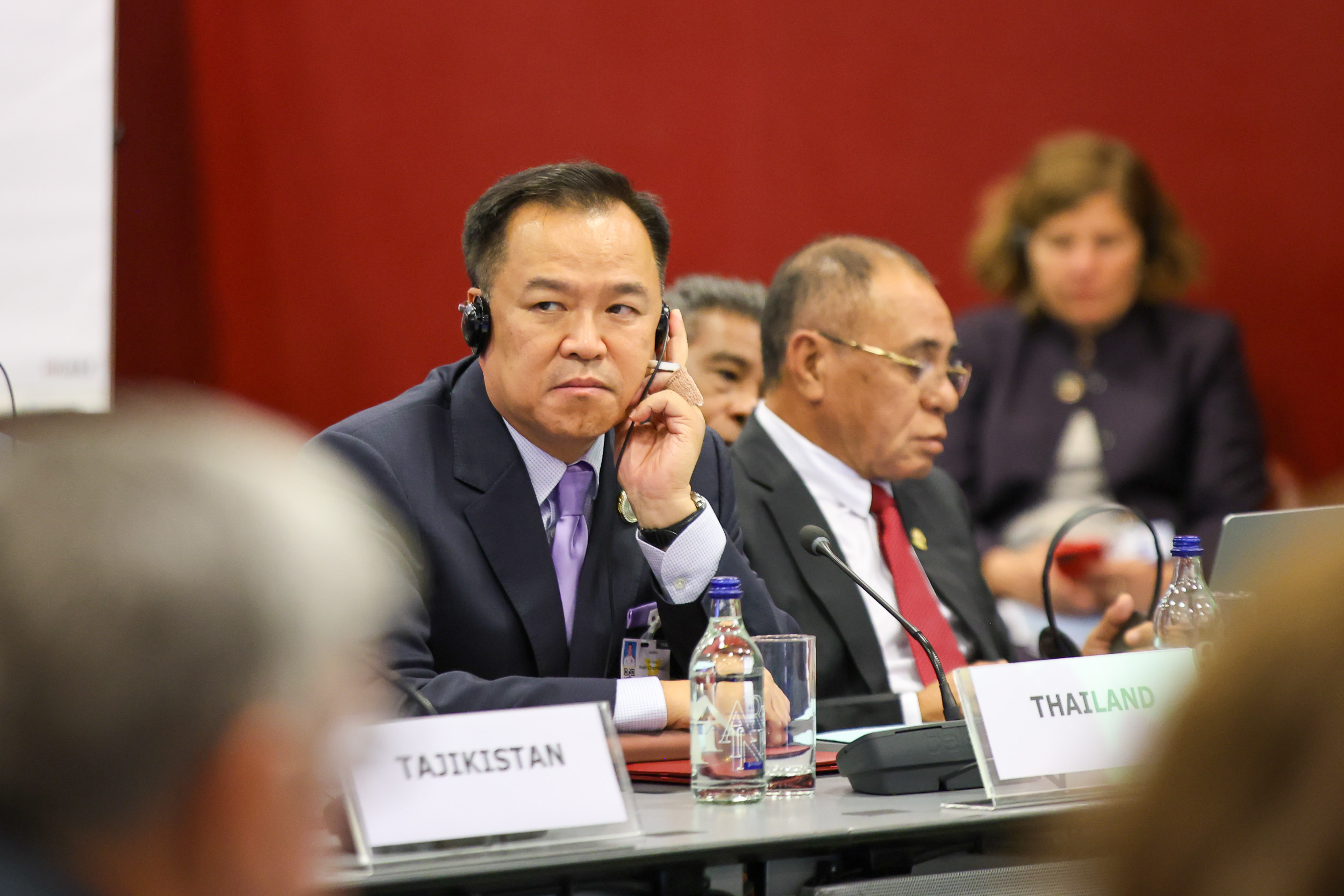
Anutin Charnvirakul, Deputy Prime Minister and Minister of Interior, Thailand
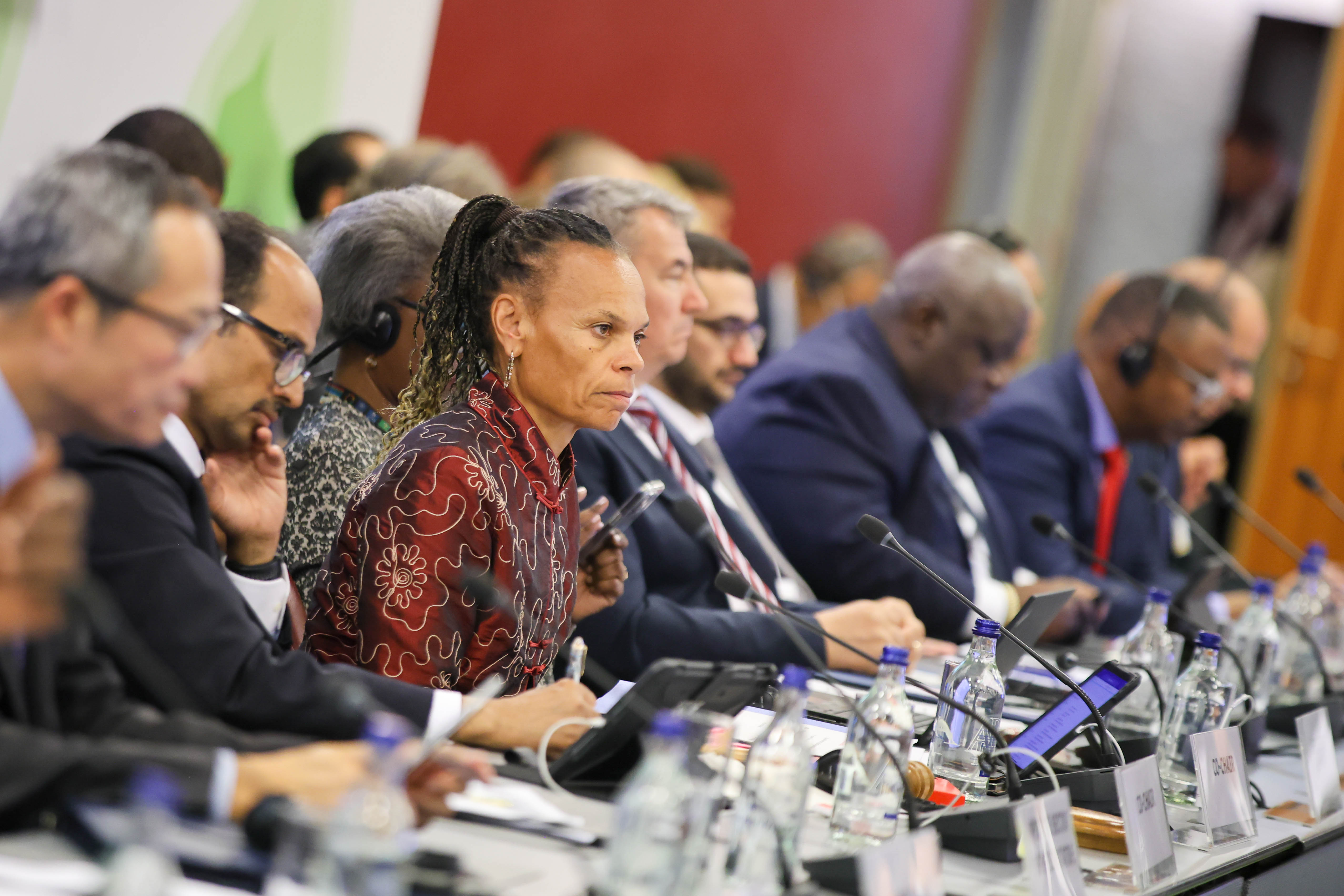
Patricia Danzi, Swiss Agency for Development and Cooperation, and GPDRR Co-Chair
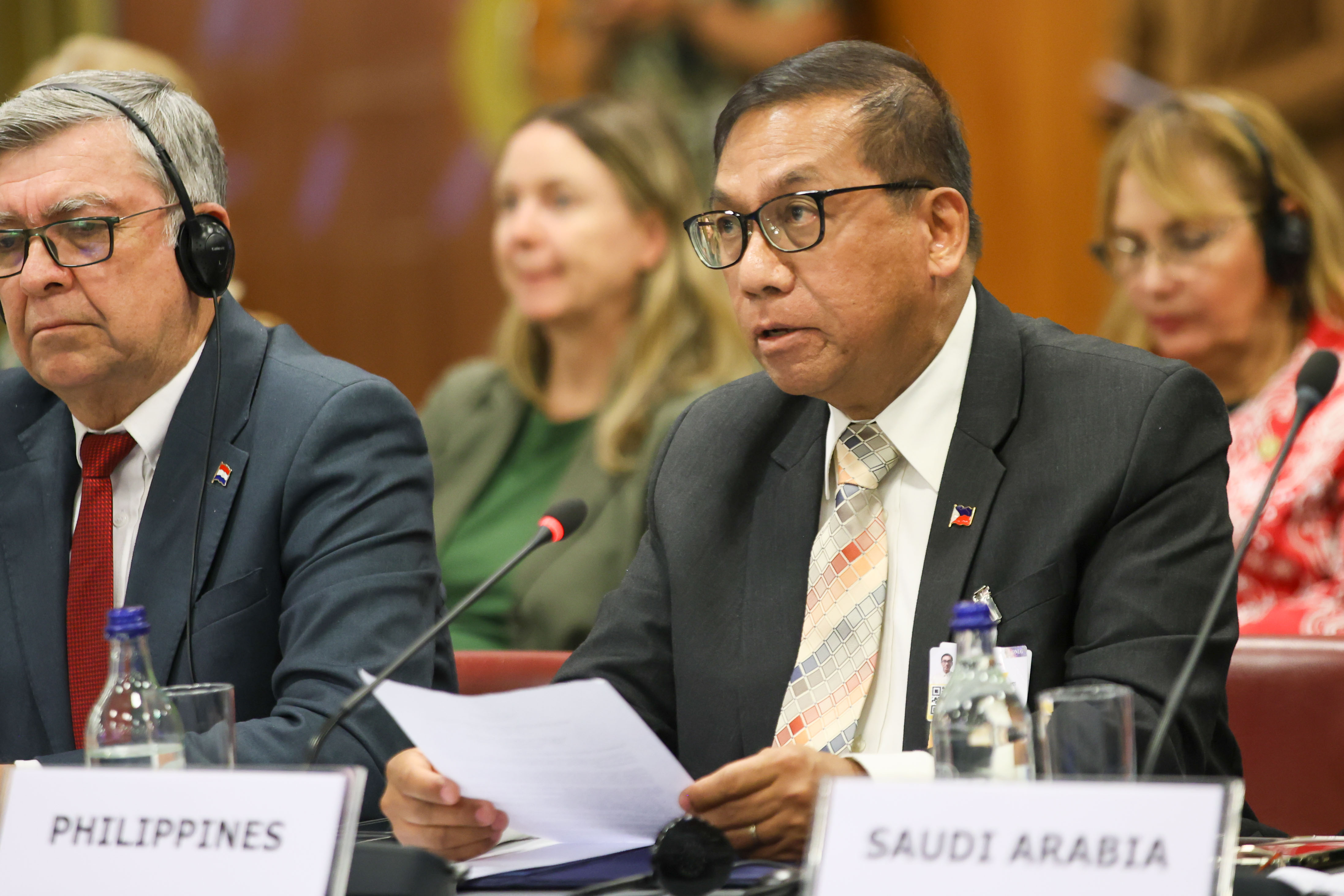
Renato Umali Solidum, Jr., Department of Science and Technology, the Philippines
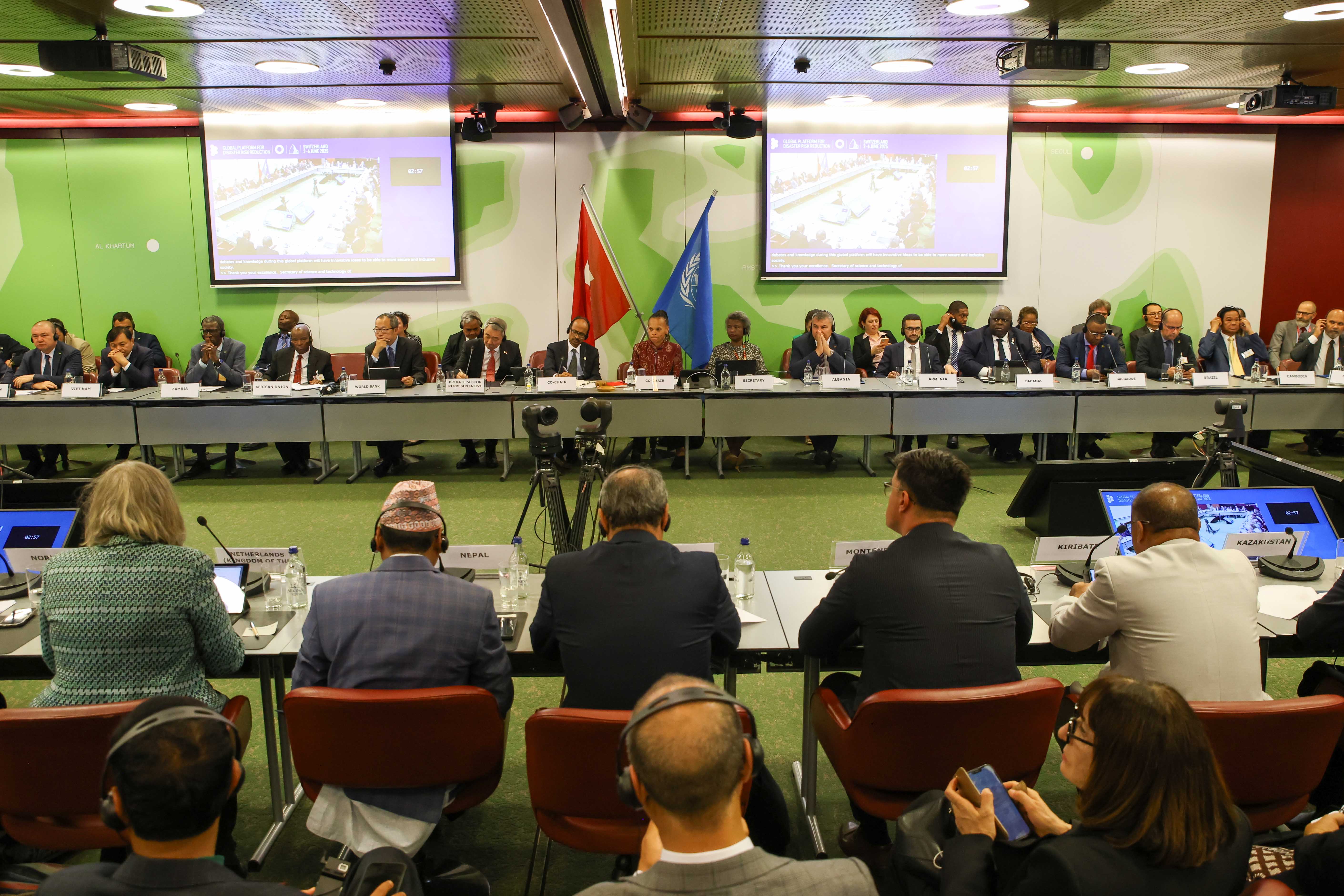

Thematic Sessions
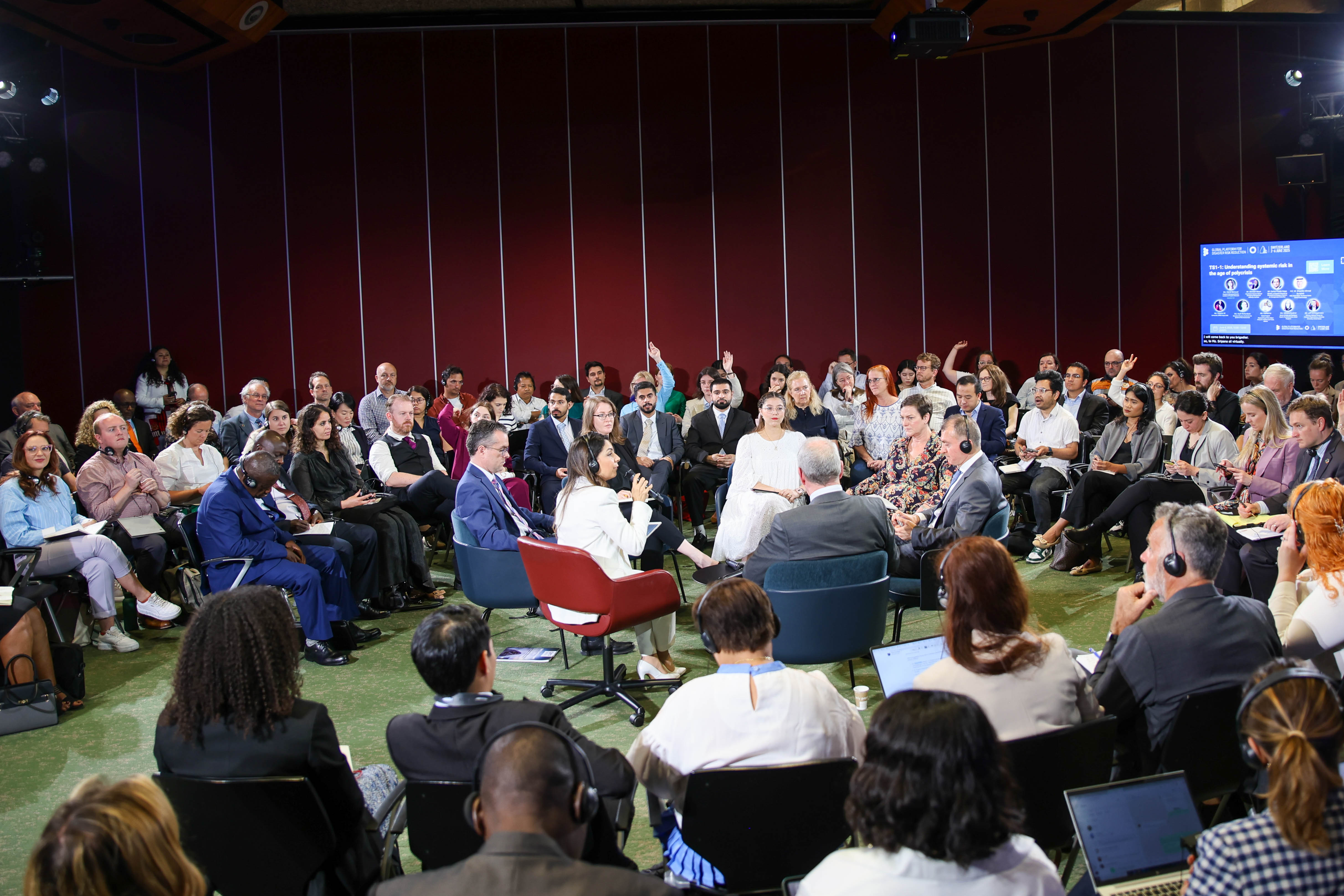
View of the room during the Thematic Session on Understanding Systemic Risk in the Age of Polycrisis
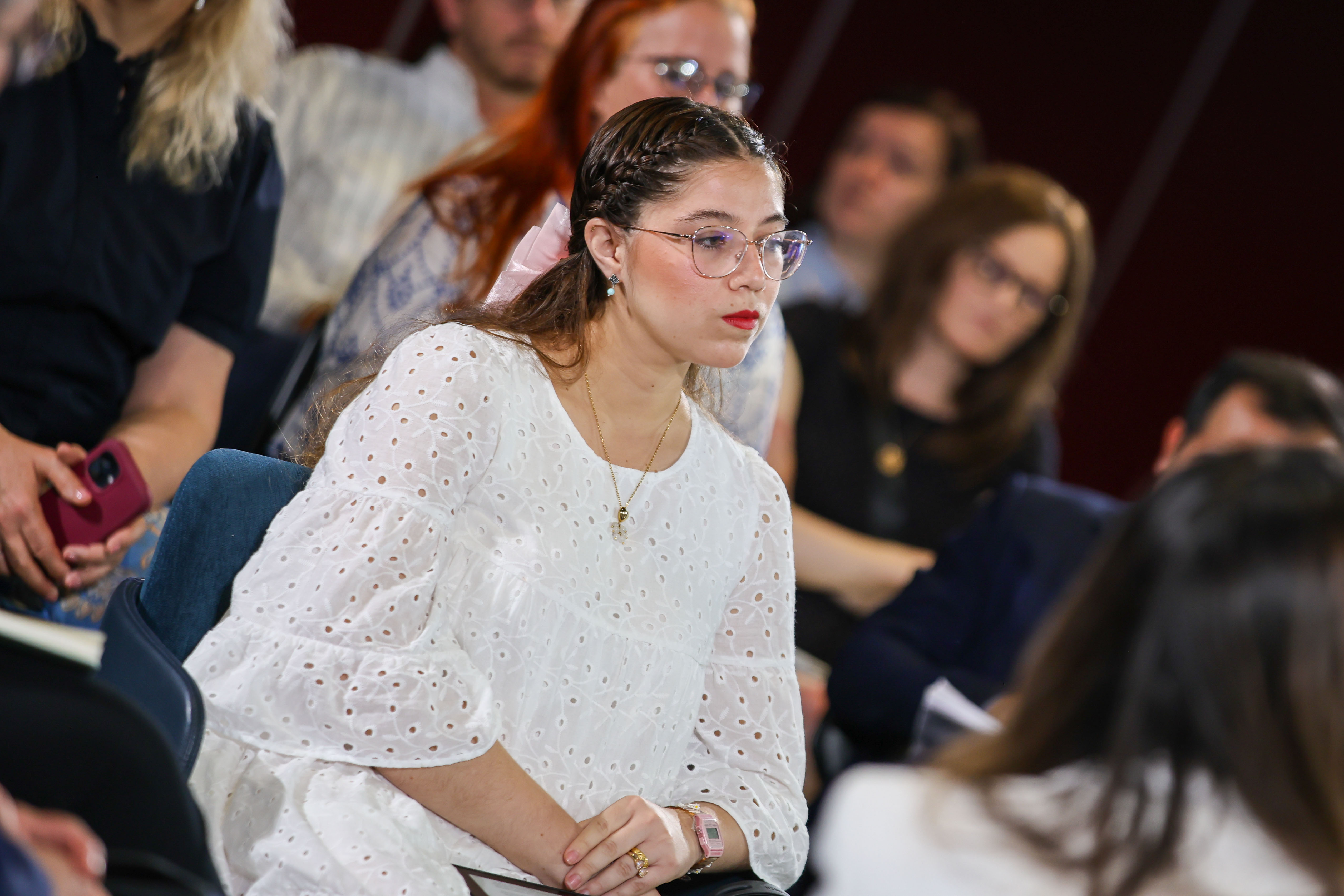
Katherine Sotomayor, Major Group for Children and Youth
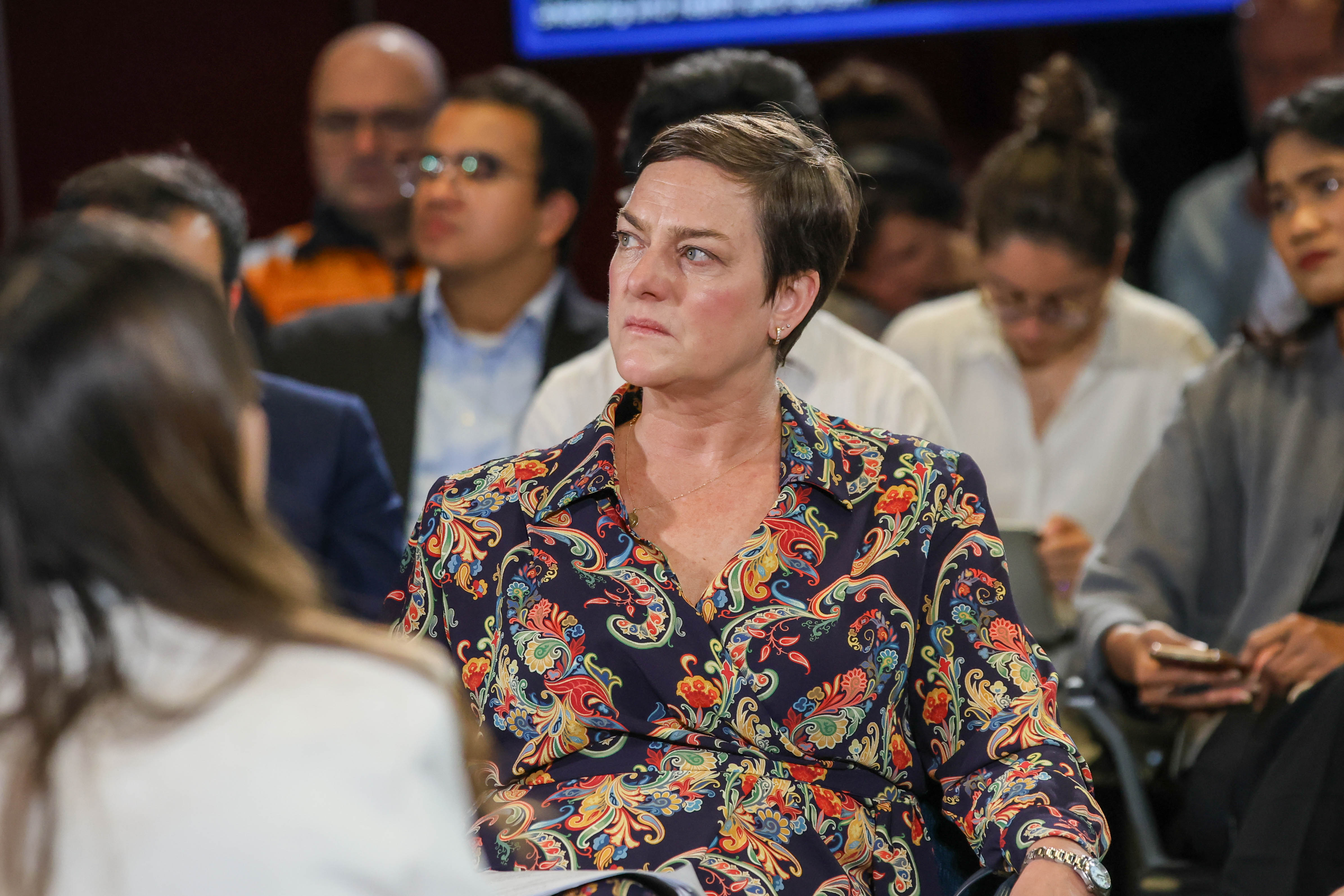
Ruth Richardson, Accelerator for Systemic Risk Assessment (ASRA), UN Foundation
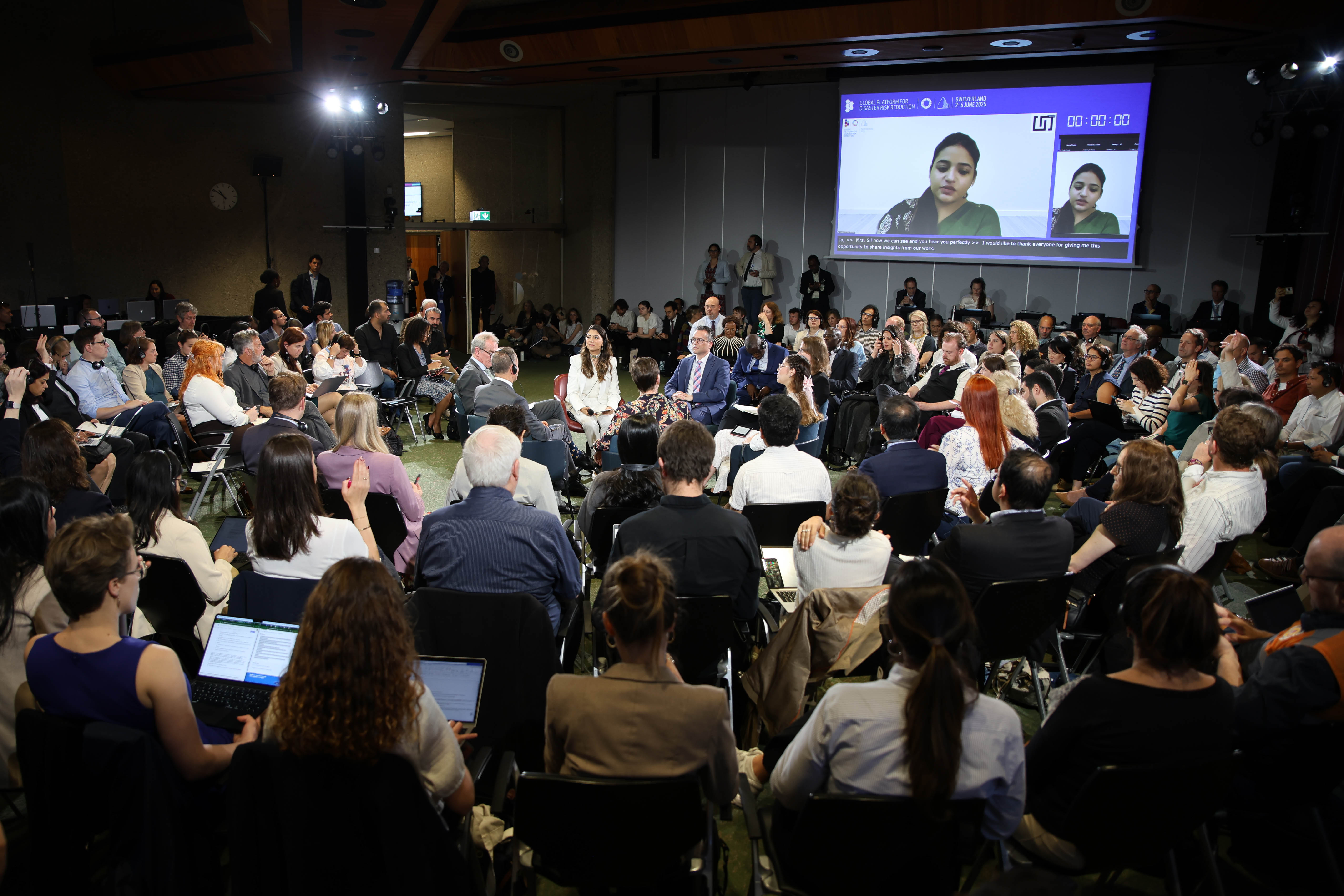
Sripana Sil, GRRID Corps, India, participated virtually.
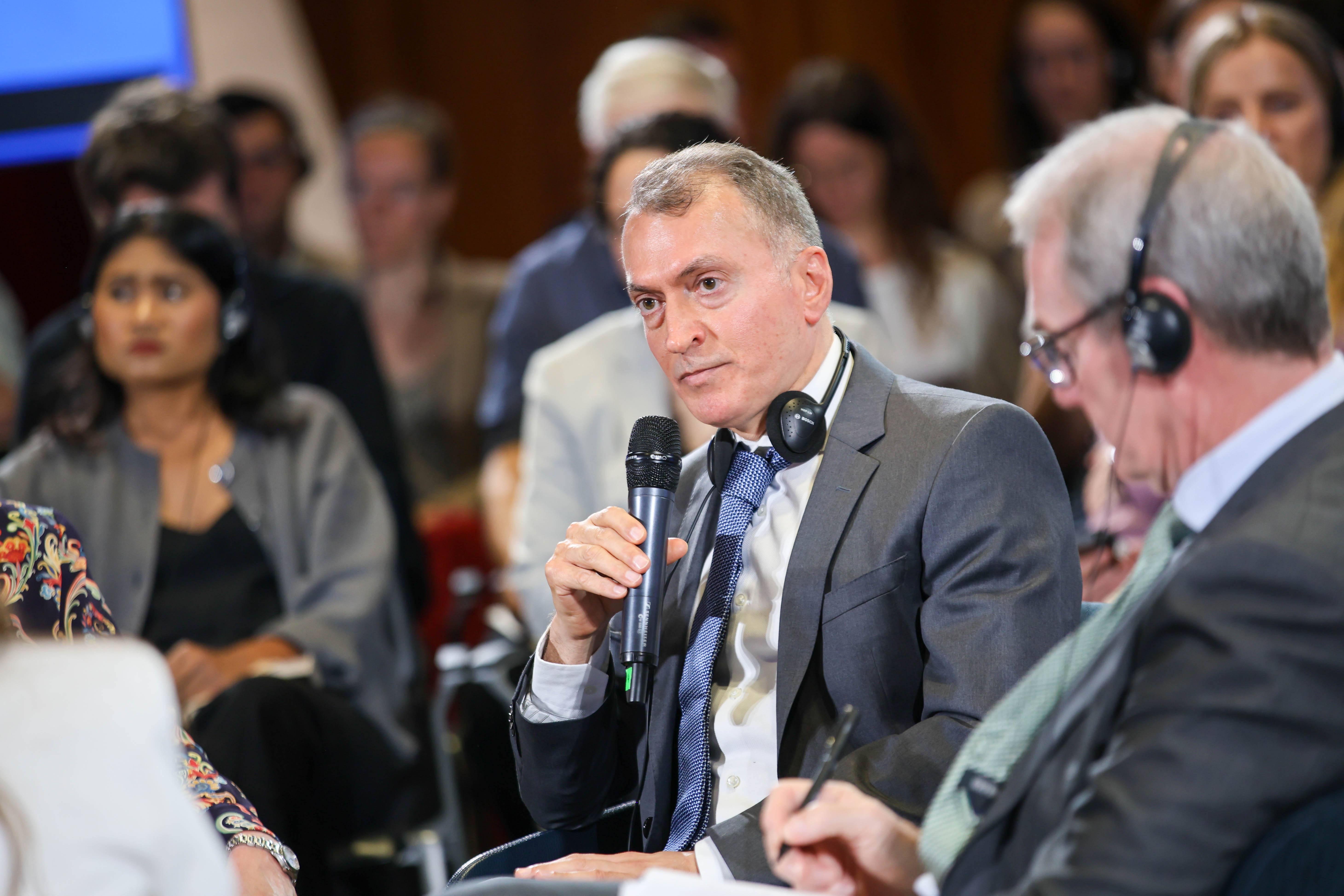
Ahmed Burqibah, Director, Dubai Global Resilience Center
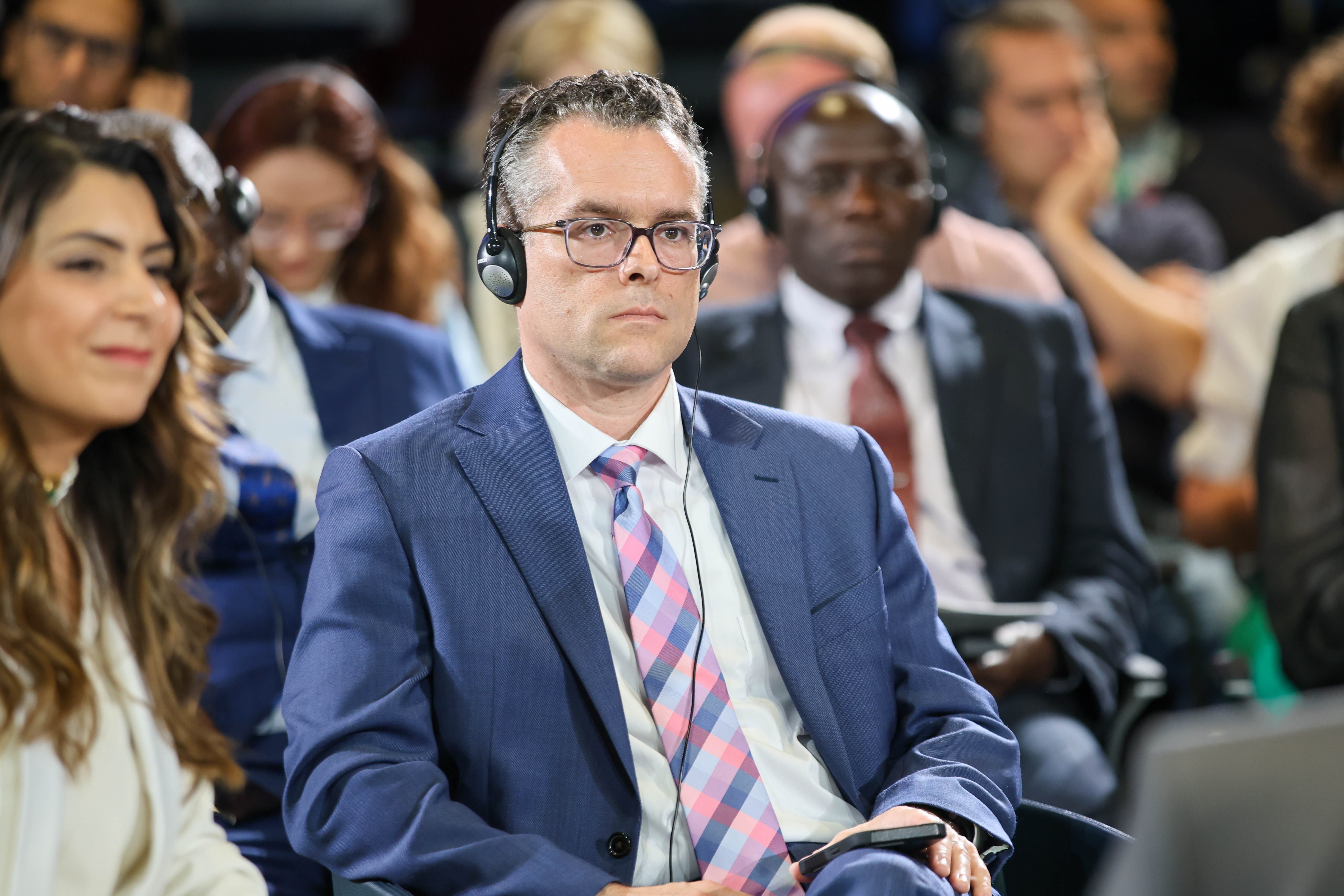
Jeff Schlegelmilch, Columbia University
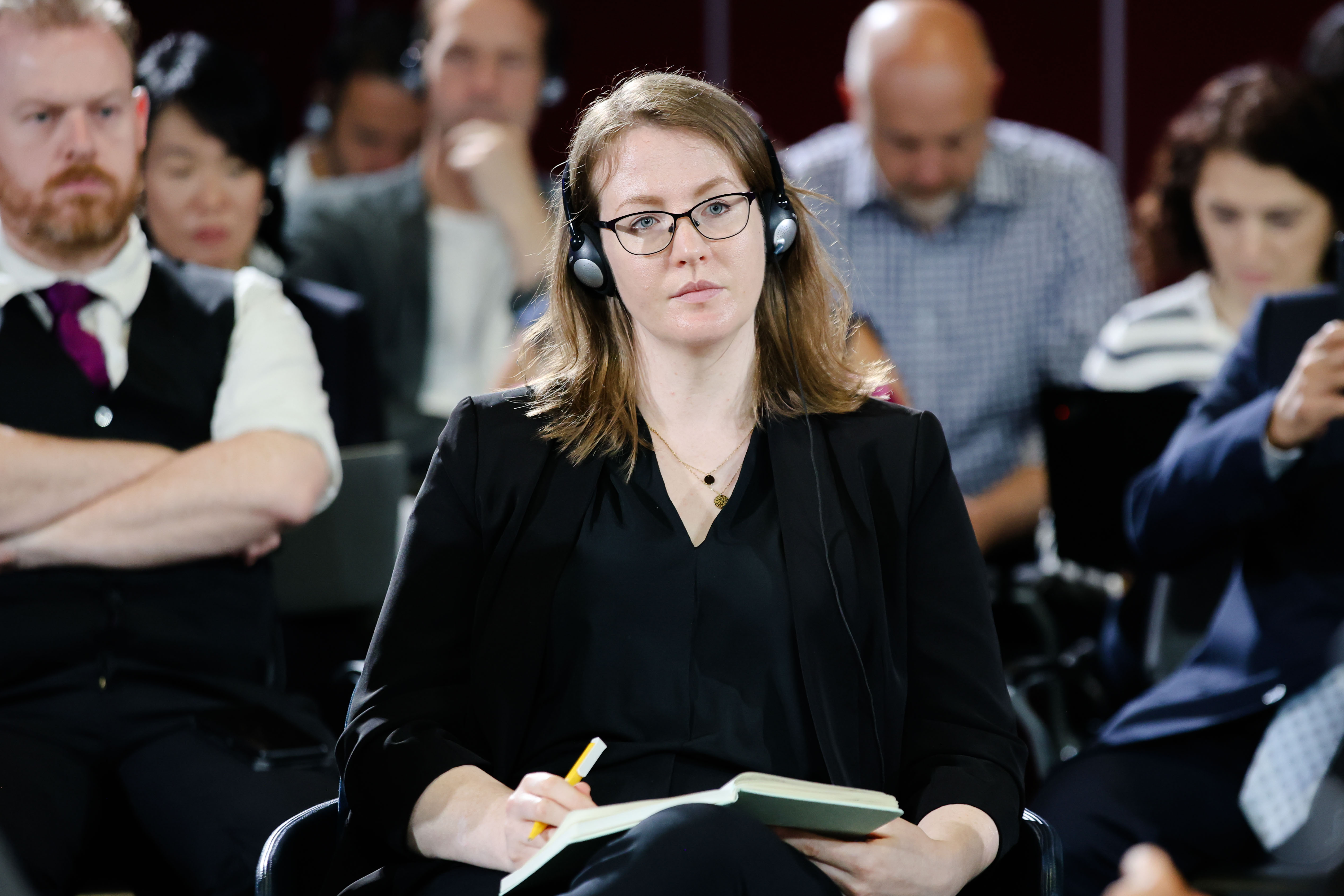
Mirianna Budimir, Practical Action

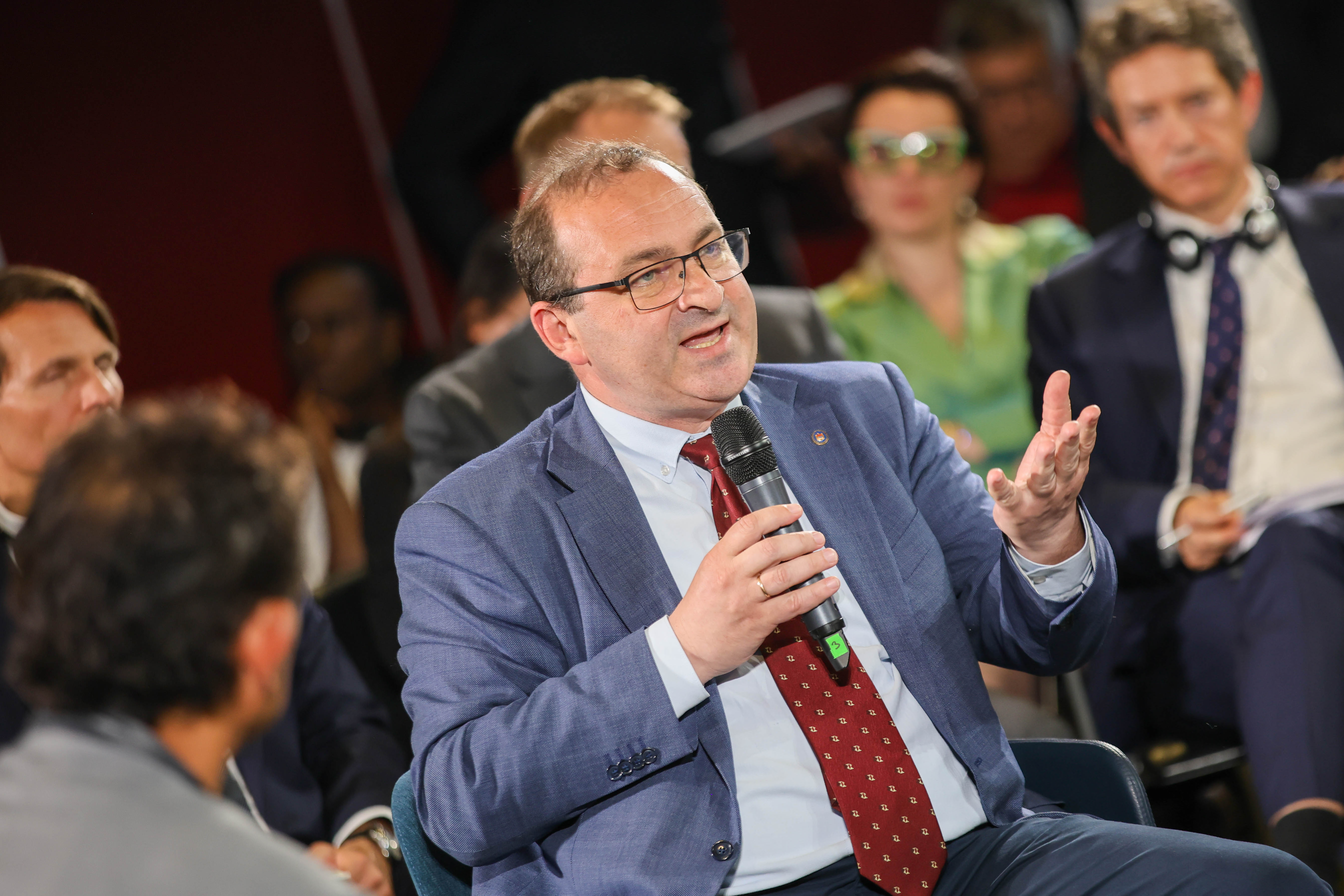
Corneliu Cirimpei, State Secretary, Ministry of Infrastructure and Regional Development, Moldova
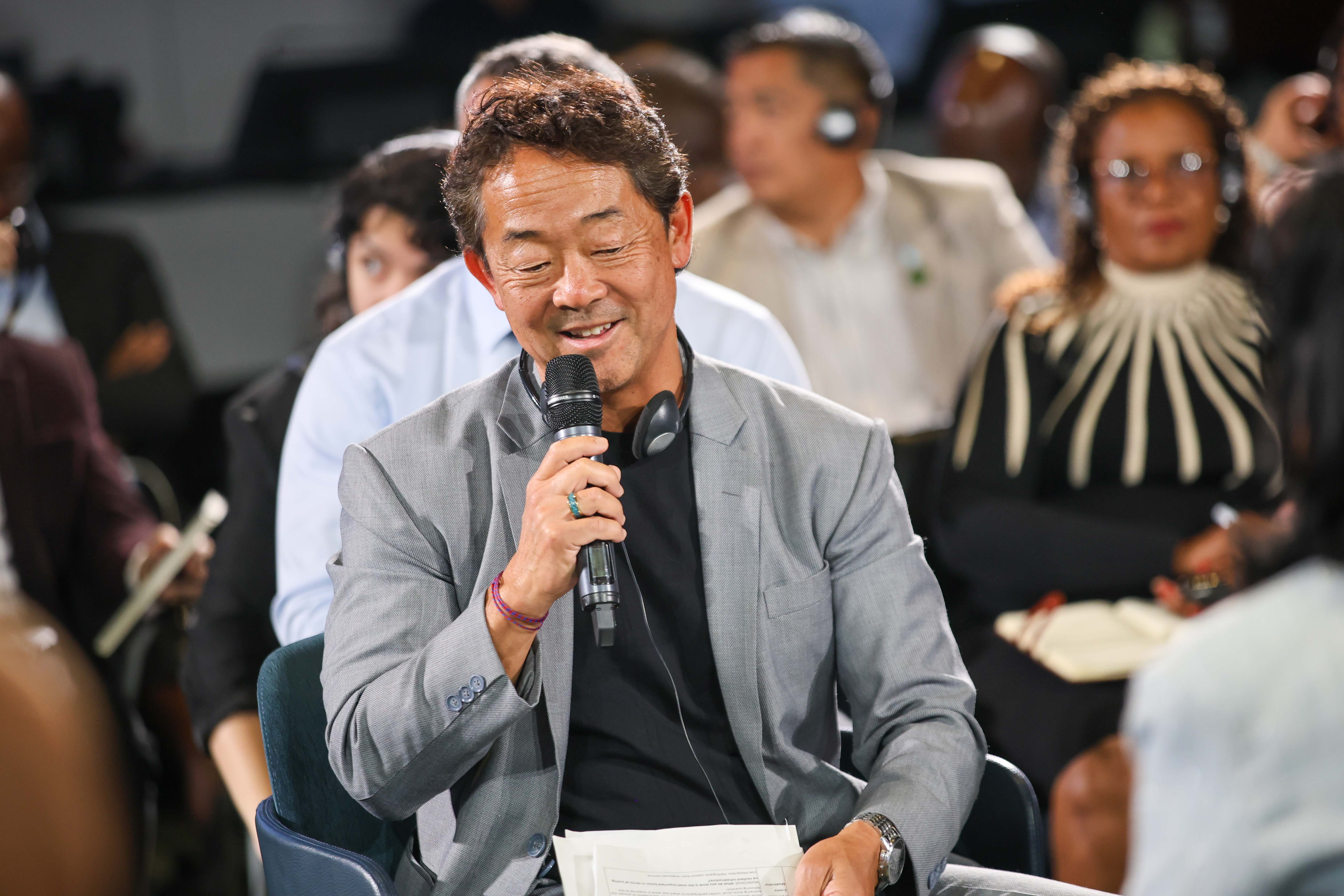
Kit Miyamoto, CEO, Miyamoto International, Japan
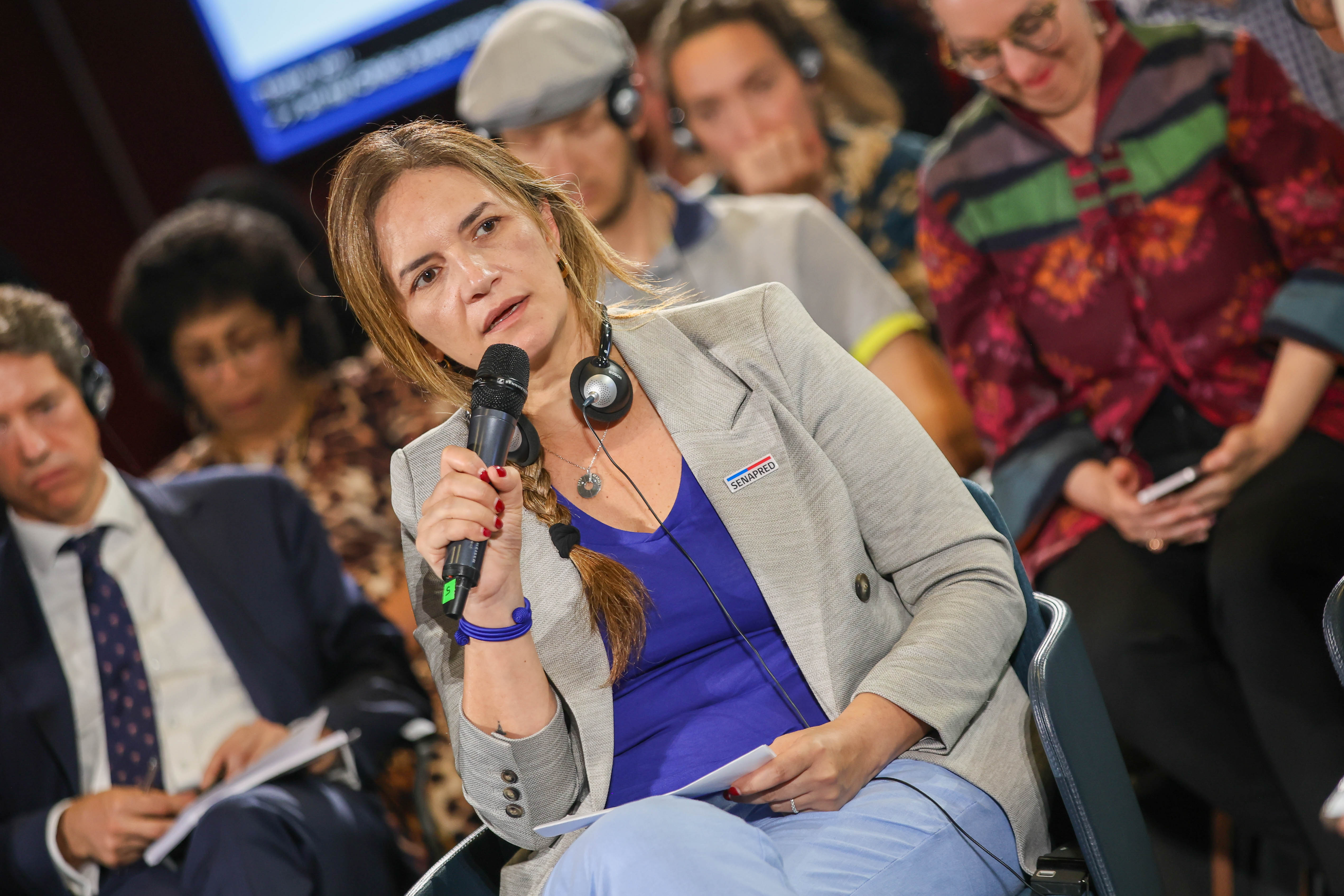
Alicia Cebrián López, Director, National Service for Disaster Prevention and Response (SENAPRED), Chile
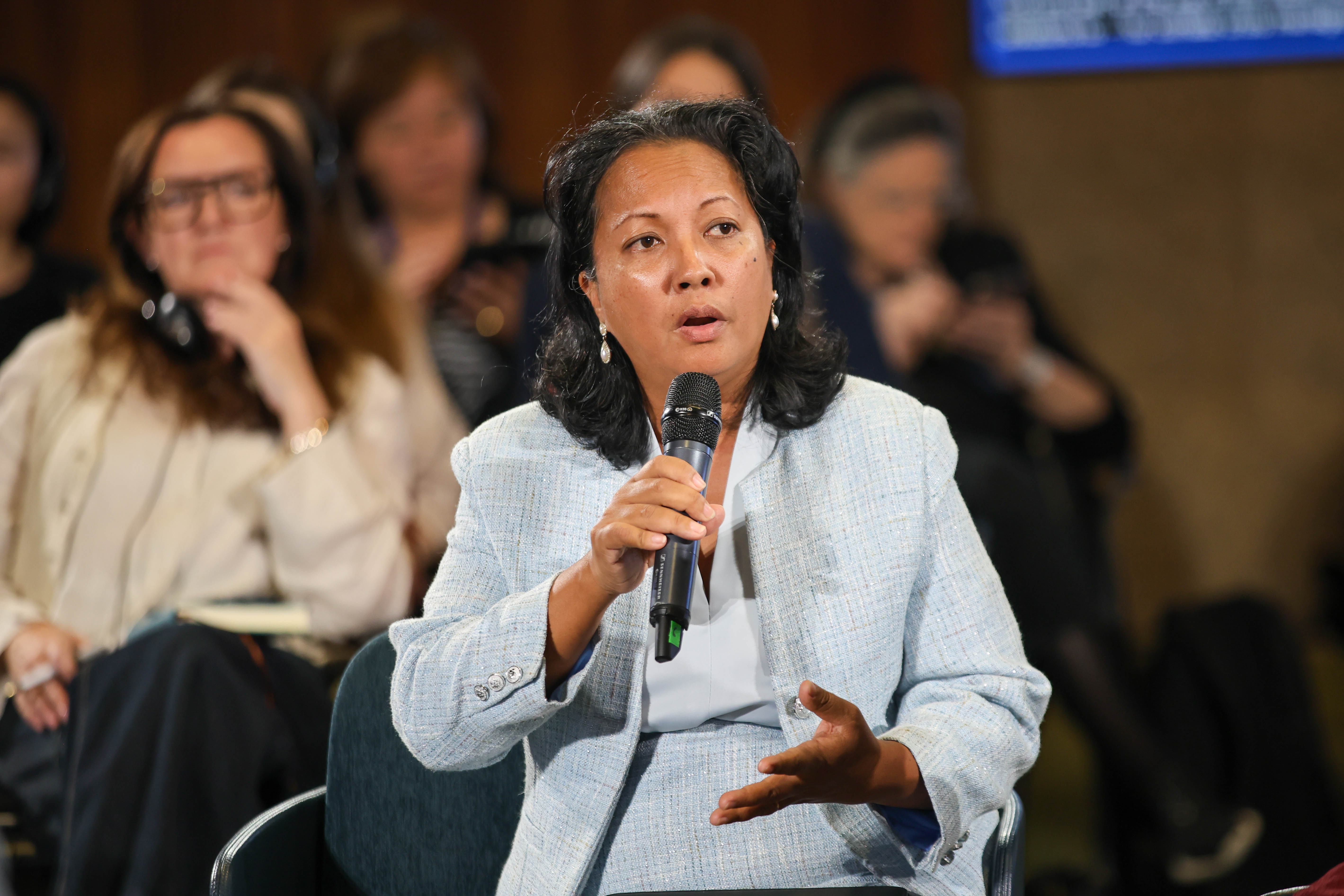
Bako Nirina Rabevohitra, Emergency Prevention and Management Unit, Madagascar
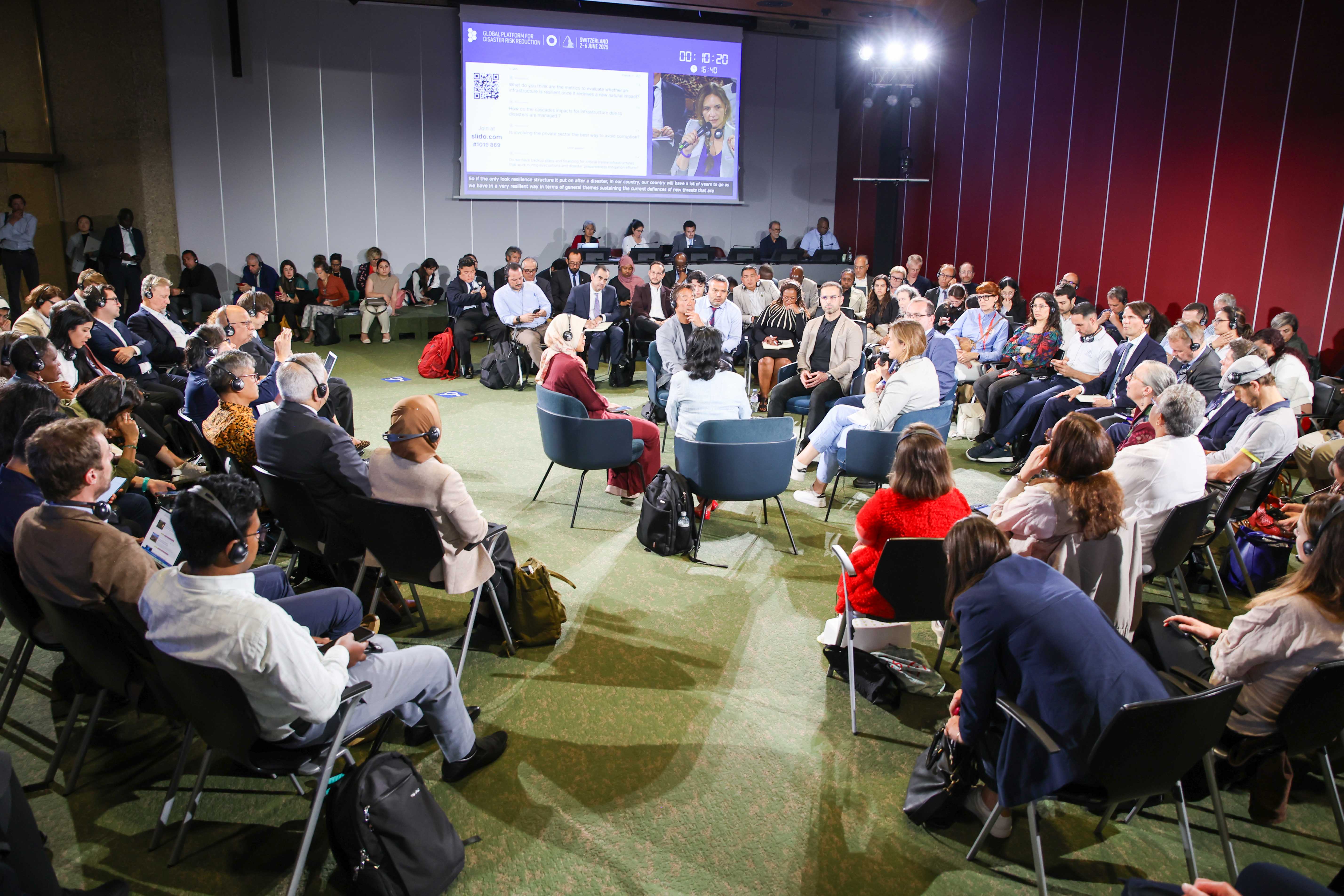
View of the room during the Thematic Session on Infrastructure for a Resilient, Inclusive and Sustainable Future
Special Event: Investing in Resilience for Africa: Tools, Strategies and Partnerships
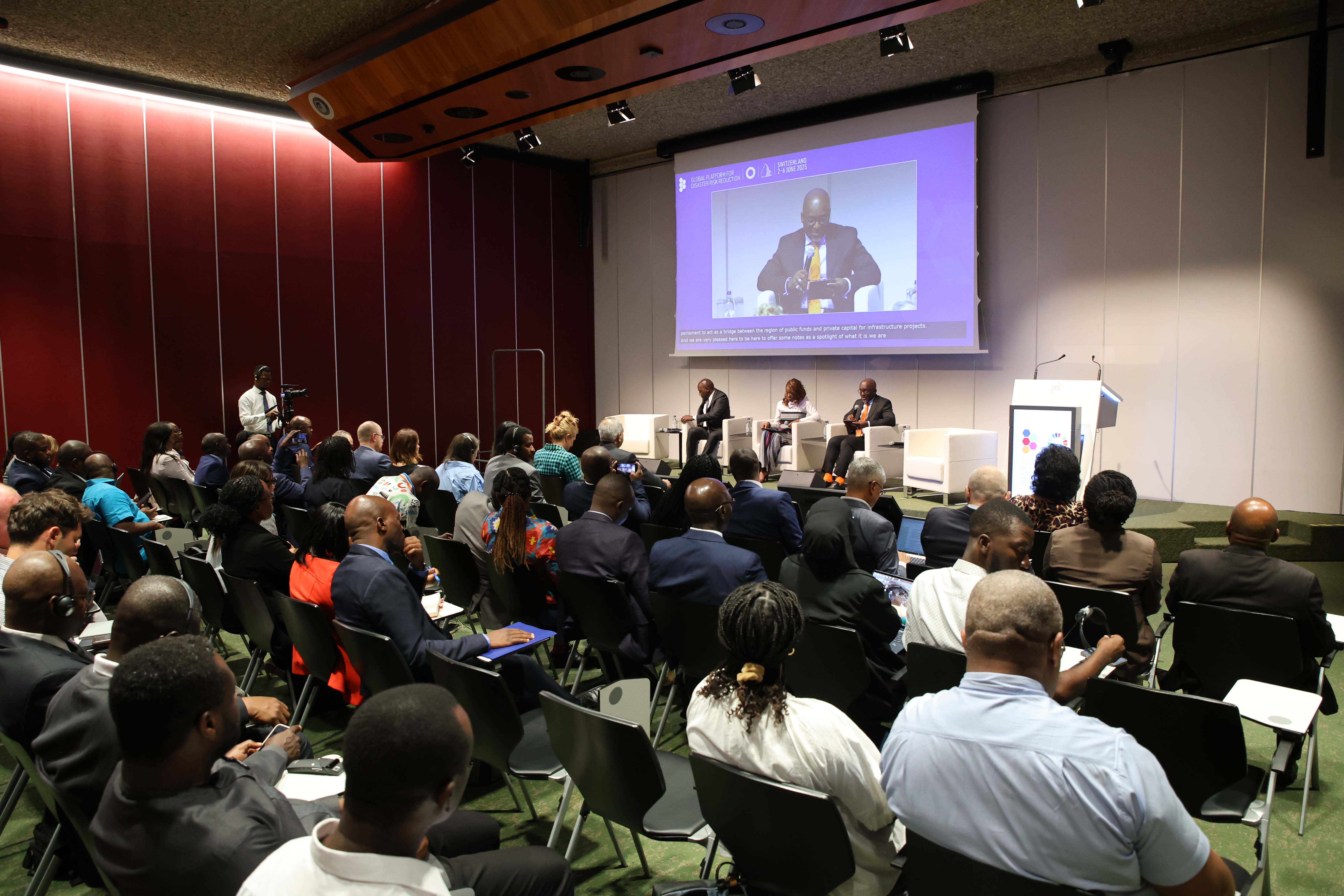
View of the room
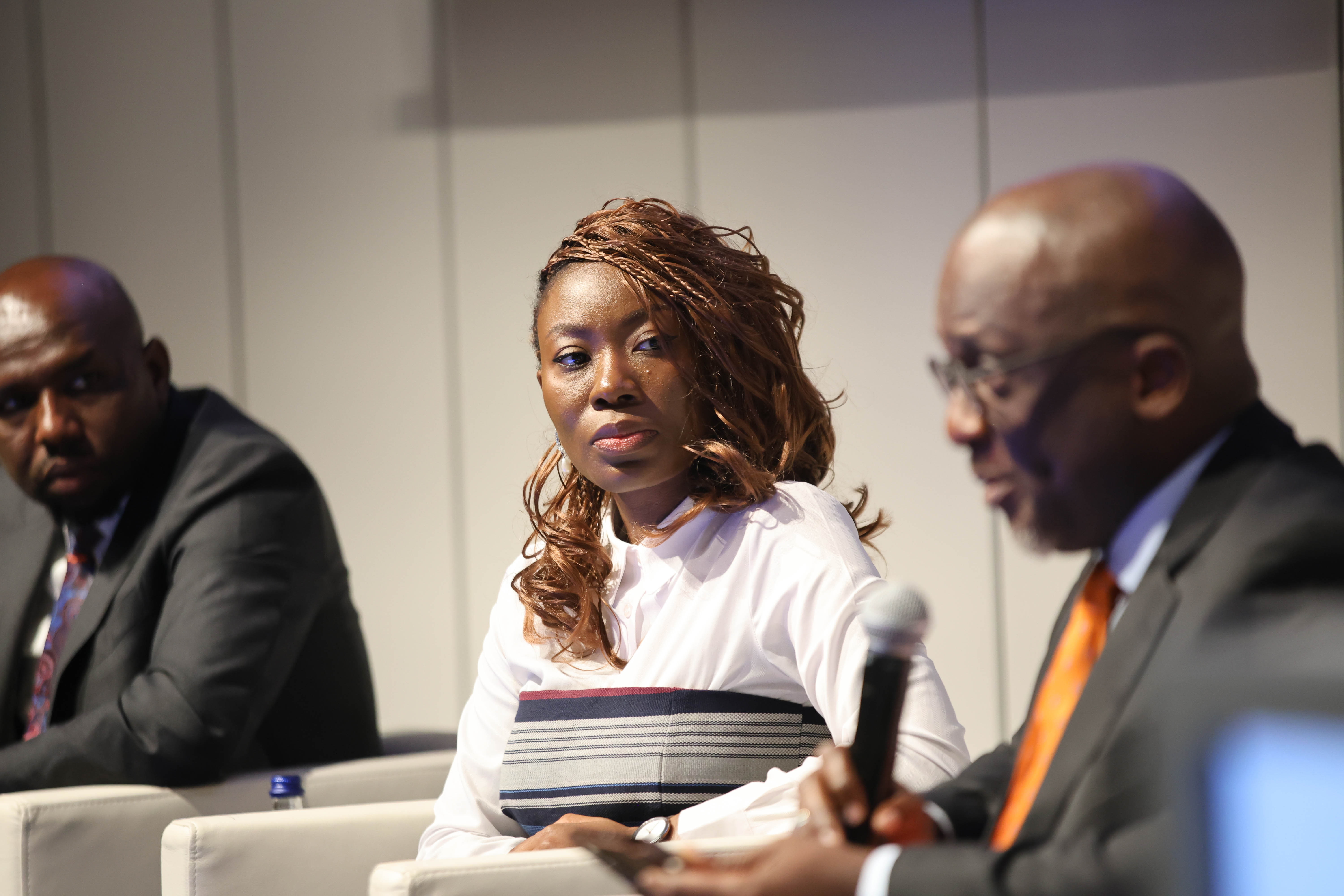
Mayowa Adegoke, International Journalist
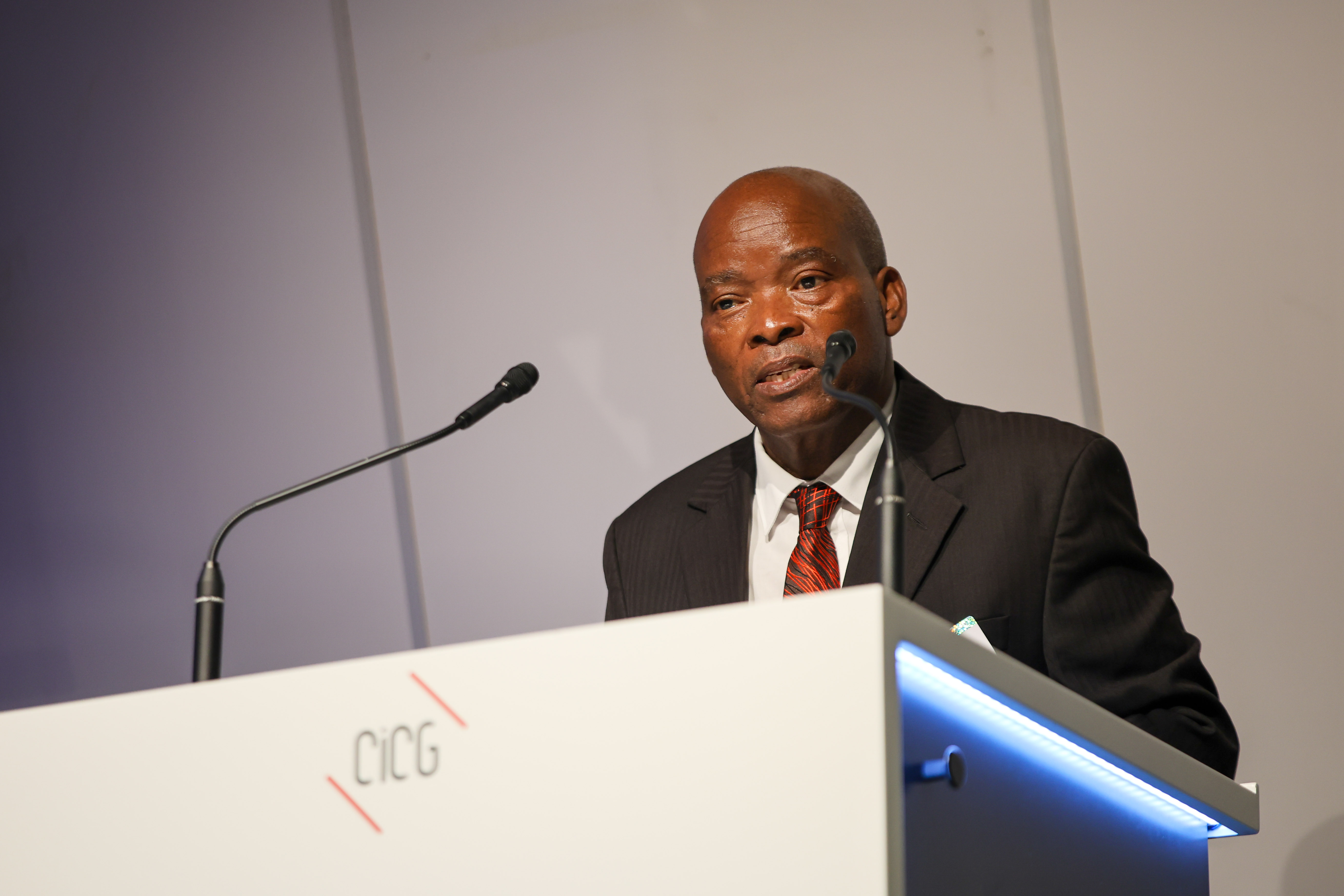
Moses Vilakati, African Union Commission
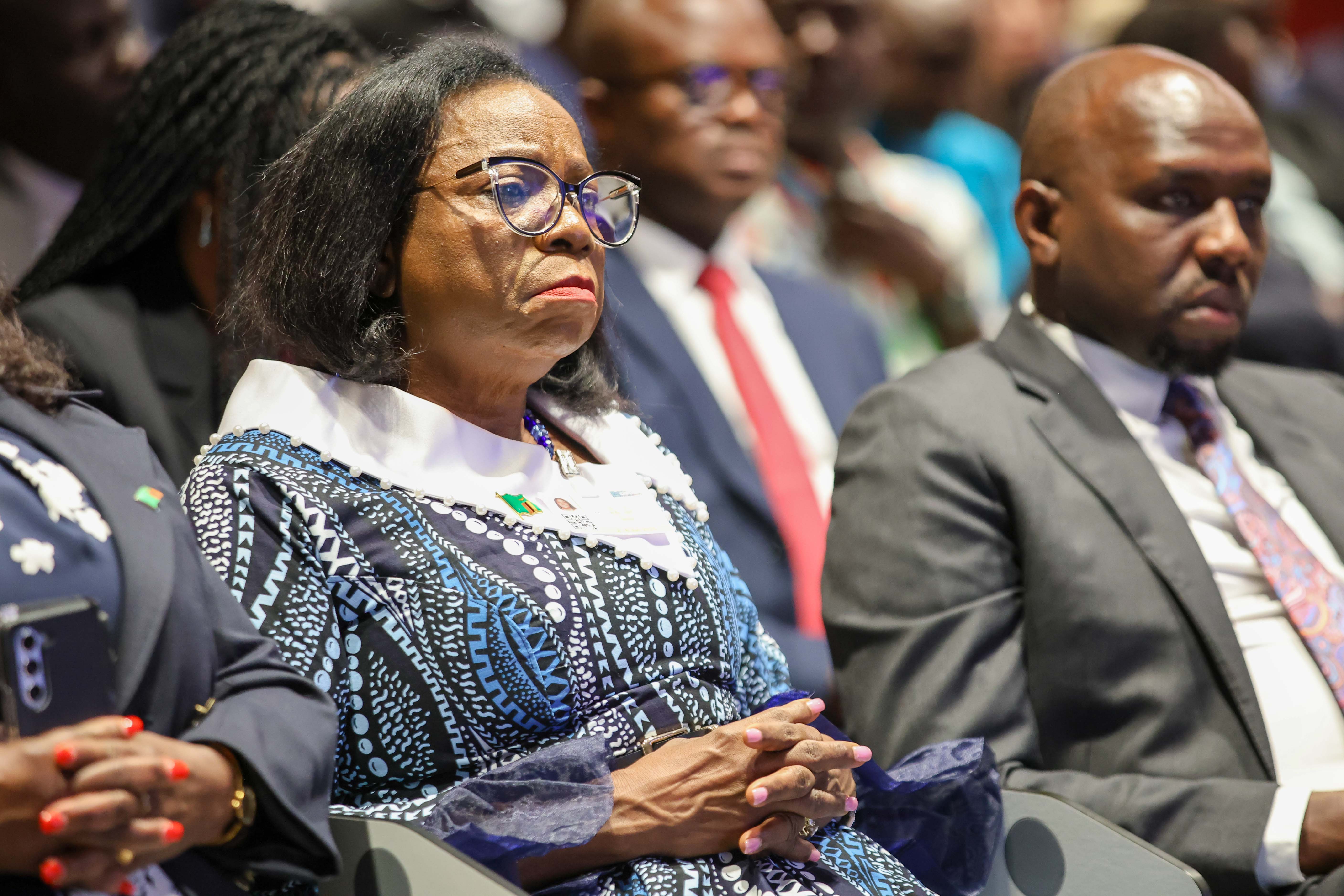
Mutale Nalumango, Vice-President of Zambia
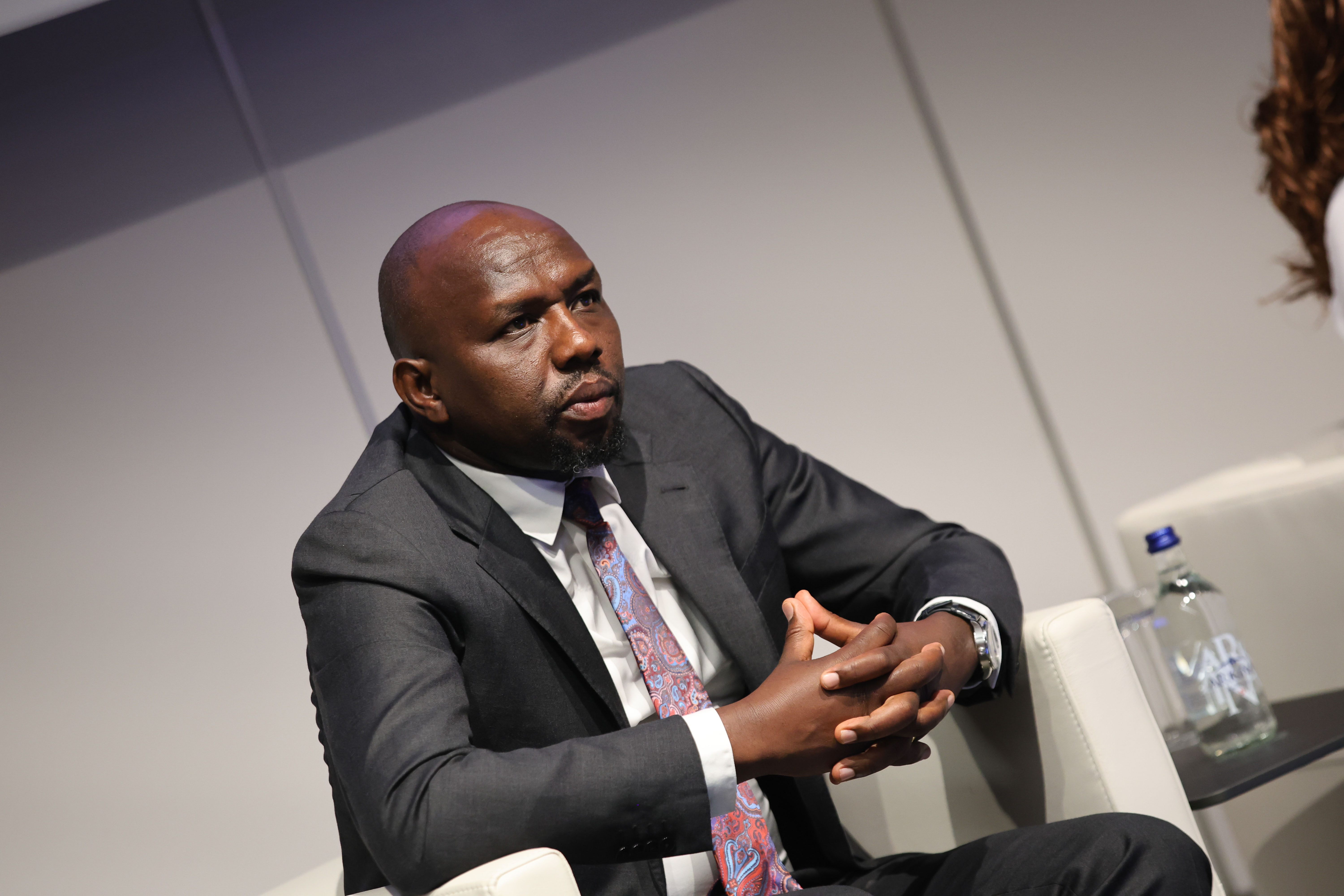
Onesimus Kipchumba Murkomen, Ministry of Interior, Kenya
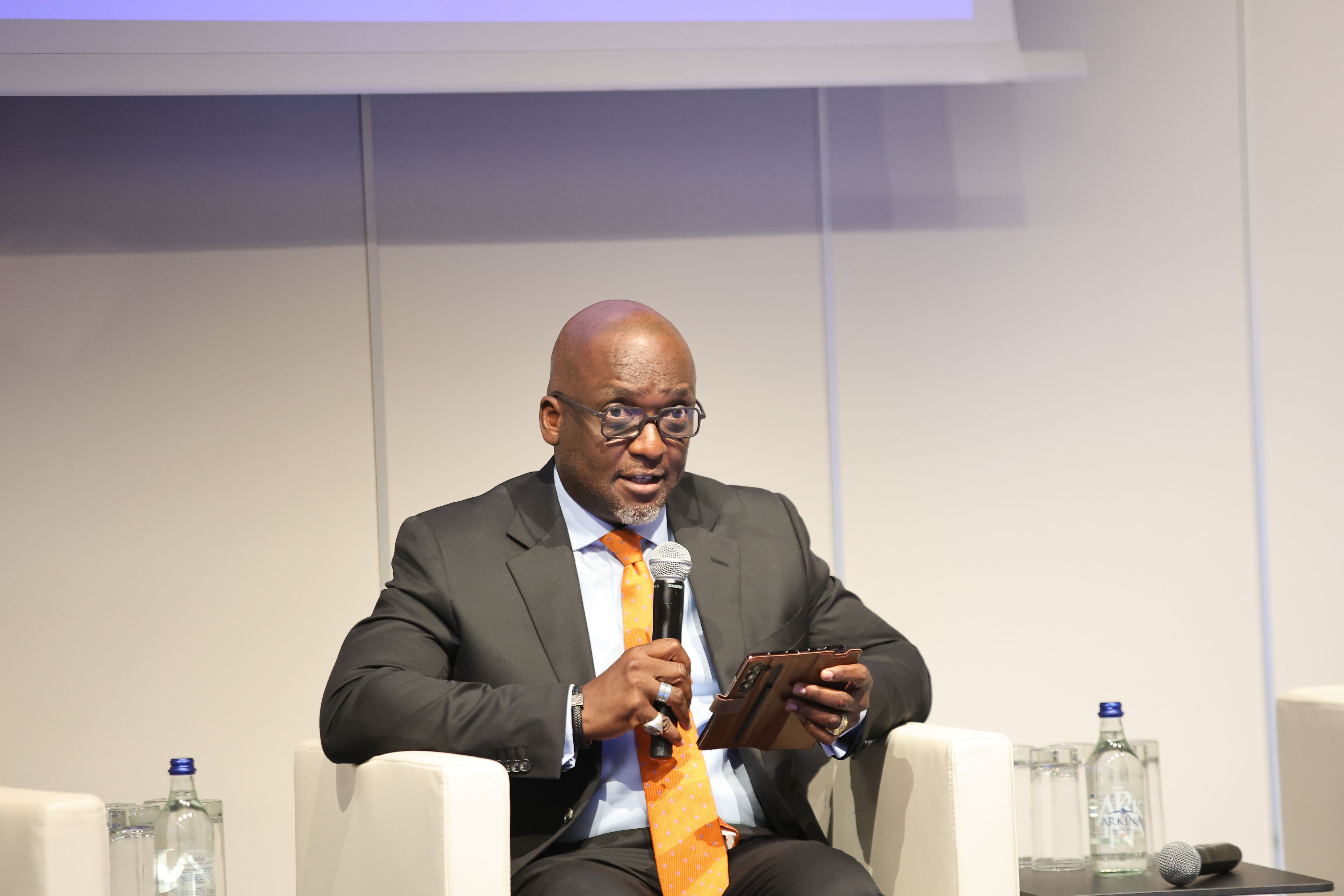
Nana Dwemoh Benneh, Ghana Infrastructure Investment Fund
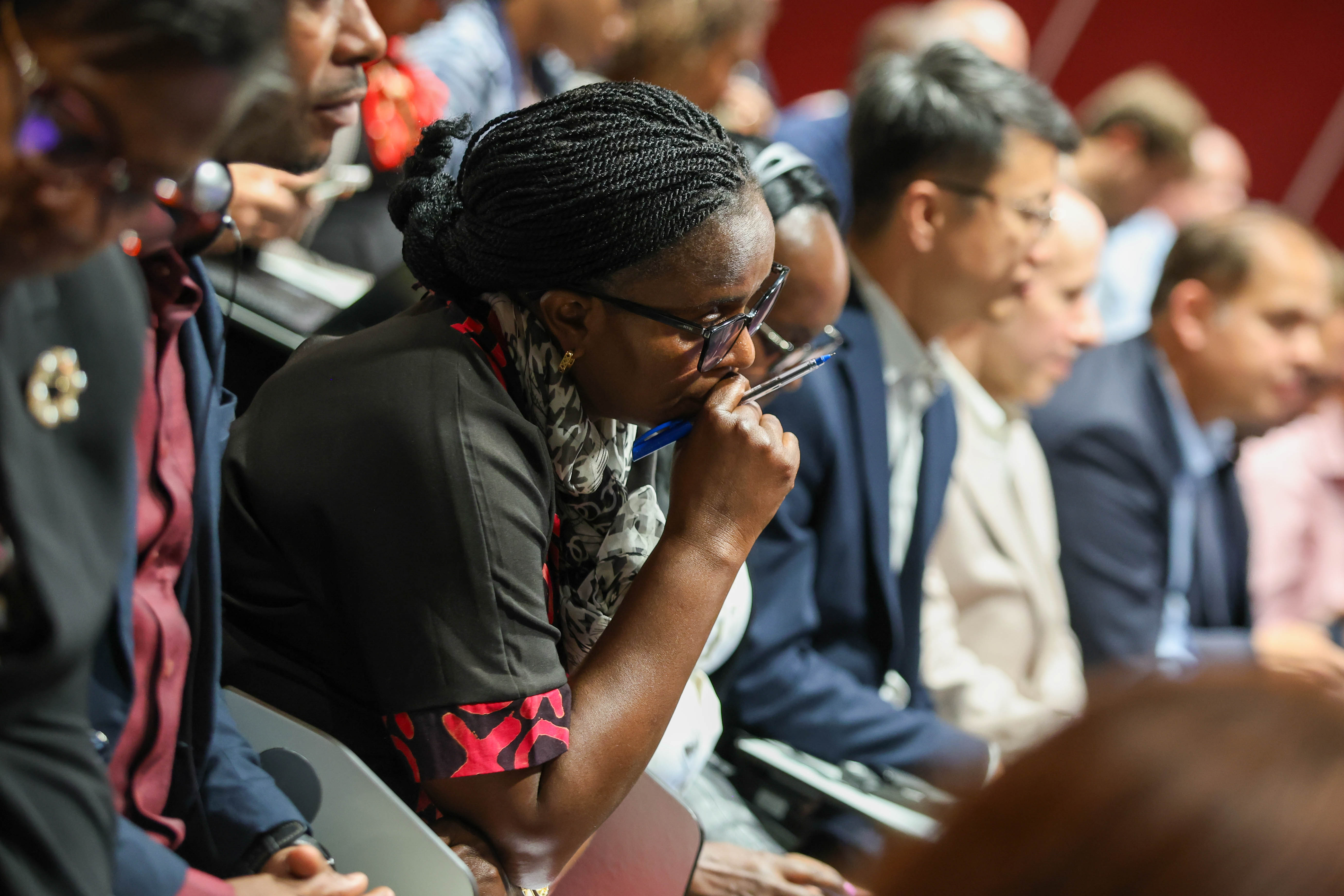
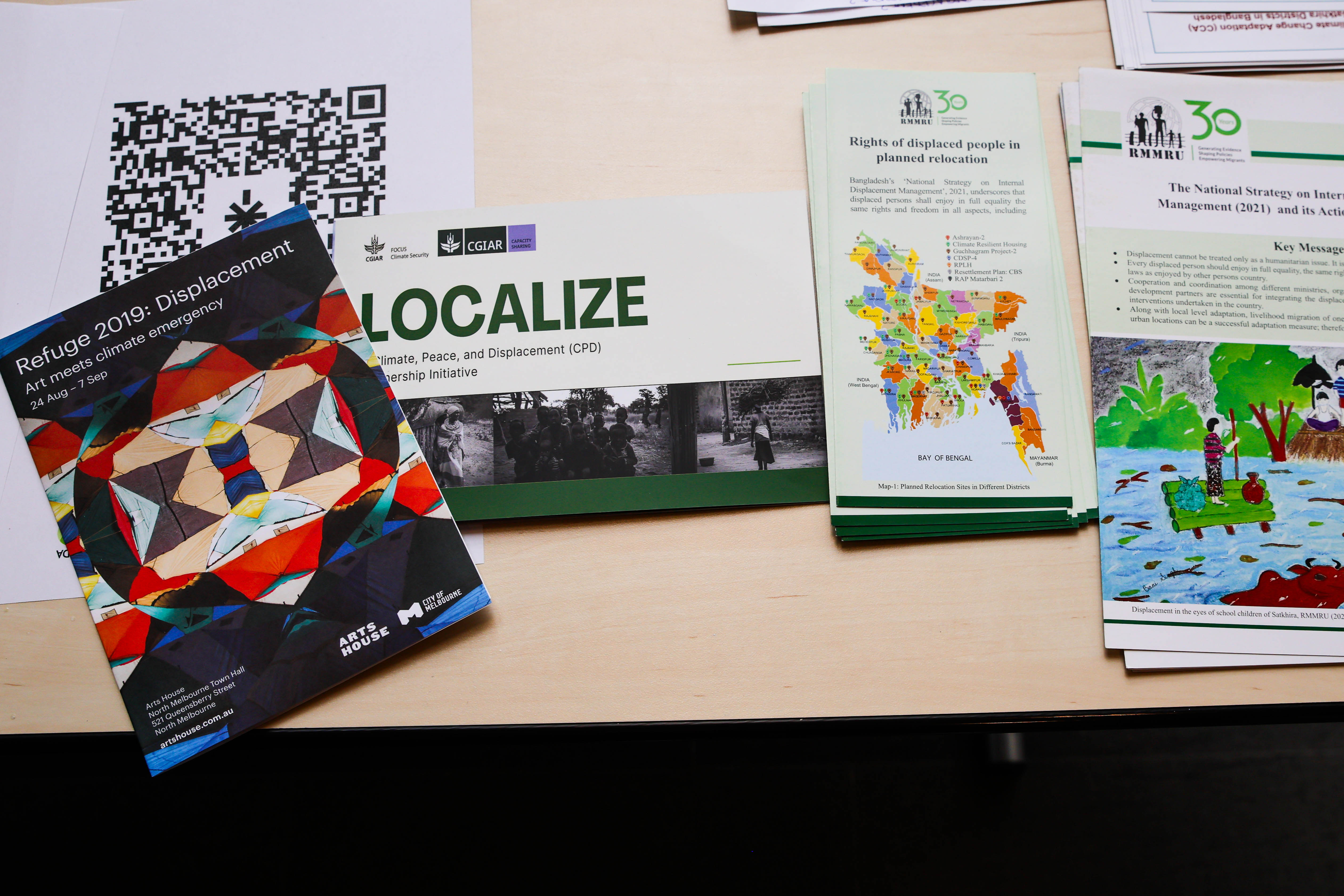
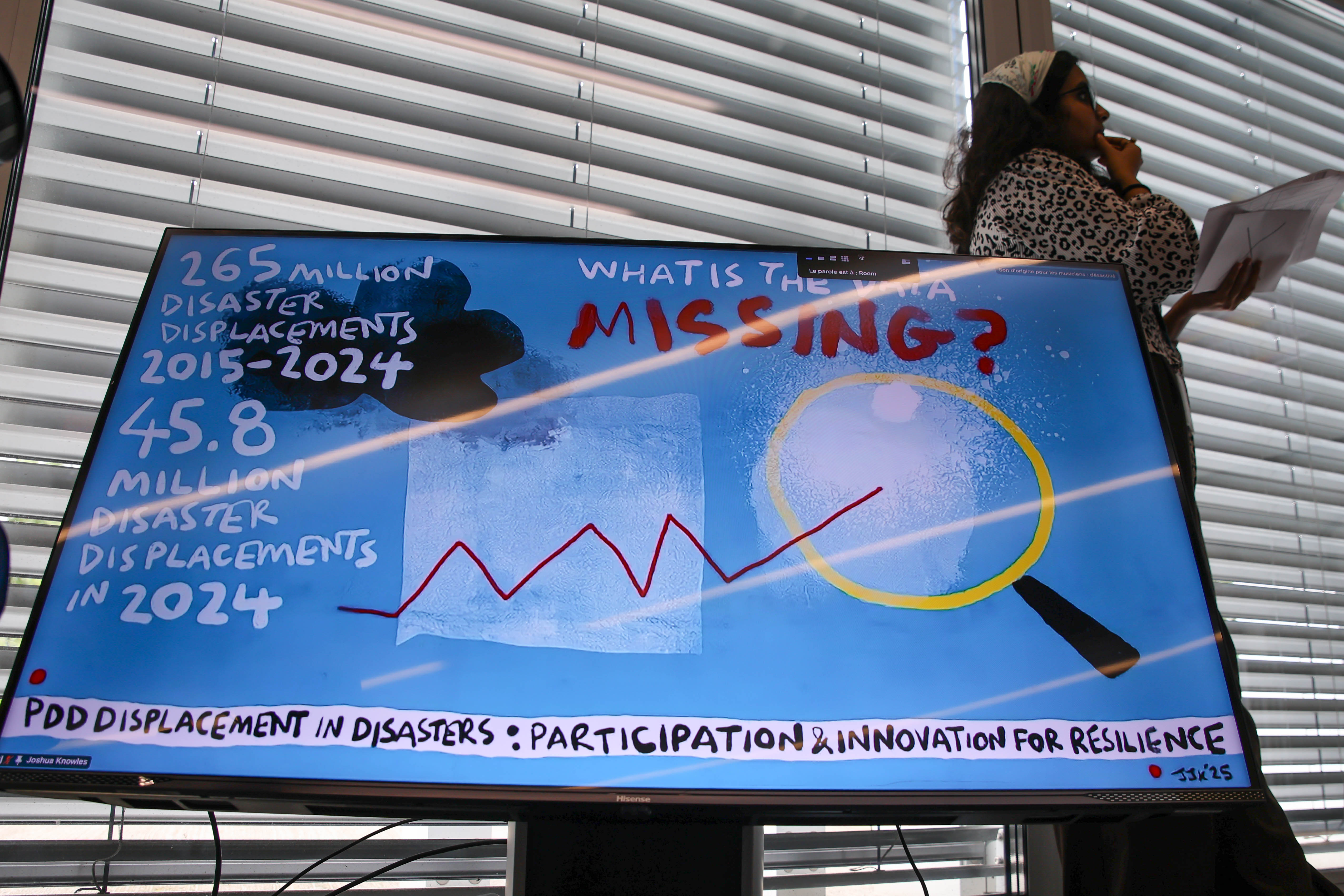
Side Event: Displacement in Disasters - Participation and Innovation for Resilience
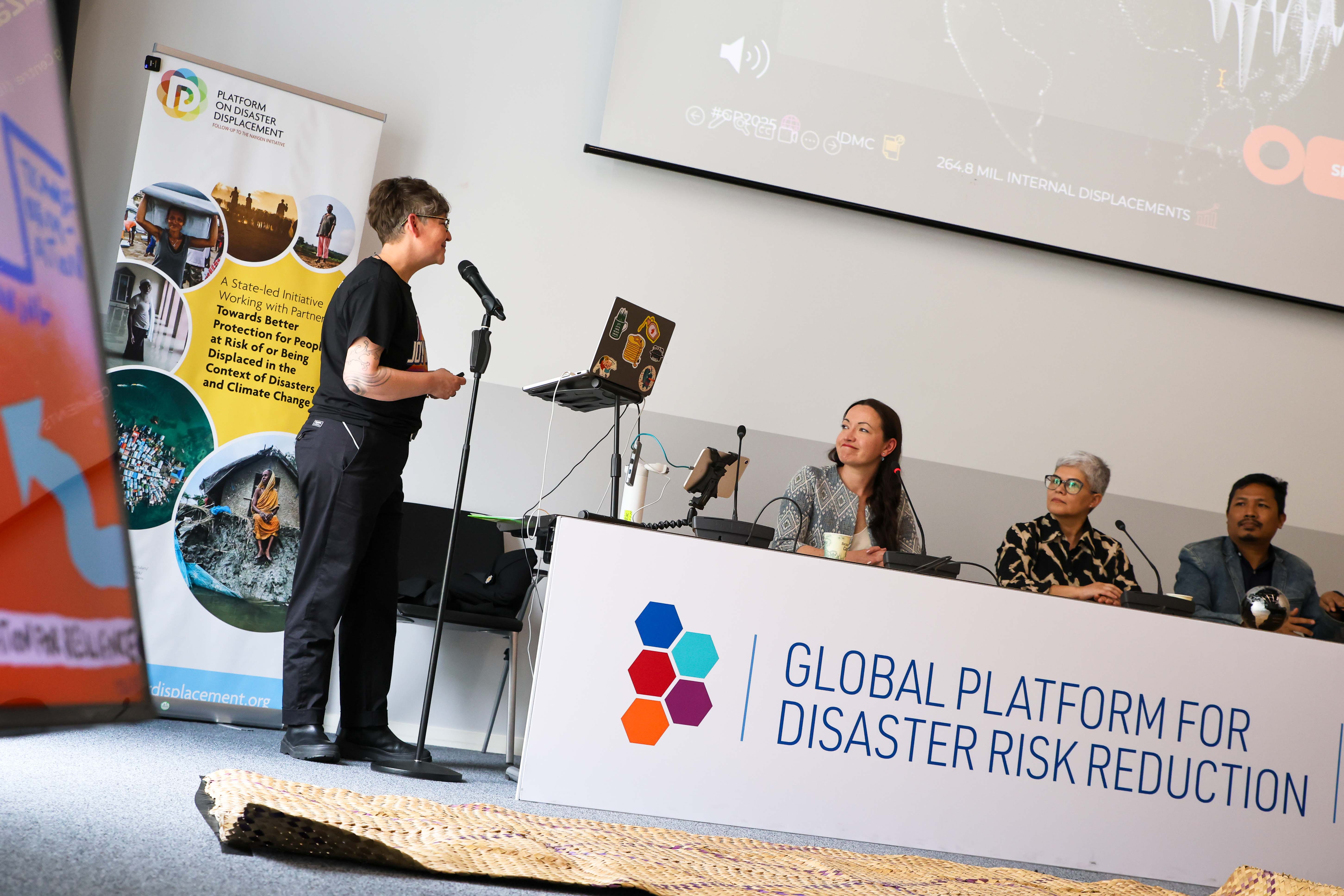
View of the panel
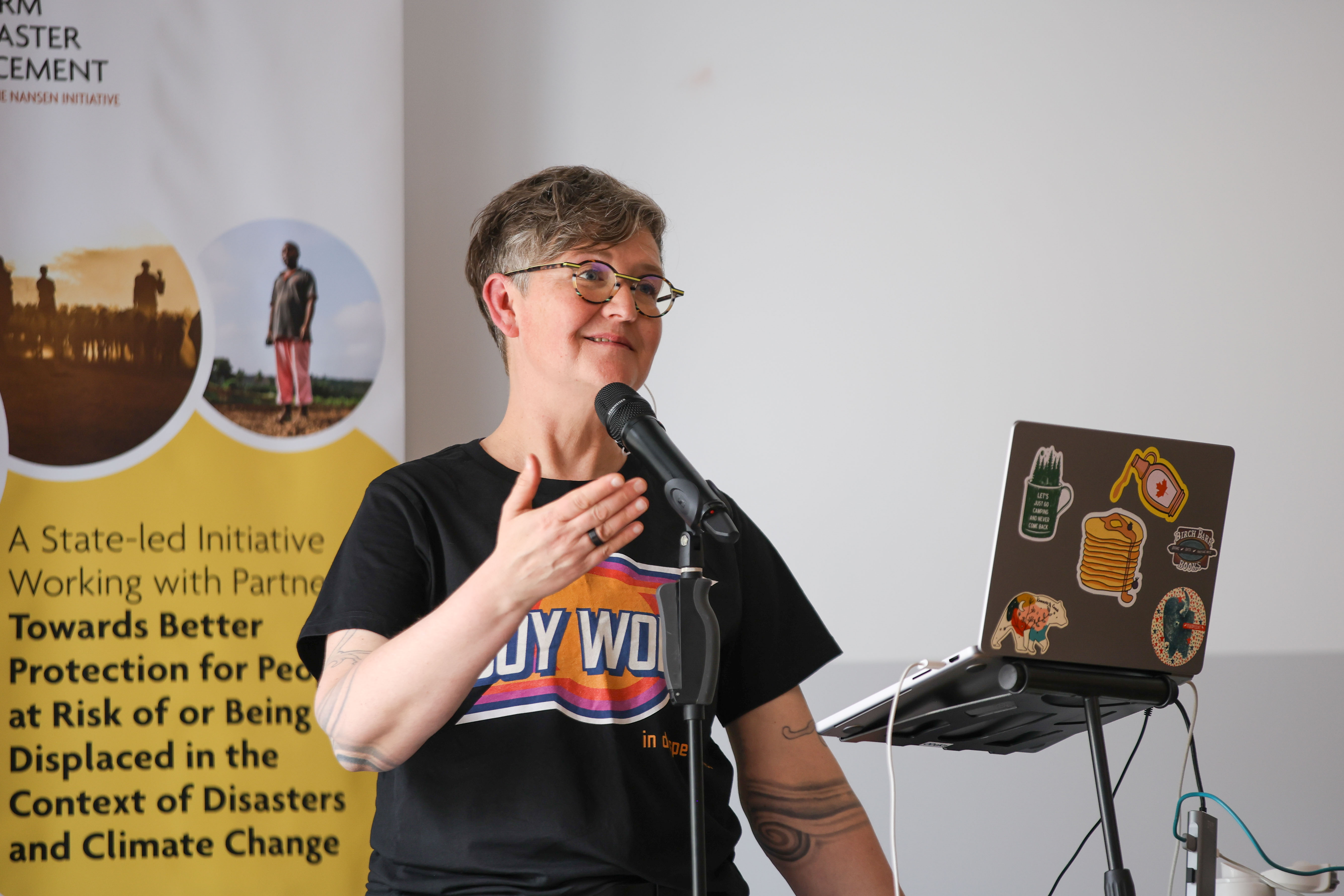
Jean Rea, Centre for Reworlding
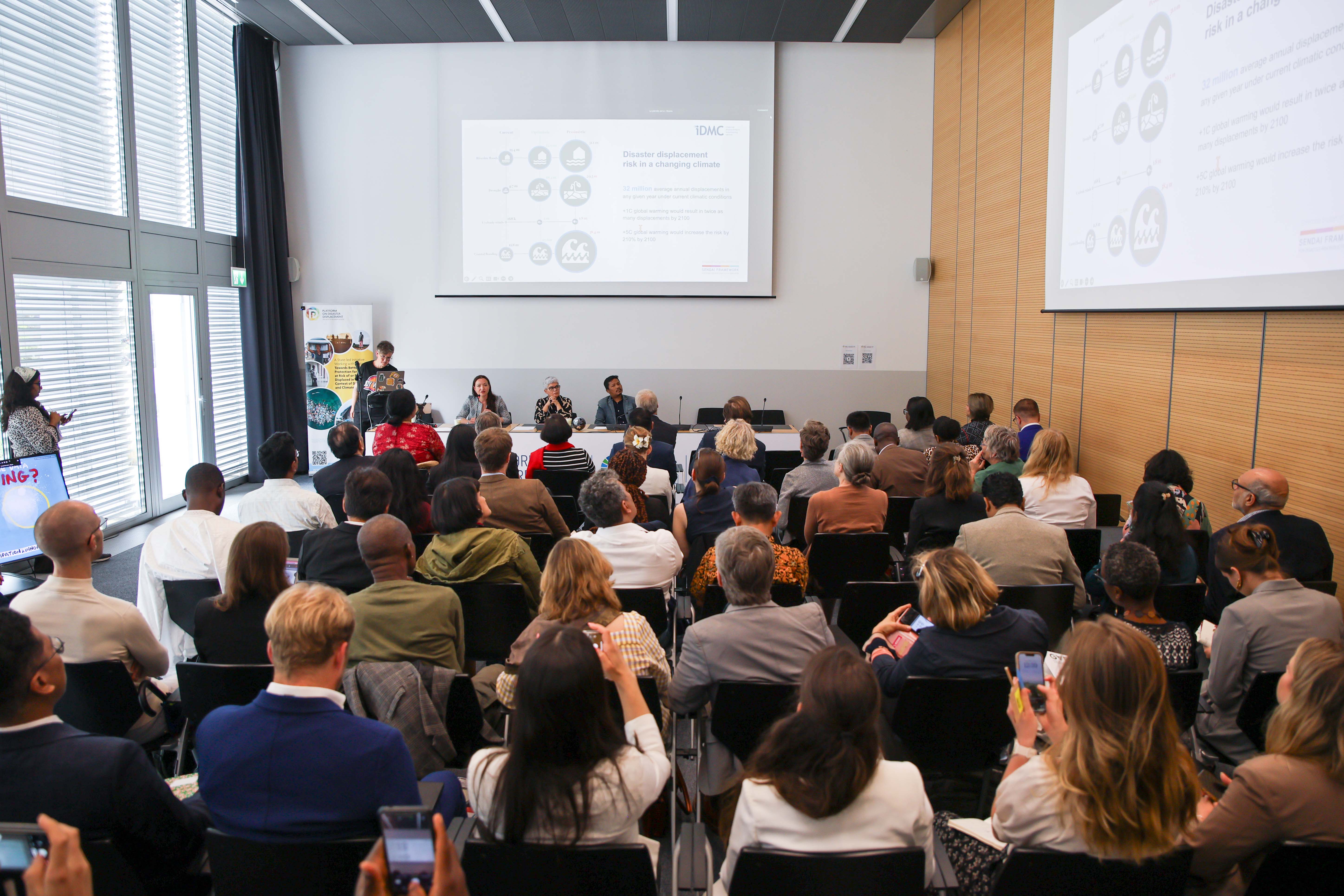
View of the room
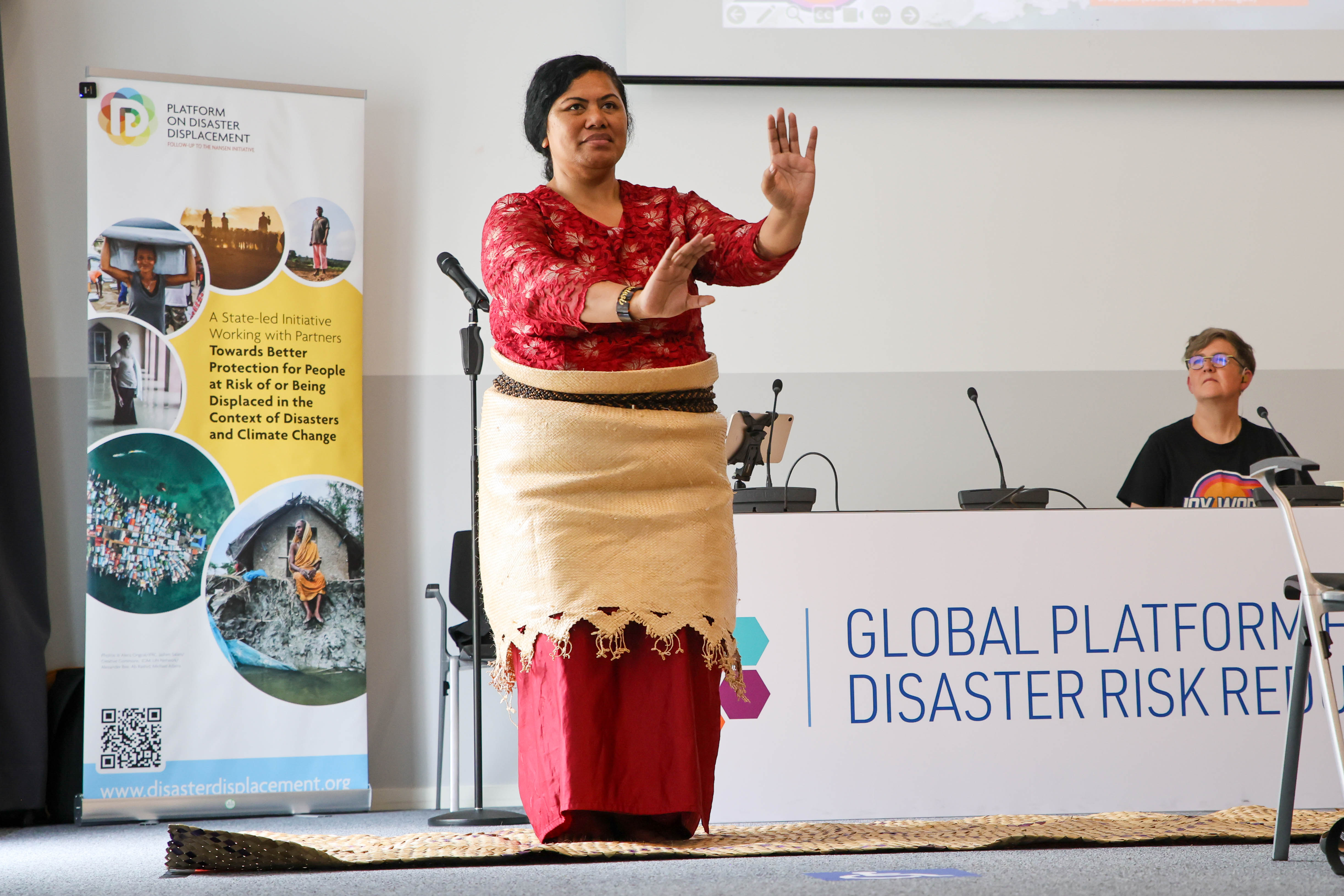
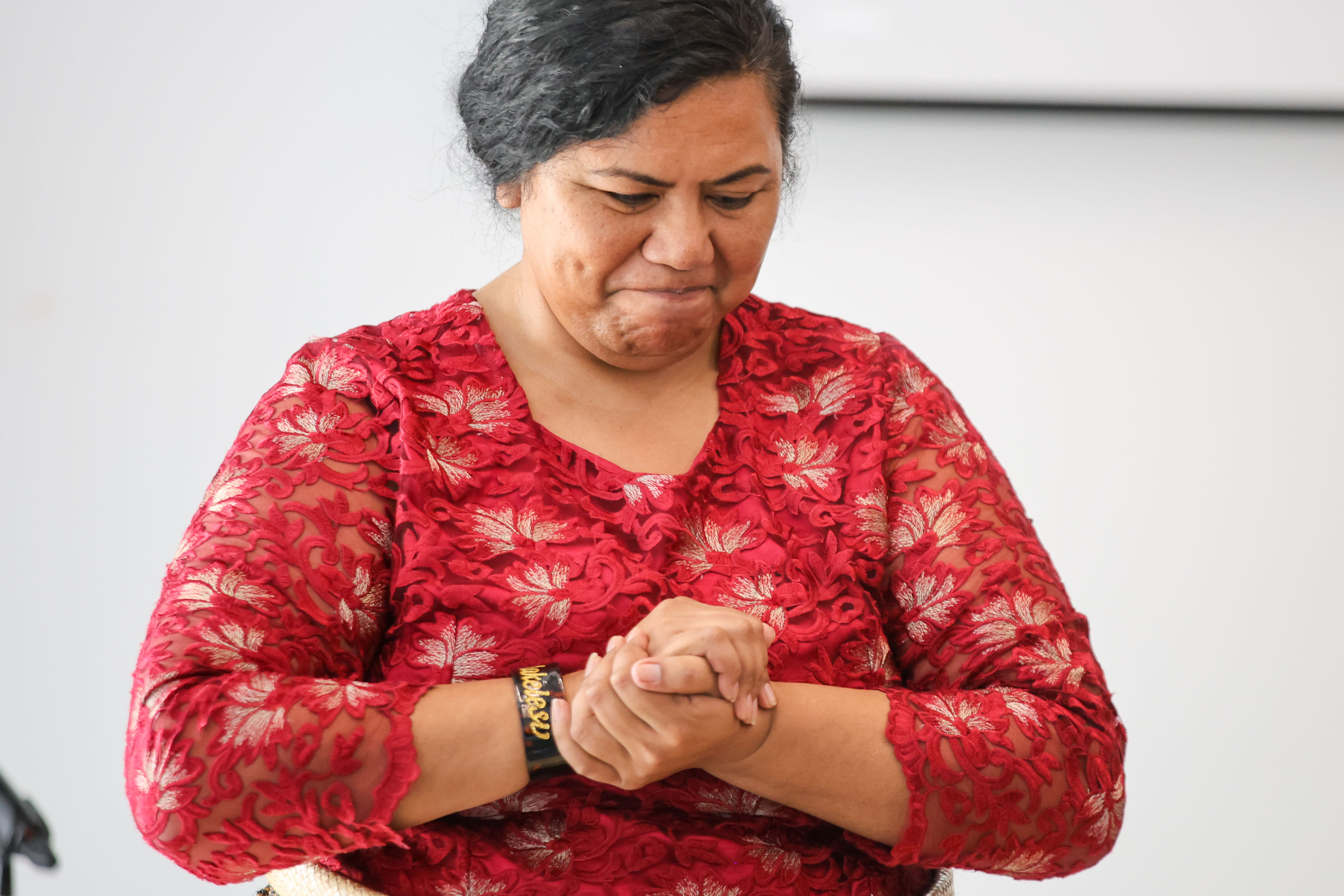
Makelesi Ngata, Pacific Women’s Representative and DRR champion, performing a dance
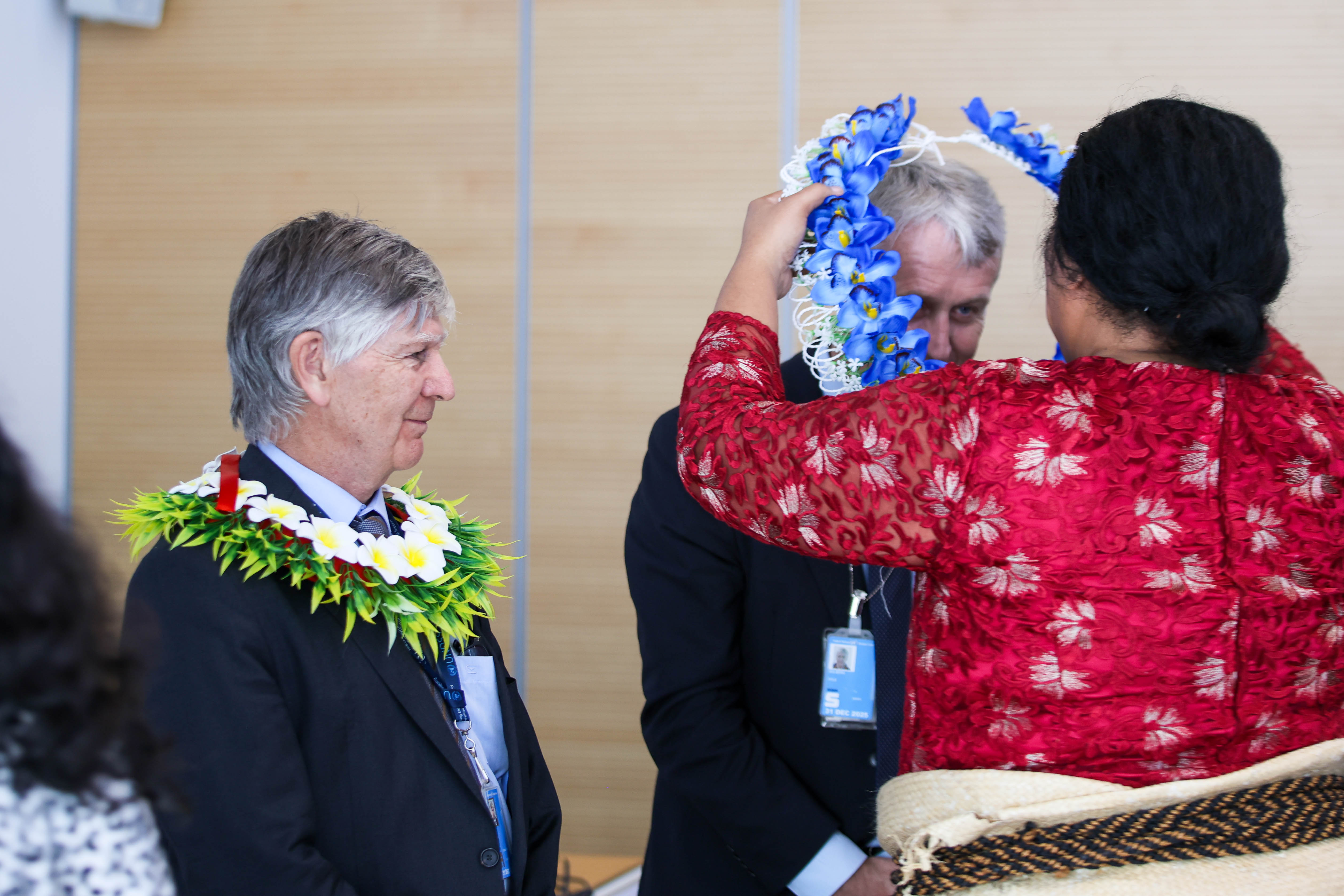
Around the Venue