As the world grapples with the rapidly intensifying impacts of climate change, the Intergovernmental Panel on Climate Change (IPCC) is convening to advance critical work that will shape its Seventh Assessment Report (AR7). Two substantial issues dominate the agenda: the timeline for delivery of key outputs and the outline of the Methodology Report on Carbon Dioxide Removal Technologies, Carbon Capture Utilization and Storage.
Two years into its seventh assessment cycle, consensus on the timeline remains elusive. Many delegates want to ensure that the three Working Group reports are delivered in time to feed into the 2028 Global Stocktake (GST) under the Paris Agreement, enabling the reports to inform global climate action. Others have said this timeline will rush production of the reports and increase pressure on both authors and governments – especially those from developing countries. Finding a path to consensus at this meeting will provide much-needed certainty for governments, authors, and other stakeholders in the outcomes of the IPCC’s assessment.
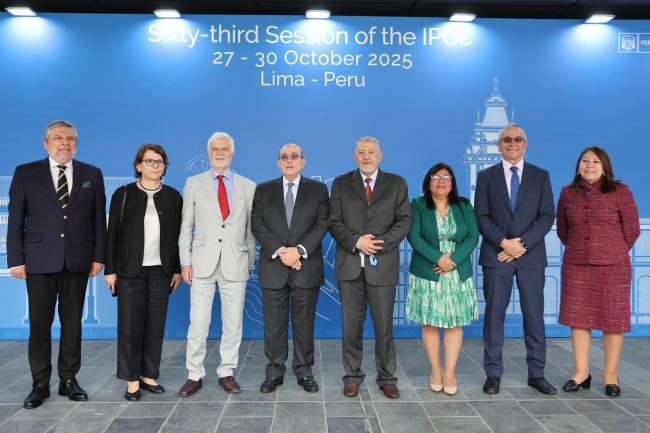
During the opening ceremony of the IPCC’s 63rd session, speakers underscored the importance of the IPCC’s scientific assessments to policymaking. Hugo de Zela, Peru’s Minister of Foreign Affairs, urged the Panel to act with urgency and responsibility. Raquel Hilianova Soto Torres, Peru’s Deputy Minister of Strategic Development of Natural Resources, emphasized that scientific evidence must be the “bedrock” of political decisions on climate action. Celeste Saulo, Secretary-General, World Meteorological Organization, said the seventh assessment report will be the “cornerstone of scientific knowledge for the future.”
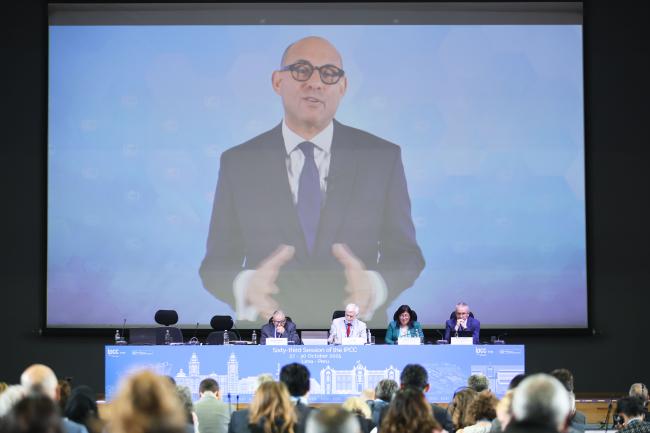
Simon Stiell, Executive Secretary, UN Framework Convention on Climate Change, emphasized that the world stands at “a critical inflection point,” with science increasingly questioned or outright rejected. He described the GST as a “crucial moment for the world to recognize the state of play” and “respond with action and support at the pace and scale the science demands.” He urged the IPCC to agree on timelines that ensure all three Working Group reports are available to inform the GST.
Martin Krause, Director, Climate Change Division, UN Environment Programme (UNEP), further underscored that the GST should be informed by the best available scientific knowledge from the IPCC and emphasized the “fierce urgency” of the moment, as evidenced by UNEP’s upcoming Emissions and Adaptation Gap reports.
IPCC Chair Jim Skea outlined progress made over the past 24 months of the seventh assessment cycle, noting that the Panel has identified the scope of scientific knowledge to assess for the Seventh Assessment Report and who will be delivering the work. He emphasized that a decision on the workplan for the cycle is the priority agenda item for the week, alongside the scoping for the methodology report. He thanked member governments for their scientific and financial contributions and called for greater predictable multi-year funding to ensure continuity of the IPCC’s work.
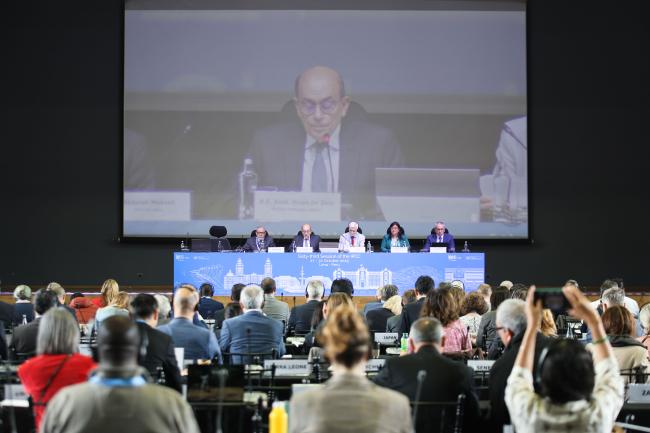
Following the opening ceremony, IPCC Chair Skea formally opened IPCC-63. Delegates initiated consideration of agenda items including: the IPCC Trust Fund Programme and Budget; progress reports from the IPCC Chair and Vice Chairs, Working Groups, and the Task Force on National Greenhouse Gas Inventories; scoping of the Methodology Report on Carbon Dioxide Removal Technologies, Carbon Capture Utilization and Storage; and the workplan for the seventh assessment cycle.
To receive free coverage of global environmental events delivered to your inbox, subscribe to the ENB Update newsletter.
As IPCC sessions are closed, ENB publishes pictures and brief highlights while the meetings are in progress. Our full summary and analysis of each IPCC meeting will be published after its conclusion.
All ENB photos are free to use with attribution. For the 63rd Session of the IPCC (IPCC-63), please use: Photo by IISD/ENB | Anastasia Rodopoulou
Opening Session
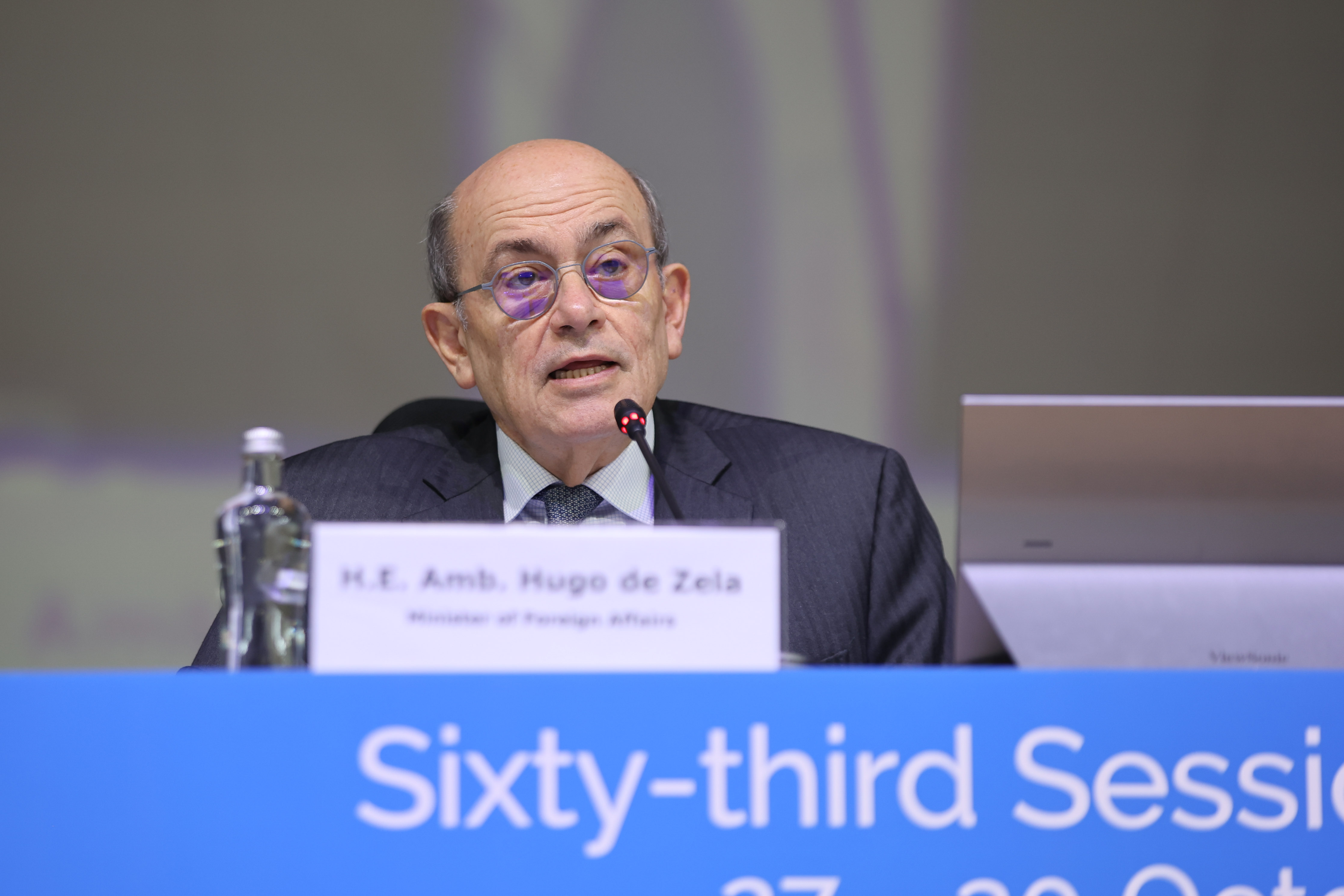
Ambassador Hugo de Zela, Minister of Foreign Affairs, Peru
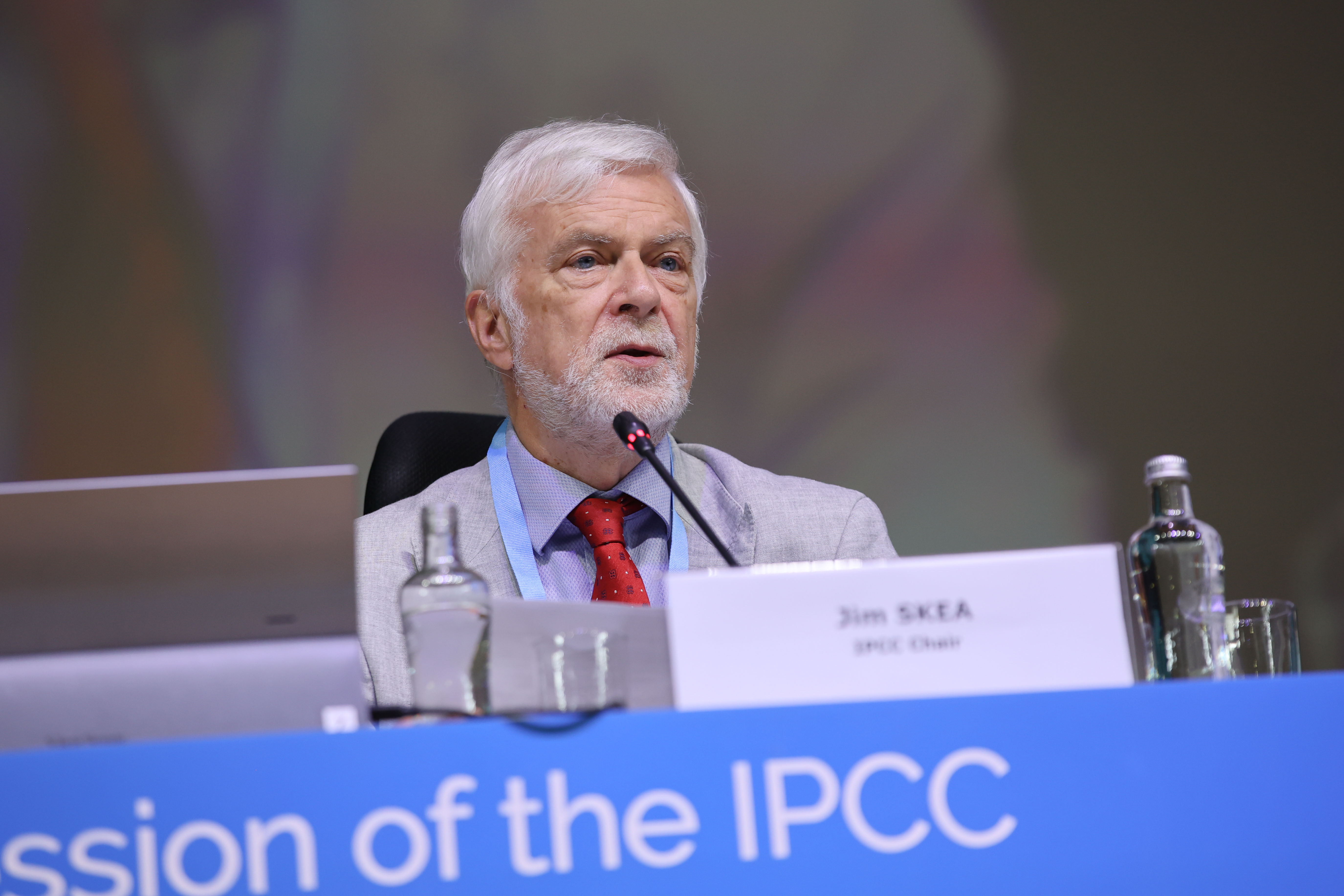
IPCC Chair Jim Skea
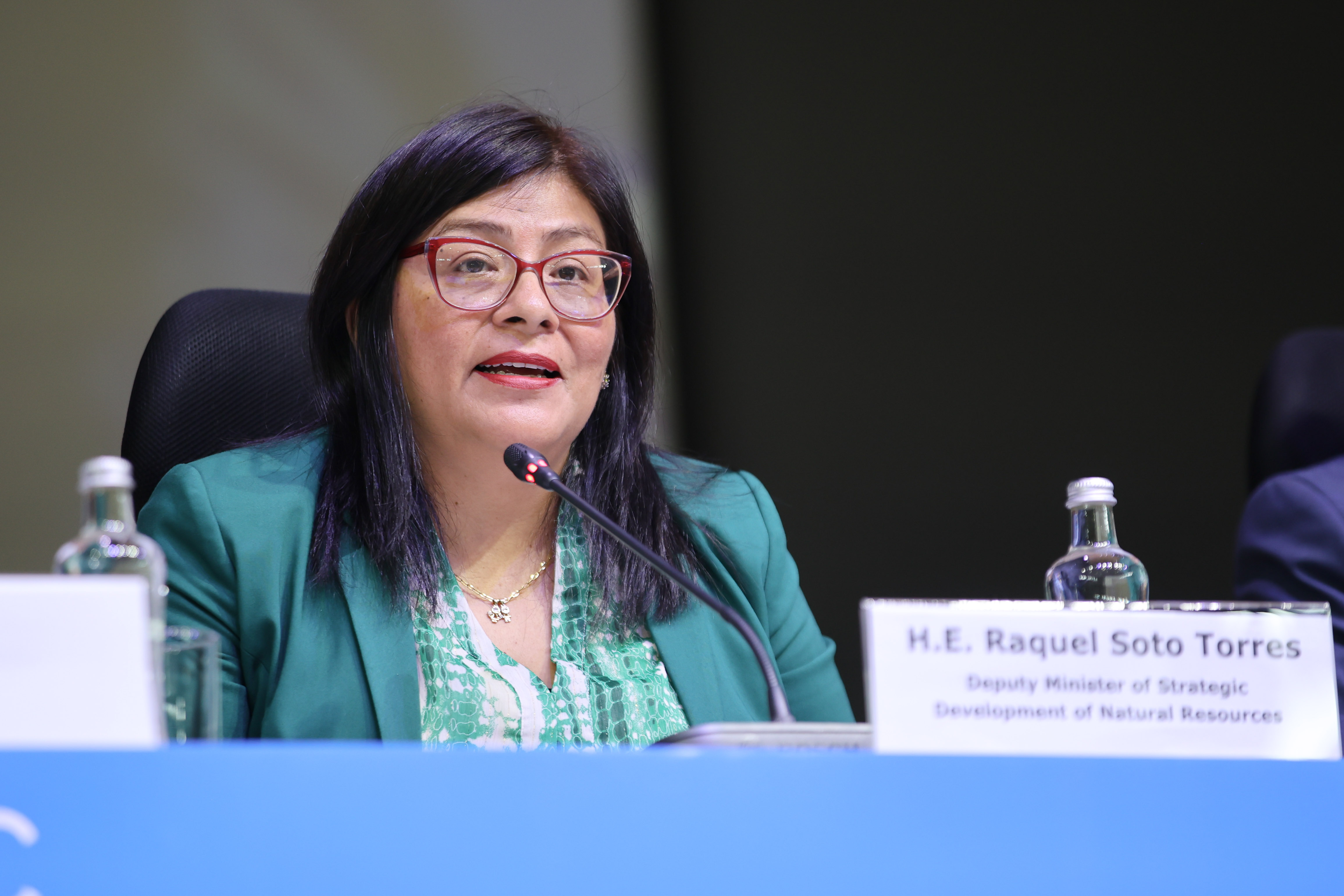
Raquel Hilianova Soto Torres, Deputy Minister, Strategic Development of Natural Resources, Ministry of Environment, Peru
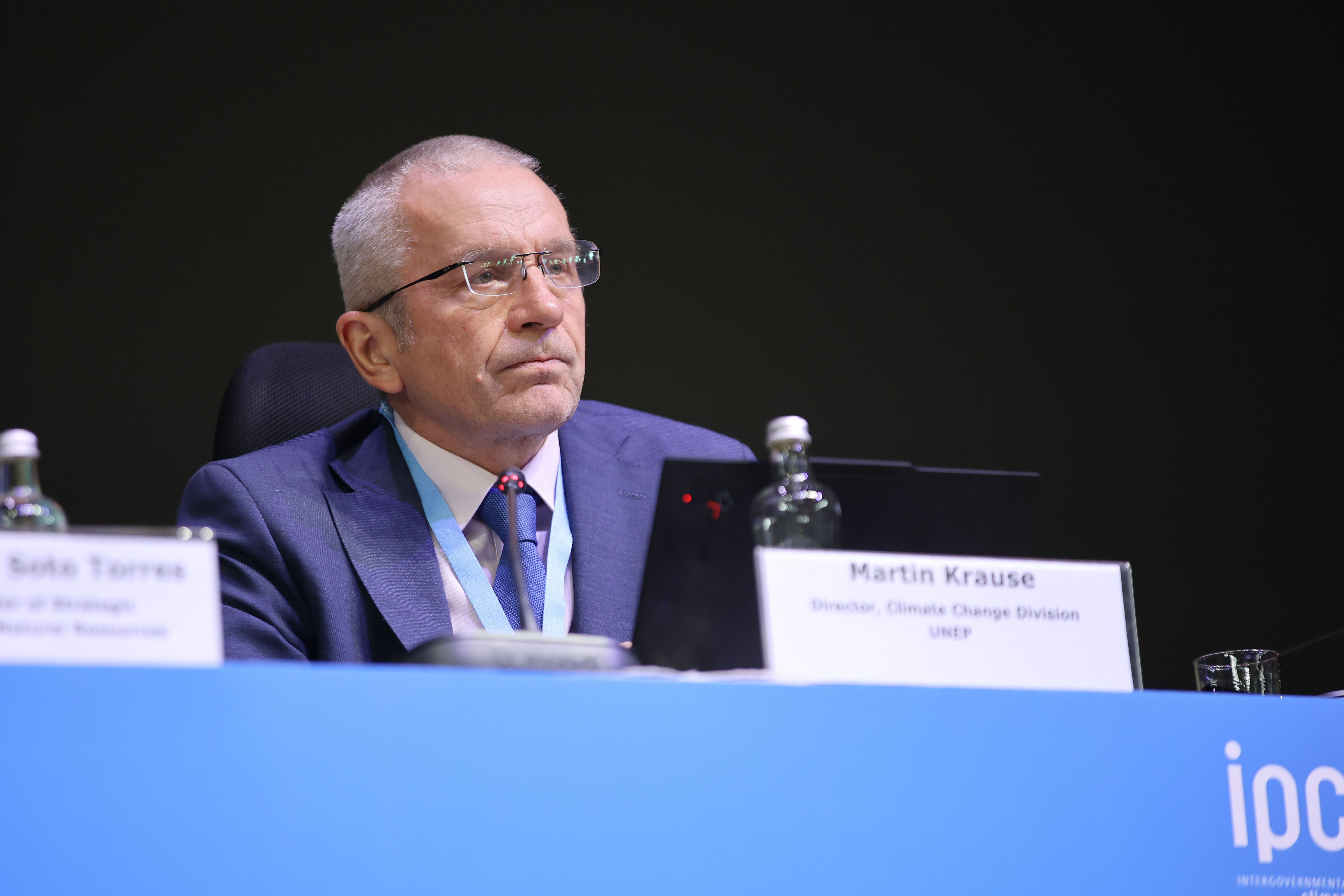
Martin Krause, Director, Climate Change Division, UN Environment Programme (UNEP)
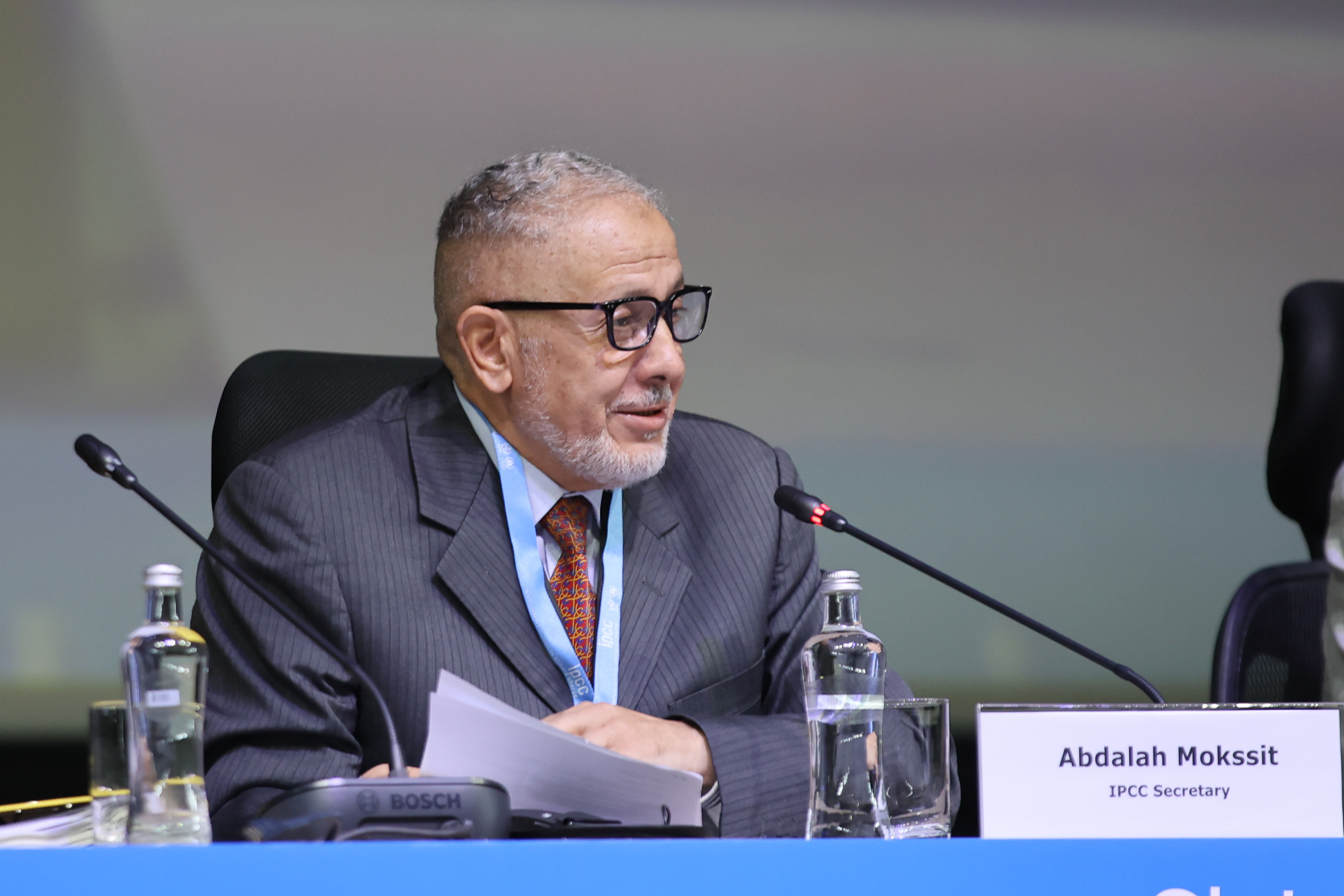
IPCC Secretary Abdalah Mokssit
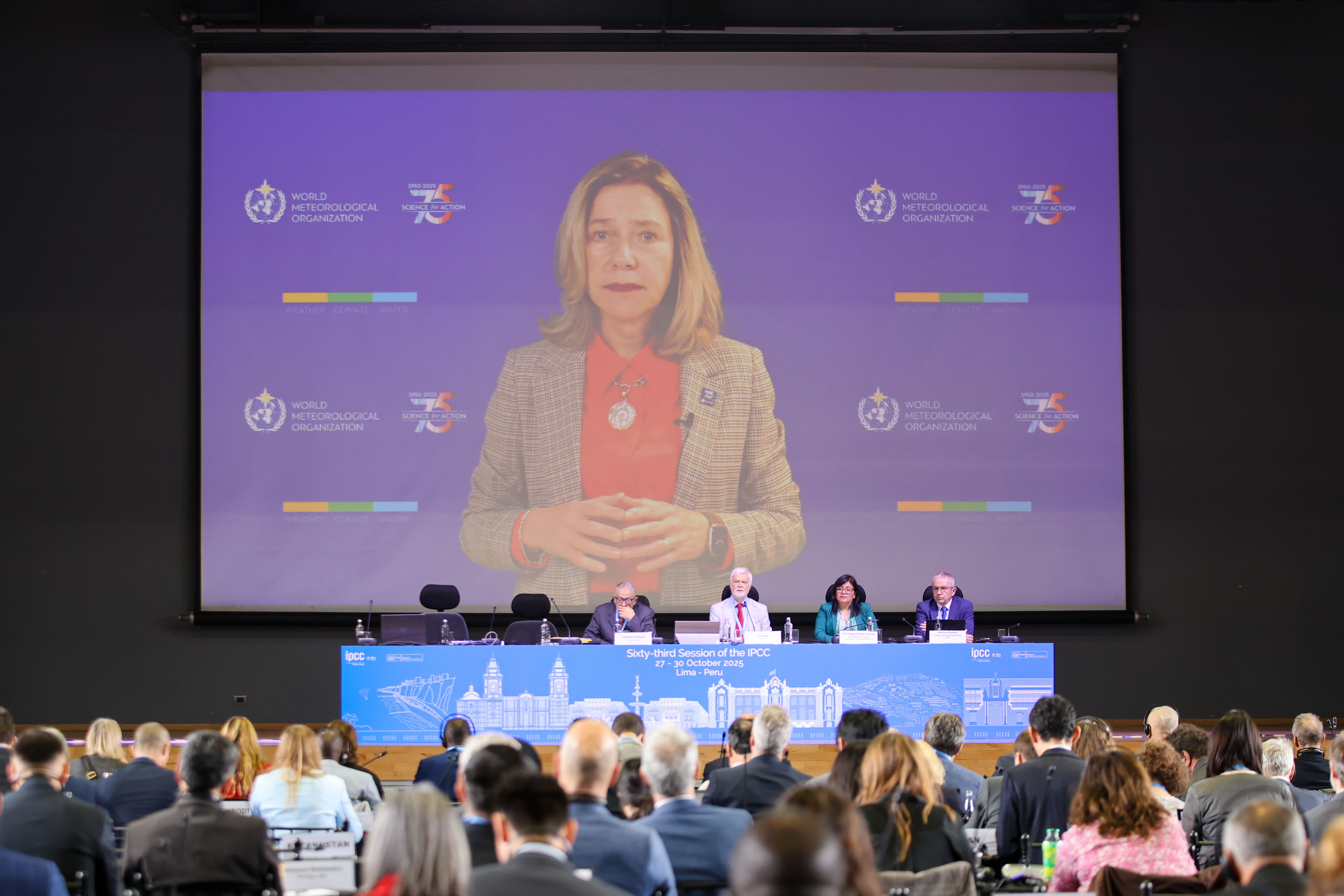
Celeste Saulo, Secretary-General, World Meteorological Organization (WMO), addressed the opening session via a video message.
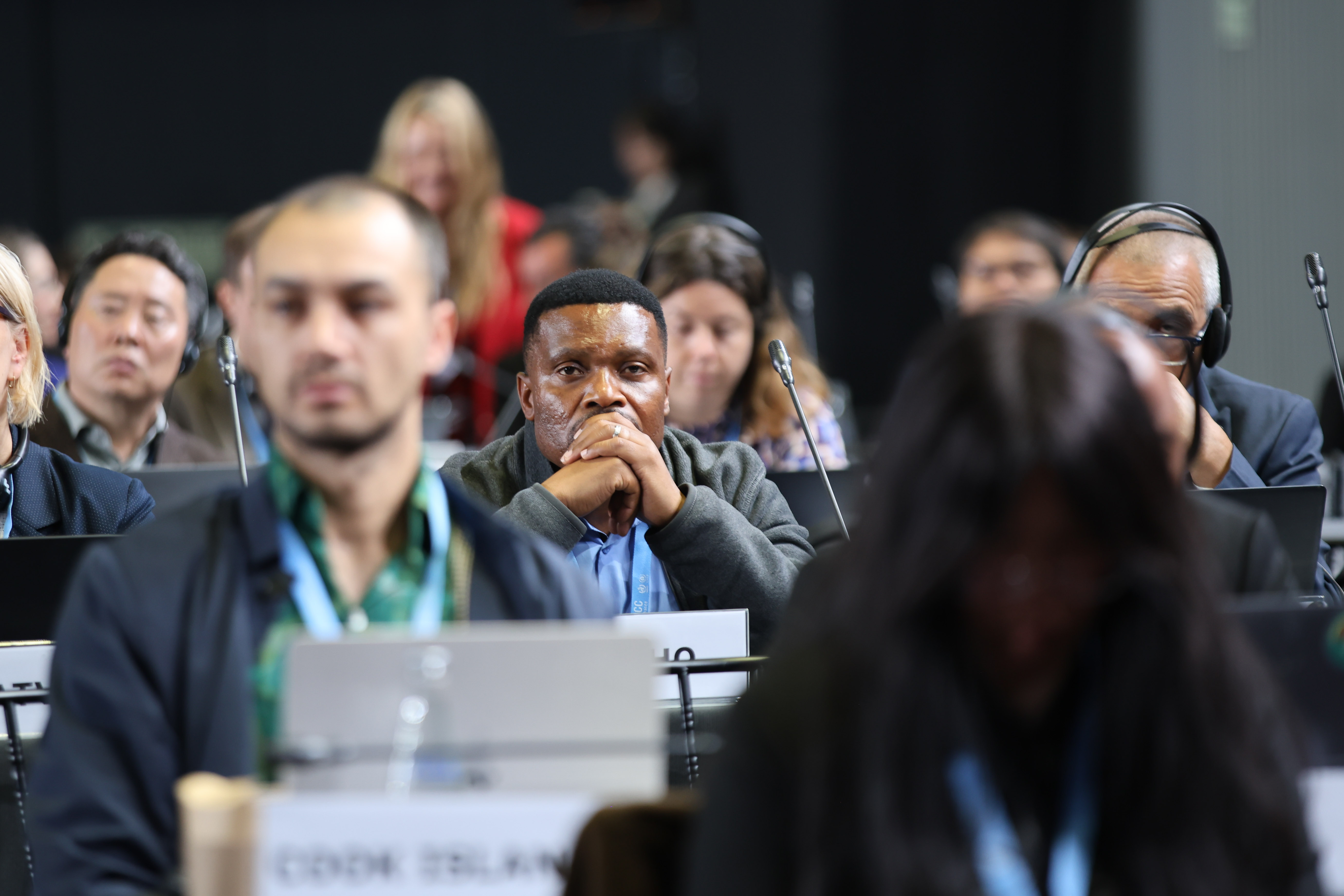
Delegates listen to the opening remarks.
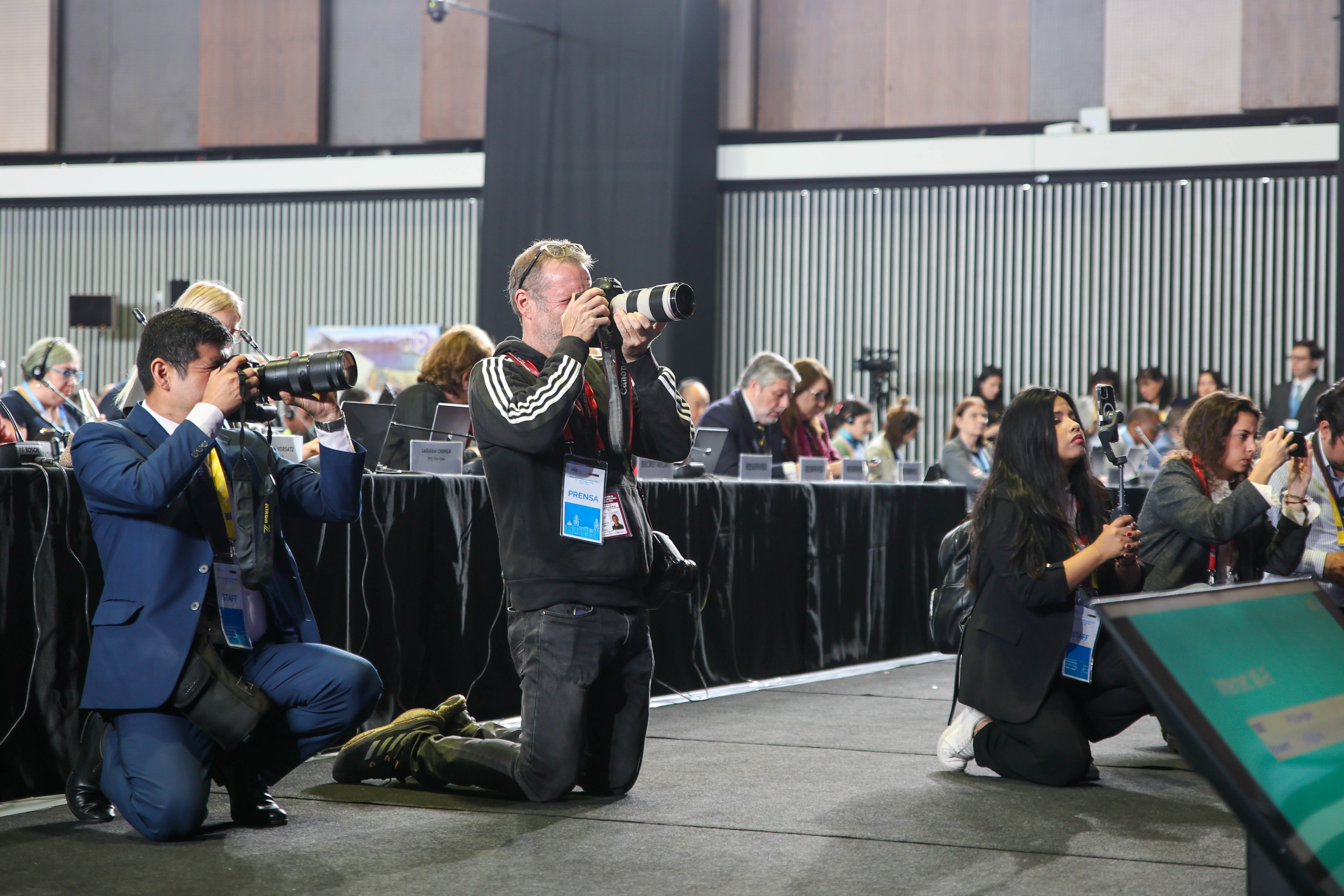
Plenary Session
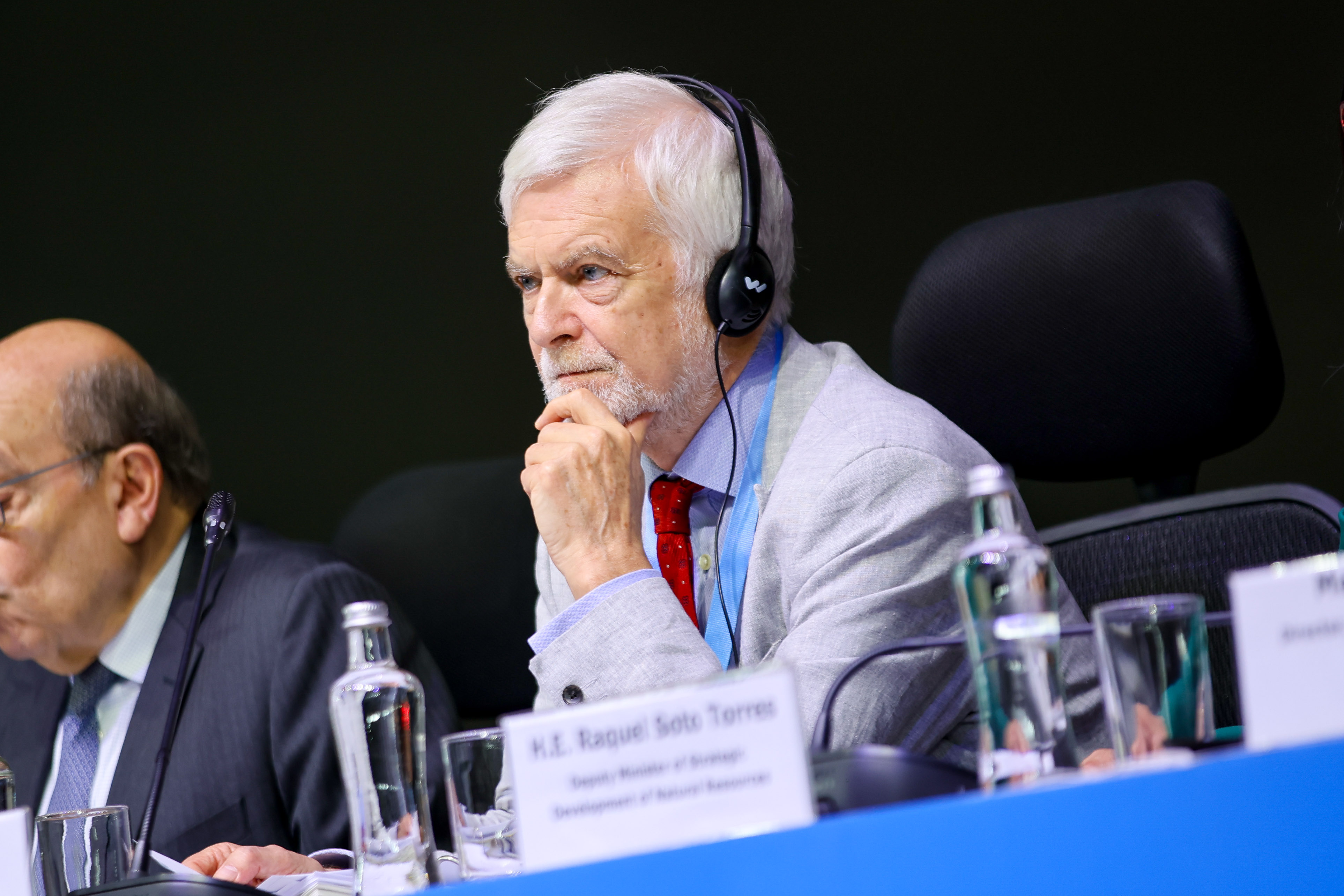
IPCC Chair Jim Skea
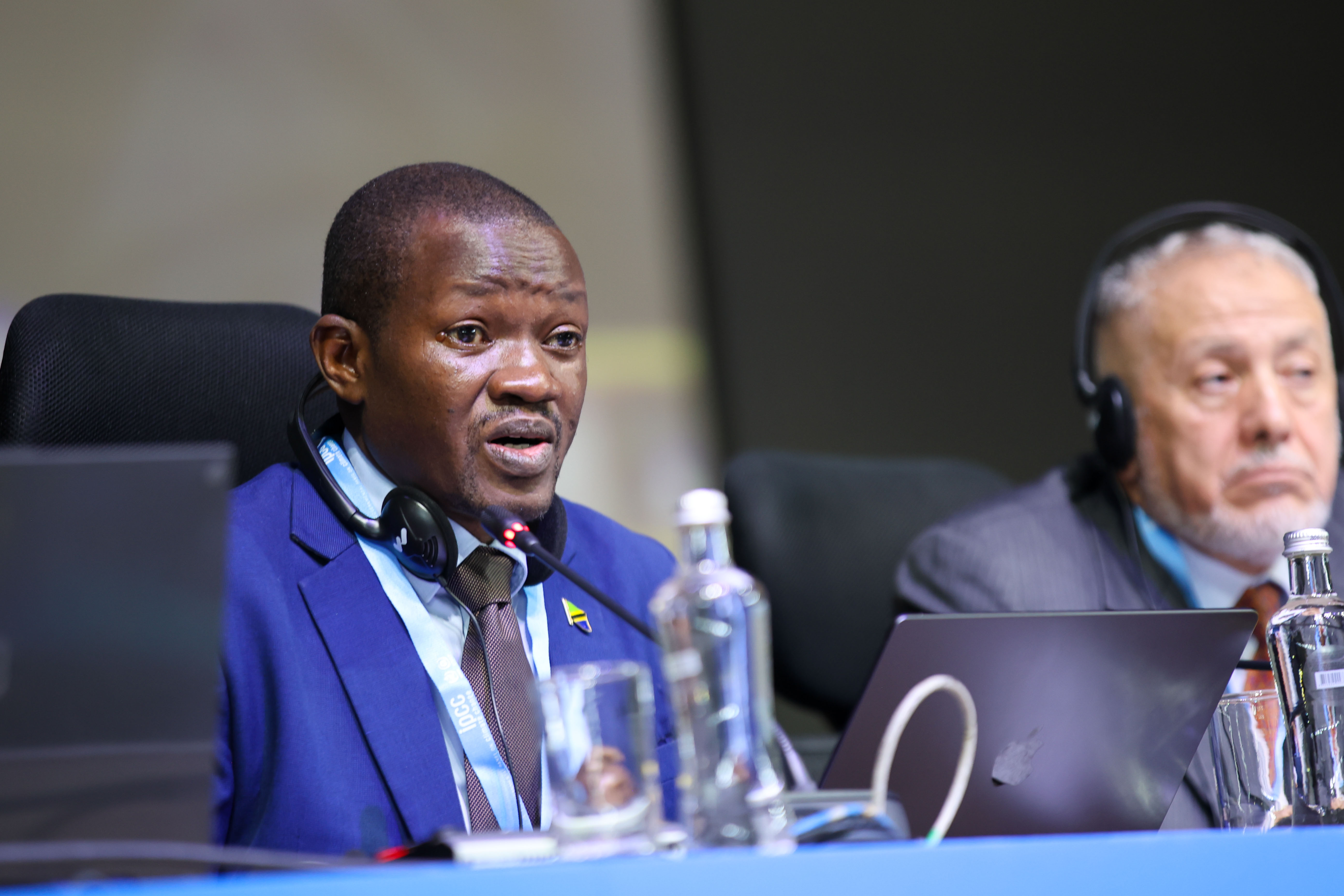
IPCC Vice-Chair Ladislaus Chang’a
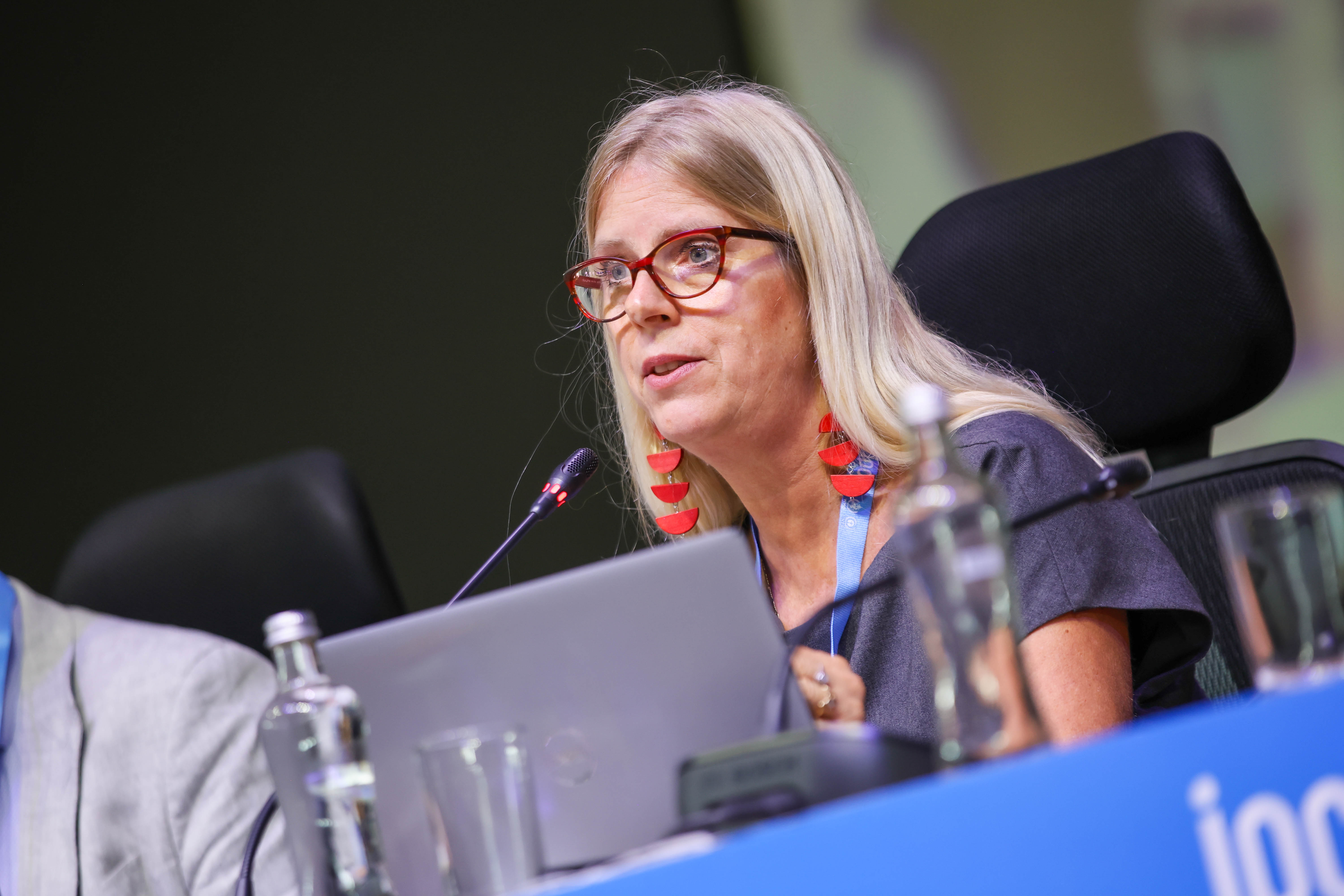
IPCC Vice-Chair Diana Ürge-Vorsatz
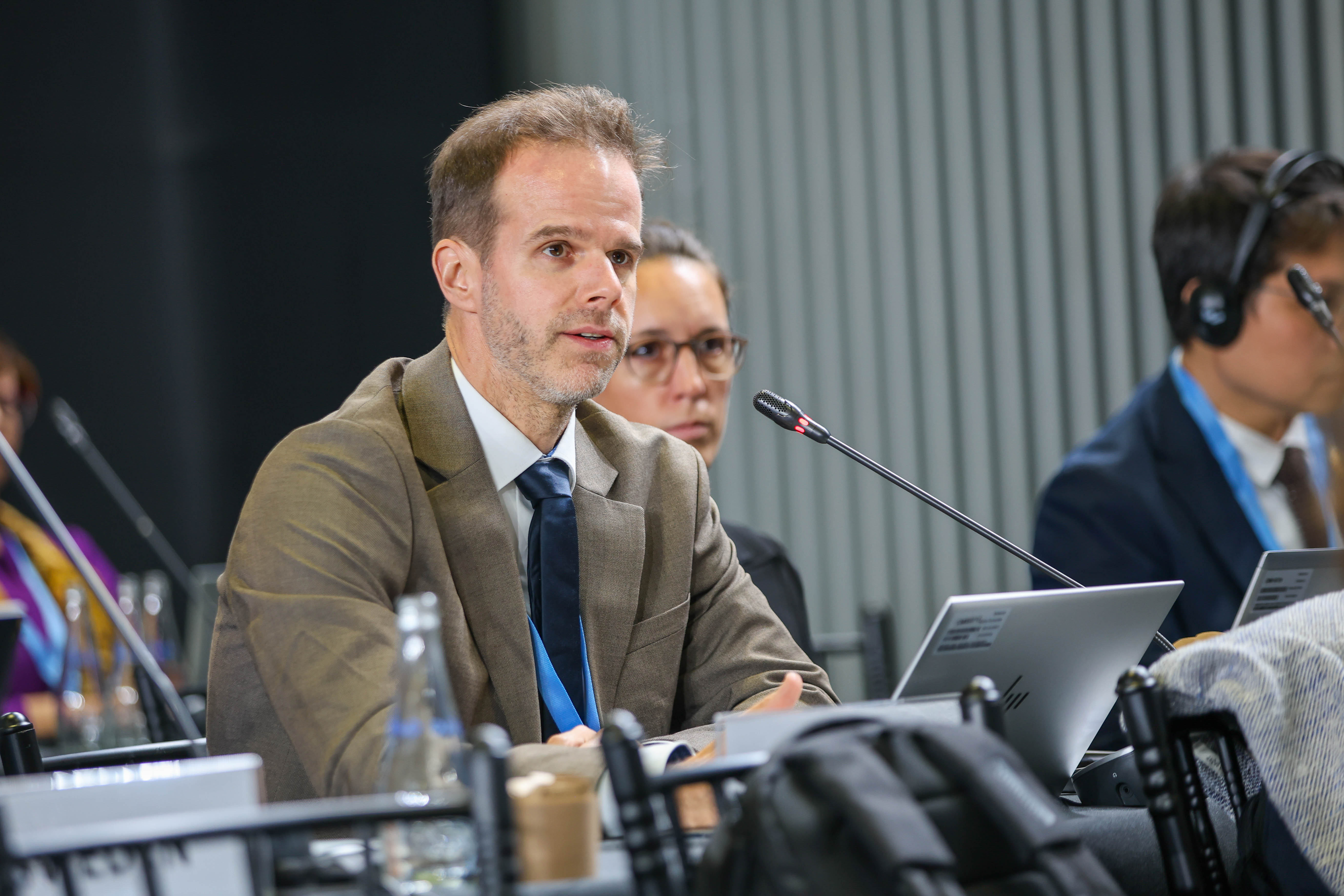
Sebastian König, Switzerland
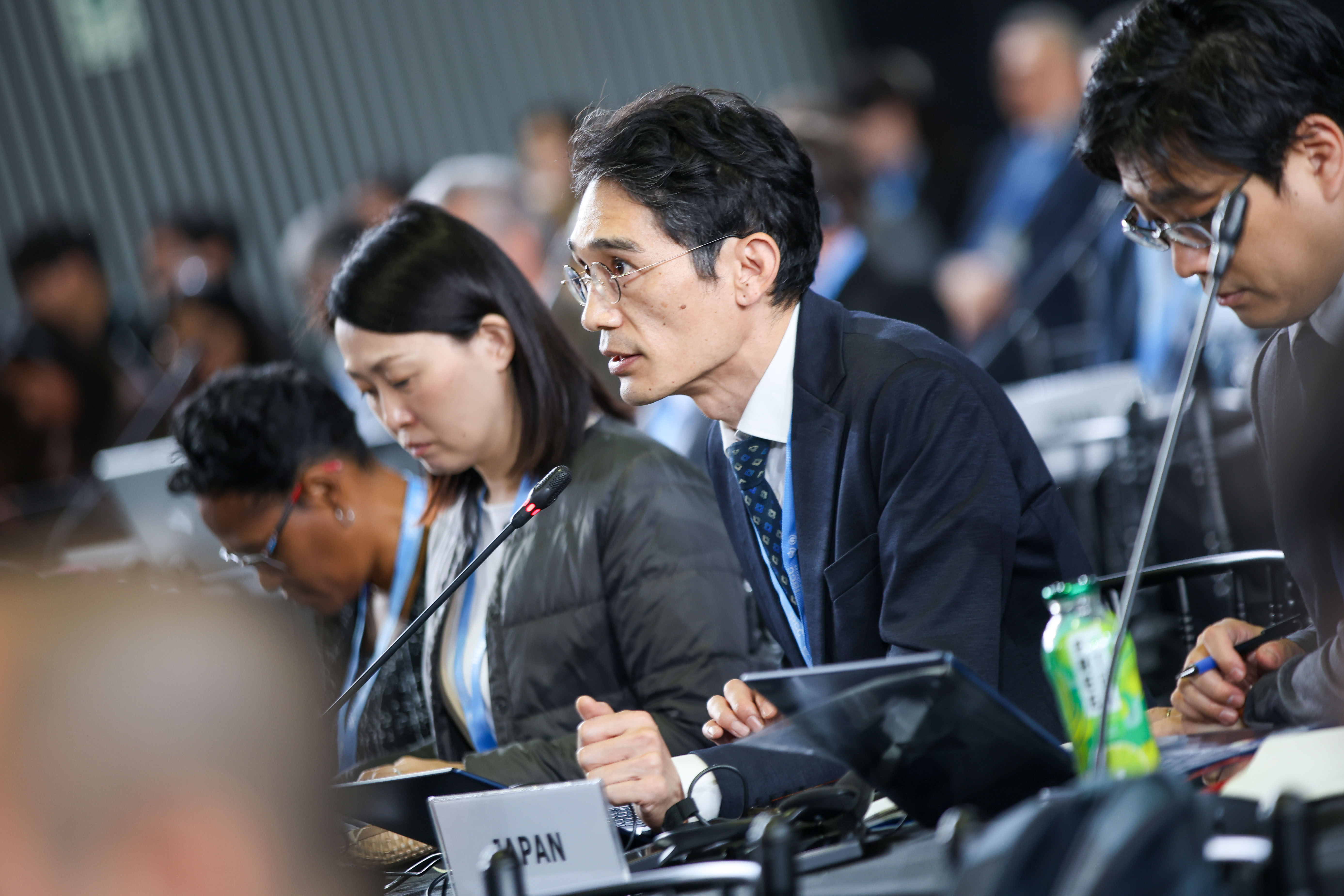
Yukihiro Haisa, Japan
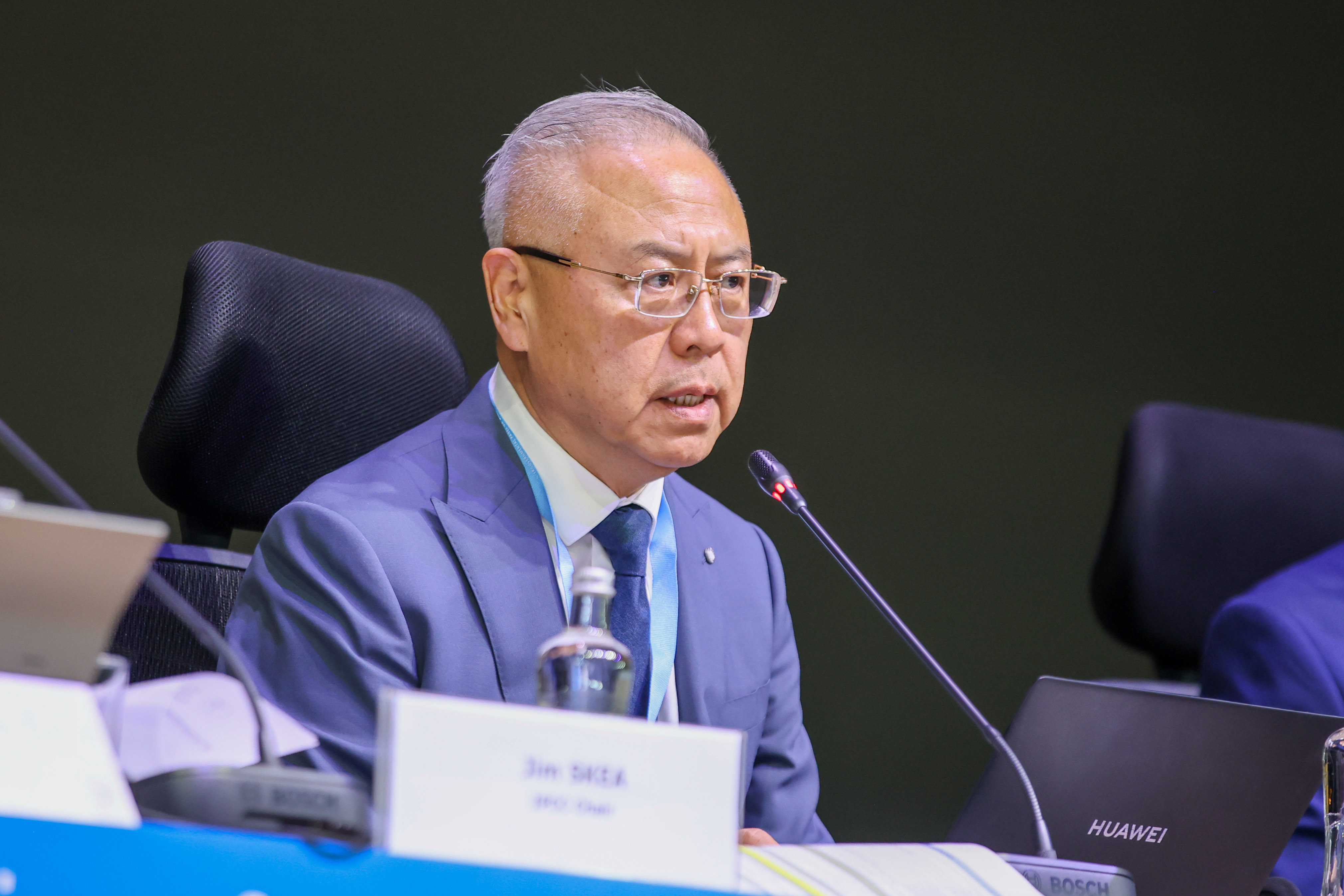
Xiaoye Zhang, WGI Co-Chair
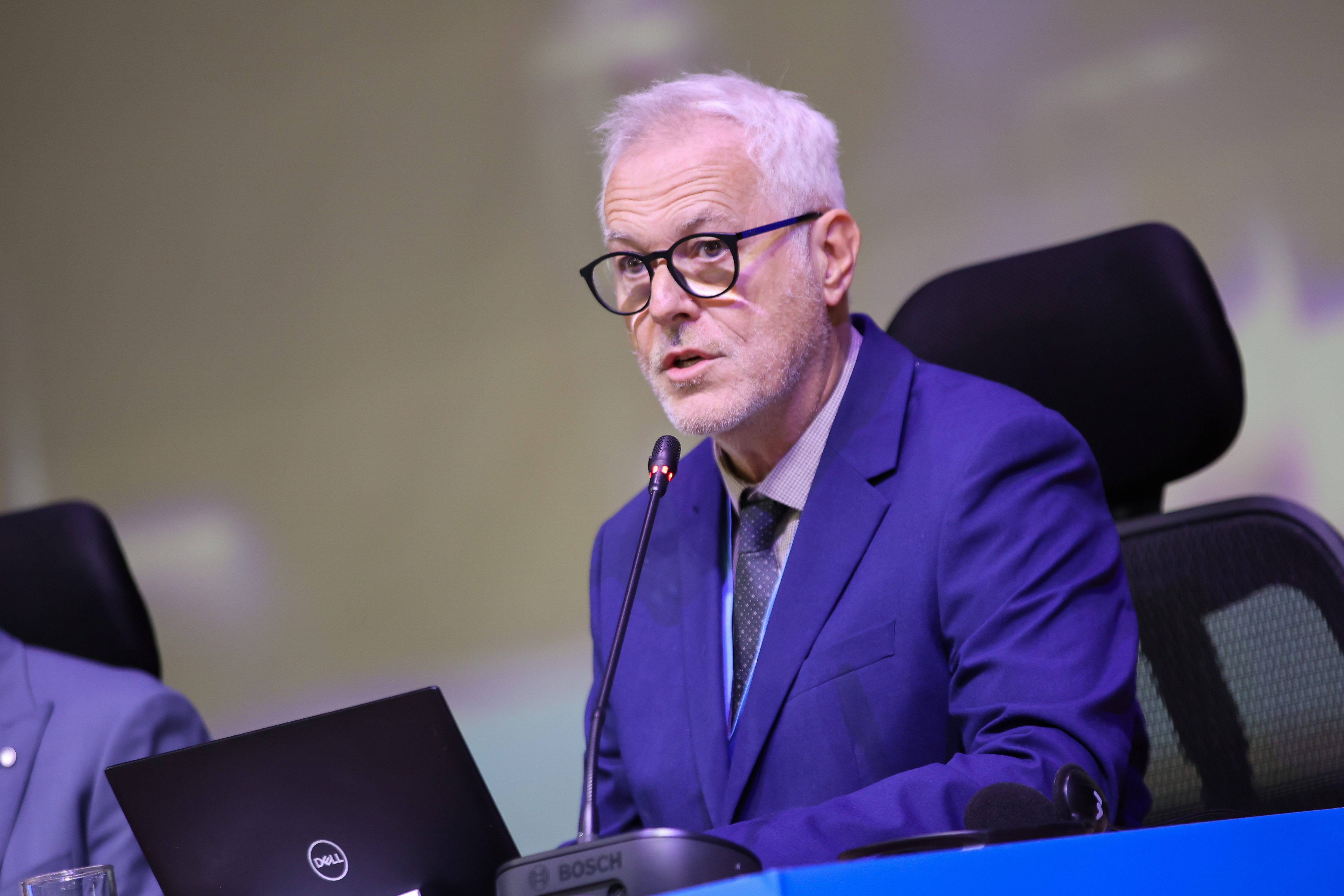
Robert Vautard, WGI Co-Chair
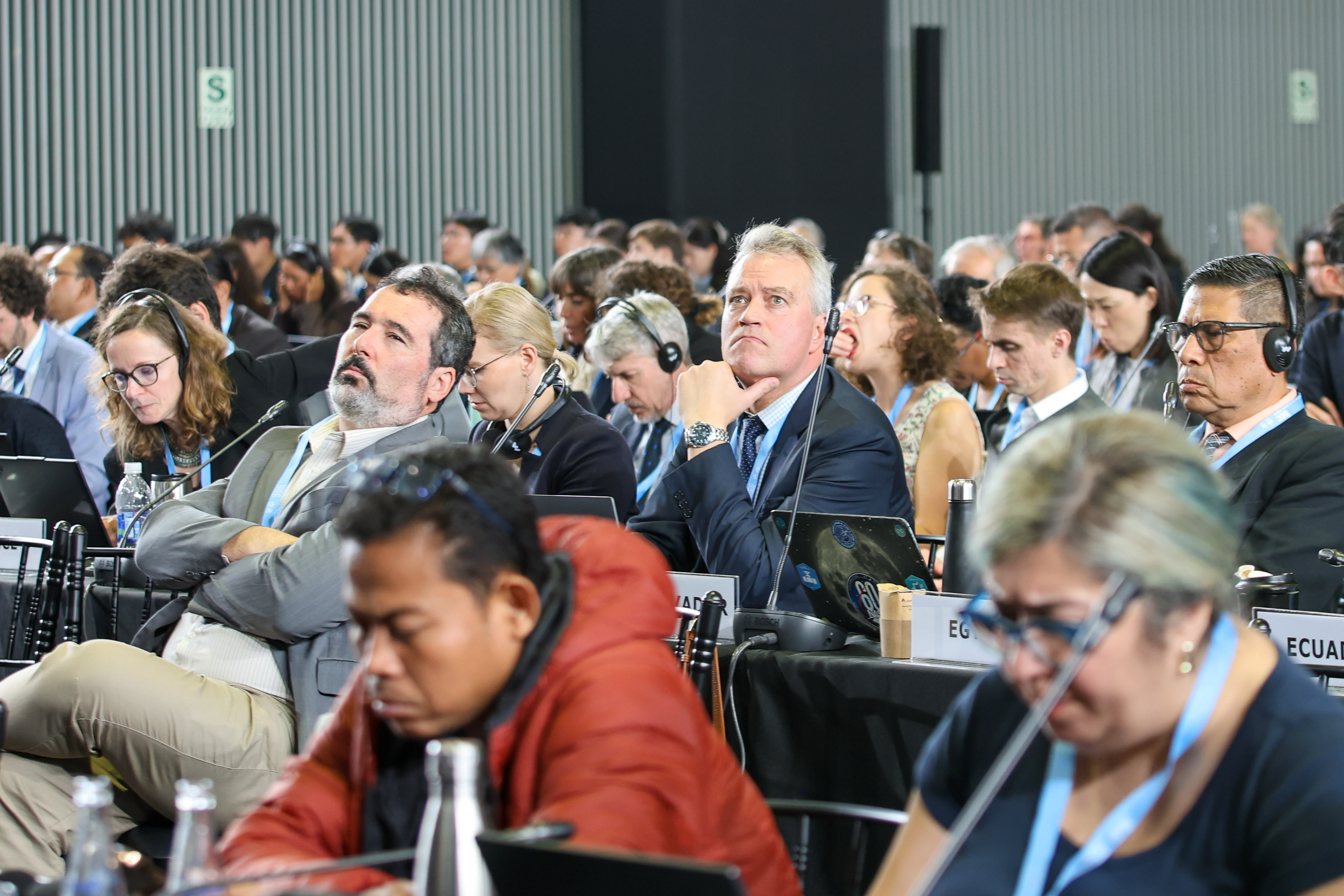
Delegates listen to the WGs' presentations.
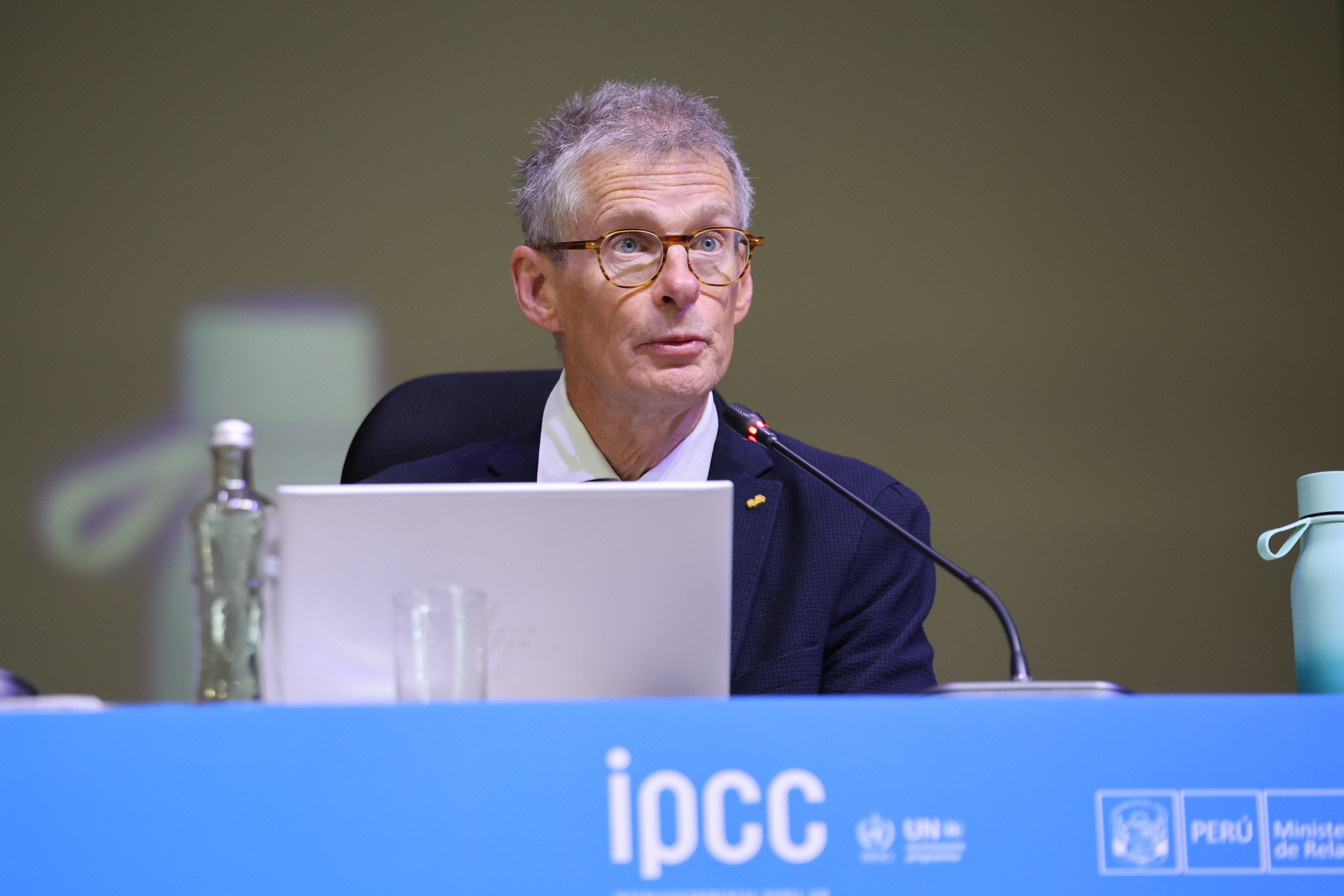
Bart van den Hurk, WGII Co-Chair

Winston Chow, WGII Co-Chair
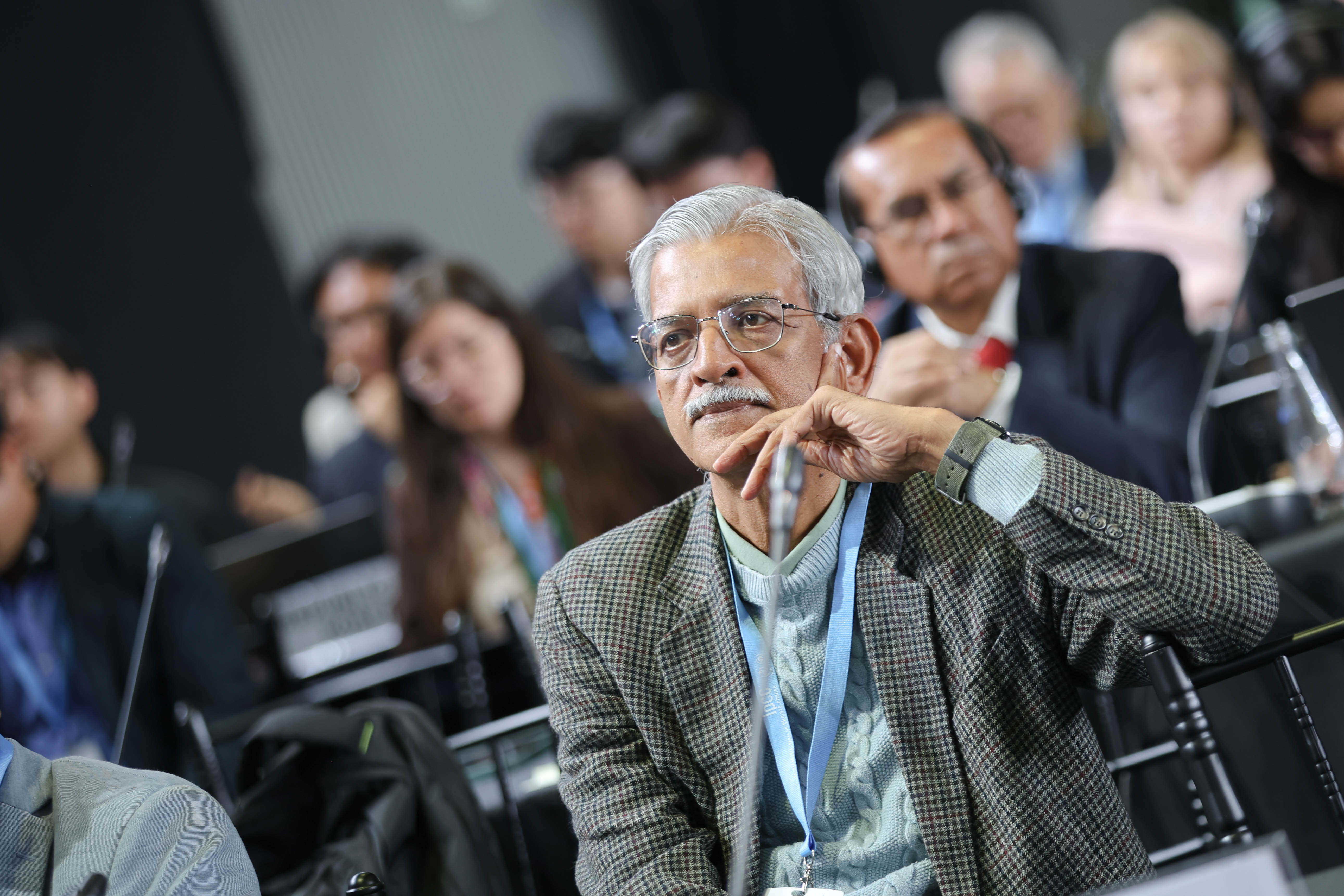
Raman Sukumar, WGII Vice-Chair

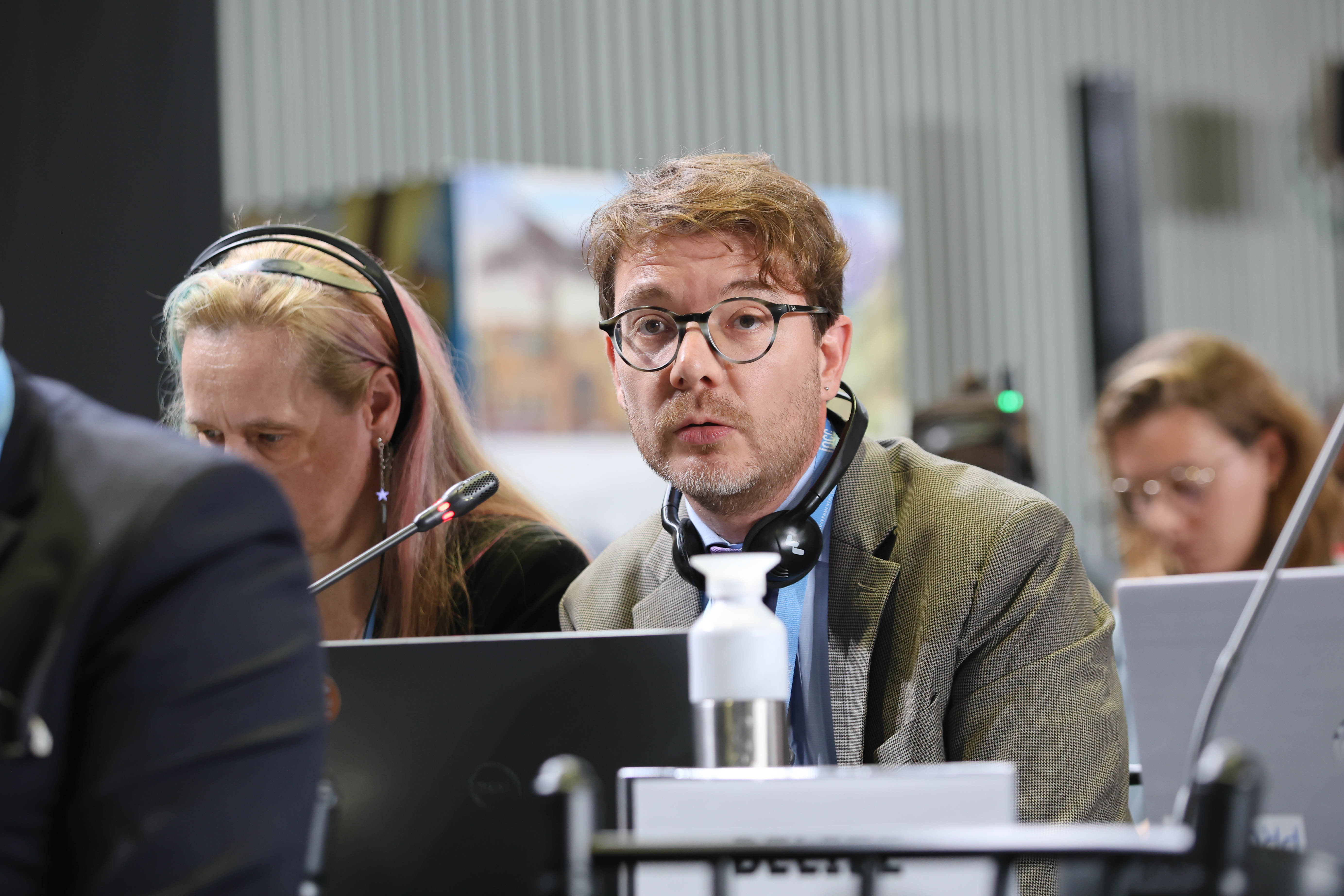
Bart Rymen, Belgium
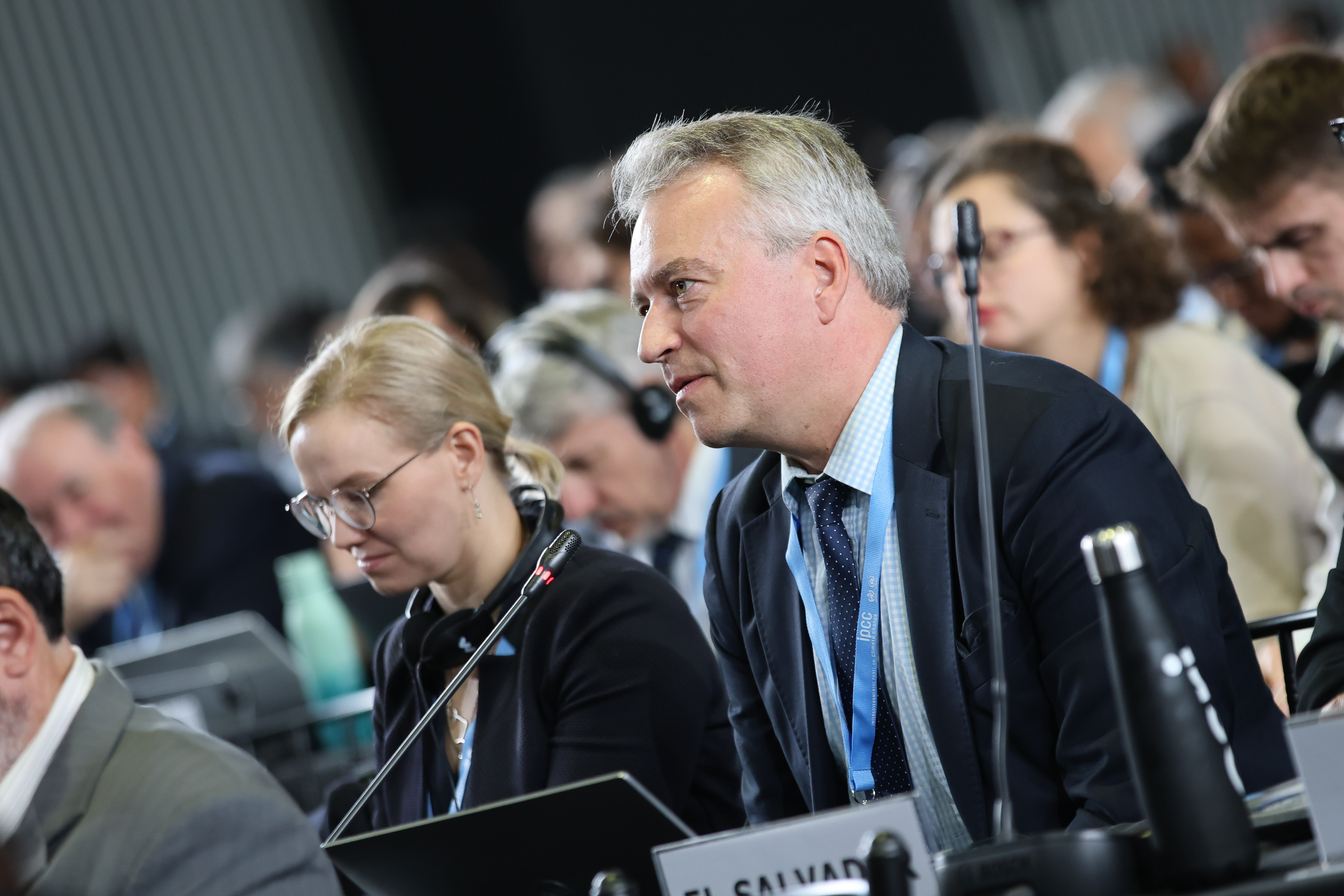
Kaarle Kupiainen, Finland
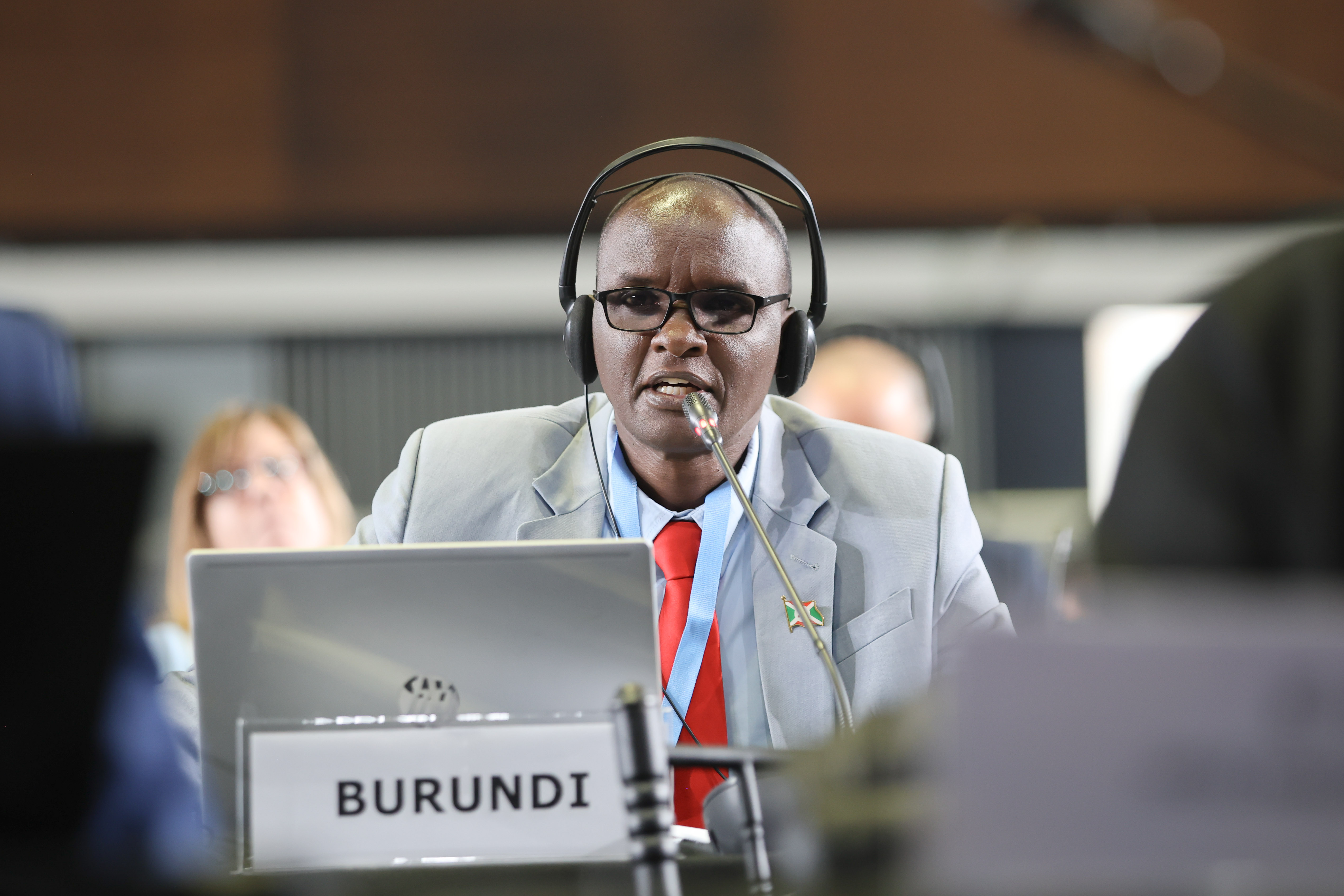
Ezéchiel Kayoya, Burundi
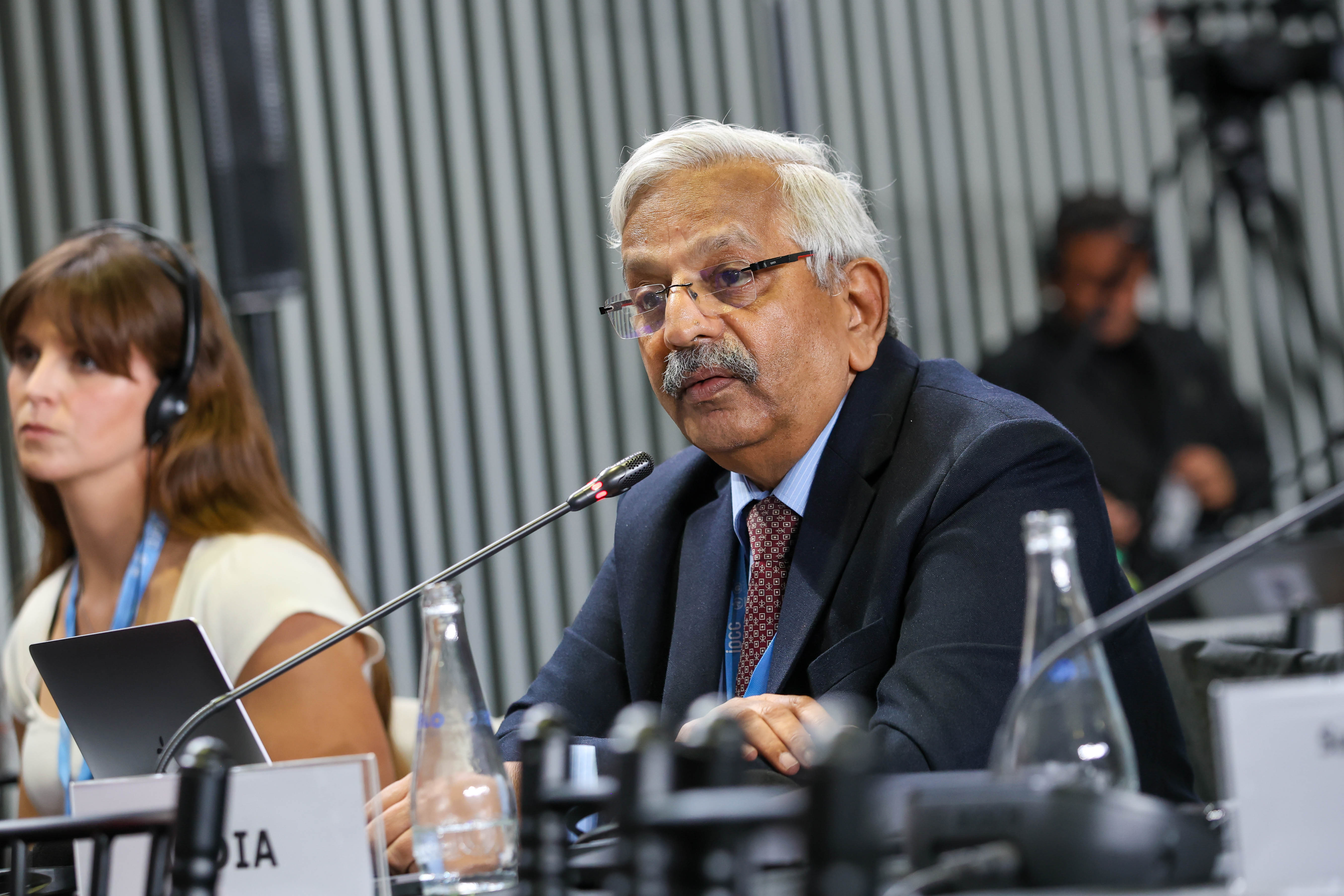
Thiagarajan Jayaraman, India
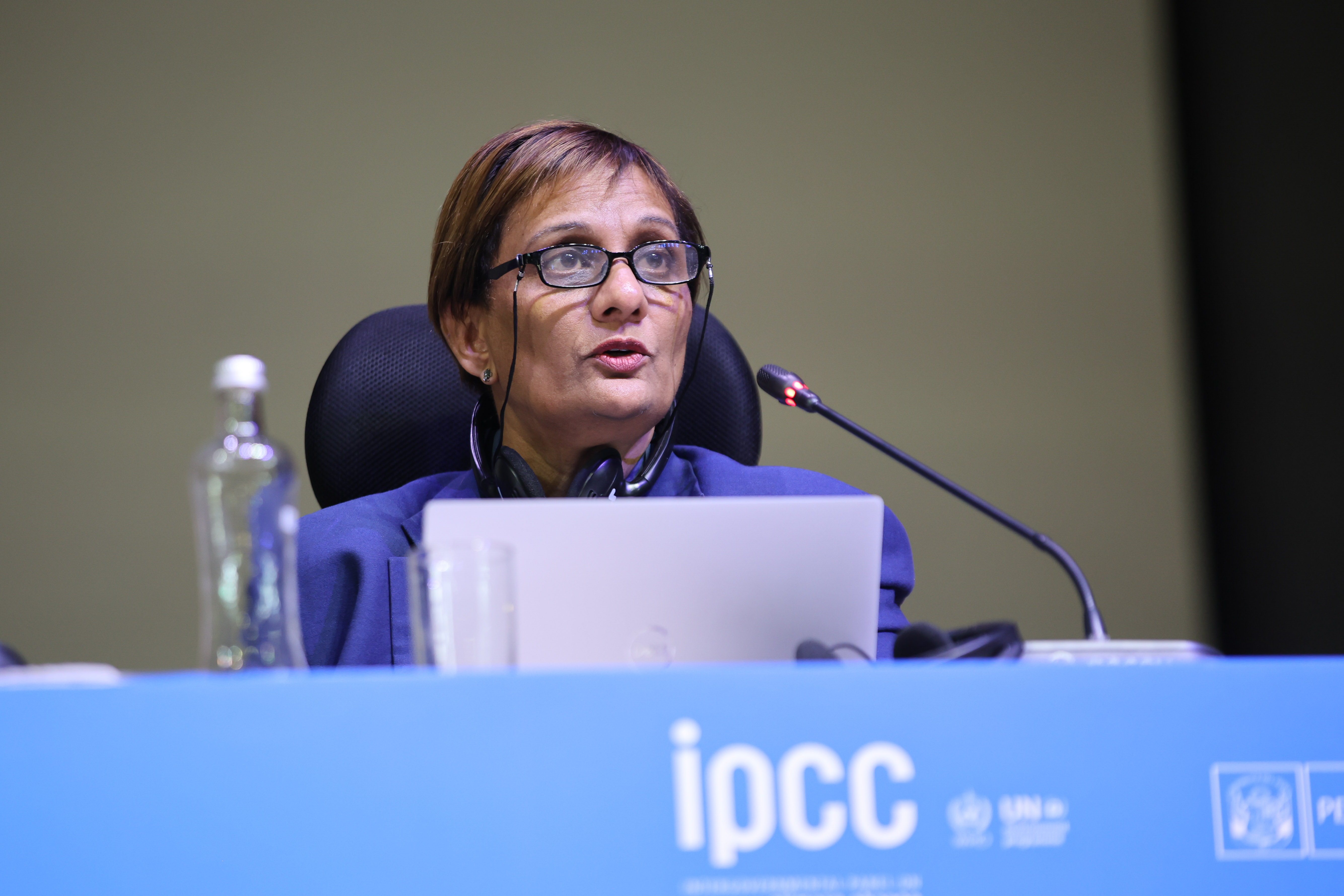
Joy Jacqueline Pereira, WGIII Co-Chair
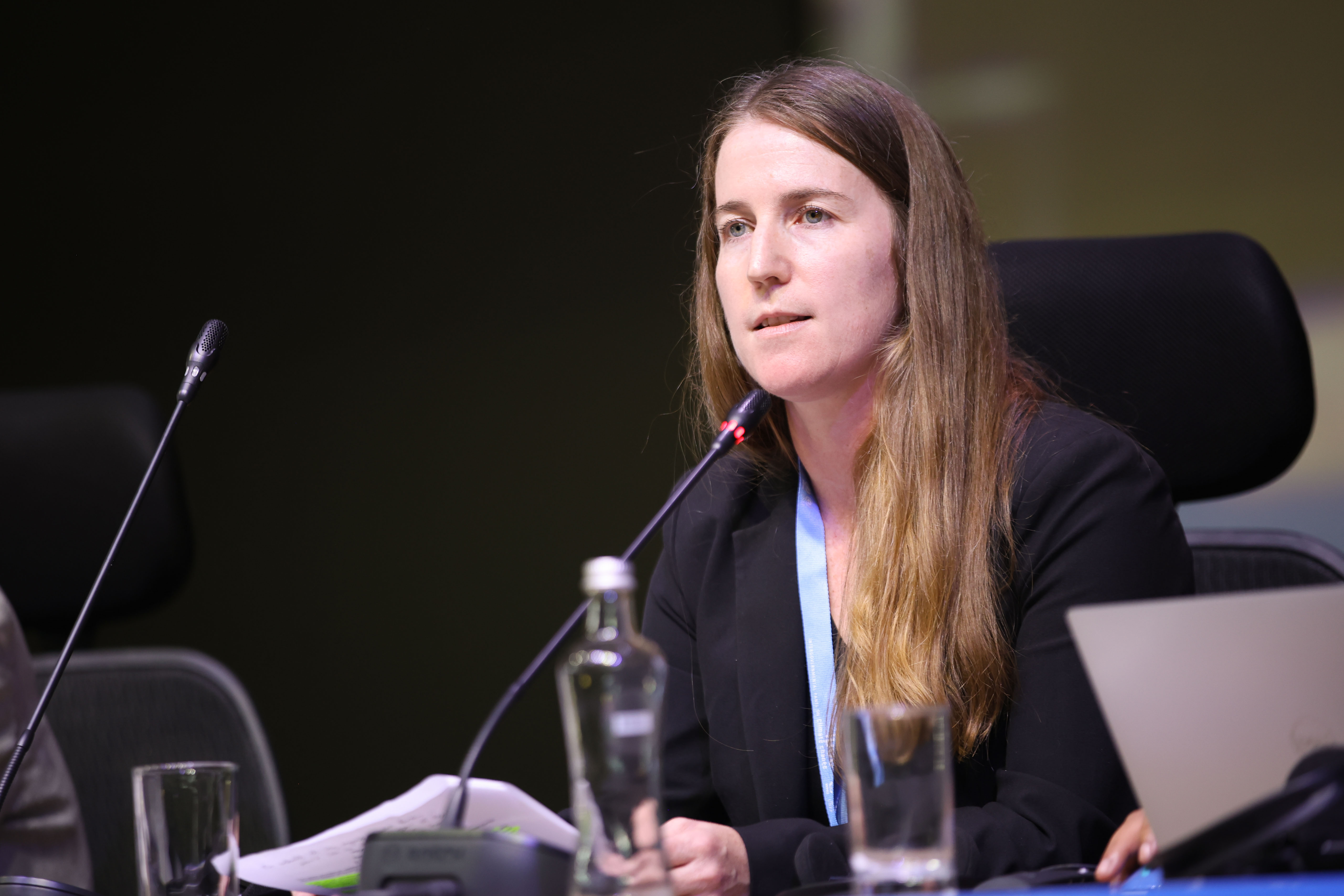
Katherine Calvin, WGIII Co-Chair
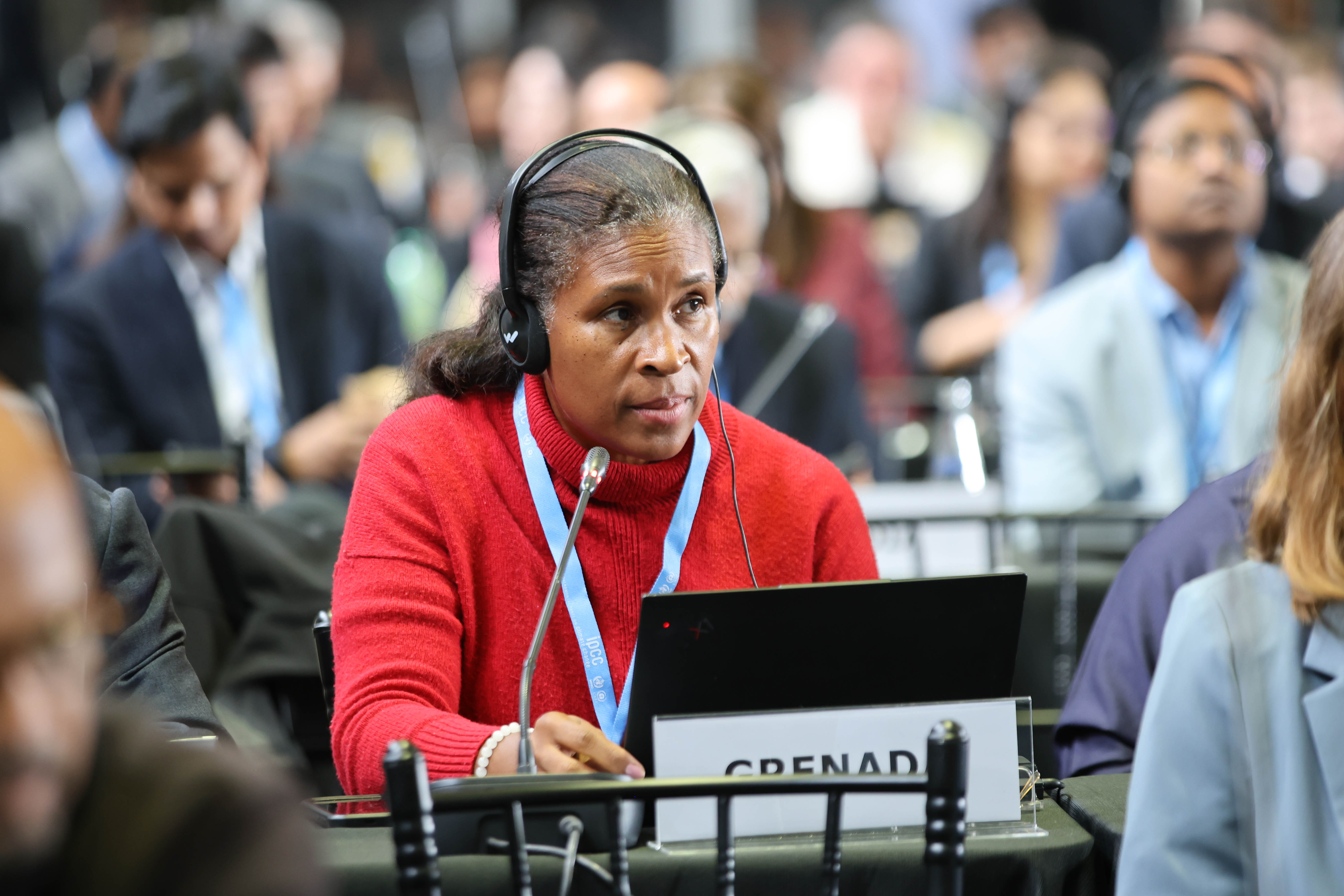
Aria St. Louis, Grenada
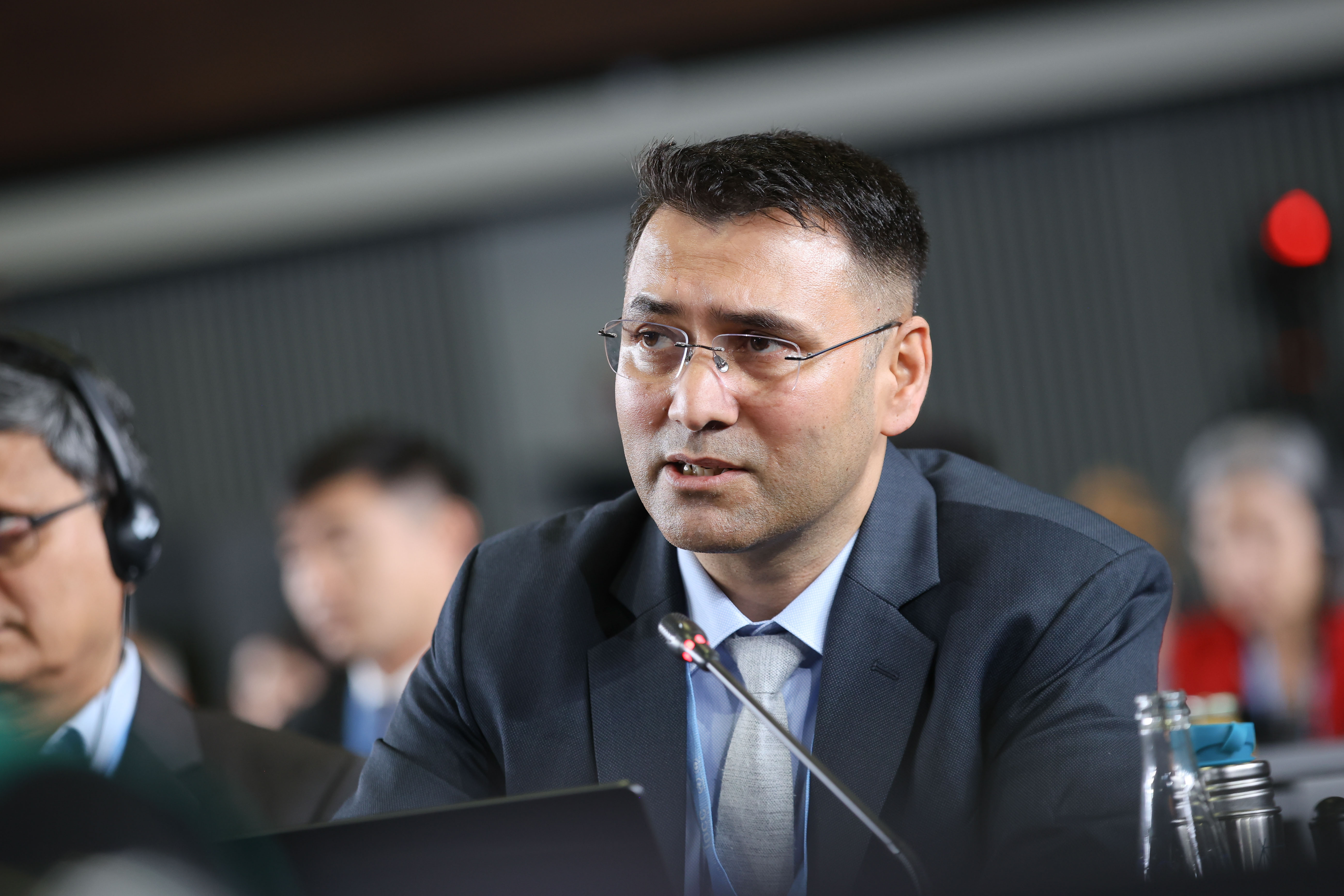
Manjeet Dhakal, Nepal
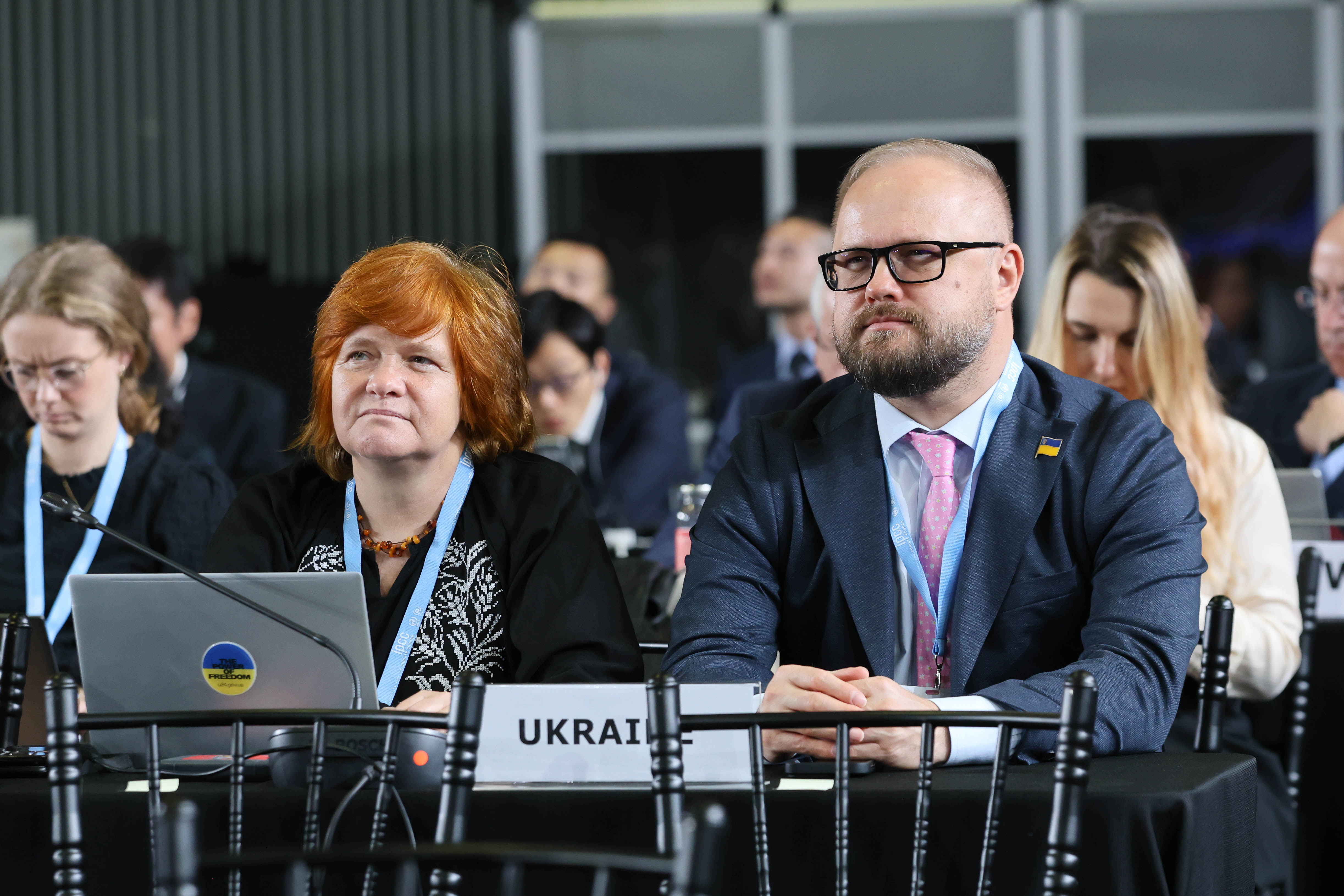
Svitlana Krakovska, Ukraine, and Yuriy Polyukhovych, Ambassador of Ukraine to Peru
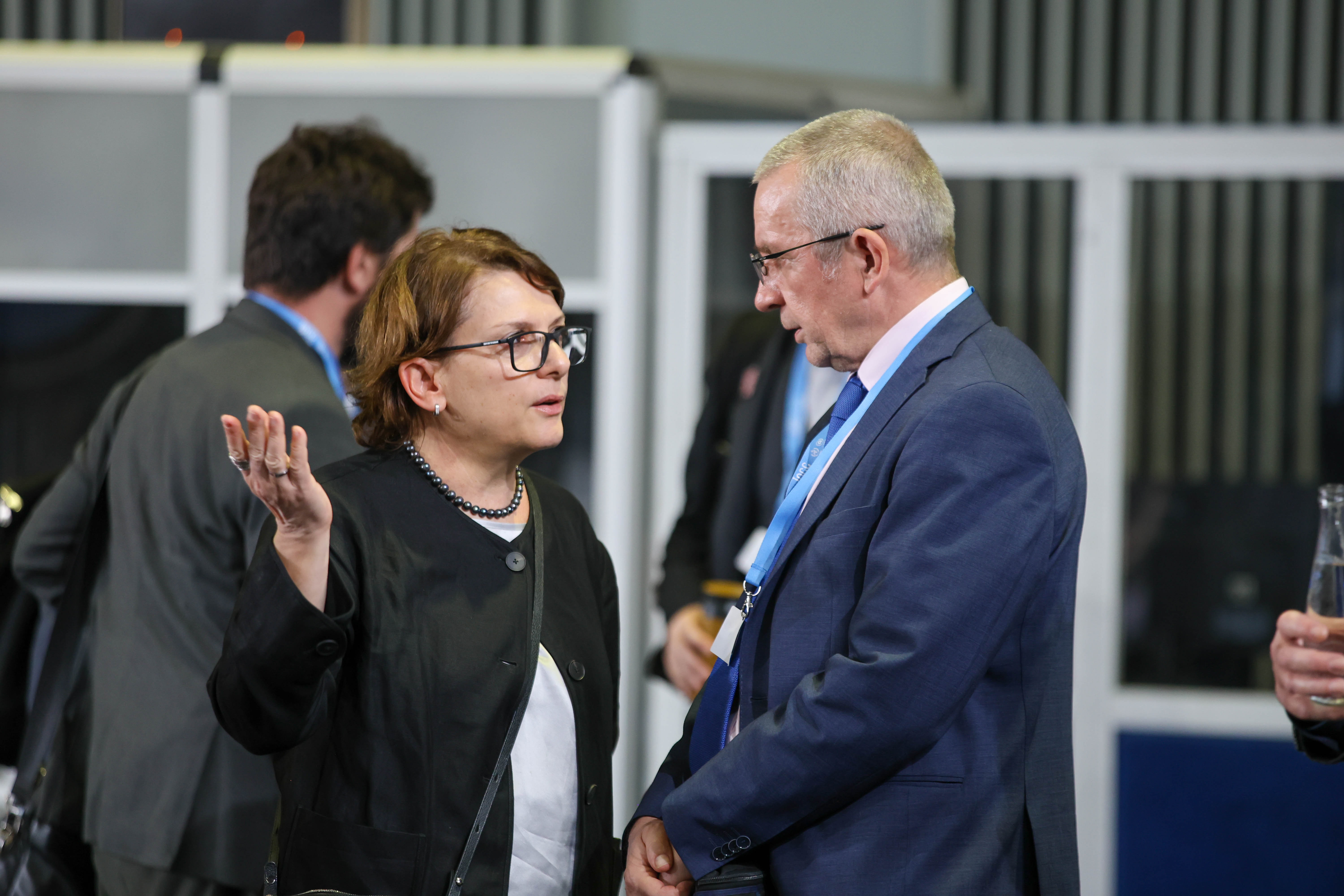
IPCC Deputy Secretary Ermira Fida, and Martin Krause, Director, Climate Change Division, UNEP
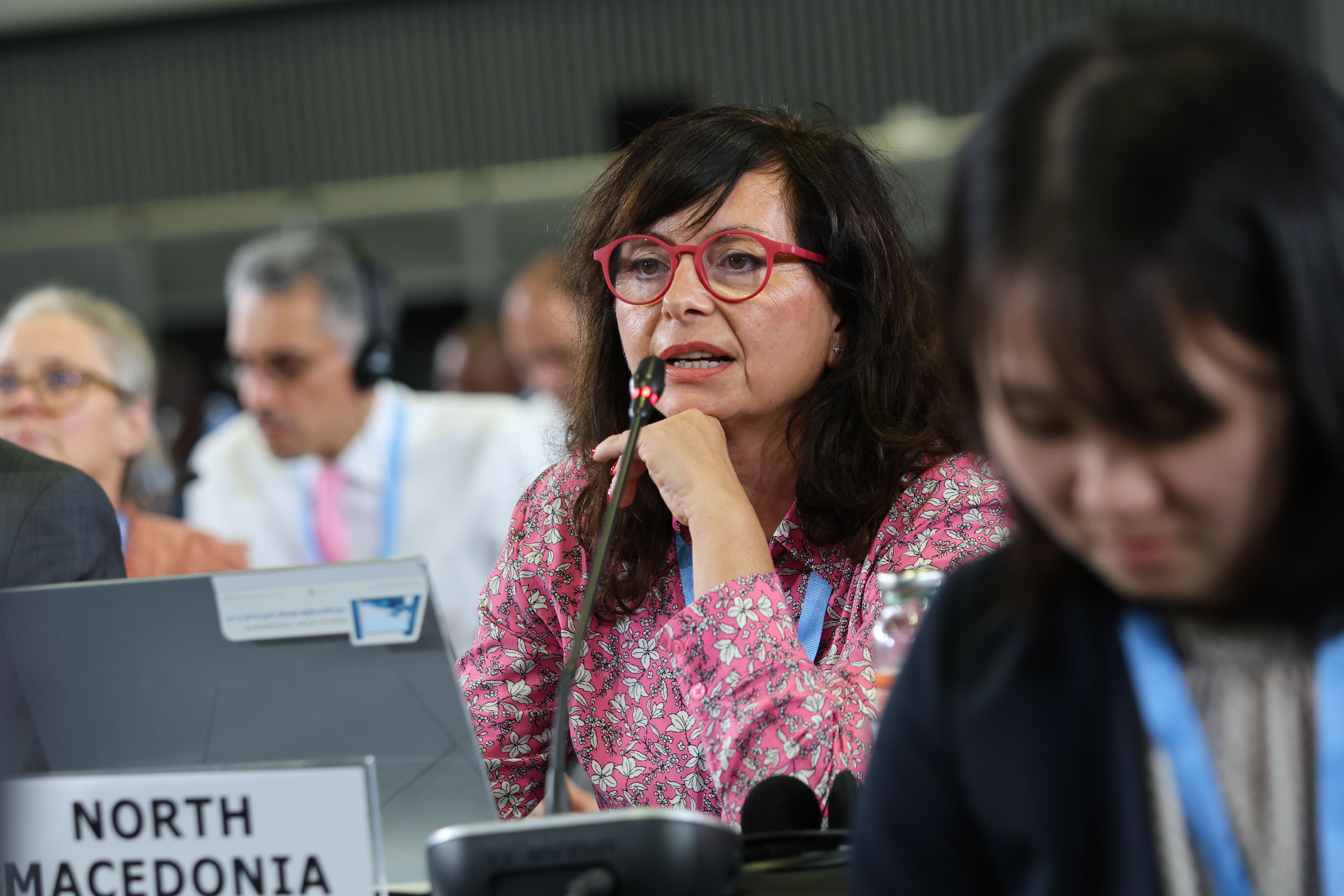
Natasa Markovska, North Macedonia
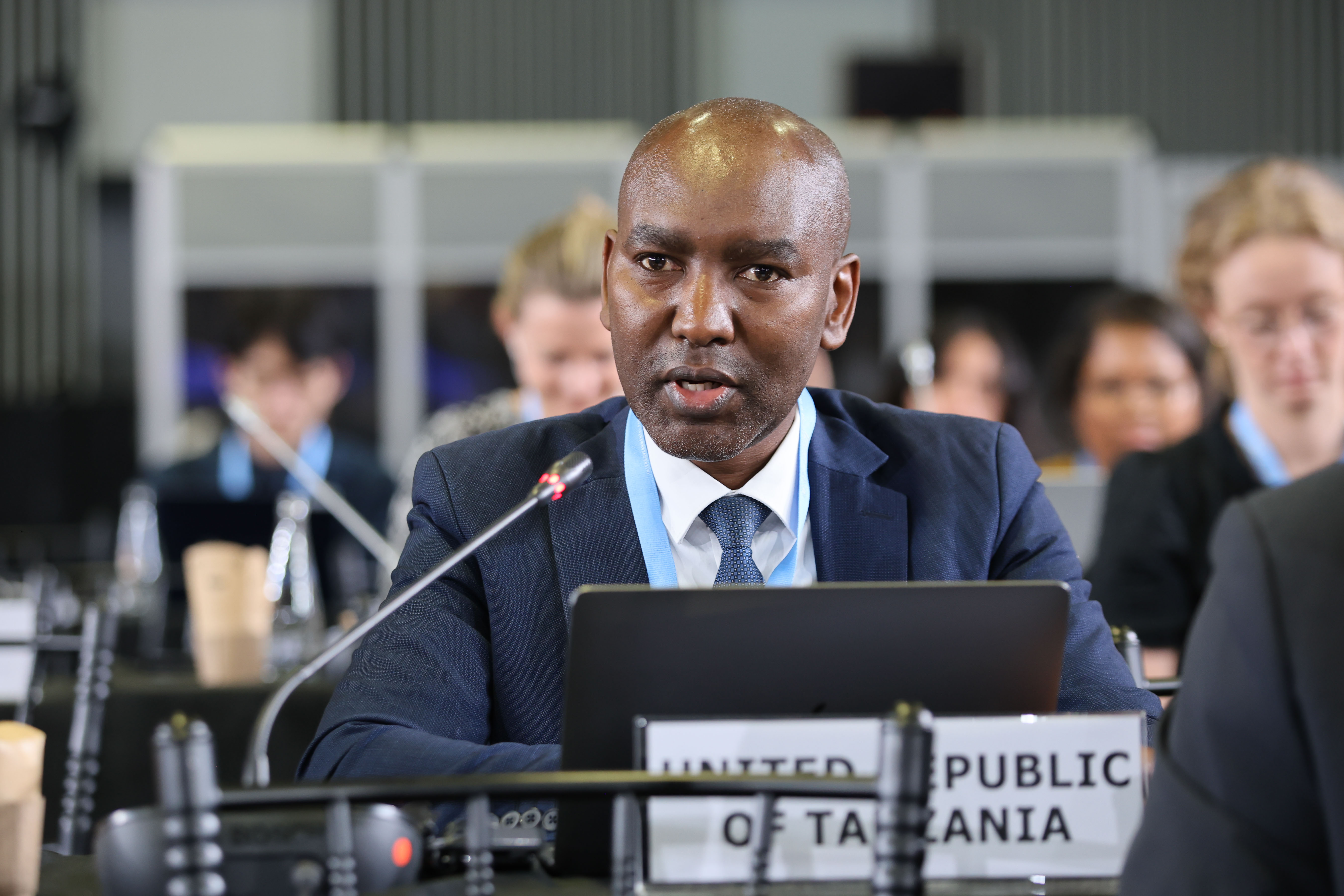
Wilbert Timiza Muruke, Tanzania
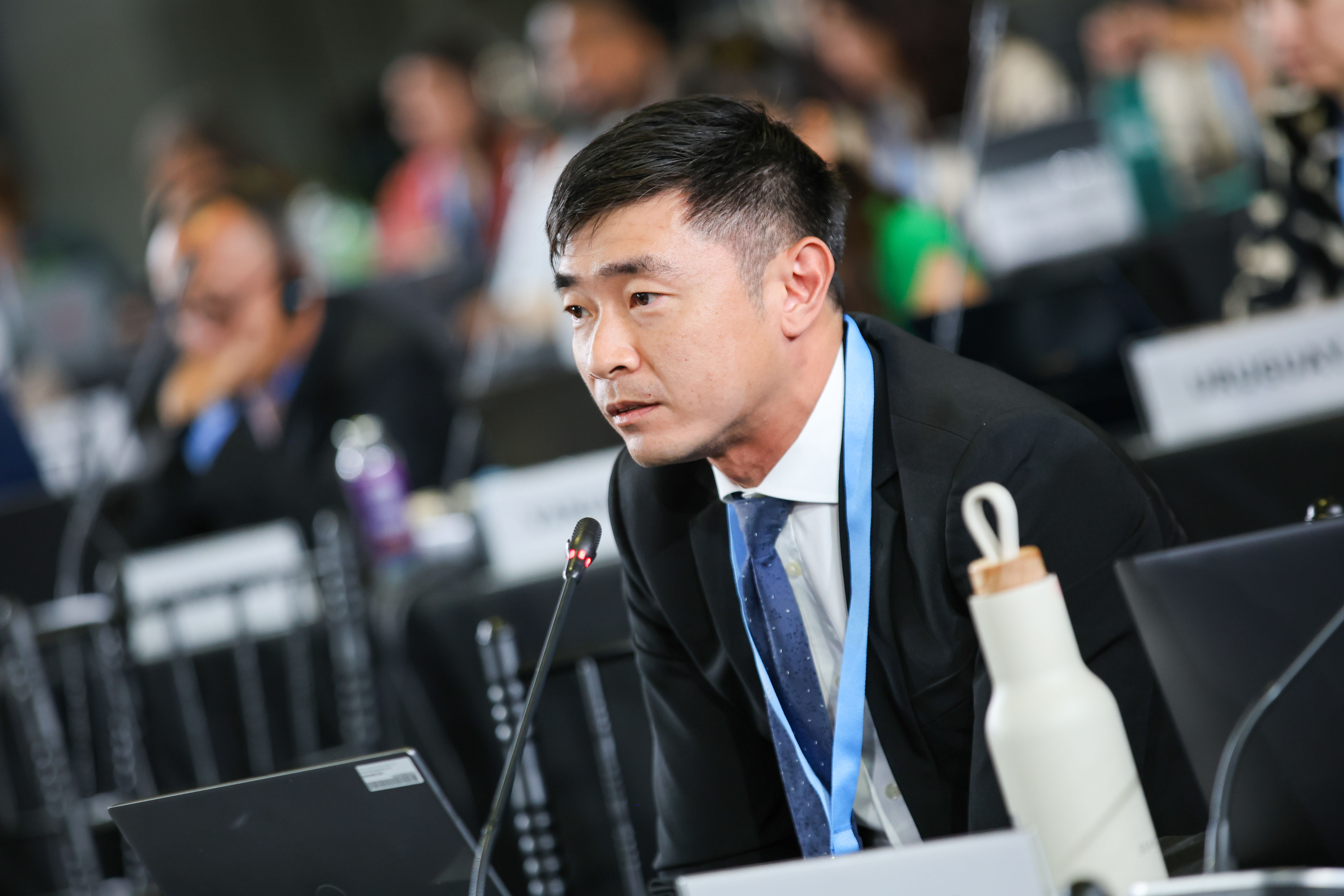
Calvin Chong, Singapore
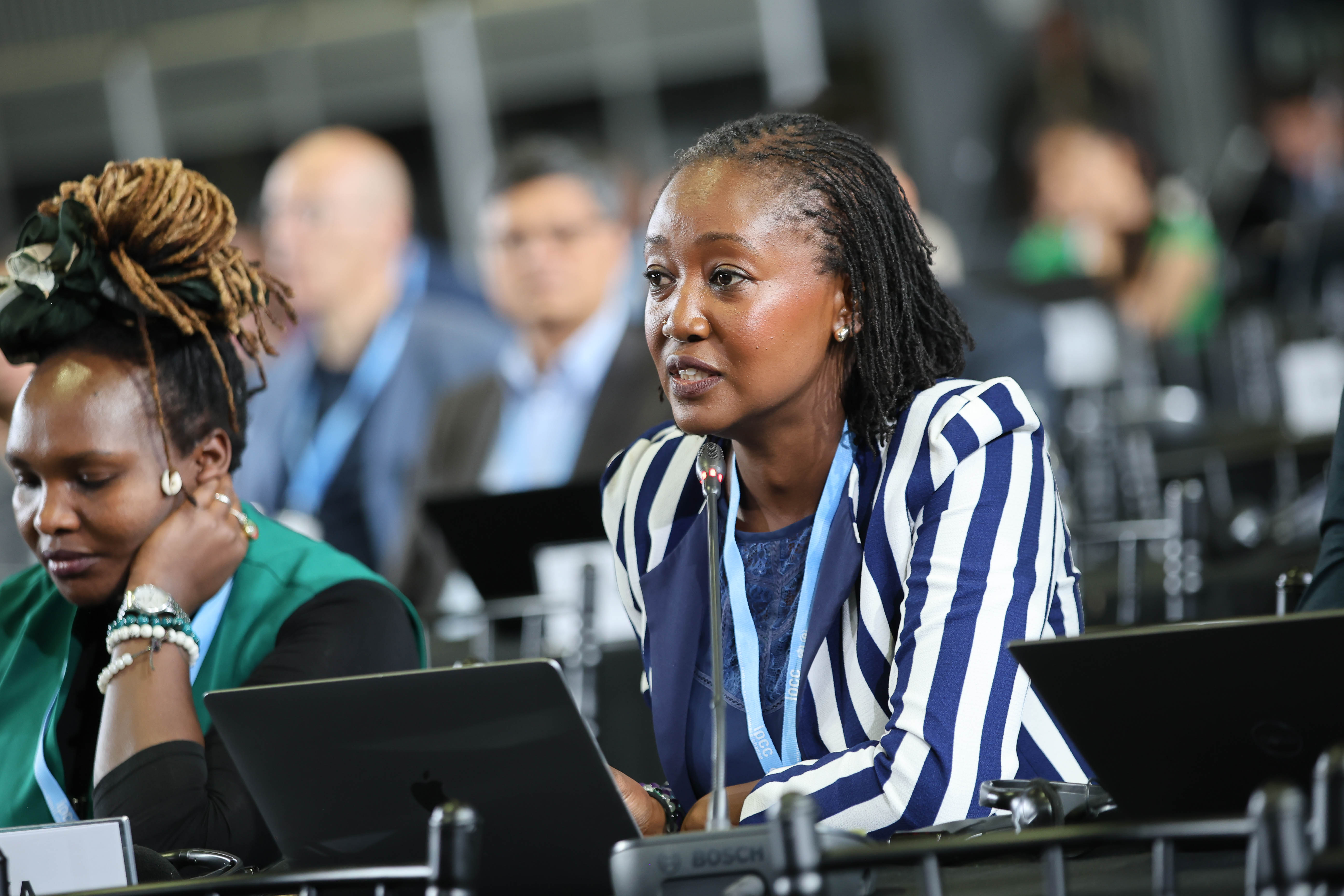
Patricia Nying'uro, Kenya
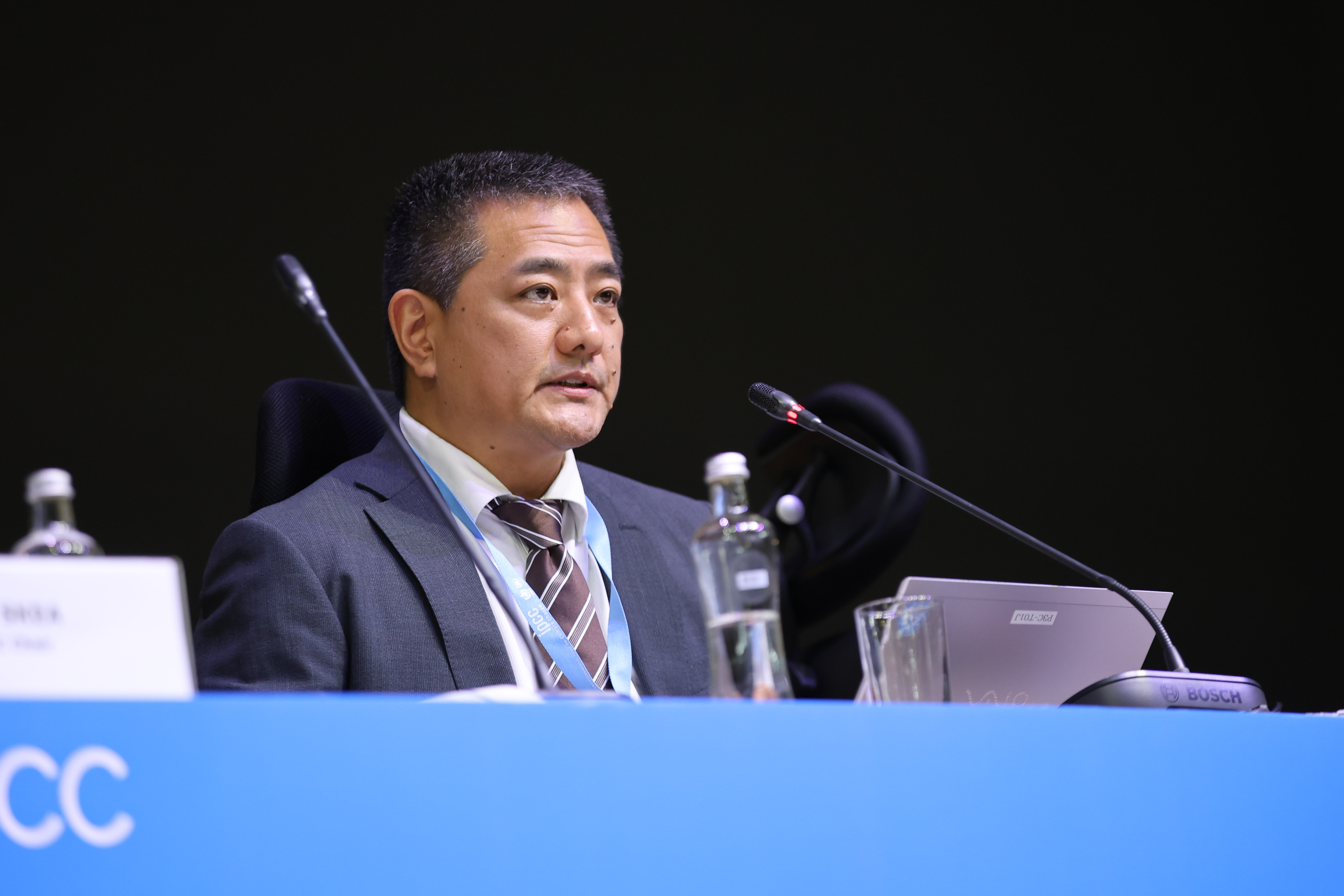
Takeshi Enoki, TFI Co-Chair
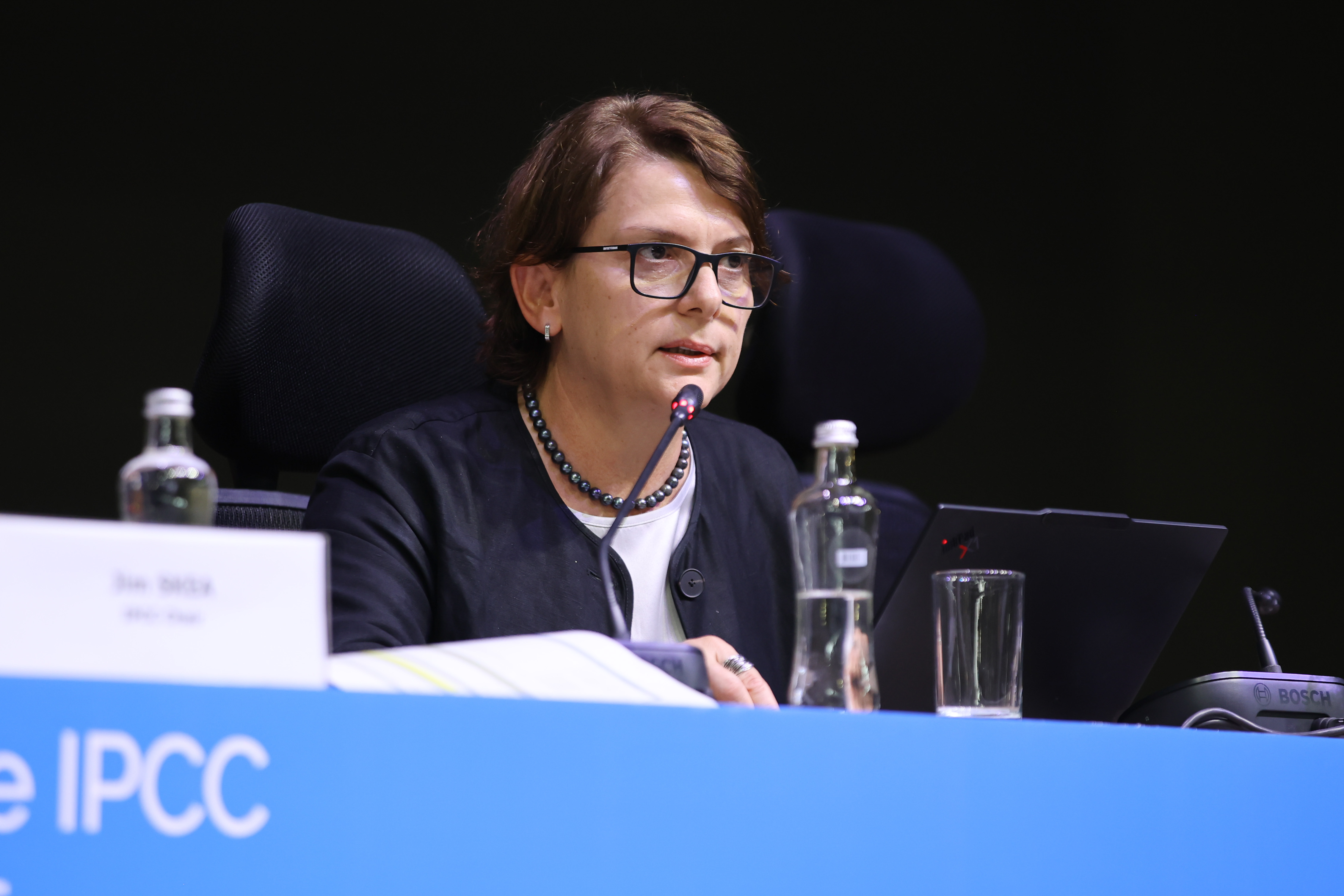
IPCC Deputy Secretary Ermira Fida
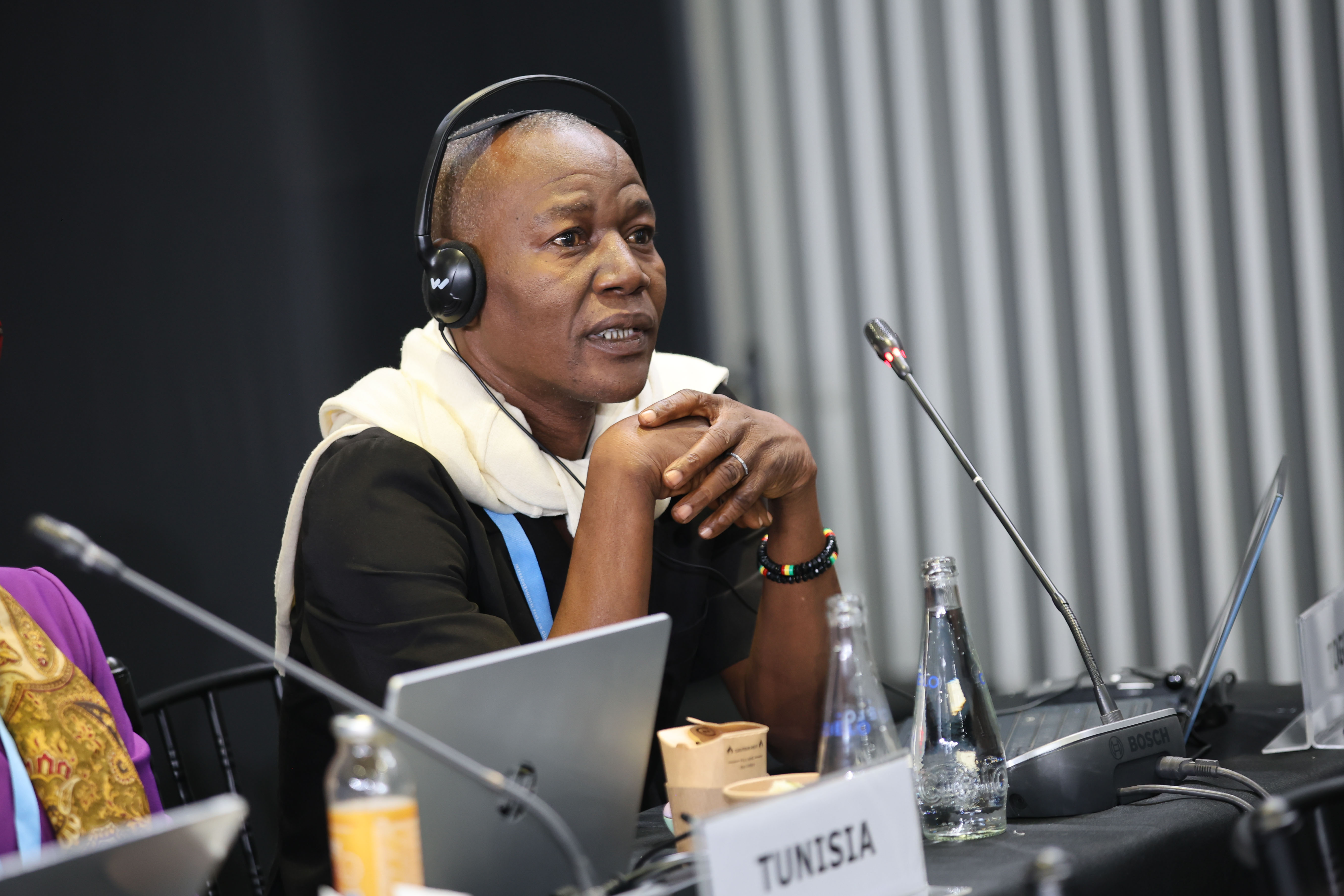
Kokou Sabi, Togo
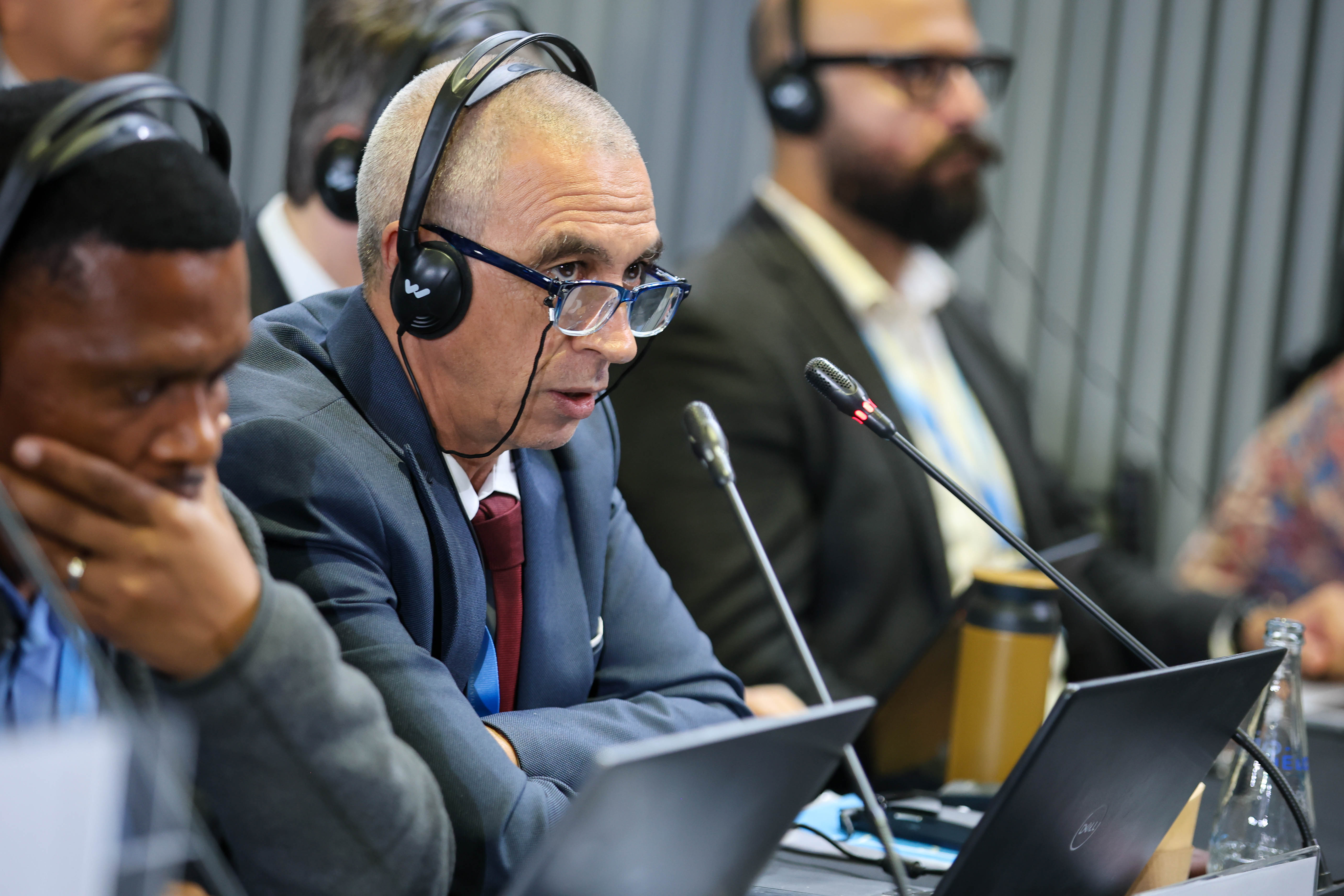
Ali Eddenjal, Libya
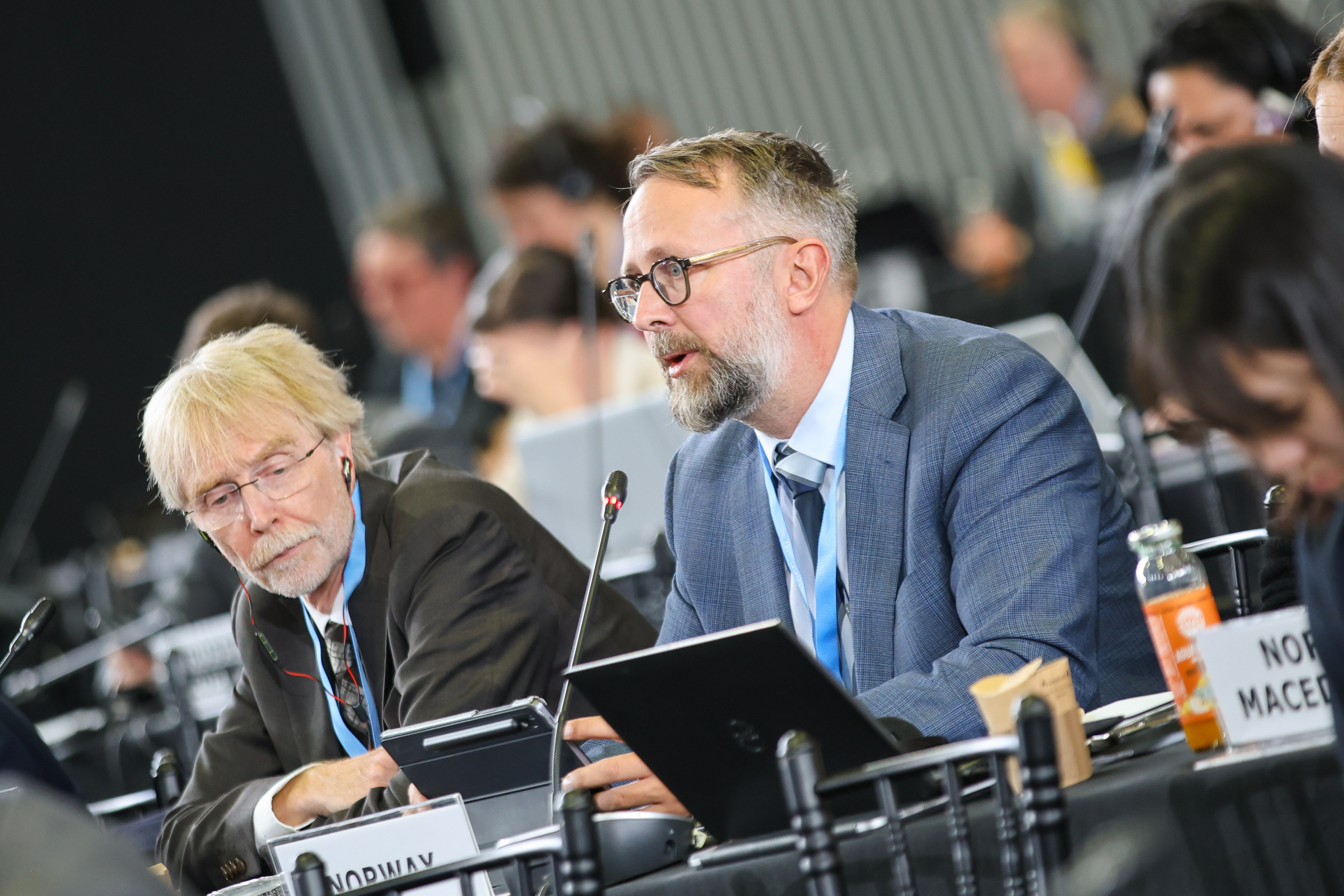
Ole-Kristian Kvissel, Norway
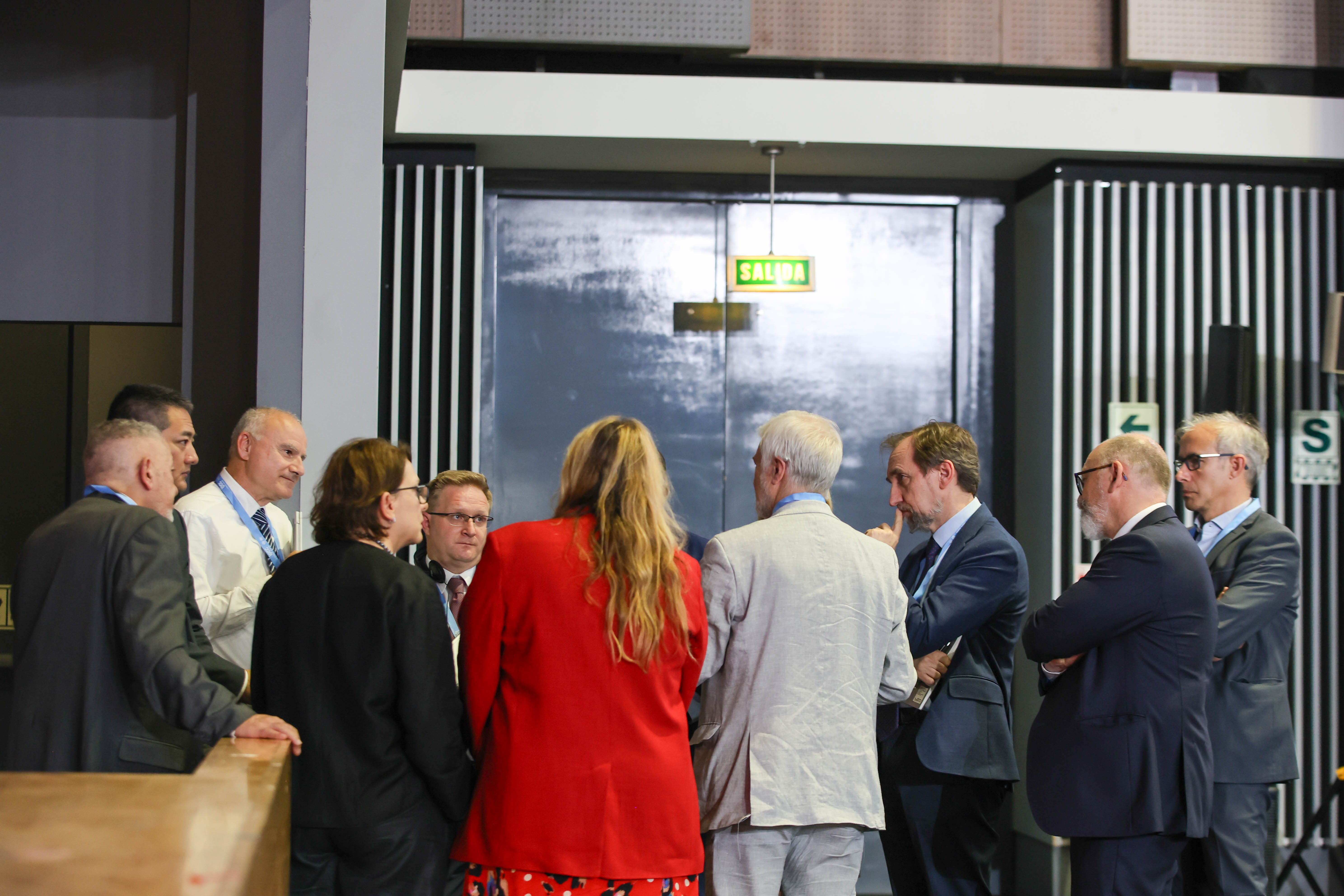
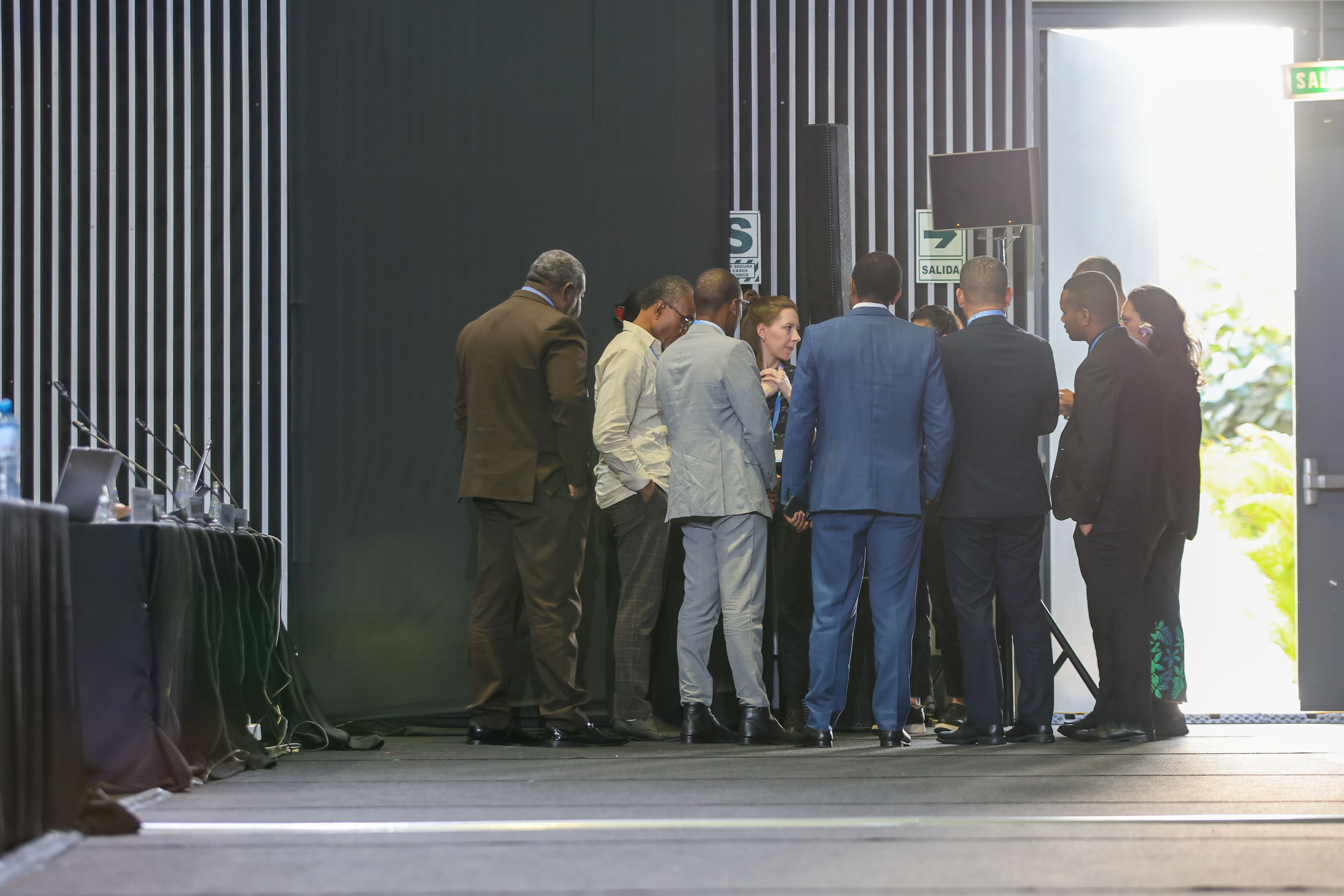
Between Sessions
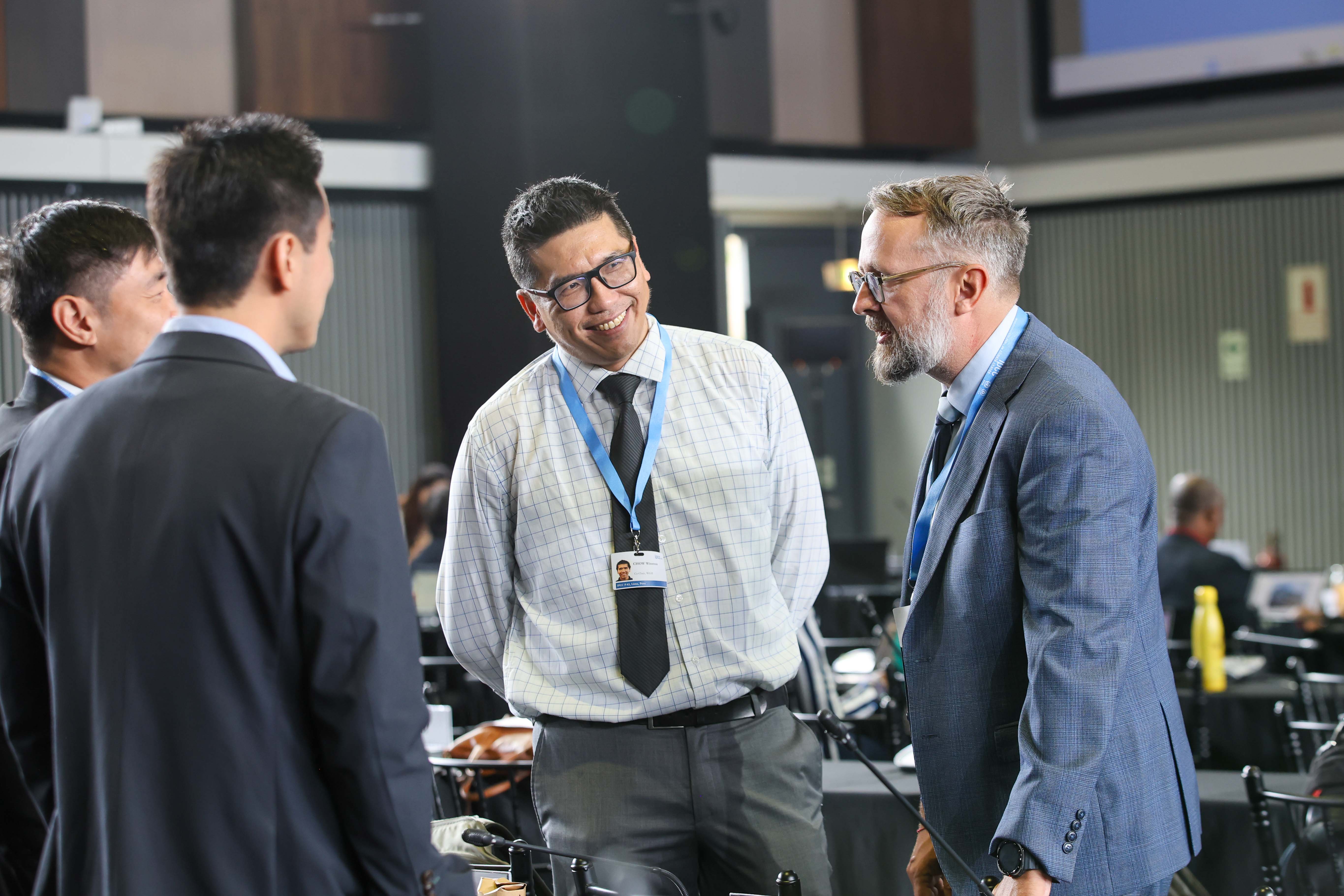
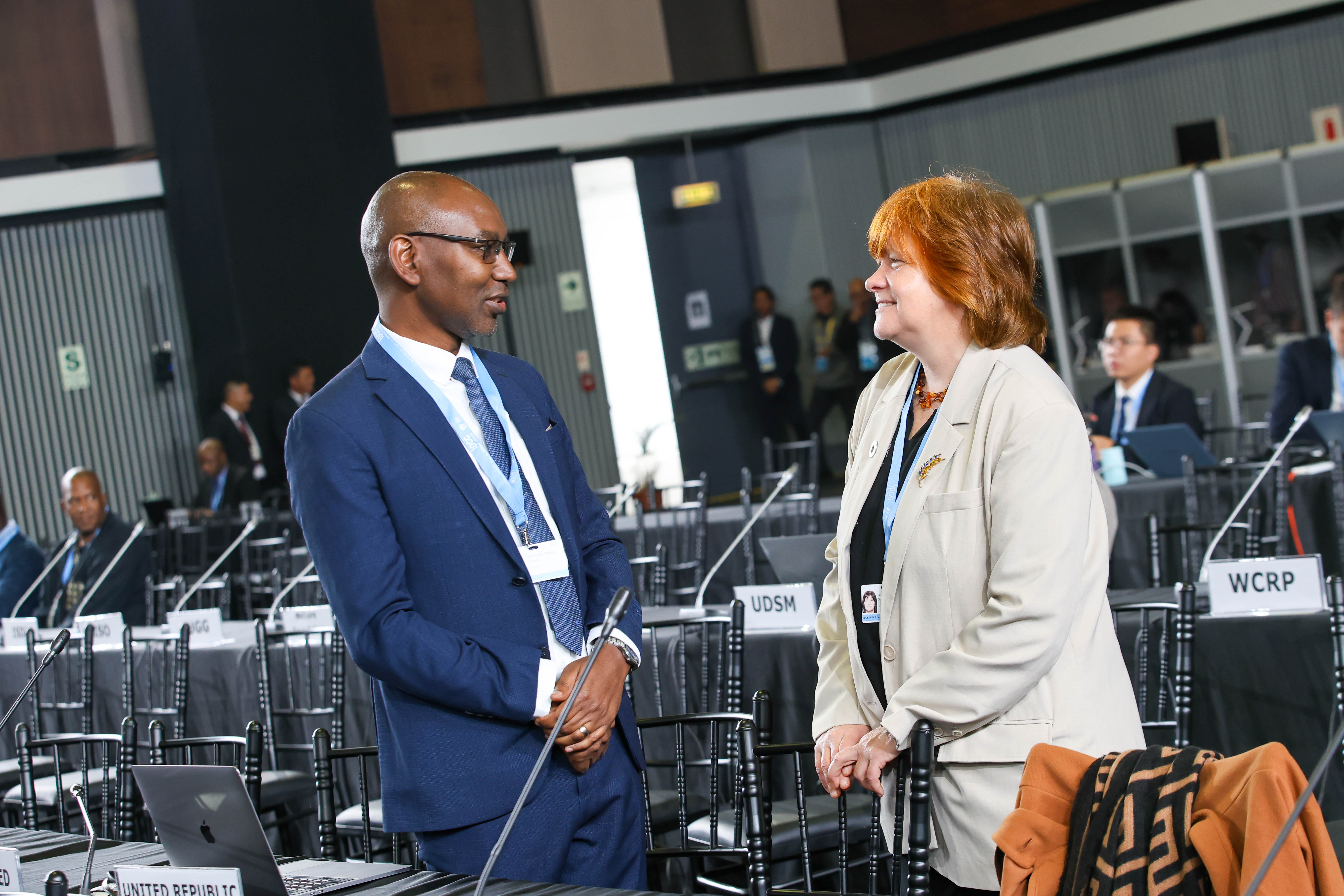
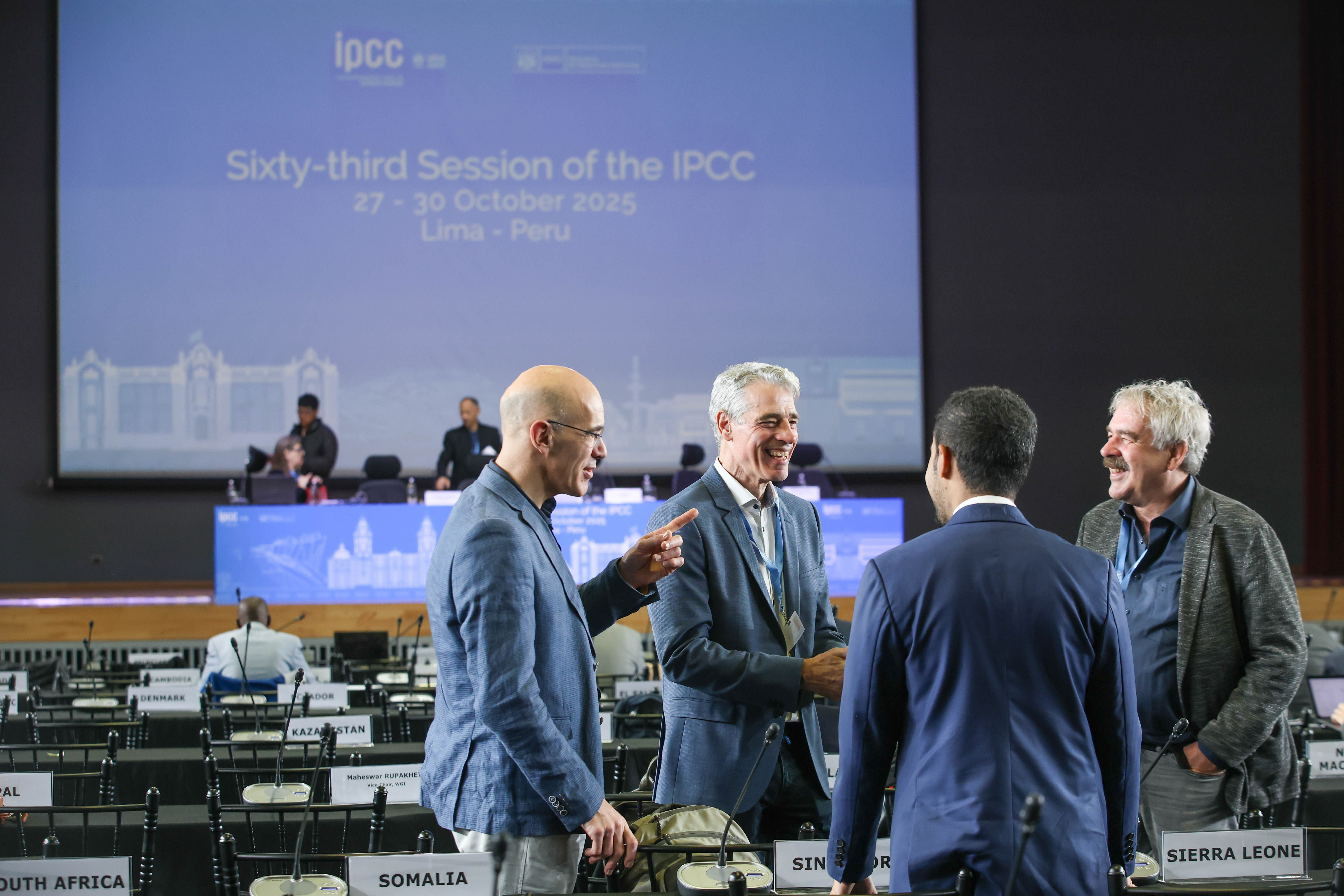
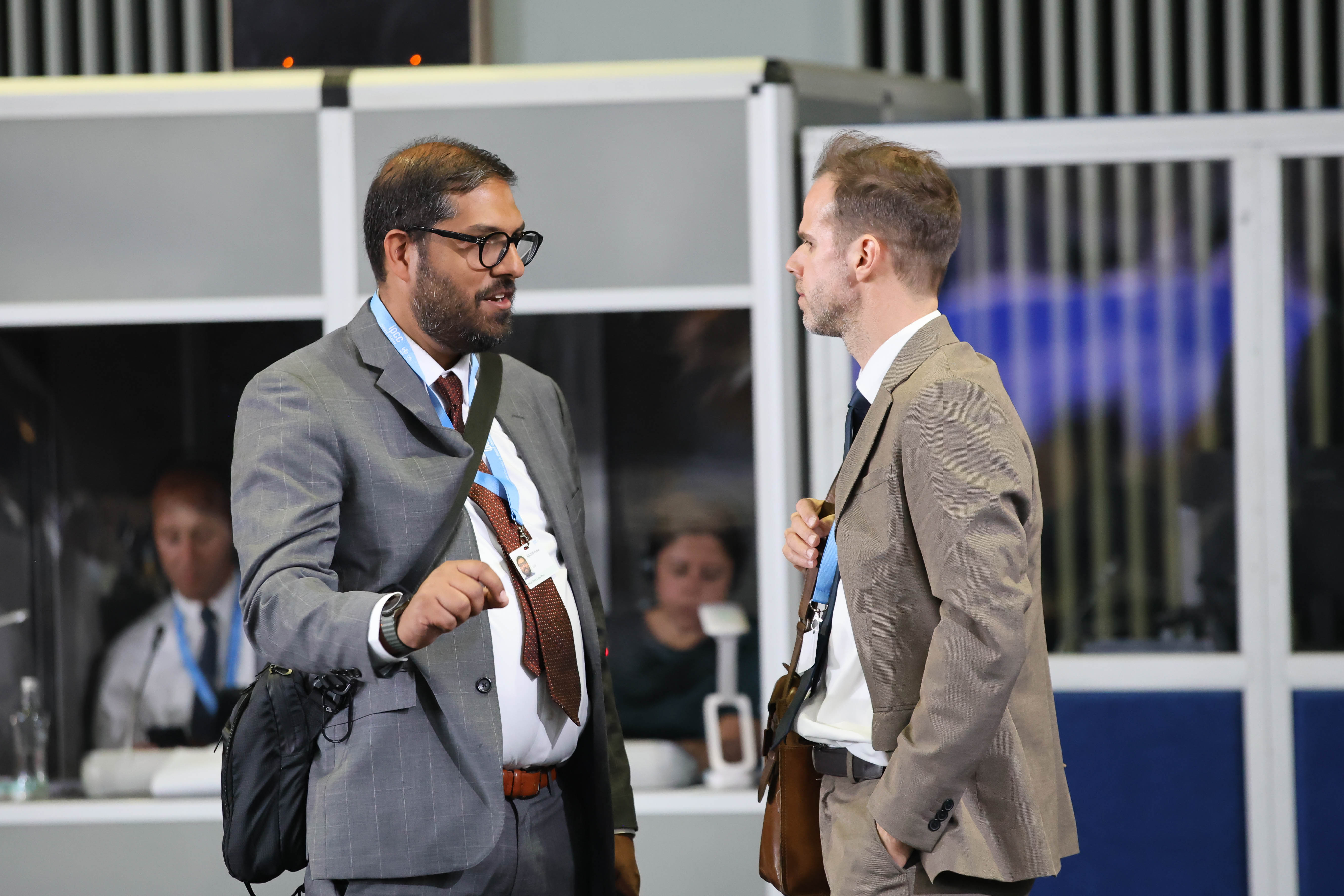
Around the Venue
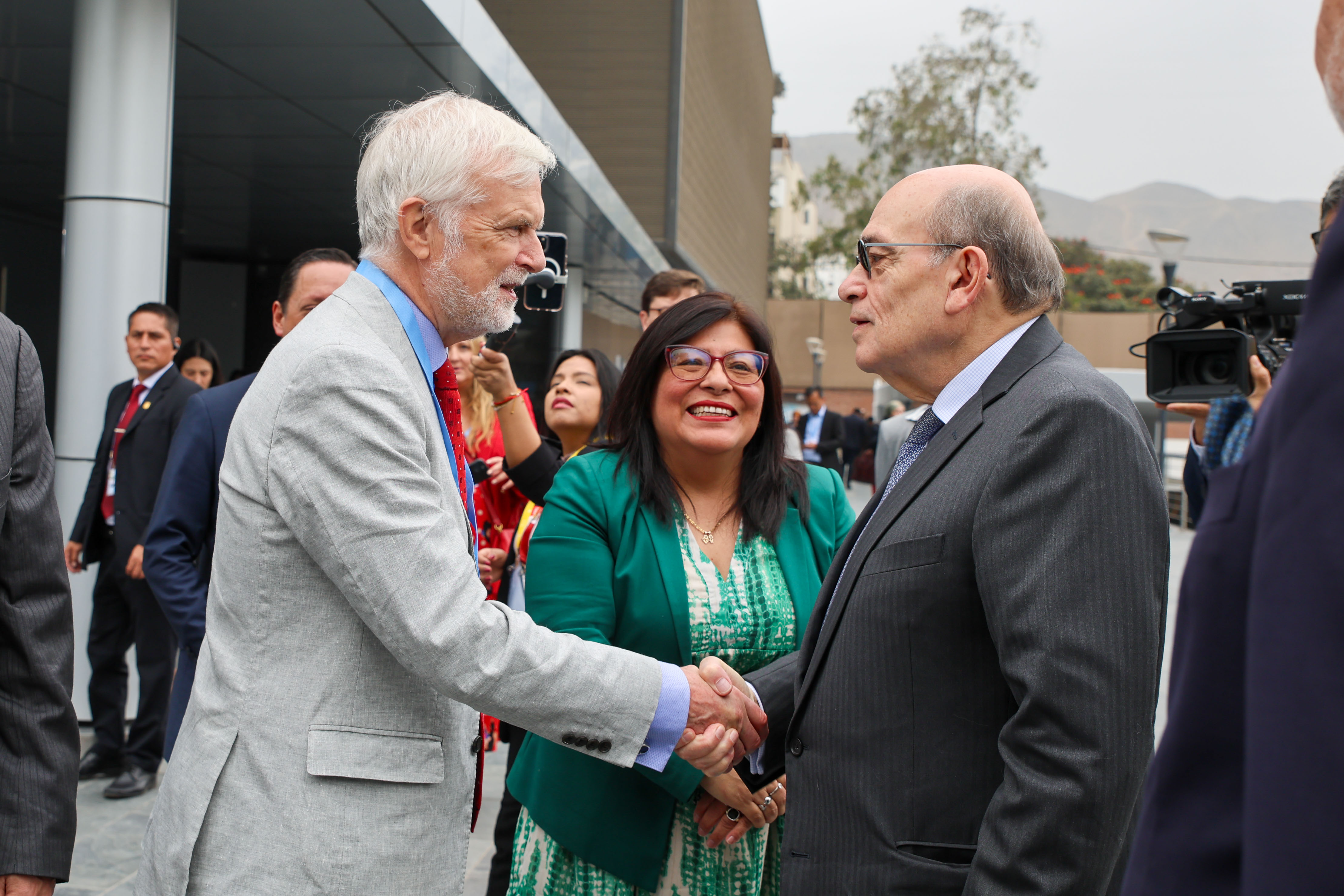
IPCC Chair Jim Skea and Ambassador Hugo de Zela, Minister of Foreign Affairs, Peru
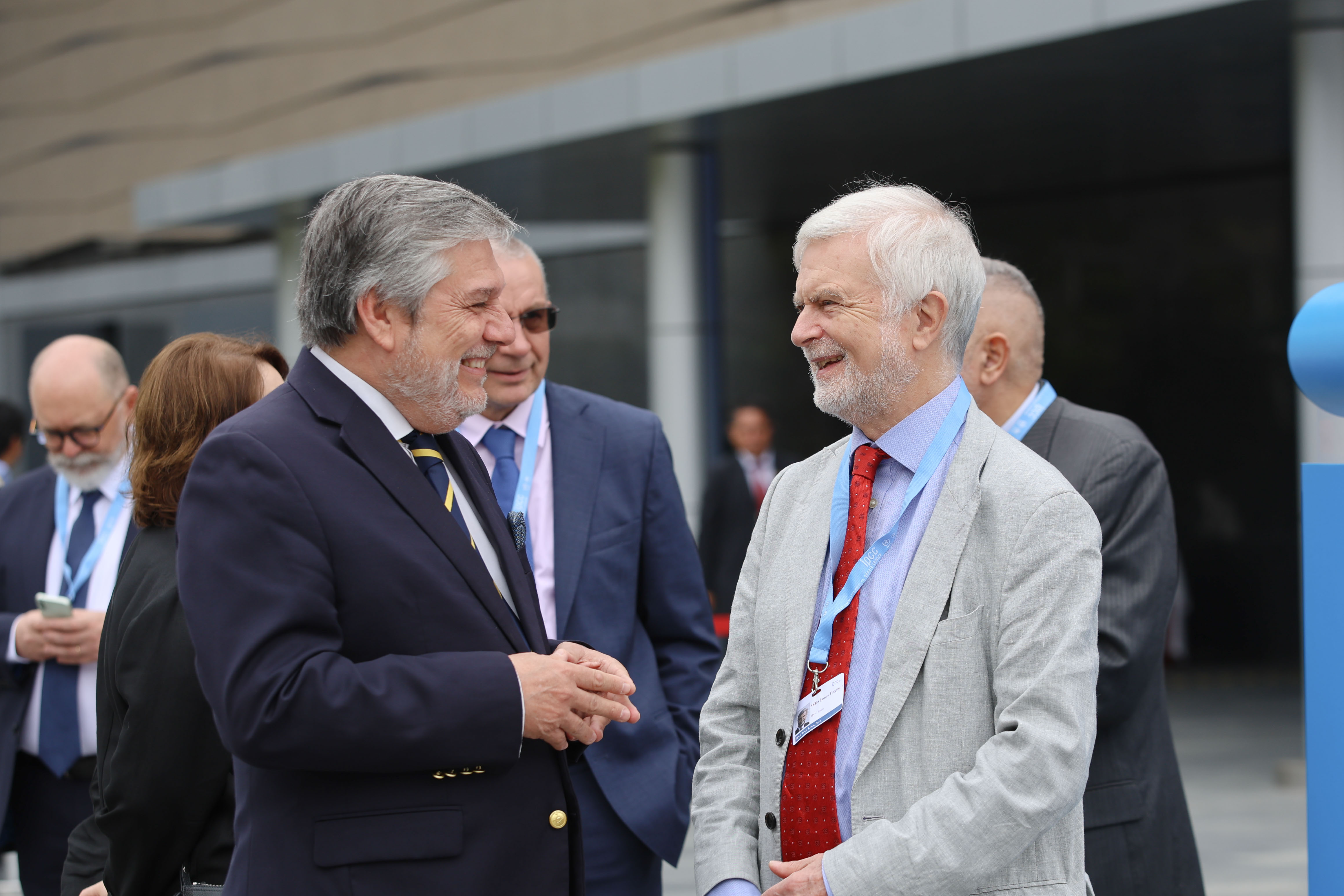
Ambassador Luis Felipe Ugarelli Basurto, Ministry of Foreign Affairs, Peru, and IPCC Chair Jim Skea
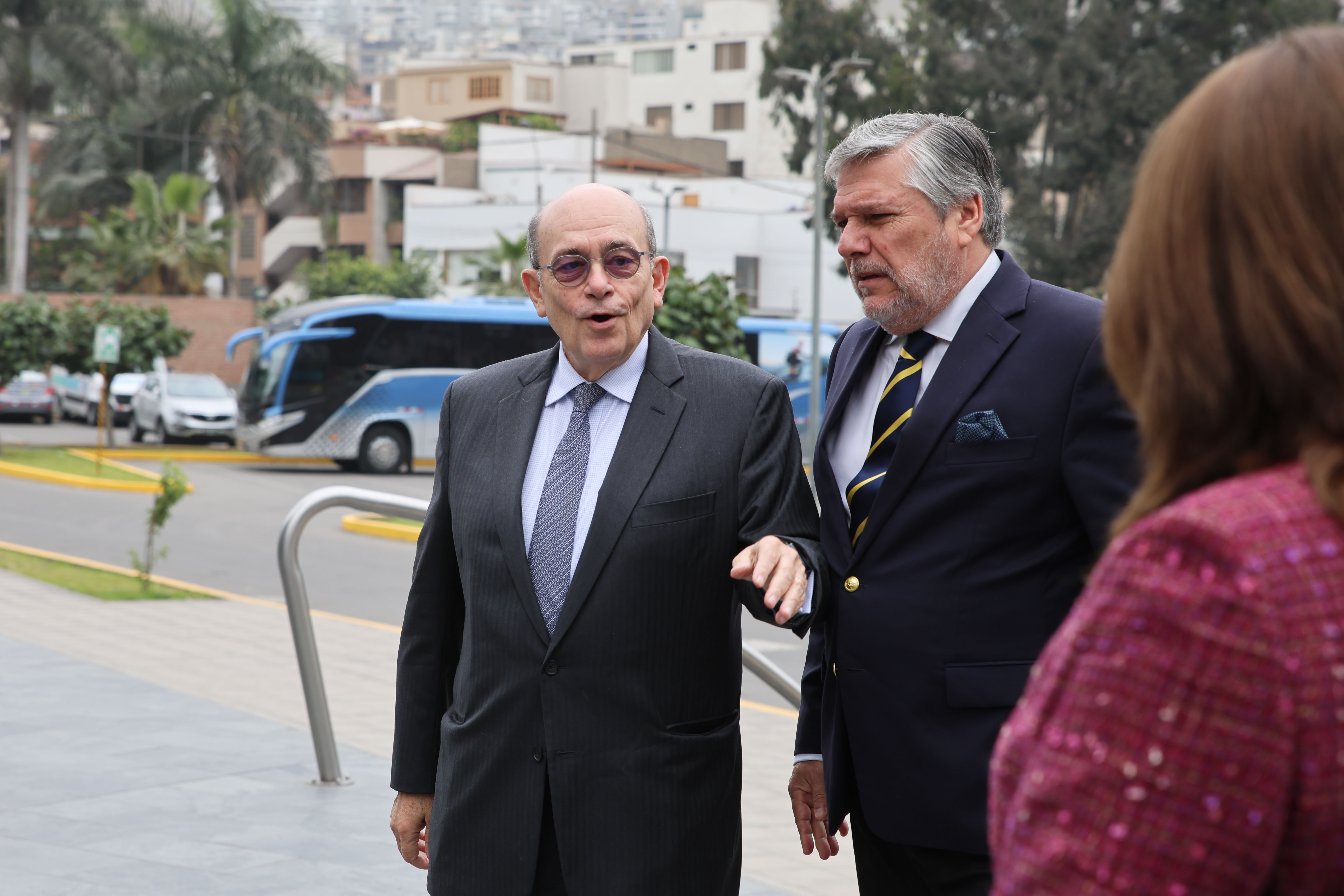
Ambassador Hugo de Zela, Minister of Foreign Affairs, Peru, and Ambassador Luis Felipe Ugarelli Basurto, Ministry of Foreign Affairs, Peru
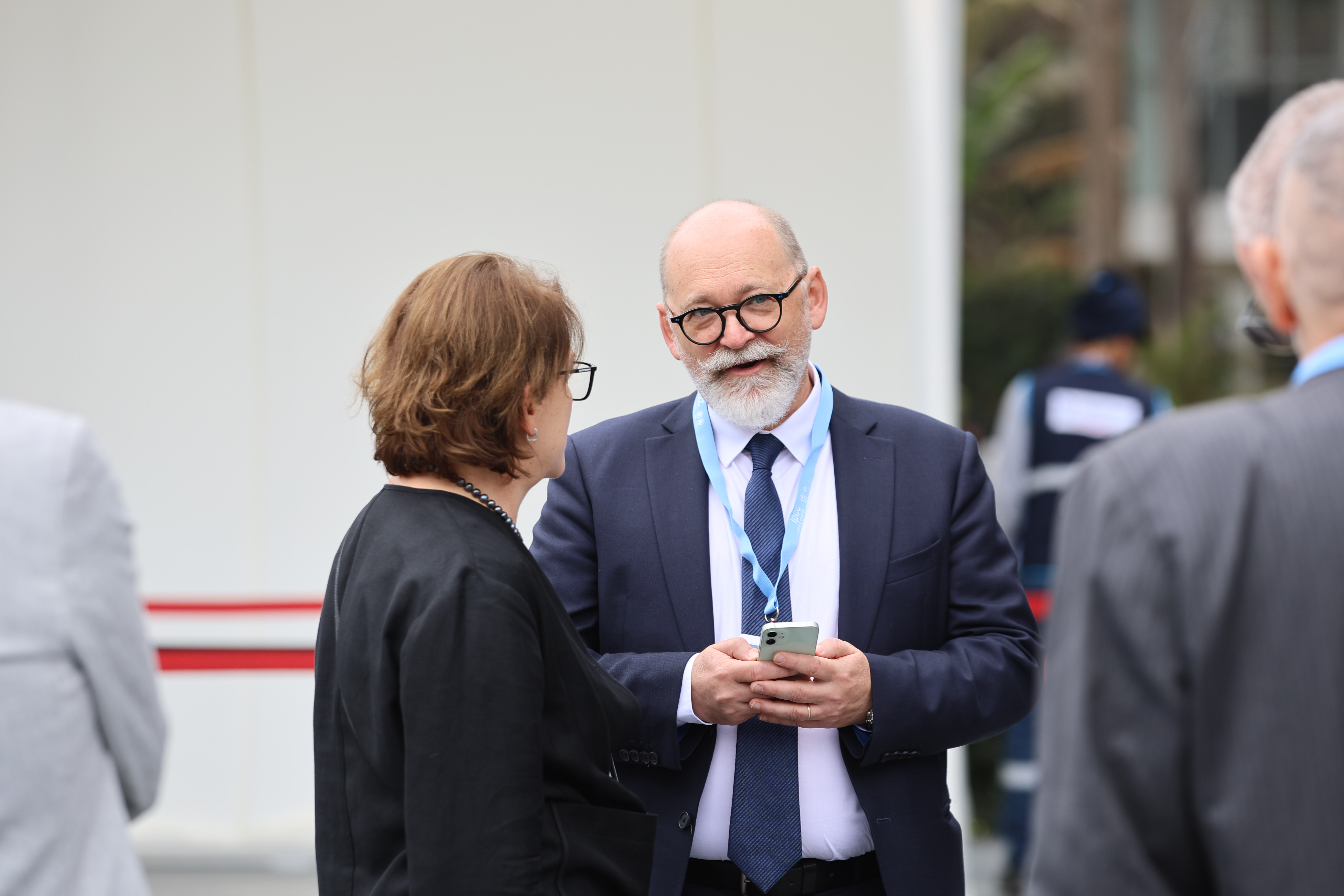
Andrej Mahecic, IPCC Secretariat
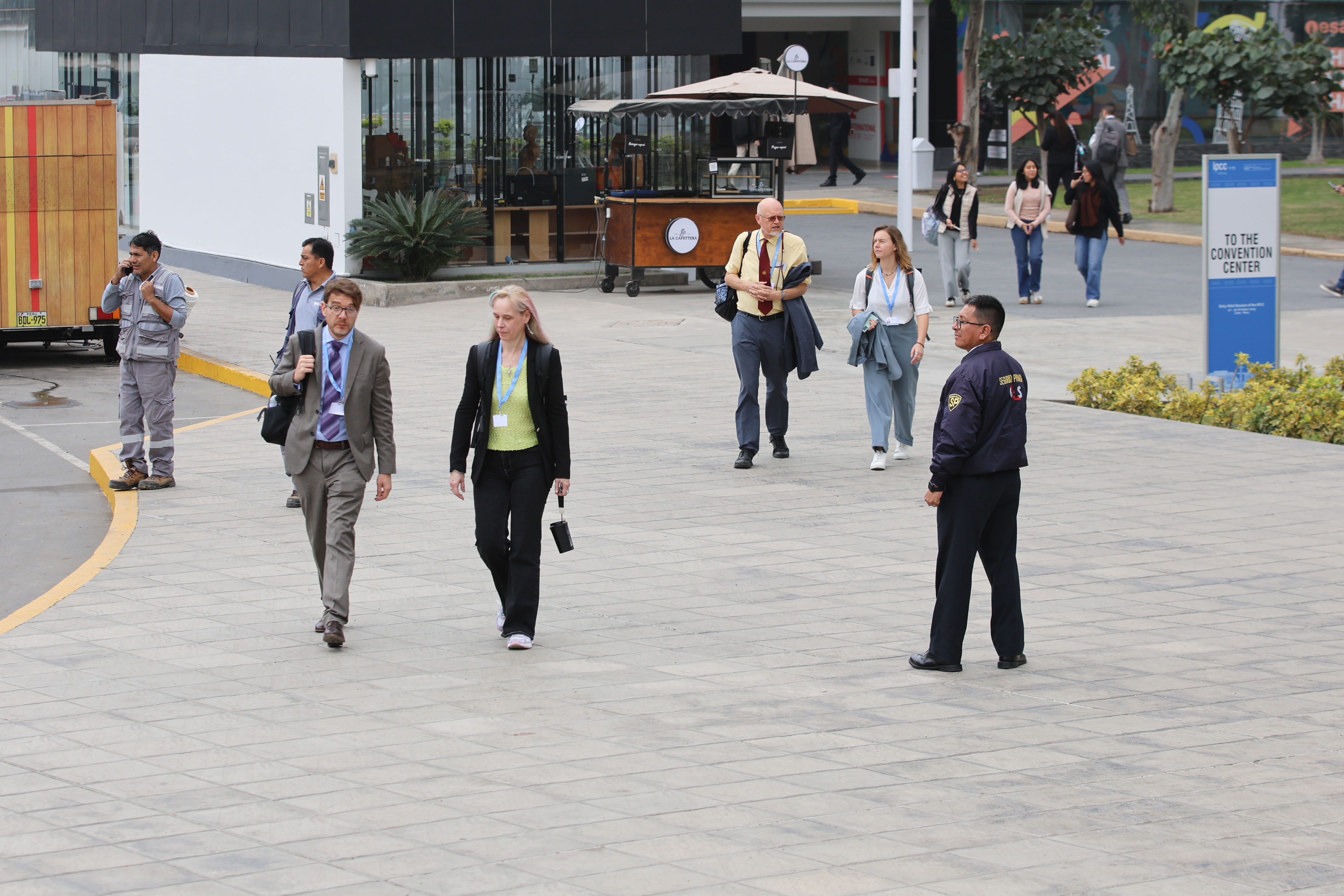
Delegates arrive at the venue.
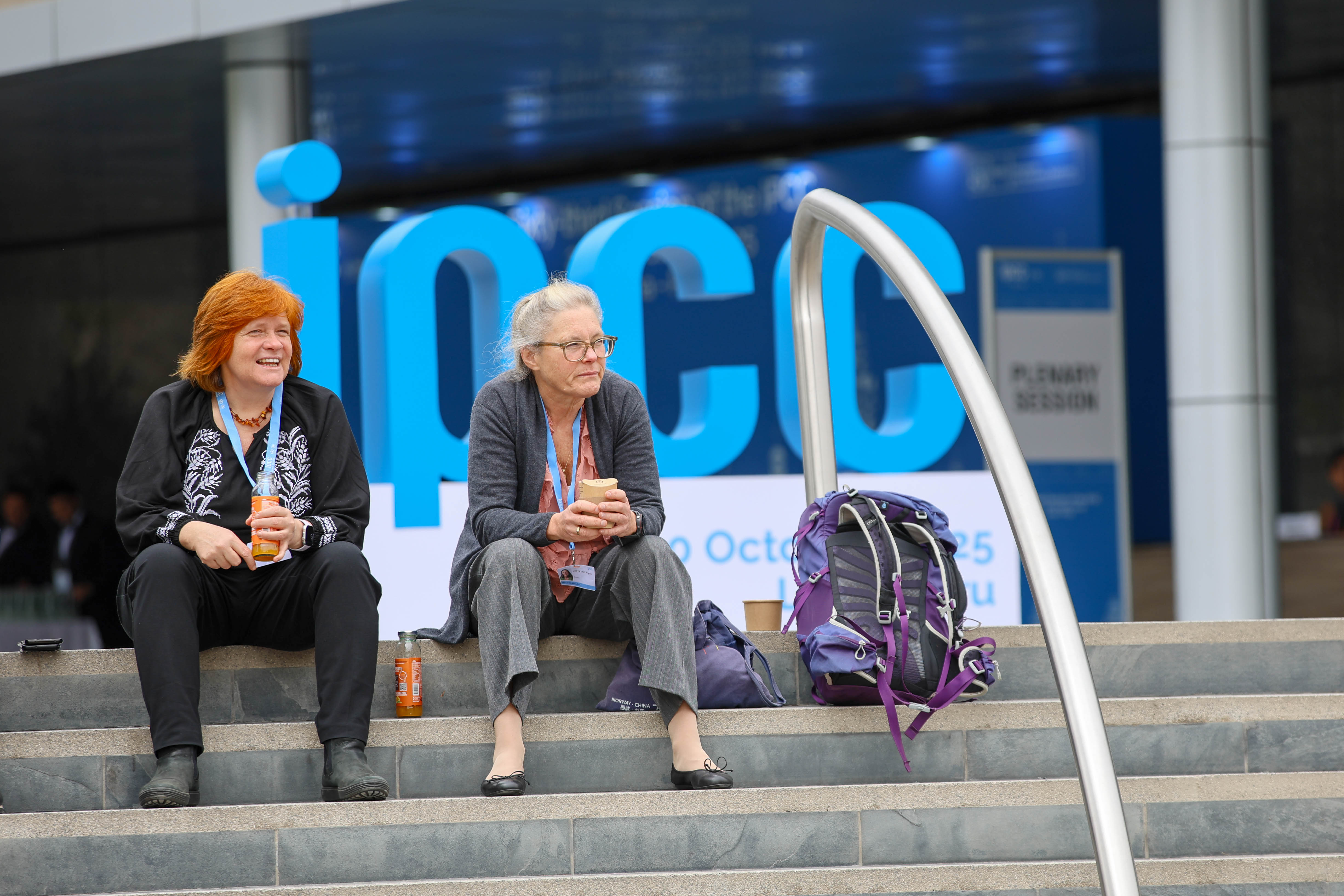
Svitlana Krakovska, Ukraine, and Vigdis Vestreng, Norway
