
On the final day of the 63rd session of the Intergovernmental Panel on Climate Change (IPCC-63), delegates continued deliberations on the two most challenging issues on their agenda: the workplan for the seventh assessment cycle and the Methodology Report on Carbon Dioxide Removal Technologies, Carbon Capture, Utilization, and Storage. Delegates worked in plenary, huddles and a contact group as they sought a path to consensus.
After intensive deliberations, the Panel successfully reached agreement on the outline for the Methodology Report. Key to this consensus was a provision to hold an Expert Meeting on alkalinity enhancement and direct ocean capture, to be co-organized by the Task Force on National Greenhouse Gas Inventories and the three IPCC Working Groups.

The Panel did not achieve the same success with negotiations on the workplan. Despite lengthy deliberations throughout the meeting, and emphatic statements by many governments on the importance of finalizing the timeline for production of the Seventh Assessment Report, overcoming the deep divergences proved impossible.
As IPCC-63 finalized its work, many delegates celebrated the on-time conclusion. Unlike many recent sessions that have run substantially over their allotted time (including IPCC-62, which concluded 30 hours late), at IPCC-63 no delegations were excluded from decision making - a significant win for inclusivity.
Chair Skea closed the session at 7:53 pm.

To receive free coverage of global environmental events delivered to your inbox, subscribe to the ENB Update newsletter.
As IPCC sessions are closed, ENB publishes pictures and brief highlights while the meetings are in progress. Our full summary and analysis of each IPCC meeting will be published after its conclusion.
All ENB photos are free to use with attribution. For the 63rd Session of the IPCC (IPCC-63), please use: Photo by IISD/ENB | Anastasia Rodopoulou
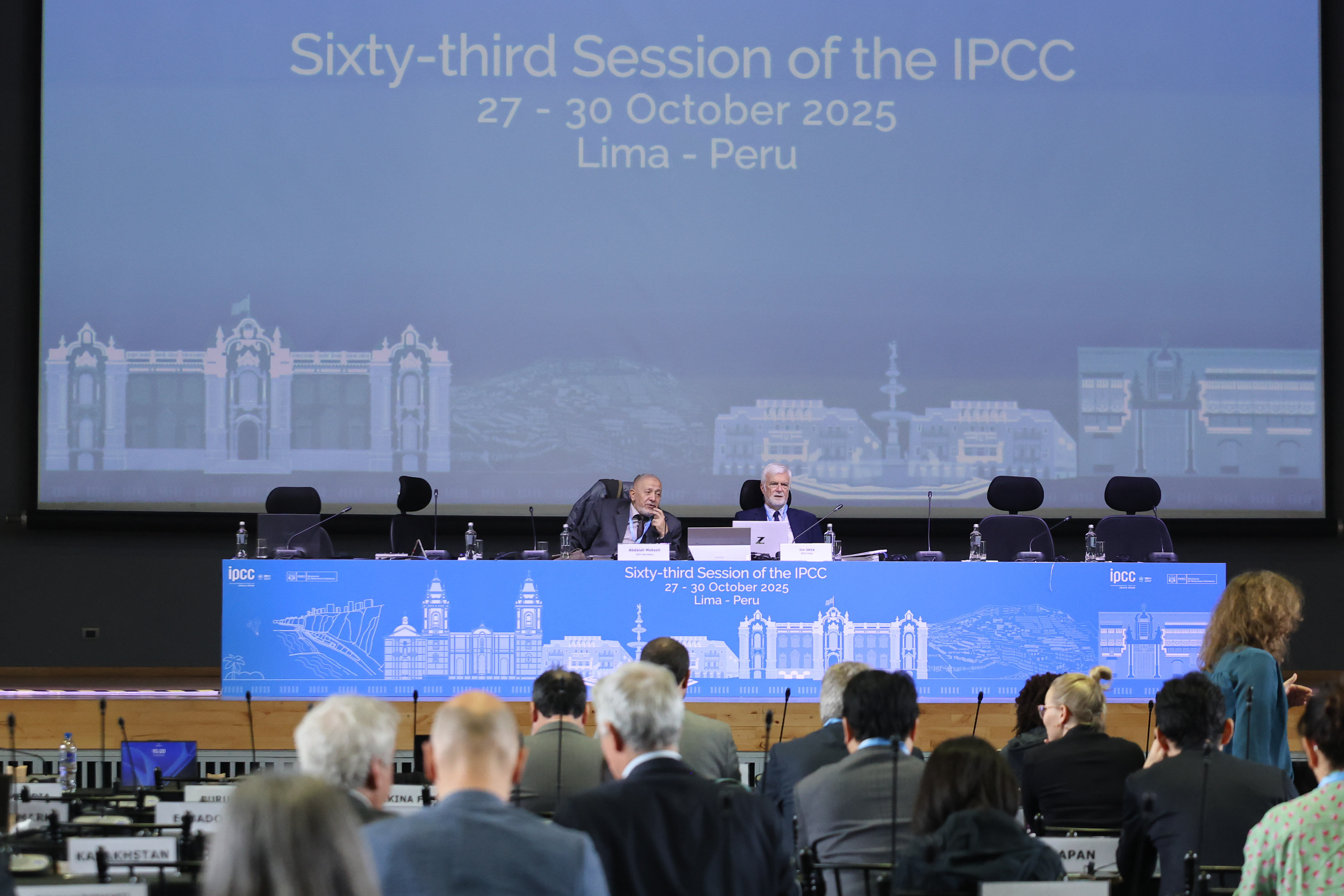
Plenary Session
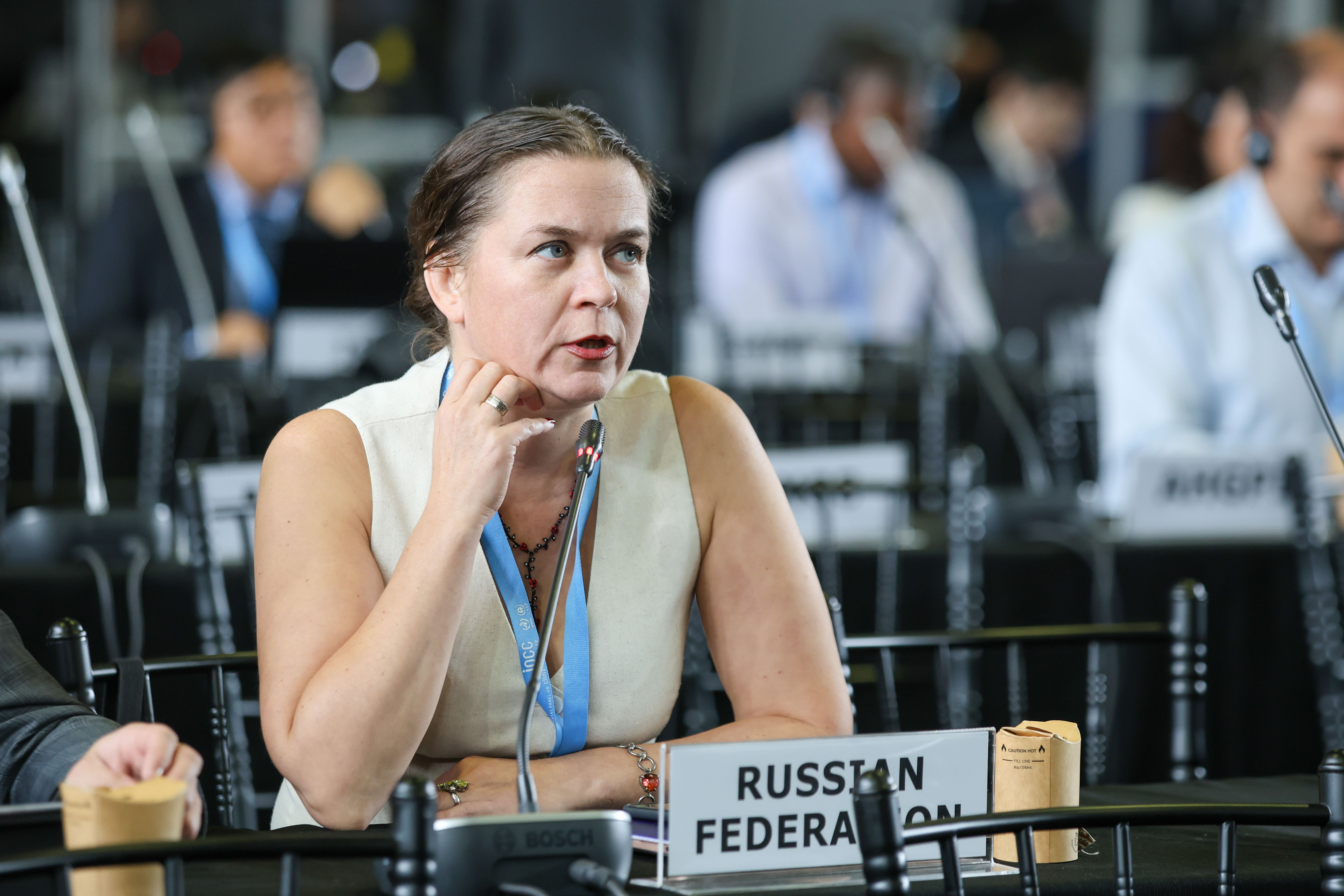
Tatiana Dmitrieva, Russian Federation
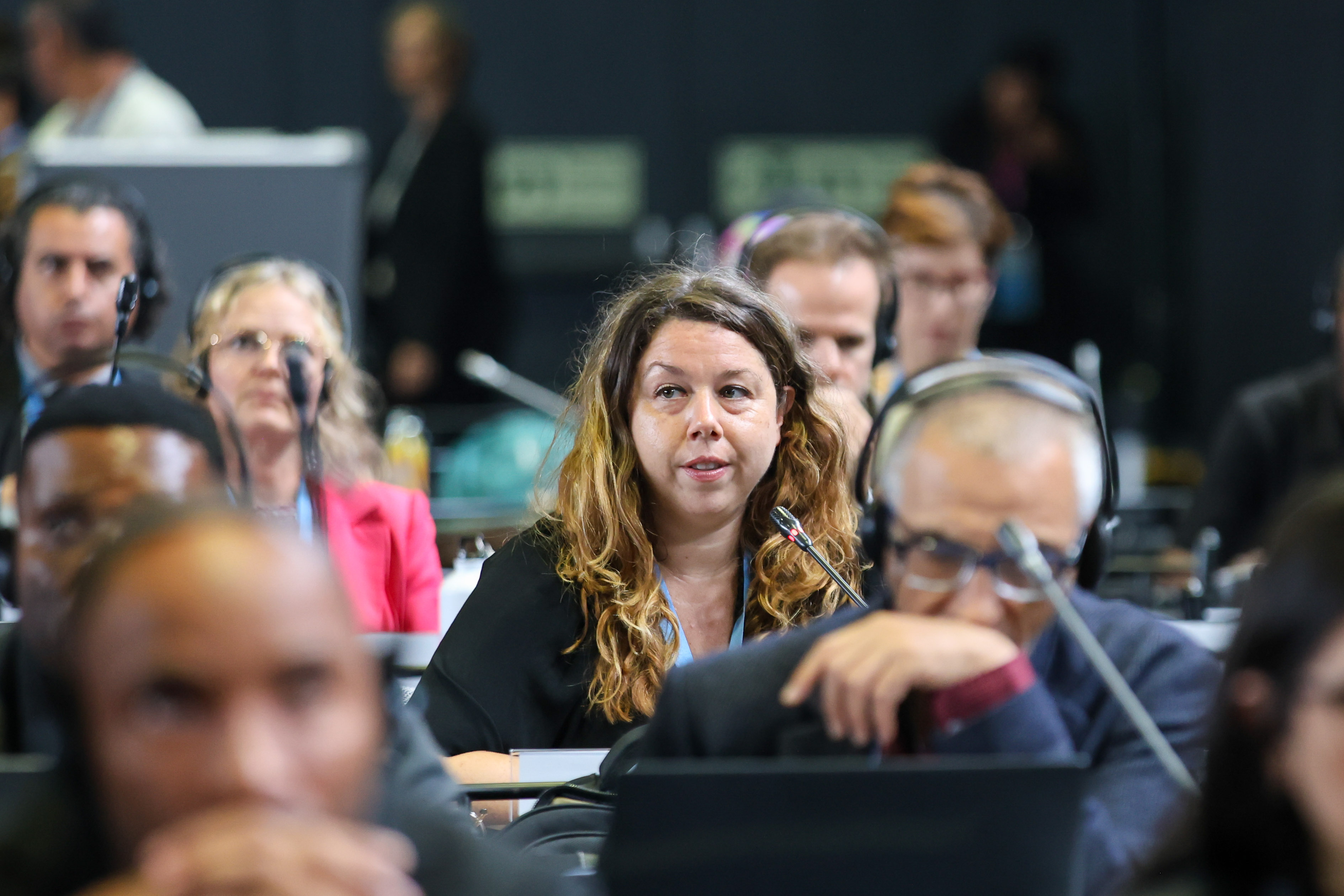
Jessica Astier, Monaco
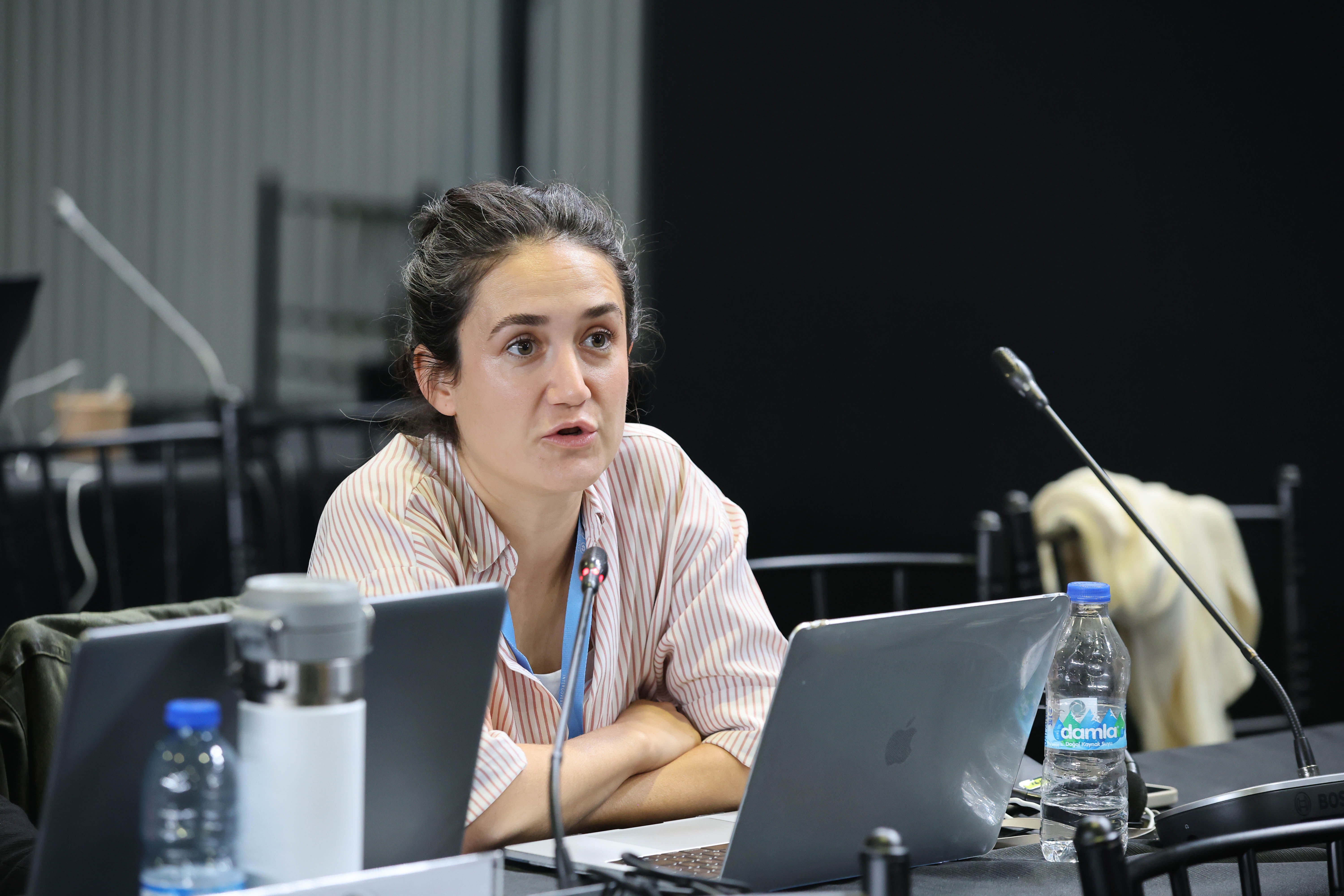
Merve Güreş, Türkiye
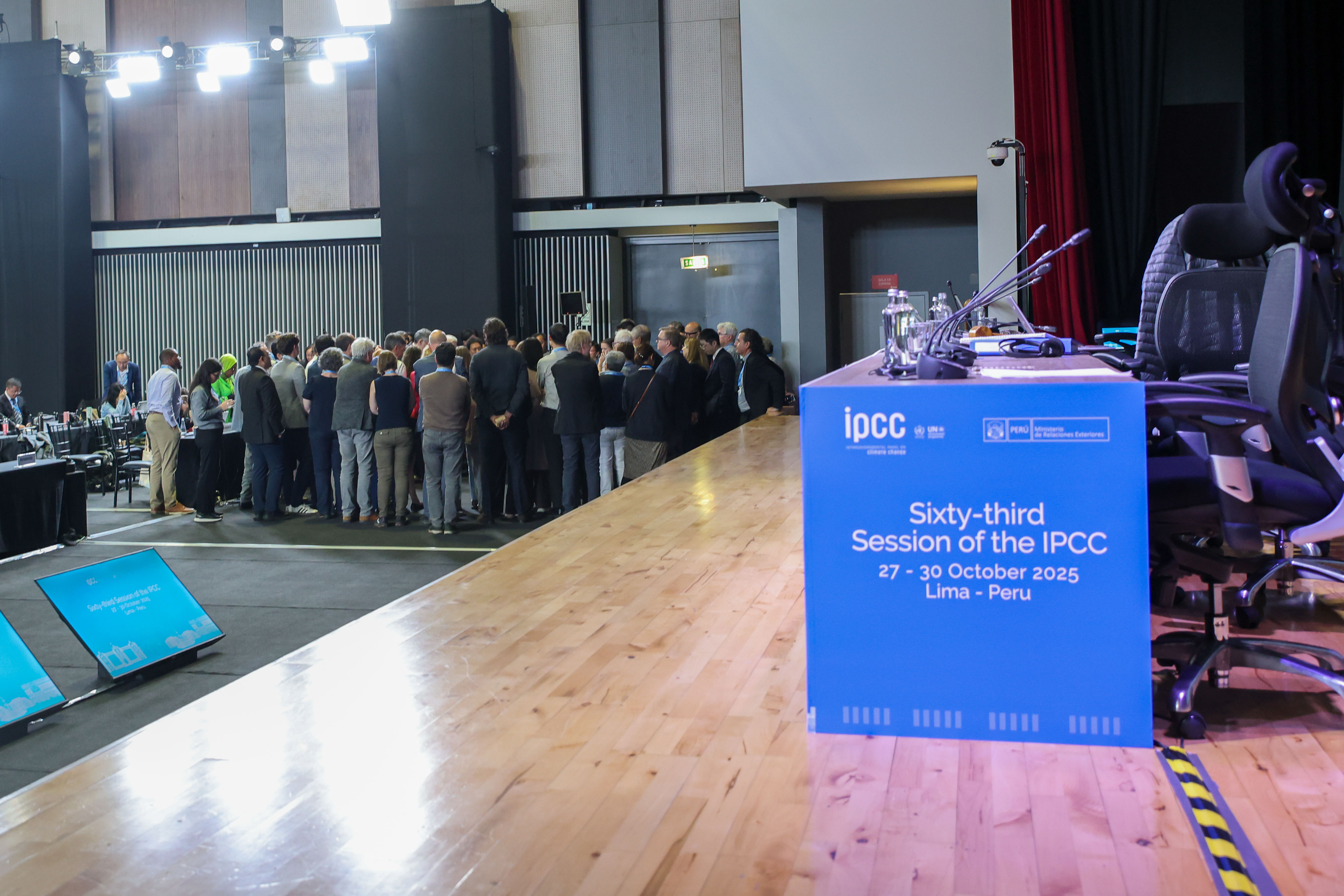
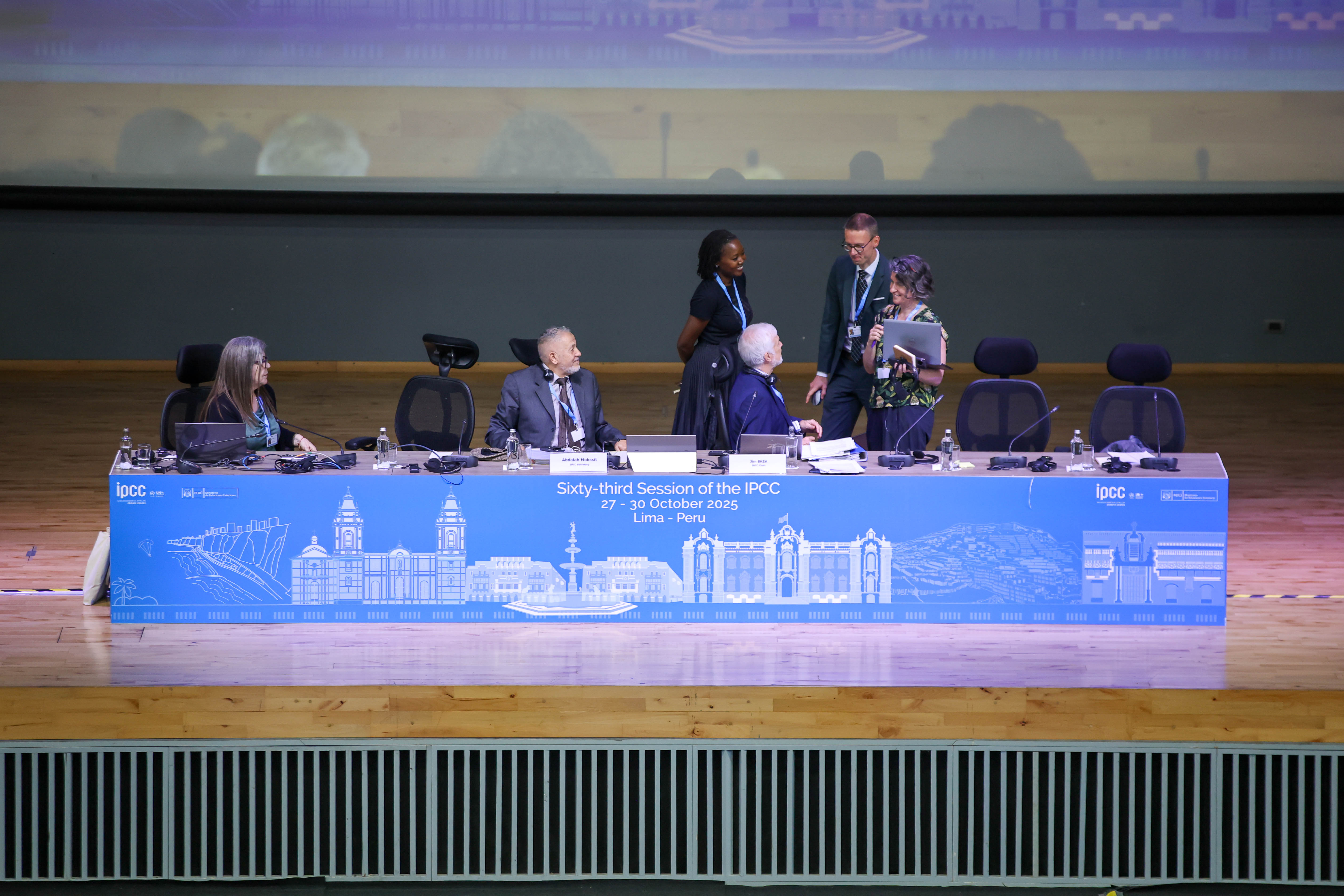
The morning plenary session was suspended as delegates continued negotiations in huddles.
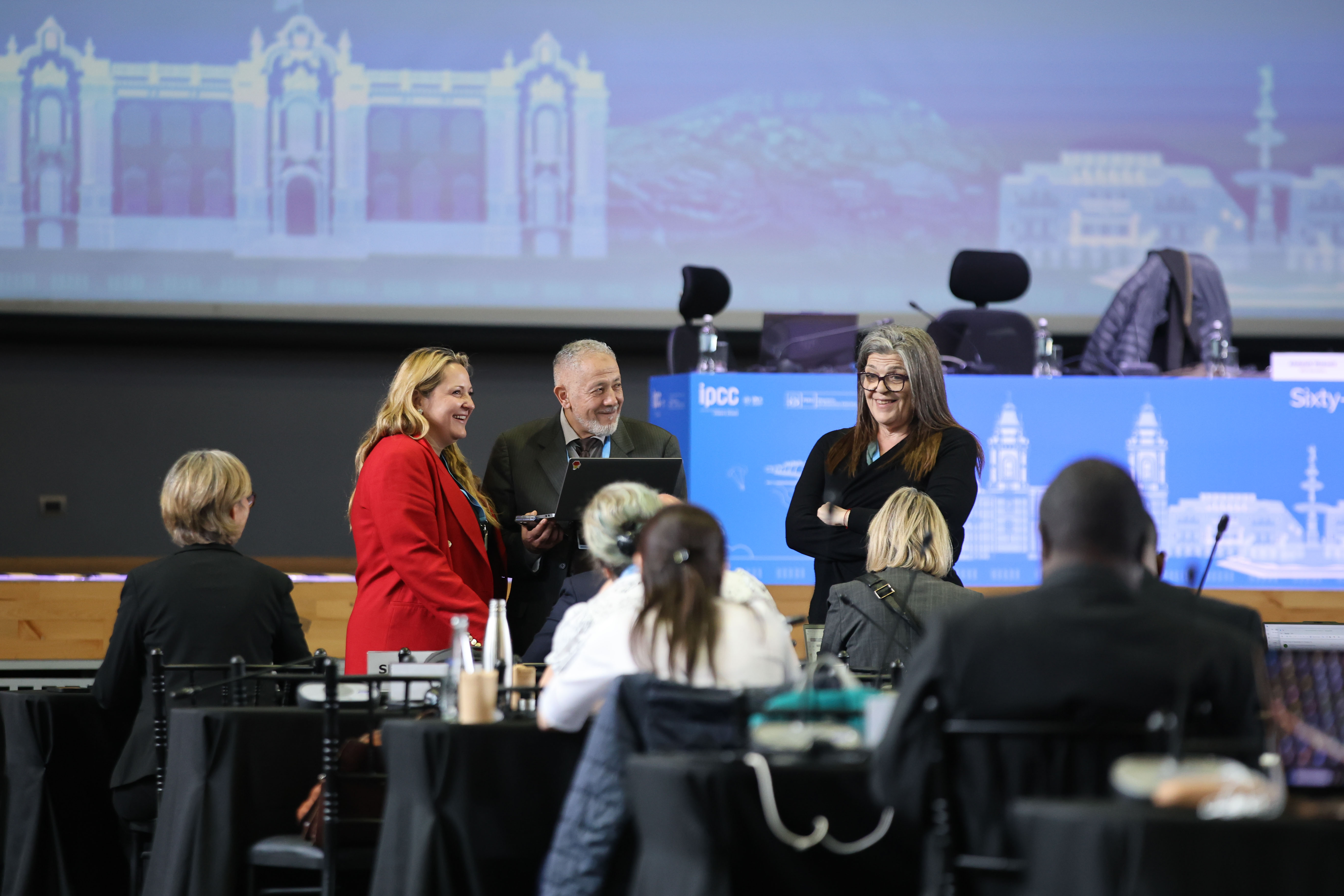
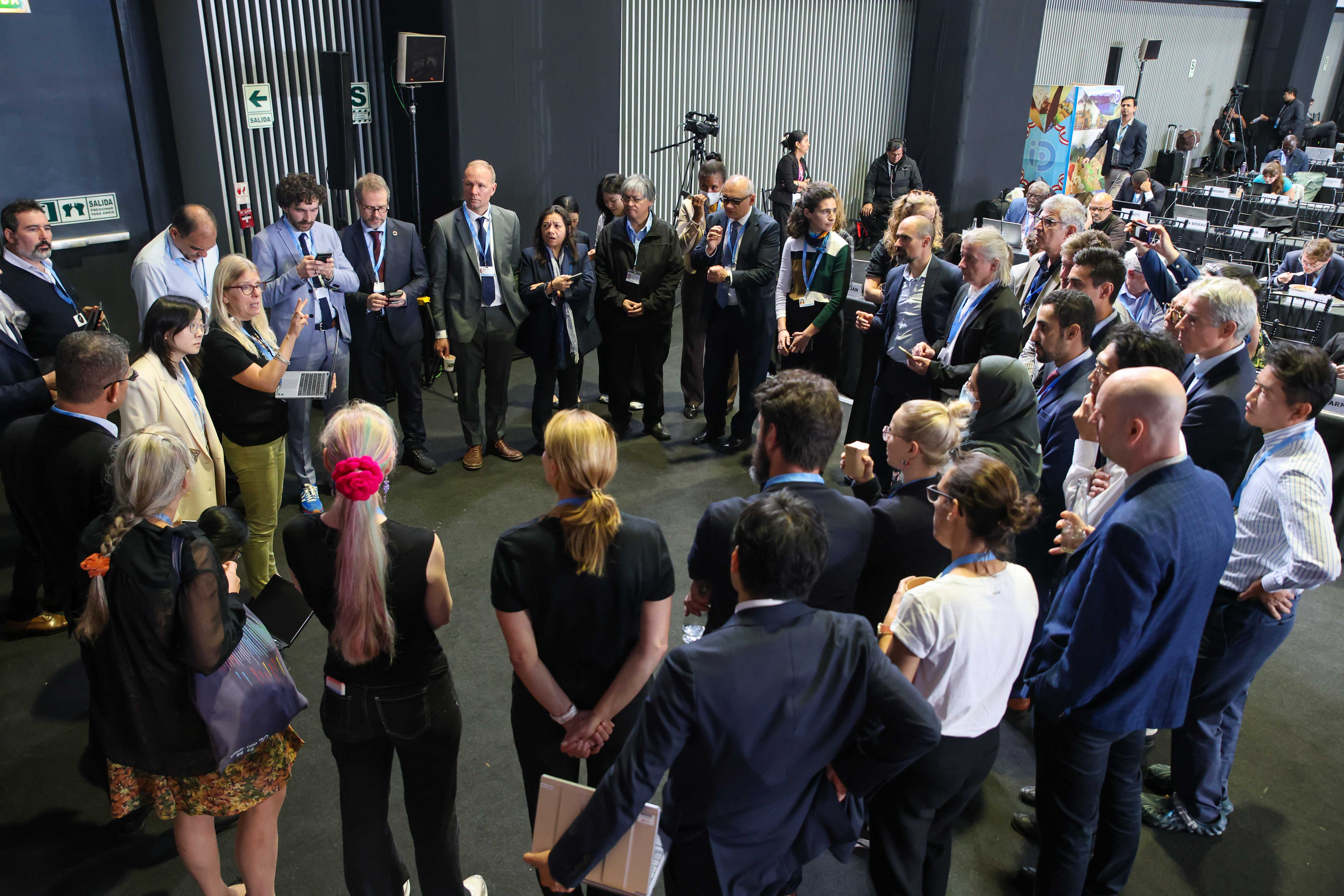
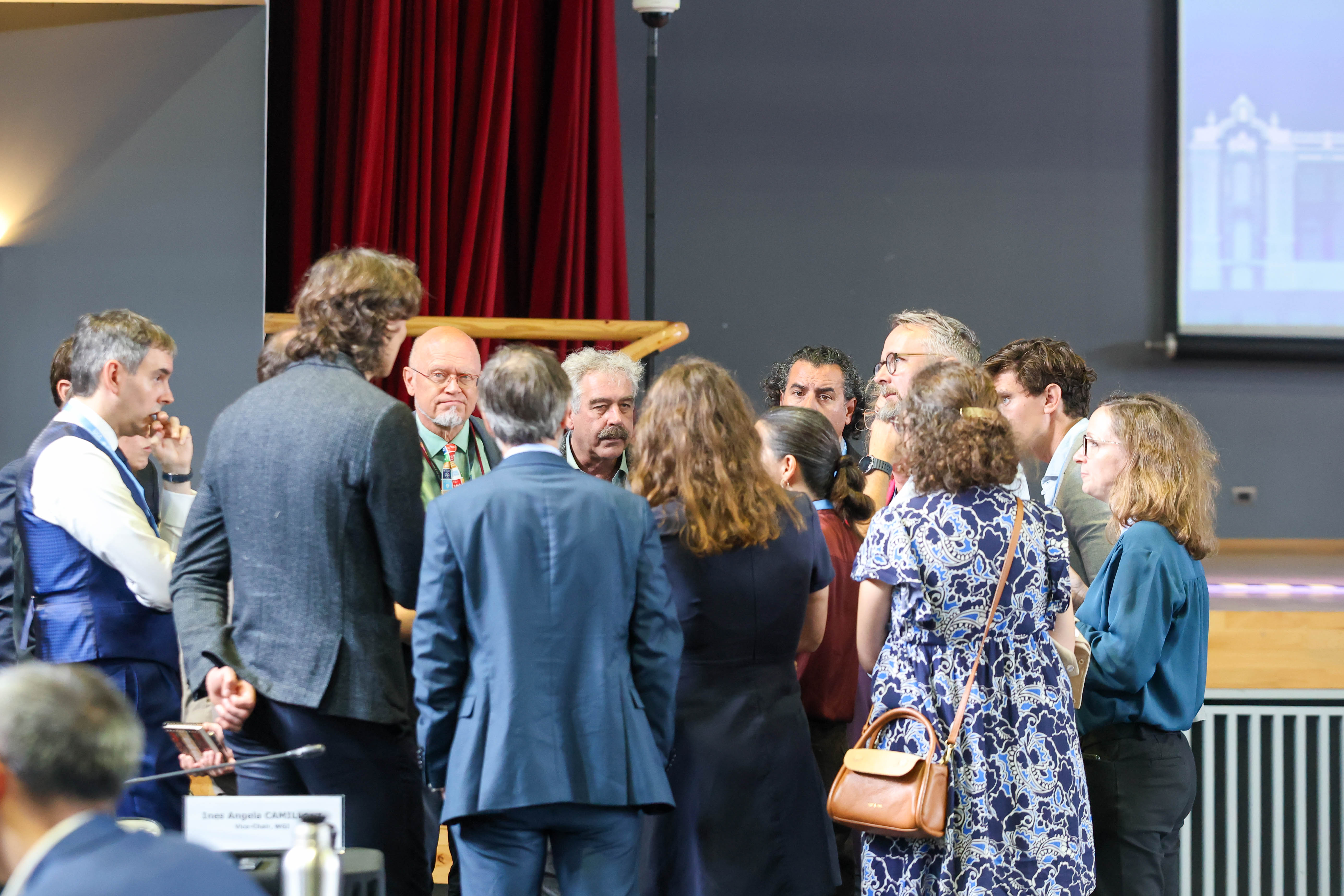
Delegates huddle on the Methodology Report on Carbon Dioxide Removal and Carbon Capture, Utilization and Storage.
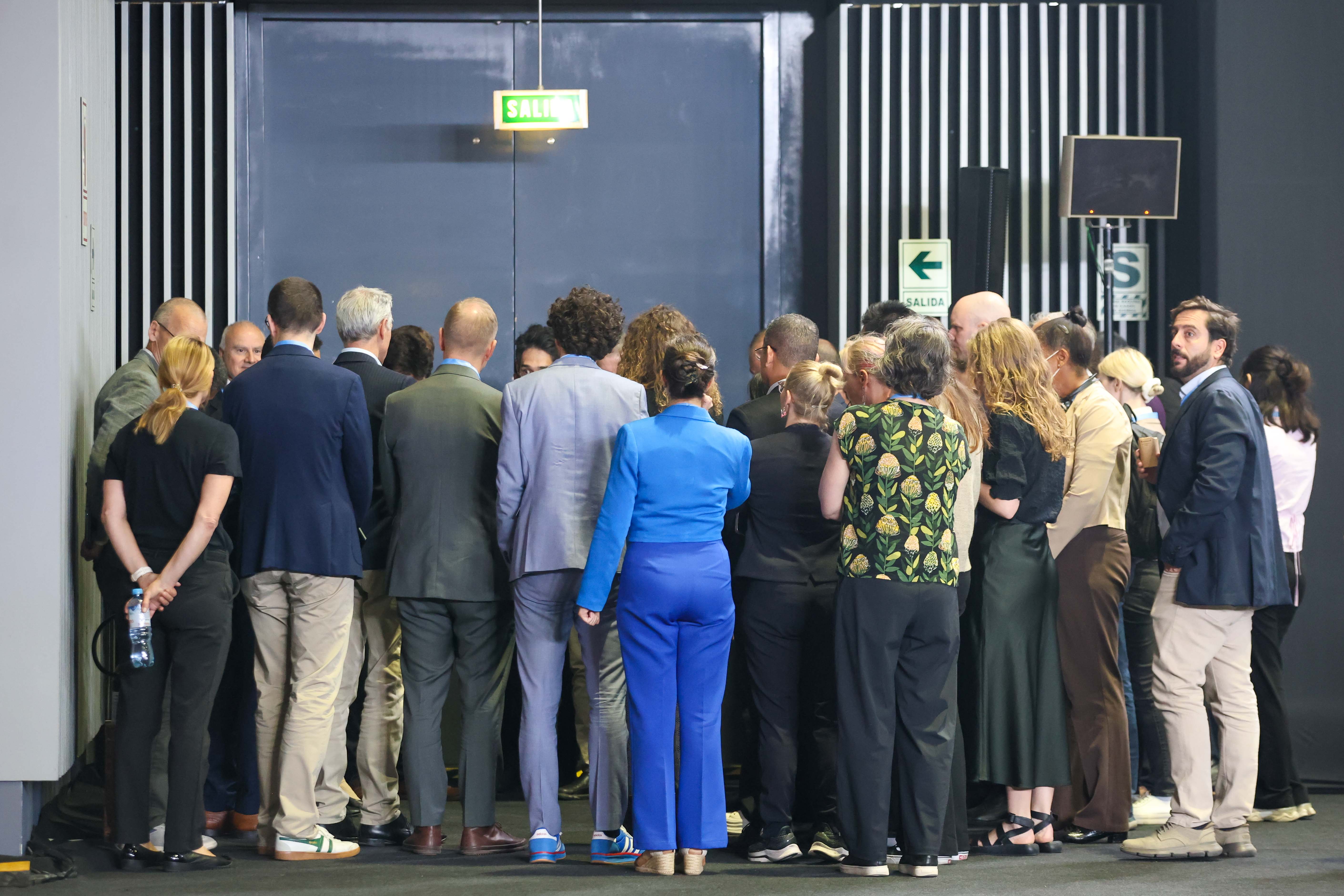
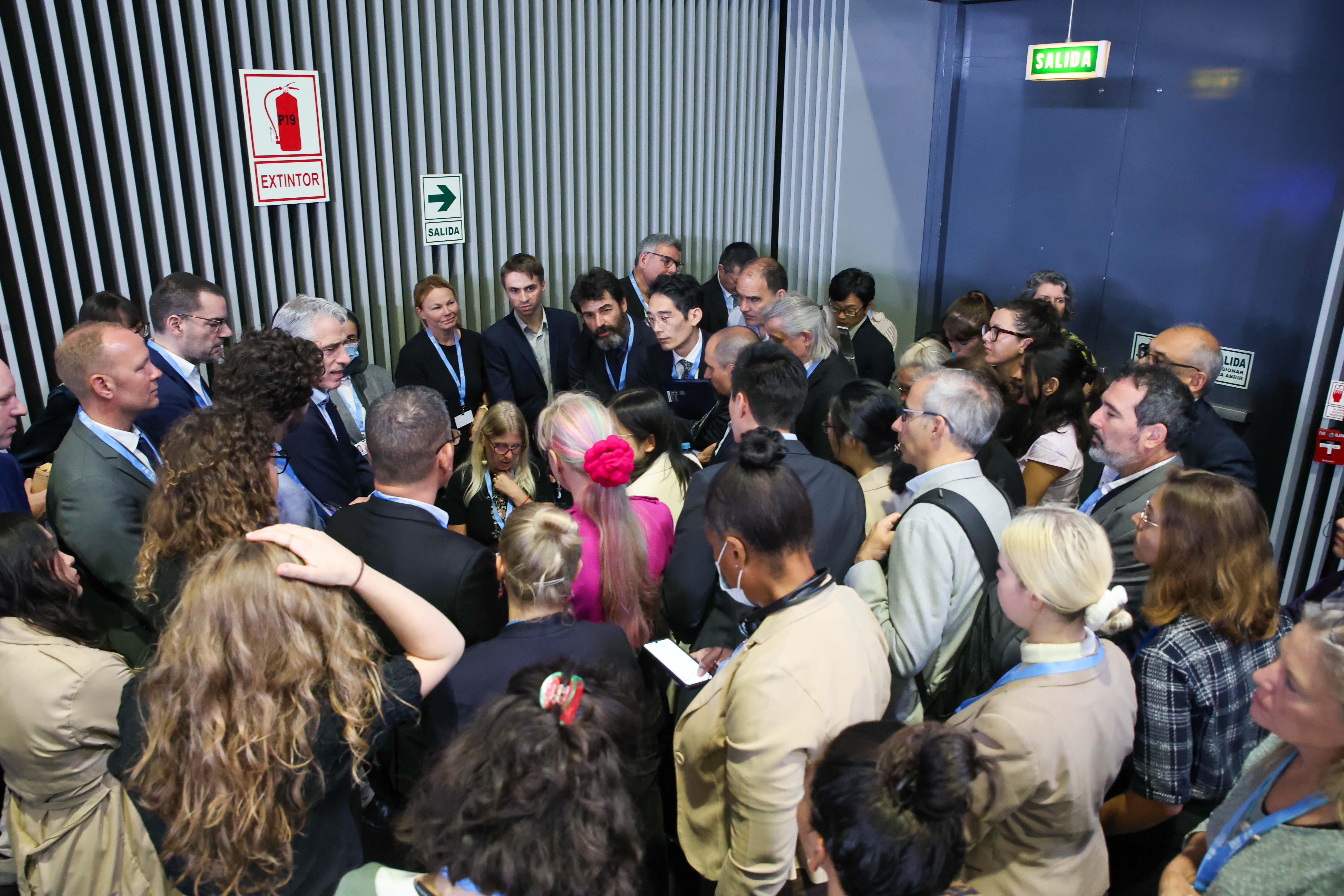
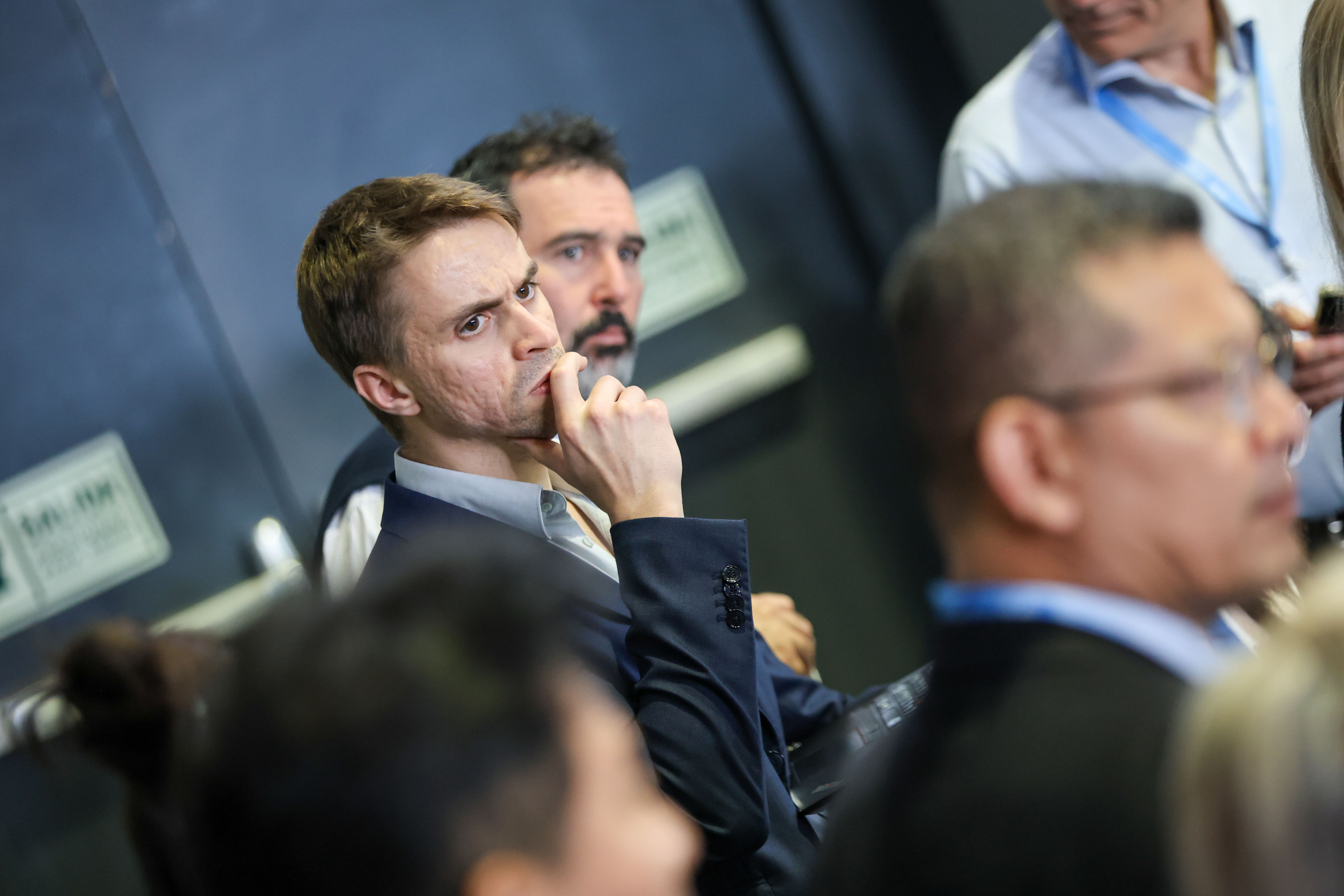
Pierre-Alexandre Royoux, France
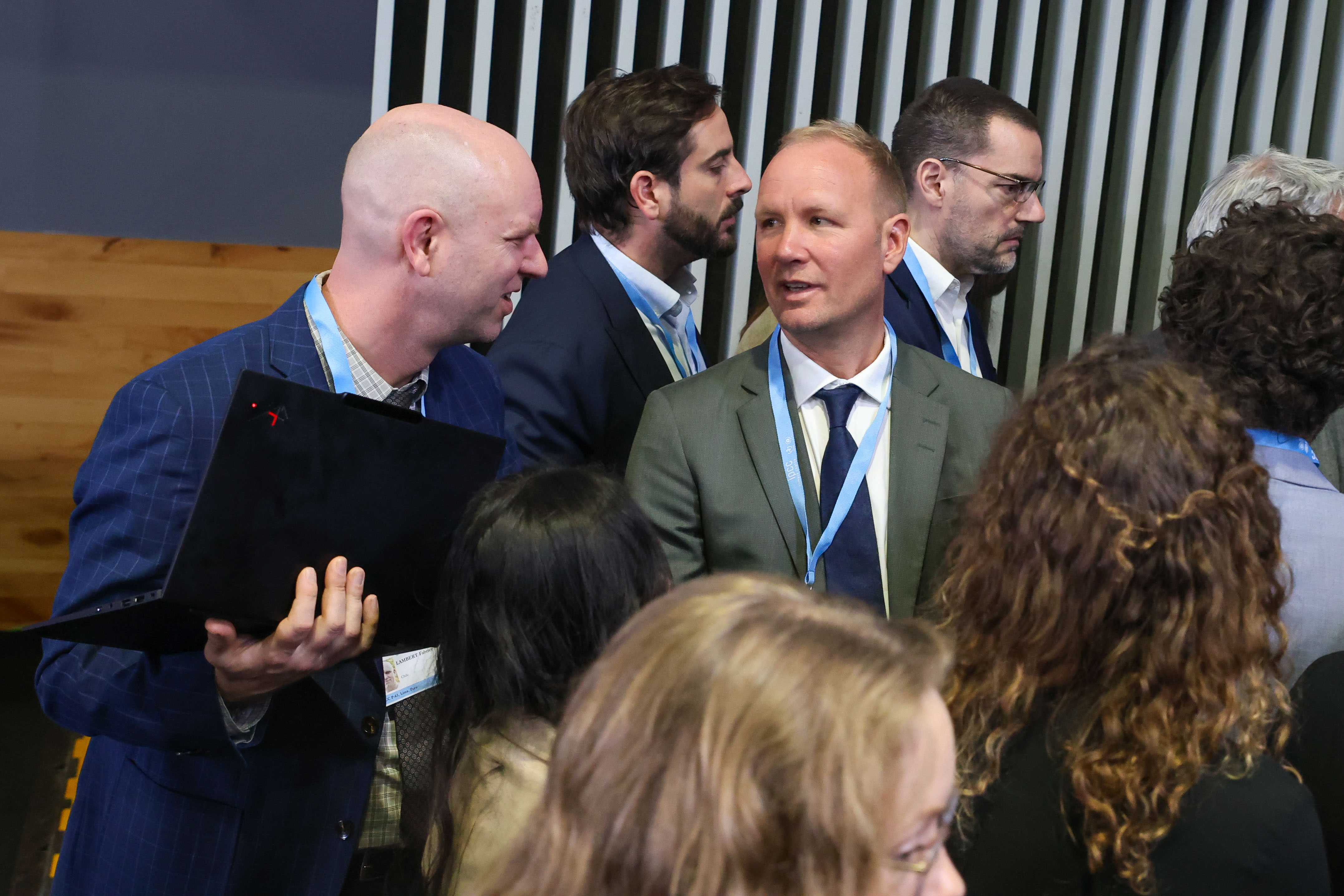
Fabrice Lambert, Chile, and Mathias Fridahl, Sweden
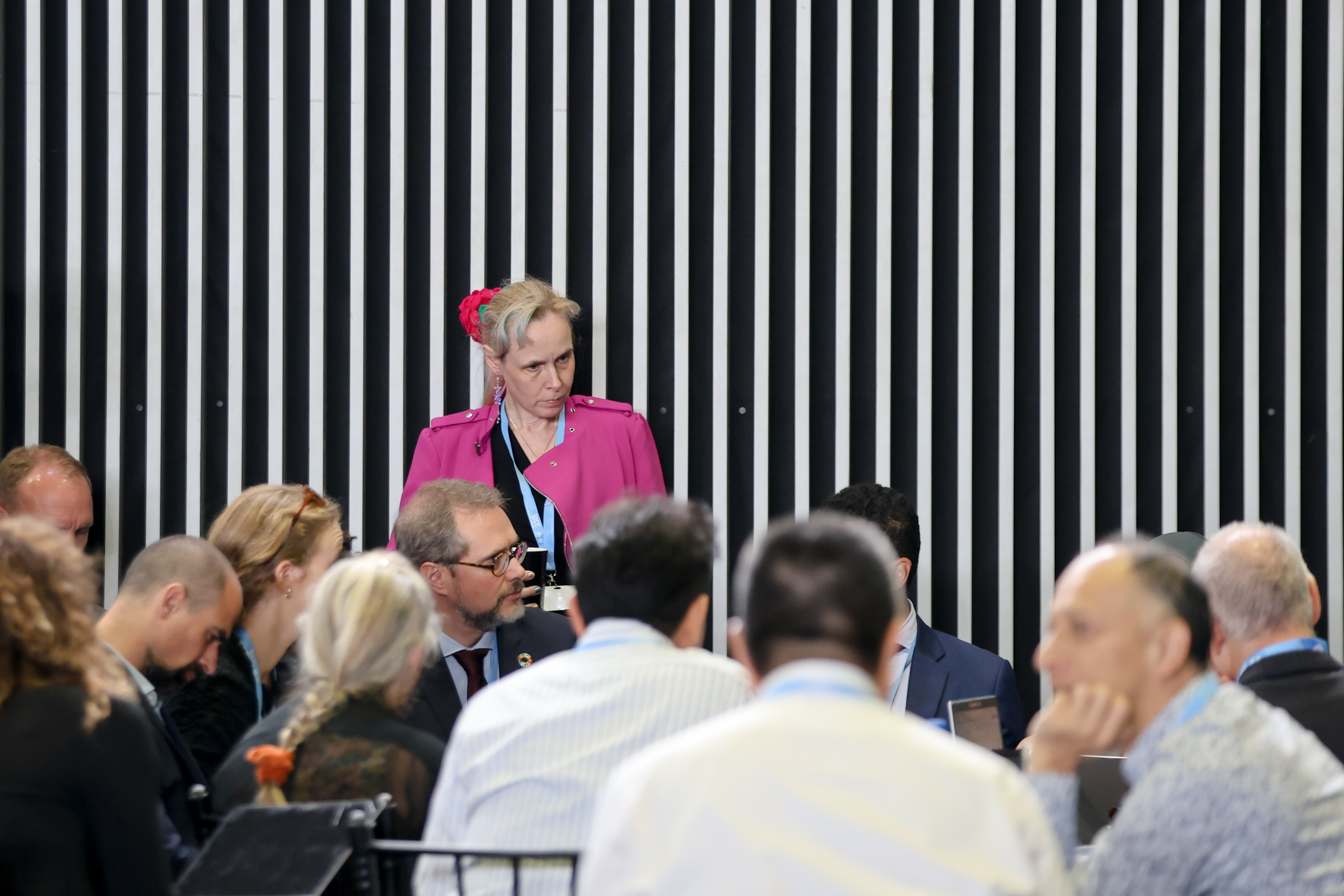
Chantal Roggeman, Belgium
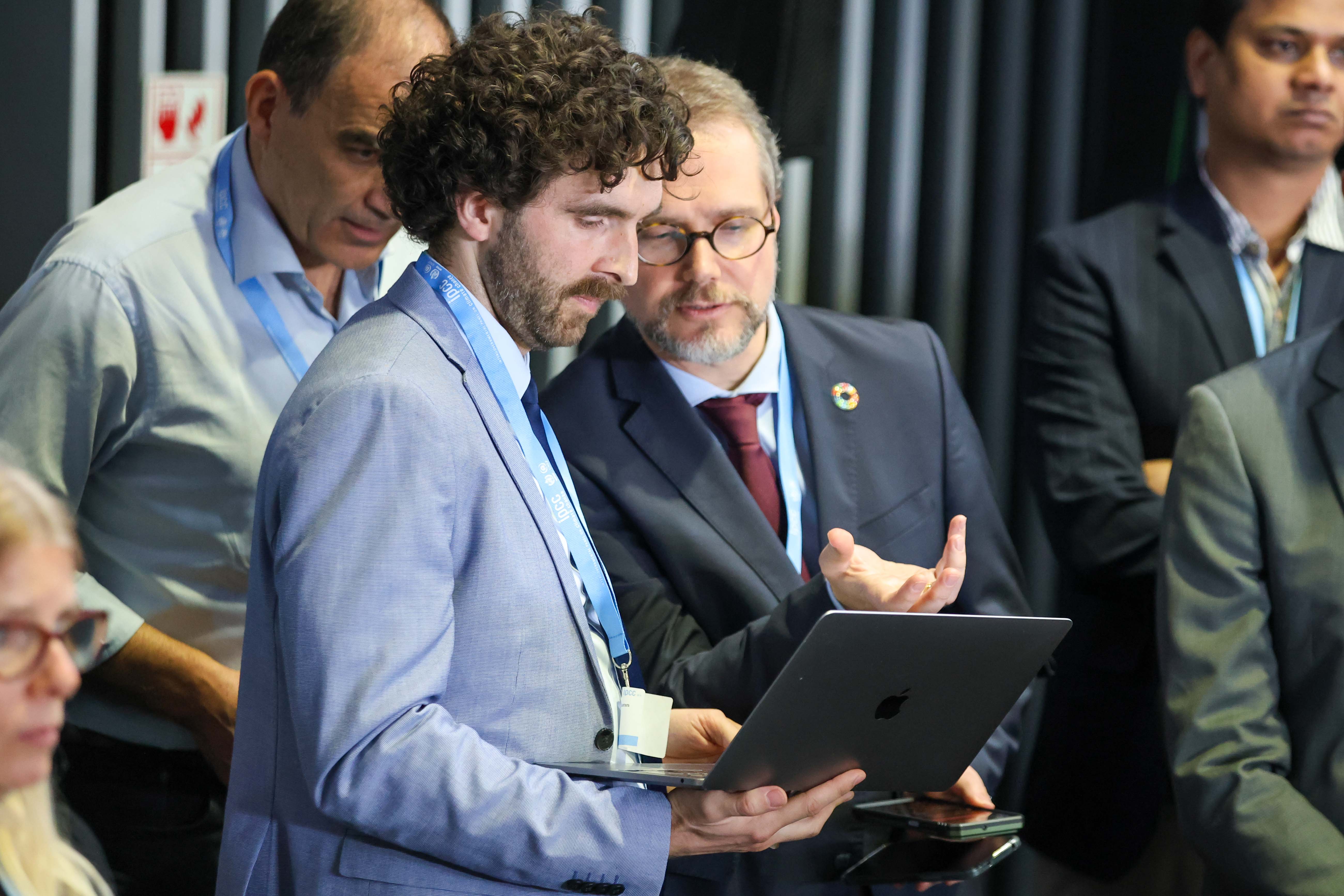
Delegates from Germany consult.
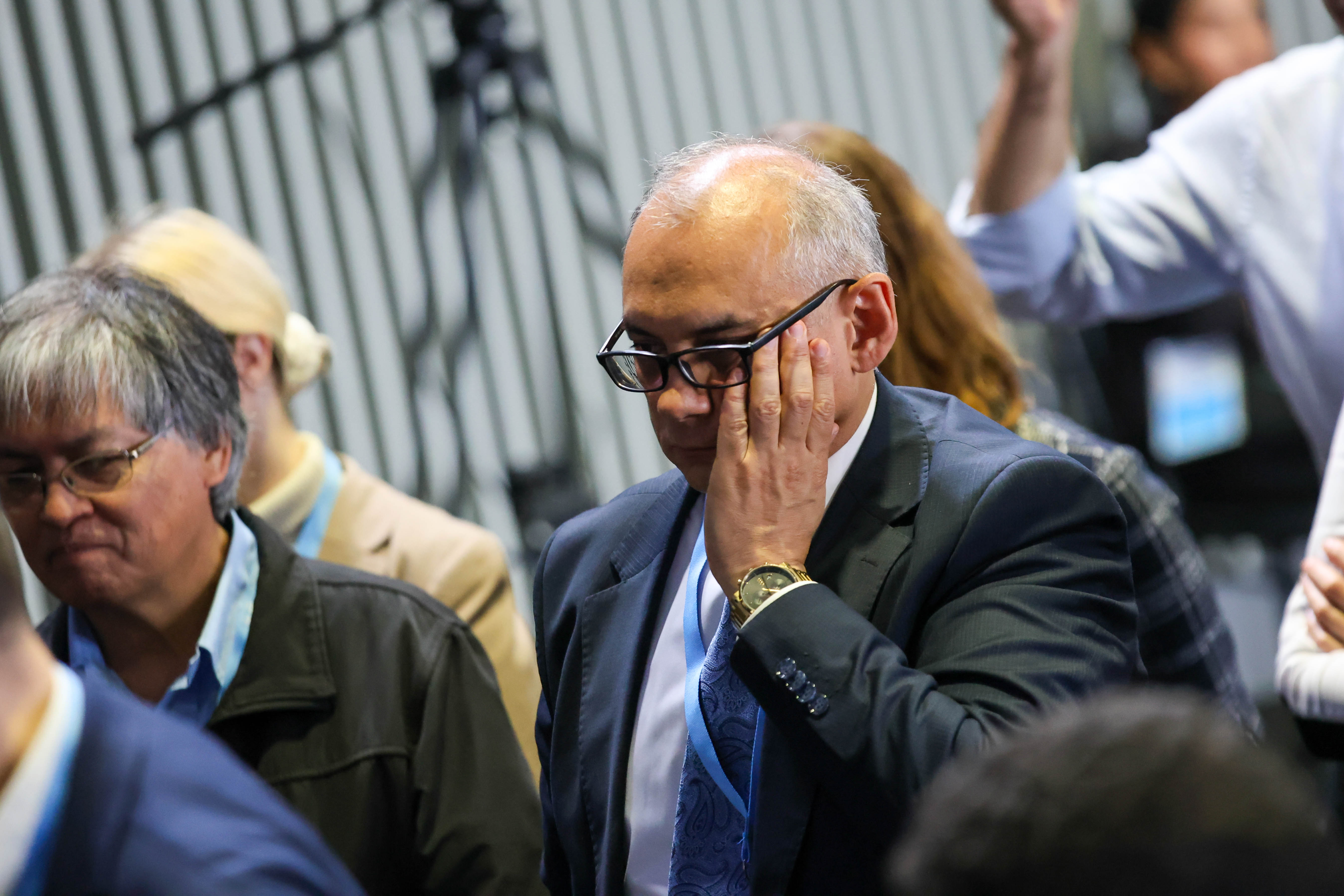
Fuad Humbatov, Azerbaijan
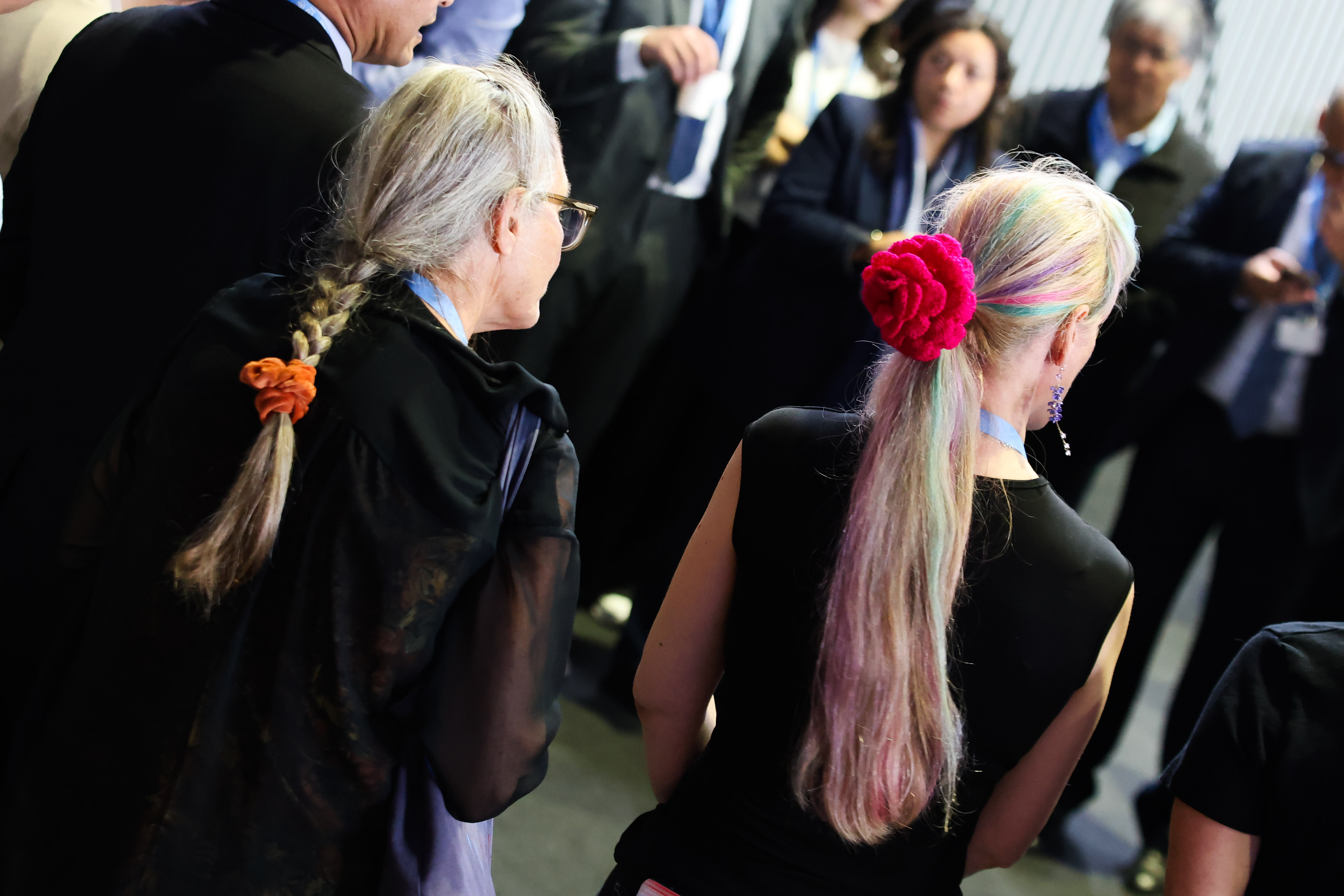
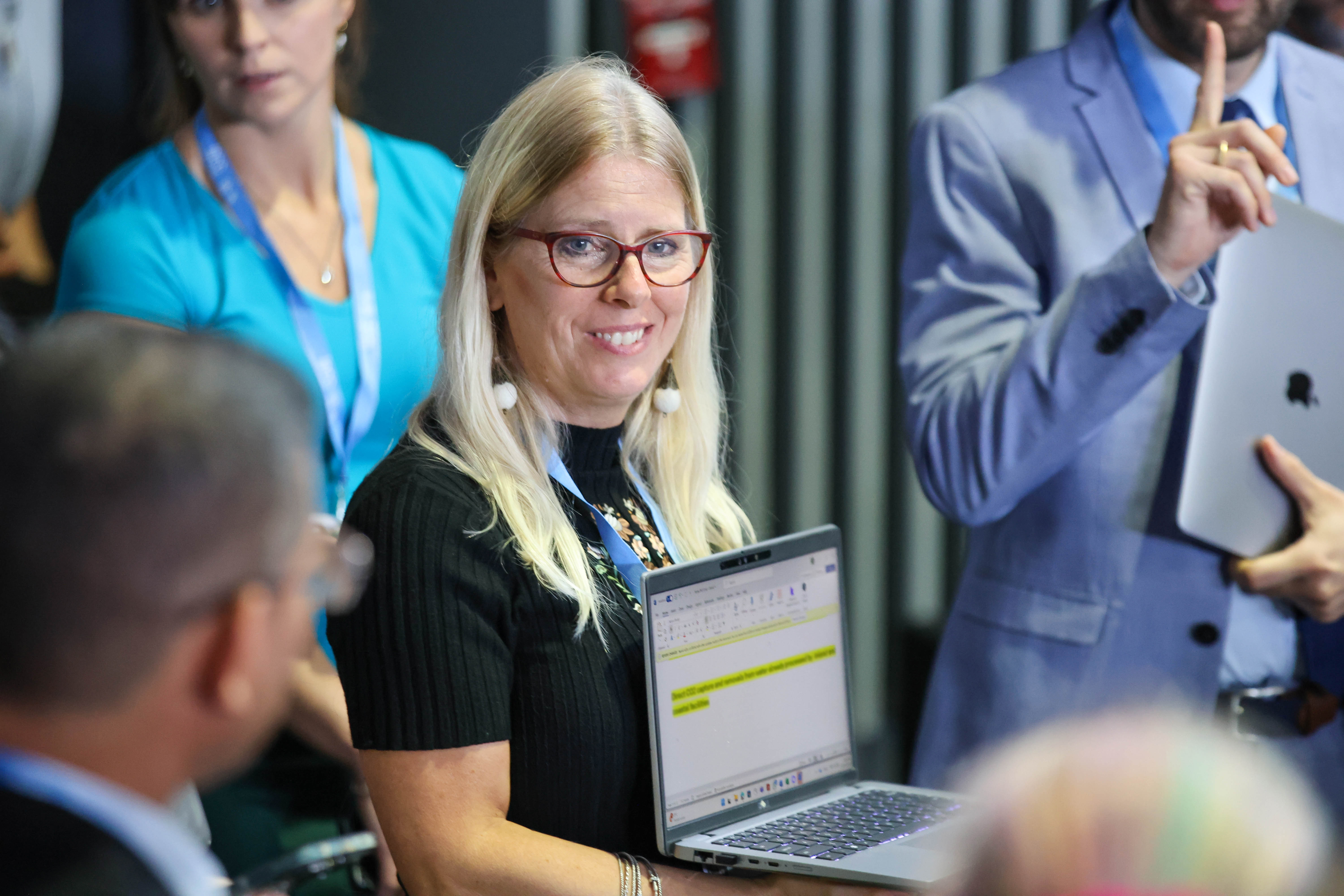
IPCC Vice-Chair Diana Ürge-Vorsatz
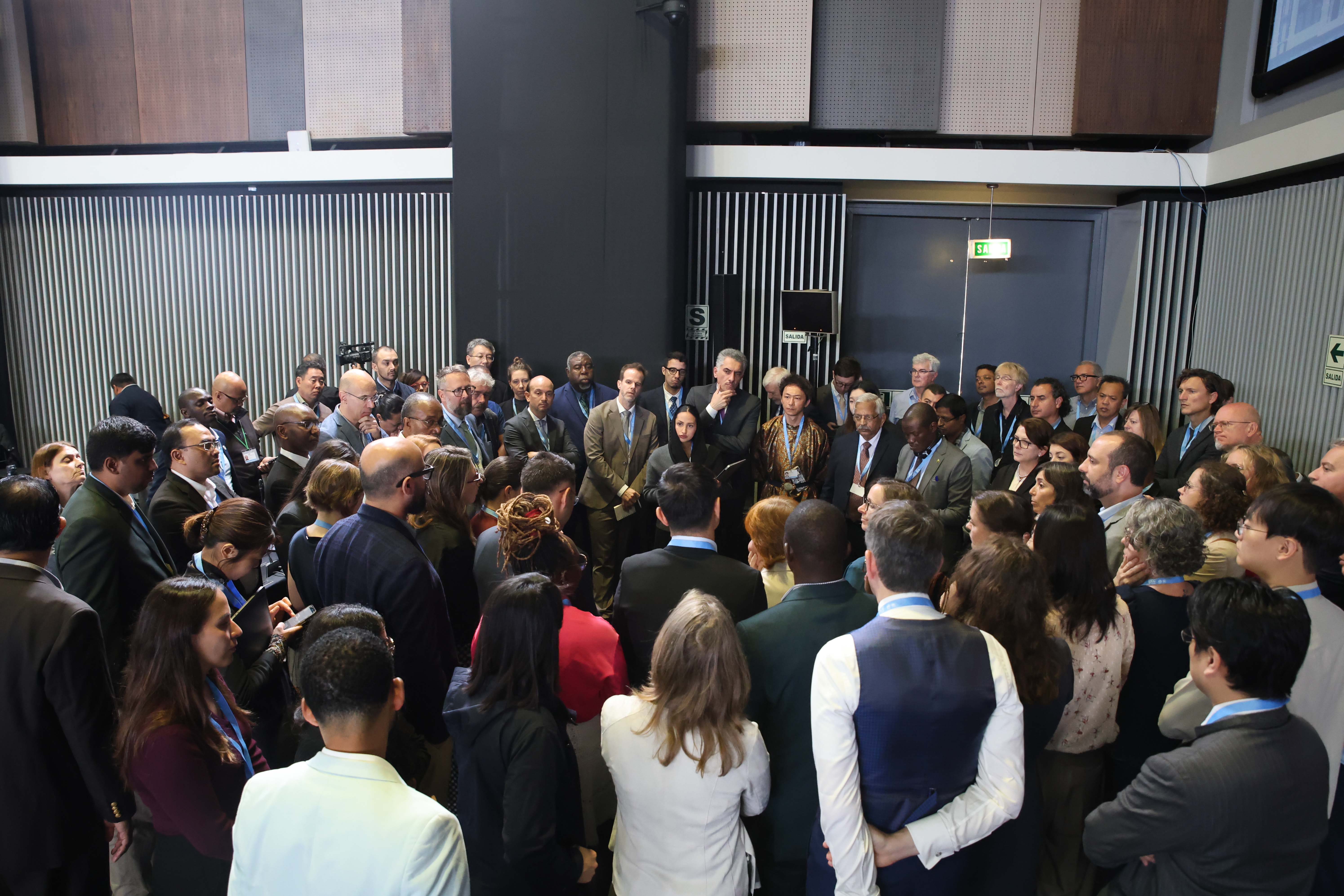
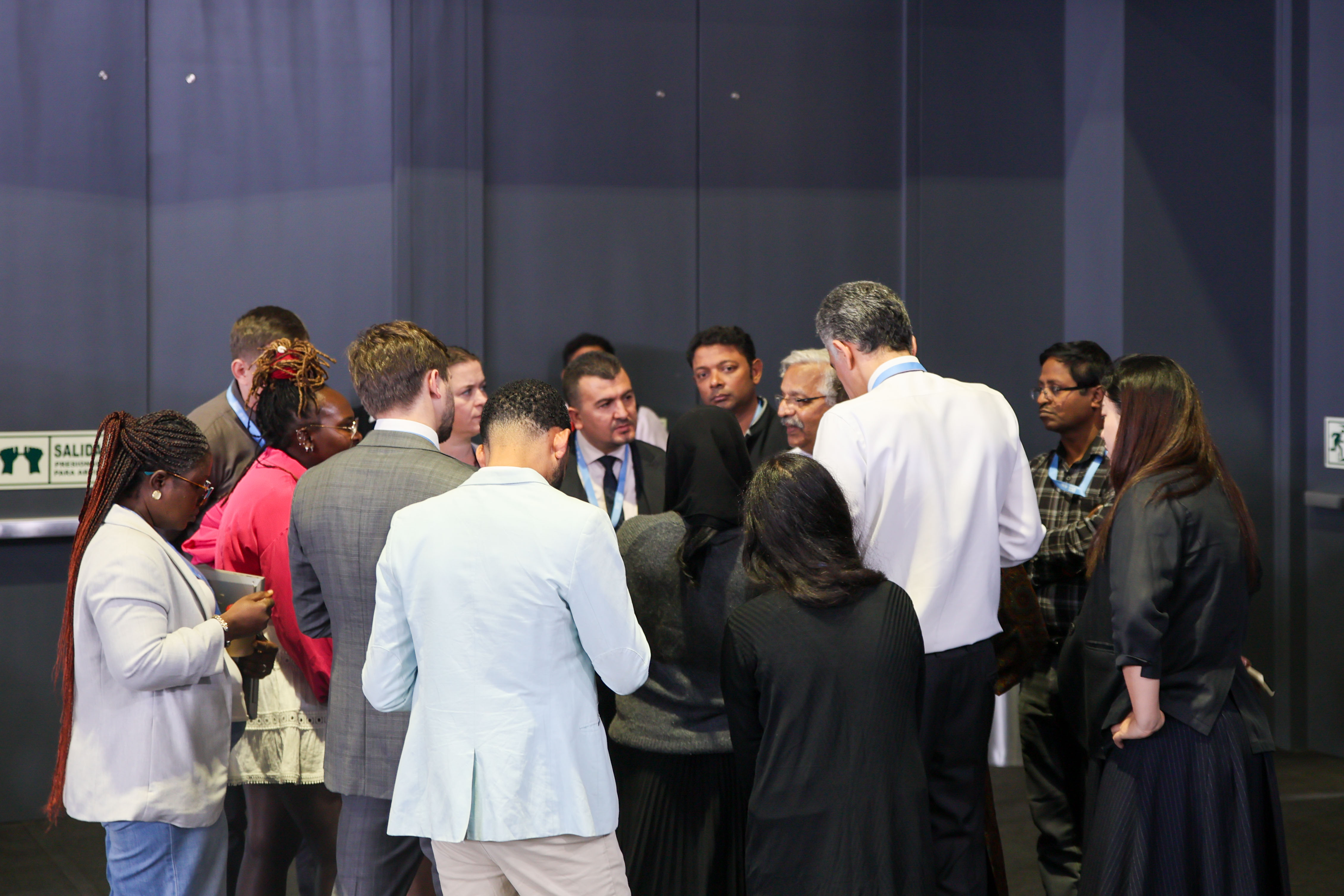
Delegates huddle on the AR7 workplan.
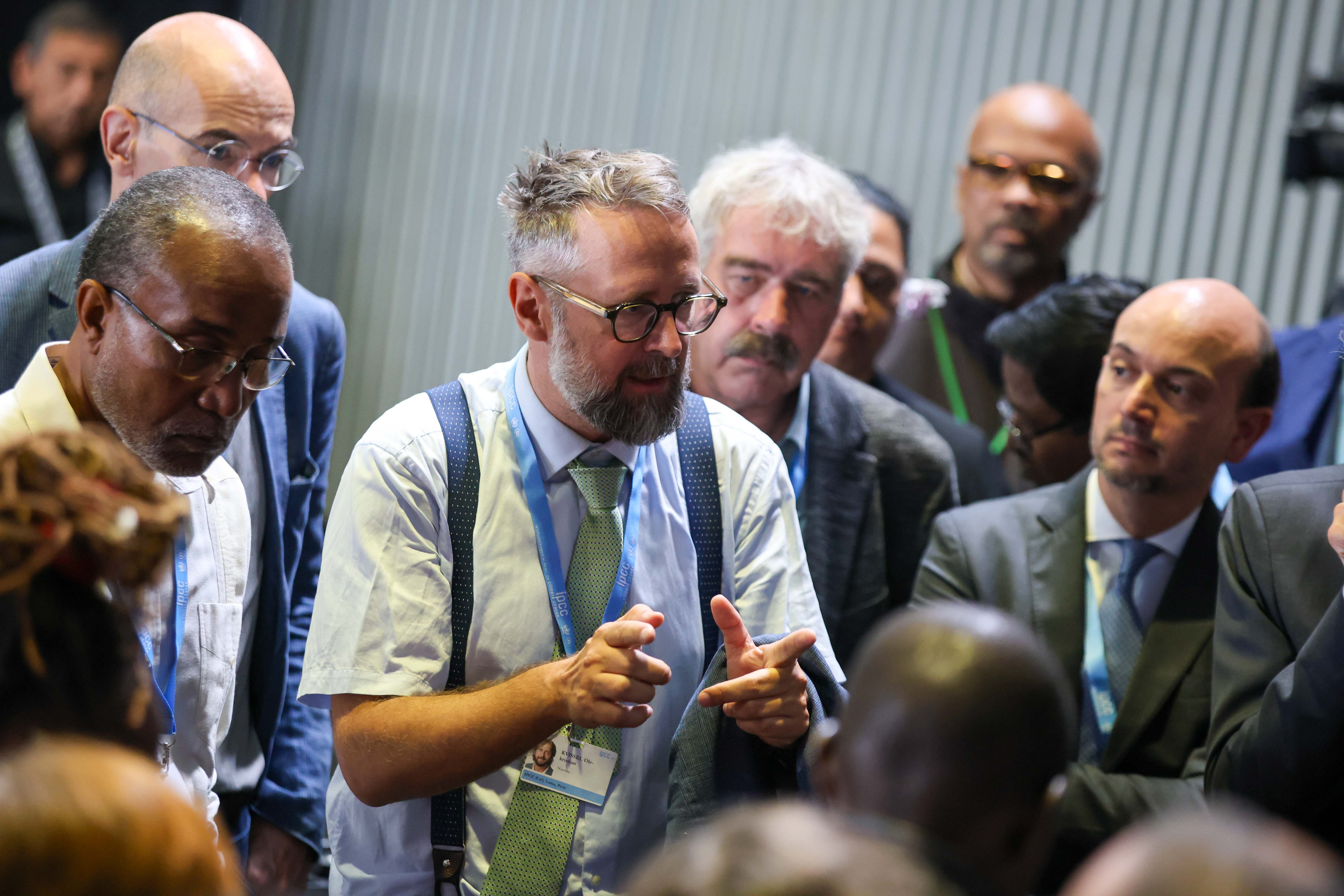
Ole-Kristian Kvissel, Norway
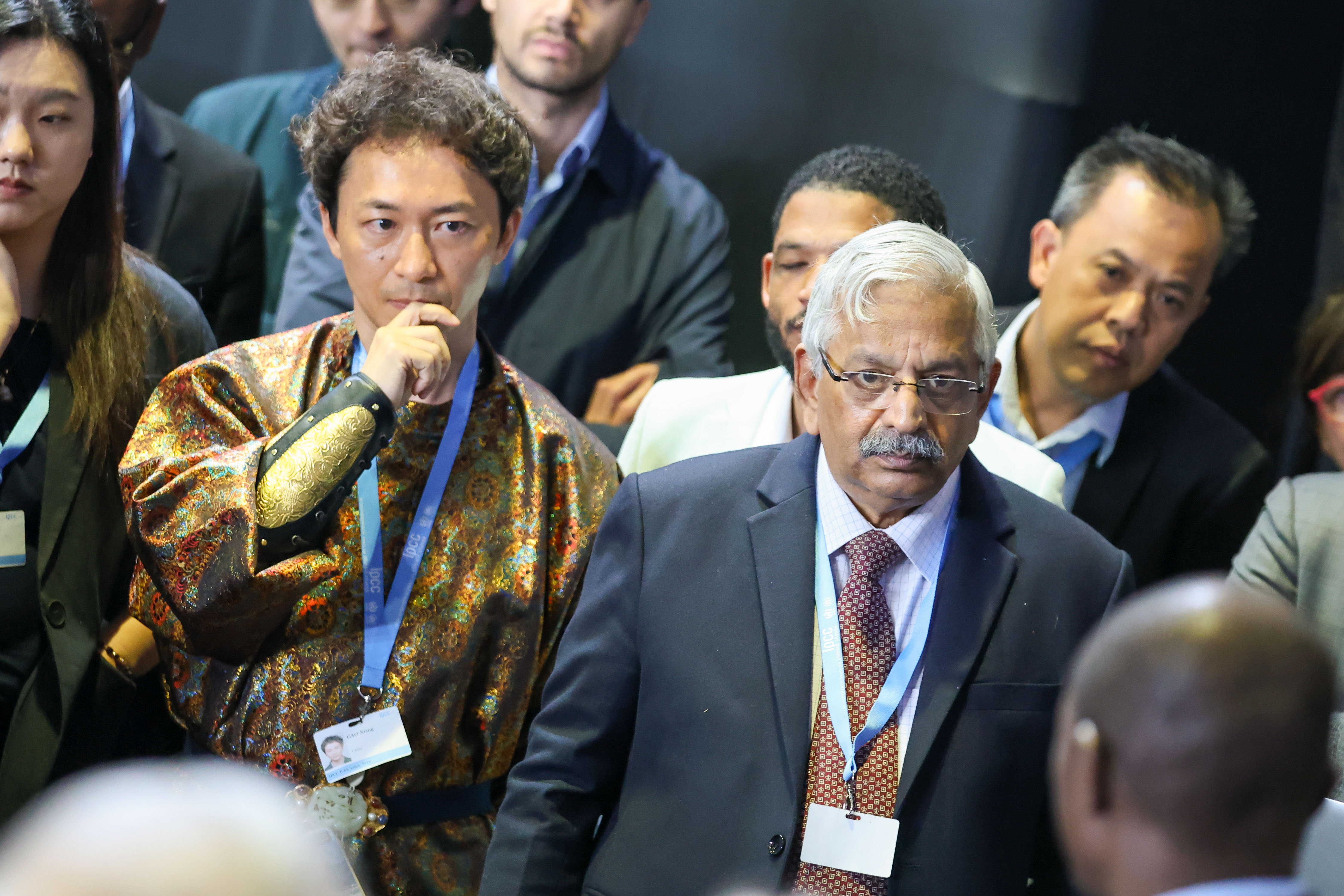
Xiang Gao, China, and Thiagarajan Jayaraman, India
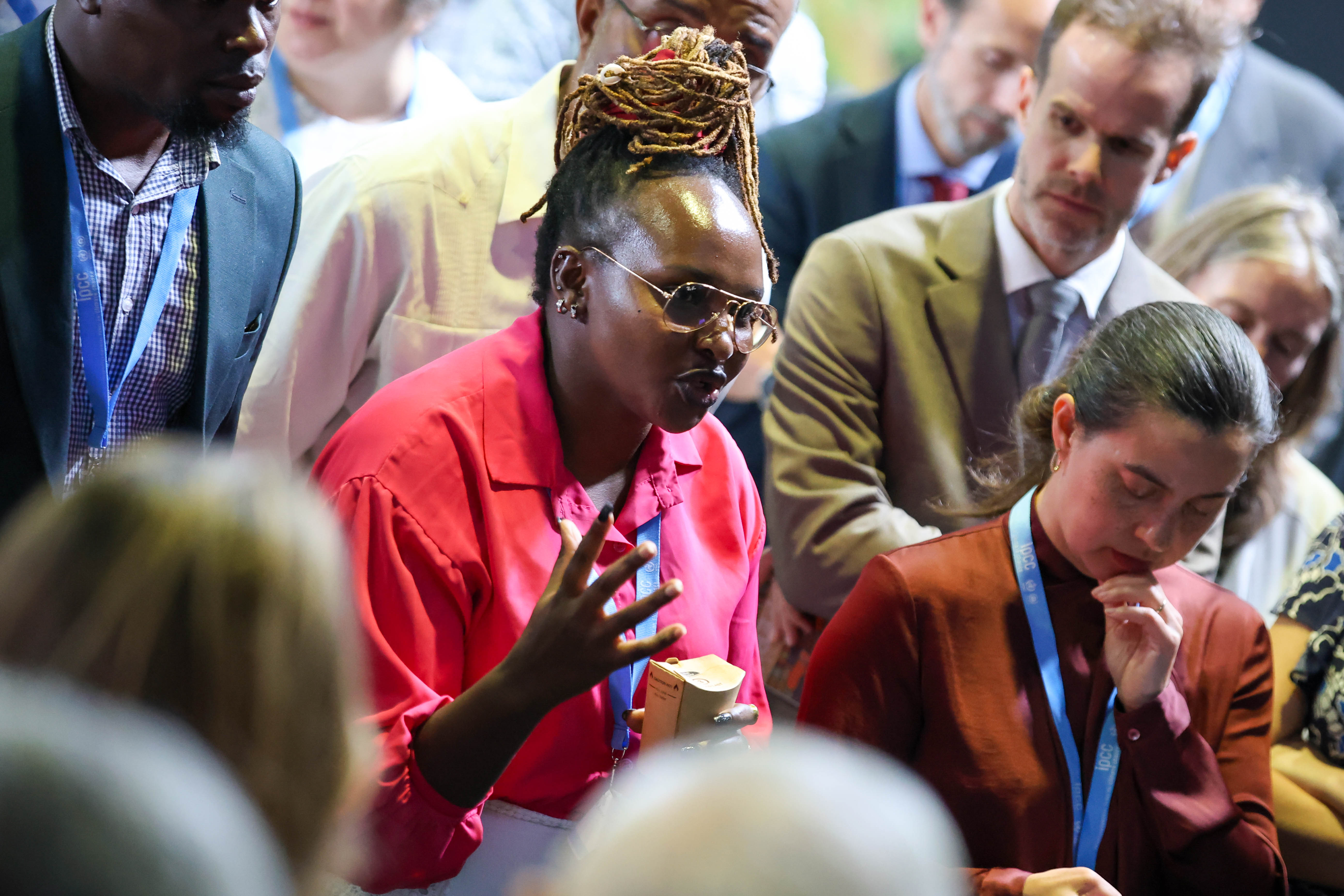
Joyce Kimutai, Kenya

IPCC Chair Jim Skea
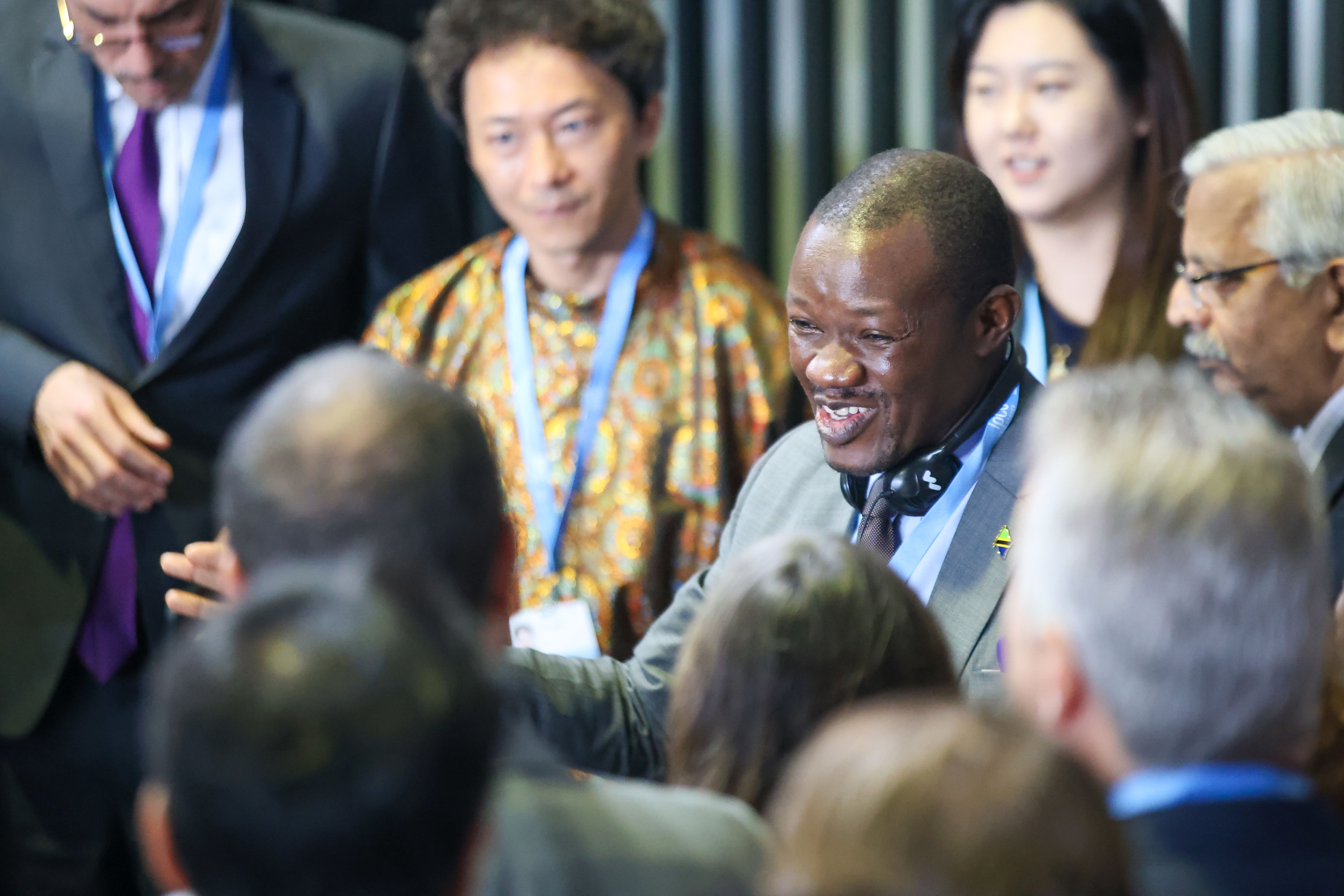
IPCC Vice-Chair Ladislaus Chang’a
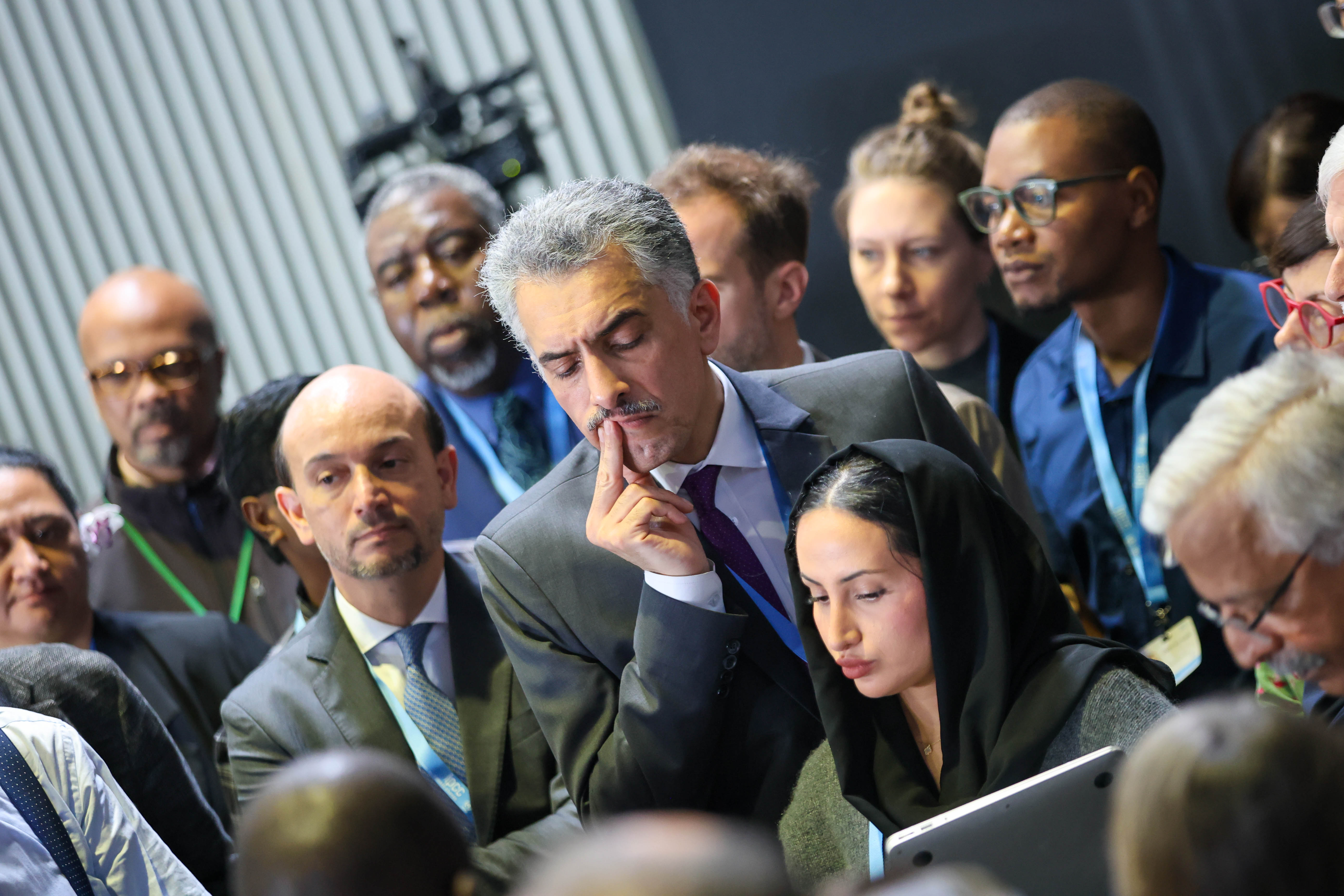
Abdelrahman AlGwaiz, Saudi Arabia
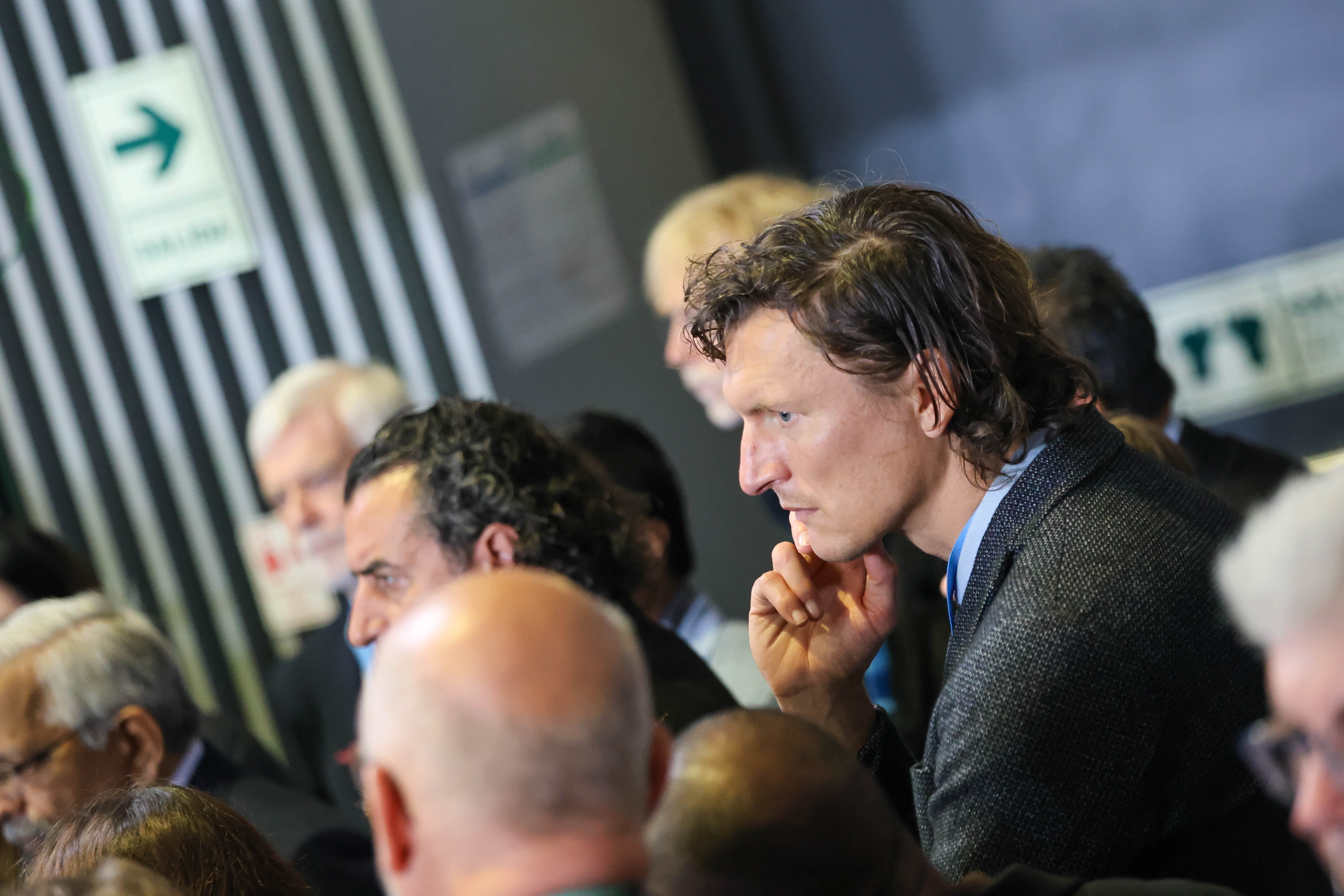
Christian Mueller, Germany
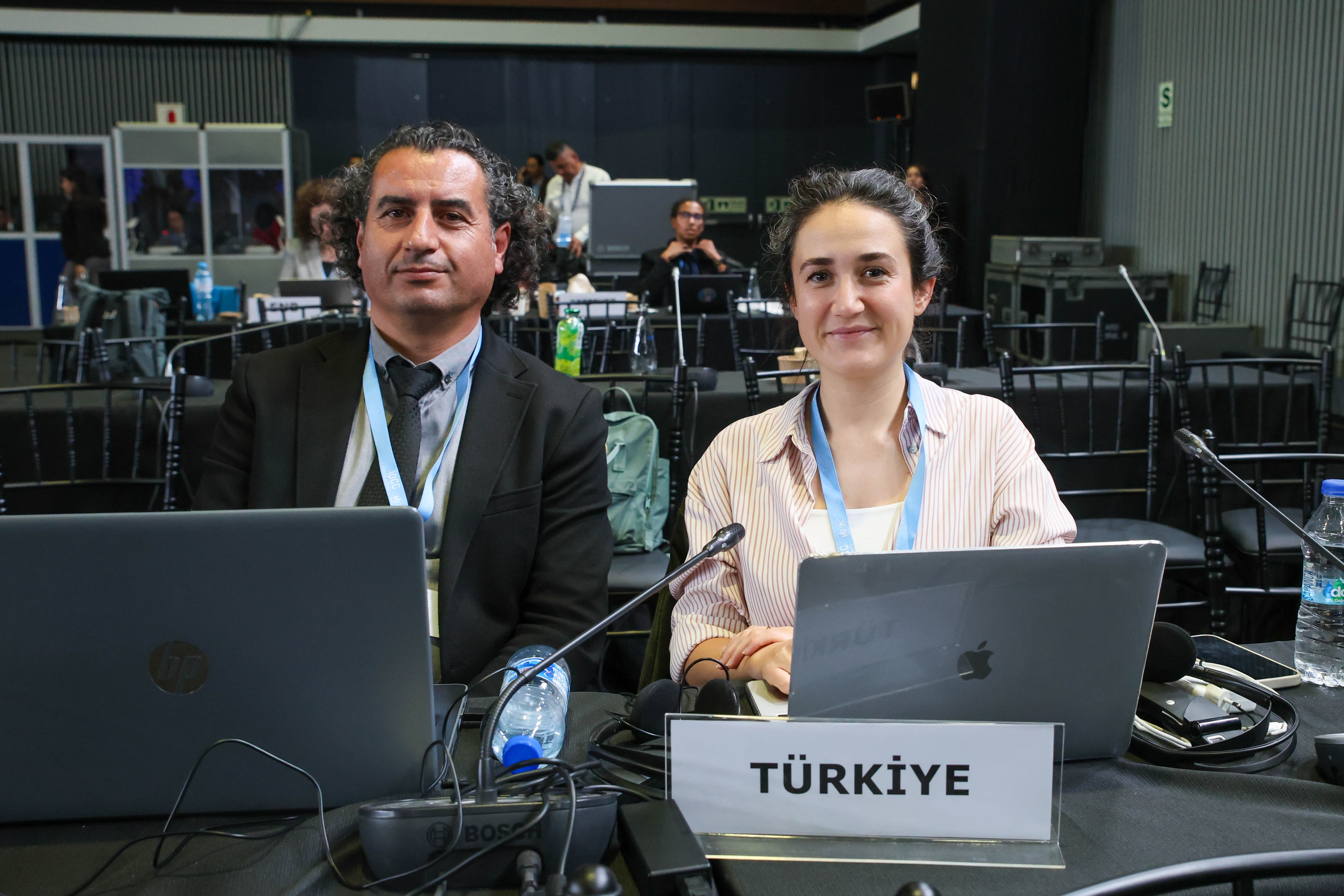
Erdoğan Karaca and Merve Güreş, Türkiye
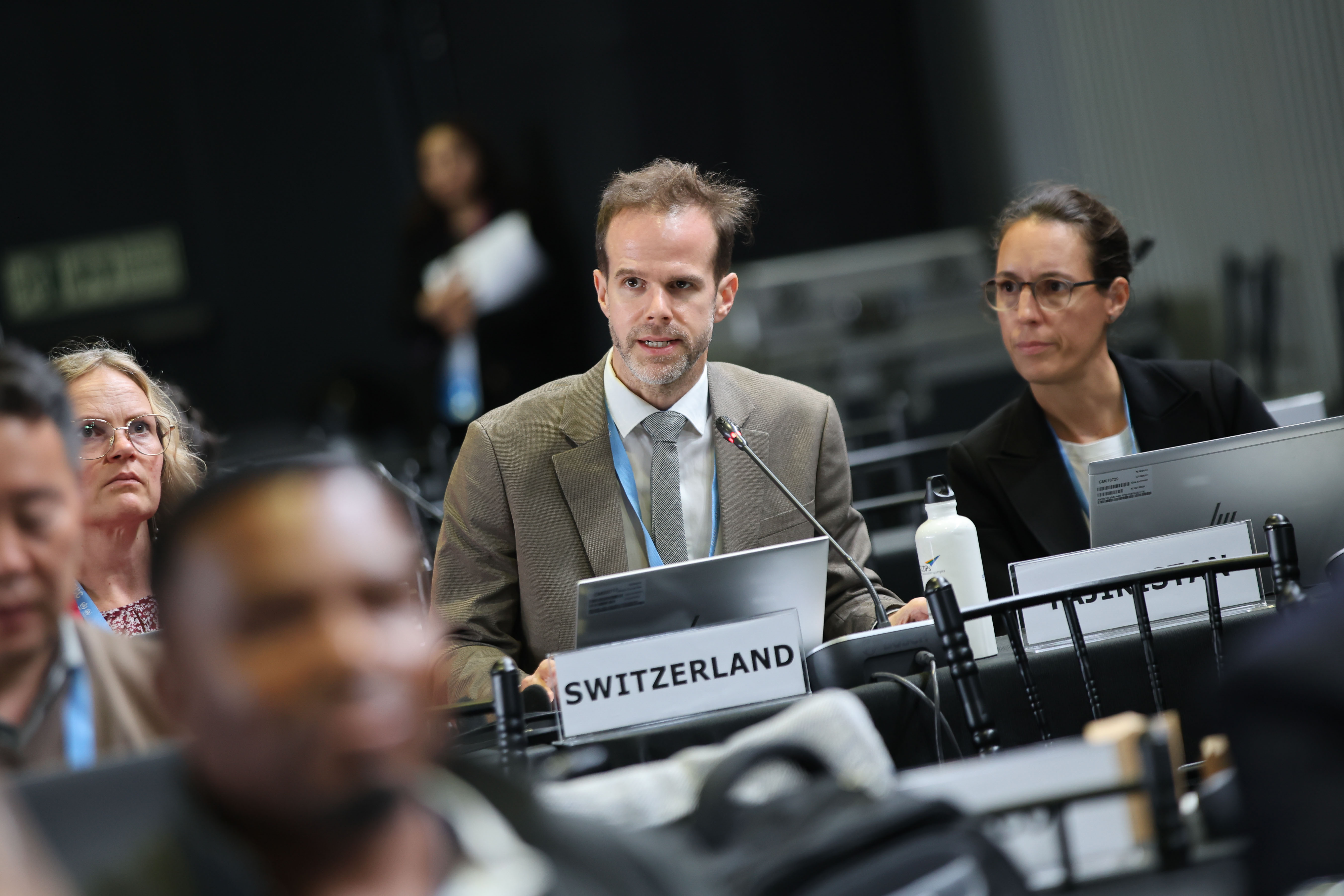
Sebastian König, Switzerland
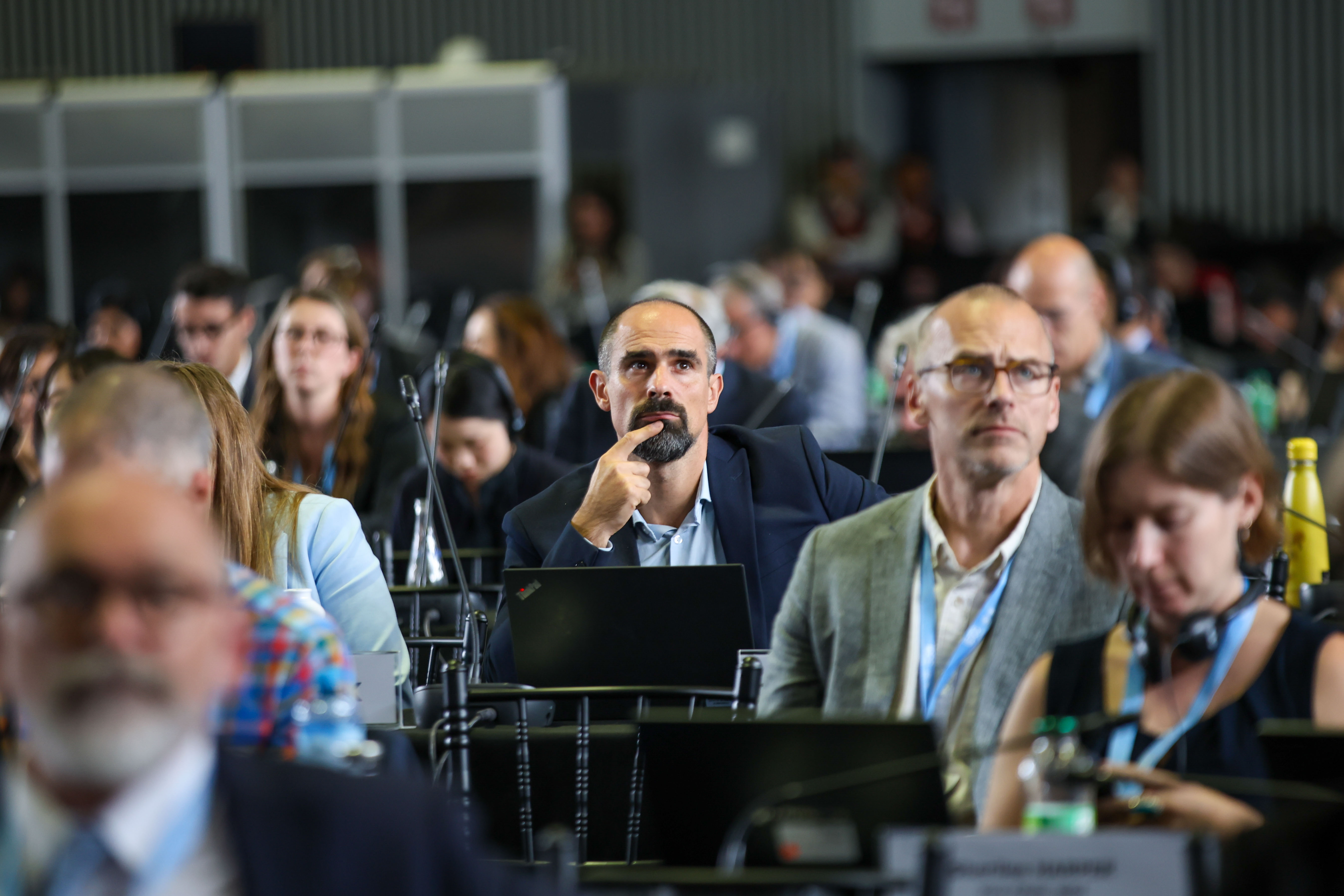
Adrian Lema, Denmark
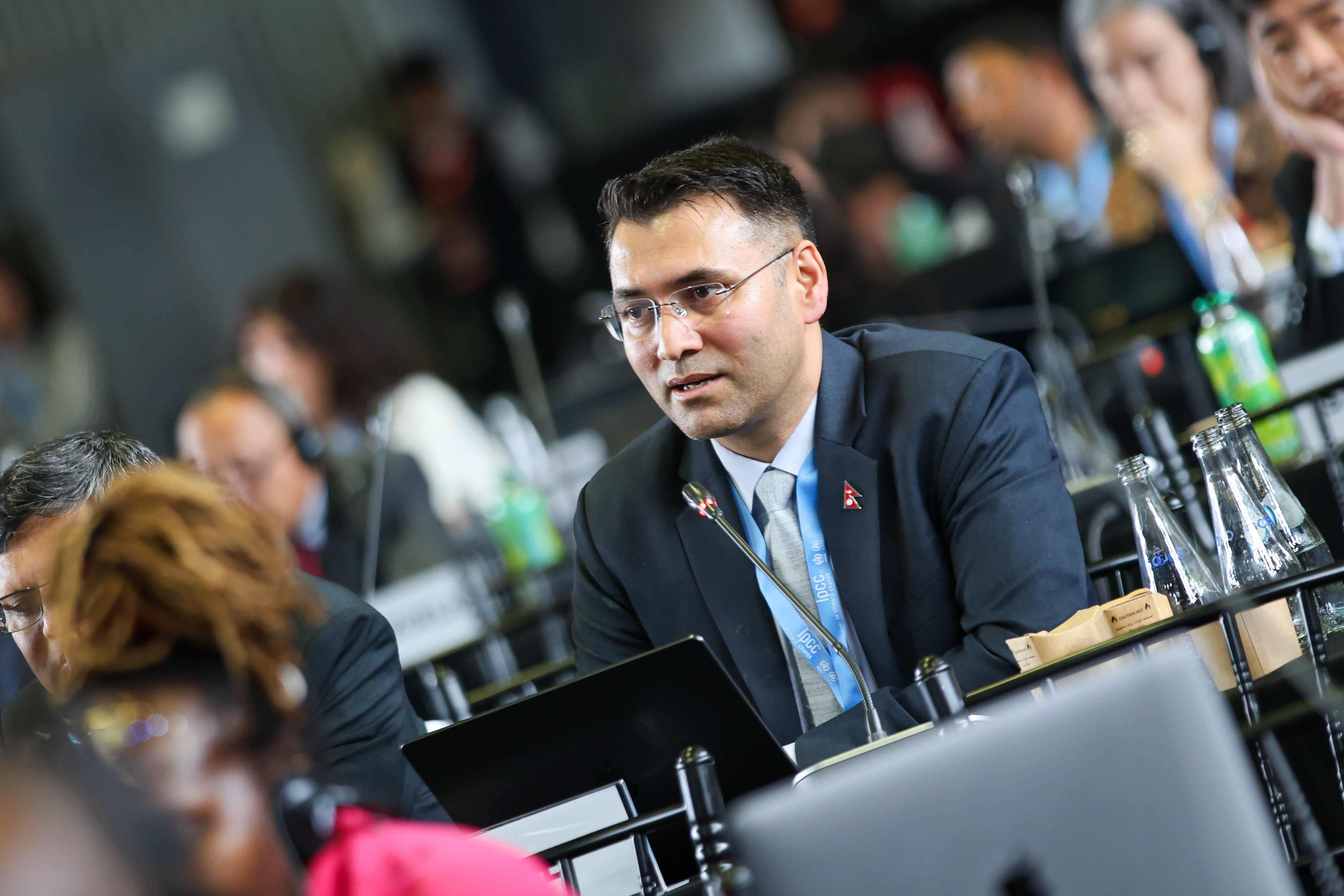
Manjeet Dhakal, Nepal
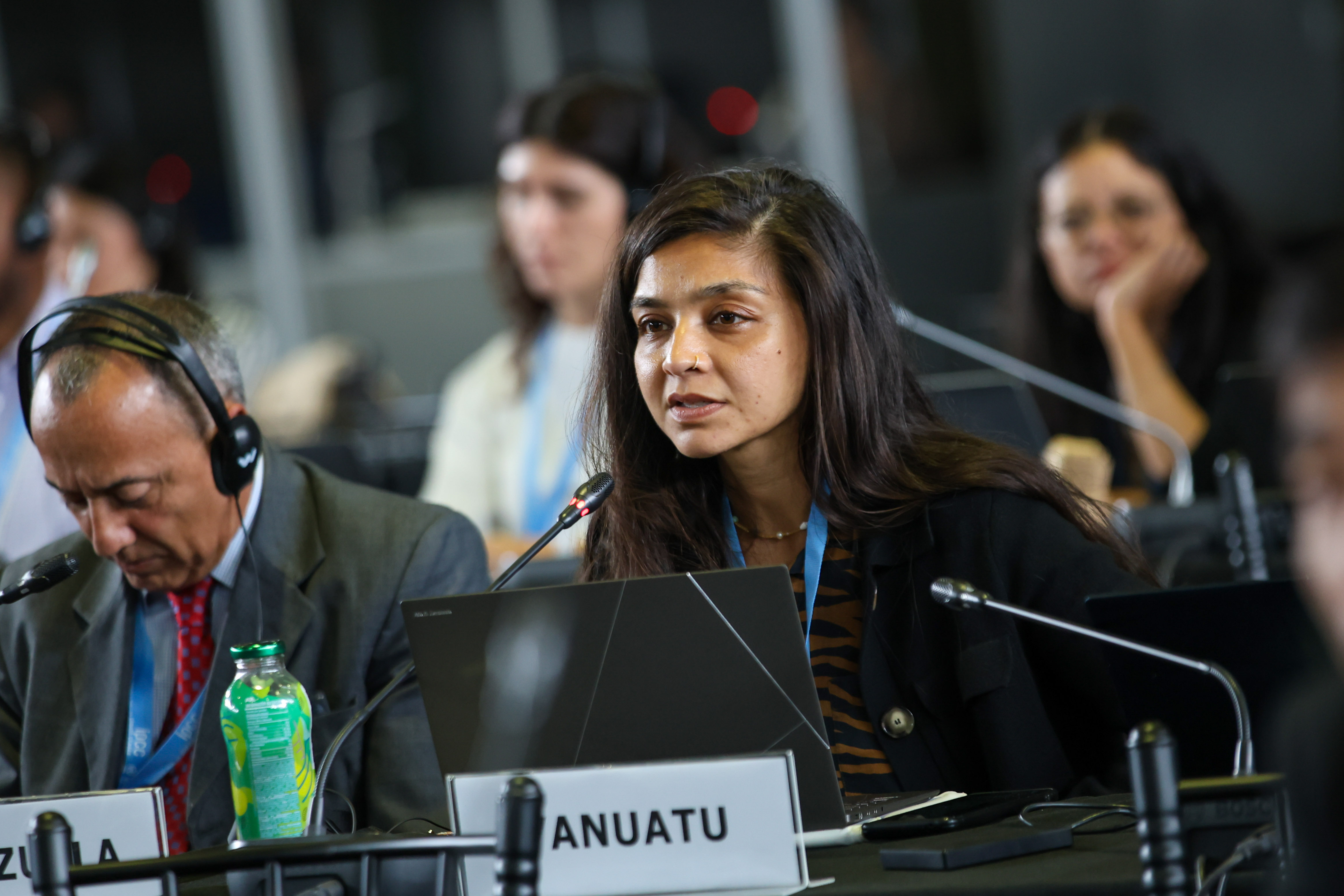
Sindra Sharma, Vanuatu
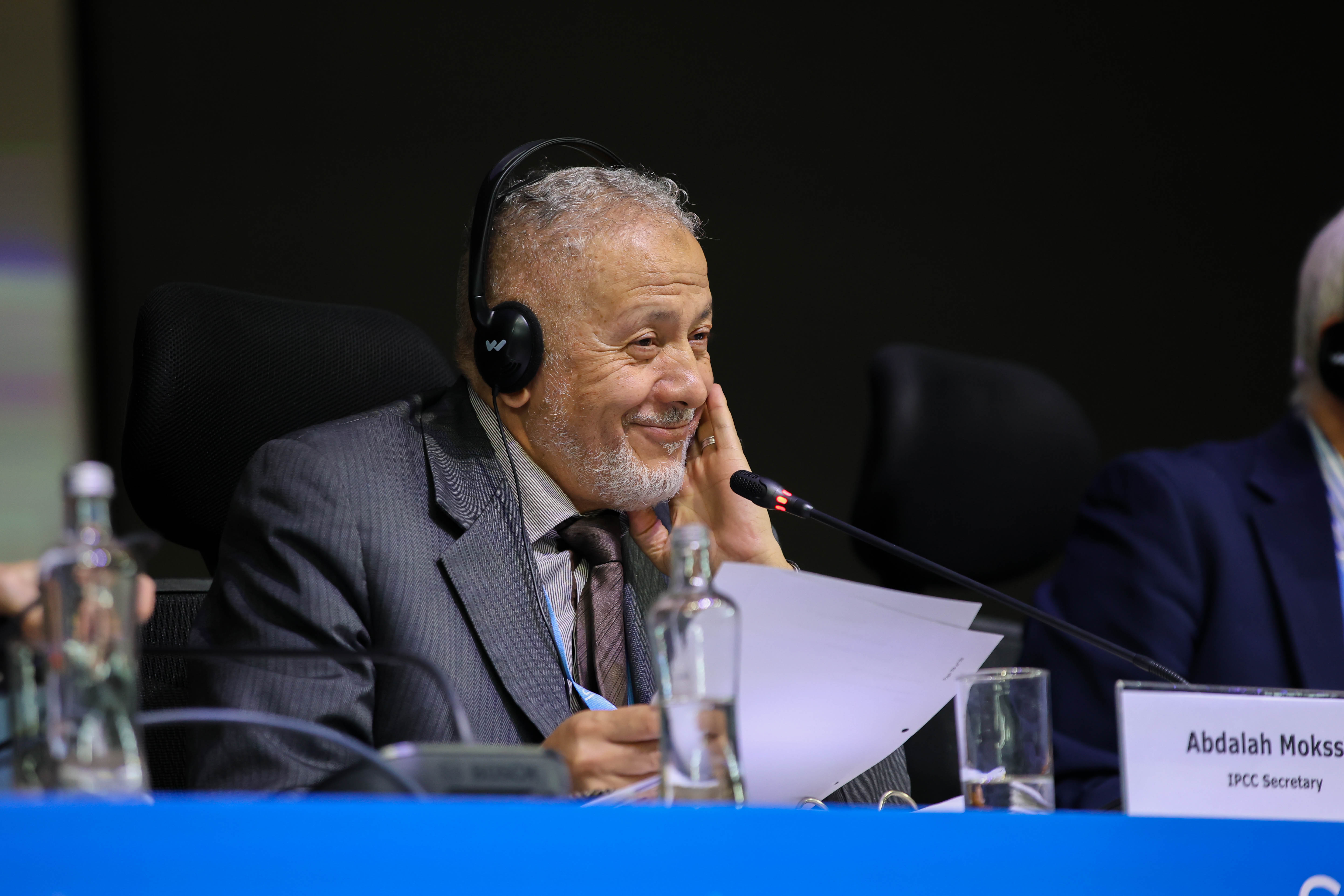
IPCC Secretary Abdalah Mokssit
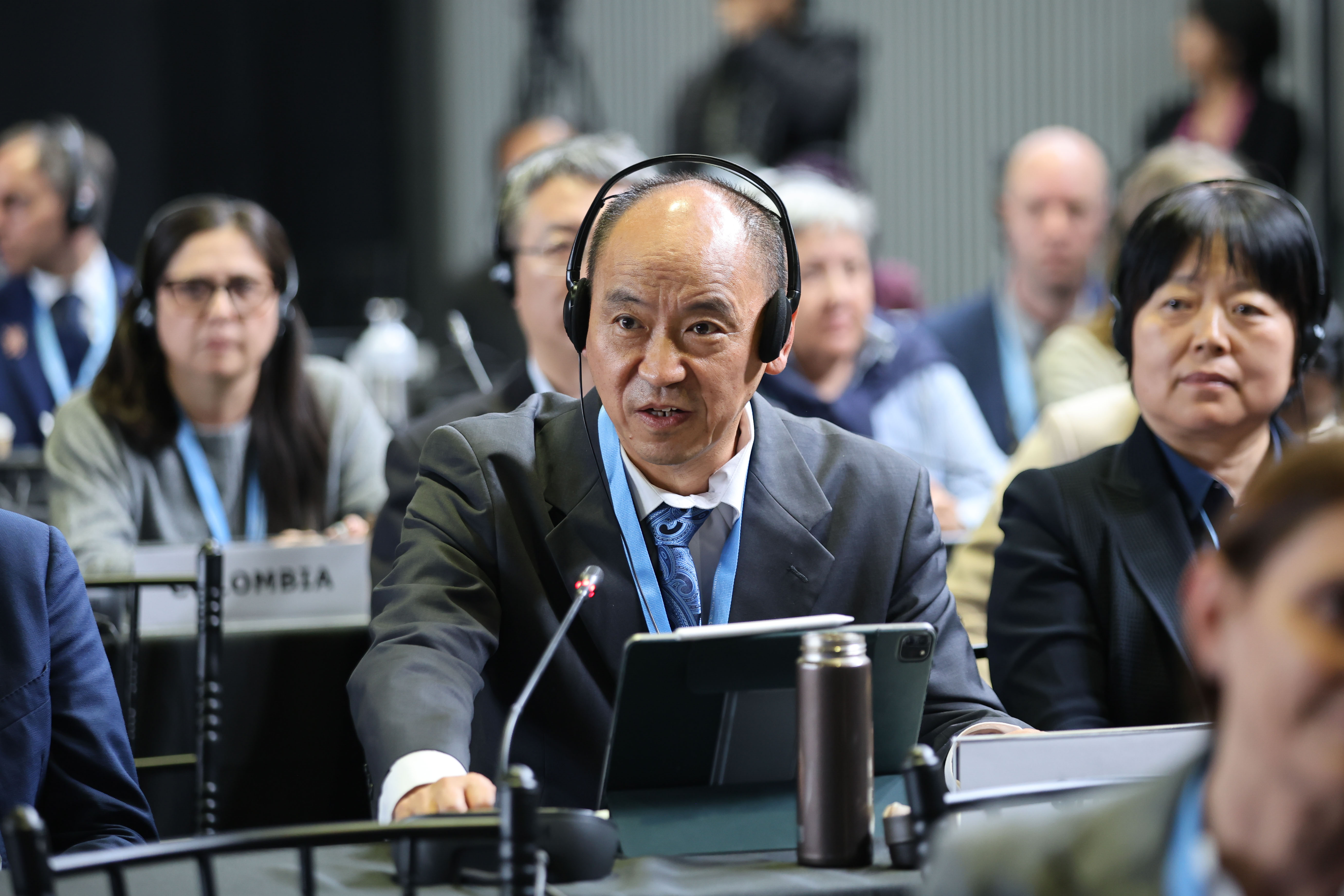
Xiaozhong Cao, China
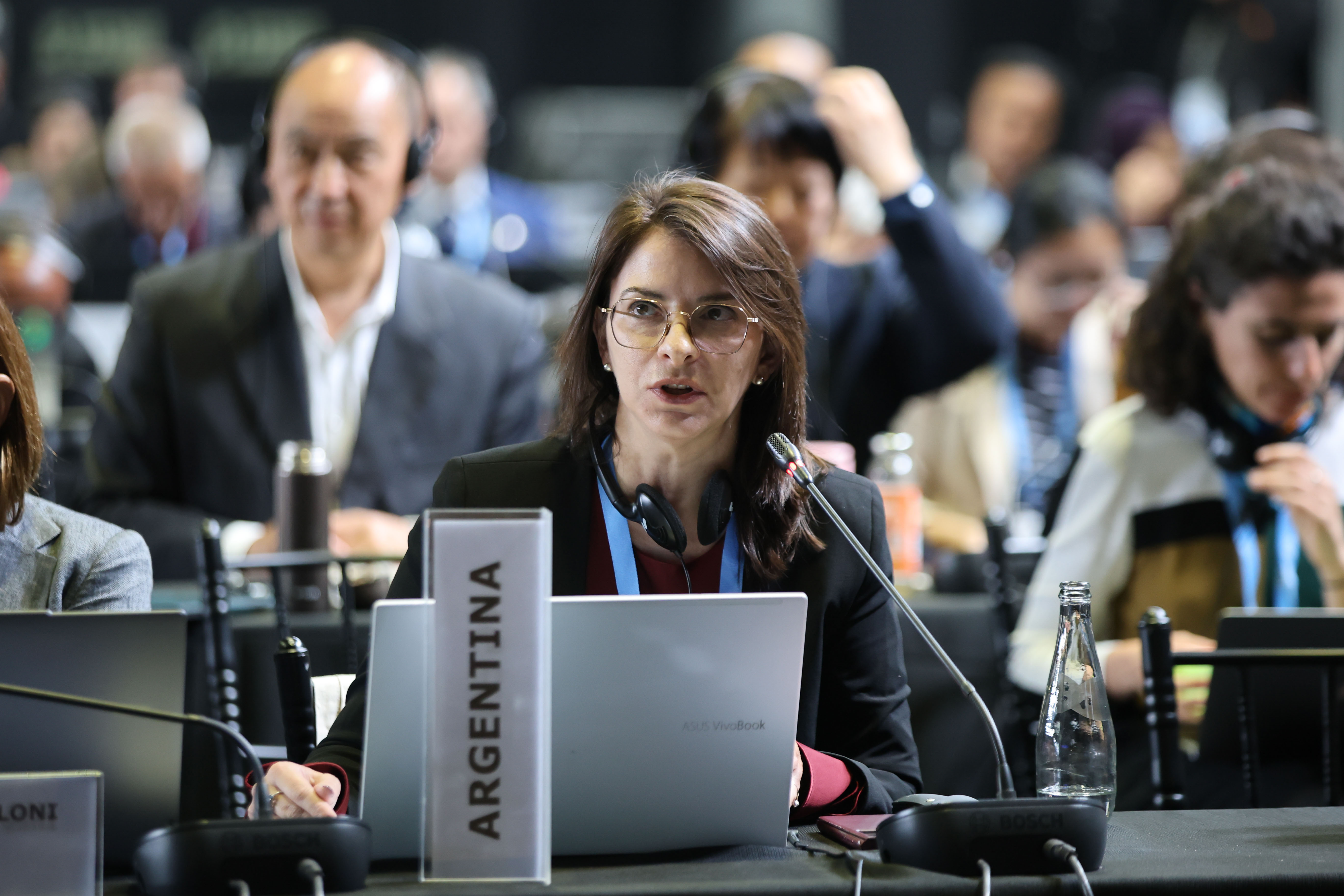
Eliana Ester Saissac, Argentina
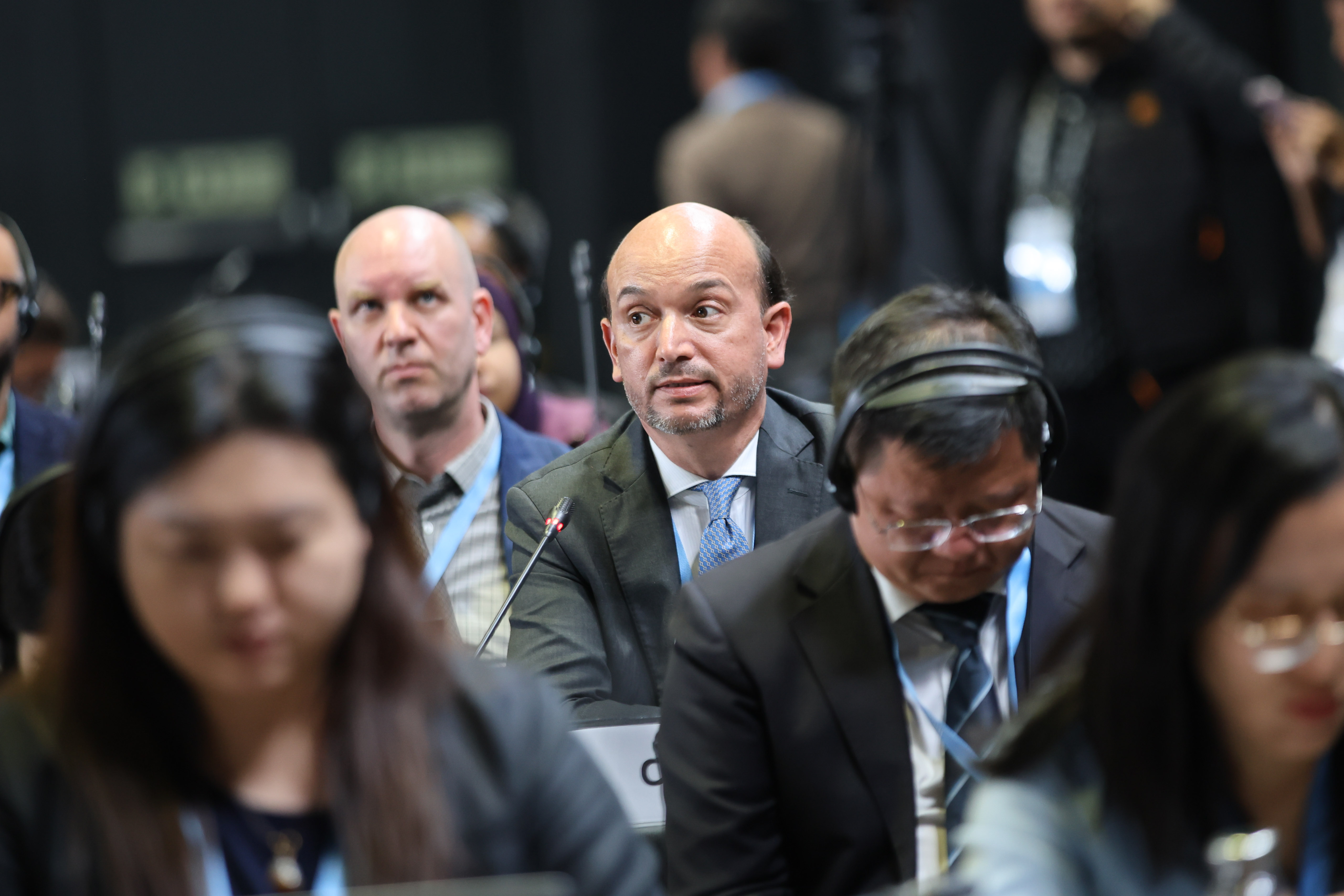
Eduardo Antonio Silva Besa, Chile
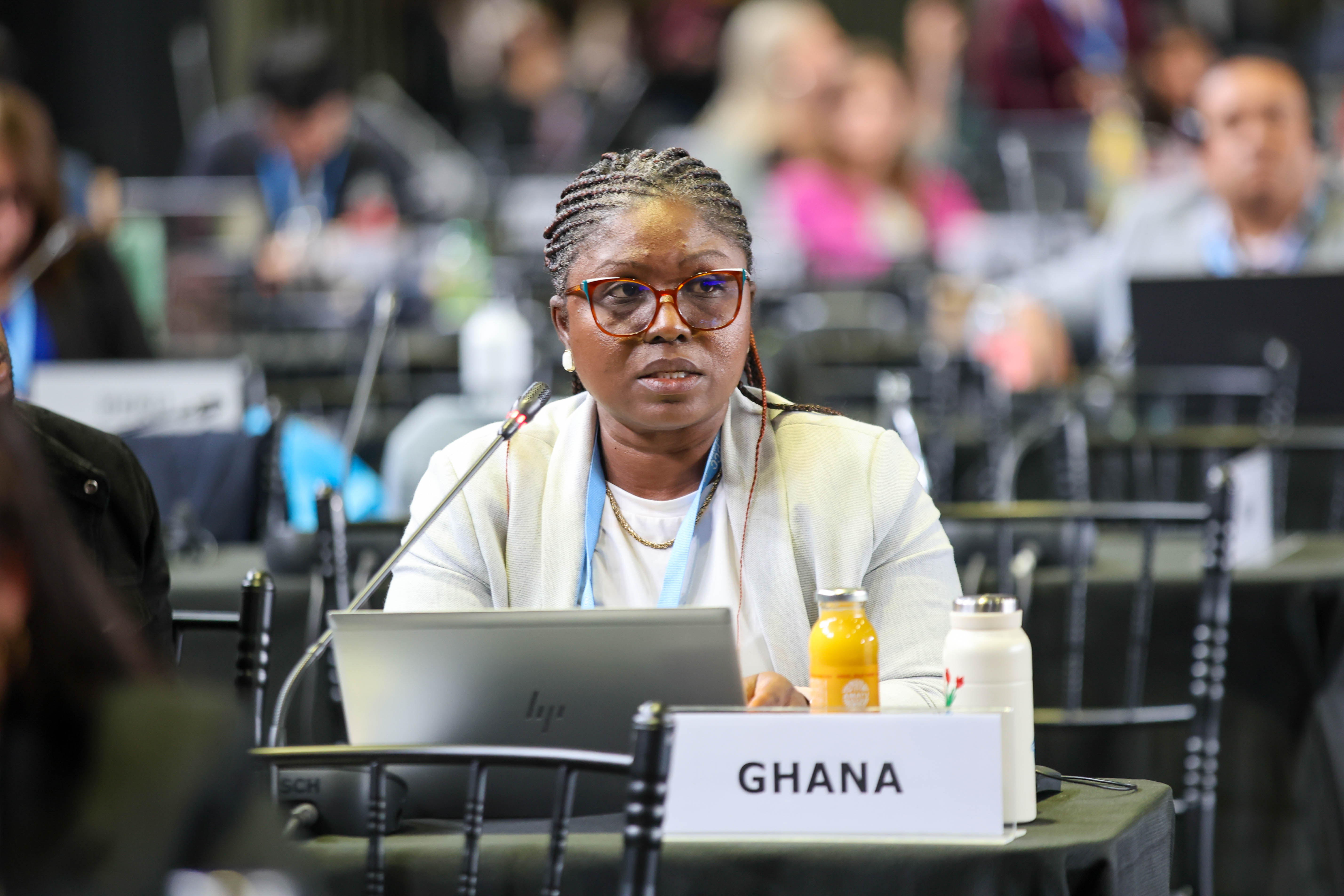
Juliana Bempah, Ghana
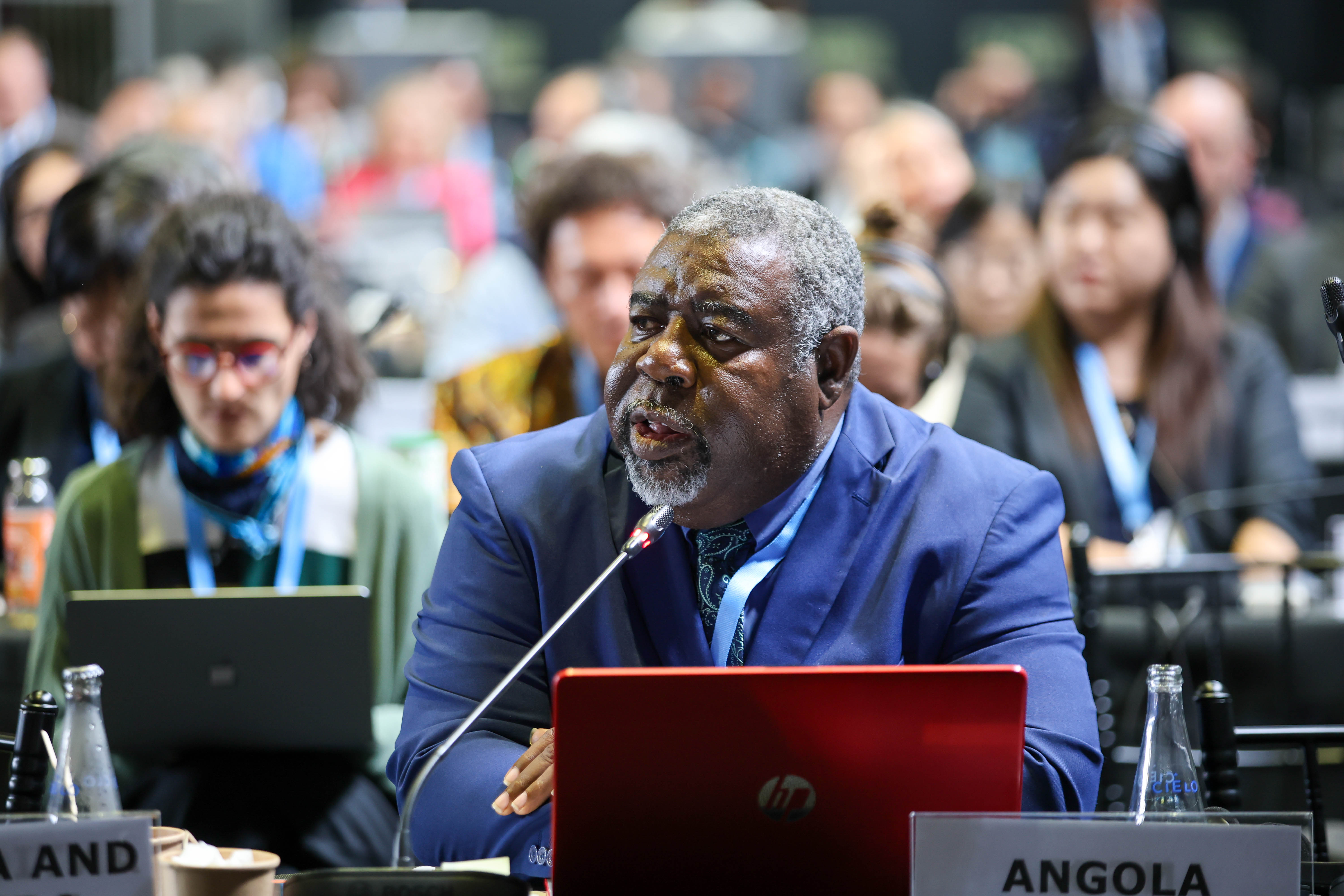
Orvin Paige, Antigua and Barbuda
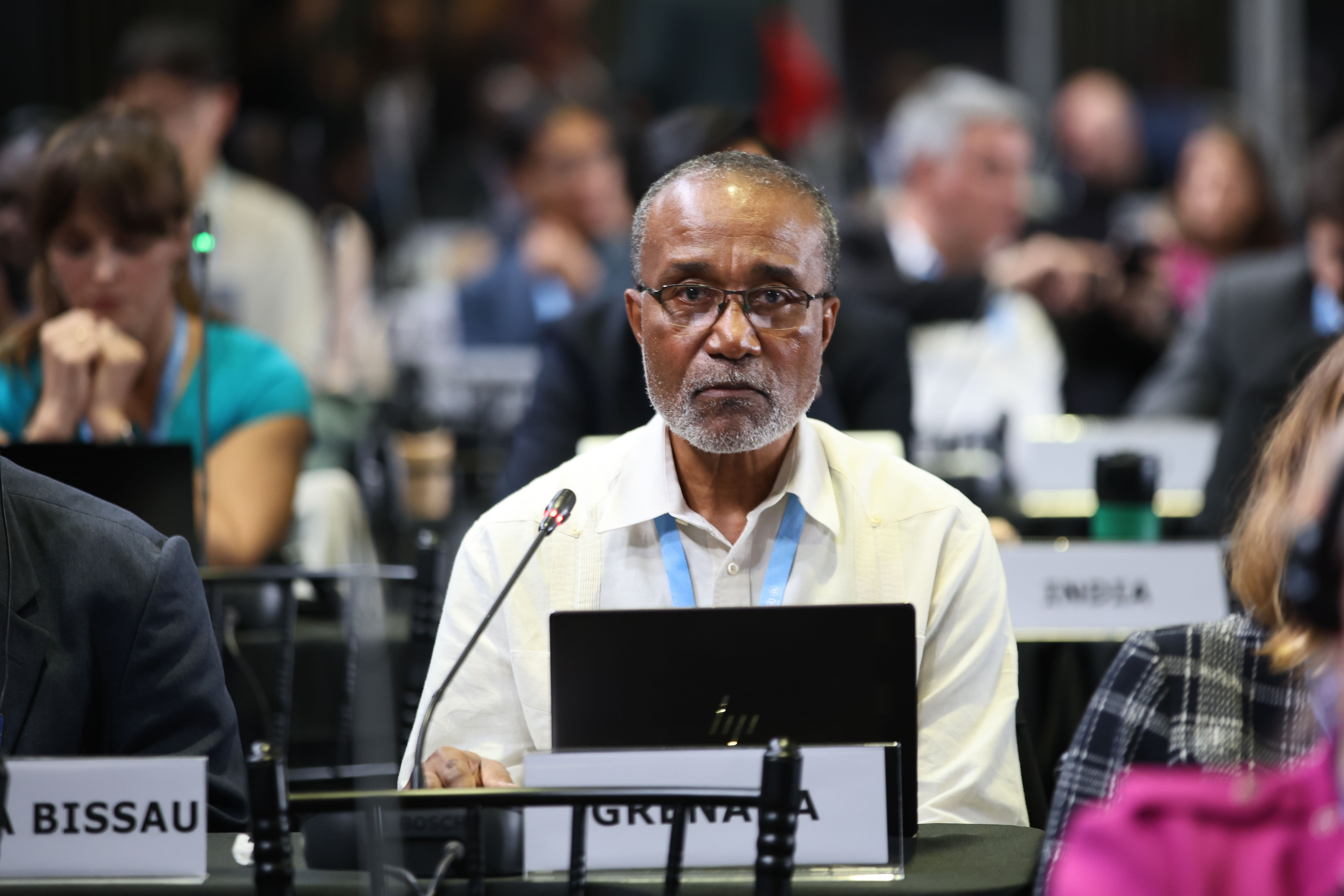
Leon Charles, Grenada
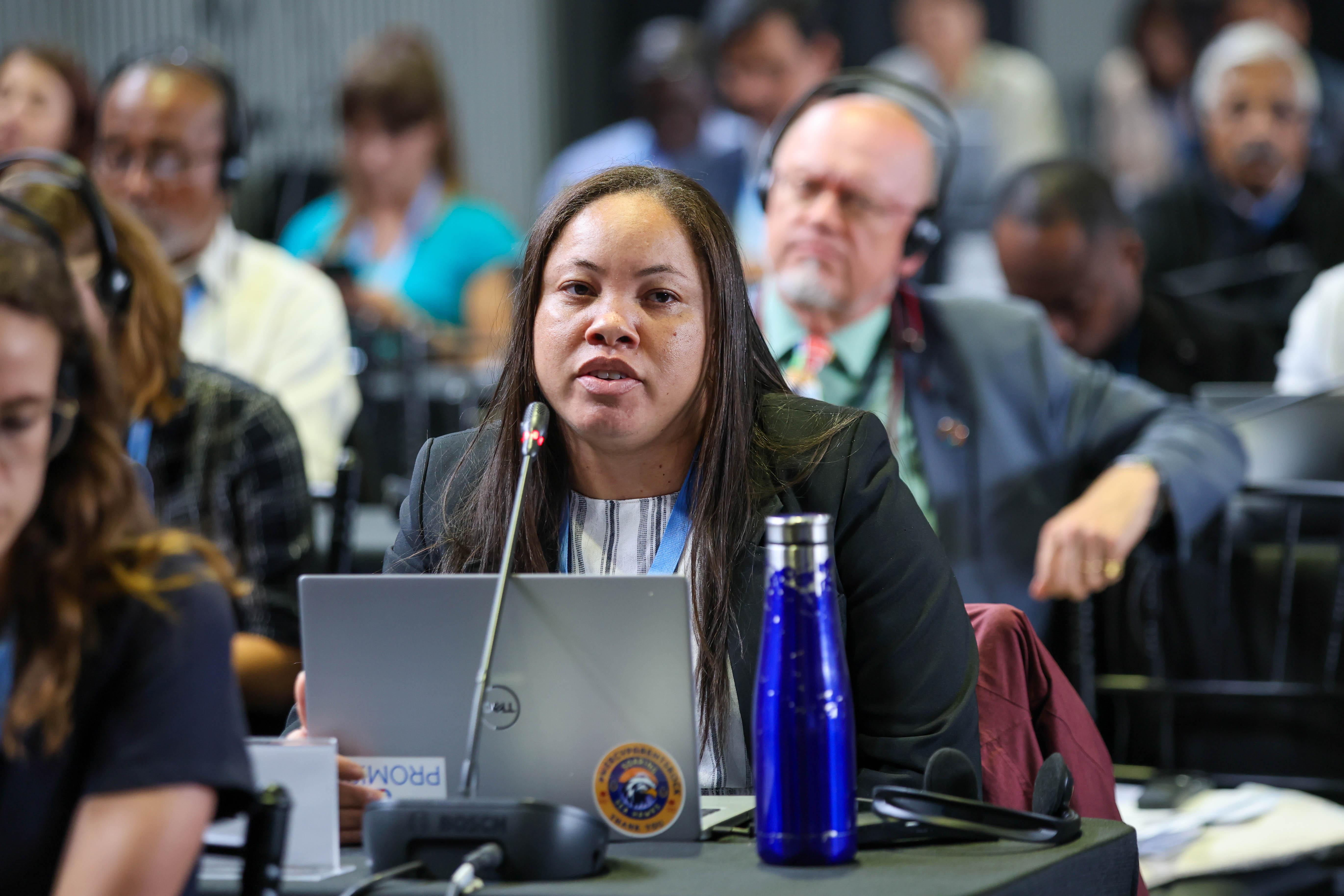
Shanea Young, Belize
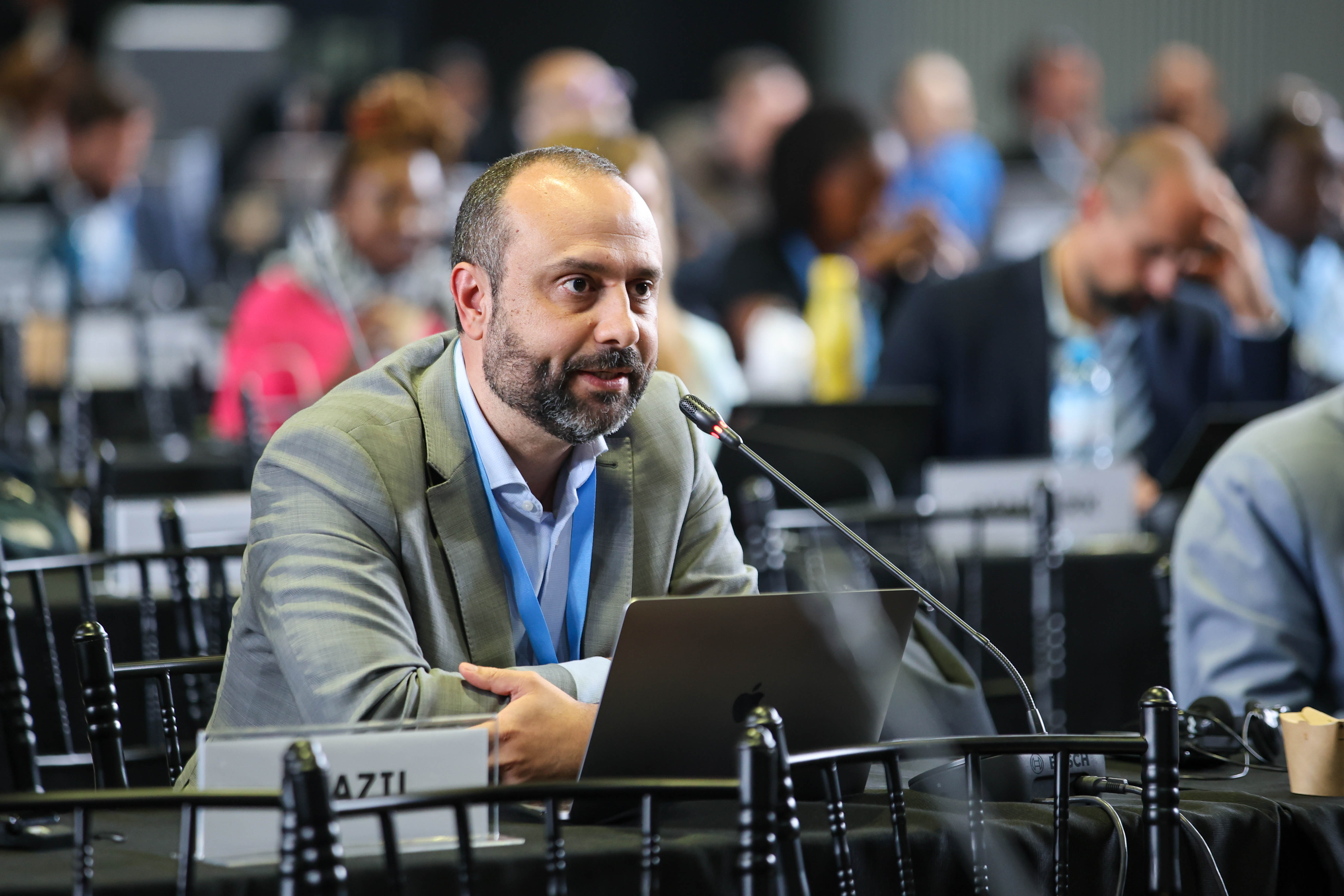
Pedro Ivo Ferraz da Silva, Brazil
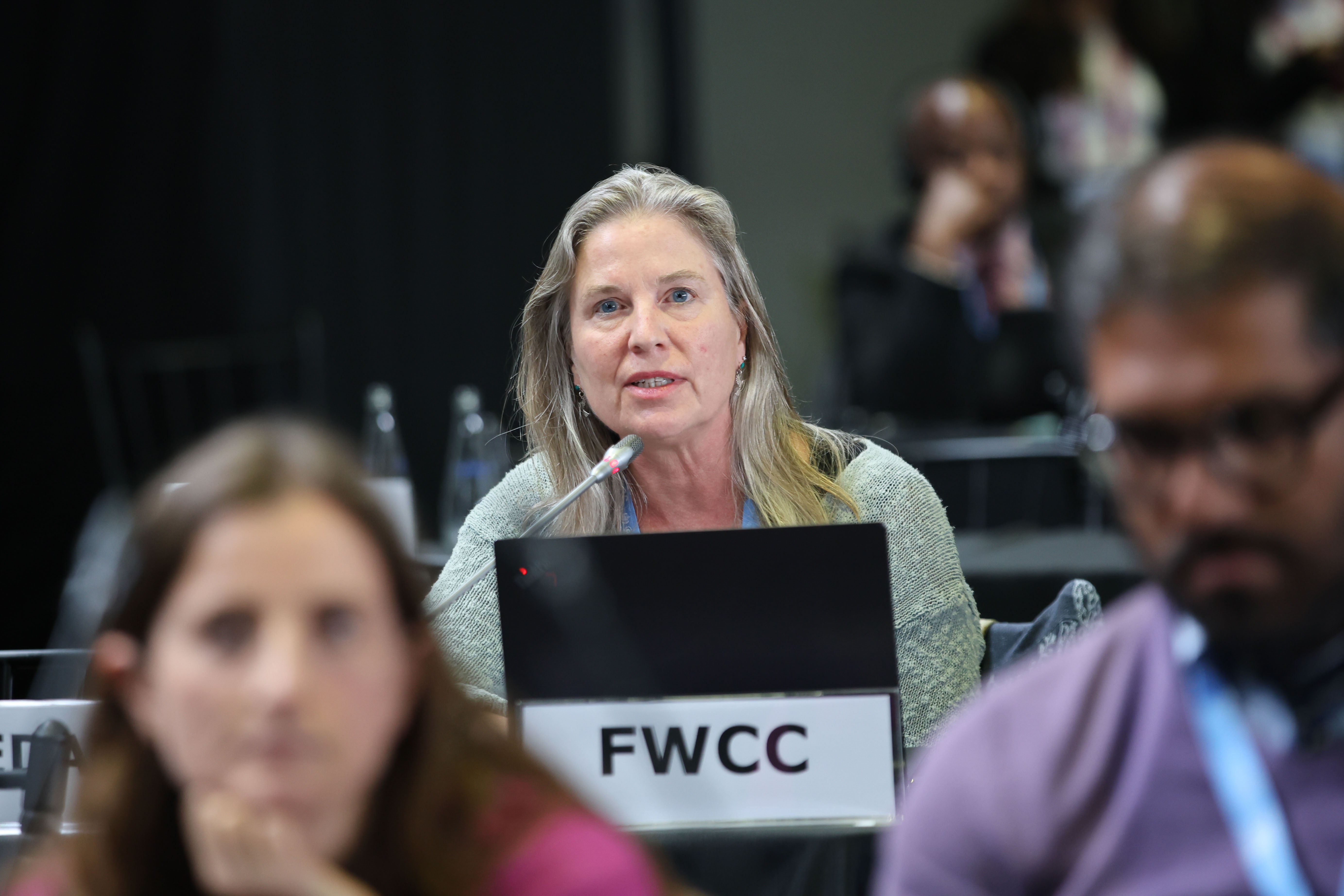
Lindsey Fielder Cook, Friends World Committee for Consultation
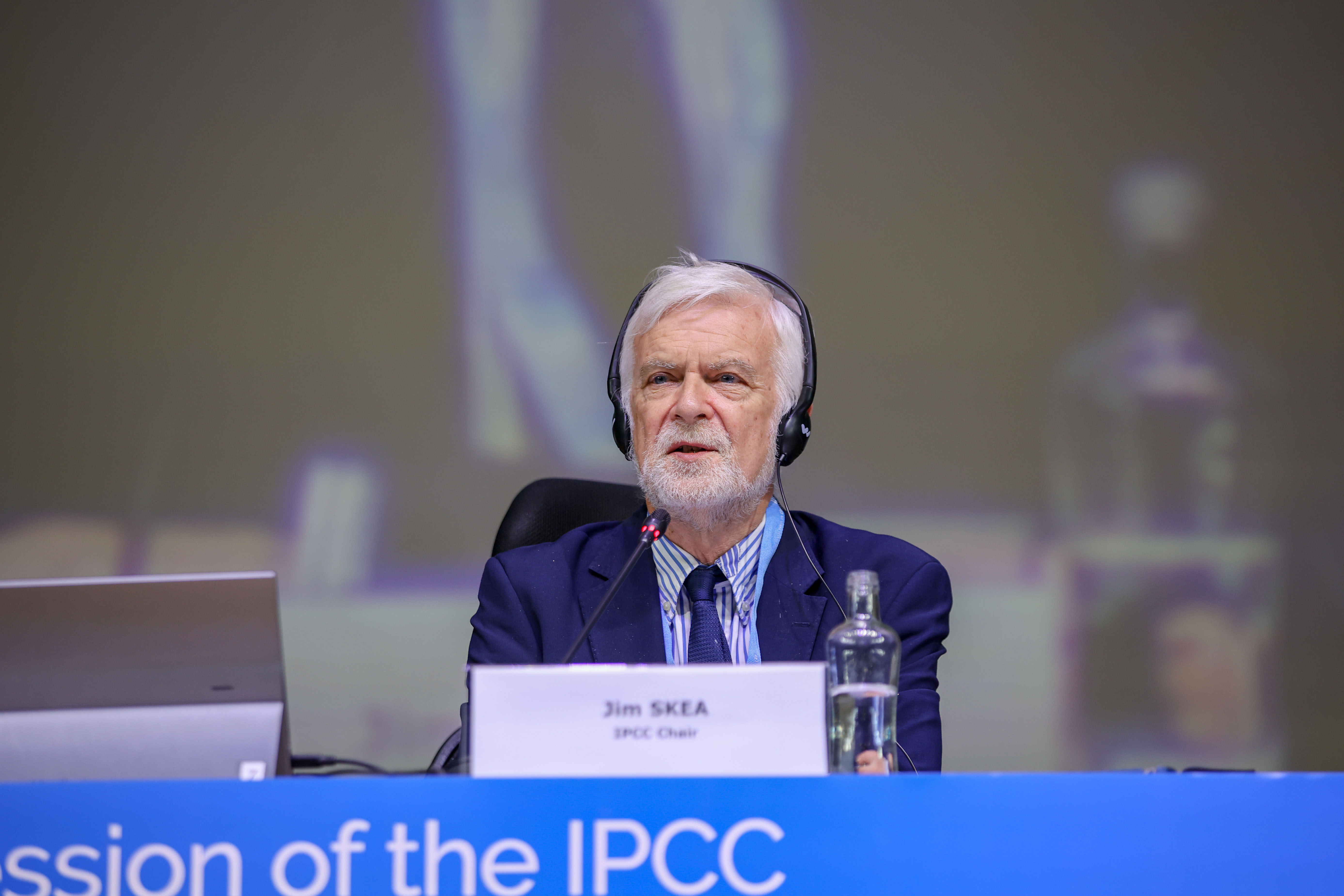
IPCC Chair Jim Skea
Between Sessions
Around the Venue
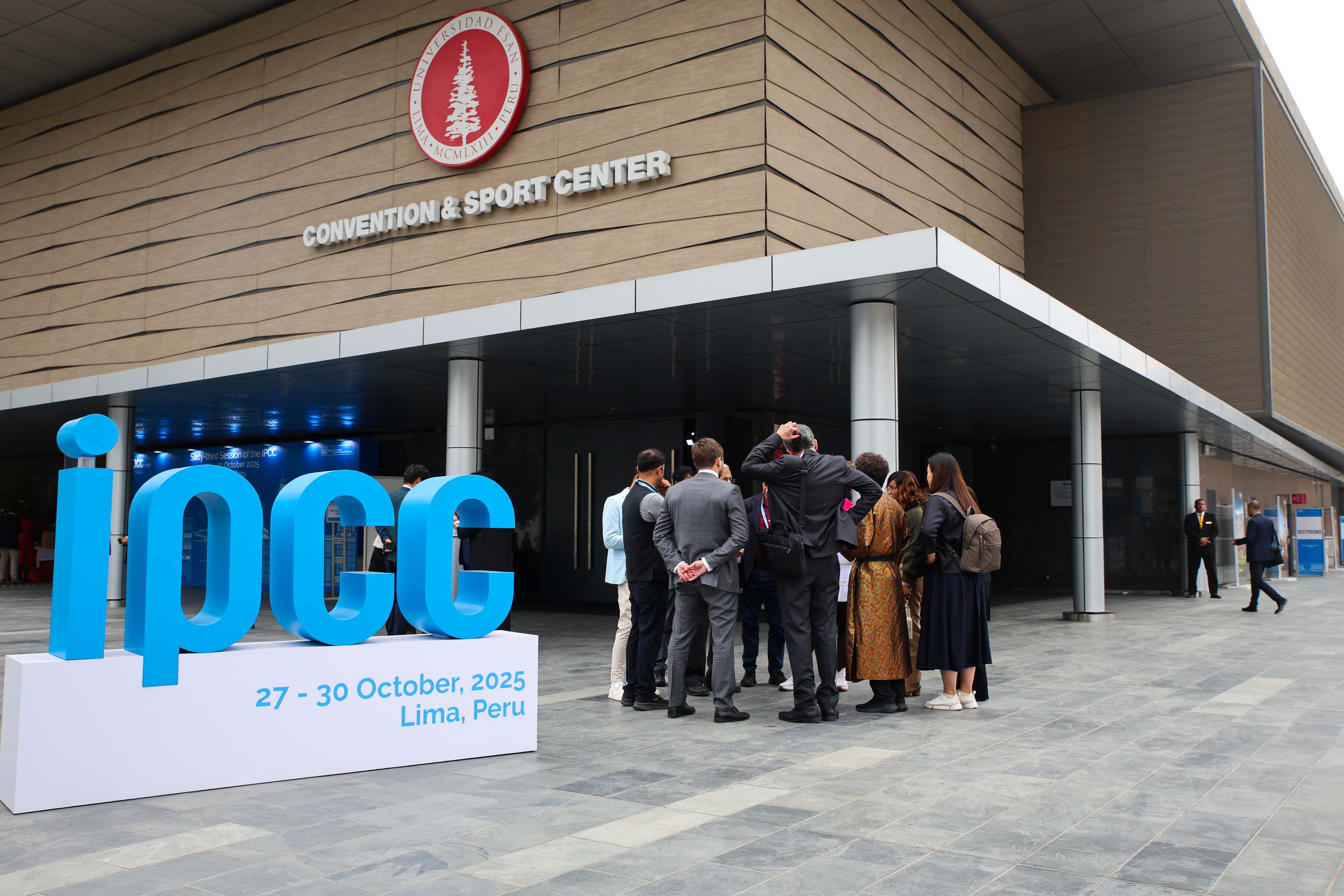
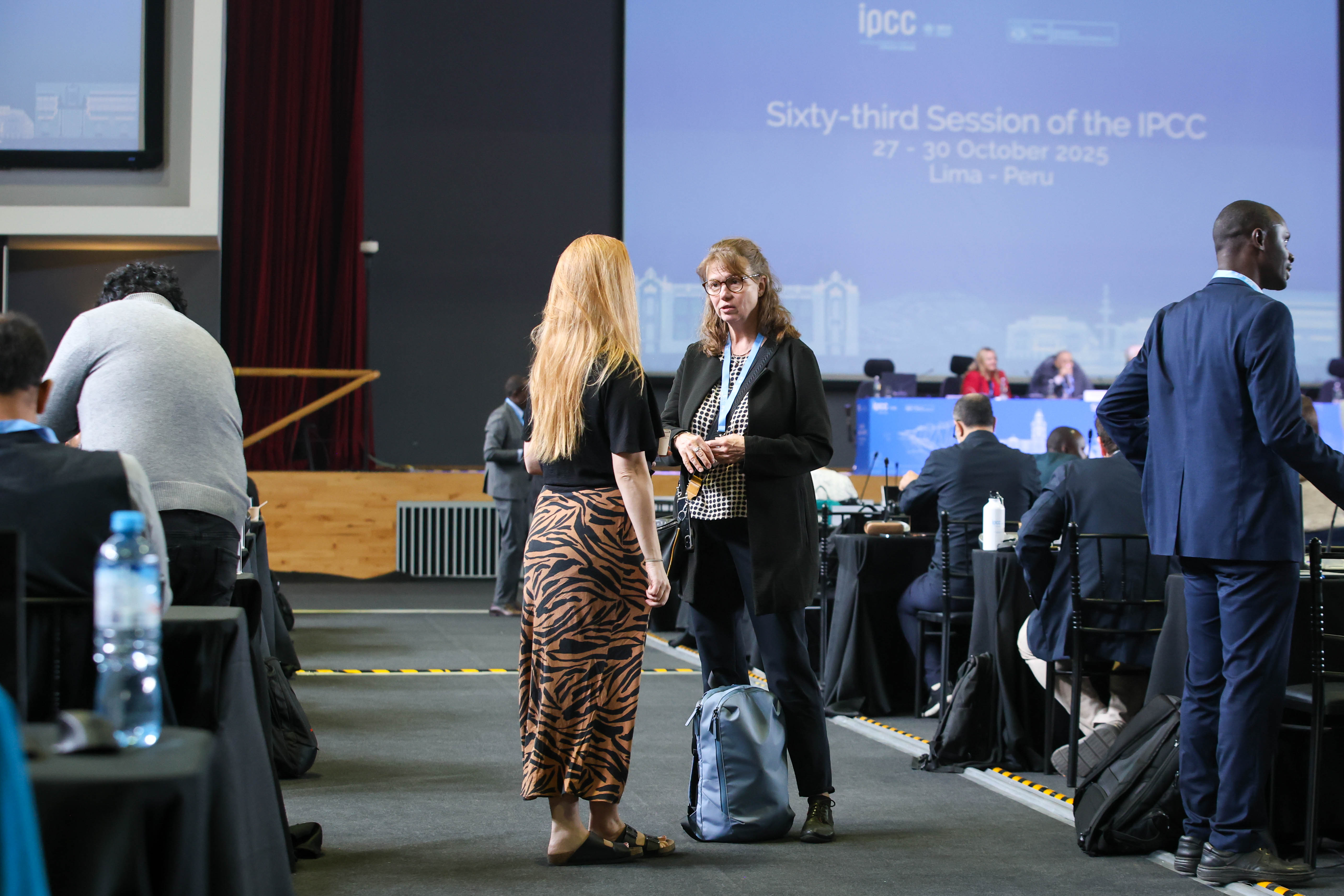
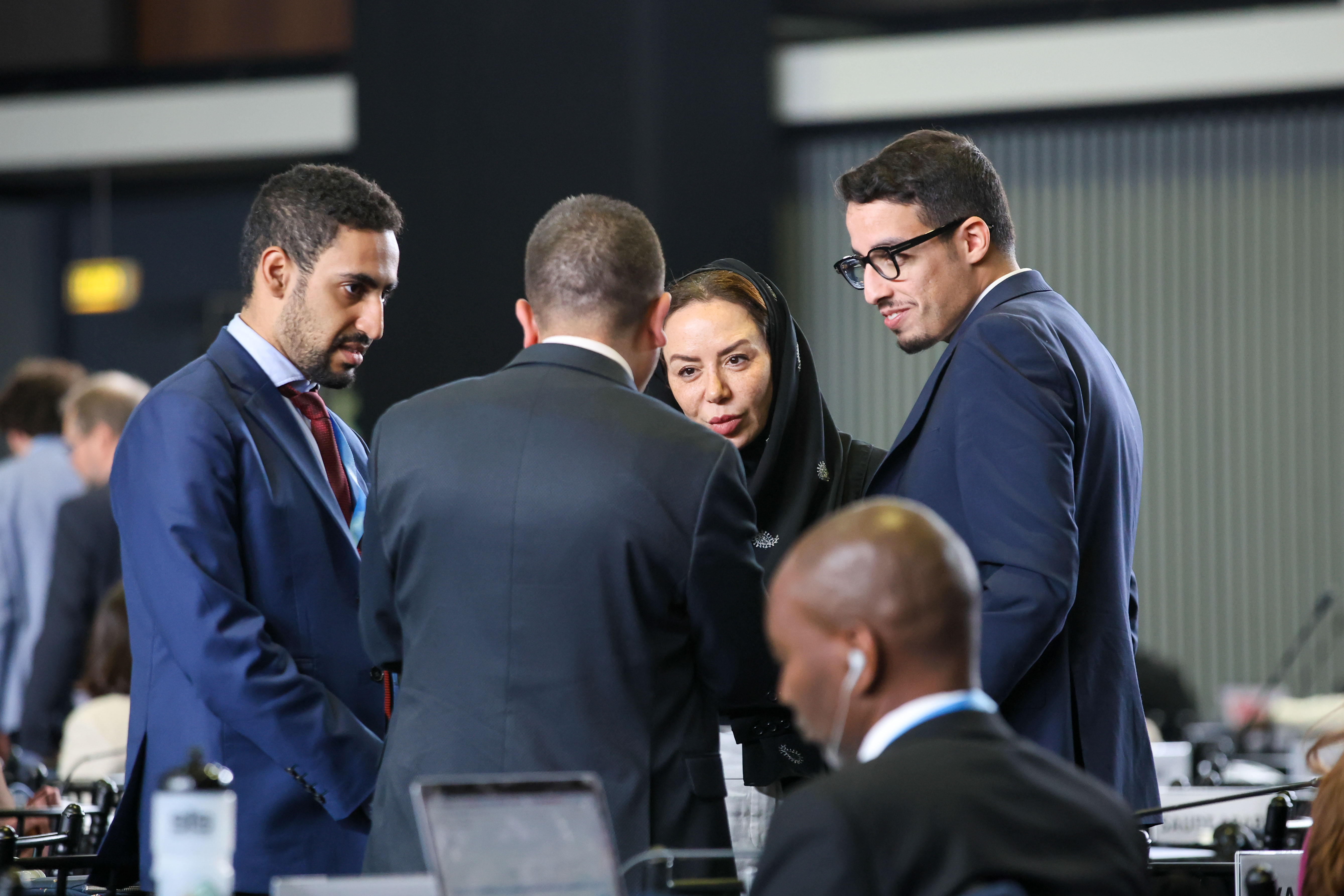
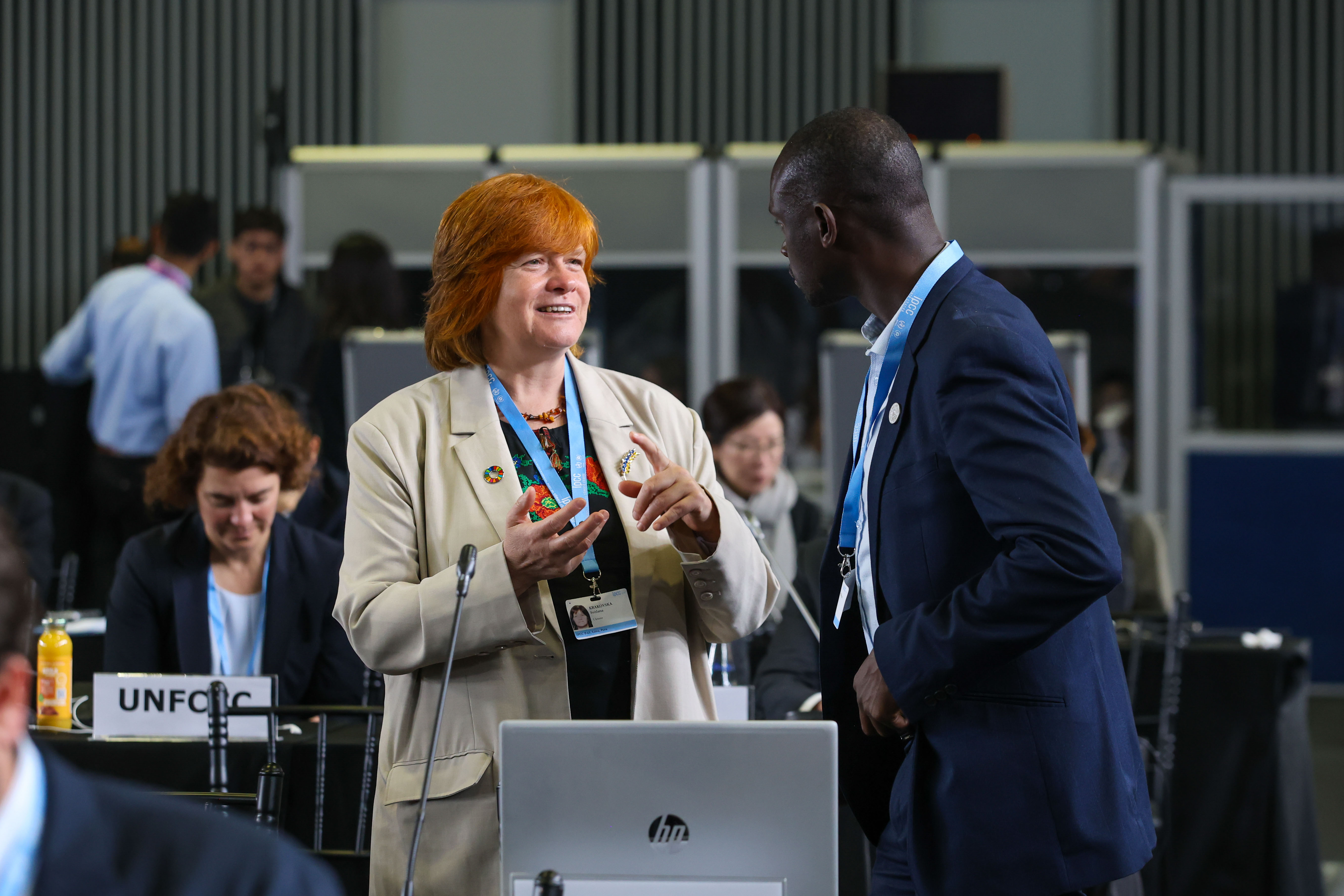
Delegates consult before the morning plenary session.
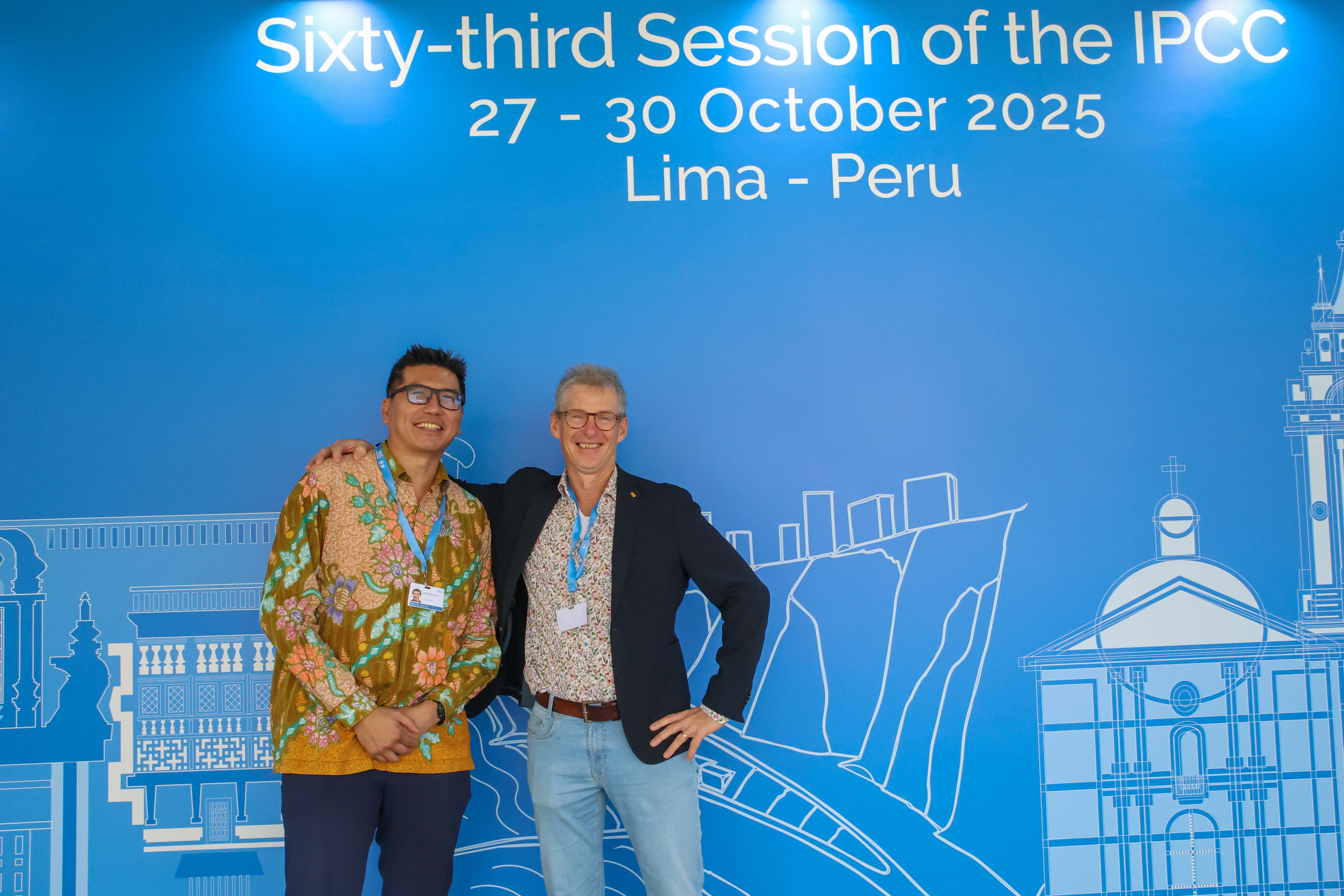
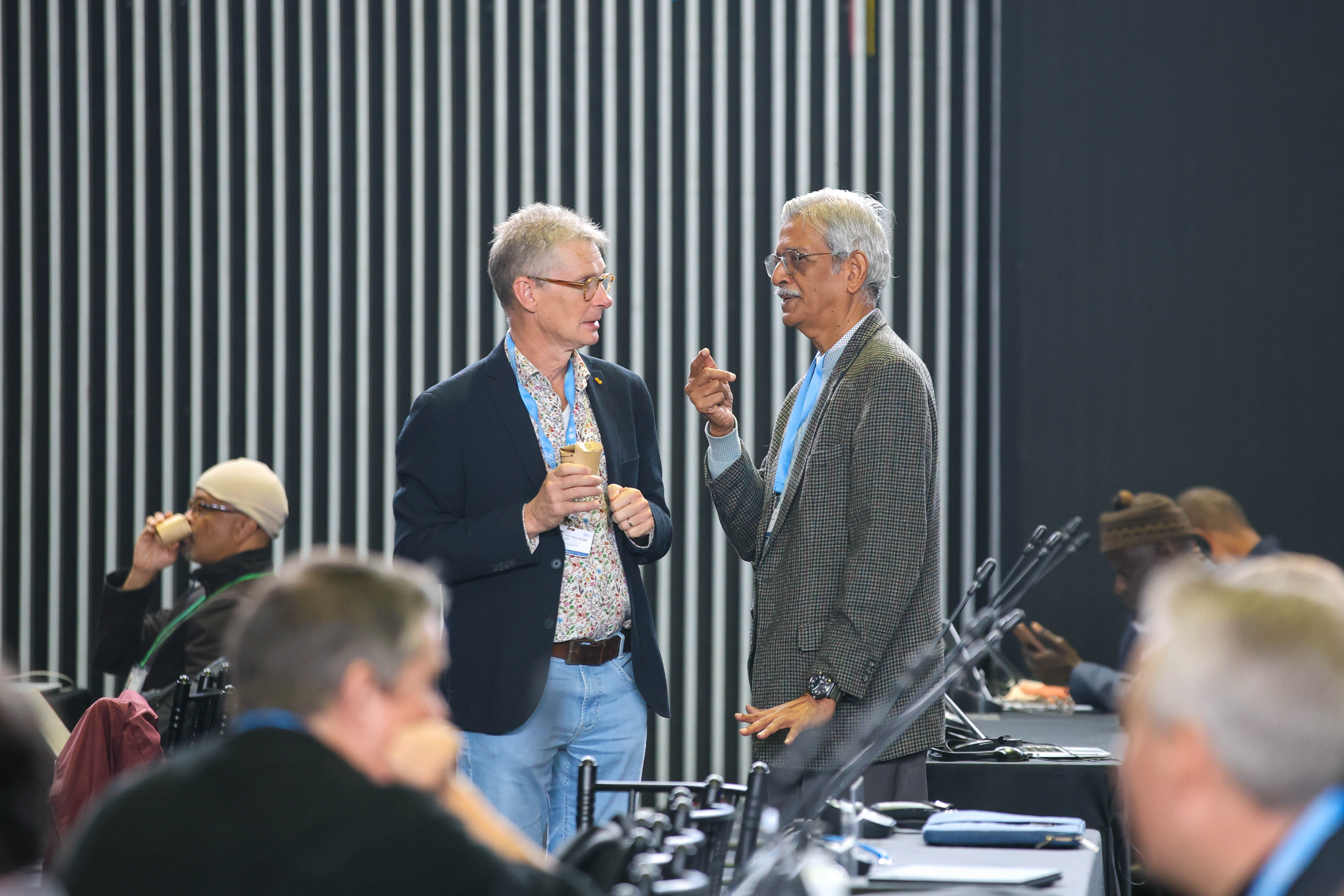
Winston Chow and Bart van den Hurk, WG II Co-Chairs
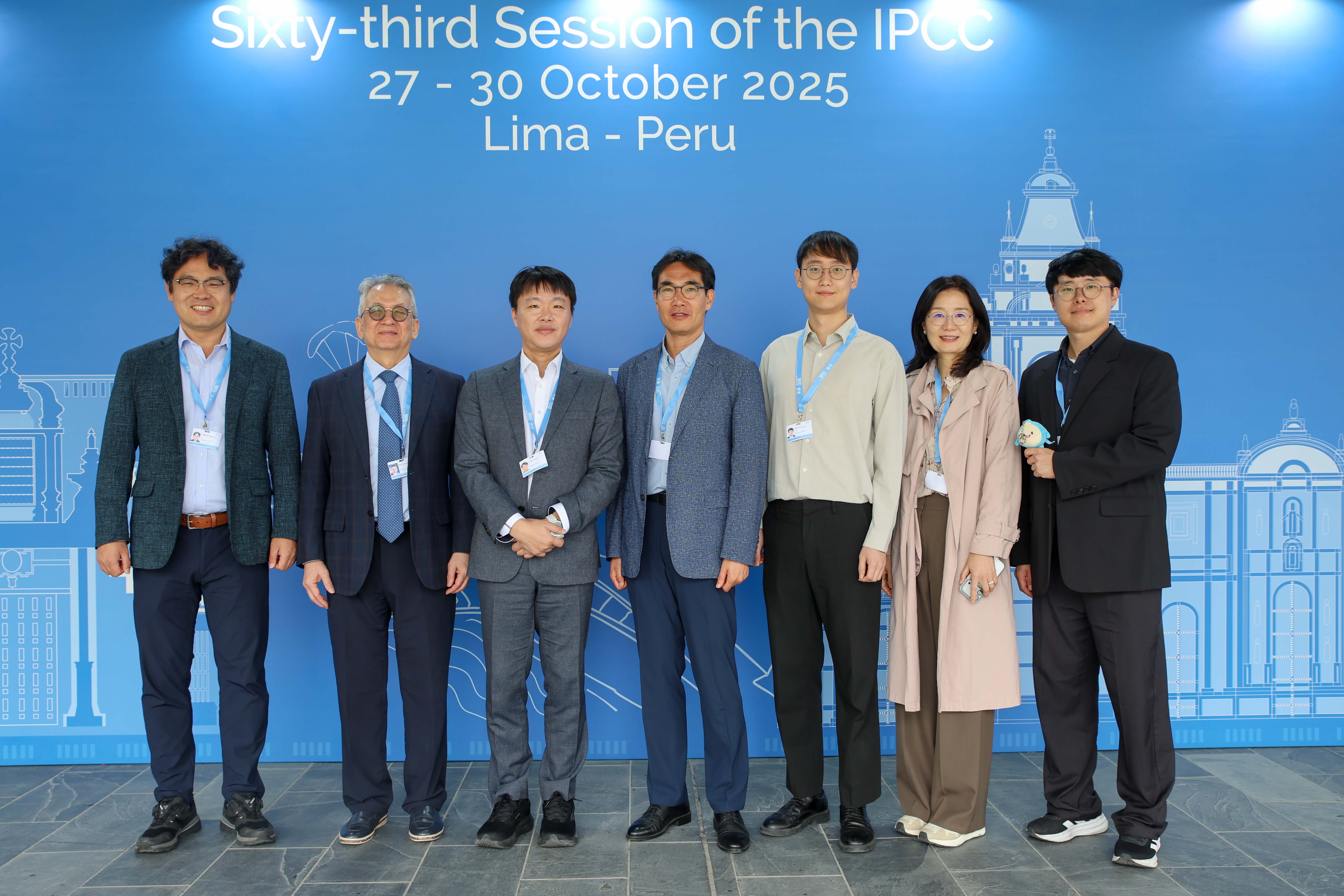
Delegates from the Republic of Korea
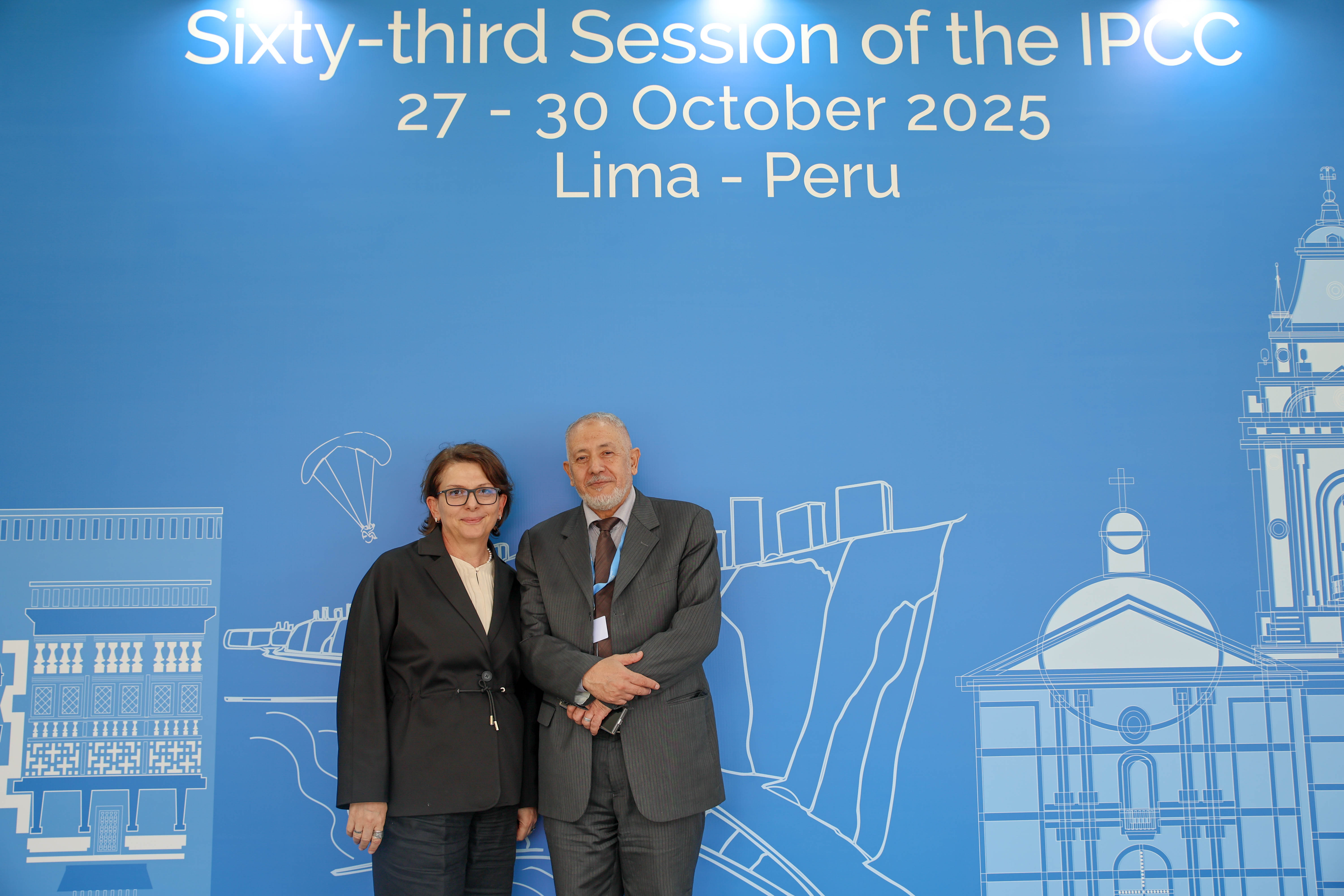
IPCC Deputy Secretary Ermira Fida and IPCC Secretary Abdalah Mokssit
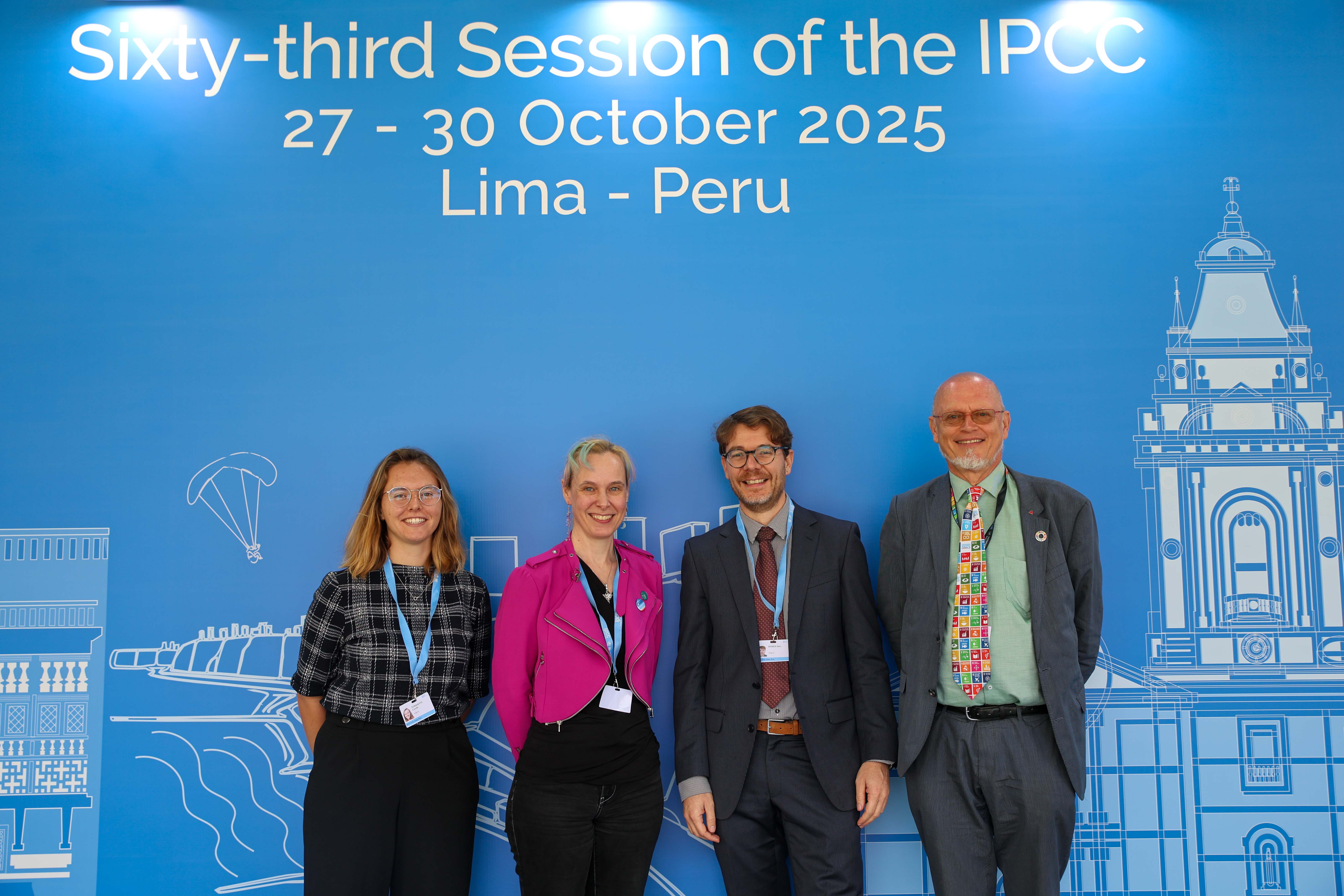
Delegates from Belgium
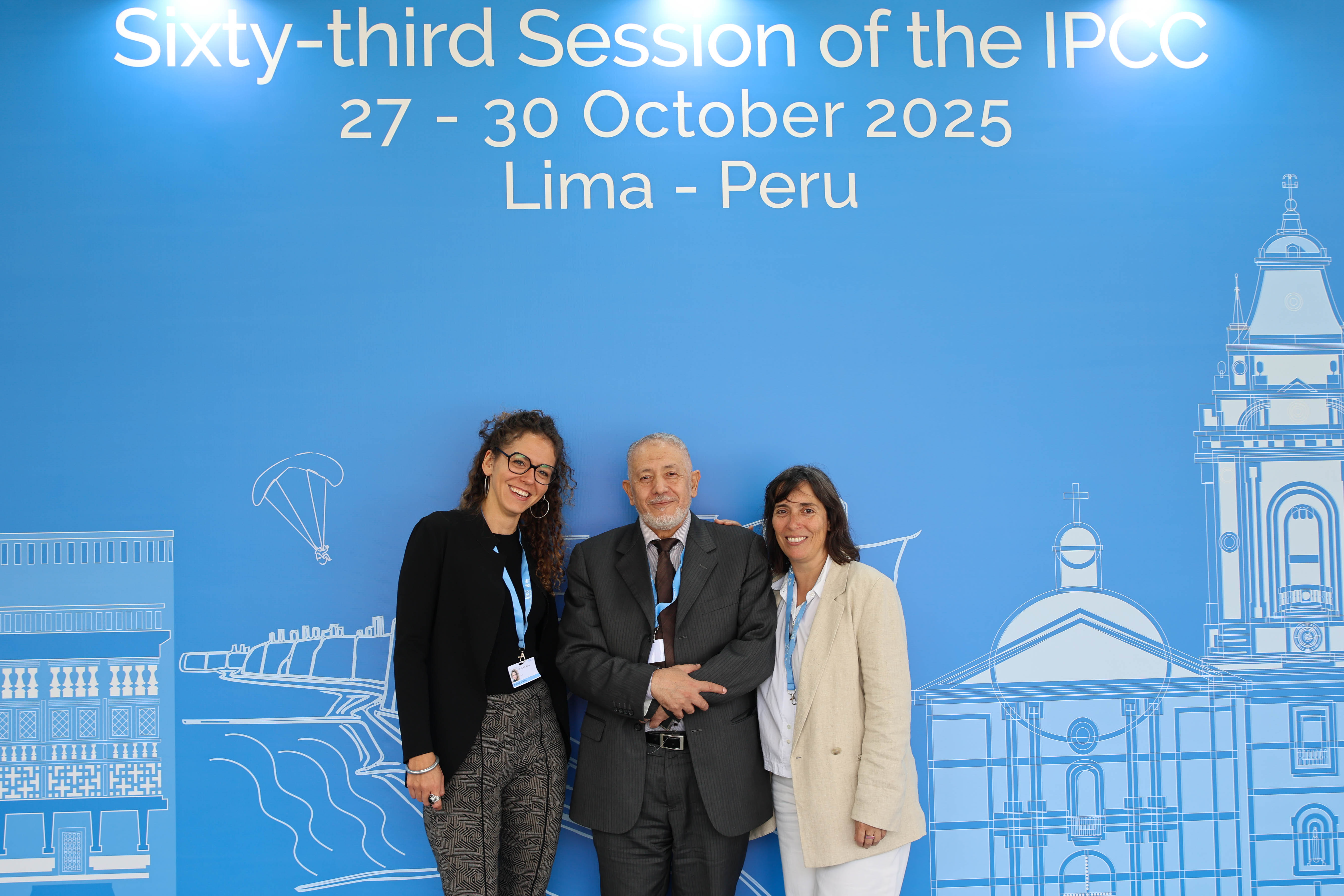
Marta Ellena, Italy, IPCC Secretary Abdalah Mokssit, and Anna Pirani, Italy
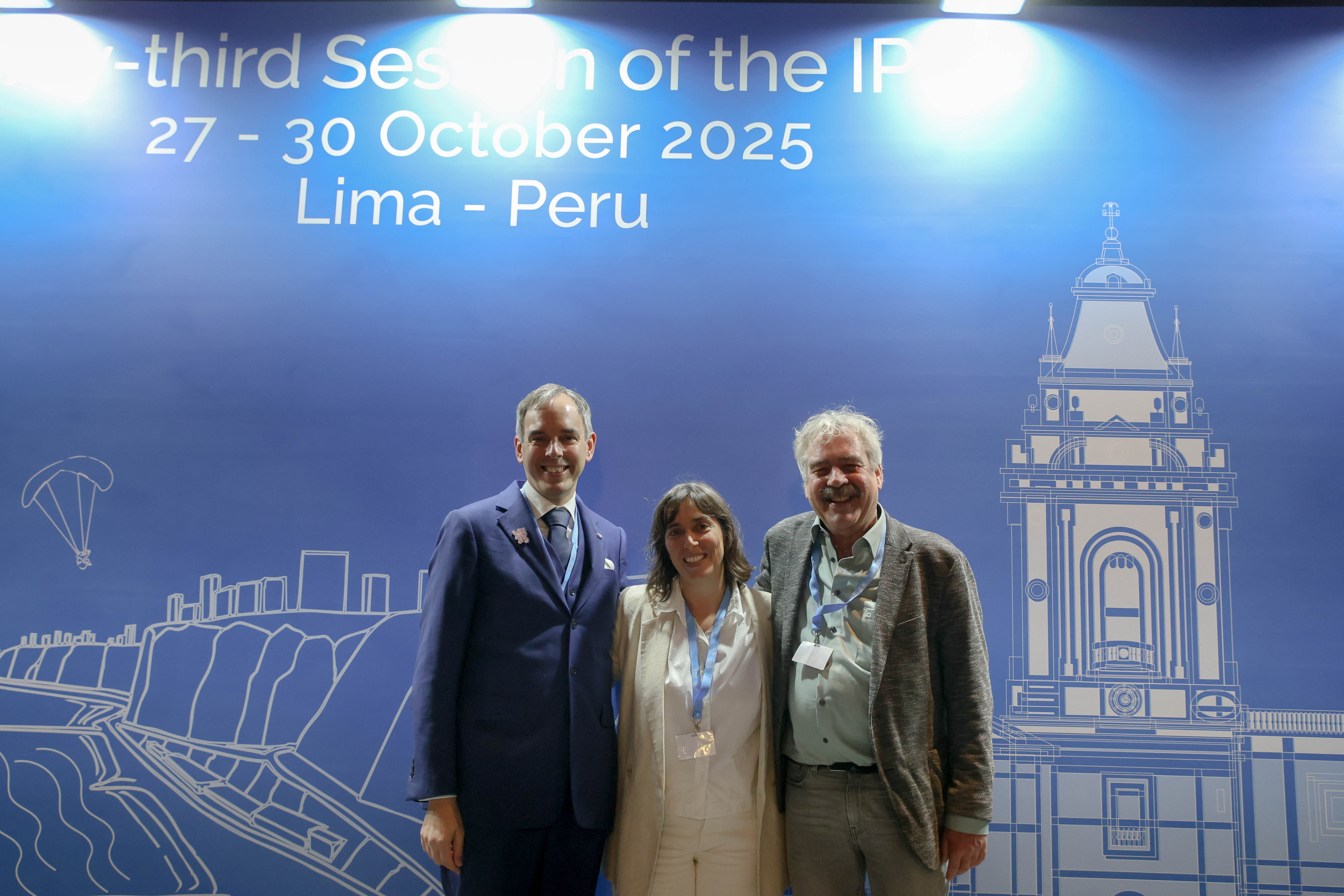
Andrew Ferrone, Luxembourg, Anna Pirani, Italy, and Rob van Dorland, the Netherlands
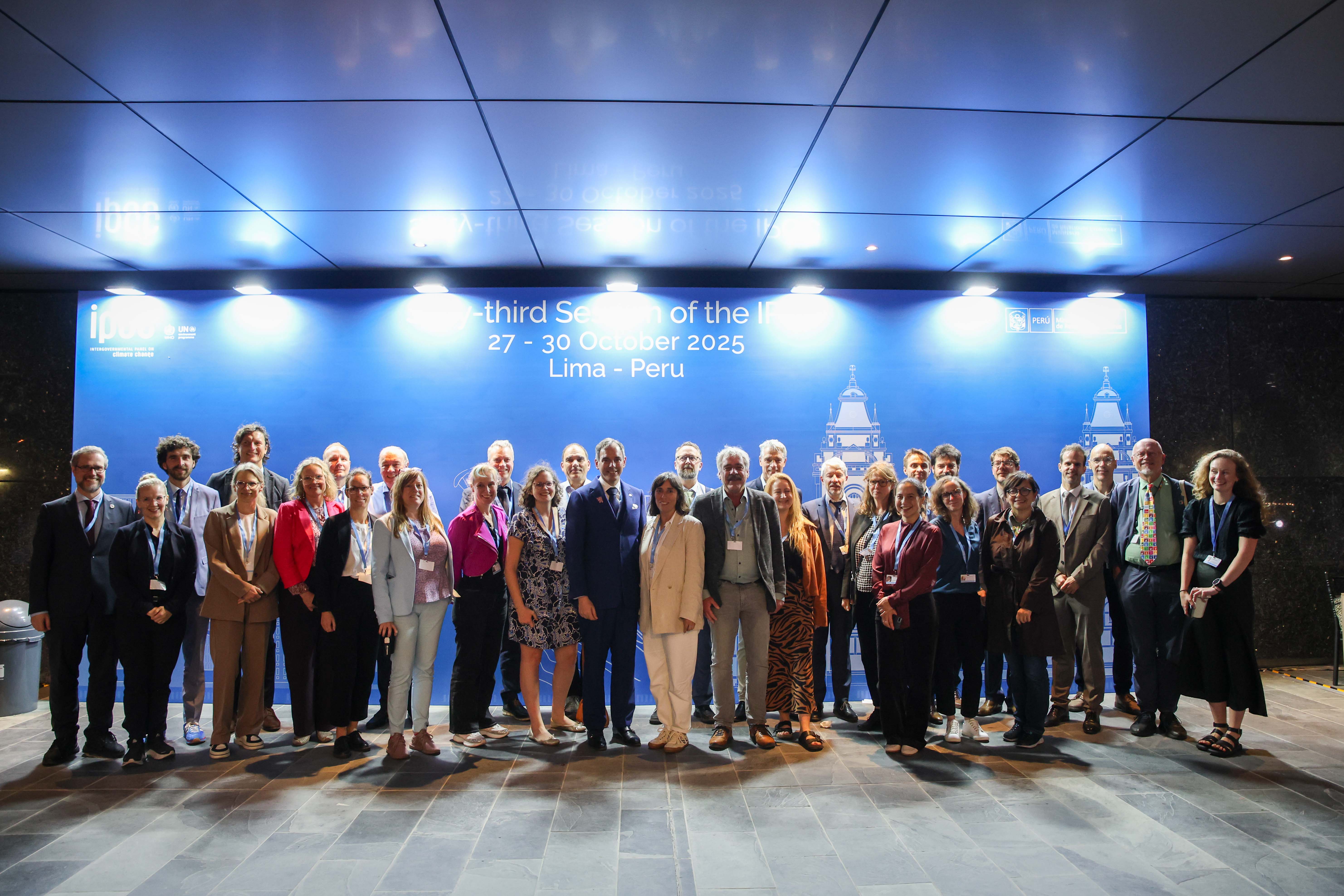
Delegates from the EU
