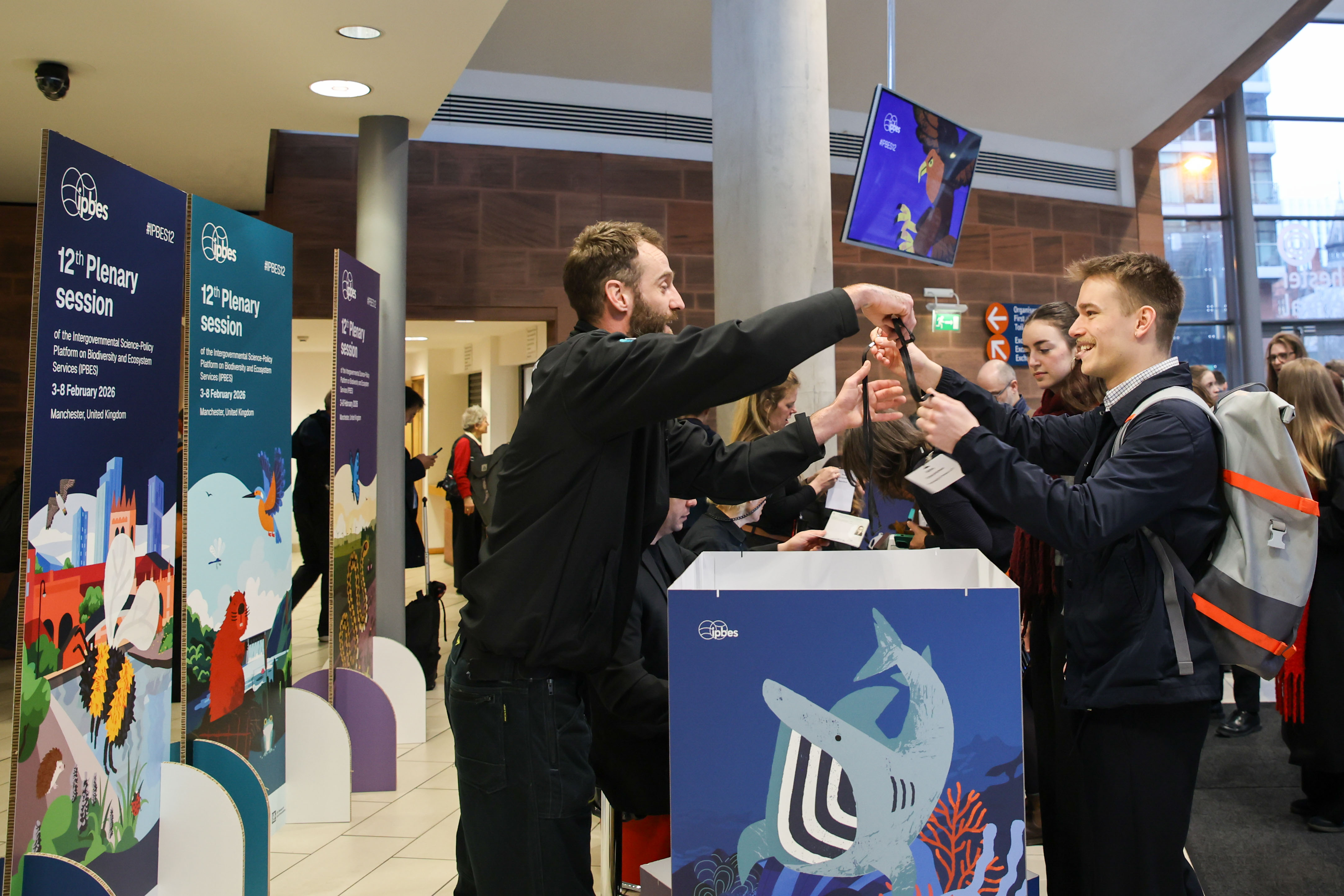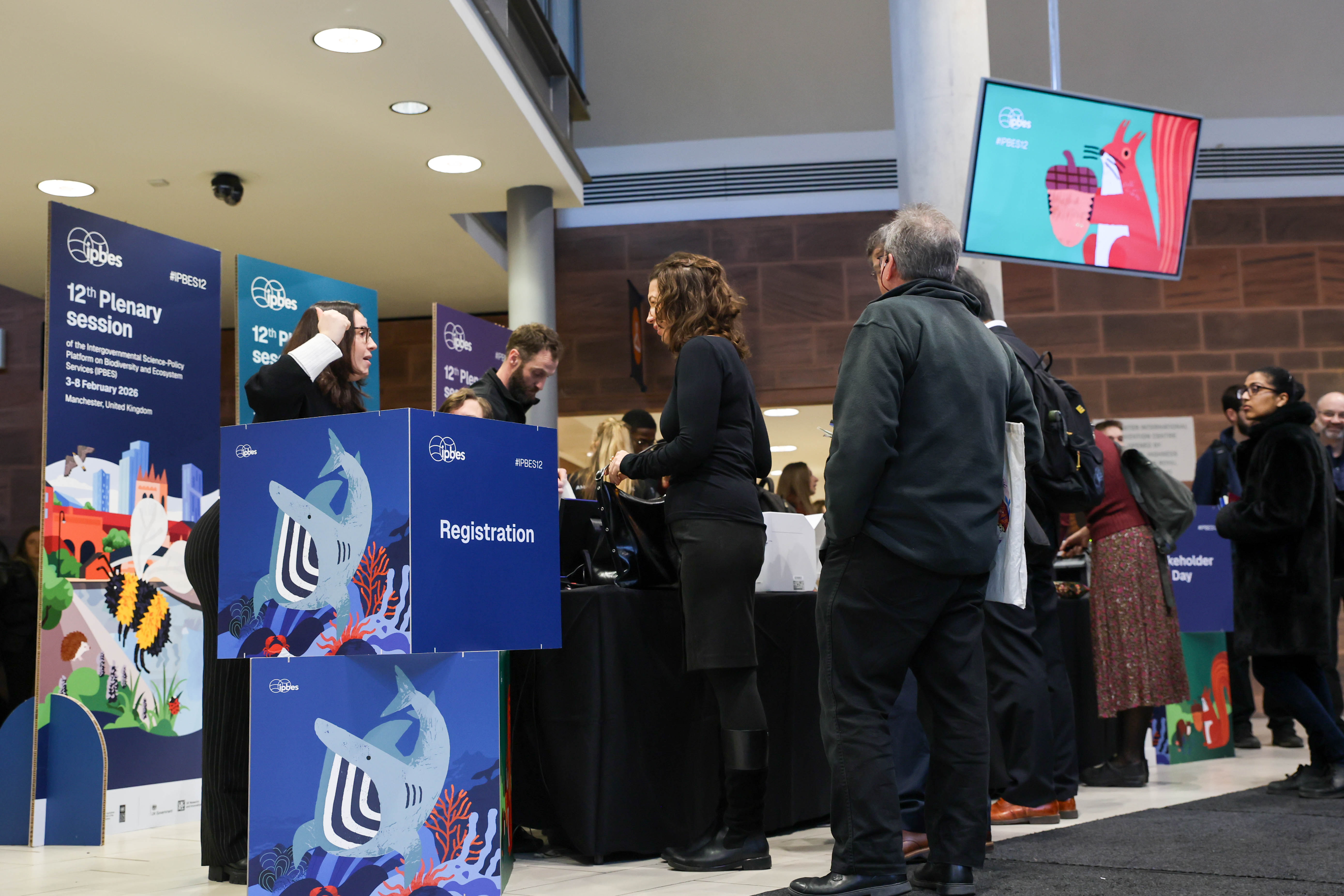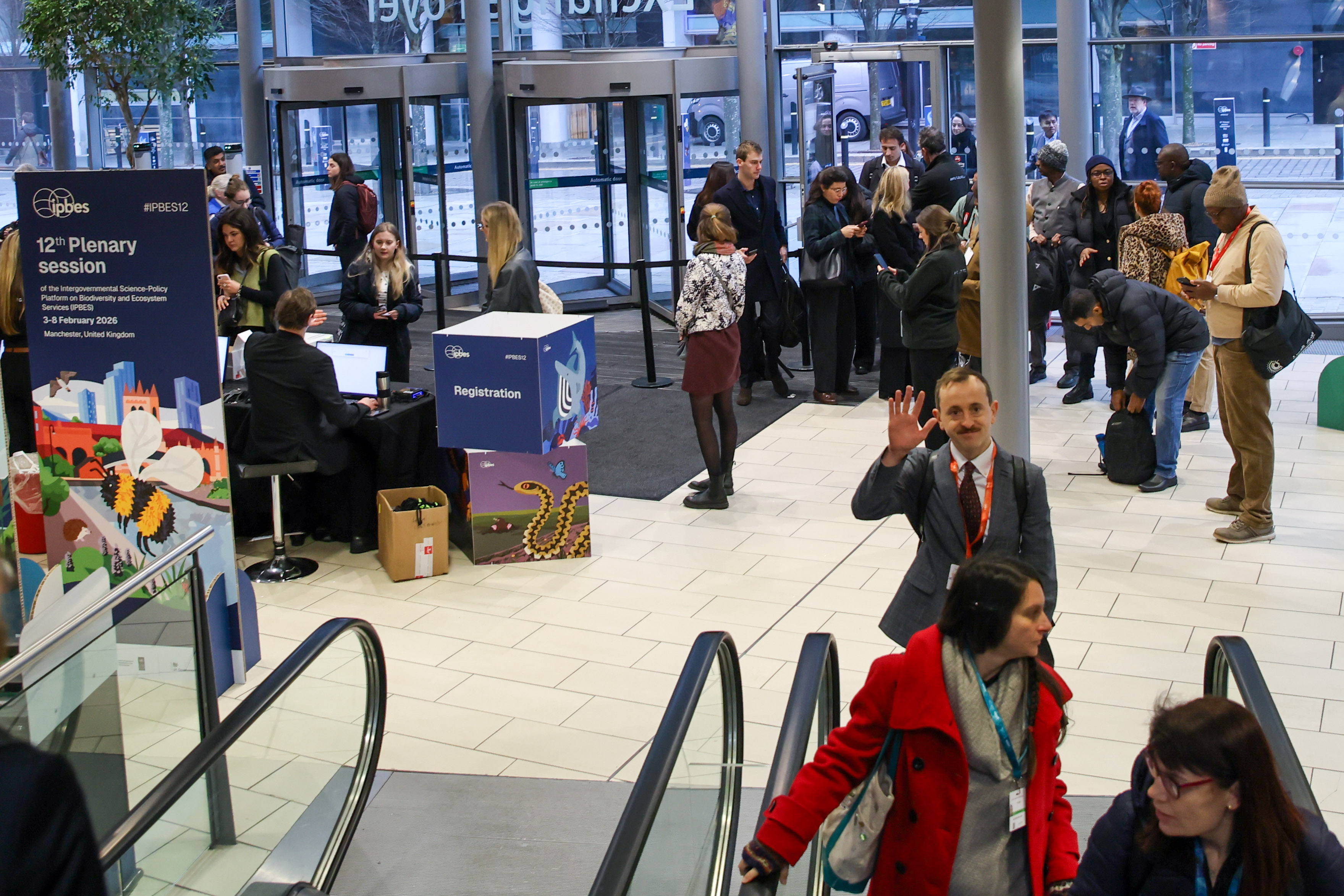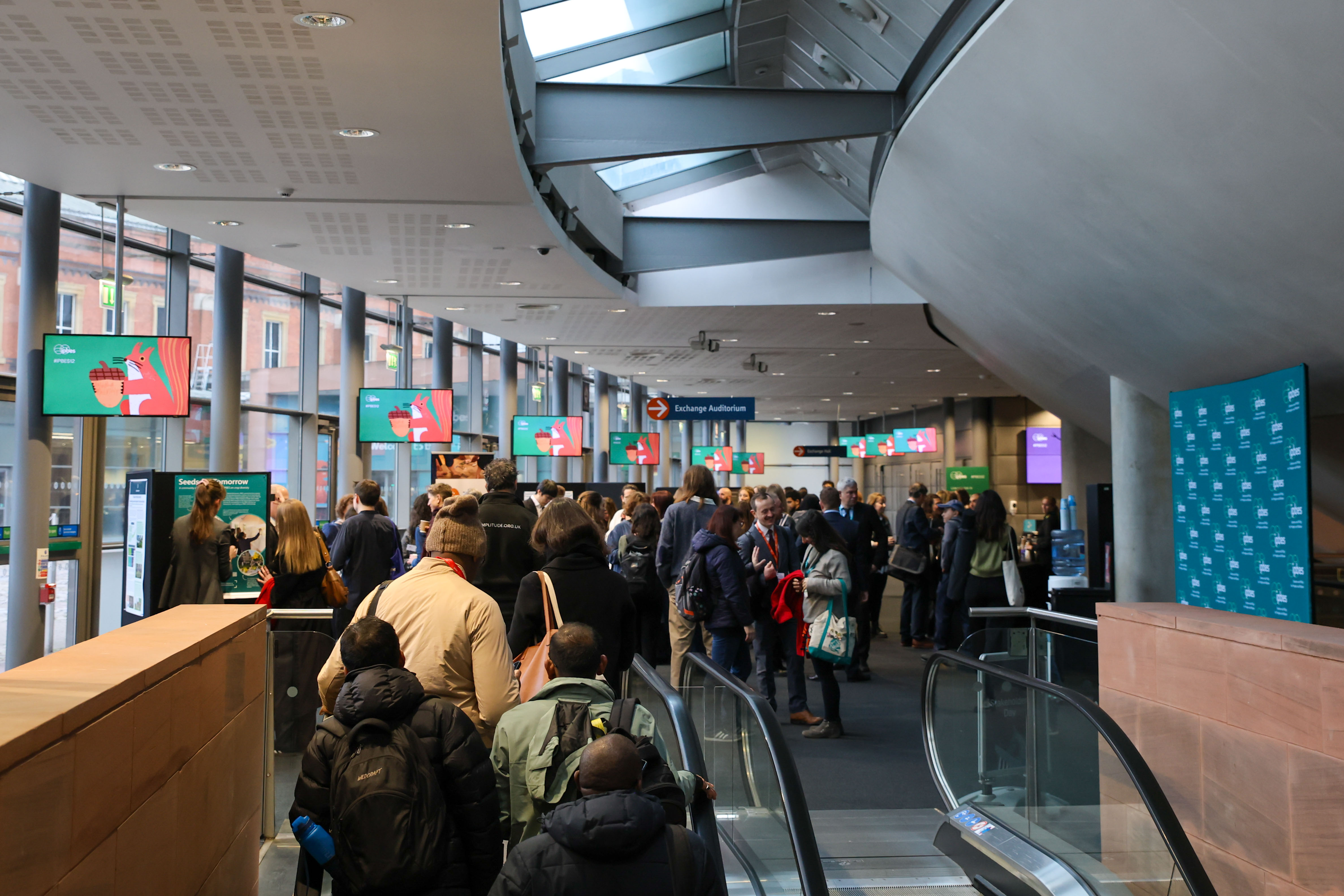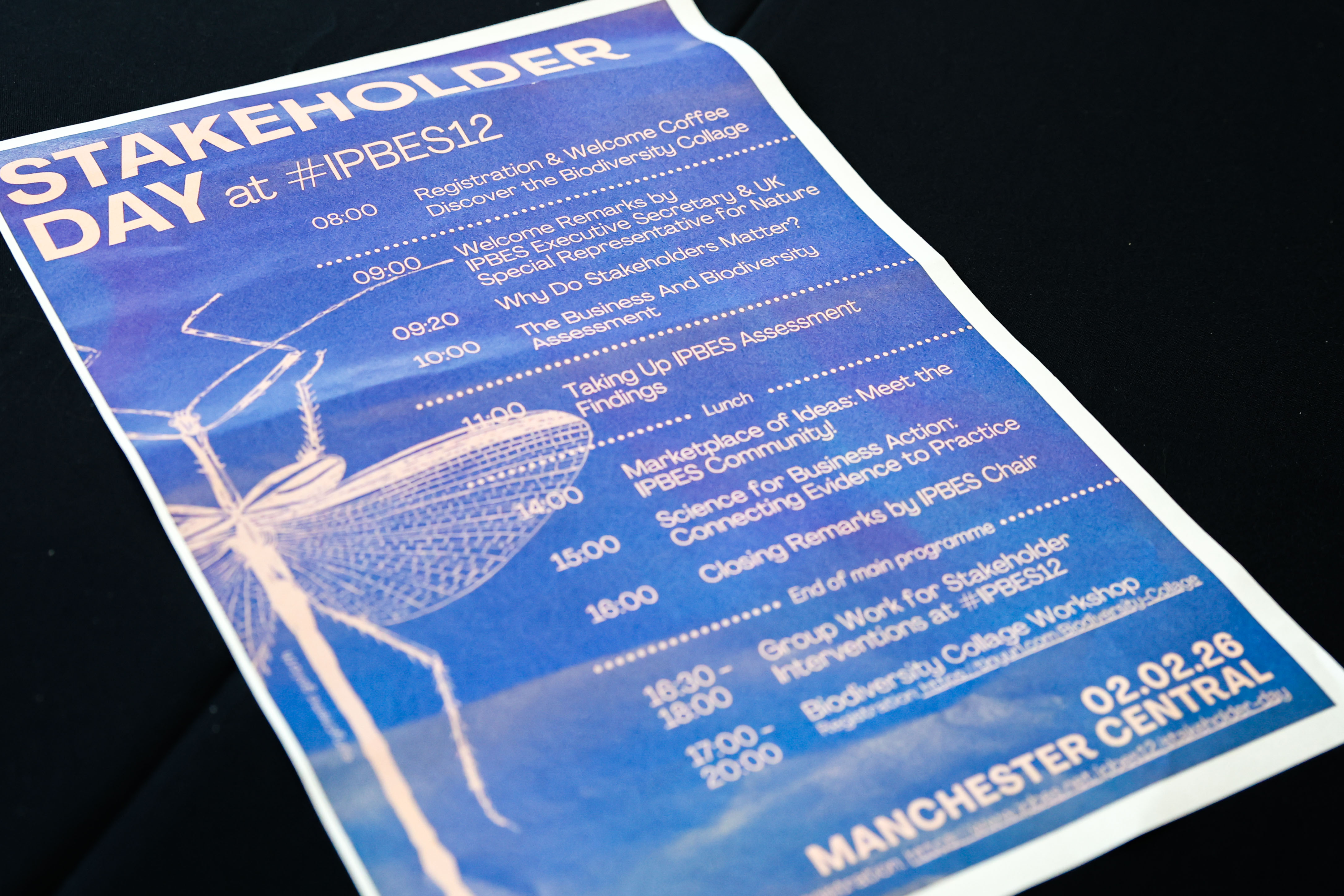
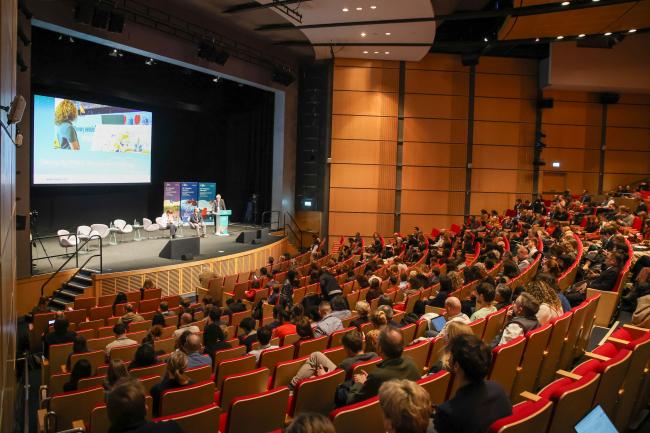
The Stakeholder Day ahead of the 12th Session of the Plenary of the Intergovernmental Science-Policy Platform on Biodiversity and Ecosystem Services (IPBES) drew a crowd, with a large number of attendees participating for the first time. The 2026 edition of this annual event brought together scientists, Indigenous Peoples, members of local communities, and representatives of civil society organizations and businesses to exchange views on the issues on the agenda of IPBES 12 and how to foster stakeholder engagement in biodiversity action.
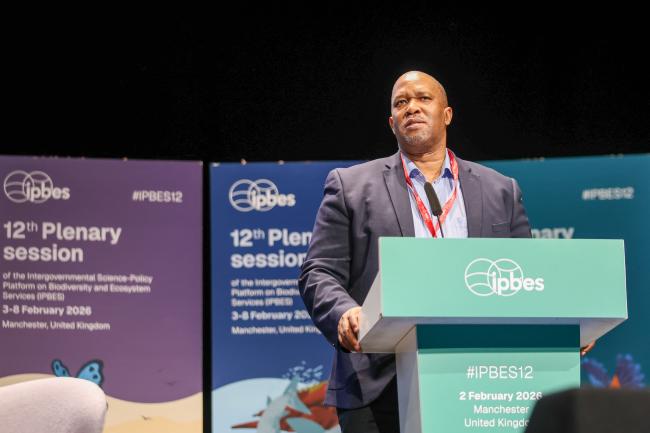
Opening Remarks
IPBES Executive Secretary Luthando Dziba highlighted the growing membership of IPBES, with Malta, Cyprus, Rwanda, Iceland, and Poland having recently joined. He underscored positive developments in terms of stakeholder inclusivity and welcomed the increased participation of stakeholders from Africa and Asia-Pacific in recent years. He highlighted that IPBES 12 is not only expected to deliver a new Assessment Report on Business and Biodiversity, but will also address issues such as Task Force workplans, additional elements to be incorporated in the rolling work programme up to 2030, and insights from the IPBES external review.
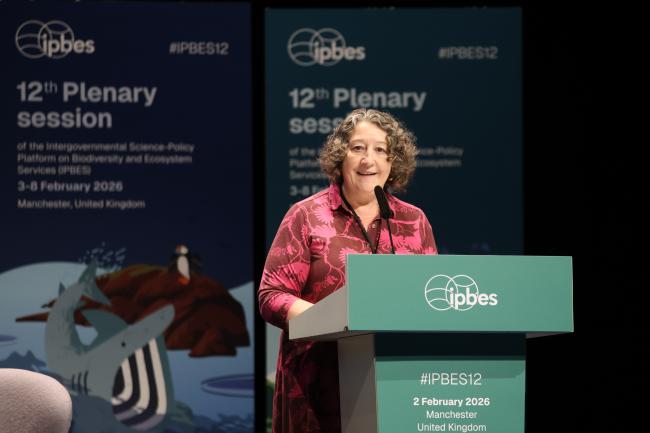
Ruth Davis, UK Special Representative for Nature, paid tribute to all who contribute to IPBES’ work, noting it has become increasingly difficult to work within the UN system and have evidence heard by policymakers. She praised IPBES for bringing a message of hope amid the urgency to act for nature recovery and noted it can be productive to disagree with each other, and provided a shared aim to move forward constructively and creatively towards a sustainable bioeconomy. She underscored the value of collaboration among different types of actors as well as lessons learned from international collaboration, pointing to insights she gained in Brazil and the Congo Basin.
Why Do Stakeholders Matter?
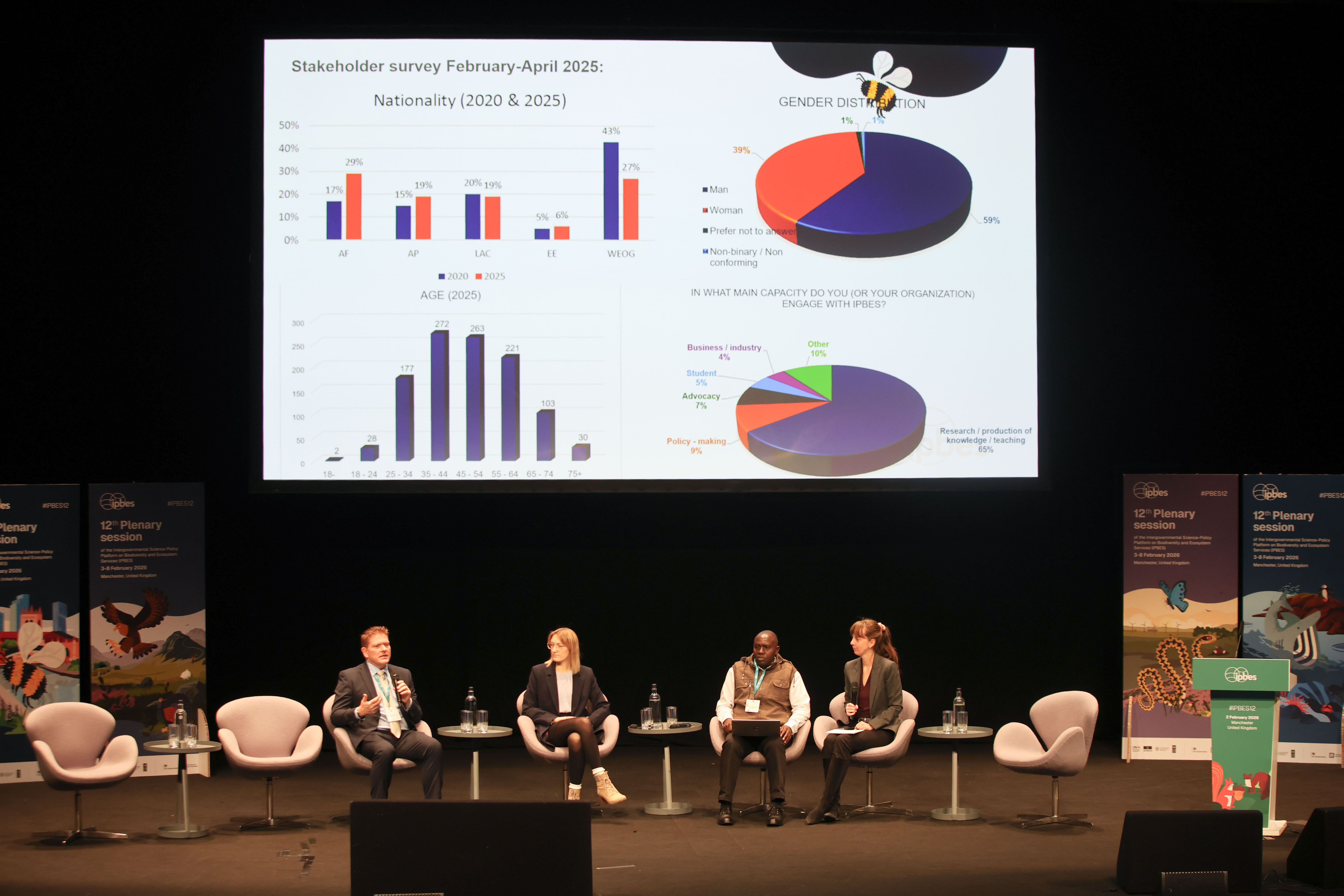
A panel discussion moderated by Franziska Fischer, Open-ended Network of IPBES Stakeholders (ONet), reflected on the role of stakeholders. Recalling that IPBES has a specific mandate for promoting stakeholder engagement, Rob Spaull, IPBES Secretariat, welcomed the strong engagement of scientists in the process, including early career researchers, and suggested the creation of an ONet subnetwork to foster private sector engagement. In terms of direct dialogue opportunities, he pointed to quarterly stakeholder meetings, bi-annual capacity-building and youth forums, and dialogues with Assessment Co-Chairs during external reviews.
Maja Metzger, ONet, described ONet’s work, underscoring the Network’s role in helping stakeholders navigate the IPBES process and coordinate the preparation of statements delivered during Plenary sessions. She also highlighted initiatives led by individual ONet facilitators, such as on developing teaching materials, inviting participants to spearhead the launch of additional initiatives.
Gathuru Mburu, International Indigenous Forum on Biodiversity and Ecosystem Services (IIFBES) noted that IIFBES promotes the integrity and value of Indigenous and local knowledge in science and policy and facilitates the inclusion of diverse knowledge views and evidence on the basis of Free, Prior, and Informed Consent. He highlighted the Forum recommends experts on specific topics, provides data, contributes to Assessment reviews, and supports the uptake of IPBES findings.
The Business and Biodiversity Assessment
Turning to the key deliverable of IPBES 12, Steve Polasky, Co-Chair of the Business and Biodiversity Assessment Report, presented on the Business and Biodiversity Assessment, whose summary for policymakers is expected to be approved in the upcoming days. He highlighted the report’s mandate to strengthen the knowledge base to support efforts by businesses to achieve the 2050 Vision for Biodiversity, characterize interdependencies between businesses and biodiversity and methods for assessing such interdependencies, and outline options for actions. He noted the objective for report findings to inform more integrated business and financial decisions to simultaneously achieve the Sustainable Development Goals, Global Biodiversity Framework, and the Paris Agreement on climate change and support transformative change across sectors and value chains.
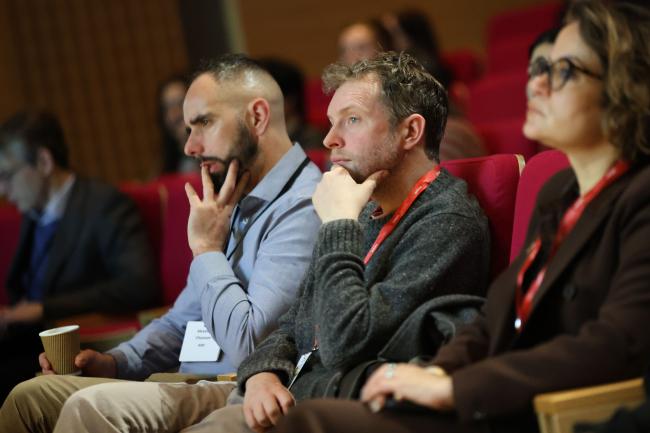
During a question and answer session, participants reflected on funding challenges for authors to contribute to assessment reports and the condensed timeline for preparing fast-track reports. With regard to the Business and Biodiversity Report, the authors noted that it highlights existing business actions and reflects on enabling environments to support further efforts, expressing hope that its findings will inform disclosure frameworks and voluntary initiatives such as the UN Global Compact. The discussion also touched upon the fact that businesses operate in different contexts and how different types of businesses will be able to take up the Report’s findings.
Taking Up IPBES Assessment Findings
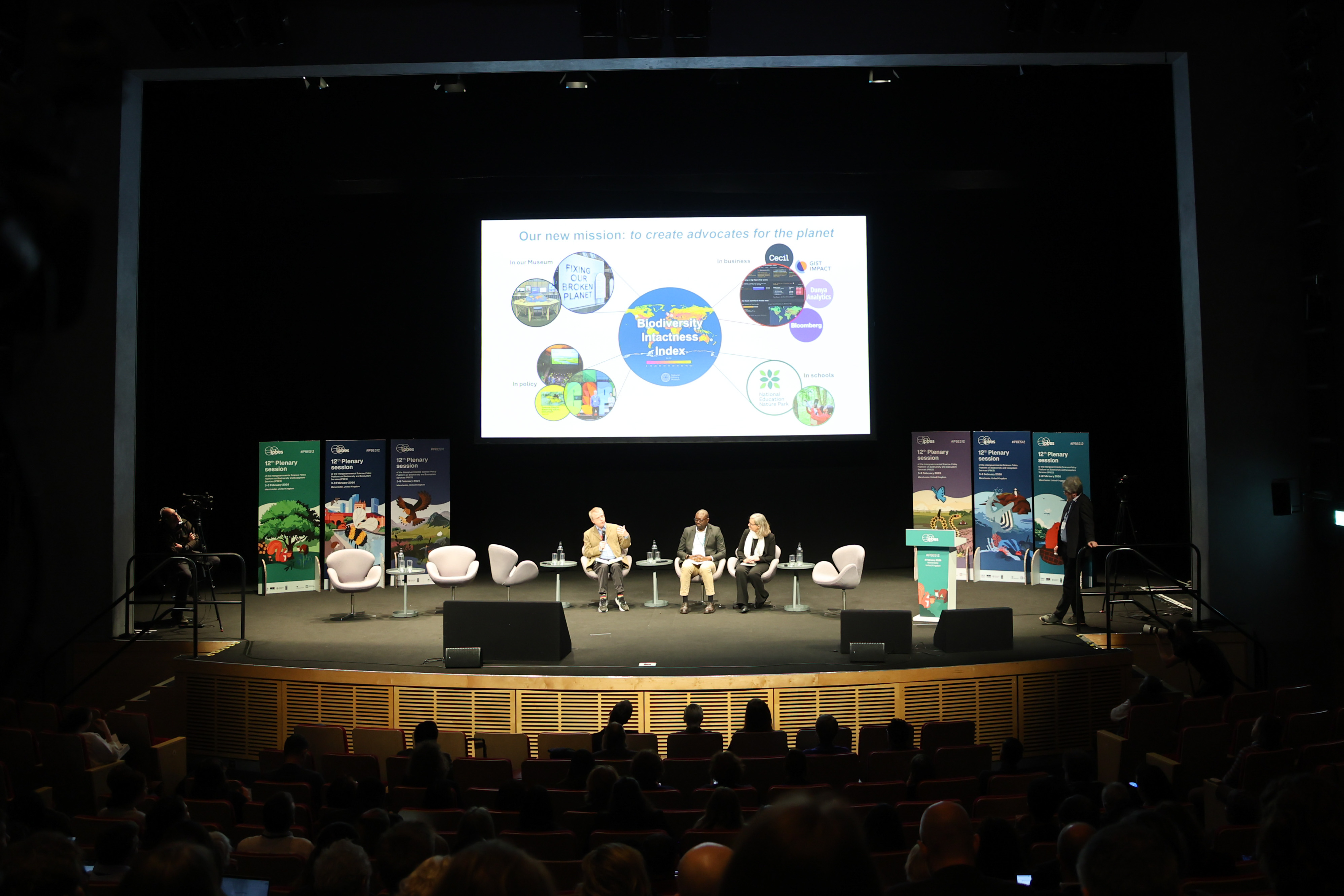
Another panel discussion, moderated by Axel Paulsch, Institute for Biodiversity Network, Germany, focussed on the uptake of IPBES assessment findings. Participants reflected on, among others:
- the role of museums in raising awareness, including among young people, such as through the UK Natural History Museum’s “fixing our broken planet” exhibit;
- the development of national strategies informed by IPBES reports, such as Nigeria’s National Pollinator Strategy;
- the value of regional-level activities to foster uptake and promote synergies between biodiversity and climate action;
- the preparation of stakeholder-specific messaging, such as geared at farmers;
- e-learning opportunities to bridge science, policy, and practice;
- the role of news media in echoing IPBES findings among the general public;
- research projects addressing gaps identified in IPBES reports; and
- cross-border collaboration spurred by the report on invasive alien species.
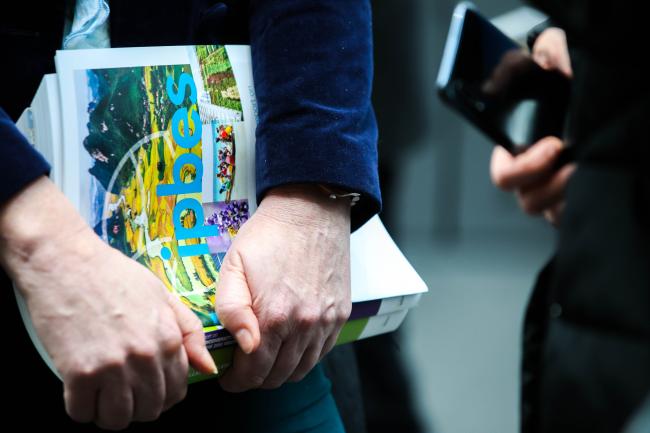
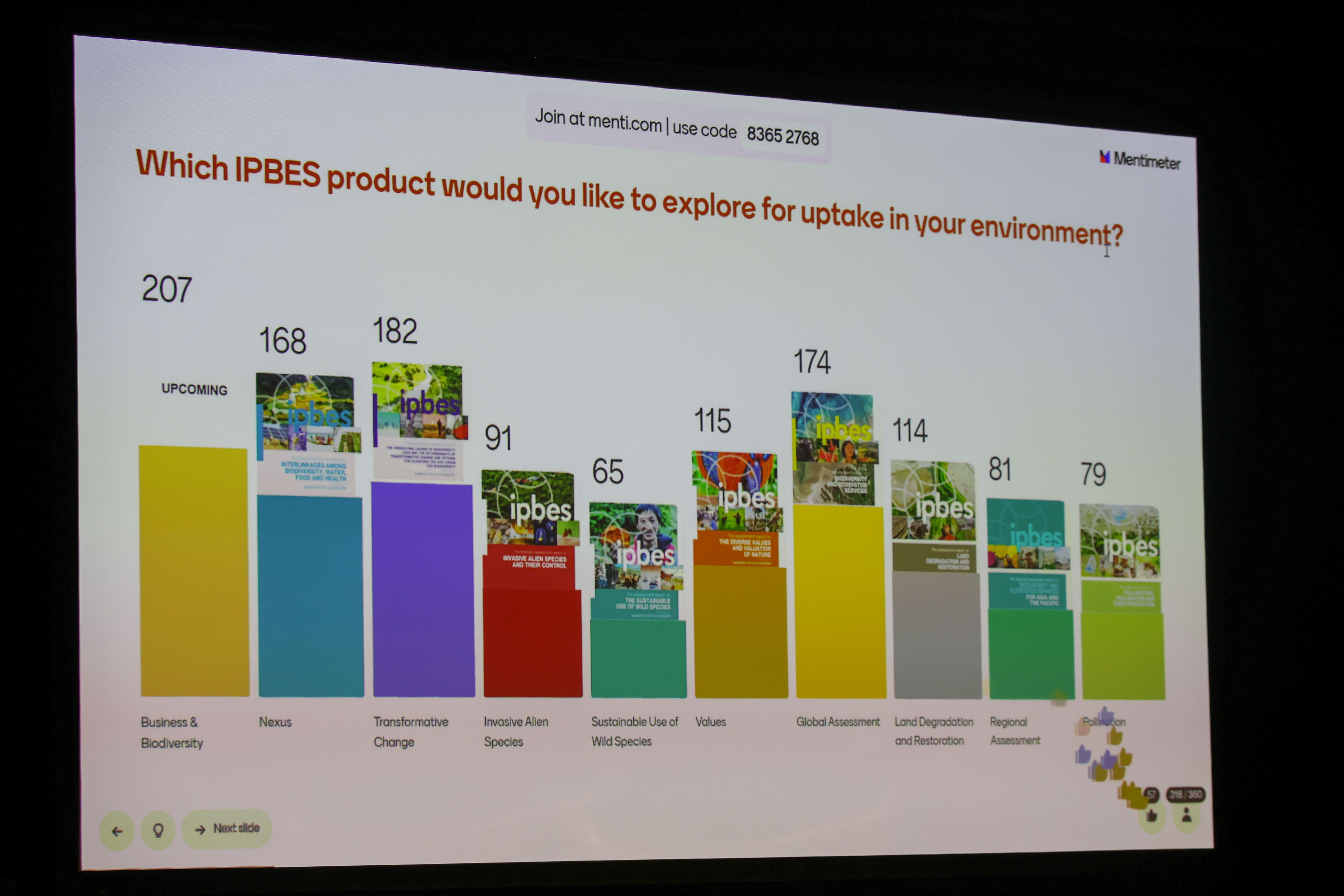
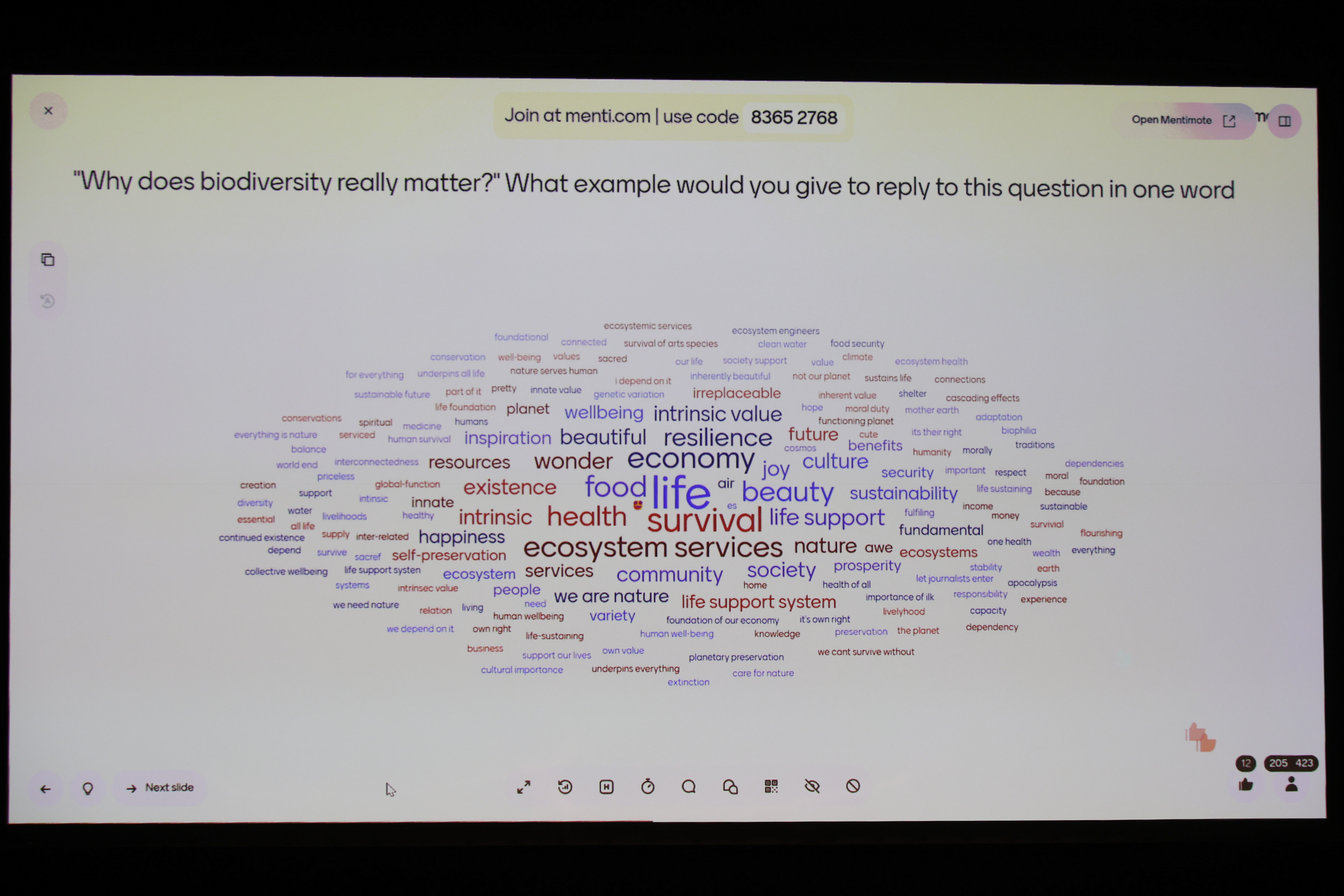
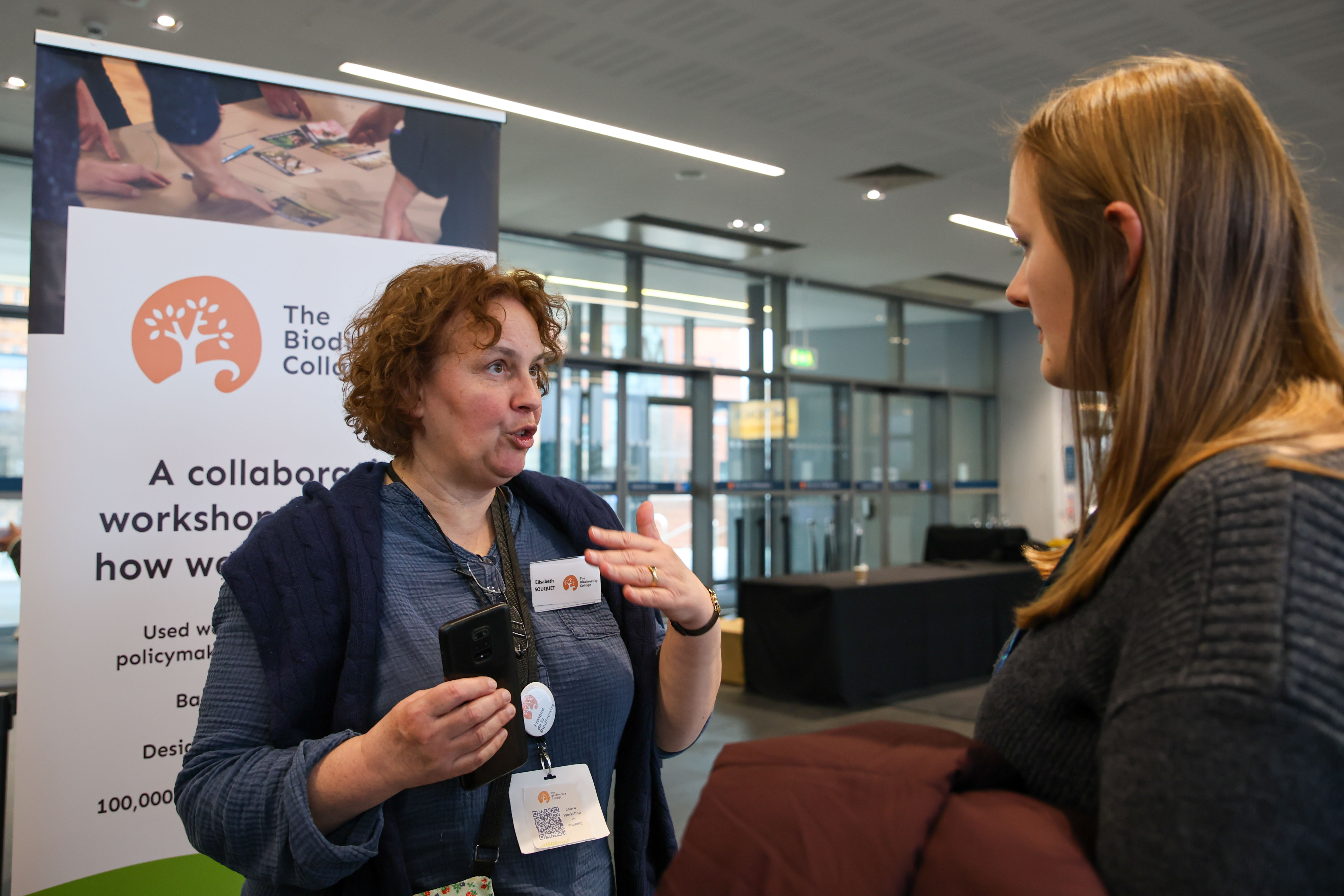
In an interactive session, participants shared their views about the value of IPBES products in their own work. Diogo Veríssimo, Chair of the IUCN Conservation Behavior Change Task Force, moderated a collective reflection on how to foster and lock in change, underscoring the role of “change engineers.” Géraldine Vuillier, Co-Founder of The Biodiversity Collage, spoke on how to engage people in biodiversity conservation, addressing, among others:
- what basic information on the status quo to convey;
- dealing with and leveraging emotions such as fear, anger, empathy, and hope;
- the role of communication around iconic species;
- ensuring that messaging resonates with peoples’ lives; and
- outlining steps towards change to empower people to act.
Discussions touched upon: dealing with polarization and information fatigue; navigating dissenting stakeholder perspectives, such as on the reintroduction of apex predators like the wolf; and the importance of normative change.
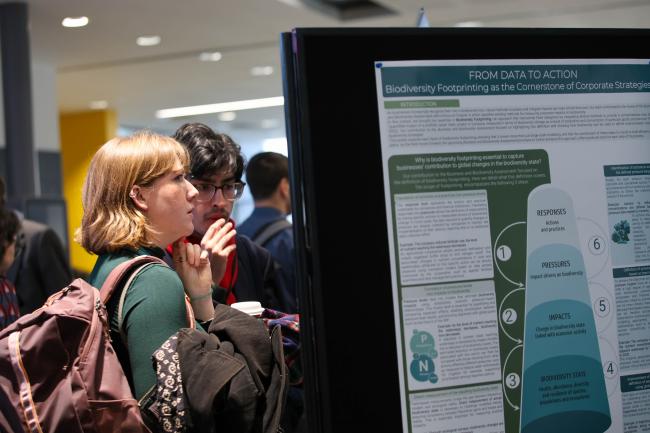
Marketplace of Ideas
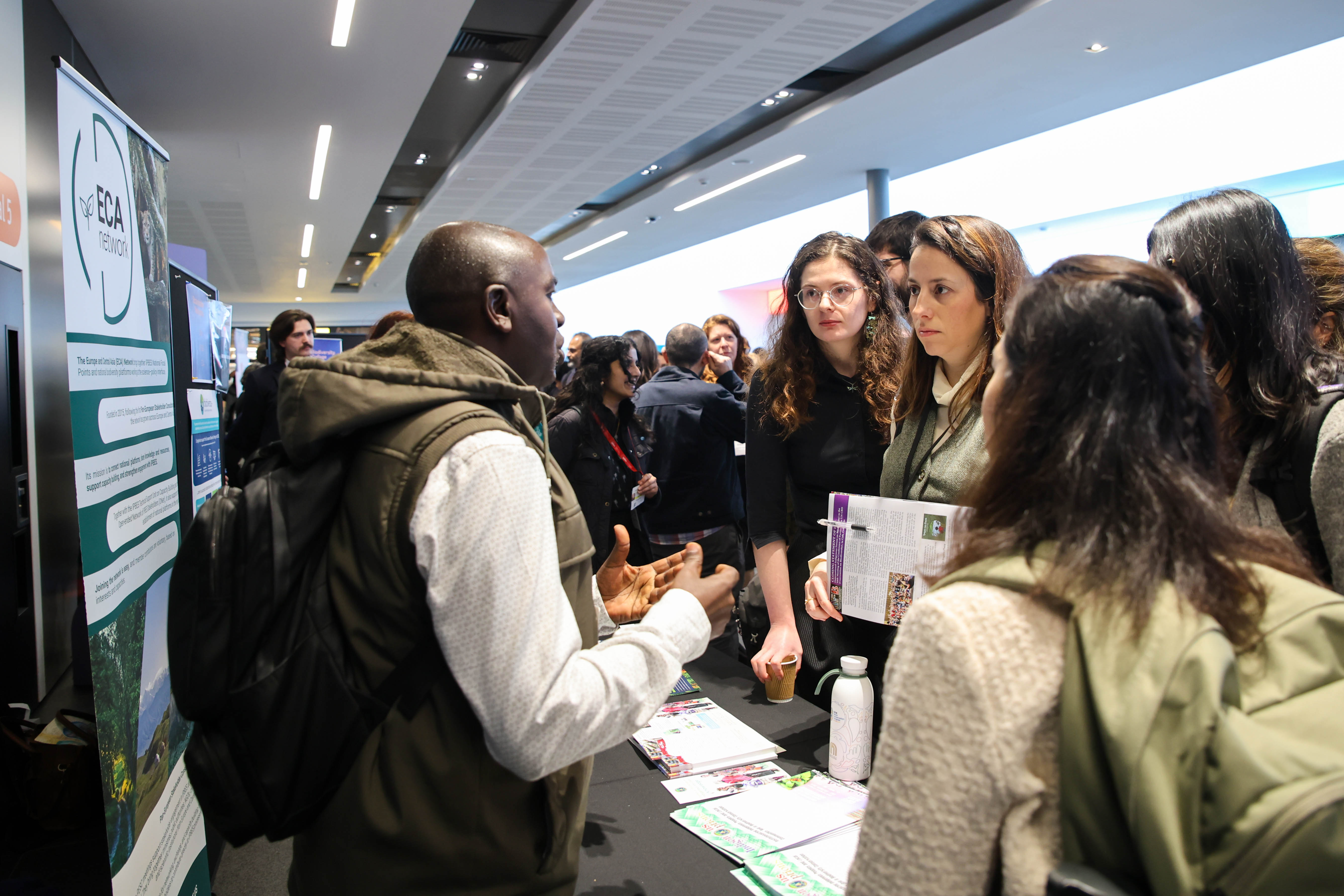
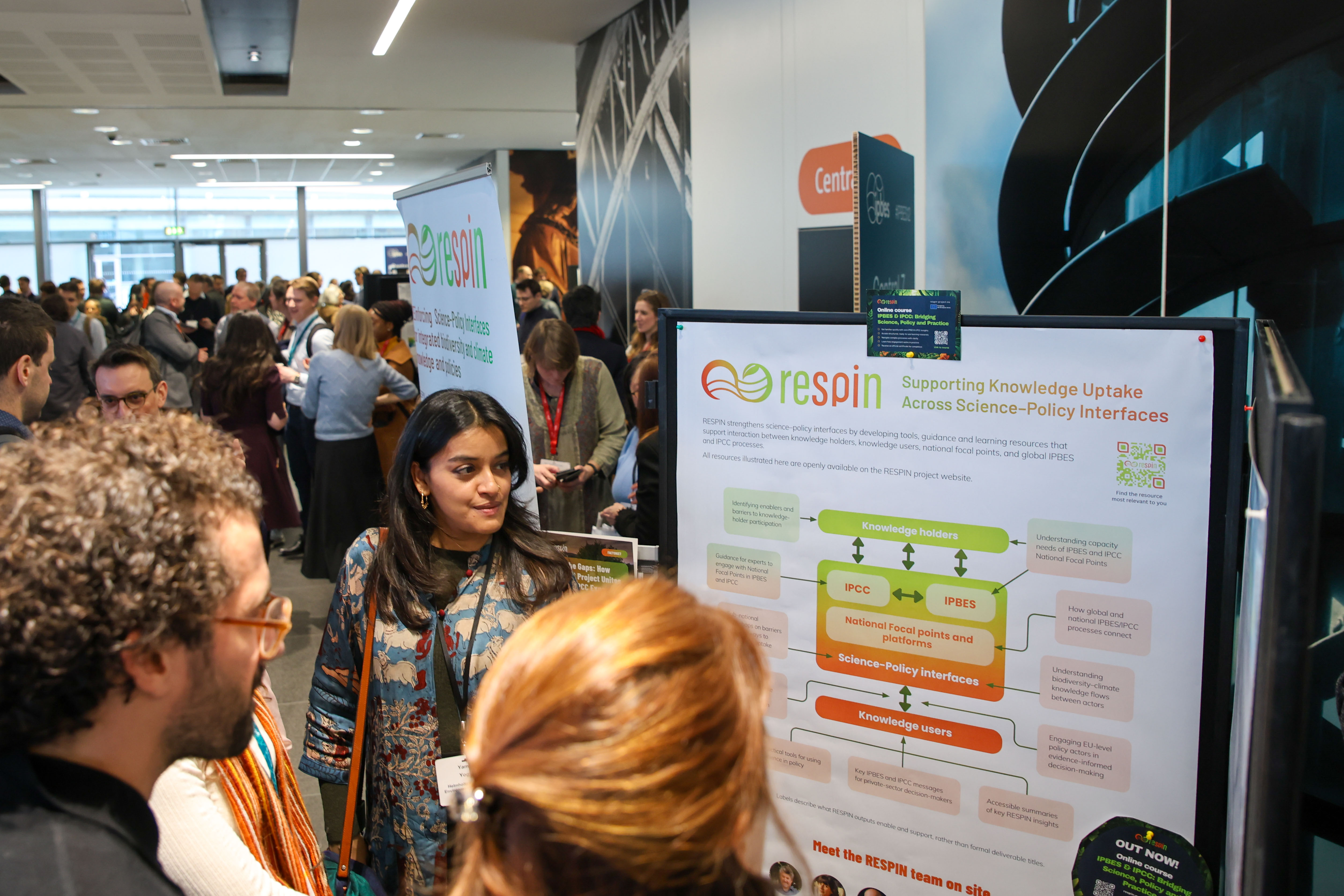
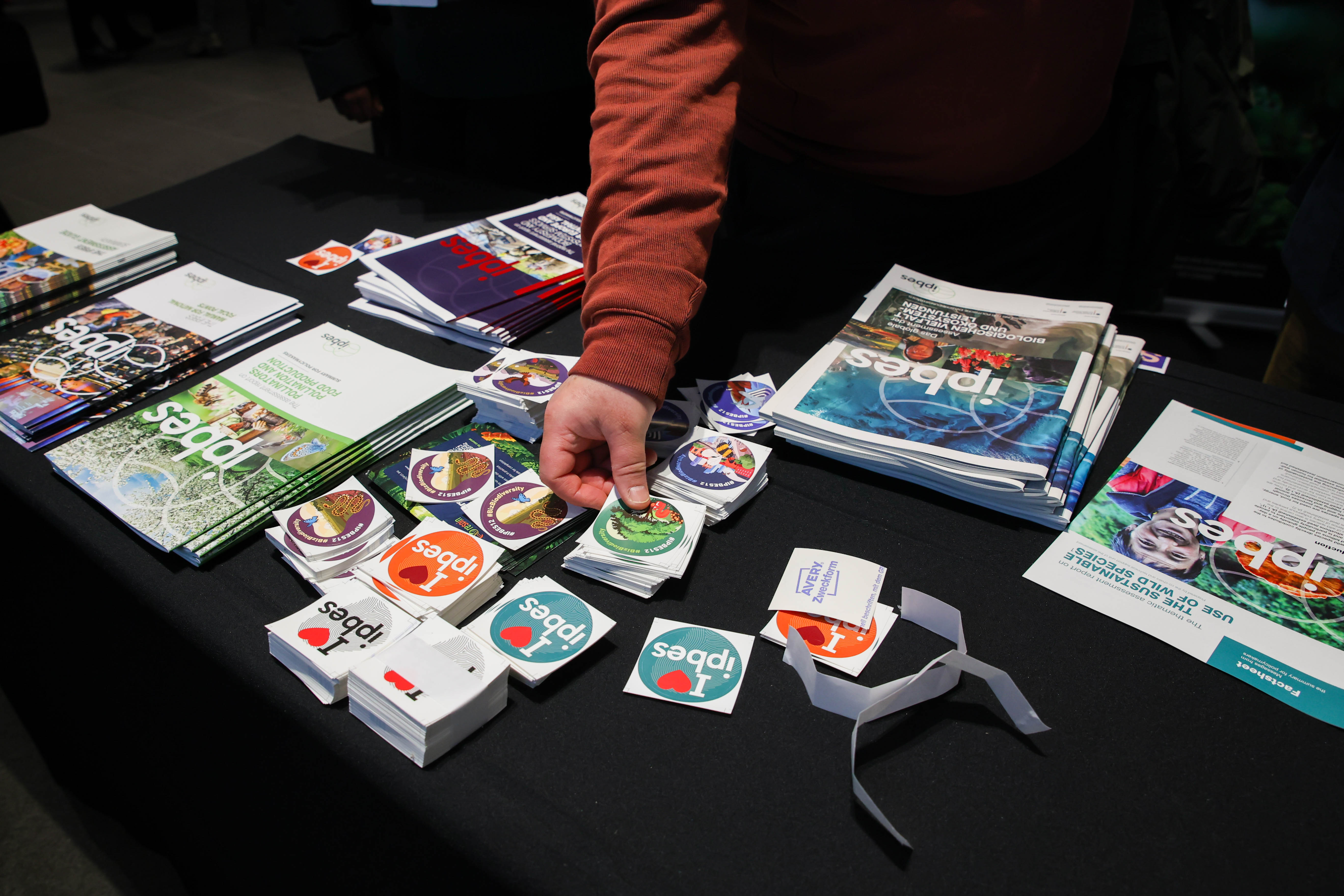
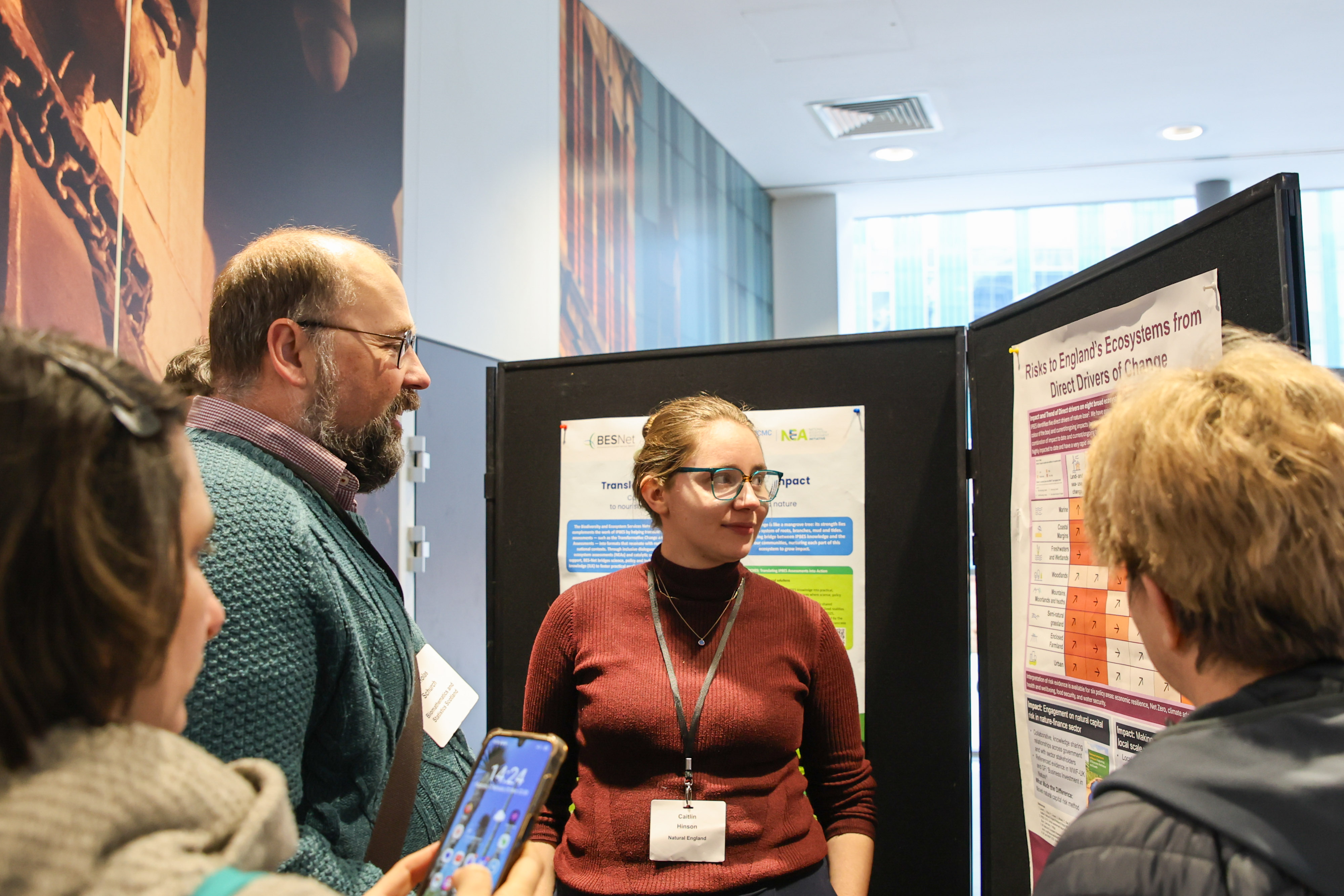
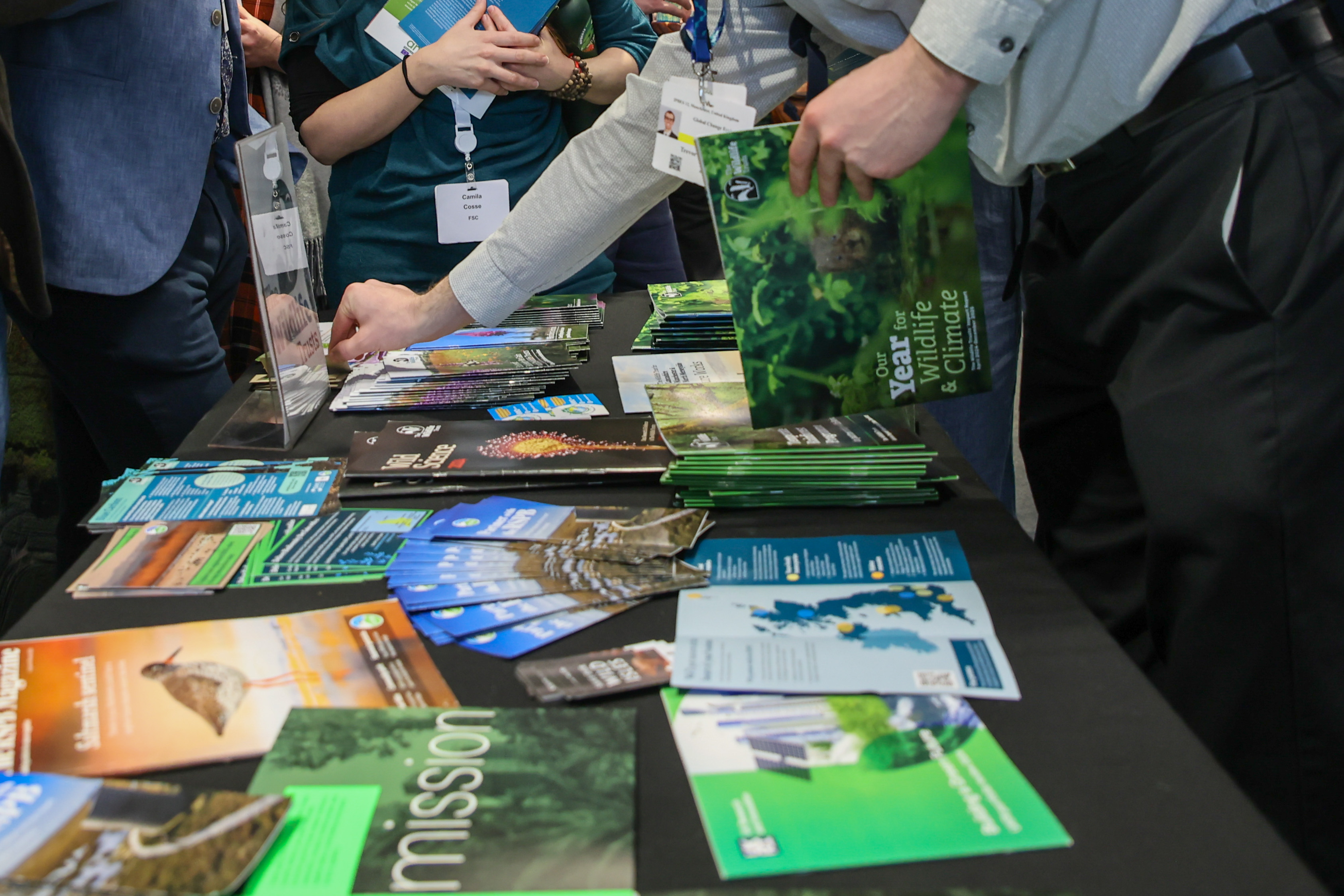
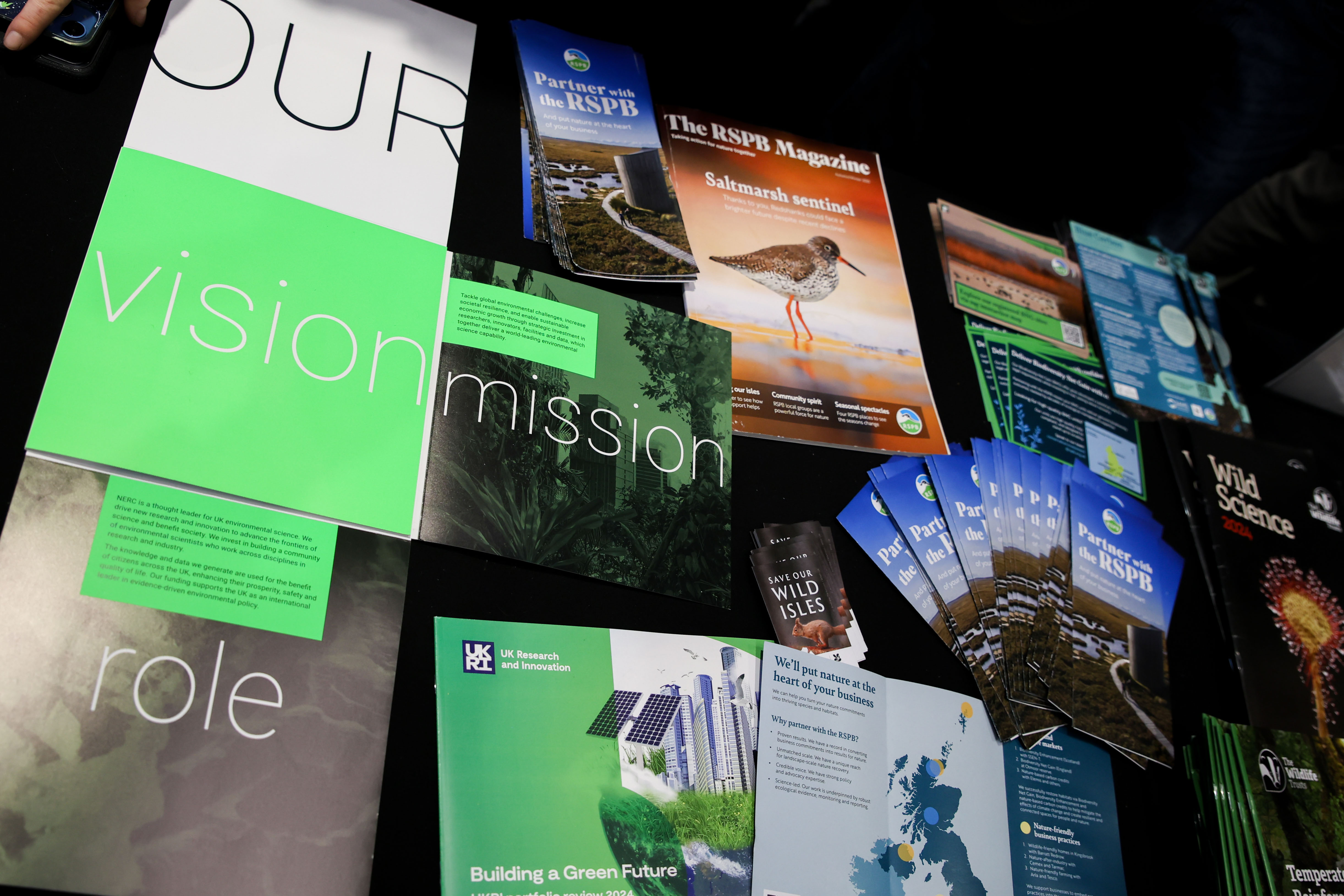
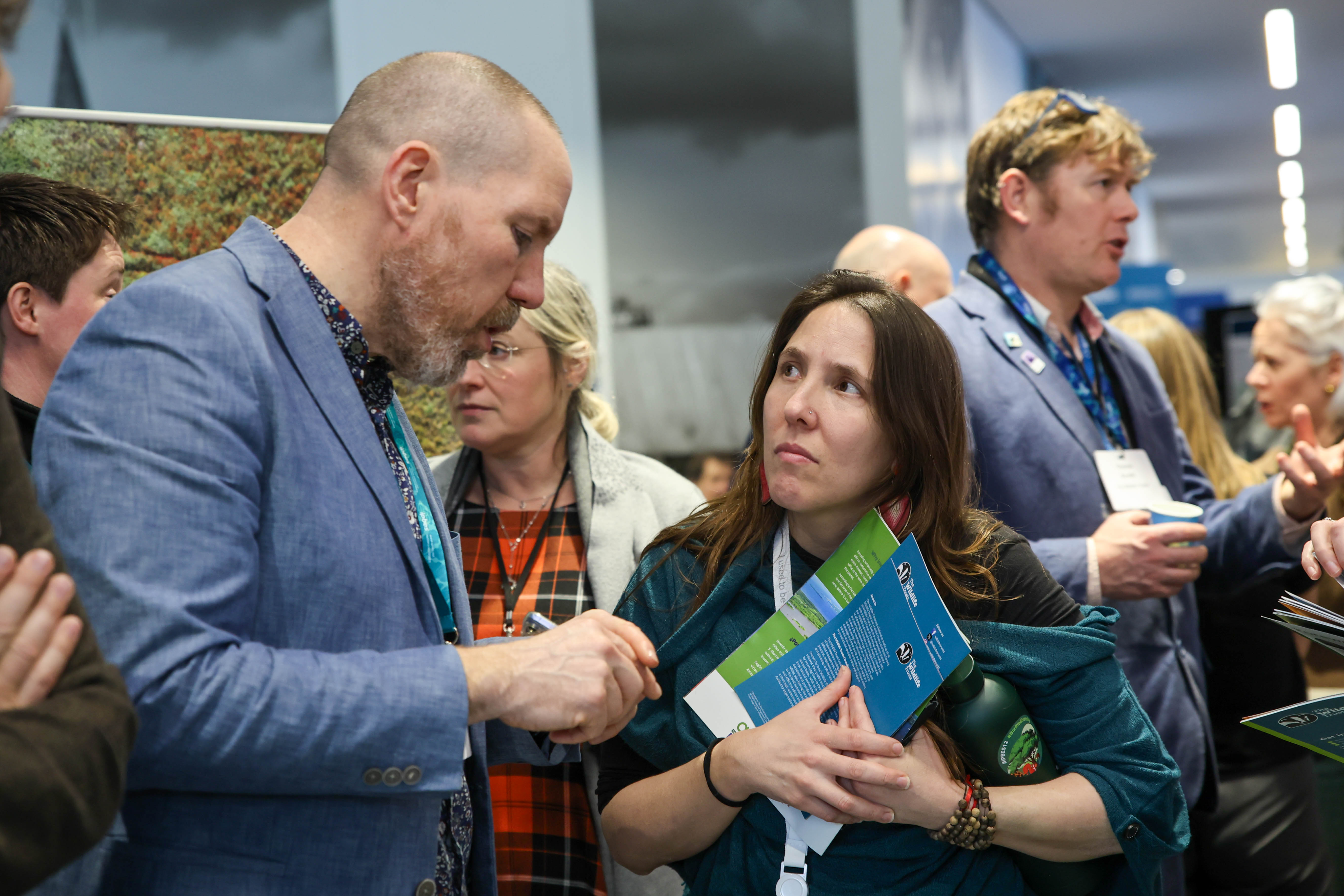
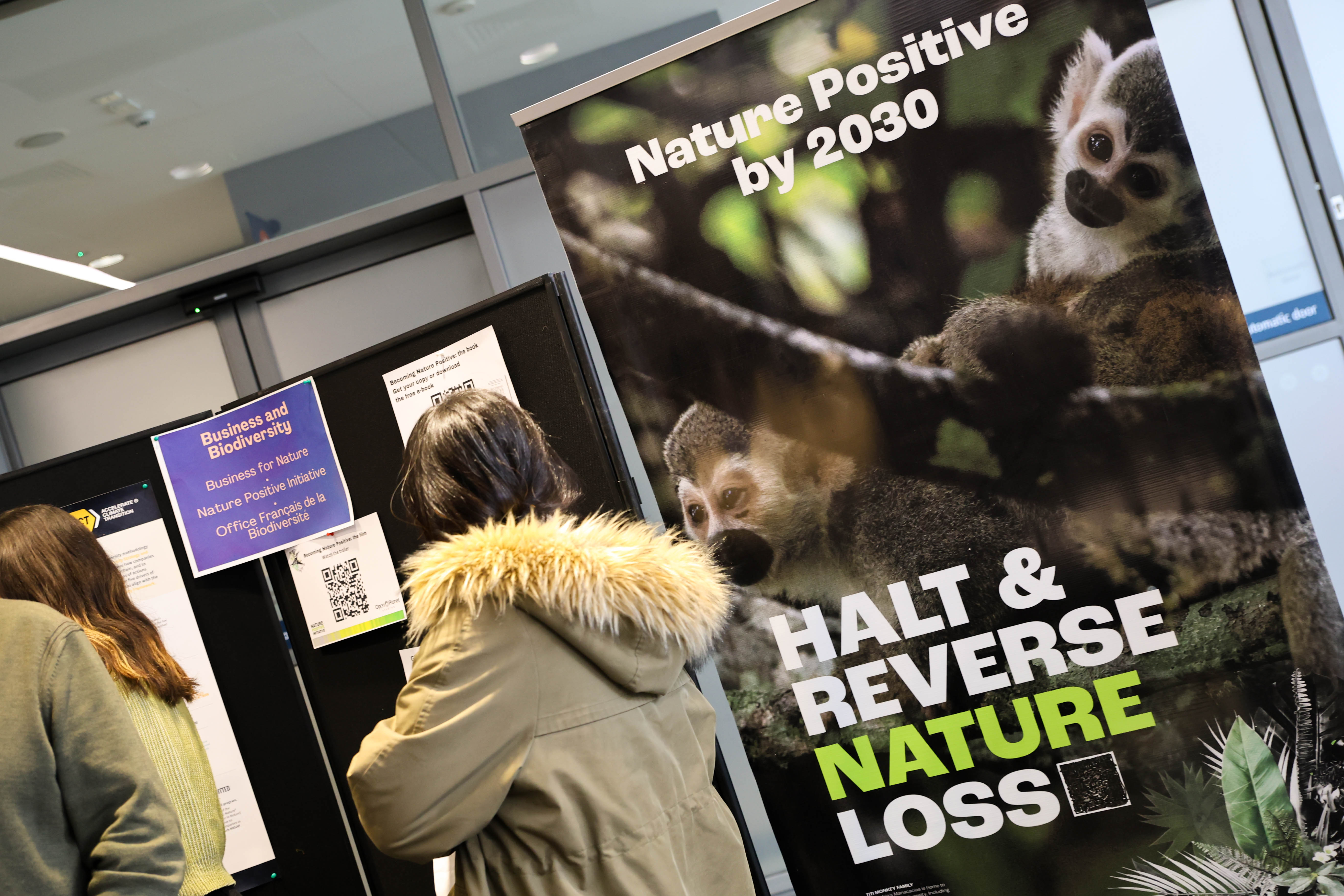
A “Marketplace of Ideas” fostered networking within the IPBES stakeholder community, with booths set up by, among others, the UK Joint Nature Conservation Committee, the Royal Society for the Protection of Birds, the Wildlife Trusts, UK Research and Innovation, the French Office for Biodiversity, Business for Nature, and the Nature Positive Initiative.
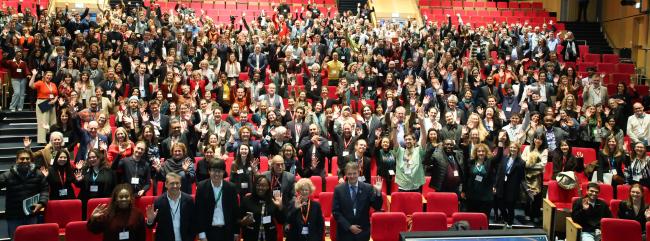
Science for Business Action: Connecting Evidence to Practice
The last panel discussion of the day focused on the private sector, with panellists reflecting on, among other:
- raising awareness on business’ dependence on biodiversity and the supply chain risks related to biodiversity loss;
- the use of data in sustainability reporting, disclosure, and the issuance of nature bonds;
- the role of small businesses as sustainability pioneers, showcasing the economic viability of nature-positive practices to foster replication by bigger corporations;
- safeguards against greenwashing and approaches for ensuring high-integrity nature-positive outcomes;
- leveraging publicly available data on private sector engagement to identify opportunities for enhanced action; and
- the role of regulatory environments in fostering long-term investment into biodiversity conservation.
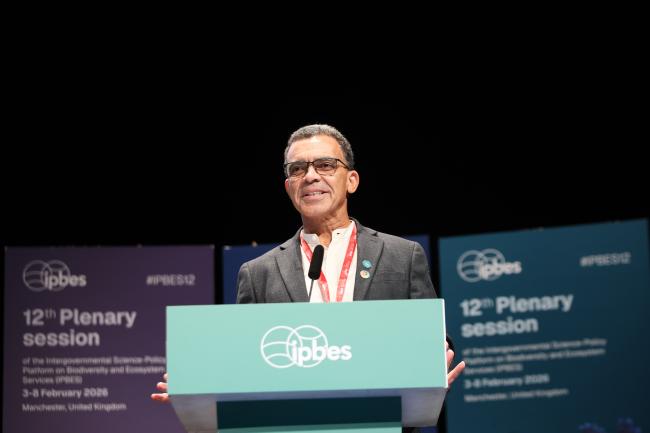
Concluding Remarks
In concluding remarks, IPBES Chair David Obura, thanked all attendees for their participation, underscoring that Stakeholder Day is a key opportunity for the Platform to touch base with different actors and reflect on how to improve its outreach and responsiveness to practical needs.
In the late afternoon, stakeholders finalized the preparation of the interventions they will deliver during IPBES 12. A biodiversity collage workshop also took place.
To receive free coverage of global environmental events delivered to your inbox, subscribe to the ENB Update newsletter.
All ENB photos are free to use with attribution. For IPBES 12 please use: Photo by IISD/ENB | Anastasia Rodopoulou
Why Do Stakeholders Matter?
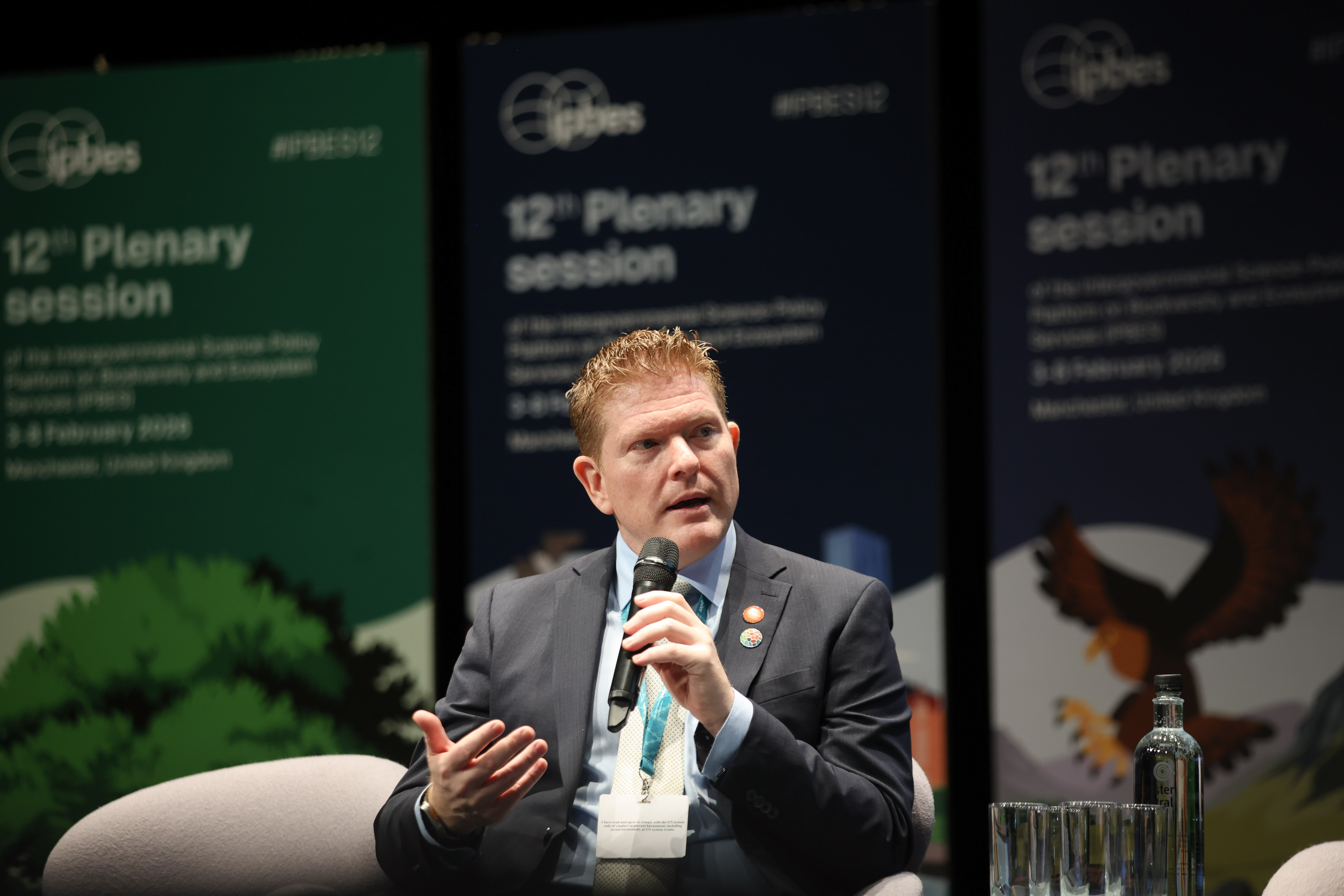
Rob Spaull, IPBES Secretariat
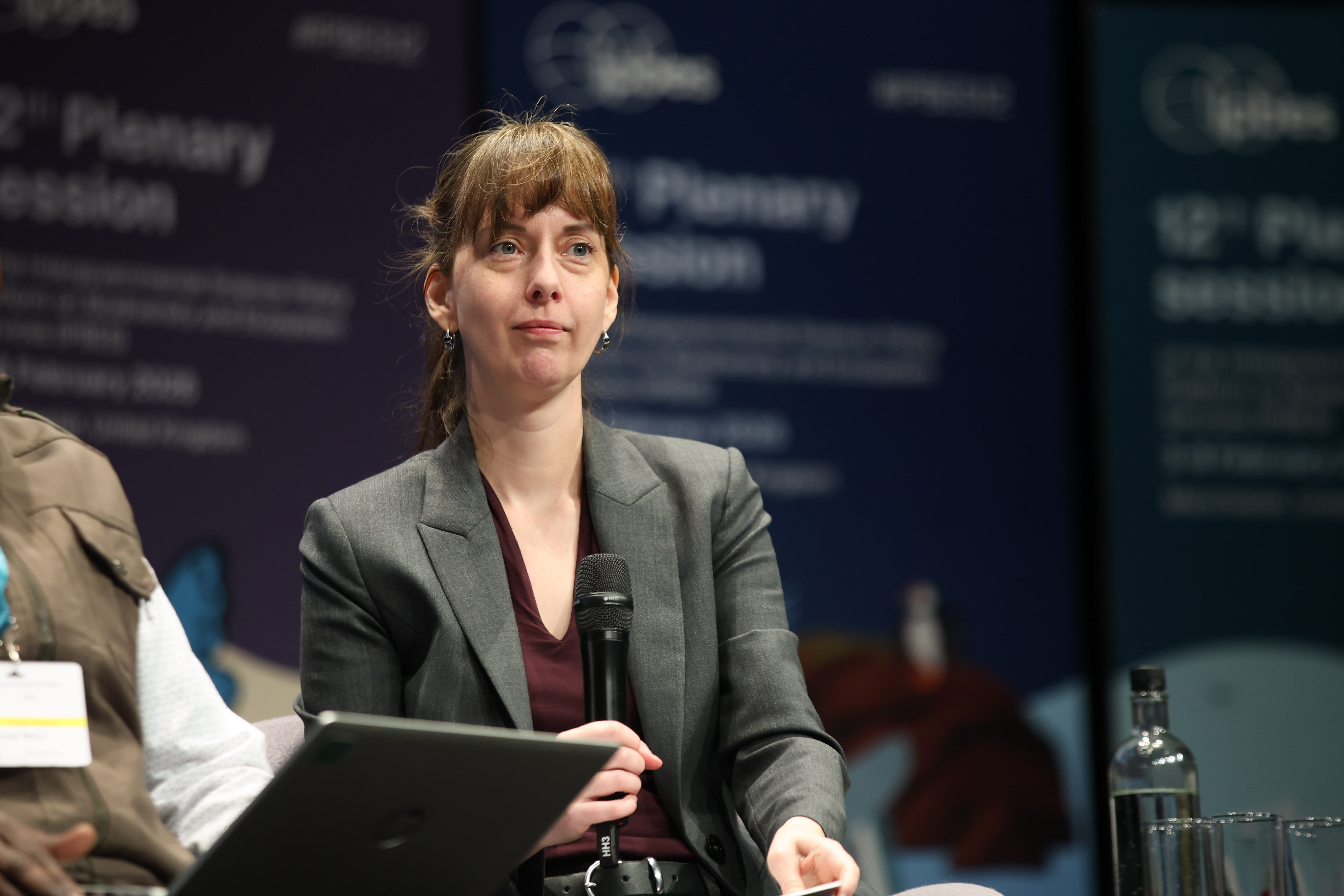
Franziska Fischer, ONet
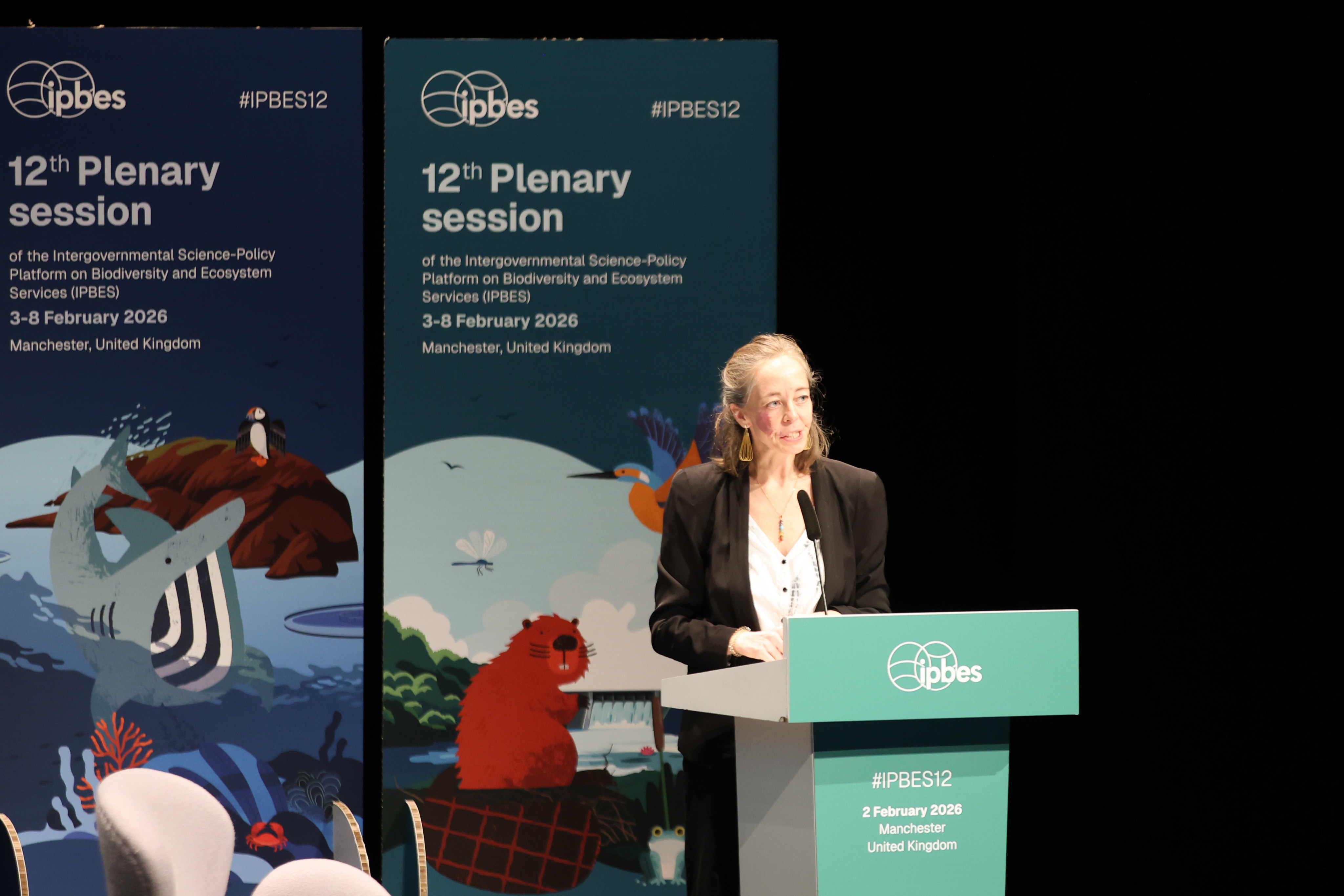
Laure Denos, IUCN and IPBES Secretariat
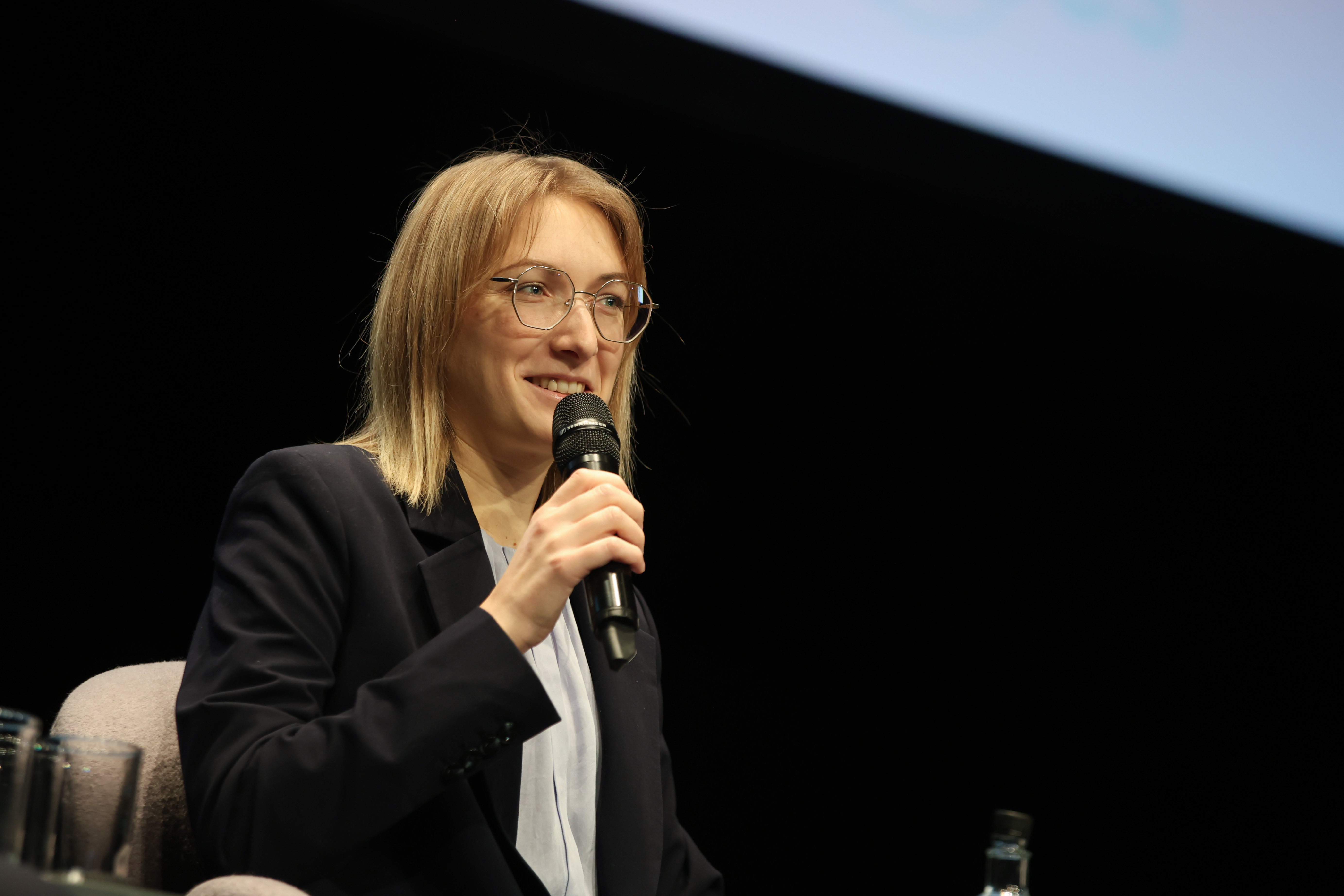
Maja Metzger, ONet
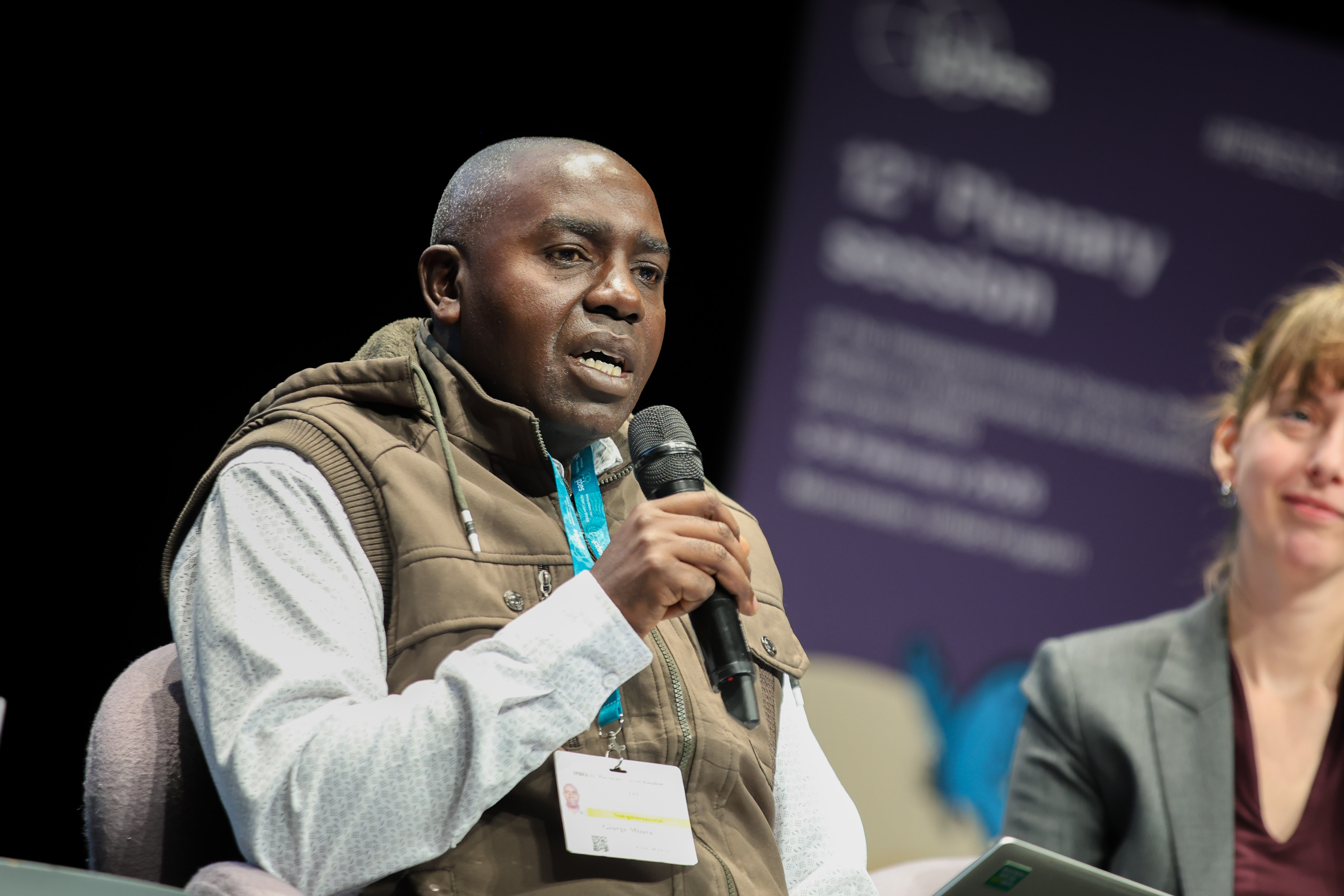
Gathuru Mburu, IIFBES
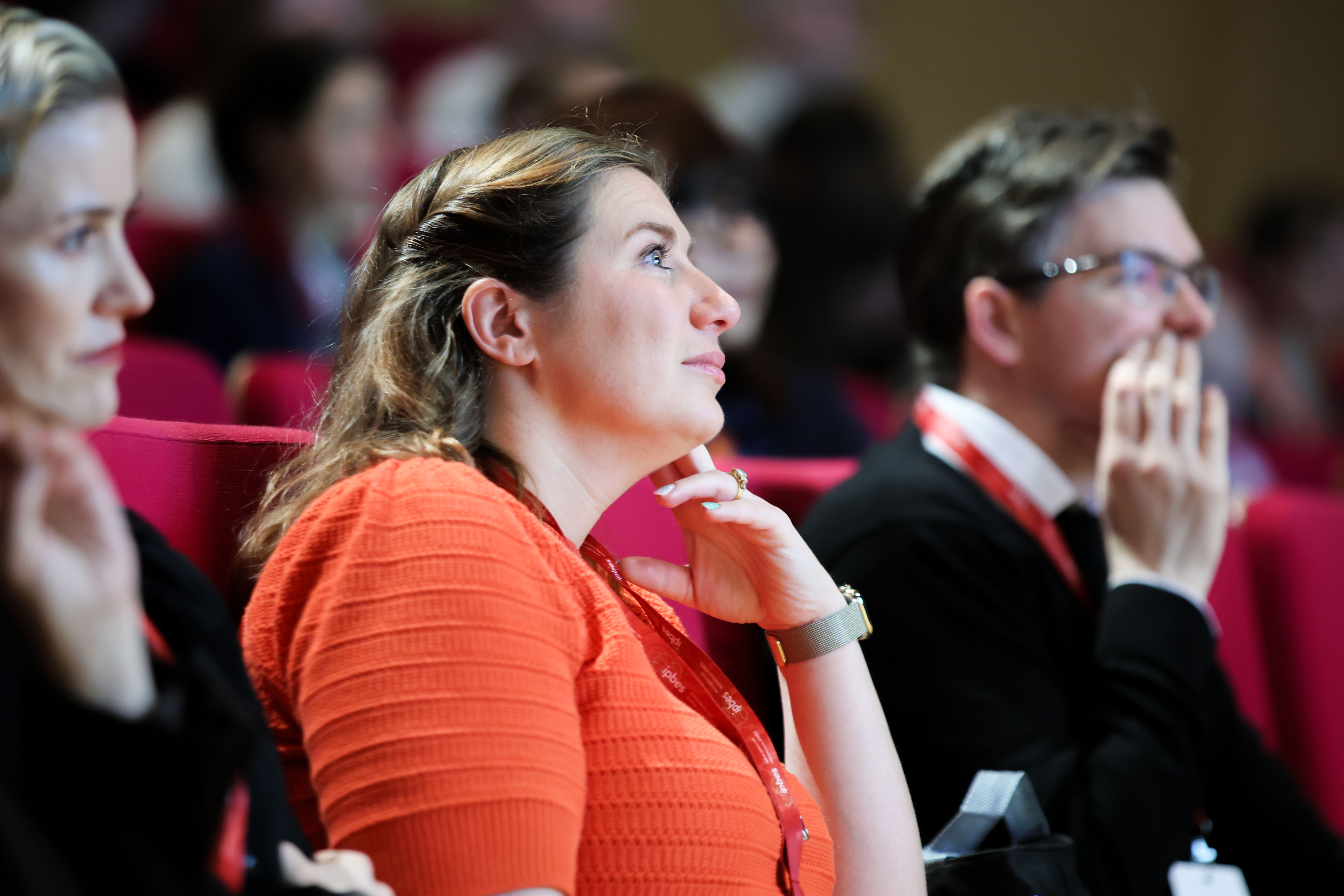
The Business and Biodiversity Assessment
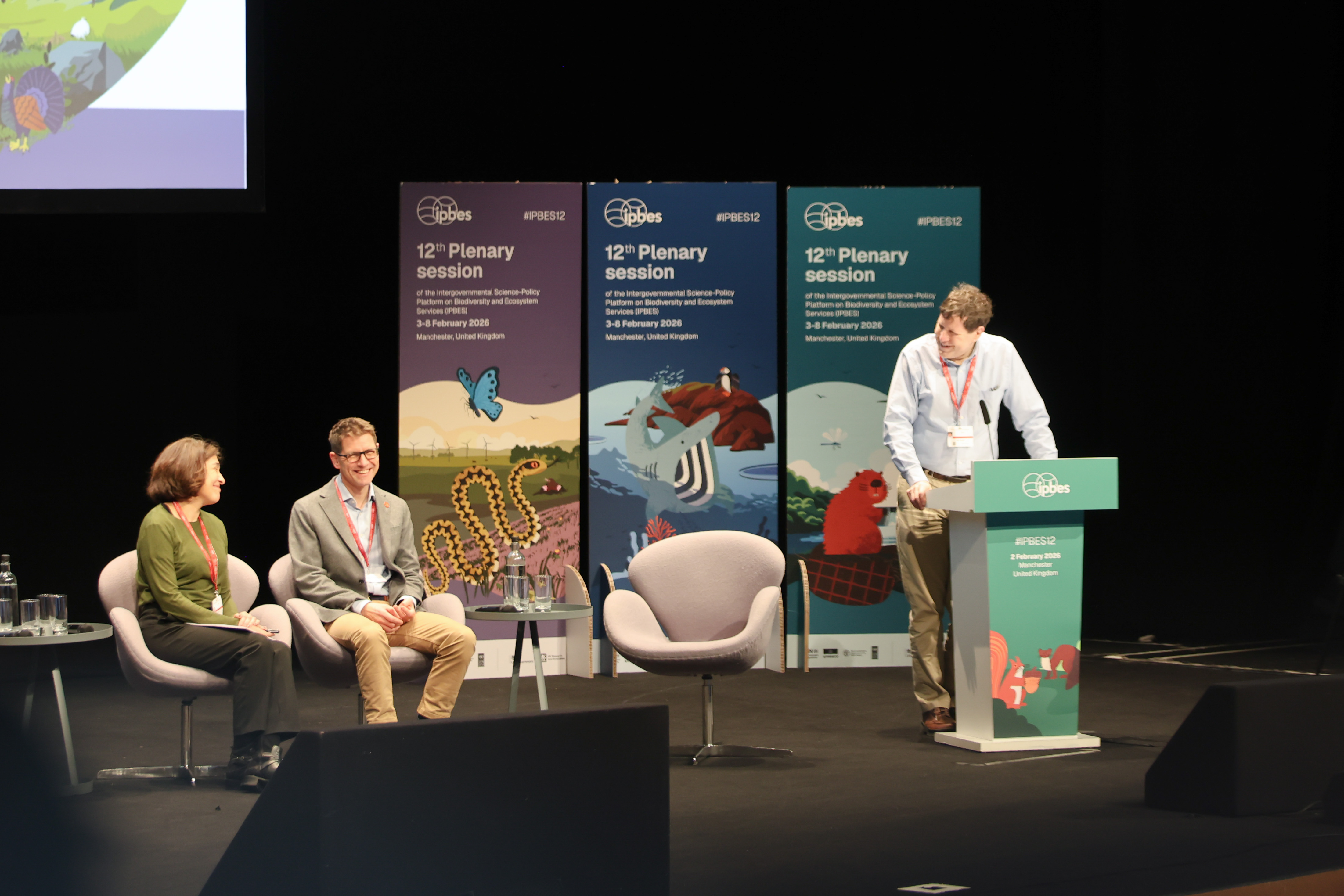
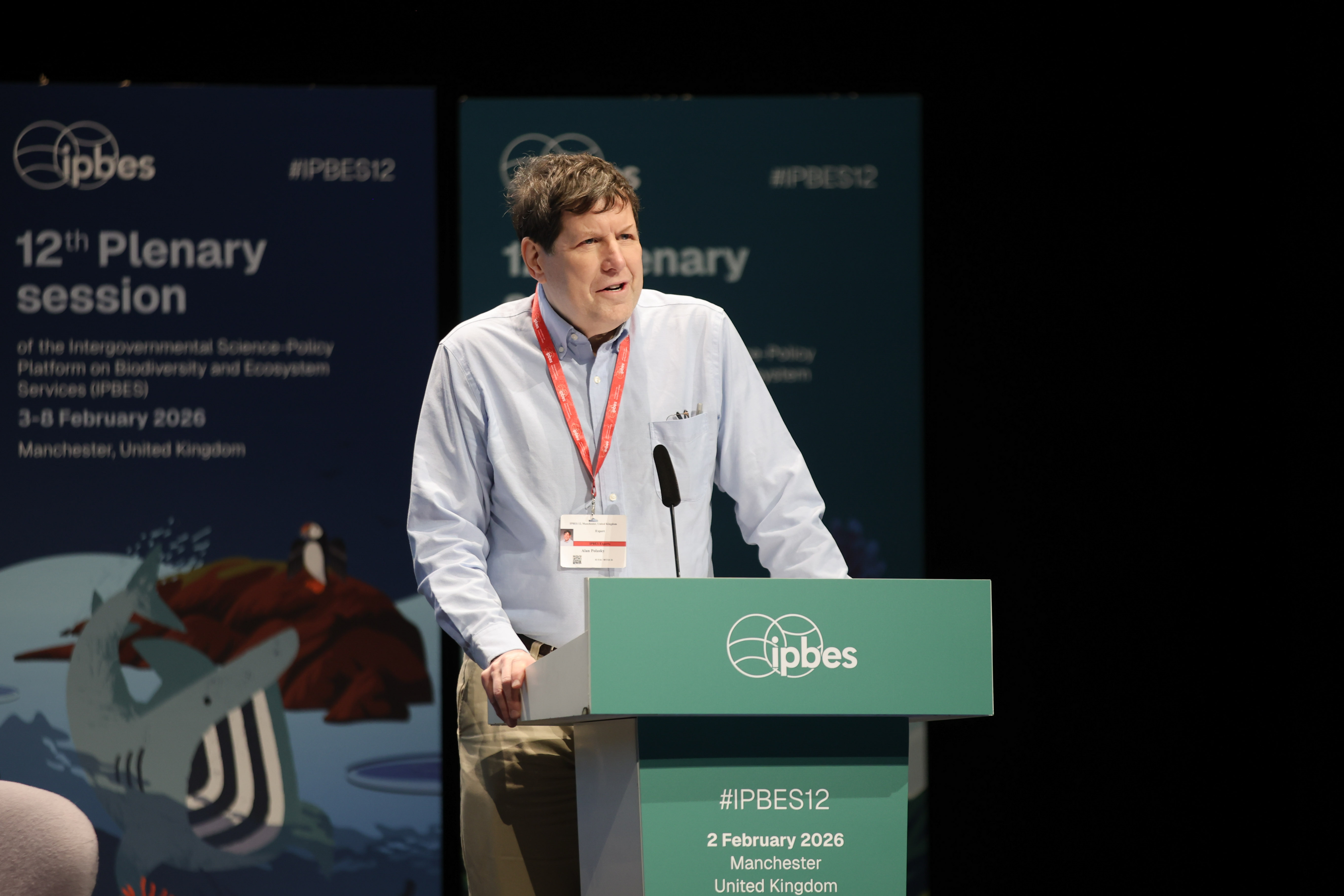
Steve Polasky, Co-Chair of the Business and Biodiversity Assessment Report
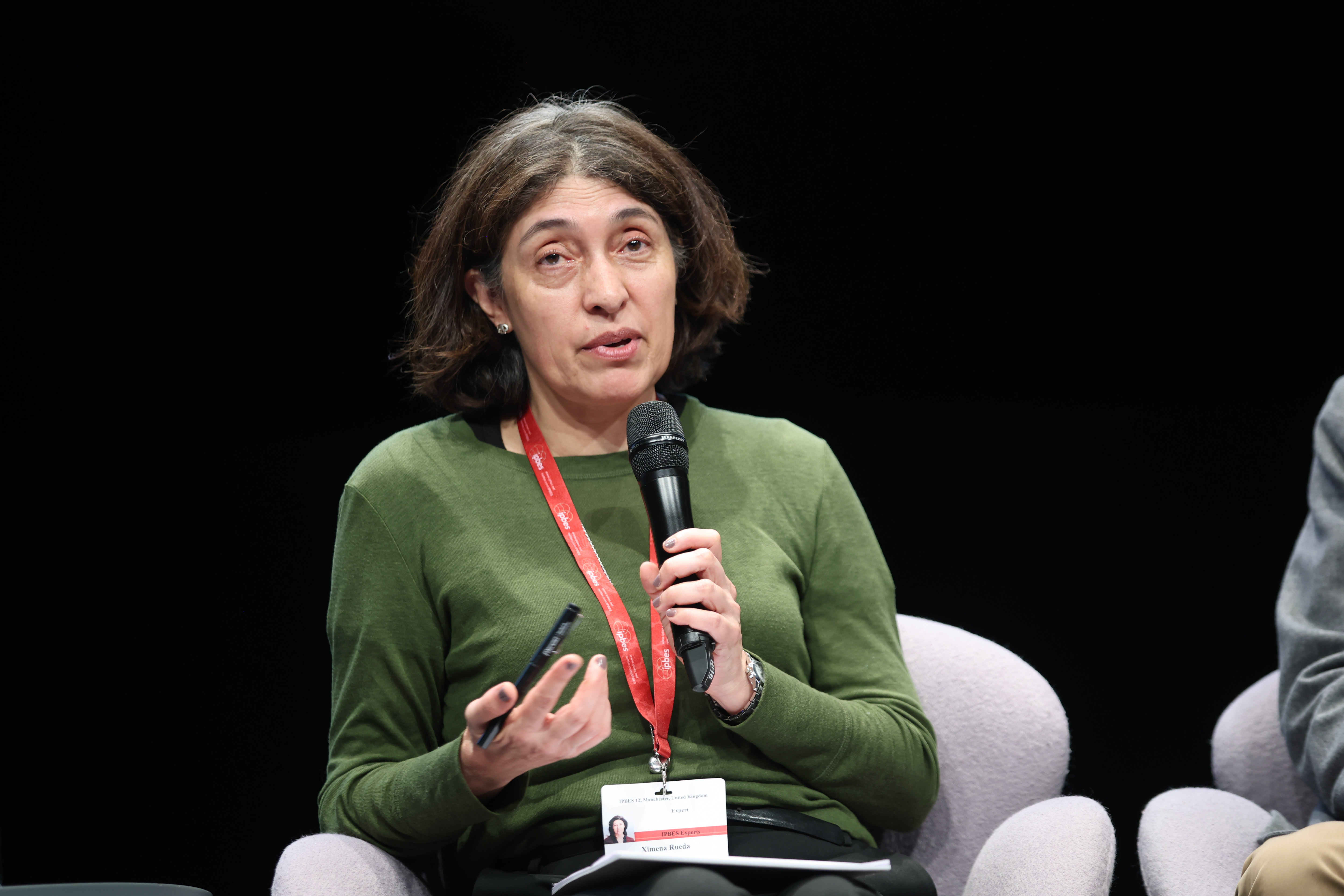
Ximena Rueda Fajardo, Co-Chair of the Business and Biodiversity Assessment Report
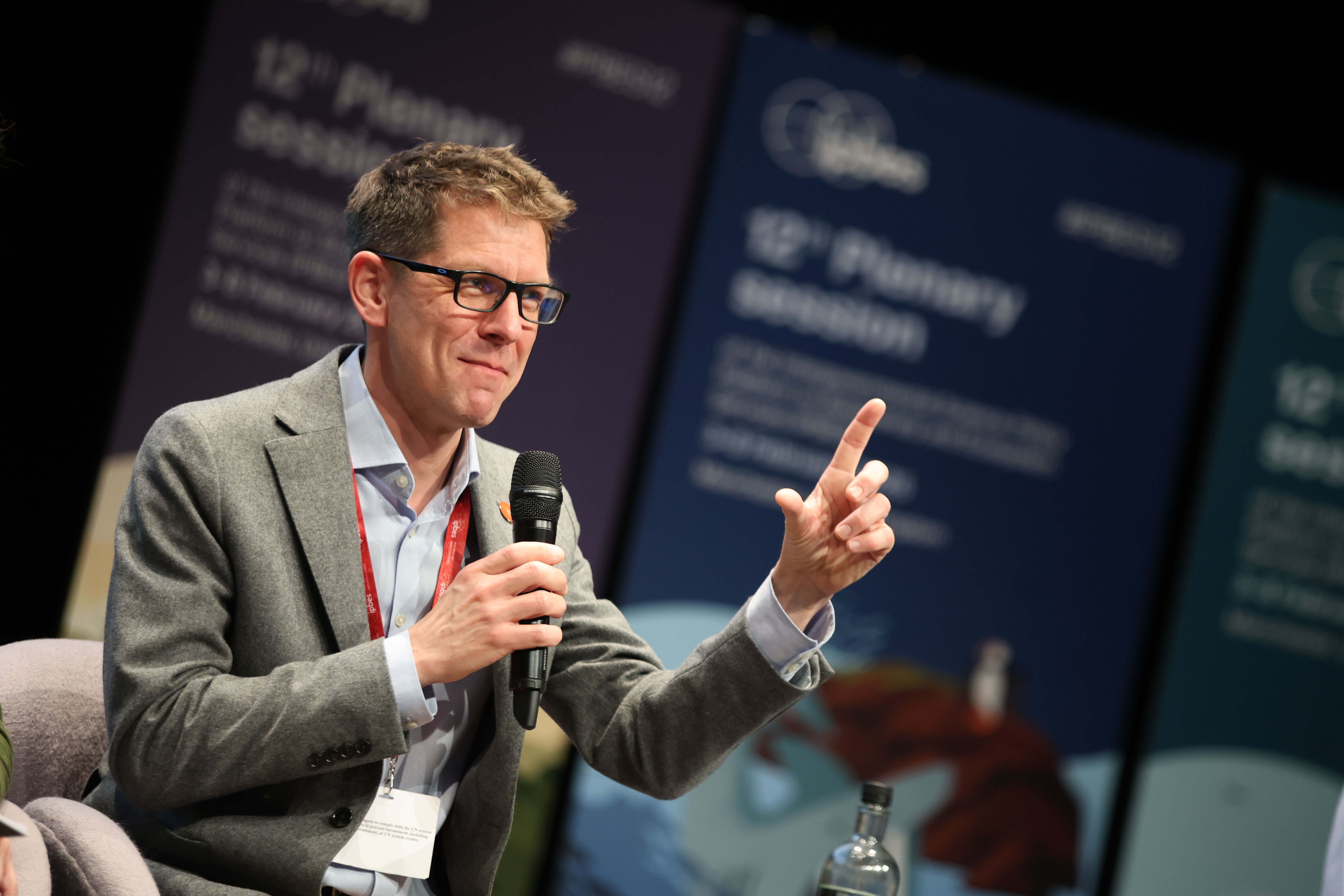
Matt Jones, Co-Chair of the Business and Biodiversity Assessment Report
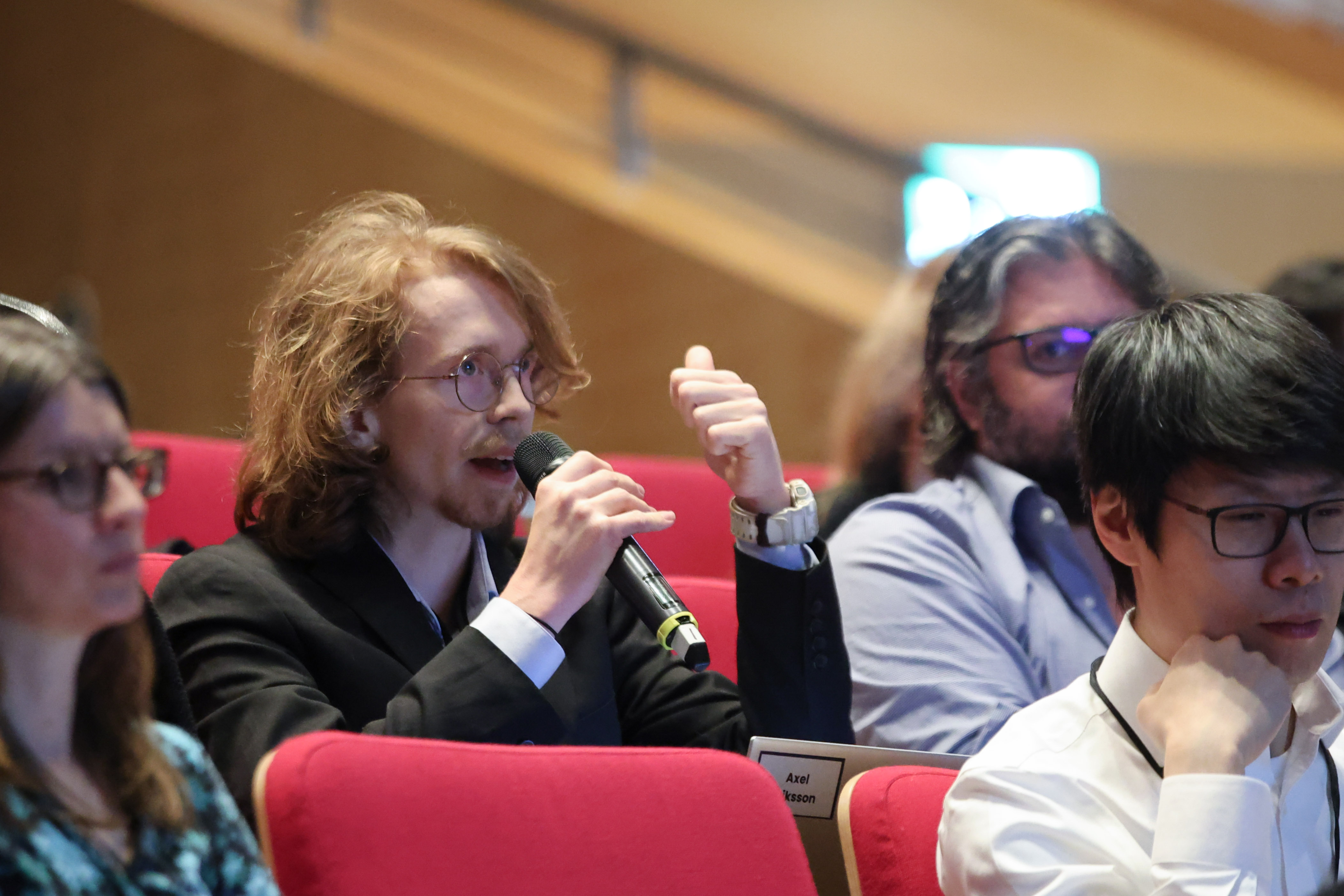
Participants take the floor to pose questions to the Co-Chairs.
Taking Up IPBES Assessment Findings
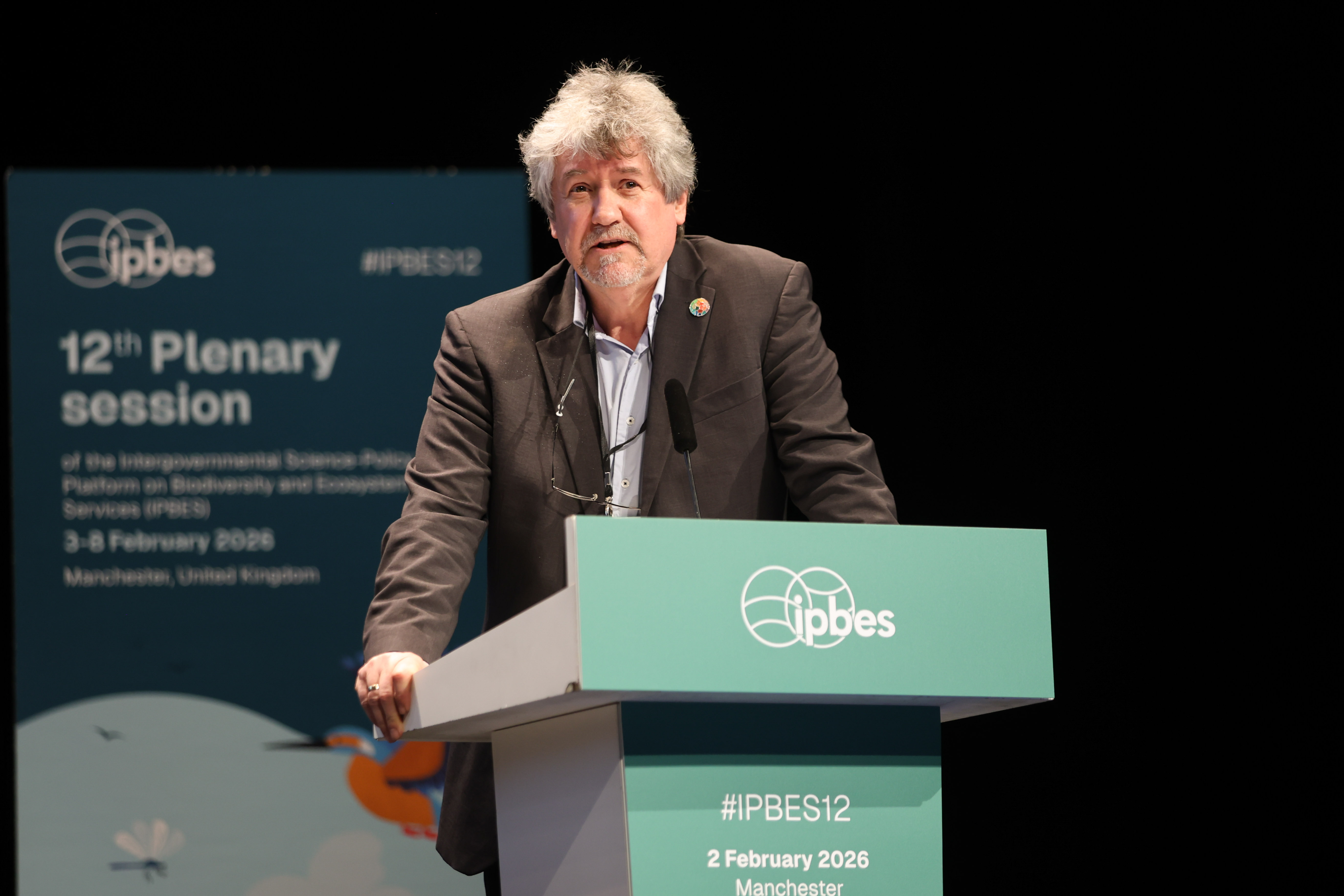
Axel Paulsch, Institute for Biodiversity Network, Germany
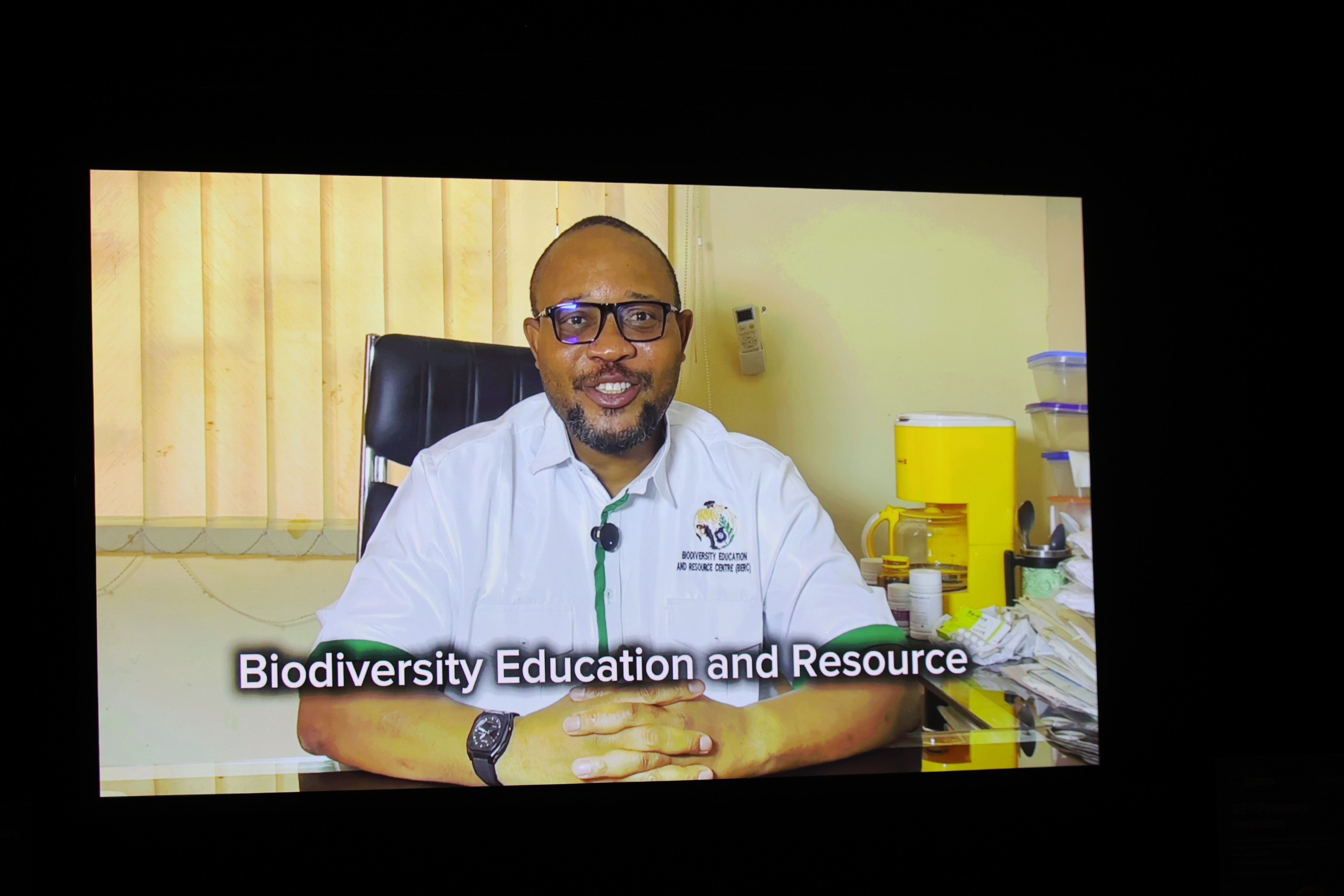
Andrew Iloh, Biodiversity Education and Resource Centre, Nigeria, participated via a recorded message.
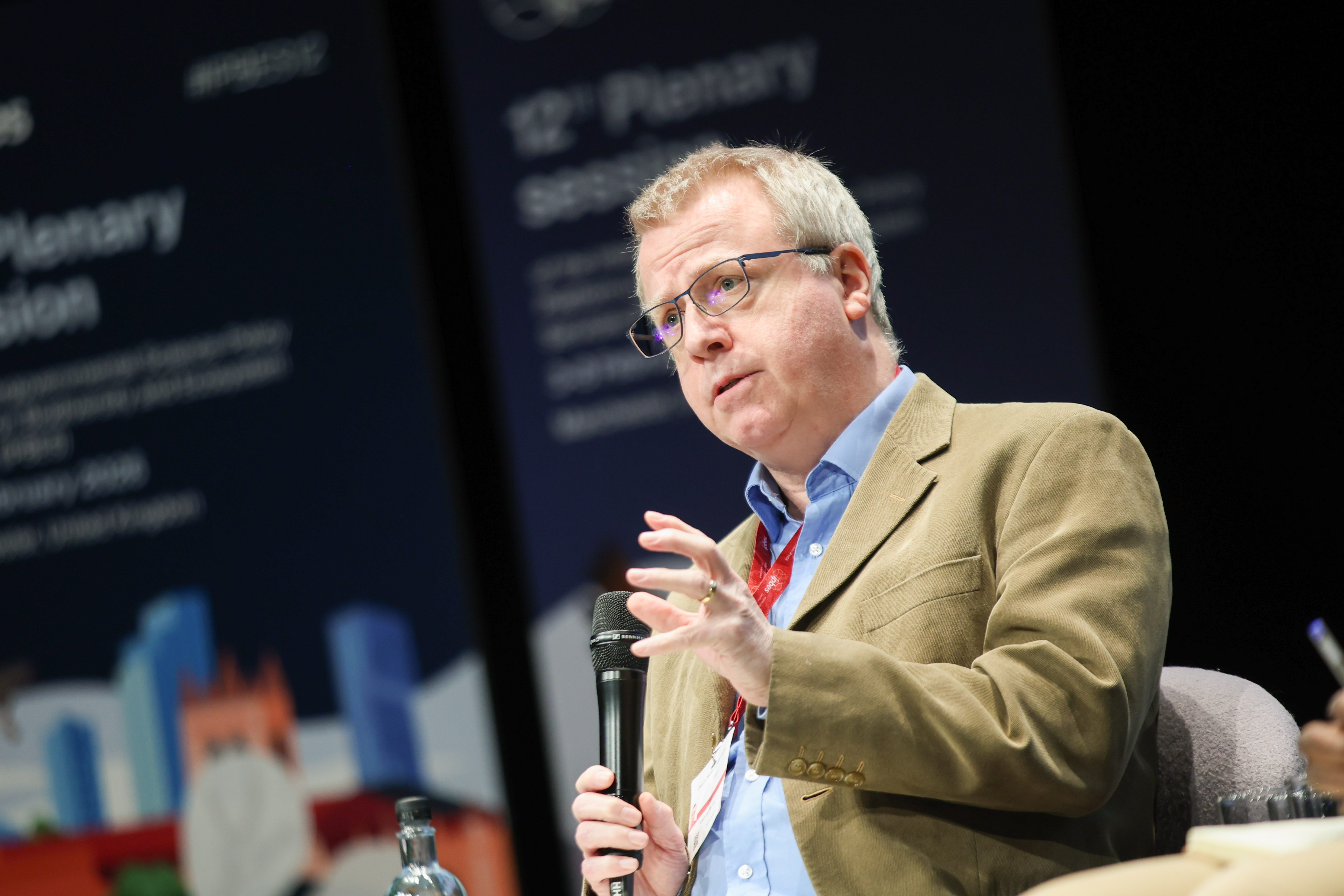
Andy Purvis, Natural History Museum, UK
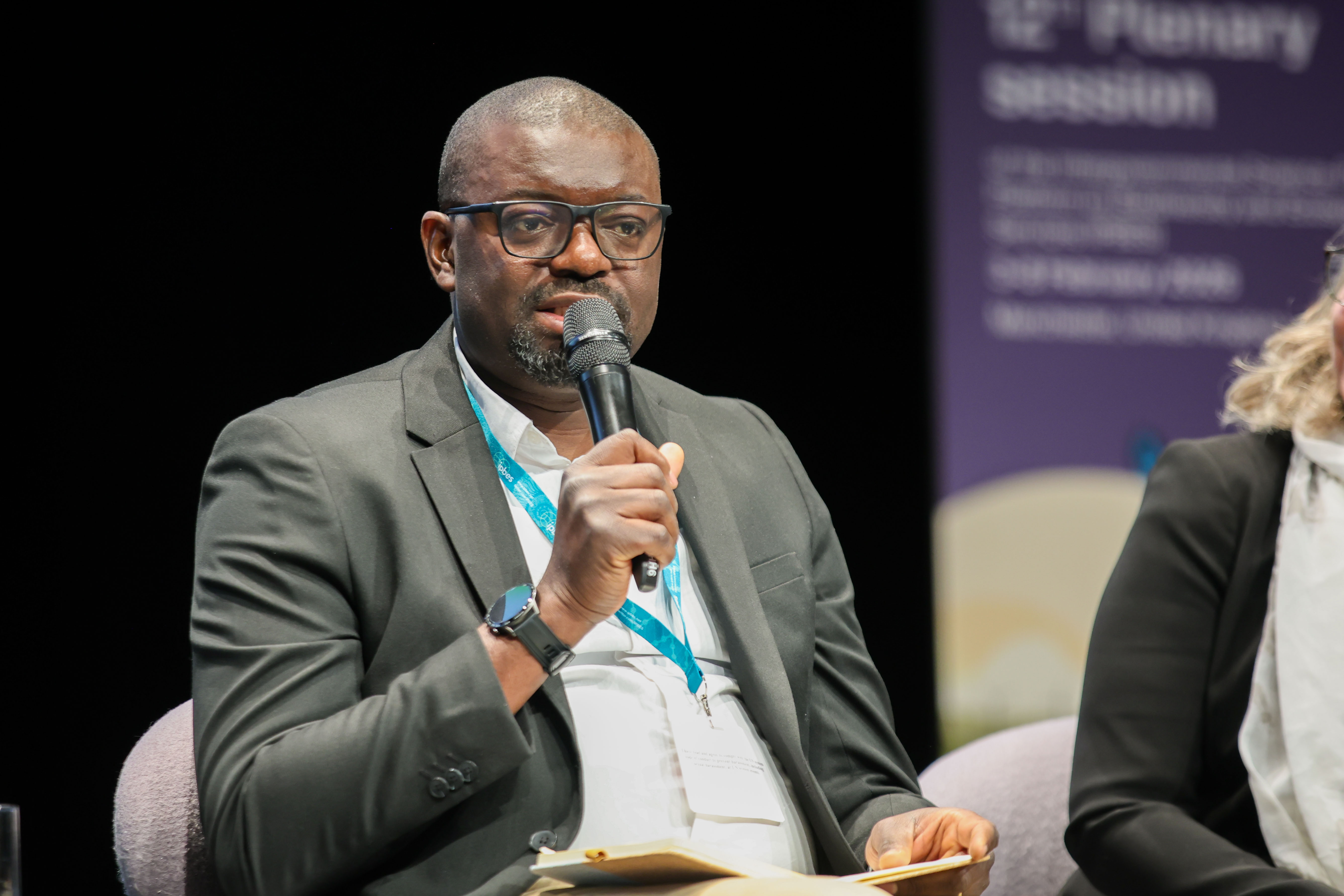
Mylor Ngoy Shutcha, University of Lubumbashi, Democratic Republic of Congo
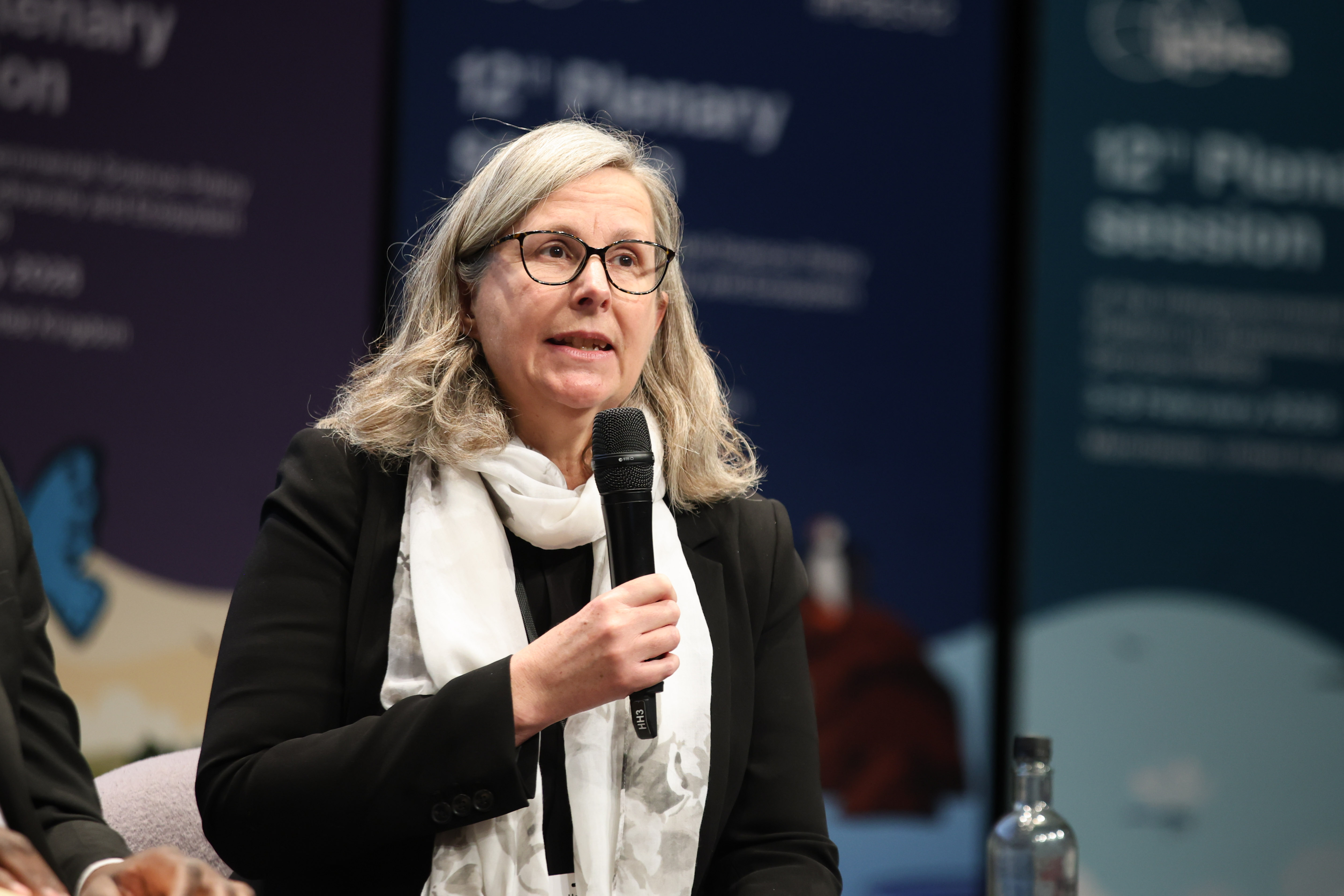
Helen Roy, UK Centre for Hydrology and Ecology
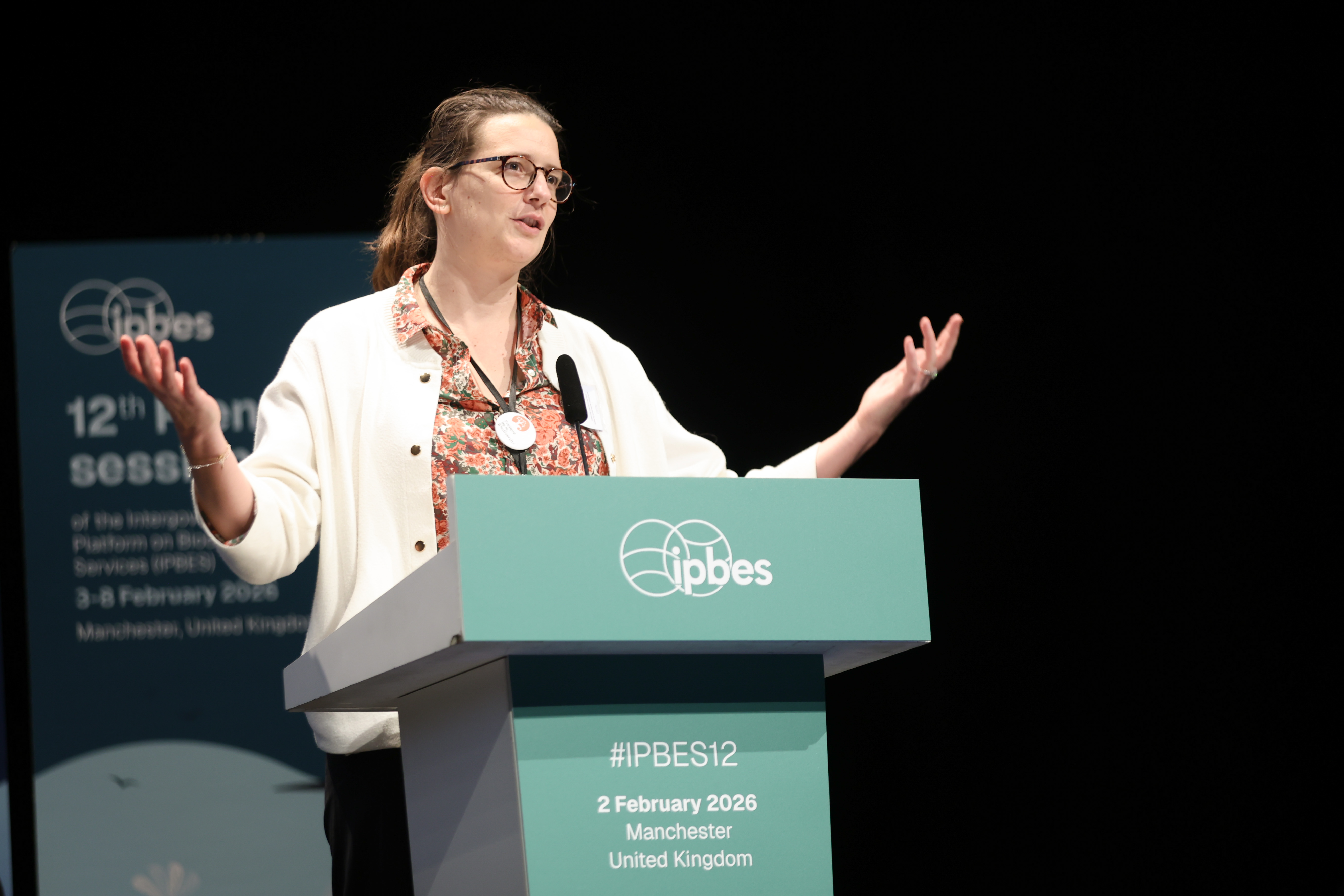
Géraldine Vuillier, Co-Founder, The Biodiversity Collage
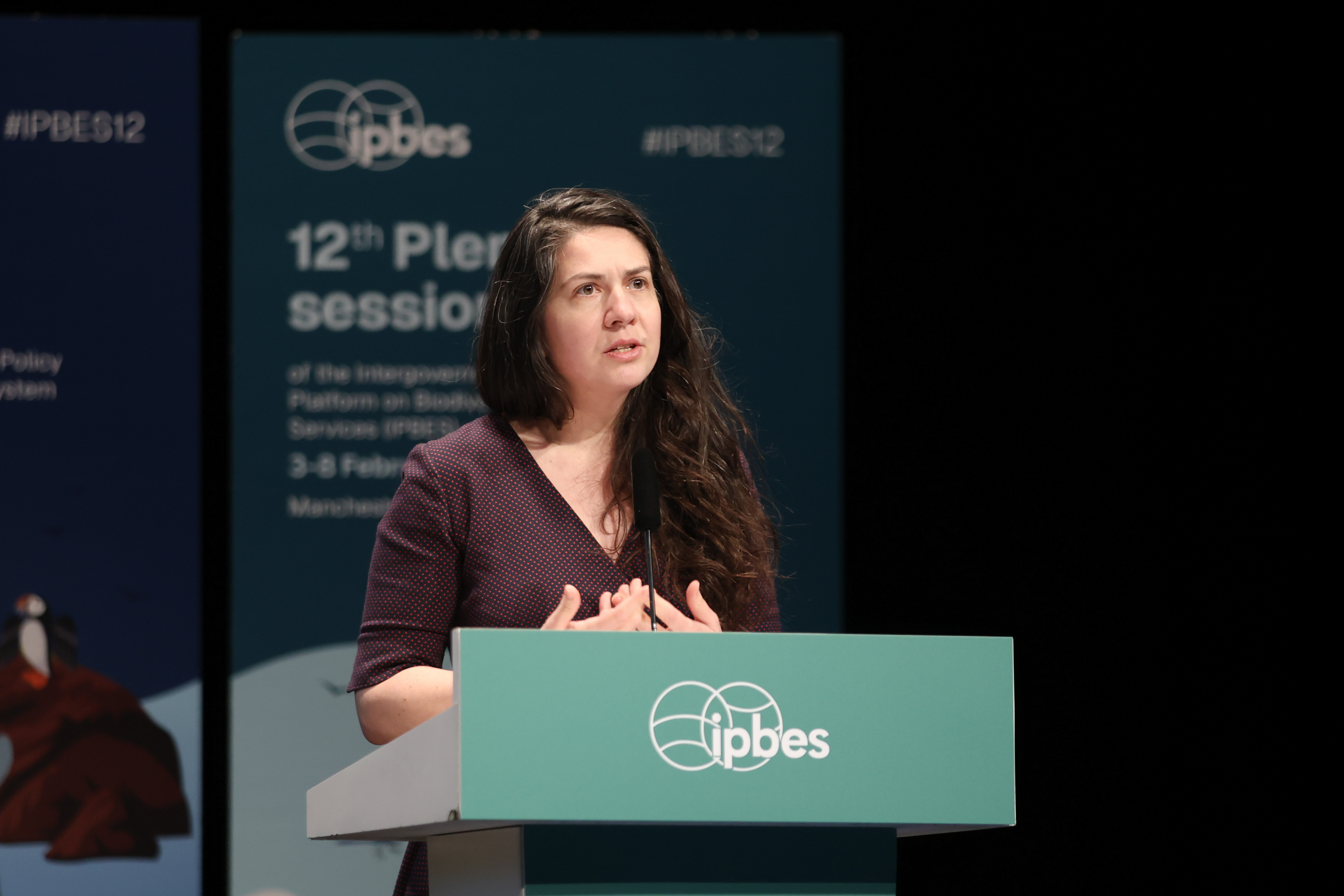
Amarys Preuss, IPBES Secretariat
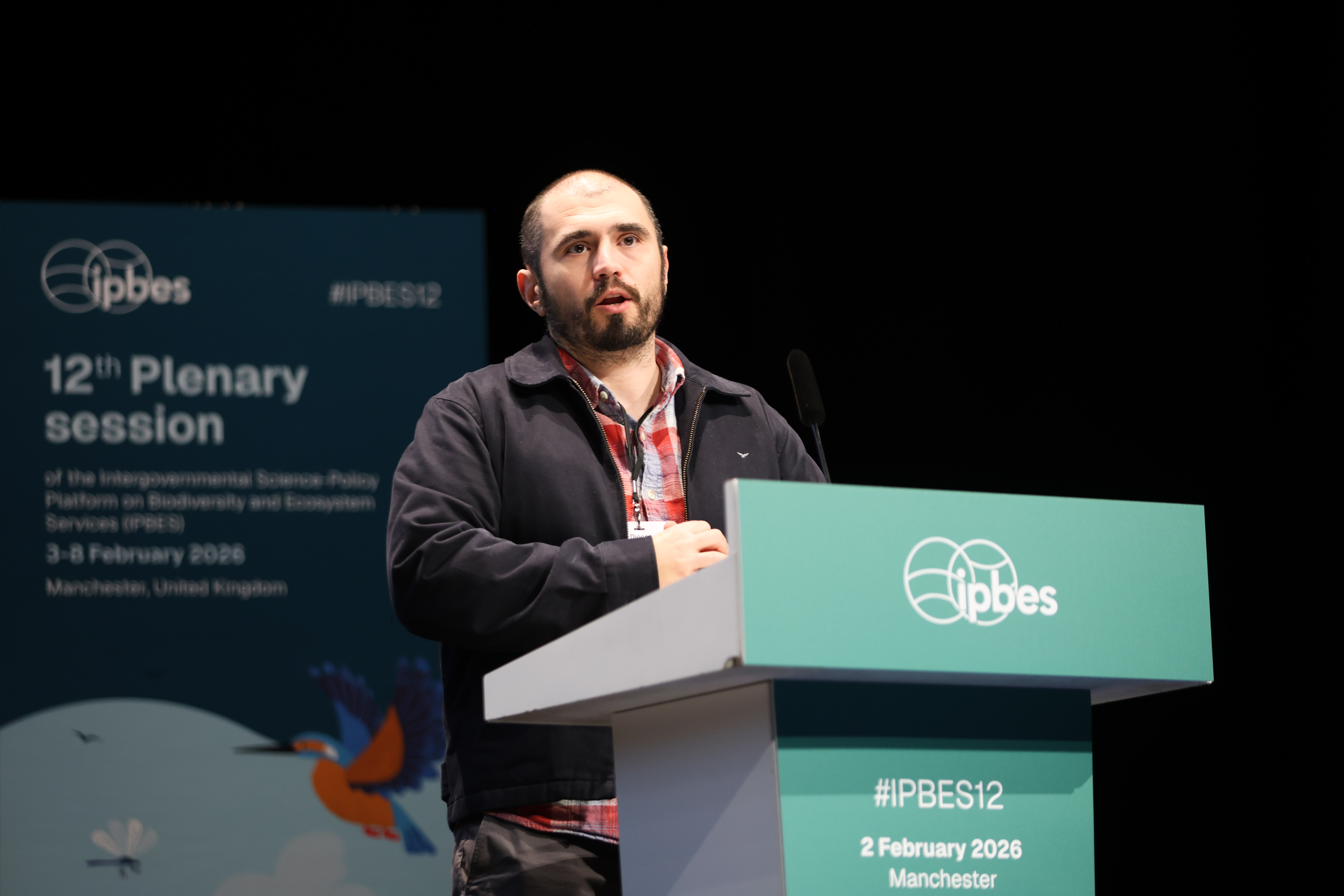
Diogo Veríssimo, Chair, IUCN Conservation Behavior Change Task Force
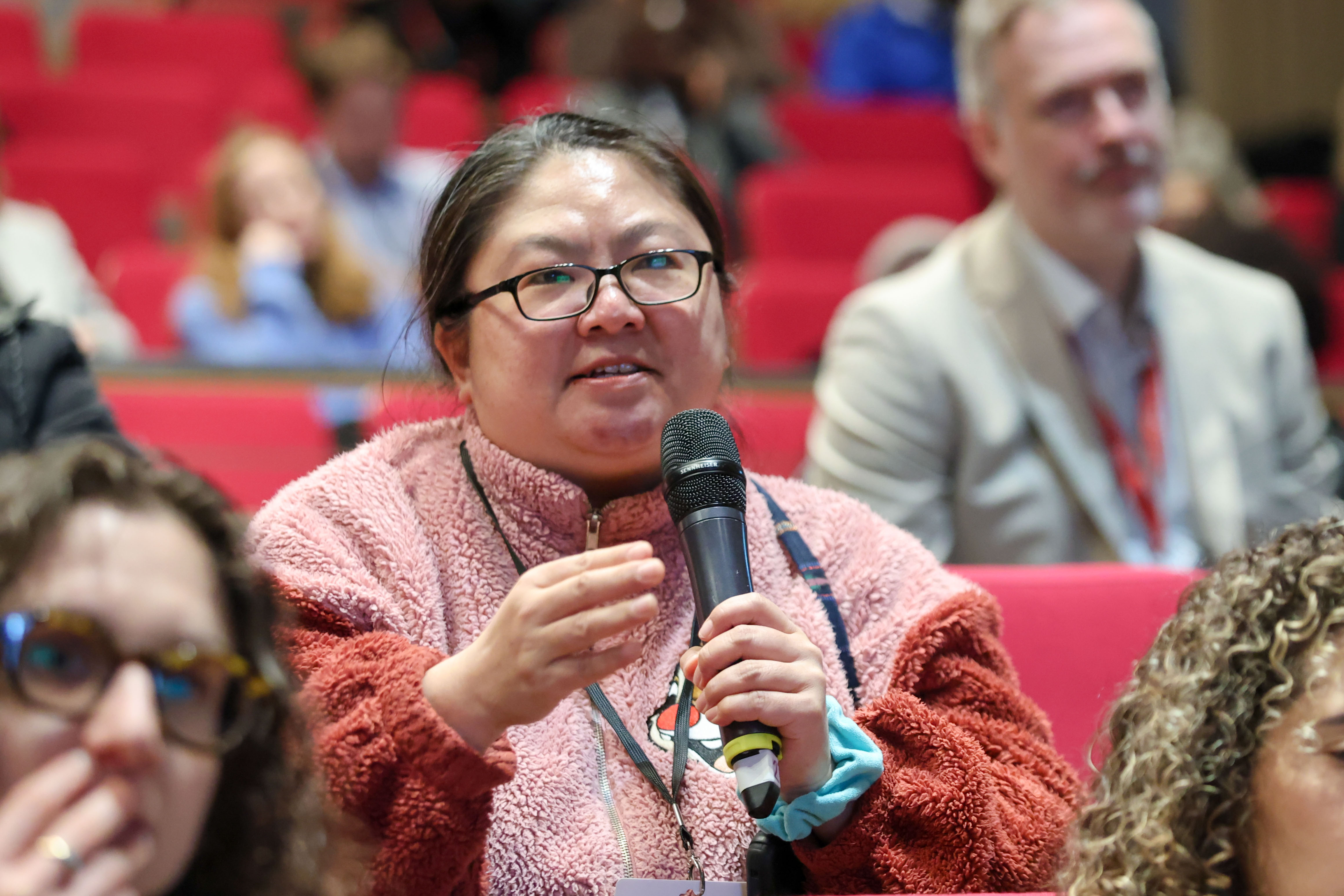
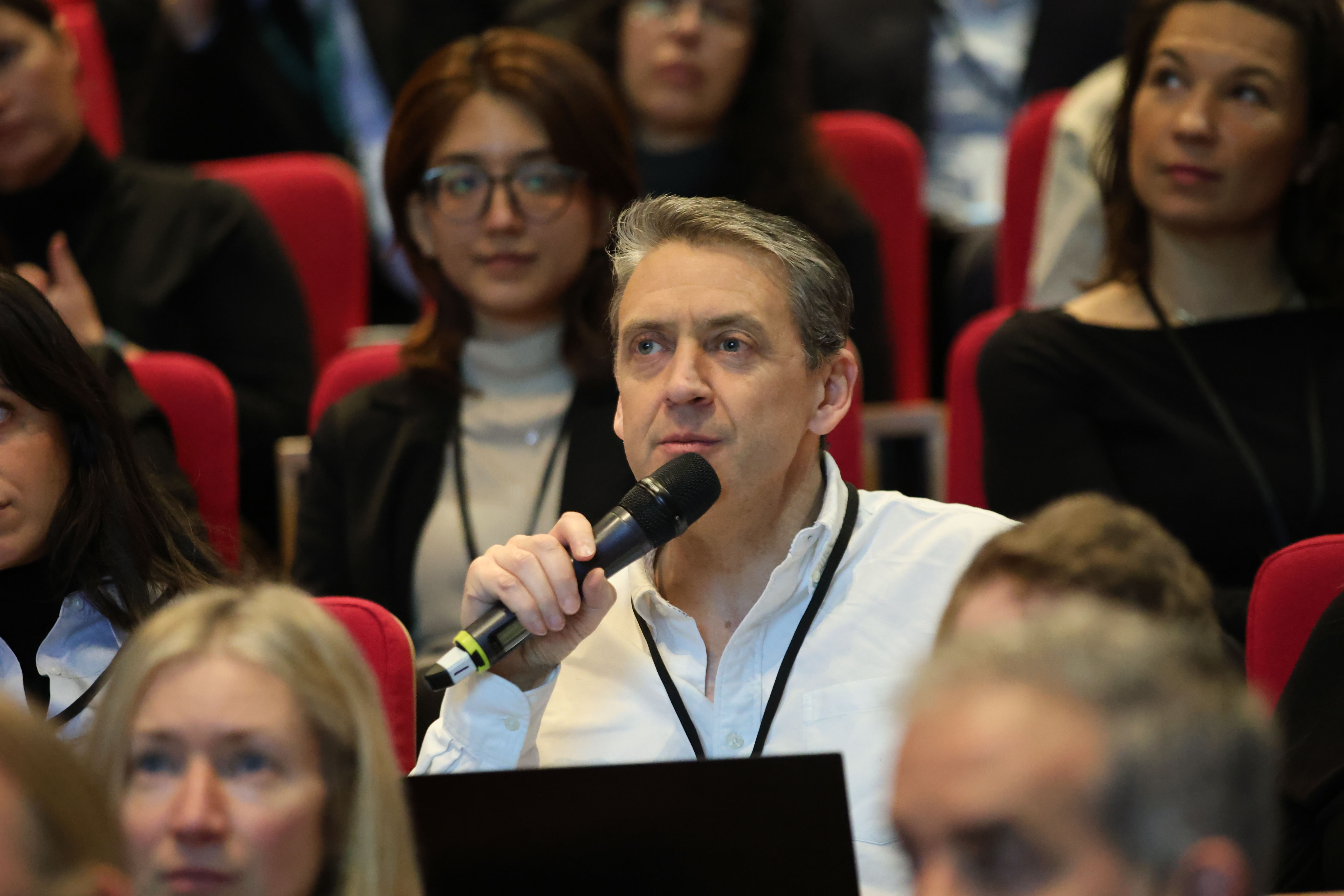
A participant poses a question to the panelists.
Marketplace of Ideas
Science for Business Action: Connecting Evidence to Practice
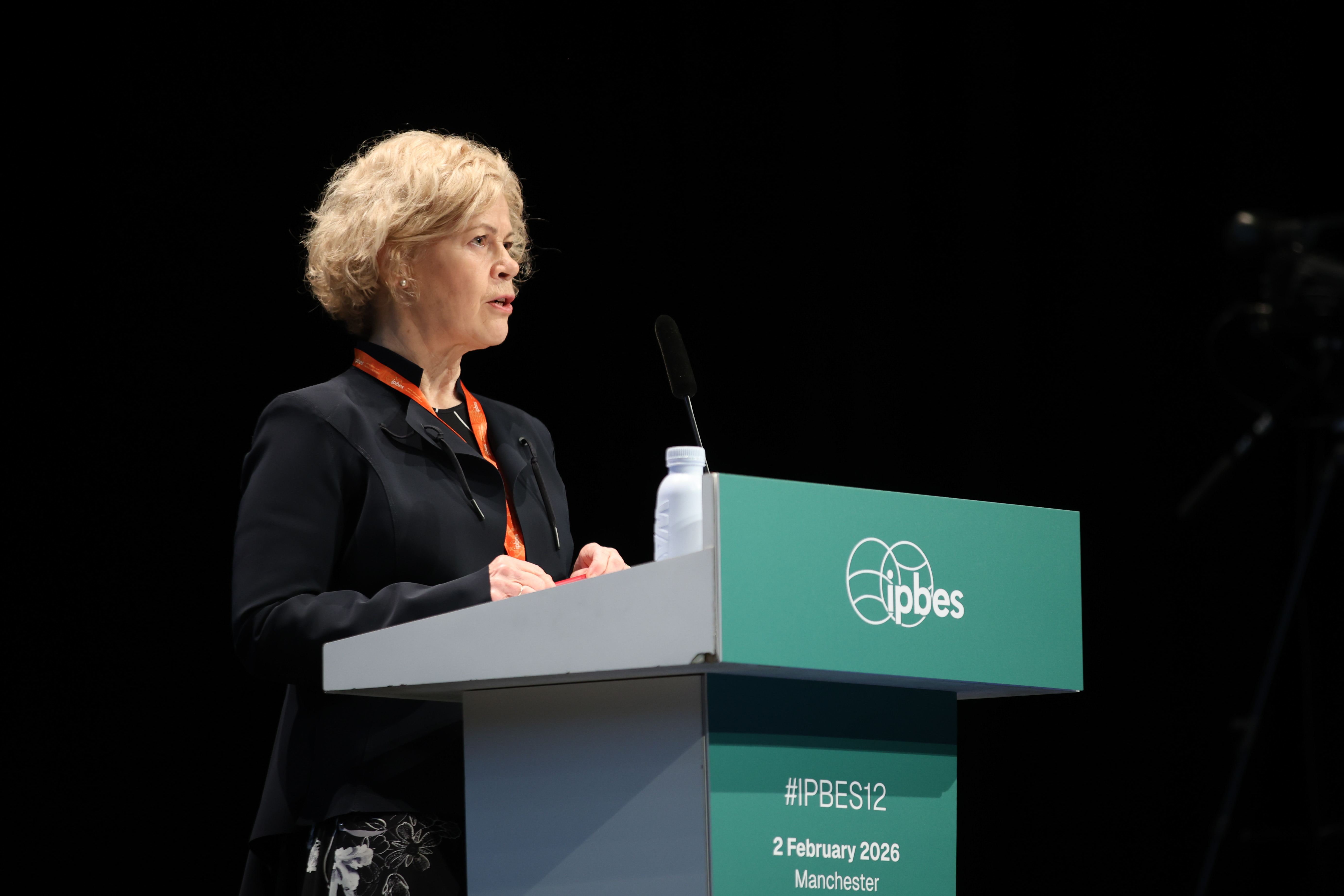
Louise Heathwaithe, Executive Chair, Natural Environment Research Council, UK
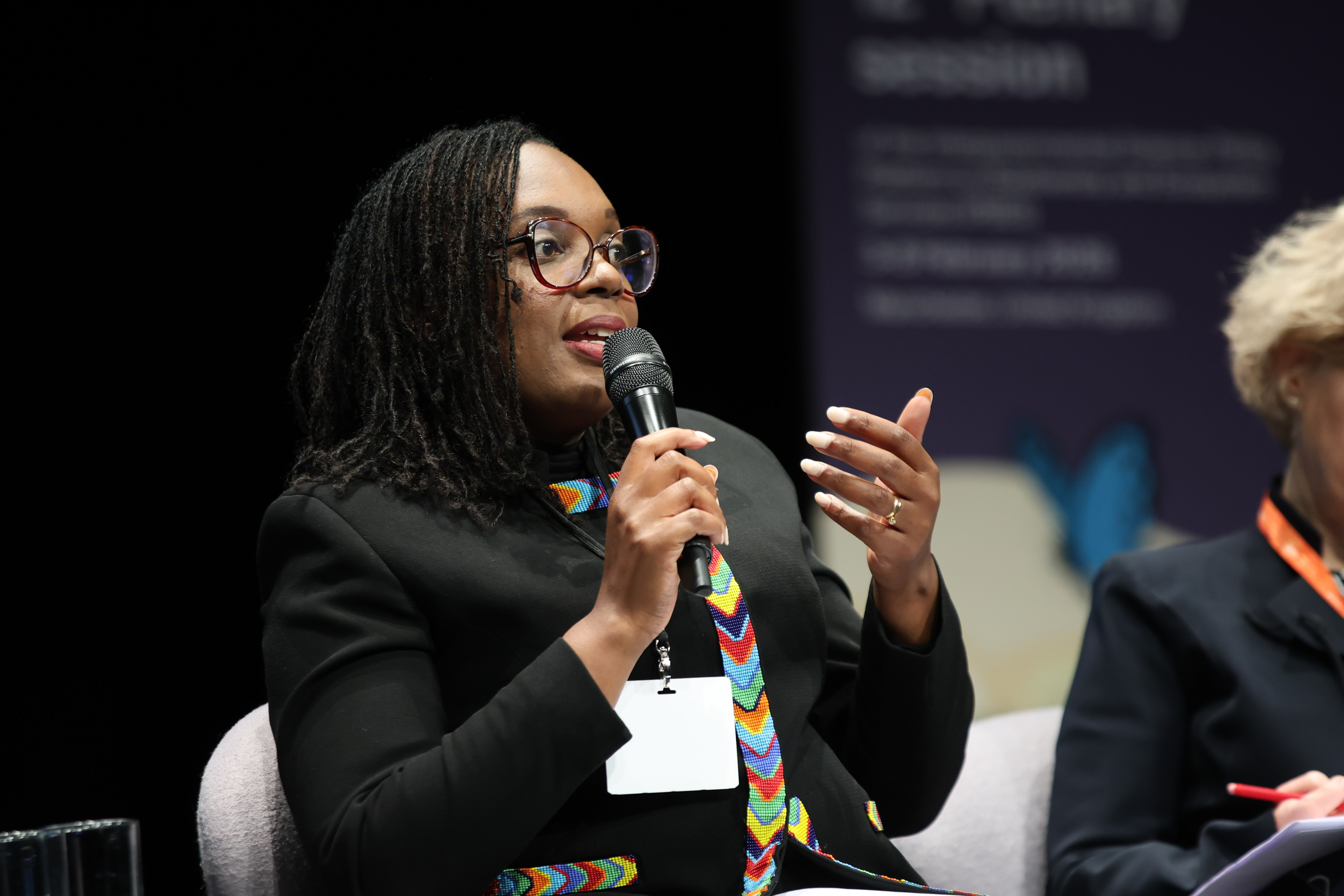
Dorothy Maseke, African Natural Capital Alliance
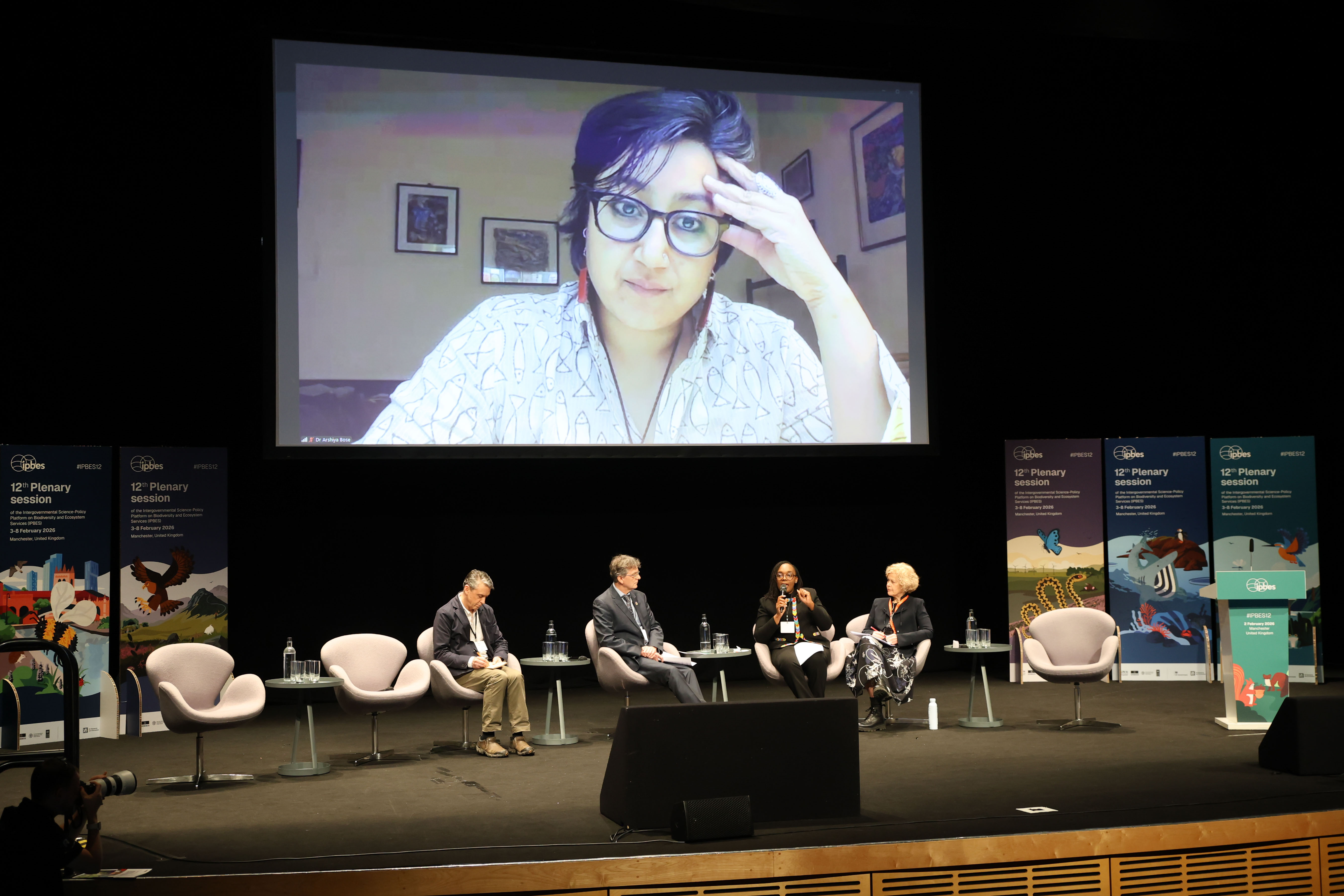
Arshiya Bose, Founder, Black Baza Coffee Co., India, participated virtually.
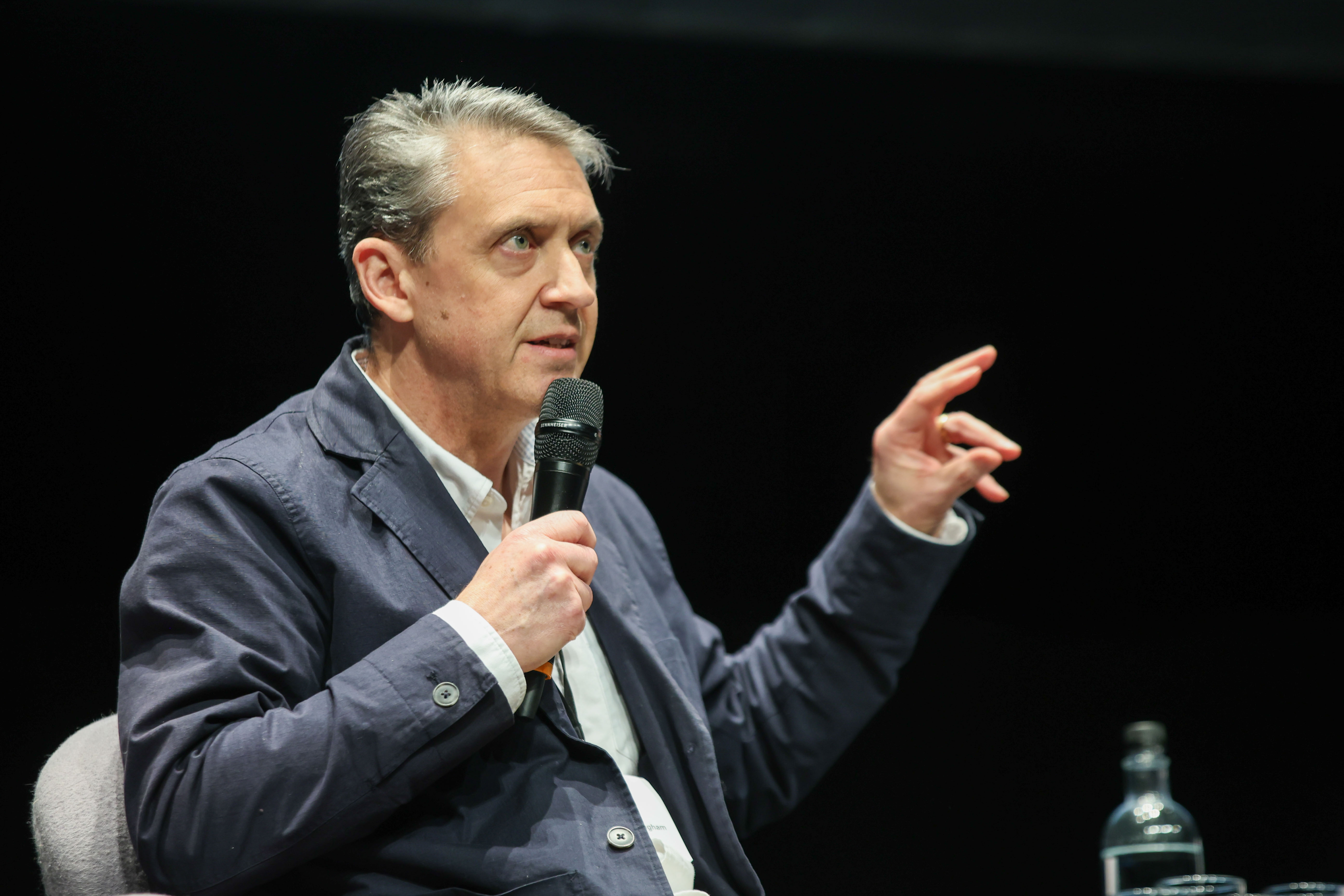
Richard Field, University of Nottingham, UK
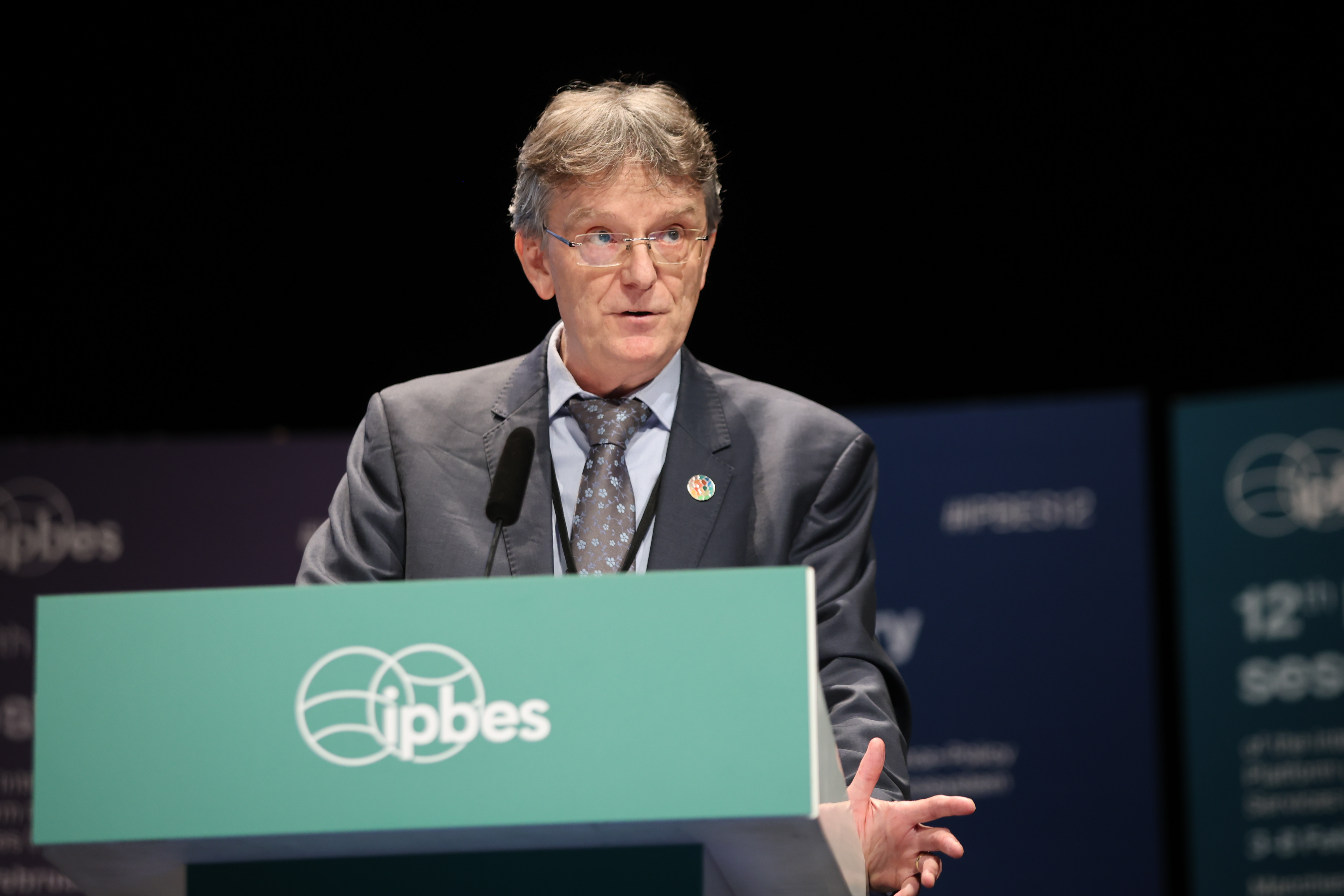
Philip McGowan, Newcastle University, UK
Around the Venue