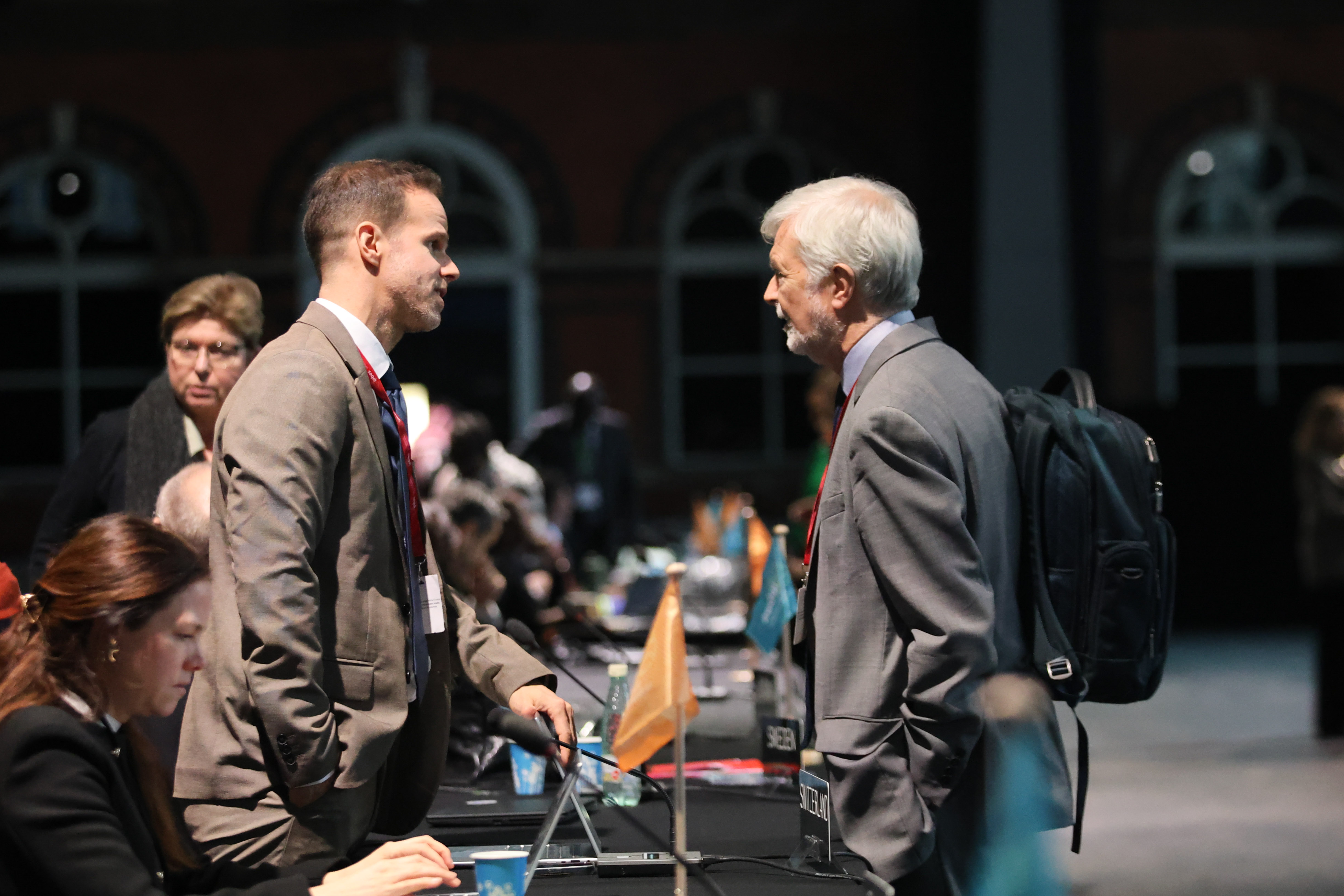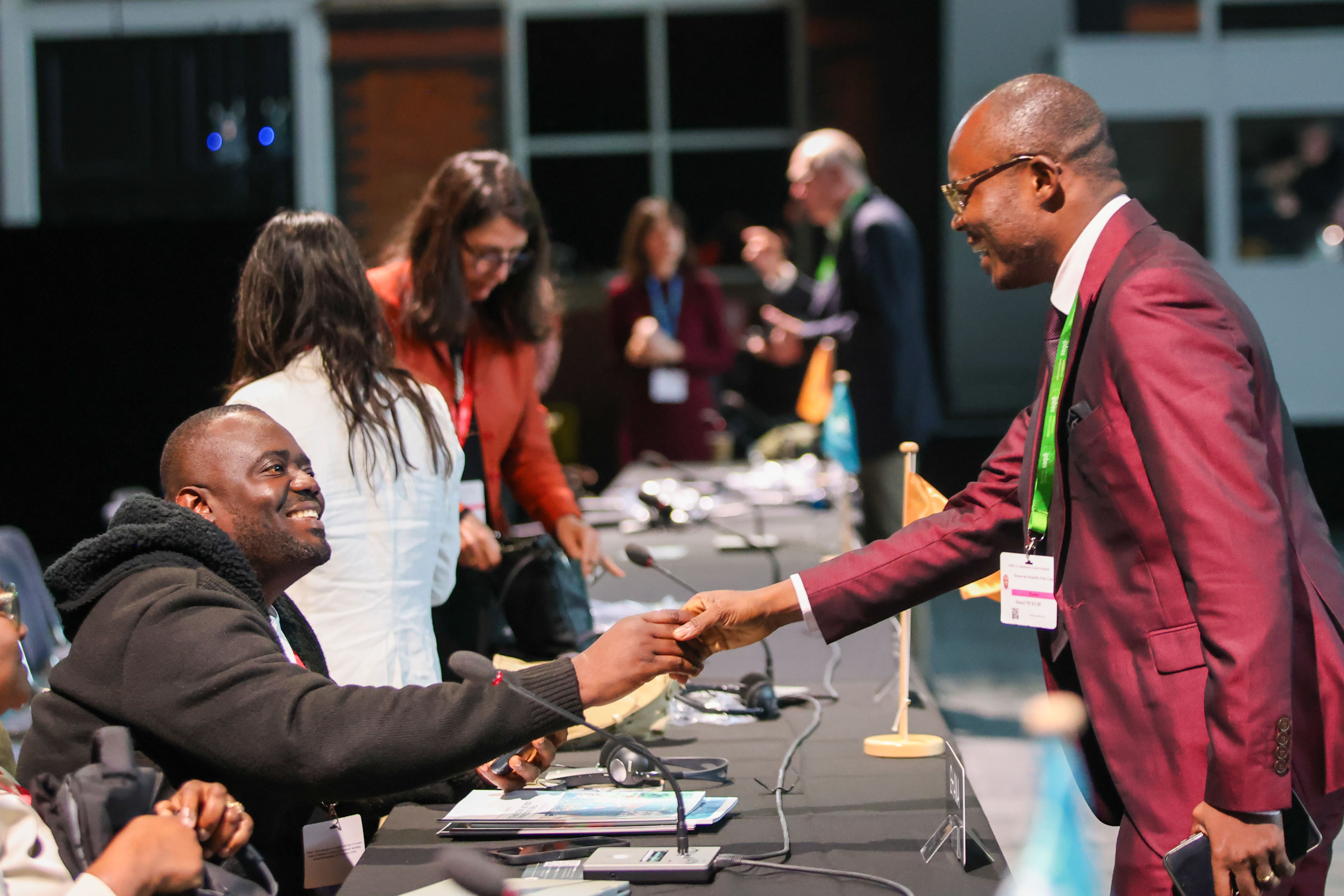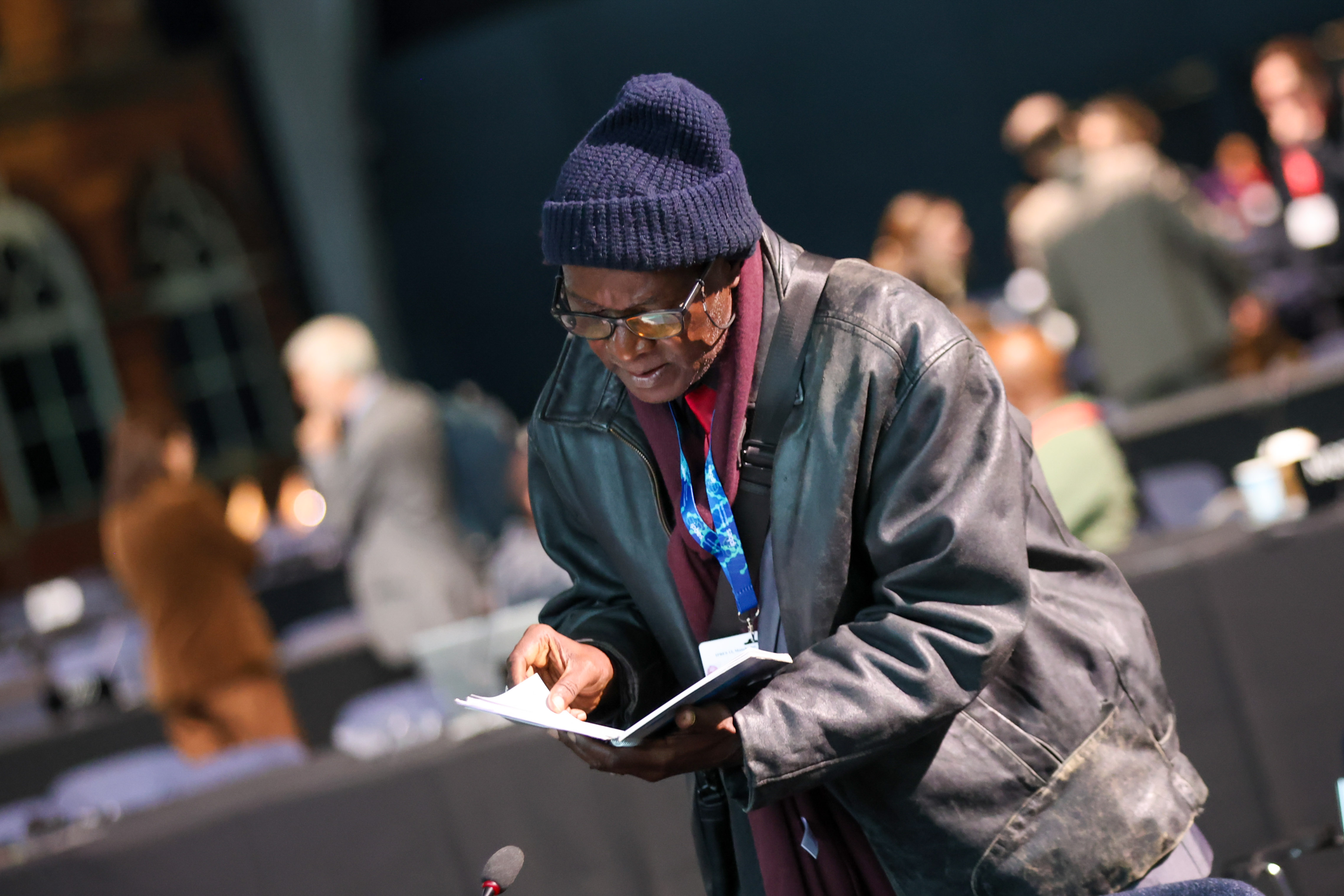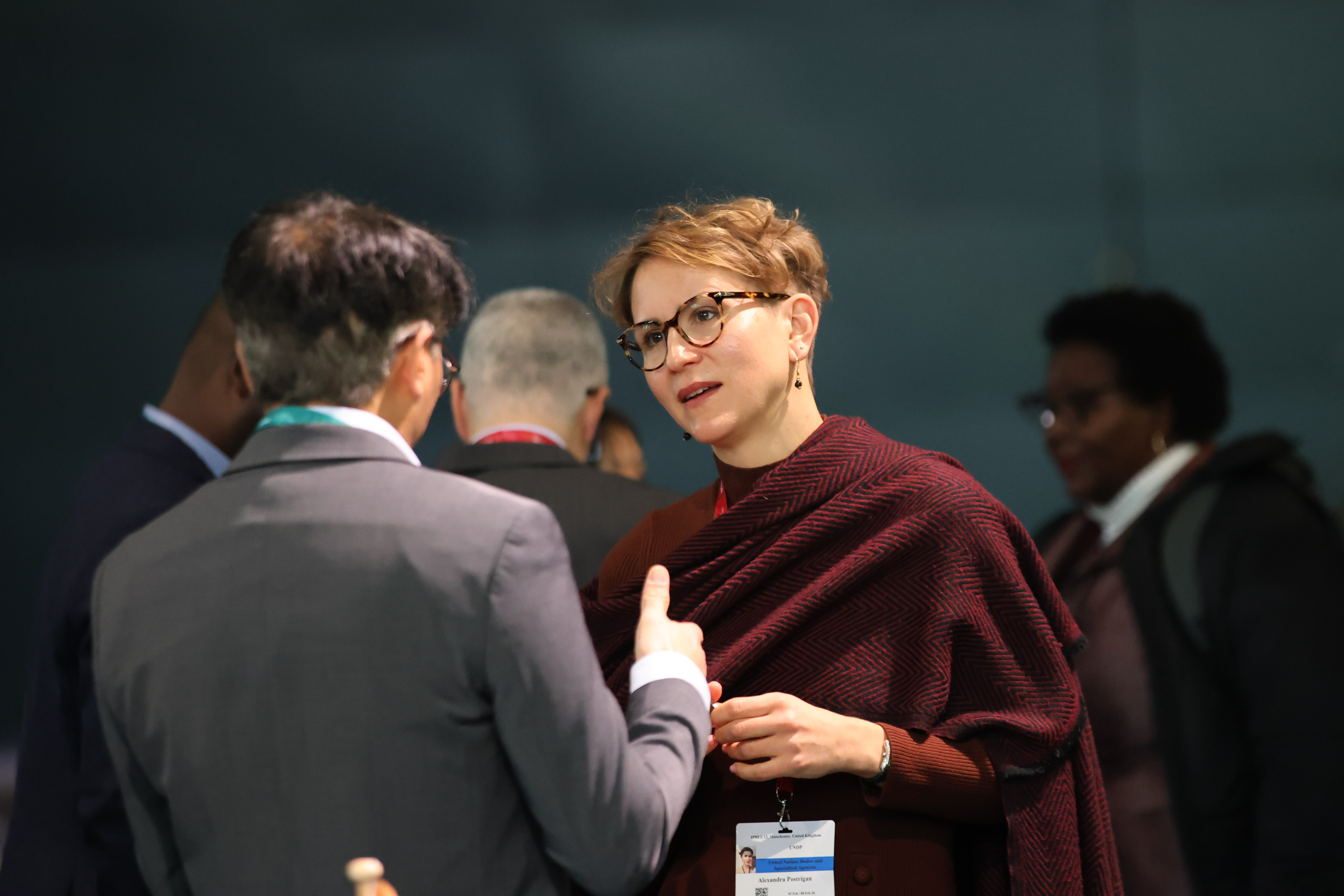
The 12th Session of the Plenary of the Intergovernmental Science-Policy Platform on Biodiversity and Ecosystem Services (IPBES 12) opened with participants expressing great resolve to preserve the Platform’s scientific integrity amid a challenging geopolitical context and spread of misinformation. Many voiced disappointment at the US’ intention to withdraw from IPBES and emphasized the need to safeguard the Platform’s capacity to continue its work.
Providing opening remarks, Emma Reynolds, UK Secretary of State for Environment, Food, and Rural Affairs, underscored the urgency of multilateral action to reverse biodiversity loss at a time when some are stepping back from international cooperation. She urged protecting IPBES as “an organization that tells the truth” and lauded the private sector actors that have already recognized that nature-positive investments are central to their future.
Want to dig deeper into today's talks? Read the full Earth Negotiations Bulletin daily report.
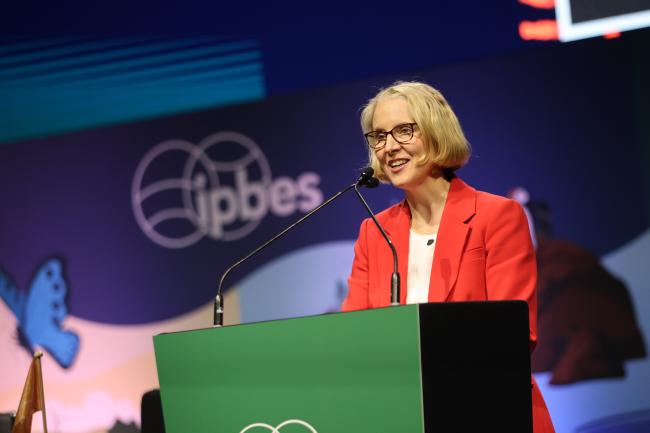
Astrid Schomaker, Executive Secretary, Convention on Biological Diversity (CBD), praised IPBES as a “bedrock” in establishing the facts of biodiversity loss. She stressed the importance of IPBES’ assessments for achieving the goals and targets of the Global Biodiversity Framework.
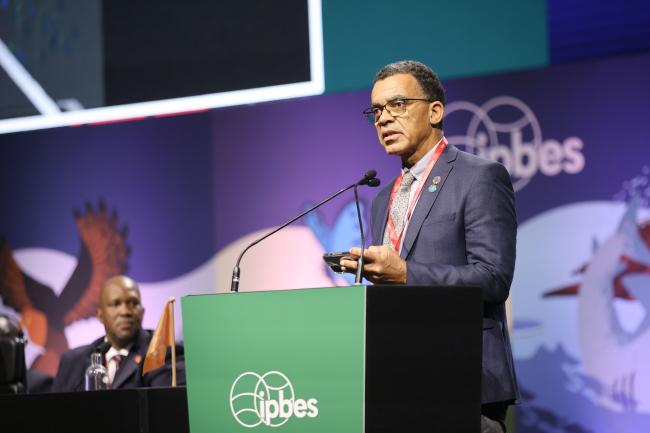
Following the opening segment, IPBES Chair David Obura laid out the agenda for IPBES 12. He highlighted that the Business and Biodiversity Assessment – whose Summary for Policymakers (SPM) is expected to be approved at the session – will provide tools to support businesses’ transformation to sustainability as well as measures for governments to foster such transformation. Delegates will also reflect on the effectiveness of the Platform and additional work to be conducted up to 2030, and elect new members for the Multidisciplinary Expert Panel.
Delegates heard updates from the respective Co-Chairs on the progress of:
- the methodological assessment on monitoring biodiversity and nature’s contributions to people, which will be finalized in 2026;
- the methodological assessment of integrated biodiversity-inclusive spatial planning and ecological connectivity, which will be finalized in 2027; and
- the second global assessment of biodiversity and ecosystem services, which will be finalized in 2028.
In the afternoon, IPBES Executive Secretary Luthando Dziba provided an update on financial matters. He emphasized the value of even small contributions by member states and welcomed the prompt financial commitments made by Malta and Cyprus, who recently joined the Platform. Chair Obura encouraged pledges to the IPBES Trust Fund, emphasizing the gap resulting from the US’ withdrawal from the Platform. France, Japan, and the UK announced increased pledges.
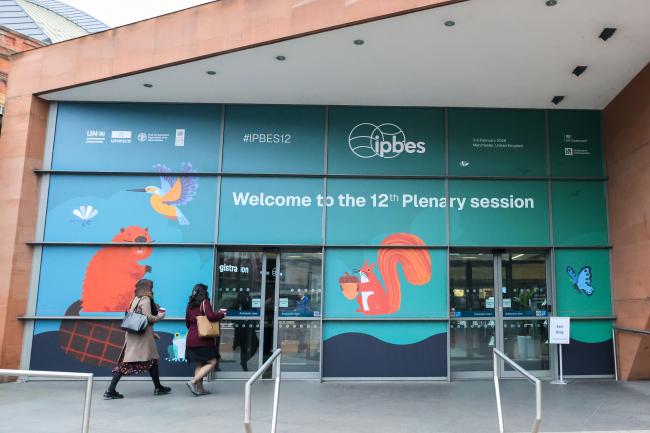
Delegates heard presentations on all items to be considered at IPBES 12 and agreed on the organization of work as follows:
- a Contact Group will reflect on financial and budgetary arrangements;
- Working Group (WG) 1 will address the Business and Biodiversity Assessment; and
- WG 2 will address all remaining agenda items.
The consideration of the Business and Biodiversity Assessment started with a presentation by the Assessment’s Co-Chairs, who highlighted the diversity of contributing authors and provided insights on responses to review comments. Delegates provided high-level remarks on the Assessment, outlining their expectations for the approval of its SPM.
To receive free coverage of global environmental events delivered to your inbox, subscribe to the ENB Update newsletter.
All ENB photos are free to use with attribution. For IPBES 12 please use: Photo by IISD/ENB | Anastasia Rodopoulou
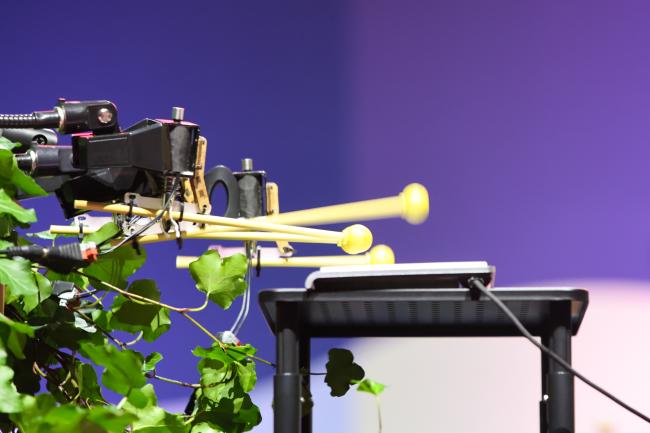
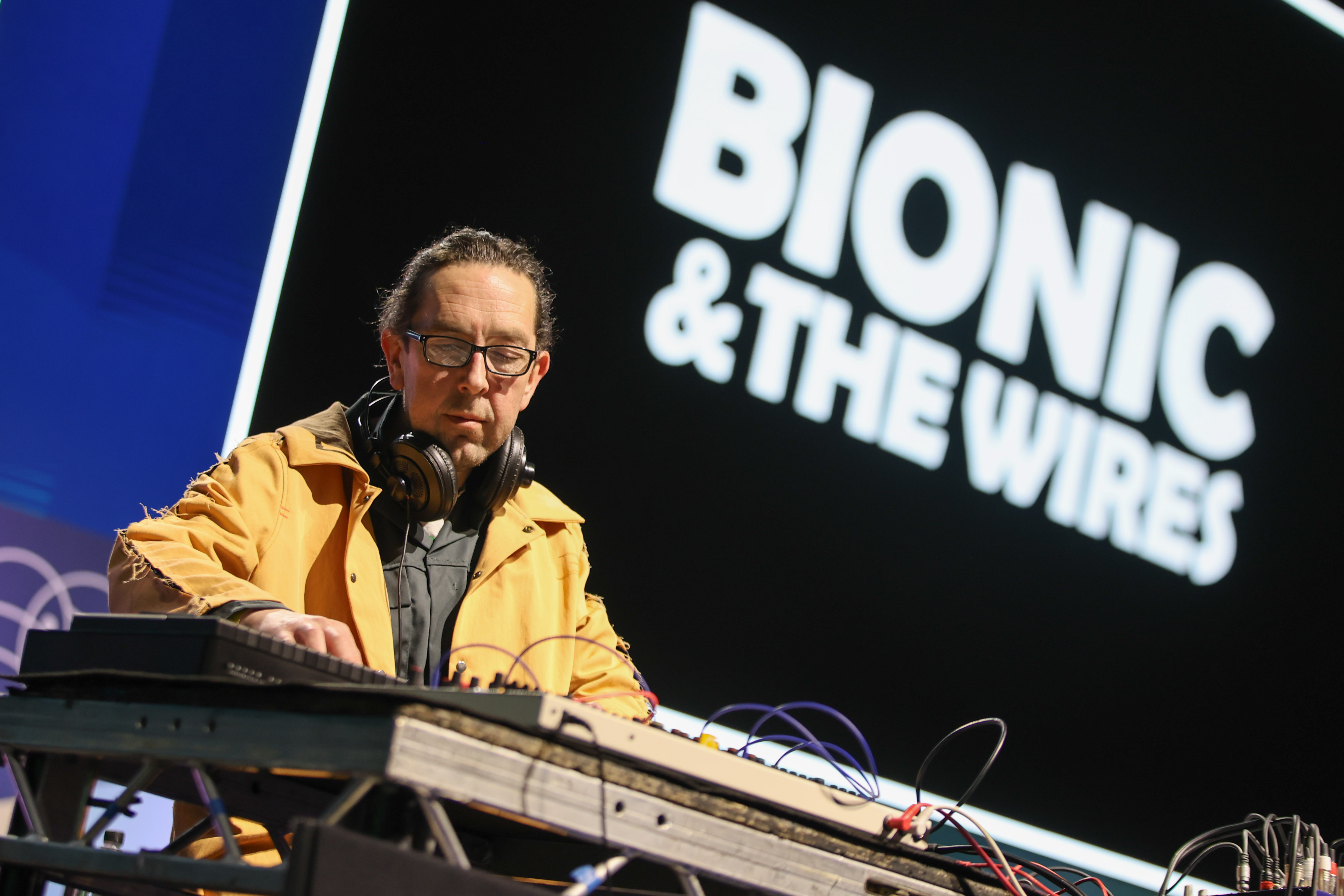
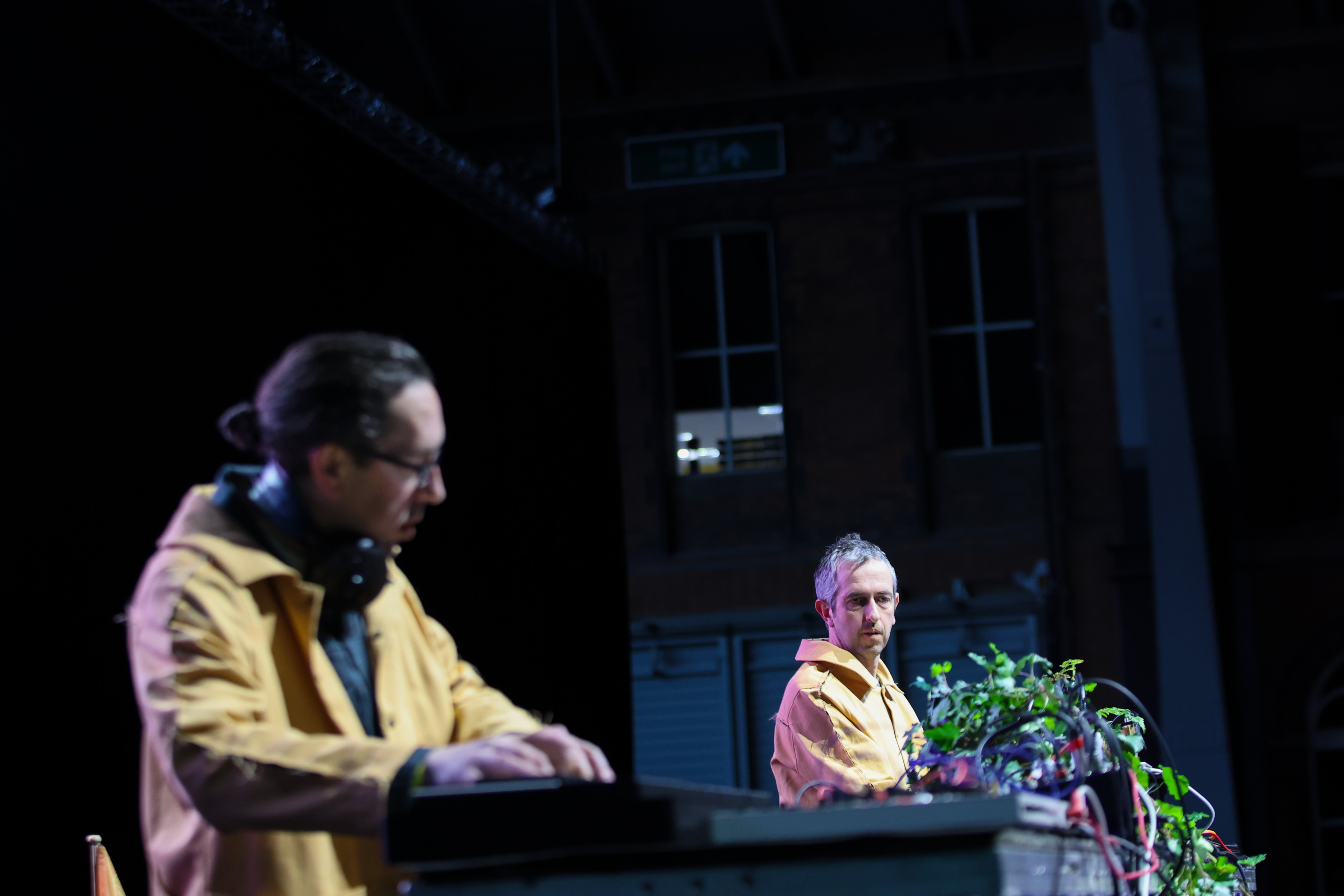
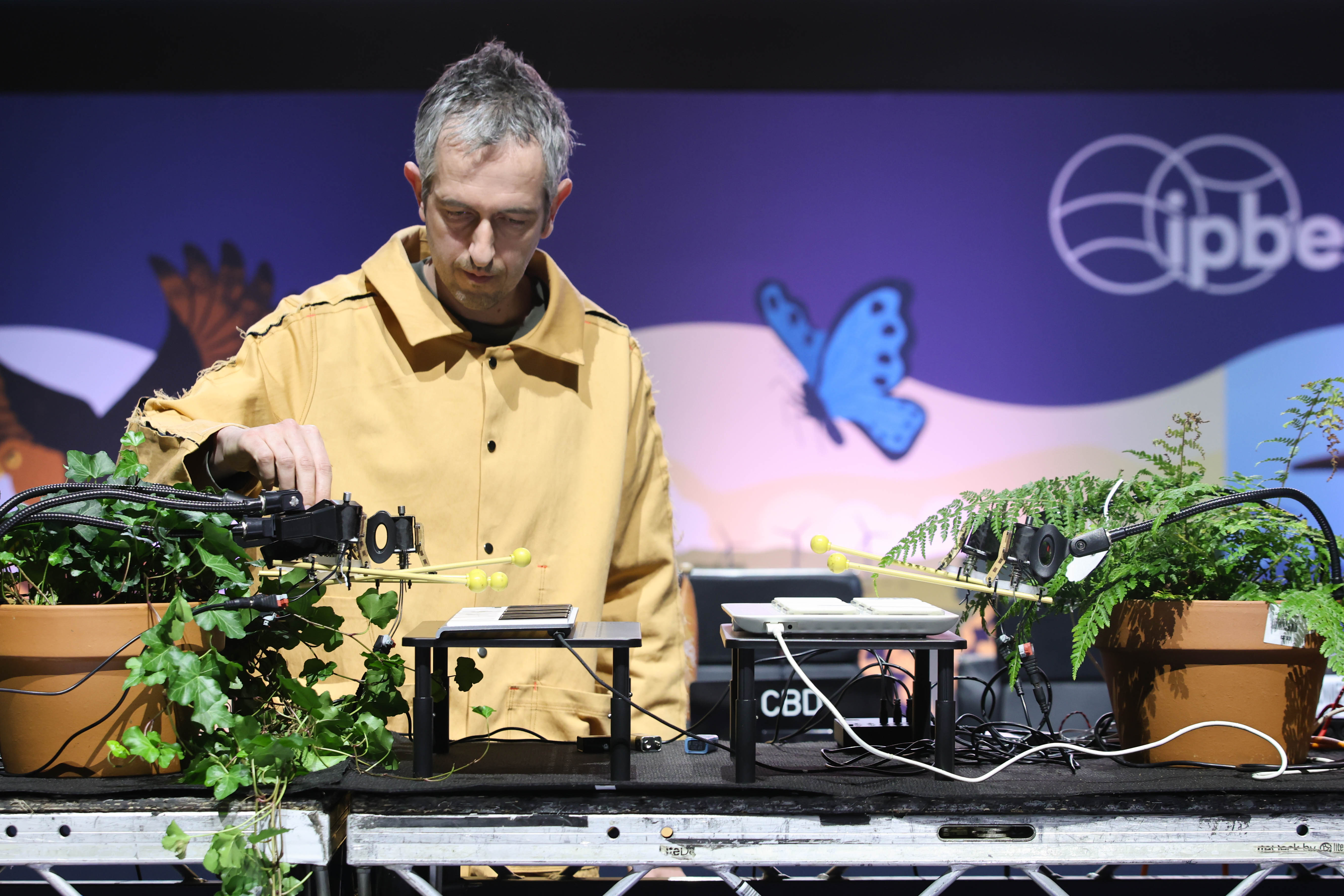
Opening Performance by Bionic & The Wires
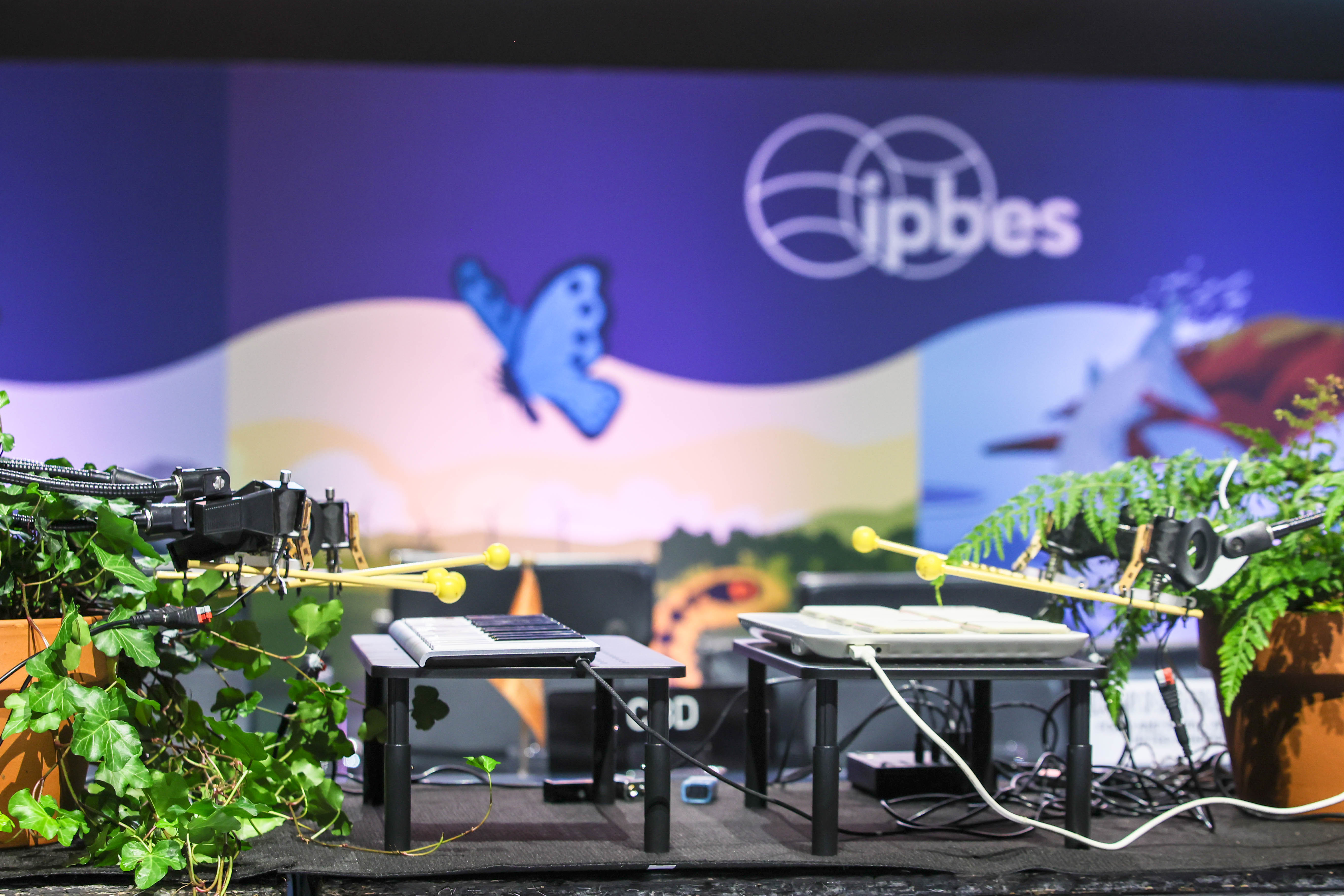
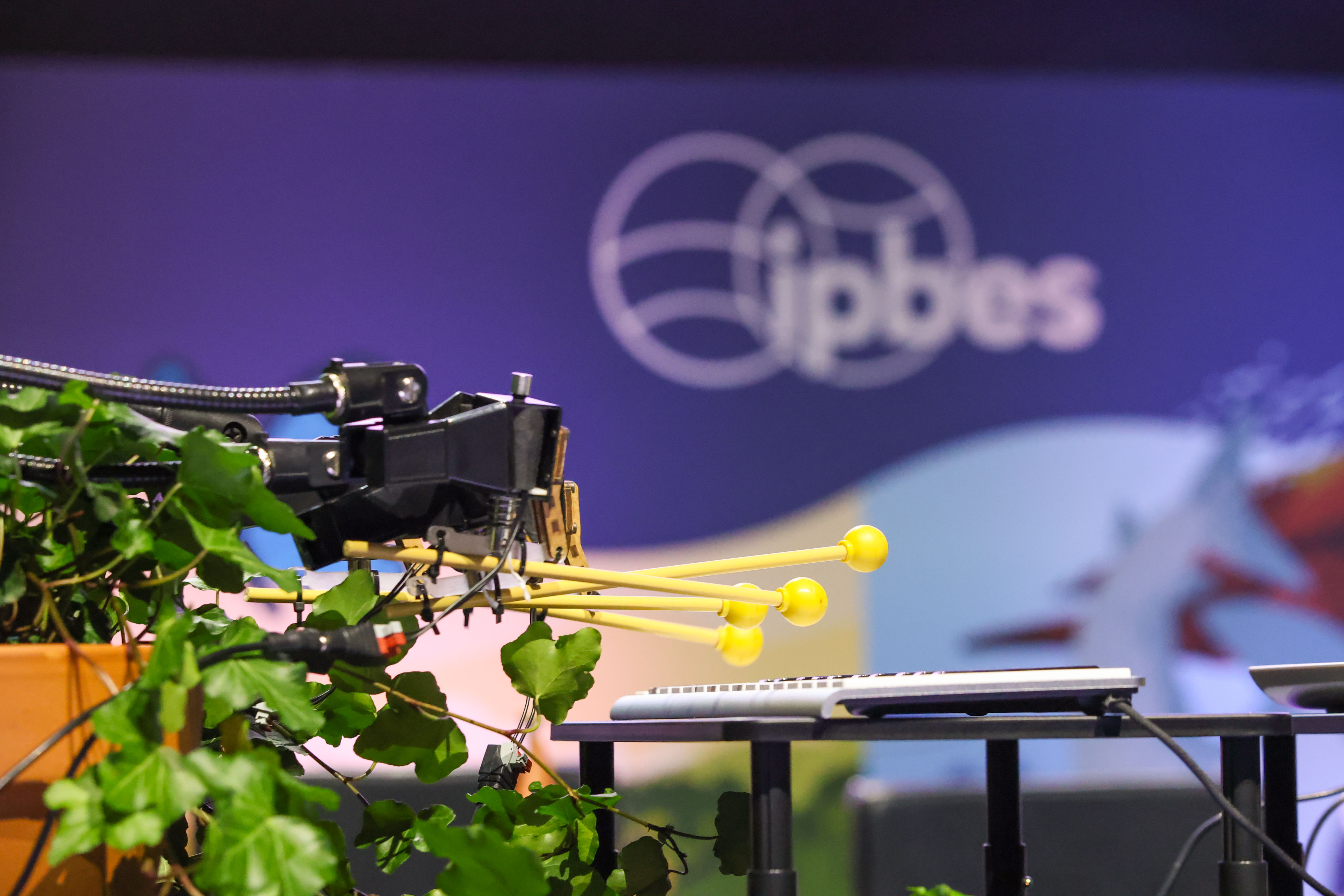
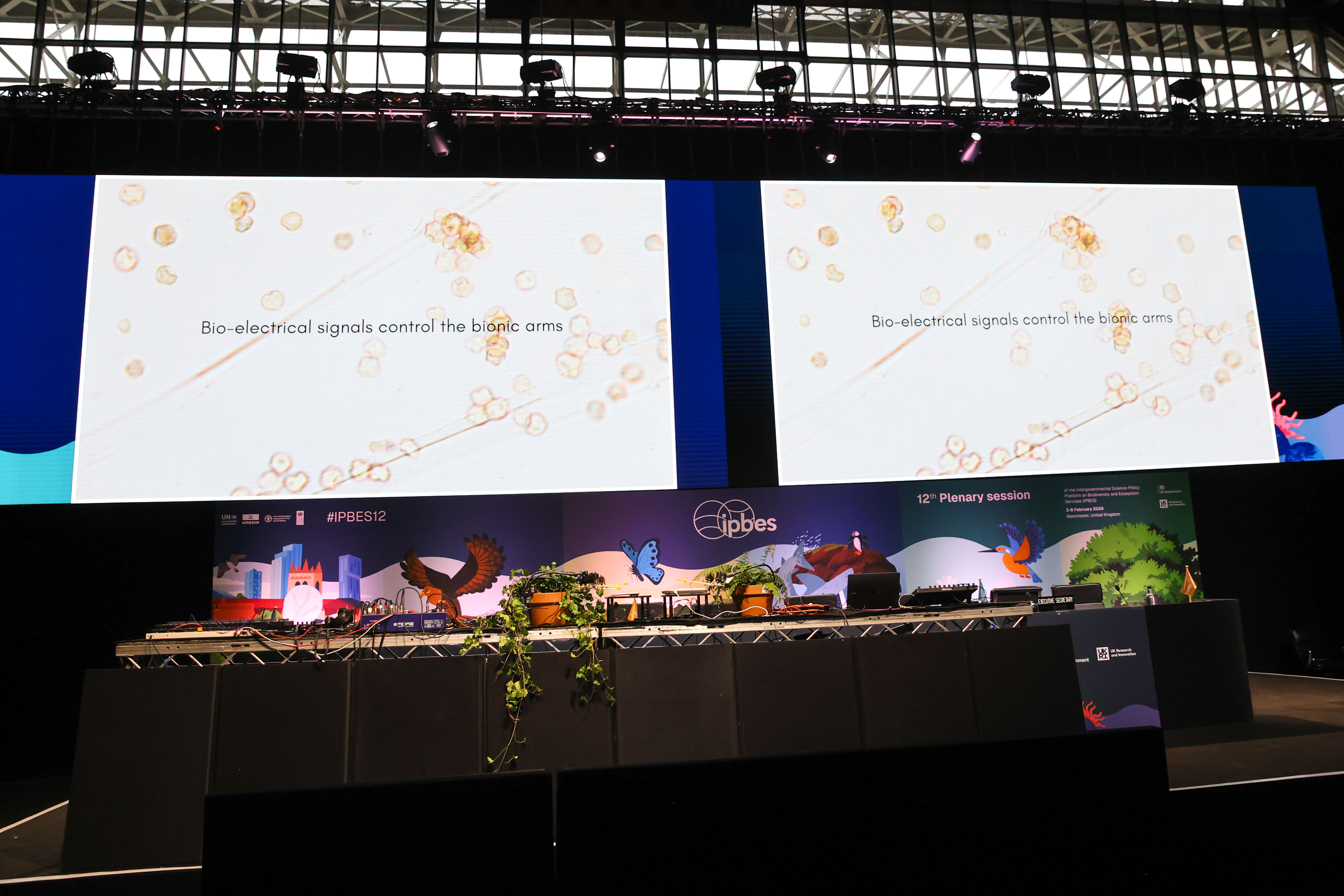
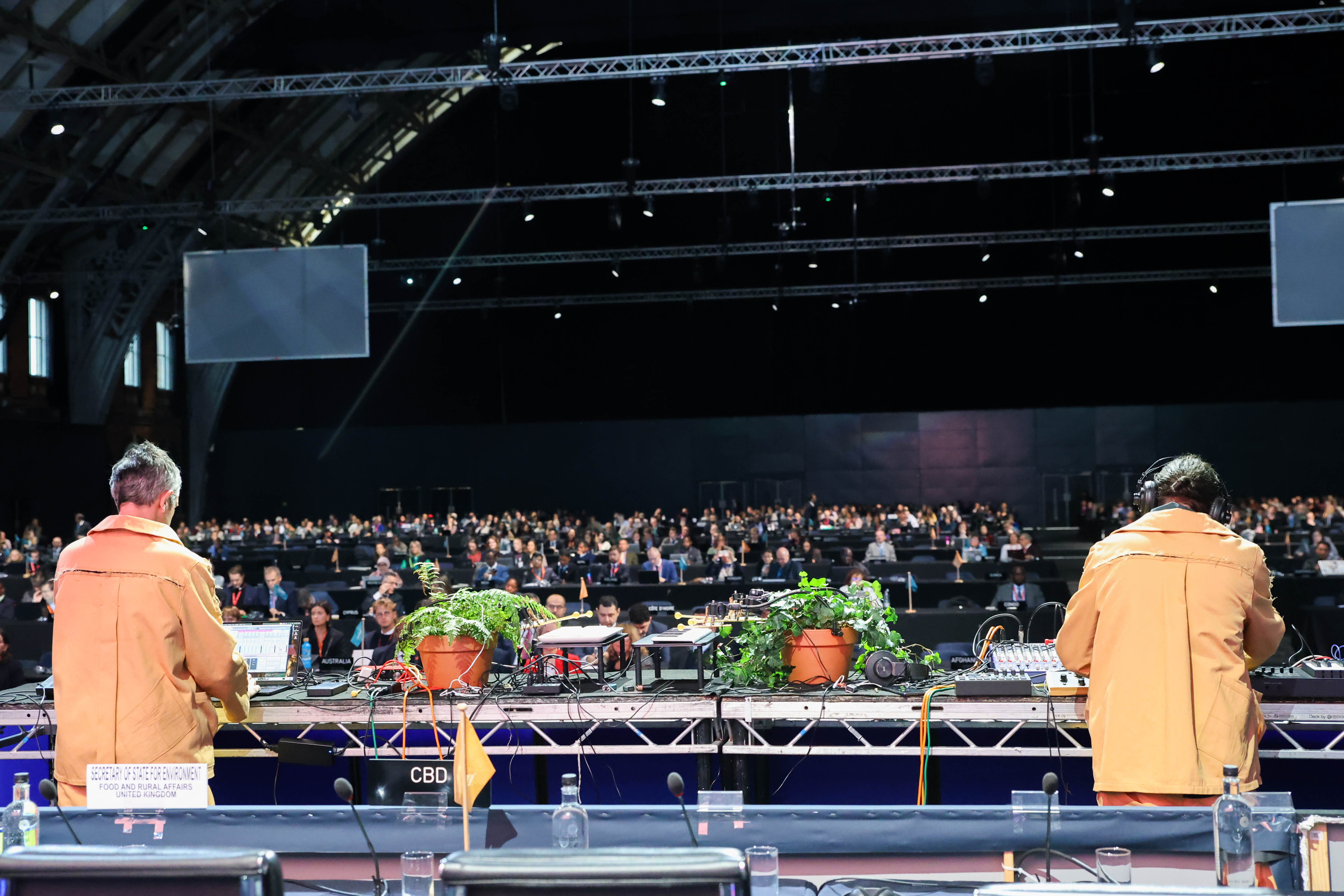
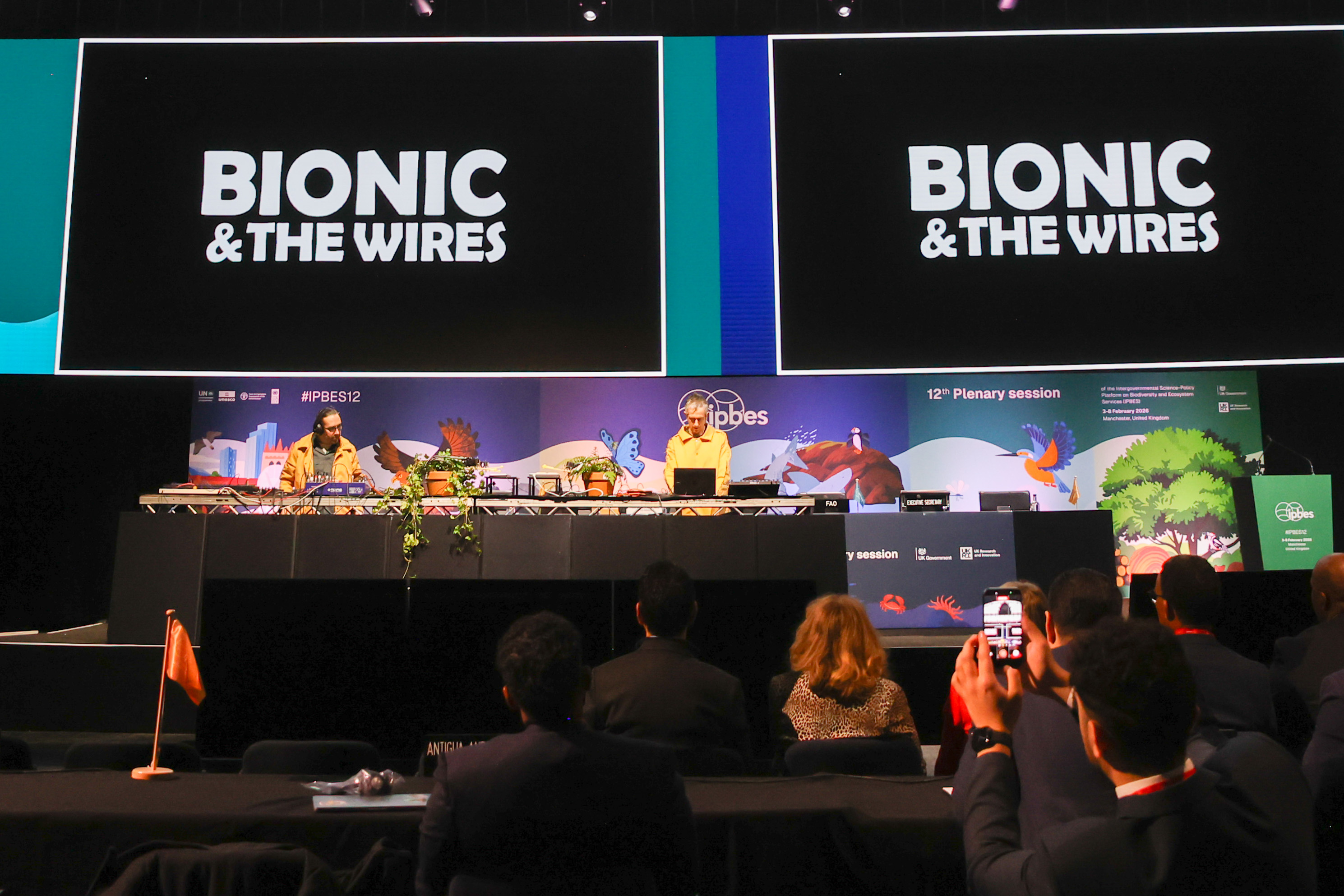
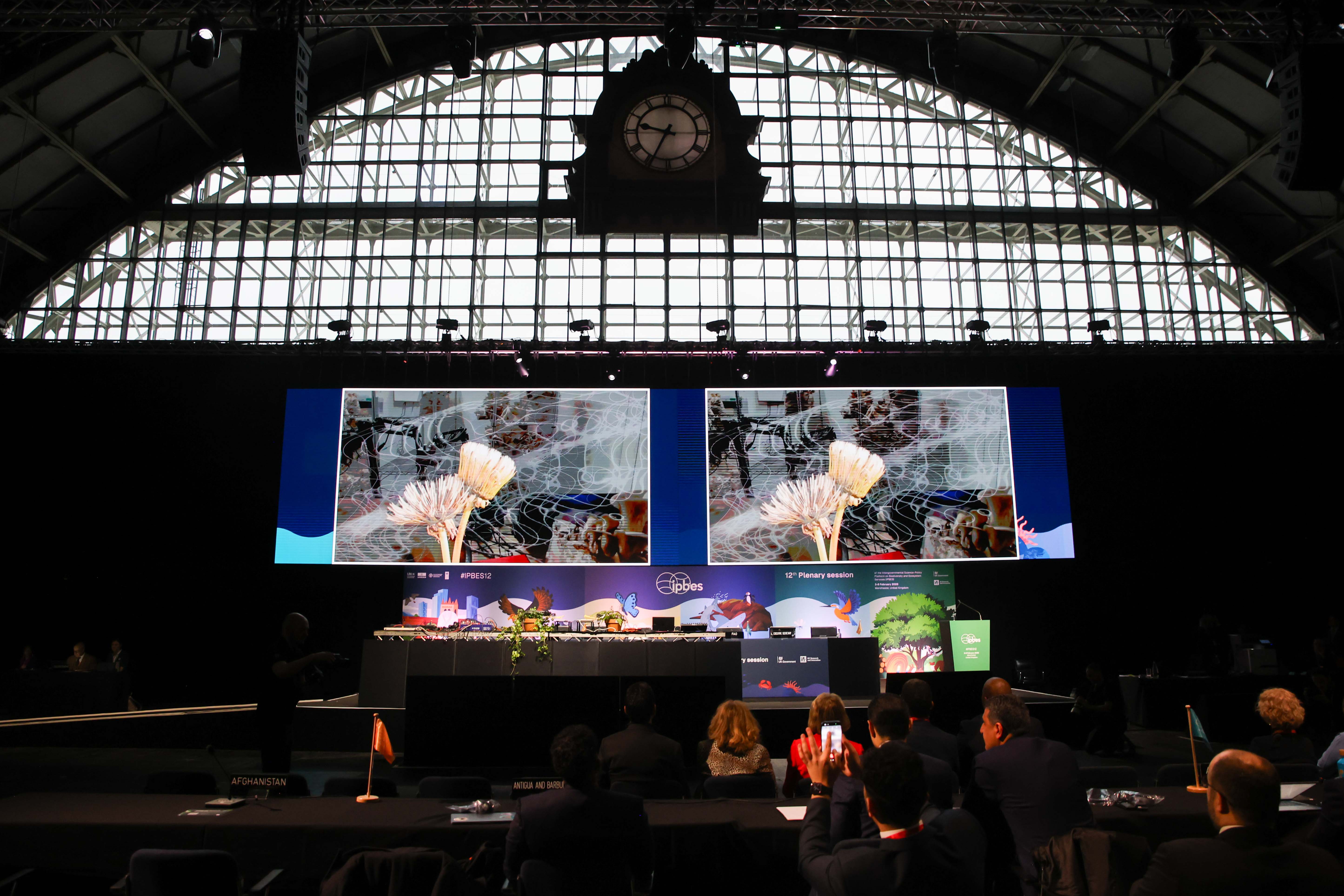
Opening Session
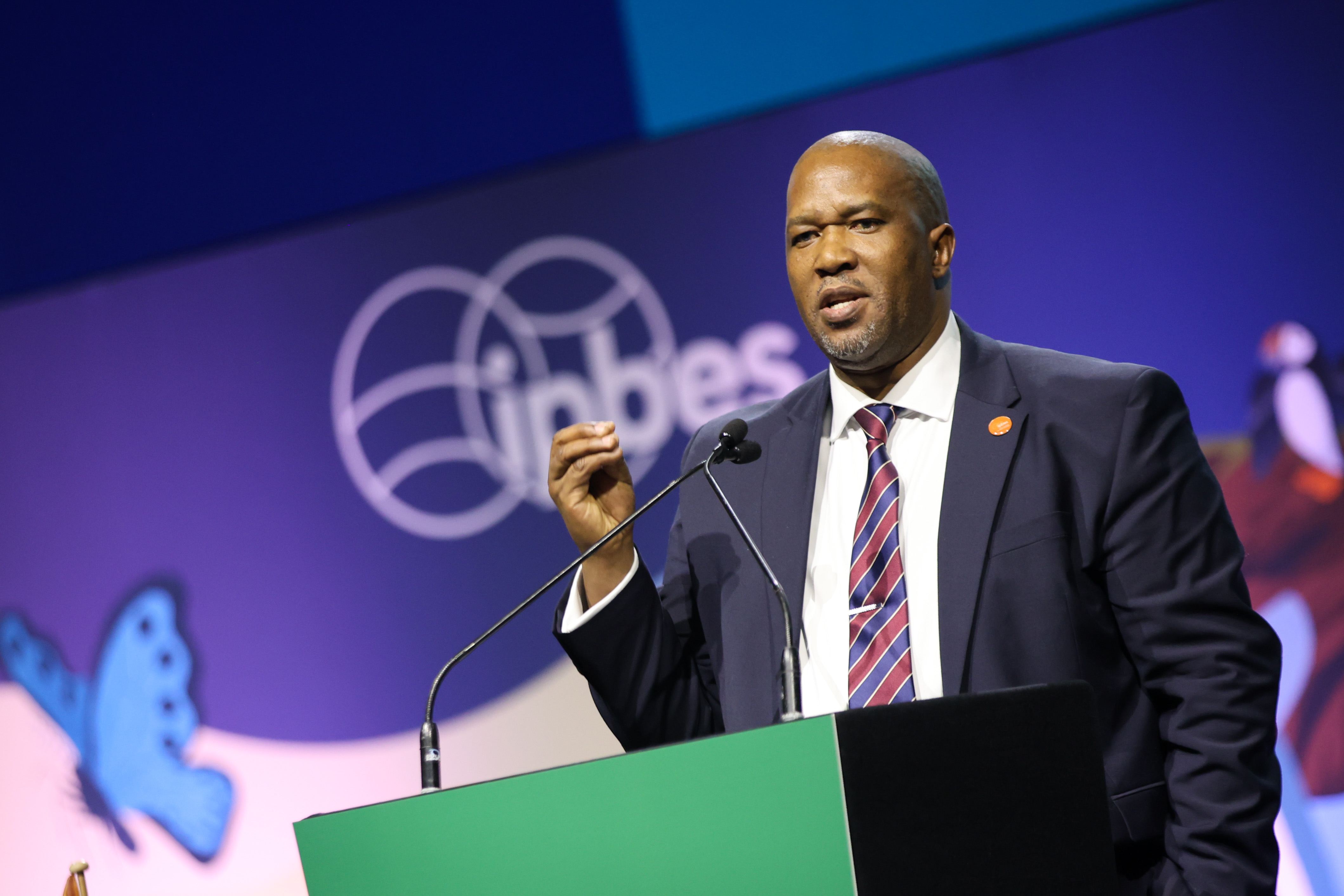
Luthando Dziba, IPBES Executive Secretary
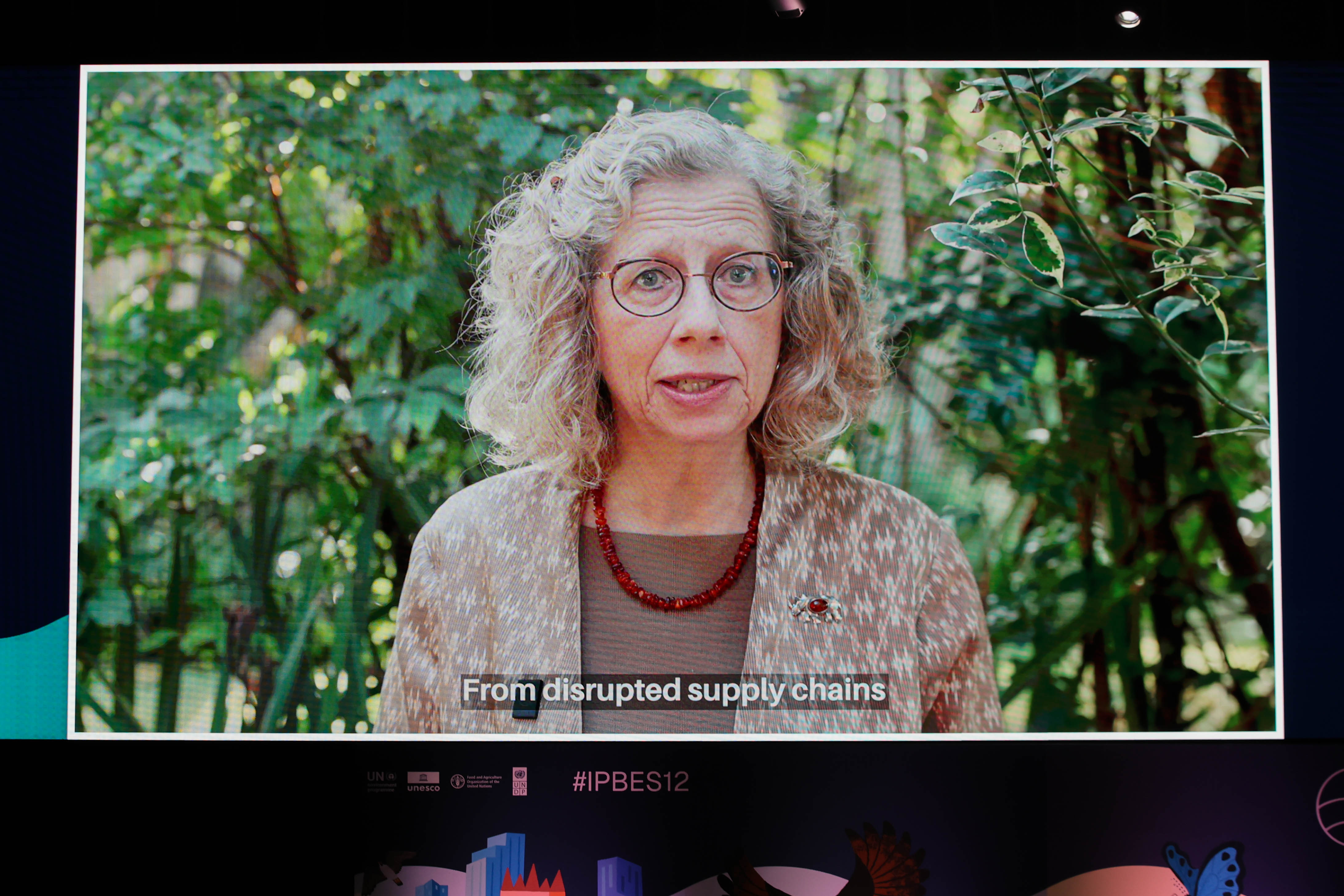
Inger Andersen, Executive Director, UN Environment Programme, participated via a recorded video message.
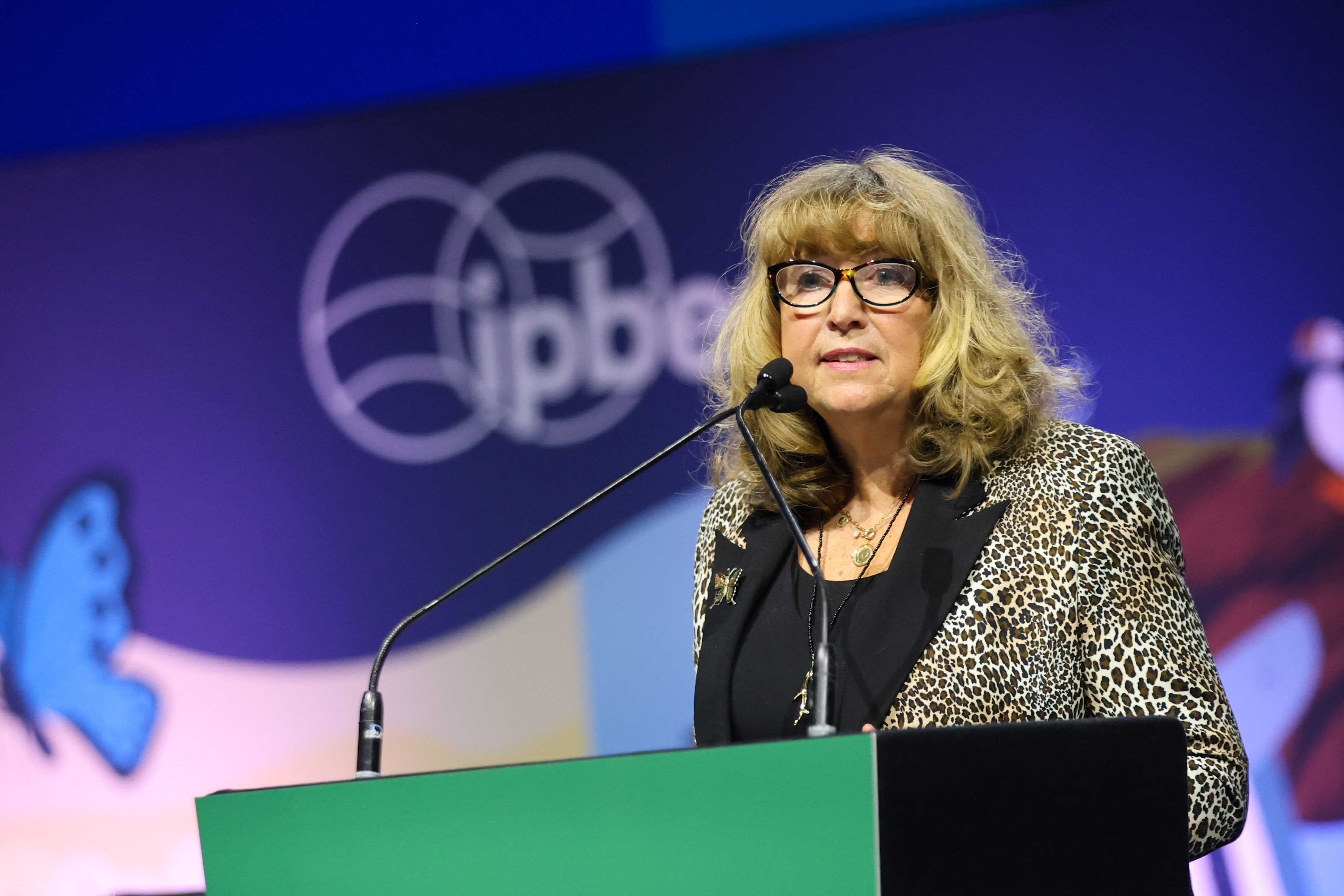
Astrid Schomaker, Executive Secretary, CBD
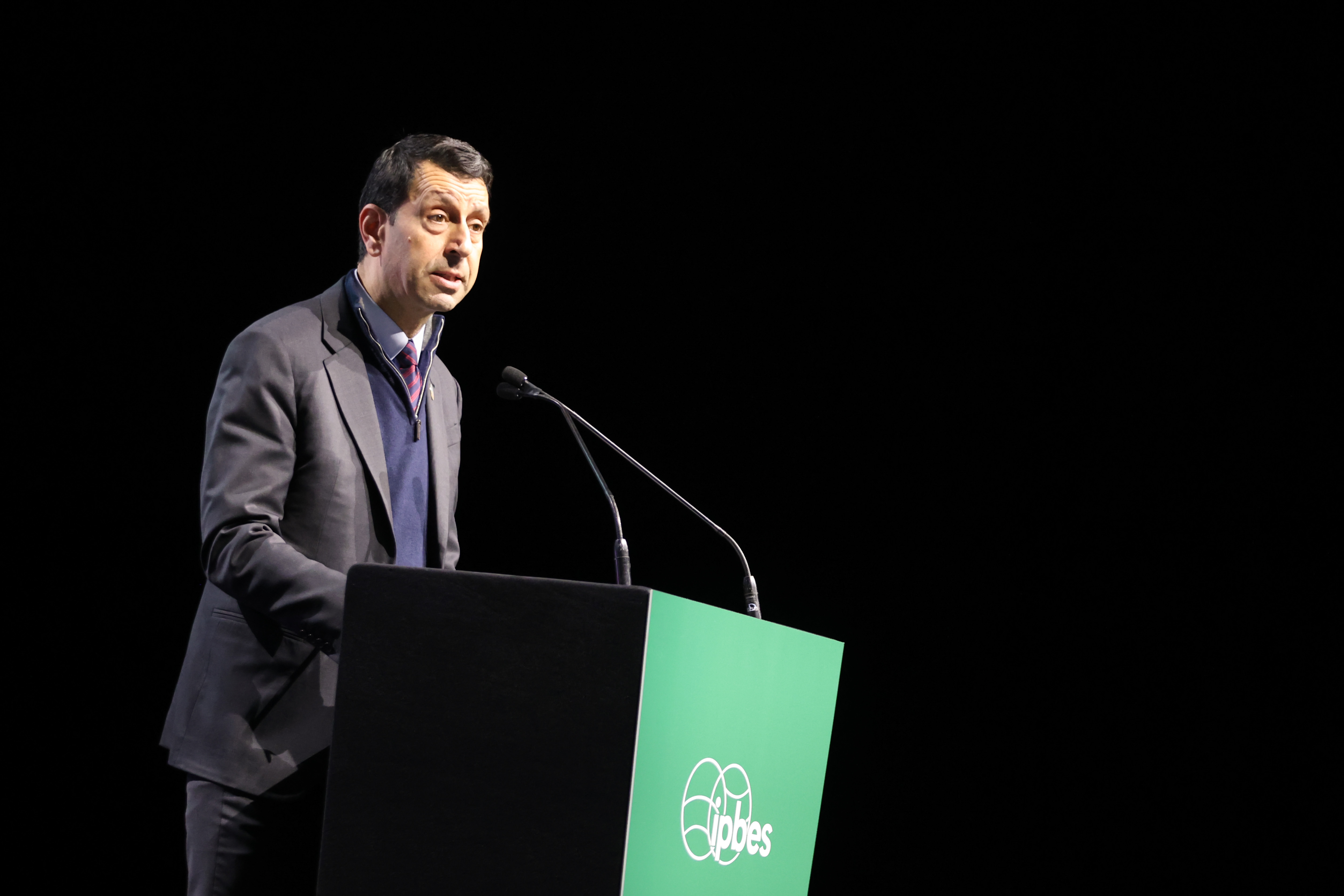
Kaveh Zahedi, Food and Agricultural Organization of the UN (FAO)
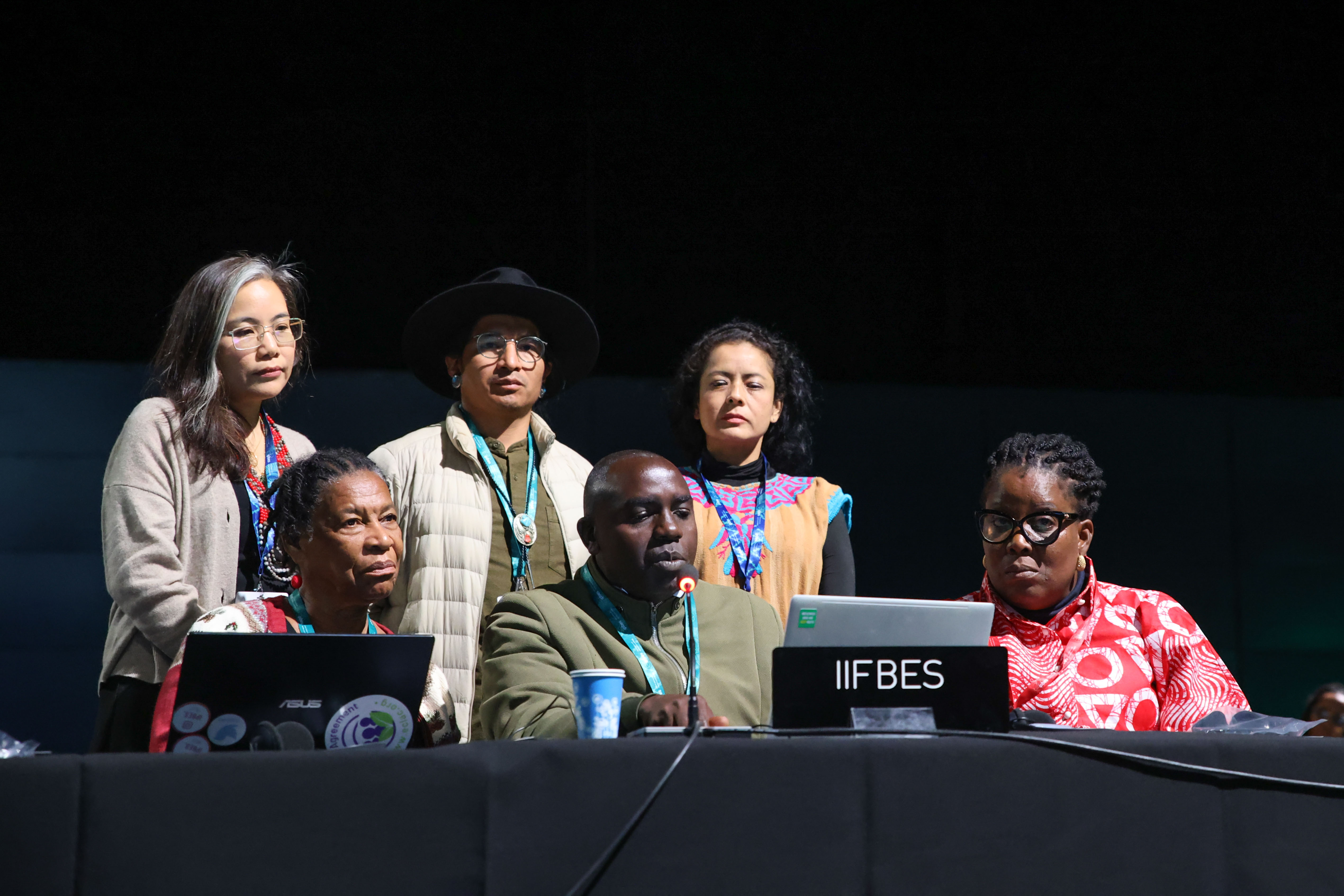
Gathuru Mburu (center) and representatives of the International Indigenous Forum on Biodiversity and Ecosystem Services (IIFBES)
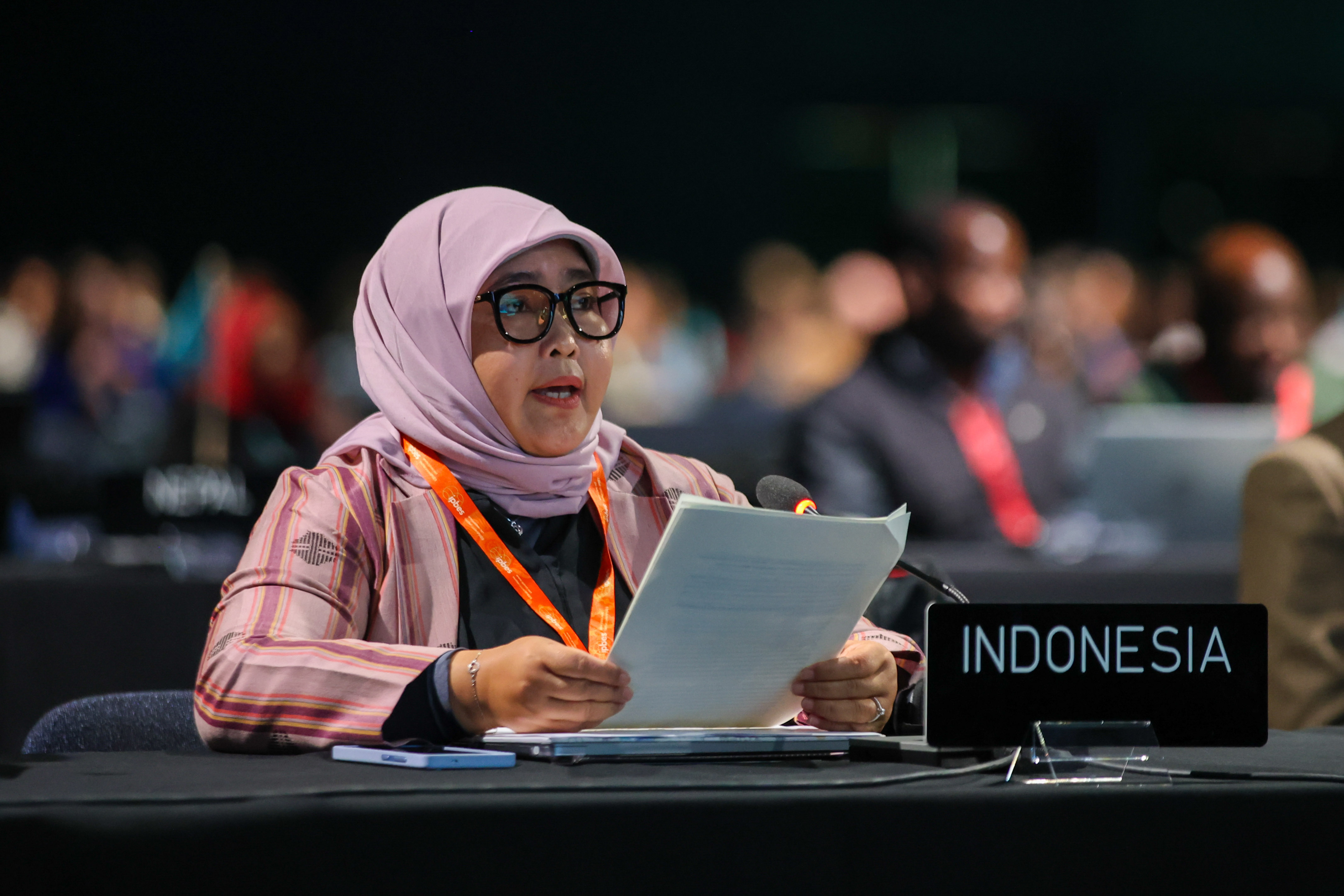
Lu'lu' Agustina, Indonesia, on behalf of the Asia-Pacific Group
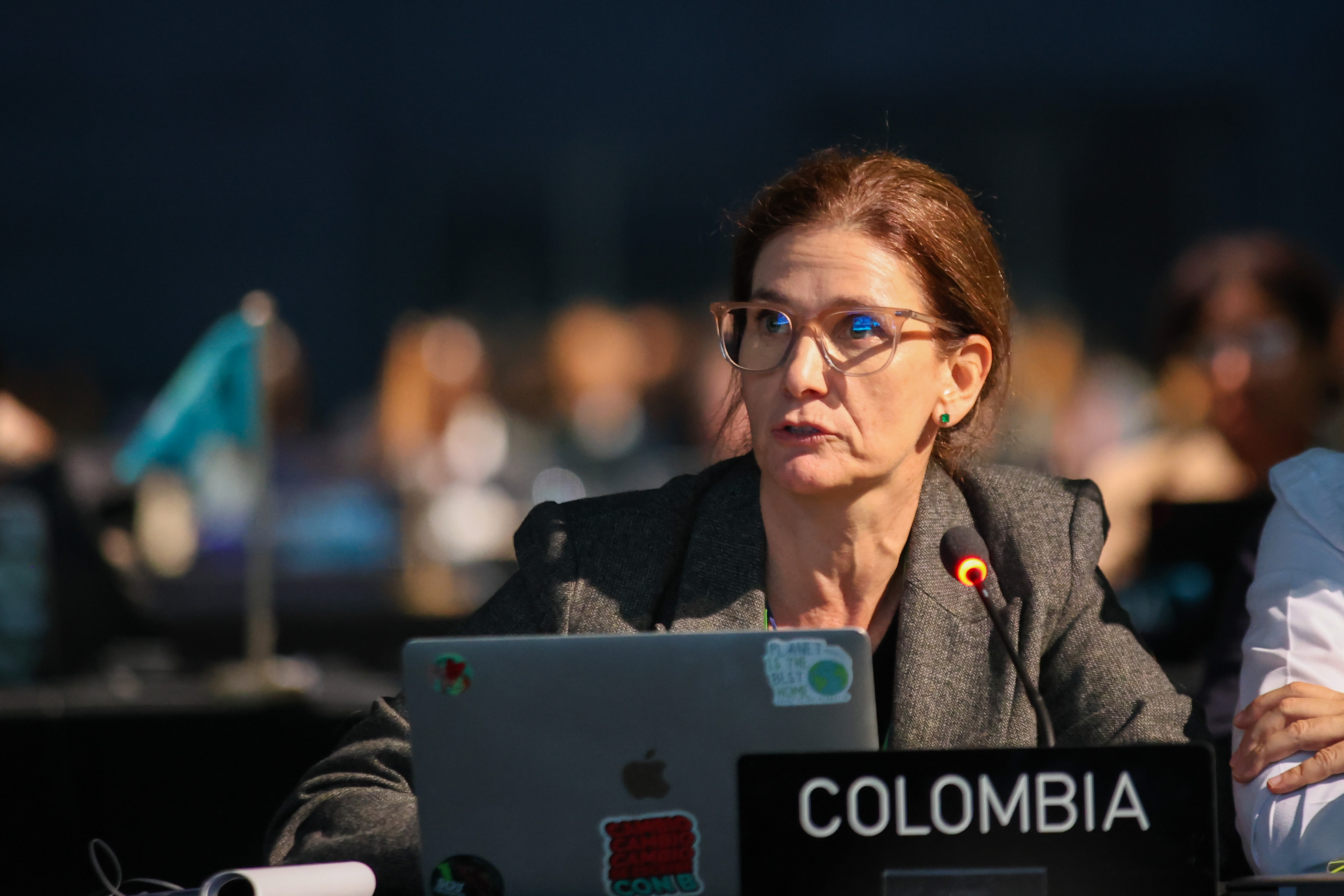
Alicia Lozano, Colombia, on behalf of the Group of Latin America and Caribbean Countries (GRULAC)
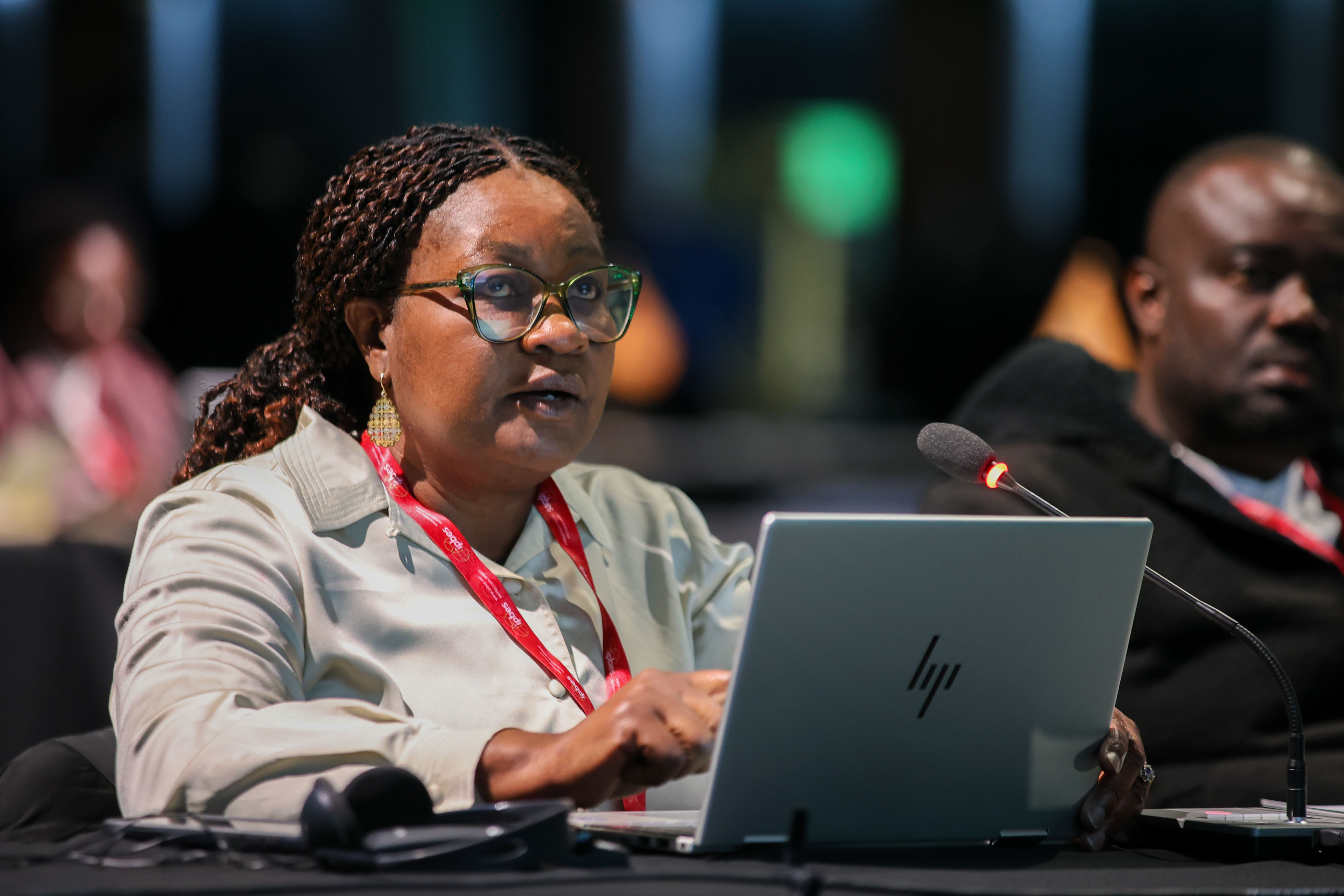
Jewel Kudjawu, Ghana, on behalf of the African Group
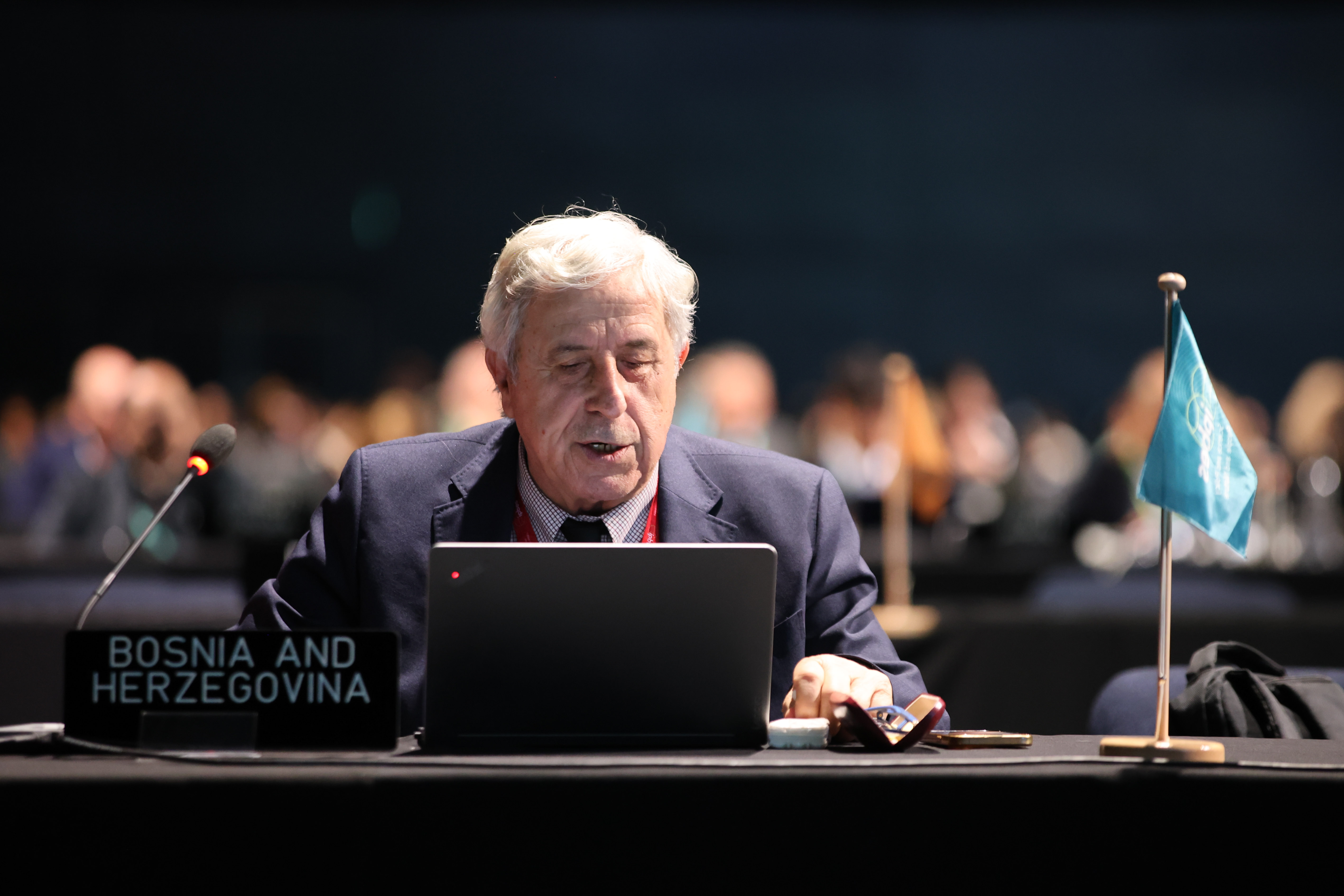
Hamid Čustović, Bosnia and Herzegovina, on behalf of Eastern Europe
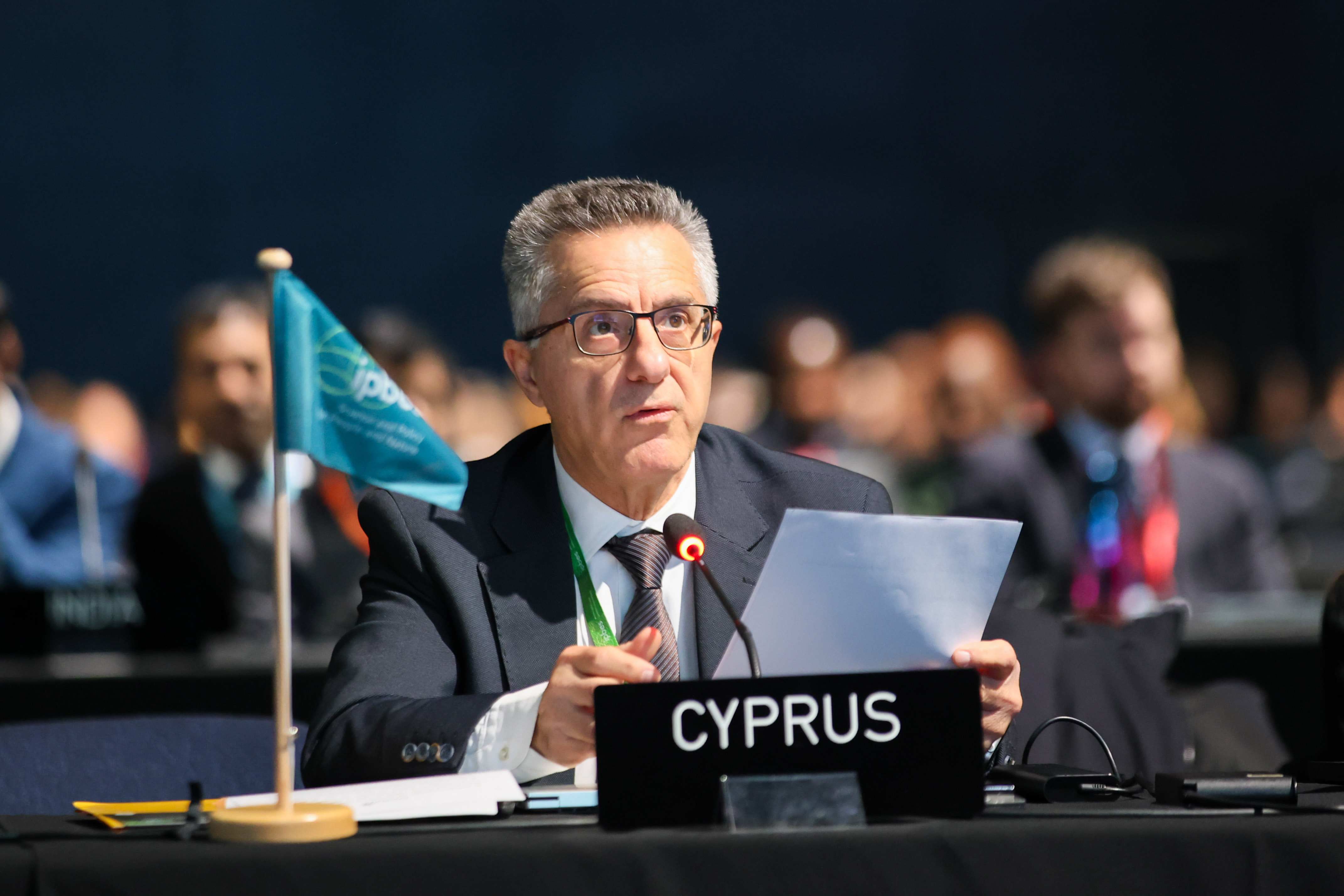
Panagiotis Dimopoulos, Cyprus, on behalf of the EU
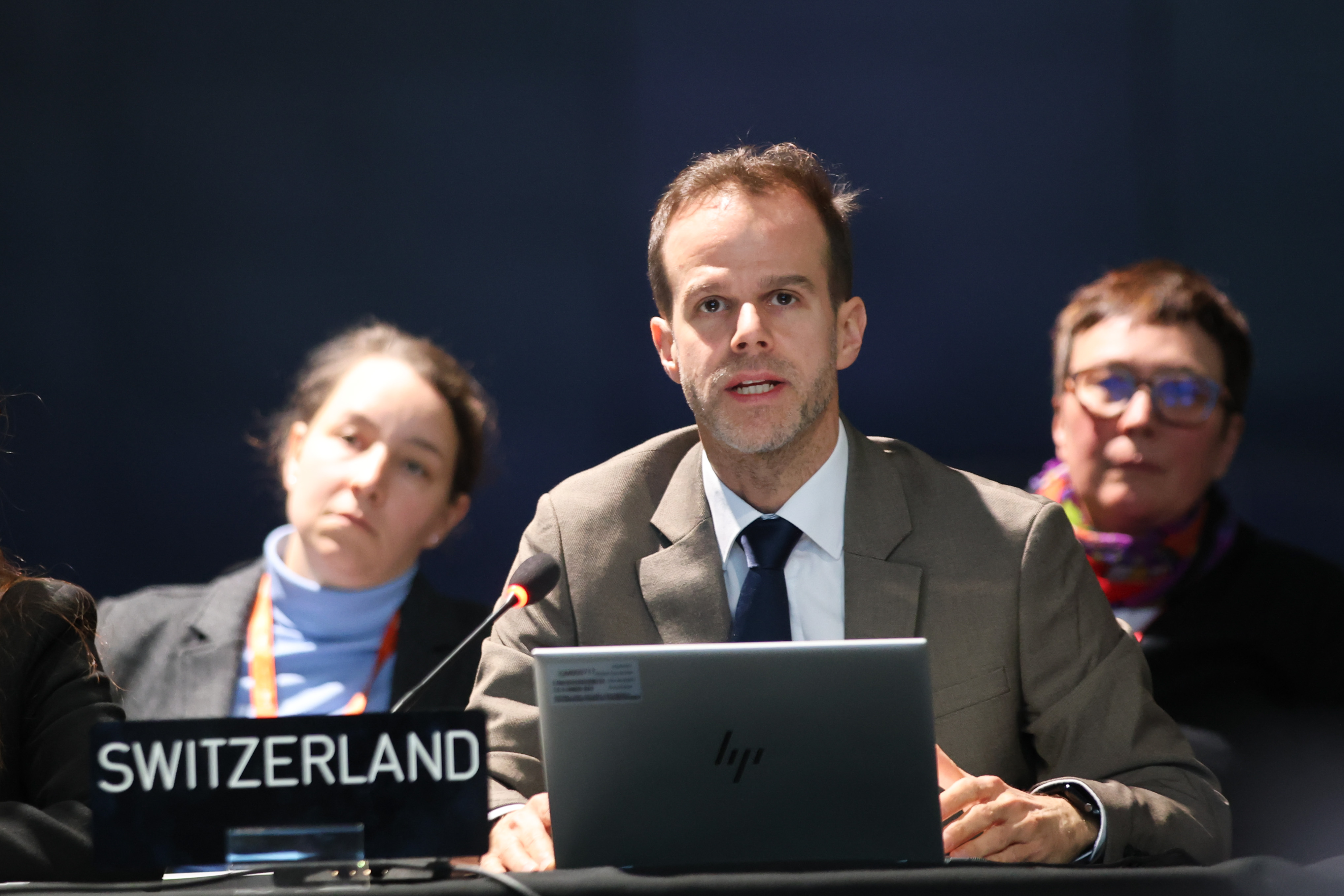
Sebastian König, Switzerland, on behalf of Australia, Canada, Iceland, Israel, Japan, New Zealand, Norway, Switzerland, and the UK
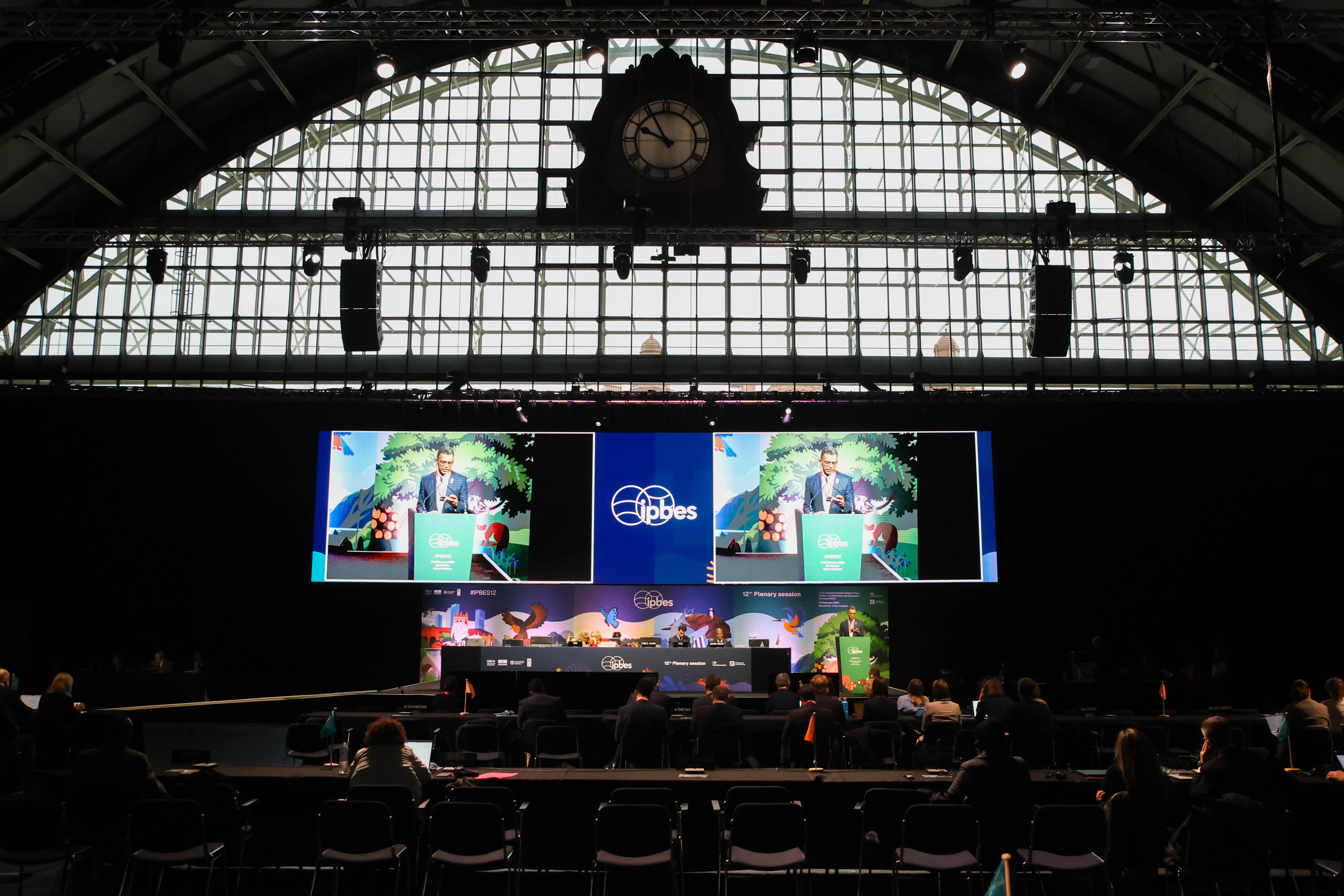
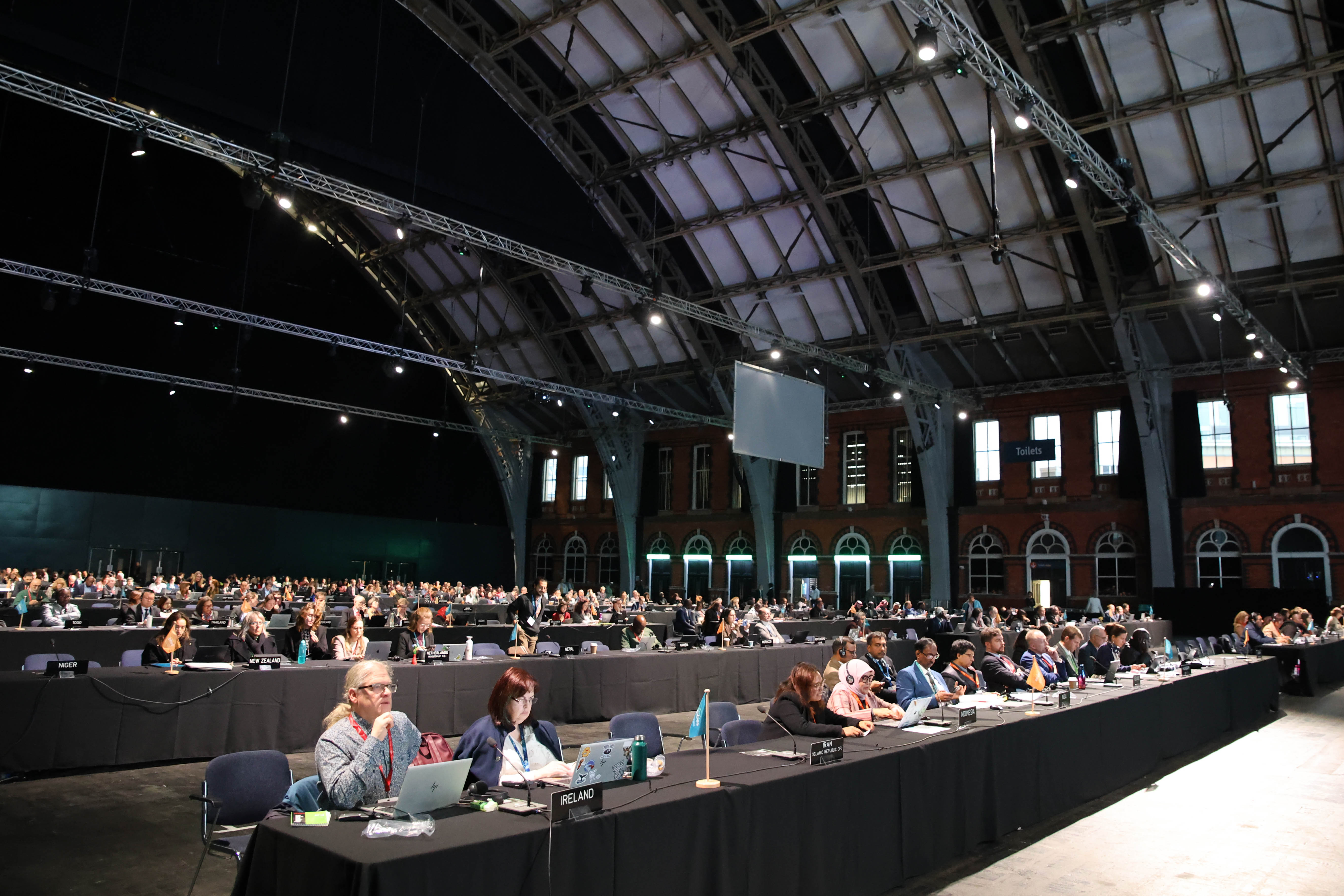
A view of the room during the opening session
Plenary
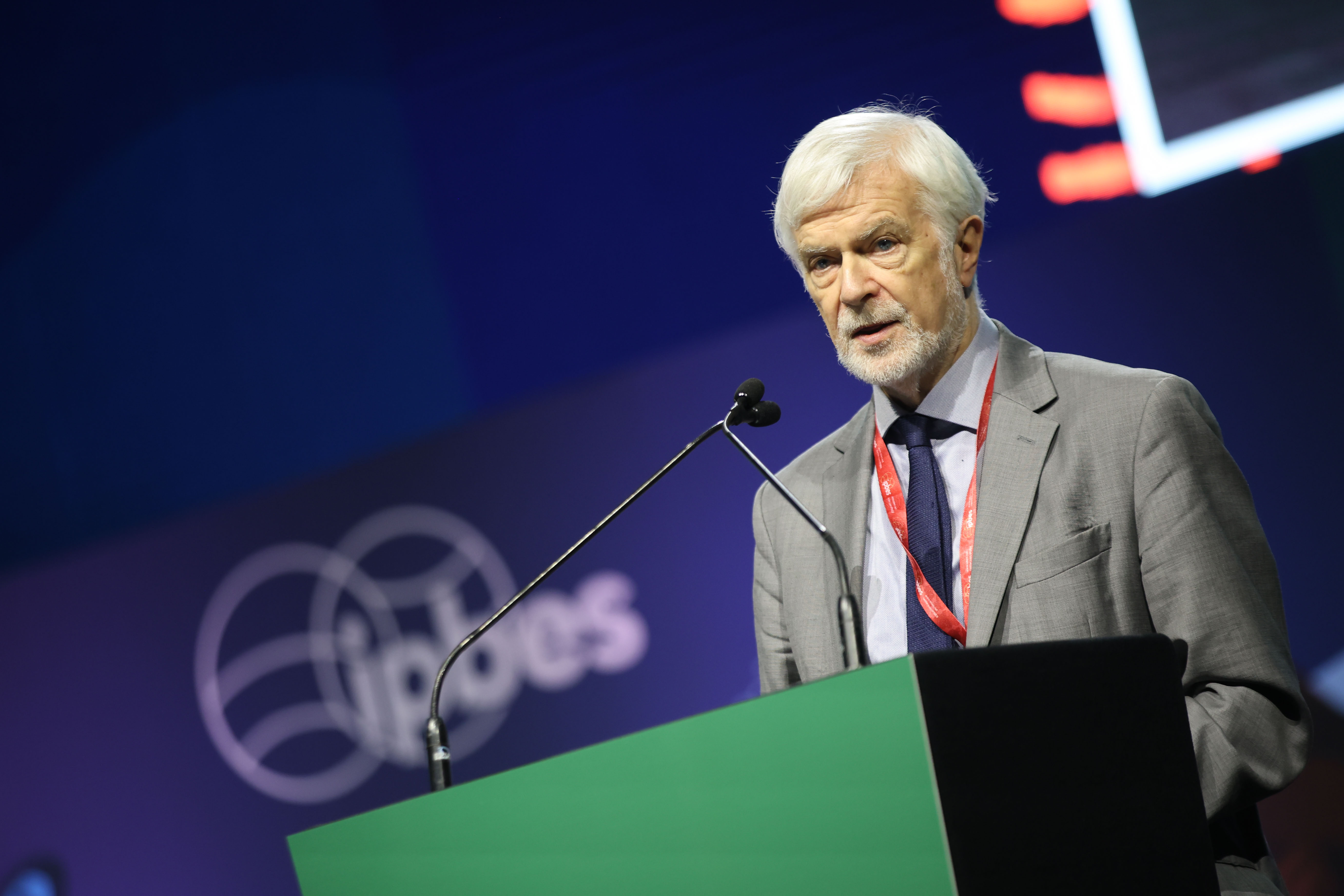
Jim Skea, Chair, Intergovernmental Panel on Climate Change
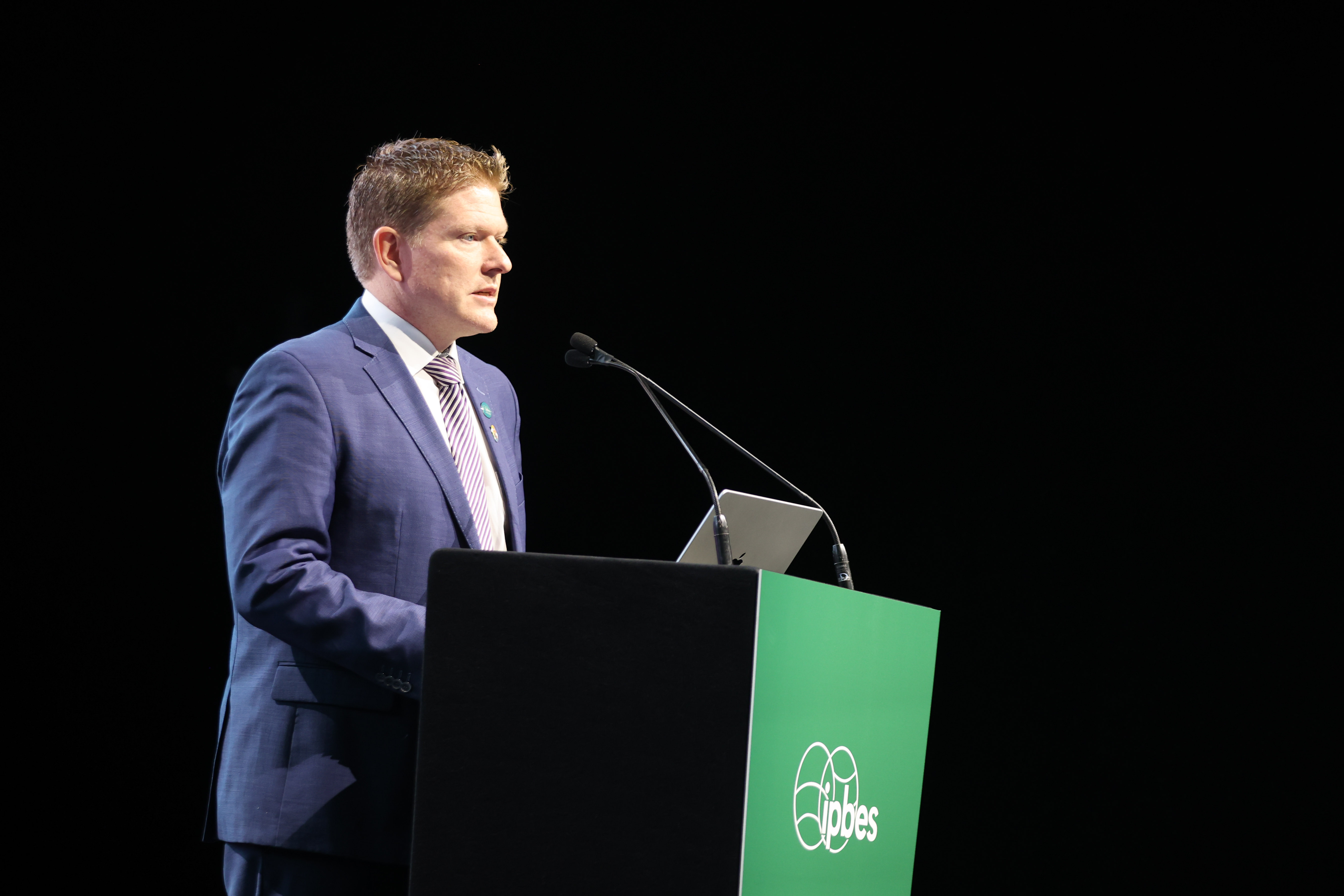
Rob Spaull, IPBES Secretariat
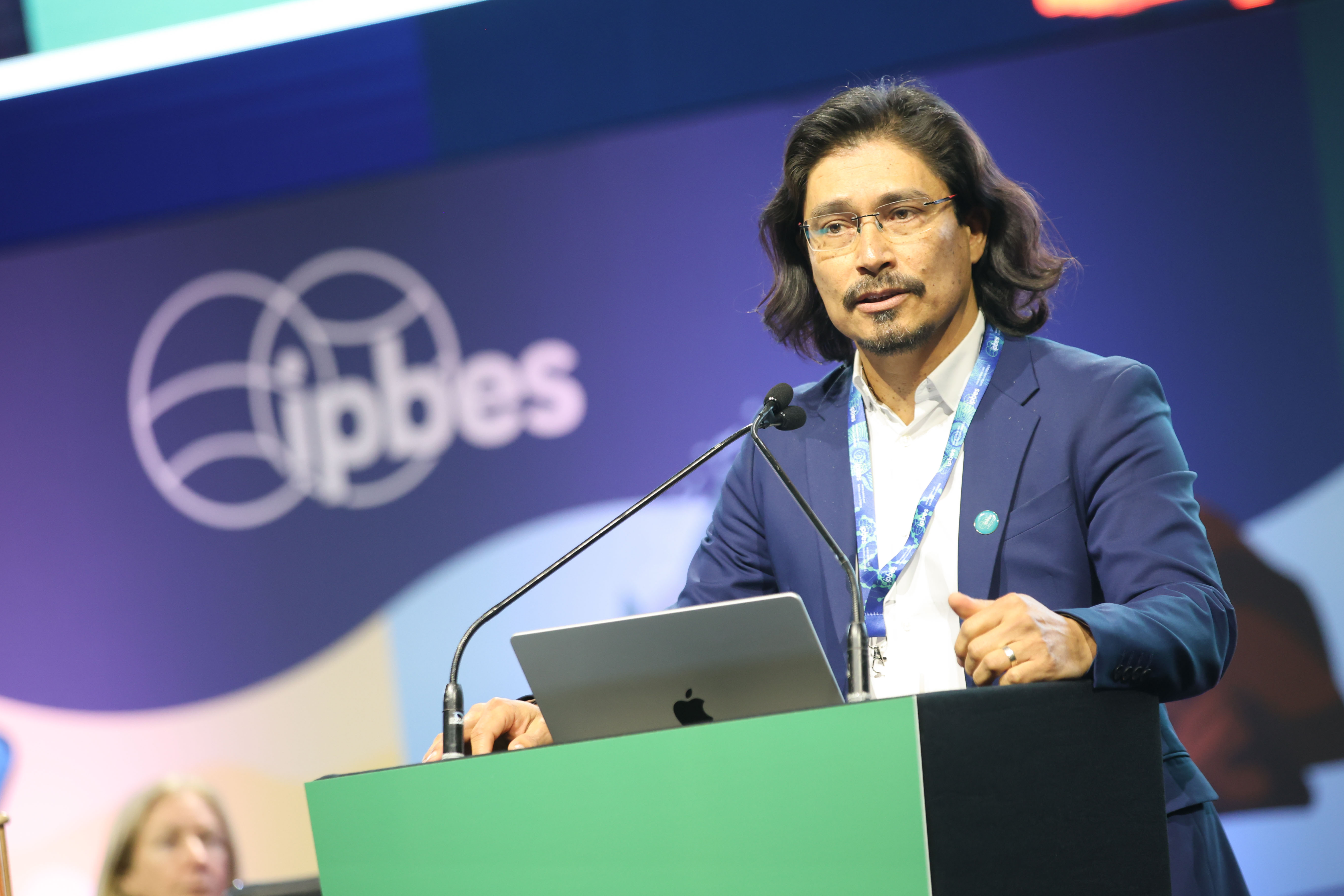
Luis Inostroza, Co-Chair, Methodological Assessment of integrated biodiversity-inclusive spatial planning and ecological connectivity
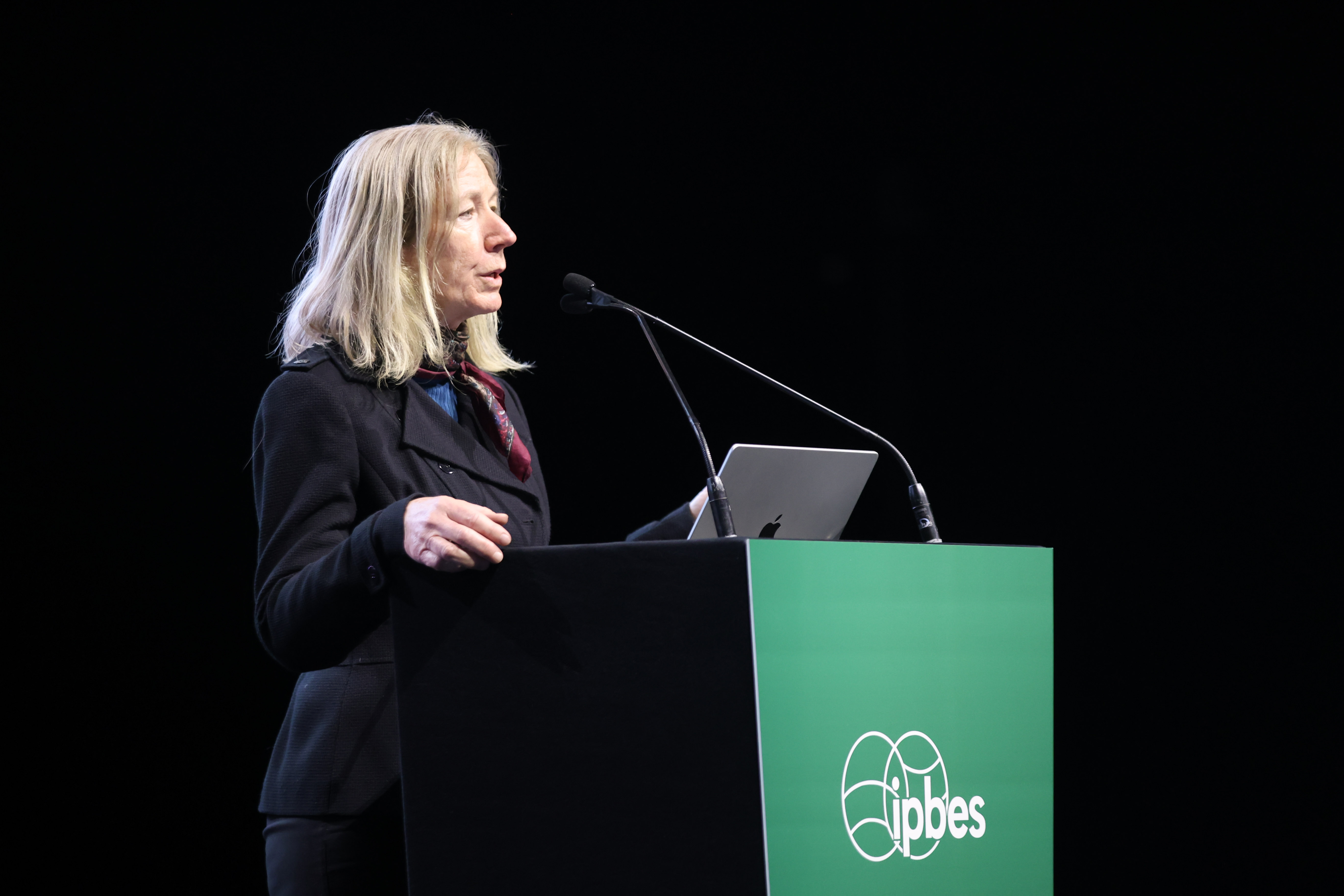
Patricia Miloslavich, Co-Chair, Methodological Assessment on monitoring biodiversity and nature's contributions to people
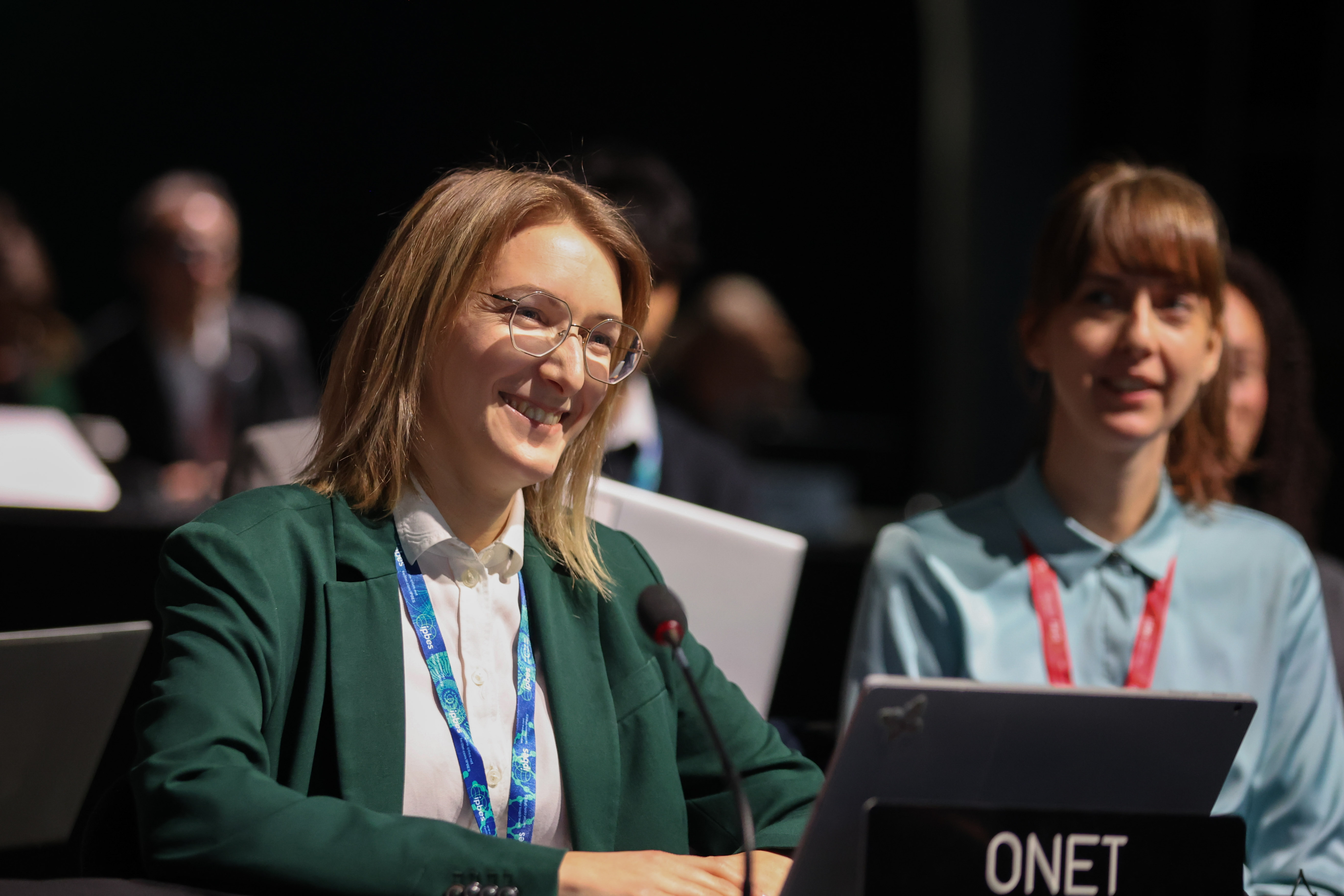
Maja Metzger, Open-Ended Network of IPBES Stakeholders
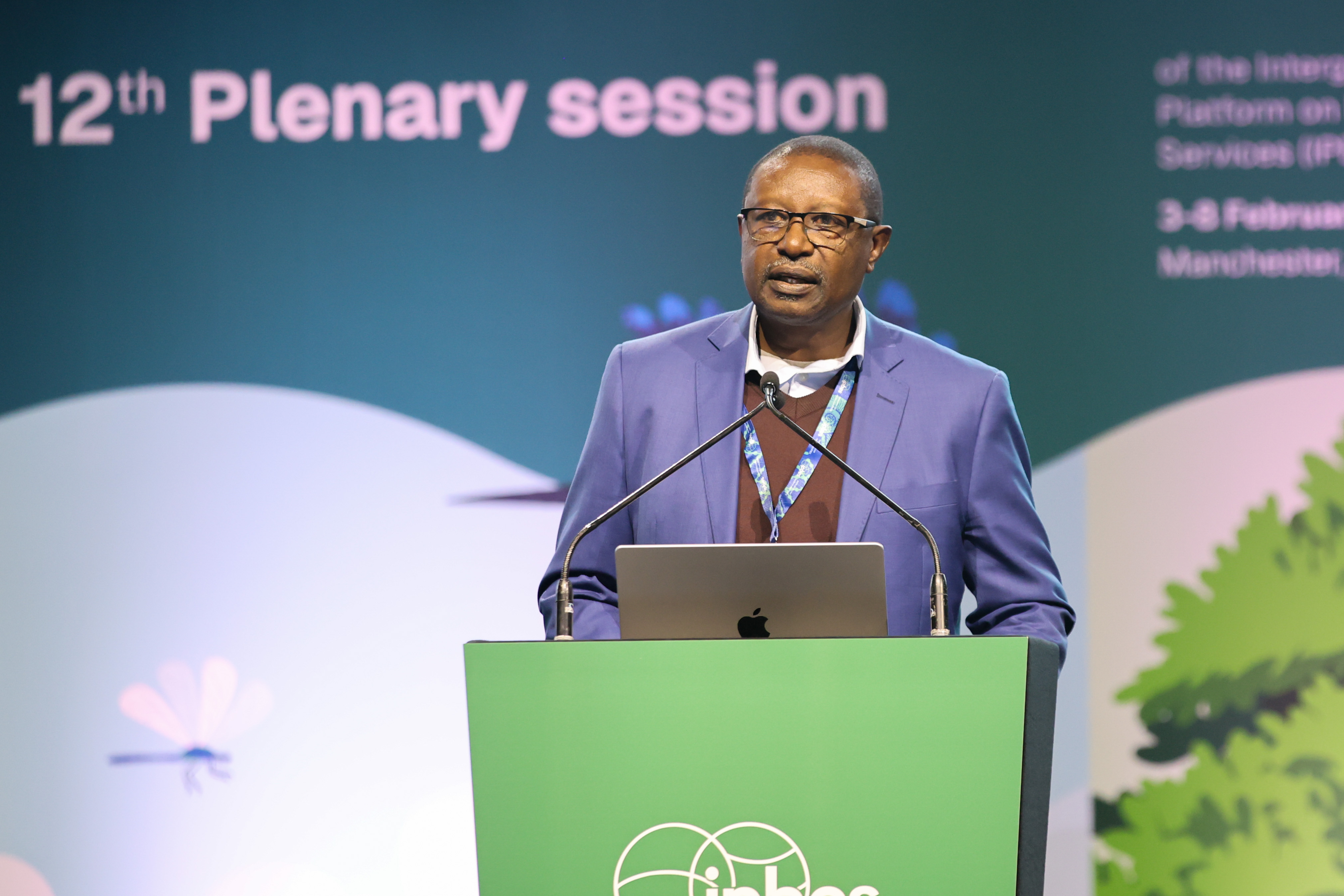
Nicholas Oguge, Co-Chair, Second Global Assessment of biodiversity and ecosystem services
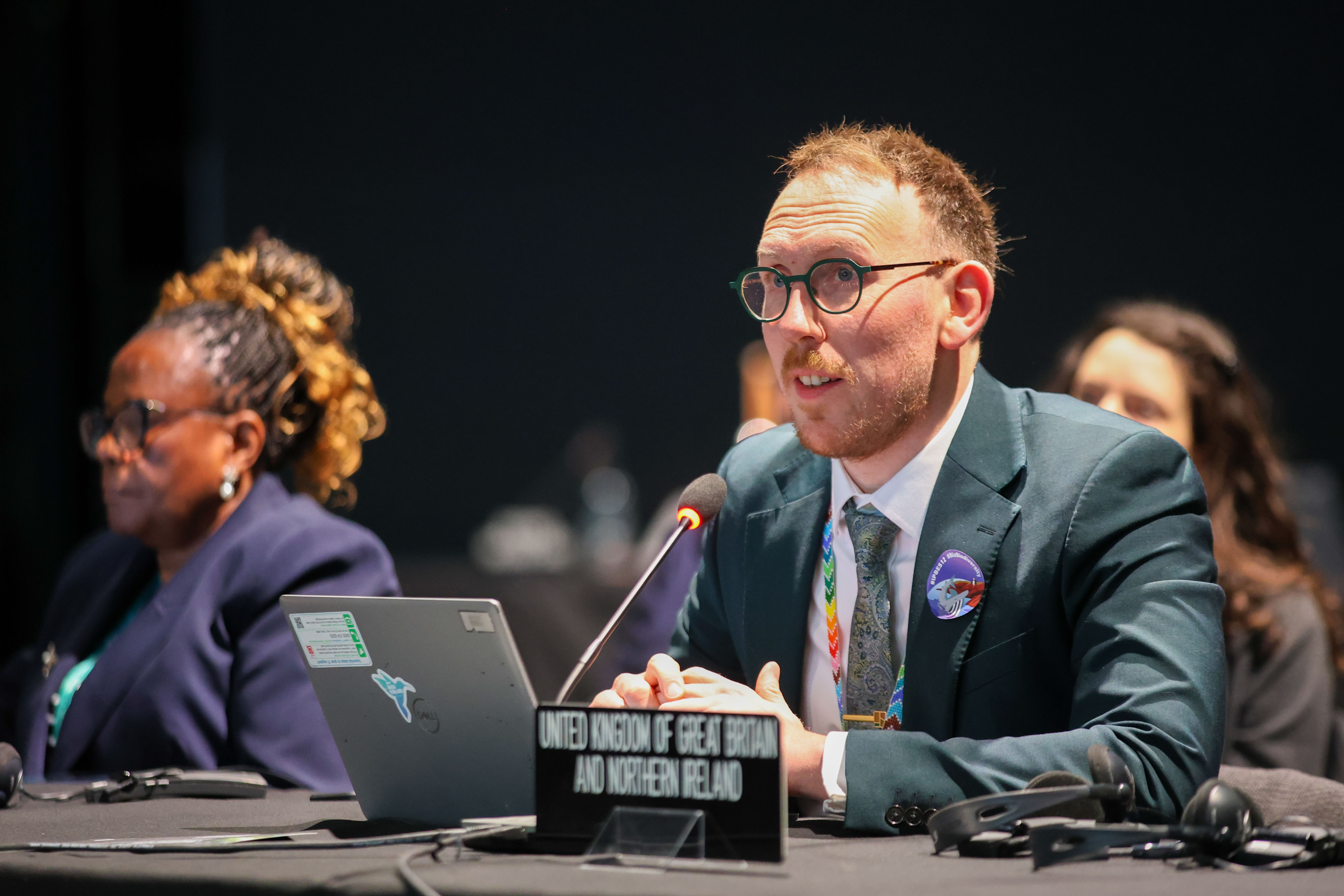
Philip Raymond, UK
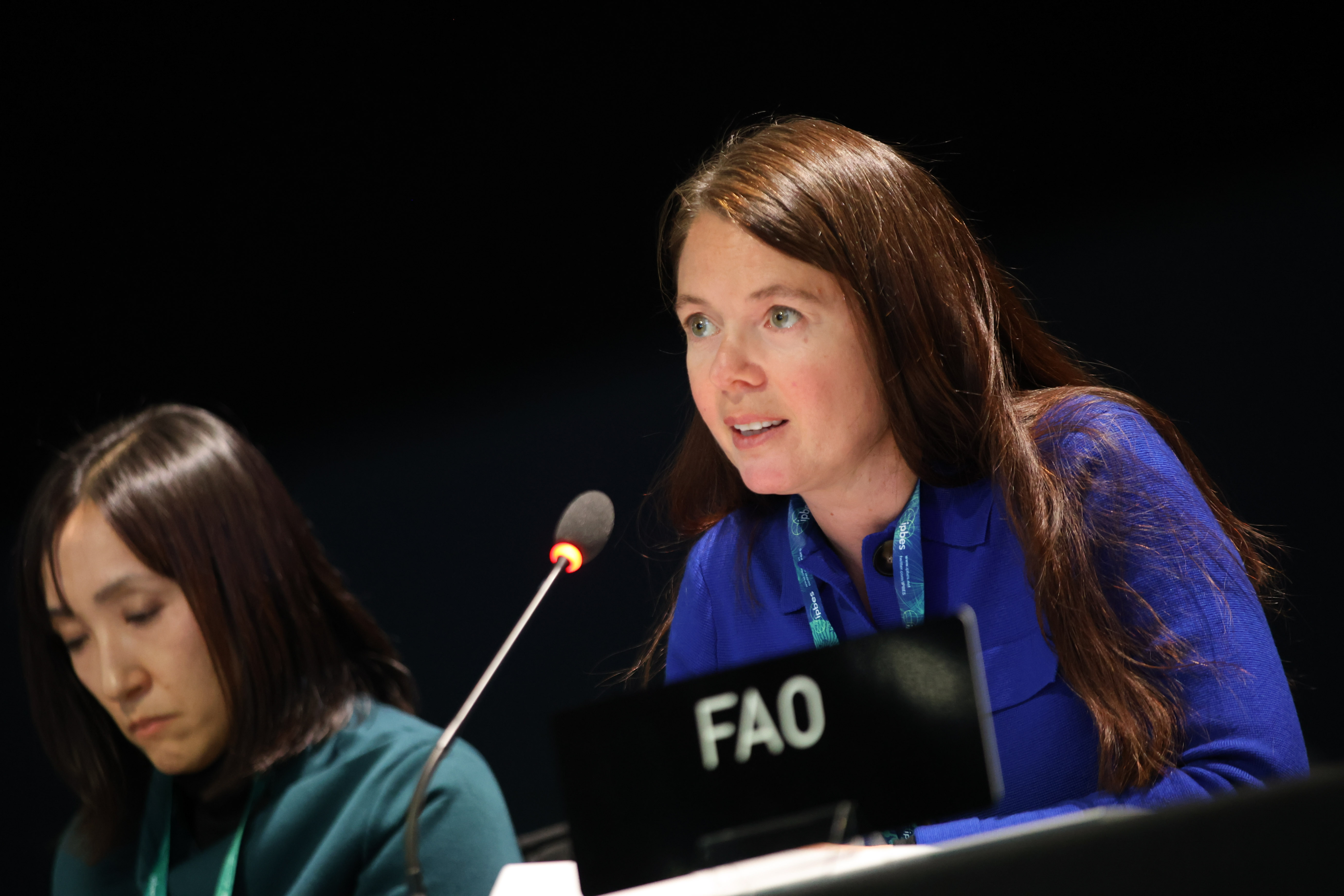
Julie Bélanger, FAO
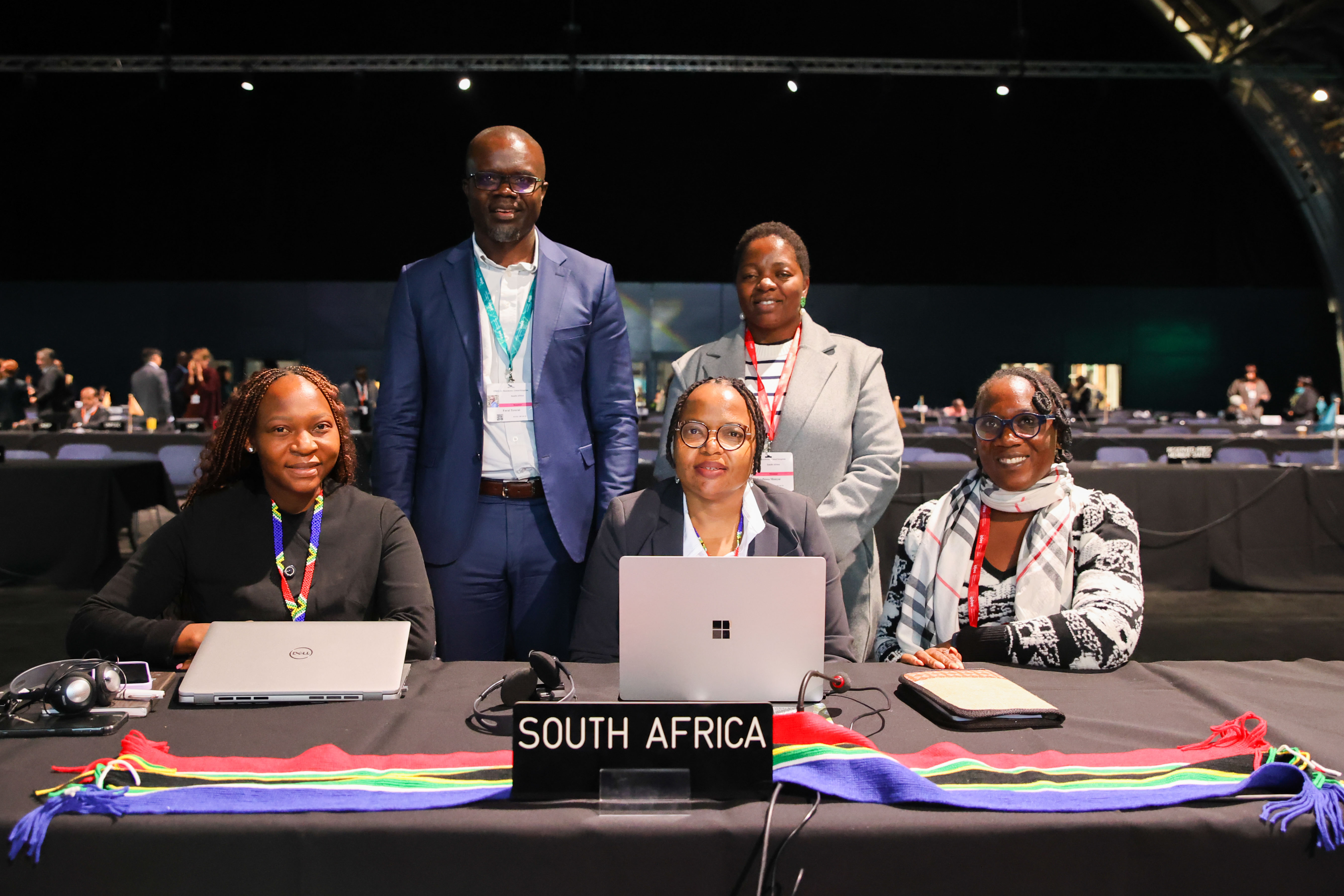
Delegates from South Africa
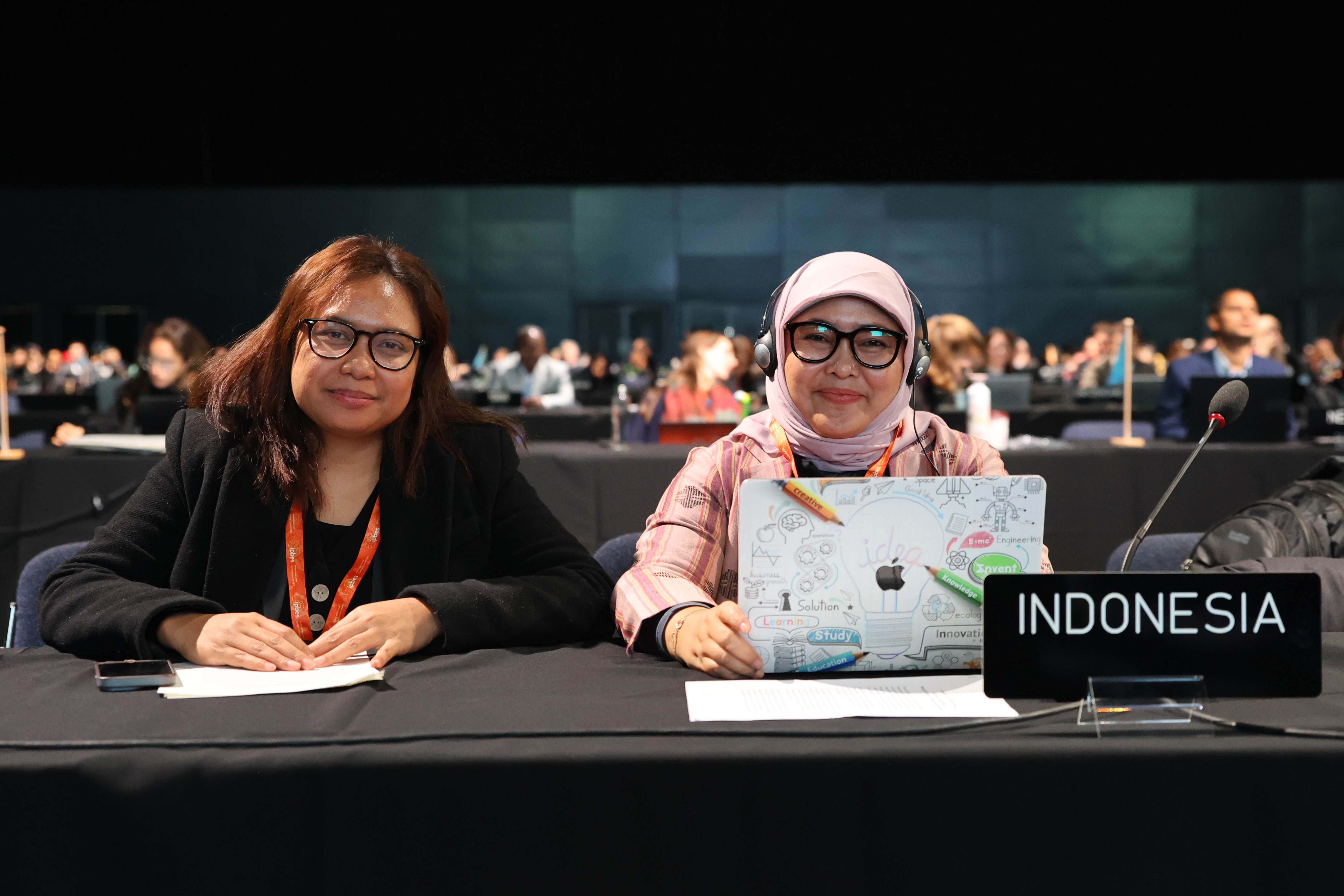
Delegates from Indonesia
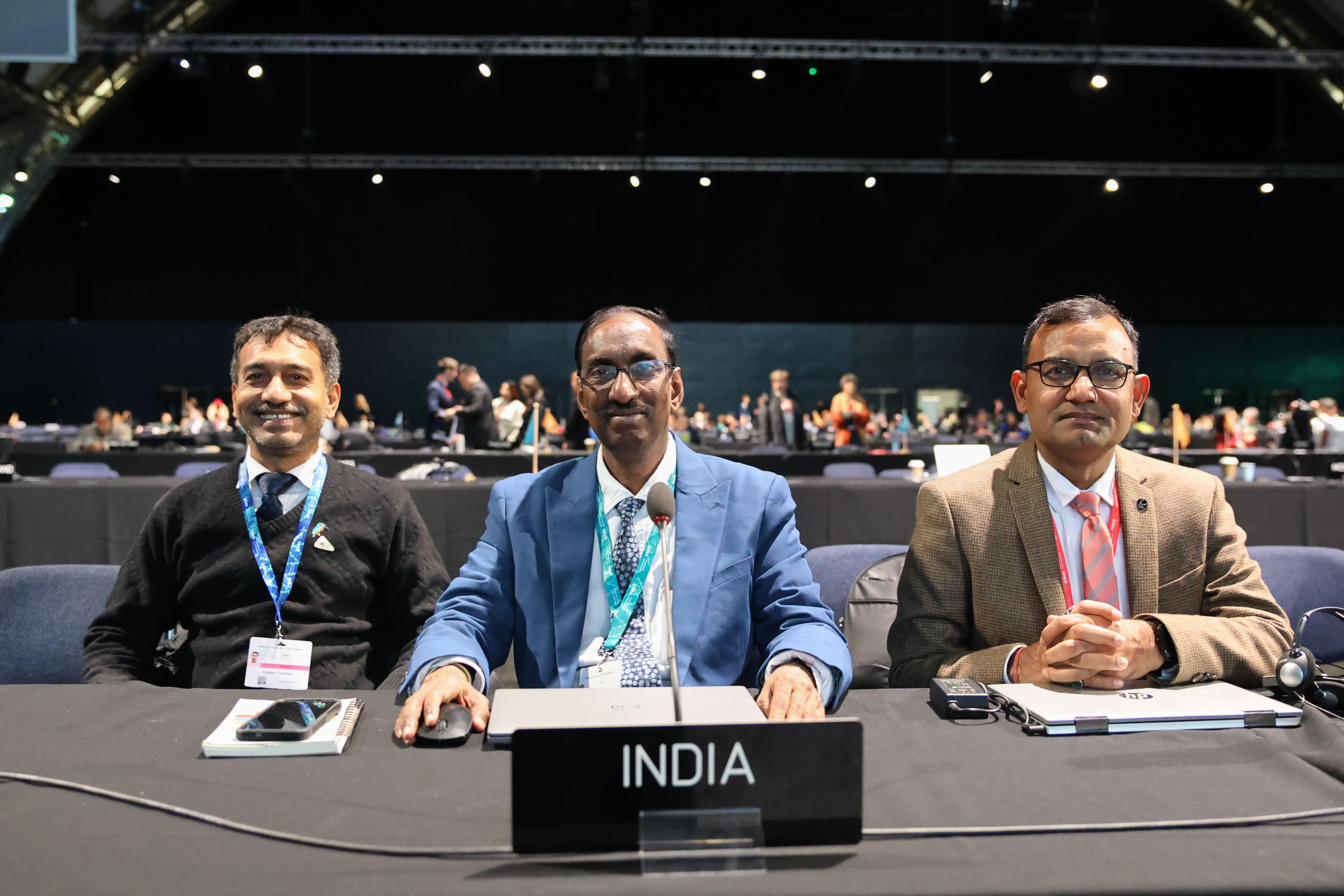
Delegates from India
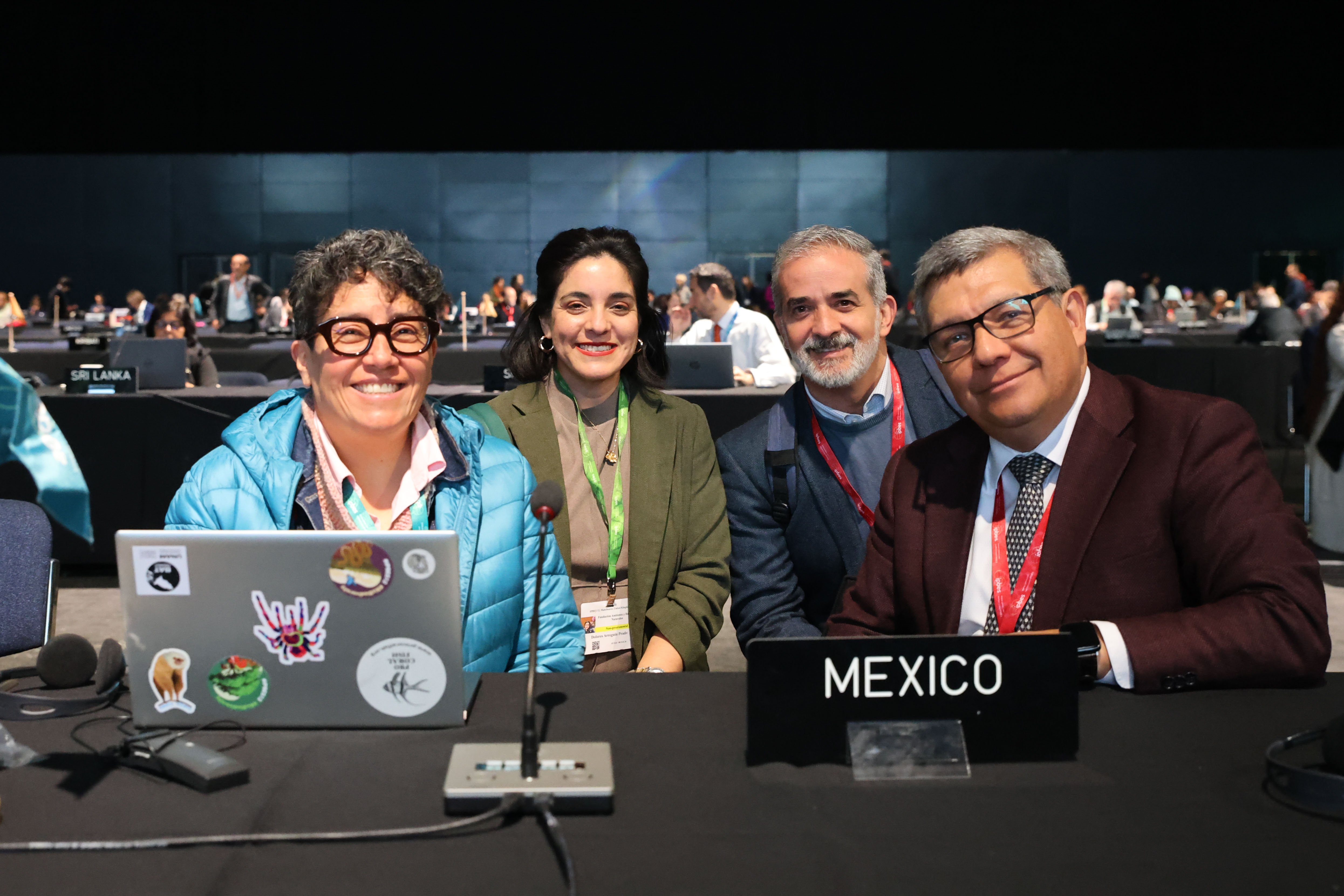
Delegates from Mexico
Working Group 1
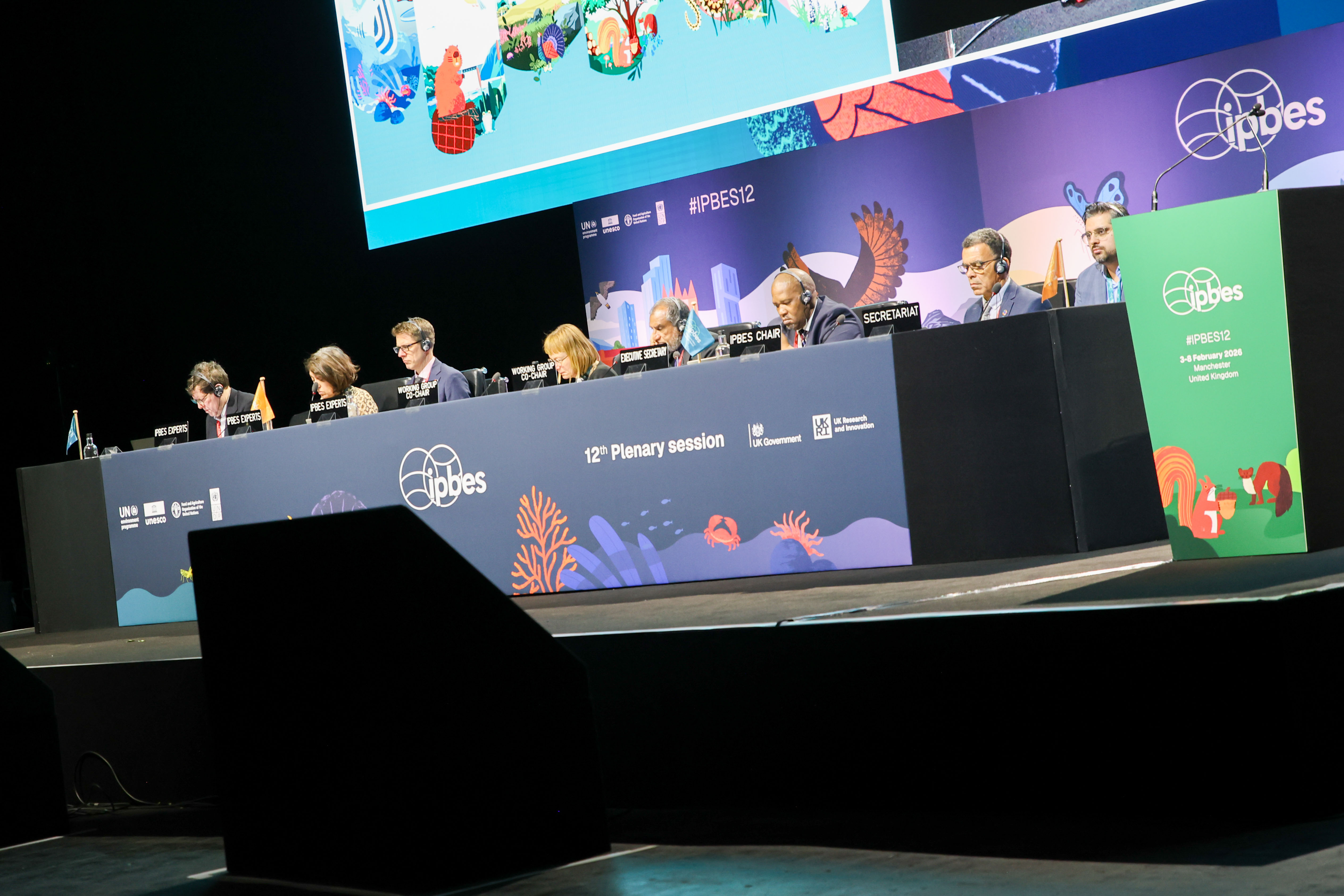
A view of the dais
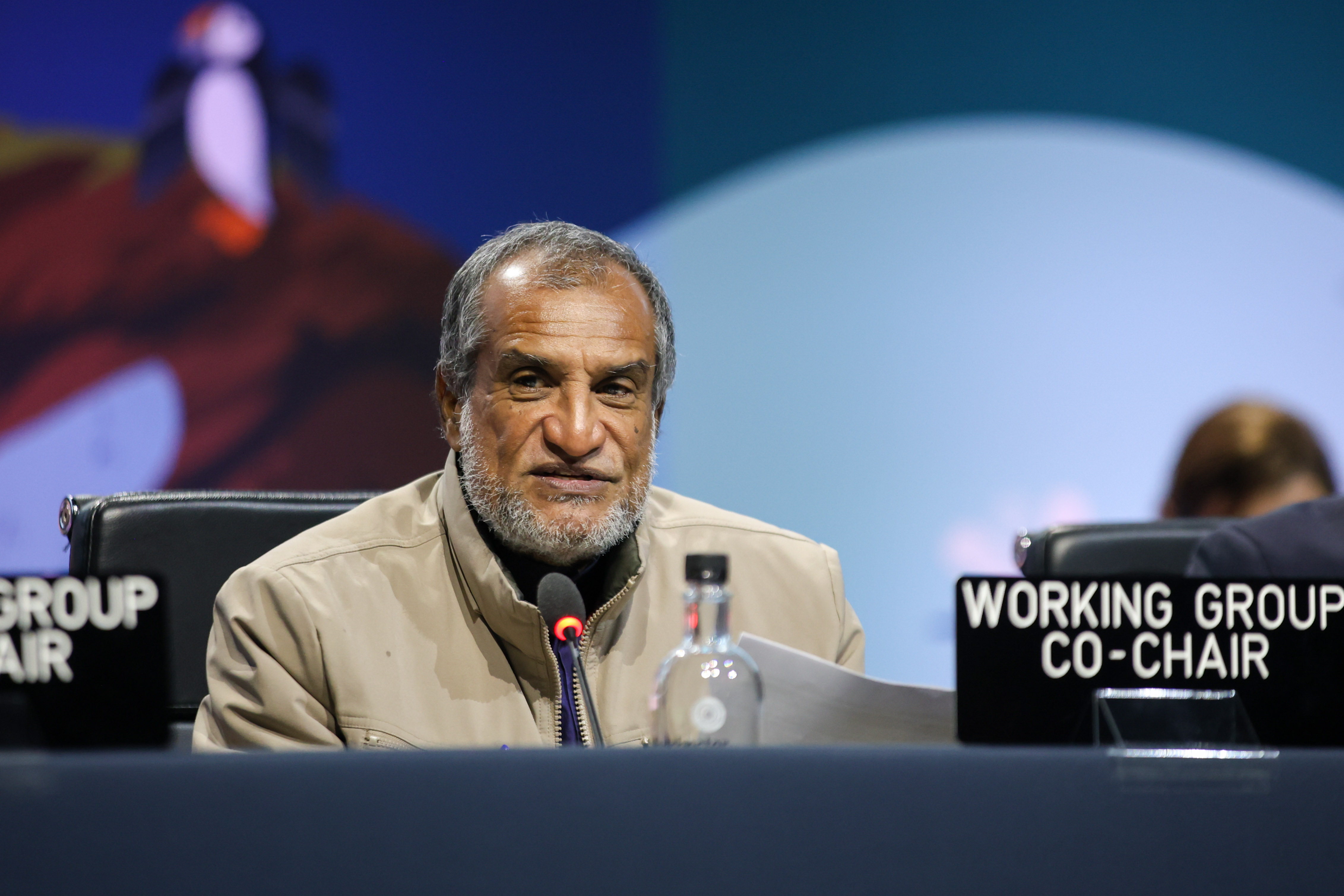
Floyd Homer, Co-Chair of Working Group 1
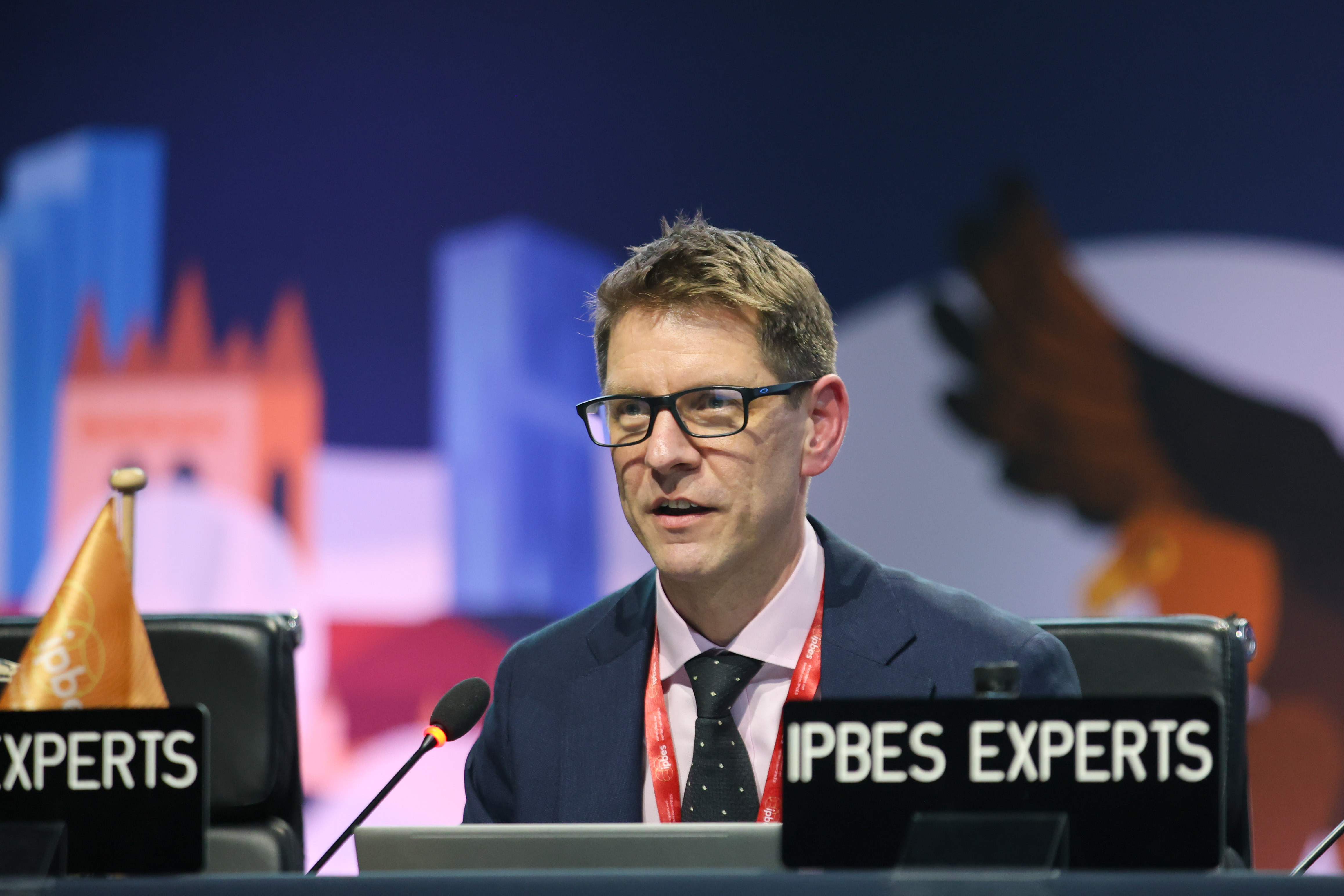
Matt Jones, Co-Chair of the Business and Biodiversity Assessment
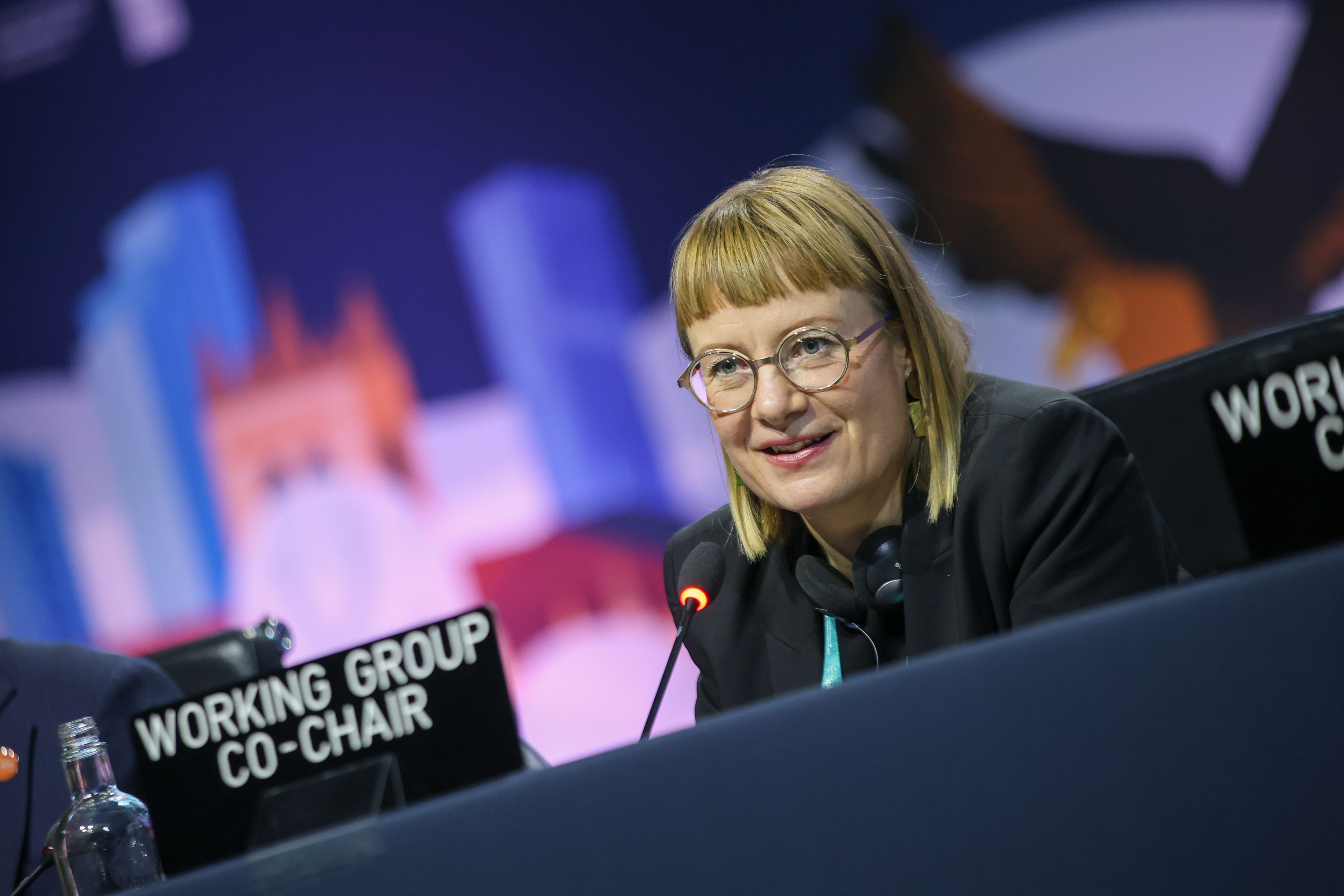
Eeva Primmer, Co-Chair of Working Group 1
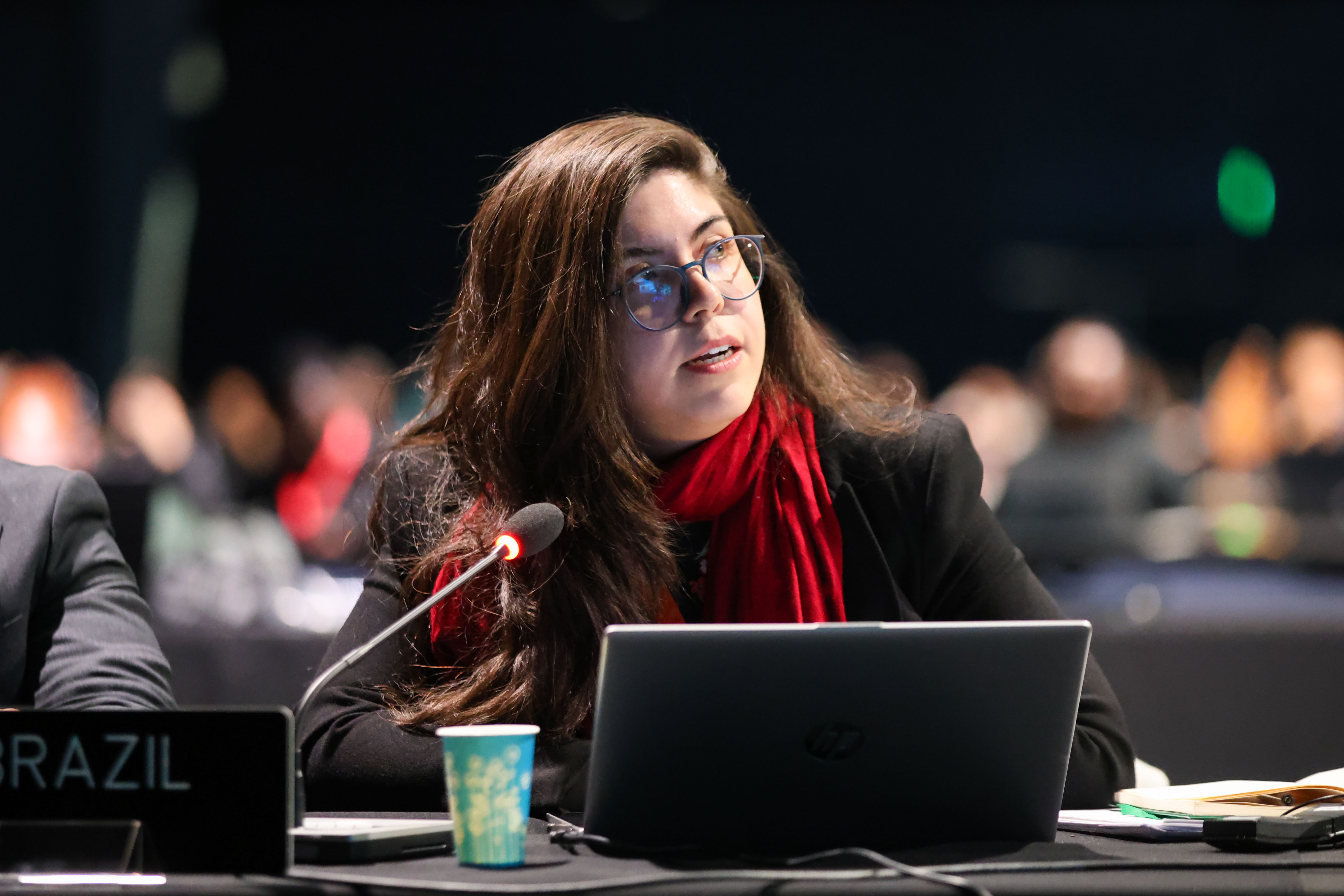
Taísa Passoni Marçal, Brazil
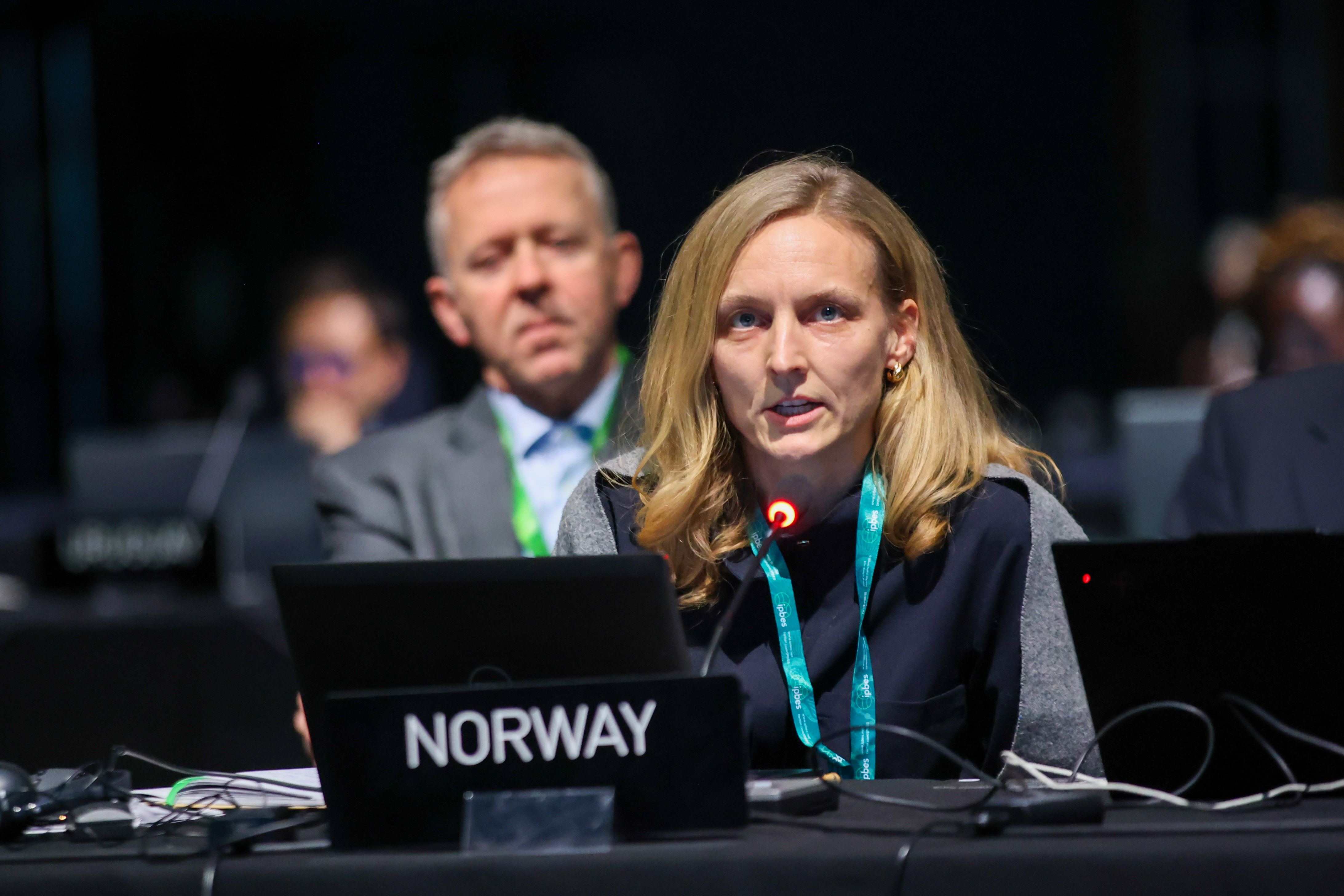
Eva Fontaine, Norway
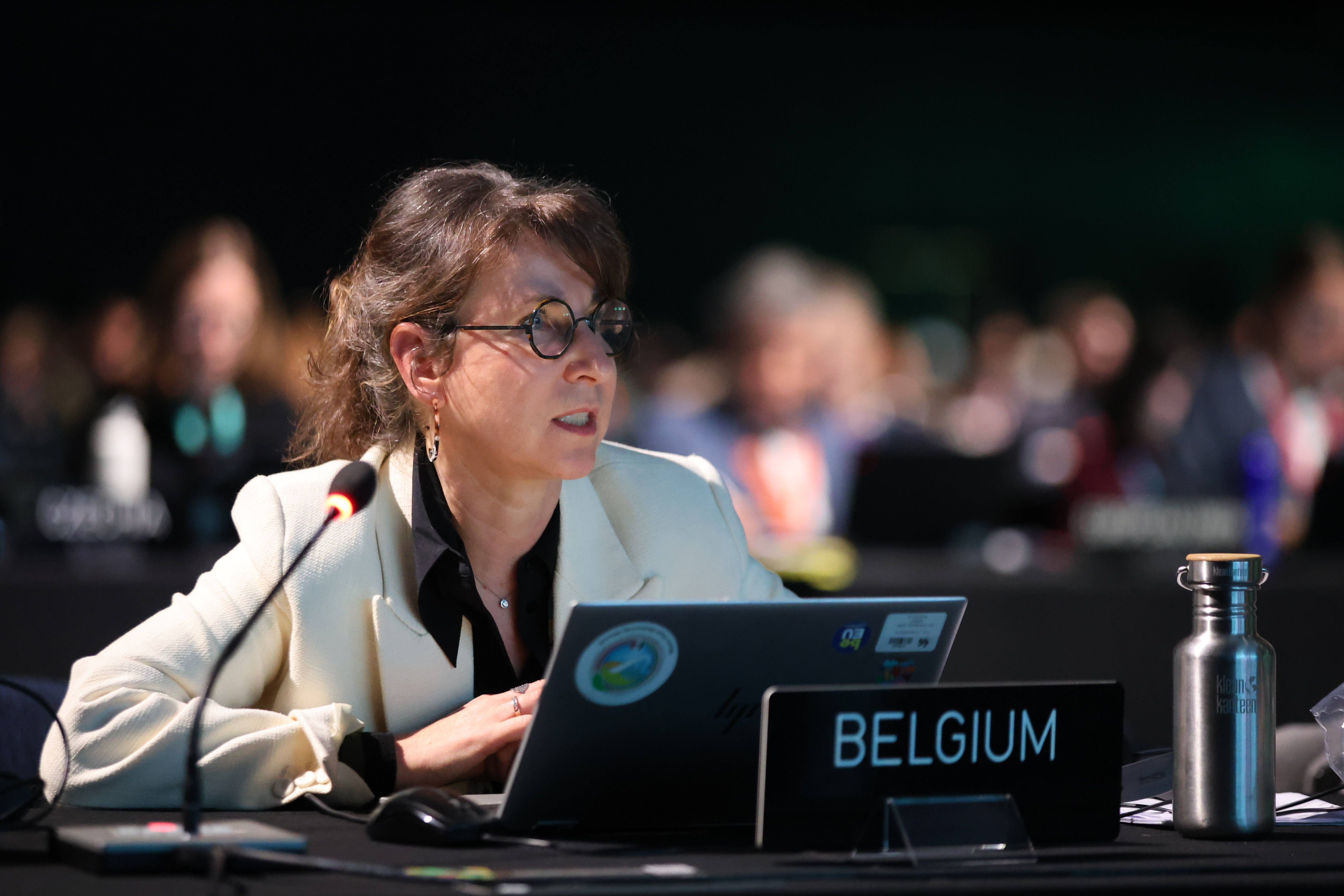
Catherine Debruyne, Belgium
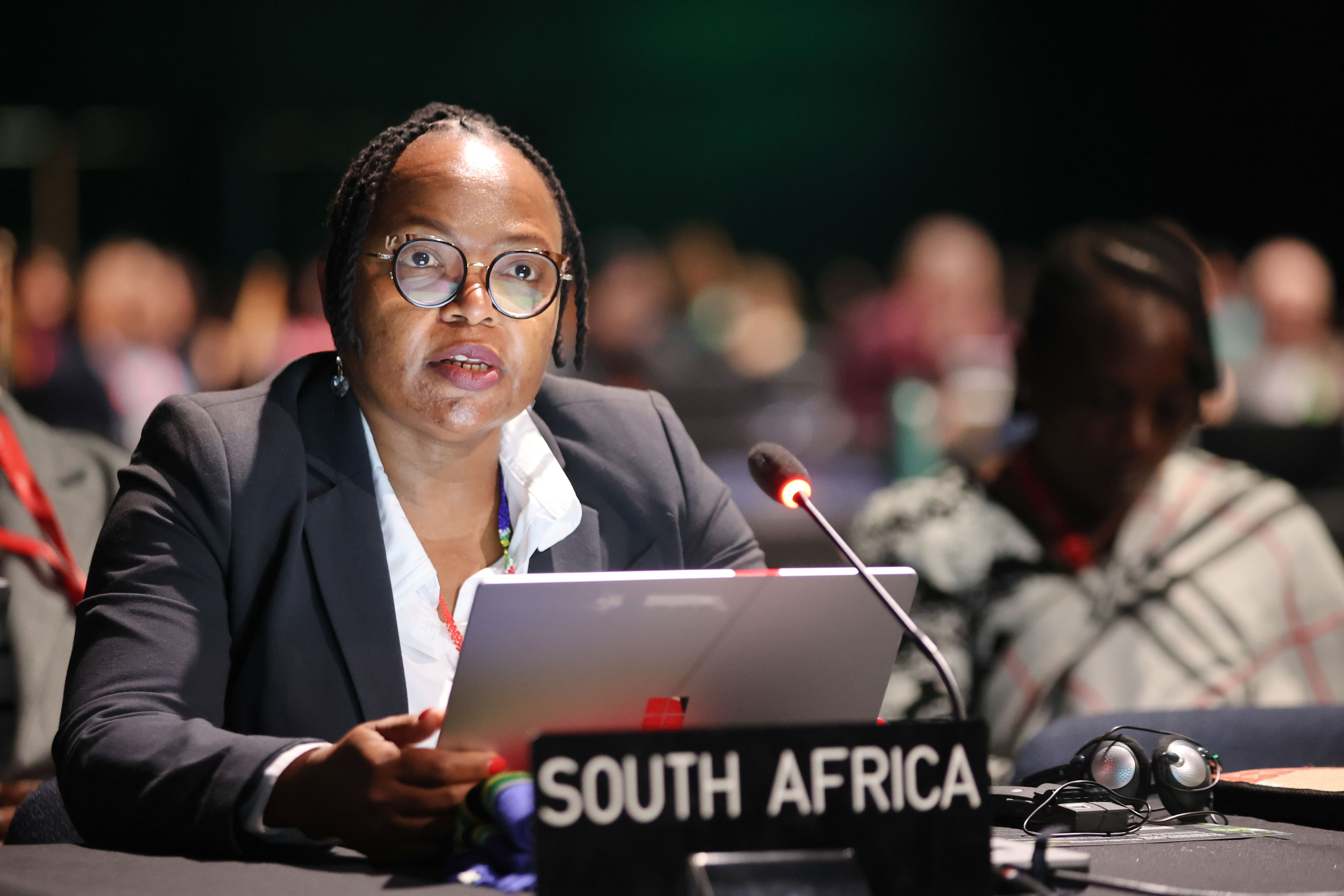
Mohlago Mokgohloa, South Africa
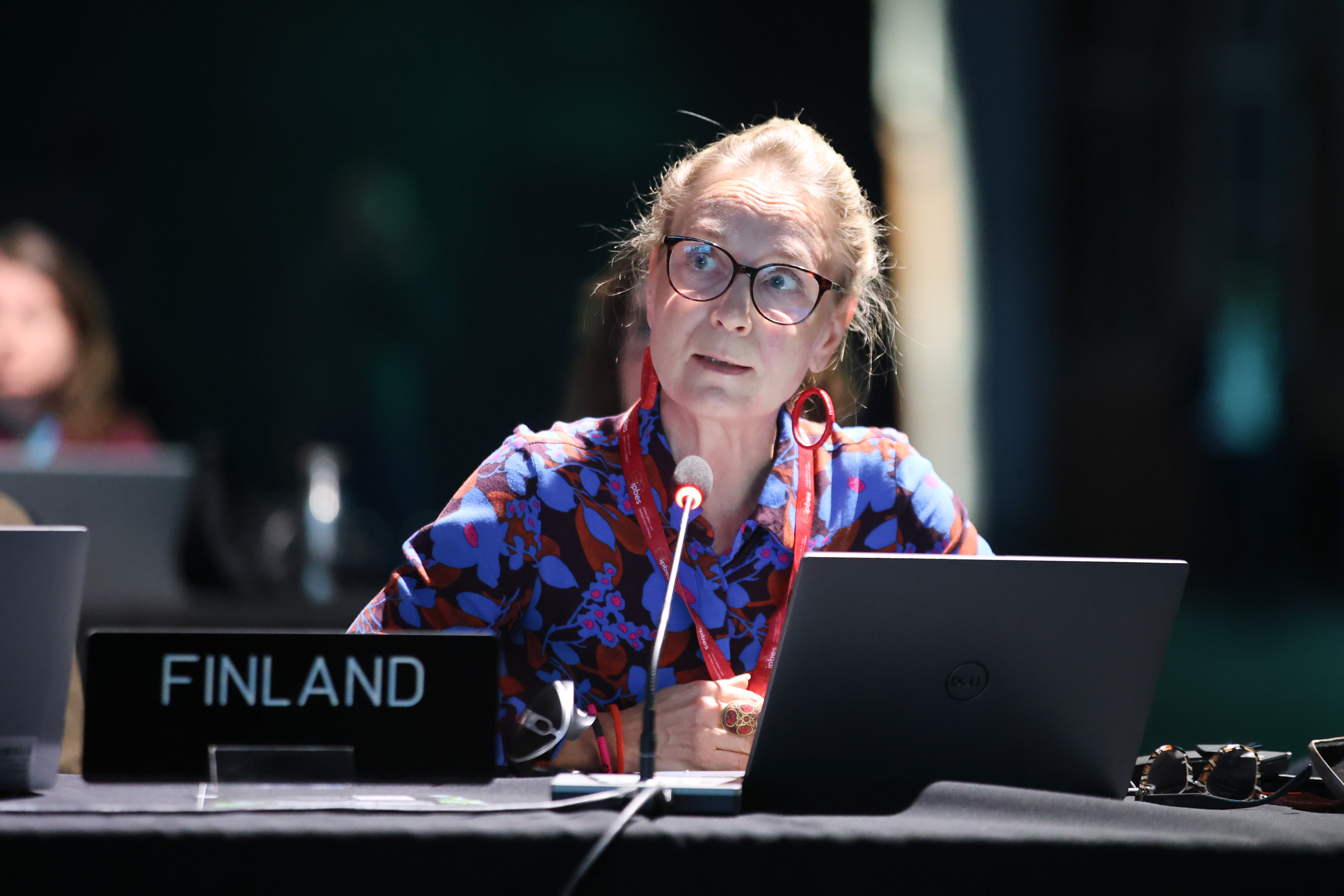
Johanna Niemivuo-Lahti, Finland

Delegates discuss during the session.
Between Sessions