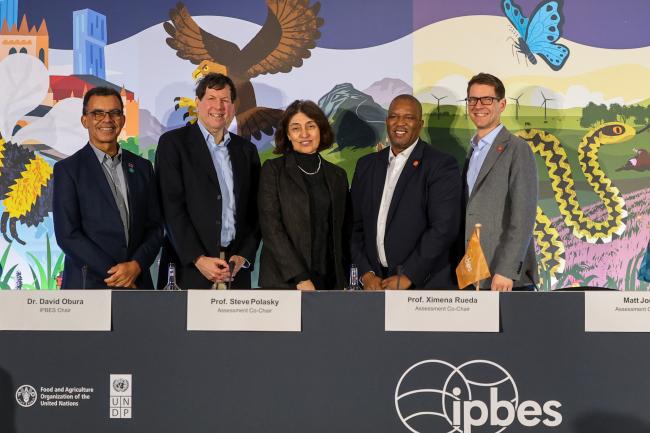
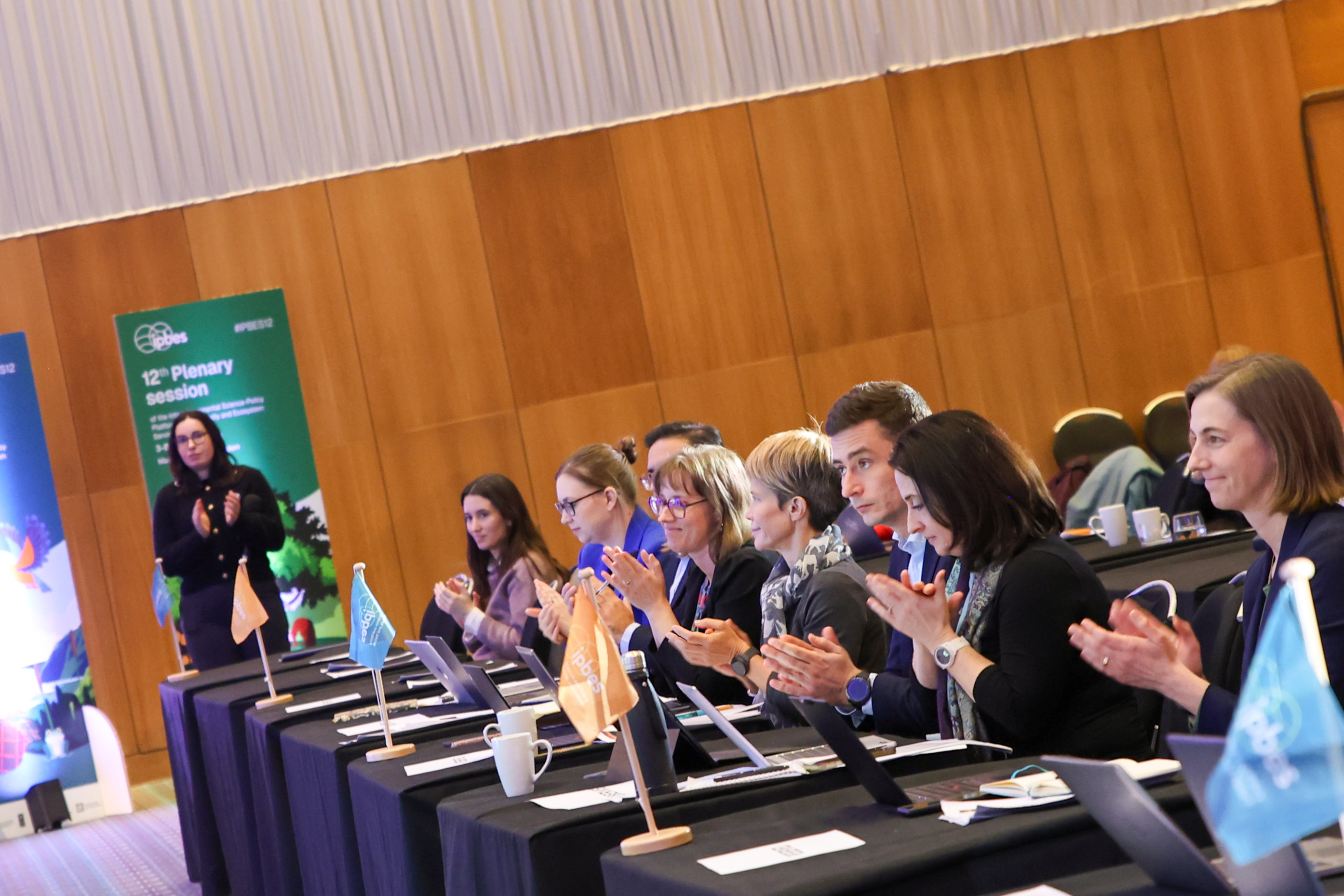
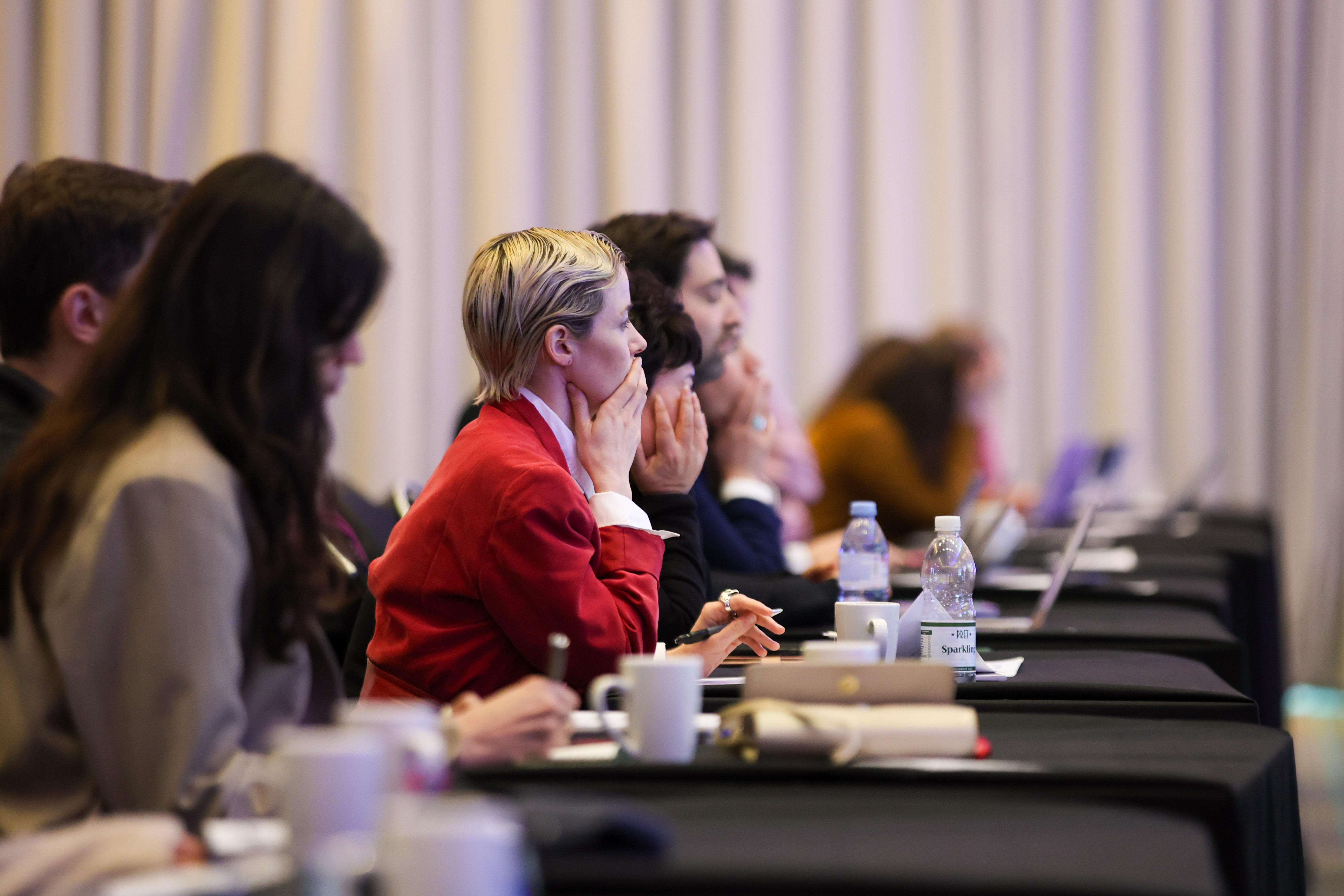
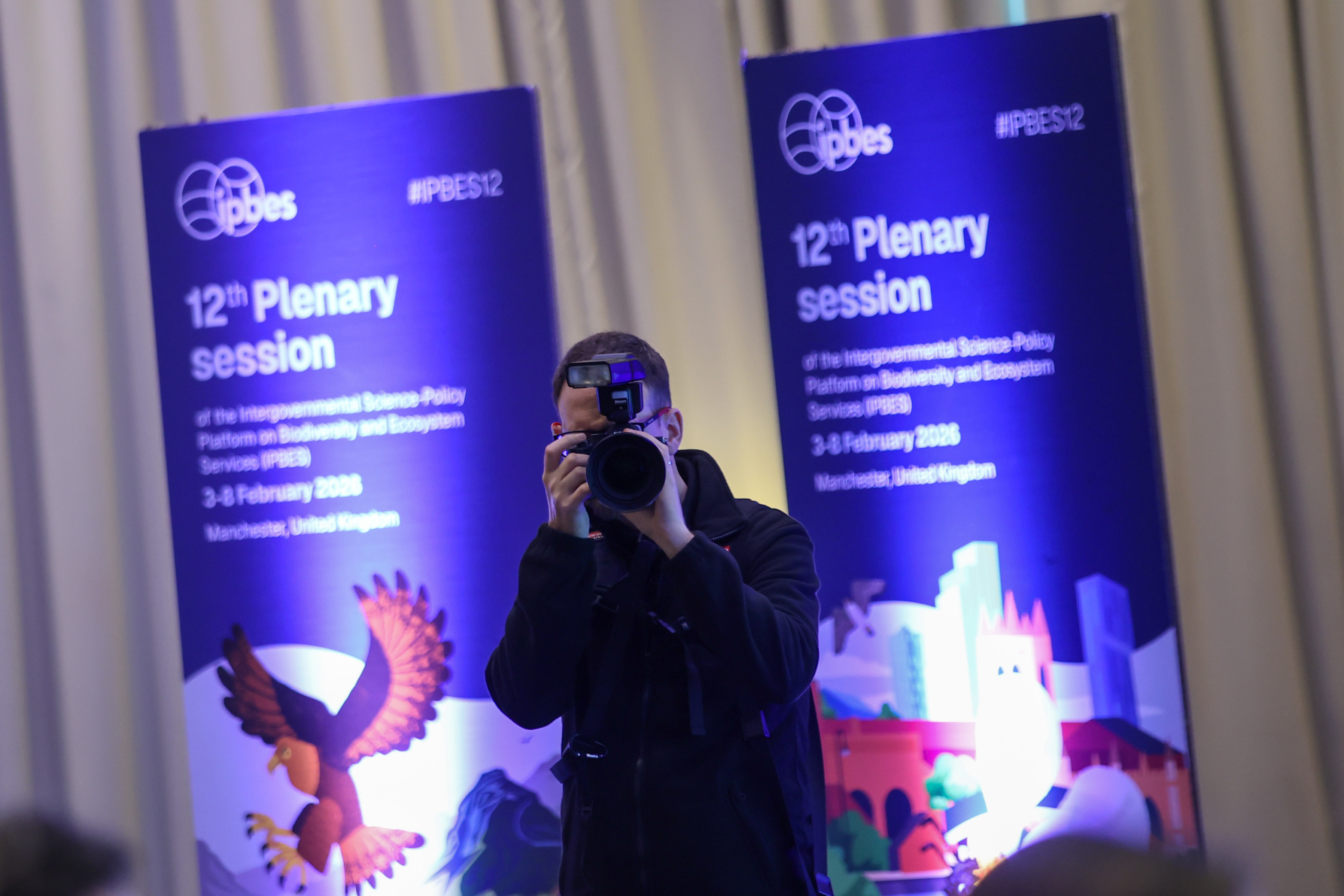
The media community gathered for the official launch of the Business and Biodiversity Assessment, a landmark report building on contributions from experts from around the world.
IPBES Executive Secretary Luthando Dziba lauded the report for showcasing that “nature is everybody’s business.” He thanked the Assessment’s Co-Chairs and authors for synthesizing knowledge to help understand how conservation, restoration, and sustainable use of biodiversity is central to businesses’ sustainability and success.
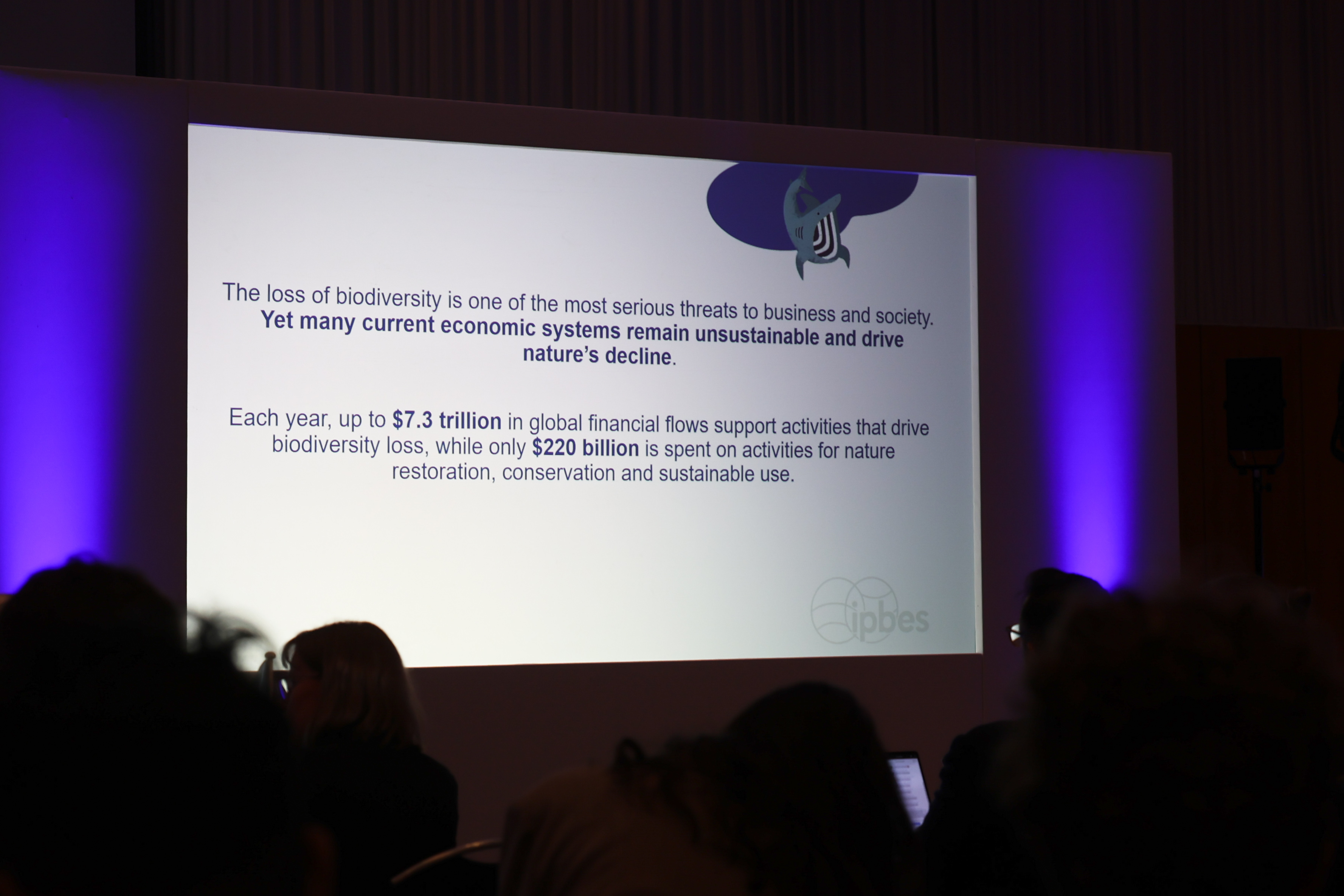
Assessment Co-Chair Steve Polasky highlighted the finding that each year, up to USD 7.3 trillion in global financial flows supports sectors that drive biodiversity loss, while only USD 220 billion, or less than 3% of harmful flows, is being invested on activities contributing to biodiversity conservation and restoration.
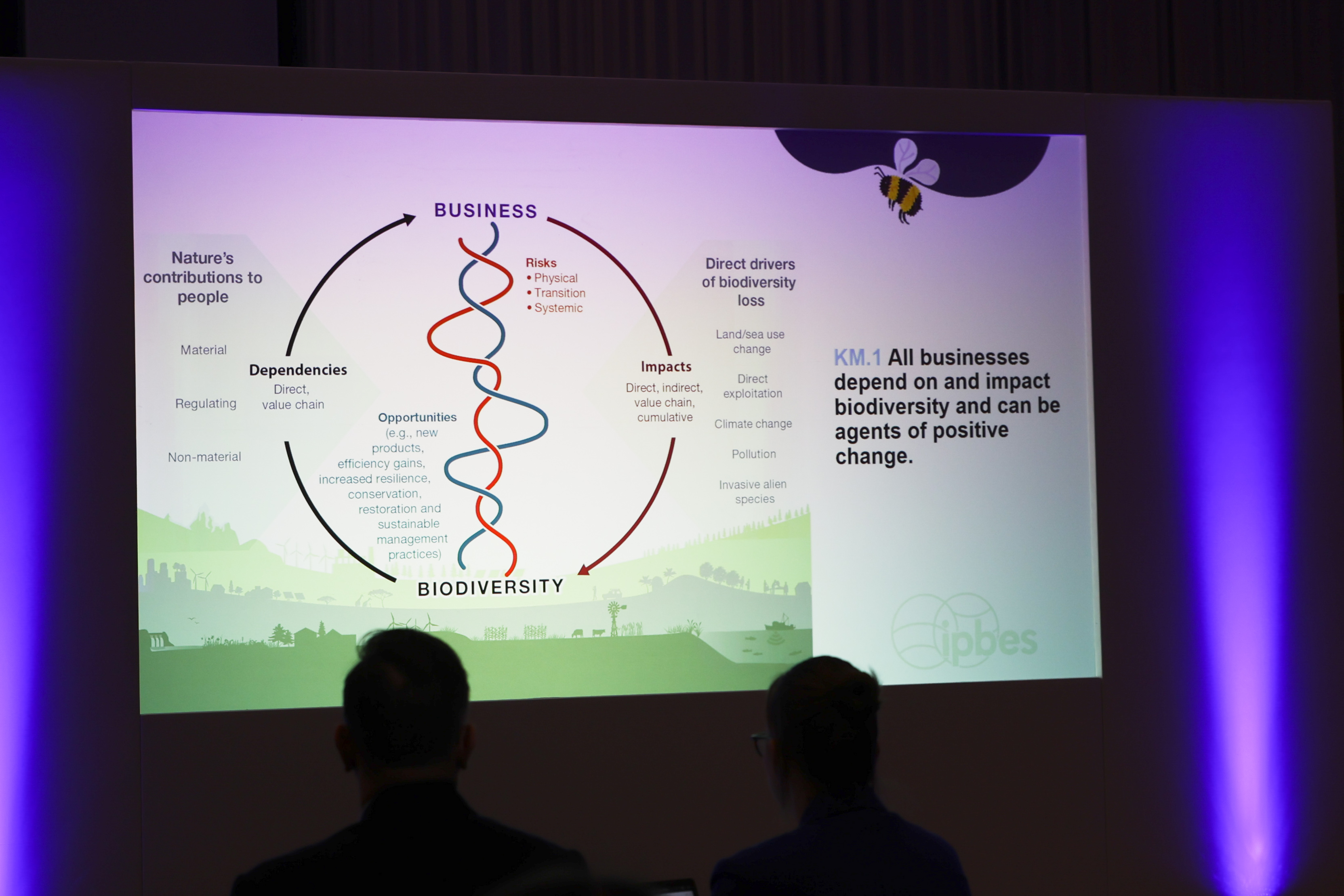
Co-Chair Ximena Rueda Fajardo noted that all actors can take actions across five domains to create an enabling environment for enhanced business action on biodiversity: policy and legal; economics and finance; values and norms; technology and data; and capacity and knowledge. Co-Chair Matt Jones underscored that the main takeaway from the Business and Biodiversity Assessment is that businesses can be positive agents of change, and they can act now.
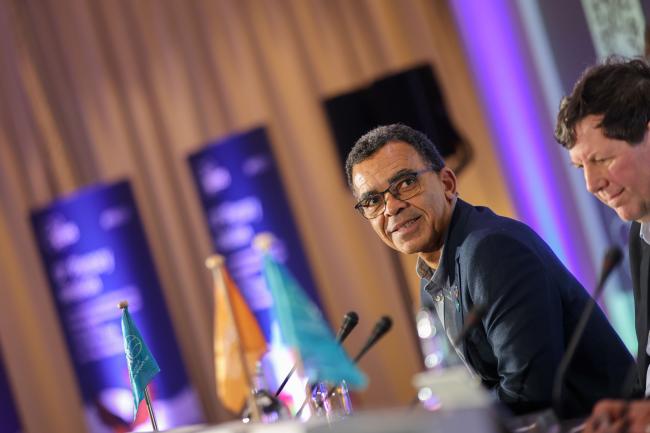
IPBES Chair David Obura thanked the Co-Chairs for synthesizing the different types of knowledge to better understand business’ impacts and dependencies on biodiversity, with a view to reducing risks and optimizing opportunities. He noted that the media launch is a transitional moment for the Assessment to move from production to uptake and deploy the impact that the Platform aspires to achieve.
In the ensuing Q&A, journalists and authors of the Assessment discussed matters relating to, among others:
- the magnitude of the biodiversity-related risks businesses face;
- recognizing biodiversity loss as a critical systemic risk for businesses;
- market pricing of nature as incentives for businesses to take voluntary action;
- immediate actions that businesses and financial institutions can take;
- landscape management approaches as an example of long-term action;
- ways for governments to identify subsidies harmful to biodiversity;
- expectations for meaningful business action in light of weak regulatory frameworks;
- voluntary public disclosure of biodiversity impacts, especially in the Global South;
- strengthening monitoring frameworks for business activities; and
- the need for universities to train the next generation of managers and economists in matters related to biodiversity and ecosystem services.
Highlighting the hope of all those who contributed to the Assessment that it will influence change, Rob Spaull, IPBES Secretariat, emphasized the report’s take-away message: “There are things that can – and are – being done.”
To receive free coverage of global environmental events delivered to your inbox, subscribe to the ENB Update newsletter.
All ENB photos are free to use with attribution. For IPBES 12 please use: Photo by IISD/ENB | Anastasia Rodopoulou
Media Launch of the Business and Biodiversity Assessment
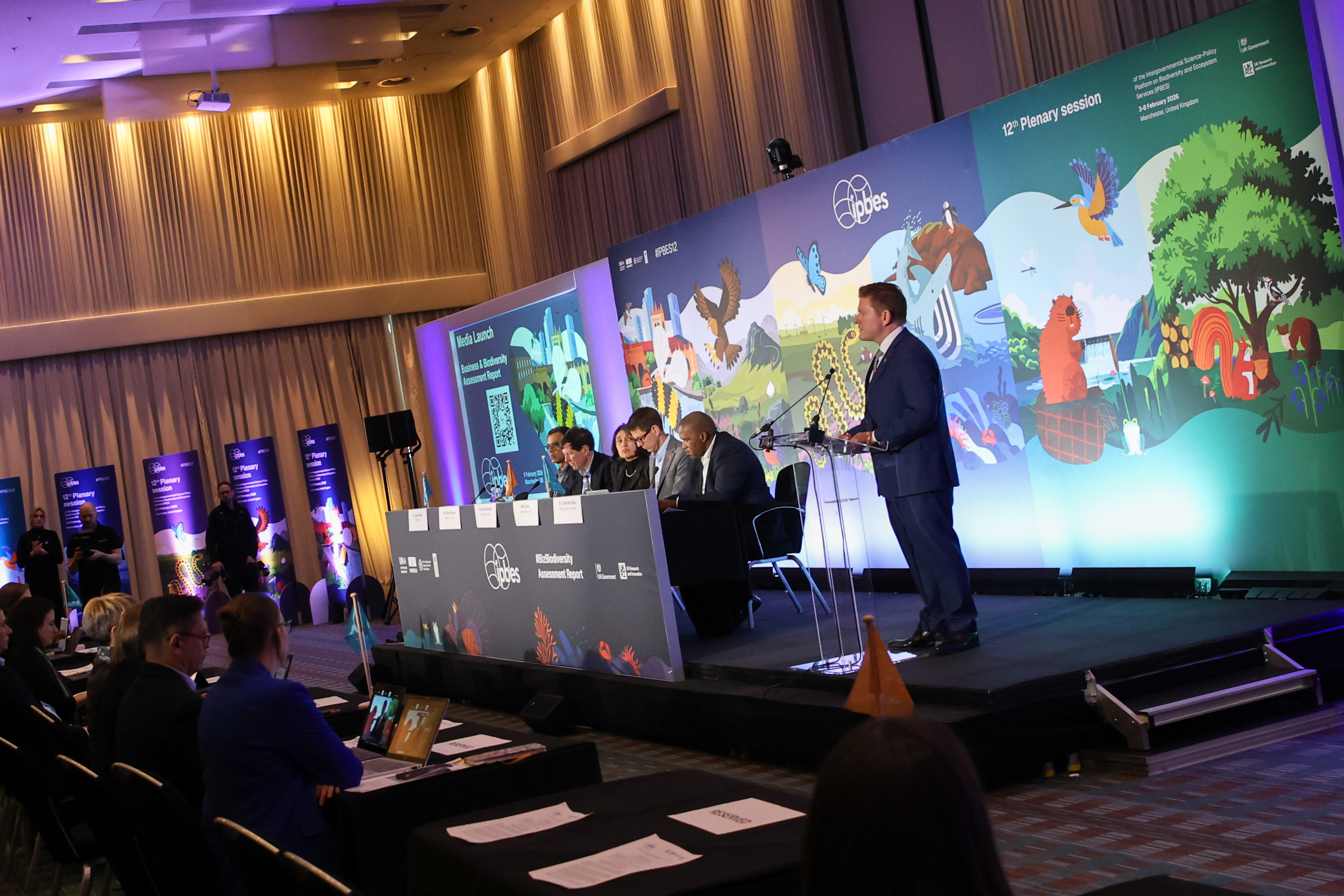
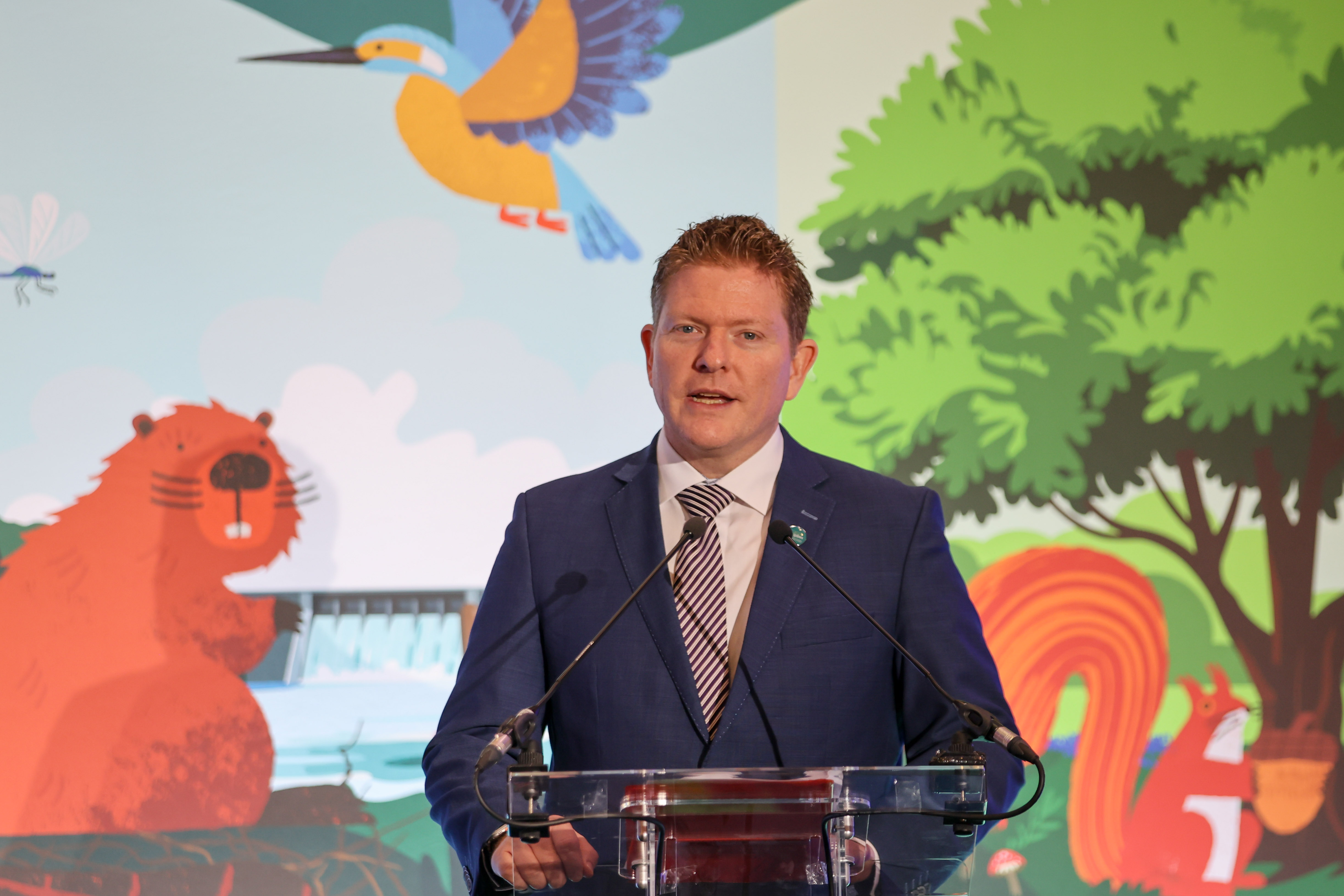
Rob Spaull, IPBES Secretariat
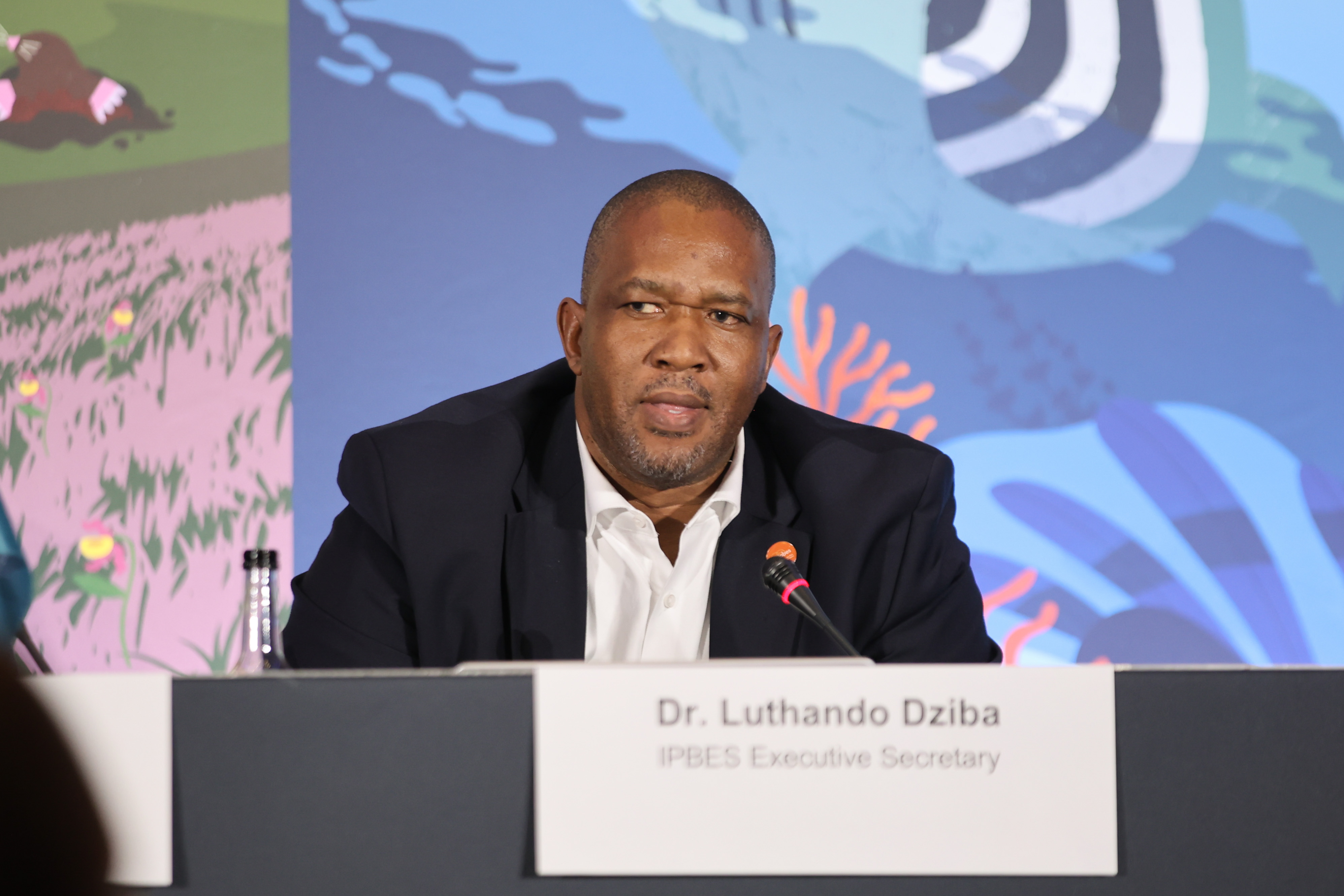
IPBES Executive Secretary Luthando Dziba
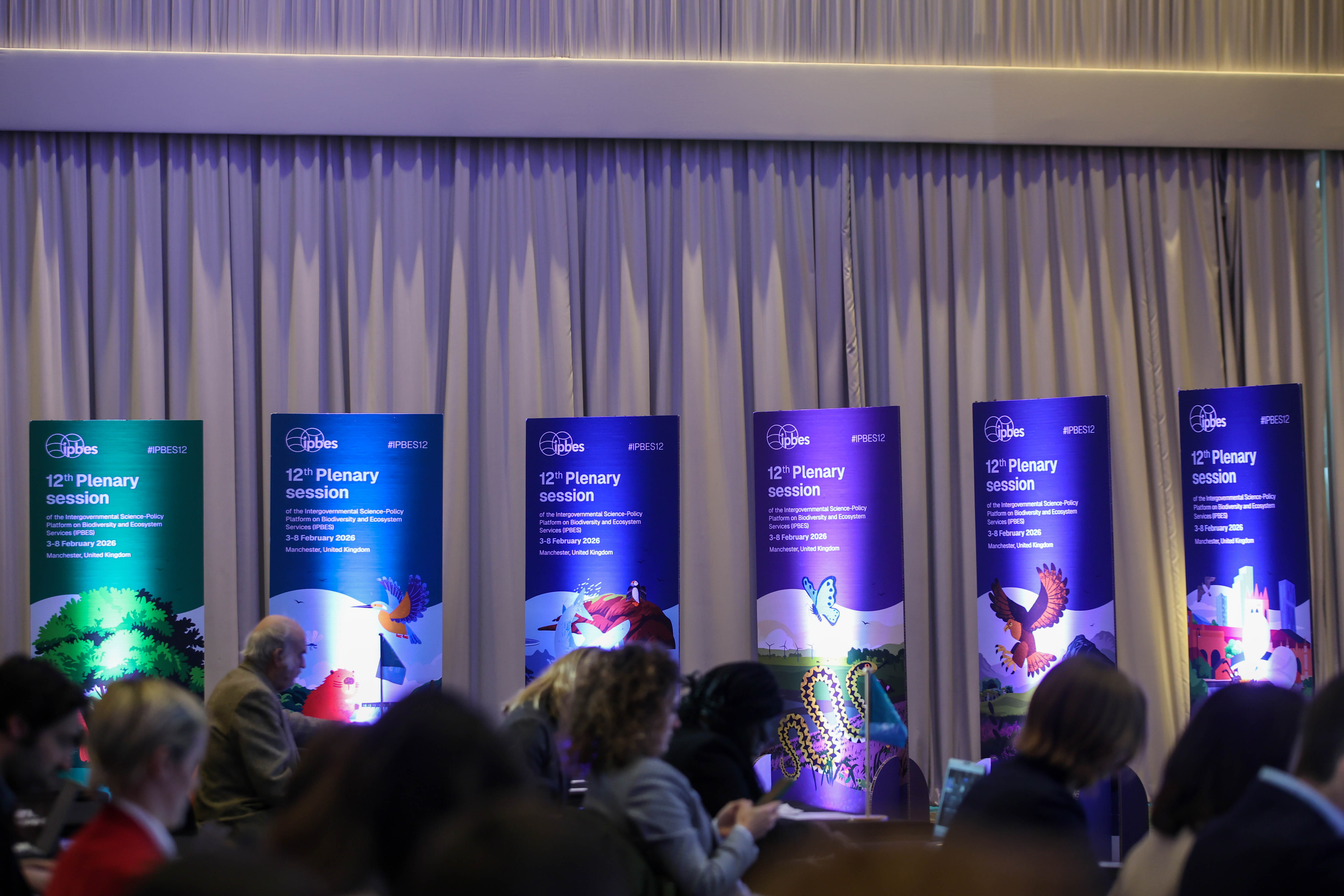
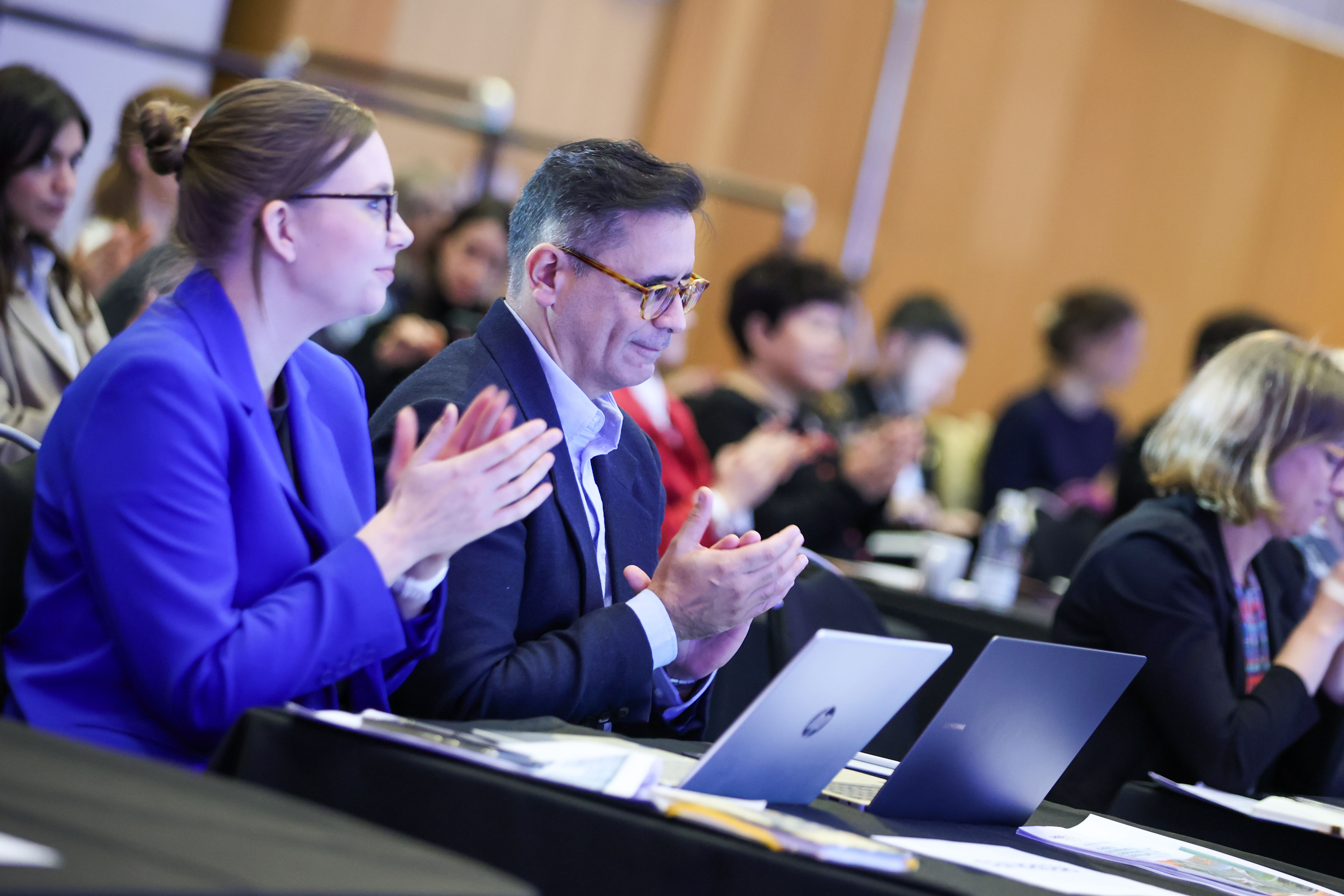
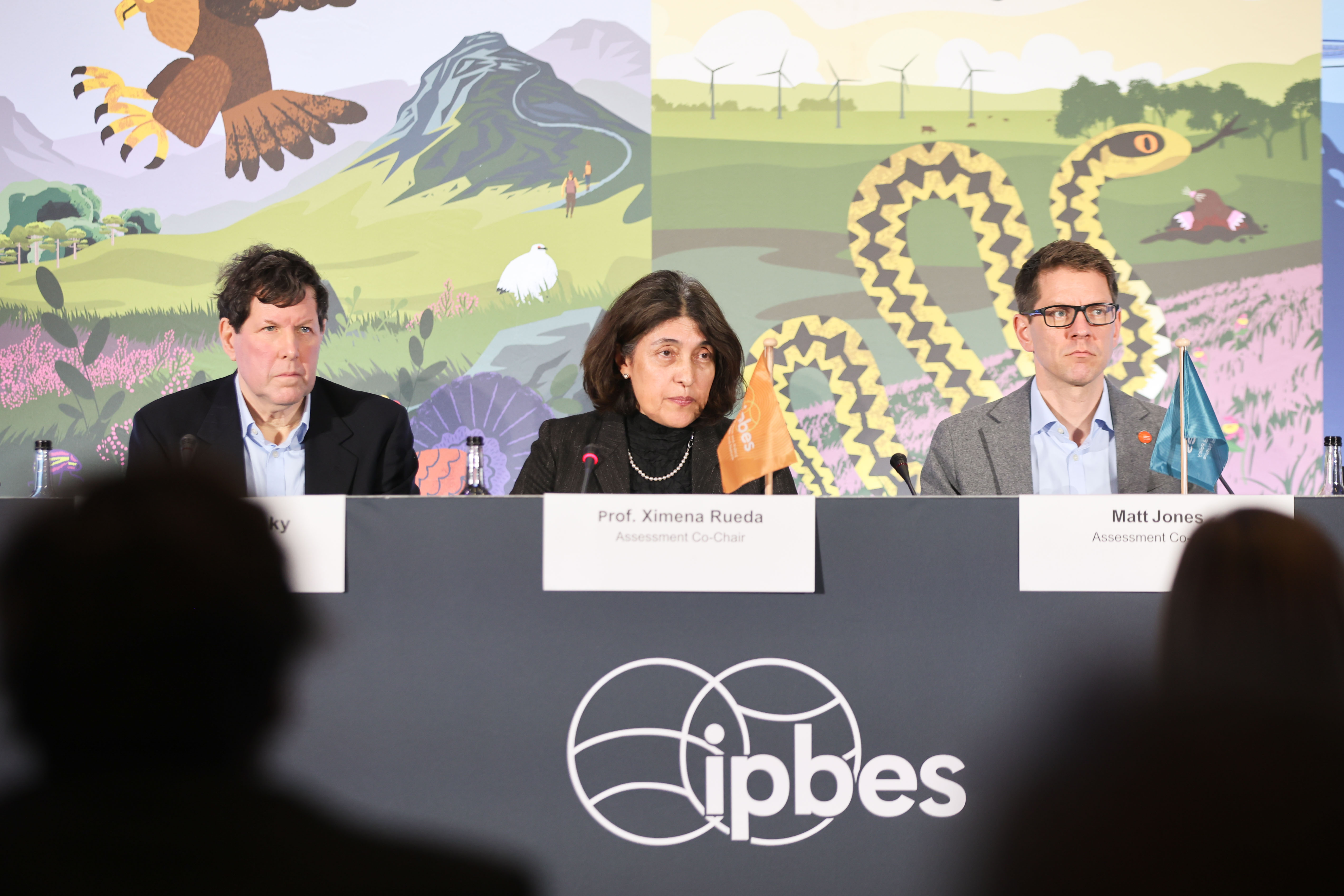
Steve Polasky, Ximena Rueda Fajardo, and Matt Jones, Co-Chairs of the Business and Biodiversity Assessment
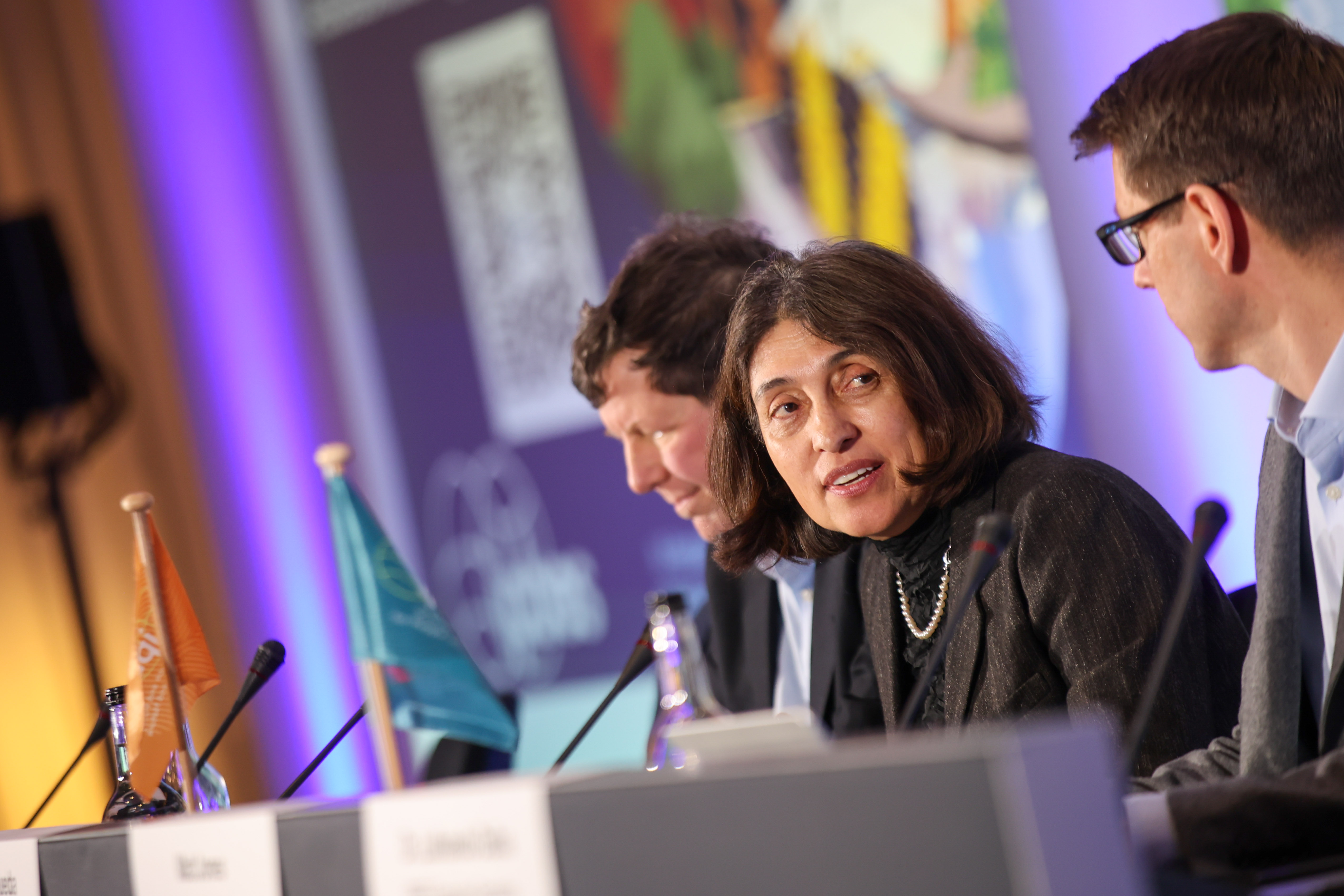
Ximena Rueda Fajardo, Co-Chair of the Business and Biodiversity Assessment
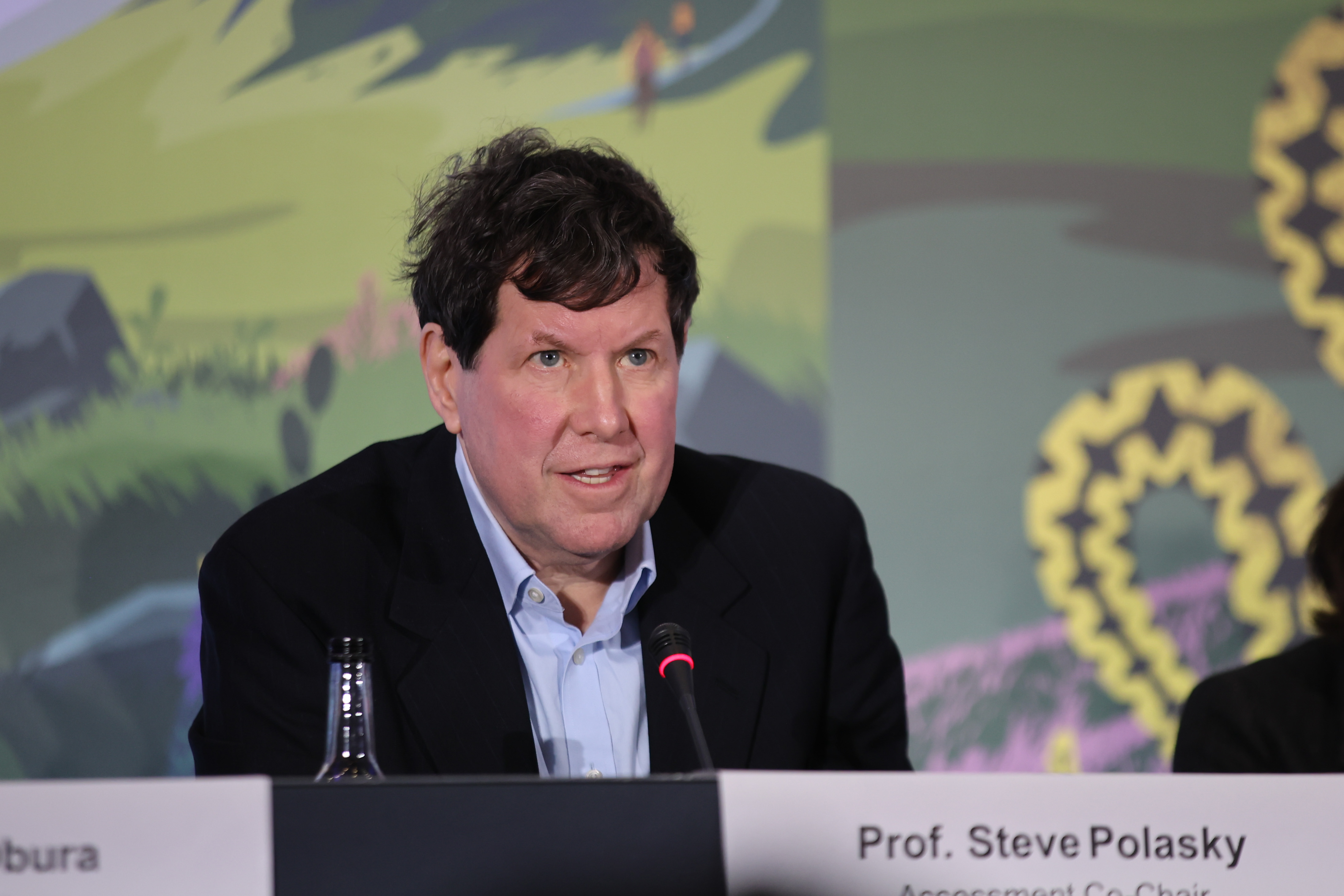
Steve Polasky, Co-Chair of the Business and Biodiversity Assessment
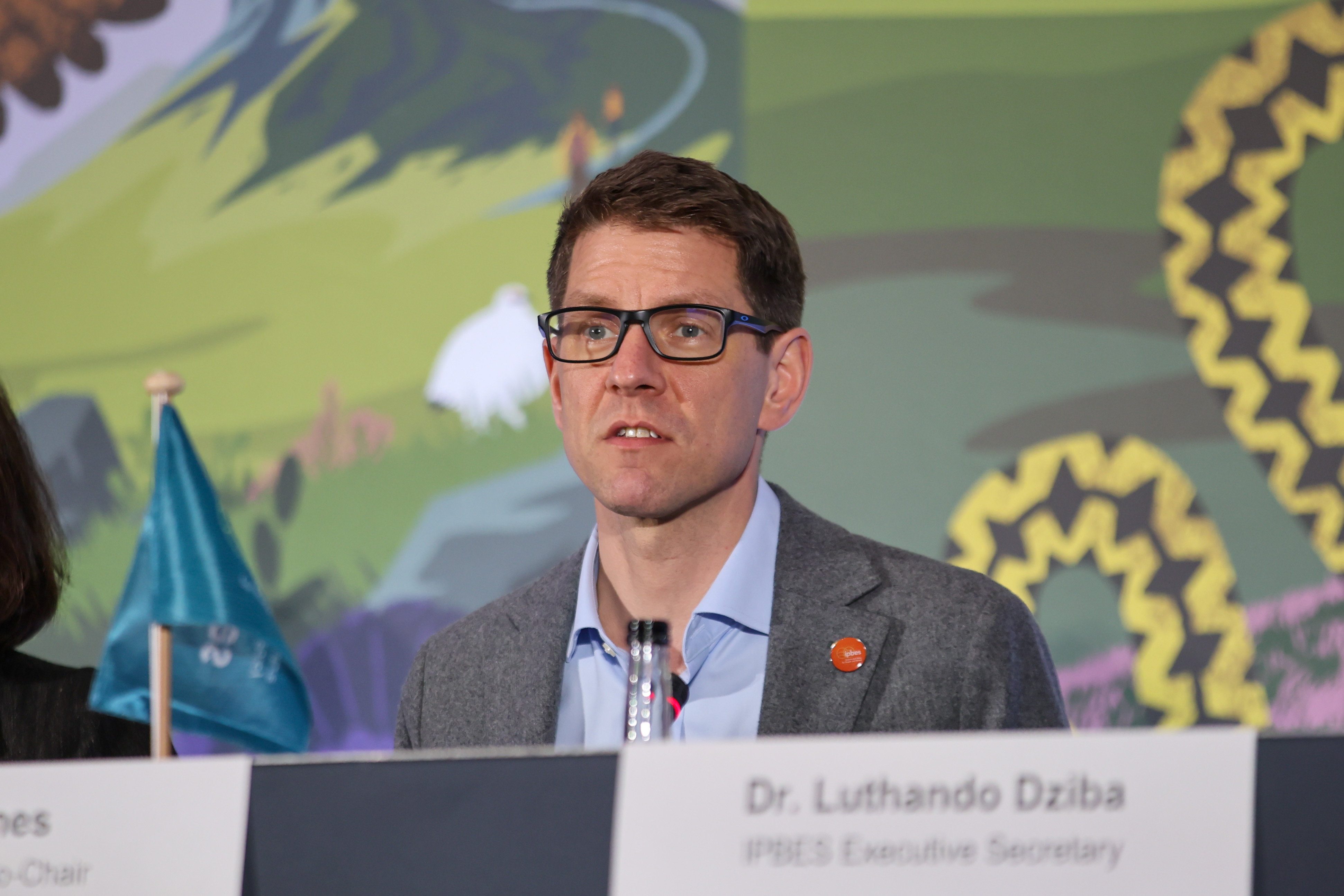
Matt Jones, Co-Chair of the Business and Biodiversity Assessment
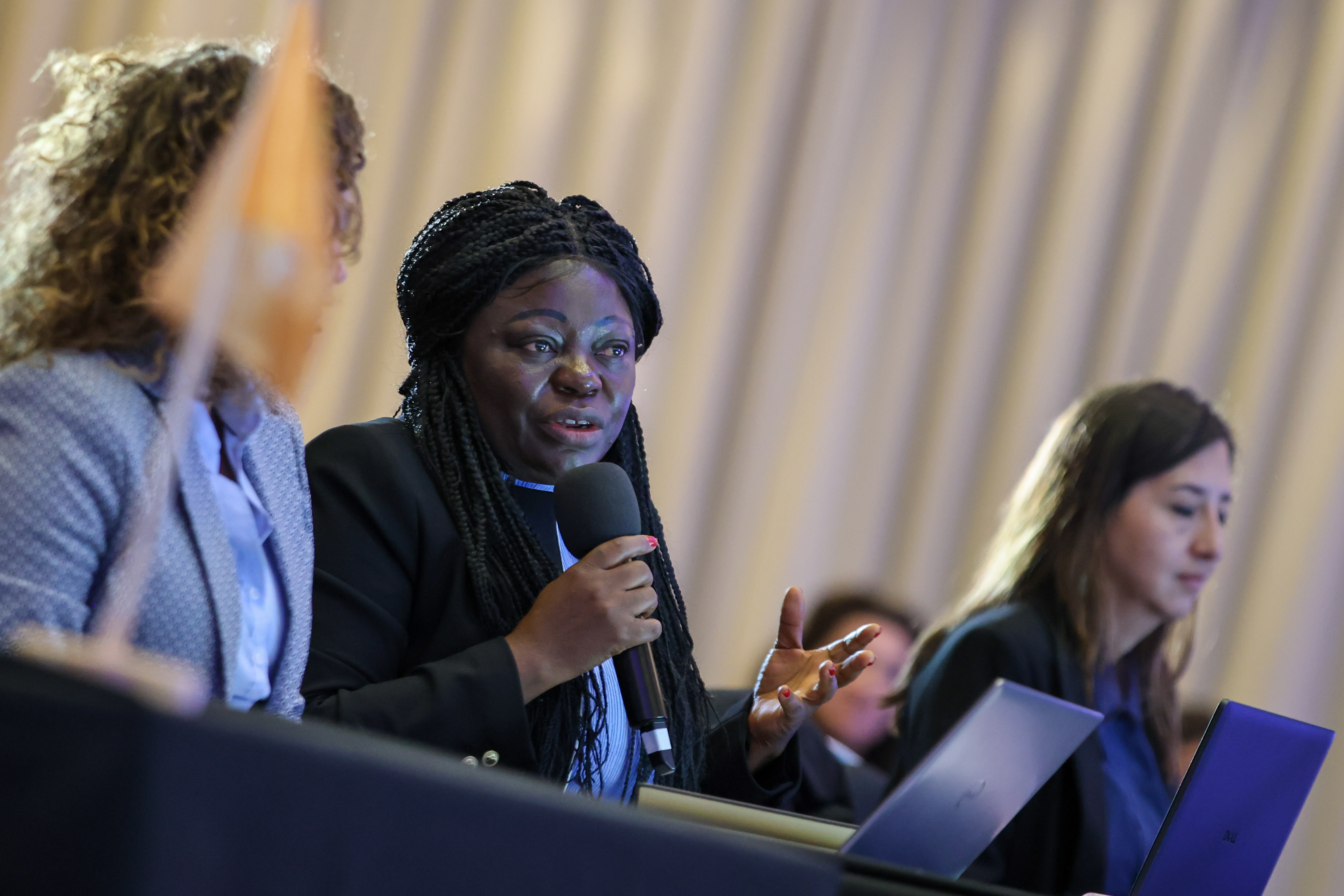
Benis Egoh, Coordinating Lead Author
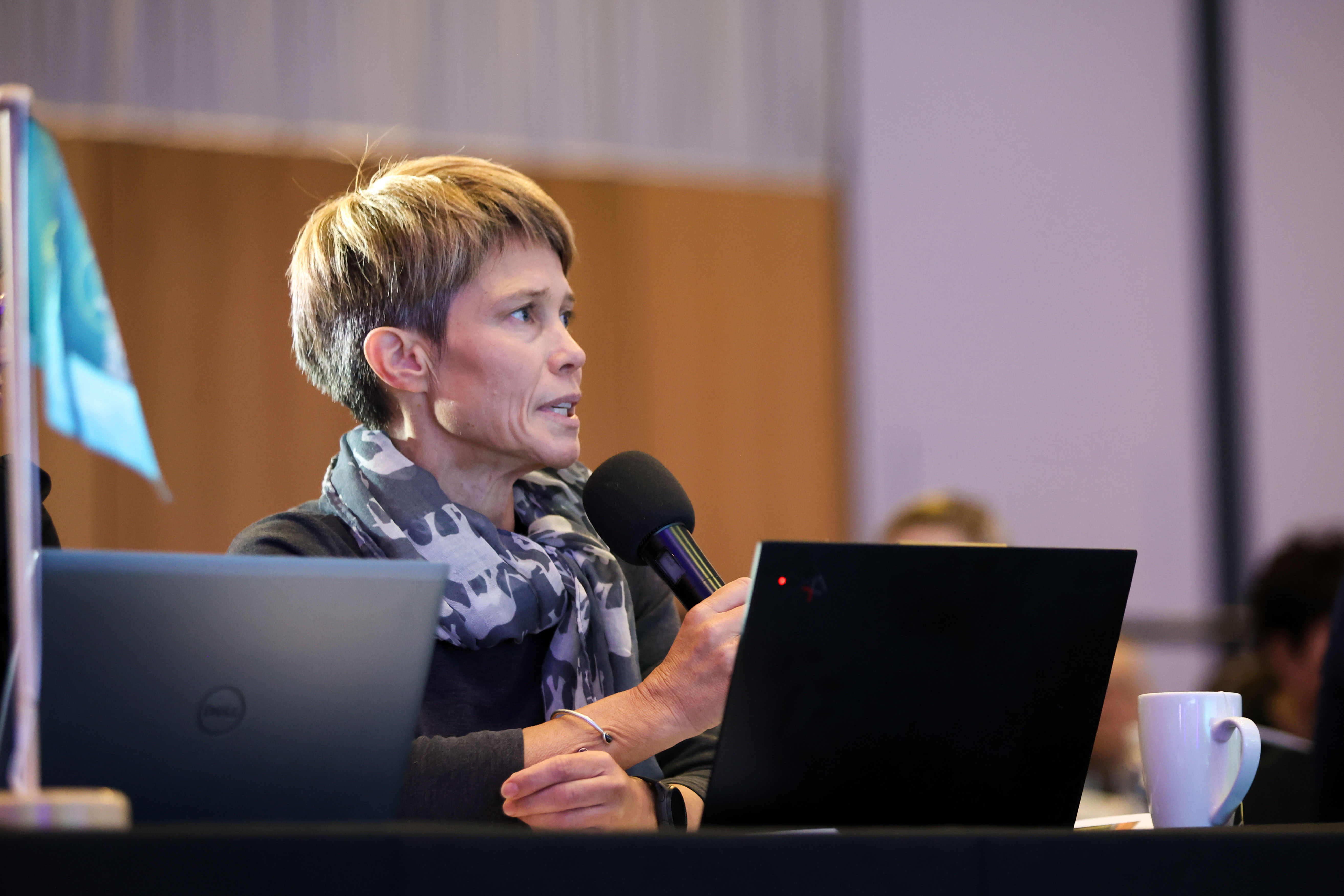
Amrei von Hase, Coordinating Lead Author
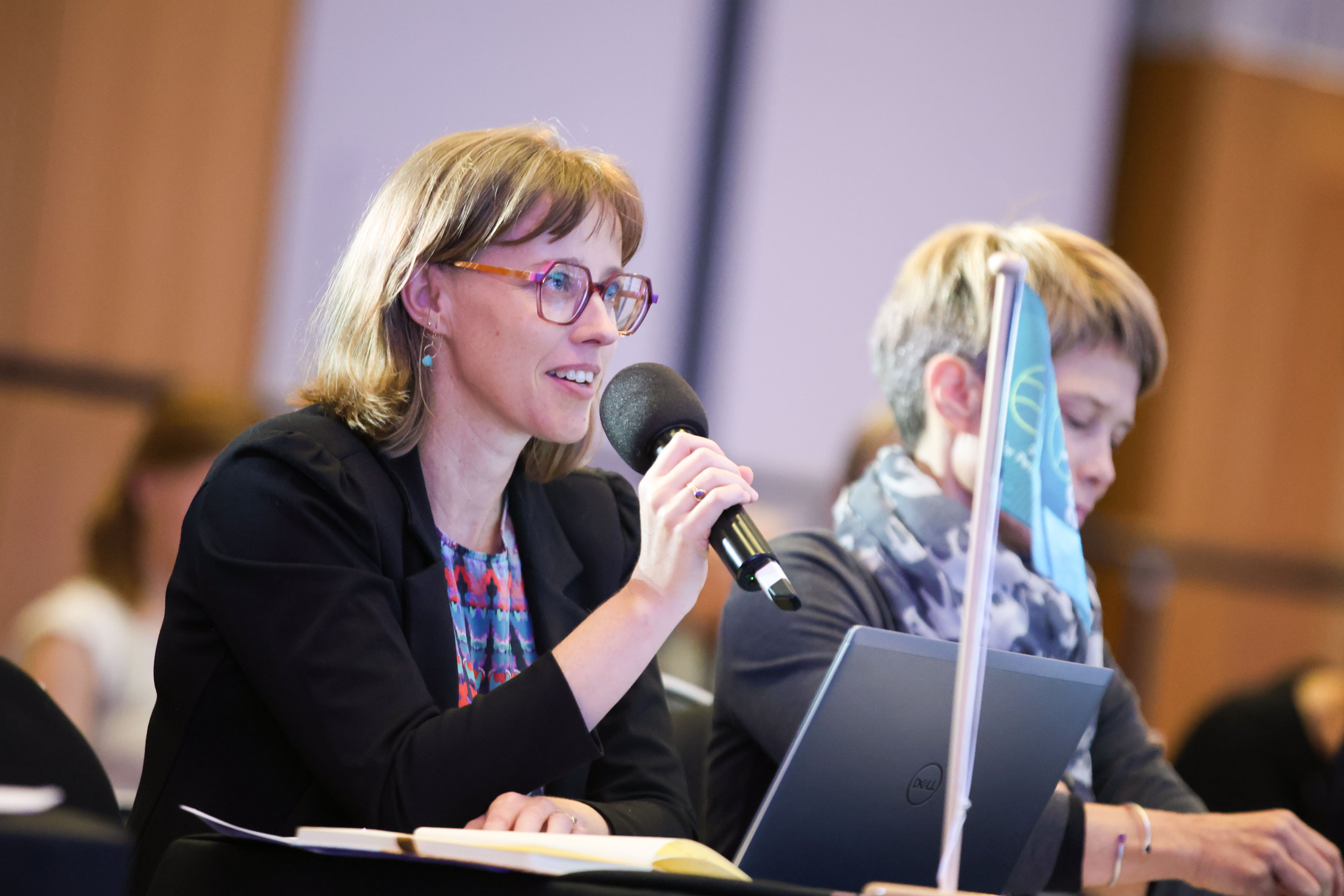
Laura Sonter, Coordinating Lead Author
Selected Images
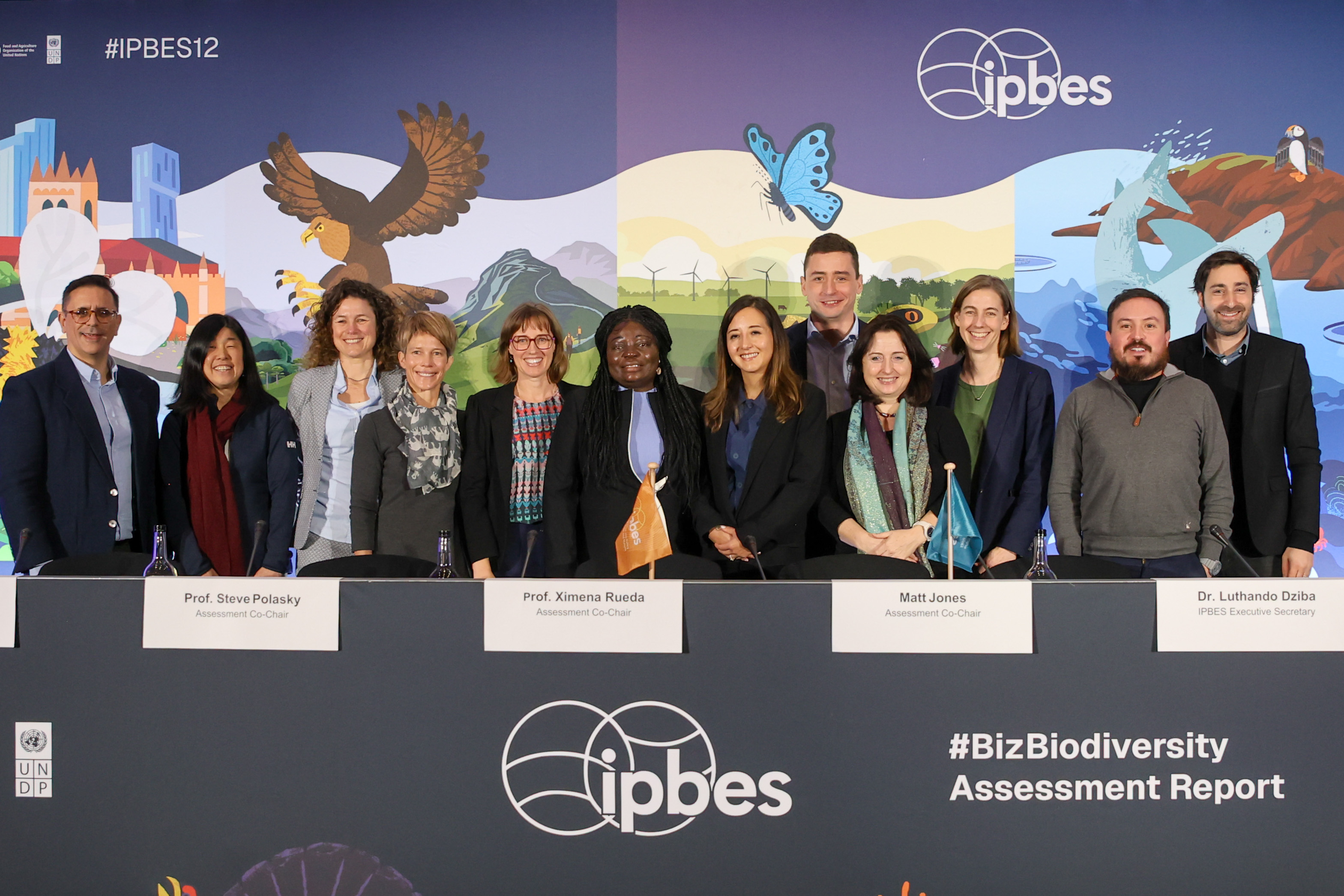
Coordinating Lead Authors of the Business and Biodiversity Assessment
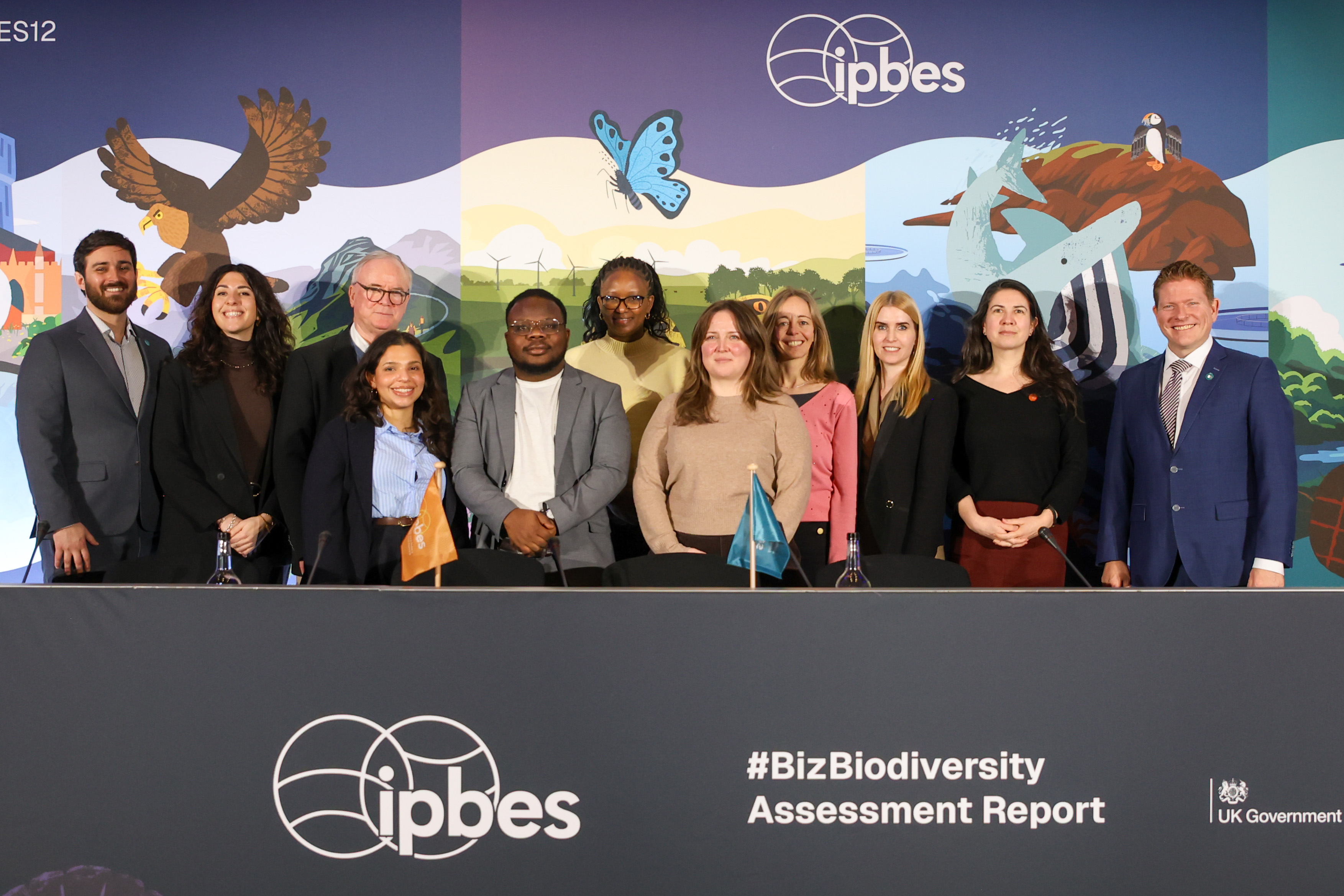
IPBES Communications team