To many, the Intergovernmental Science-Policy Platform on Biodiversity and Ecosystem Services (IPBES) is best known for the assessment reports it regularly produces. Long-time observers will remember the strong media echo that the Platform’s very first report received. The much-lauded Pollinators Assessment was widely picked up by news media, and, over time, informed the preparation of national strategies in countries such as France, the Netherlands, Brazil, South Africa, and the Republic of Korea.
Since 2016, IPBES has published a number of such reports, the latest two addressing: the underlying causes of biodiversity loss and the determinants of transformative change; and the nexus among biodiversity, water, food, and health. Delegates at the 12th session of the IPBES Plenary (IPBES 12) are making progress towards the approval of yet another report, this one looking at the impacts and dependencies of businesses on biodiversity.
Want to dig deeper into today's talks? Read the full Earth Negotiations Bulletin daily report.
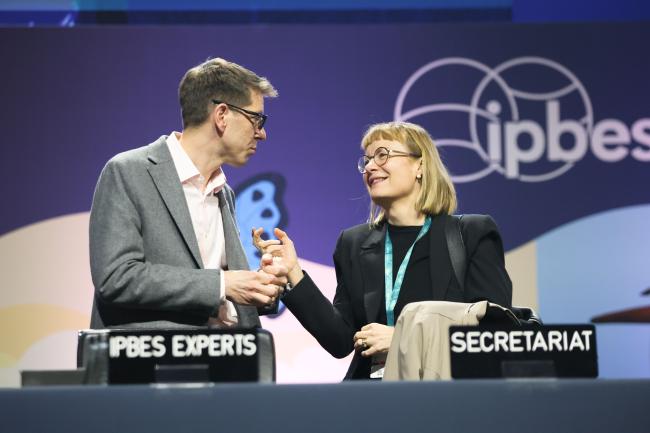
Delegates at IPBES 12 are also reflecting on topics for potential additional work to be conducted up to 2030. Building on requests received from Platform Members, multilateral environmental agreements, and observers, the IPBES Bureau and Multidisciplinary Expert Panel (MEP) prioritized four potential topics: pollution; poverty; cities; and climate change.
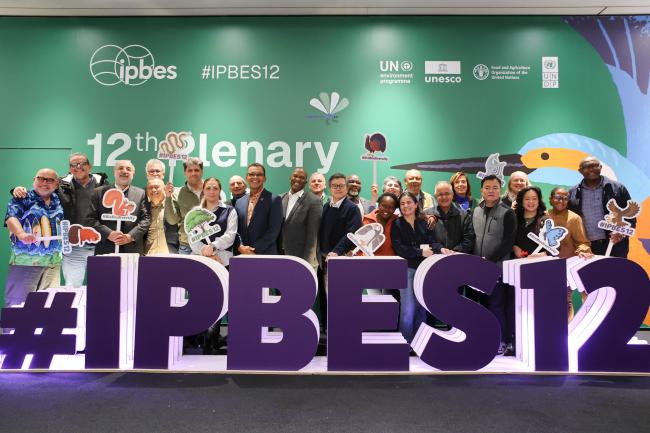
While many delegations expressed strong support for addressing the issue of pollution, there was general agreement not to add to the Platform’s workload just yet. Mindful of capacity and budgetary constraints, Members are aligning with the Bureau’s and MEP’s recommendation to use the time up to IPBES 13 for more strategic reflection on future work.
This decision is motivated by several factors. Crucially, it will allow time to:
- take into account the recommendations of the Platform’s review;
- reflect on possible deliverable formats beyond full and fast-tracked assessment reports; and
- align with the negotiations on the terms of office of task forces and technical support units, which are currently set to run out after IPBES 13.
To receive free coverage of global environmental events delivered to your inbox, subscribe to the ENB Update newsletter.
All ENB photos are free to use with attribution. For IPBES 12 please use: Photo by IISD/ENB | Anastasia Rodopoulou
Working Group 1
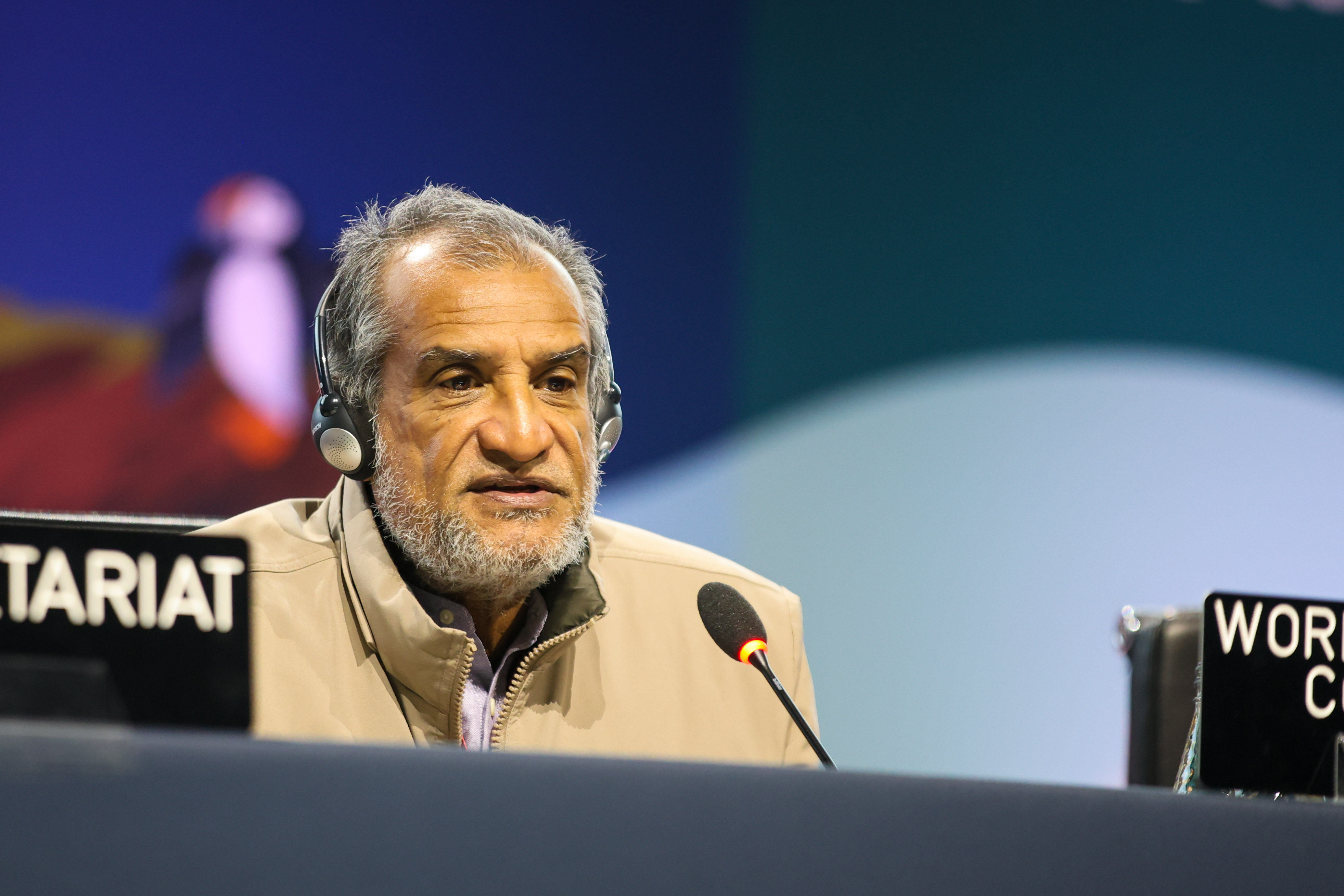
Floyd Homer, Co-Chair of Working Group 1
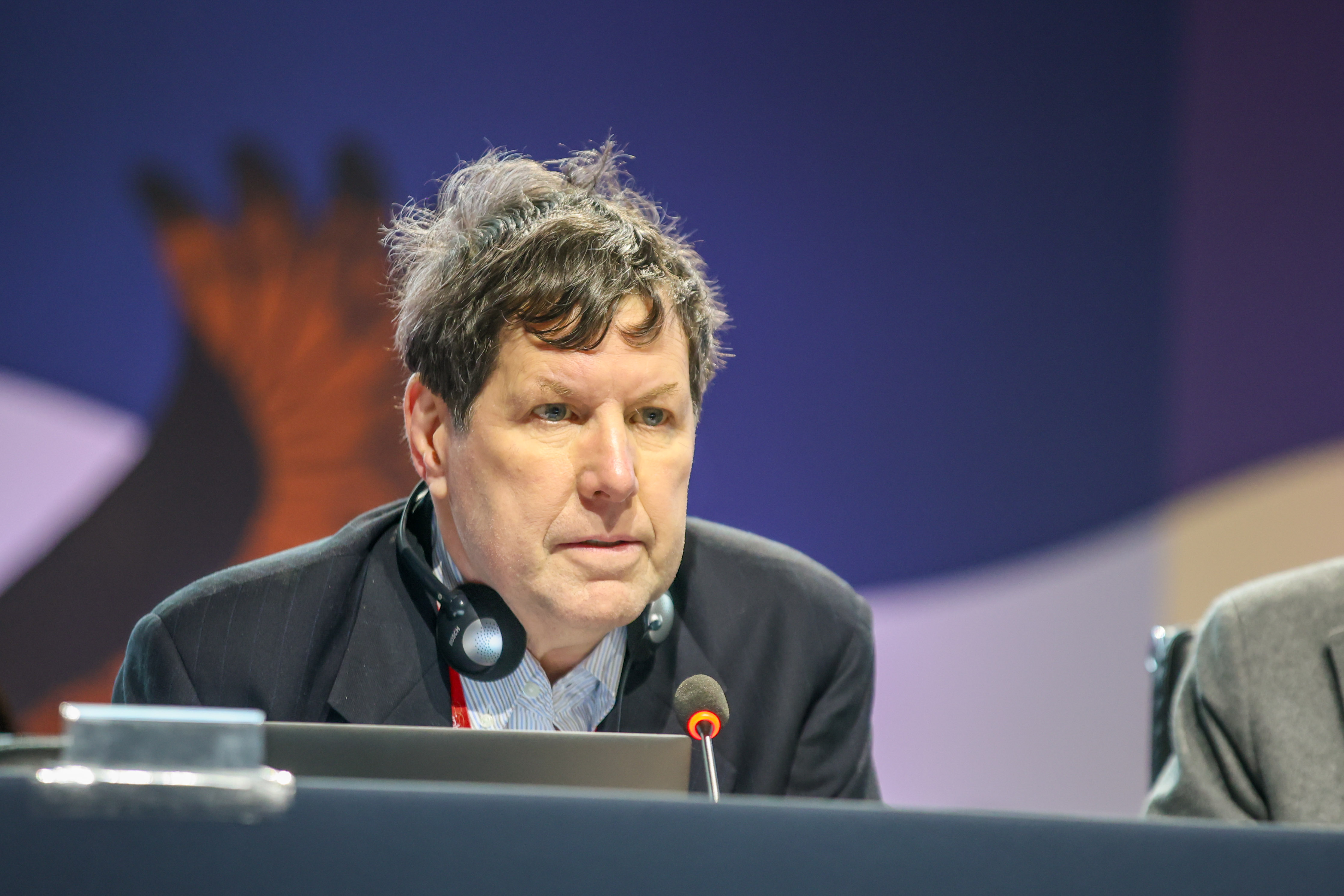
Steve Polasky, Co-Chair of the Business and Biodiversity Assessment
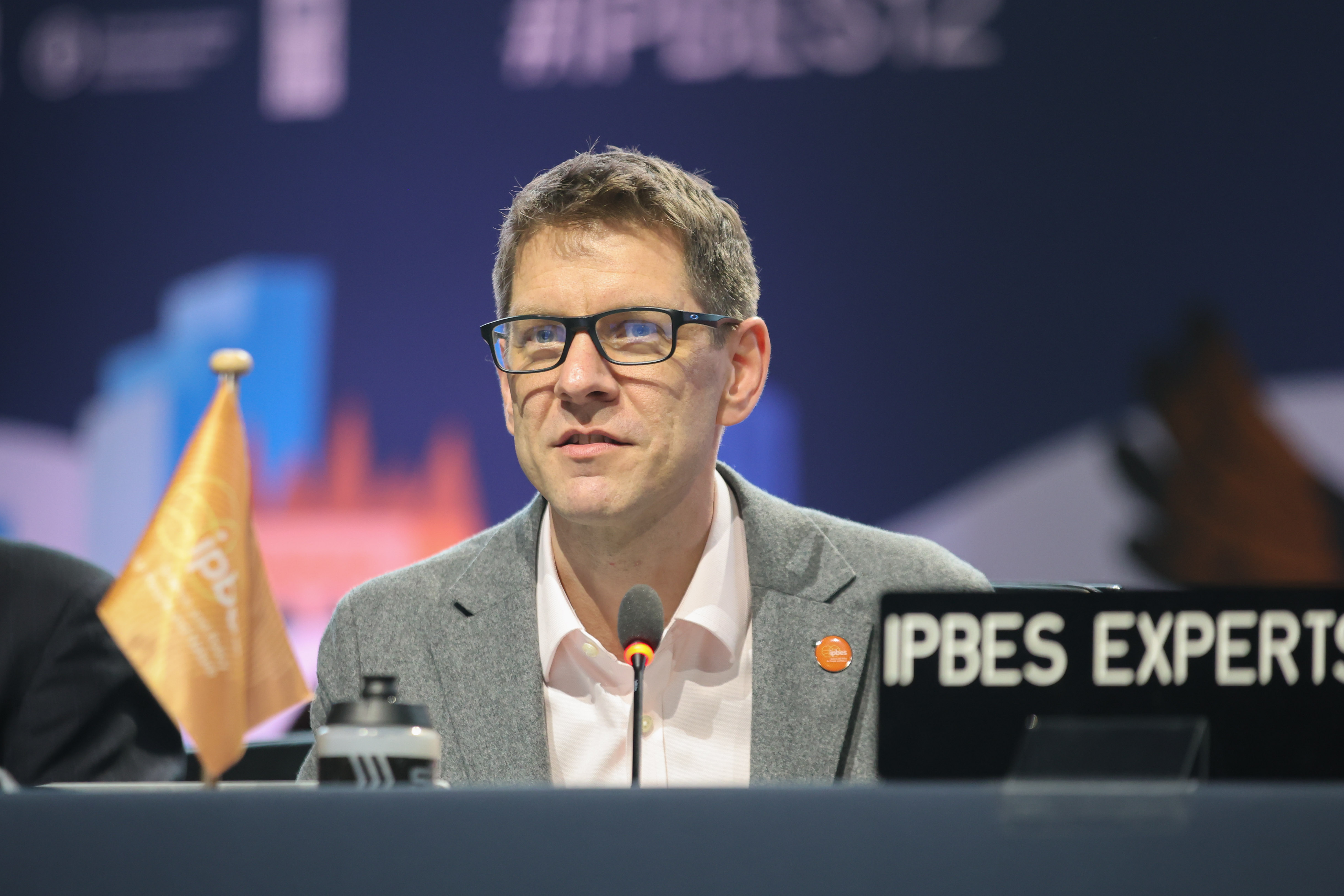
Matt Jones, Co-Chair of the Business and Biodiversity Assessment
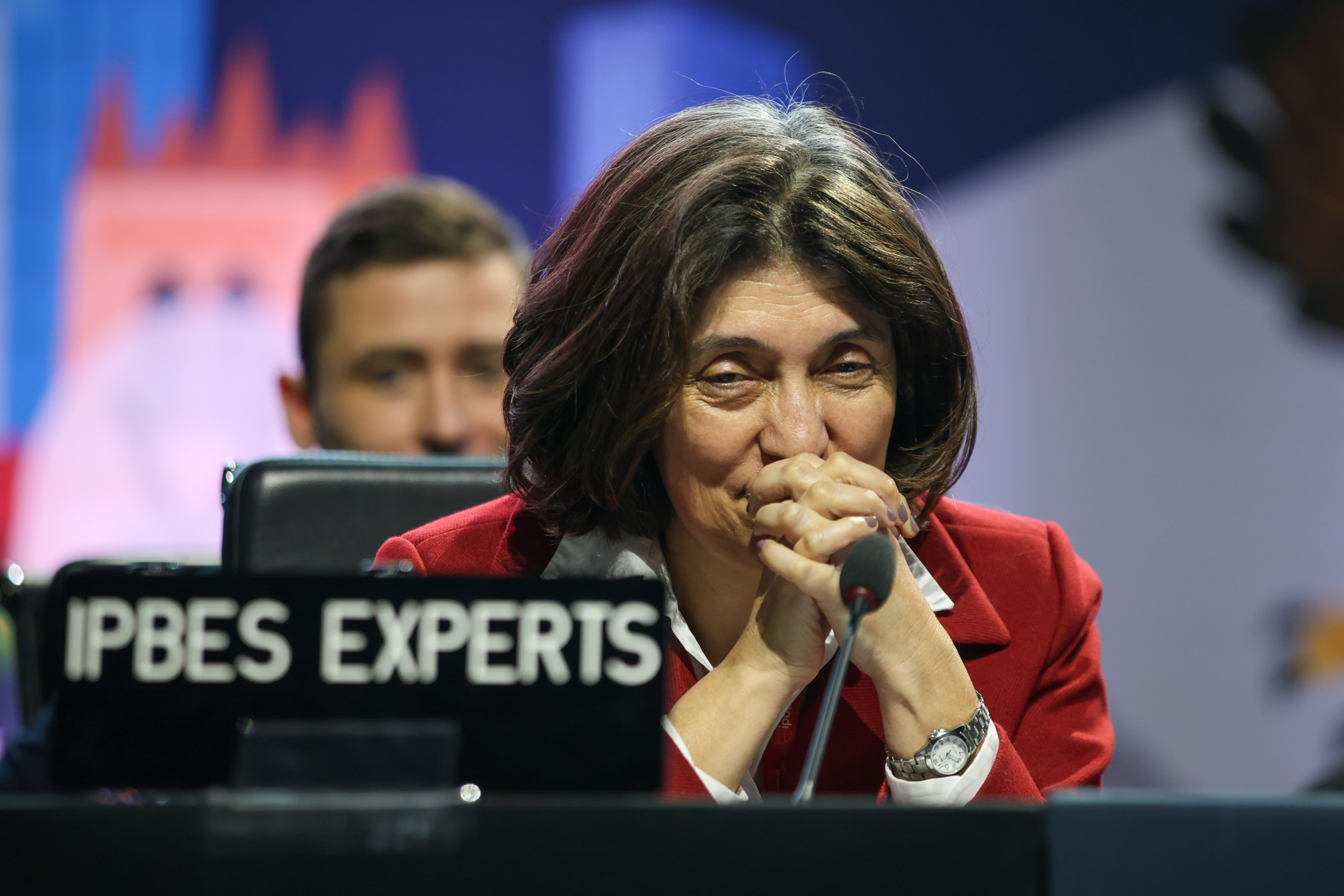
Ximena Rueda Fajardo, Co-Chair of the Business and Biodiversity Assessment
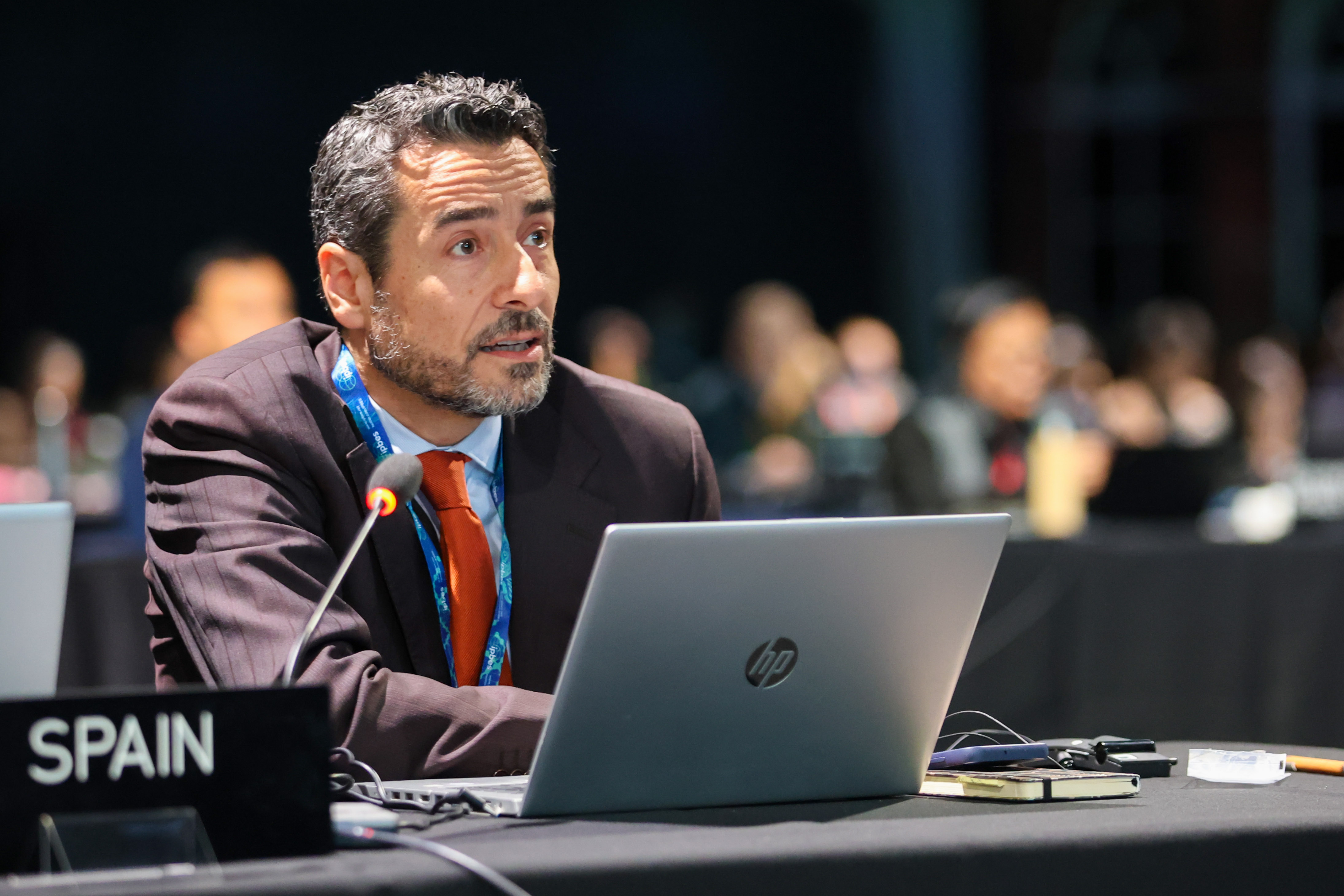
Santiago Gracia Campillo, Spain
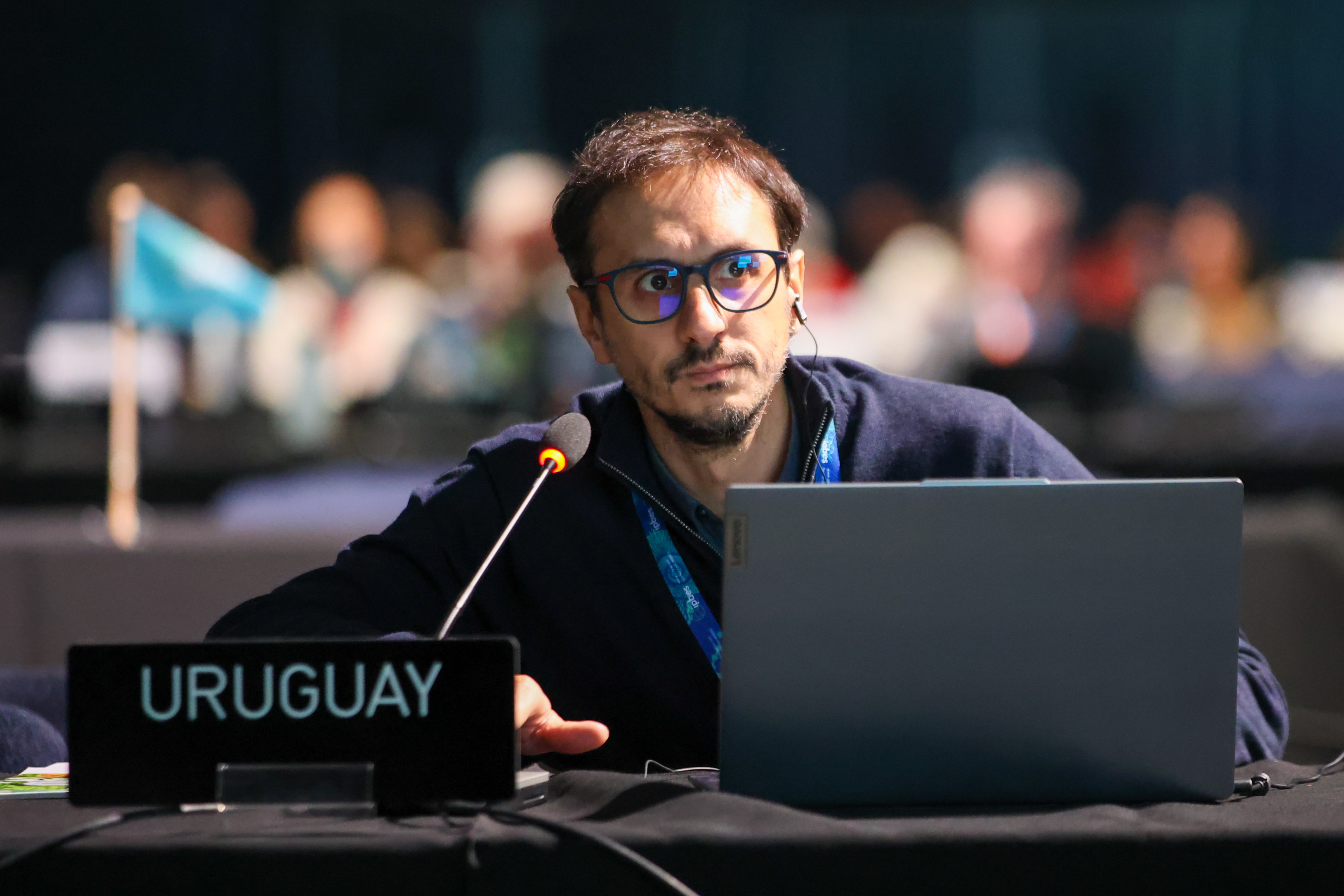
Federico Reyes, Uruguay
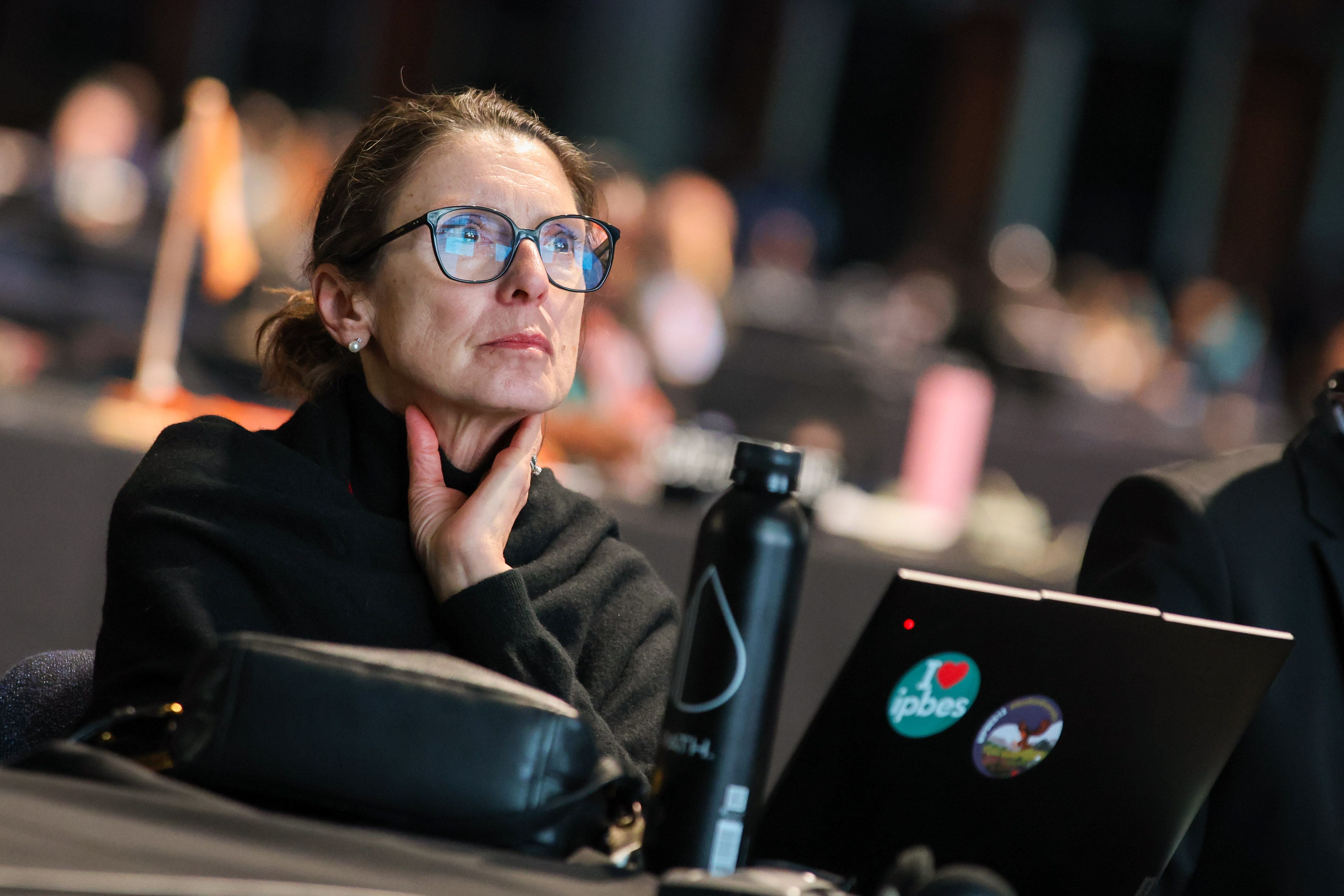
Gabriele Obermayr, Austria
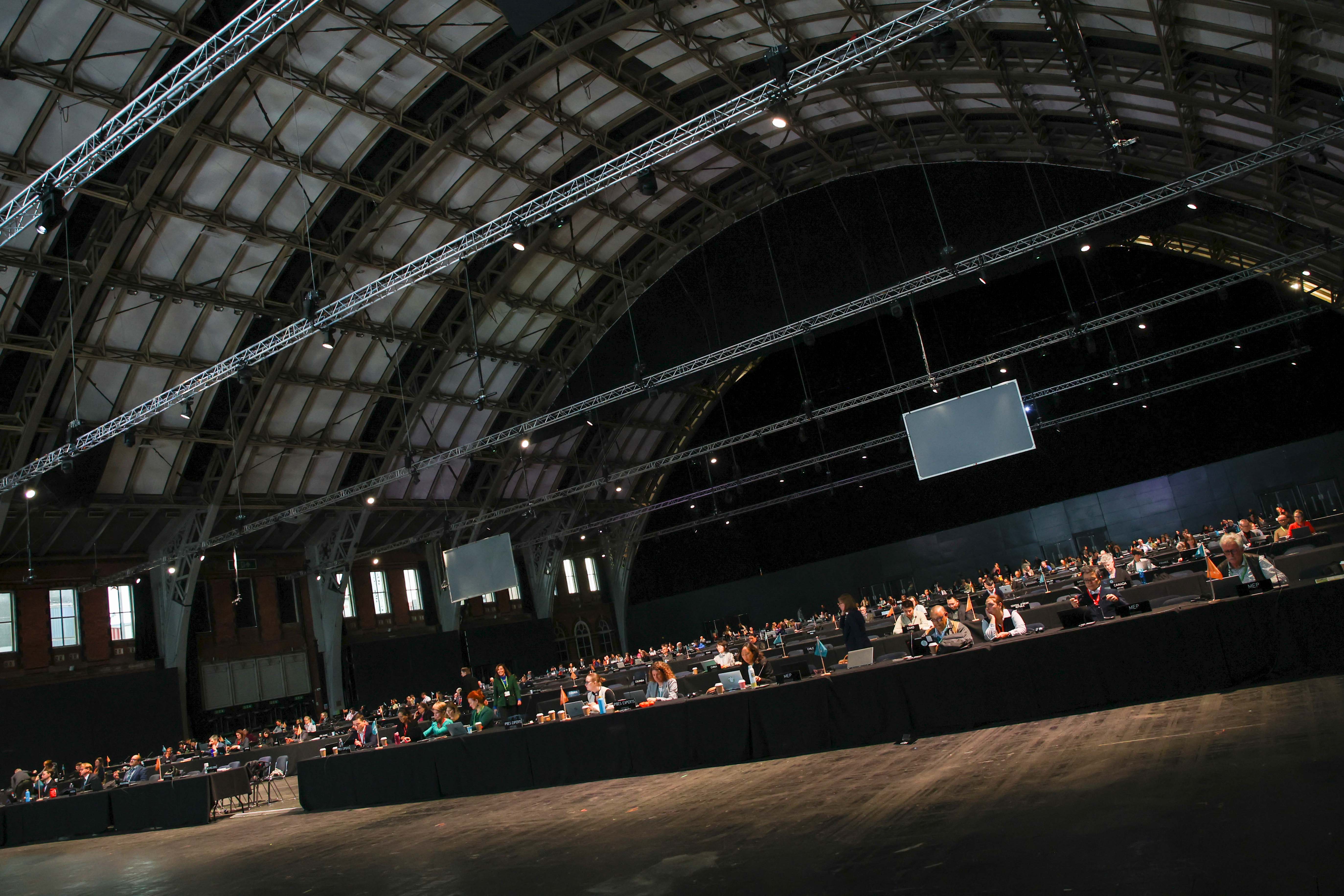
A view of the room during discussions in Working Group 1
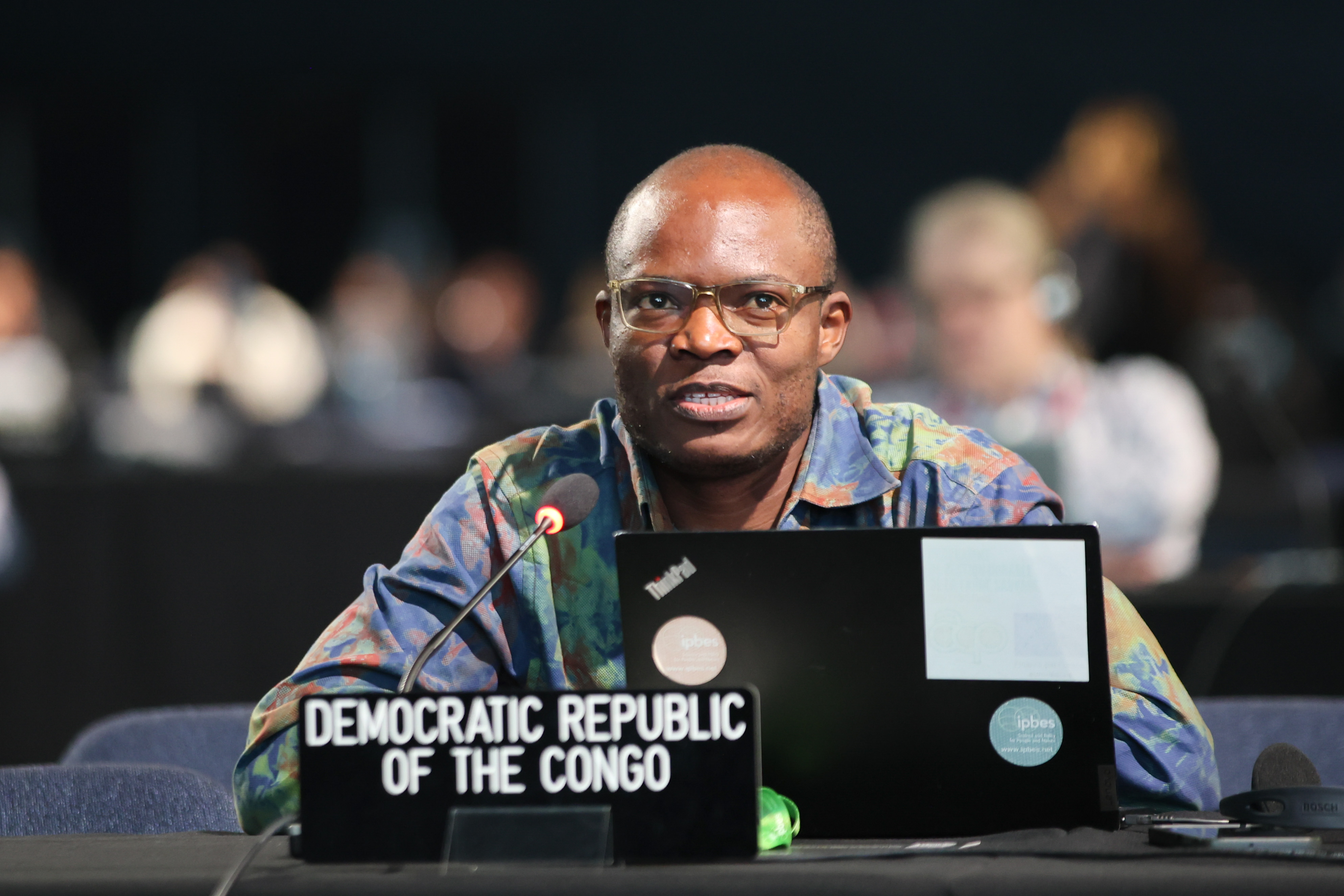
Daniel Mukubi Kikuni, Democratic Republic of the Congo
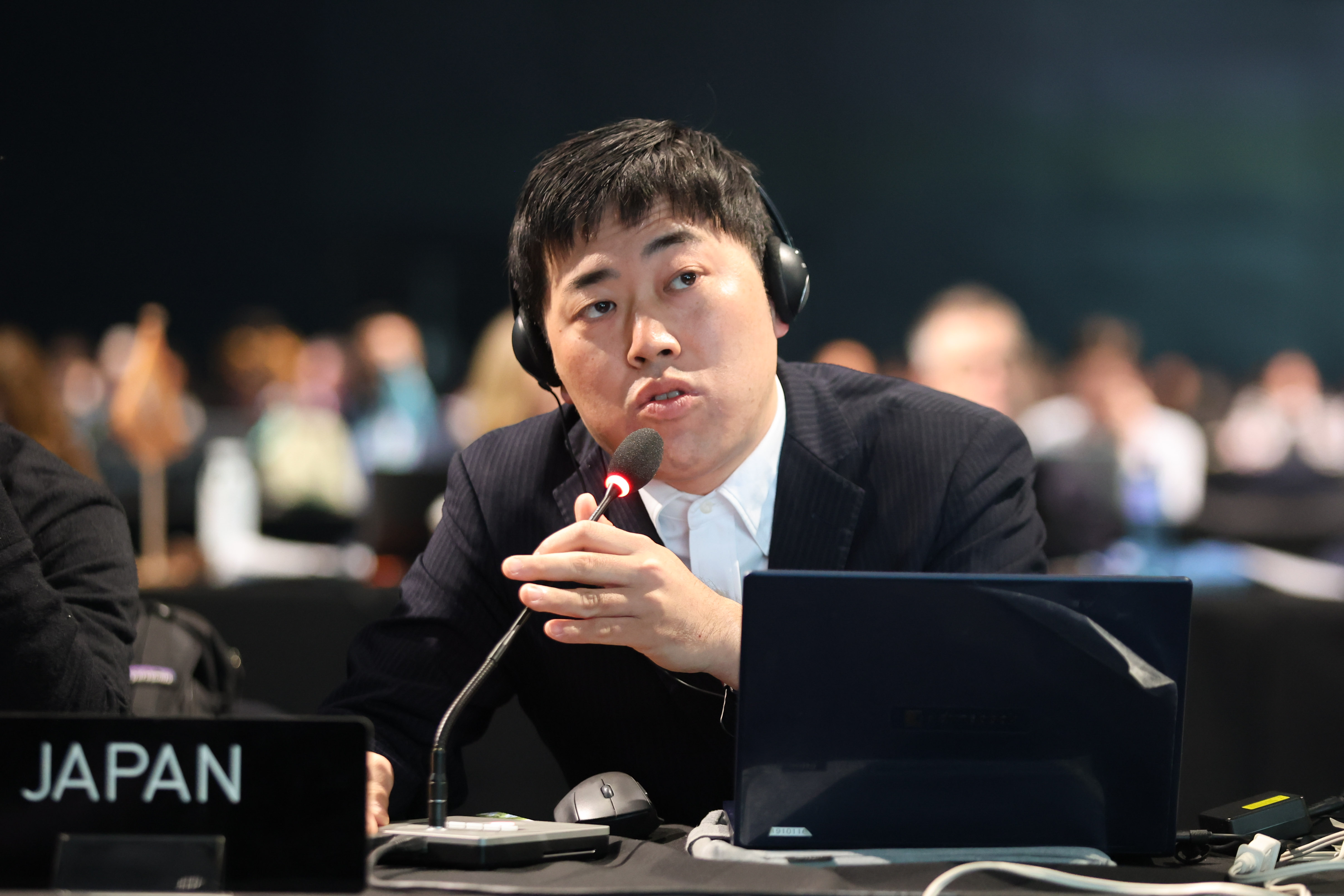
Takafumi Osawa, Japan

Kutaiba Al-Saadon, Saudi Arabia

Raphaël Simonet, Monaco
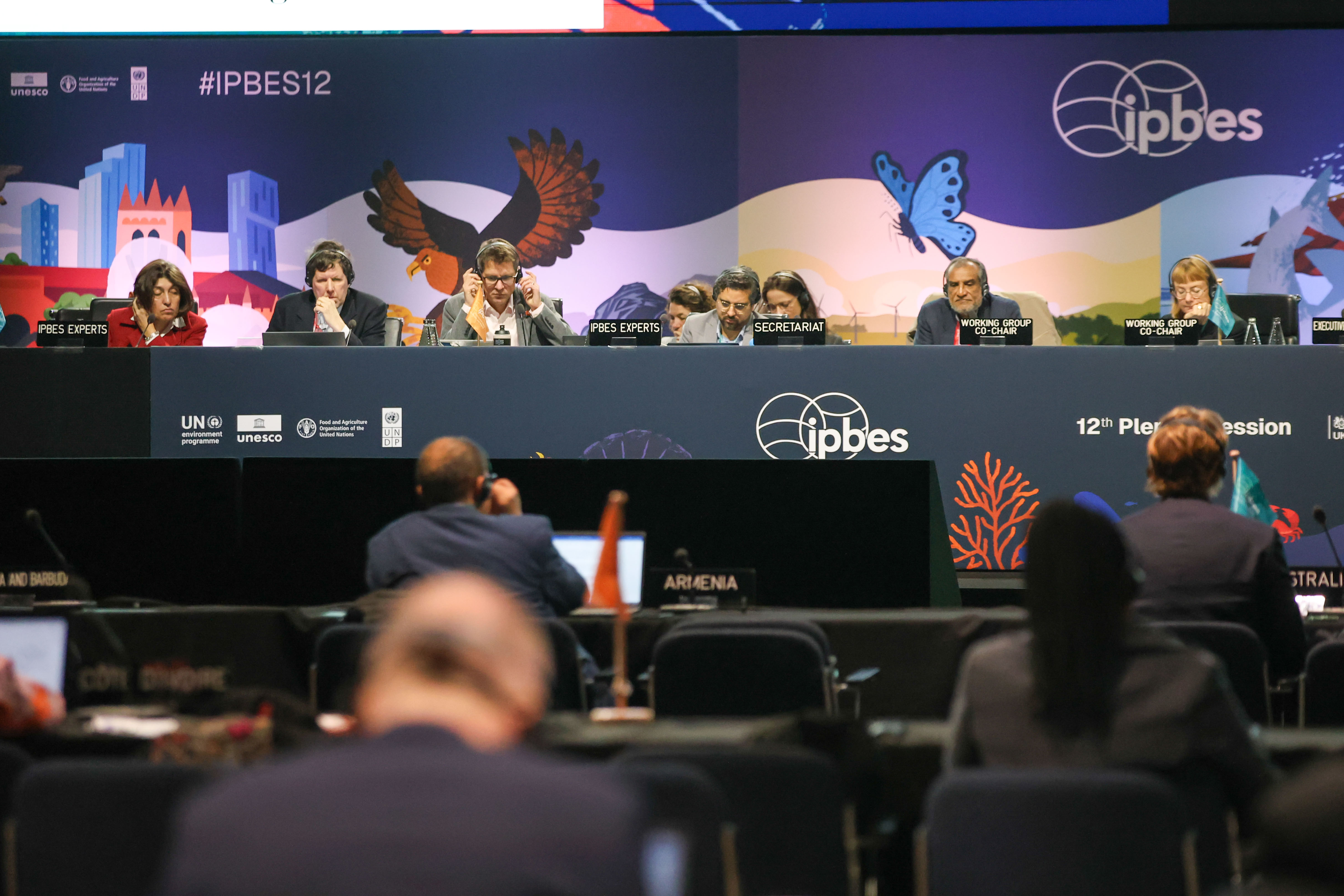
A view of the dais during Working Group 1
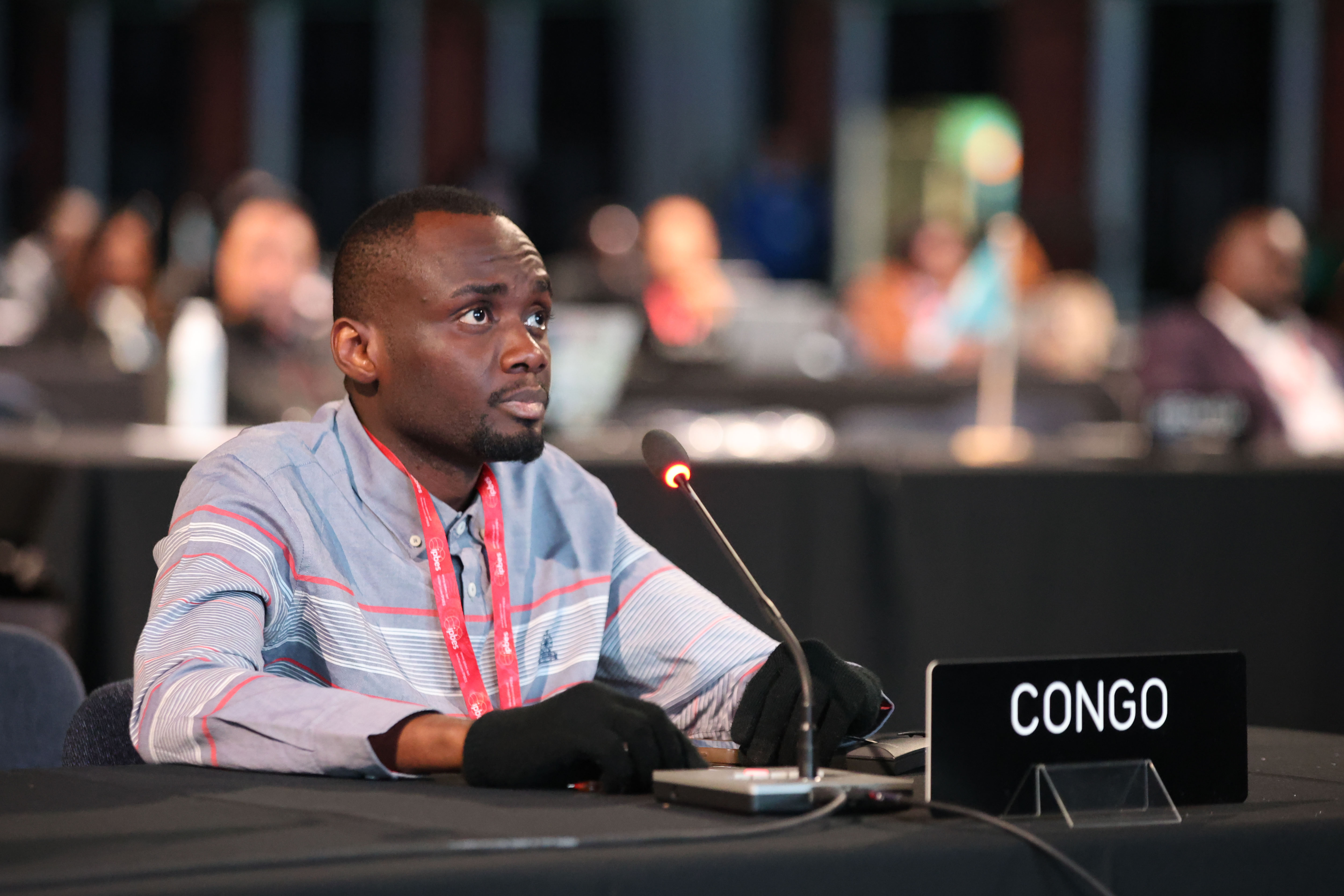
Kades Abdias Ben Mabiala, Congo
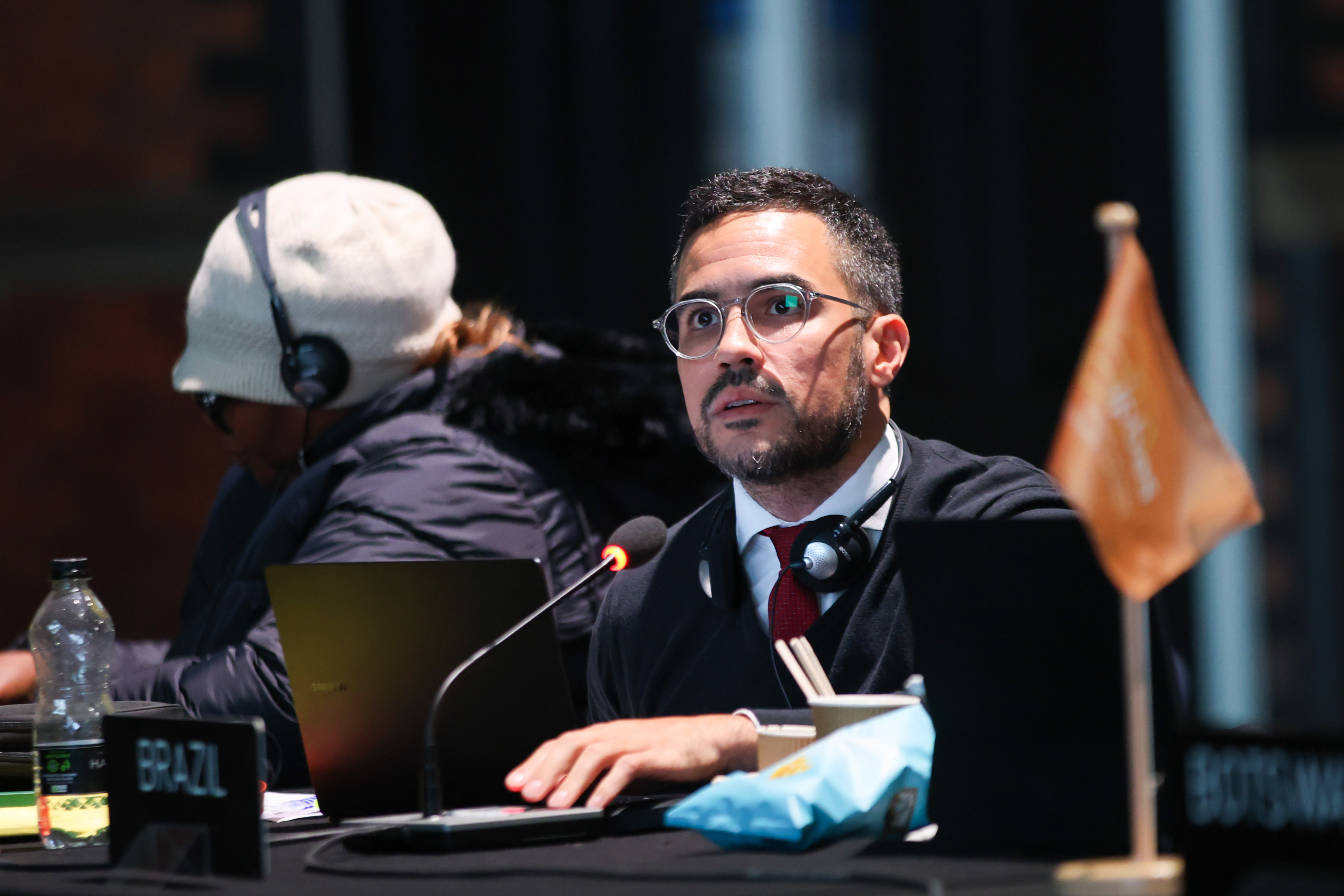
Diogo Gonçalves, Brazil
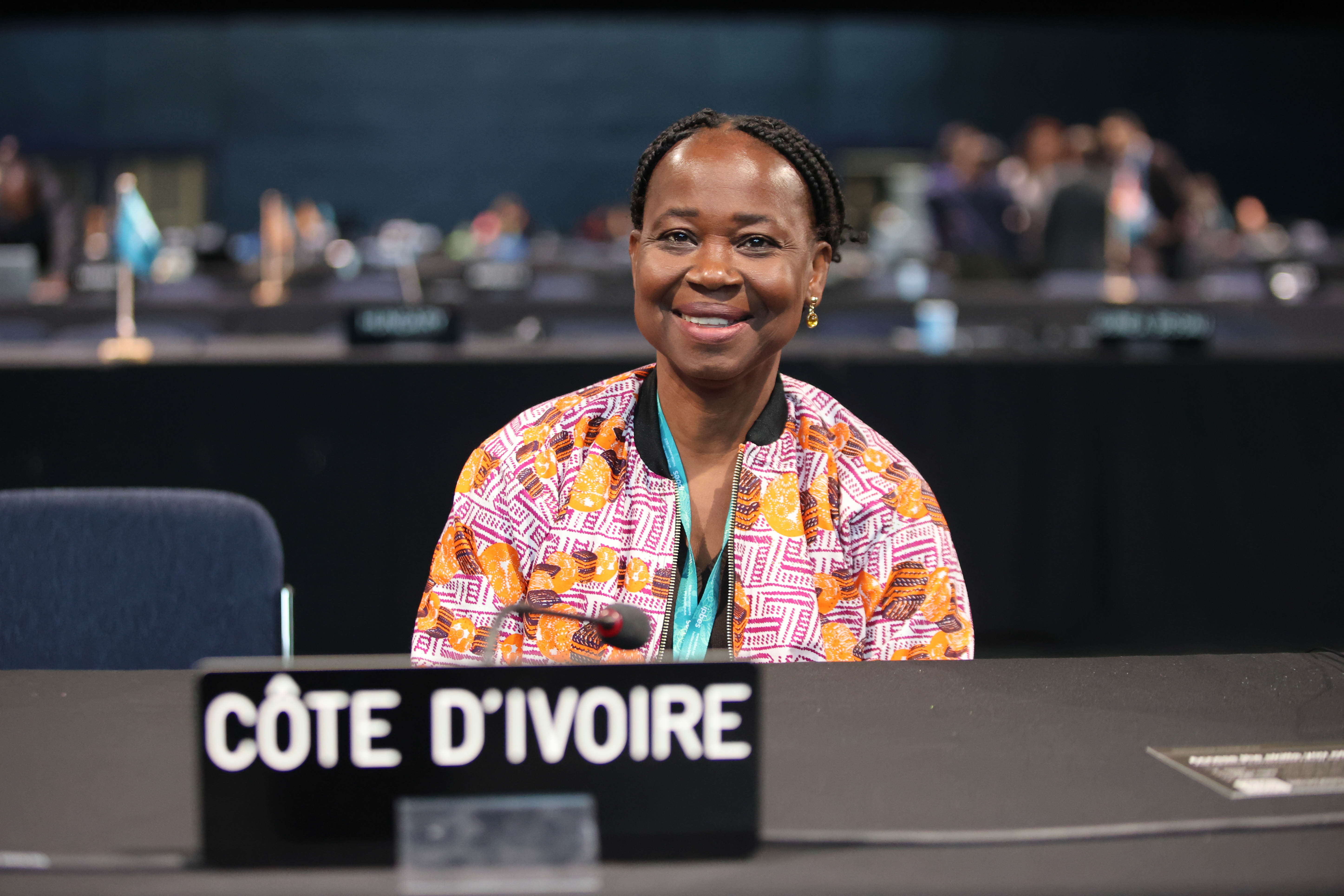
Agnès Kouamé, Côte d'Ivoire
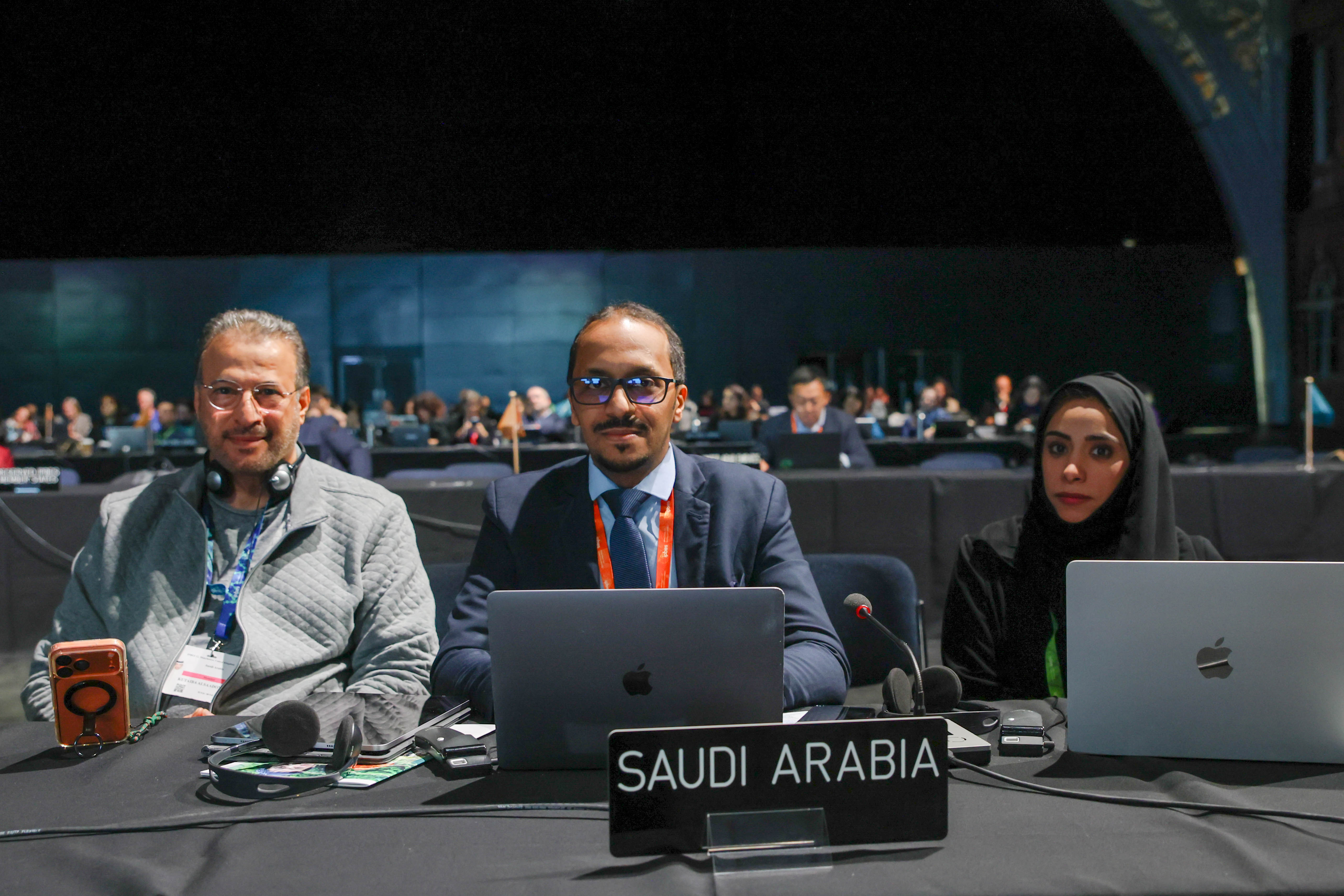
Delegates from Saudi Arabia

The view from the Working Group 1 room window
Working Group 2
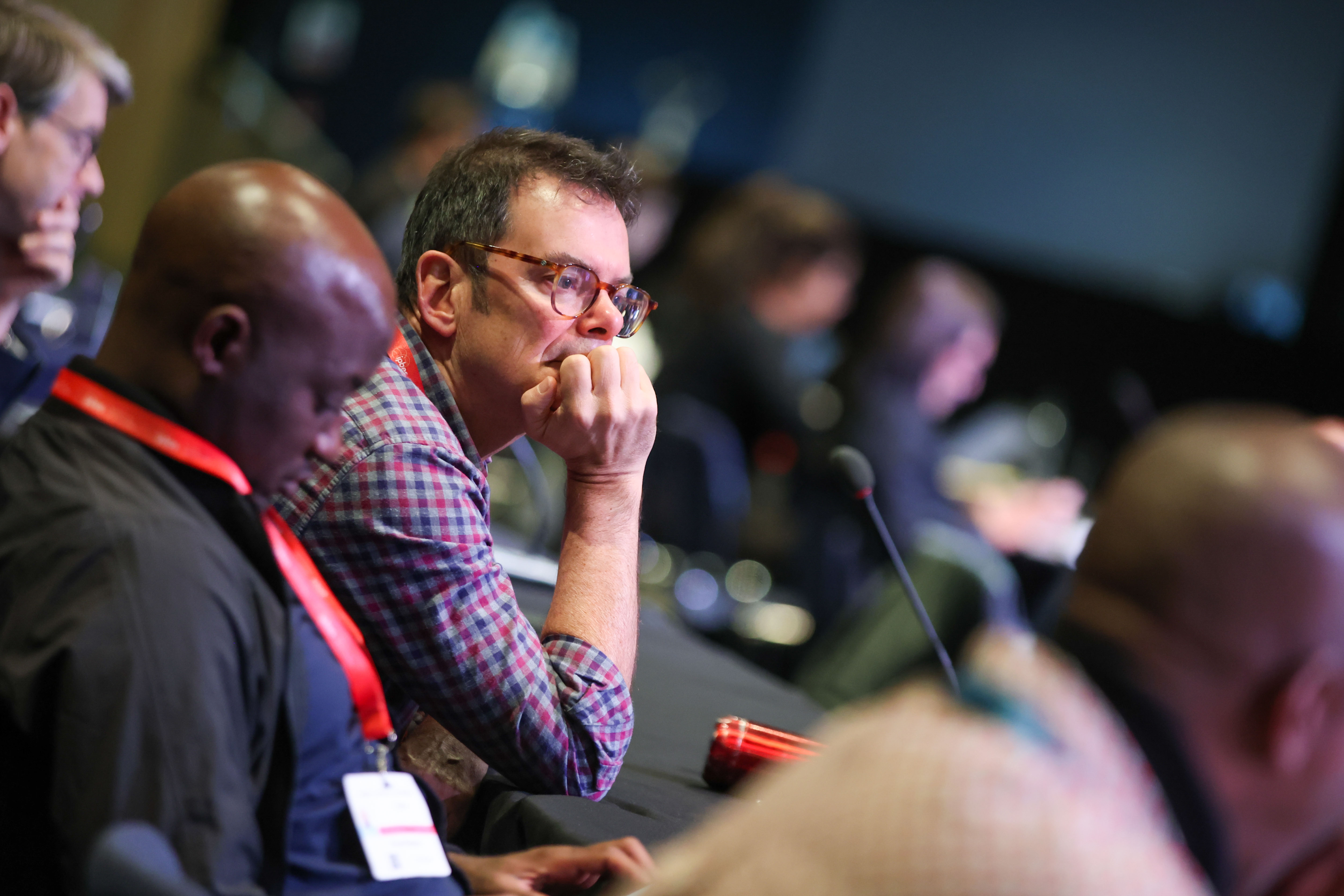
Delegates listen to the discussions.
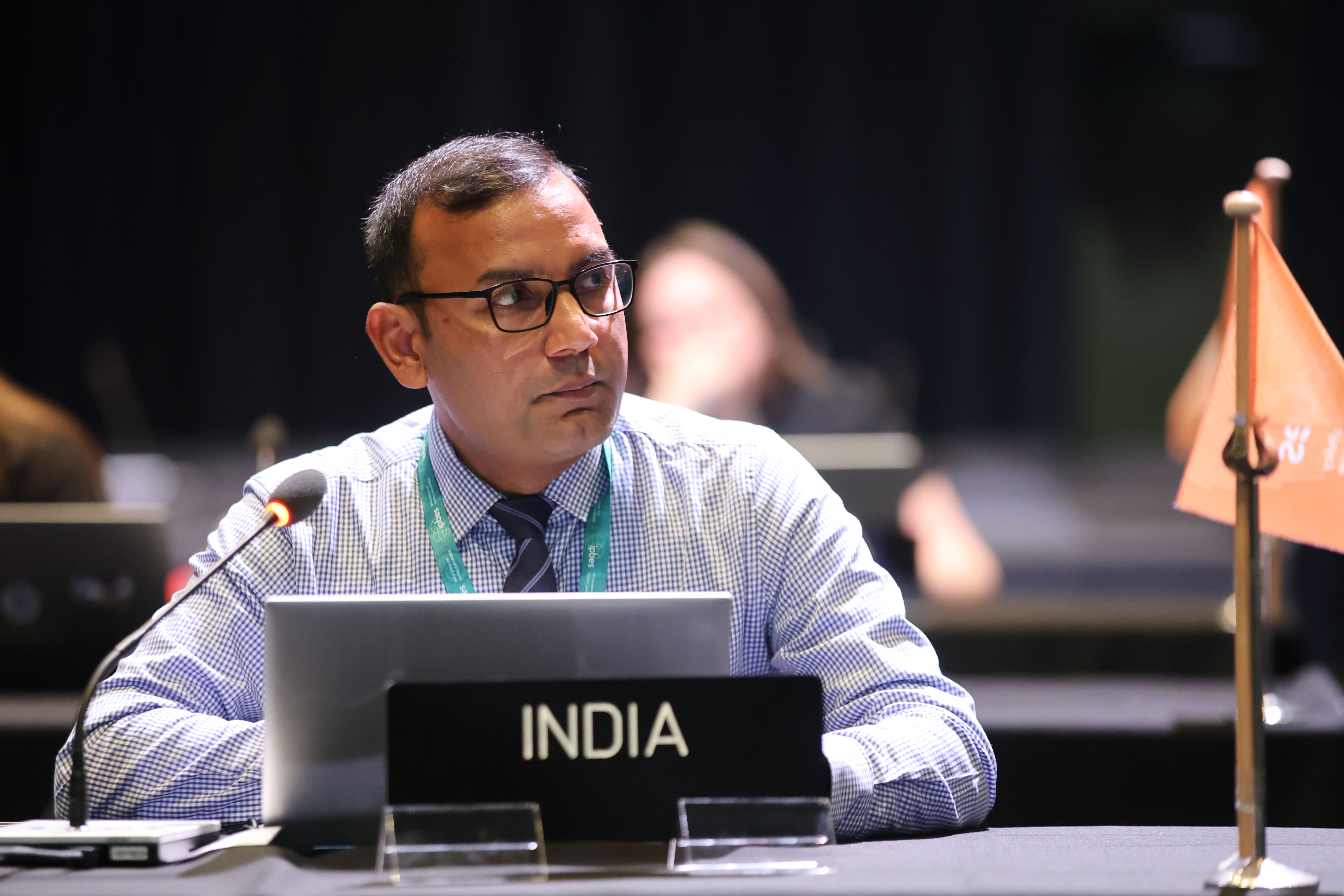
Achuta Nand Shukla, India
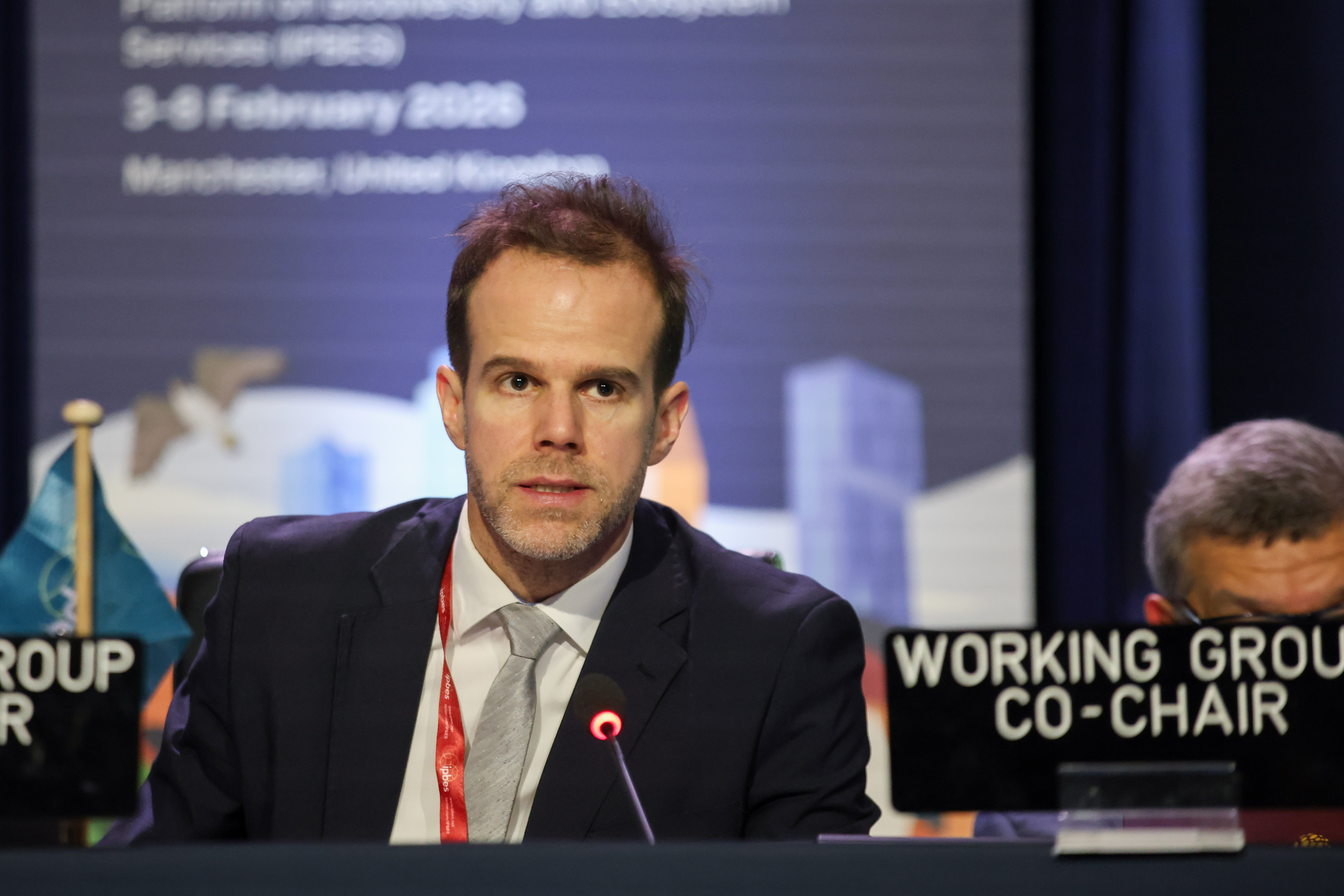
Sebastian König, Co-Chair, Working Group 2
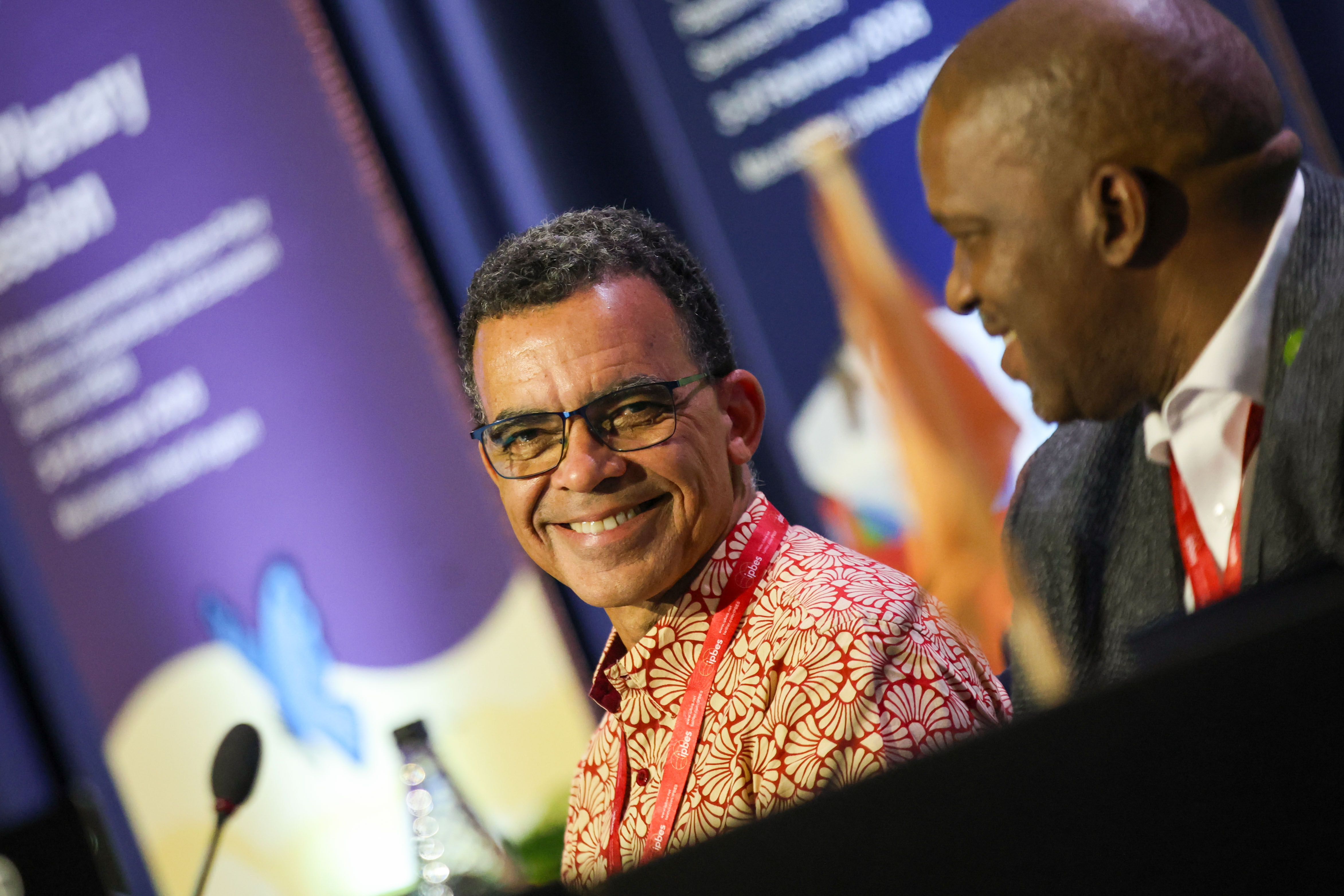
David Obura, IPBES Chair
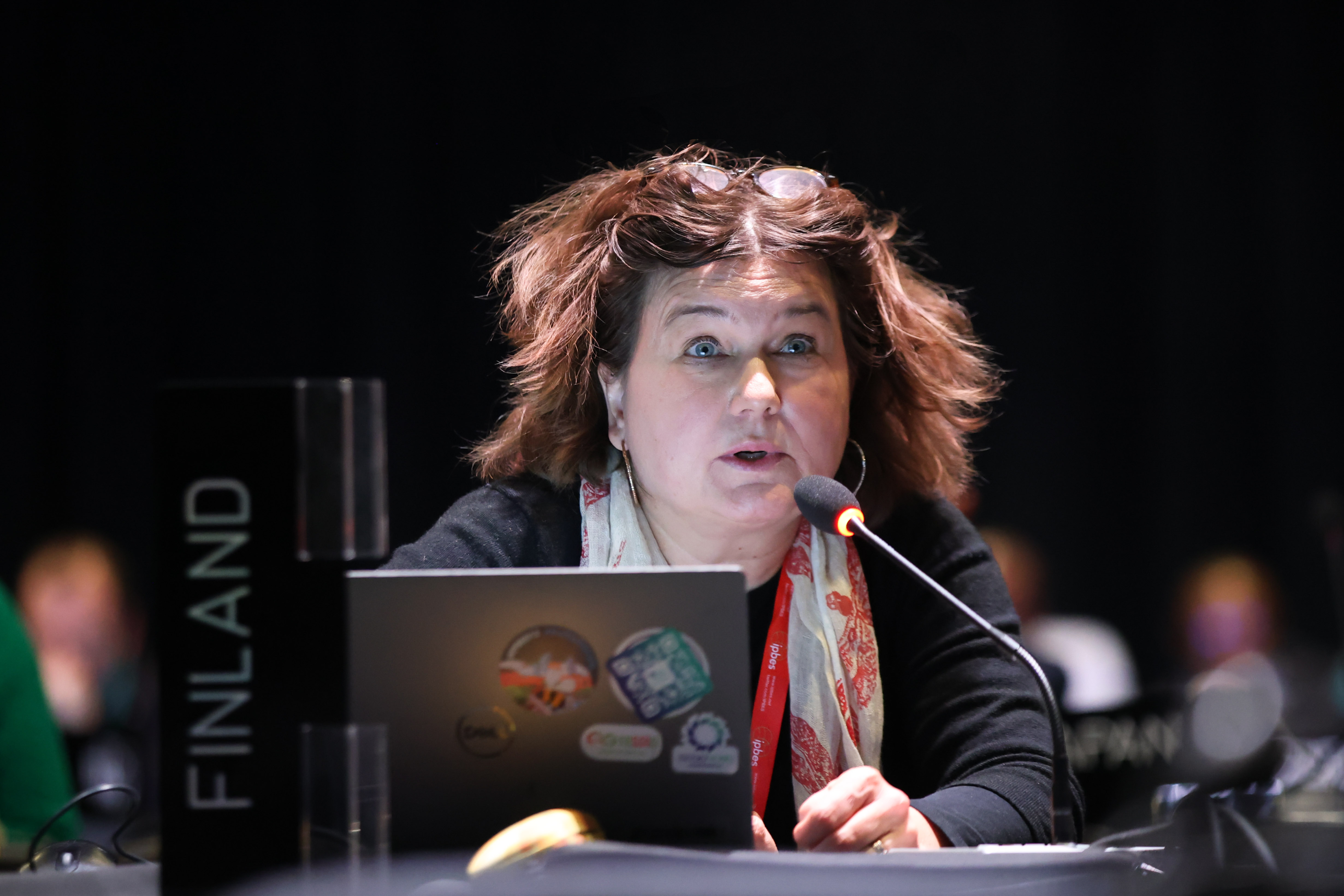
Maija Korhonen-Kurki, Finland
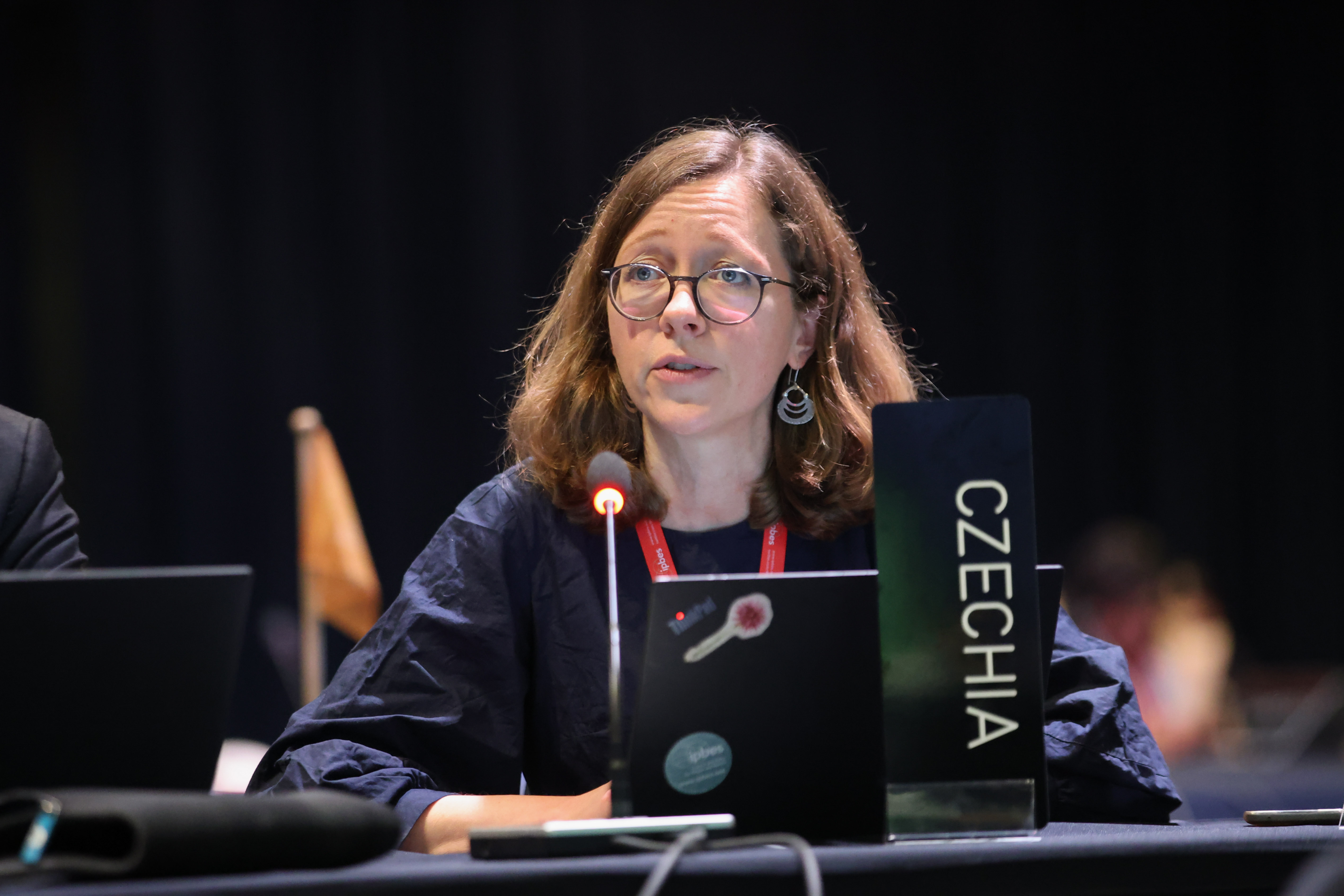
Eliška Rolfová, Czech Republic
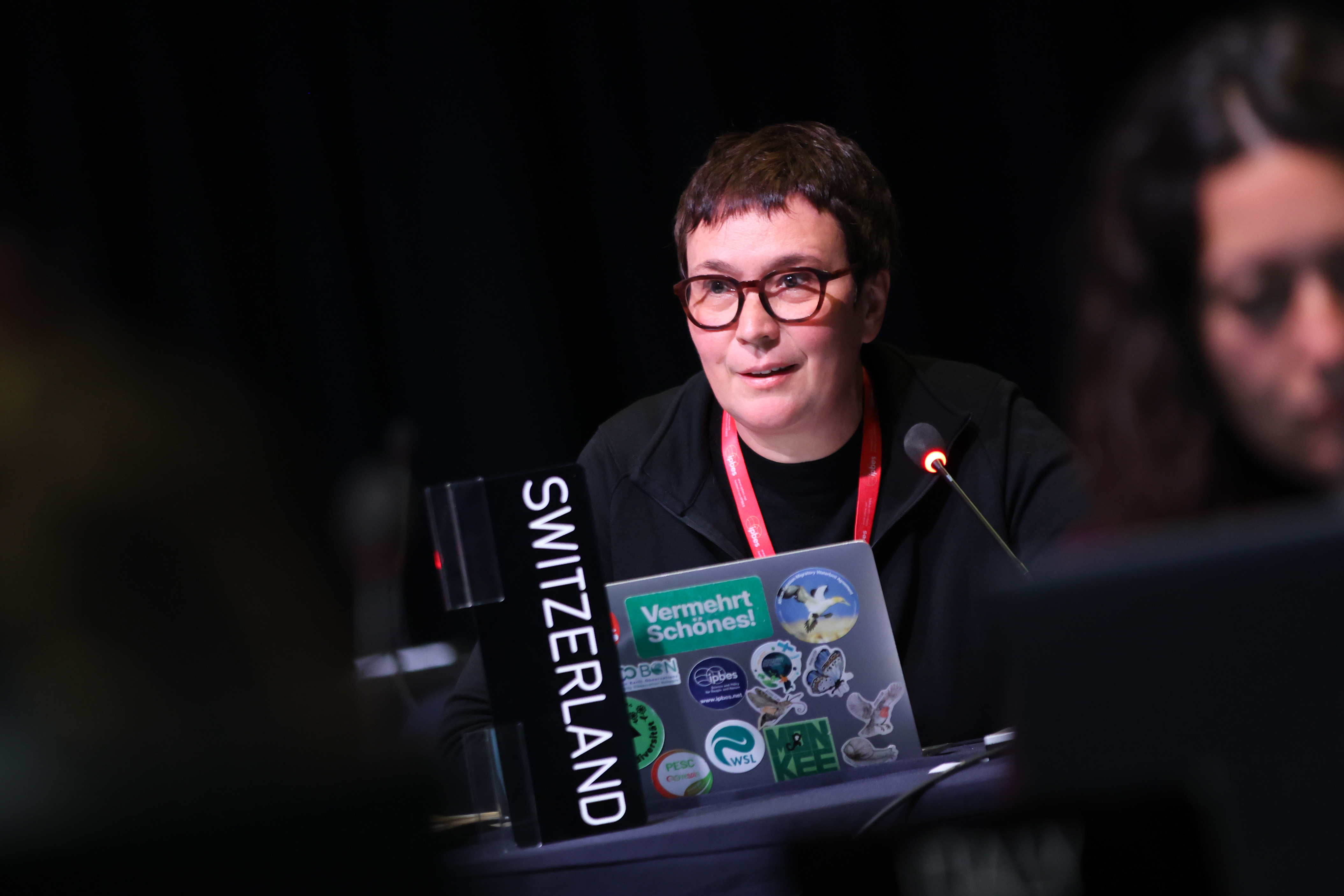
Eva Spehn, Switzerland
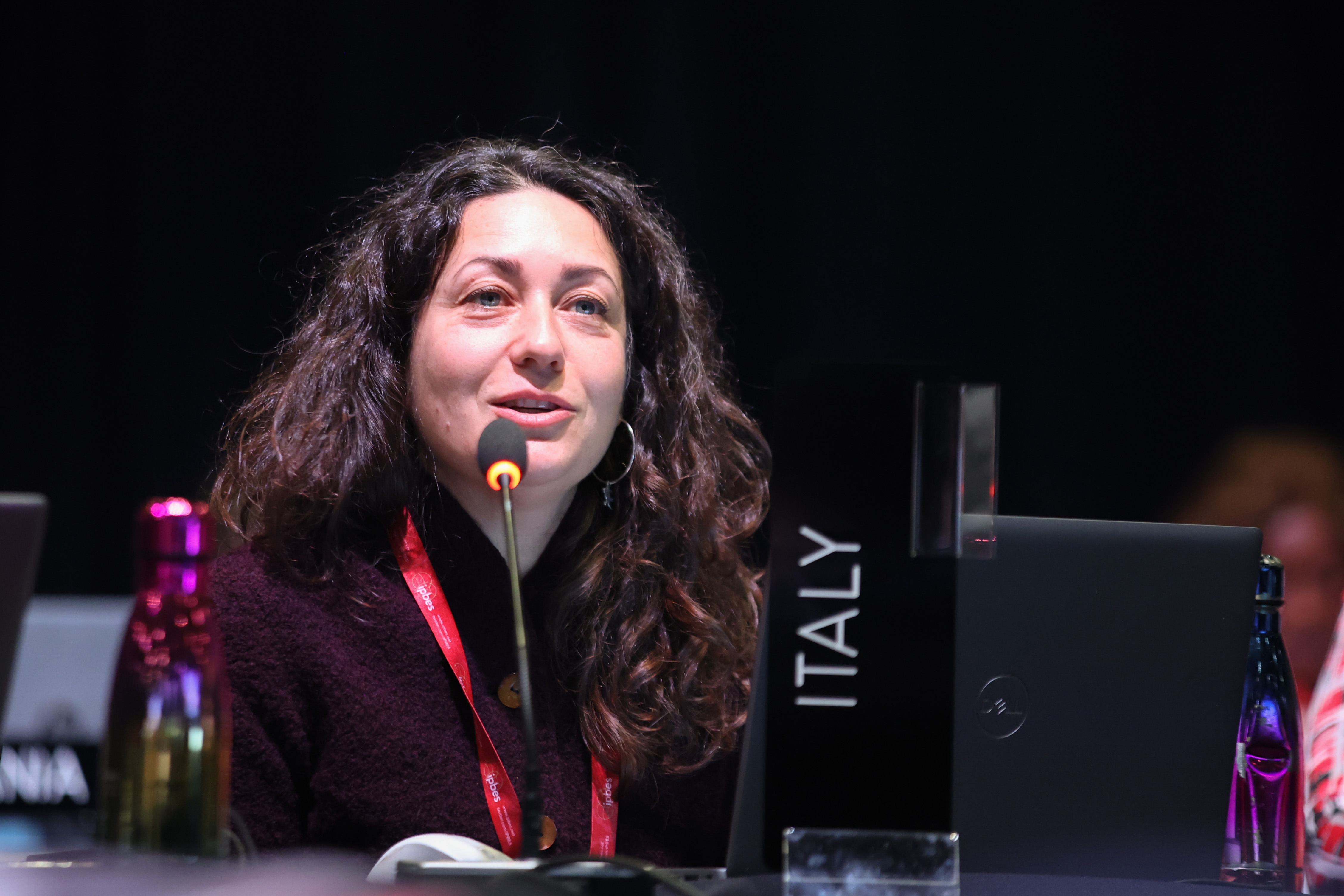
Silvia Giardina, Italy
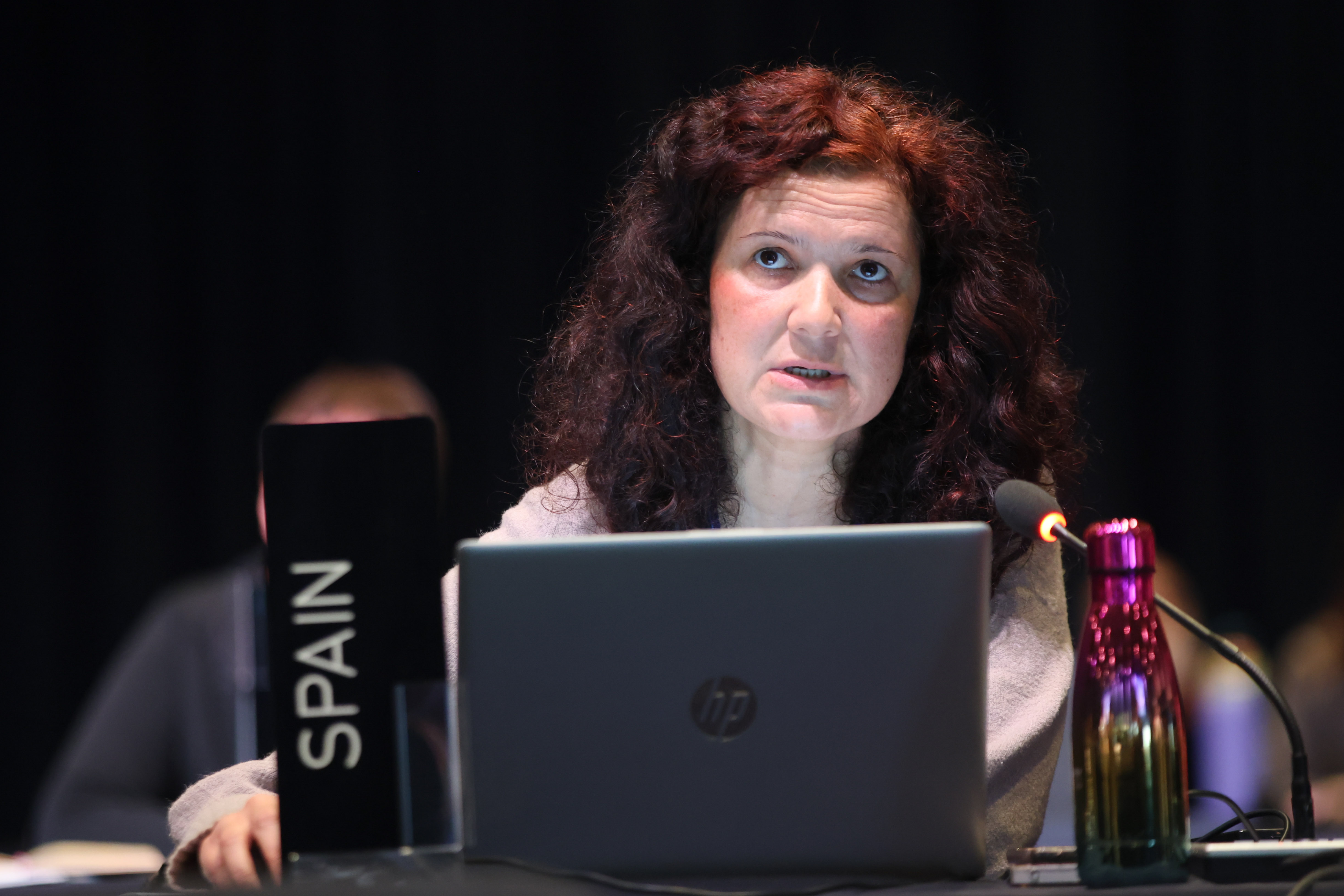
Noelia Vallejo Pedregal, Spain
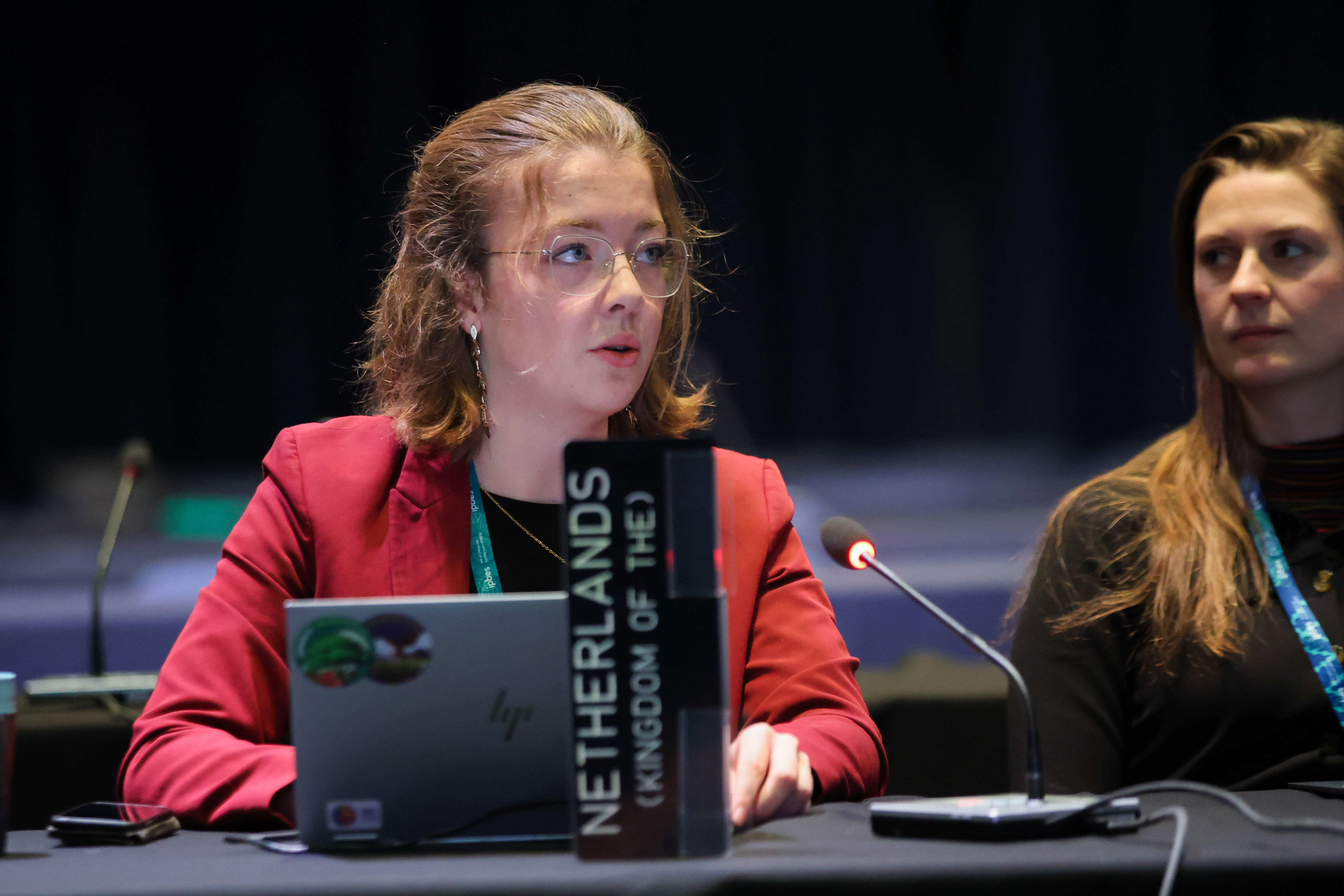
Jessica Tax, the Netherlands
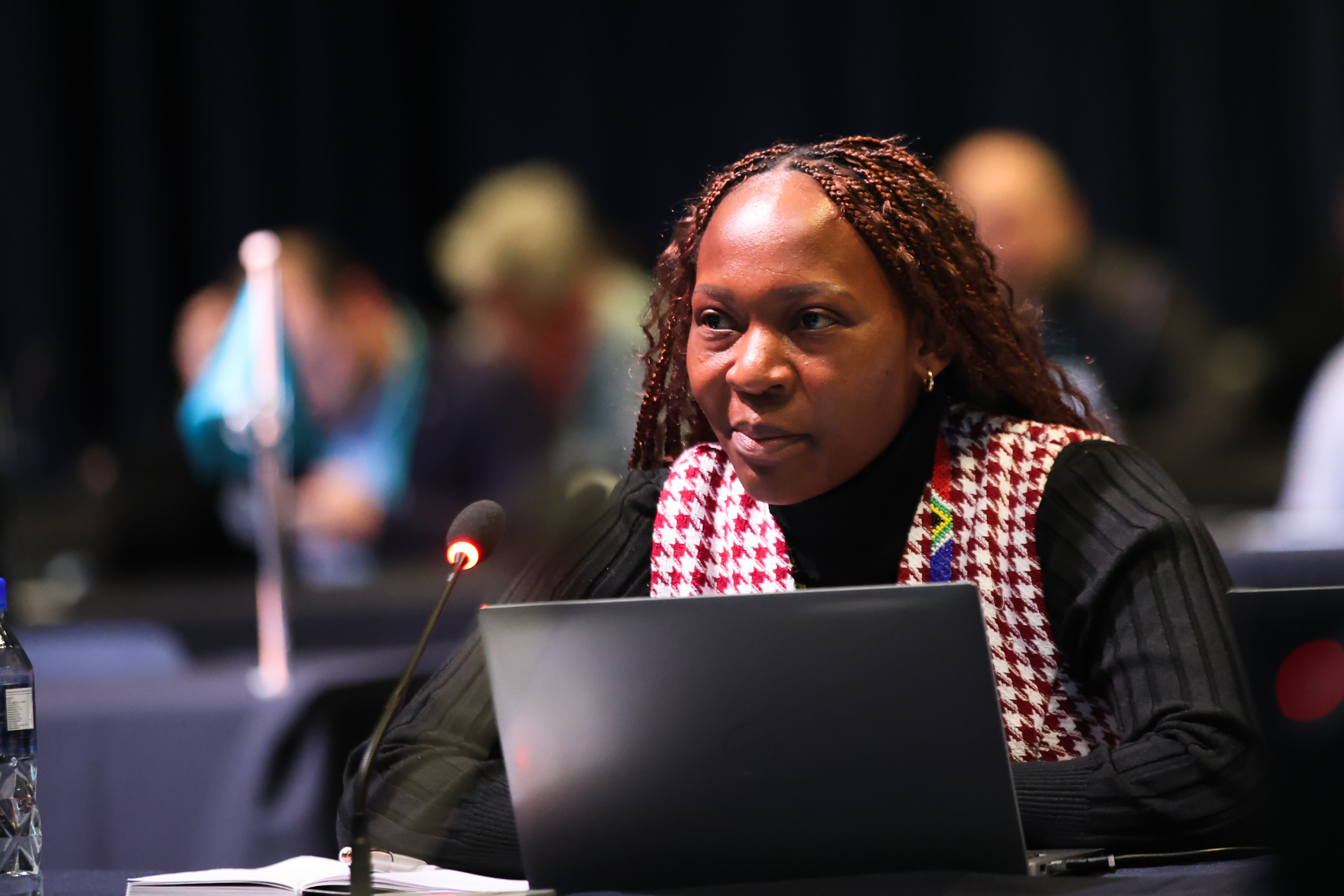
Lucia Motloung, South Africa
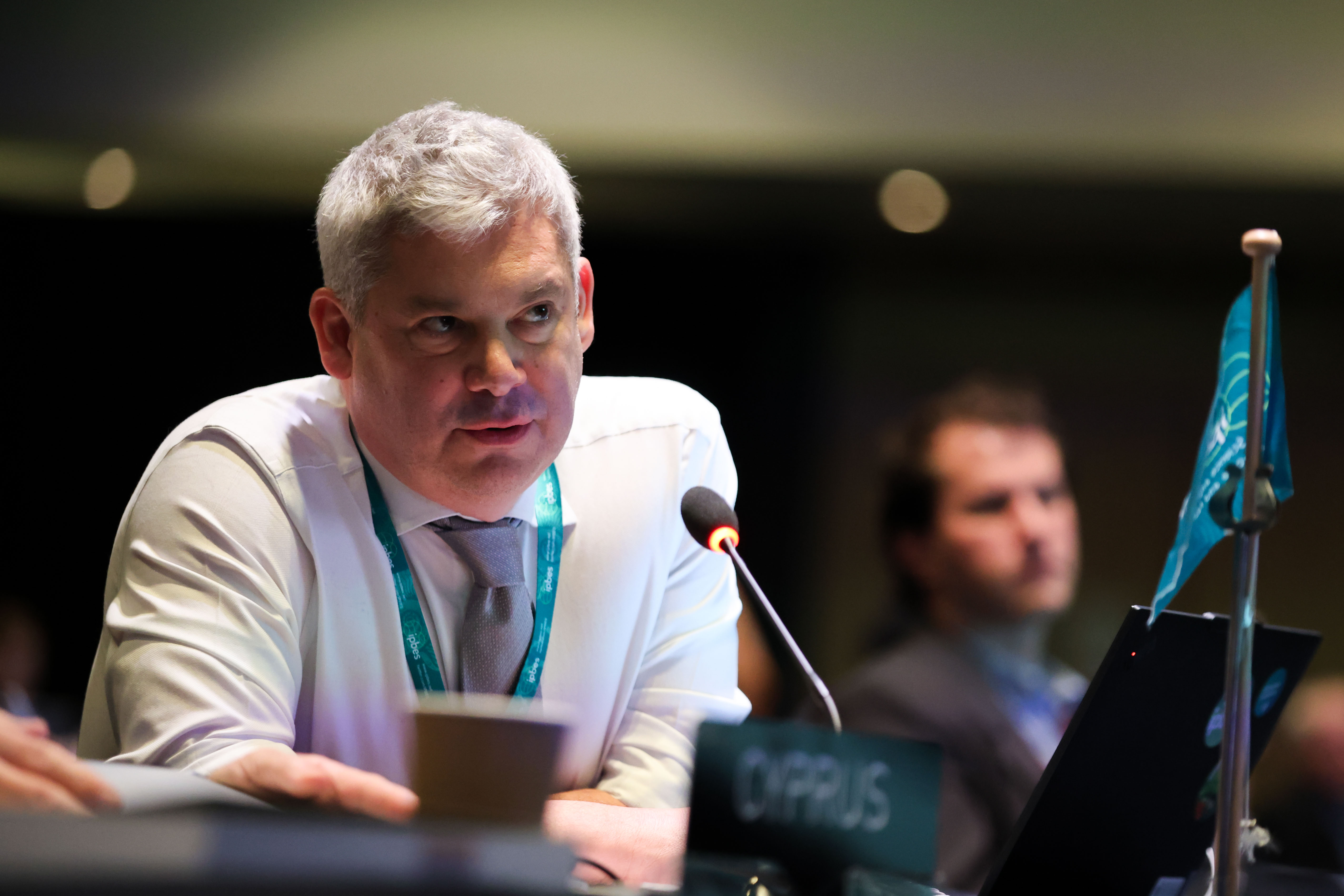
Gilles Doignon, EU
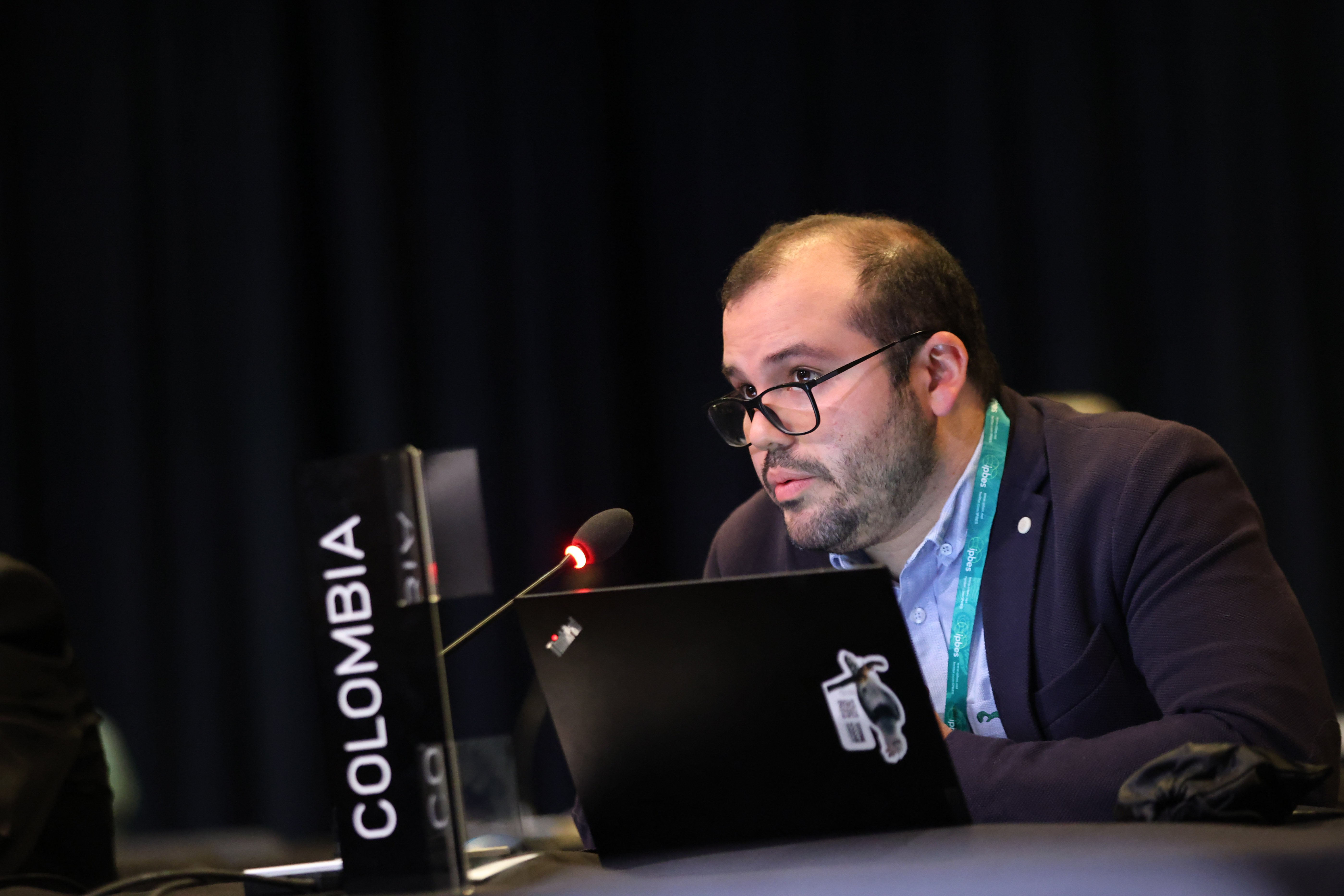
Carlos Hernández Mercado, Colombia

A delegate reads the ENB webpage.
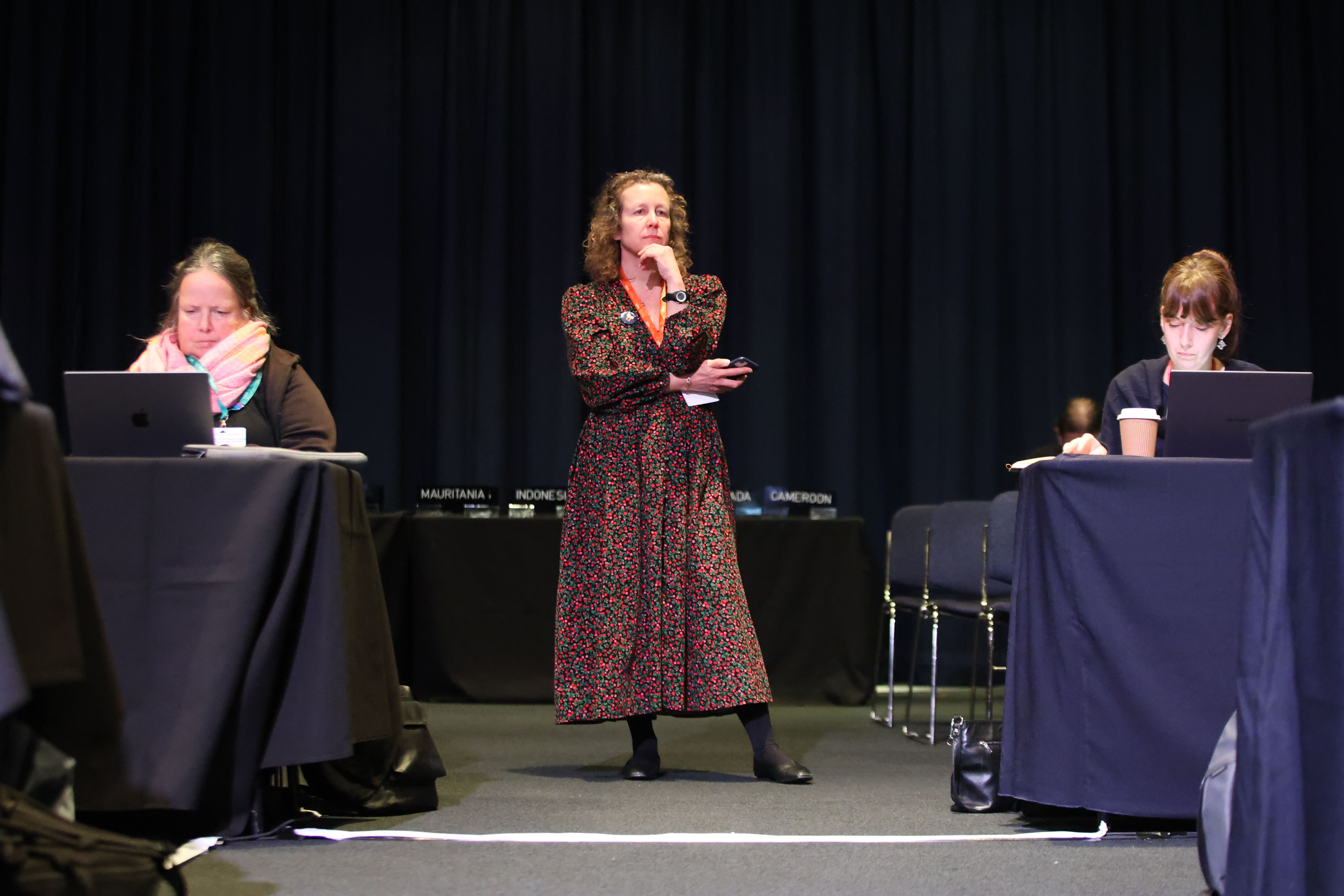
Delegates follow the proceedings from the back of the room.
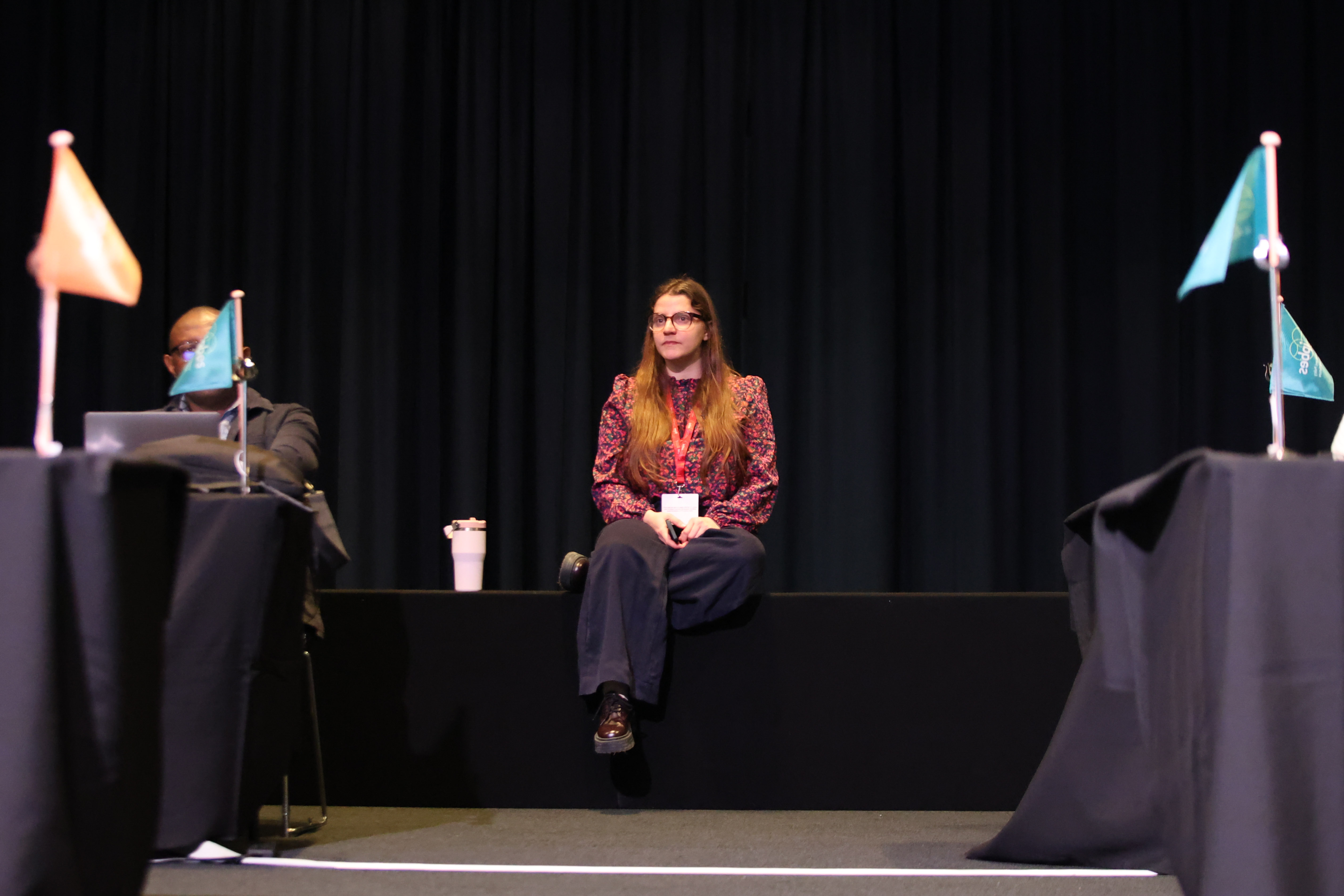
Between Sessions
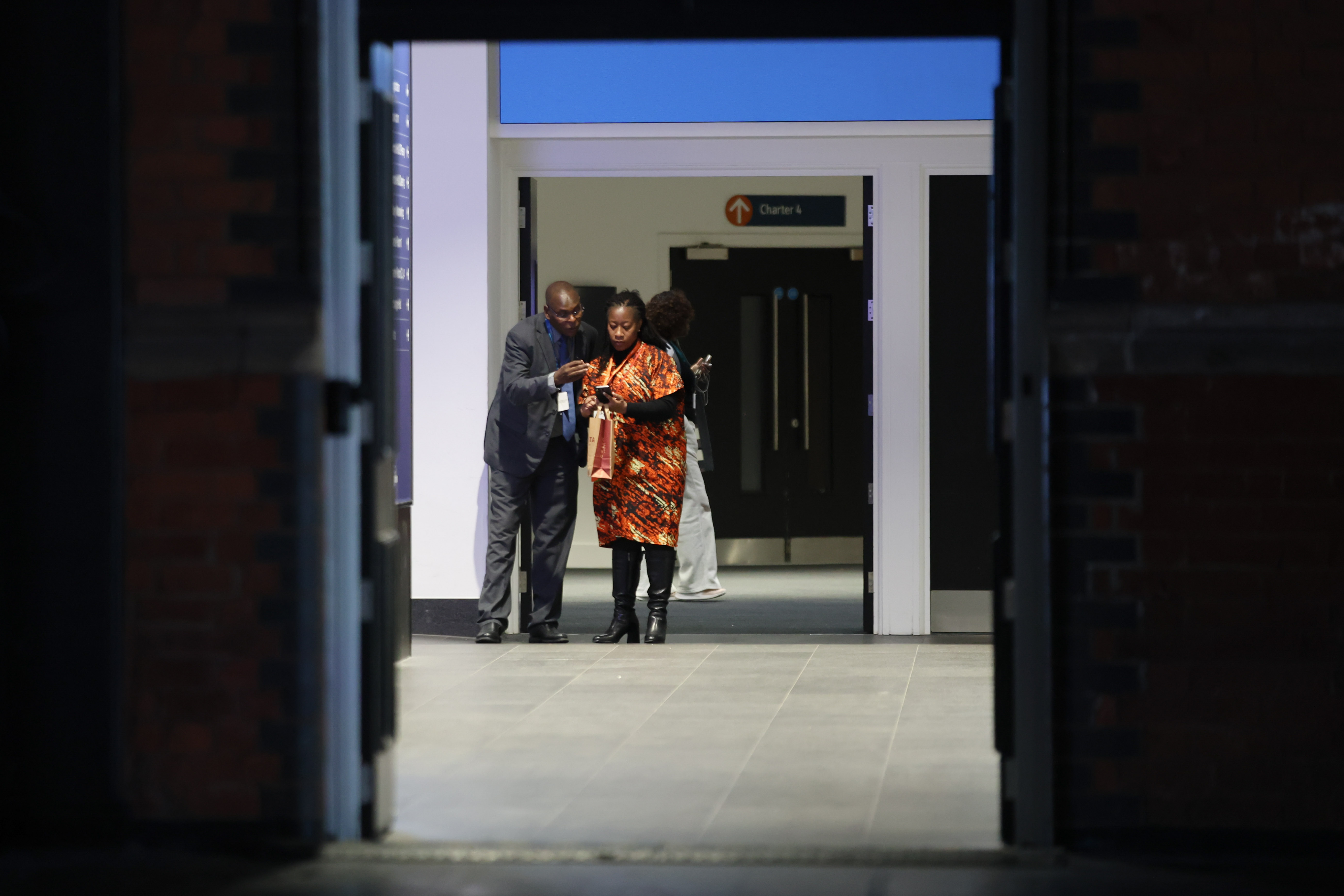
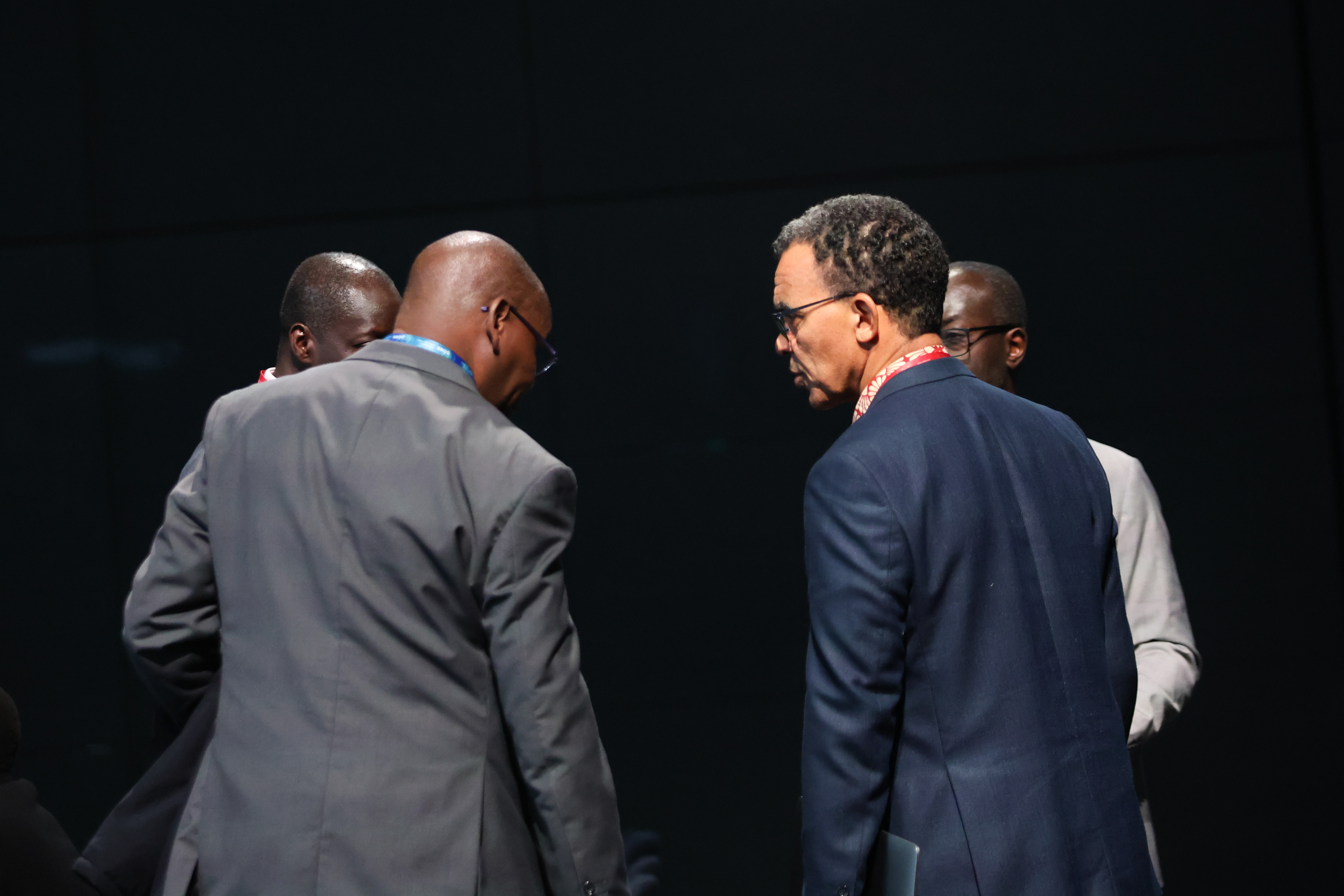
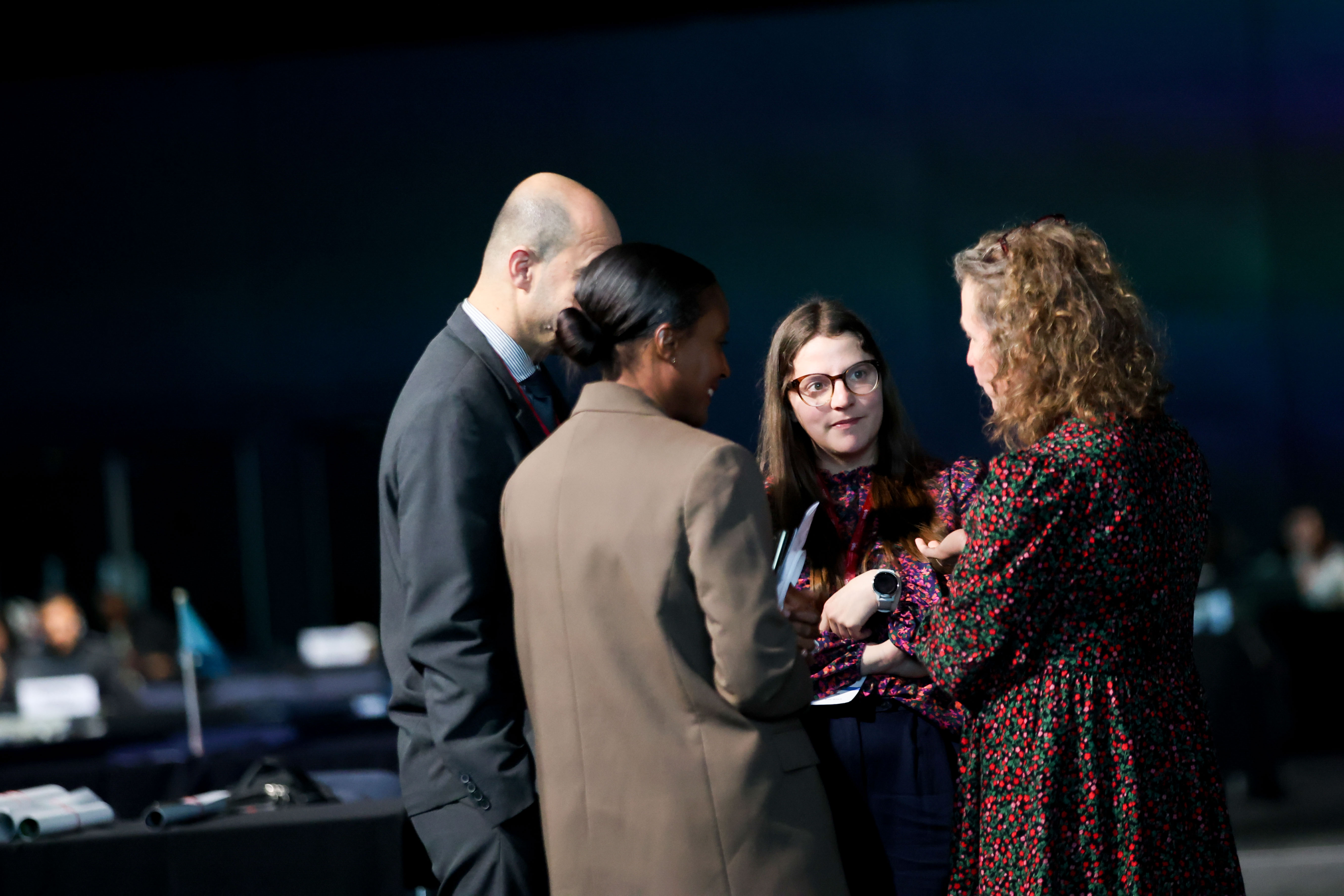
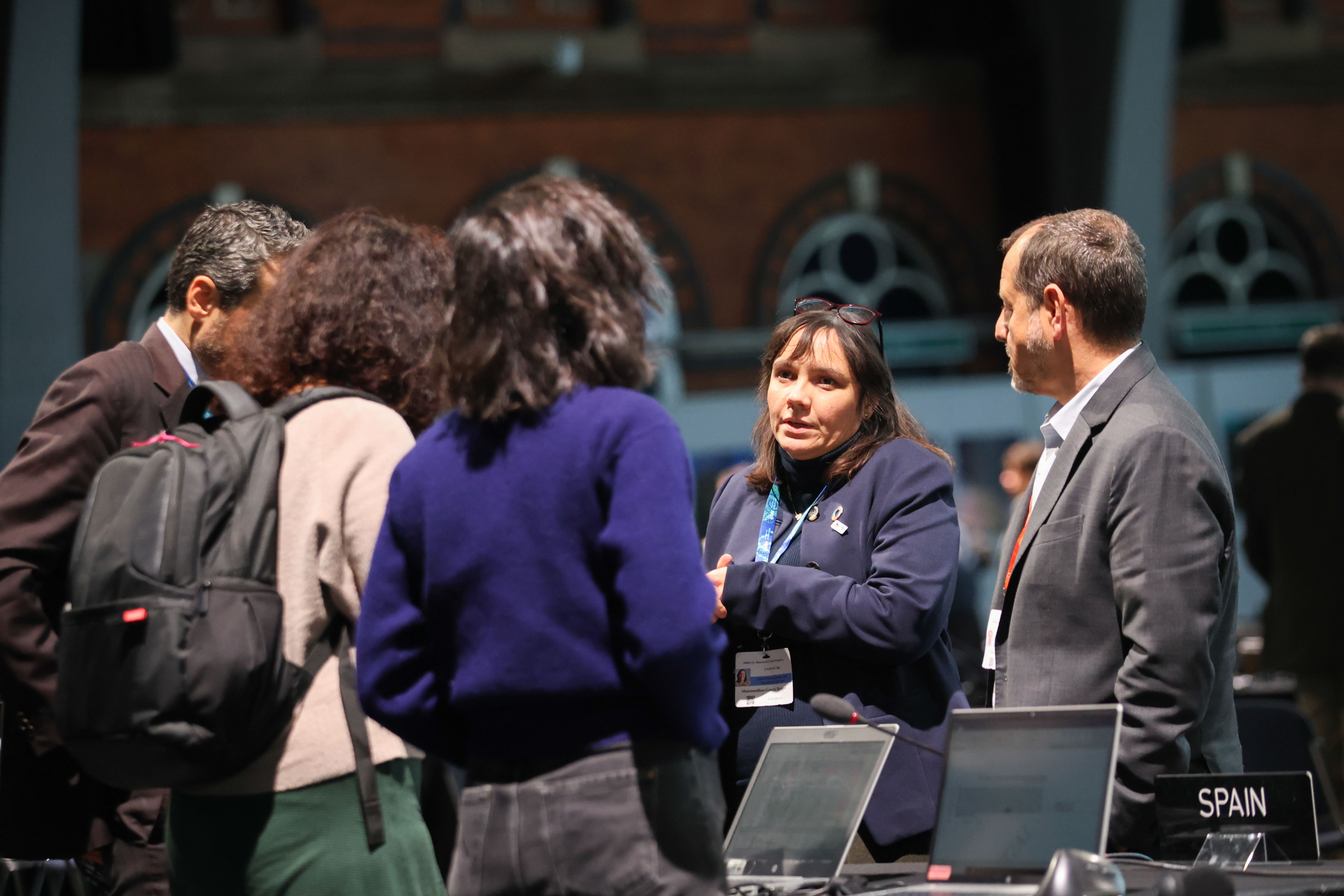

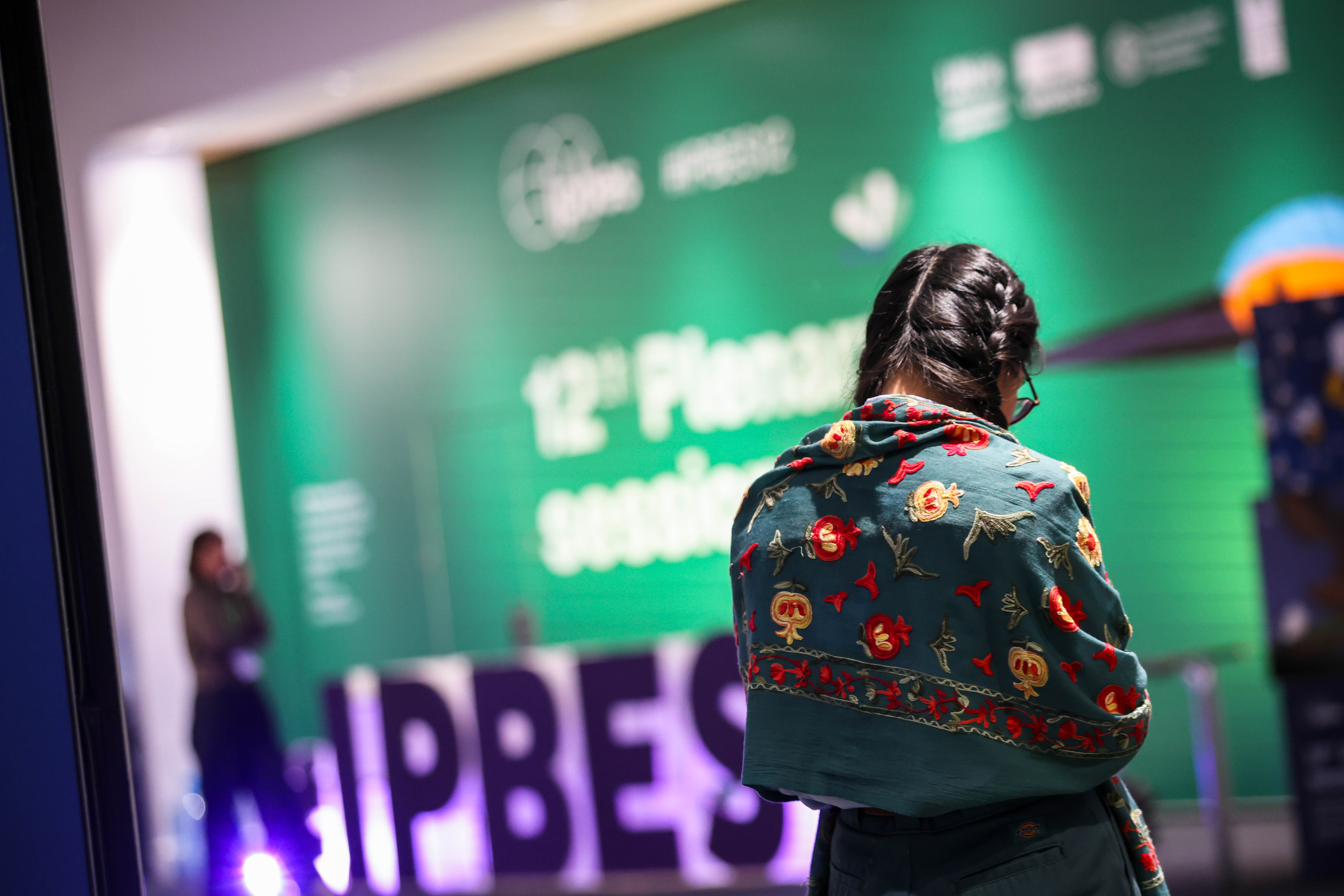
Around the Venue
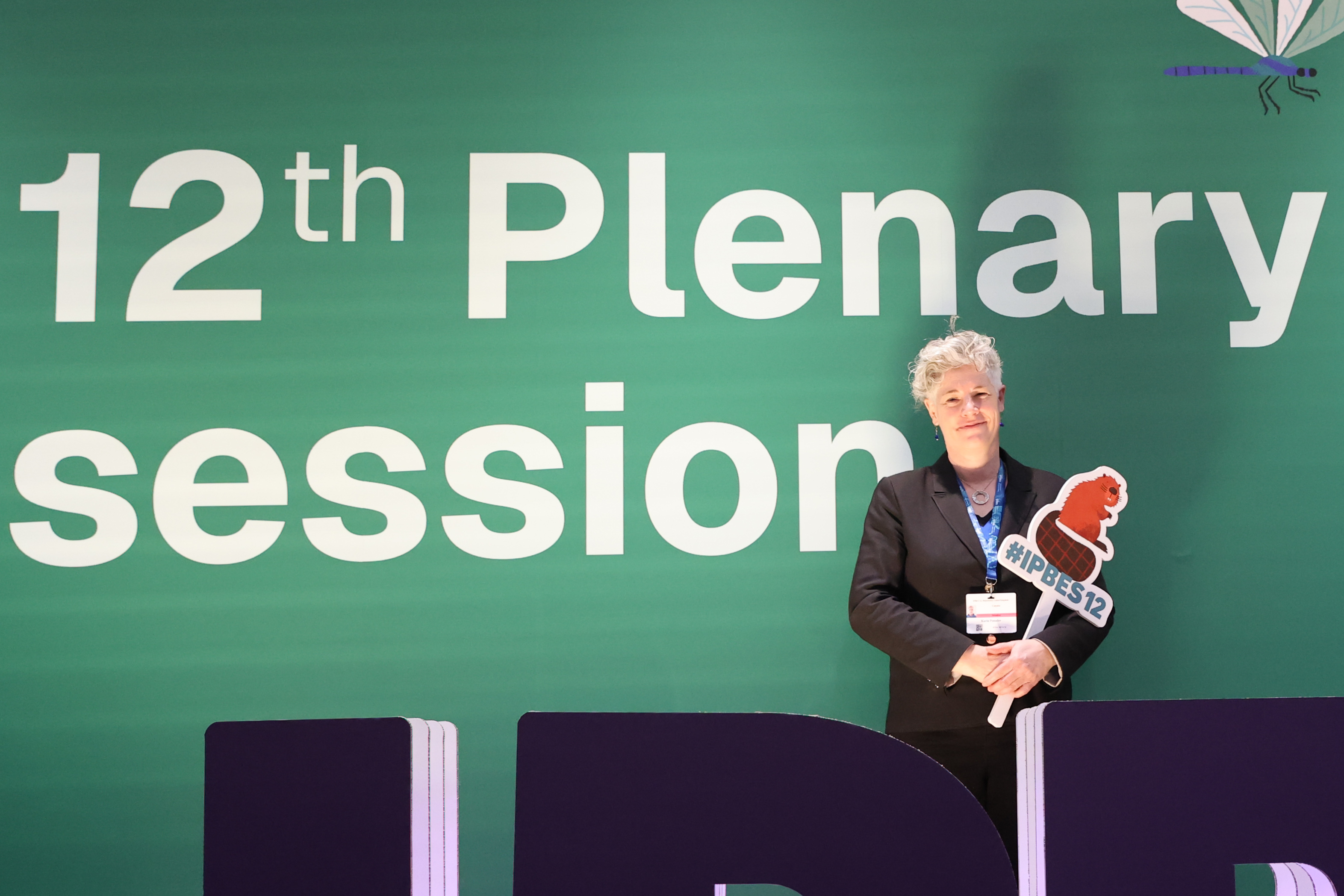
Karin Ponader, Canada
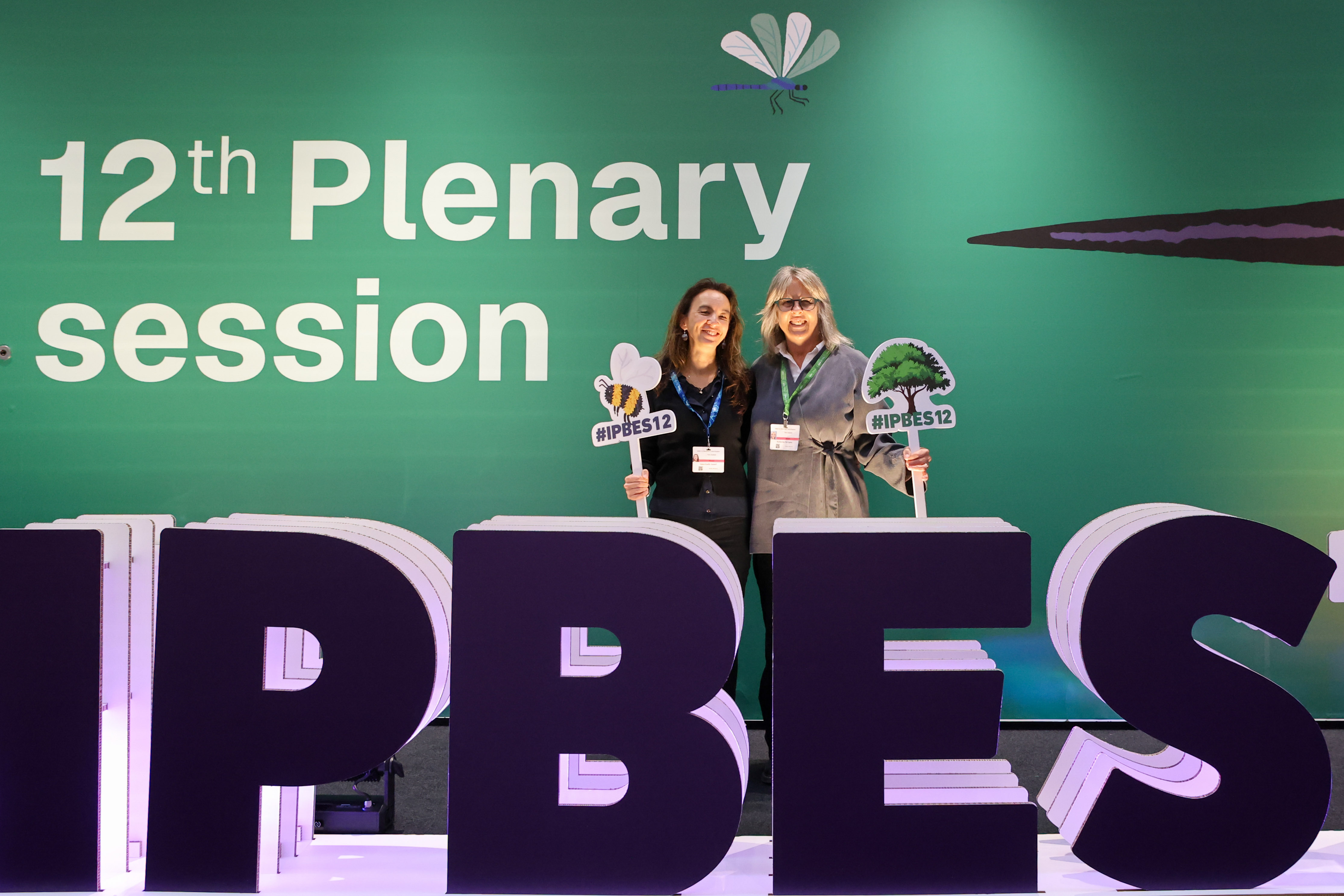
Delegates from New Zealand
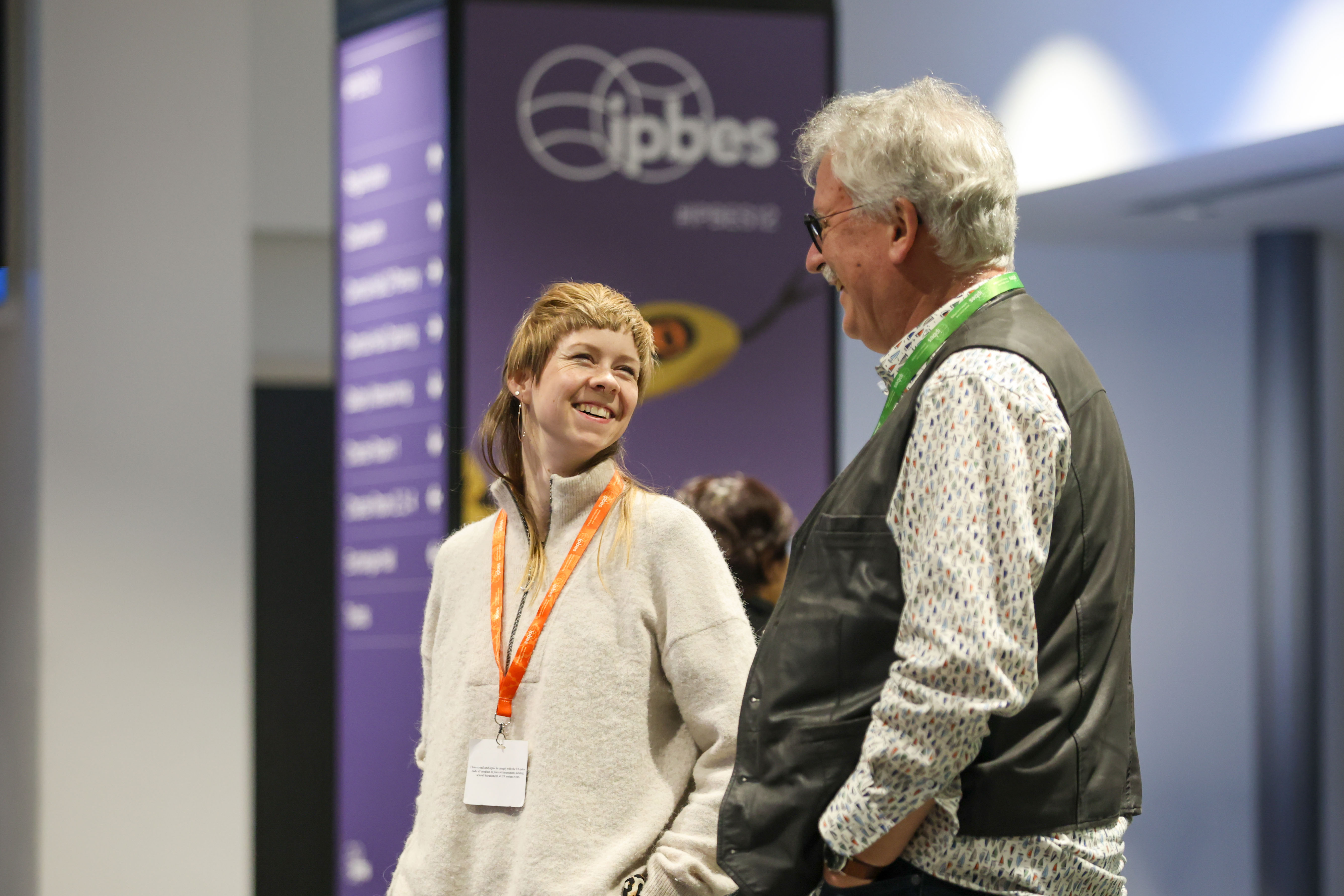
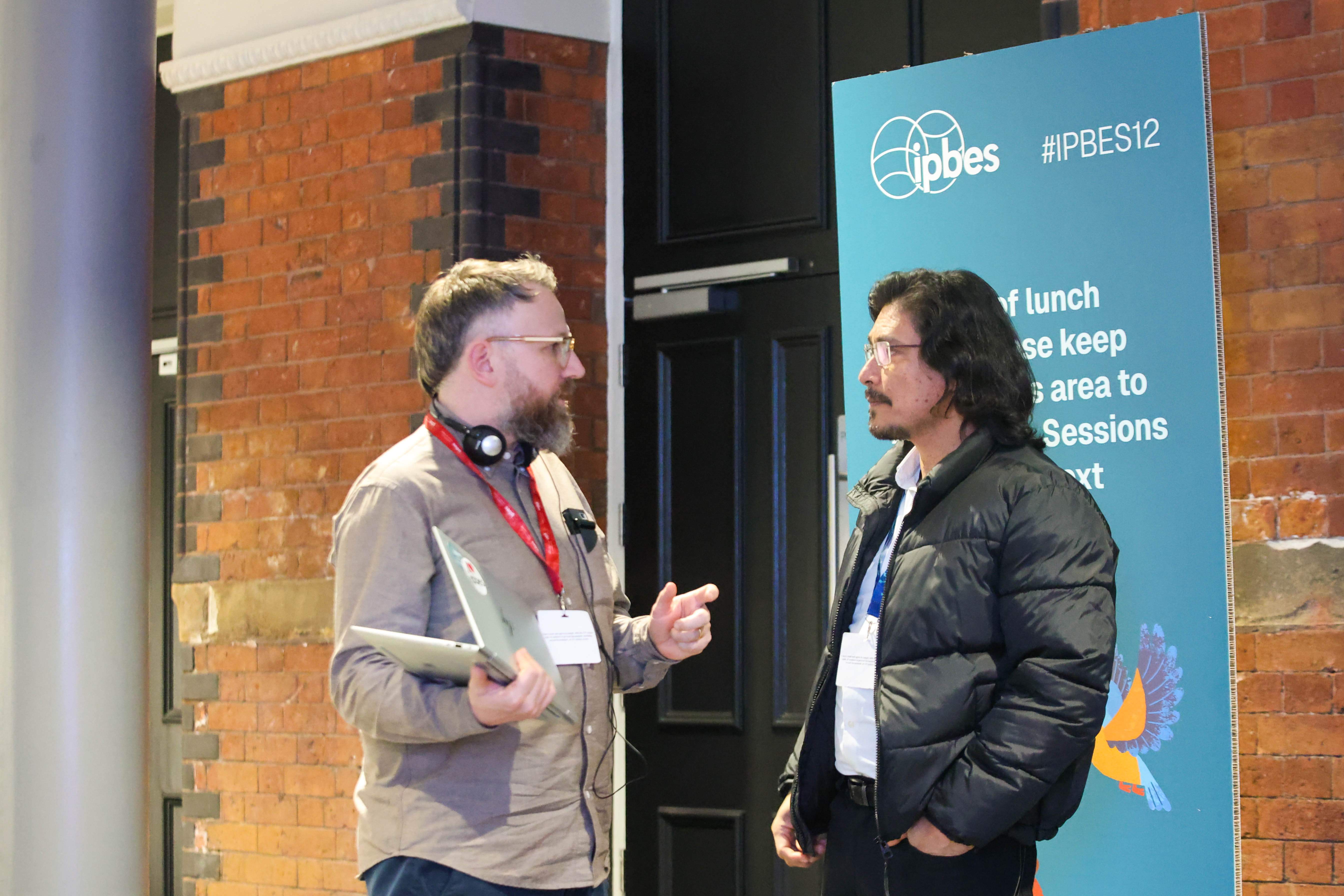

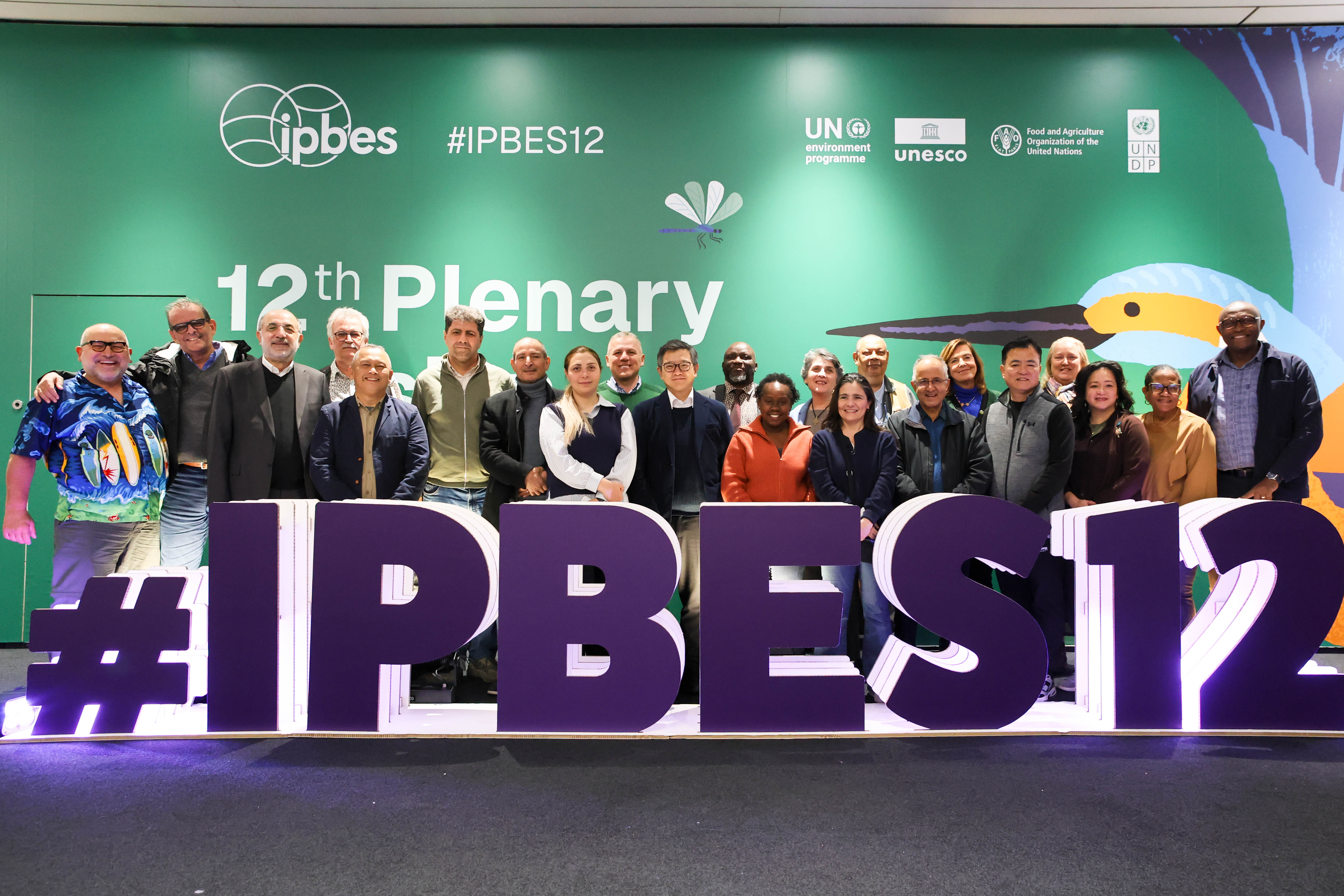
Members of the Multidisciplinary Expert Panel
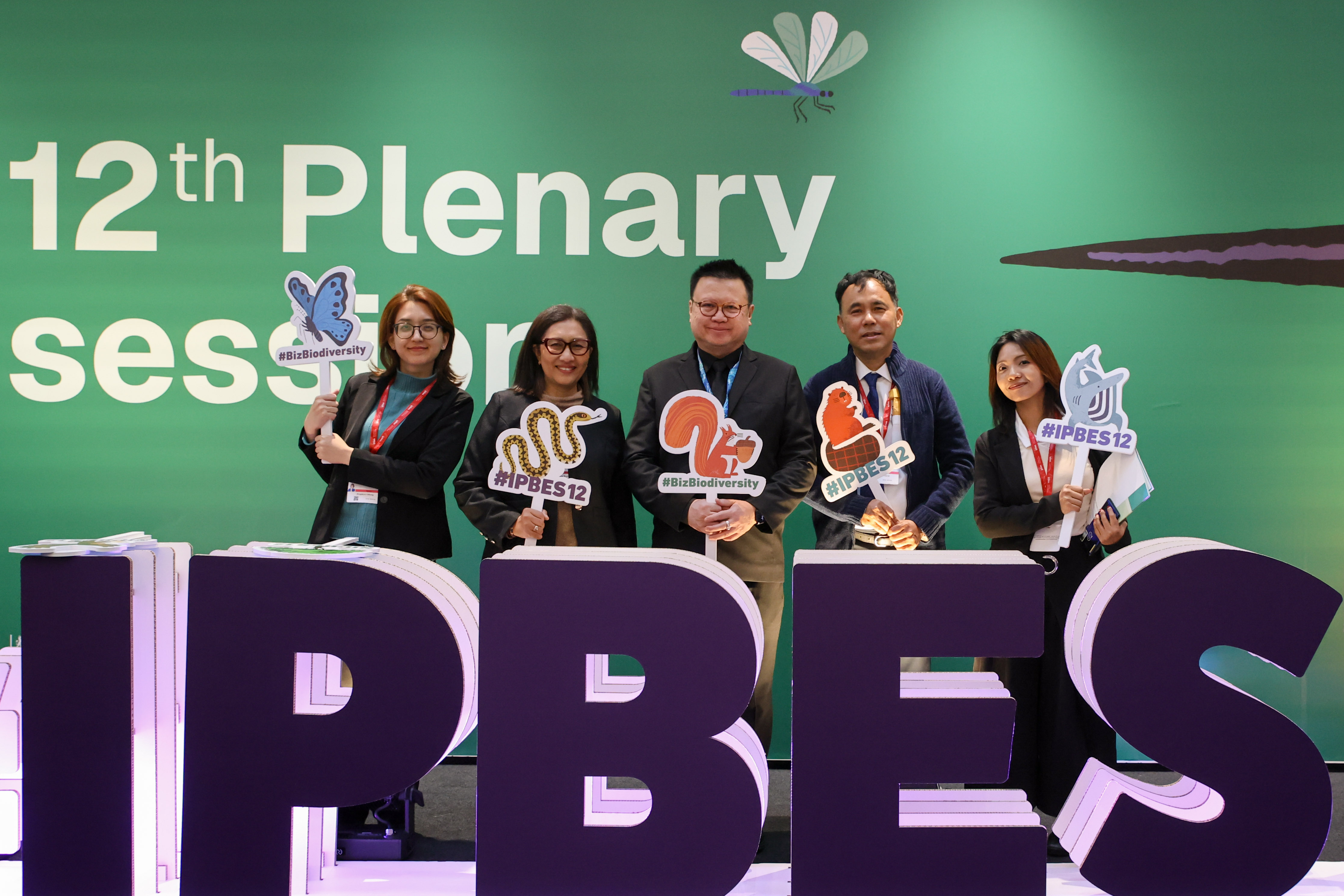
Delegates from Thailand
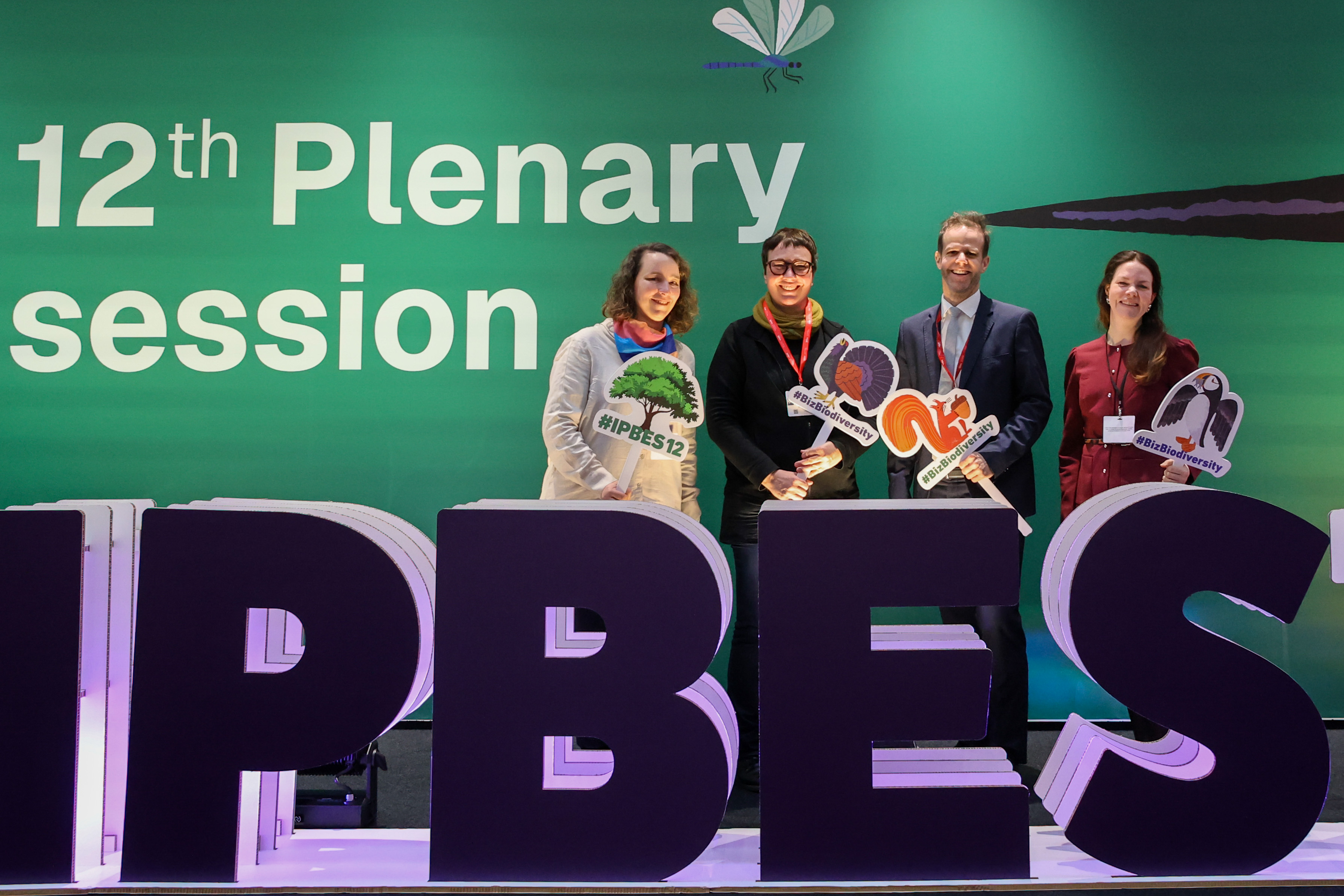
Delegates from Switzerland
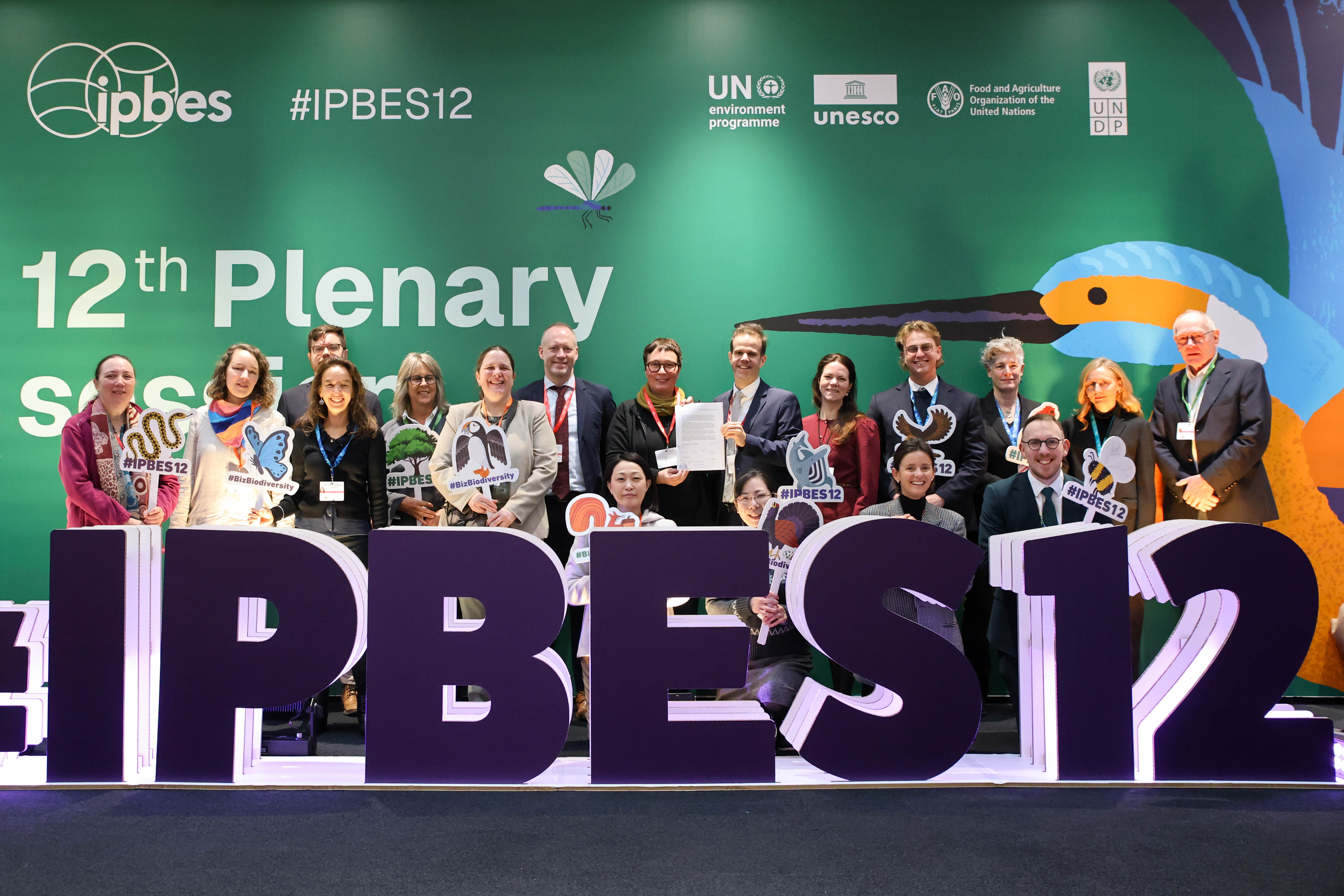
Delegates from Australia, Canada, Iceland, Israel, Japan, New Zealand, Norway, Switzerland, and the United Kingdom hold a letter to Douglas Beard, US, thanking him for his many years of dedication to IPBES.
