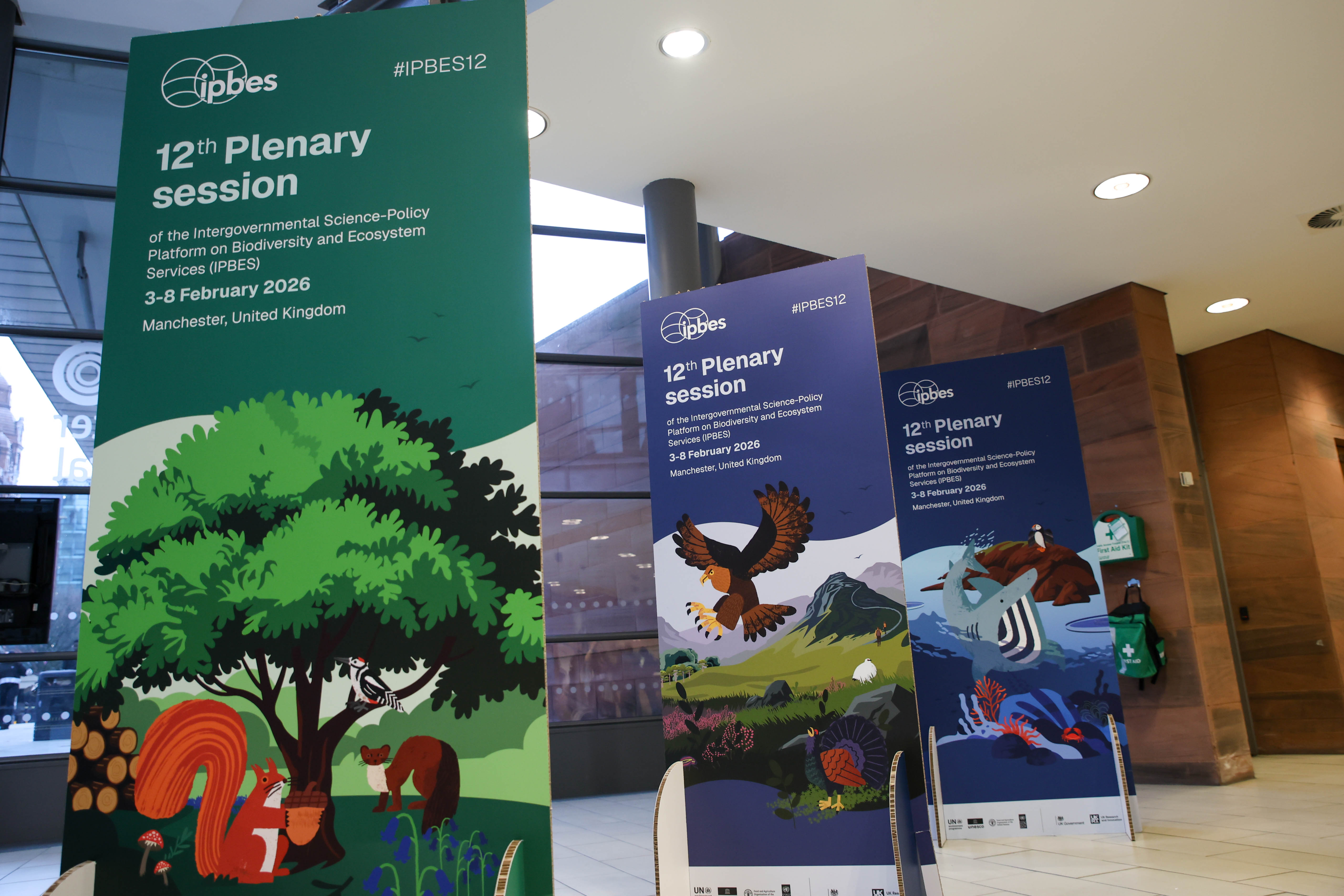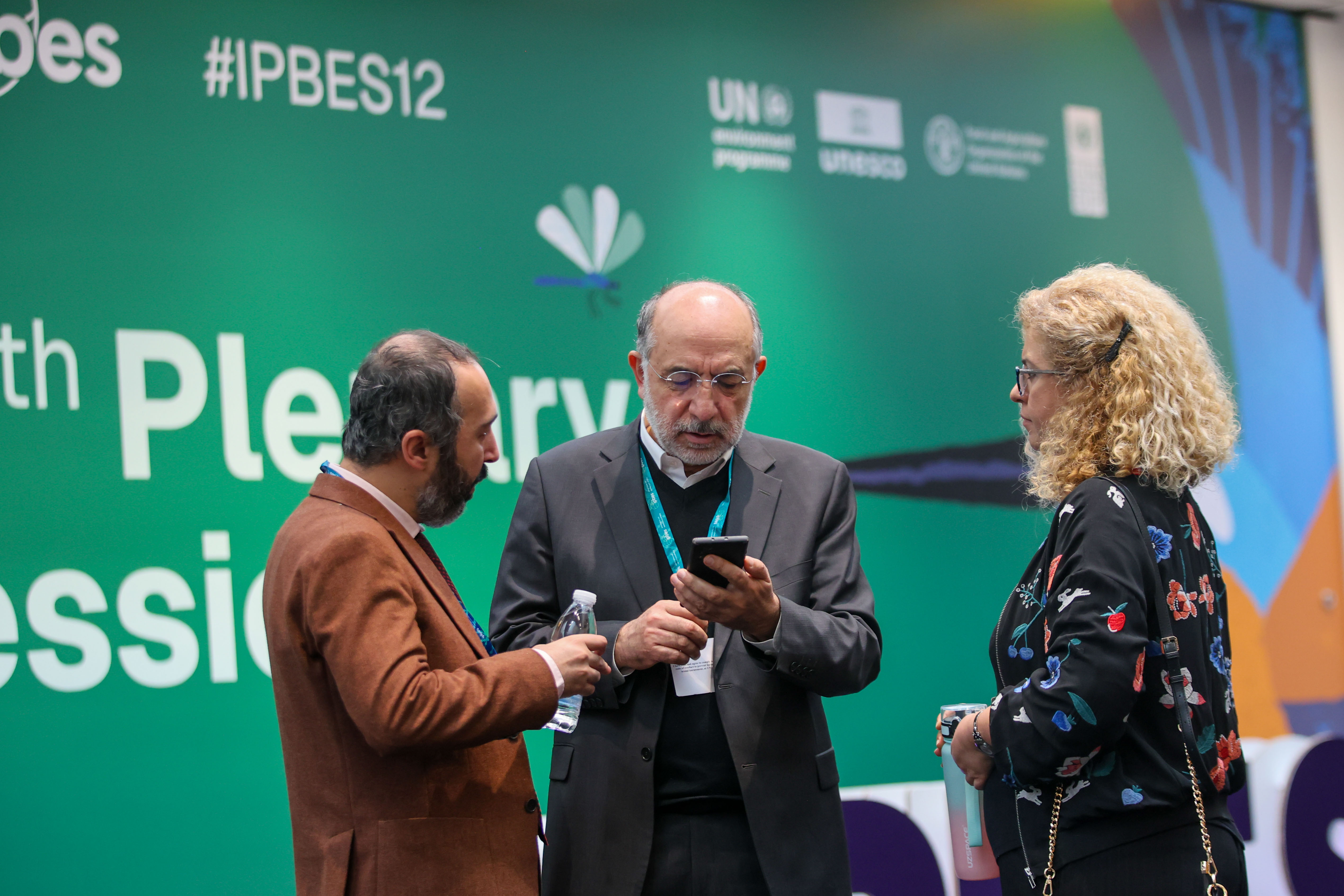
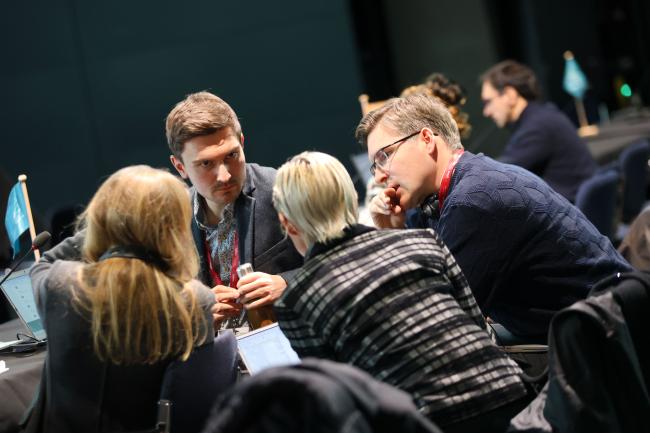
Delegates at the 12th session of the Plenary of the Intergovernmental Science-Policy Platform on Biodiversity and Ecosystem Services (IPBES 12) started the line-by-line negotiations on the Summary for Policymakers (SPM) of the new Business and Biodiversity Assessment – the key deliverable of the session.
Over the past two years, authors went to great lengths to synthesize current insights on businesses’ impacts and dependencies on biodiversity, outlining options for nature-positive private sector engagement and opportunities for governments to foster such engagement. The SPM, which is a few dozen pages long, is the pinnacle of this work and aims to inform action by decision-makers. To ensure government ownership and strengthen the SPM’s clarity and usability, Platform Members negotiate every sentence, figure, and table of the document.
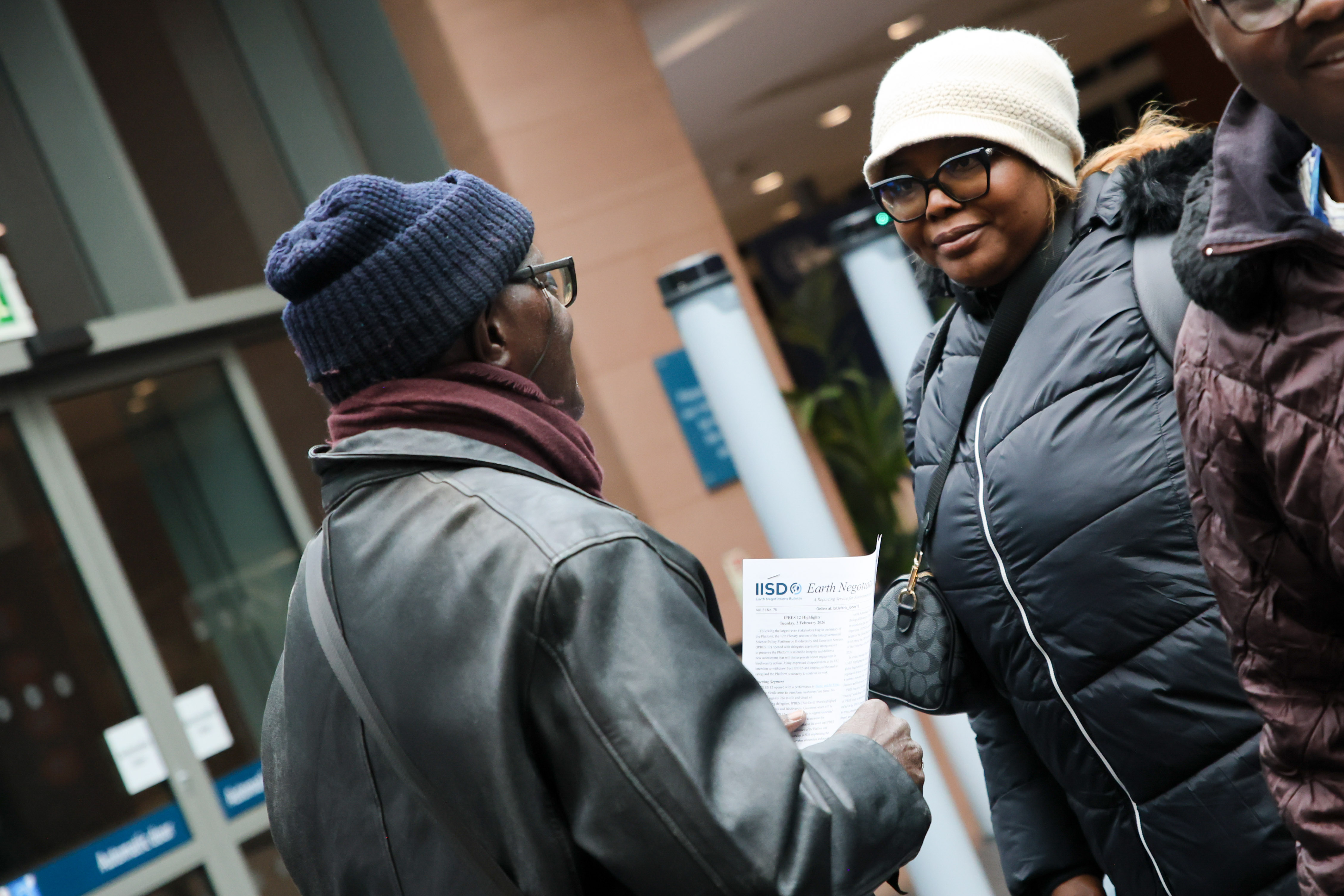
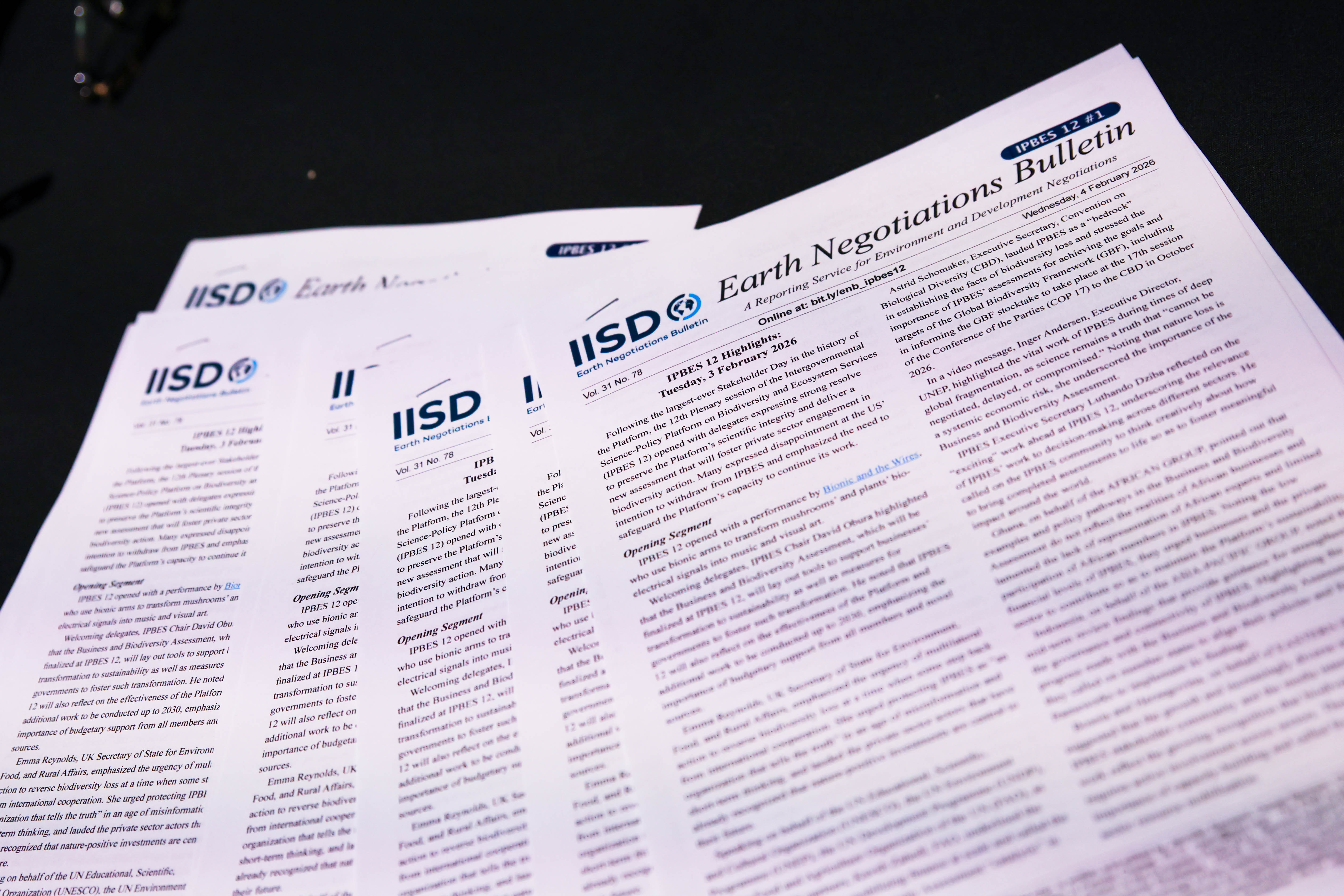
Want to dig deeper into today's talks? Read the full Earth Negotiations Bulletin daily report.
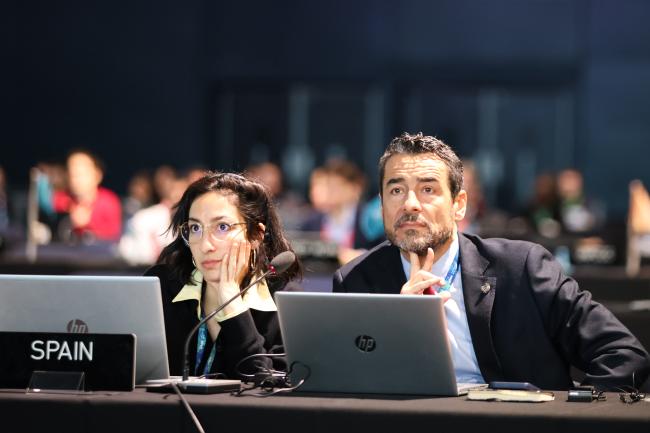
Essentially, discussions constitute a back-and-forth between Member States and the Assessment’s authors. The latter are responsible for ensuring that changes proposed by governments are in line with scientific insights reflected in the underlying report, and they may suggest more fitting places to incorporate suggestions. Through this exchange, IPBES lives up to its role as a “science-policy” platform, in which outputs are co-produced.
The Business and Biodiversity Assessment is not the only item under discussion at IPBES 12. Working Group 2 (WG 2) considered progress in implementing the rolling work programme up to 2030, reaching agreement on workplans for 2026-2027 related to: capacity-building; data and knowledge management; knowledge generation catalysis; Indigenous and local knowledge systems; policy instruments, policy support tools, and methodologies; and scenarios and models. Several delegations emphasized the need for coherence in delivering on these objectives, as recommended in the Platform’s mid-term review, especially considering resource constraints.
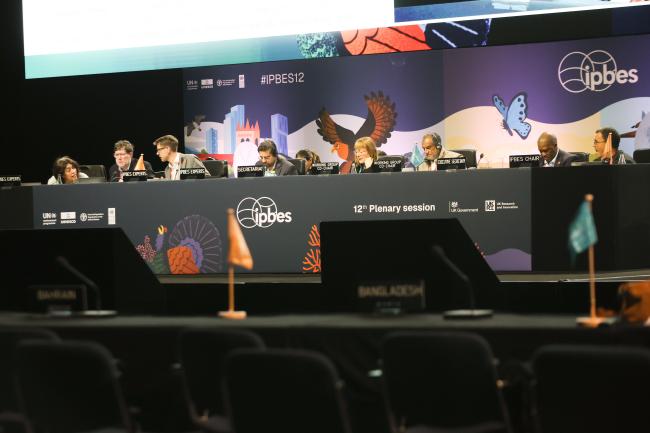
WG 2 also considered the review of the Platform’s effectiveness, which had highlighted the positive role played by IPBES in informing environmental science and policy. WG 2 Co-Chair Sebastian König suggested that discussions at IPBES 12 serve to gather input for the Bureau and Multidisciplinary Expert Panel (MEP) to develop proposed responses to the review panel’s recommendations ahead of IPBES 13. Delegates heard presentations by the external review panel, as well as initial reflections on the review findings by the Bureau, MEP, and IPBES Executive Secretary Luthando Dziba.
WG 1 convened an evening session to speed up progress in the SPM negotiations. Discussions in WG 2 will resume on Thursday, 5 February, turning to suggestions for additional work to conduct up to 2030.
To receive free coverage of global environmental events delivered to your inbox, subscribe to the ENB Update newsletter.
All ENB photos are free to use with attribution. For IPBES 12 please use: Photo by IISD/ENB | Anastasia Rodopoulou
Working Group 1

Eeva Primmer, Co-Chair of Working Group 1
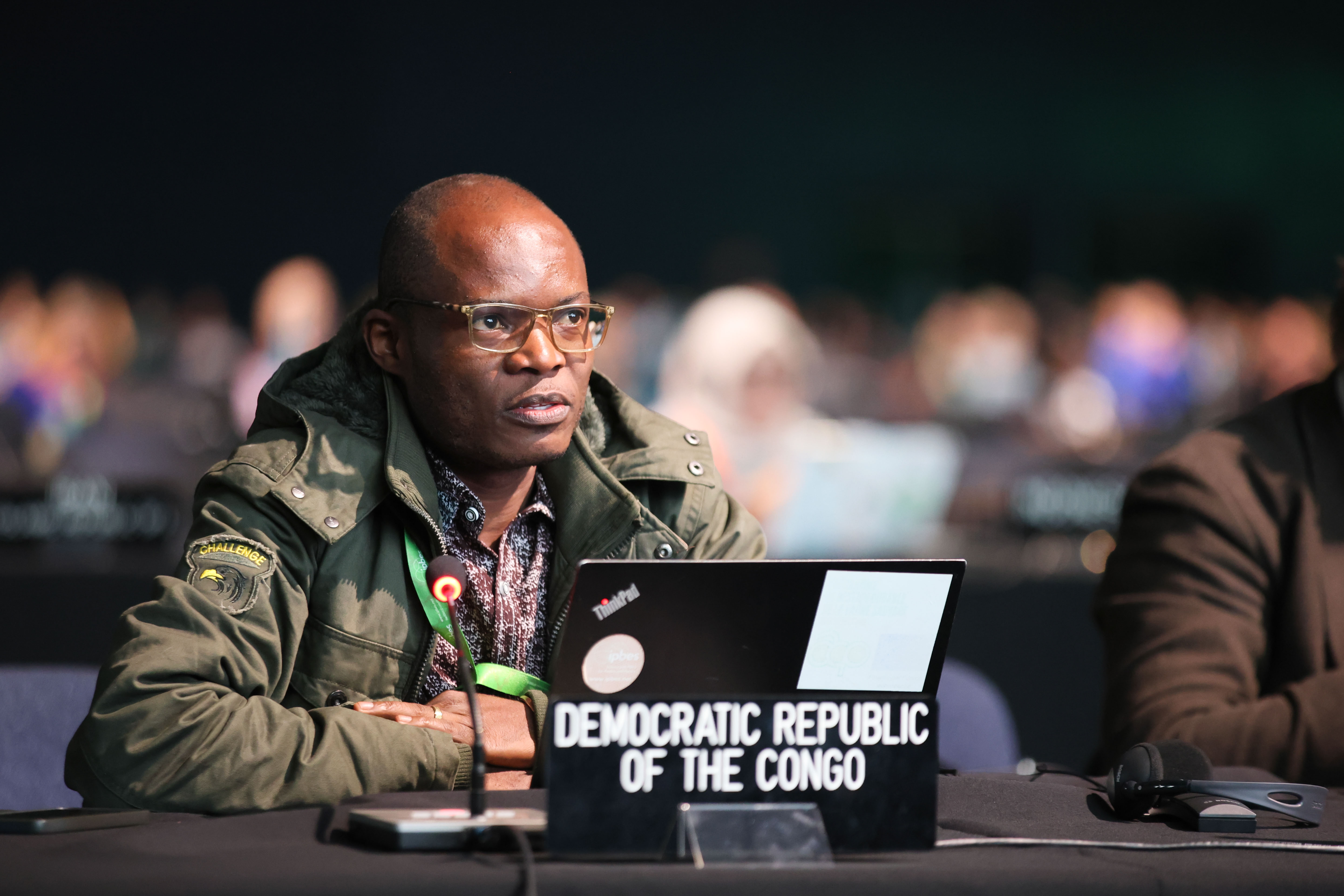
Daniel Mukubi Kikuni, Democratic Republic of the Congo
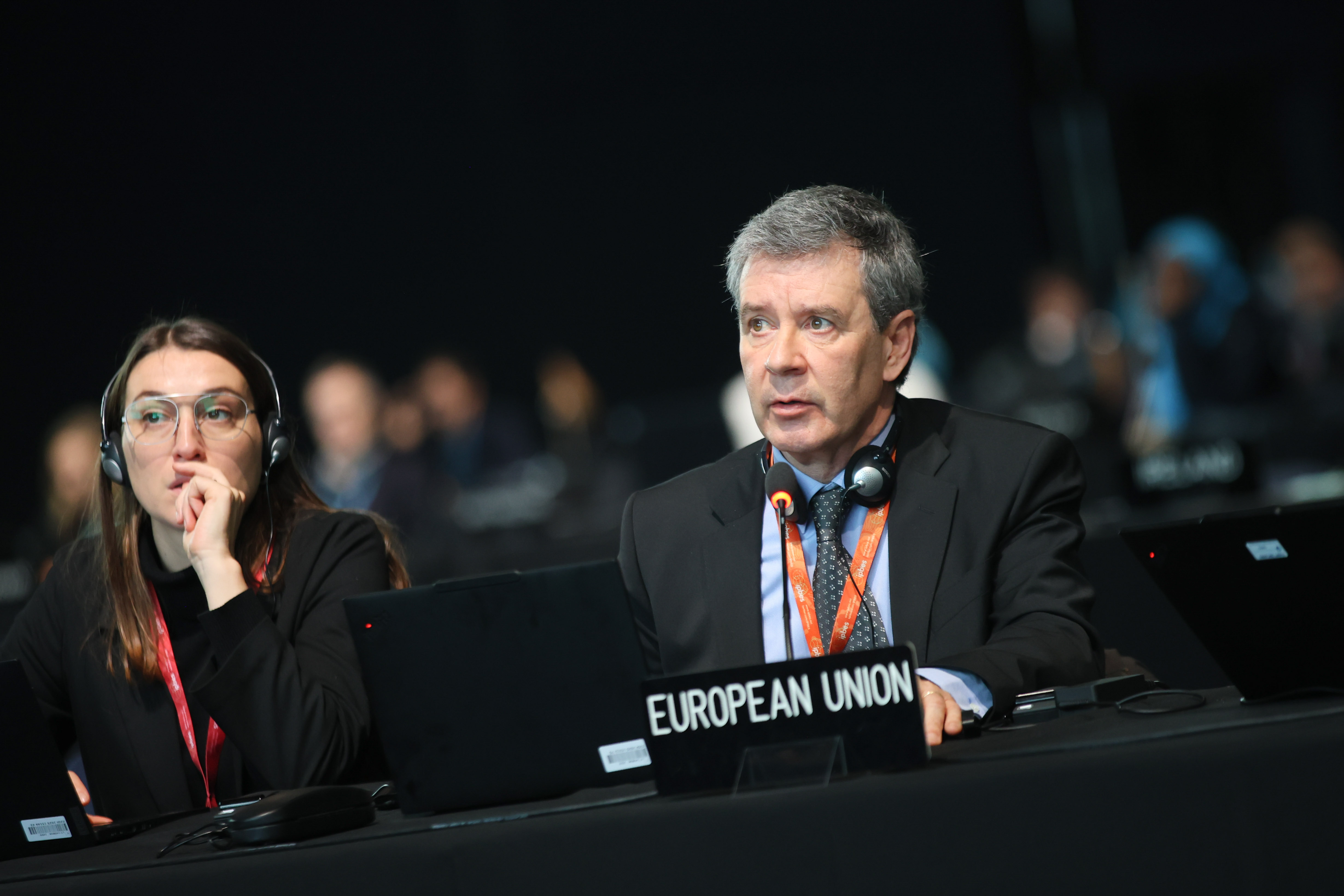
Jorge Peydro Aznar, EU
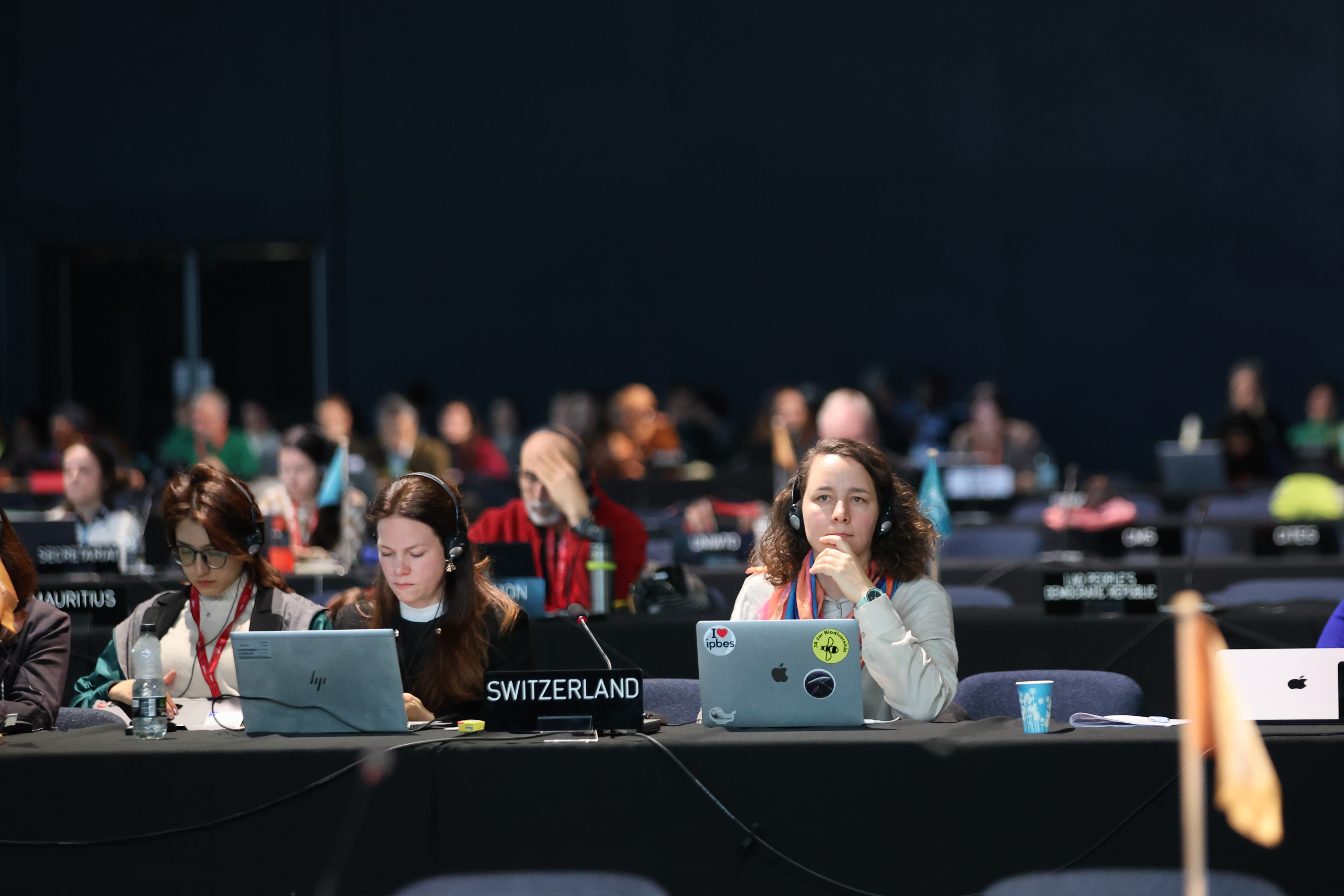
Delegates listen to the negotiations.
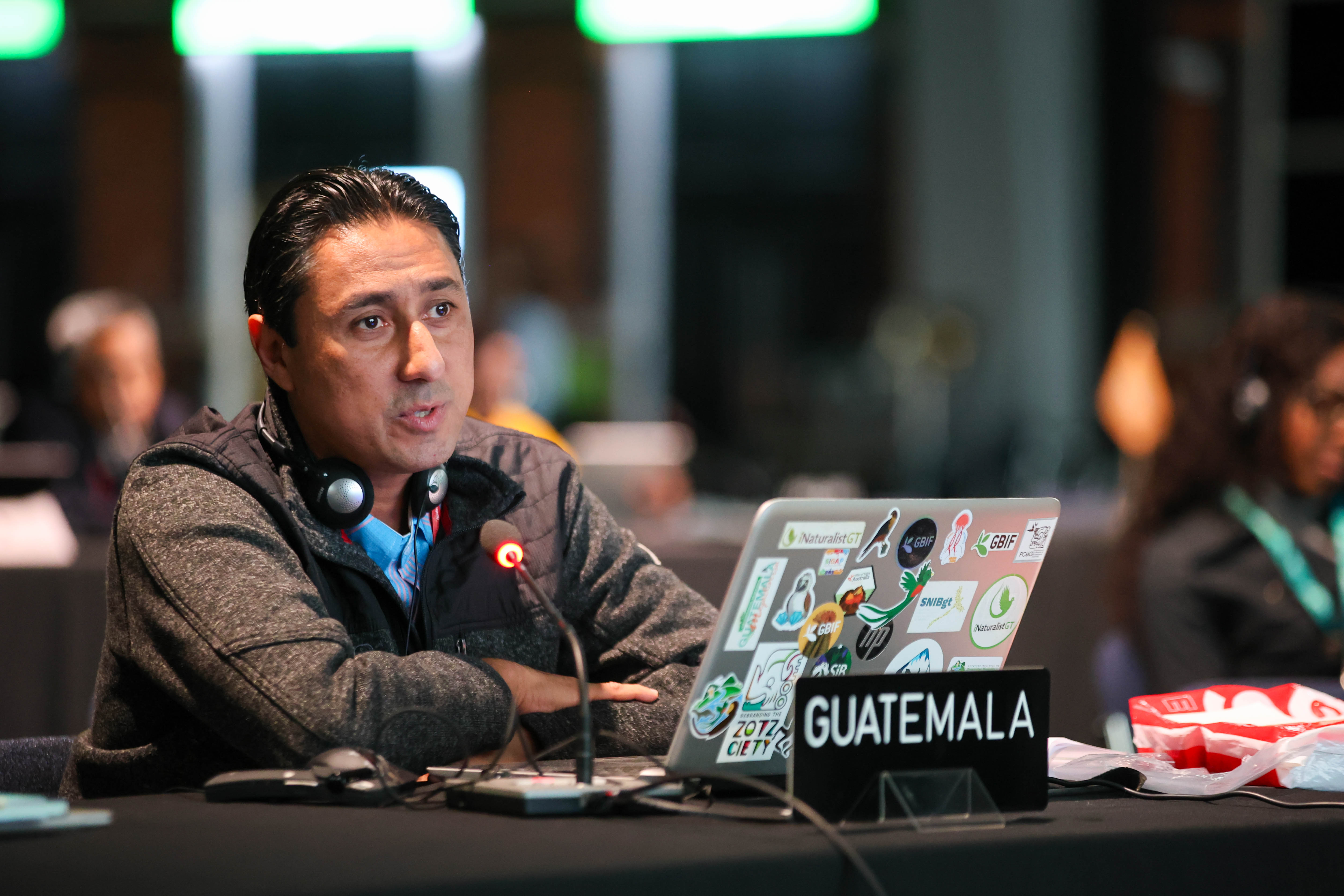
José Luis Echeverría Tello, Guatemala
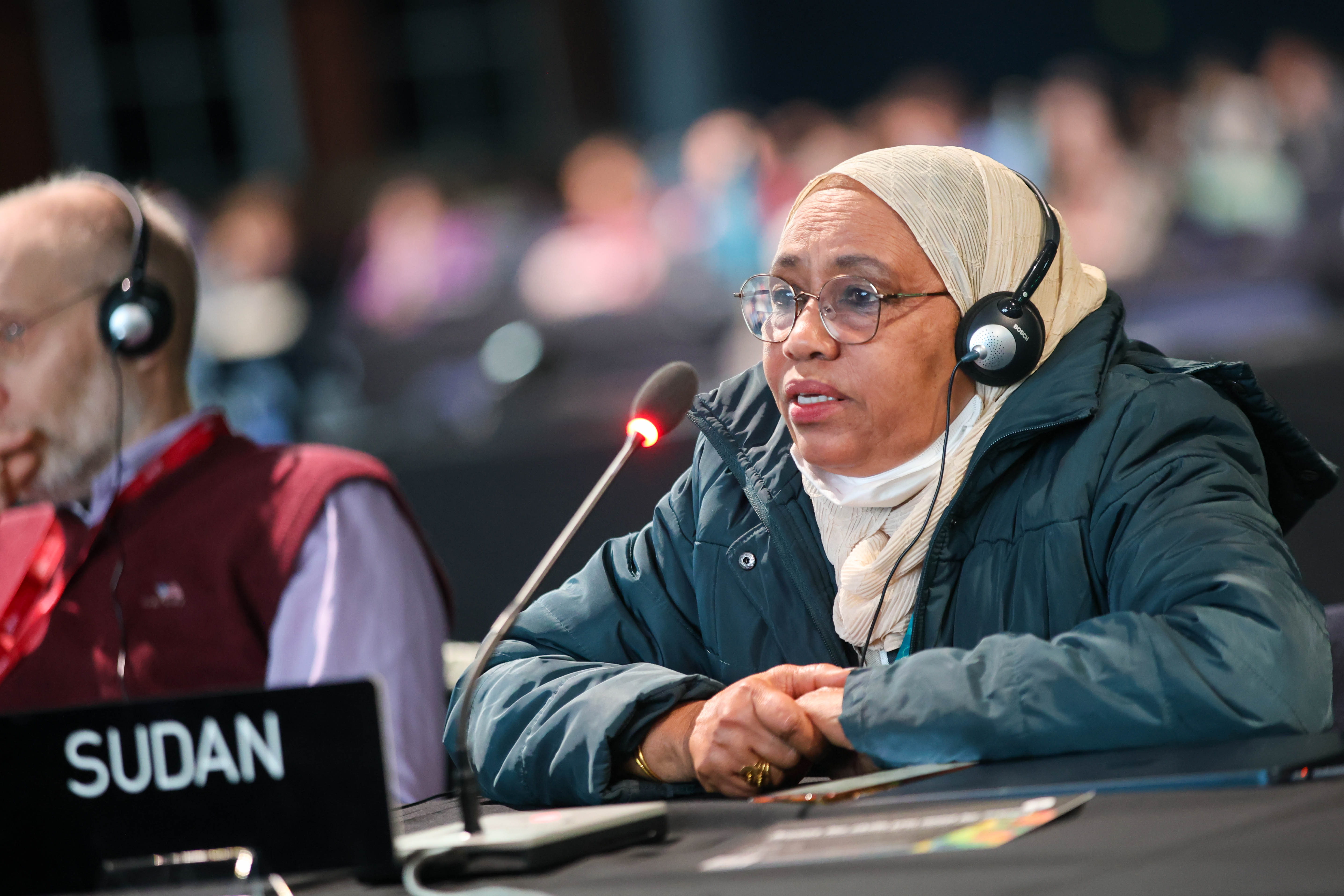
Elkhitma Ahmed, Sudan
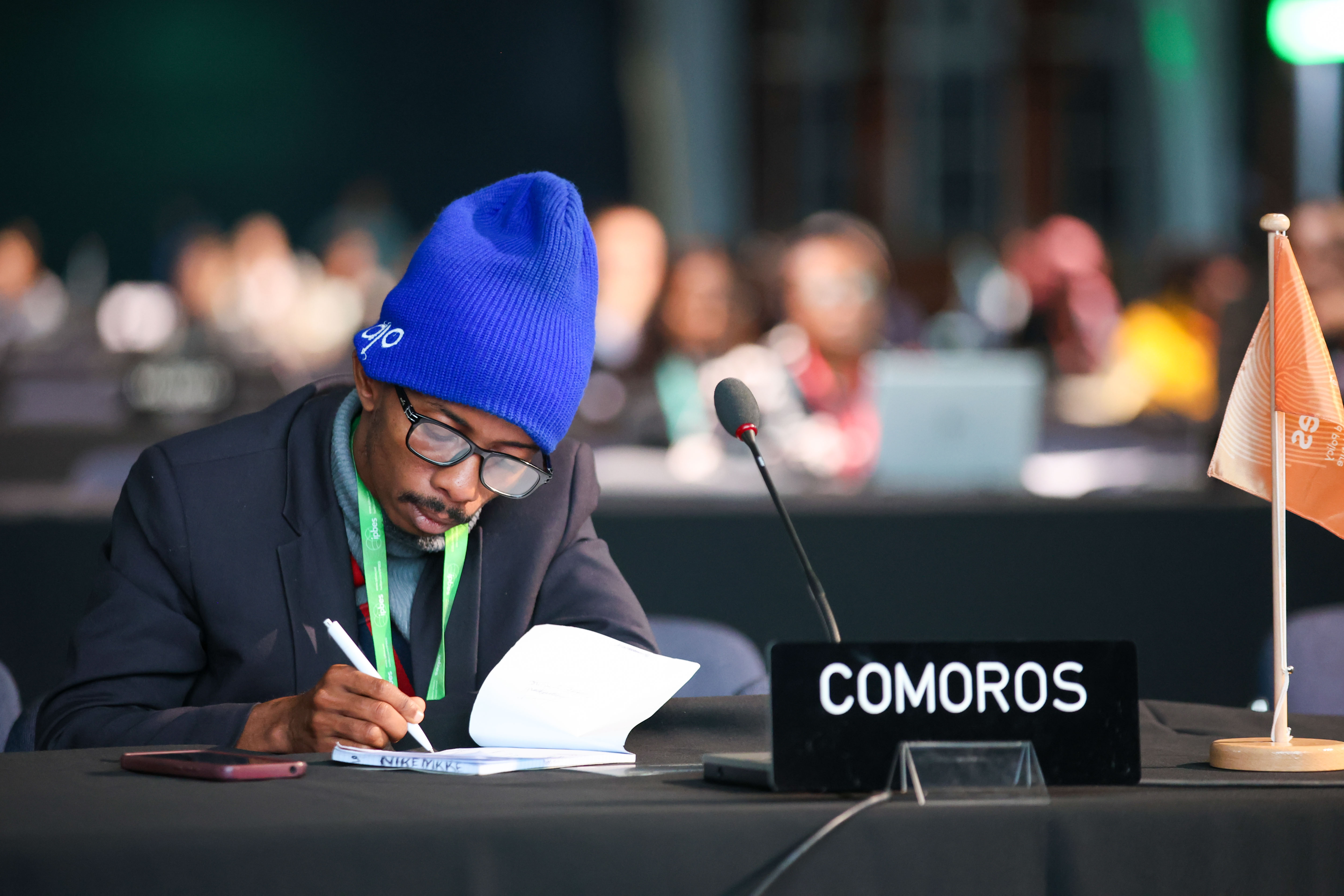
Issa Elarif, Comoros
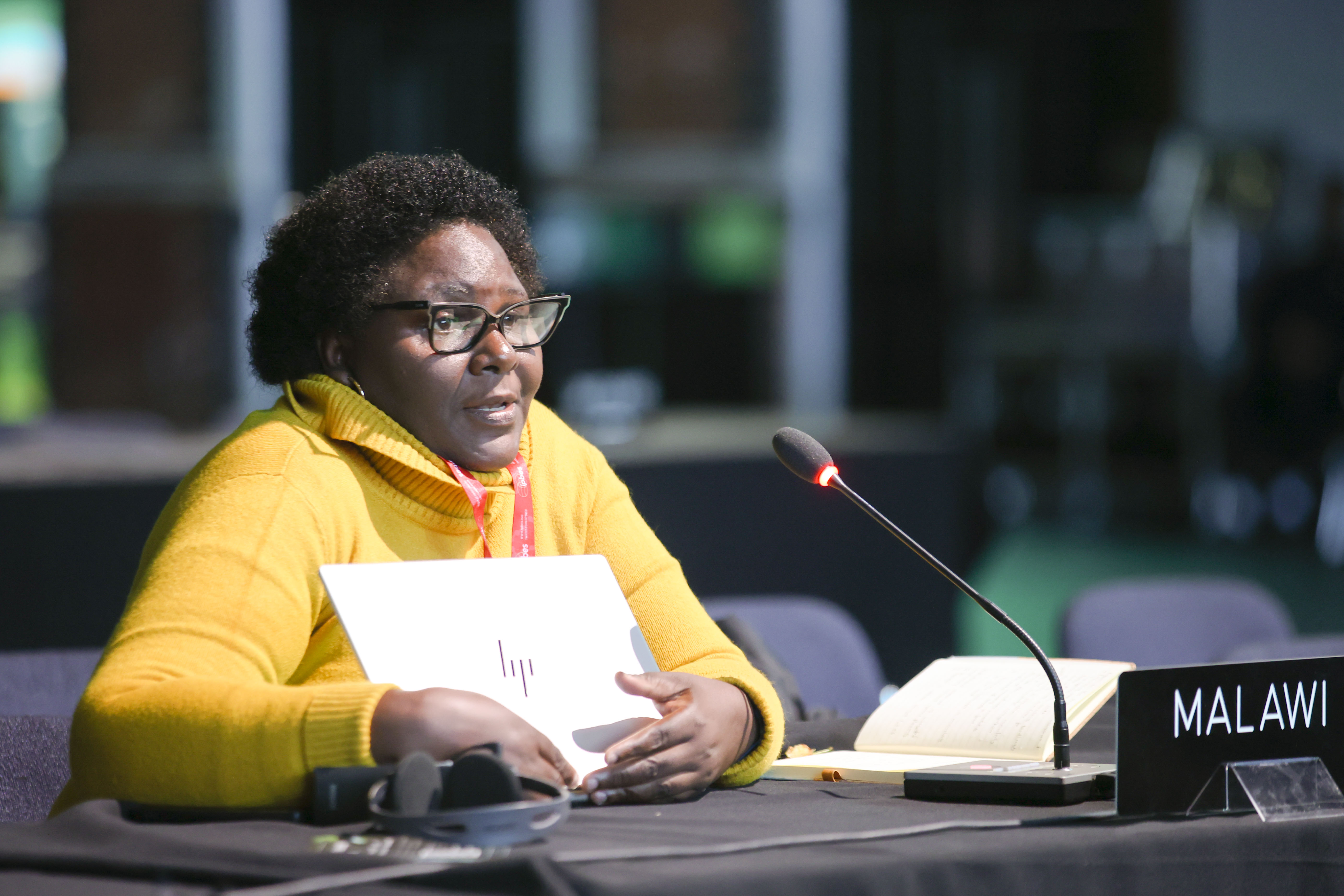
Lilian Chimphepo, Malawi
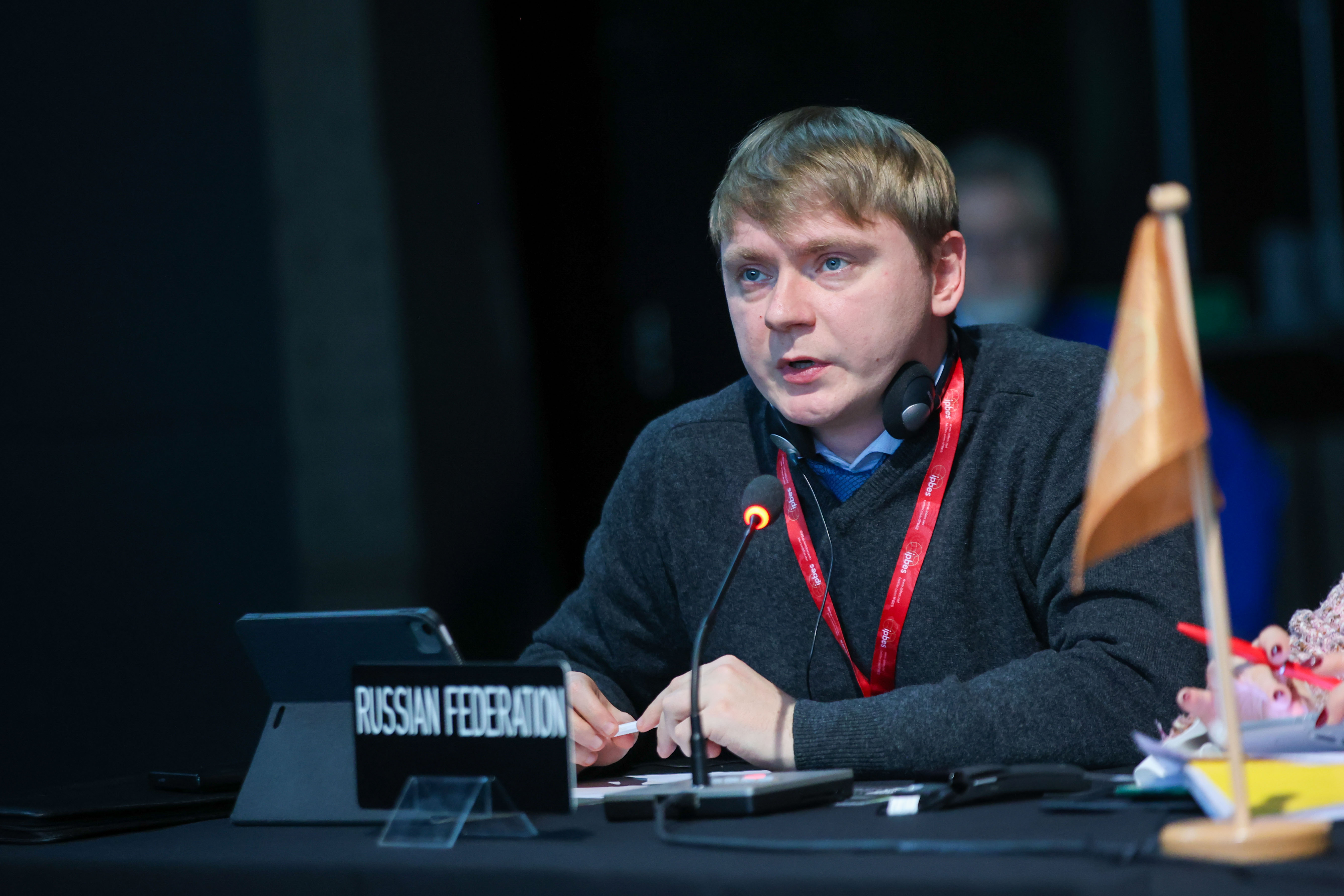
Petr Antipov, Russian Federation

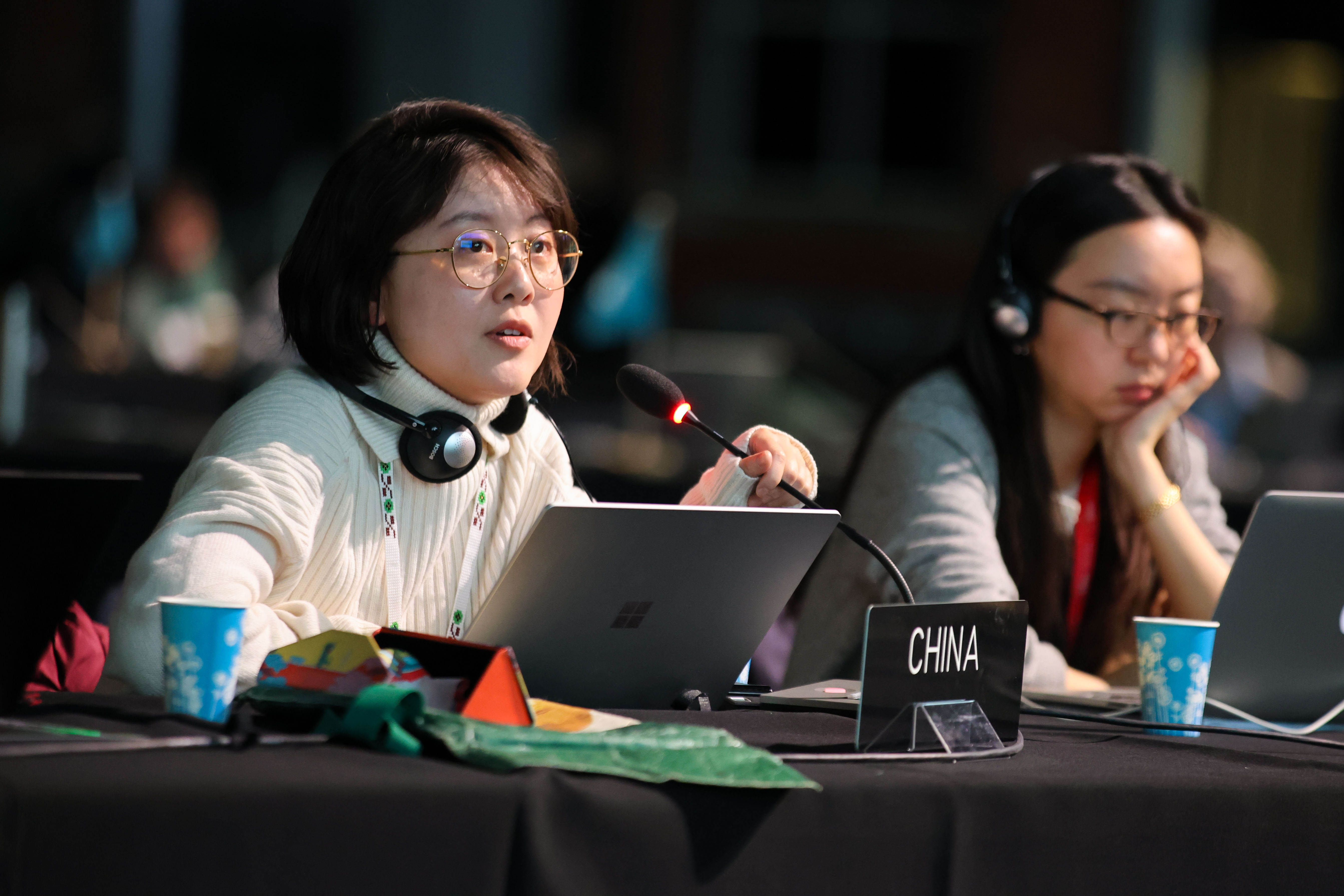
Ye Wang, China
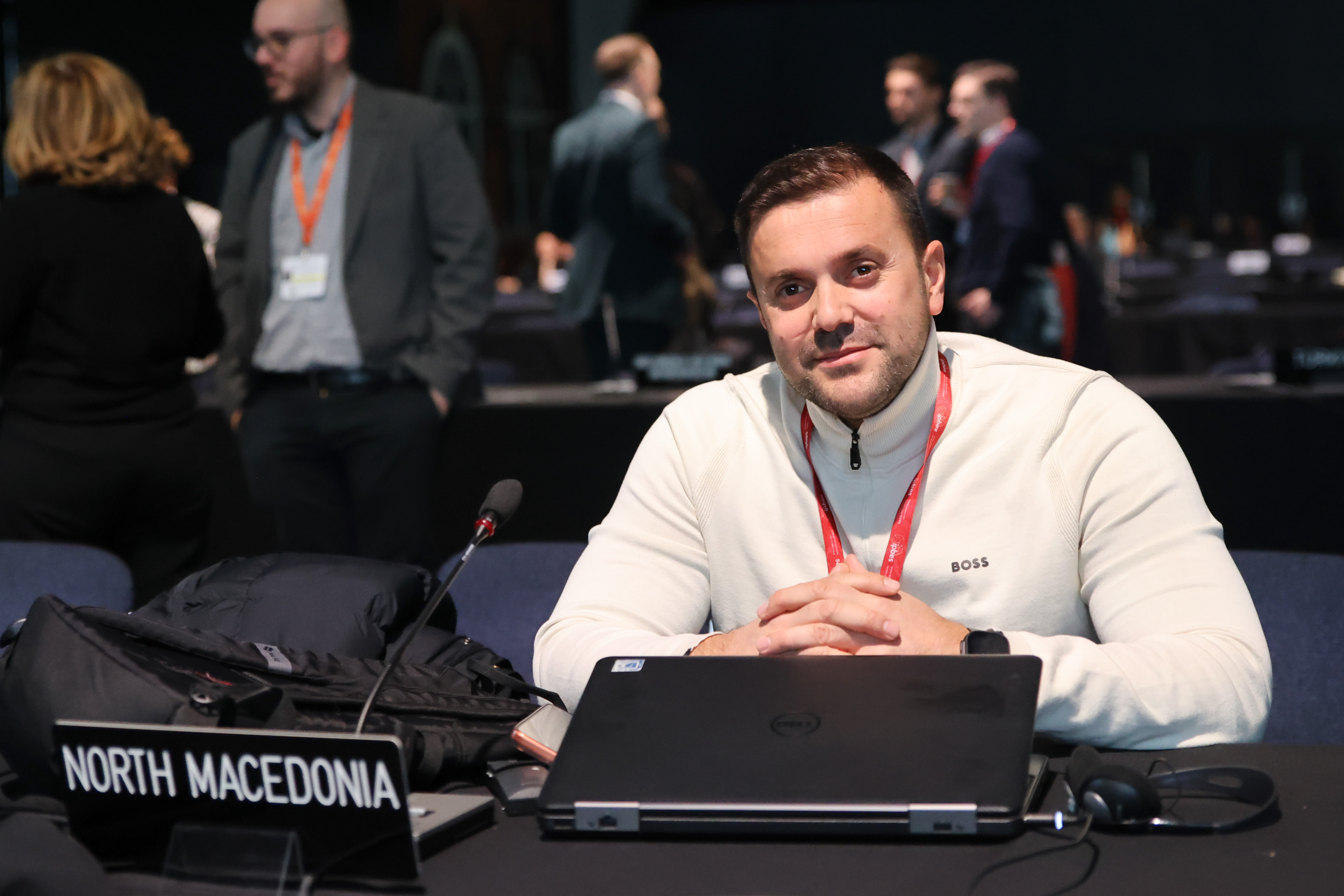
Isuf Fetai, North Macedonia
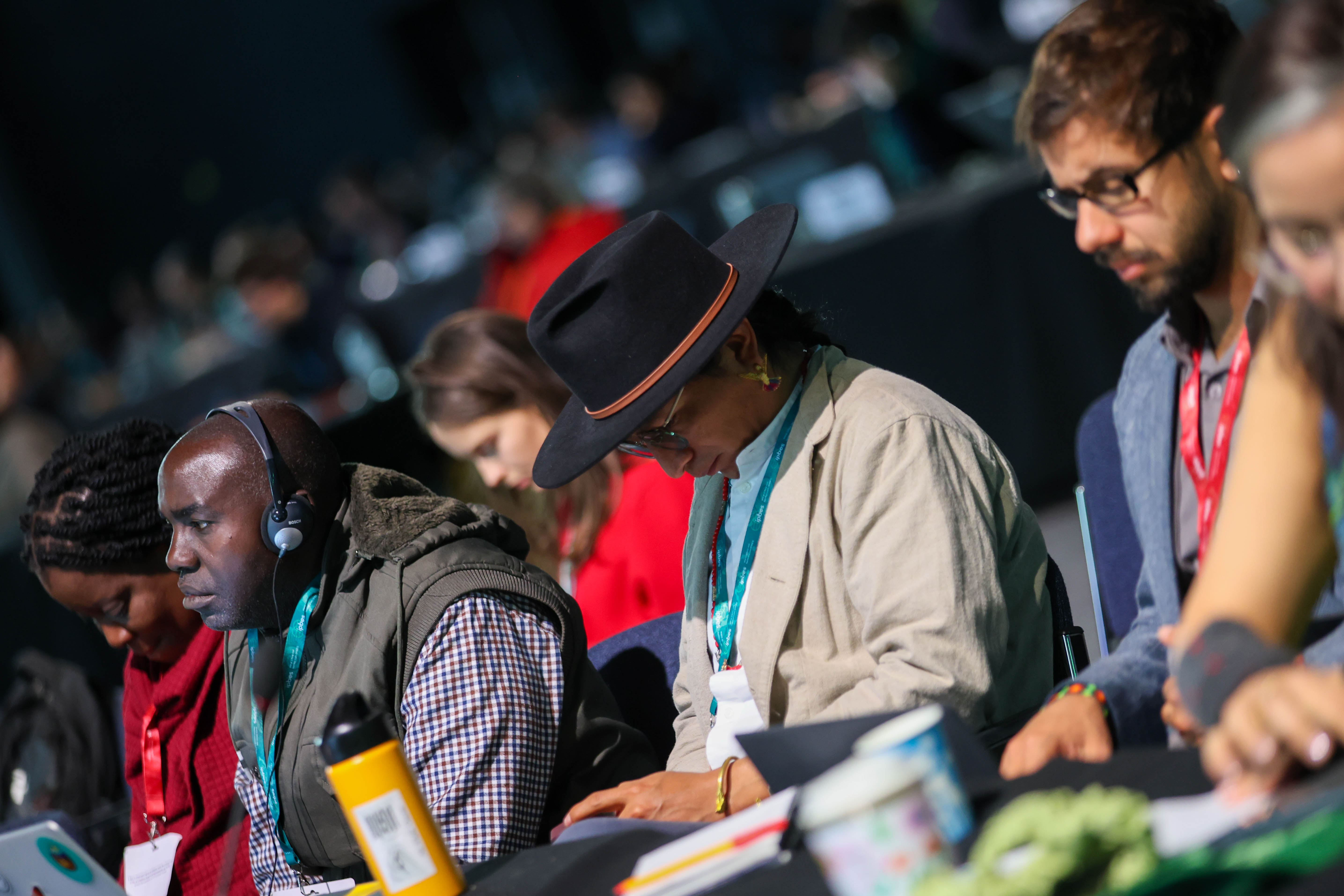
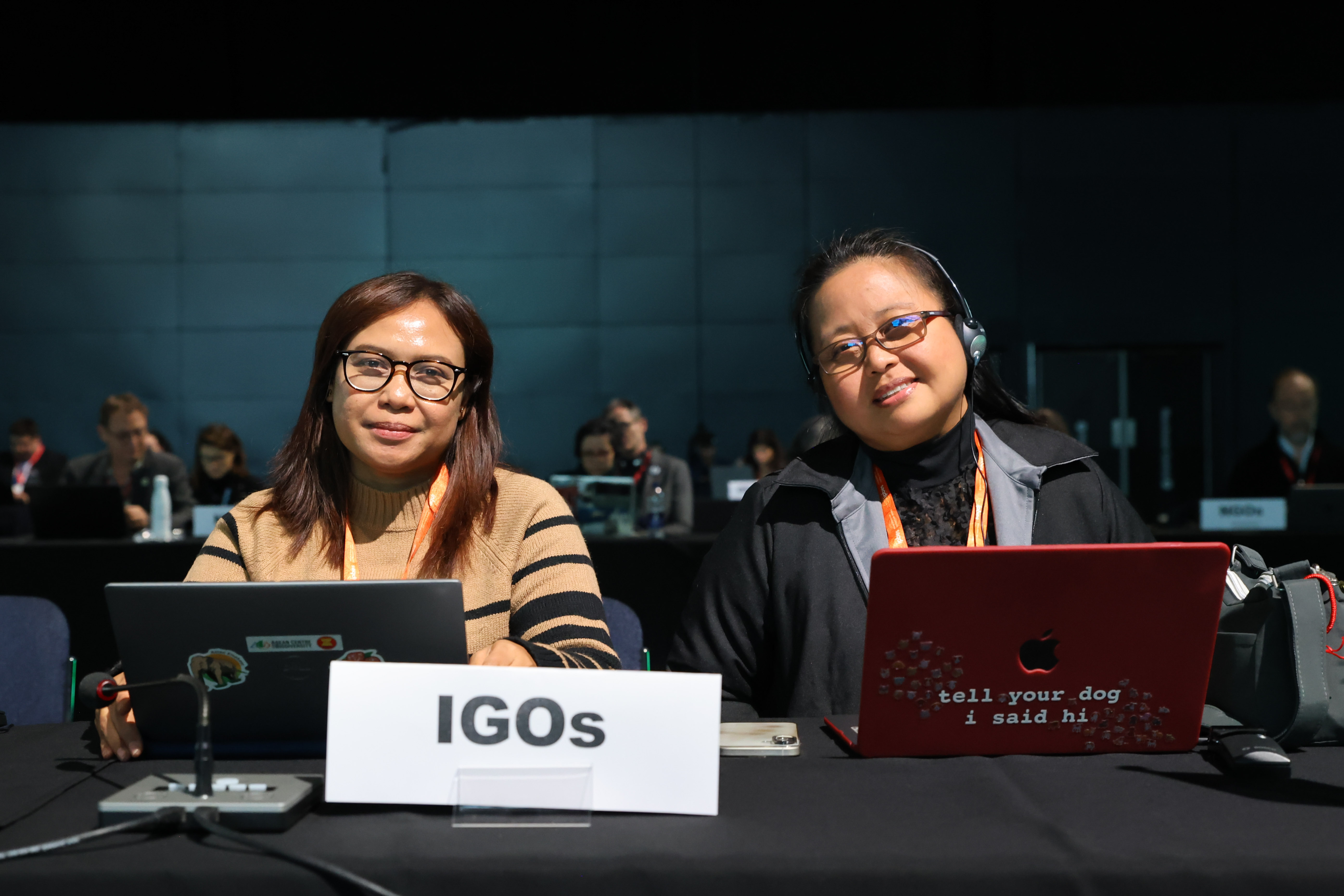
Delegates from the ASEAN Centre for Biodiversity
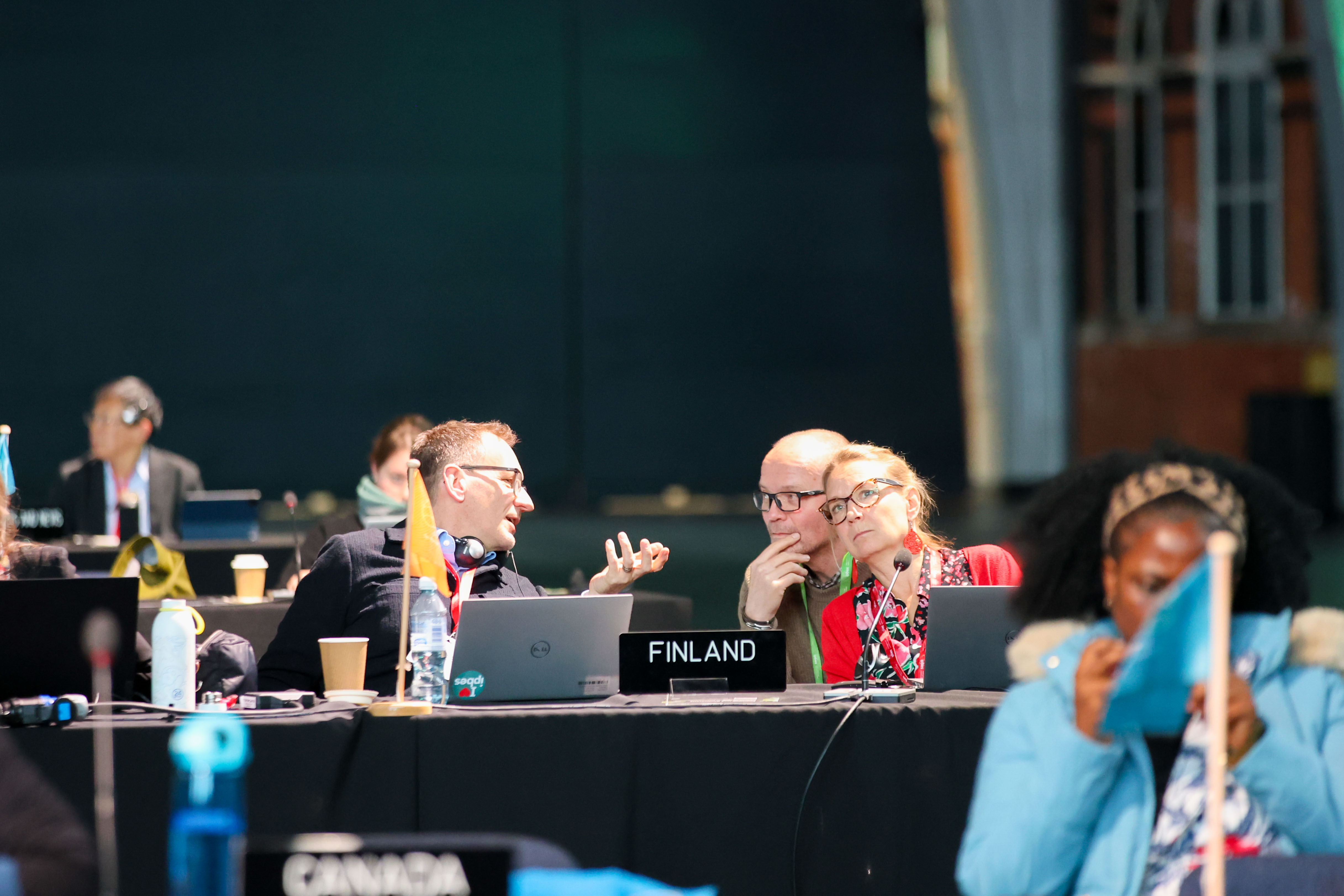
Delegates from Finland discuss during the session.
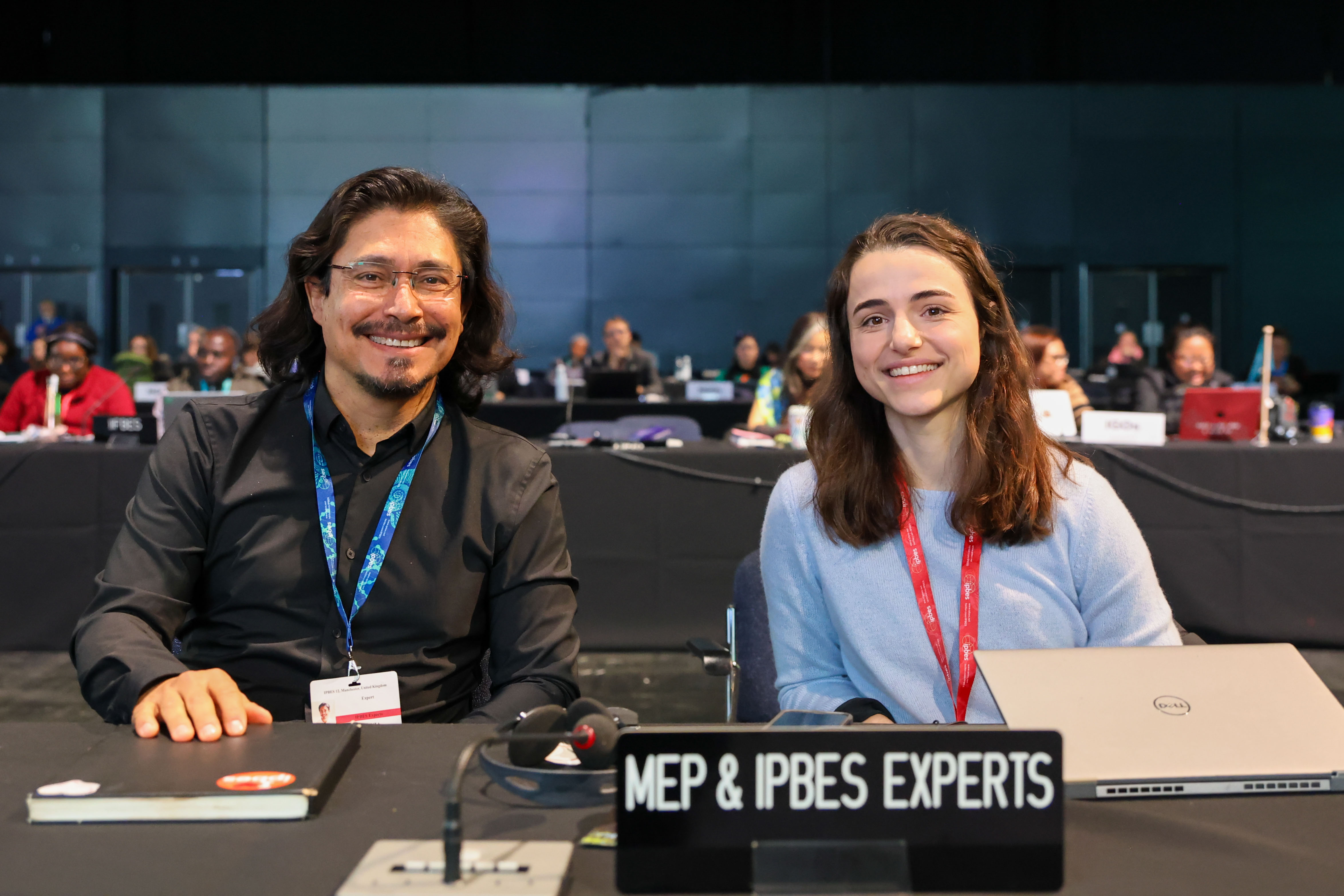
Luis Inostroza, Co-Chair, Methodological Assessment of integrated biodiversity-inclusive spatial planning and ecological connectivity, and Gabriella Bishop, IPBES Secretariat
Working Group 2
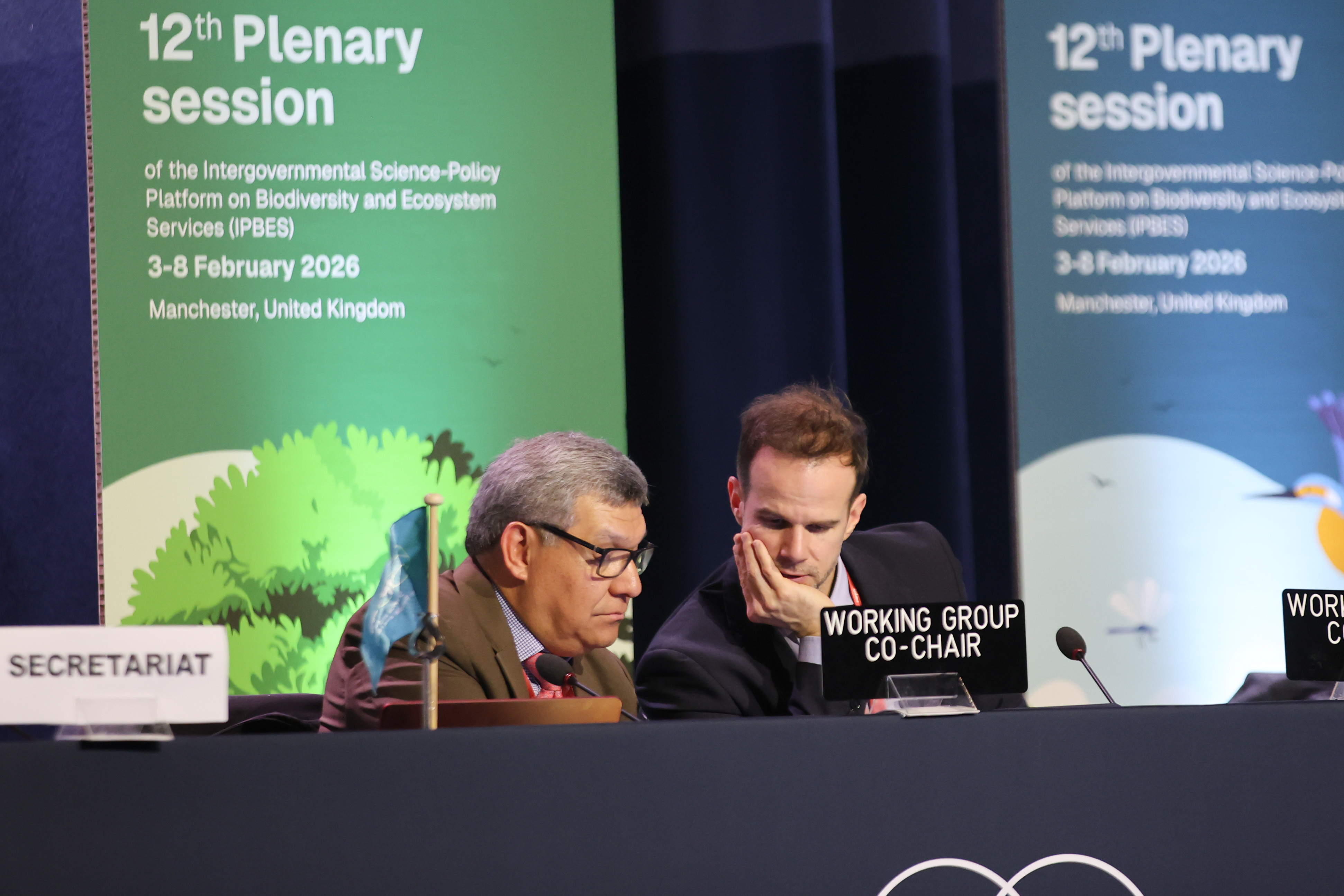
Hesiquio Benítez Díaz, and Sebastian König, Co-Chairs of Working Group 2
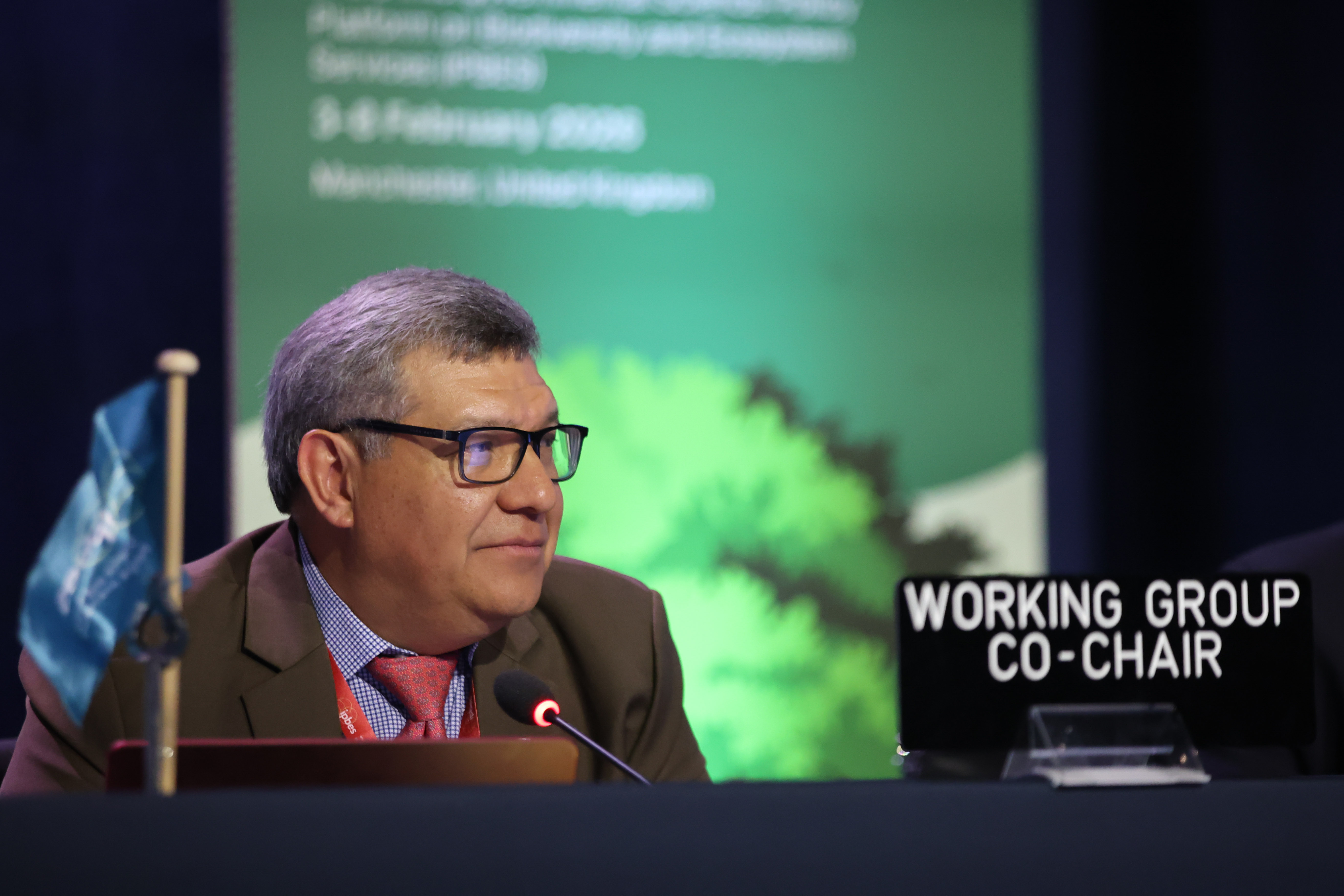
Hesiquio Benítez Díaz, Mexico, Co-Chair of Working Group 2
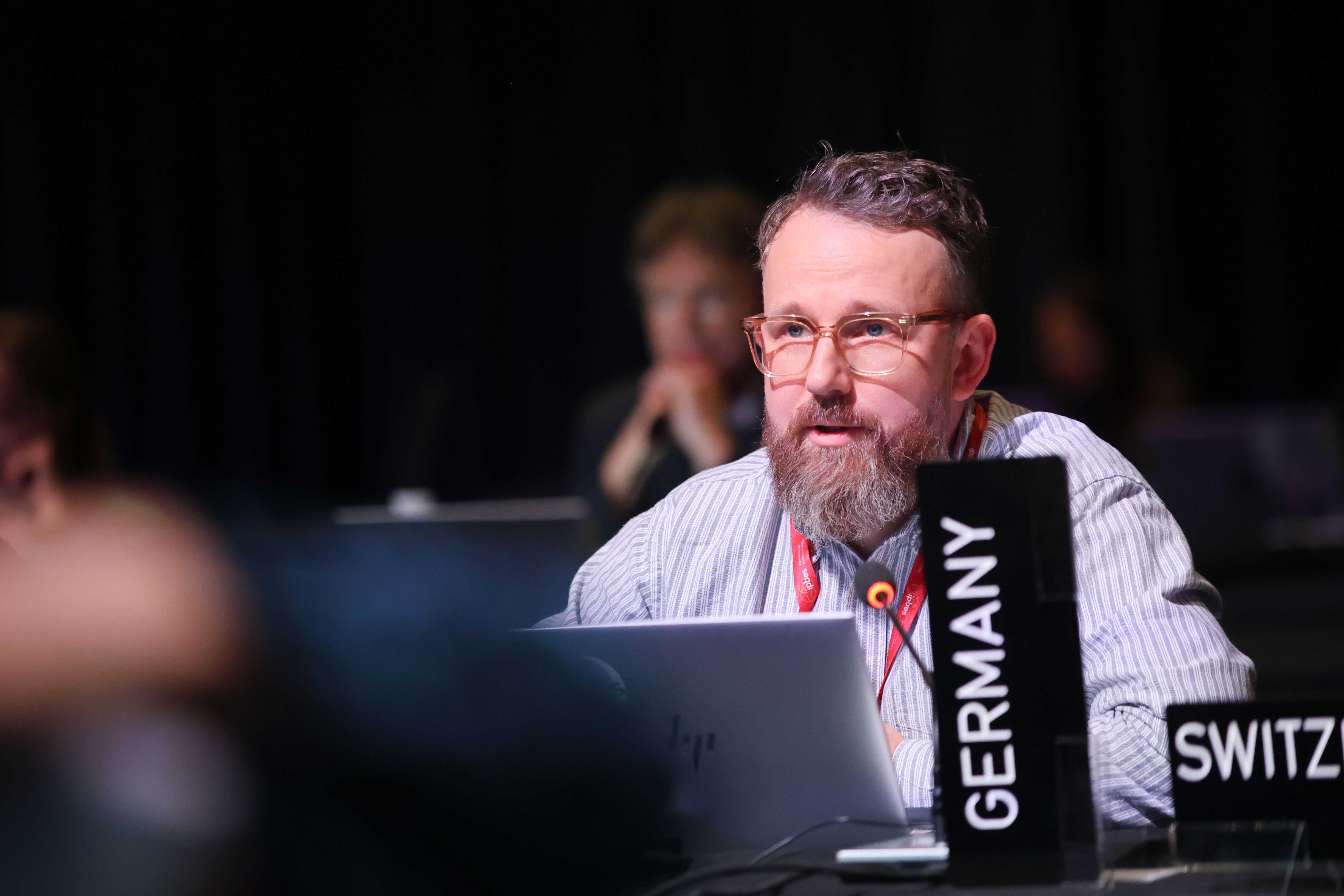
Lennart Kümper-Schlake, Germany
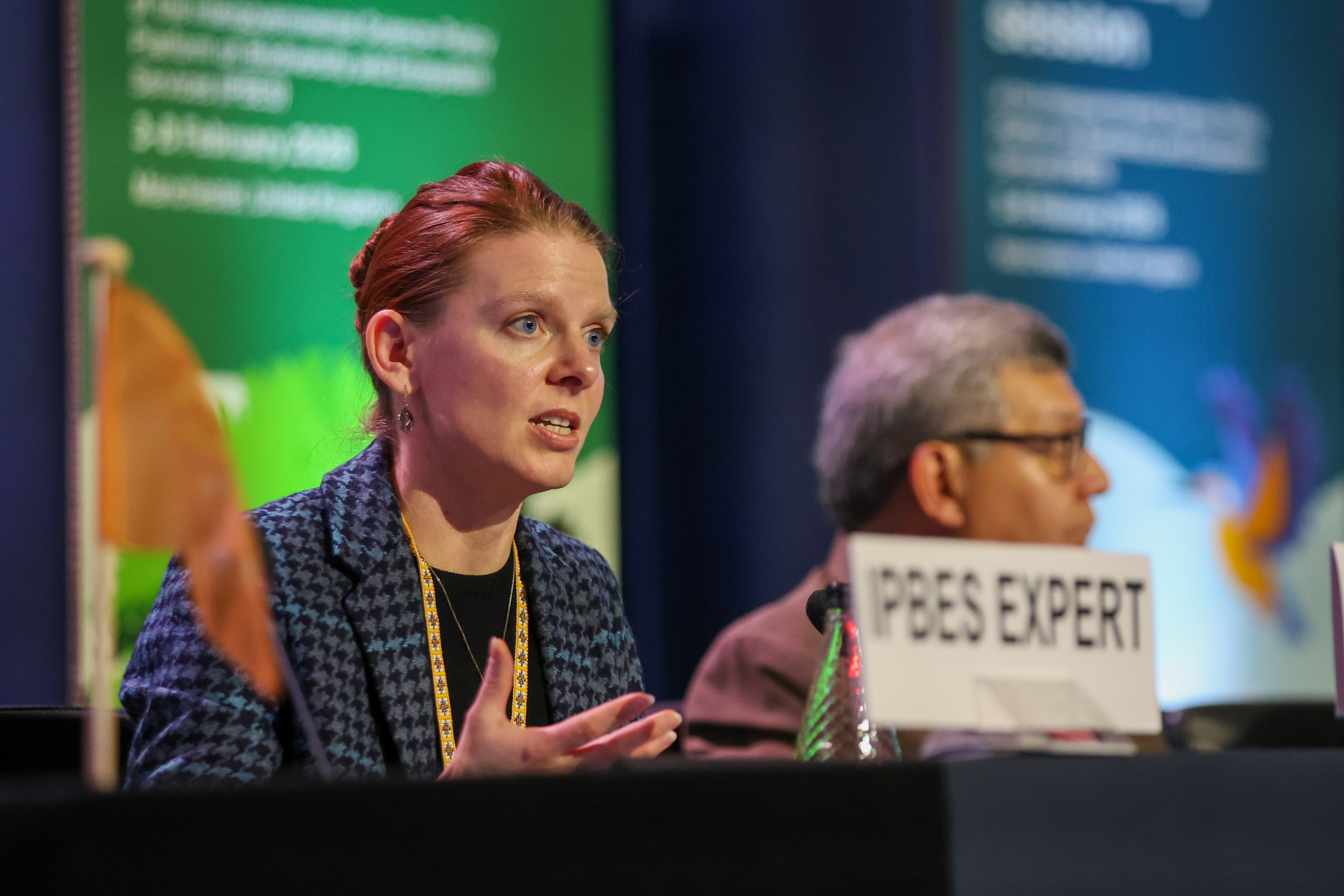
Tiffany Straza, IPBES Secretariat
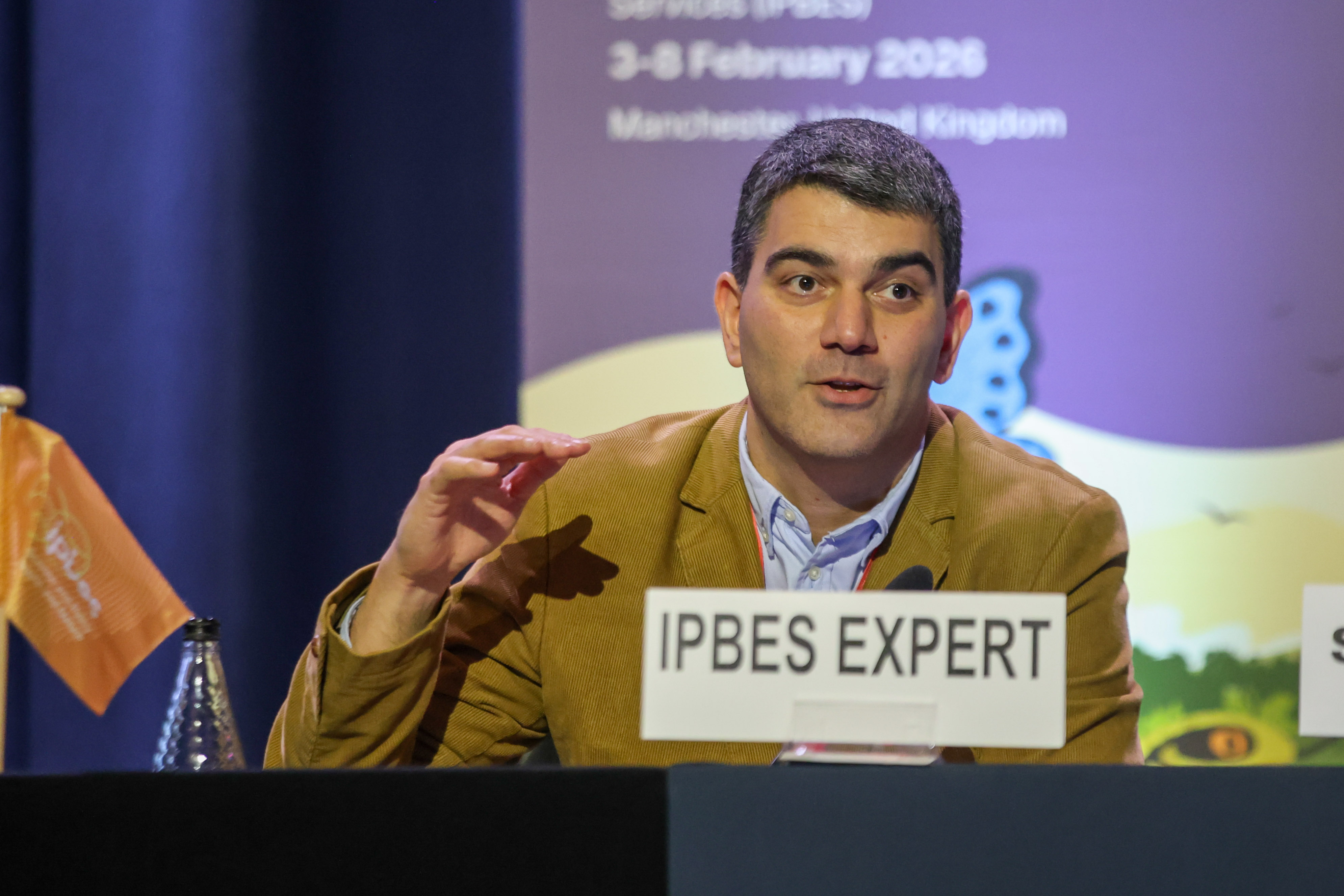
Aidin Niamir, Technical Support Unit on Data Management
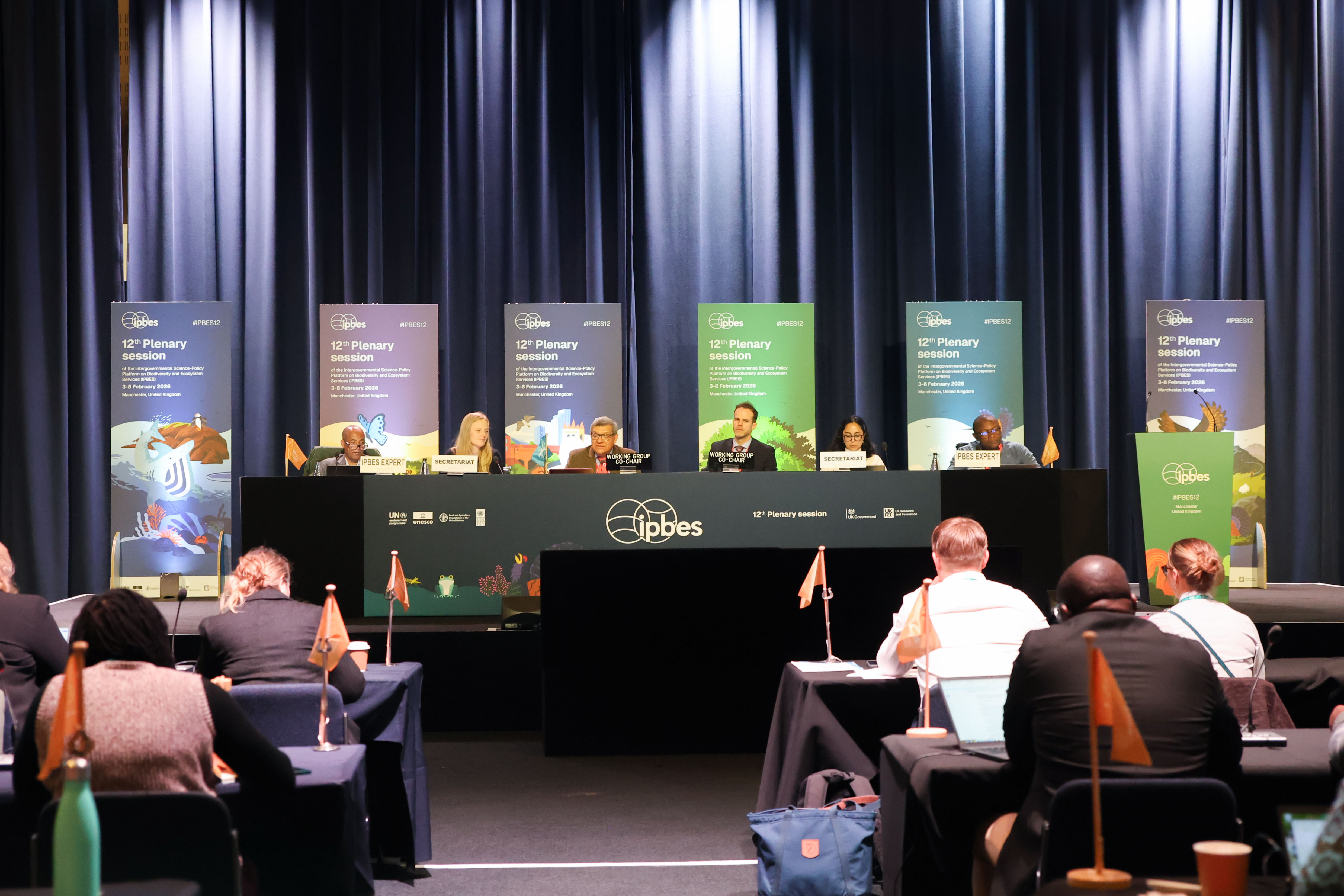
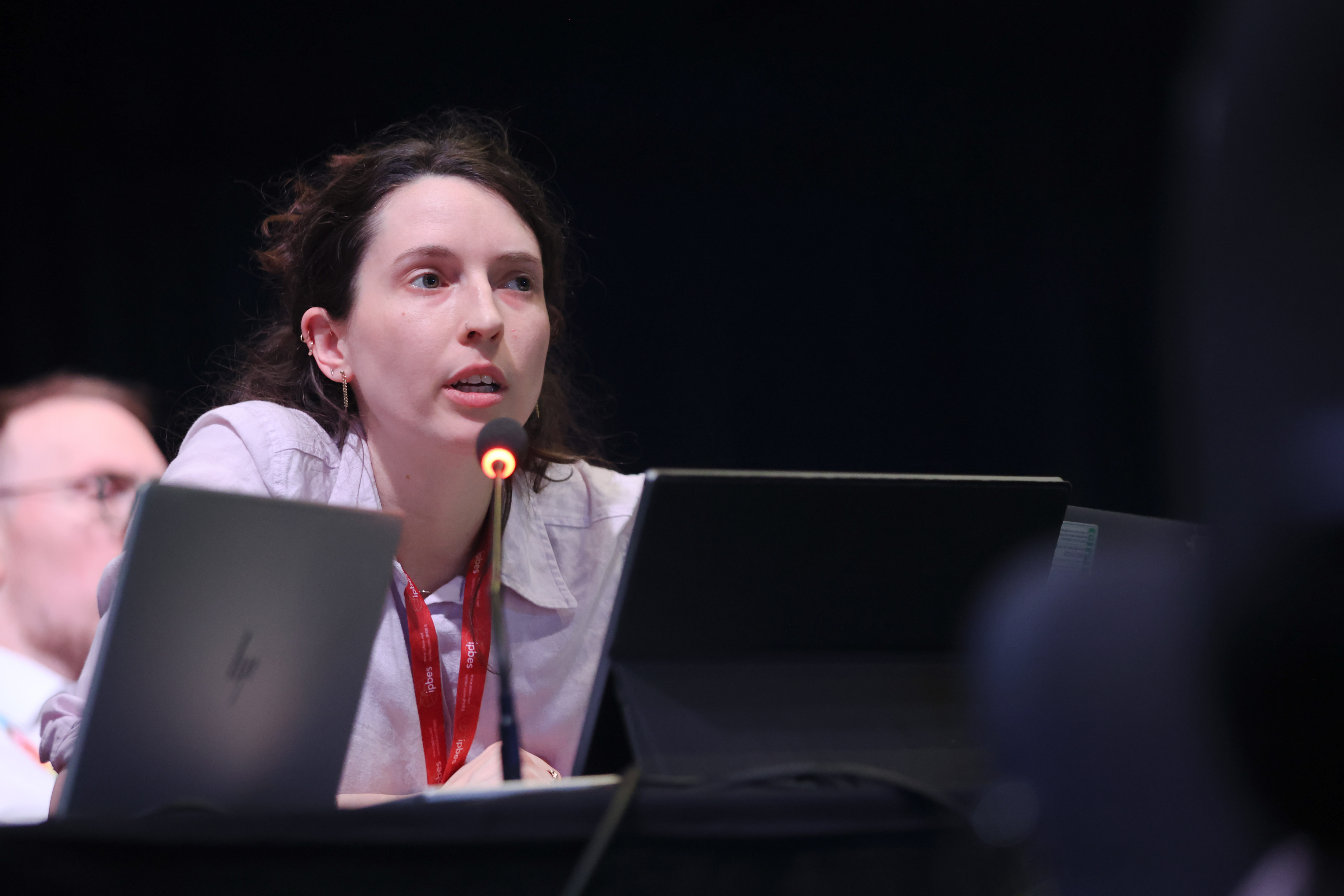
Tess Marczewski-Newman, UK
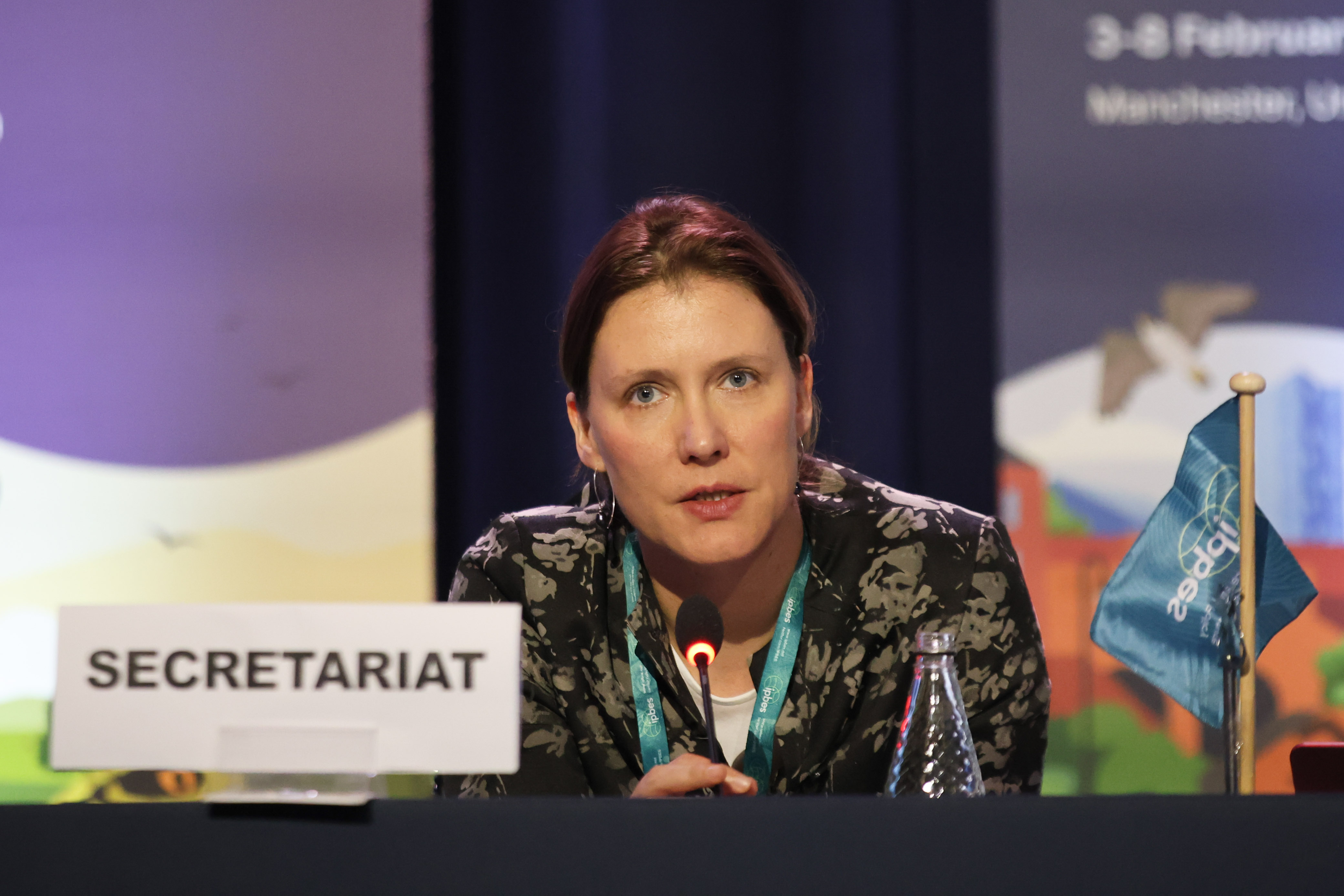
Simone Schiele, IPBES Secretariat
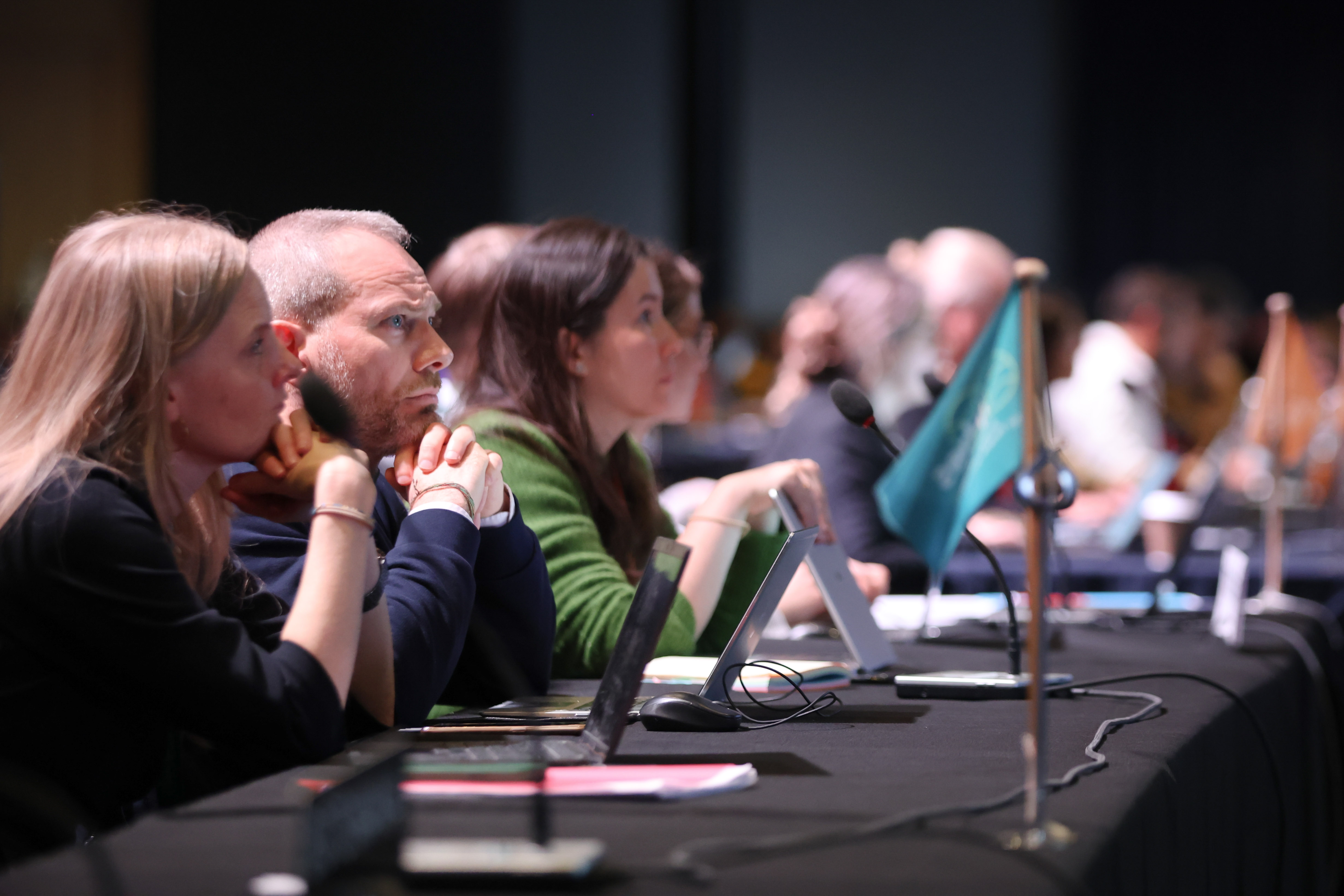
Delegates listen to the presentations.
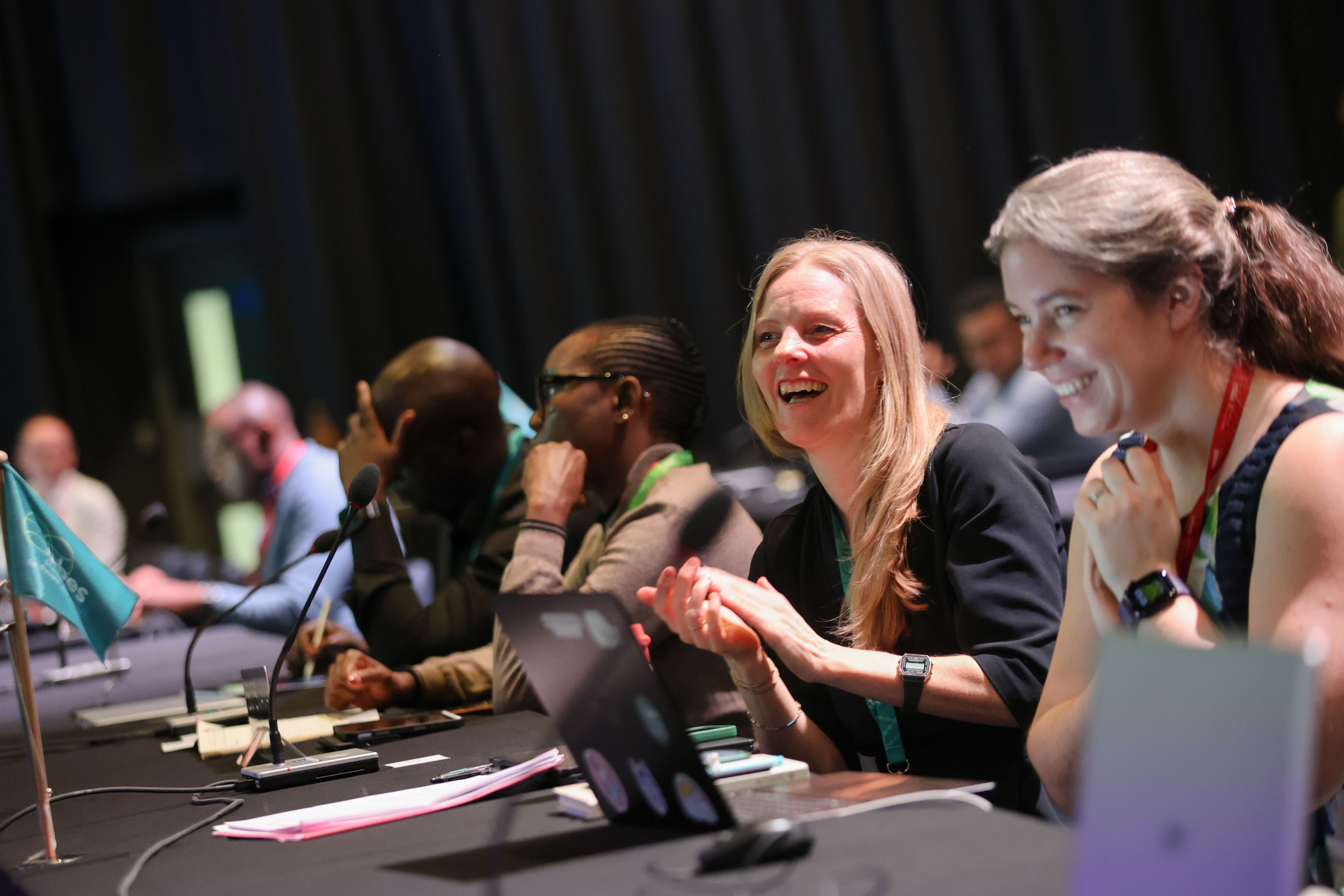
Ingunn Storrø, Technical Support Unit on Capacity Building, applauds following the approval of various paragraphs.
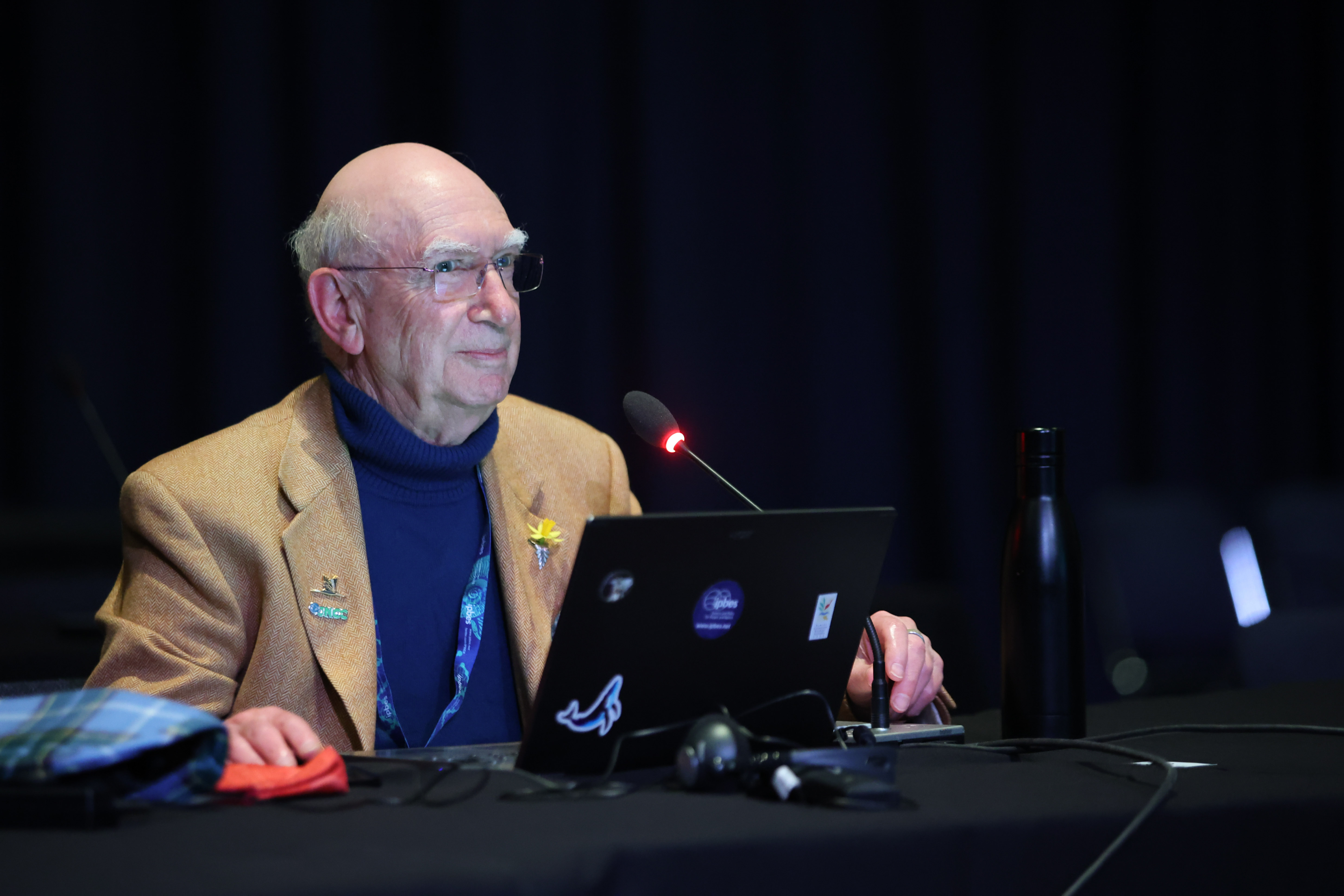
Peter Bridgewater, International Science Council
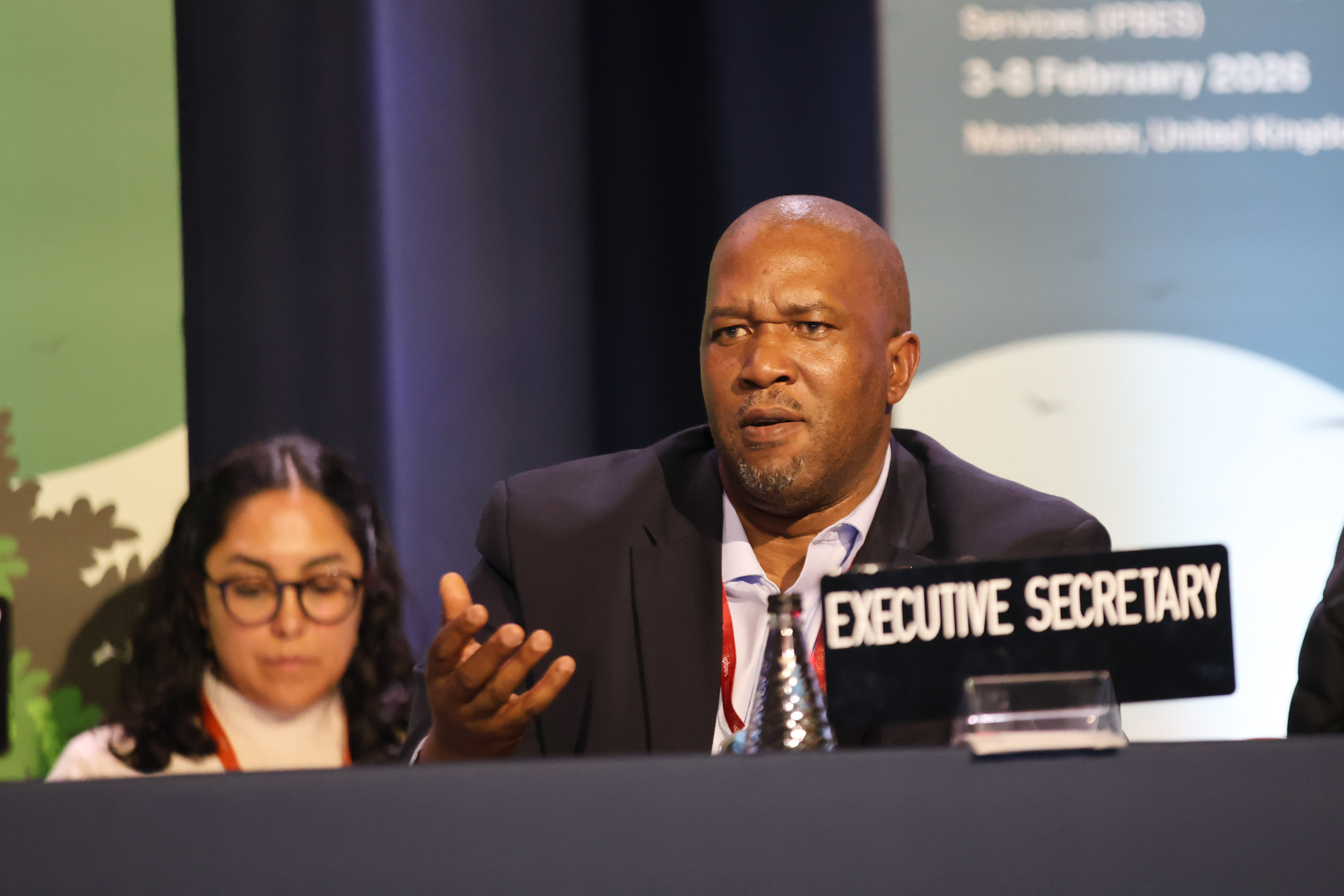
Luthando Dziba, IPBES Executive Secretary
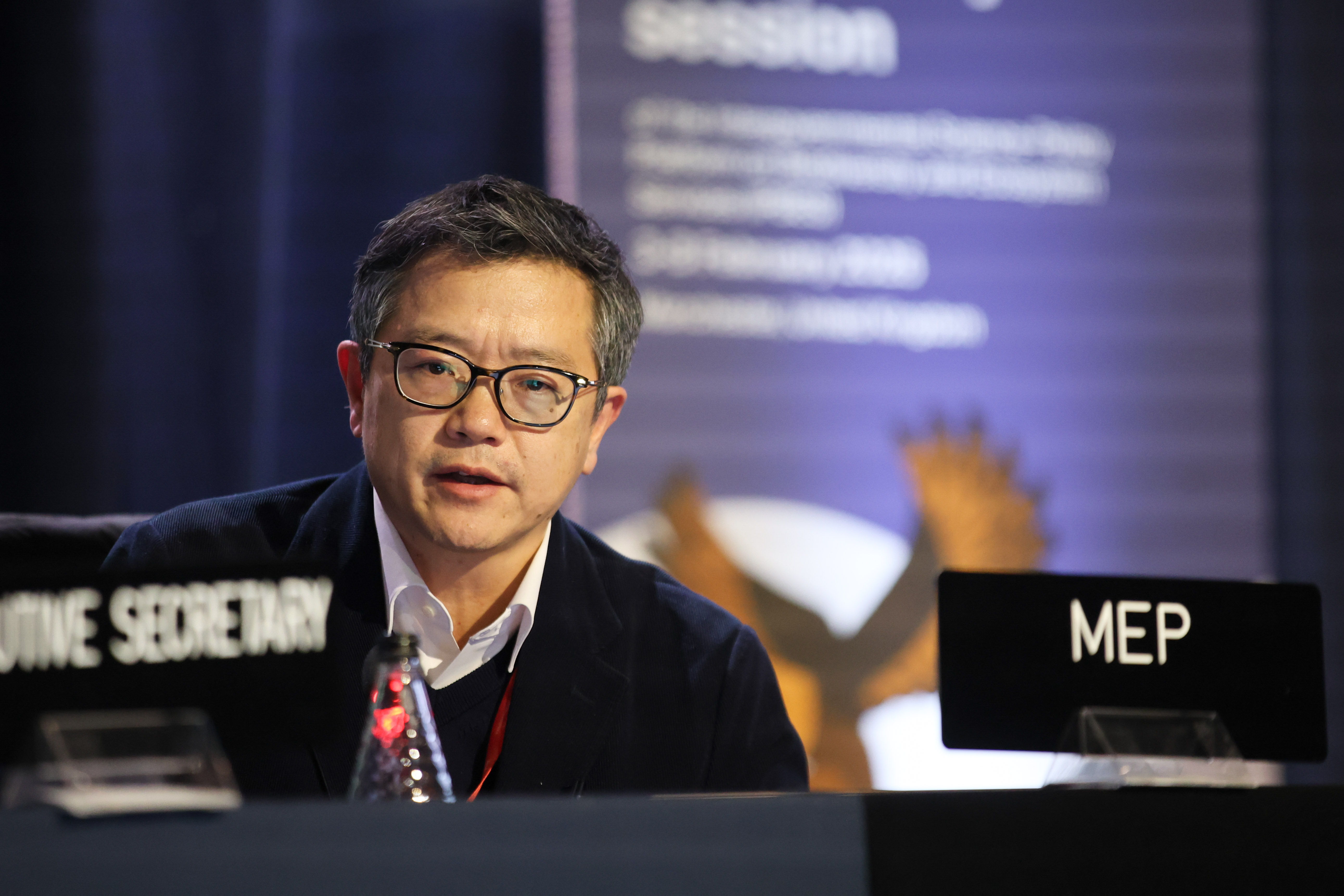
Shizuka Hashimoto, Co-Chair of the MEP
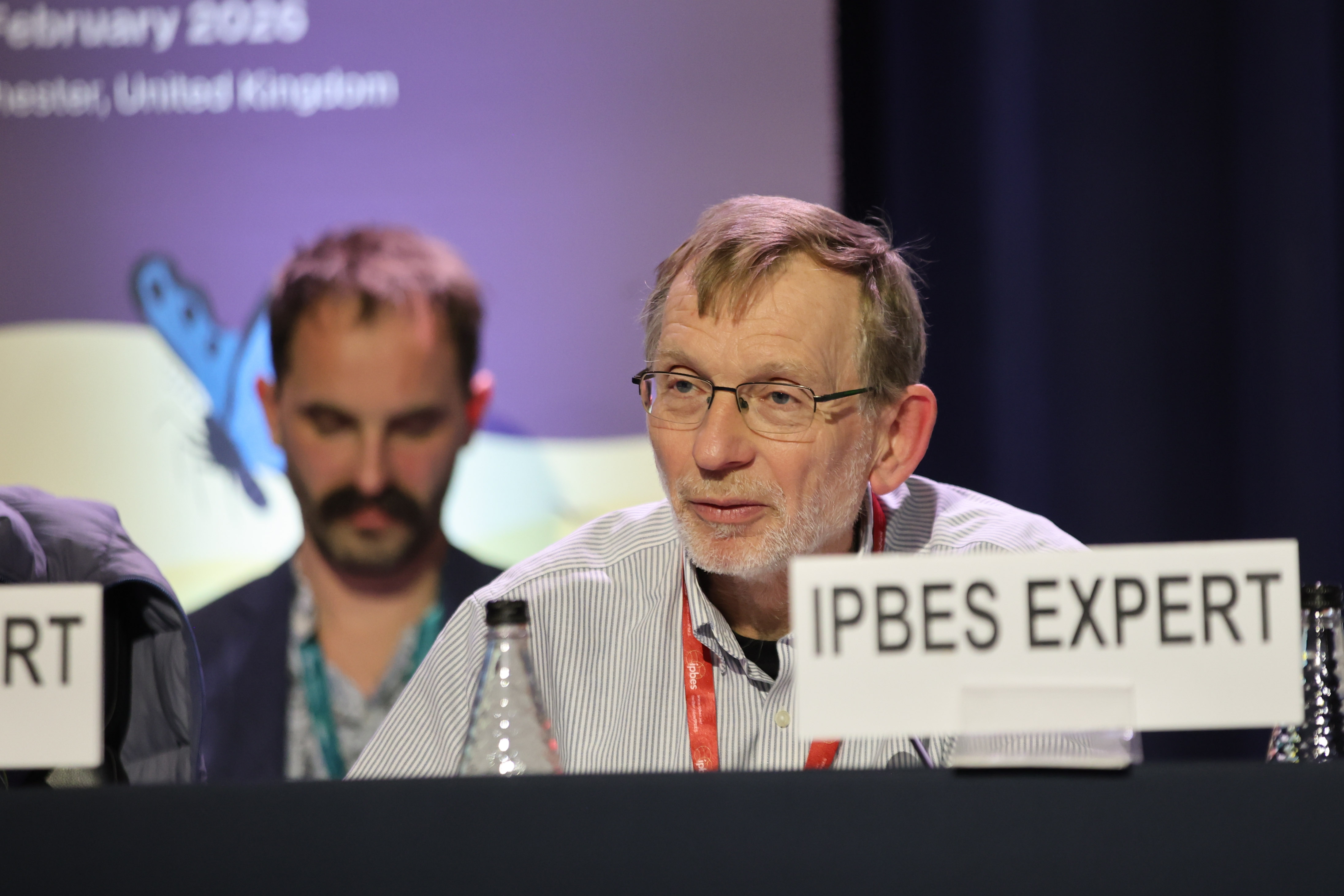
Andrew Stott, Co-Chair of the IPBES External Review Panel
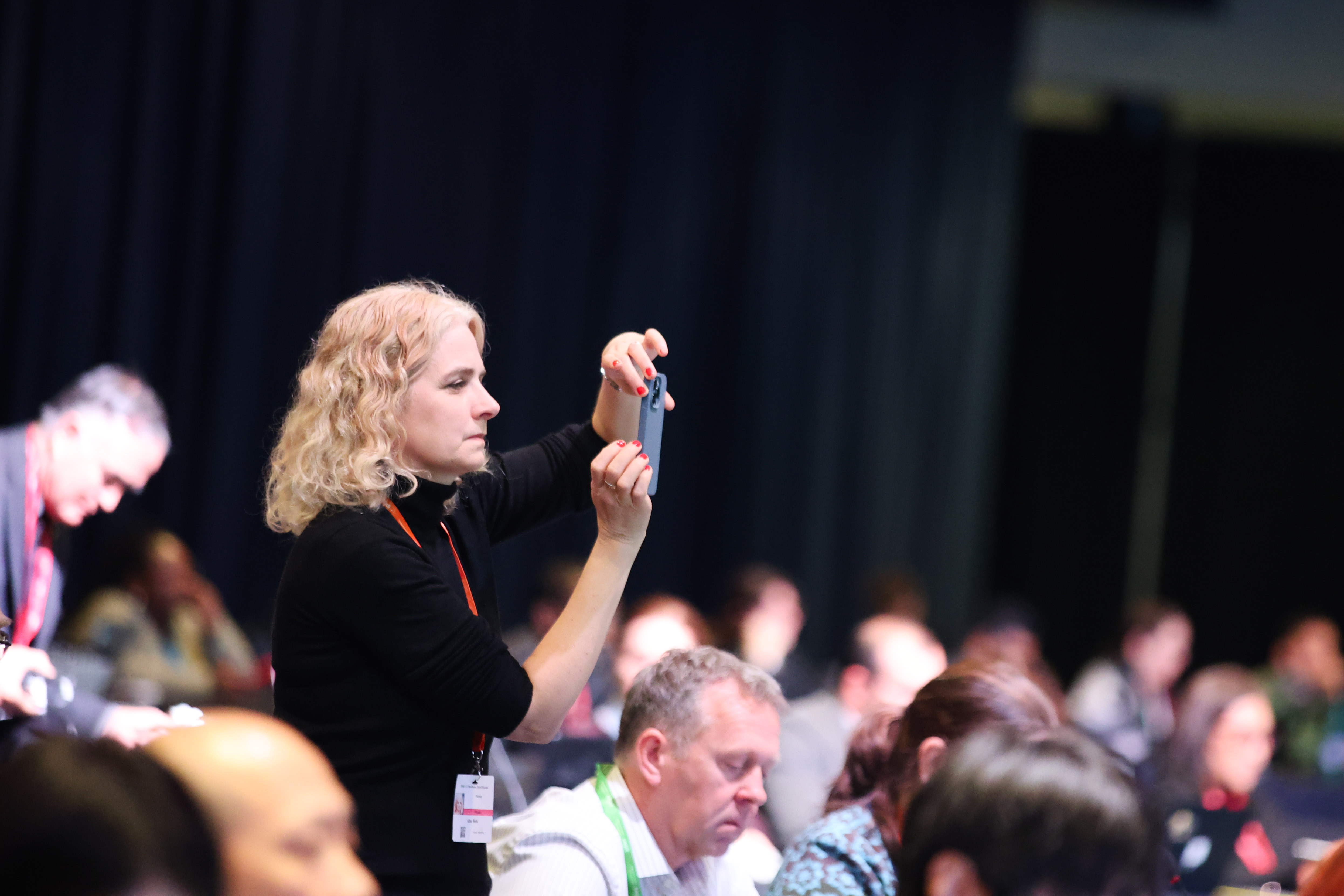
Between Sessions
Around the Venue