“This agreement is a triumph of the UN system, multilateralism, and international cooperation; we need such triumphs right now. We have to move from words on paper to implementation.”
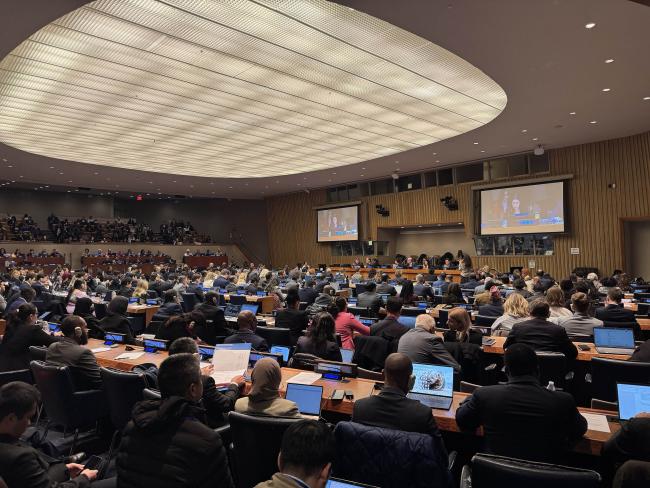
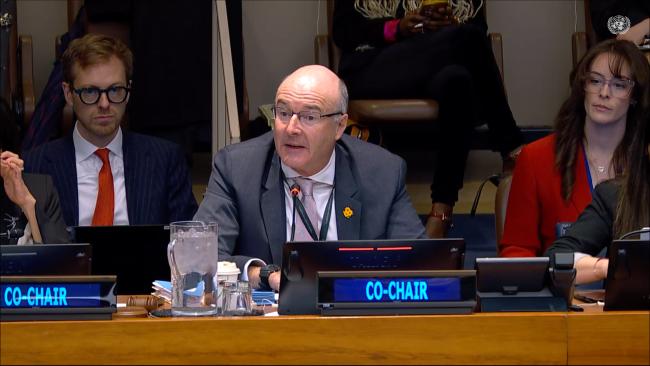
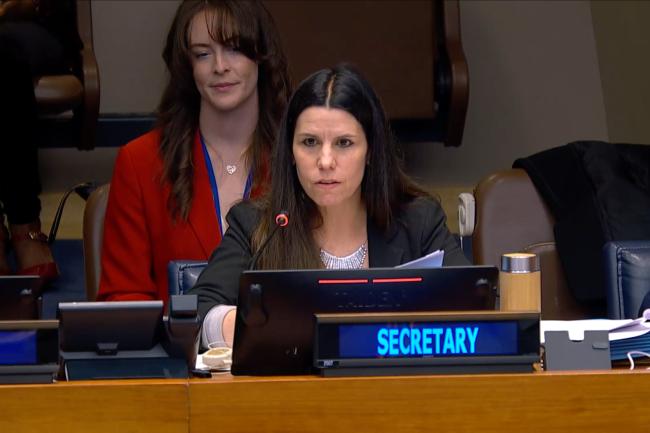
The opening remarks by Co-Chairs Janine Coye-Felson (Belize) and Adam McCarthy (Australia) set the stage for the third session of the Preparatory Commission (PrepCom III) for the entry into force of the Agreement under the UN Convention on the Law of the Sea (UNCLOS) on the conservation and sustainable use of marine biological diversity of areas beyond national jurisdiction (BBNJ Agreement).
PrepCom III has the historic privilege of being the first meeting convened following the BBNJ Agreement’s entry into force on 17 January 2026. While this allowed for a celebratory environment amidst turbulent times, it also increased the pressure to successfully conclude the work of the PrepCom ahead of the first meeting of the Conference of the Parties (COP1). COP1 is supposed to take place “no later than one year after the entry into force of the BBNJ Agreement,” with existing proposals to schedule it for January 2027.
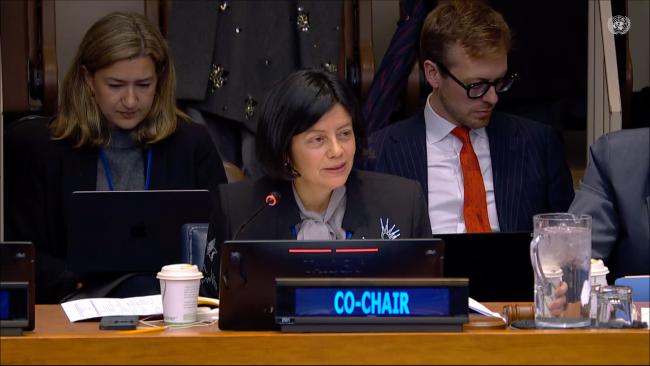
Co-Chairs Coye-Felson and McCarthy stressed that the task at hand is to transmit clean documents to COP1 for adoption, noting that “there is no reason to expect that, if we cannot resolve our differences here on issues within our remit, it will somehow be easier to resolve them at COP1.” They clarified that the intention is to produce a final report, containing all relevant documents as annexes, by the end of PrepCom III, accompanied by a closing statement by the Co-Chairs, which will serve as guidance to COP1. They urged delegates to engage in the negotiations in a constructive and focused manner in the spirit of flexibility and cooperation.
Delegates spent the rest of day in parallel sessions, addressing substantive issues around:
- the rules of procedure (RoP) for the COP;
- arrangements for the functioning of the Secretariat;
- terms of reference (ToR) and RoP for the subsidiary bodies; and
- financial resources and mechanism.
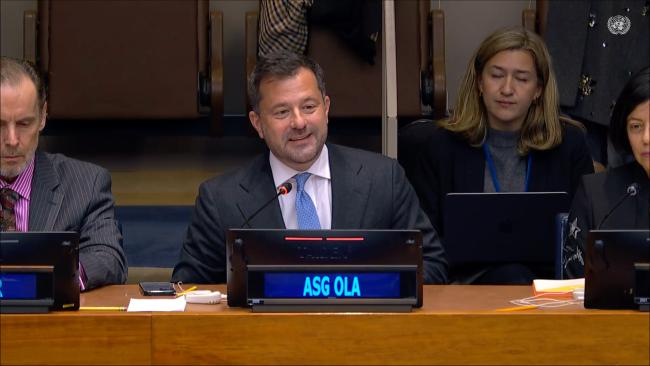
On RoP for the COP, discussions focused on meeting modalities, in particular the conditions for potentially convening virtual or hybrid sessions, as well as intersessional decision-making, if necessary due to an emergency. While the discussion was productive, additional work will be needed to iron out remaining differences.
Regarding the functioning of the Secretariat, discussions focused on:
- the selection and development of an institutional model;
- the relationship between the Secretariat and the UN system;
- the appointment of the Head of Secretariat;
- the international legal capacity of the Secretariat;
- staff requirements; and
- financial management and oversight.
Many delegations expressed their support for an organizational model that is institutionally linked to the UN to ensure efficiency, credibility, and accountability, while also maintaining organizational and financial autonomy.
On ToR and RoP for the subsidiary bodies, Co-Chair McCarthy suggested that delegates prioritize resolving issues to allow for the subsidiary bodies to meet at COP1. Discussions focused on: capacity and number of members; eligibility criteria; selection process; and replacement members.
Some delegates noted the importance of developing terms that are sufficiently detailed but also remain flexible and adaptable over time, while several stressed the importance of ensuring equitable geographical representation and gender balance.
On financial resources and mechanism, discussions focused on the operationalization of the Special Fund established under the BBNJ Agreement. Delegates debated, among other things, whether it would be preferable to establish an open-ended ad hoc working group or an ad hoc committee with limited membership for further work.
To receive free coverage of global environmental events delivered to your inbox, subscribe to the ENB Update newsletter.
Rules of Procedure for the Conference of the Parties
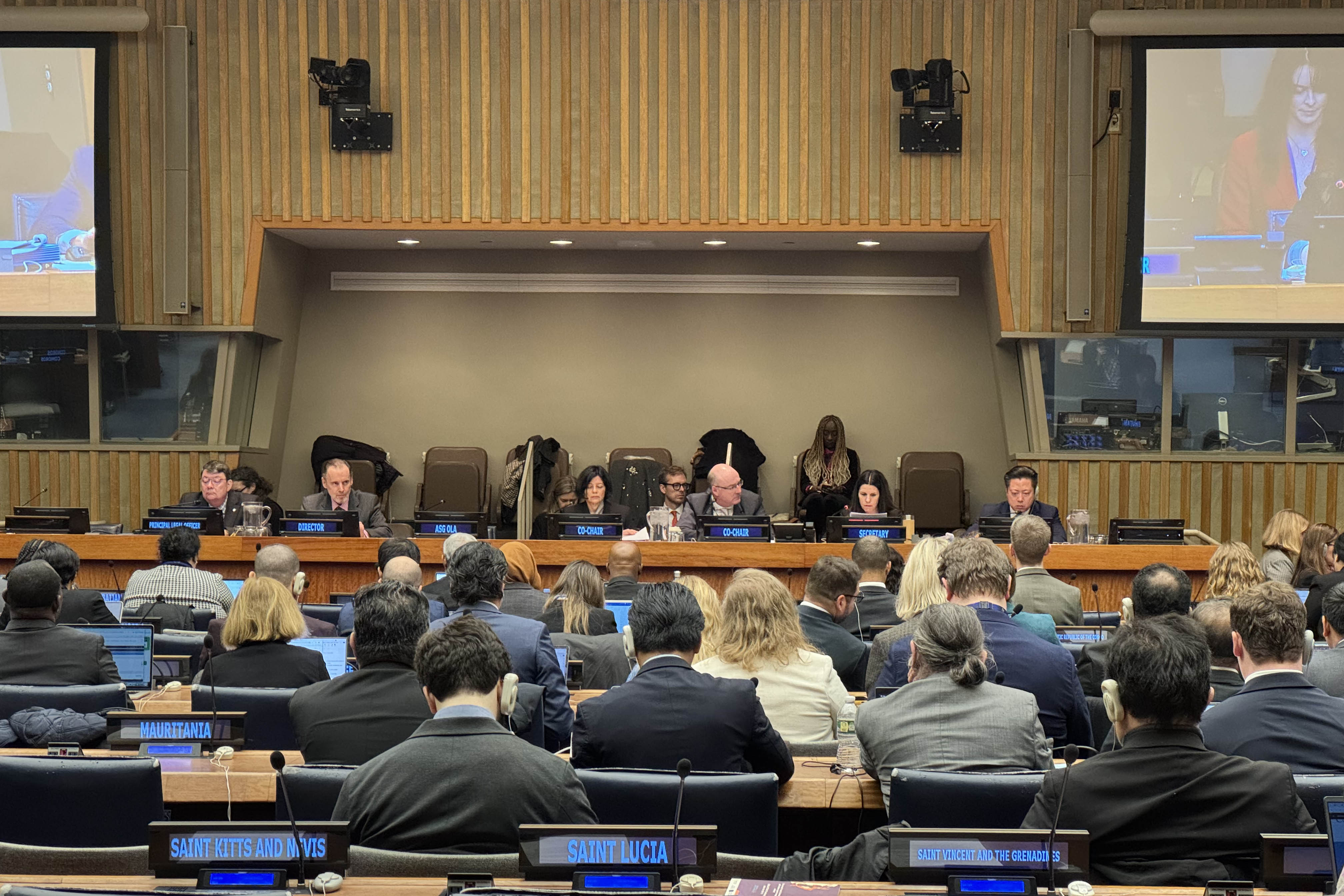
The dais during the session
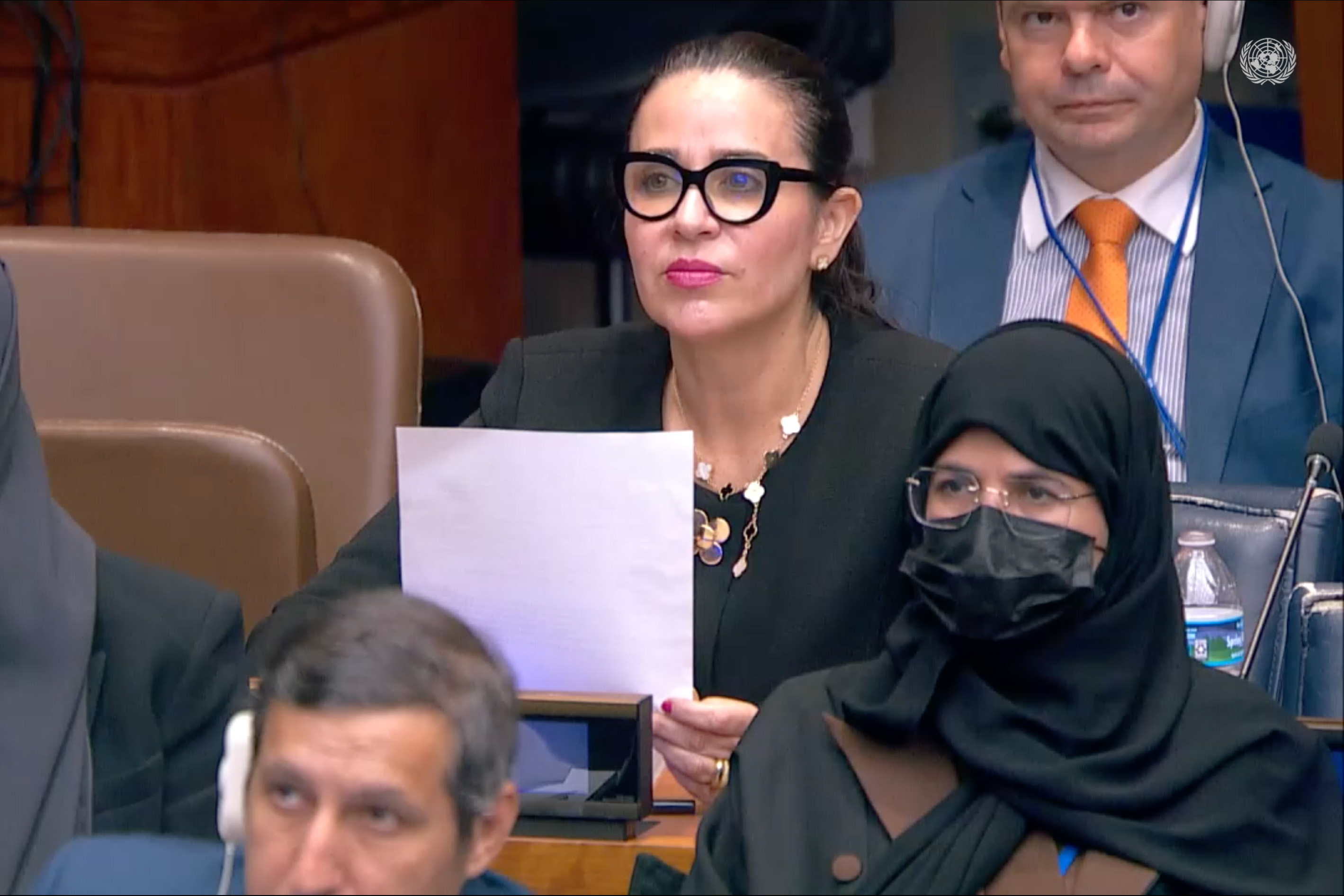
Gabriela González, Uruguay, on behalf of G-77/China
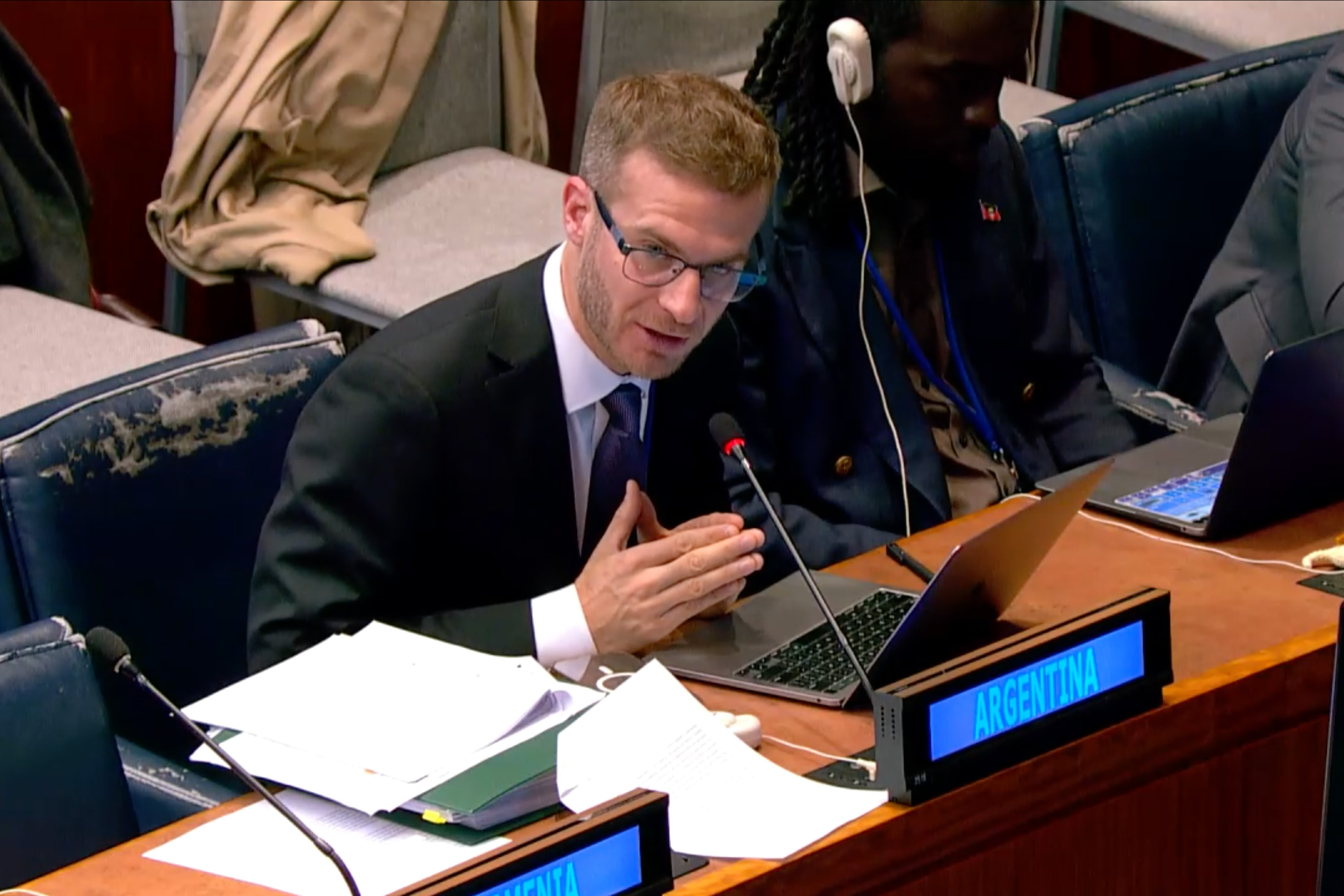
Alonso Pablo Agustin, Argentina, on behalf of the Core Latin American Members (CLAM)
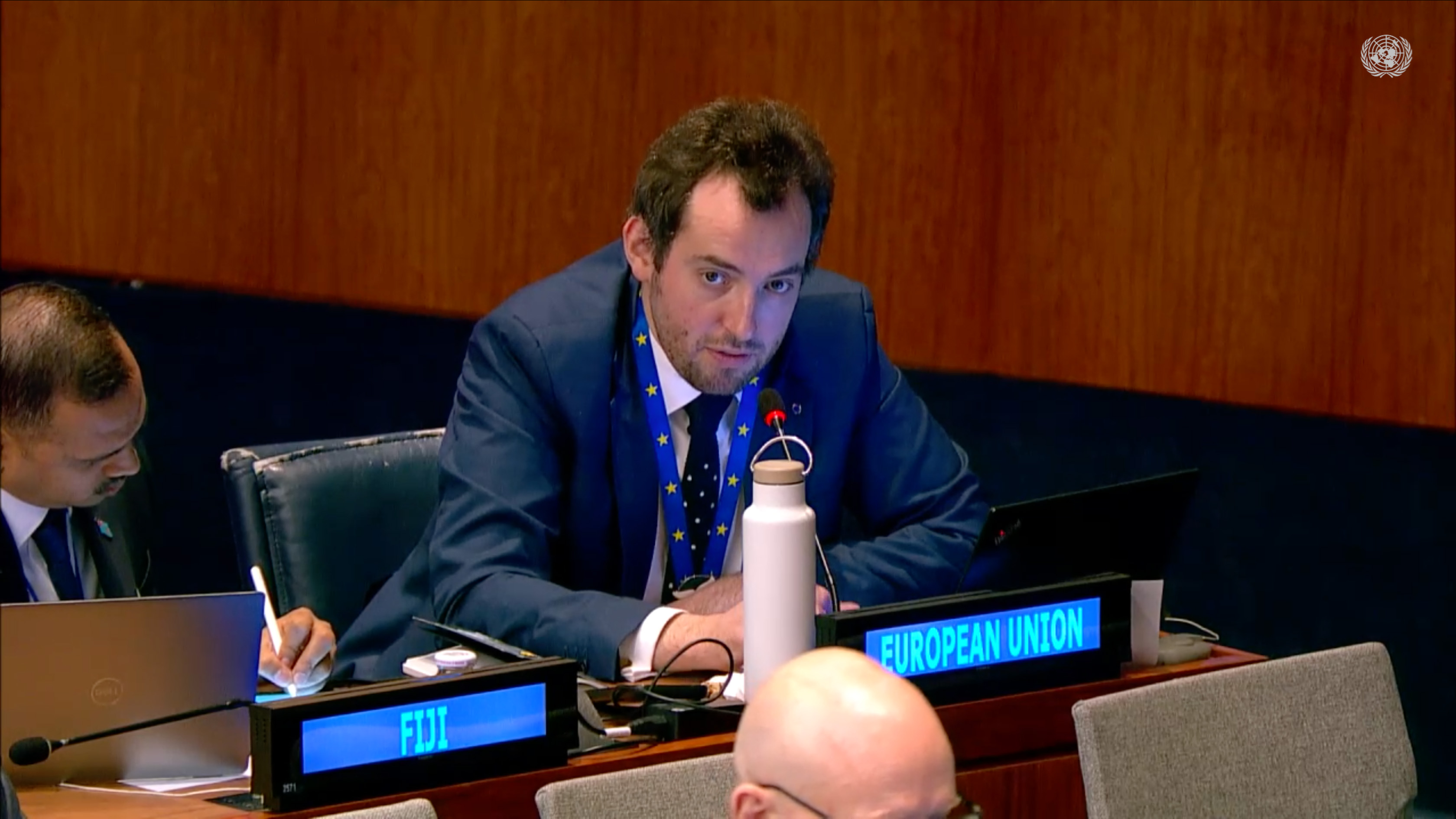
Pierre Rabourdin, EU
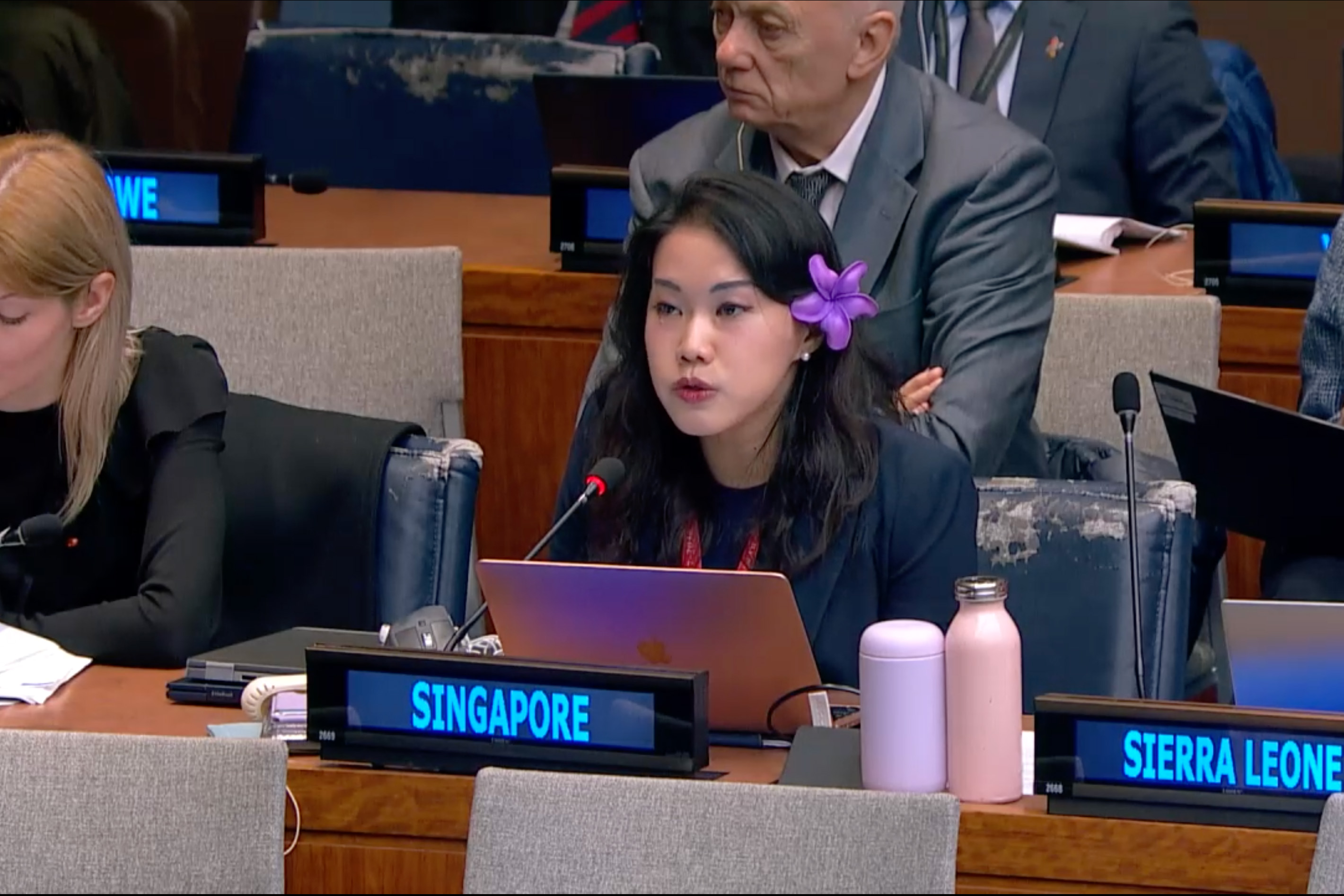
Amanda Chang, Singapore, on behalf of the Alliance of Small Island States (AOSIS)
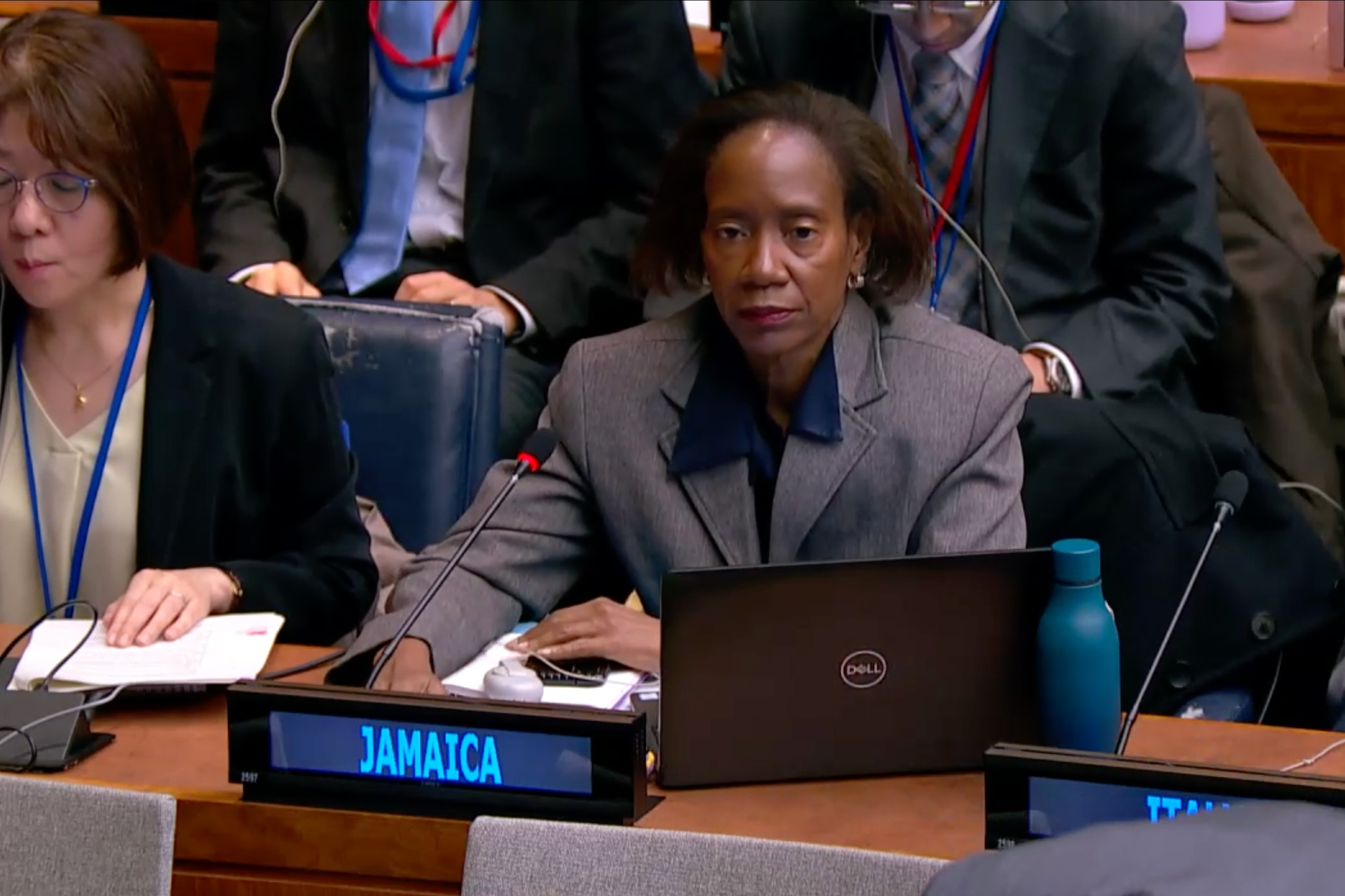
Michelle Walker, Jamaica, on behalf of the Caribbean Community (CARICOM)
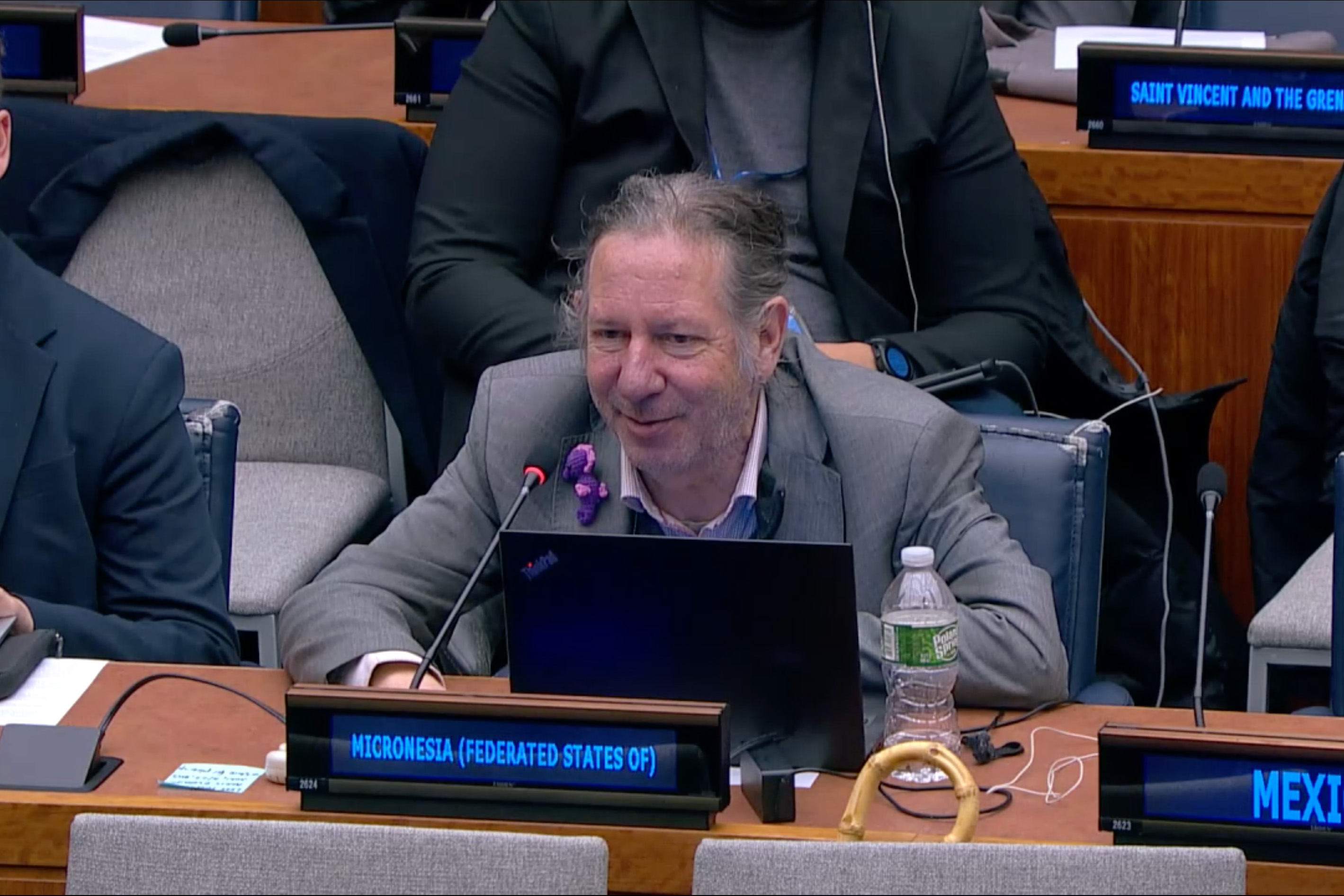
Martin Zvachula, Federated States of Micronesia, on behalf of the Pacific Small Island Developing States (PSIDS)
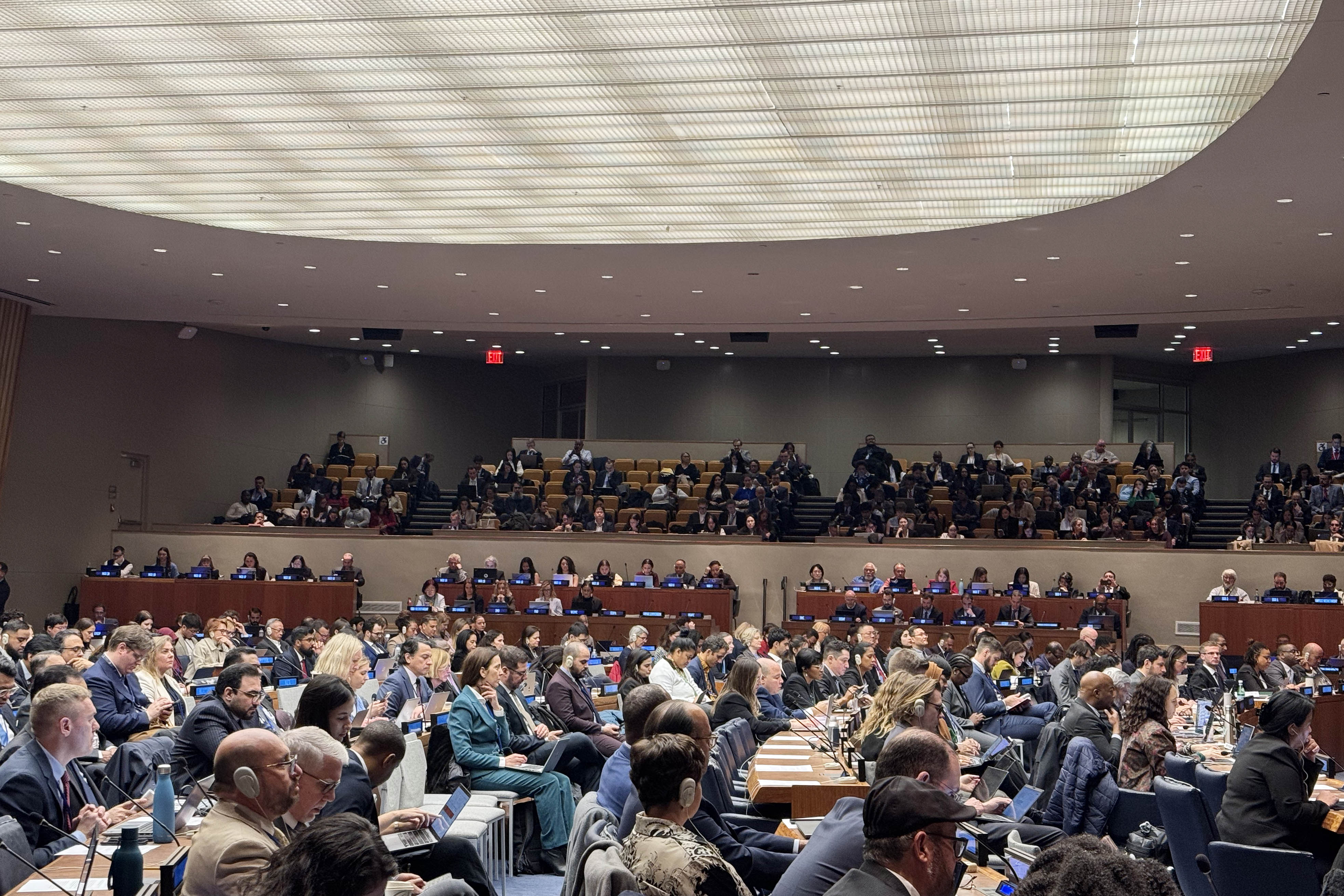
A view of the room during the session
Arrangements for the Functioning of the Secretariat
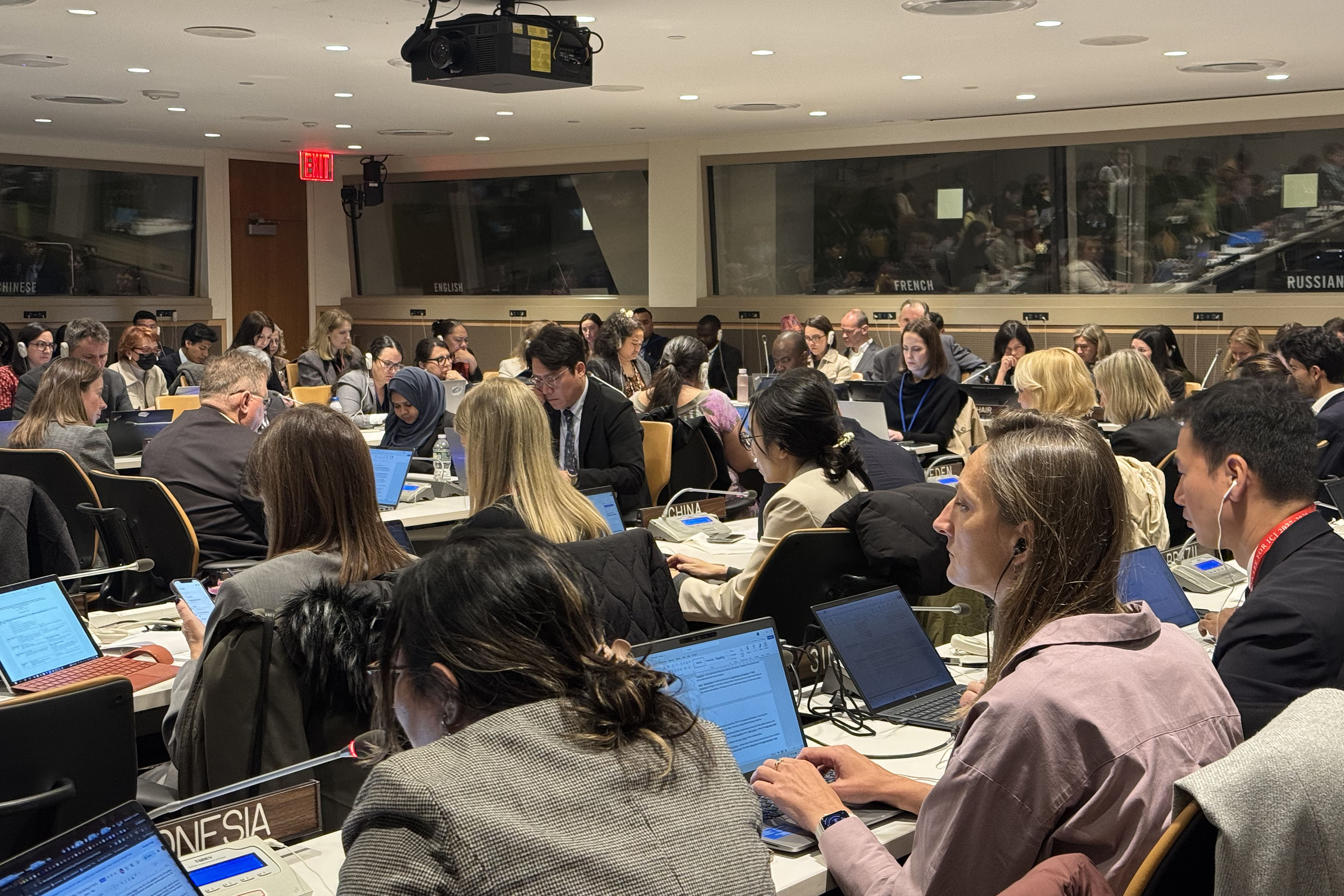
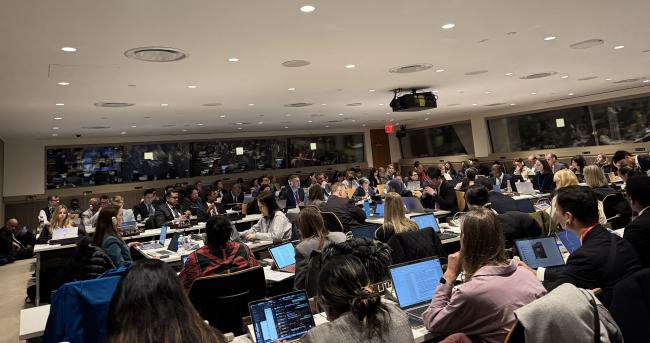
Delegates during the well-attended parallel session
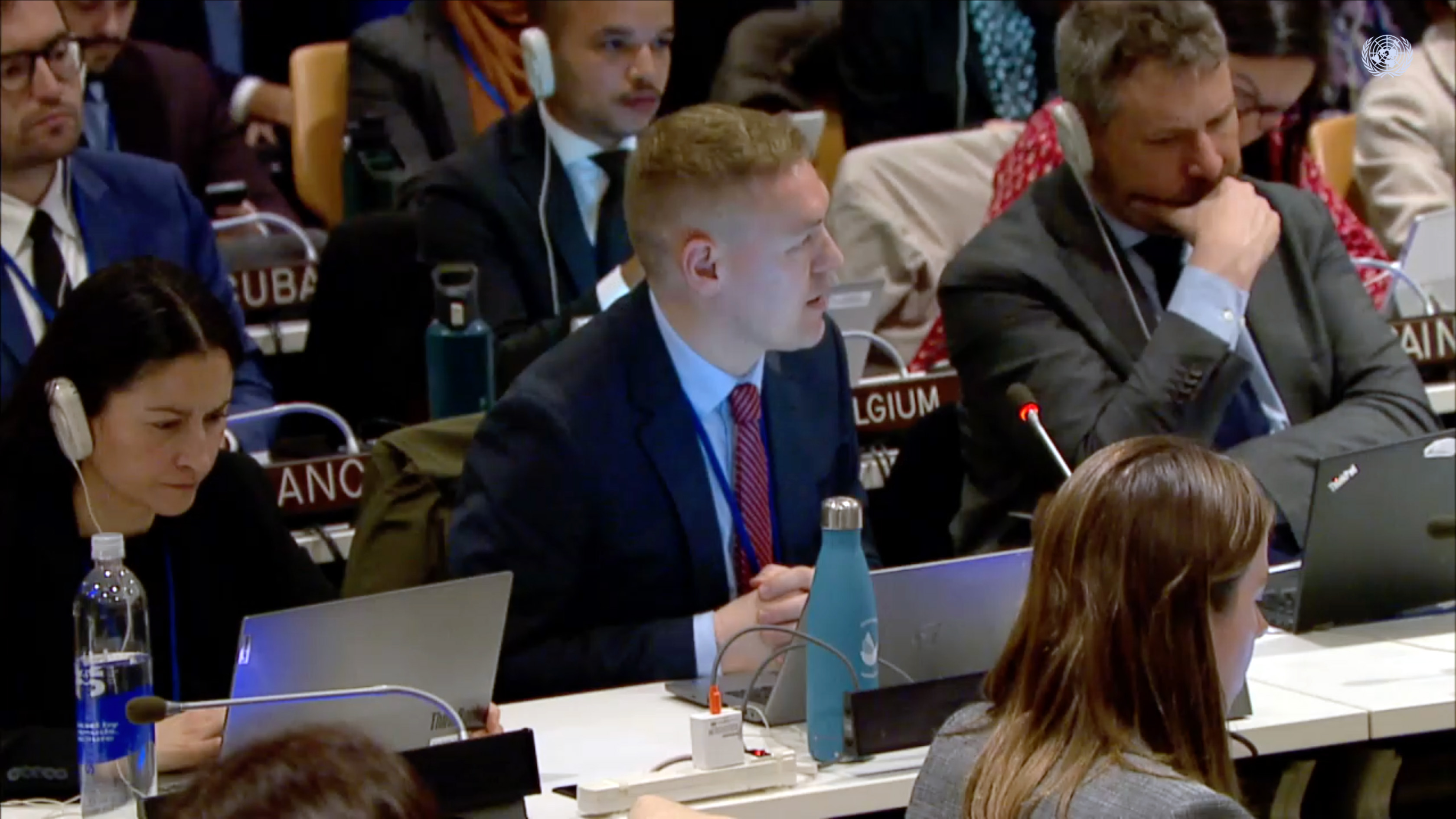
Barry Lennon, Ireland, on behalf of the EU
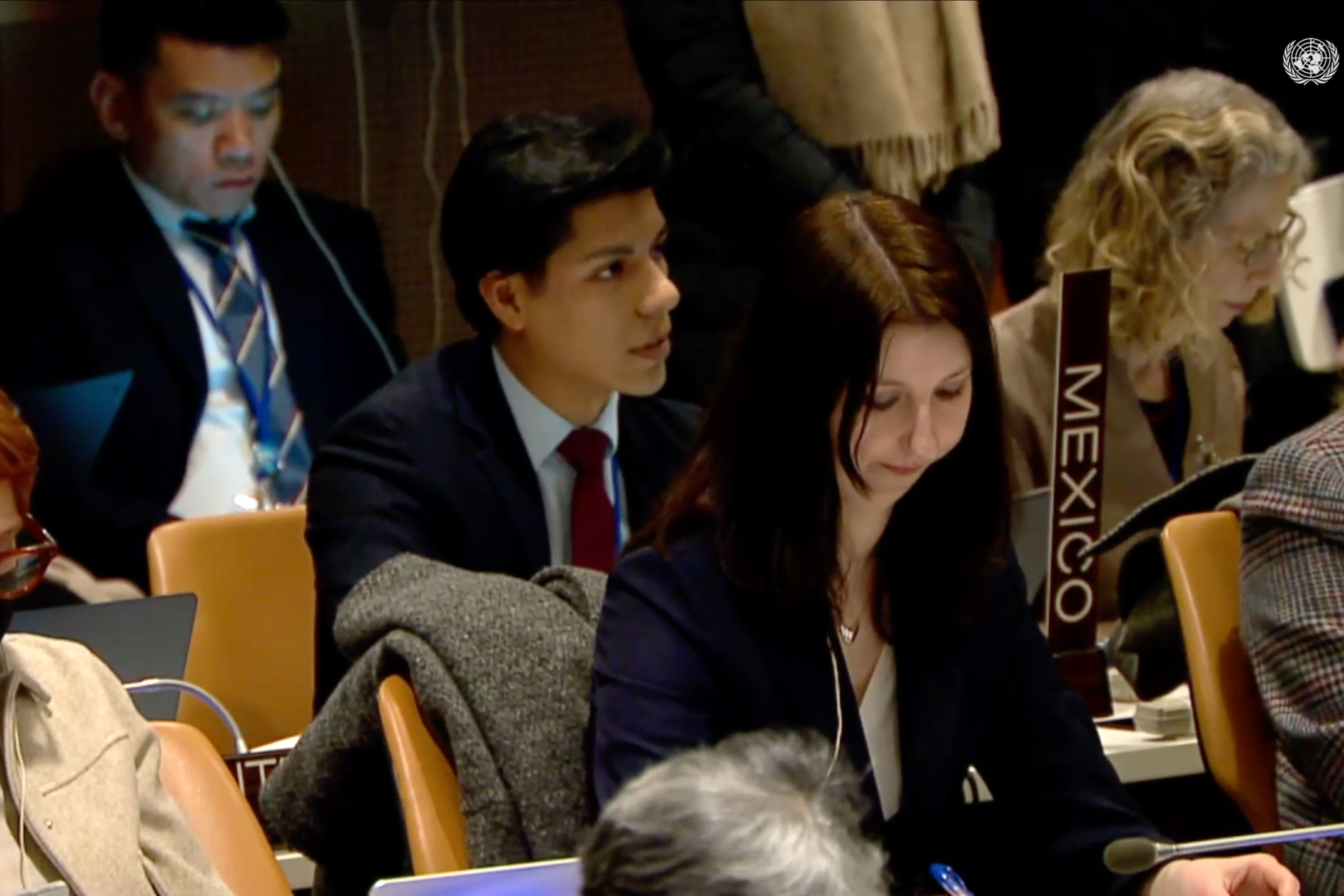
Edgar Noriega, Mexico, on behalf of CLAM
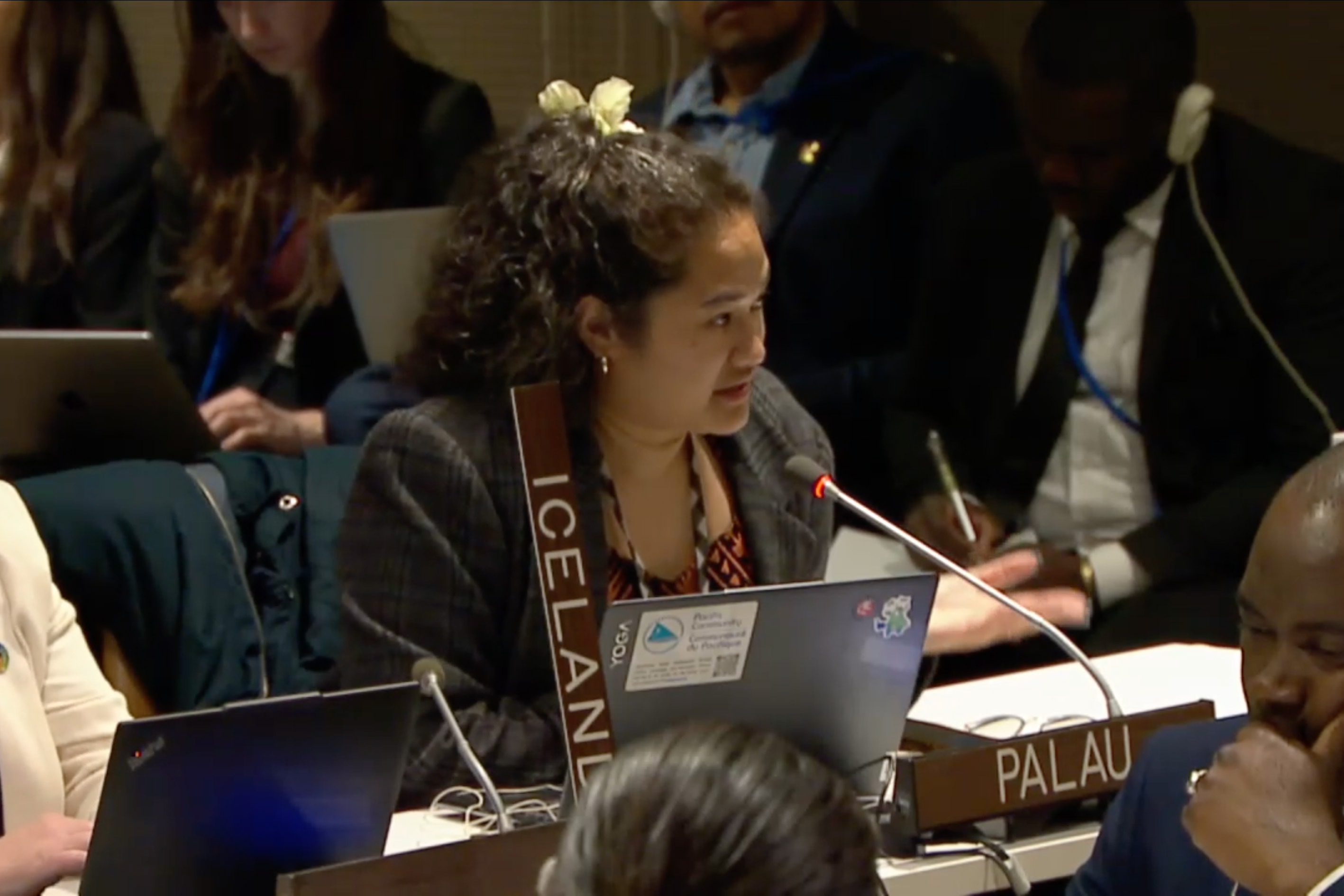
Gemma Nelson, Palau, on behalf of the Small Island Developing States (SIDS)
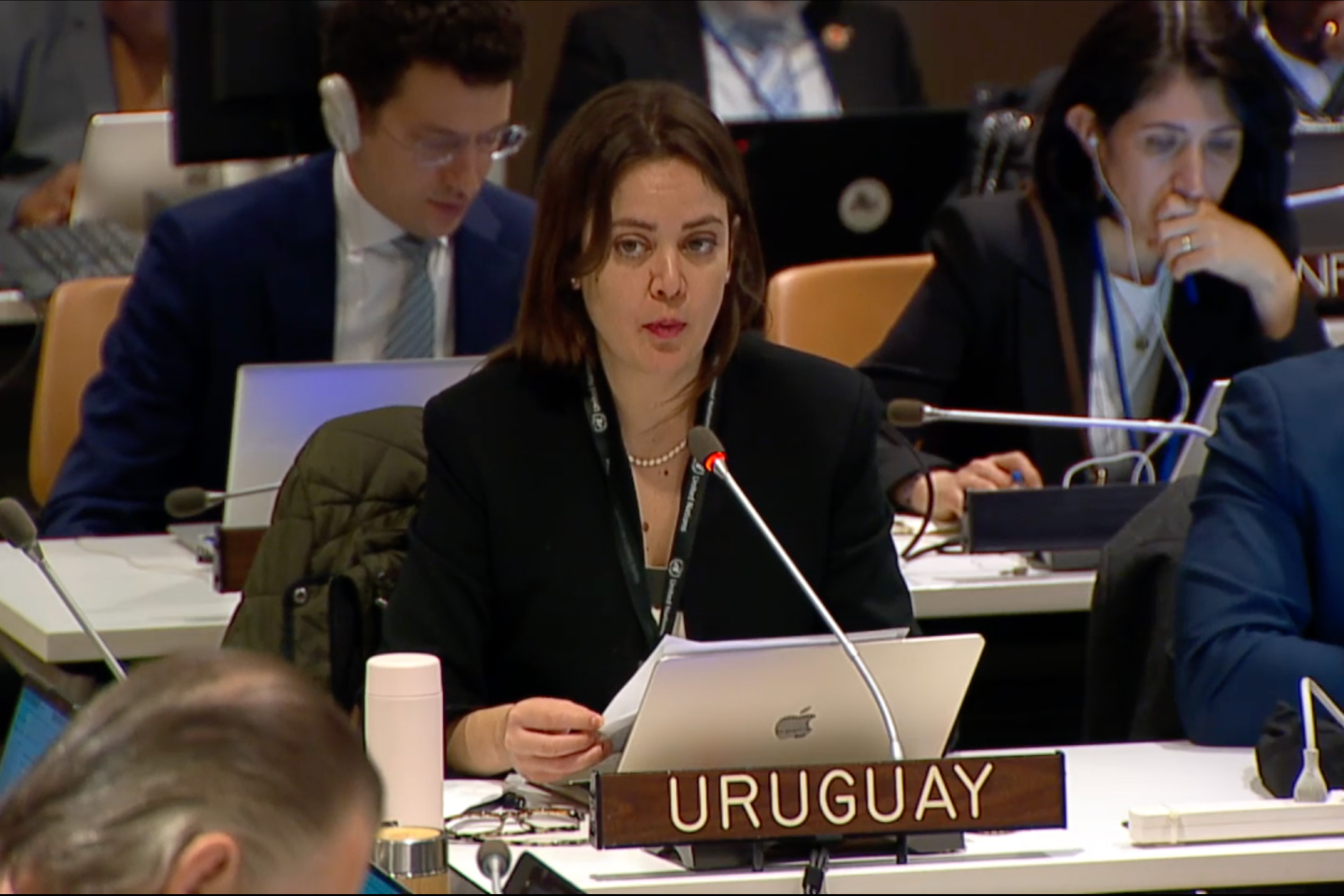
Analía Maguna, Uruguay, on behalf of the G-77/China
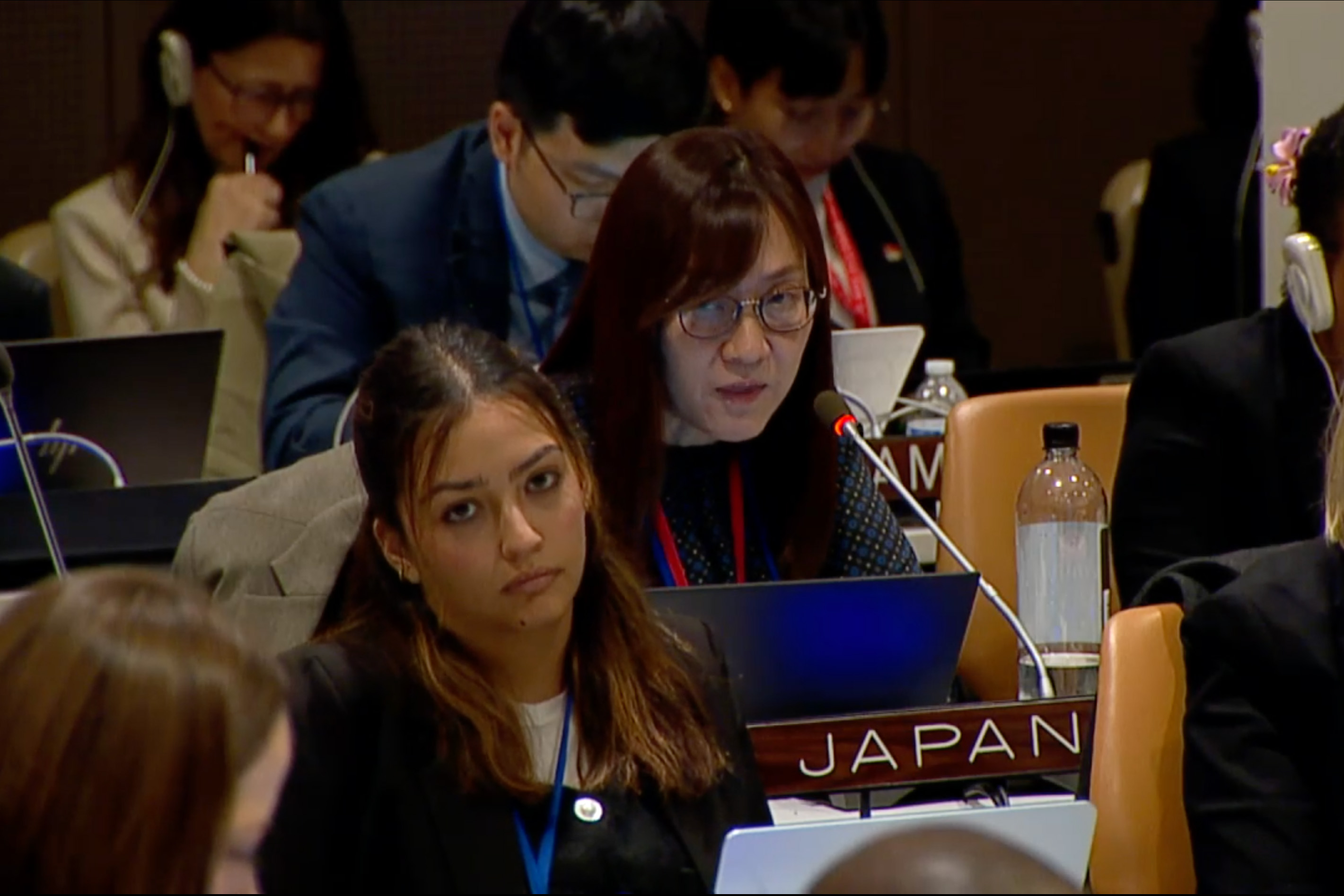
Maki Murai, Japan
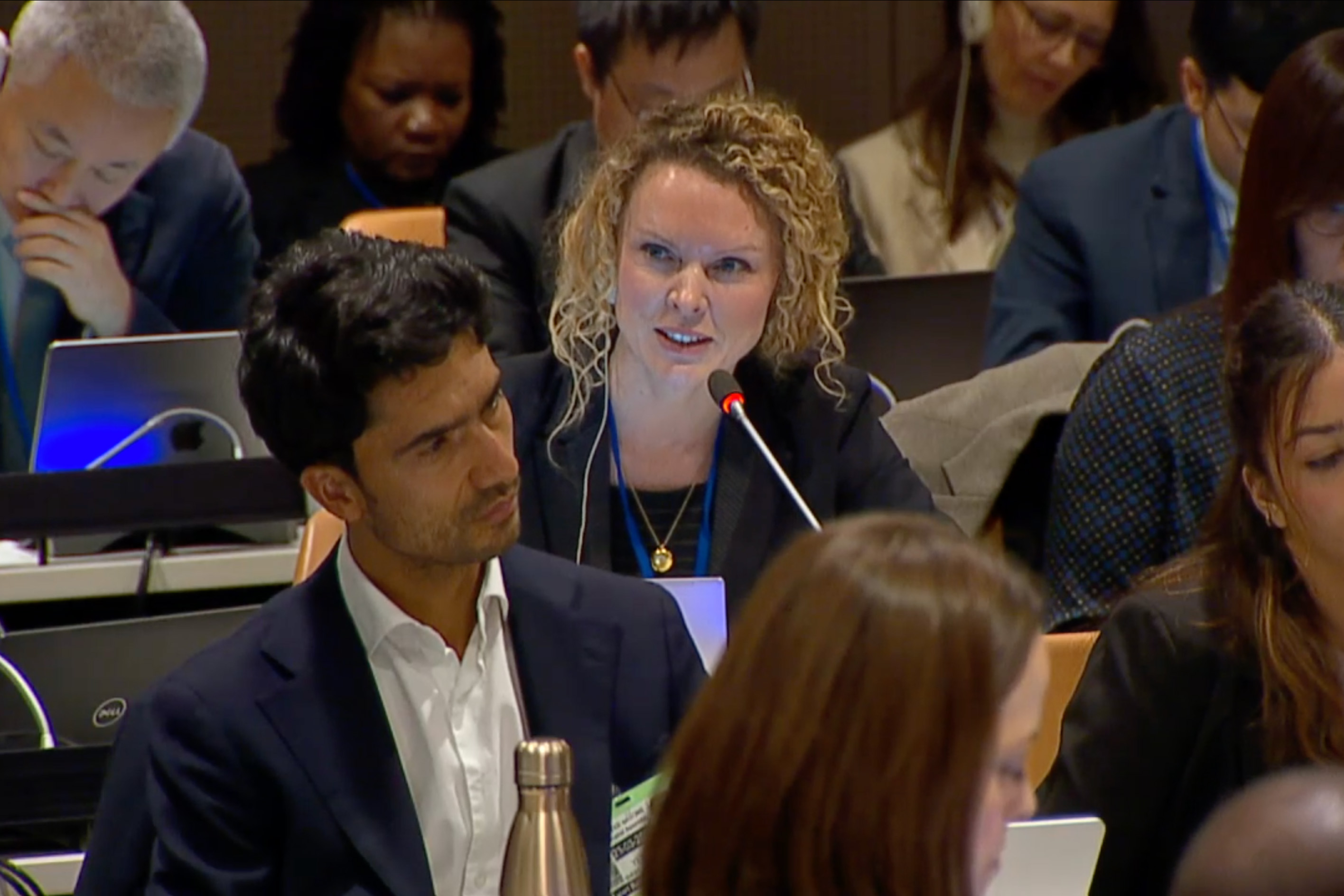
Amanda Hennedy Goble, UK