“Do we think we can get there? We absolutely can, it is imminently doable. There is nothing that cannot be resolved in the next five working days we have, but that will depend on all of us in the room.”
Adam McCarthy (Australia) and Janine Coye-Felson (Belize), Co-Chairs of the Preparatory Commission (PrepCom) for the entry into force of the Agreement under the UN Convention on the Law of the Sea (UNCLOS) on the conservation and sustainable use of marine biological diversity of areas beyond national jurisdiction (BBNJ Agreement), expressed optimism at the start of the day for the successful conclusion of the deliberations. They simultaneously emphasized that successfully fulfilling the PrepCom’s mandate and ensuring the smooth running of the first meeting of the Conference of the Parties (COP1) ultimately depends on delegations’ flexibility and spirit of collaboration.
The day’s negotiations focused on:
- rules of procedure (RoP) for the COP;
- RoP and terms of reference (ToR) for the subsidiary bodies; and
- financial issues.
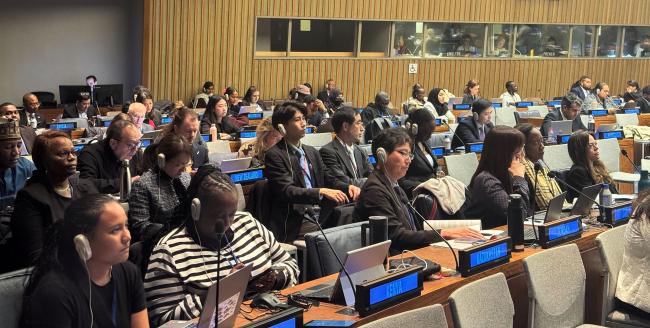
In the morning, delegates resumed their deliberations on the RoP for the COP. Co-Chair McCarthy guided delegates through a further revised aid for discussions chapter by chapter, with negotiations addressing, among others, provisions on:
- bureau and the election of officers;
- functions of the Secretariat;
- quorum;
- application of BBNJ Article 18 (area of application);
- proposals and amendments to proposals;
- voting thresholds;
- voting modalities for general matters; and
- cooperation arrangements with other relevant instruments, frameworks, and bodies.
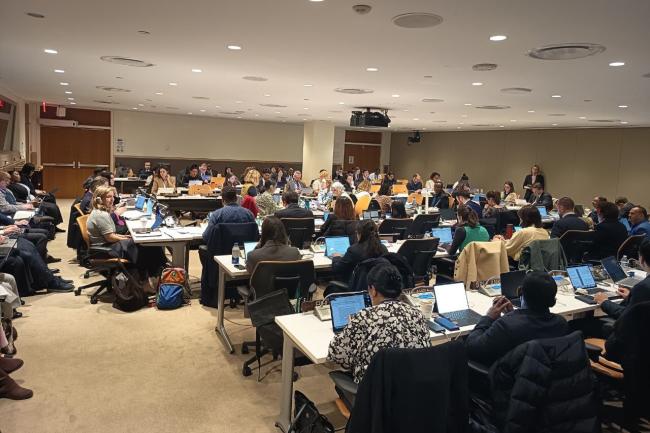
In the afternoon, negotiations continued on the RoP for subsidiary bodies, where discussions focused on working modalities during the intersessional periods, reporting timelines, and programmes of work. Delegates did not find convergence on conducting intersessional work virtually. One delegation noted such formats should not undermine the equitable participation of all Parties, while others underscored the benefits of such working modalities and pointed to similar practice in other UN processes.
On documentation, a regional delegation suggested cross-checking and harmonizing reporting timeframes between the subsidiary bodies and the COP.
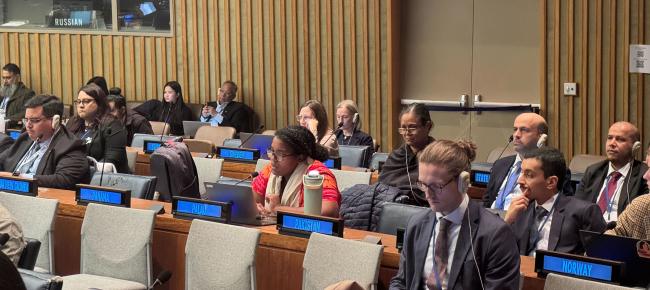
Delegates engaged in negotiations on financial issues throughout the day, addressing:
- a draft MoU with the GEF;
- provisions on financial contributions; and
- the operationalization of the Special Fund.
On arrangements with the GEF, discussions focused on monitoring and evaluation, in particular whether the possibility of commissioning an independent assessment of the overall performance of GEF and its Council should be included in the draft memorandum of understanding. Some delegates supported such a provision, while others pointed out that the GEF’s Independent Evaluation Office already performs this function.
Delegates also debated the role of the Finance Committee and provisions on: complementarity and coherence within the financial mechanism; cooperation between secretariats; reciprocal representation; and review and amendments.
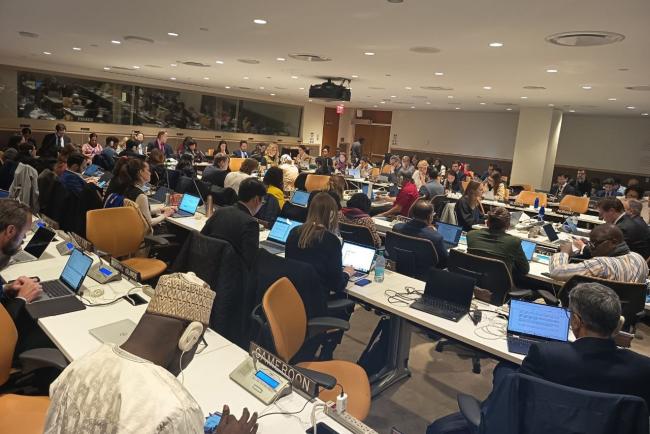
Regarding the operationalization of the Special Fund, delegates addressed a revised draft decision for the COP. They largely converged on the preambular paragraphs, with some contentious points remaining.
Divergent opinions remain regarding the establishment of an open-ended ad hoc working group or an ad hoc committee to operationalize the Special Fund, with many delegates expressing preference for the latter. Further discussions and a considerable degree of flexibility will be required to decide on the composition of the ad hoc committee, should it be selected as a model.
Closing the first week of negotiations in a brief plenary session, the Co-Chairs informed participants on the further revised documents to be circulated to assist with deliberations as well as on the programme of work for the second week.
To receive free coverage of global environmental events delivered to your inbox, subscribe to the ENB Update newsletter.
Select Images
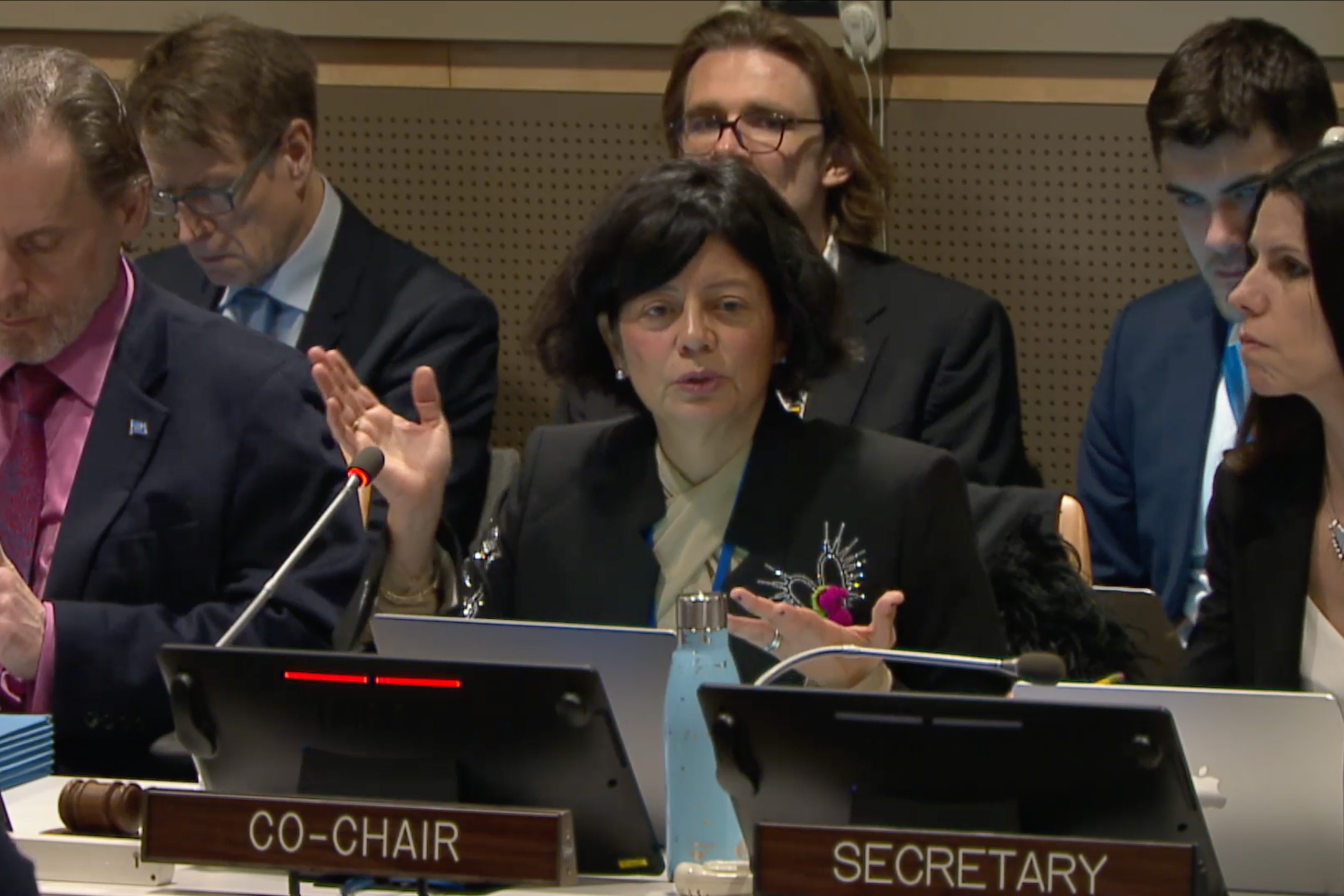
BBNJ PrepCom Co-Chair Janine Coye-Felson, Belize
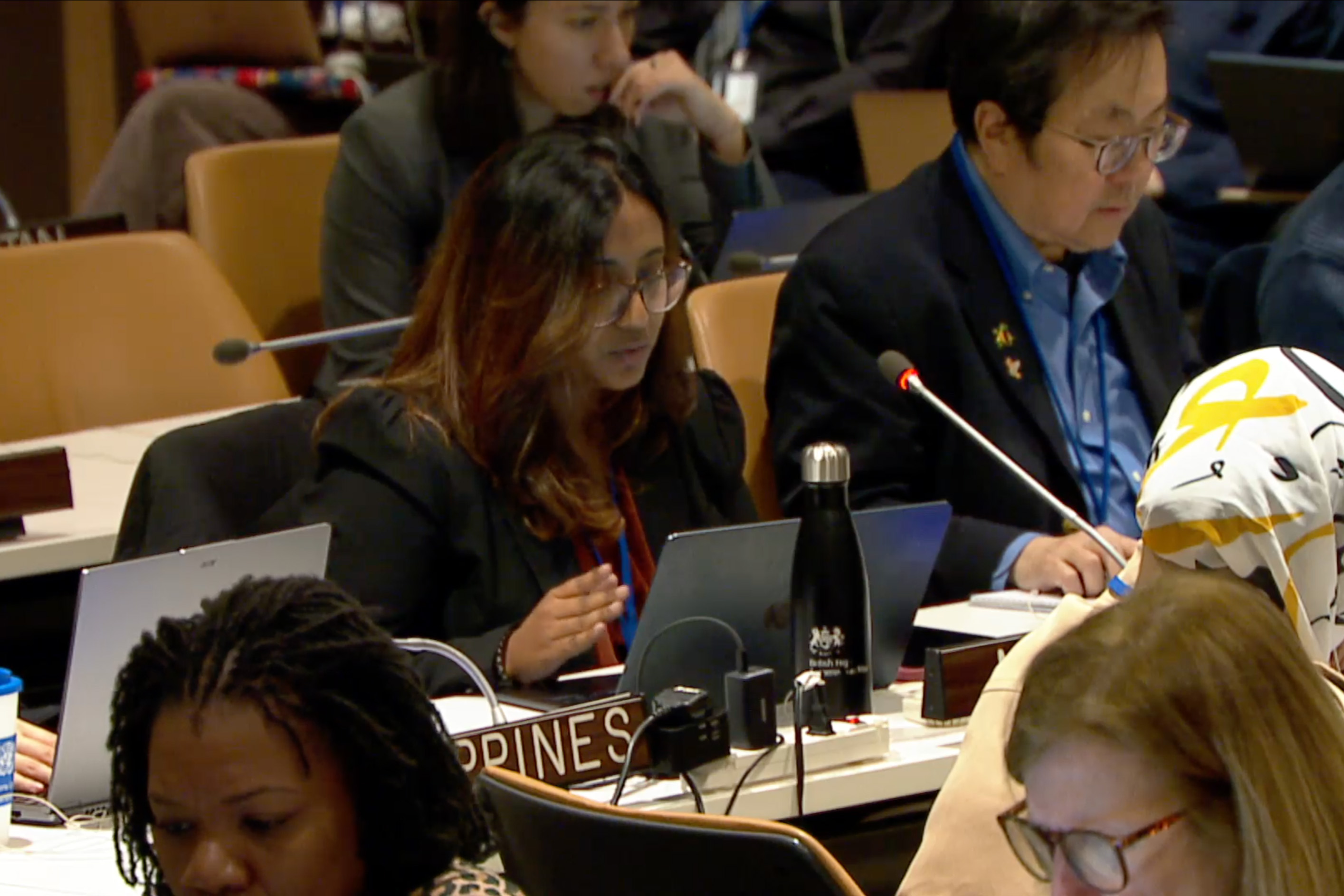
Hawwa Nabaaha Nashid, the Maldives, on behalf of the Alliance of Small Island States (AOSIS)
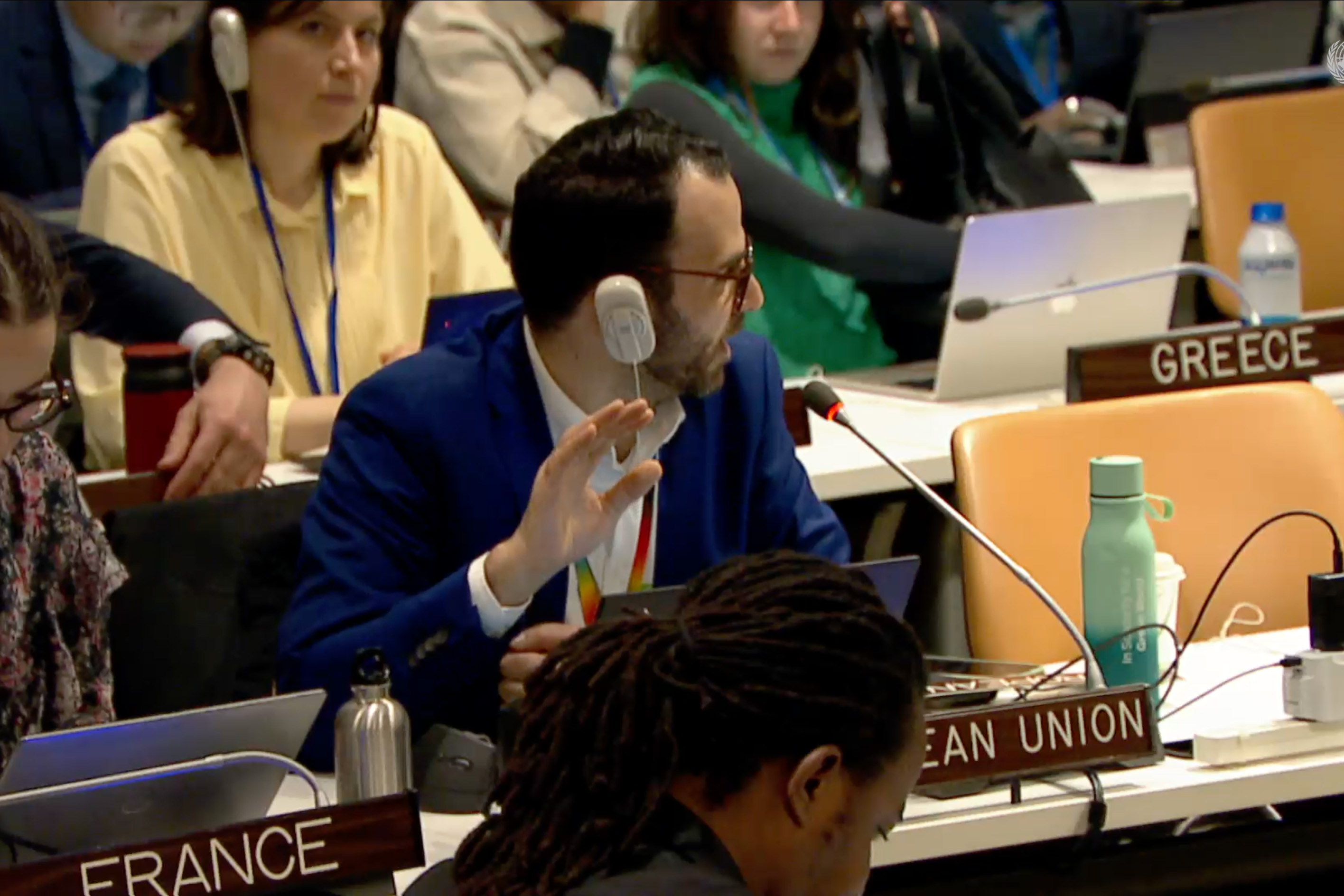
Nicolas Schäfstoss, EU
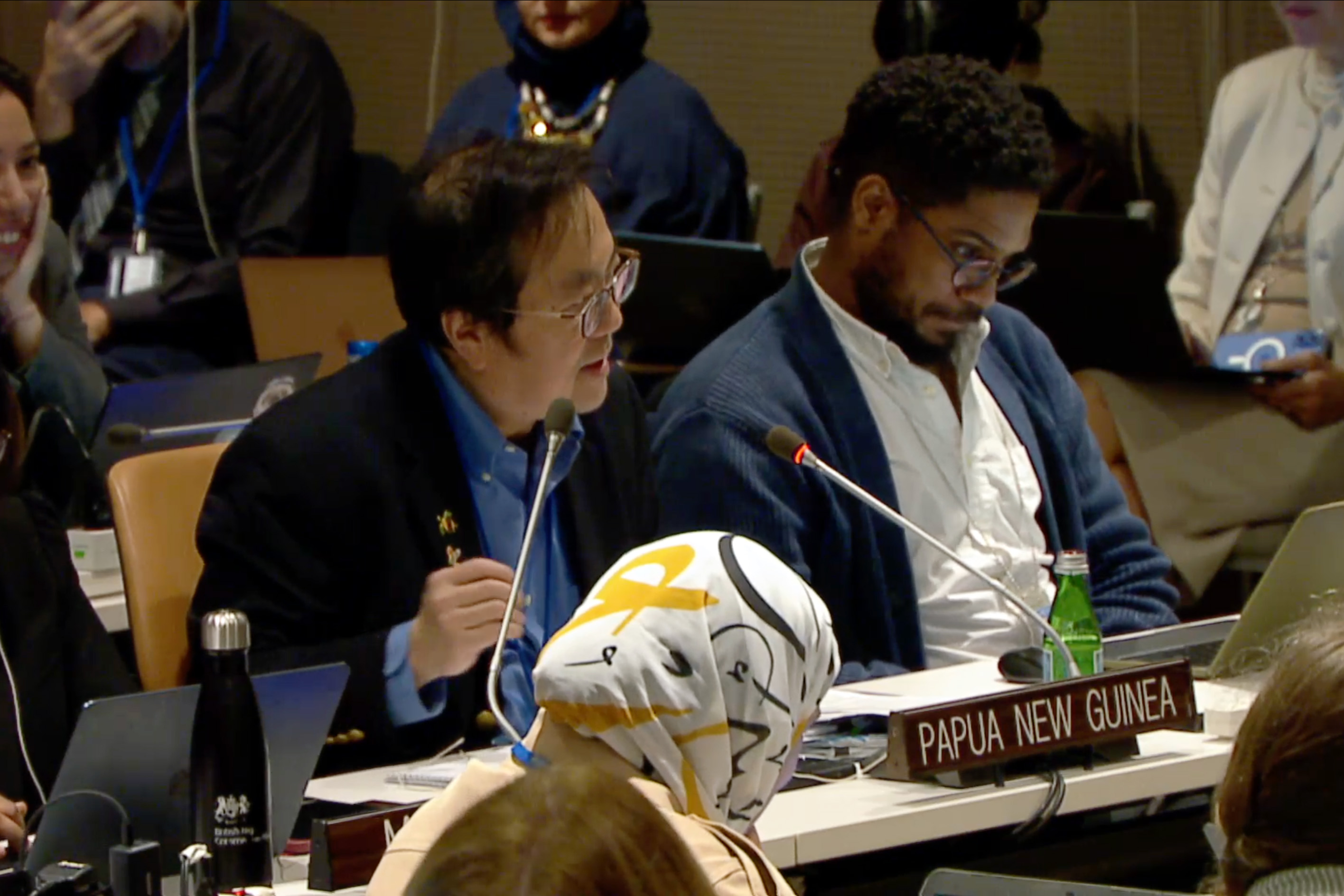
Alvin Leong, Papua New Guinea, on behalf of the Pacific Small Island Developing States (PSIDS)
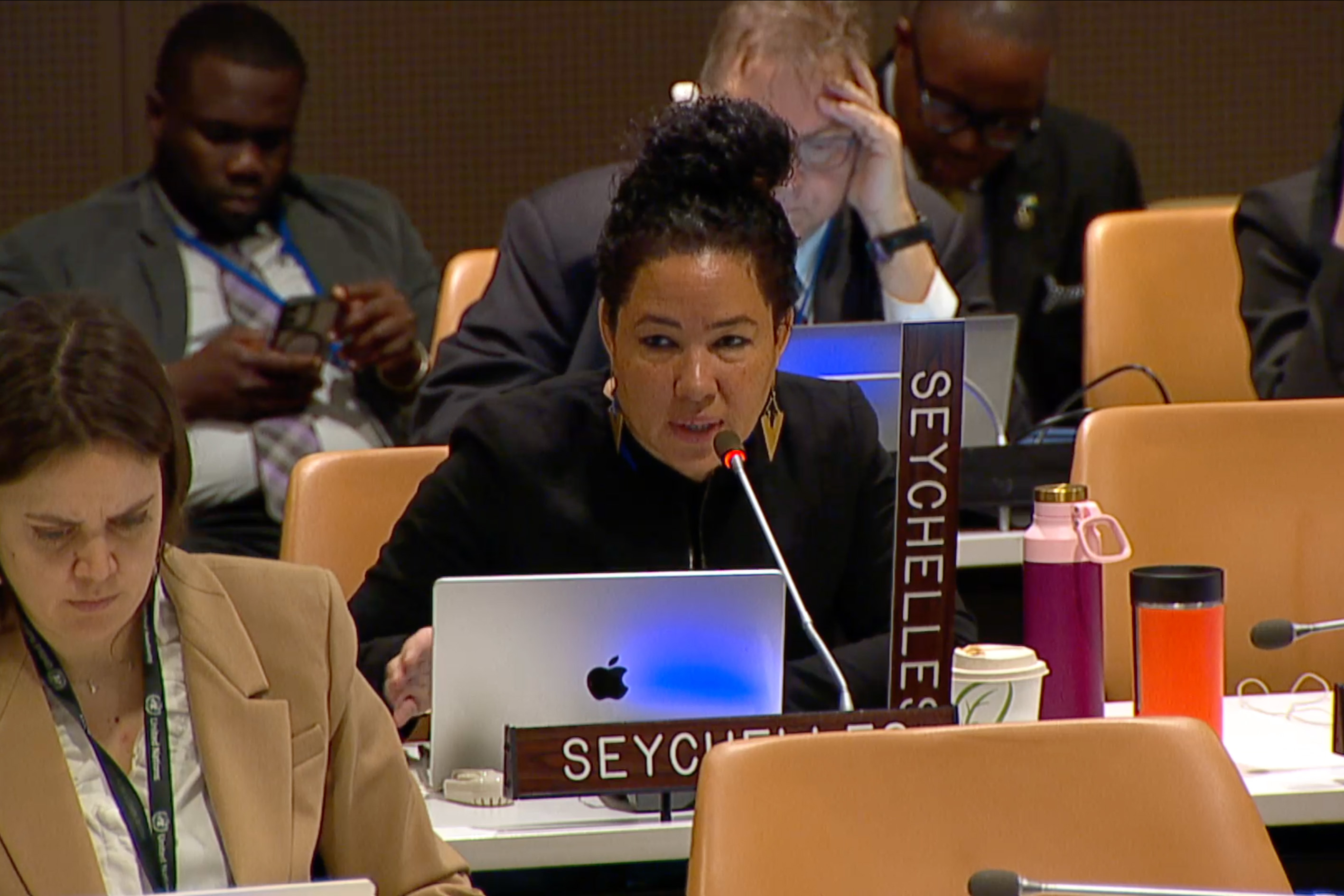
Tamara Thomas, Seychelles, on behalf of the African Group
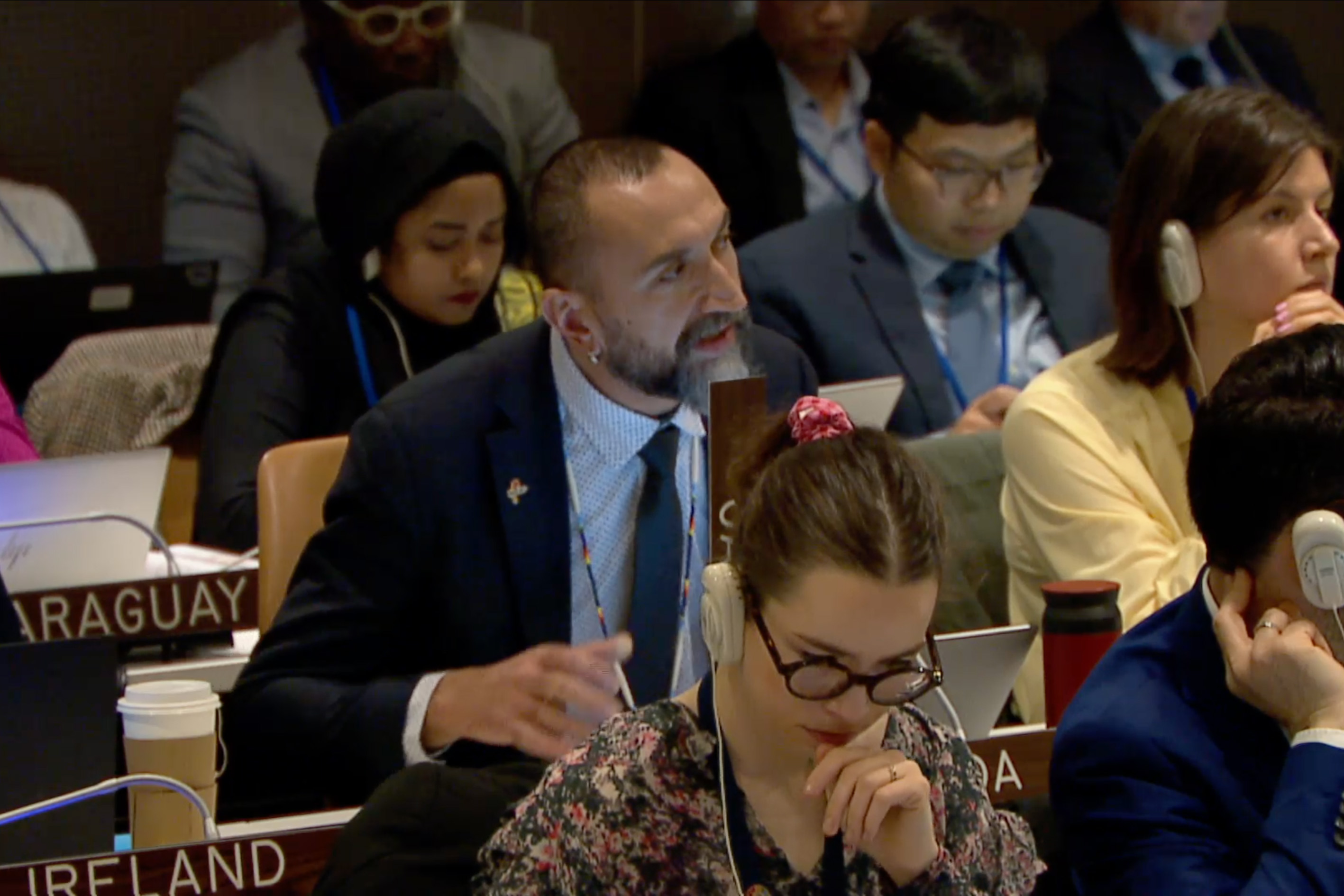
Fariz Ahmadov, Canada
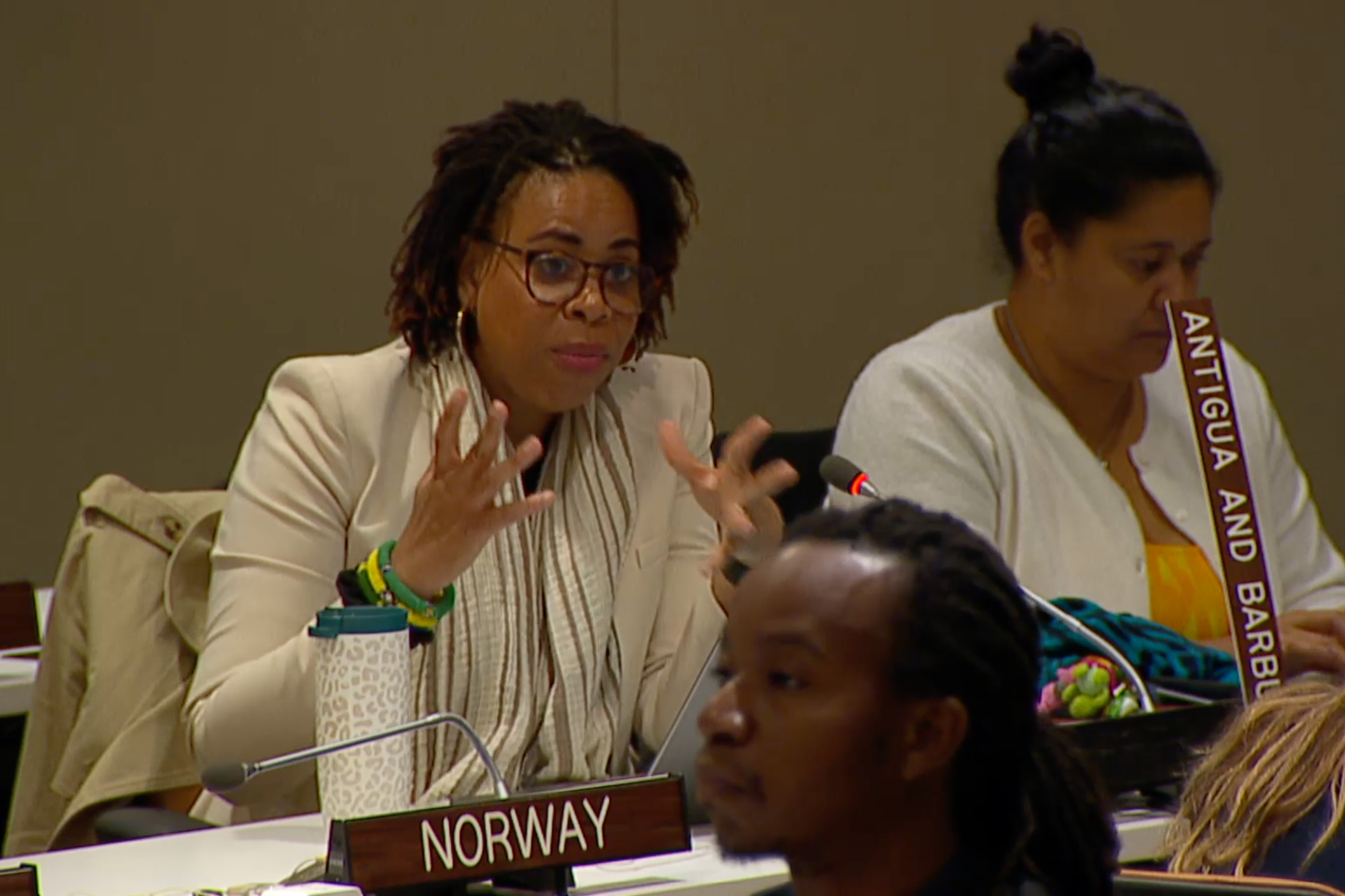
Asha Challenger, Antigua and Barbuda, on behalf of the Caribbean Community (CARICOM)
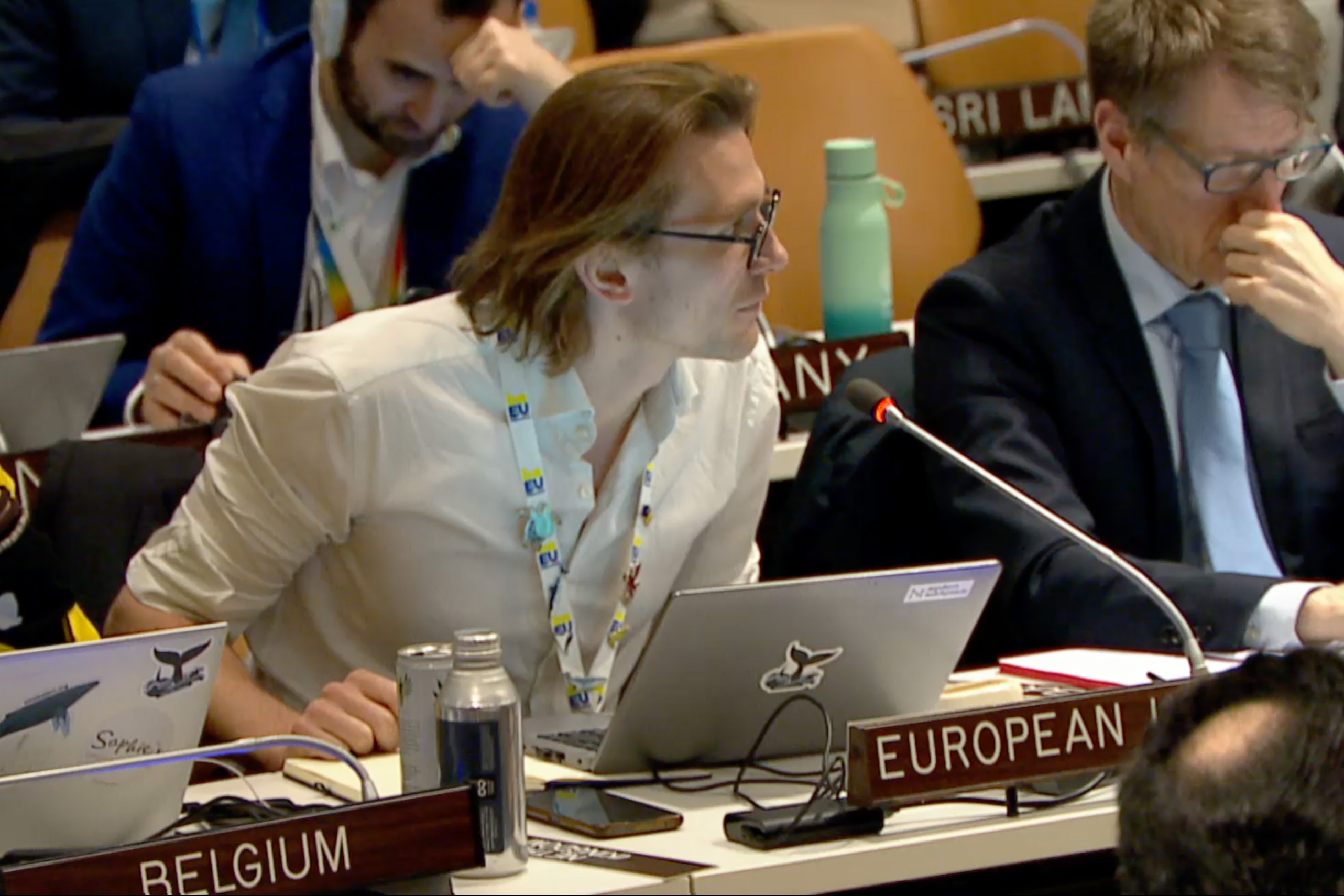
Sebastien Willemart, EU
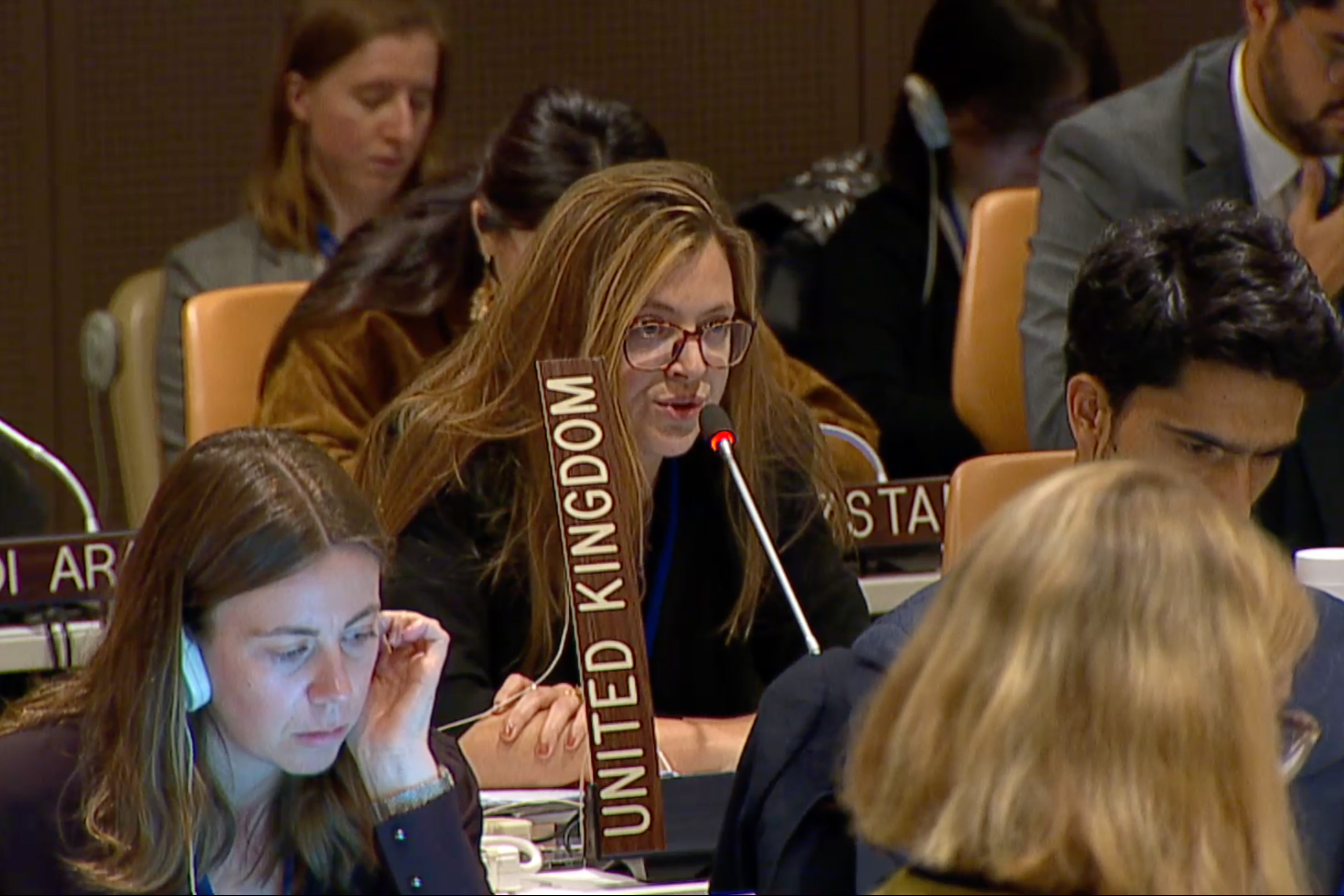
Eva Milne, UK
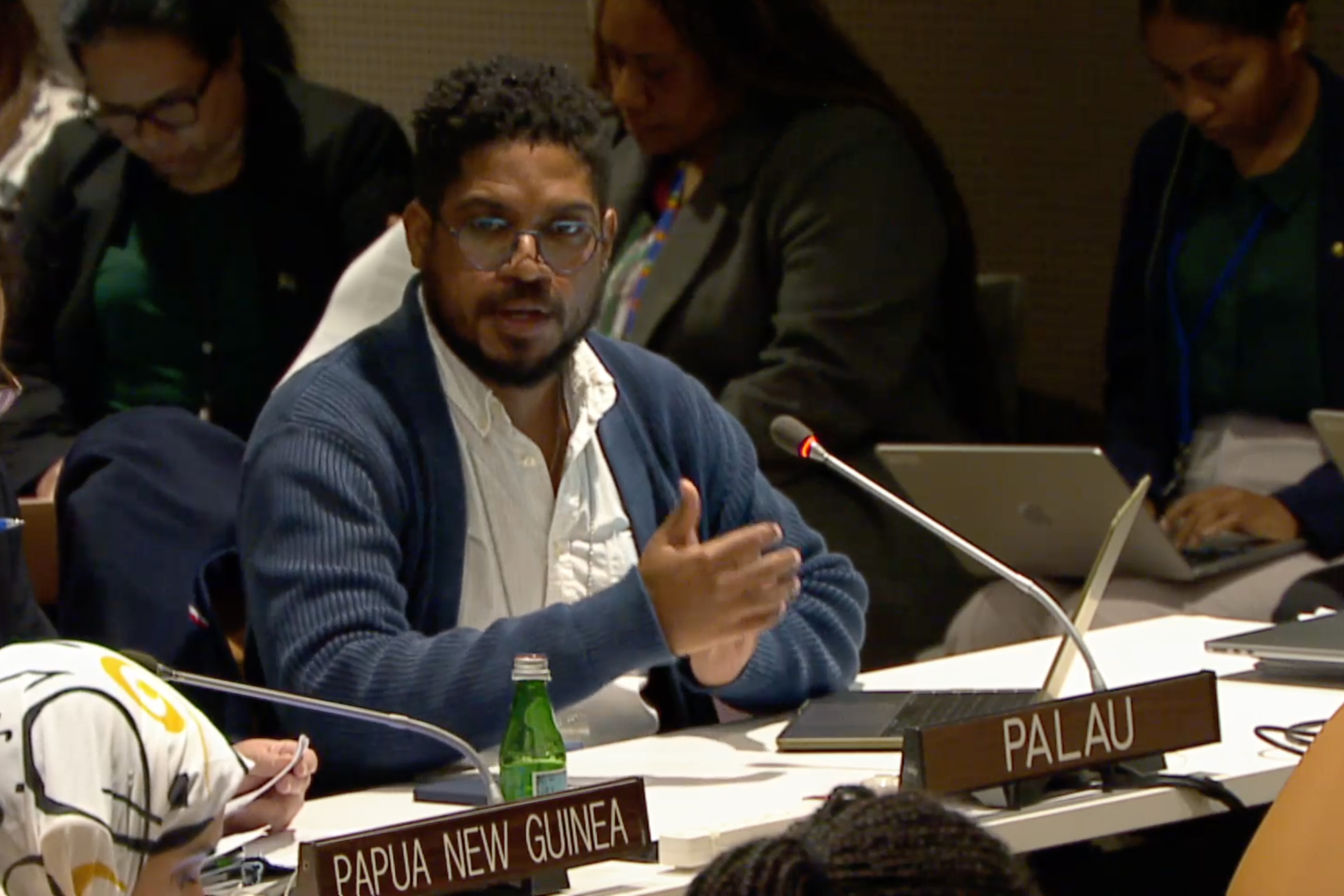
Michai Robertson, Palau
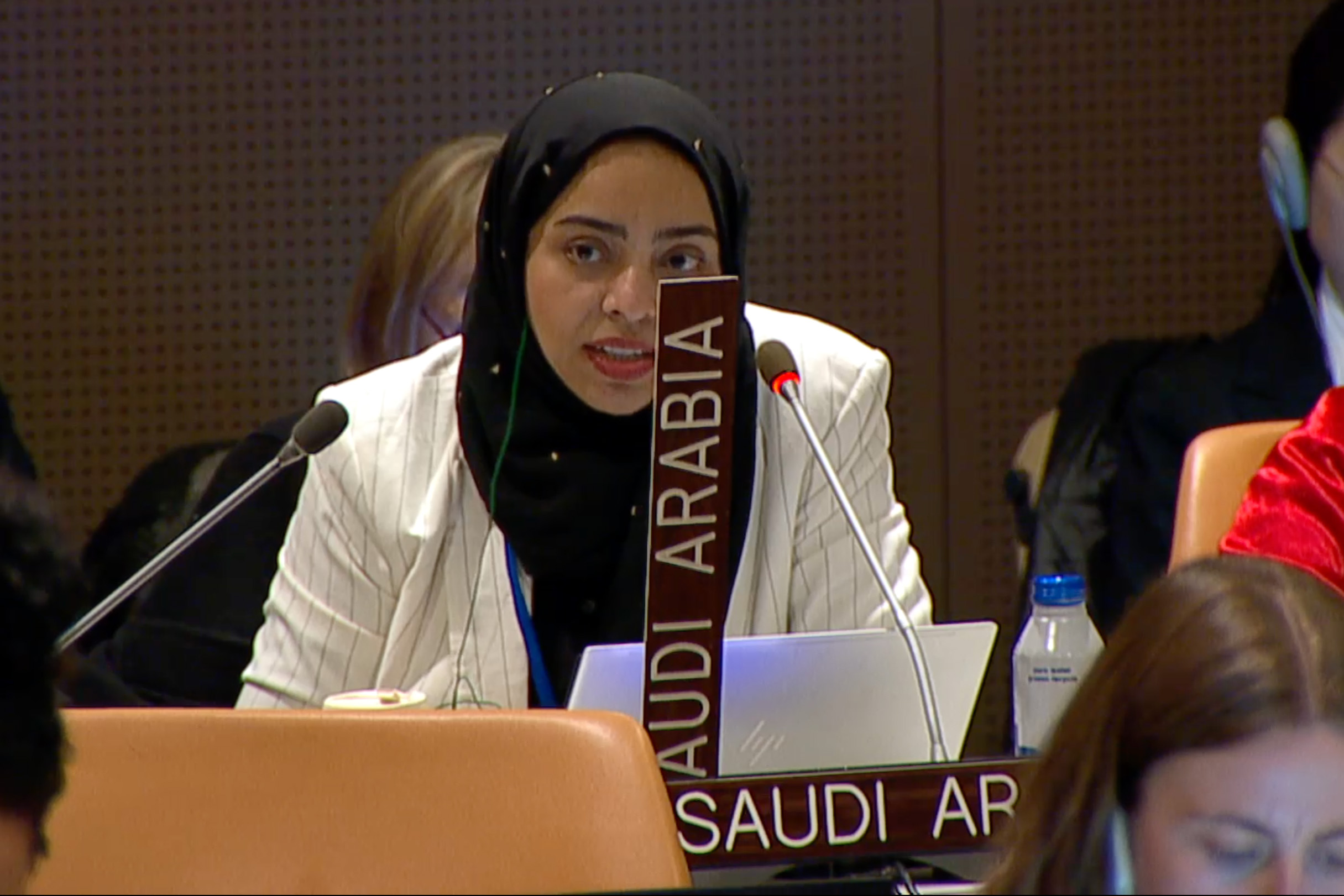
Representative from Saudi Arabia
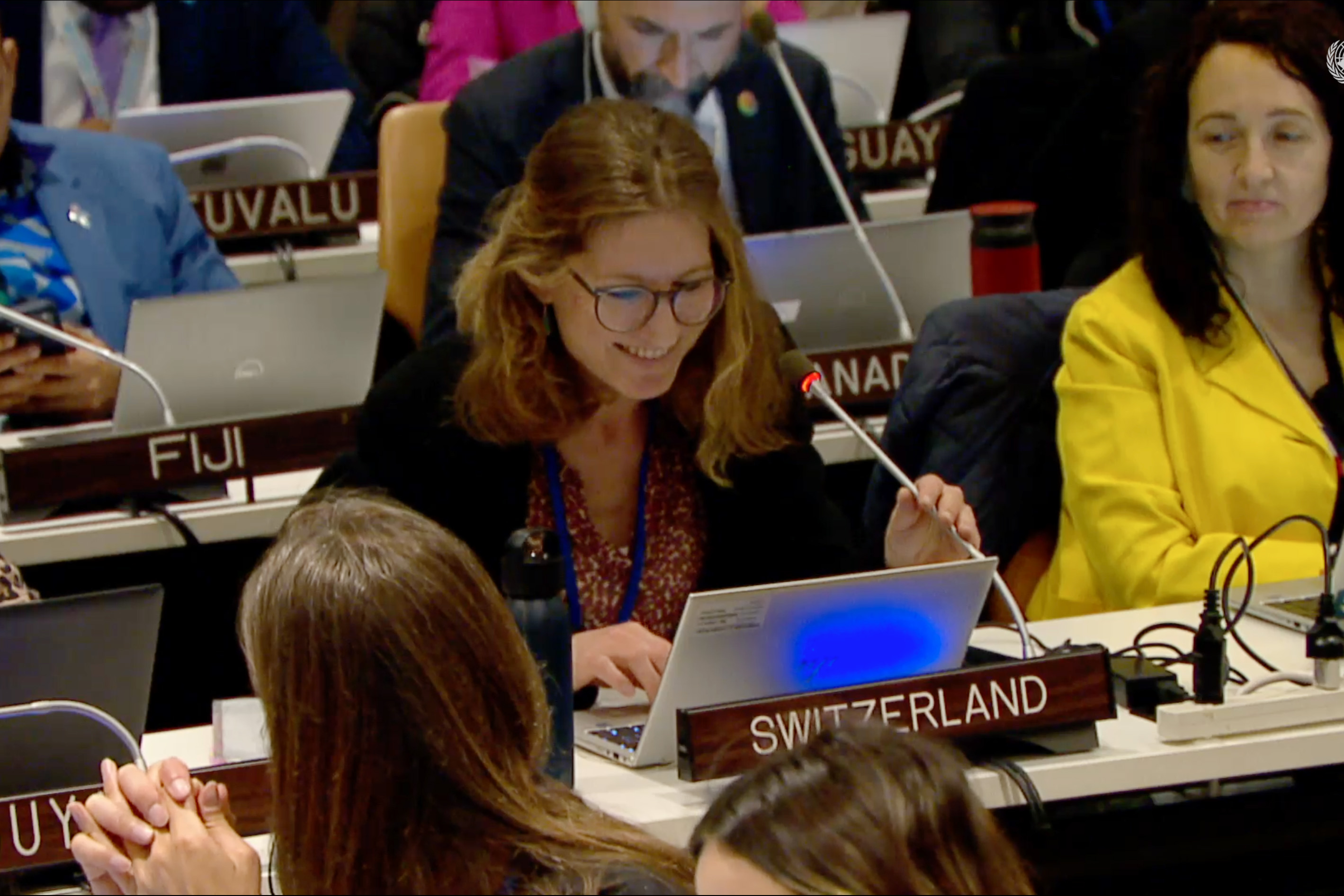
Laura Platchkov, Switzerland
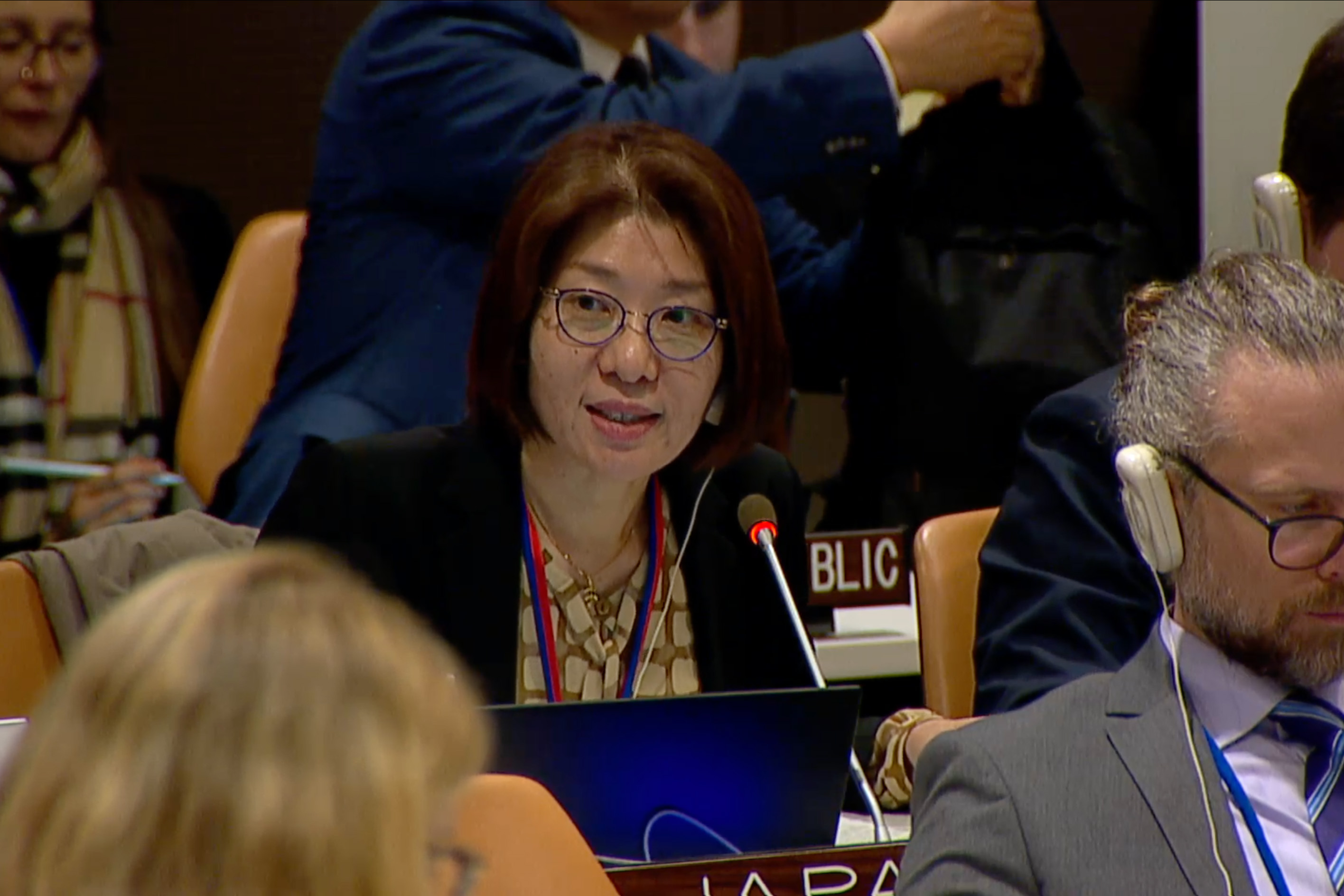
Makiko Murai, Japan
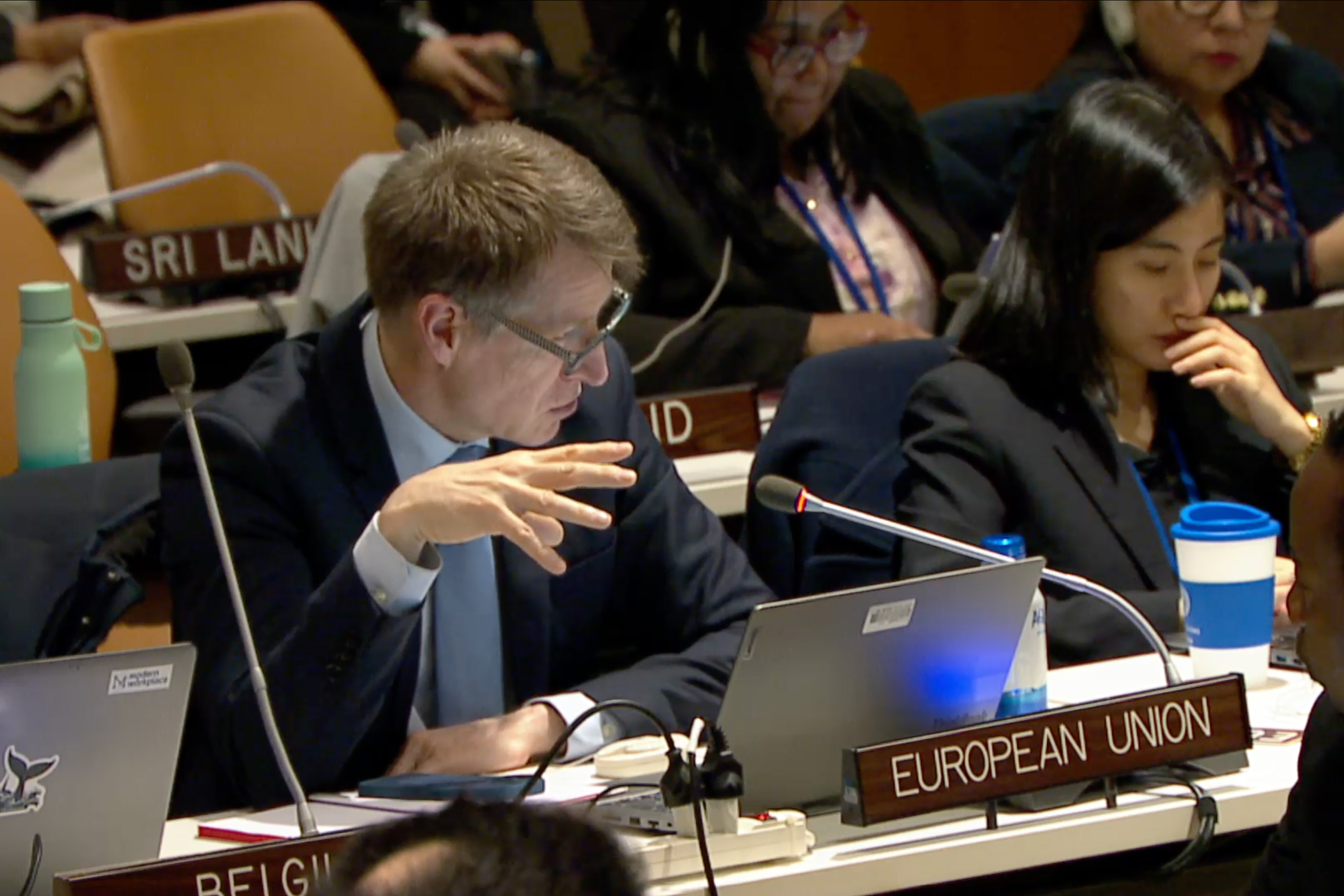
Marc Richir, EU
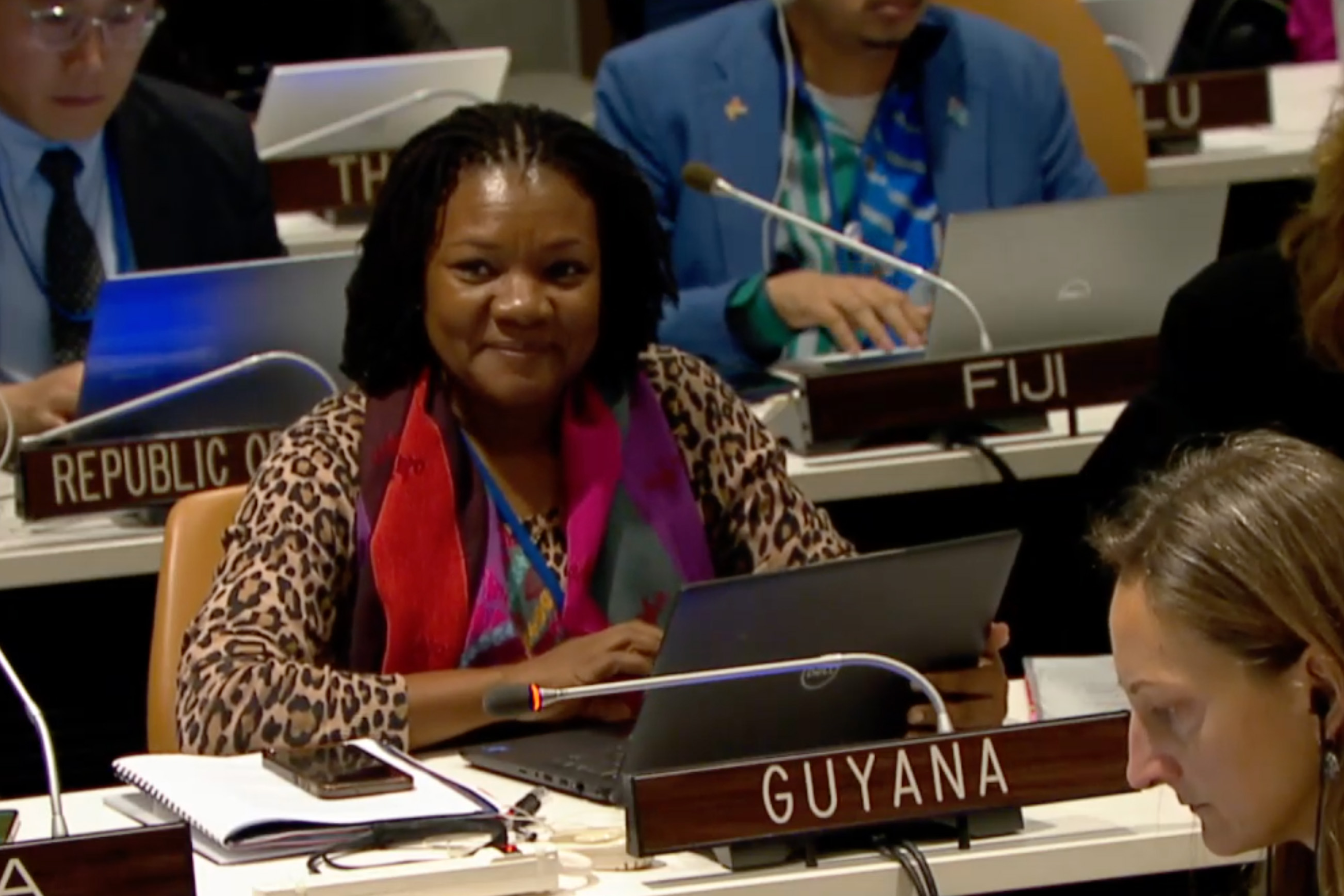
Donnette Streete, Guyana