

Among the many issues that the third session of the Preparatory Commission (PrepCom III) needs to address is to pave the way for the selection of the permanent seat of the Secretariat for the Agreement under the UN Convention on the Law of the Sea (UNCLOS) on the conservation and sustainable use of marine biological diversity of areas beyond national jurisdiction (BBNJ Agreement).
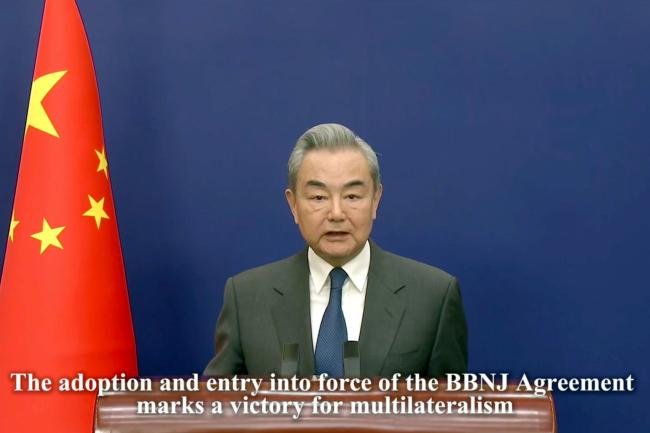
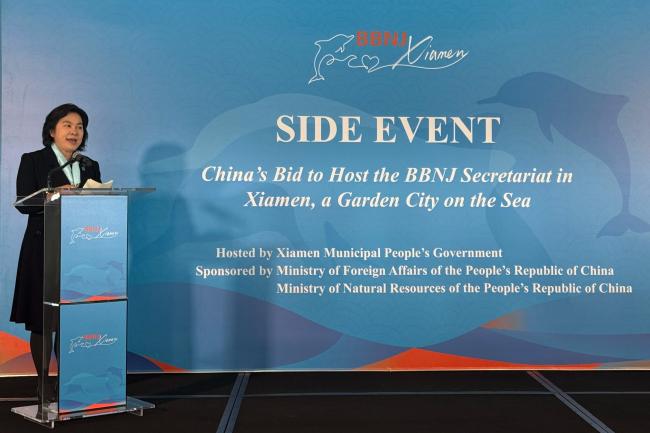
Three Parties, Belgium, Chile, and China, have expressed interest in hosting the Secretariat, with the final decision to be taken at the first meeting of the Conference of the Parties (COP1). Facilitating the selection process, PrepCom III is allowing time for each country to present their bids in an interactive context, where delegates can pose questions and clarify details. China kicked off the round of presentations in the morning, highlighting the advantages of Xiamen, “a garden city on the sea,” for hosting the Secretariat.
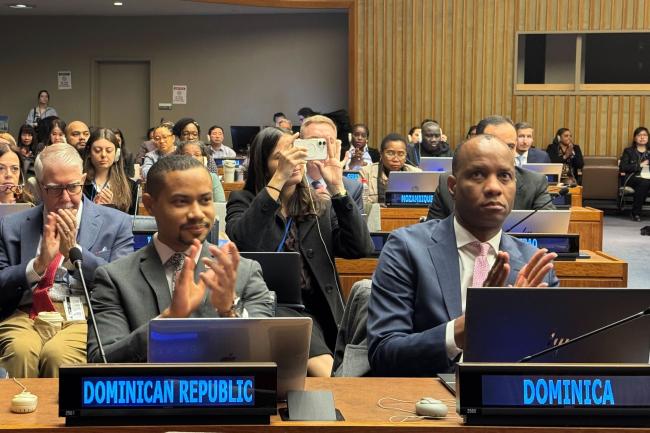
Prior to returning to the daily schedule of parallel deliberations, delegates celebrated the official ratification of the BBNJ Agreement by the Dominican Republic, bringing the total number of ratifications to 87.
The rest of the day was devoted to negotiations on:
- rules of procedure (RoP) for the COP;
- arrangements for the functioning of the Secretariat;
- arrangements to enhance cooperation with relevant instruments, frameworks, and bodies (IFBs); and
- modalities for the operation of the Clearing-House Mechanism (CHM).
On RoP for the COP, delegates focused on:
- the preparation, adoption, and distribution of meetings’ agendas;
- rules on election of COP officers, in particular the size and composition of the Bureau; and
- rules related to subsidiary bodies, such as provisions on quorum, composition, and decision-making modalities.
Delegates resumed discussions on arrangements for the functioning of the Secretariat based on a non-paper prepared by the Co-Chairs. Many delegations converged on an option that supports the Secretariat’s institutional linkage to the UN, rather than entering into a relationship with the UN on the basis of a draft relationship agreement. However, several delegations preferred developing a hybrid option, maintaining a degree of autonomy for the Secretariat. Delegates also converged on an option that decides that the head of the Secretariat shall be elected by the COP.
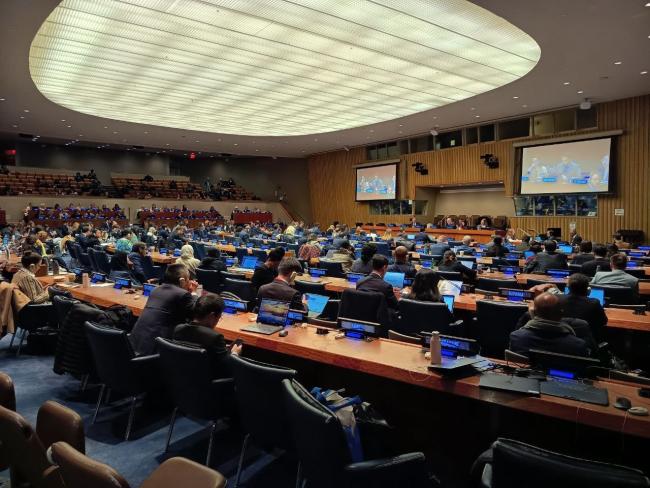
In the afternoon, delegates discussed modalities for the operation of the CHM based on a consolidated draft study commissioned at PrepCom II.
On preferred options to address technical requirements of the CHM, delegates shared their preferences for: a centralized system managed by the Secretariat that delivers baseline requirements quickly with minimal dependencies; a central system complemented by regional or subregional nodes for localized support, assisted workflows, and improved connectivity; or retrofitting an existing CHM.
Delegates also discussed several key parameters for the architecture and functioning of the CHM, including:
- minimum required metadata fields;
- definition and governance of confidentiality categories;
- user role taxonomy, verification rules, and delegation mechanisms;
- traditional knowledge safeguards;
- proximity-based alert policy;
- interoperability priorities; and
- minimum cybersecurity baseline and audit requirements.
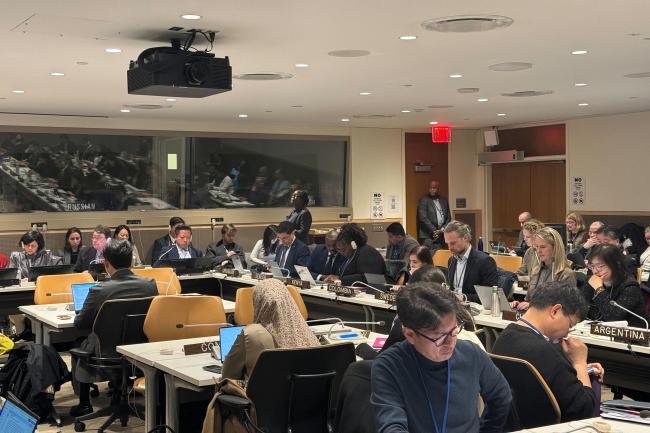
Deliberations on cooperation with relevant IFBs were based on a draft decision for the COP prepared by the Co-Chairs. Delegates noted the document constitutes a good basis for further discussion and highlighted the importance of cooperation to achieve the objectives of the BBNJ Agreement. Following an exchange of general views and numerous suggested amendments on the draft decision, a revised draft will be developed for textual negotiations in the coming days.
Many intergovernmental global and regional organizations presented their respective mandates and activities that intersect with the BBNJ objectives. They emphasized the importance of building on experiences and lessons learned, and avoiding duplication of work, expressing readiness to coordinate and collaborate with the BBNJ bodies to ensure the conservation and sustainable use of marine biodiversity in areas beyond national jurisdiction.
Newsletter: To receive free coverage of global environmental events delivered to your inbox, subscribe to the ENB Update newsletter.
Select Images
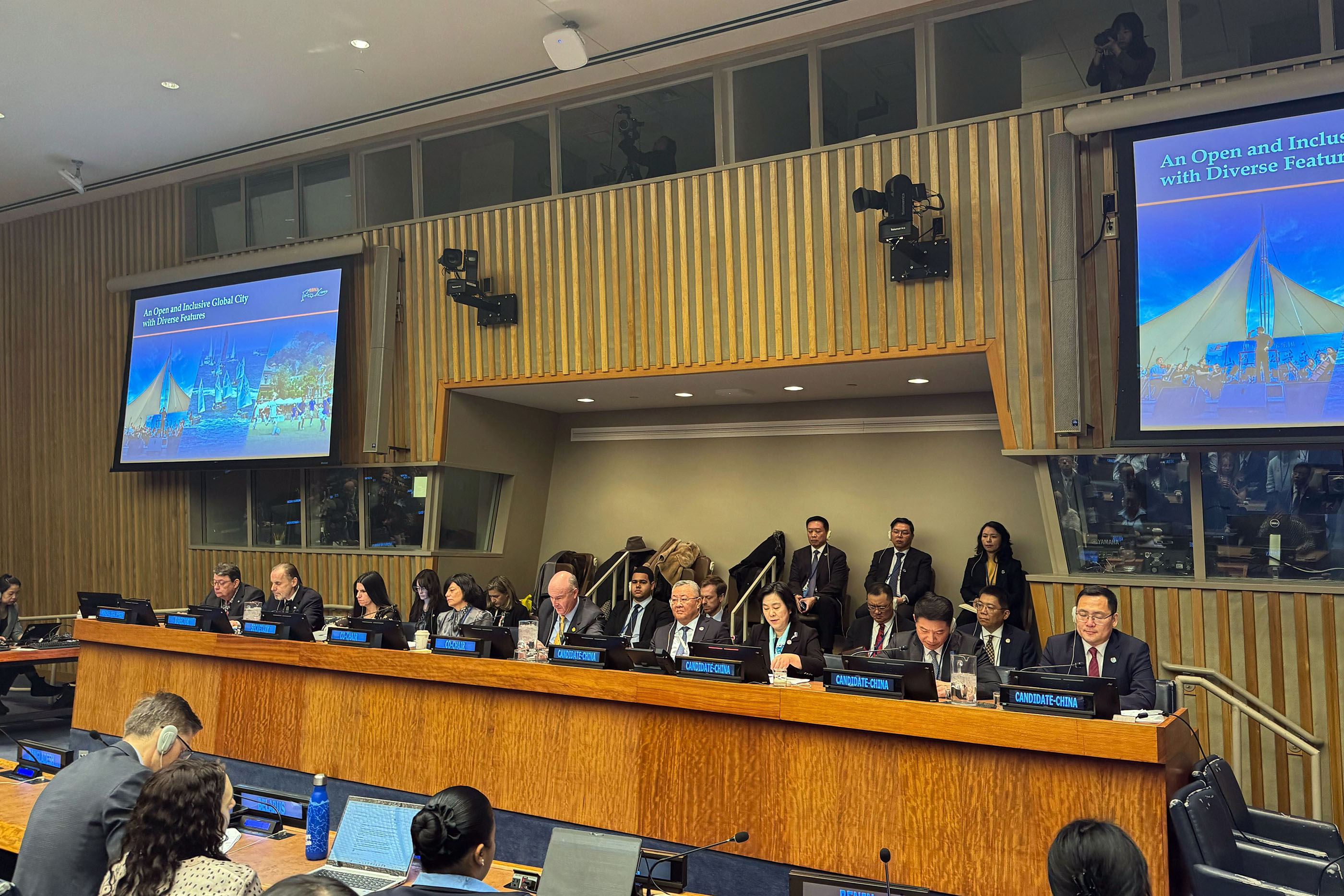
The dais during the presentation by China of its offer to host the Secretariat
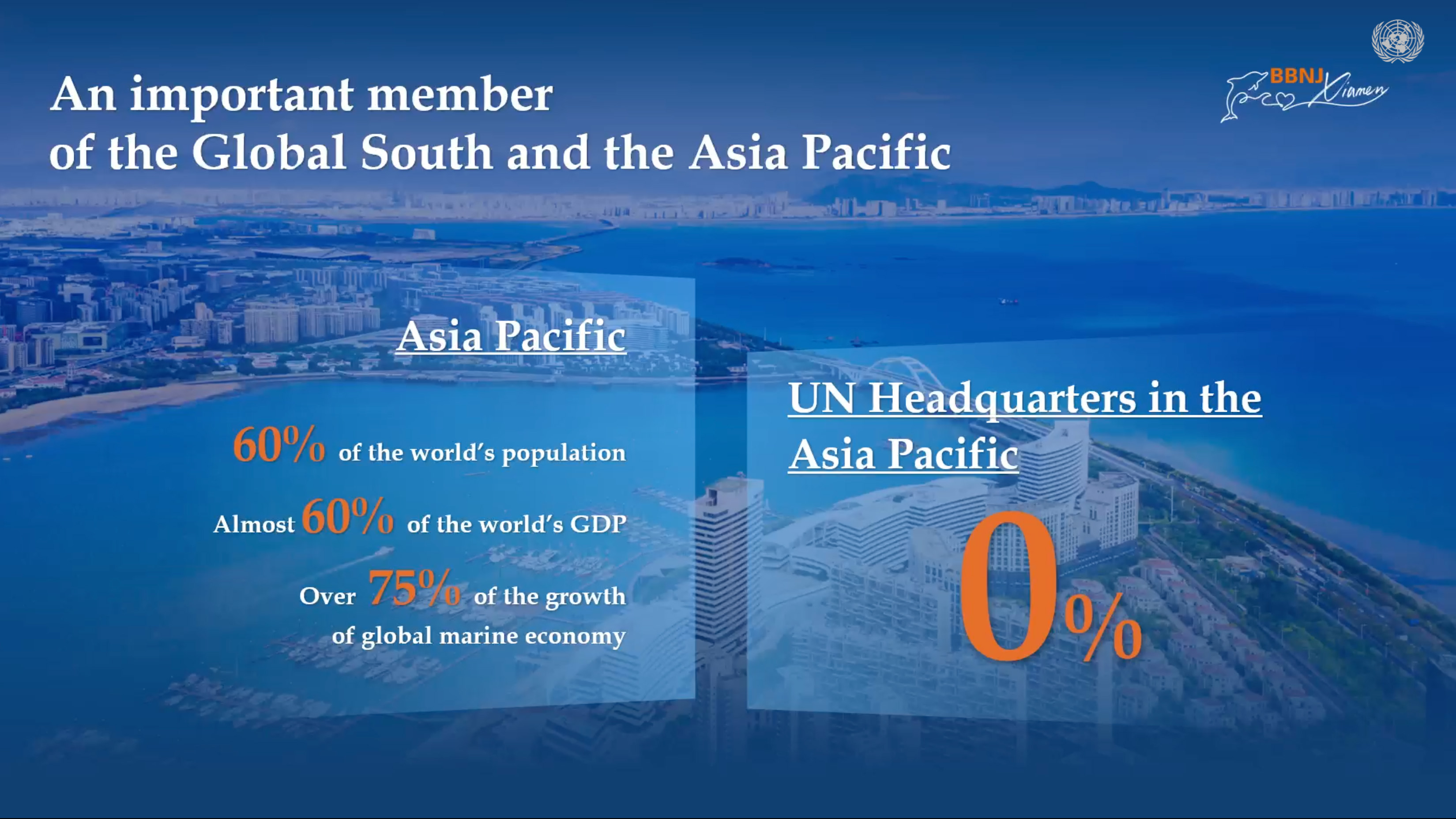
A slide from the presentation by the Chinese delegation
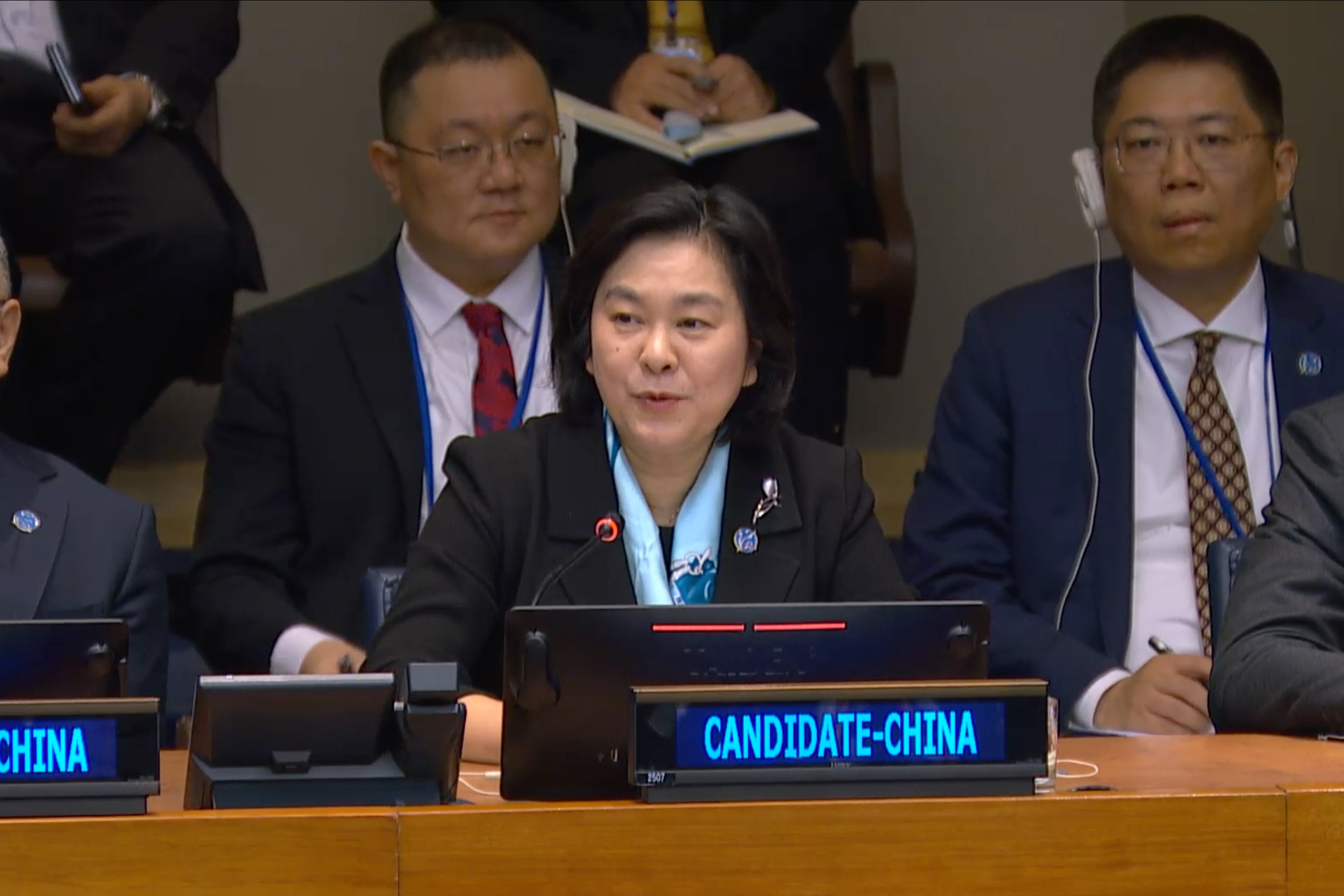
Hua Chunying, Vice Minister of Foreign Affairs, China
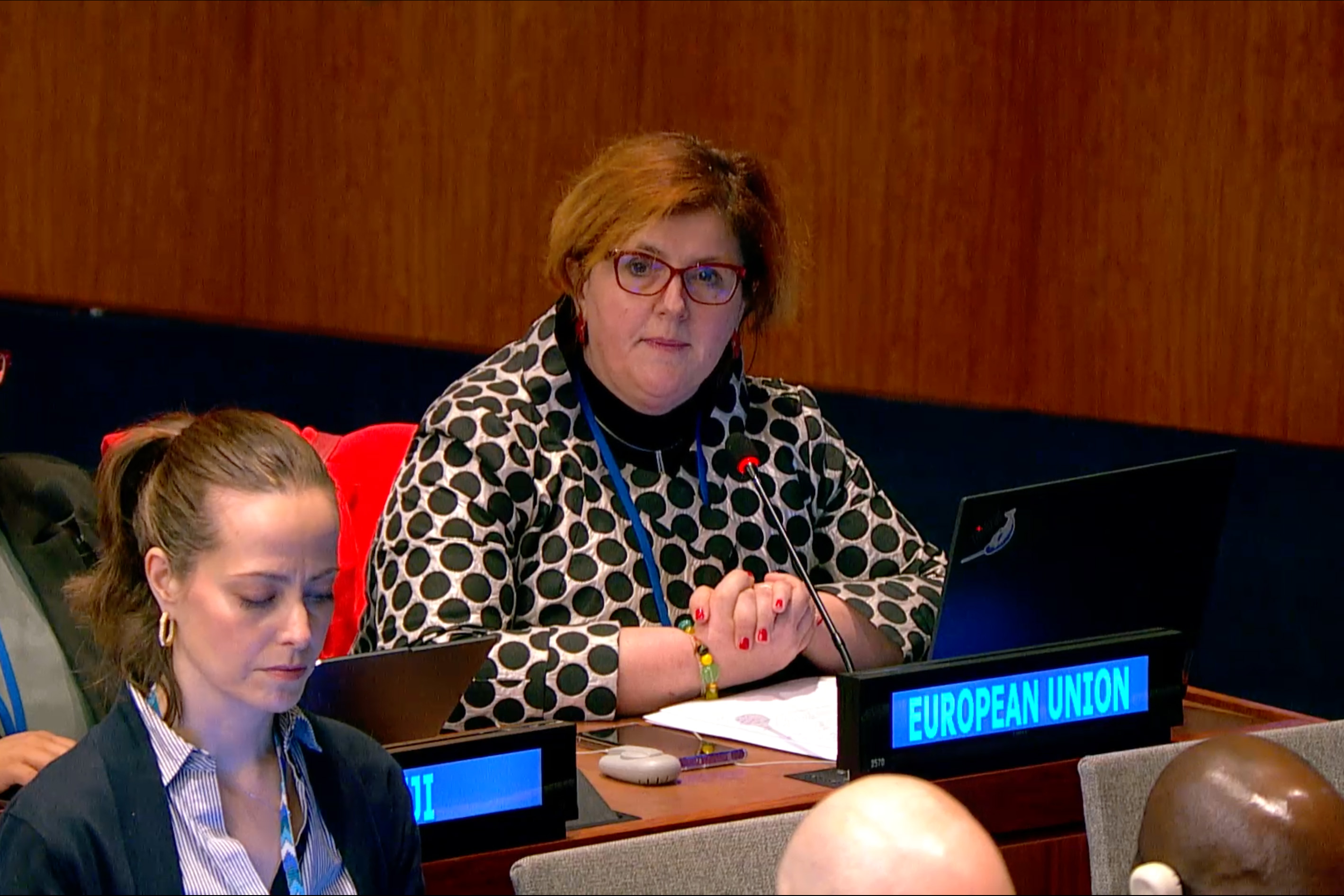
Marijana Mance, EU
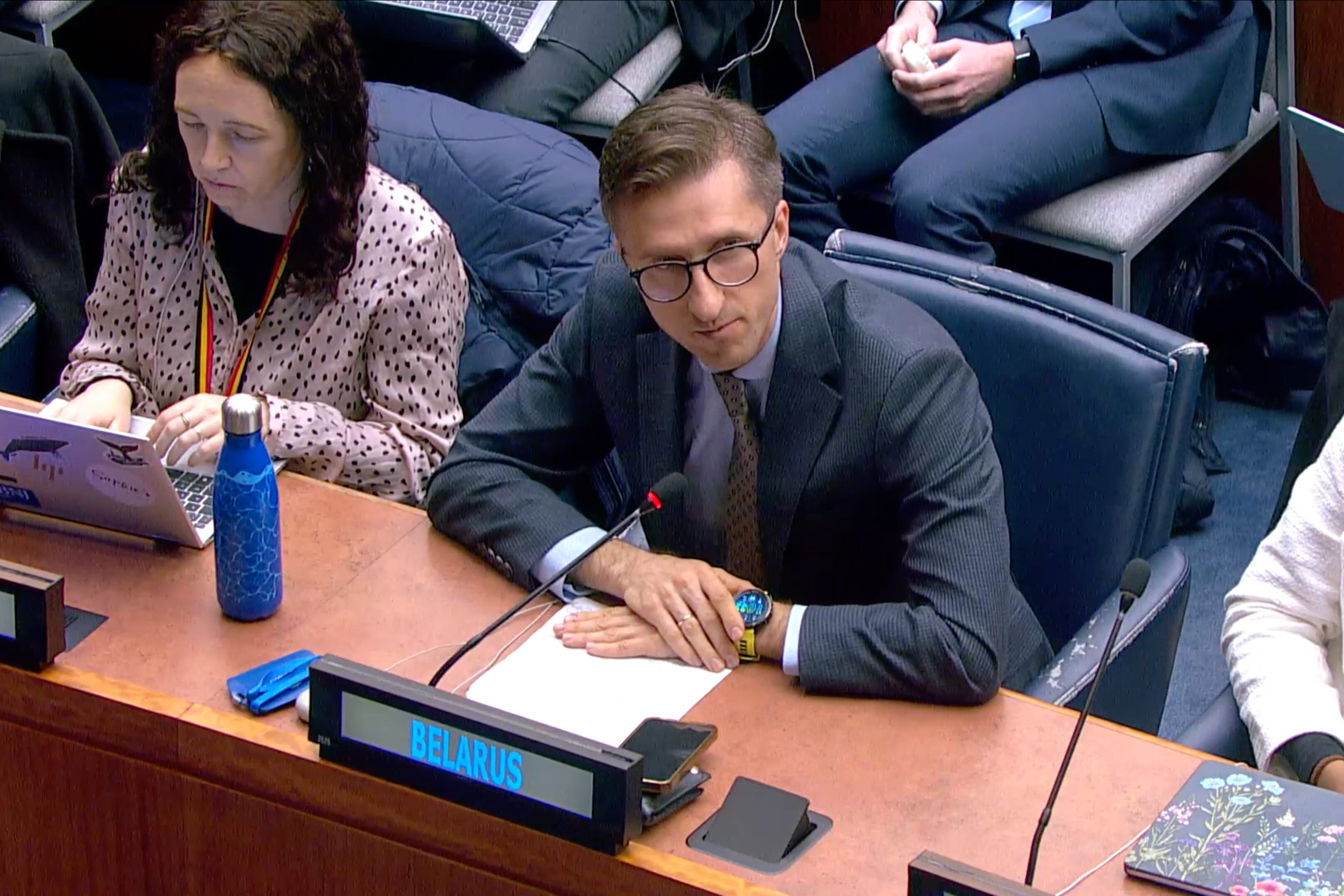
Representative from Belarus
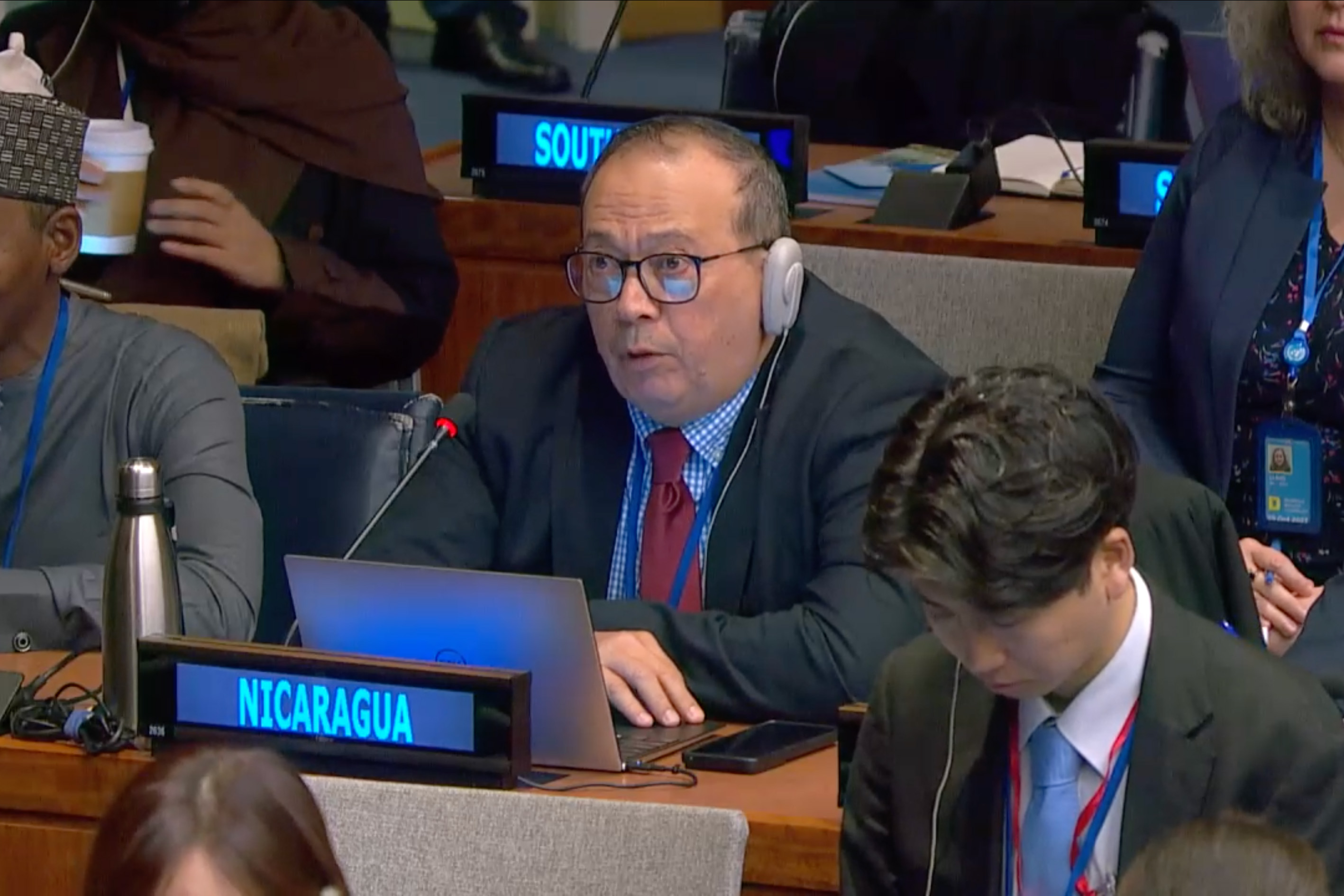
Roberto Chacón, Nicaragua
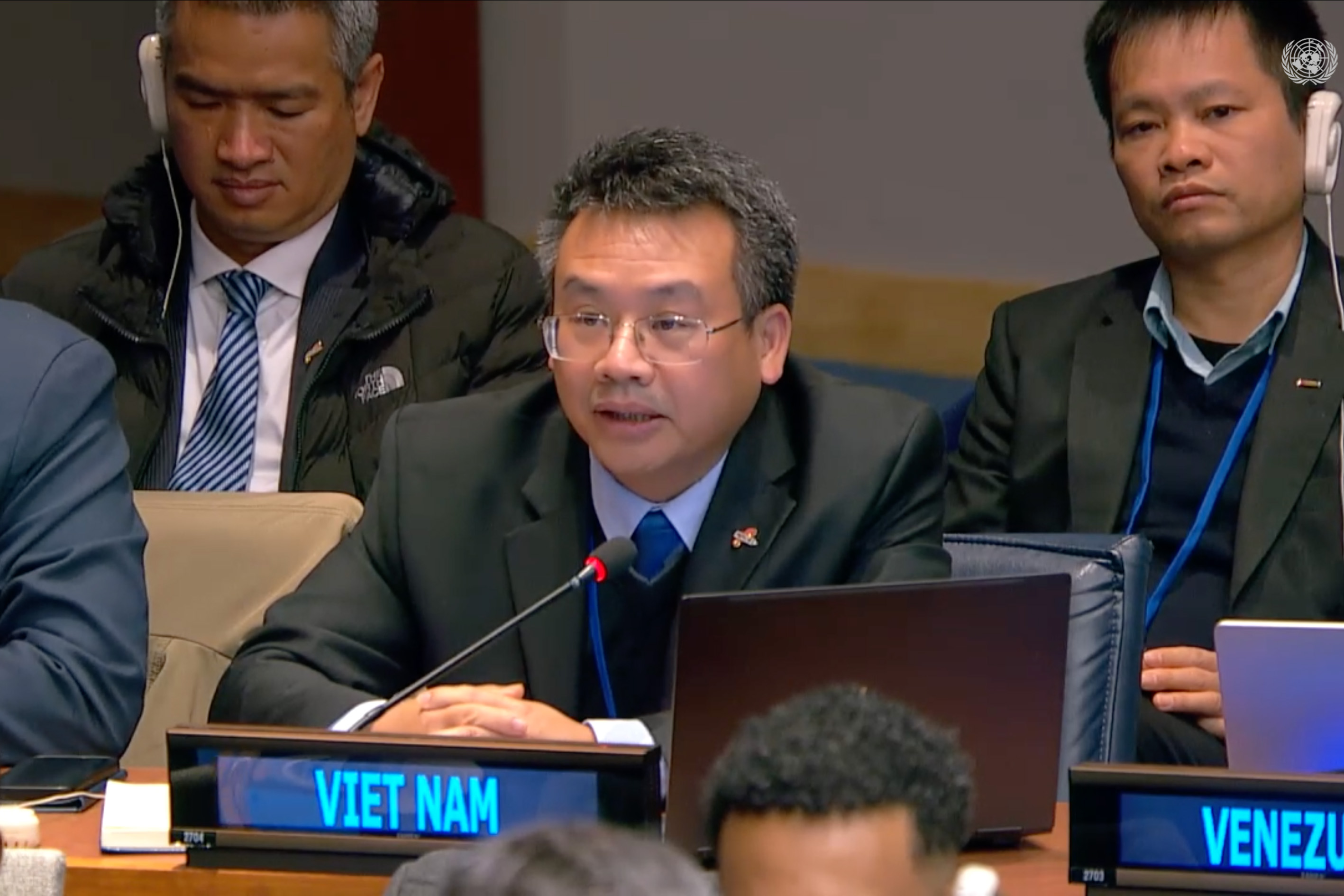
Trần Lê Phương, Viet Nam
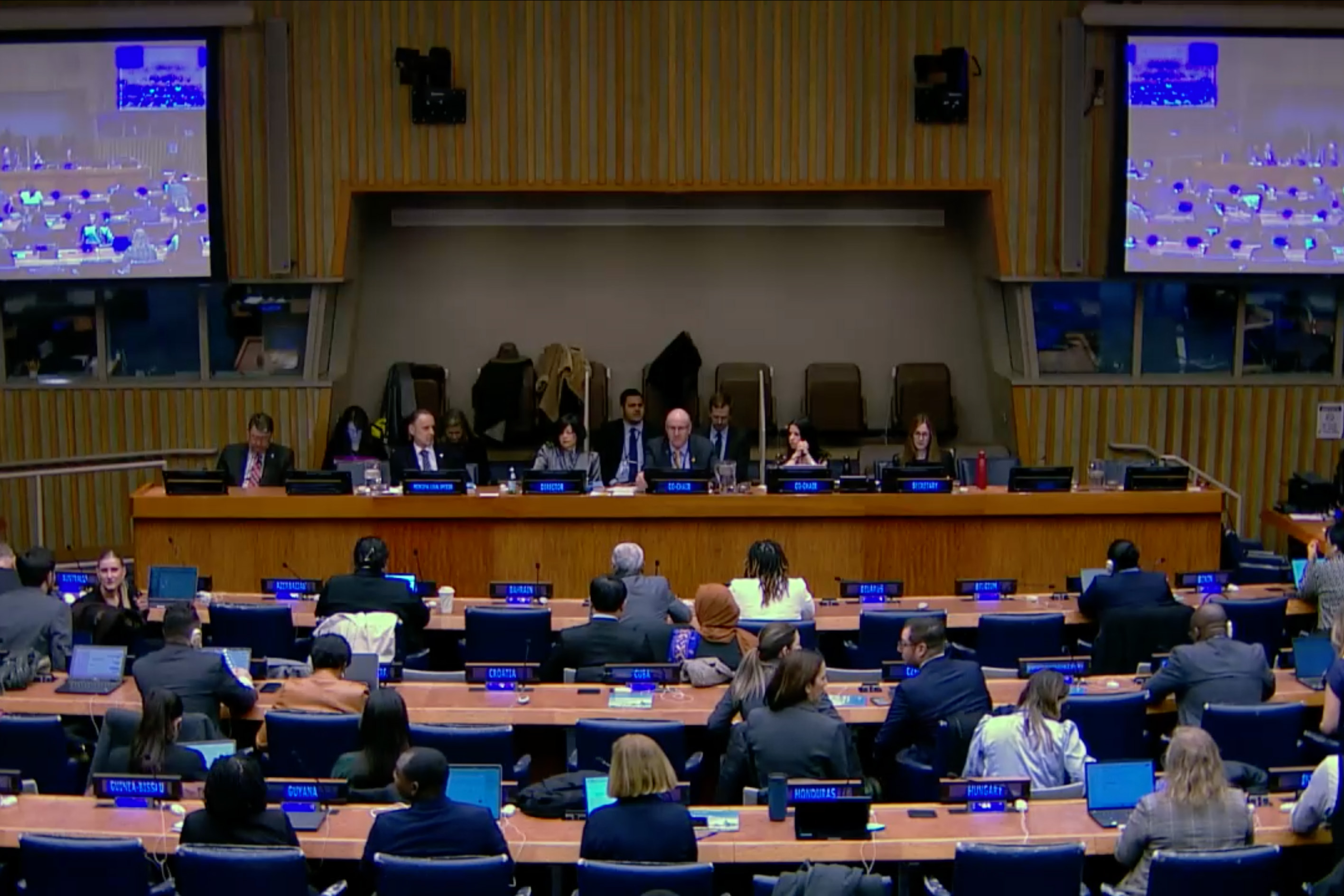
Delegates meet in plenary, listening to Co-Chairs' reports on Tuesday's parallel meetings
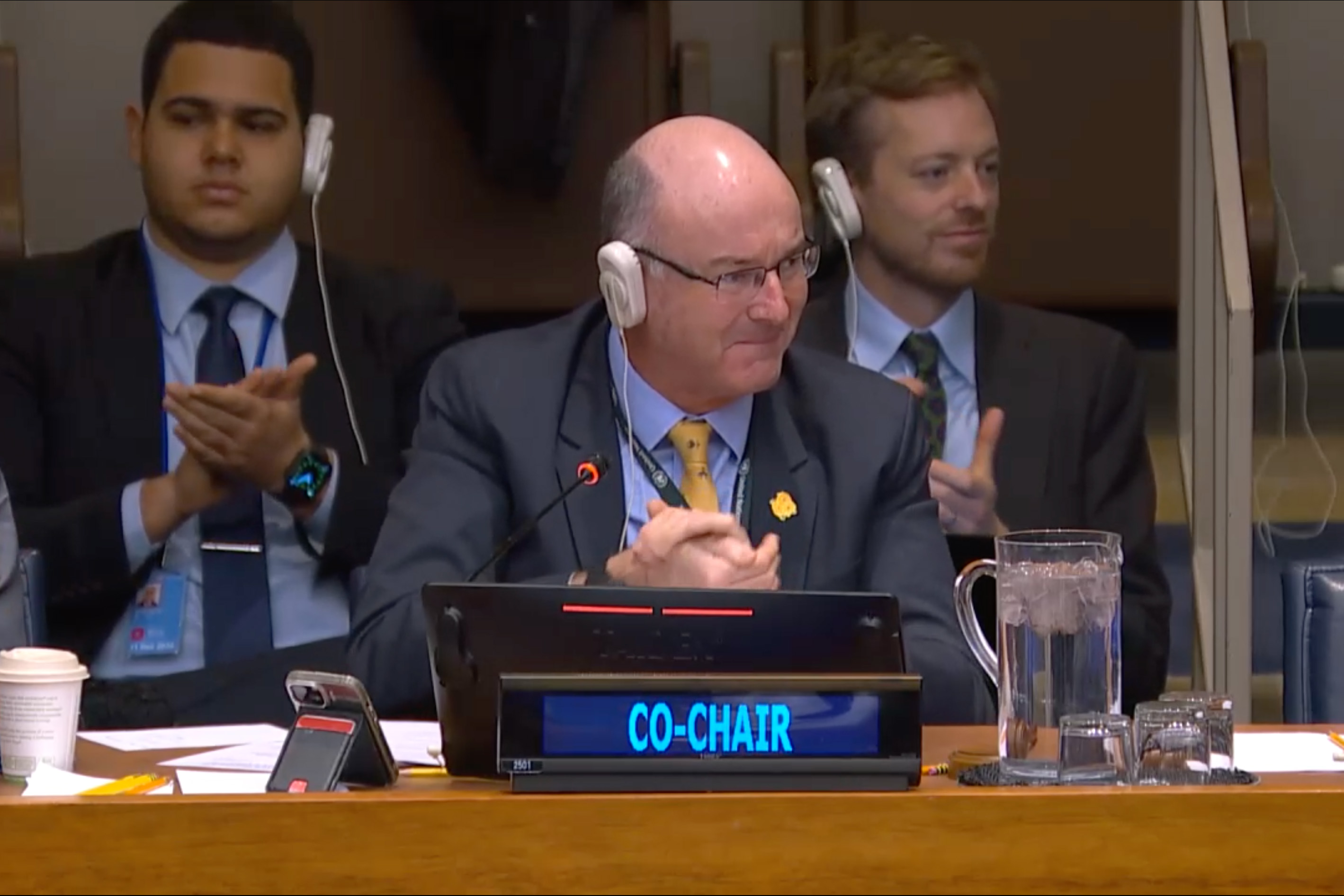
PrepCom Co-Chair Adam McCarthy, Australia
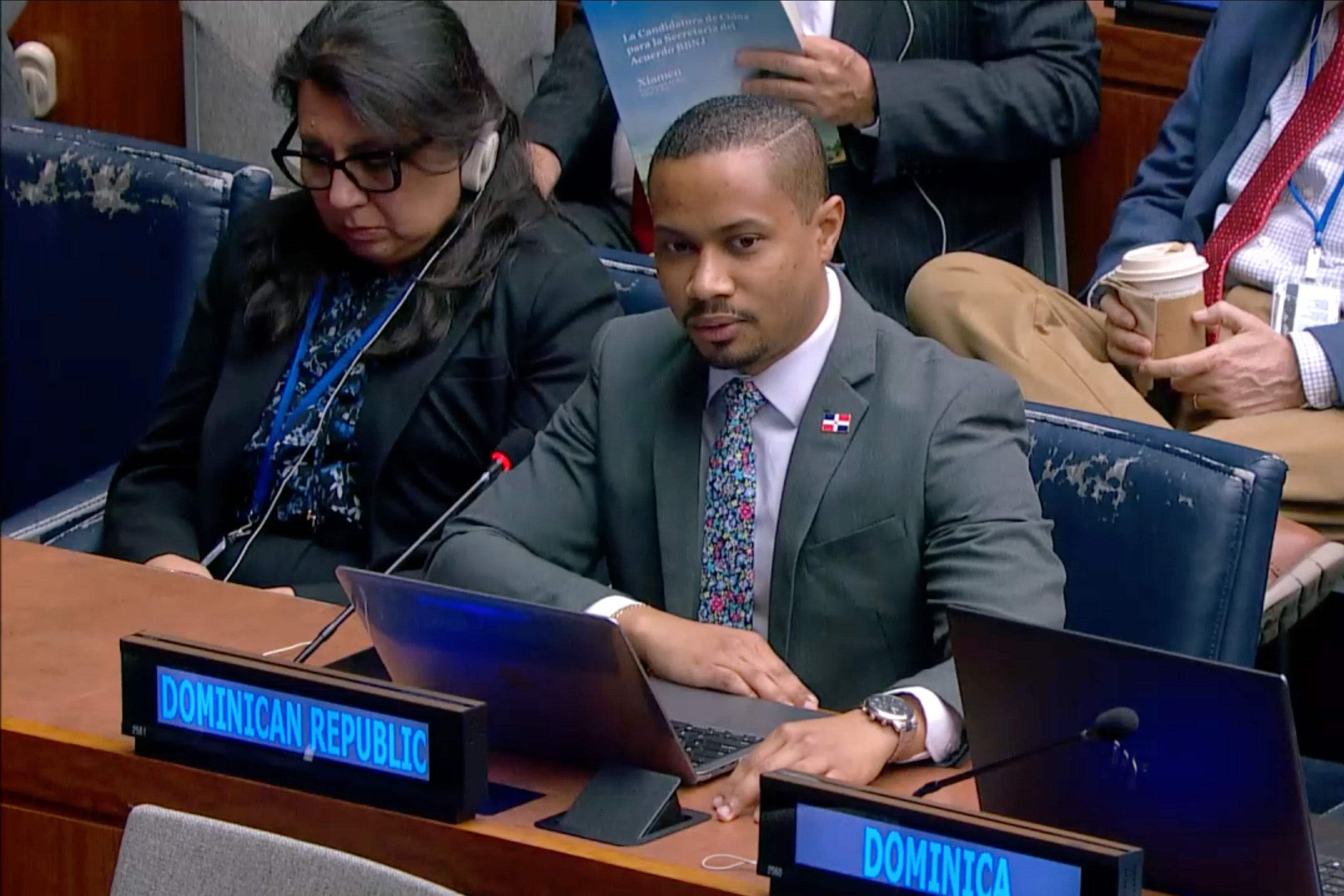
Domingo Alberto Melenciano, Dominican Republic
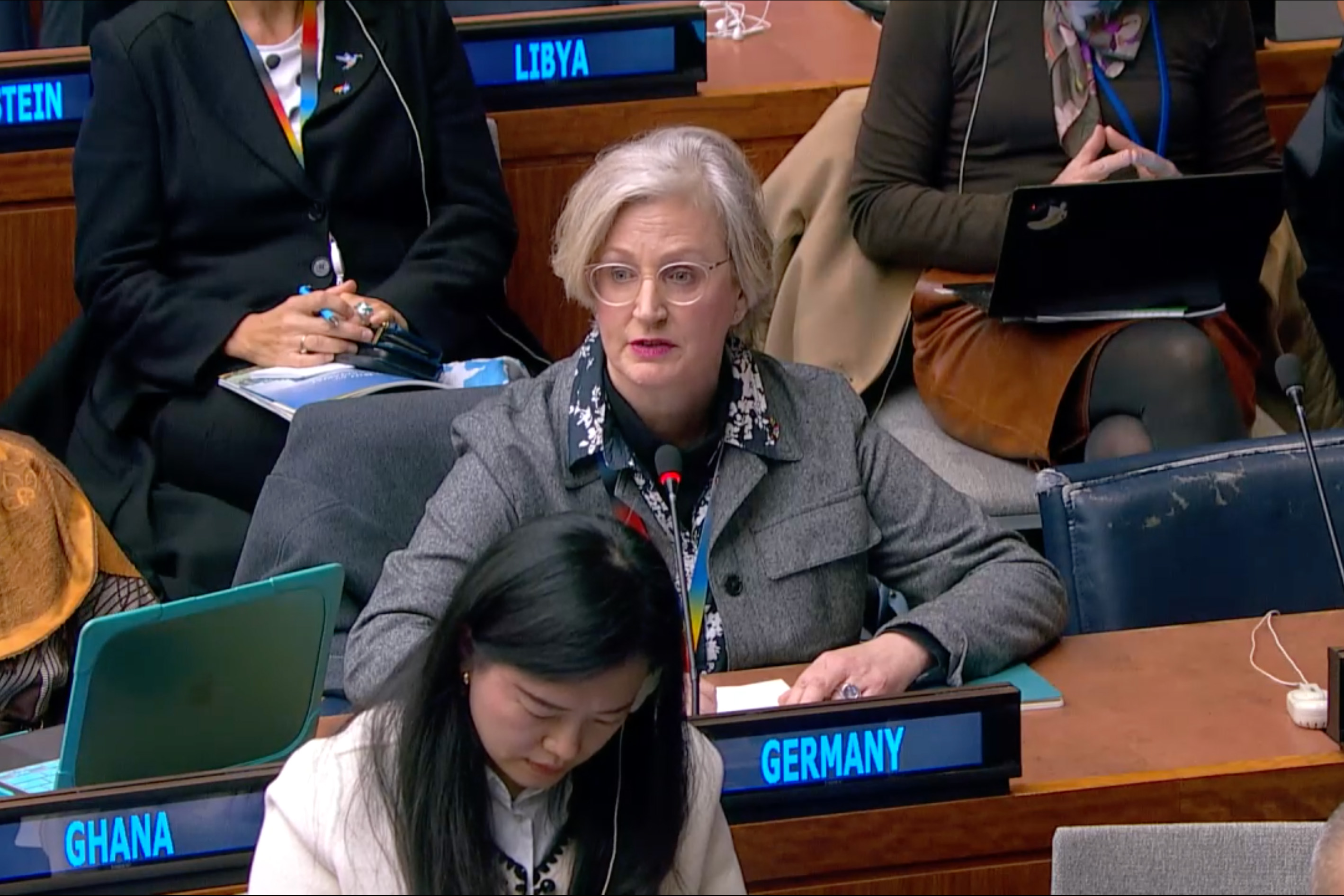
Ilka Wagner, Germany
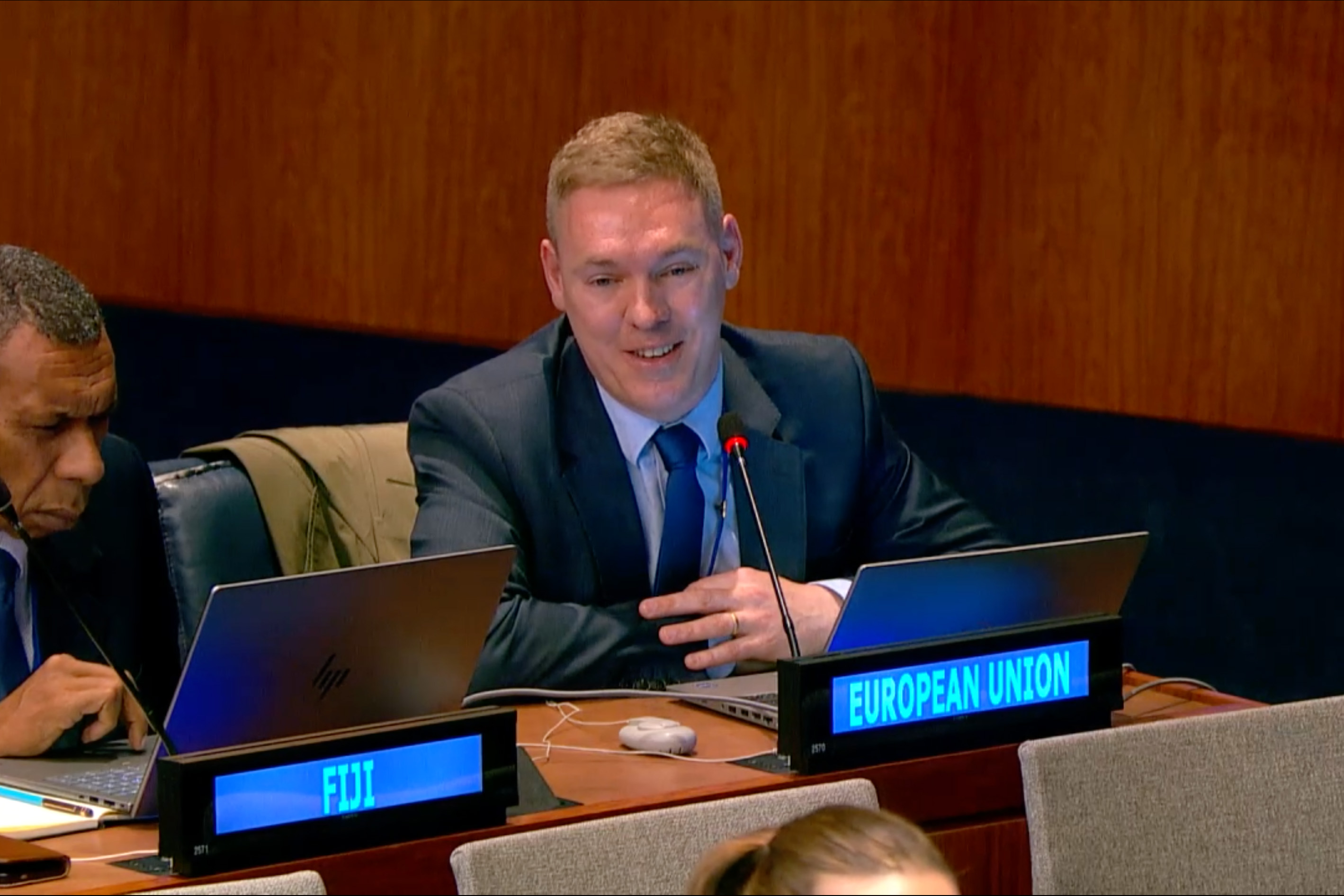
Barry Lennon, EU
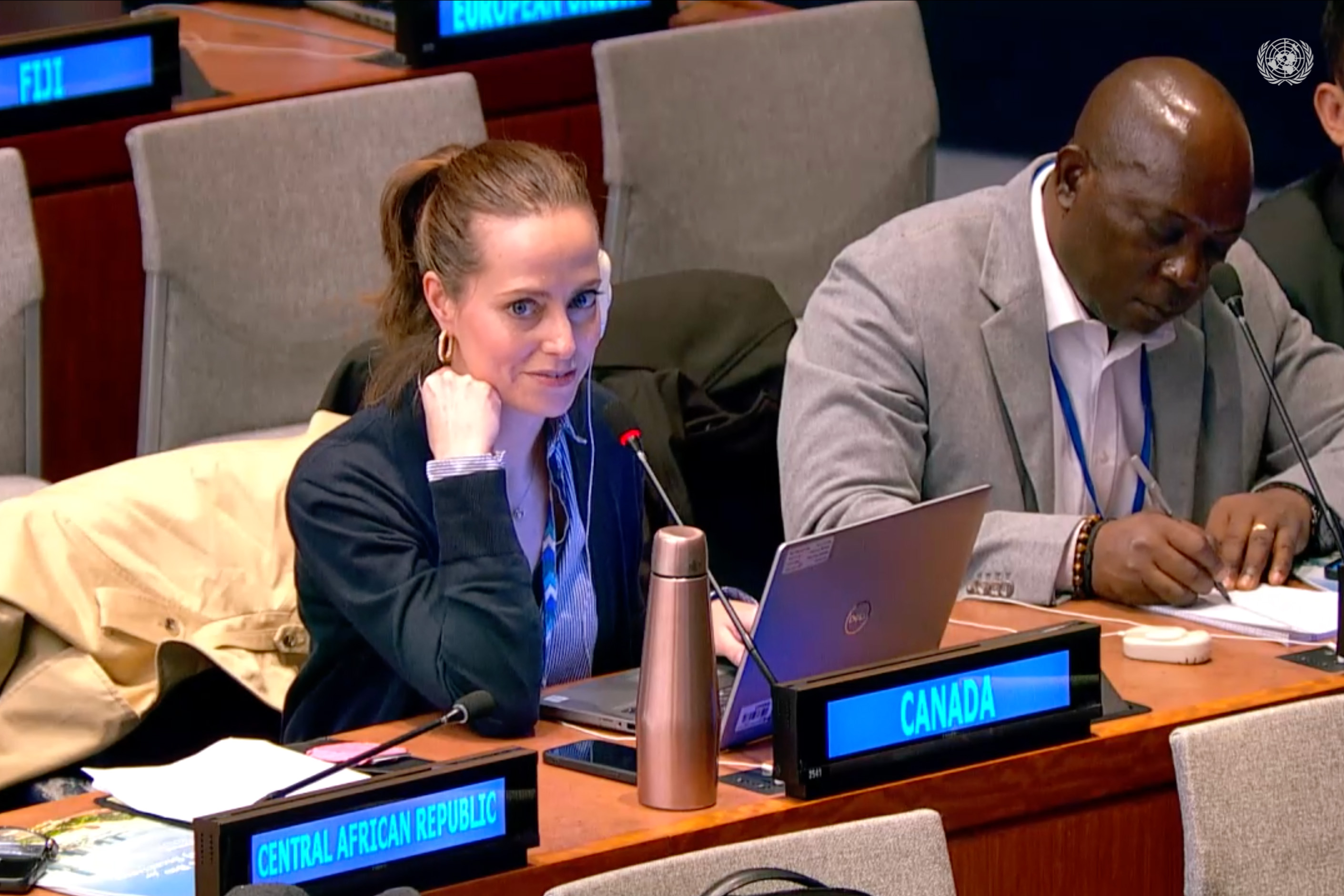
Isabelle Morisset, Canada
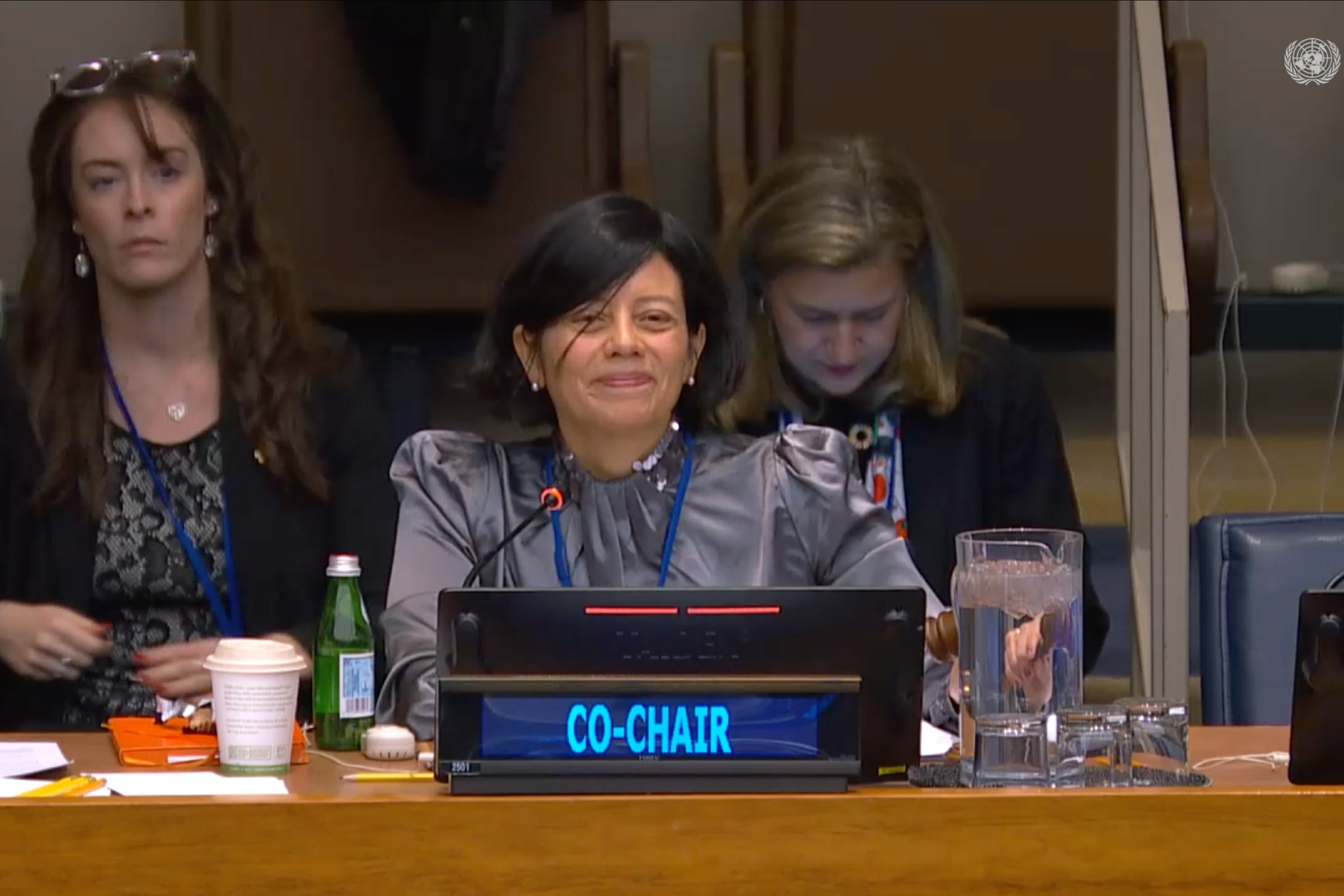
BBNJ PrepCom Co-Chair Janine Coye-Felson, Belize, calls to order the session on arrangements for the functioning of the Secretariat.
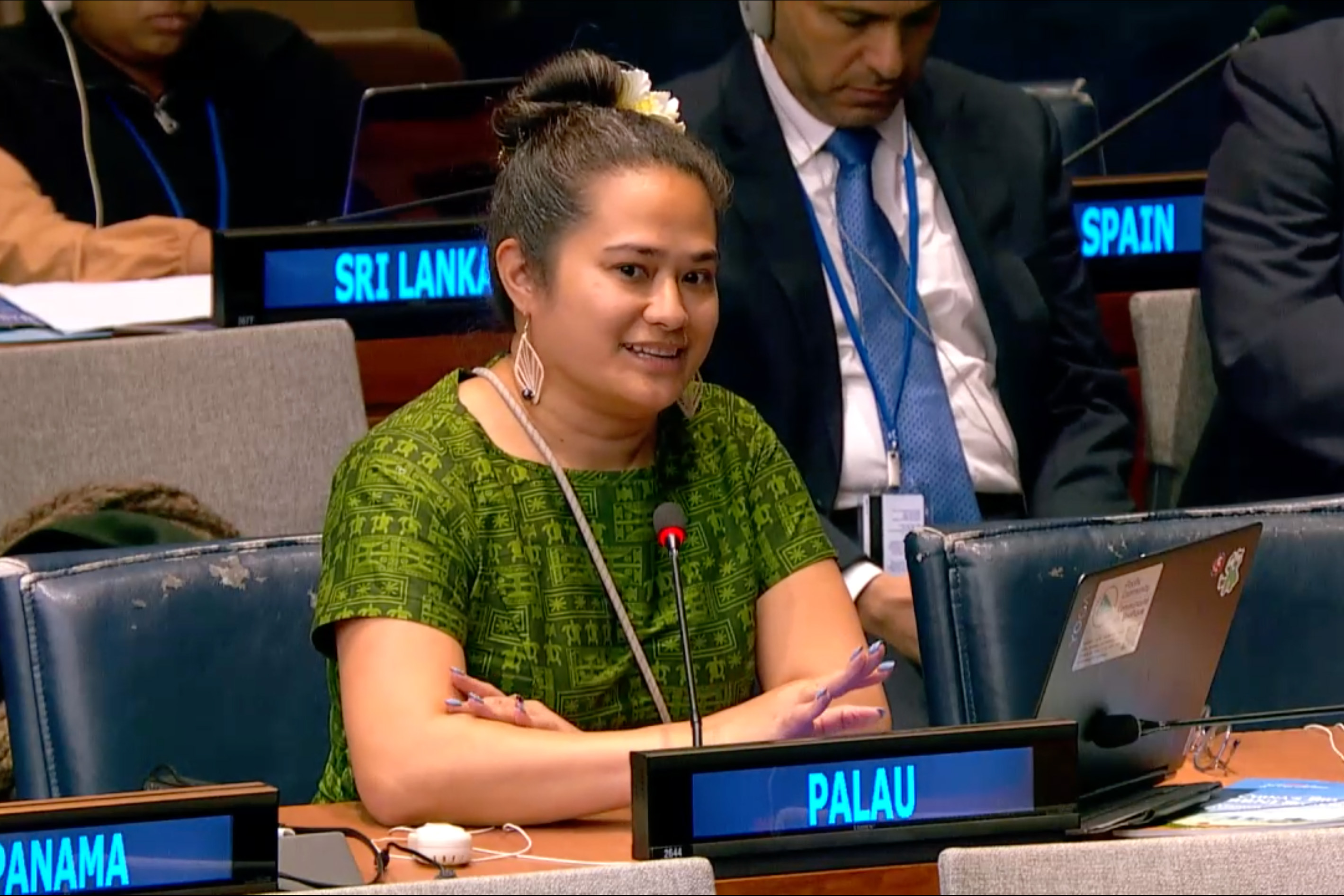
Gemma Nelson, Palau, on behalf of the Alliance of Small Island States (AOSIS)
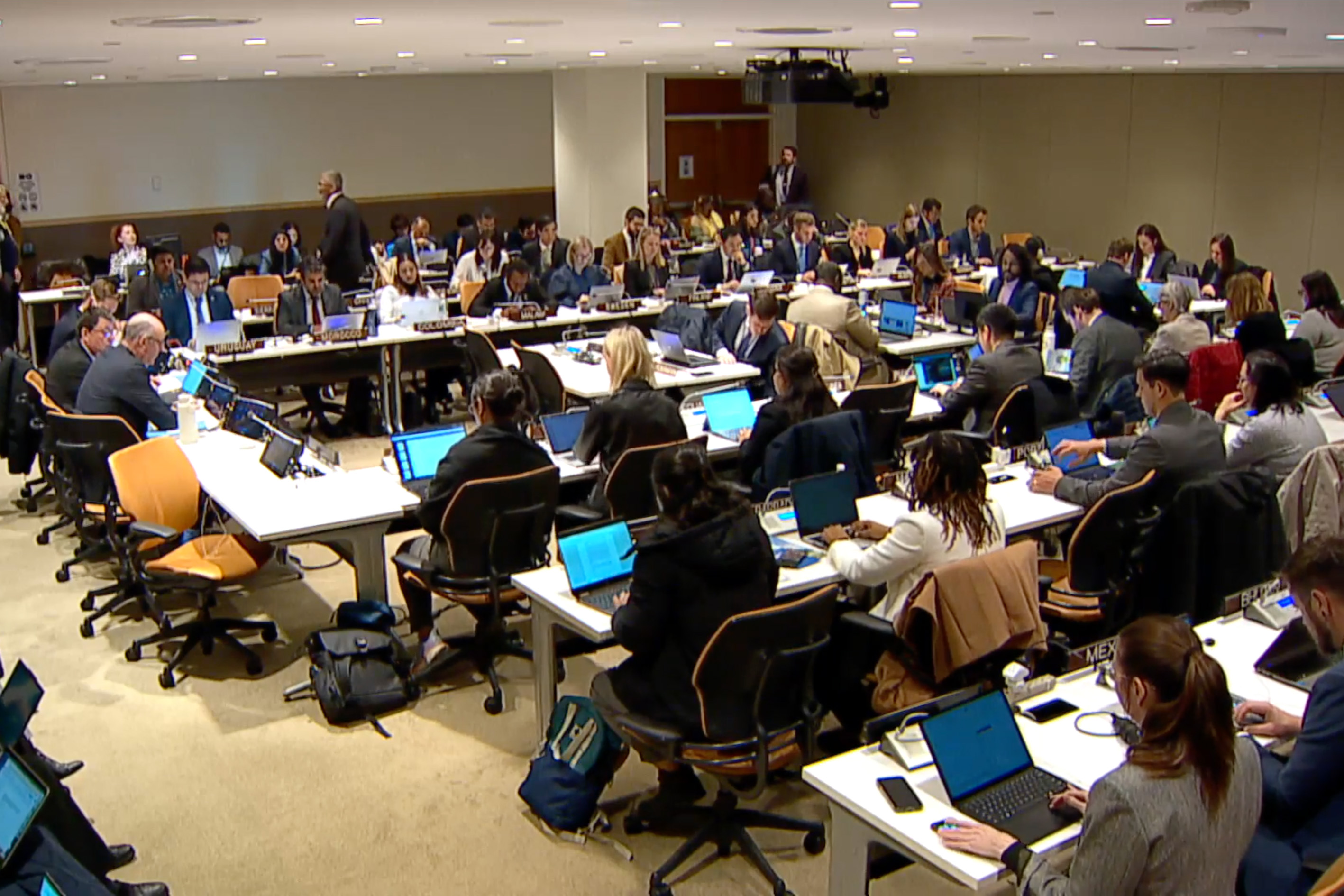
Delegates during the session on the RoP for the COP
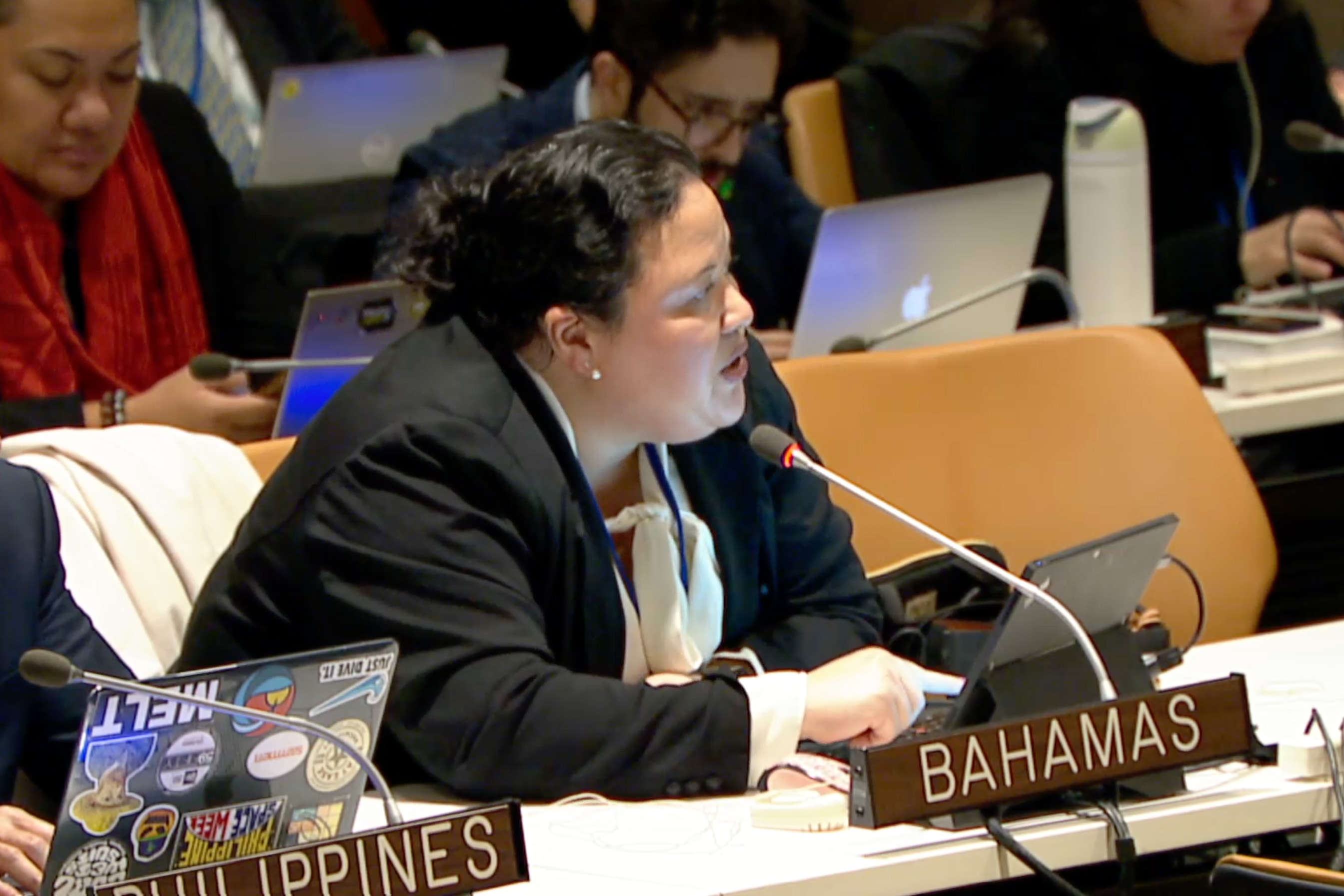
Kimberley Lam, The Bahamas, on behalf of the Caribbean Community (CARICOM)
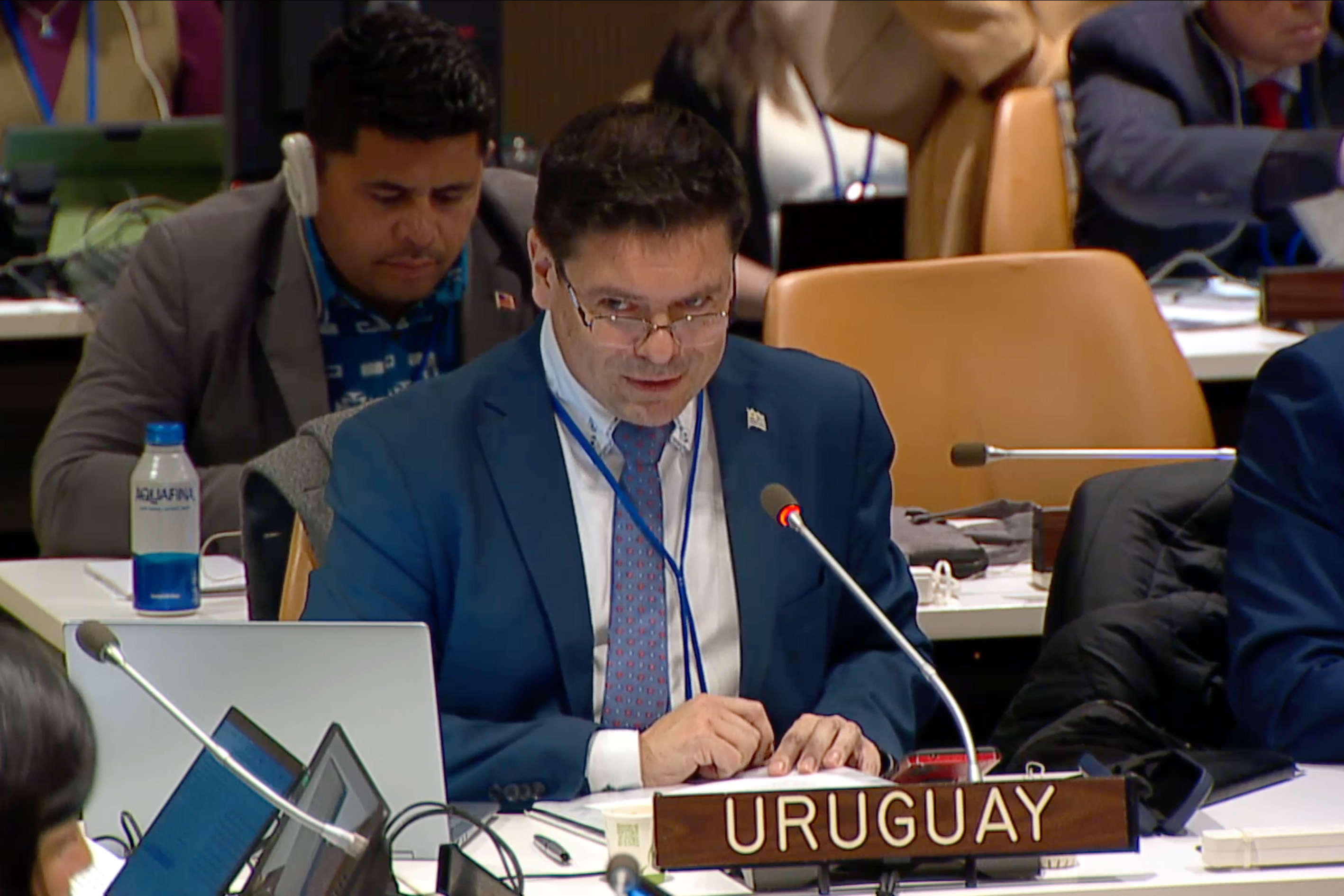
Marcus Dotta, Uruguay on behalf of the G-77/China
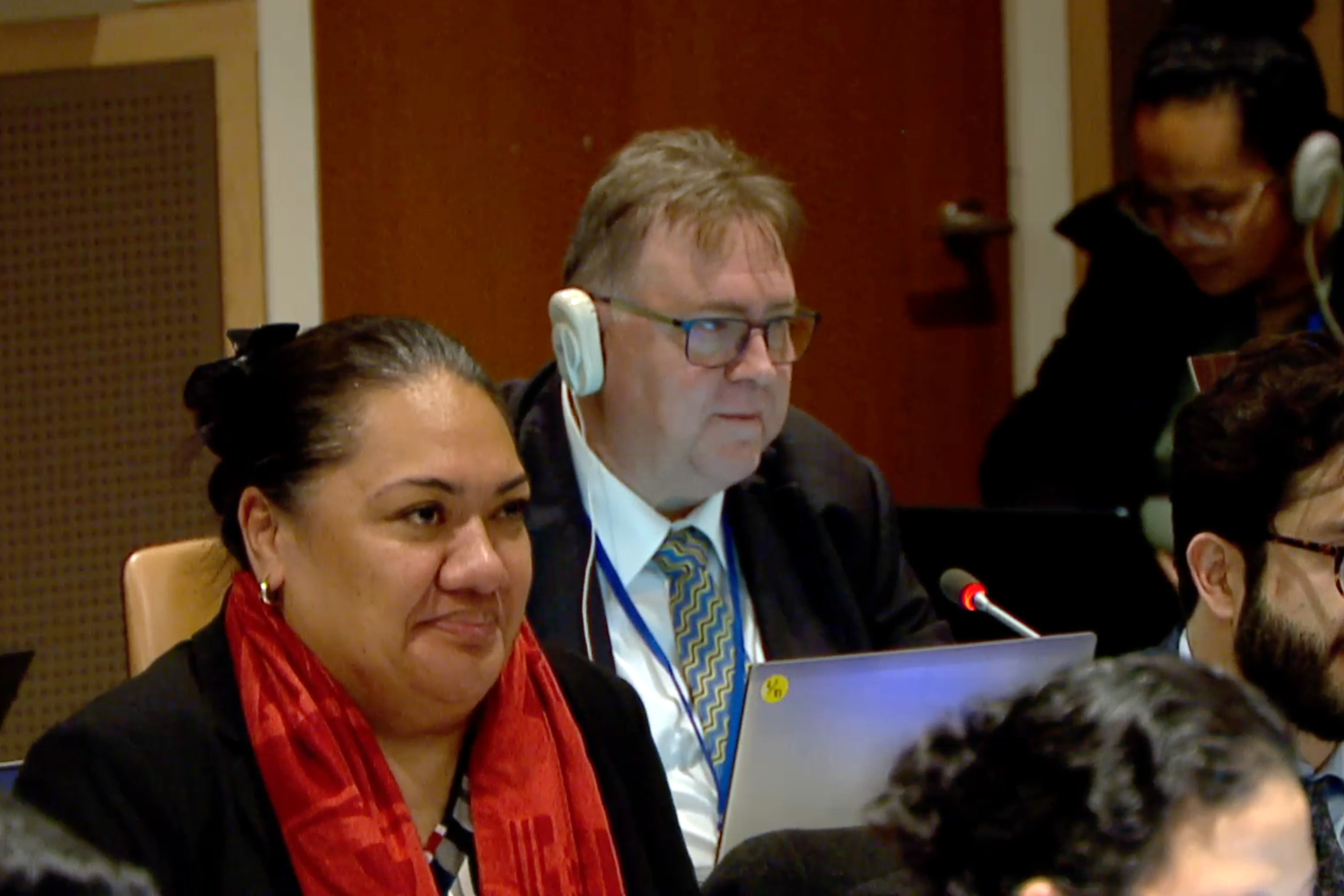
Todd Quinn, Australia
Marjorie Wells, Vanuatu
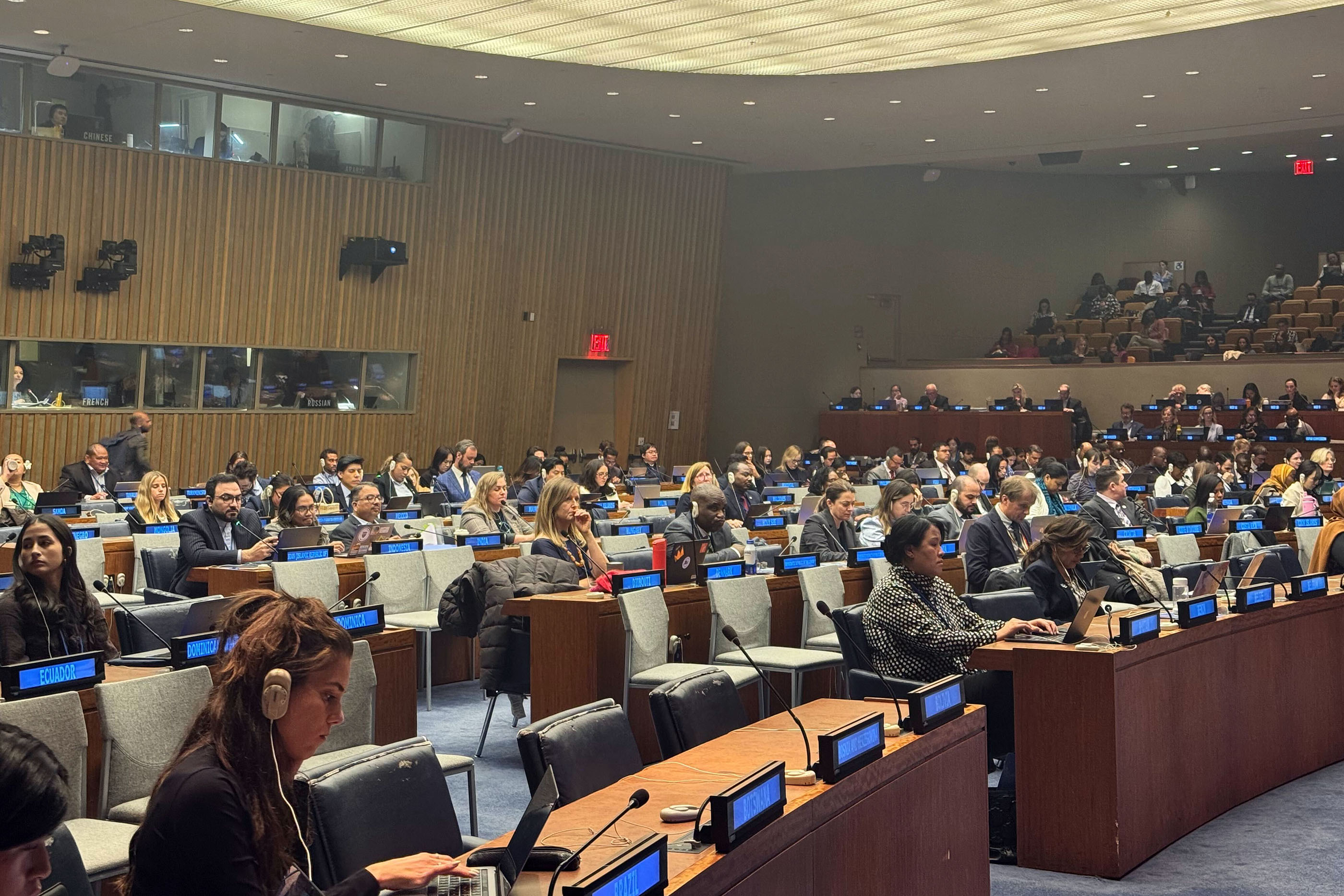
View of the room during a discussion on the Secretariat's institutional linkage to the UN.