“This is the best-performing negotiating group so far.” The words of praise by Co-Chair Adam McCarthy (Australia) to the participants in the deliberations on the rules of procedure (RoP) and terms of reference (ToR) of subsidiary bodies recognized the group’s efficient work. McCarthy simultaneously underscored the increasing time pressure for the successful conclusion of the third session of the Preparatory Commission (PrepCom III) for the Agreement under the UN Convention on the Law of the Sea (UNCLOS) on the conservation and sustainable use of marine biological diversity of areas beyond national jurisdiction (BBNJ Agreement).
Other than its usual line of work, PrepCom III participants had the opportunity to attend Chile’s presentation on their bid to host the BBNJ Secretariat in Valparaíso, laying out three pillars for their proposal based on their commitment to the Law of the Sea, experience hosting UN offices and international conferences, as well as their physical and digital infrastructure.
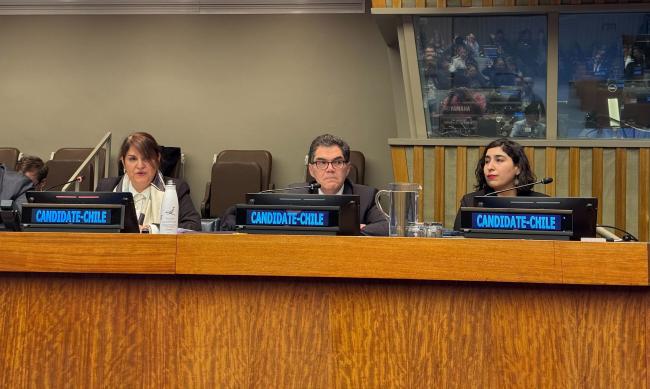
Following China’s presentation on Wednesday, Belgium will be concluding the round of presentations with the selection of the permanent seat of the Secretariat taking place at the first meeting of the Conference of the Parties (COP1).
The day’s negotiations focused on:
- modalities for the operation of the Clearing-House Mechanism (CHM);
- RoP and ToR for the subsidiary bodies;
- RoP for the COP; and
- financial issues.
On modalities for the operation of the CHM, Co-Chair Janine Coye-Felson (Belize) requested delegates reflect on: necessary parameters for the minimum functionality of the CHM; the timeline for CHM’s phased development; and the decision-making process.
The Intergovernmental Oceanographic Commission (IOC) of the UN Educational, Scientific and Cultural Organization (UNESCO) expressed their willingness to support the development of the CHM as a technical partner. Delegates underscored the importance of establishing a consultation process for the development of the CHM between PrepCom III and COP1.
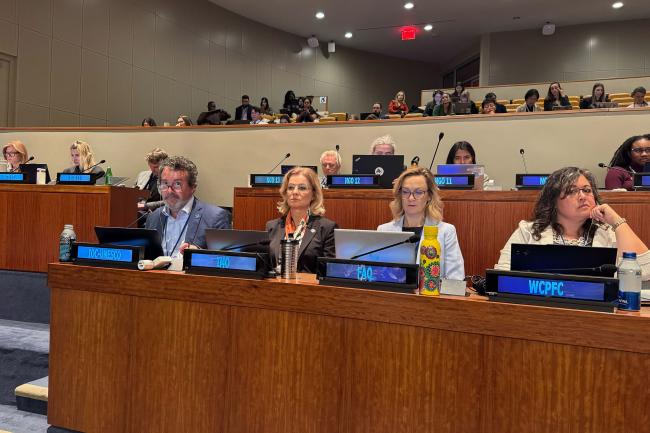
A regional group expressed concerns about the development of a CHM prototype locking in design and governance choices that should be decided by the COP. Other delegations emphasized the importance of including capacity-building for small island developing states in the workplan for the development of the CHM.
The discussion on RoP and ToR for the subsidiary bodies focused on: provisions related to purpose and function; confidentiality; conflict of interest; and observers. Delegates made considerable progress, notwithstanding parallel discussions on certain provisions in other negotiating groups and the need for consistency.
In the afternoon, delegates resumed discussion of RoP for the COP, where they focused on:
- application of BBNJ Article 18 (area of application);
- quorum;
- right to vote;
- voting thresholds;
- method of voting for general matters; and
- amending the RoP.
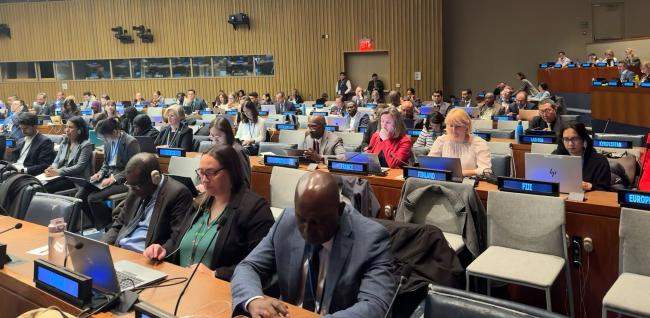
Delegates had an extensive discussion on the inclusion of bracketed text on the application of Article 18 regarding the establishment of area-based management tools. Many delegates opposed its inclusion, noting the text goes further than Article 18 in ways that undermine the Agreement, while others stated that its inclusion operationalizes the Article. On amending the RoP, many delegates agreed that the RoP should only be amended by consensus decision of the COP.
Regarding financial issues, discussions focused on rules governing the funding of the COP, the Secretariat, and any subsidiary bodies, addressing: scope, financial period, budget, and funds.
Delegates converged on an option noting that when there are “matters not specifically provided for by the present rules, the Financial Regulations and Rules of the UN shall apply,” as well as on making each the financial period a biennium. Further discussions will be required to reach consensus on the role and responsibilities of the Finance Committee and on various budget parameters, including: supplementary budget proposals; potentially establishing a voluntary funding mechanism to facilitate the participation of representatives of Indigenous Peoples and local communities; and provisions for the working capital reserve.
Newsletter: To receive free coverage of global environmental events delivered to your inbox, subscribe to the ENB Update newsletter.
Select Images
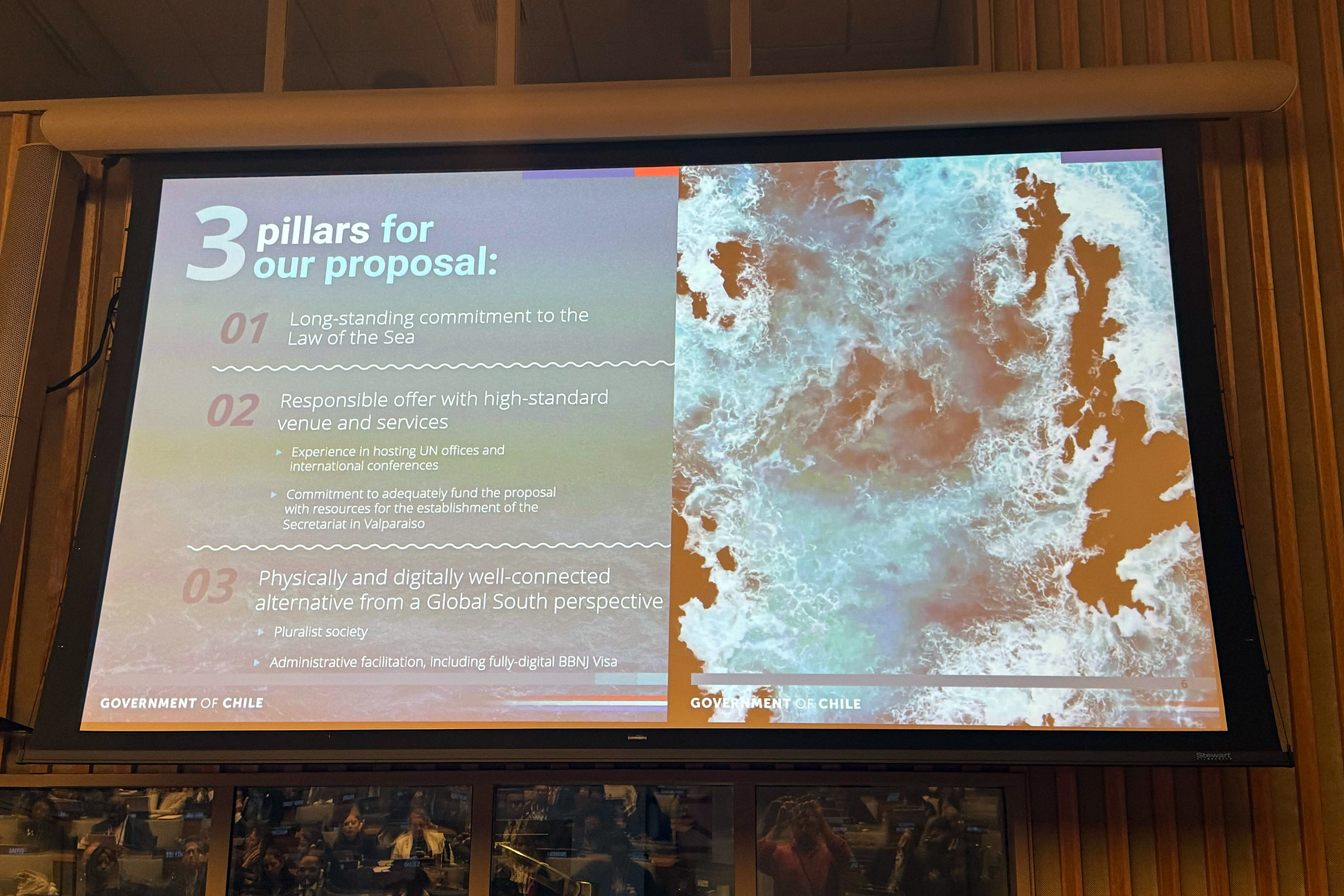
A slide from the presentation by the Chilean delegation
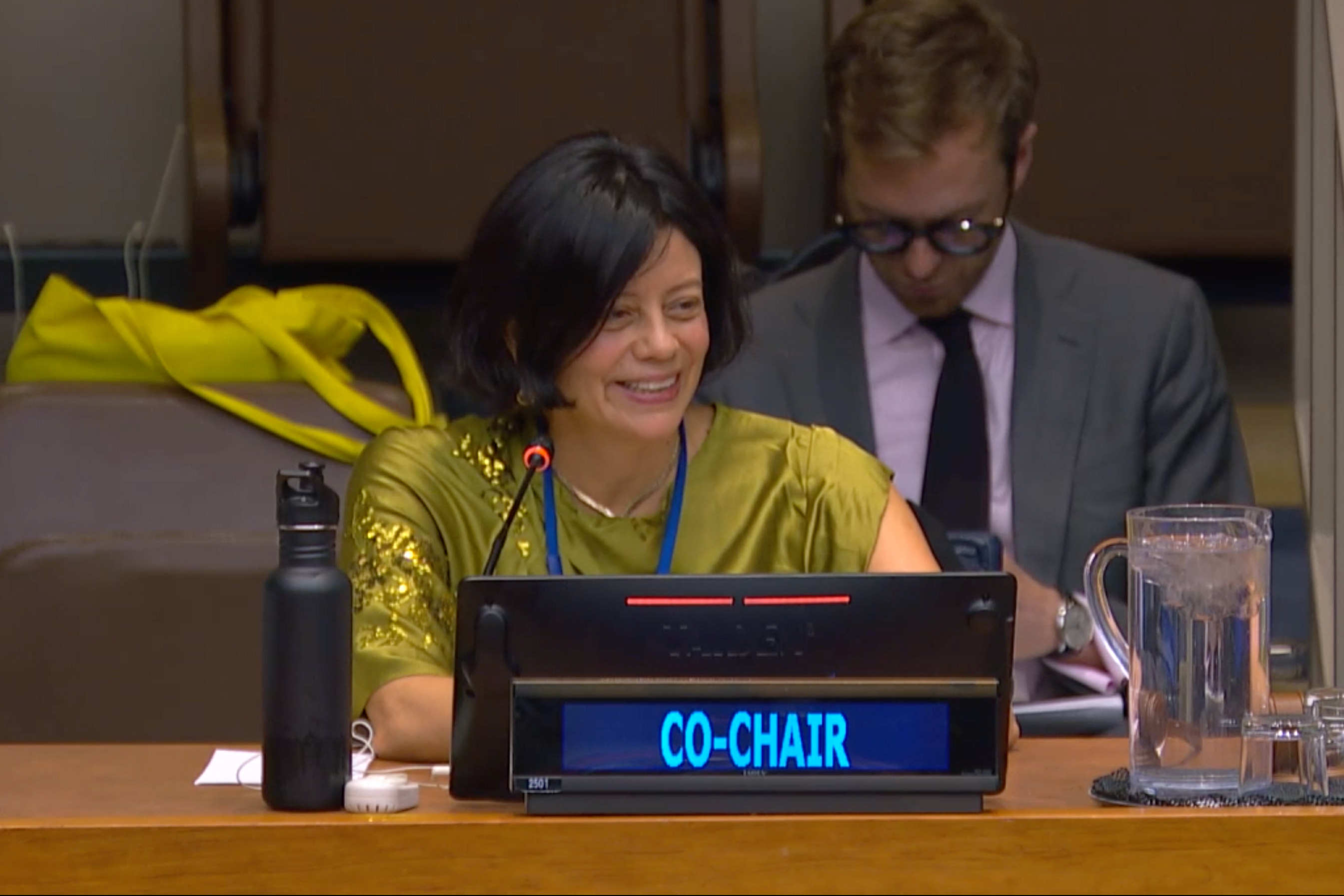
BBNJ PrepCom Co-Chair Janine Coye-Felson, Belize
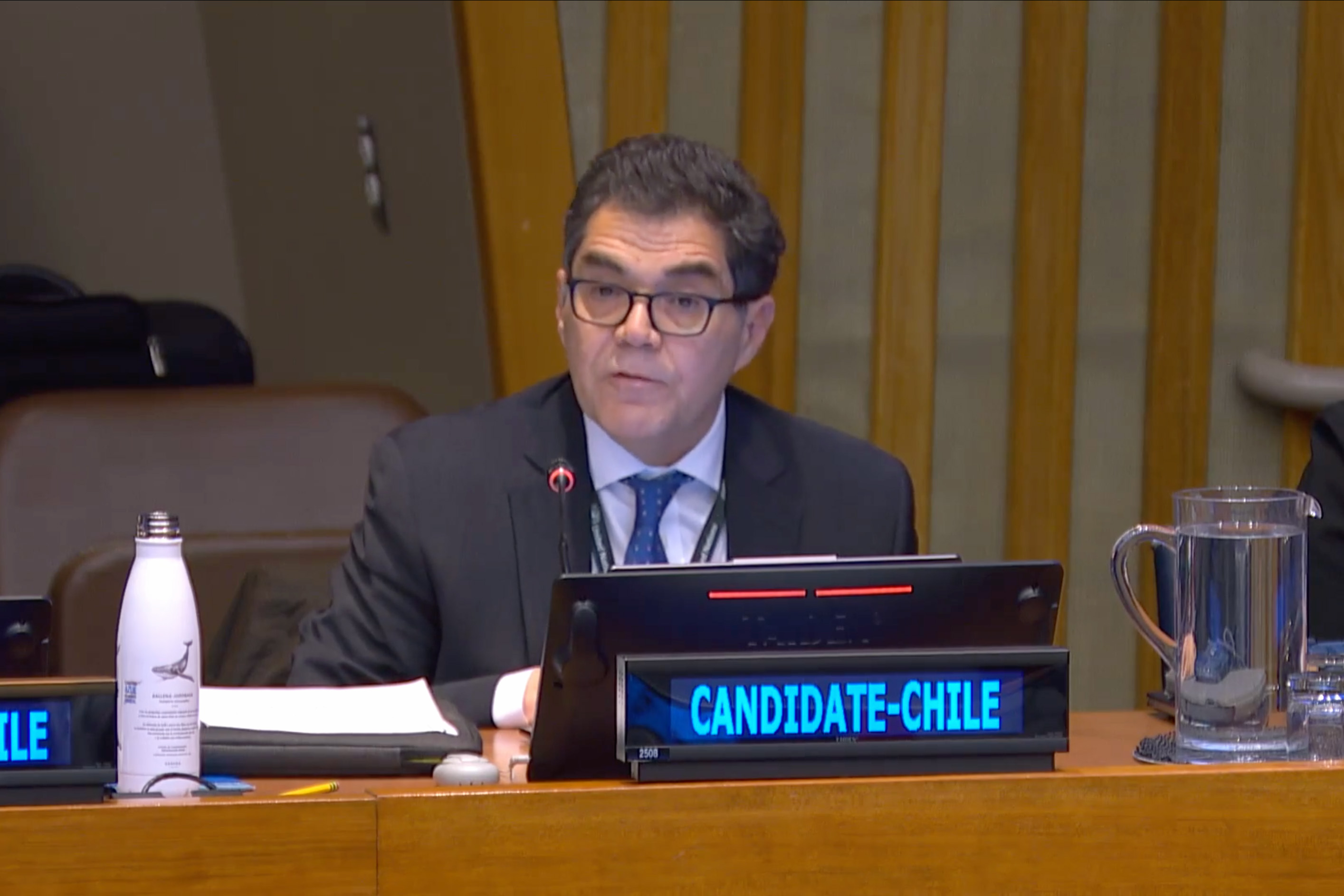
Claudio Garrido, Deputy Permanent Representative of Chile to the UN
Alejandra Rusinque Barrios, Colombia, on behalf of the Core Latin American Group (CLAM)
Arianna Broggiato, EU
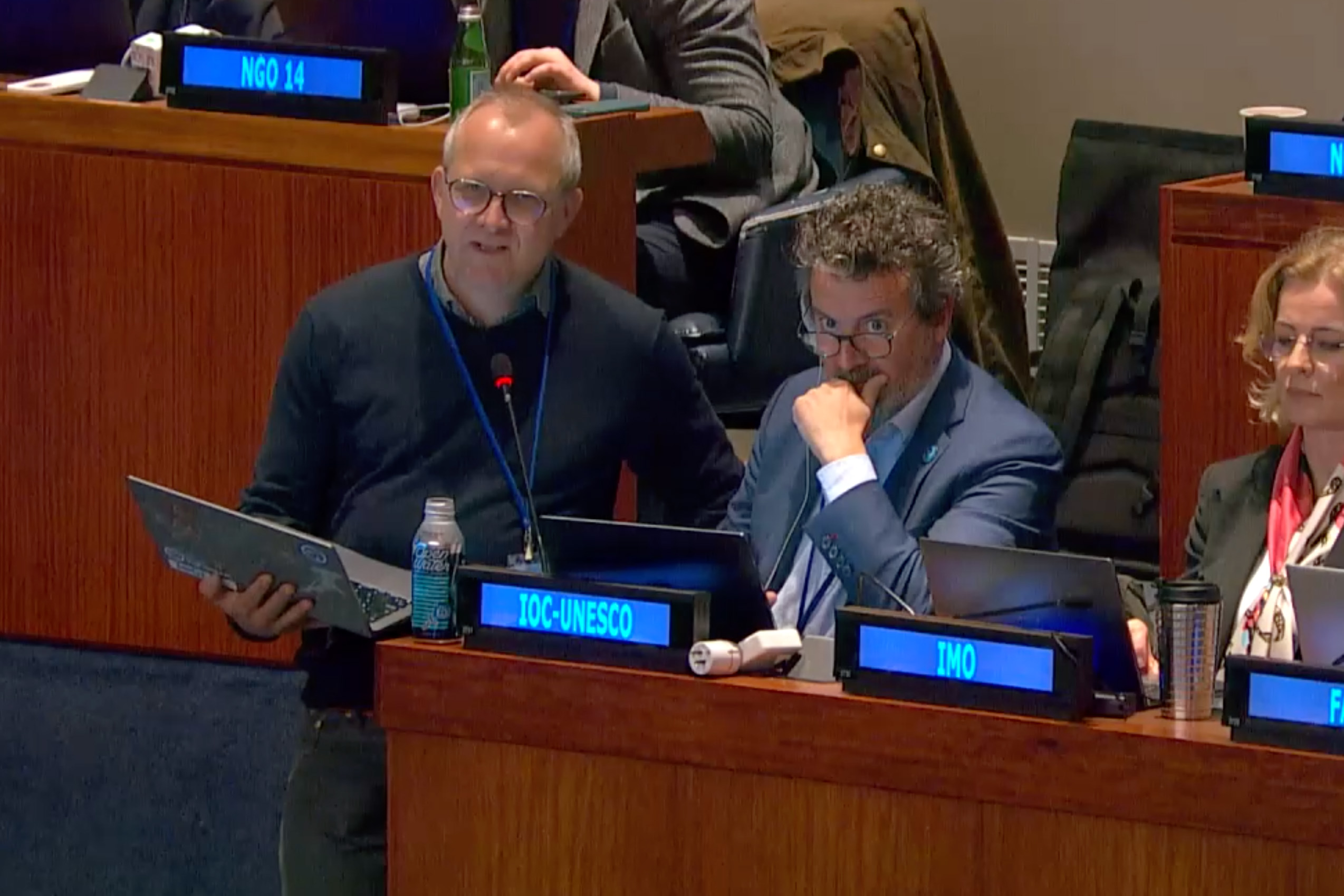
Ward Appeltans and Julian Barbiere, IOC UNESCO
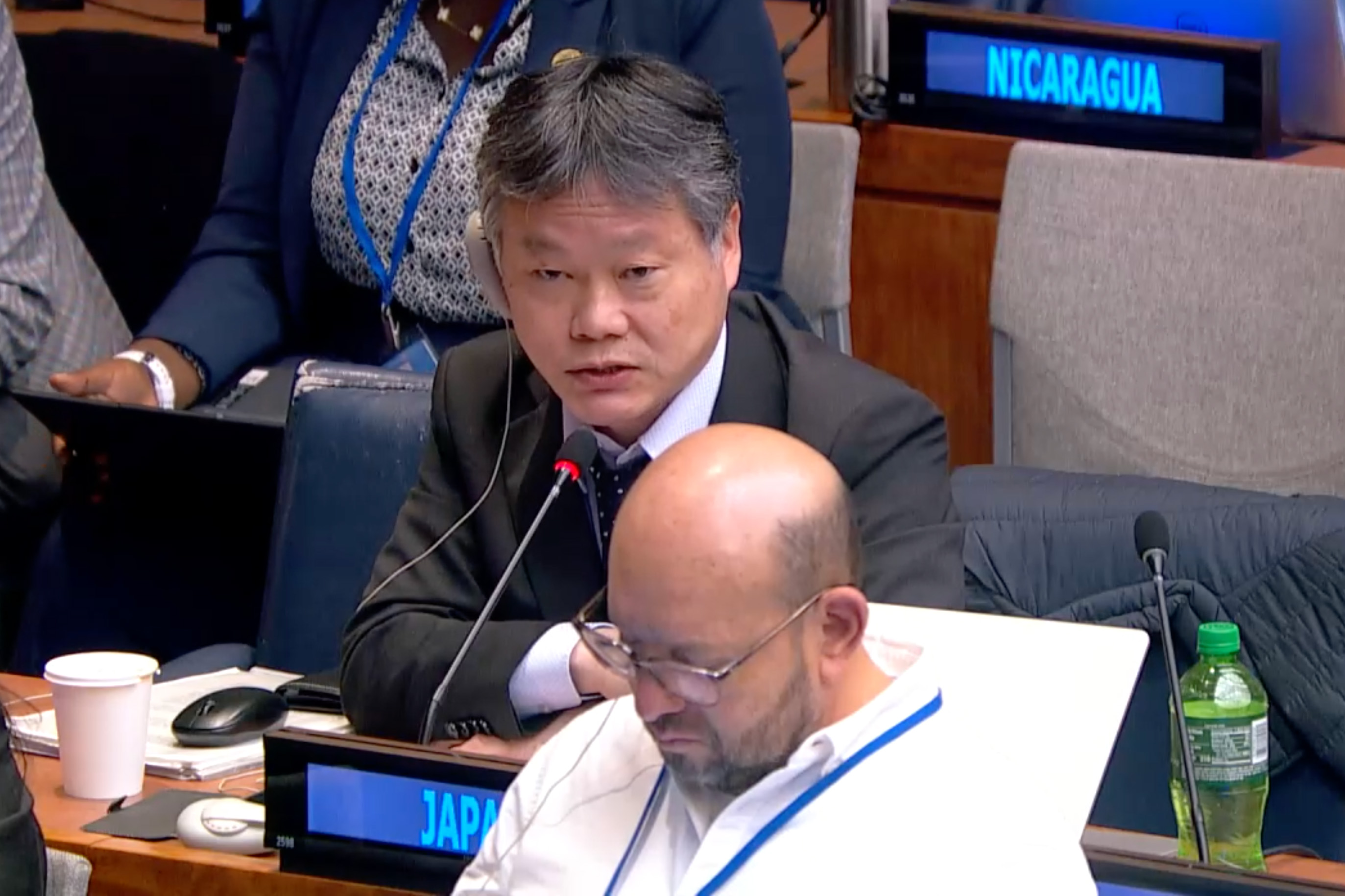
Rikiya Konishi, Japan
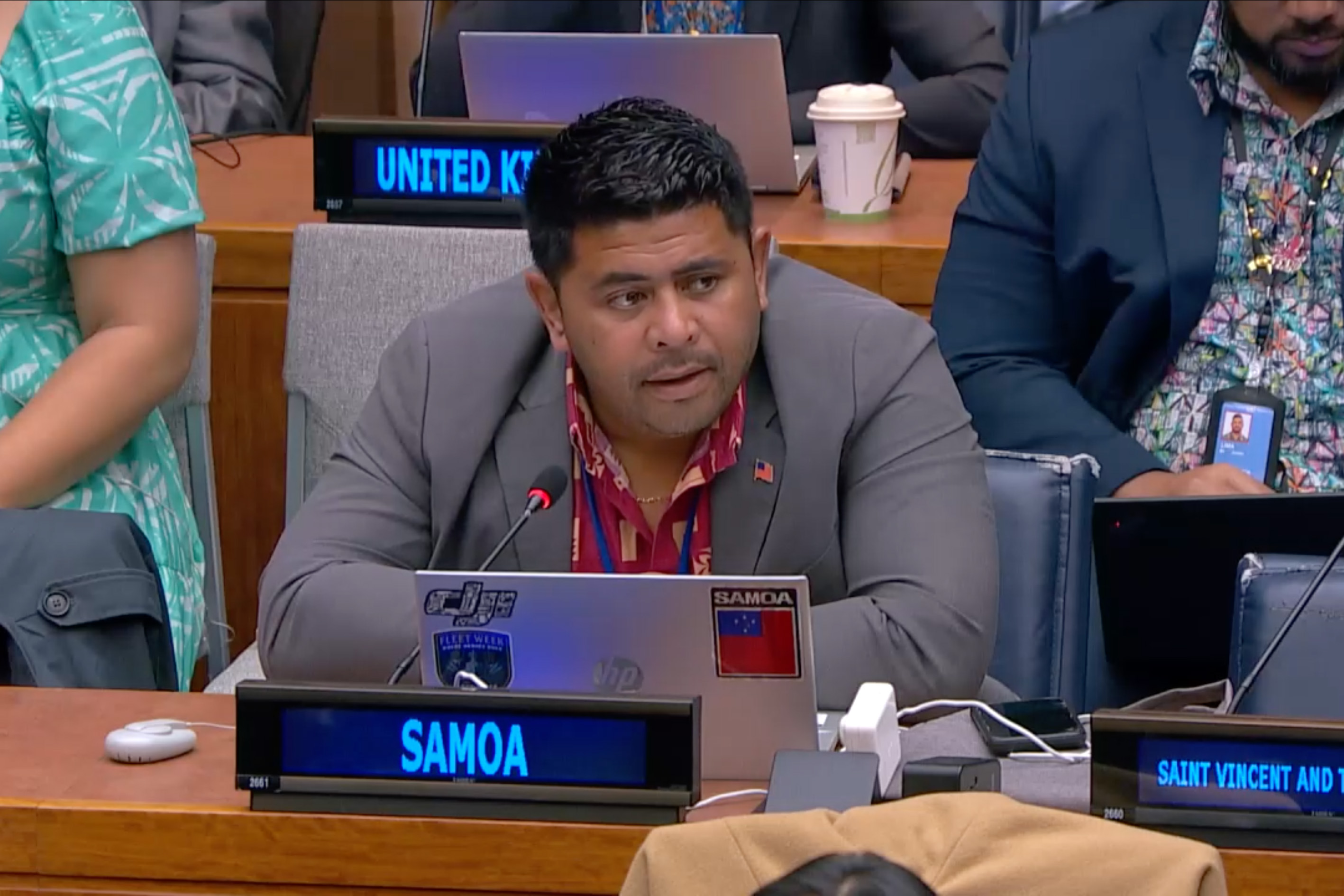
Isaia Lautasi, Samoa
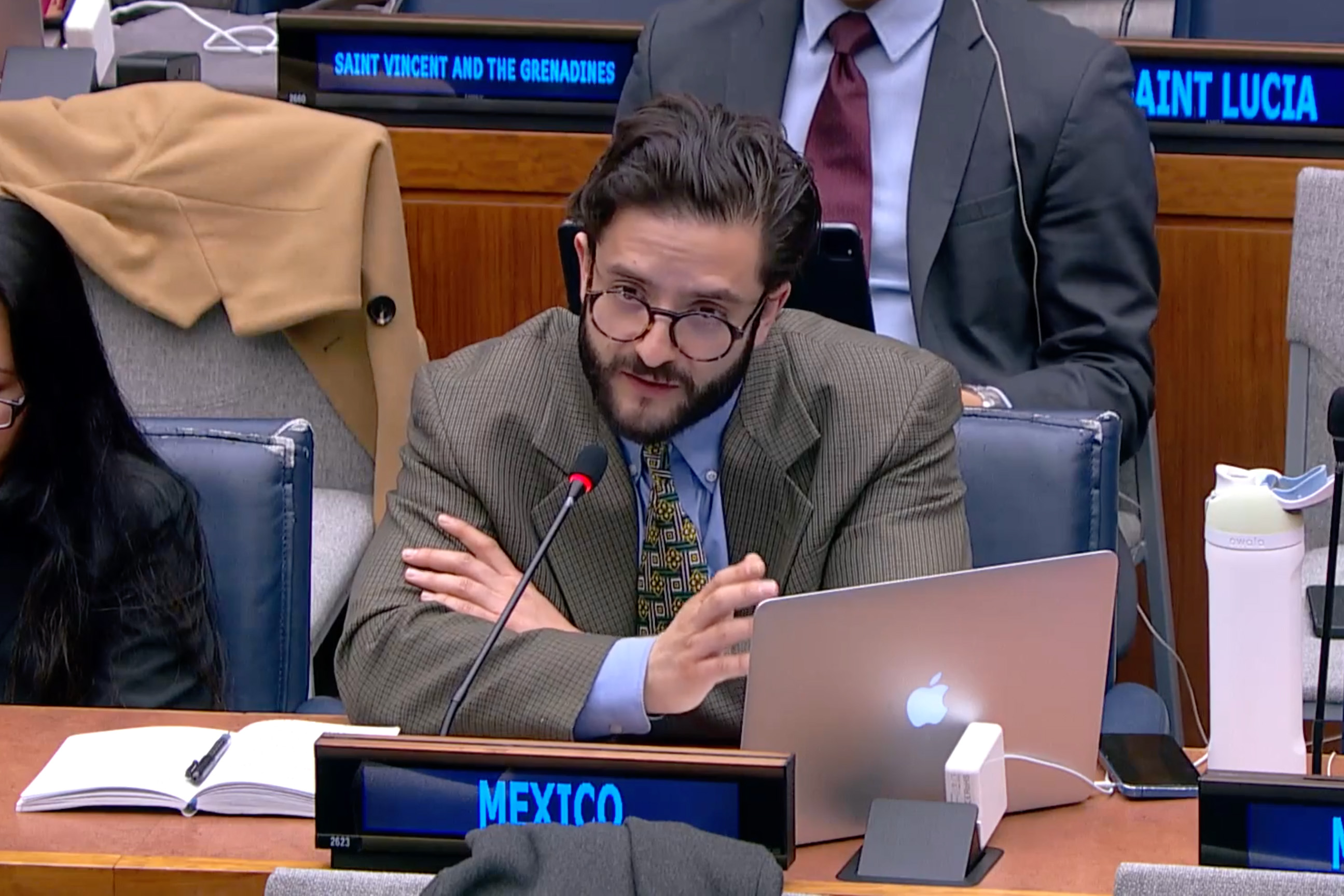
Sergio Delgado, Mexico
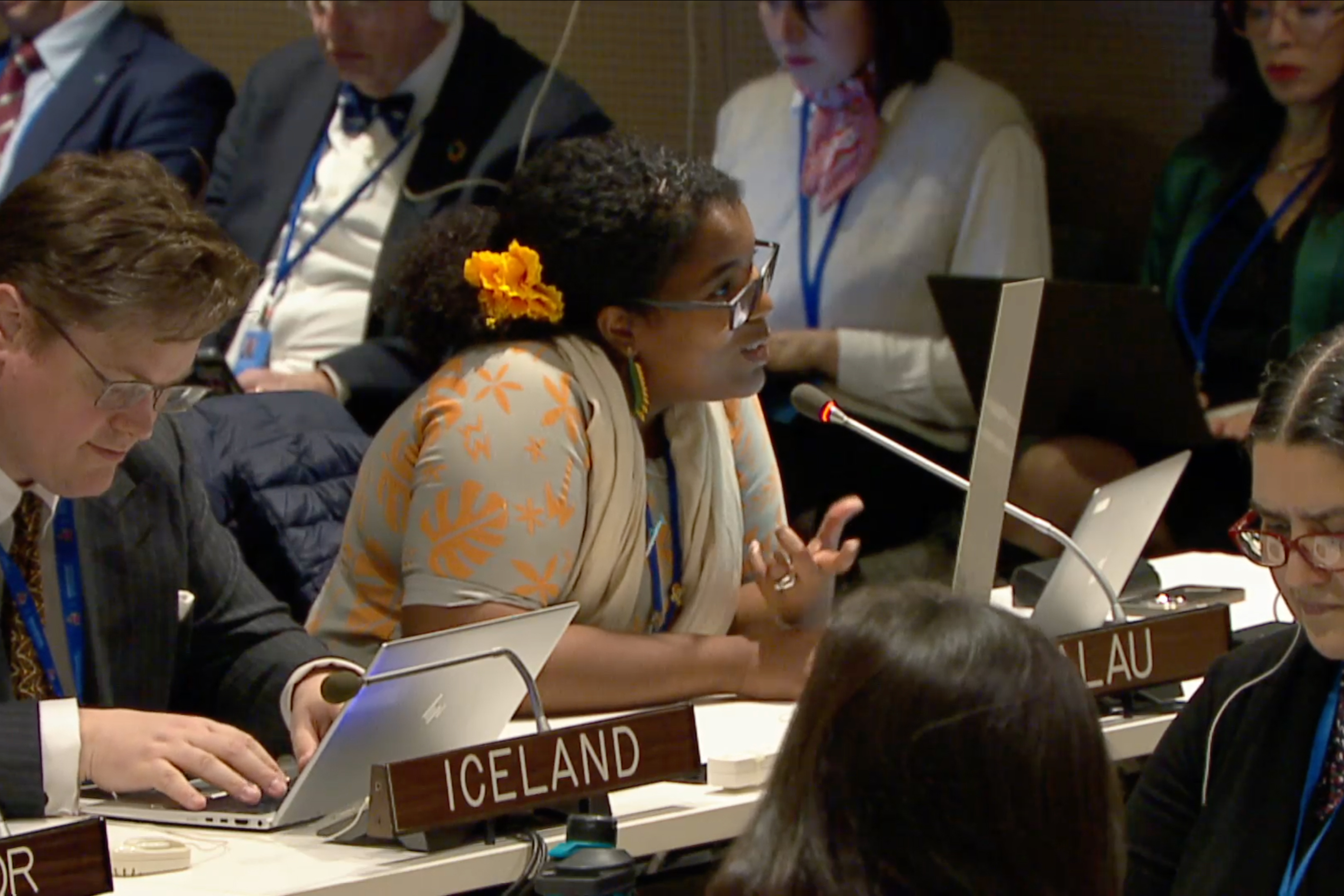
Angelique Louise Marie Pouponneau, Palau, speaking for the Alliance of Small Island States (AOSIS)
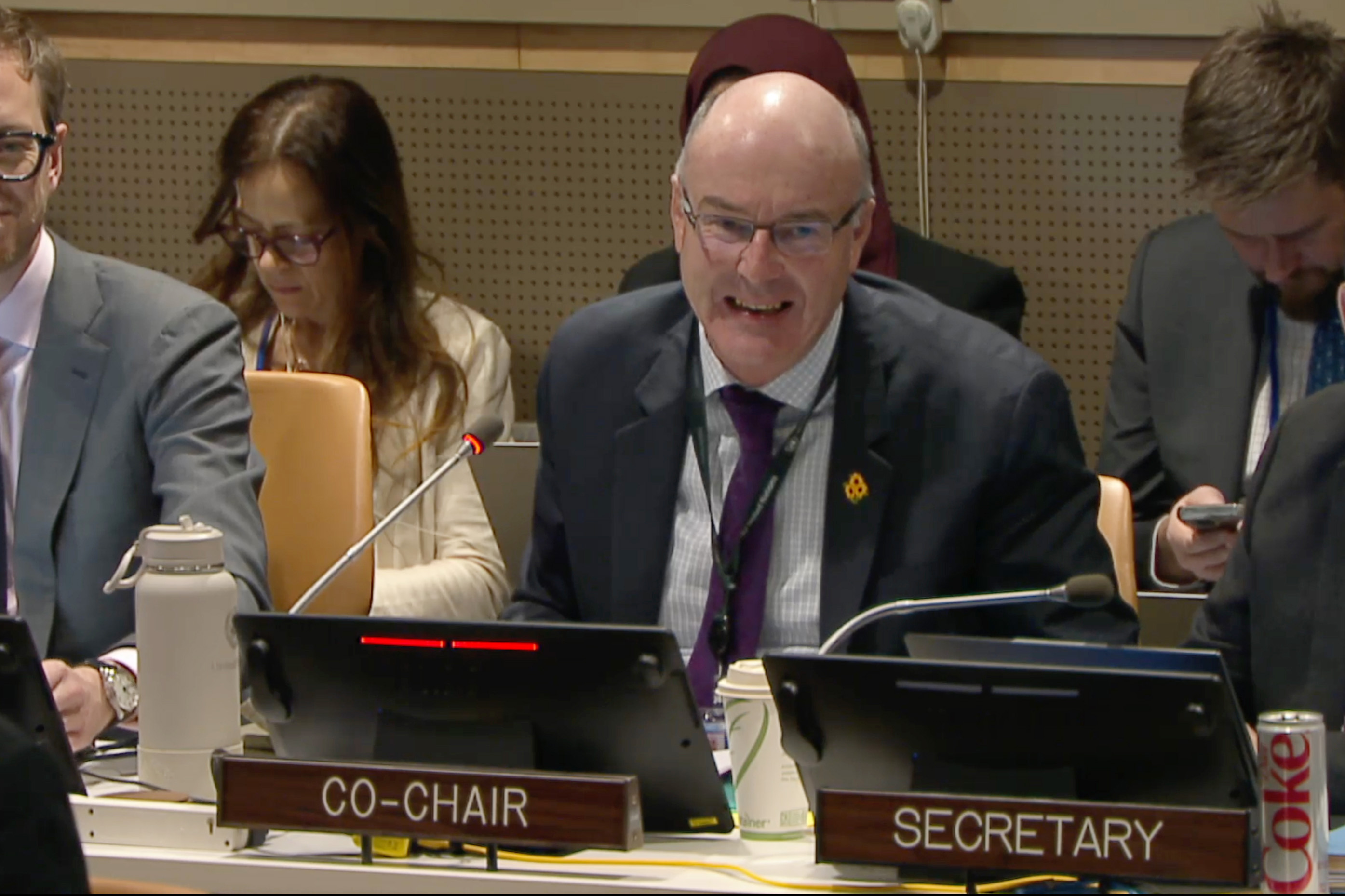
PrepCom Co-Chair Adam McCarthy, Australia
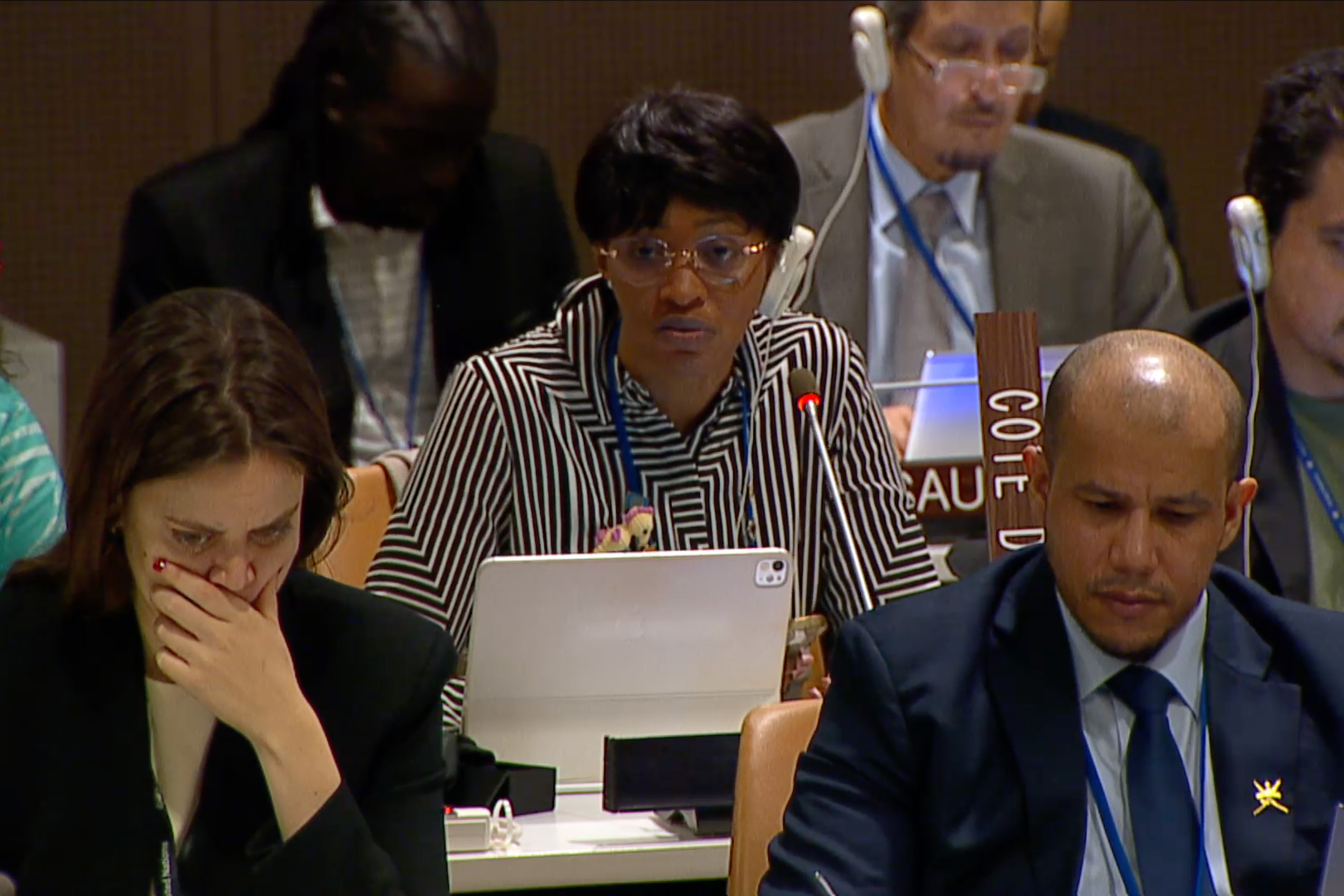
Horokia Mockey Nee Coulibaly, Côte d'Ivoire, on behalf of the African Group
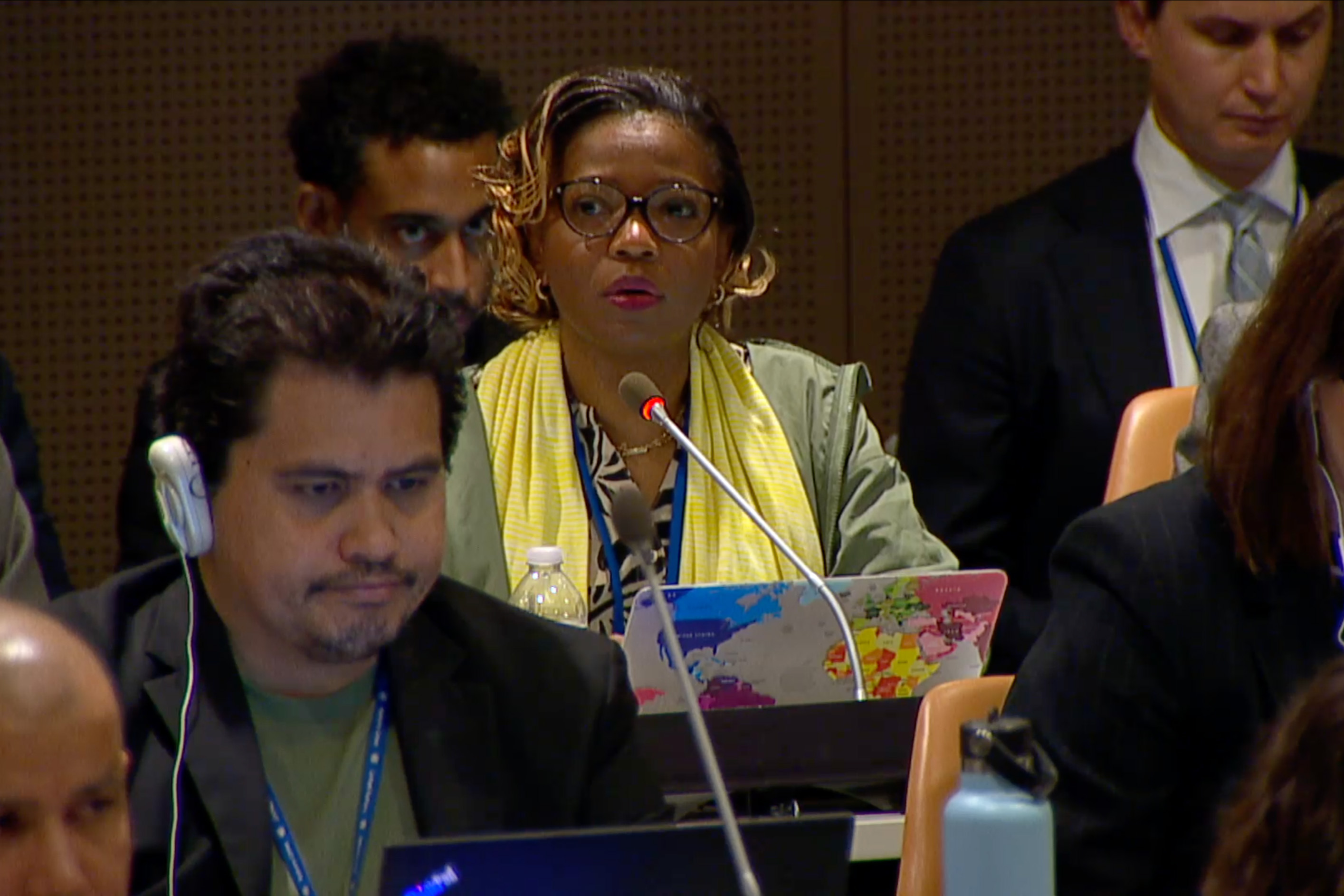
Maritza Queeley, Saint Kitts and Nevis, on behalf of the Caribbean Community (CARICOM)
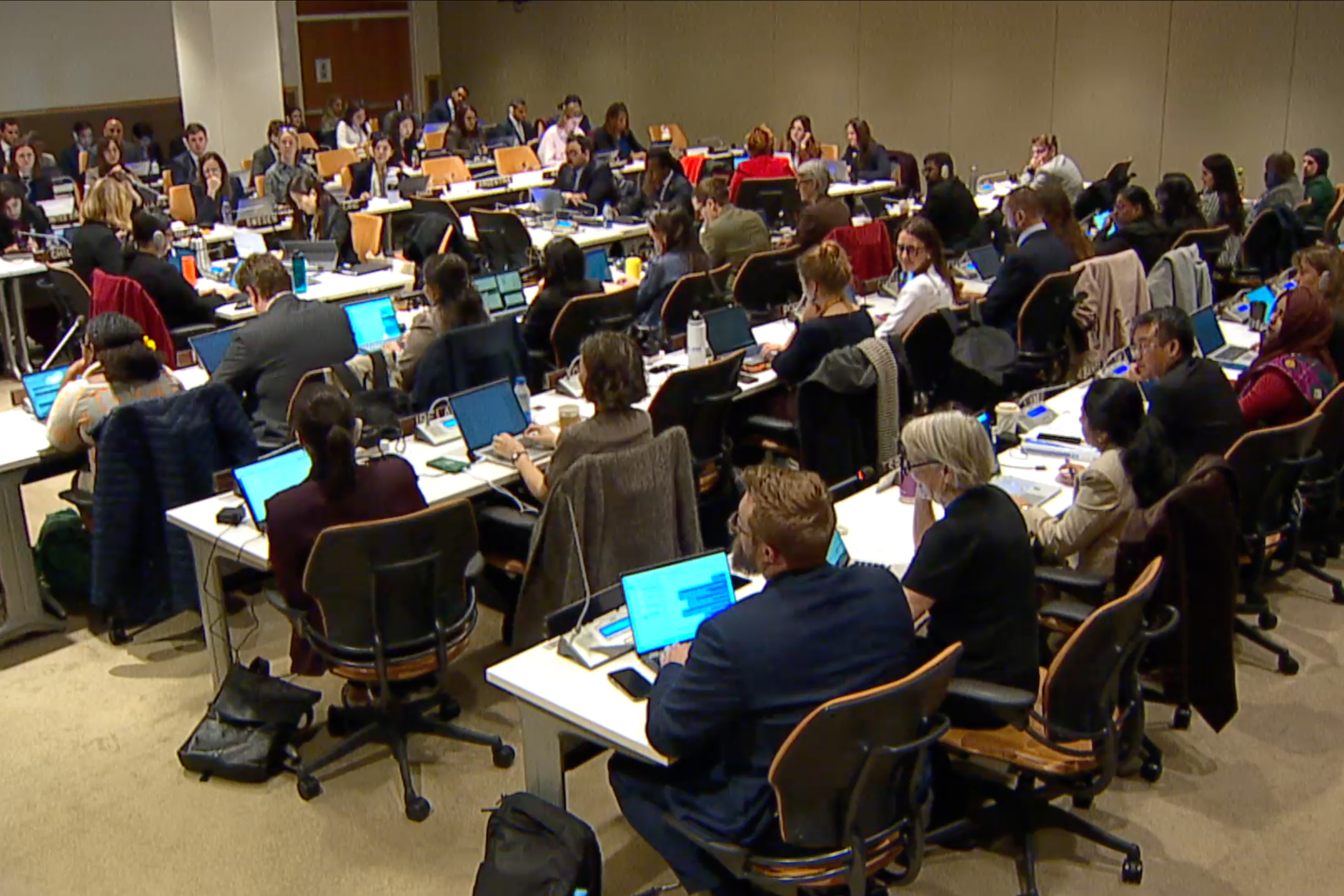
Delegates during the deliberations on the ToR and modalities for the operation of, and RoP for, the subsidiary bodies.
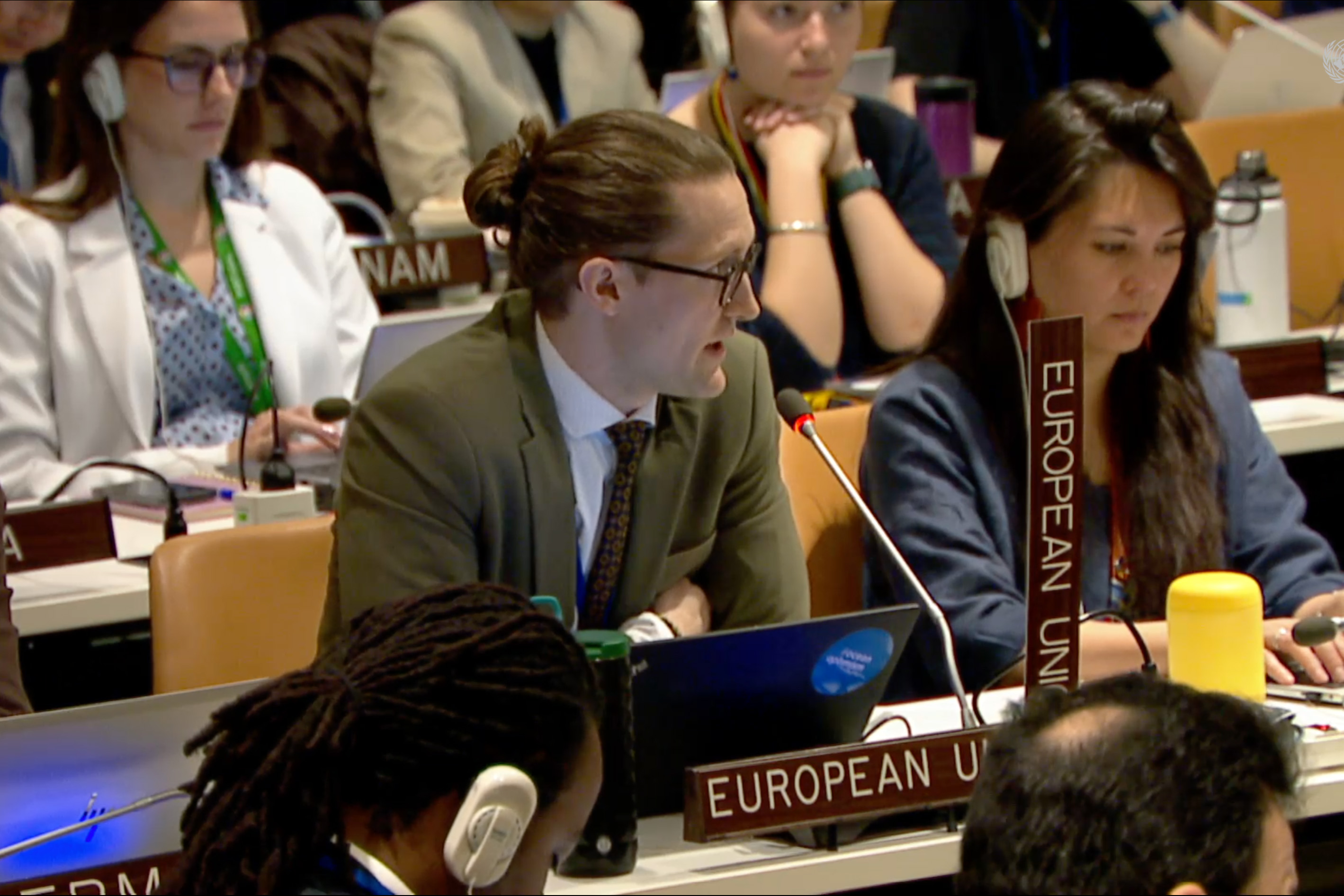
Vincent Schnell, EU
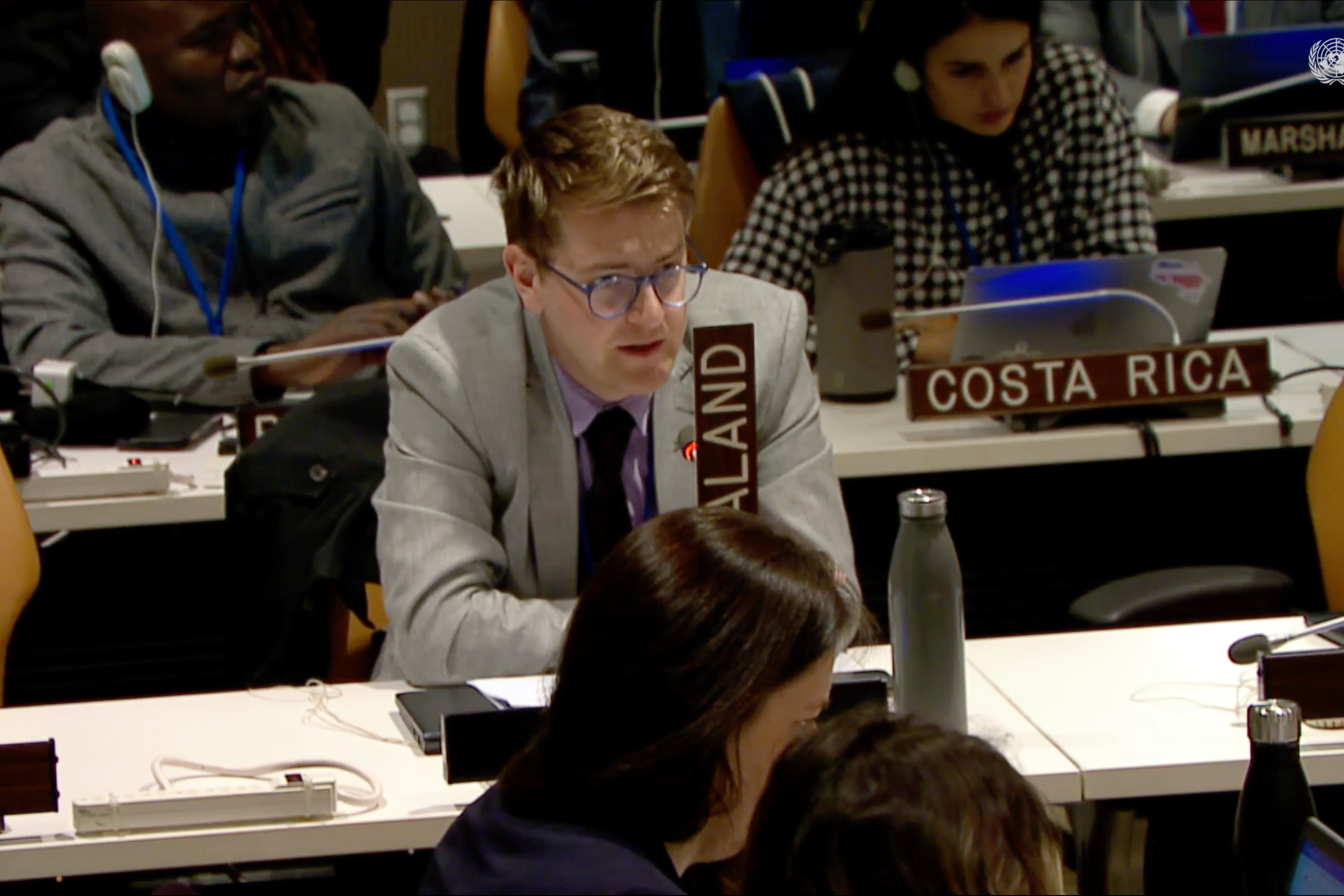
Adam Berry, New Zealand
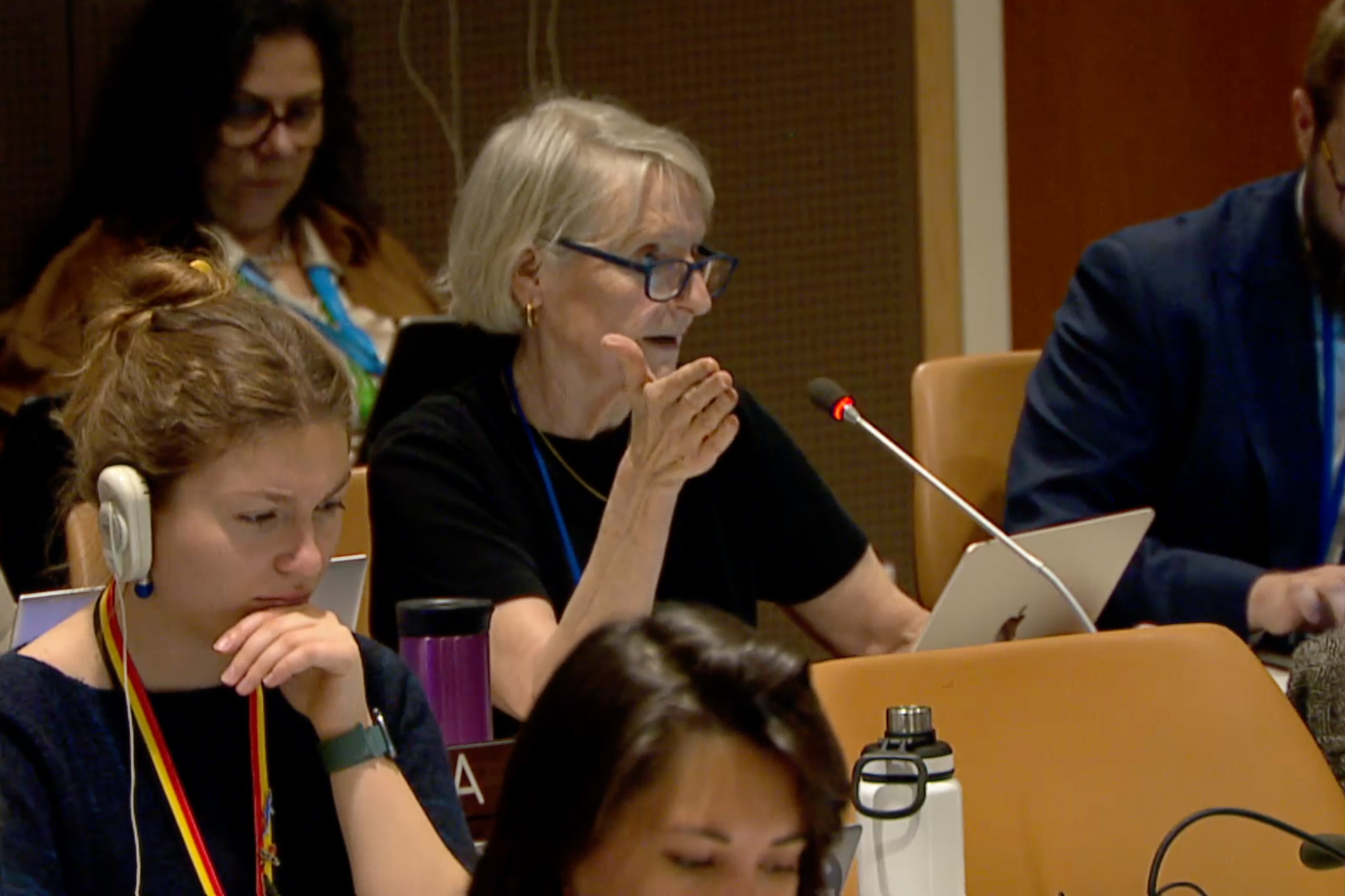
Lisa Speer, High Seas Alliance
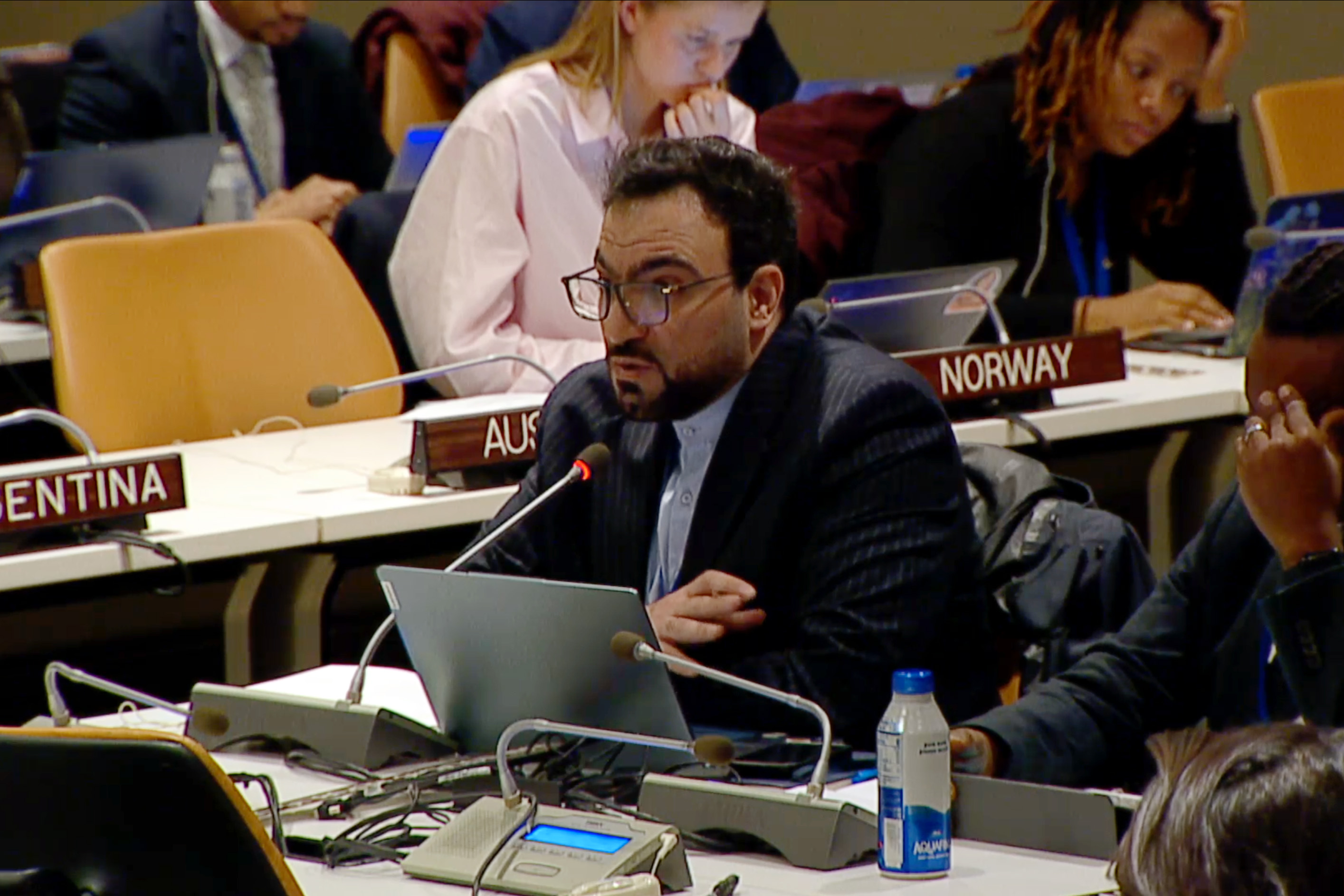
Yahya Aref, Iran
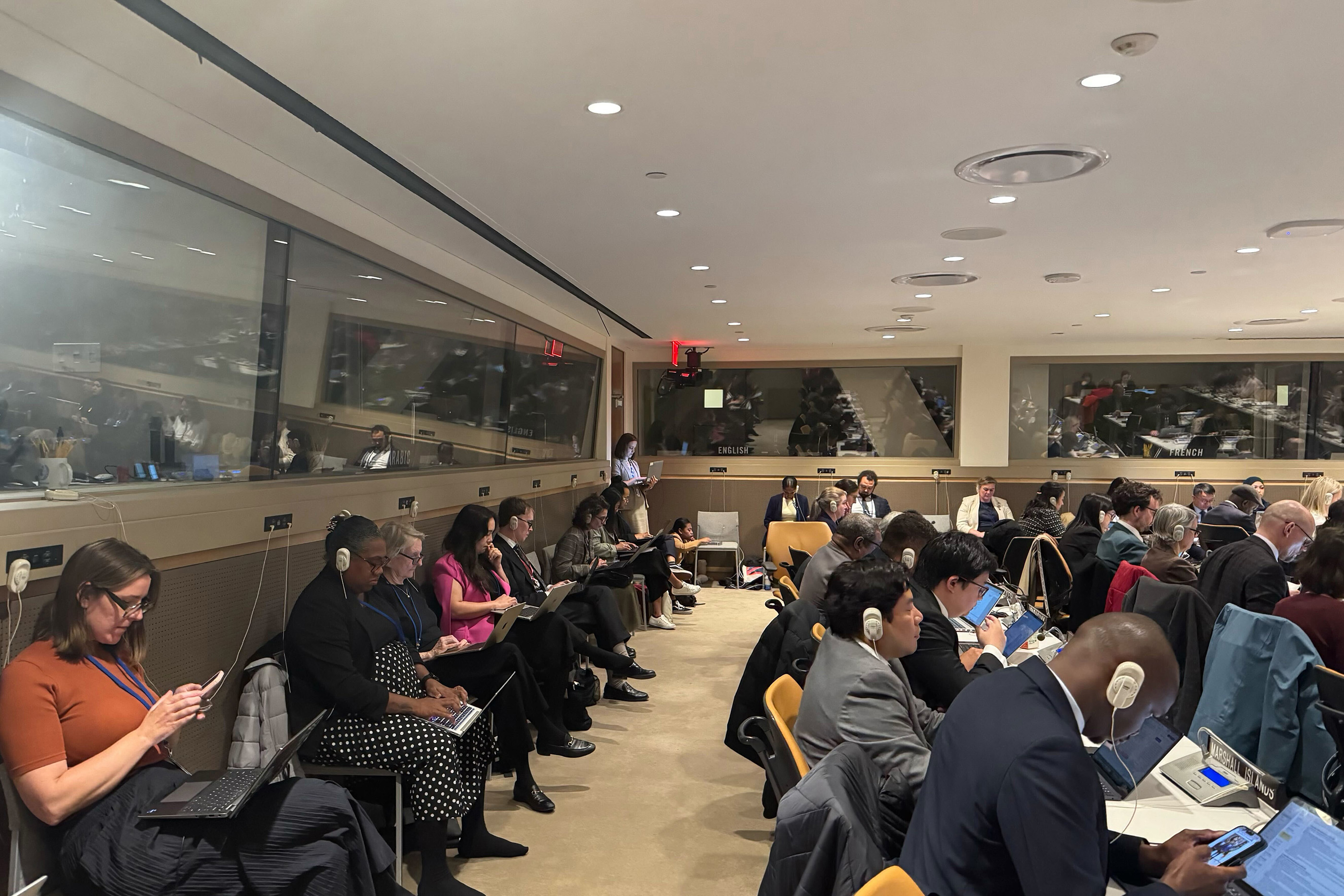
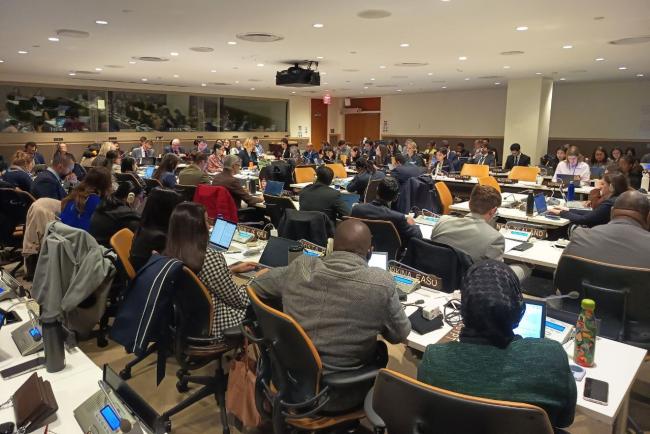
Delegates during the deliberations on RoP for the COP