“We need to focus on what is essential; don’t let the perfect be the enemy of the good. We should be at a place to find solutions and landing zones.”
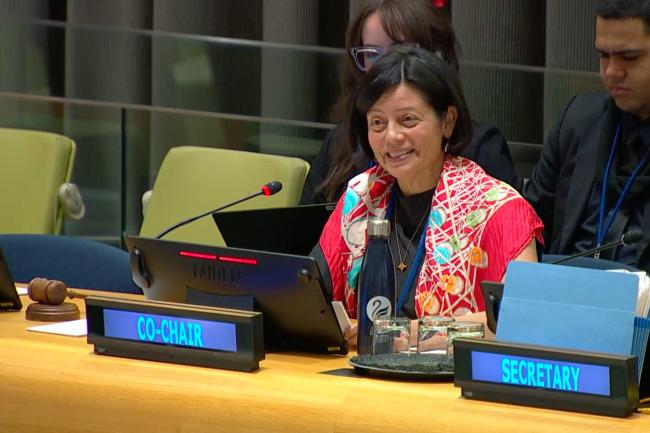
Reporting back to plenary from the parallel discussions held on Monday, 23 March, Janine Coye-Felson (Belize) and Adam McCarthy (Australia), Co-Chairs of the Preparatory Commission (PrepCom III) for the entry into force of the Agreement under the UN Convention on the Law of the Sea (UNCLOS) on the conservation and sustainable use of marine biological diversity of areas beyond national jurisdiction (BBNJ Agreement), urged delegates to maintain a constructive and flexible approach to allow progress.
PrepCom III devoted the rest of the day to parallel discussions on institutional and financial issues, focusing on:
- rules of procedure (RoP) for the Conference of the Parties (COP);
- arrangements with the Global Environment Facility (GEF);
- the operationalization of the Special Fund under the Agreement; and
- RoP and terms of reference (ToR) for the subsidiary bodies.
Discussions on the RoP for the COP focused on rules for meeting dates and observers. Delegates discussed the periodicity of meetings, with many agreeing that the proposal to hold the first three COPs on an annual basis and biannually thereafter is a good basis for further discussion. Some delegations preferred annual COPs, “unless otherwise decided by the COP.” They further discussed conditions for the convening of extraordinary meetings.
Deliberations on observers were trickier. Despite the fact that everyone agreed on the need for transparency and consistency with BBNJ Article 48 (transparency), and on the invaluable contribution of observers in the BBNJ process, delegates expressed divergent views or requested clarifications on a number of issues, including:
- observer categorization, relevant participation modalities, and distinguishing among observers with different legal status;
- consideration of requests for observer status on a non-objection basis or according to voting thresholds; and
- Indigenous Peoples’ participation in accordance with the UN Declaration on the Rights of Indigenous Peoples.
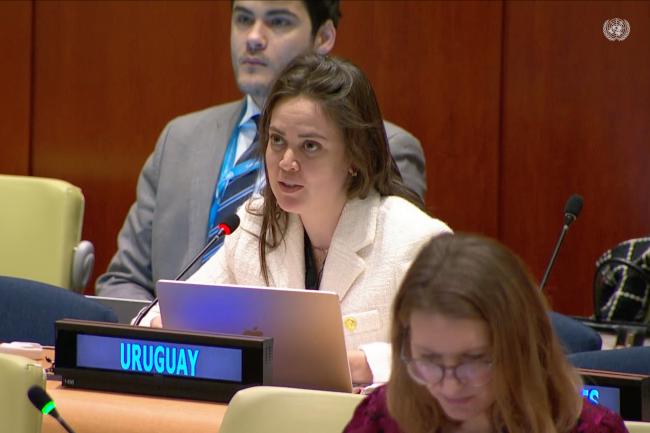
Regarding arrangements with the GEF, delegates discussed a draft memorandum of understanding between the COP and the GEF. Several delegates emphasized the importance of considering the special circumstances of small island developing states and landlocked developing countries, noting that financial resources should be accessible and predictable.
On a paragraph pertaining to funding decisions for specific projects and activities, some delegates underscored the importance of including reference to “Indigenous Peoples or local communities.” Other delegates, while expressing their support for its inclusion, noted that current GEF policies do not allow for their direct participation in projects. Discussions will continue.
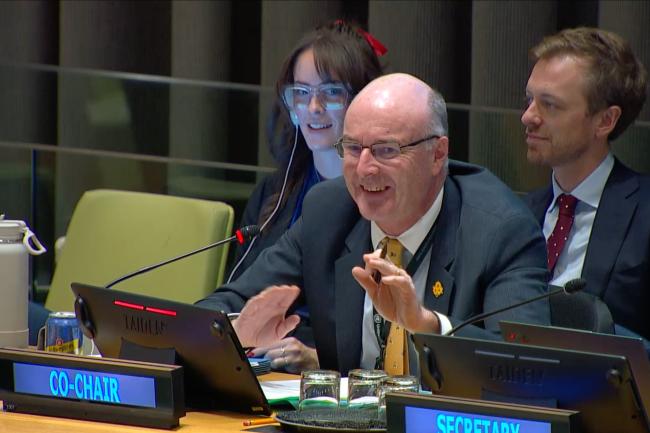
In the afternoon, delegates continued addressing financial issues, focusing on the ToR for the committee to assist in the operationalization of the Special Fund, as well as the ToR for the Voluntary Trust Fund (VTF) established under the BBNJ Agreement. Further deliberations will be required on, among other things:
- whether the committee for the Special Fund will “develop and recommend operational documents, including a governing instrument, for the Special Fund,” or make recommendations to the COP;
- the content of such operational documents/recommendations;
- the modalities for the functioning of the VTF;
- whether a cap on funded delegates per delegation through the VTF should be introduced; and
- whether certain meetings should be prioritized for funding participation through the VTF.
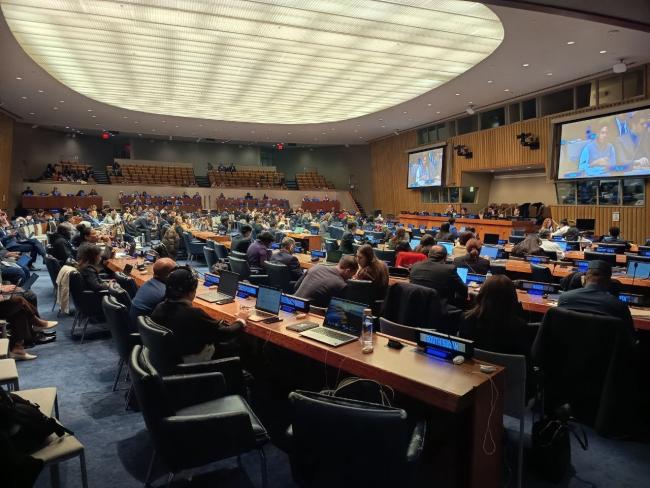
Delegates also resumed consideration of items pertaining to the ToR and modalities for the operation of, and RoP for, the subsidiary bodies. Discussions focused on, among other things:
- decision making;
- recommendations;
- reporting requirements;
- engagement with the Indigenous Peoples and Local Communities Advisory Group;
- experts; and
- financial arrangements.
Discussions also began on cooperation and coordination, which will resume on Thursday, 26 March.
To receive free coverage of global environmental events delivered to your inbox, subscribe to the ENB Update newsletter.
Select Photos
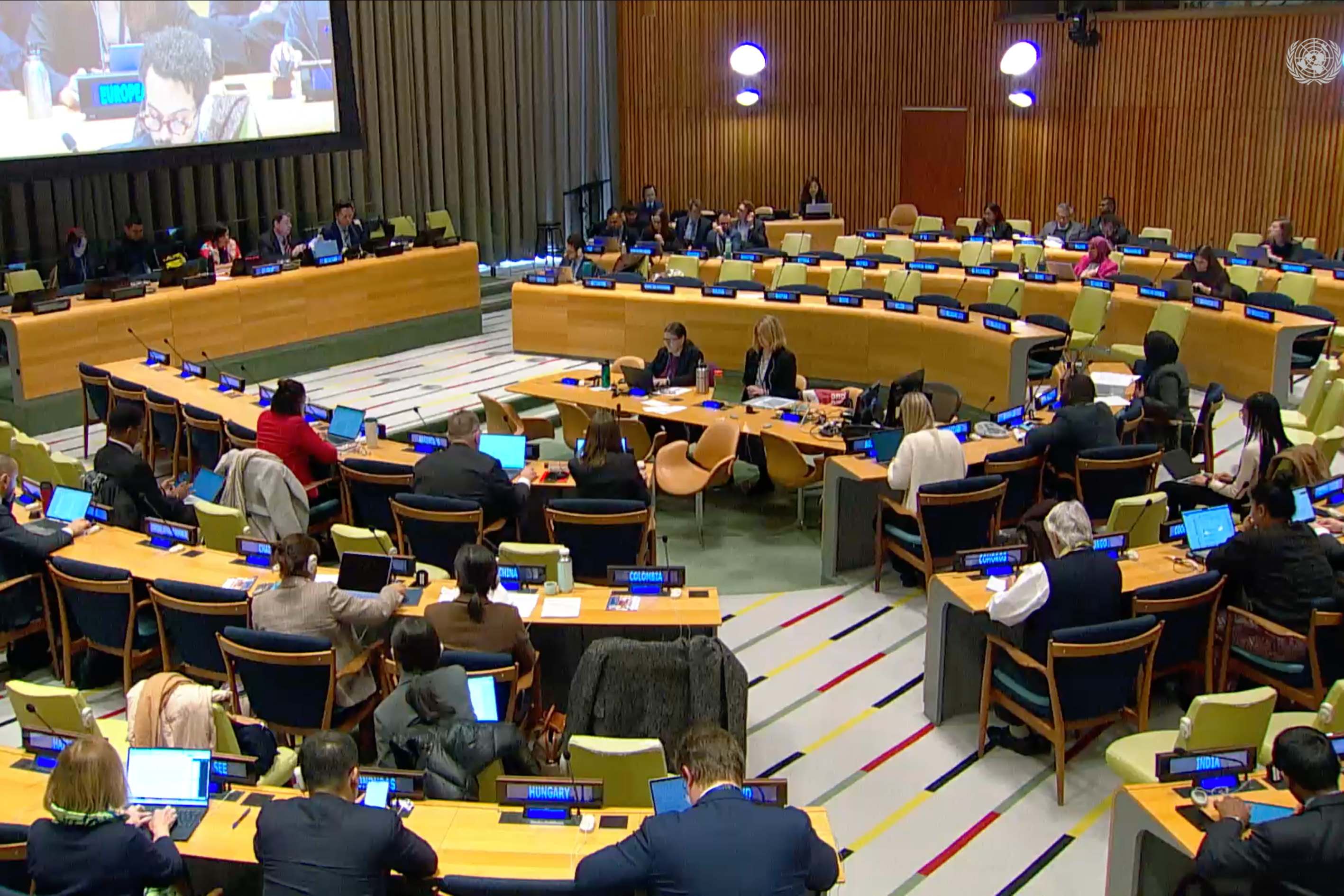
Delegates discussing the draft memorandum of understanding between the BBNJ COP and GEF.
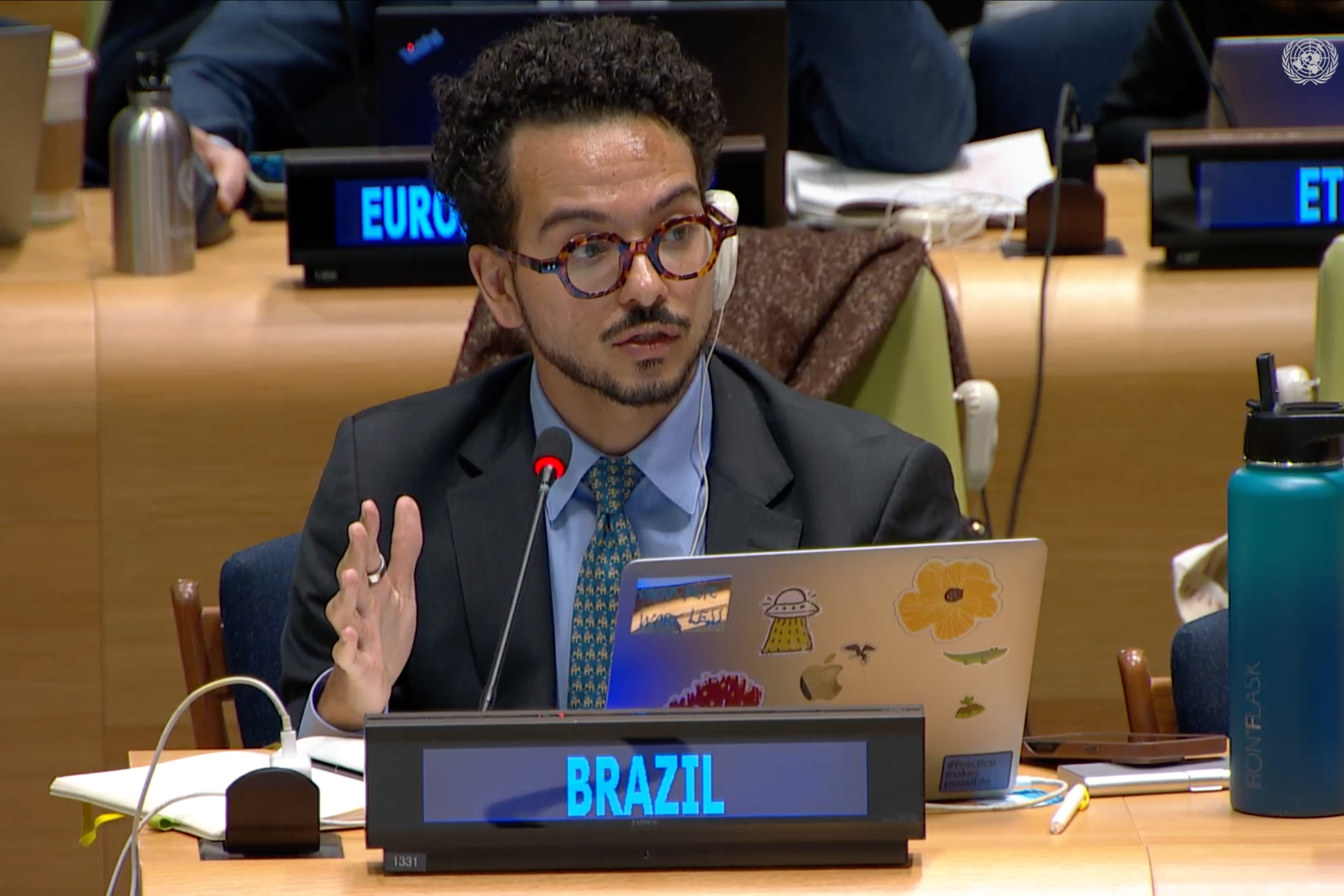
Matheus Freitas Rocha Bastos, Brazil, speaking for the Core Latin American Group (CLAM)
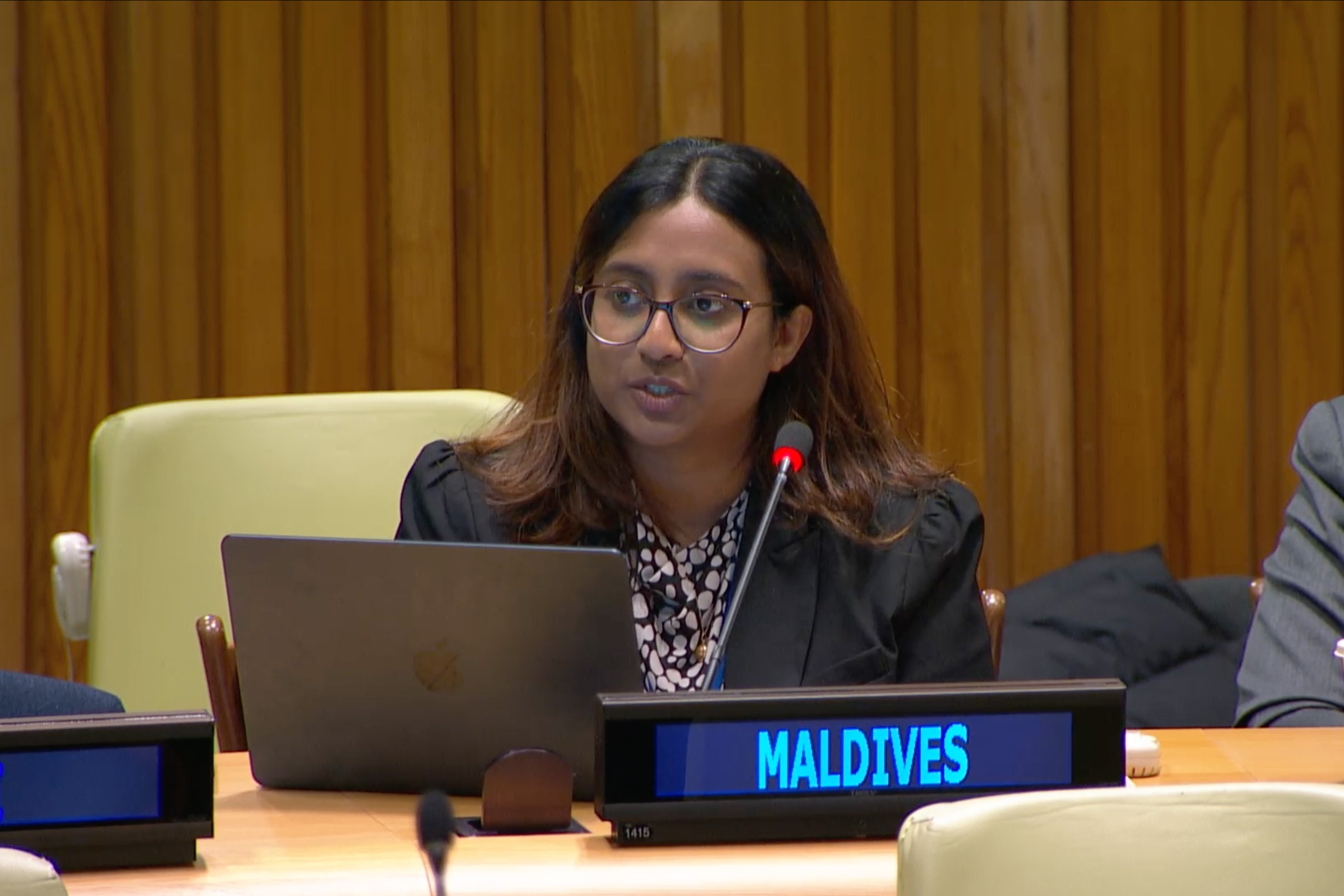
Hawwa Nabaaha Nashid, the Maldives
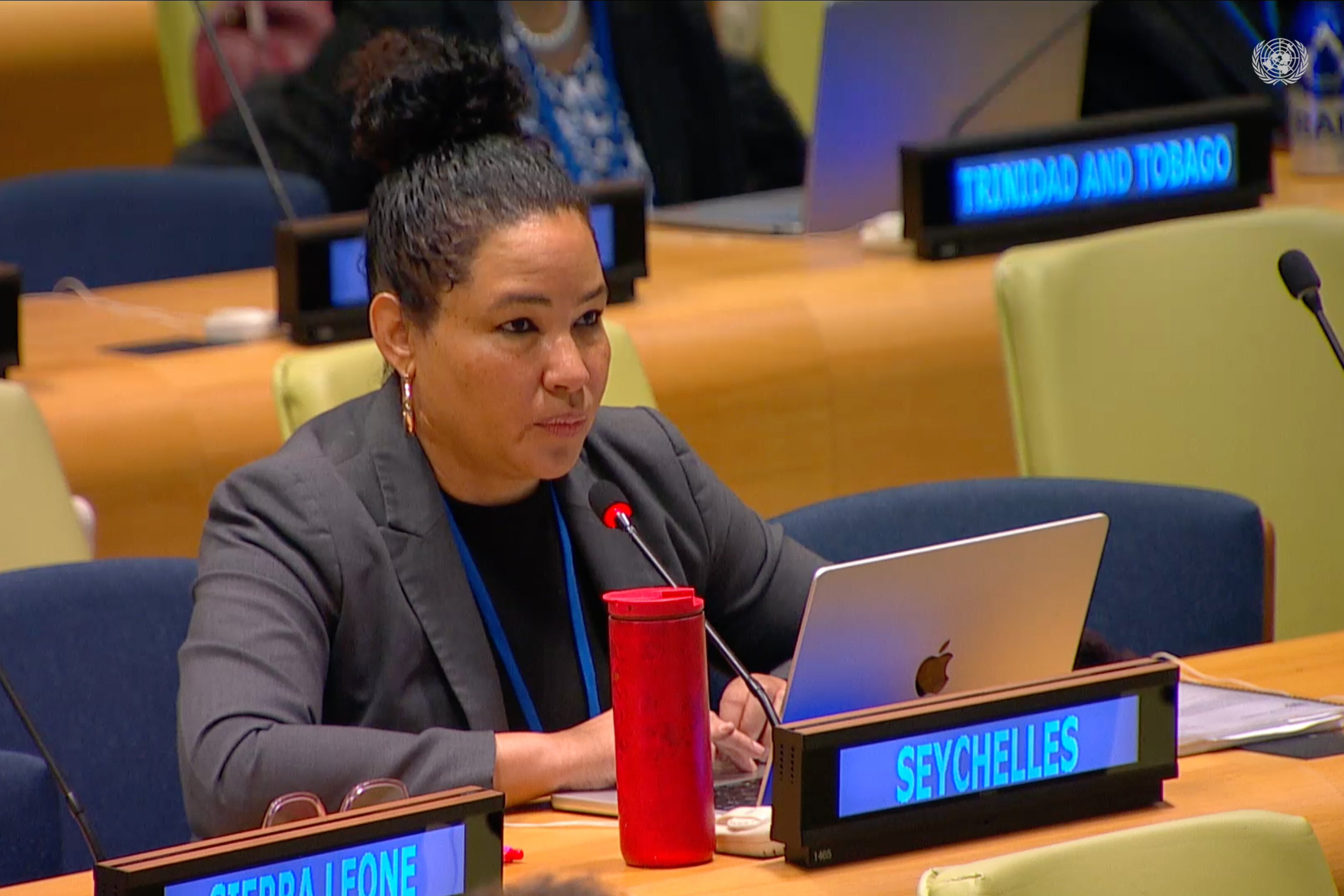
Tamara Thomas, Seychelles, on behalf of the African Group
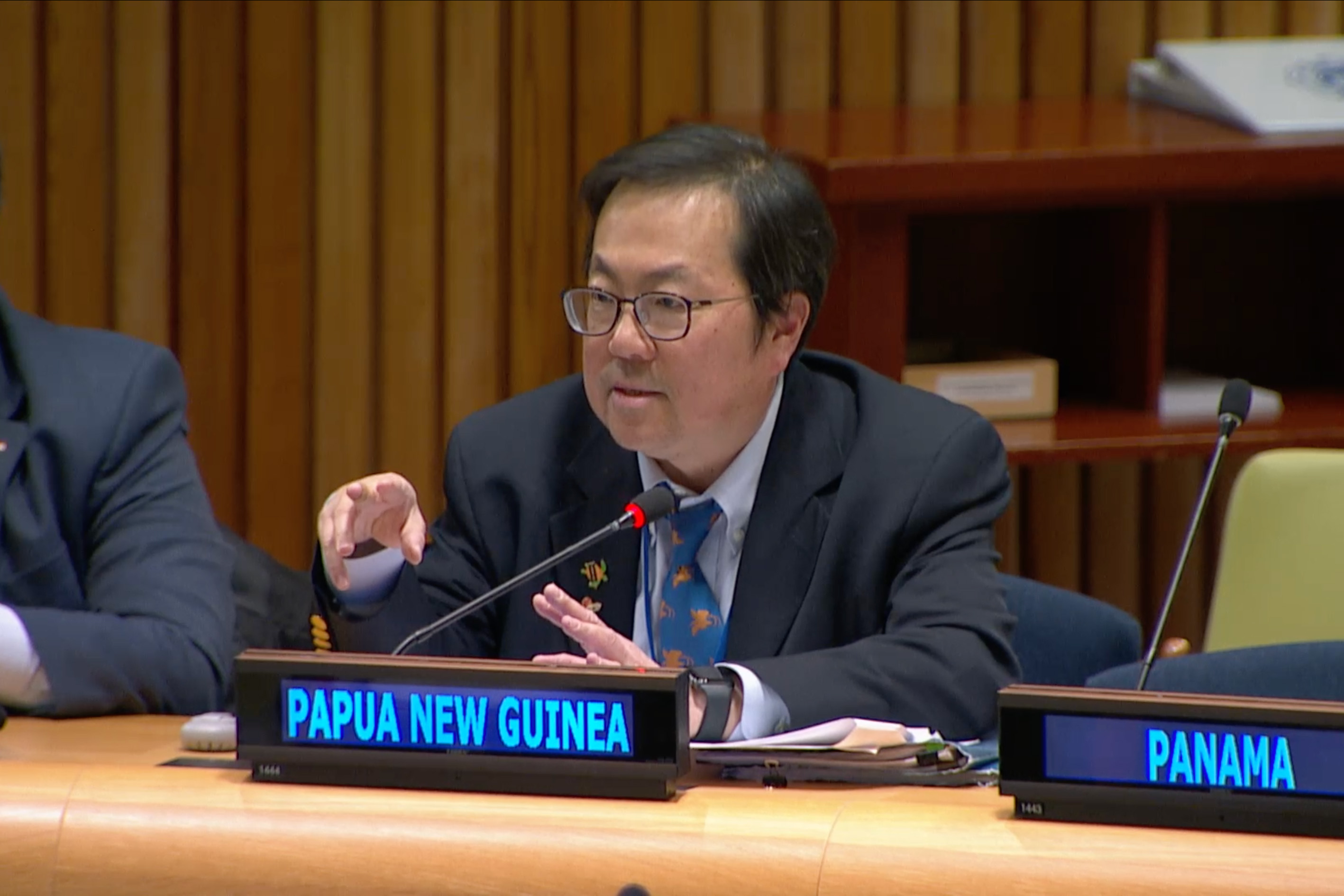
Alvin Leong, Papua New Guinea
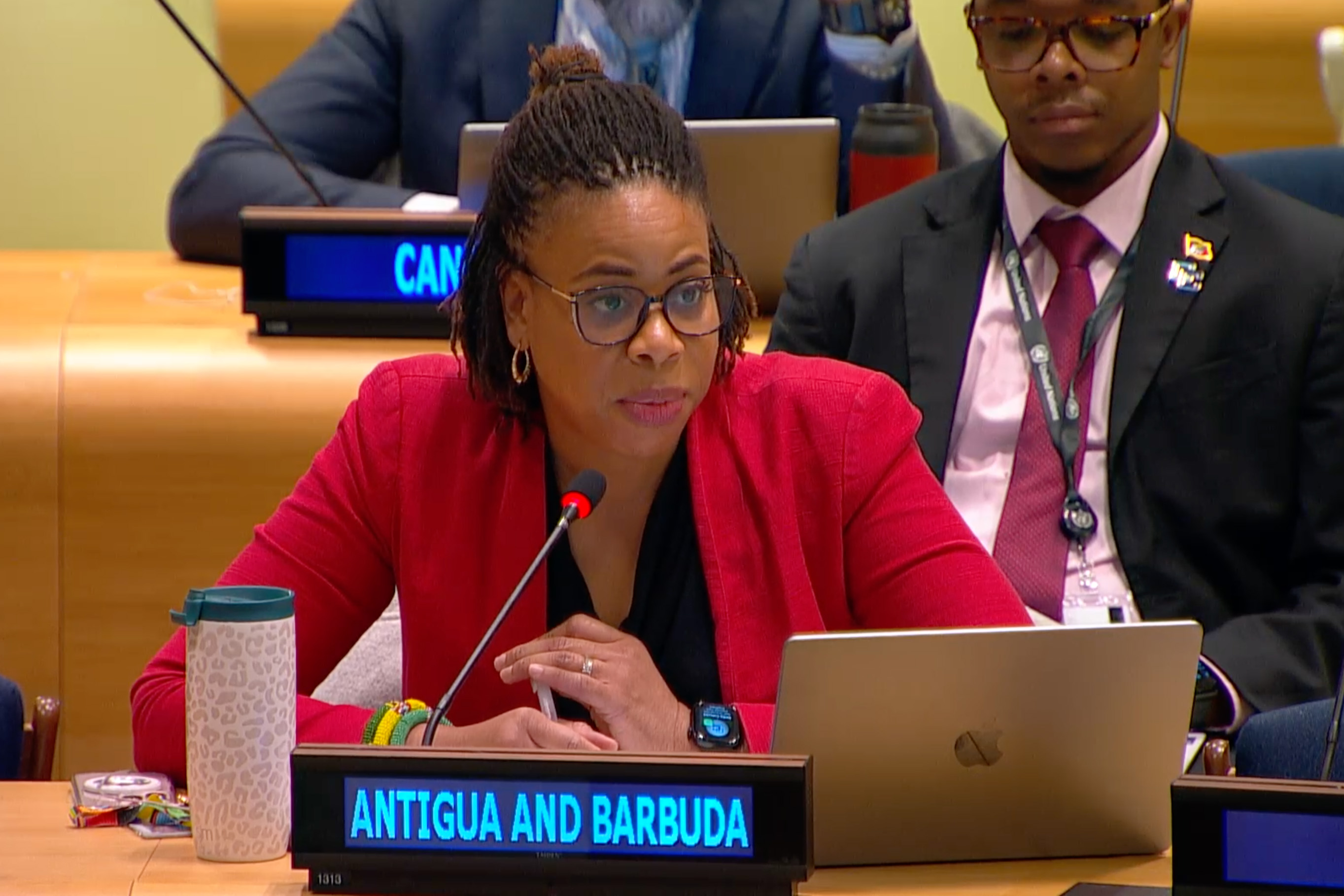
Asha Challenger, Antigua and Barbuda, speaking on behalf of the Caribbean Community (CARICOM)
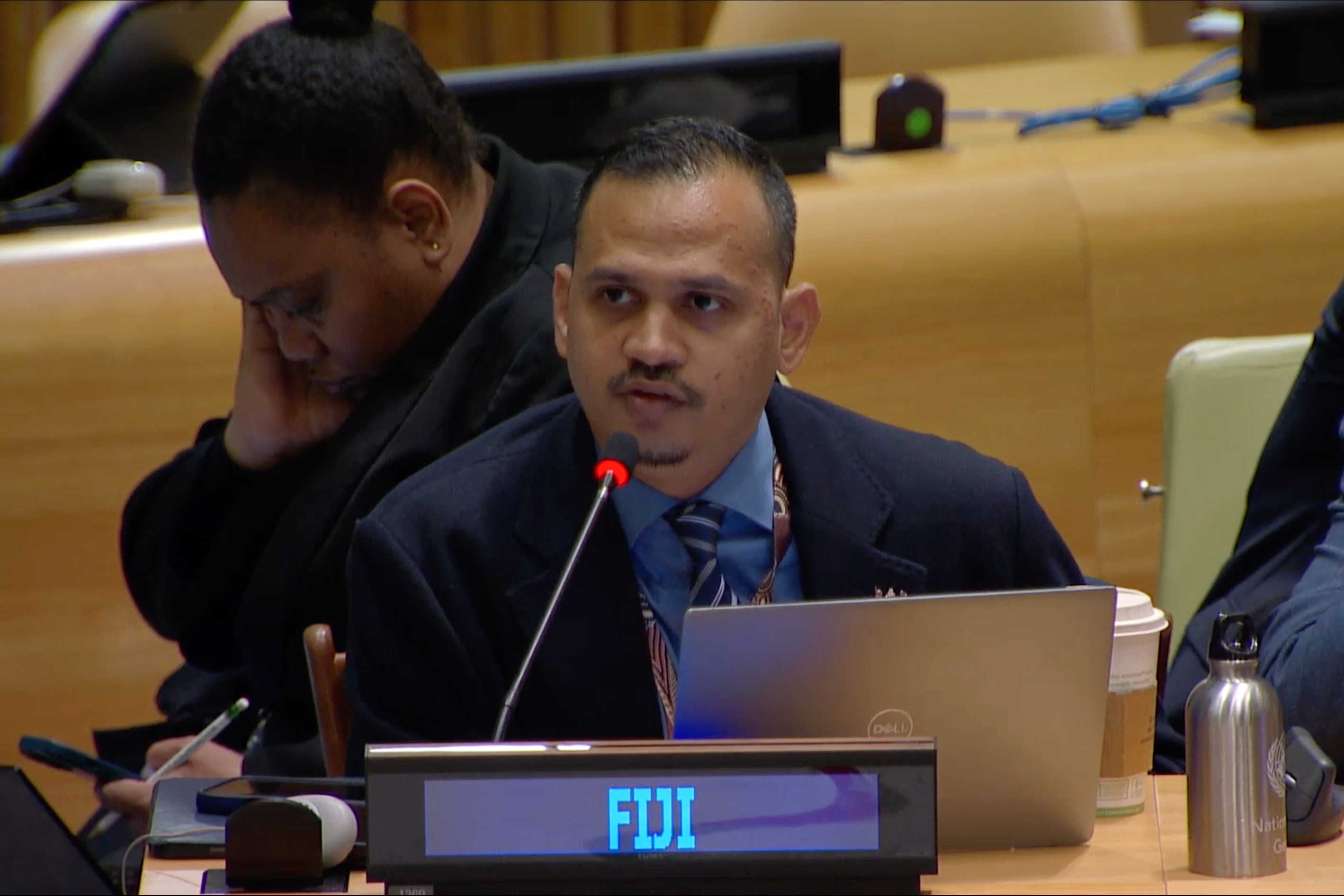
Michael Sivendra, Fiji
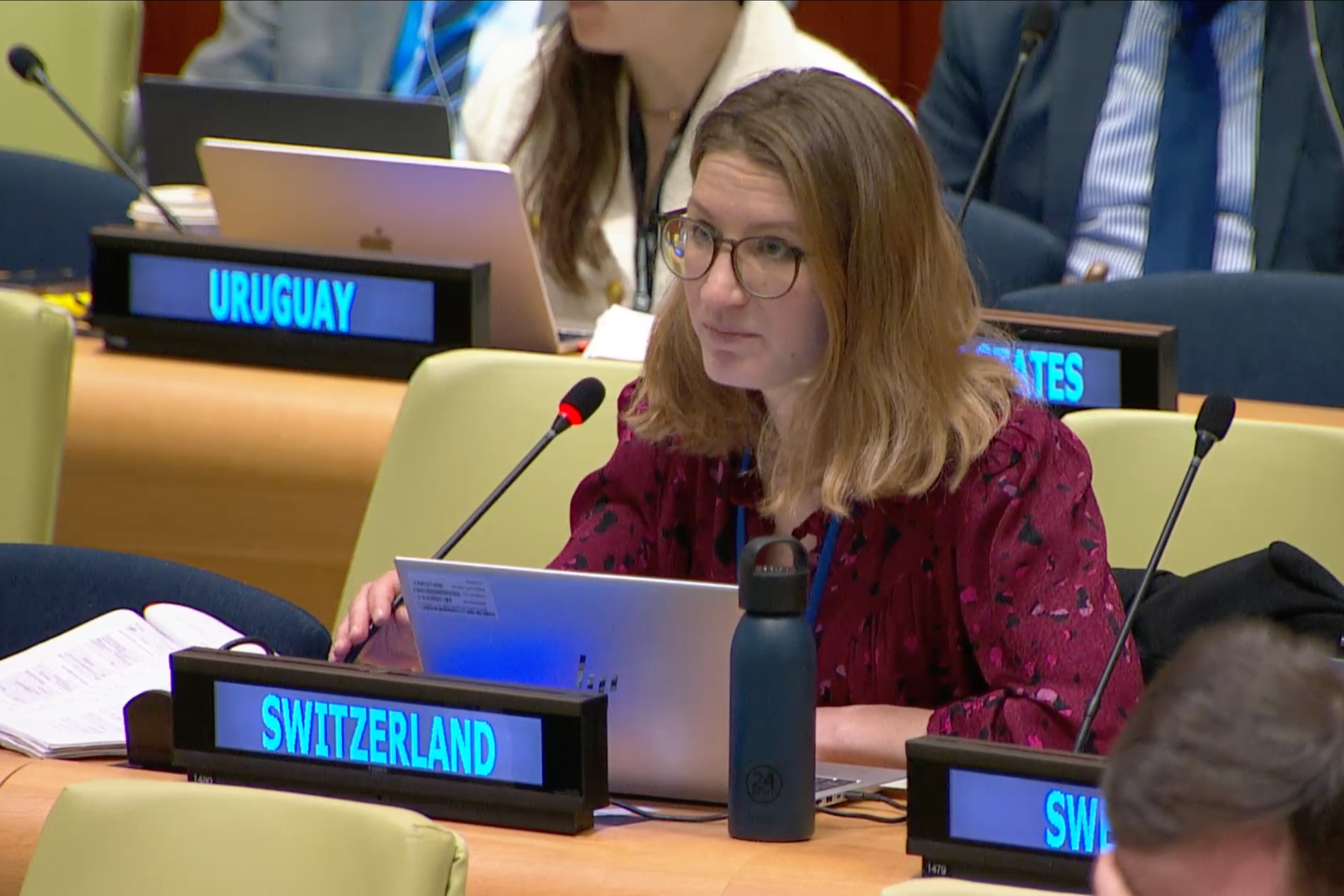
Laura Platchkov, Switzerland
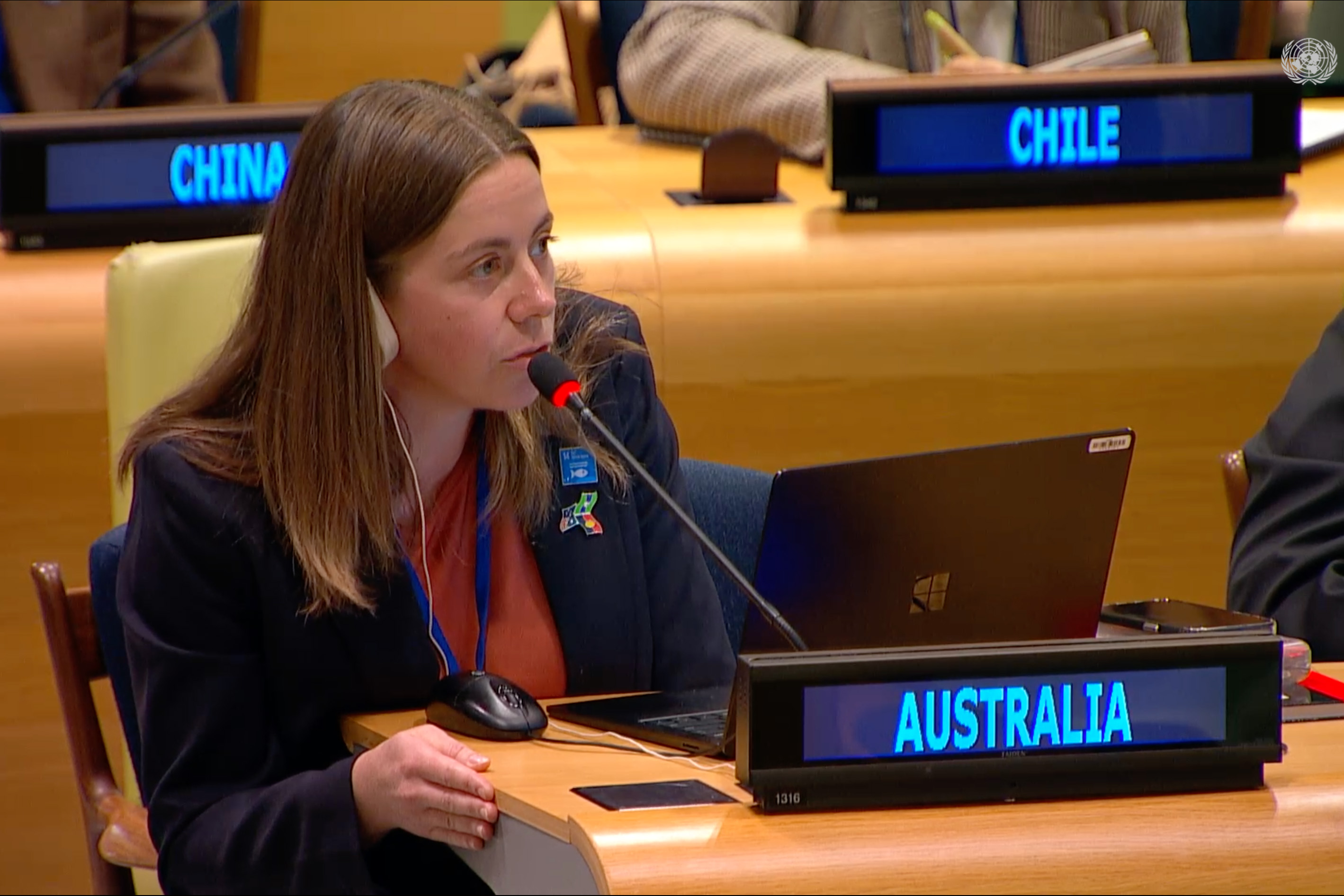
Victoria Sewell, Australia
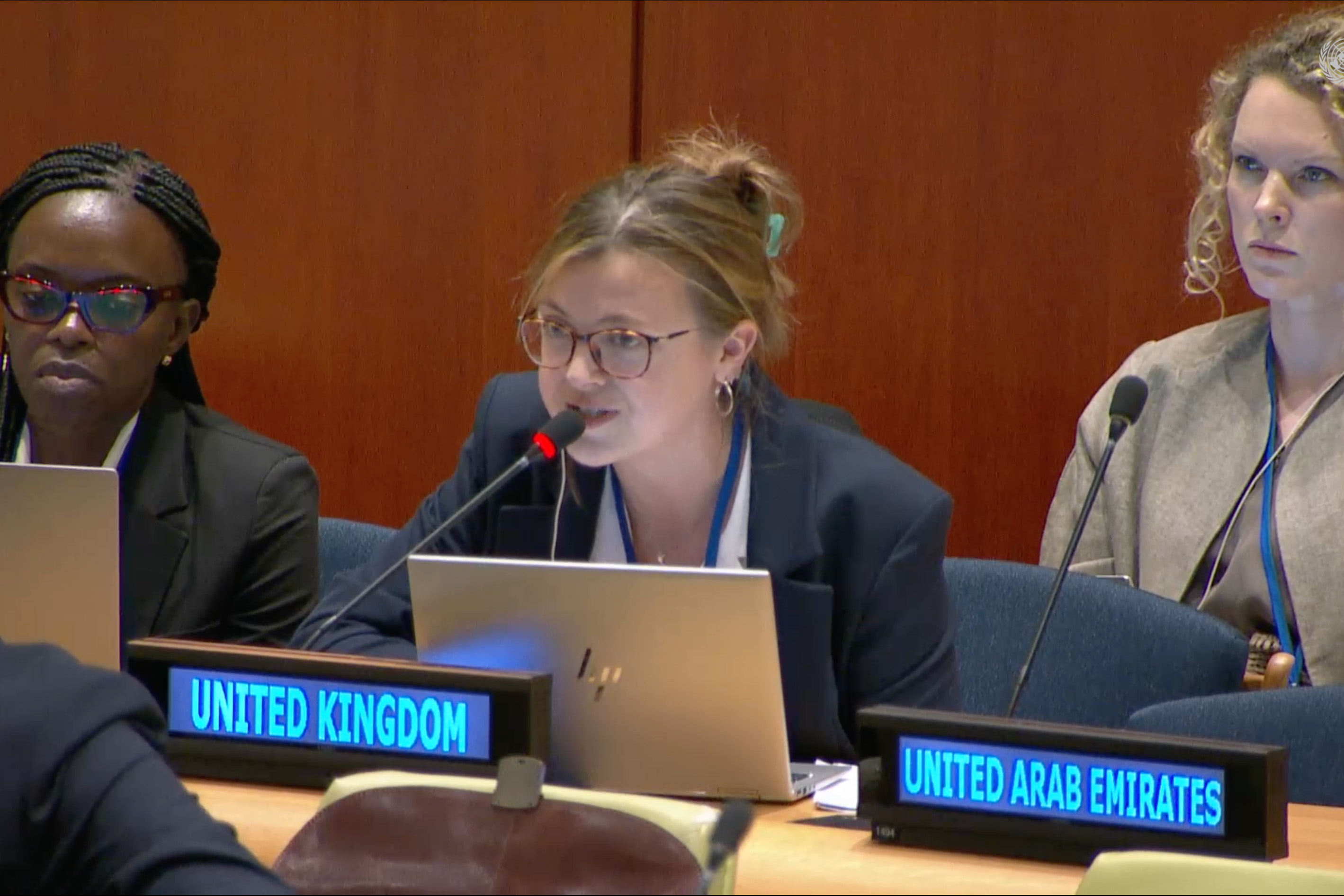
Eva Milne, UK
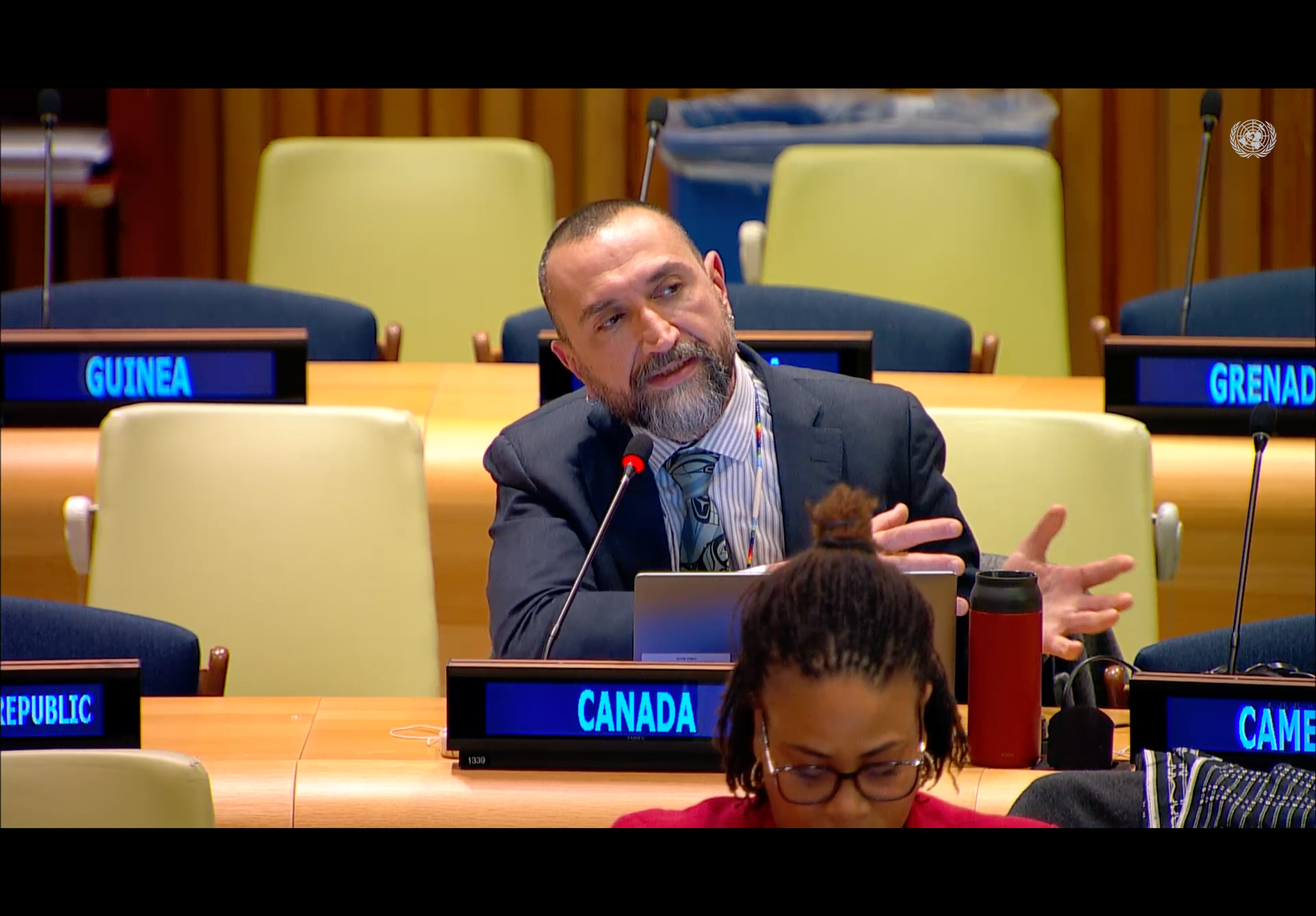
Fariz Ahmadov, Canada
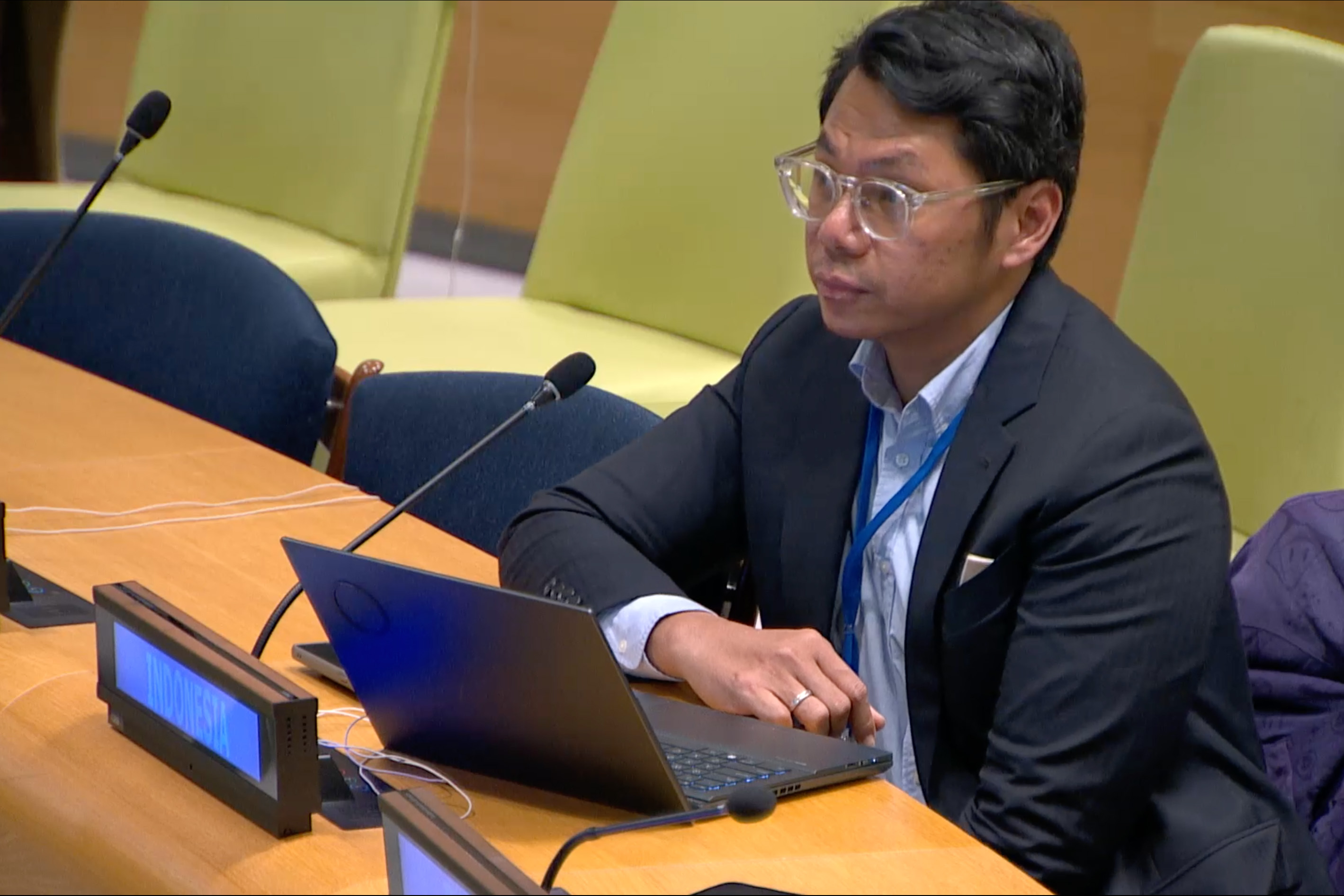
Ajar Buditama, Indonesia
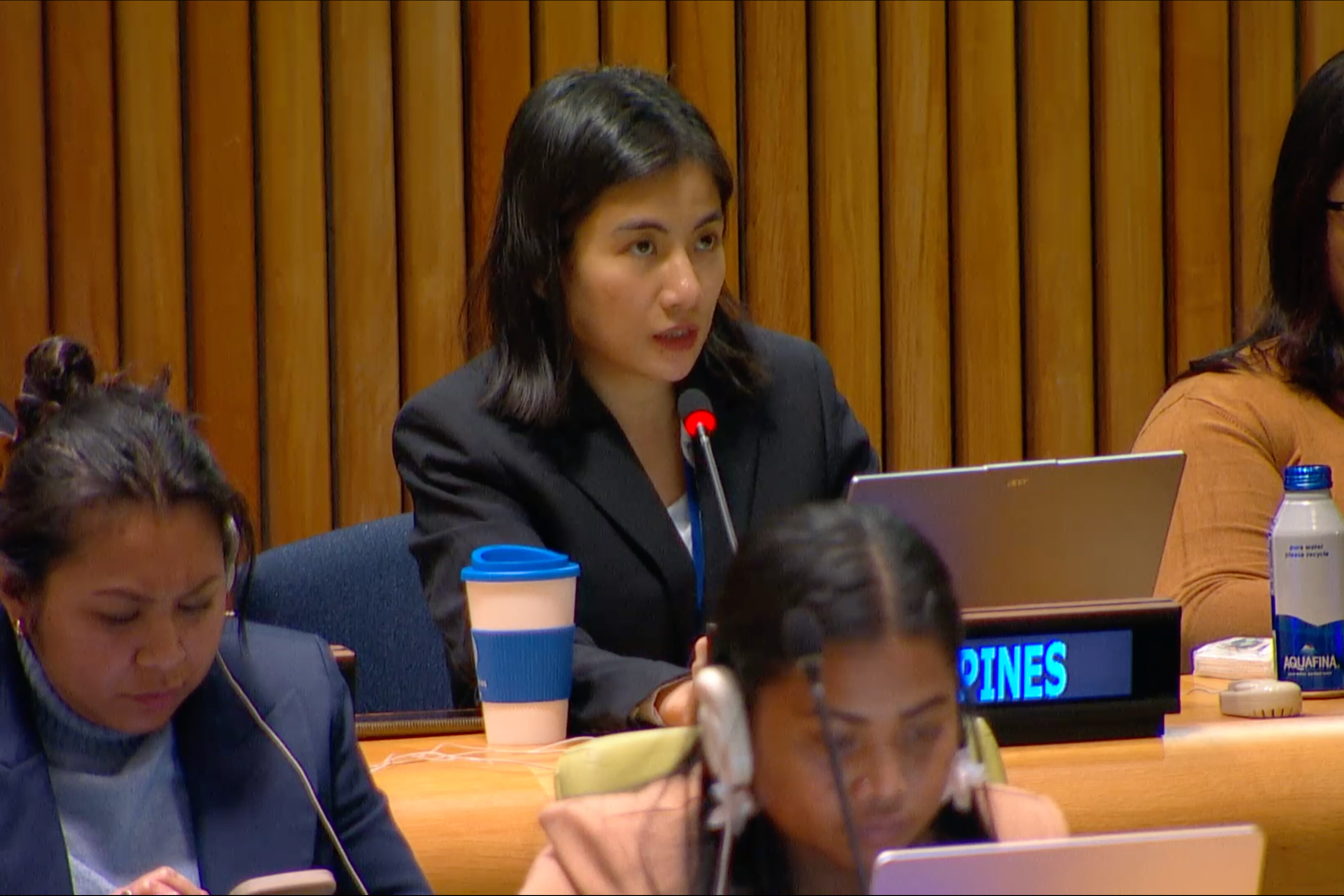
Rosette Ferrer, the Philippines
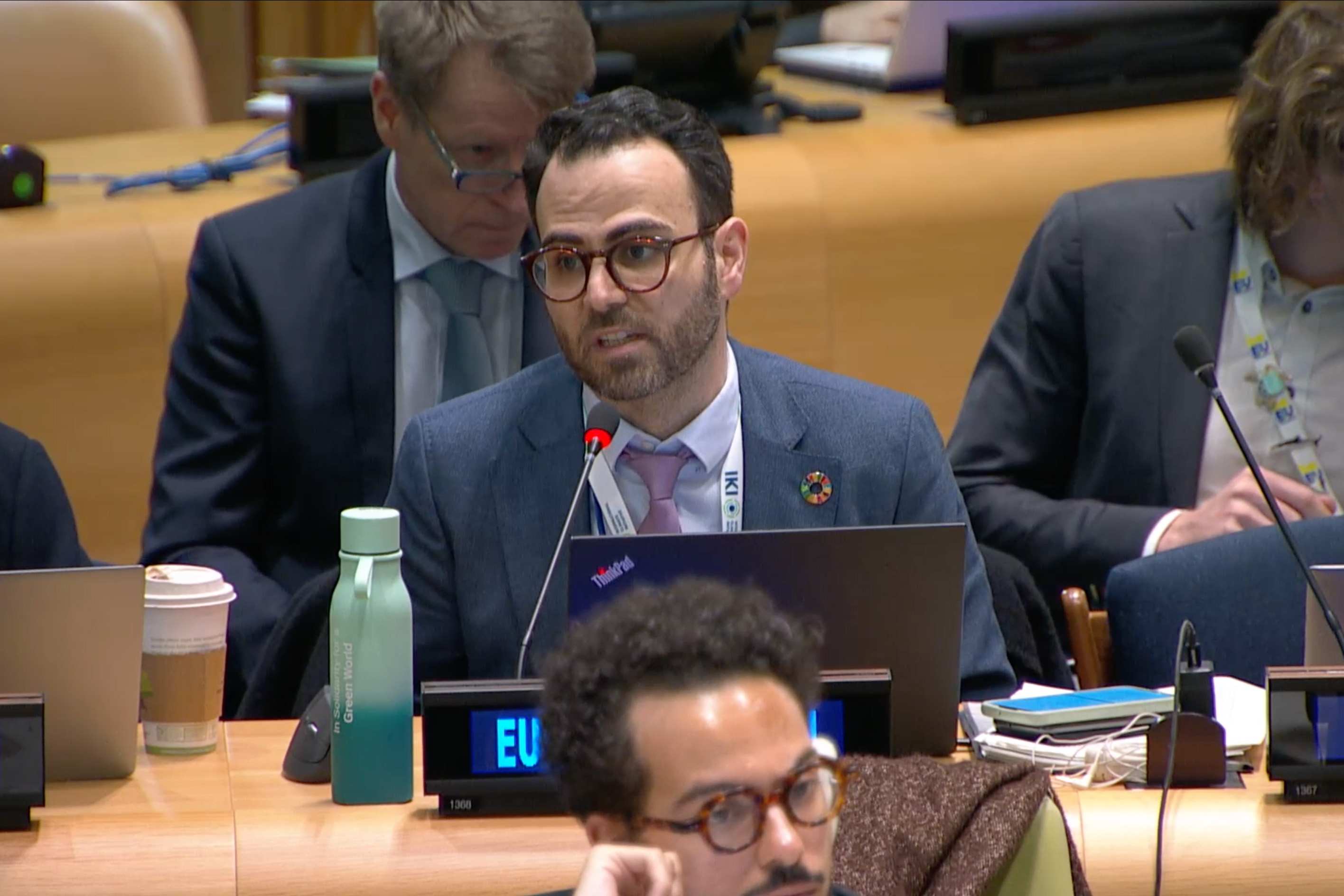
Nicolas Schäfstoss, EU
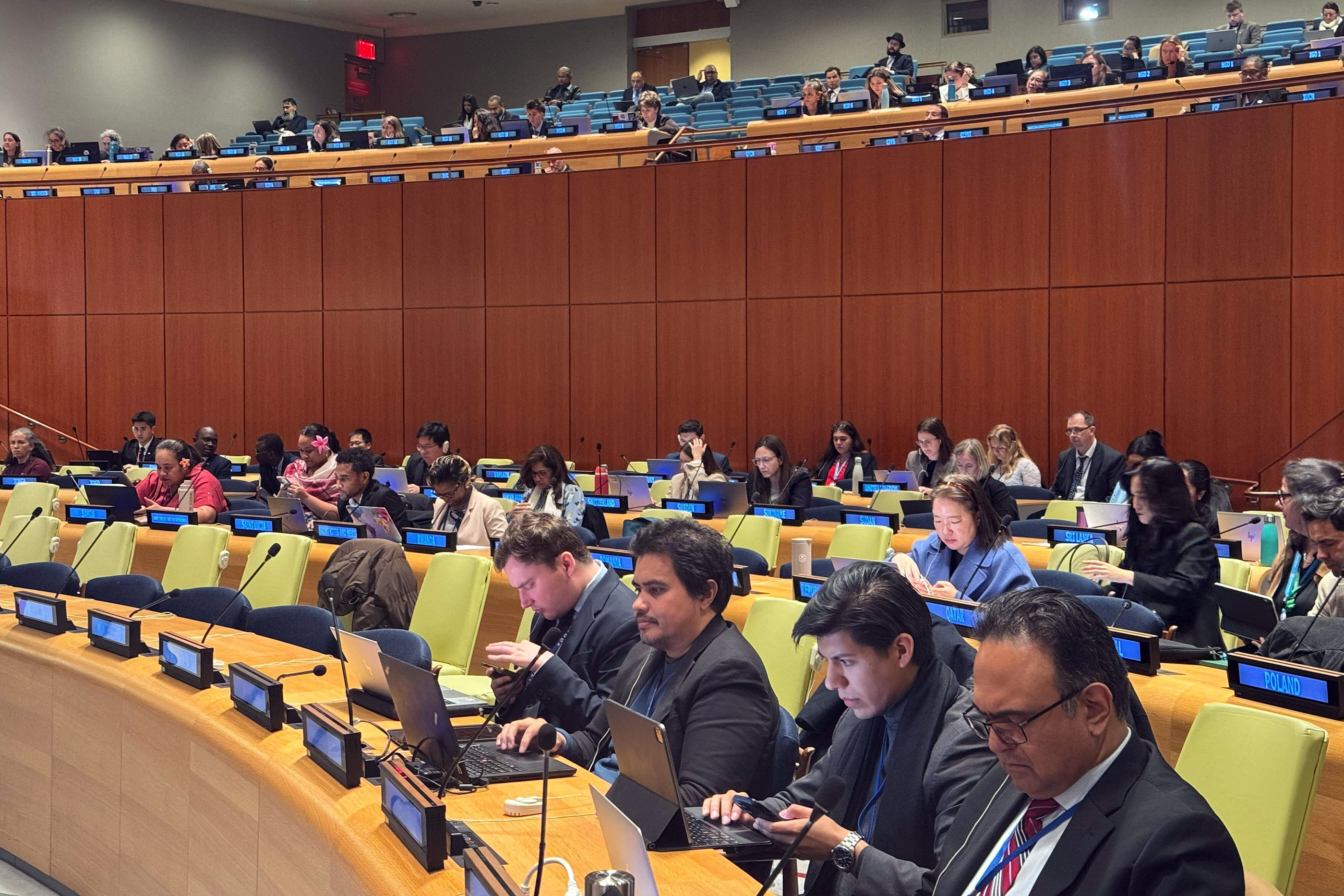
Delegates negotiating ToR and RoP for the subsidiary bodies under the BBNJ Agreement.
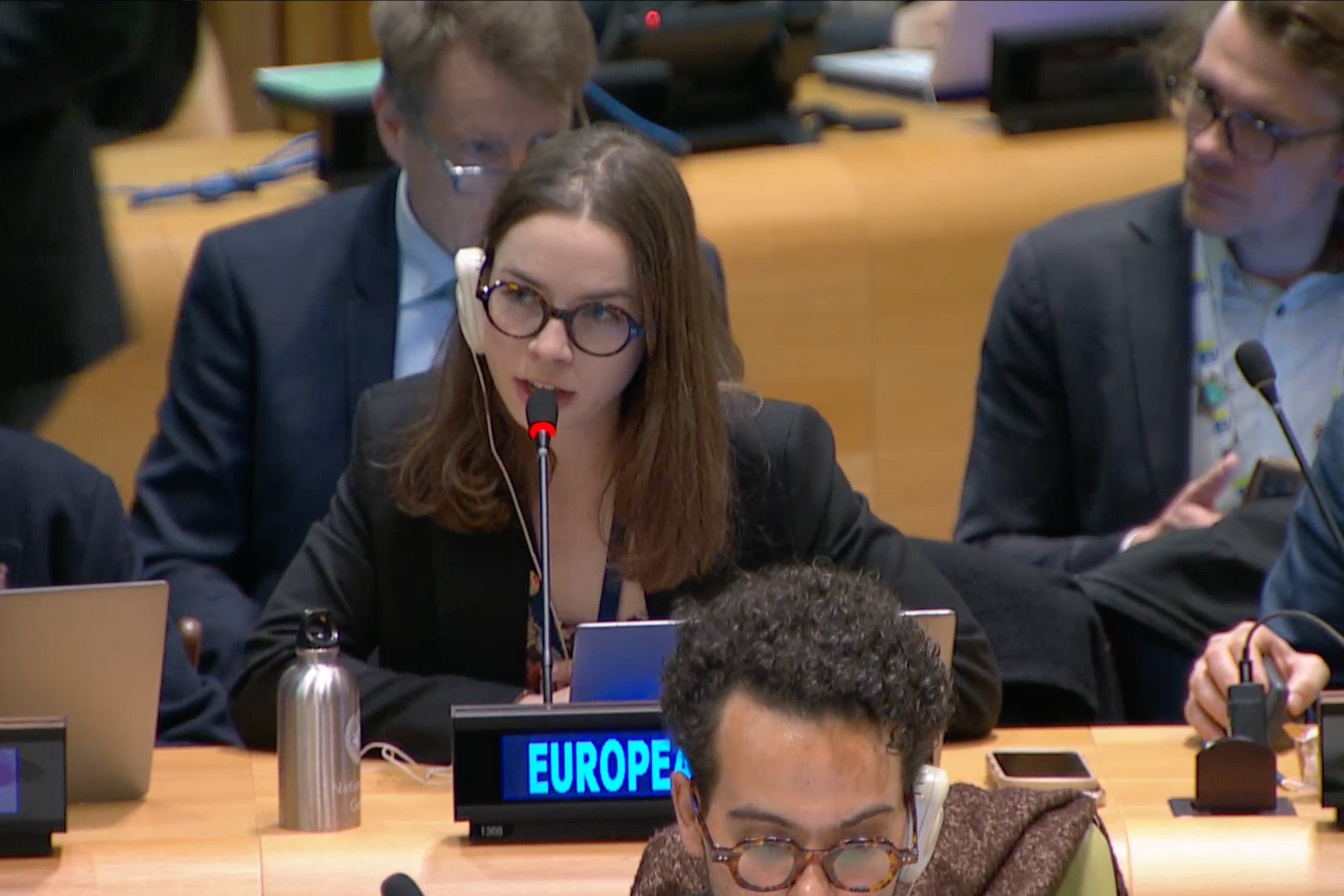
Agathe Brecheteau, EU
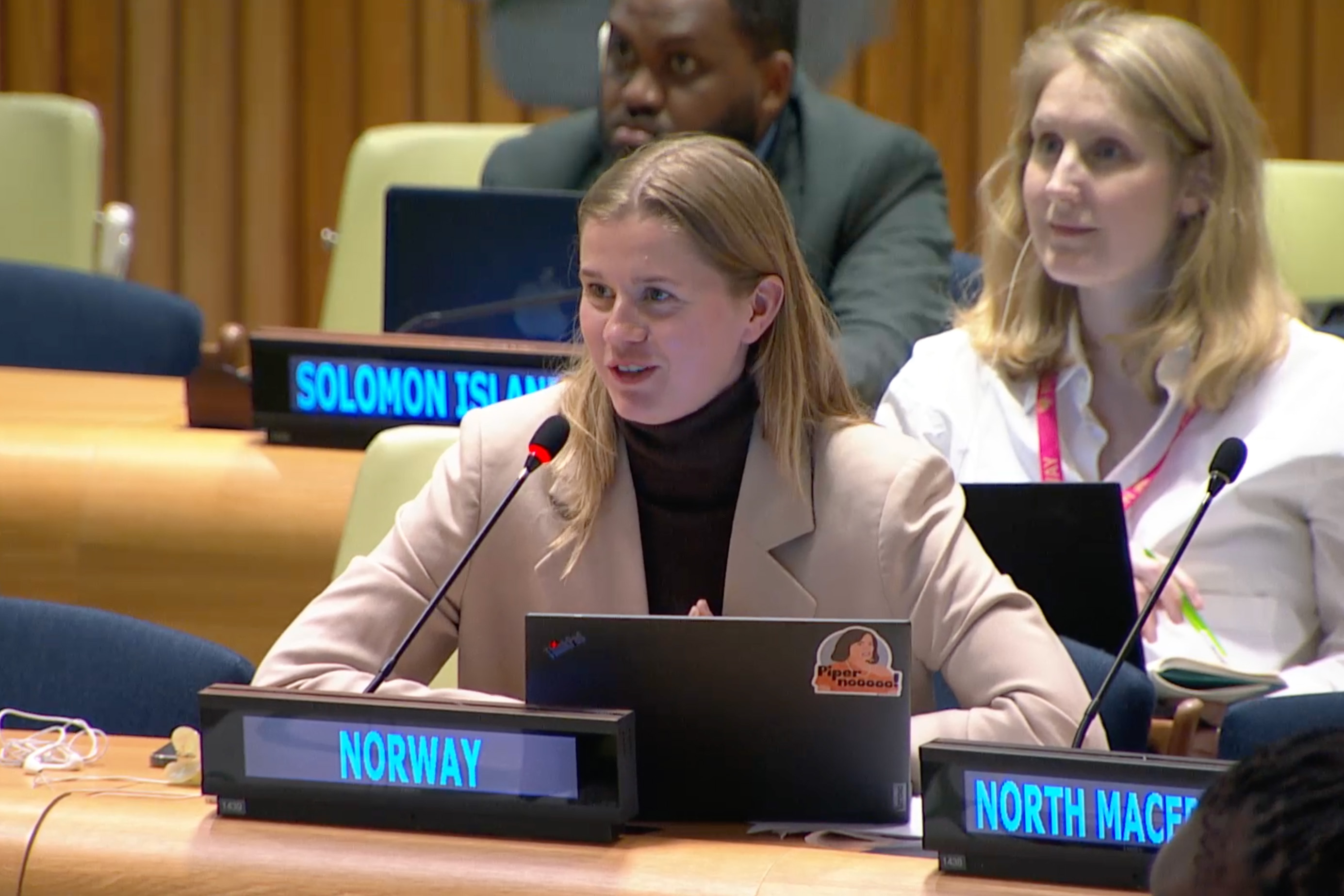
Marie Legernes Teigen, Norway
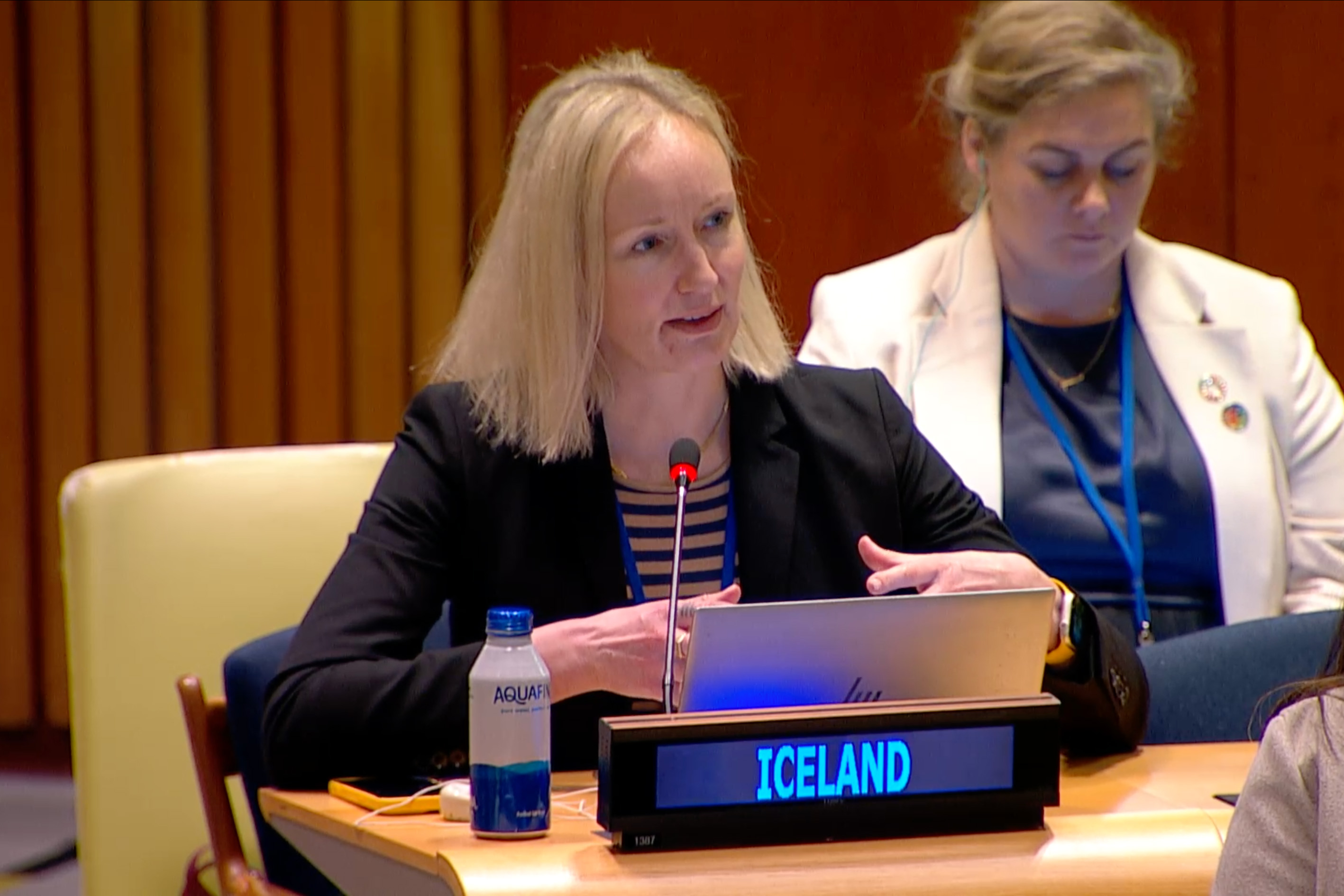
Anna Pála Sverrisdóttir, Iceland