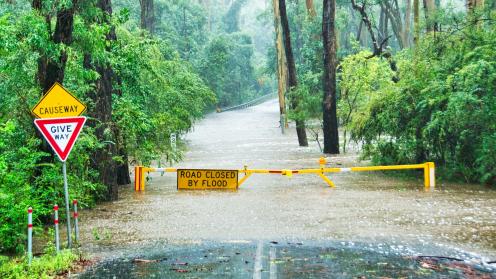
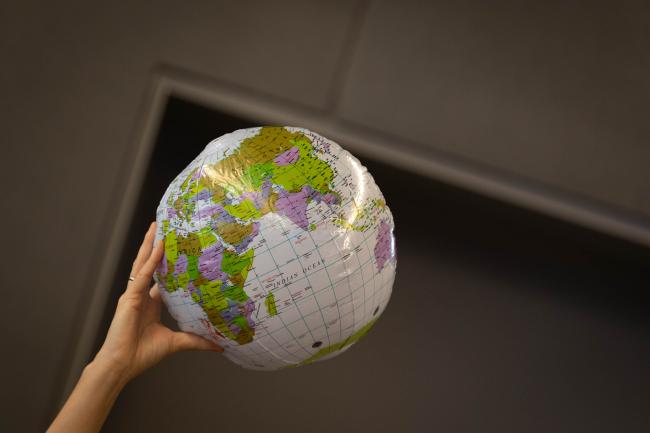
The climate change negotiations have attracted an increasingly diverse group of stakeholders over the years and the process has become more multifaceted as a result of their engagement. There are good reasons for this: climate impacts are varied and affect people, communities, and sectors in many different ways. Climate action can only be truly effective if these specificities are taken into account. Many of the discussions at the 2026 June Climate Meetings are trying to respond to this challenge.
Want to dig deeper into today's talks? Read the full Earth Negotiations Bulletin daily report.
At the last session of the Conference of the Parties (COP) to the UN Framework Convention on Climate Change (UNFCCC), Parties adopted a new Gender Action Plan (GAP). It sets out deliverables designed to enhance the collection, analysis, and use of gender- and age-disaggregated data. Kick-starting the implementation of the GAP, experts met in Bonn to map available data, good practices, and gaps. Among others, the UN Children's Fund (UNICEF) presented its Children Climate Risk Index and other data repositories it manages.
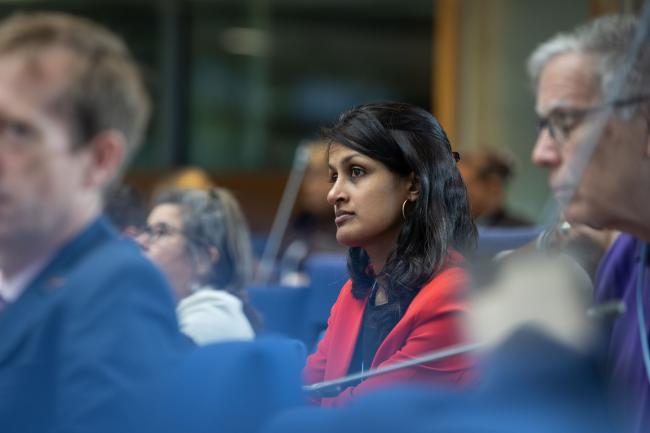
The session highlighted how gender- and age-disaggregated data provide fine grained insights aimed at informing targeted interventions in areas such as health, social services, and education. Participants shared insights on:
- how climate change affects care burdens;
- how health data can be incorporated into climate reporting, including with regard to disease burden and maternal mortality;
- links between extreme weather events, displacement, food insecurity, and increased rates of violence against women and girls; and
- gender-disaggregated insights on emissions-intensive practices.
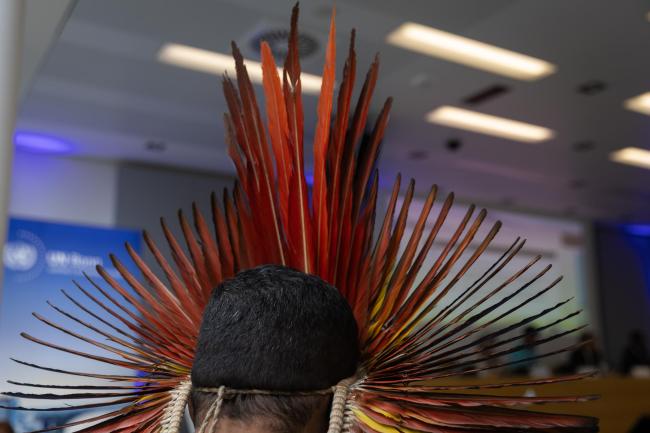
Another event focused on Indigenous Peoples and local communities, considering their ethical and equitable engagement in national reporting. Participants discussed how transparency reports could better reflect community-based monitoring and diverse ways of understanding climate impacts. The Consultative Group of Experts provided insights on how Indigenous knowledge has been incorporated into the first round of Biennial Transparency Reports, highlighting the example of traditional fire management practices.

A negotiation session also addressed the needs of the least developed countries (LDCs). These are the countries which, based on criteria such as per capita income, school enrolment, nutrition levels, and economic and environmental vulnerability, receive special recognition and attention by the UN and UNFCCC. In Bonn, delegates are initiating the stocktake of the progress of the LDC Expert Group (LEG), the constituted body that supports this group of countries in implementing climate action. In this context, many parties lauded the LEG’s updated technical guidelines for National Adaptation Plans (NAPs) as helpful not only to LDCs, but to other countries as well. They also underscored the need to better support LDCs in accessing climate finance, especially for NAP implementation.
To receive free coverage of global environmental events delivered to your inbox, subscribe to the ENB Update newsletter.
All ENB photos are free to use with attribution. For SB64 please use: Photo by IISD/ENB - Kiara Worth
Dialogue on Implementing the Global Stocktake Outcomes
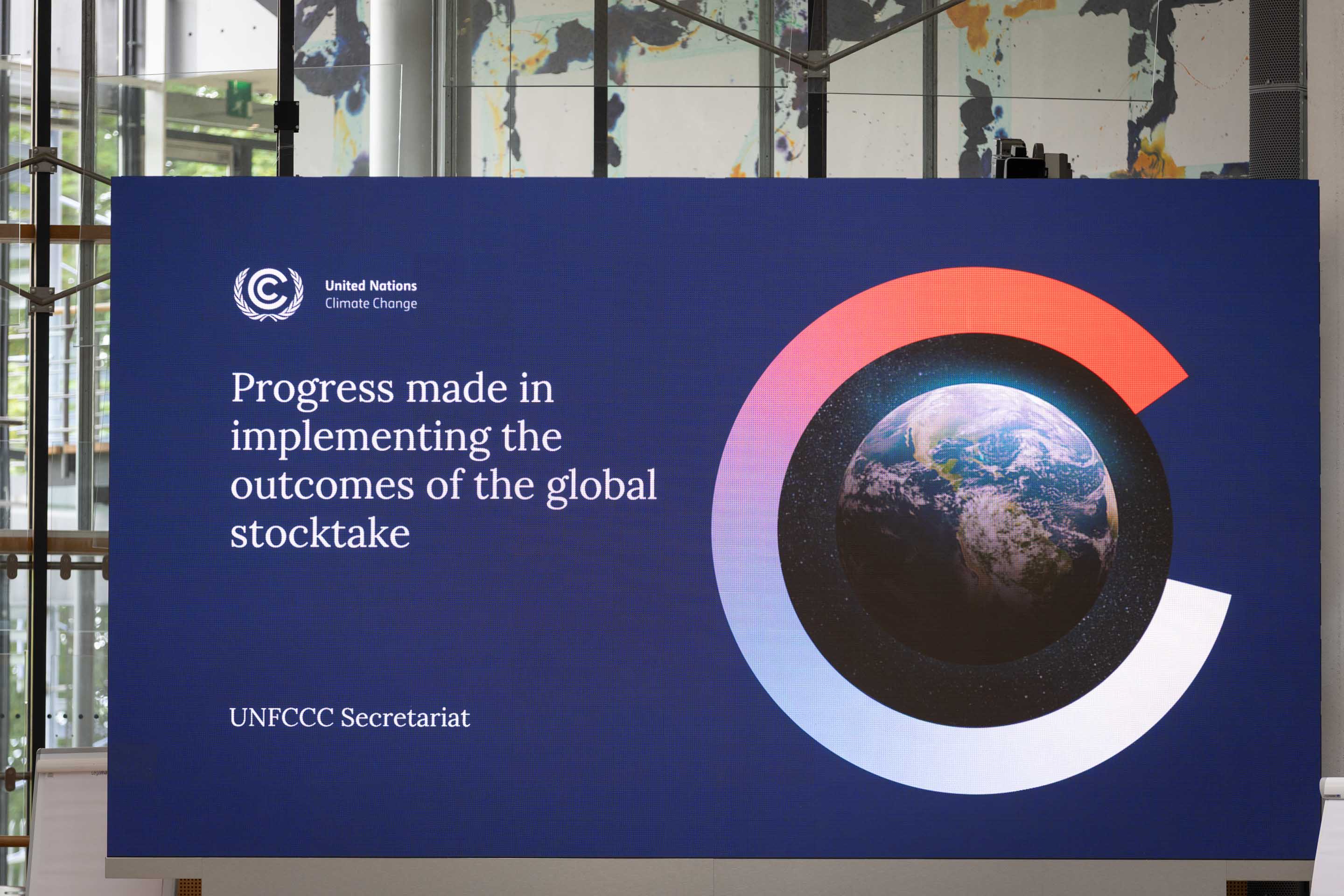
Delegates gather for a special dialogue on implementing the Global Stocktake (GST) outcomes
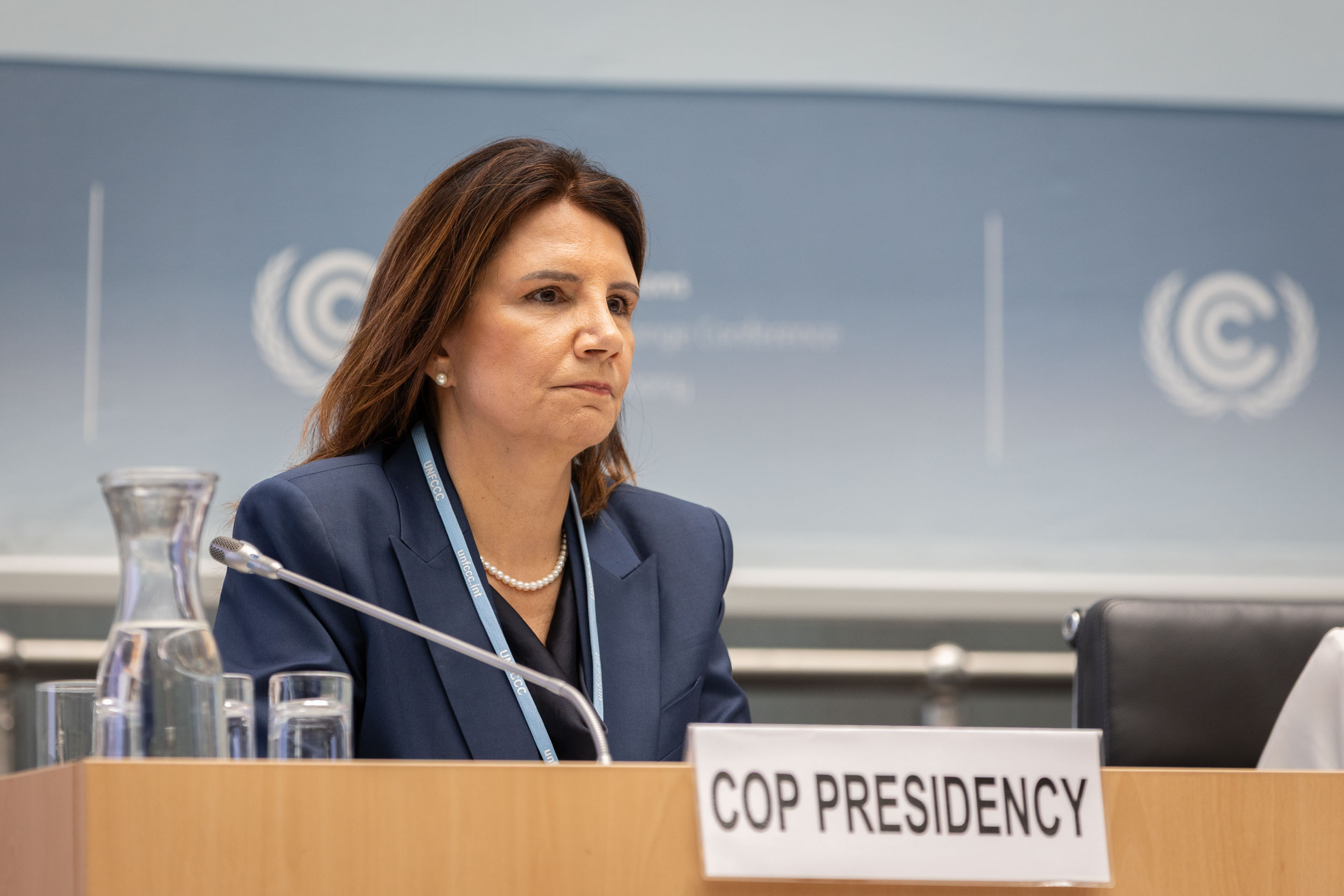
Ana Toni, COP 30 Presidency
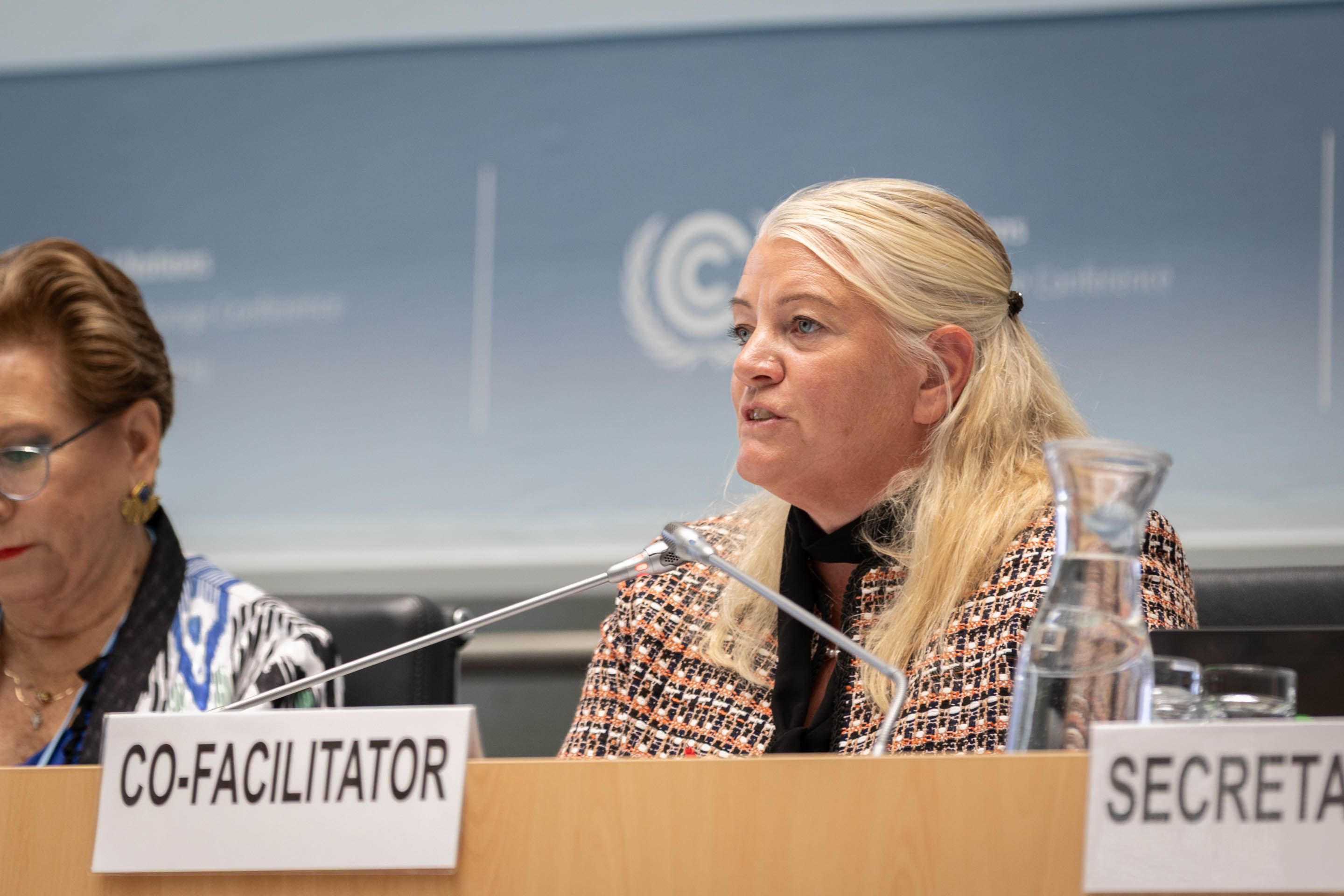
Dialogue Co-Facilitator Johanna Lissinger Peitz, Sweden
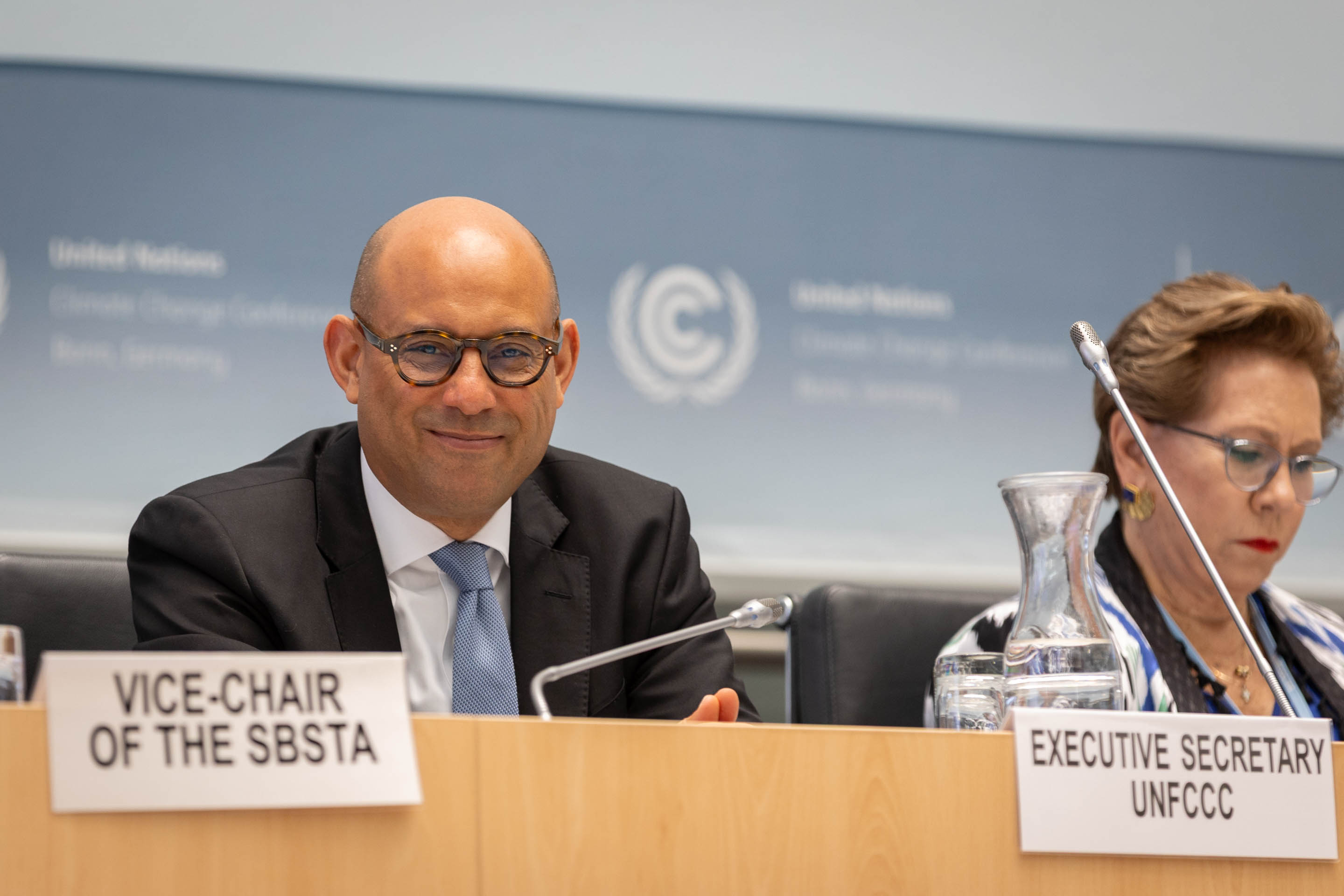
UNFCCC Executive Secretary Simon Stiell
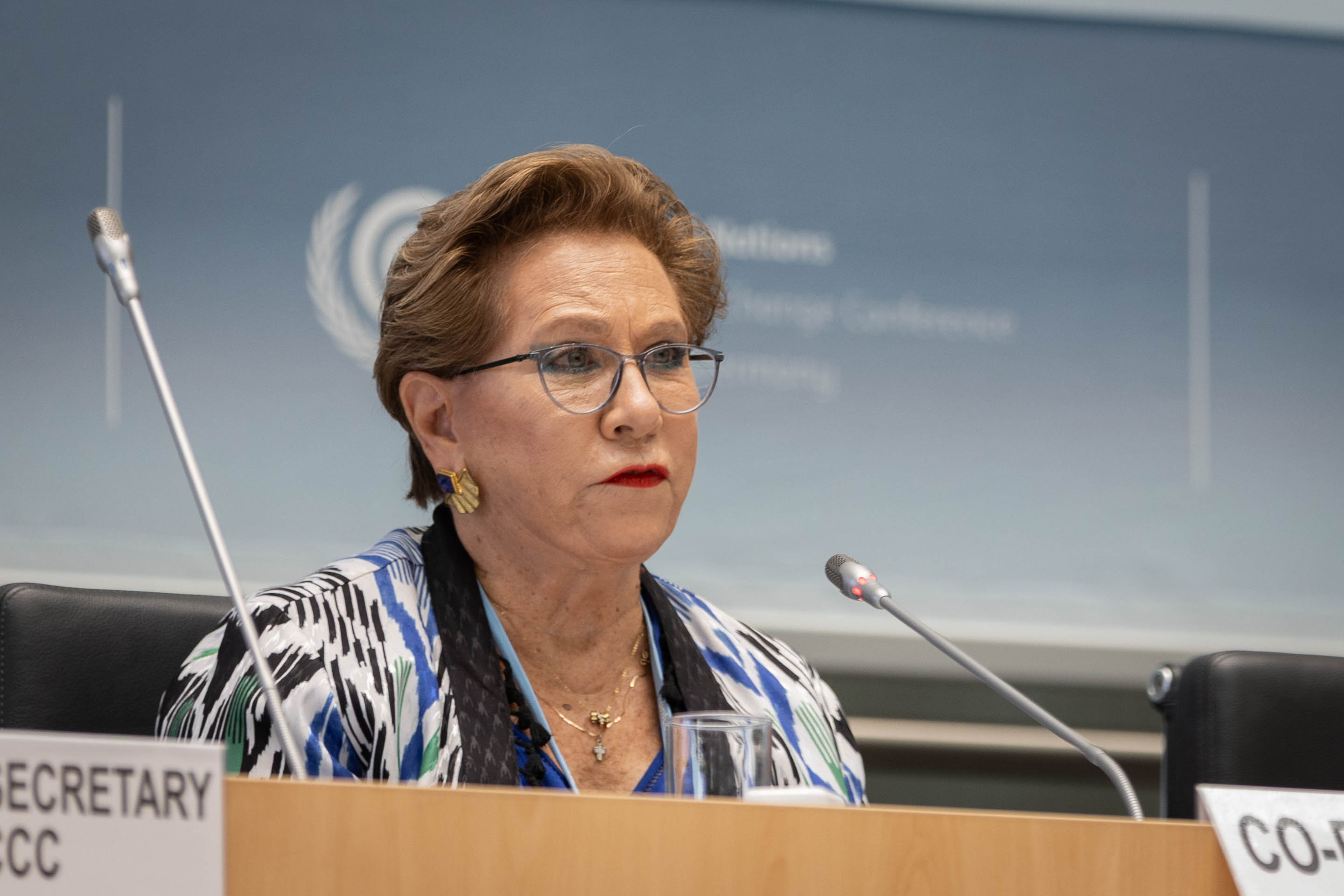
Dialogue Co-Facilitator Rita Mishaan, Guatemala
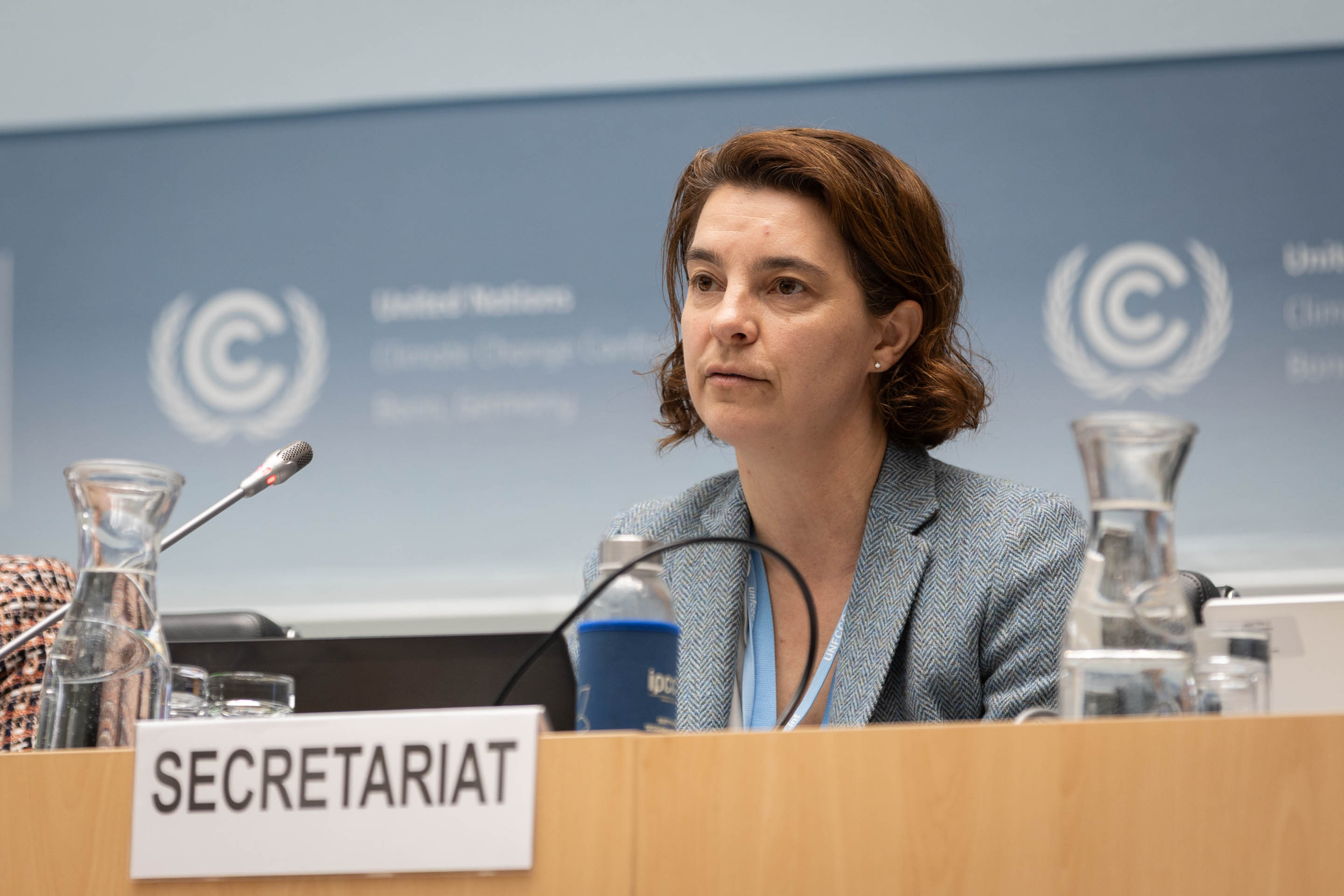
Annett Moehner, UNFCCC Secretariat
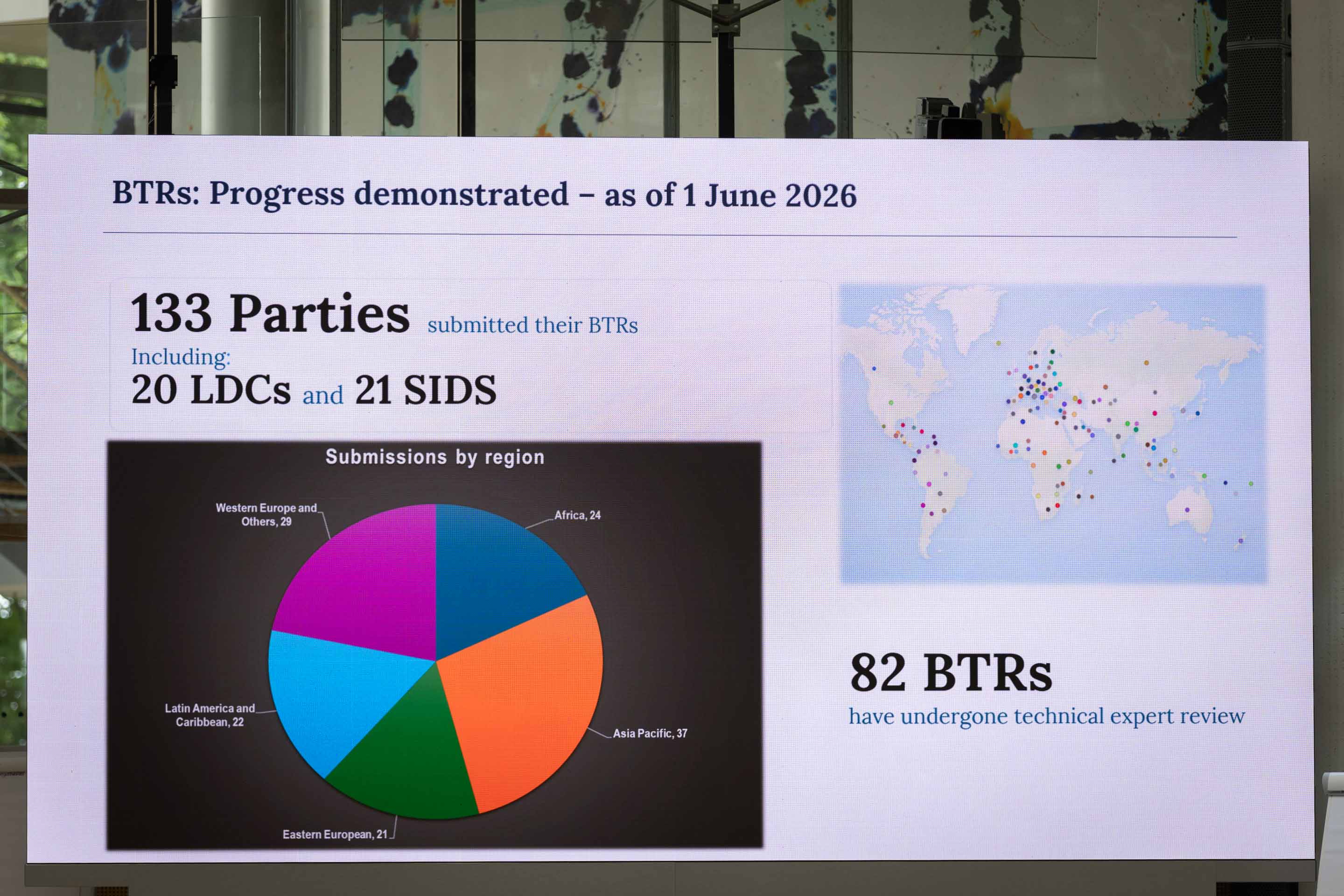
A slide from the UNFCCC presentation explains the progress countries are making in submitting their Biennial Transparency Reports (BTRs)
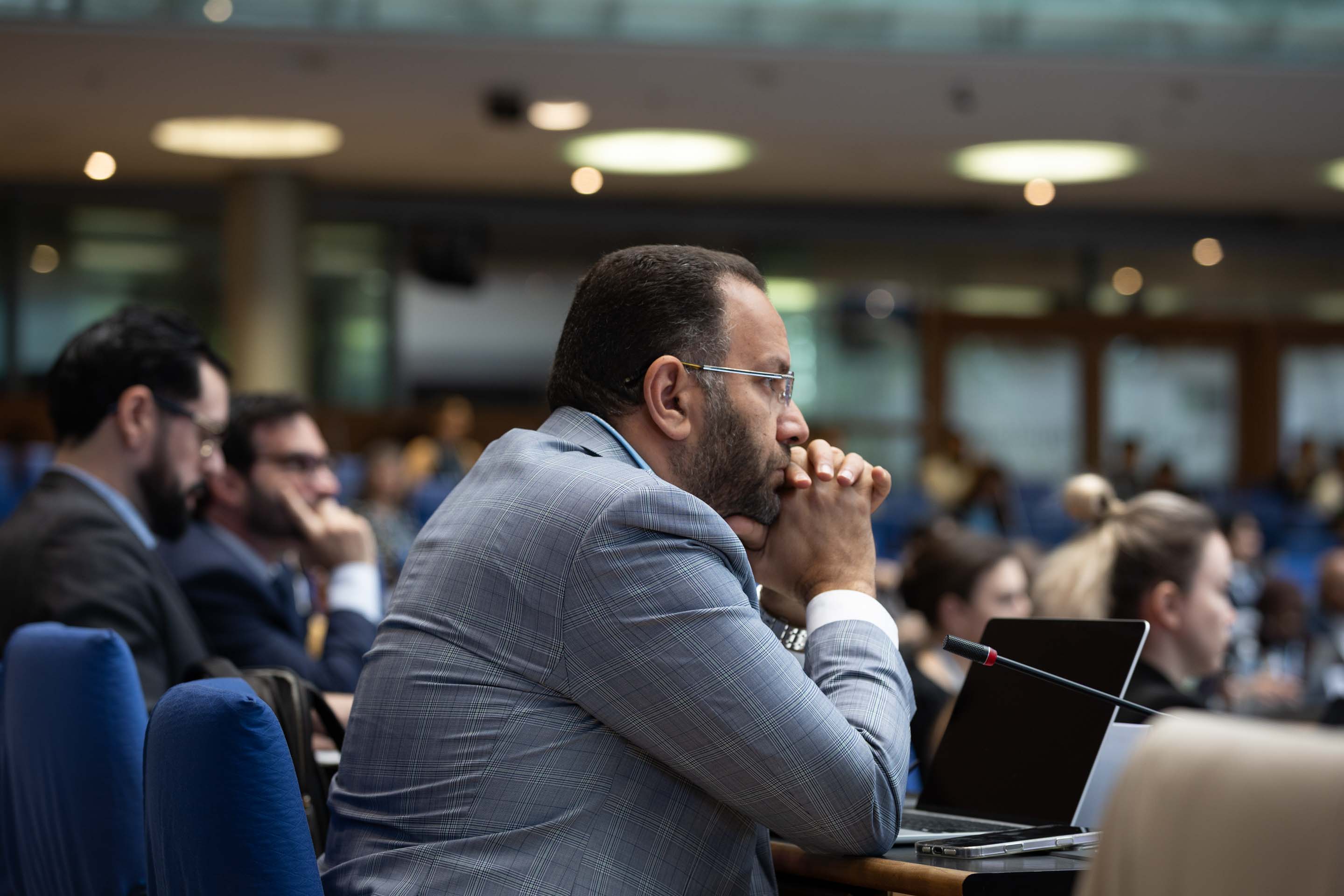
Amr Abdel-Aziz, Egypt, listens to the discussions
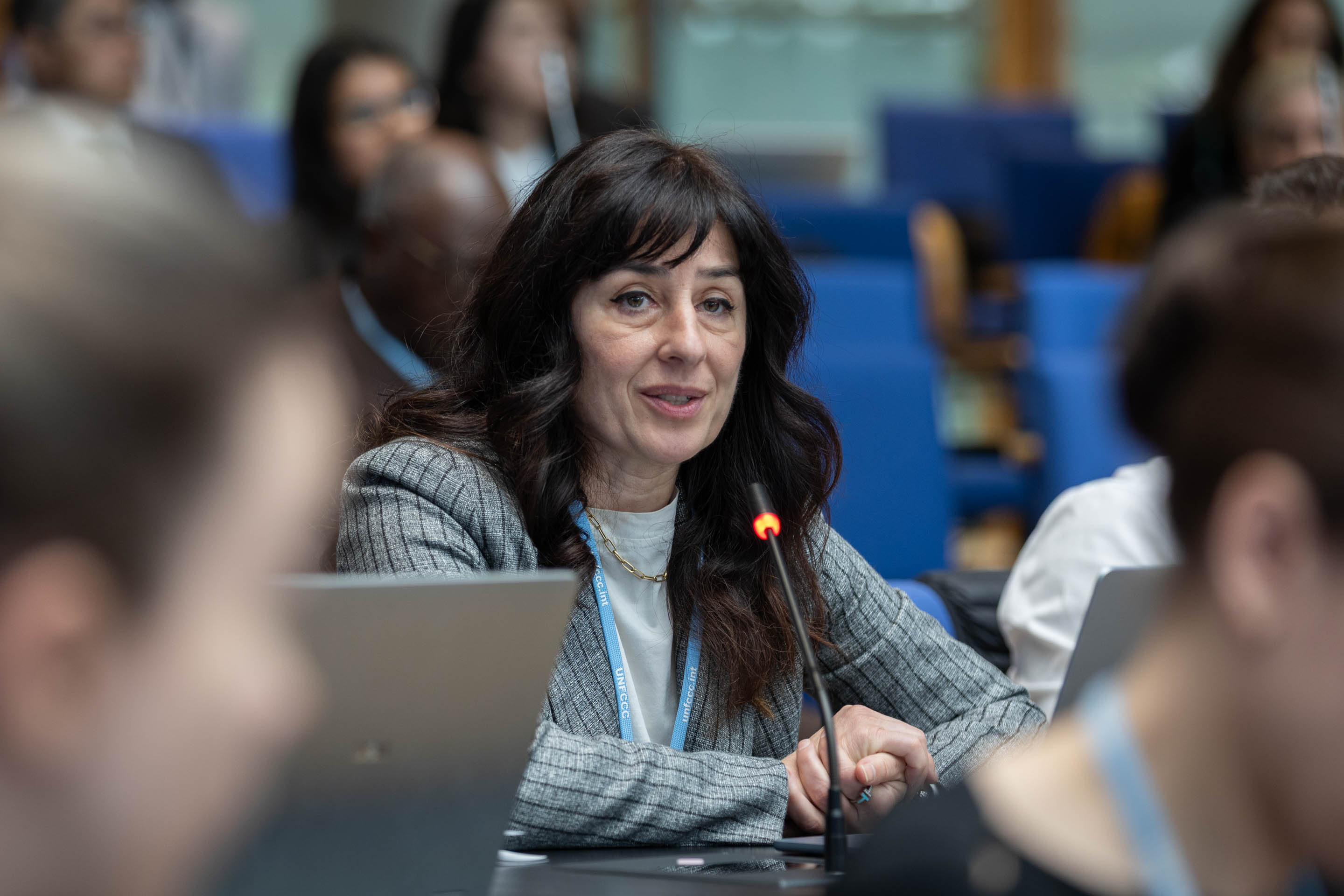
Federica Bietta, Honduras, on behalf of the Coalition for Rainforest Nations (CfRN)
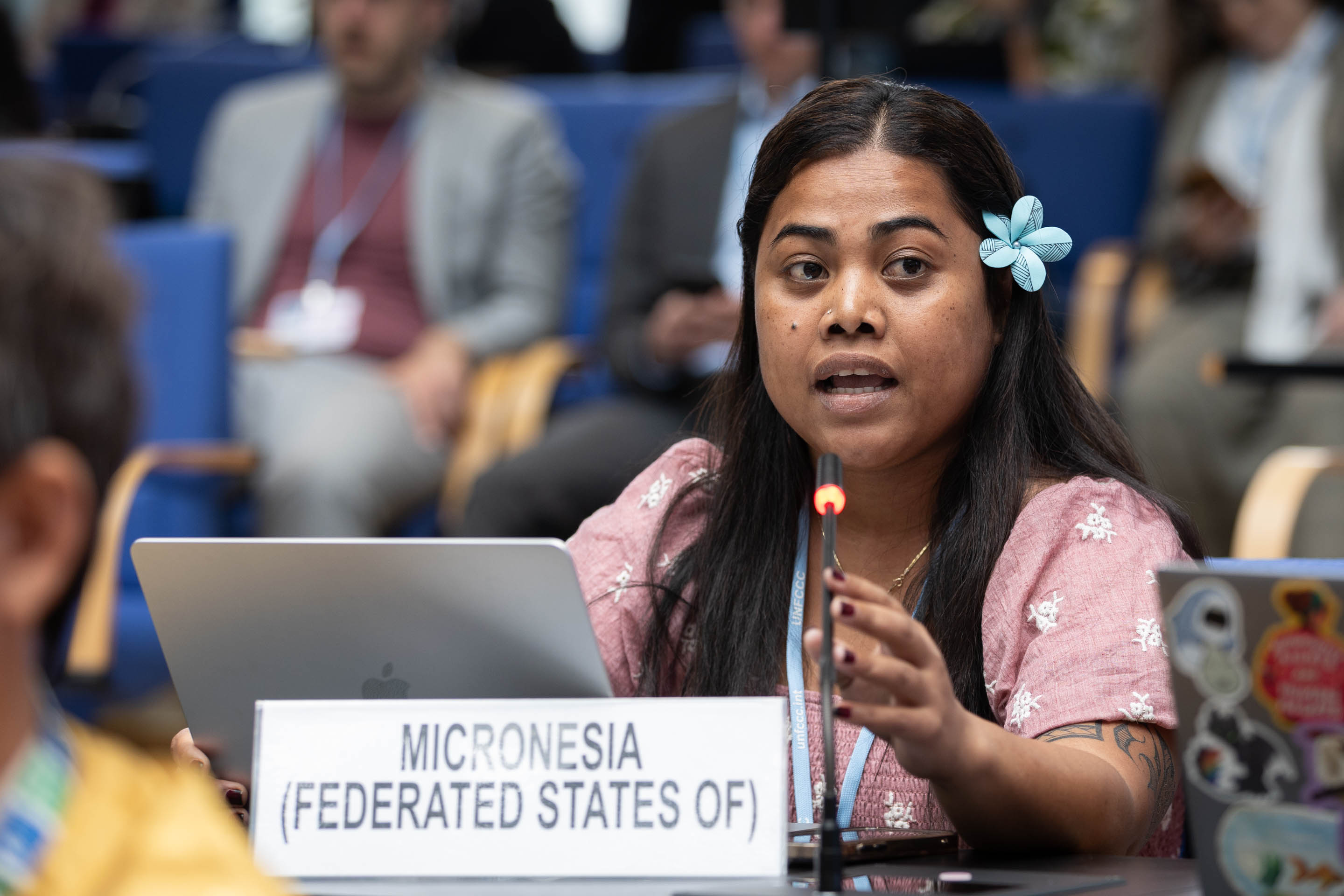
Ann Albert, Federated States of Micronesia, on behalf of the Alliance of Small Island States (AOSIS)
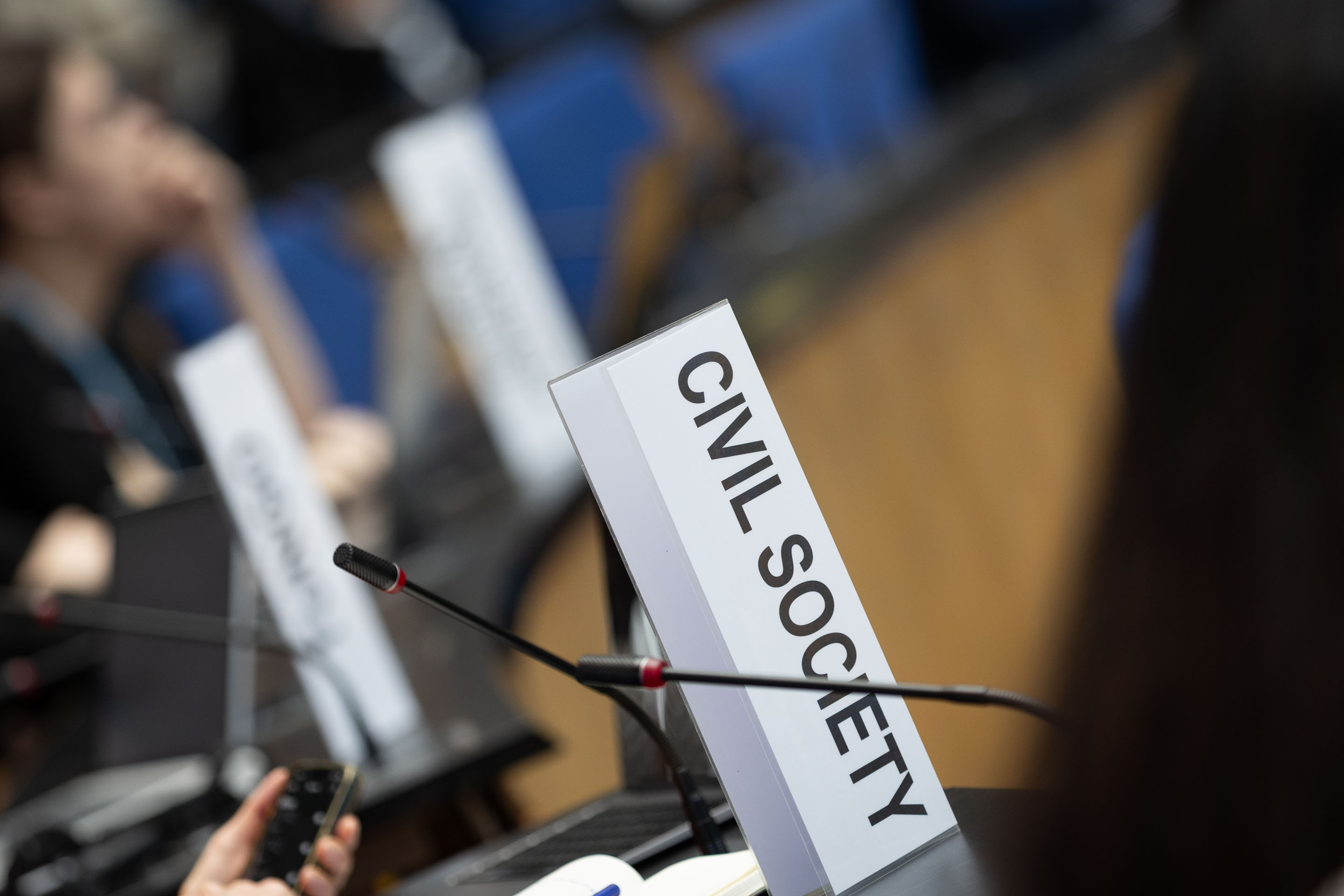
Delegates raise their placards to speak
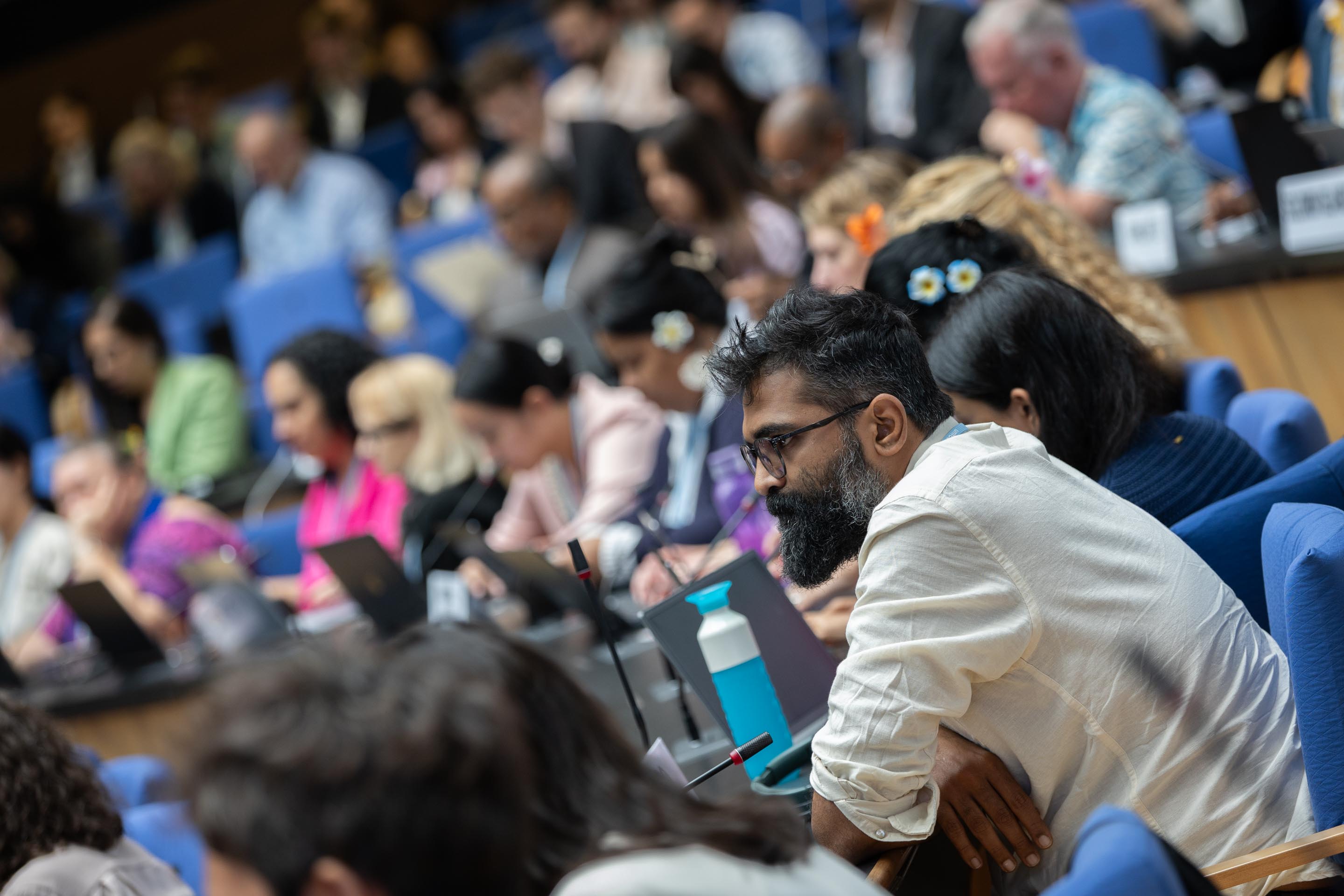
Facilitative, Multilateral Consideration of Progress
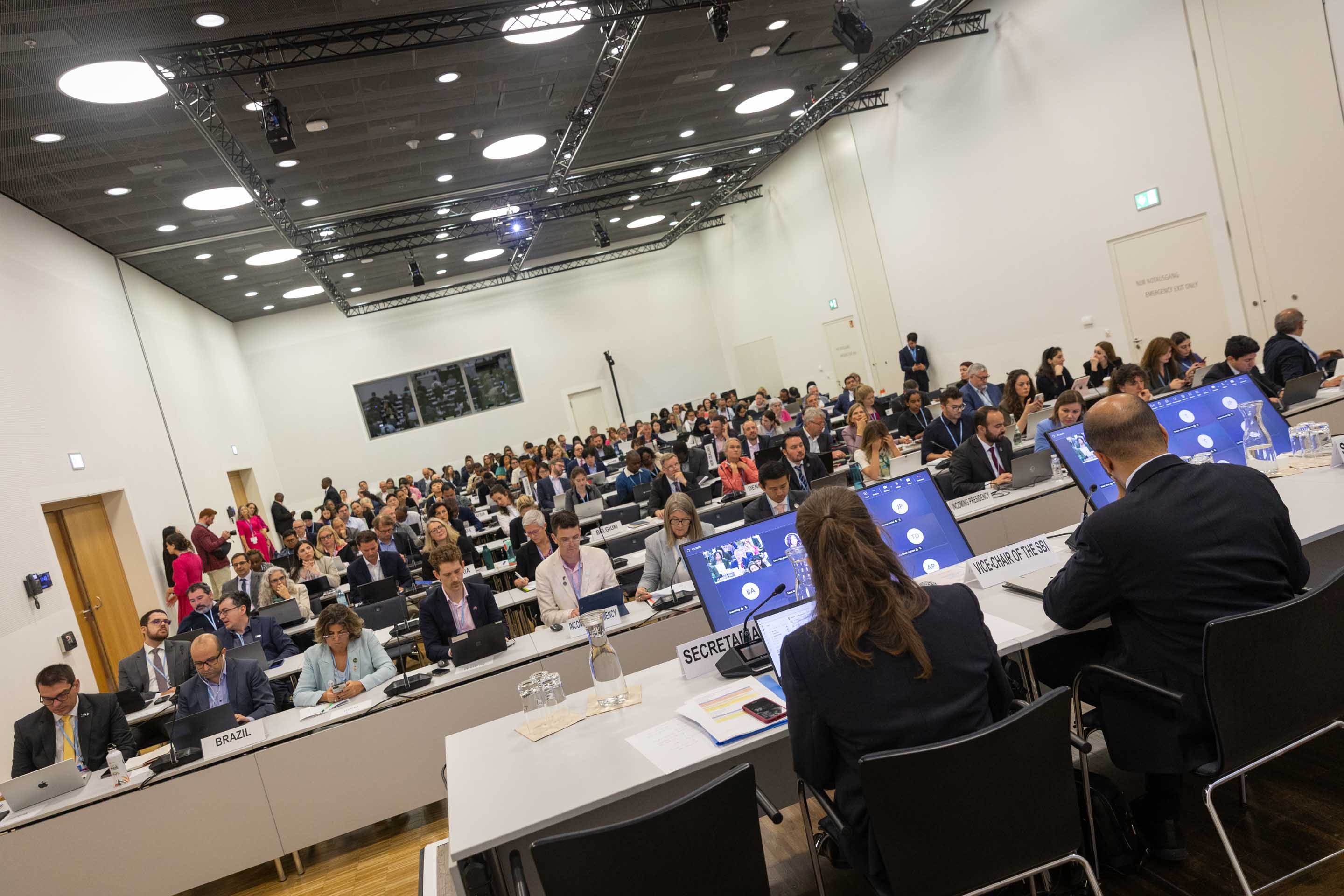
Delegates gather for the third working group session on the Facilitative, Multilateral Consideration of Progress (FMCP)
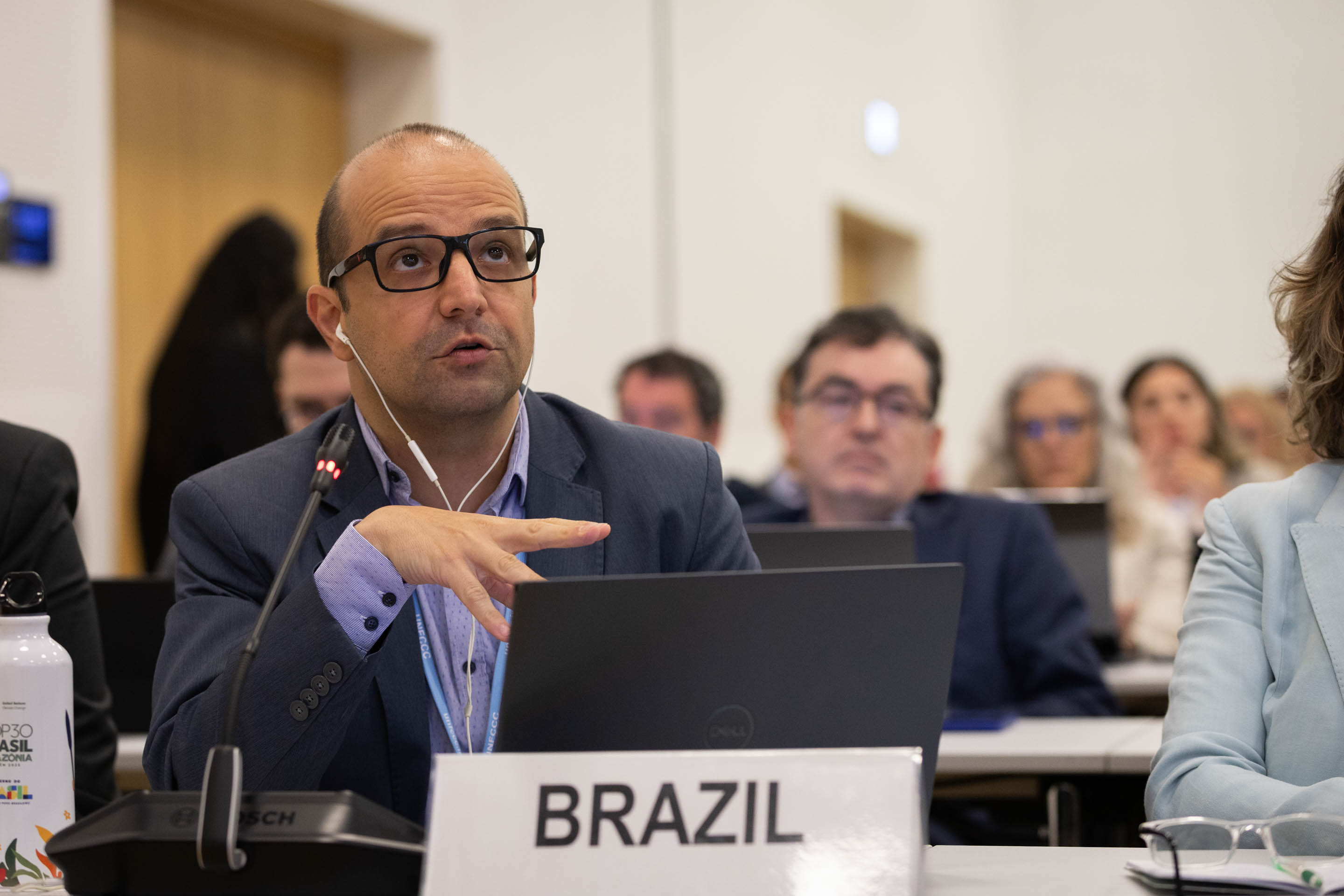
Ricardo Araujo, COP 30 Presidency
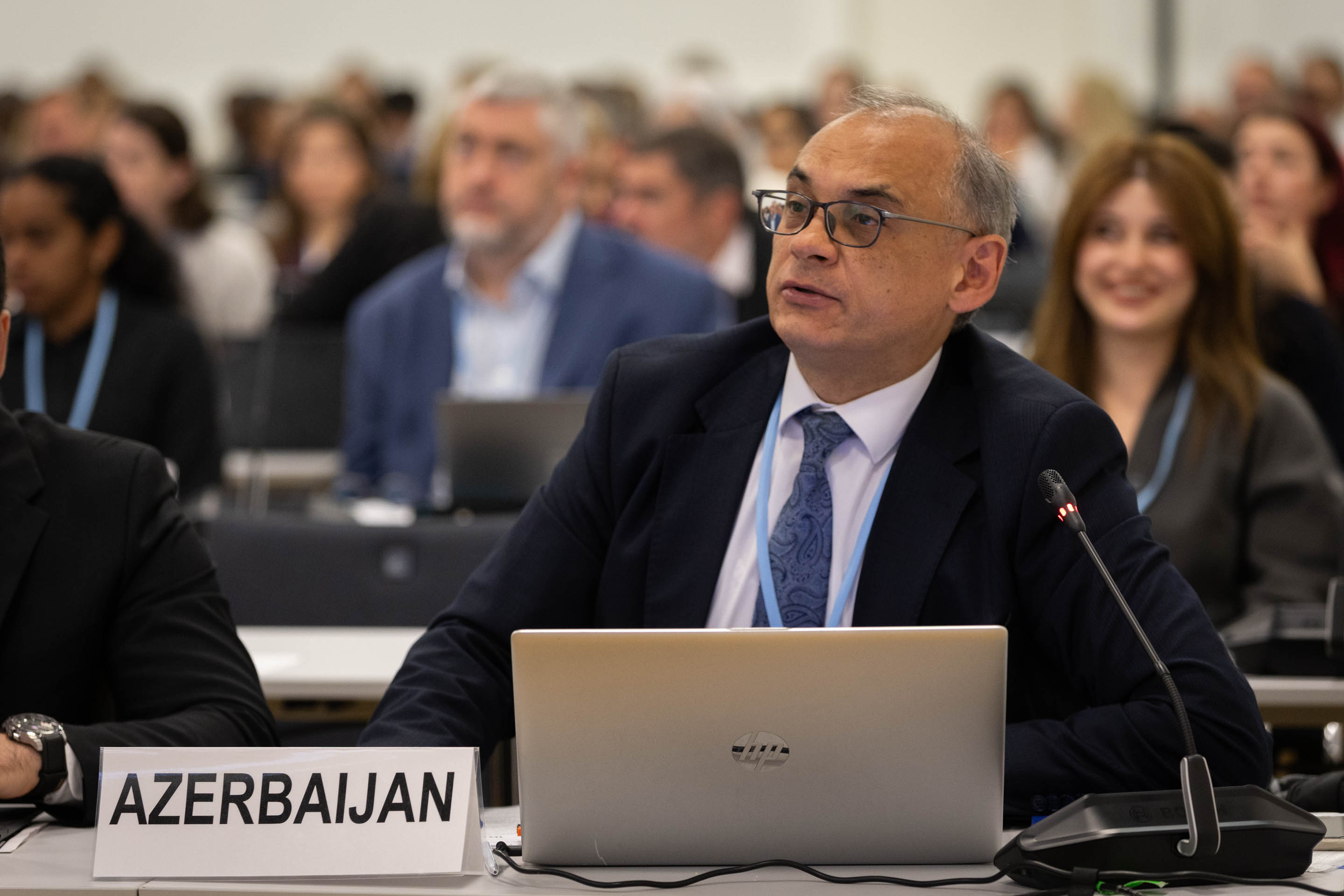
Fuad Humbatov, COP 29 Presidency
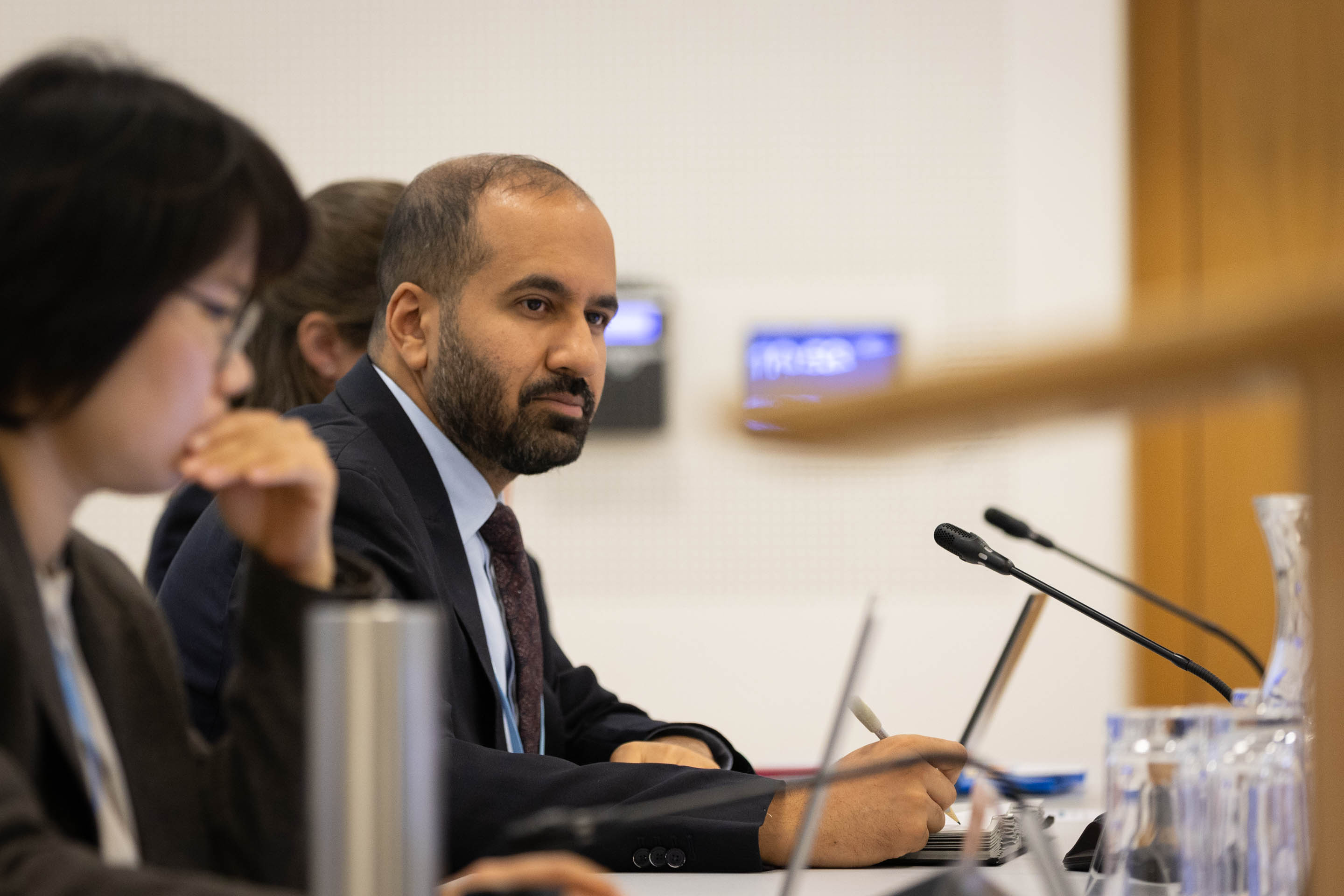
Eyad Aljubran, SBI Vice-Chair
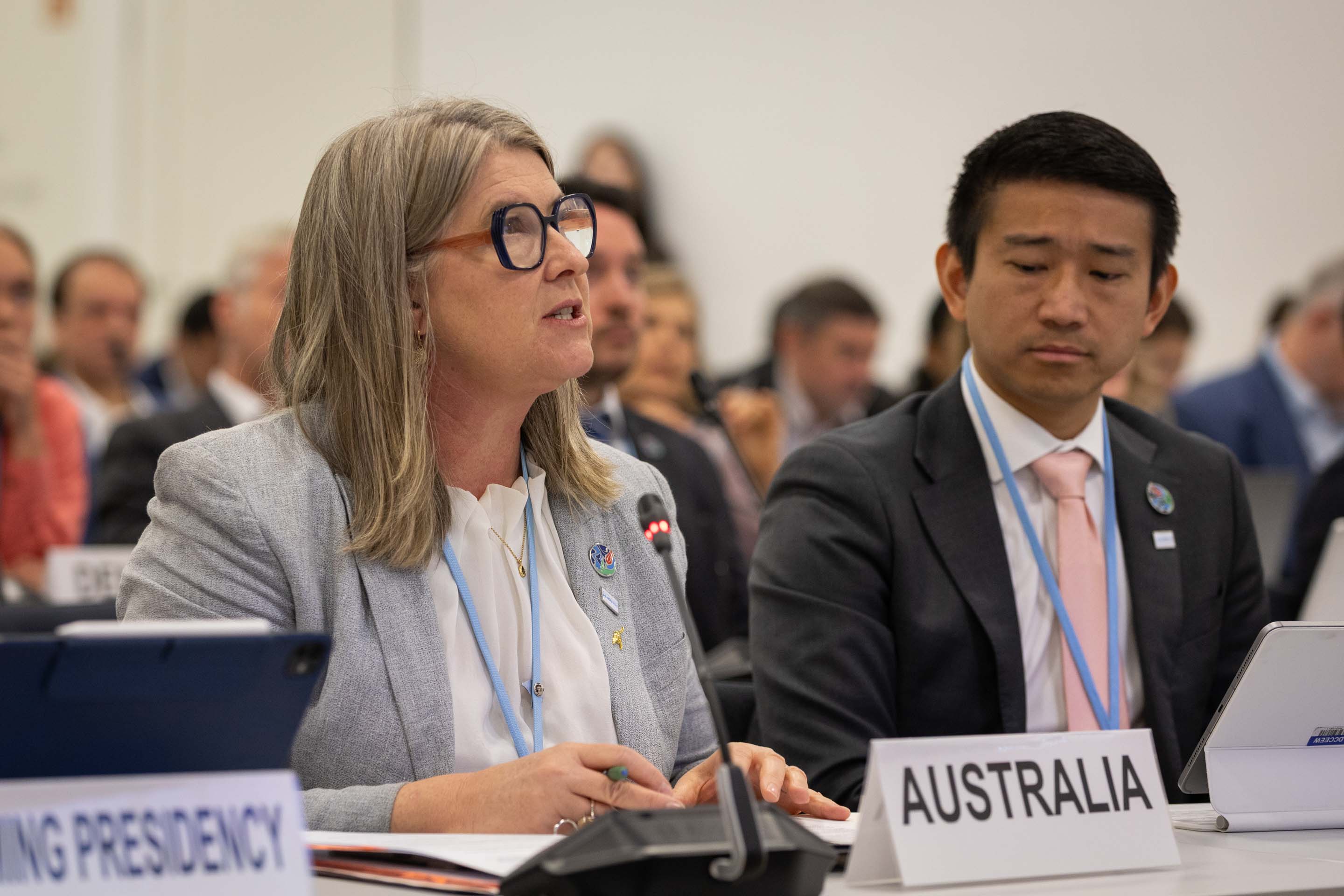
Sally Box, incoming COP 31 Presidency of Negotiations
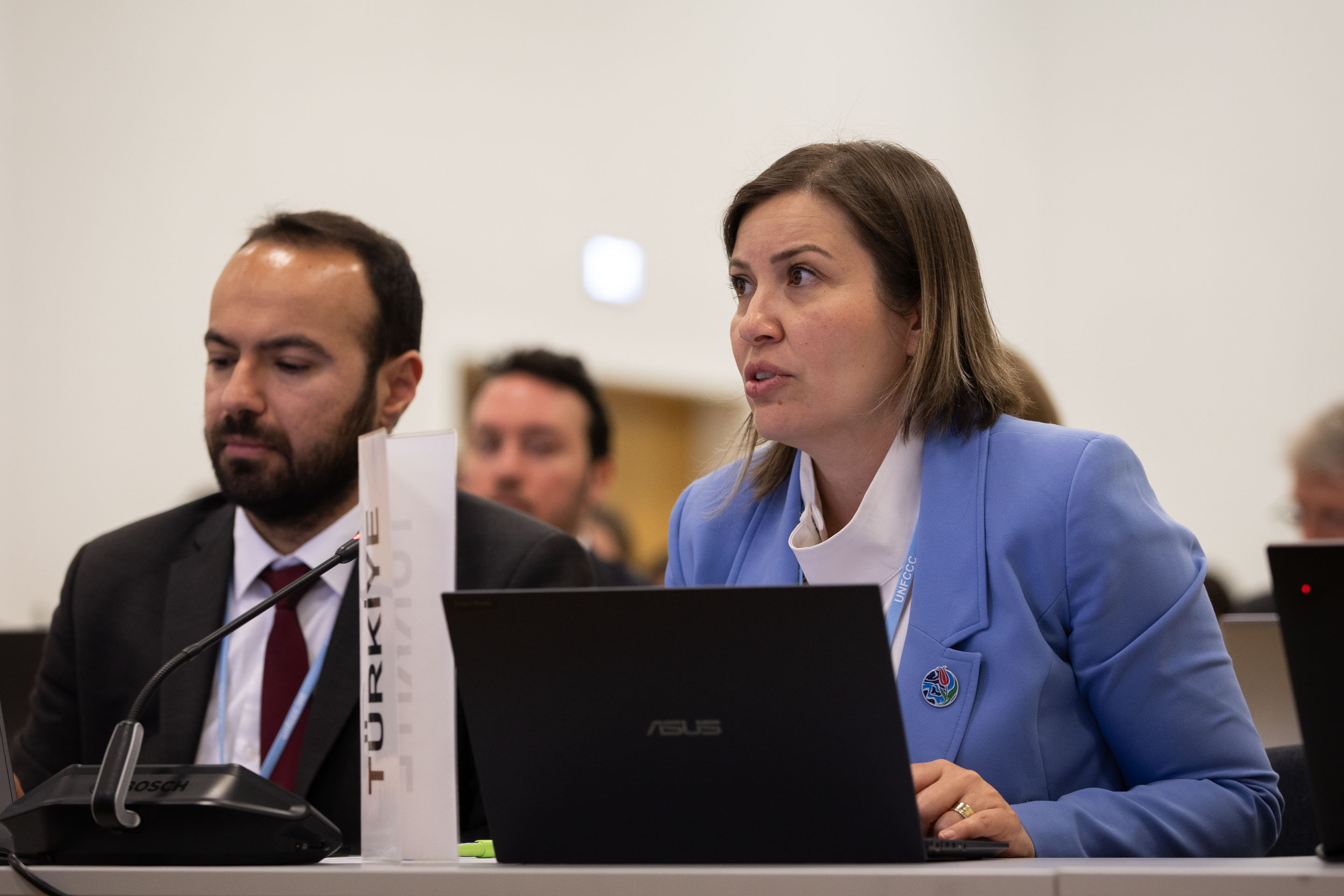
Tuğba Dinçbaş, incoming COP 31 Presidency
Dialogue on Finance Flow Alignment
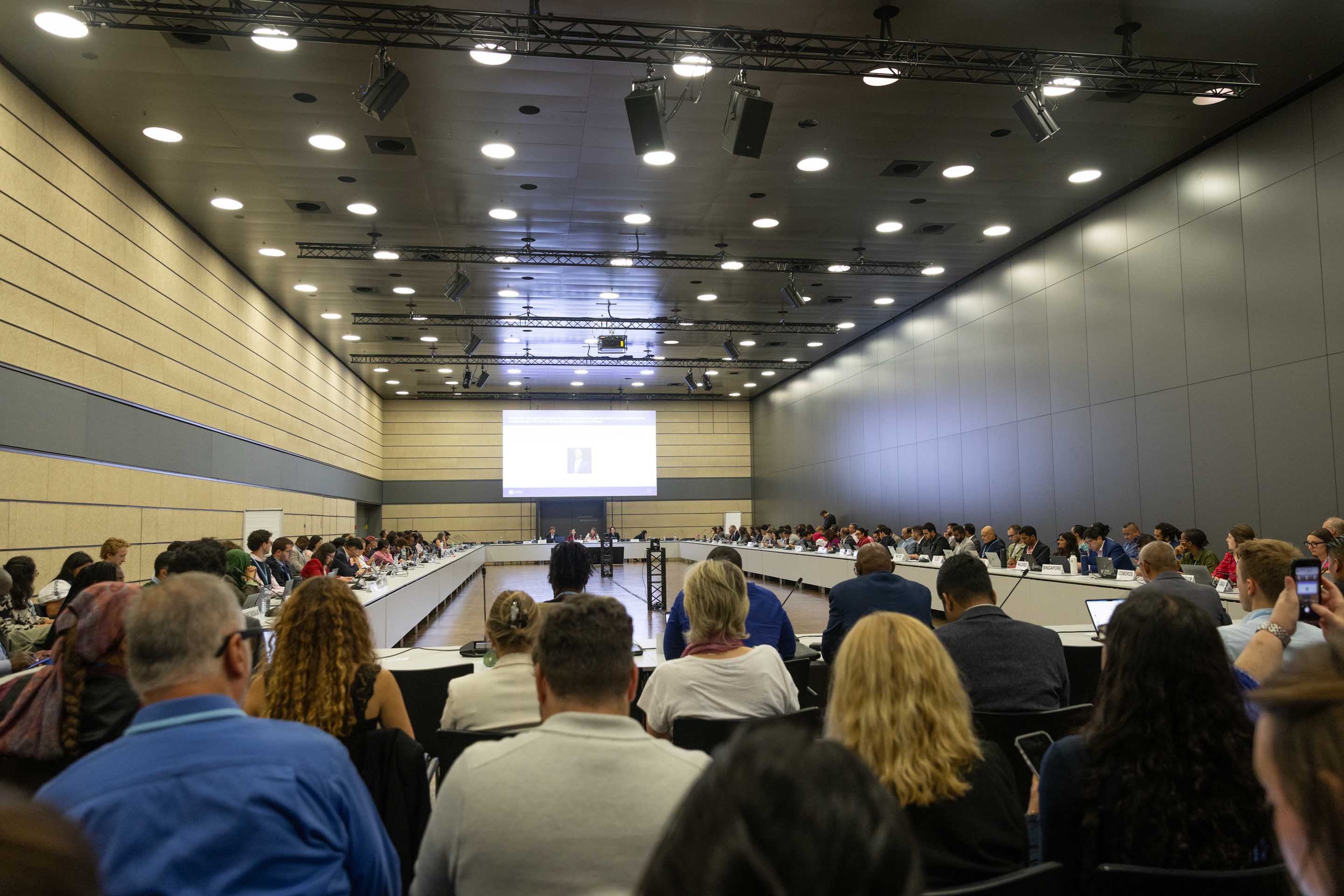
Delegates attend the second session of the Veredas Dialogue to discuss finance flow alignment
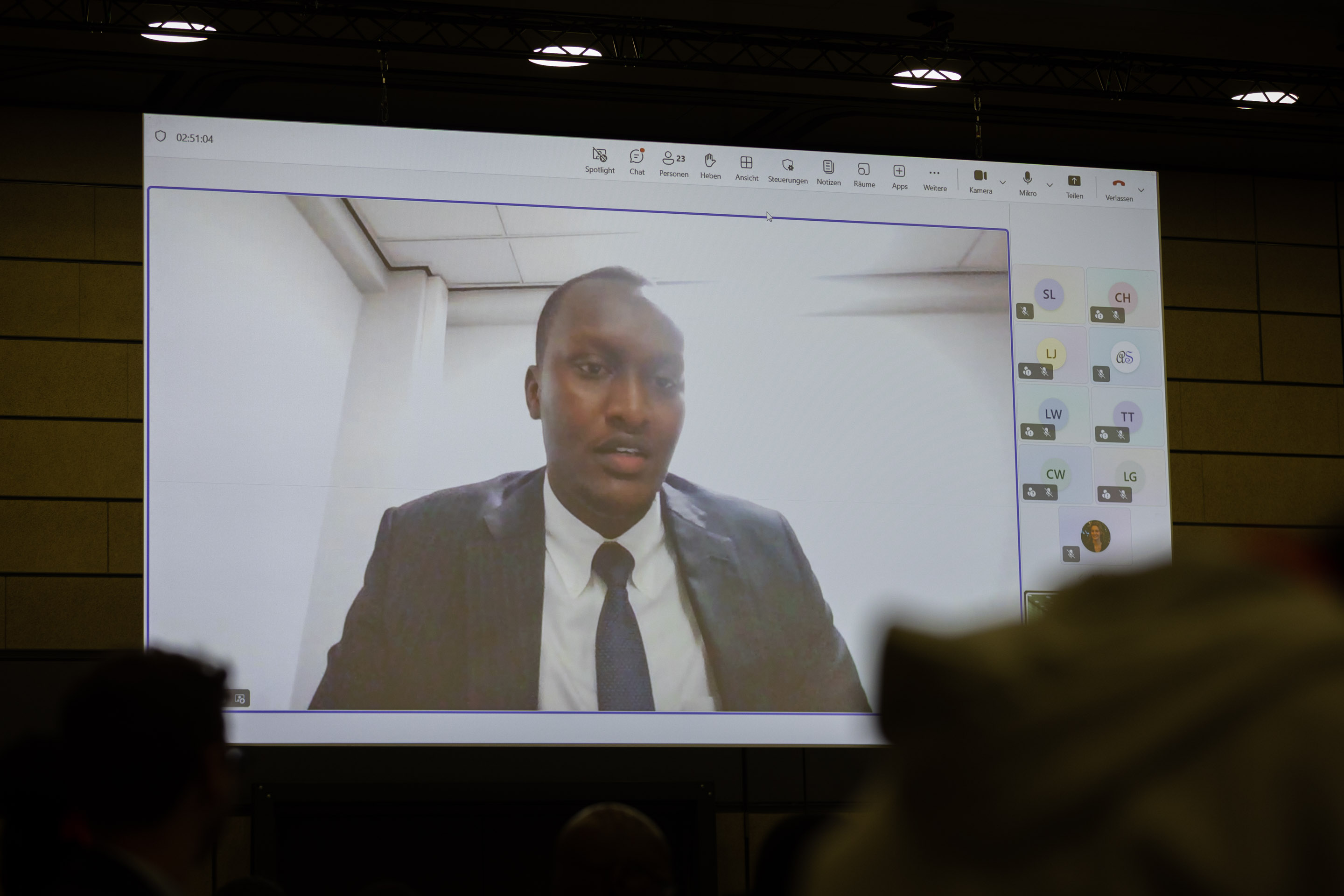
Elie Sebagado, Ministry of Finance and Economic Planning, Rwanda, presents virtually
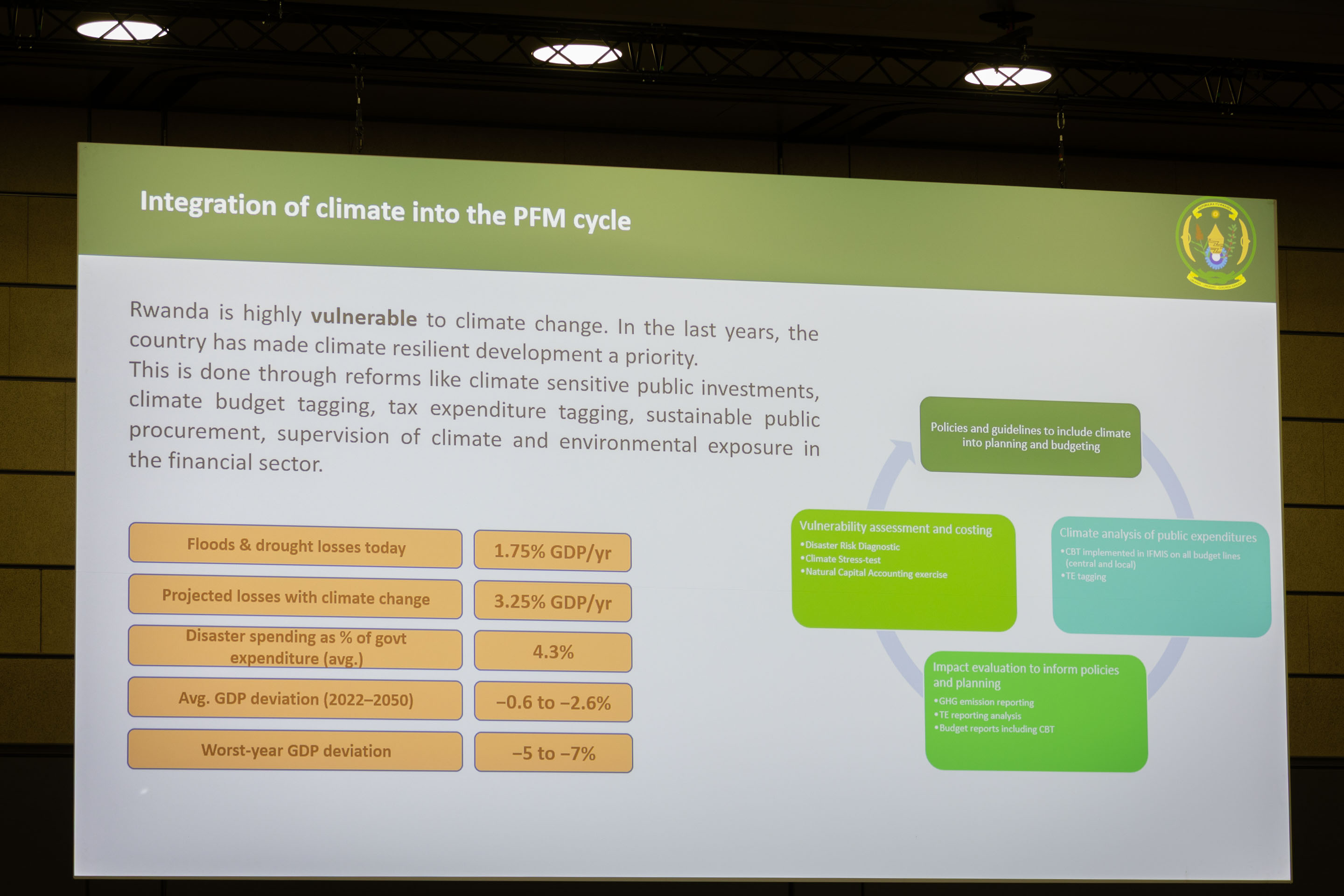
A slide highlights how Rwanda integrates climate change into their financial planning
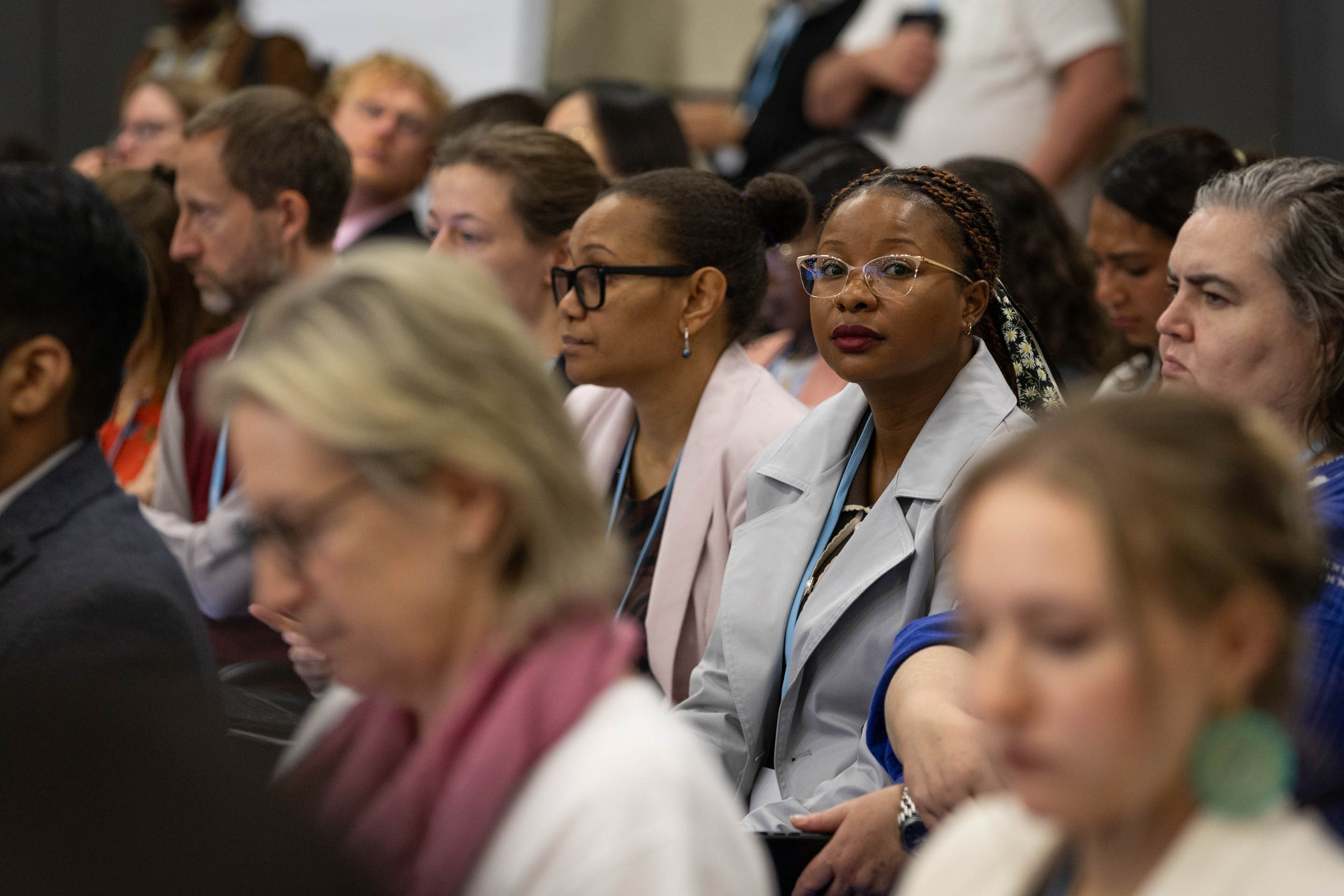
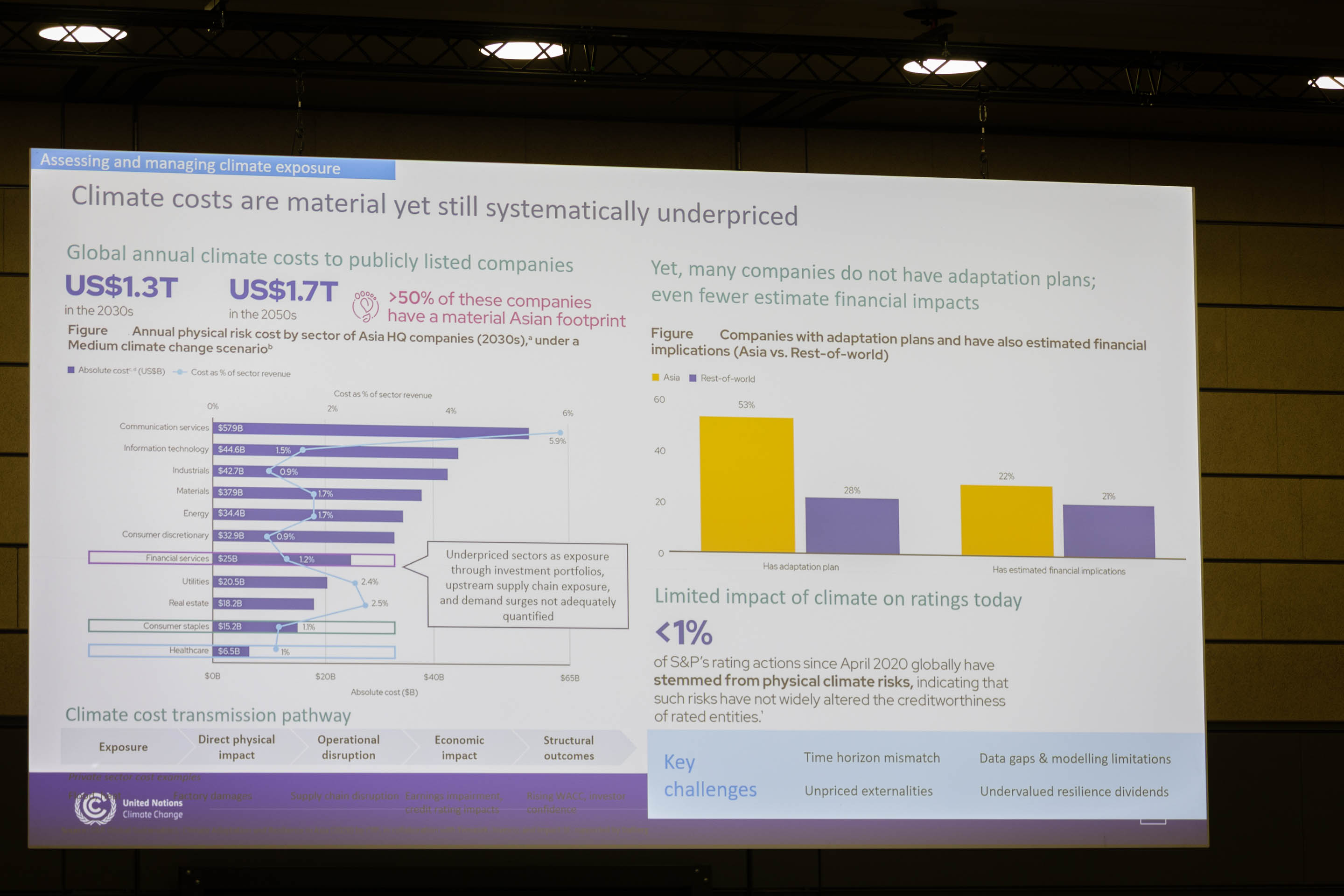
A slide highlights how the impacts of climate change are underestimated
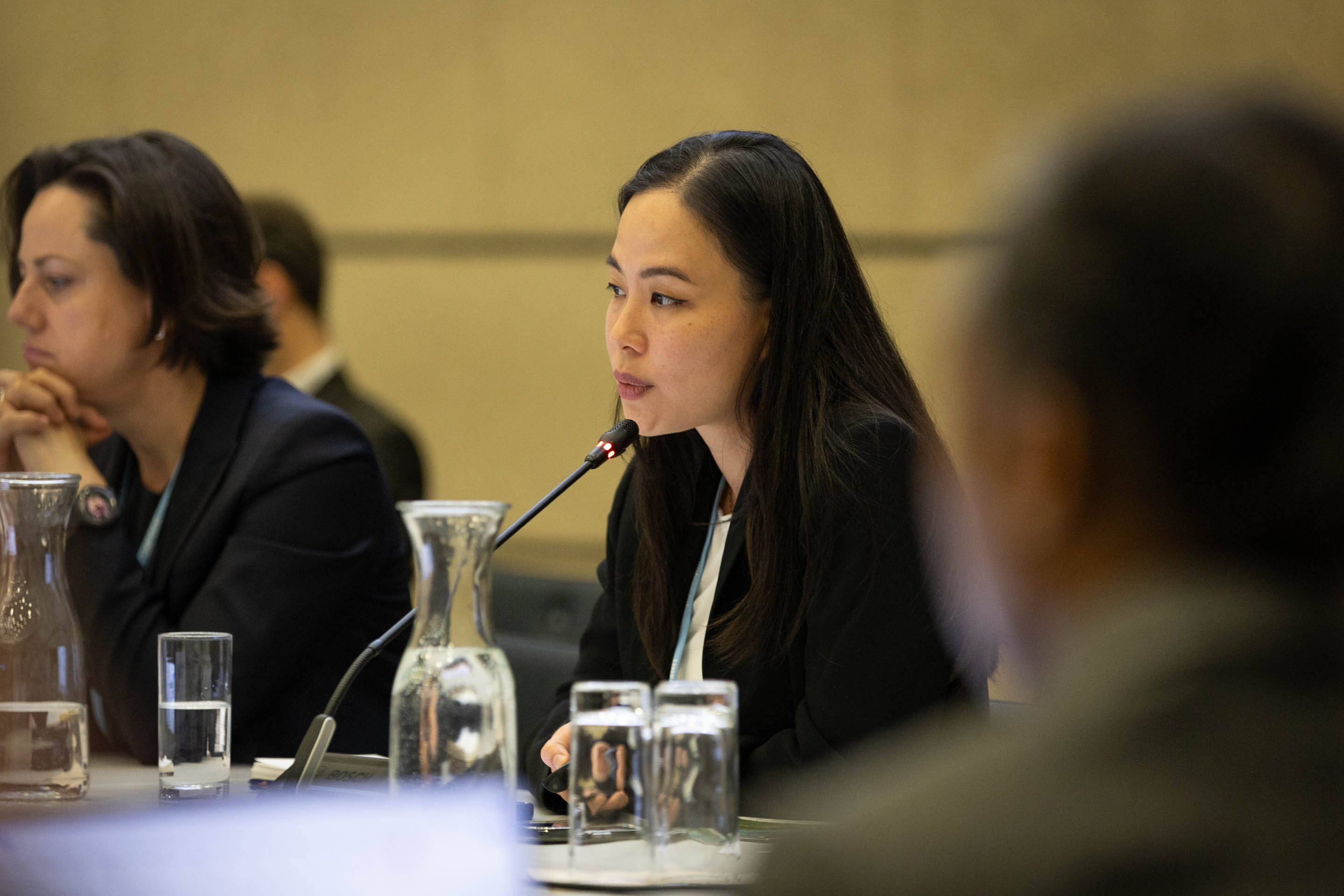
Chii Fen Hiu, Centre for Impact Investing and Practices
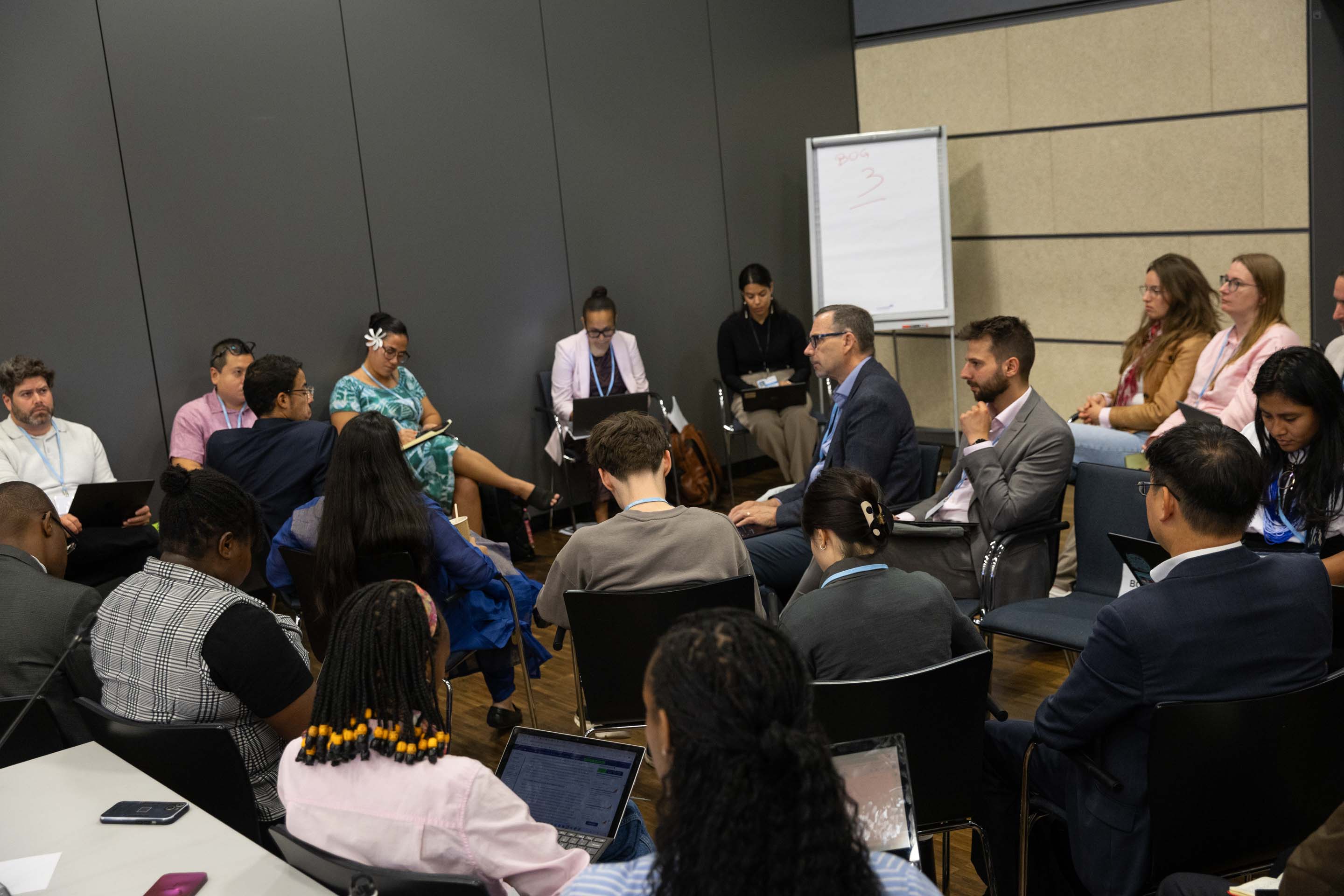
Delegates break out into groups for in-depth discussions
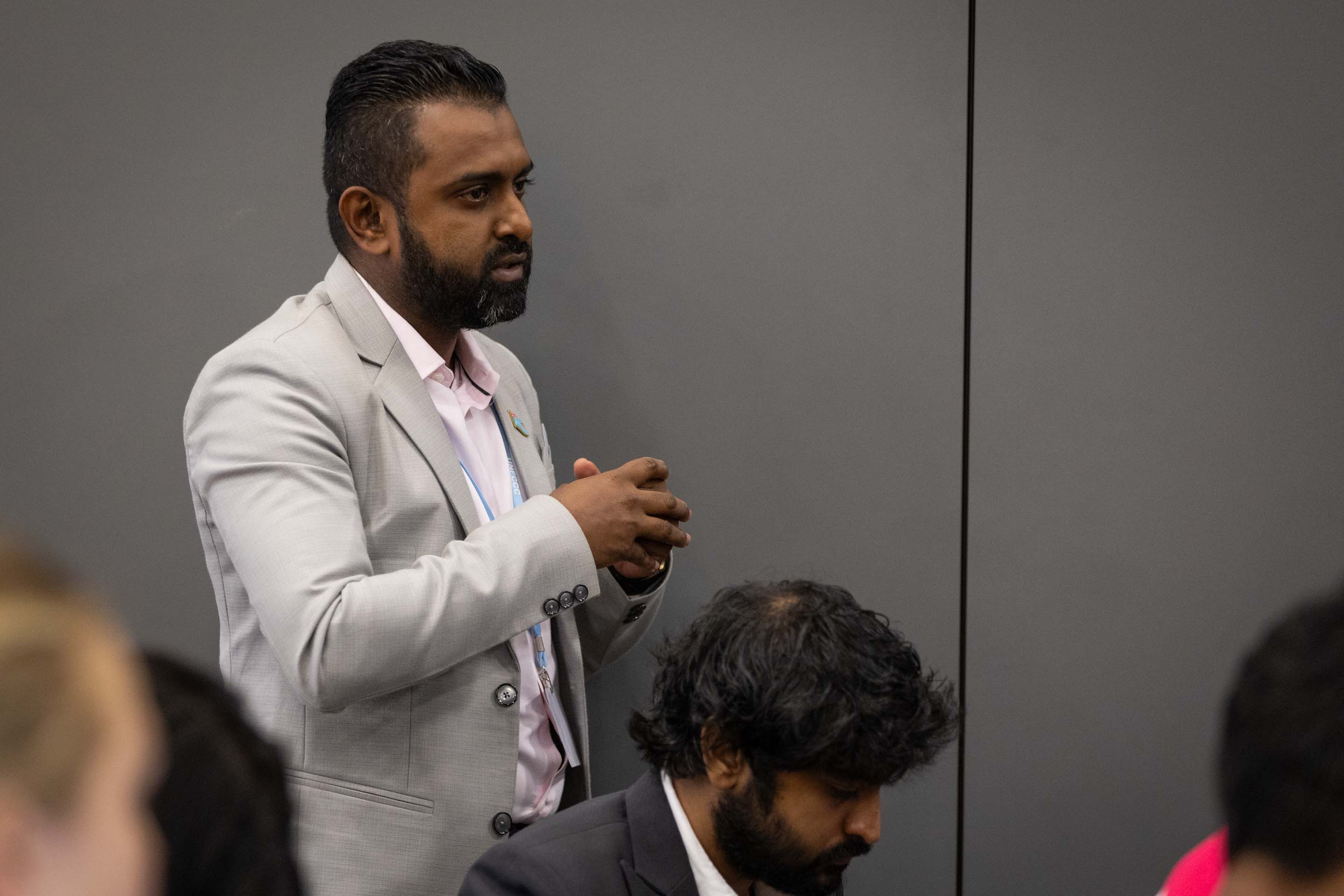
Delegates share their views
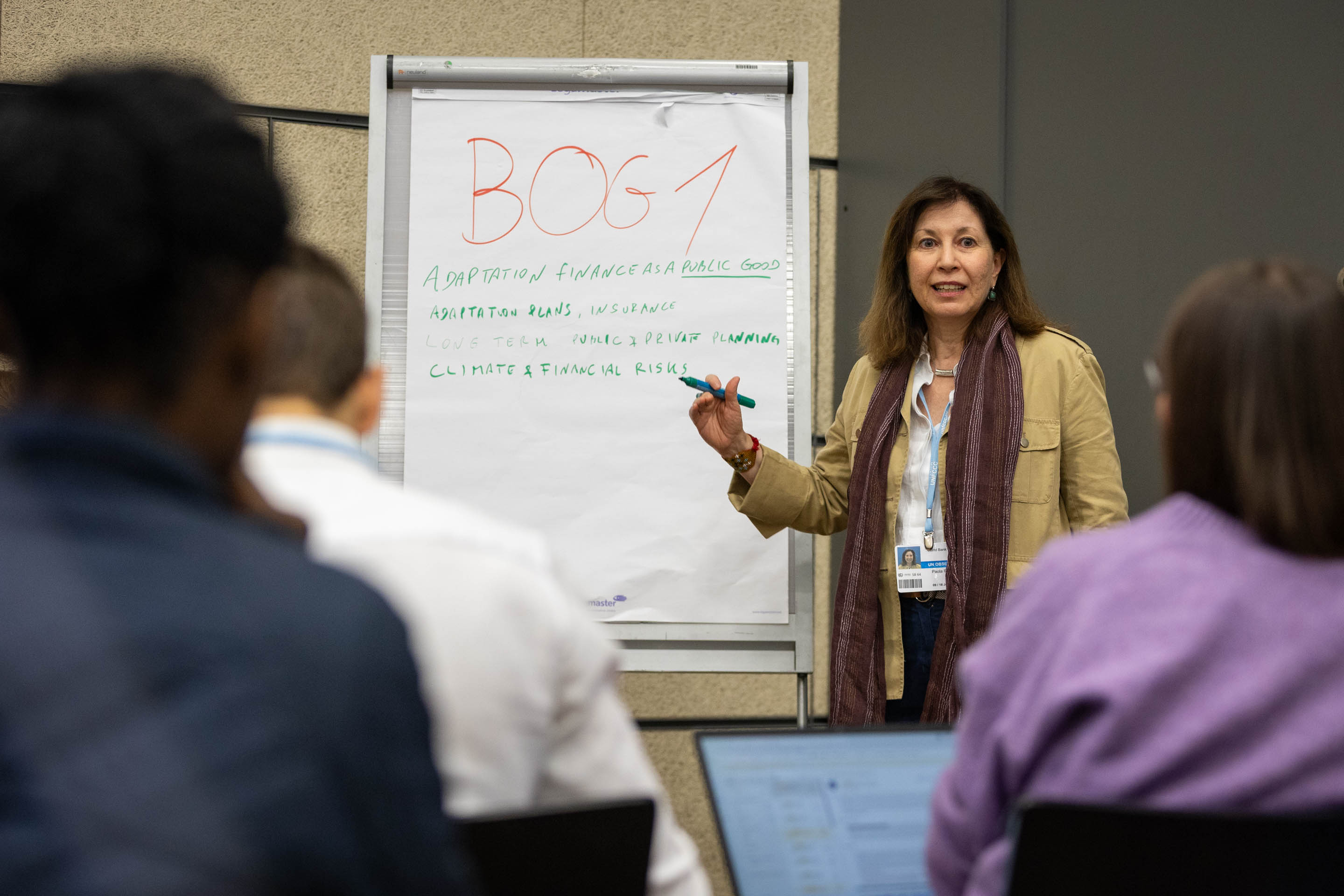
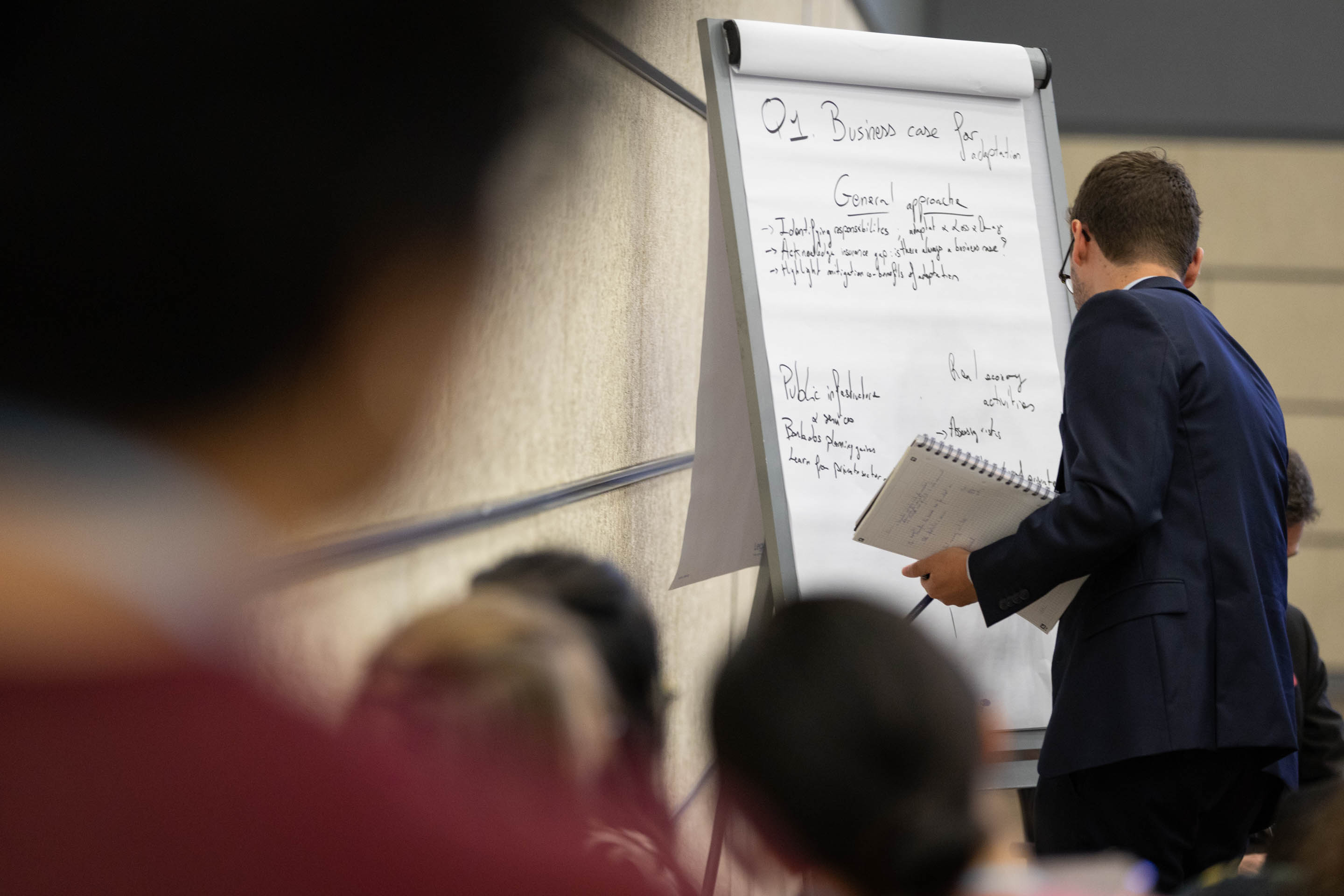
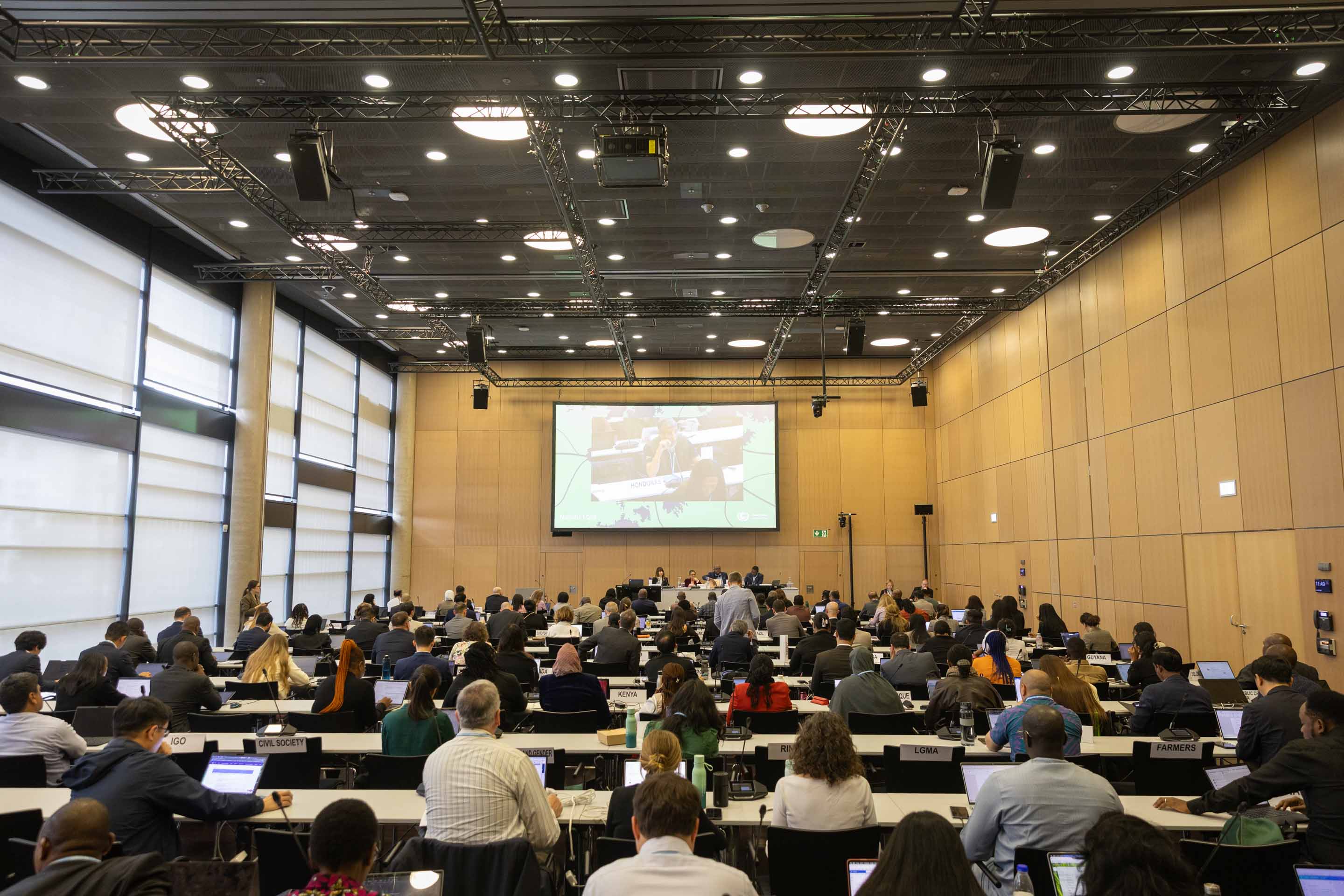
Informal Consultations Throughout the Day
Informal consultations on Article 6.8
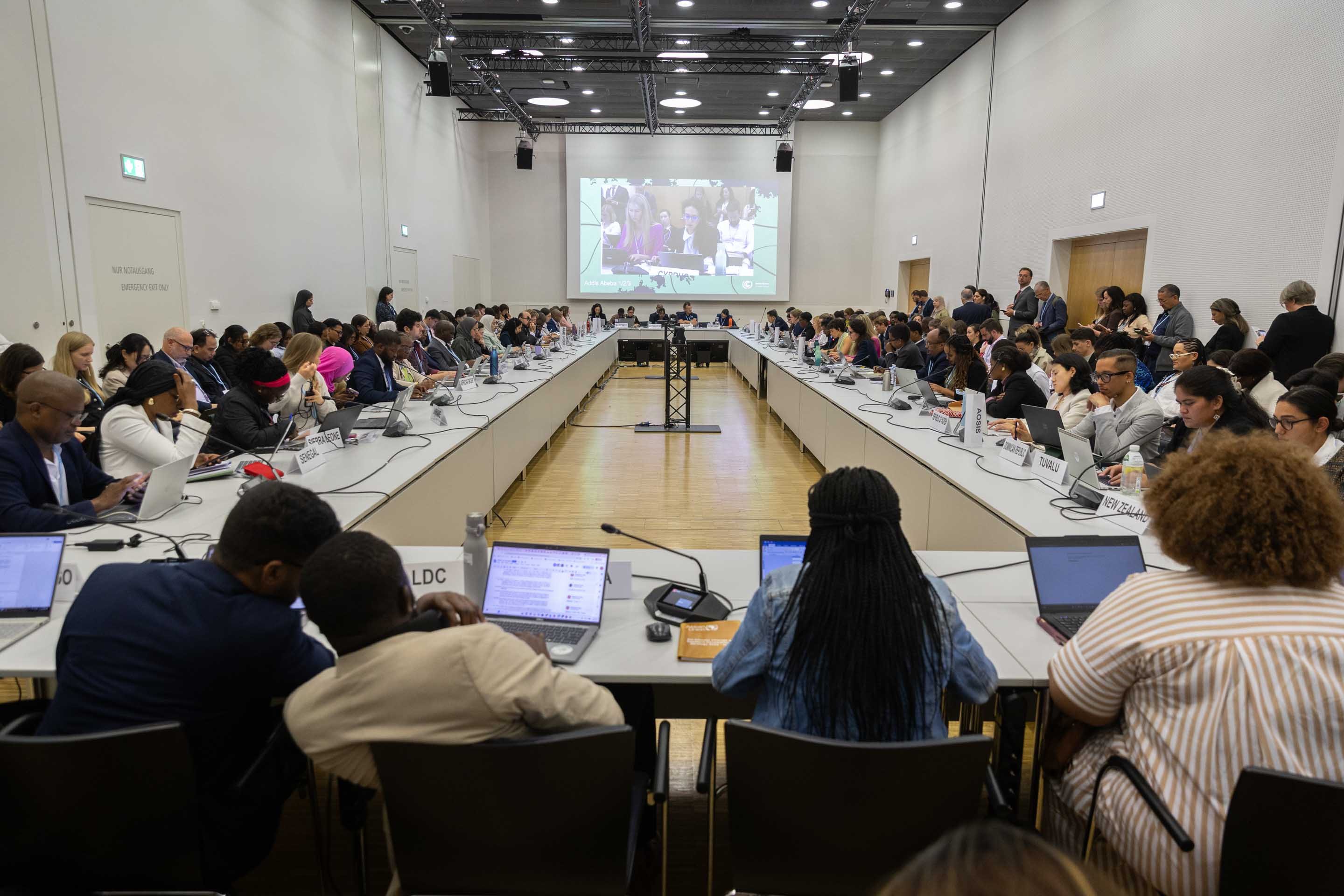
Informal consultations on the Nairobi Work Programme
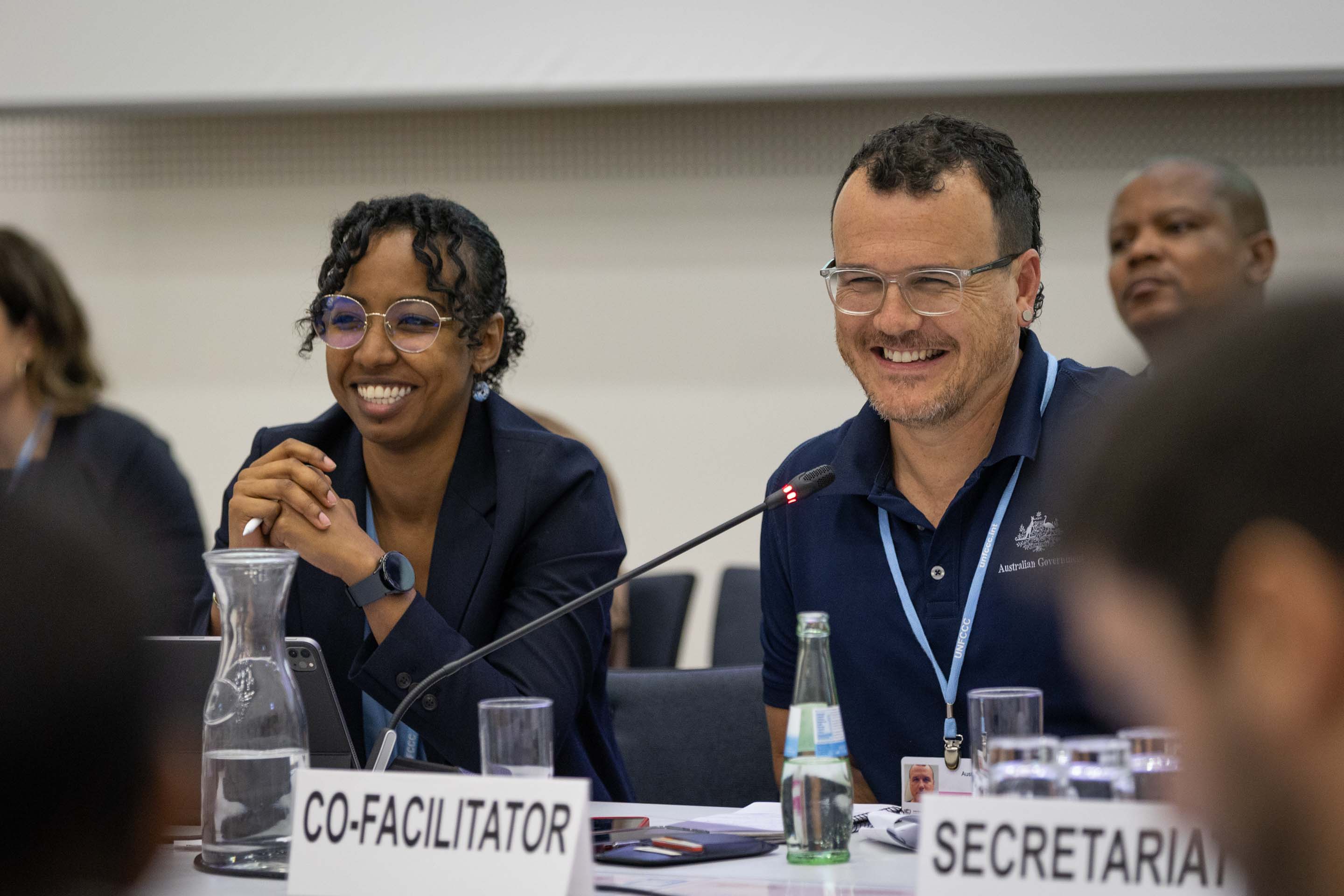
Lina Yassin, Sudan, and Luke Millar, Australia, Co-Facilitators for the informal consultations on the Nairobi Work Programme
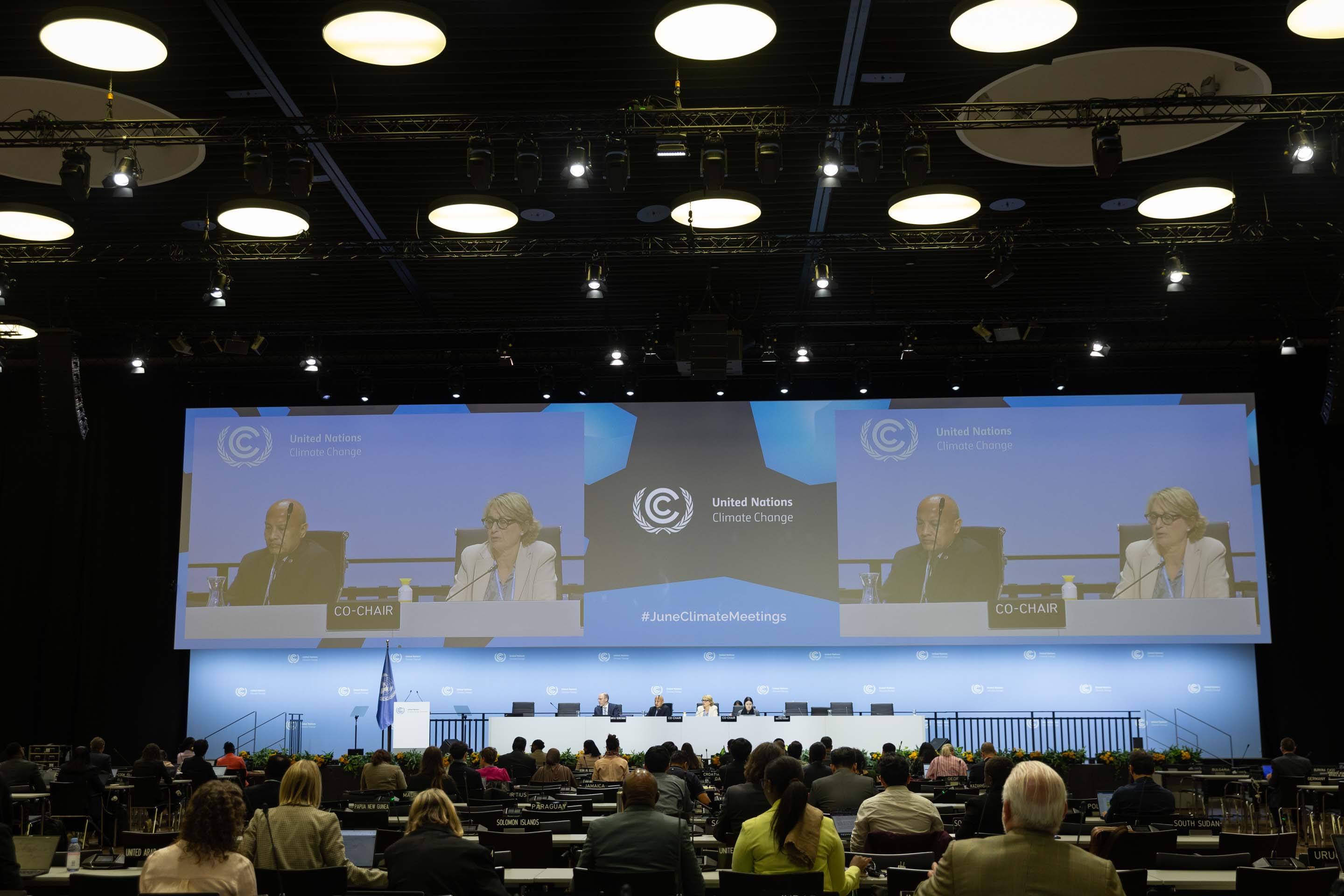
Informal consultations on the just transition work programme
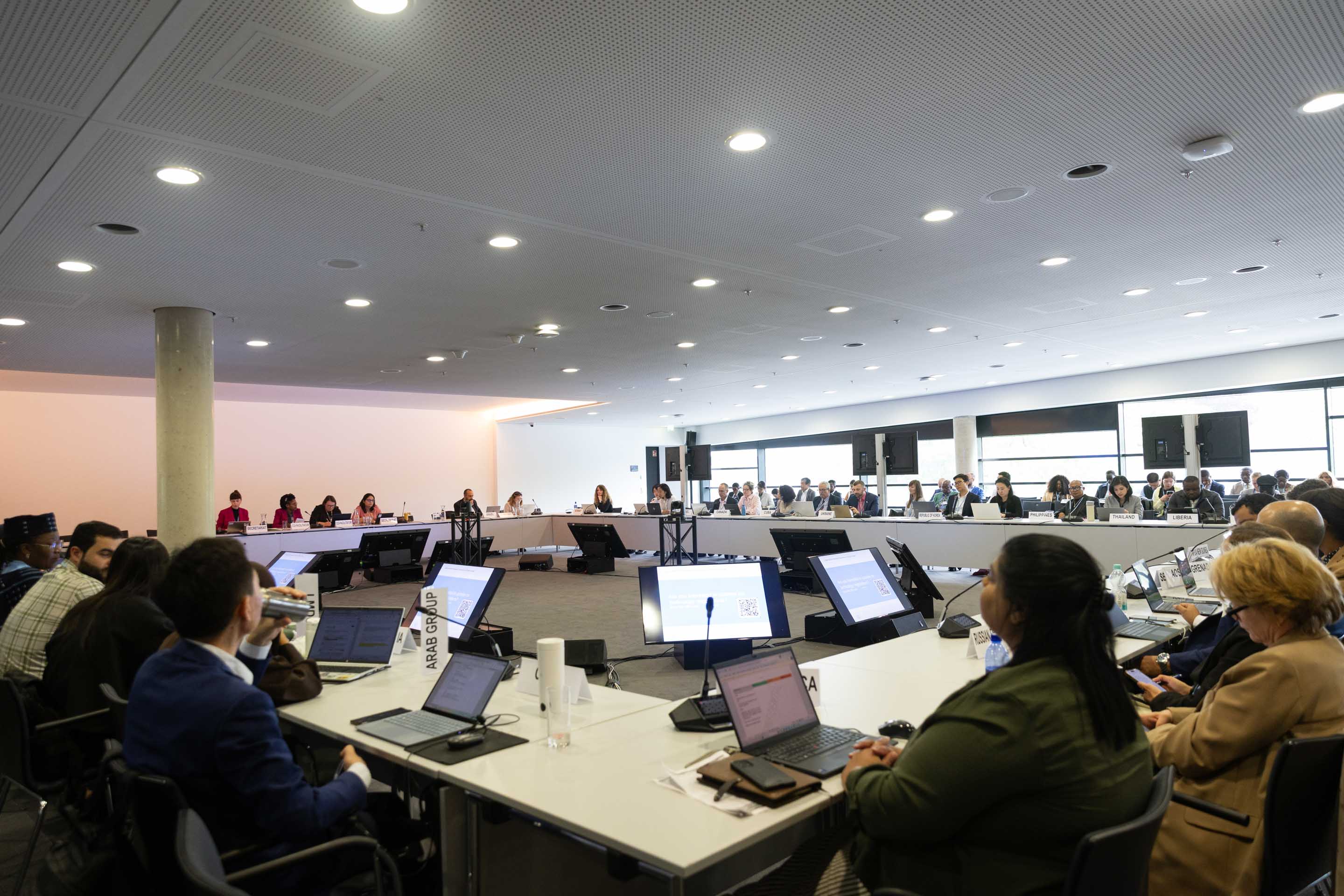
Informal consultations on technology development and transfer
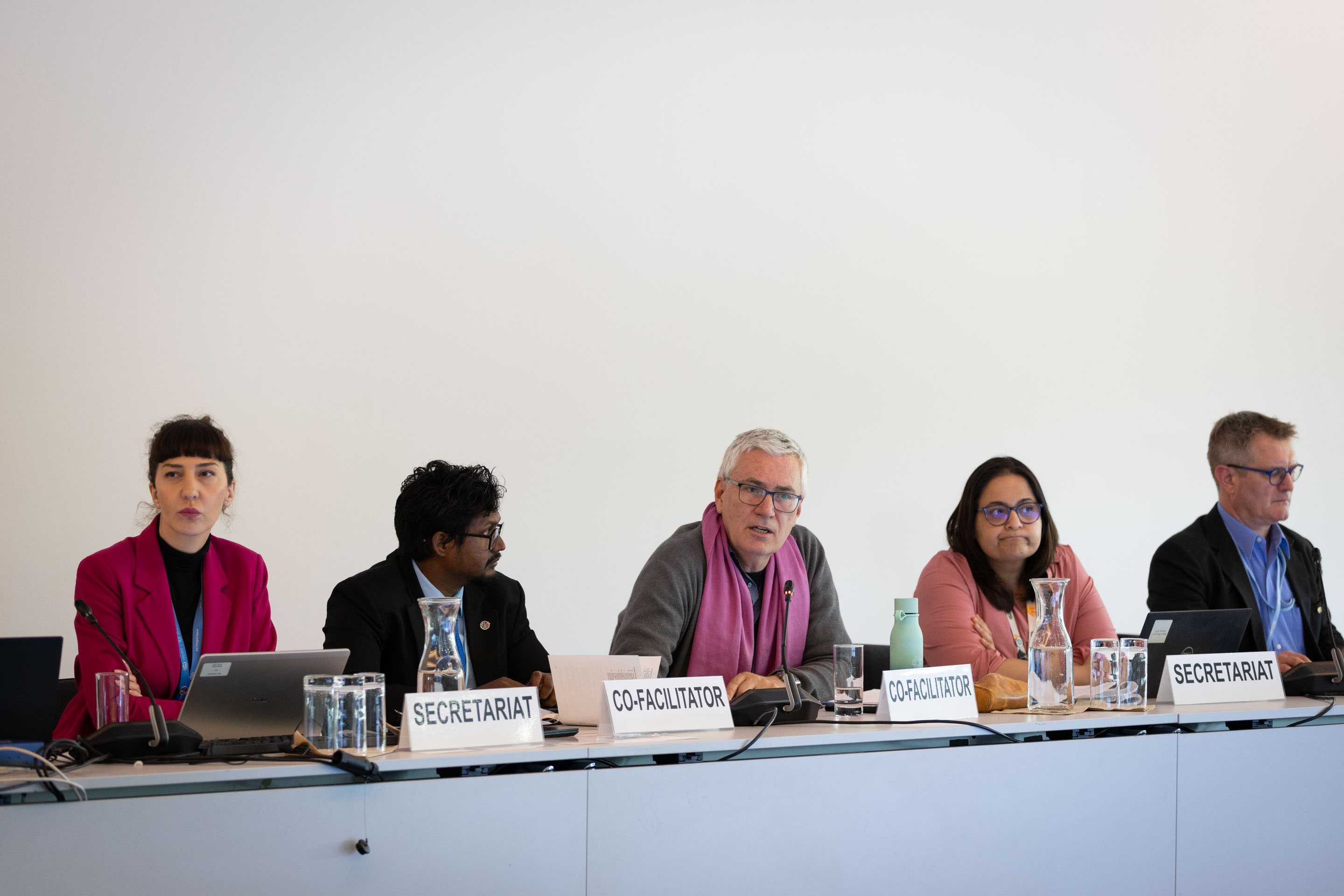
Stig Svenningsen, Norway, and Mareer Mohamed Husny, Maldives, Co-Facilitators for the informal consultations on the Climate Technology Centre (CTC)
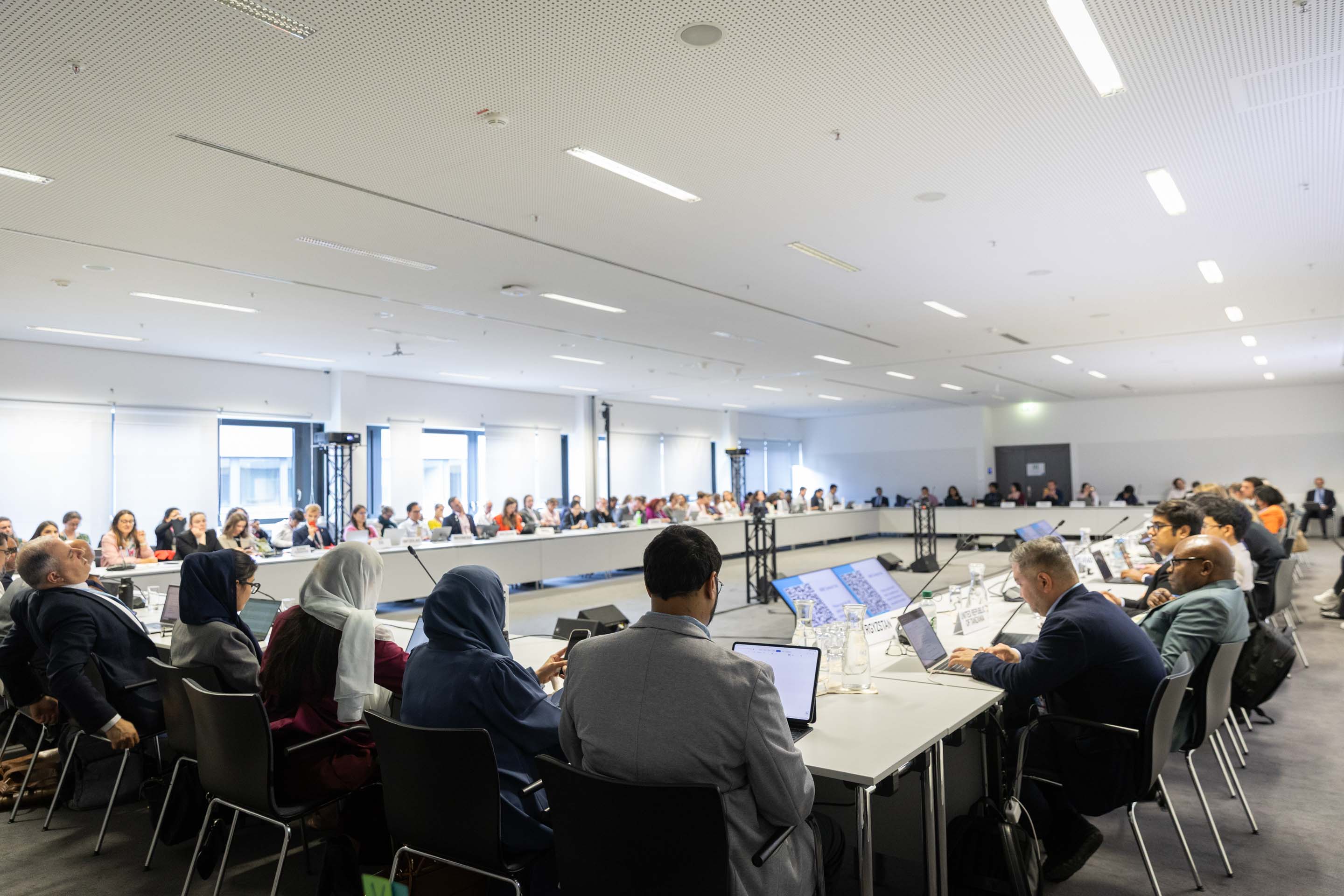
Informal consultations on arrangements for intergovernmental meetings (AIM)
Local Communities and Indigenous Peoples Platform Annual Dialogue
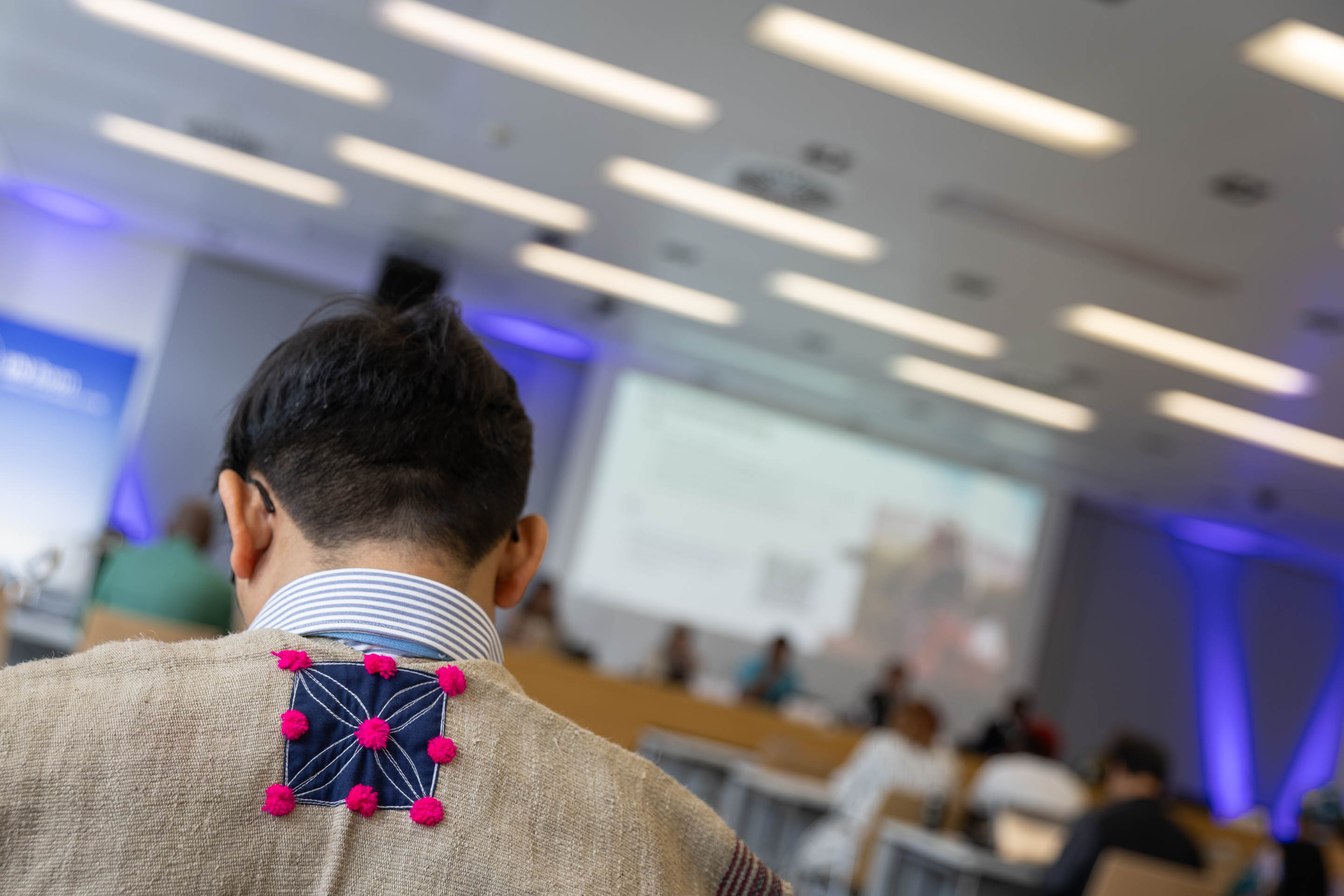
Delegates attend the LCIPP annual dialogue
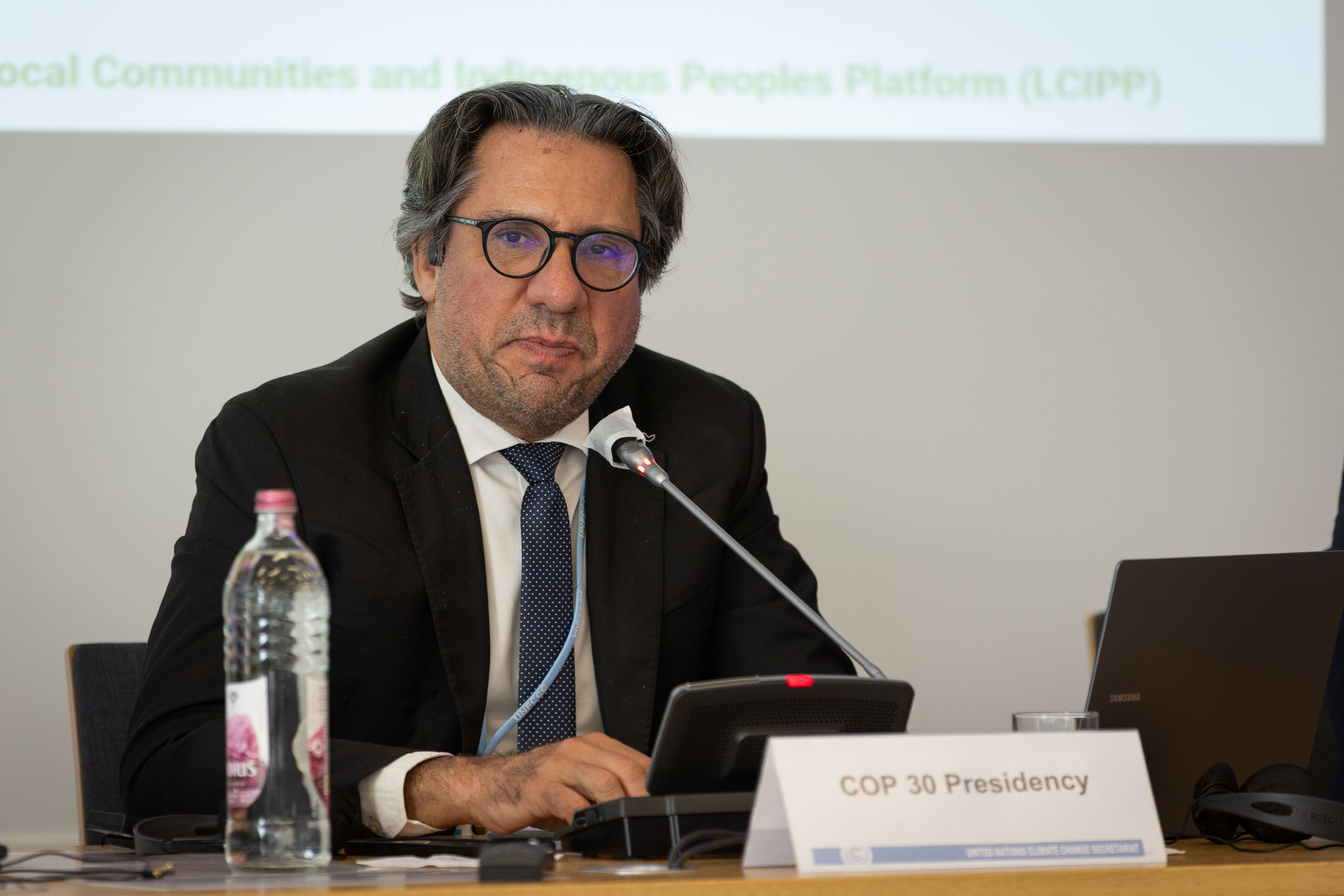
Marco Tulio Scarpelli Cabral, COP 30 Presidency
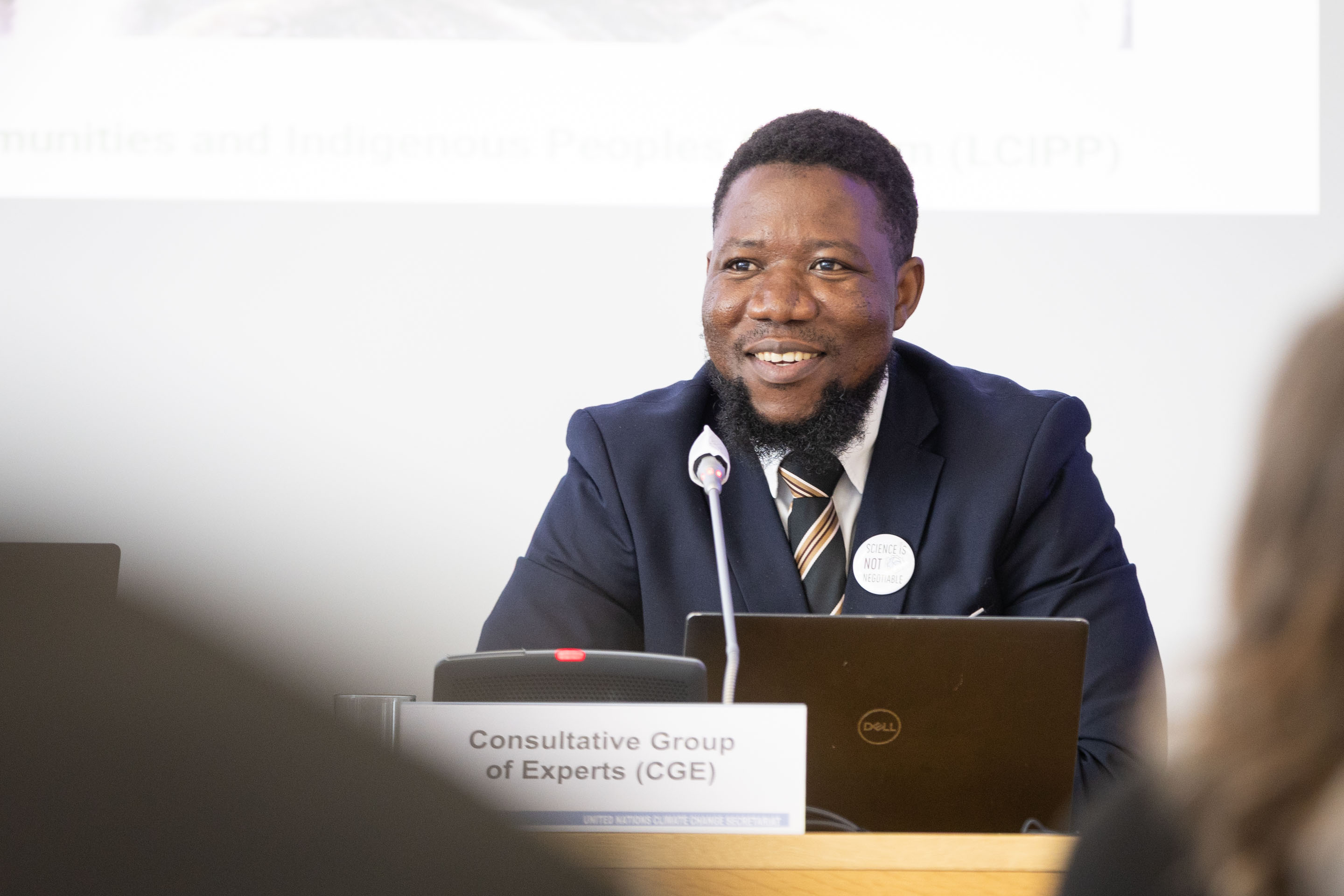
Yamikani Idrissah, Consultative Group of Experts (CGE)
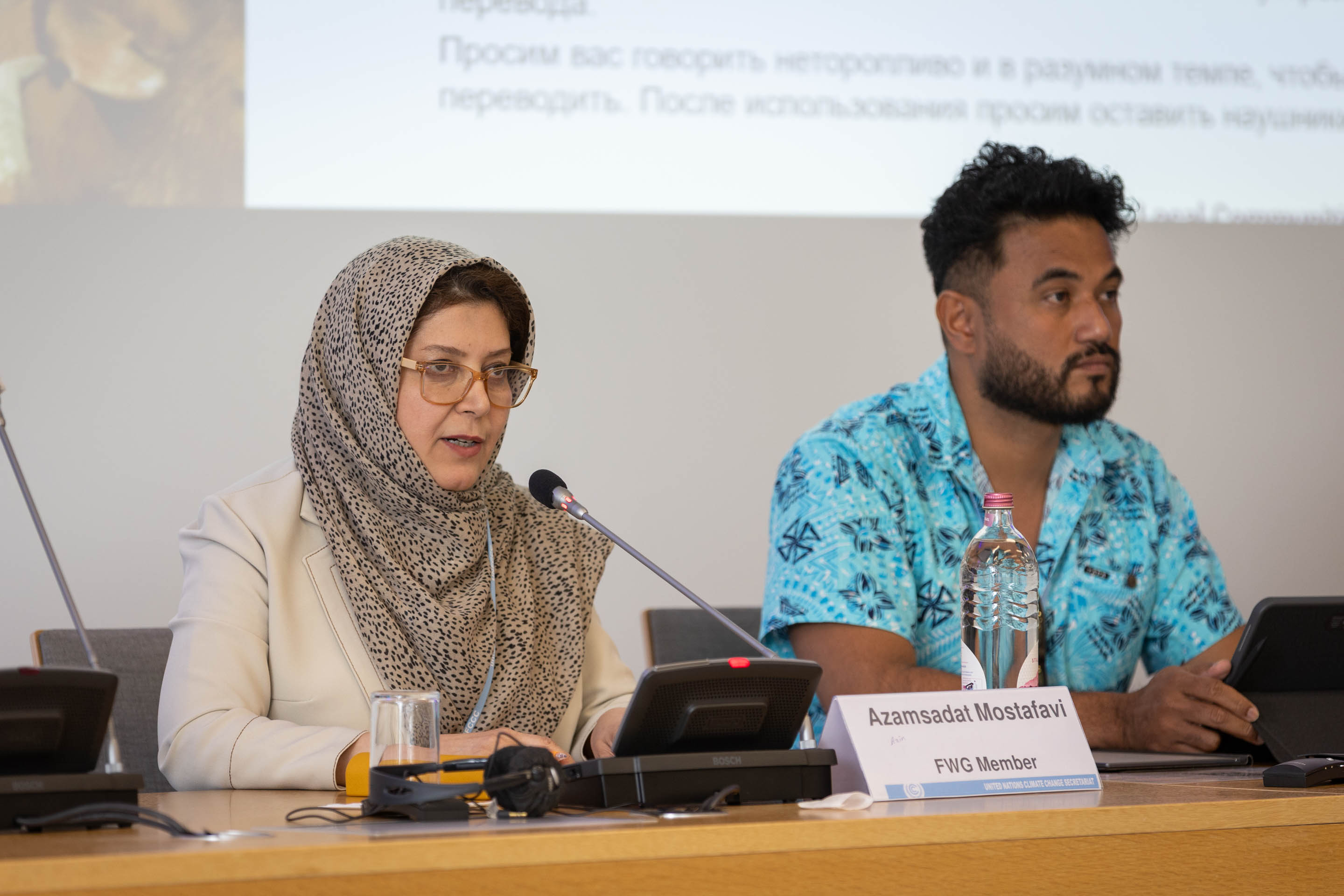
Azamsadat Mostafavi and Robert Karoro, LCIPP Facilitative Working Group (FWG) Members
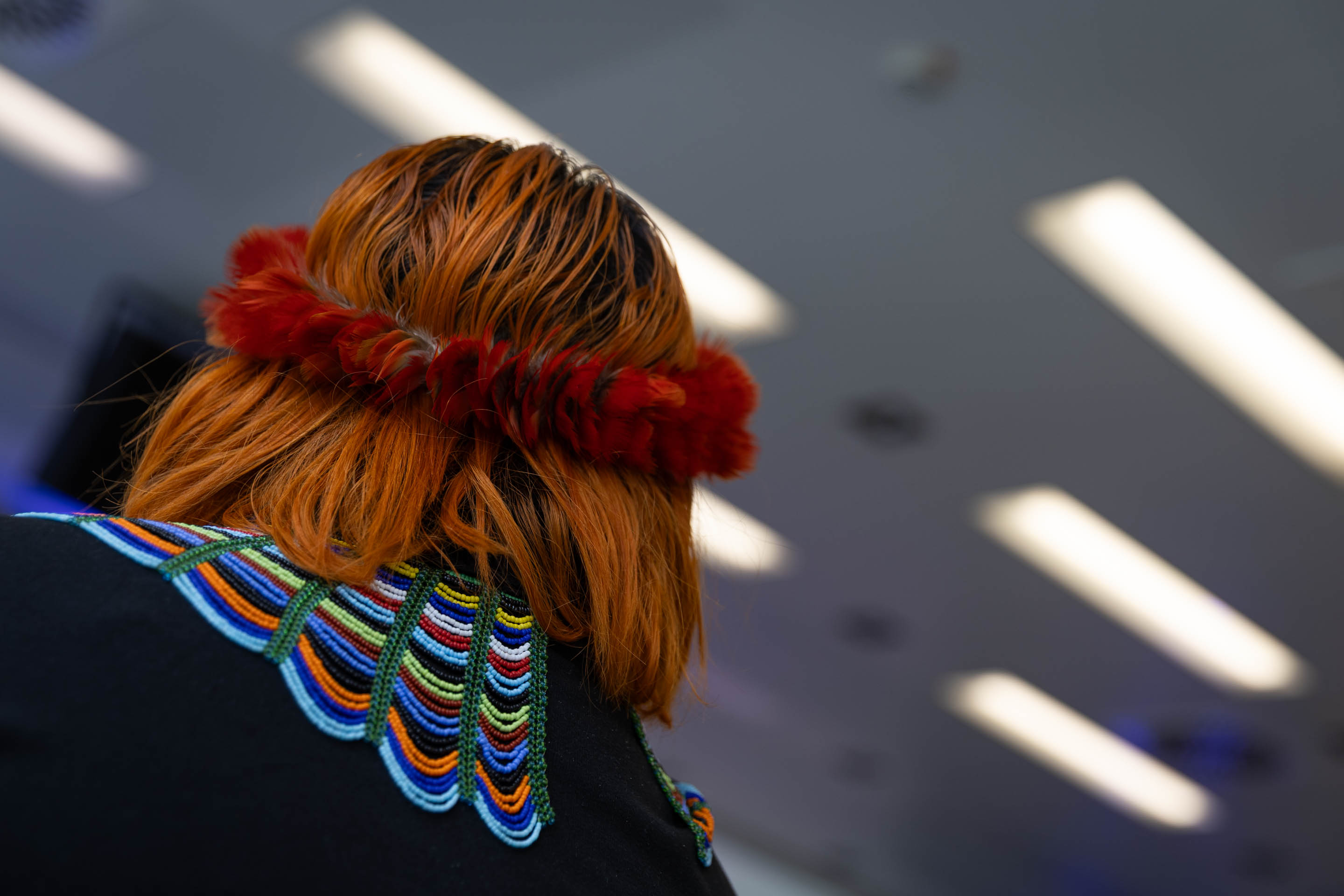
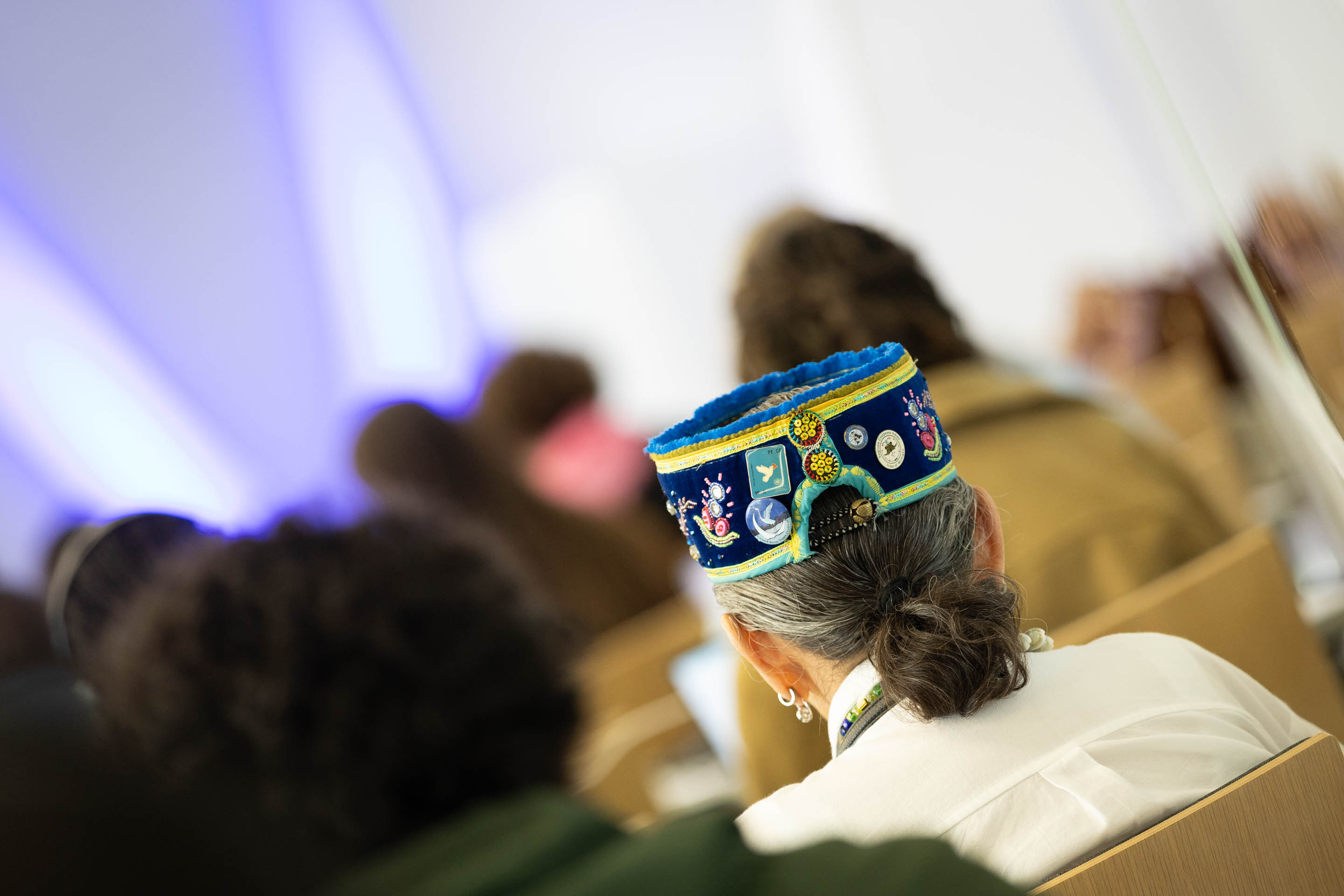
COP 31 President-Designate and President of Negotiations Meeting with Observer Organizations
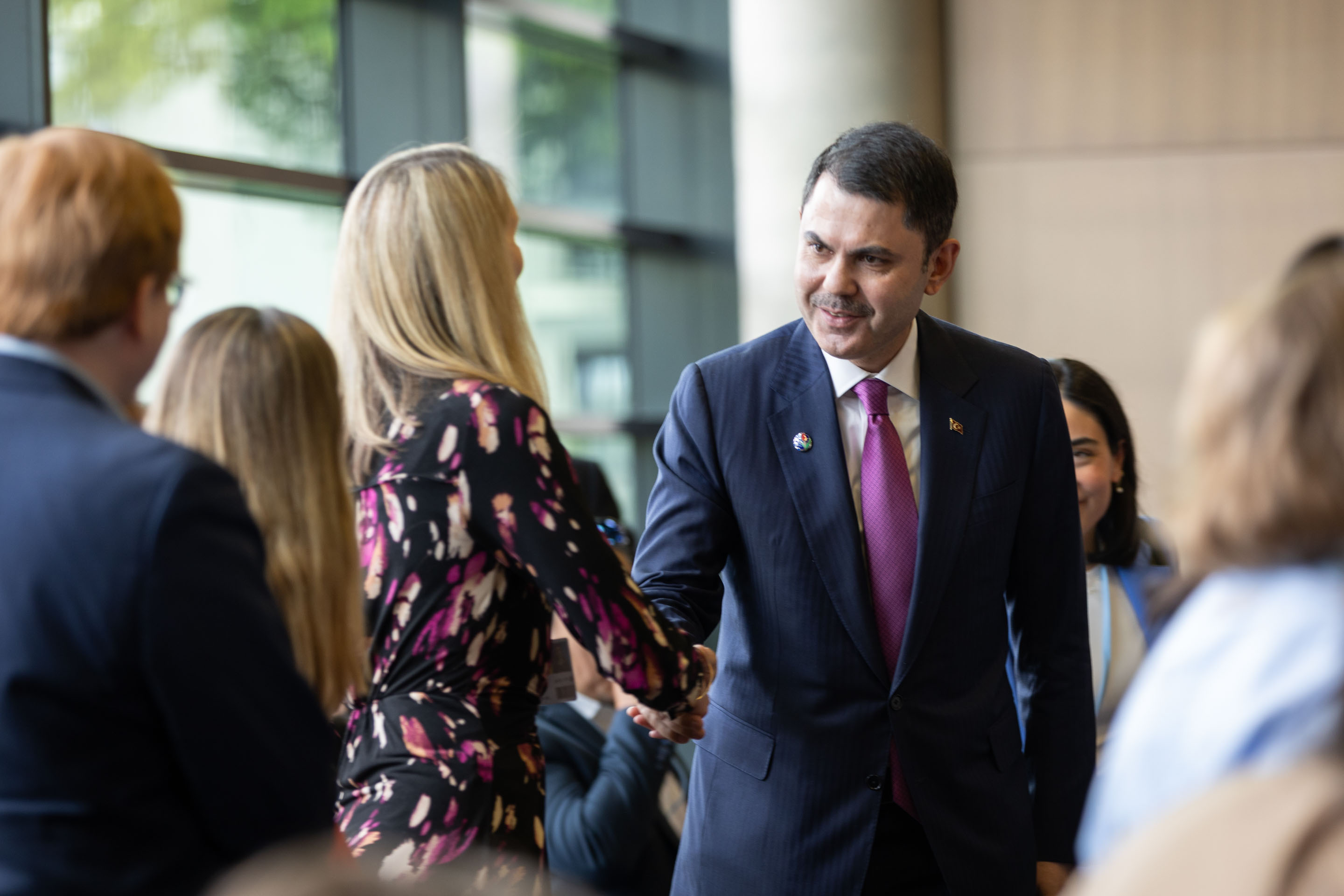
COP 31 President-Designate Murat Kurum, Türkiye, greets observer delegates at the start of the meeting
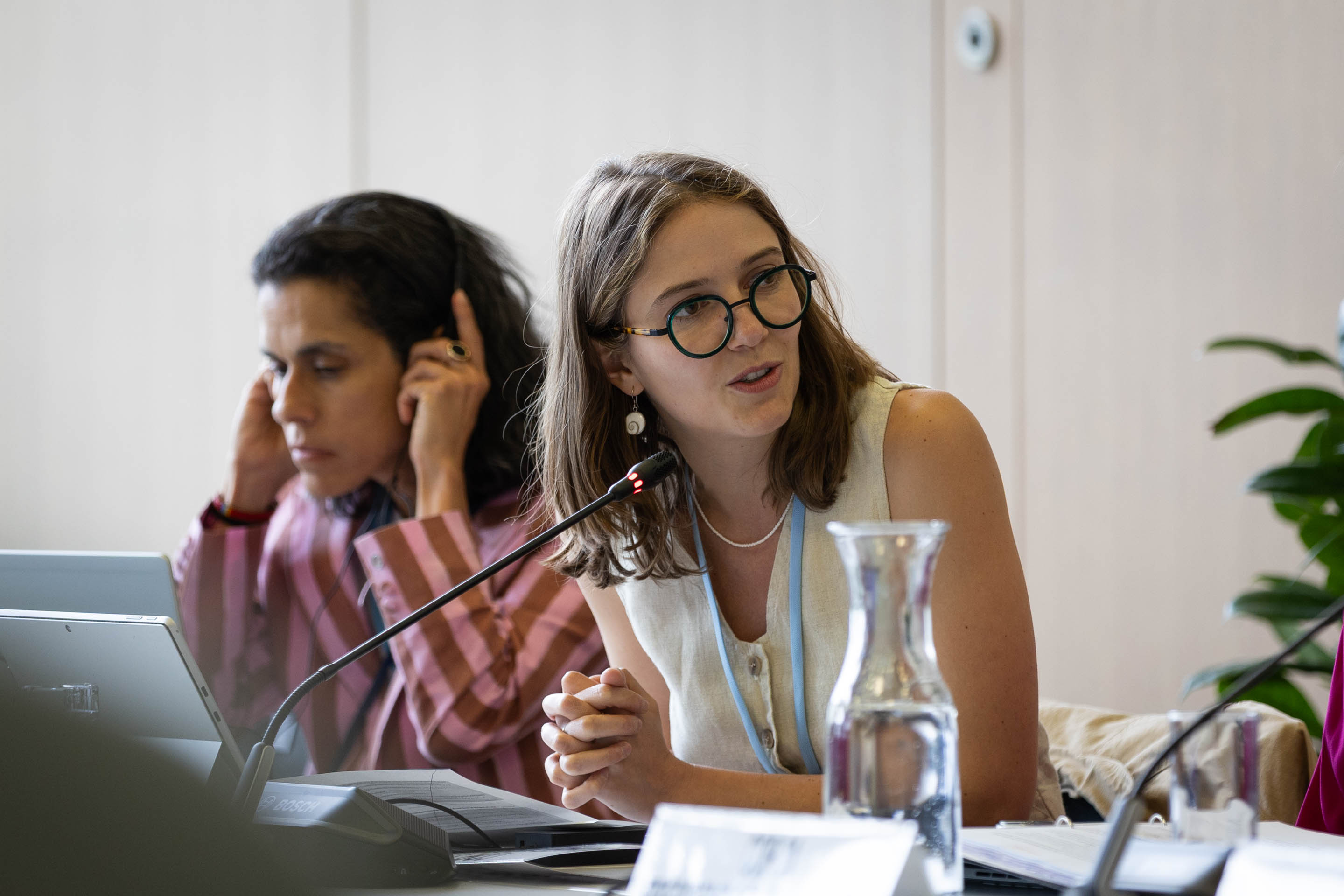
Moderator Sophie Talarico, Business and Industry NGOs (BINGOs)
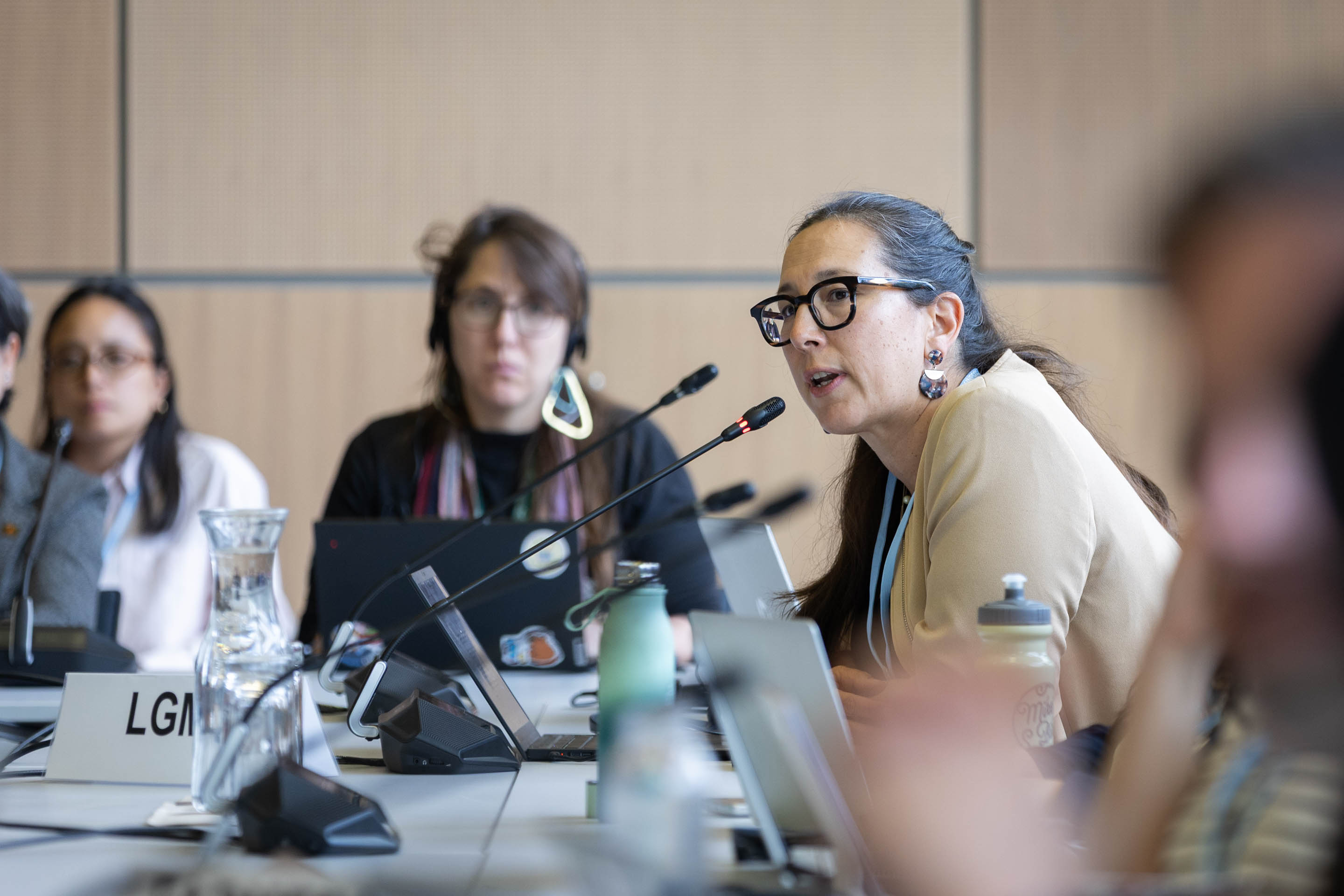
Ariel Dekovic, Local Governments and Municipal Authorities (LGMA)
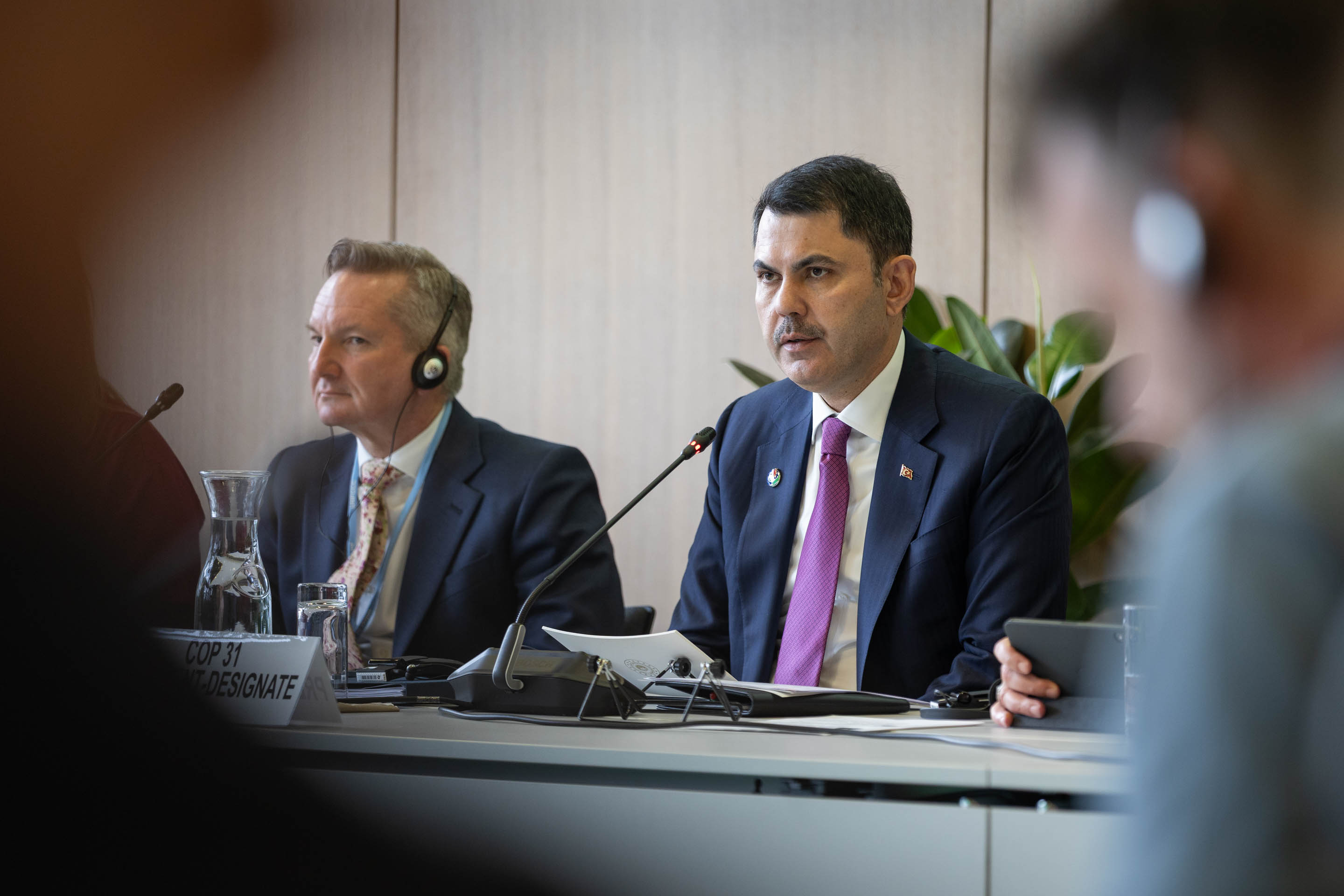
COP 31 President-Designate of Negotiations Chris Bowen, Australia, and COP 31 President-Designate Murat Kurum, Türkiye
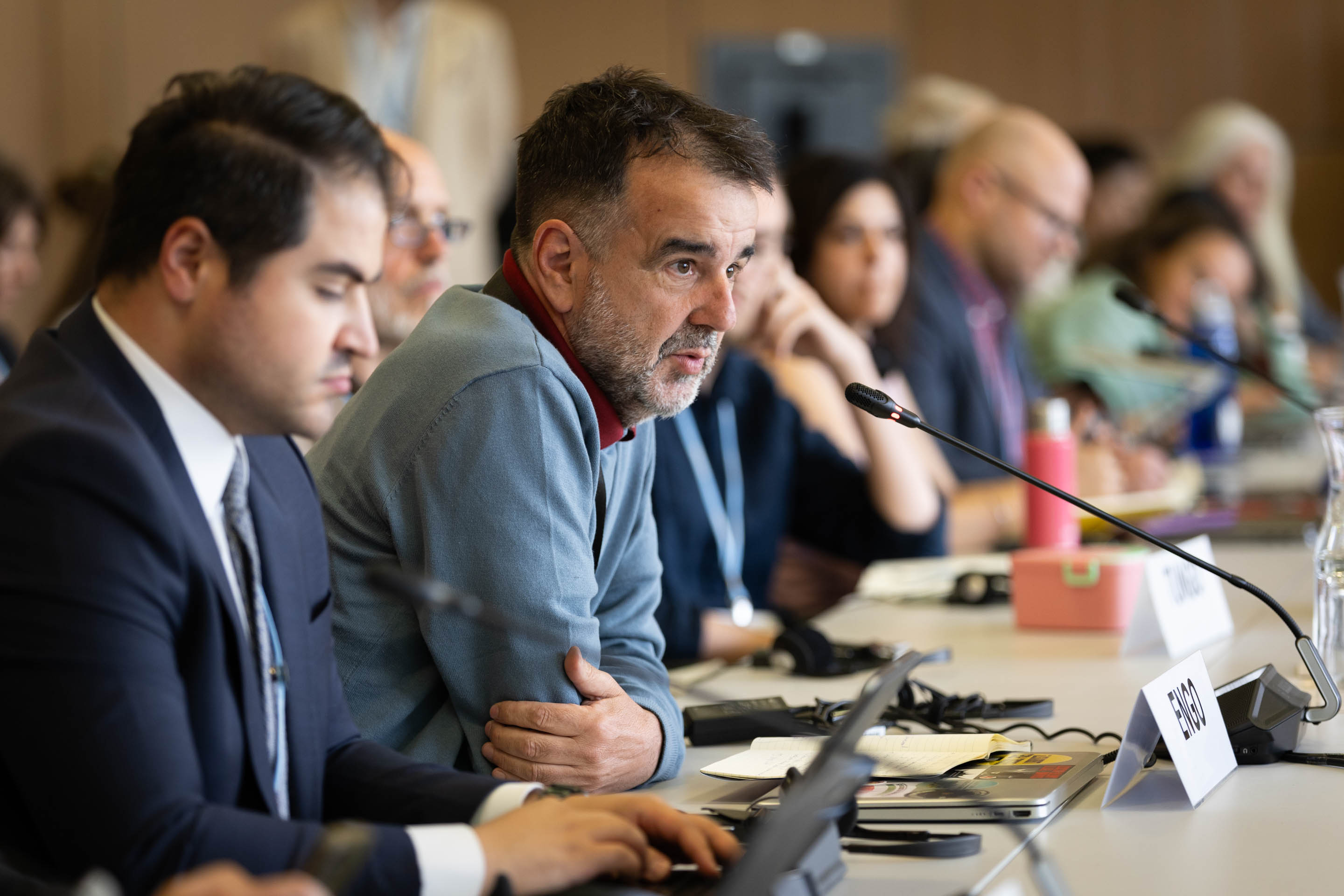
Jacobo Ocharan, Climate Action Network, Environmental NGOs (ENGOs)
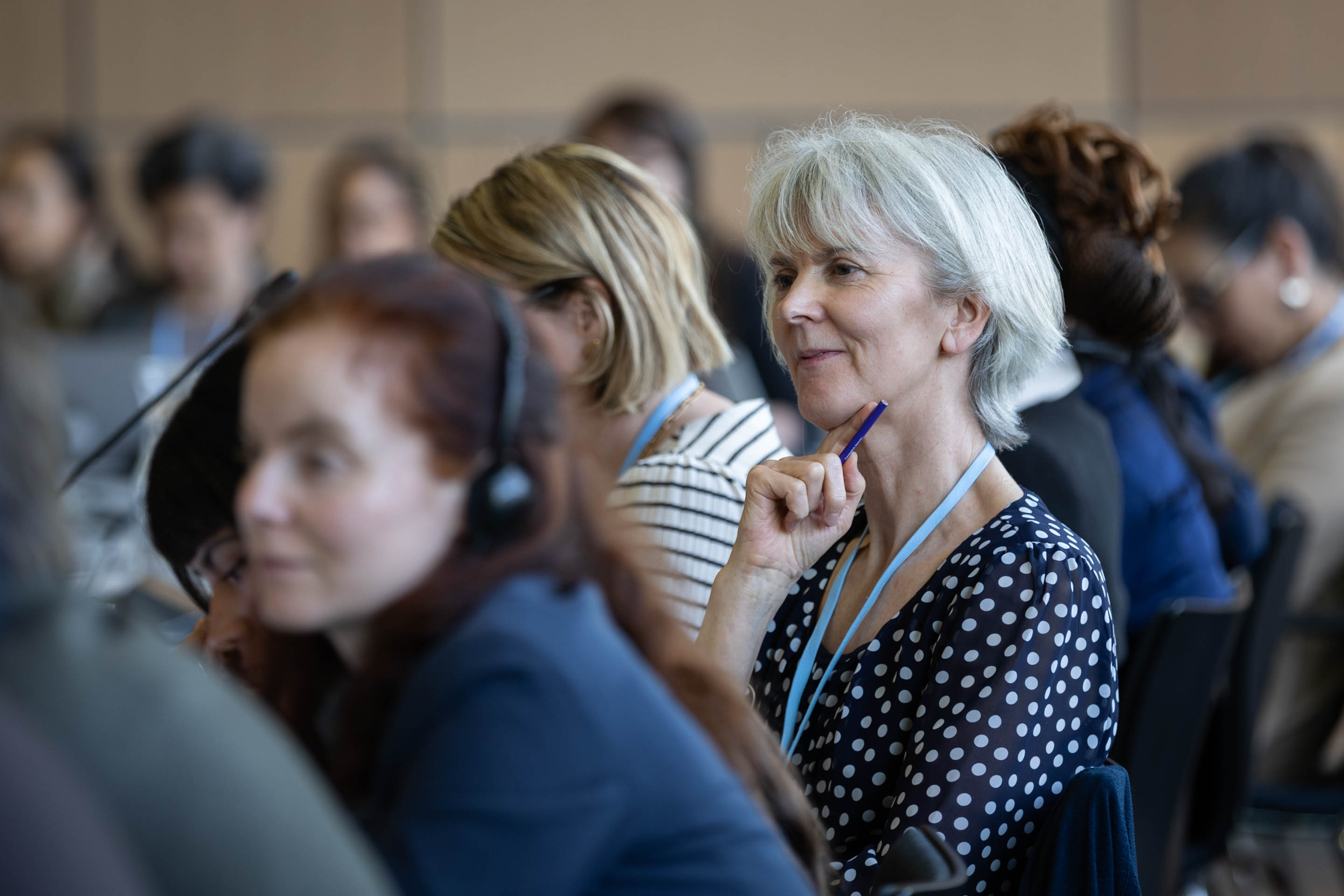
Ceris Jones, Farmers

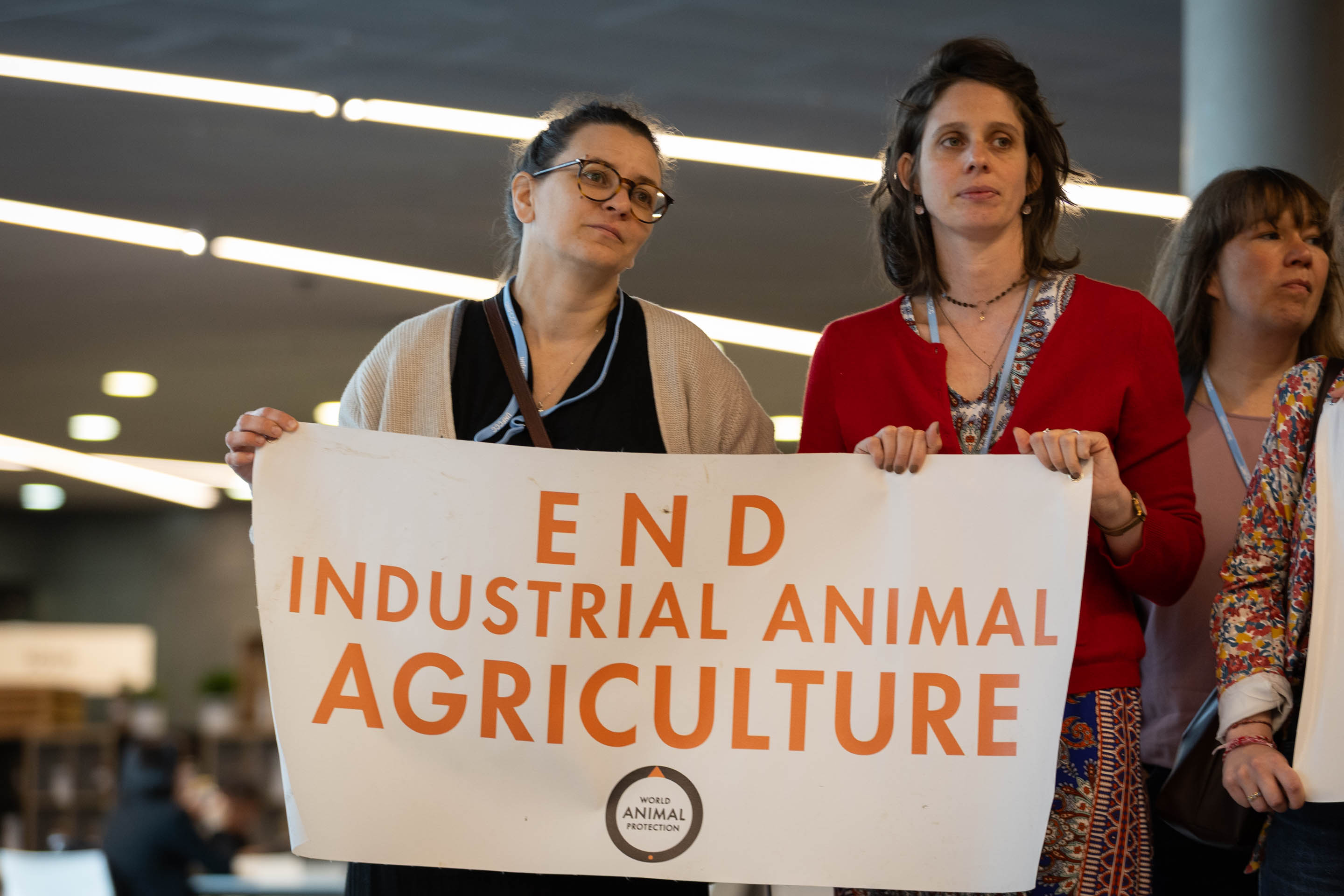
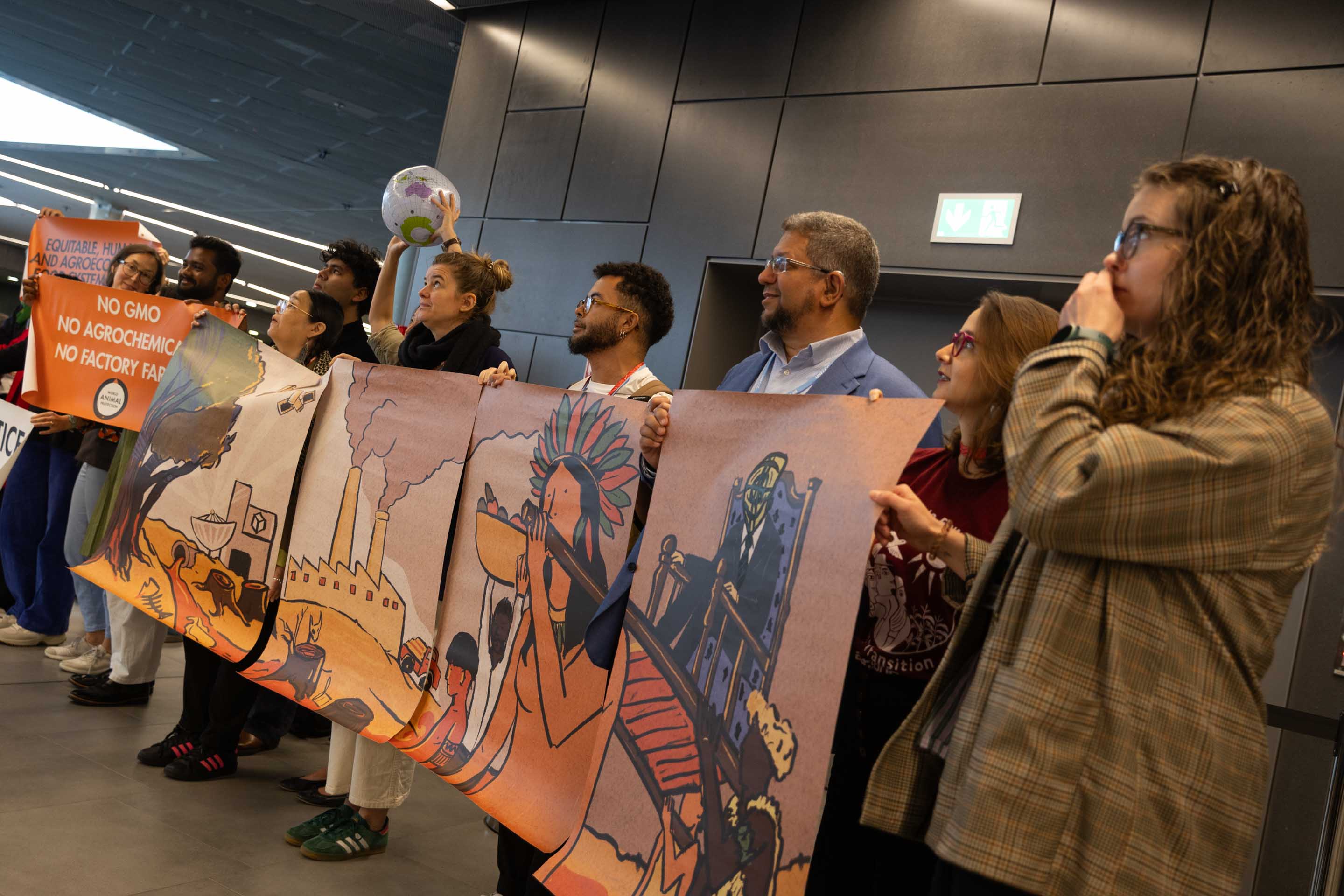
Civil Society Actions
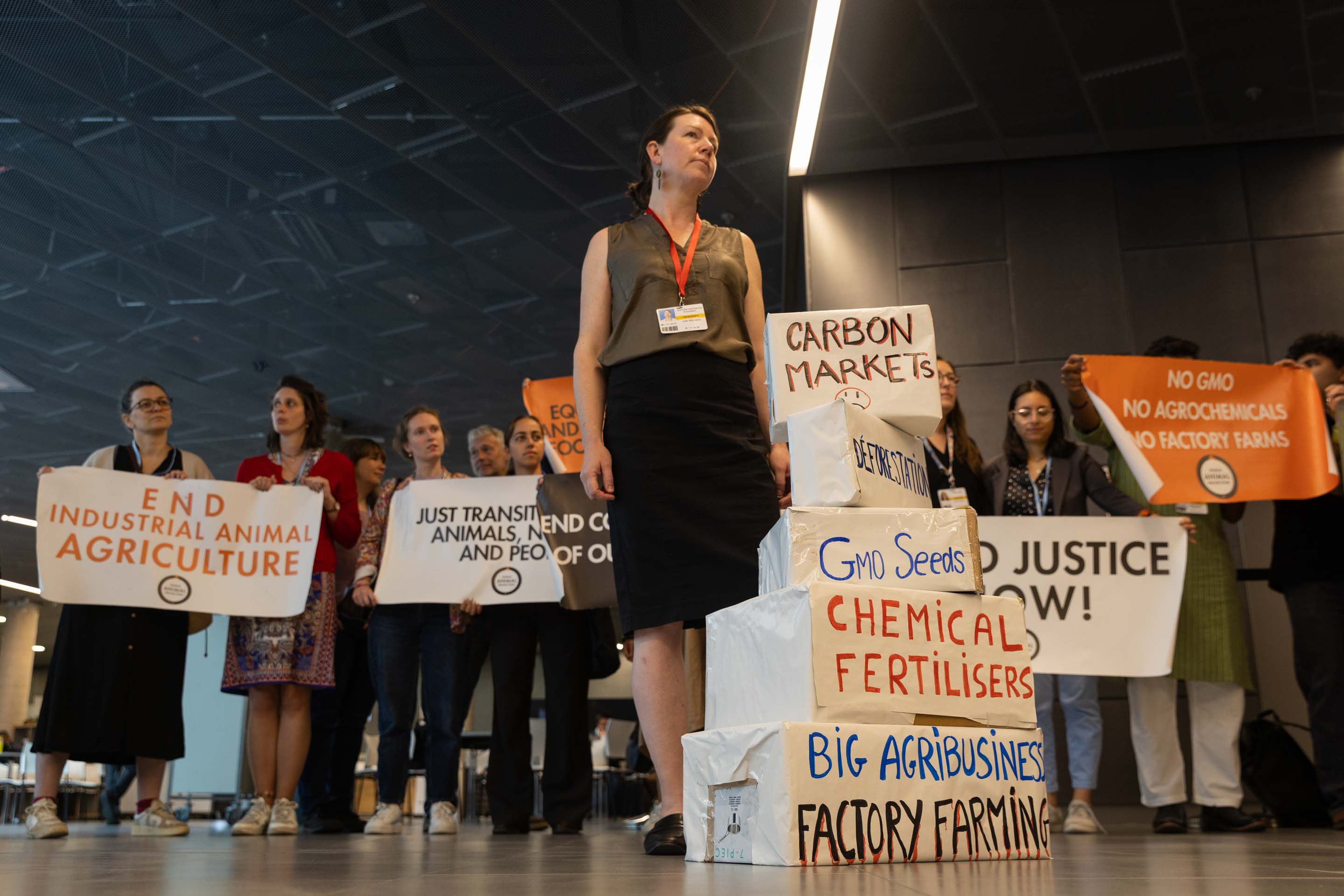
Recognizing that food systems account for one third of GHG emissions, members of civil society demonstrate in the corridors, calling for sustainable agriculture and a shift away from industrialization
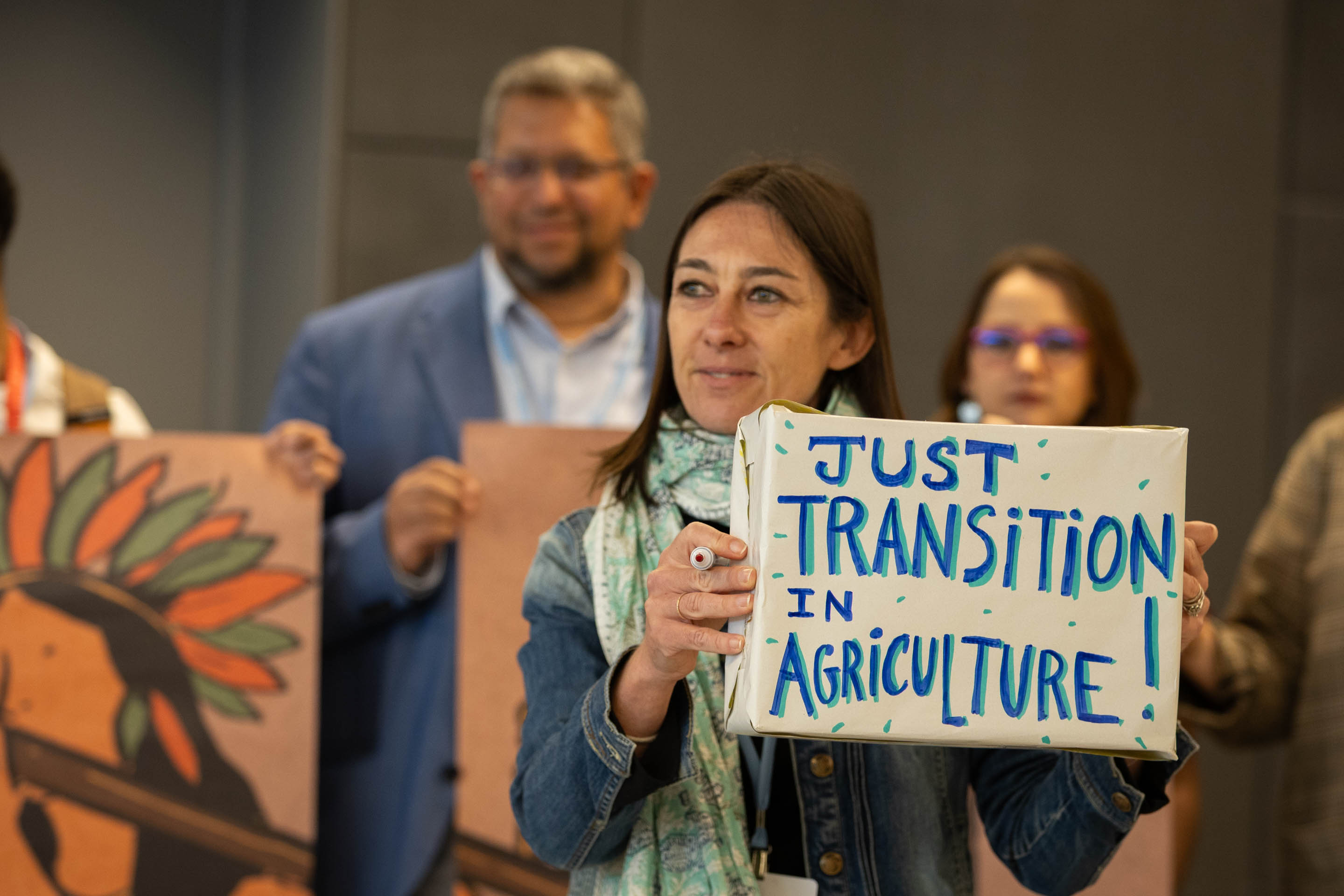
Around the Venue
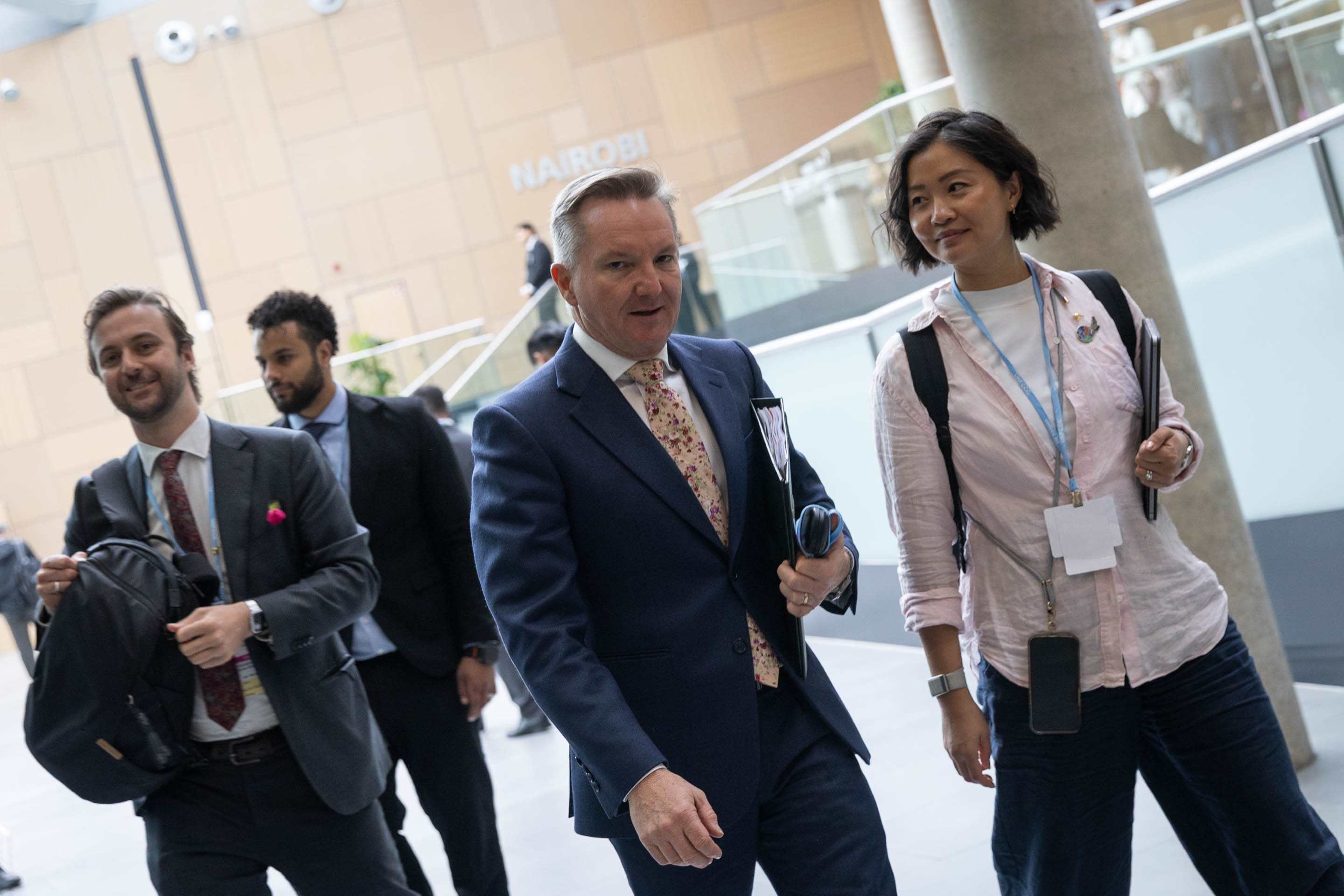
COP 31 President-Designate of Negotiations Chris Bowen, Australia, walks through the venue
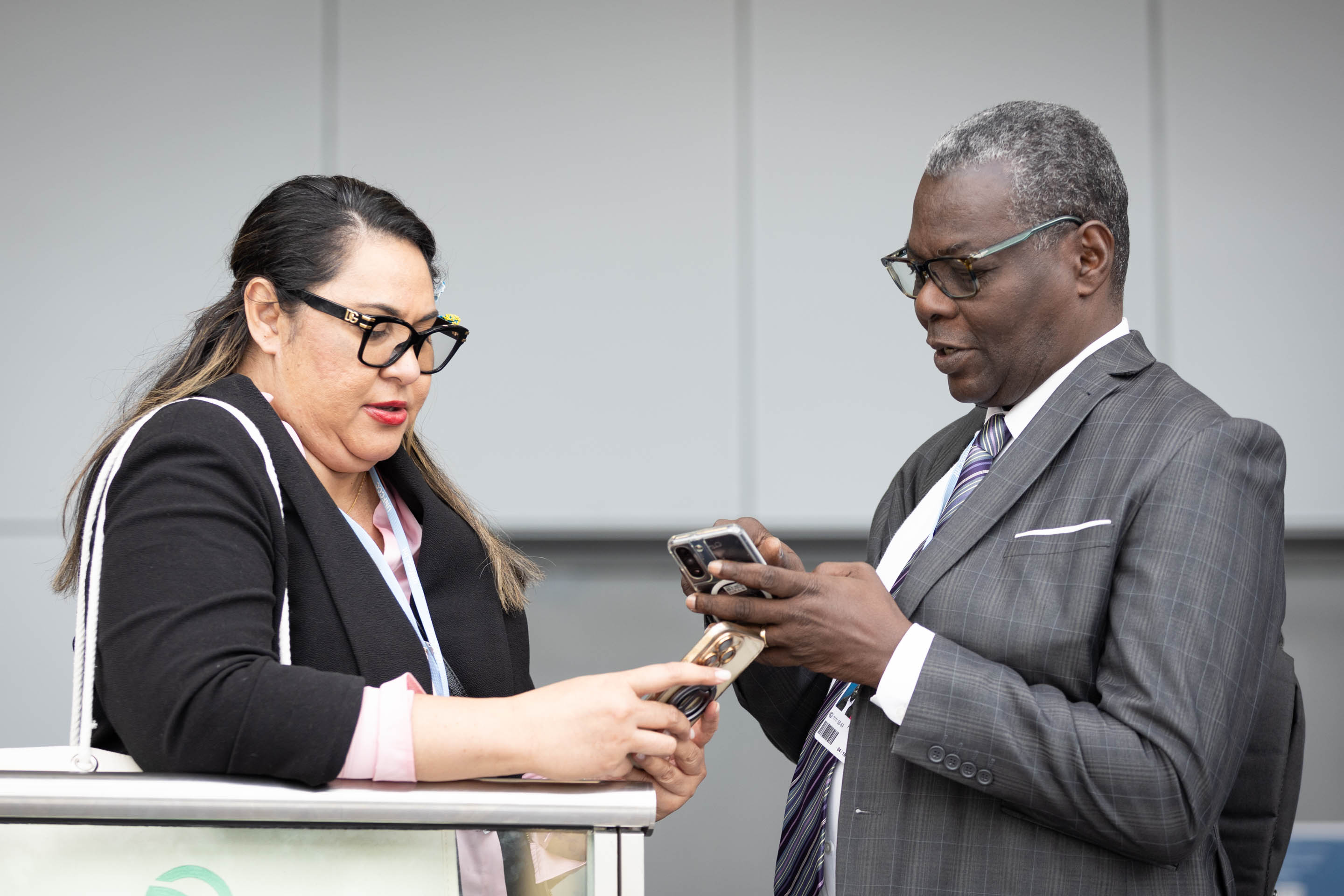
Anne Rasmussen, Samoa, with Pedro Luis Pedroso Cuesta, Cuba
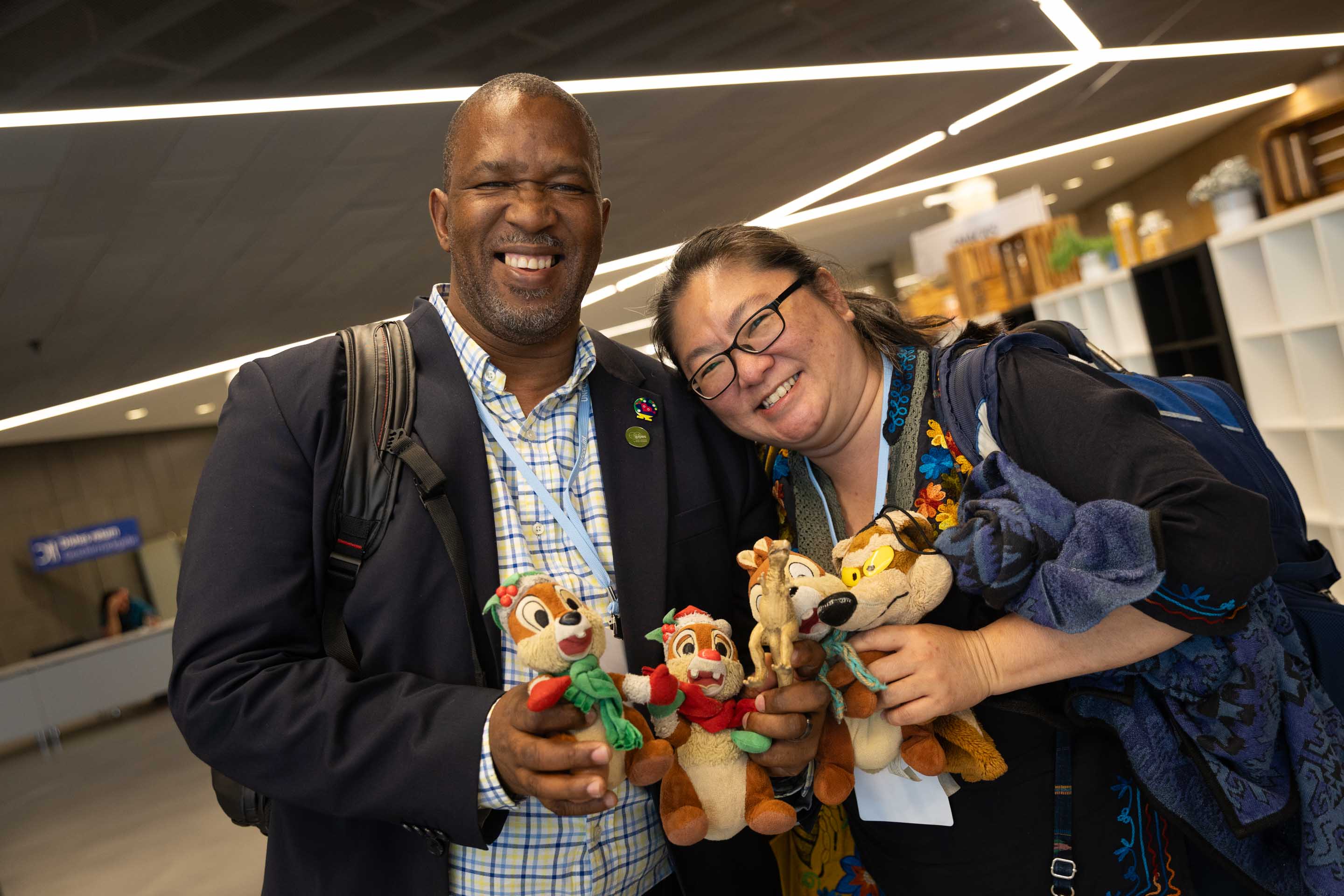
Luthando Dziba, Executive Secretary, Intergovernmental Science-Policy Platform on Biodiversity and Ecosystem Services (IPBES), and Debora Ley, IPBES
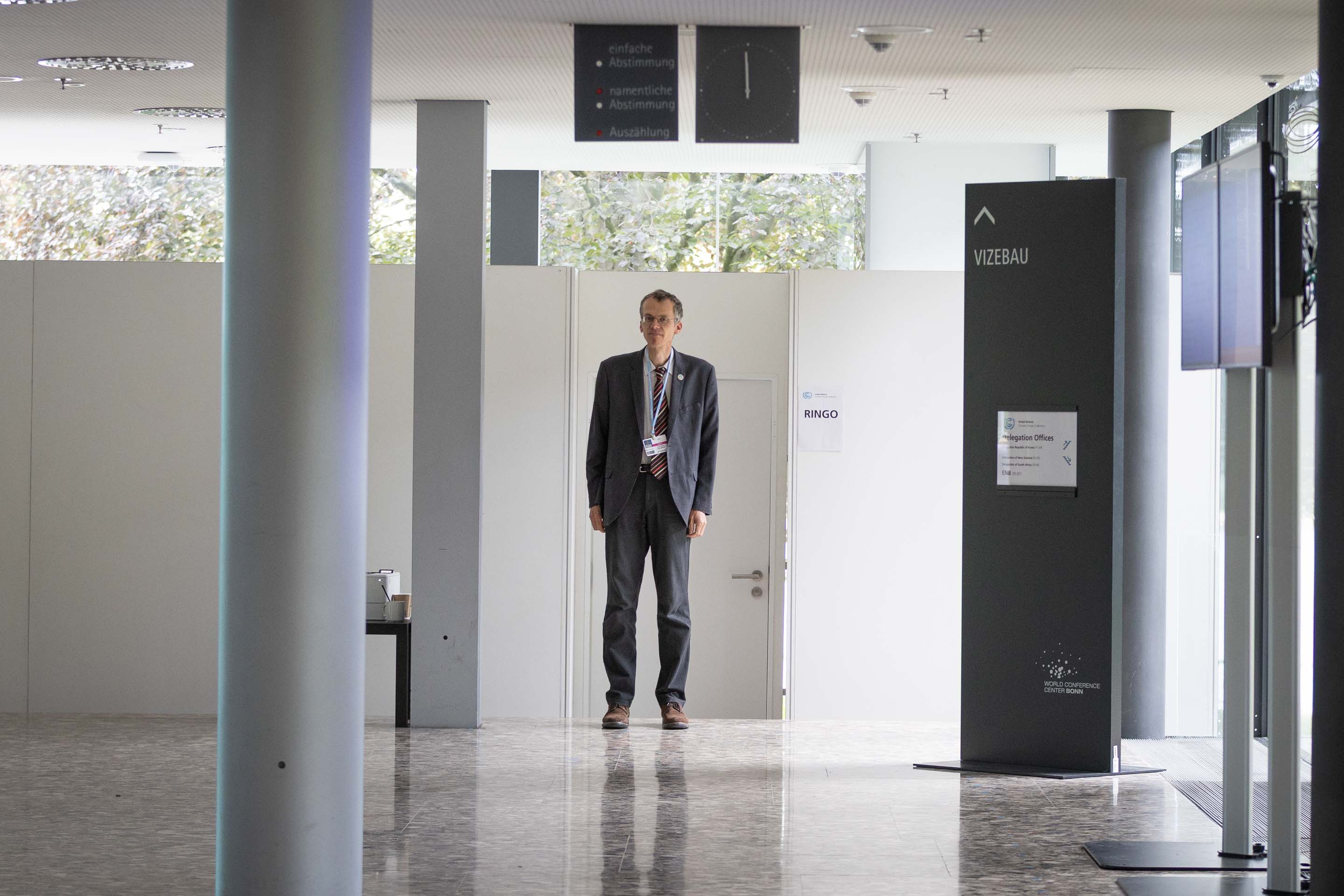
Axel Michaelowa, Perspectives Climate Group
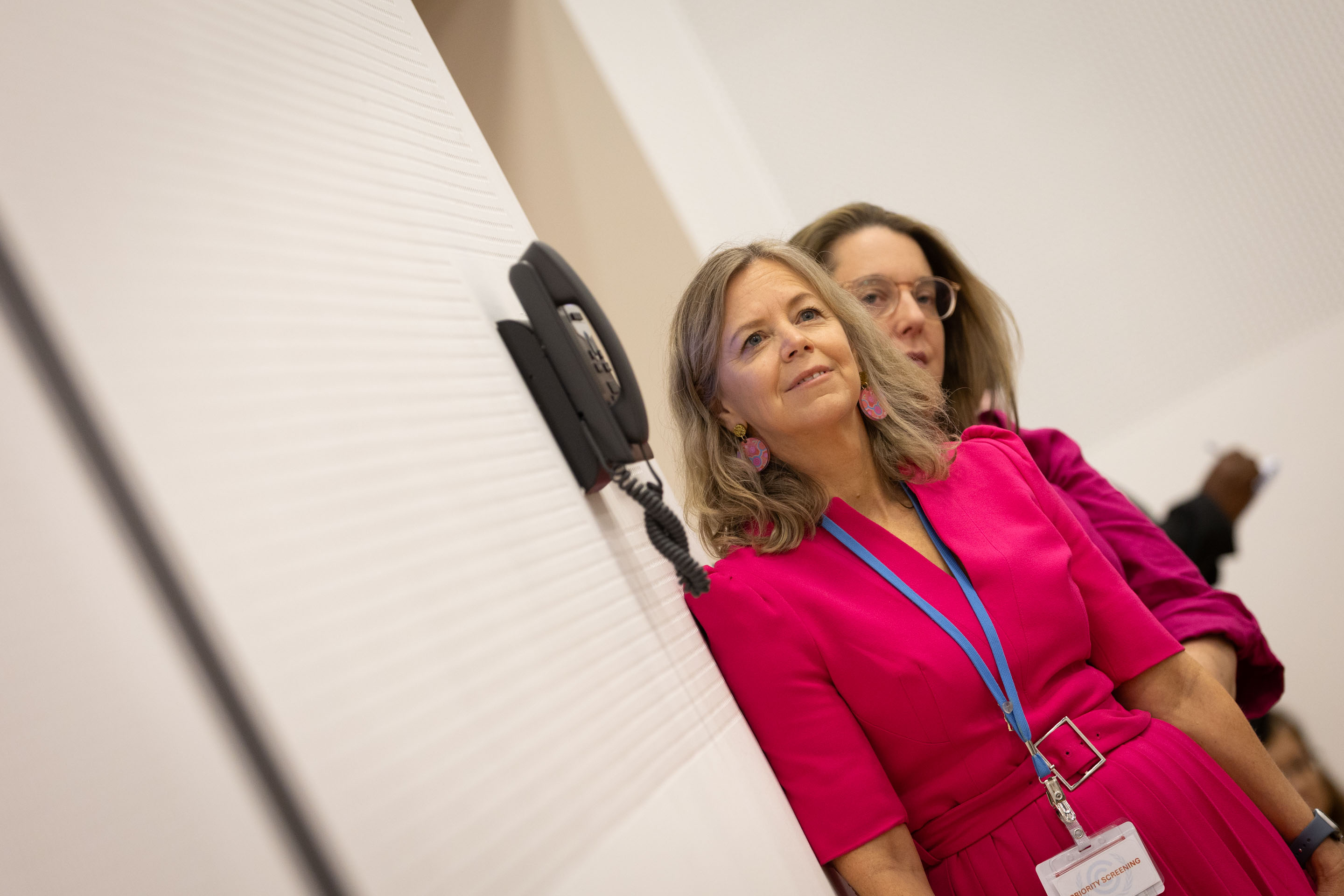
Julia Gardiner, SBI Chair
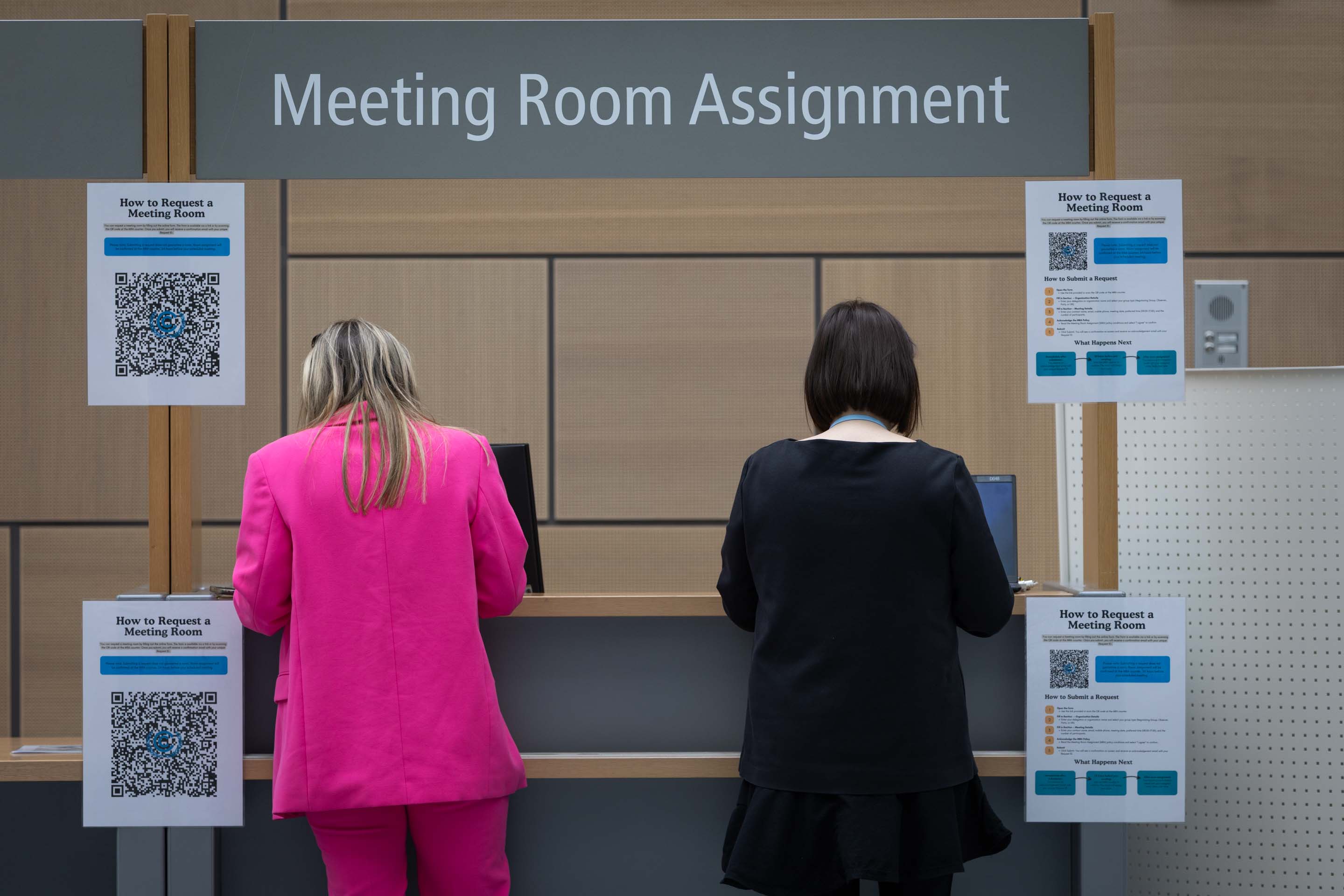
Pink is seen around the venue
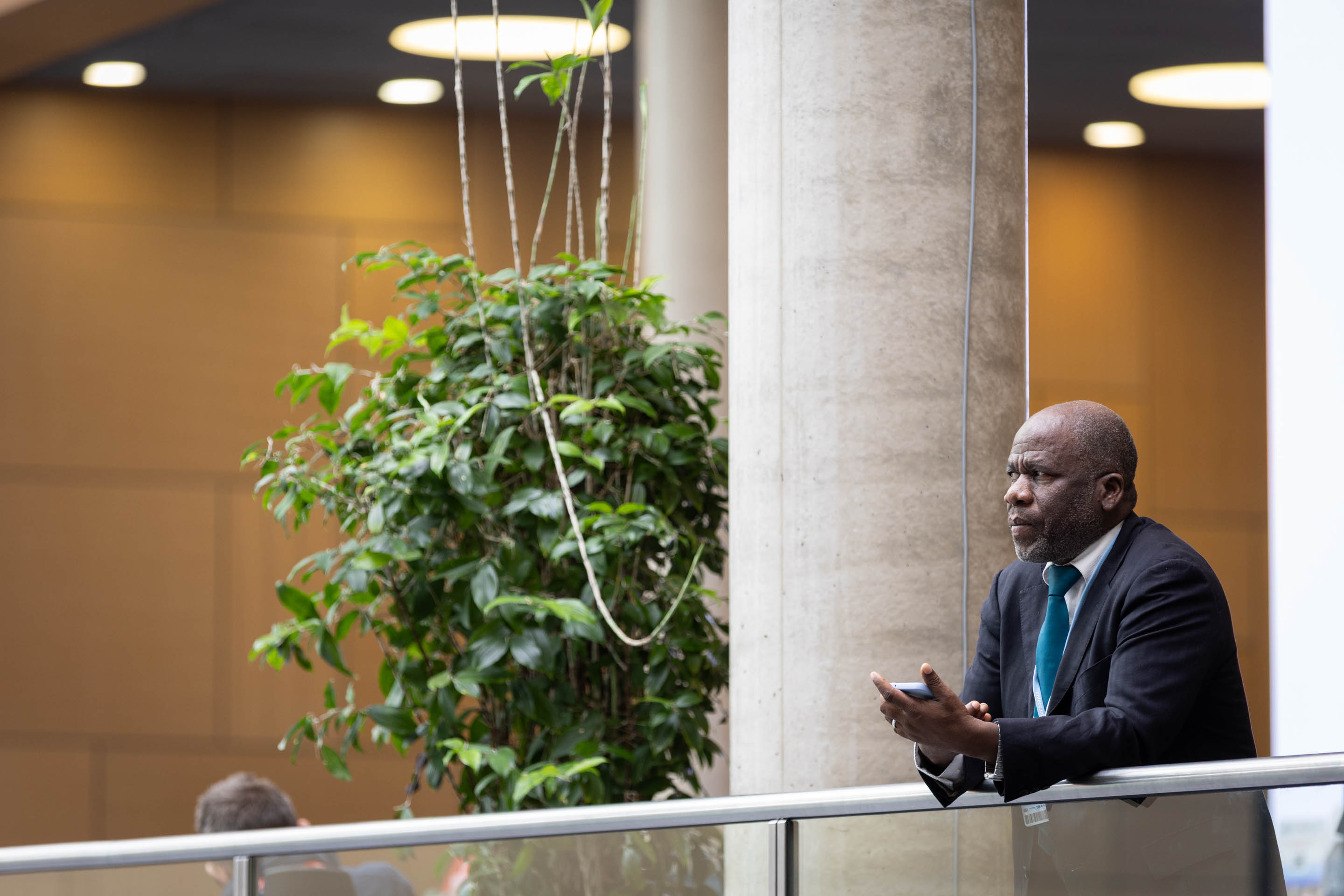
Evans Davie Njewa, Malawi
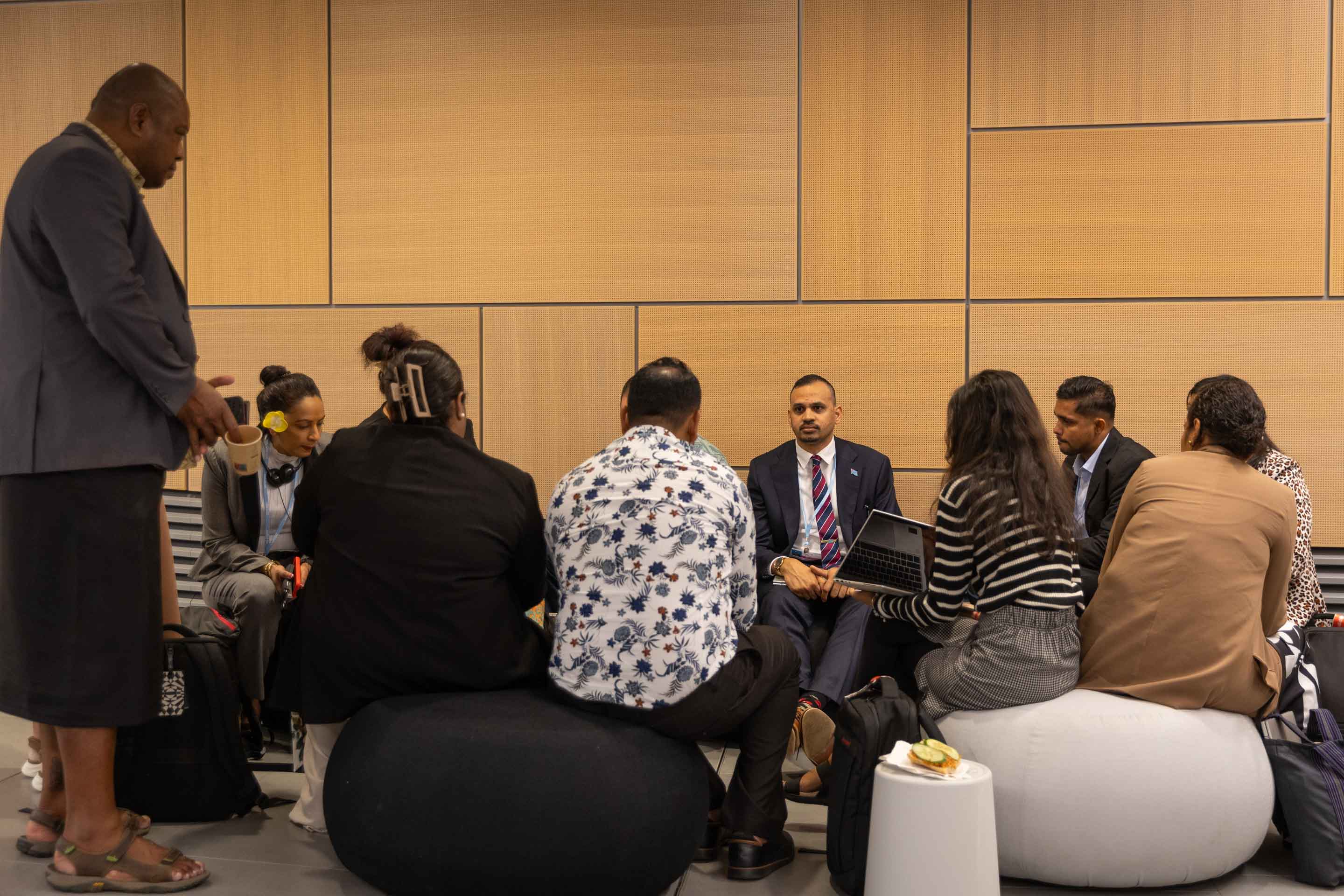
Sivendra Michael, Permanent Secretary, Ministry of Environment and Climate Change, Fiji, speaks with delegates