The biannual climate conferences entail more than multilateral negotiations. They also feature dialogue sessions and serve as a platform for various actors to launch new initiatives, publicize research insights, and network with one another.
This has made it difficult for people who are not so familiar with the UN Framework Convention on Climate Change (UNFCCC) process to distinguish the multilaterally-agreed outputs from other types of announcements made at climate conferences. The proliferation of Presidency-led initiatives over the past few years has contributed to further blurring this line—especially as some of these initiatives are reflected in governing body decisions, while others are not.
Want to dig deeper into today's talks? Read the full Earth Negotiations Bulletin daily report.
Many of the day’s discussions in Bonn showcased just that. While the number of official negotiation sessions was relatively small, discussions across the day convened in a variety of other formats. Brazil, as the outgoing Presidency, held an event on its work on transitioning away from fossil fuels in energy systems in a just, orderly, and equitable manner so as to achieve net zero by 2050—an issue notoriously absent from the “Global Mutirão,” the key decision adopted in Belém.
Other sessions addressed the “Global Implementation Accelerator” and the “Belém Mission to 1.5°C,” which, for their part, are initiatives launched under the Mutirão decision. Speakers’ statements highlighted confusion as to the shape of these initiatives and how they differ, seeing as they are both aimed at accelerating implementation of nationally determined contributions and national adaptation plans.
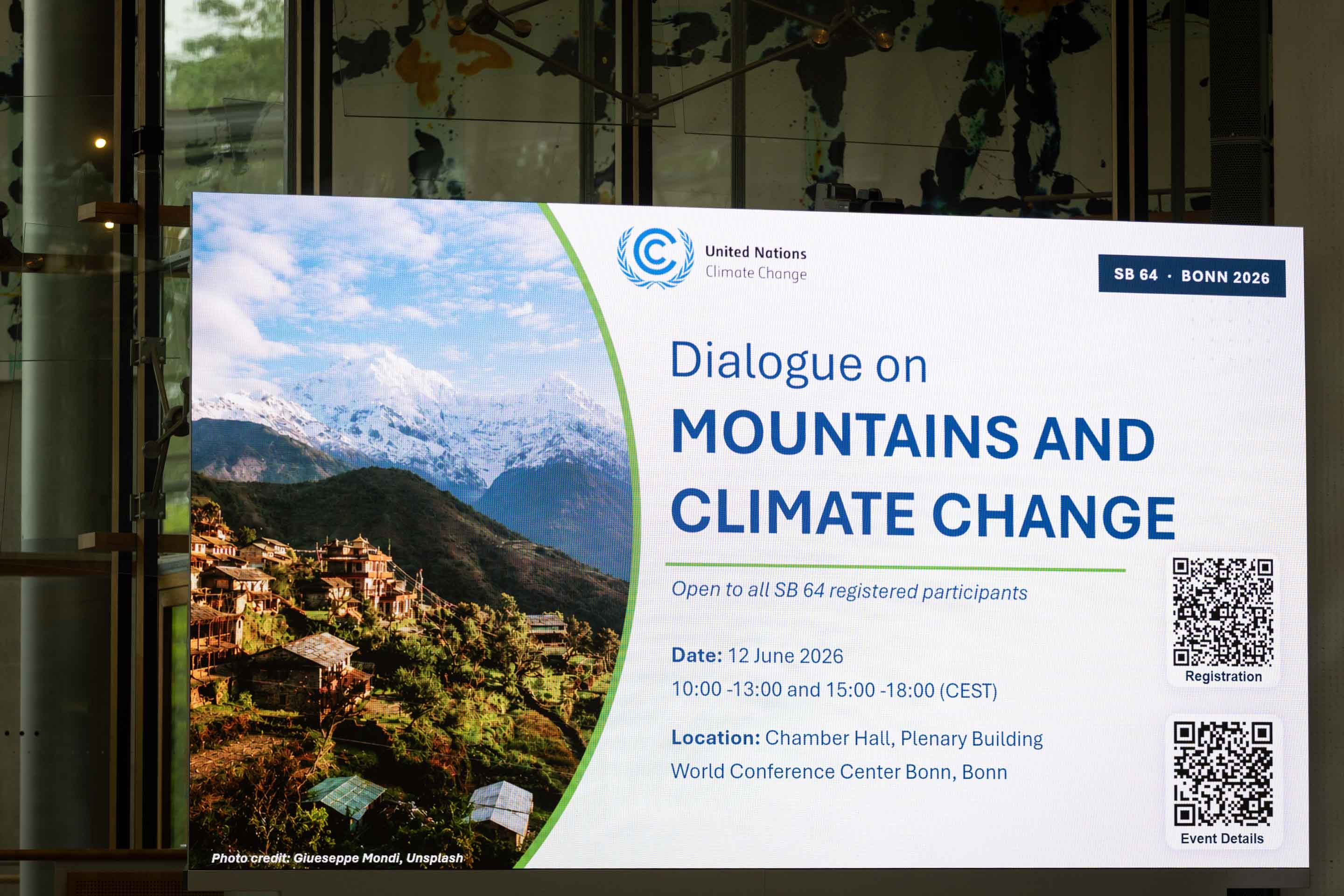
A mandated event also took place for participants to reflect on climate action in mountain regions. Discussions touched upon, among others:
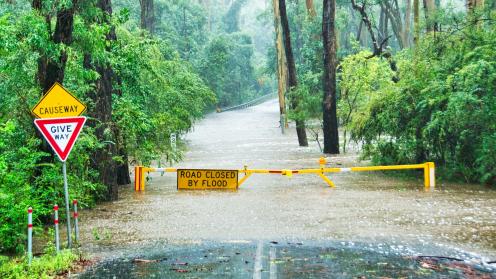
- rising glacier mass loss and resulting flash floods;
- climate impacts on mountains extending to downstream areas, including coastal regions;
- digital solutions for flood management and landslide hazard awareness; and
- entry points for enhanced action on mountains in existing UNFCCC workstreams.
In another mandated event, participants reflected on what information on the impacts of response measures—meaning the repercussions of climate action—should feed into the second Global Stocktake. Among others:
- Canada highlighted benefits related to economic diversification and just transition;
- Russia called for assessing the transboundary impacts of border adjustment measures such as the EU’s Carbon Border Adjustment Mechanism; and
- Ghana pointed to impacts on the informal economy.
To receive free coverage of global environmental events delivered to your inbox, subscribe to the ENB Update newsletter.
All ENB photos are free to use with attribution. For SB64 please use: Photo by IISD/ENB - Kiara Worth
Dialogue on Mountains and Climate Change
A special dialogue is held to discuss mountains and climate change
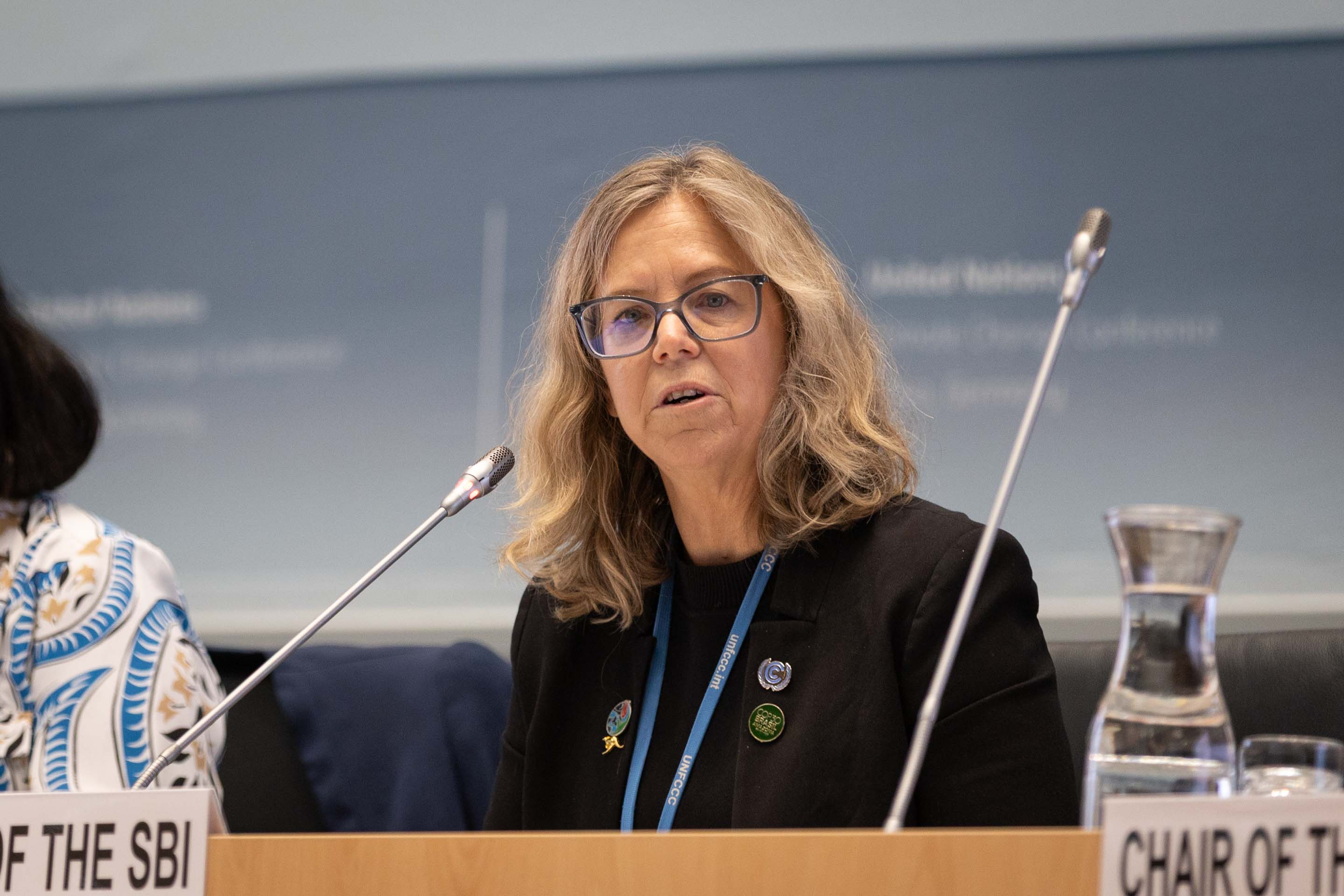
Julia Gardiner, SBI Chair
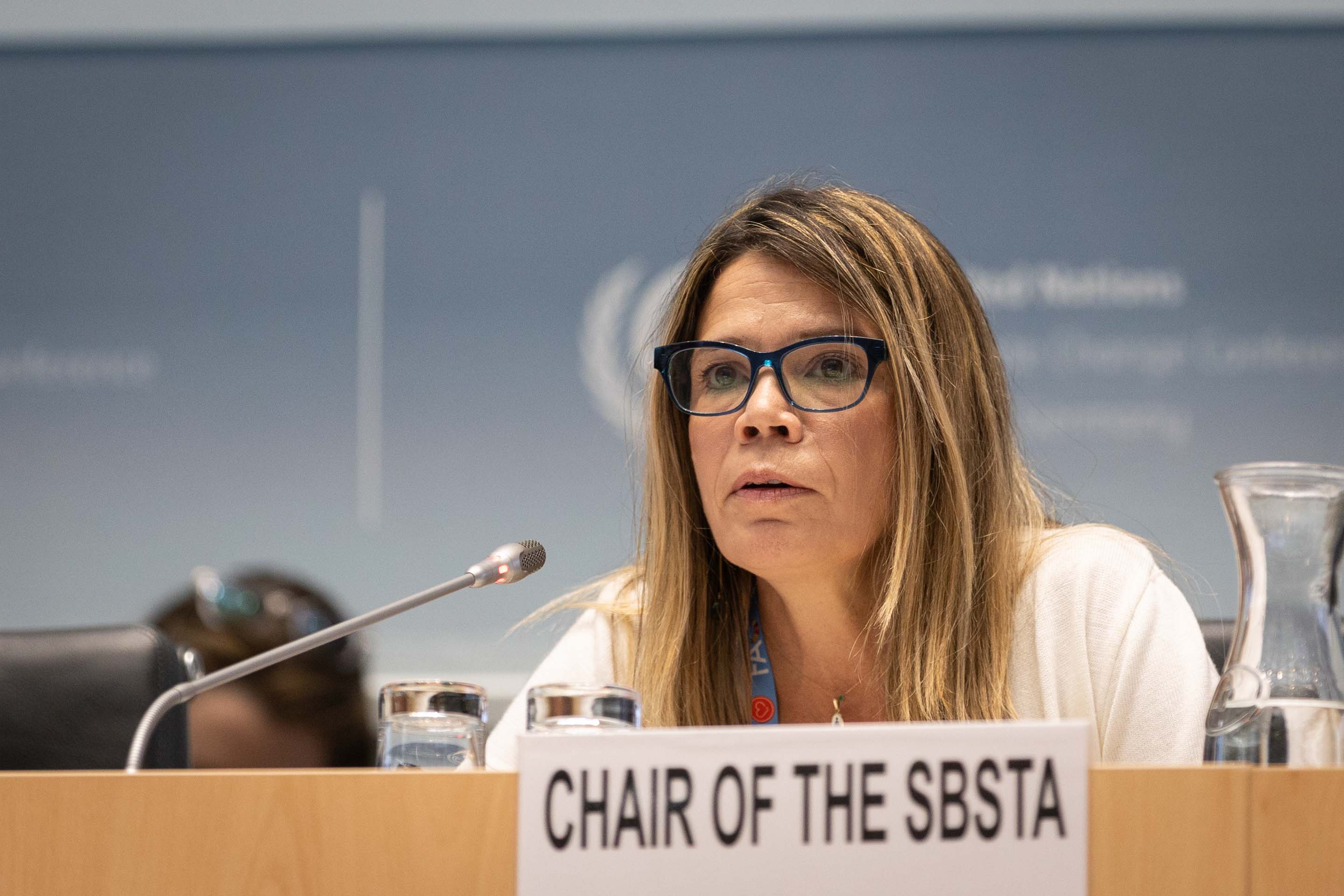
Carol Franco, SBSTA Vice-Chair
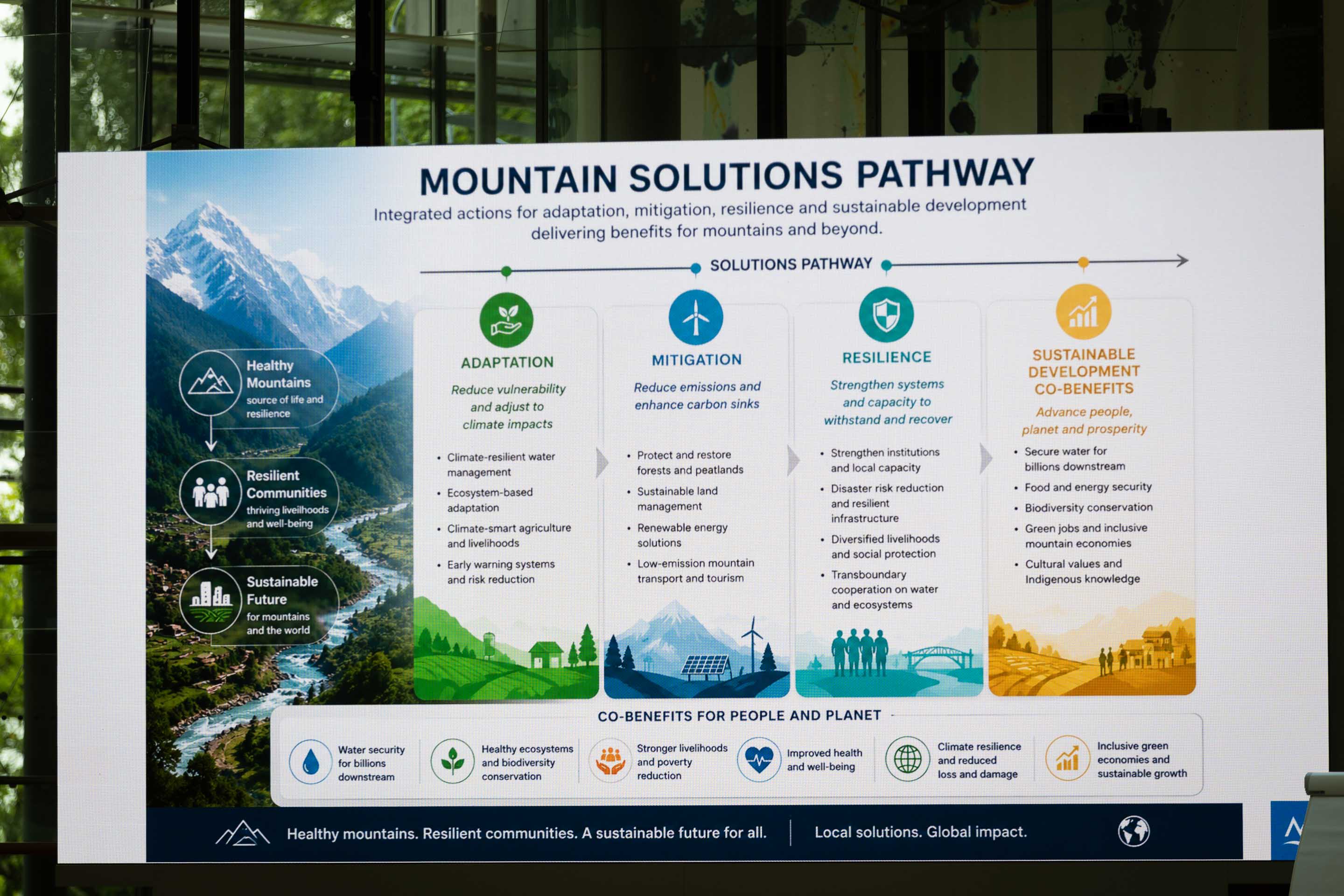
A slide highlights the mountain solutions pathway
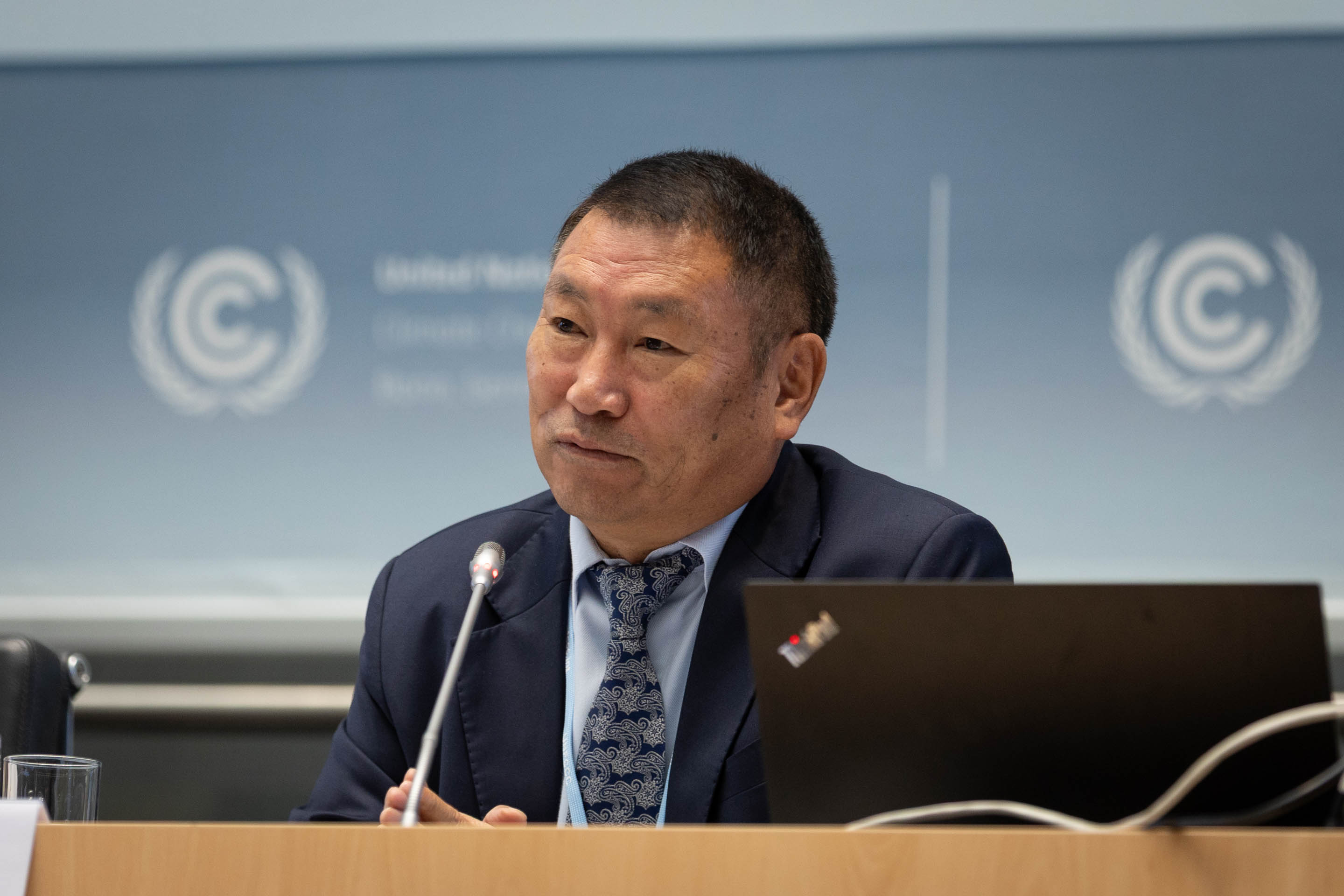
Pema Gyamtsho, Director-General, International Centre for Integrated Mountain Development (ICIMOD)
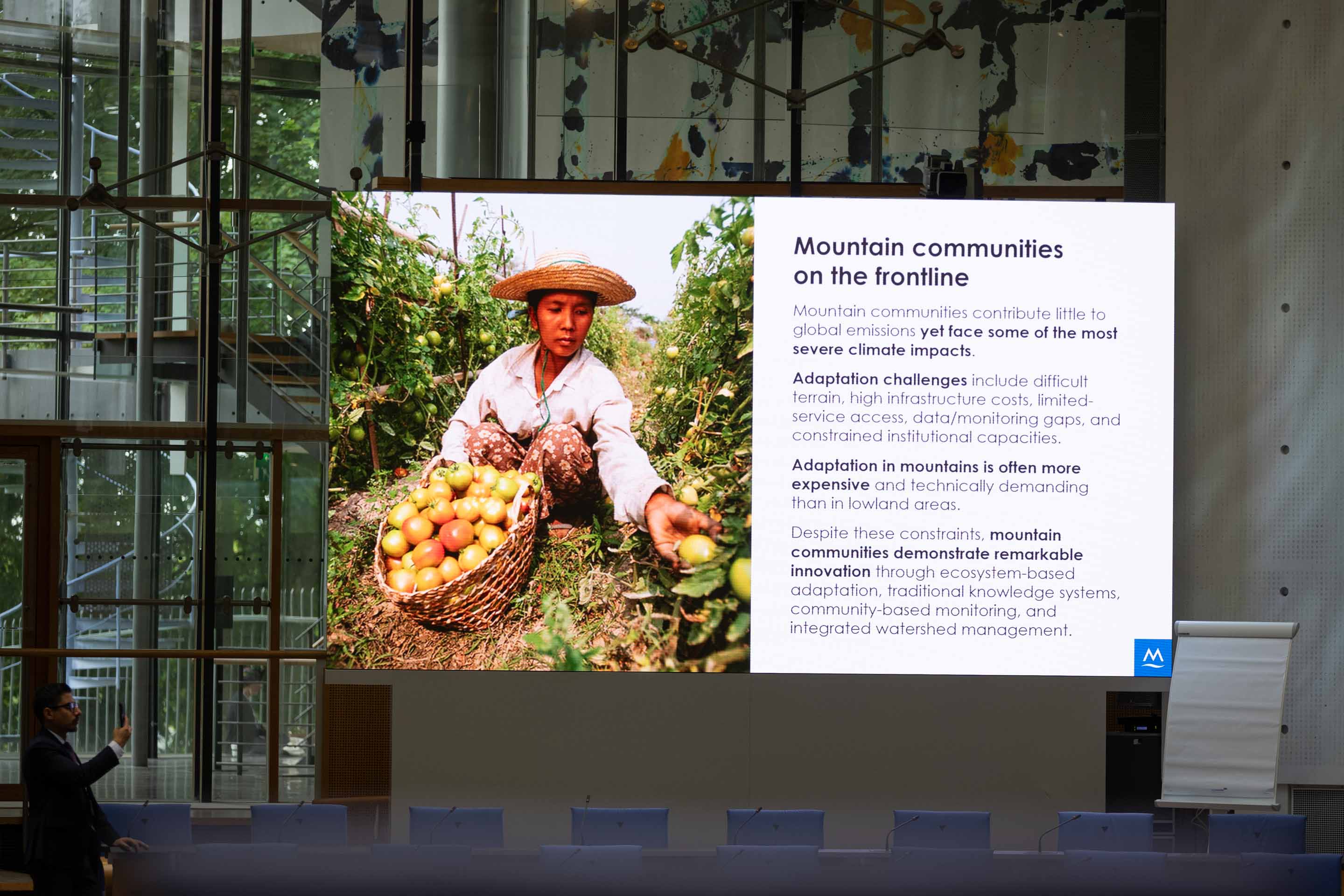
A slide highlights that mountain communities are on the frontline of climate change impacts
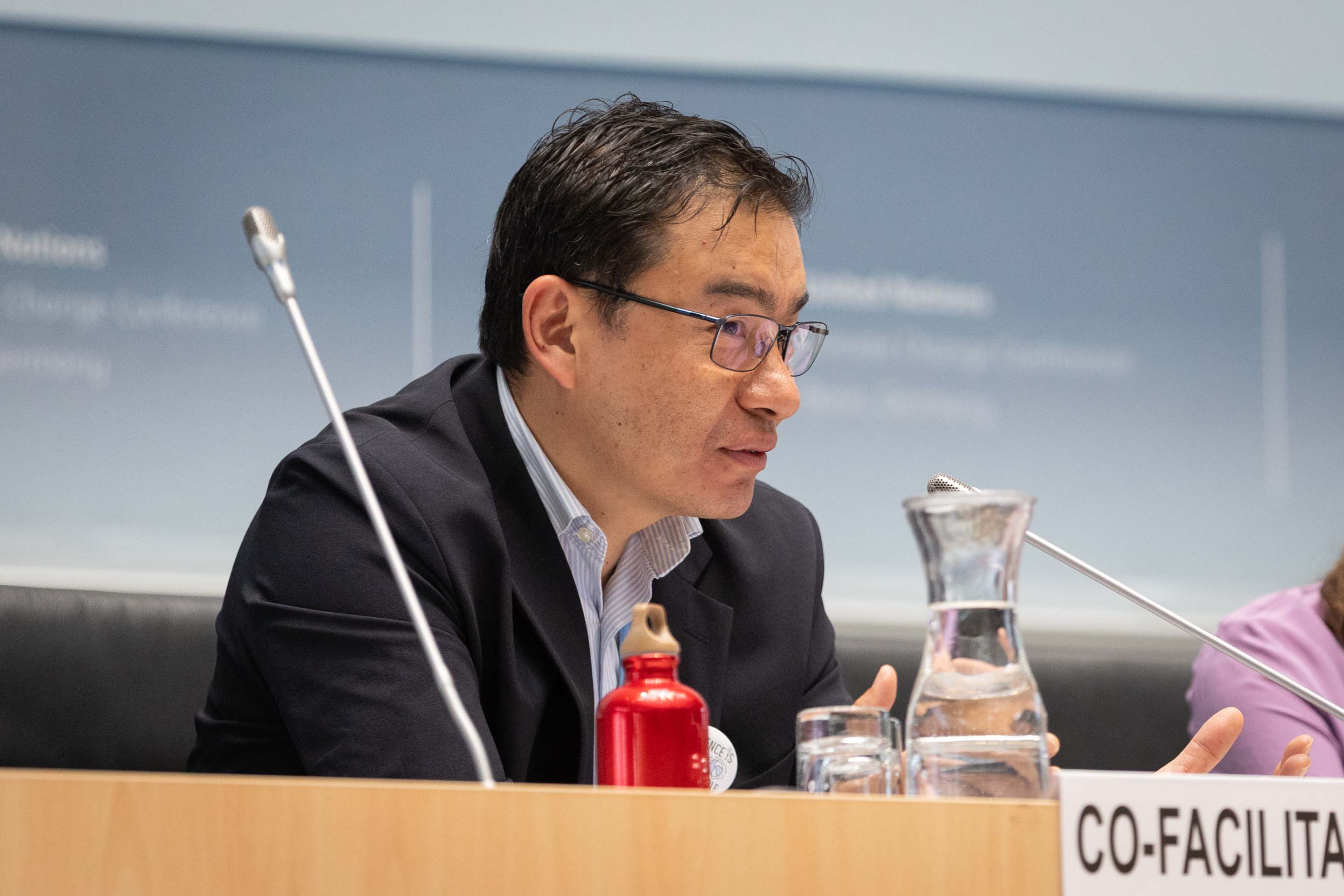
Dialogue Co-Facilitator Sonam Tashi, Bhutan
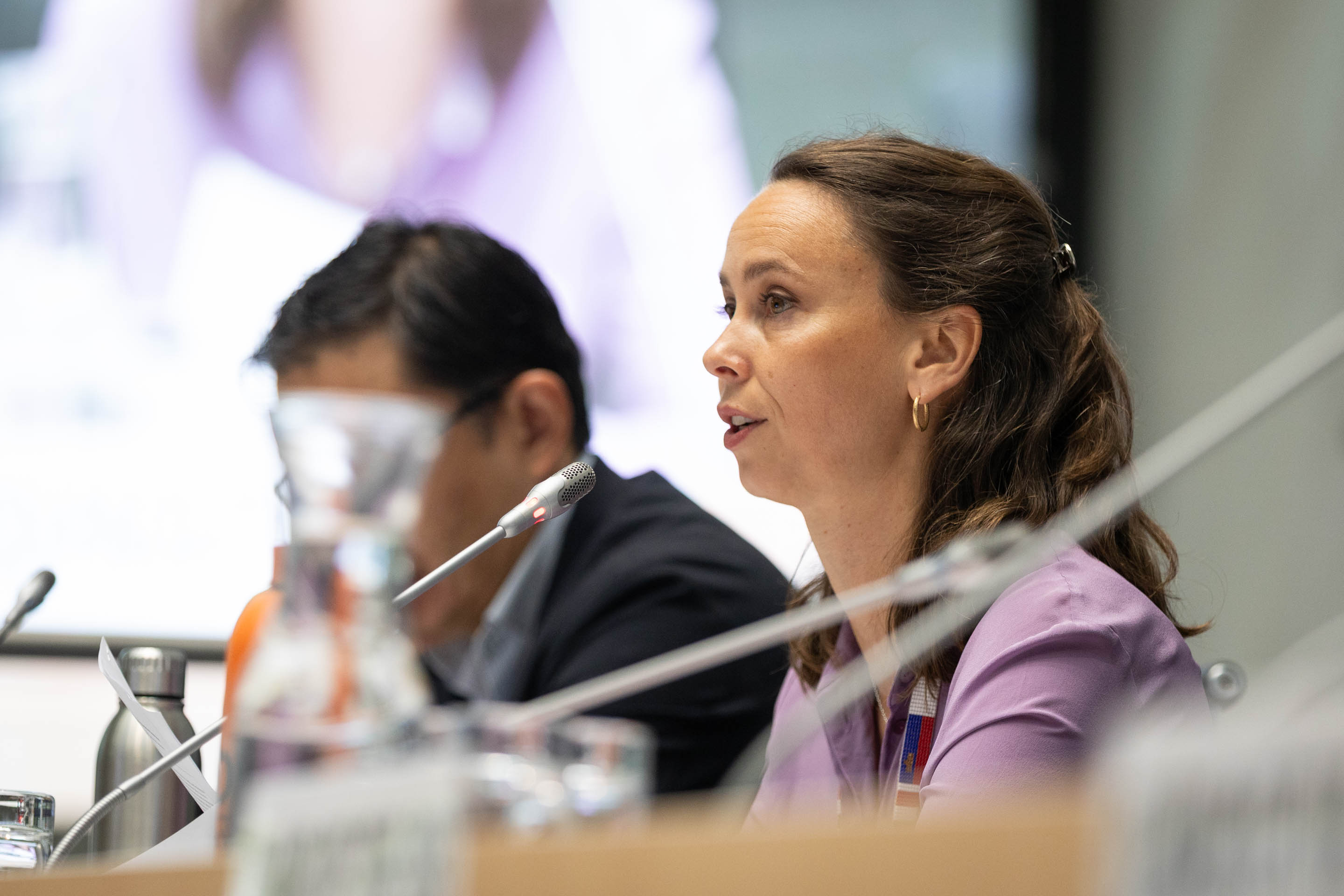
Dialogue Co-Facilitator Saskia Sanders, Switzerland
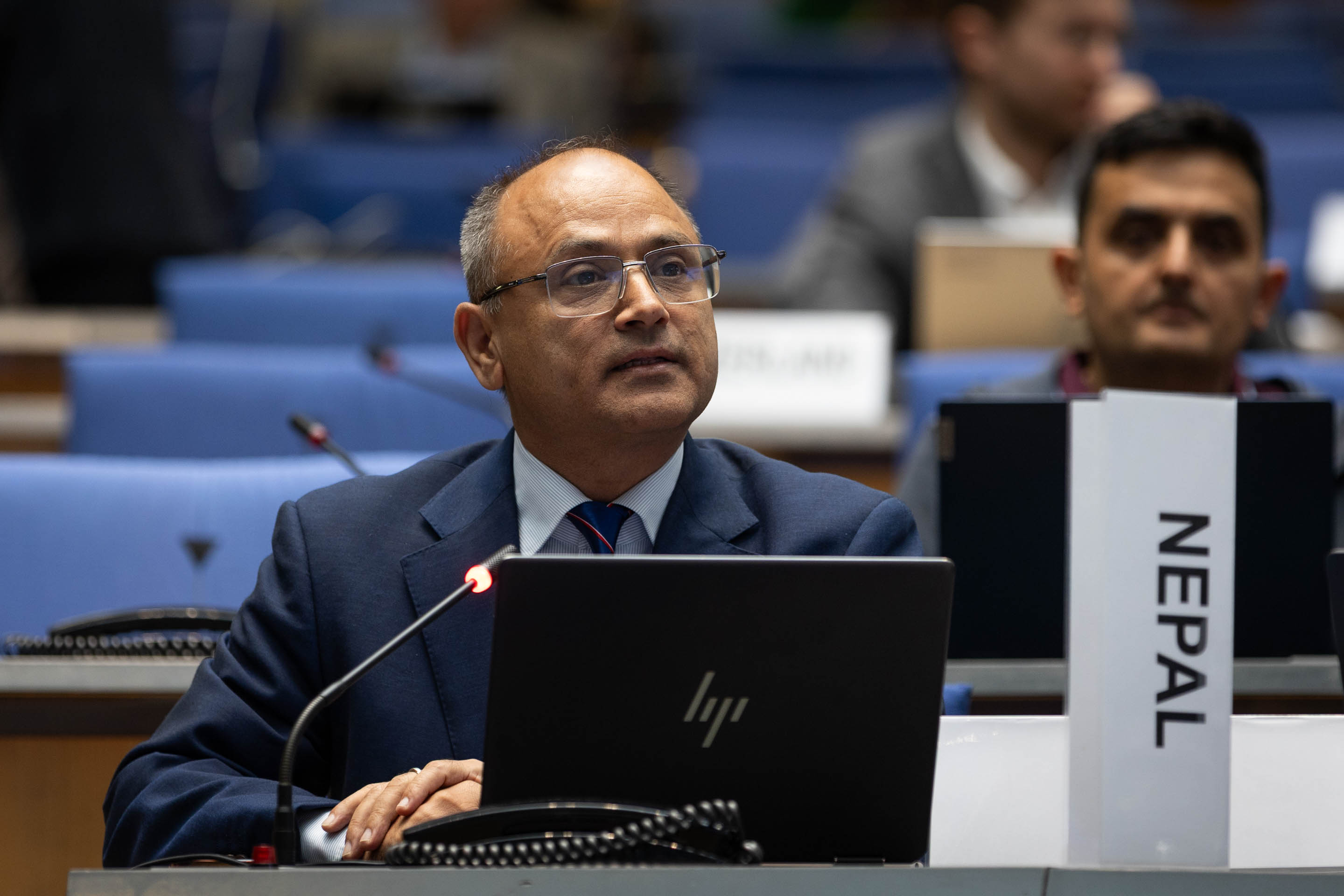
Maheshwor Dhakal, Nepal
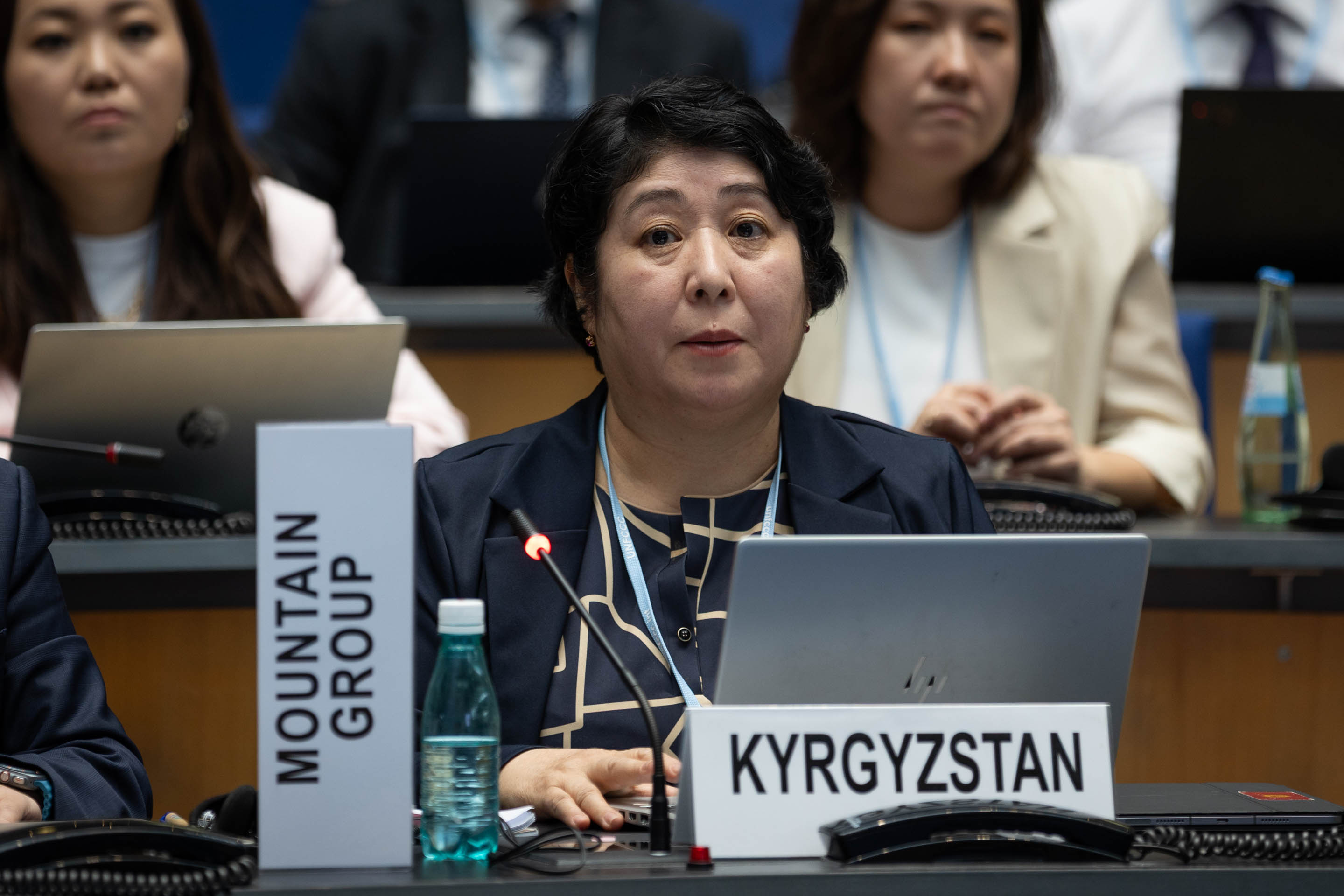
Dinara Kemelova, Special Representative of the President, Kyrgyzstan
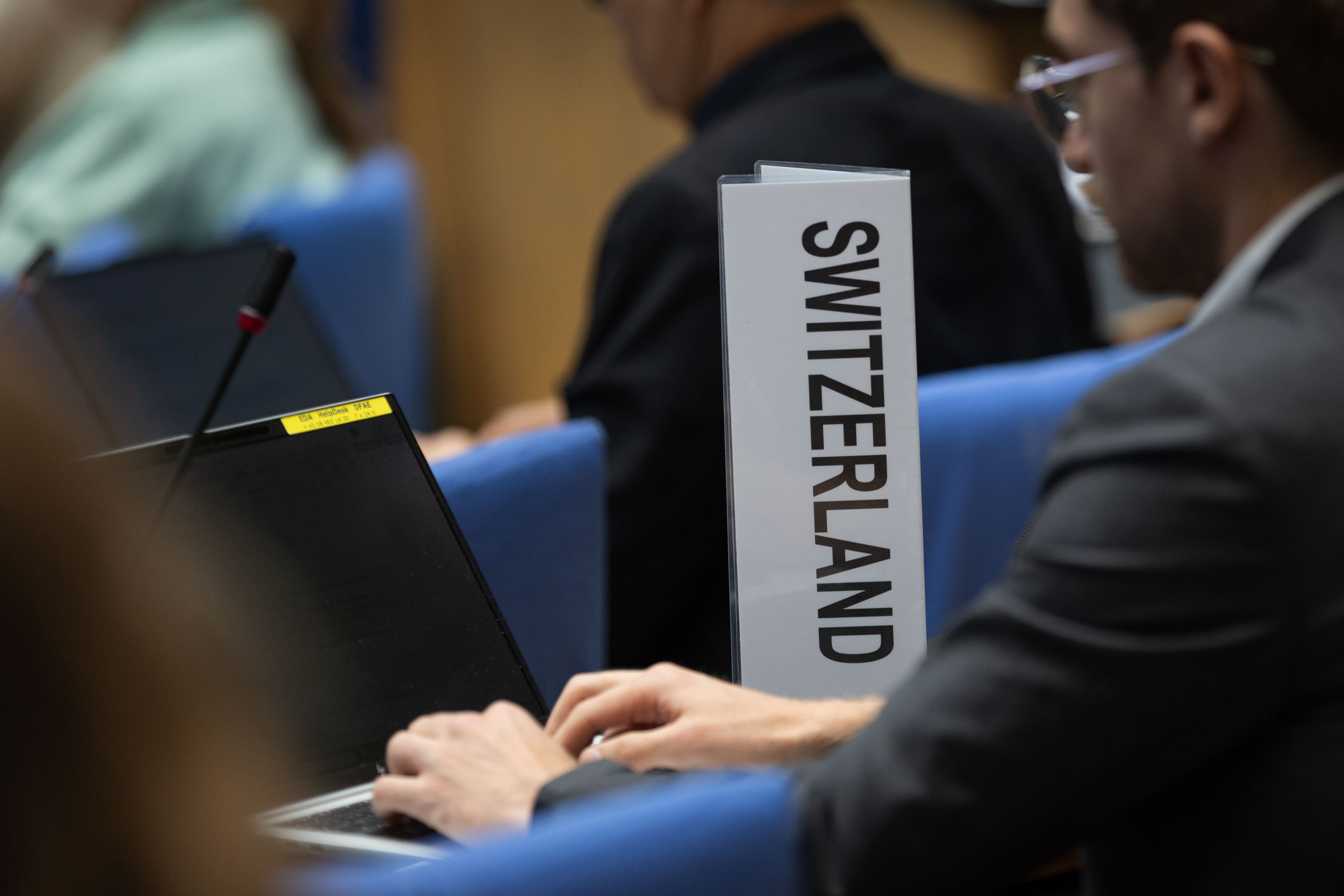
Delegates from mountain regions raise their placards to speak
Informal Consultations Throughout the Day
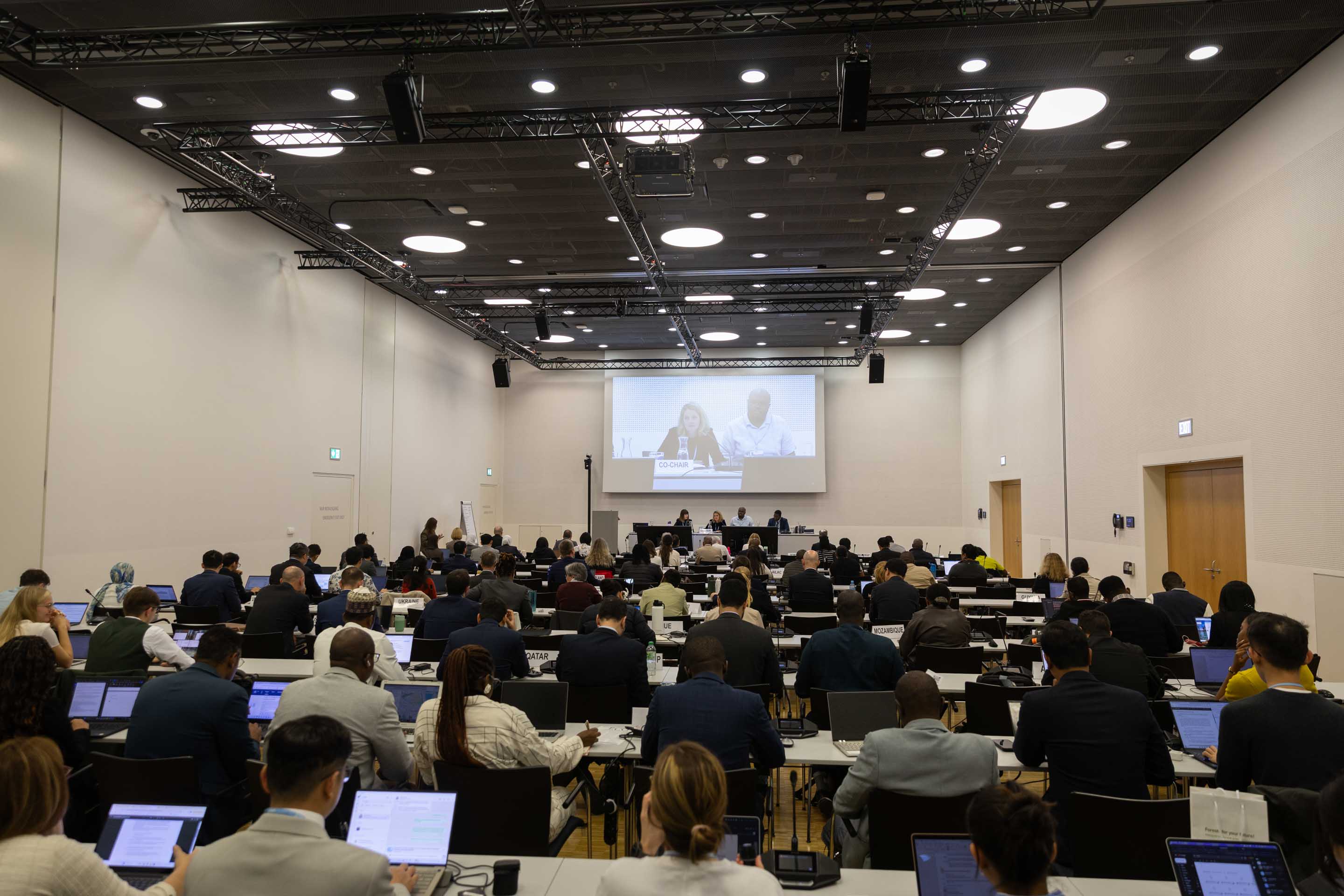
Informal consultations on Art 6.8 (non-market approaches)
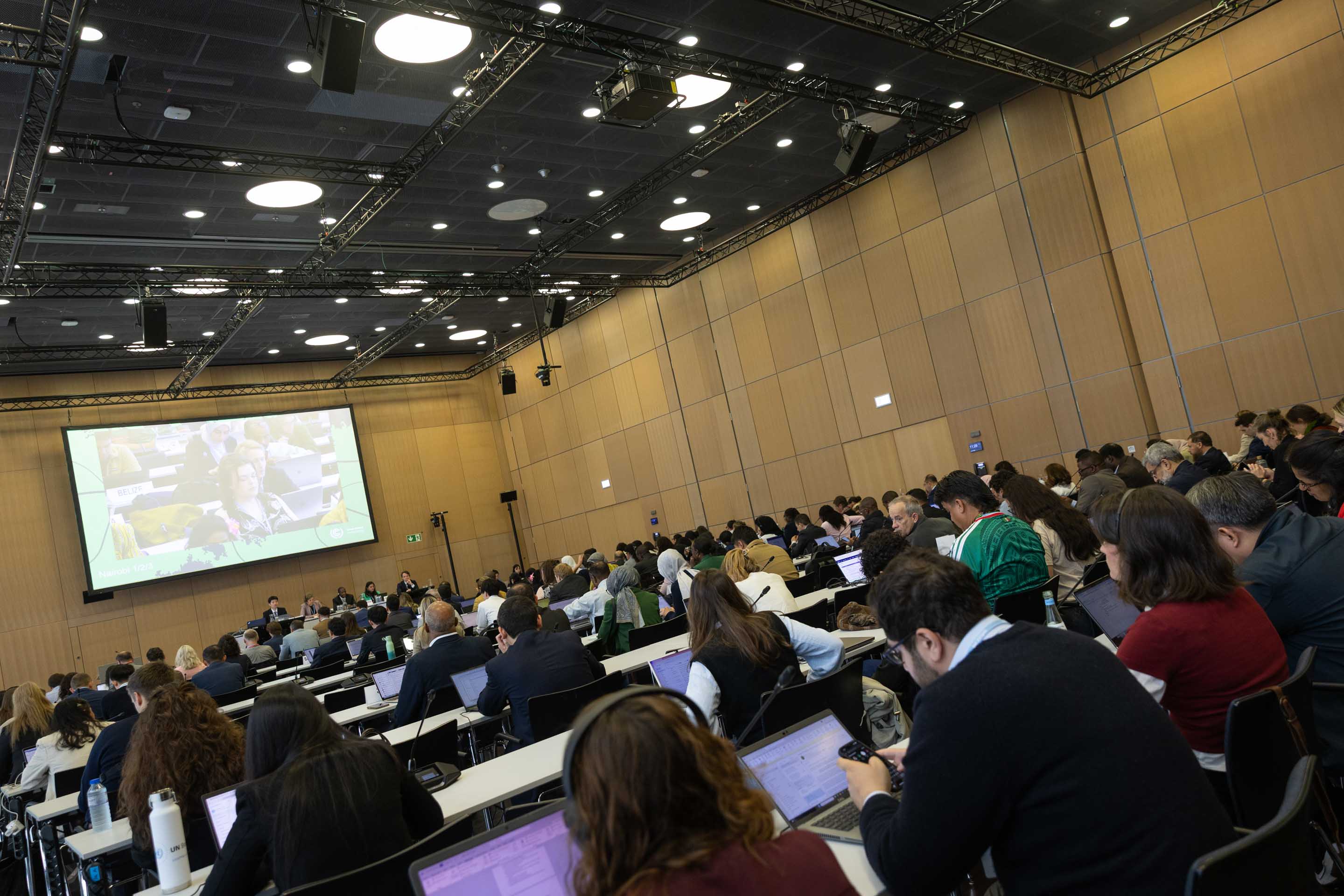
Informal consultations on mitigation ambition and implementation
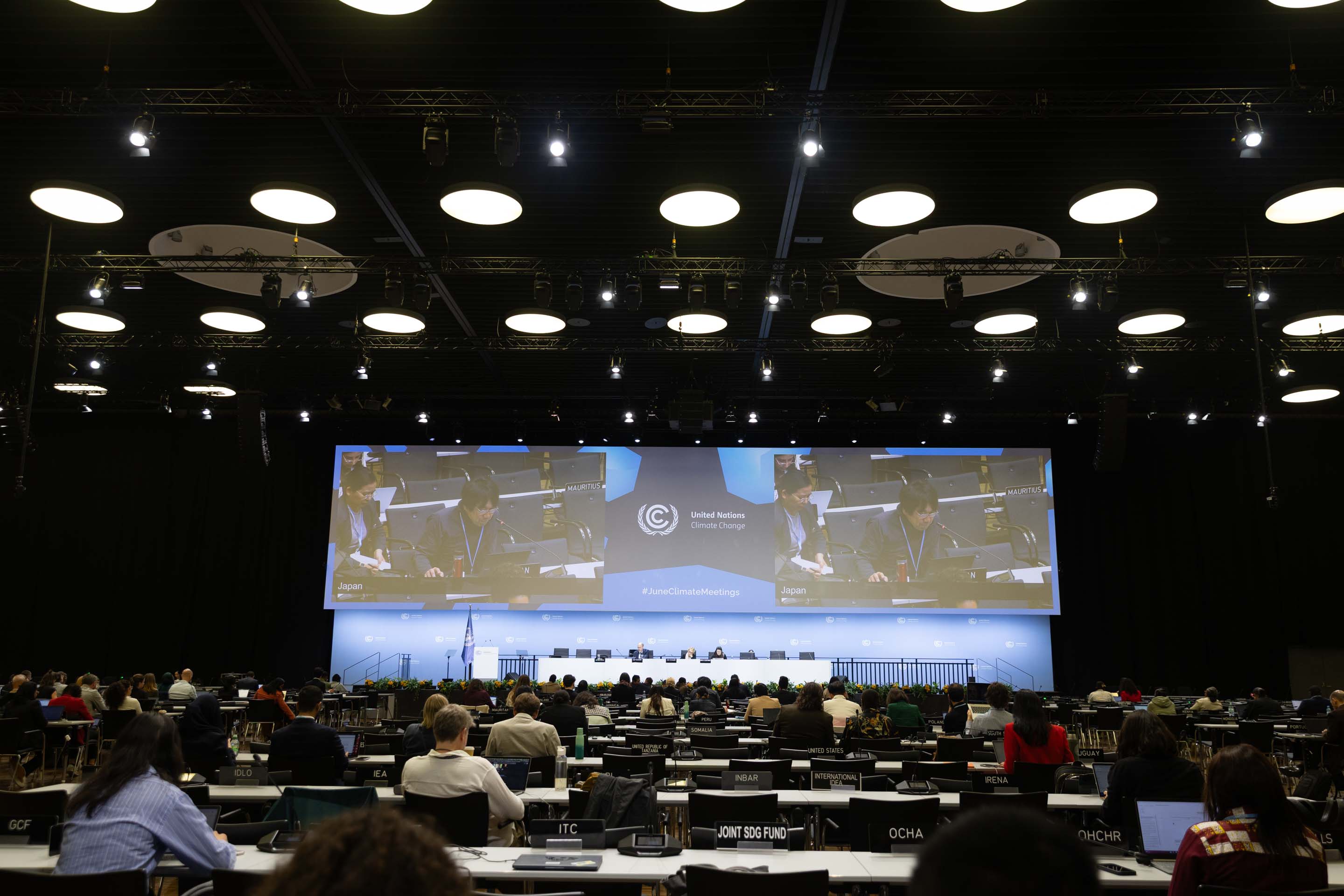
Informal consultations on the just transition work programme
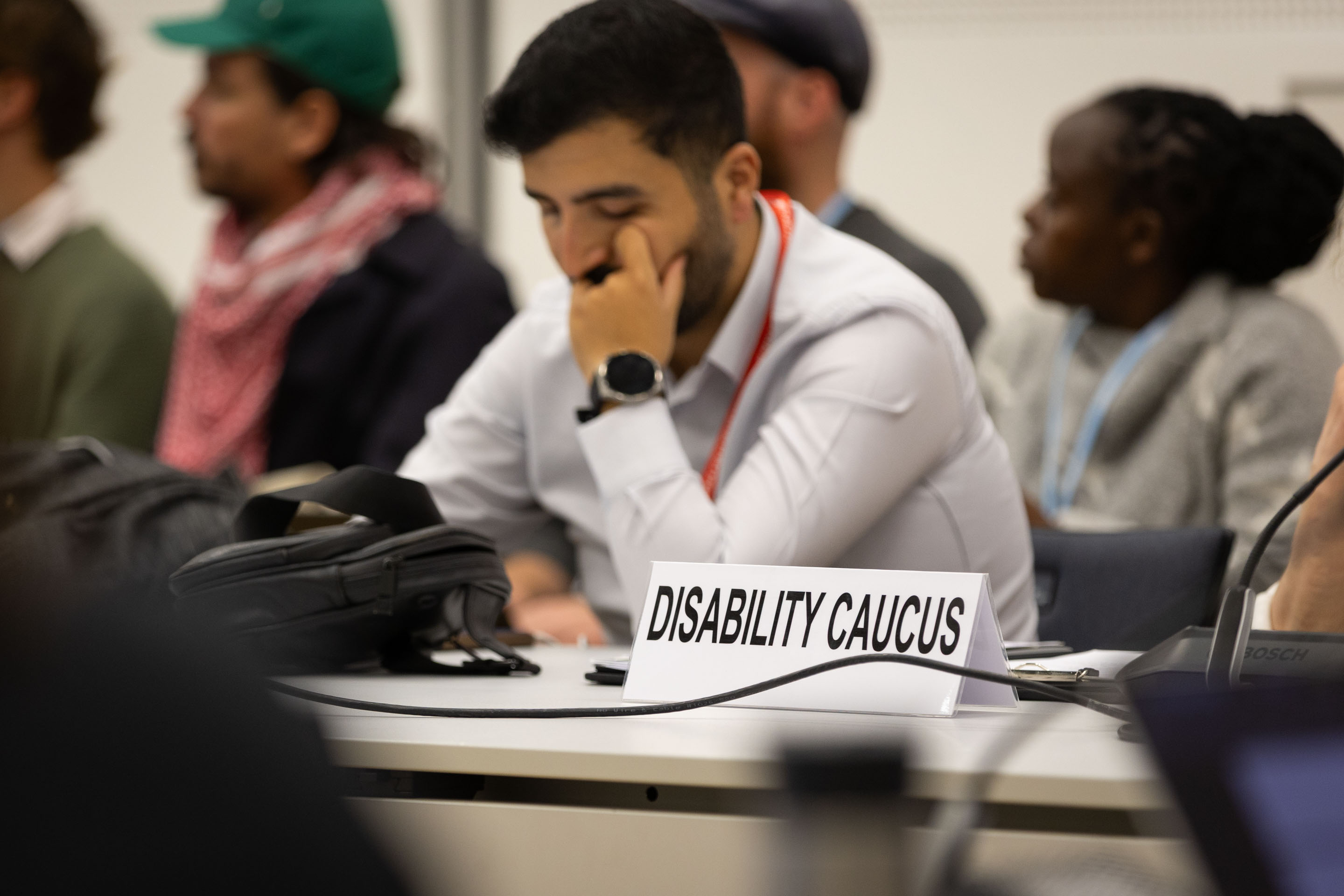
SBI and SBSTA Chairs' Joint Dialogue with Observers
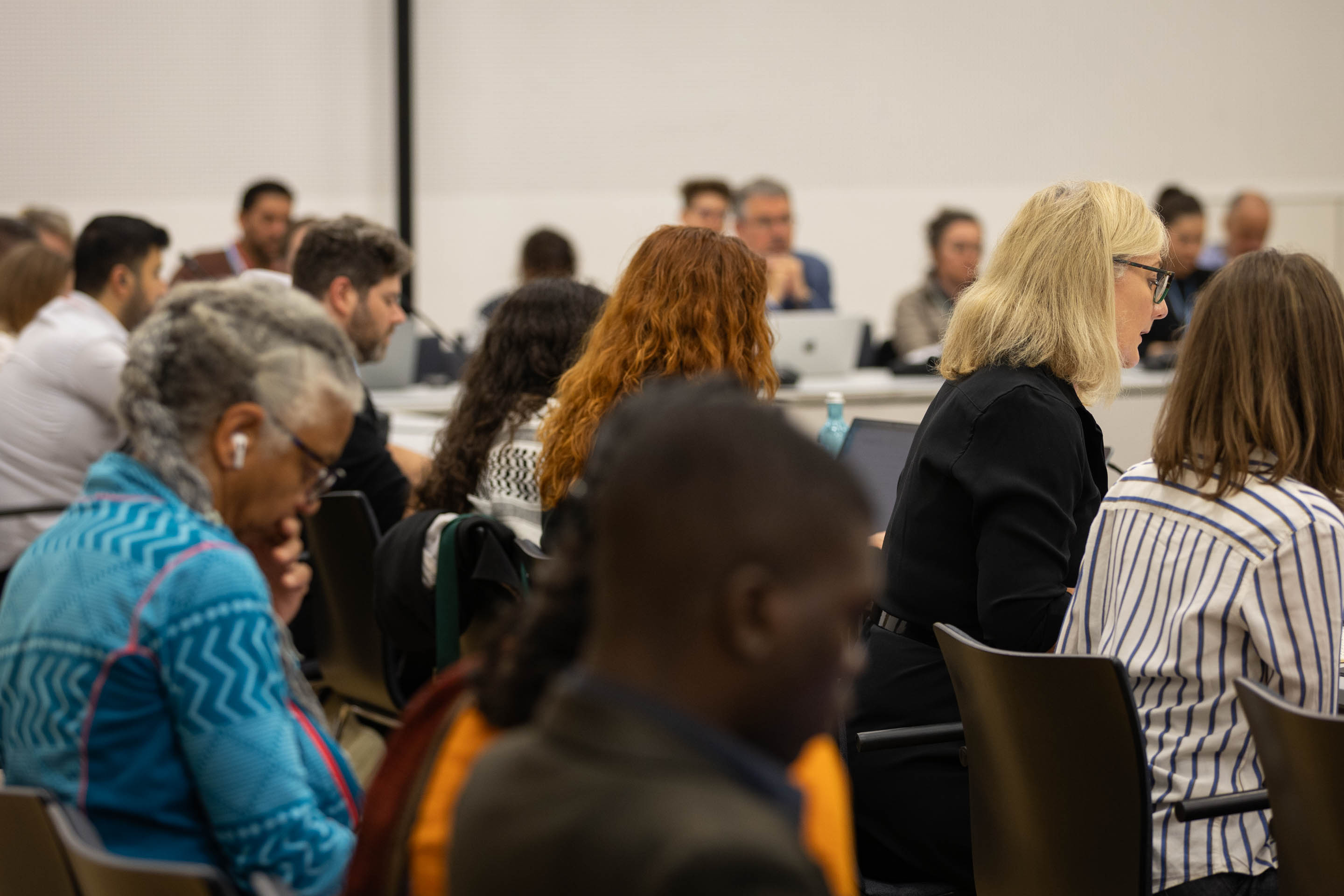
Observer delegates attend the joint dialogue with the SBI and SBSTA Chairs
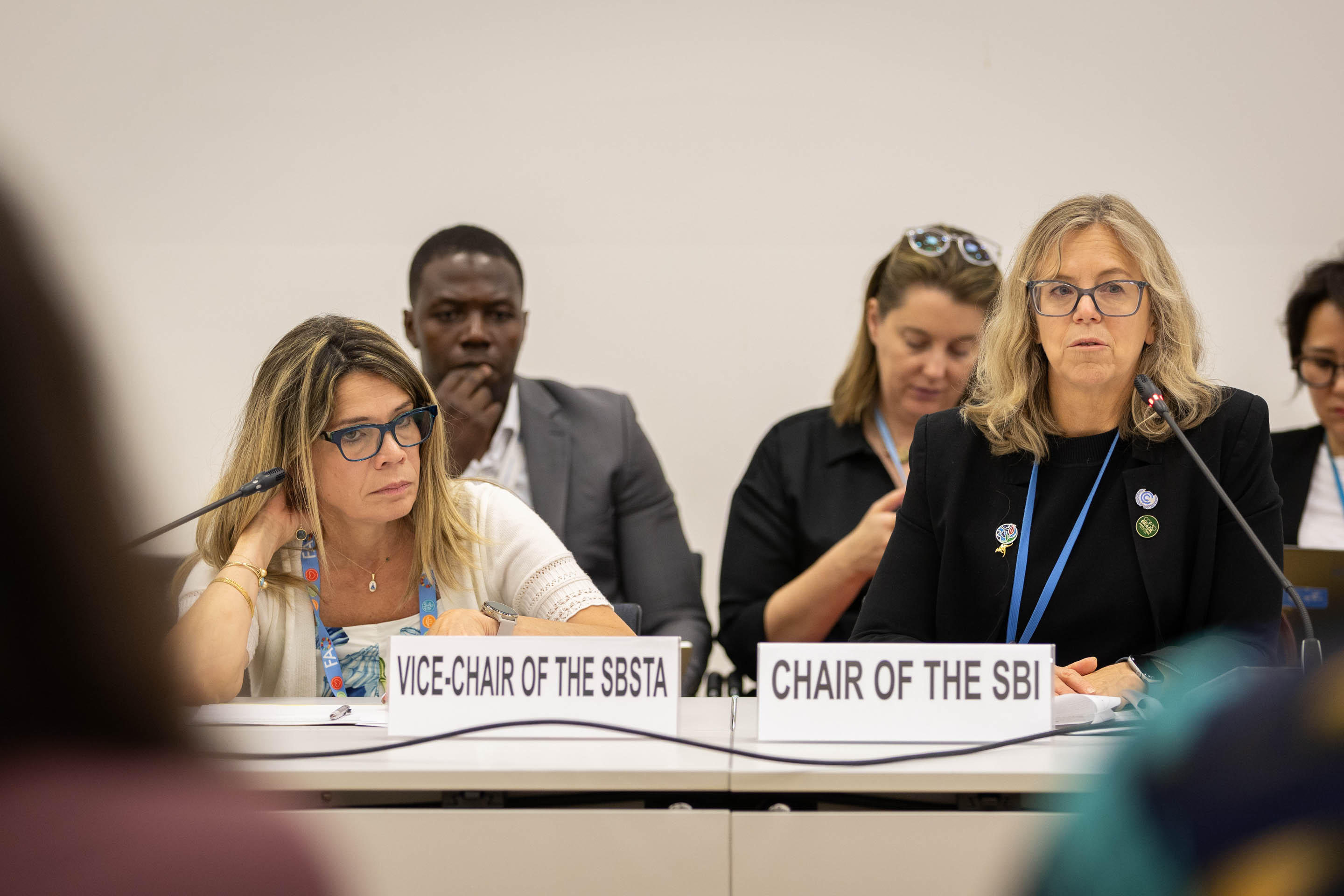
Carol Franco, SBSTA Vice-Chair, and Julia Gardiner, SBI Chair
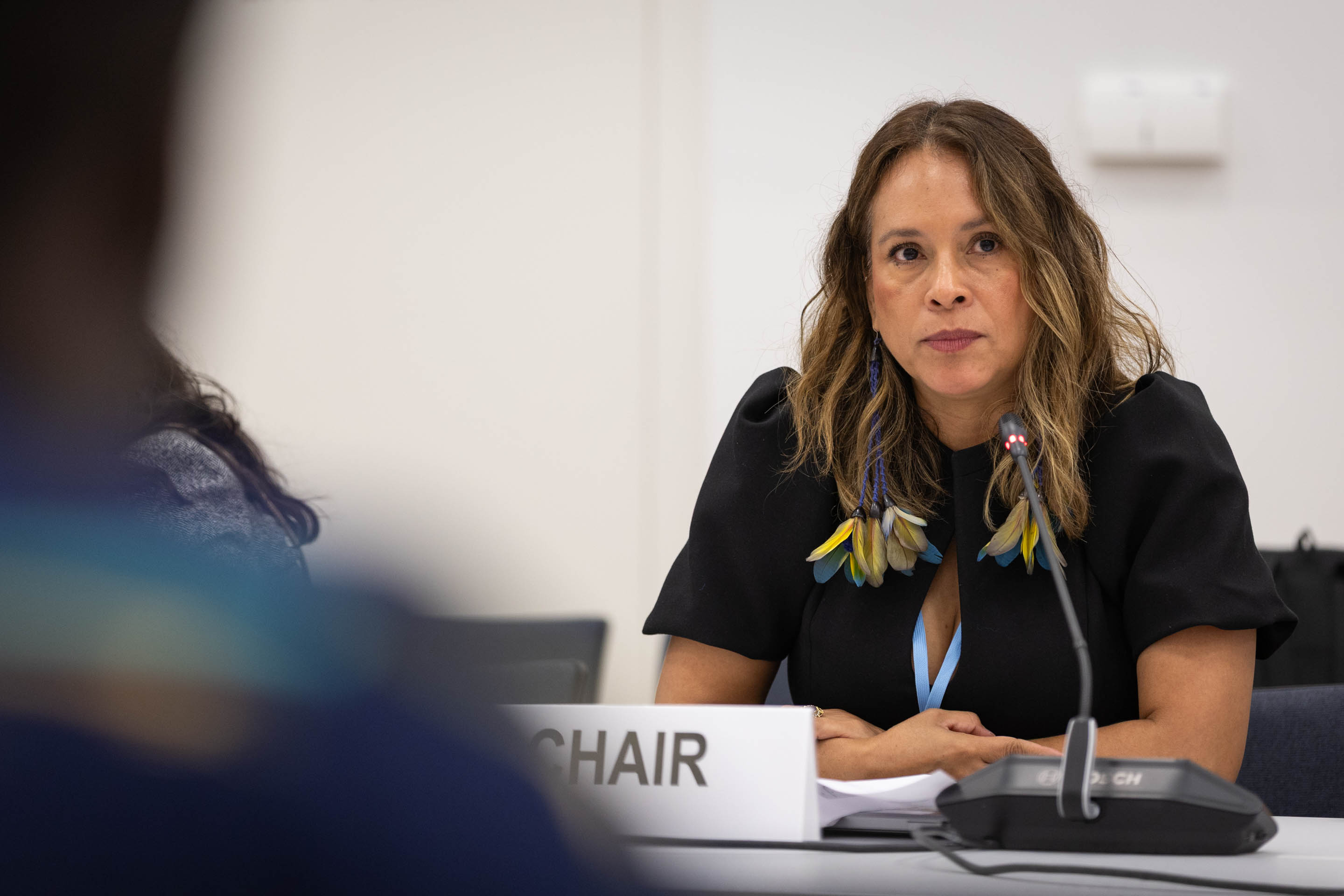
Moderator Eileen Cunningham, Indigenous Peoples Organizations (IPOs)
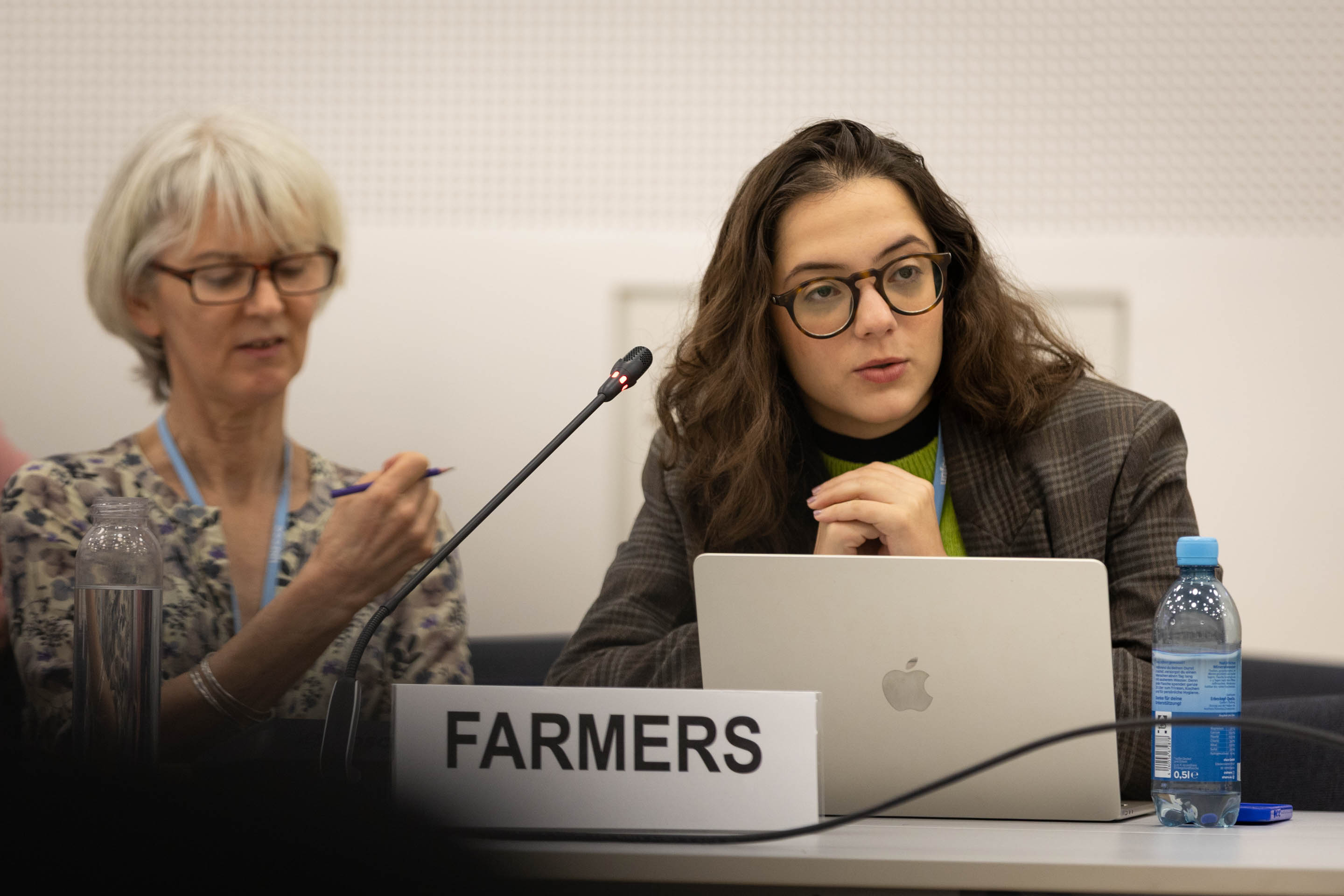
Amanda Soares Roza, Farmers
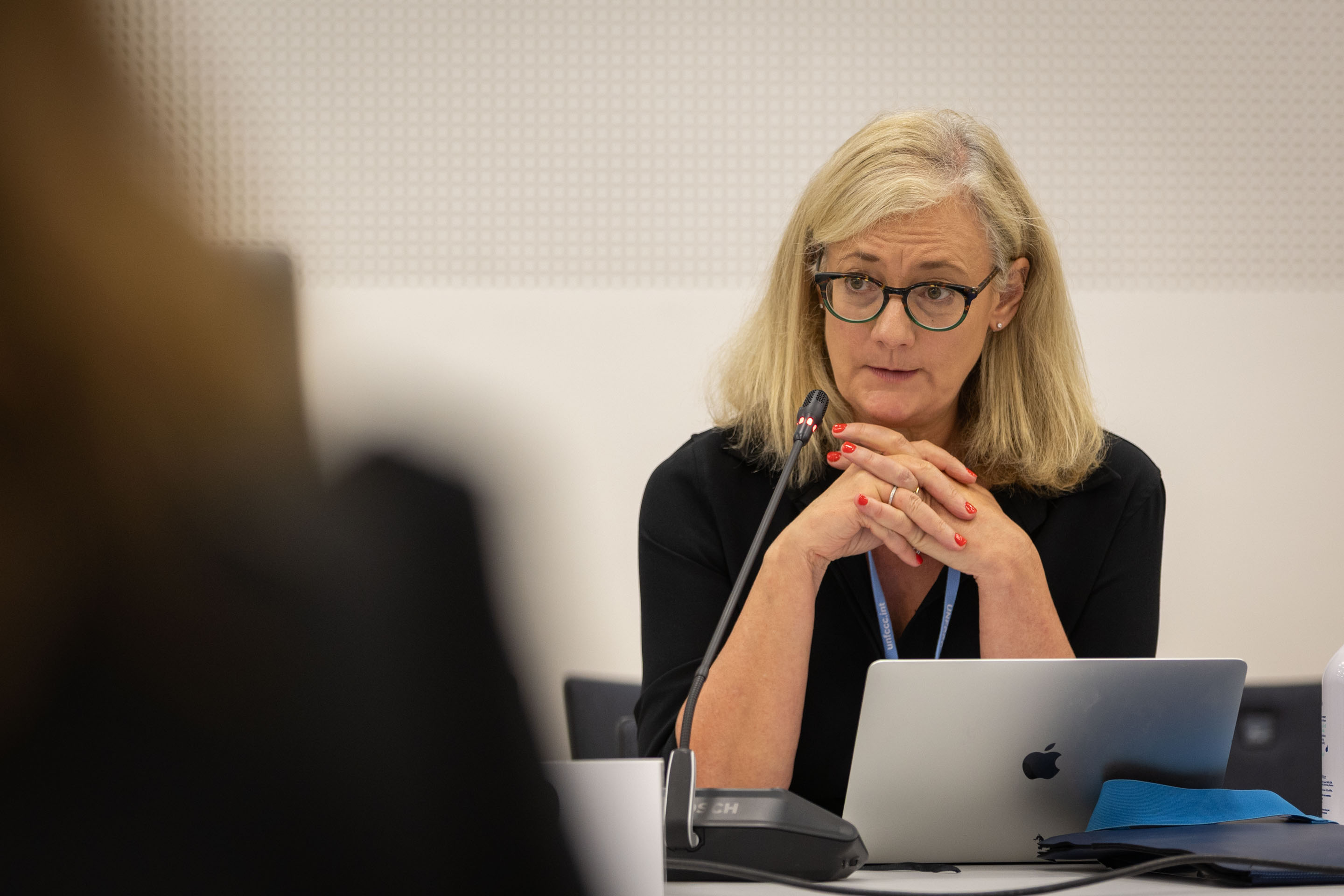
Wendy Miles, Business and Industry NGOs (BINGOs)
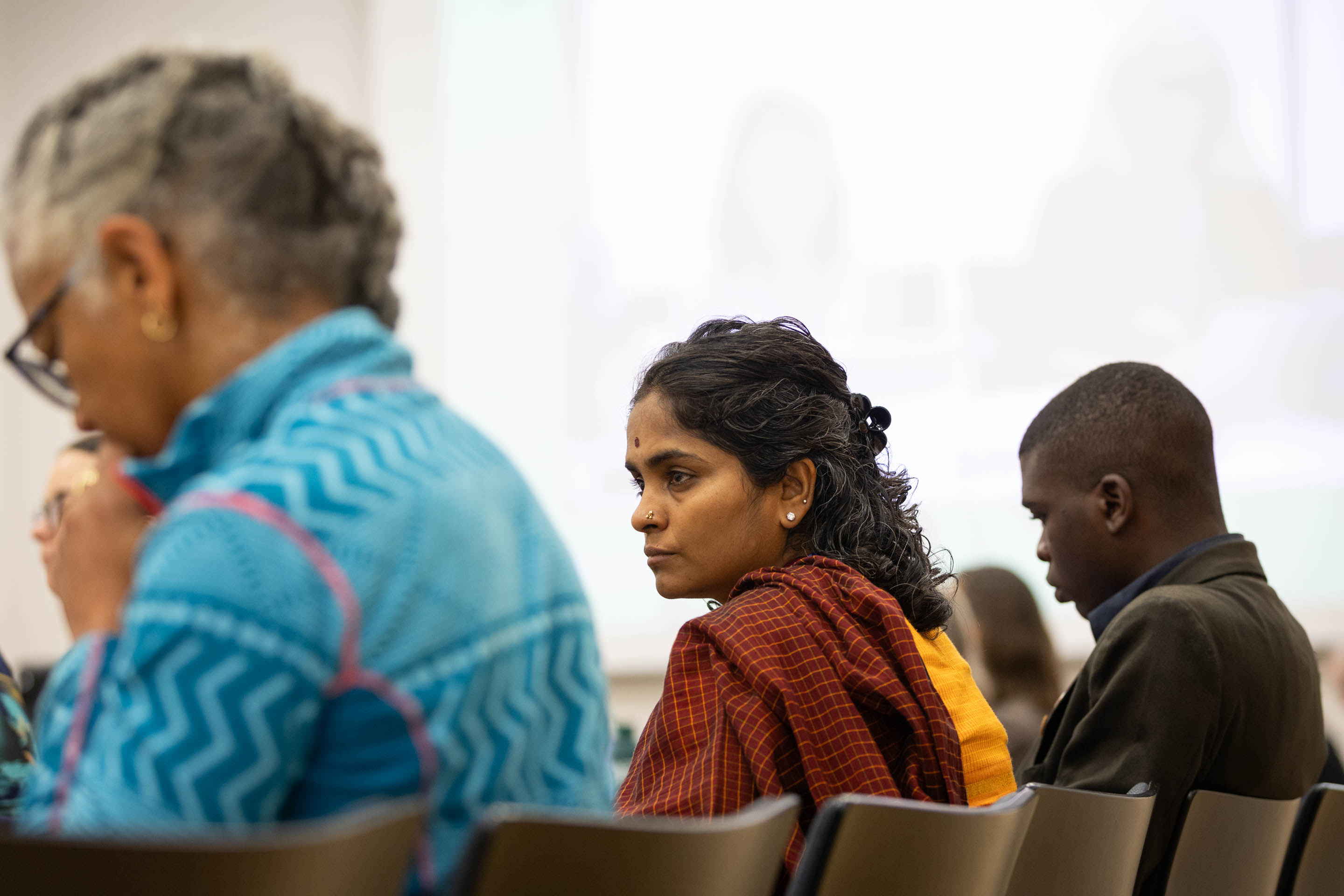
Information Event: Financial Impact of the Withdrawal of the US from the UNFCCC
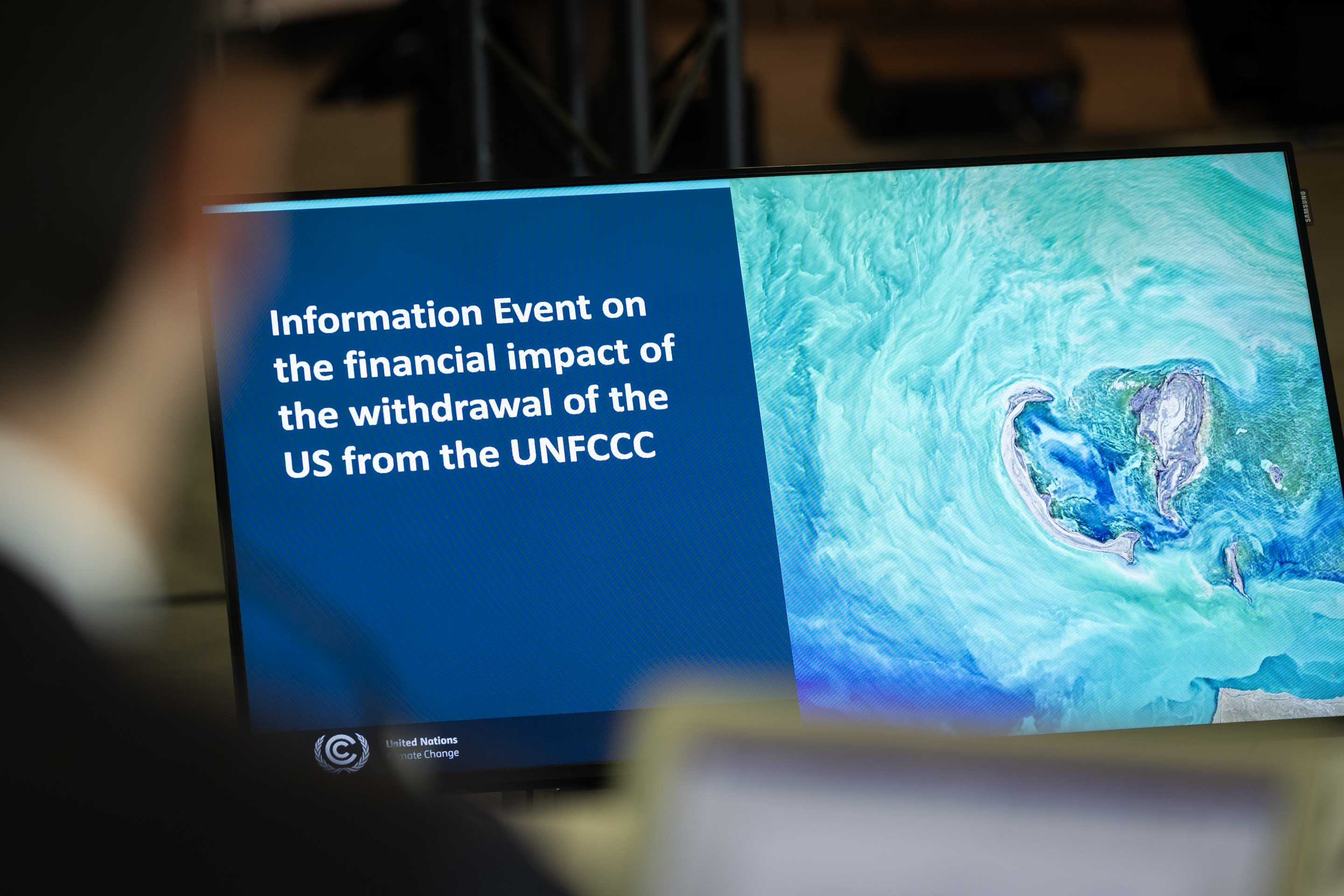
A special information event is held to discuss the financial impact of the withdrawal of the US from the UNFCCC
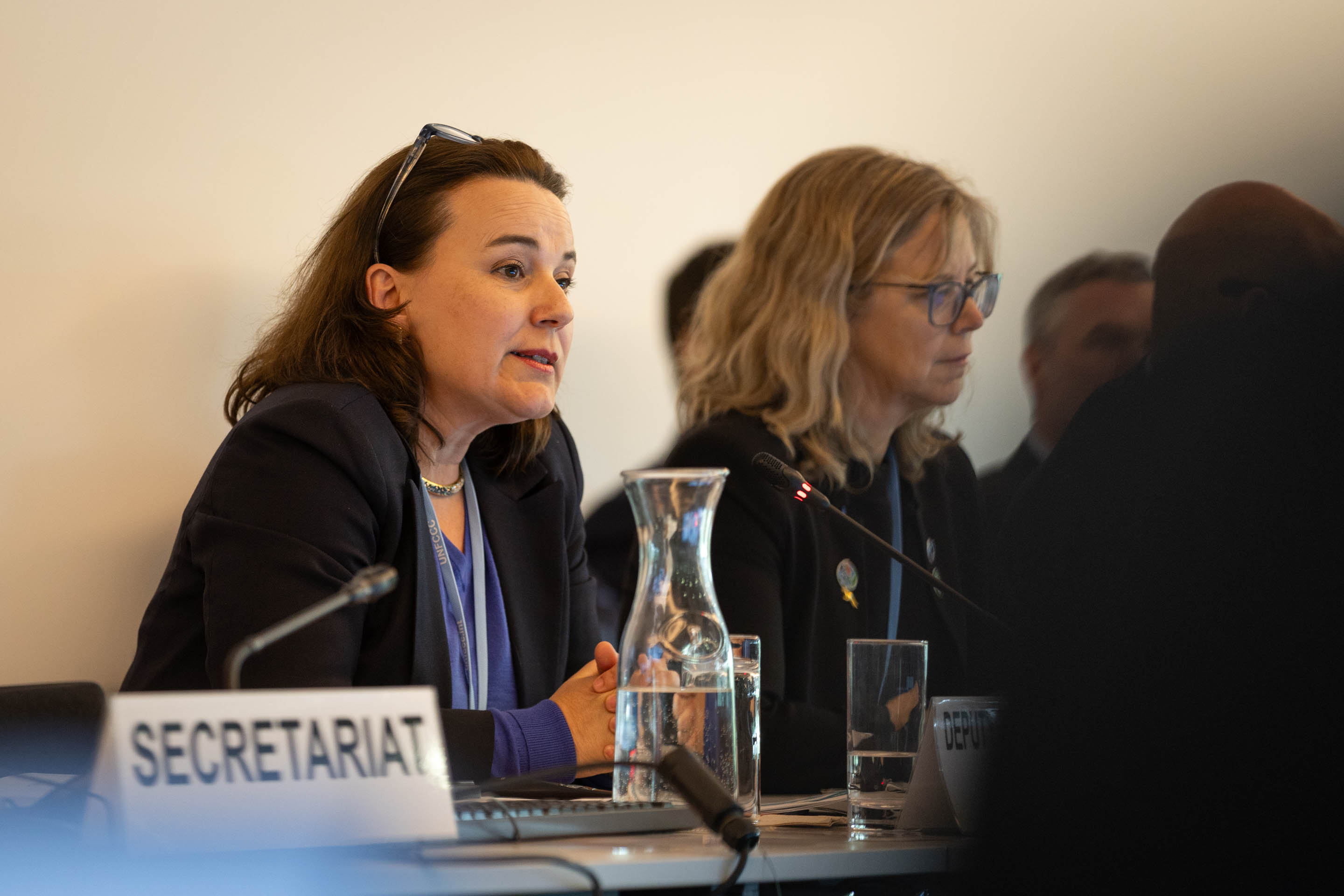
Noura Hamladji, Deputy Executive Secretary, UNFCCC Secretariat
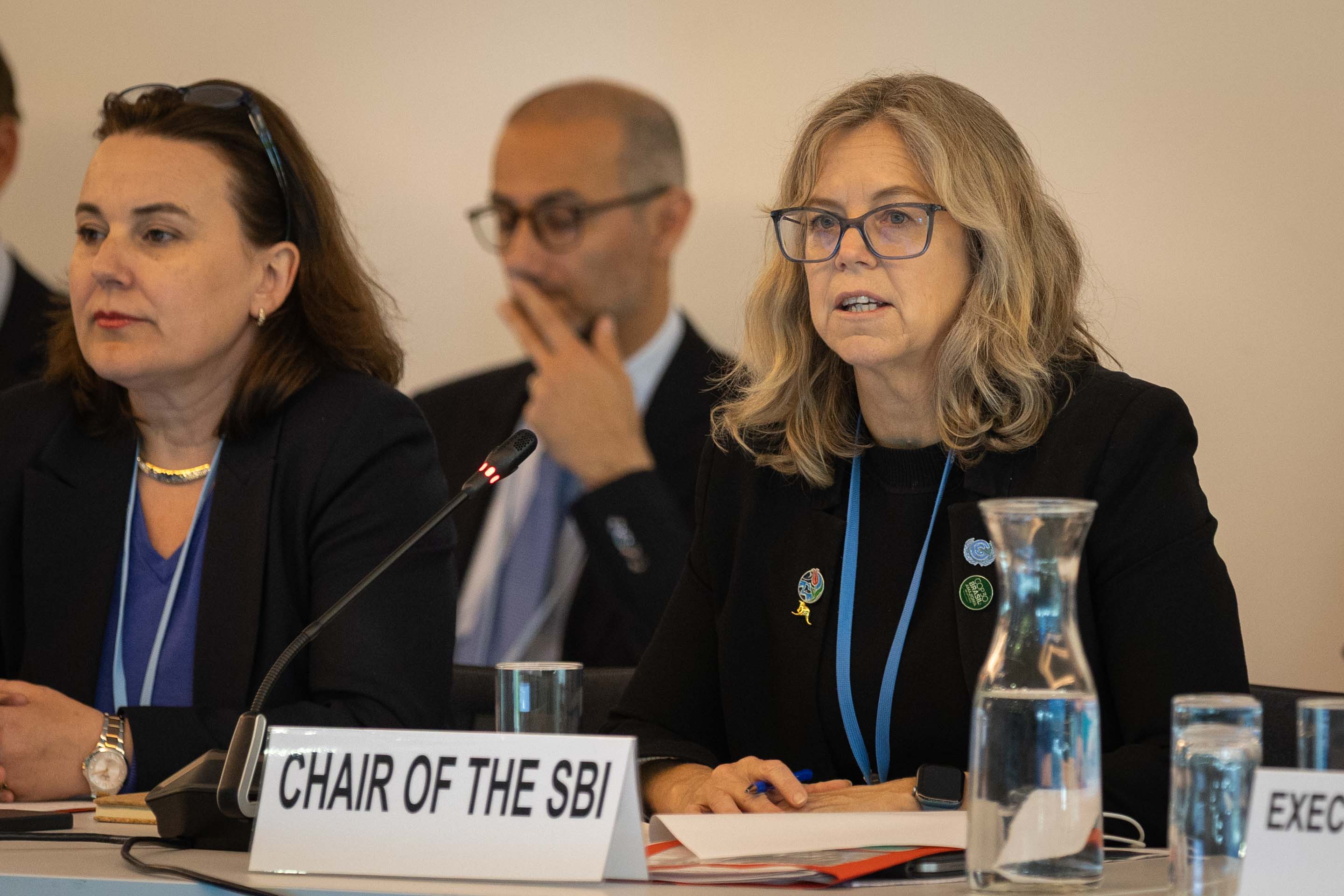
Julia Gardiner, SBI Chair
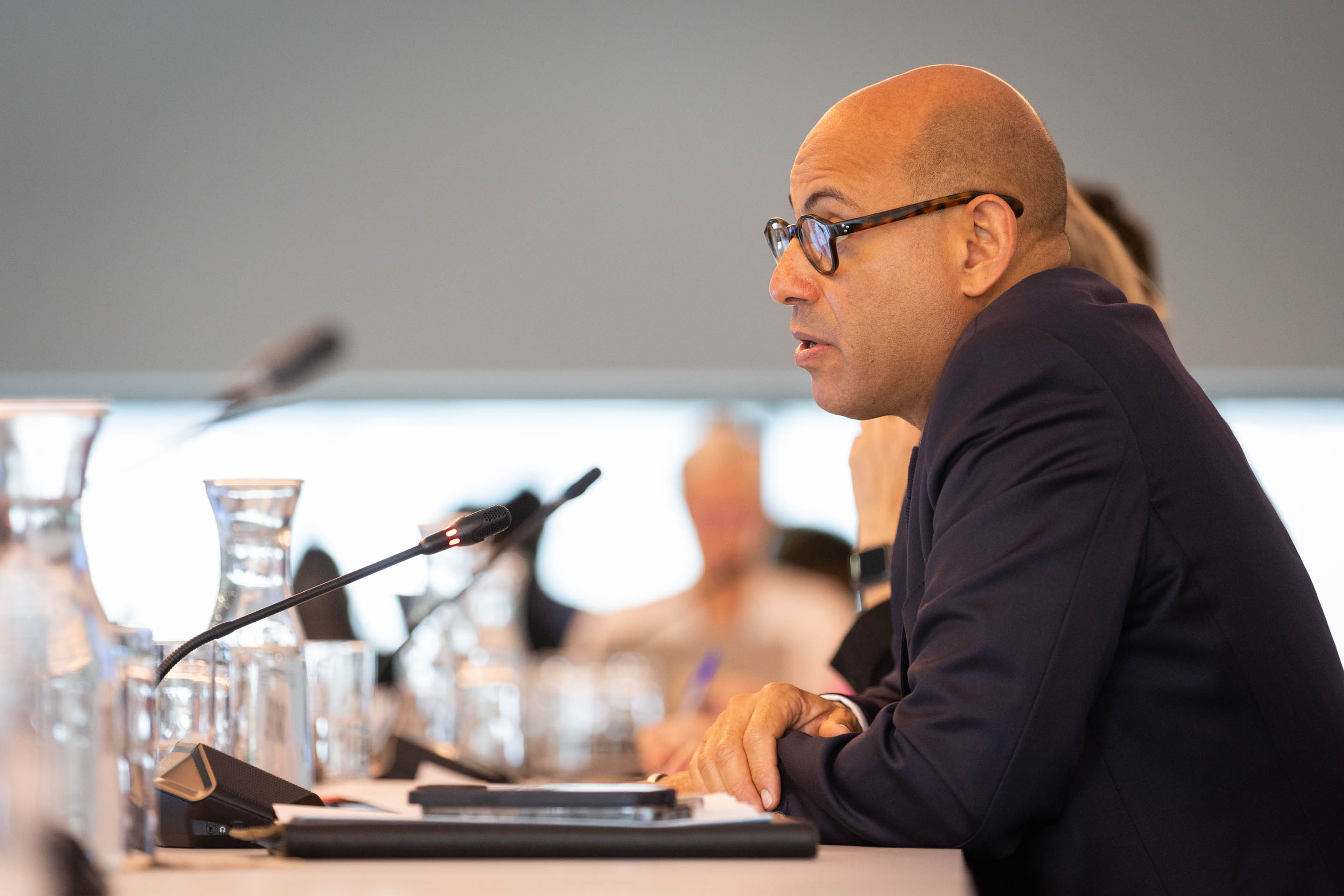
UNFCCC Executive Secretary Simon Stiell
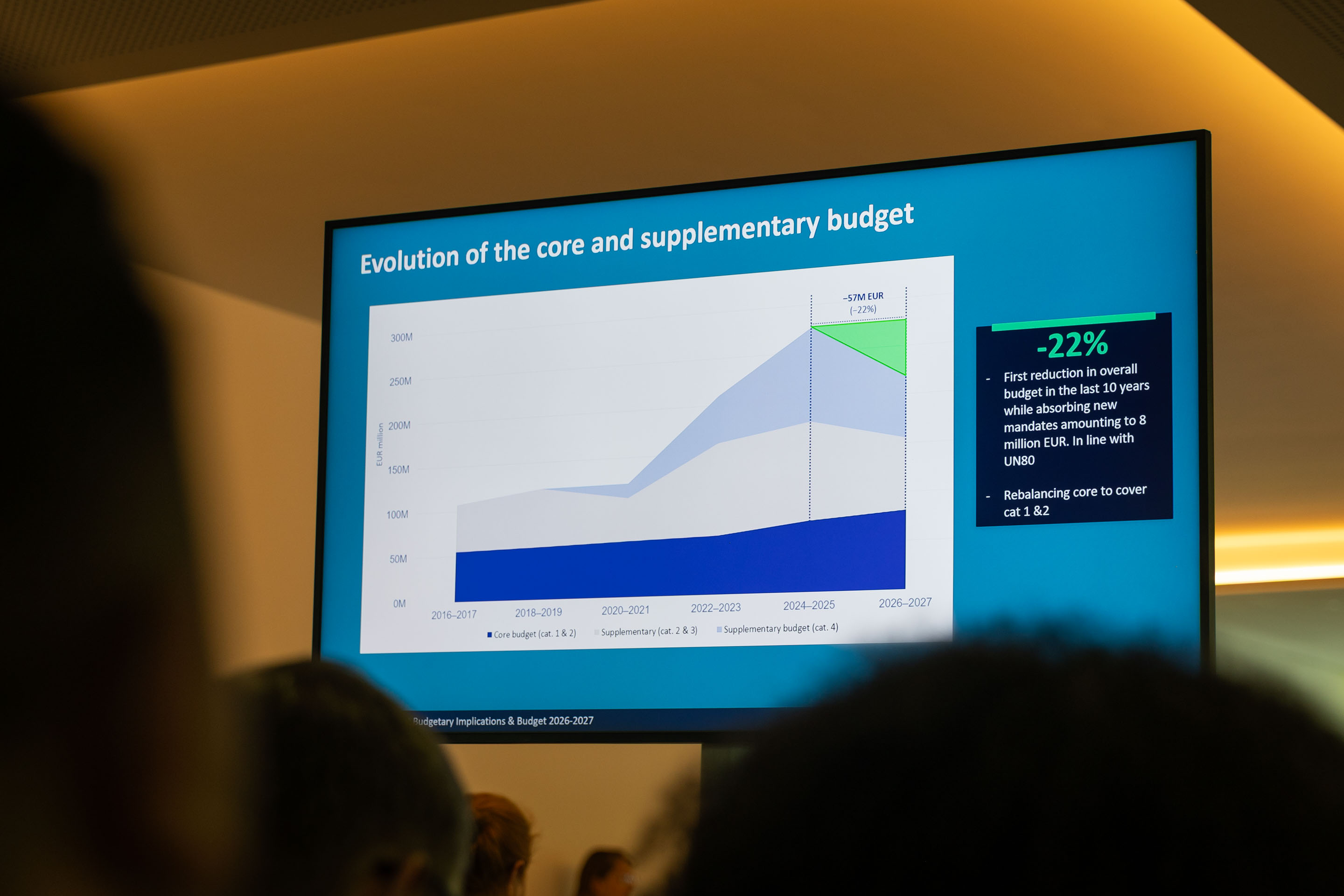
A slide highlights that there has been a 22% decline in the UNFCCC budget
COP 30 Presidency Roadmap on Transitioning away from Fossil Fuels
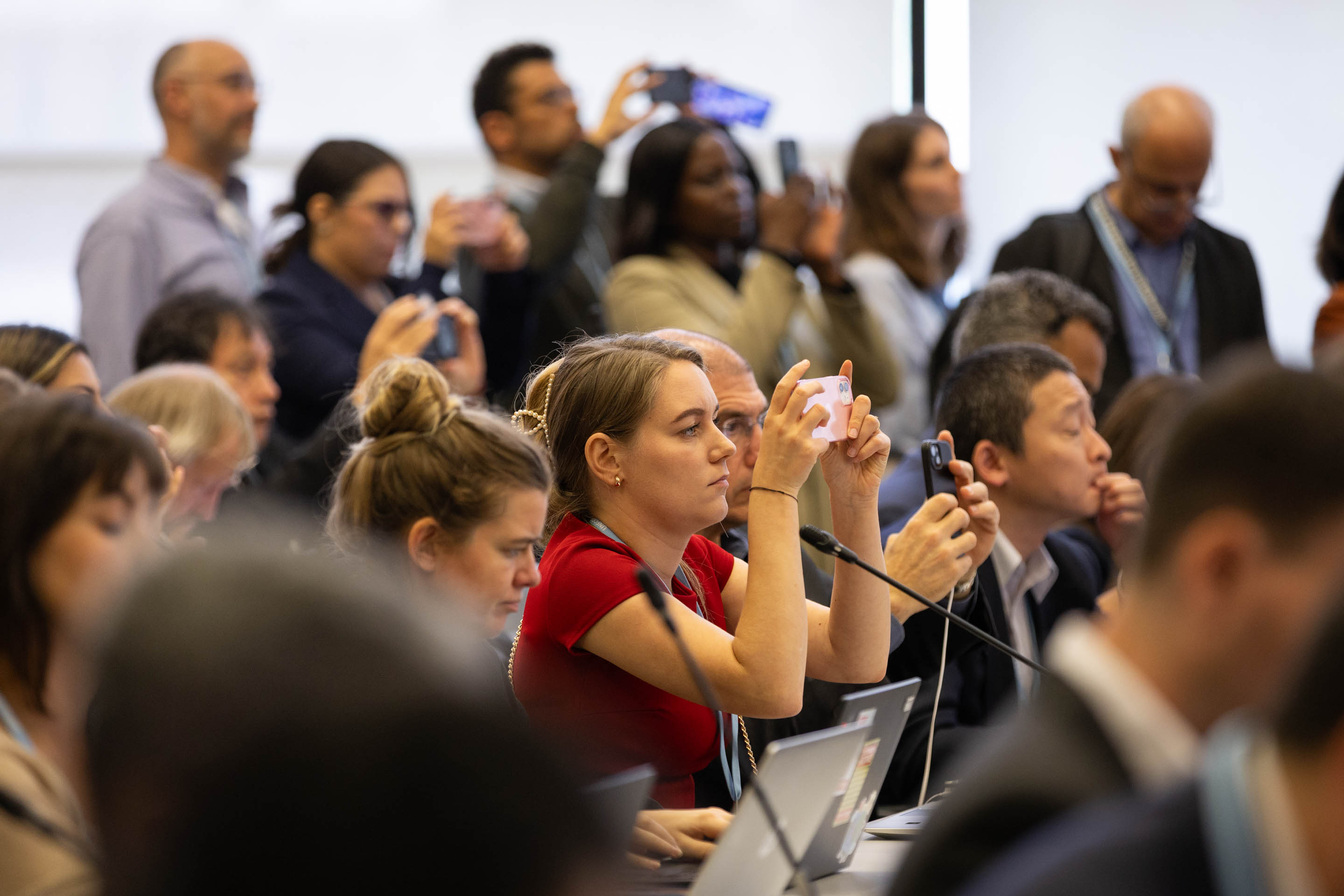
The room is filled to capacity as delegates listen to the COP 30 Presidency discuss the roadmap for transitioning away from fossil fuels
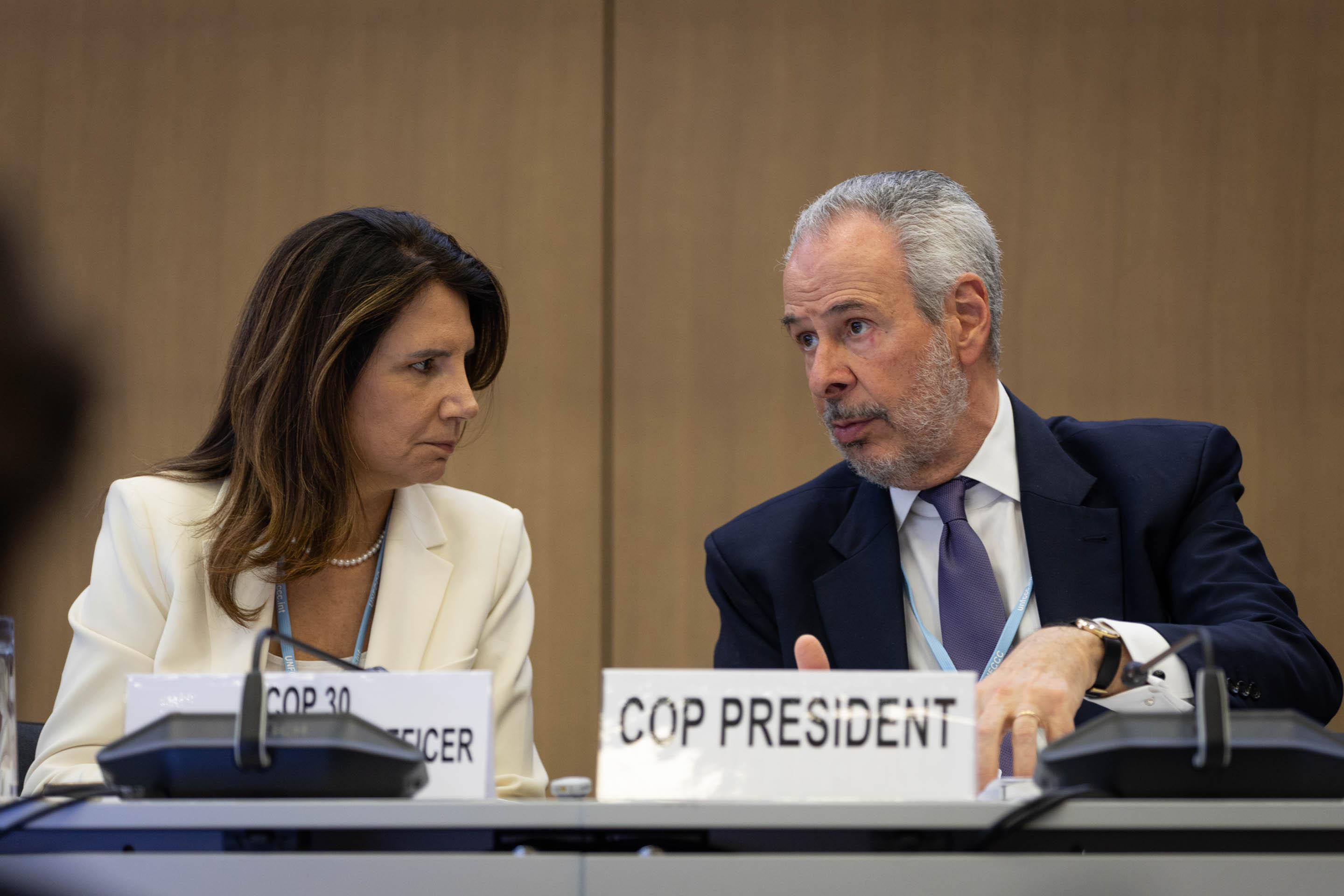
Ana Toni, COP 30 Presidency, and André Aranha Corrêa do Lago, COP 30 President
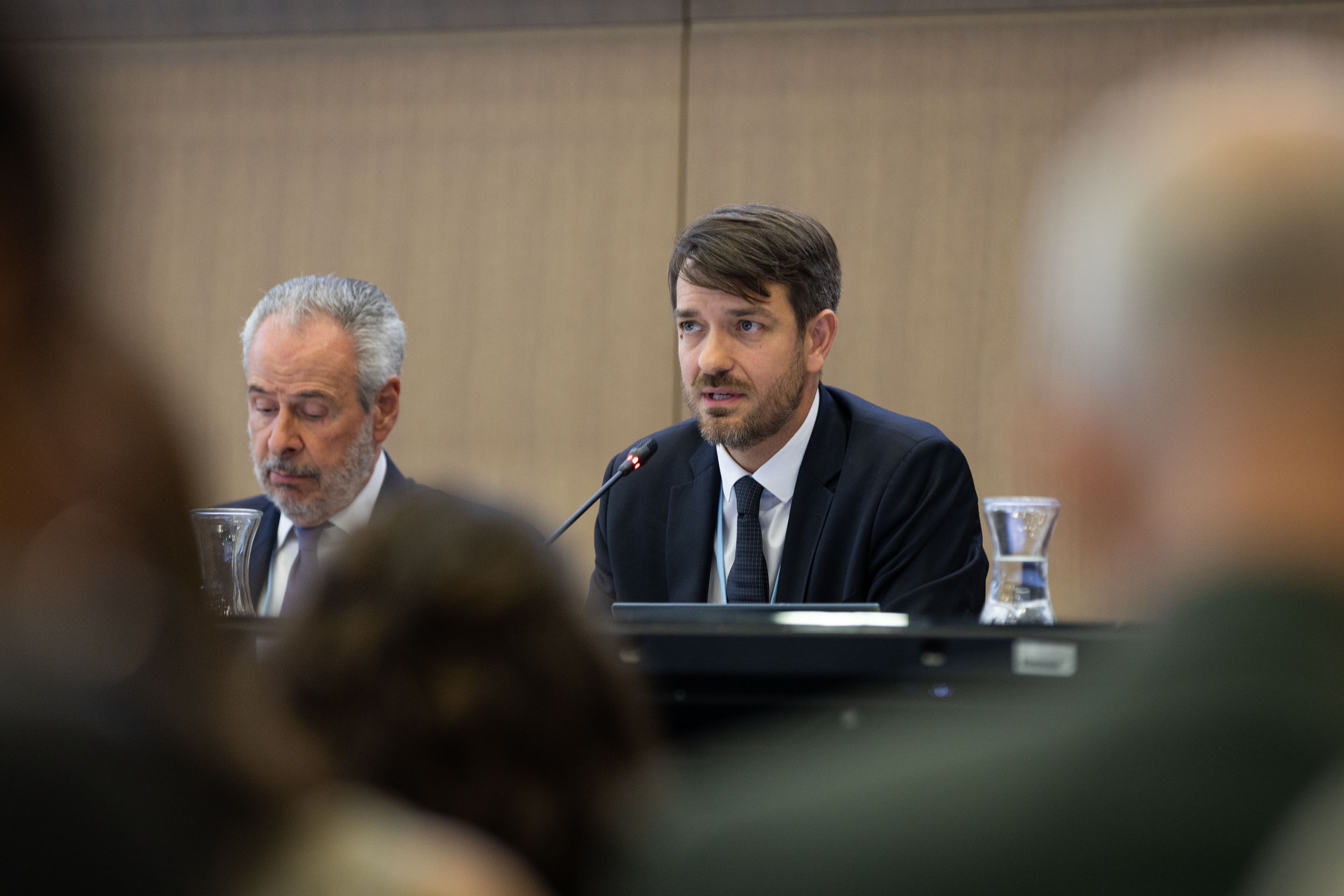
Pedro Brancante, COP 30 Presidency
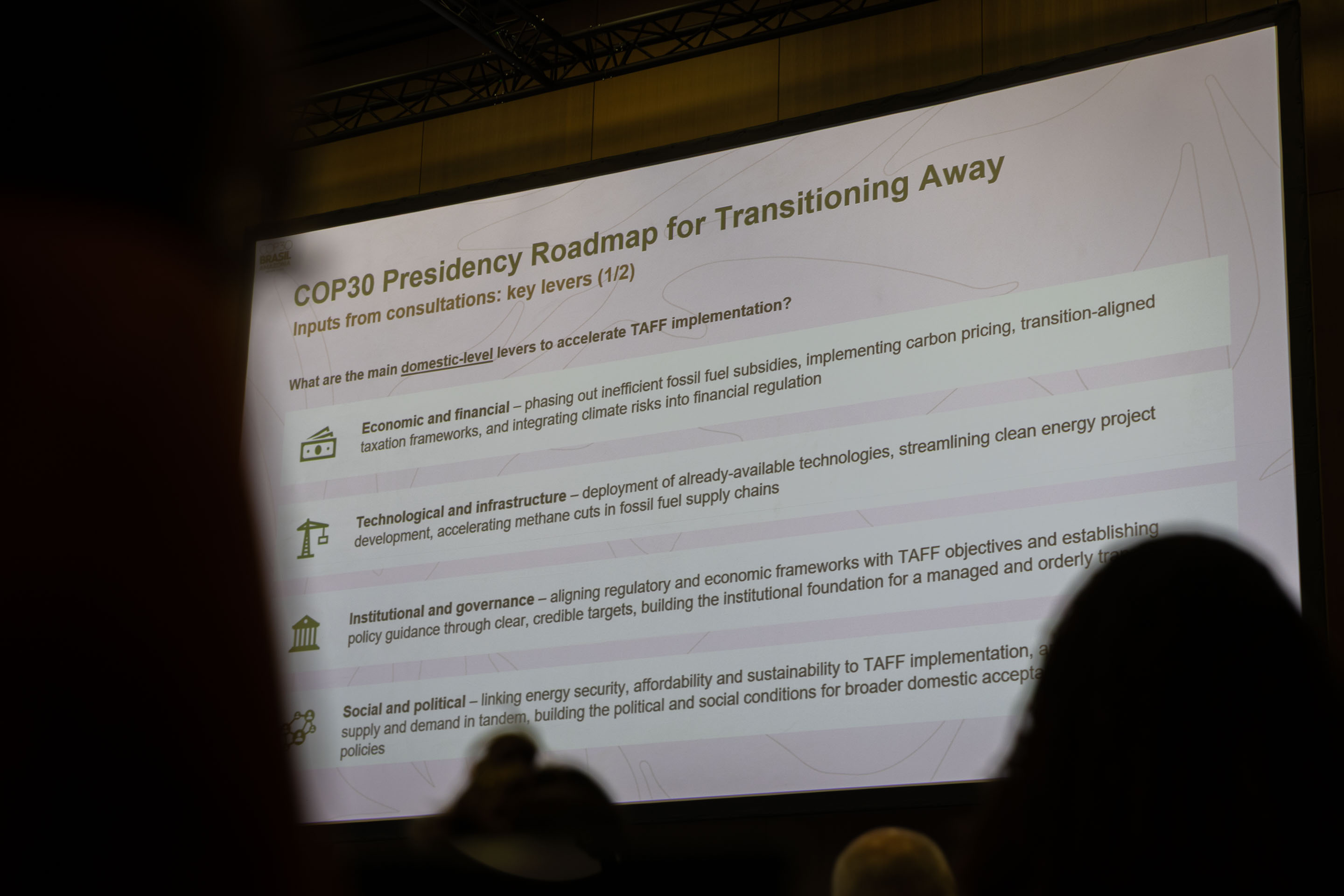
A slide highlights the key elements of the plan
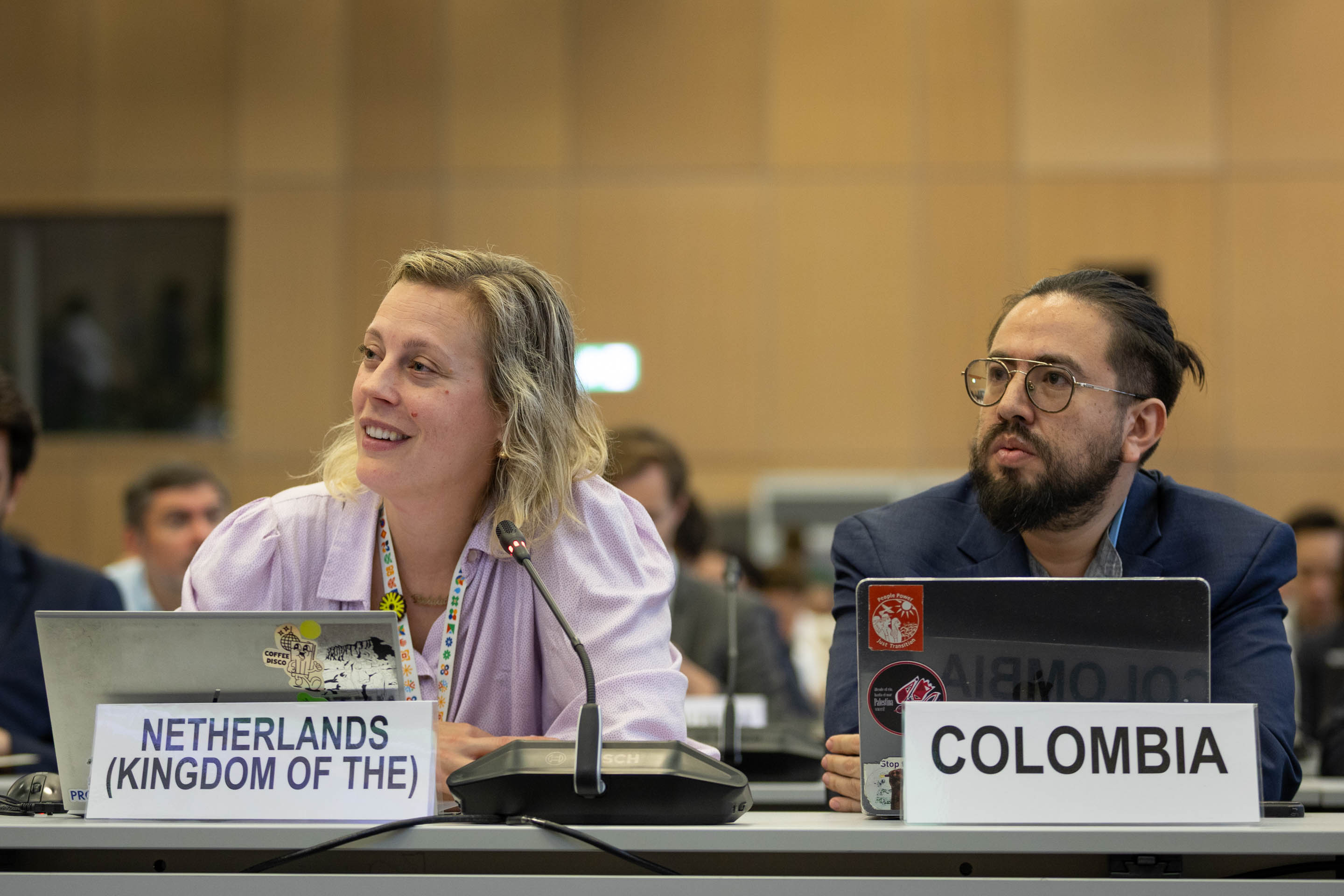
Jori Keijsper, the Netherlands, and Sergio Chaparro, Colombia, hosts of the First Conference on Transitioning Away from Fossil Fuels
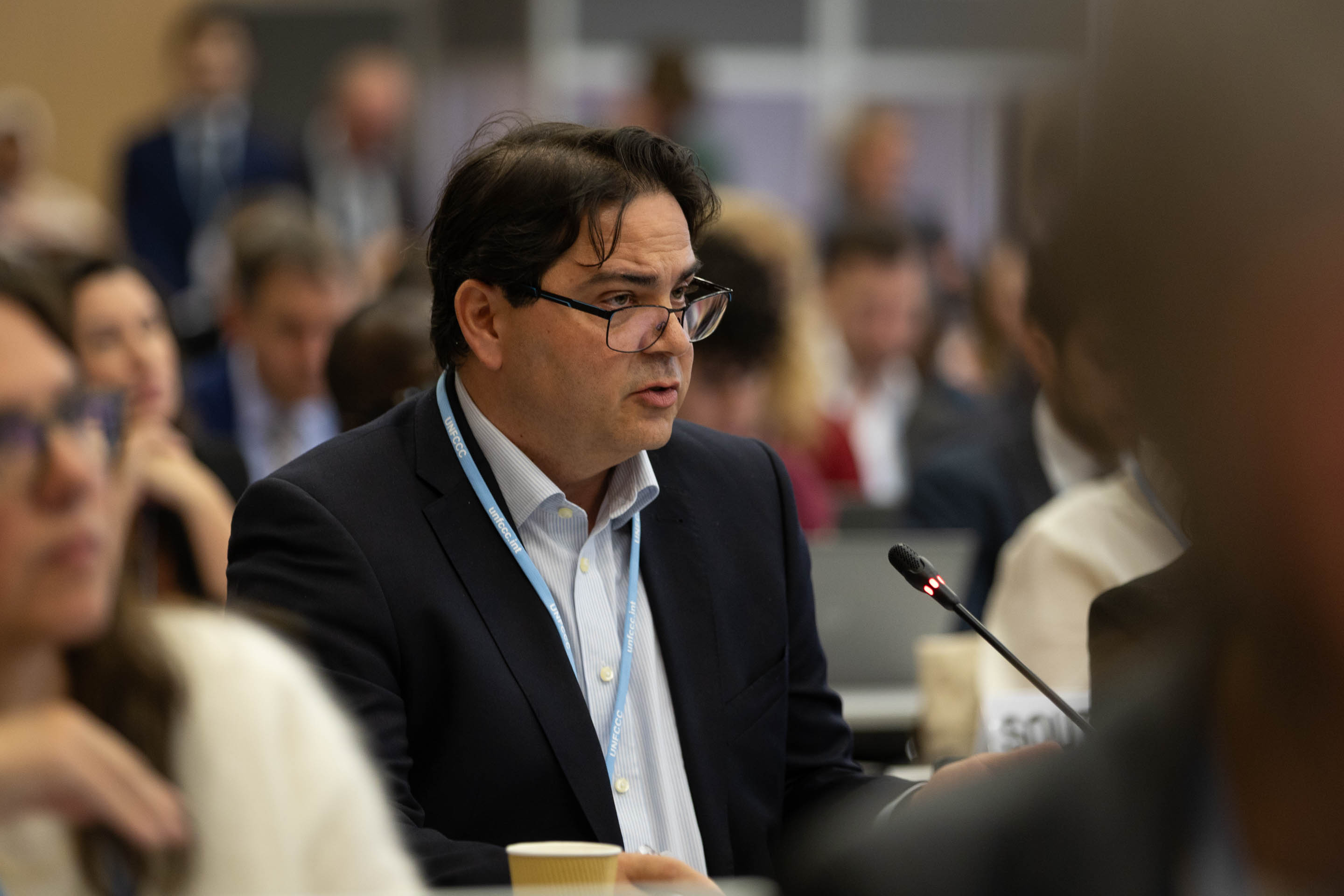
Ricardo Gorini, International Renewable Energy Agency (IRENA)
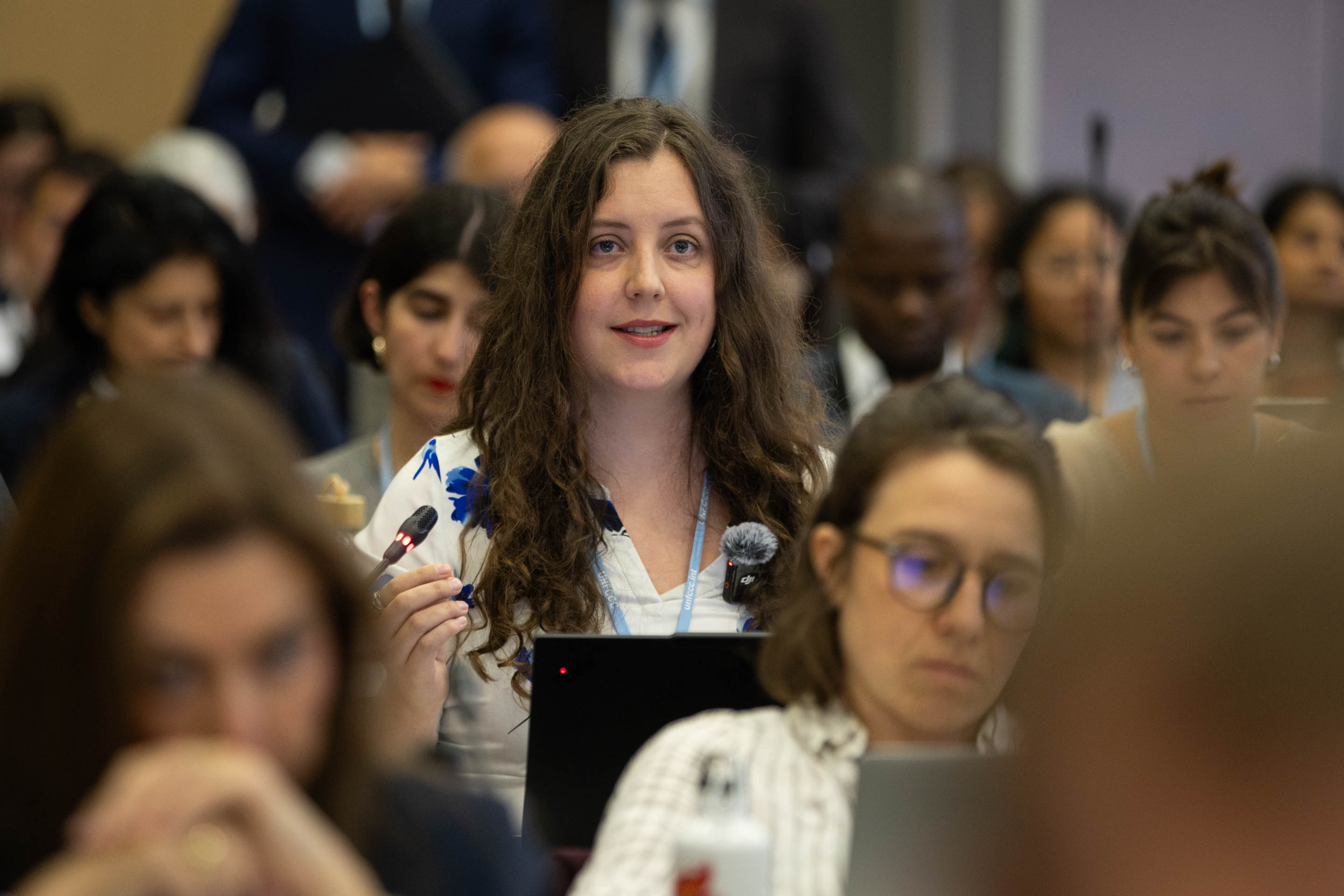
Natalie Jones, International Institute for Sustainable Development (IISD)
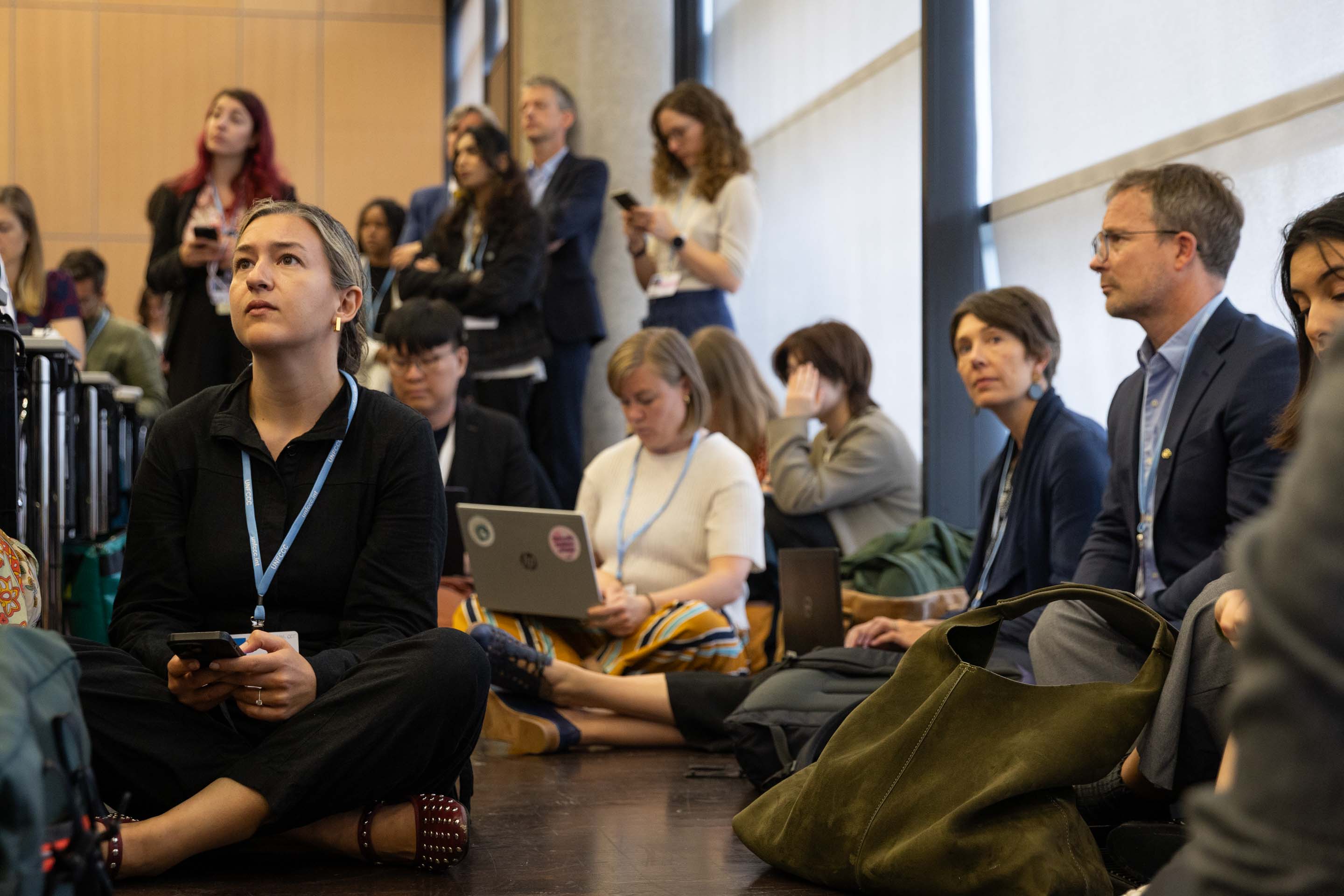
Delegates sit on the floor as the room is filled to capacity
Workshop: National Gender and Climate Change Focal Points
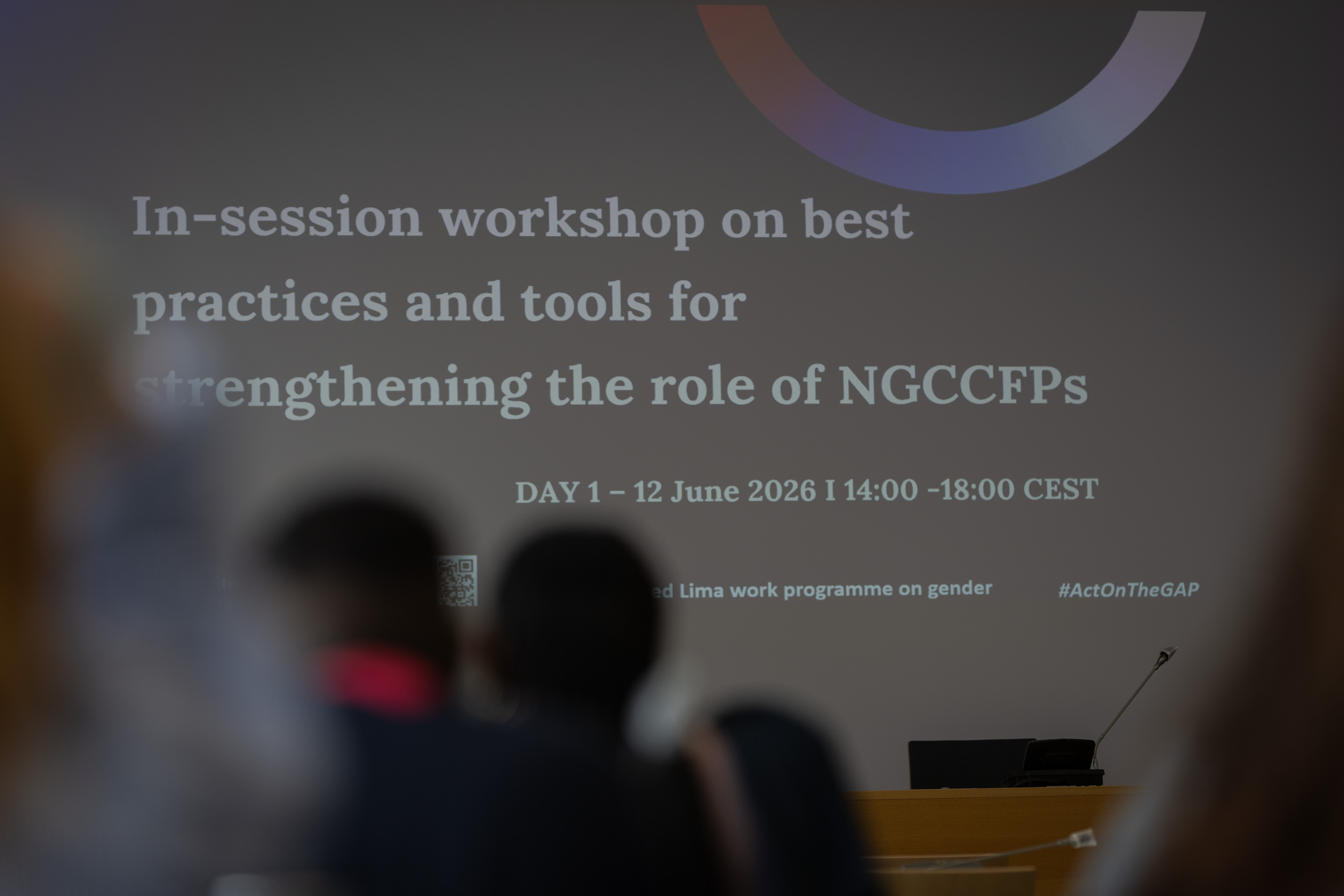
Delegates attend an in-session workshop on best practices and tools for strengthening the role of national gender and climate change focal points (NGCCFP).
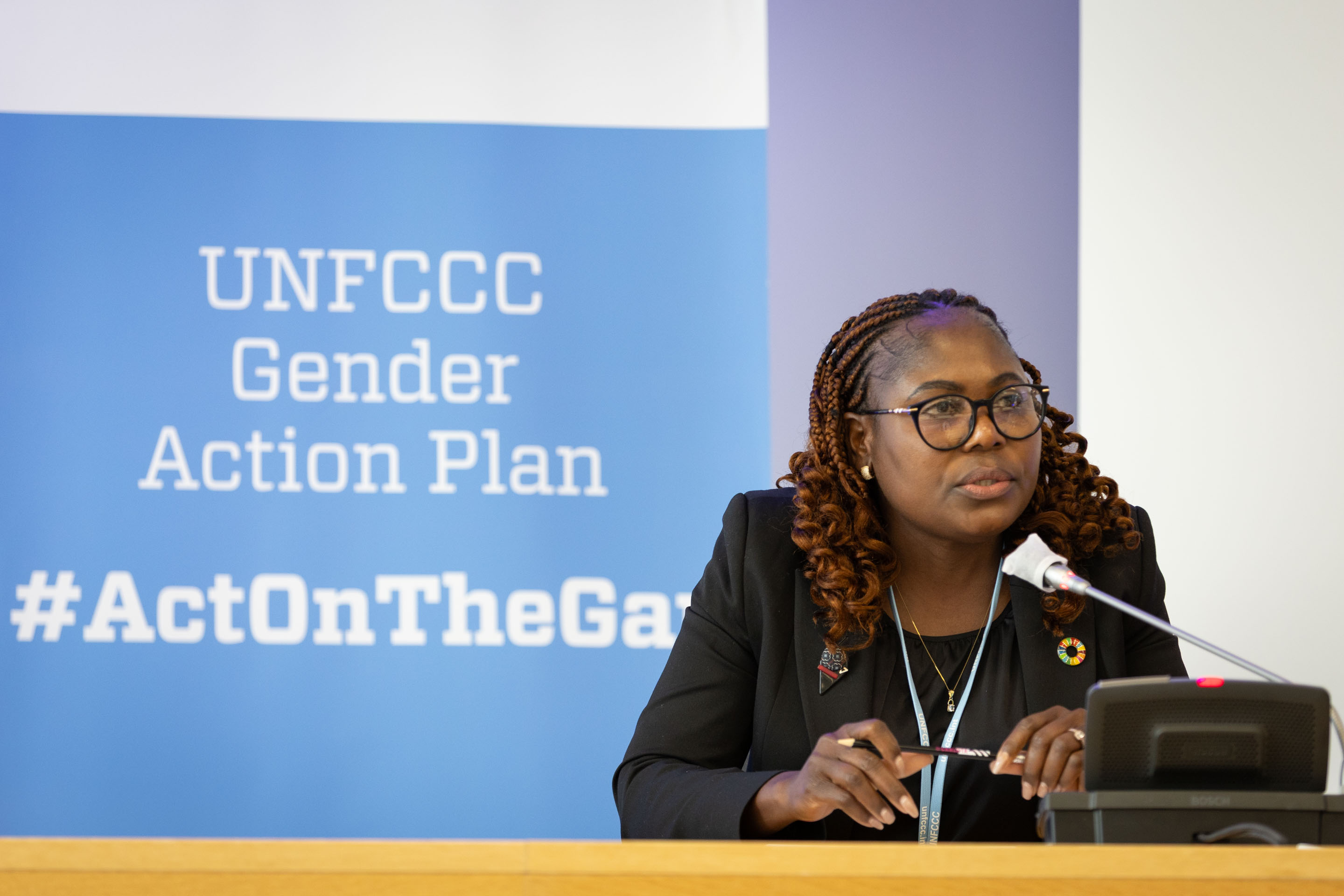
Aina-Maria Iteta, NGCCFP, Namibia
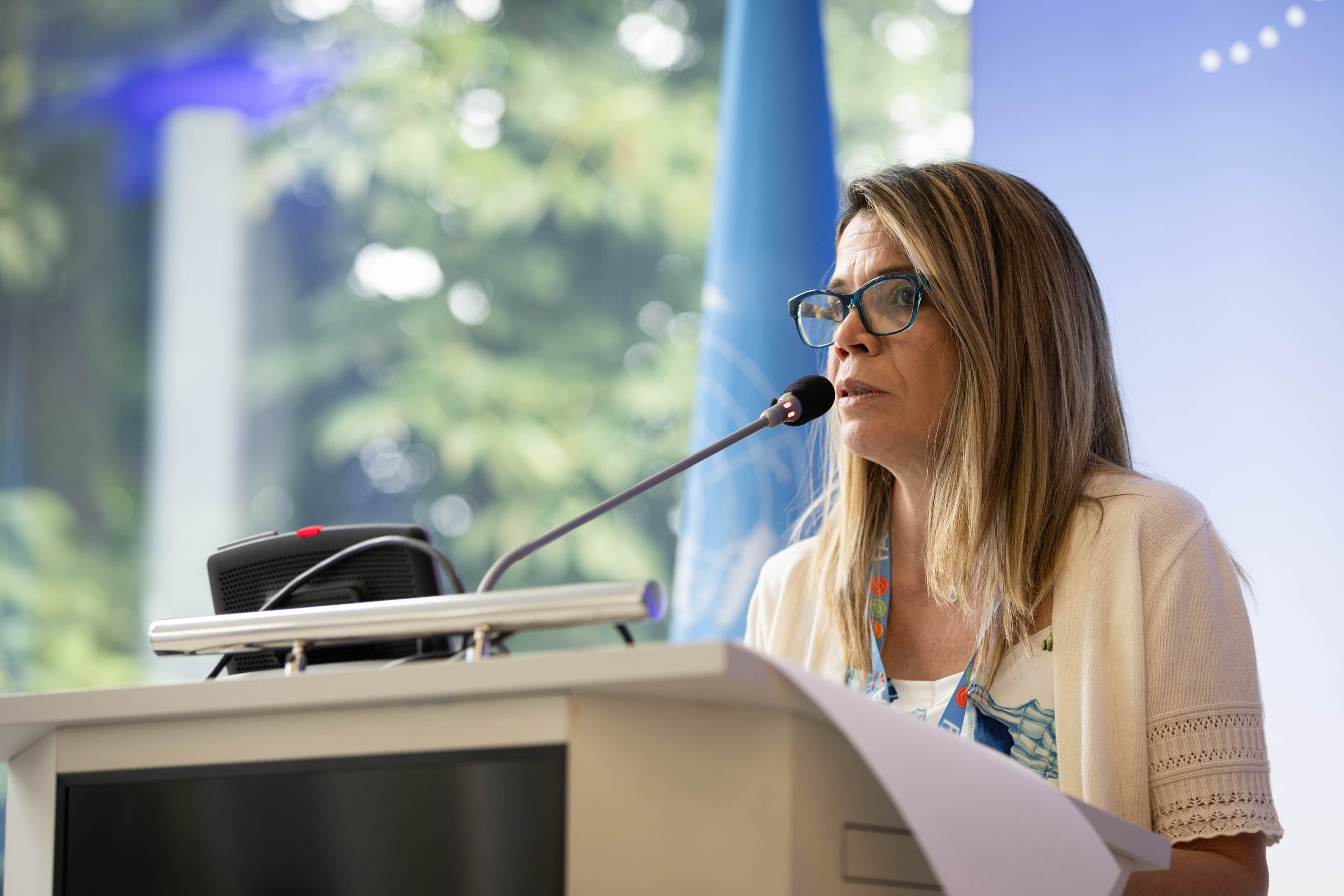
Carol Franco, SBSTA Vice-Chair
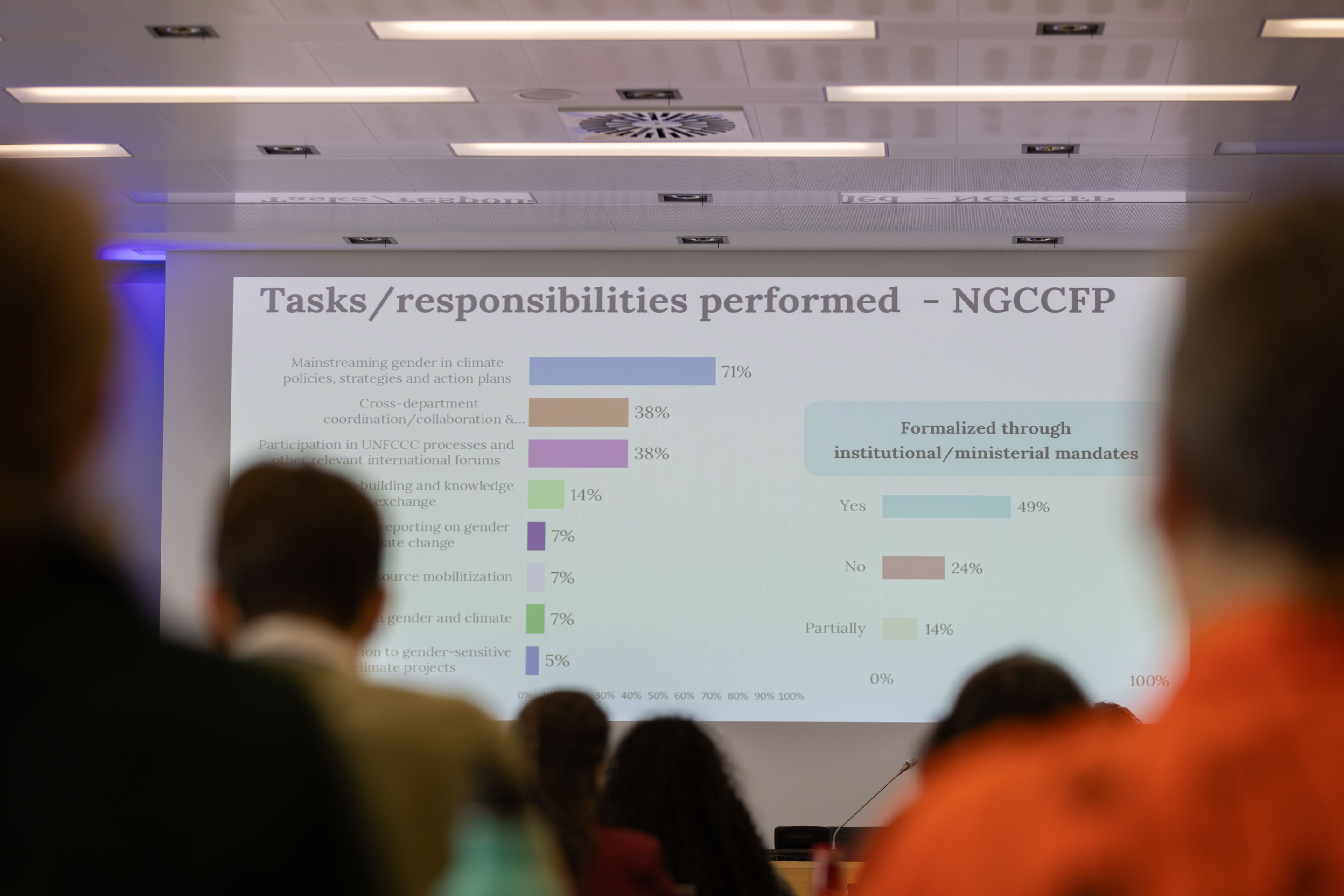
A slide highlights the different responsibilities of NGCCFPs
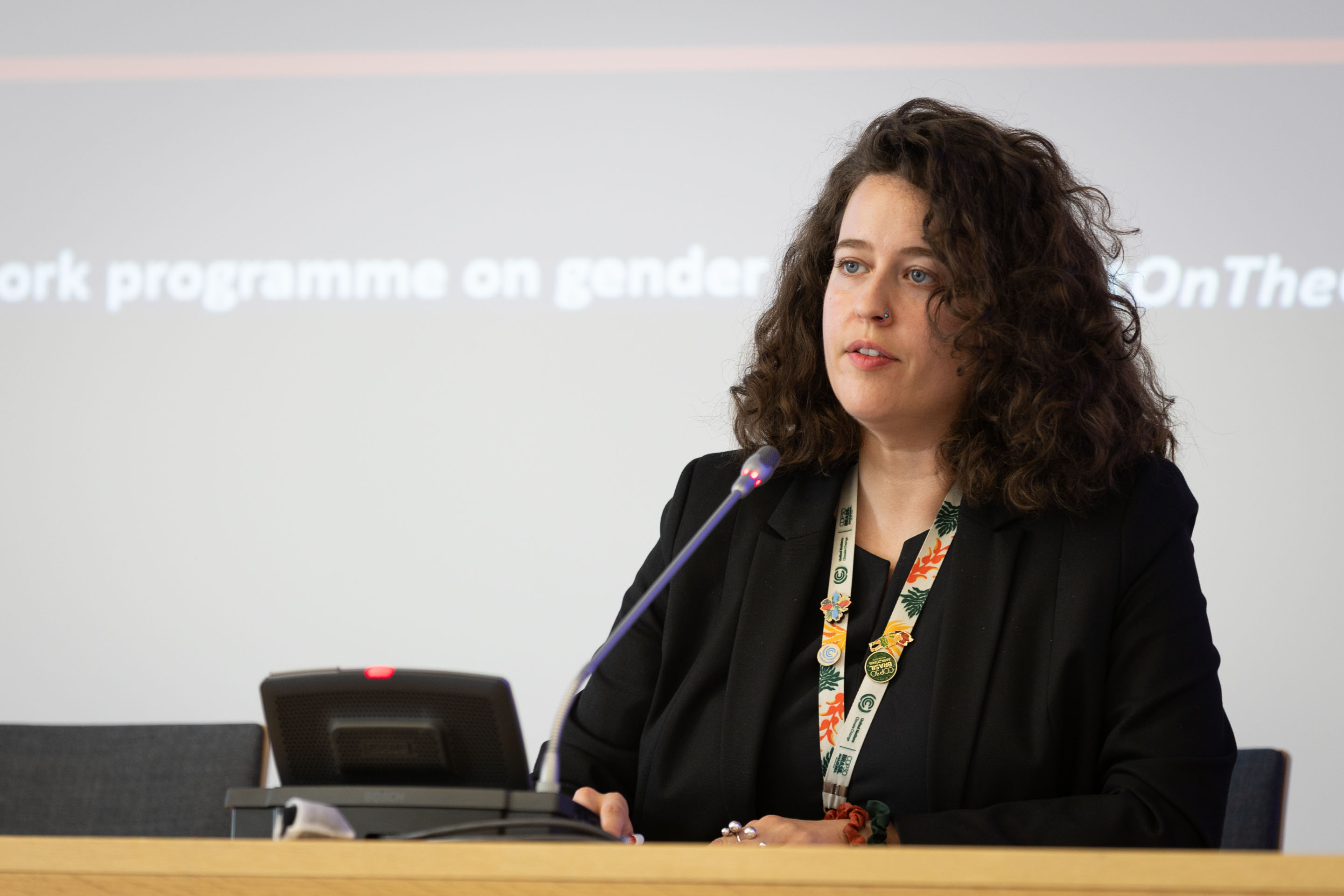
Wiebke Bender, UNFCCC Secretariat
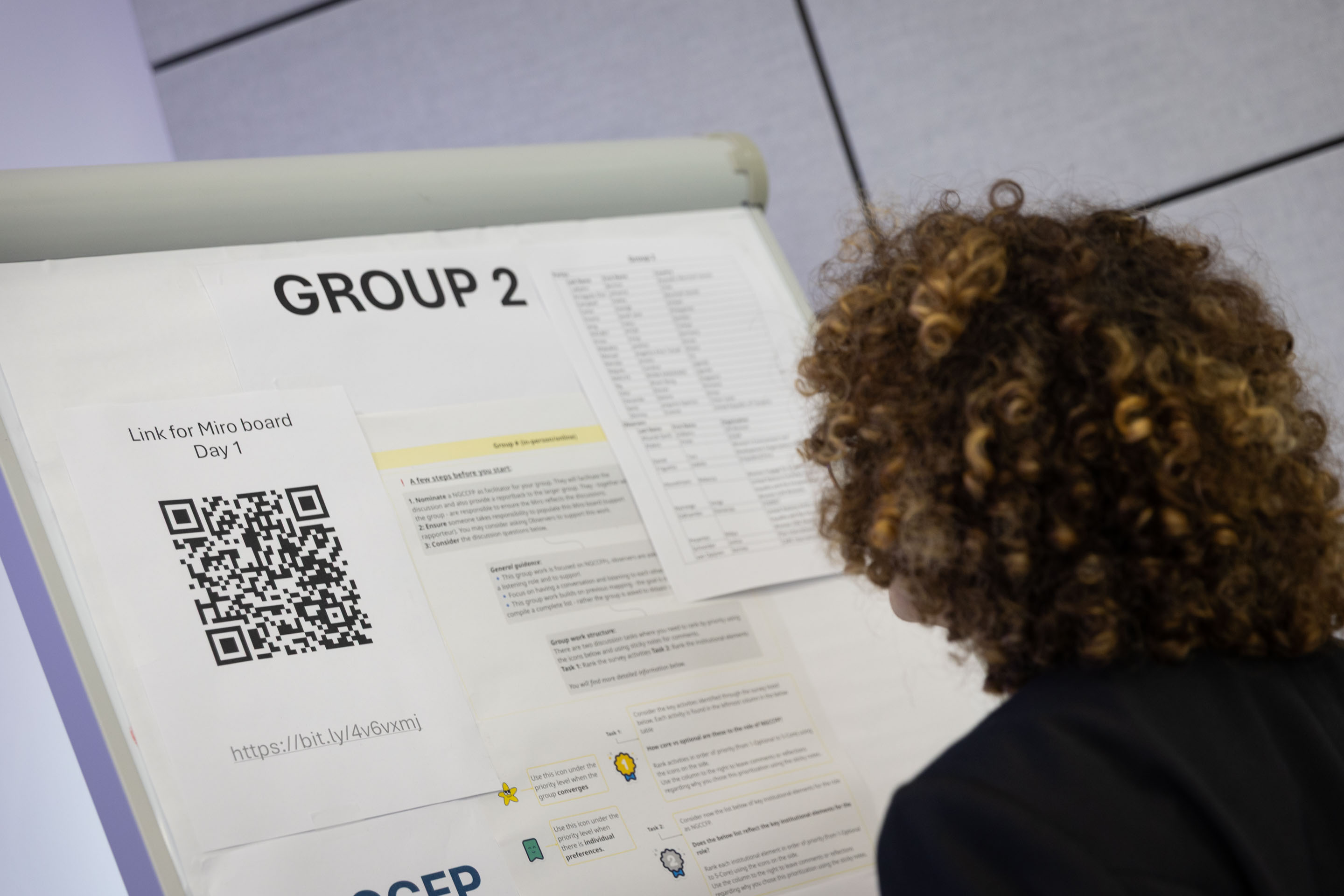
Delegates participate in interactive discussions in the afternoon to discuss gender and climate change
Global Implementation Accelerator
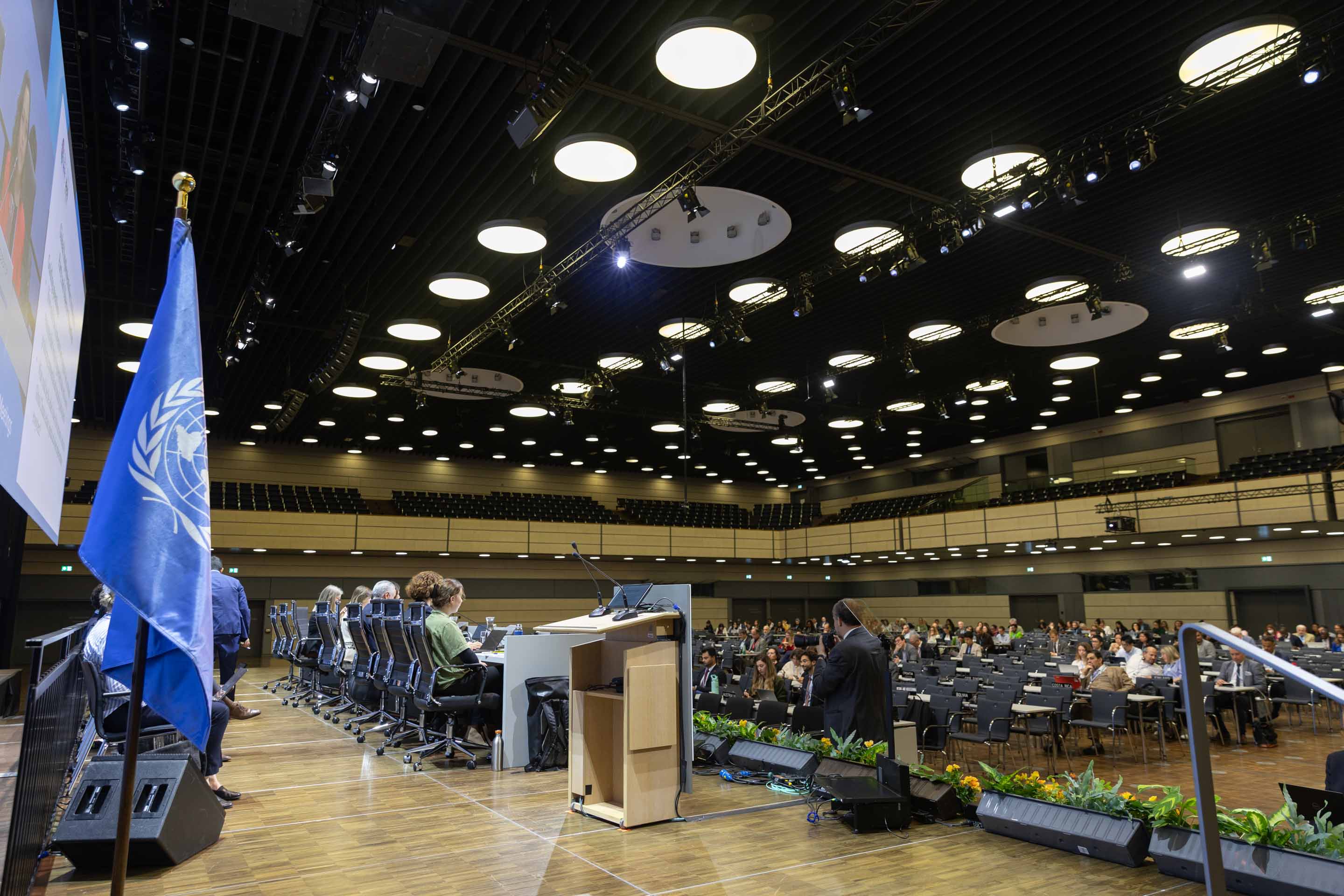
Delegates gather to discuss the Global Implementation Accelerator
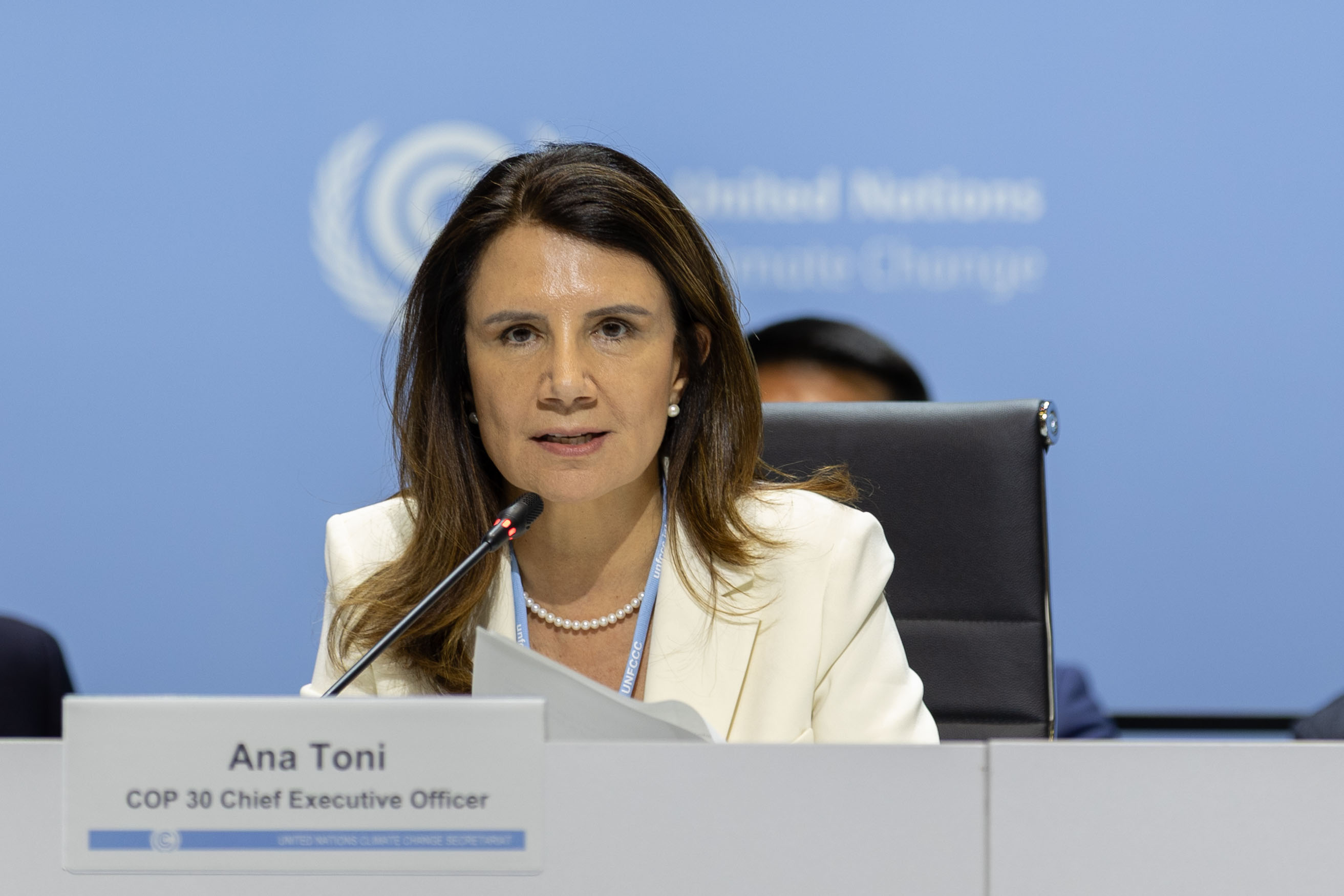
Ana Toni, COP 30 Presidency
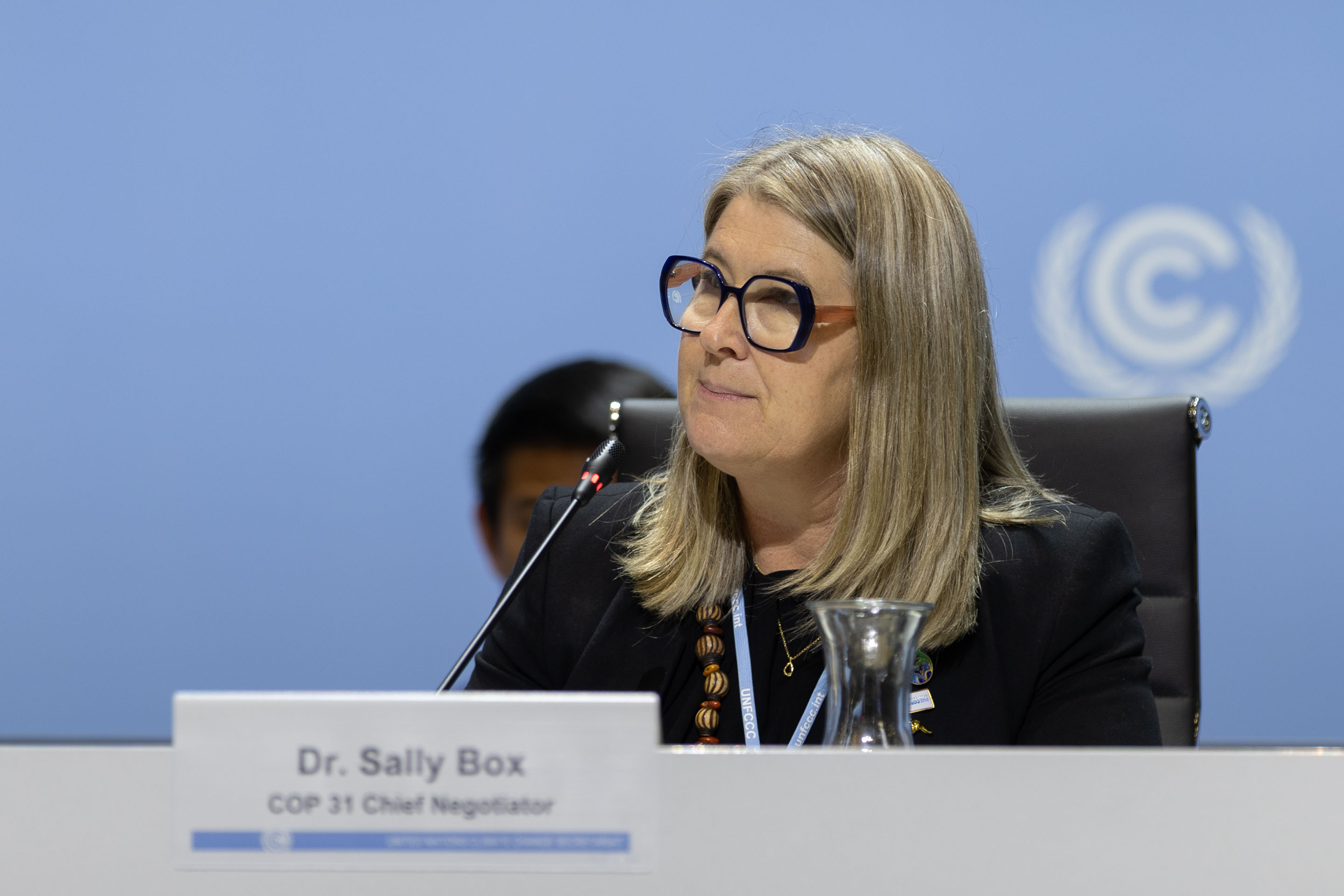
Sally Box, incoming COP 31 Presidency of Negotiations
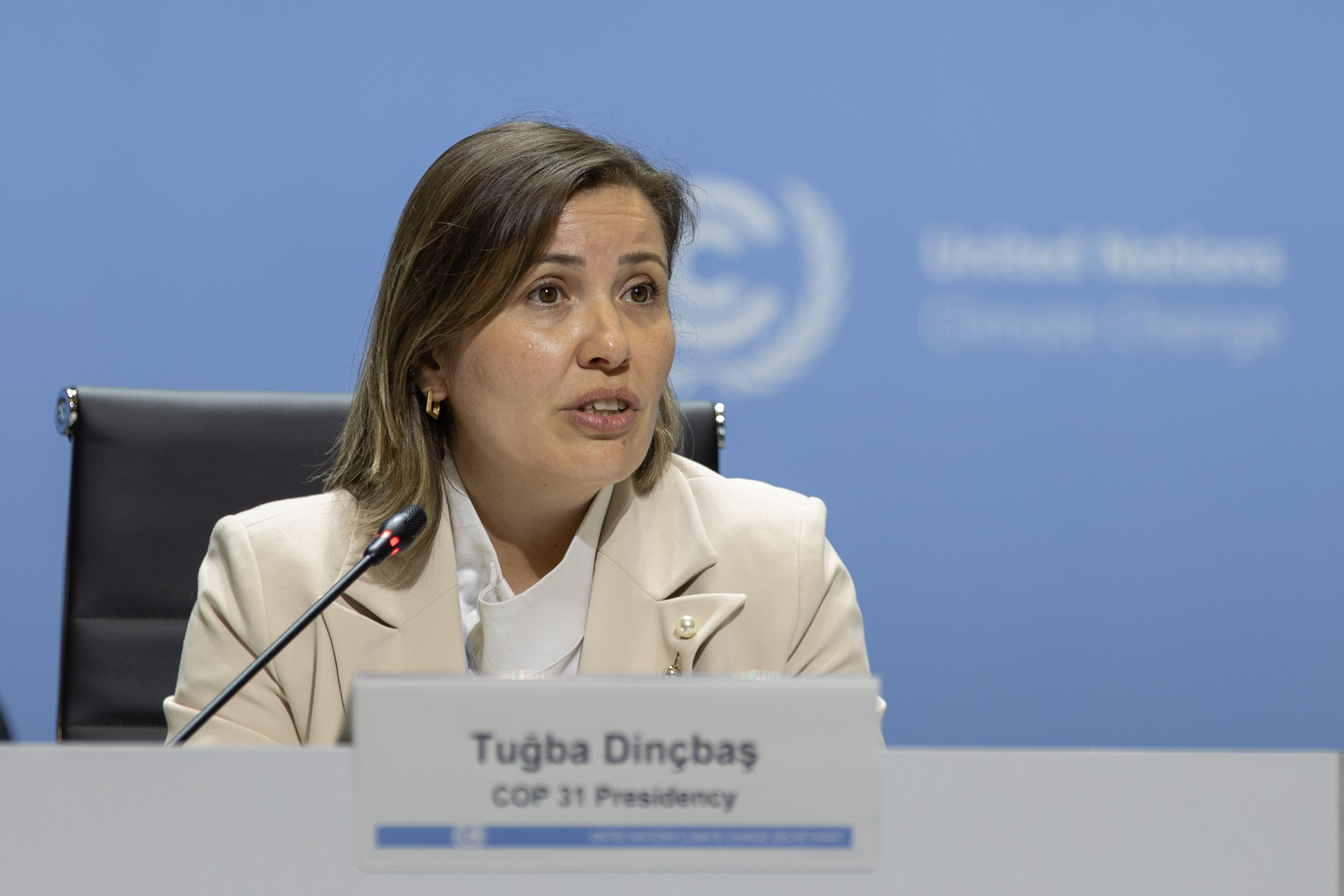
Tuğba Dinçbaş, Incoming COP 31 Presidency
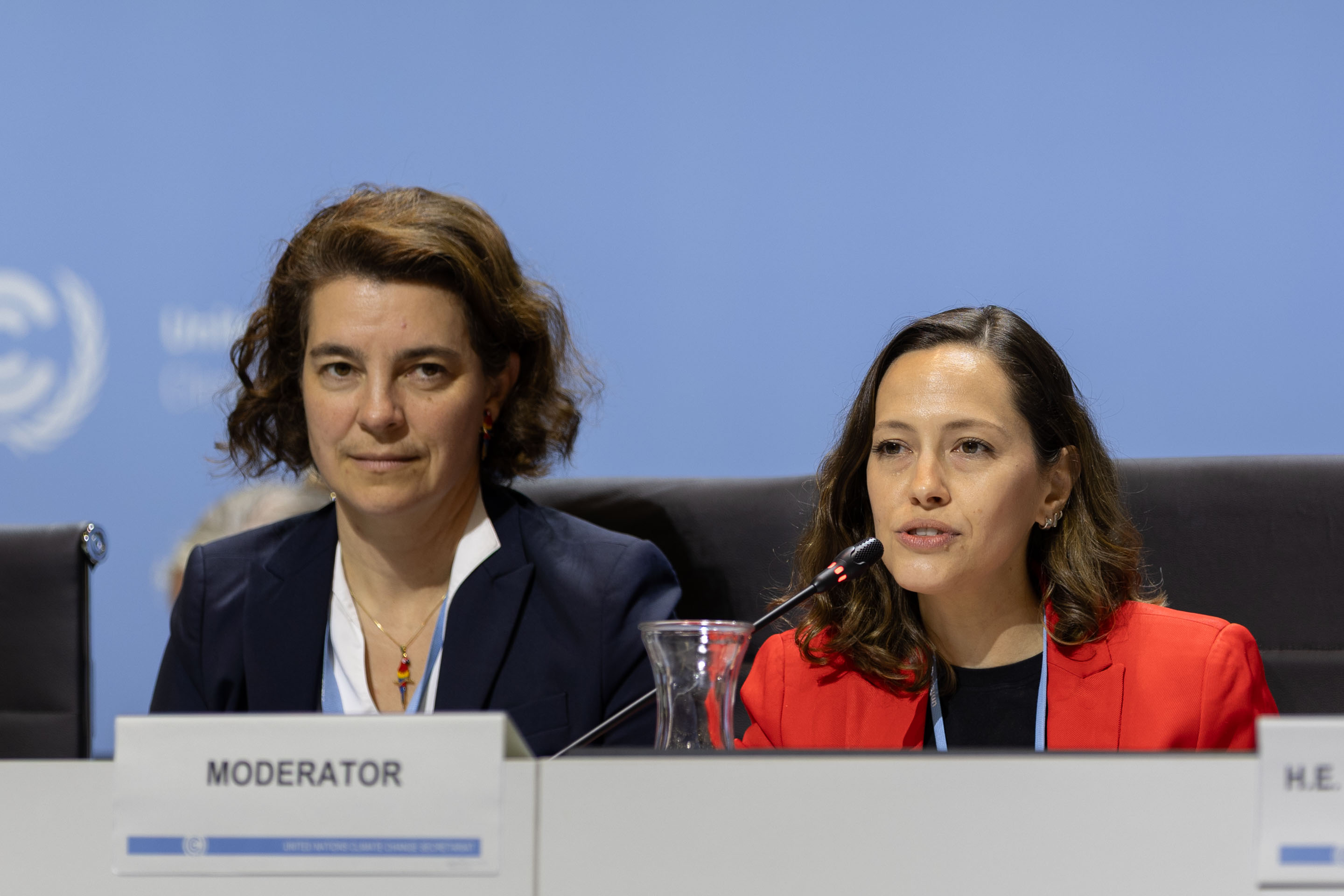
Bruna Cerquiera, Action Agenda Coordinator (right)
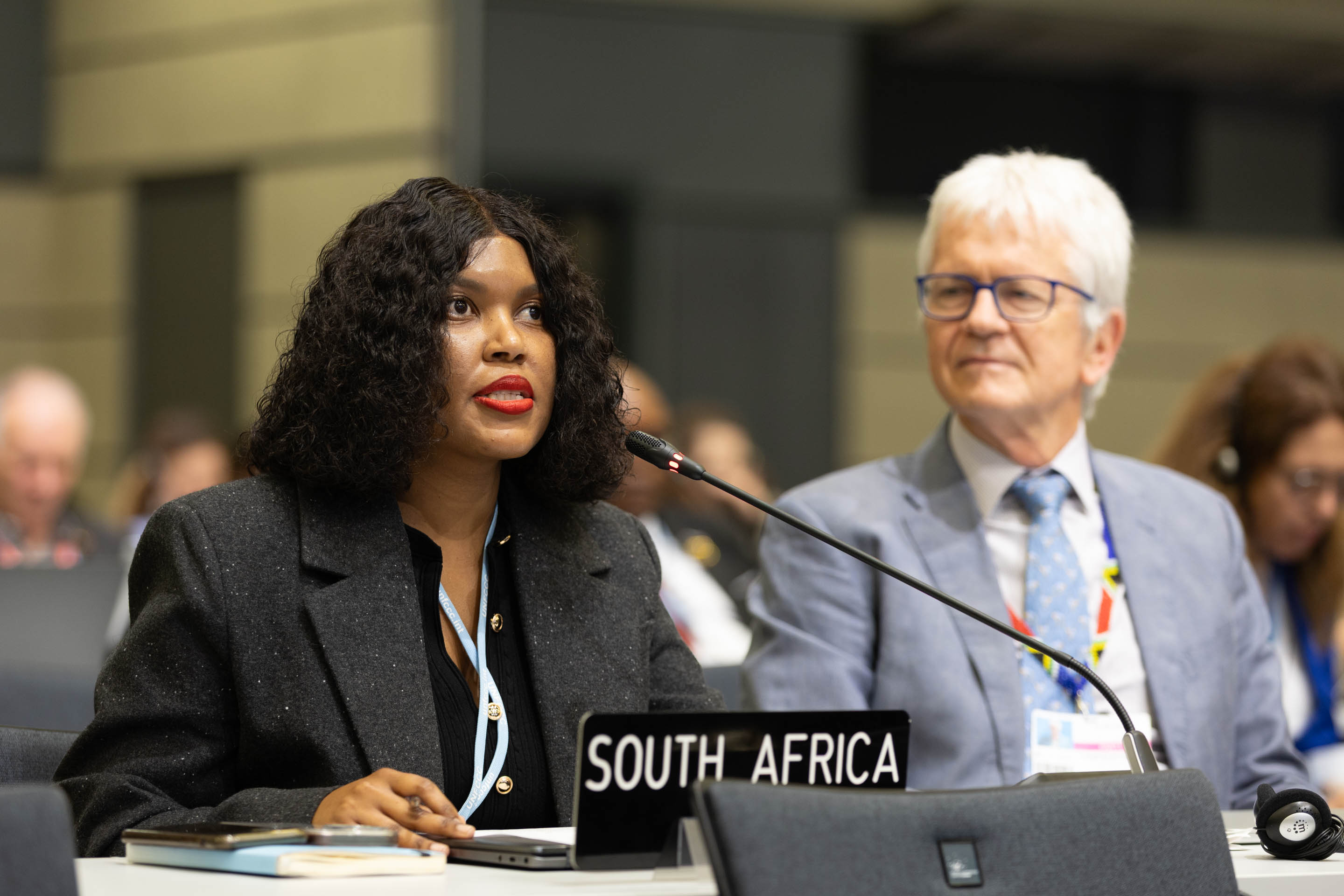
Sandra Mothswanedi, South Africa
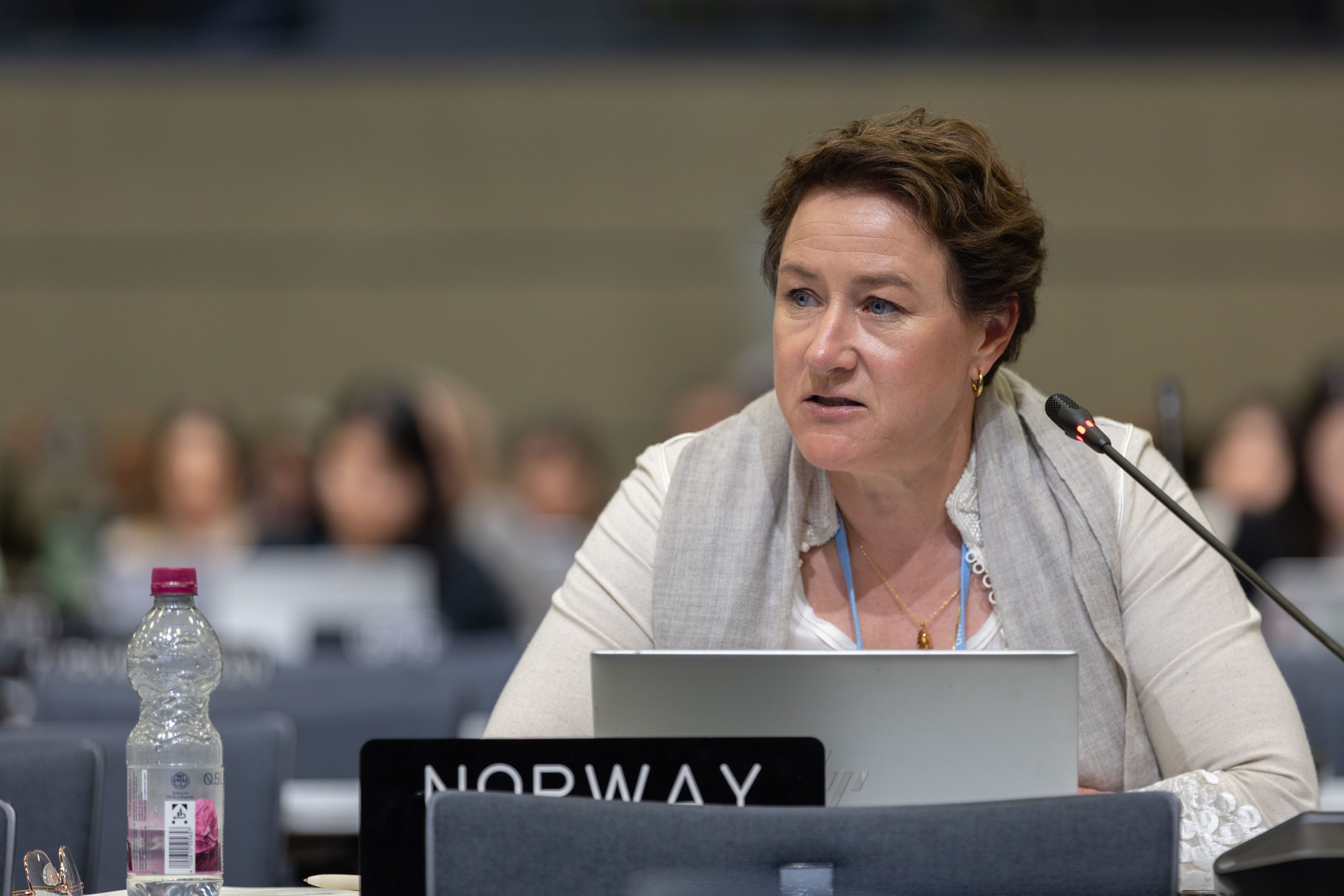
Marianne Karlsen, Norway

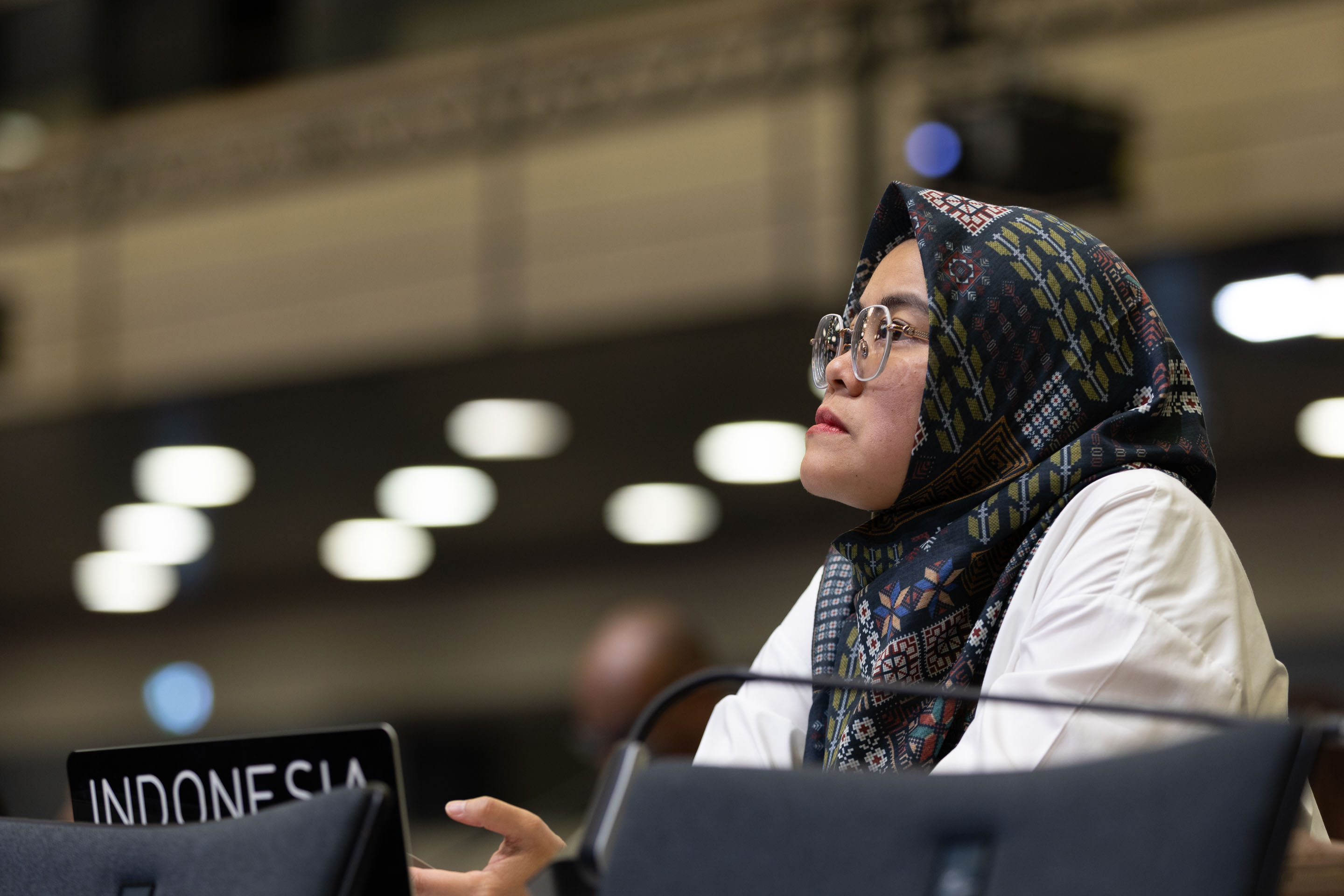
Belém Mission to 1.5°C
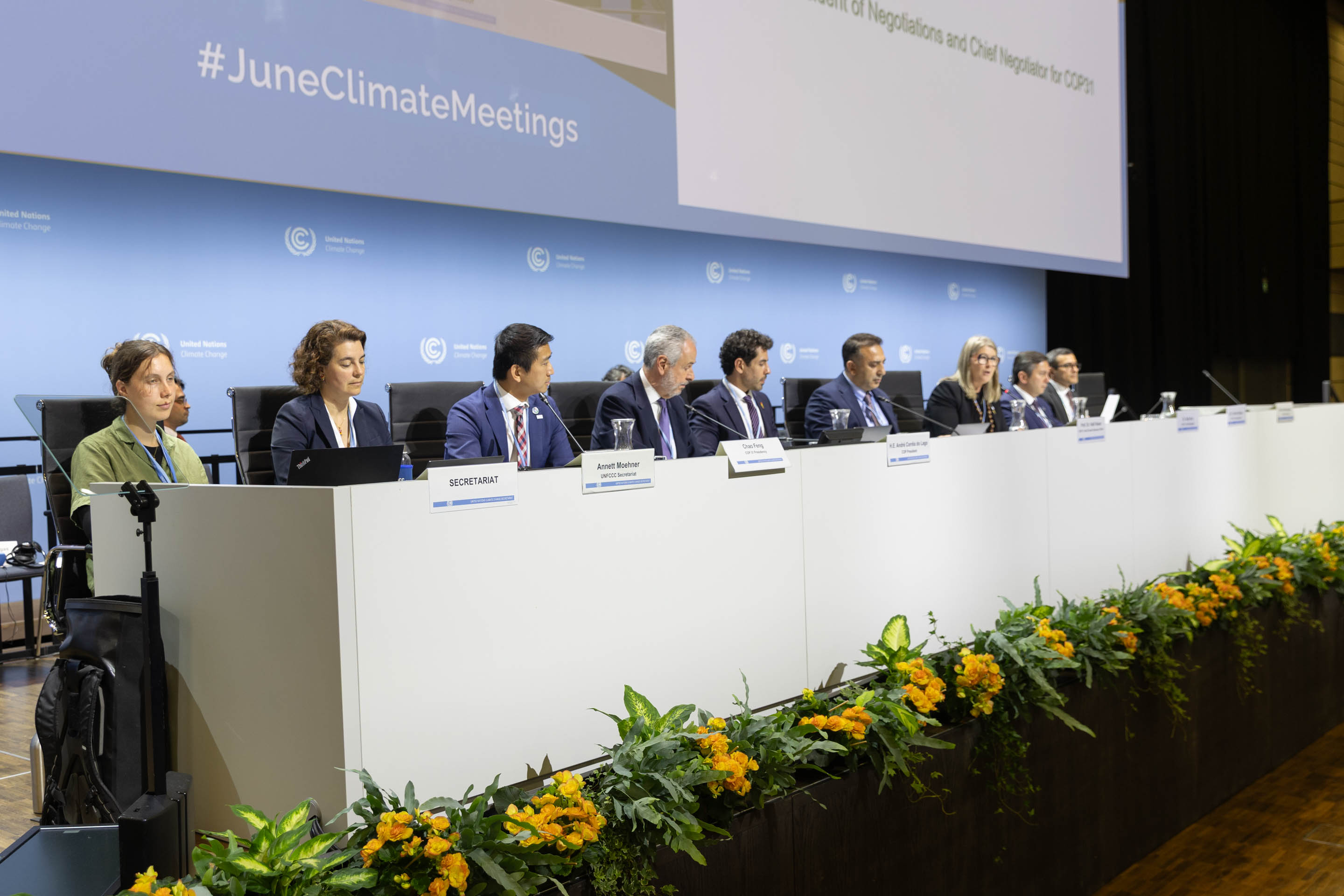
View of the dais during the Belém Mission to 1.5°C session
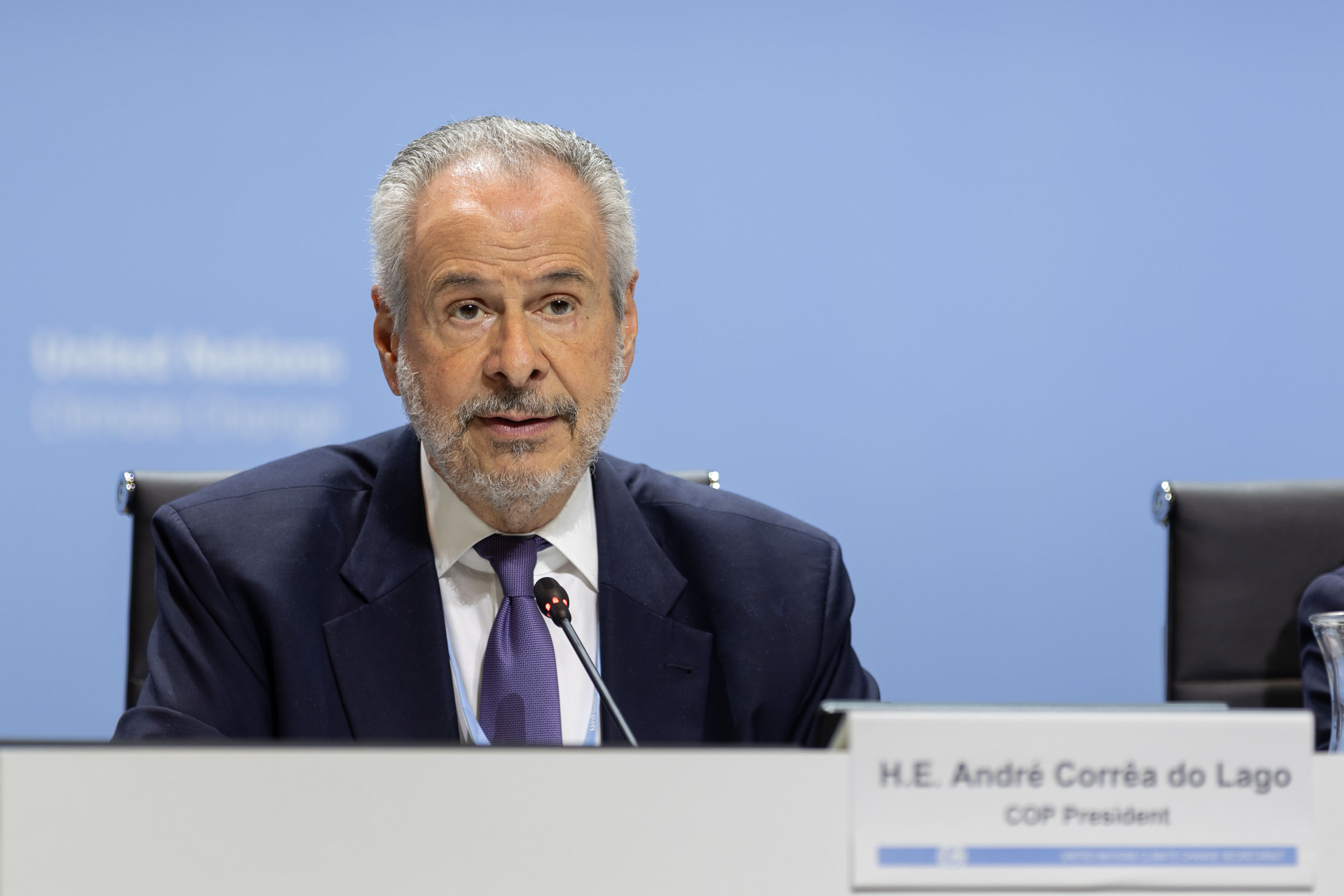
André Aranha Corrêa do Lago, COP 30 President
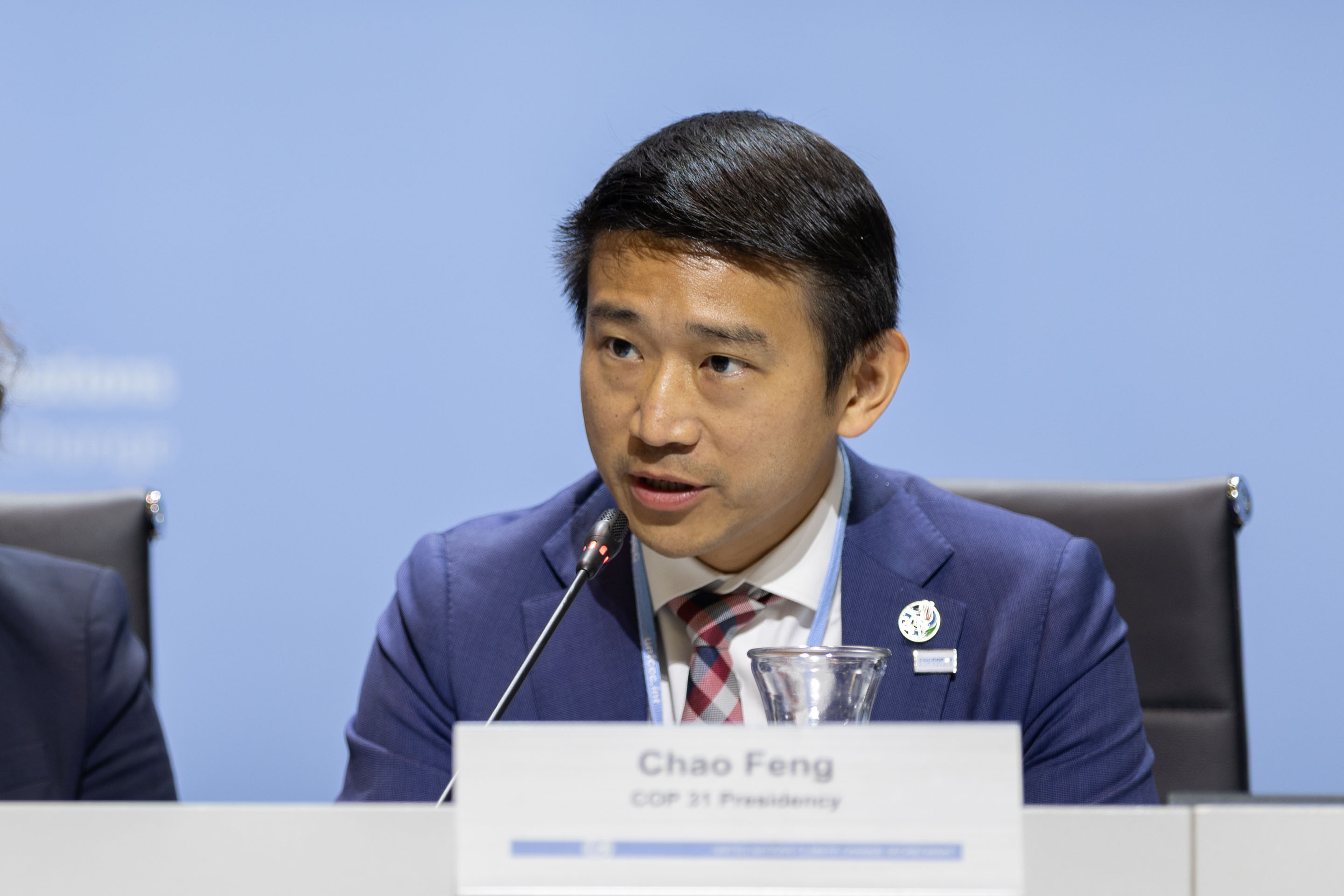
Chao Feng, incoming COP 31 Presidency of Negotiations
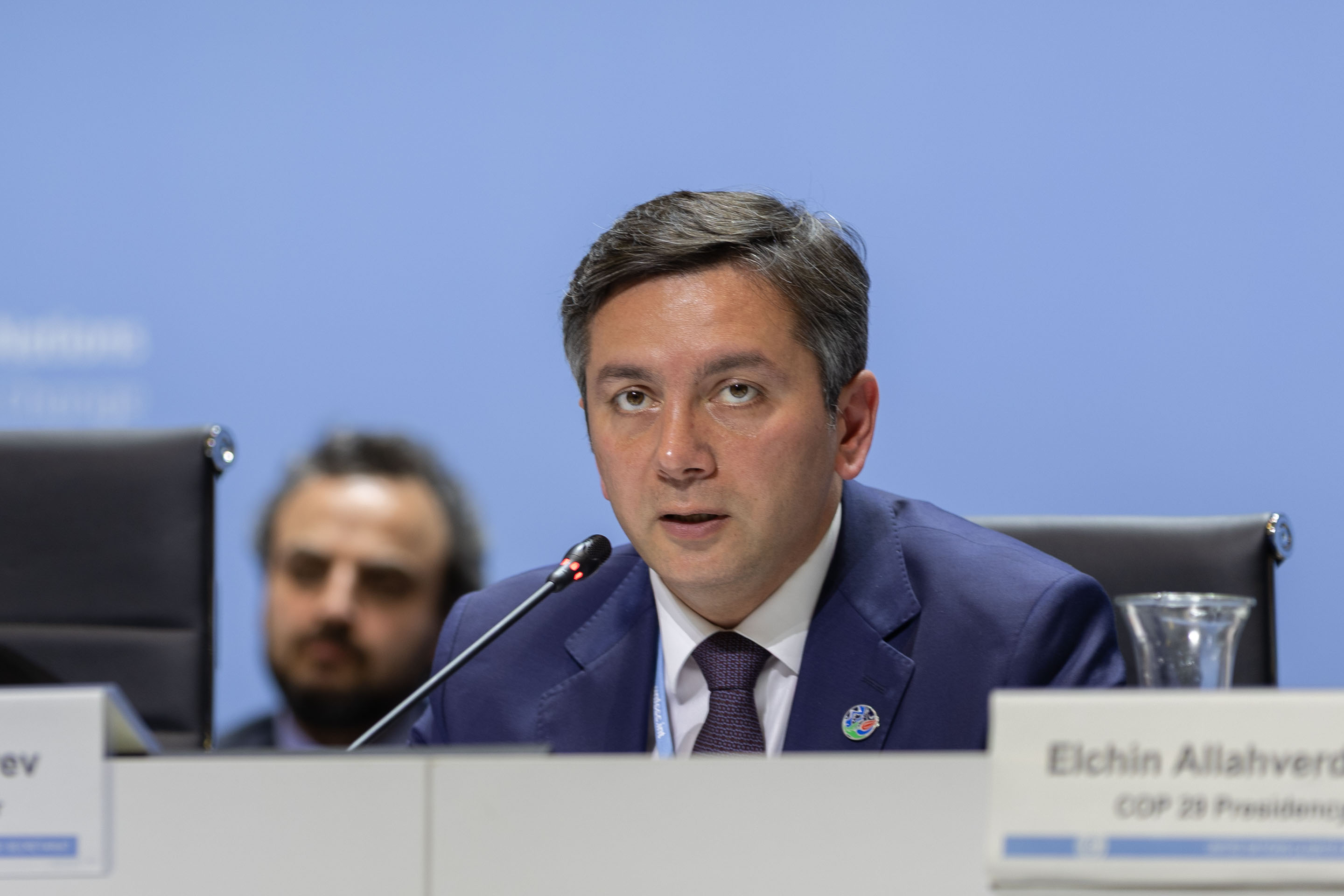
Yalchin Rafiyev, COP 29 Presidency
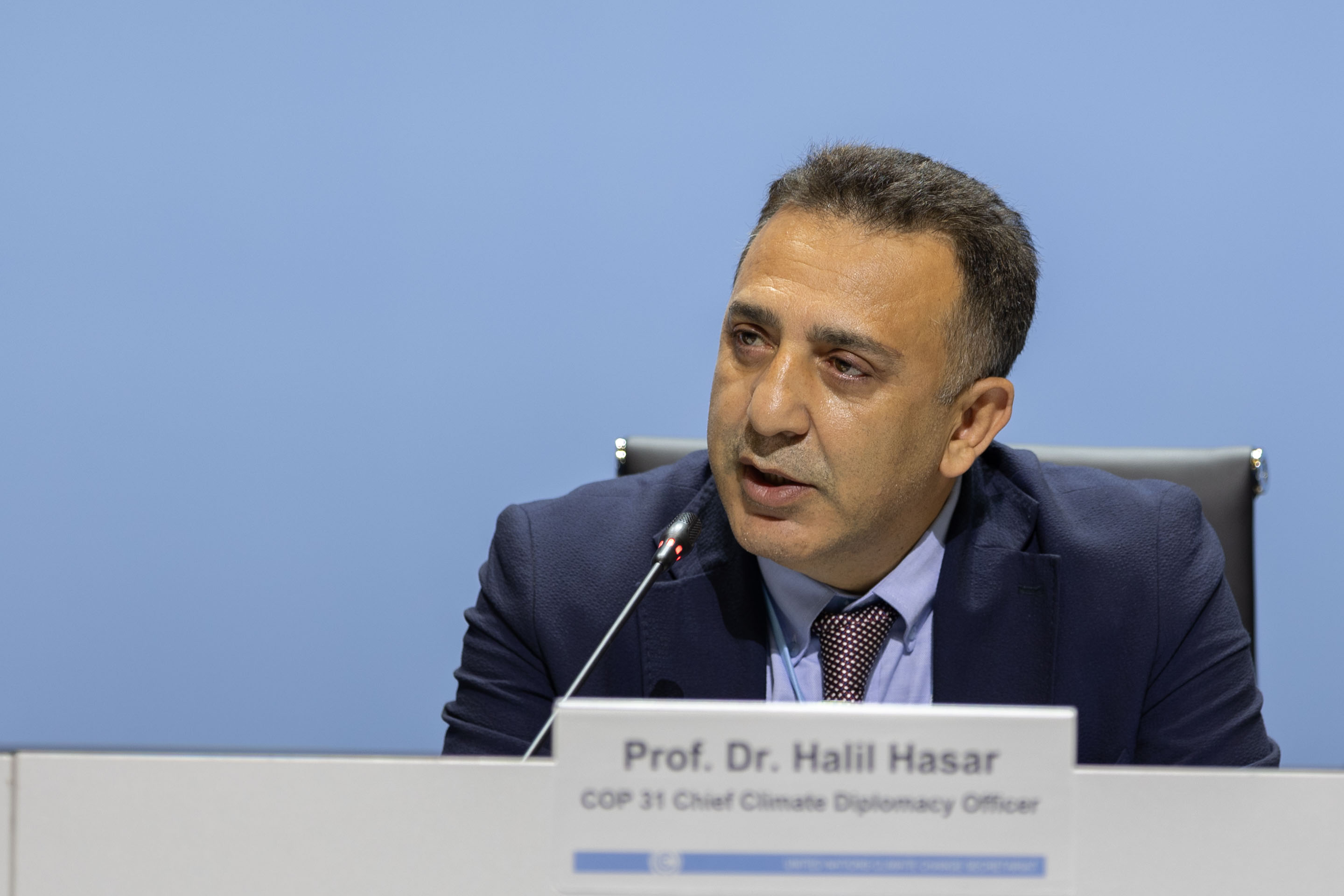
Halil Hasar, incoming COP 31 Presidency
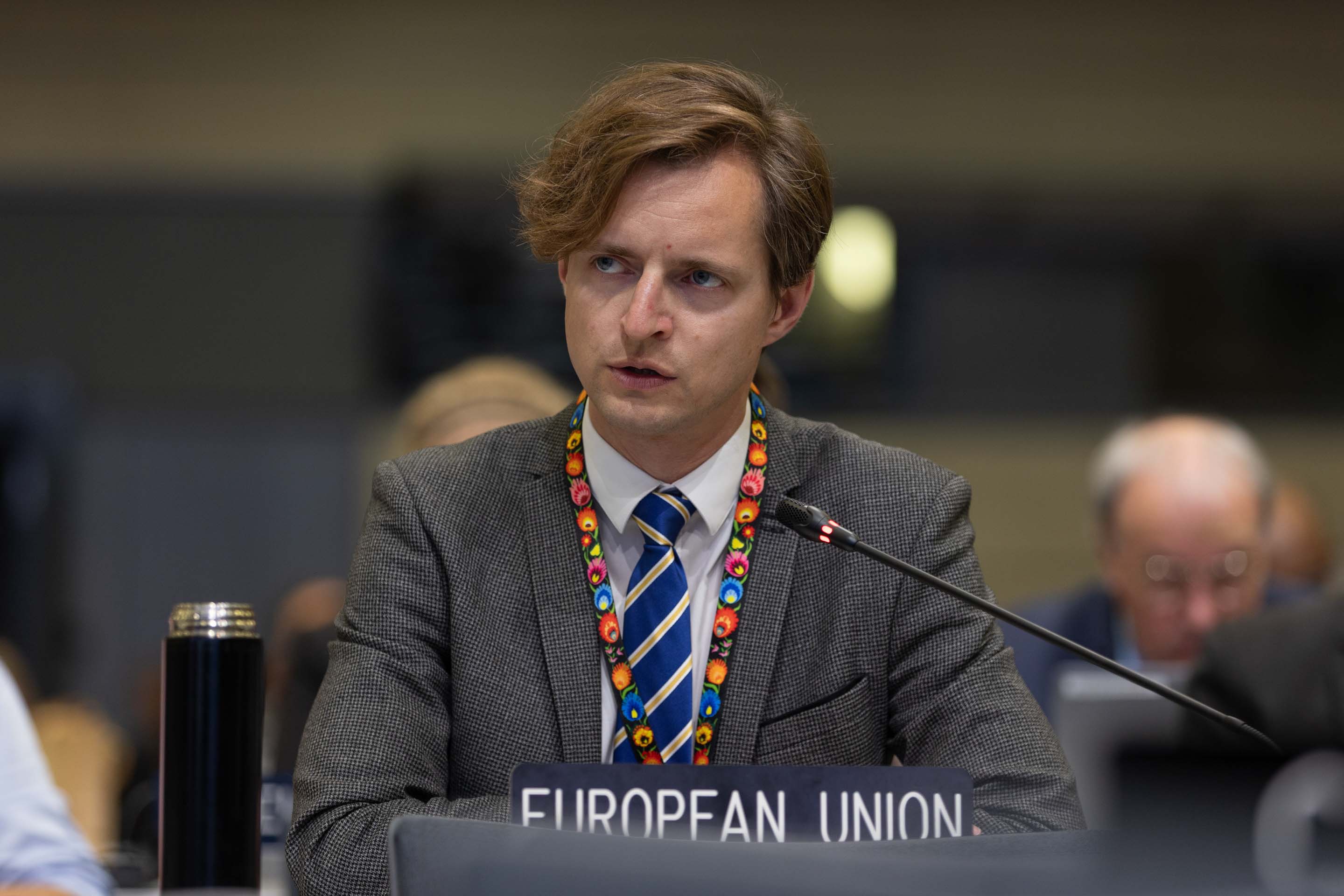
Grzegorz Grobi, EU
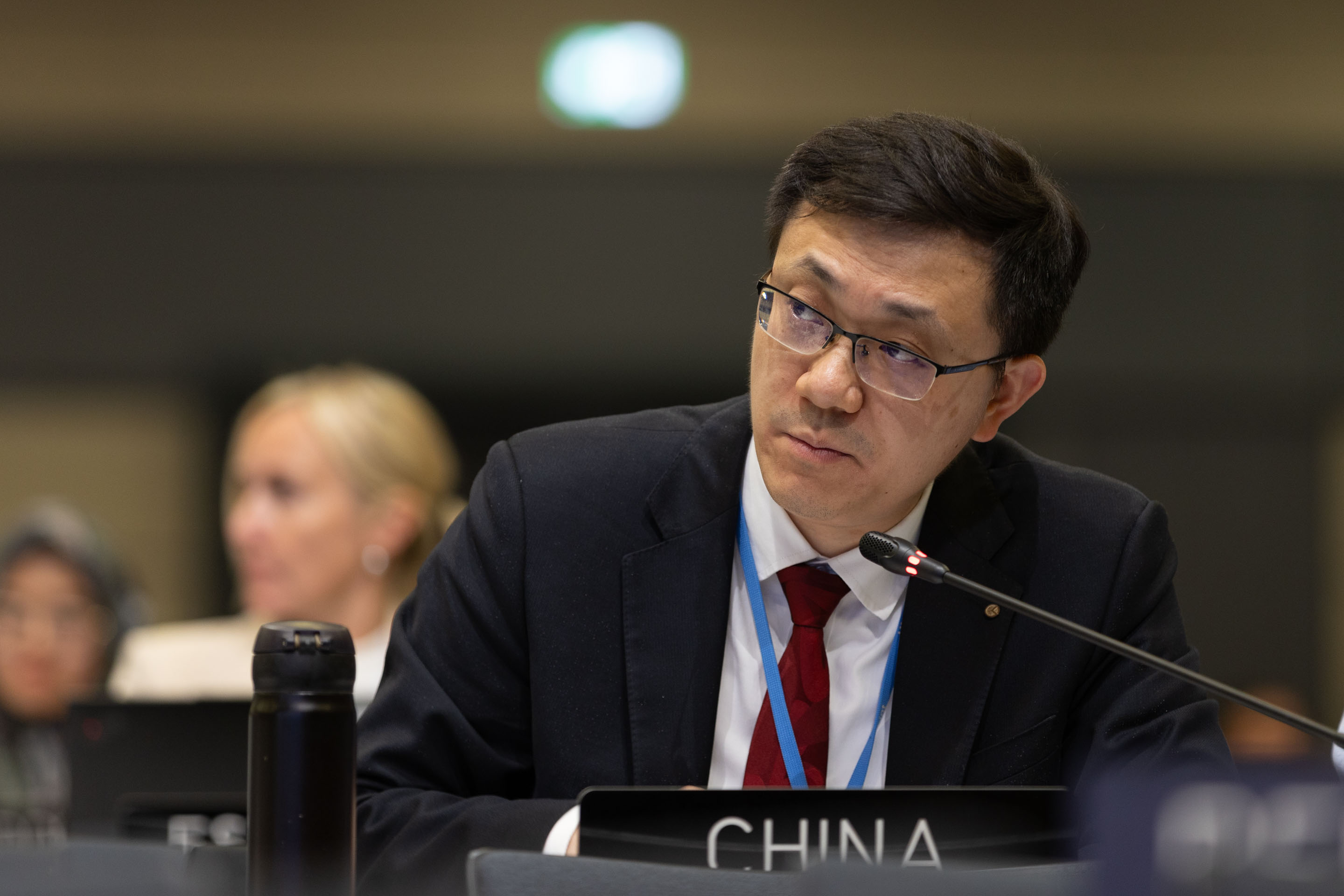
Liang Pei, China, on behalf of the Like-Minded Developing Countries (LMDCs)
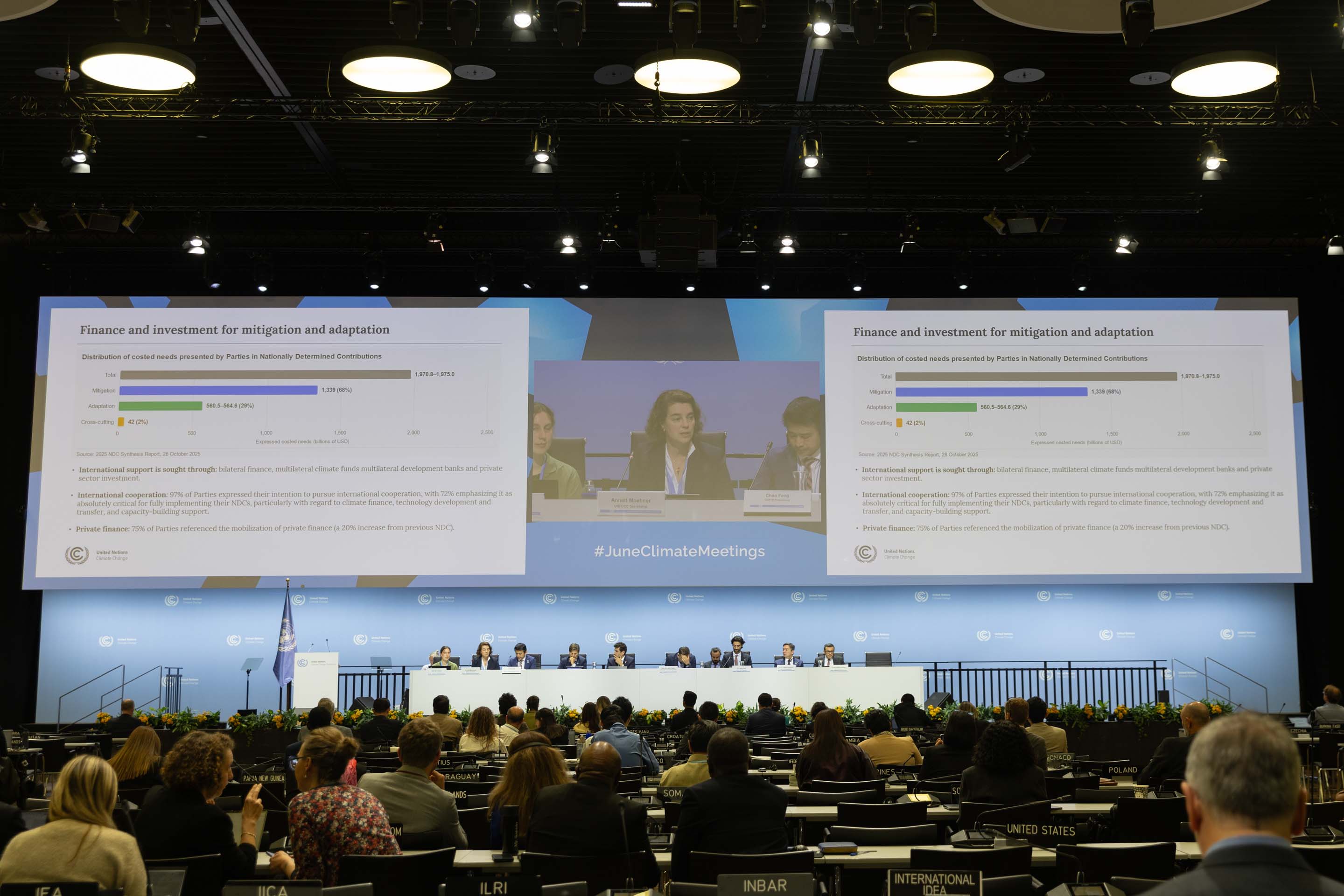
Annett Moehner, UNFCCC Secretariat, presents the latest updates on nationally determined contributions
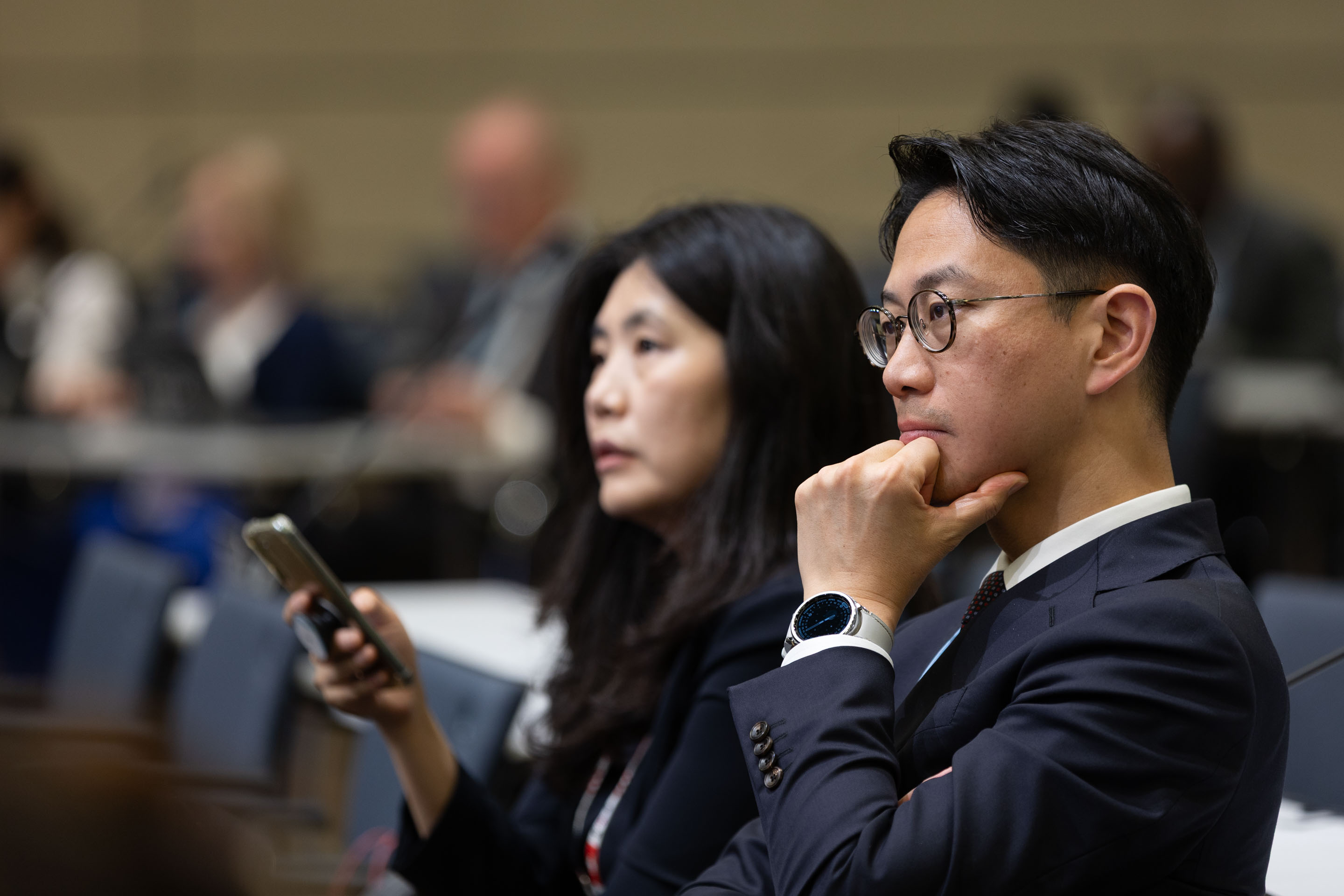
Around the Venue
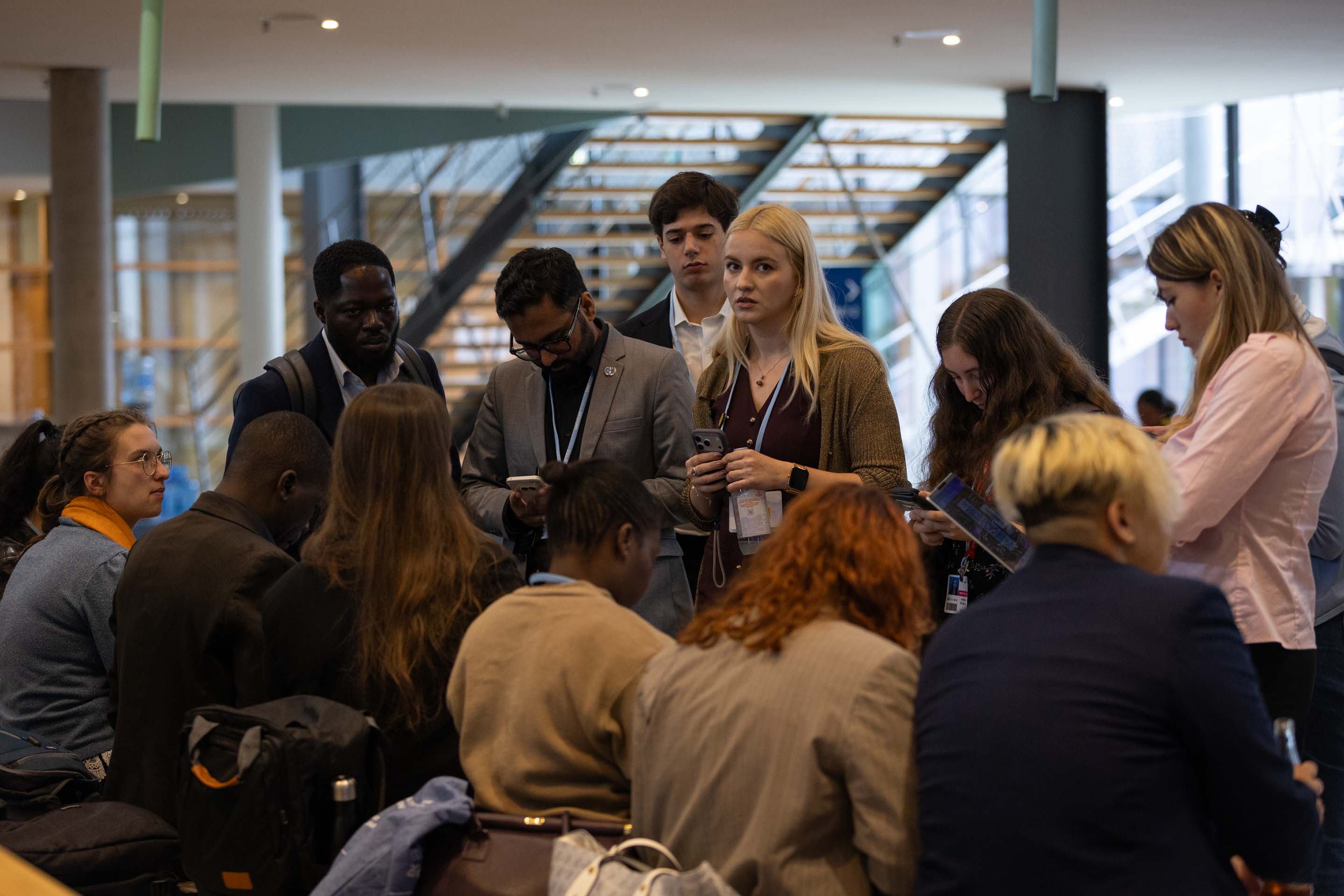
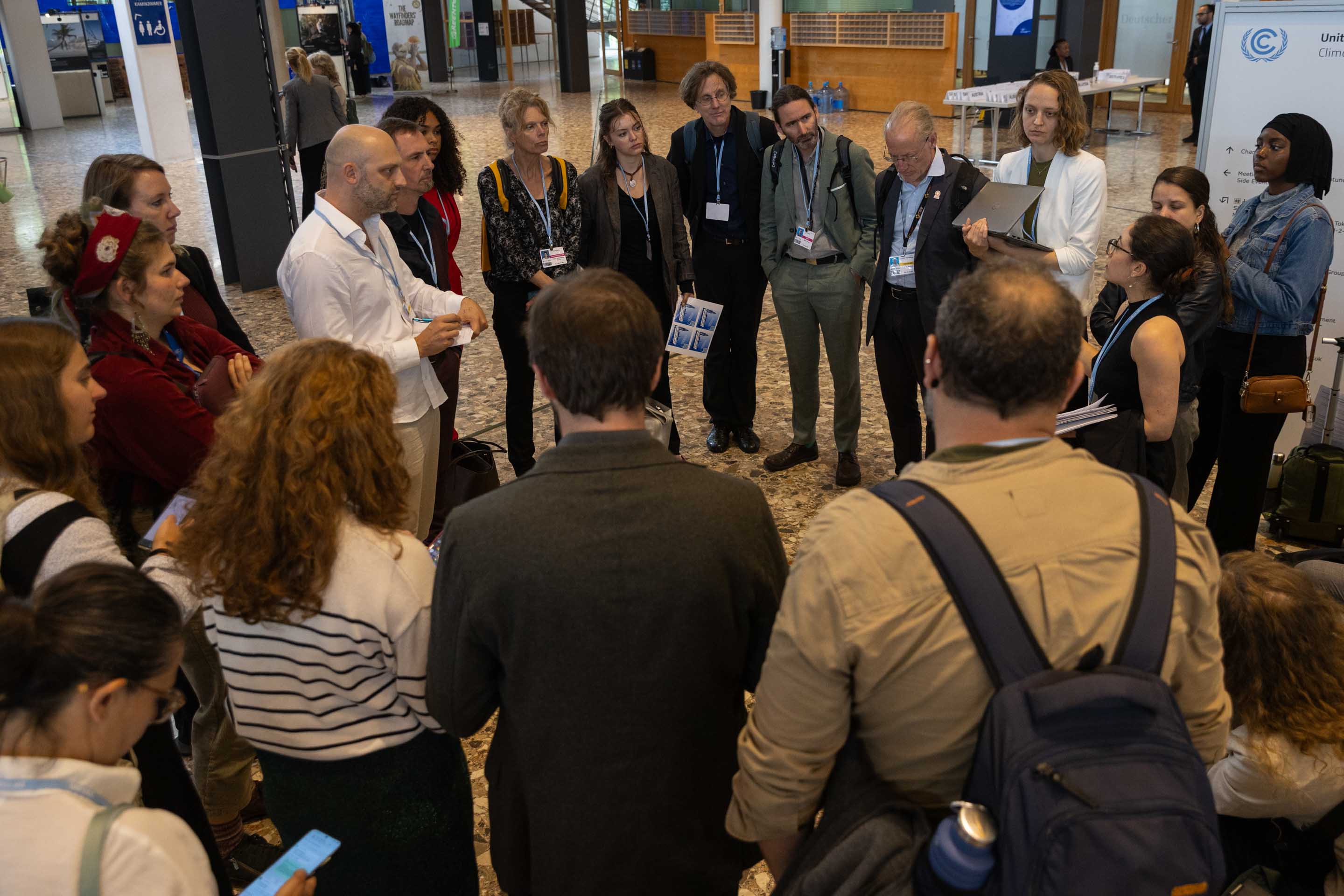
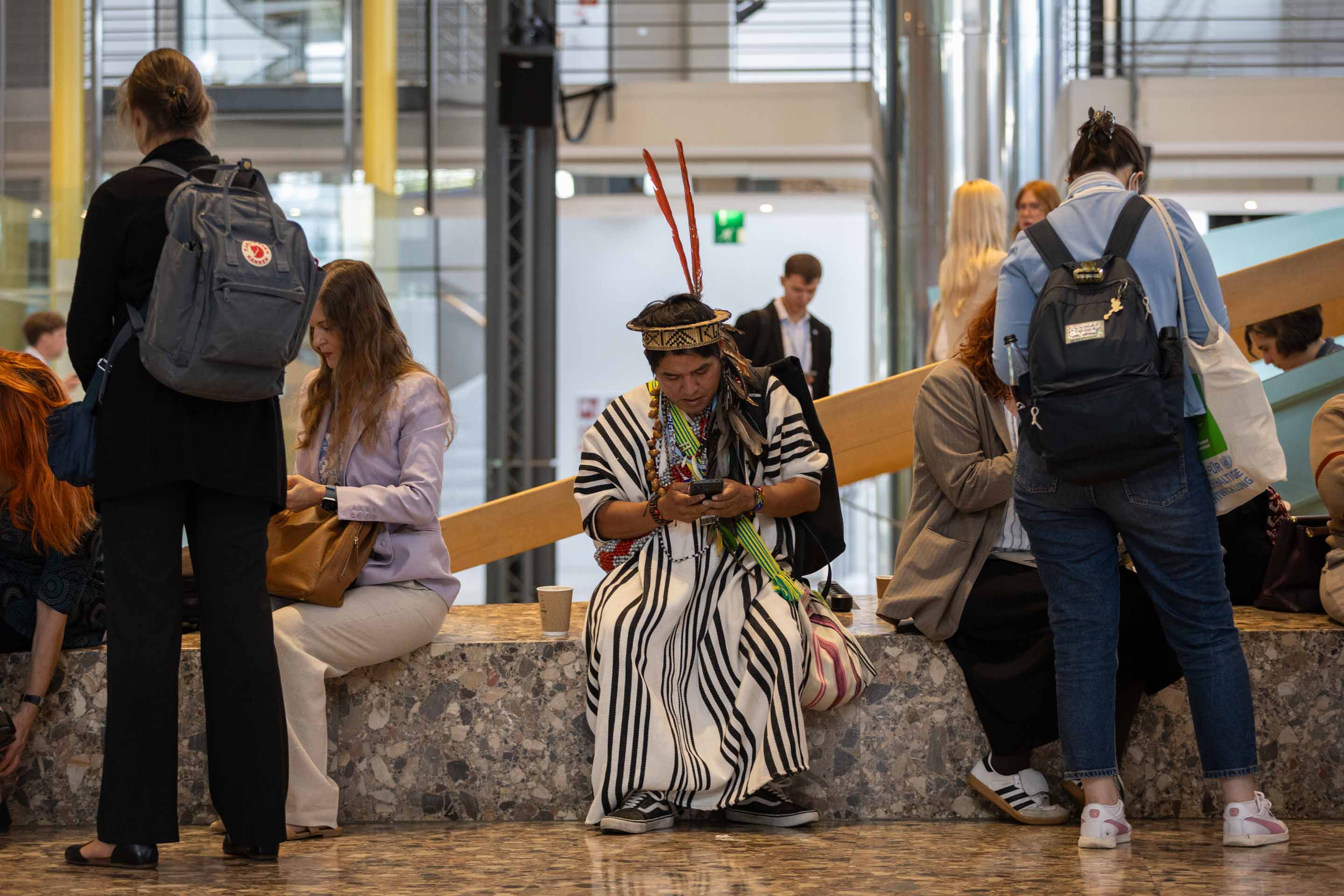
Youth delegates meet informally at the start of the day
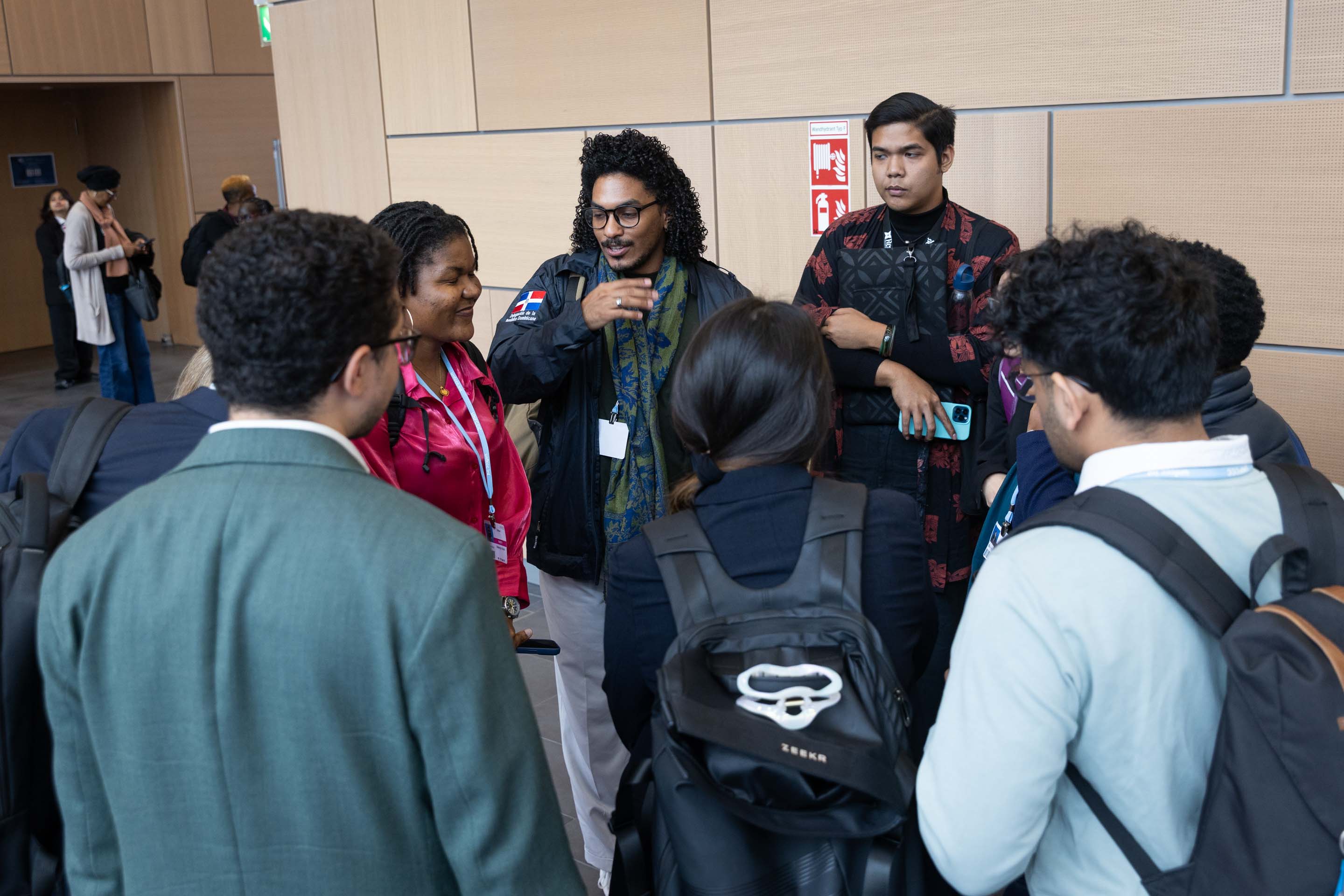
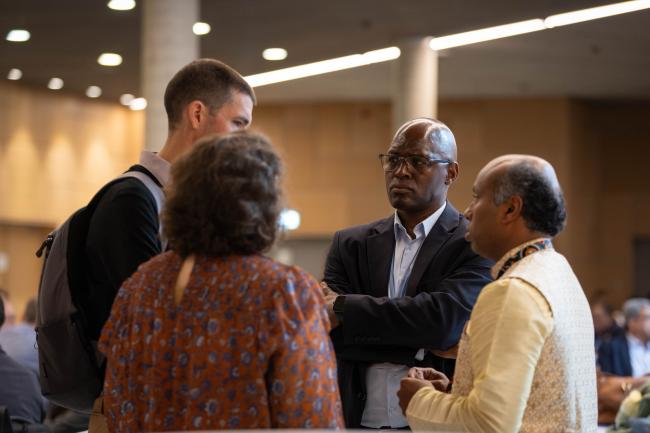
Delegates speak informally