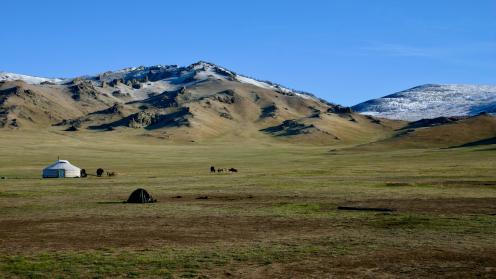
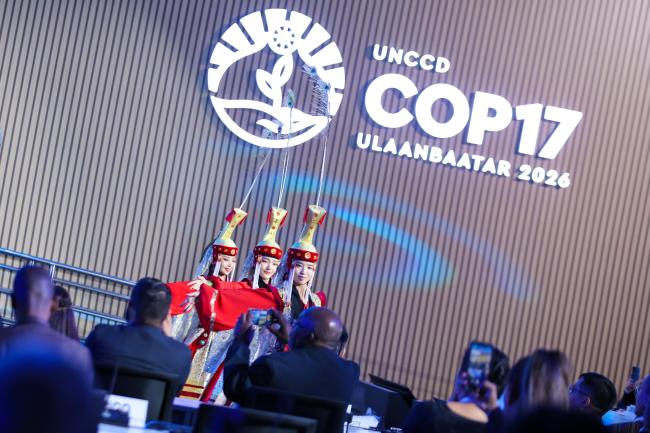
Pastoralists are essential in efforts to combat rangeland degradation and implement the UN Convention to Combat Desertification (UNCCD). These land stewards were front and center as the 17th meeting of the Conference of the Parties (COP 17) opened in Ulaanbaatar, Mongolia.
Want to dig deeper into today's talks? Read the full Earth Negotiations Bulletin daily report.
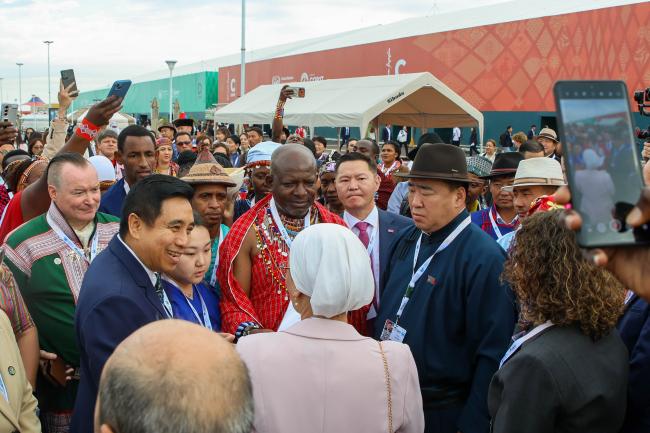
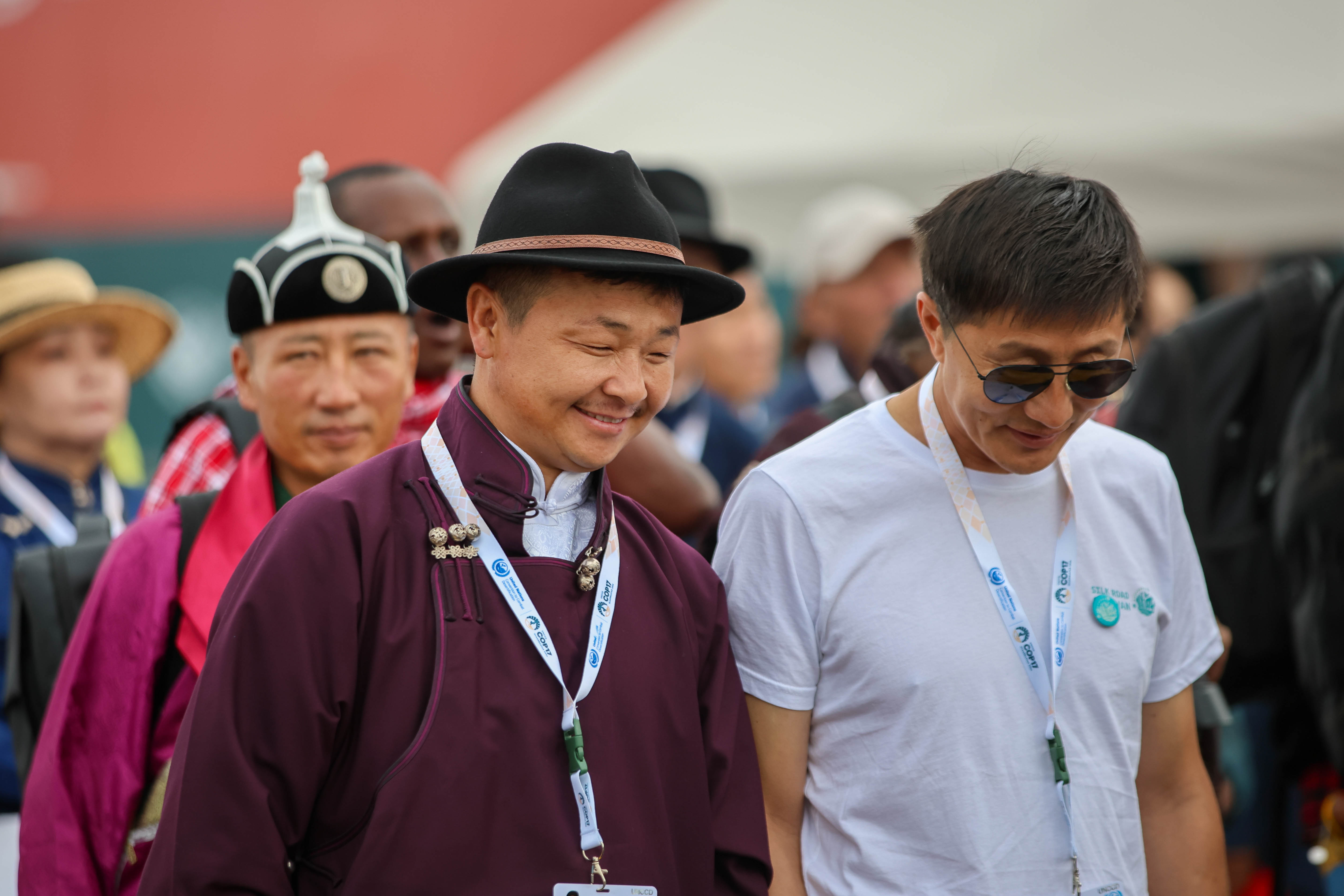
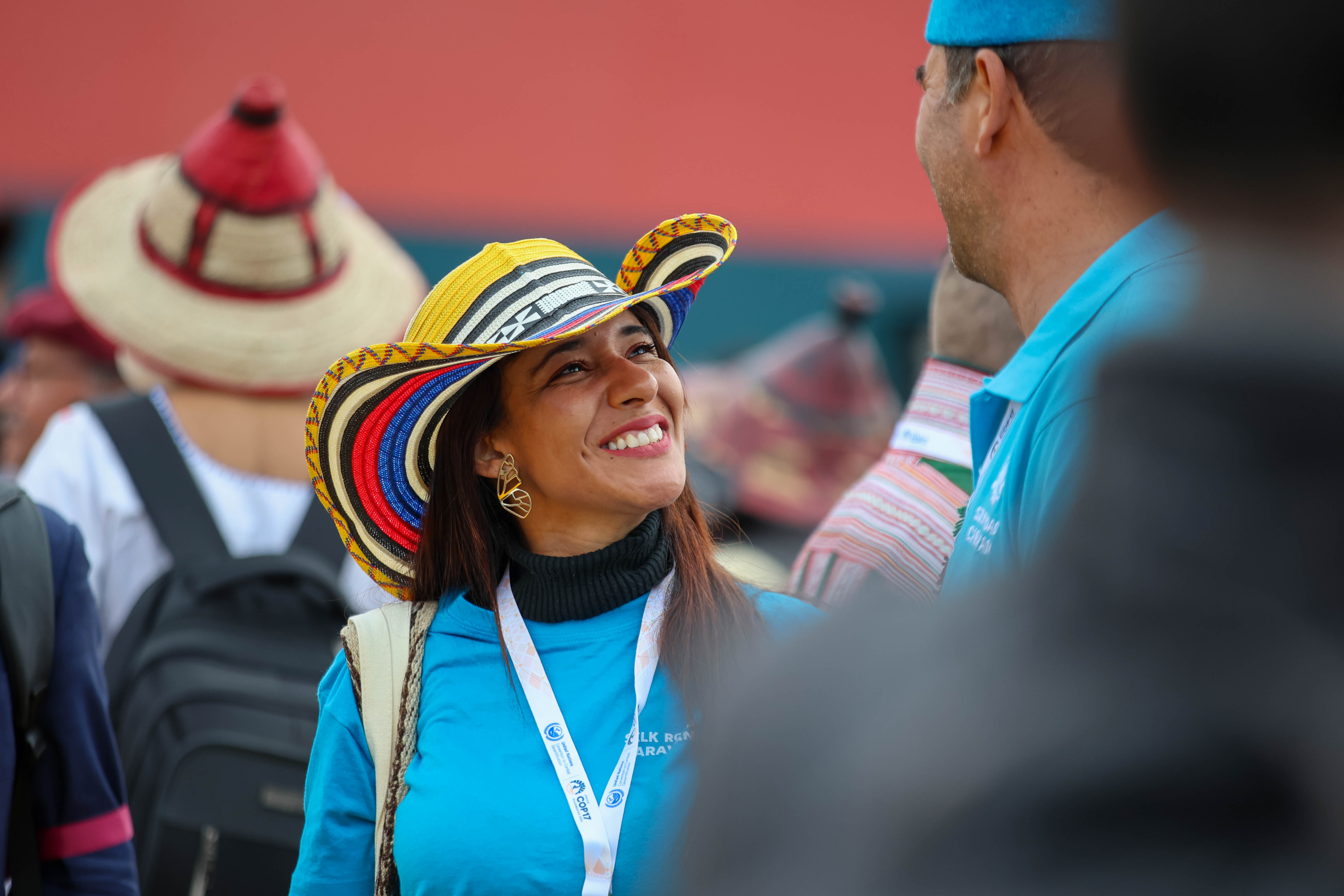
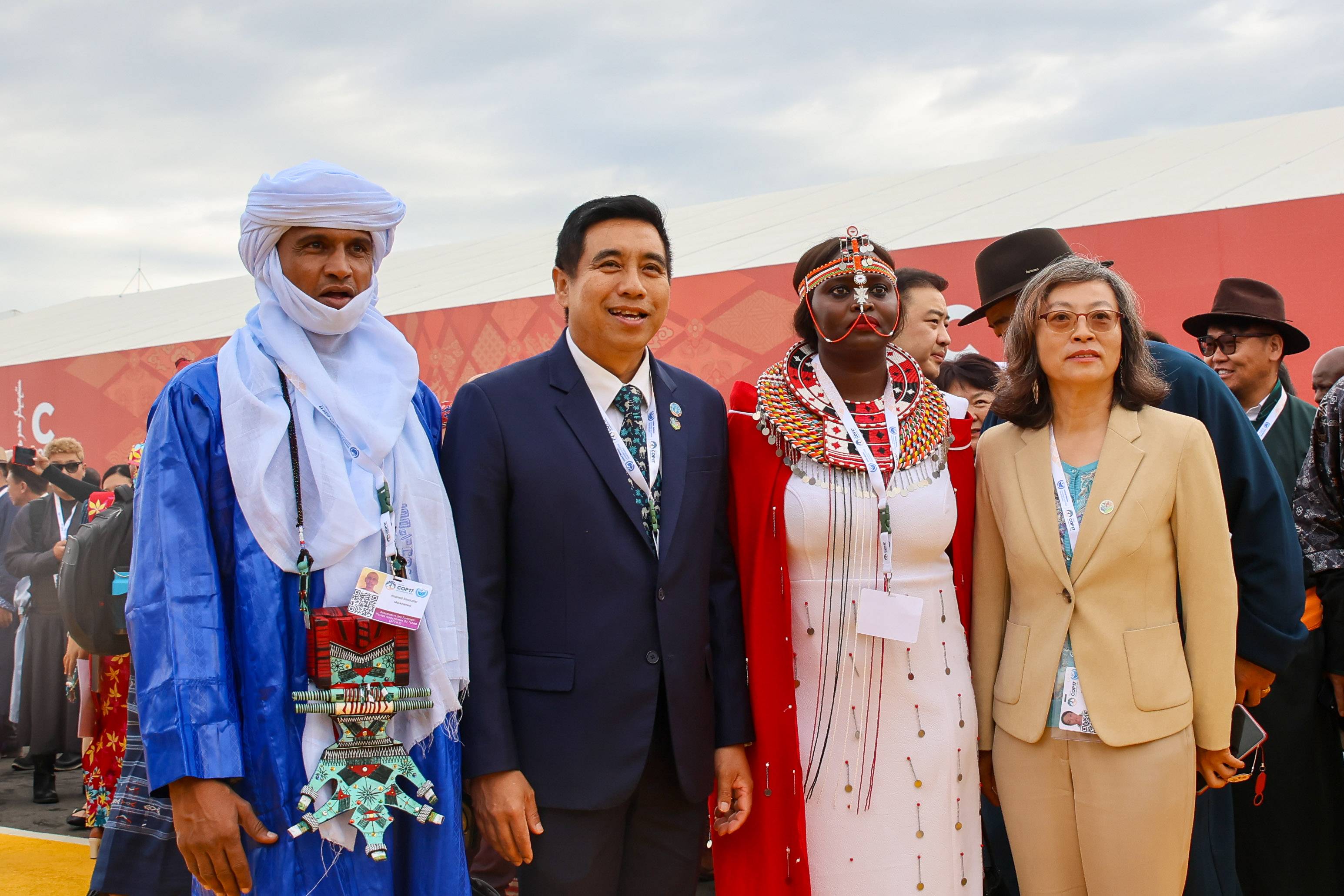
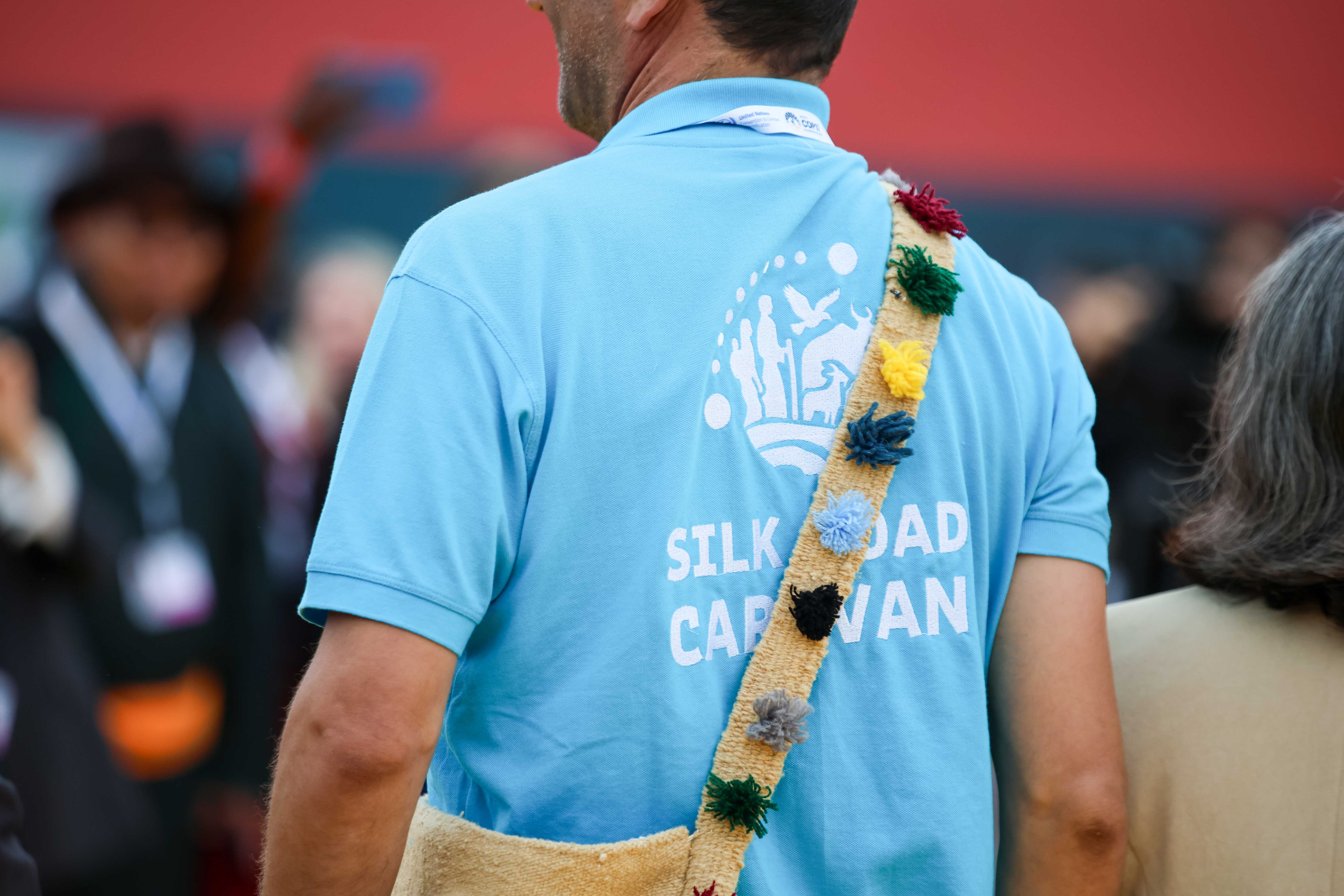
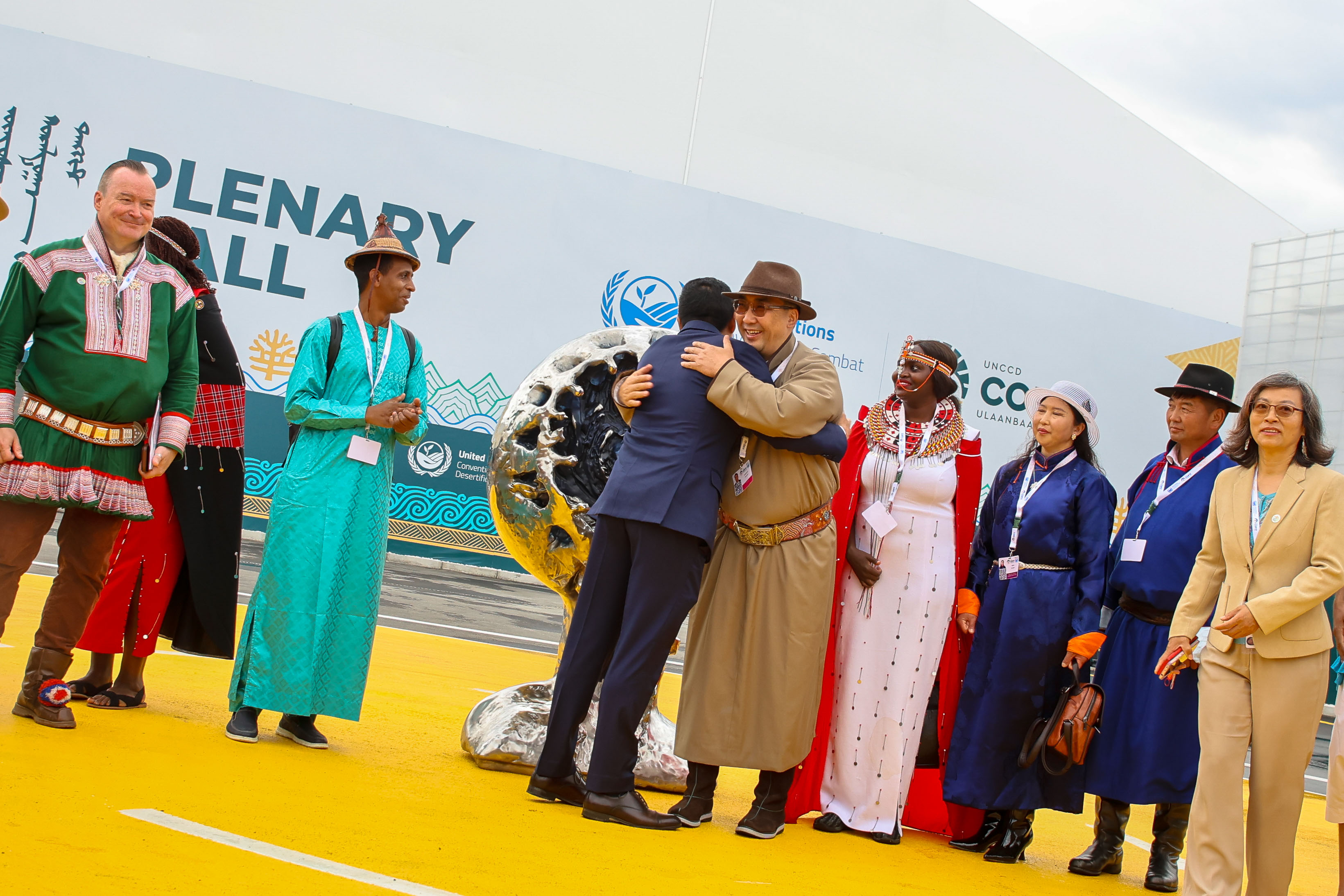
In the morning, pastoralists from 100 countries representing over 500,000 people – whose day-to-day activities prevent soil erosion, enhance carbon storage, and maintain biodiversity – paraded to meet with UNCCD Executive Secretary Yasmine Fouad, where they handed over a Global Pastoralist Declaration highlighting their priorities.
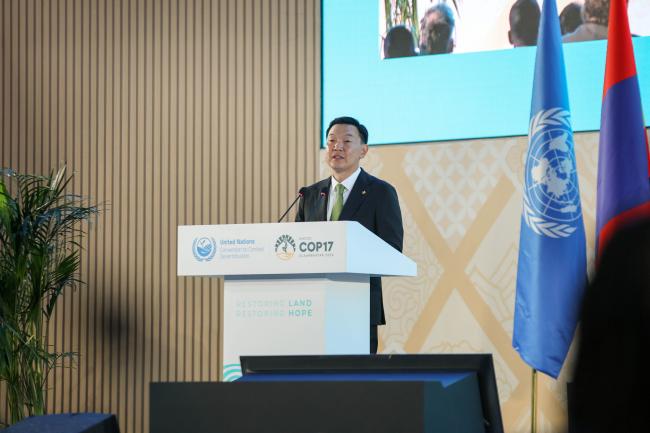
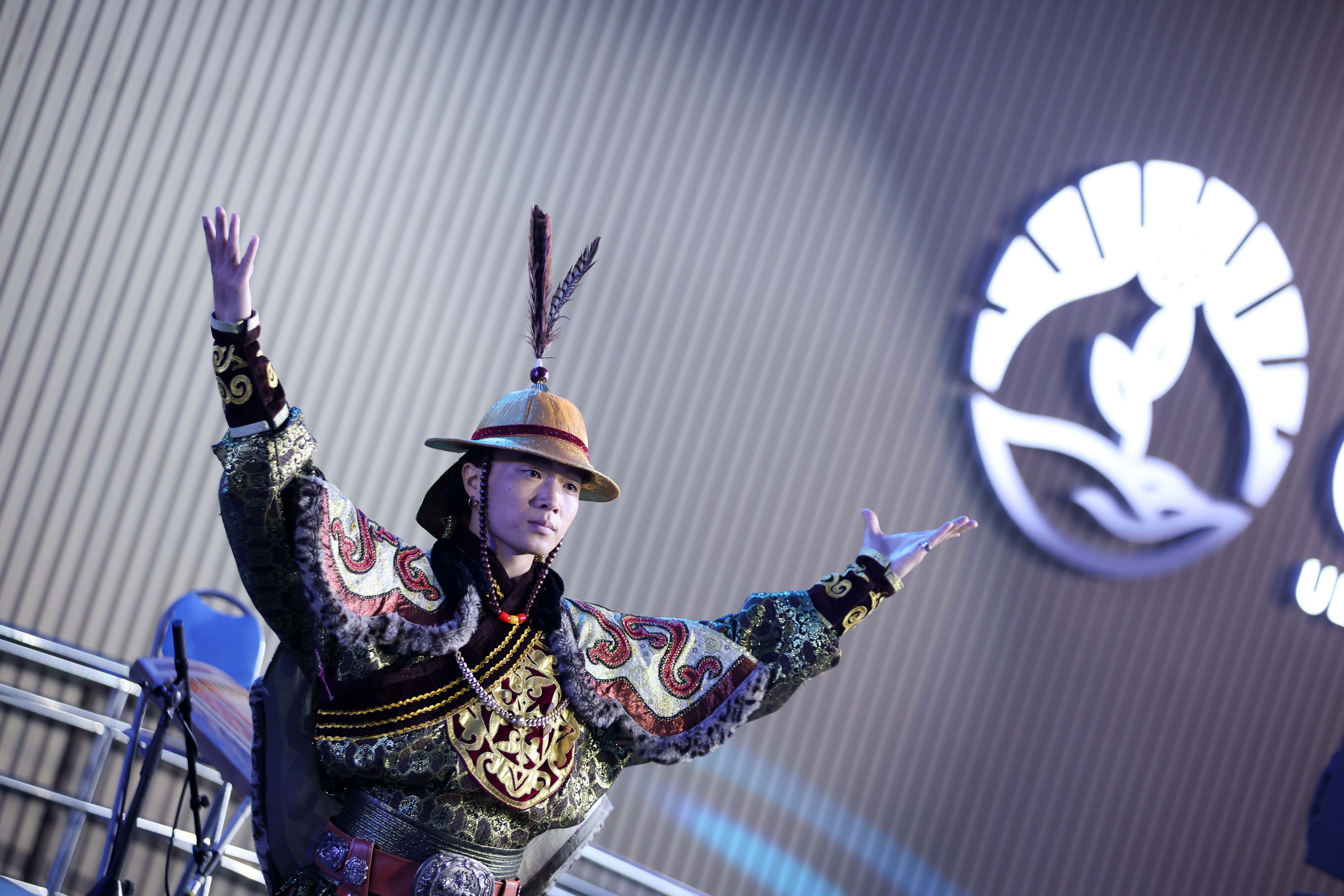
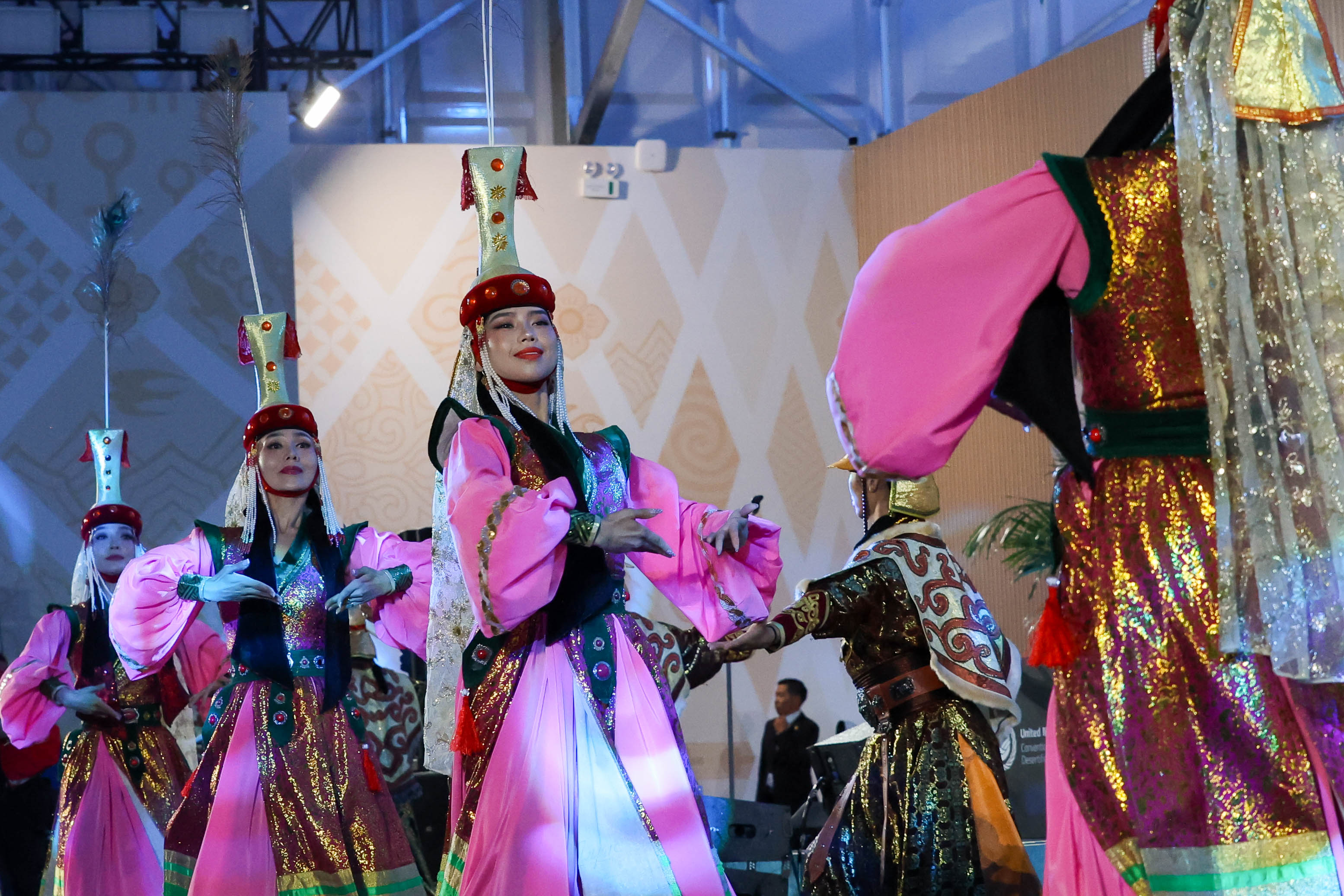
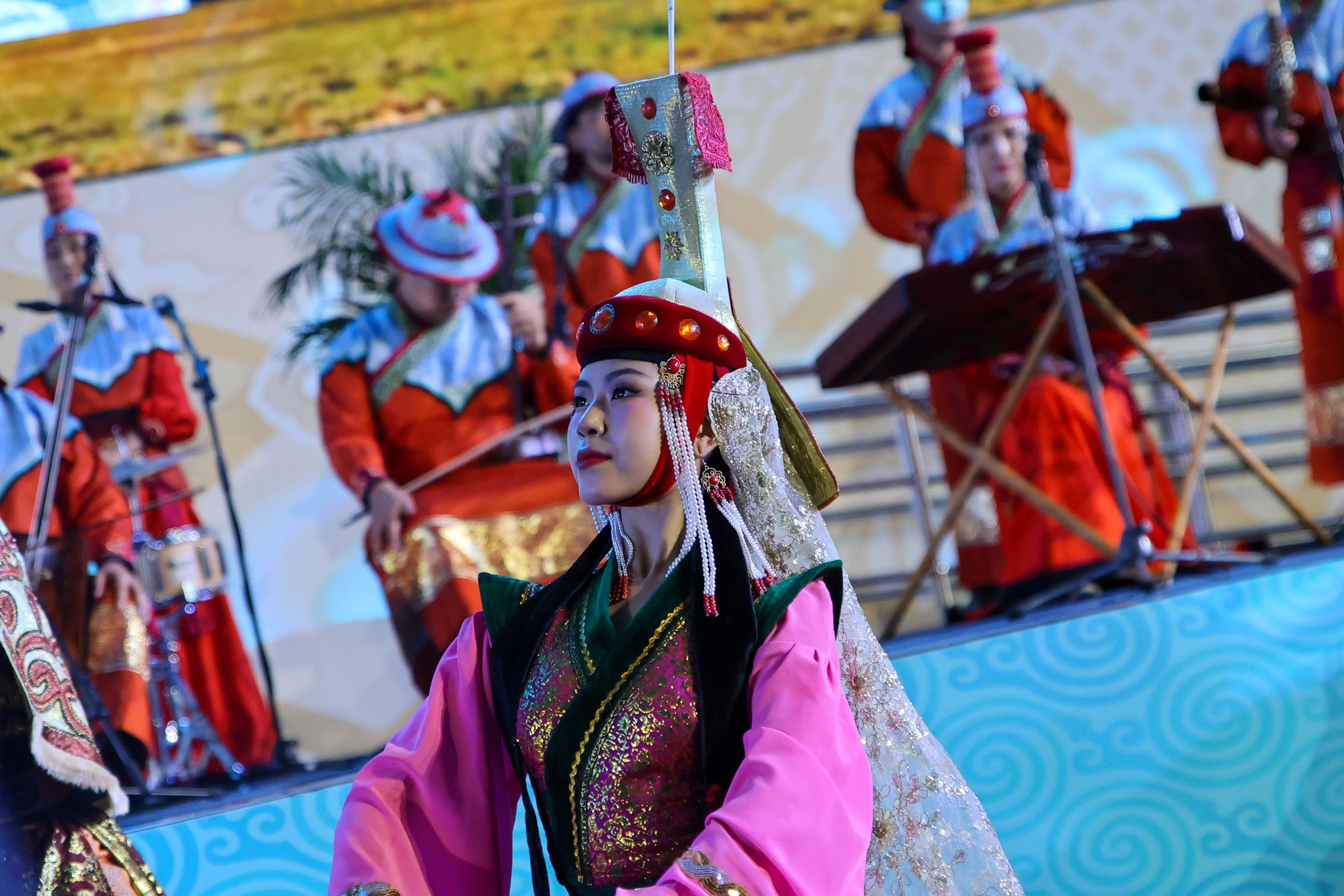
During the opening ceremony, Mongolia’s Prime Minister Nyam-Osoryn Uchral urged participants to transform the meeting into a platform for solutions and turn commitments into tangible results/actions. UNCCD Executive Secretary Fouad urged Parties to make COP 17 about repairing ecosystems and restoring livelihoods, resilience, and hope in the multilateral system.
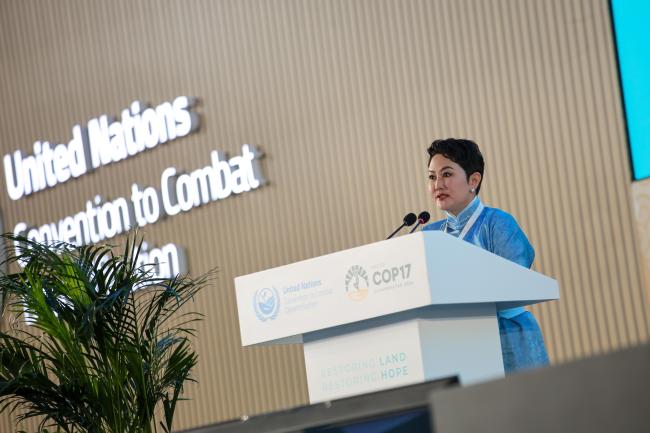
The COP elected the Minister of Foreign Affairs of Mongolia, Batmunkh Battsetseg, as COP 17 President. In their opening statements, regions stressed: the importance of enabling greater financial flows for strengthening efforts to address desertification, land degradation, and drought; the importance of science for informed decision-making; and the interlinkages between sustainable land management and building community resilience.
Tensions rose when it was time to adopt the agenda. The Russian Federation opposed an agenda item on the Intergovernmental Working Group on the Future Strategic Framework on the grounds that their experts were blocked from participating in its meetings. The US objected to three agenda items: synergies with other conventions and international organizations; gender; and civil society. In order to move forward, COP 17 President Battsetseg proposed – without objection – to provisionally adopt the agenda and defer adoption of the four agenda items, which require further consultations.
In the afternoon, the Committee of the Whole (COW) and the Committee for the Review of the Implementation of the Convention (CRIC) met to begin discussions.
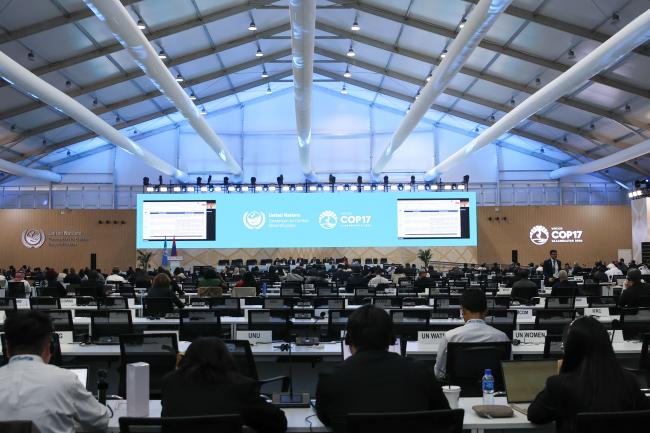
In the COW, the Secretariat introduced the programme and budget for the biennium 2027-2028, including three budget scenarios, which ranged from zero nominal growth to a nearly 30% increase to include three additional Secretariat positions. In ensuing discussions, Parties expressed a broad range of preferences. The agenda item was sent to the budget contact group. Next, delegates discussed drought, where views still differed on whether Parties should commit to negotiating a legally-binding protocol or a framework.
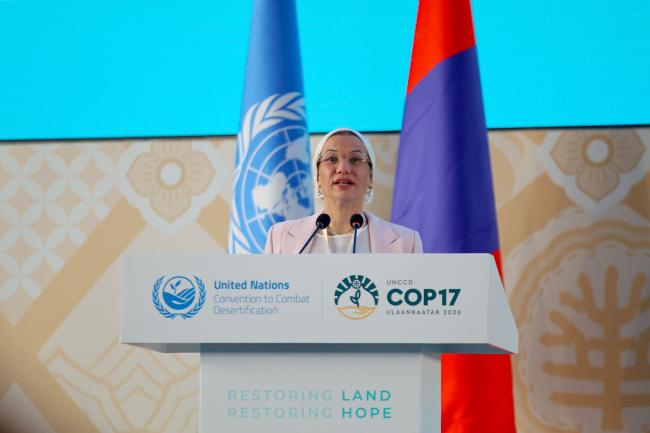
During the first meeting of the CRIC, Executive Secretary Fouad emphasized that Parties are facing a decisive moment for implementation of the 2018-2030 Strategic Framework, and challenged Parties to use the session as an opportunity to reflect, accelerate action, and overcome bottlenecks. Parties then proceeded to:
- adopt the agenda and organization of work;
- review the report of the CRIC on its 23rd session;
- assess the performance of Convention institutions and subsidiary bodies; and
- discuss the programme and budget for the biennium 2027-2028.
In the evening, the COW contact groups on budget and all other matters convened for their first meetings.
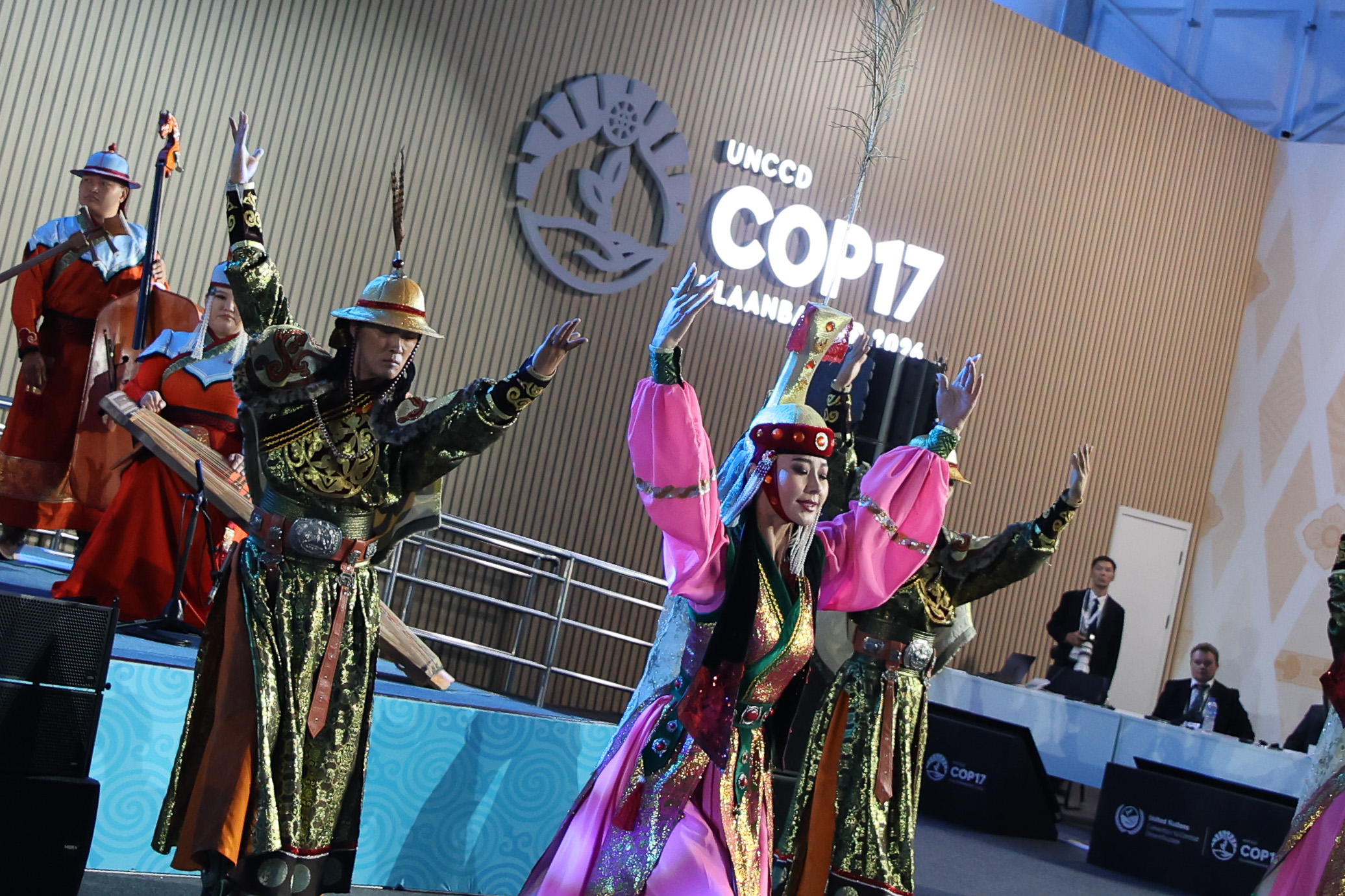
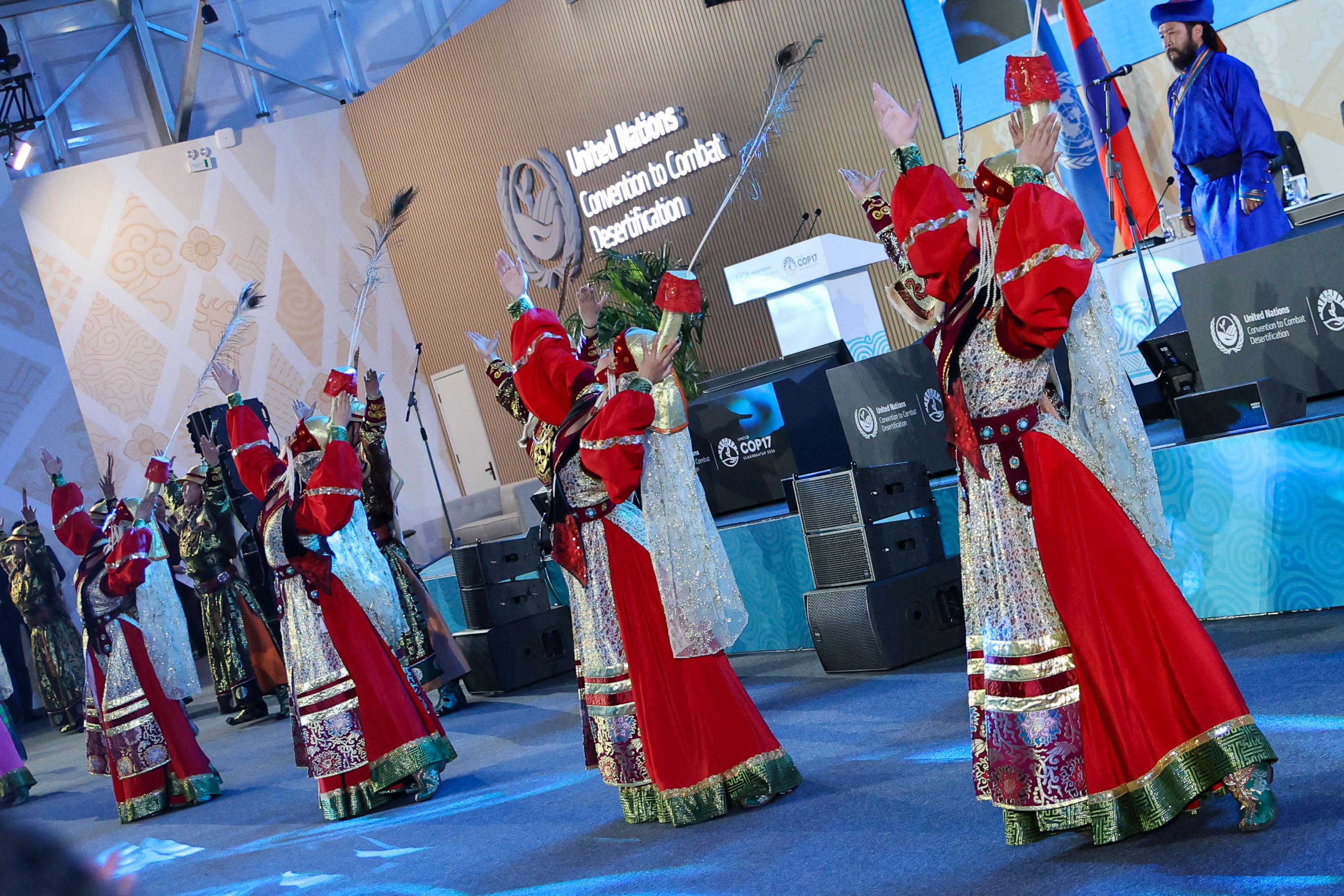
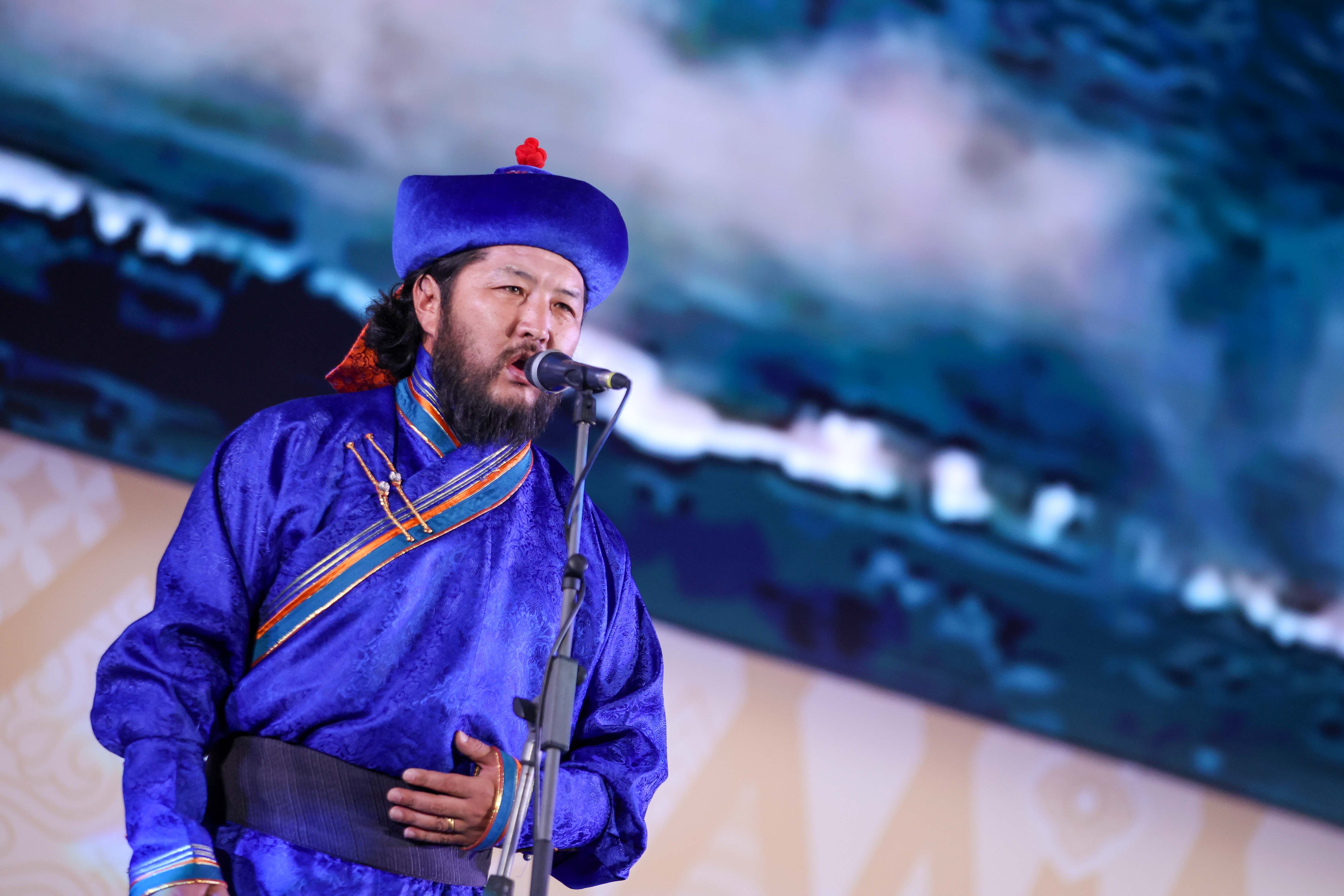
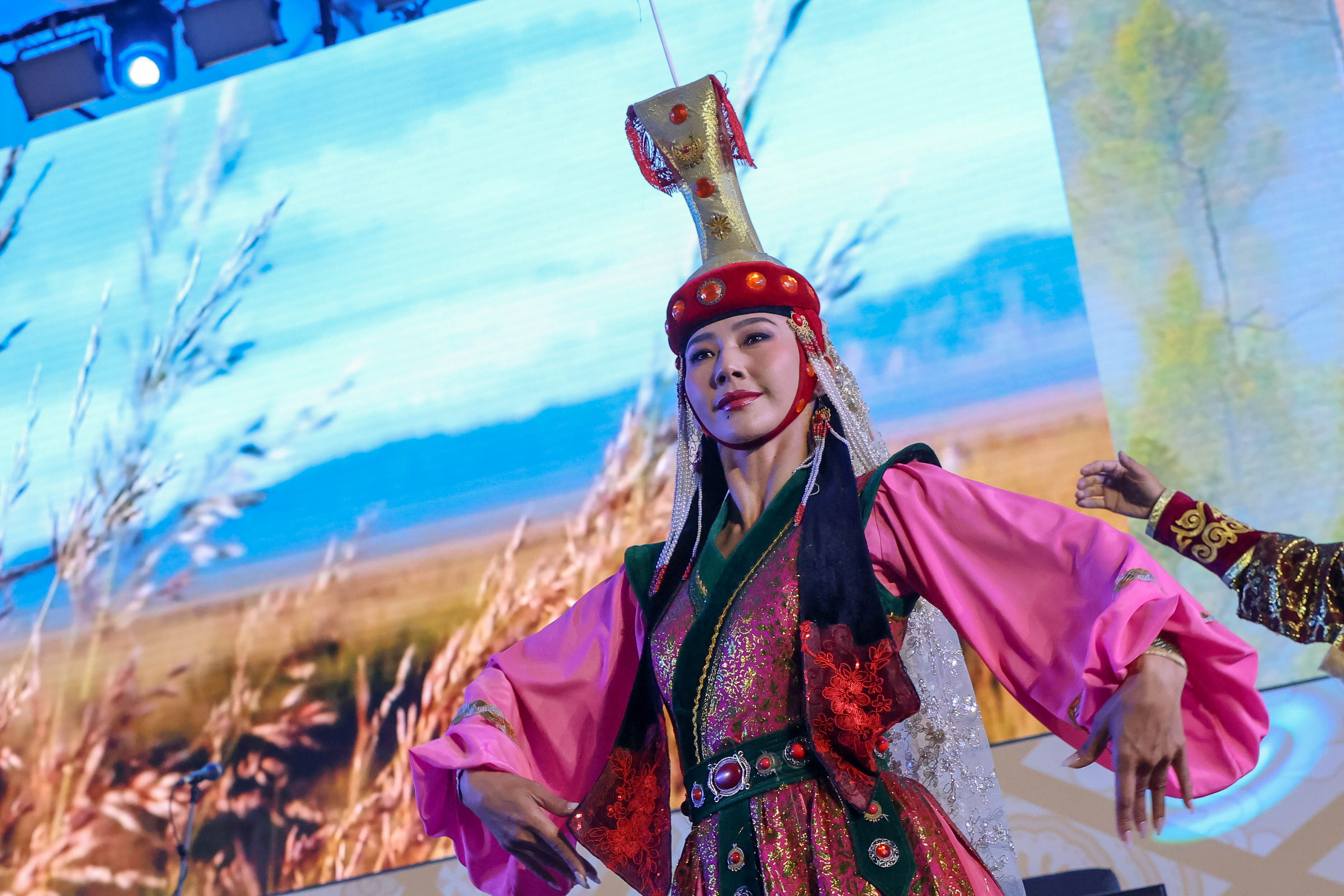
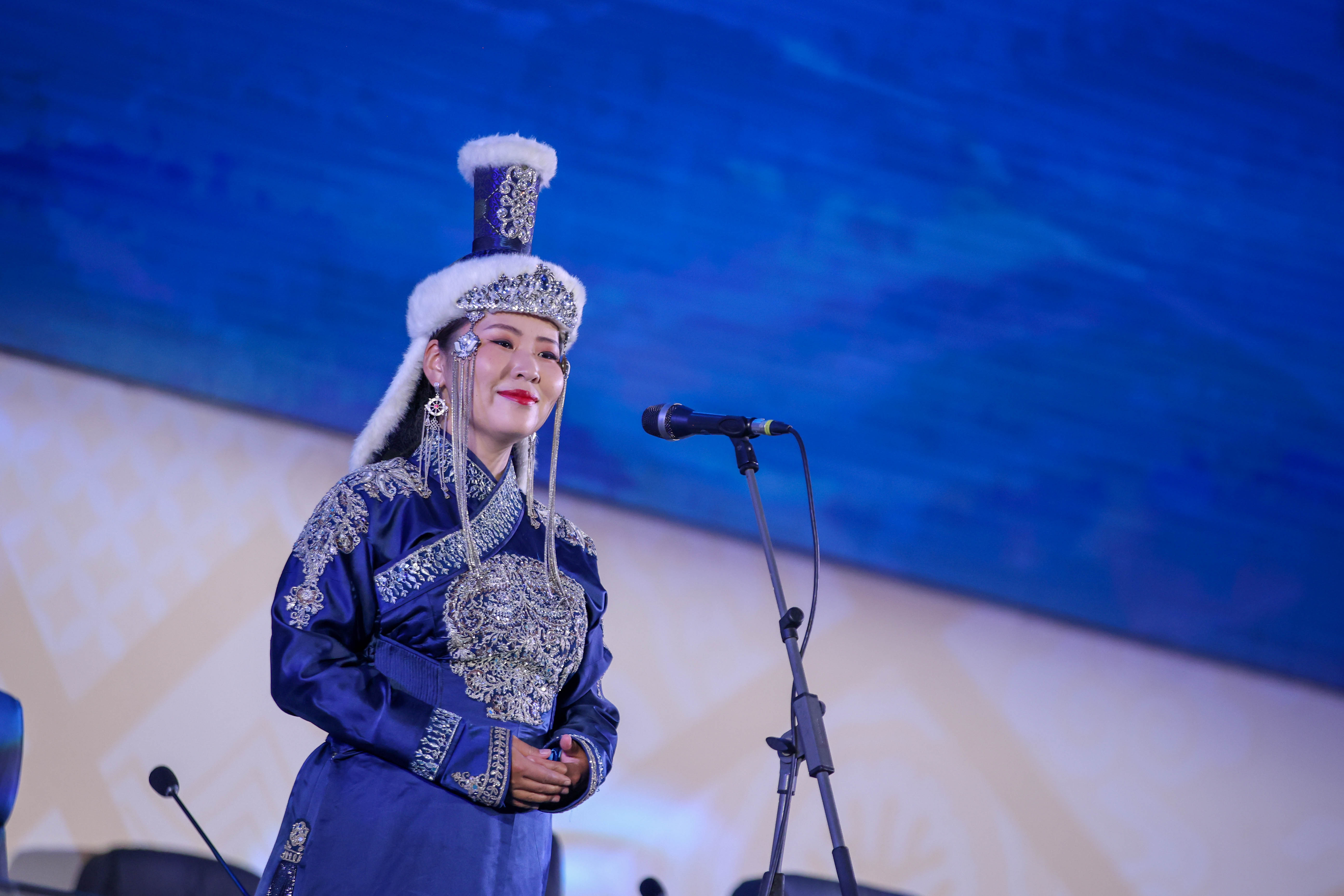
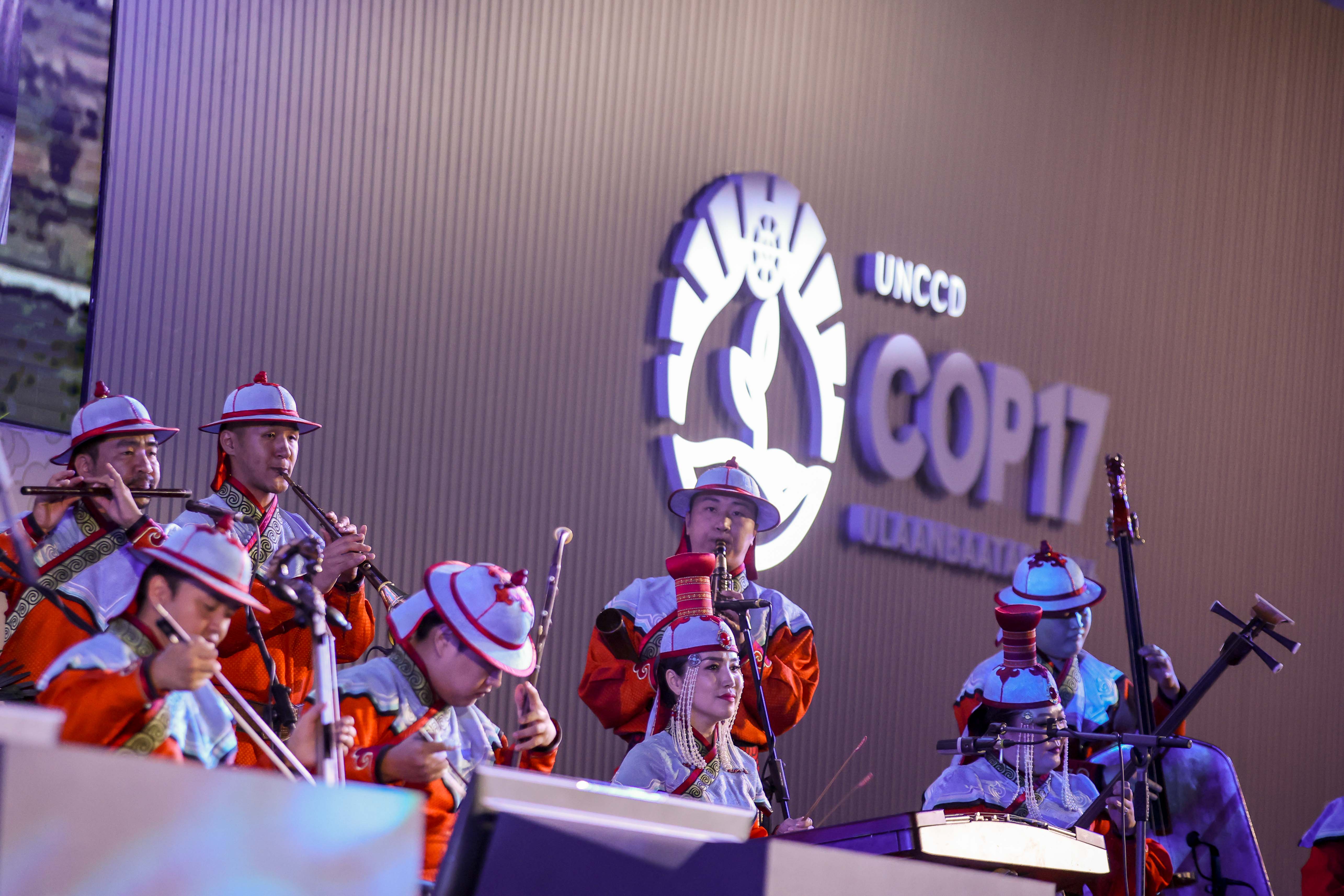
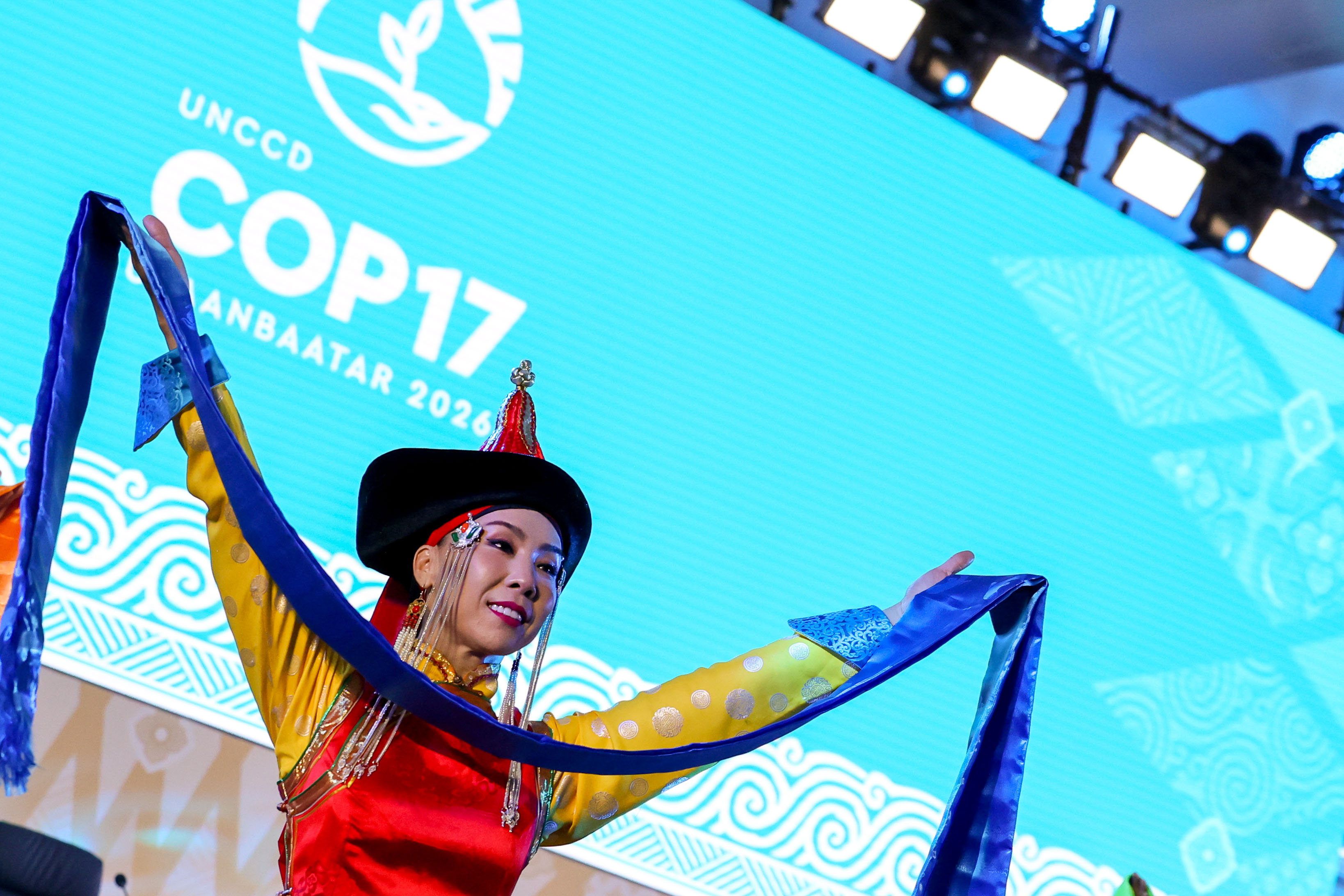
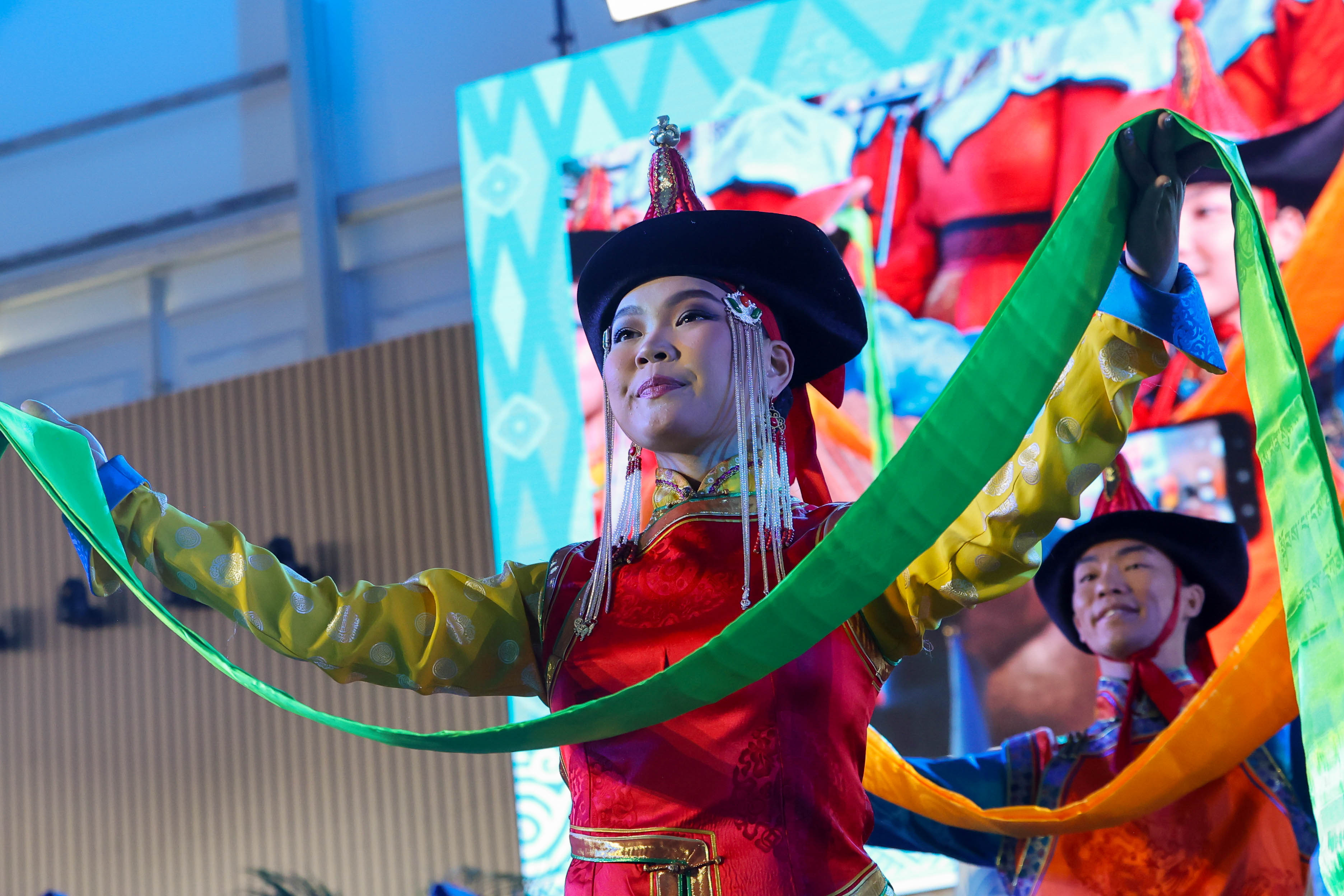
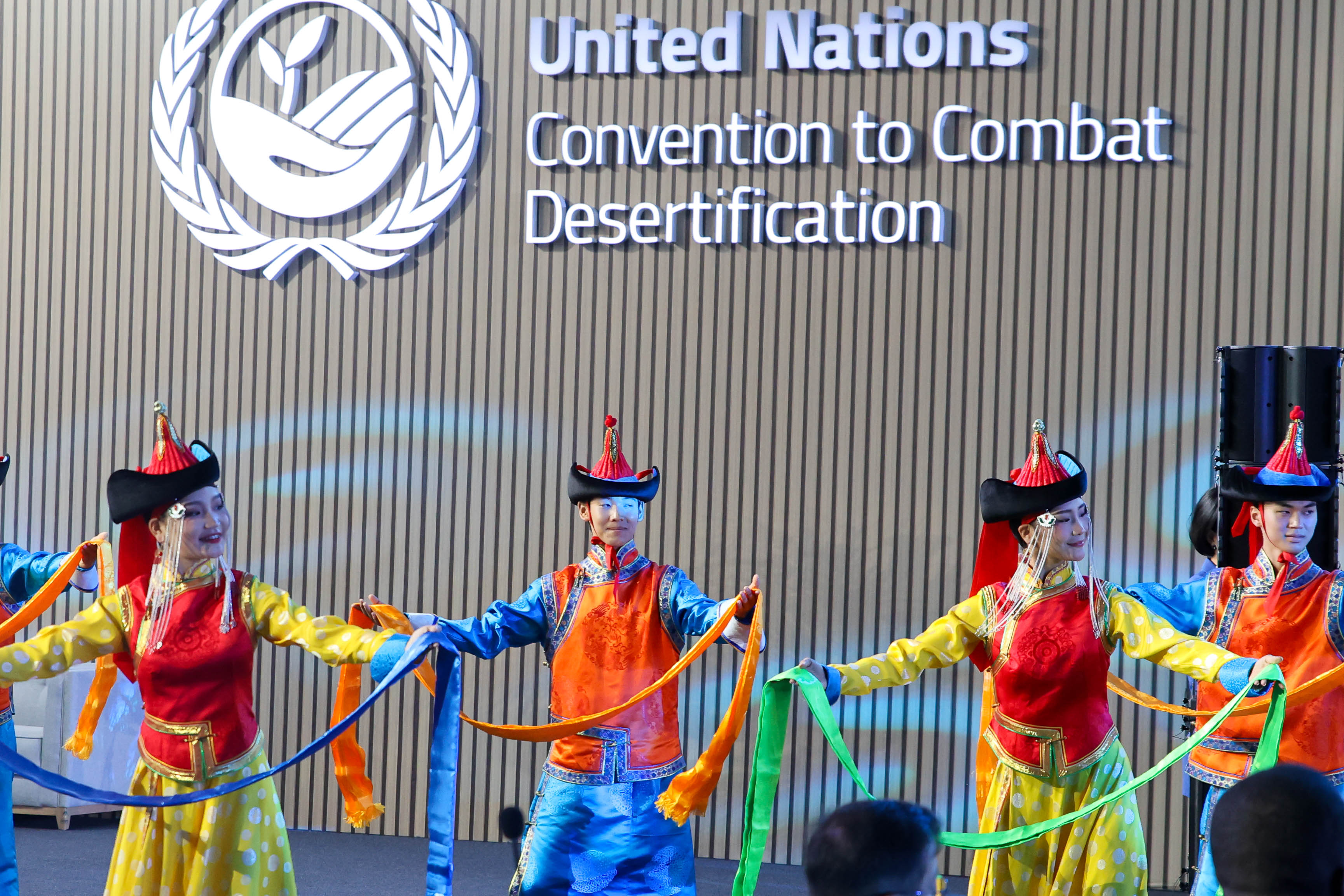
Opening Ceremony
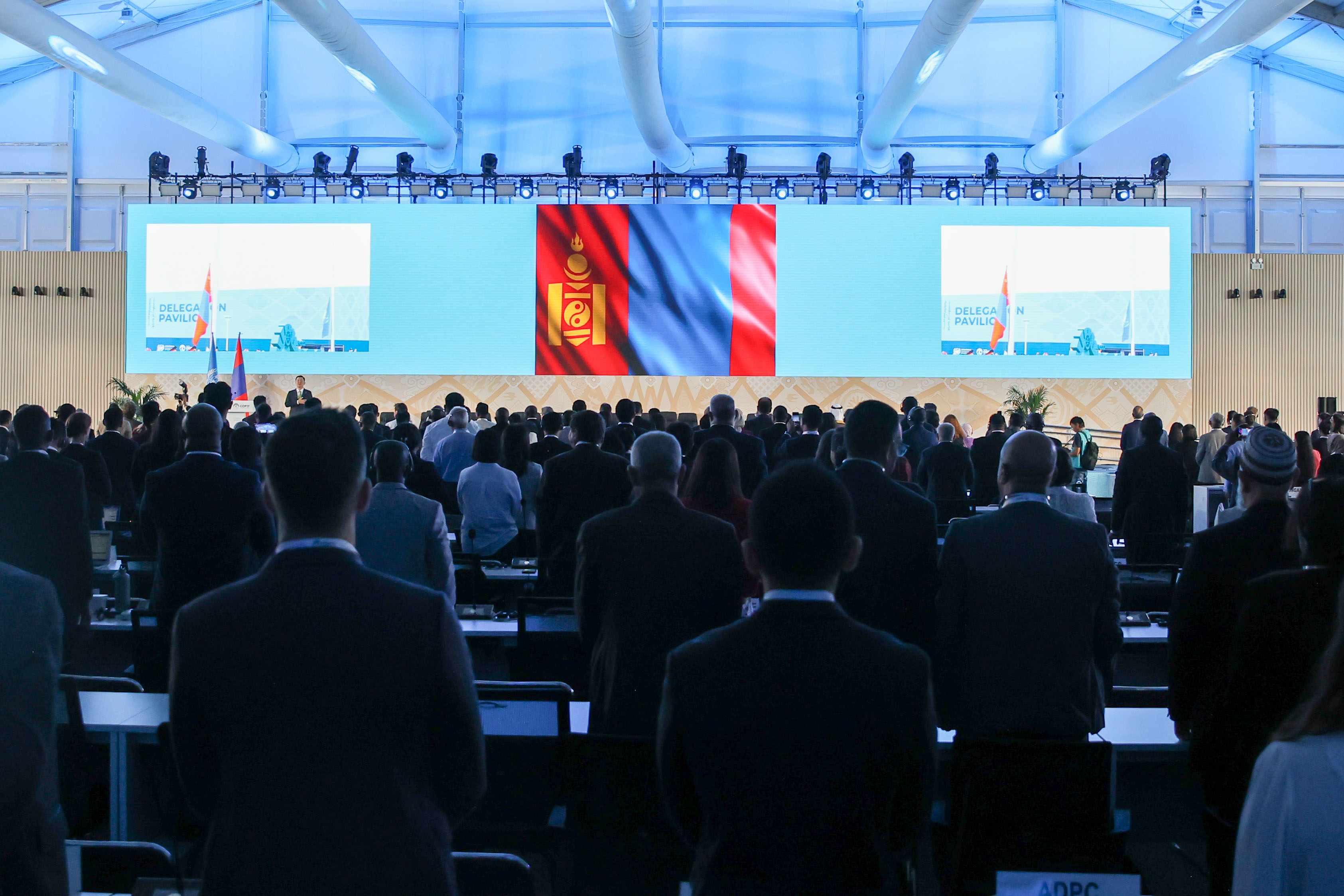
Participants stand for the national anthem of Mongolia.
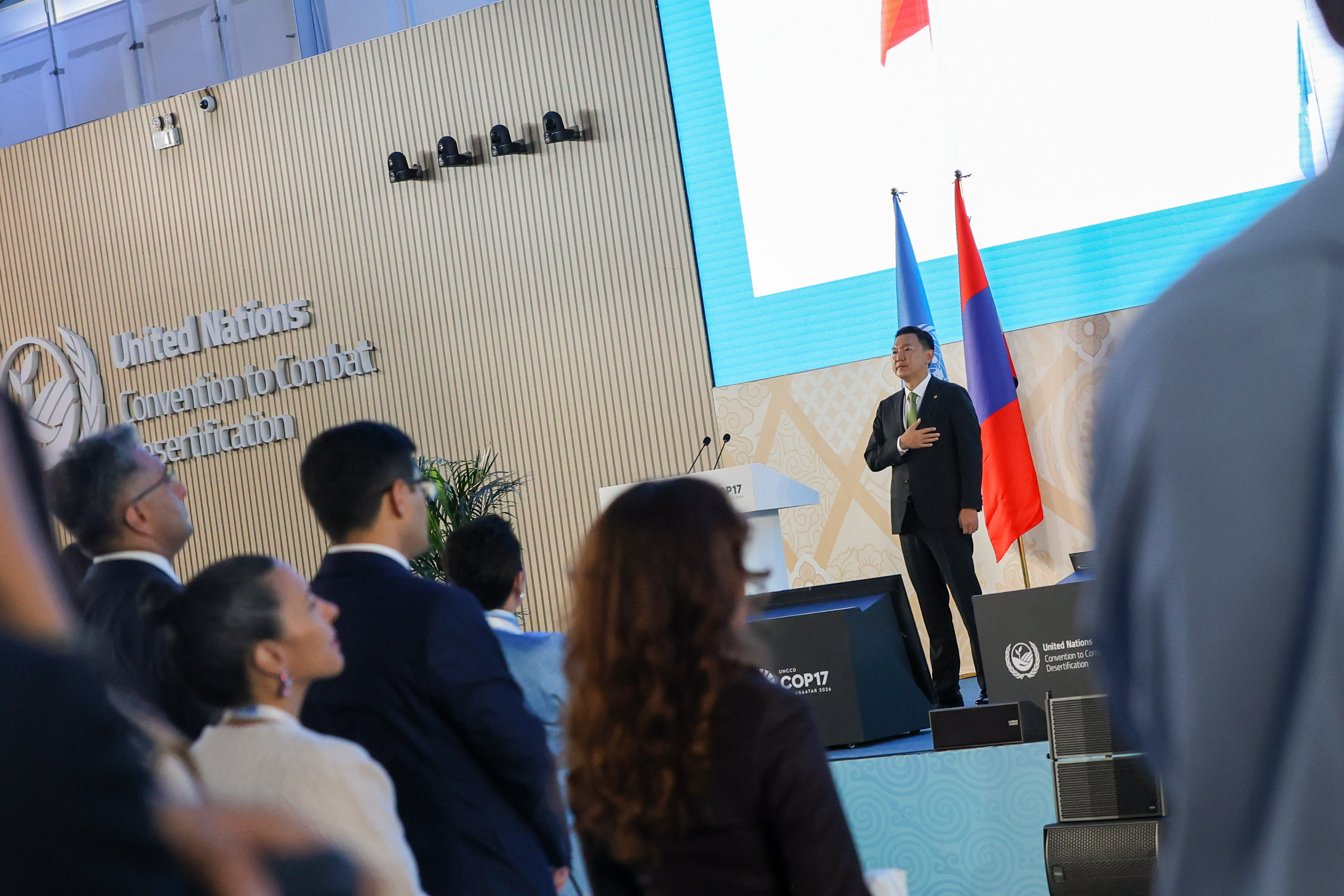
Nyam-Osoryn Uchral, Prime Minister of Mongolia, stands for the national anthem.
Opening Plenary
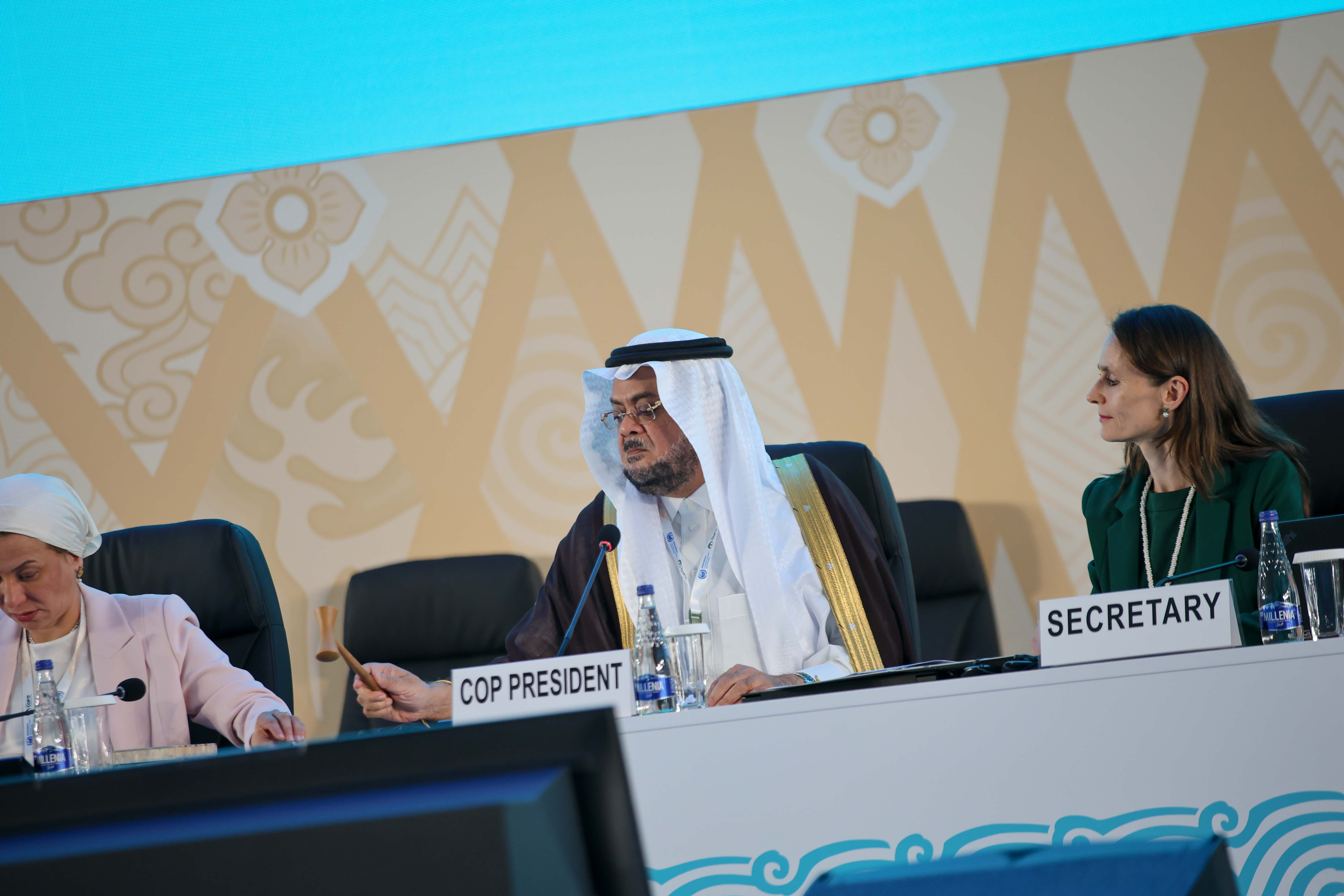
Osama Ibrahim Faqeeha, Deputy Minister for Environment at the Ministry of Environment, Water and Agriculture, Saudi Arabia, and Advisor to the UNCCD COP 16 Presidency, opens the COP 17 plenary.
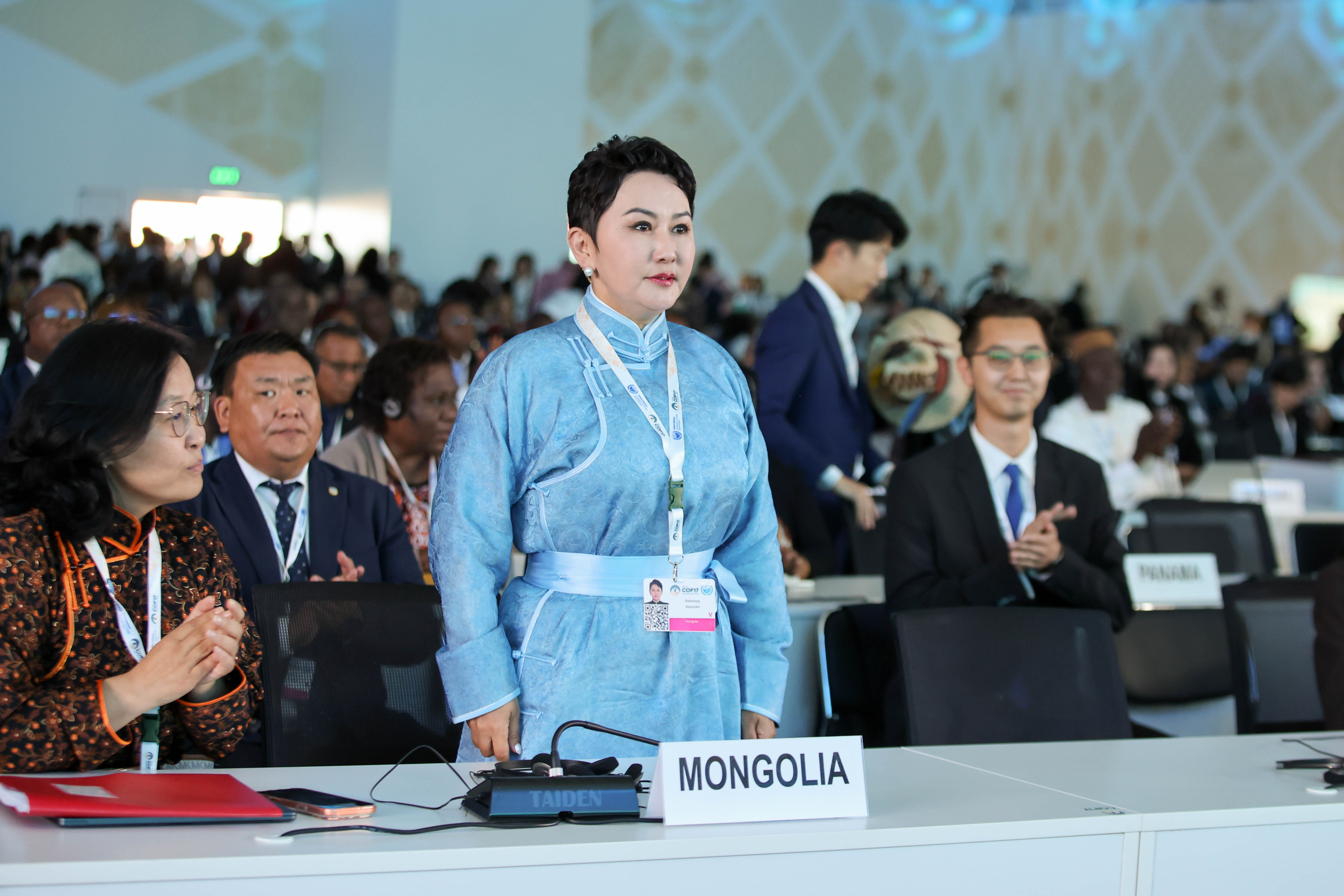
Batmunkh Battsetseg, Minister of Foreign Affairs, Mongolia, is elected President of COP 17.
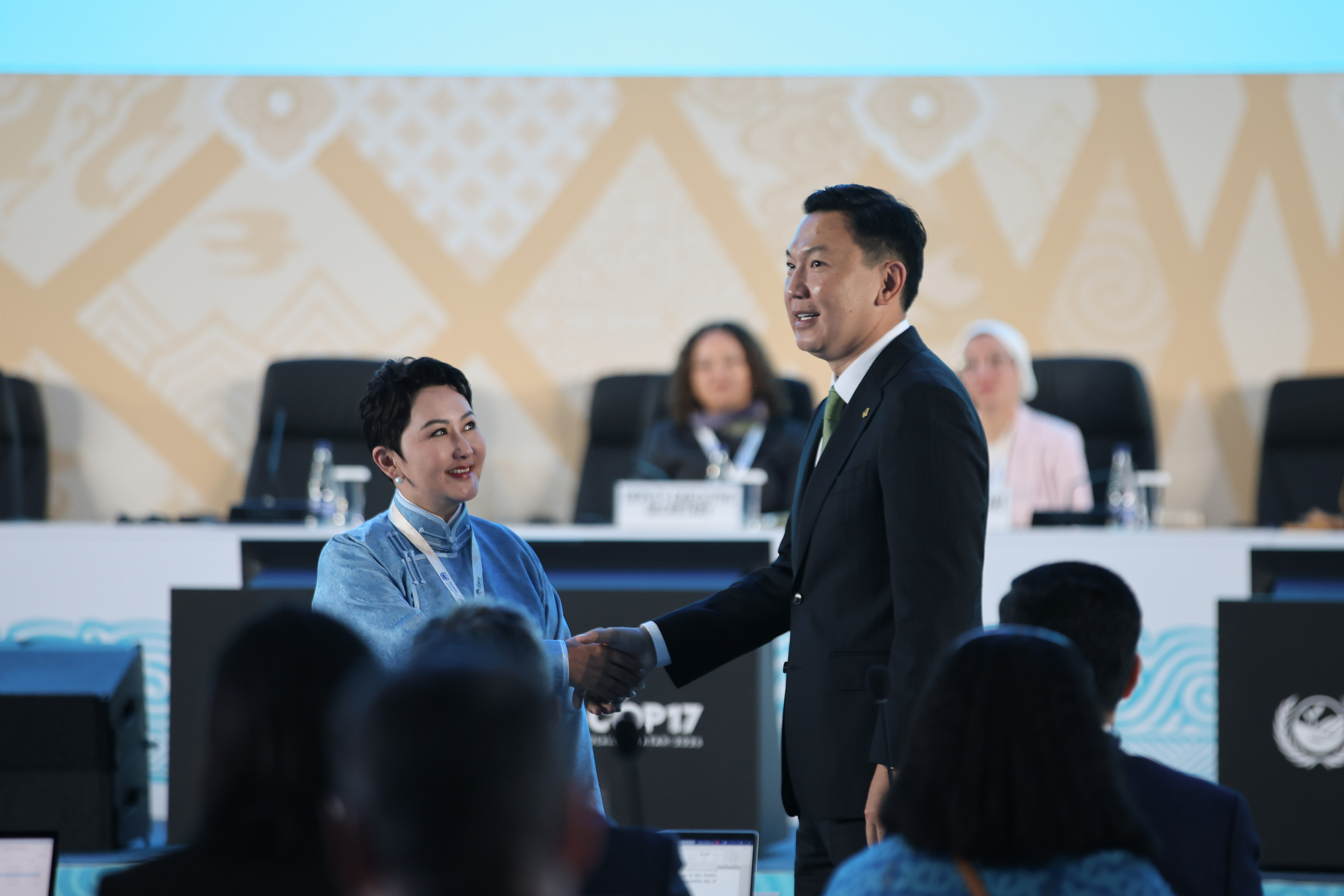
Batmunkh Battsetseg, newly elected President of COP 17, is congratulated by Nyam-Osoryn Uchral, Prime Minister of Mongolia.
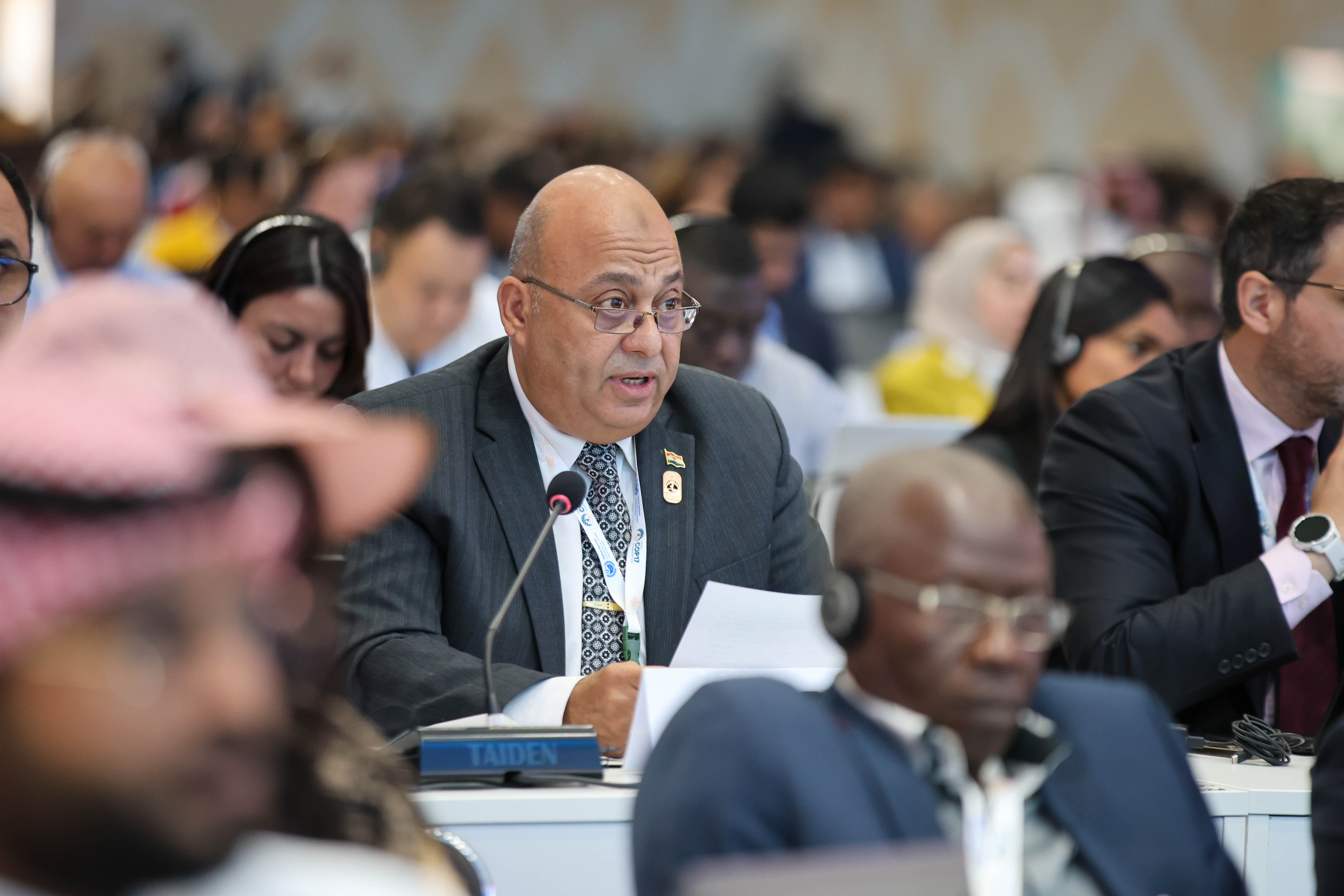
Ahmed Ali Abdelati Ahmed, Egypt, on behalf of the League of Arab States
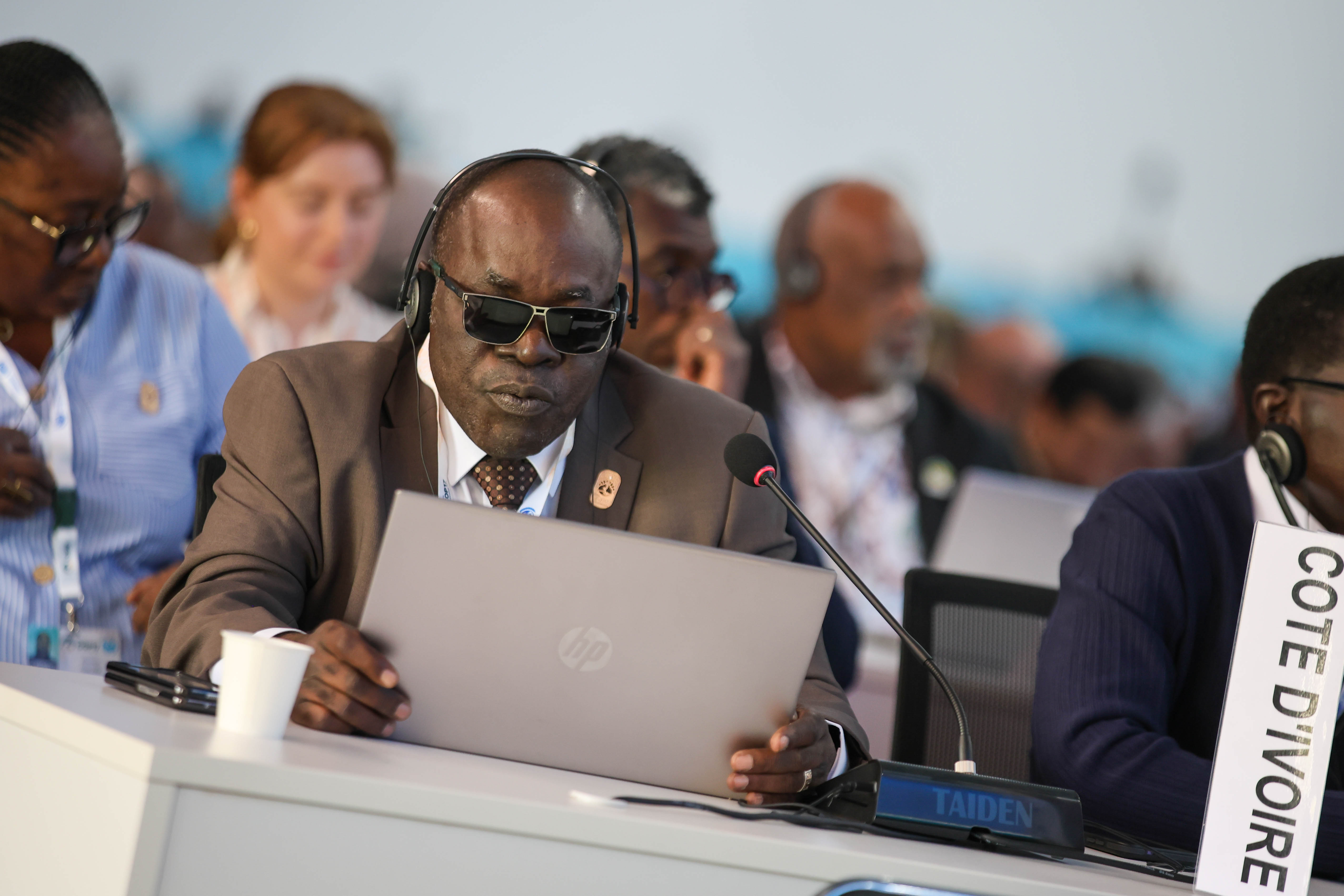
Jean Kouakou Kouadio, Côte d'Ivoire, on behalf of the African Group
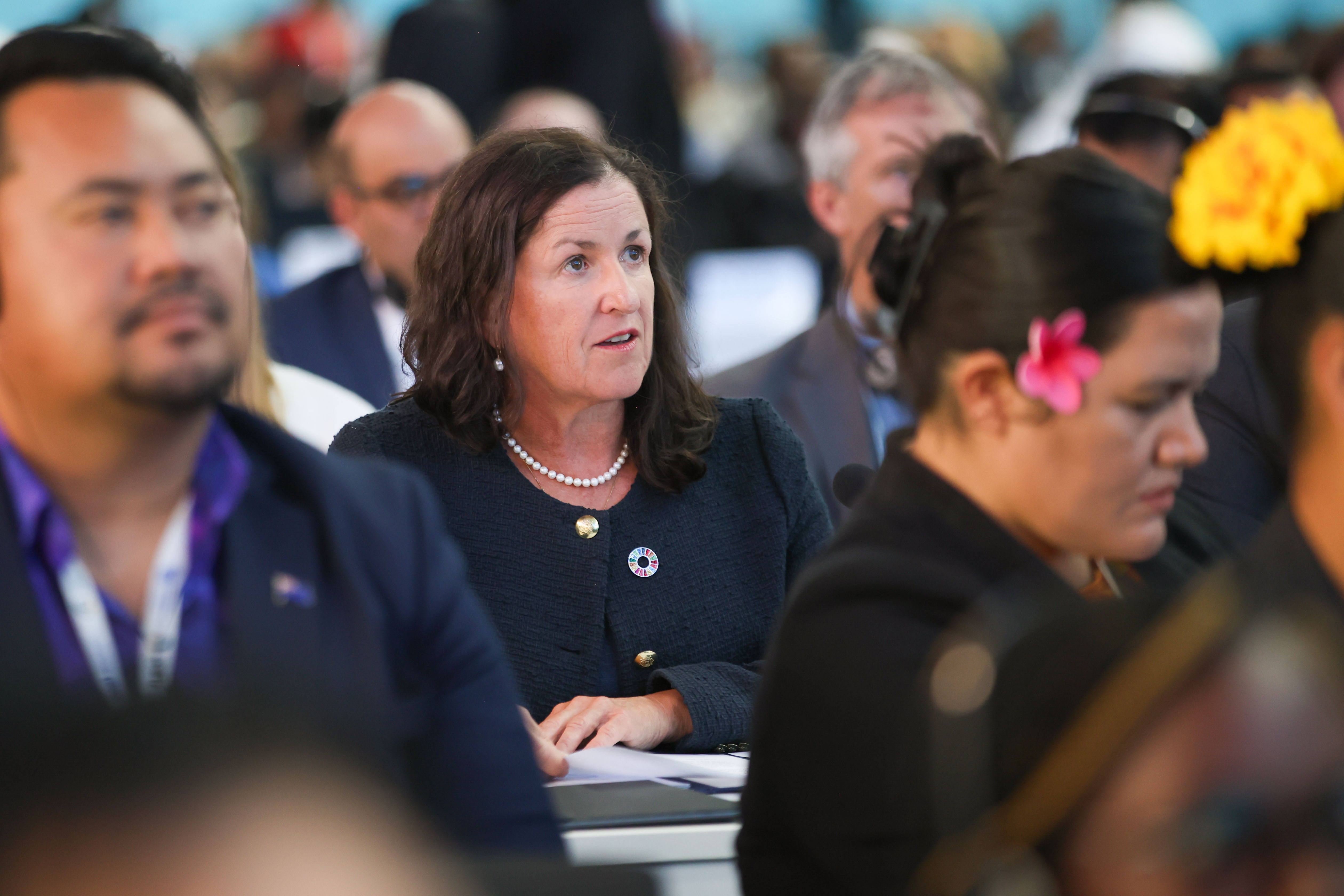
Oonagh Buckley, Ireland, on behalf of the EU
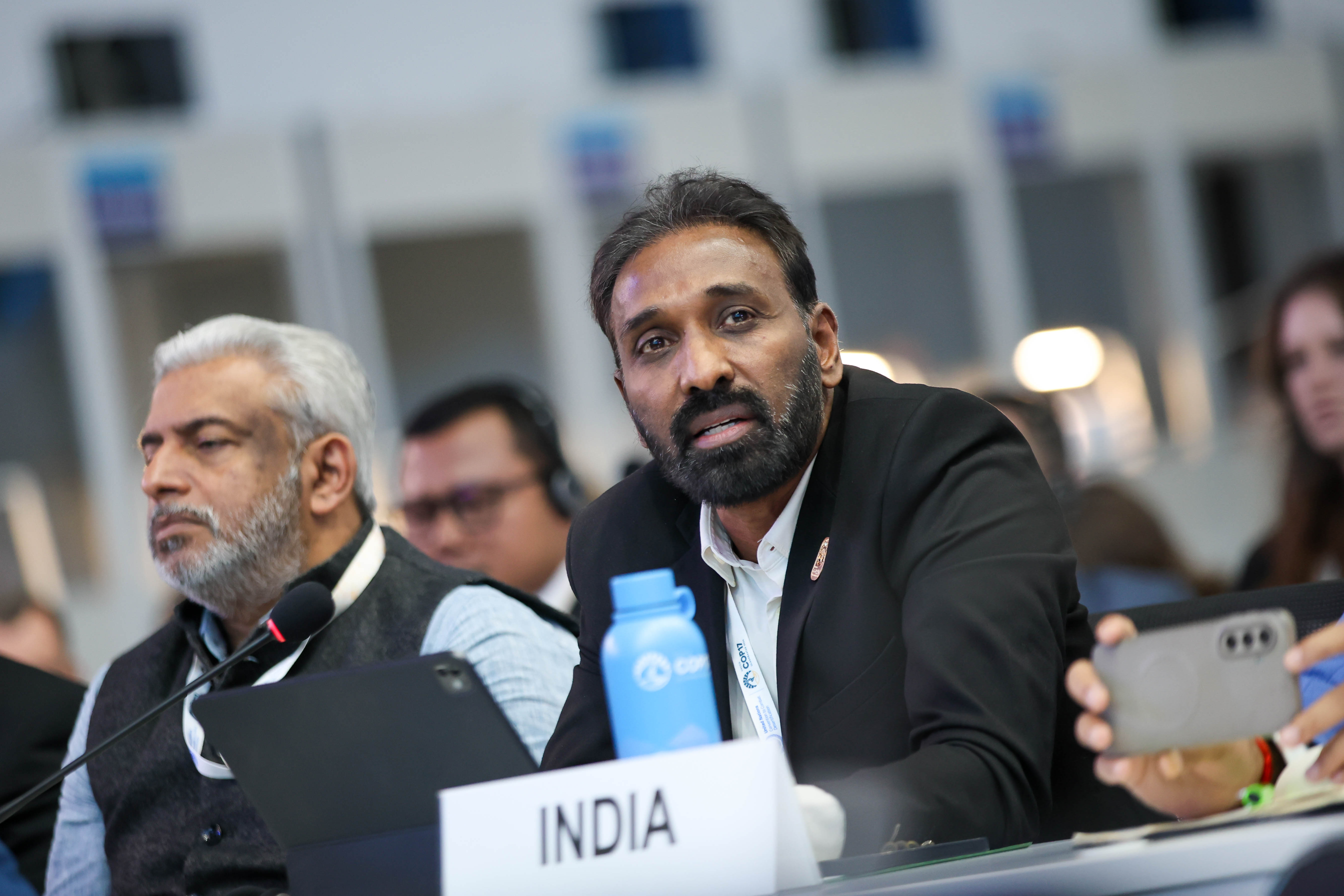
Clement Viswanathan, India, on behalf of the Asia Pacific Group
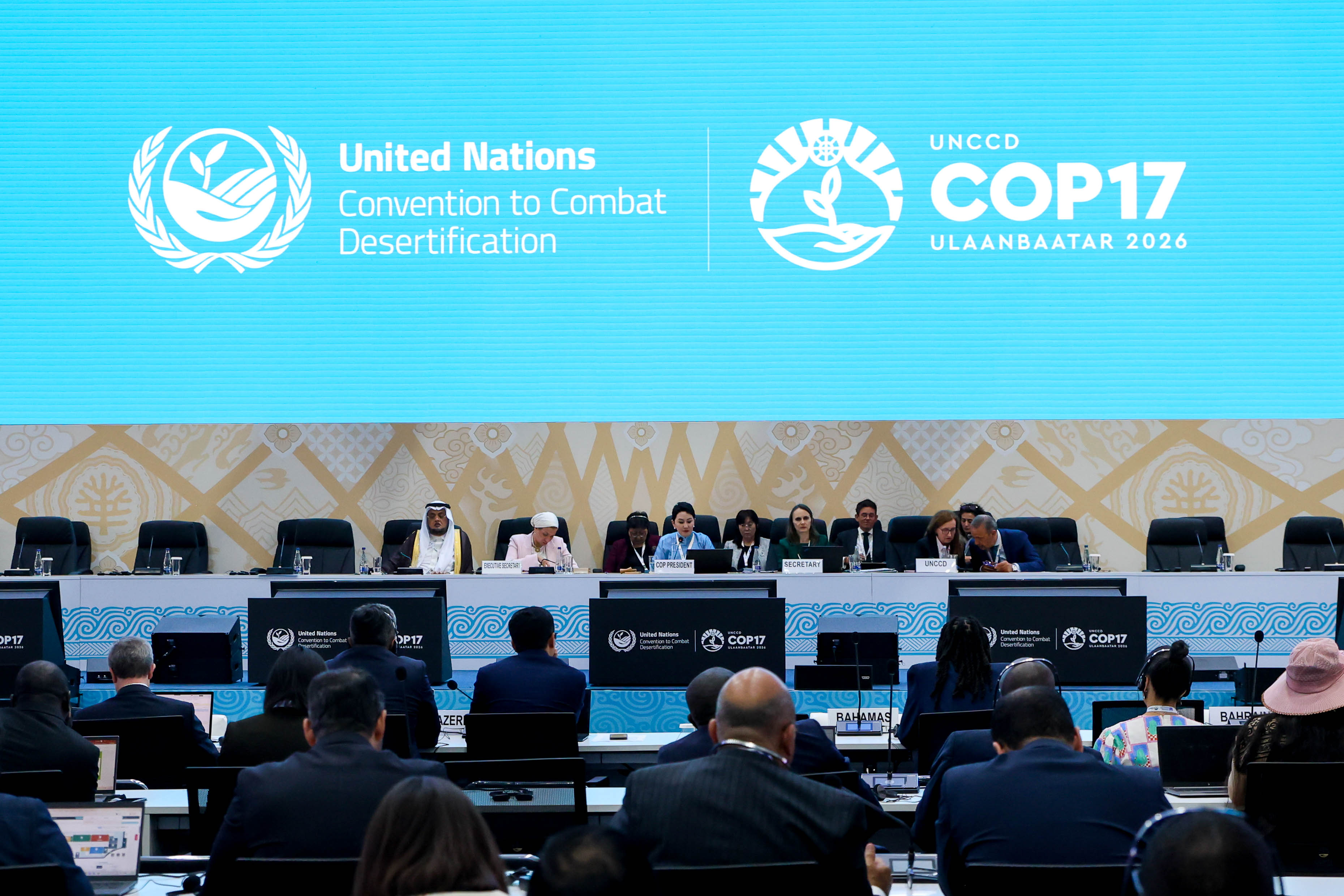
A view of the dais
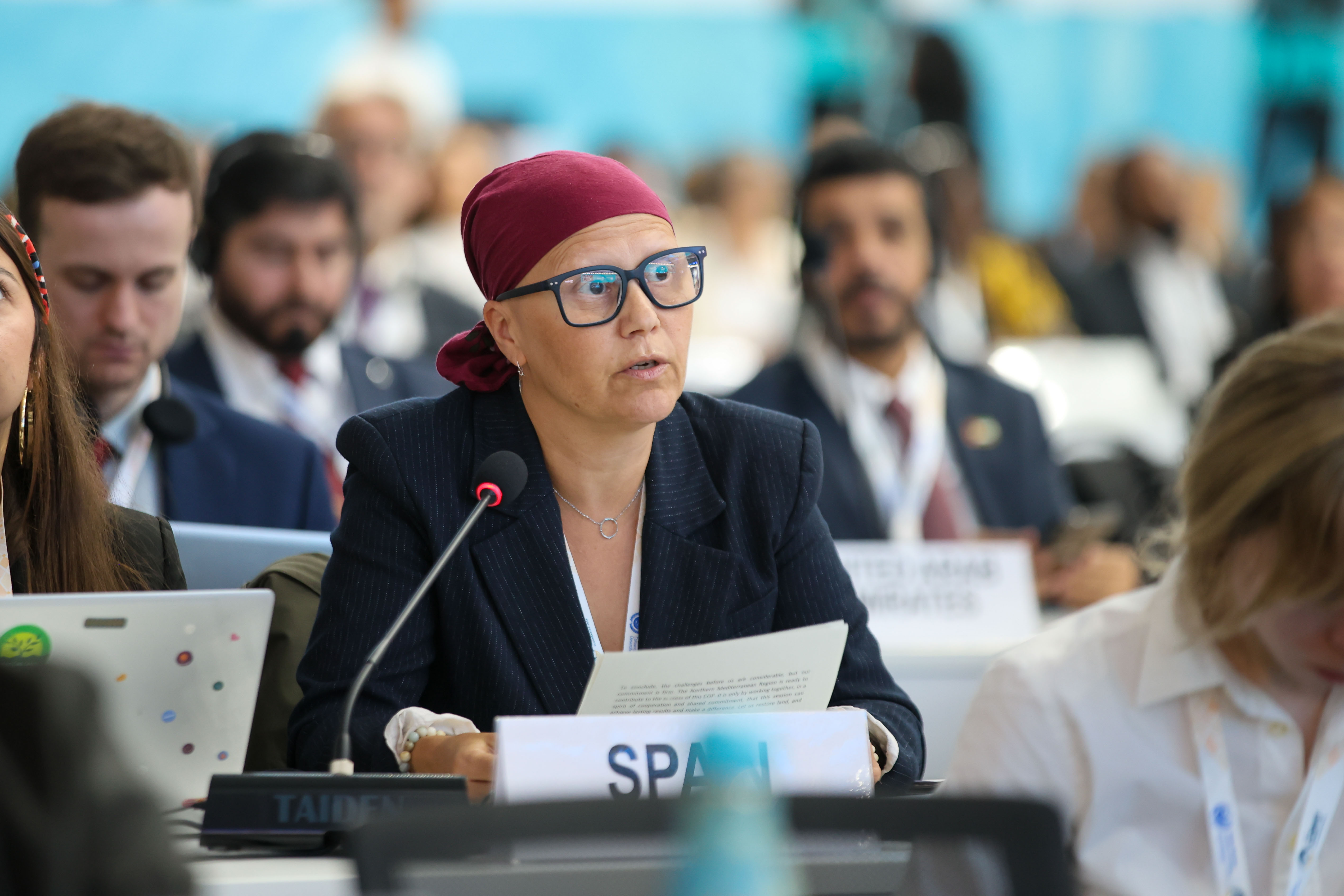
Elsa Enríquez, Spain, on behalf of the Implementation Annex for the Northern Mediterranean
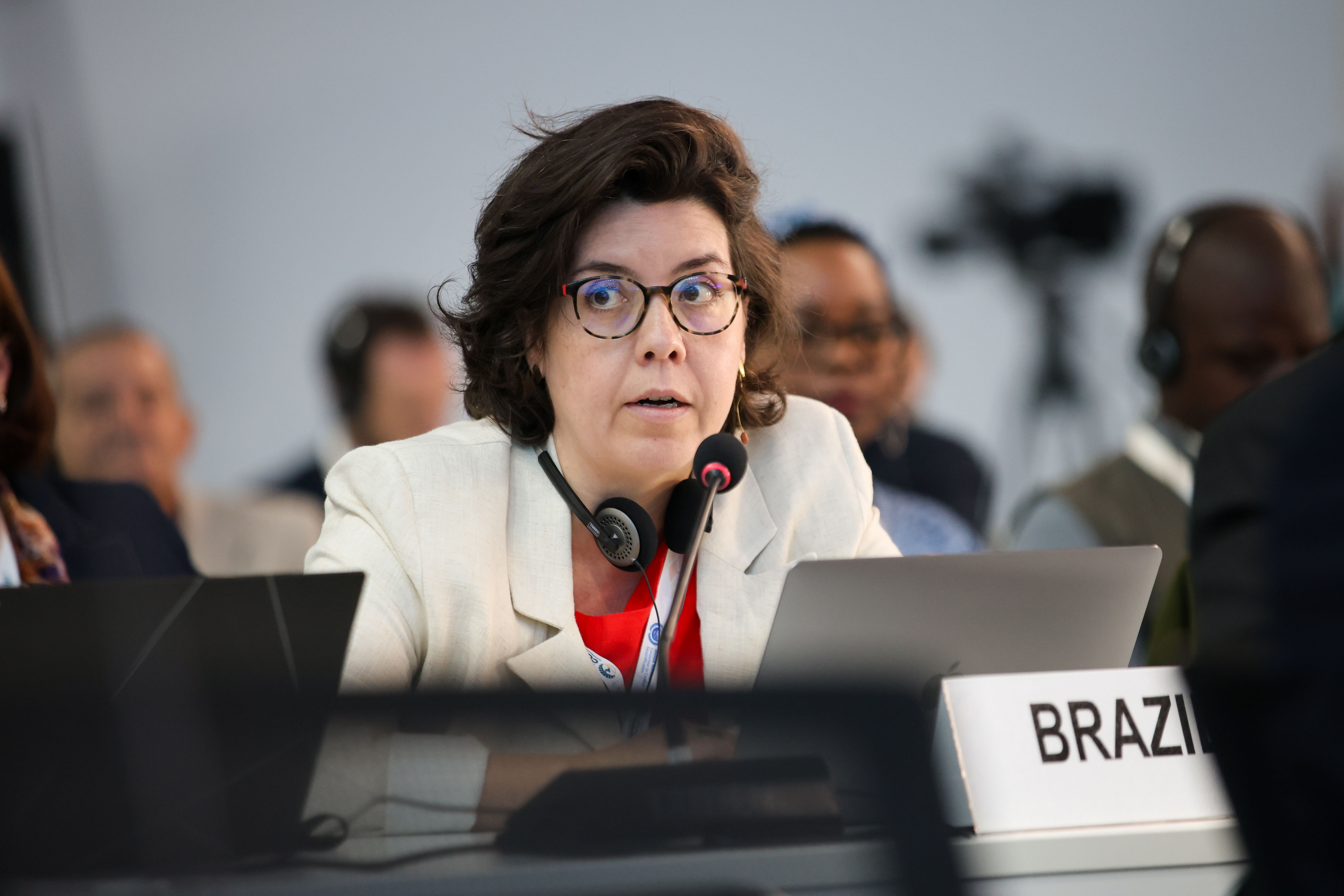
Carolina Hippolito Von Der Weid, Brazil
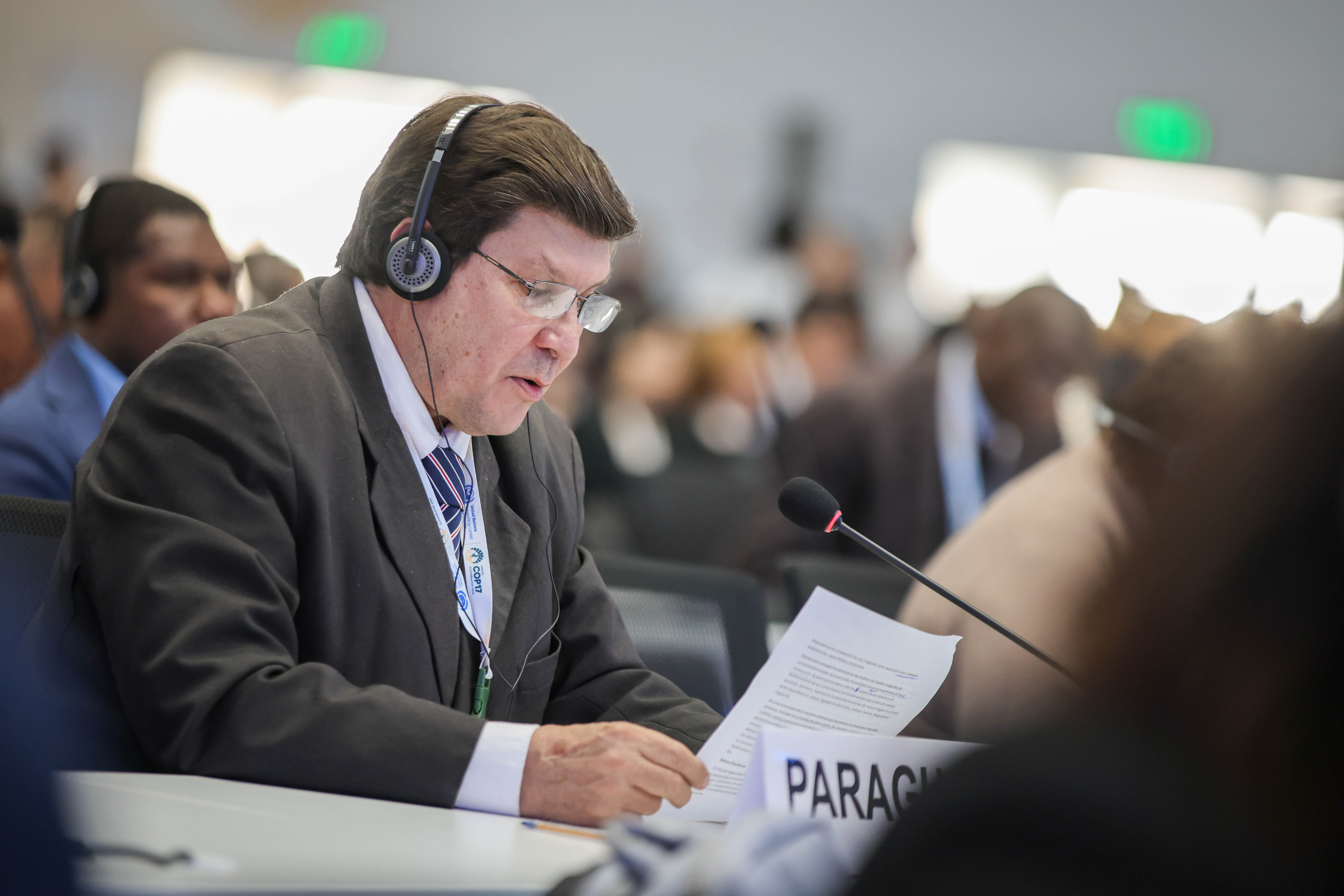
Juan Darío Mandelburger González, Paraguay, on behalf of the Latin American and Caribbean Group
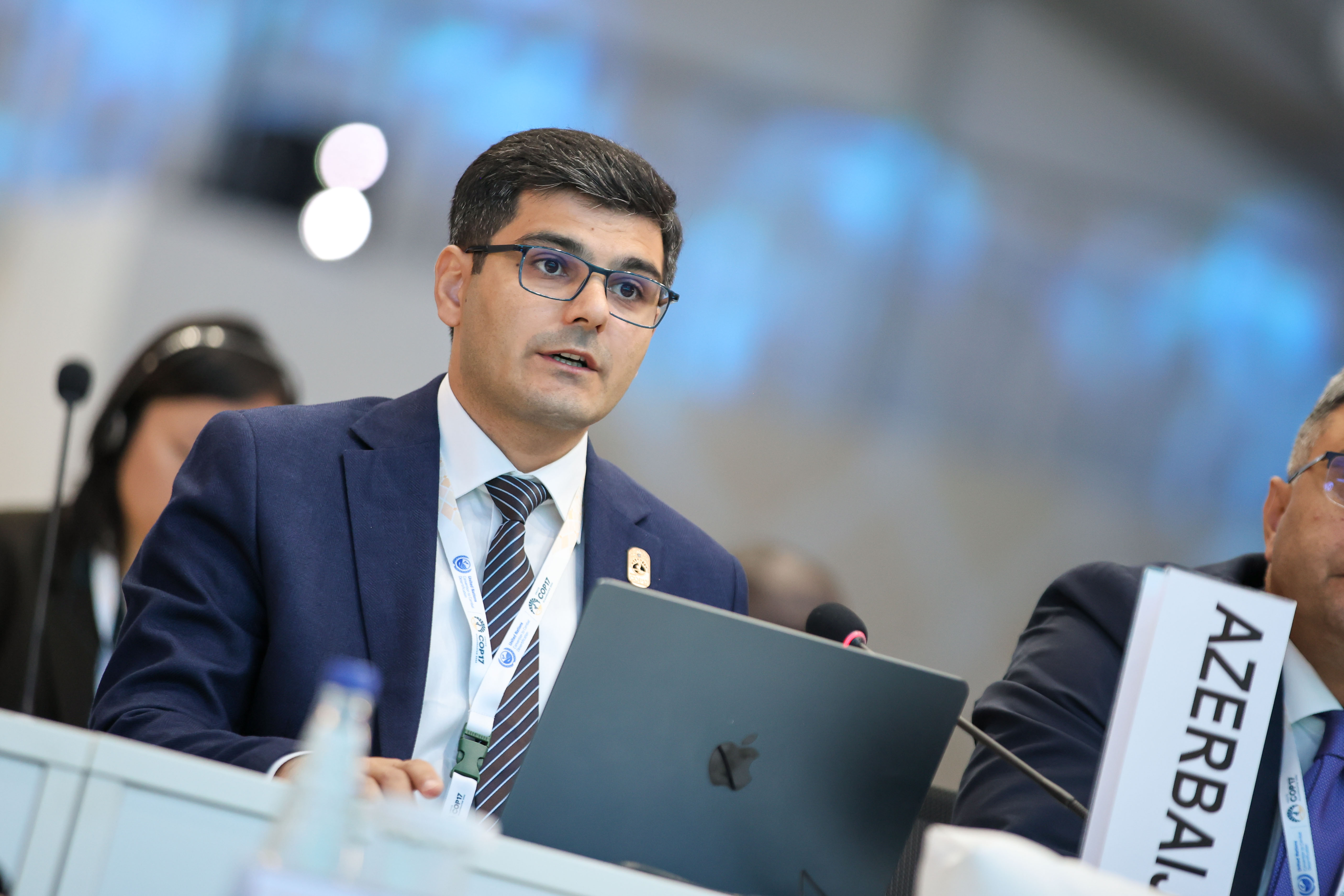
Toghrul Feyziyev, Azerbaijan, on behalf of the Implementation Annex for Central and Eastern Europe
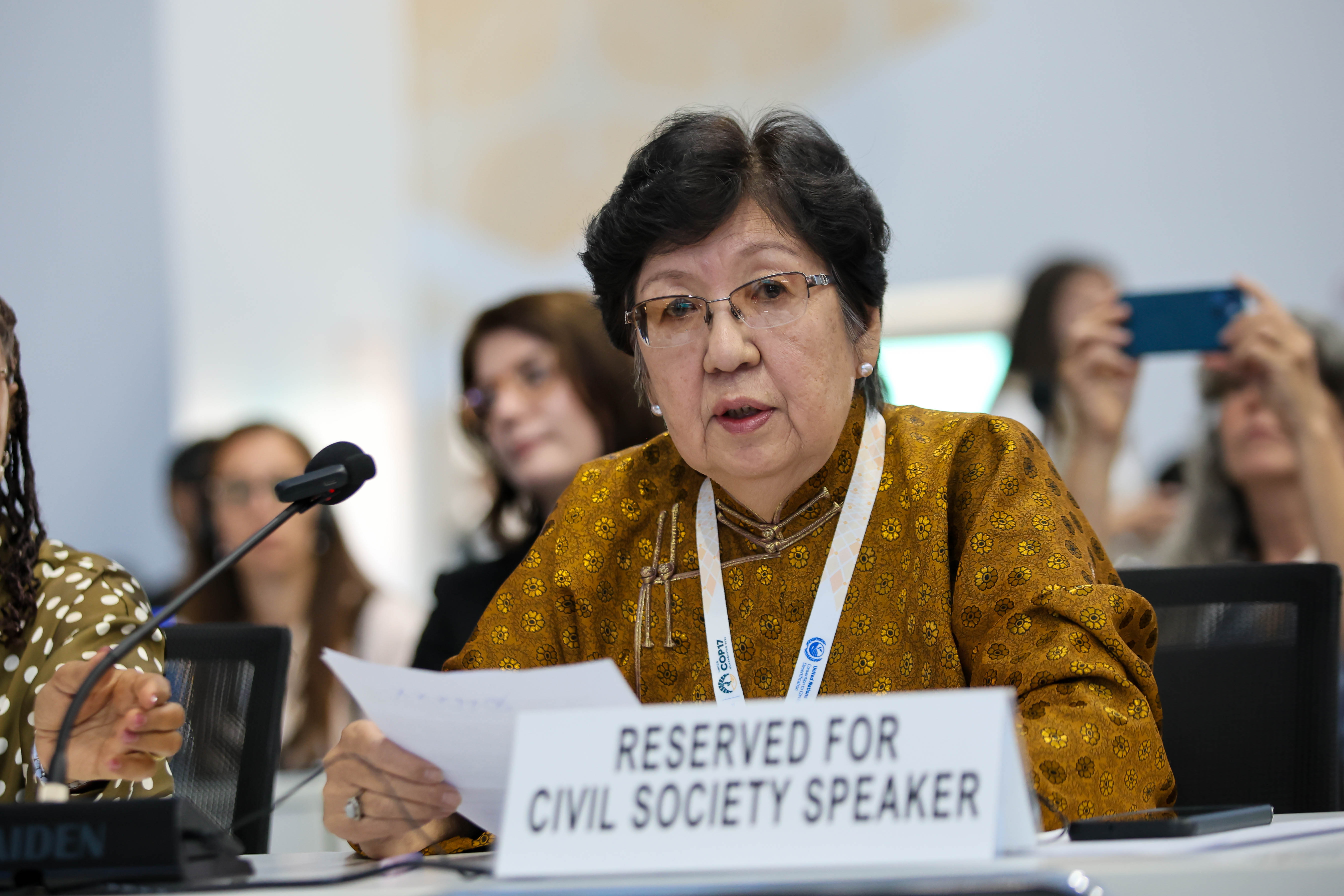
Onon Sodov, Mongolian Association of Elderly People, on behalf of Civil Society Organizations
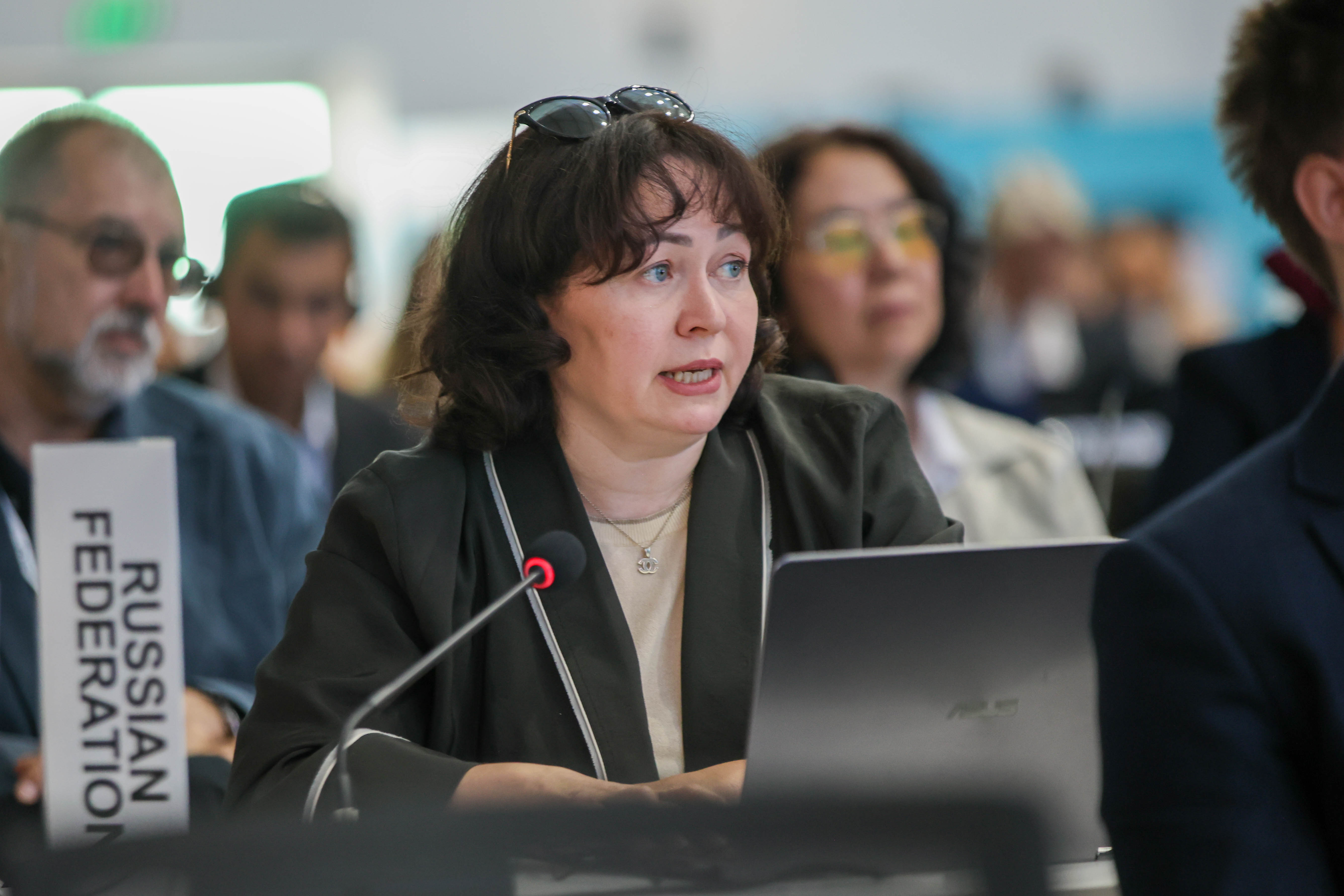
Inna Romanchenko, Russian Federation
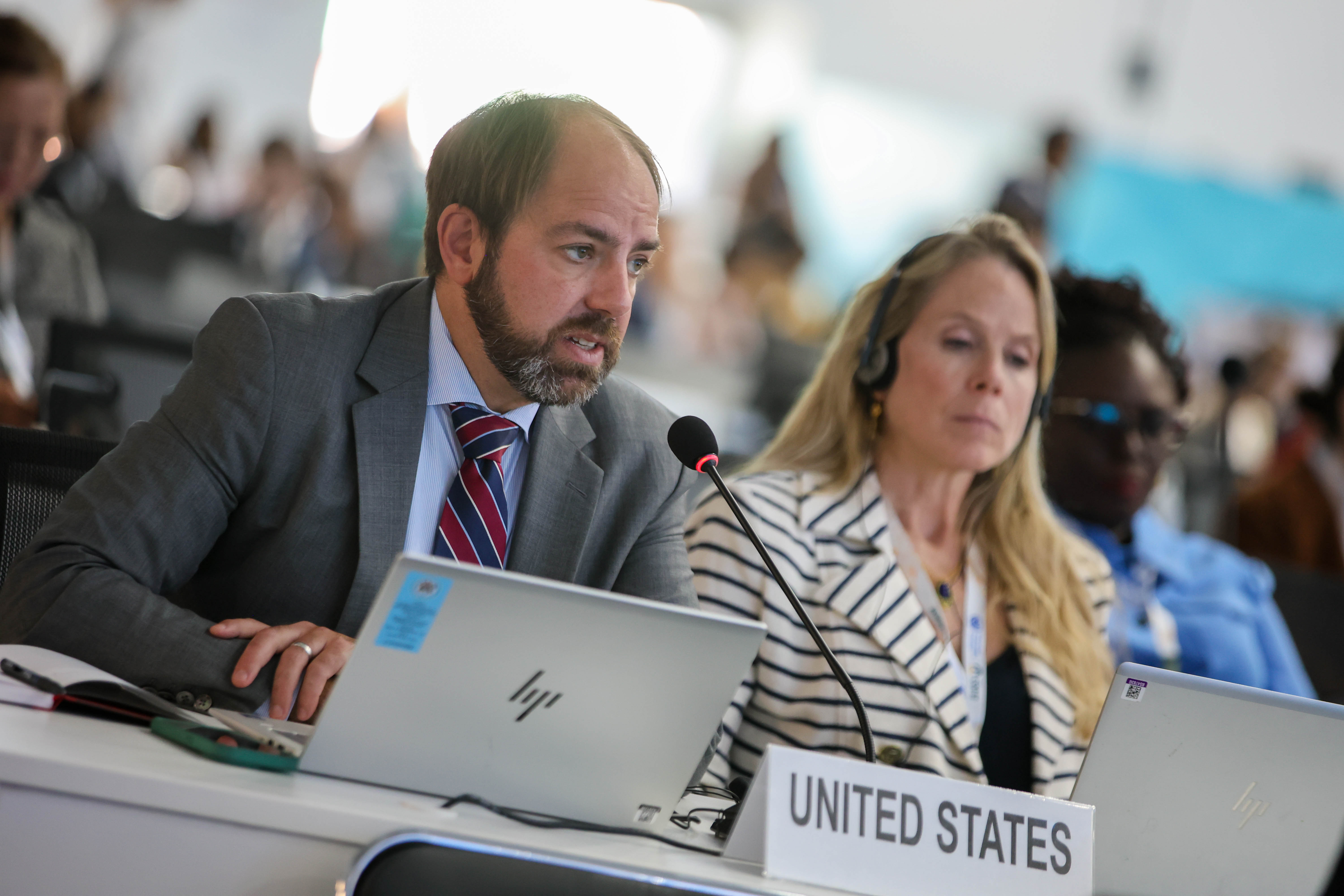
Patrick Reilly, US
Committee for the Review of the Implementation of the Convention (CRIC)
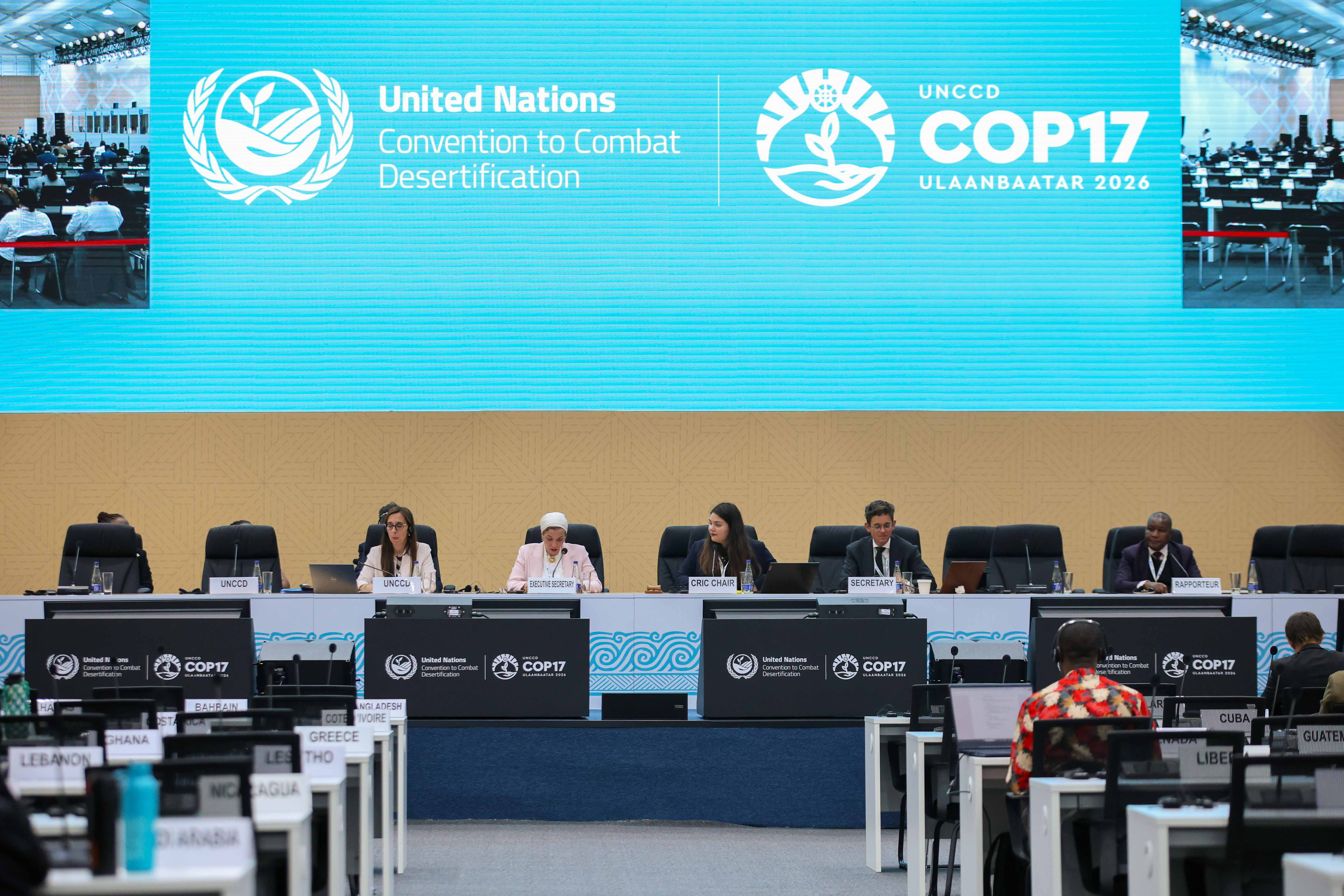
A view of the dais
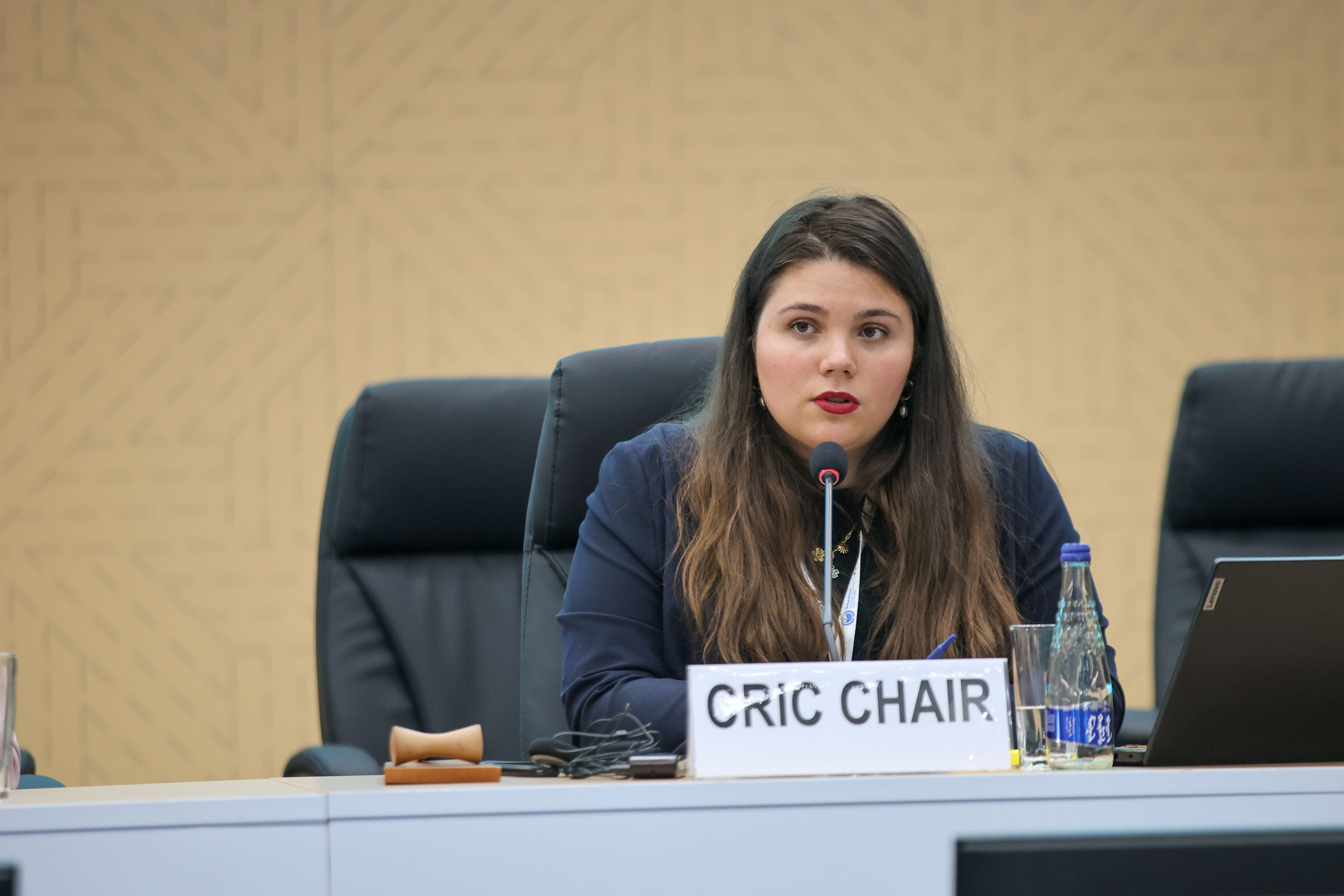
Philippine Dutailly, CRIC Chair
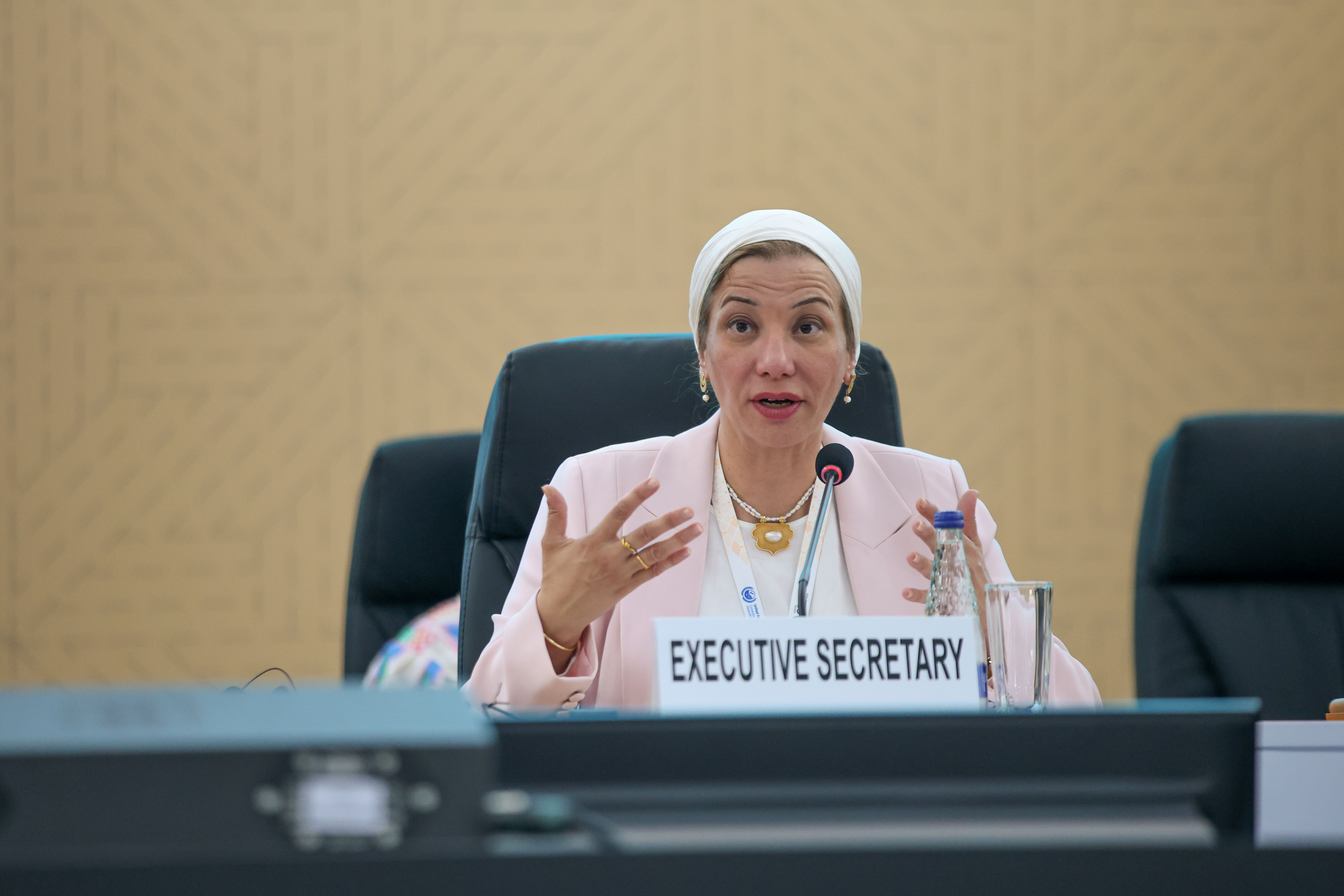
Yasmine Fouad, Executive Secretary, UNCCD
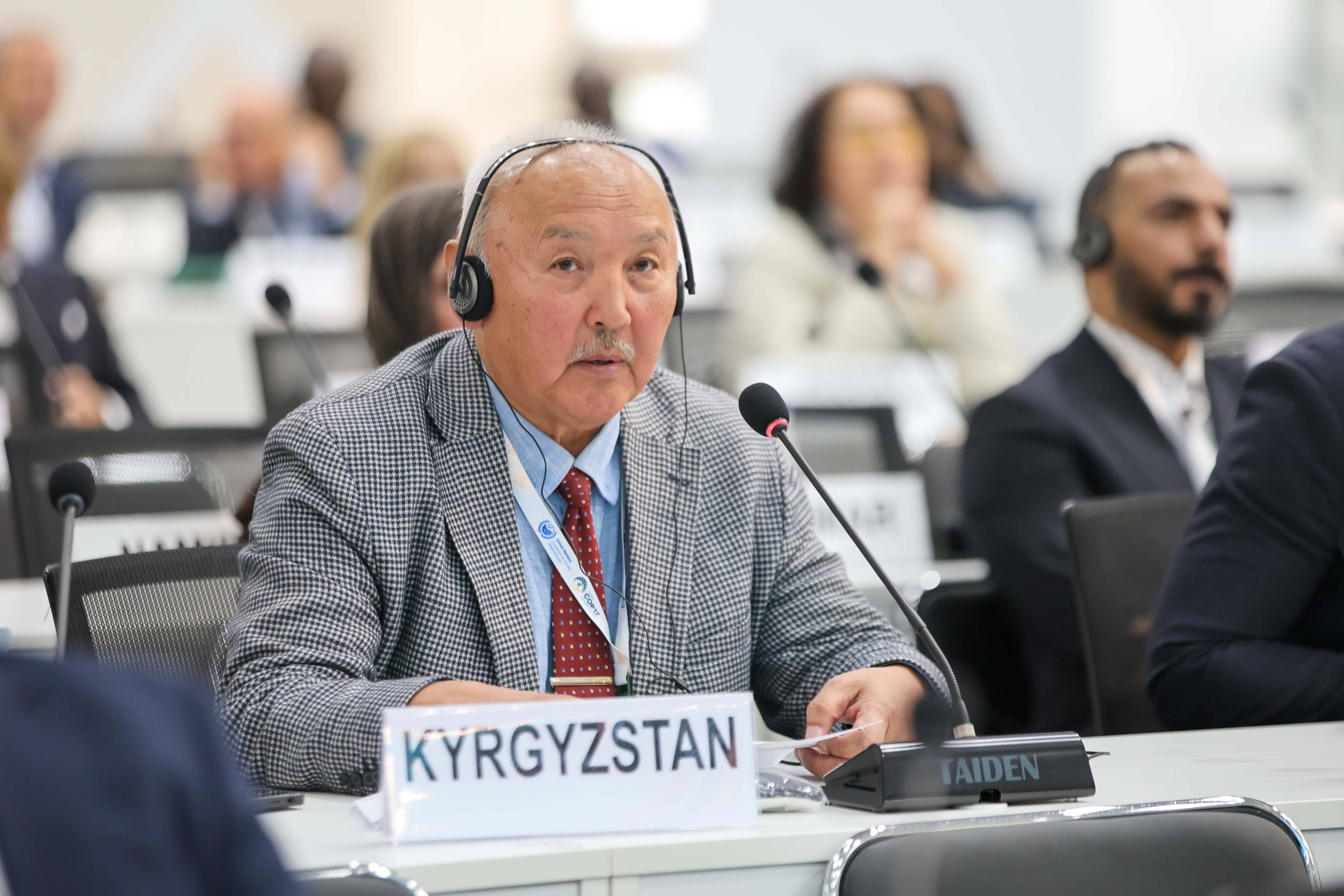
Rysbek Apasov, Kyrgyzstan
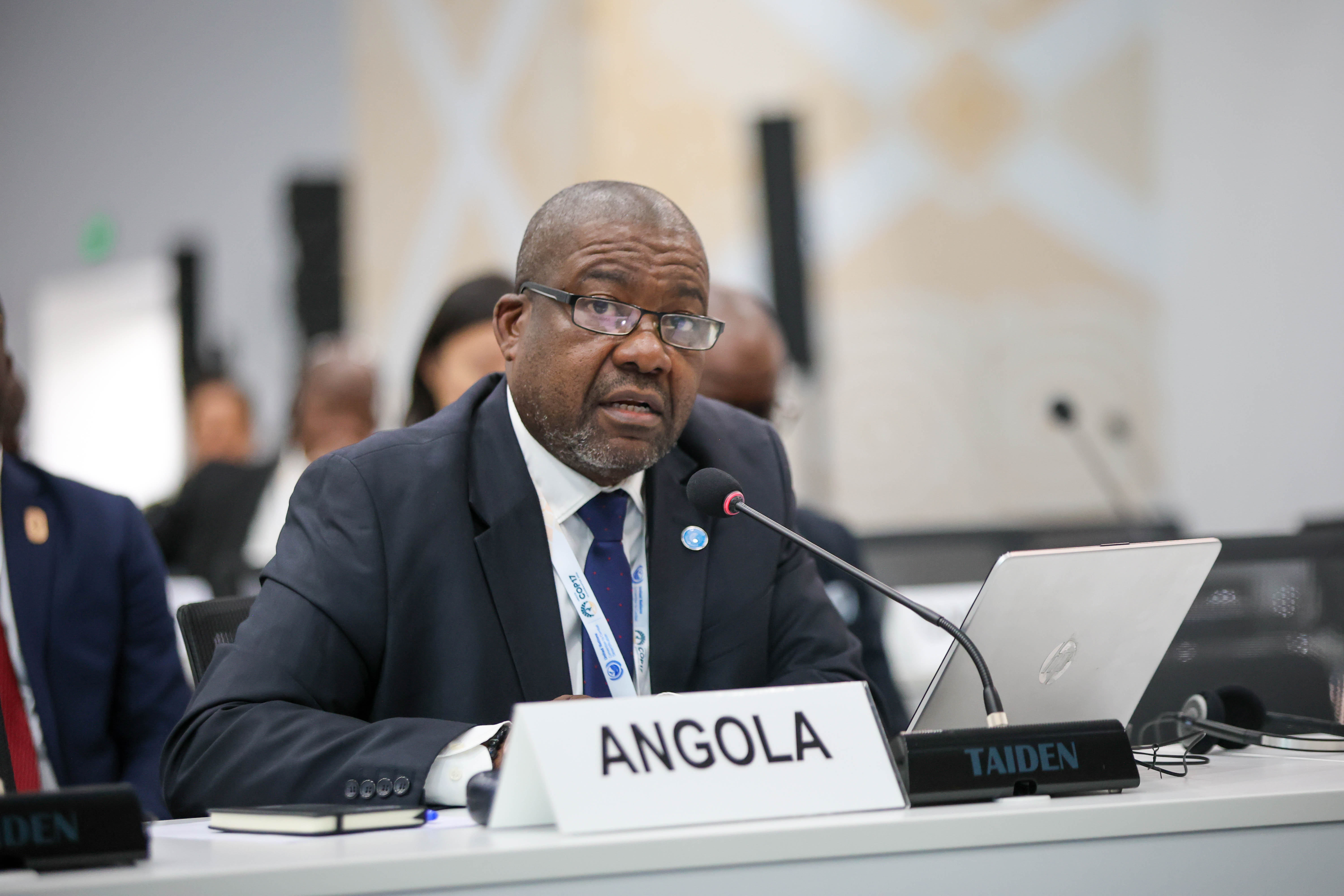
Luis Domingos Constantino, Angola
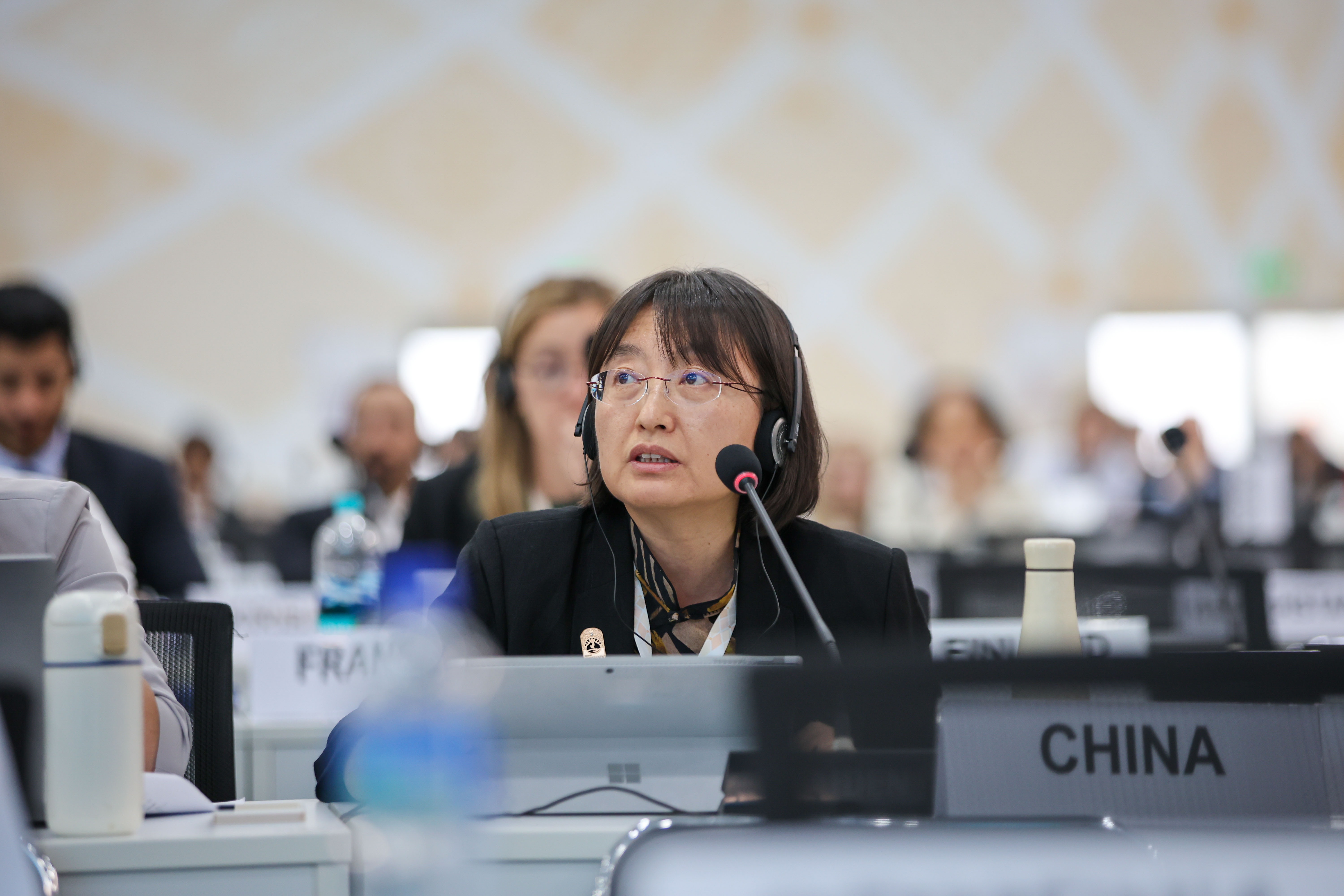
Xiaoxia Jia, China
Committee of the Whole (COW)
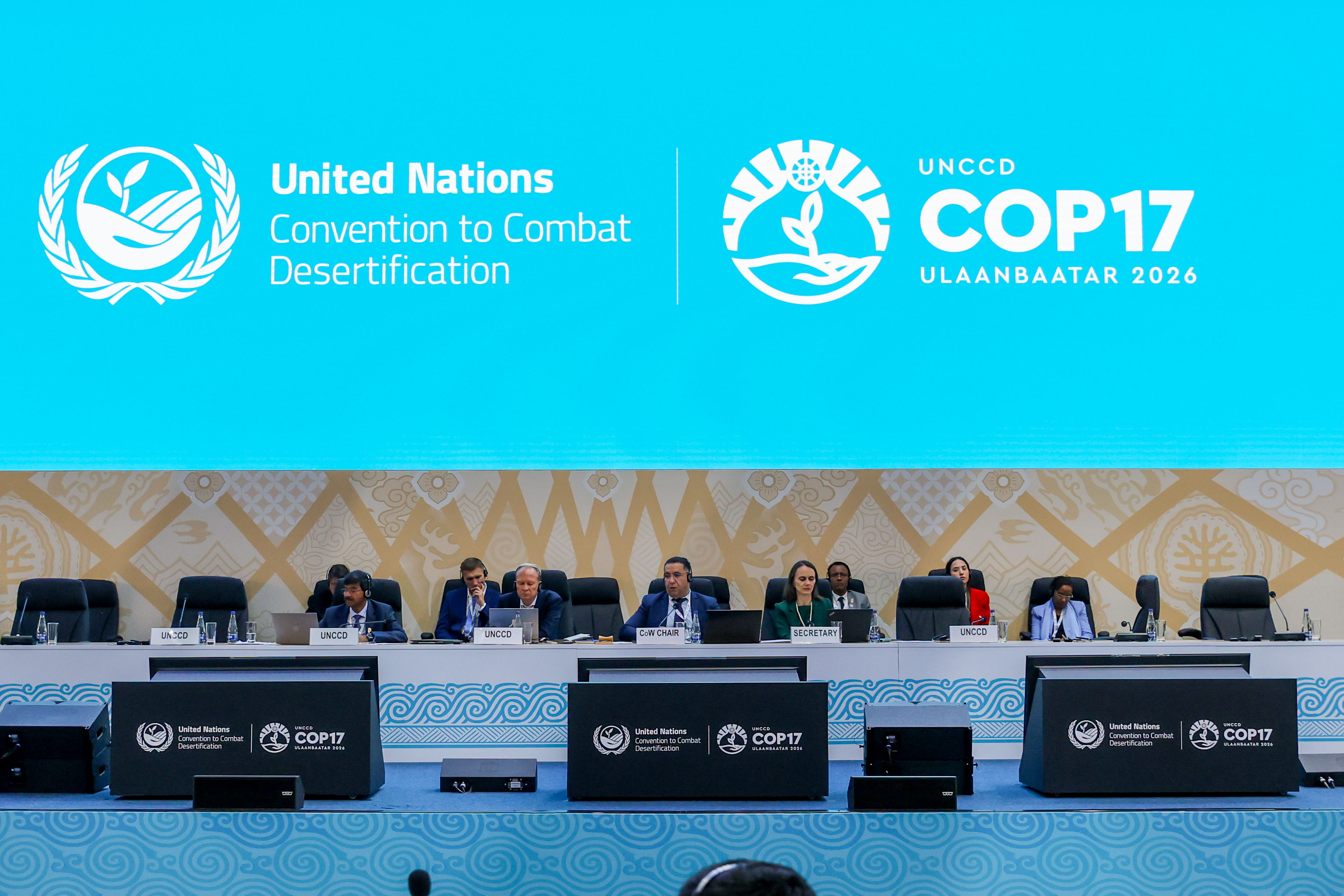
A view of the dais
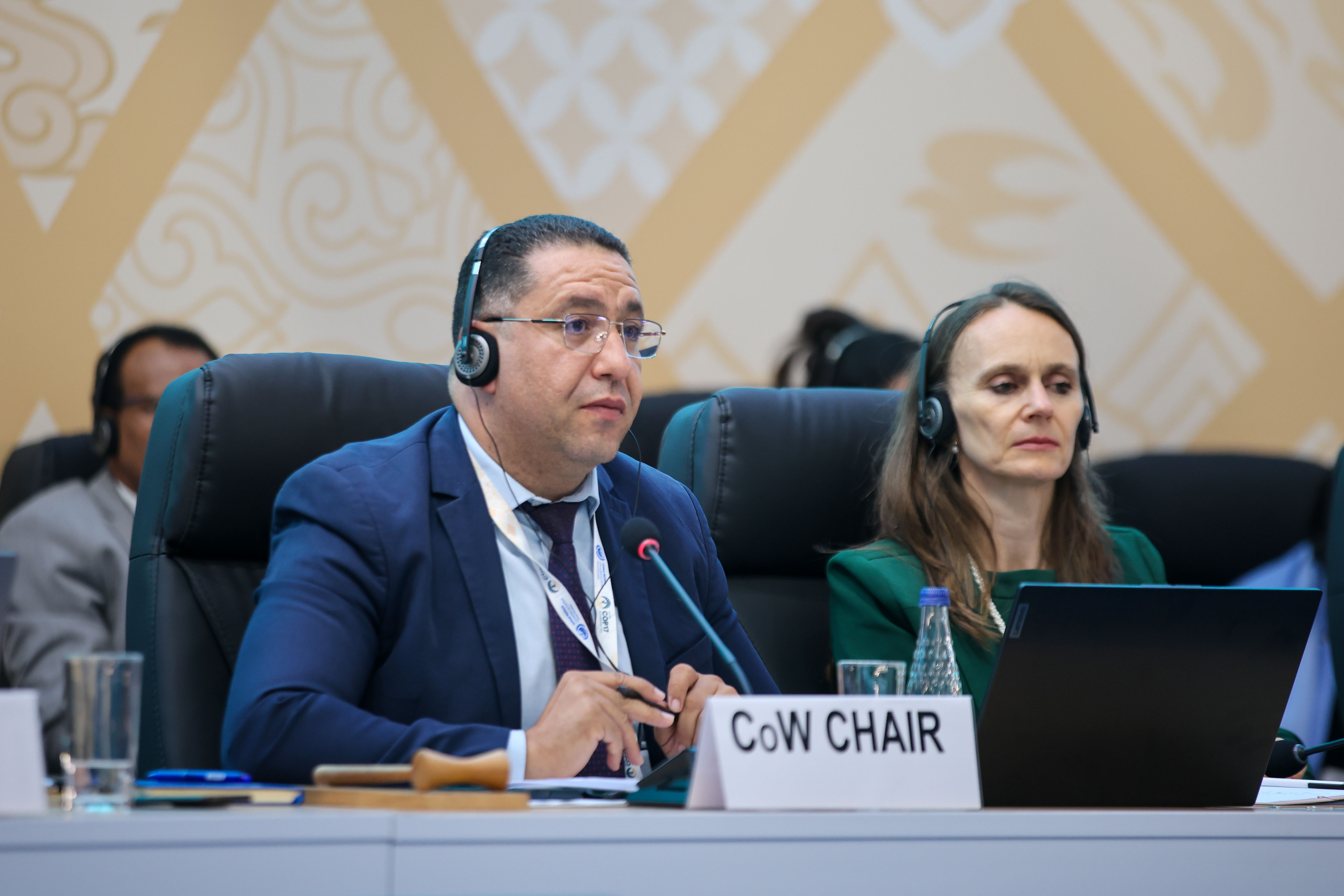
COW Chair Khalid Cherki
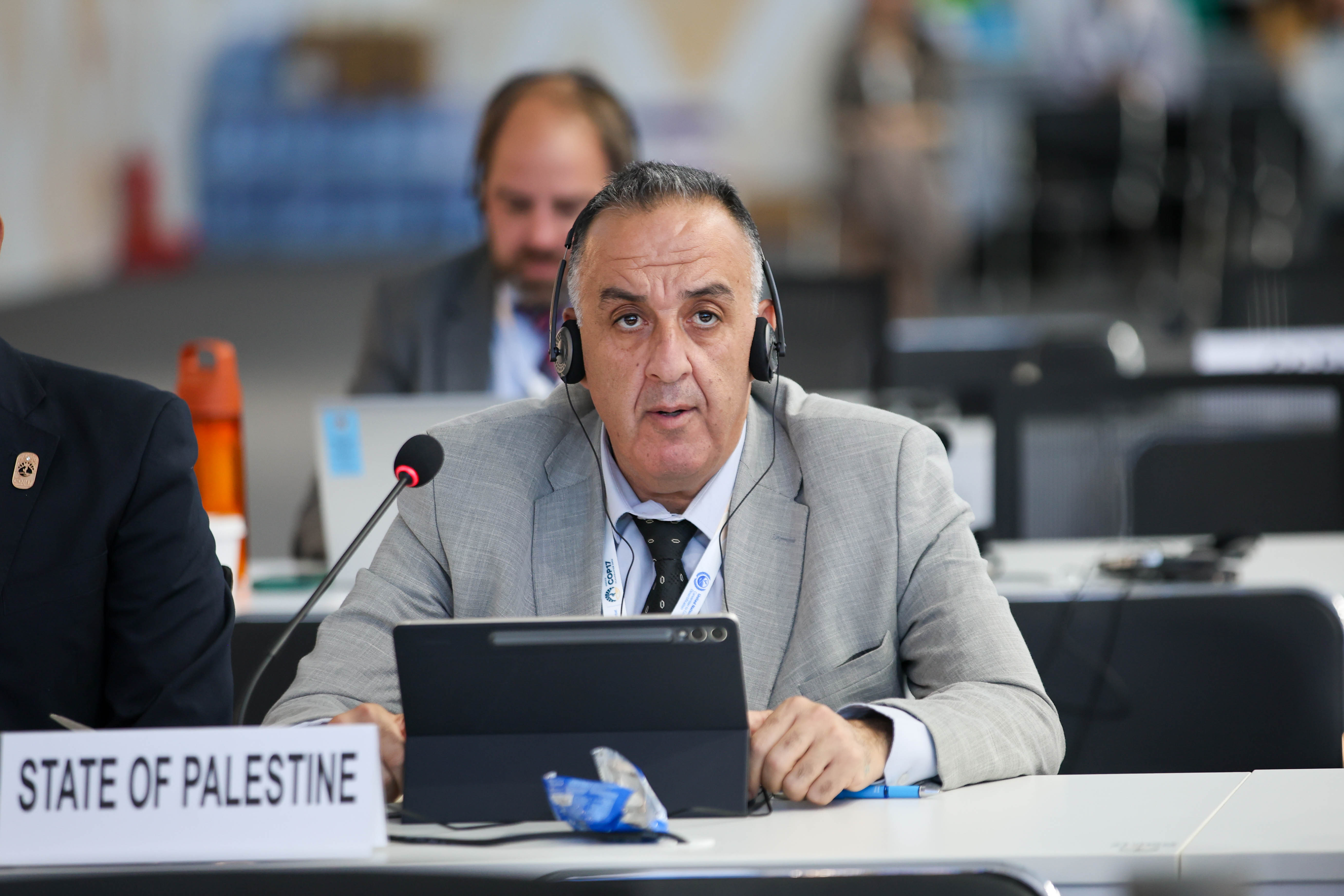
Husam Taleeb, State of Palestine
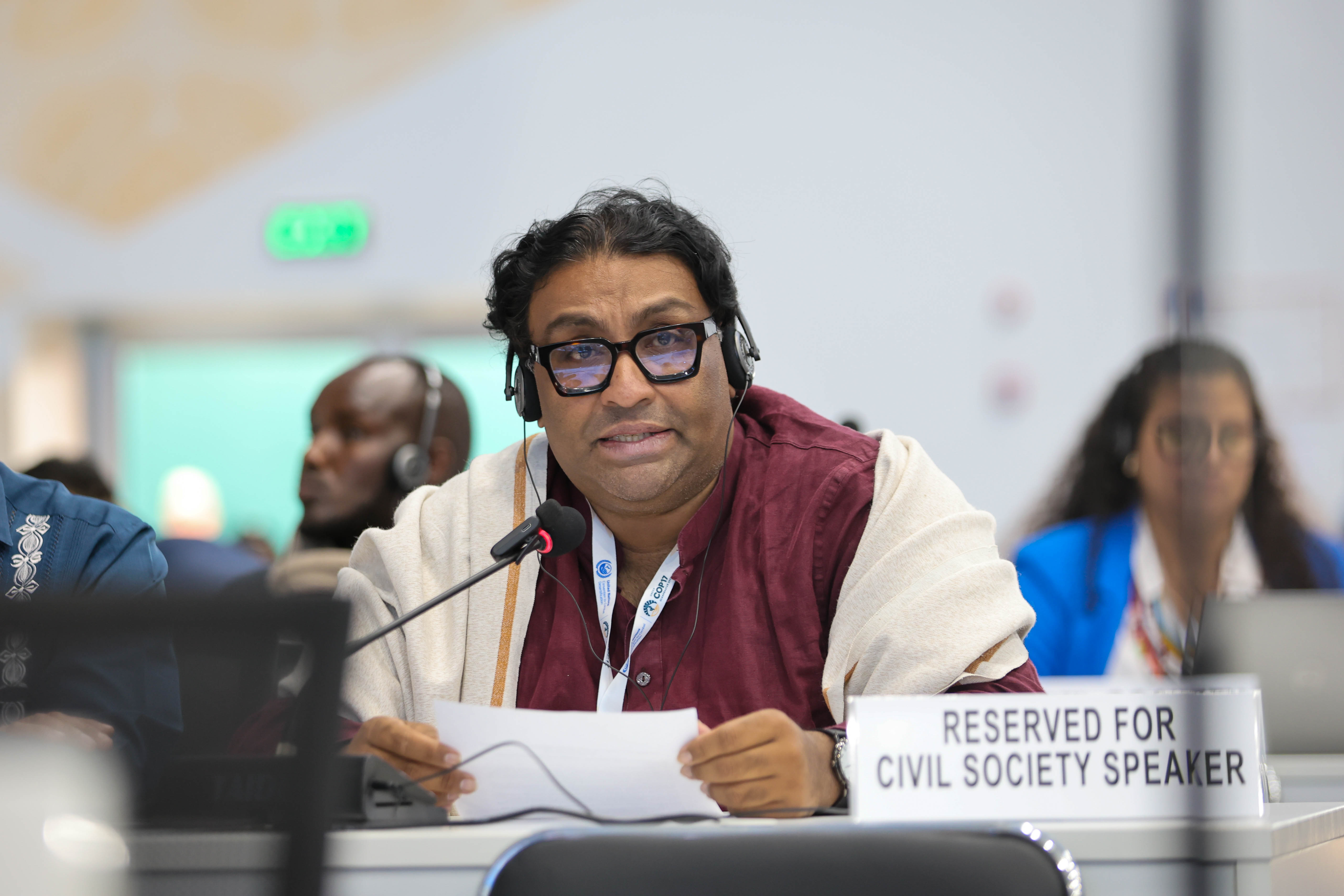
Amiya Prapan Chakra Borty, Dhrubotara Youth Development Foundation, on behalf of the Civil Society Organizations
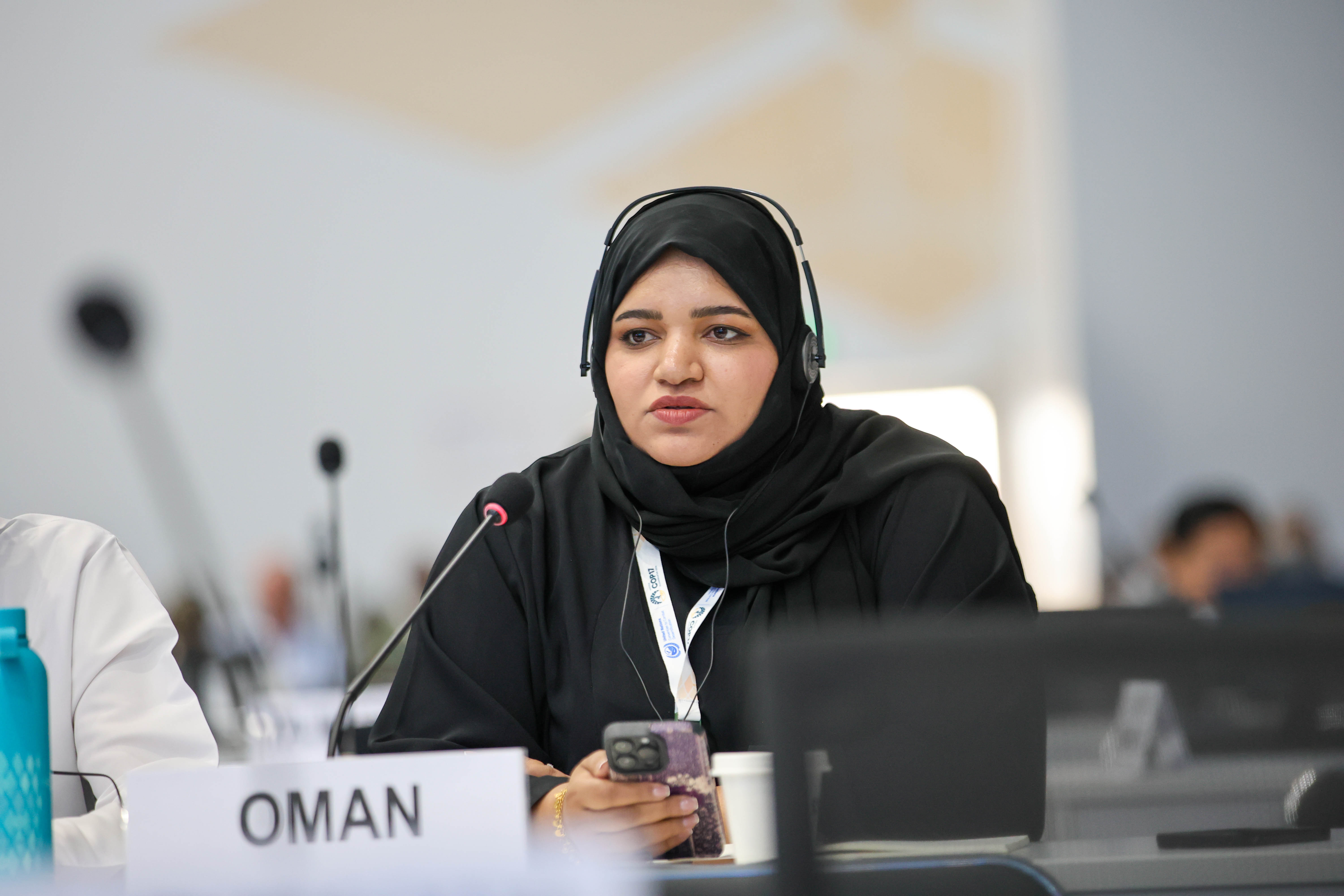
Iman Saleh Mohammed Al Khanjari, Oman
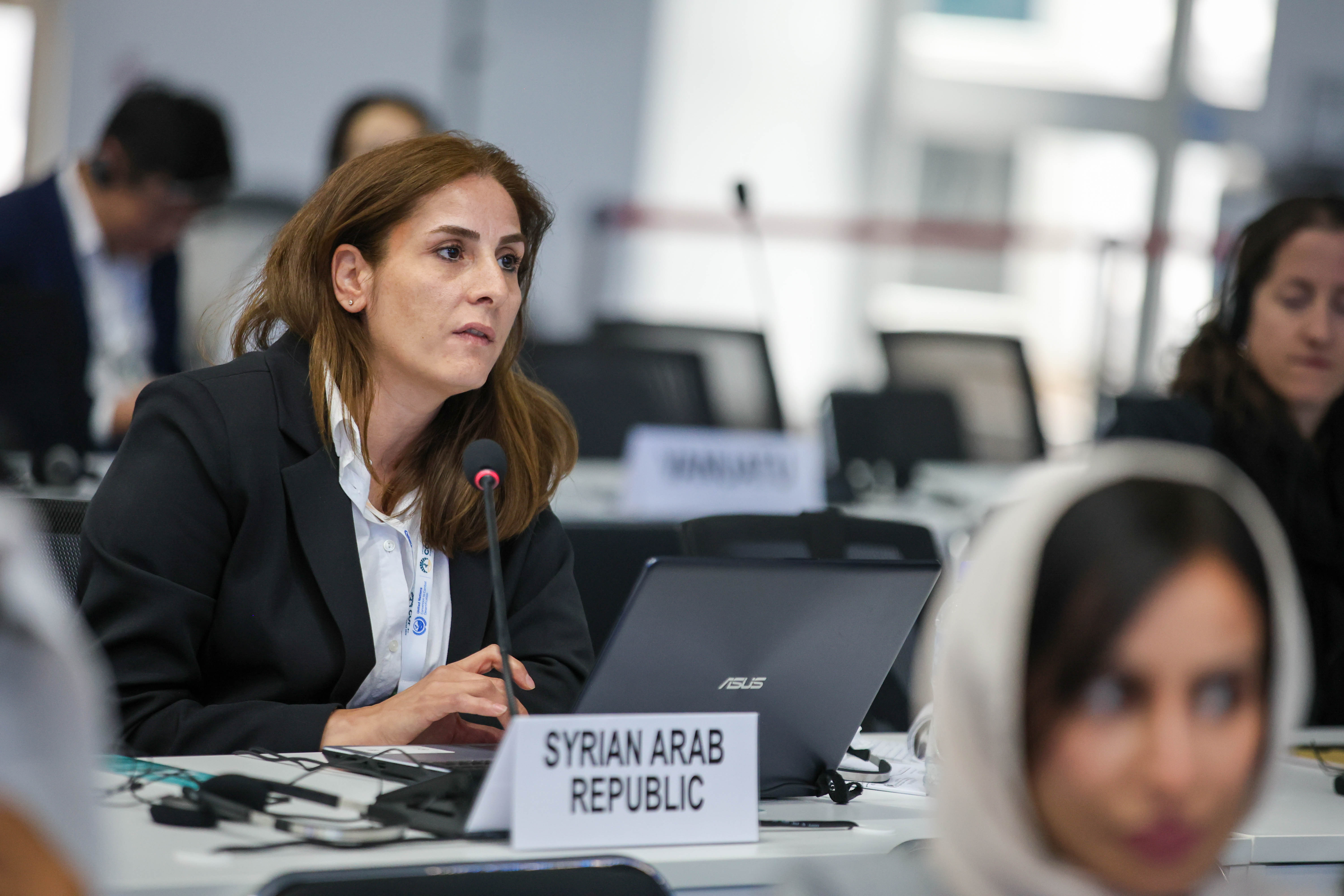
Kawthar Issa, Syrian Arab Republic
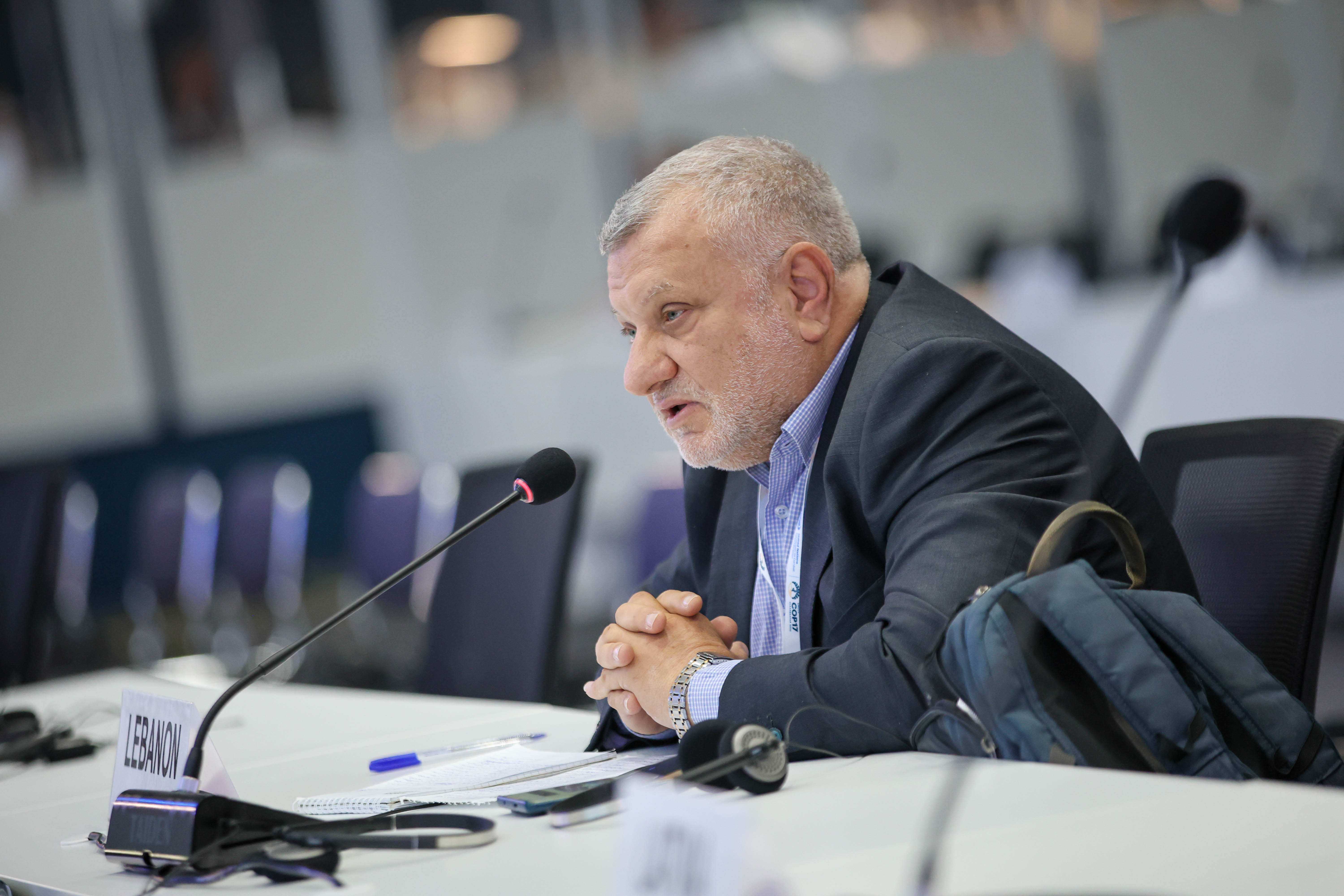
Hussein Nasrallah, Lebanon
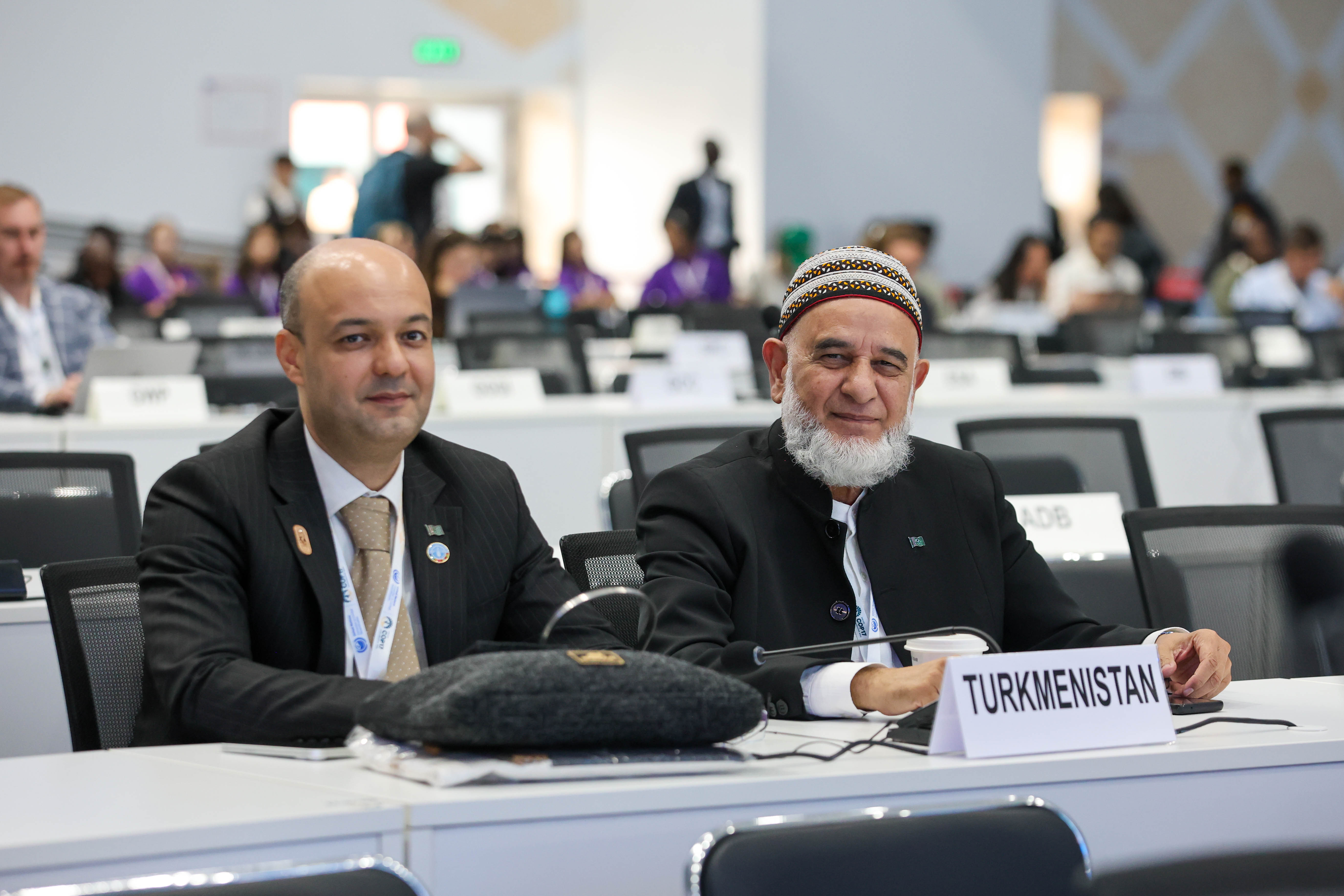
Delegates from Turkmenistan
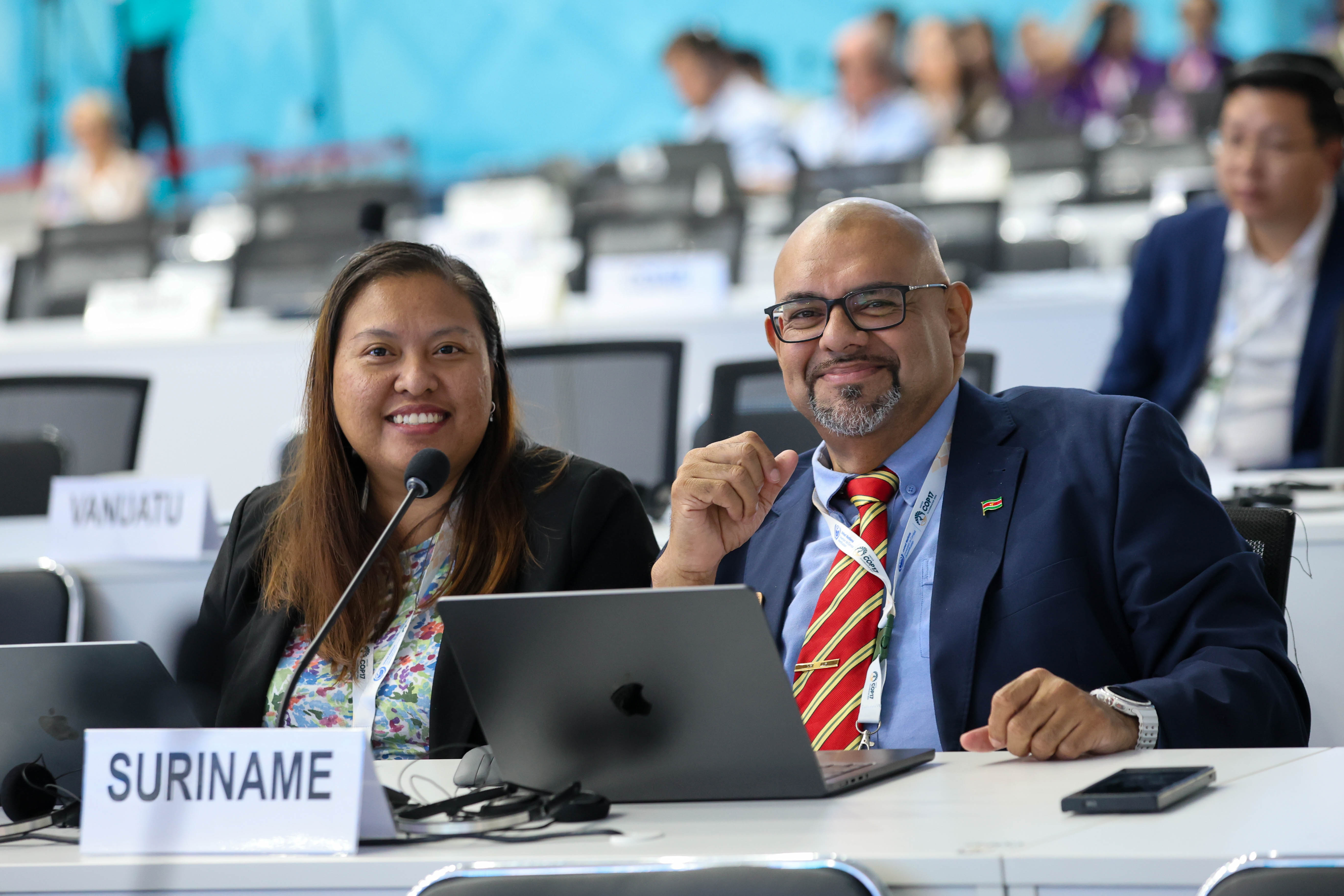
Delegates from Suriname
Opening Press Conference
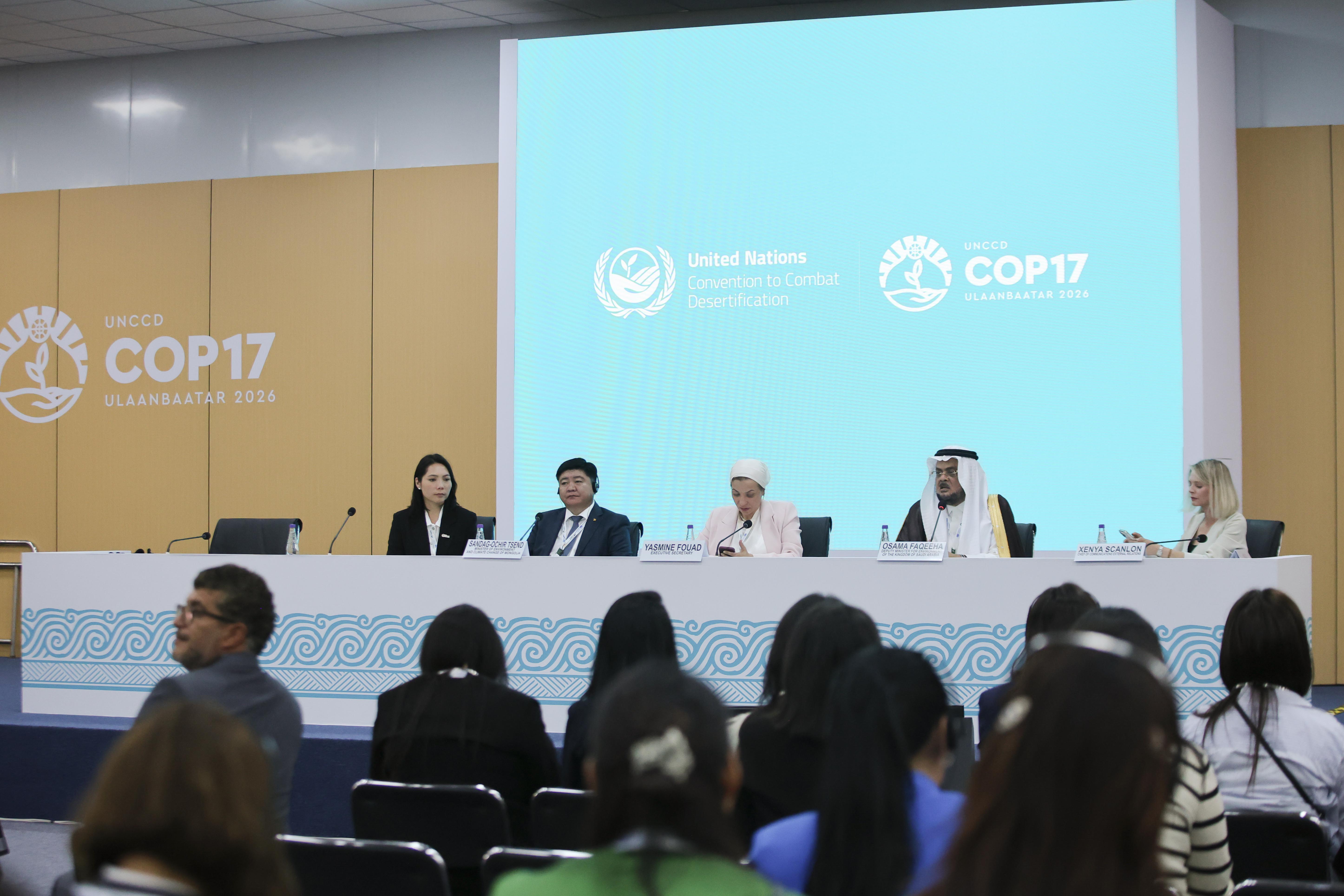
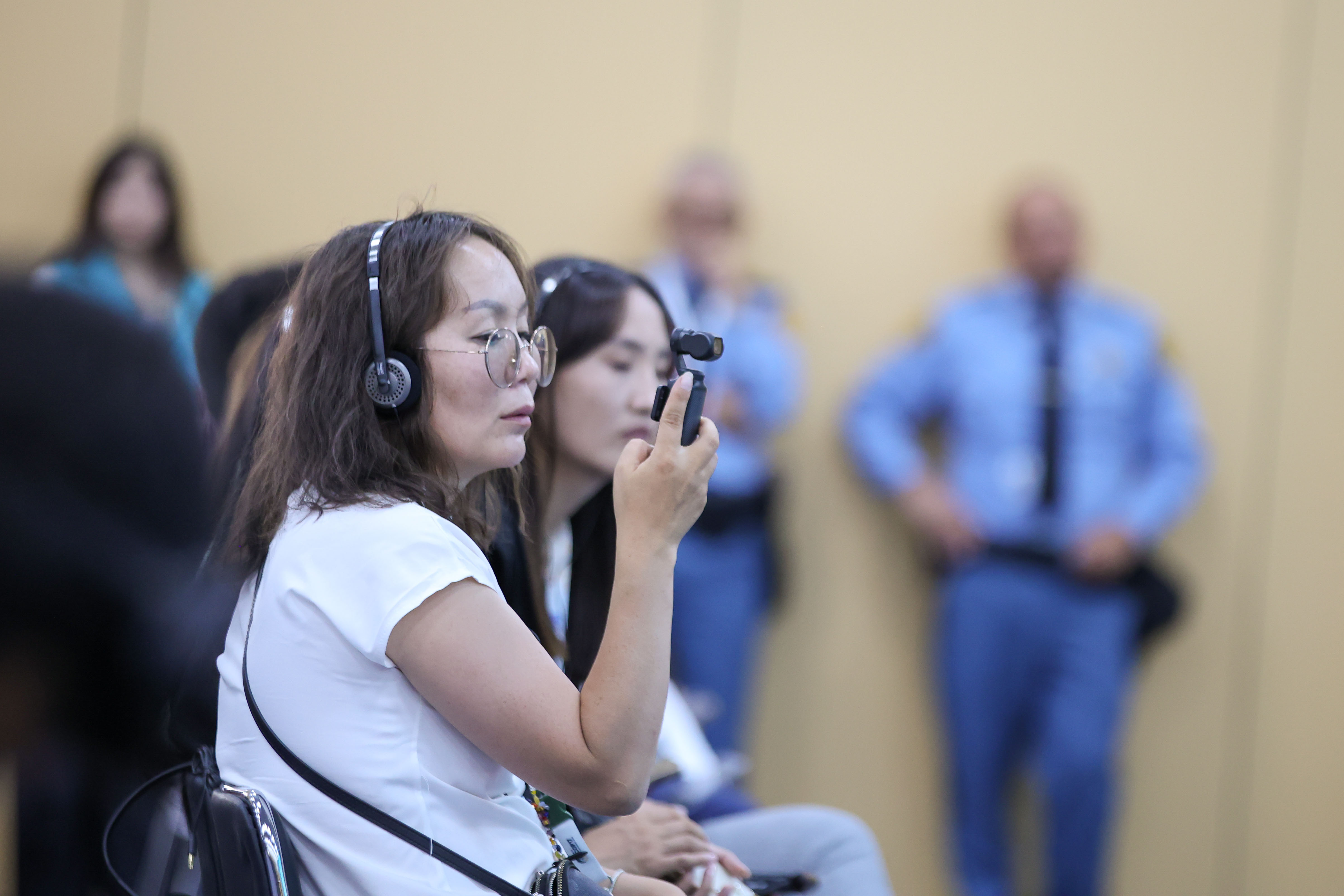
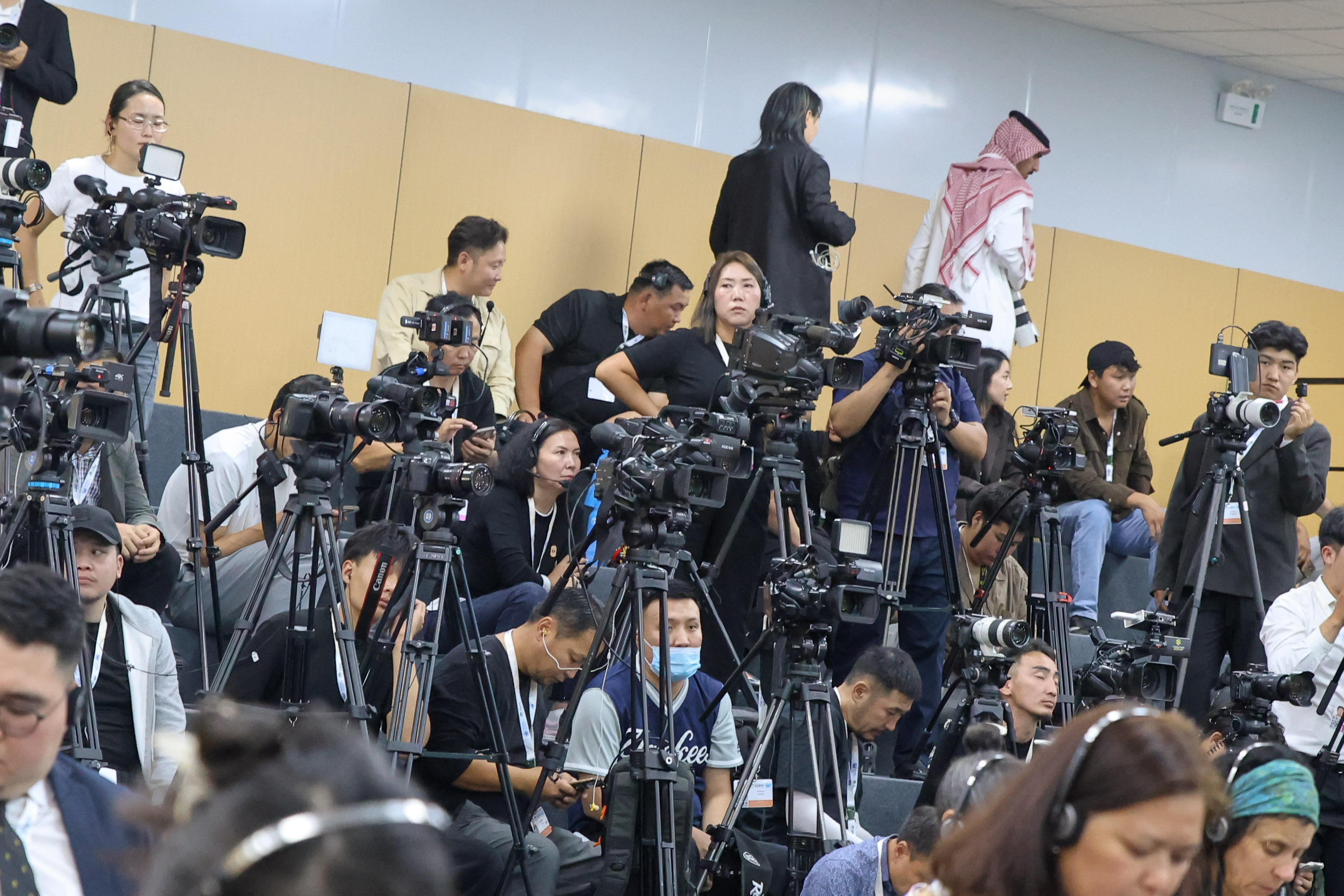
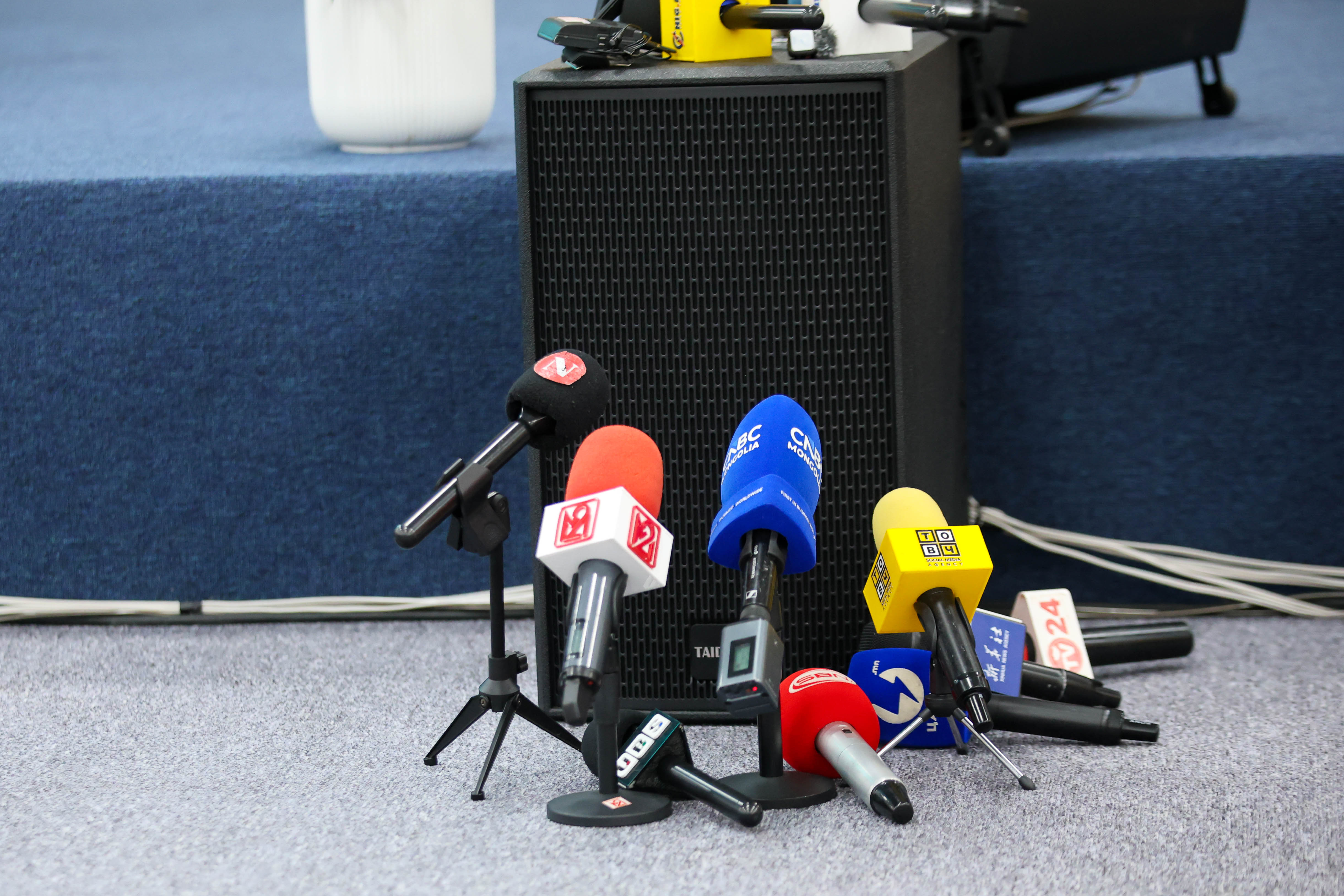
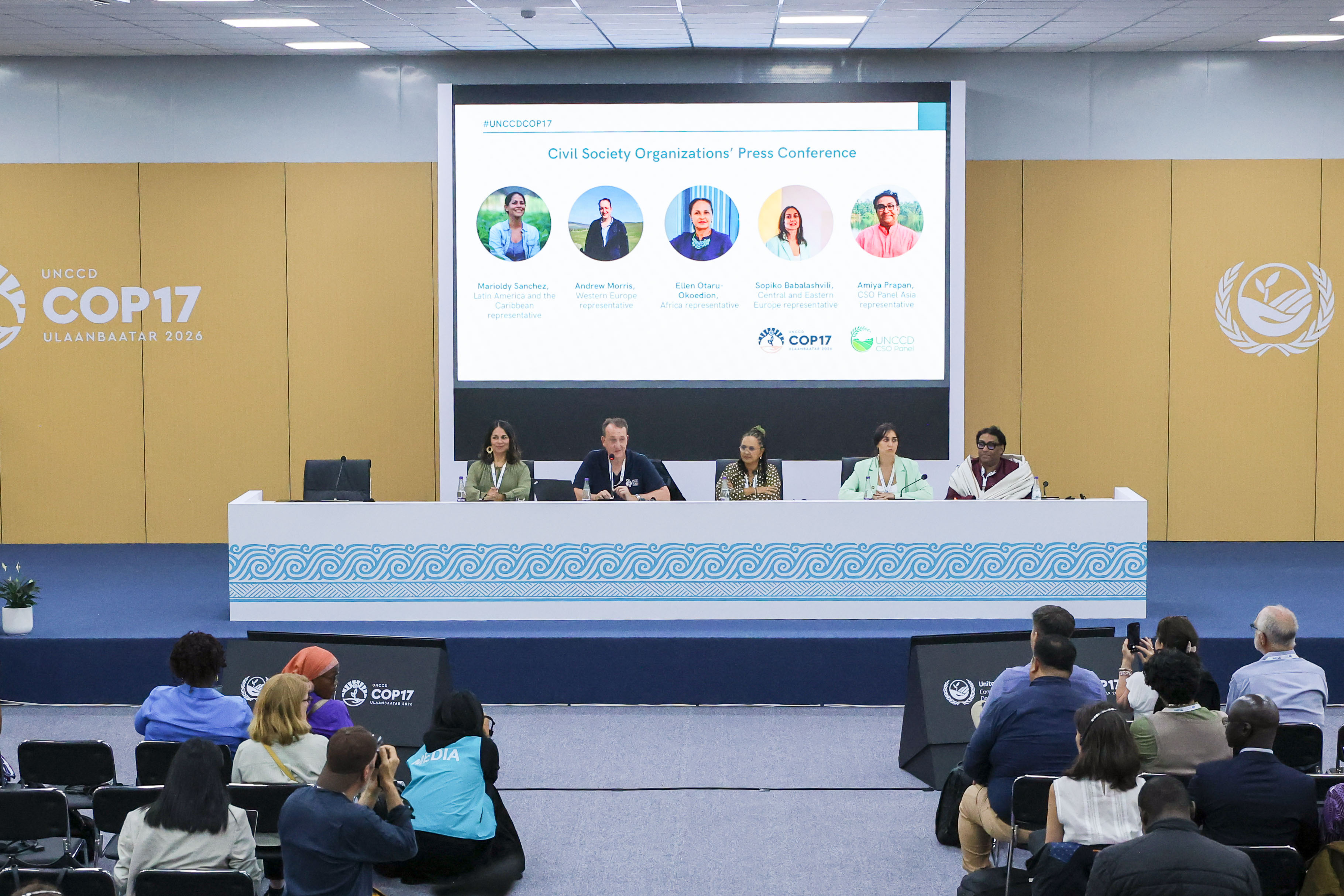
Civil Society Organizations’ Press Conference
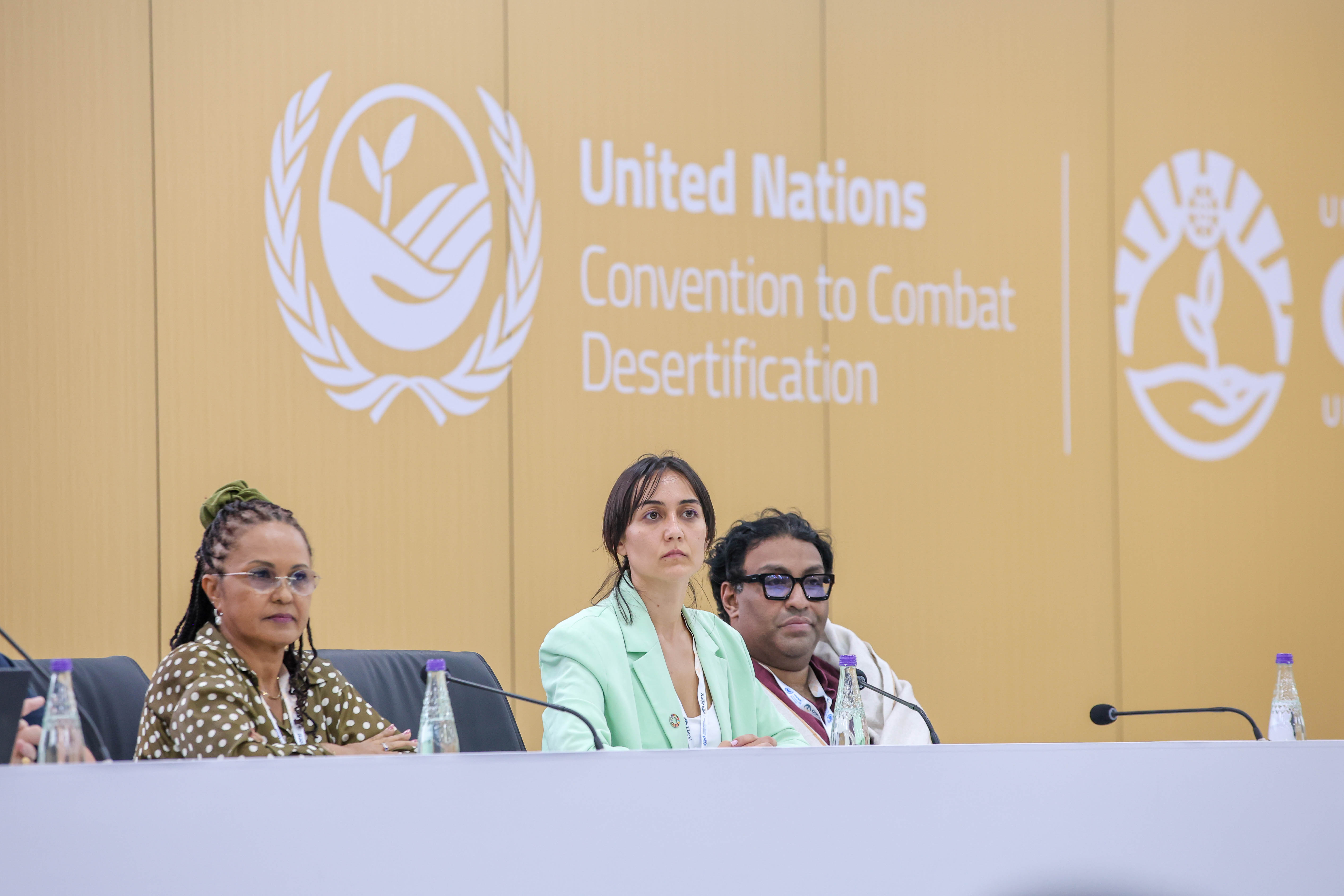
Ellen Otaru Okoedion, Africa representative, Sopiko Babalashvili, Central and Eastern Europe representative, and Amiya Prapan Chakraborty, Asia representative
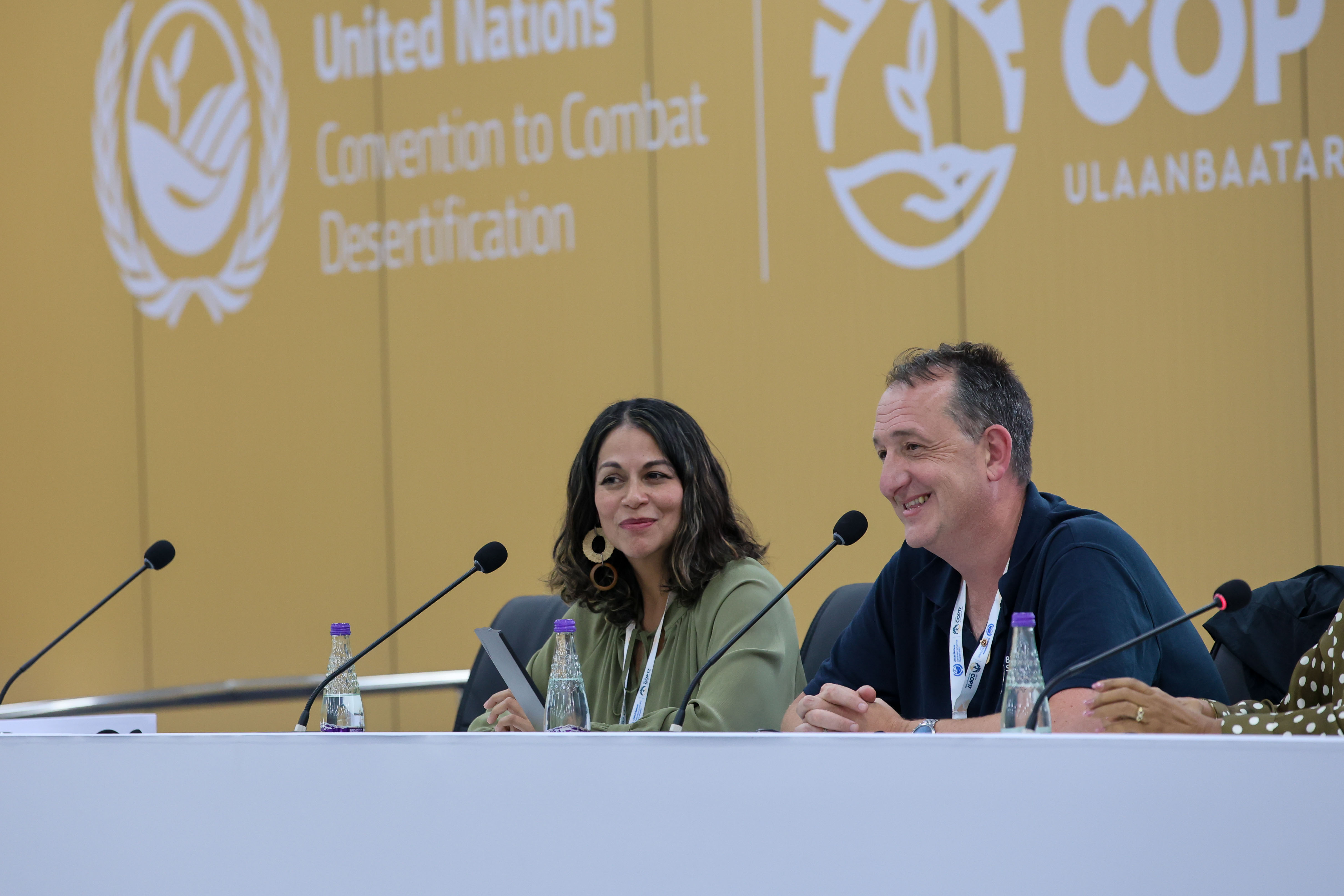
Marioldy Sanchez Santivanez, Latin America and the Caribbean representative, and Andrew Morris, Western Europe representative
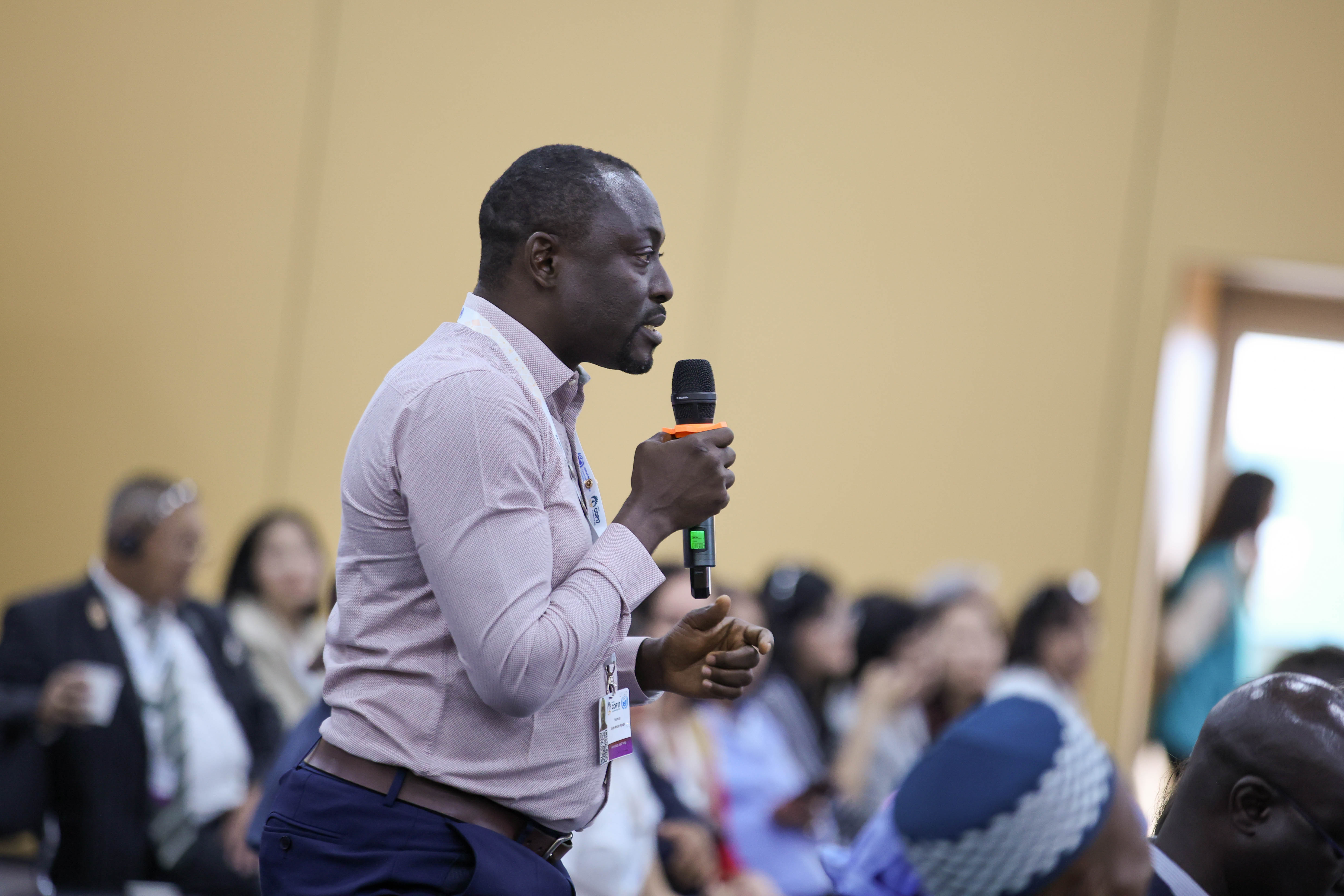
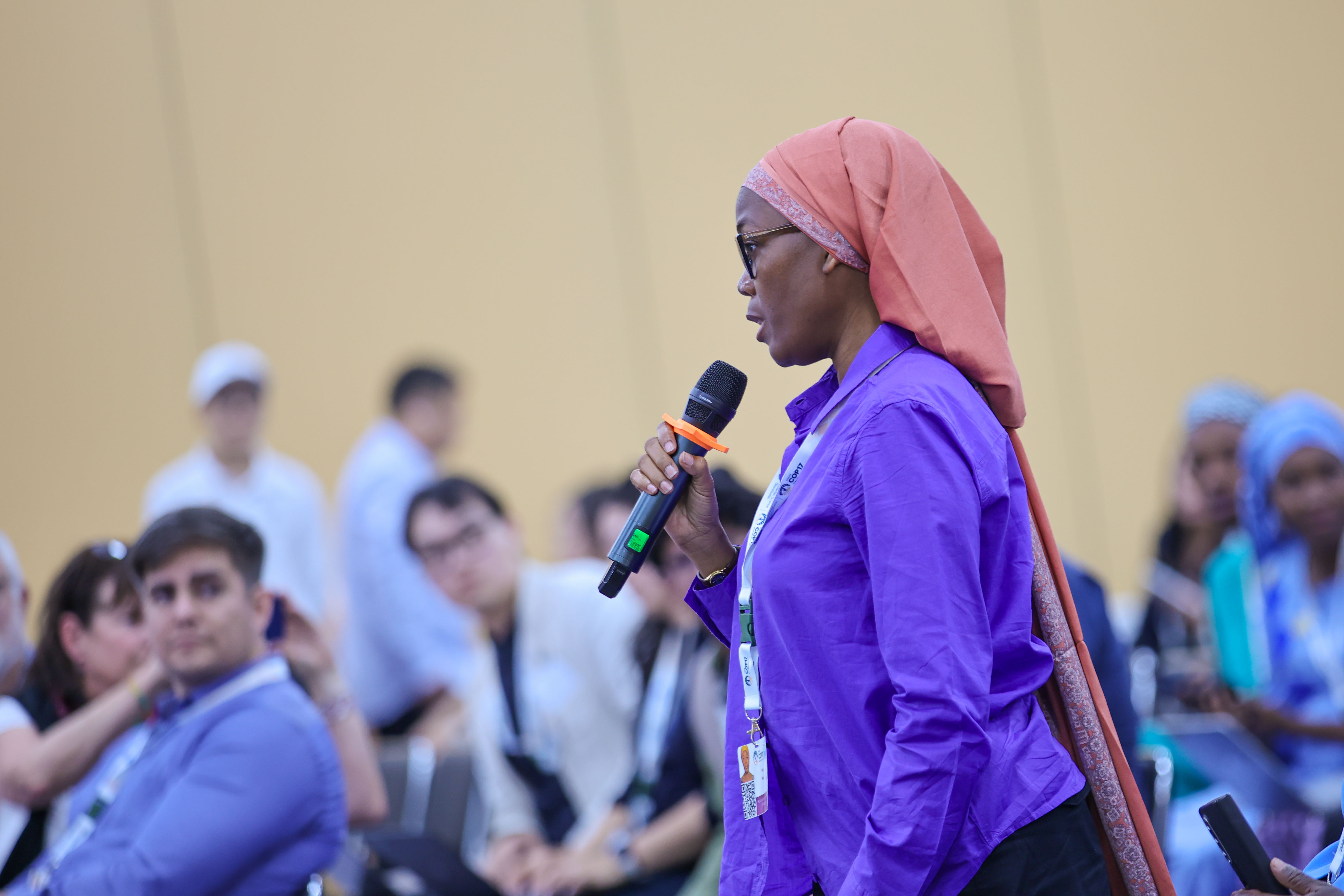
Participants ask questions from the floor.
Parade of the Global Pastoralists Gathering
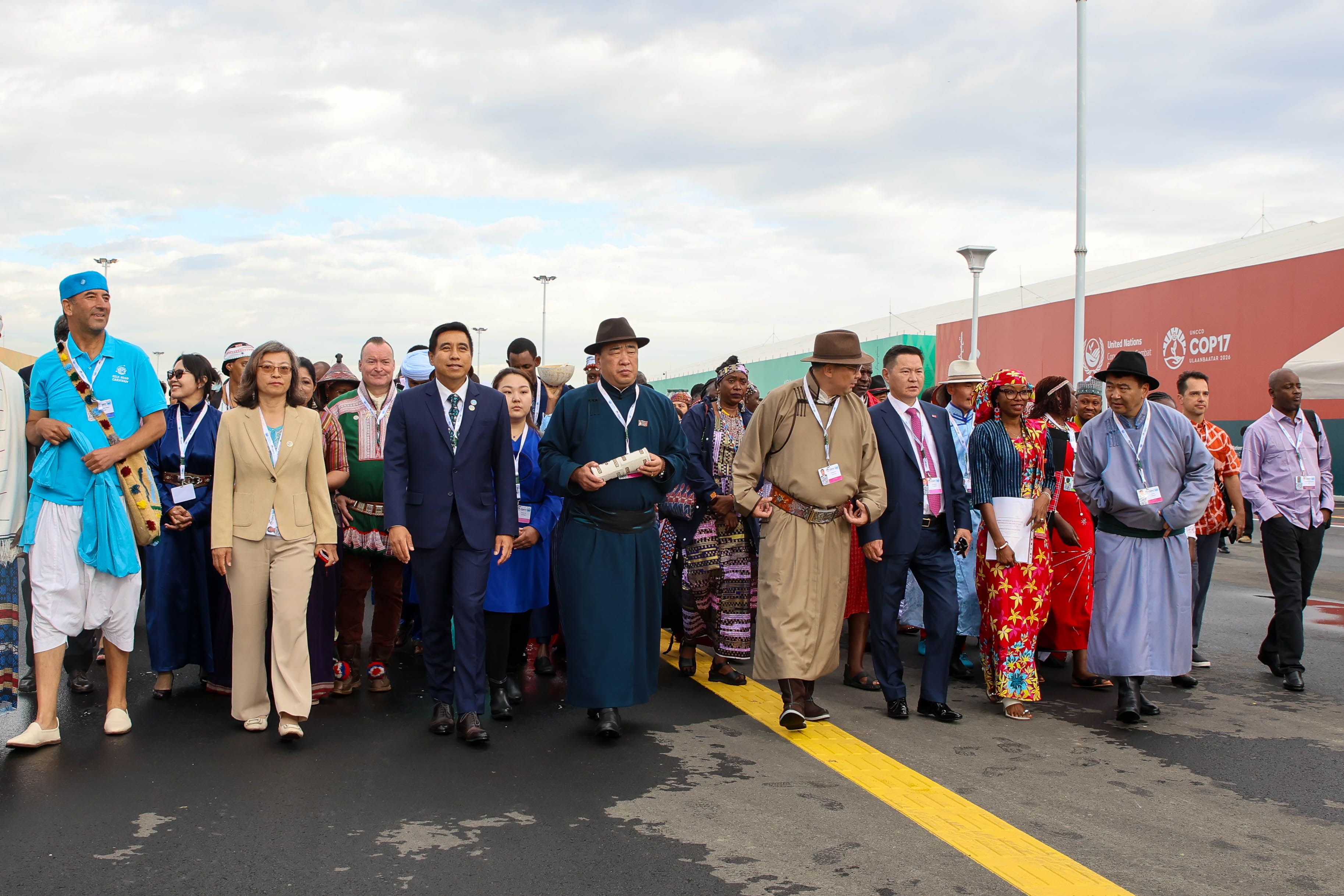
Pastoralists from around the world walk together in a parade.
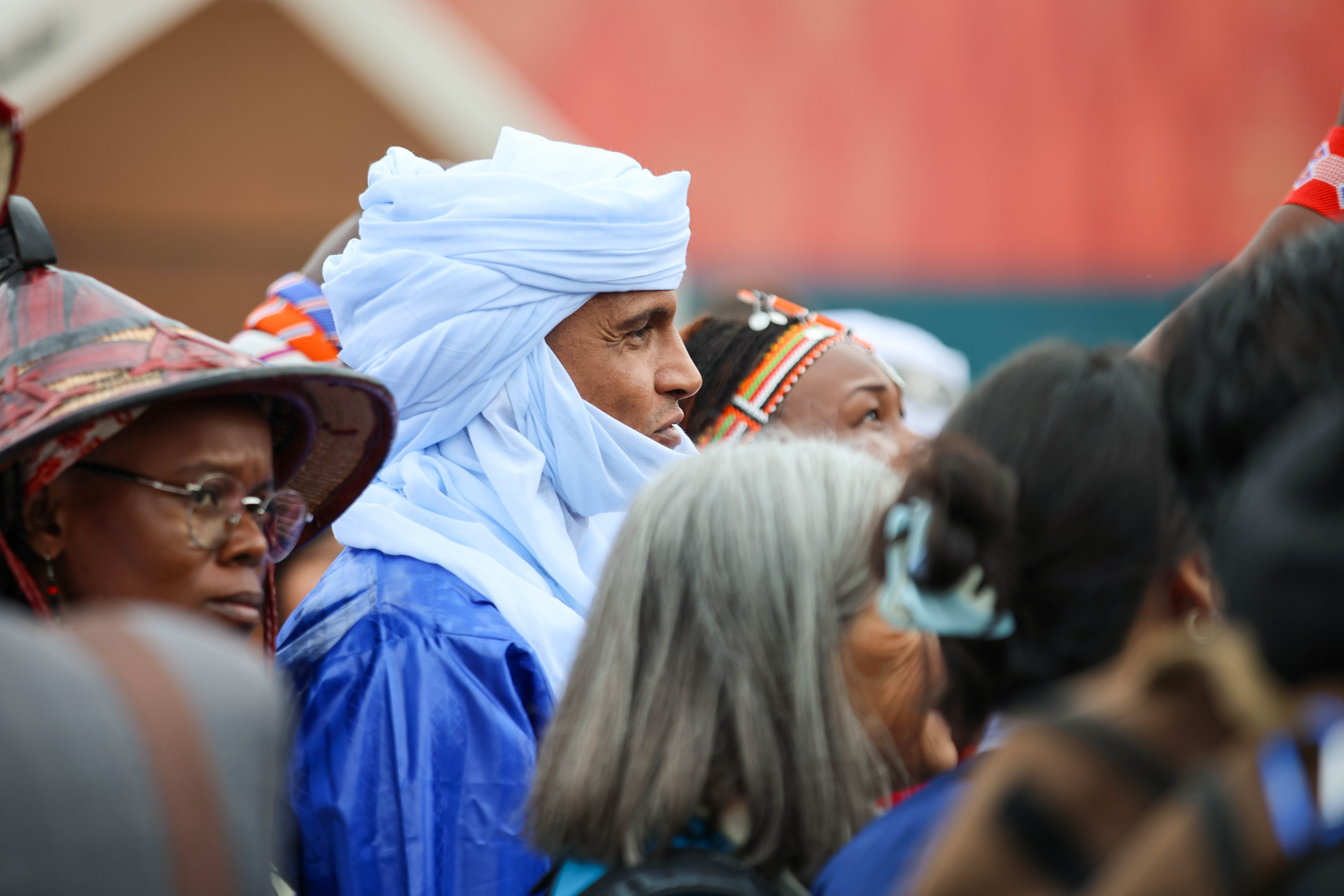
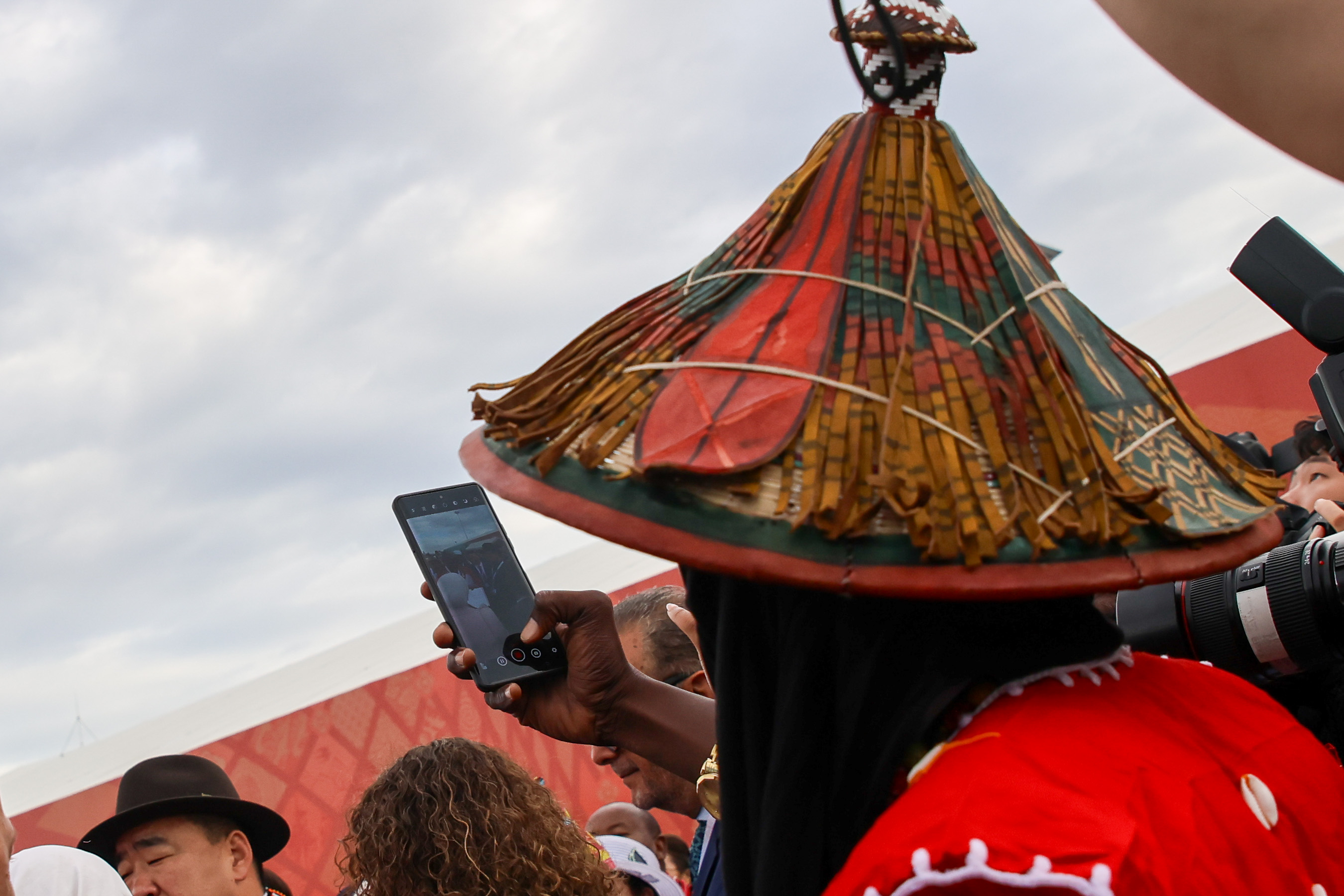
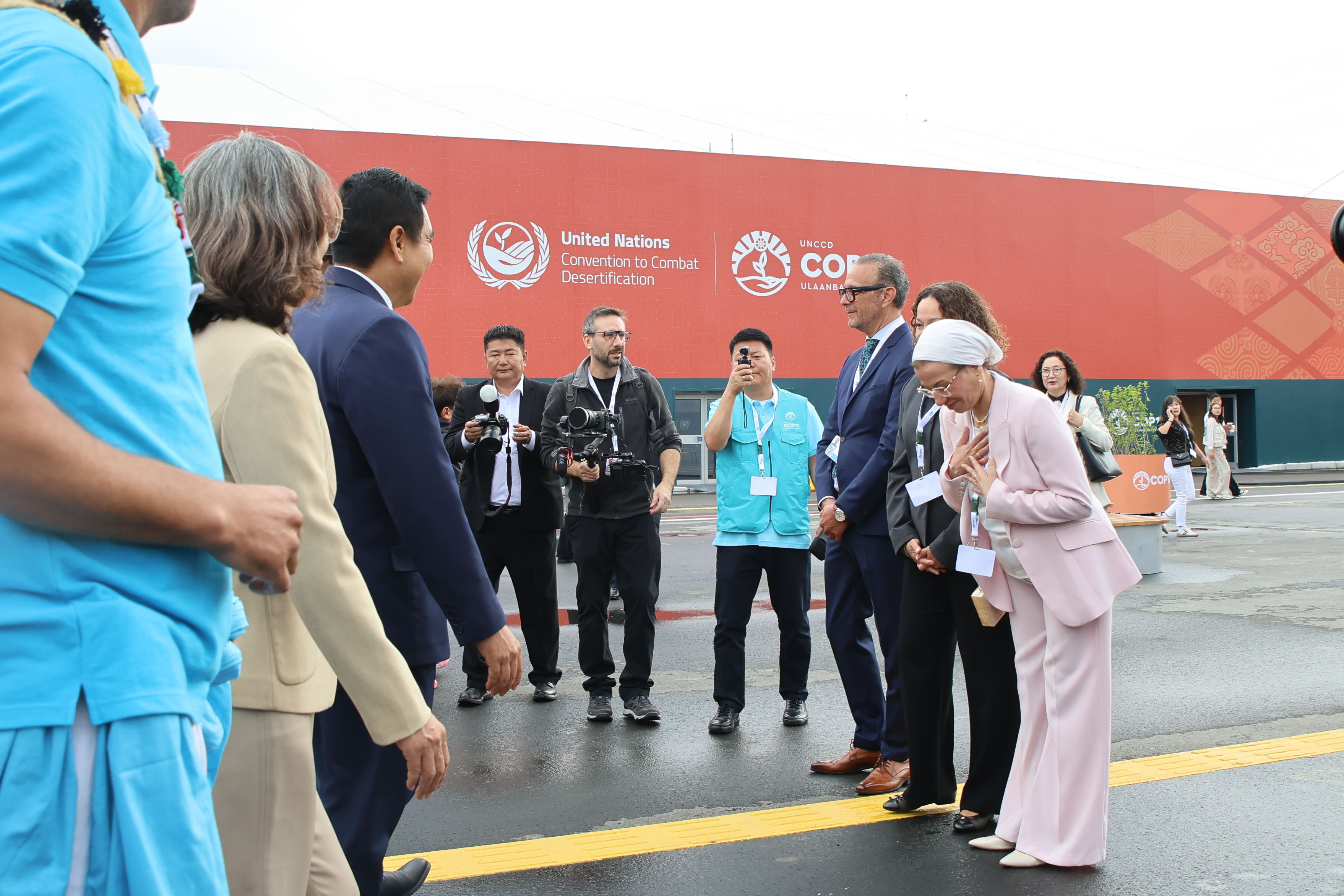
Yasmine Fouad, Executive Secretary, UNCCD, welcomes the pastoralists.
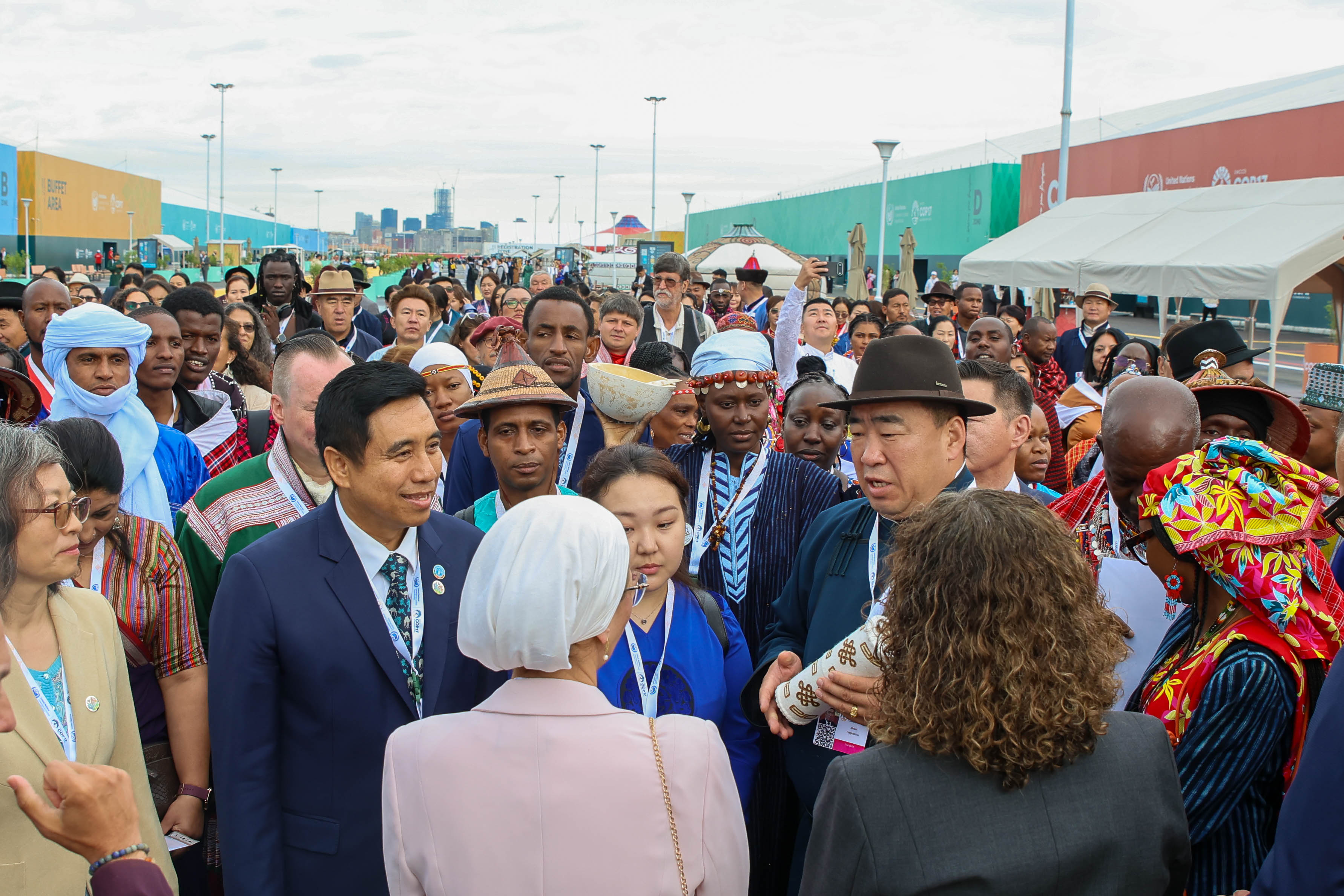
Pastoralist representatives meet with Yasmine Fouad, Executive Secretary, UNCCD, and Andrea Meza Murillo, Deputy Executive Secretary, UNCCD.
Flag-raising Ceremony
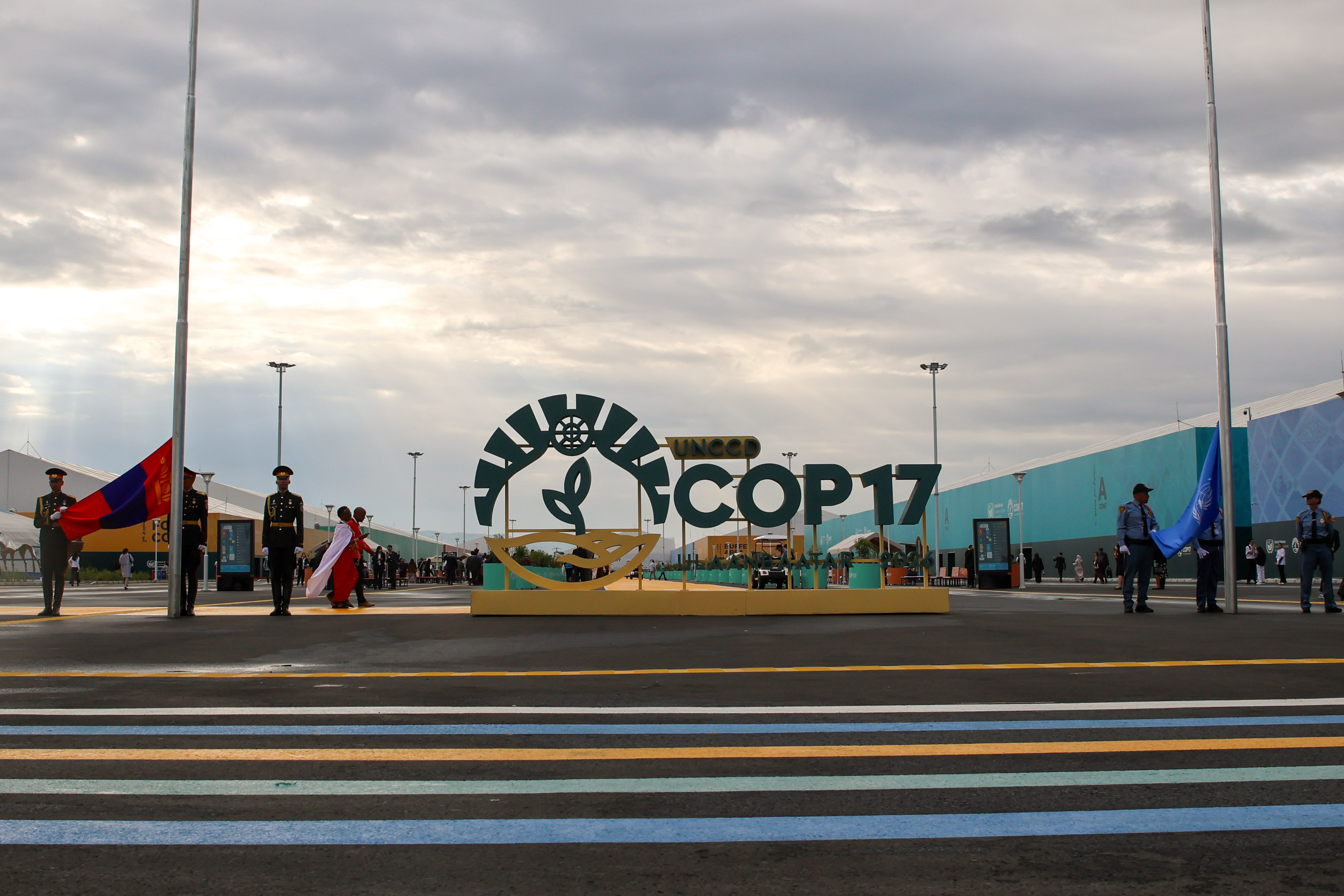
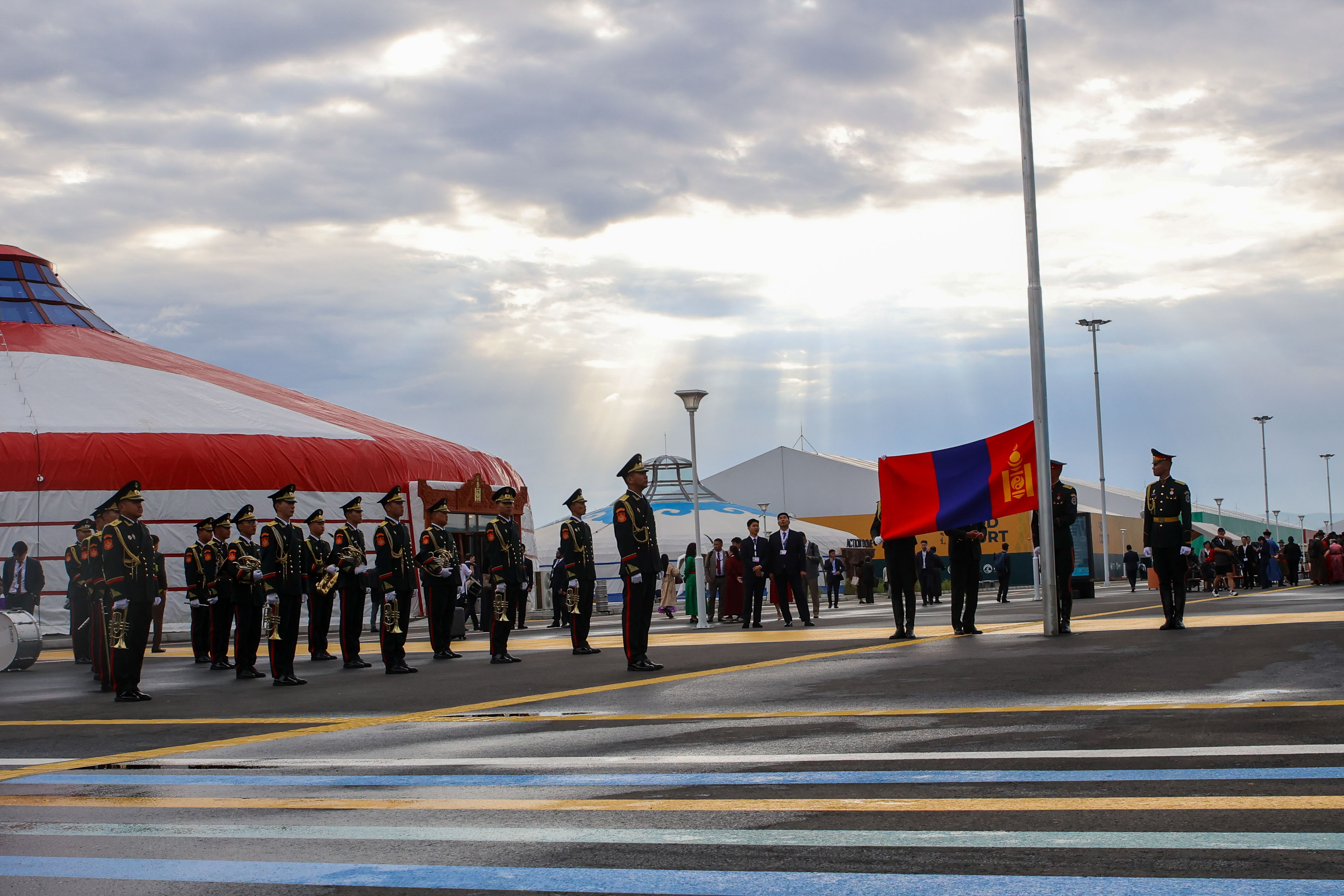
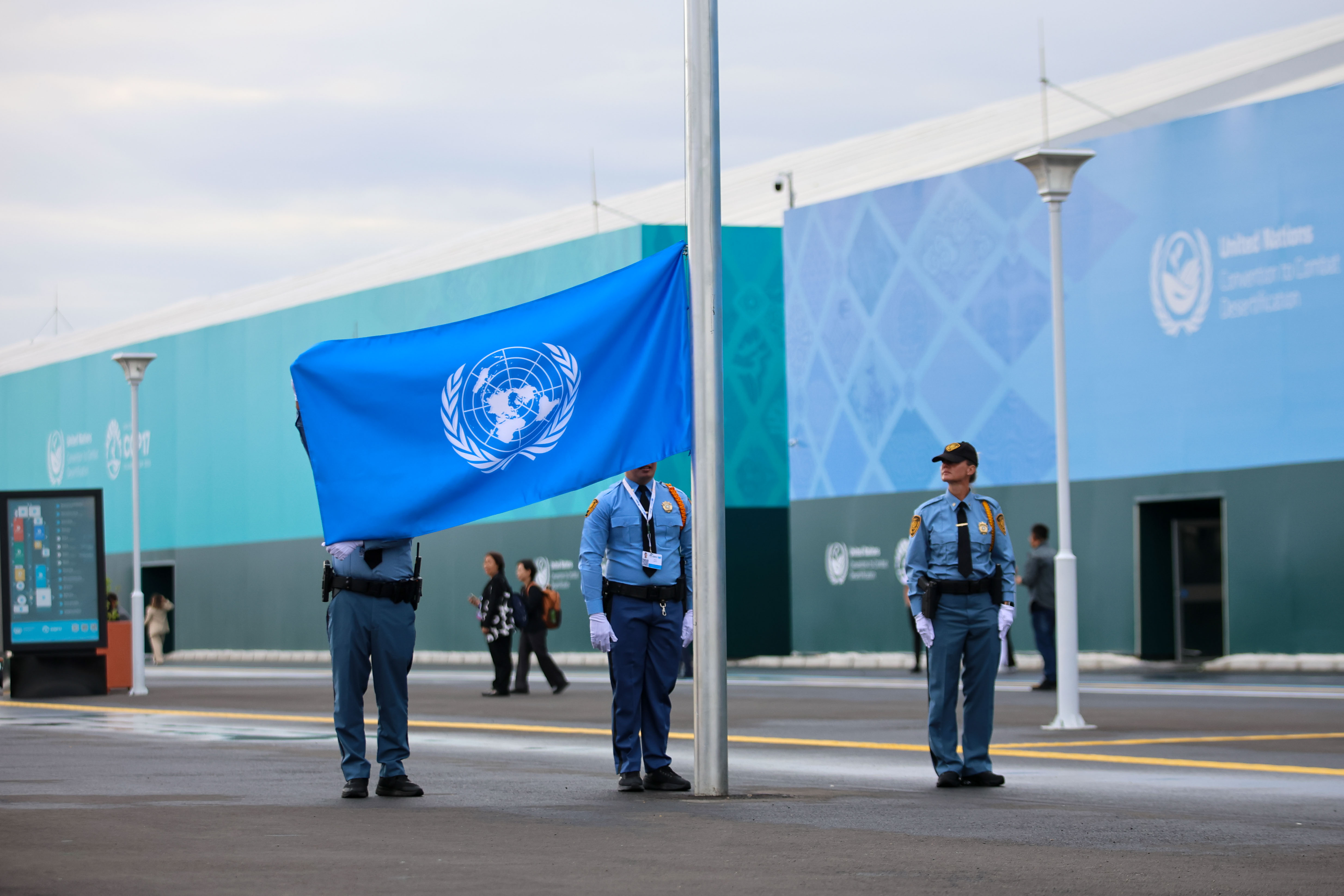
The flags of Mongolia and the UN are raised at the beginning of UNCCD COP 17.
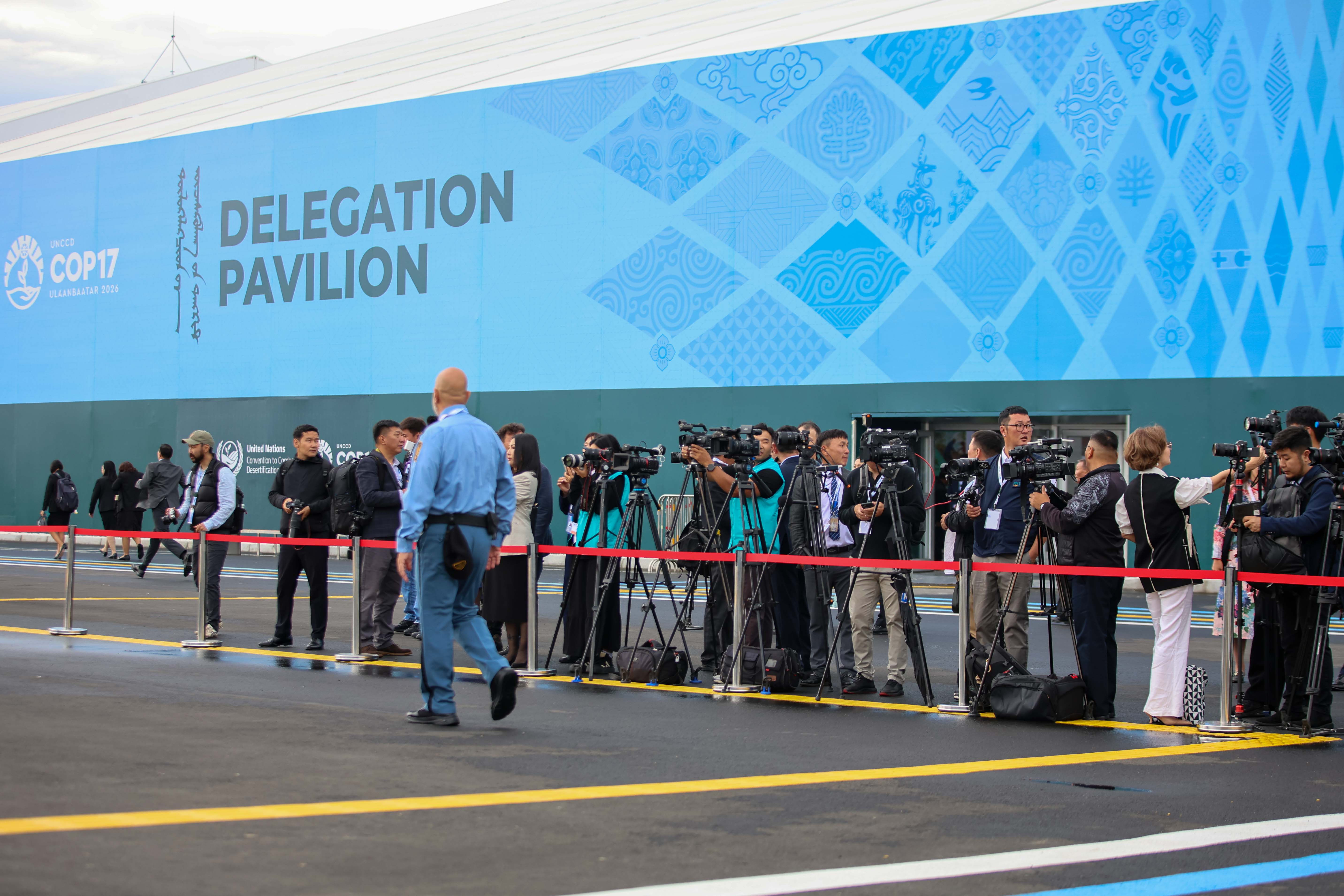
Around the Venue
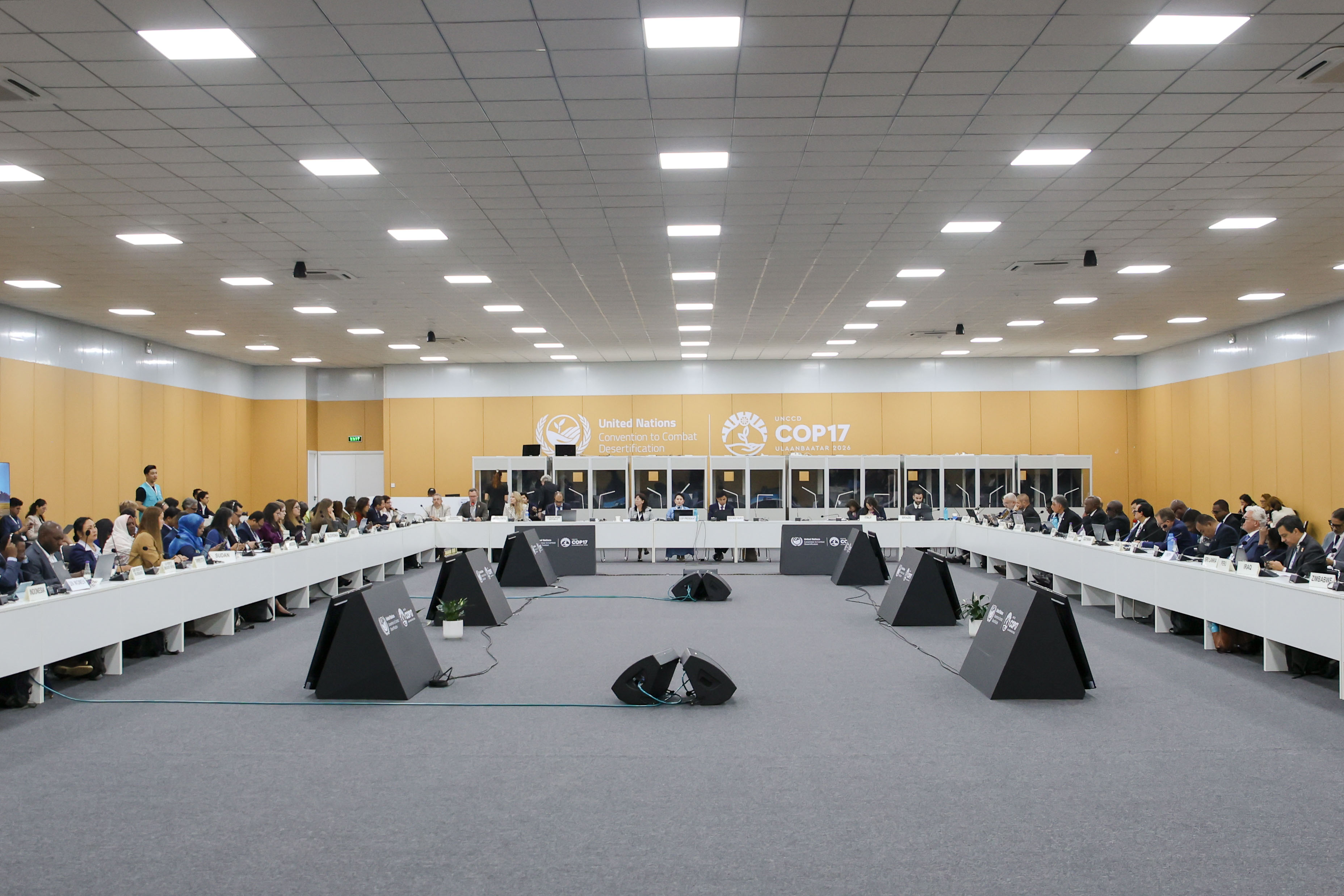
A view of the room during the Formal Statements session