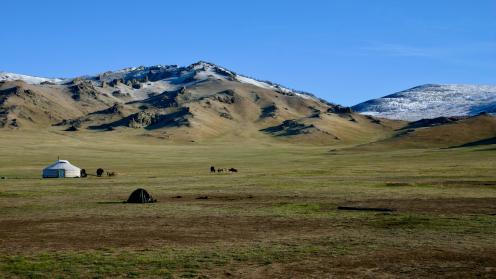
Human mobility refers to all forms of population movement, including internal displacement, international migration, and nomadic or seasonal travel. Pastoralists have been relocating for thousands of years, following water and weather cycles. Voluntary relocation and livestock mobility are typical methods of sustainable rangeland management, contributing to carbon sequestration and combating desertification.
However, desertification, land degradation, and drought (DLDD), which means the loss of healthy land, soils, water, and critical ecosystem services, can force people to leave their homelands in search of a means to survive. In this sense, the restoration of degraded land and building drought resilience can help stabilize rural livelihoods and reduce the economic pressure that causes forced displacement.
Want to dig deeper into today's talks? Read the full Earth Negotiations Bulletin daily report.
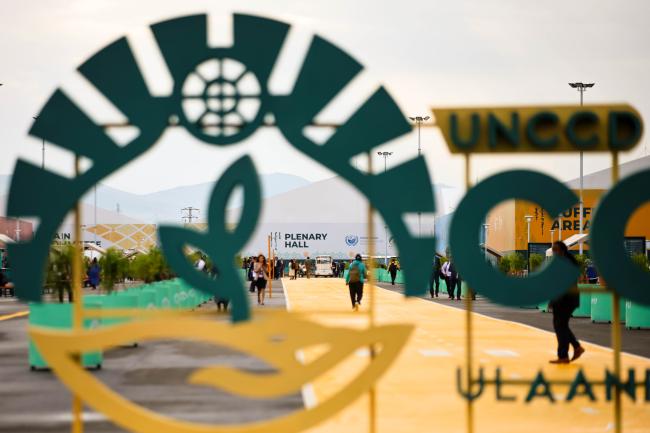
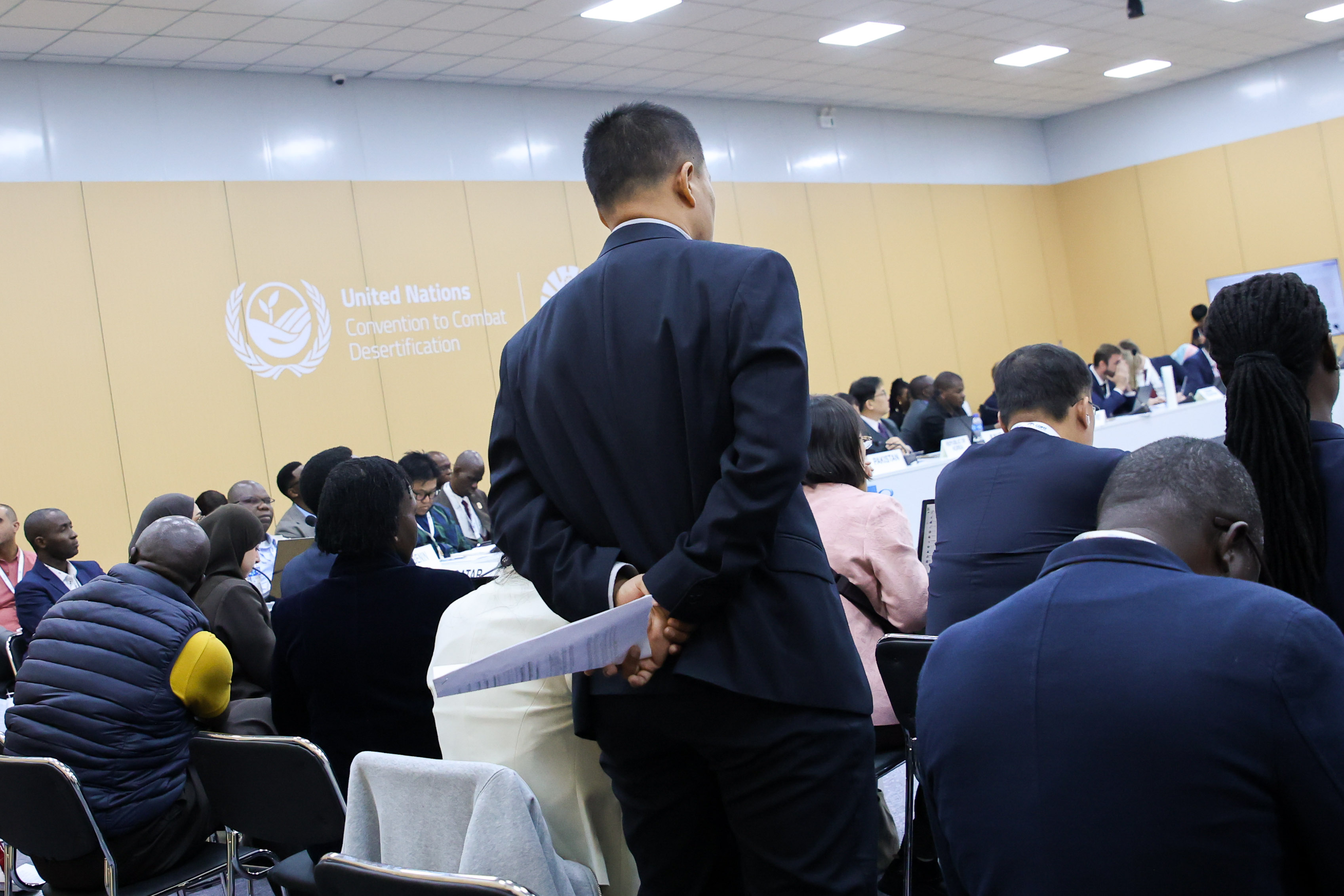
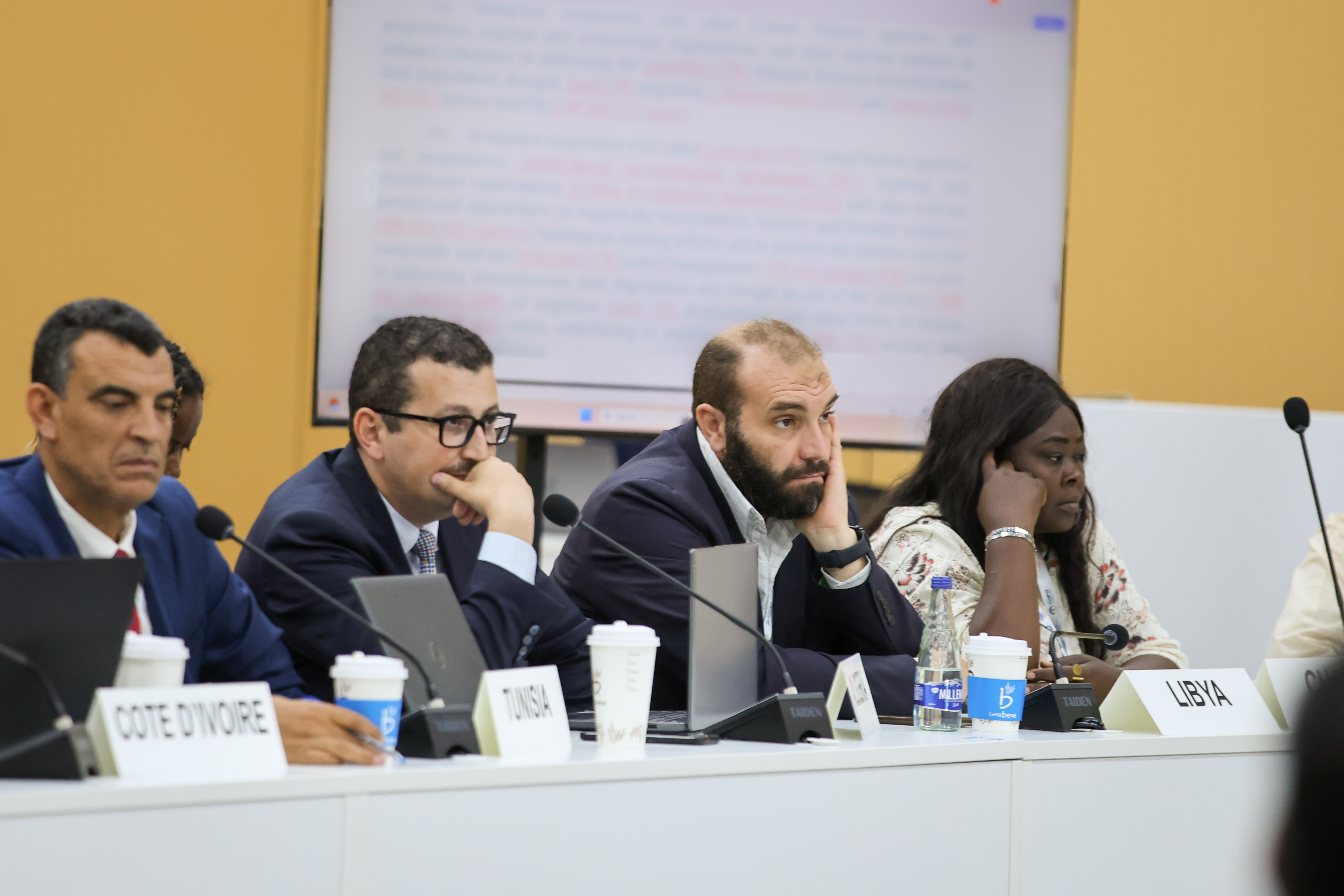
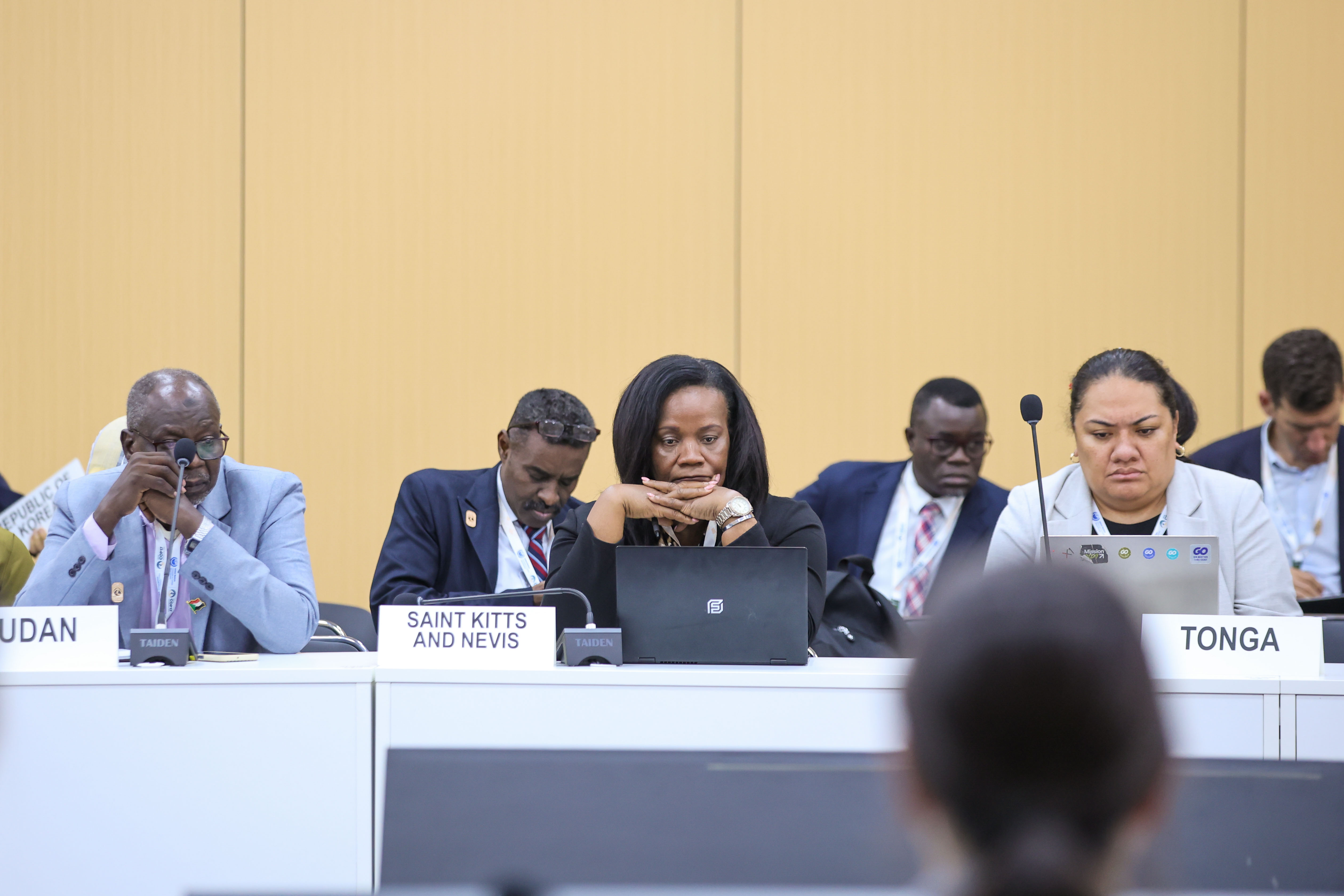
On Friday, the 17th session of the Conference of the Parties (COP 17) to the United Nations Convention to Combat Desertification (UNCCD) addressed all aspects of human mobility. Following Thursday’s discussions on pastoralists and their mobility in the Committee of the Whole (COW), delegates discussed a draft decision on DLDD as a driver that causes migration and displacement in the COW contact group on other matters. Whether there will be progress during this COP remains to be seen, after one Party reserved its position on the entire draft decision, pending further instructions from capital.
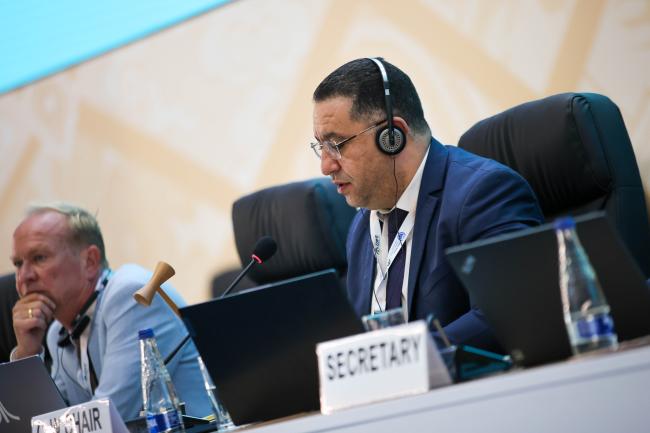
In the morning, the COW swiftly went through its remaining agenda items on the review of progress in the implementation of the UNCCD communication plan and the programme of work for COP 18. Here, some Parties used the opportunity to lament the continued ”blocking” of certain items from the agenda at COP 17.
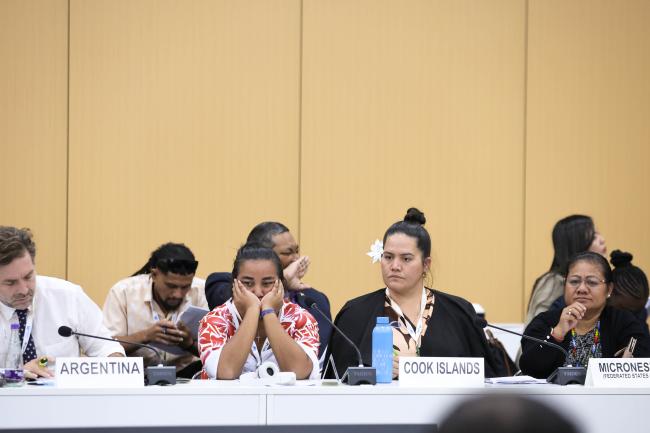
Throughout the day, contact groups met to continue text-based negotiations on a range of agenda items, including migration, private sector engagement, communication, and capacity-building, as well as procedures and technical support for the future functioning of the Science-Policy Interface. Contact group negotiations are expected to continue into the evening and throughout the day on Saturday.
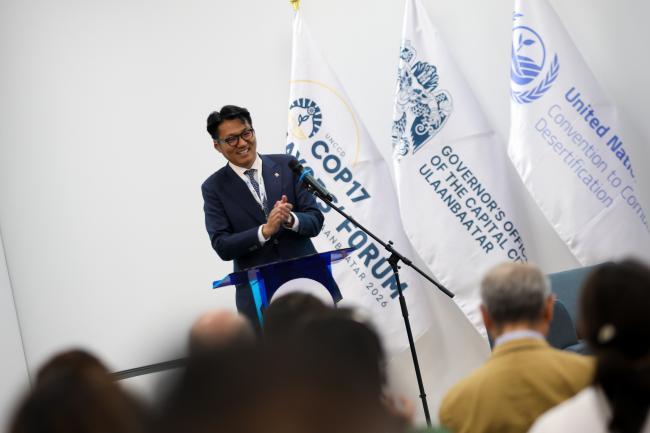
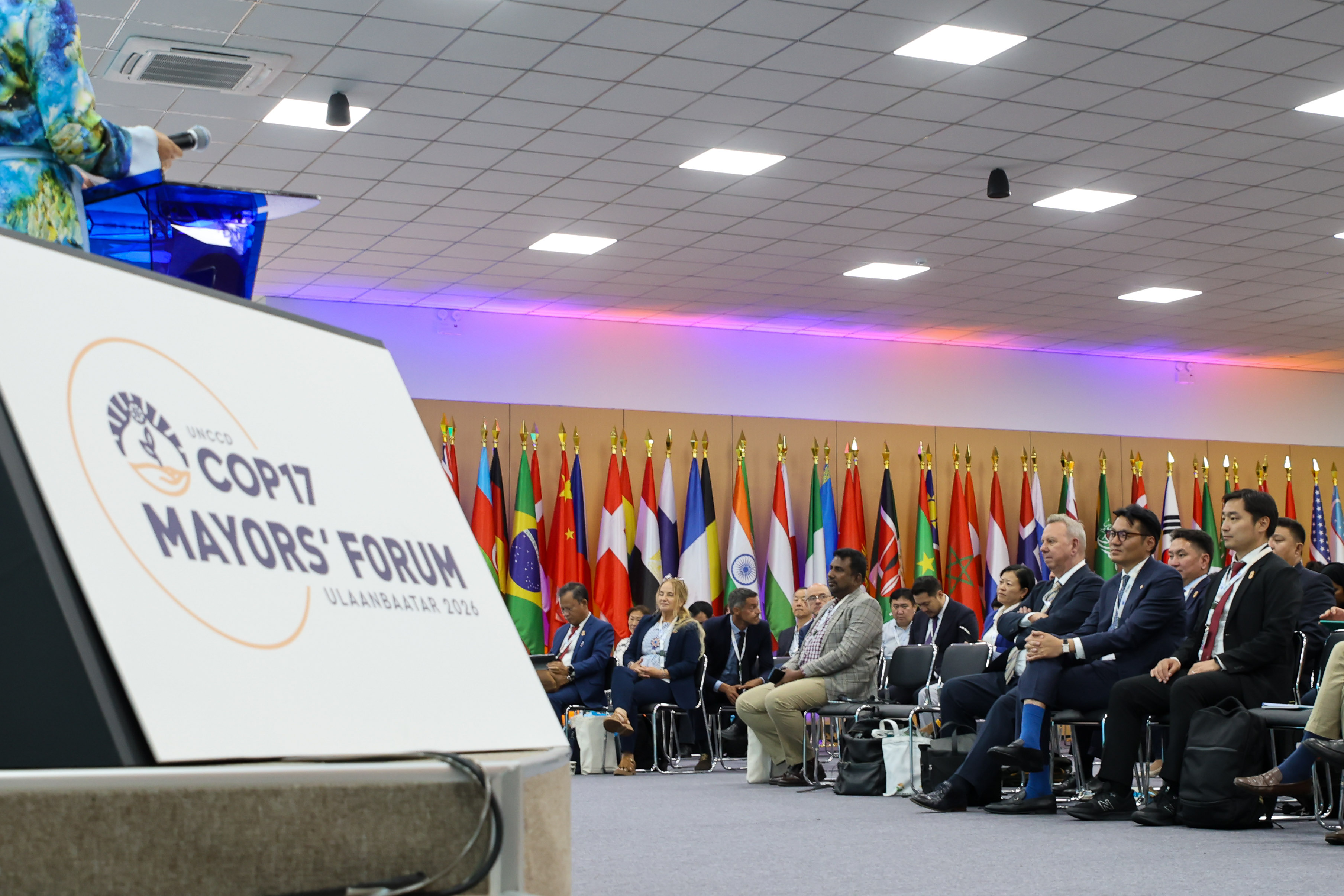
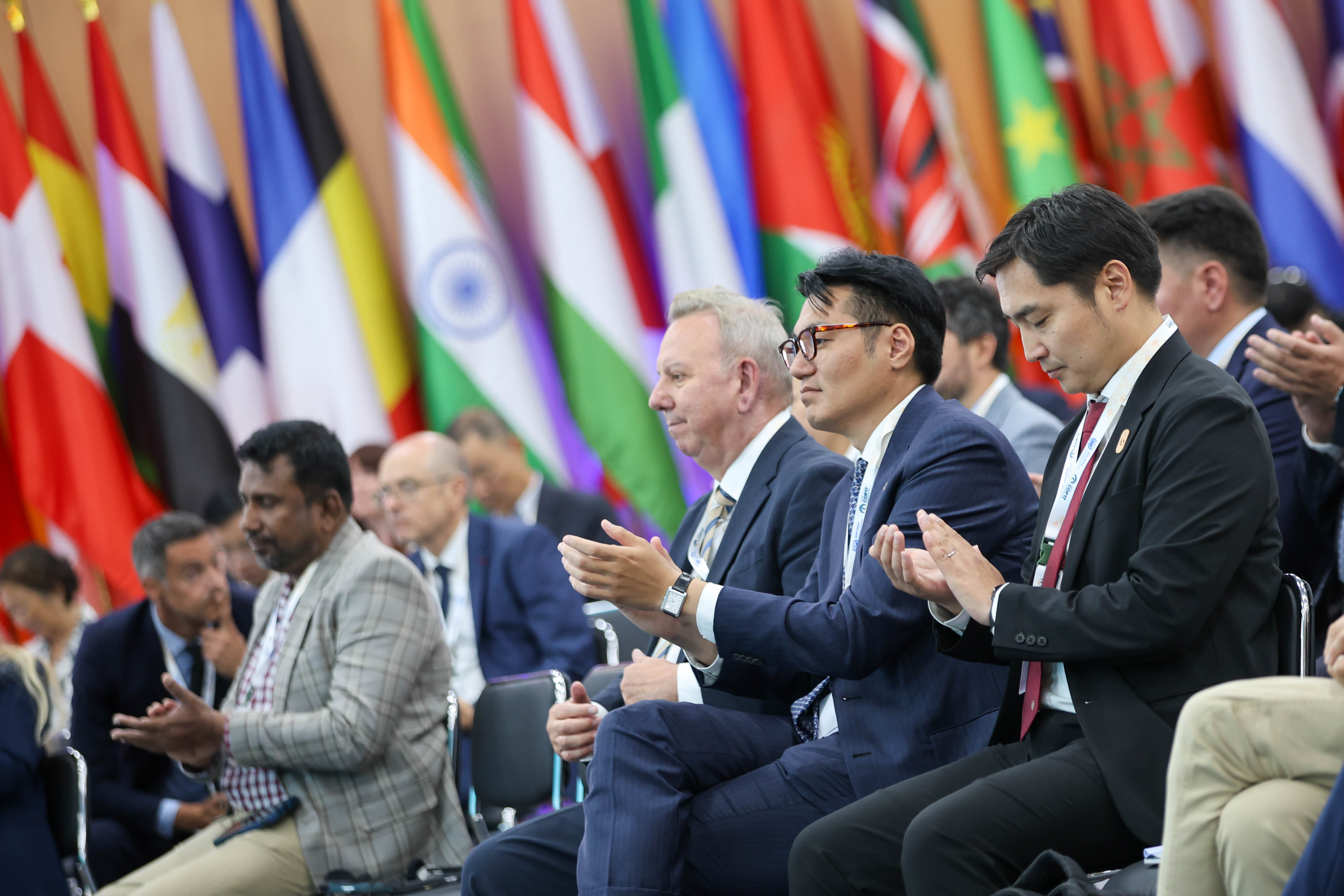
Elsewhere in the venue, mayors, governors and other local and regional leaders gathered at the COP 17 Mayors Forum to adopt the Ulaanbaatar Declaration, committing to advance local action on sustainable land management and drought resilience, and calling for a stronger, more permanent role for cities and regions in the UNCCD process.
To receive free coverage of global environmental events delivered to your inbox, subscribe to the ENB Update newsletter.
All ENB photos are free to use with attribution. For UNCCD COP 17, please use: Photo by IISD/ENB | Anastasia Rodopoulou.
Committee of the Whole
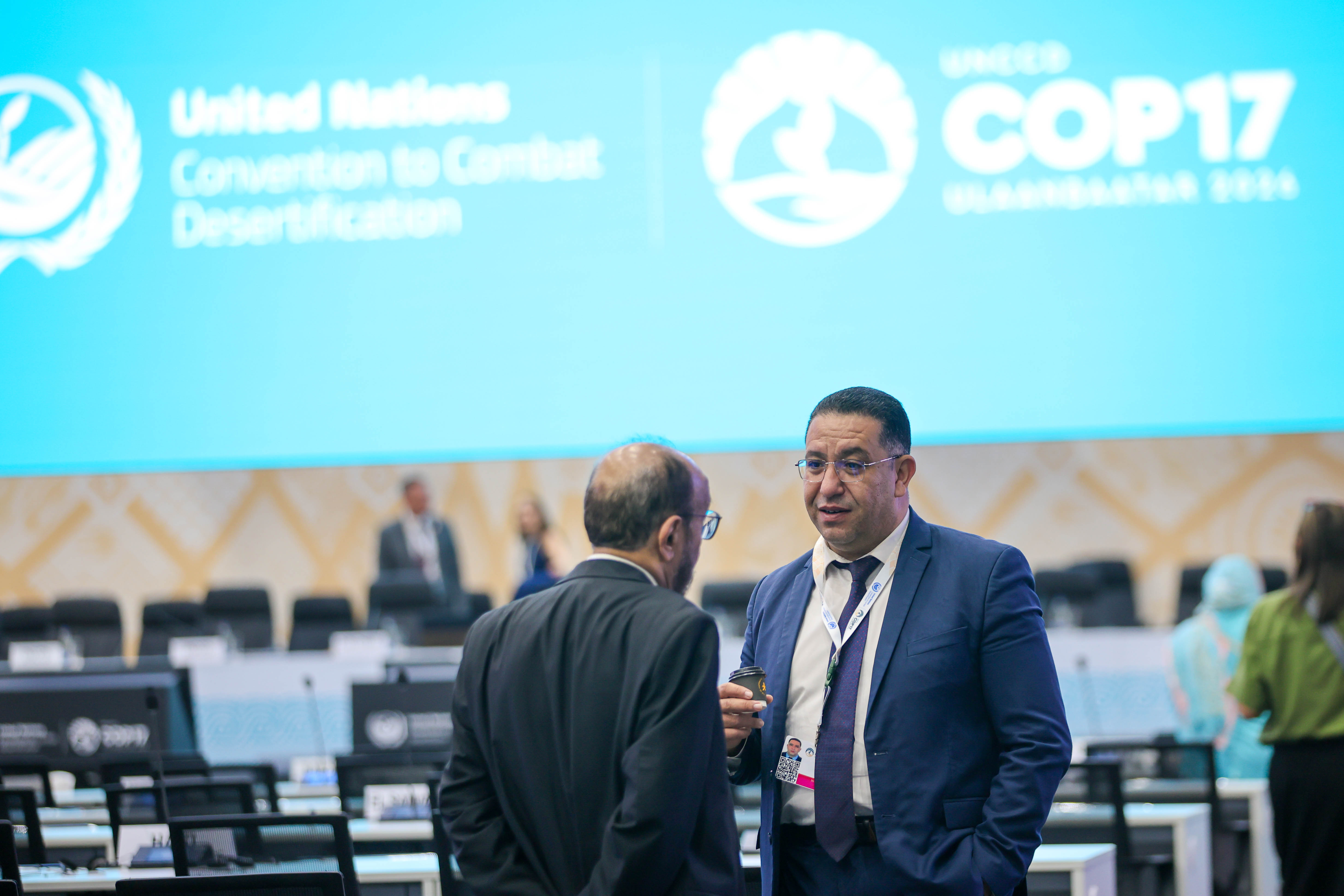
COW Chair Khalid Cherki speaks with a delegate before the start of the session.
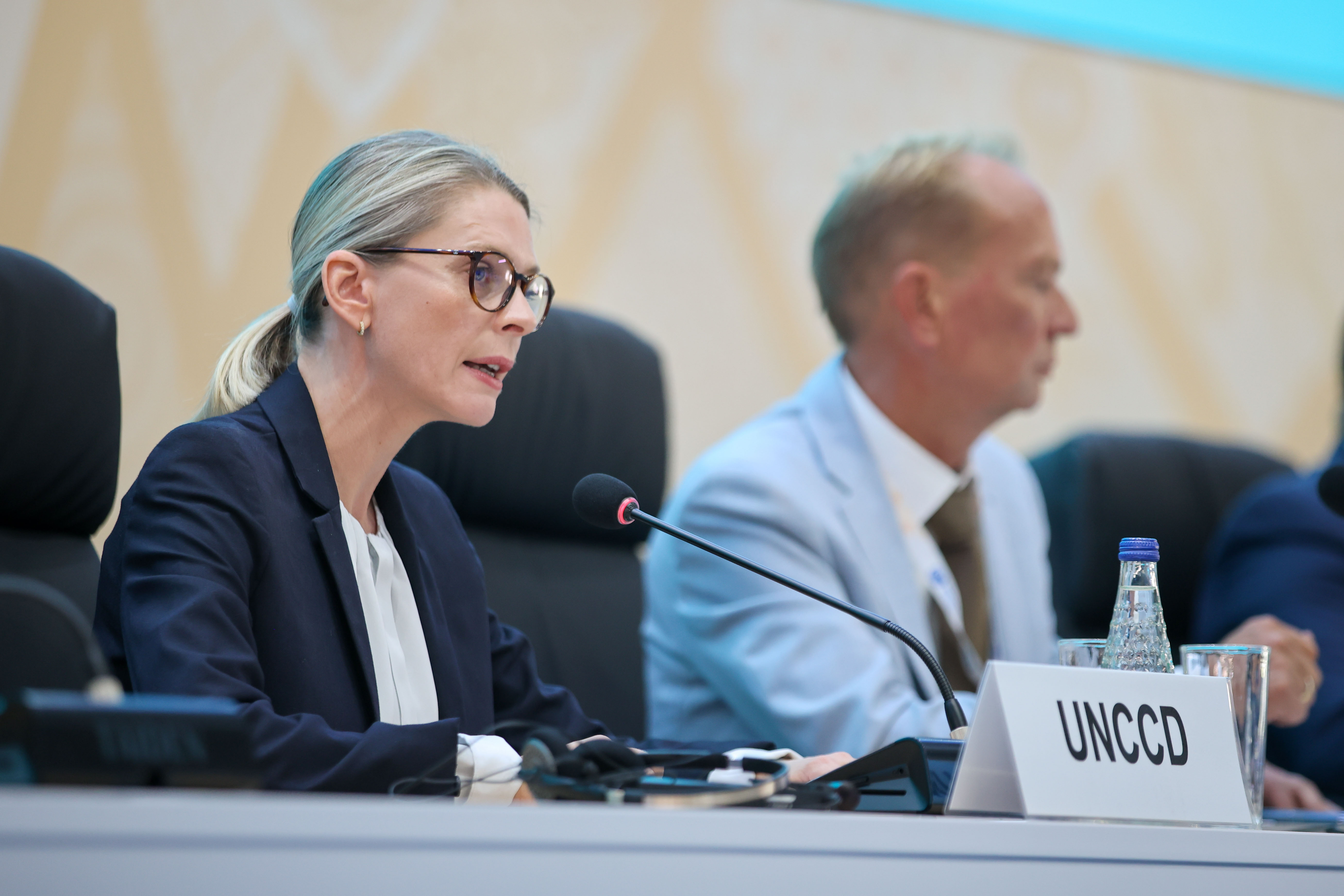
Xenya Scanlon, UNCCD Secretariat
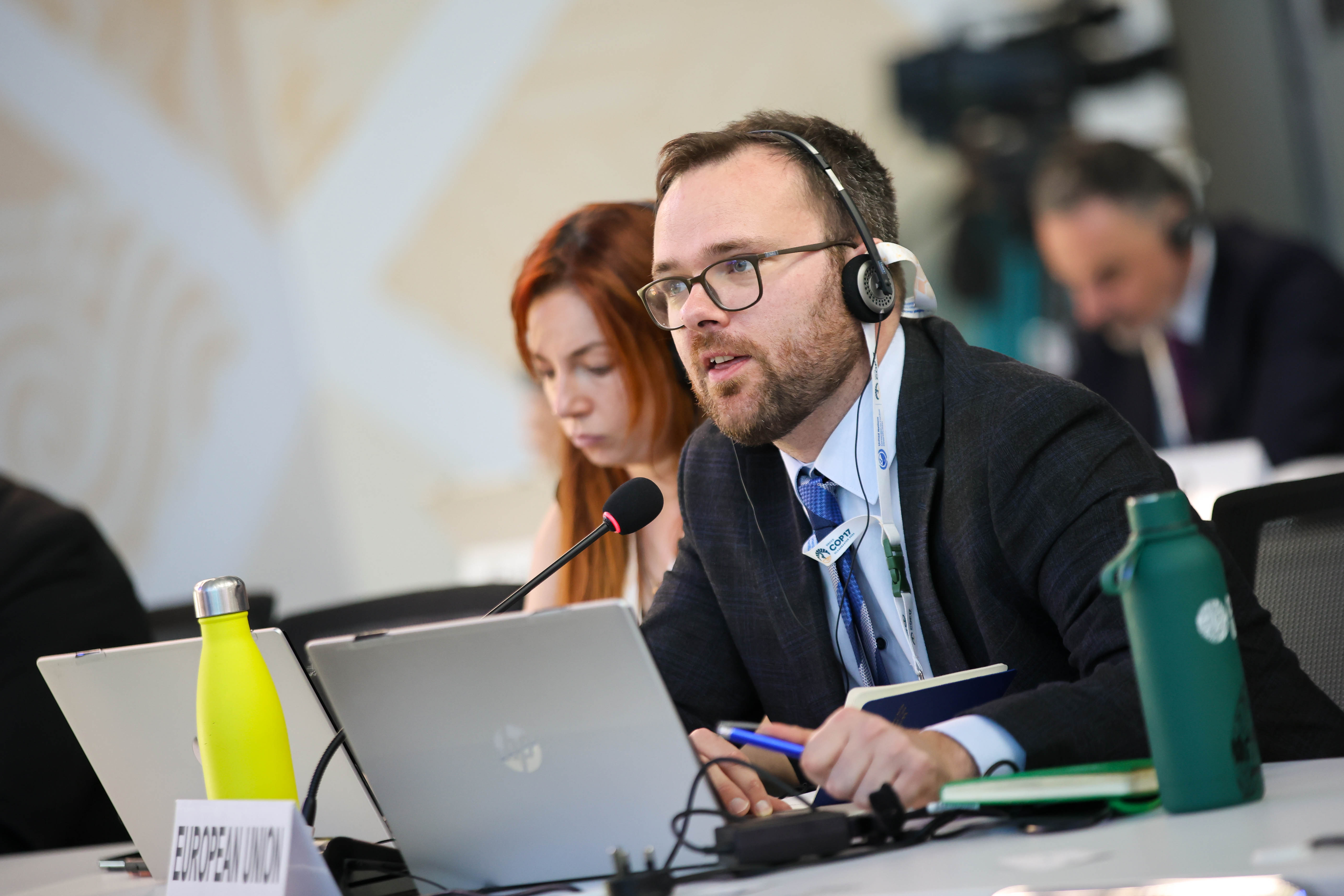
Mícheál Callaghan, EU
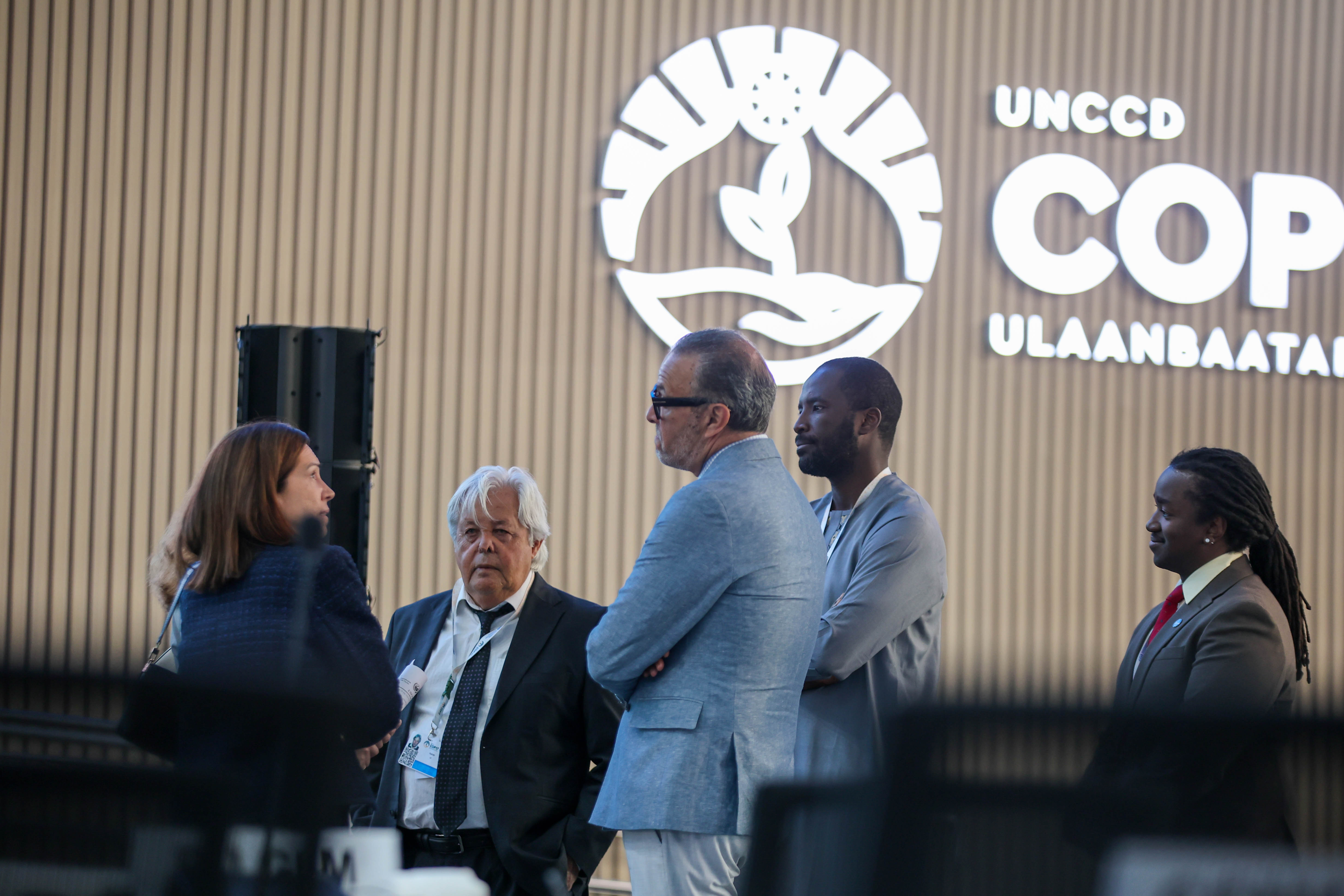
Members of the Secretariat meet with a delegate.
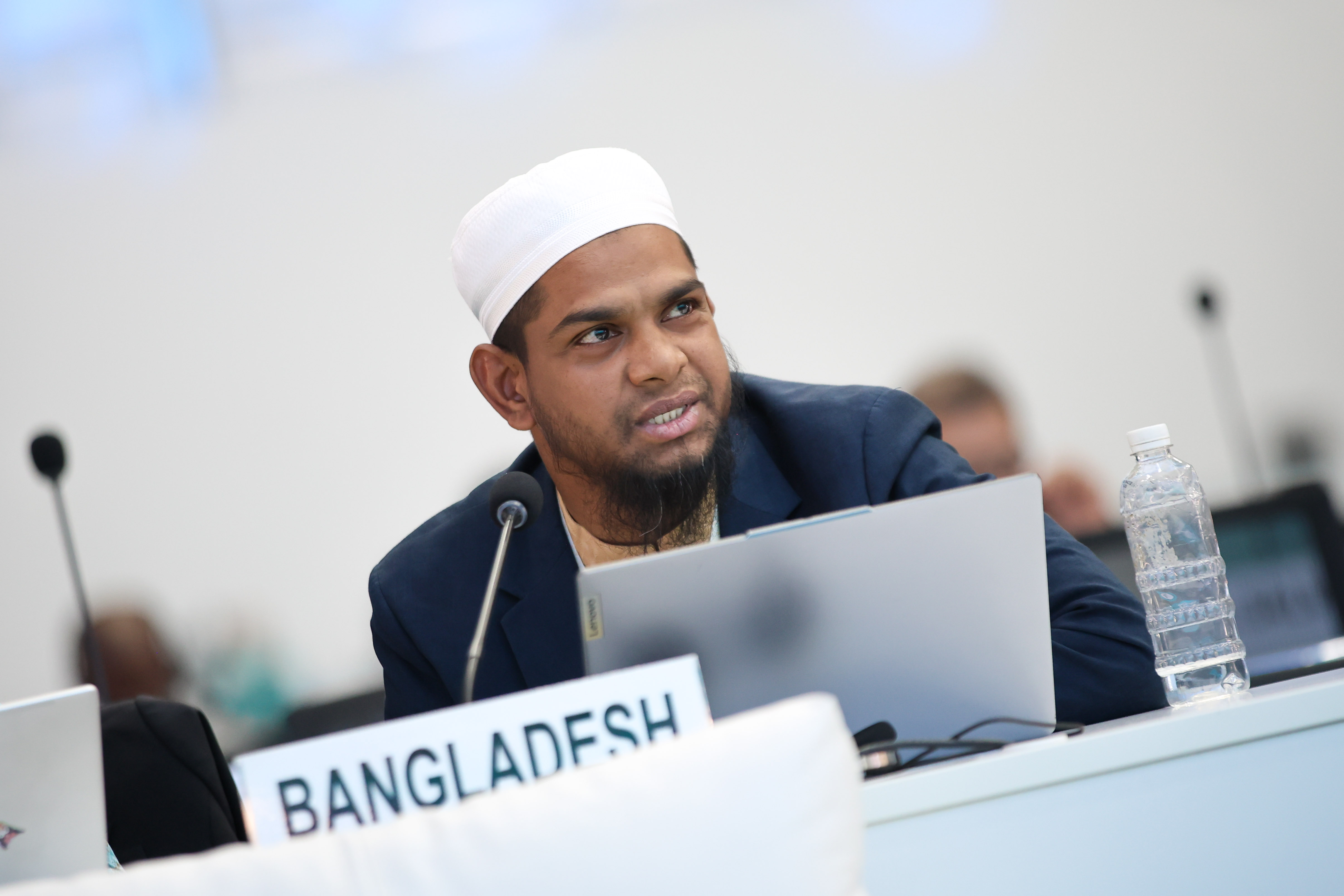
Syful Islam, Bangladesh
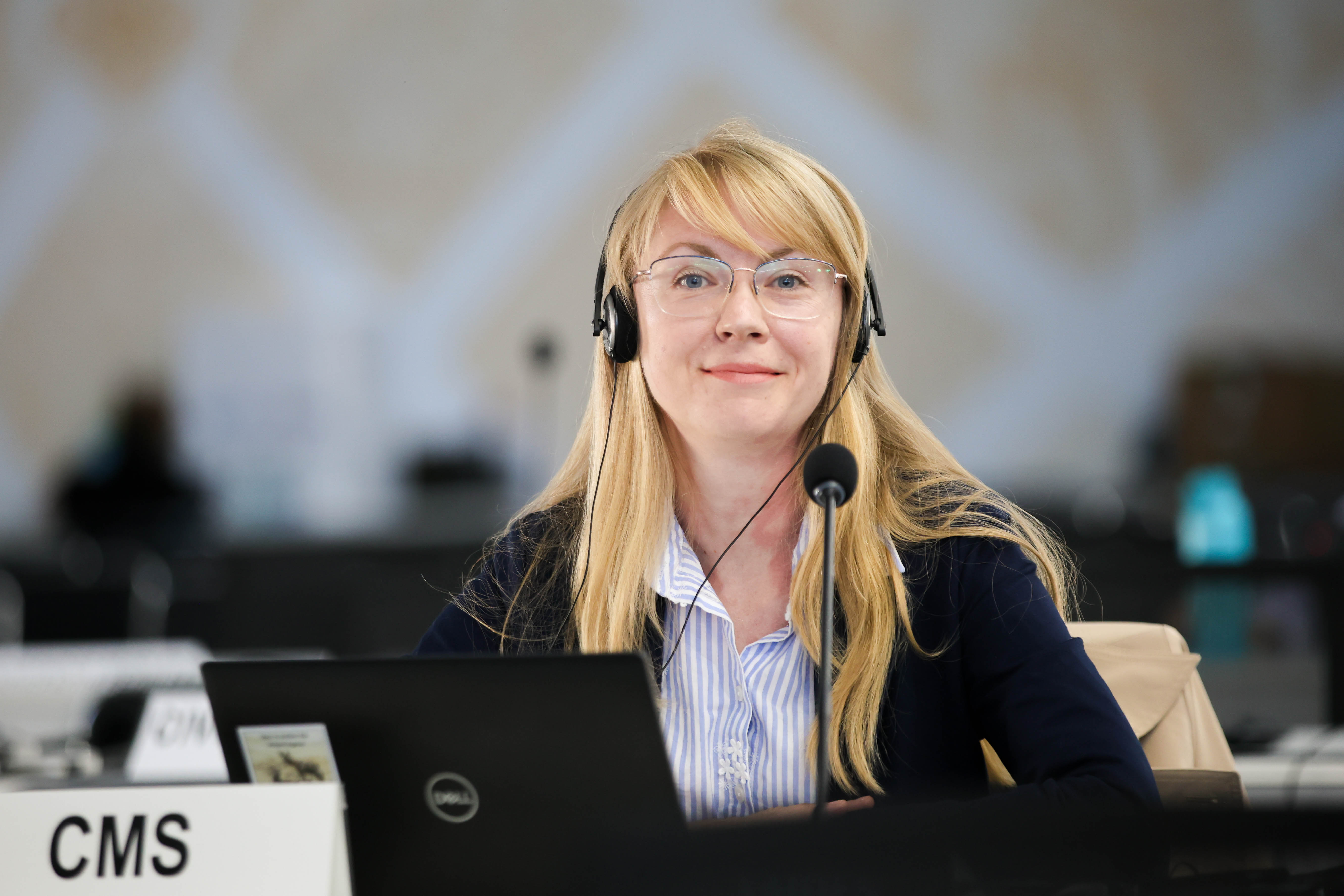
Polina Orlinskiy, Secretariat of the Convention on the Conservation of Migratory Species of Wild Animals
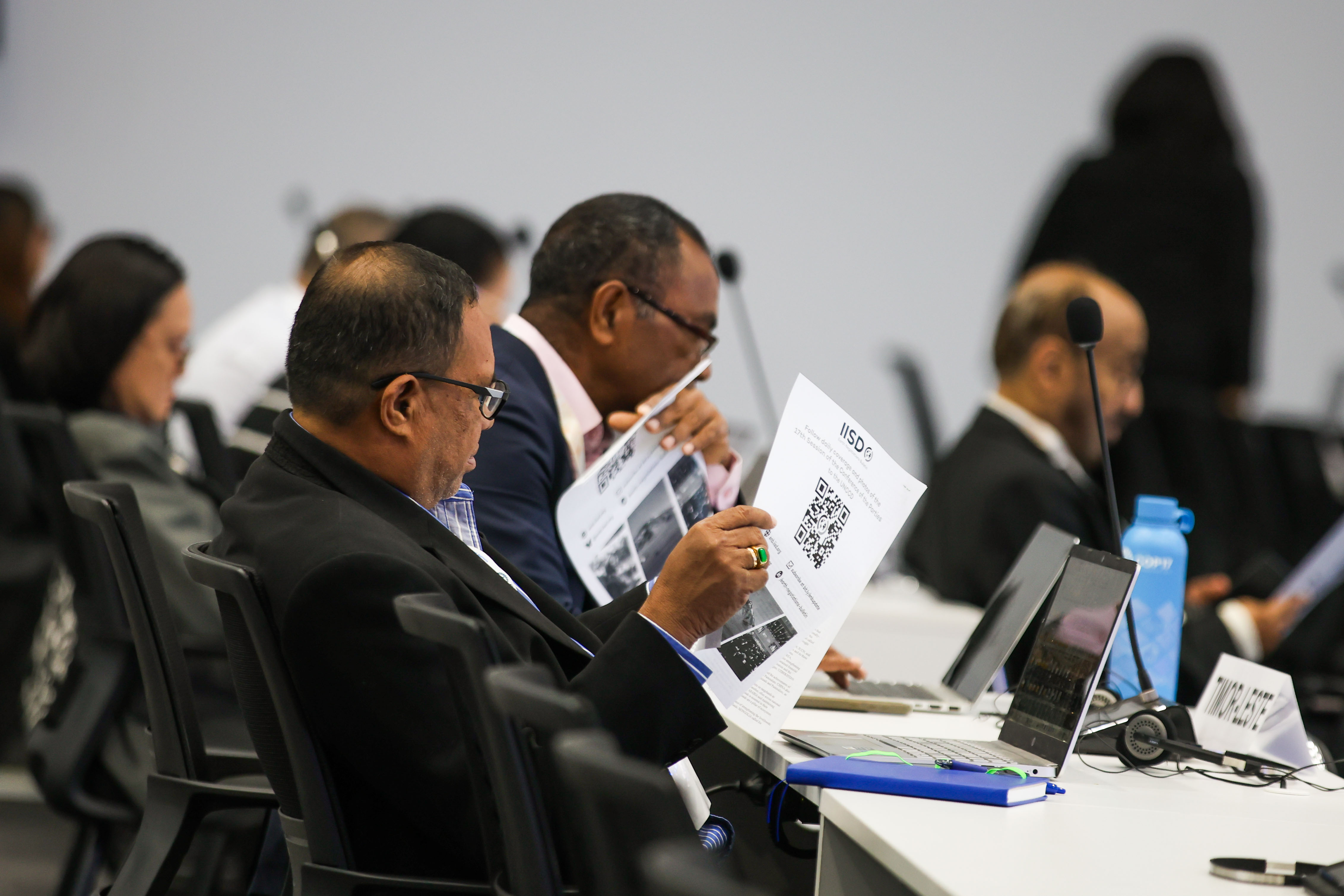
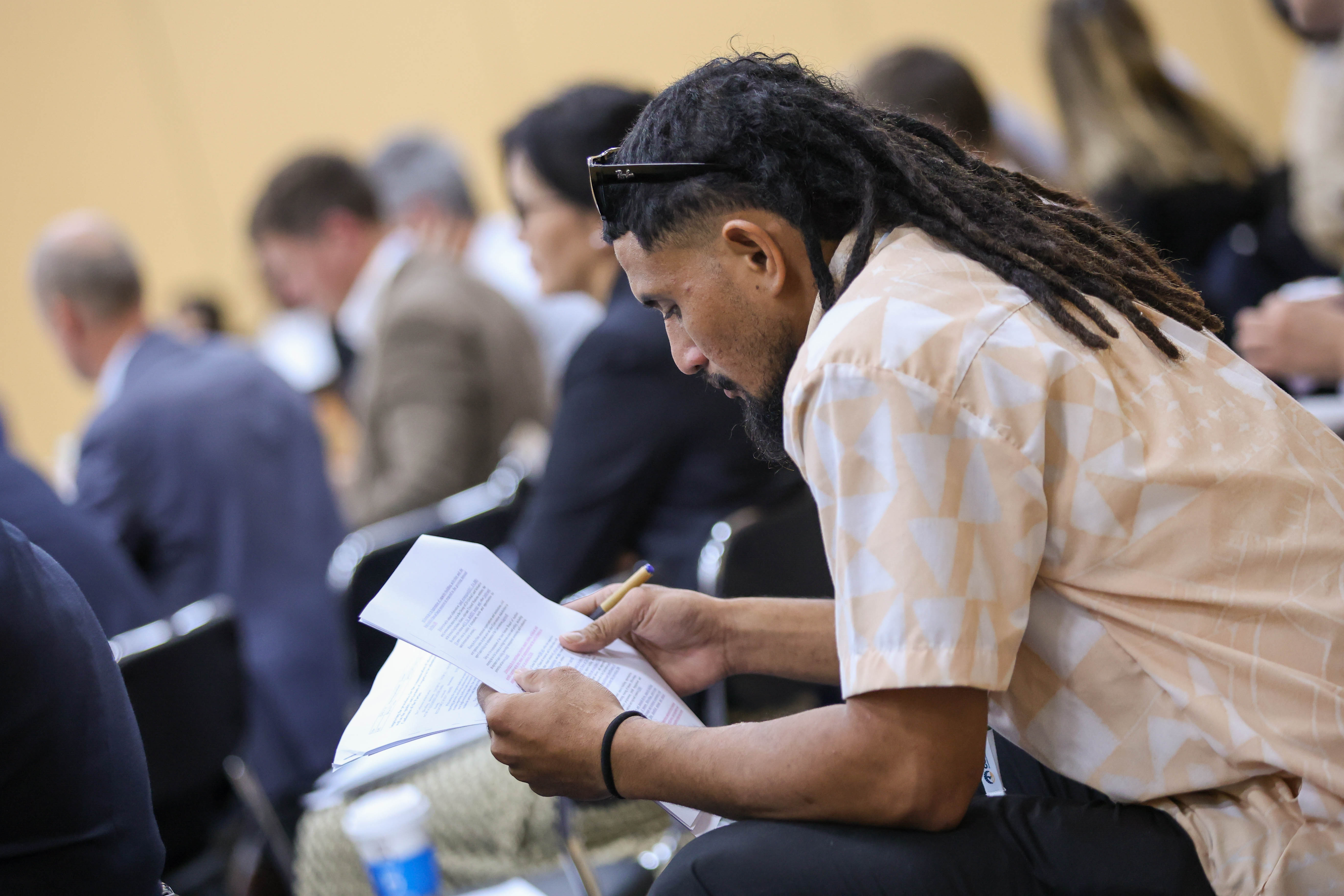
A delegate reads the ENB daily report.
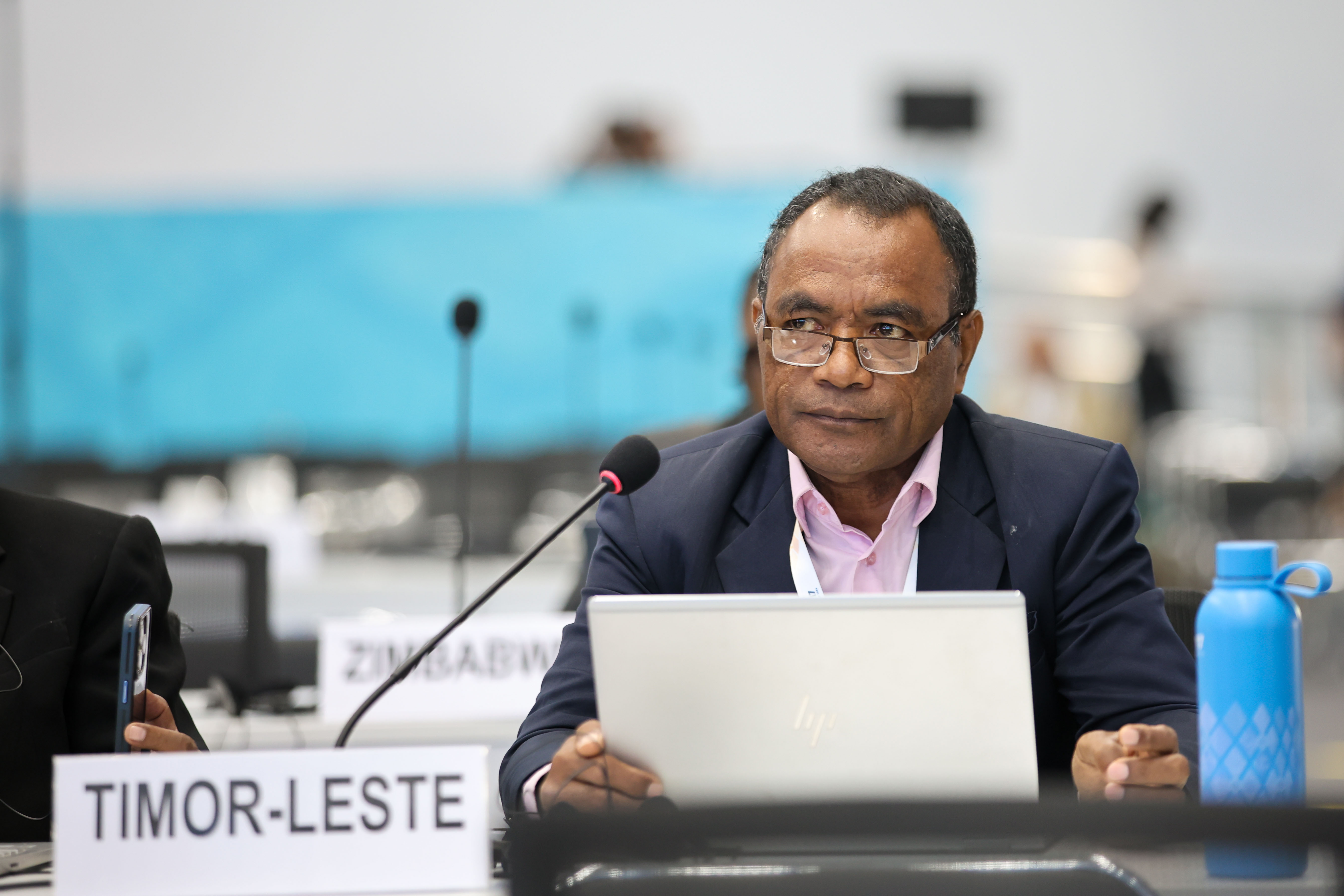
Raimundo Mau, Timor-Leste
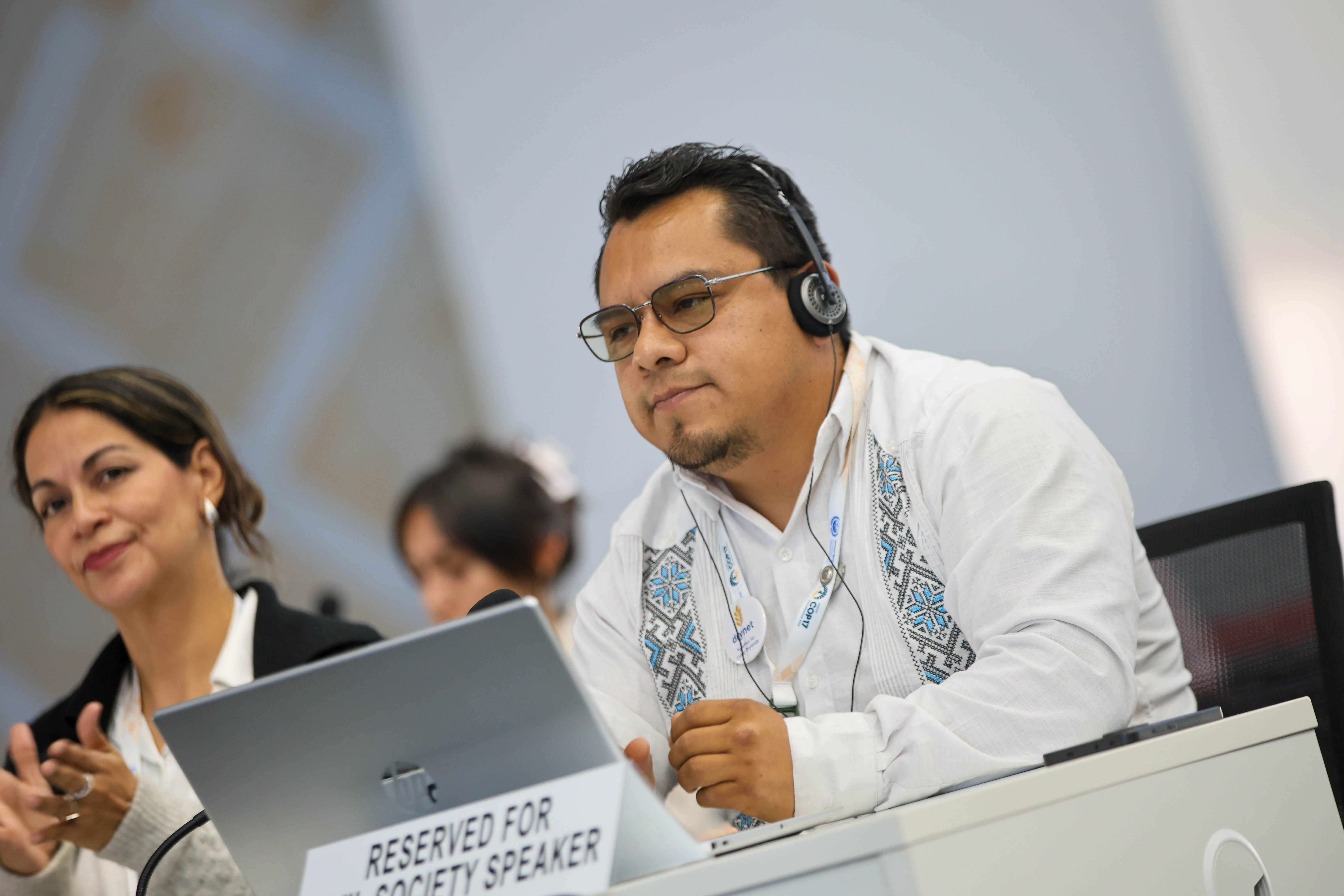
Claudio Lobato de la Cruz, Fundación Cuenca Sana, Agua Limpia
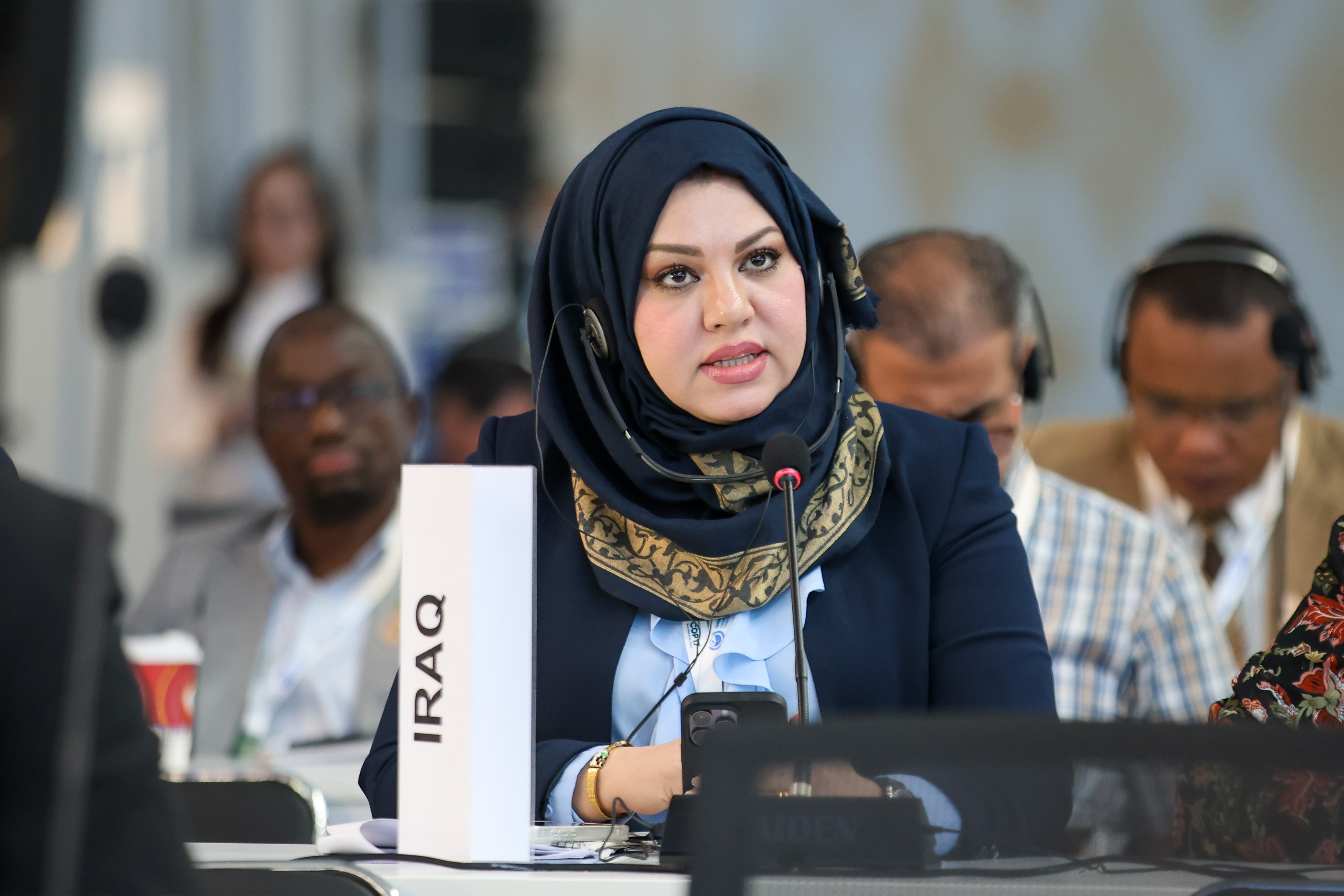
Aseel Majeed Ahmed Al-Juboori, Iraq
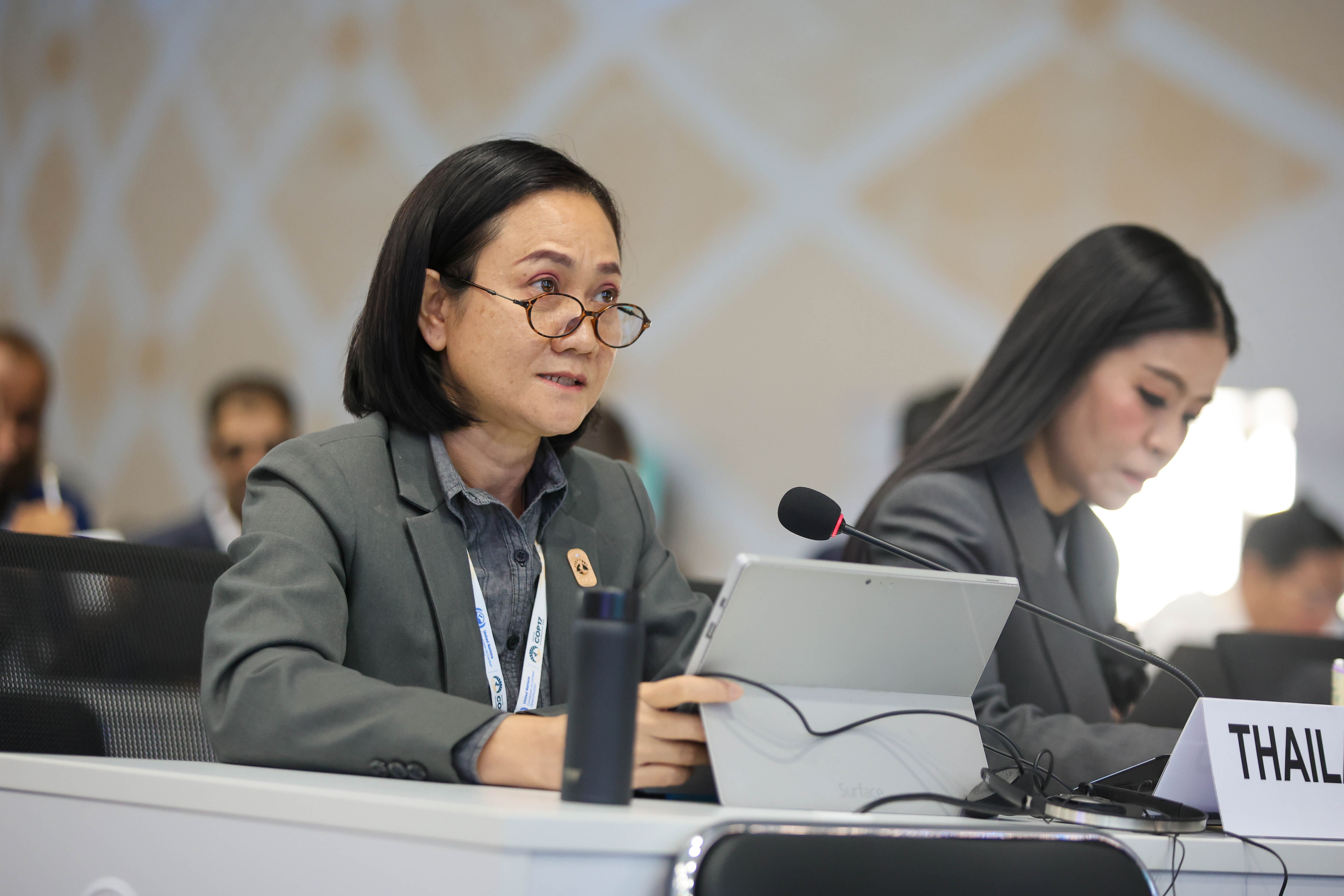
Saowanee Prachansri, Thailand
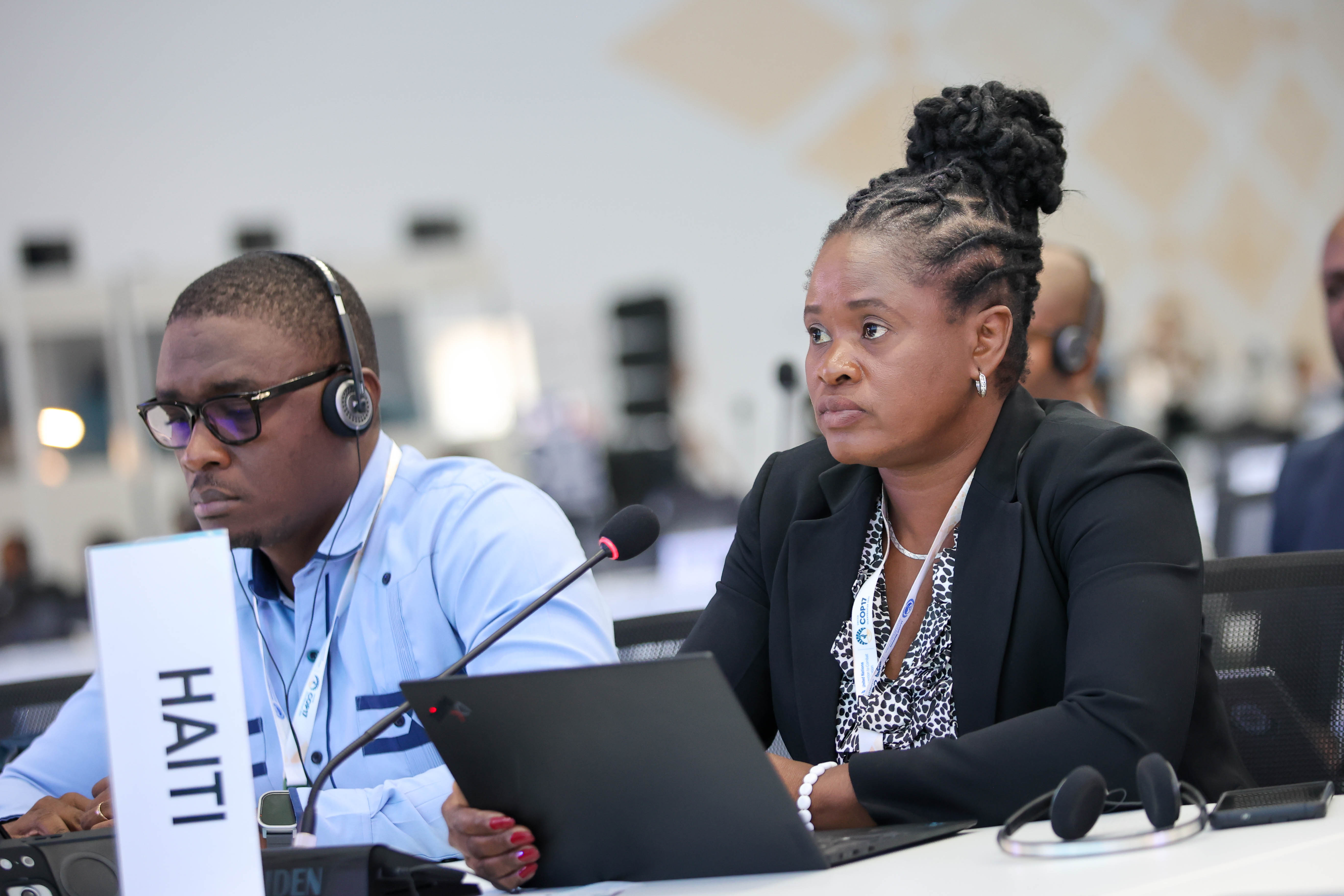
Sonia Orisme, Haiti
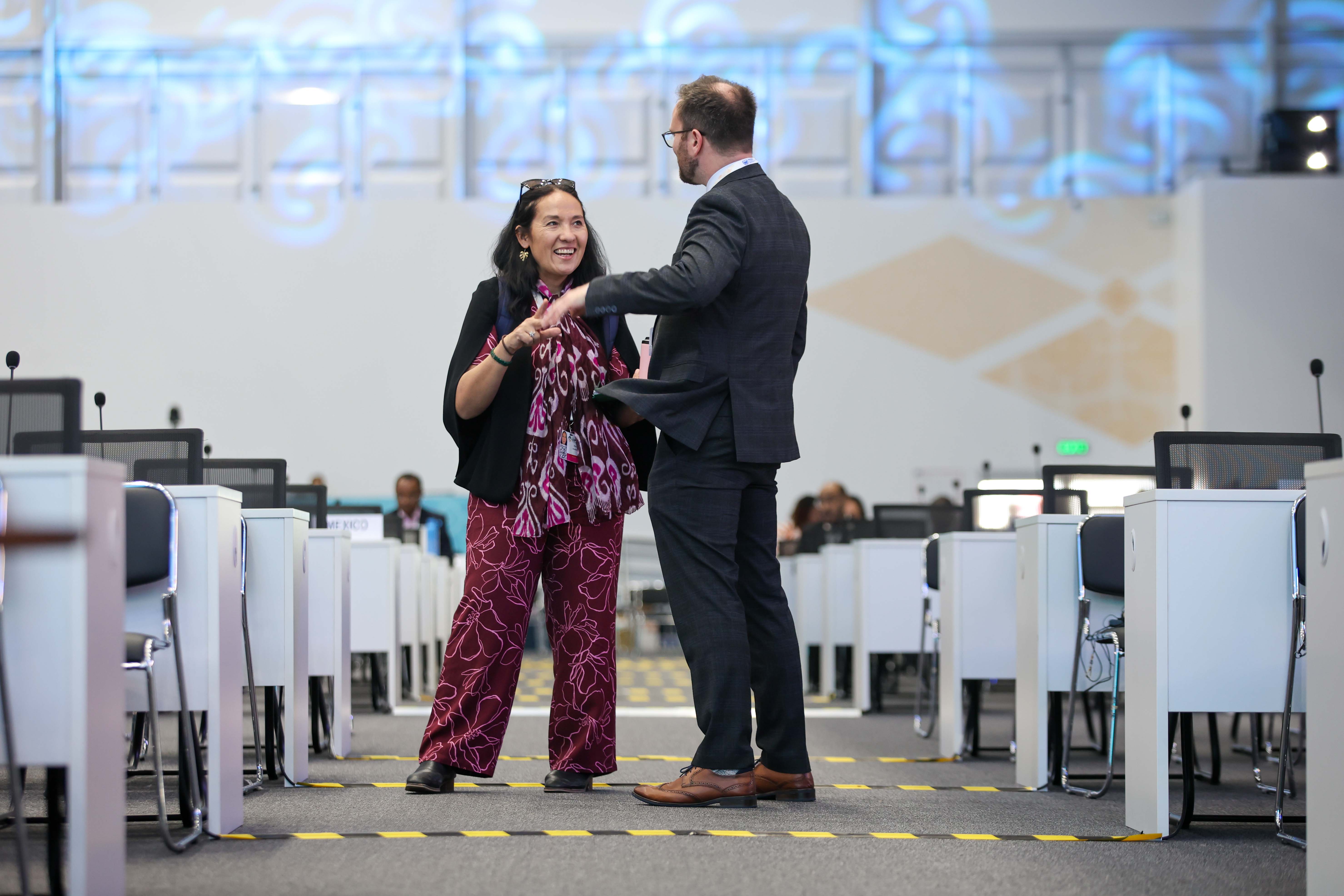
Fleur Downard, Australia
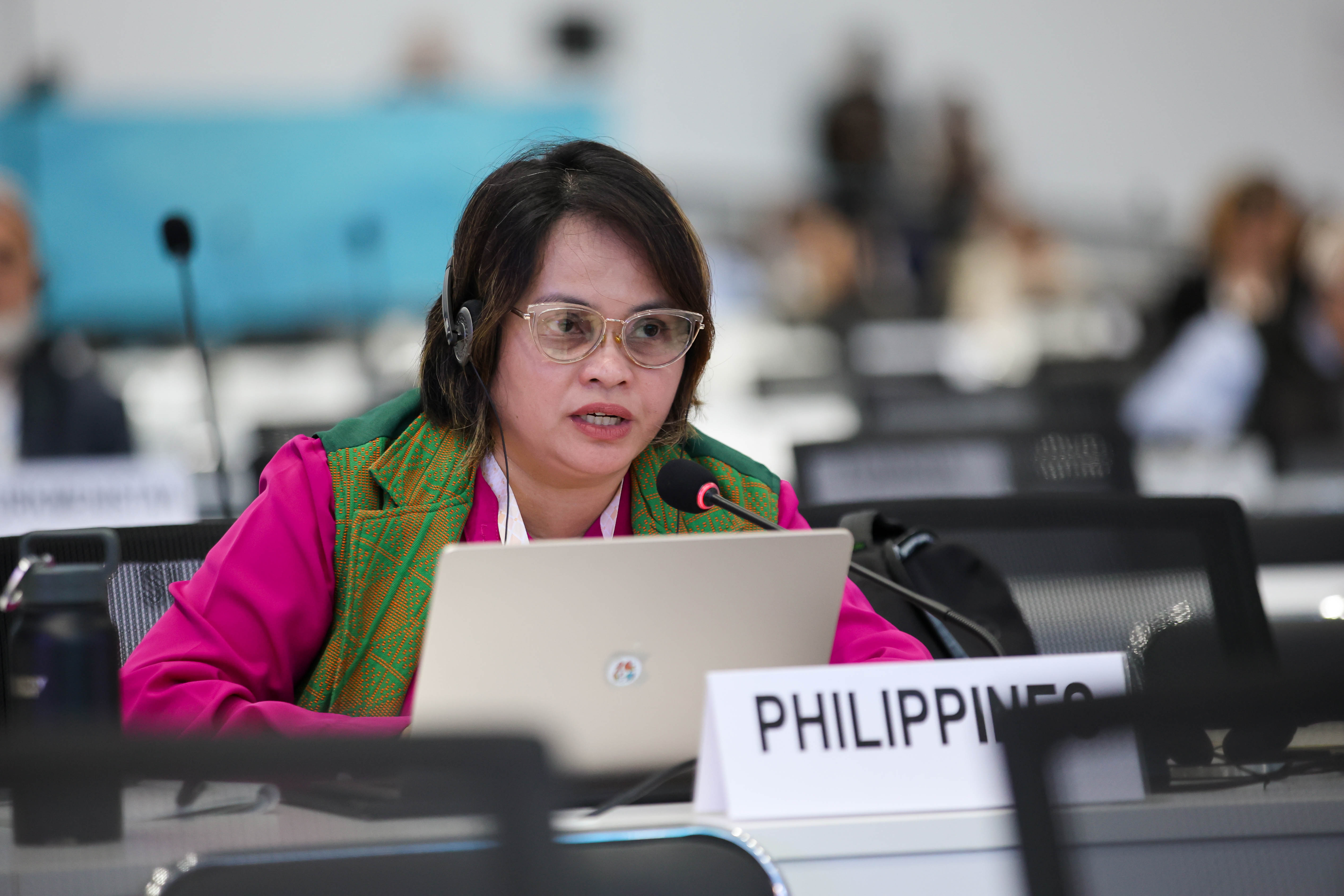
Denise Solaro, the Philippines
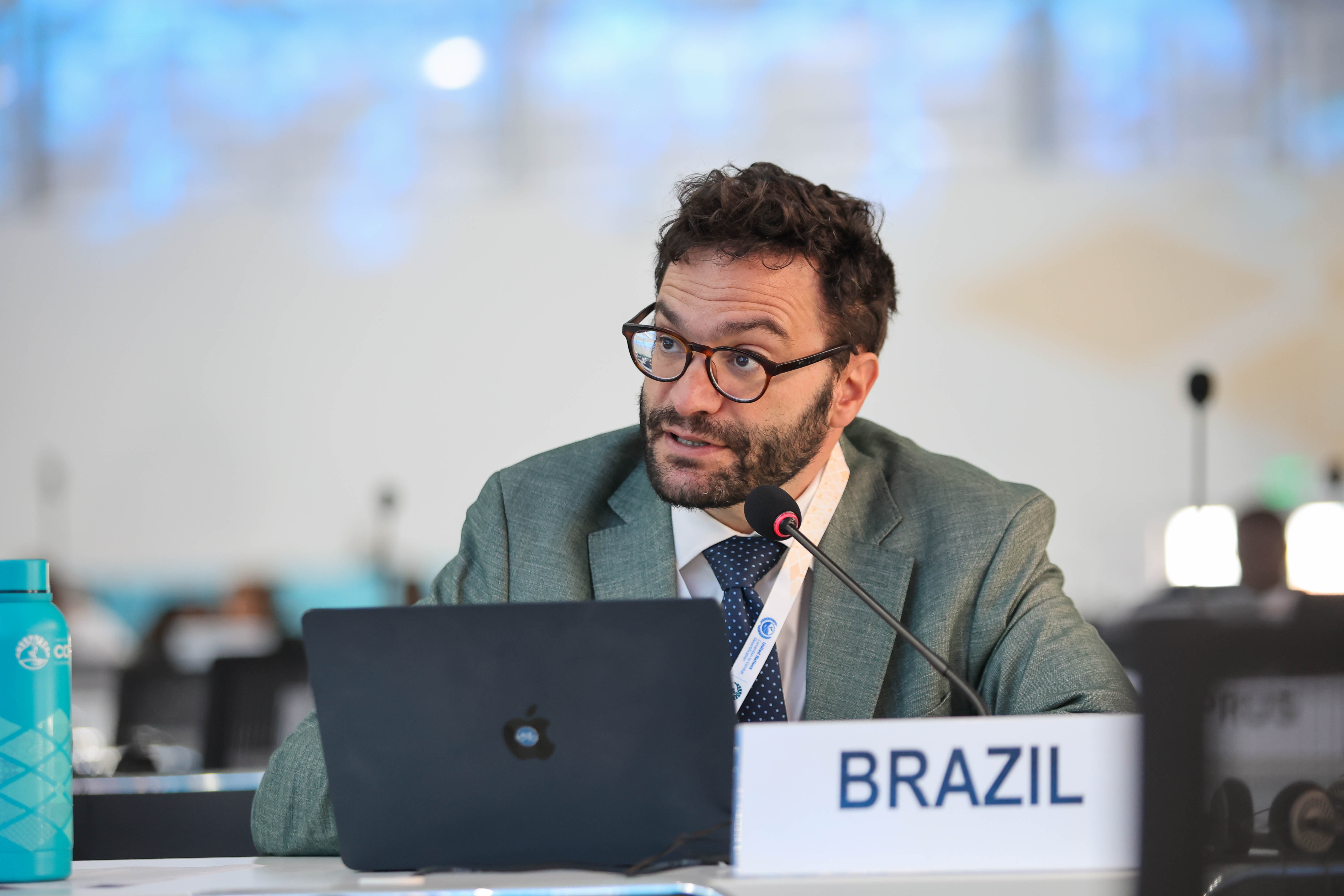
Paulo Braga, Brazil
Contact Groups
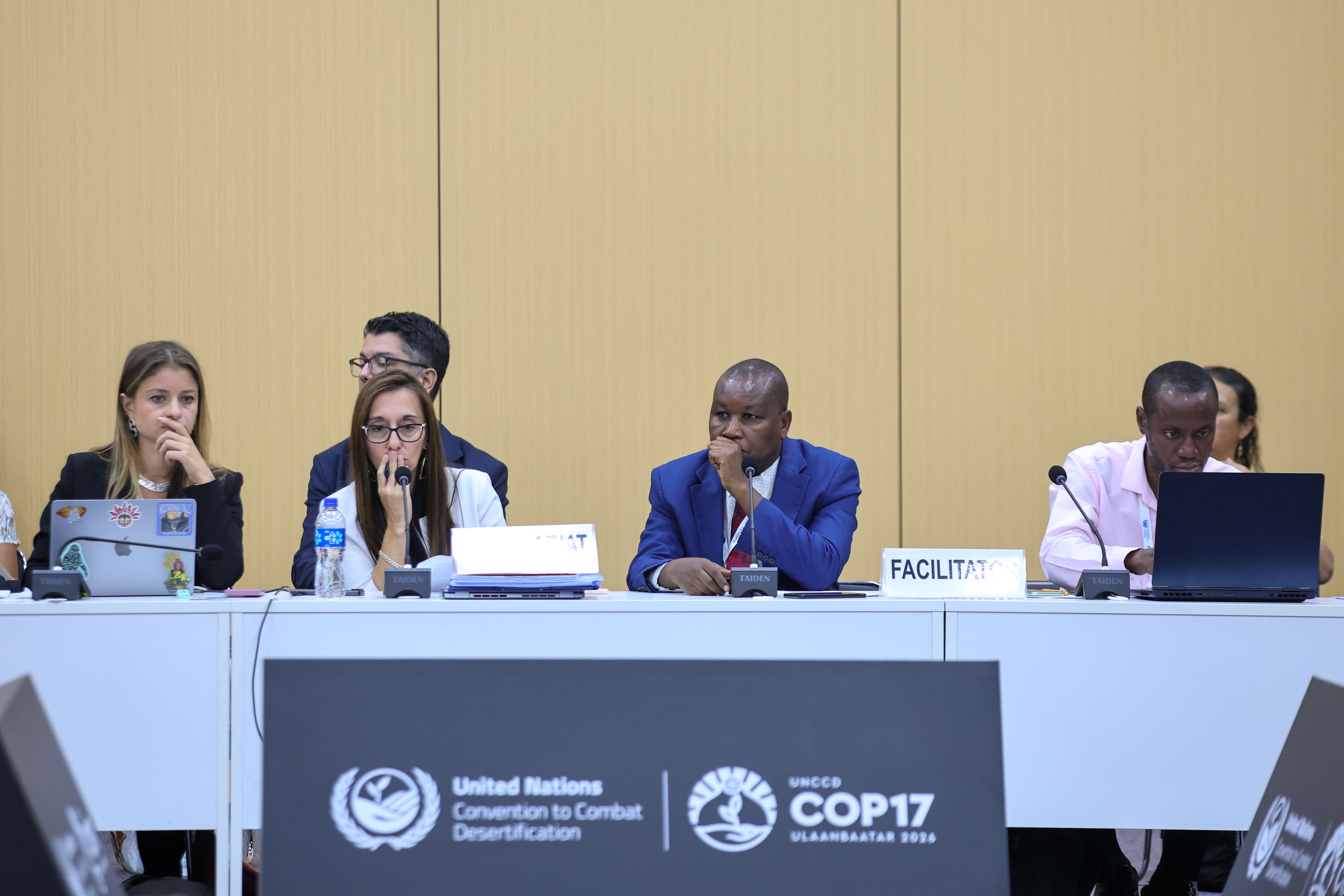
Charles Lange, facilitator of the CRIC contact group, and members of the Secretariat review changes to the text on screen.
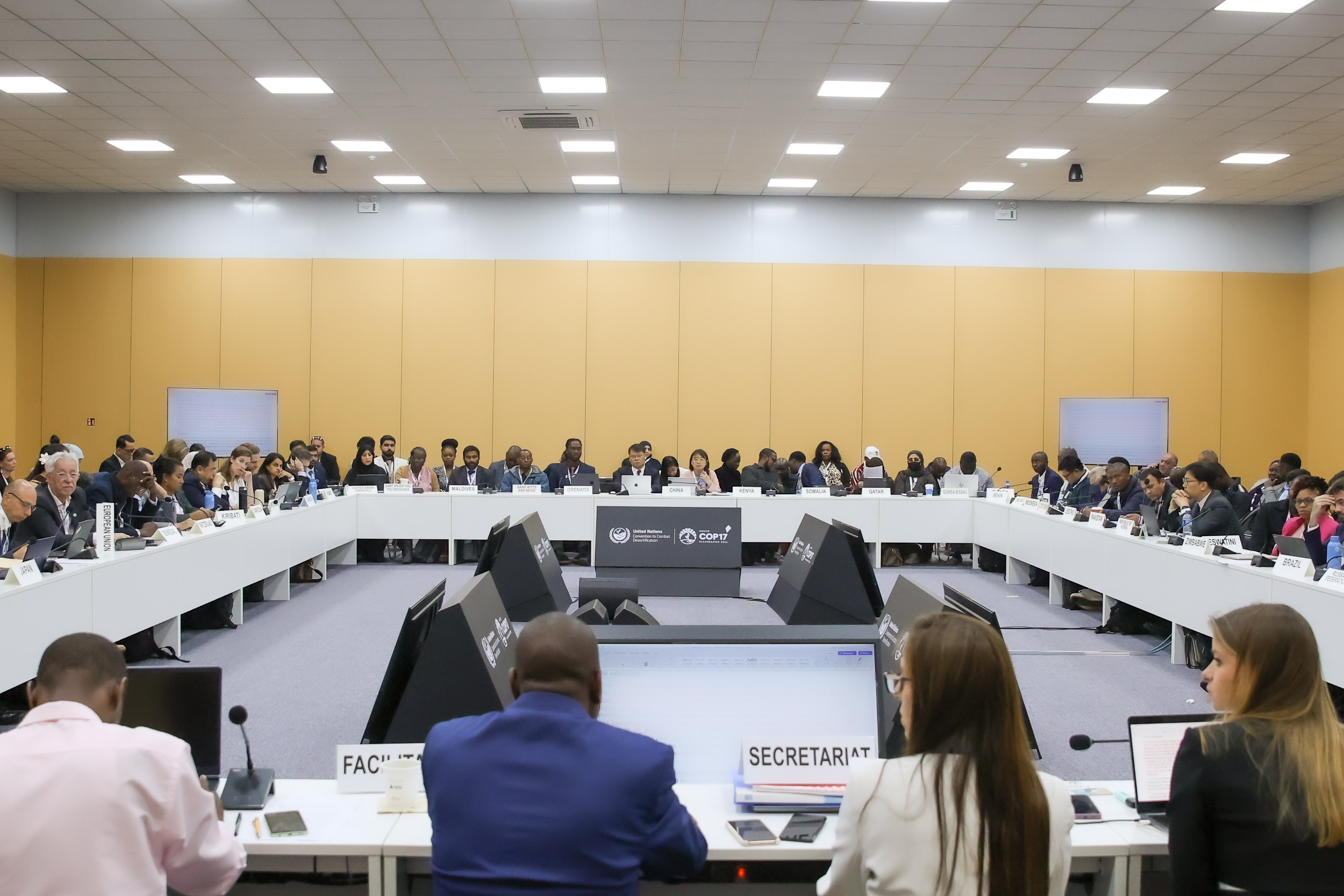
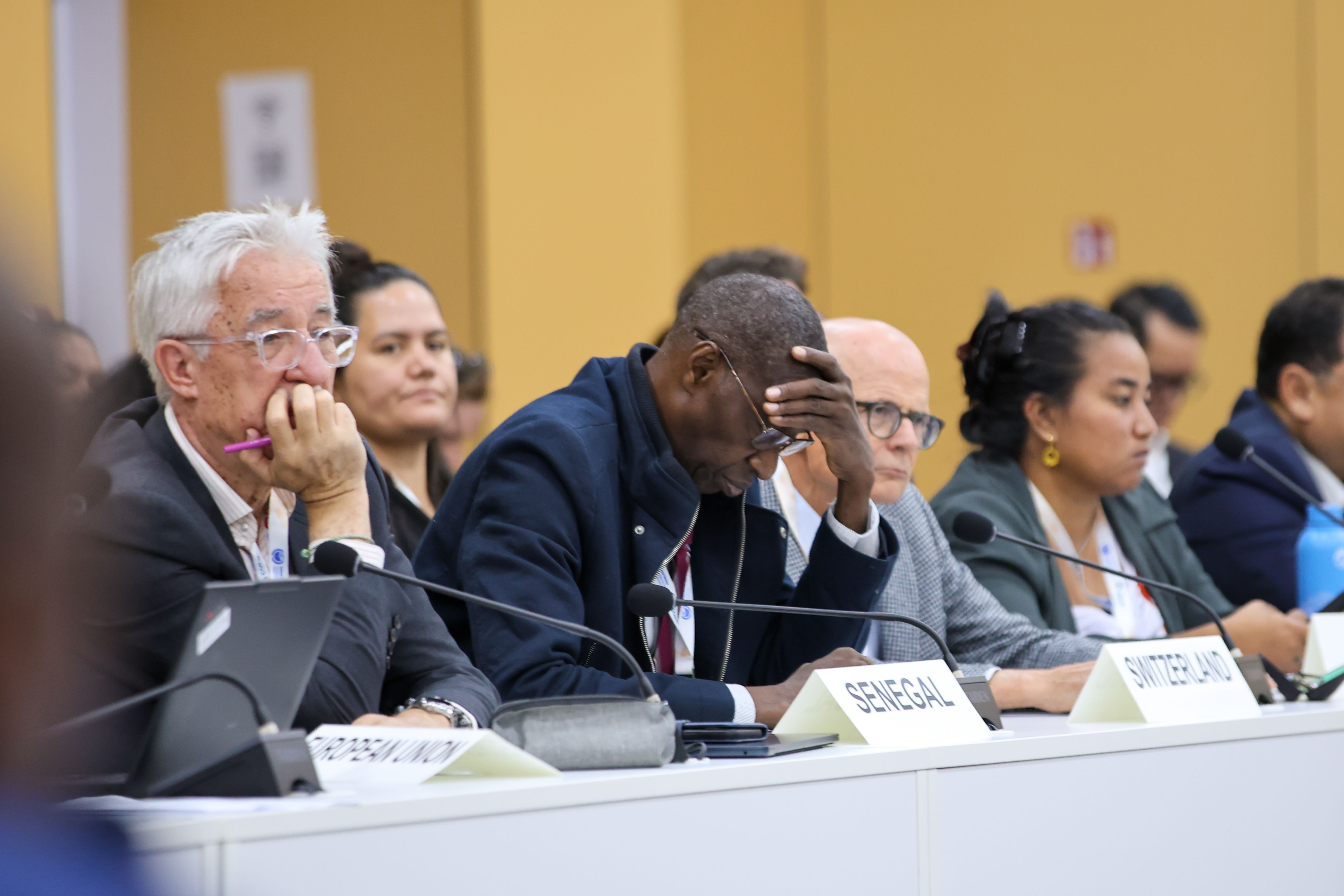
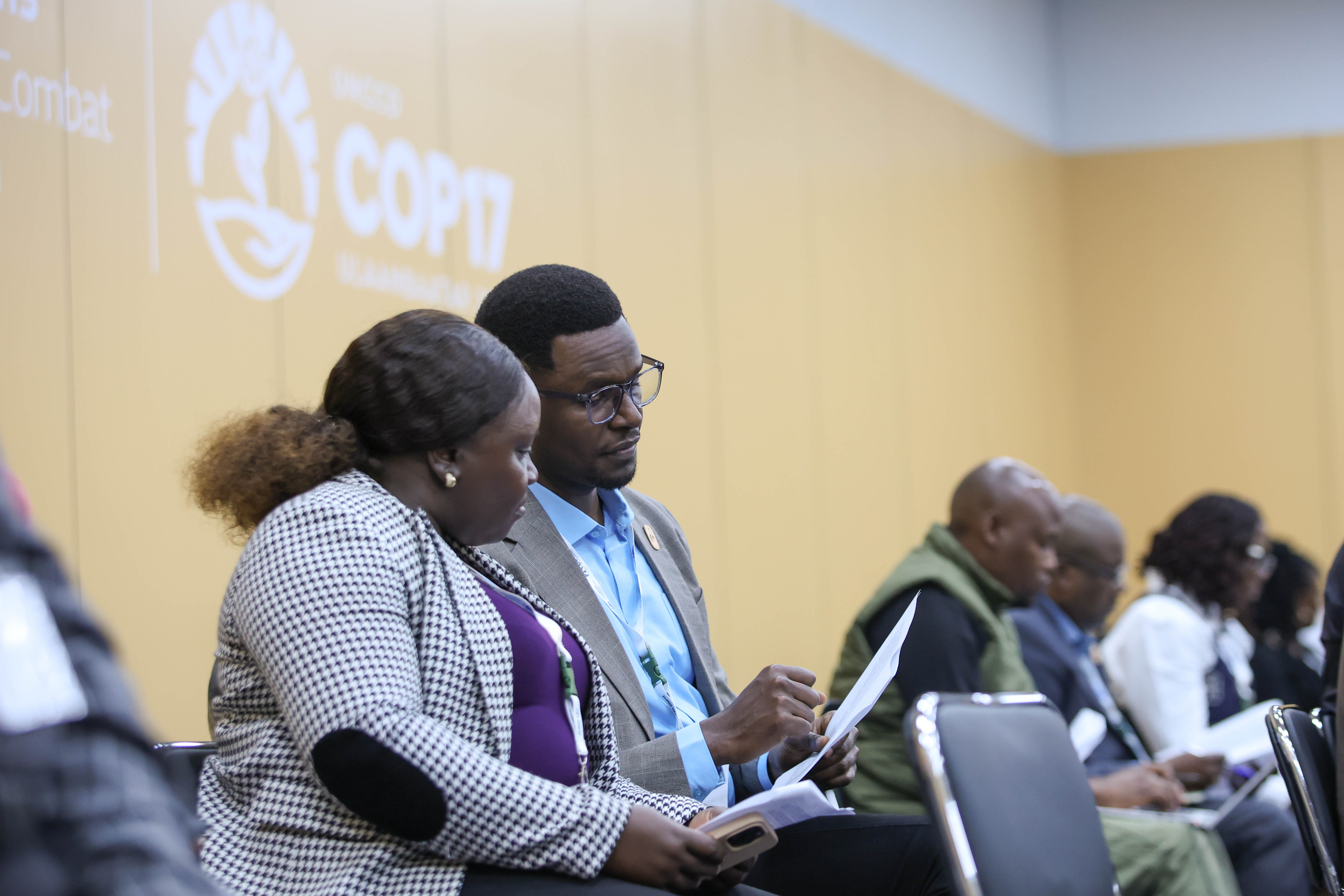
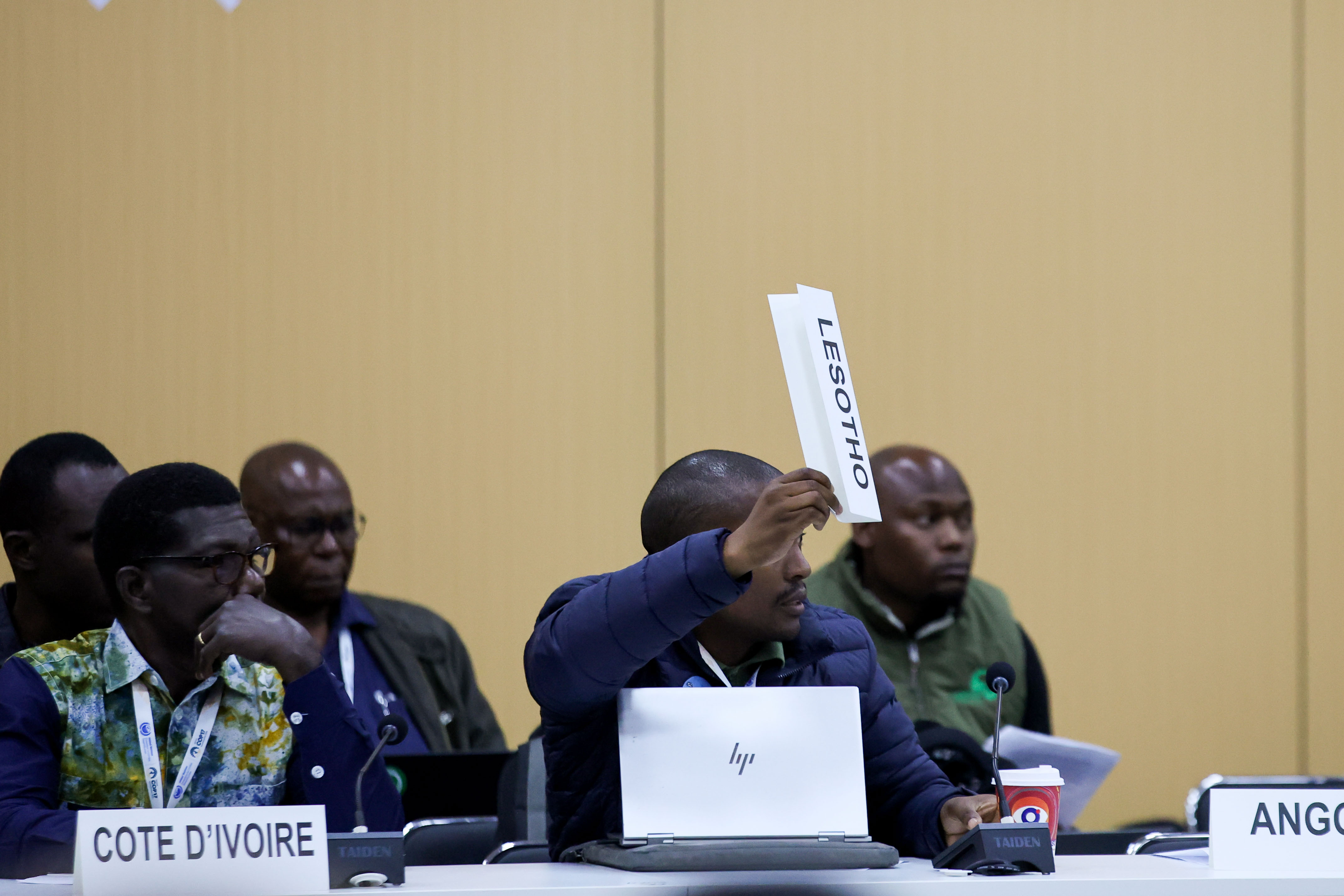

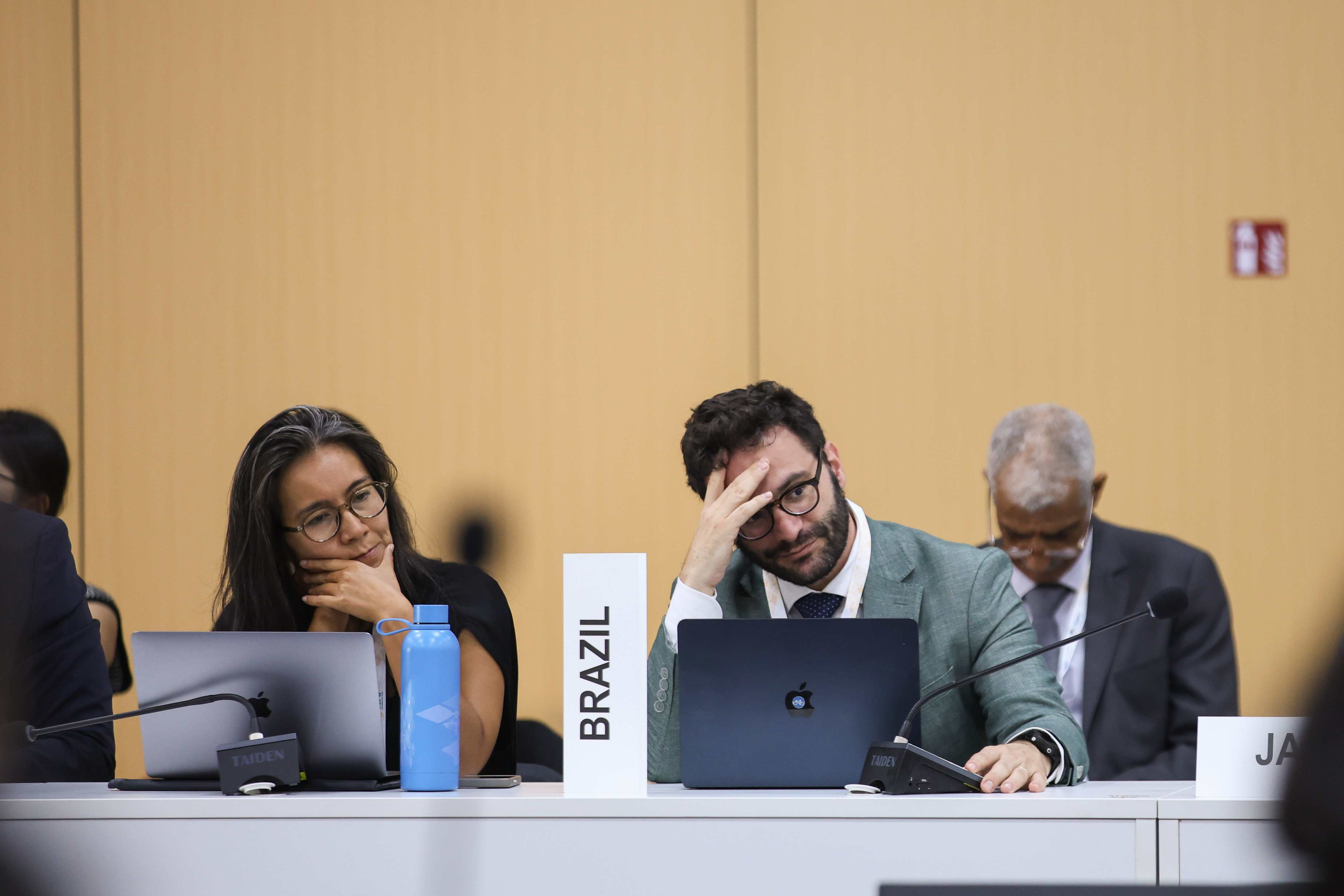
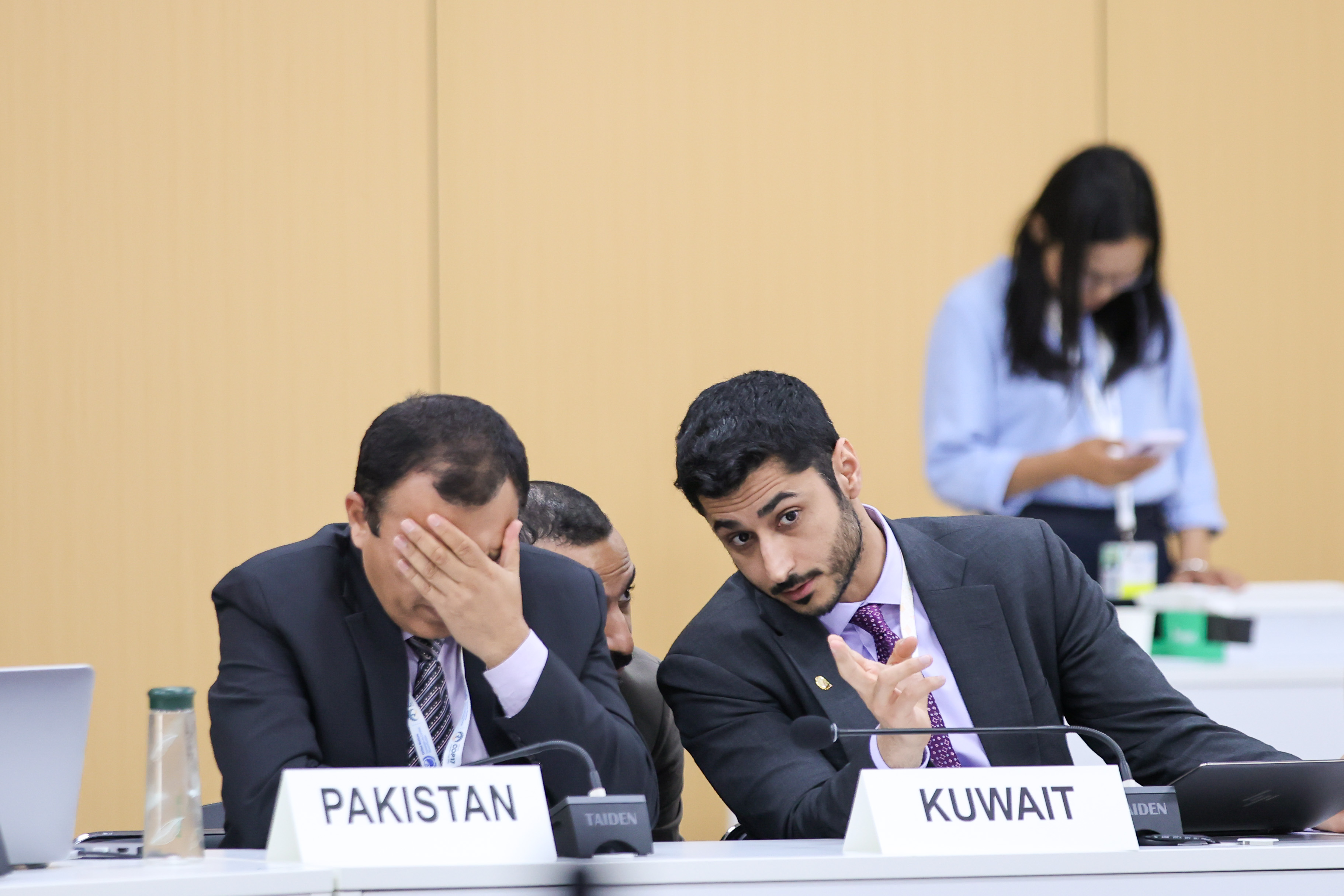
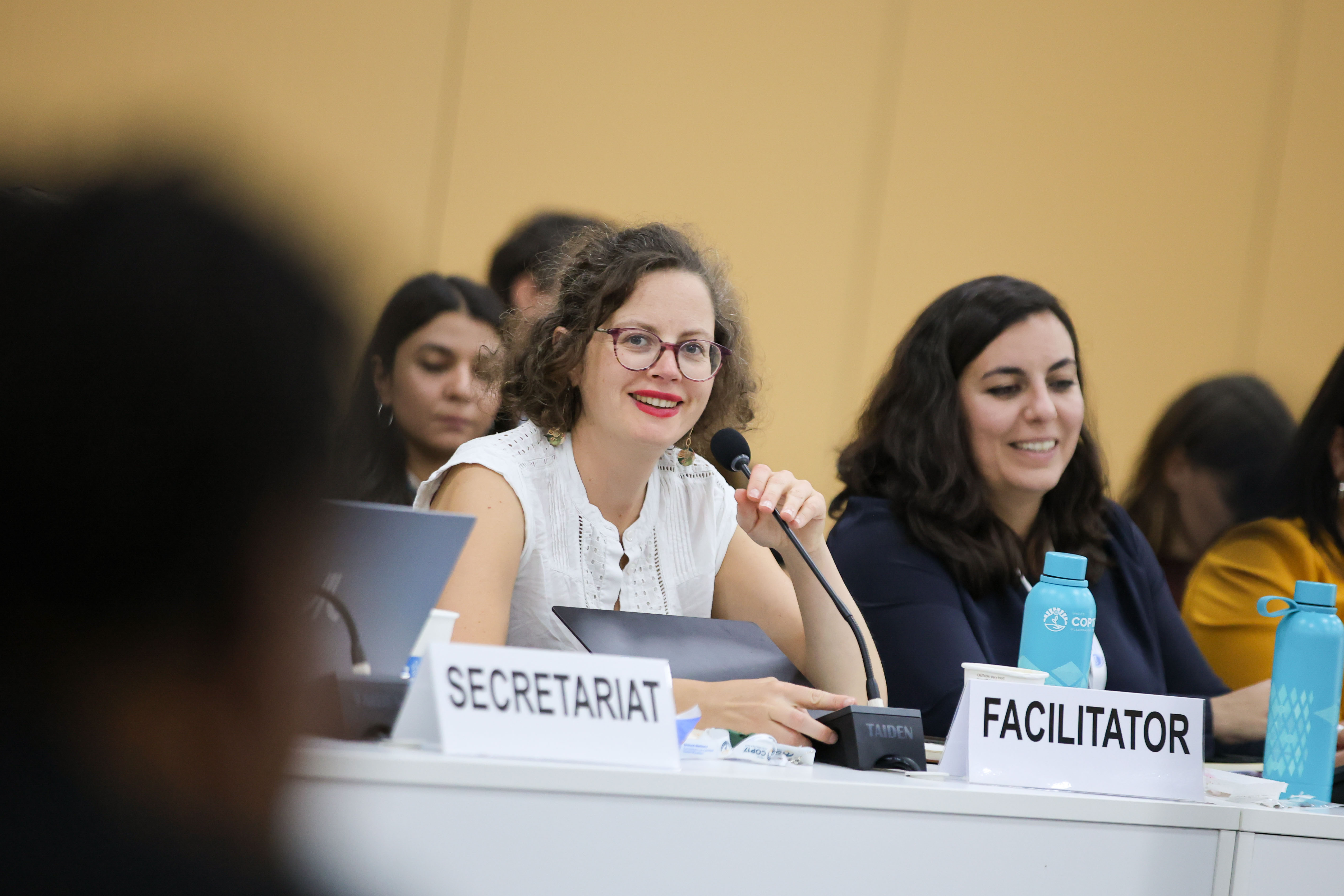
Marine Collignon, facilitator of the COW contact group on other matters
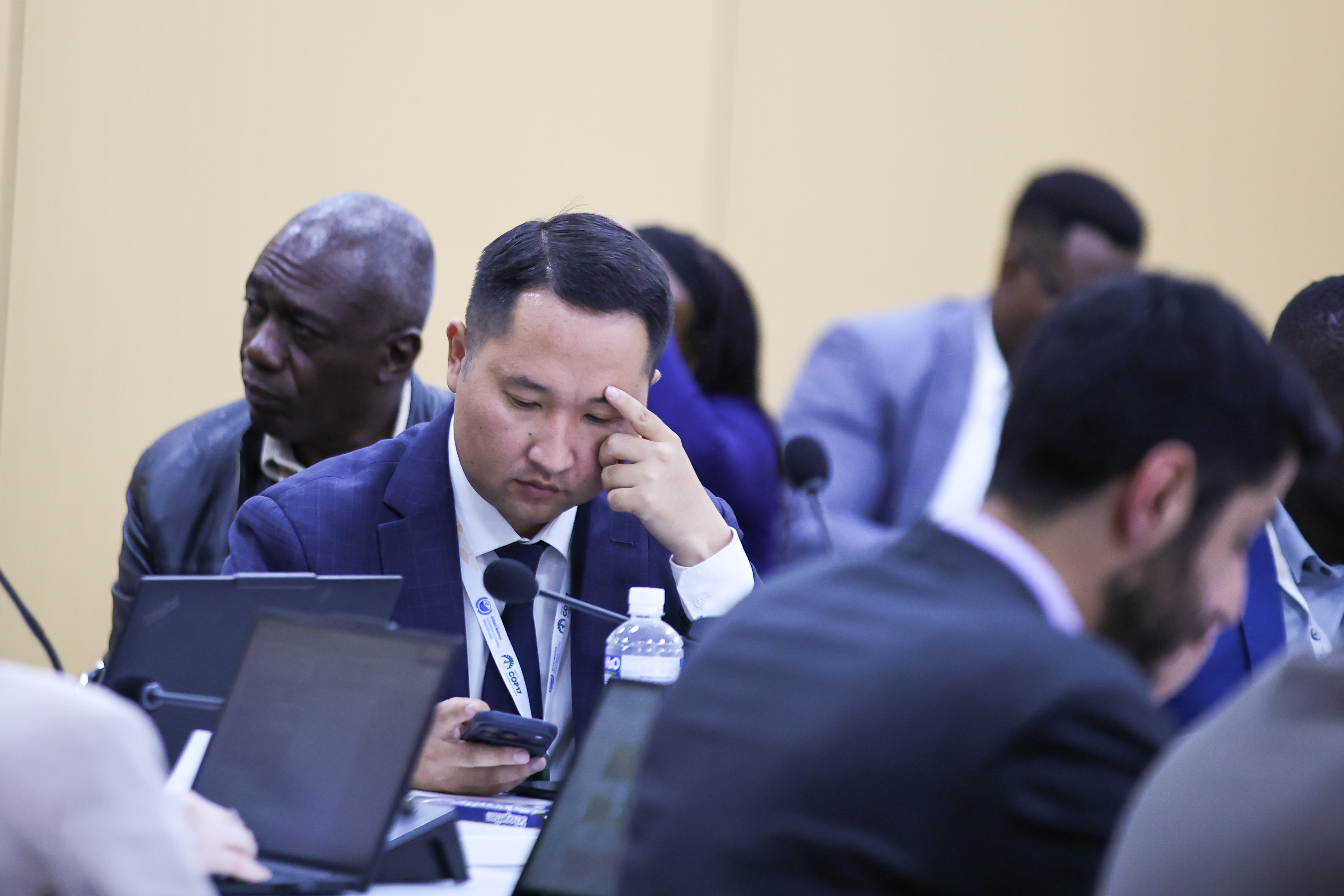
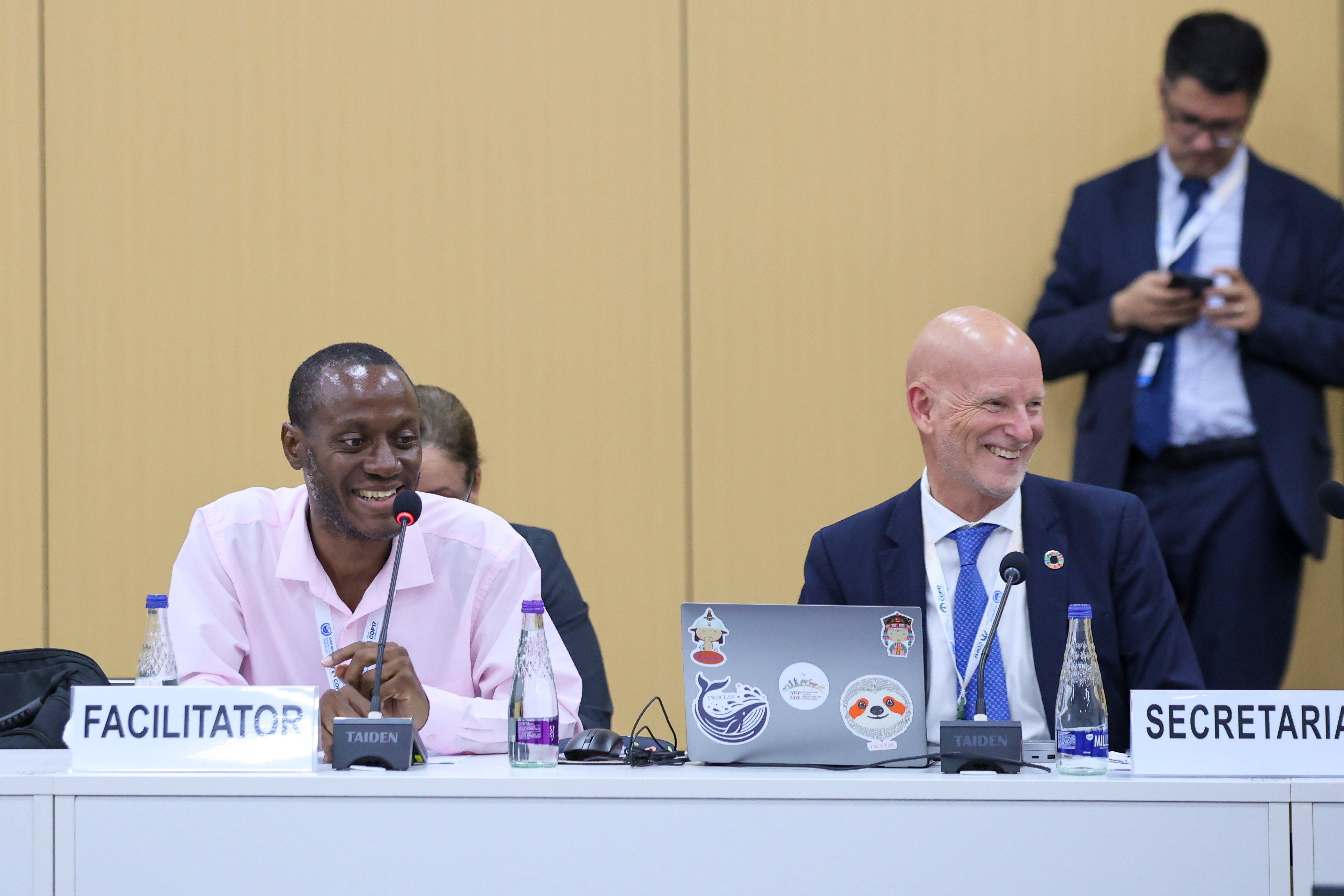
Joseph Noel, facilitator of the CST contact group, and Barron Joseph Orr, Chief Scientist, UNCCD
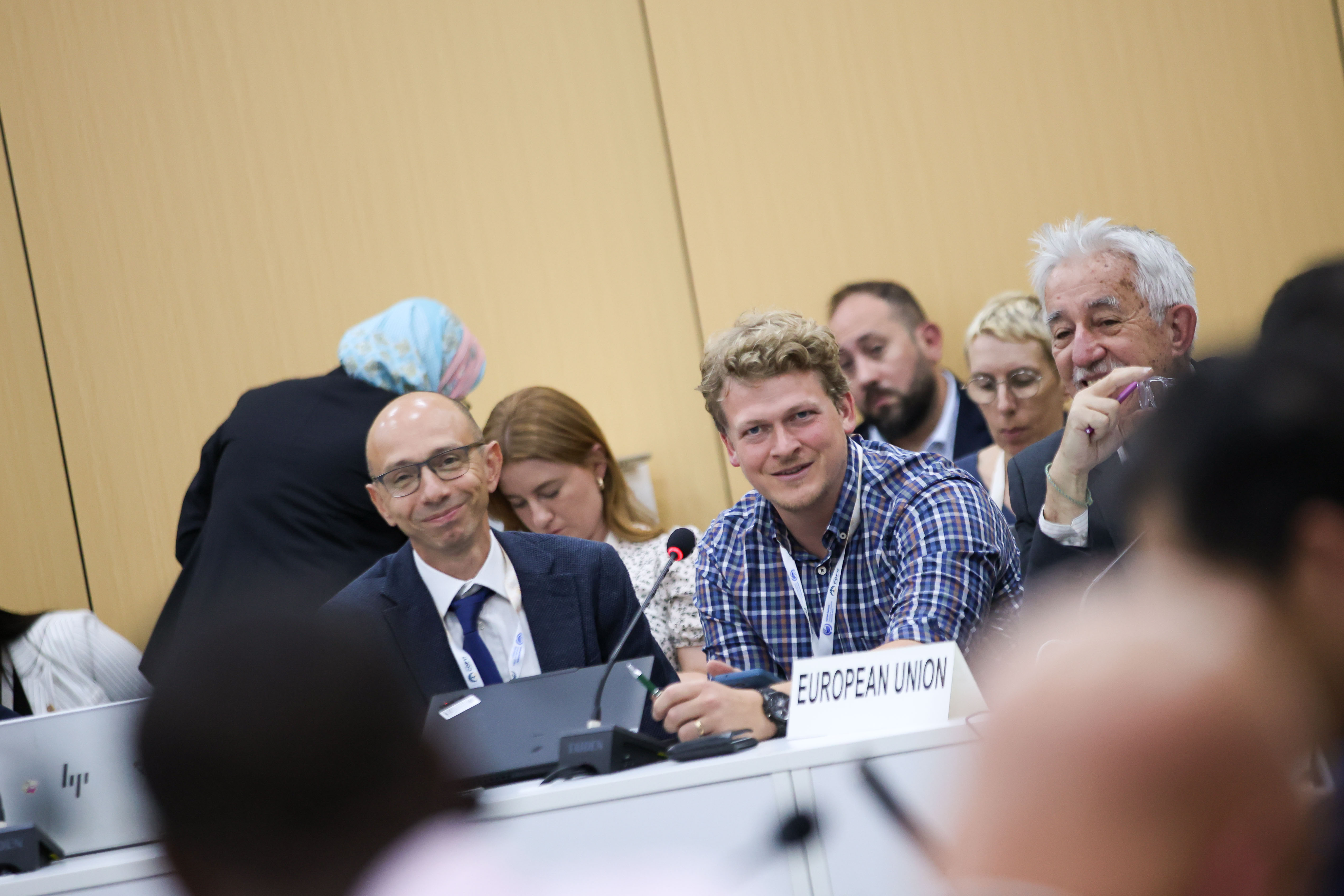
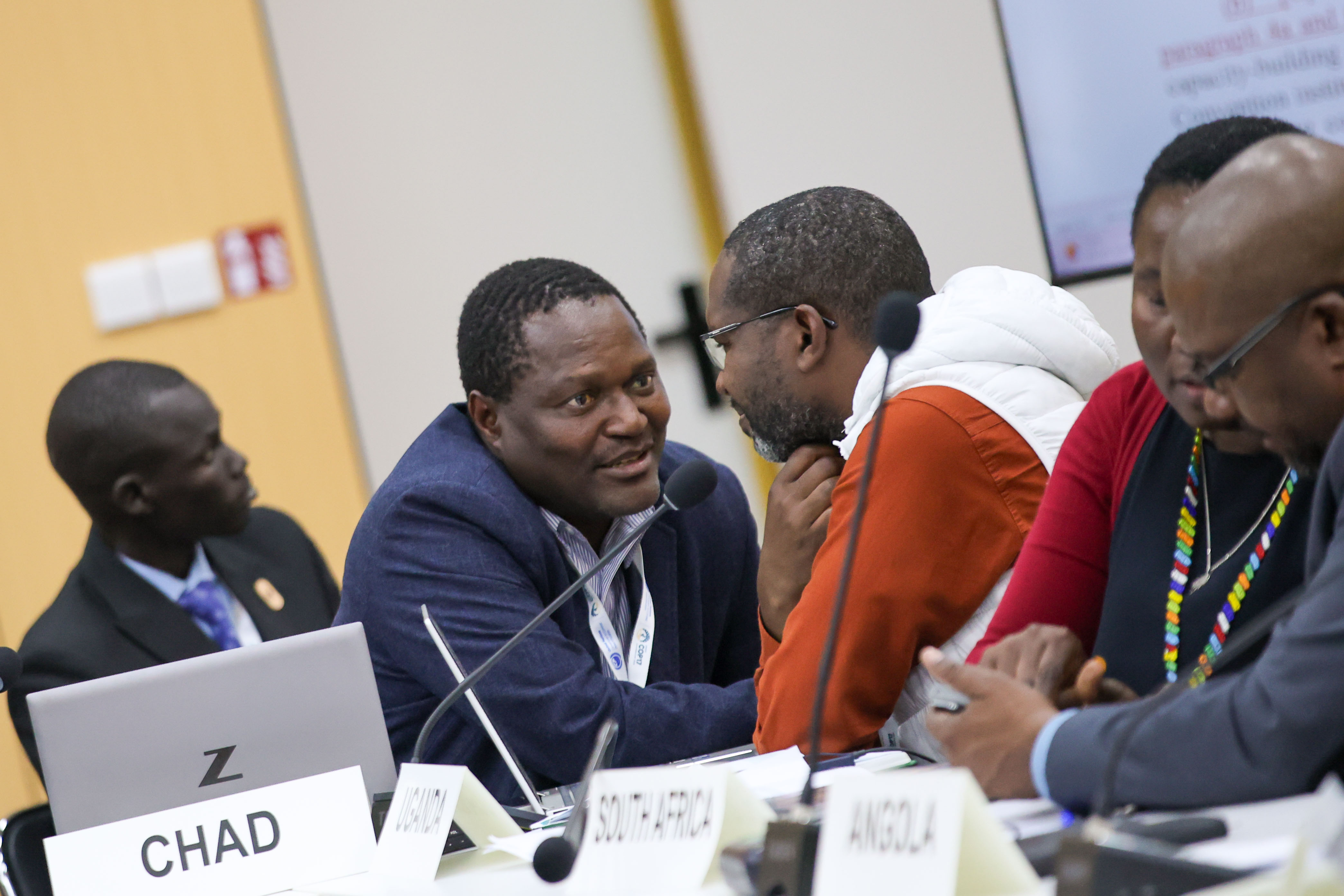
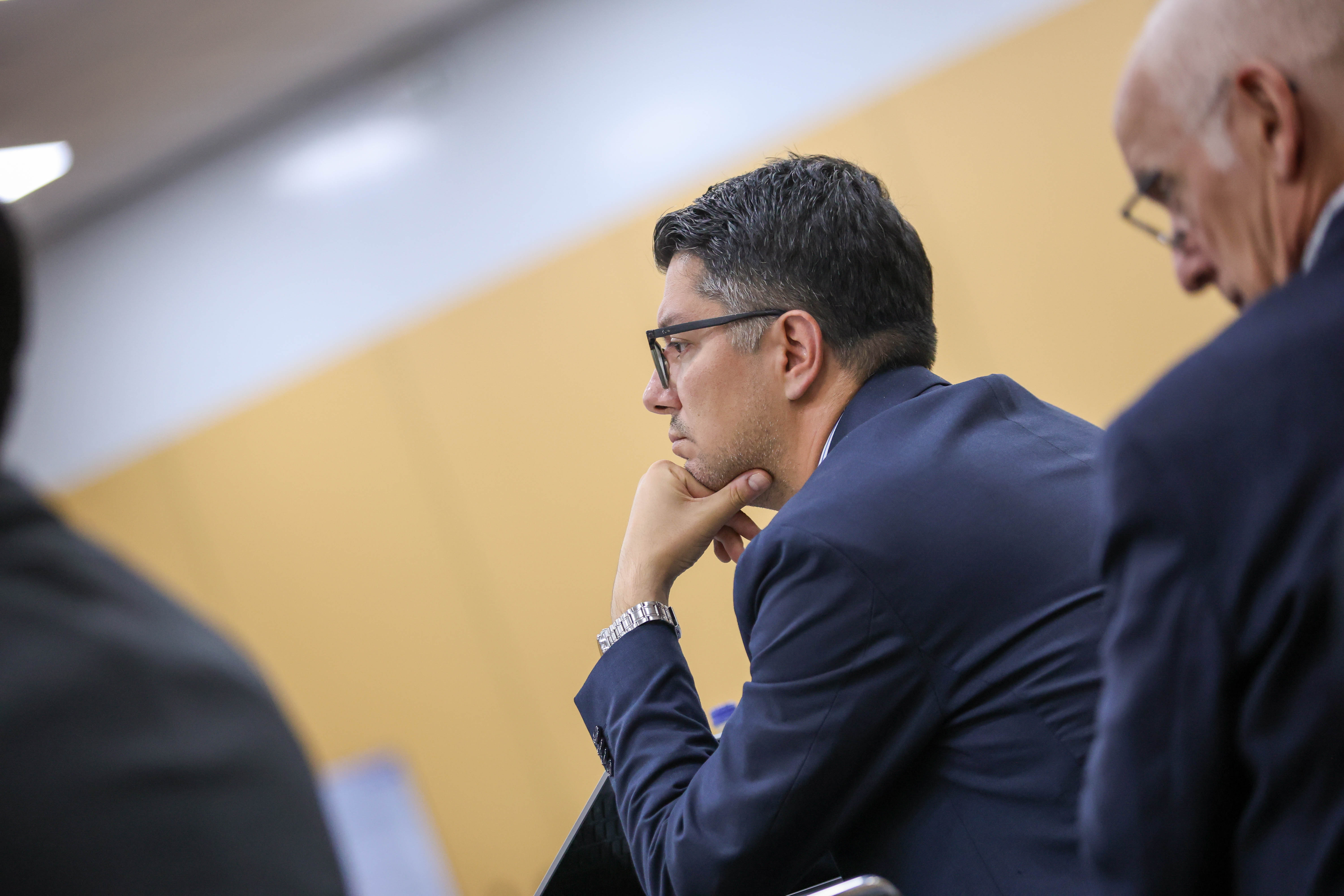
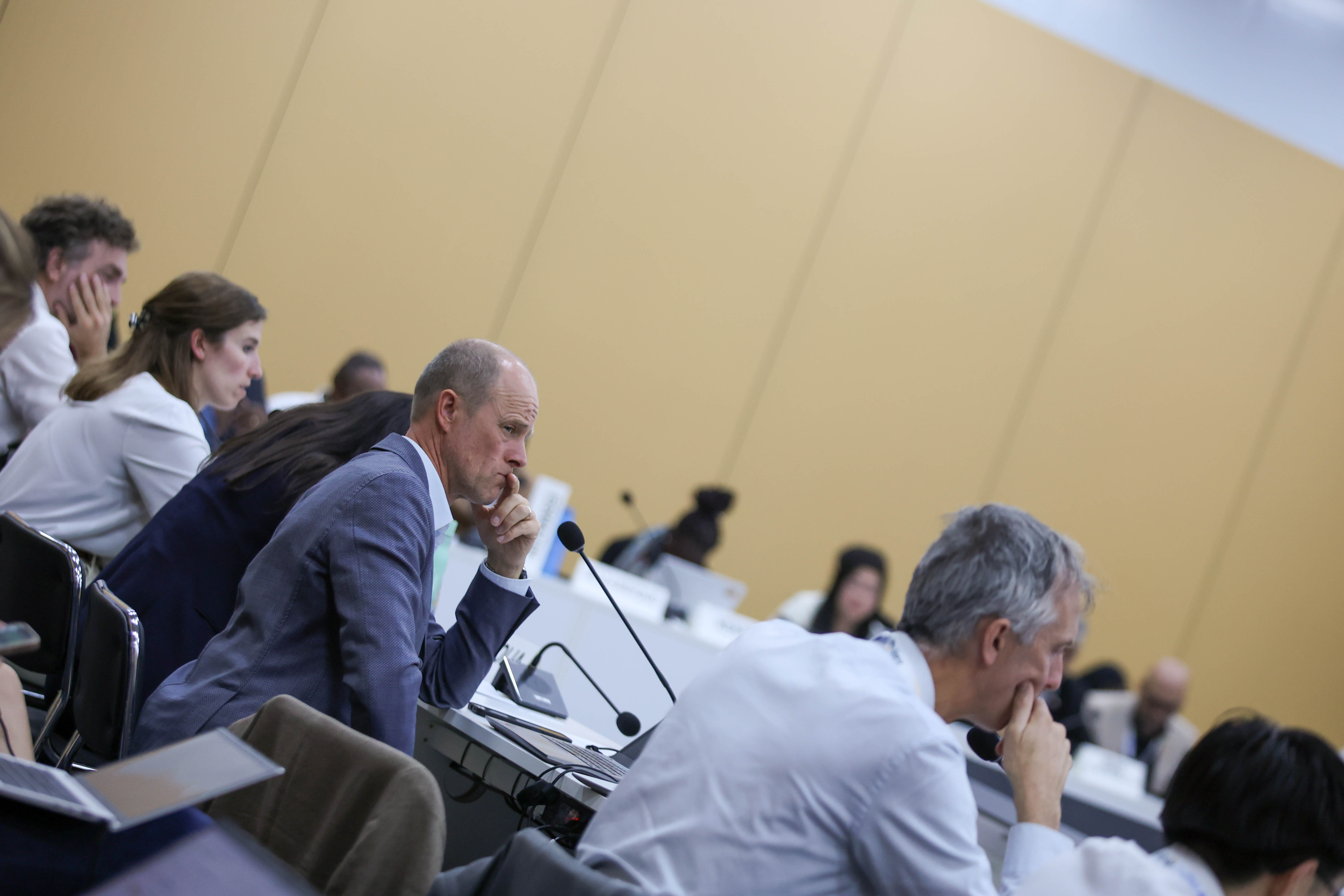
Civil Society Organizations’ Press Conference
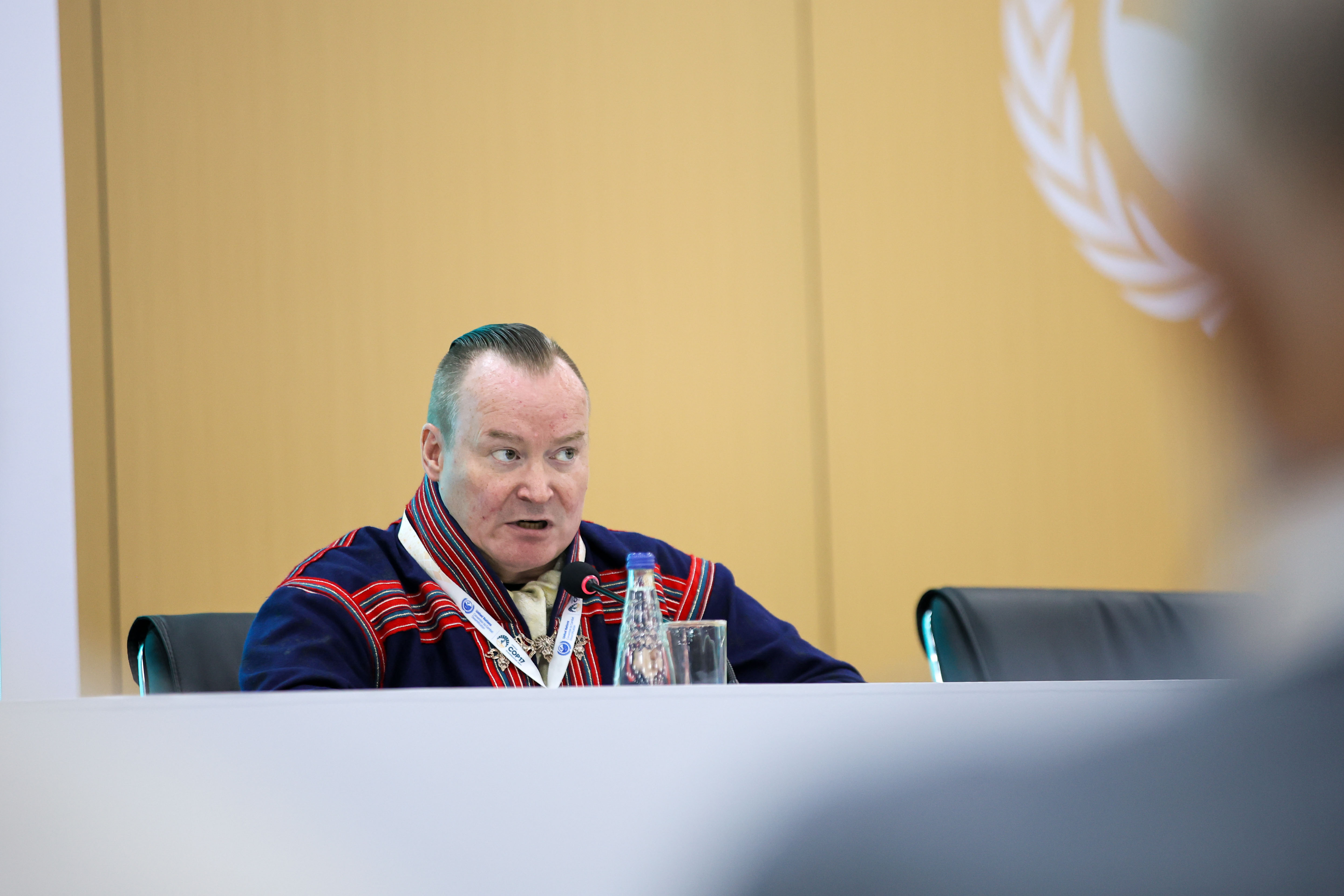
Anders Oskal, Association of World Reindeer Herders
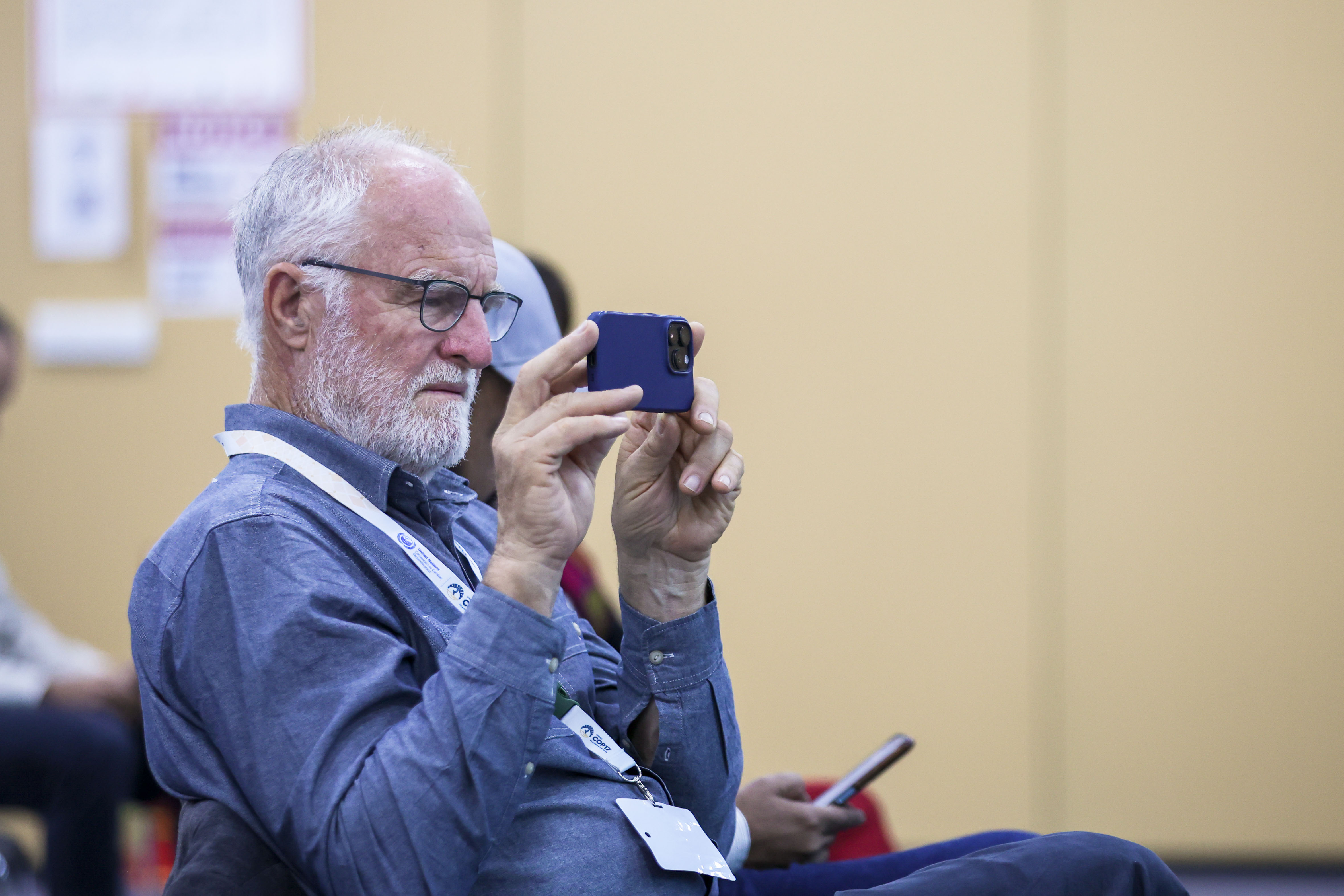
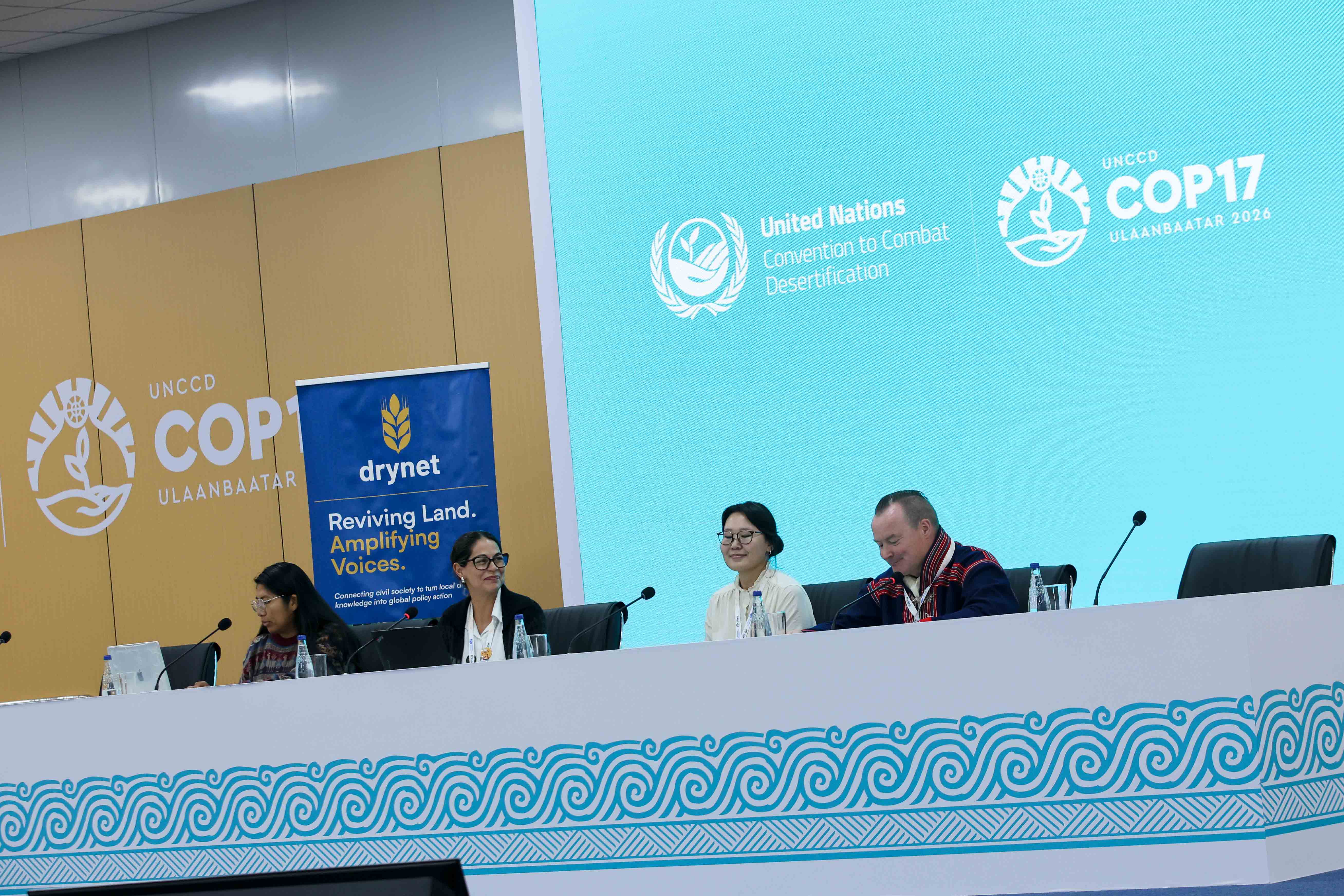

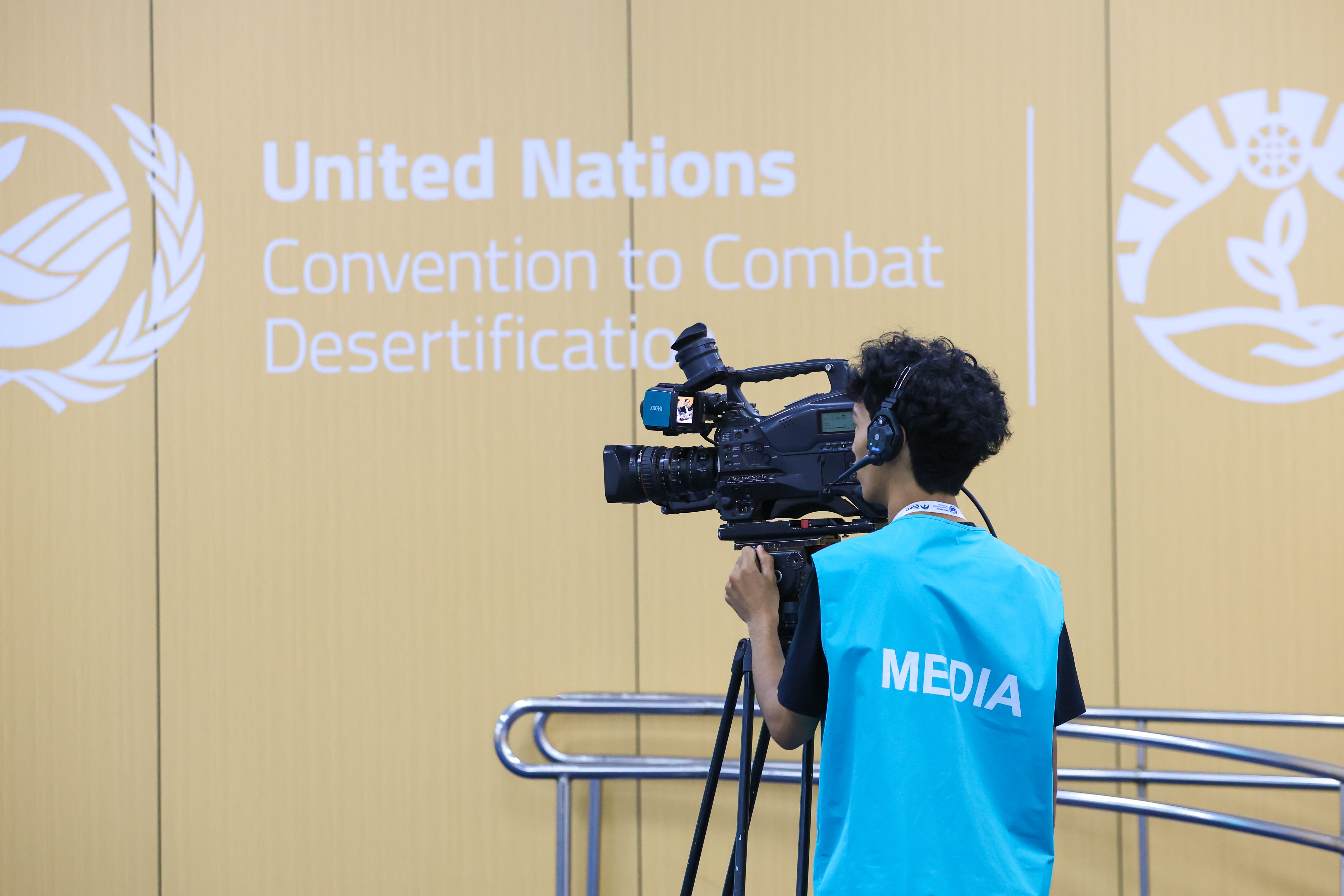
Mayors' Forum
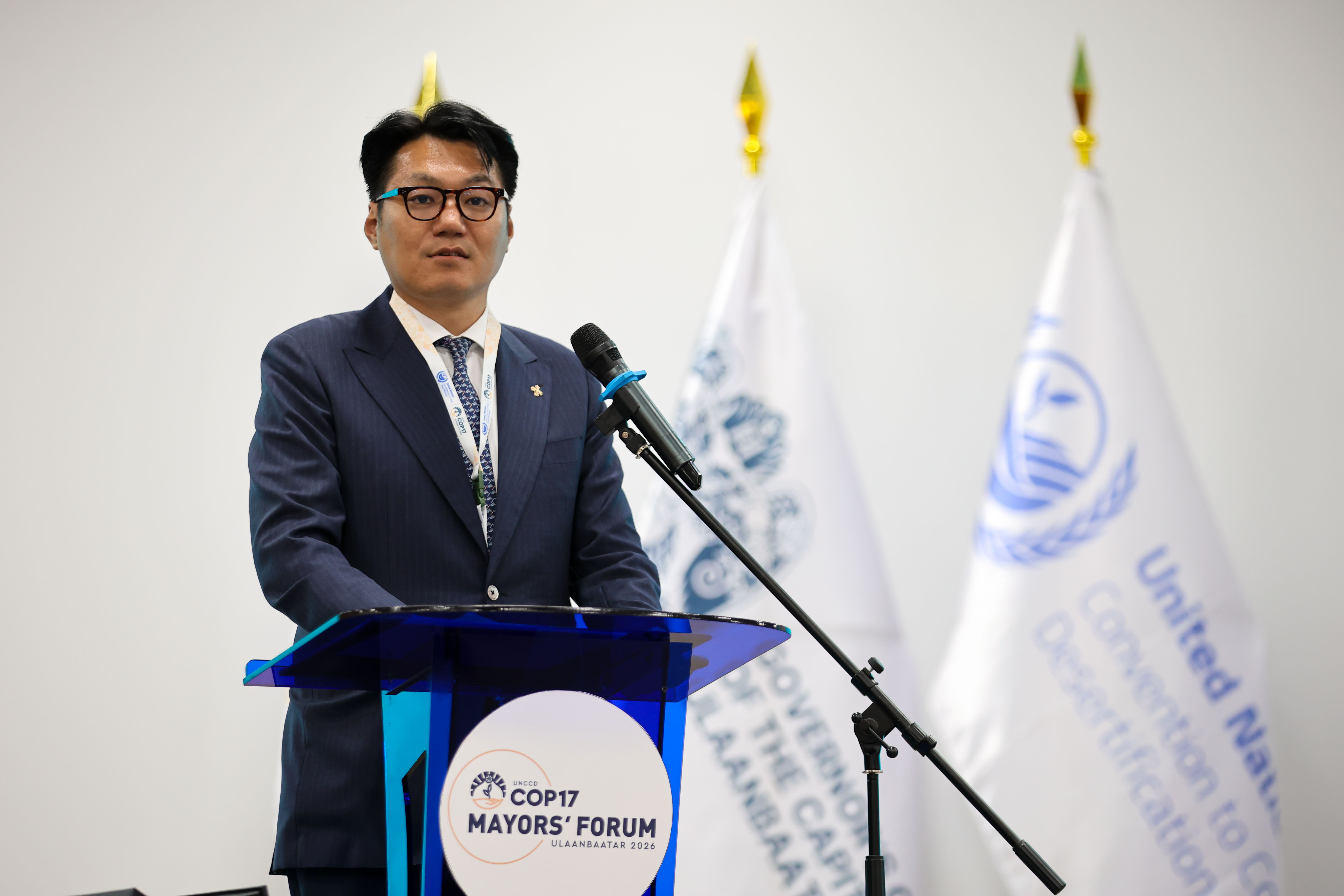
Byaruuzanyn Pürevdagva, Governor of the Capital City and Mayor of Ulaanbaatar
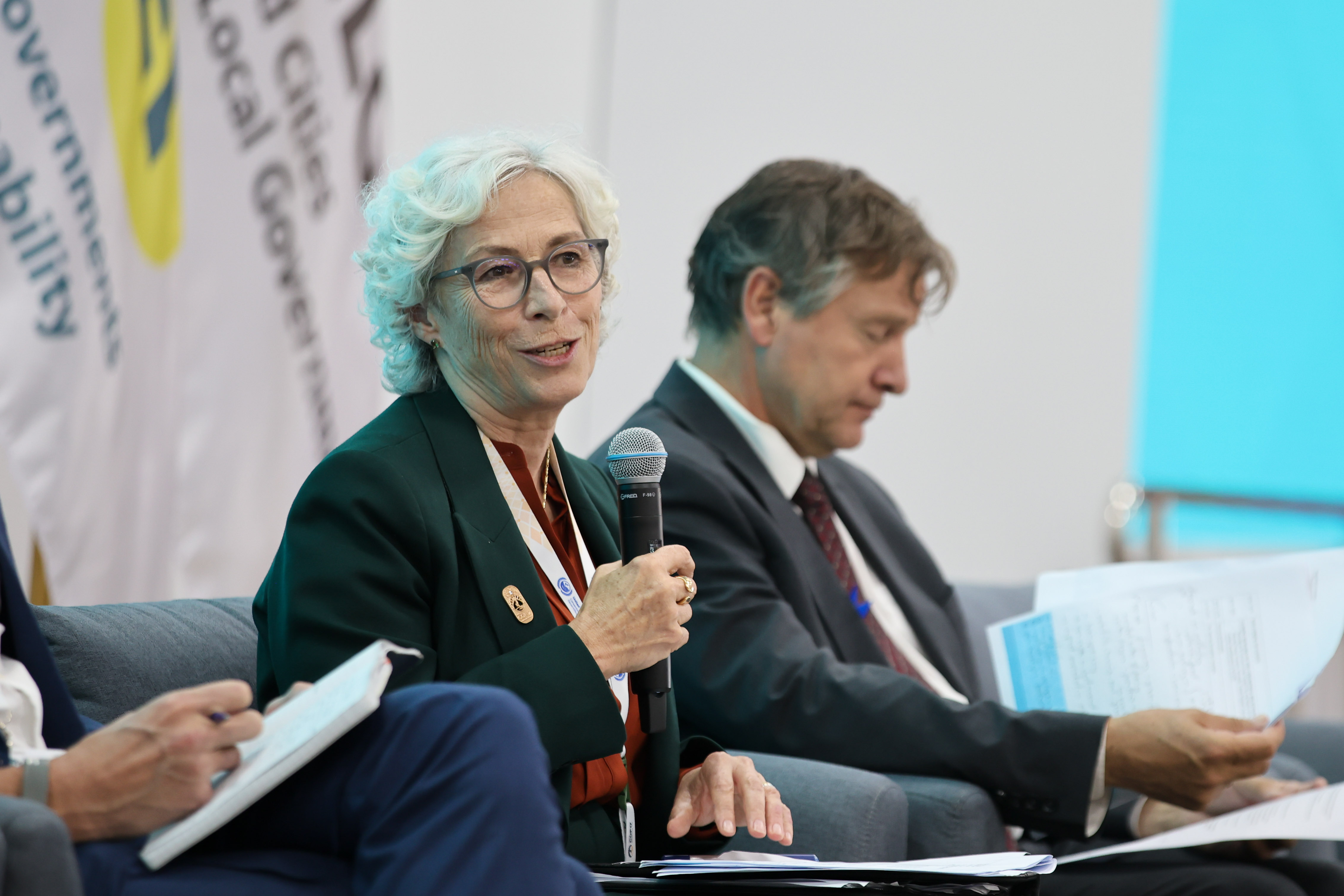
Fiona McCluney, UN-Habitat
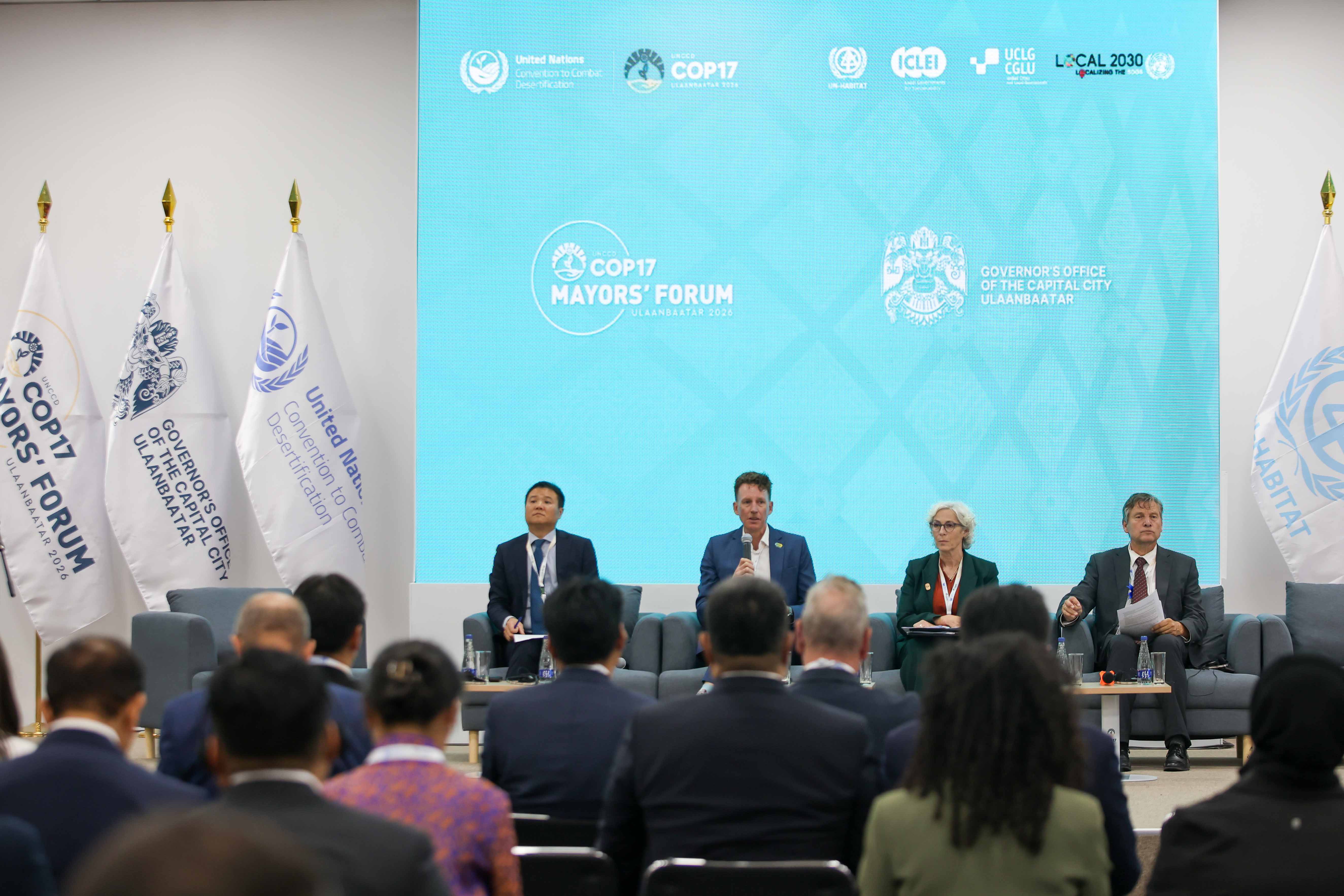
A view of the panel during the Mayors' Forum closing session

The Ulaanbaatar Declaration

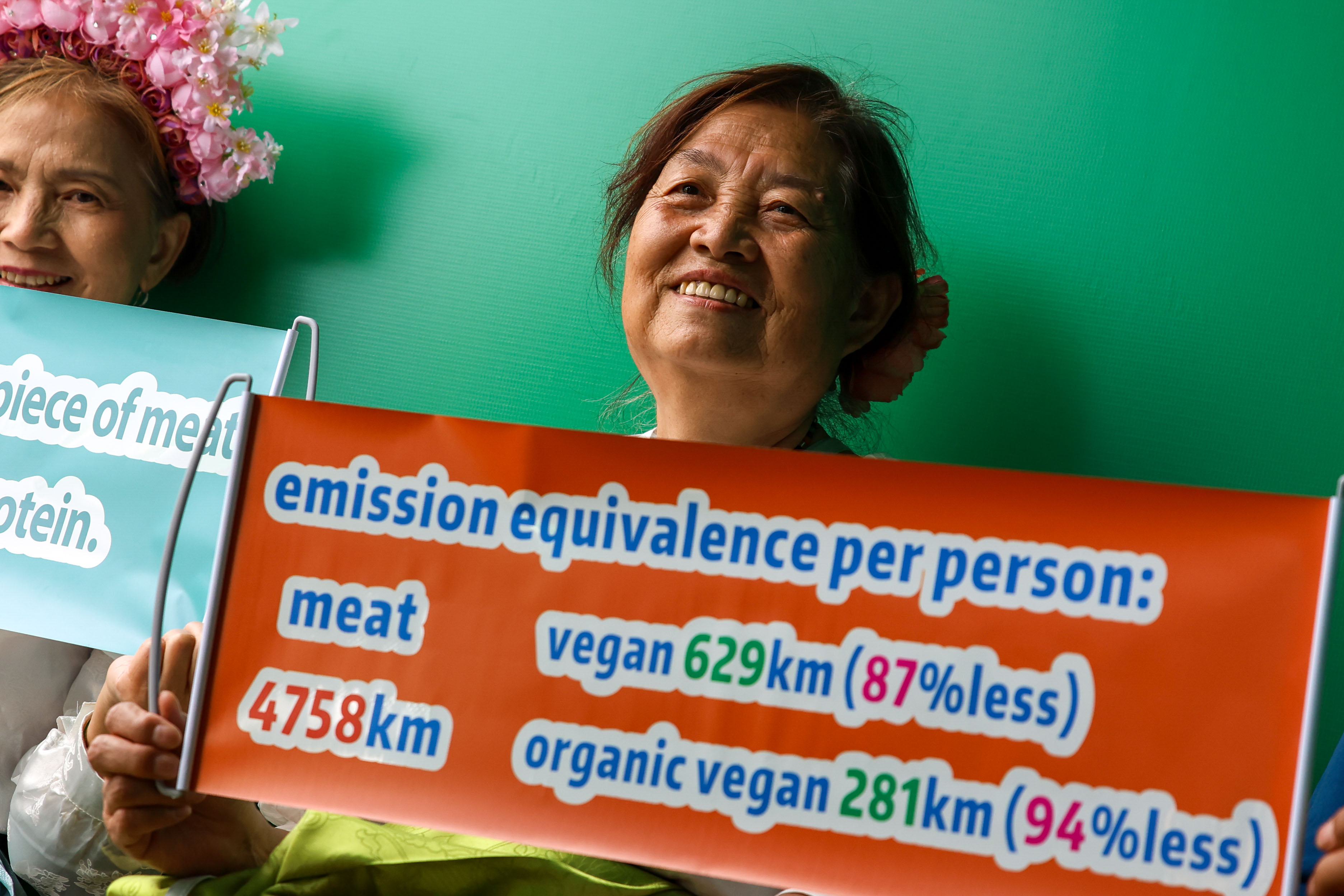
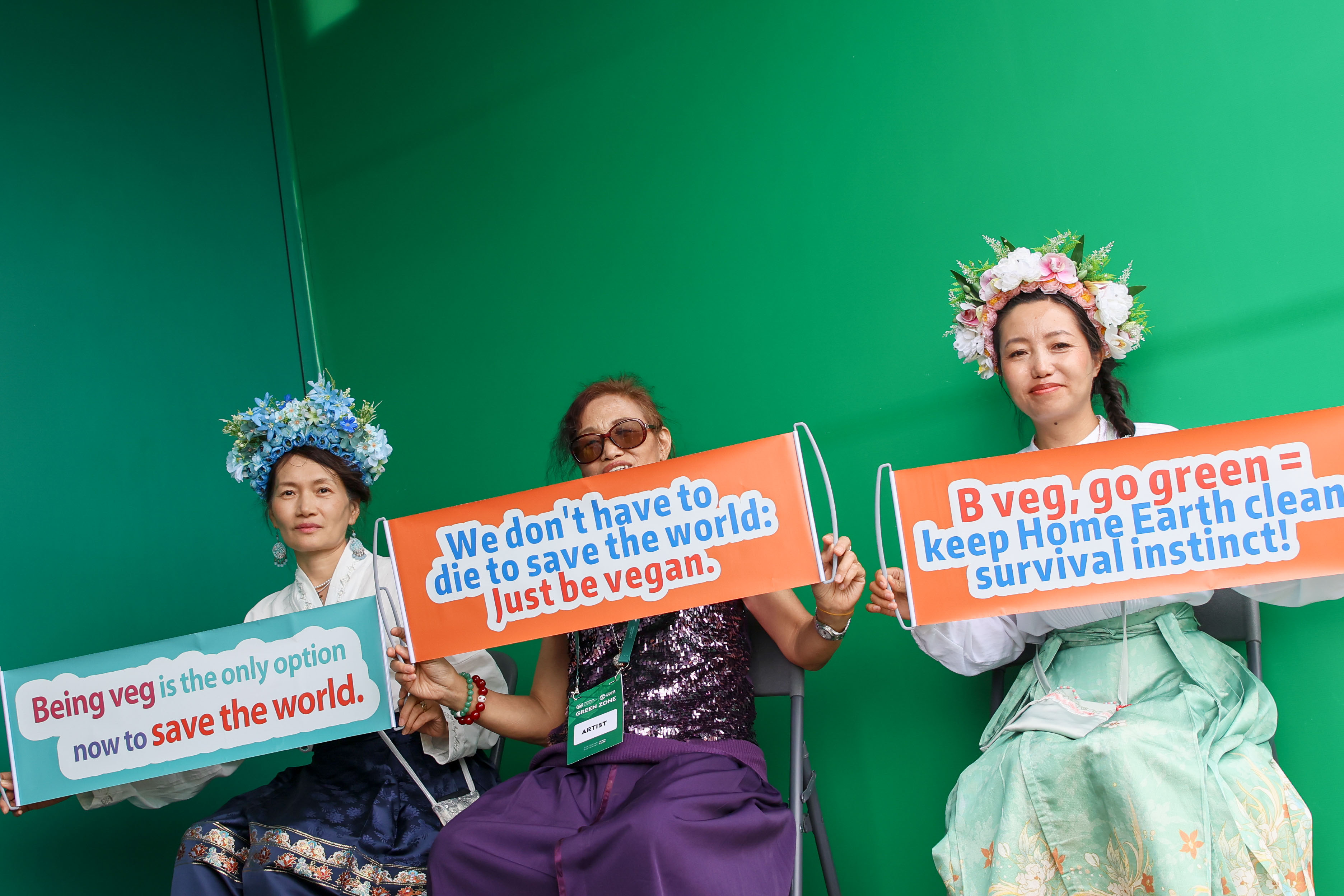
Vegan Advocacy Action
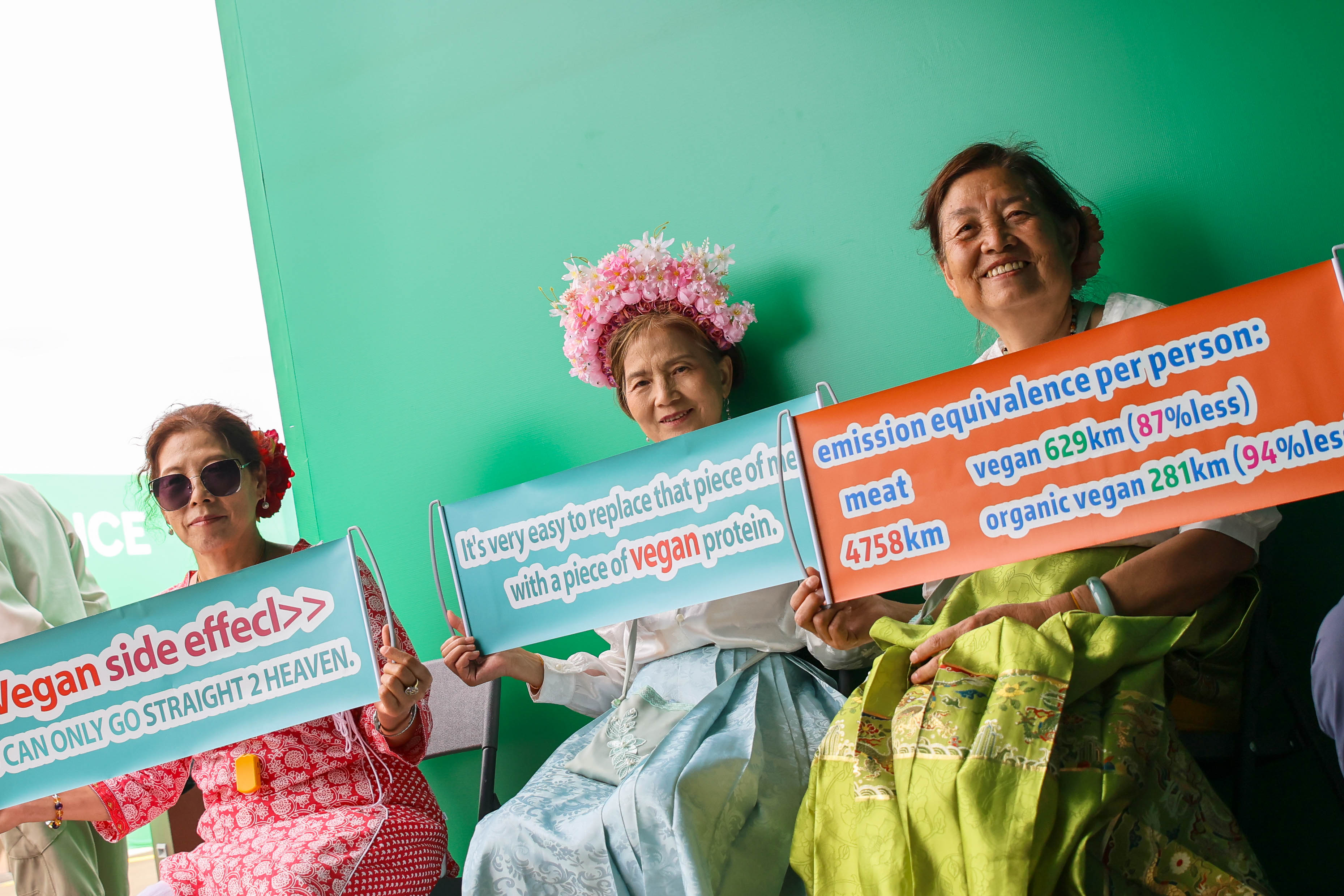
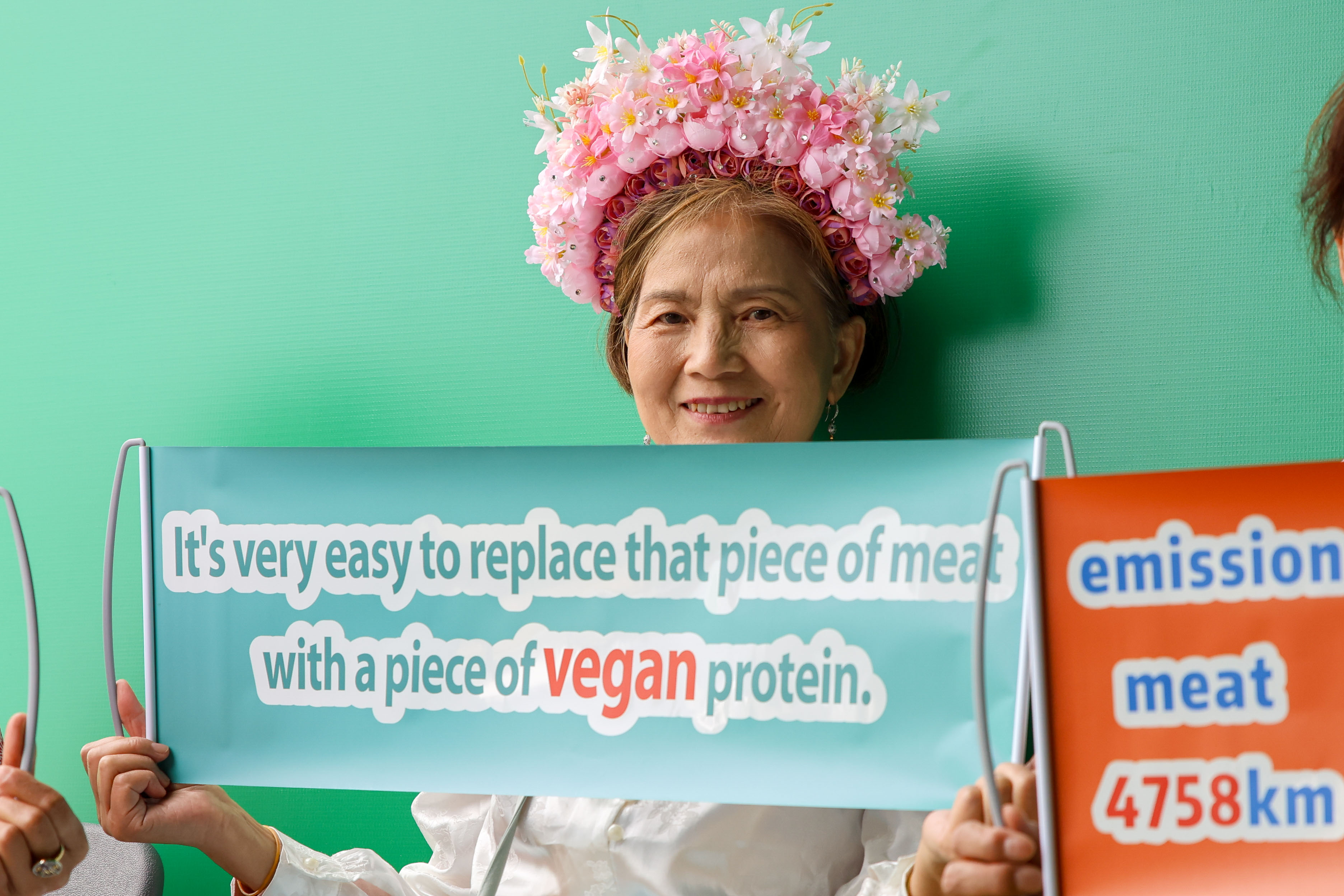
Local activists take part in an advocacy action promoting veganism.


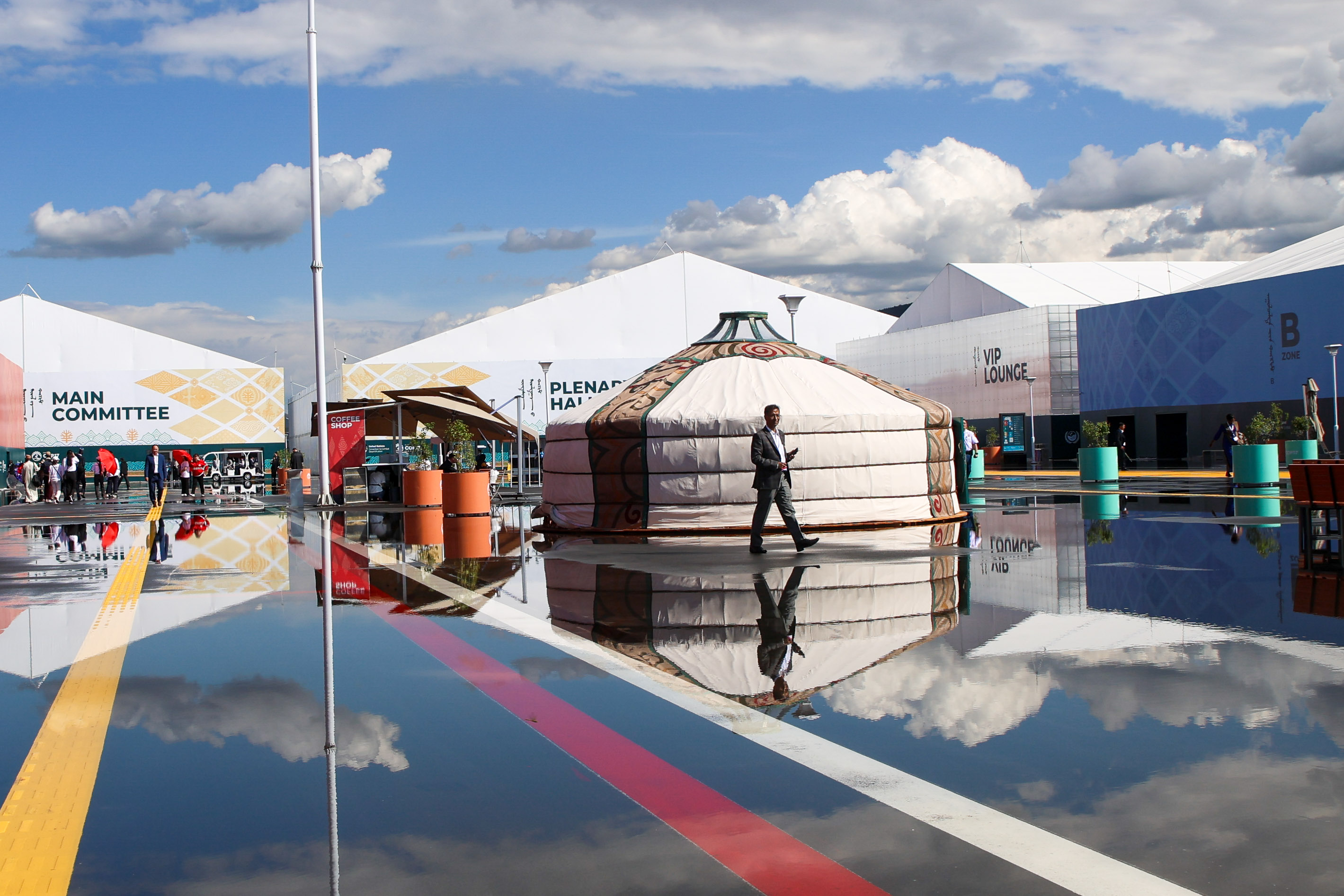
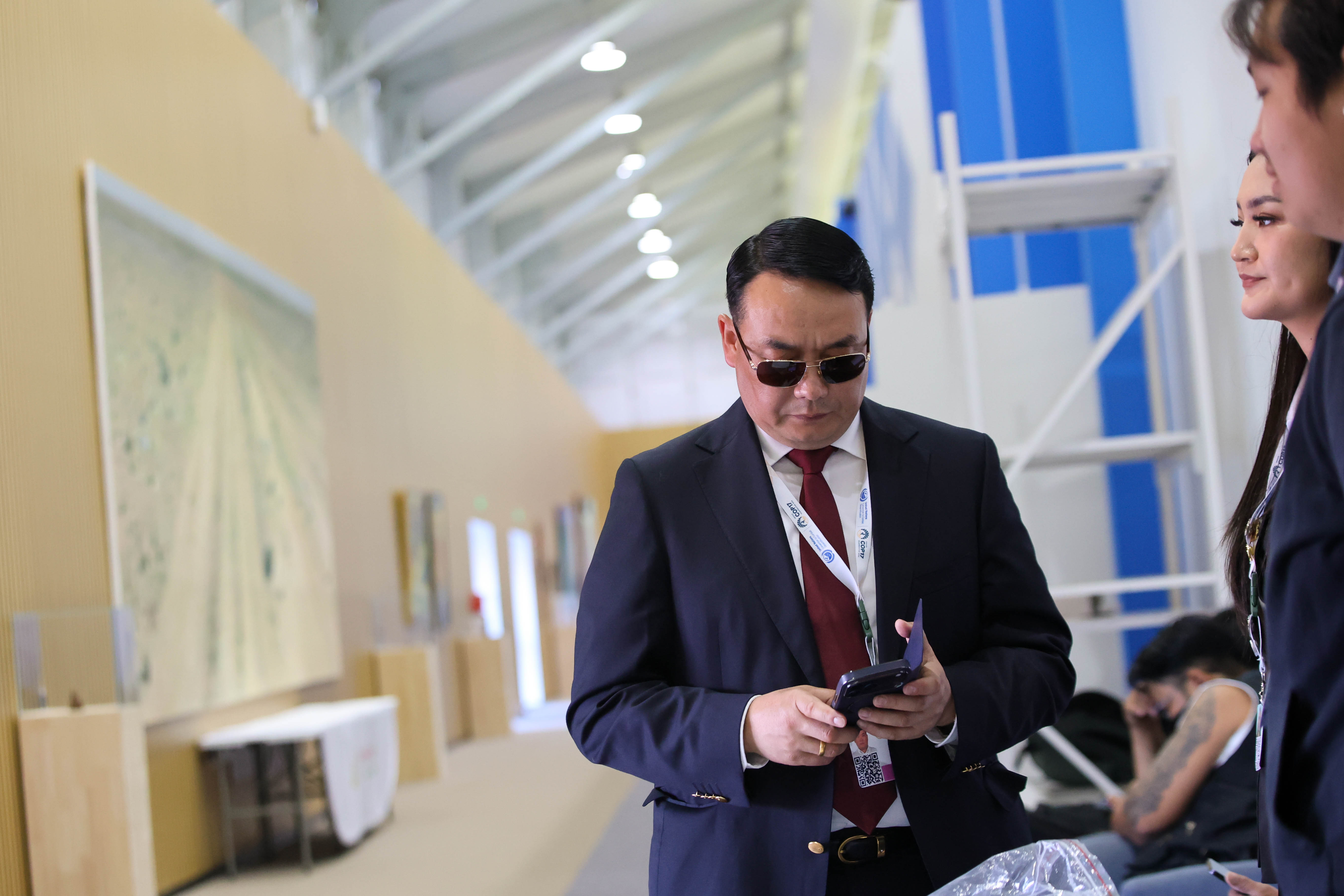
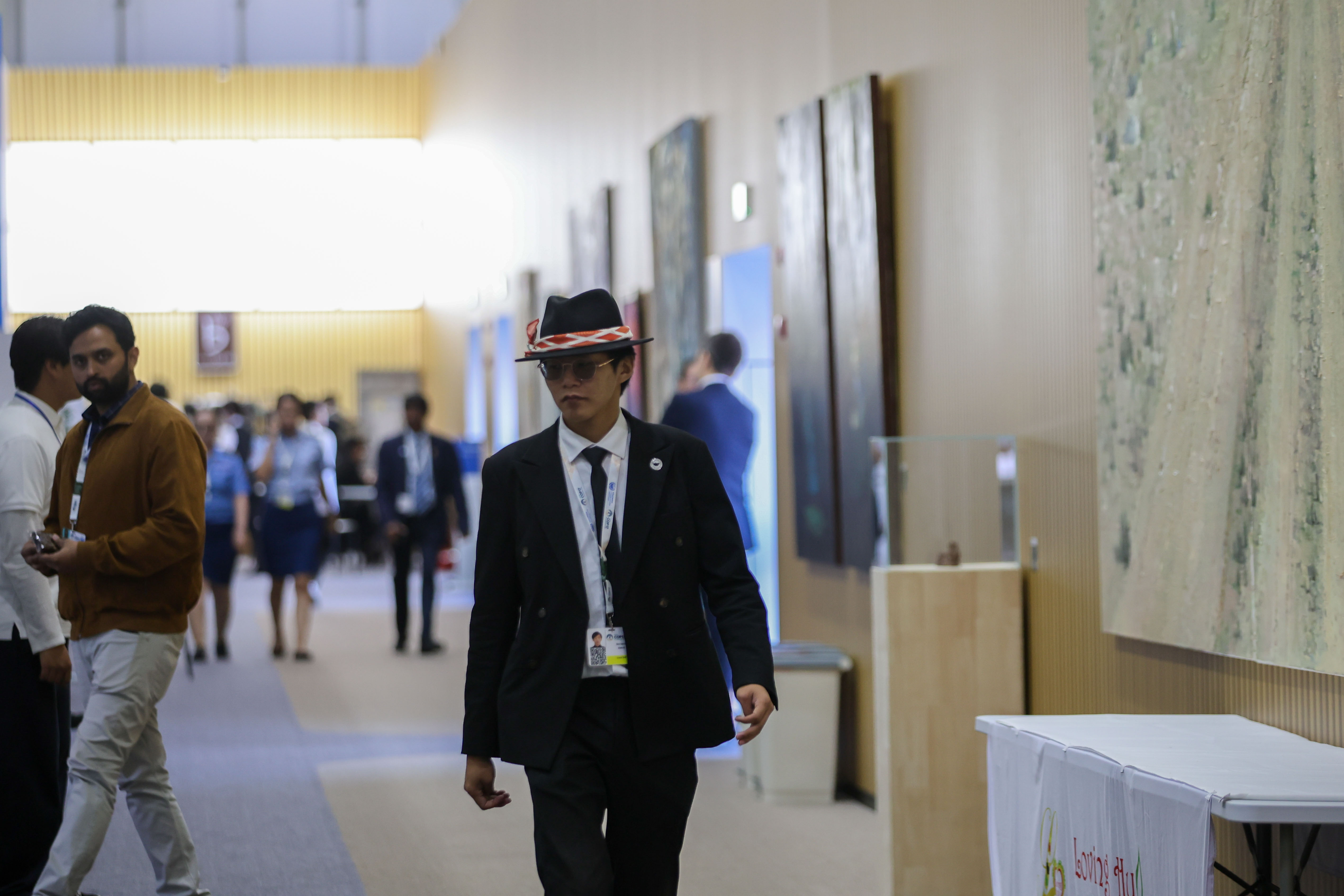
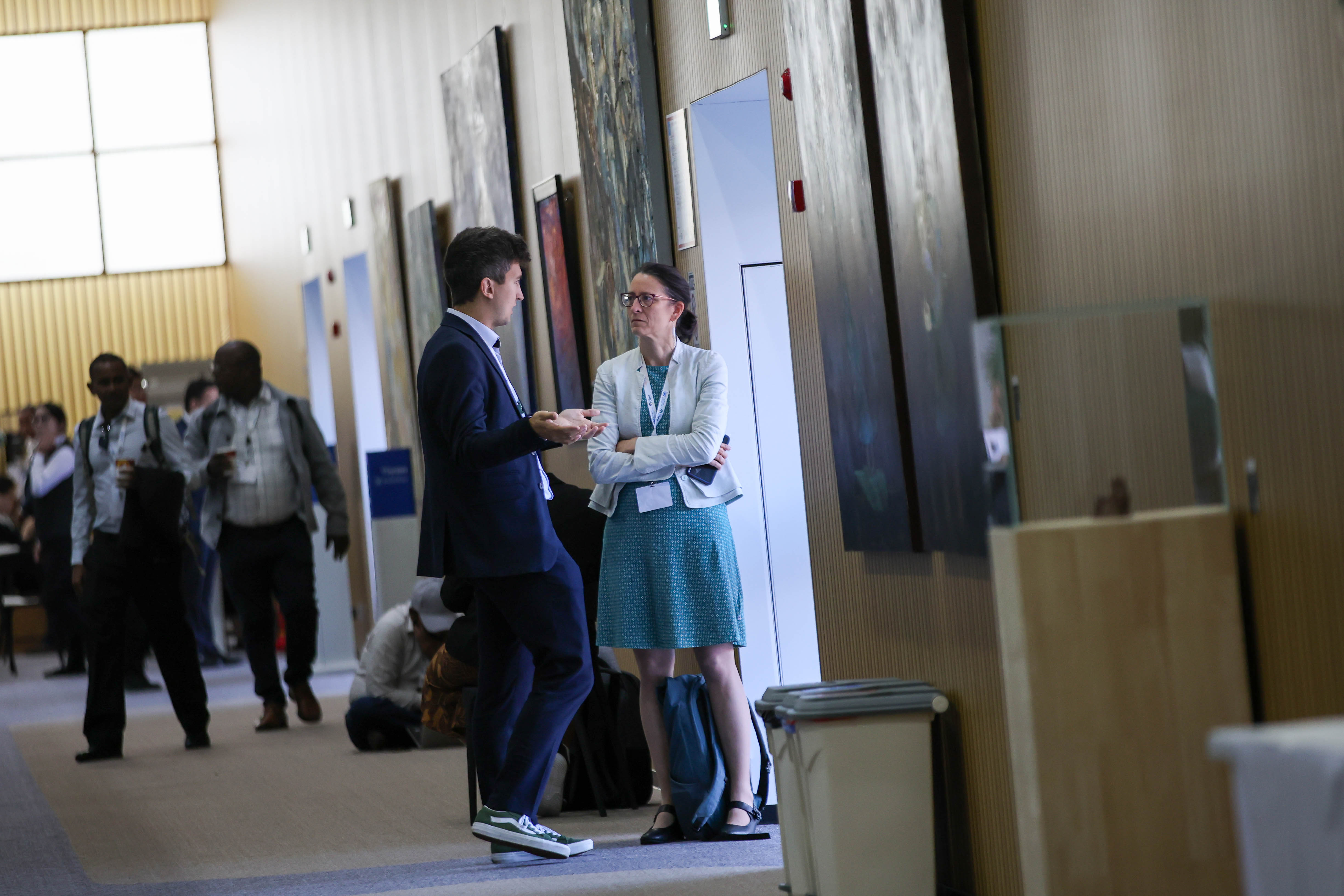
Around the Venue