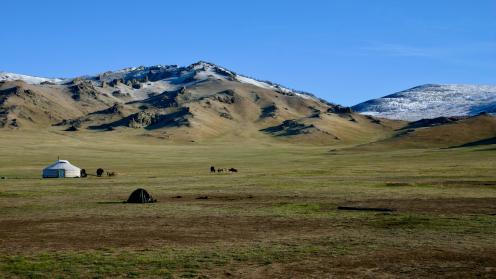
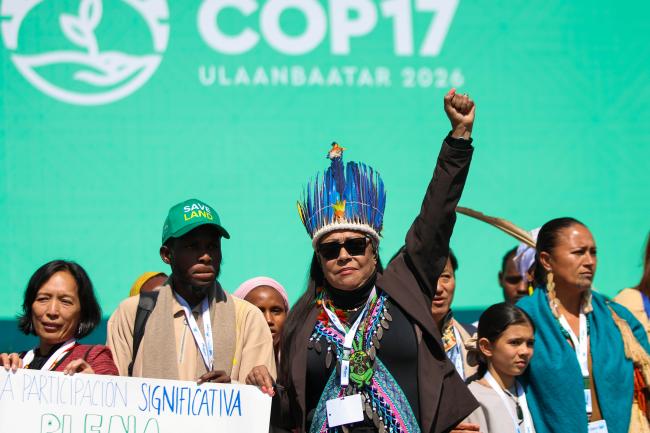
In the world’s rangelands and pasturelands, rain is greeted with welcome relief. After the rain, pastoralist communities experience a dramatic shift from day-to-day survival amid scarcity to renewal, as parched rangelands turn green, water sources refill, and herds can graze in fresh pastures. But climate change is transforming the life-saving rains, which have become patchy and more intense and, therefore, less effective due to runoff.
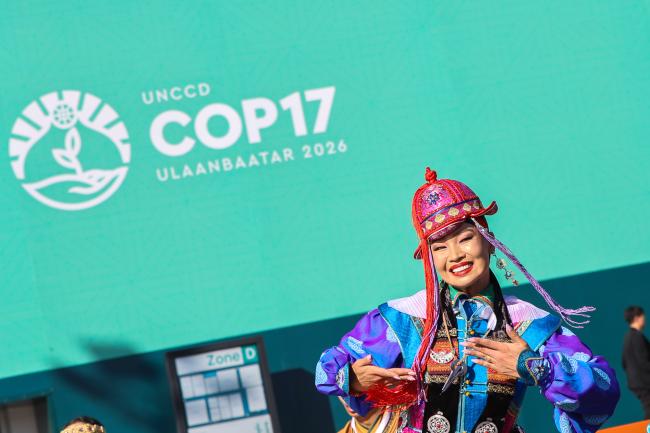
As the sun returned to the 17th Meeting of the Conference of the Parties (COP 17) to the United Nations Convention to Combat Desertification (UNCCD) on Thursday, one of the topics on the agenda was the work programme on rangelands and pastoralists. Parties discussed how to prioritize policies and investments for the sustainable management of rangelands. Delegates also recognized their essential role in addressing key challenges related to food insecurity, desertification, land degradation and drought, biodiversity loss, and climate change.
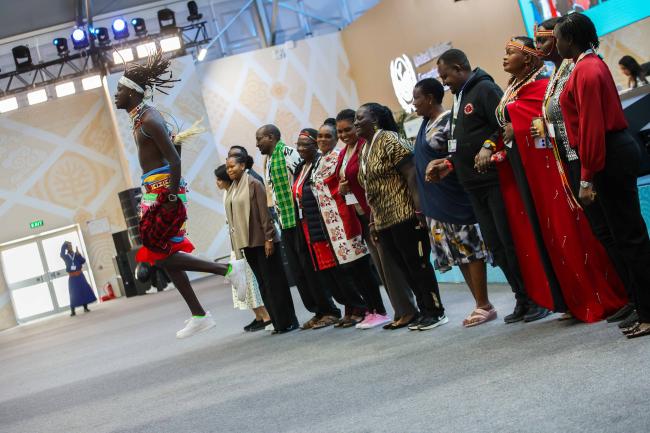
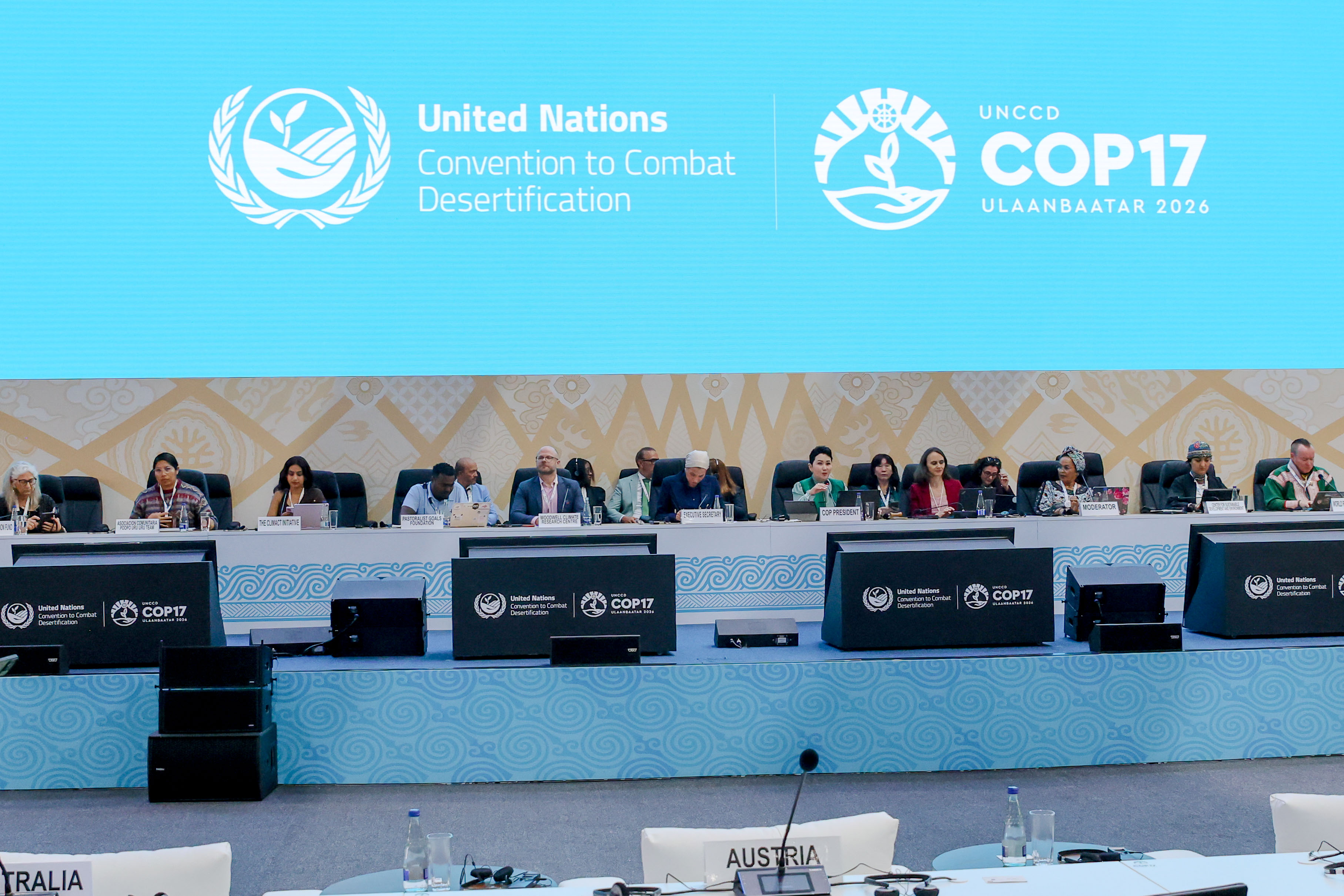
Rangelands also featured extensively in the morning open dialogue session with civil society, where panelists shared perspectives on what is needed to ensure that pastoralists get the support they need to continue their sustainable land management practices, as well as bring their perspectives into the work of the Convention.
Challenges expressed ranged from barriers to accessing funds to pressures from mining. The solutions proposed included bridging funding and market mechanisms with pastoralists’ diverse local economies, and integrating land degradation neutrality targets with pastoralist-designed and community-led initiatives. During the session, Anders Oskal, Association of World Reindeer Herders, also presented the Global Pastoralist and Indigenous Pastoralists’ Call for Action.
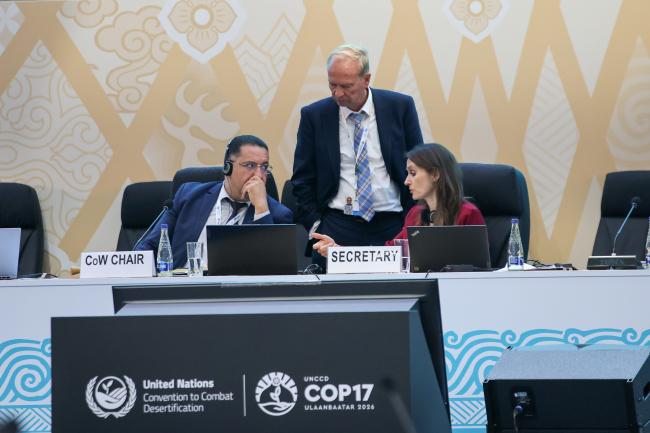
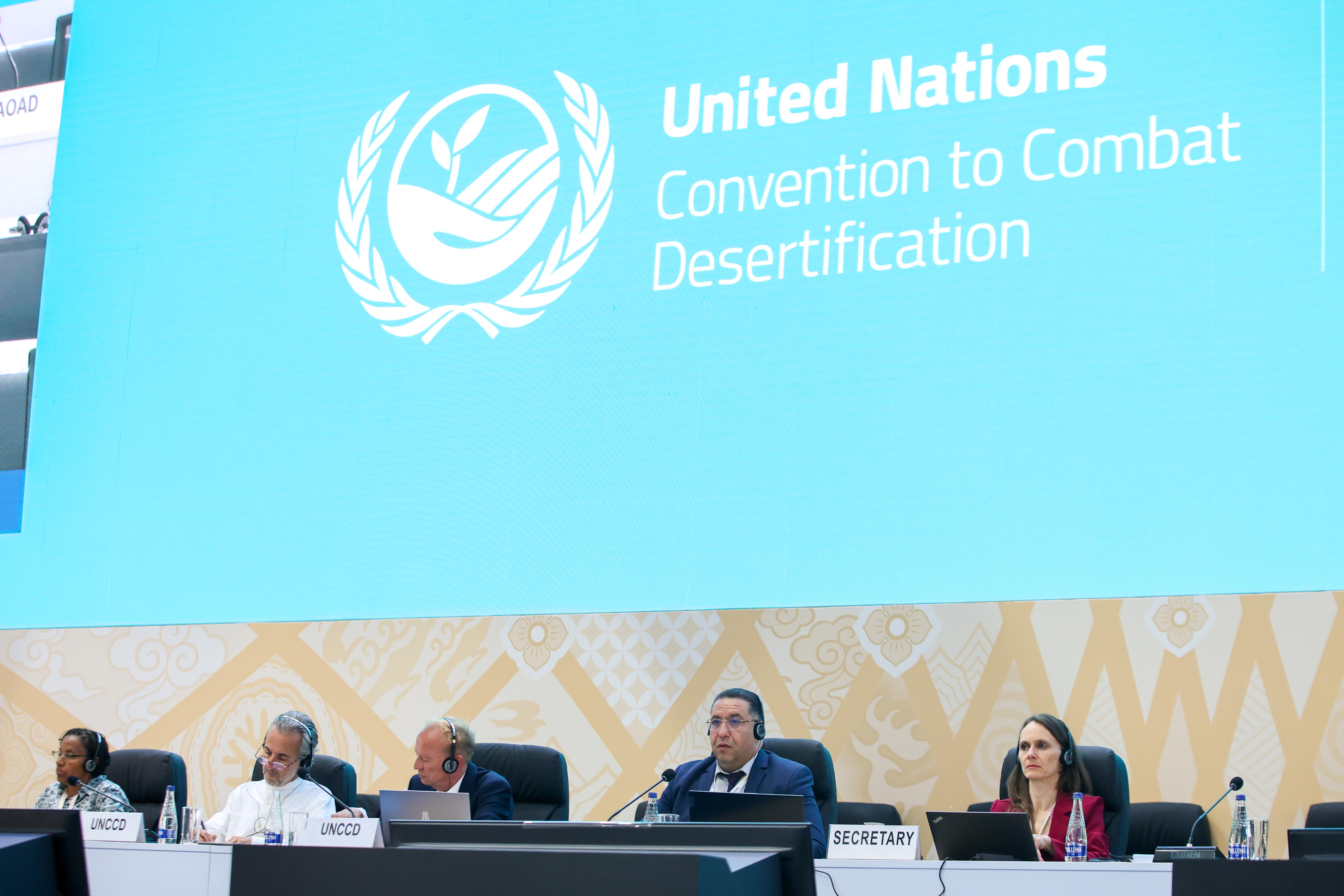
In the afternoon, the Committee of the Whole (COW) began discussions on the implementation of the Convention’s Strategic Framework, sand and dust storms, and rangelands and pastoralists. Delegates largely welcomed the development of a Global Implementation Initiative for Sand and Dust Storms and a Sand and Dust Storms Toolbox. Participants also welcomed the Rangelands Flagship Initiative and its three components of knowledge, investment, and institutions.
Contact groups met throughout the day to discuss, among others, the budget, migration, private sector engagement, drought, capacity-building, knowledge sharing, and the future work programme of the Science-Policy Interface (SPI).
To receive free coverage of global environmental events delivered to your inbox, subscribe to the ENB Update newsletter.
All ENB photos are free to use with attribution. For UNCCD COP 17, please use: Photo by IISD/ENB | Anastasia Rodopoulou.
Open Dialogue Session
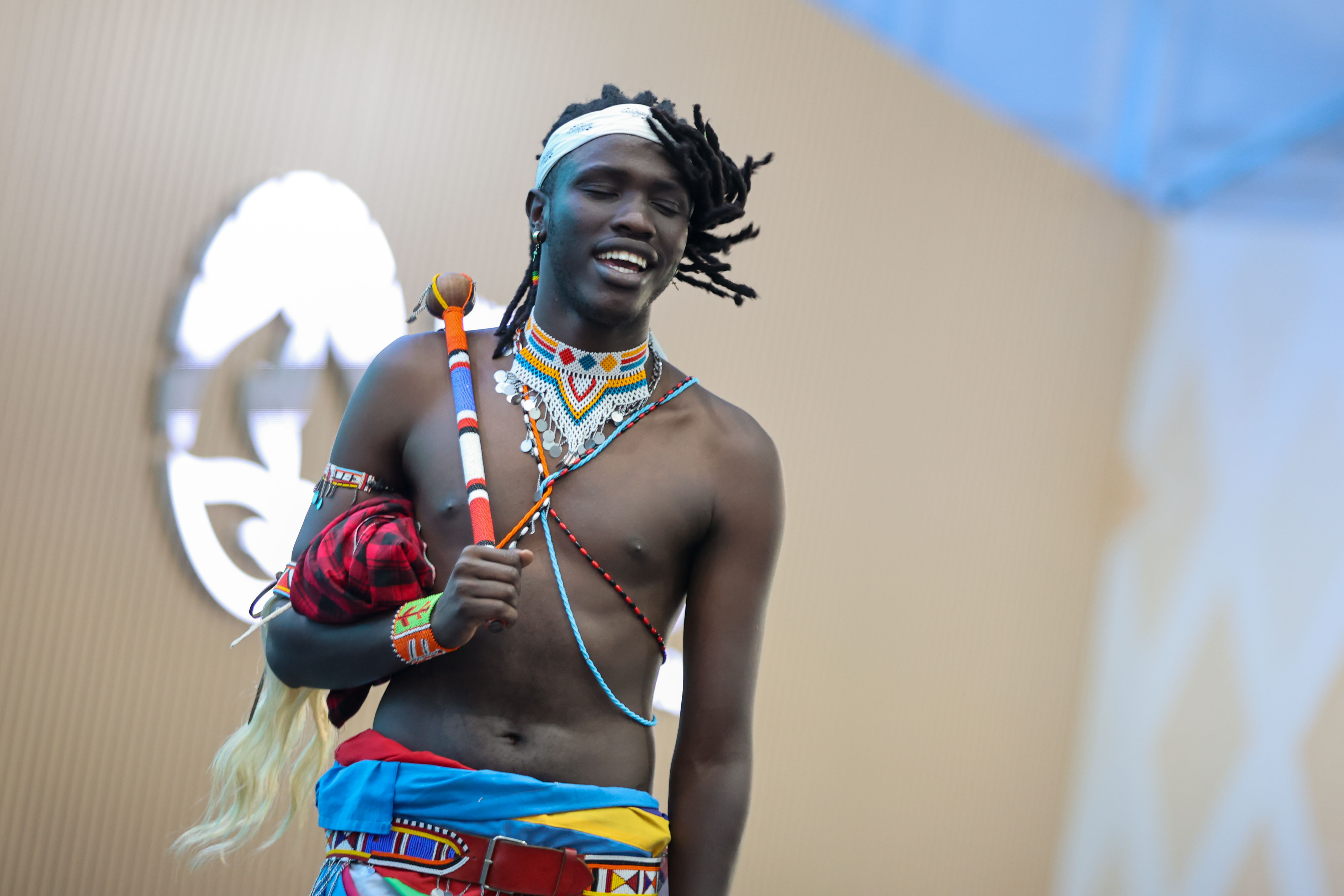
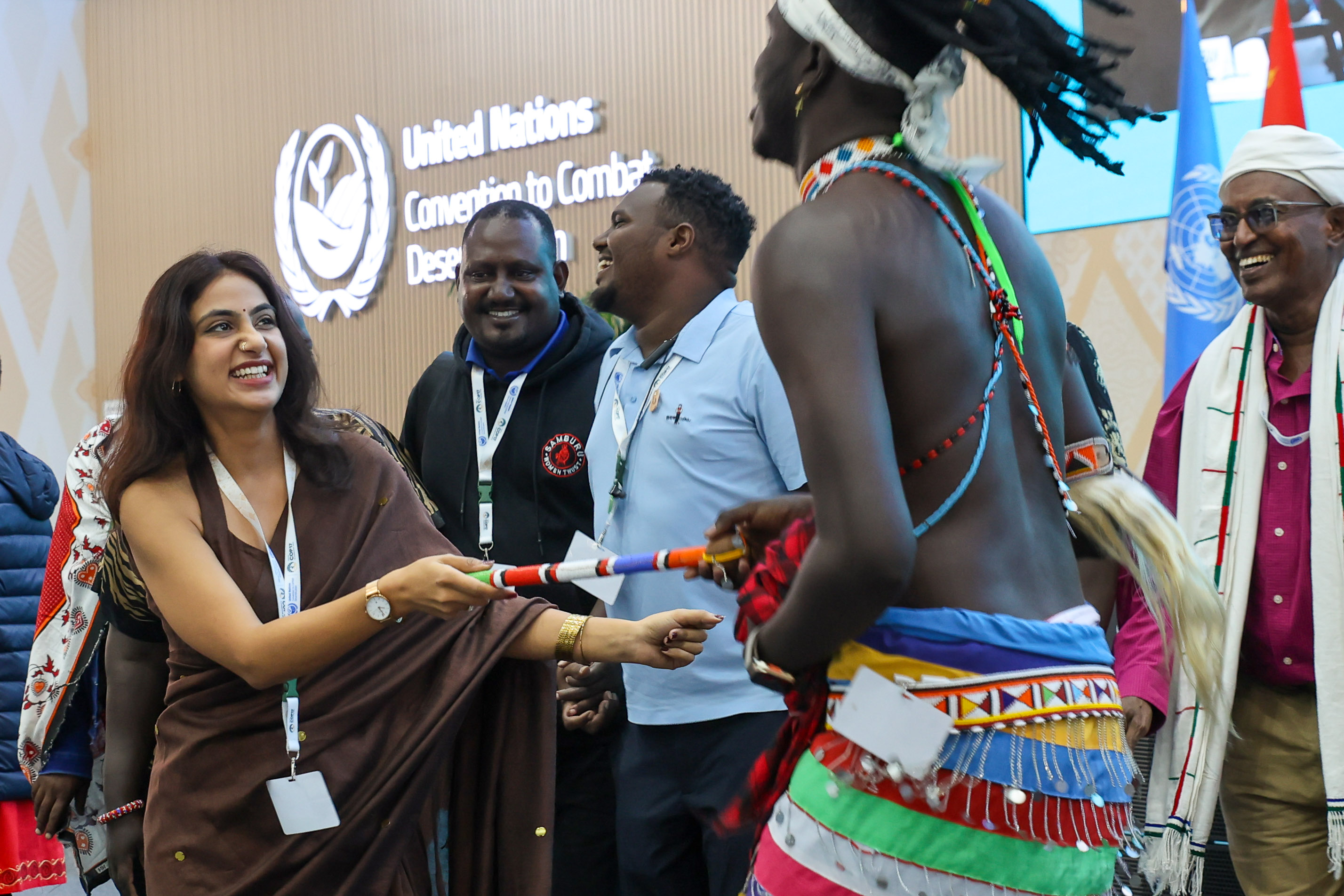
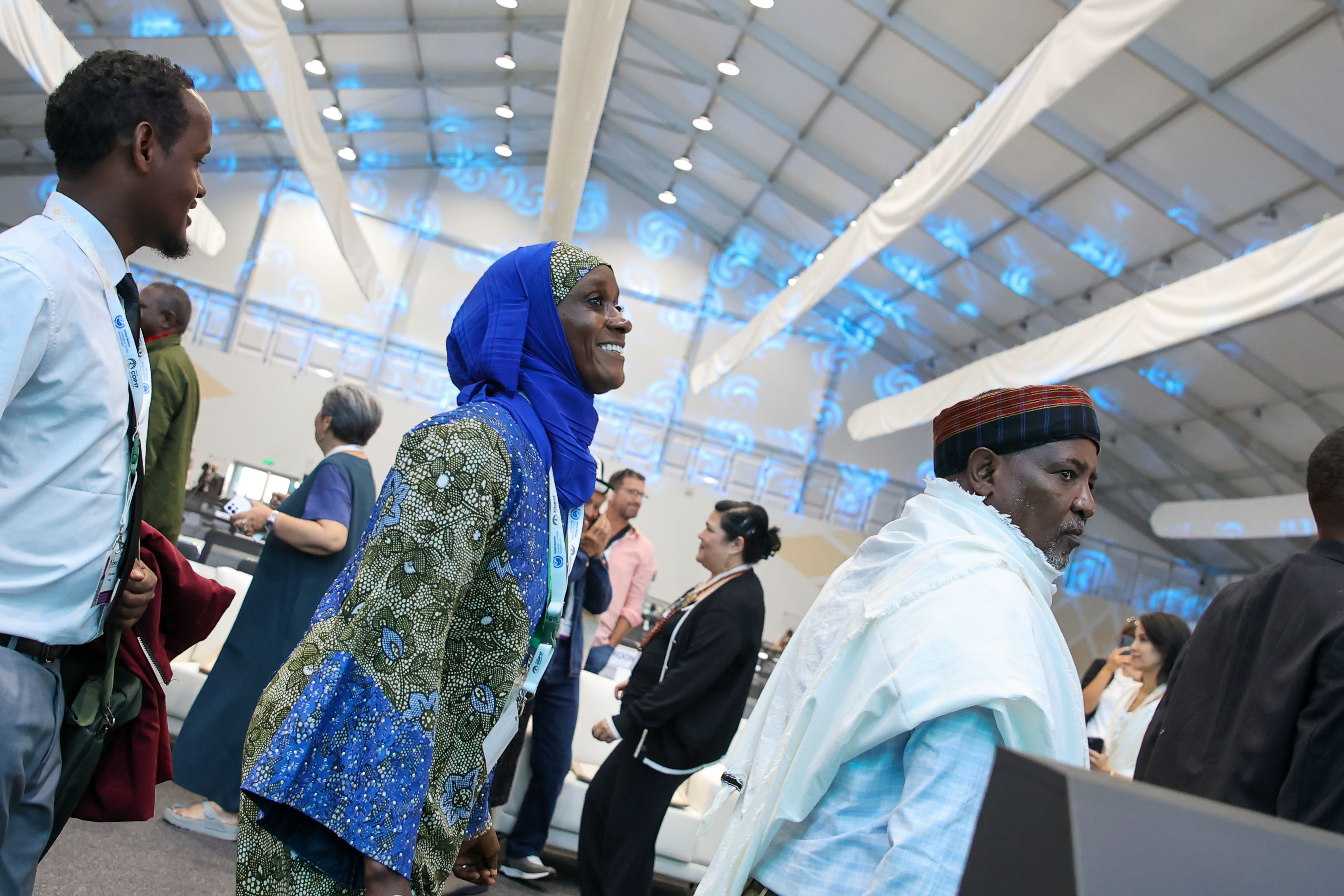
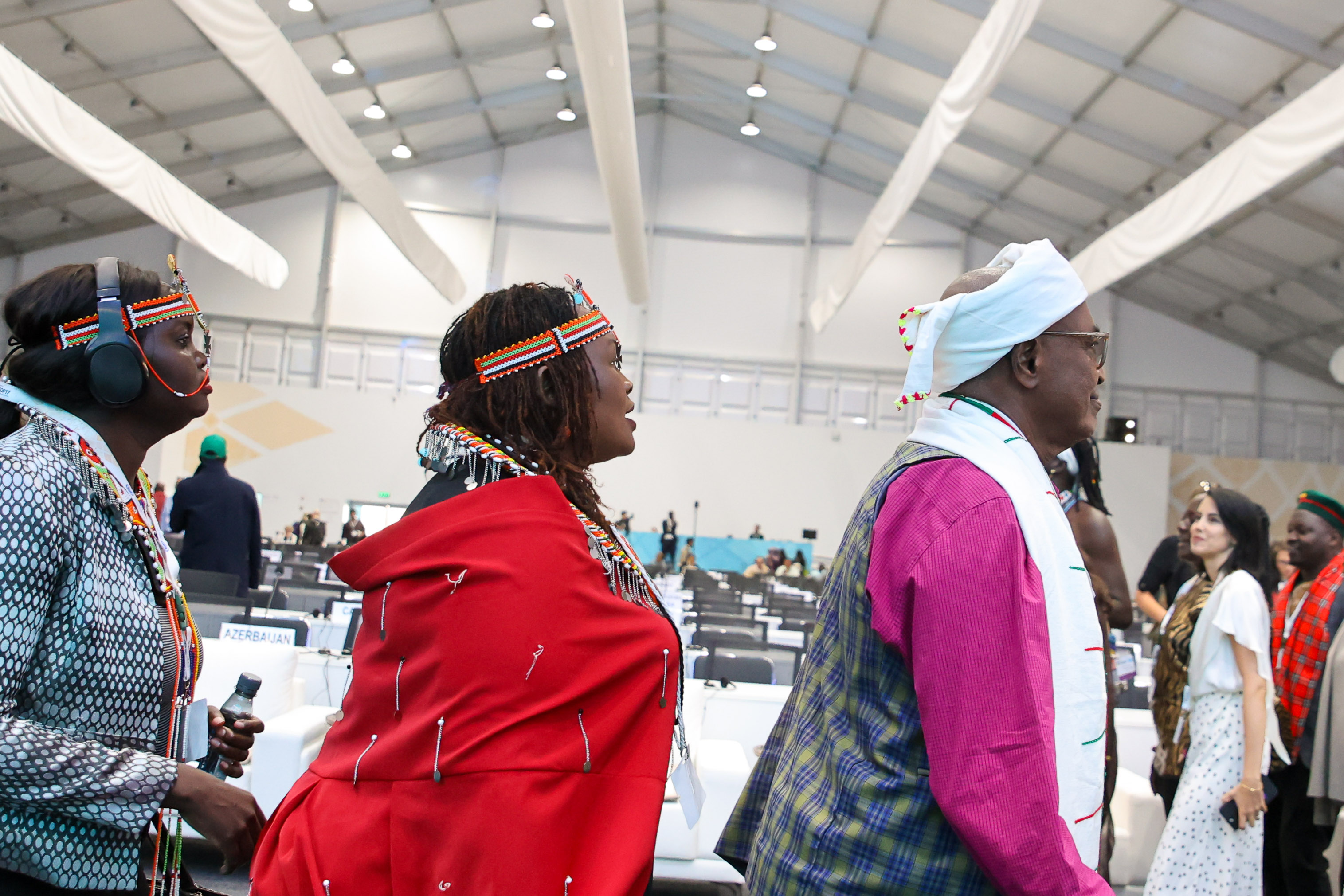
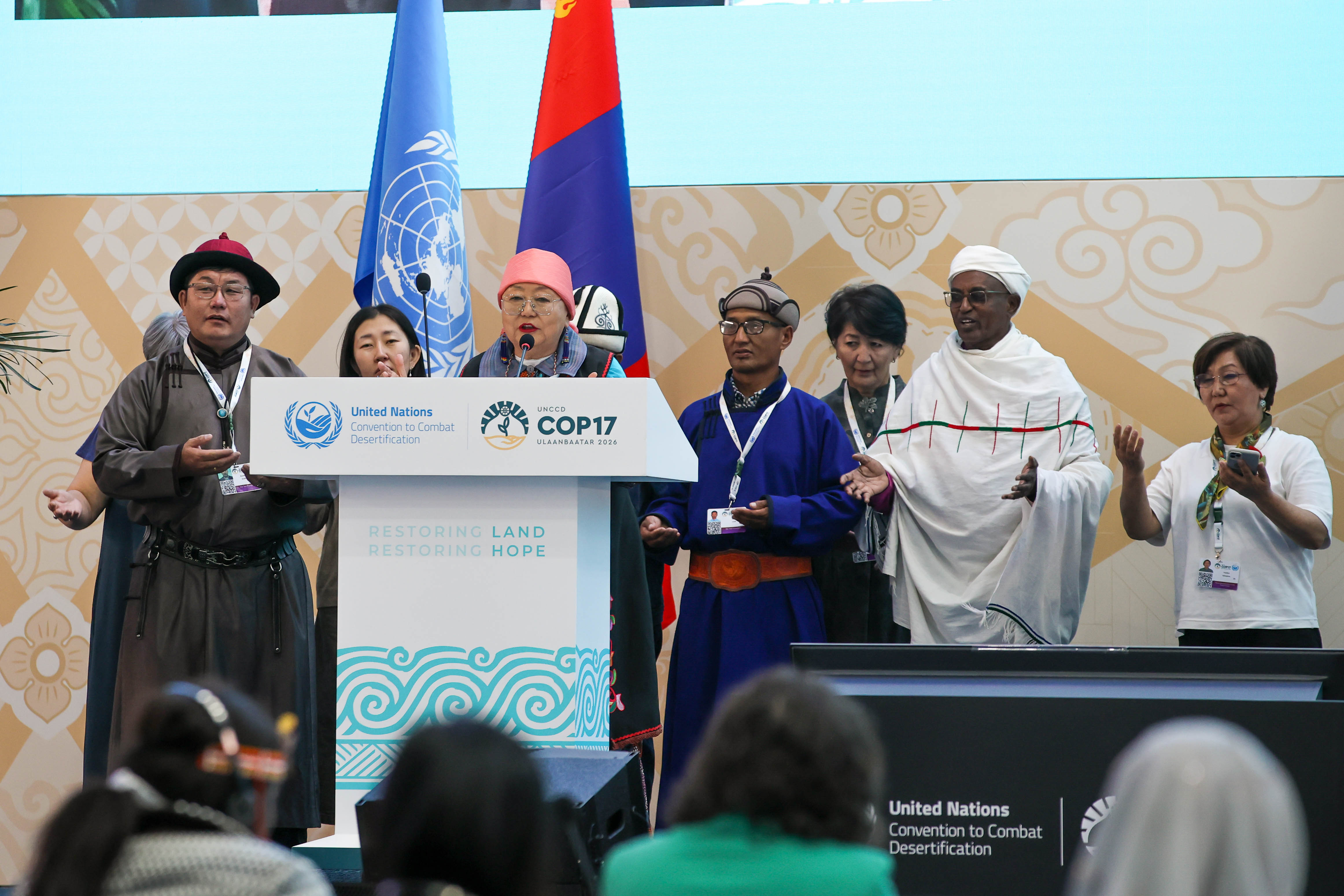
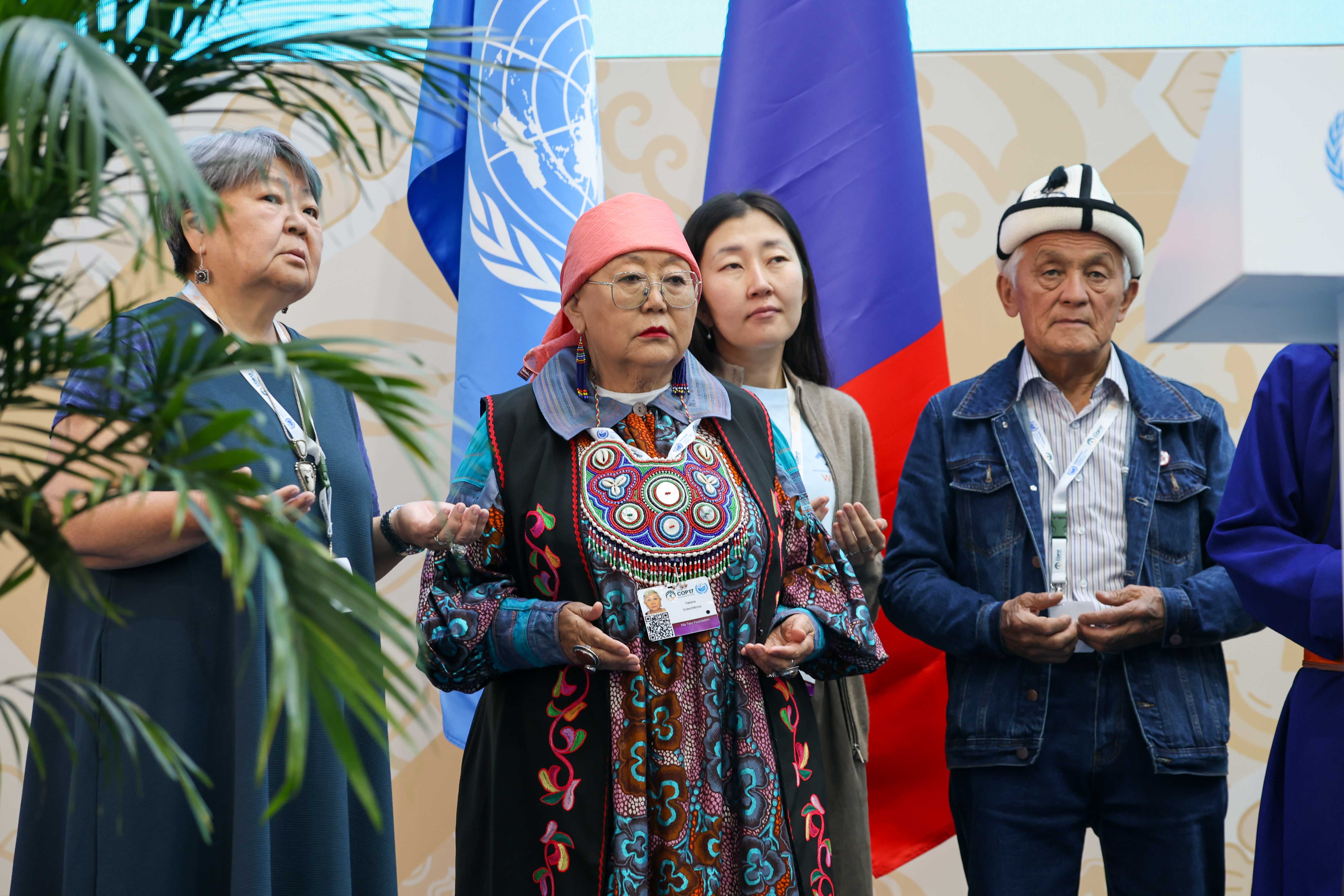
Elders from the World Union of Indigenous Spiritual Practitioners started the session with a prayer.
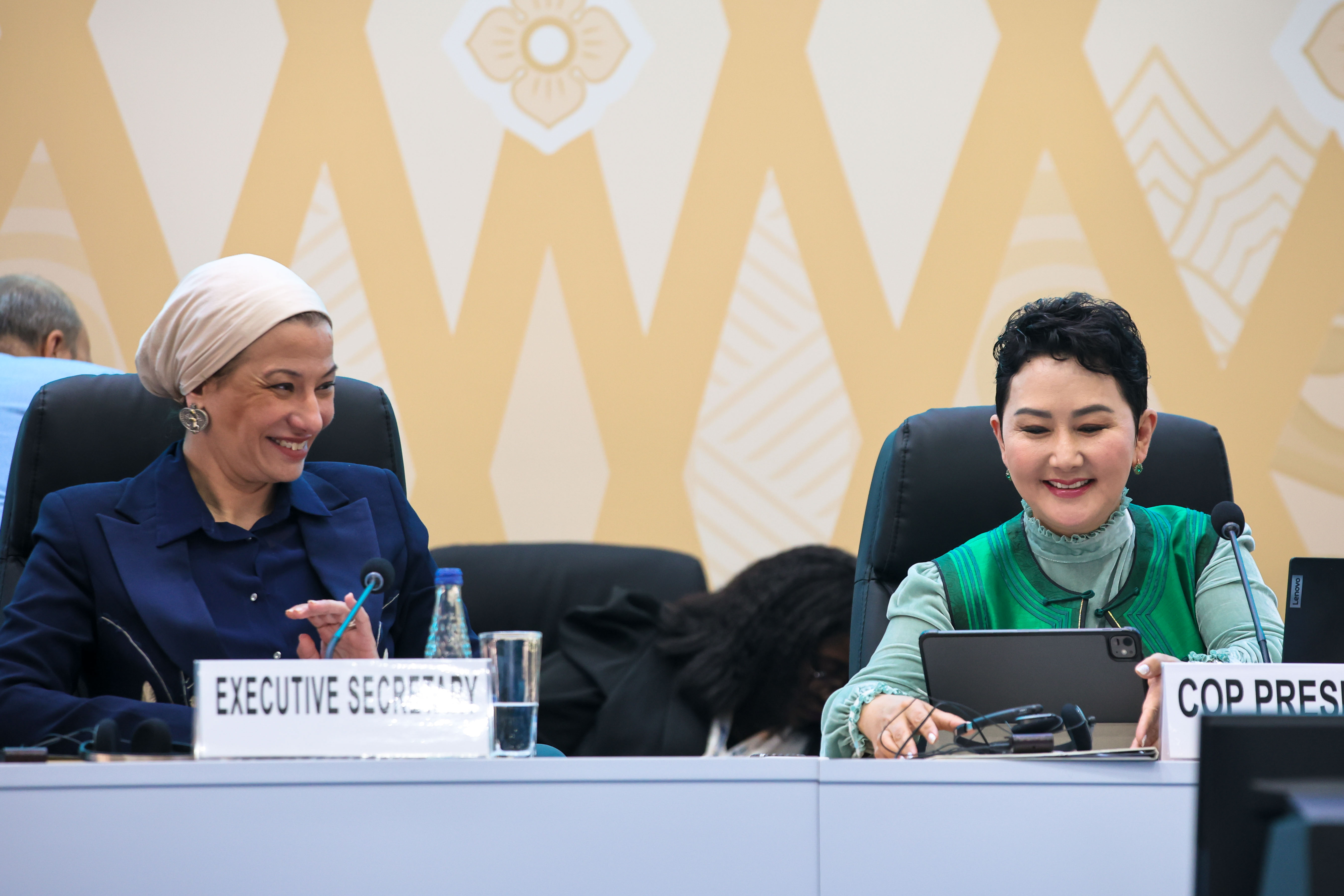
Yasmine Fouad, Executive Secretary, UNCCD, and COP 17 President Batmunkh Battsetseg
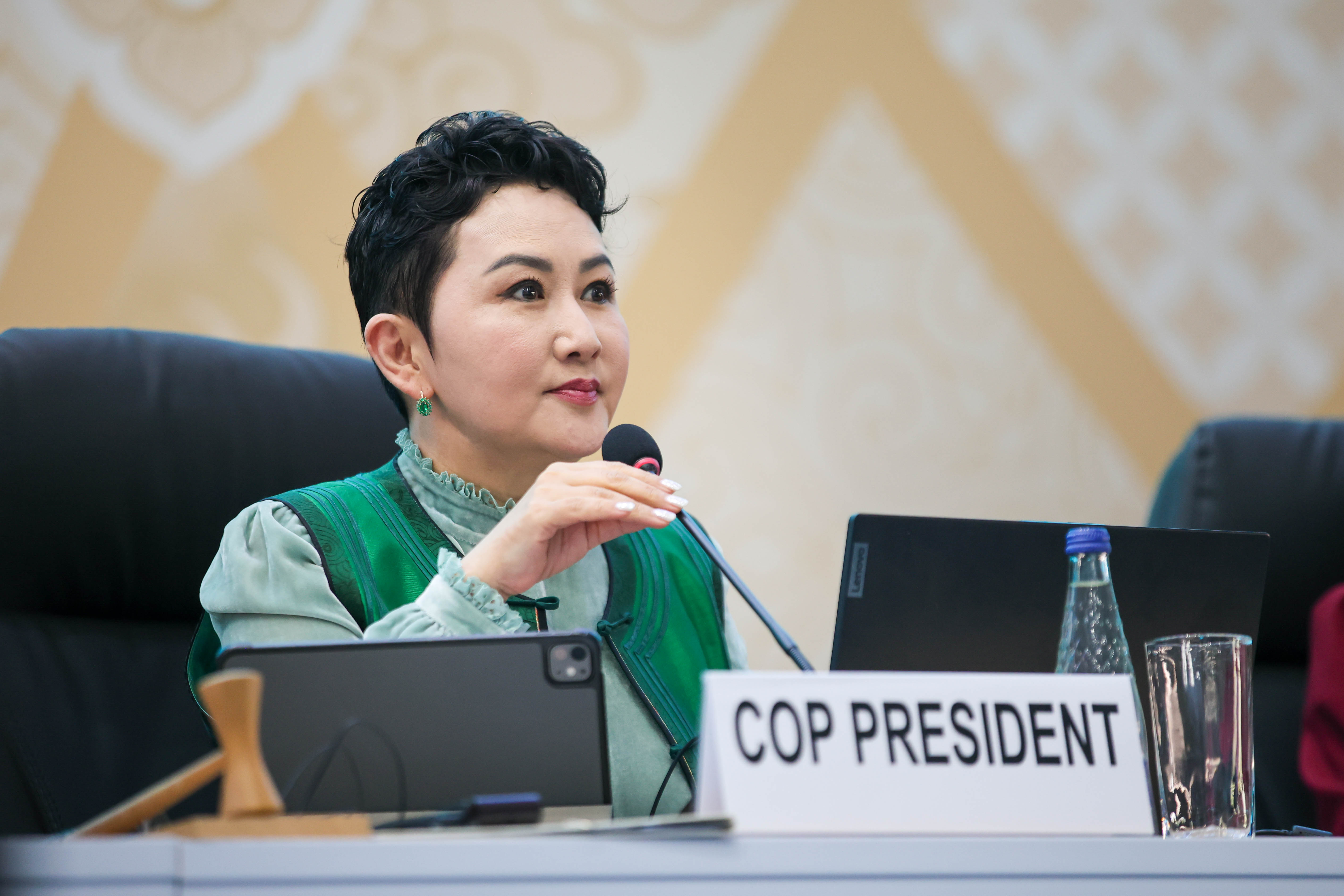
COP 17 President Batmunkh Battsetseg
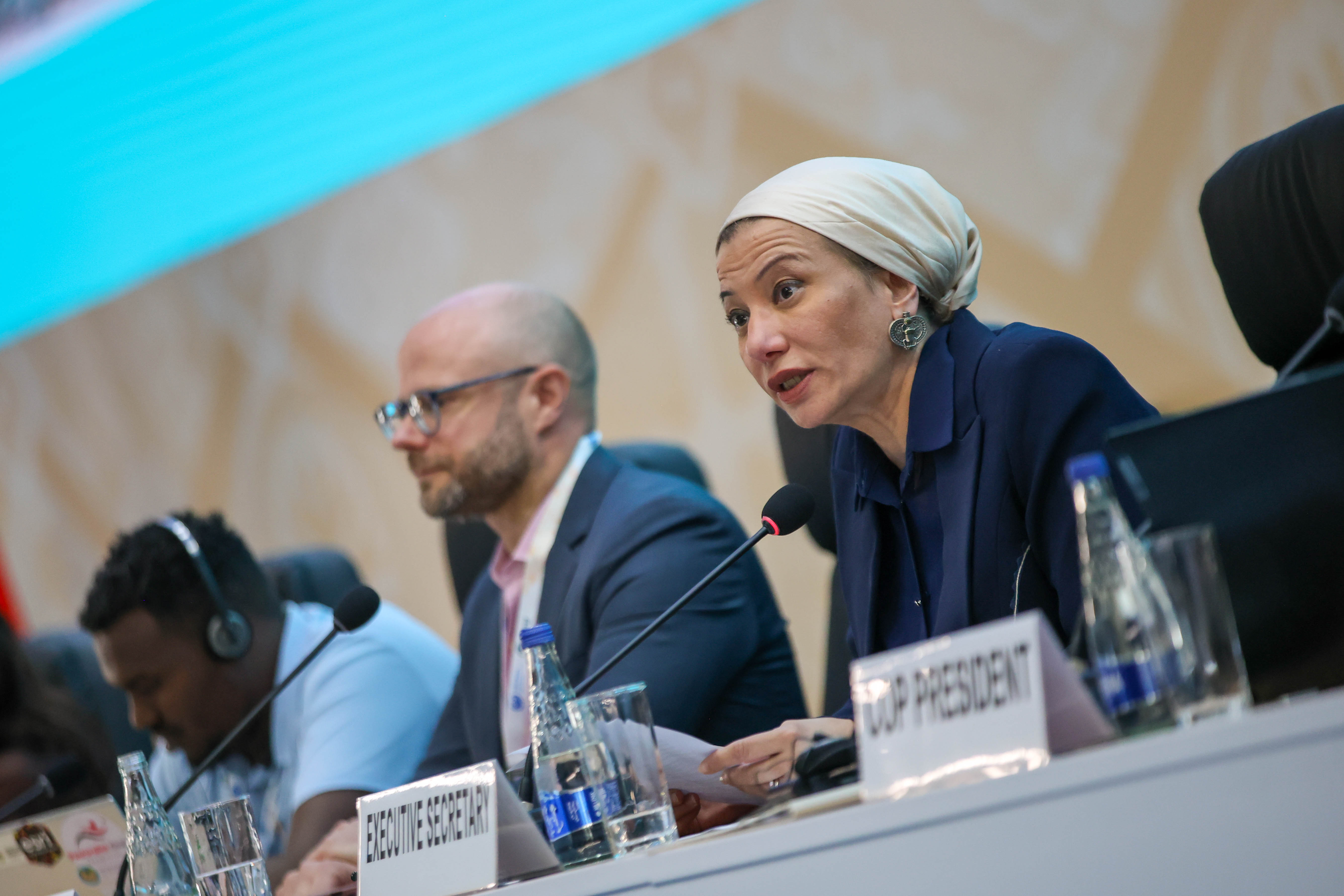
Yasmine Fouad, Executive Secretary, UNCCD
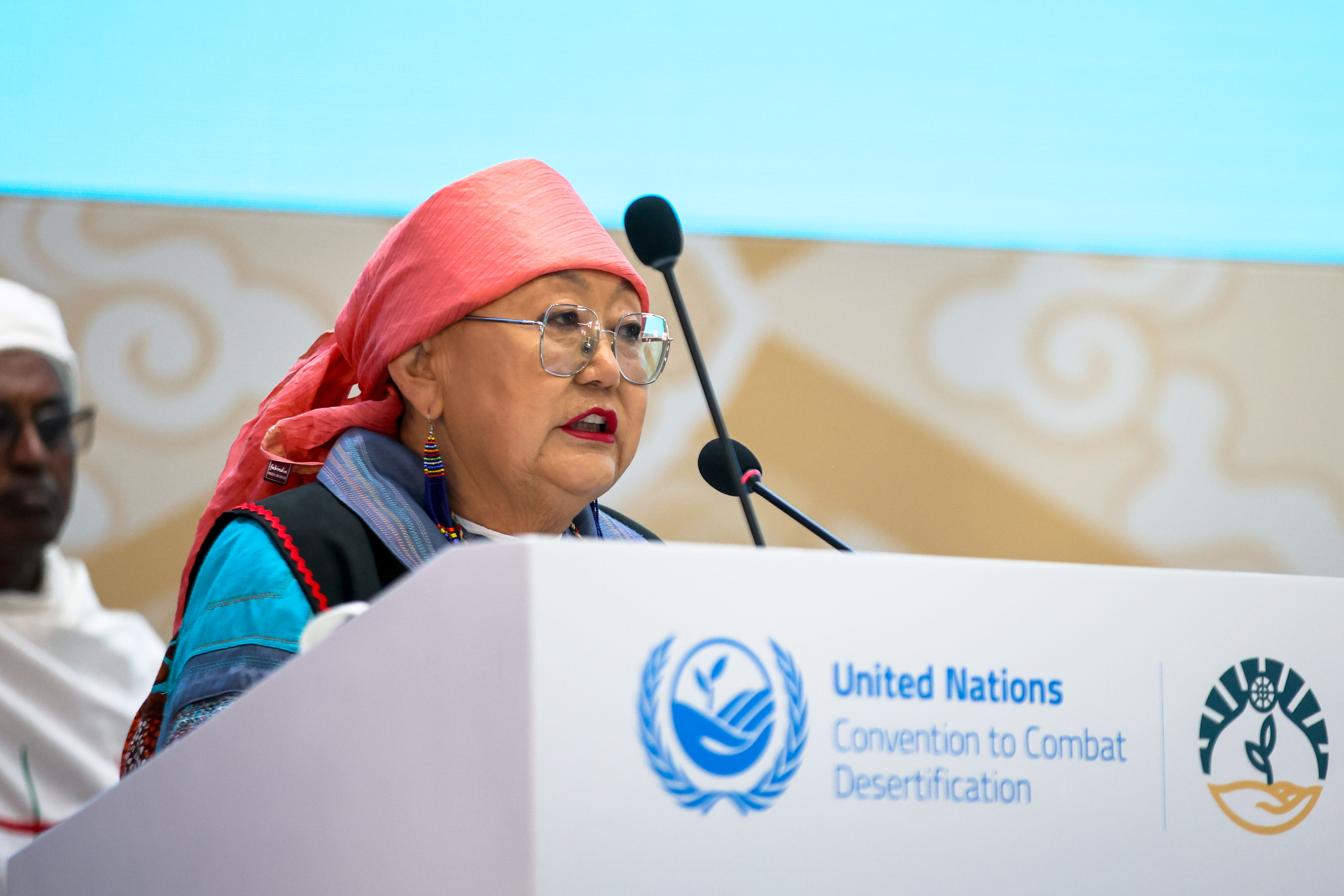
Tatyana Kobezhikova, International Council of Elders
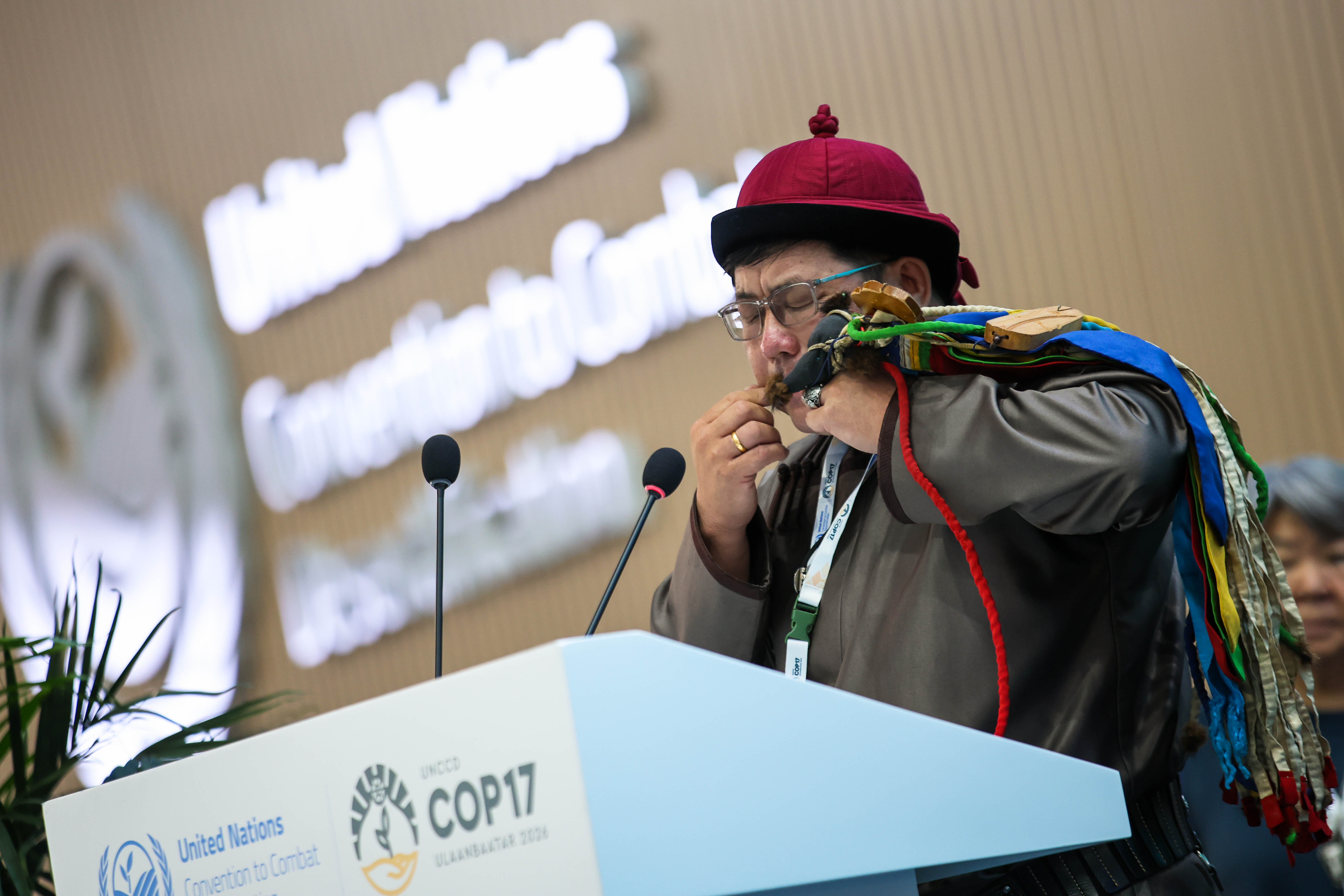
Buyanbadrakh Erdenetsogt, Nia Tero Foundation
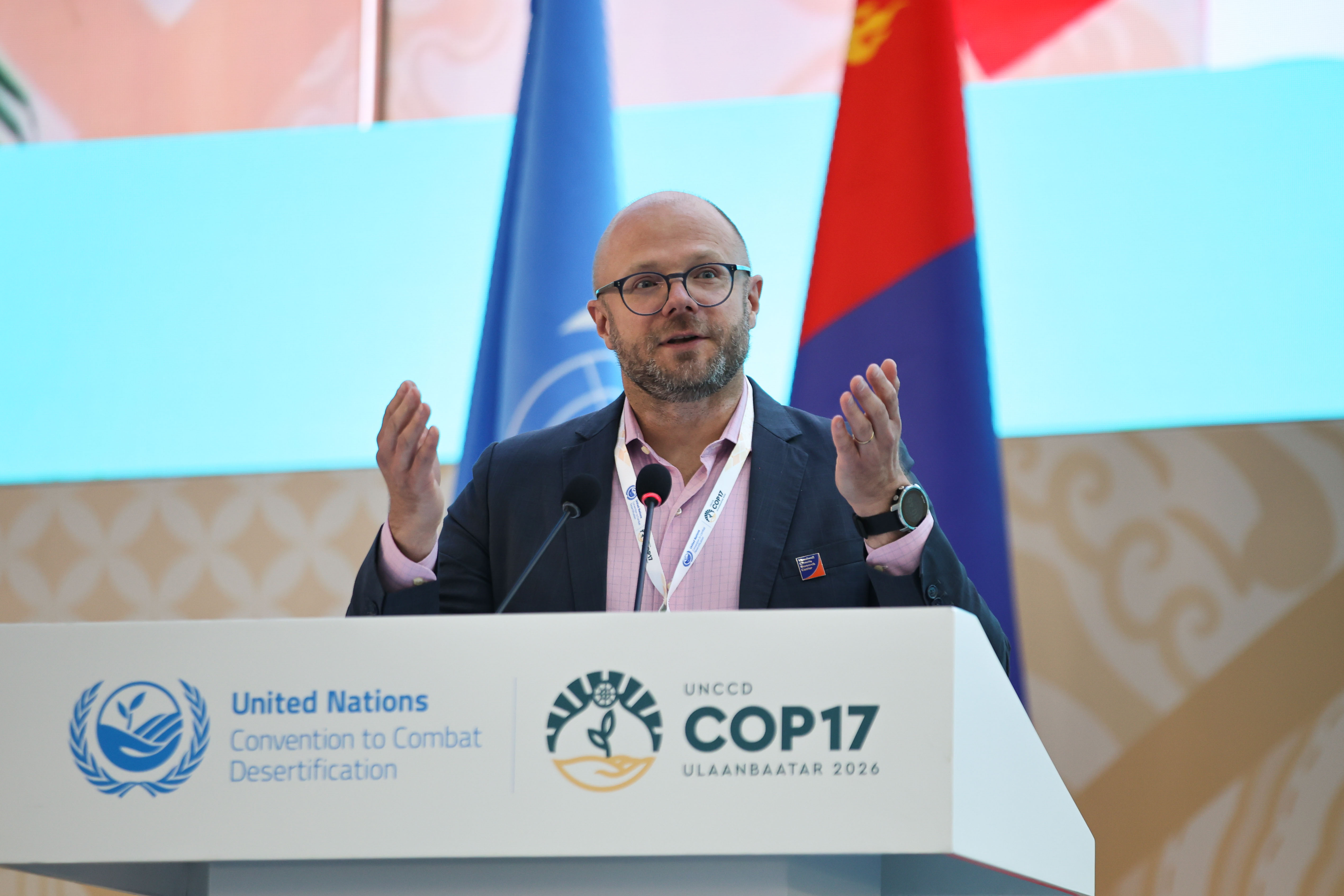
Matti Goldberg, Woodwell Climate Research Center
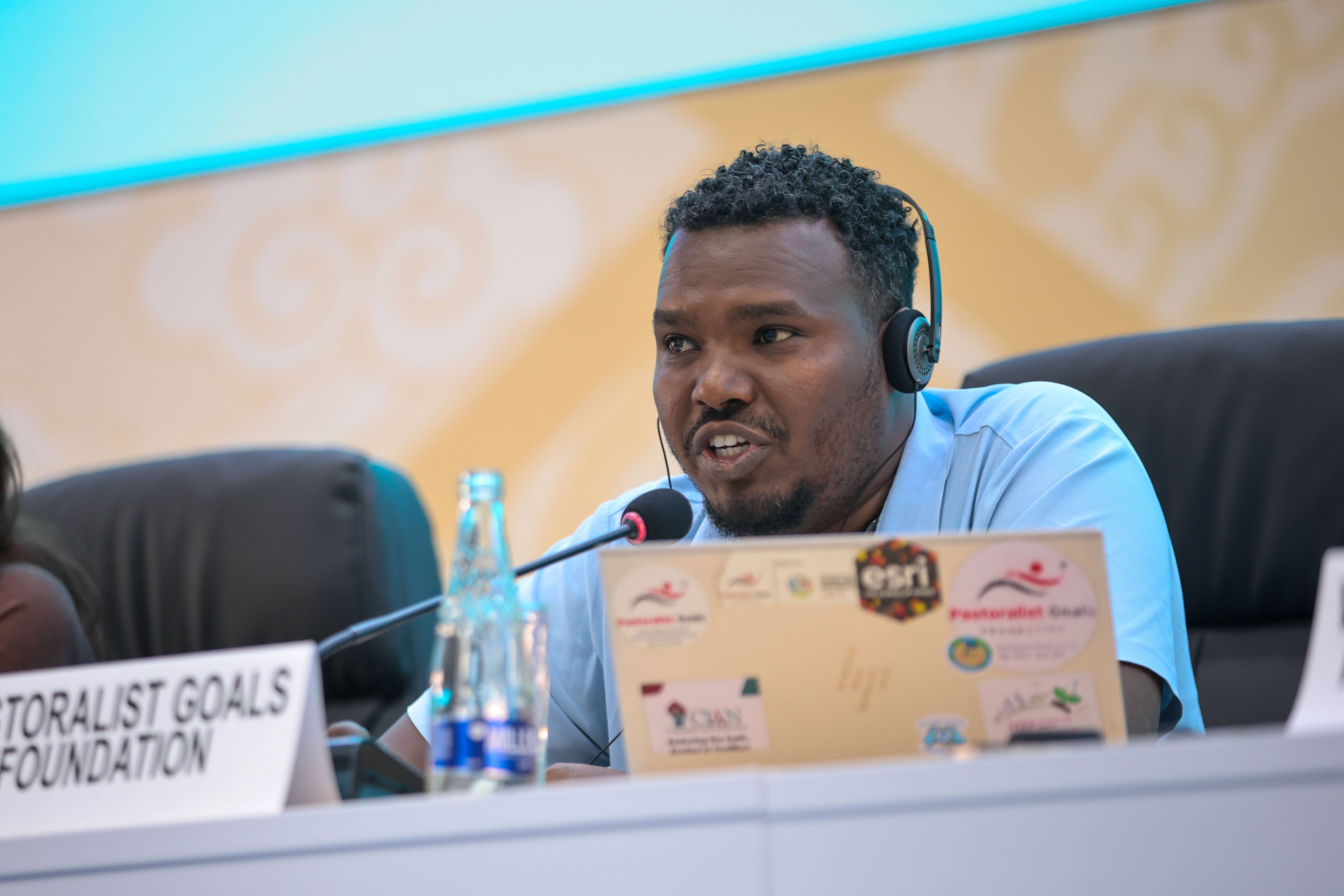
Basele Stephen Galgesa, Pastoralist Goals Foundation
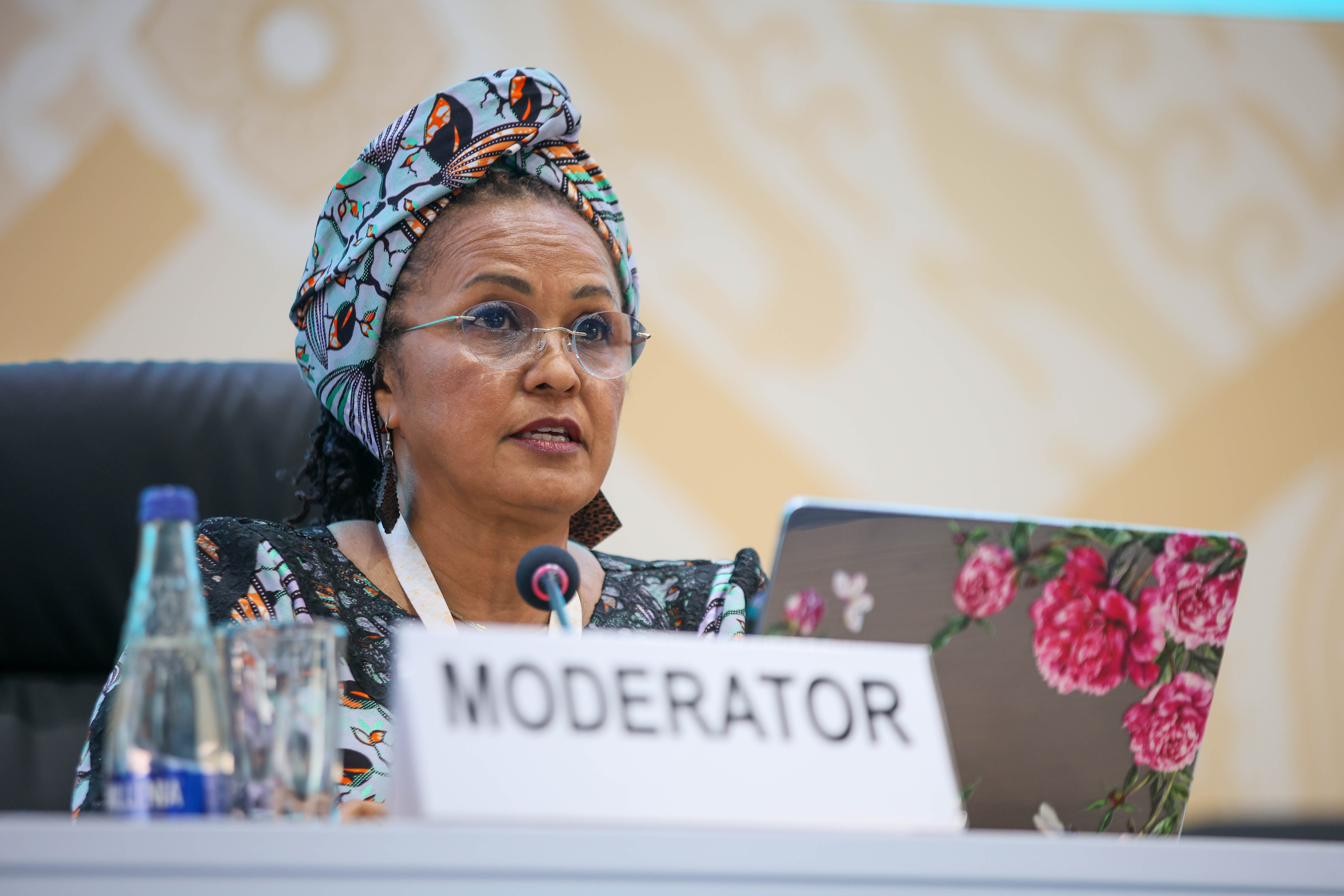
Moderator Ellen Otaru-Okoedion, Journalists’ Environmental Association of Tanzania
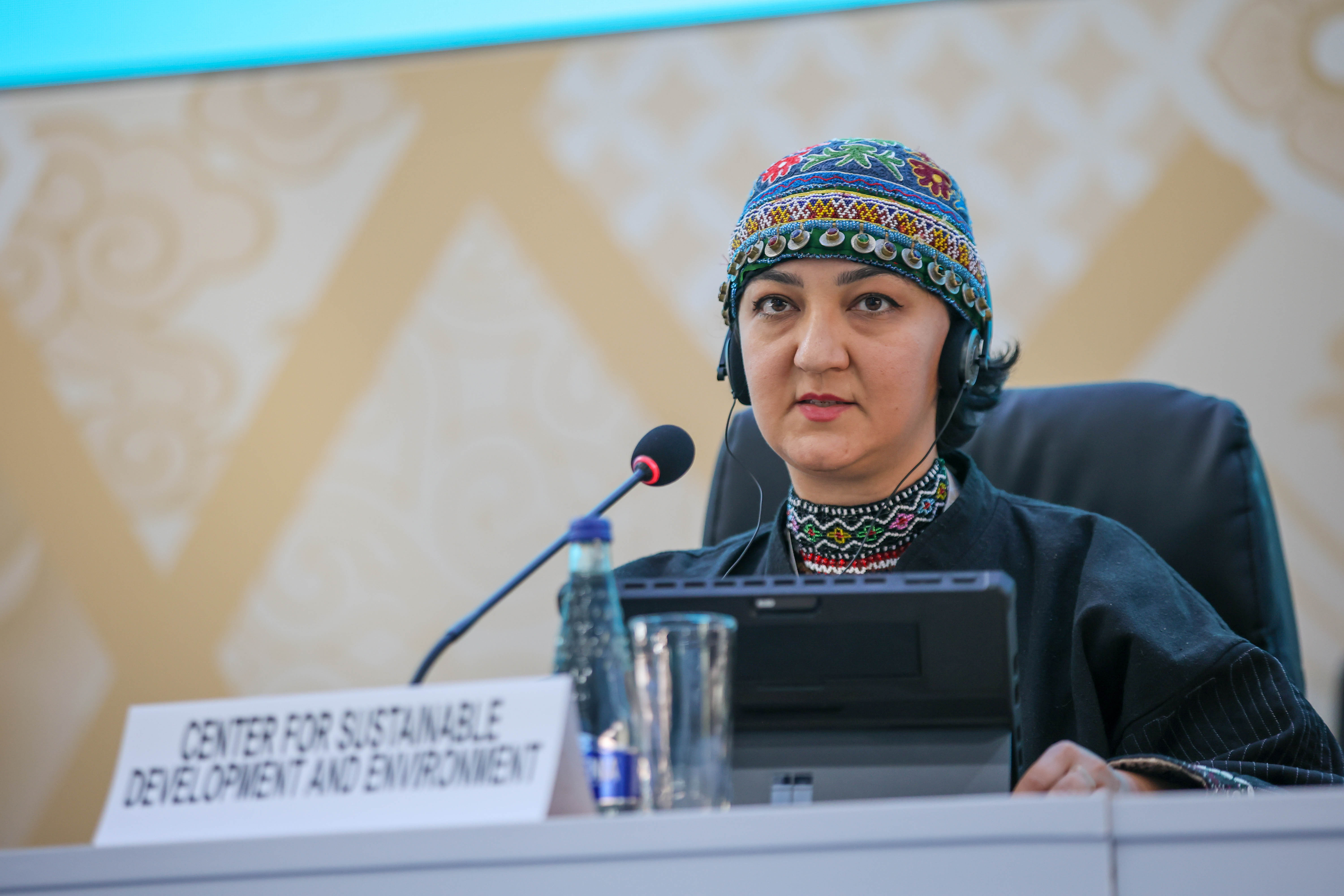
Hanie Moghani, Center for Sustainable Development and Environment
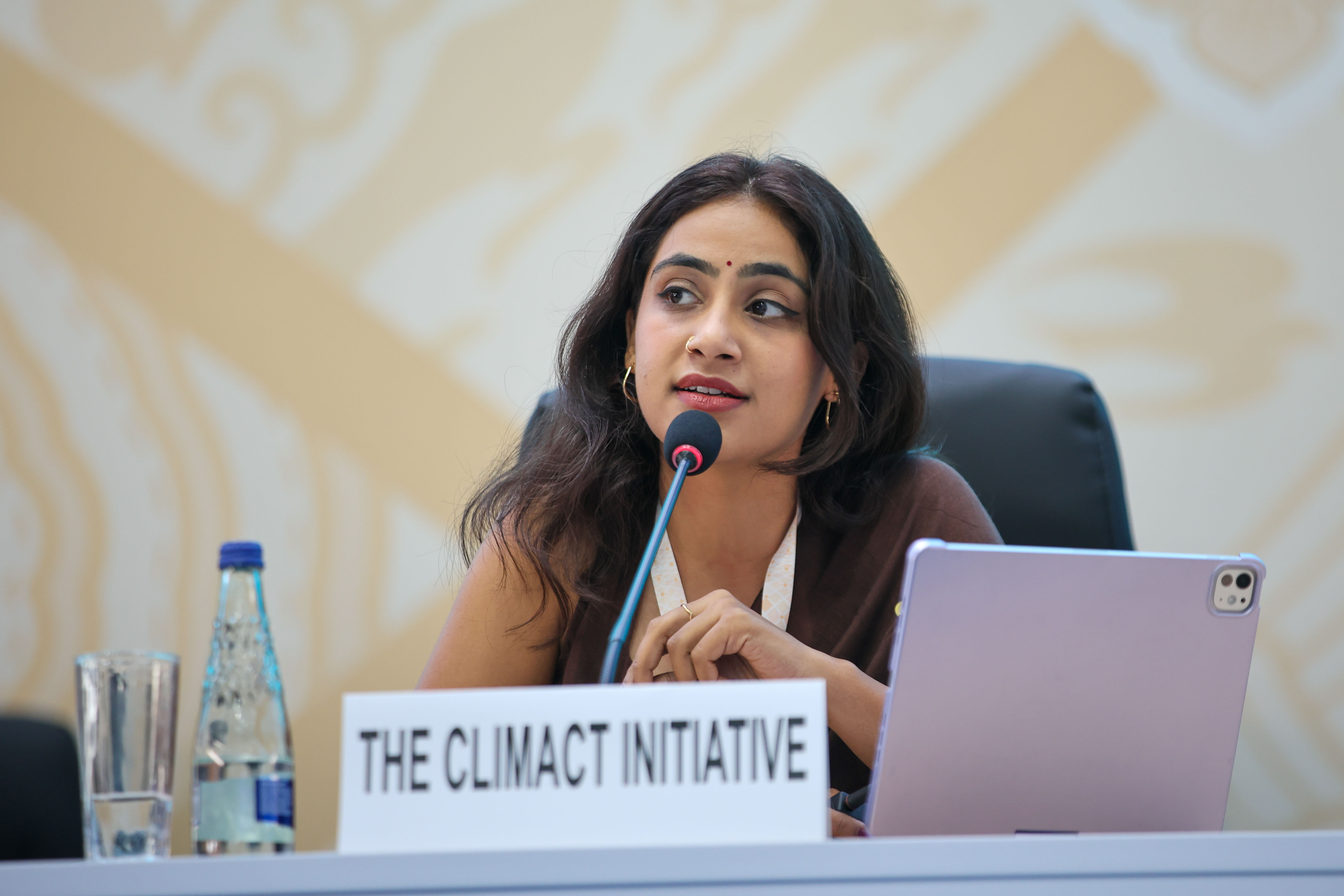
Garima Rajpal, The ClimAct Initiative
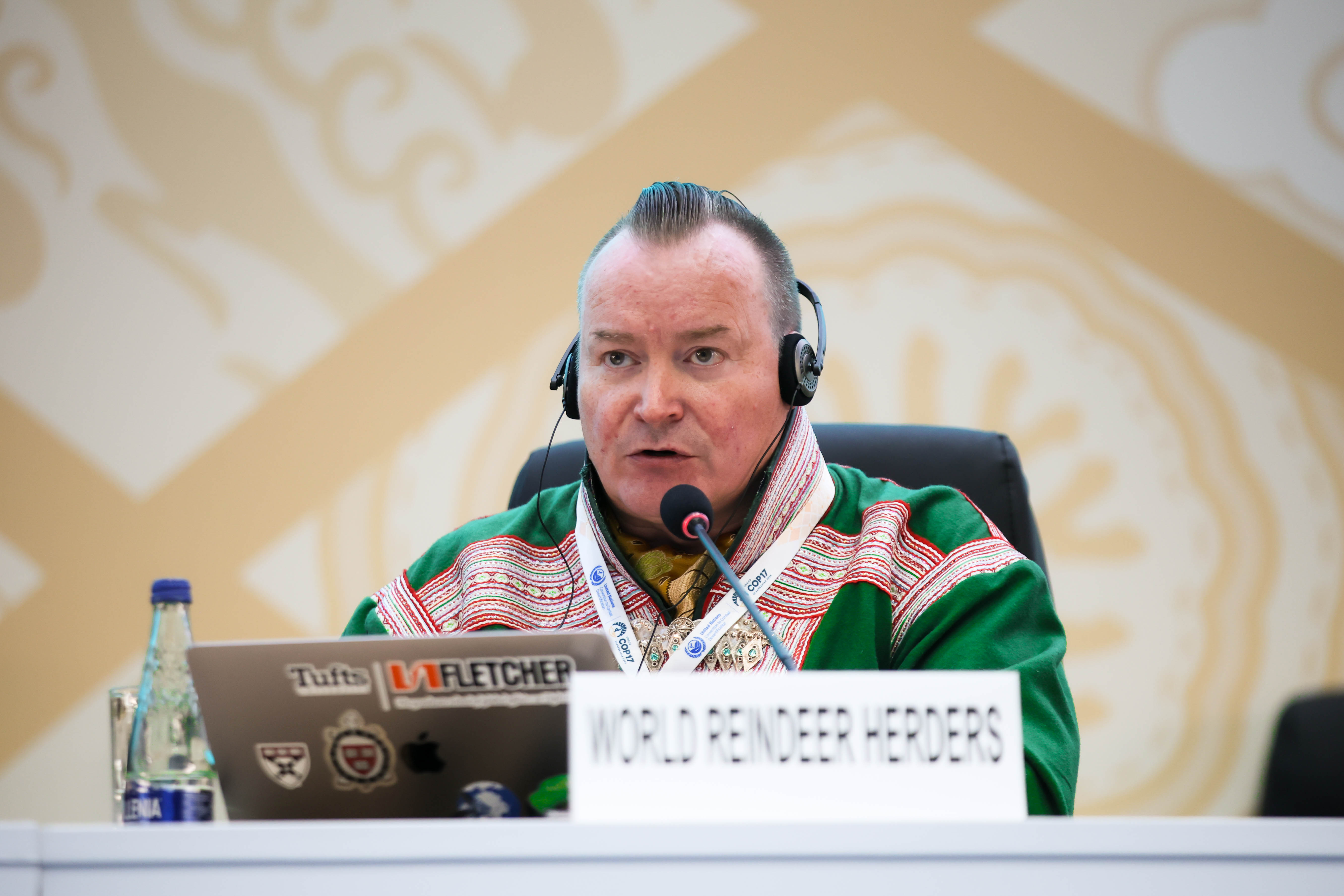
Anders Oskal, Association of World Reindeer Herd
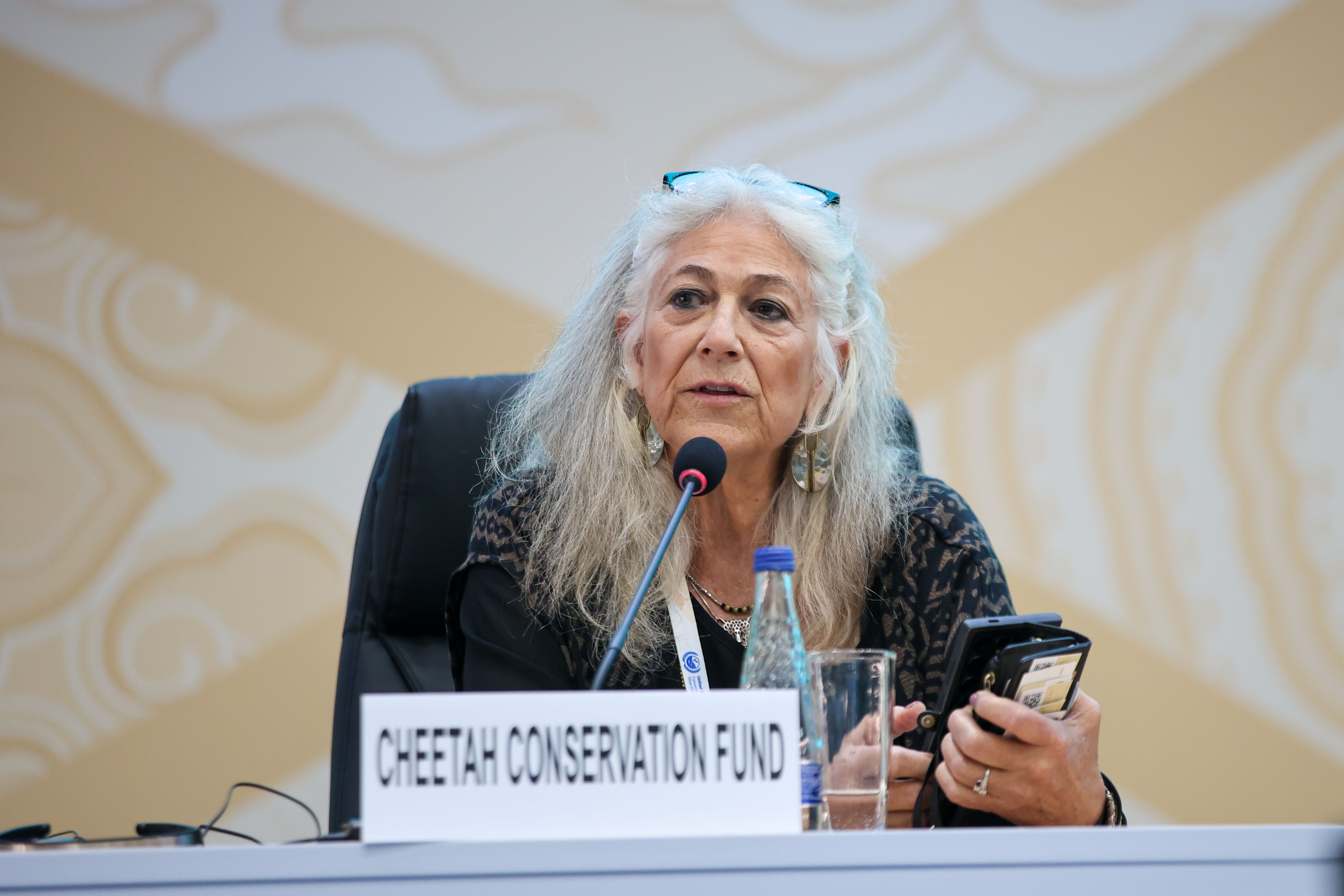
Laurie Marker, Cheetah Conservation Fund
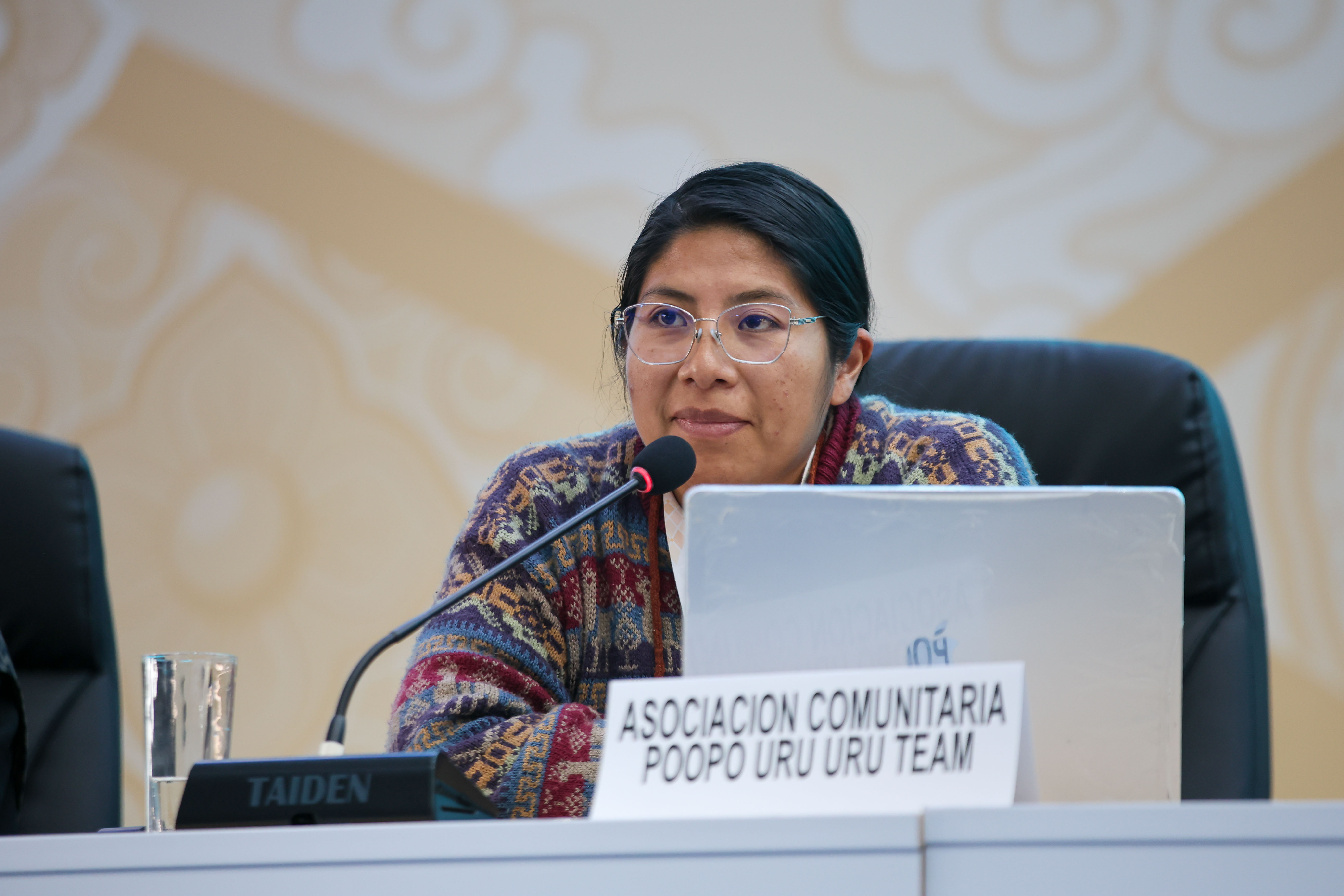
Tatiana Mijaela Blanco Quiroga, Asociacion Comunitaria Poopo Uru Uru Team
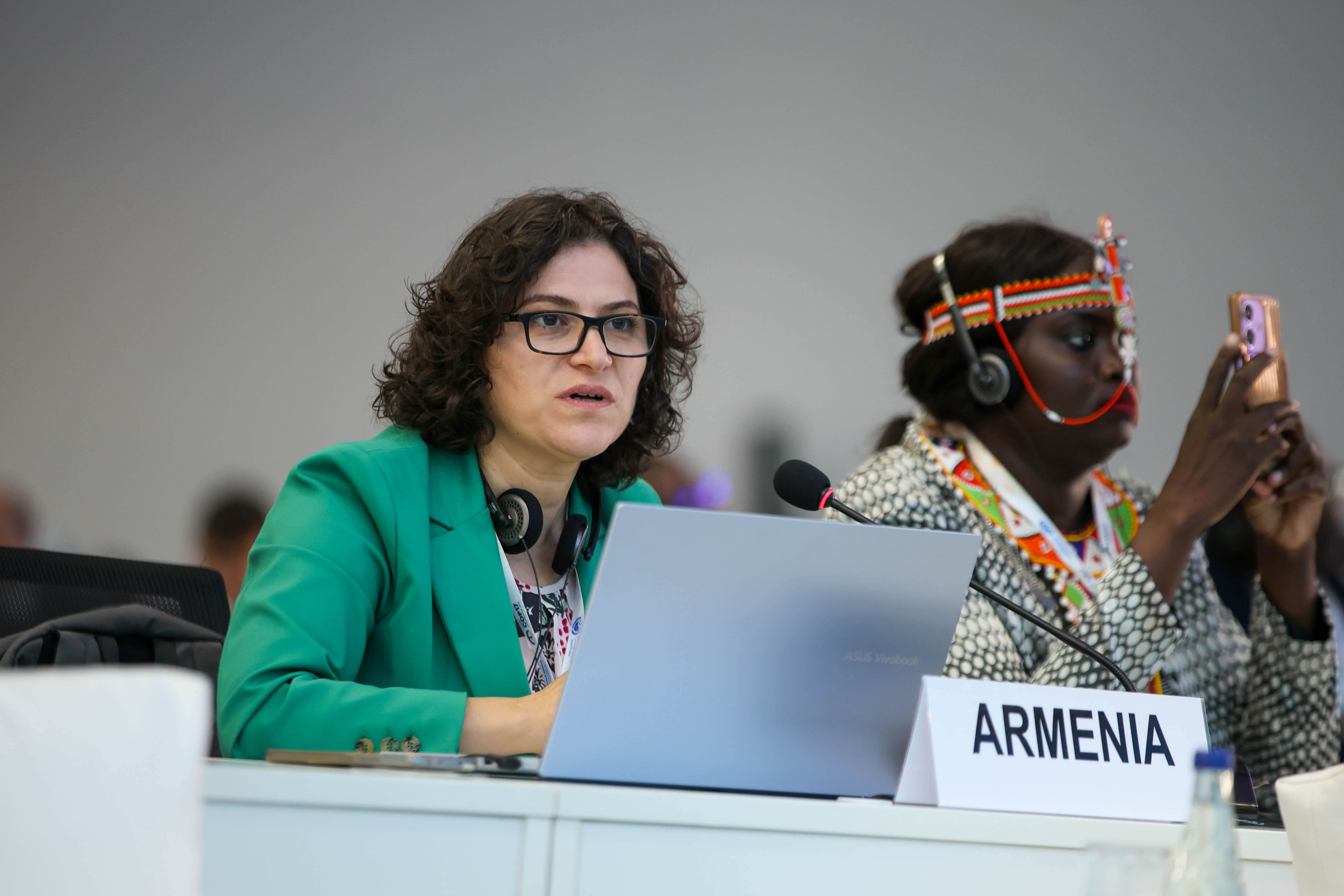
Narine Hakobyan, Armenia
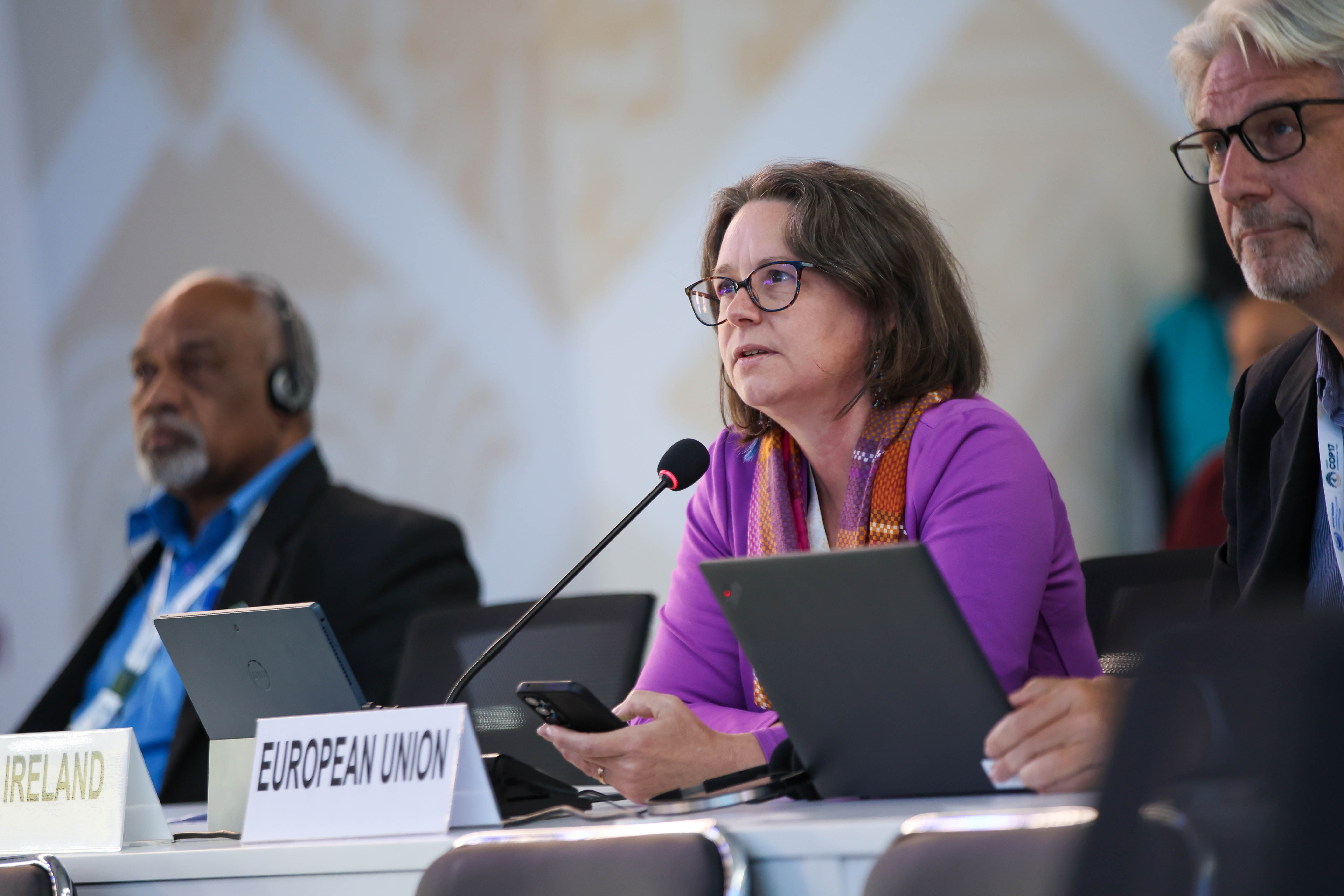
Juliane Wiesenhütter, EU
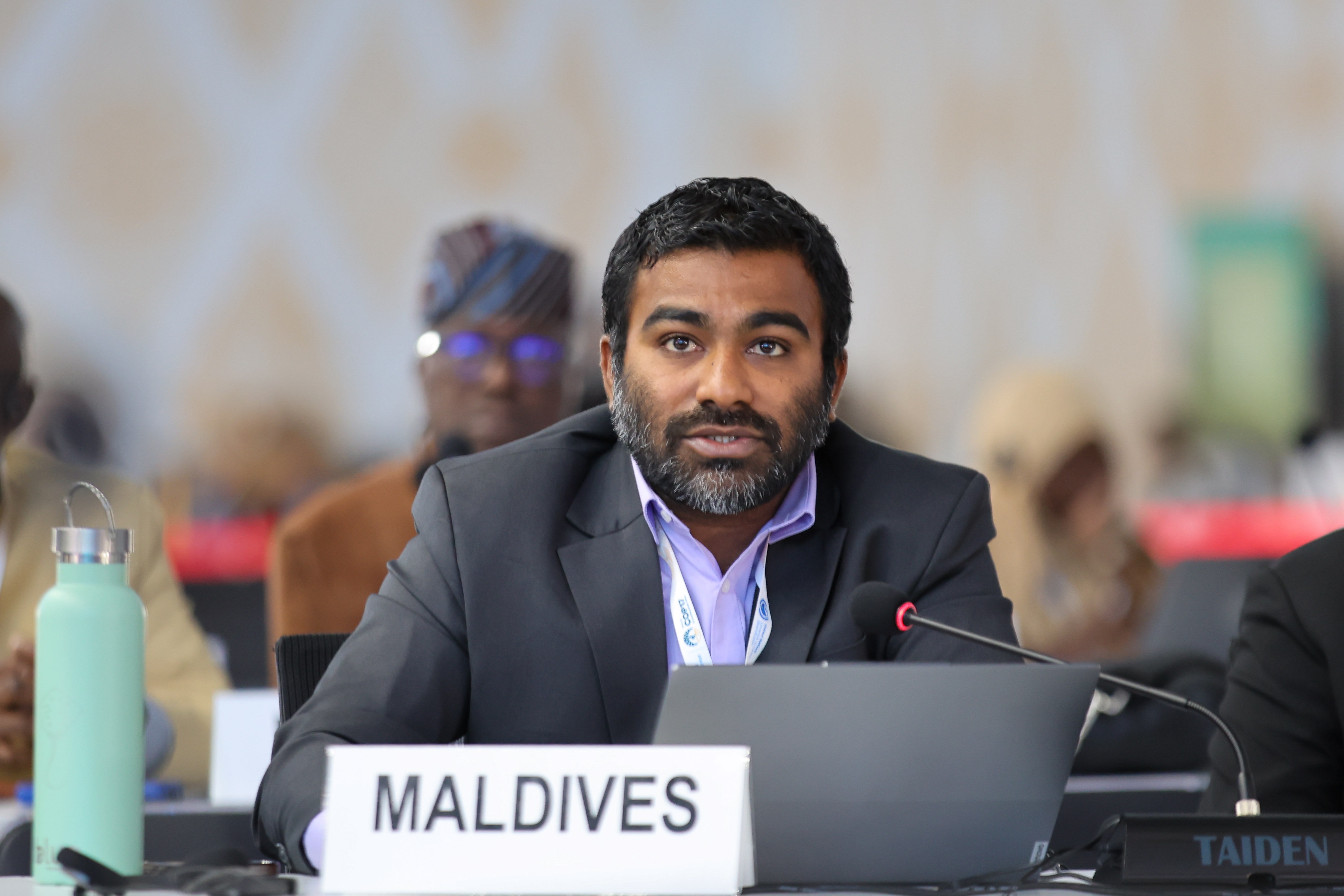
Ahmed Shan, Maldives
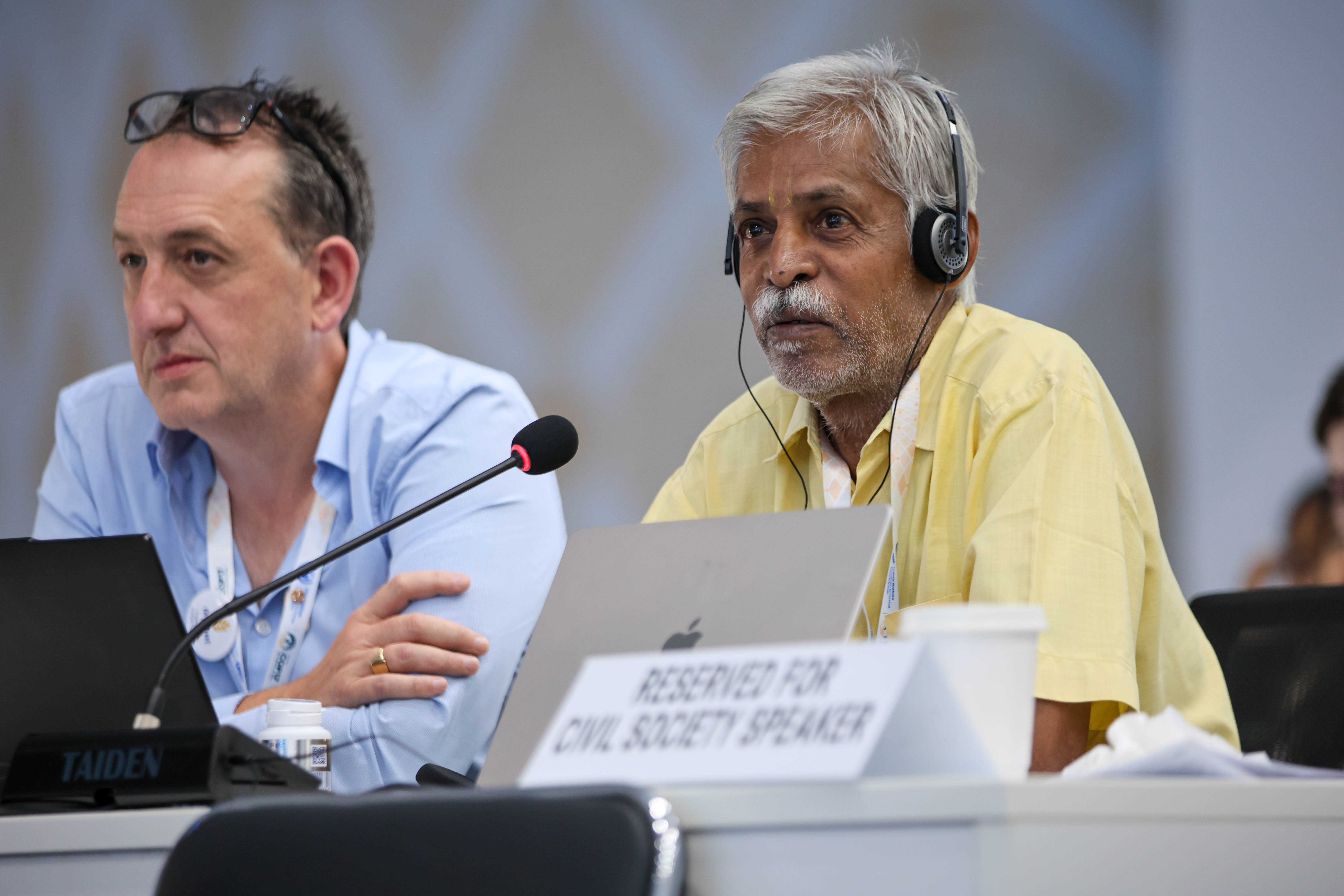
Vivekanandan Perumal, Civil Society representative
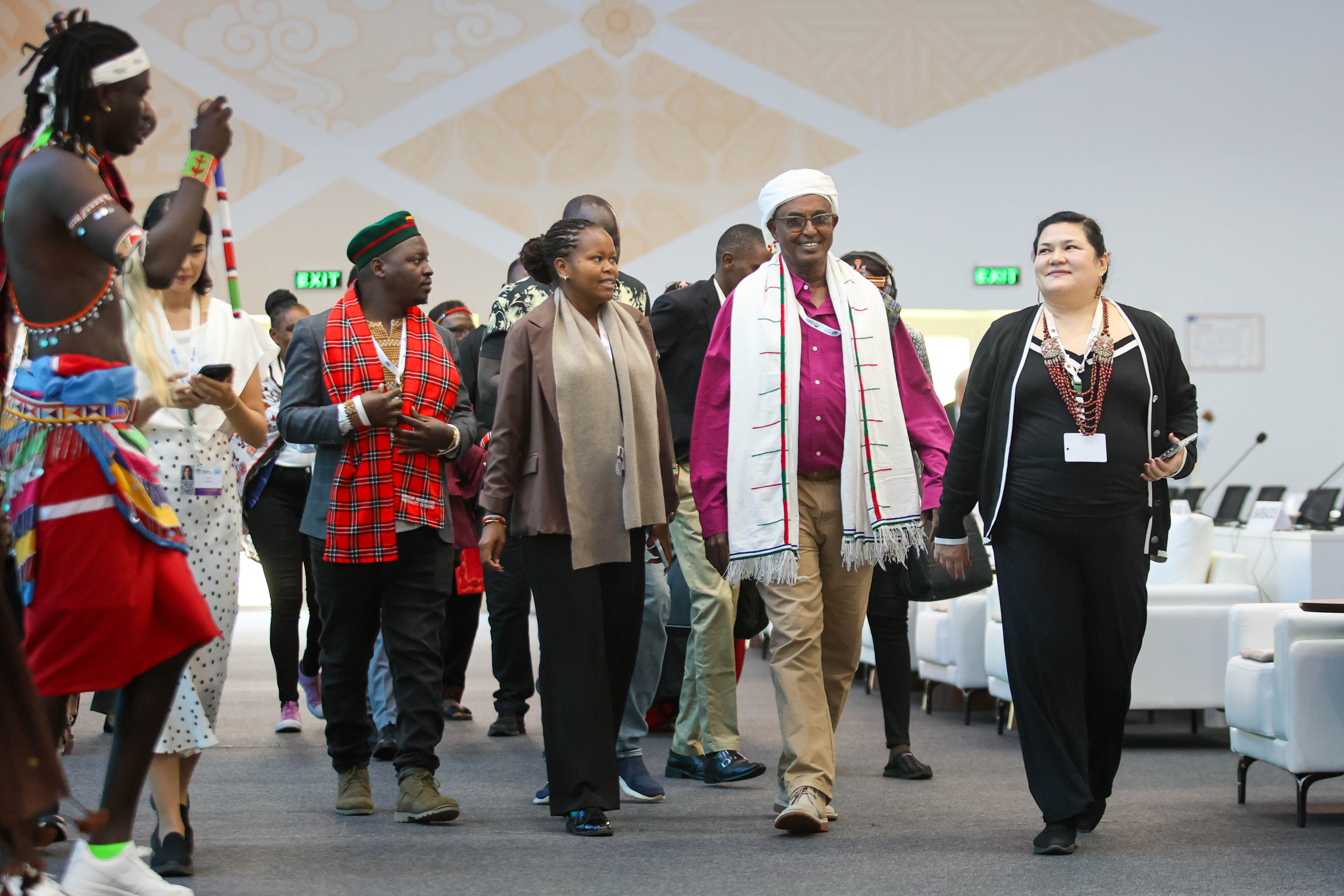
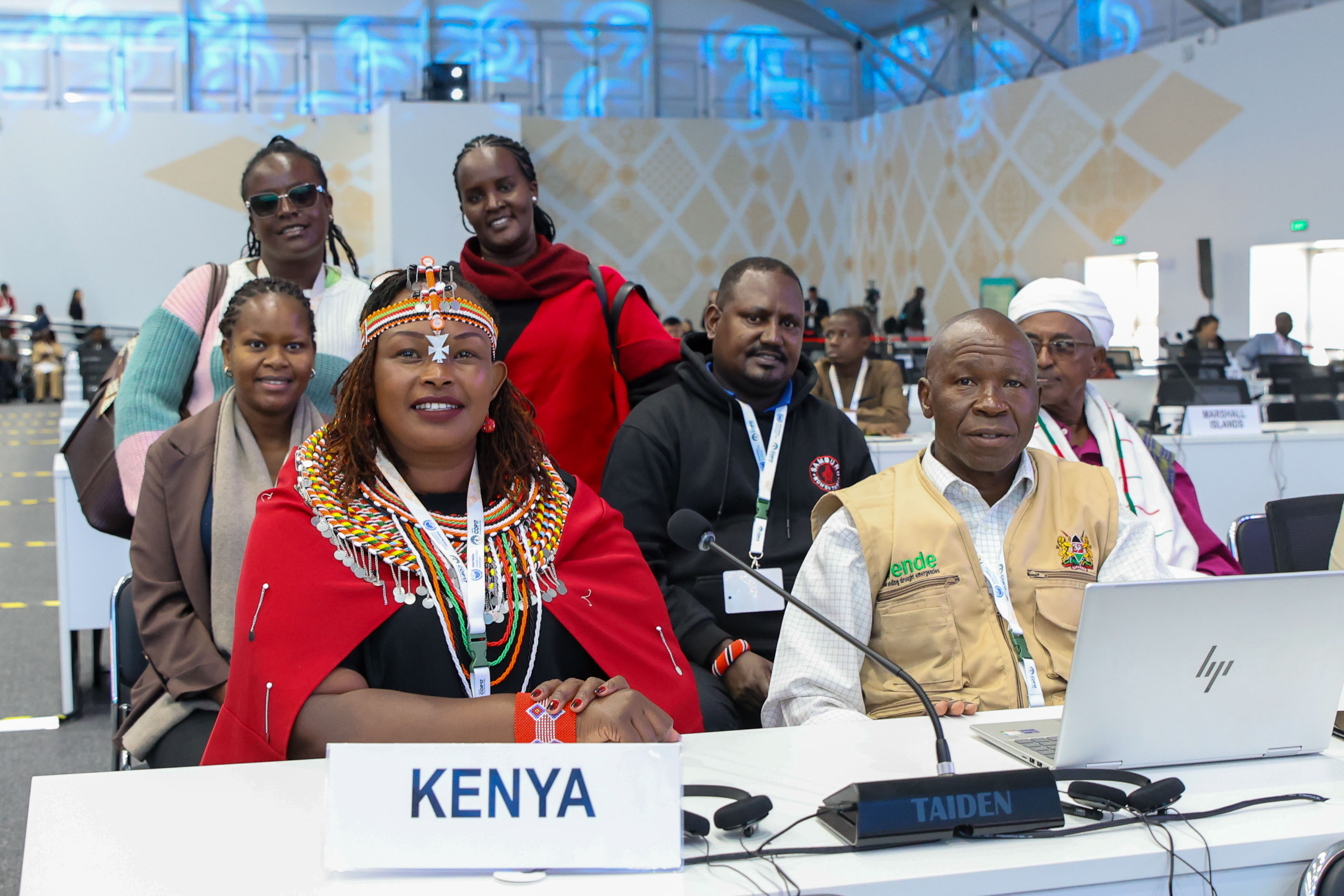
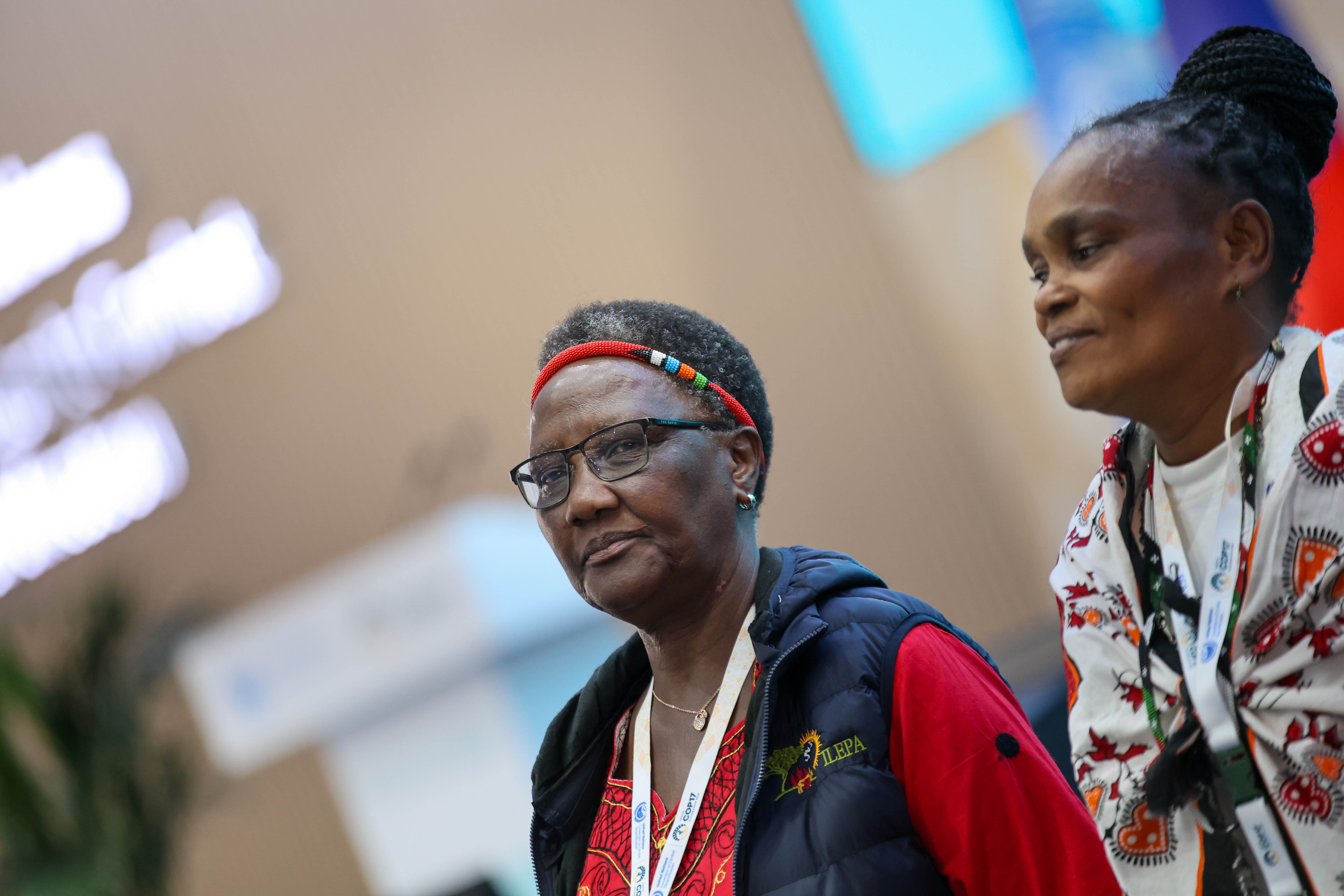
Delegates from Kenya
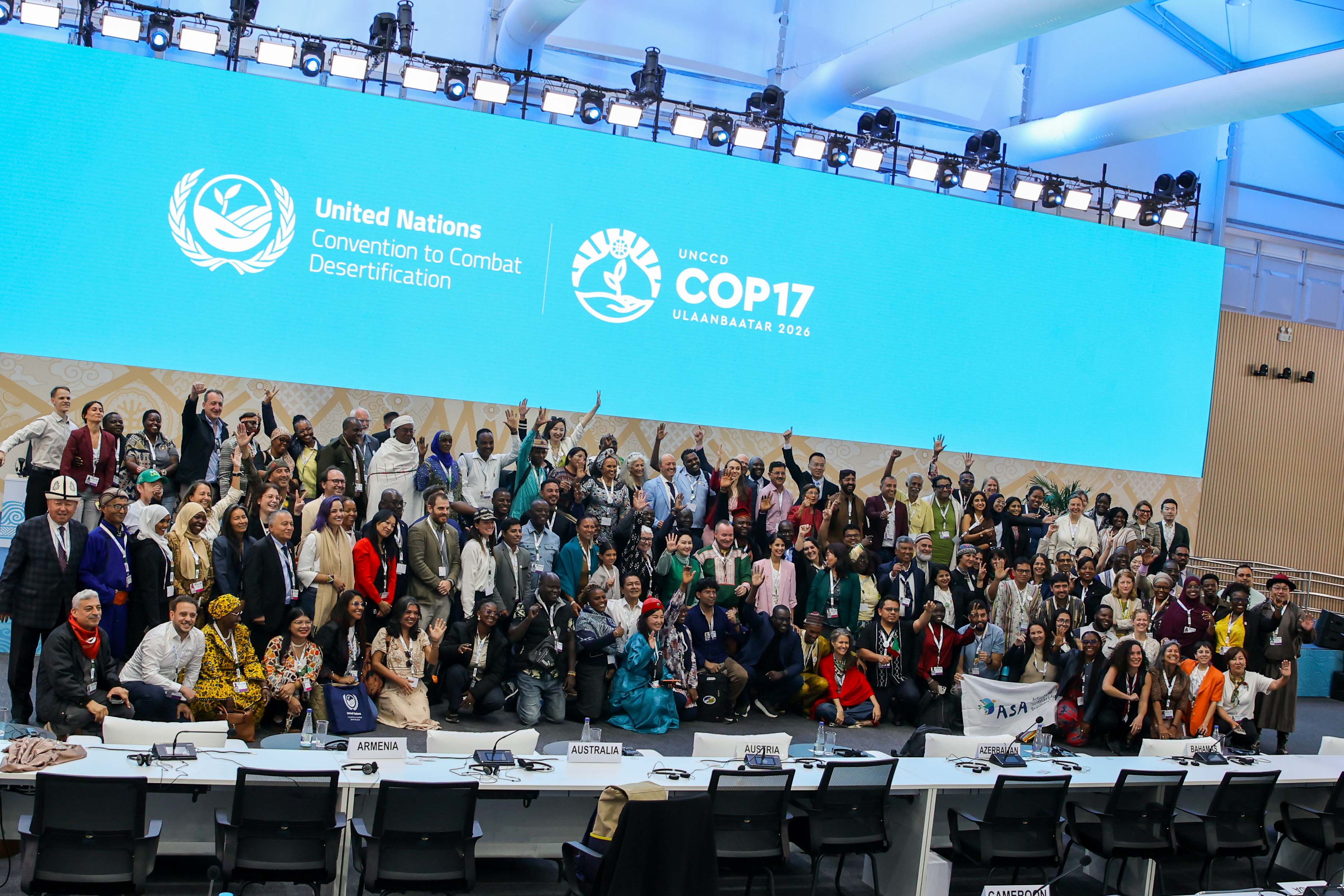
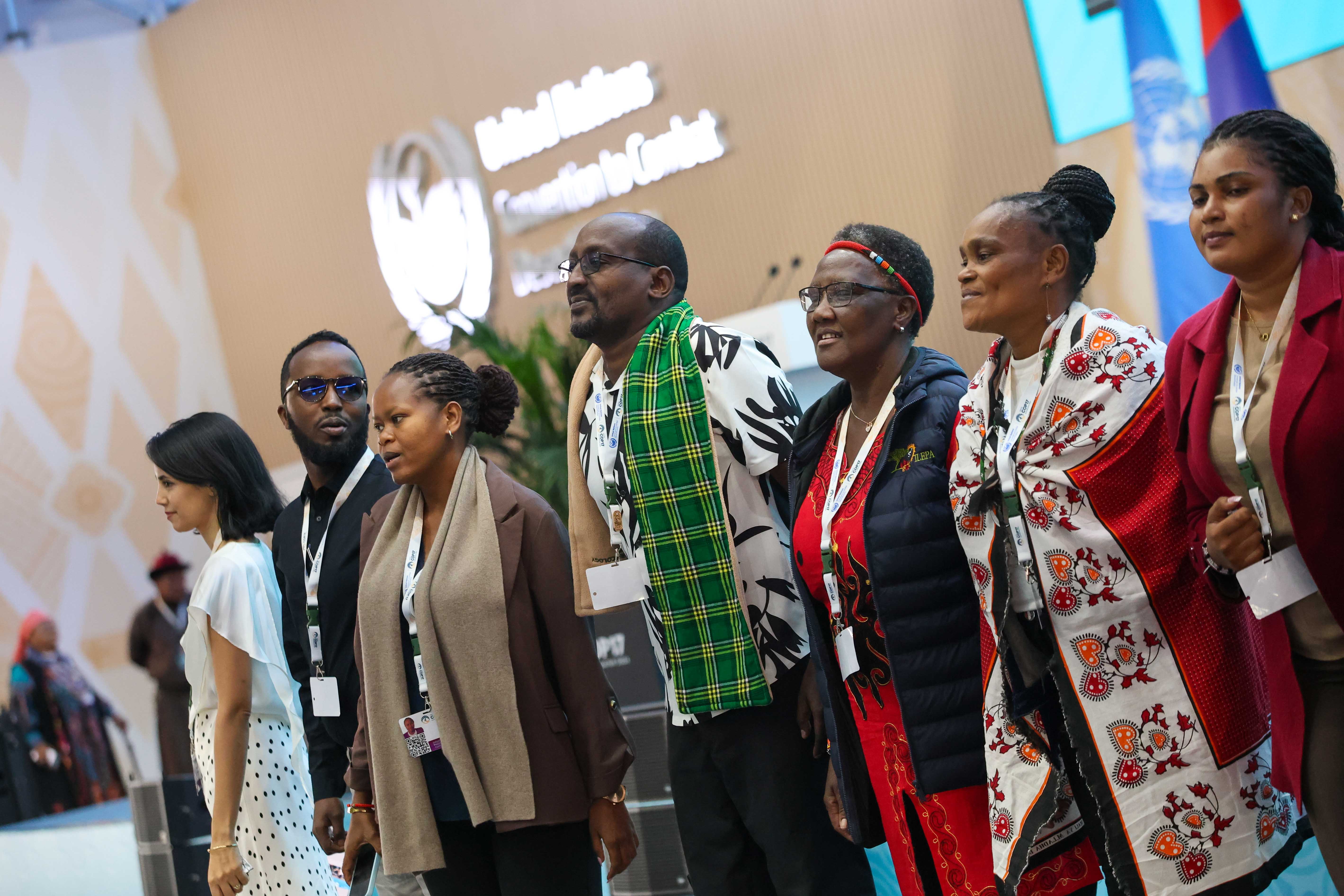
Family photo of Civil Society Organization representatives at the end of the session.
Contact Groups
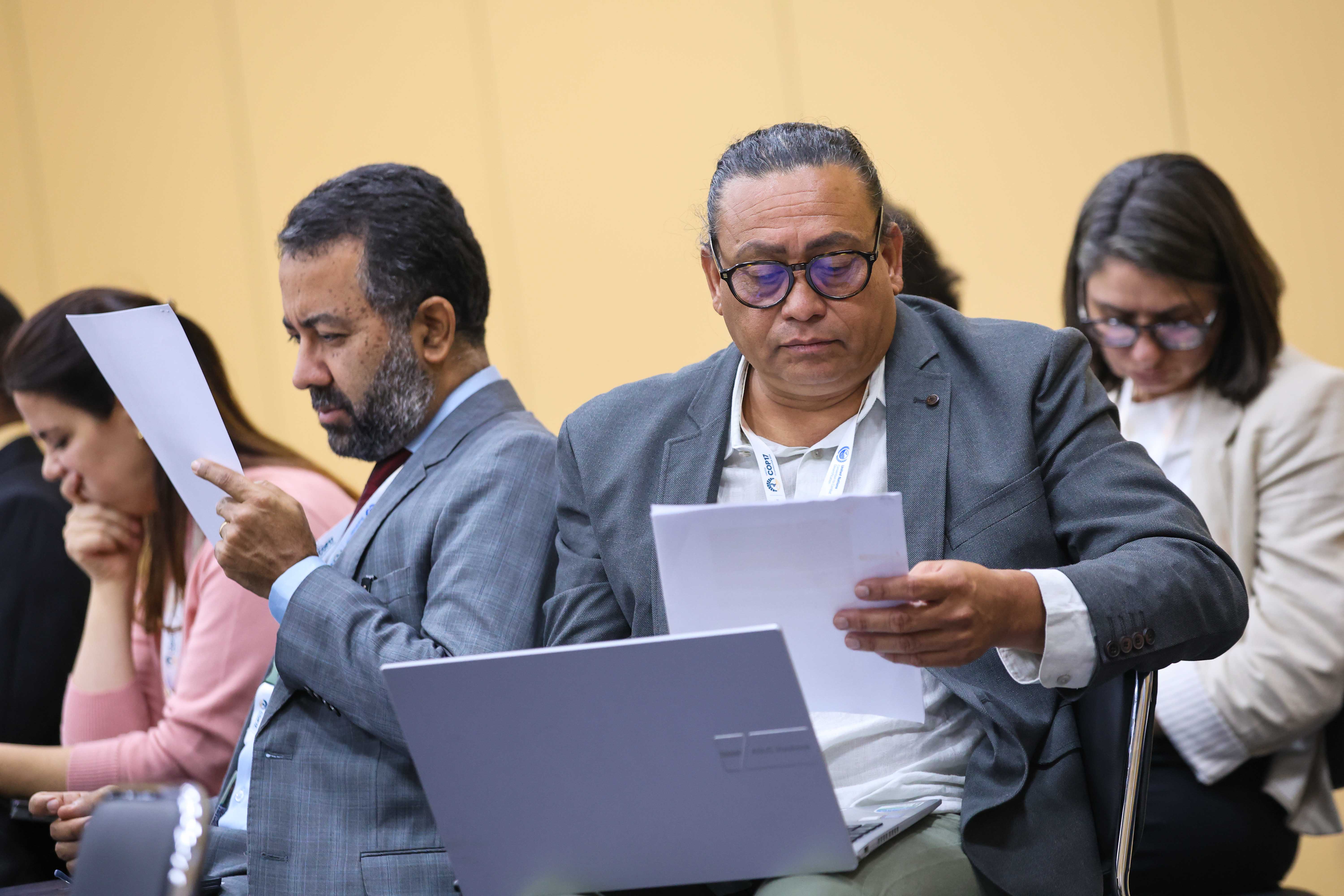
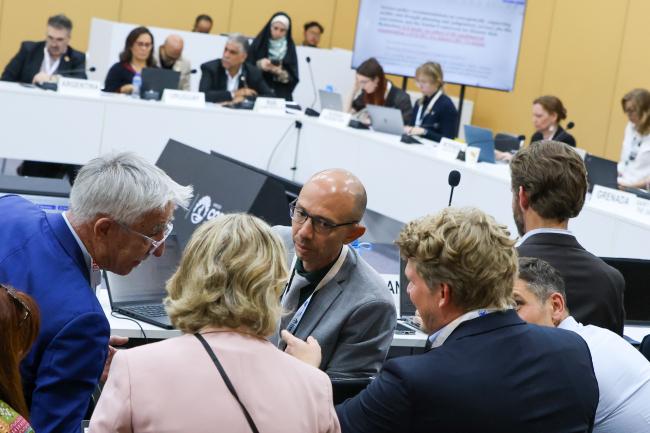
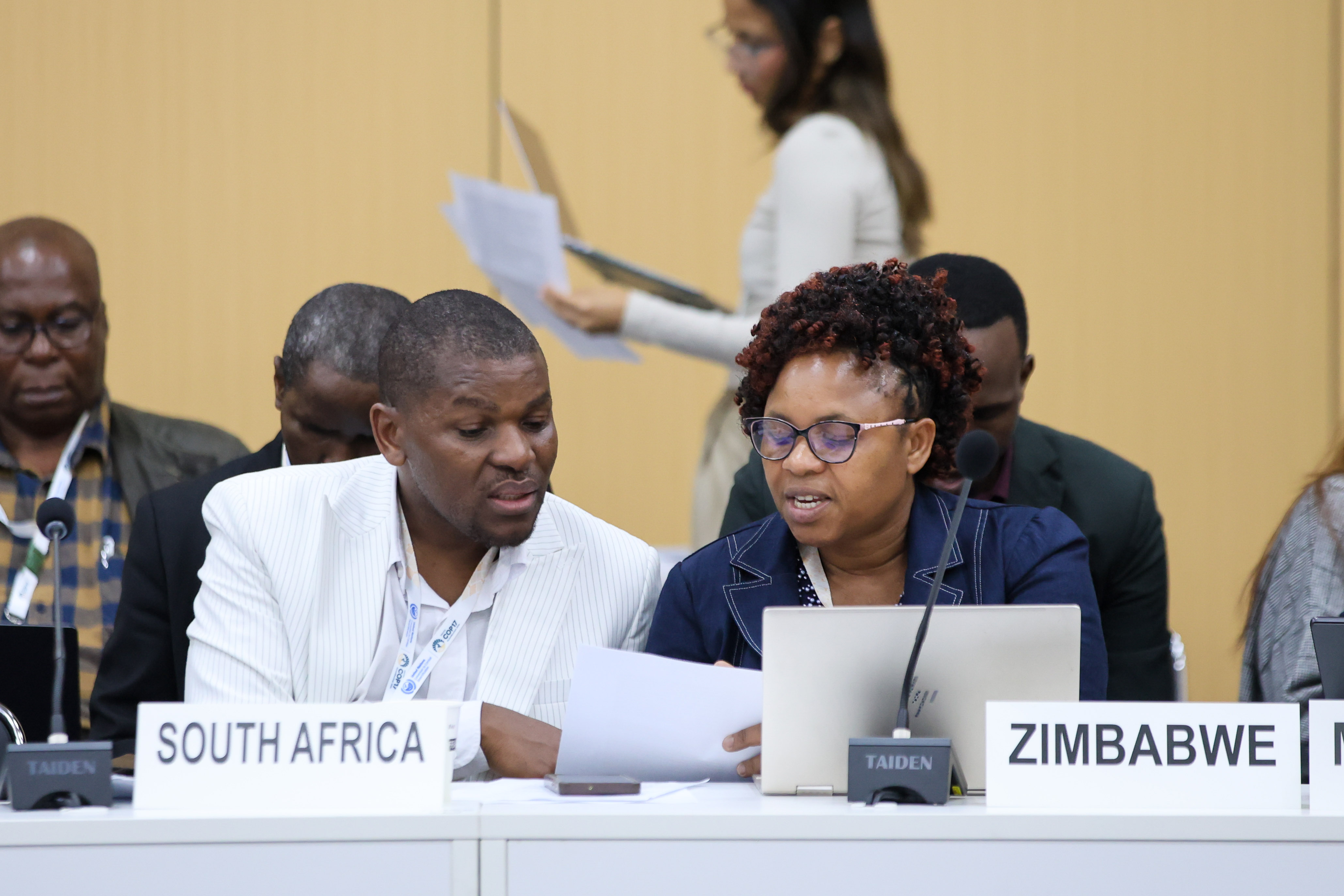
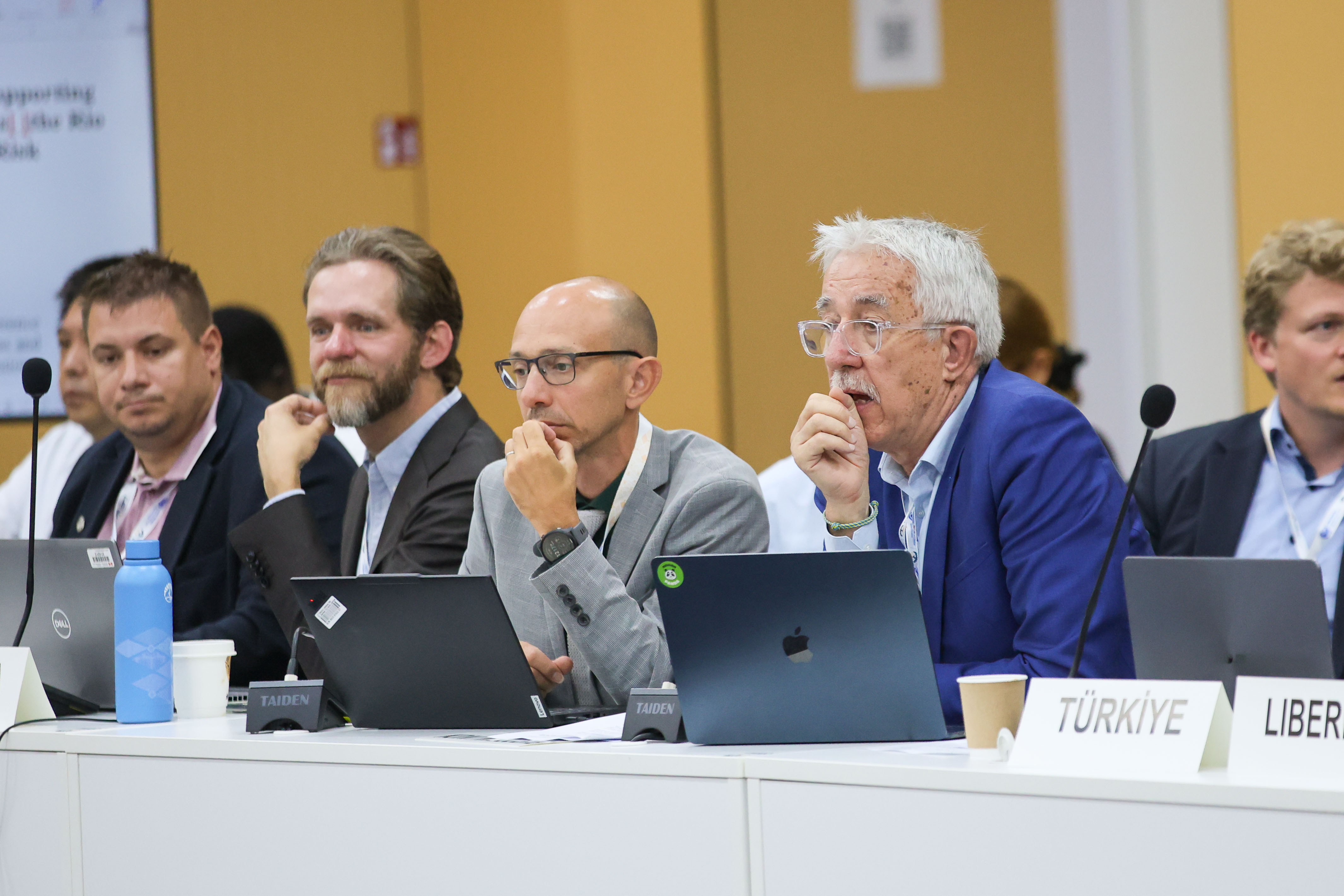
Delegates read the new negotiating text.
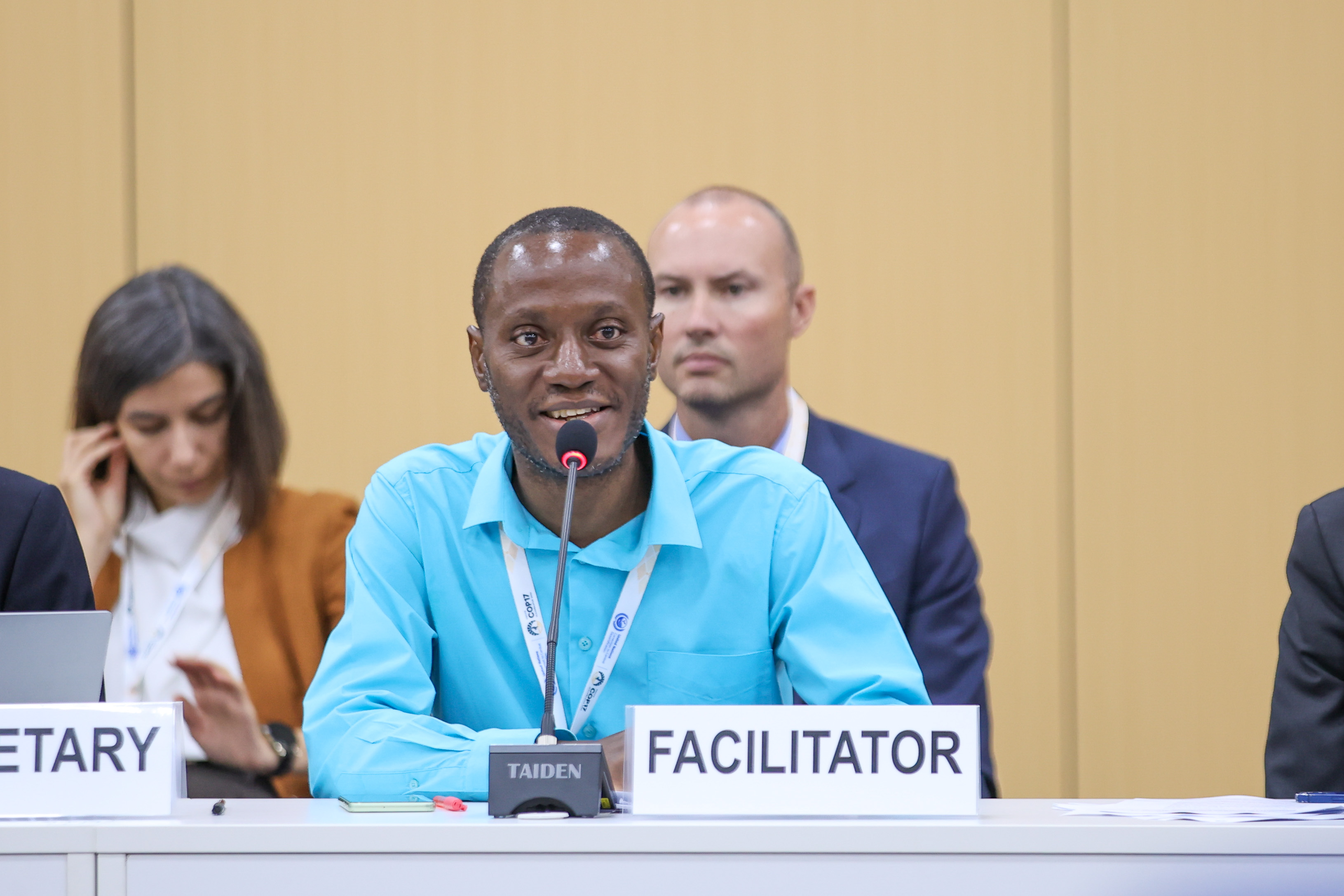
Joseph Noel, facilitator of the Committee on Science and Technology contact group
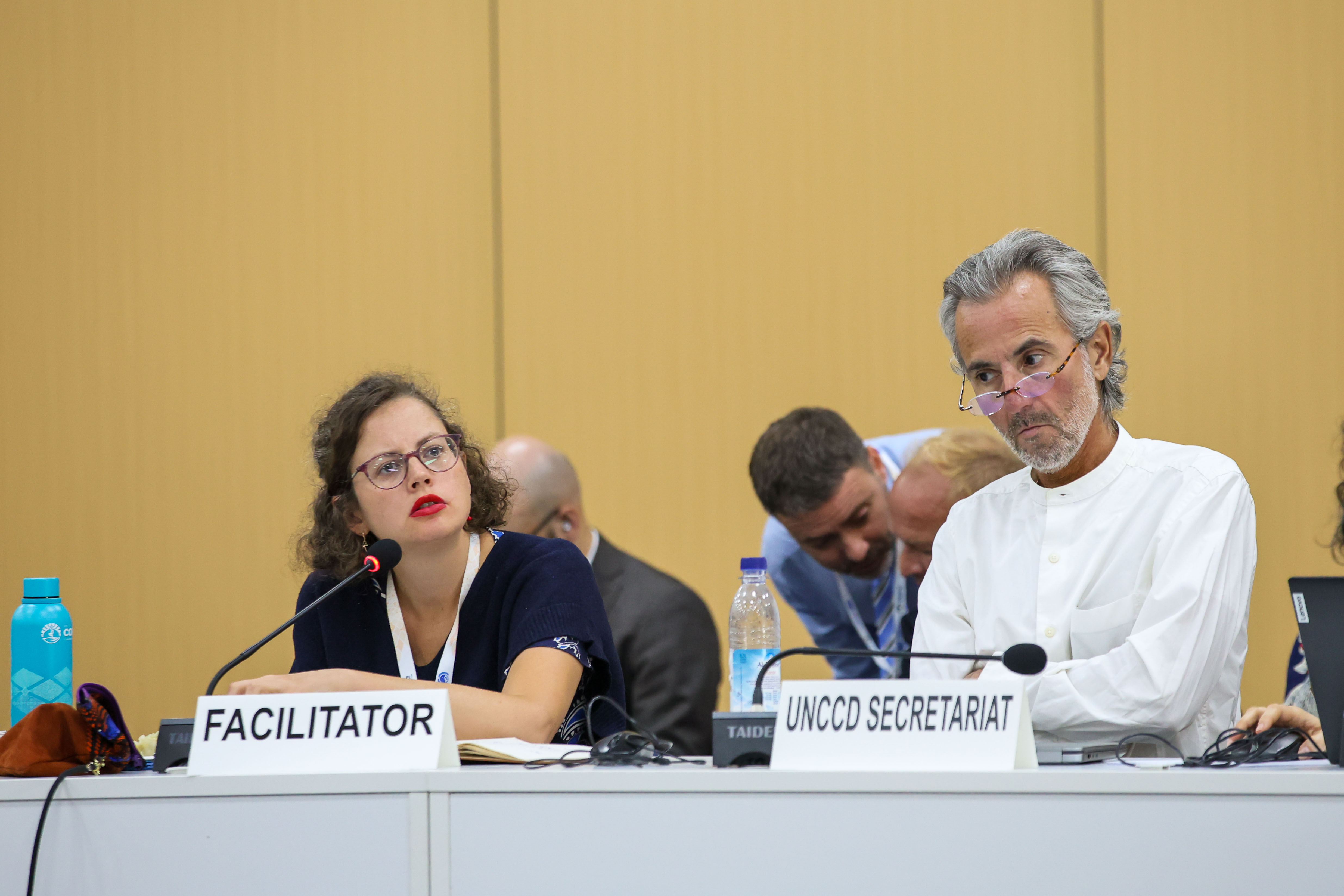
Marine Collignon, facilitator of the COW contact group on other matters, and Sasha Alexander, UNCCD Secretariat
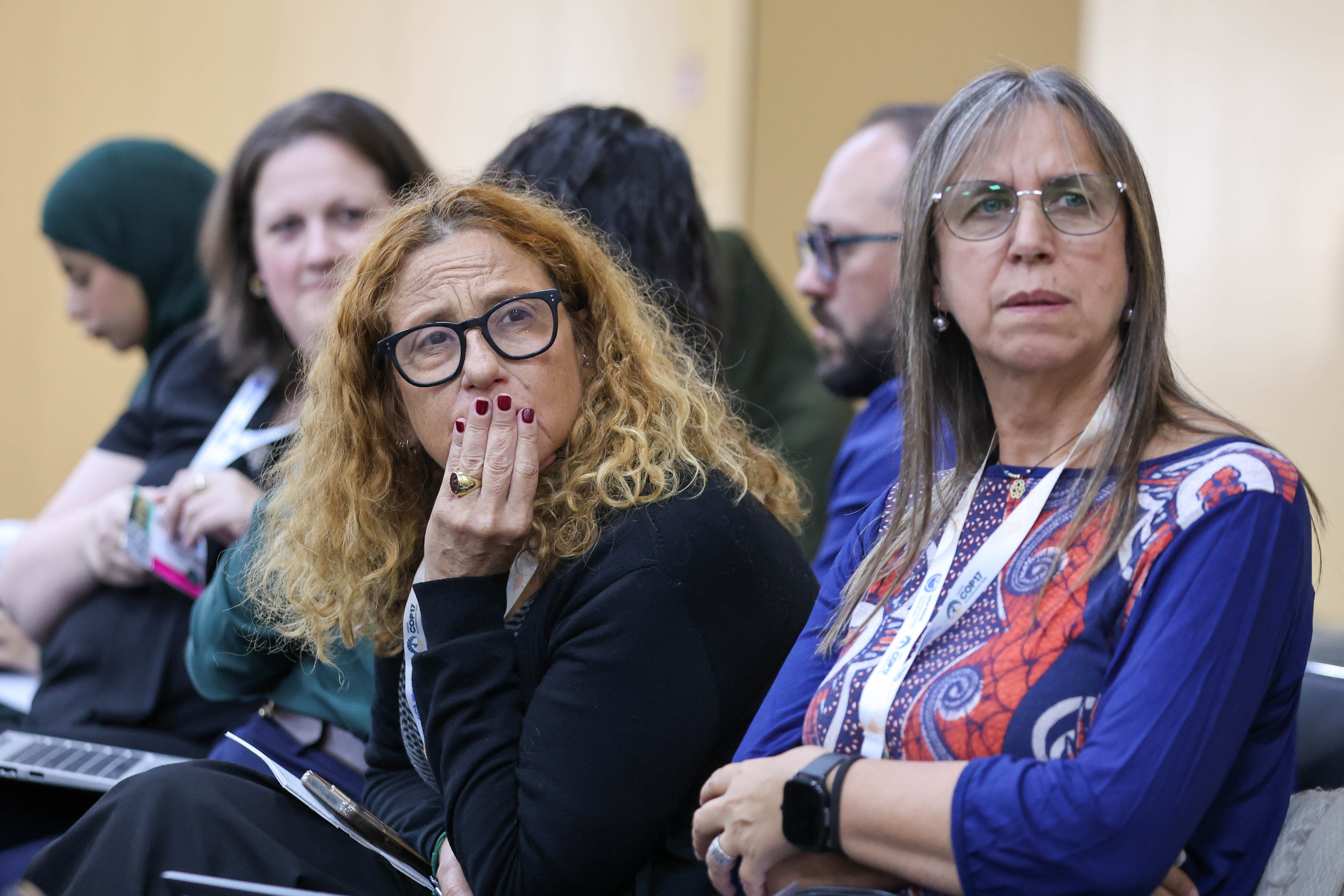
Delegates follow changes to the negotiating text on the screen.
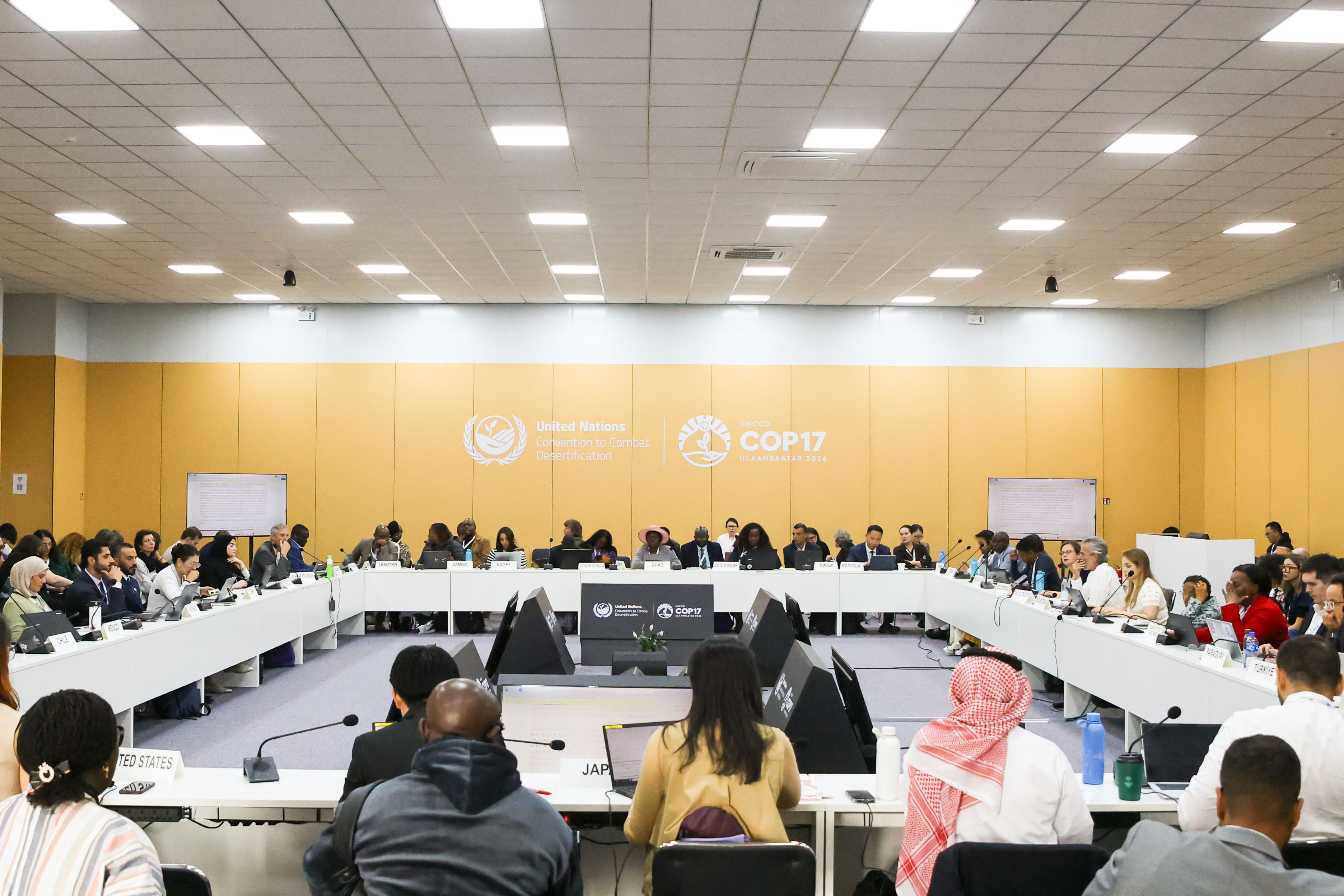
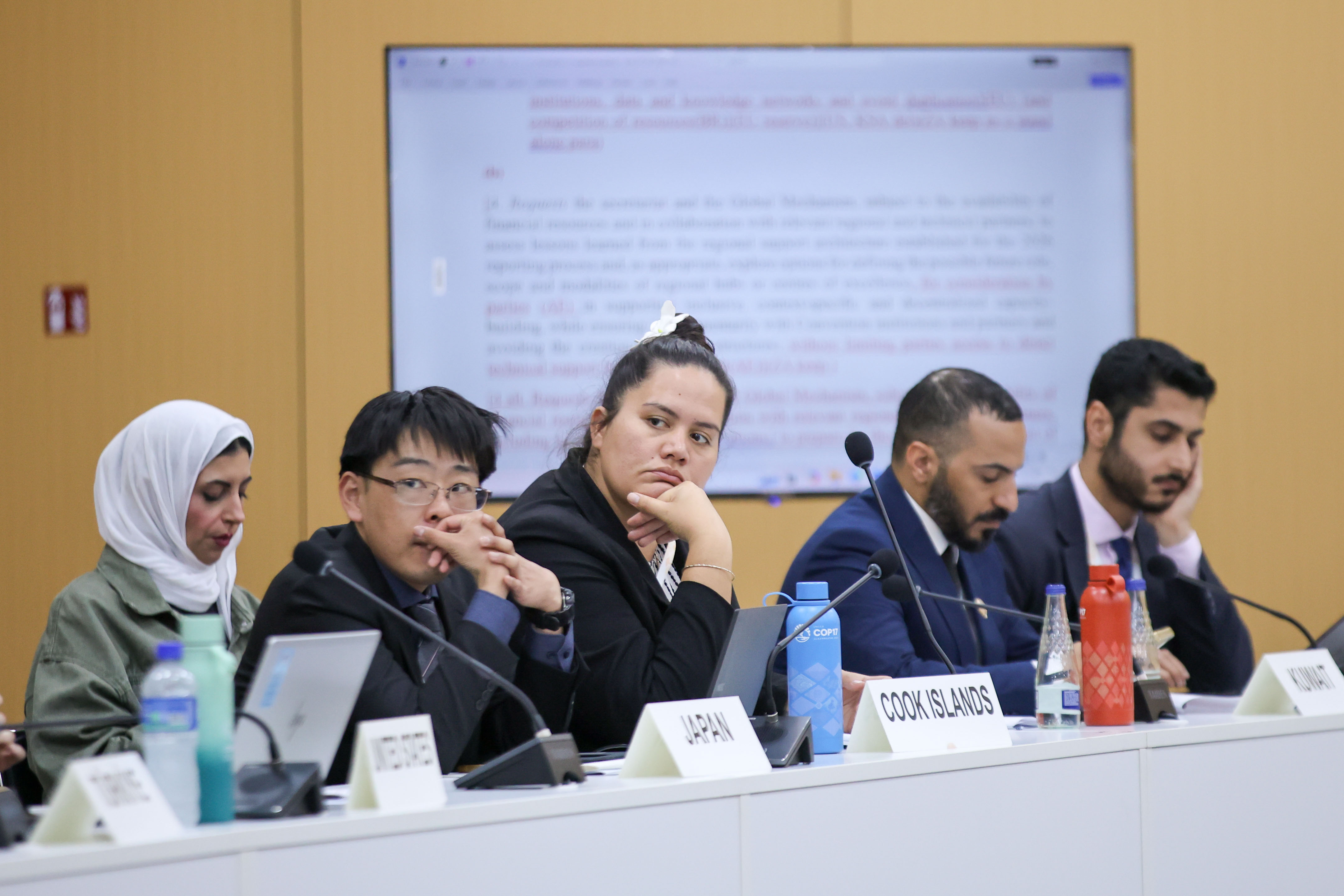
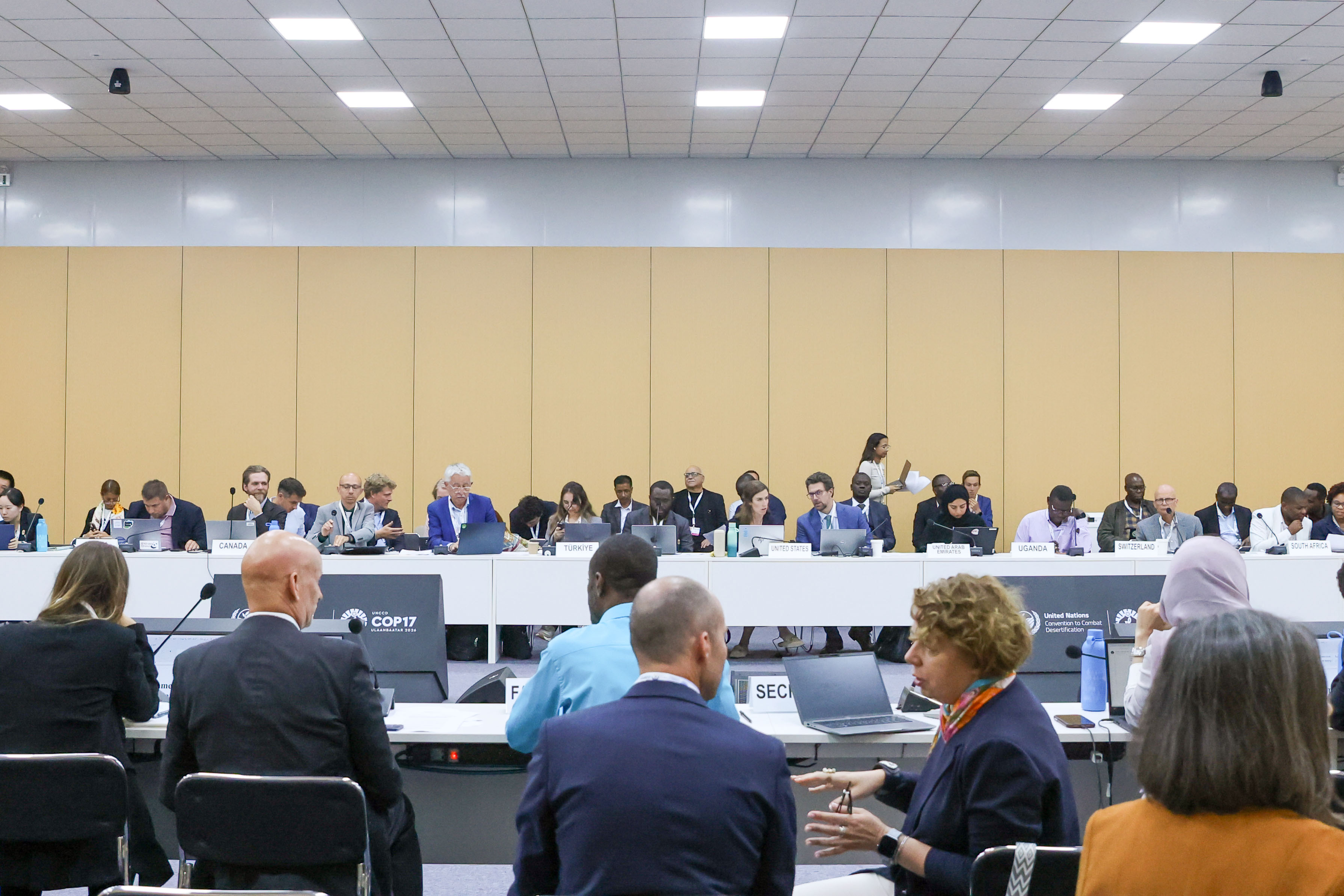
Committee of the Whole
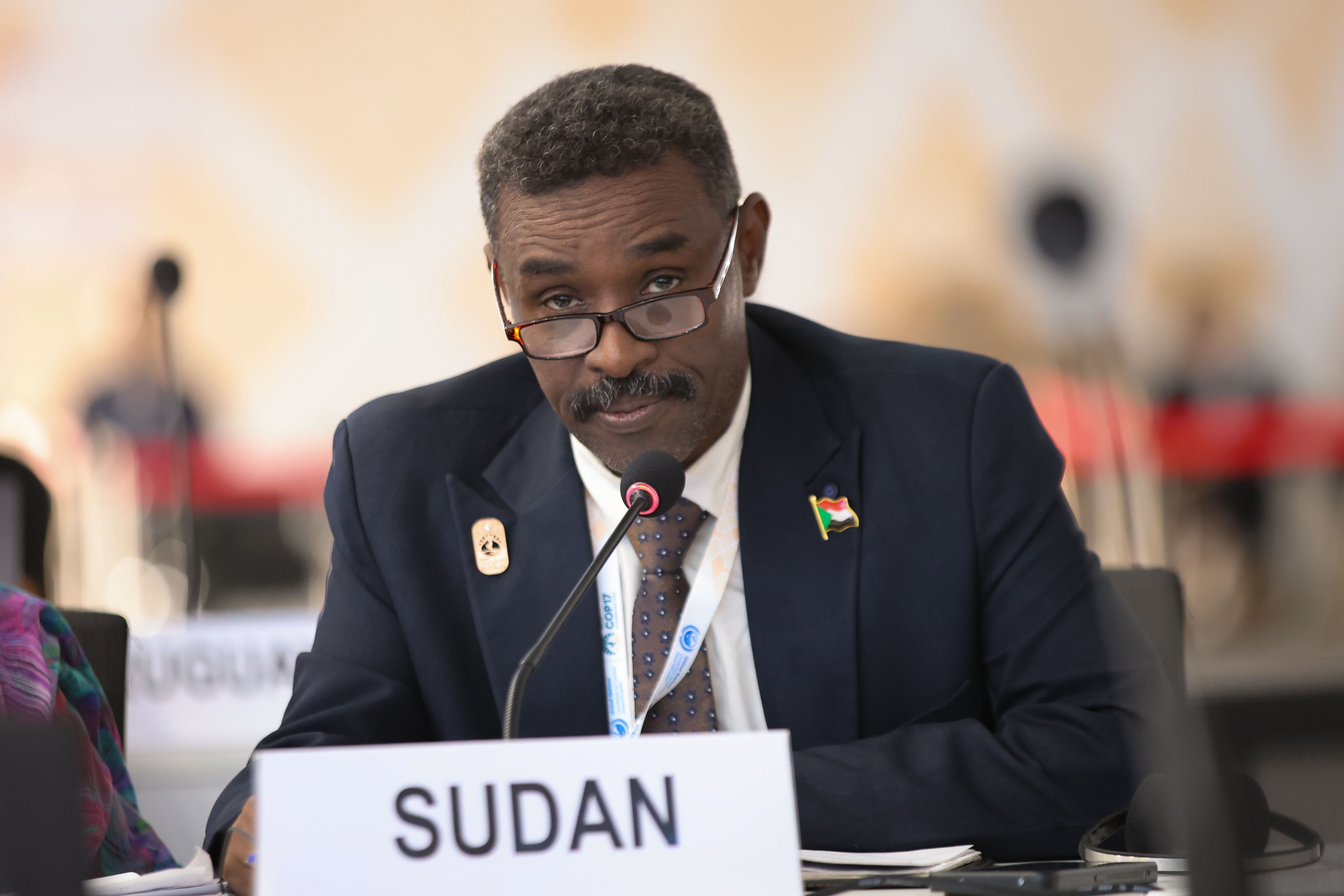
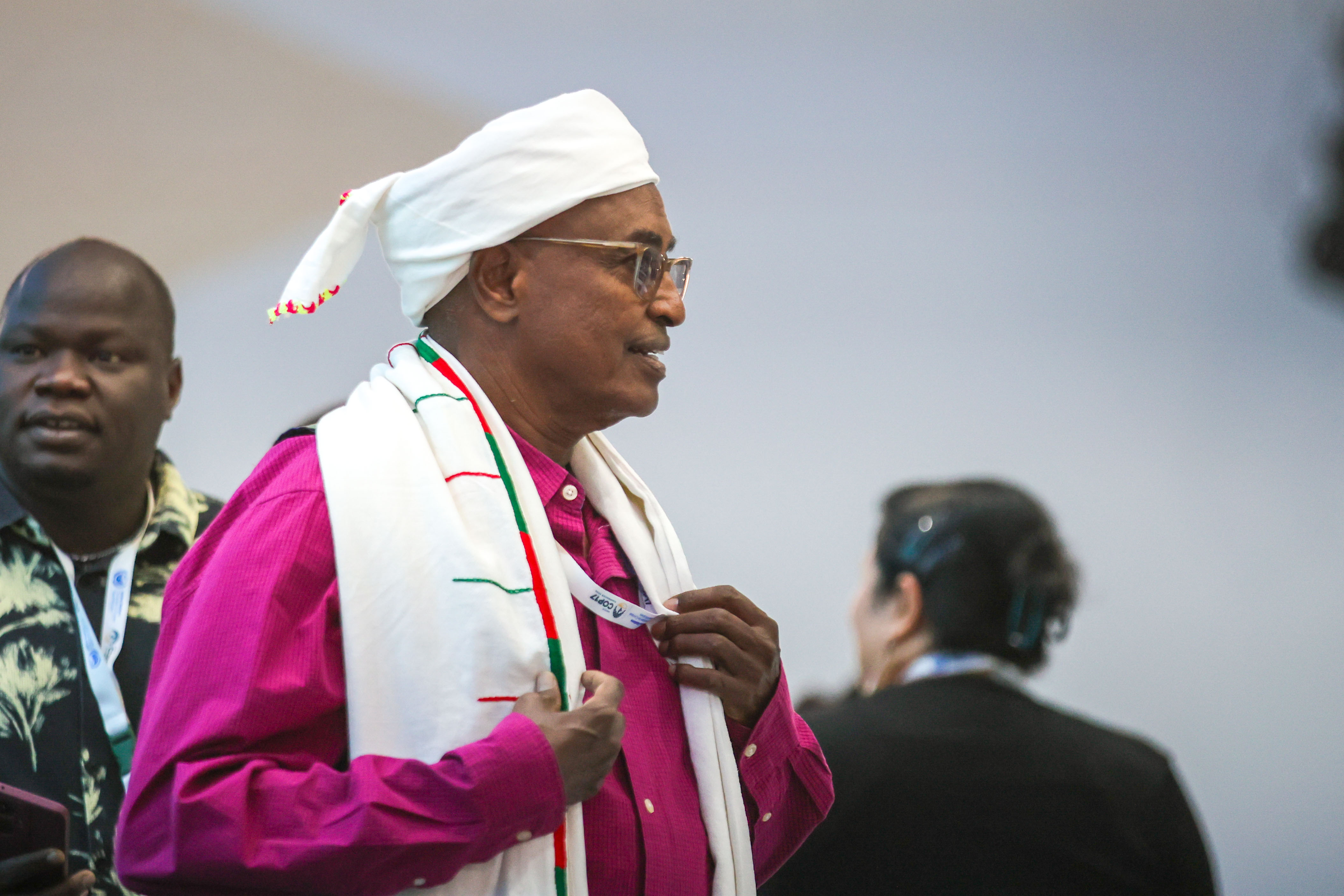
Abdel Moneim Osman, Sudan
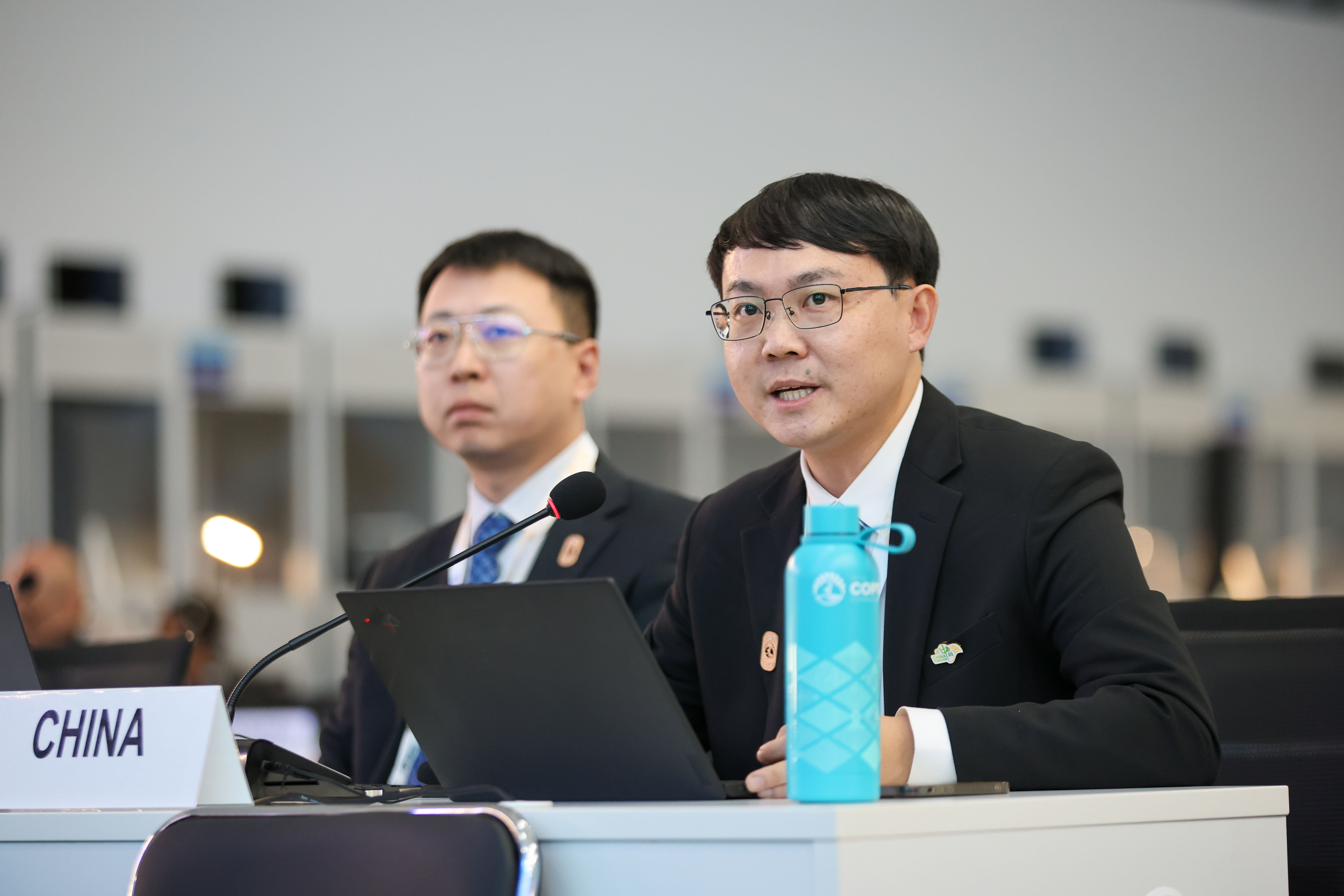
Yuan Xu, China
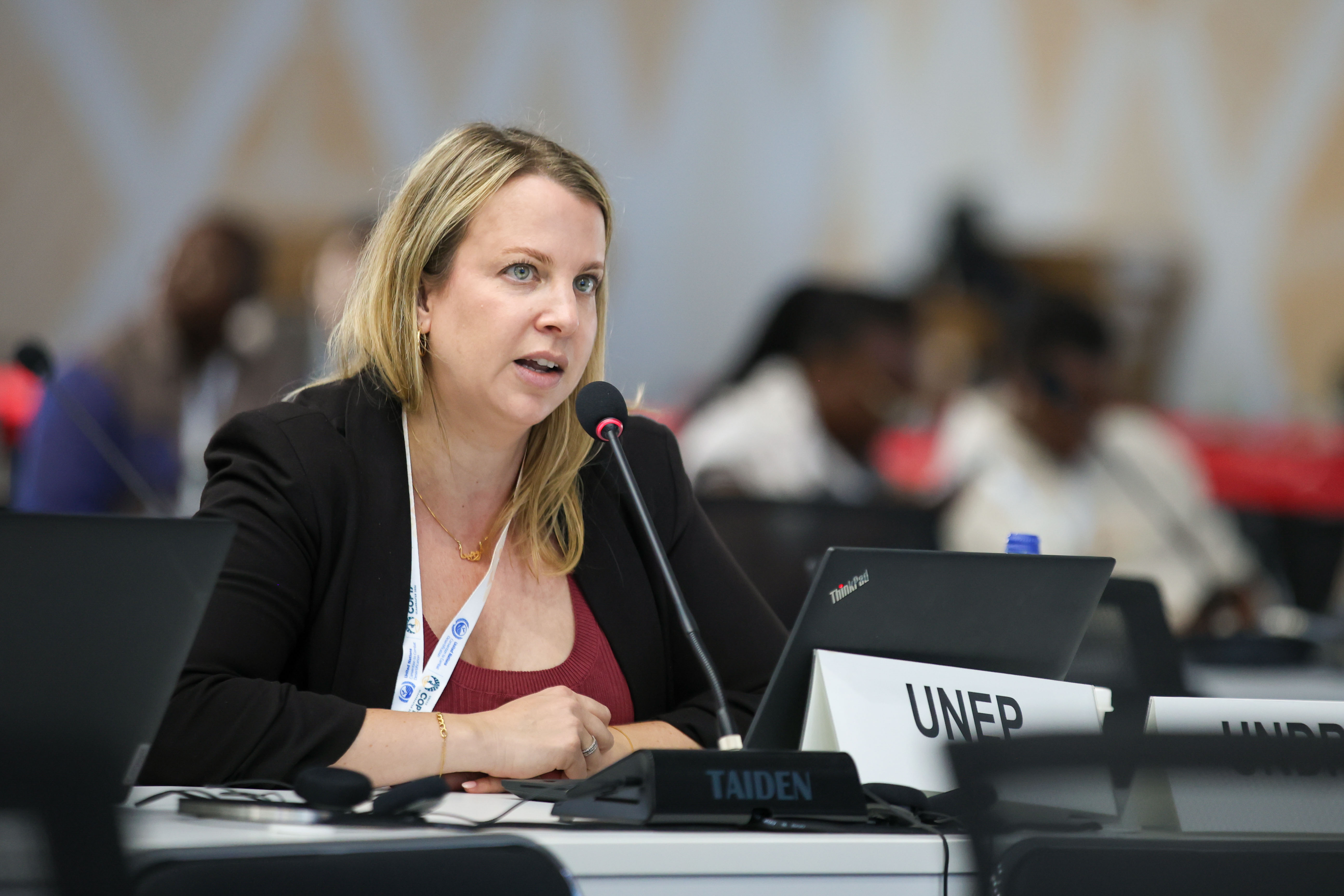
Fruzsina Straus, UN Environment Programme
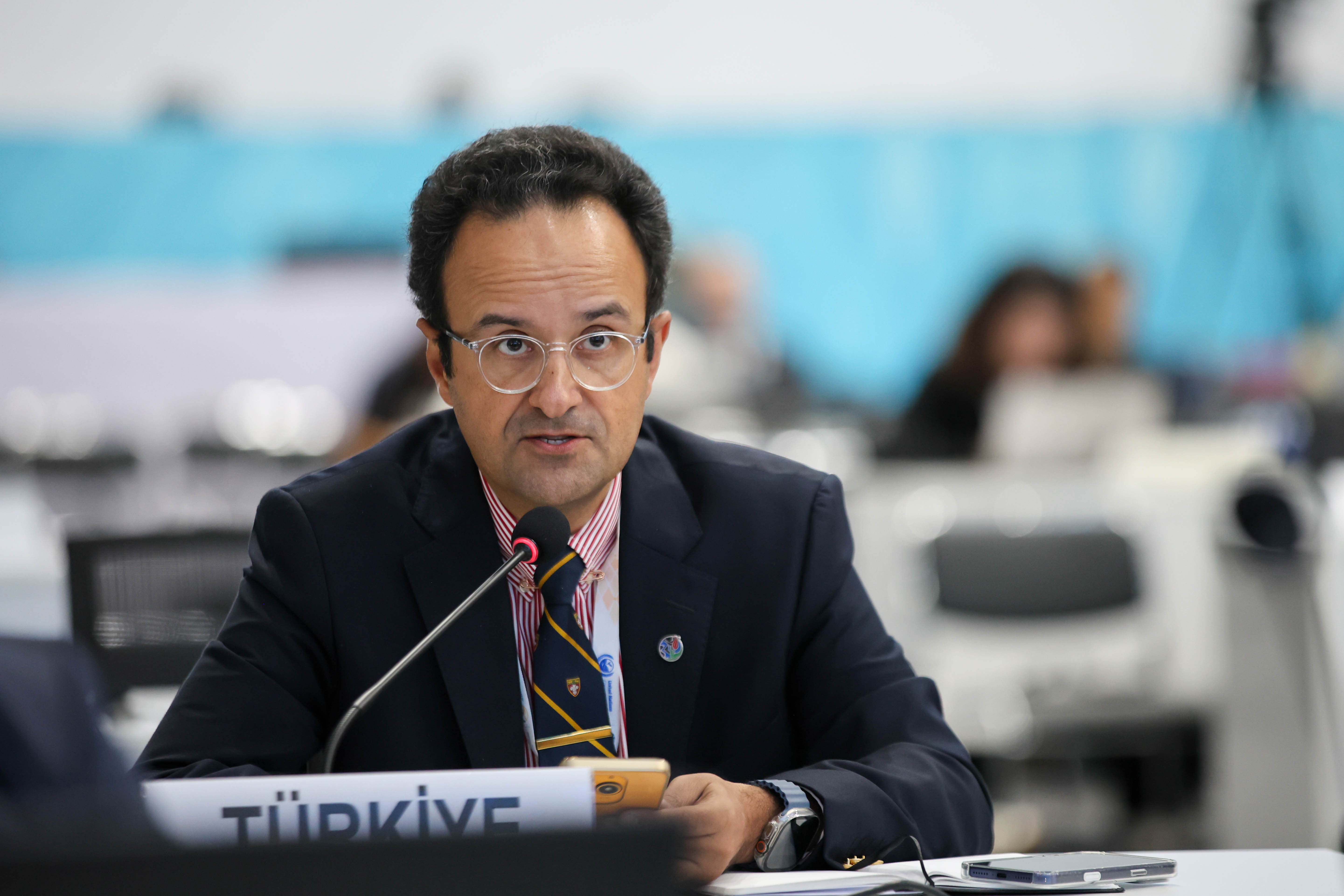
Özgür Yavuzer, Türkiye

An observer asks for the floor.
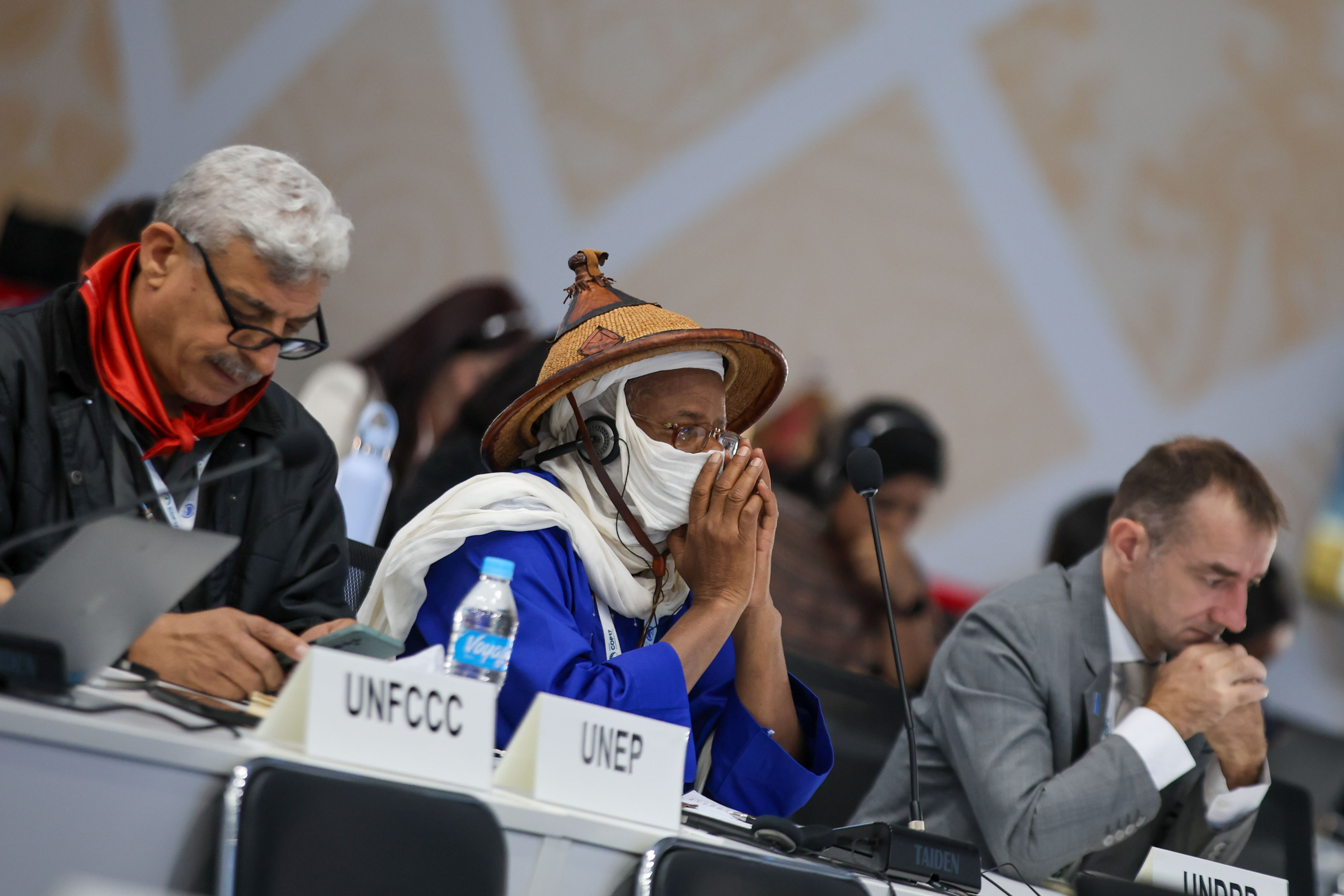
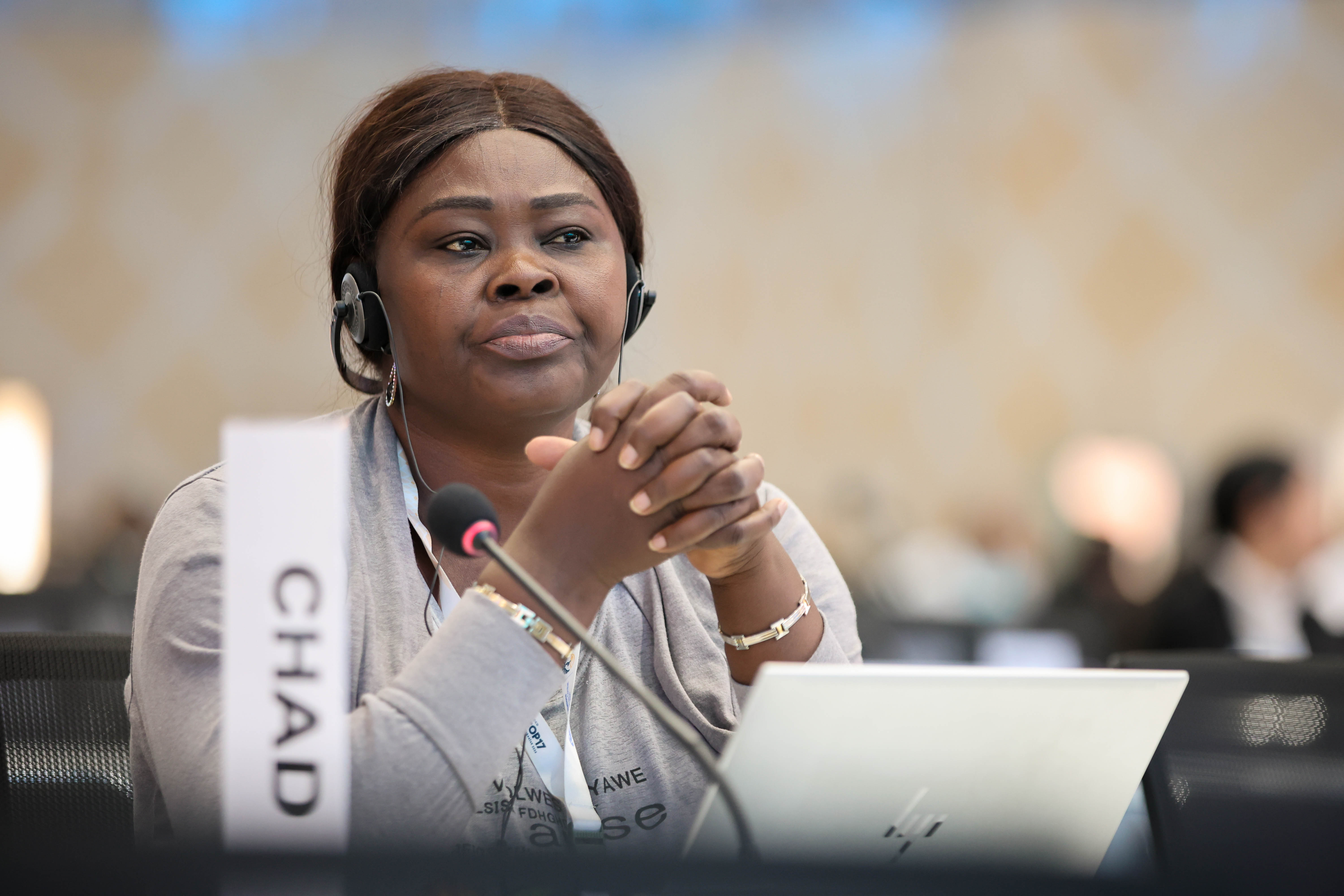
Kemsol Seraphine Tradoumadji, Chad
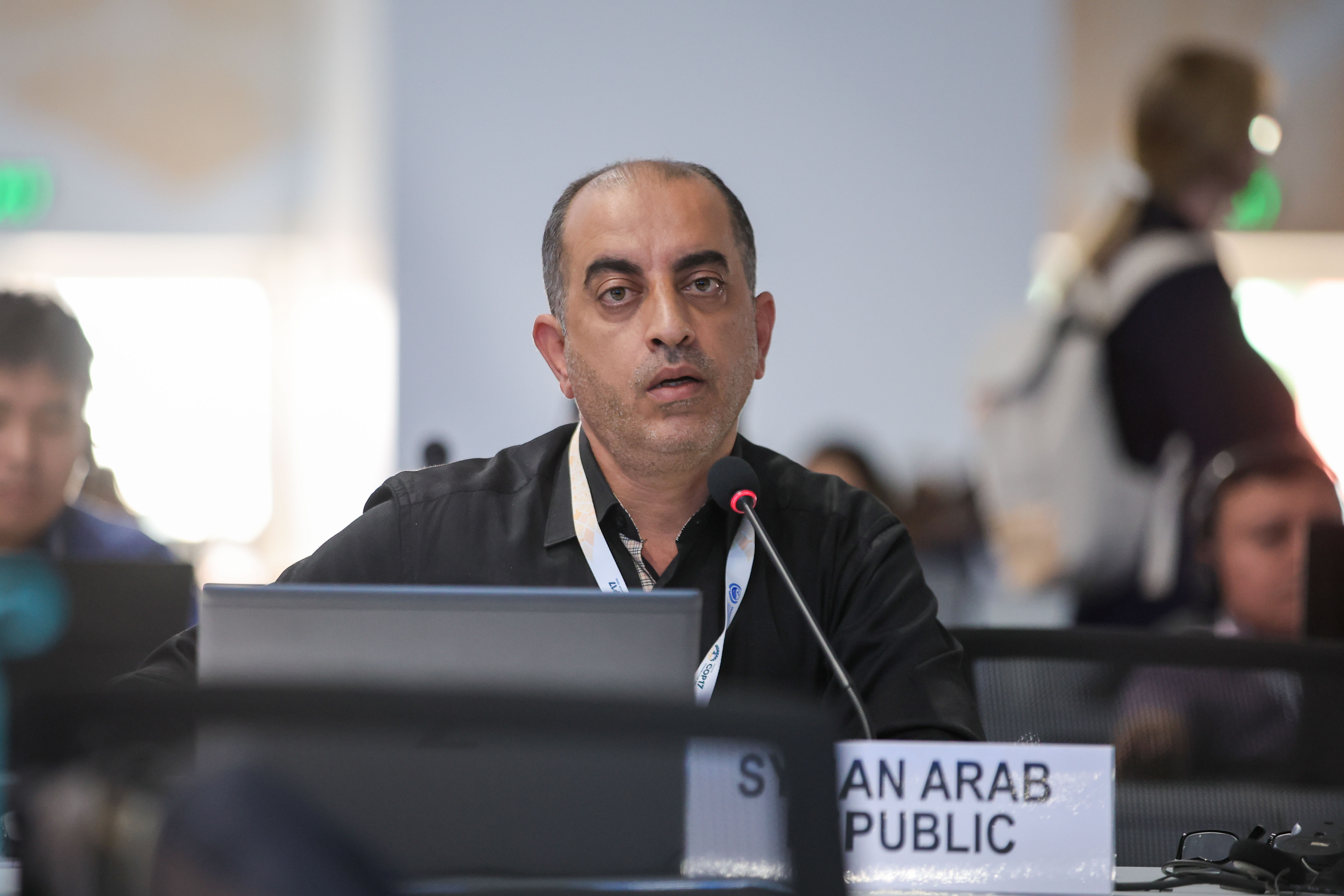
Imad Almaree, Syrian Arab Republic
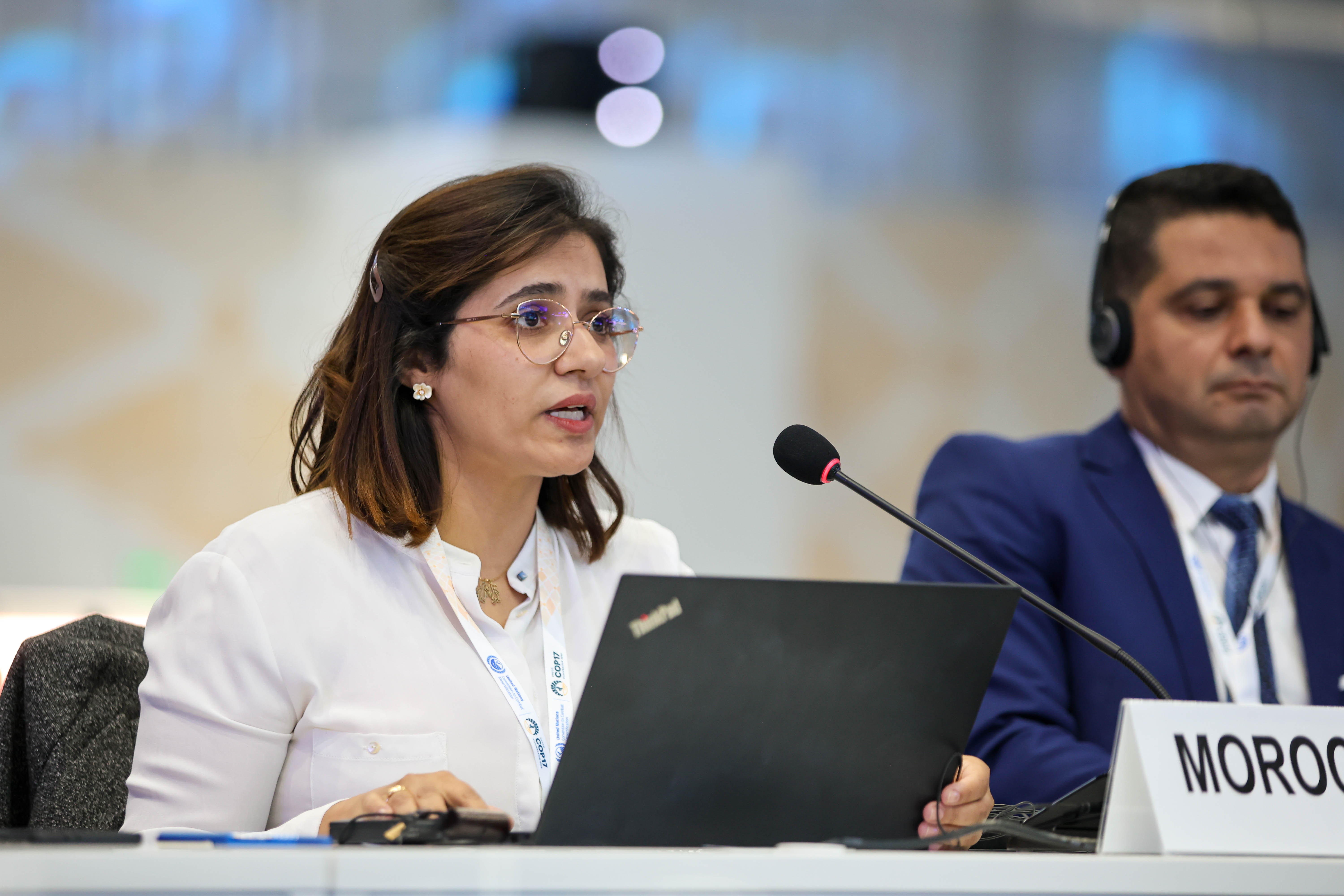
Majdouline Belhouari, Morocco
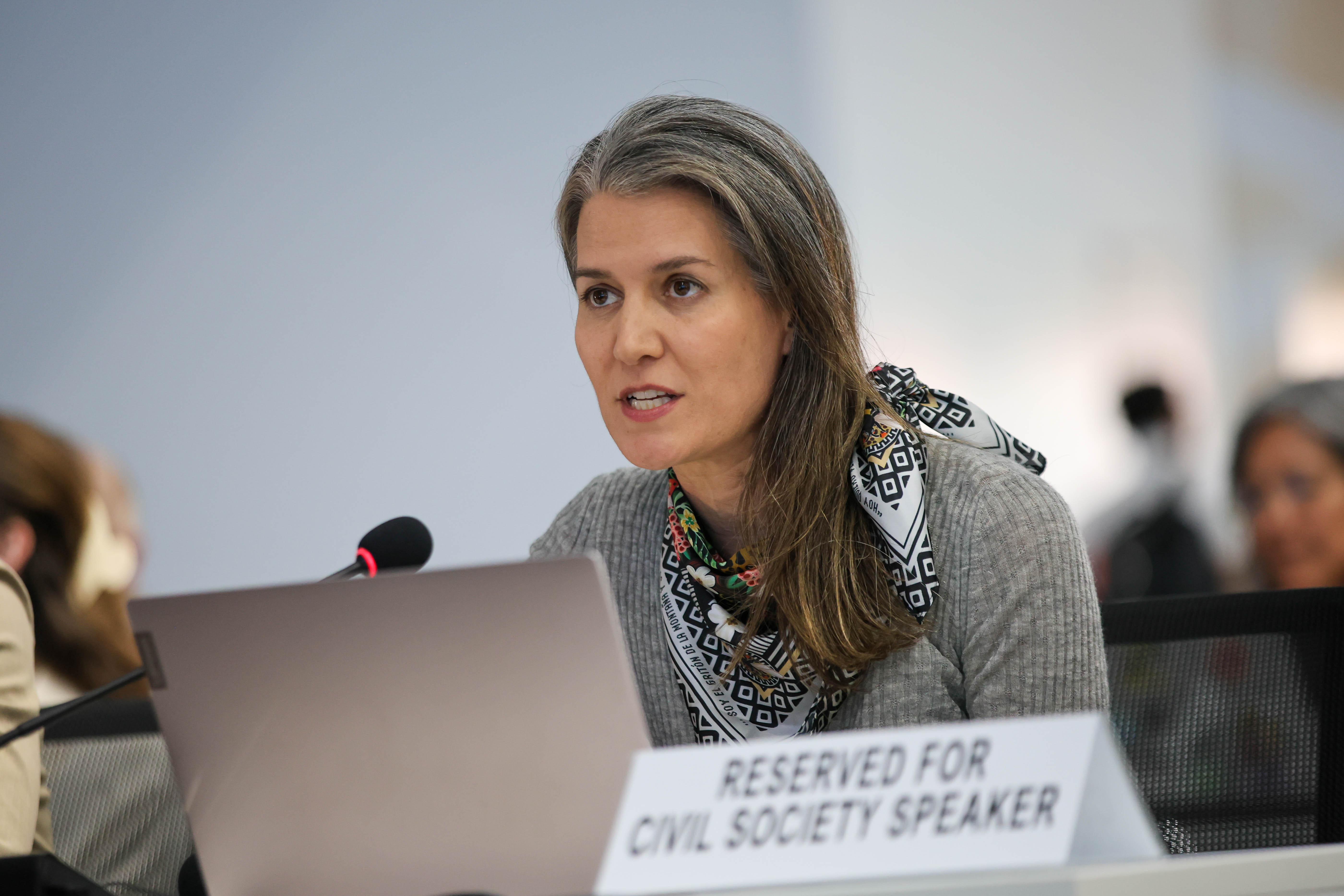
Cristal Ange, Fundación Herencia Ambiental Caribe
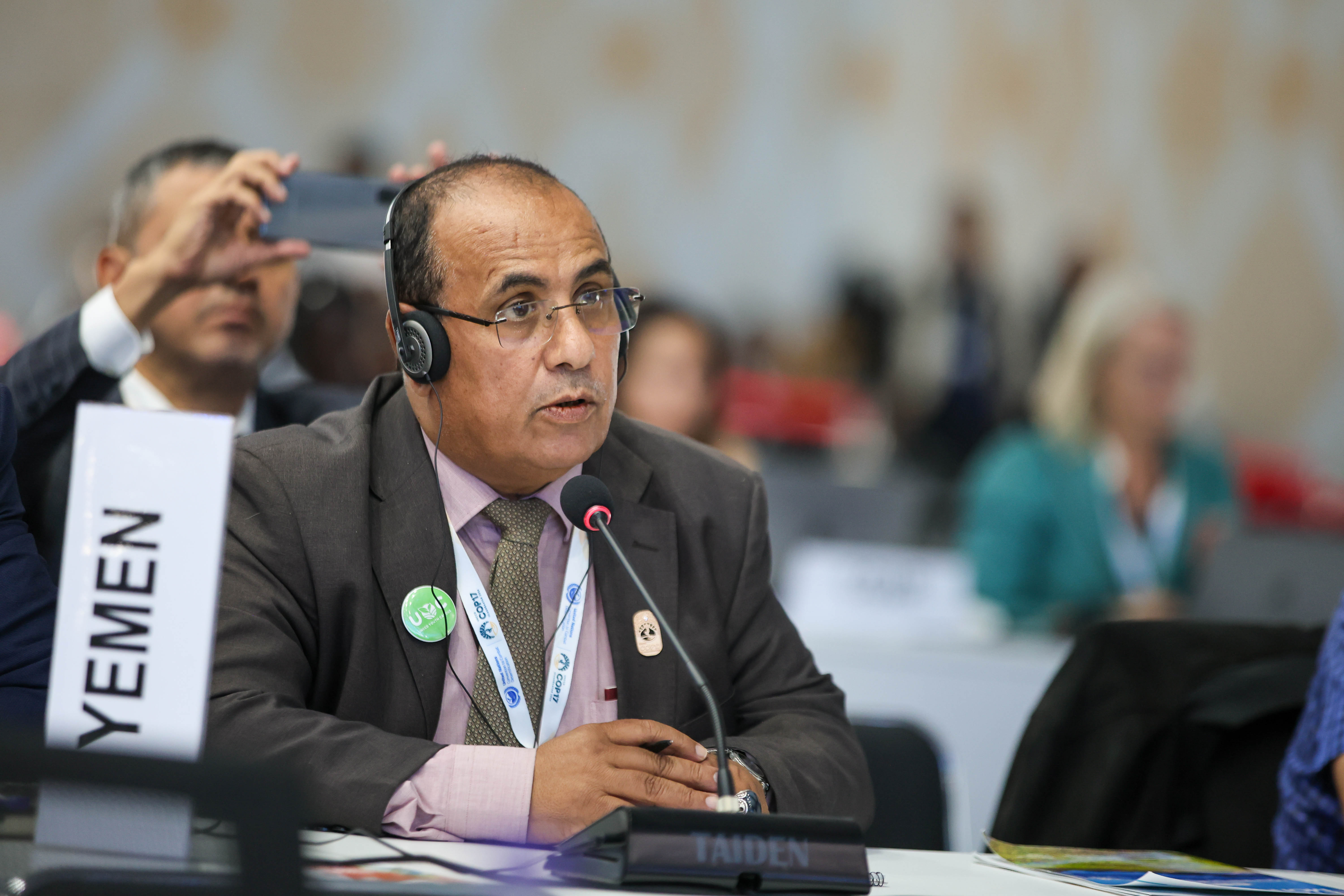
Ahmed Saeed Abdo Al-Wahsh, Yemen
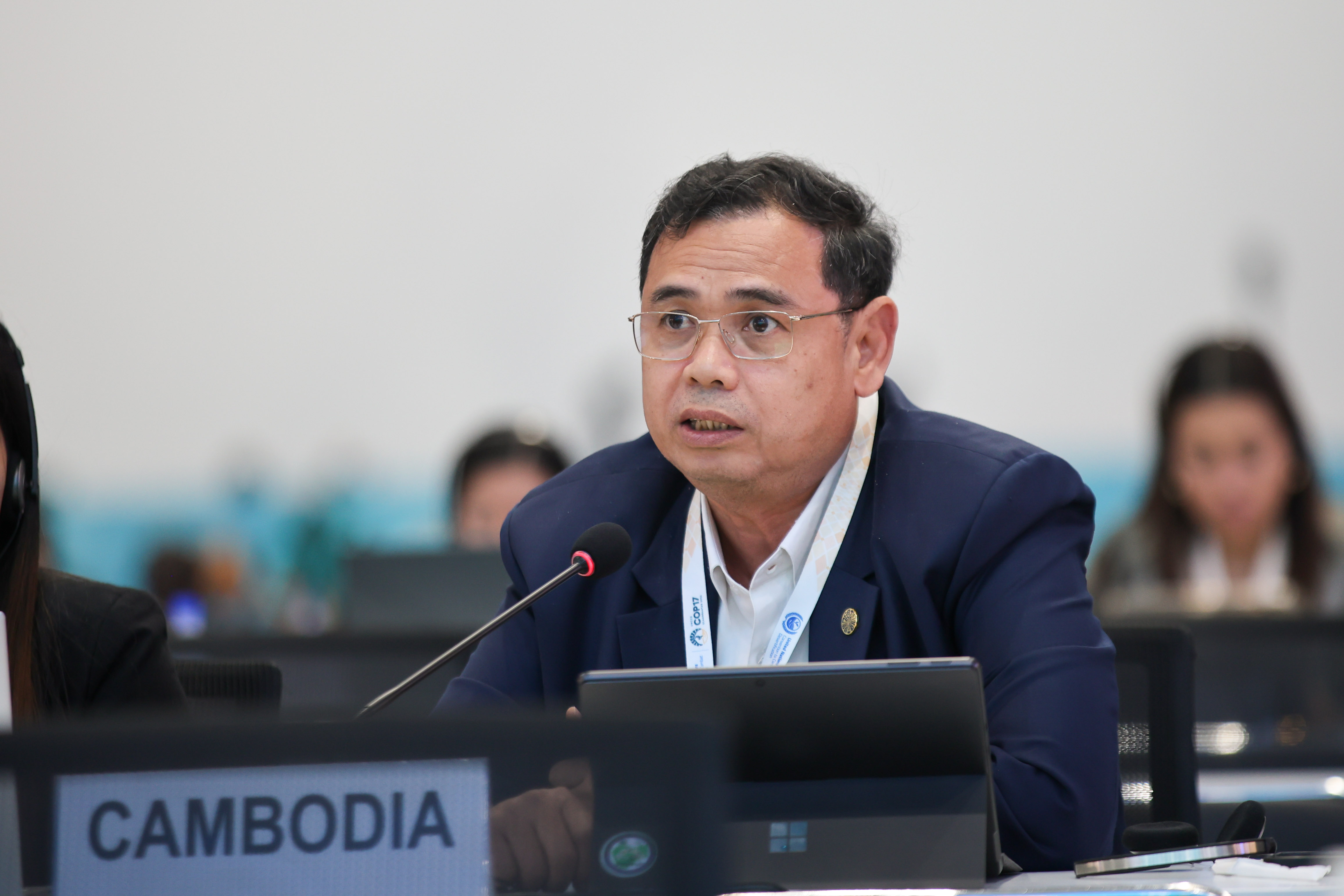
Meas Pyseth, Cambodia
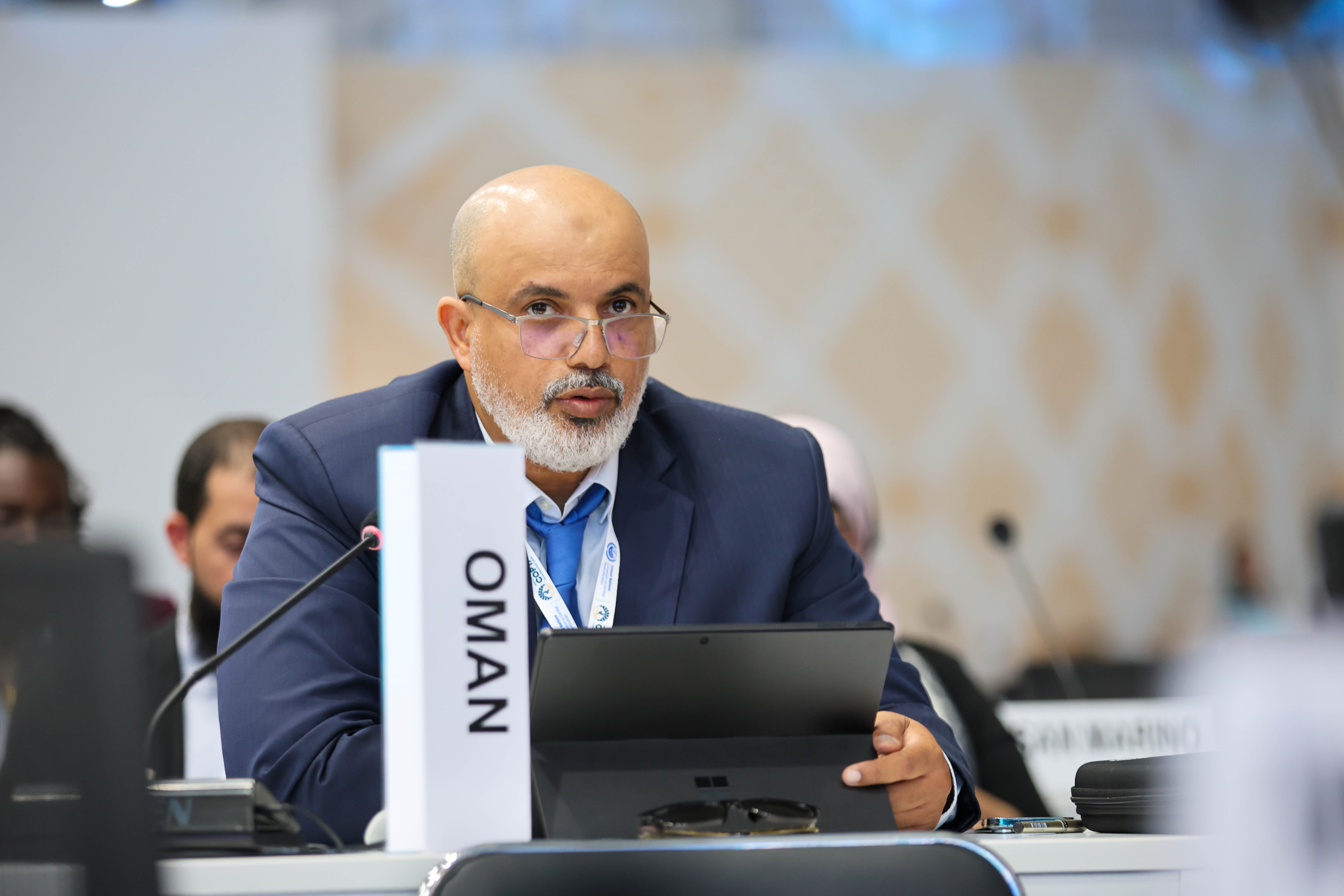
Saud Alaraimi, Oman
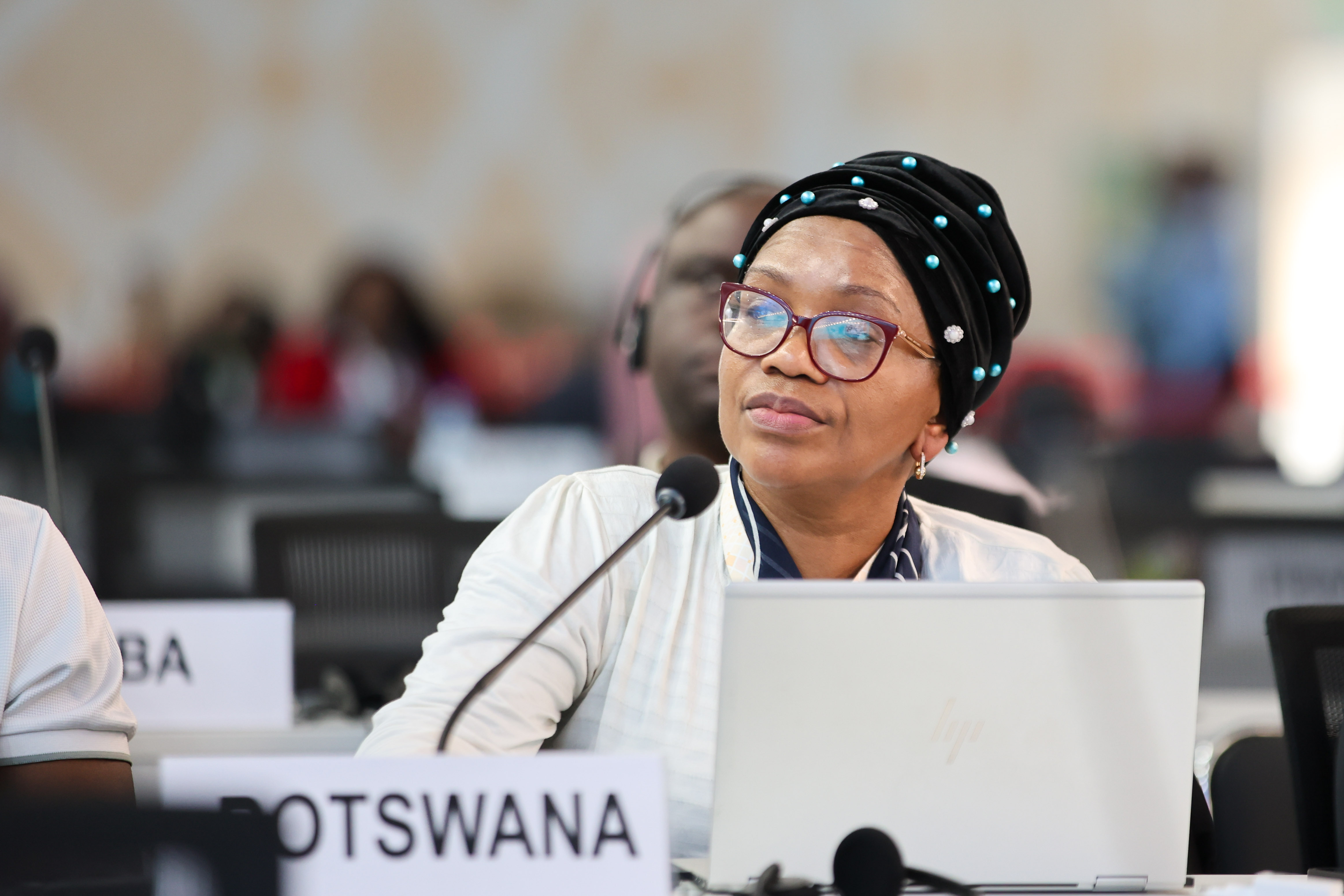
Baitshepi Edith Hill, Botswana
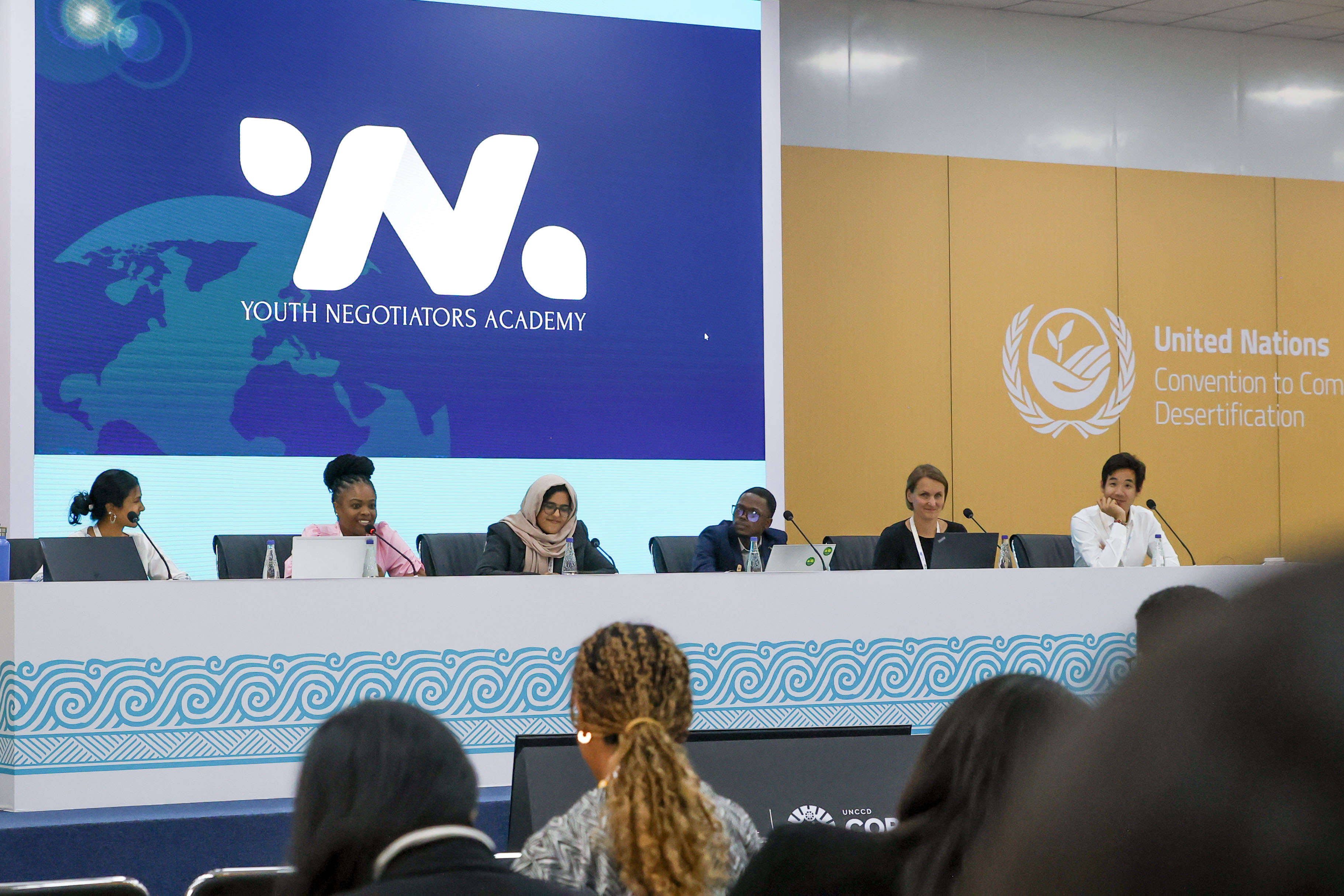
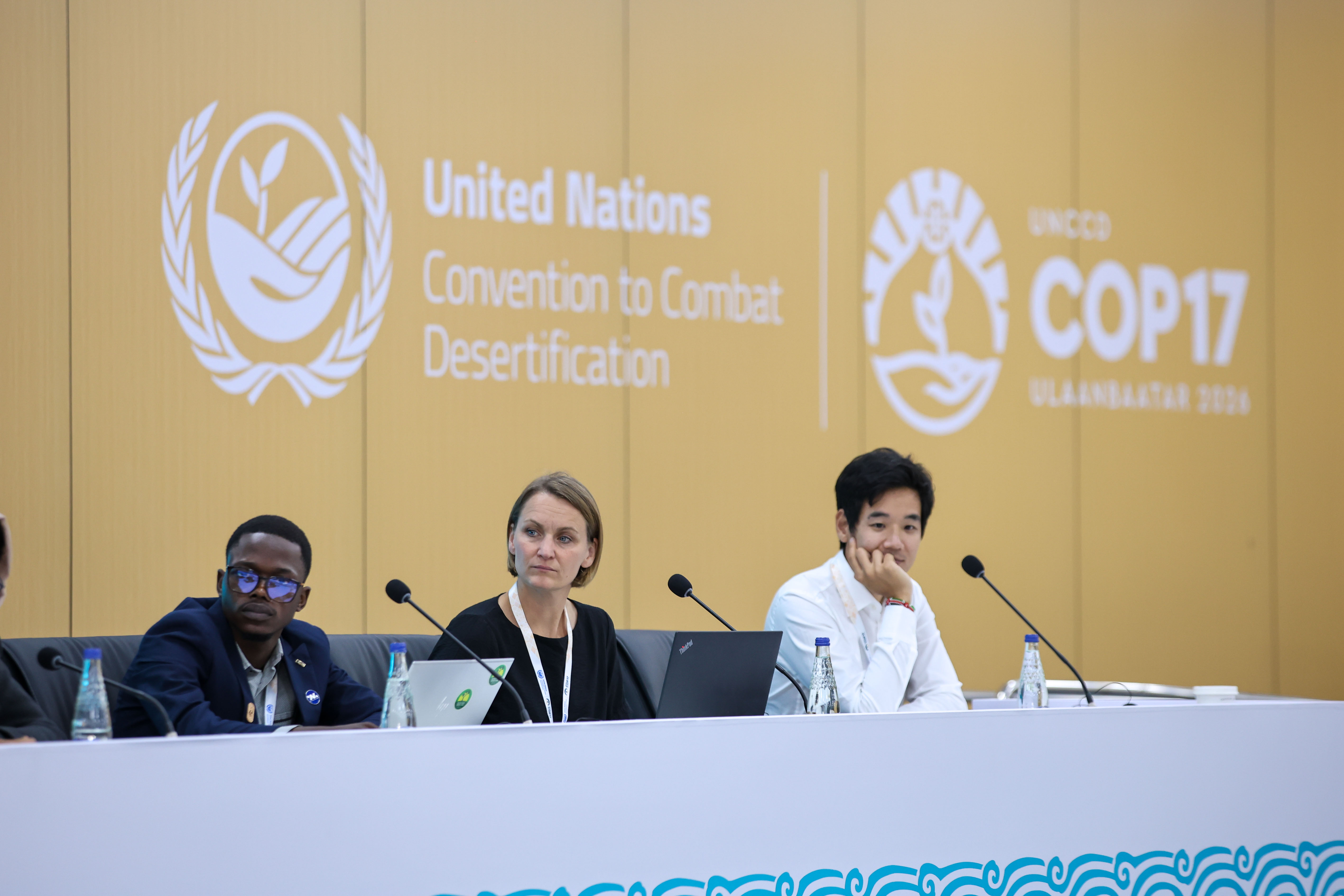
Youth Negotiators Academy Press Conference
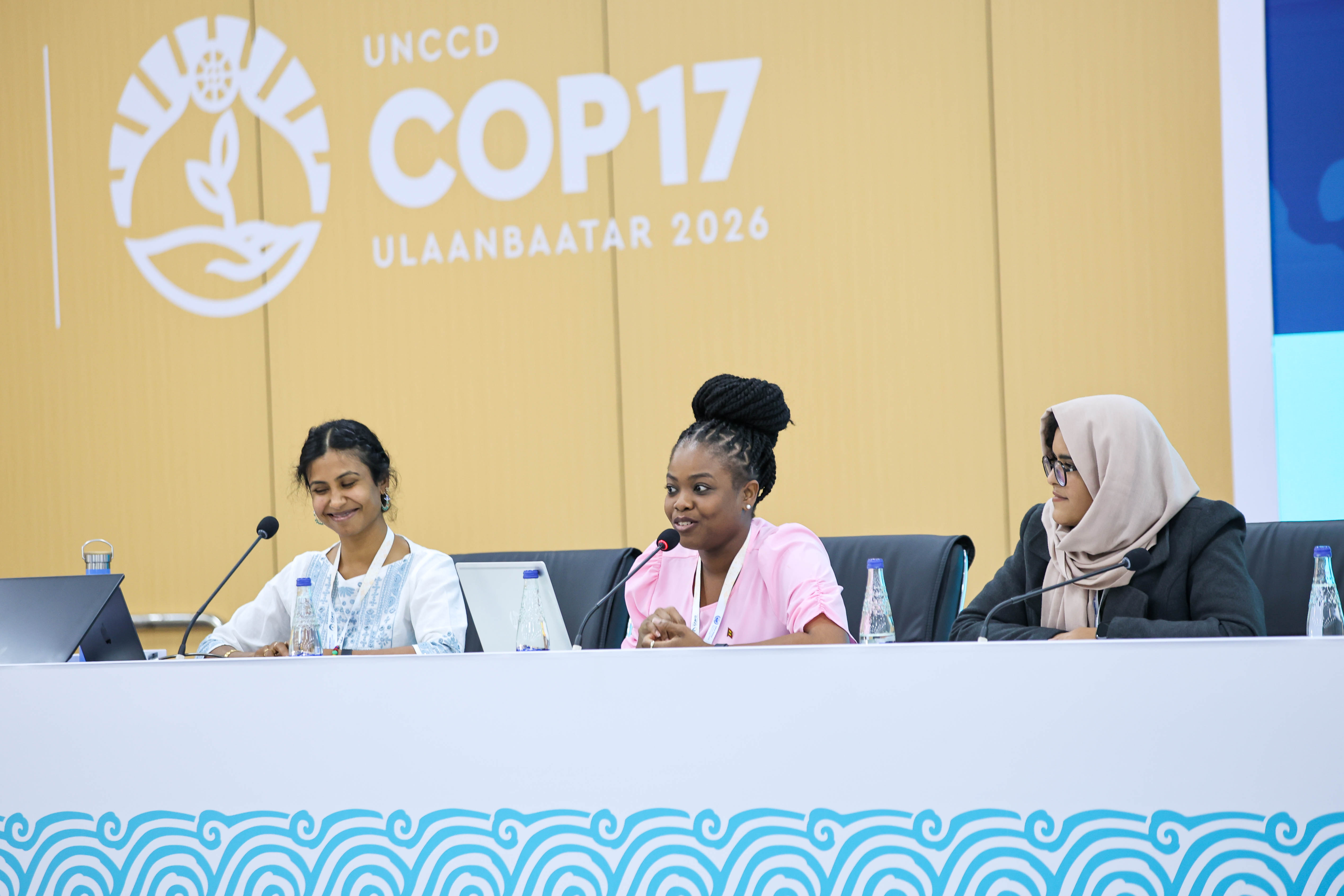
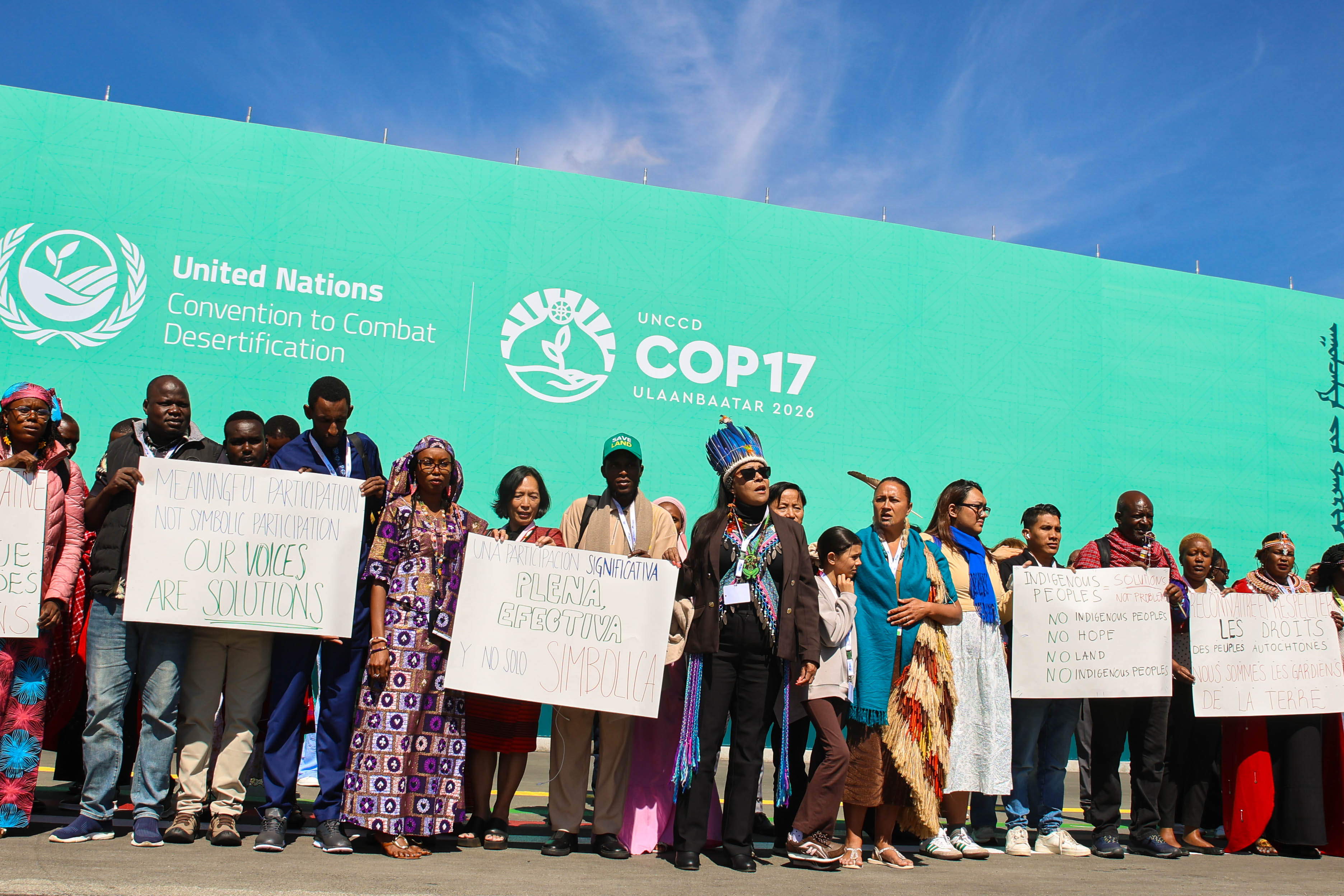
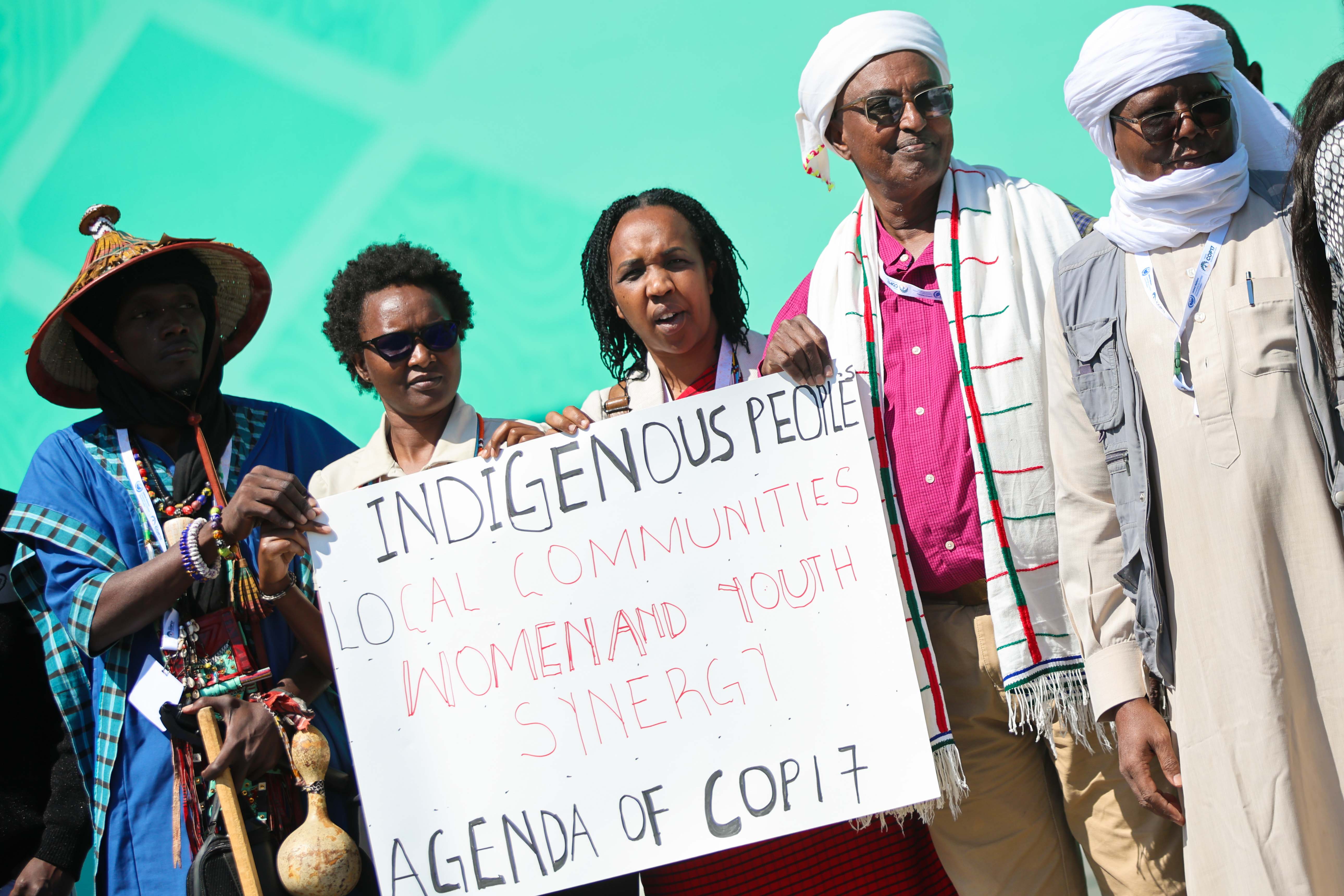
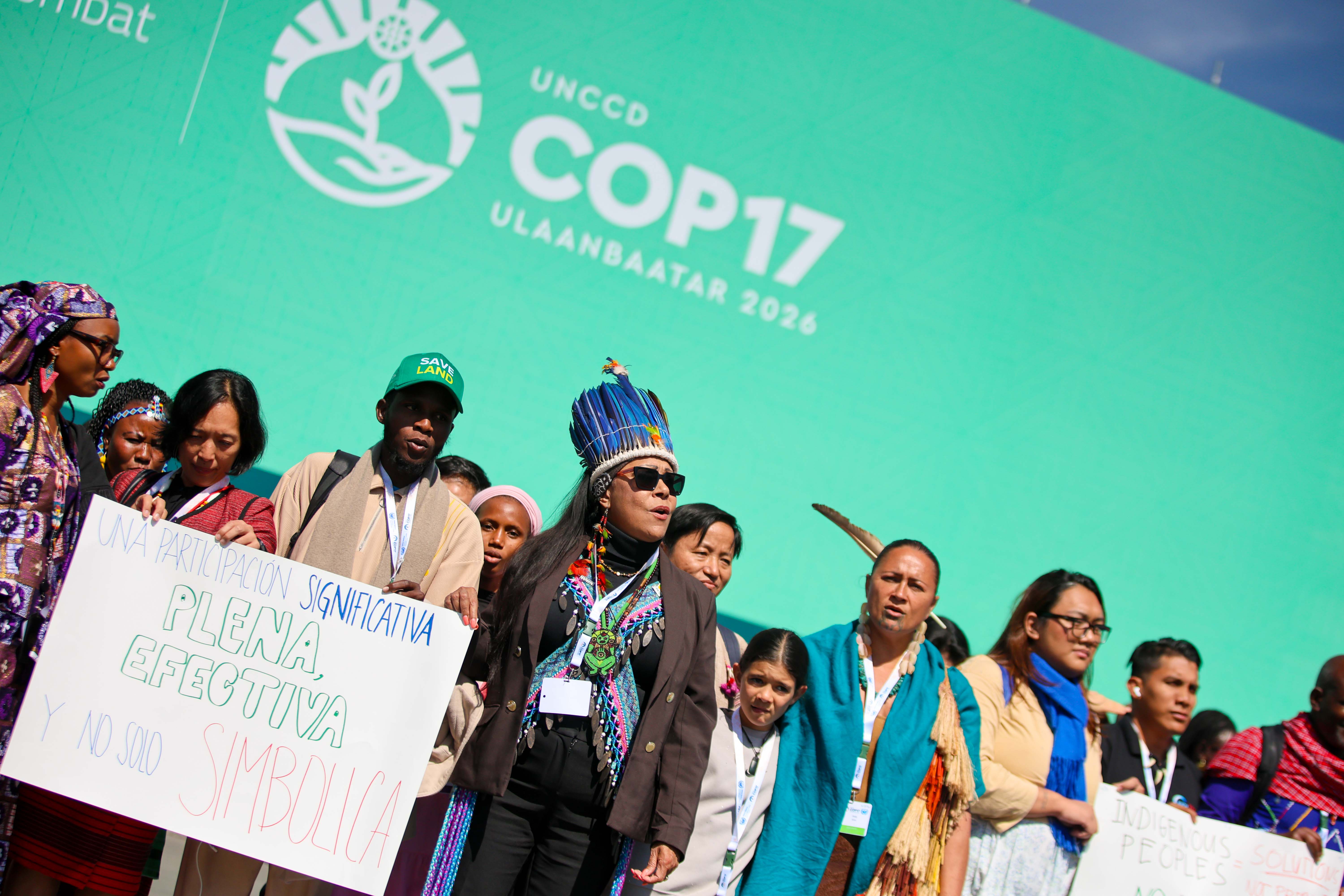
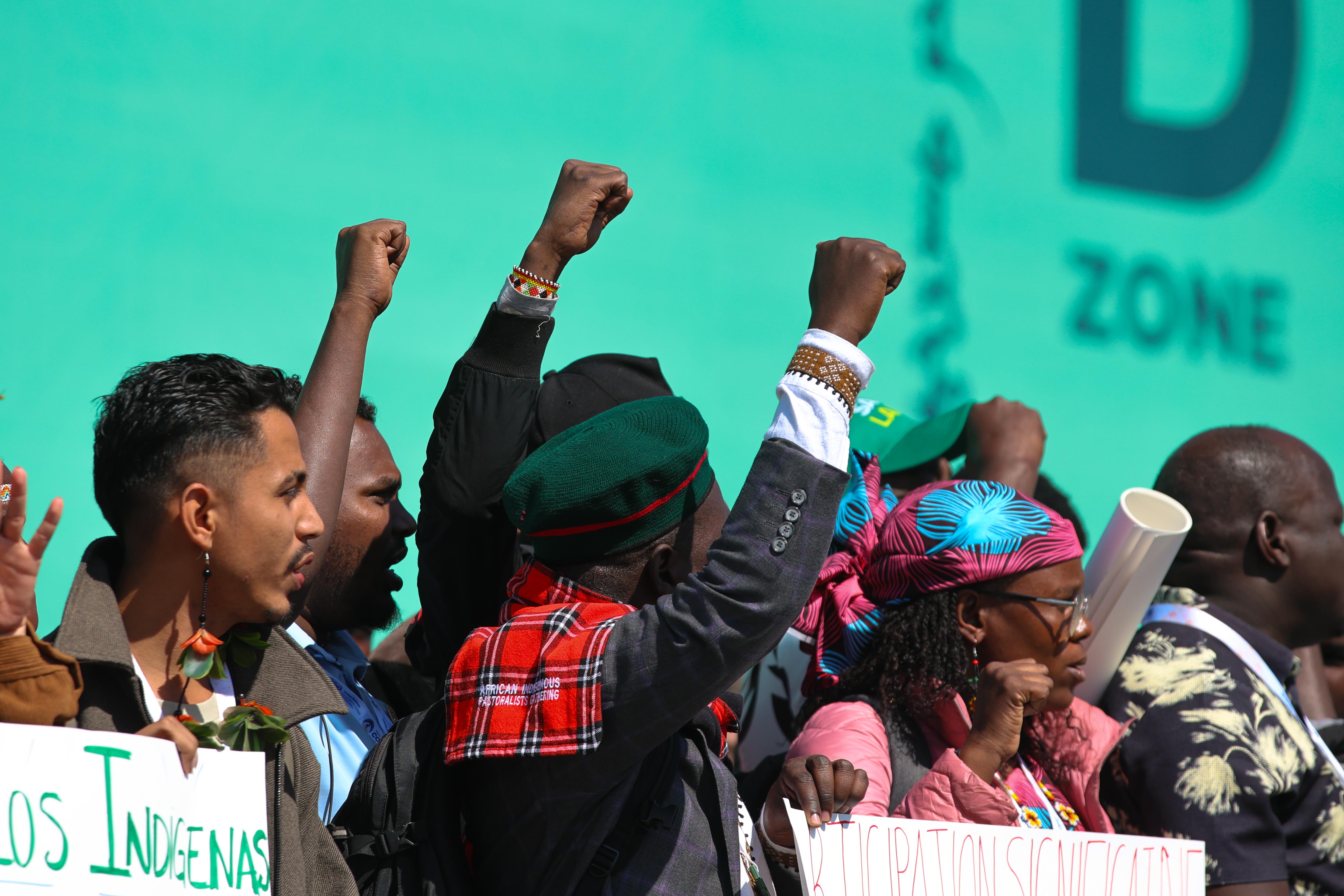
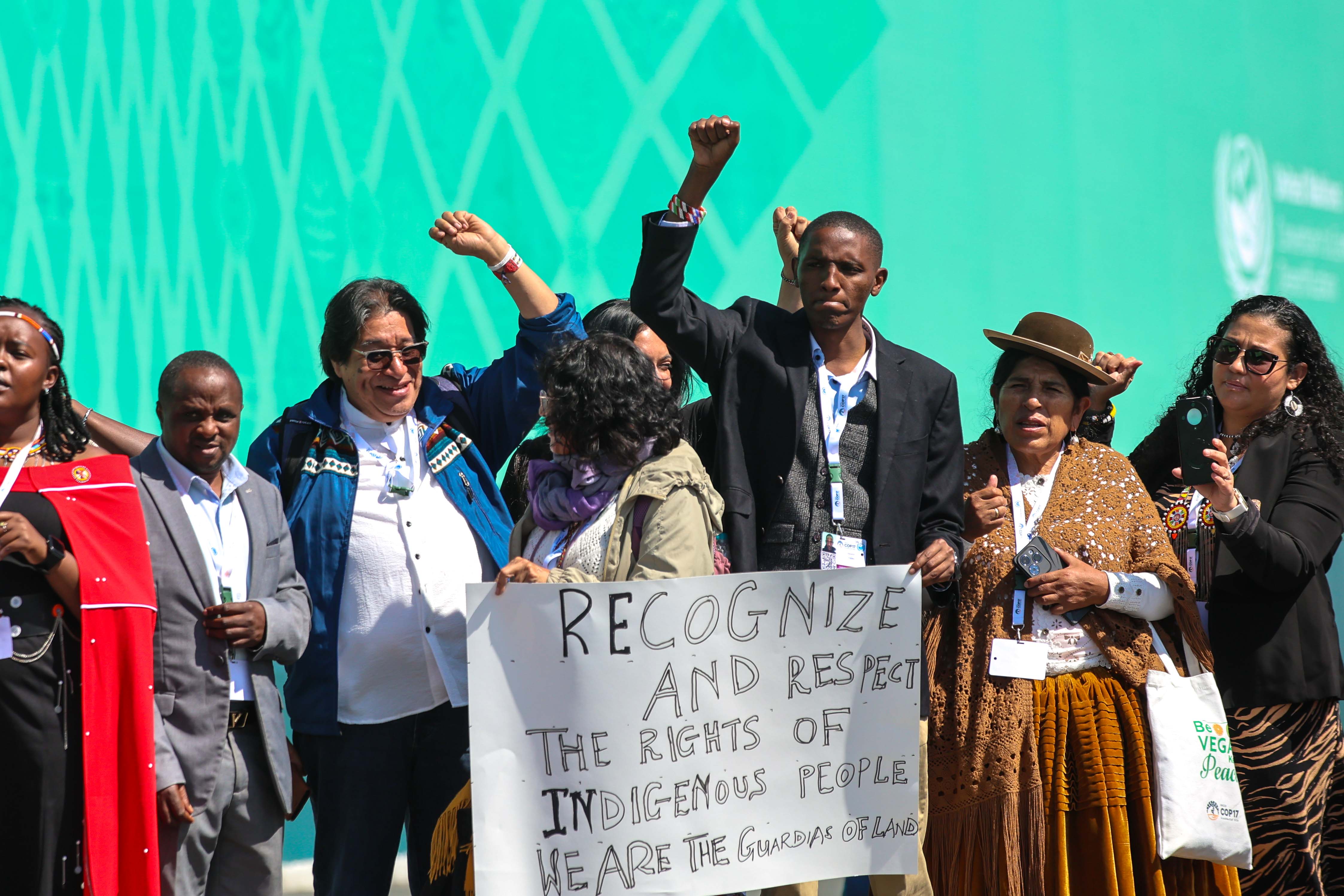
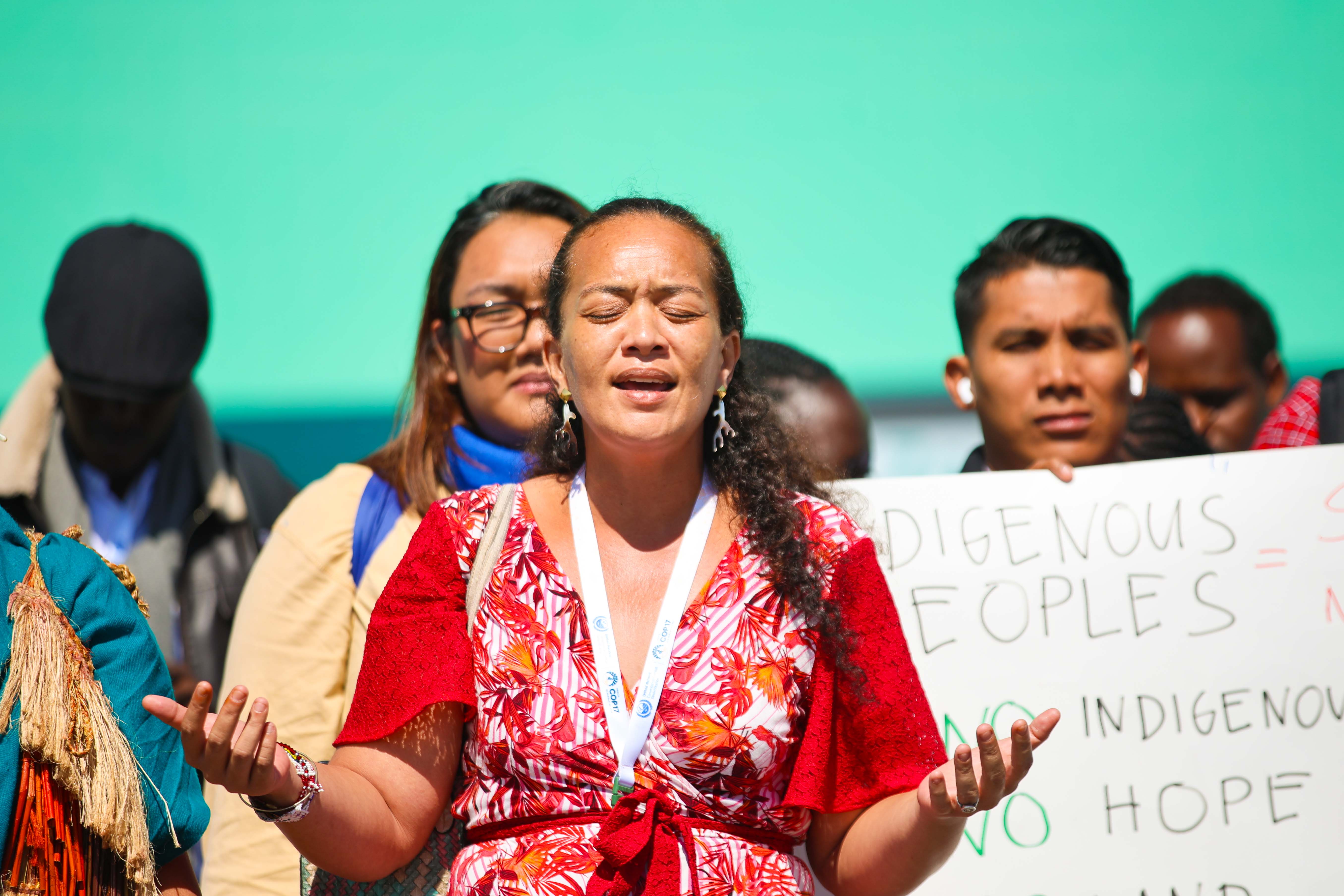
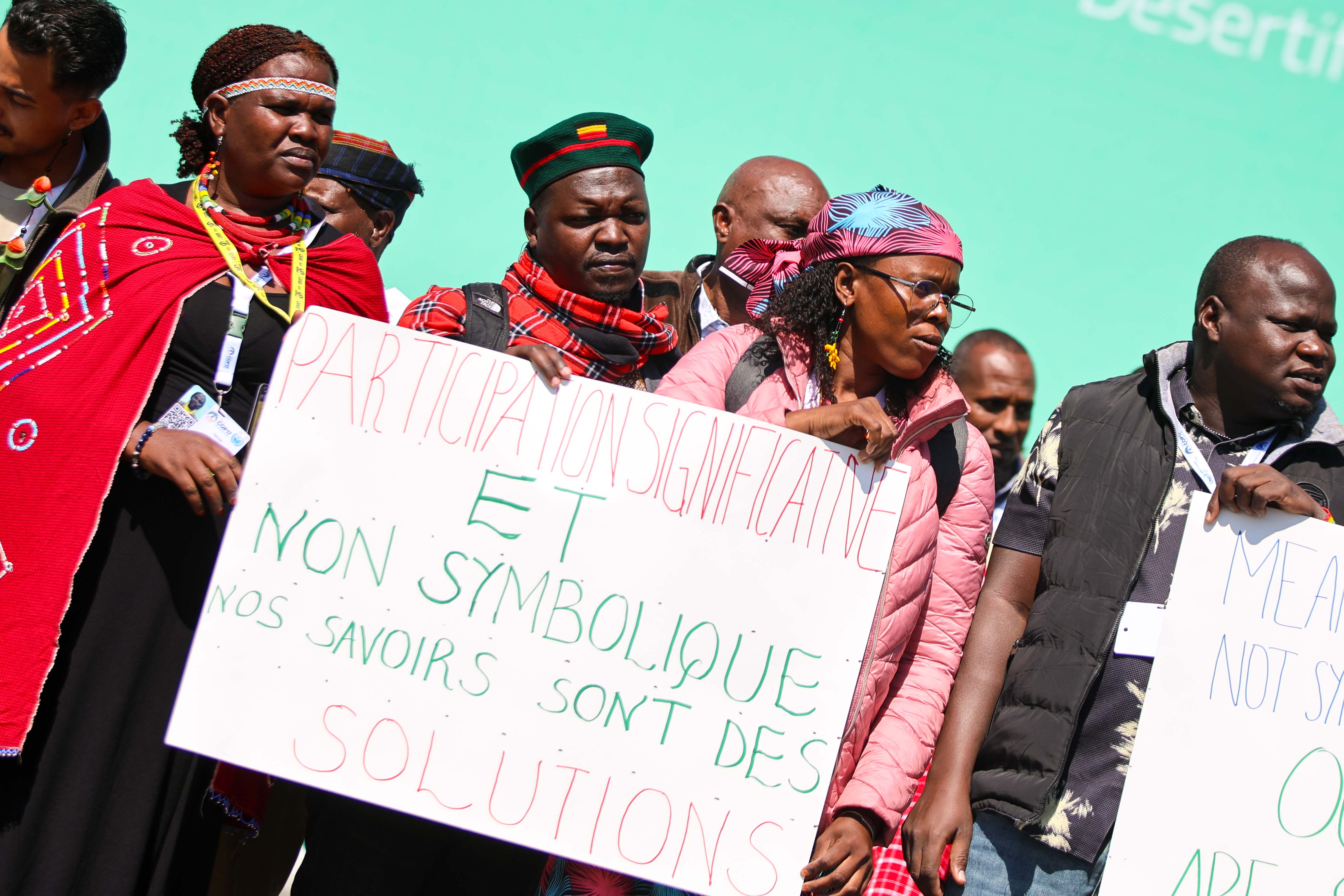
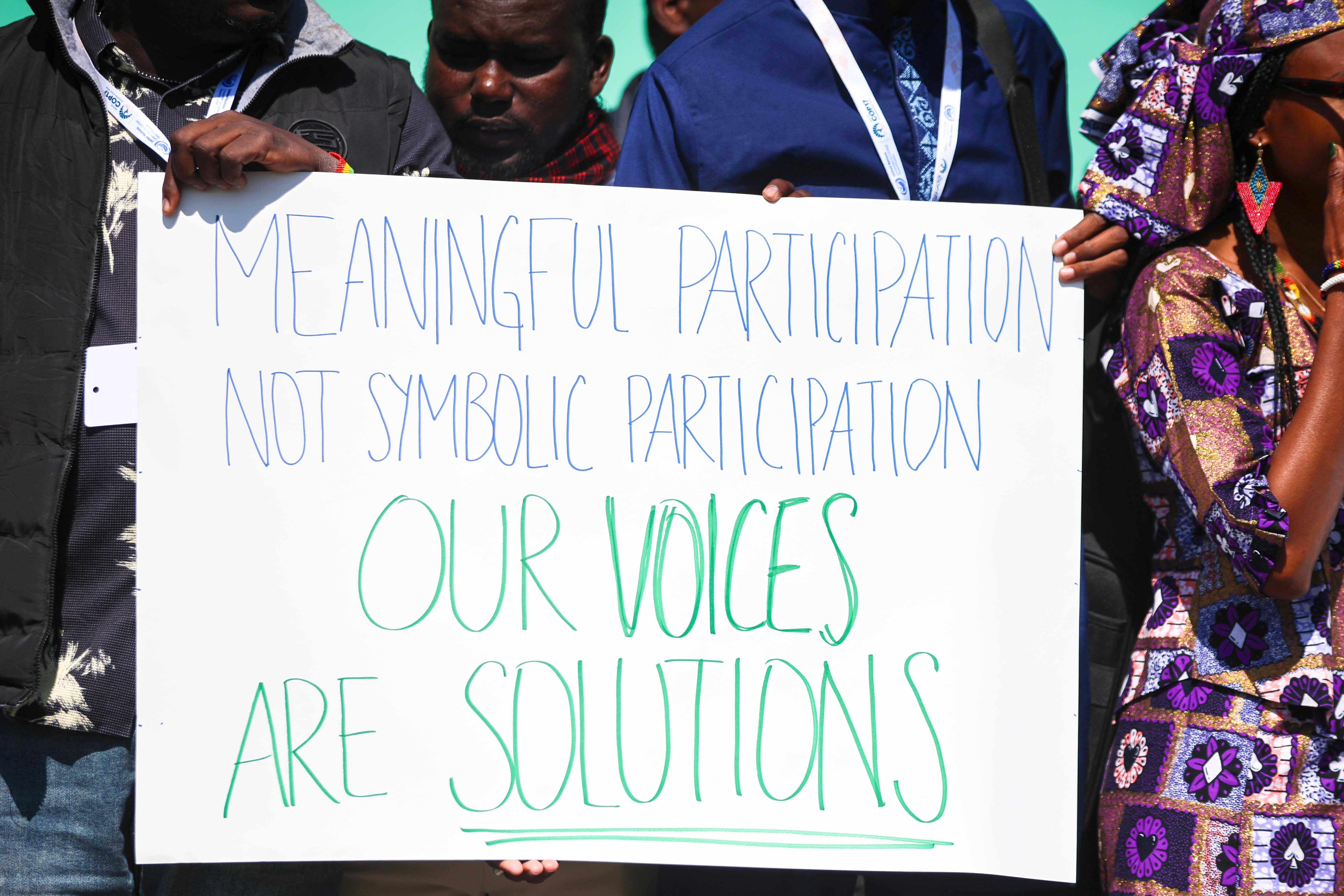
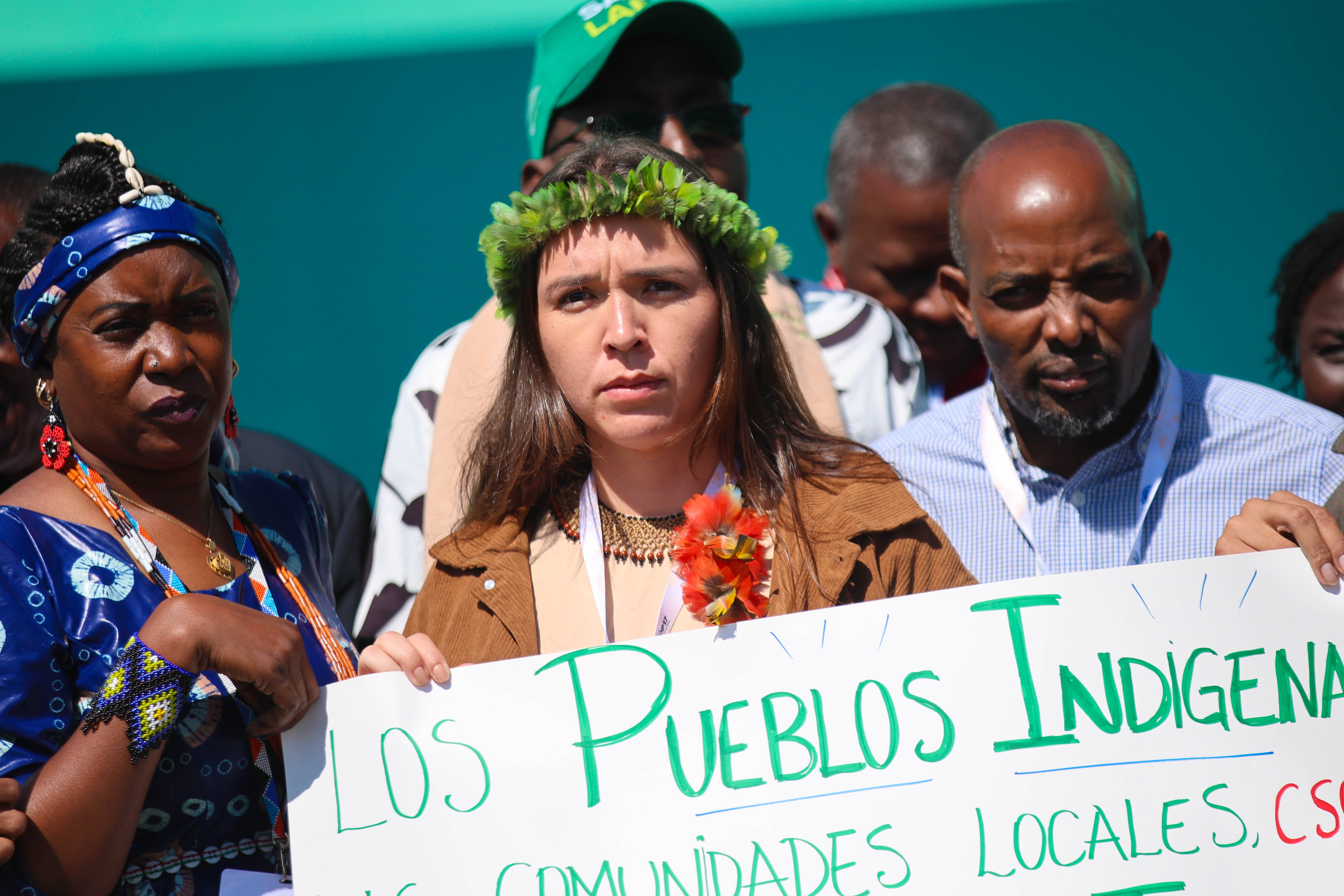
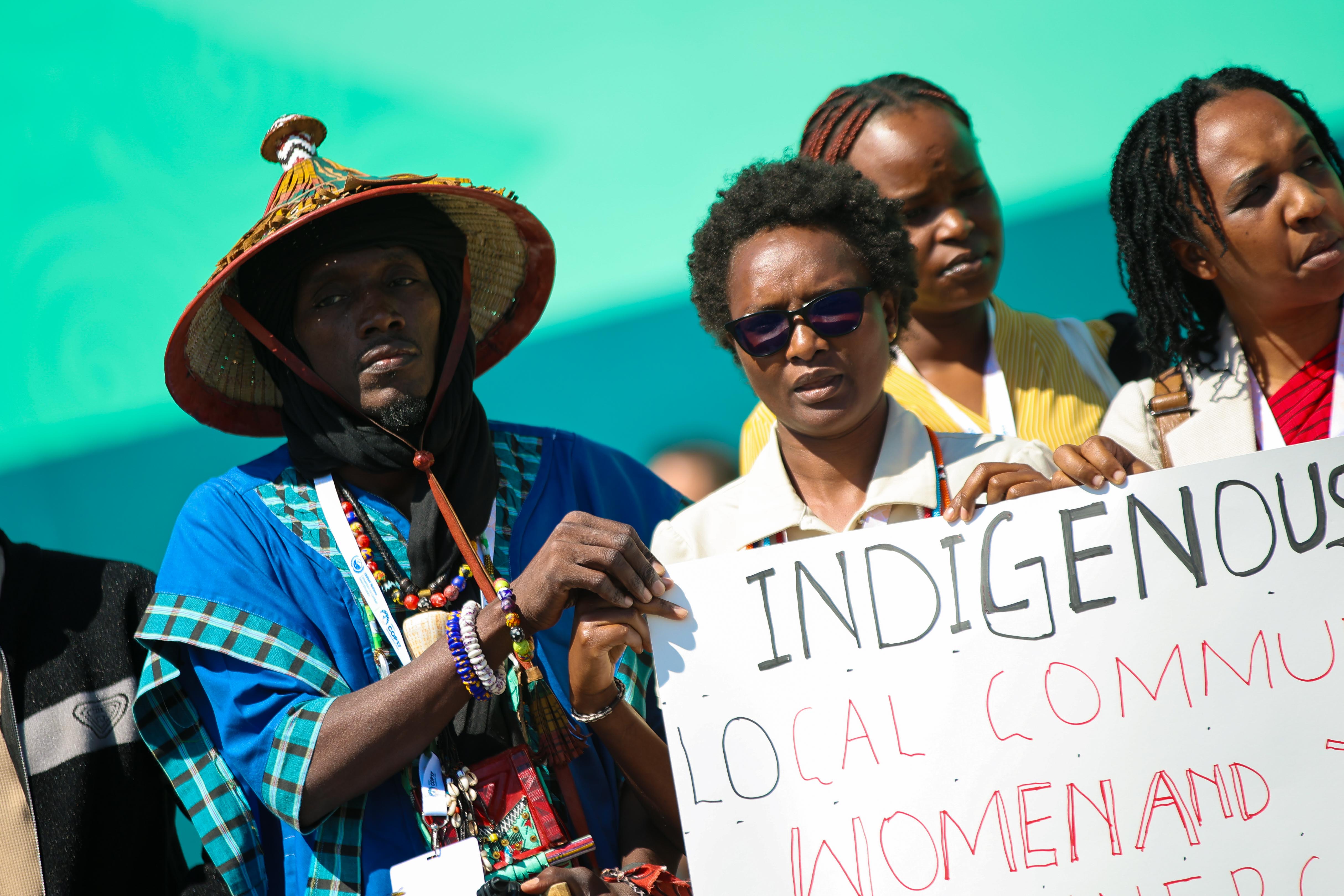
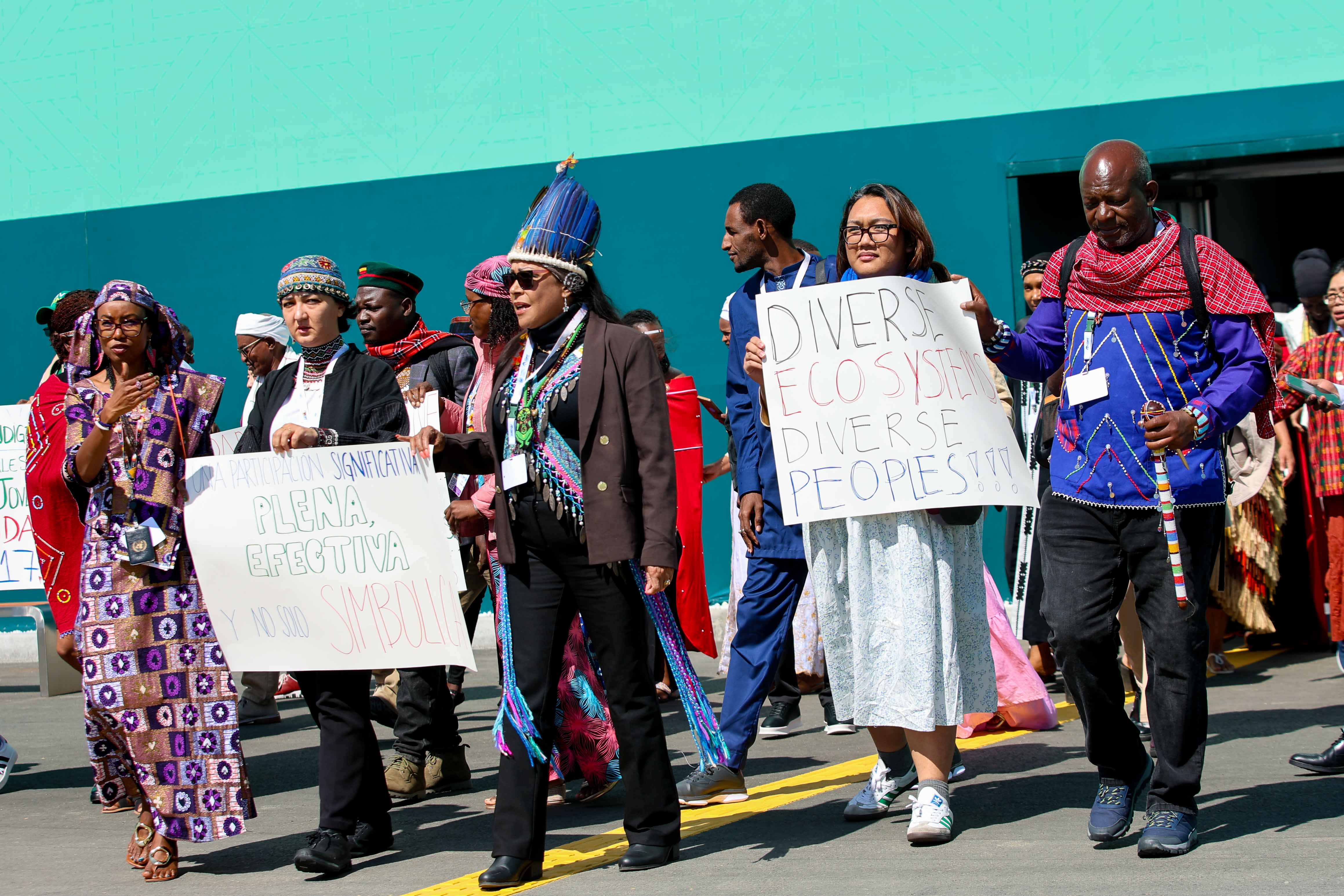
Indigenous Peoples' Action
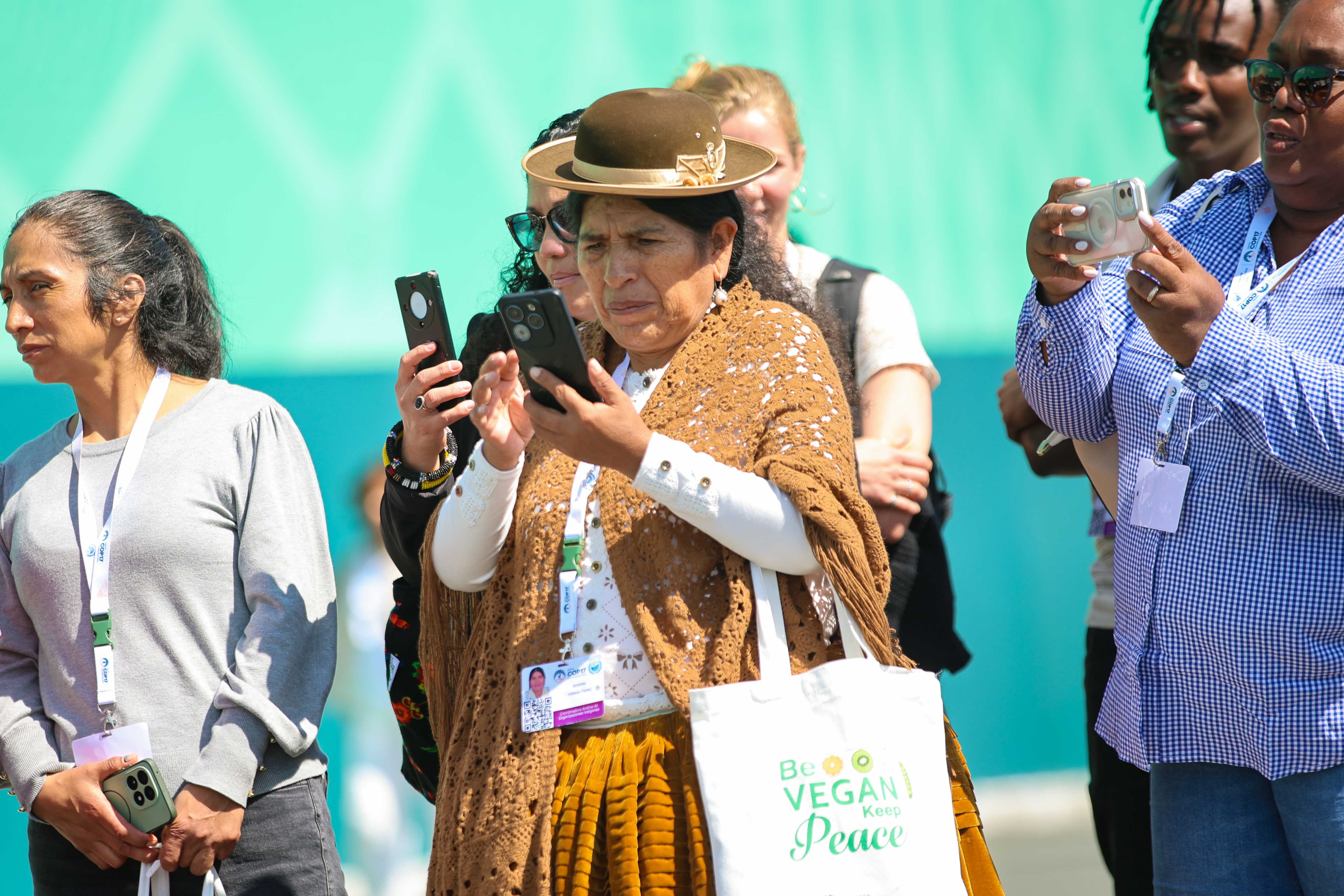
In the Corridors
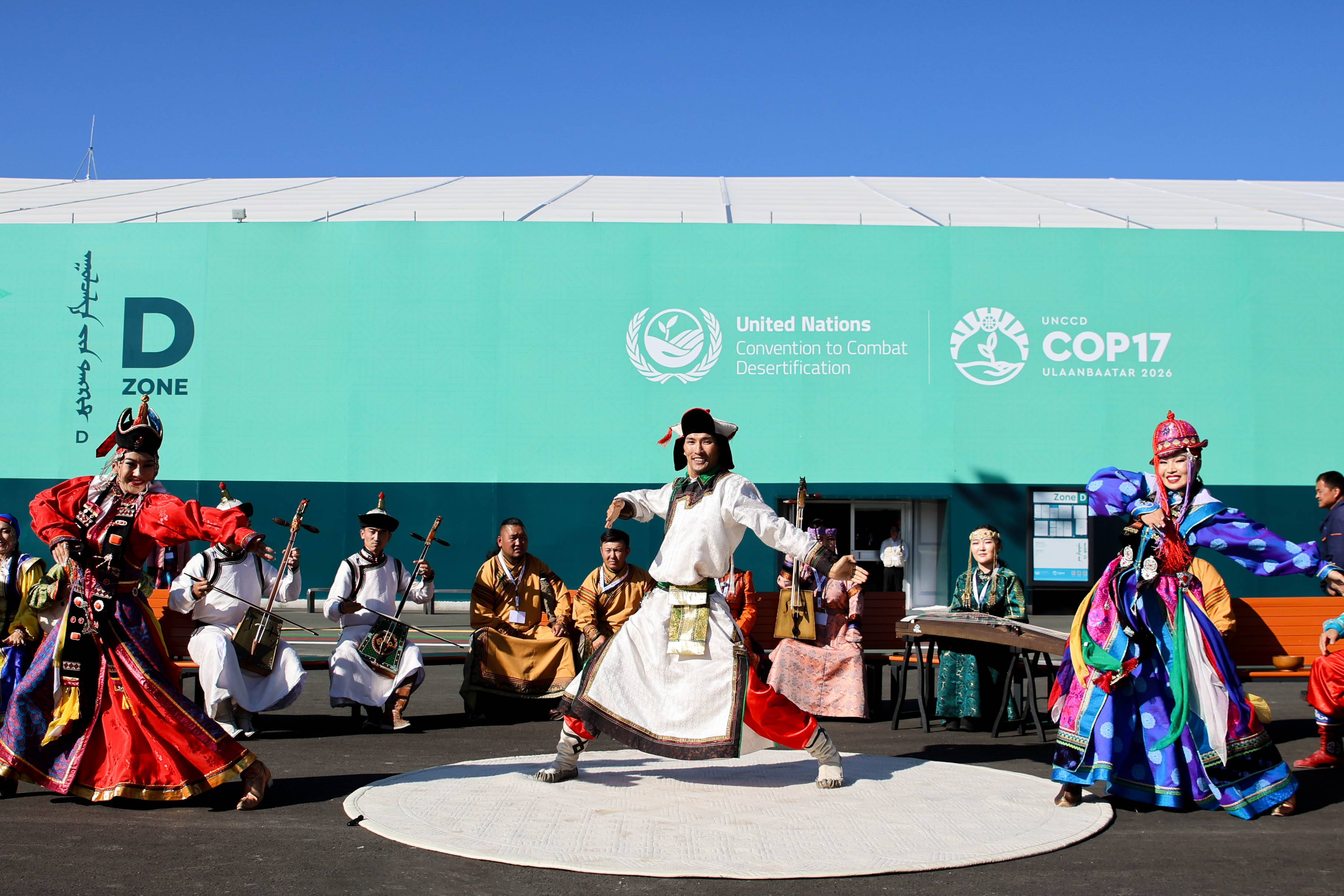
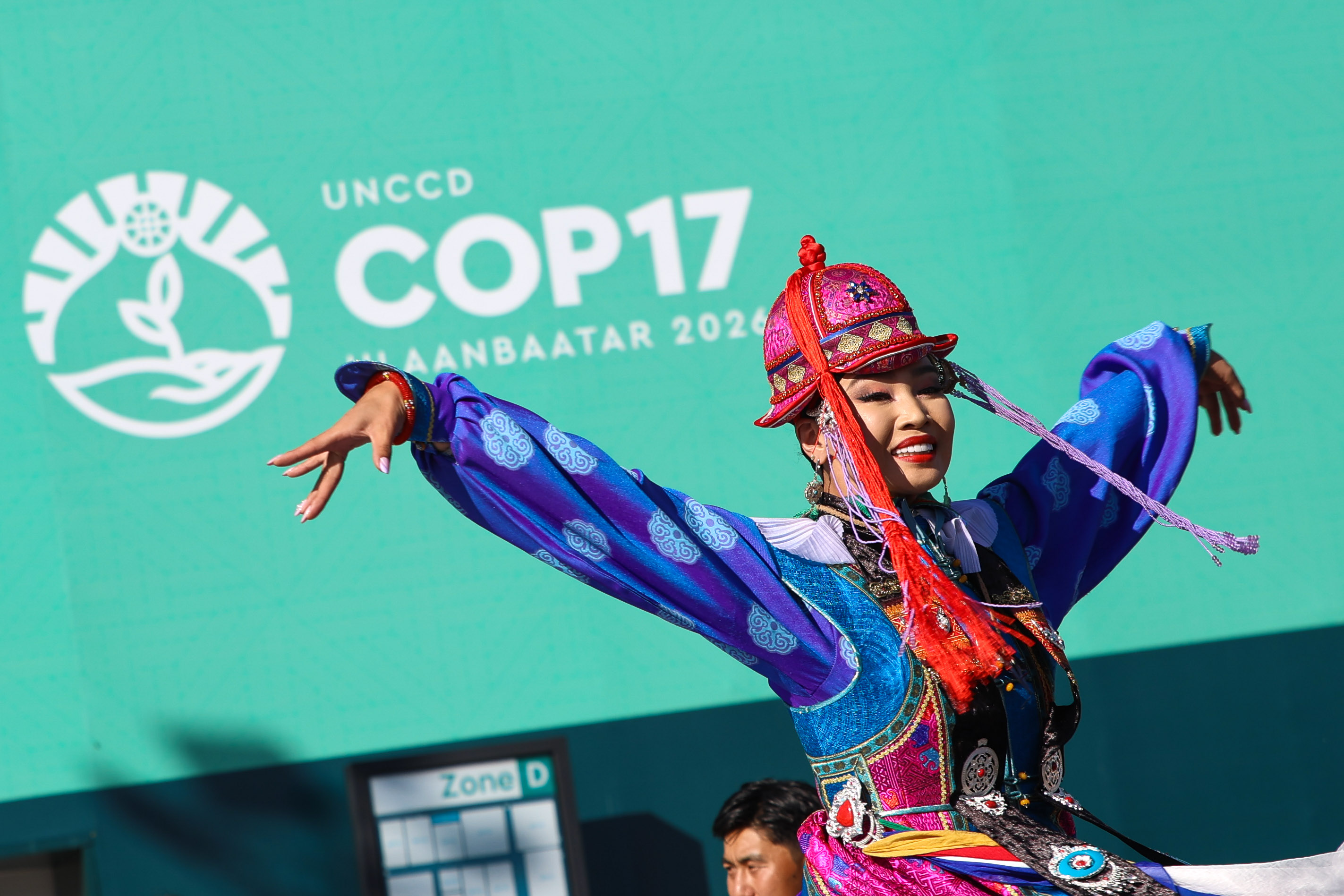
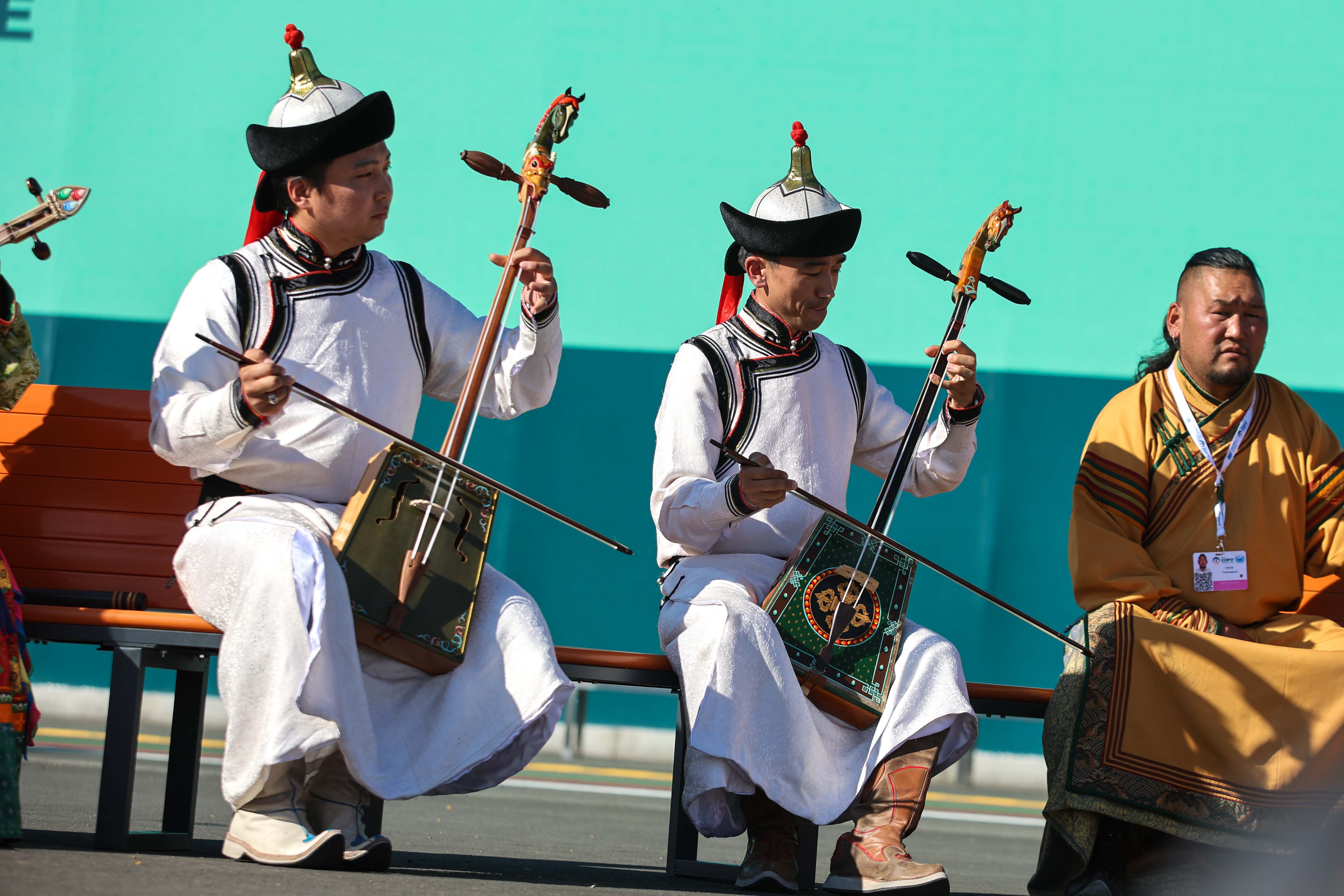
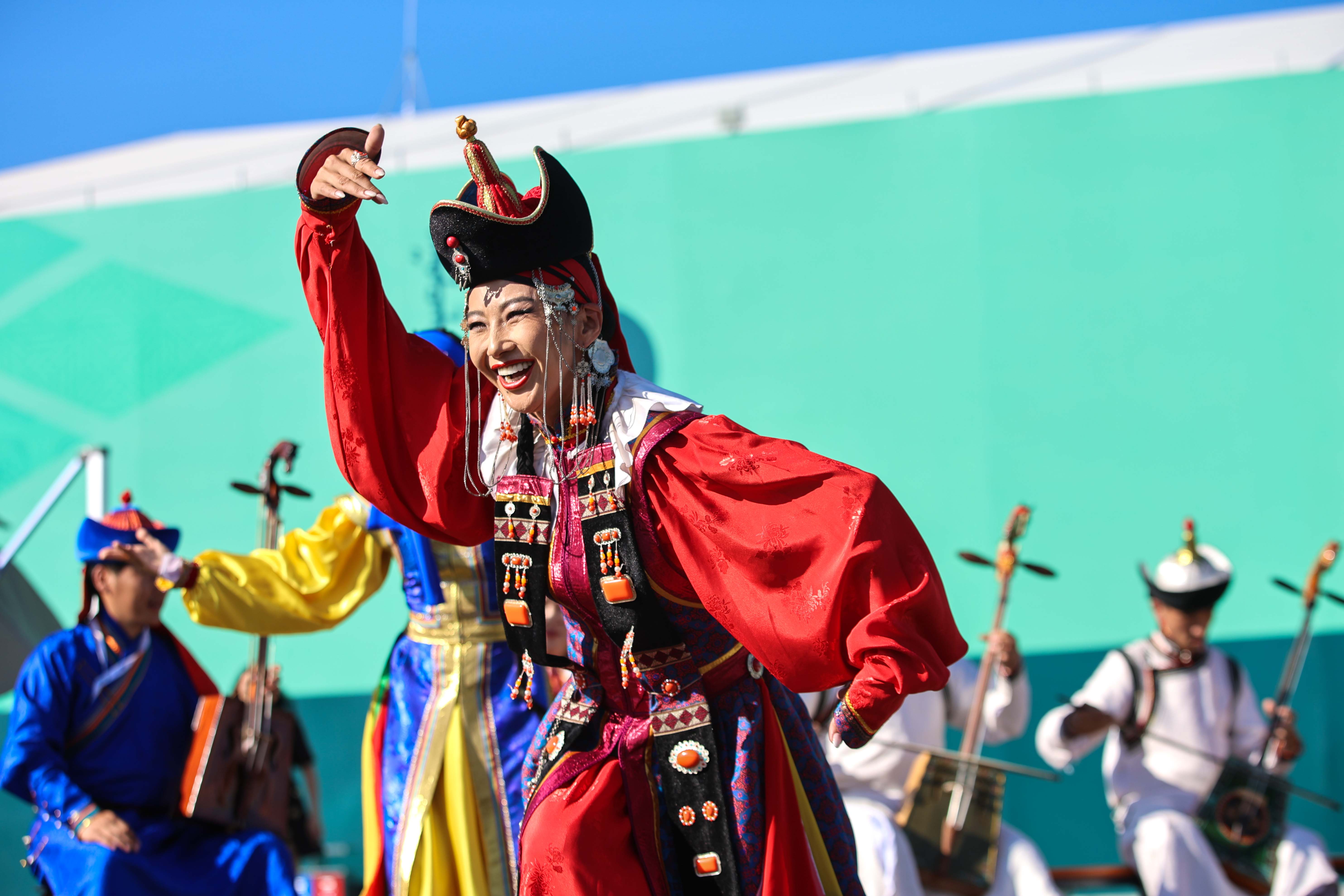
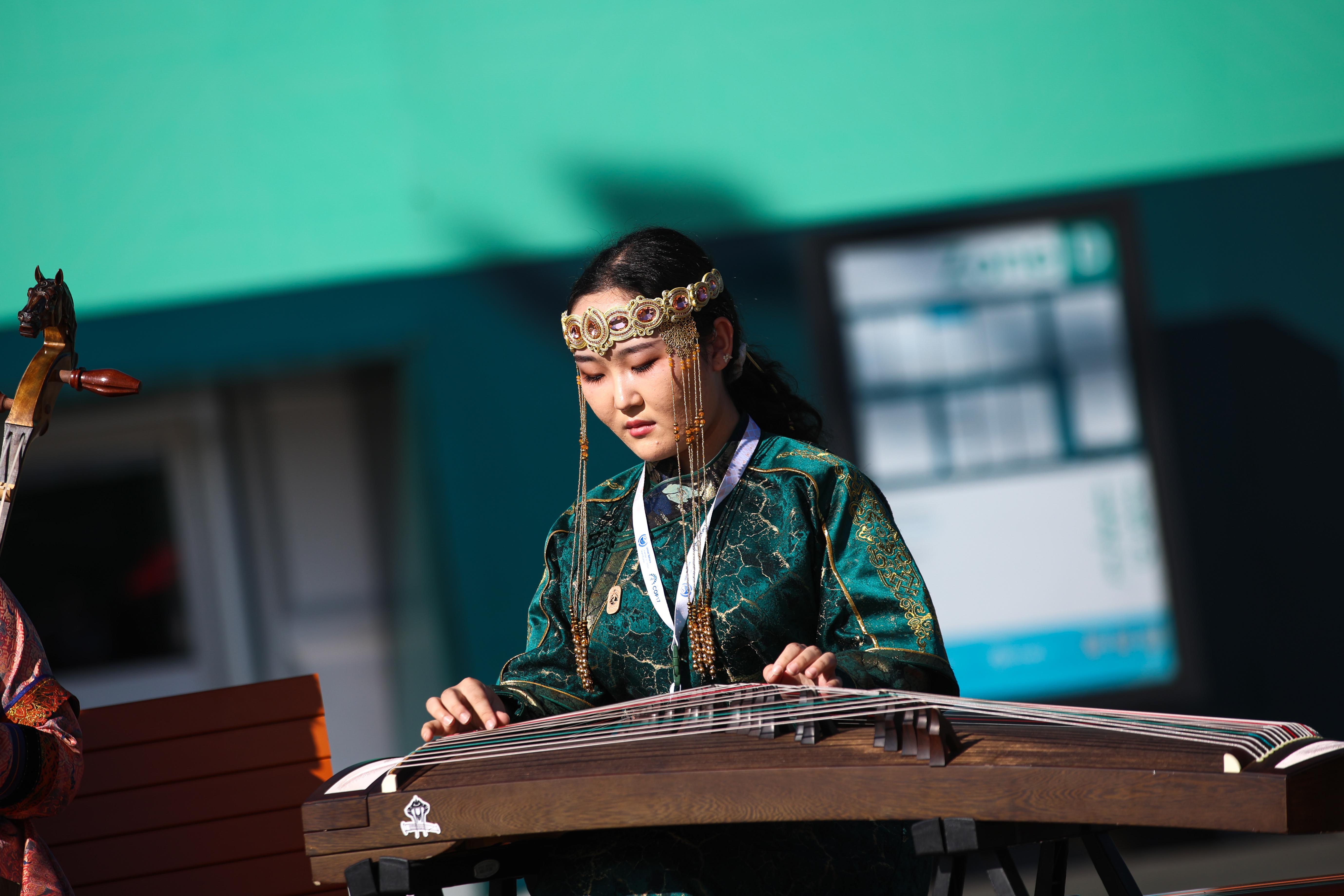
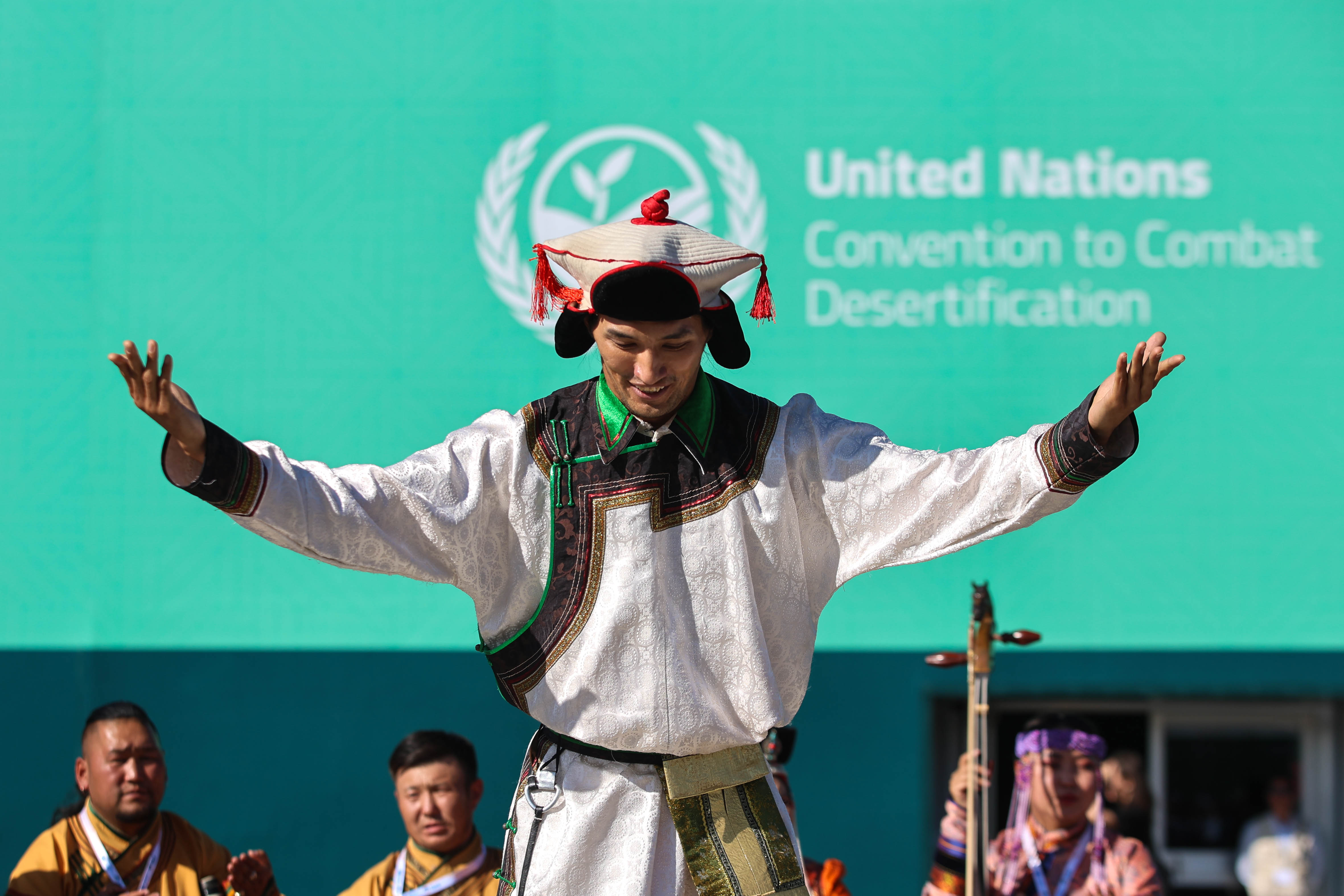
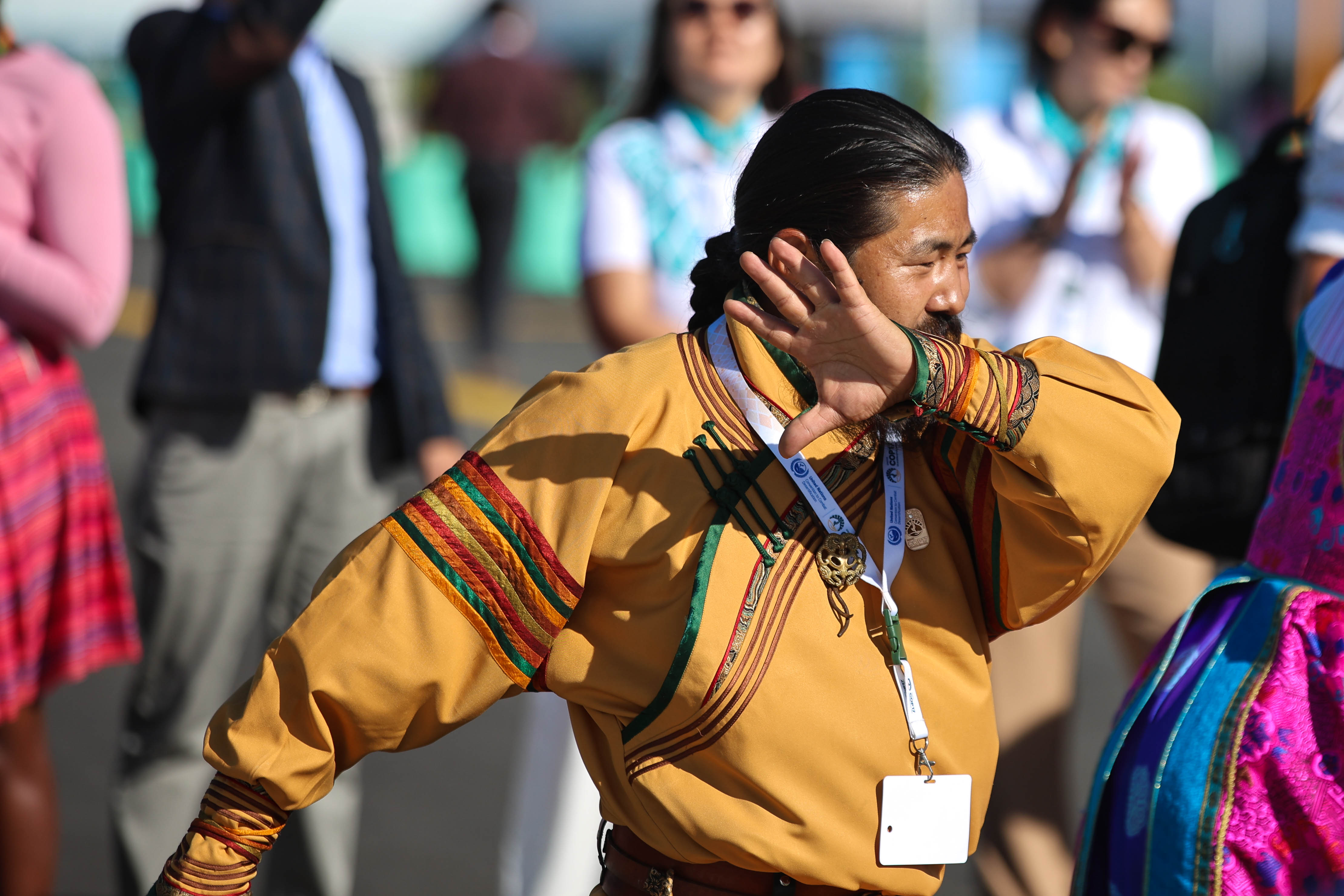
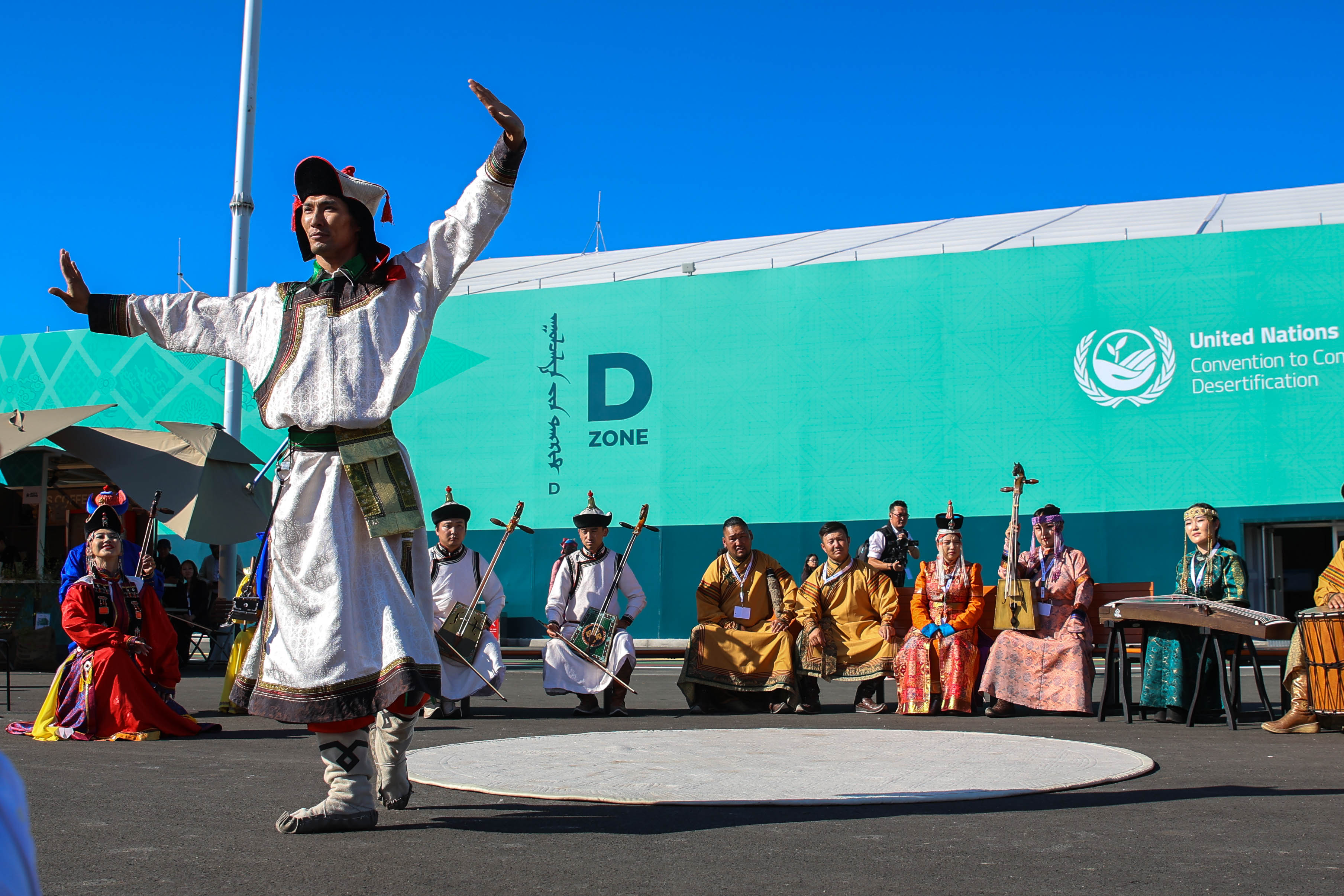
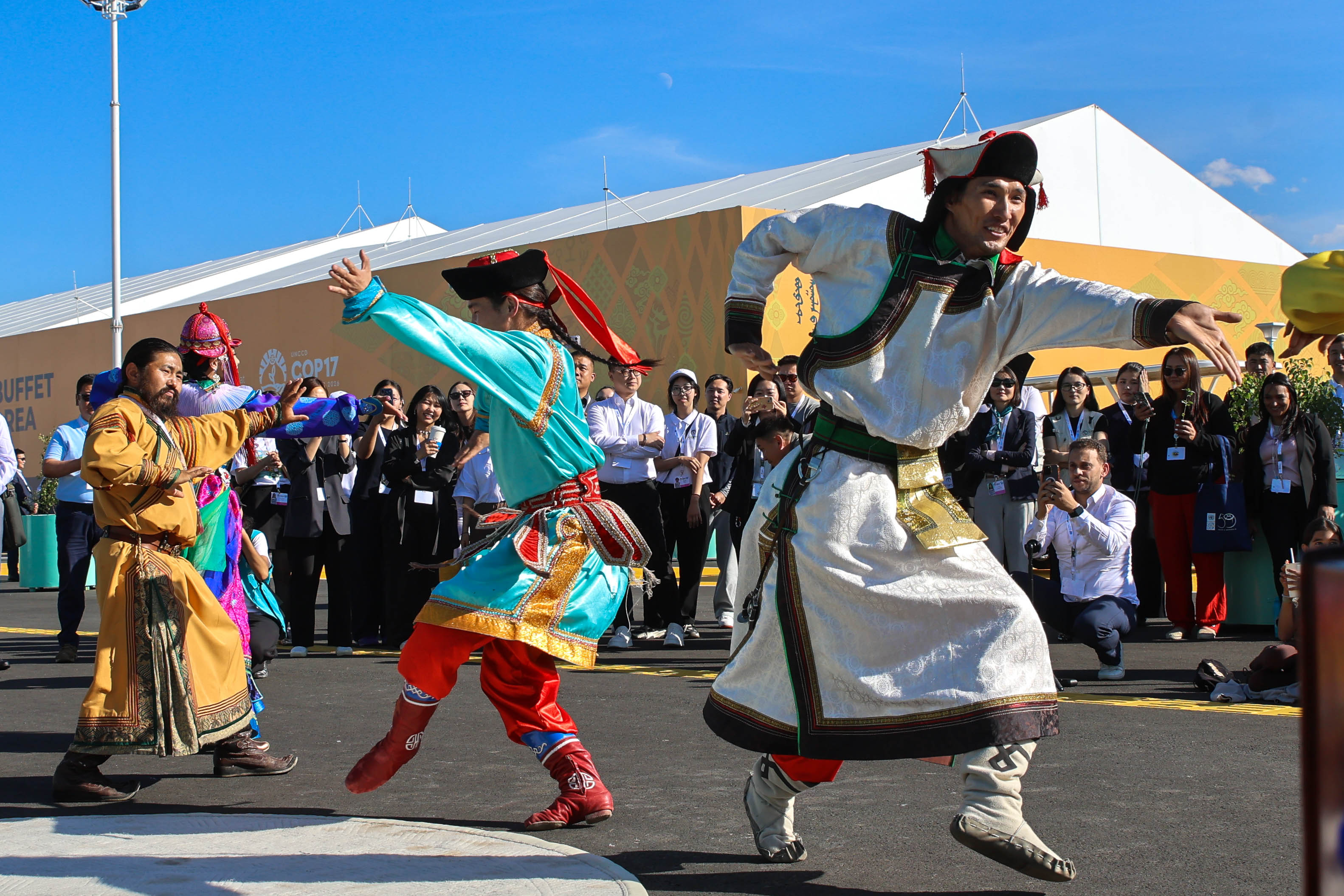
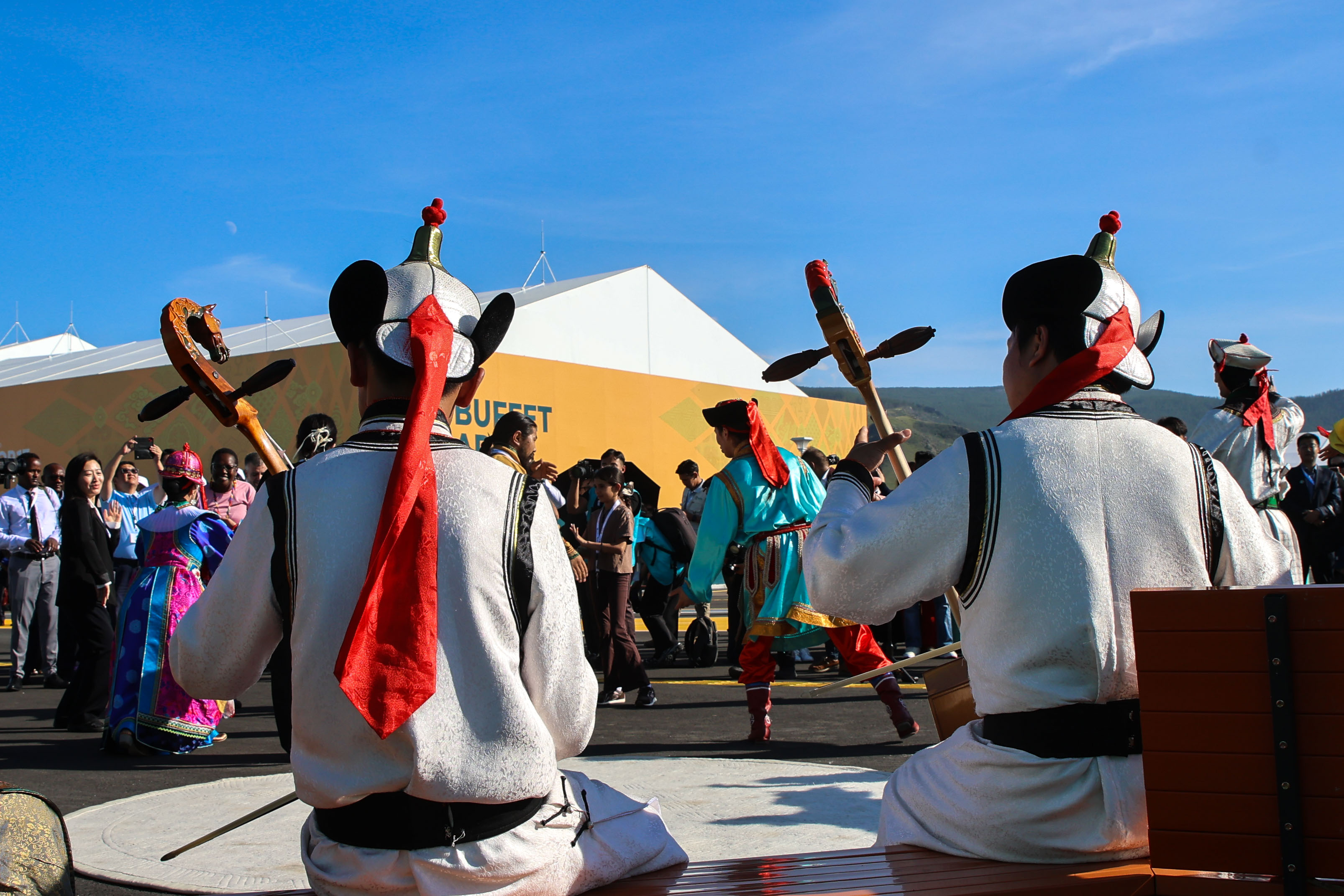
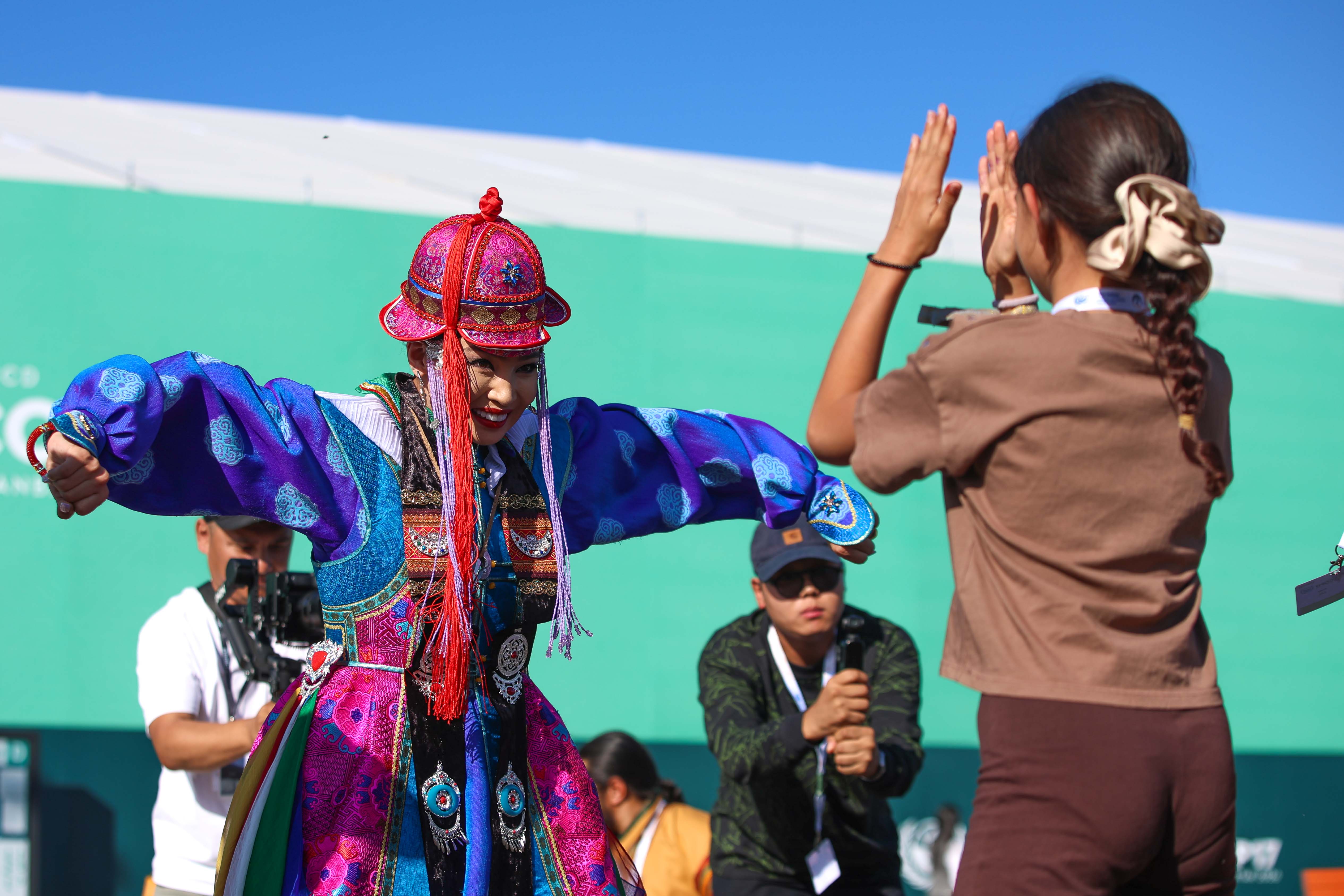
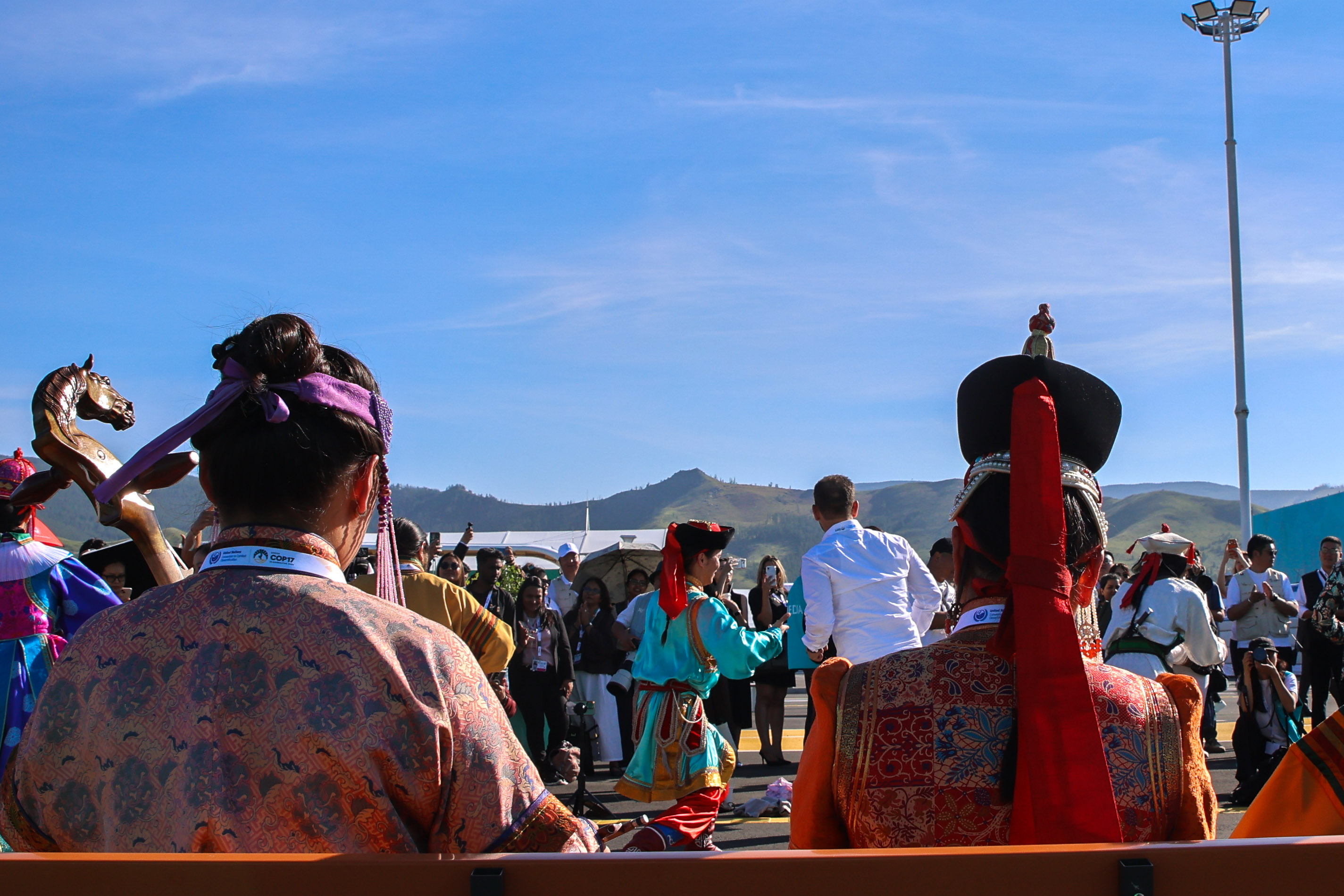
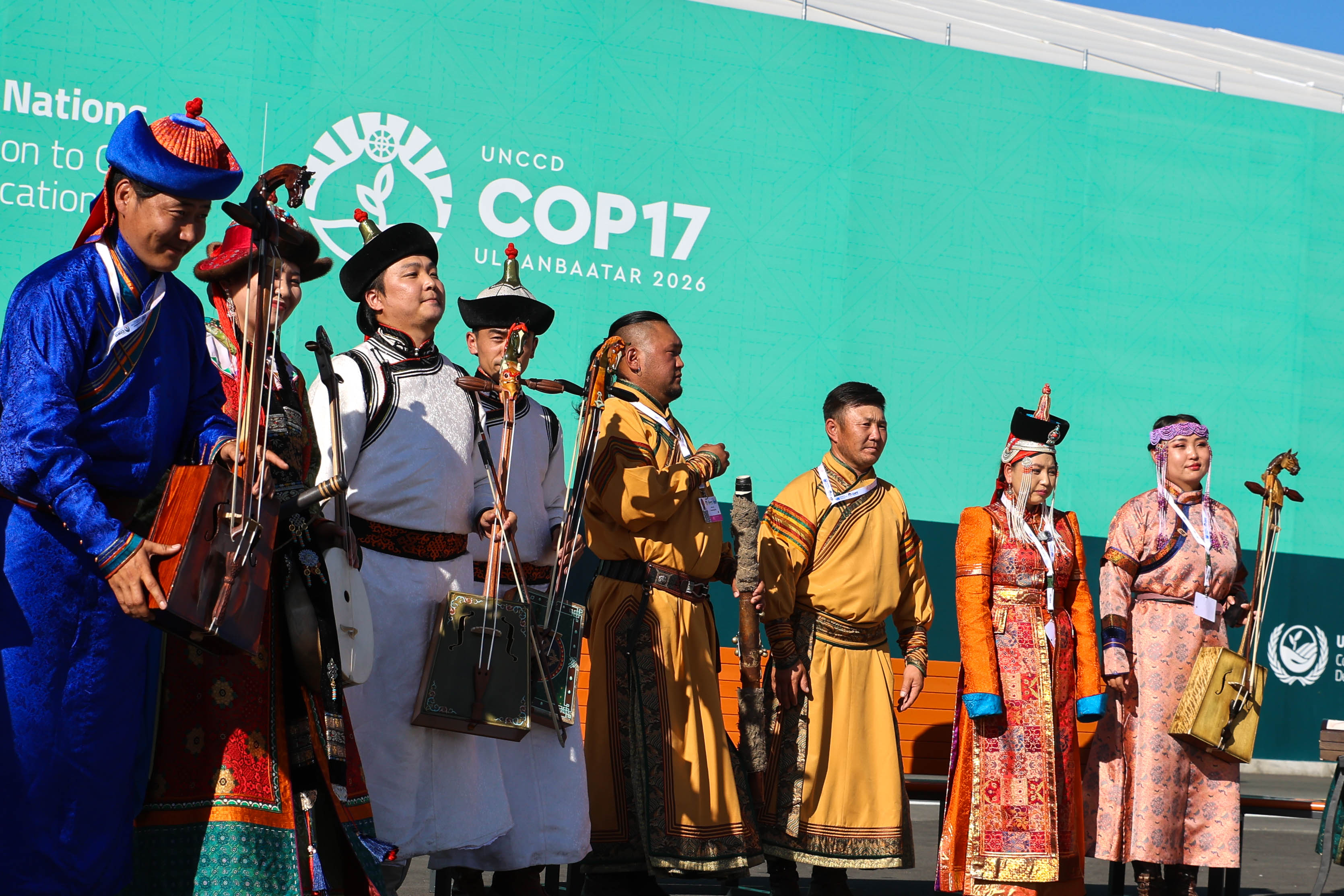
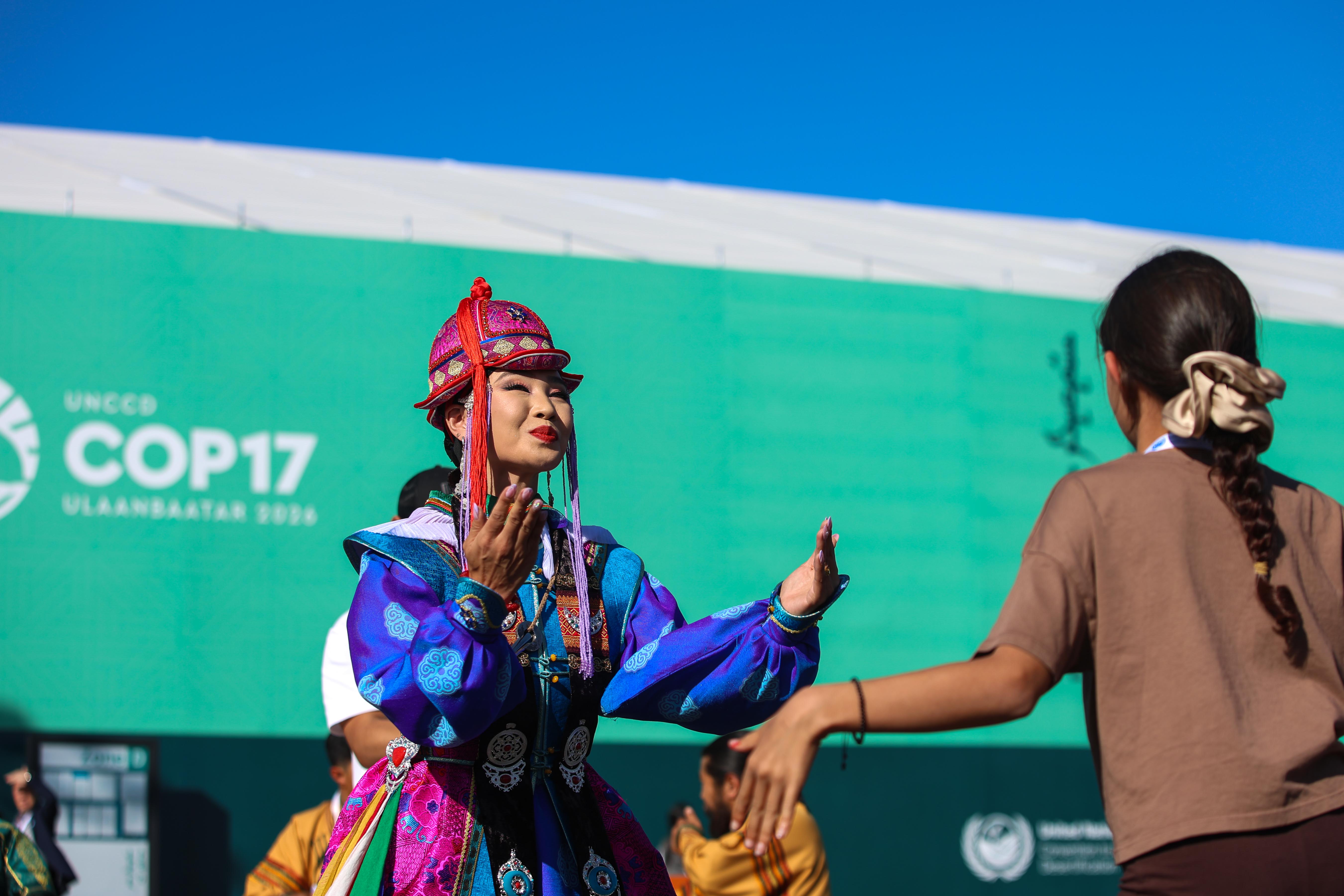
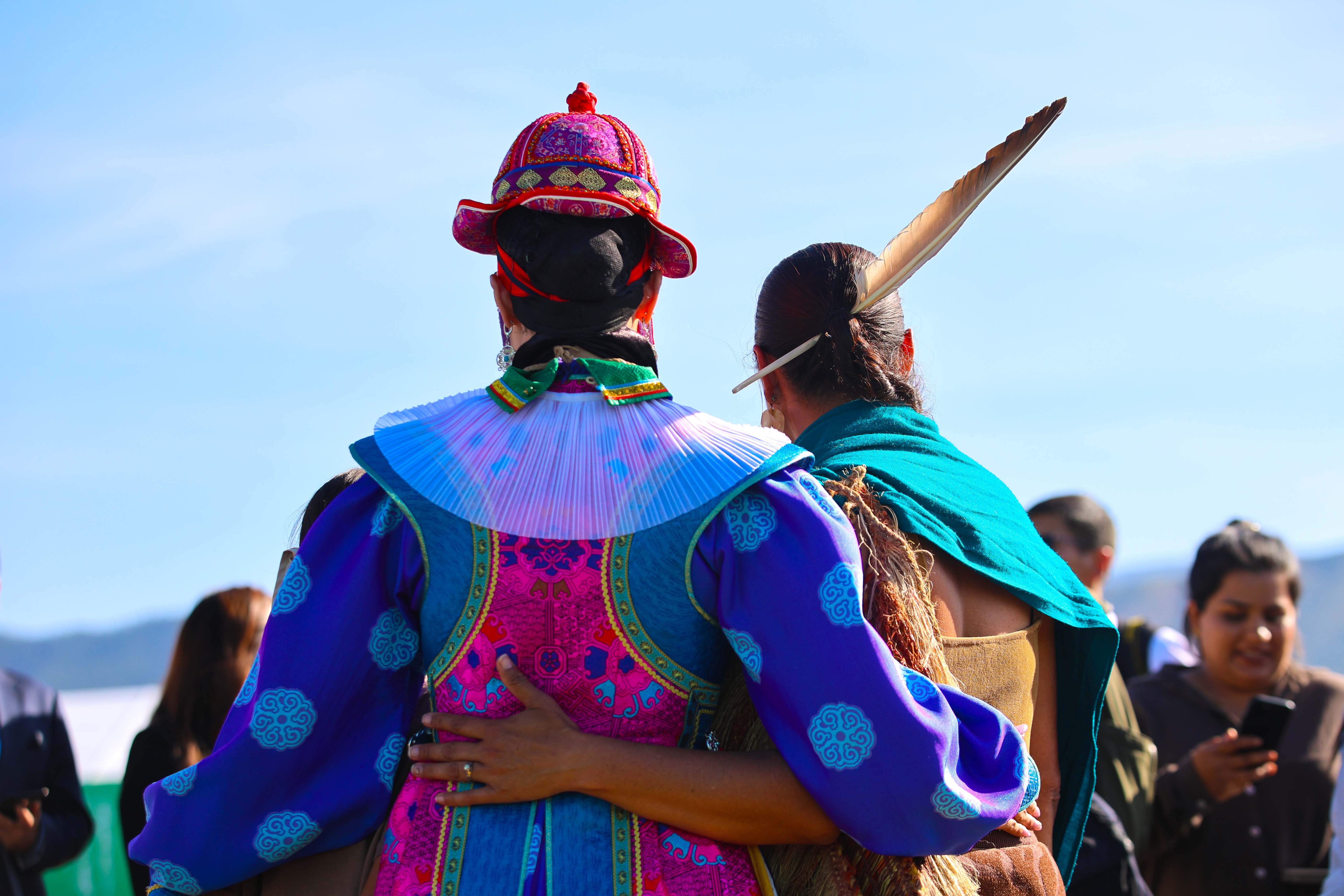
Cultural Performance