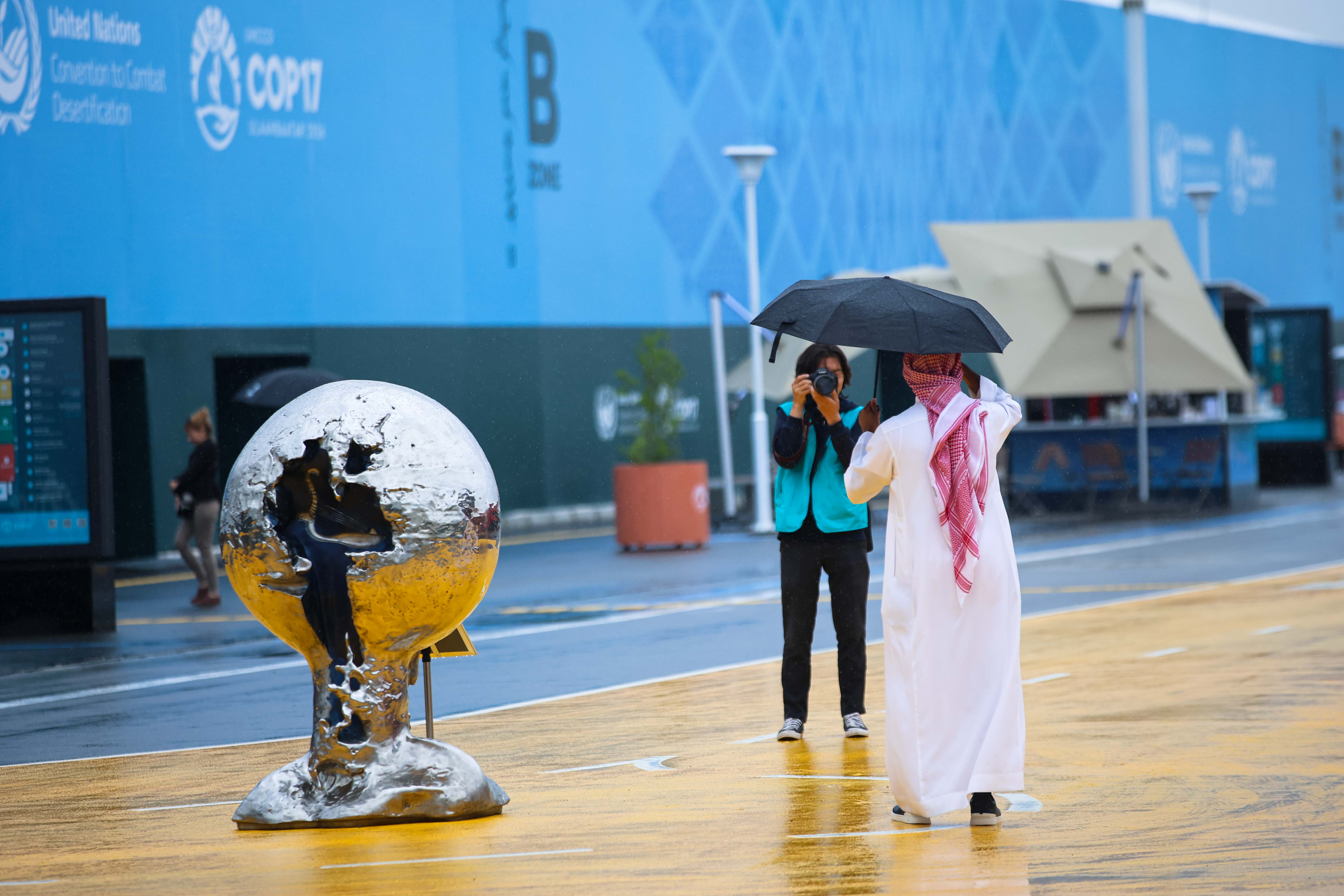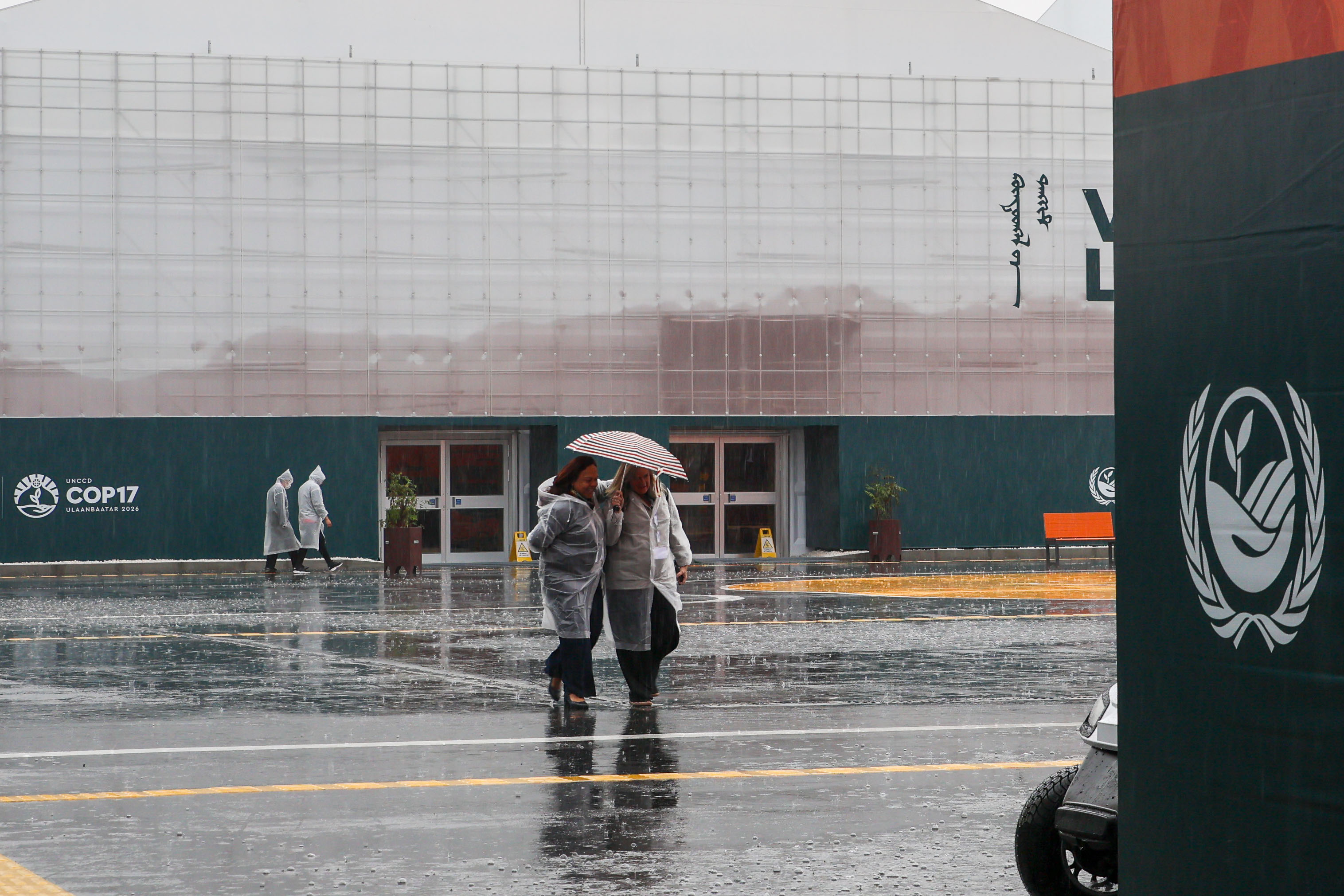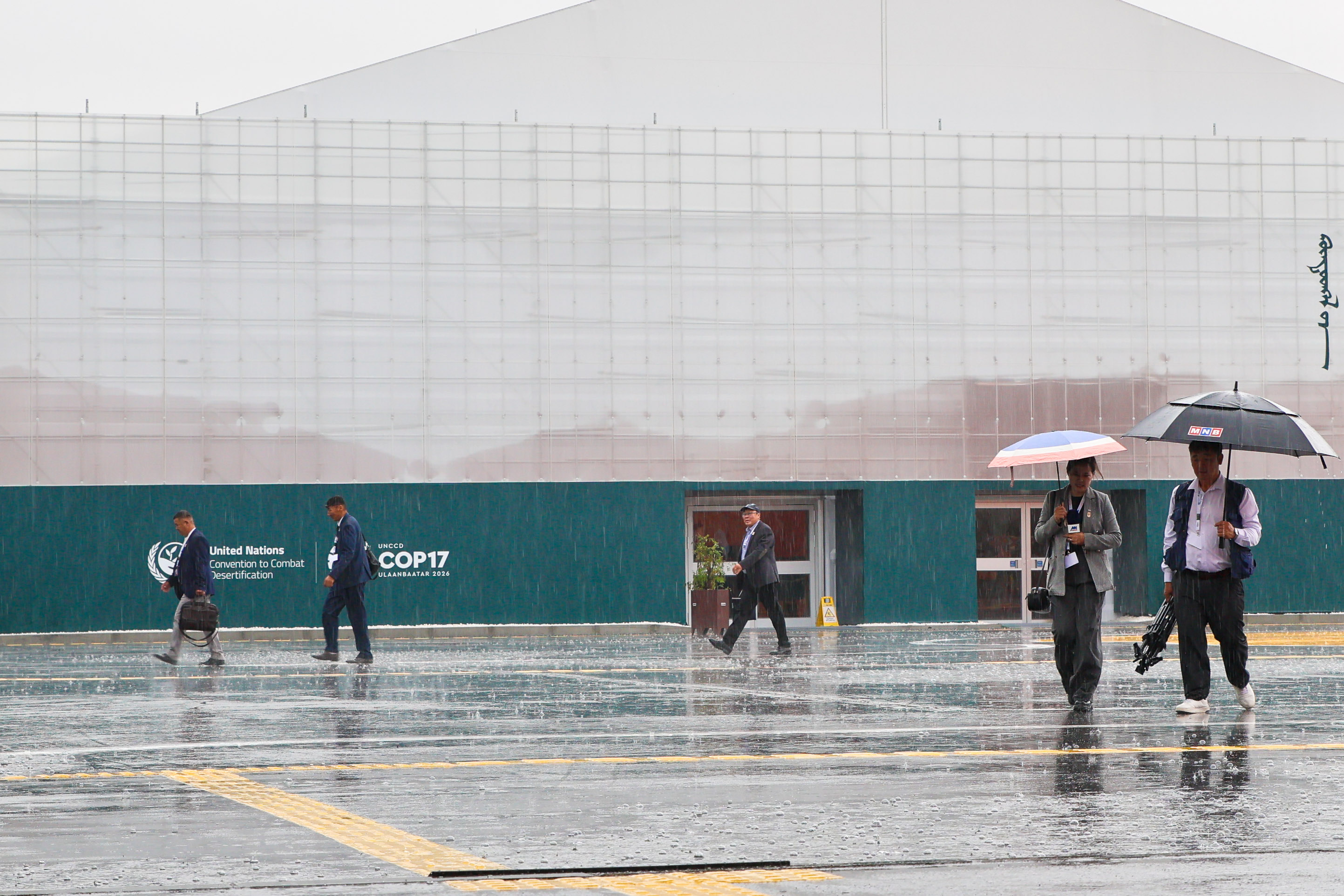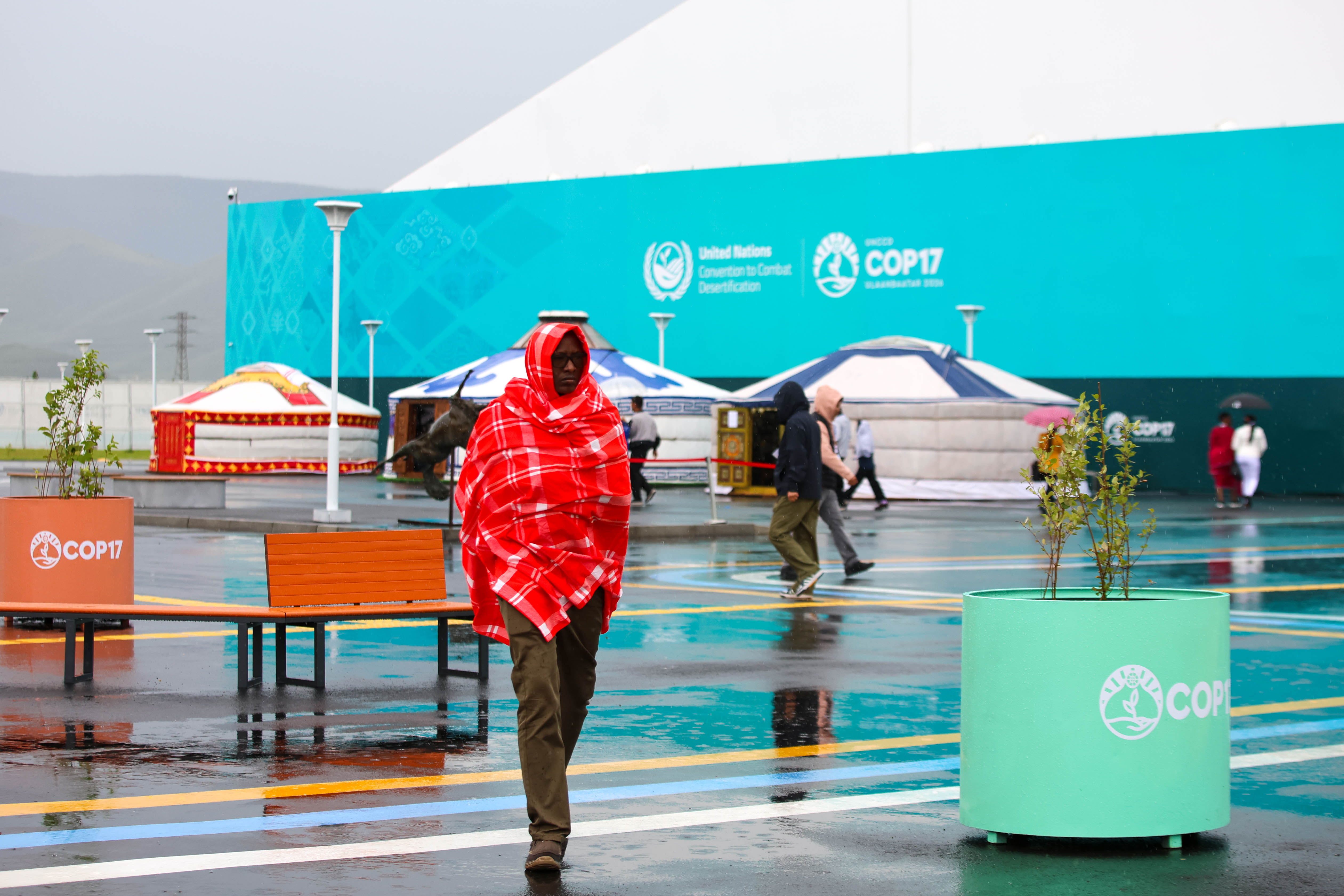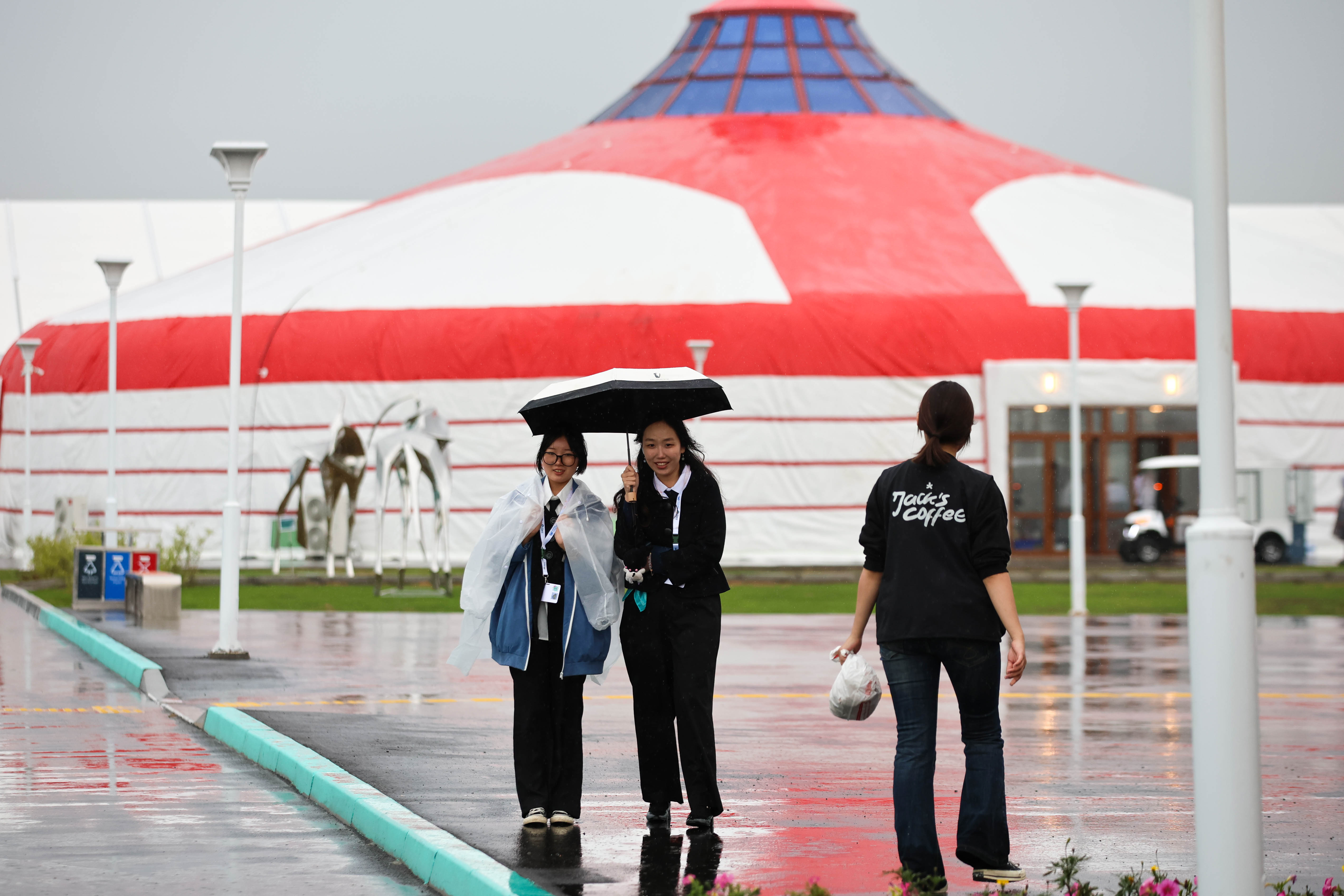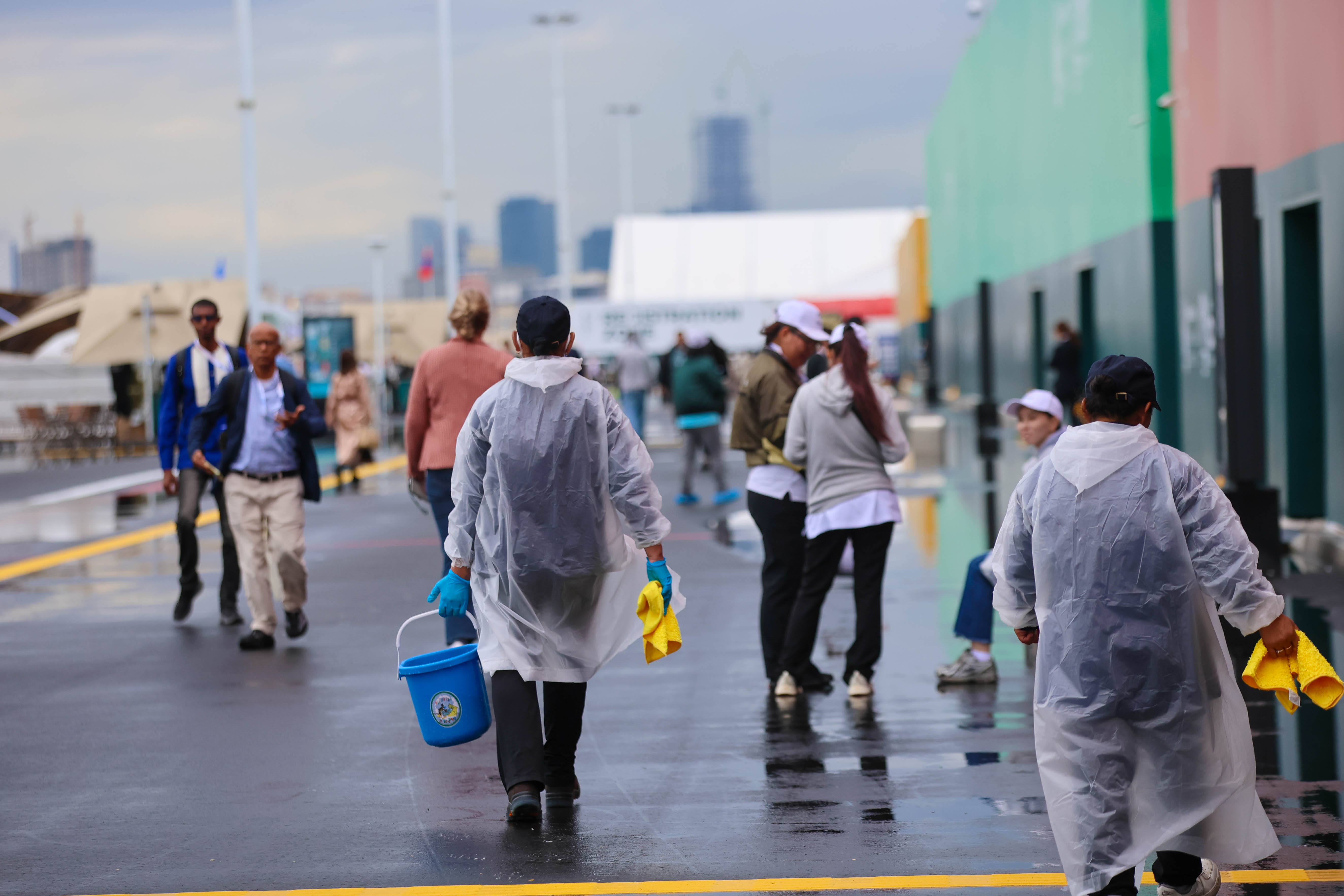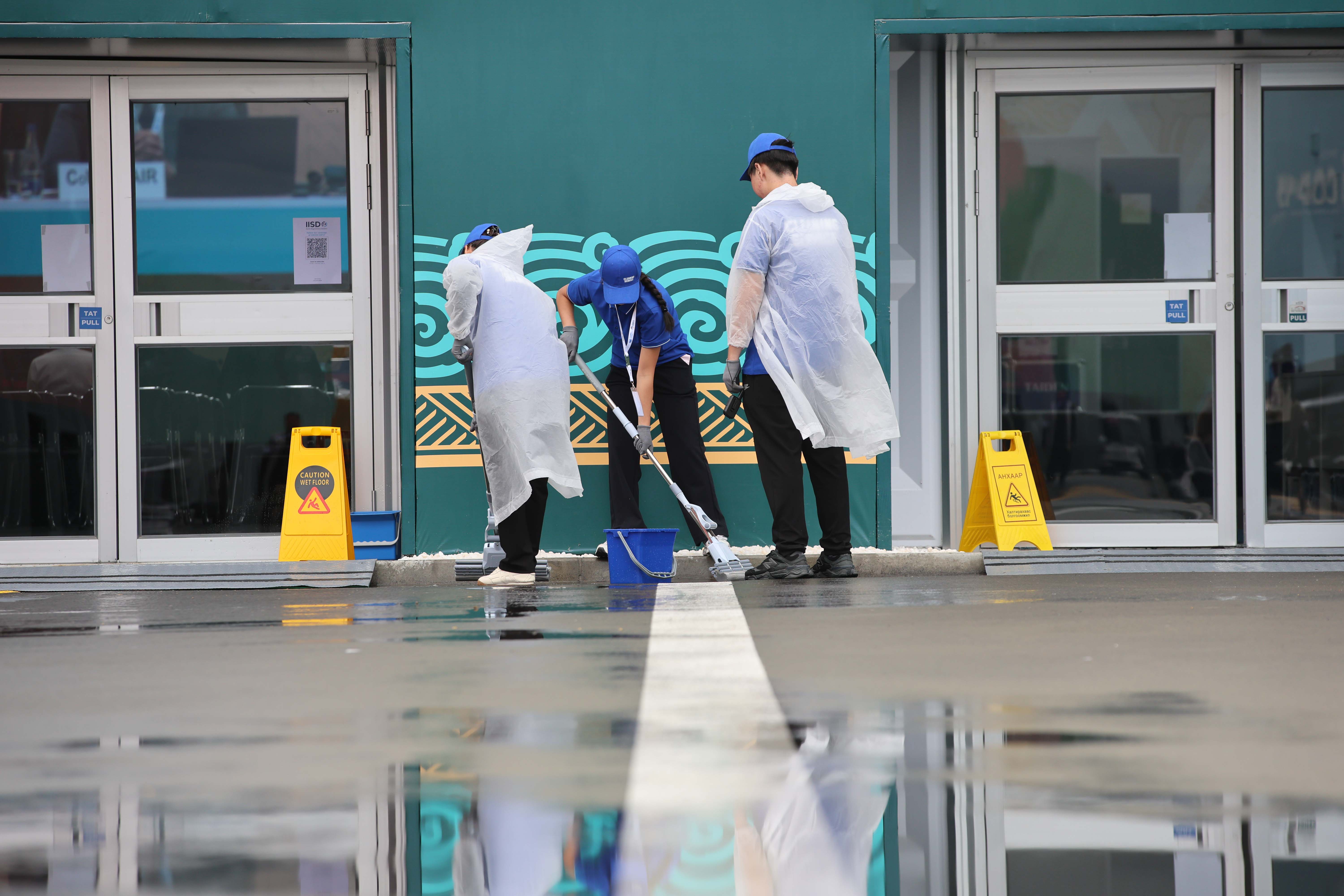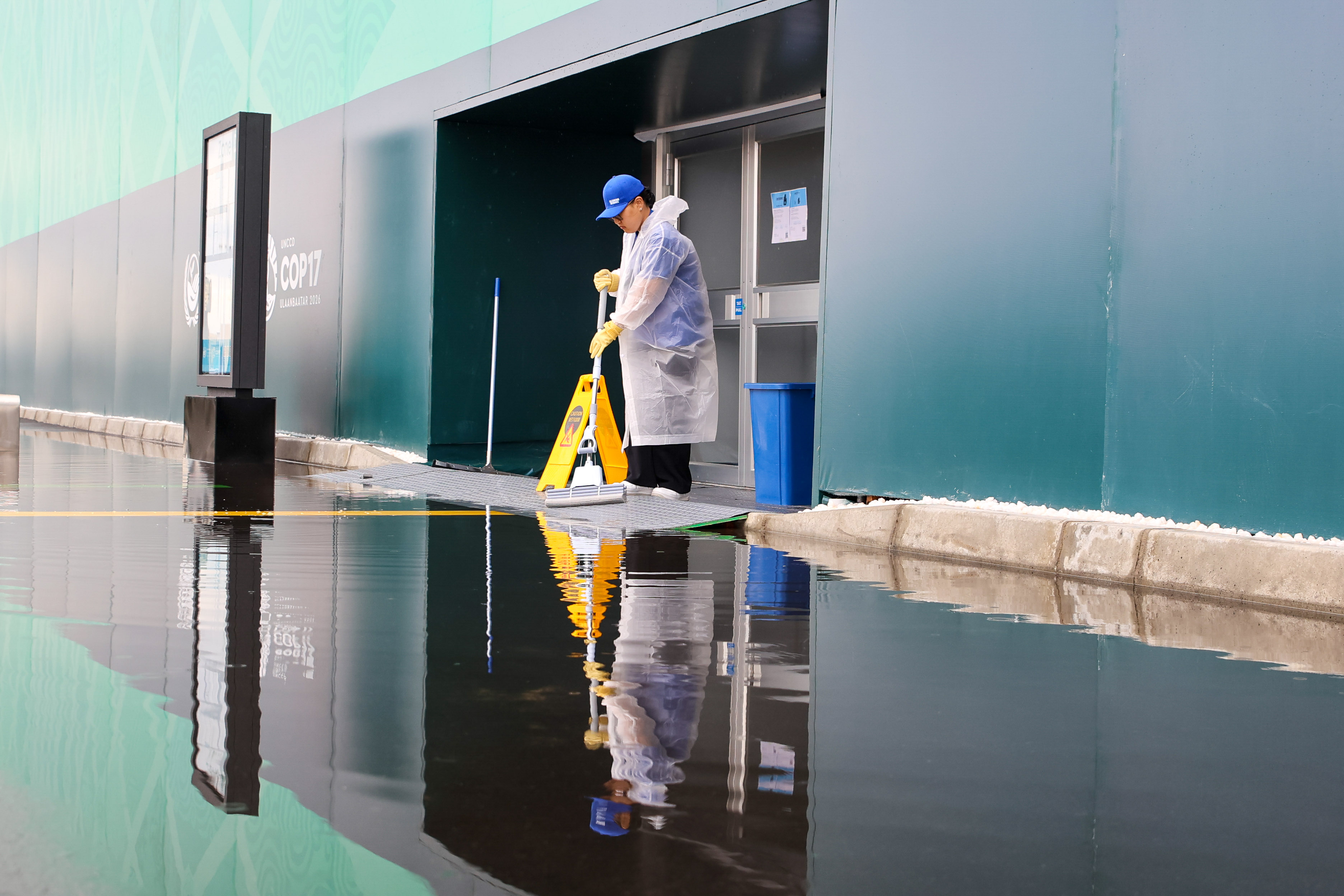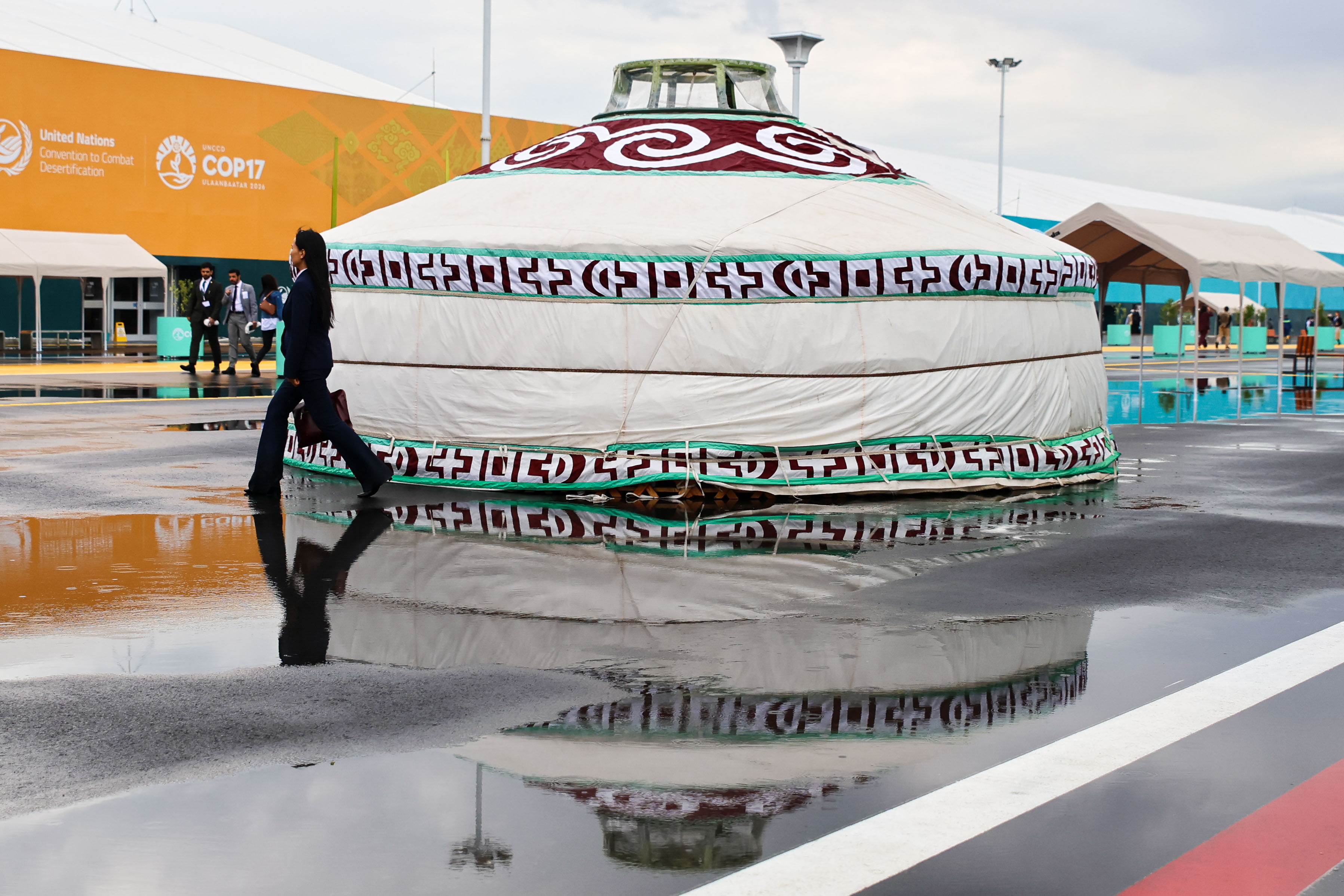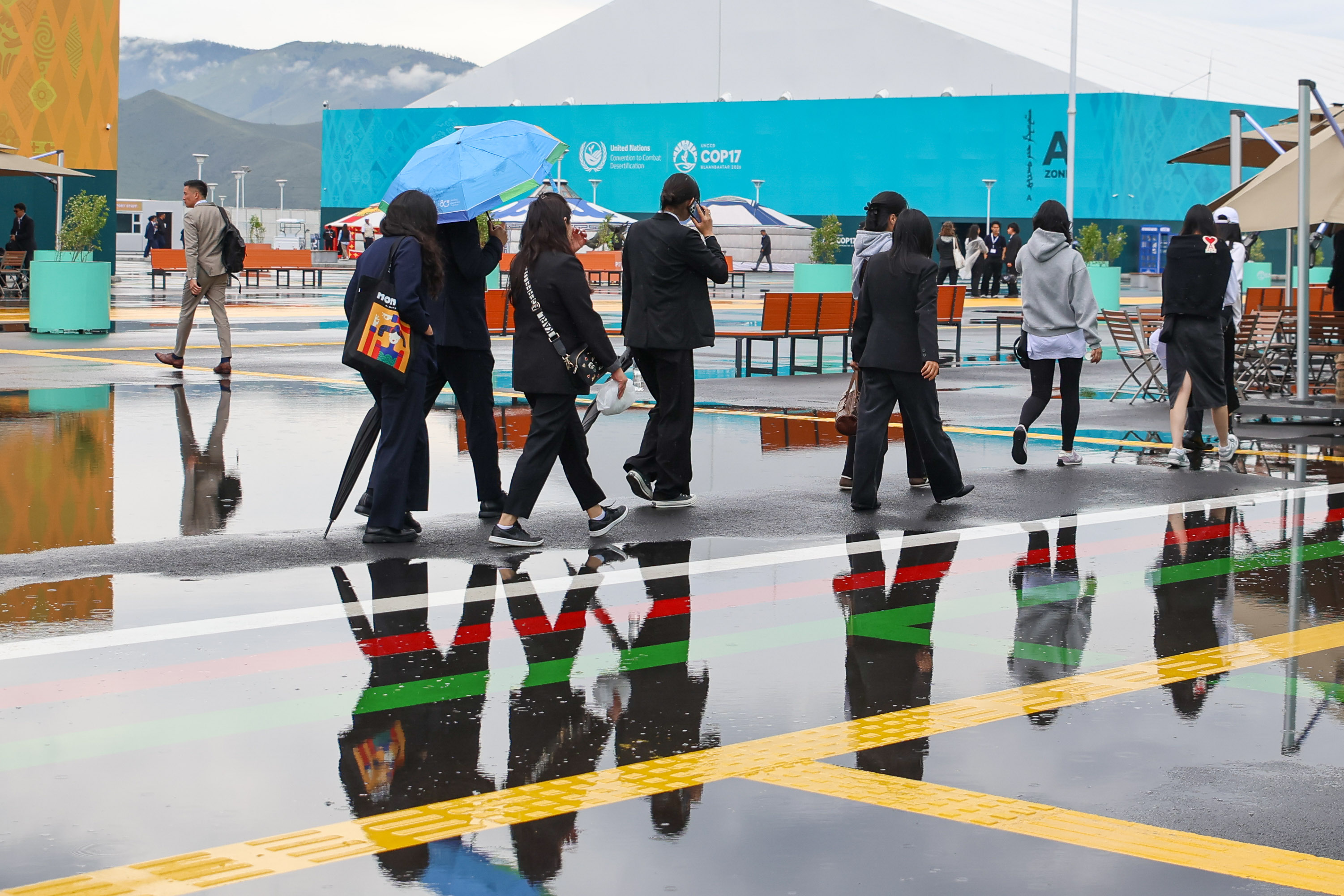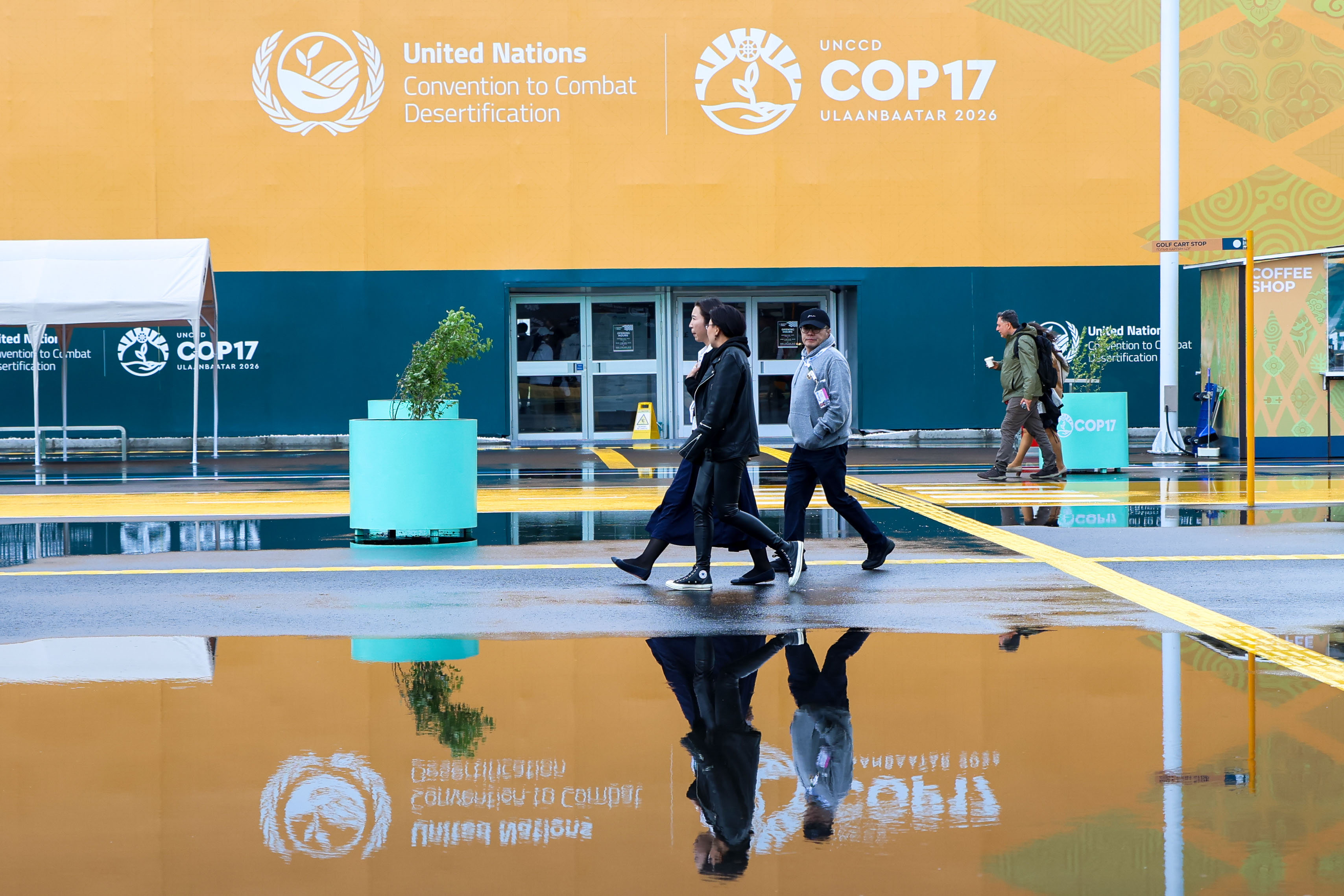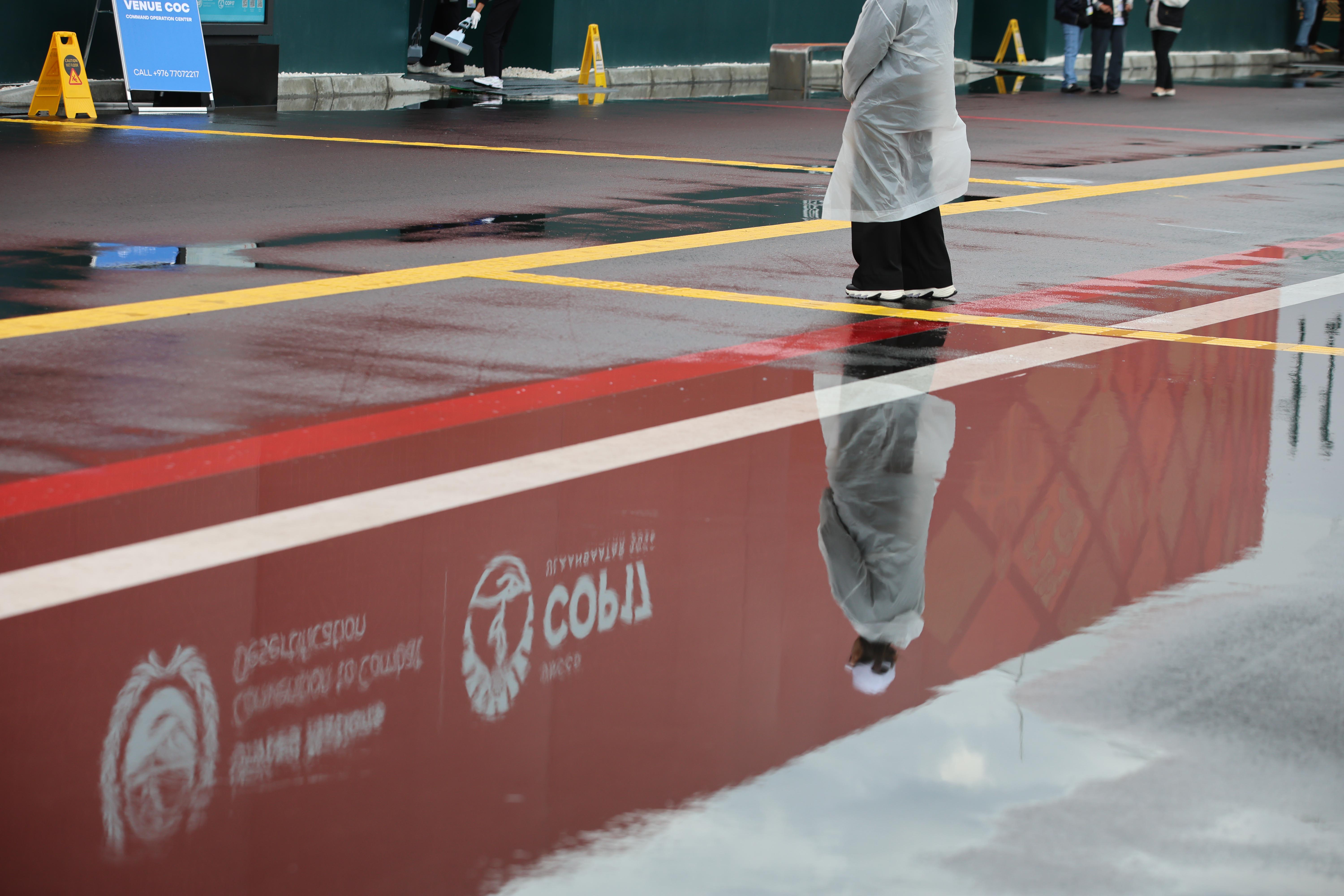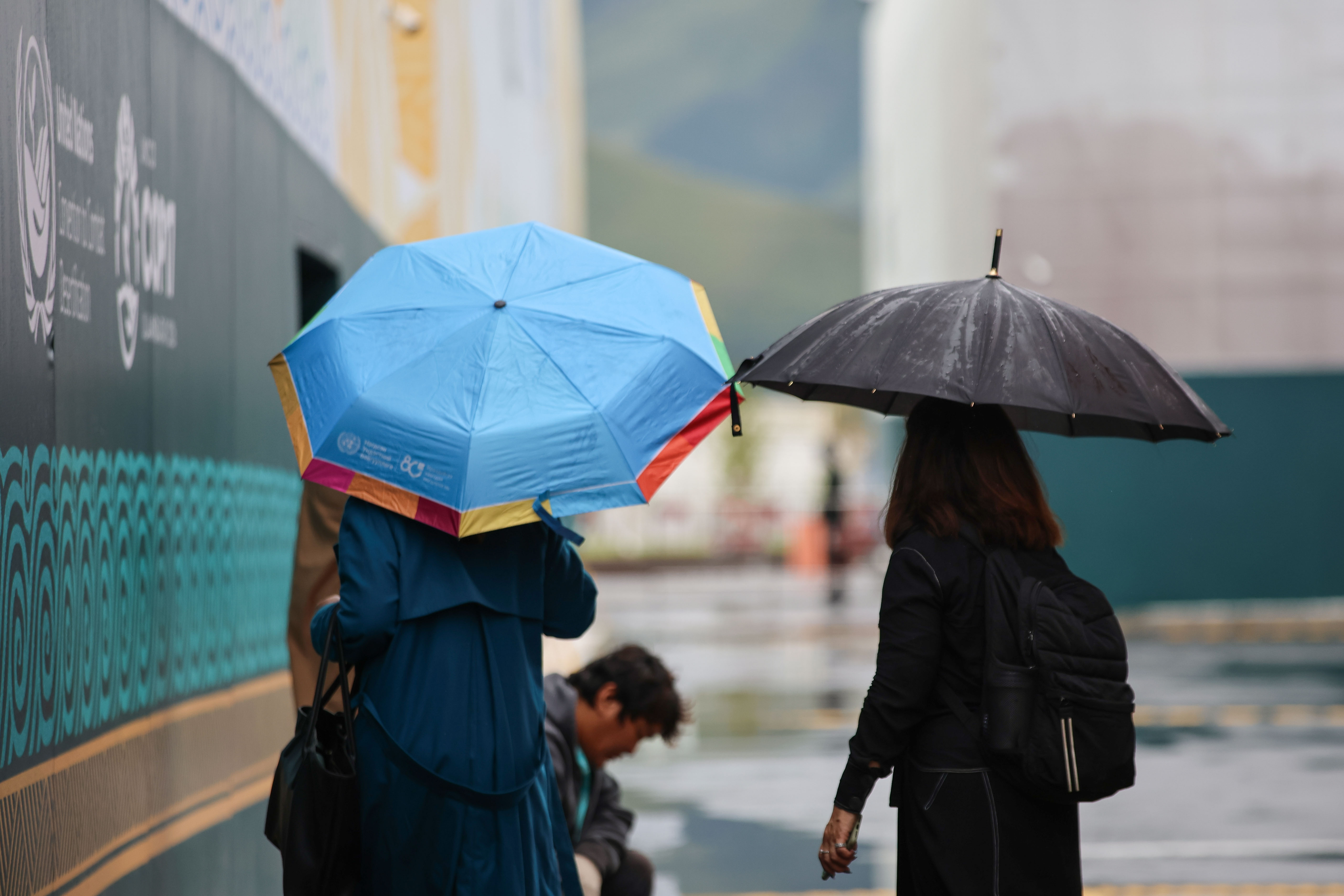
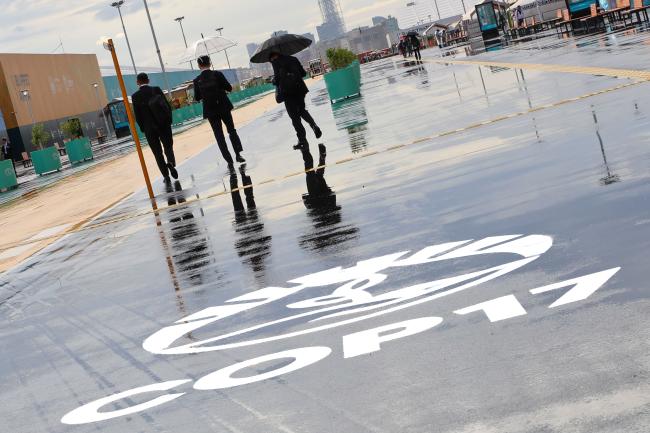
In the drylands, where evaporation far exceeds precipitation, rain is a rare and powerful event that dictates survival. It revives dormant ecosystems, refills groundwater aquifers, triggers plant growth, and sustains pastoral and farming communities.
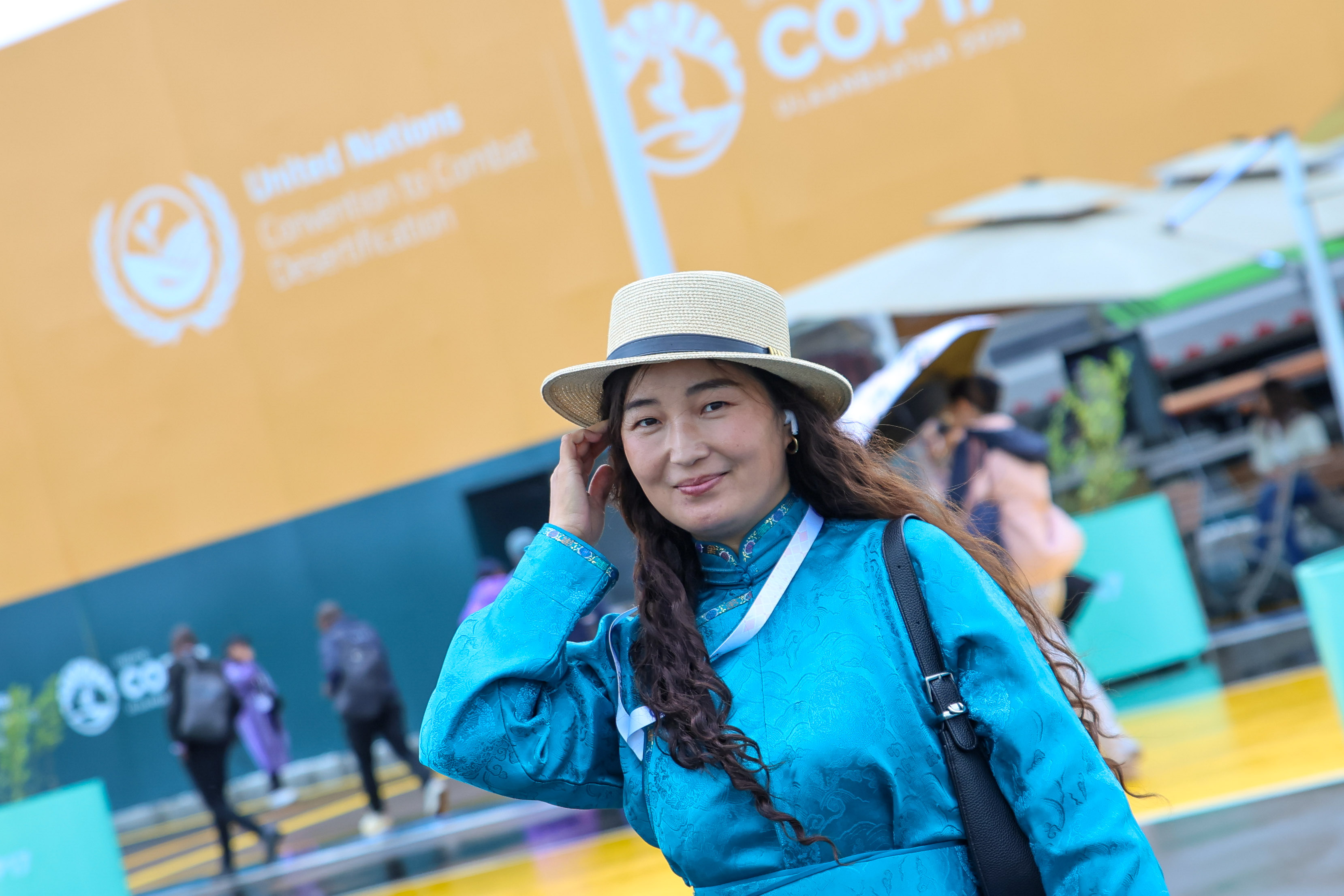
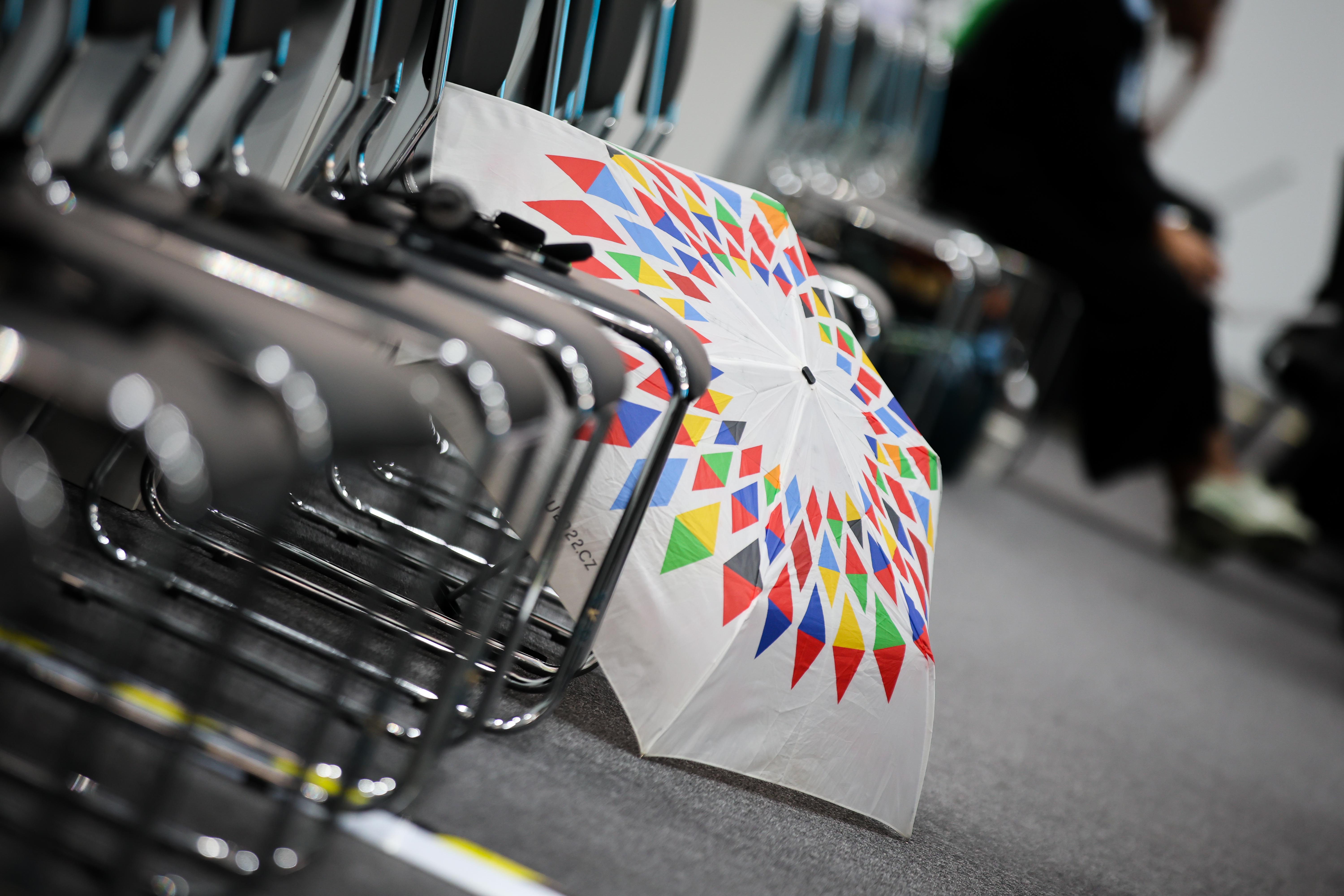
Many participants at the 17th Meeting of the Conference of the Parties (COP 17) to the United Nations Convention to Combat Desertification (UNCCD) celebrate each drop of rain in the arid, semi-arid and dry sub-humid areas where they live. However, the wet weather is not as welcome at a COP where participants must jump over massive puddles and dodge downpours as they move from meeting to meeting.
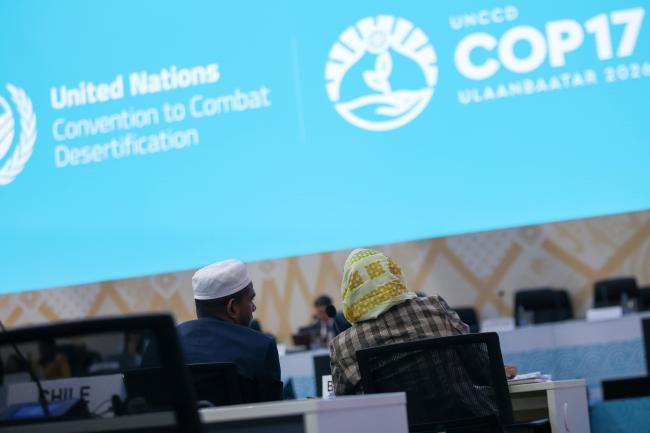
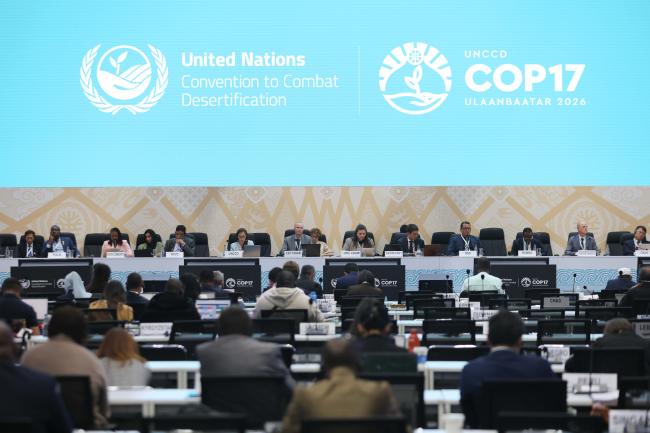
On Wednesday morning, the sound of rain on the roofs of the meeting rooms often drowned out the speakers in both the Committee for the Review of the Implementation of the Convention (CRIC) and the Committee on Science and Technology (CST).
The CRIC finished discussions on finance, with many developing countries calling for simplified access to adequate and predictable finance, which is essential to translate national commitments into concrete actions on the ground.
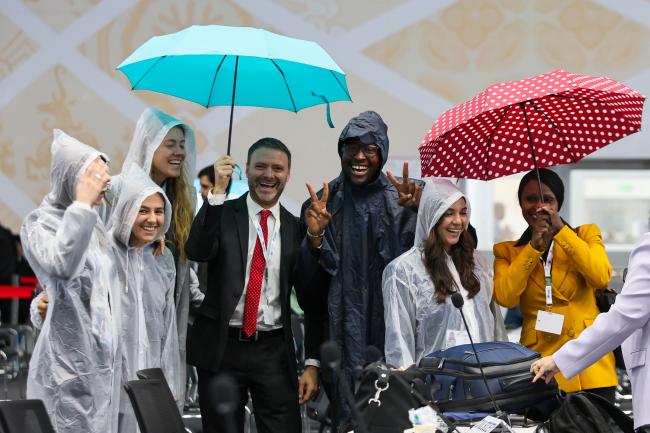
In the CST, Parties were introduced to new guidance on avoiding, reducing, and reversing land and soil degradation of agricultural lands, and its digital companion. Afterwards, they finished initial discussions on the draft work programmes of the Science-Policy Interface and the 18th session of the CST.
After lunch, the Committee of the Whole (COW) discussed migration, land tenure, and private sector engagement. On migration, most agreed that desertification, land degradation, and drought is a major driver of displacement. However, Mongolia and several others pointed out that traditional migration of pastoralists allows them to sustainably use rangelands and water resources, noting mobility is an adaptation strategy.
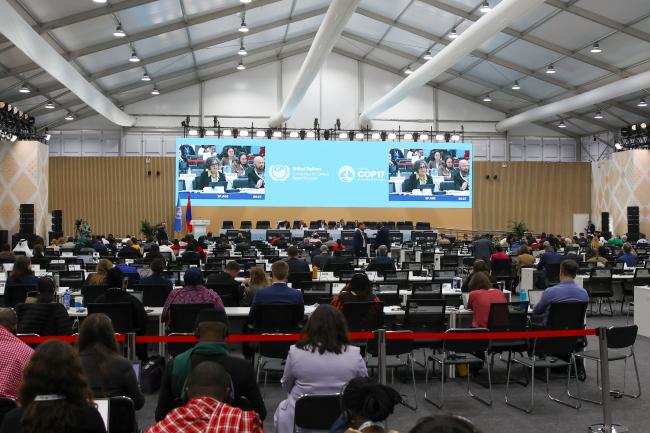
Delegates welcomed the development of the Land Tenure Toolbox and largely supported integrating land tenure into the work of the UNCCD. Similarly, delegates supported greater private sector participation. However, some stressed that private-sector engagement should come with strong environmental and social safeguards and transparency.
In a joint CRIC/CST session, delegates heard from representatives of the regional Support Hubs that provided technical support to countries during the 2026 UNCCD reporting process. In comments from the floor, many underscored the significance of capacity-building to ensure quality reporting.
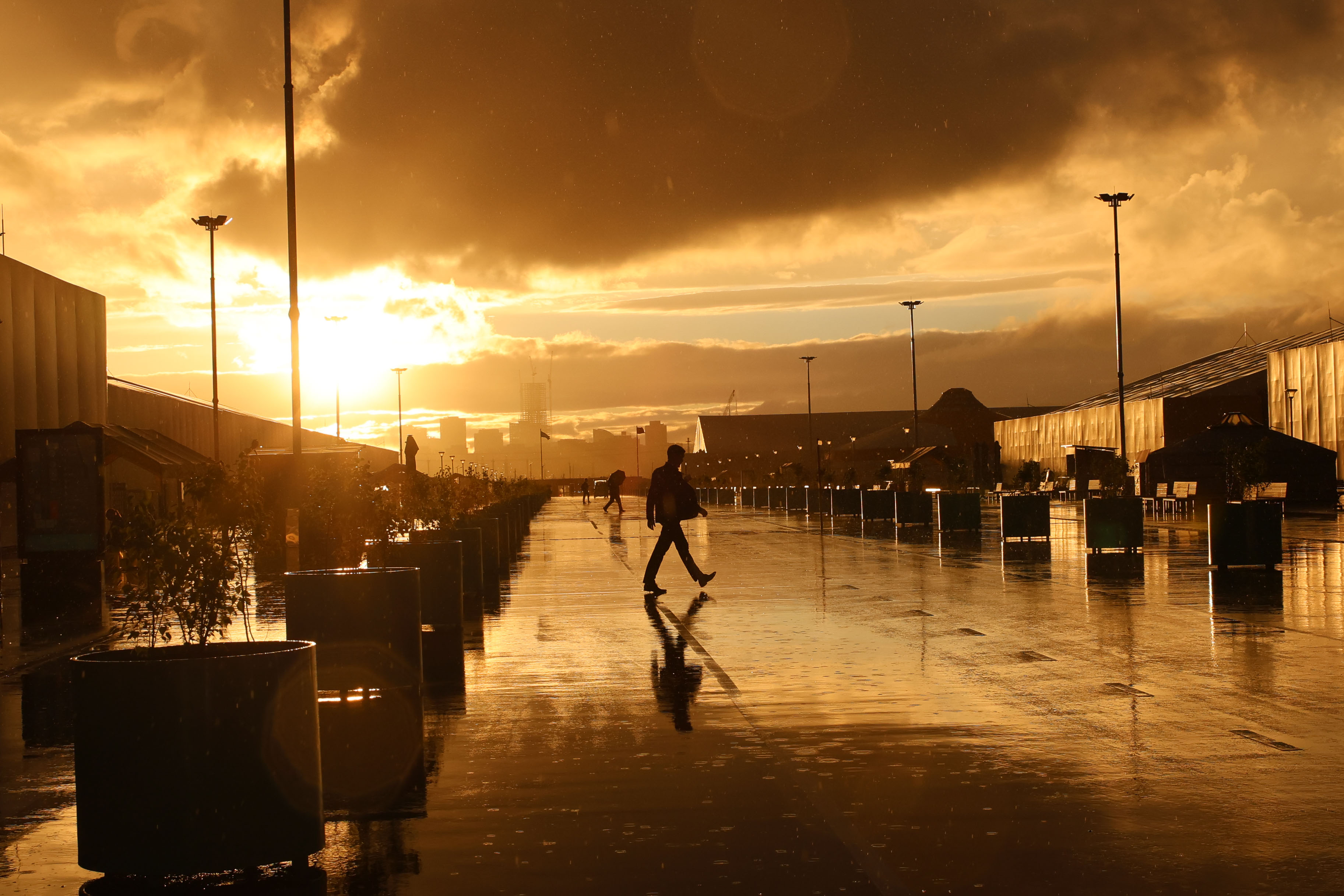
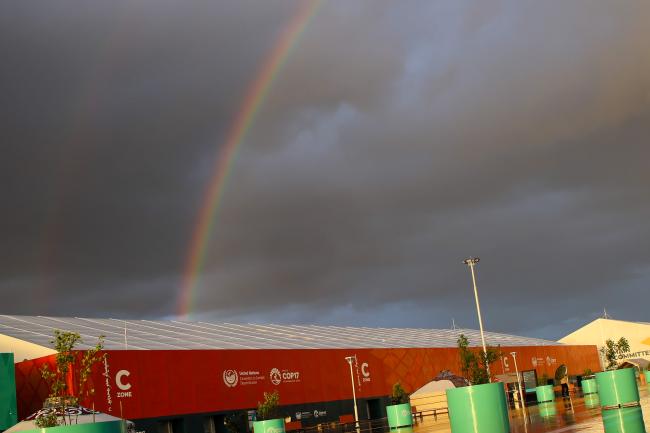
After one more downpour during the evening contact groups, the skies started to clear and just before sunset a rainbow appeared over the venue. In many cultures, rainbows are a positive omen that hard times are ending and better days are coming. Hopefully, this bodes well for the work underway in the contact groups.
To receive free coverage of global environmental events delivered to your inbox, subscribe to the ENB Update newsletter.
All ENB photos are free to use with attribution. For UNCCD COP 17, please use: Photo by IISD/ENB | Anastasia Rodopoulou.
Committee for the Review of the Implementation of the Convention (CRIC)
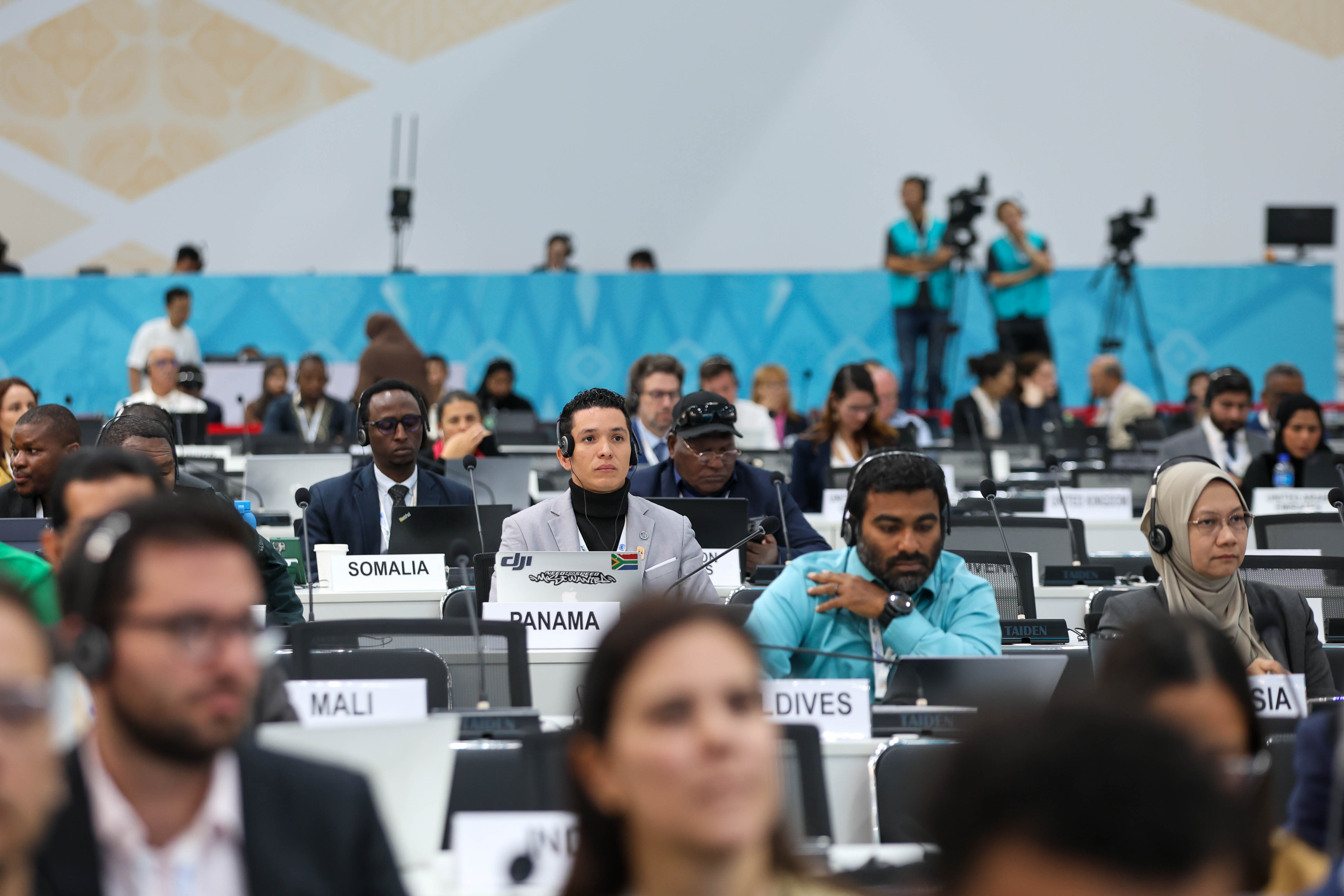
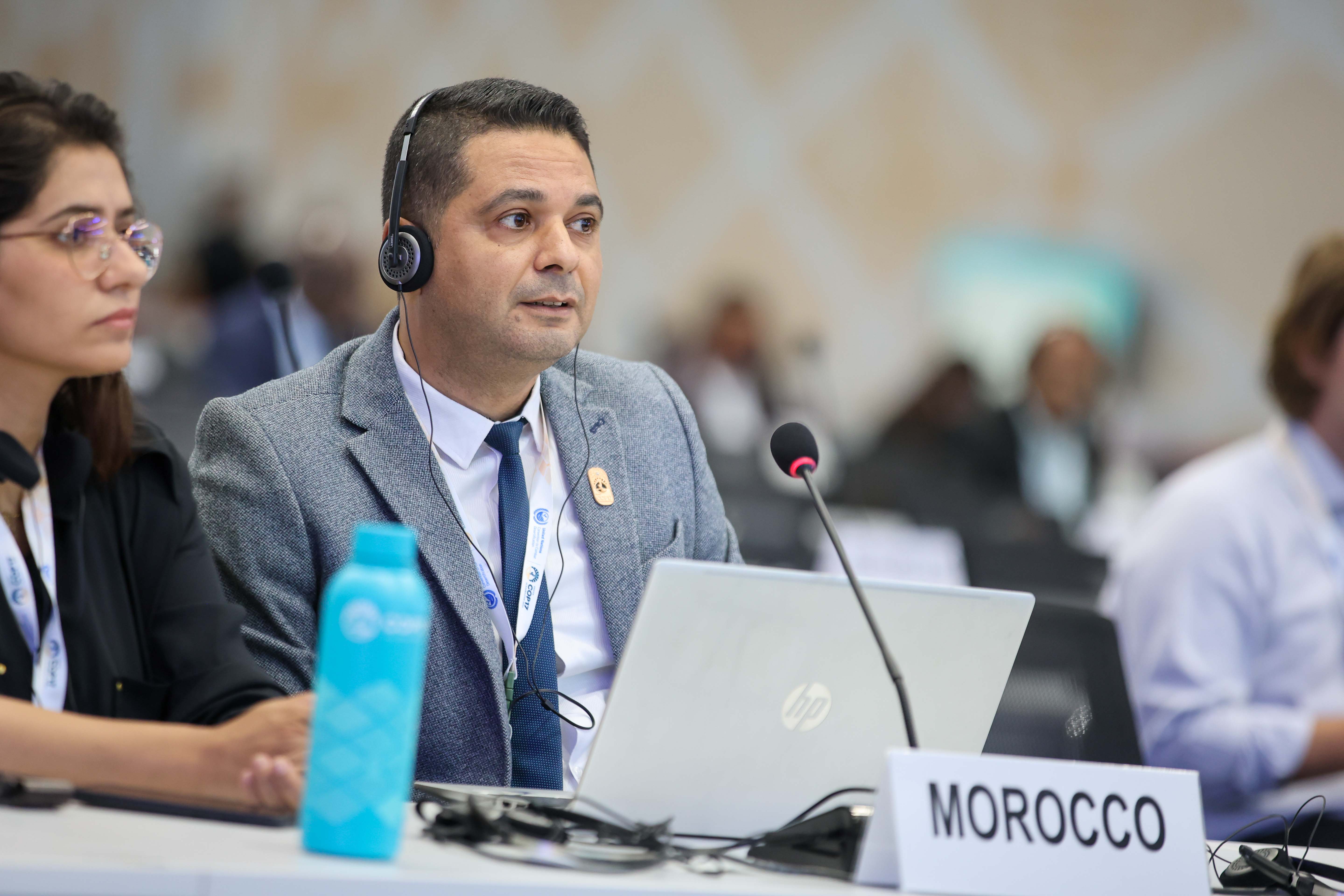
Mohamed Bouchakor, Morocco
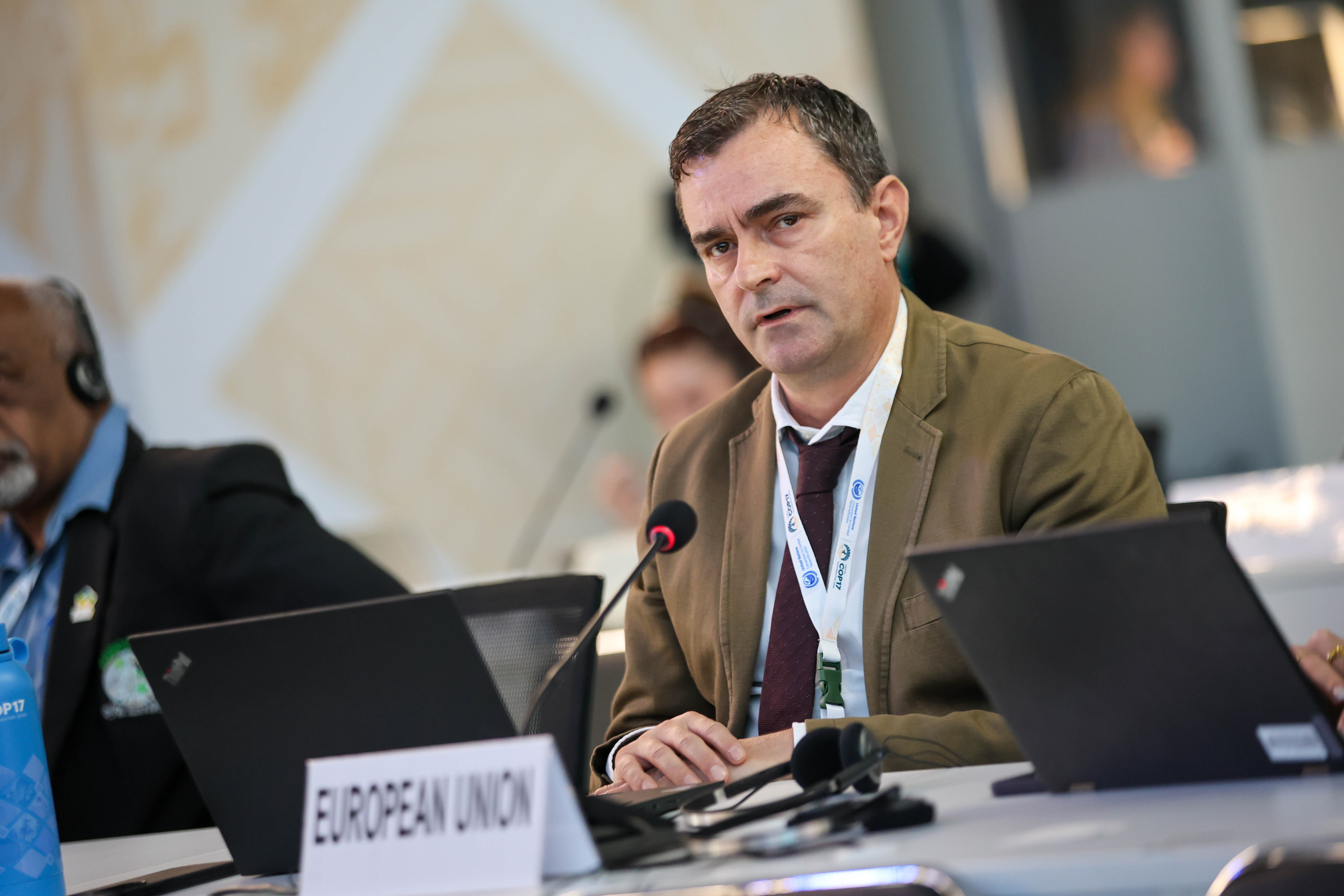
Anastasios Hovardas, EU
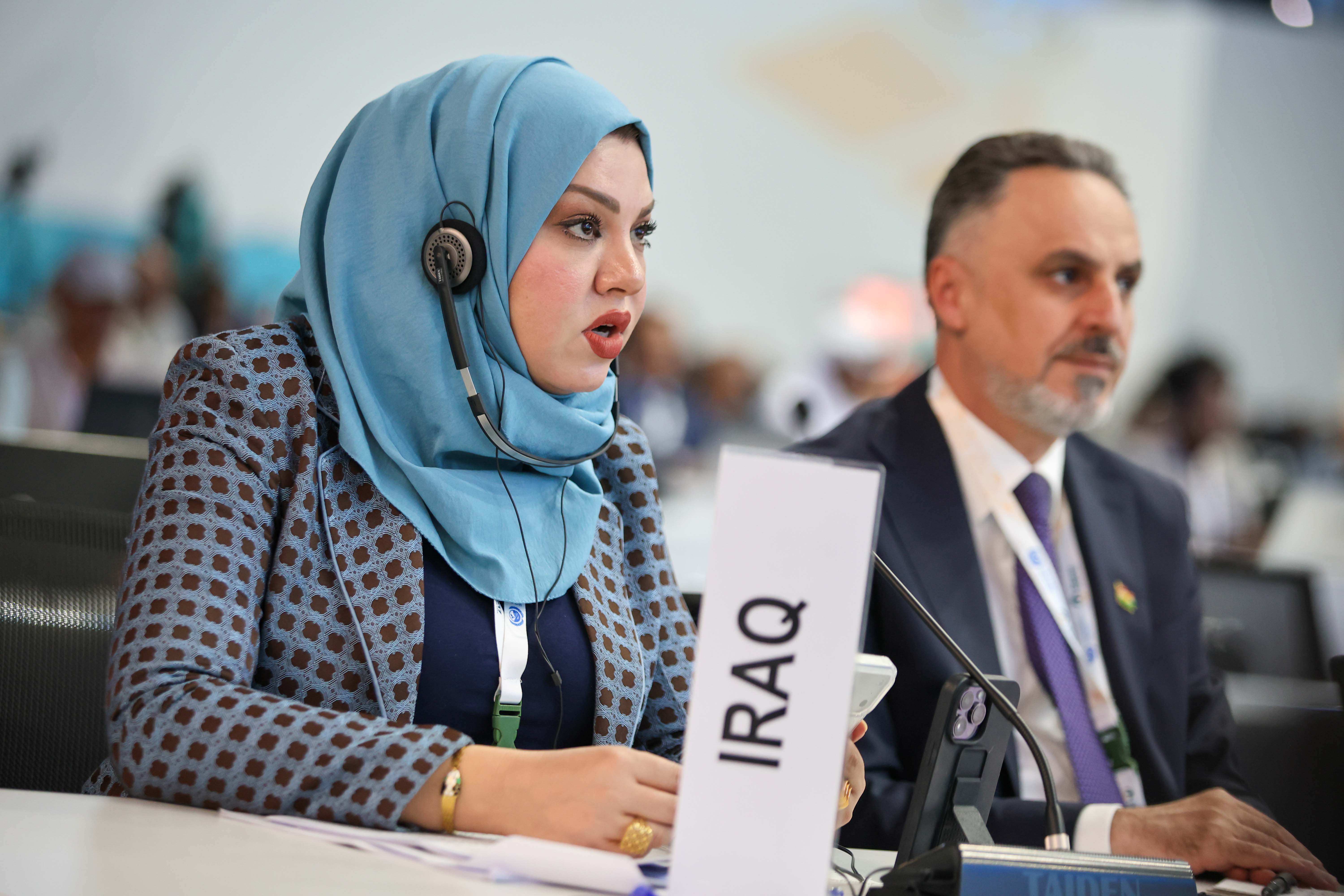
Aseel Majeed Ahmed Al-Juboori, Iraq
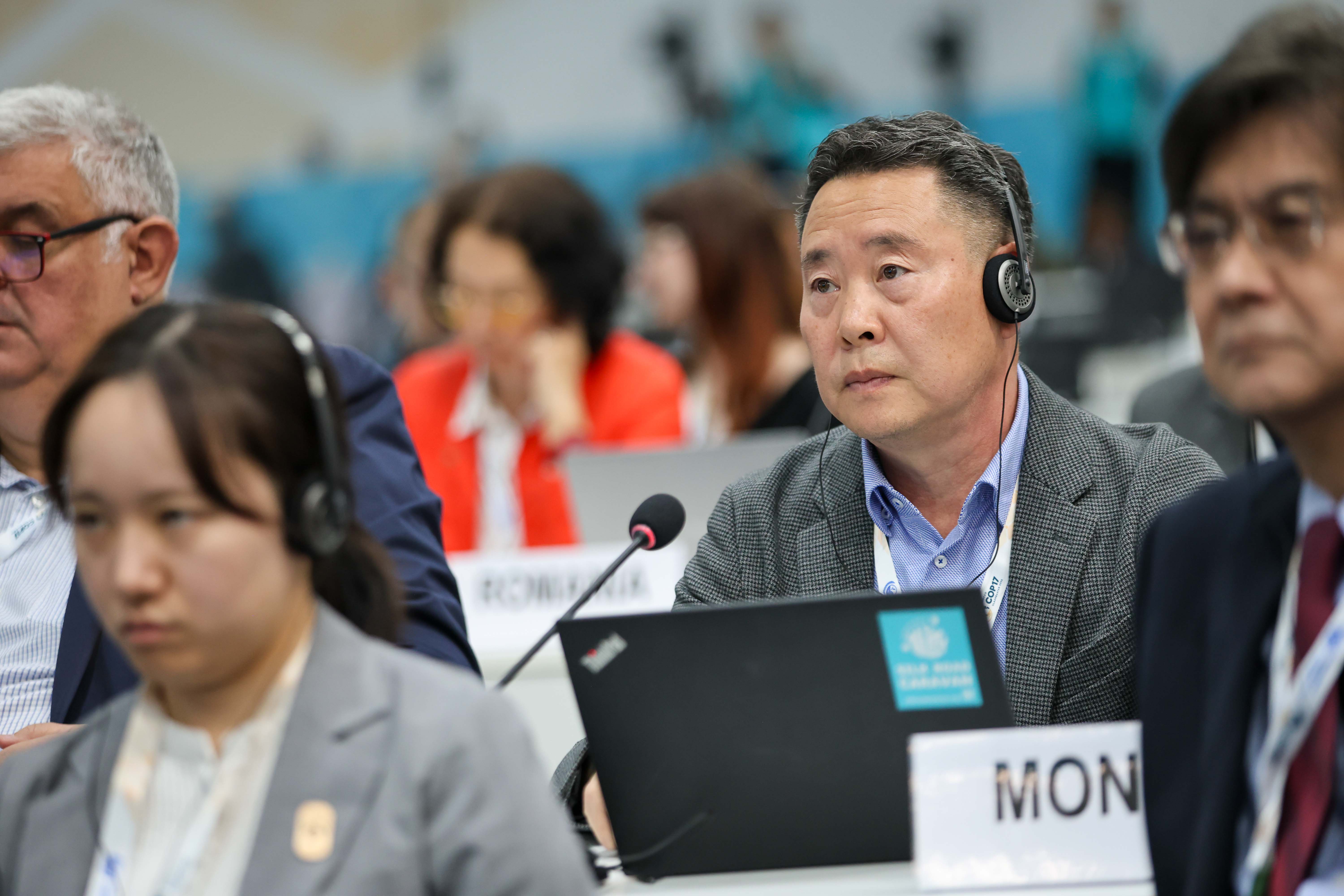
Purevjav Gomboluudev, Mongolia
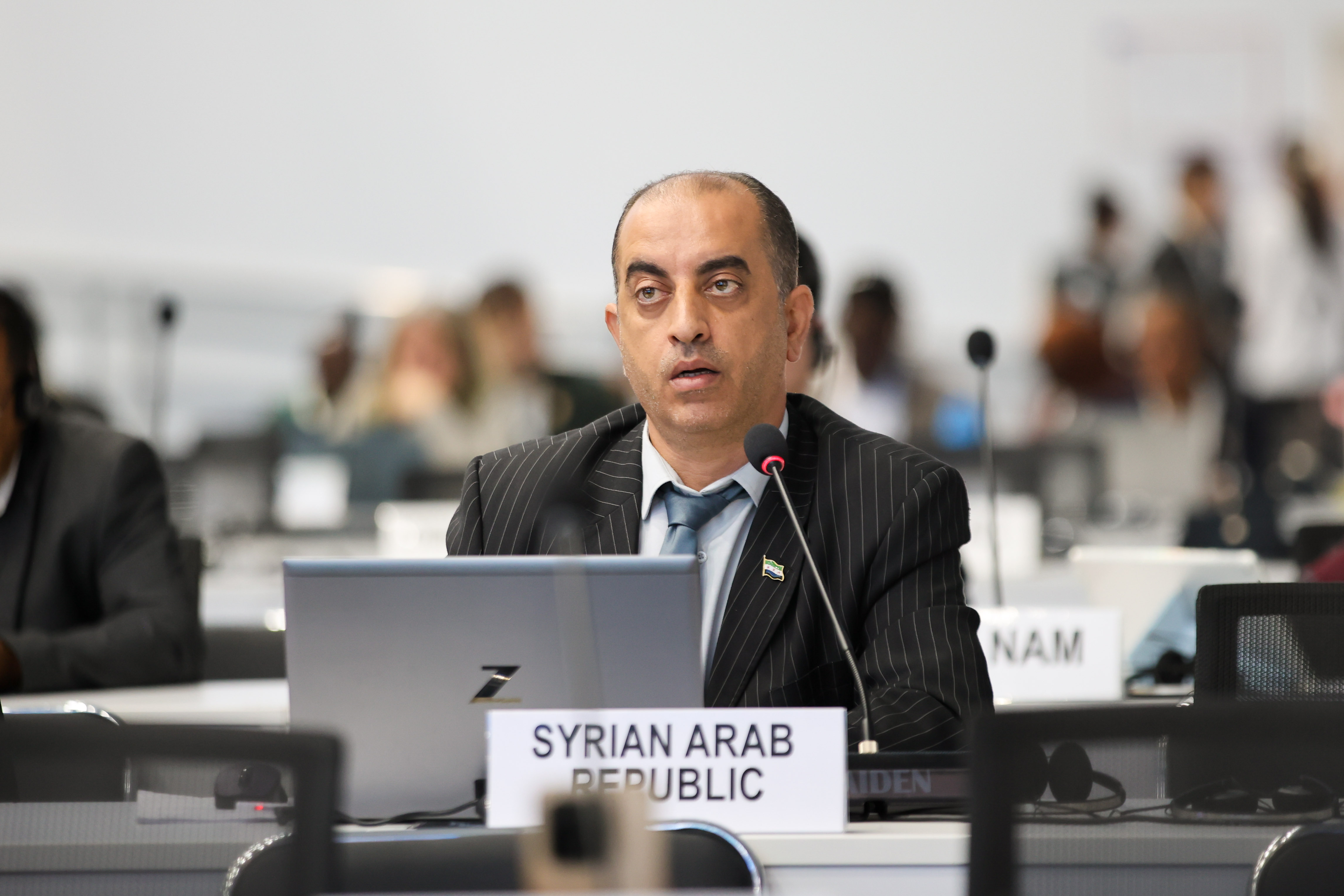
Imad Almaree, Syrian Arab Republic
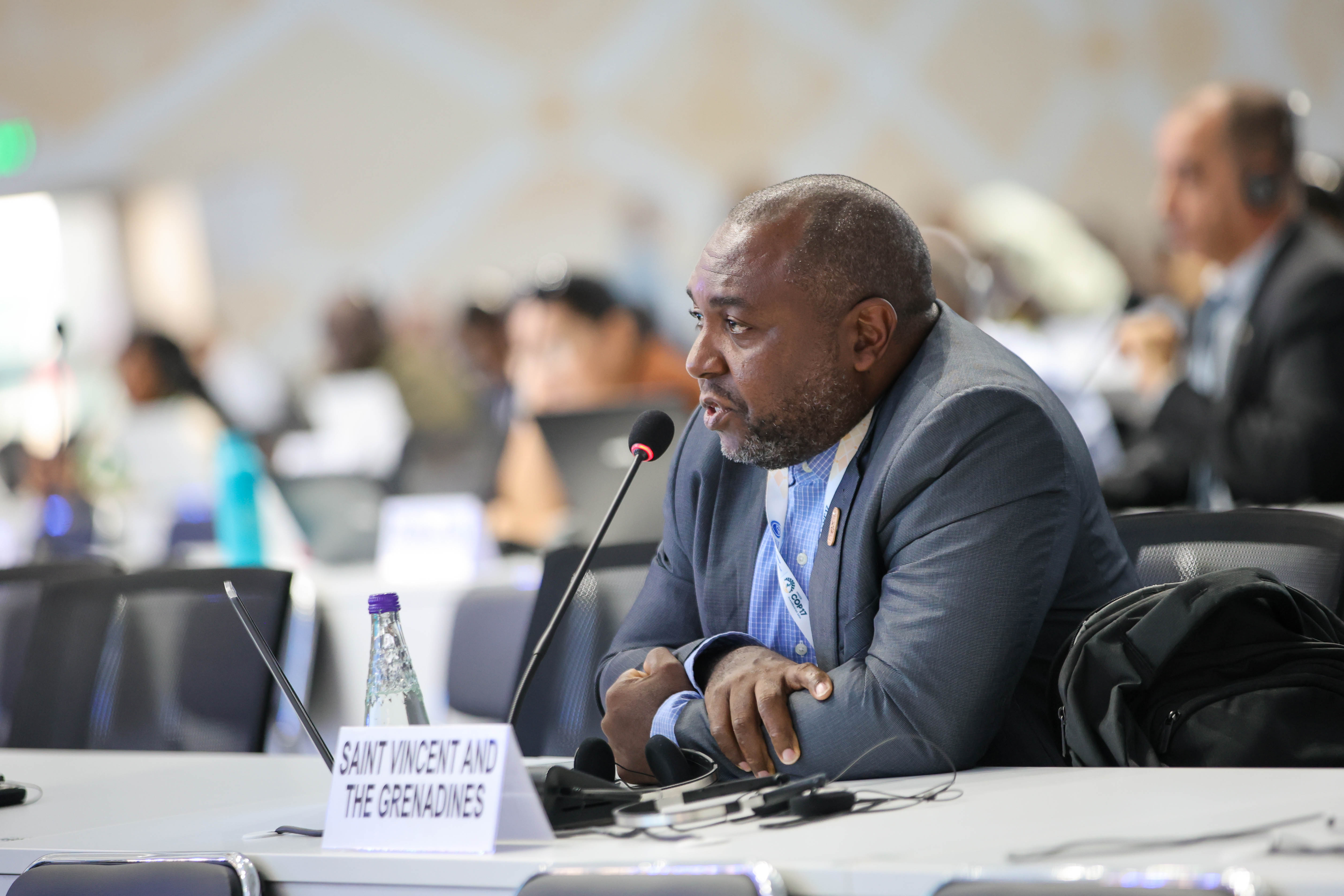
Karomo Browne, Saint Vincent and the Grenadines
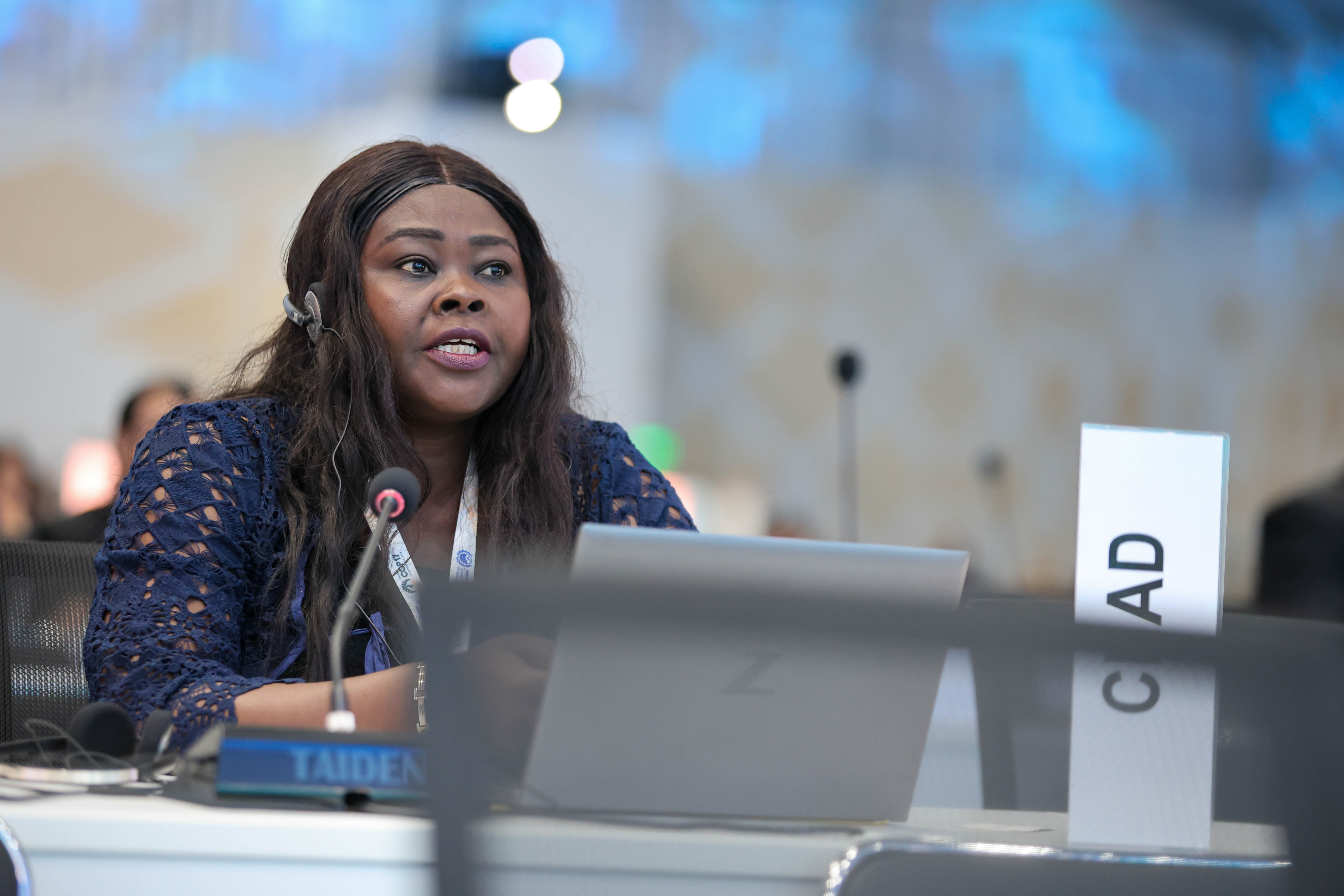
Kemsol Seraphine Tradoumadji, Chad
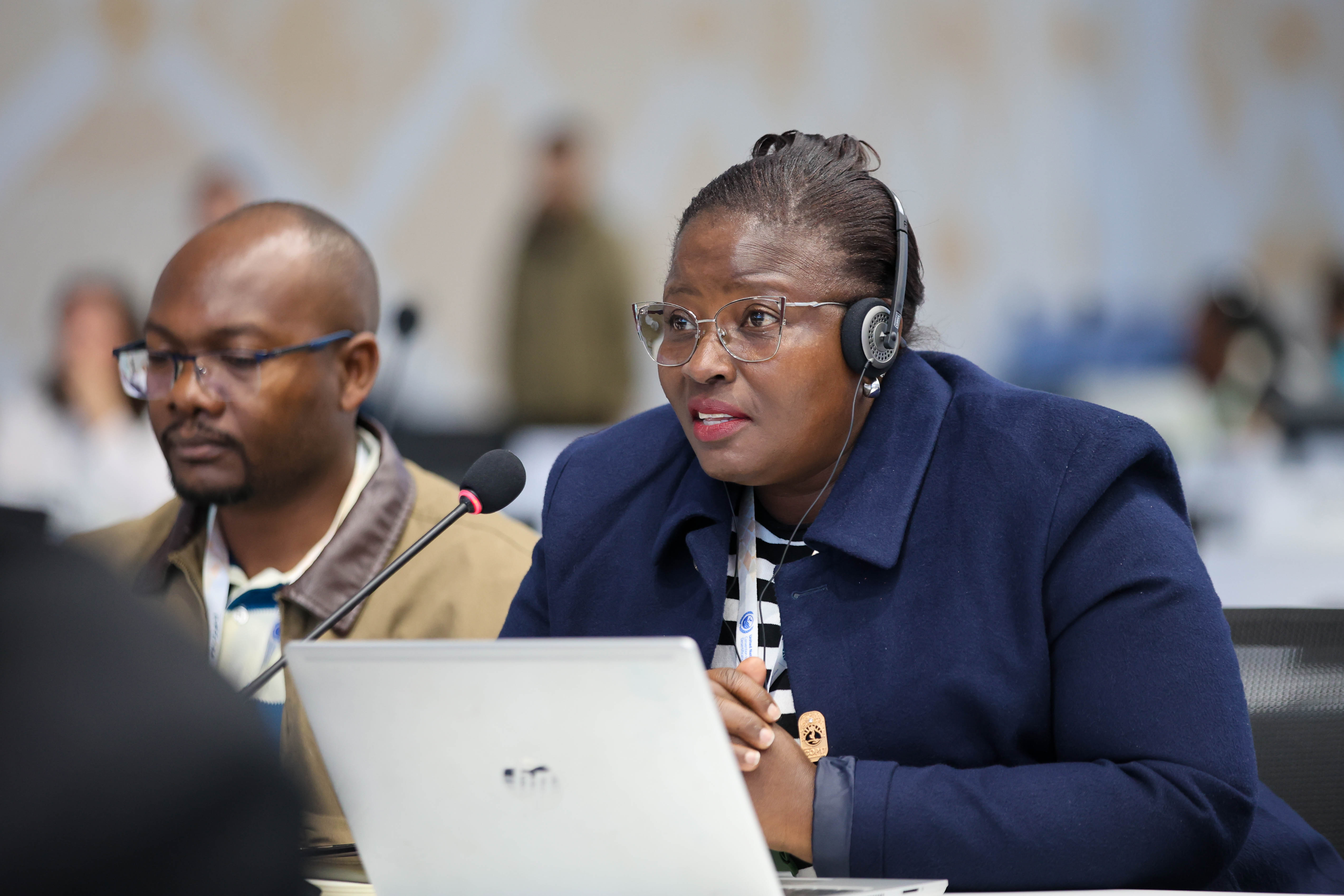
Caroline Aguti, Uganda
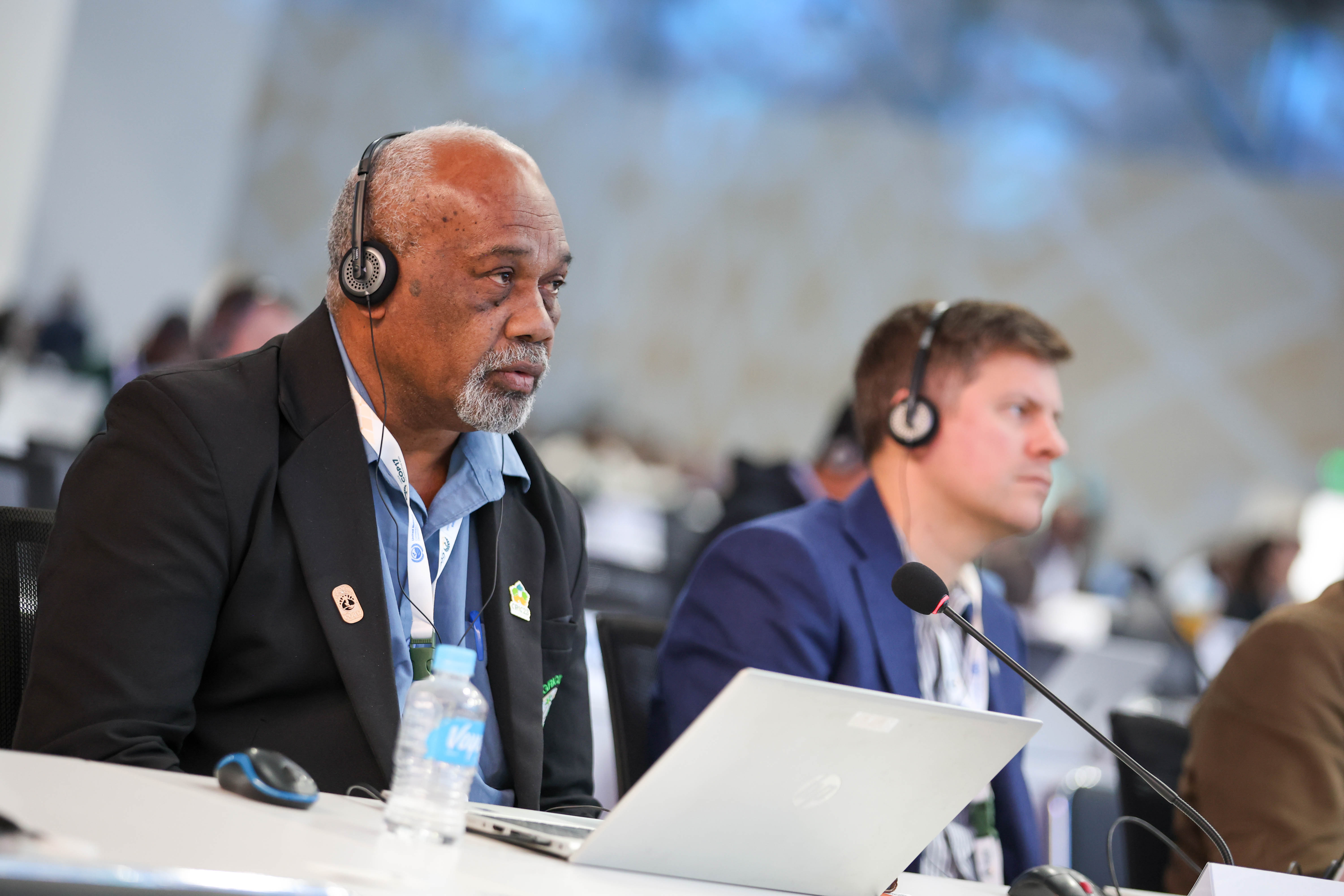
Amena Banuve, Fiji
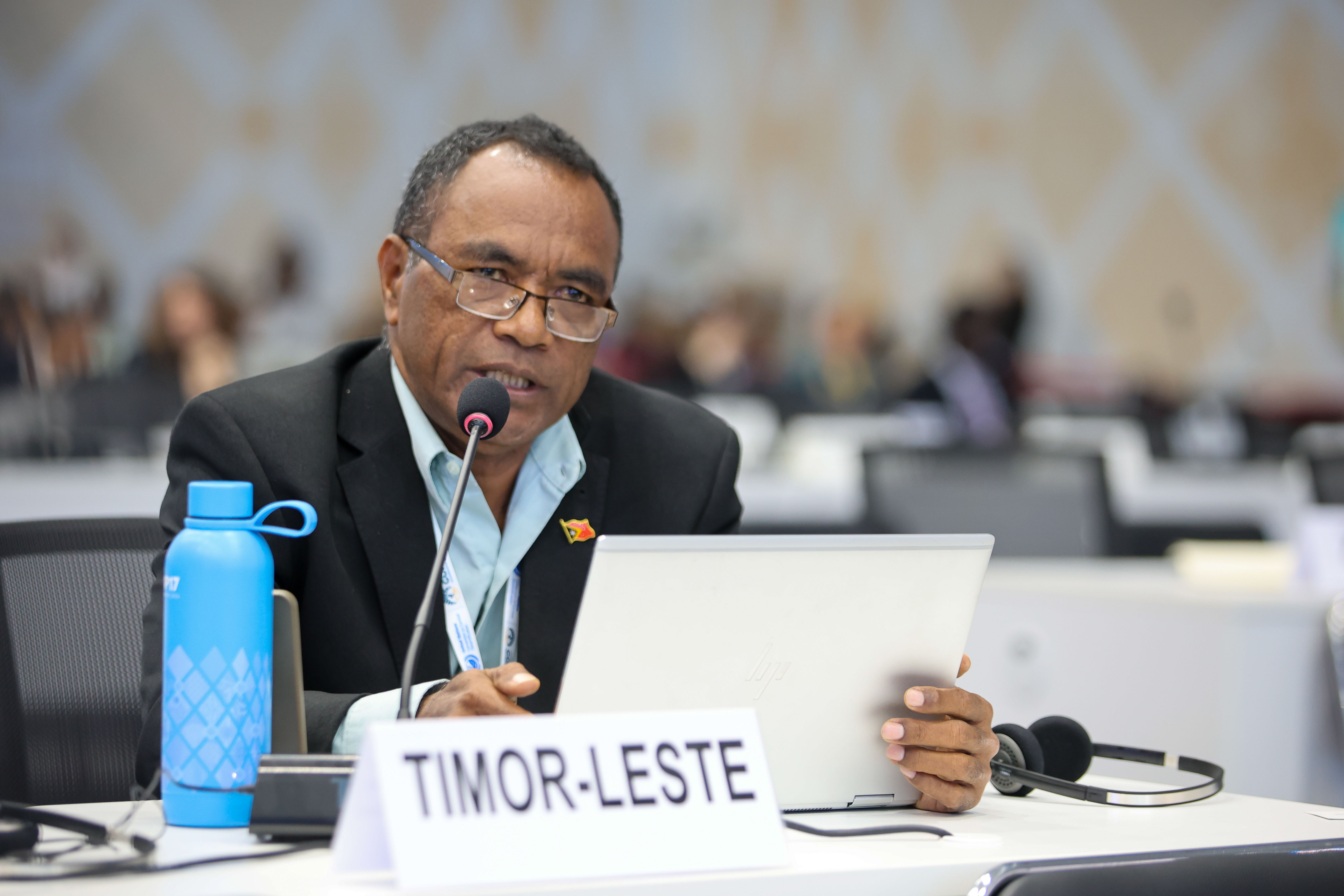
Raimundo Mau, Timor-Leste
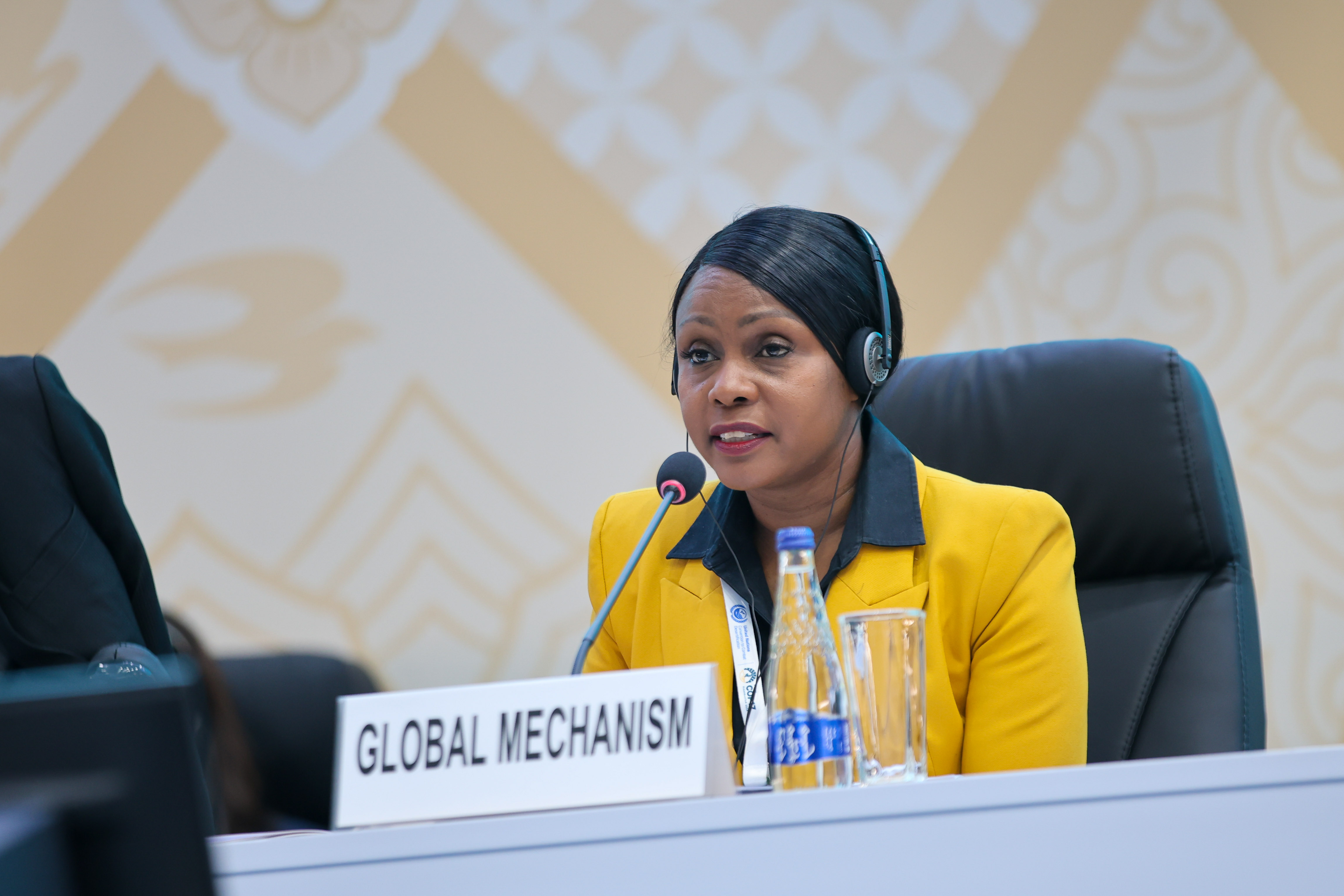
Cathrine Mutambirwa, Global Mechanism, UNCCD
Committee on Science and Technology (CST)
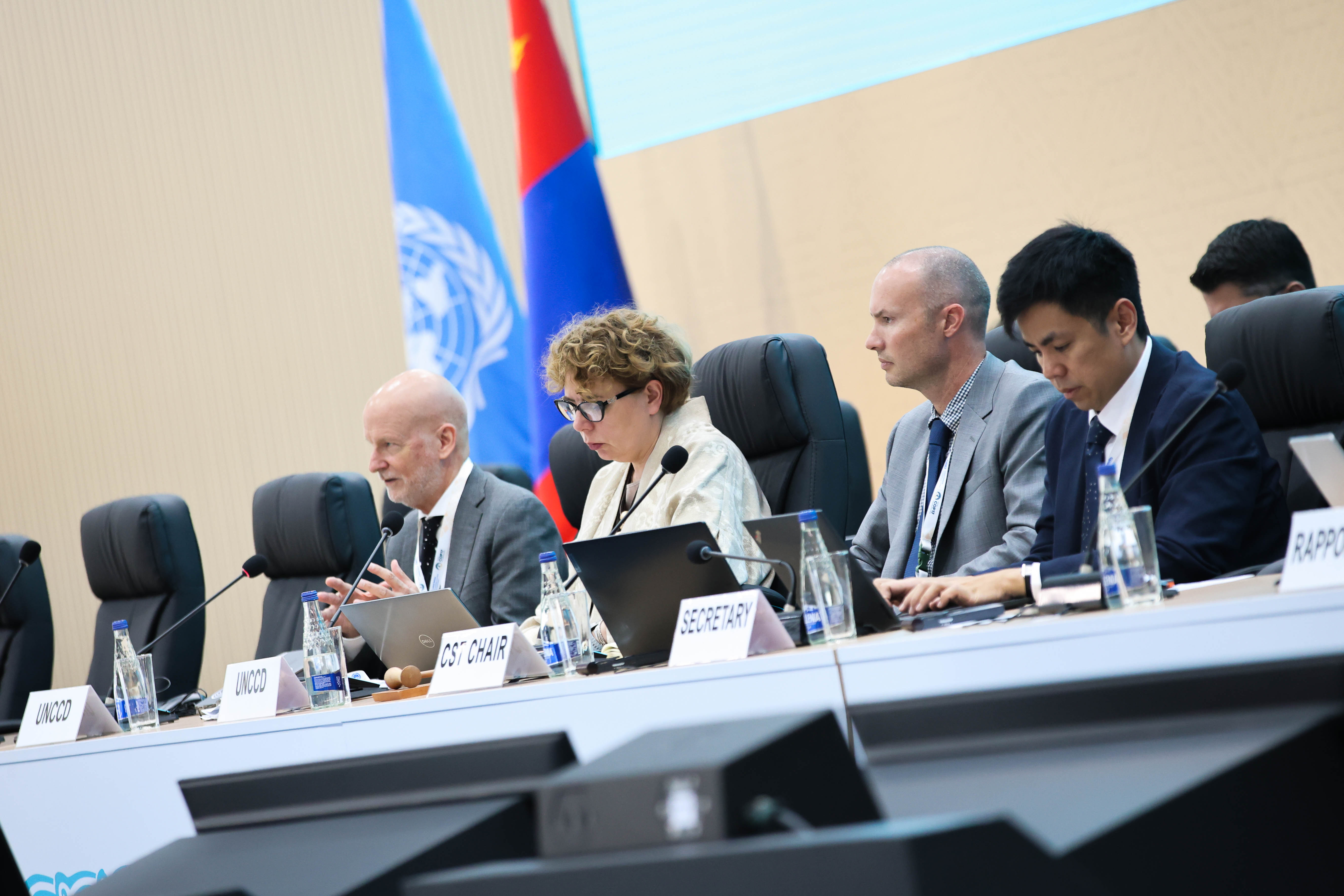
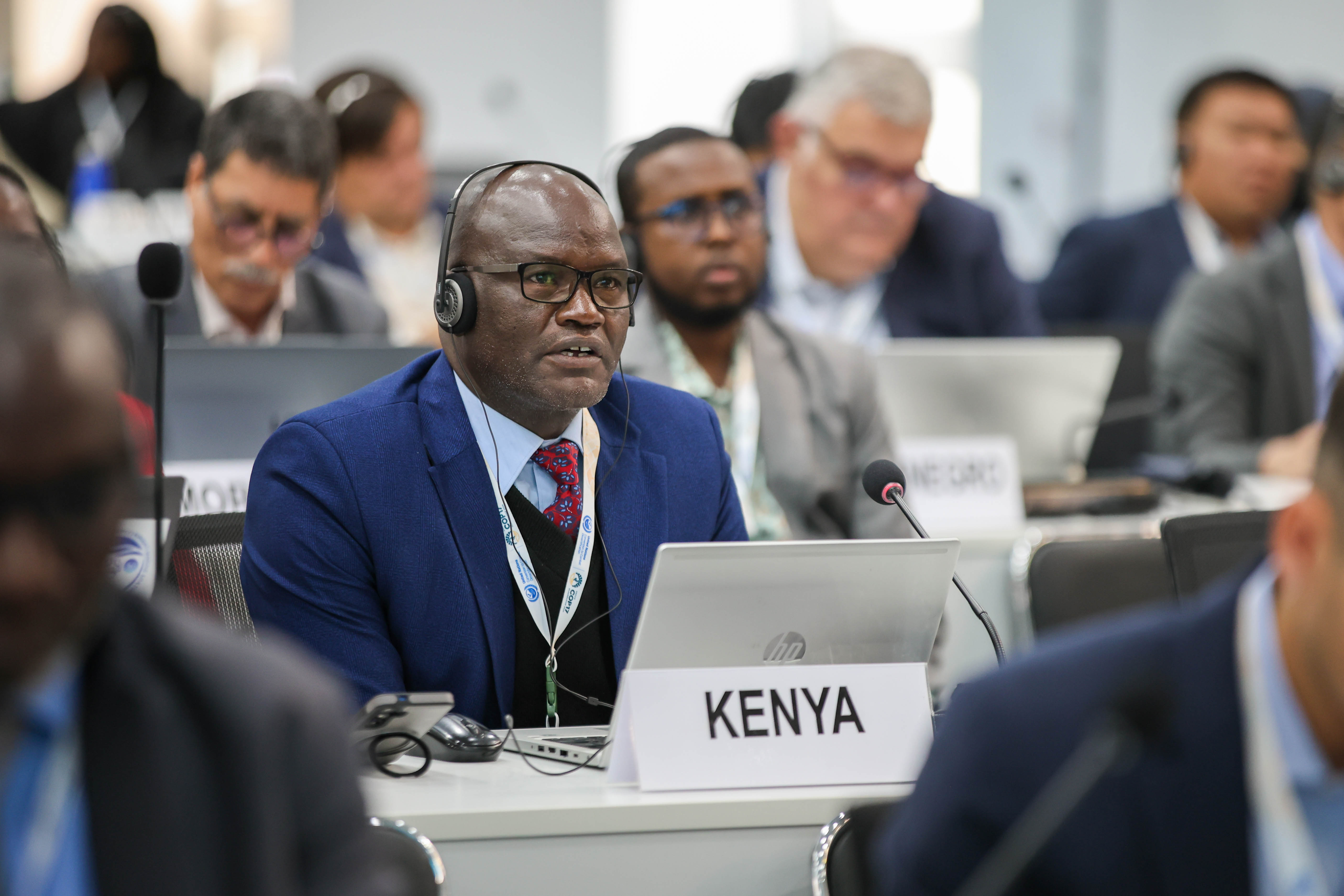
Clement Ng'oriareng, Kenya
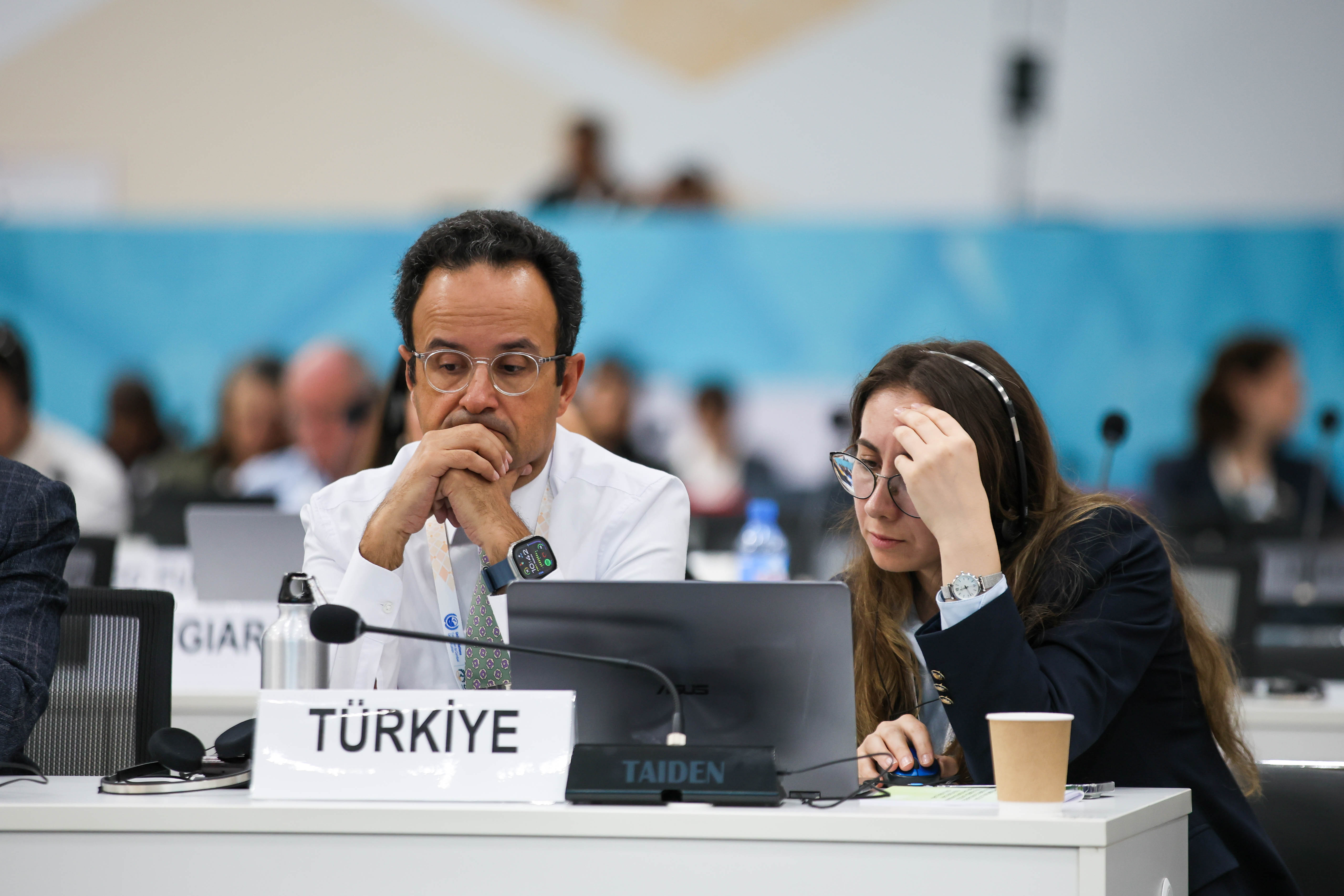
Delegates from Türkiye
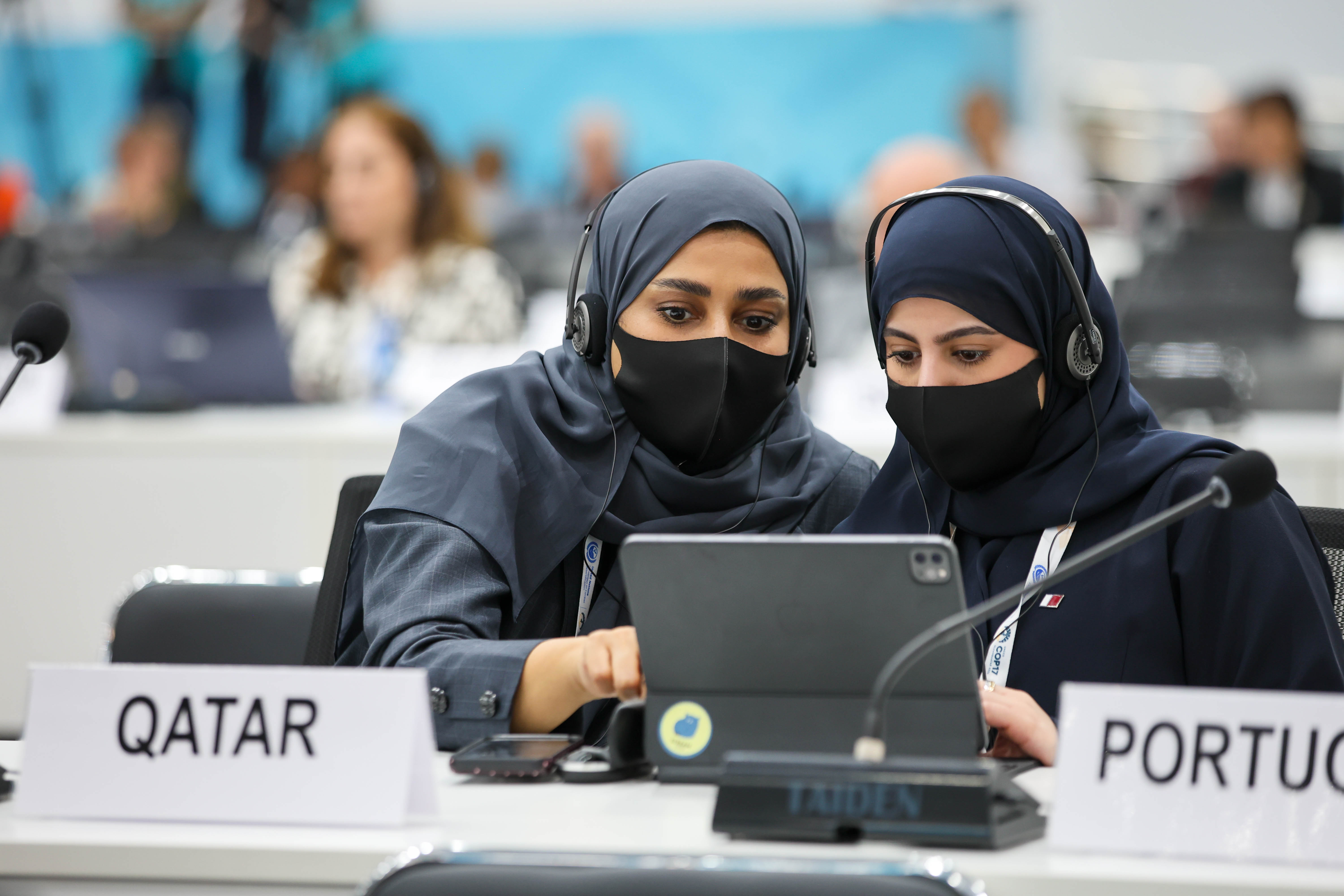
Delegates from Qatar
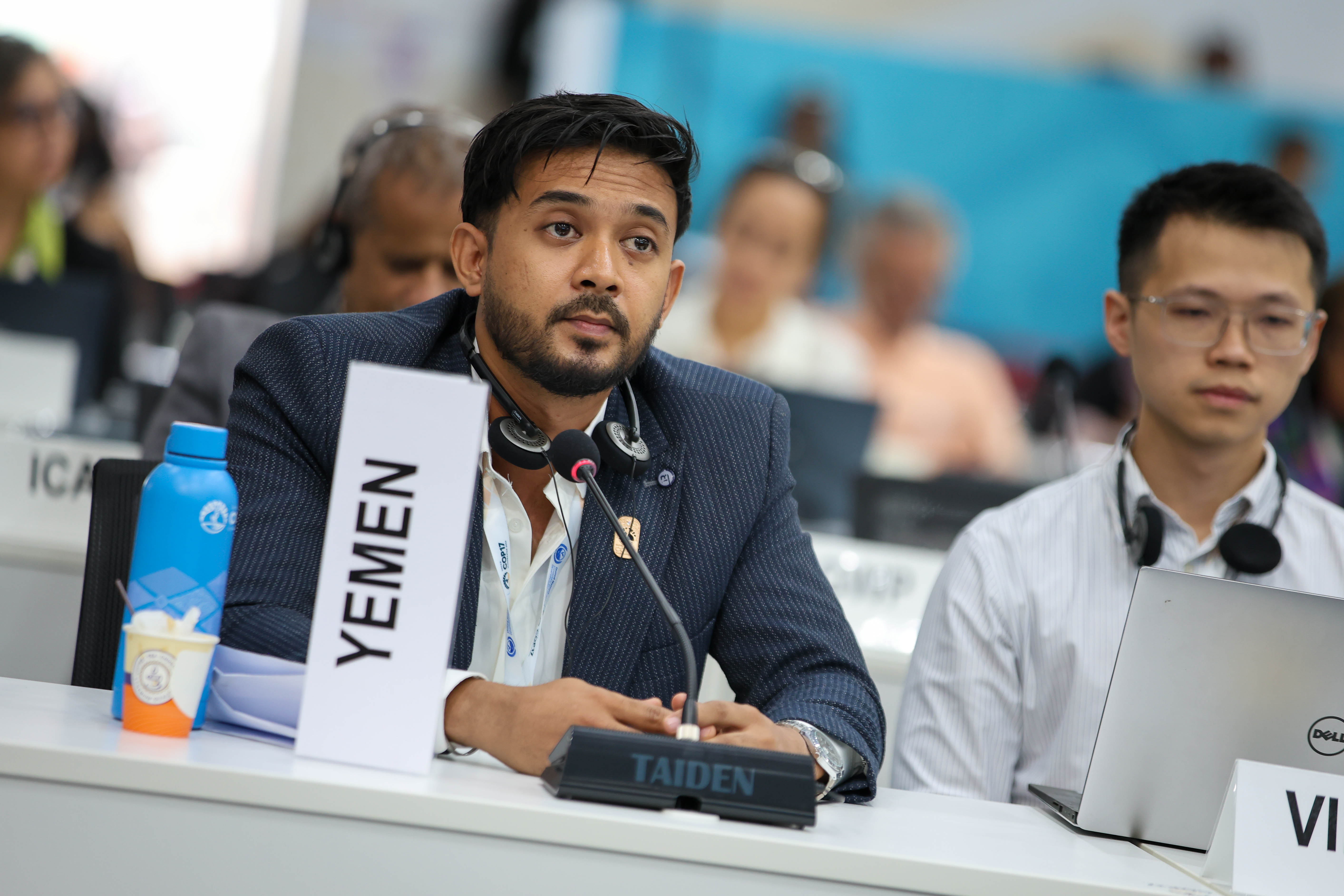
Mohammed Abdulrahman Mohammed Al Khateeb, Yemen
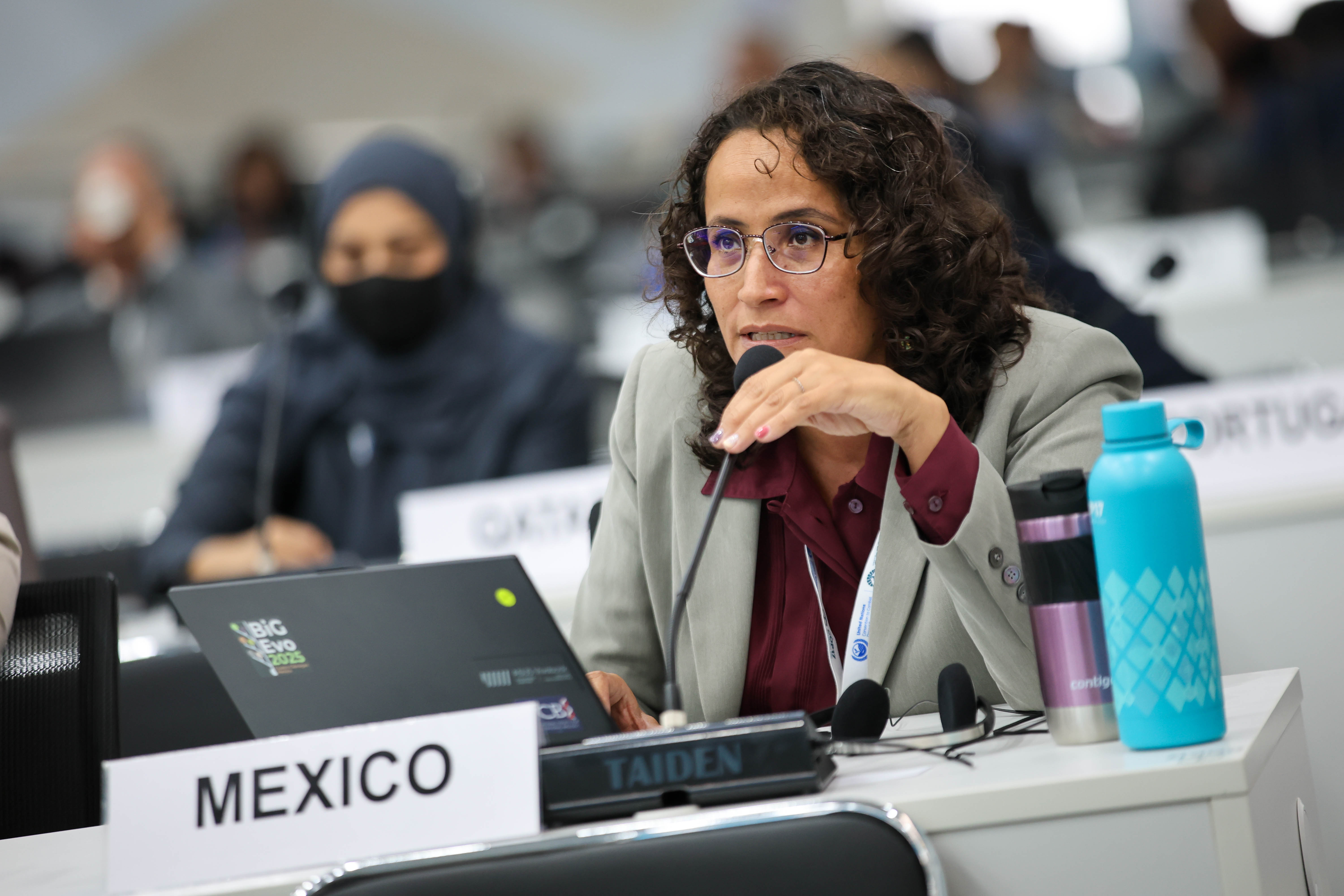
Alma Vázquez-Lule, Mexico
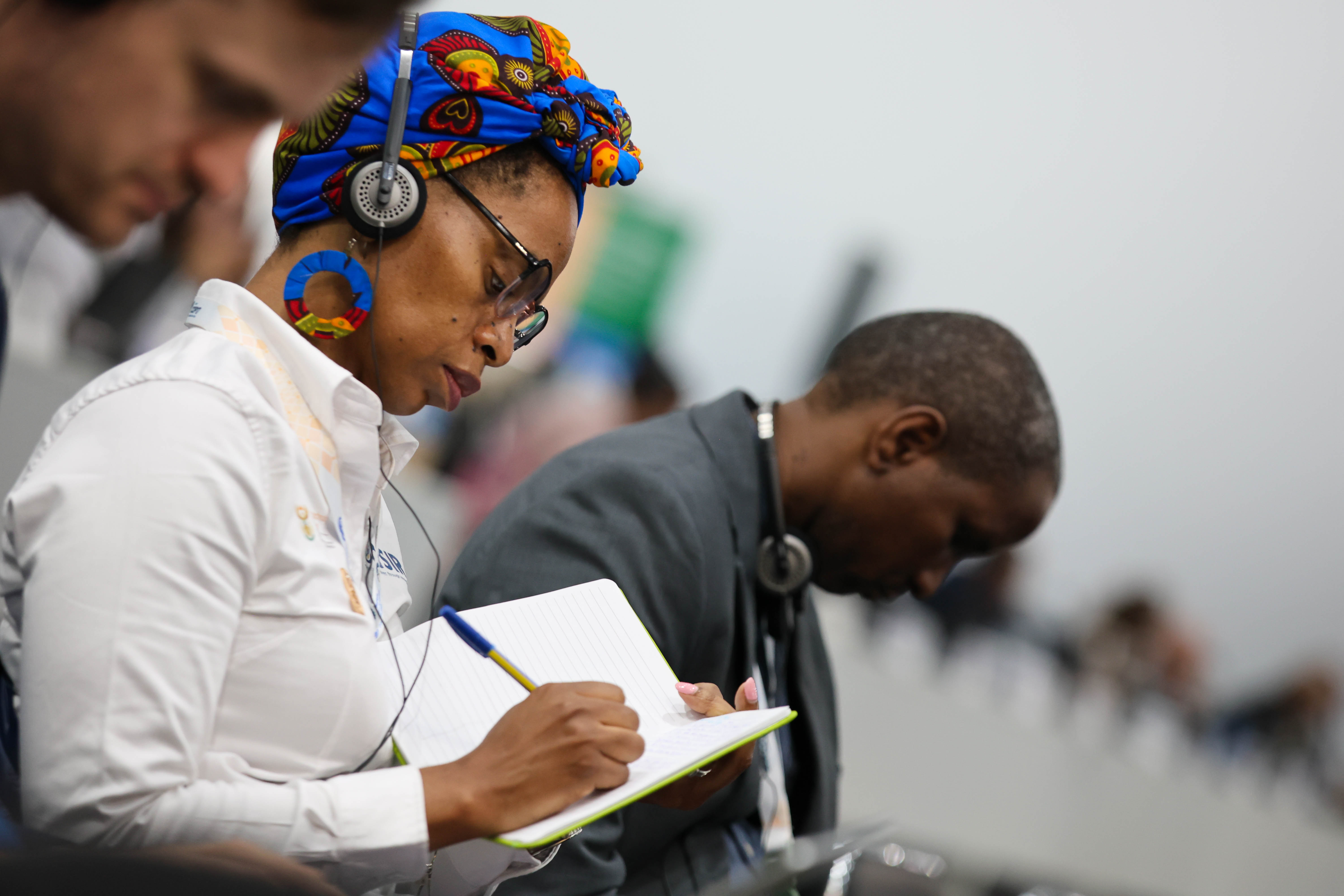
A delegate takes notes.
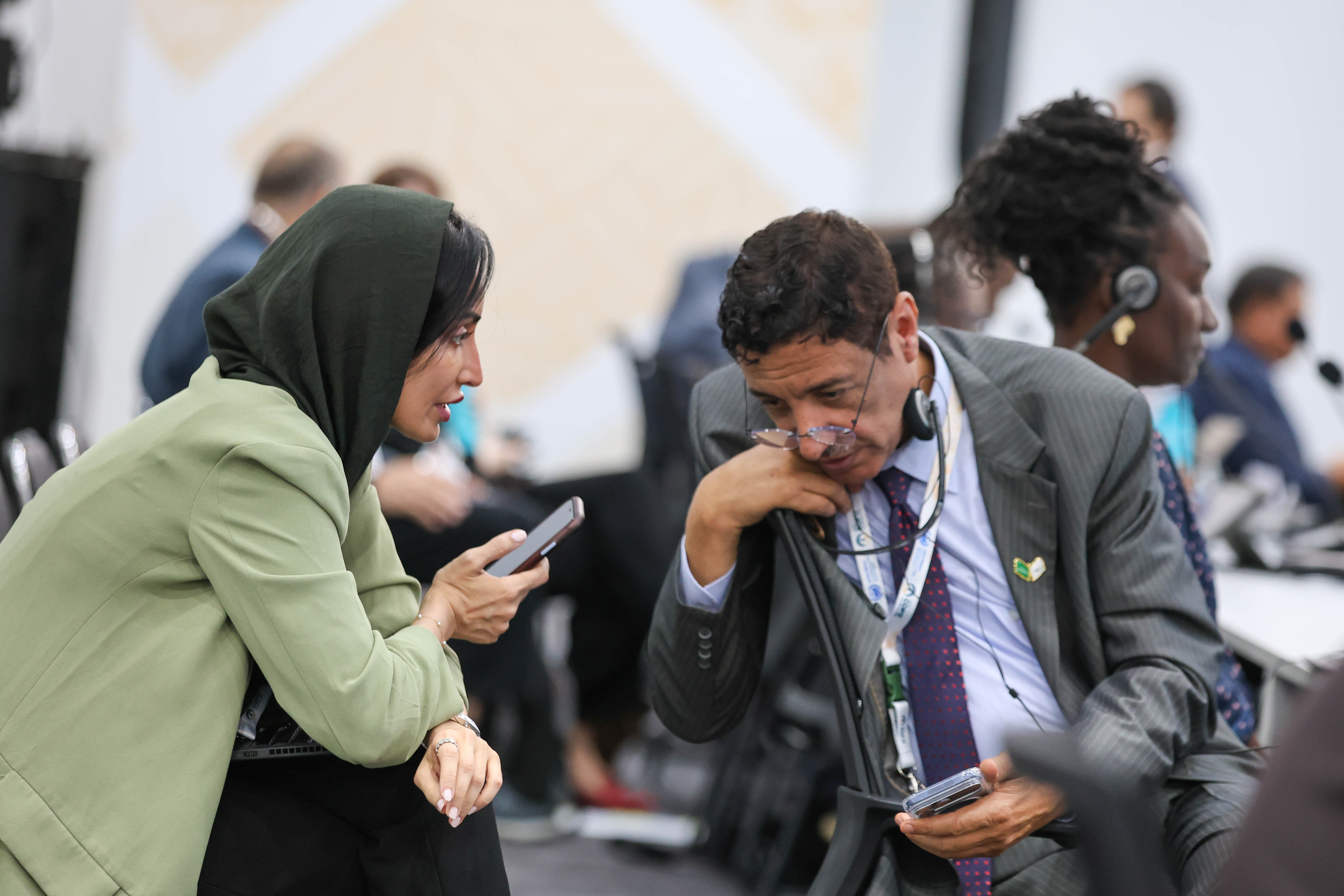
Delegates from Saudi Arabia
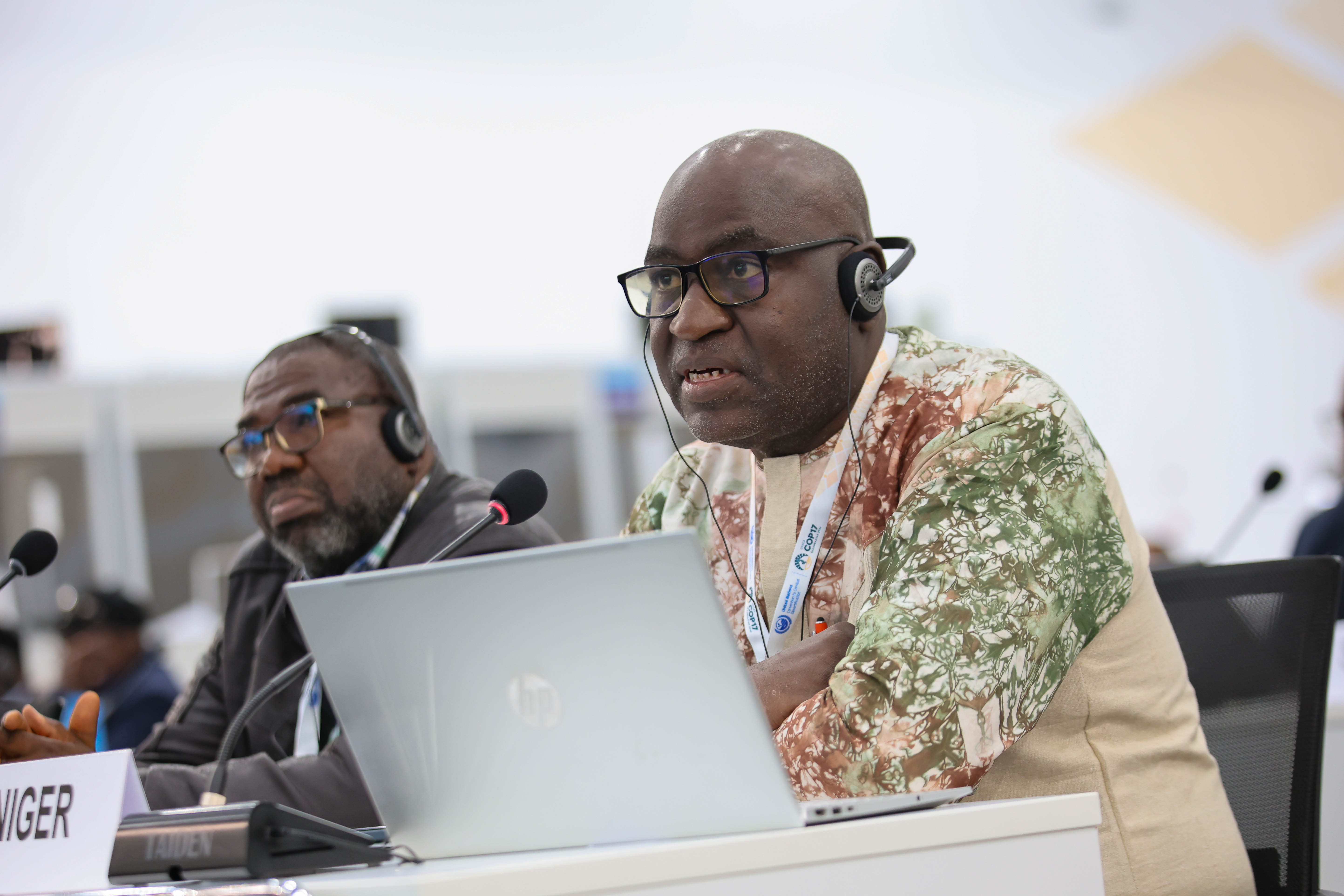
Adamou Didier Tidjani, Niger
Committee of the Whole (COW)
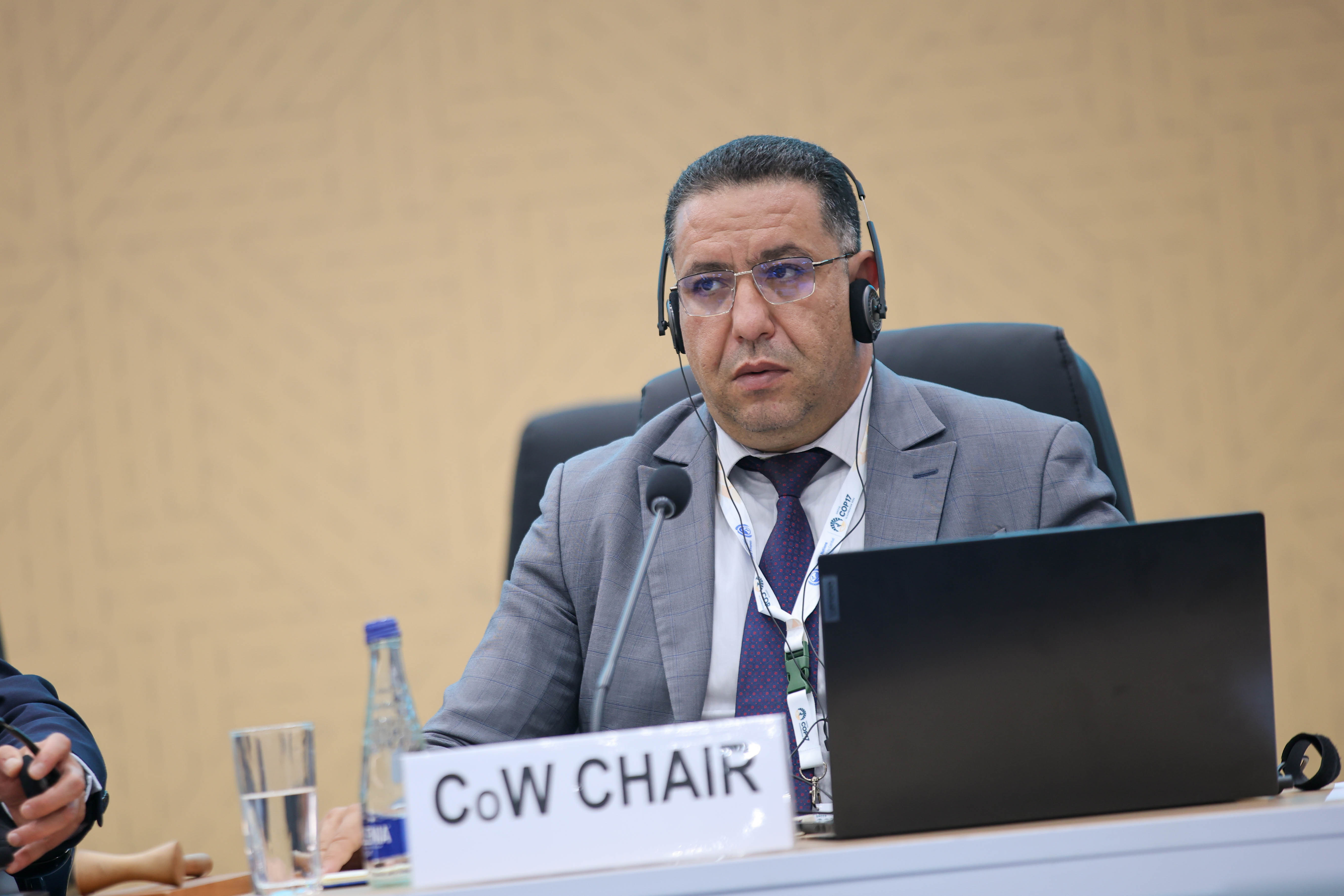
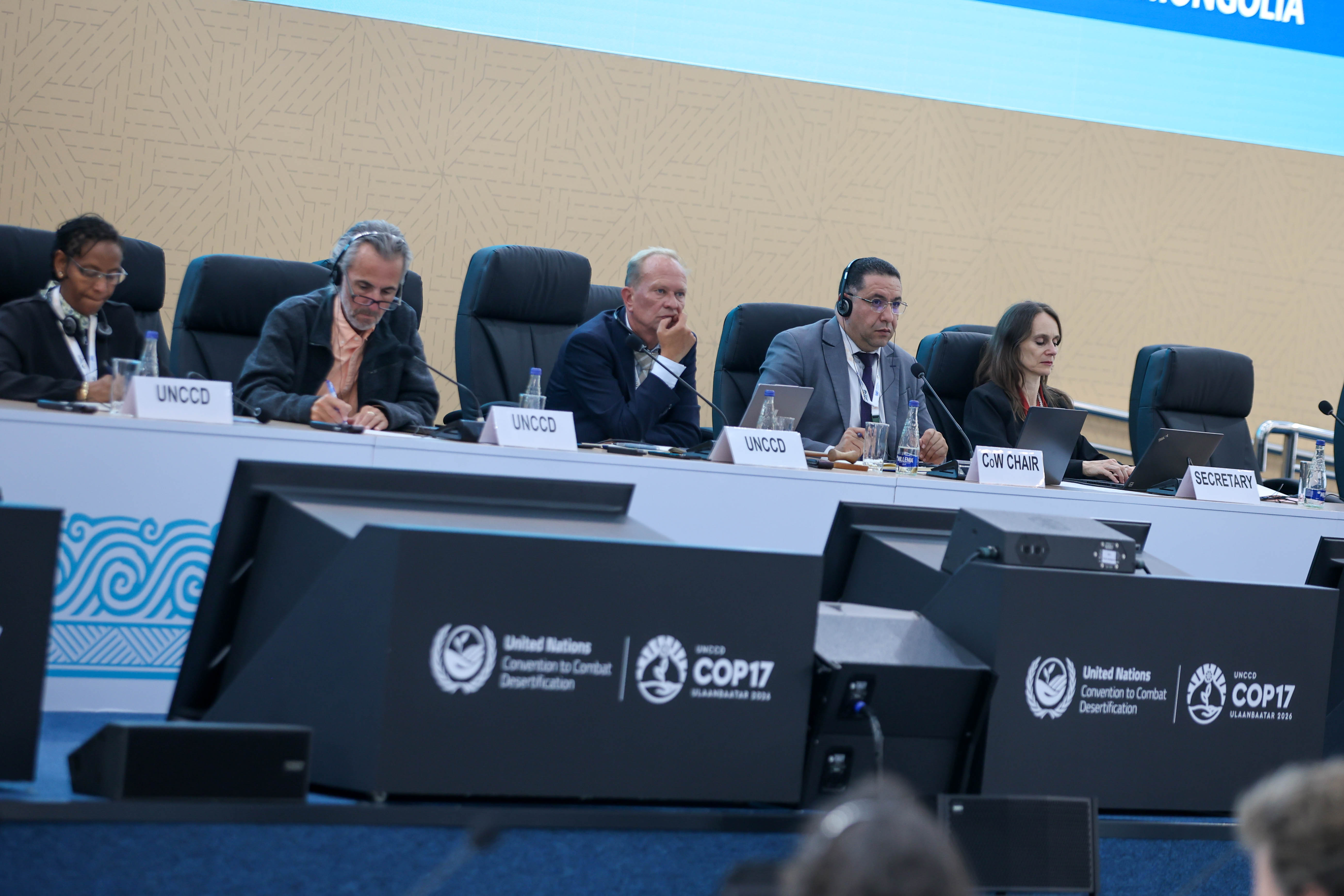
COW Chair Khalid Cherki
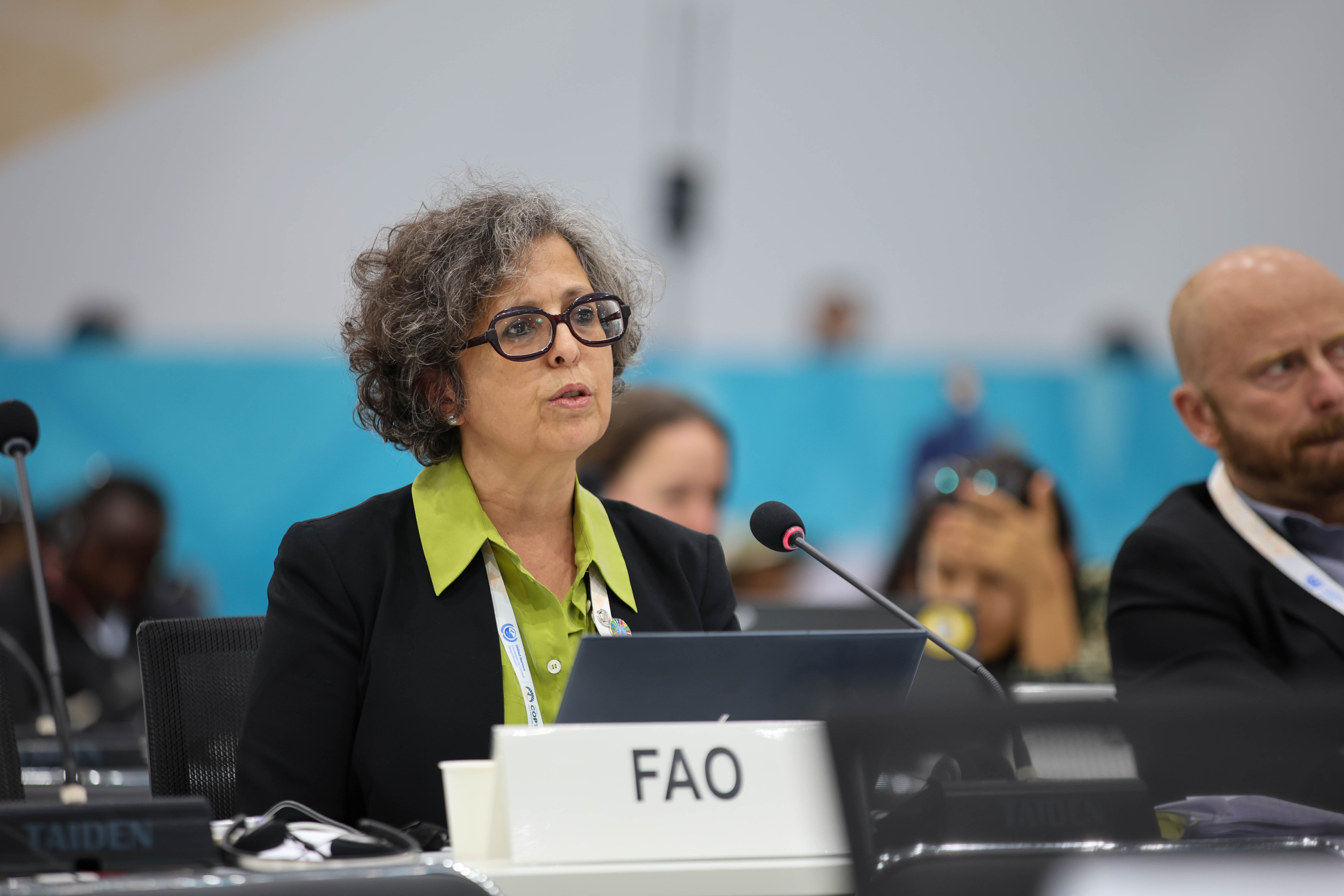
Nora Berrahmouni, Food and Agriculture Organization of the UN (FAO)
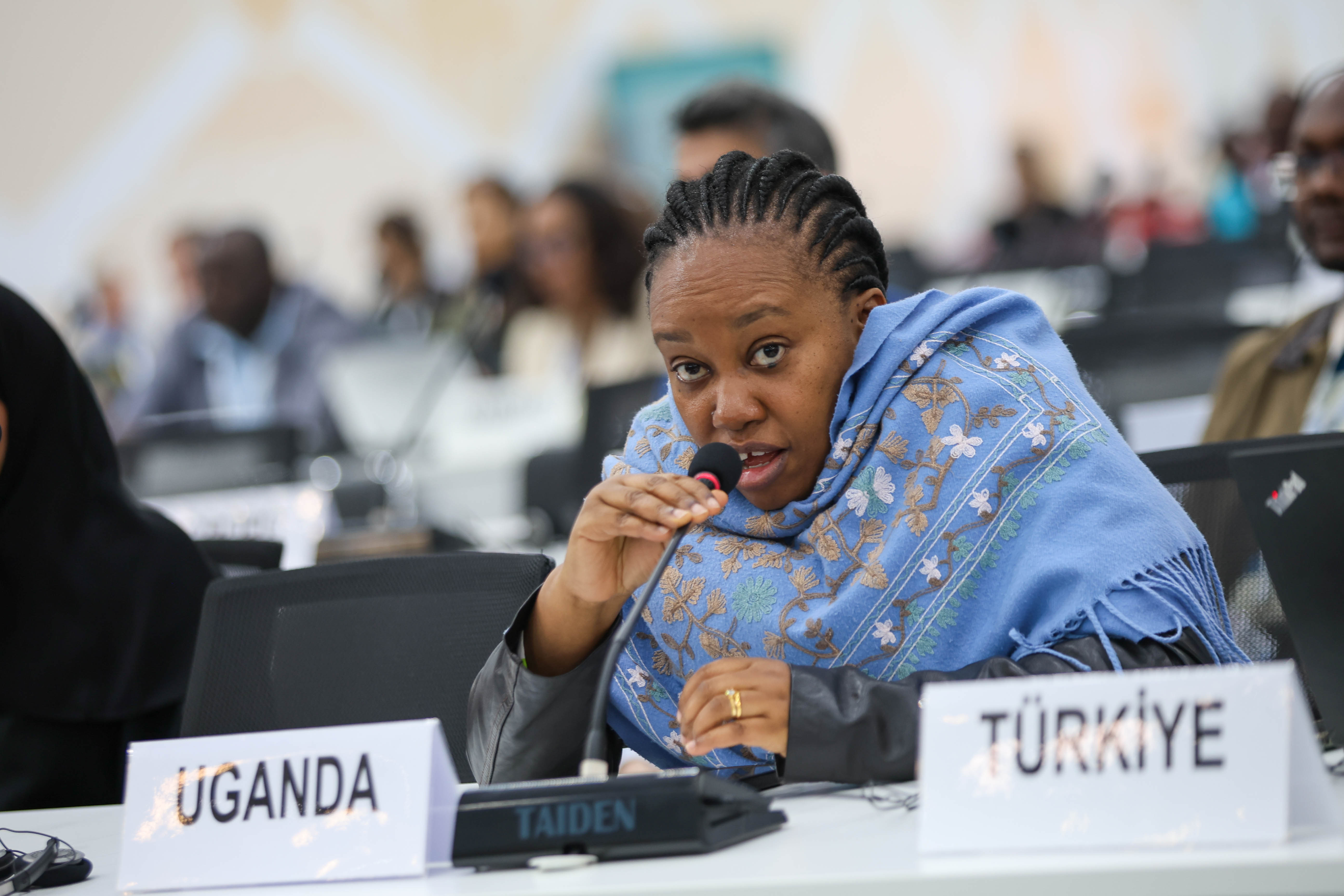
Catherine Ahimbisibwe, Uganda
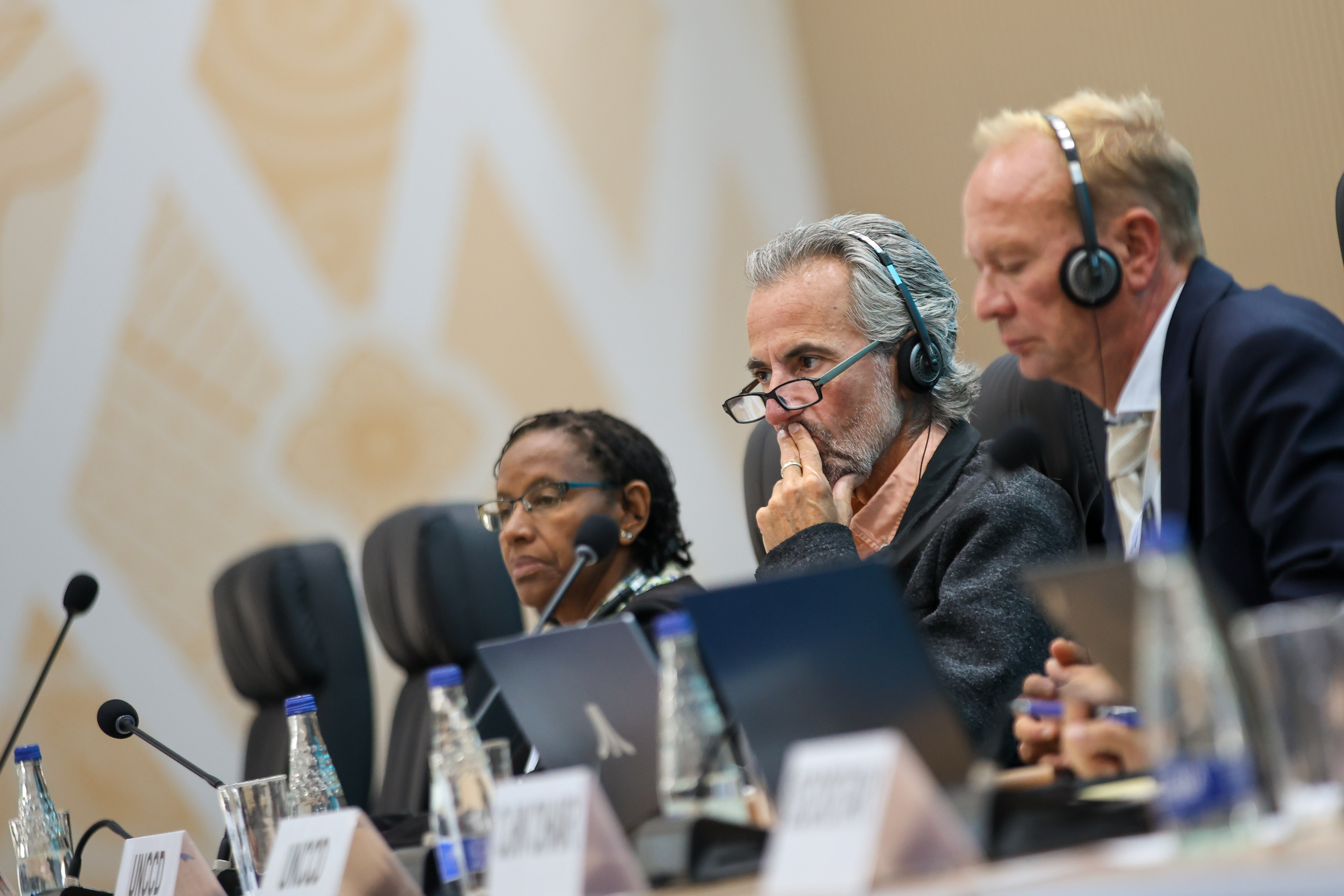
Sasha Alexander, Policy Officer, UNCCD Secretariat
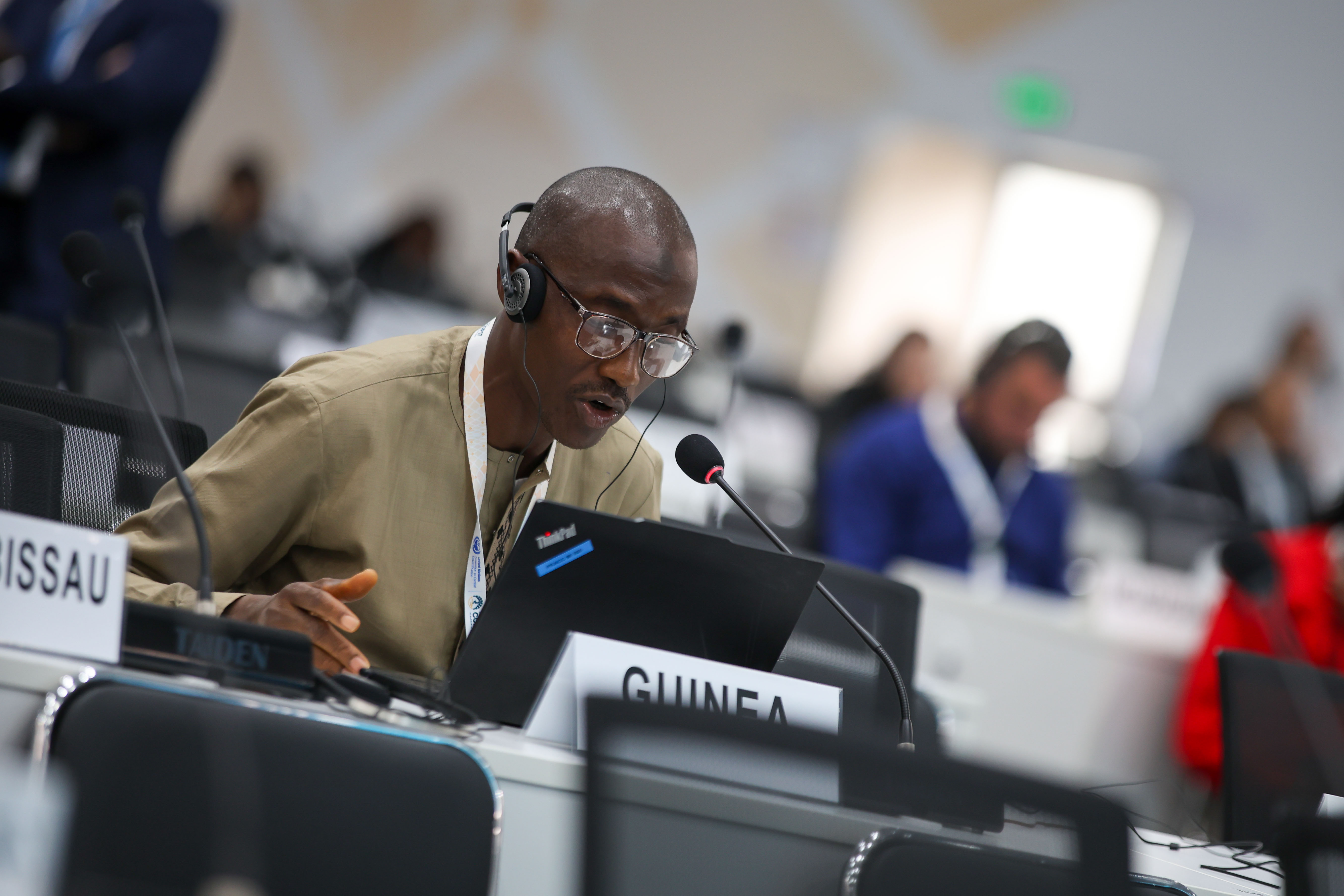
Kadiata Madi Diallo, Guinea
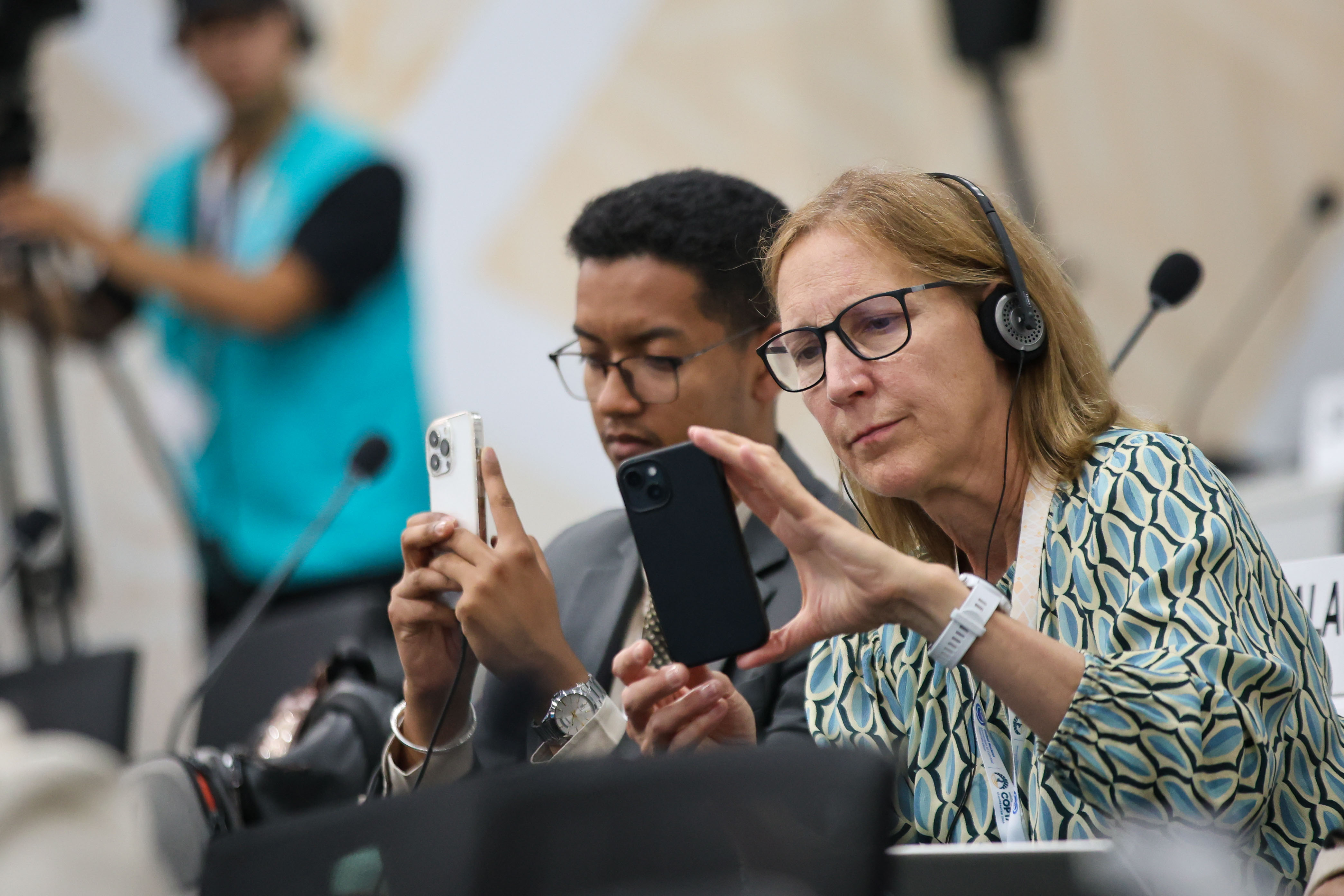
Delegates take photos.
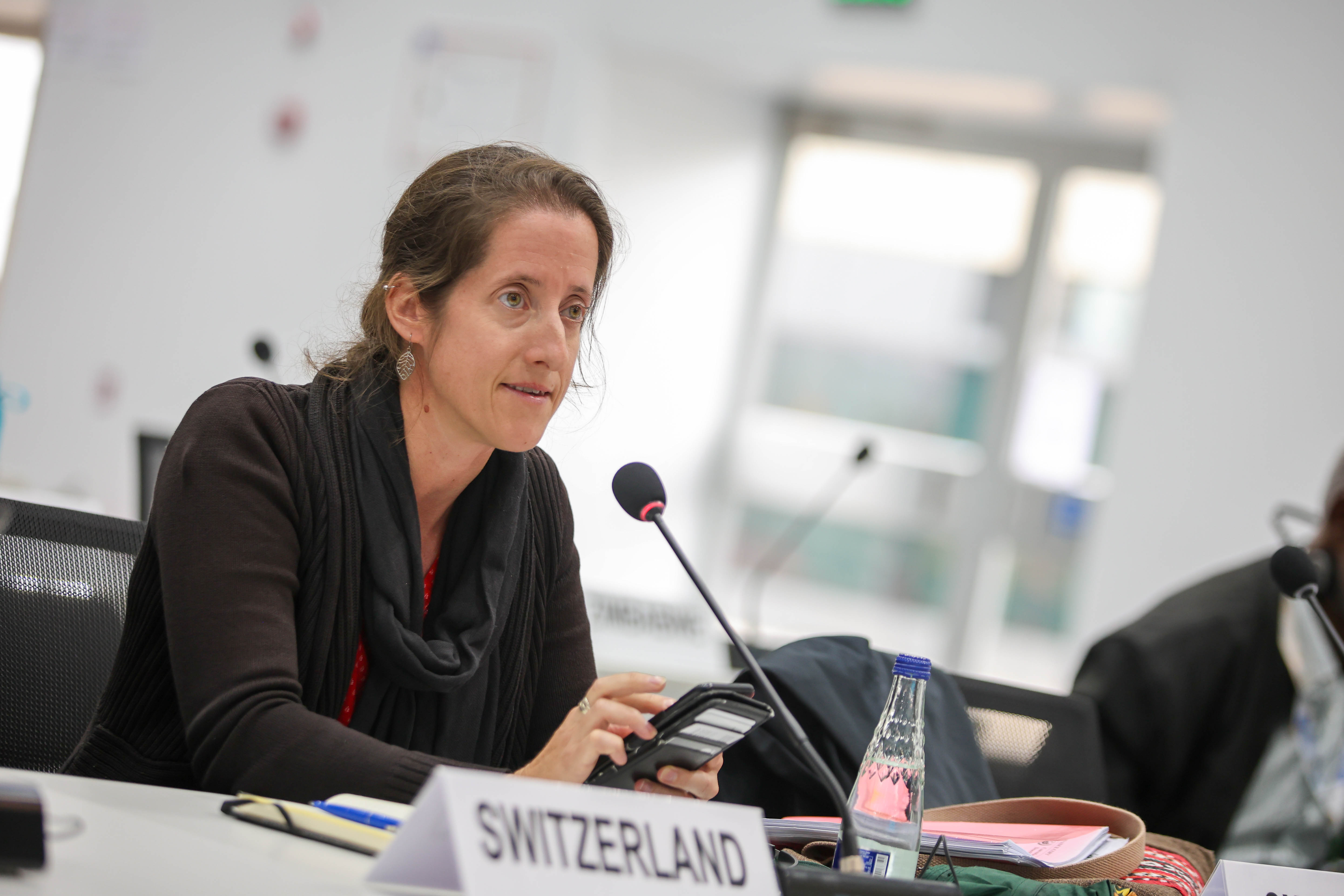
Stephanie Piers de Raveschoot, Switzerland
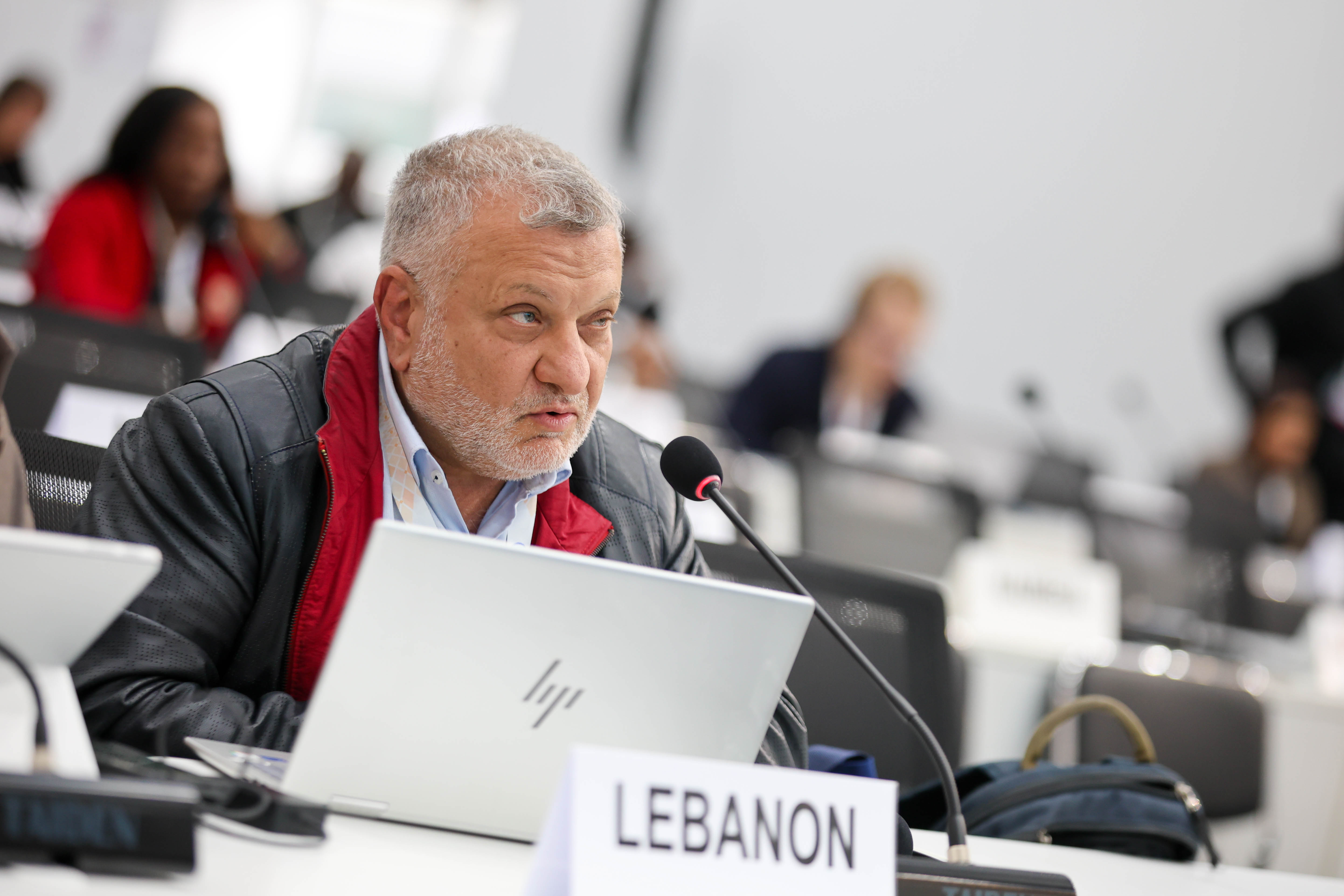
Hussein Nasrallah, Lebanon
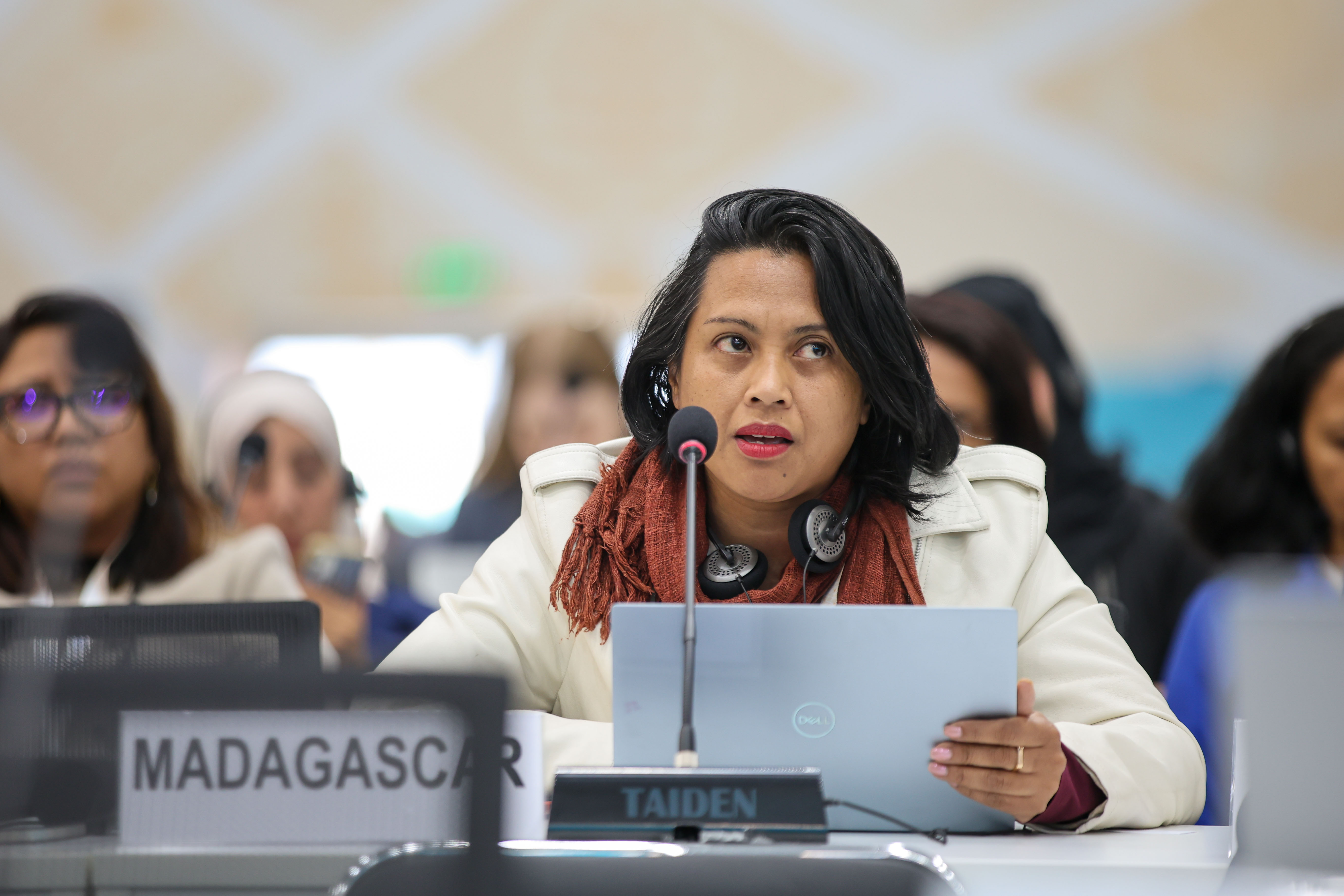
Valérie Benjamin Ramahavalisoa, Madagascar
Joint CRIC and CST plenary
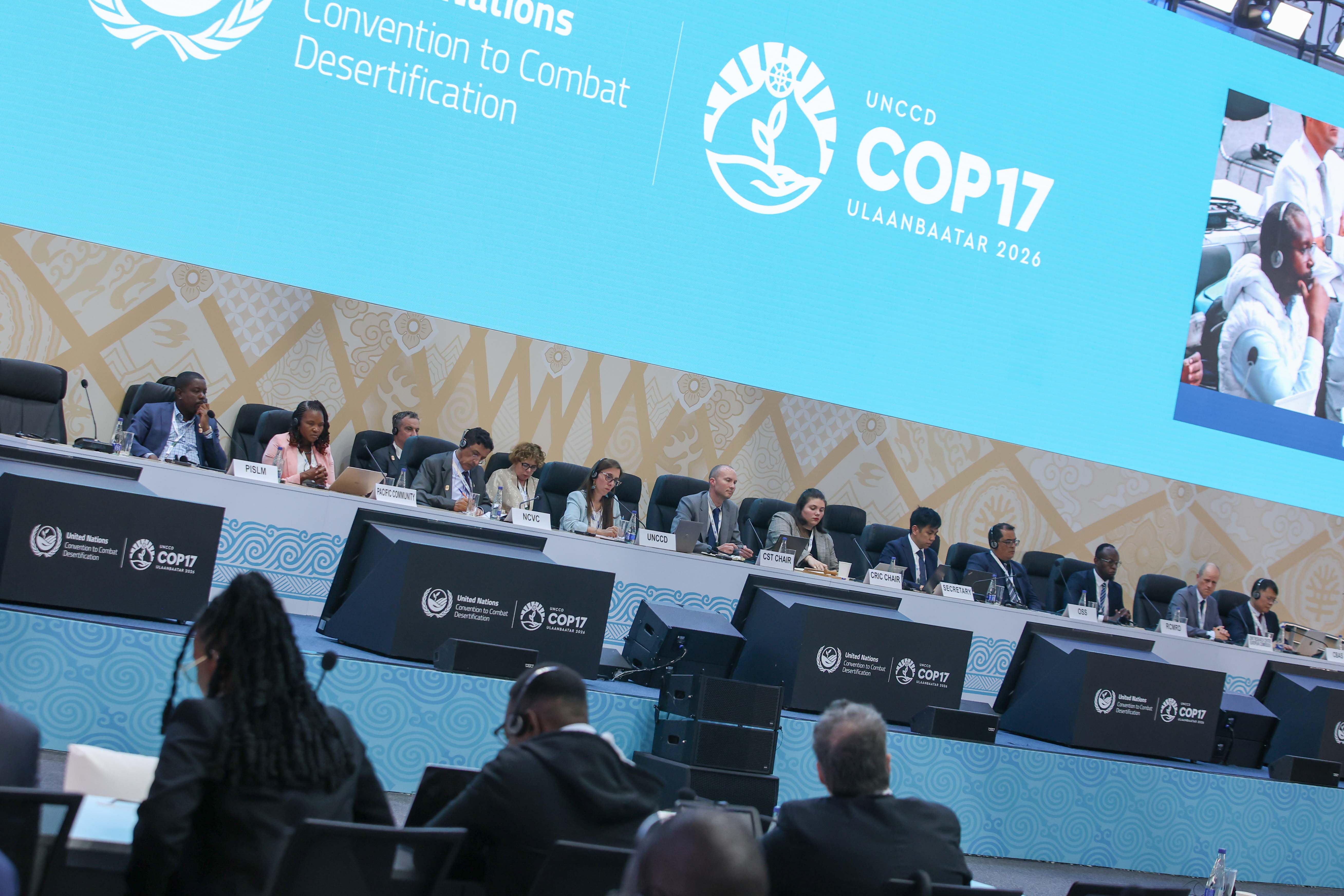
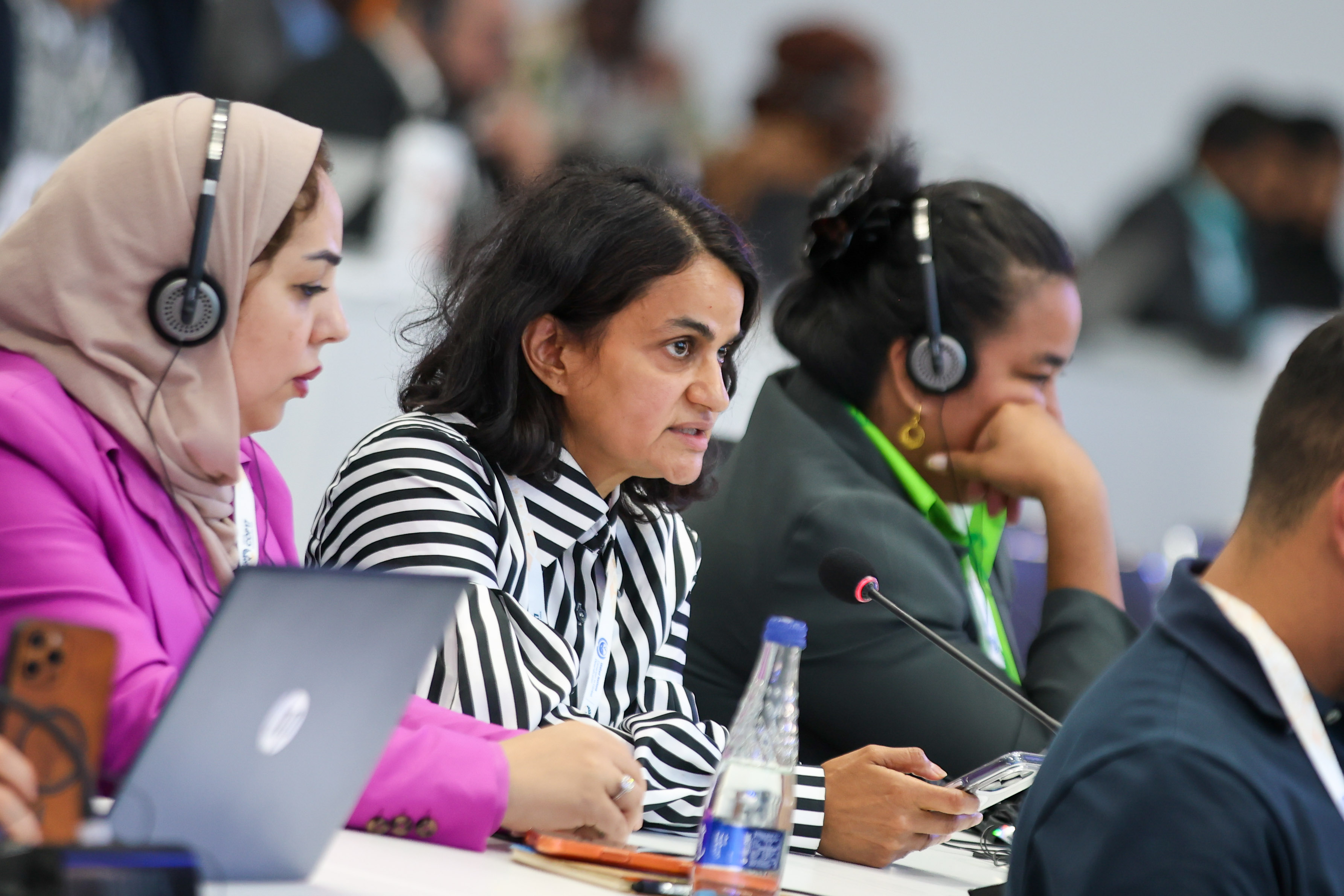
Ouhoud Al-Ragam, Kuwait
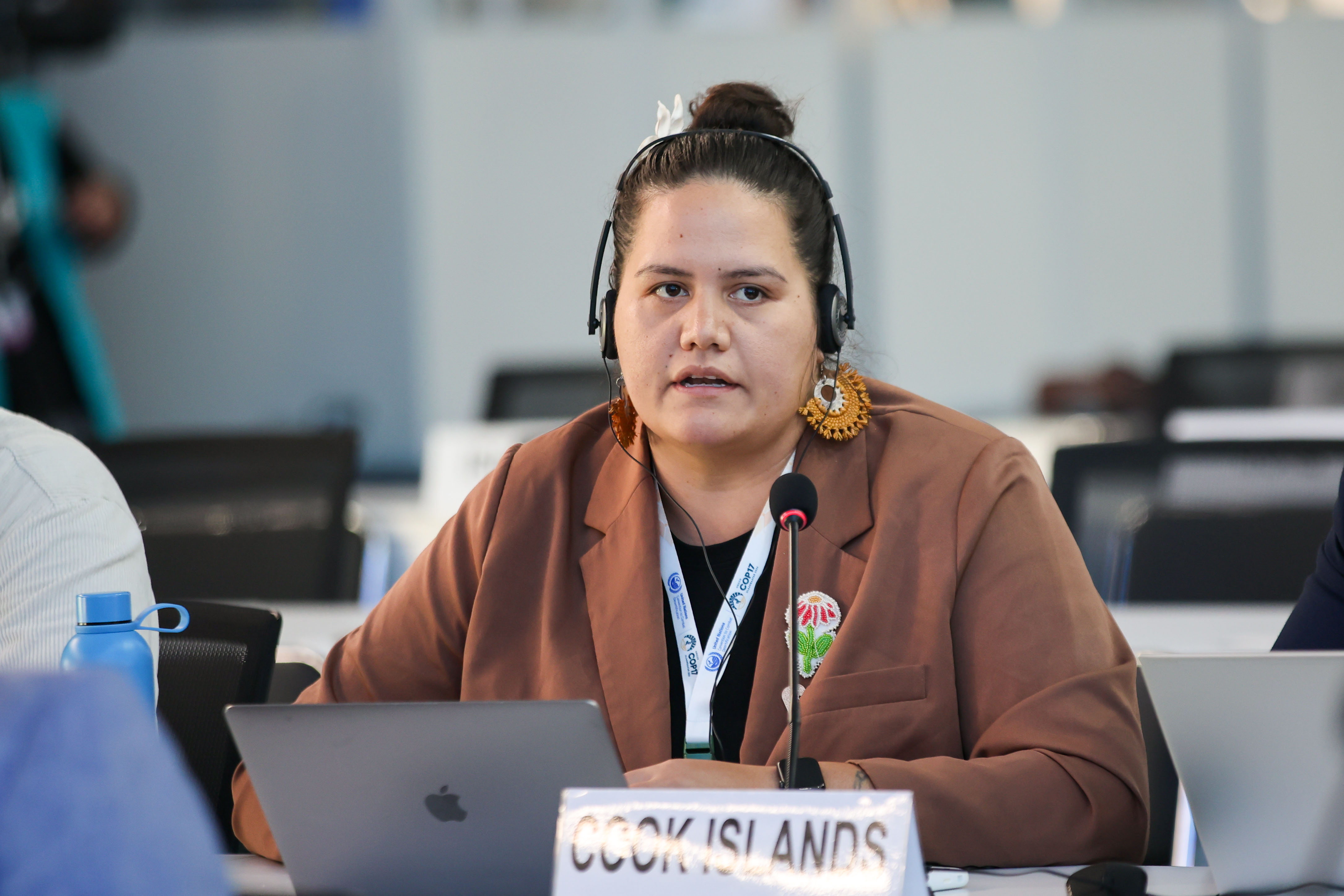
Sandee Cook, Cook Islands
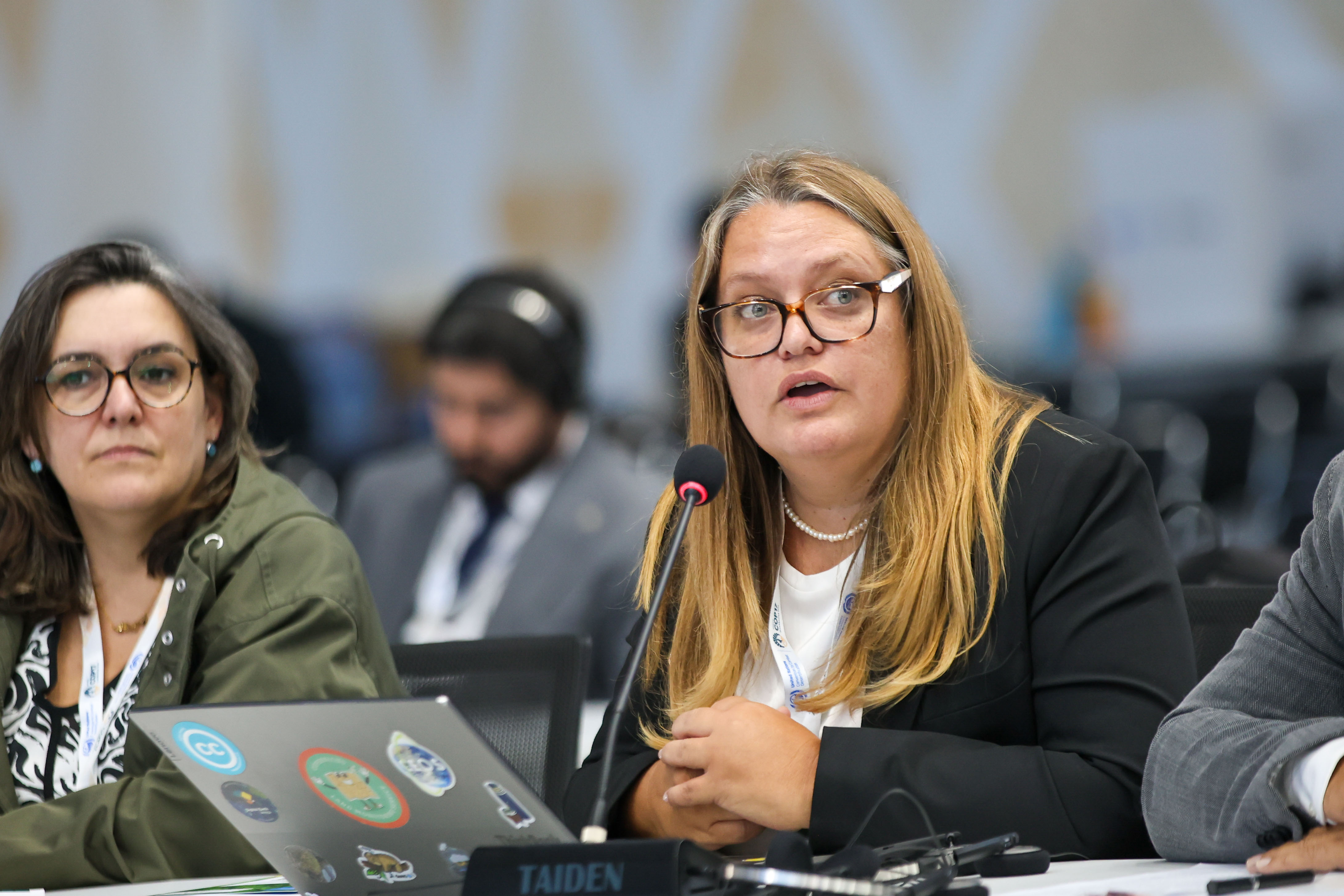
Ingrid Teich, University of Bern
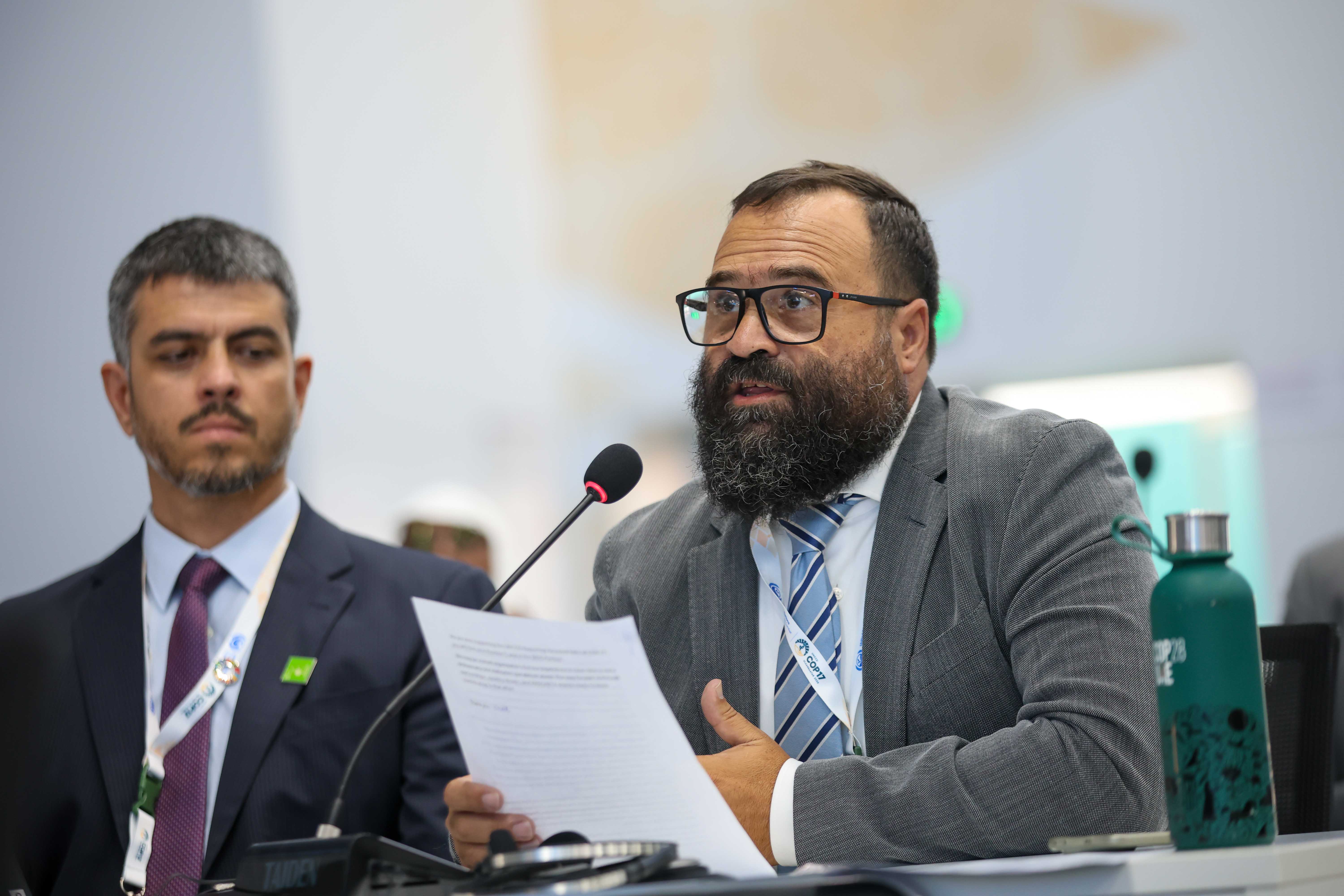
César Luis García, Apacheta Foundation
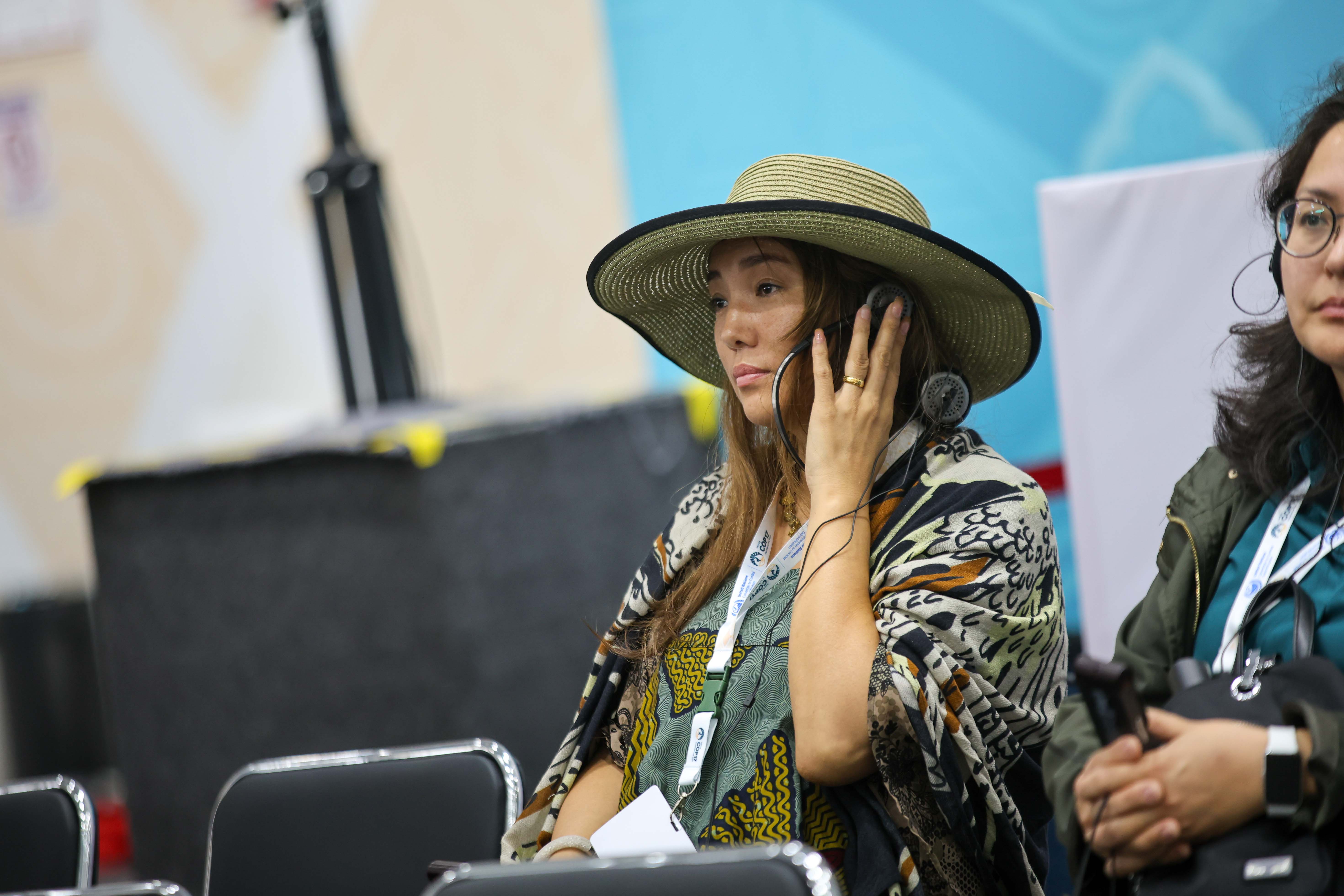
An observer listens to the discussions.
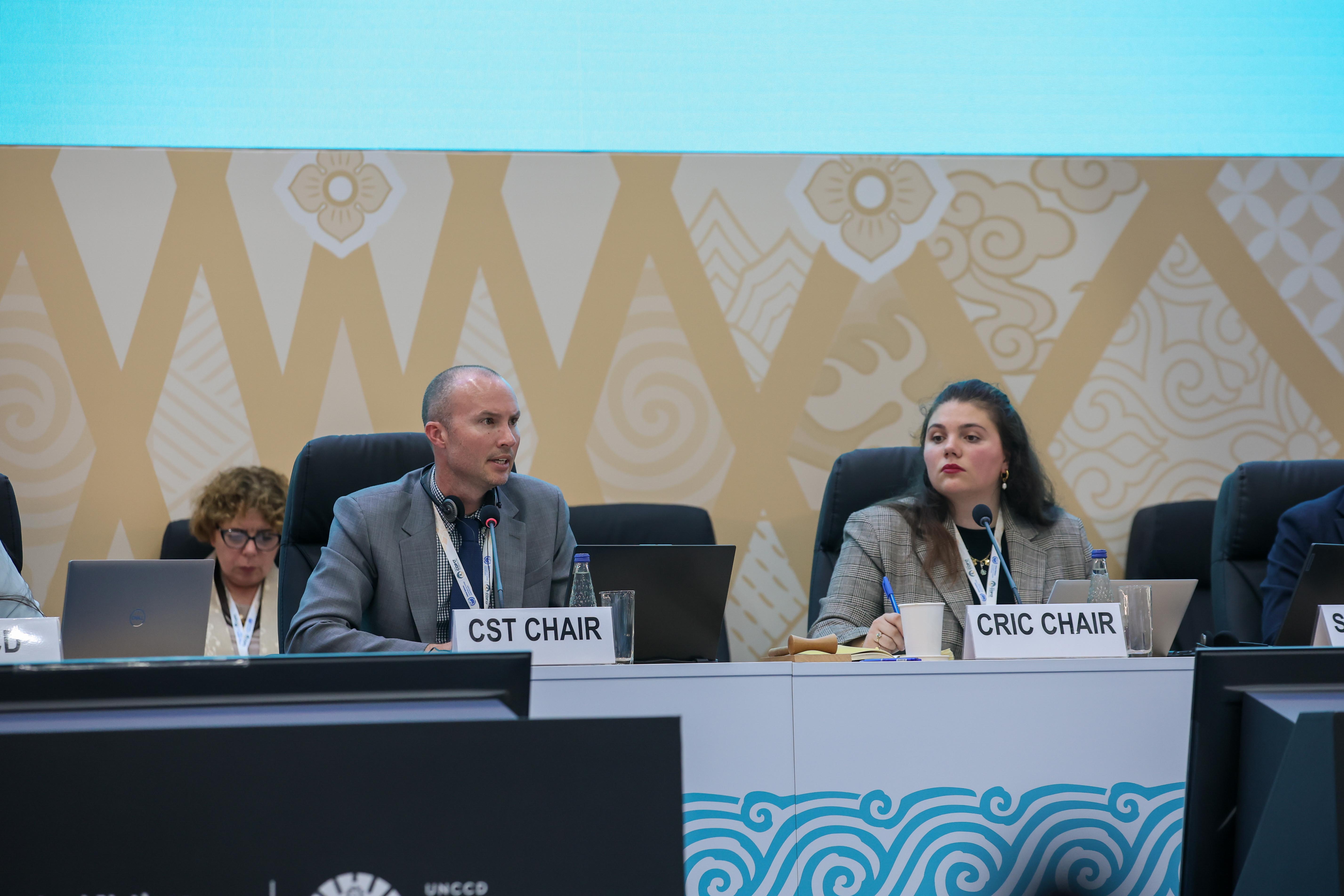
CST Chair Nicholas Webb, and CRIC Chair Philippine Dutailly
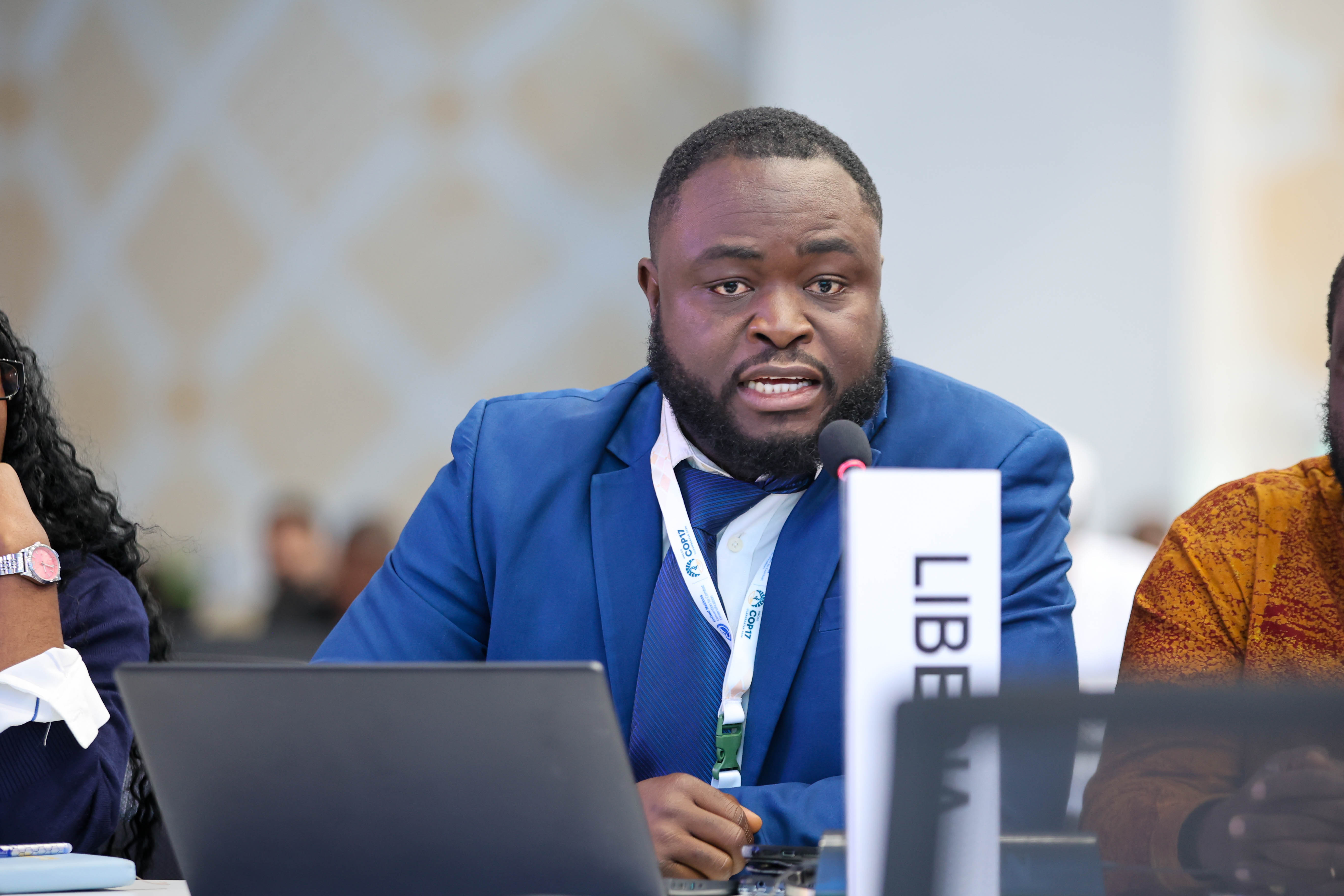
Berexford Jallah, Liberia
Contact Groups
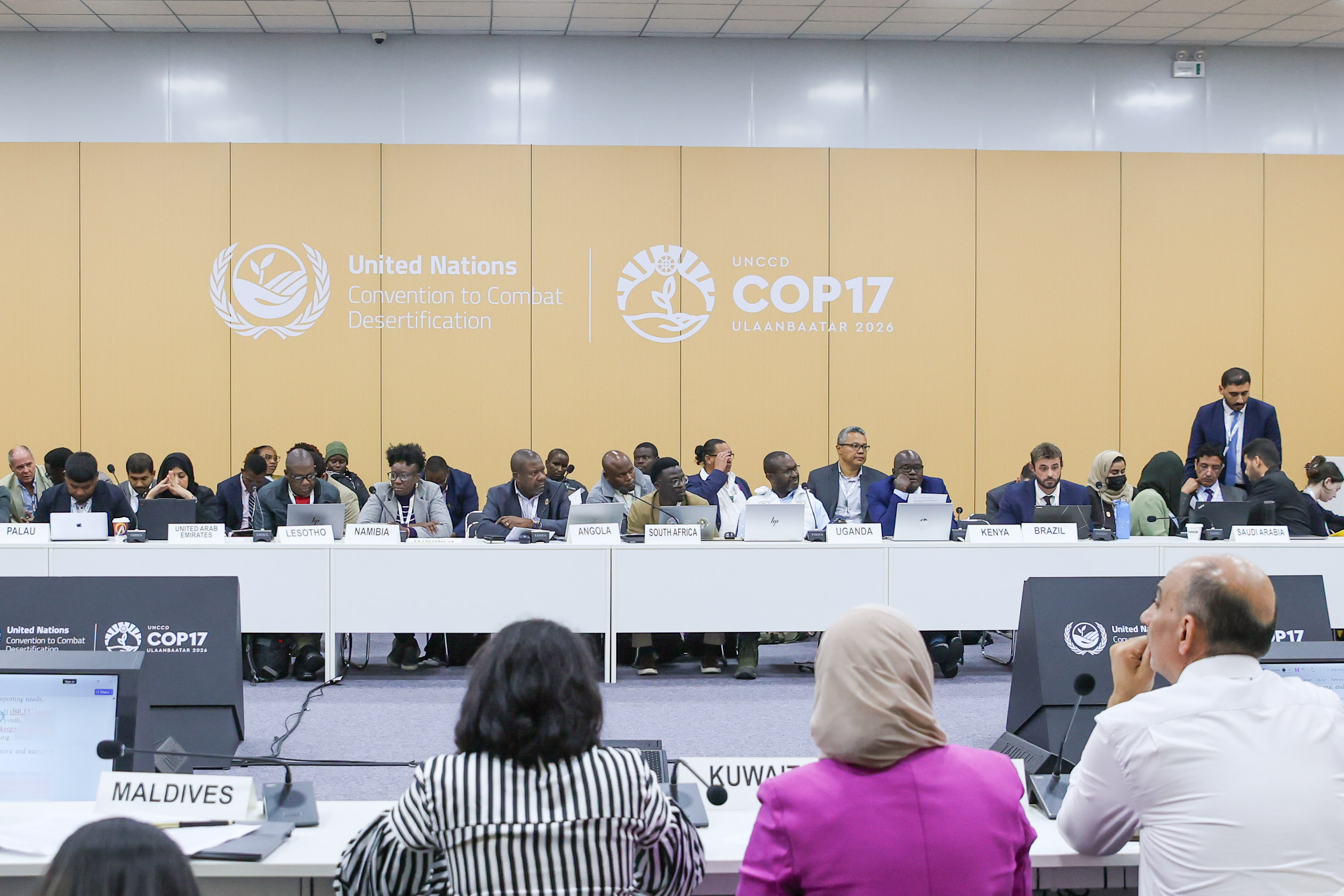
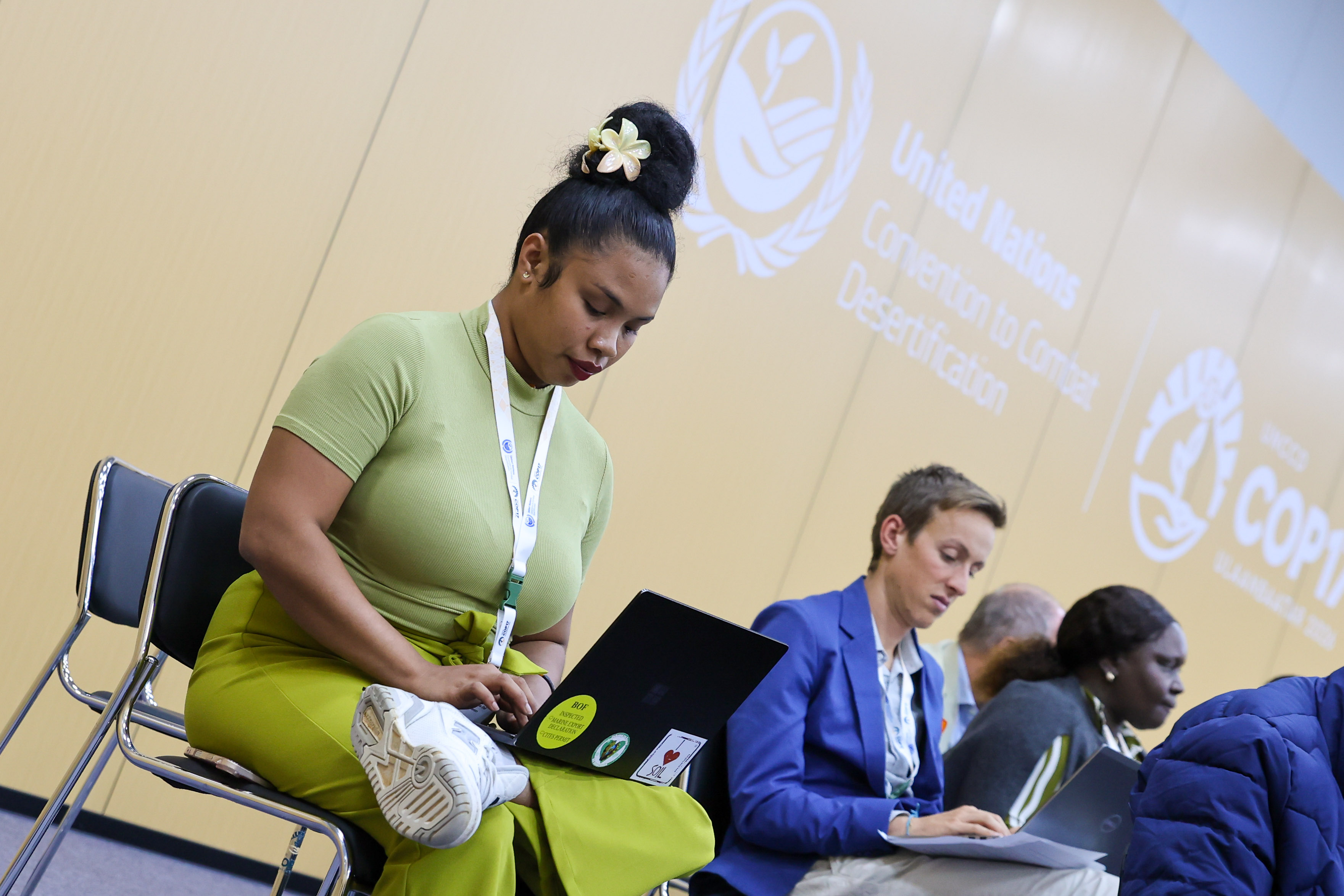
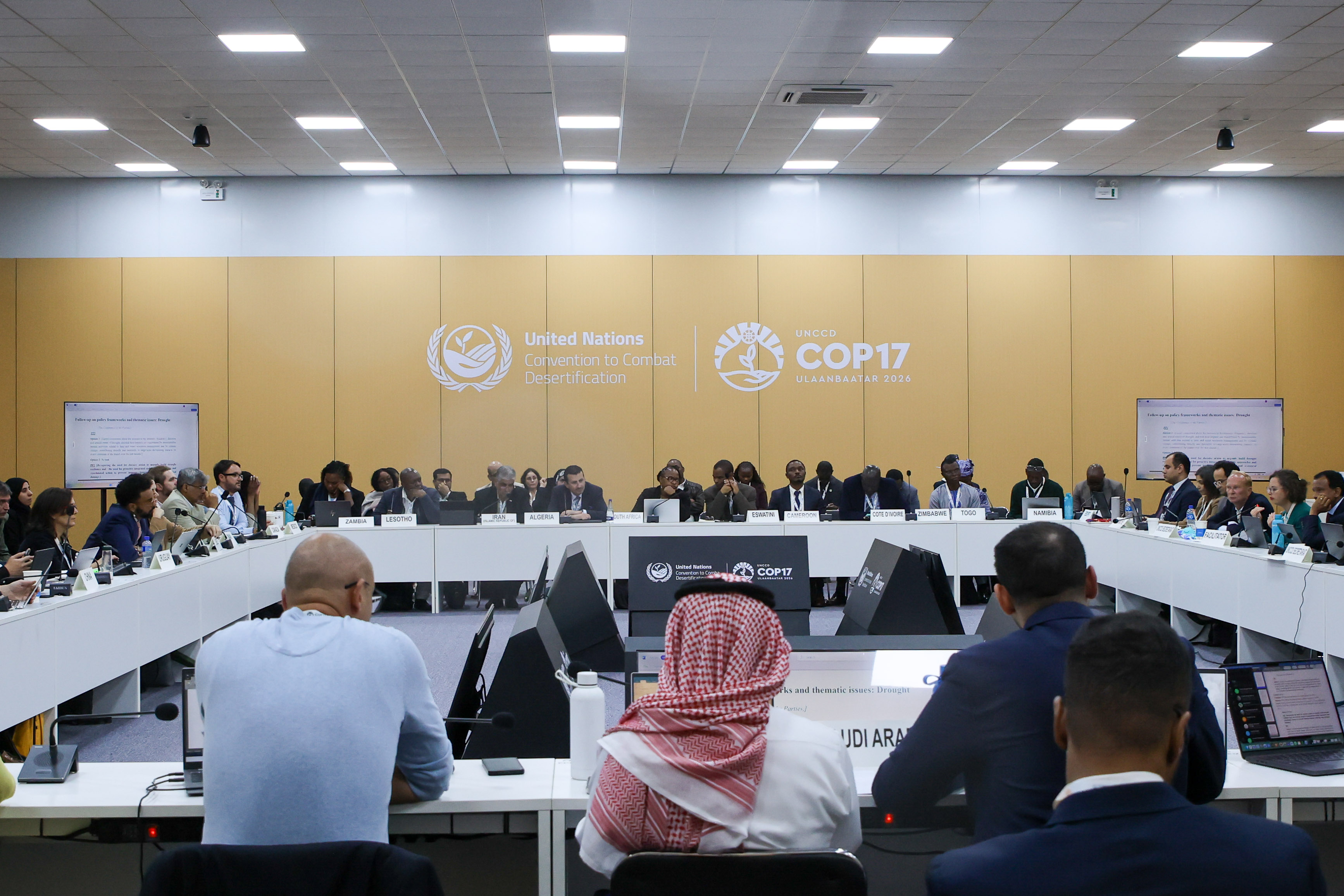
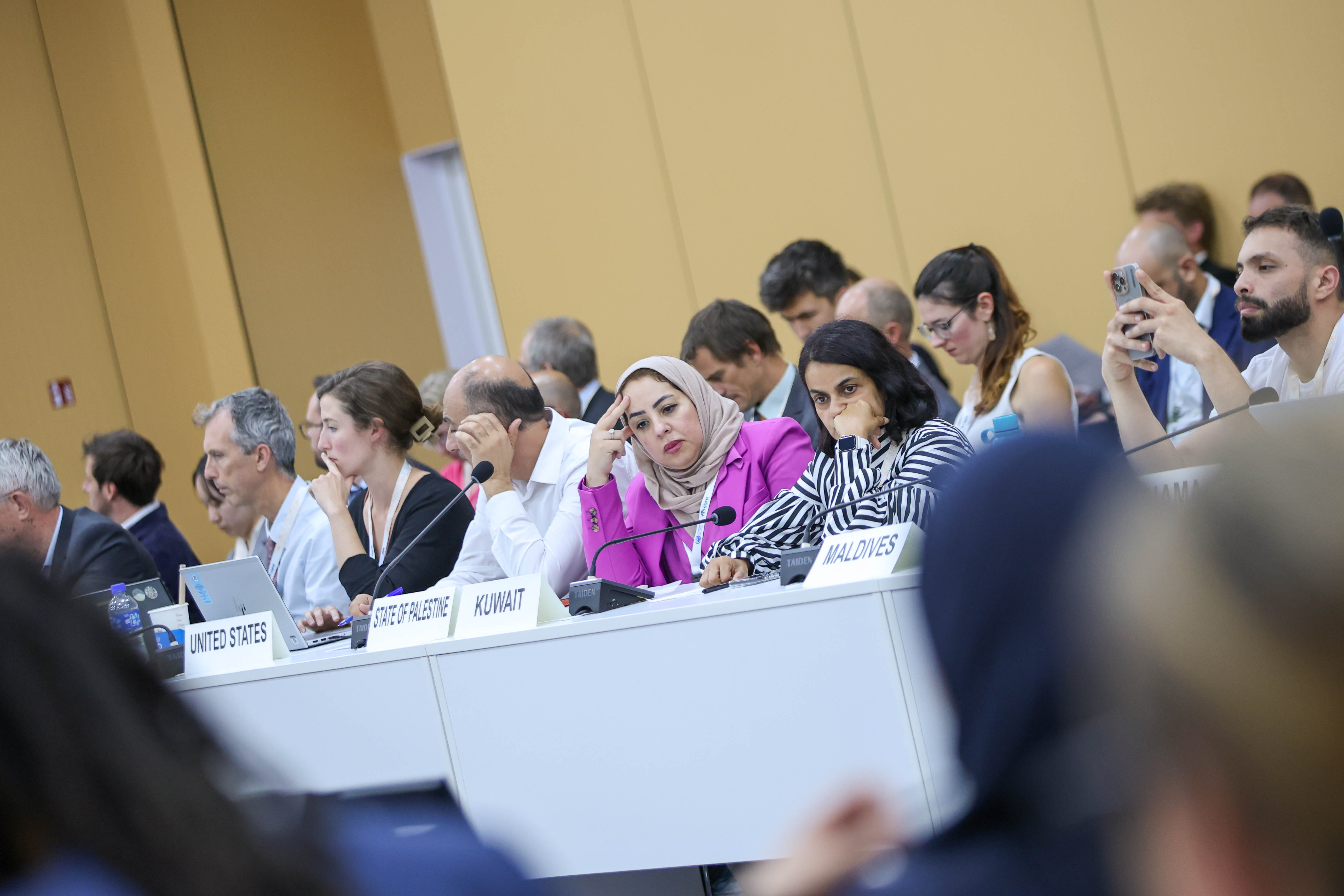
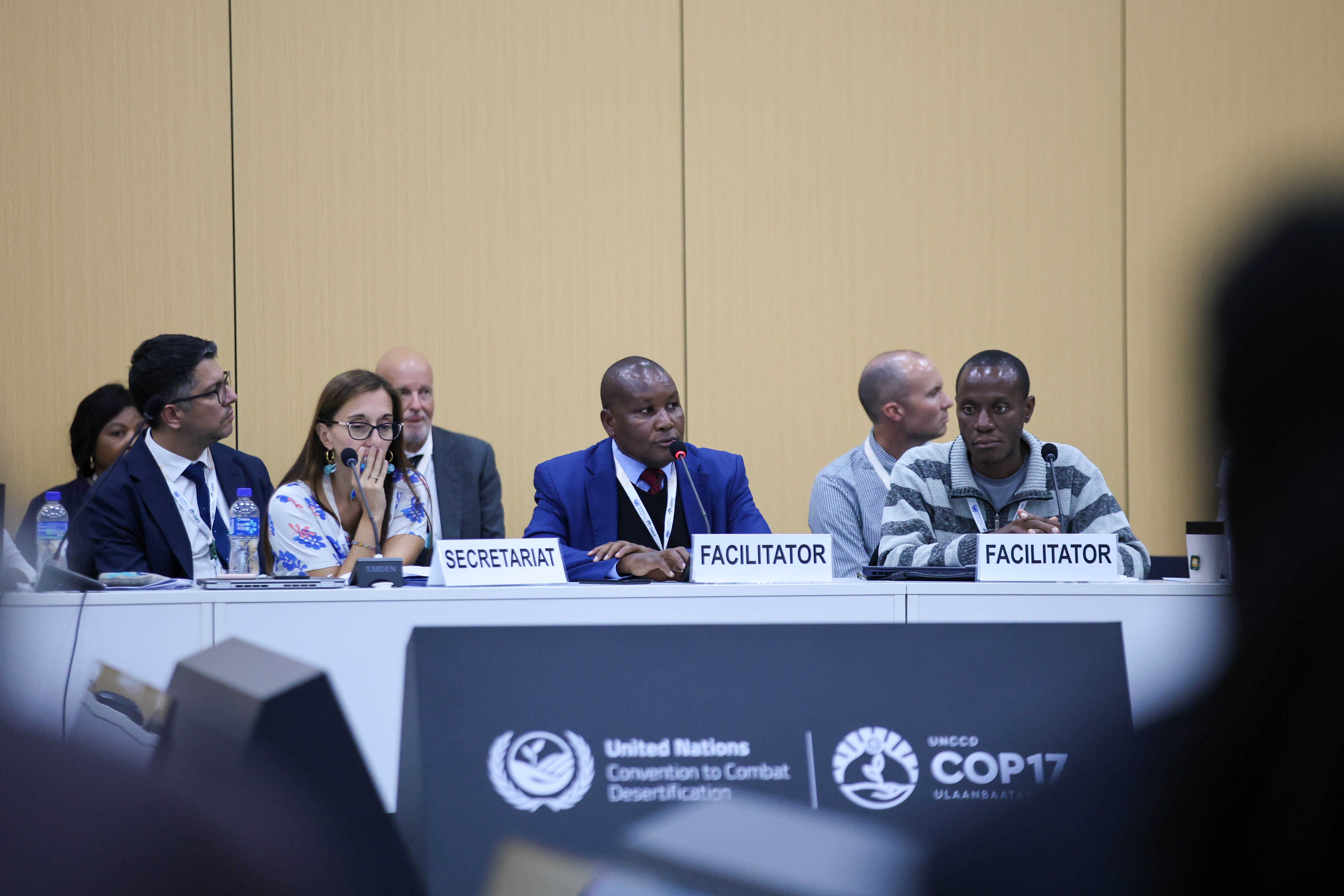
Charles Lange, facilitator of the CRIC contact group
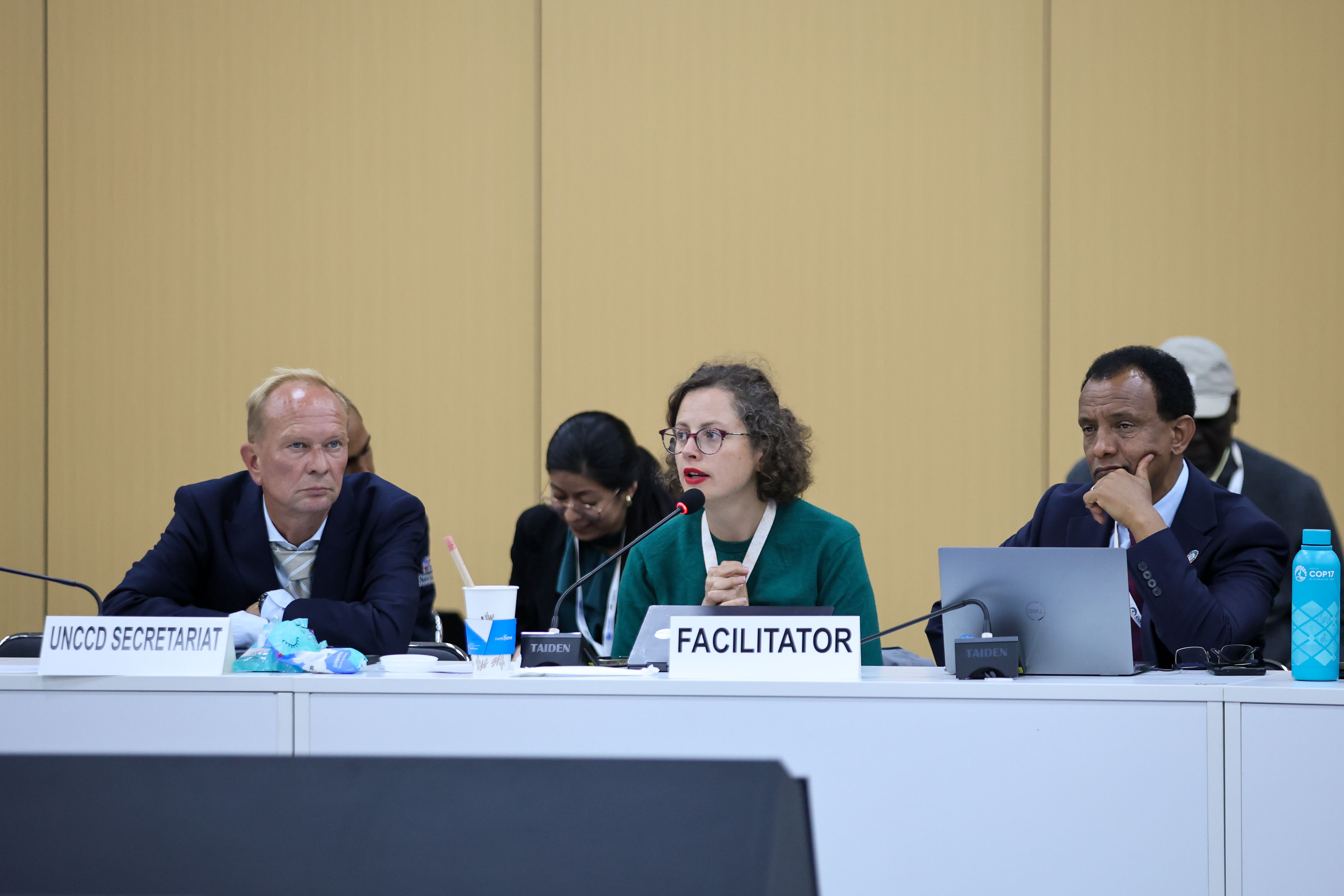
Marine Collignon, facilitator of the COW contact group on other matters
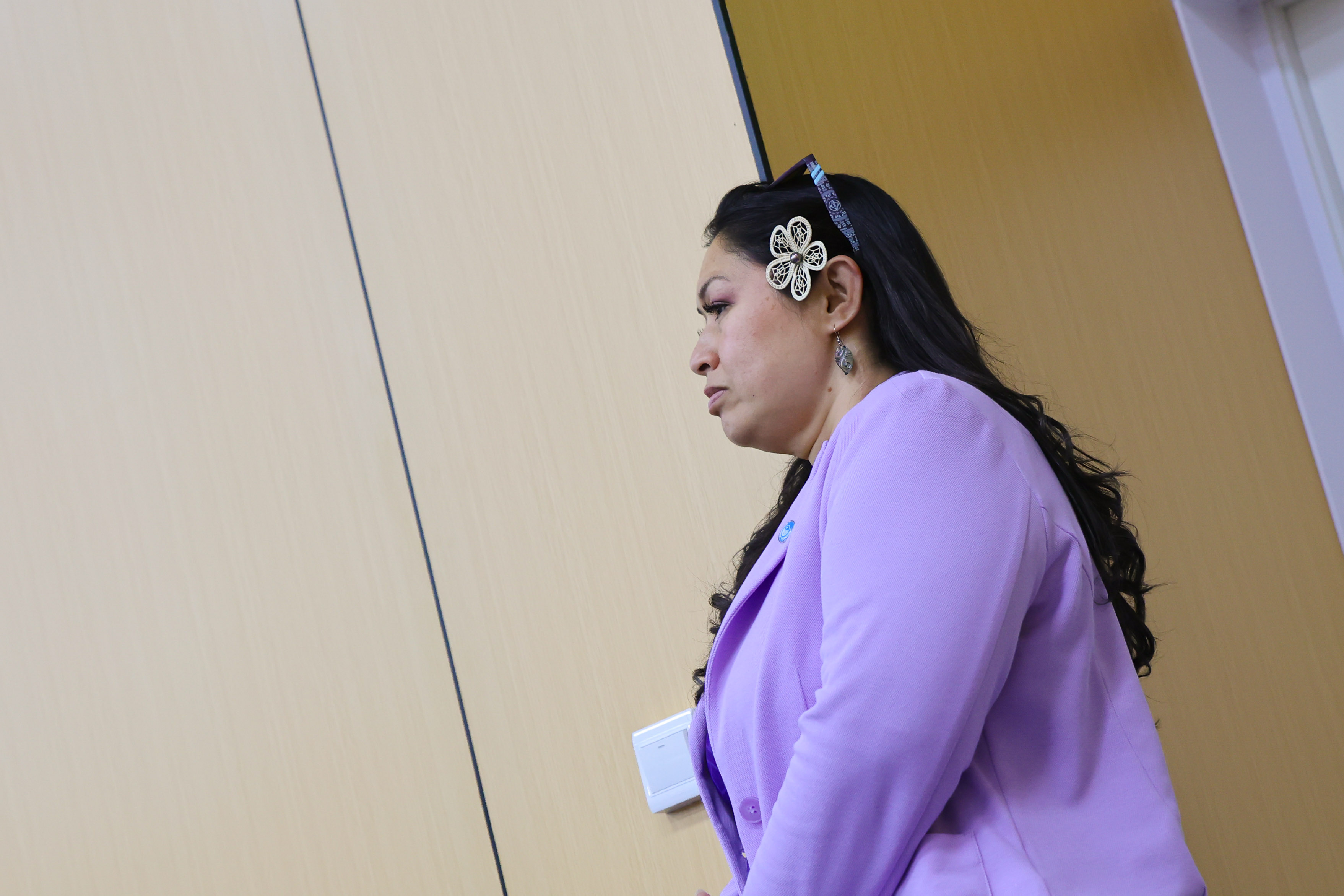
Between Sessions
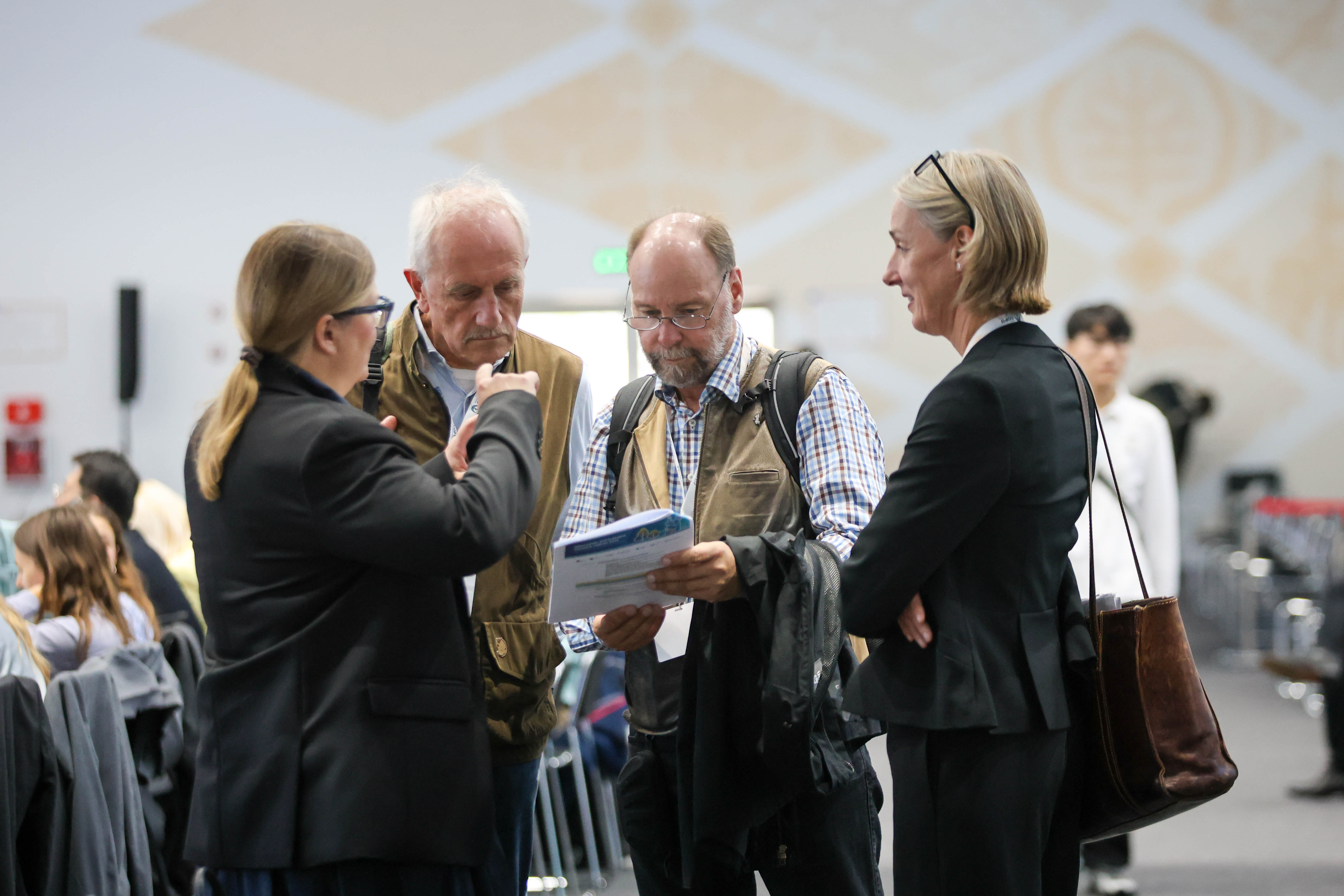
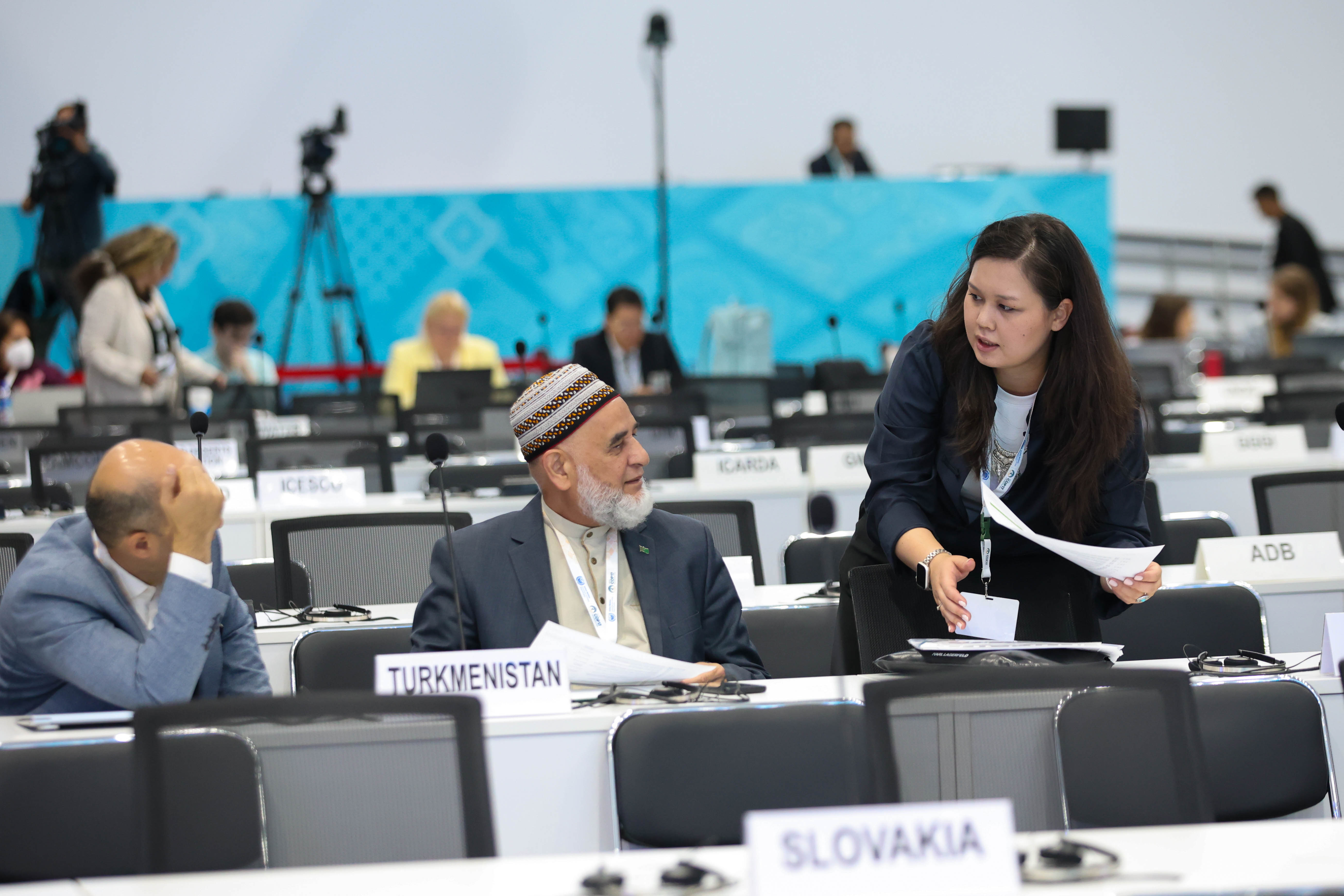
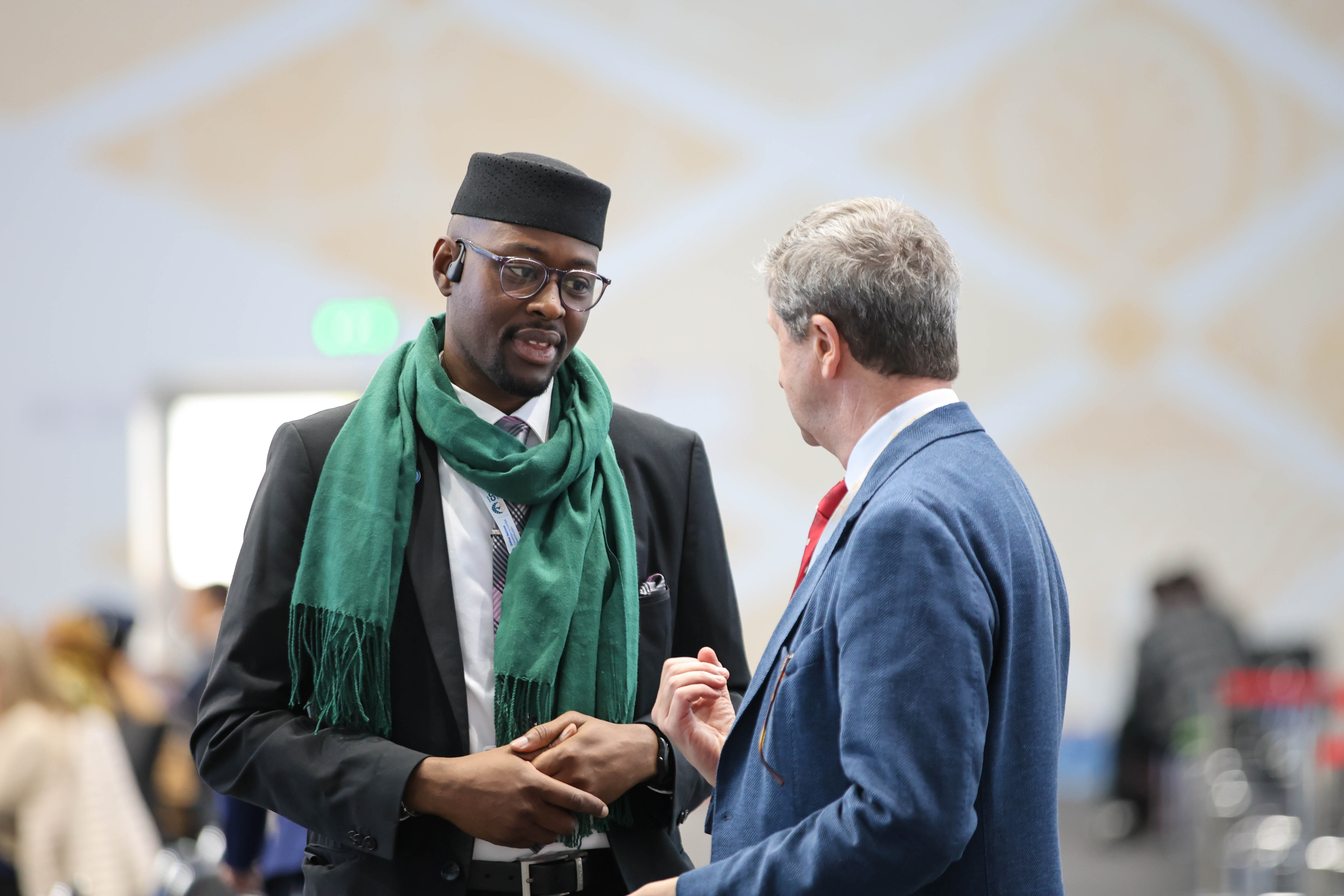
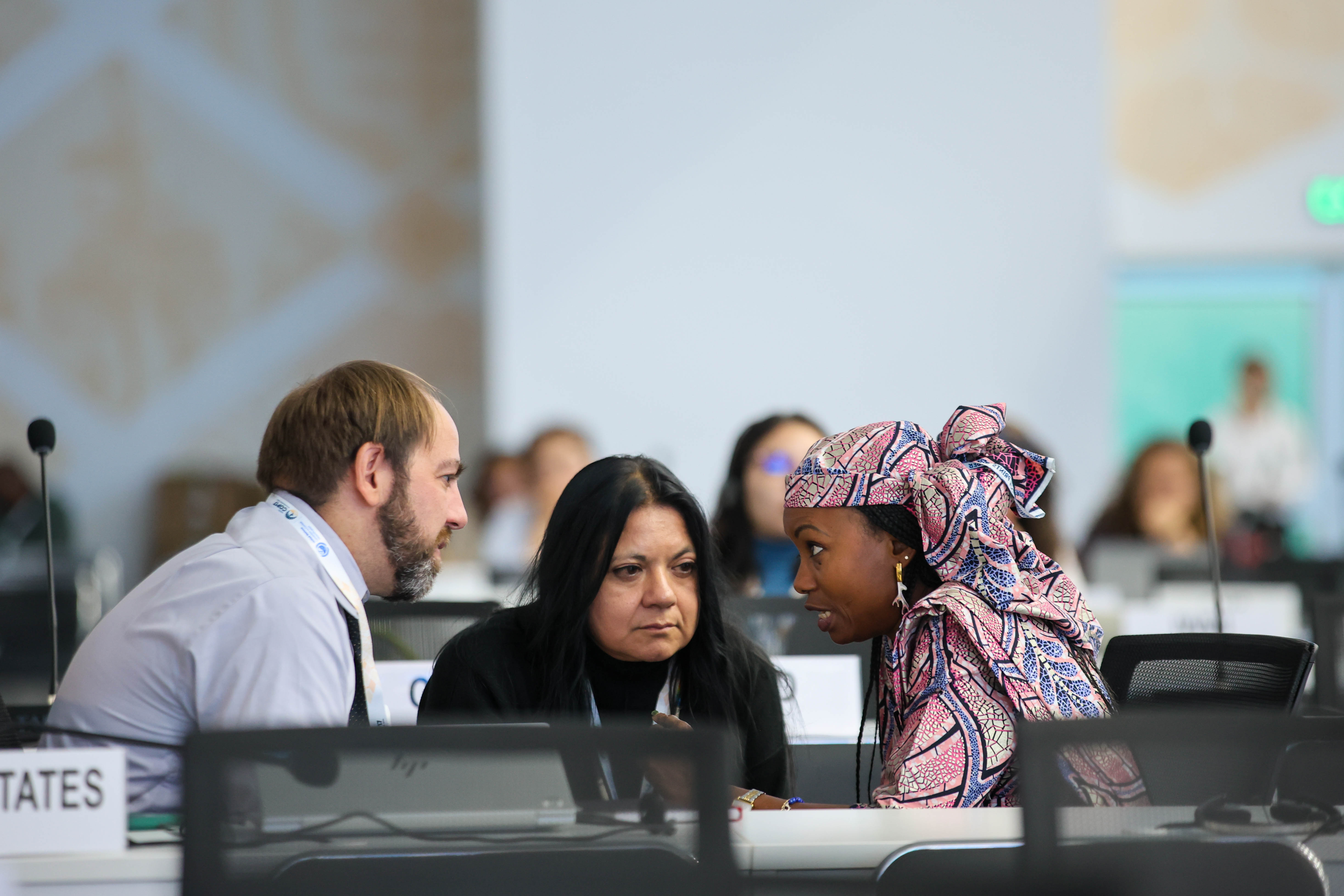
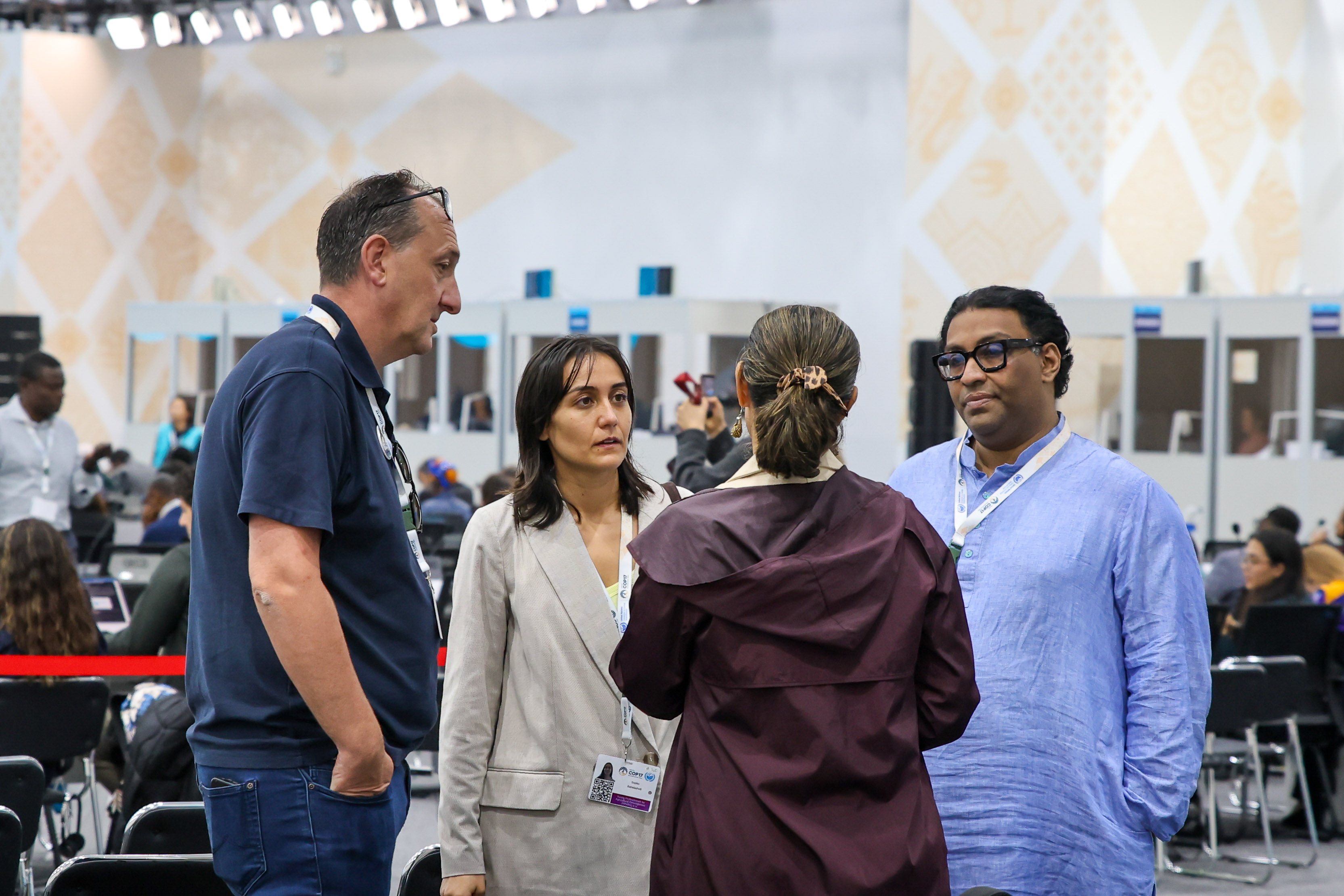
Around the Venue