
Mitigation and adaptation are both key pillars of climate action. Integrated pathways that strengthen resilience and reduce emissions are, therefore, essential for sustainable agrifood systems in a changing climate. This was the focus of Wednesday’s discussions during the FAO-IPCC Expert Meeting on Agriculture and Food.
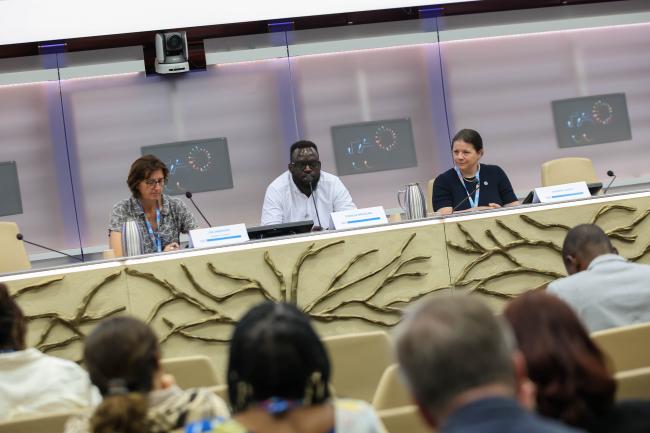
In the morning, Siyabusa Mkuhlani, Associate Scientist-Data Science, International Institute of Tropical Agriculture, noted that agriculture is the second-largest source of global greenhouse gas emissions and outlined a range of mitigation options, including livestock efficiency, forest and land protection, reducing food loss and waste, dietary shifts, and low-carbon supply chains.
On adaptation, Mkuhlani stressed the importance of policy and finance in building resilient agrifood systems. He called for greater attention to the needs of smallholder farmers, particularly regarding financing and cost-effectiveness, and cautioned against one-size-fits-all approaches.
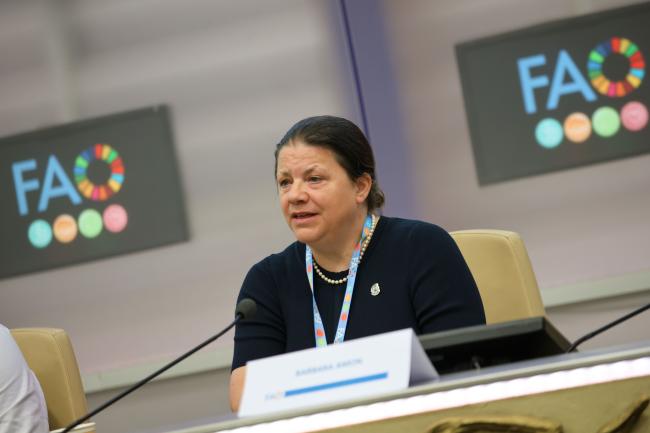
Barbara Amon, Associate Professor for Environmental Engineering and Agricultural Engineering, University of Zielona Góra, focused on mitigation opportunities in agrifood systems. She called for broadening the role of agriculture beyond the production of food, feed, and biomaterials toward multifunctional roles, including livelihood and rural development, biodiversity, and spiritual and cultural values.
On an integrated approach for sustainable food systems, she highlighted a combination of actions, including dietary change in parts of the world with overconsumption, improvements to water and nutrient management, and avoidance of cropland expansion. Outlining a vision of the future of agriculture systems, she said agriculture is at the core of one health approaches, partnerships with nature are essential, and closing nutrient cycles is a priority.
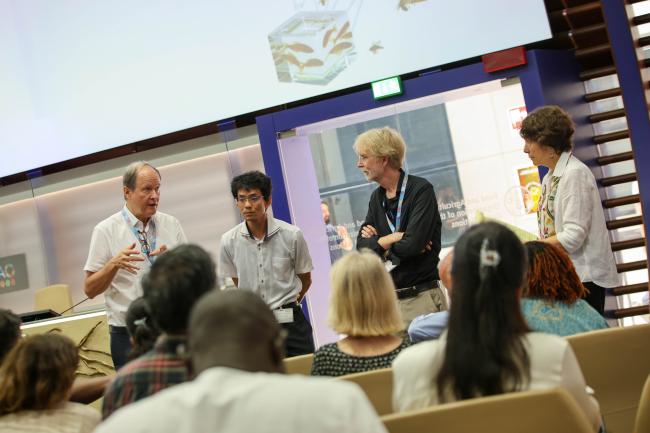
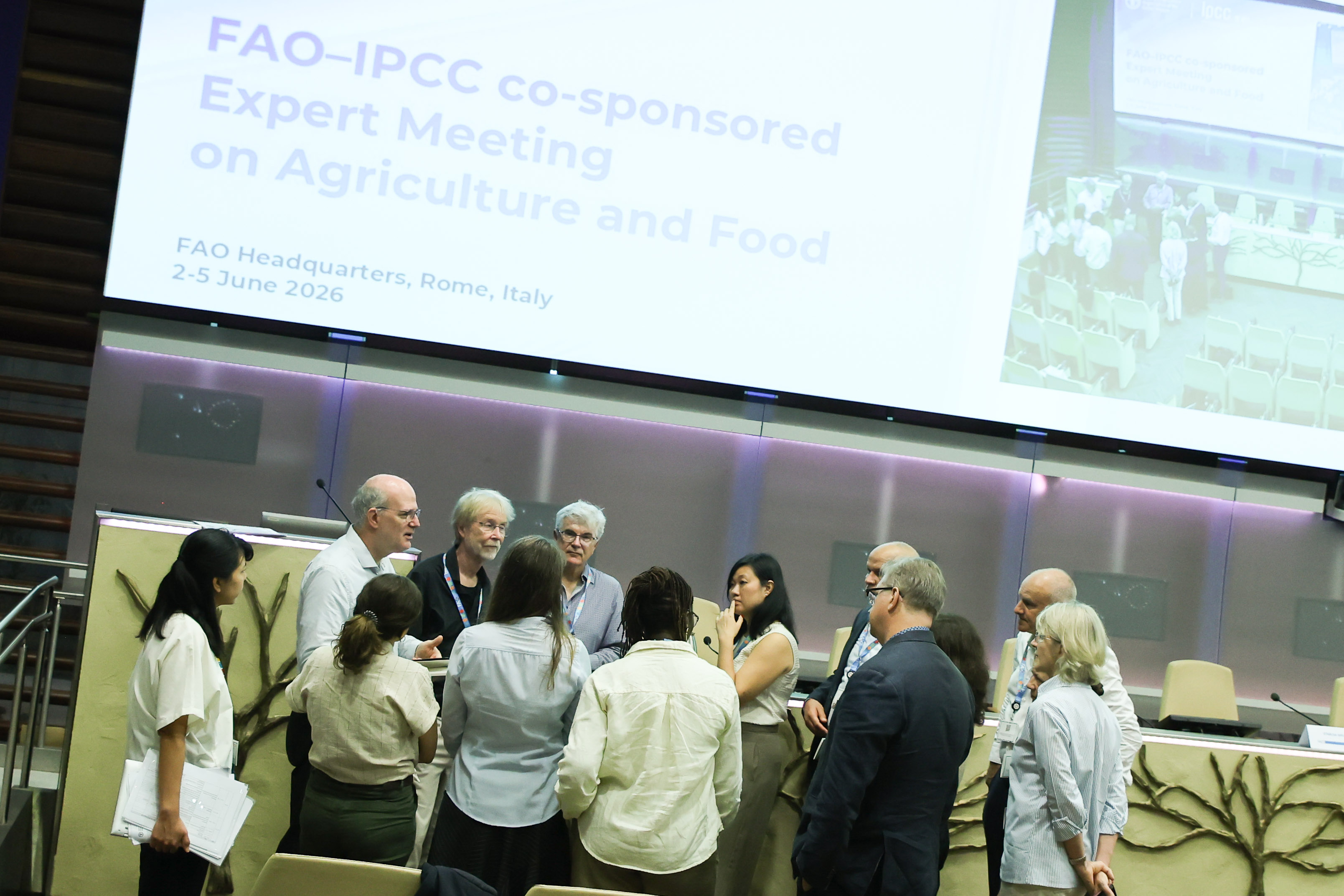
Participants subsequently divided into breakout groups to explore mitigation and adaptation issues in greater detail.
On mitigation, participants identified key messages on, inter alia, the need to:
- move beyond agriculture to the broader notion of agrifood systems;
- integrate mitigation and adaptation to encompass the full spectrum of agrifood systems;
- incorporate adaptation drivers beyond cost to enable technology adoption, especially for small-scale farmers;
- use existing resources to improve production while acknowledging the need for major transformation;
- address government and market incentives, including carbon prices and monitoring; and
- close literature and knowledge gaps, particularly in integrated assessment models and agroecology.
On adaptation, and loss and damage, participants highlighted the importance of tailoring adaptation measures to local contexts and vulnerabilities. They stressed that adaptation effectiveness should receive greater attention, including understanding how multiple adaptation measures can work together to strengthen resilience.
Participants further identified a range of transformational solutions, including renewable fertilizers, agroforestry, diversified crop and livestock systems, dietary shifts, and improved water management.
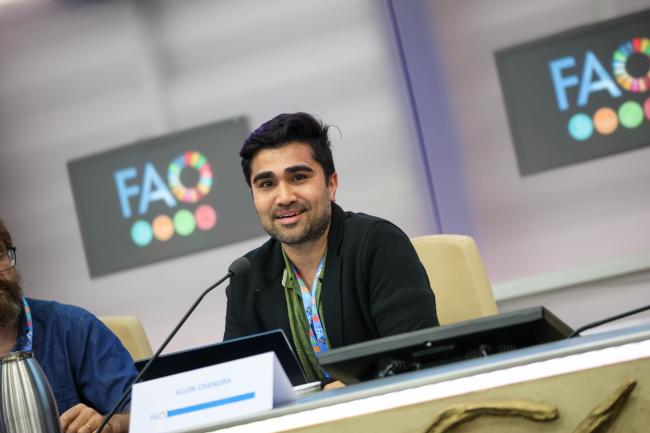
In the afternoon, discussions focused on interactions across mitigation, adaptation, and loss and damage. Alvin Chandra, Senior Climate Specialist, Asian Development Bank, and Lead Author, IPCC Seventh Assessment Report (AR7) Responses to Losses and Damages, outlined how mitigation ambition shapes outcomes, and how losses and damages have gained relevance since the AR6.
Outlining factors distinguishing adaptation and losses and damages, such as reversibility, tolerability, and avoidability of impacts, Chandra provided examples of limits to adaption from Pacific small island States. He highlighted the need to integrate mitigation, adaptation, and losses and damages in order to address escalating climate risks.
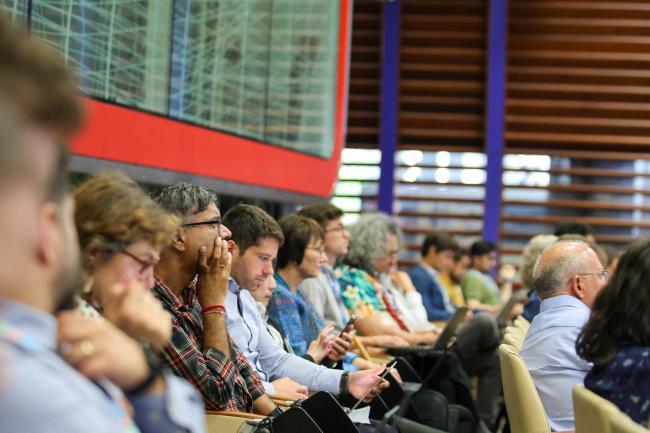
Participants subsequently gathered in four breakout sessions on: strategic priorities and planning for mitigation and adaptation actions; loss and damage and limits to adaptation and implications for mitigation pathways; trade-offs and sustainability constraints; and metrics, evidence, and cross-working group framing issues.
During the discussions, participants addressed the challenges and opportunities in agricultural adaptation and transformation. Key points included the need to differentiate policy approaches for small-scale and commercial farmers, develop robust metrics for transformative adaptation, and integrate mitigation and adaptation strategies across sectors through aligned policies.
Participants also emphasized reframing transformation narratives, building an evidence base to prevent polarization, and addressing knowledge gaps at both farm and policy levels. They raised concerns about financing and highlighted the importance of incorporating adaptation solutions into development programmes.
Discussions on Thursday will focus on synergies and solutions across agrifood systems.
To receive free coverage of global environmental events delivered to your inbox, subscribe to the ENB Update newsletter.
All ENB photos are free to use with attribution. For the Expert Meeting on Agriculture and Food please use: Photo by IISD/ENB | Anastasia Rodopoulou
Session 4: Mitigation - Adaptation
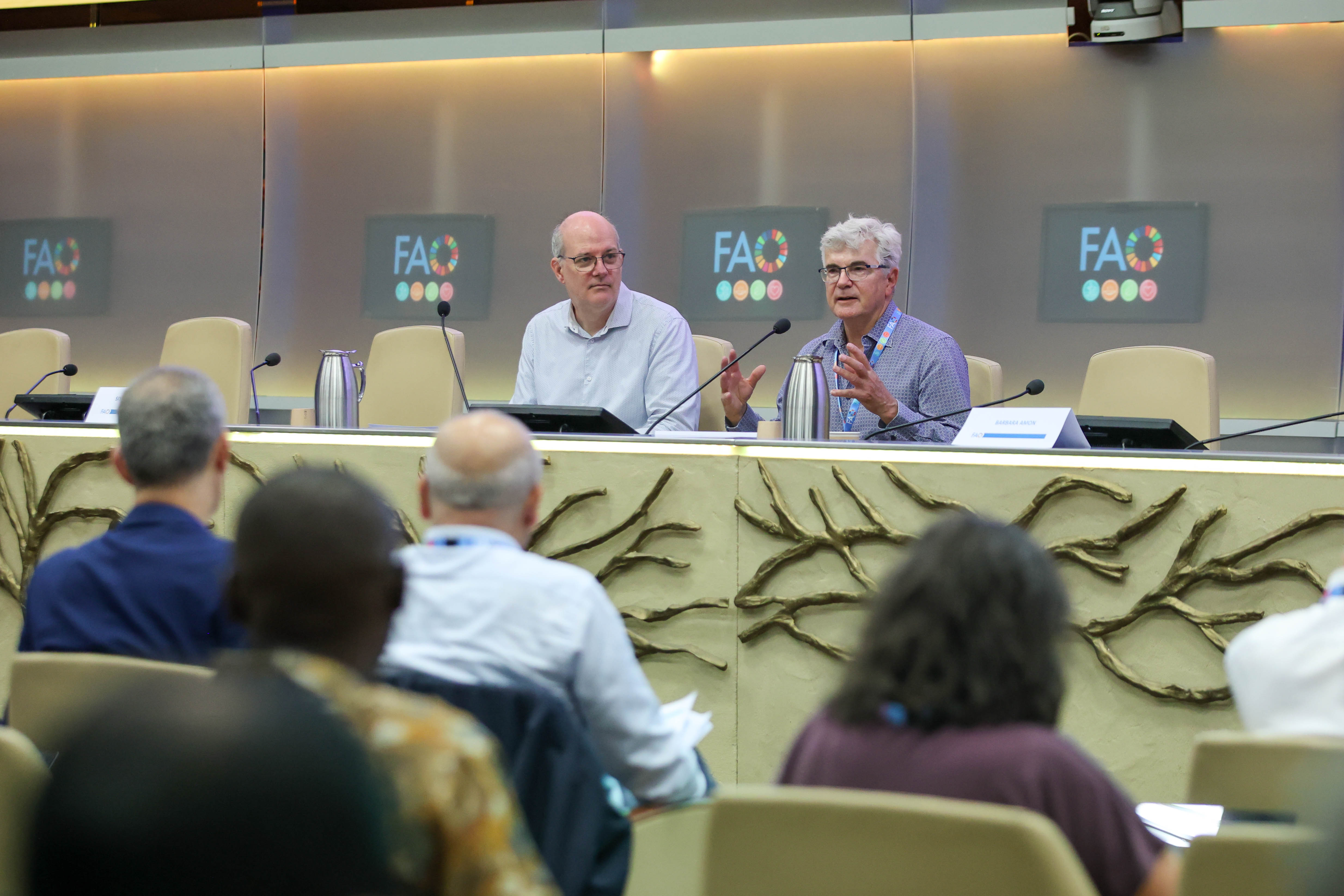
Martial Bernoux, Co-Chair, Scientific Steering Committee, and Head, Climate Change Team, Office of Climate Change, Biodiversity, and Environment, FAO, and Mark Howden, Co-Chair, Scientific Steering Committee, and Vice-Chair, IPCC Working Group II
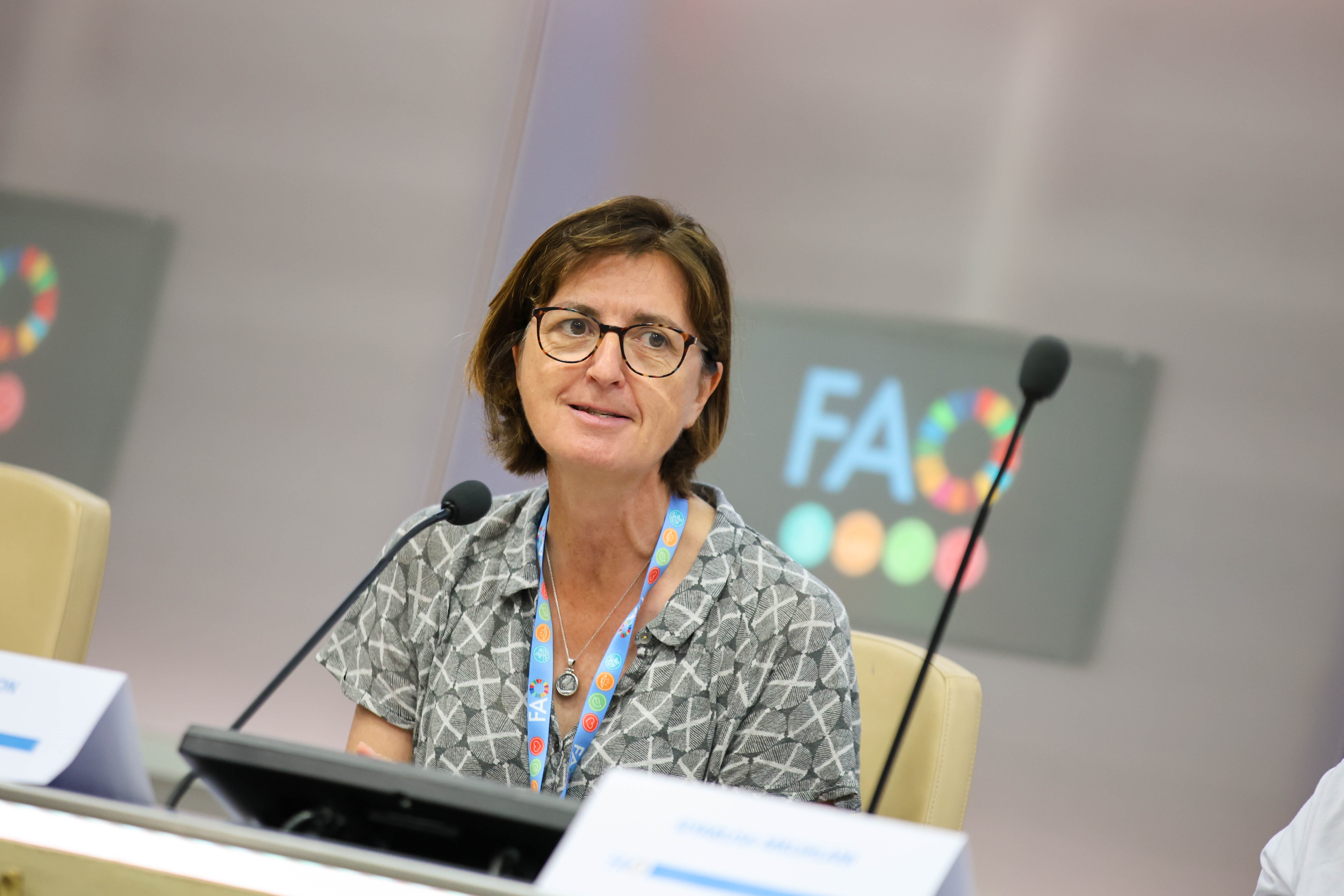
Lisa Emberson, Professor, University of York

Siyabusa Mkuhlani, Associate Scientist, International Institute of Tropical Agriculture
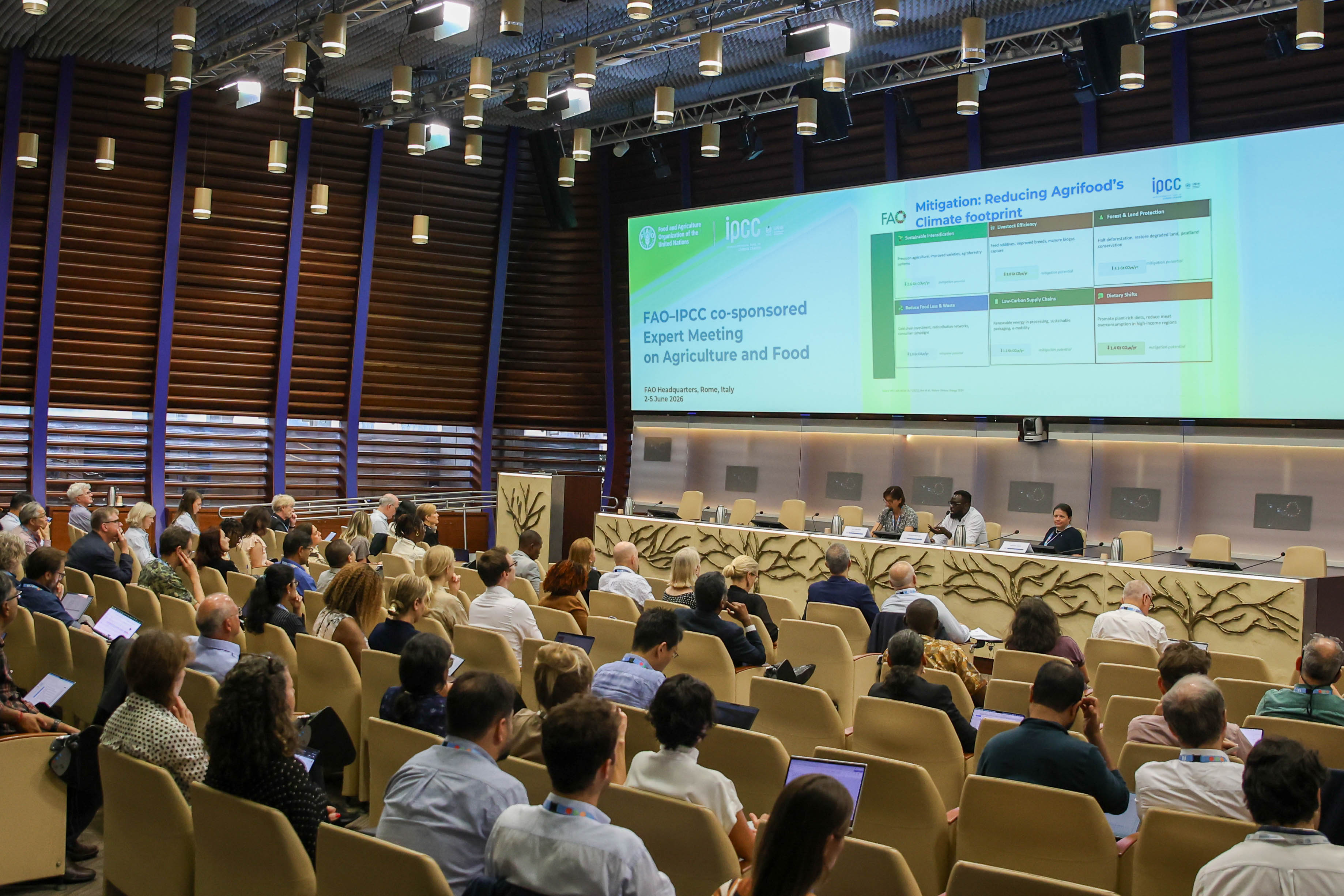
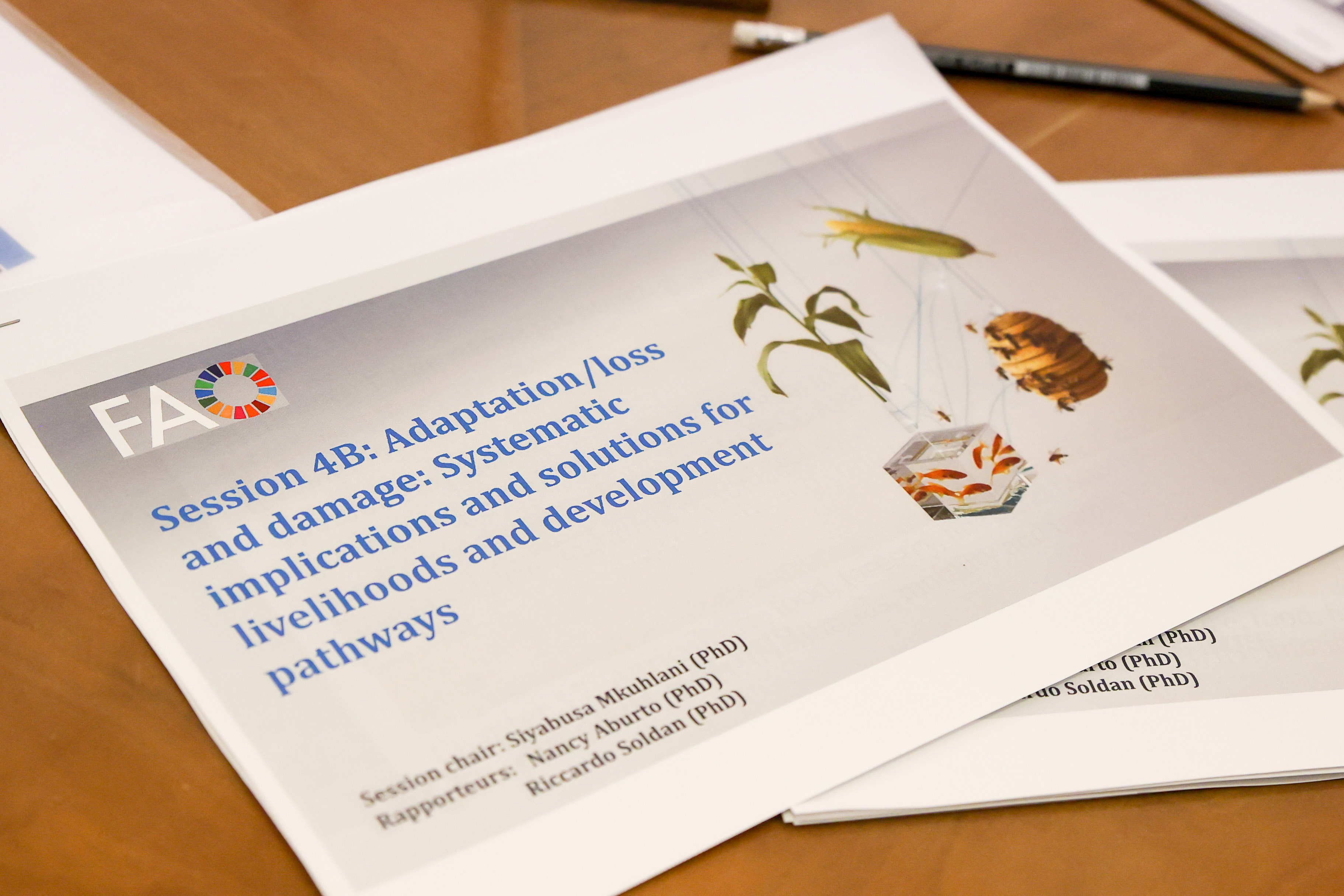
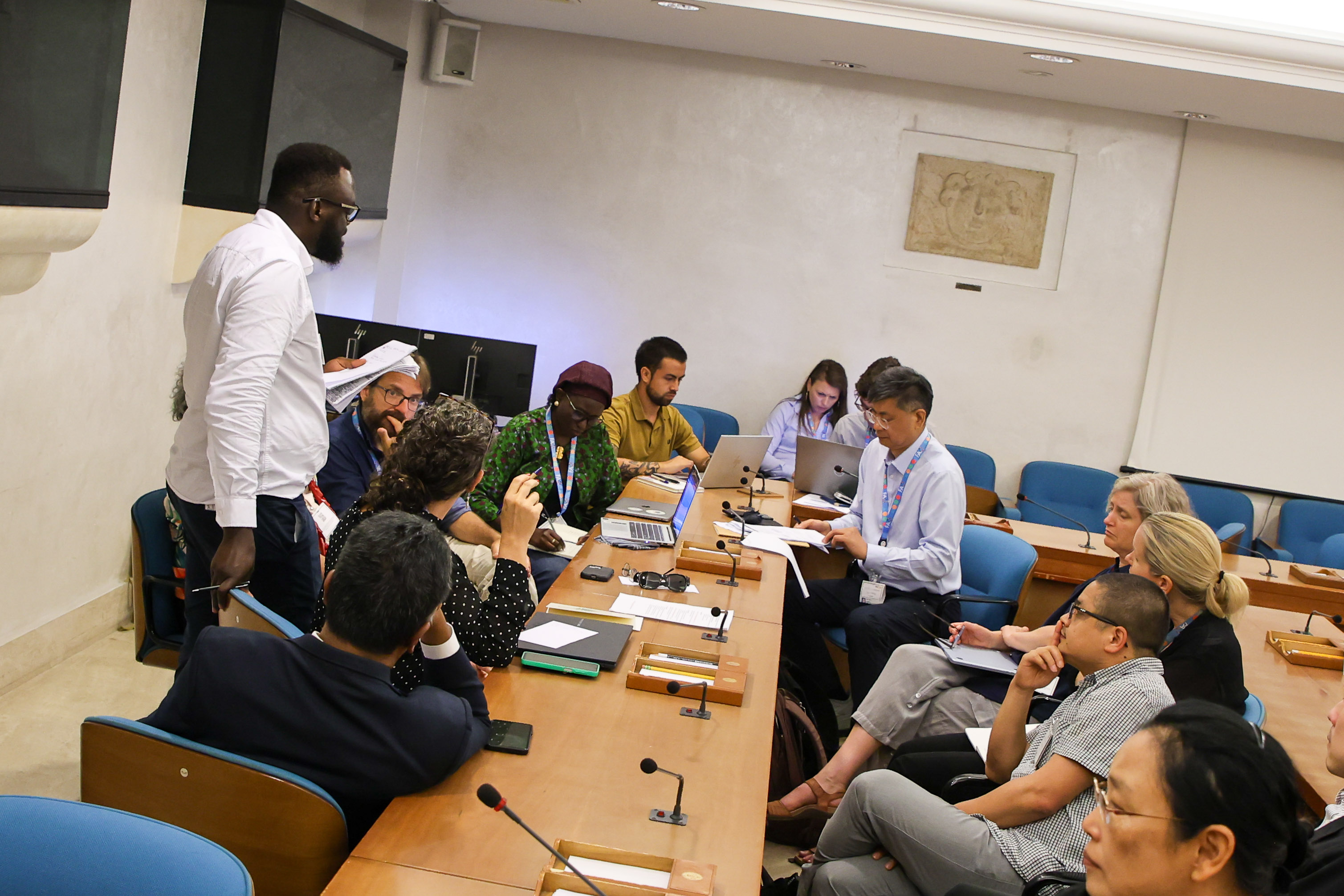
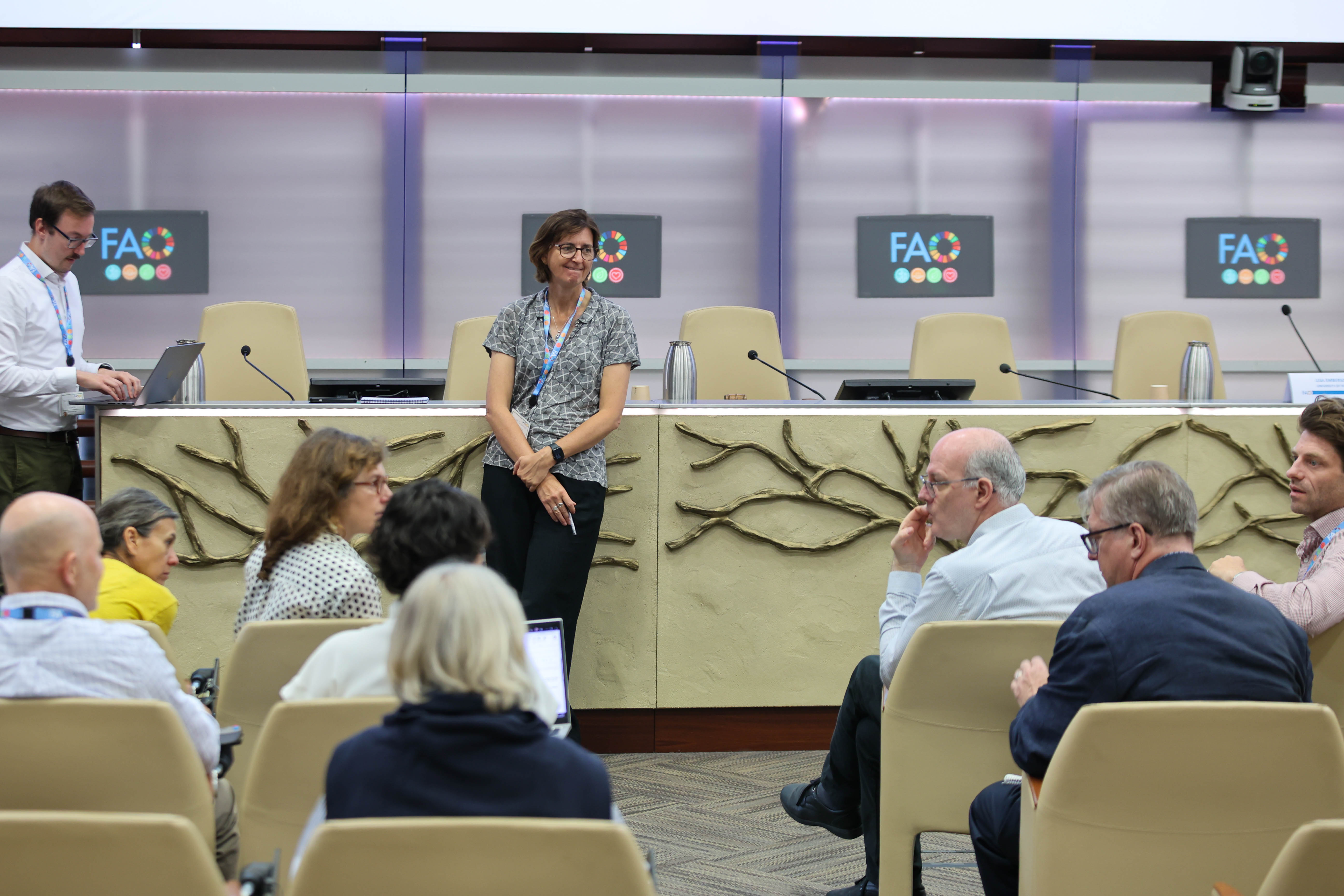
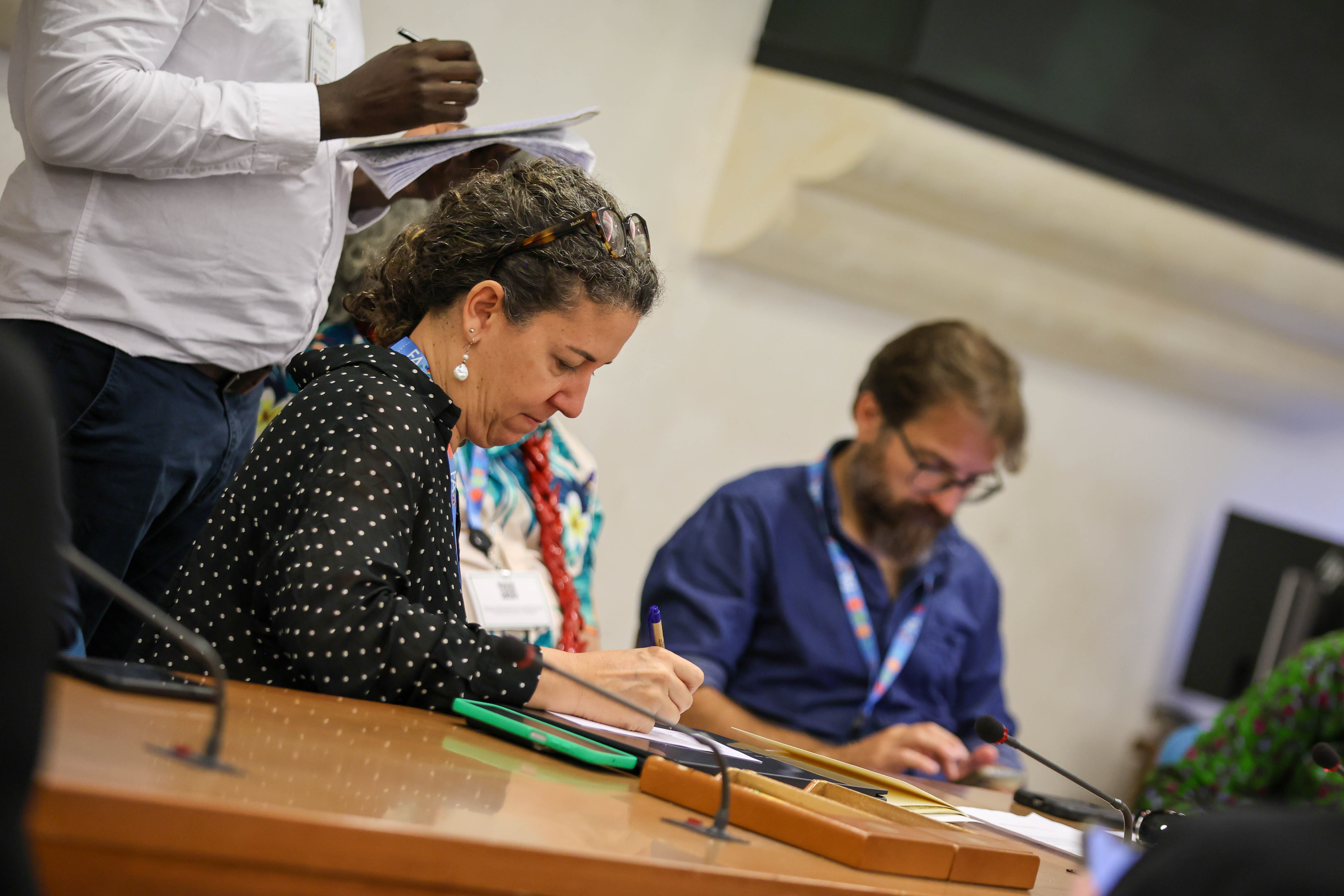
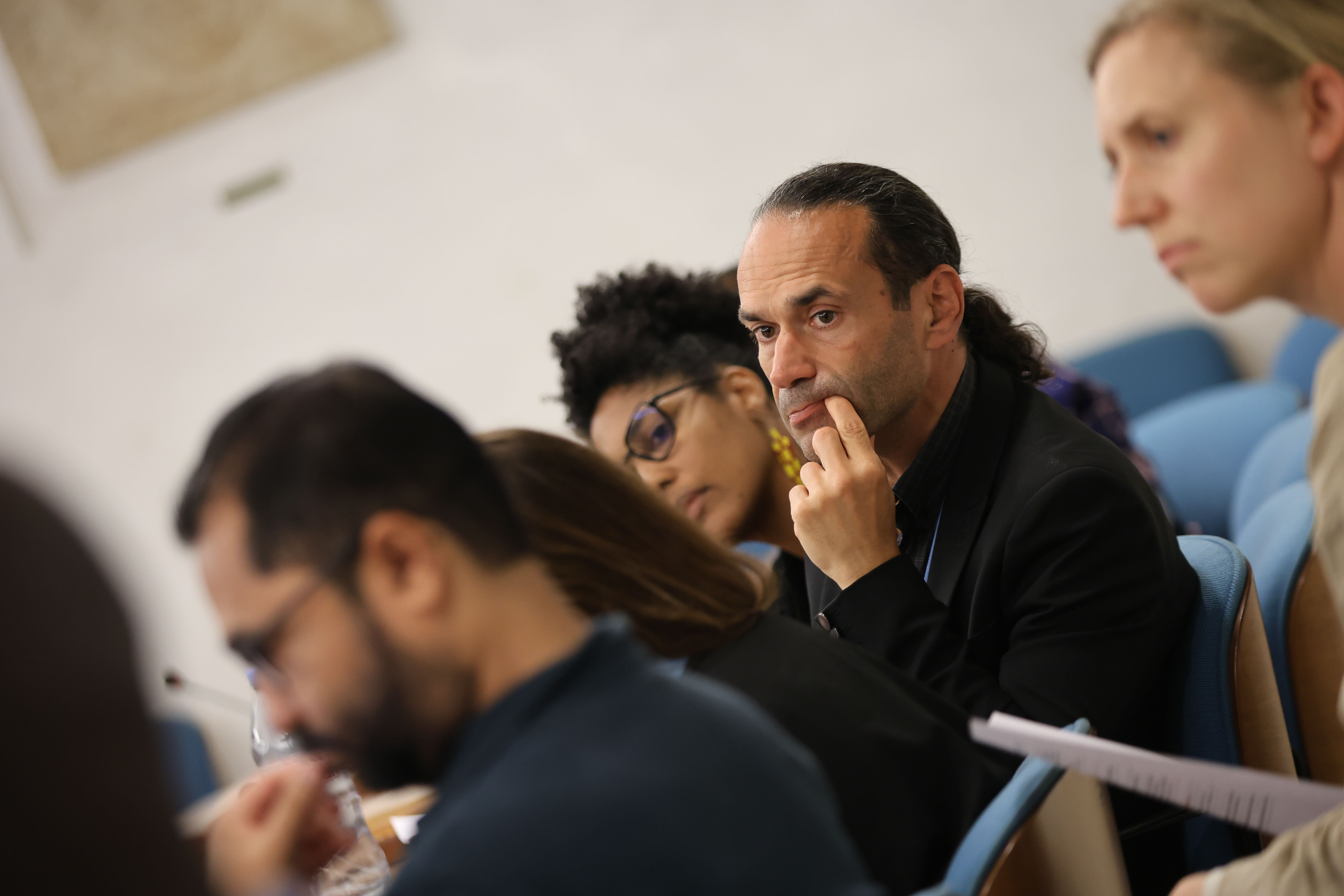
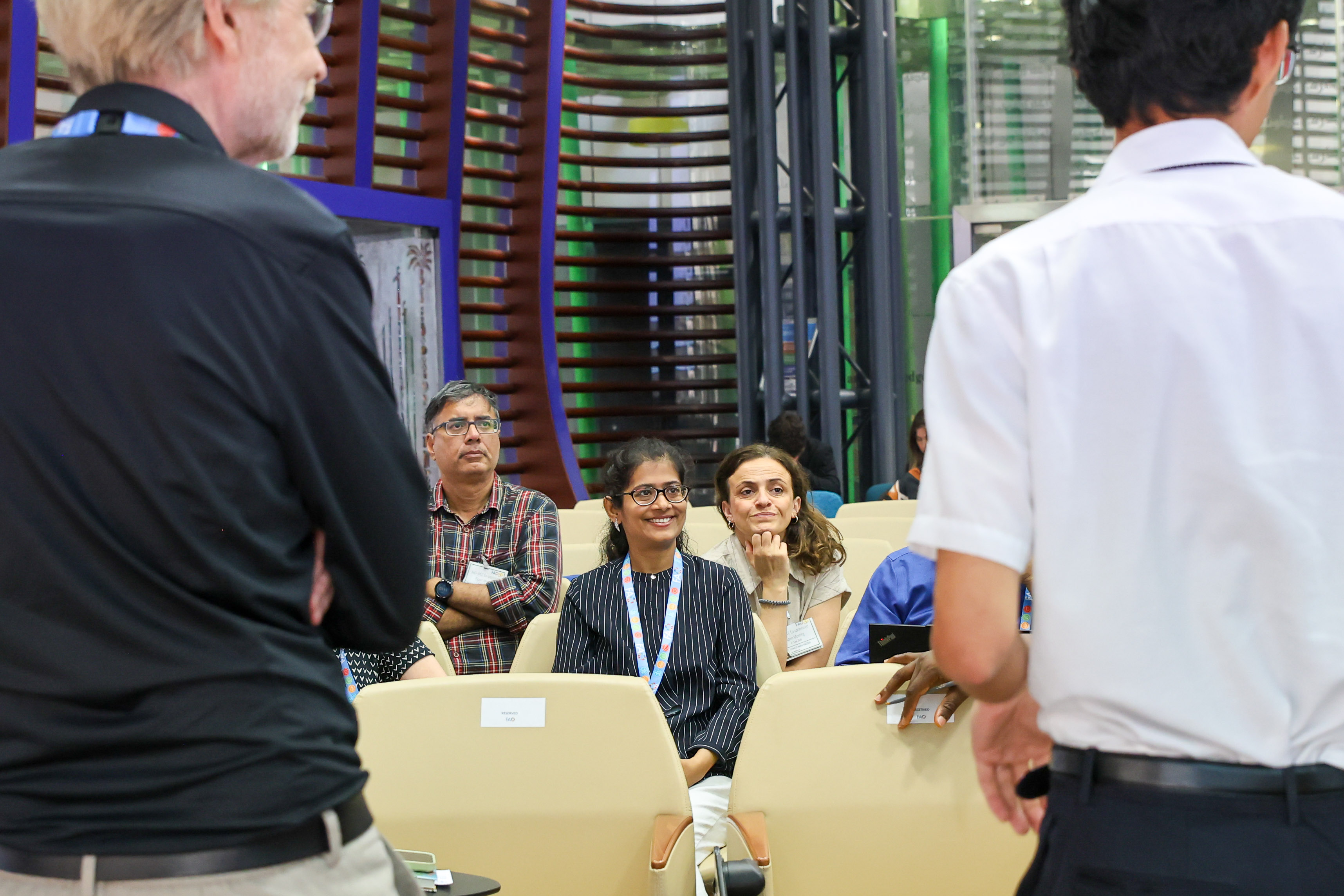
Participants continue the discussions in breakout groups.
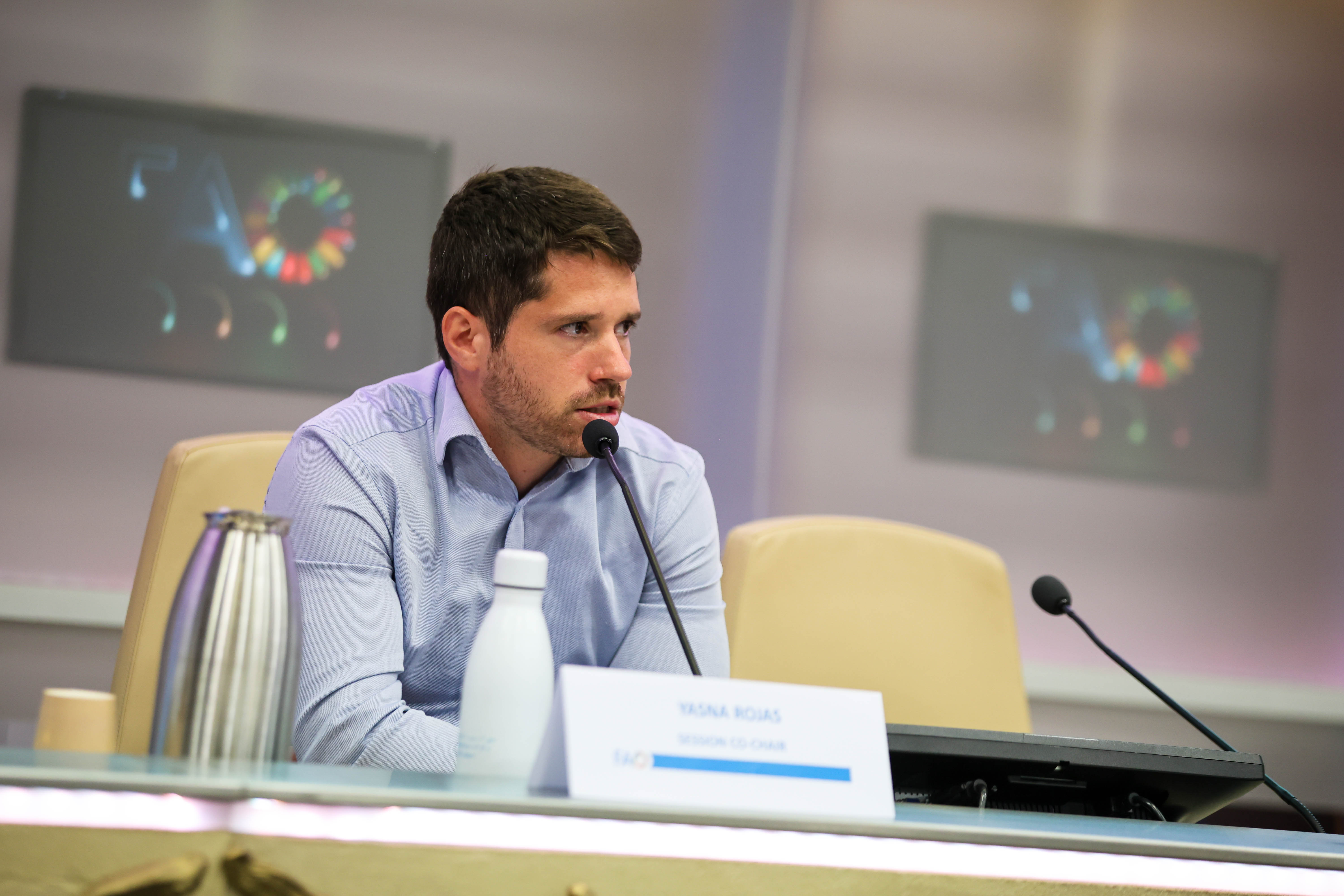
Riccardo Soldan, Natural Resources Officer, FAO
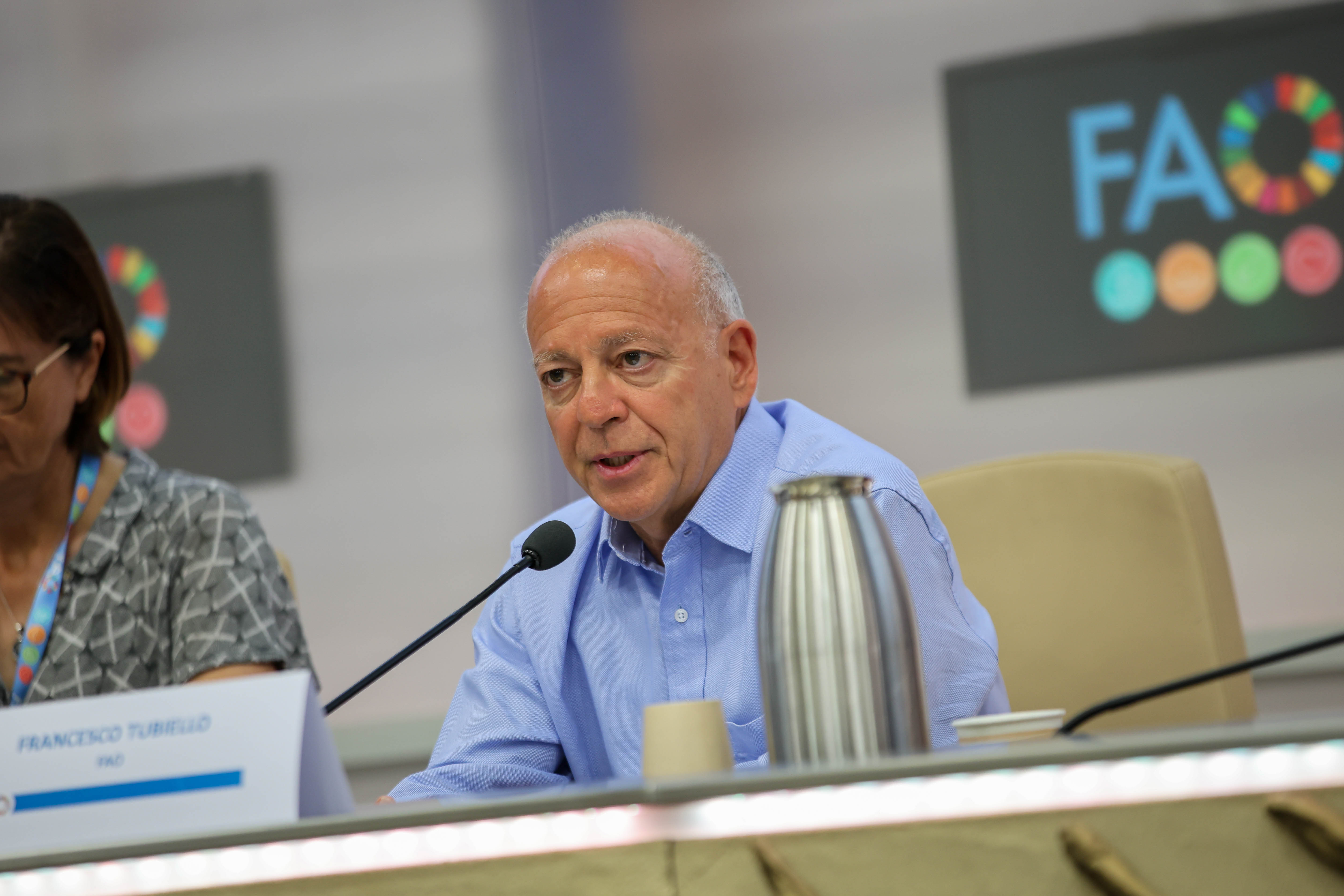
Francesco Tubiello, Senior Statistician, FAO
Session 5: Interactions across mitigation, adaptation and loss and damage
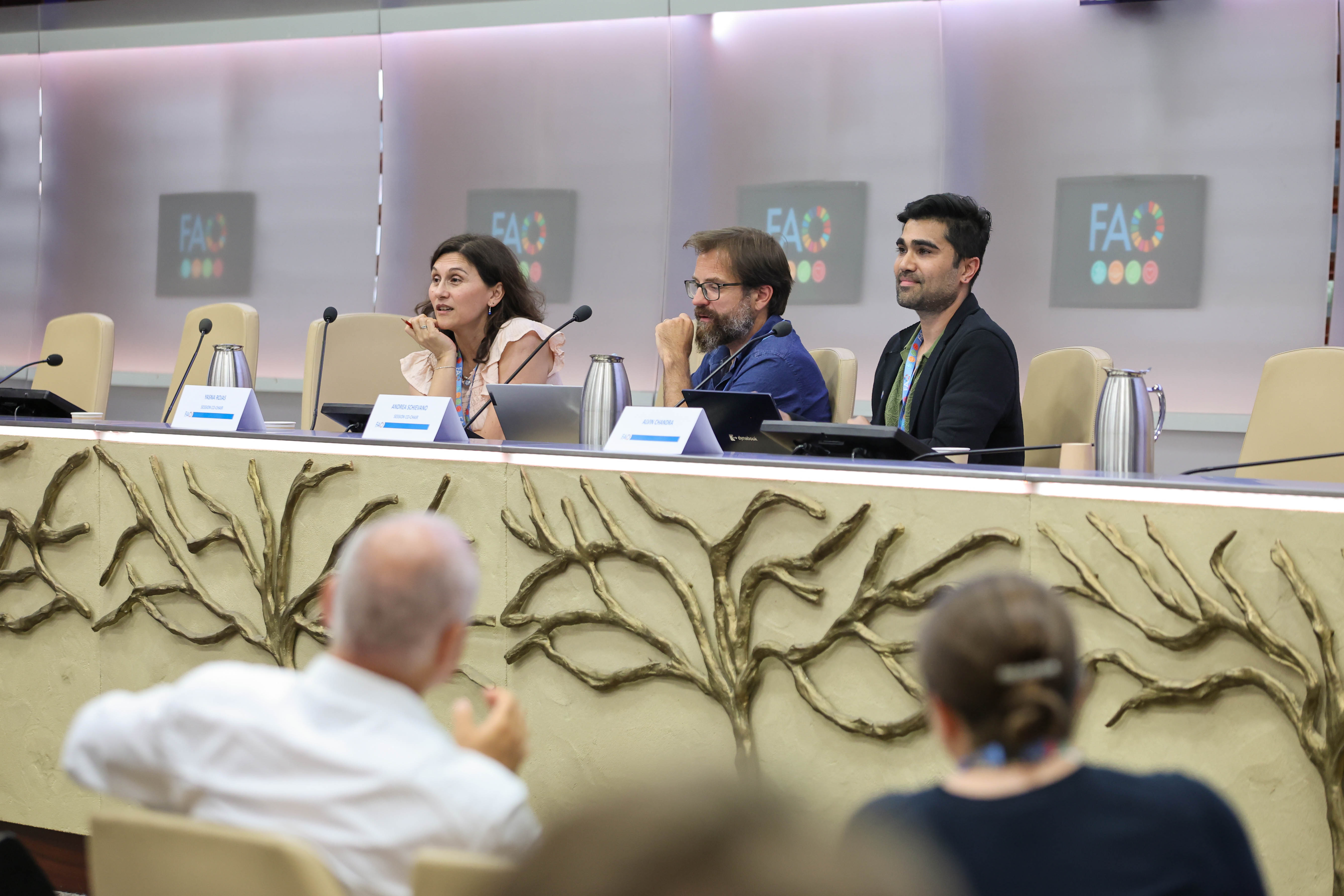
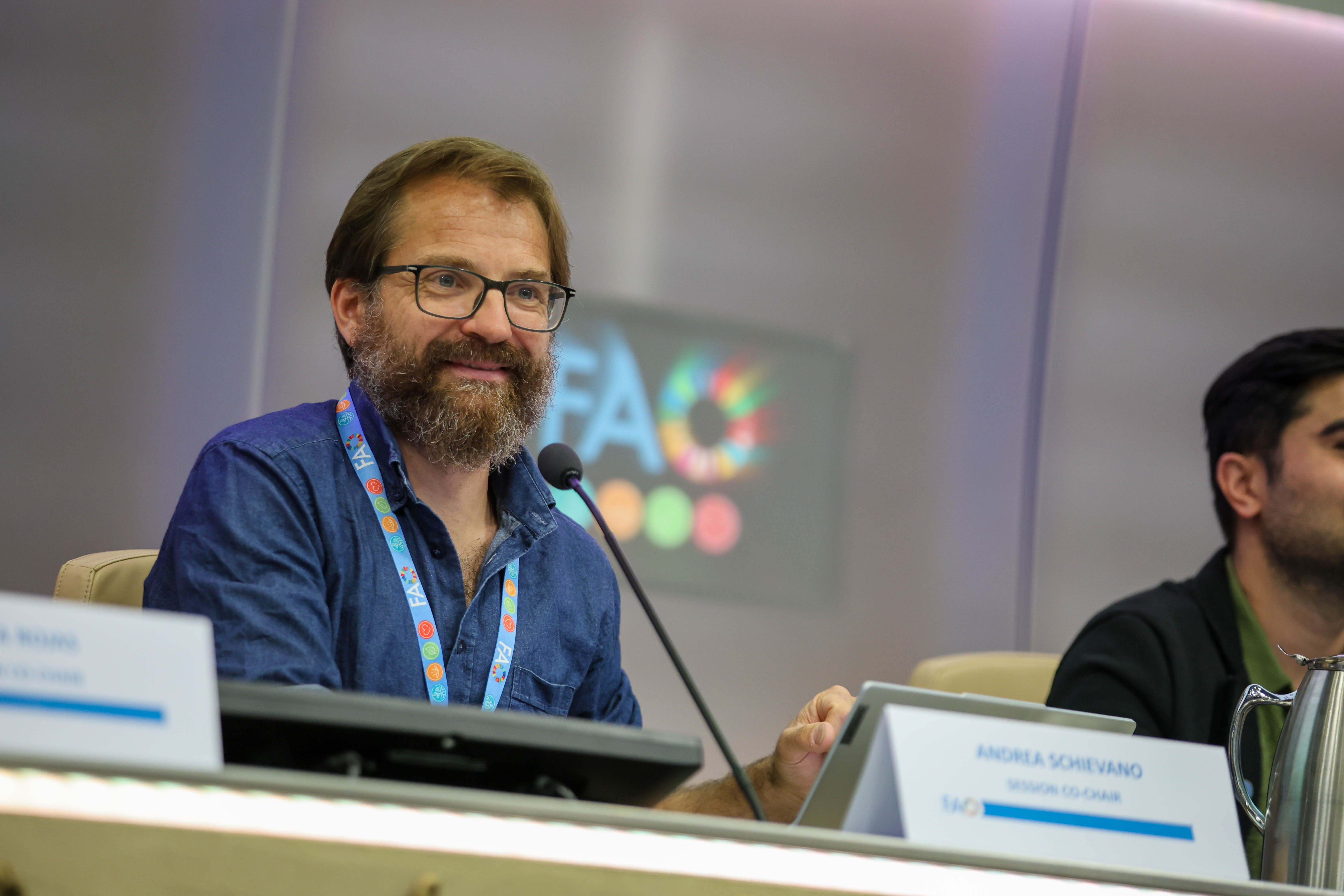
Andrea Schievano, University of Milan and Soulfood Forestfarms, Milan, Italy
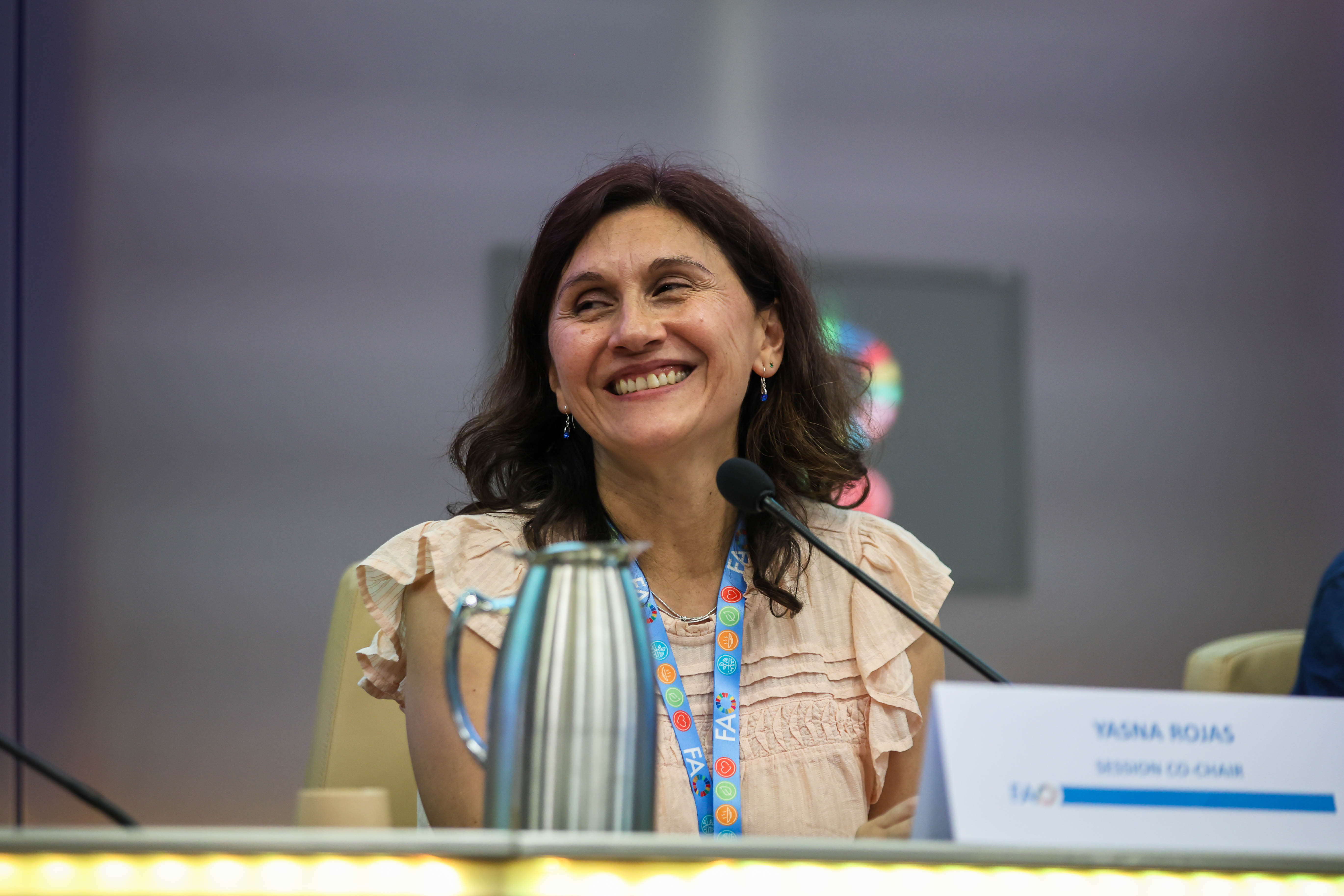
Yasna Rojas, IPCC Task Force Bureau Member, Task Force on National Greenhouse Gas Inventories
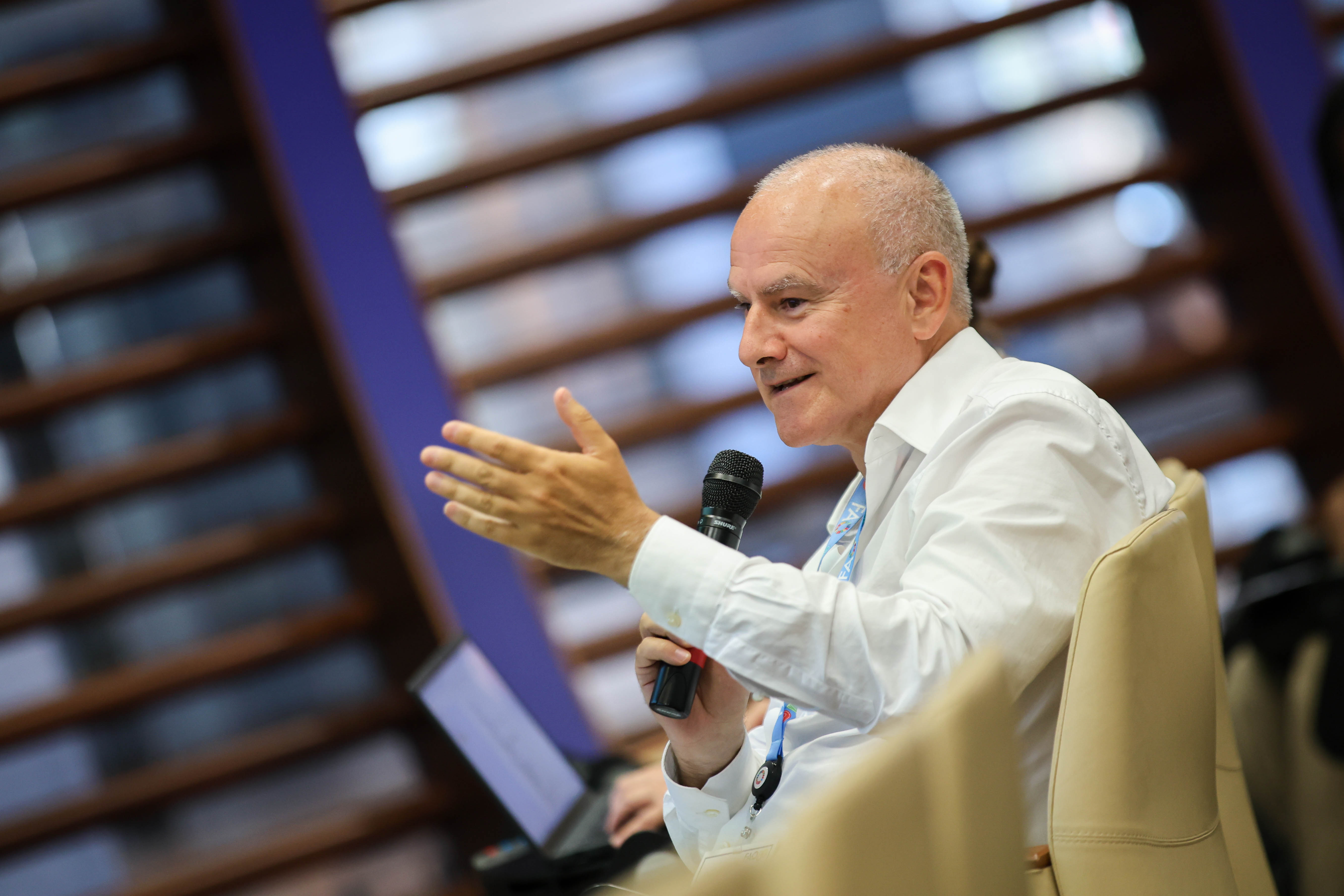
Sandro Federici, Head of Science, Technical Support Unit, IPCC Task Force on National GHG Inventories
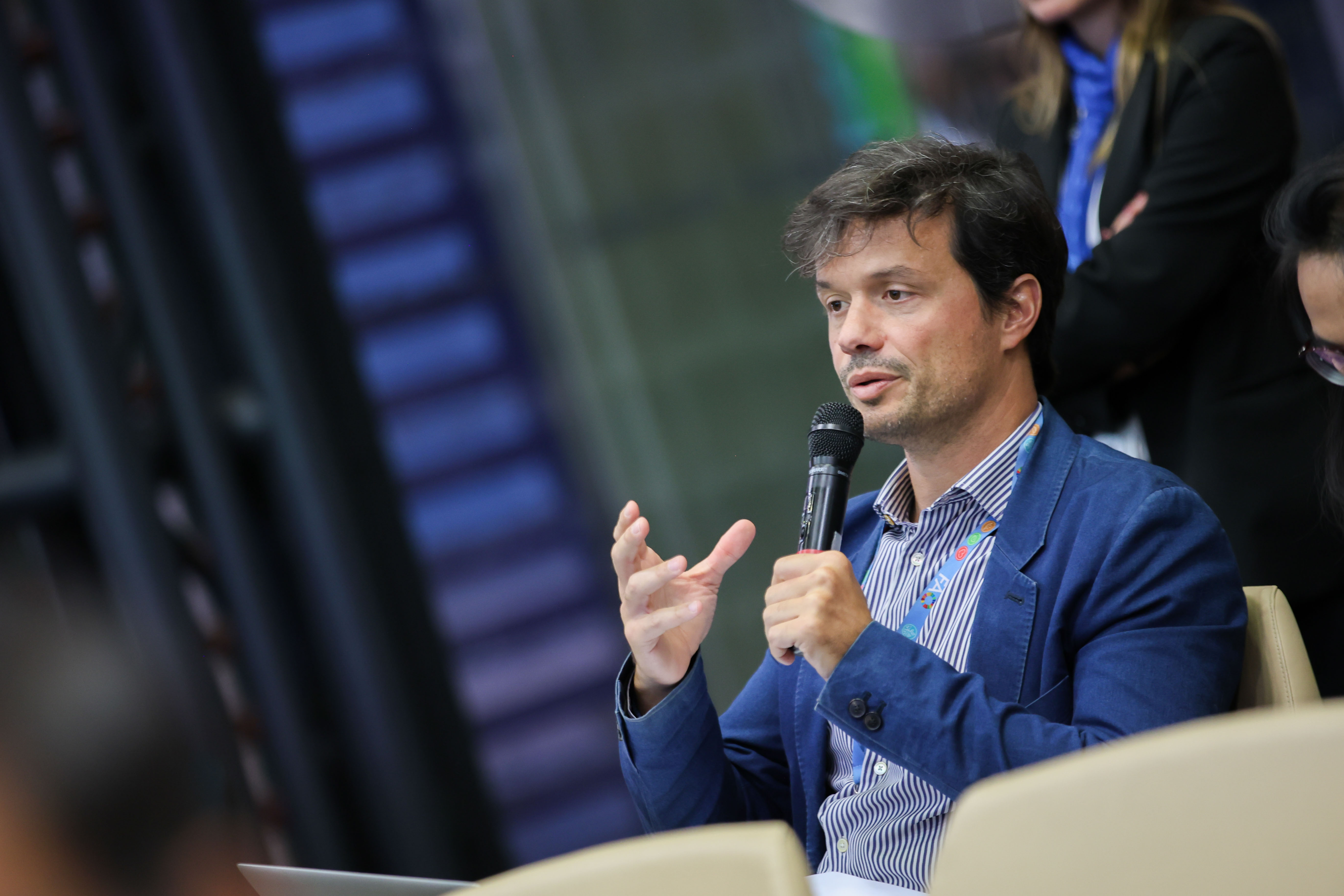
Luca Parodi, Emergency and Rehabilitation Officer, Disaster Risk Reduction and Climate Lead, FAO
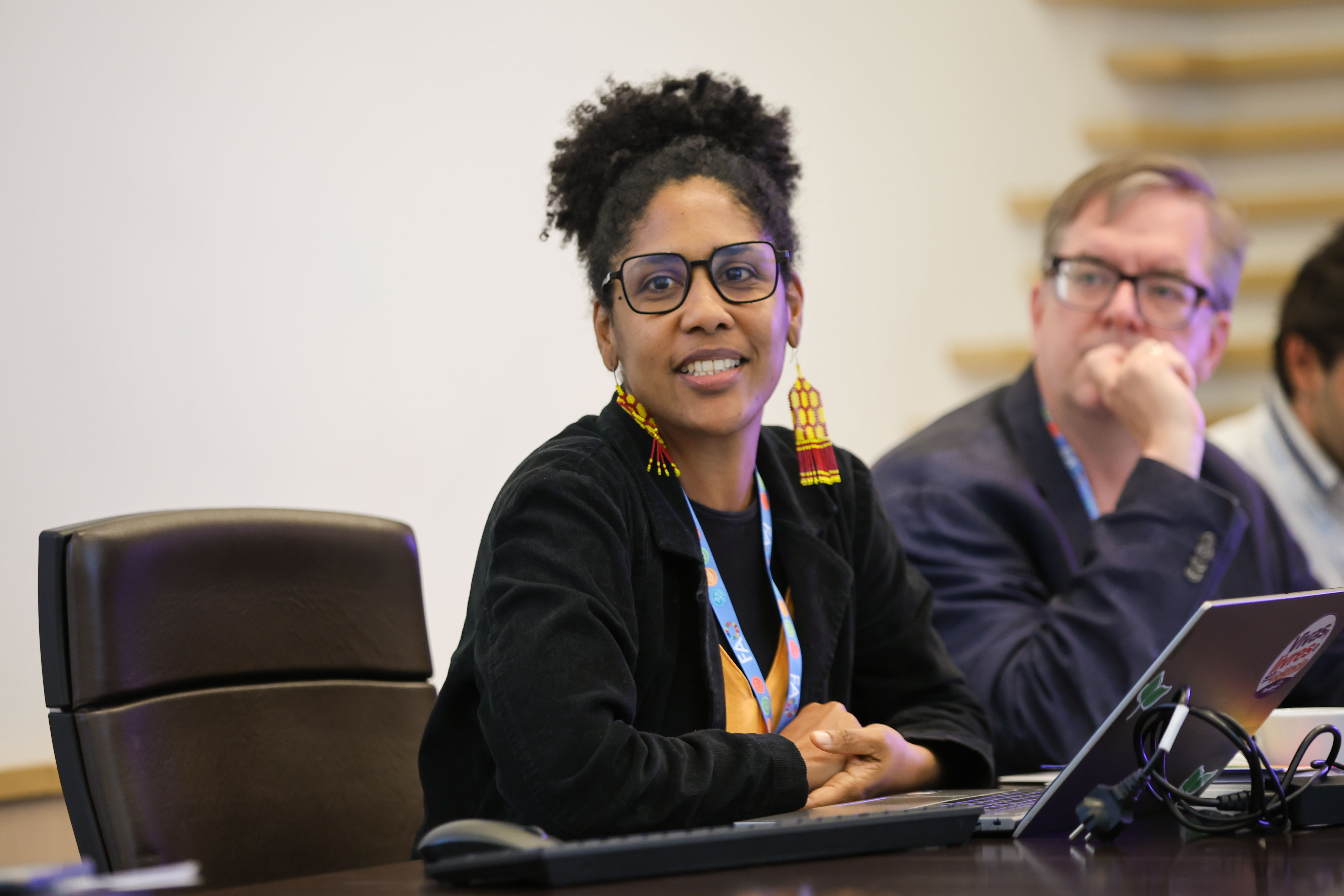
Ana Felicien, Ministry of Development and Social Assistance, Family and Fight Against Hunger, Brazil, and Chair of the breakout session on loss and damage and limits to adaptation and implication for mitigation pathways
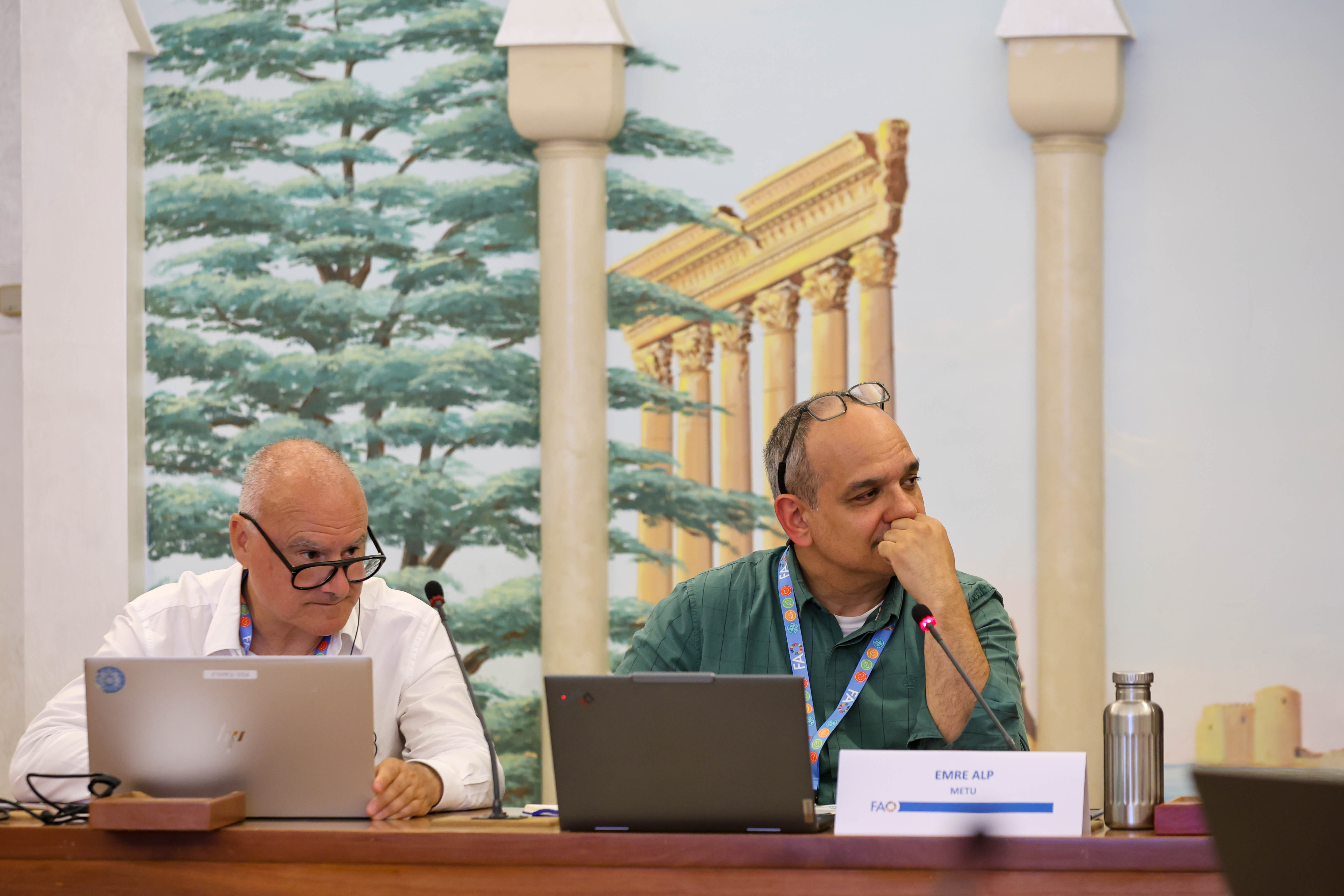
Sandro Federici, Head of Science, Technical Support Unit, IPCC Task Force on National GHG Inventories, and Emre Alp, Associate Professor, Middle East Technical University, and Chair of the breakout session on strategic priorities and planning for mitigation and adaptation actions
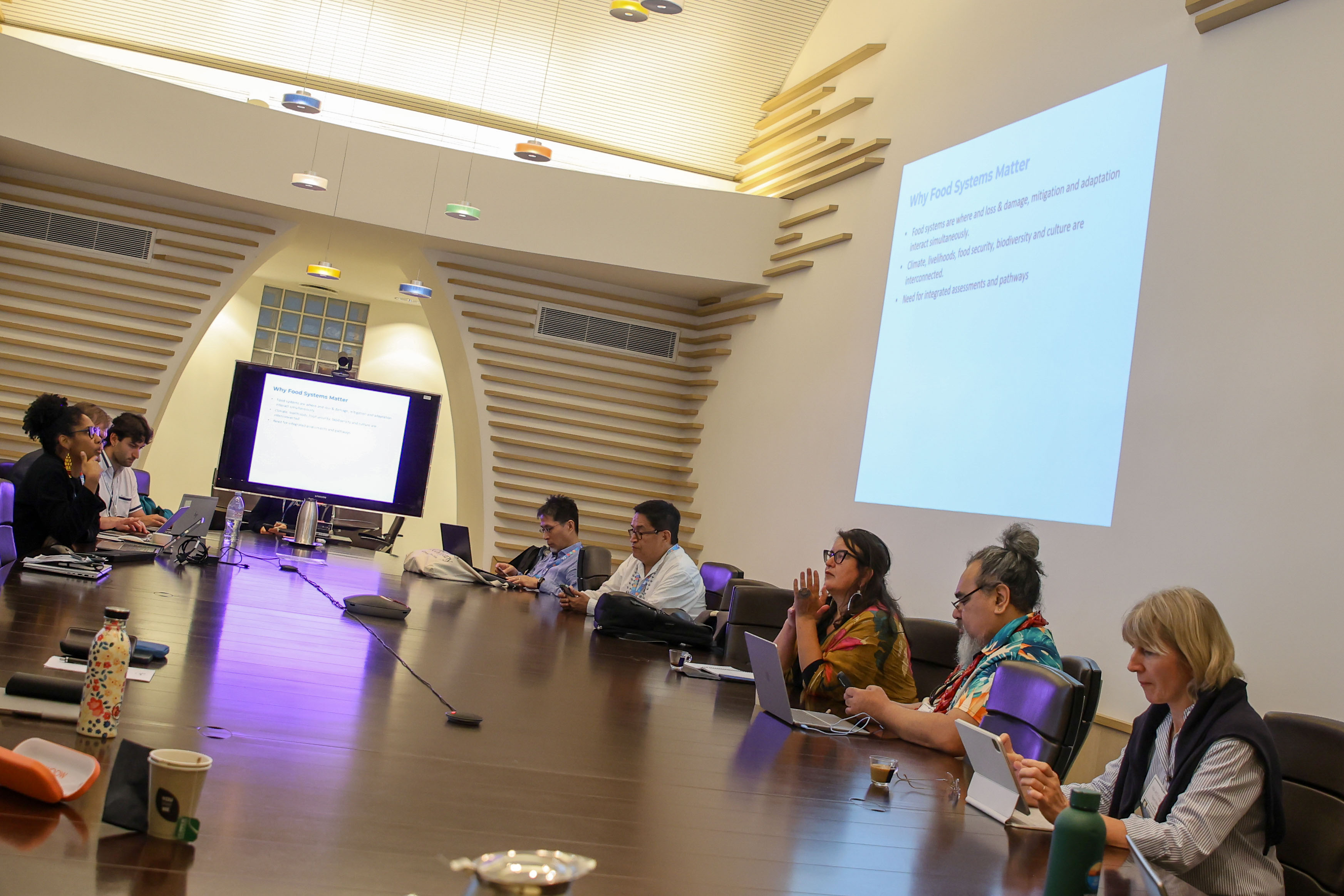
A view of the room during the breakout session on loss and damage and limits to adaptation and implication for mitigation pathways
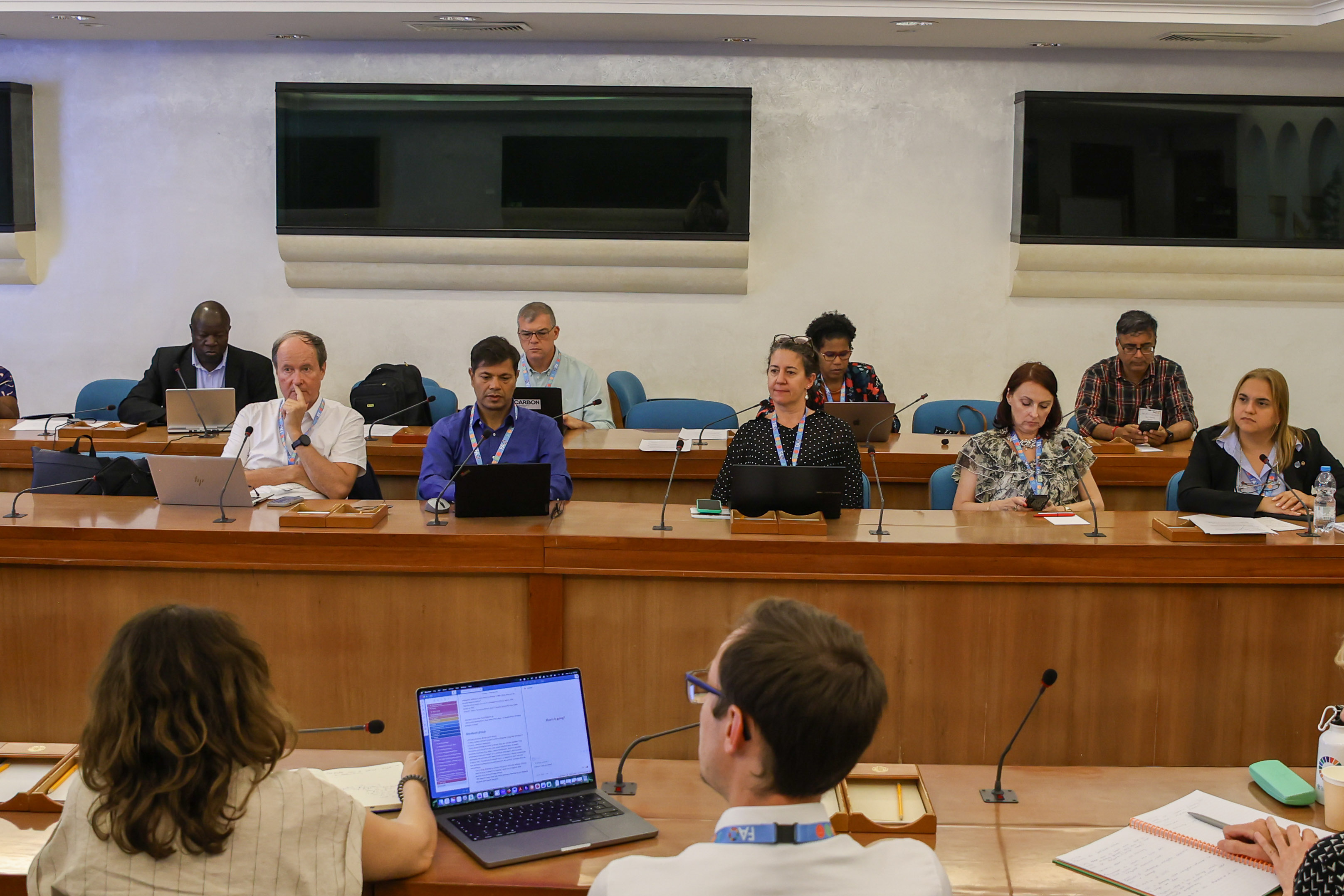
A view of the room during the breakout session on strategic priorities and planning for mitigation and adaptation actions
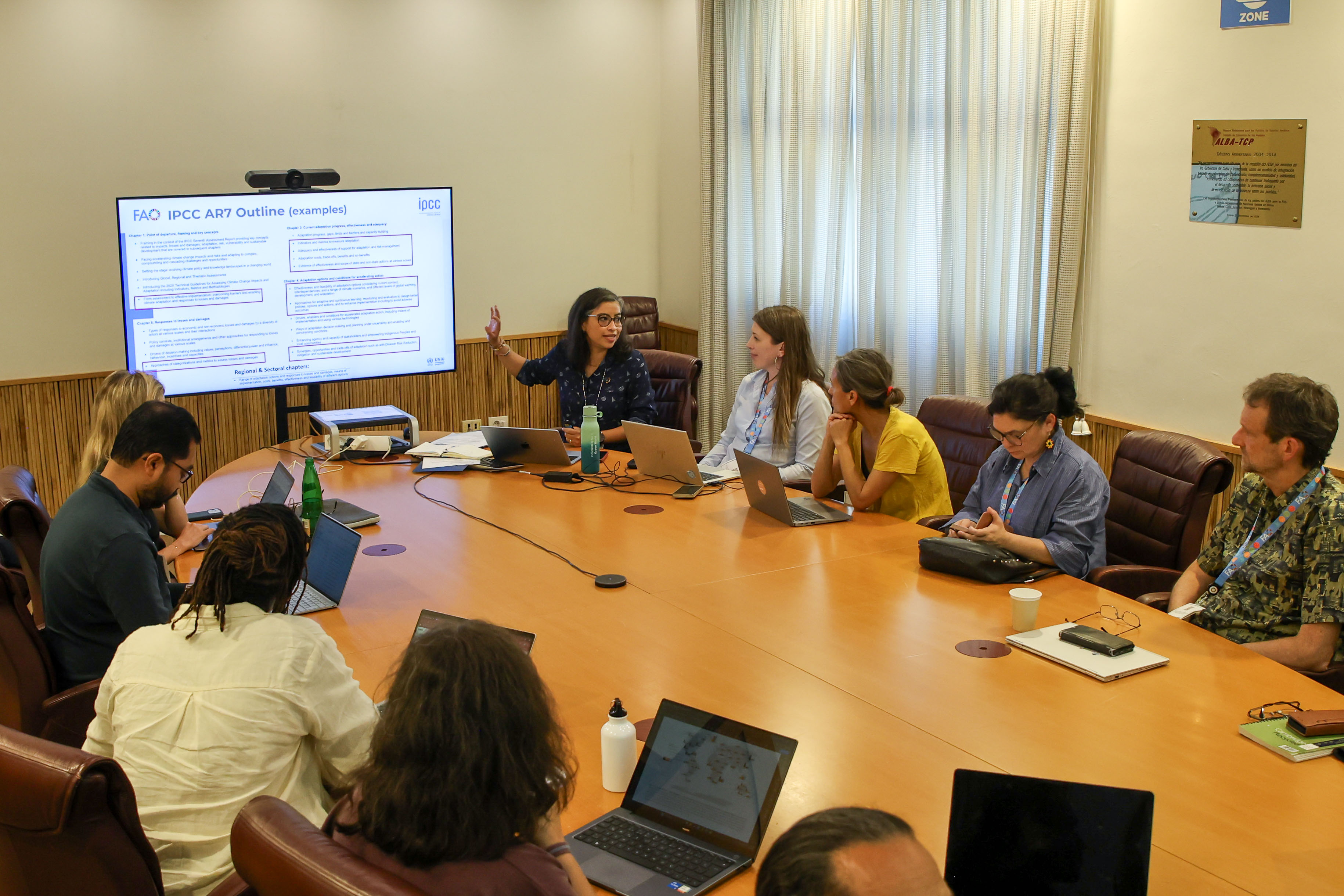
A view of the room during the breakout session on metrics, evidence, and cross Working Group framing issues
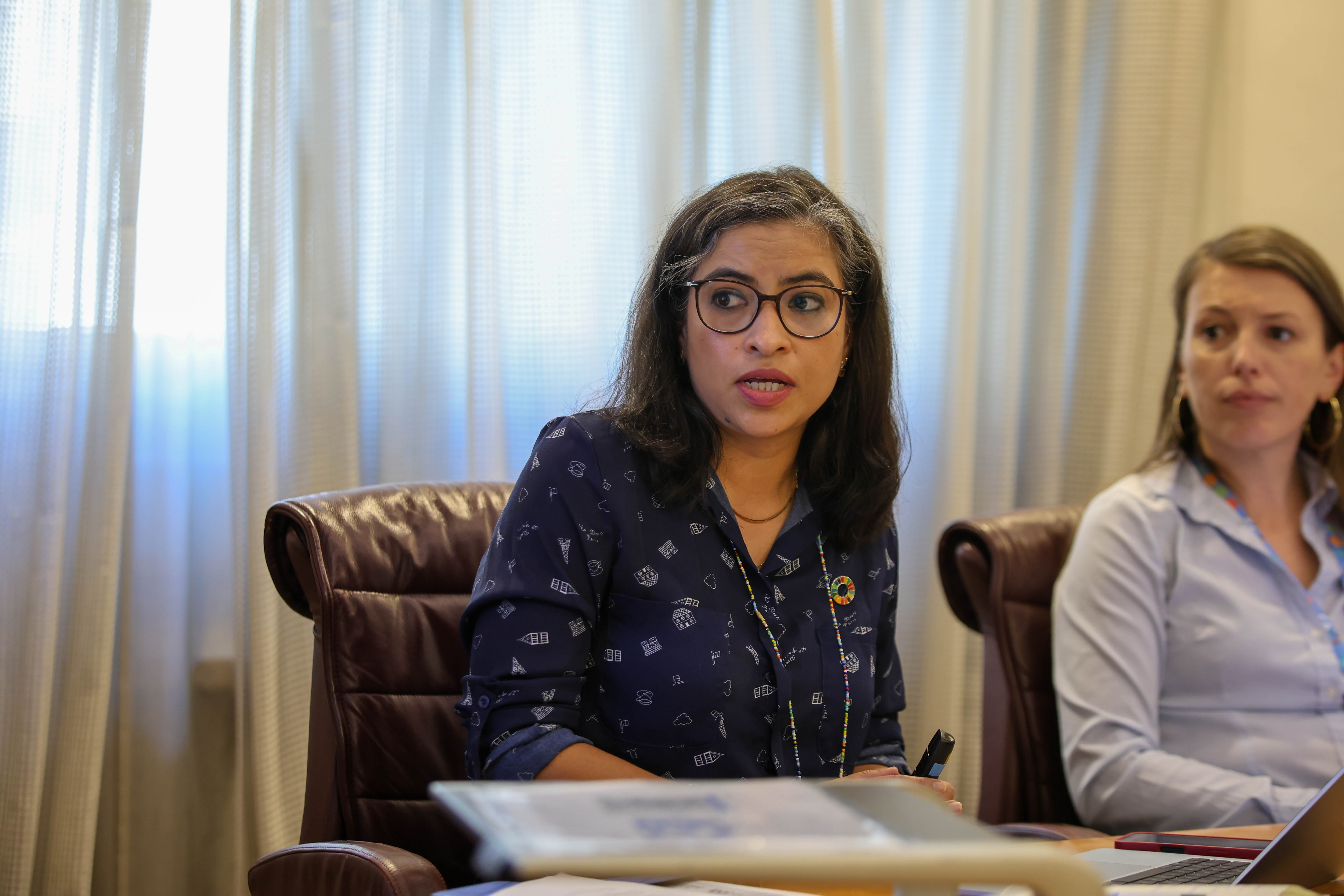
Tania Guillén Bolaños, Climate Service Center Germany and Chair of the breakout session on metrics, evidence and cross Working Group framing issues
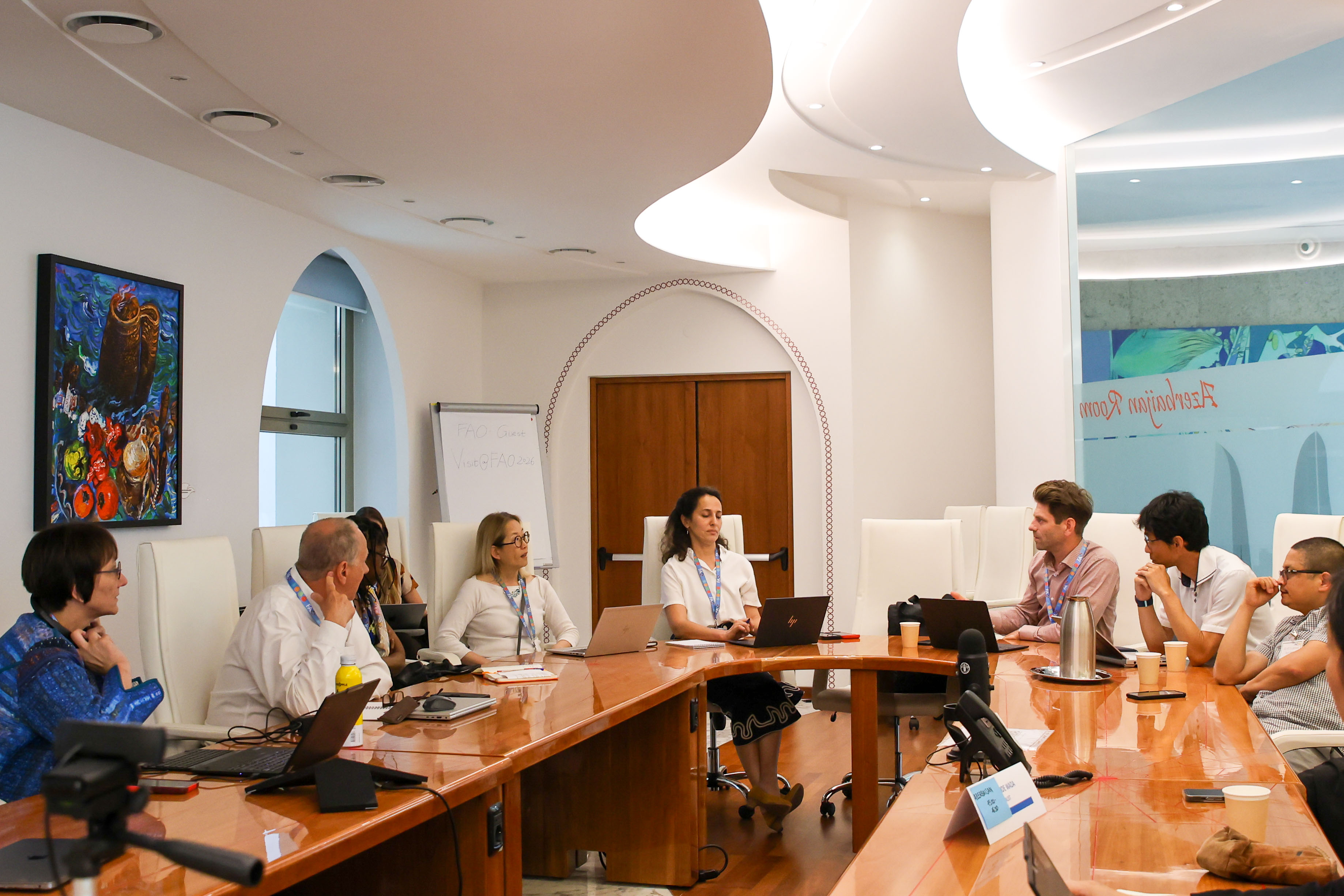
A view of the room during the breakout session on trade-offs and sustainability constraints
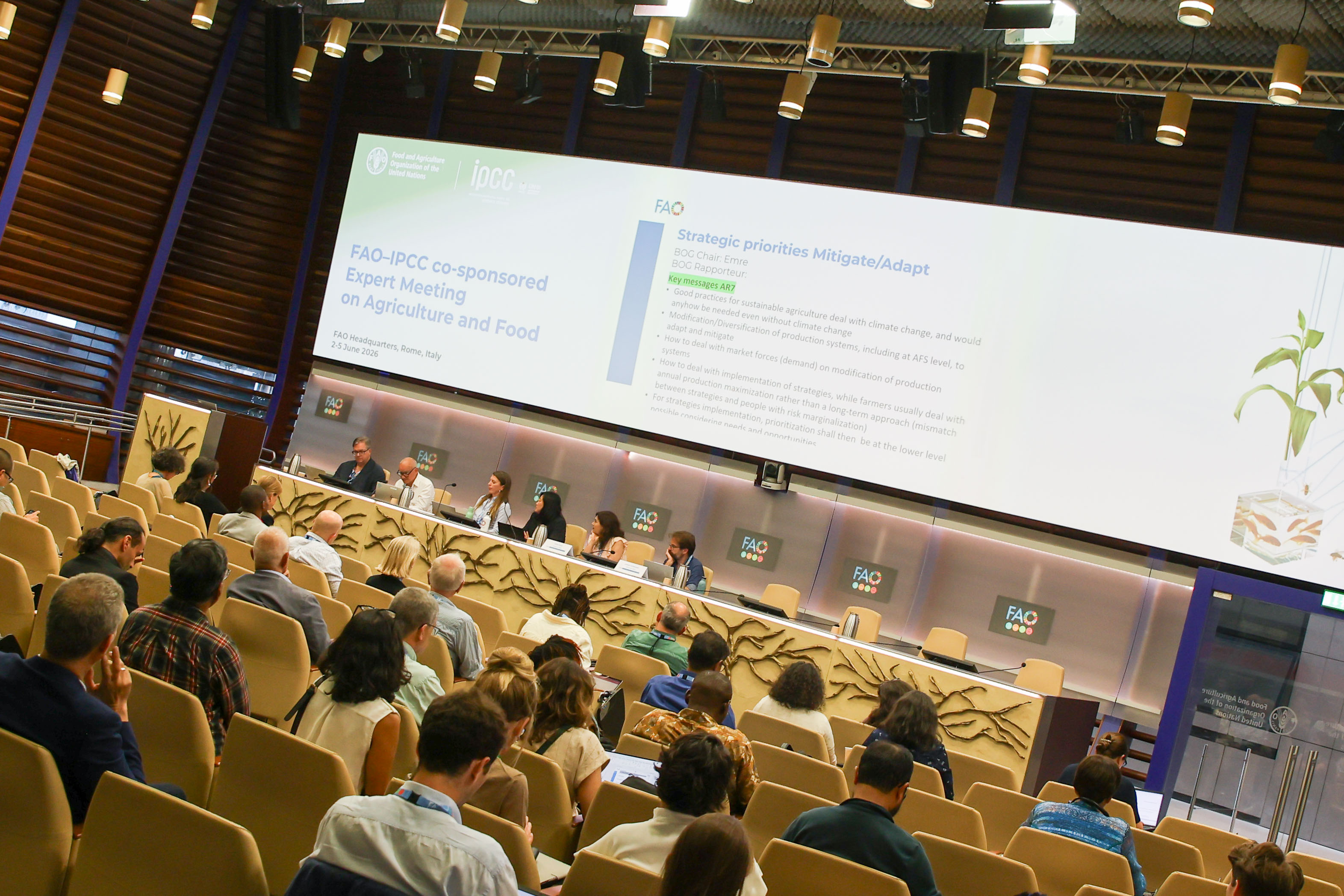
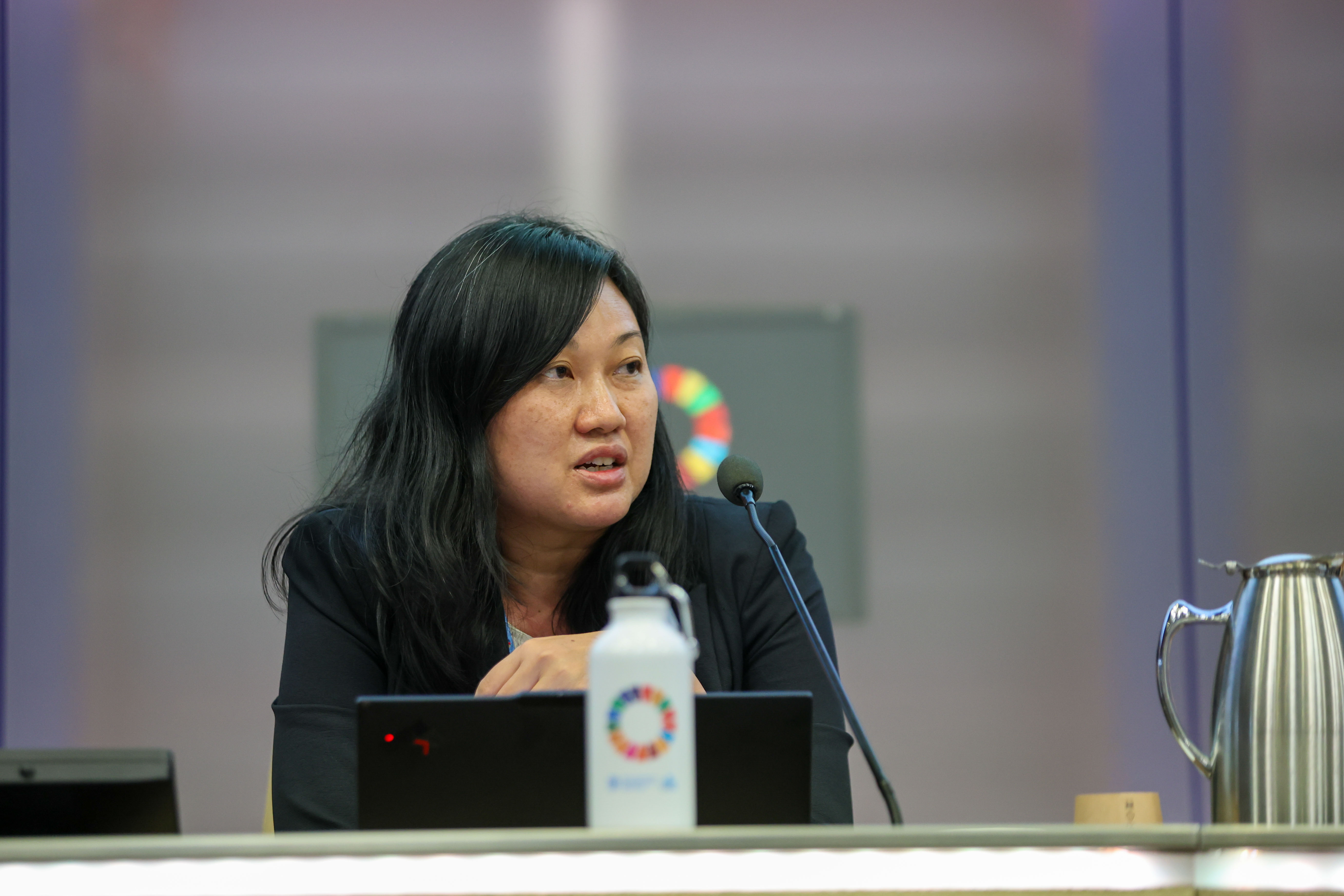
Theresa Wong, Head of Science, IPCC Working Group II Technical Support Unit
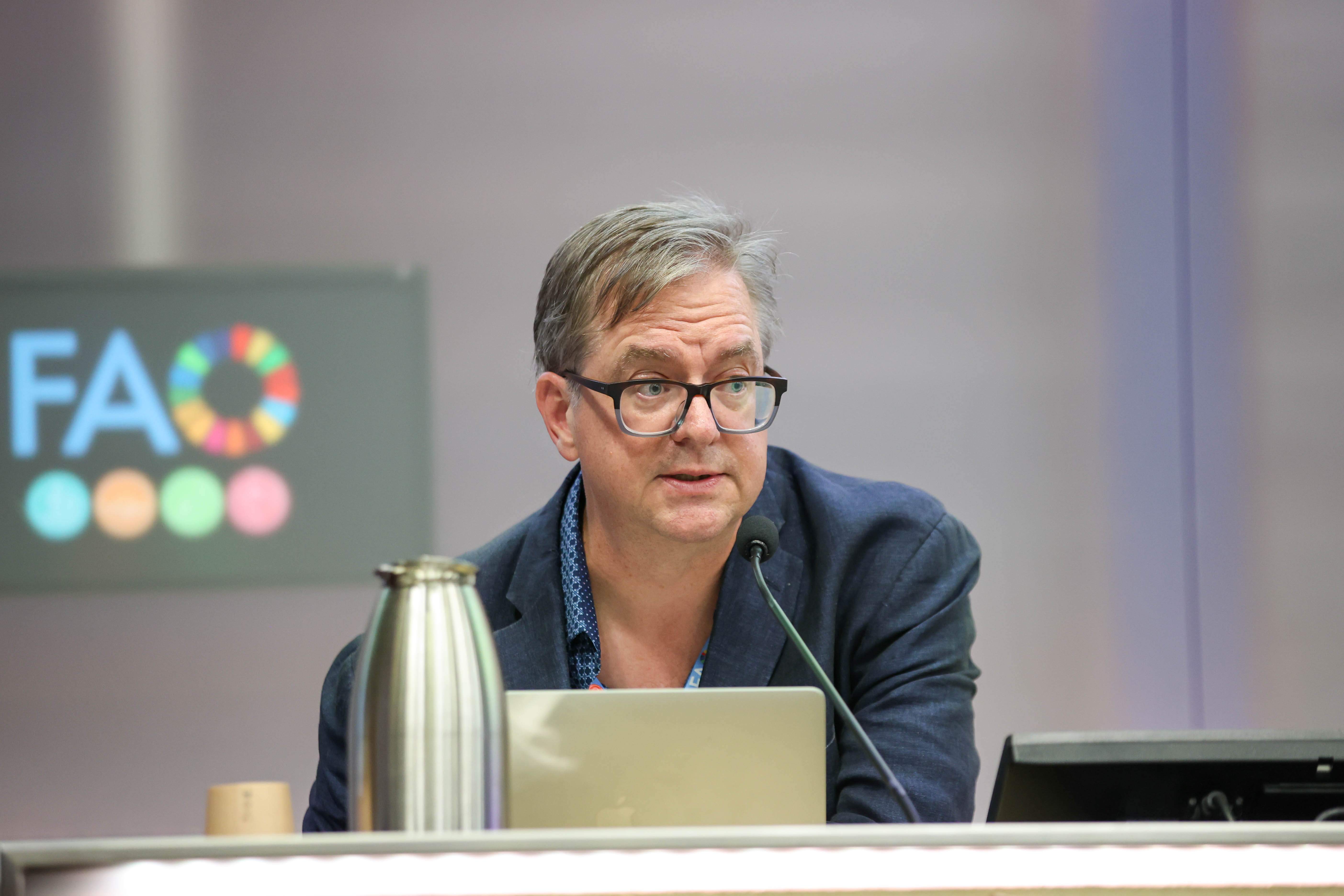
Michael Westphal, Head of Science, IPCC Working Group III Technical Support Unit
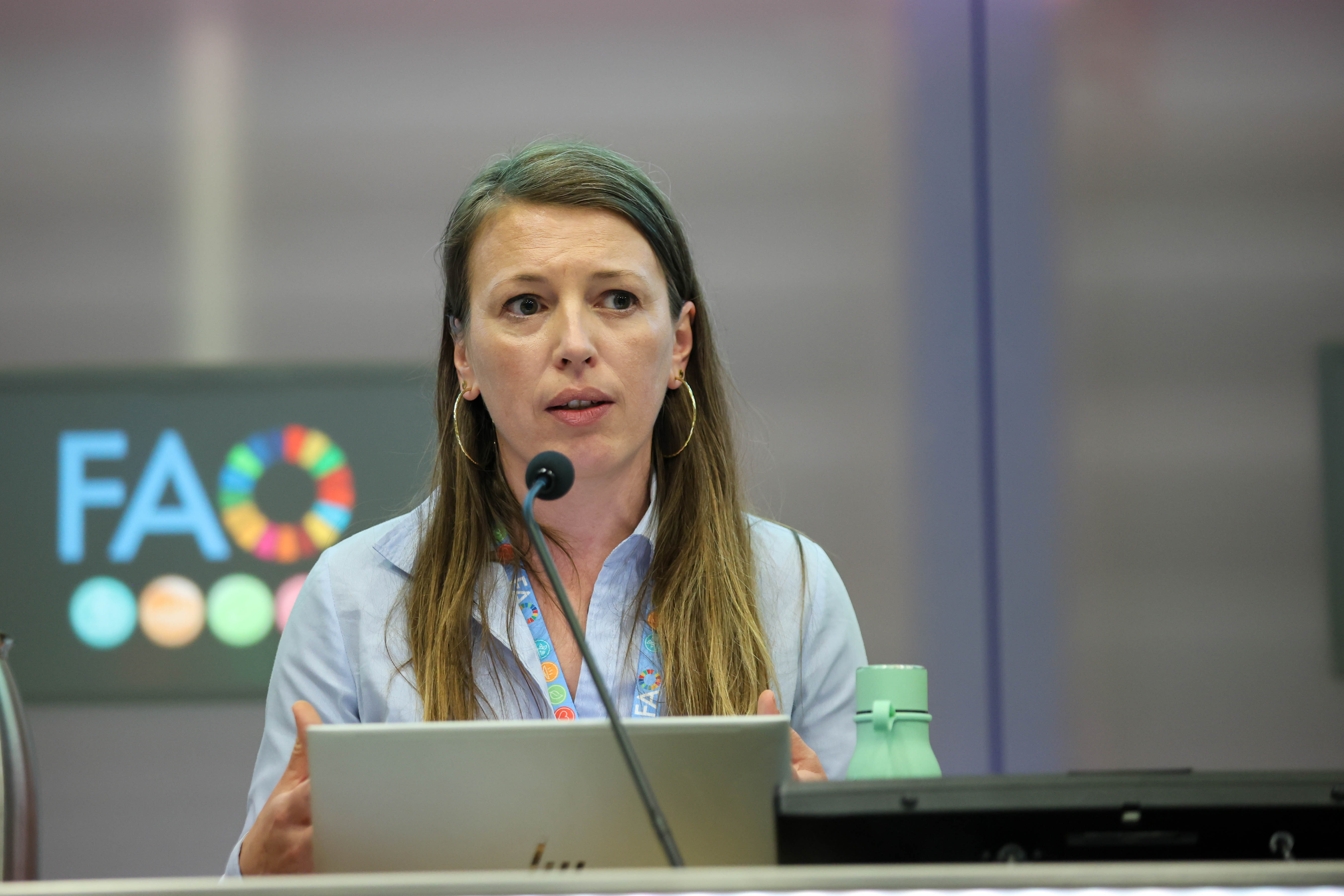
Azra Alikadic, Senior Science Officer, IPCC Working Group II Technical Support Unit
Selected Images