Progress towards Sustainable Development Goal 2 on zero hunger is not just off track but going in reverse. Food security cannot be achieved without widespread and systemic adaptation to climate change together with climate mitigation. Conversely, addressing climate change is not possible without significantly reduced food system emissions. These were some of the messages that emerged from the final day of the FAO-IPCC Expert Meeting on Agriculture and Food, which focused on pathways for implementing integrated approaches to addressing climate adaptation and mitigation simultaneously.
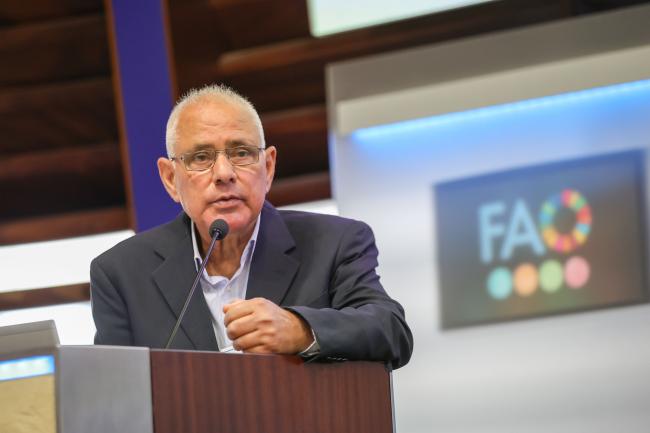
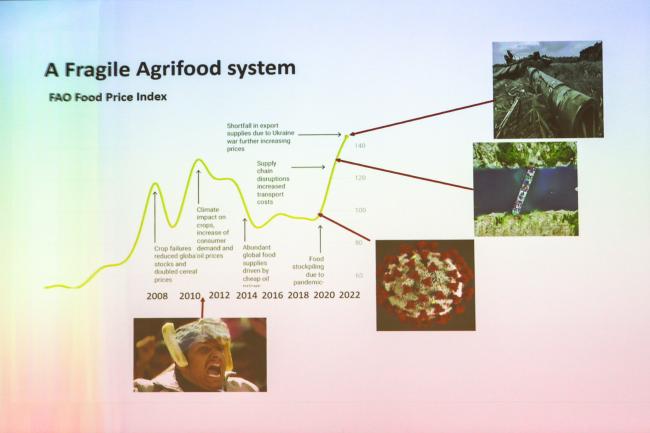
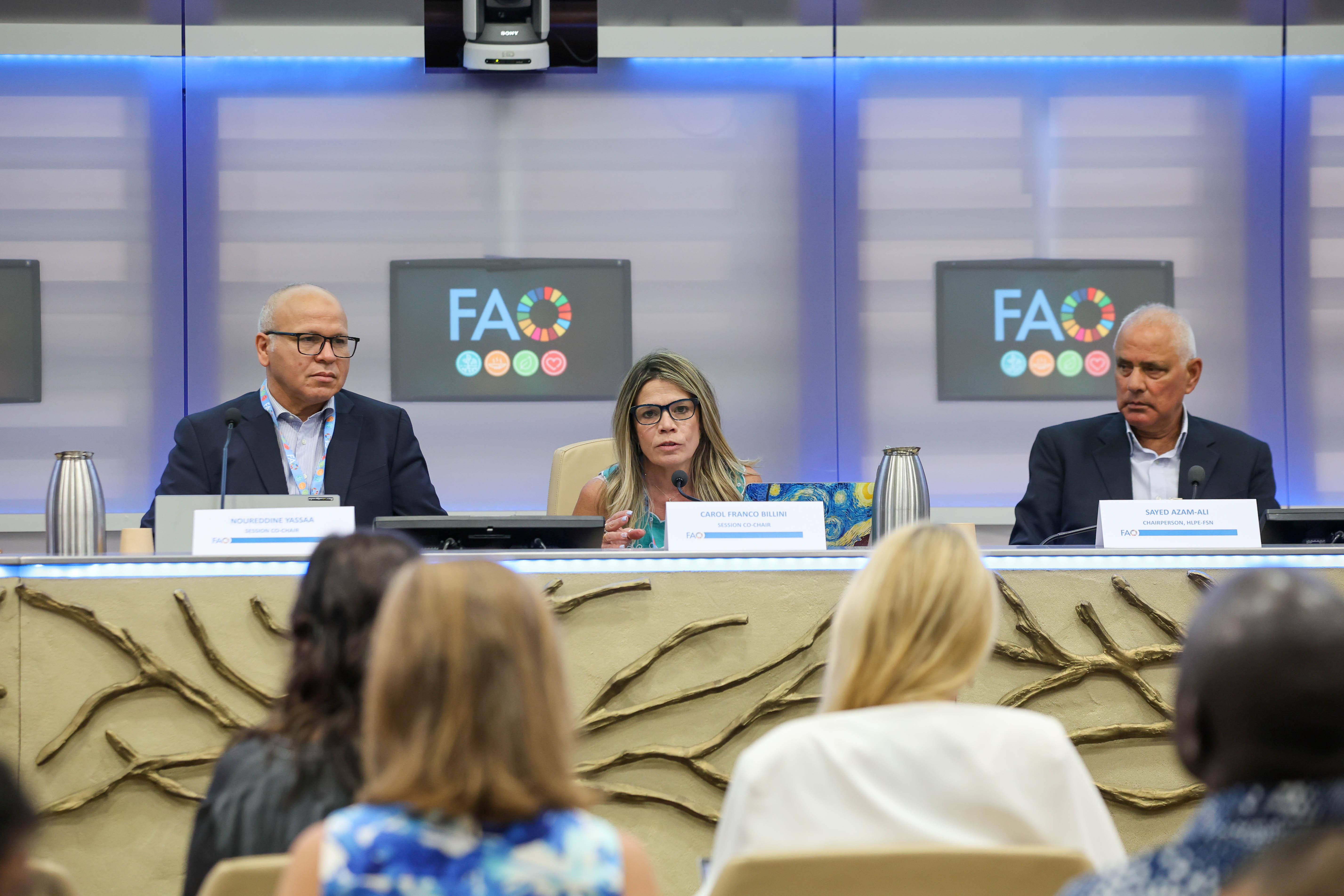
In the morning, Sayed Azam-Ali, Chairperson, High Level Panel of Experts on Food Security and Nutrition, argued that today’s food systems are not merely vulnerable but fundamentally fragile. He noted that more than 60% of the world’s population and livestock depends on just four major crops, creating a system that is narrow, unsustainable, and increasingly exposed to climate shocks. He, therefore, called for an “anti-fragile” food system that is not just resilient but goes beyond the current model.
Azam-Ali highlighted the need to establish an effective science-policy interface to develop an anti-fragile food system, which should focus on, among others, clarifying uncertainties, identifying trade-offs, building shared understanding for collective action, and ensuring independence, inclusivity, and transparency. He stressed that the future food system should, among other things, be radical, go beyond mainstream crops, and challenge existing power structures.
In the ensuing discussion, participants focused on the provision of actionable and timely knowledge to decision makers, approaches for improving accessibility and communication of climate information, key research gaps, the inclusion of diverse knowledge systems, and reflection of different national circumstances and capacities.
On research methods, participants highlighted the tension between the timely provision of knowledge for policymaking and data collection timelines, the importance of data availability and interoperability for connecting knowledge, challenges for including Indigenous knowledge in the Seventh Assessment Report (AR7) of the Intergovernmental Panel on Climate Change (IPCC), and the use of Artificial Intelligence.
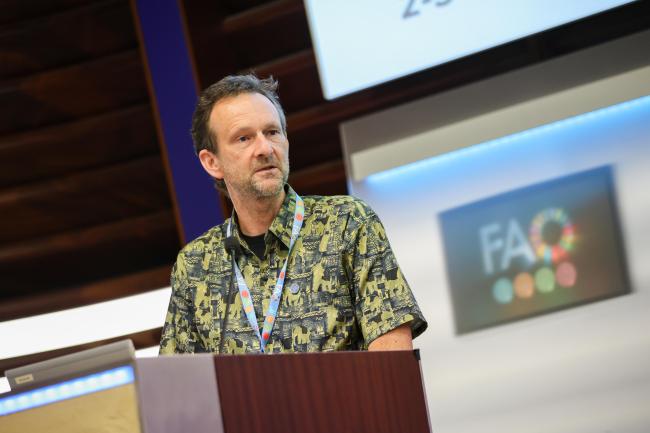
During the closing session, Andy Reisinger, Independent Consultant, presented a synthesis of the discussions that had taken place throughout the week. He identified several overarching messages that cut across adaptation, mitigation, food security, and sustainable development, highlighting:
- the narrowing window for effective climate action, with current emissions trajectories suggesting that even the most ambitious pathways now exceed 1.5°C of warming;
- the non-optionality of action, highlighting there can be no long-term food security without widespread and systemic adaptation to climate change, and without keeping warming to well below 2°C and ideally to 1.5°C;
- the need to move beyond agriculture alone towards an agrifood systems approach;
- the importance of governance, institutions, and finance as critical priorities for future research and policy development; and
- the contextual nature of solutions and the need for a synthesis of conditions under which specific solutions are more likely to perform well.
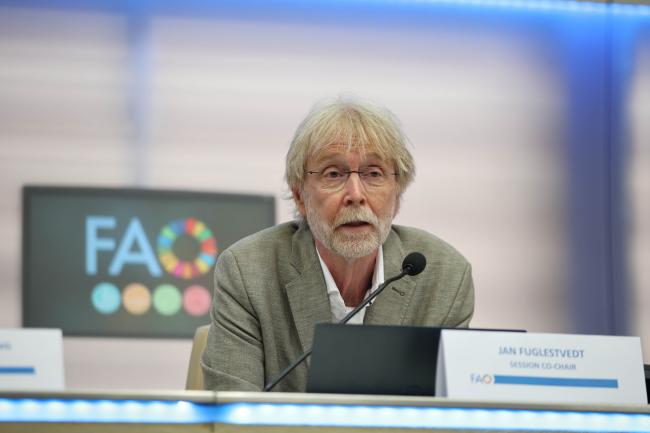
Jan Sigurd Fuglestvedt, Vice-Chair, IPCC Working Group III, outlined opportunities for engagement with the AR7 process, pointing at products planned and currently under production. He described the report production process, highlighting the expert review phase for the first order drafts coming up later in 2026 for the three IPCC Working Group reports, and encouraged participants to engage with the process.
Martial Bernoux, Team Leader, Office of Climate Change, Biodiversity and Environment, Food and Agriculture Organization of the UN (FAO) outlined next steps, including preparation of an outcome report synthesizing the meeting’s discussions, development of policy briefs, and creation of a knowledge repository to support AR7.
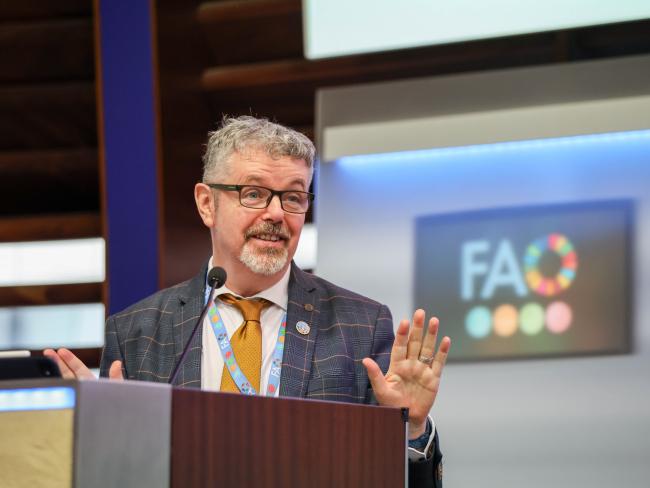
In closing remarks, Charles Spillane, Chief Scientist, FAO, thanked participants for their engagement in the expert meeting, noting the presented evidence “does not leave room for comfort.” He underscored the interrelated character of decarbonizing food systems and ensuring food security and lauded the IPCC’s role in placing the climate emergency on the international agenda.
Bart van den Hurk, Co-Chair, IPCC Working Group II, via video message, stressed that science alone is not a primary driver of action and called for a shift toward a more active role for scientific assessment, one that identifies not just risks but also solutions and key actors. He emphasized the importance of embracing an integrated, inclusive approach to assessment, including broadening the diversity of authors and contributors in future reports.
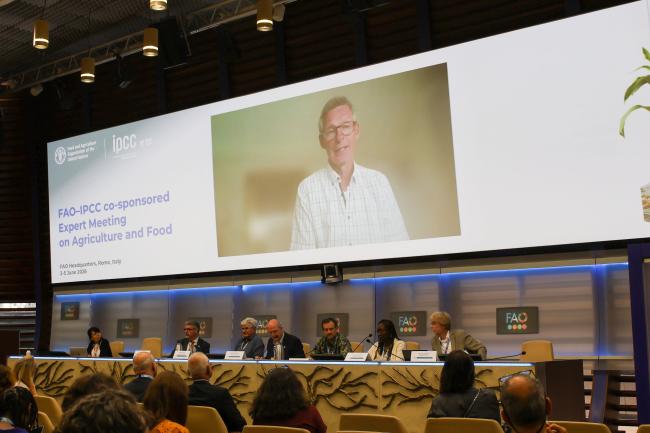
Co-Chairs Bernoux and Howden expressed their appreciation to FAO, the IPCC and all participants, and closed the meeting at 1:10pm.
To receive free coverage of global environmental events delivered to your inbox, subscribe to the ENB Update newsletter.
All ENB photos are free to use with attribution. For the FAO-IPCC Expert Meeting on Agriculture and Food please use: Photo by IISD/ENB | Anastasia Rodopoulou
Session 9: Science-policy interface and decision support
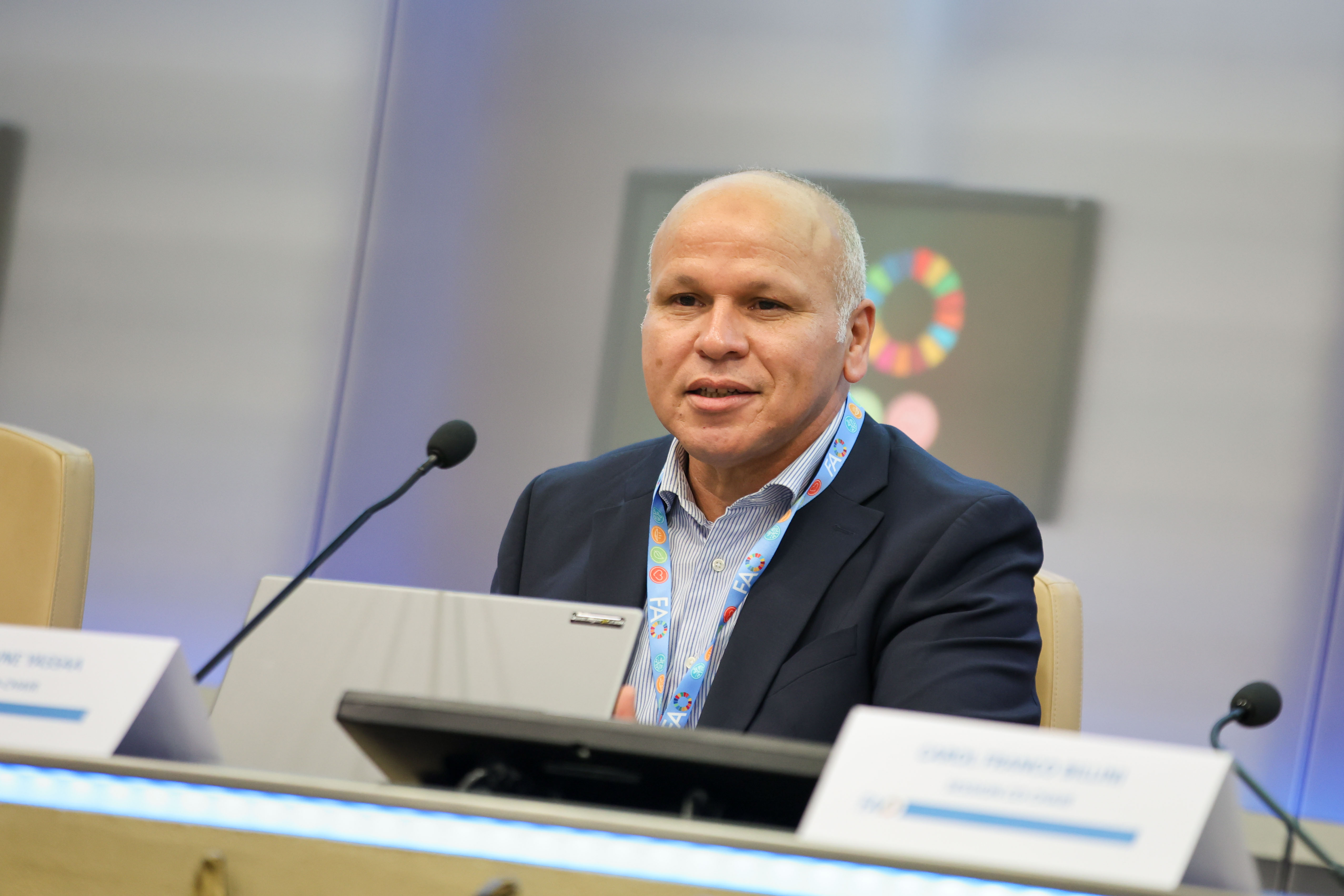
Noureddine Yassaa, University of Science and Technology Houari Boumediene, and IPCC Working Group III Vice-Chair
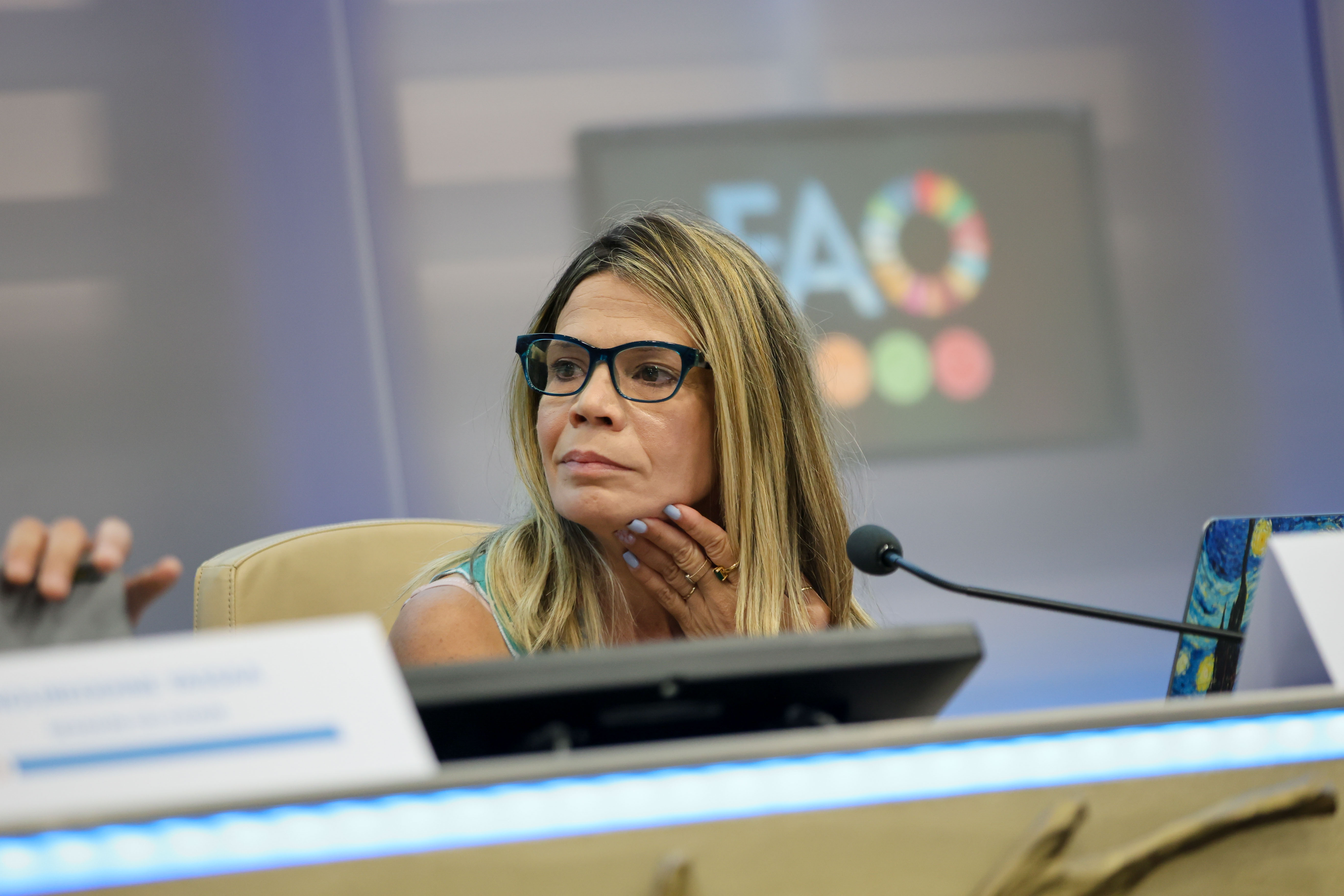
Carol Franco Billini, Senior Research Associate, Virginia Polytechnic University
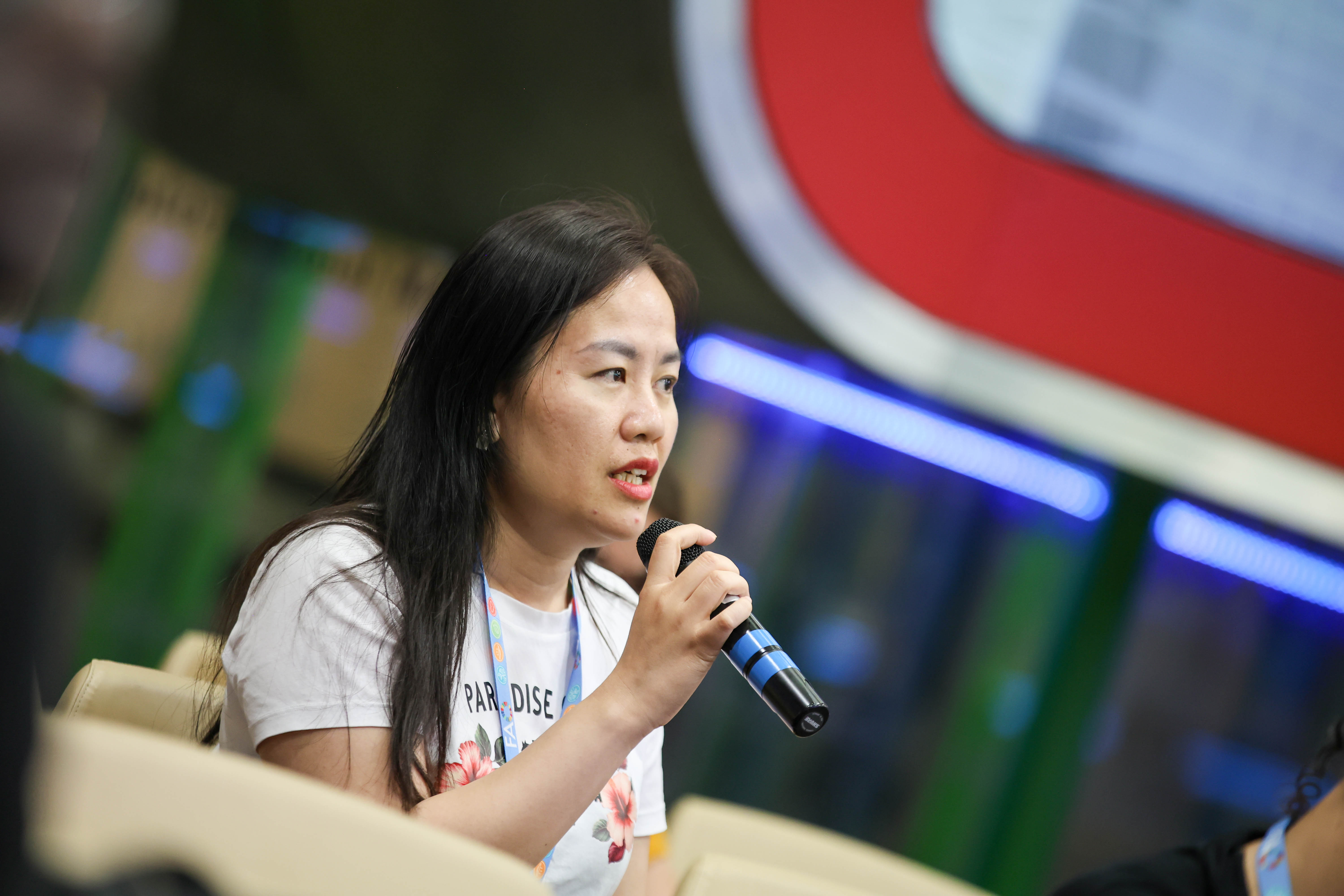
Trang Duong, Senior Lecturer, IHE Delft Institute for Water Education, and University of Twente
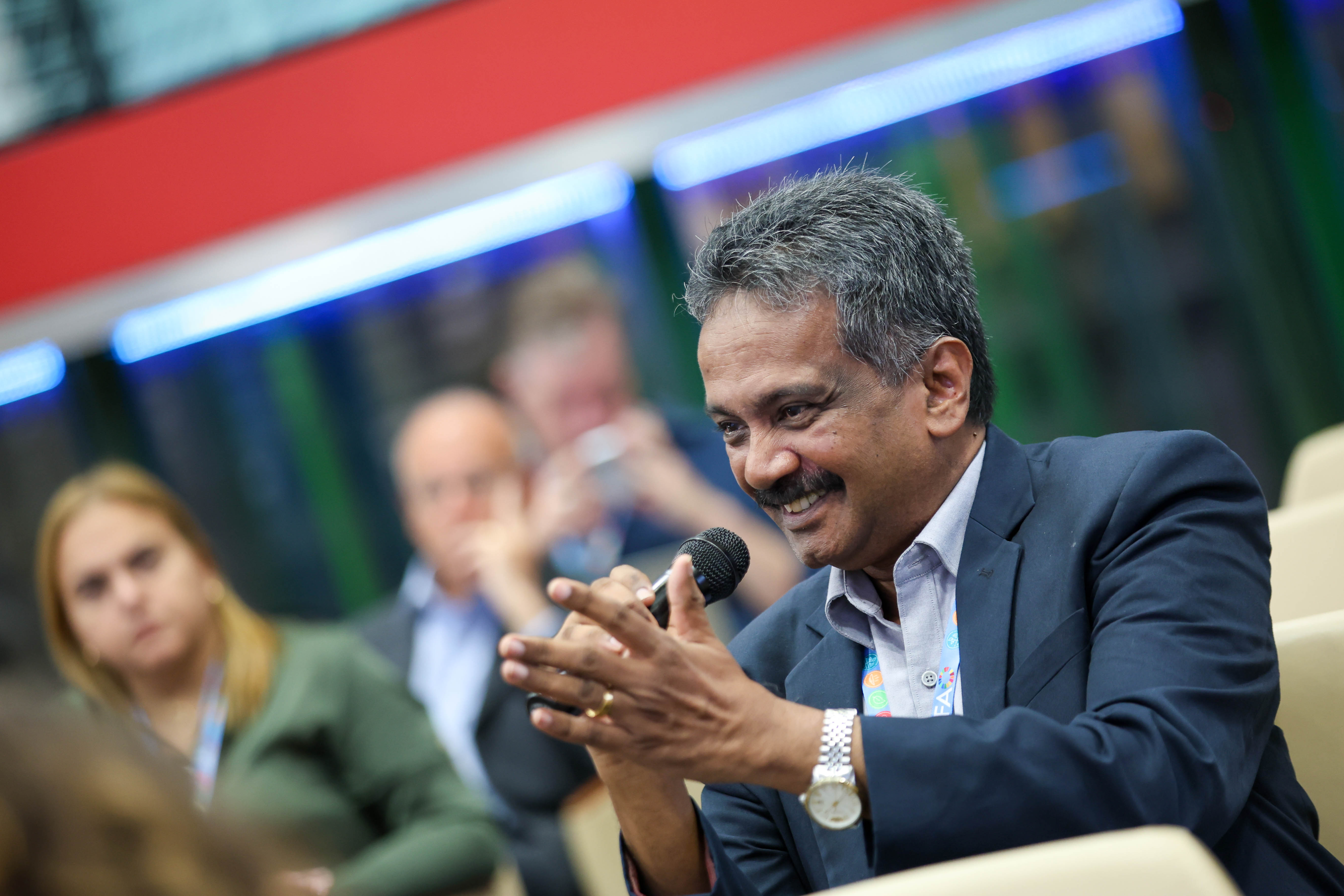
Buddhi Marambe, Senior Professor, University of Peradeniya
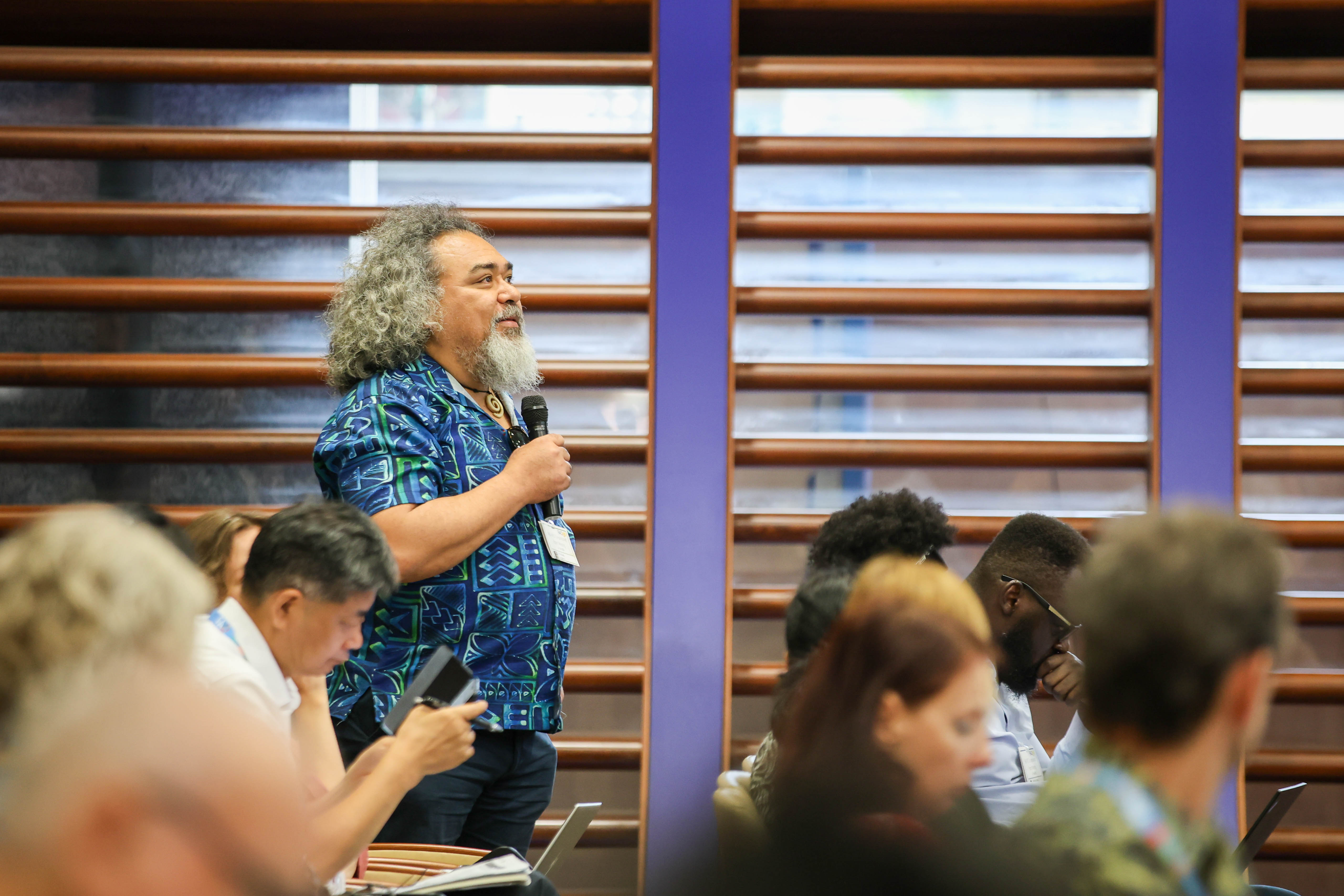
Viliamu Iese, Senior Lecturer, University of Melbourne
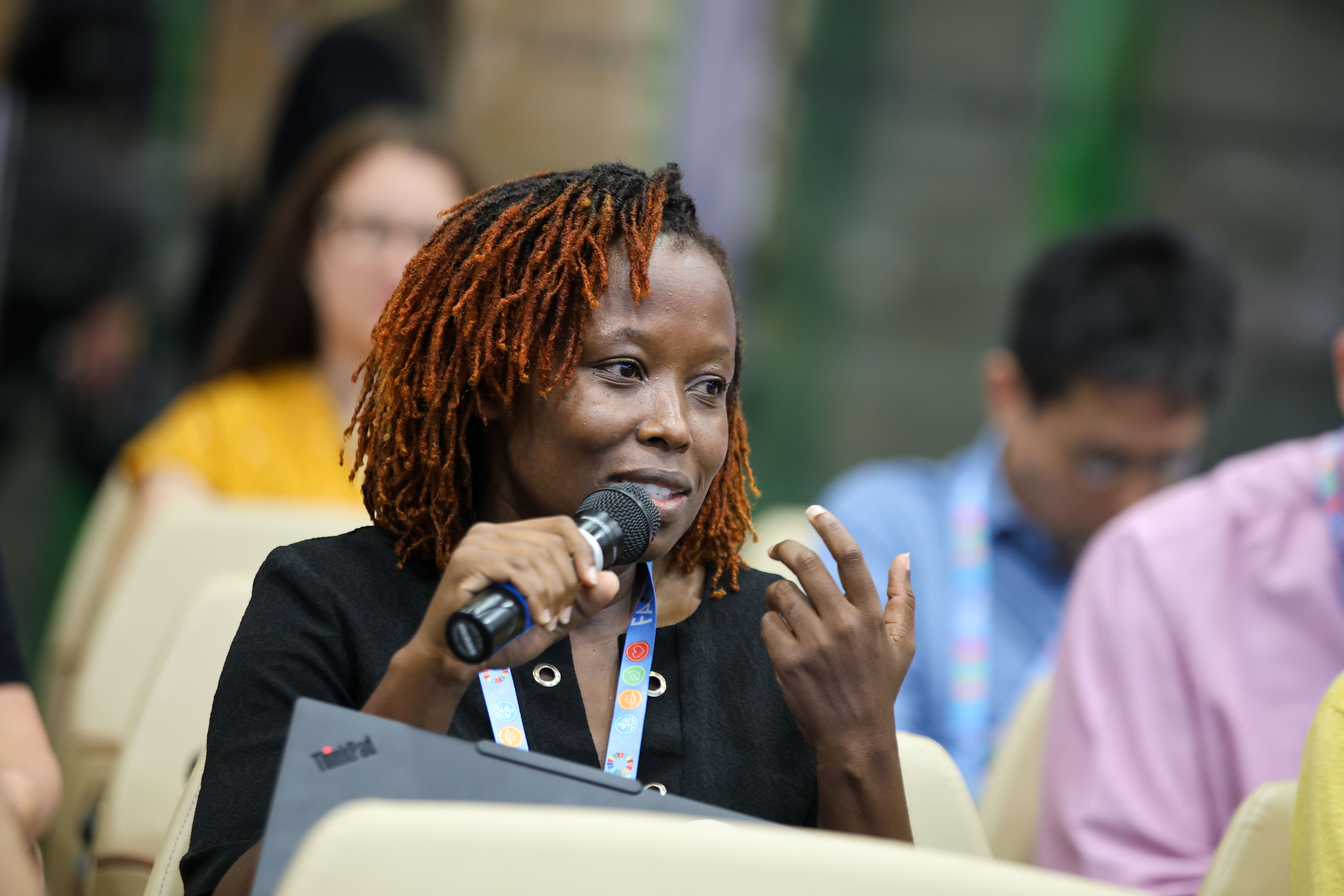
Sylvia Sarah Nyawira, Researcher, Alliance of Bioversity International and CIAT
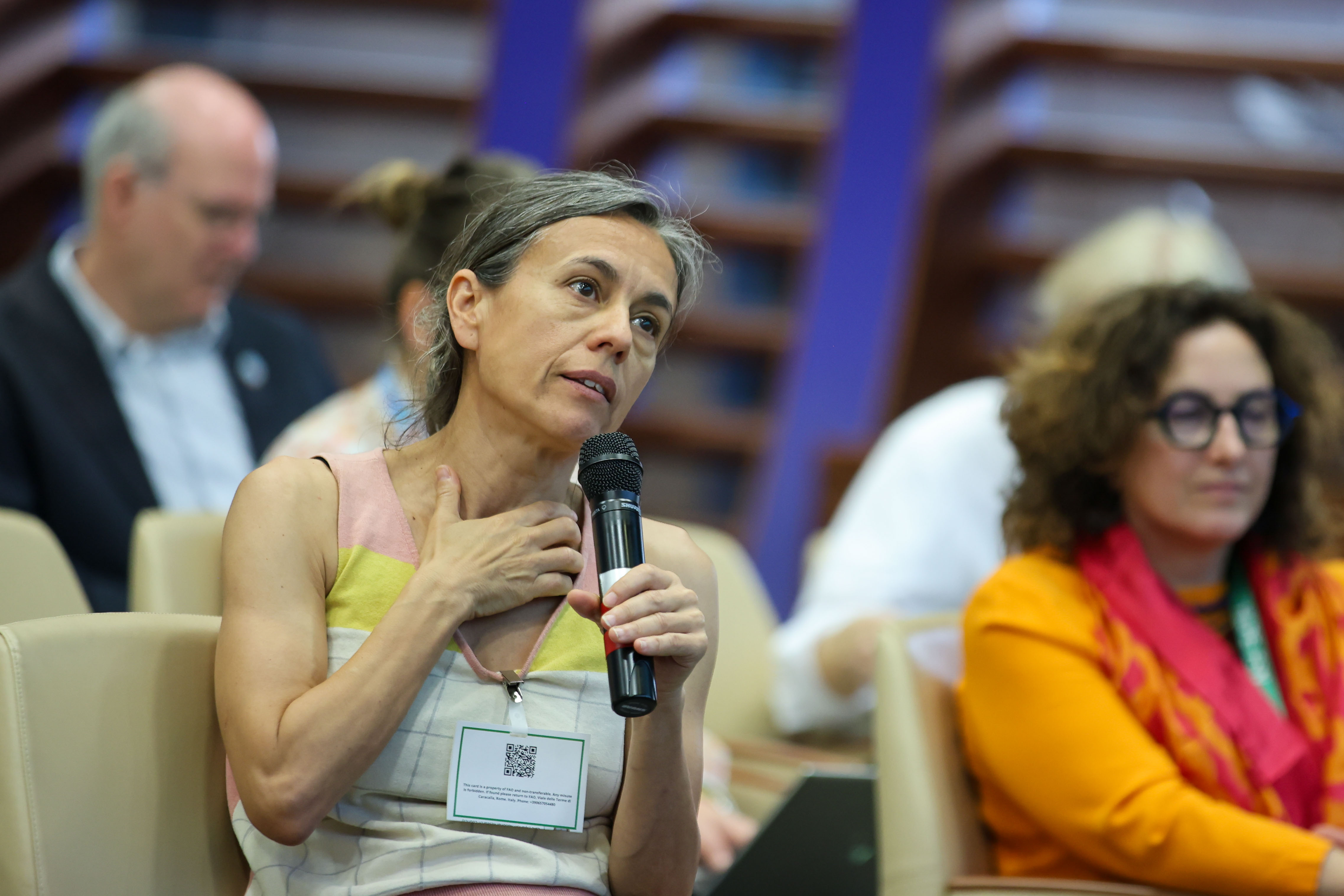
Marta Guadalupe Rivera Ferre, Research Professor, Spanish National Research Council
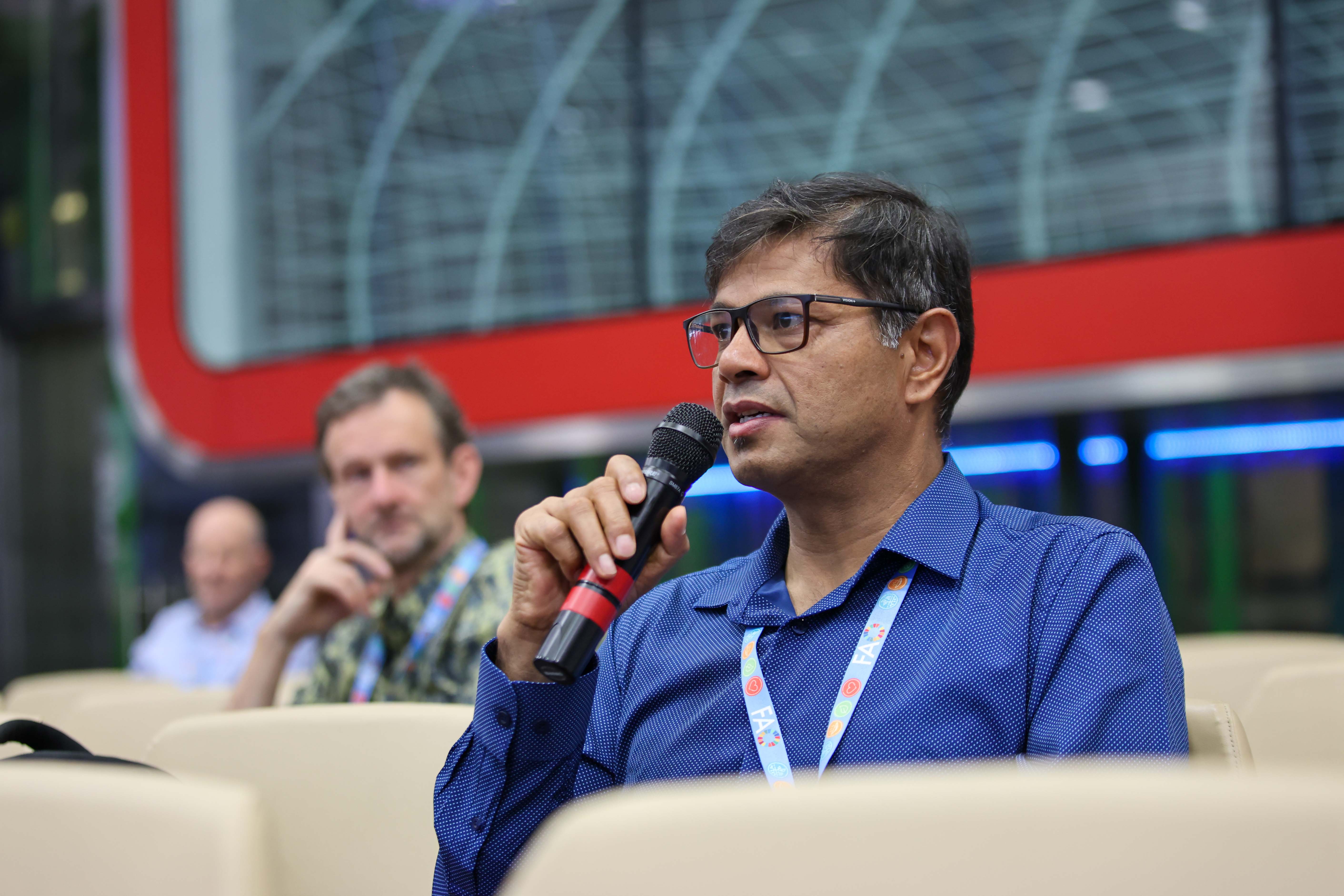
Tek Bahadur Sapkota, Principal Scientist/Climate Change Lead, International Maize and Wheat Improvement Center
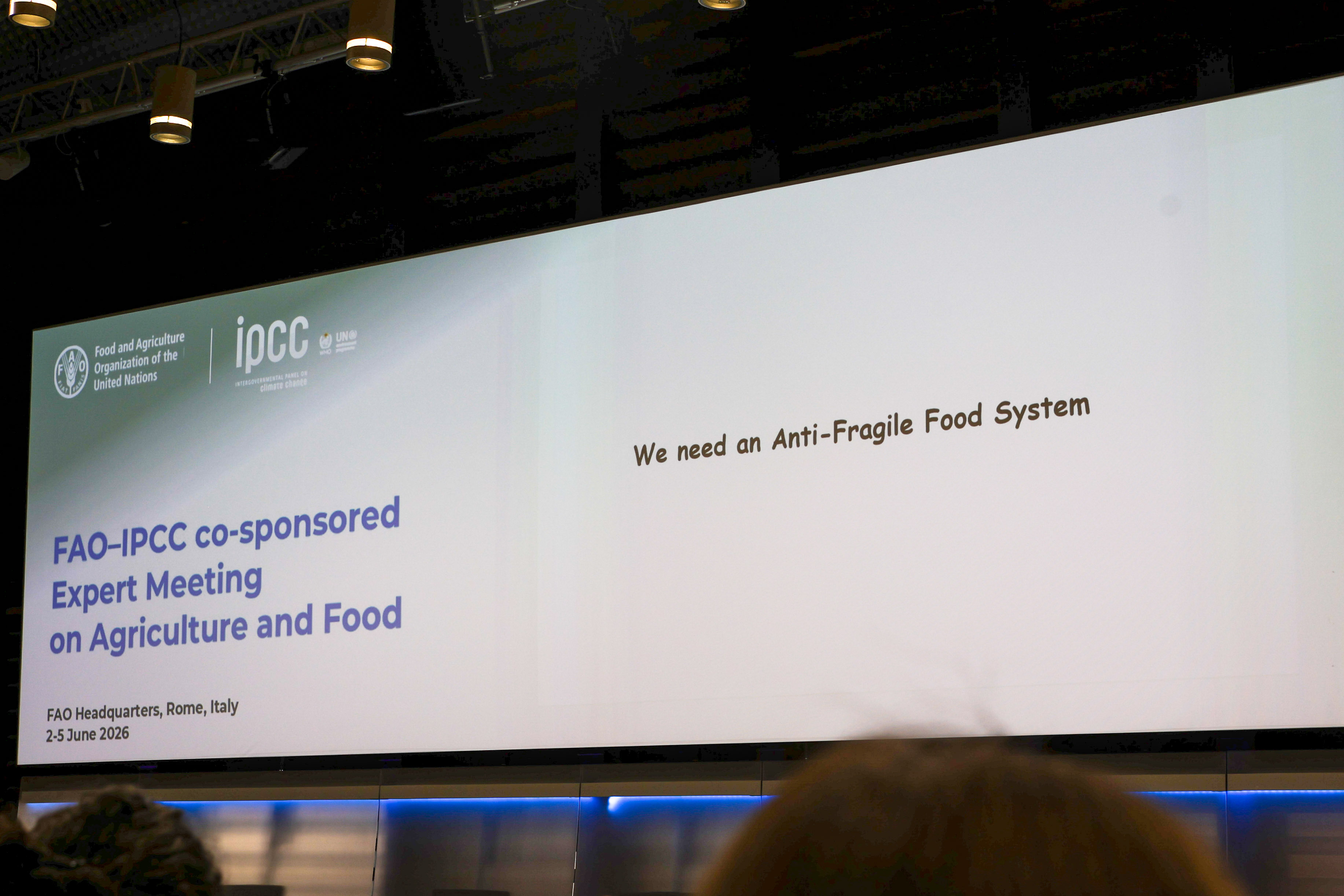
A slide of Sayed Azam-Ali's presentation
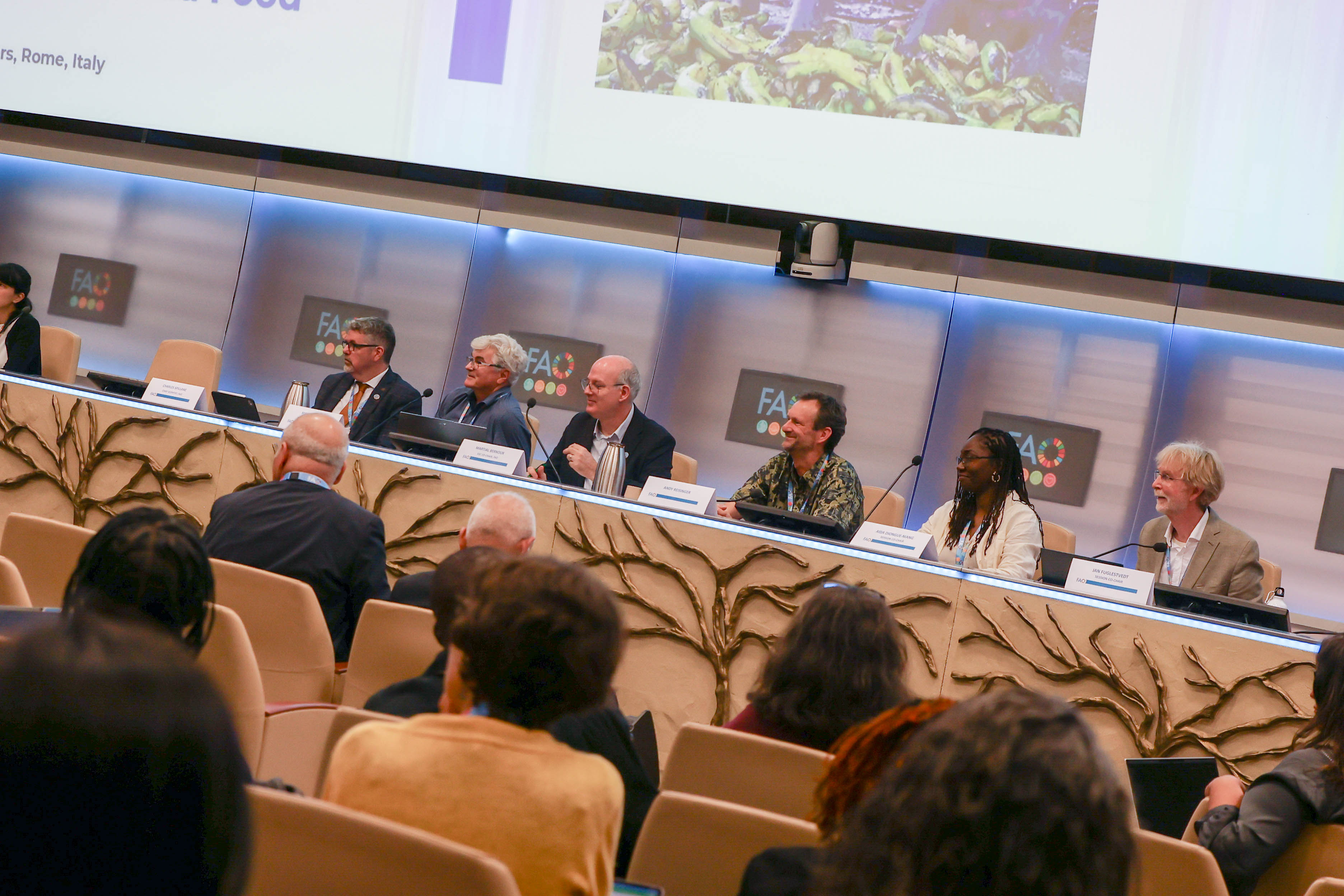
Closing Session
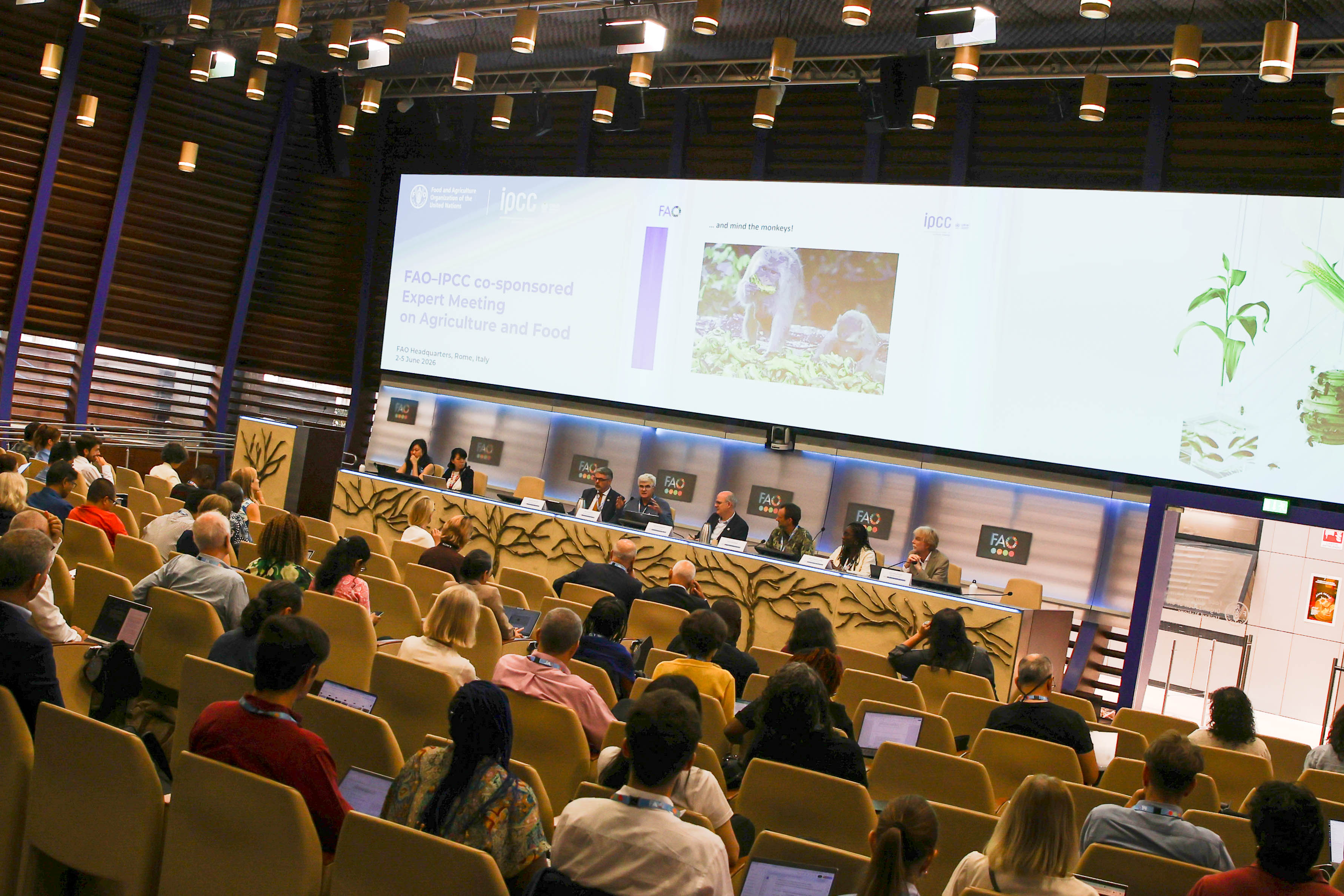
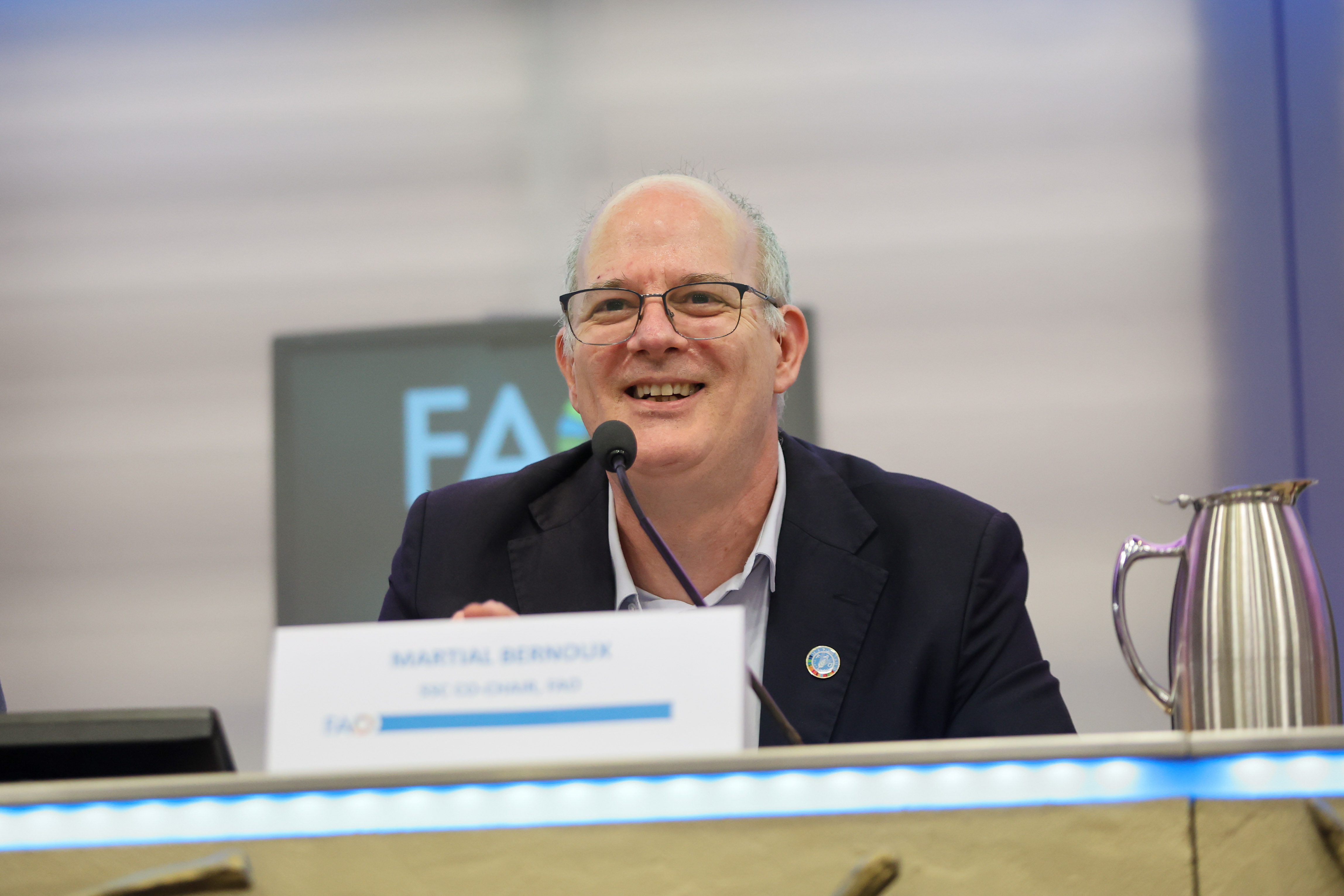
Martial Bernoux, Head, Climate Change Team, Office of Climate Change, Biodiversity, and Environment, FAO
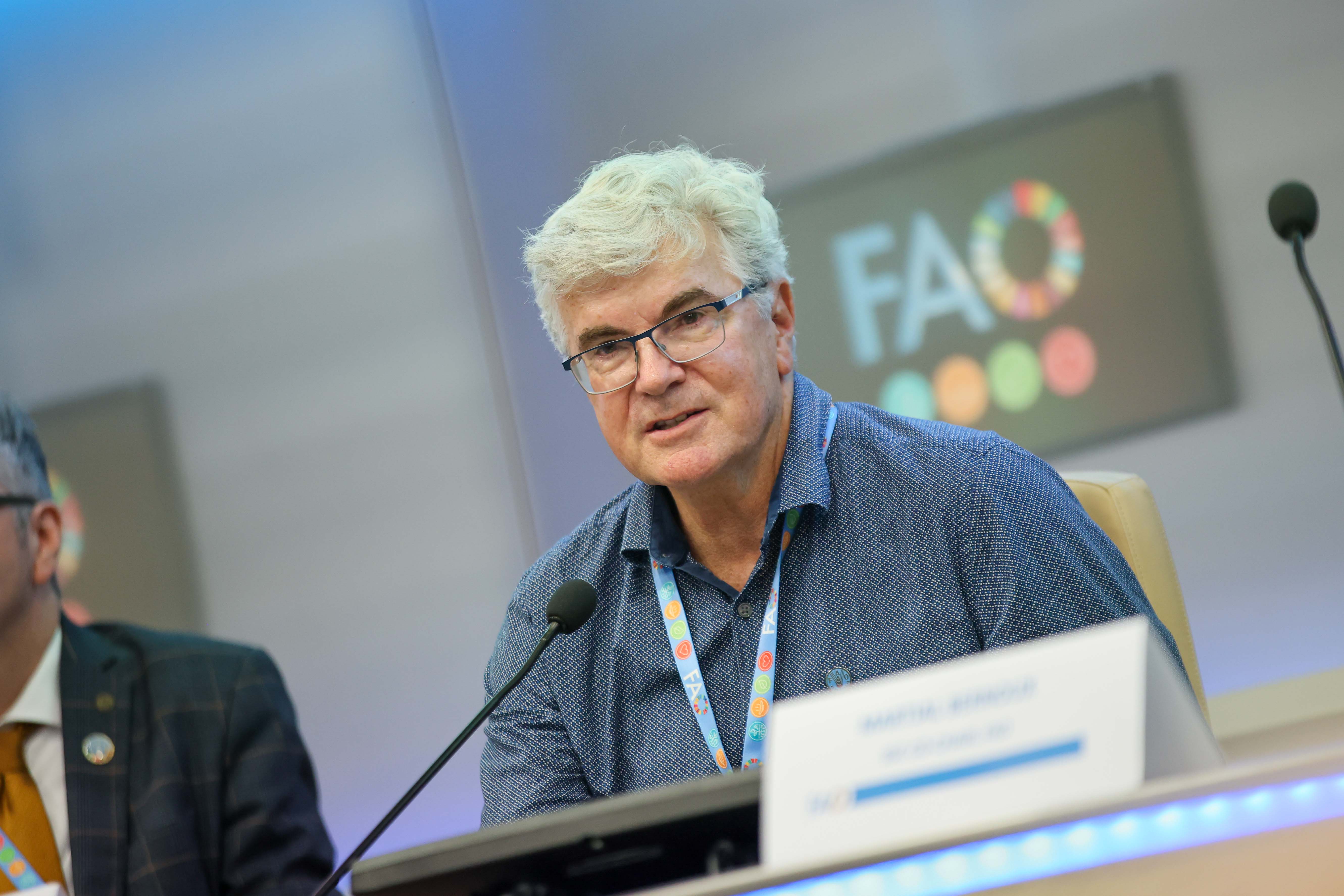
Mark Howden, Vice-Chair, IPCC Working Group II
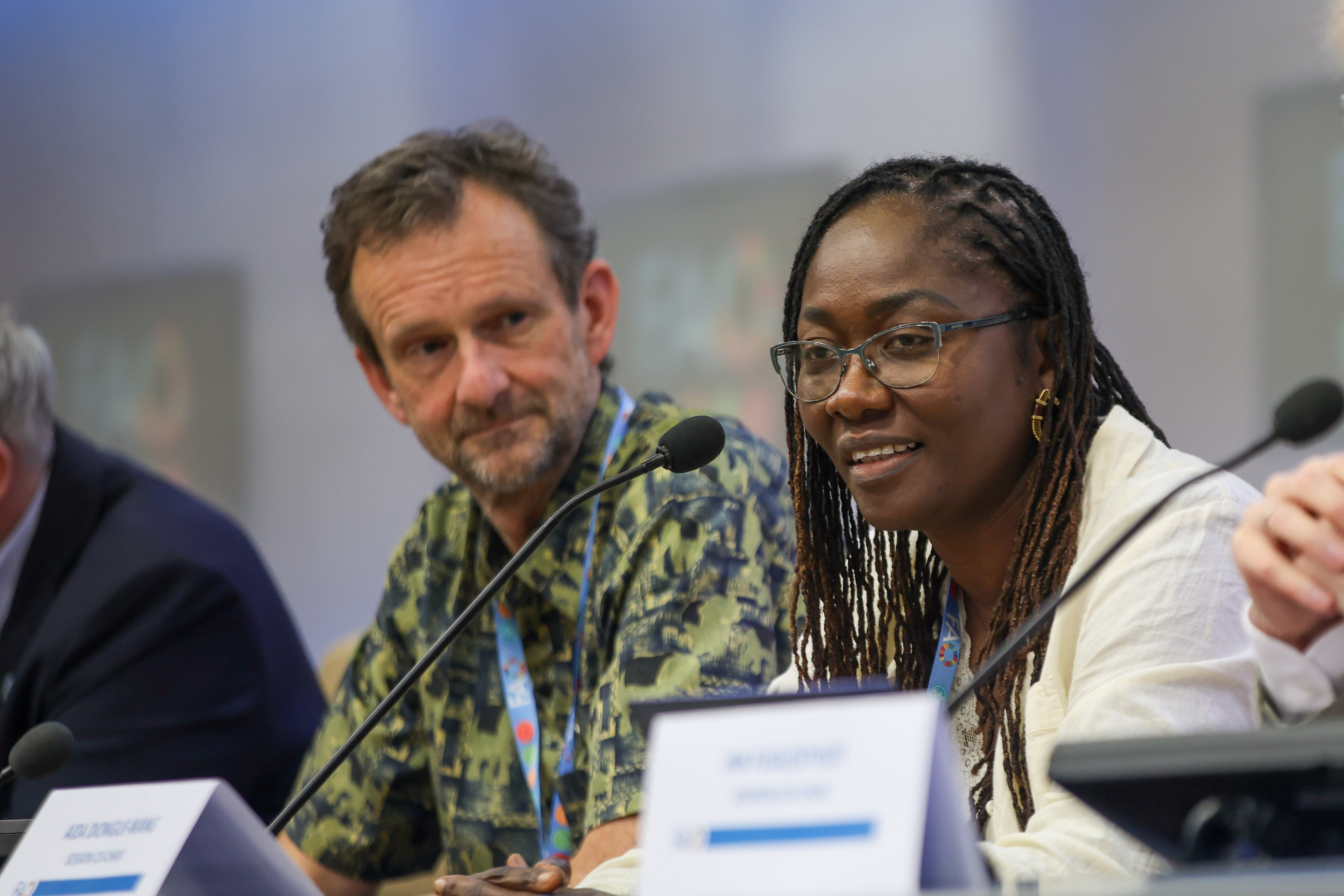
Aïda Diongue-Niang, Vice-Chair, IPCC Working Group I
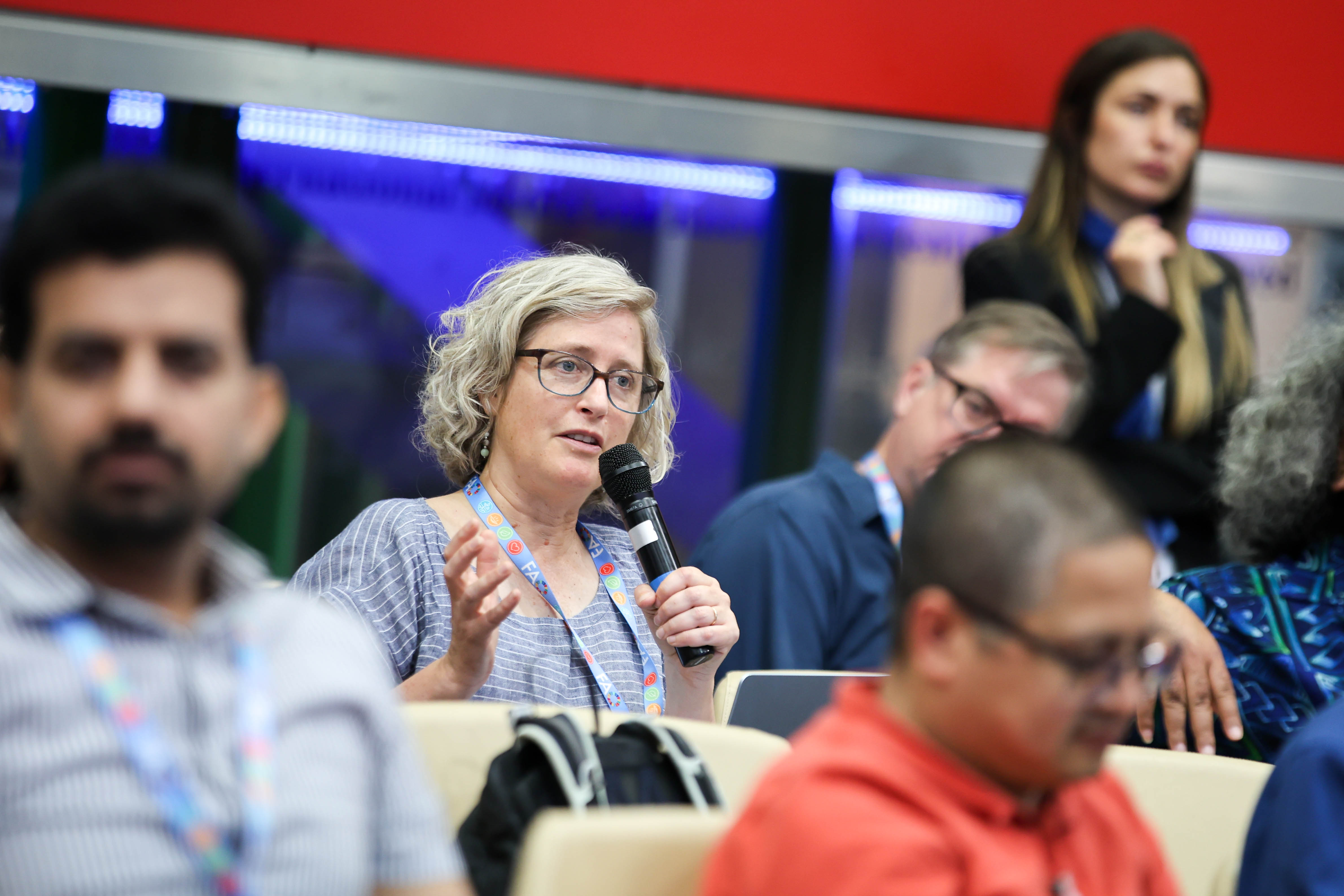
Rachel Bezner Kerr, Professor, Cornell University
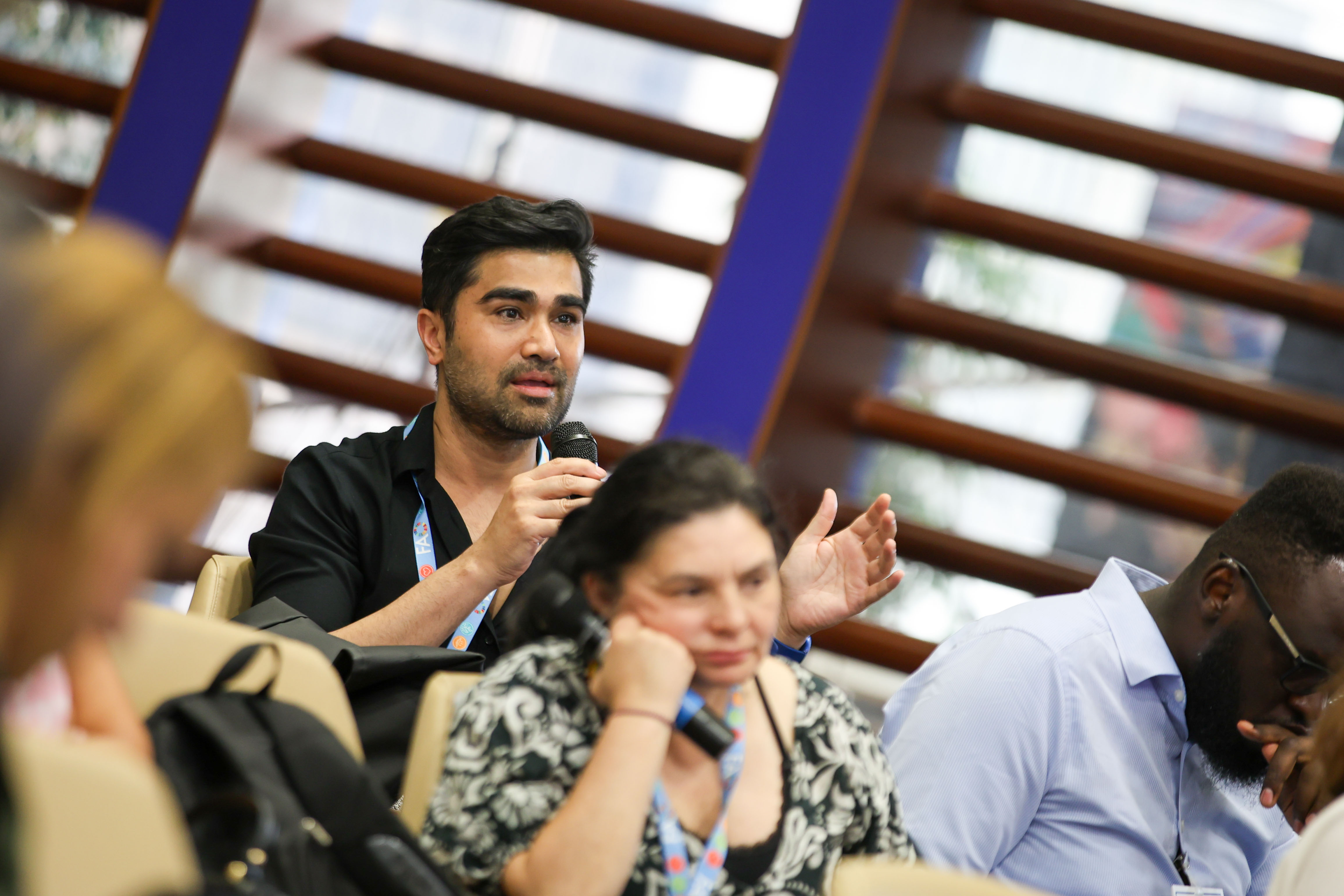
Alvin Chandra, Senior Climate Specialist, Asian Development Bank
Around the Venue

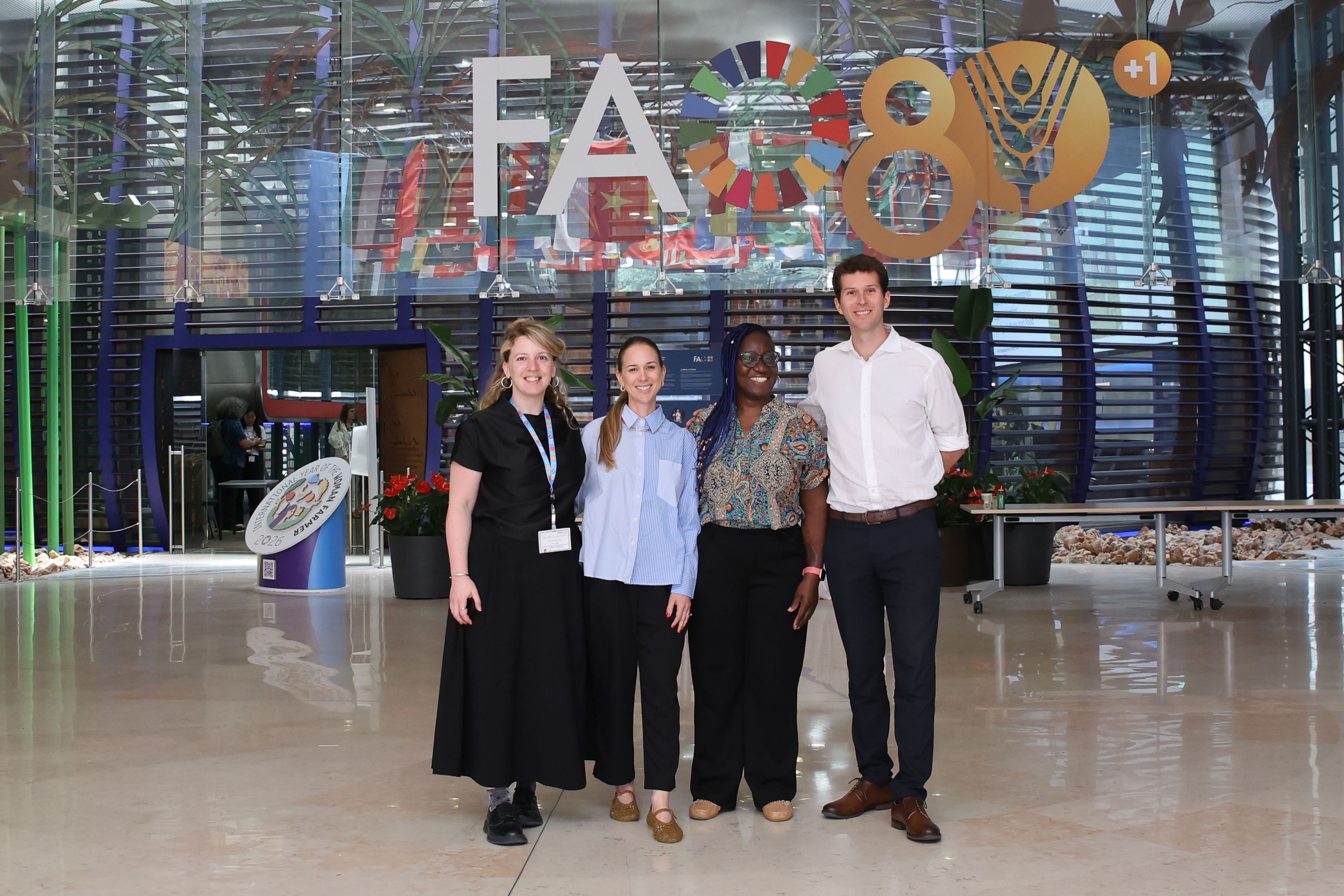
Earth Negotiations Bulletin team (L-R): Anastasia Rodopoulou; Gabriella Prado; Tomilola Akanle Eni-ibukun; and Moritz Petersmann

