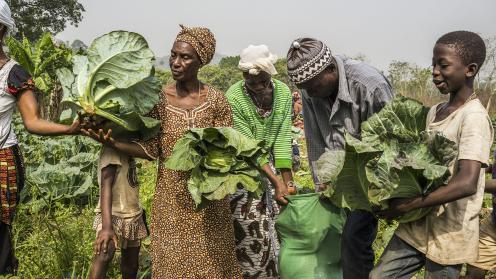
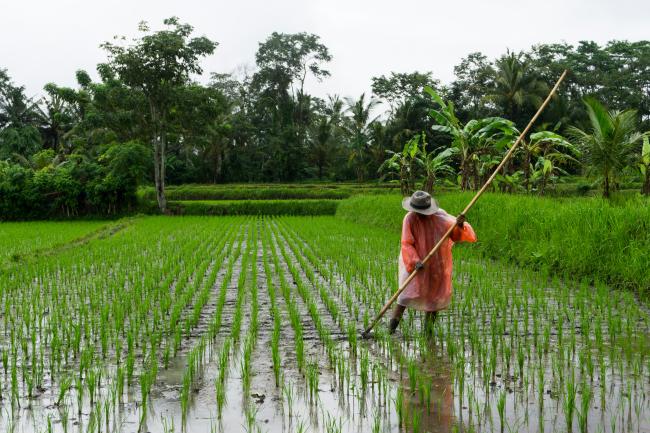
The third day of the FAO-IPCC Expert Meeting on Agriculture and Food focused on identifying synergies, co-benefits, and scalable solutions for climate mitigation and adaptation across agrifood systems. Participants considered examples of climate responses with co-benefits across adaptation, mitigation, food security, biodiversity conservation, and sustainable development, as well as the enabling conditions required to support implementation at scale.
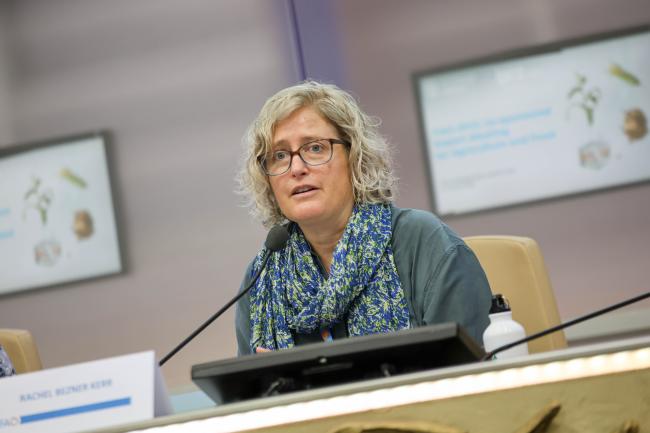
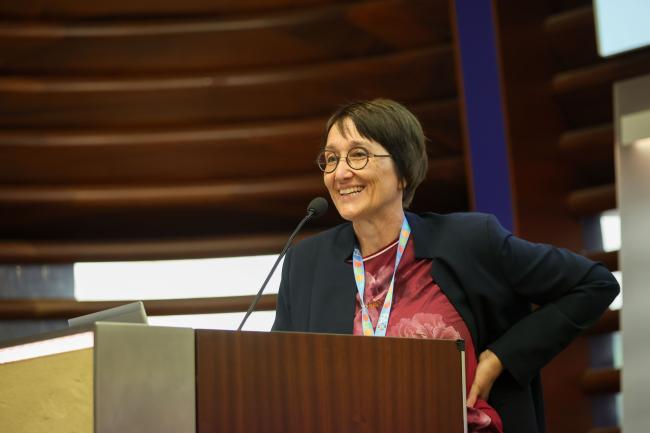
In the morning session, Rachel Bezner Kerr, Professor, Ashley School of Global Development and the Environment, Cornell University, examined synergies and trade-offs between adaptation and mitigation in agrifood systems. Drawing on findings from the Intergovernmental Panel on Climate Change (IPCC) Sixth Assessment Report (AR6), she highlighted evidence that many food system responses simultaneously contribute to adaptation, mitigation, and broader development objectives.
Bezner Kerr then presented examples from recent literature of agrifood response options that demonstrate potential synergies and co-benefits, including biochar, agroforestry, agroecosystem diversification, community-based mangrove restoration, social protection programmes, public procurement of diverse foods, urban nature-based solutions, and agroecological approaches.
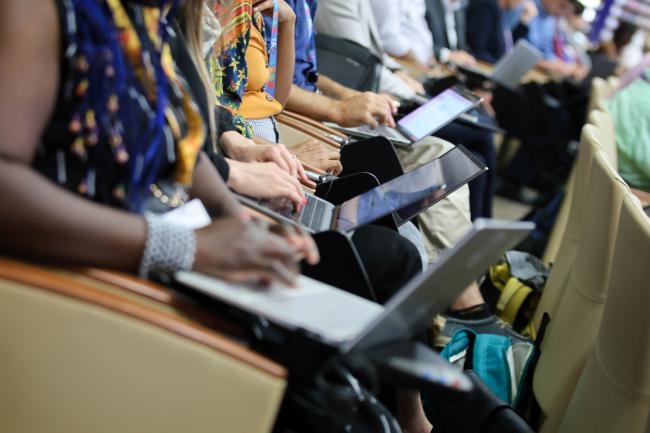
During the subsequent discussion, participants emphasized the need to place people at the center of climate action. They stressed the importance of understanding how benefits and burdens are distributed across actors and regions, noting that marginalized groups, such as Indigenous Peoples and smallholder farmers, often bear disproportionate costs while larger actors enjoy many of the benefits.
Participants further emphasized the importance of prioritizing subsidies for sustainable food systems rather than for unsustainable ones, and integrating equity and justice lenses into agrifood systems.
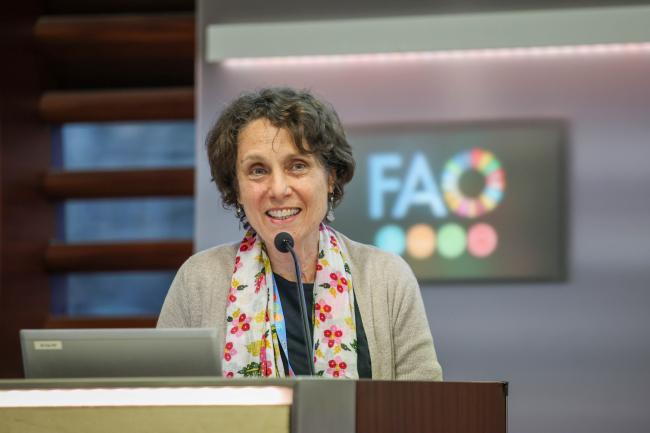
In a session on enabling environment and governance and co-benefits across agrifood systems, Claudia Ringler, Director, Agrifood Innovation and Resilience, International Food Policy Research Institute, presented a framework for climate action based on knowledge, motivation, and agency. She highlighted declining investments in knowledge generation for climate action and discussed how both external and internal factors influence motivation.
Ringler highlighted key elements to improve agency in agrifood systems, including addressing inequality, and improving access to information and technology. On the application of the framework, she highlighted identification of key actors with their existing knowledge, motivations, and agency.
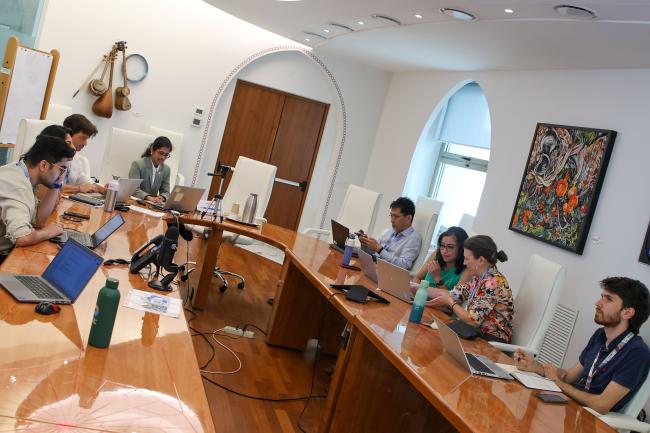
Participants subsequently gathered in four breakout sessions, on: integrating agrifood systems into national climate policies; finance, investment, and economic feasibility; governance, institutions, and policy coherence; and food systems approaches across the Rio Conventions.
During discussions following the breakout groups, participants stressed the need to consider the effectiveness of adaptation measures and whether they reduce vulnerability and build resilience. They also highlighted the role of markets, value chains, and cross-sectoral partnerships in supporting adaptation and mitigation.
The final session of the day focused on scalable and sustainable solutions for low-emission, climate-adapted, and resilient agrifood systems. Lini Wollenberg, Project Lead, Climate Action, Alliance Bioversity International and CIAT, noted that credible co-benefits exist for established practices such as agroforestry, crop diversification, soil nutrient management, and solar irrigation and agrivoltaics, but cautioned that solutions need to be tested and implemented at scale.
Wollenberg underscored that most synergy claims are based on evidence for either mitigation or adaptation alone, while studies rarely measure both outcomes simultaneously. She identified critical knowledge gaps for adaptation and mitigation solutions, including: integrated system and frontier technology development and testing; measurement of adaptation and mitigation impacts; policy and institutional implementation design factors and impacts; and regional evidence asymmetries. She emphasized the need to move from the “science of possibility” toward the “science of practice.”
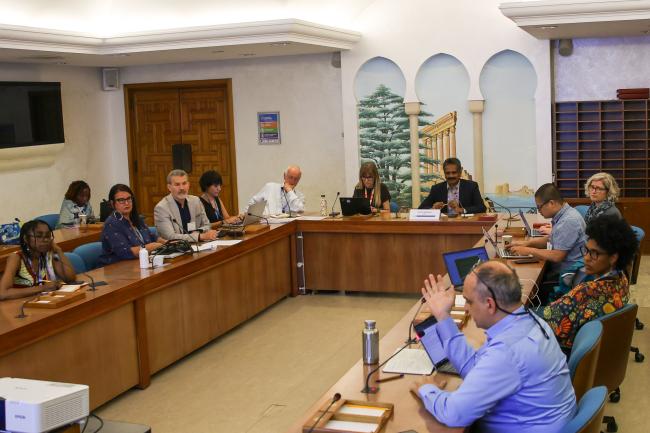
Following this keynote, participants gathered in four breakout sessions, on: climate-smart production systems; landscape and ecosystem-based solutions; innovation and technological solutions; and innovation in policy and governance and enhancement in capacity.
In the subsequent discussion, participants pointed at increasing disparities between the Global North and South caused by access to technologies and data bias of Artificial Intelligence applications. One participant highlighted the barriers that land rights pose to implementation in some cases. Another urged consideration of all sustainability dimensions when assessing solutions for future agrifood systems.
On Friday, the final day of the expert meeting, discussions will focus on pathways for implementation.
To receive free coverage of global environmental events delivered to your inbox, subscribe to the ENB Update newsletter.
All ENB photos are free to use with attribution. For the FAO-IPCC Expert Meeting on Agriculture and Food please use: Photo by IISD/ENB | Anastasia Rodopoulou
Session 6: Agrifood systems perspectives - Identifying synergies and co-benefits across agrifood systems
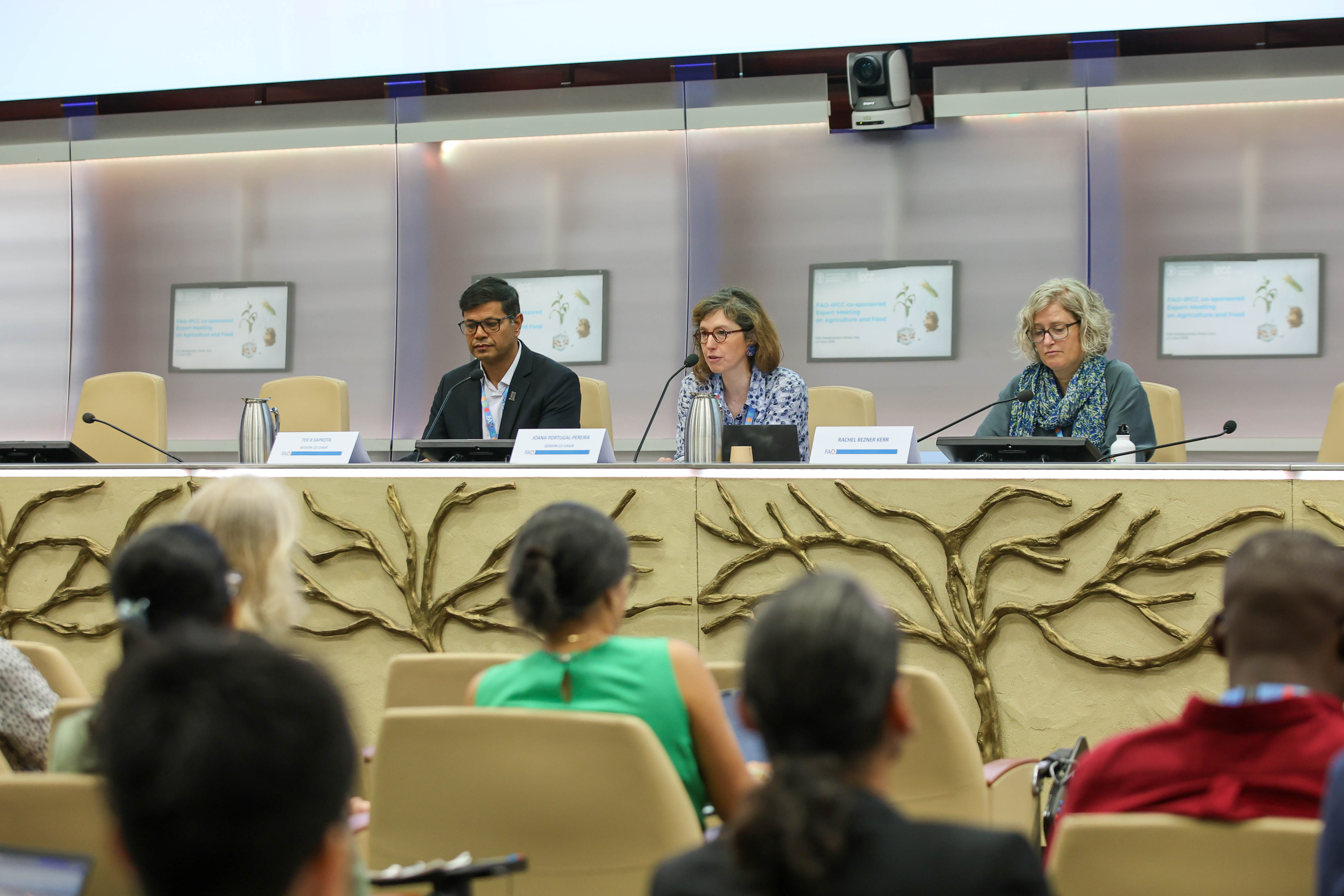
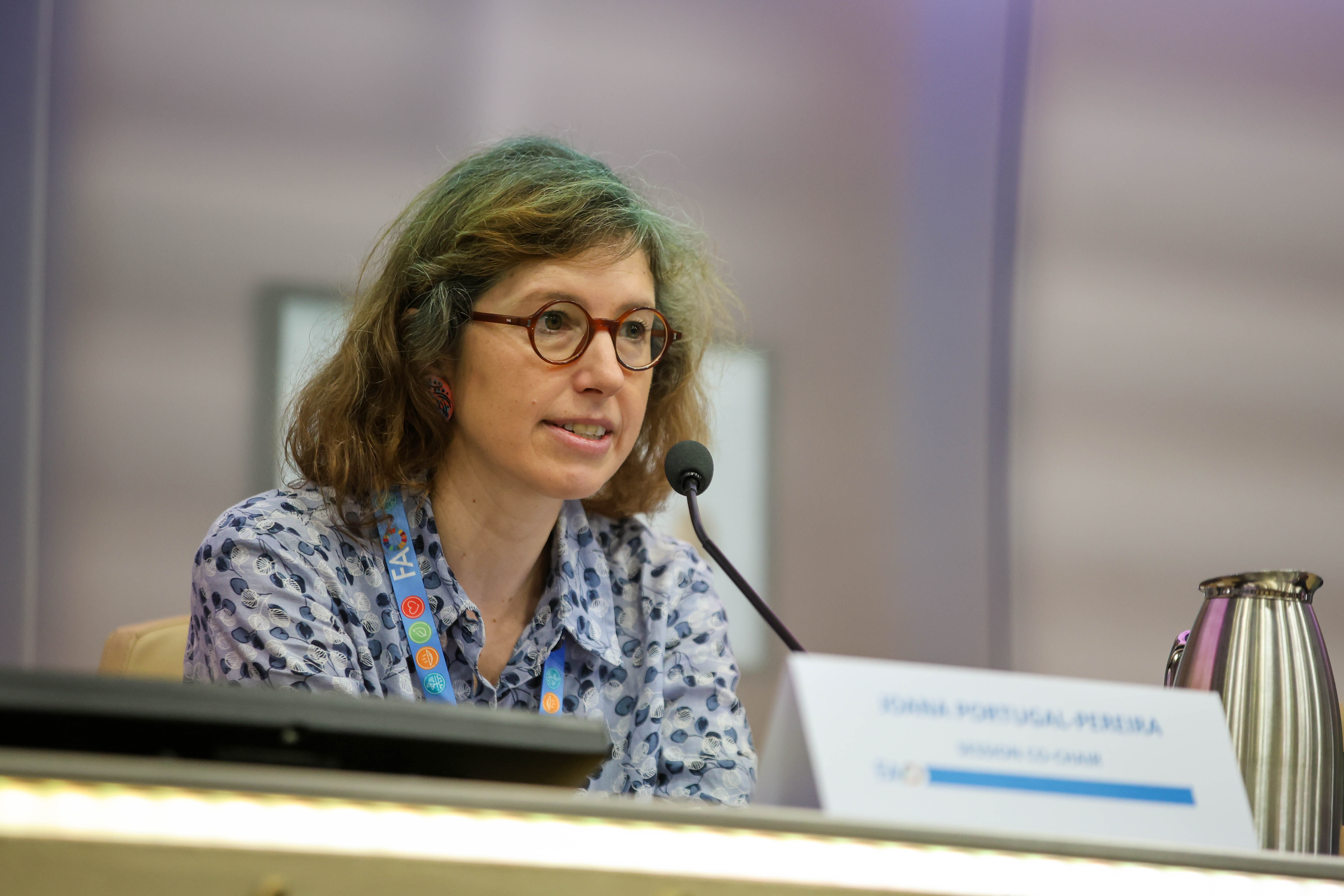
Joana Portugal Pereira, Professor, Federal University of Rio de Janeiro and University of Lisbon
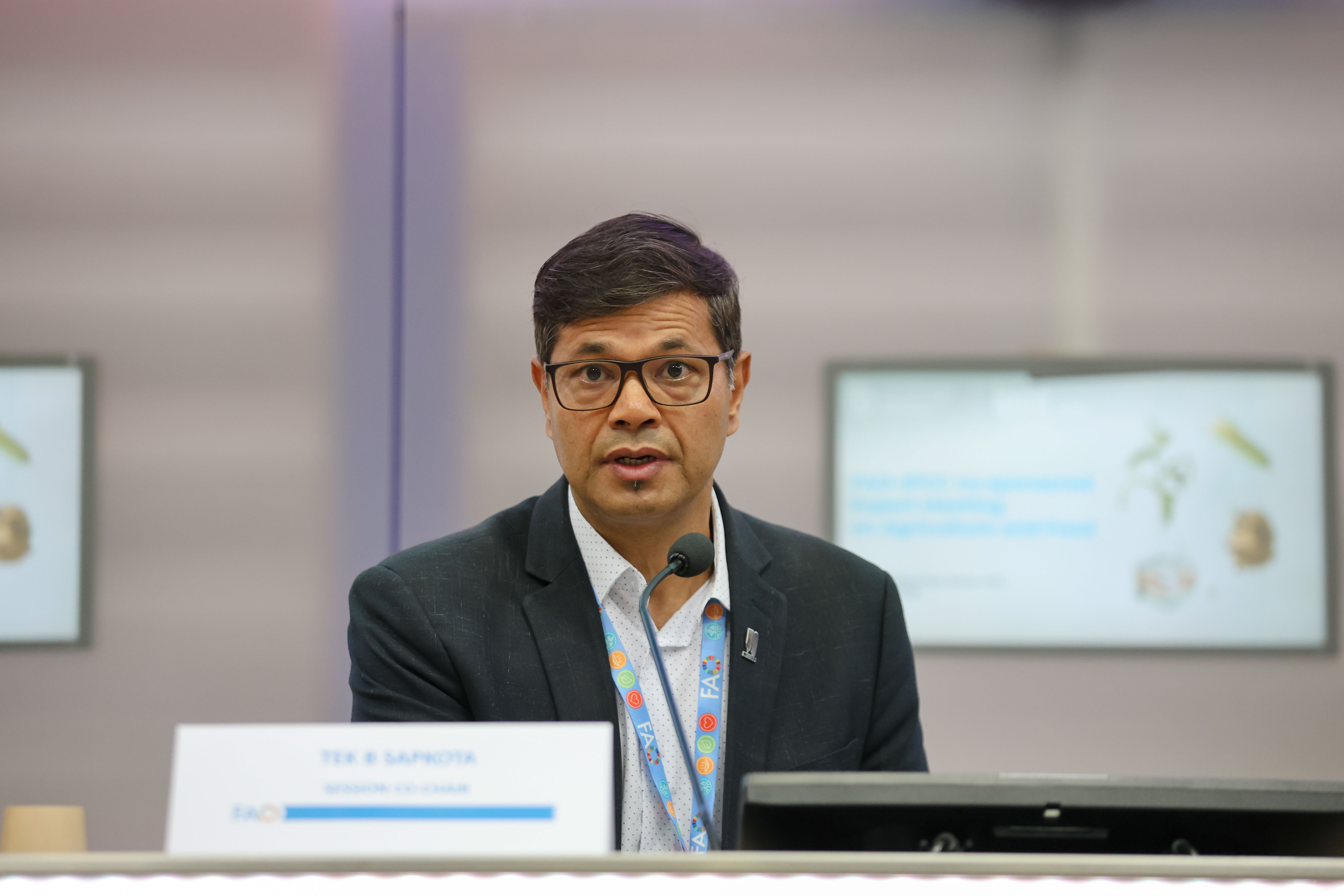
Tek Bahadur Sapkota, Principal Scientist/Climate Change Lead, International Maize and Wheat Improvement Center
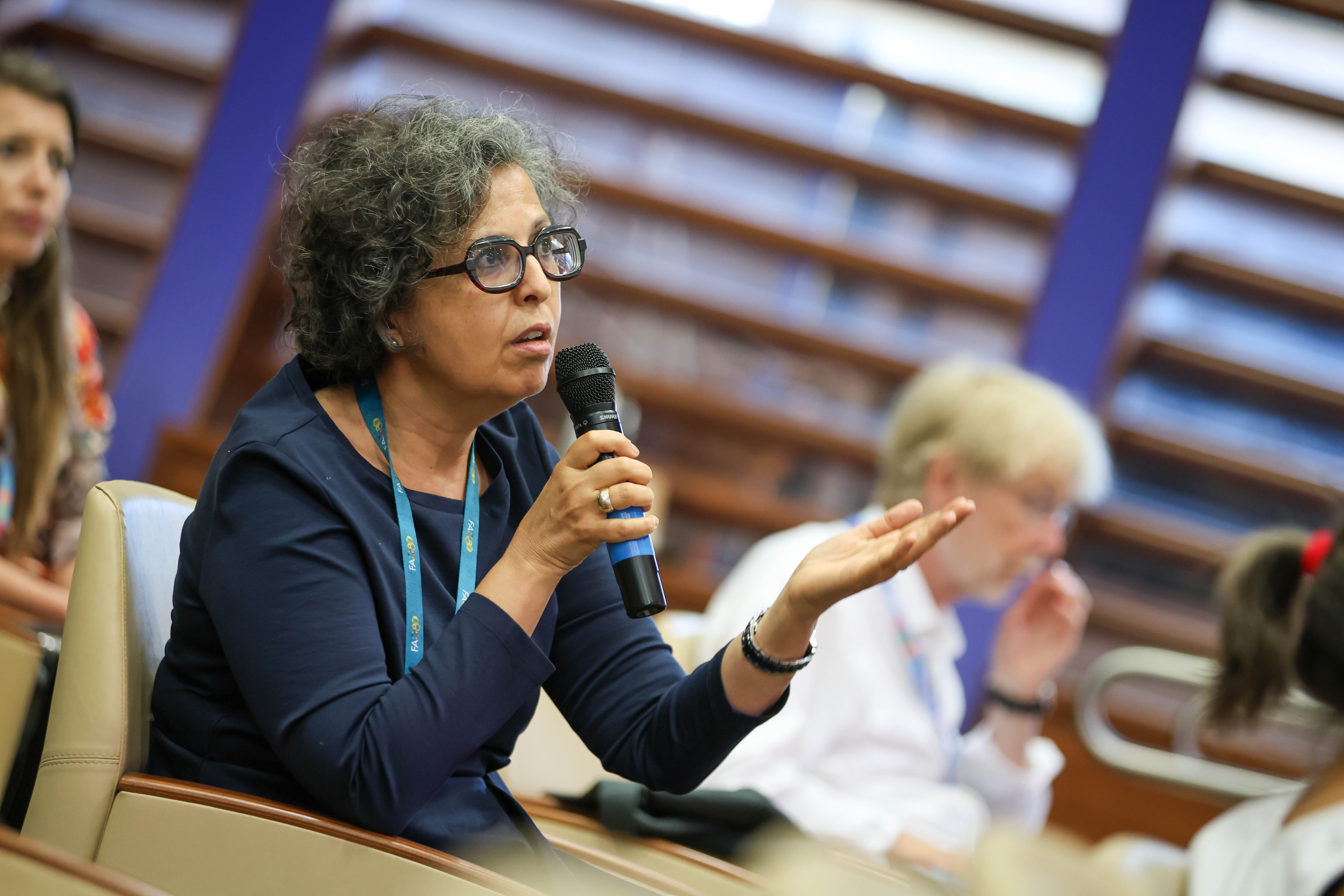
Nora Berrahmouni, Deputy Director, Land and Water Division, FAO
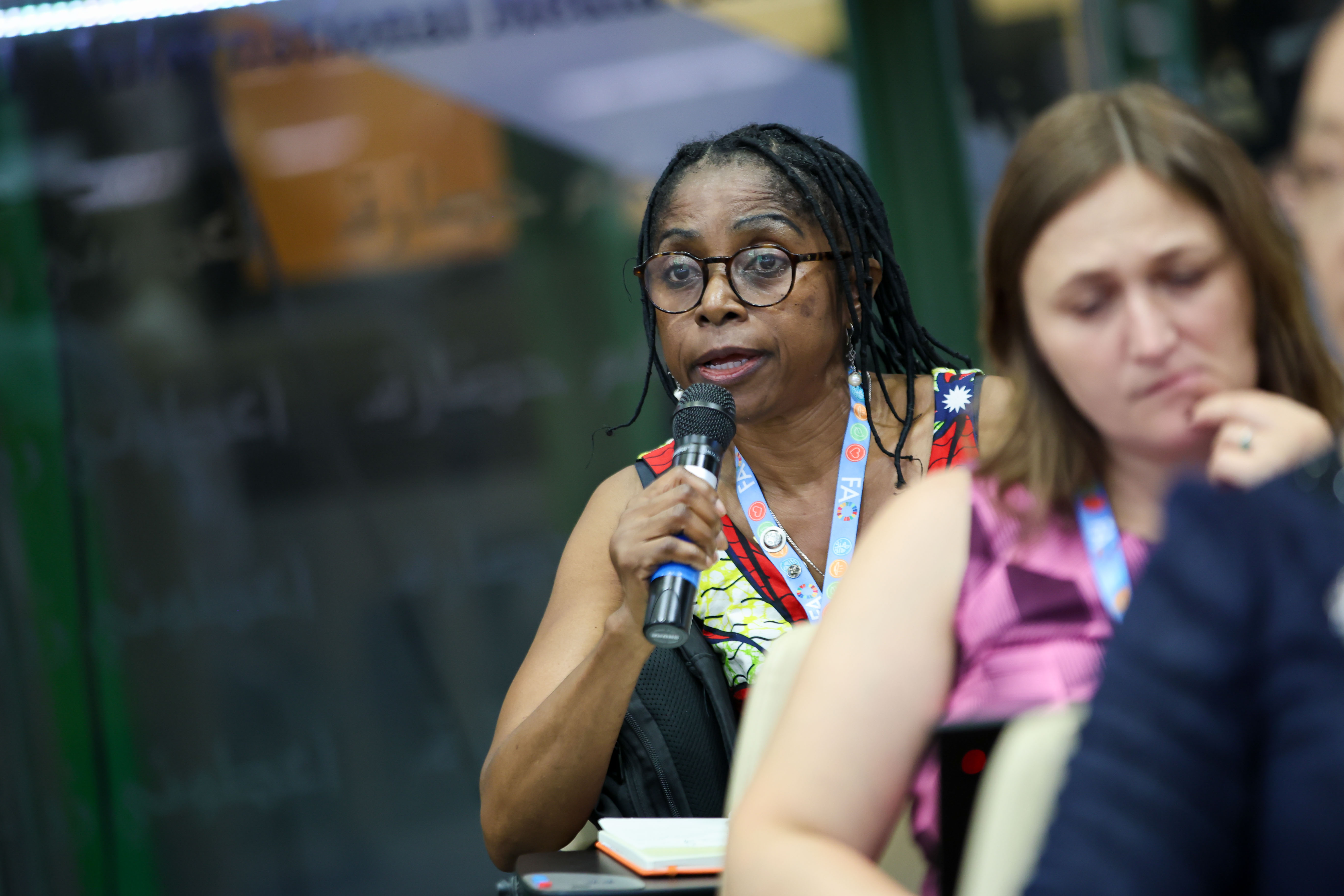
Lydie-Stella Koutika, Founder, Soil Care and Environmental Studies
Session 7: Enabling environment and governance and co-benefits across agrifood systems
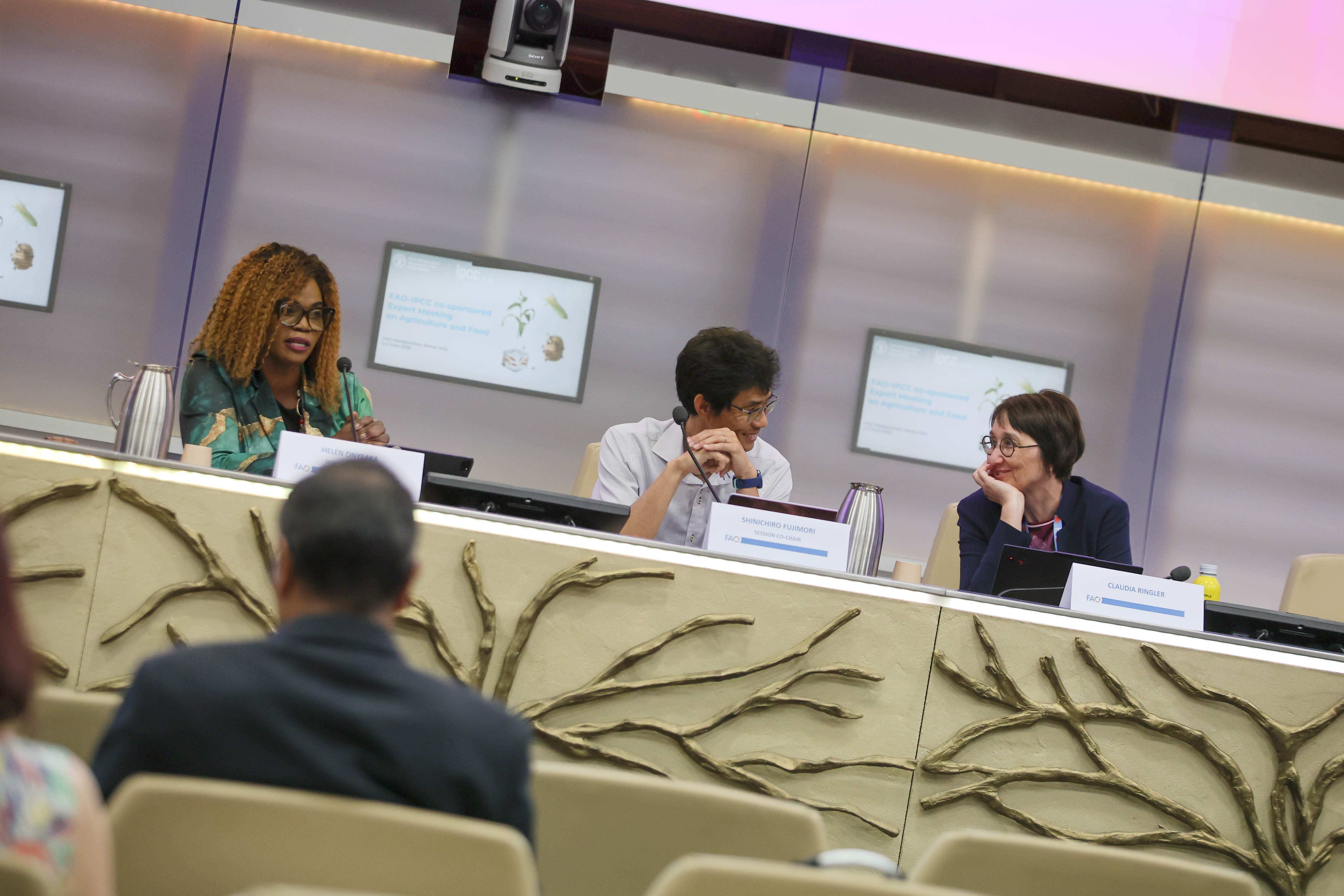
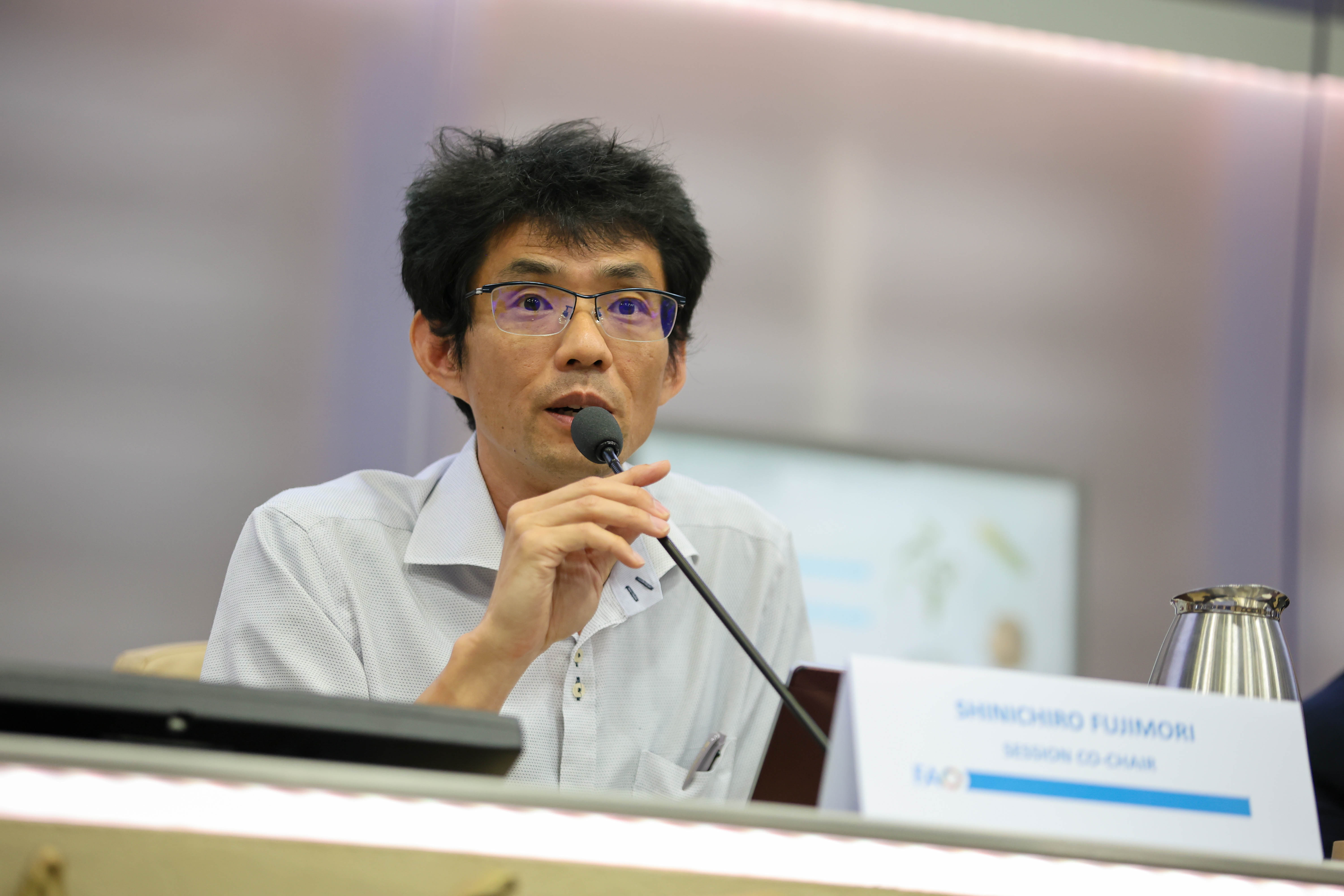
Shinichiro Fujimori, Professor, Kyoto University
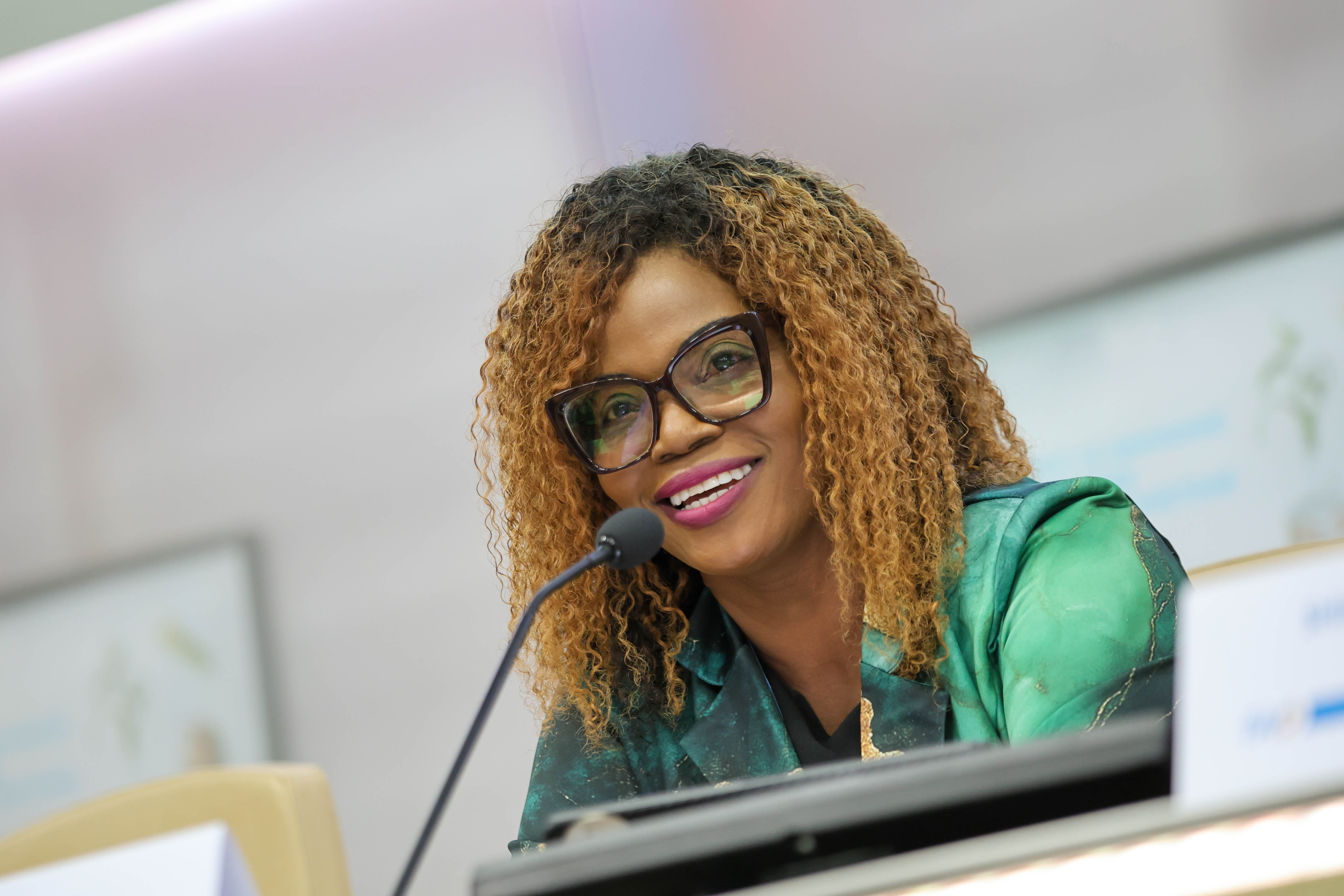
Helen Onyeaka, Associate Professor, University of Birmingham
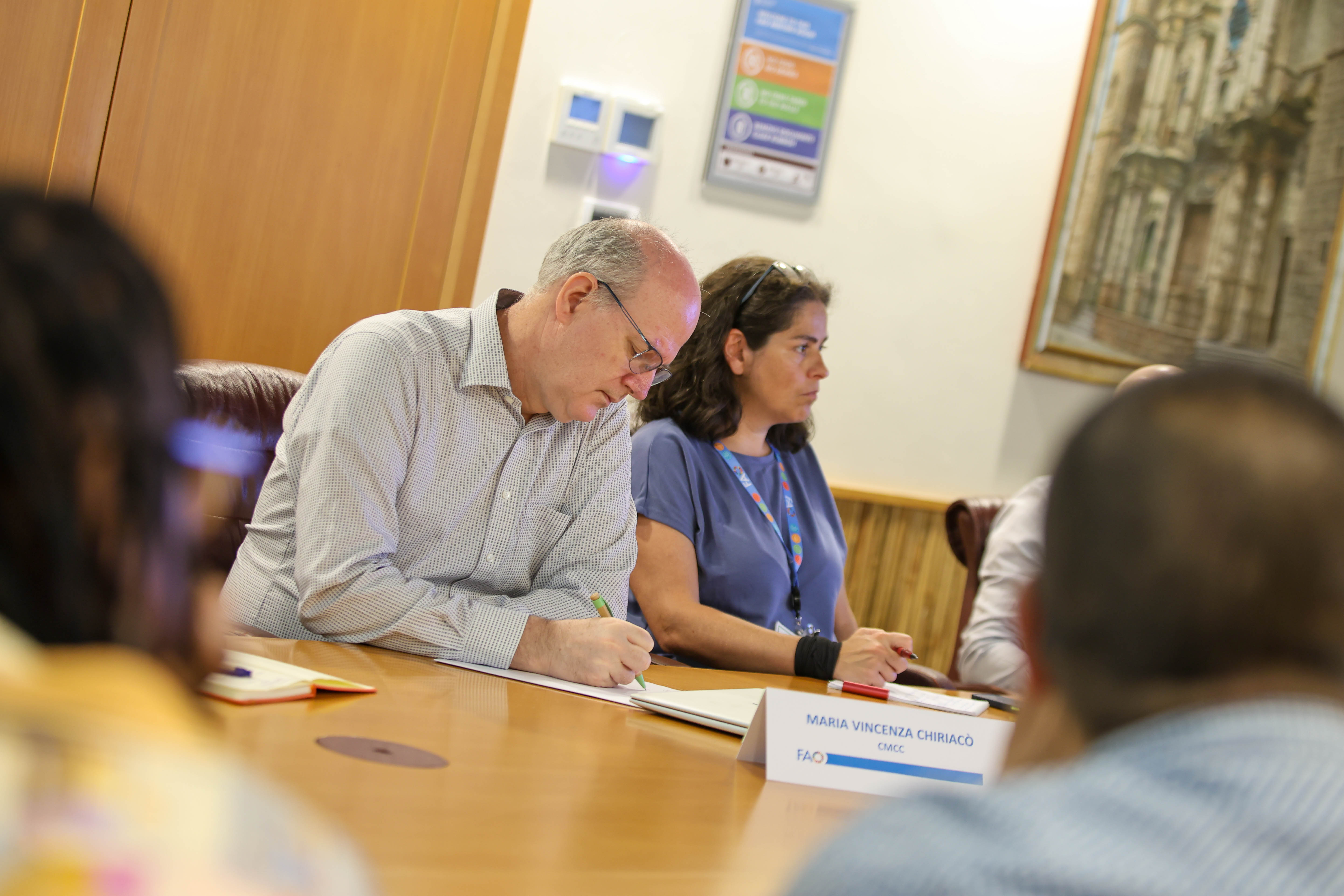
Martial Bernoux, Head, Climate Change Team, Office of Climate Change, Biodiversity, and Environment, FAO
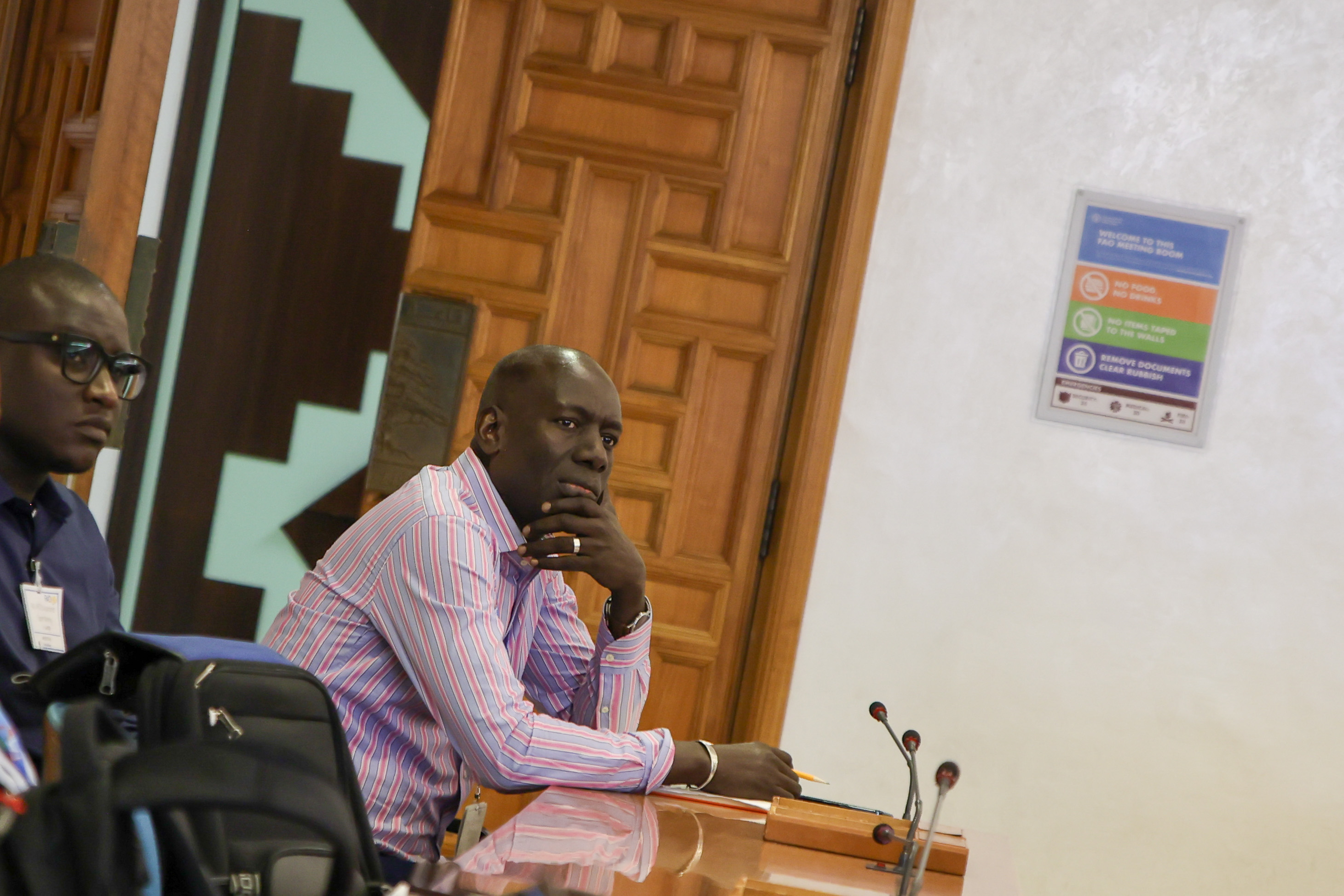
Maguette Kaïre, AGRHYMET Regional Centre
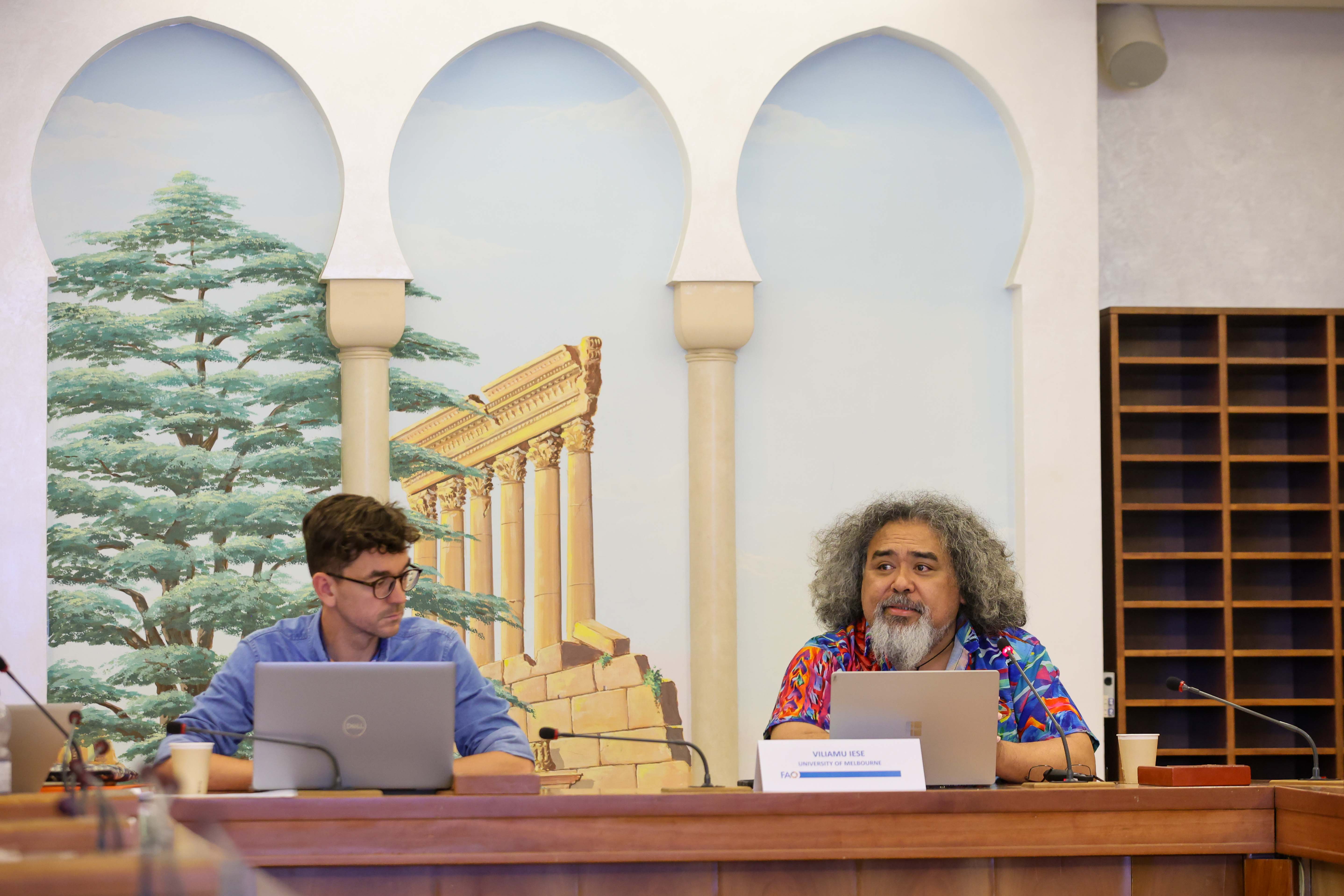
Antoine Ducastel, Climate finance specialist, FAO, and Viliamu Iese, Senior Lecturer, University of Melbourne, and Chair of the breakout session on finance, investment and economic feasibility
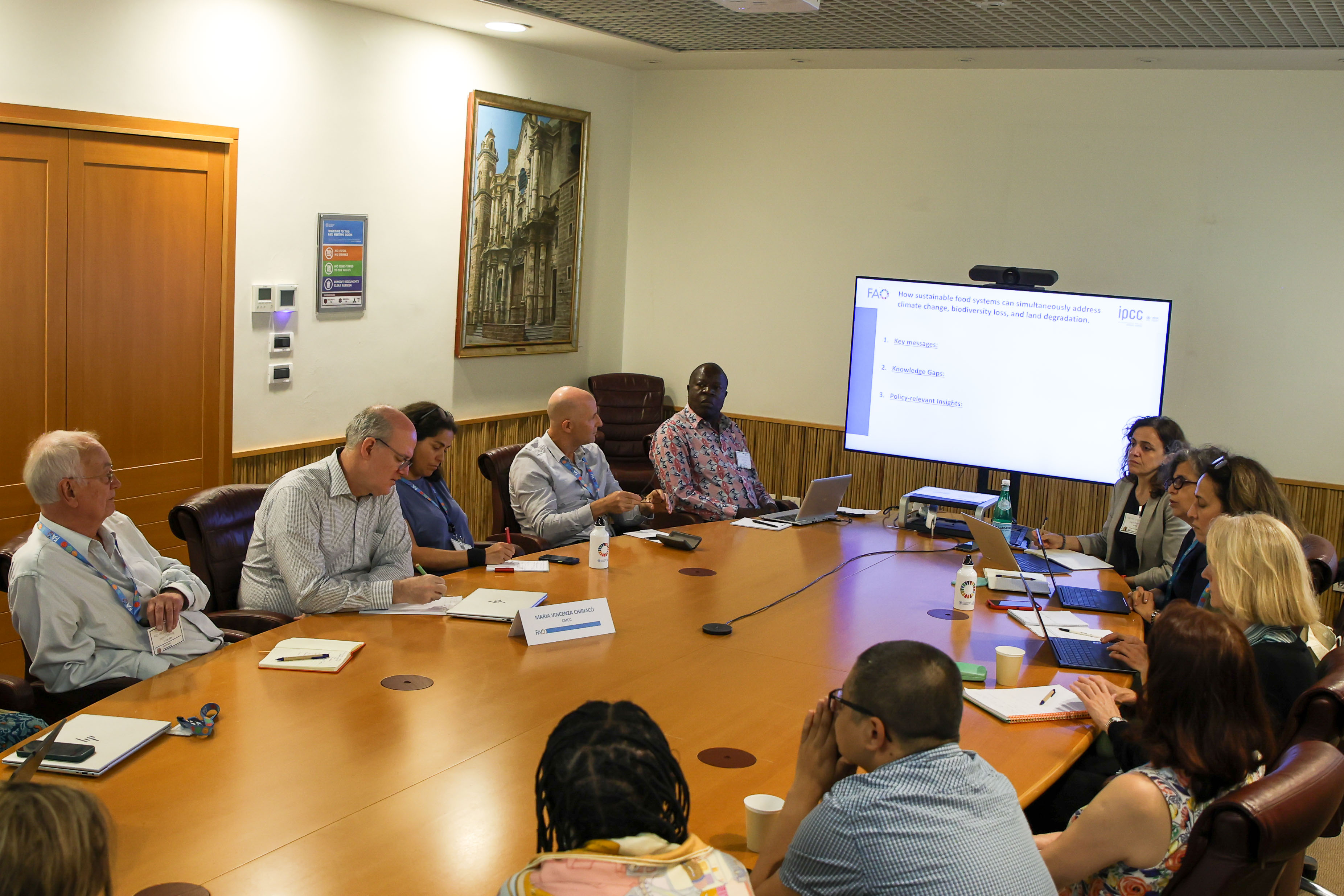
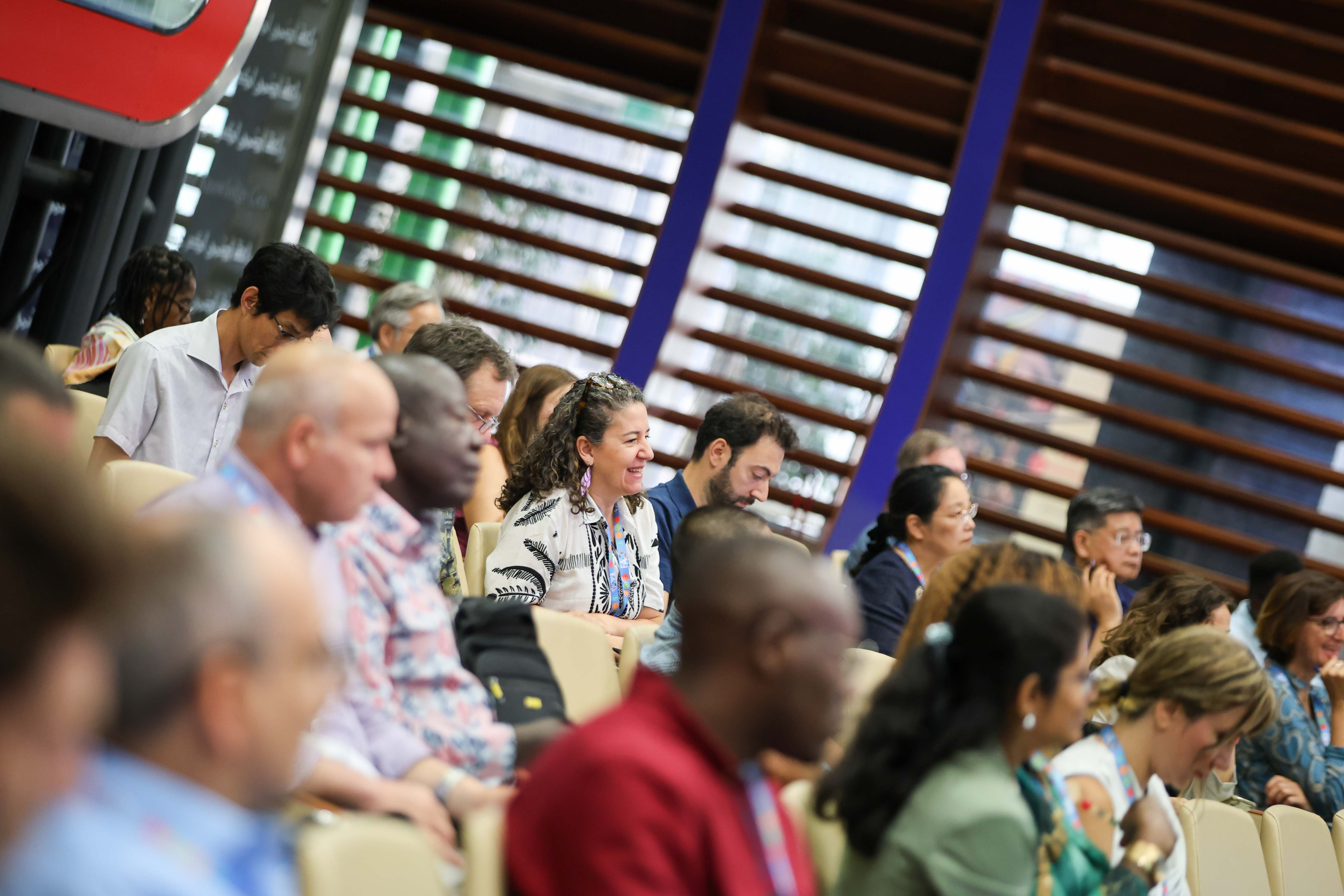
A view of the room during the breakout session on food systems approaches across the Rio Conventions
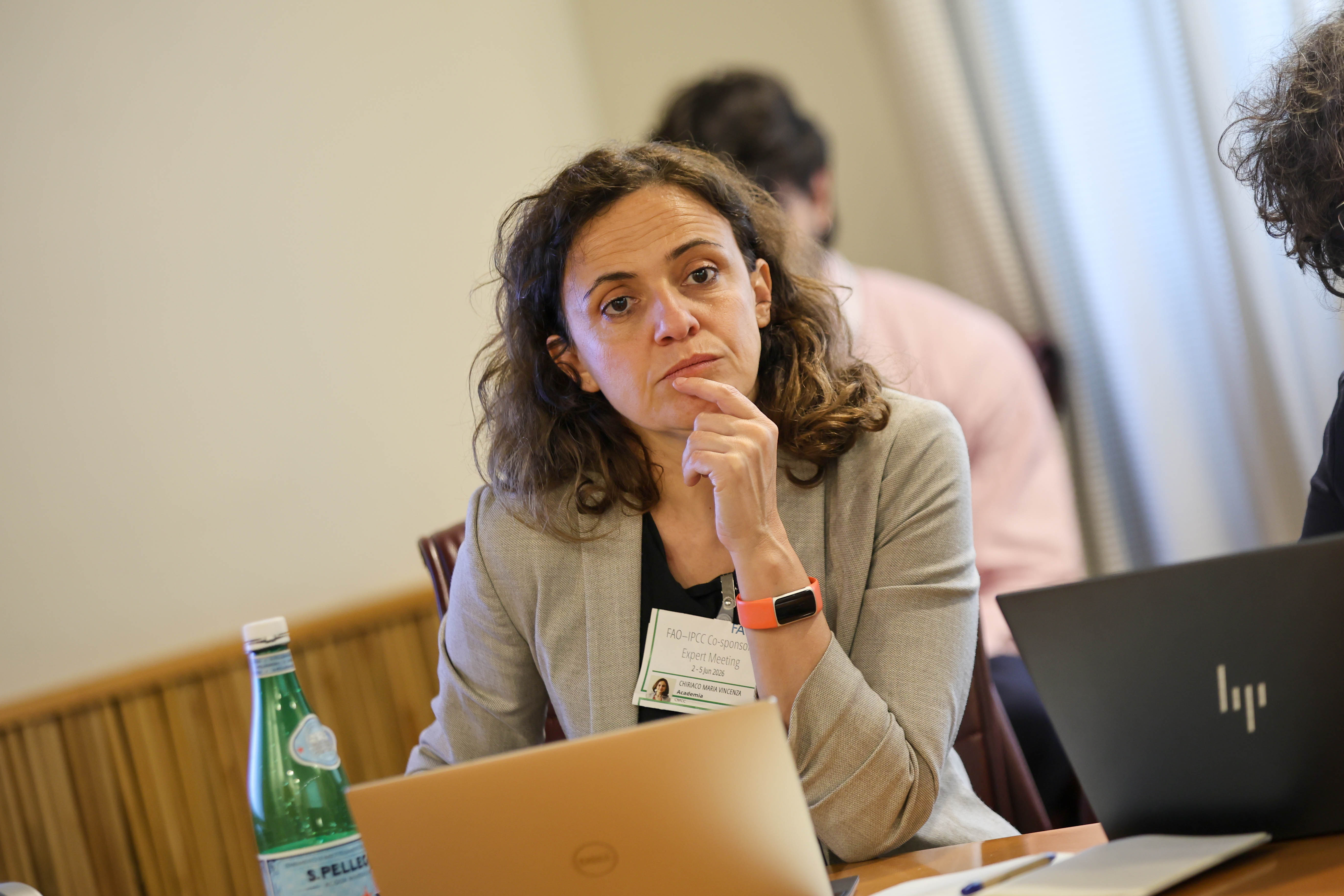
Maria Vincenza Chiriacò, Senior Researcher, Centro Euro-Mediterraneo sui Cambiamenti Climatici and Chair of the breakout session on food systems approaches across the Rio Conventions
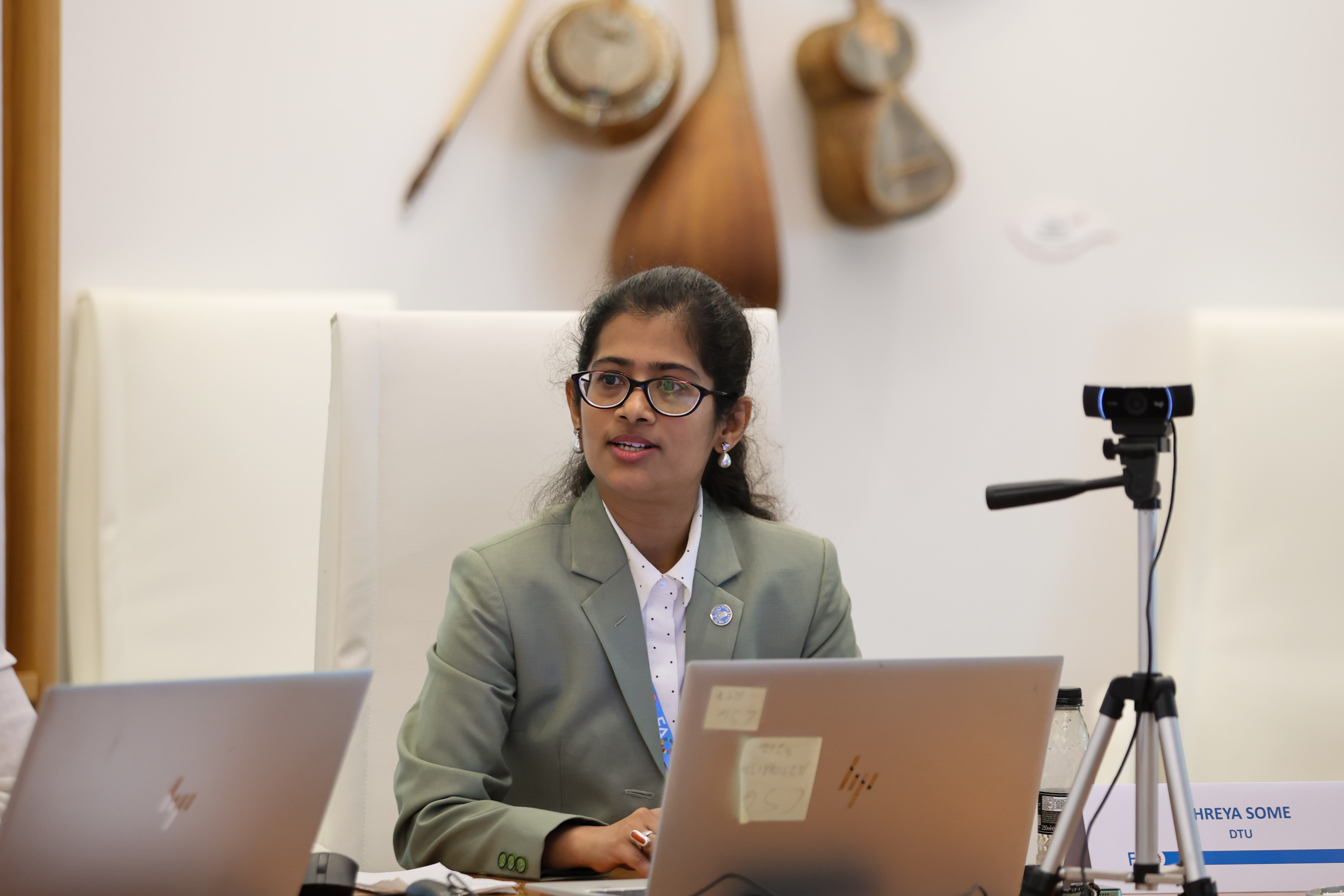
Shreya Some, Postdoctoral Researcher, Technical University of Denmark, and Chair of the breakout session on governance, institutions and policy coherence
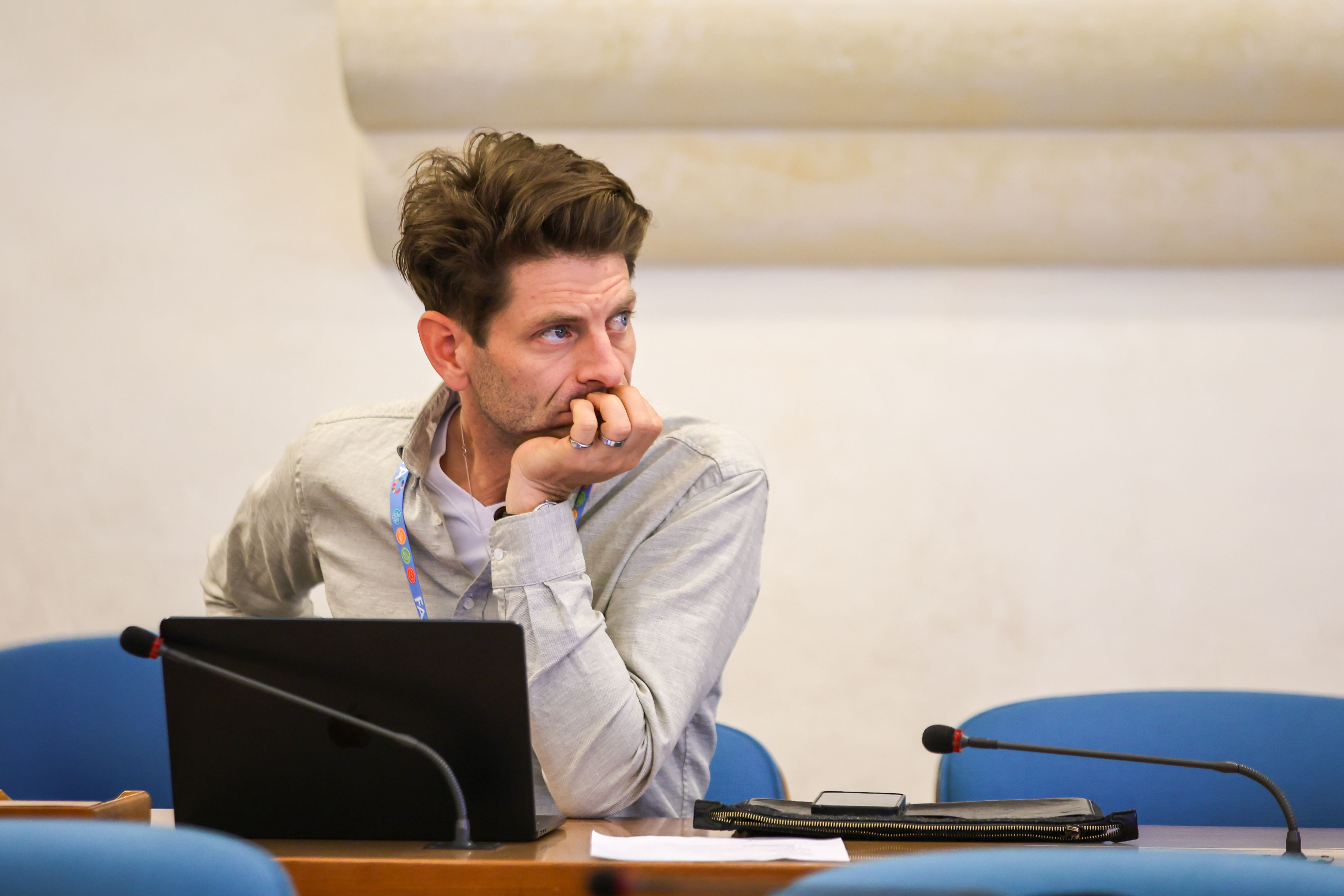
Jonas Jägermeyr, Climate School, Columbia University
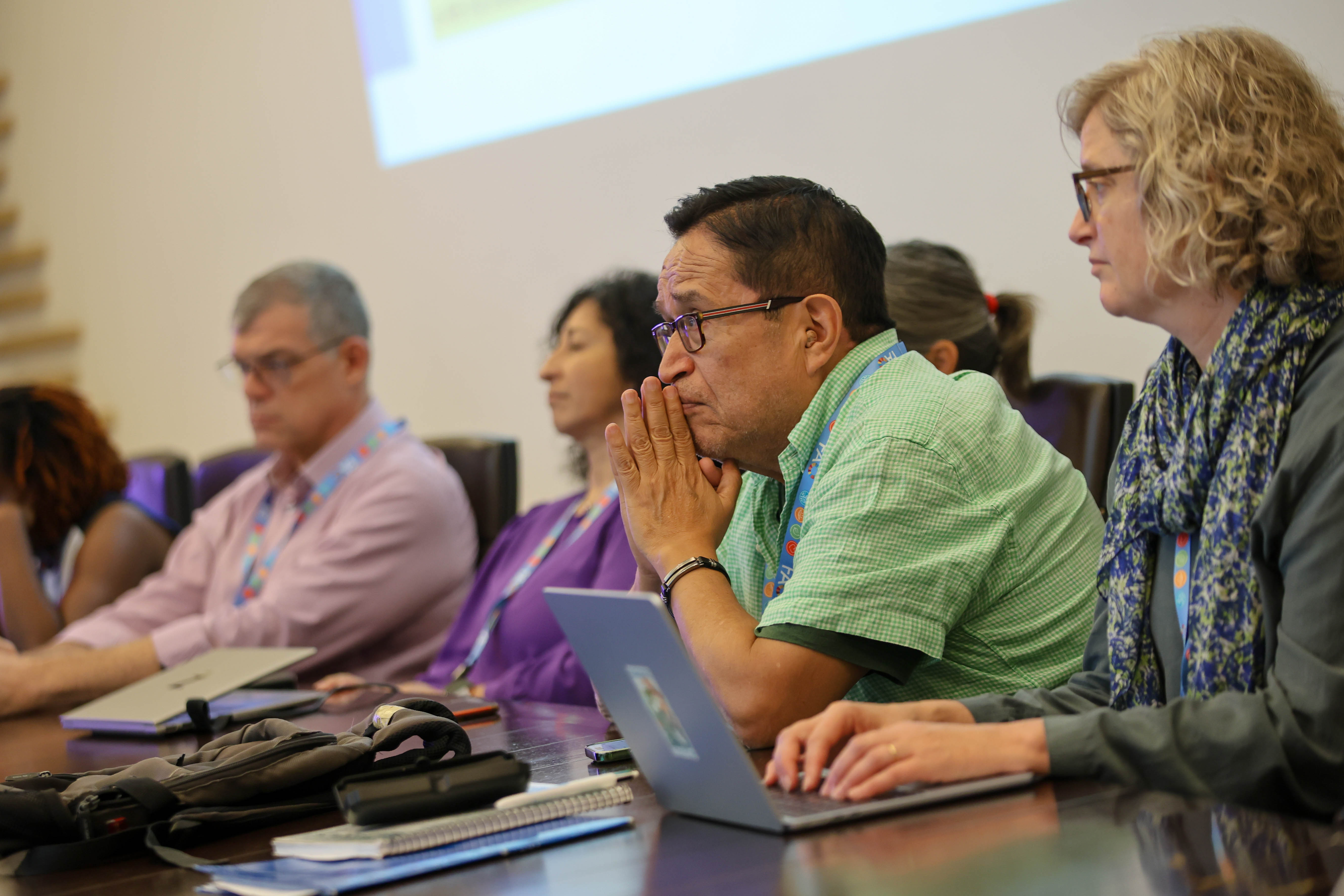
Carlos Alfredo Gomez Bravo, Professor, Universidad Nacional Agraria La Molina
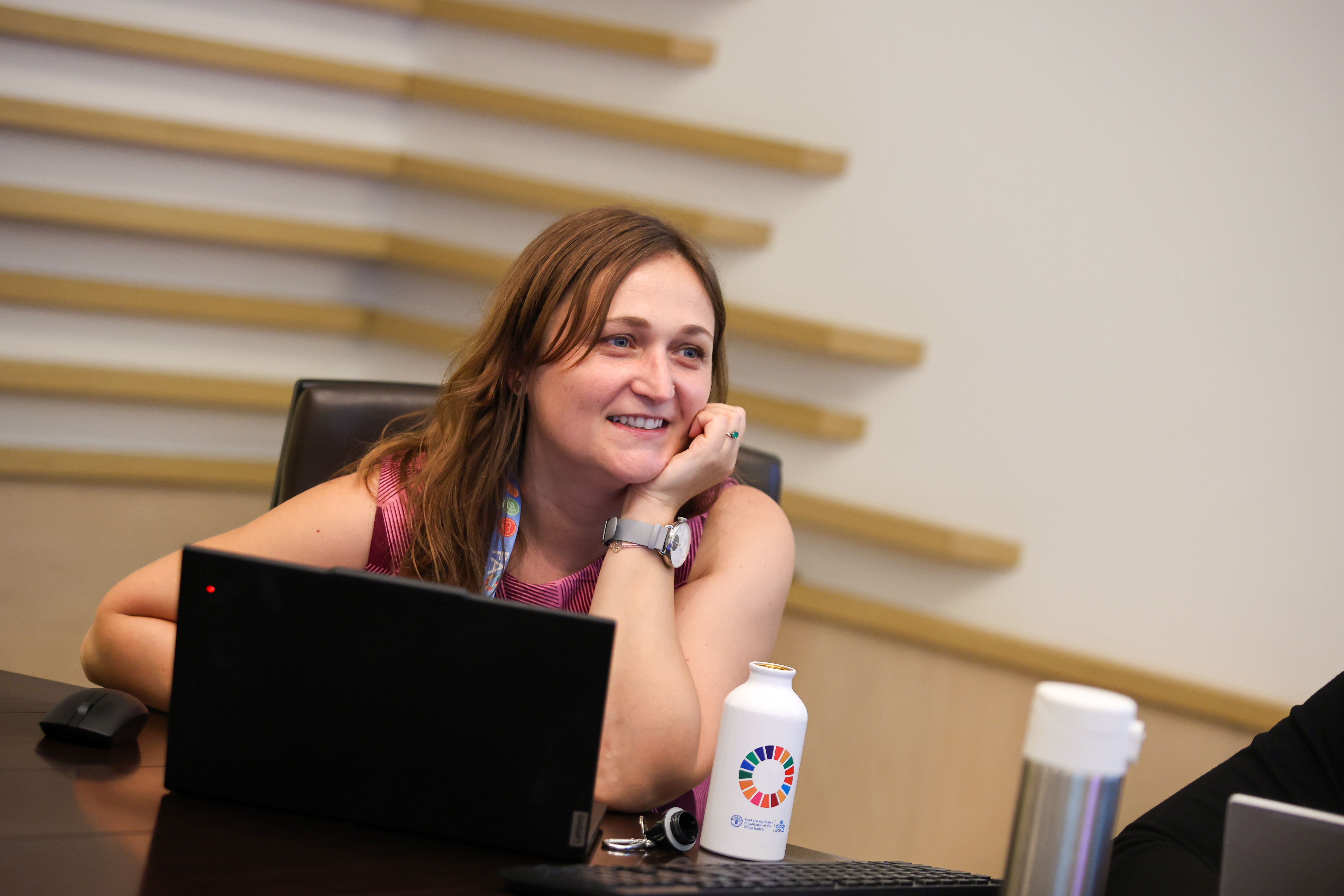
Andreea Nowak, Alliance of Bioversity International and CIAT, and Chair of the breakout session on integrating agrifood systems into national climate policies
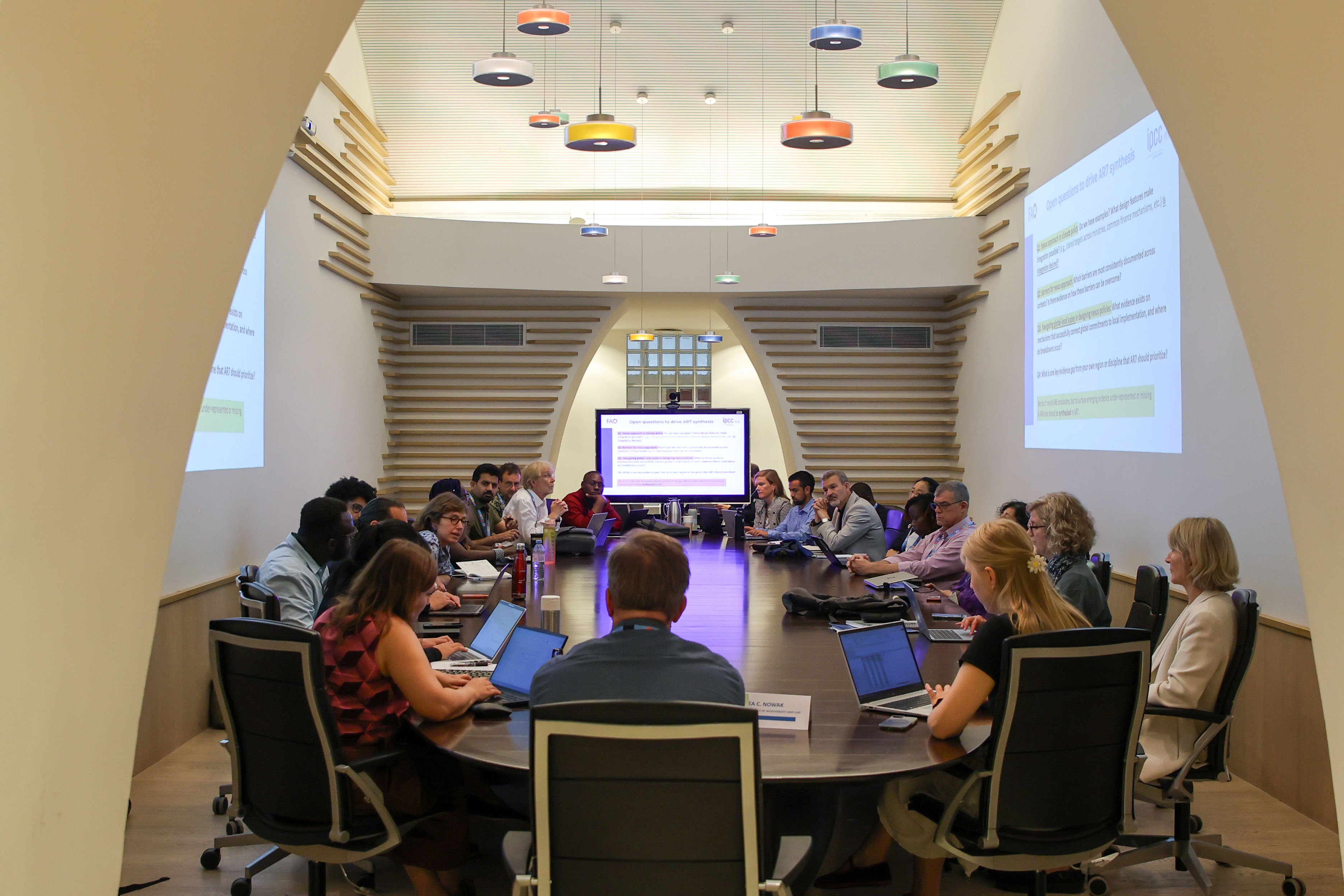
A view of the room during the breakout session on integrating agrifood systems into national climate policies
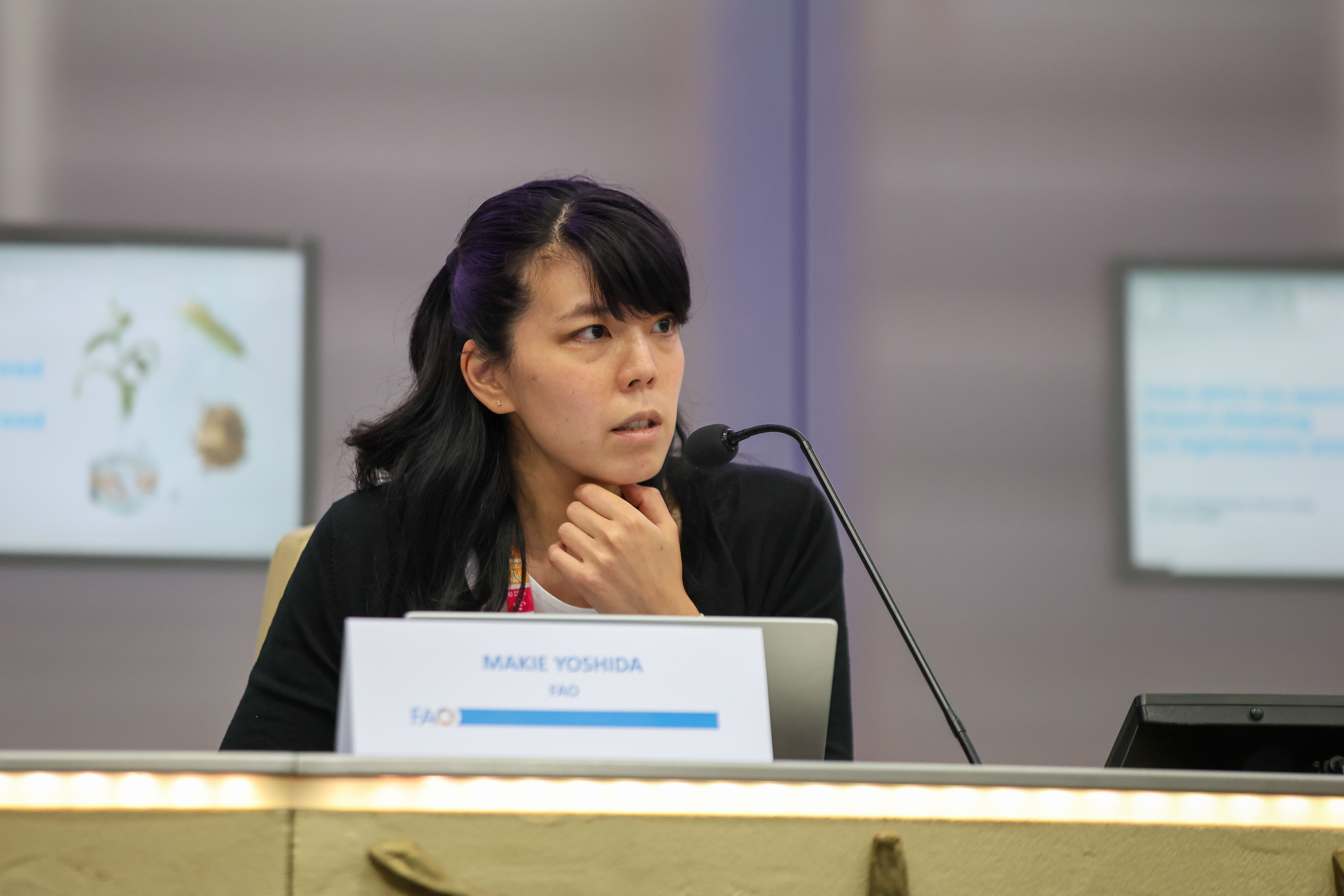
Makie Yoshida, Climate Change Specialist, FAO, reports back to plenary from the breakout session on integrating agrifood systems into national climate policies
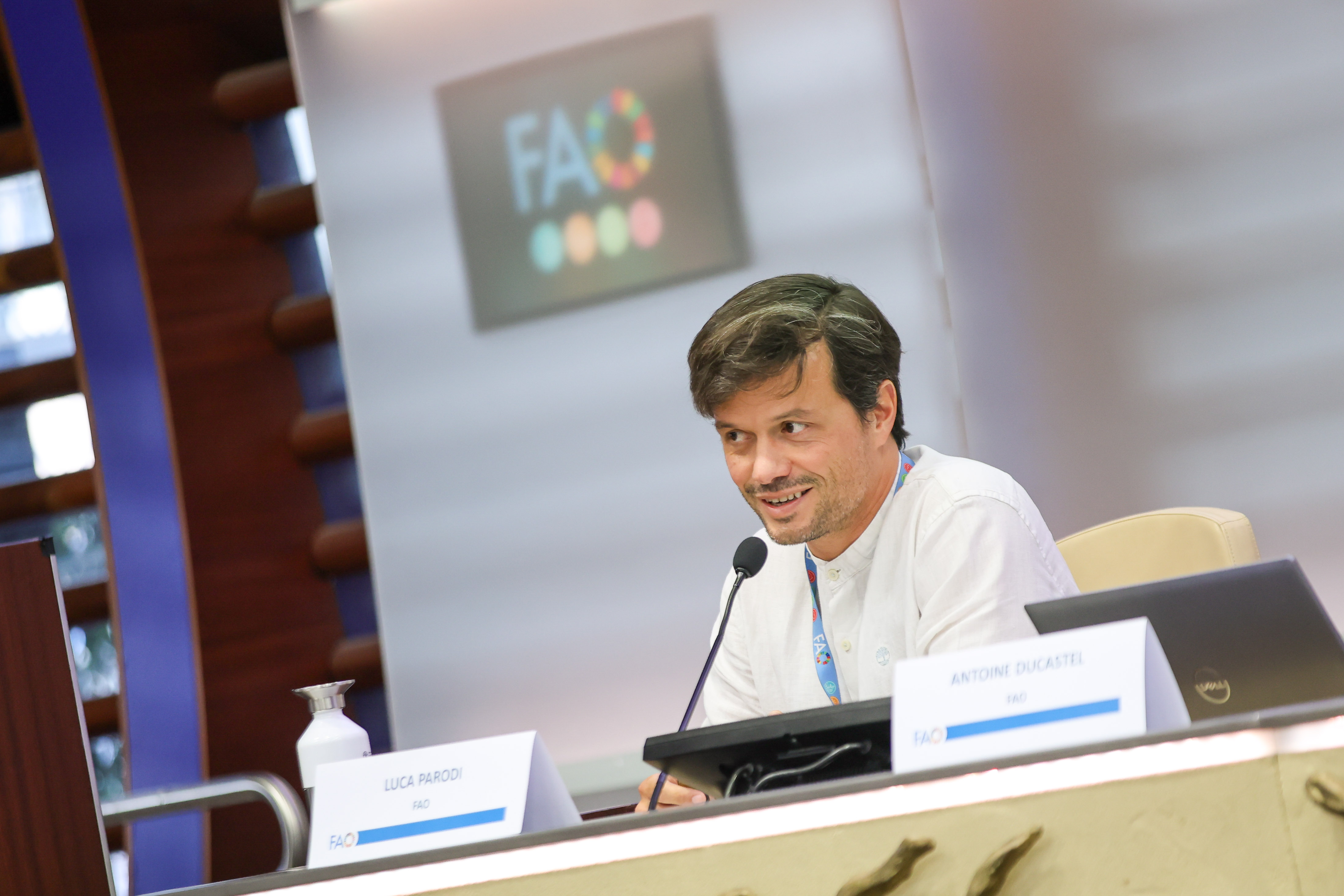
Luca Parodi, Emergency and Rehabilitation Officer, FAO, reports back to plenary from the breakout session on governance, institutions and policy coherence
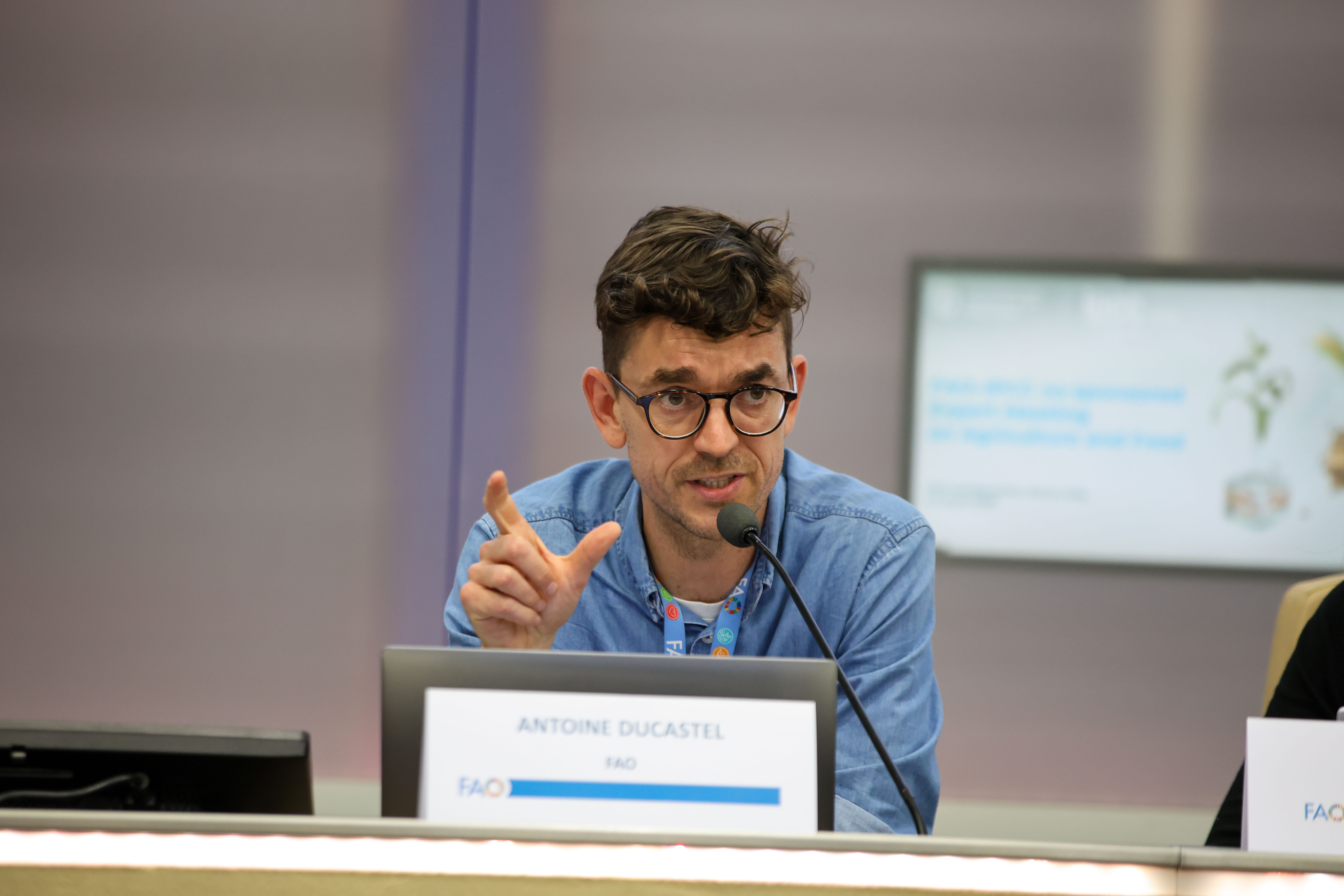
Antoine Ducastel, Climate Finance Specialist, FAO, reports back to plenary from the breakout session on finance, investment and economic feasibility
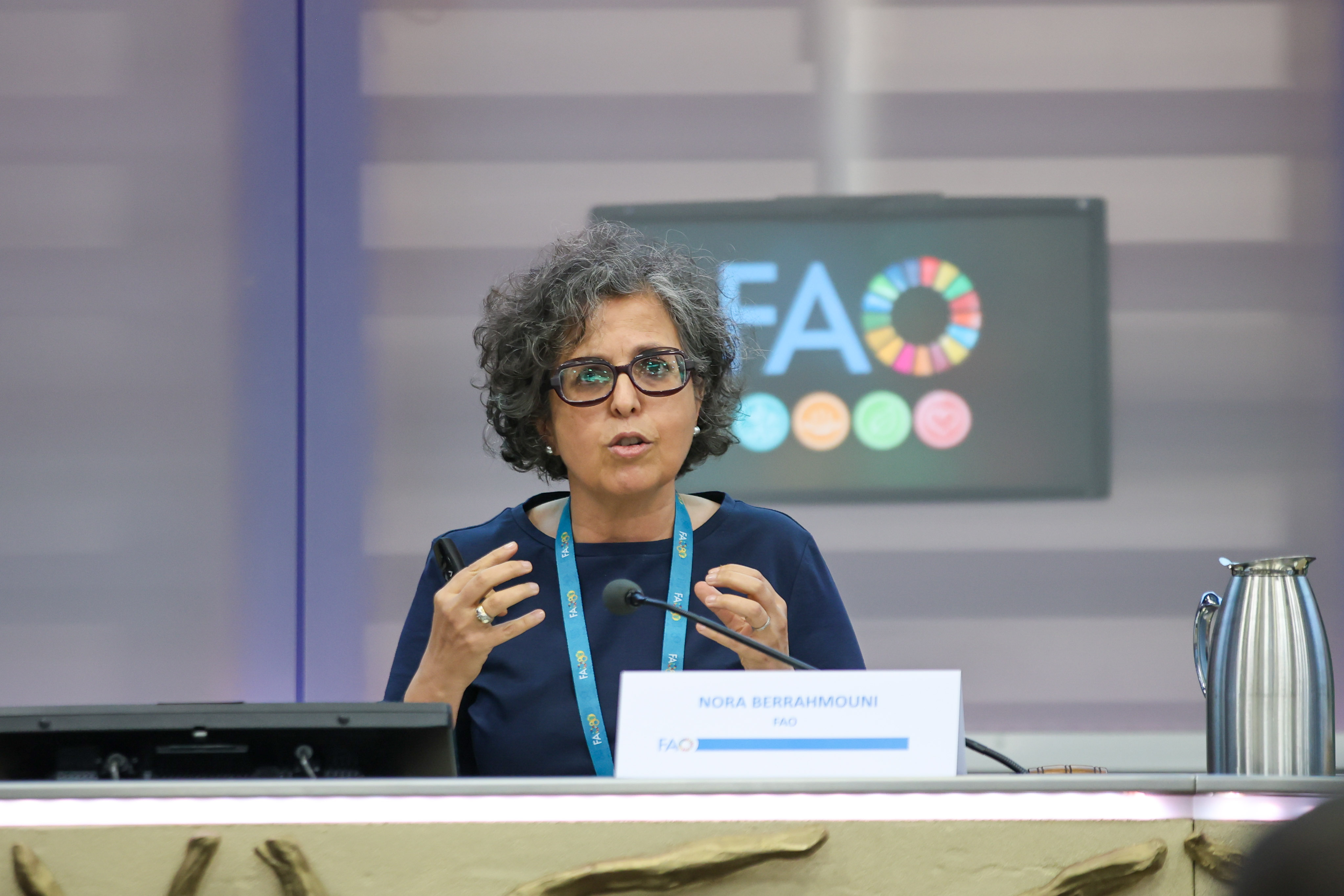
Nora Berrahmouni, Deputy Director, Land and Water Division, FAO, reports back to plenary from the breakout session on food systems approaches across the Rio Conventions
Session 8: Scalable and sustainable solutions for low-emission, climate-adapted and resilient agrifood systems
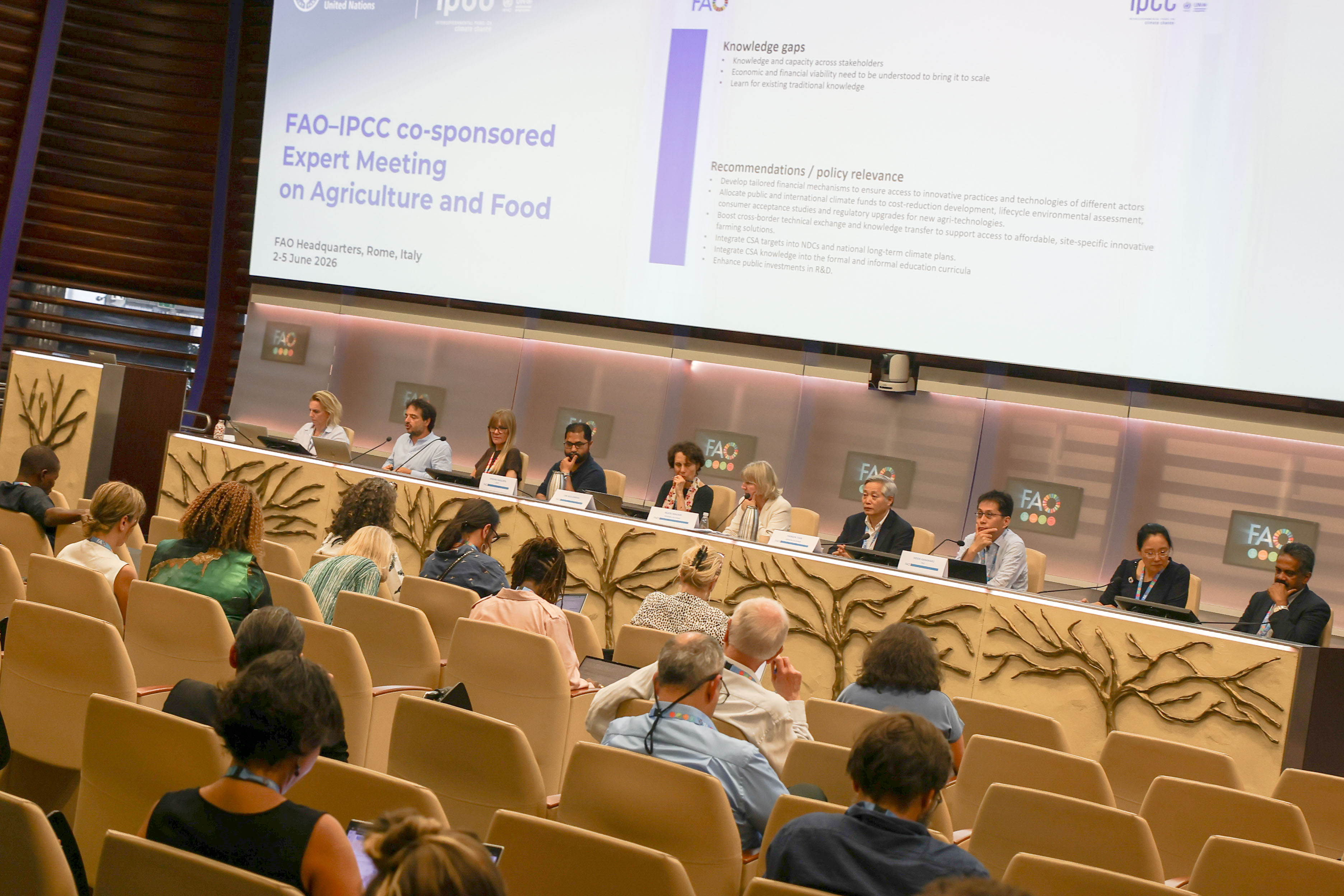
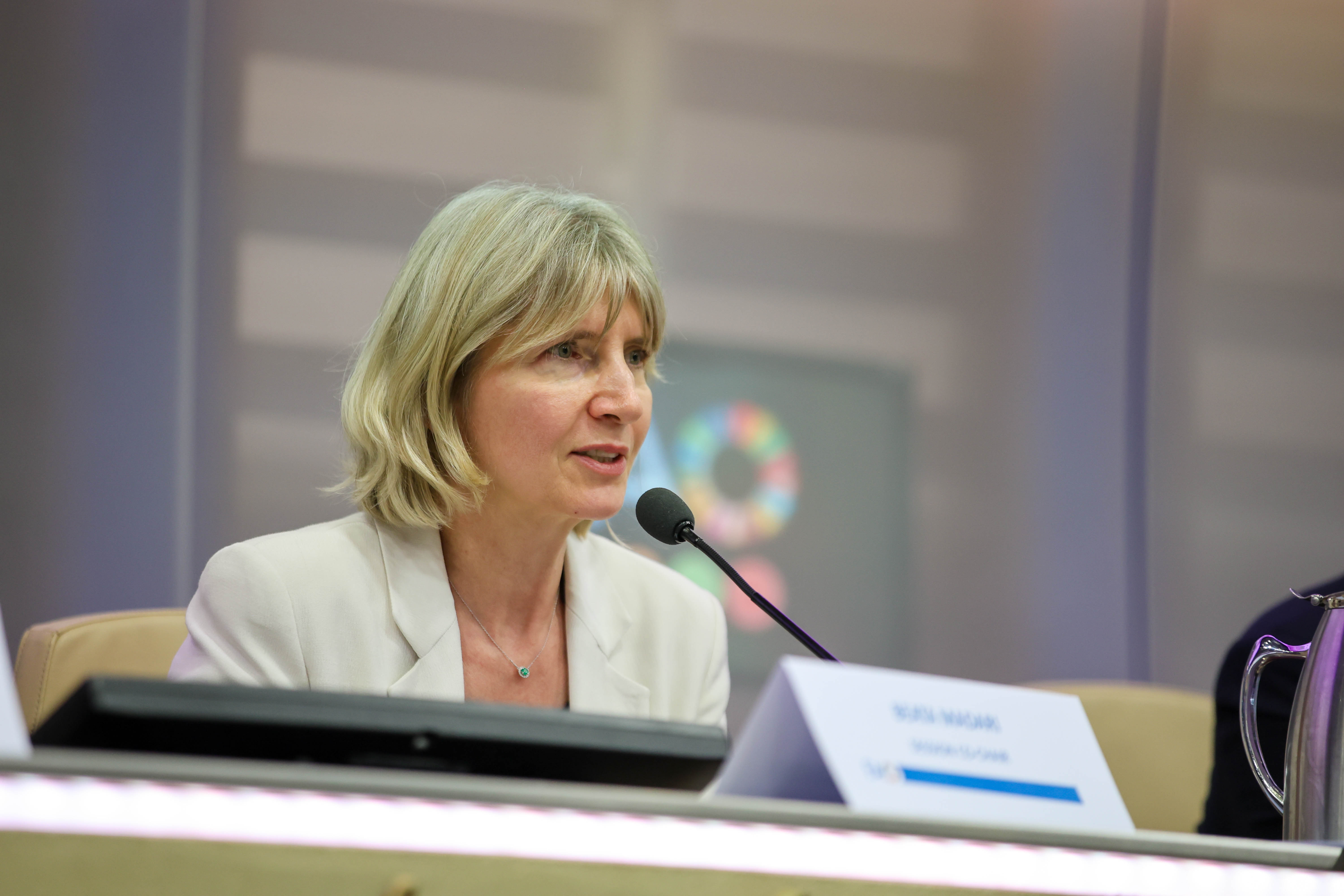
Beata Madari, Brazilian Agricultural Research Corporation
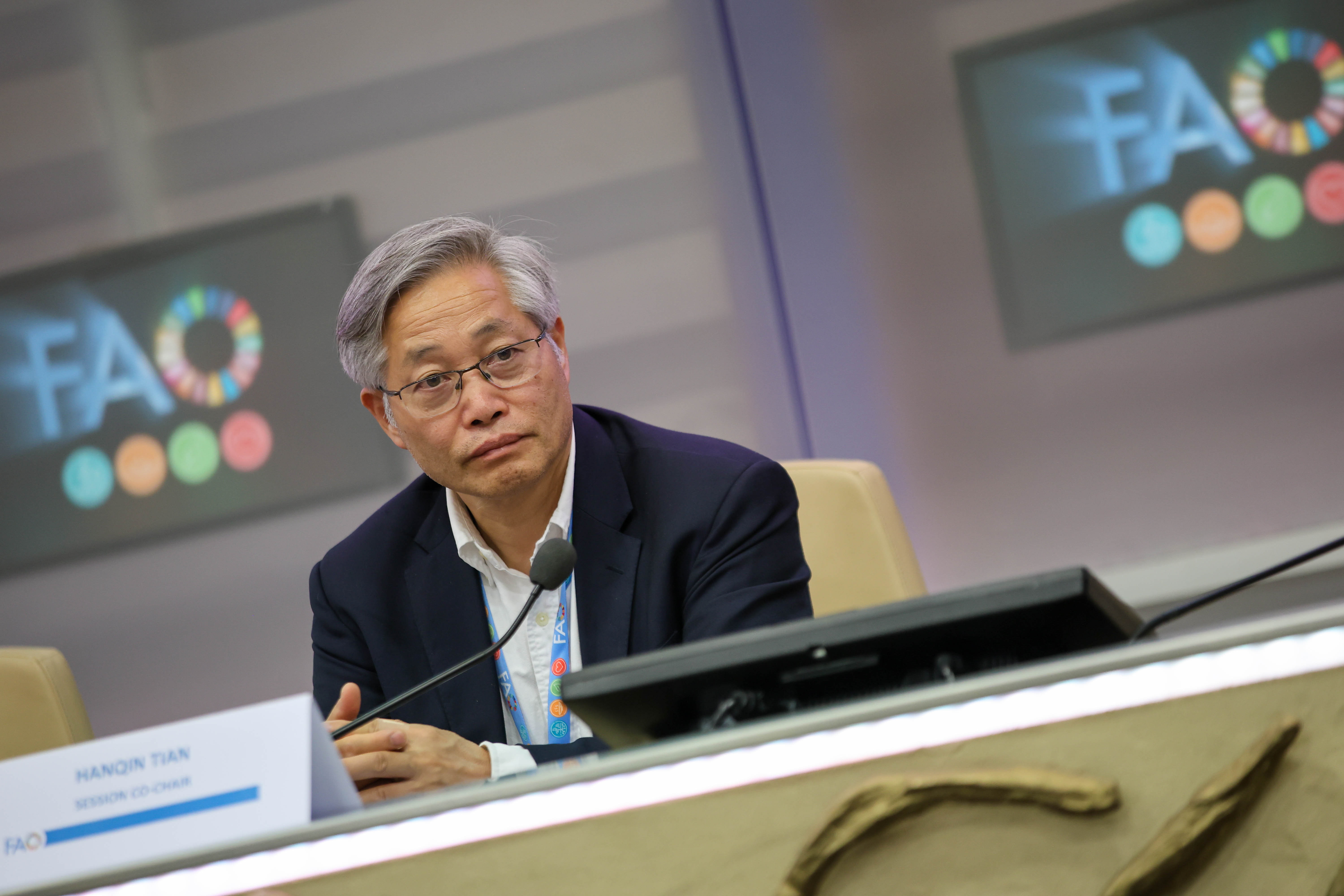
Hanqin Tian, Director and Professor, Center for Earth System Science and Global Sustainability, Boston College
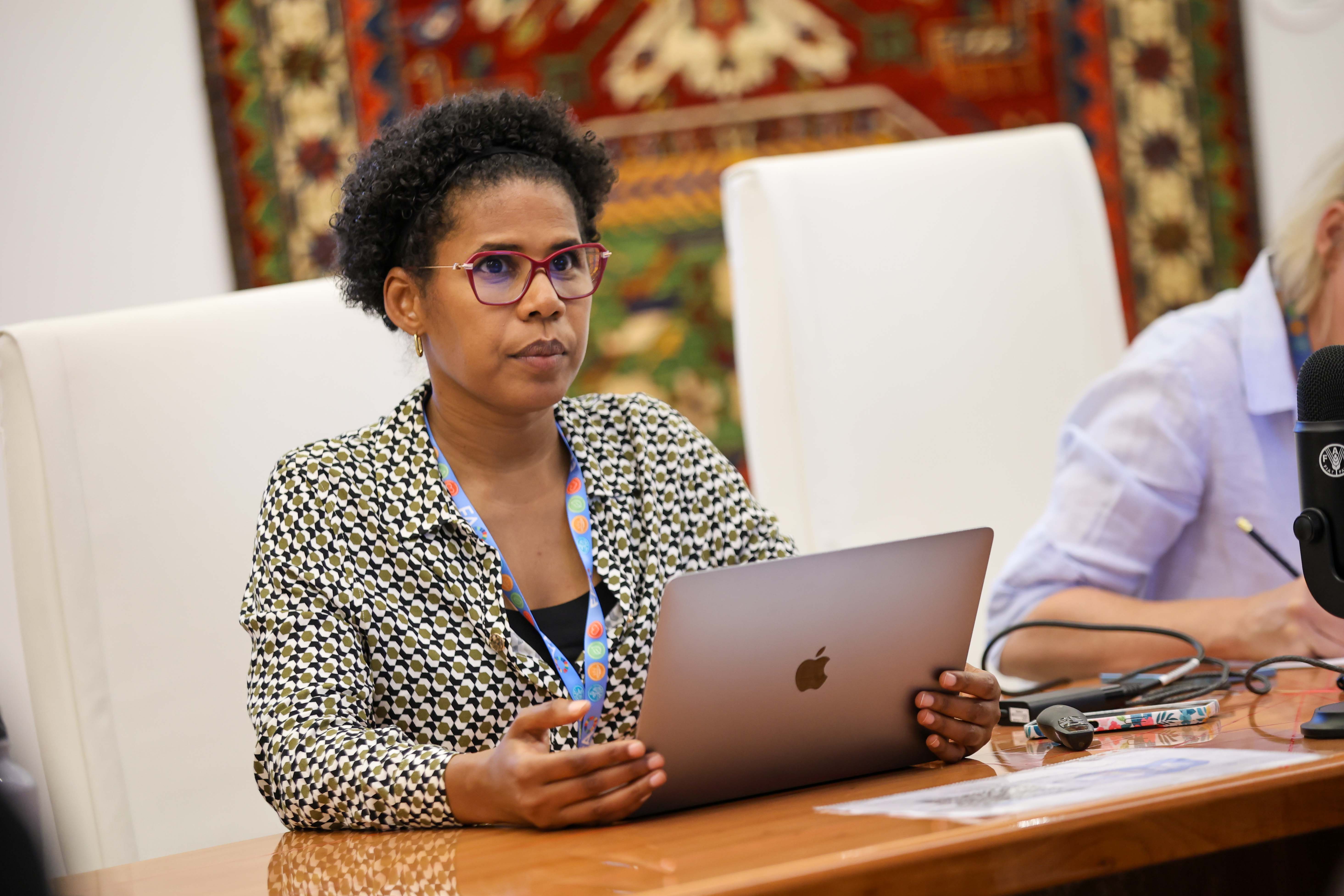
Laure Tall, Executive Director, Initiative Prospective Agricole et Rurale, and Chair of the breakout session on climate-smart production systems
Andrea Schievano, University of Milan and Soulfood Forestfarms, Milan, Italy
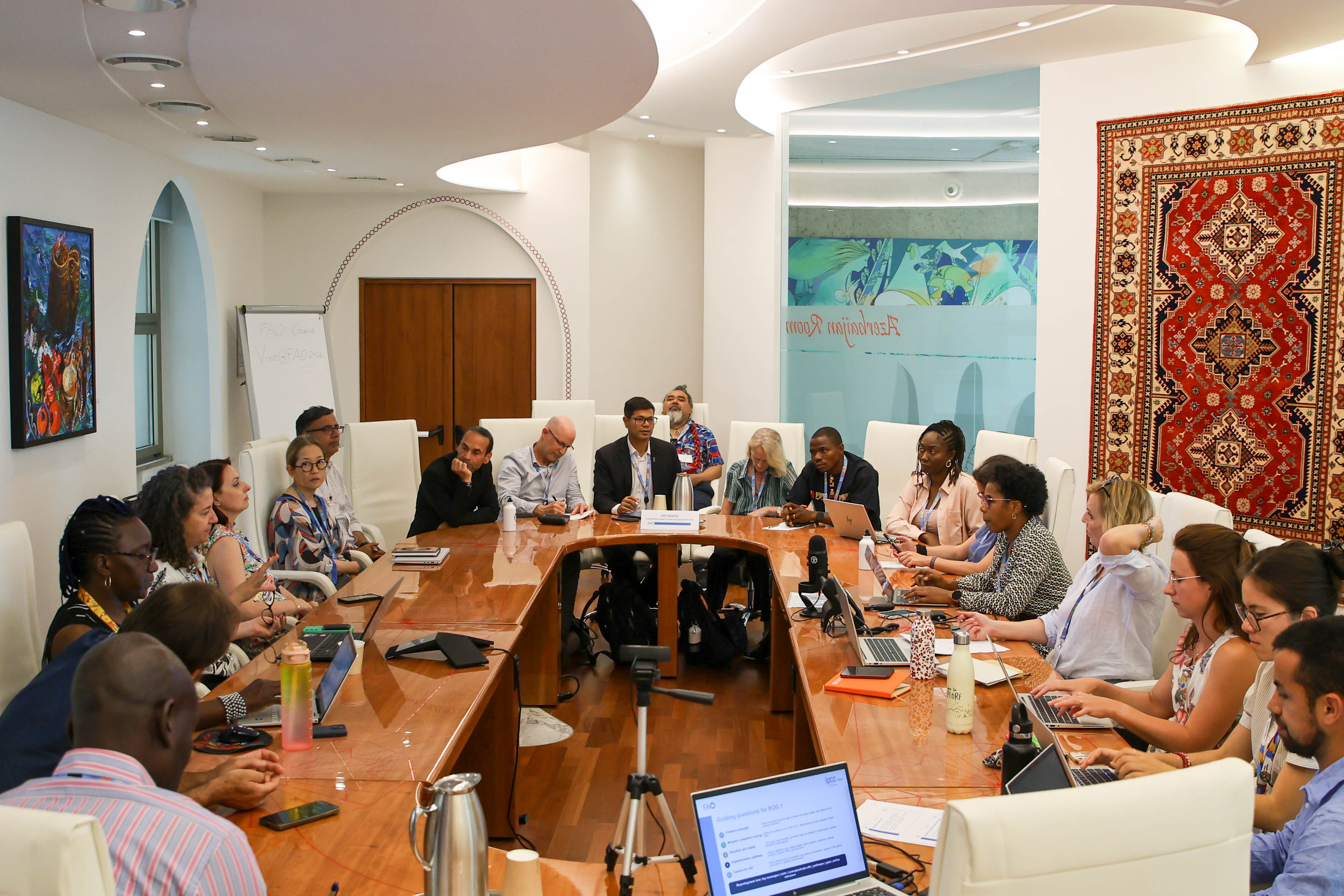
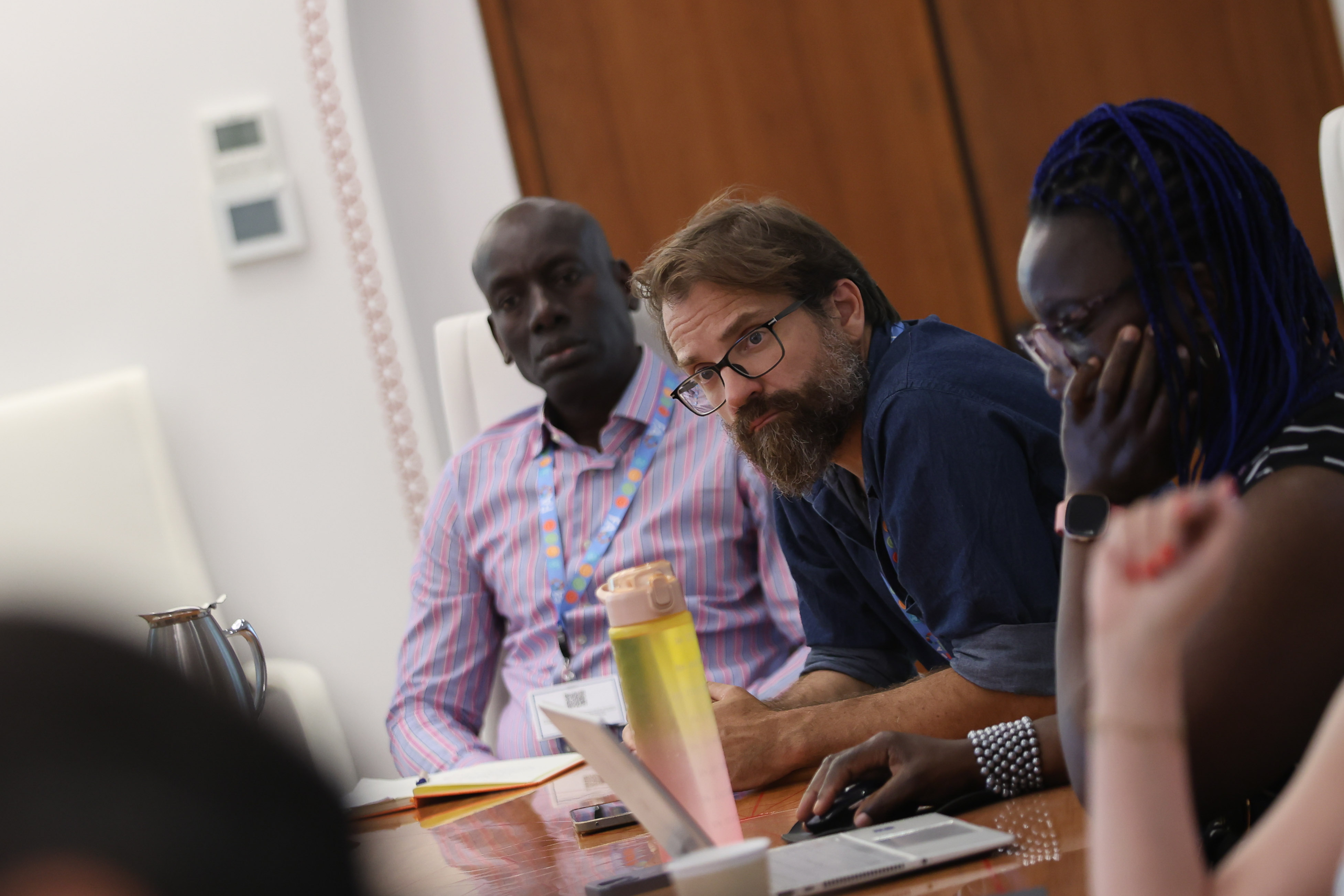
A view of the room during the breakout session on climate-smart production systems
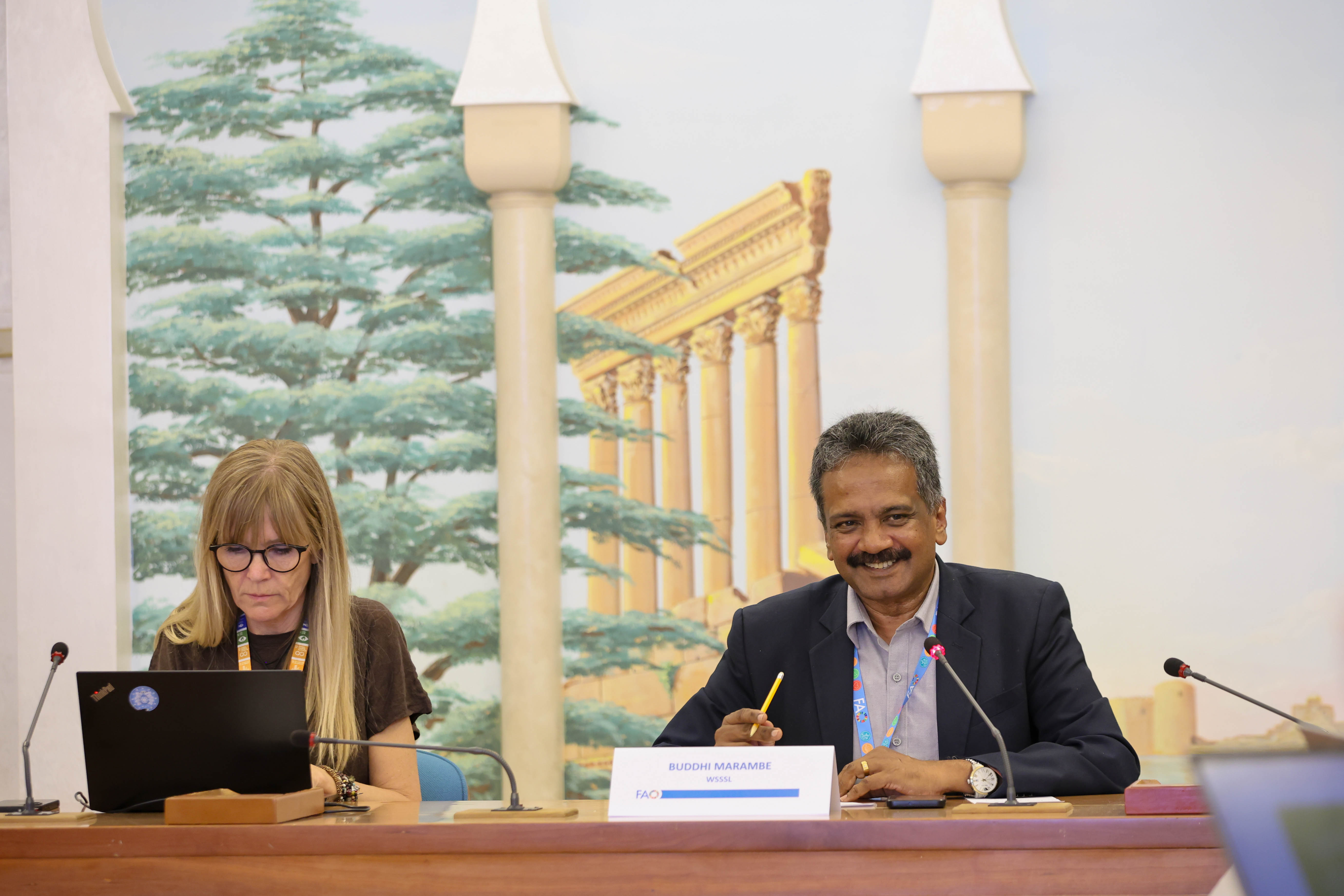
Thorunn Wolfram Petursdottir, Head, Global Soil Partnership, FAO, and Buddhi Marambe, Senior Professor, University of Peradeniya, and Chair of the breakout session on landscape and ecosystem based solutions
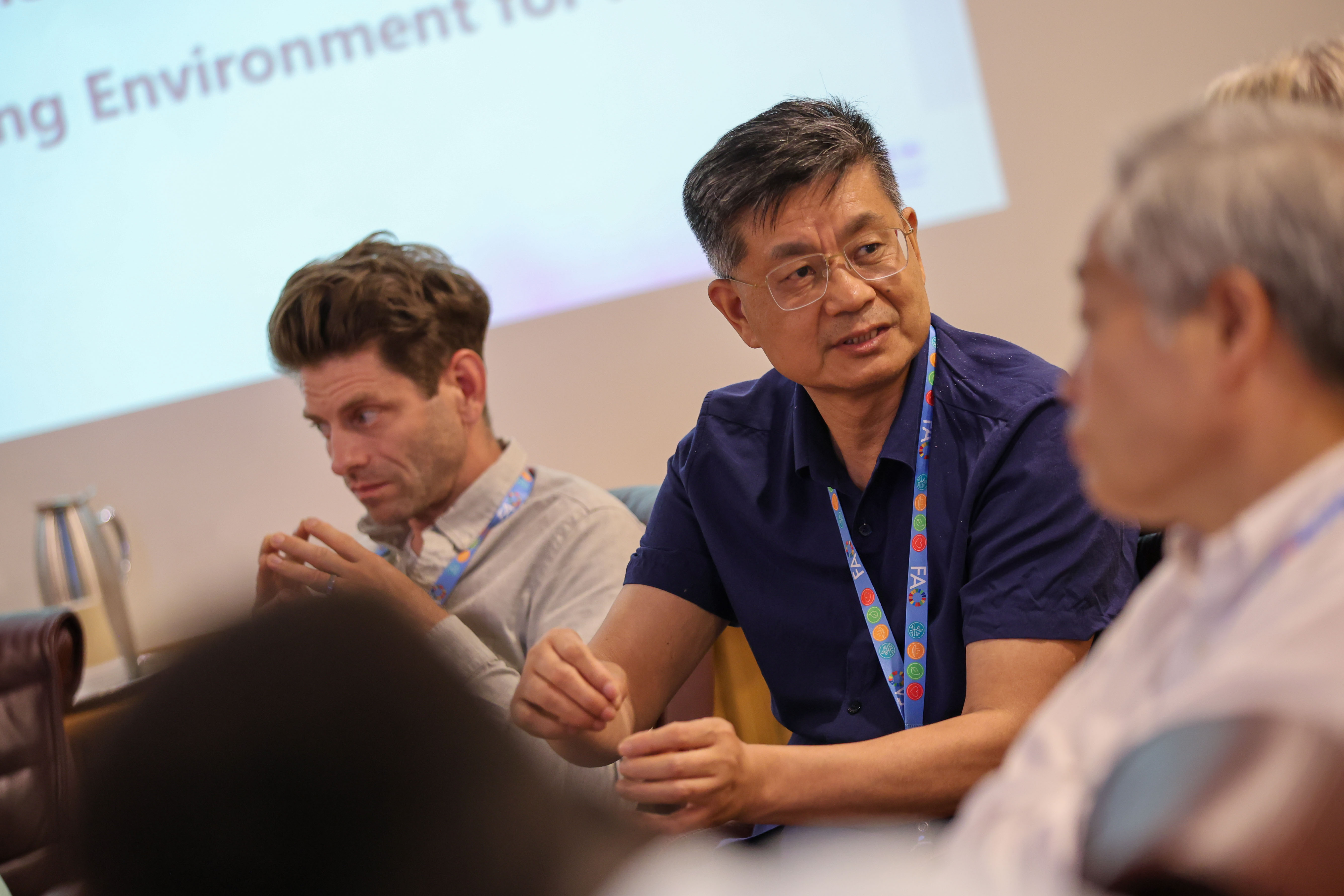
Weixin Ding, Institute of Soil Science, Chinese Academy of Sciences
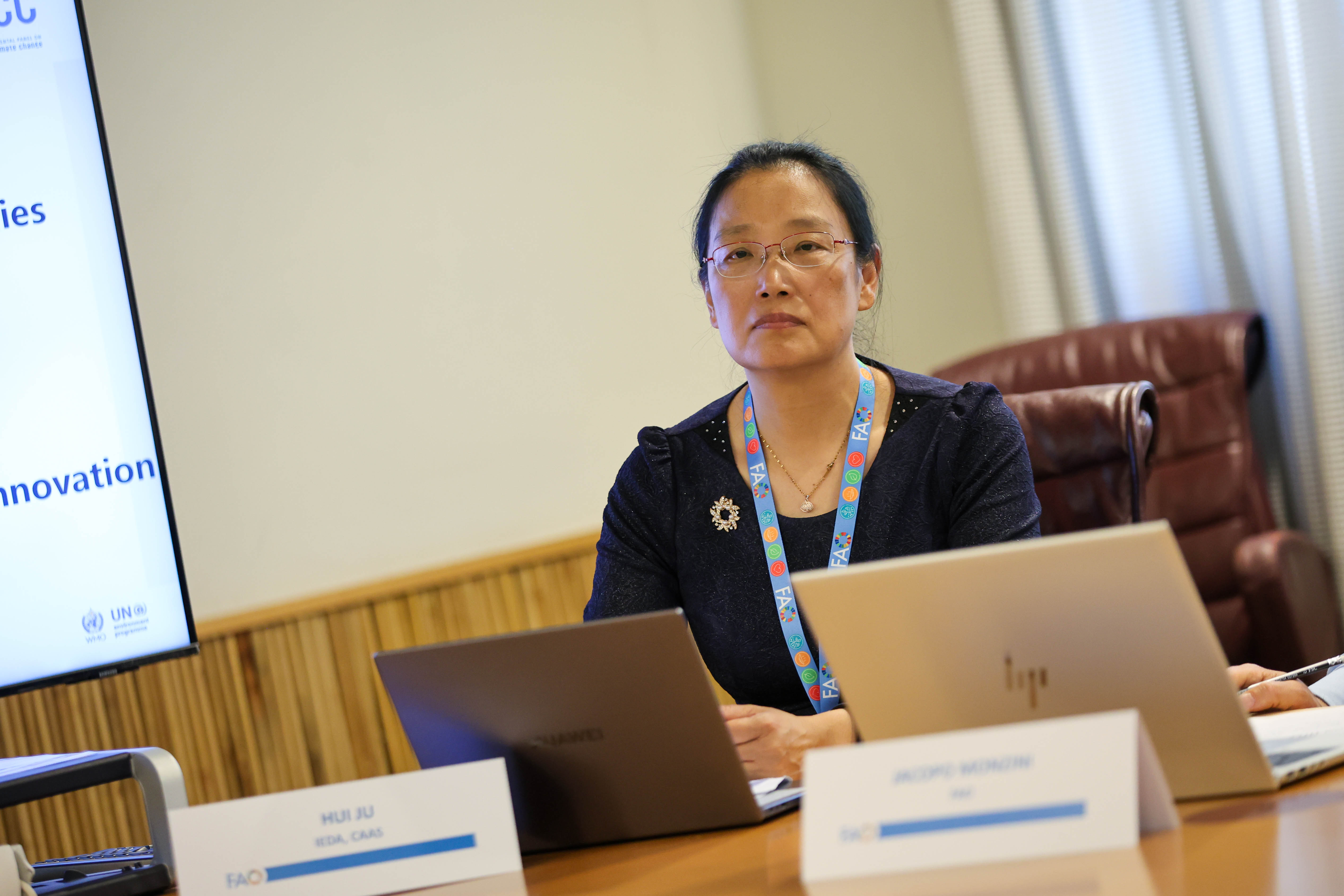
Hui Ju, Climate Change Lab, Institute of Environment and Sustainable Development in Agriculture, Chinese Academy of Agricultural Sciences, and Chair of the breakout session on innovation, technological solutions
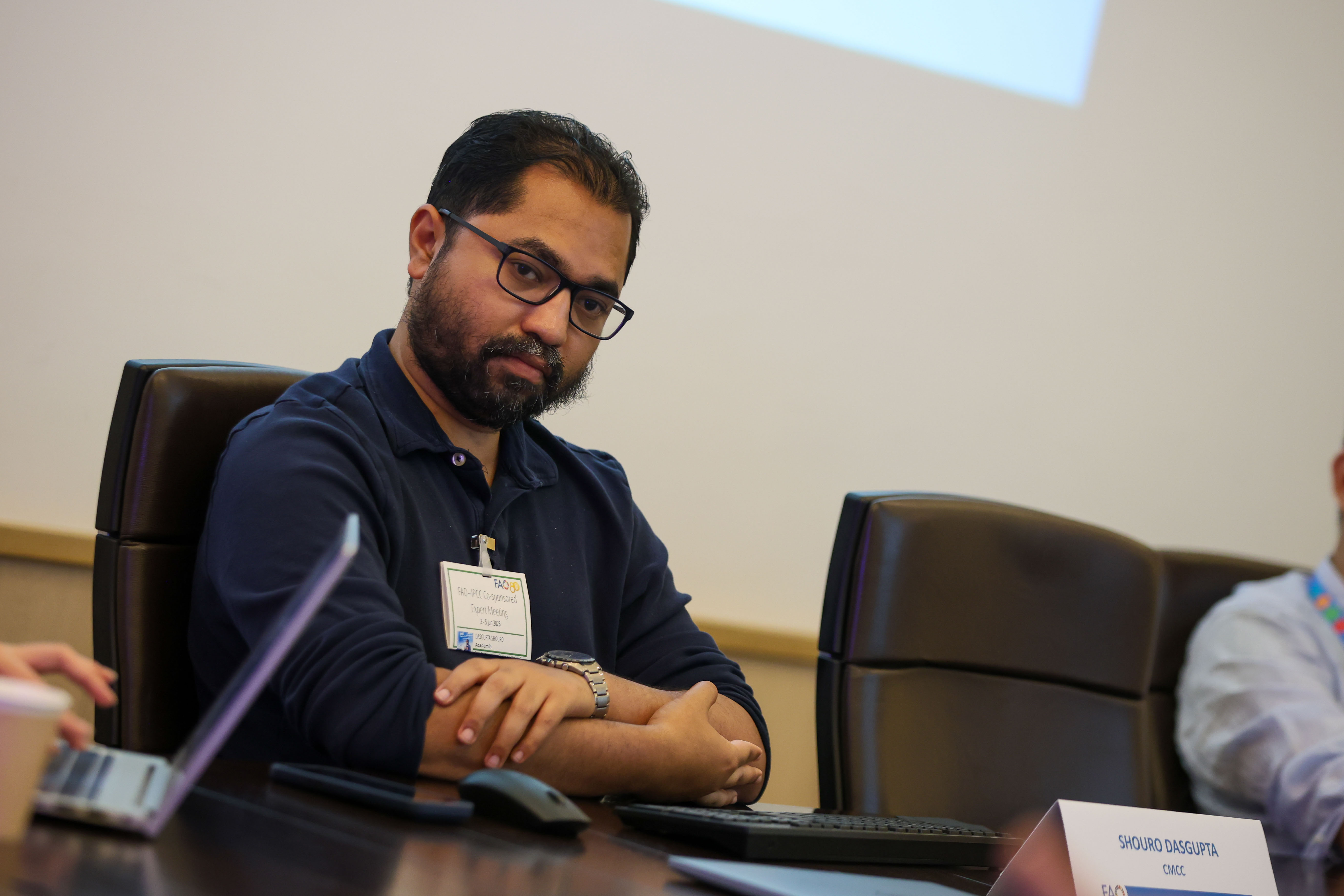
Shouro Dasgupta, Environmental Economist, Fondazione Centro Euro-Mediterraneo sui Cambiamenti Climatici, and Chair of the breakout session on innovation in policy and governance and enhancement in capacity
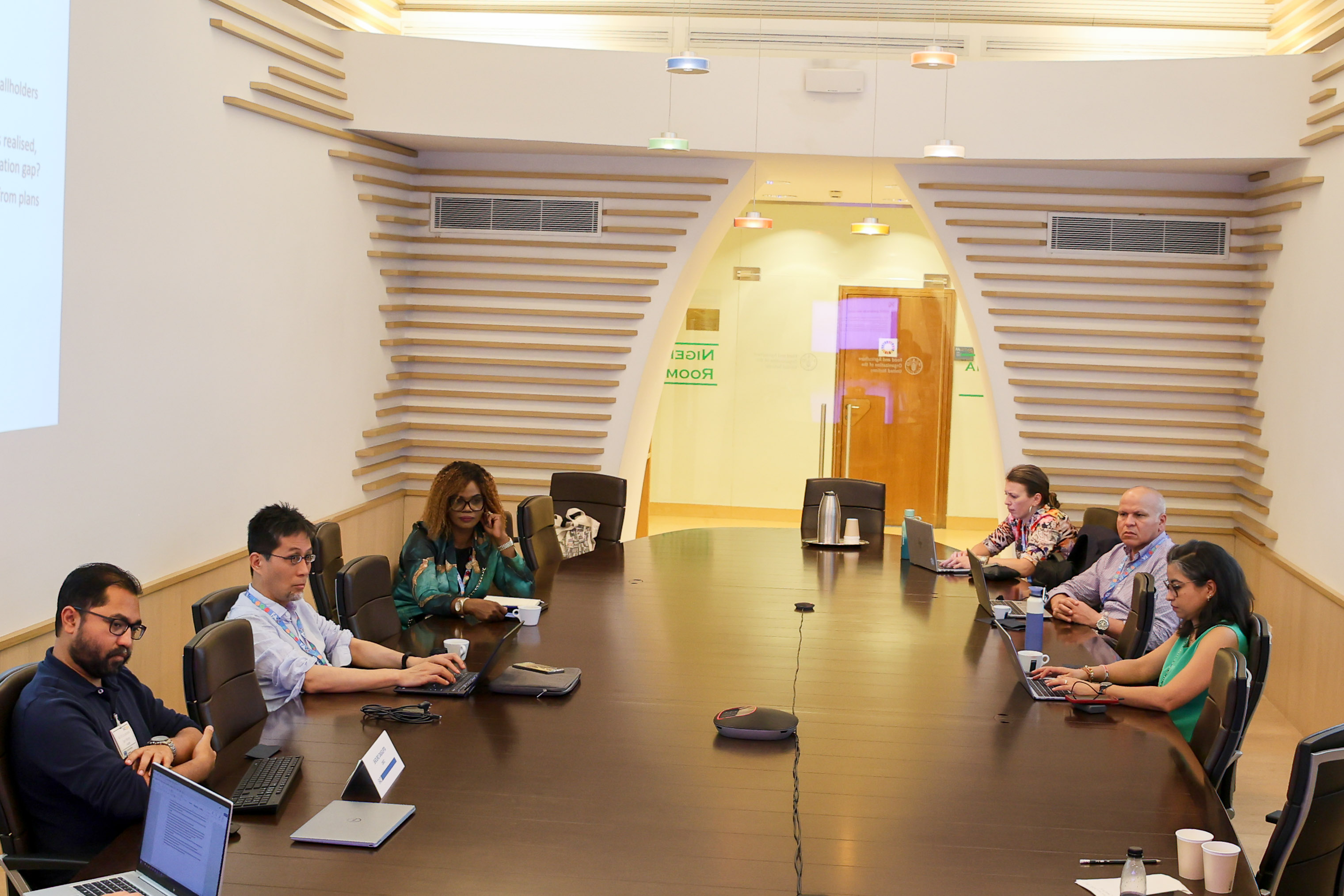
A view of the room during the breakout session on innovation in policy and governance and enhancement in capacity
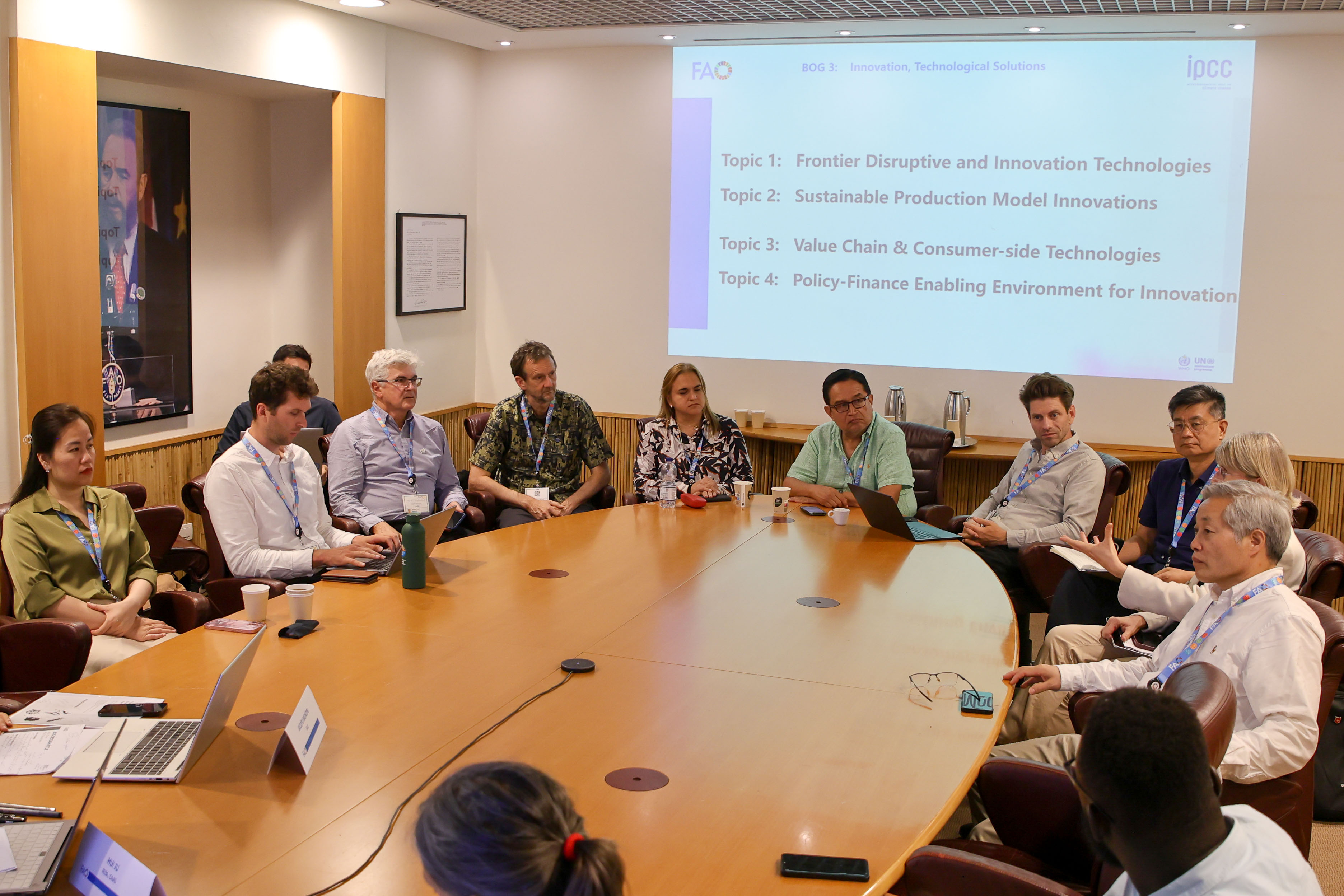
A view of the room during the breakout session on innovation, technological solutions
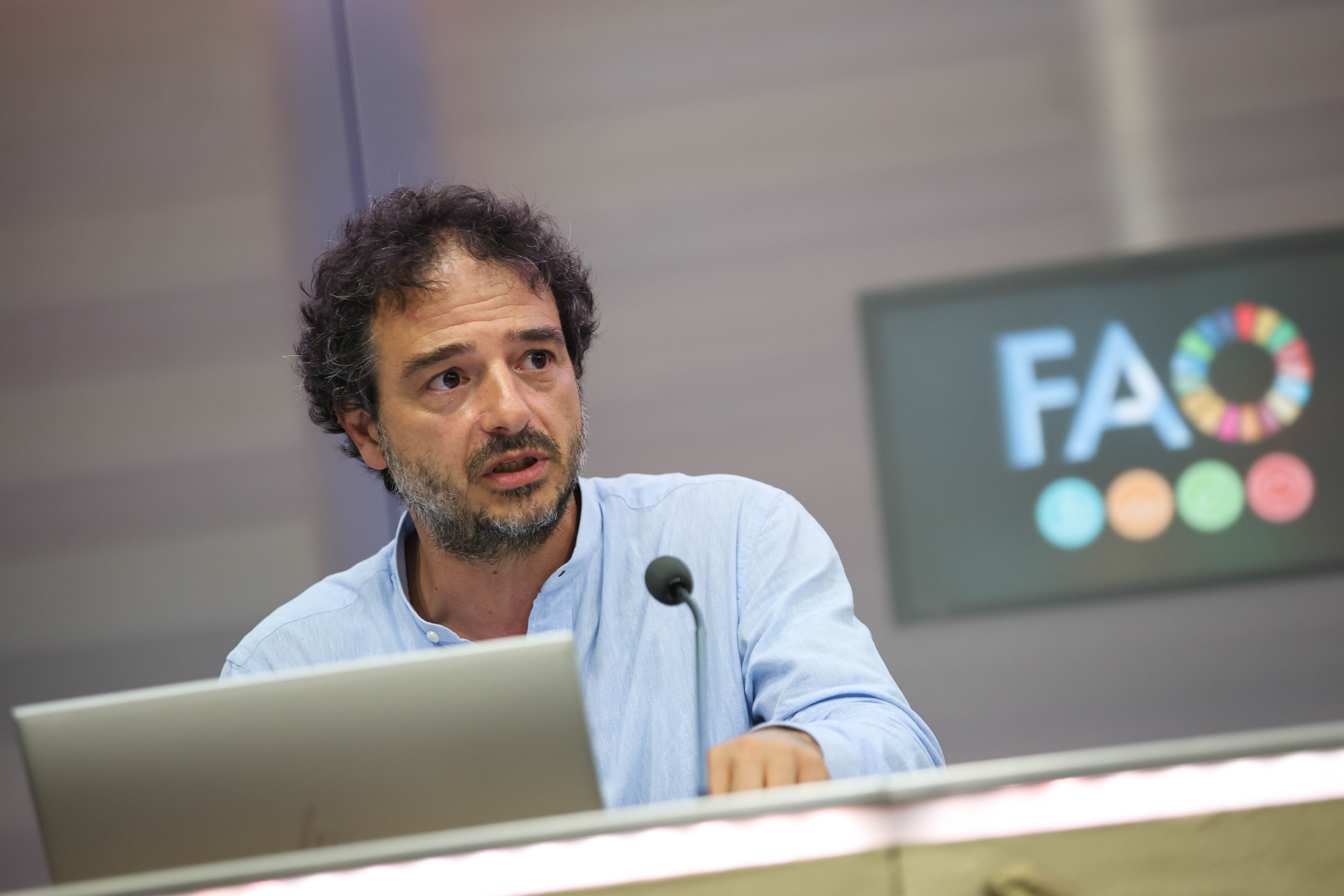
Jacopo Monzini, Senior Natural Resources Management Officer, FAO, reports back to plenary from the breakout session on innovation and technological solutions
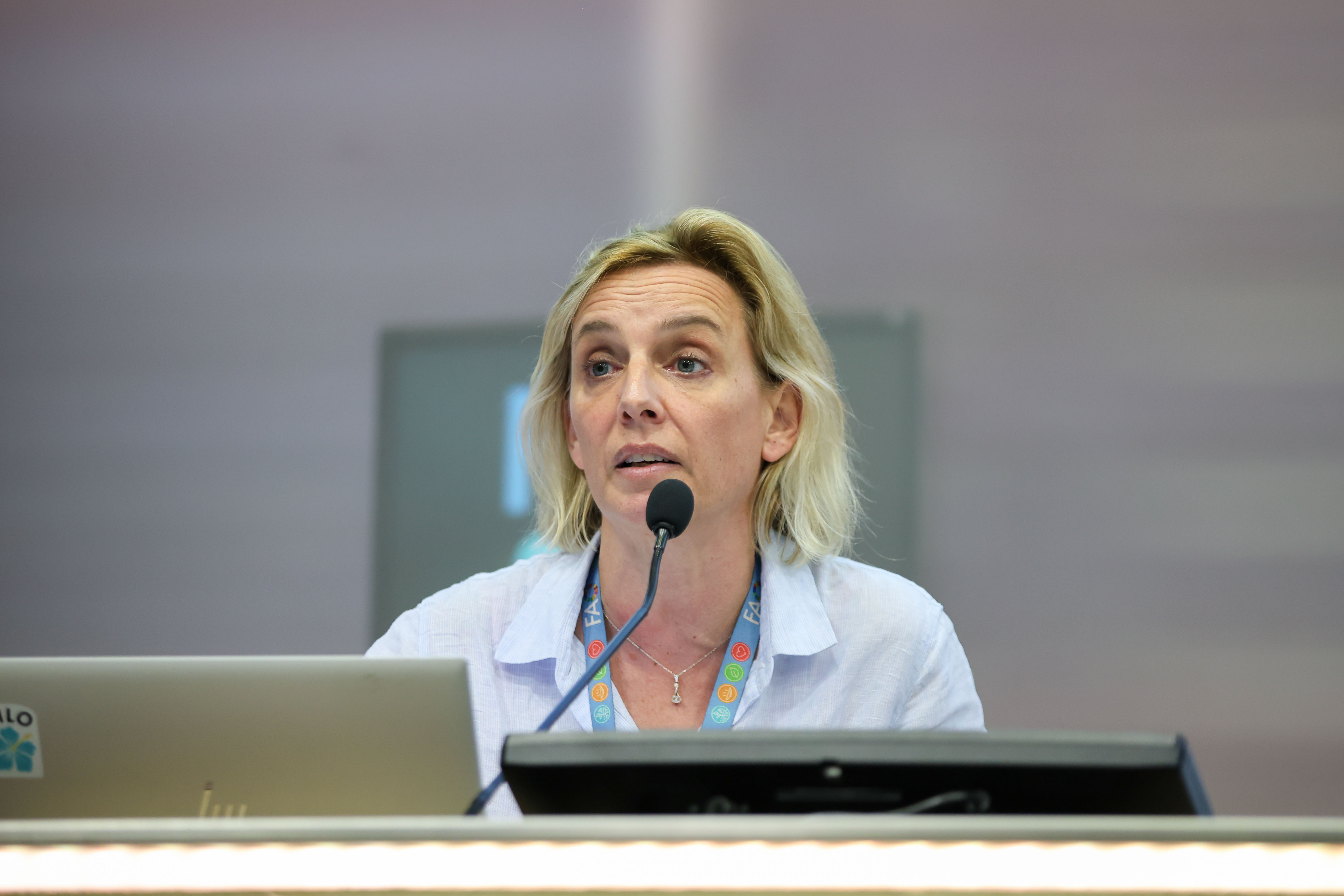
Laure-Sophie Schiettecatte, Climate Change Specialist, FAO, reports back to plenary from the breakout session on climate-smart production systems
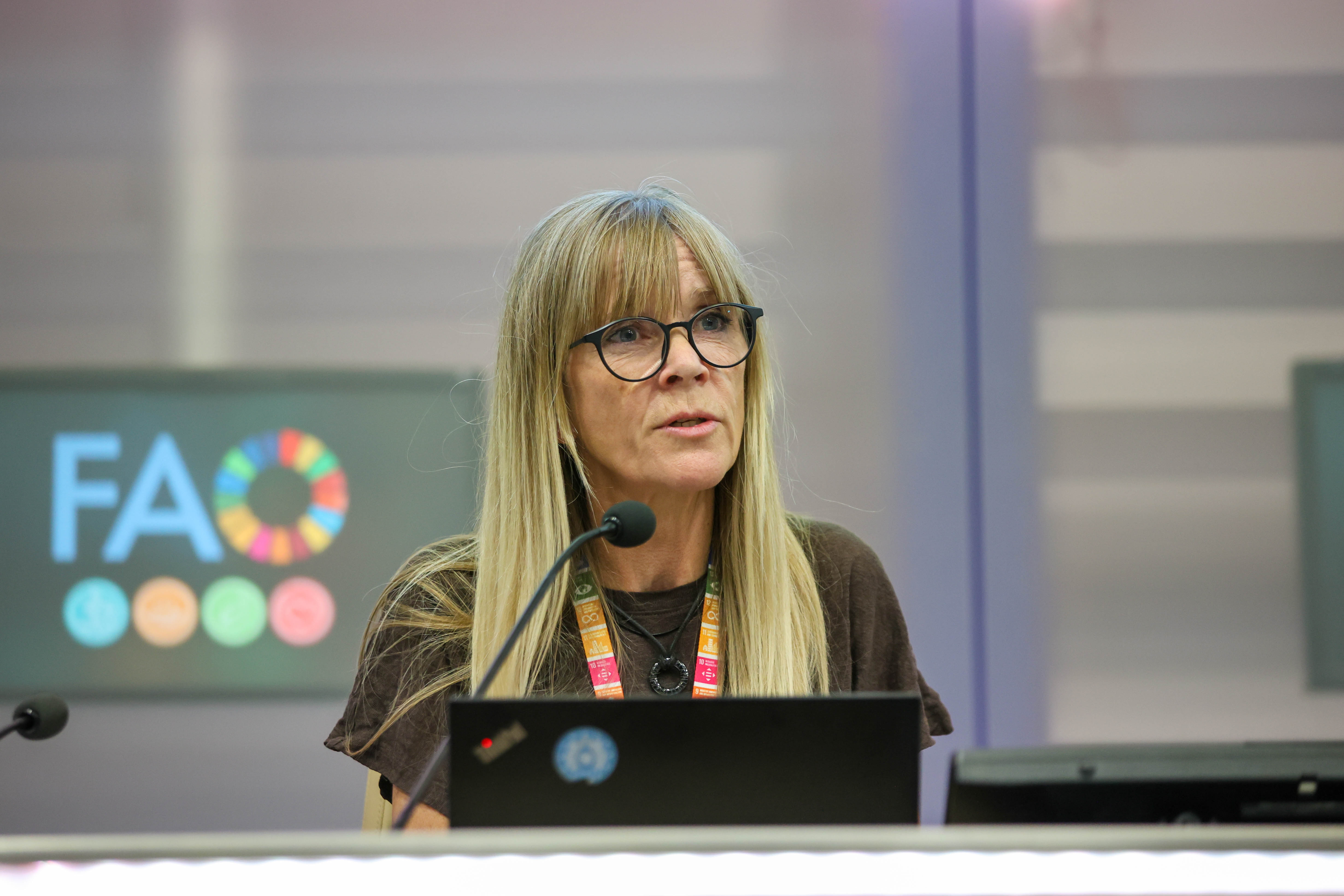
Thorunn Wolfram Petursdottir, Head, Global Soil Partnership, FAO, reports back to plenary from the breakout session on landscape and ecosystem based solutions
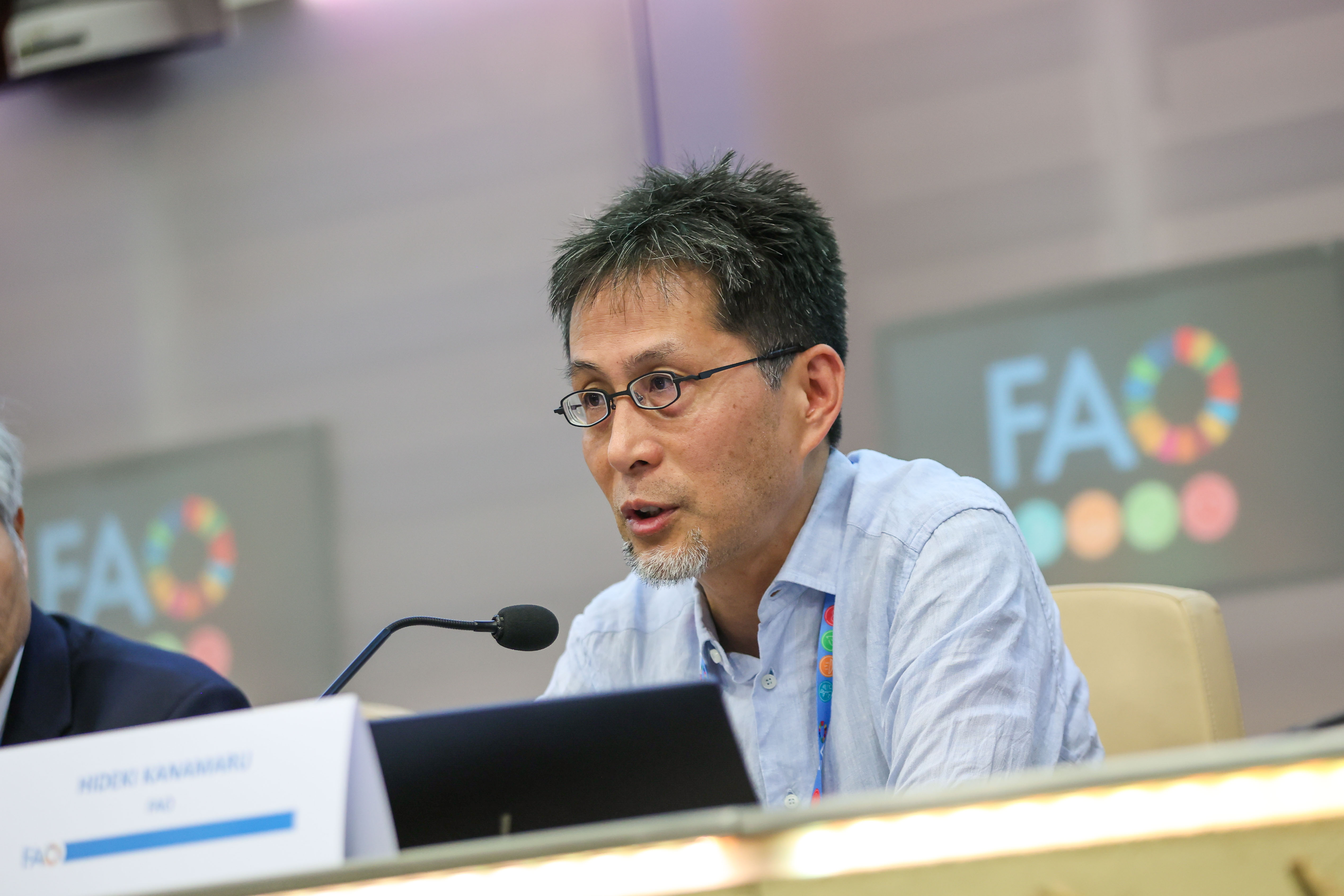
Hideki Kanamaru, Natural Resources Officer, FAO, reports back to plenary from the breakout session on innovation in policy and governance and enhancement in capacity
Selected Images

La Morte e il Pianto, a sculpture by Luigi Prevedel commemorating Aylan Kurdi, the three-year-old Syrian boy who drowned while crossing the Mediterranean Sea in 2015. The sculpture was donated to FAO by Pope Francis in 2017.

