Many developing countries stand to benefit from increased global demand for lithium, cobalt, nickel, manganese, and other resources used in renewable energy technologies and electric vehicles. The 21st Annual General Meeting (AGM) of the Intergovernmental Forum on Mining, Minerals, Metals and Sustainable Development (IGF) opened with a discussion of what “value” means in the current global context, and how governments can maximize revenue without discouraging investment in the mining sector.
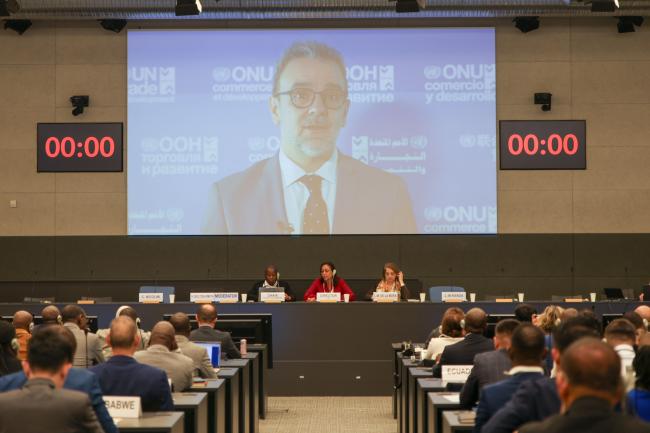
Welcoming delegates, Isabelle Ramdoo, IGF Director, reflected on the economic, social, and environmental dimensions of “value,” in line with the 21st AGM’s theme of “Value Beyond Extraction: Rethinking Mining for a Resilient Future.” In a video message, Pedro Manuel Moreno, Deputy Secretary-General, UN Trade and Development (UNCTAD), warned that the current global rush for critical minerals should not create new forms of dependency for developing countries rich in those resources. Four panels then convened in plenary through the day, addressing different aspects of this challenge.
In the first panel on diversification as a driver of value, panelists highlighted the need for countries to strengthen governance, increase transparency, and ensure equitable benefit sharing. Jean-Marie Kanda, Senior Advisor to the President of the Democratic Republic of the Congo (DRC), highlighted the DRC’s actions in this regard, including: the establishment of the Congolese Battery Council, which manages the value chain for minerals used in manufacturing batteries; and the DRC’s mining code that requires companies to direct 0.3% of their annual turnover to local community development projects.
In the second panel on the role of government in mineral exploration, panelists discussed how fiscal incentives, infrastructure, and transparency can be drivers of exploration. They stressed the need for states to develop their own mining research programmes, train national professionals, and create a predictable policy environment.
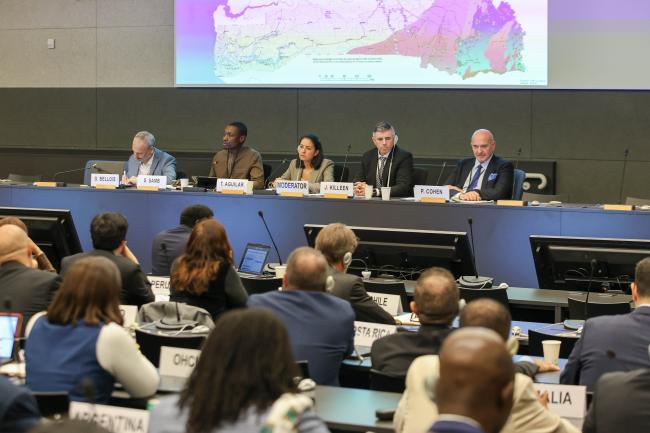
In the third panel on leveraging mining revenue in the financing for development agenda, panelists reflected on how cuts to official development assistance (ODA) are resulting in governments placing greater emphasis on domestic resource mobilization. Sam Koim, Commissioner General of the Internal Revenue Commission of Papua New Guinea, cautioned that governments may fail to derive benefits from mining, noting the recent sale of two highly-valued companies, where no tax was collected at all.
Zenzi Awases, President, Association of Women in Mining in Africa (AWIMA), called for social dialogue with the artisanal and small-scale mining (ASM) sector, to ensure that measures to formalize the industry are not punitive. She noted that some partnerships between large mining companies and small-scale miners offer benefits to both, as small-scale miners are able to work in areas that are unprofitable for larger companies, while such companies may cushion small-scale miners from the impacts of new taxes.
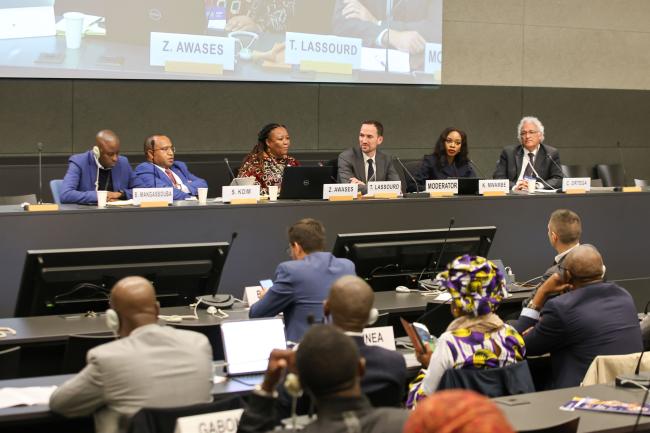
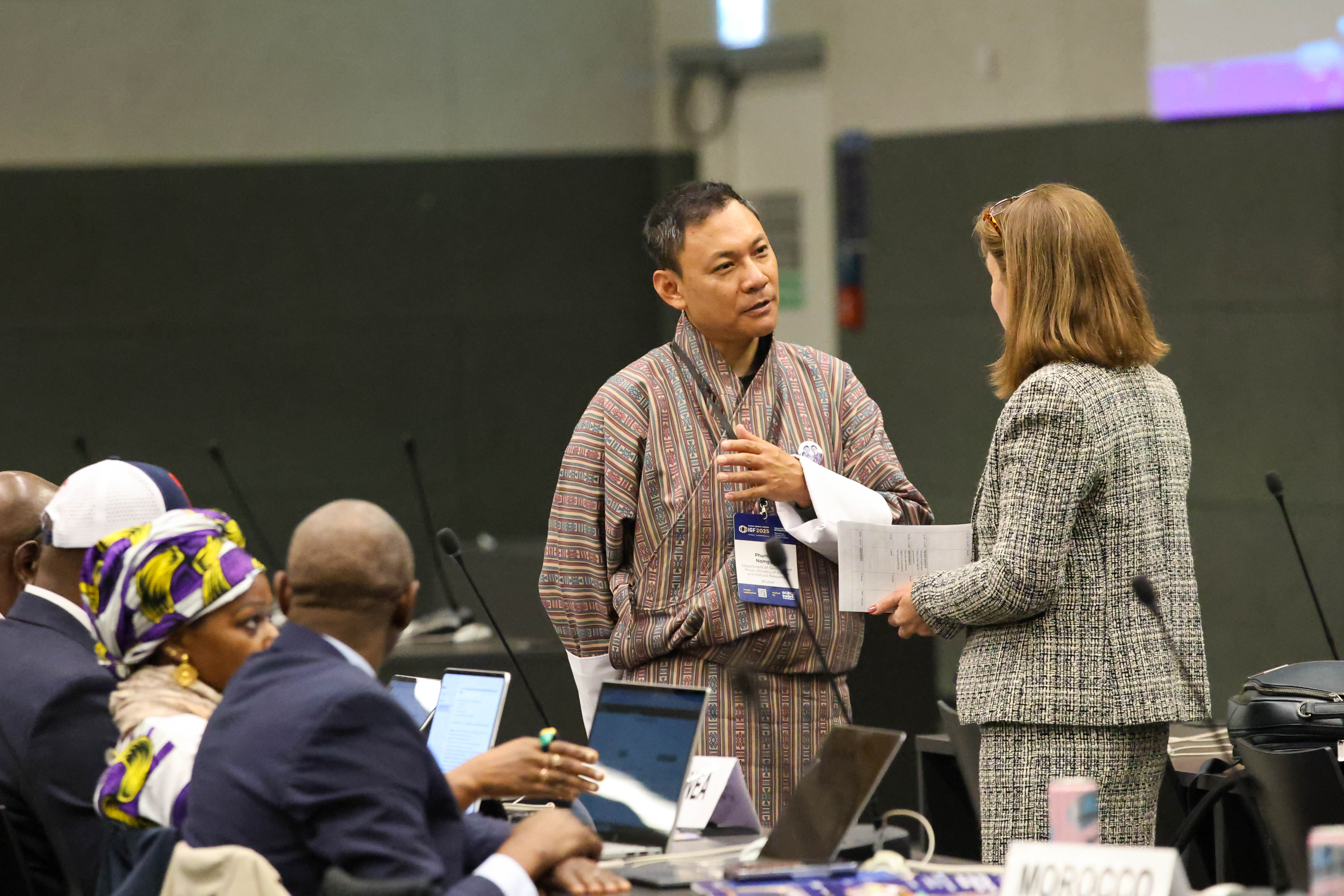
In the fourth panel on diversifying value in small-scale and non-metallic mining, panelists noted that sand, silicates, gravel, stone and gypsum are also important to the energy transition, and a significant proportion of these are extracted by small-scale miners. Phuntsho Namgyal, Director, Department of Geology and Mines, Bhutan, made the case for nationalizing commodities, such as sand, to ensure appropriate accounting and price control.
At the close of the day, delegates attended a reception organized to launch the Global Coalition for Action on Artisanal and Small-scale Gold Mining (ASGM).
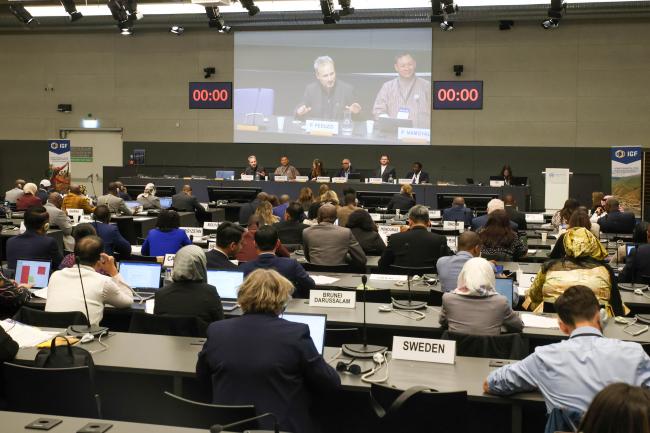
To receive free coverage of global environmental events delivered to your inbox, subscribe to the ENB Update newsletter.
All ENB photos are free to use with attribution. For the IGF AGM 2025 please use: Photo by IISD/ENB | Anastasia Rodopoulou
Session 1 | Opening Session - Broadening Horizons: Diversification as a Driver of Value

Isabelle Ramdoo, Director, IGF Secretariat
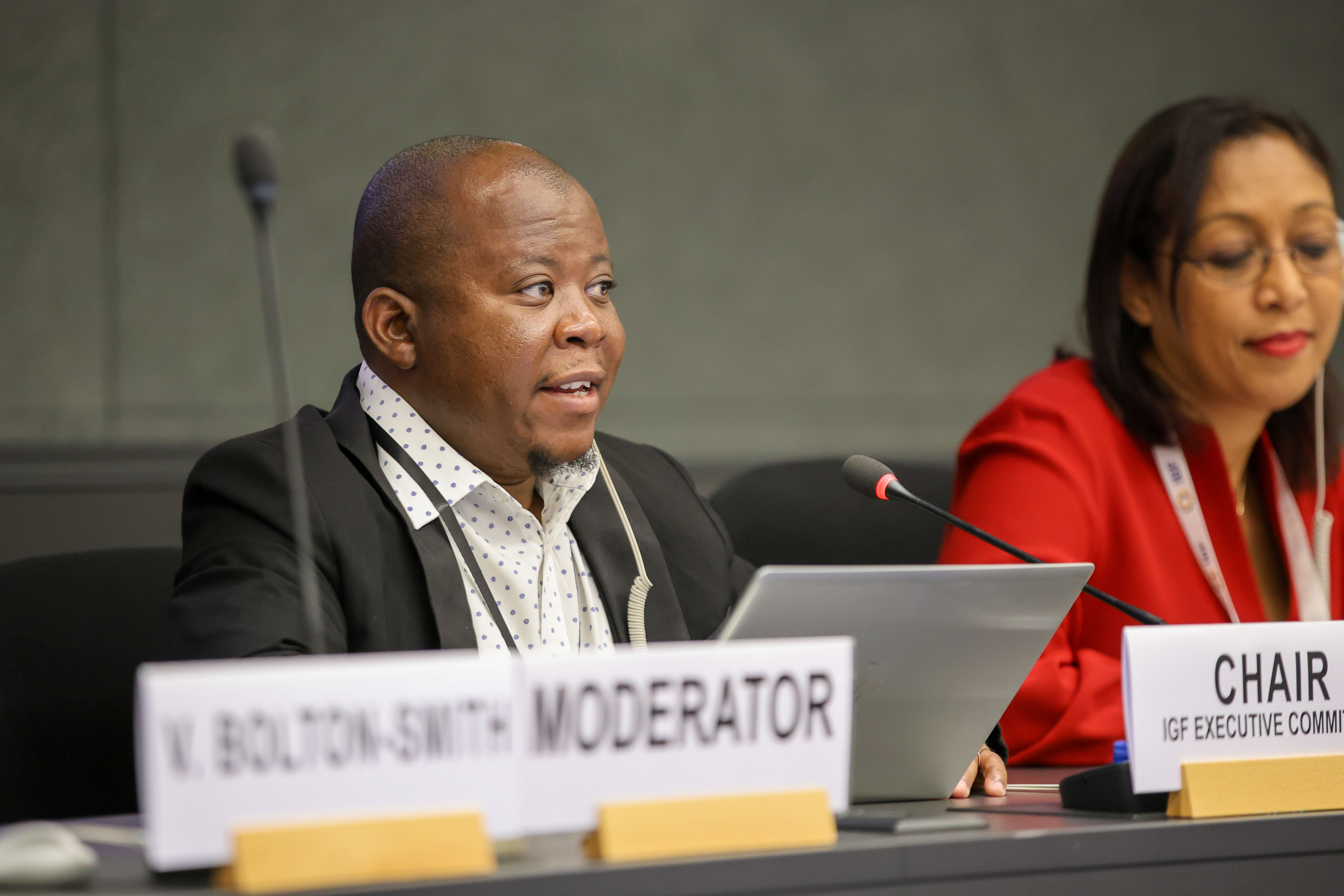
Mohato Moima, Chair, IGF Executive Committee
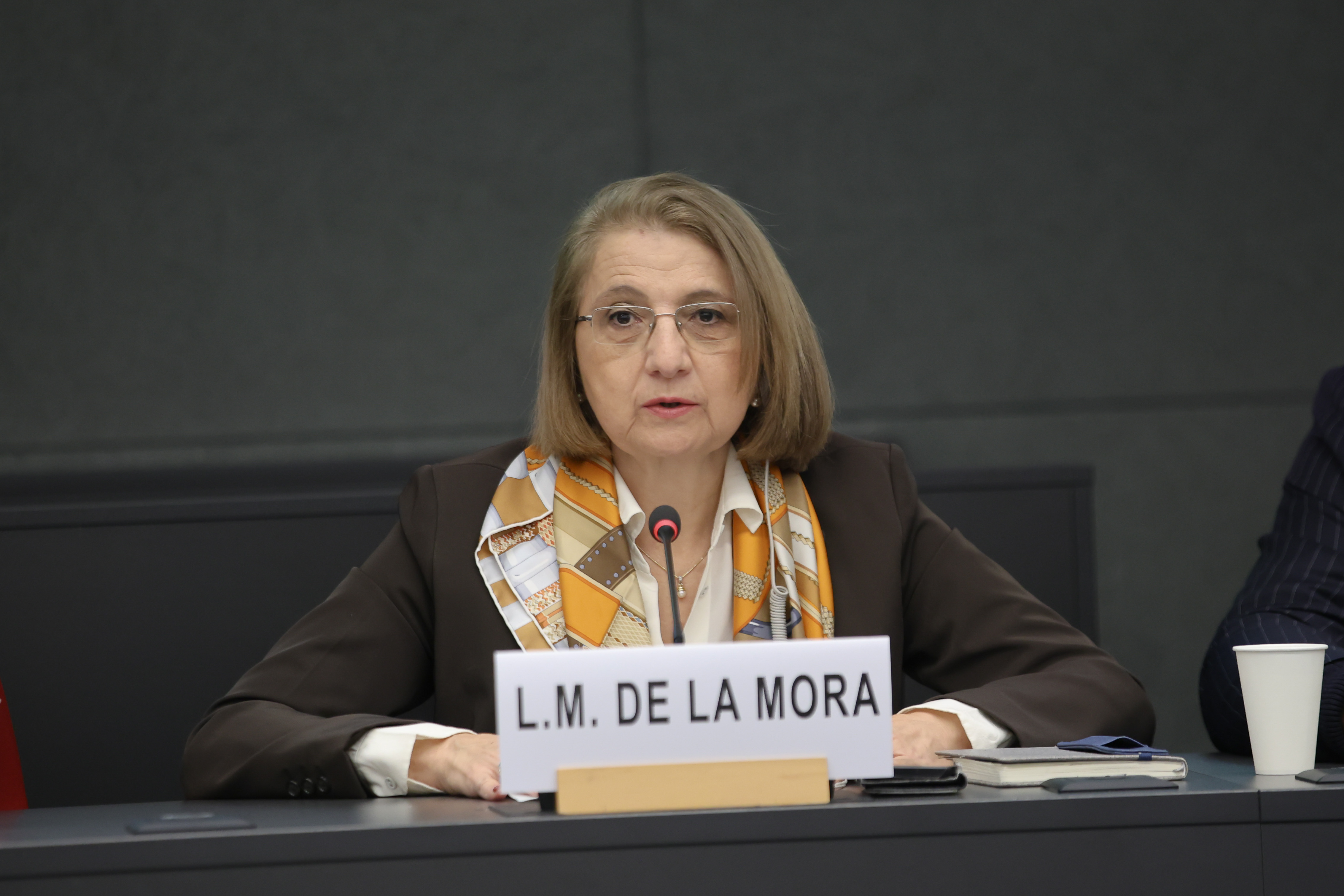
Luz María de la Mora, UNCTAD
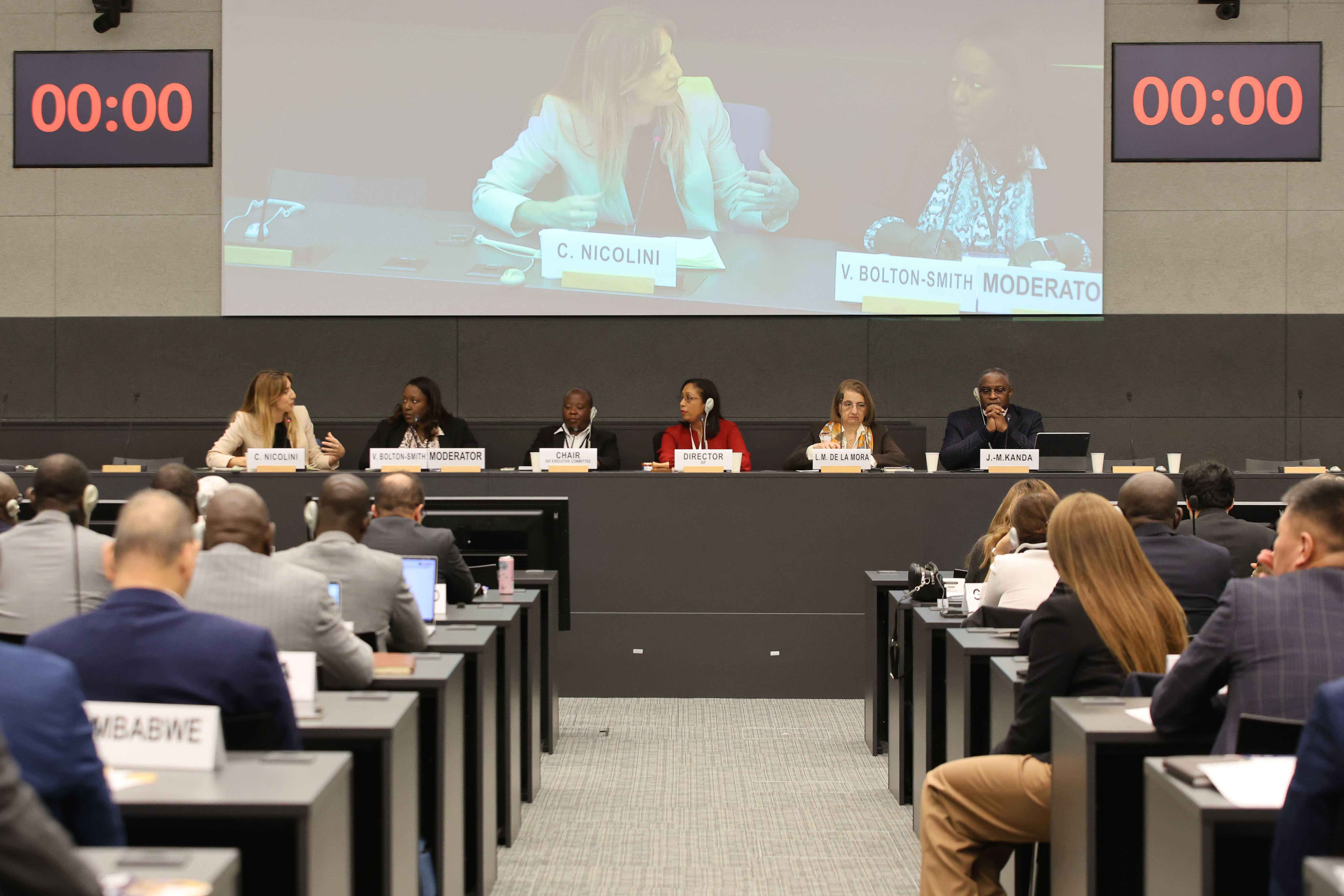
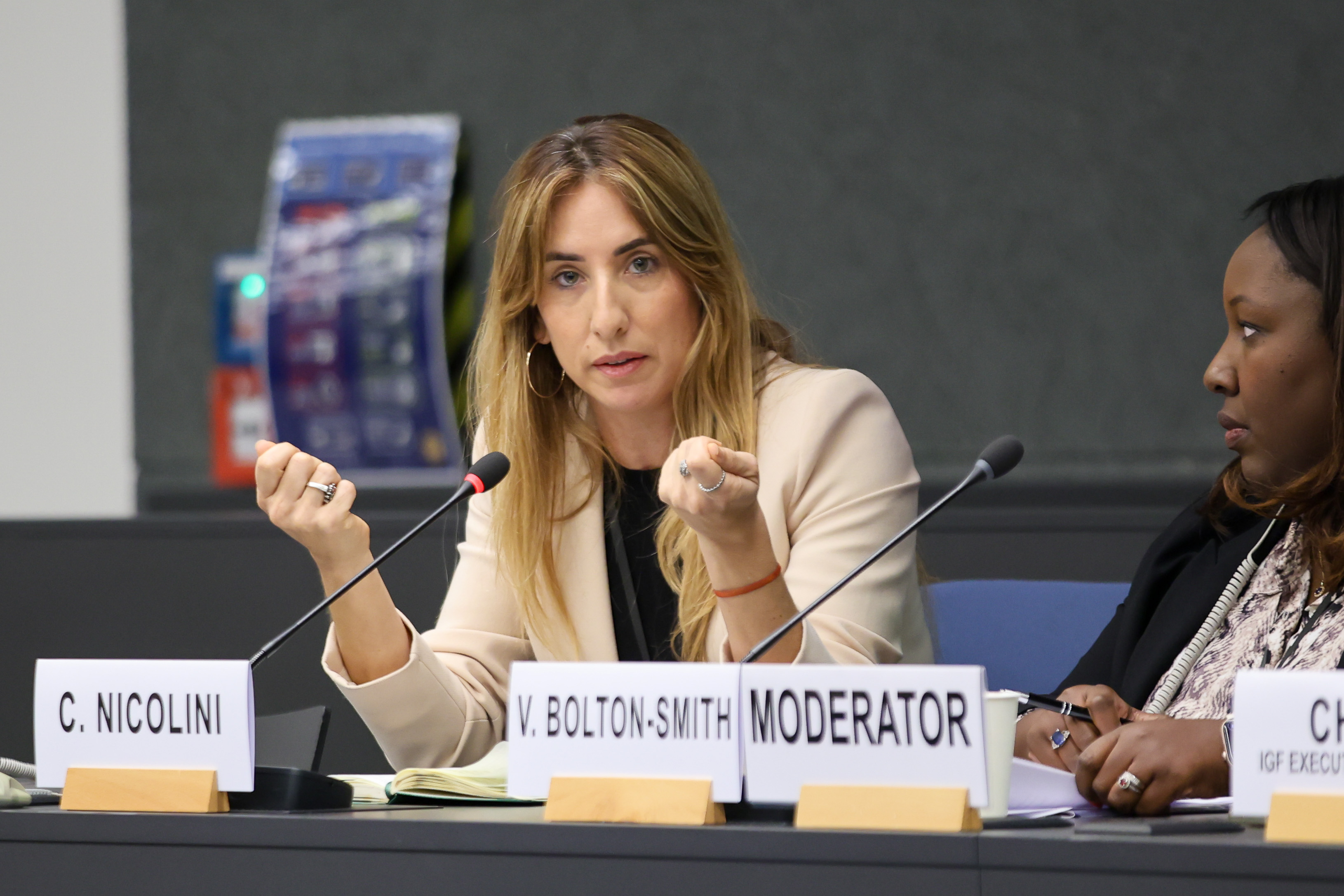
Cecilia Nicolini, Parlasur
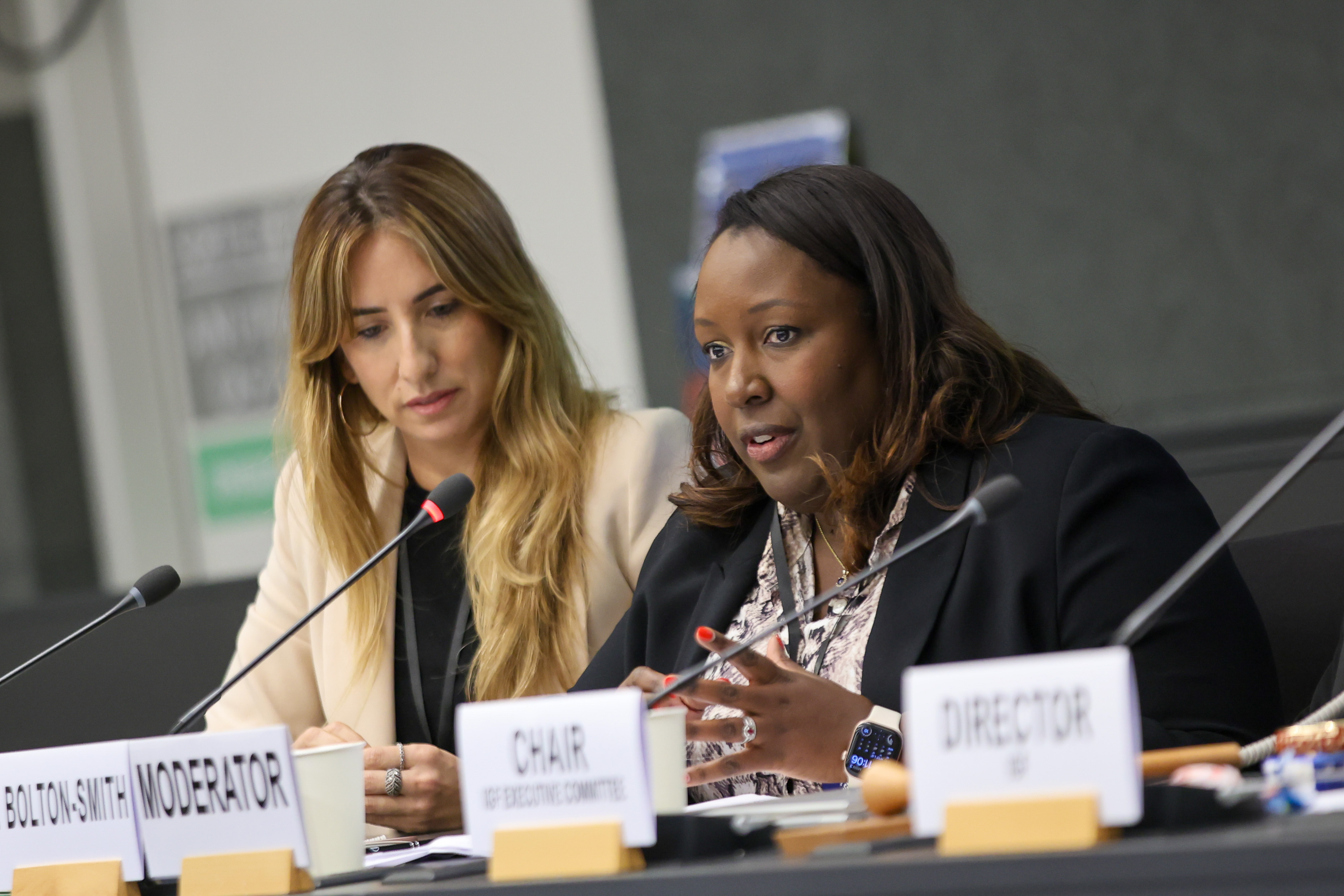
Veronica Bolton-Smith, Chief Executive Officer, Critical Minerals Africa Group
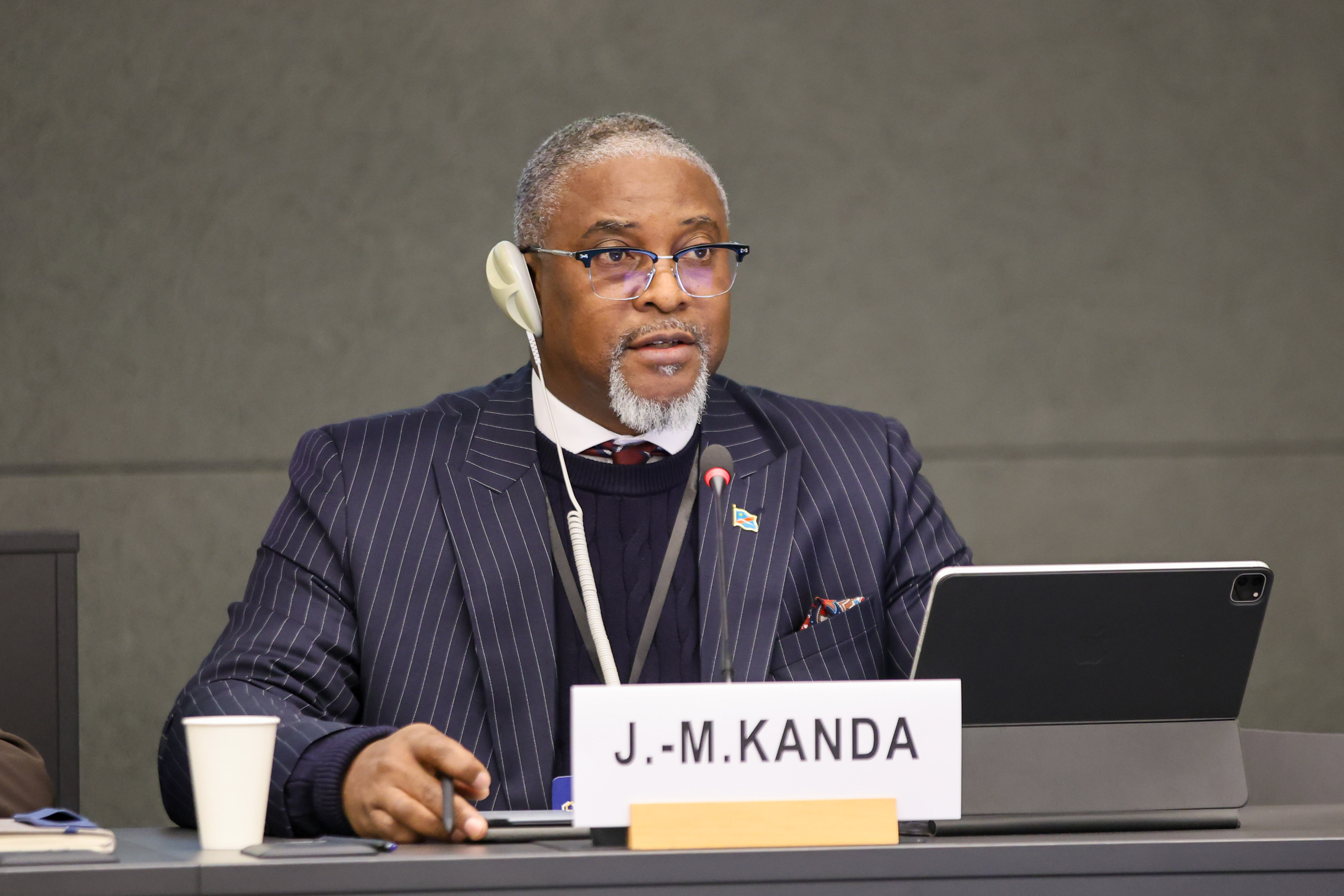
Jean-Marie Kanda, Senior Advisor to the President of the DRC
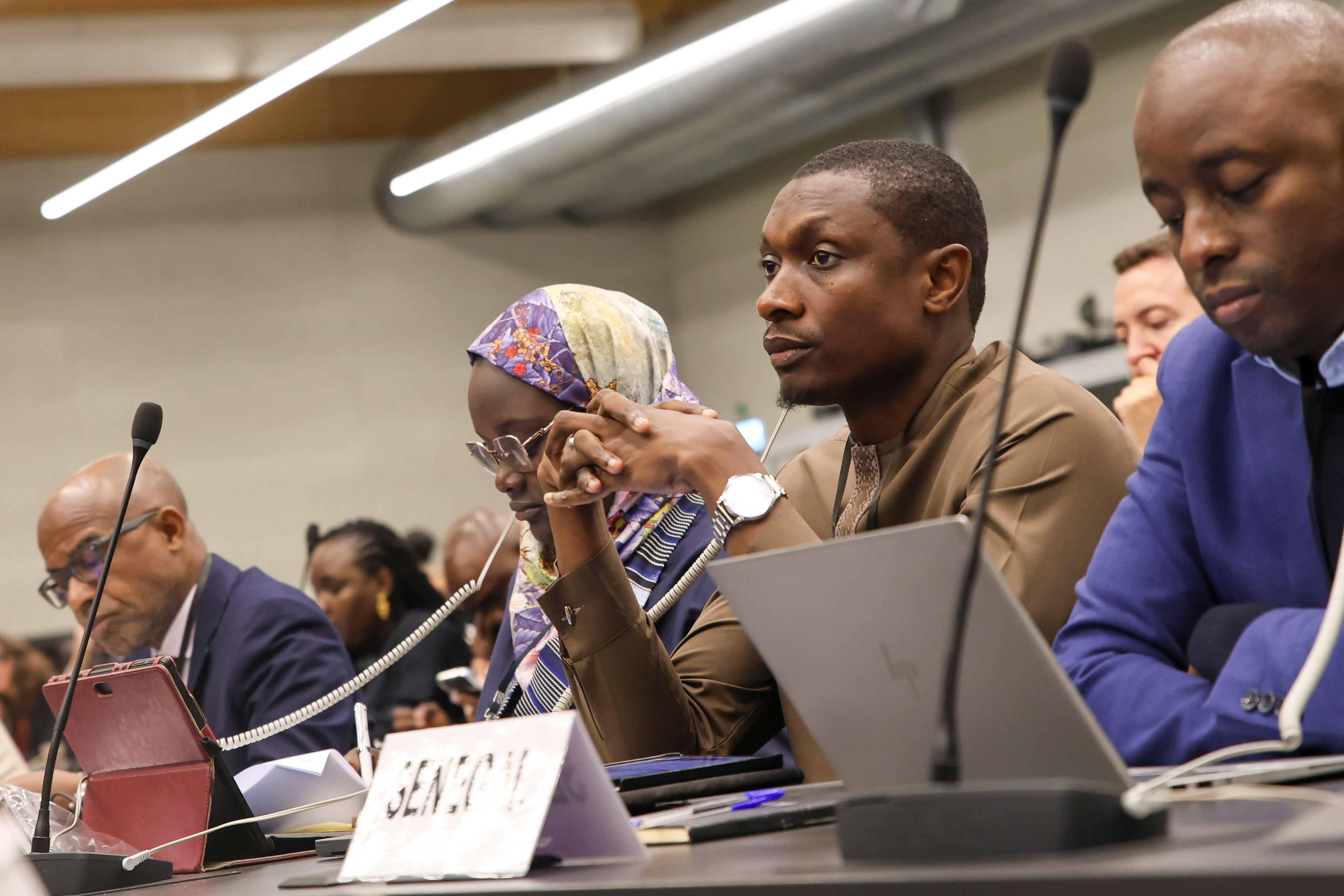
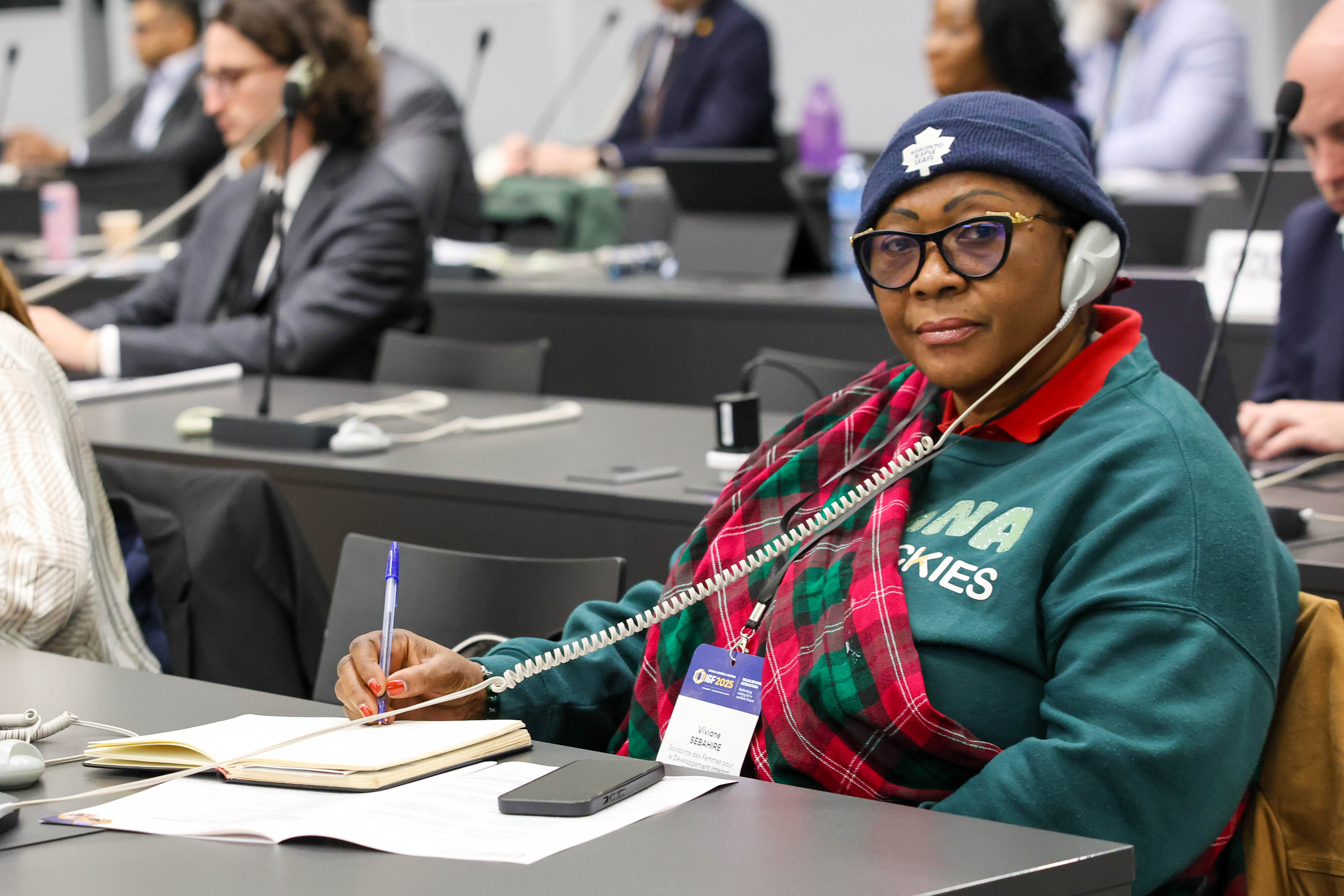
Viviane Sebahire, Solidarité des Femmes pour le Développement Intégral (SOFEDI)
Session 2 | Mineral Exploration: What is the Role of Government?
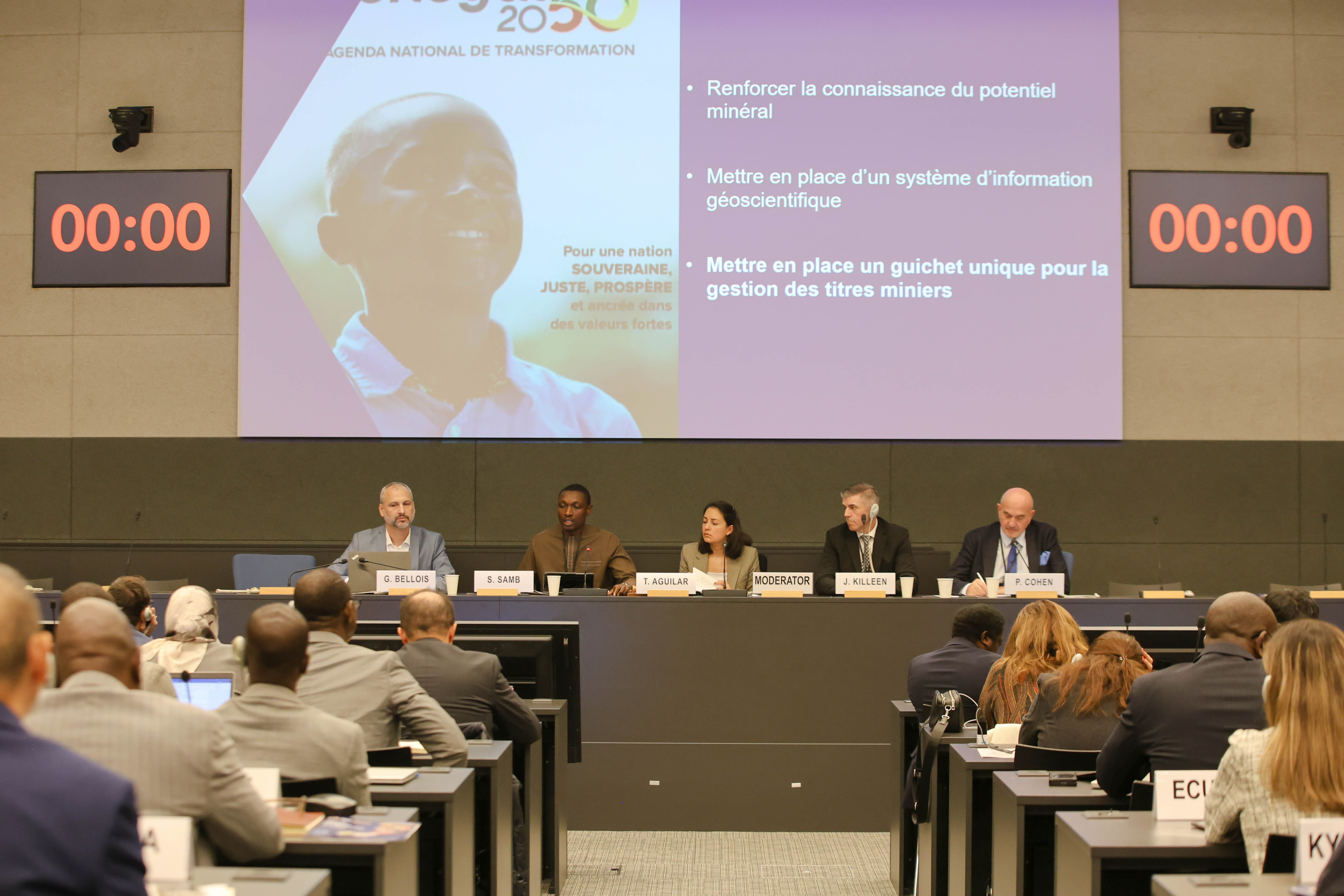
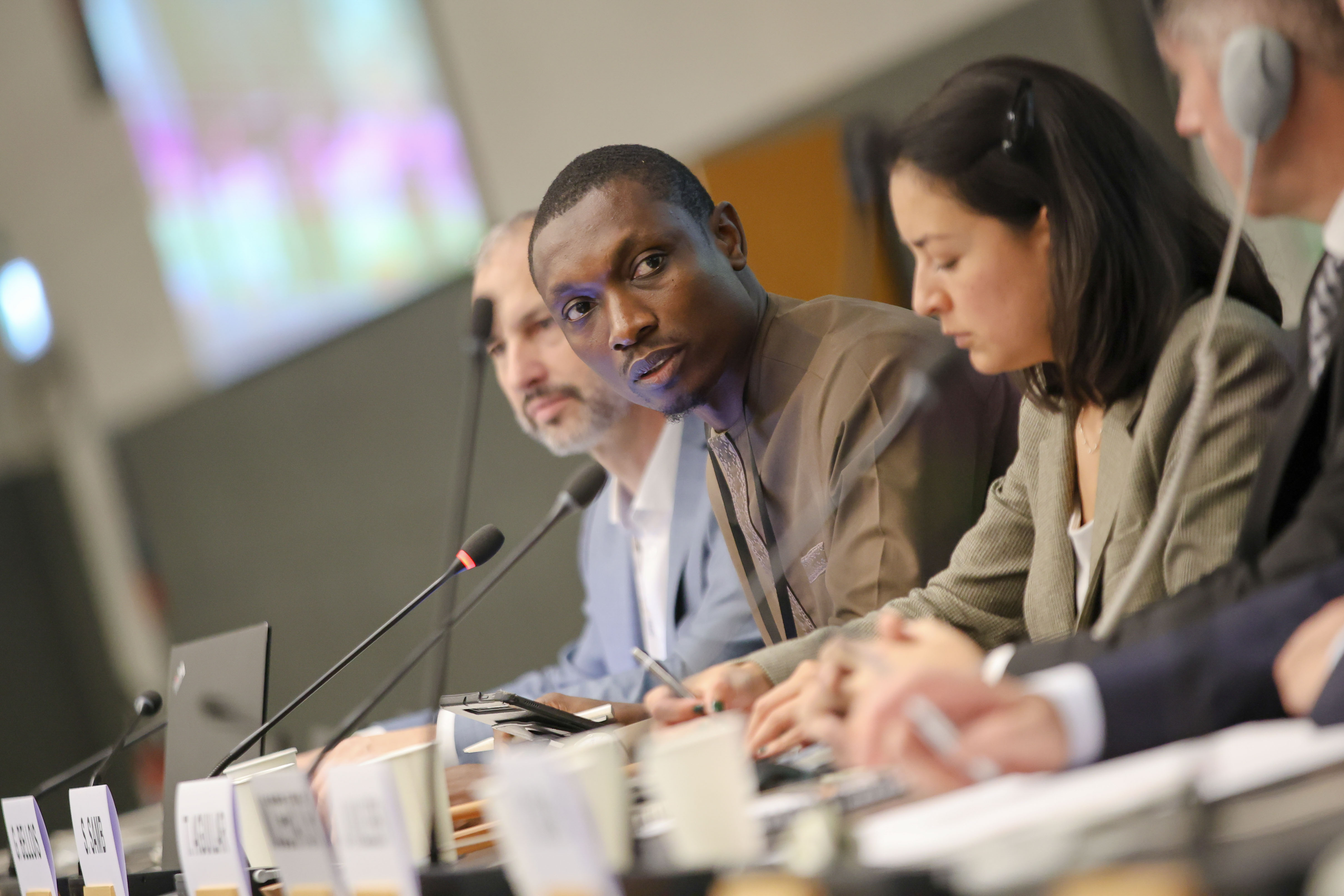
Saliou Samb, National Geological Service, Senegal
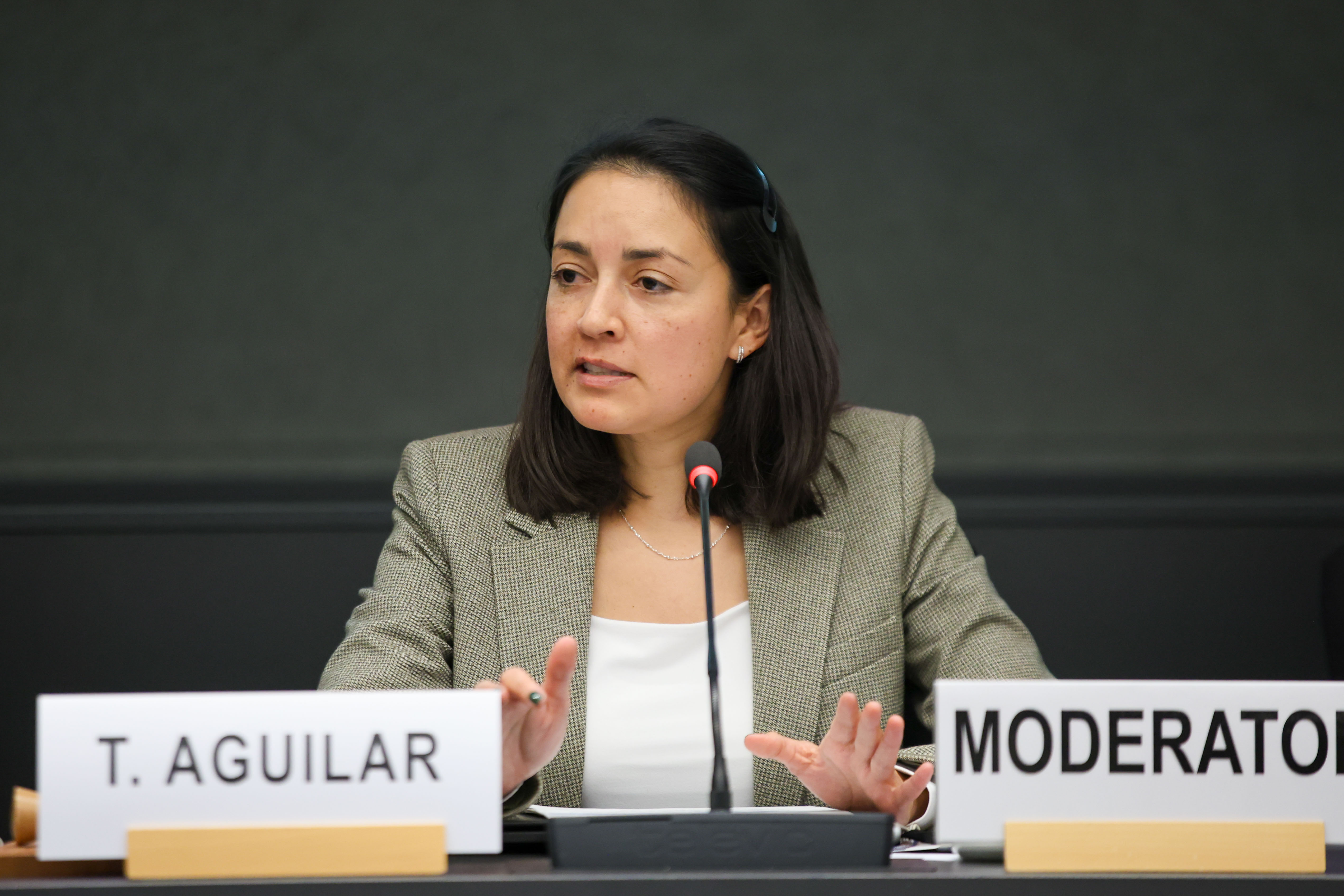
Tatiana Aguilar, World Economic Forum
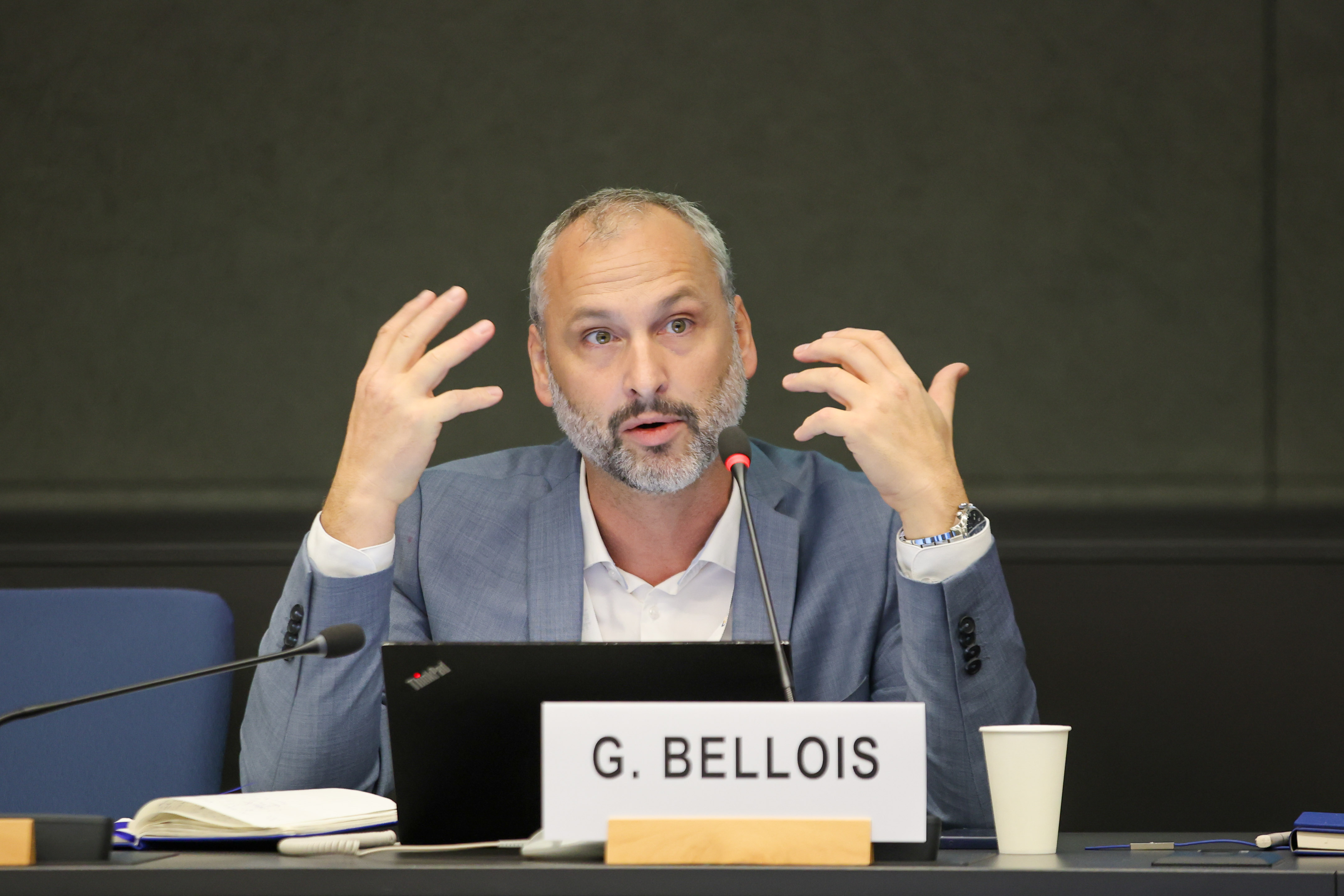
Grégoire Bellois, Lead, Critical Minerals and Geology, IGF
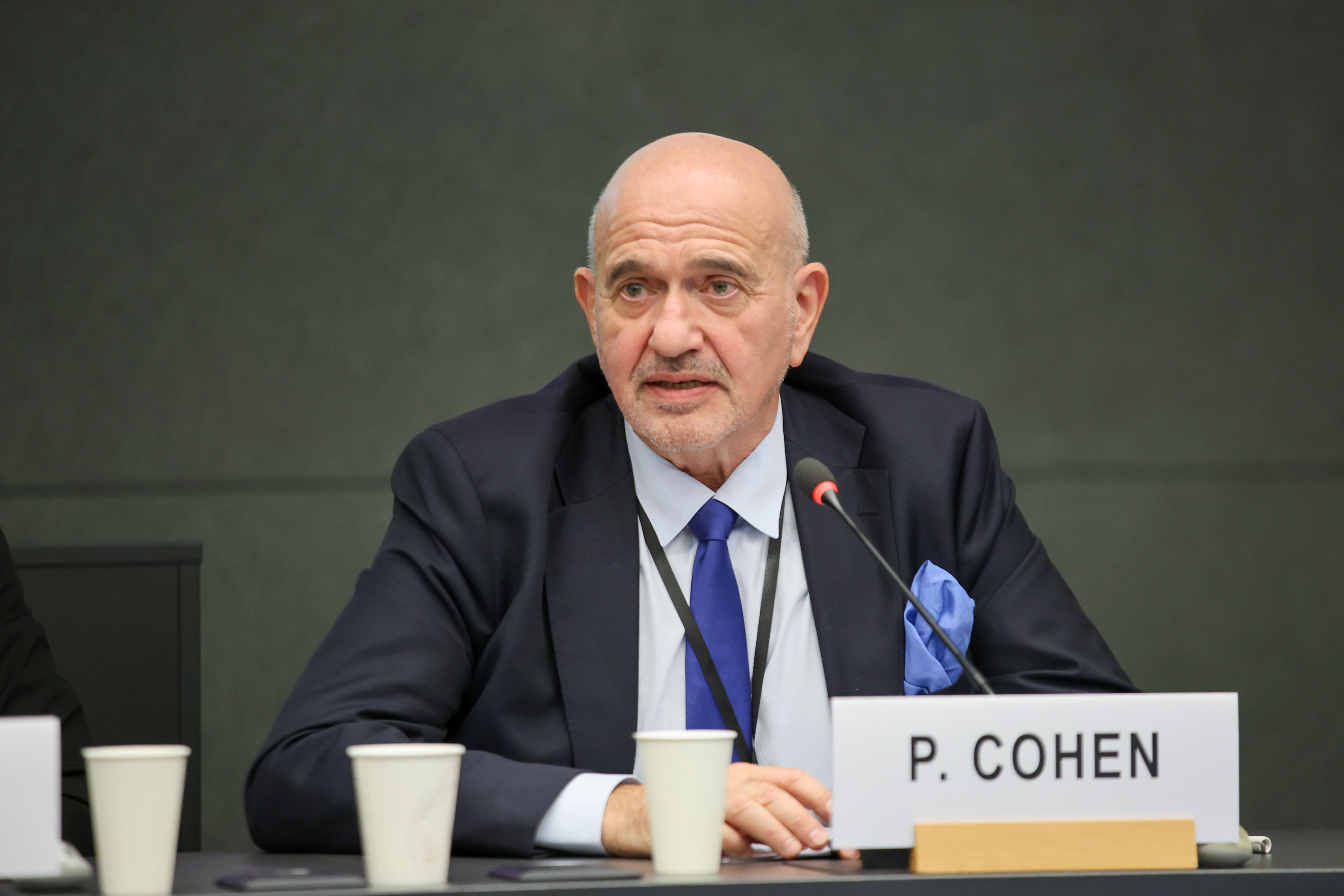
Philippe Cohen, Swiss Mining Investors Club
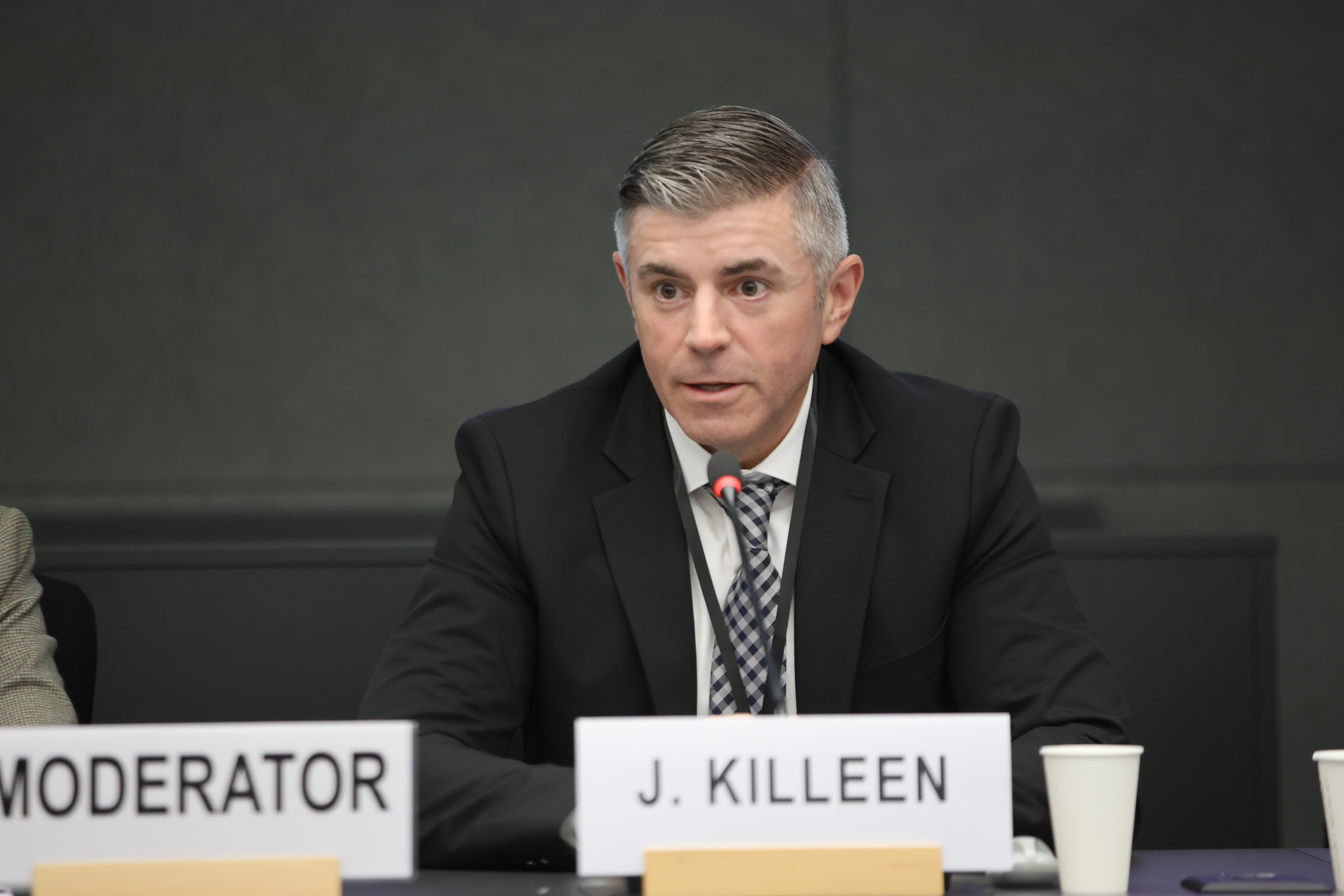
Jeff Killeen, Director, Policy and Programs, Prospectors and Developers Association of Canada (PDAC)
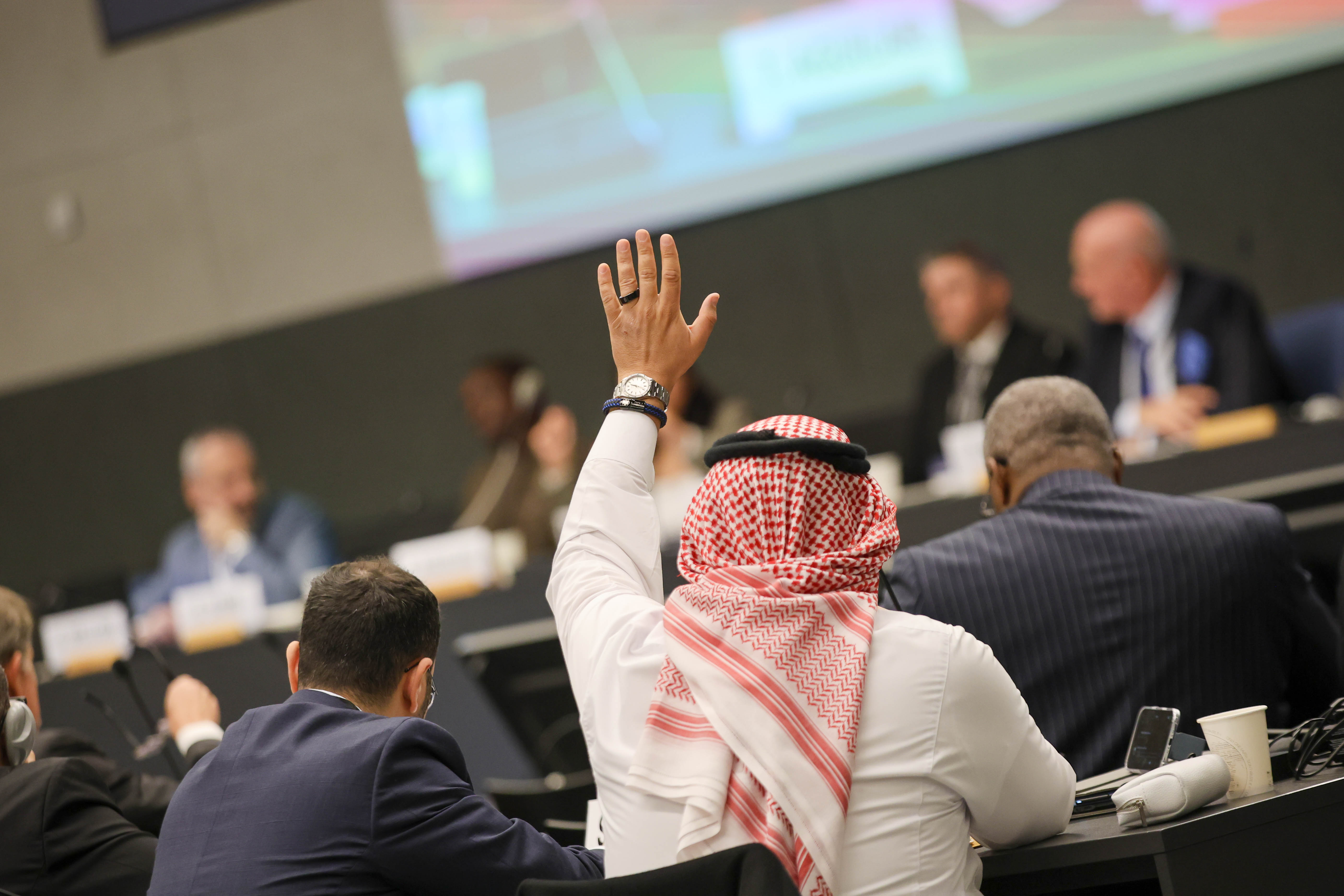
A delegate asks for the floor.
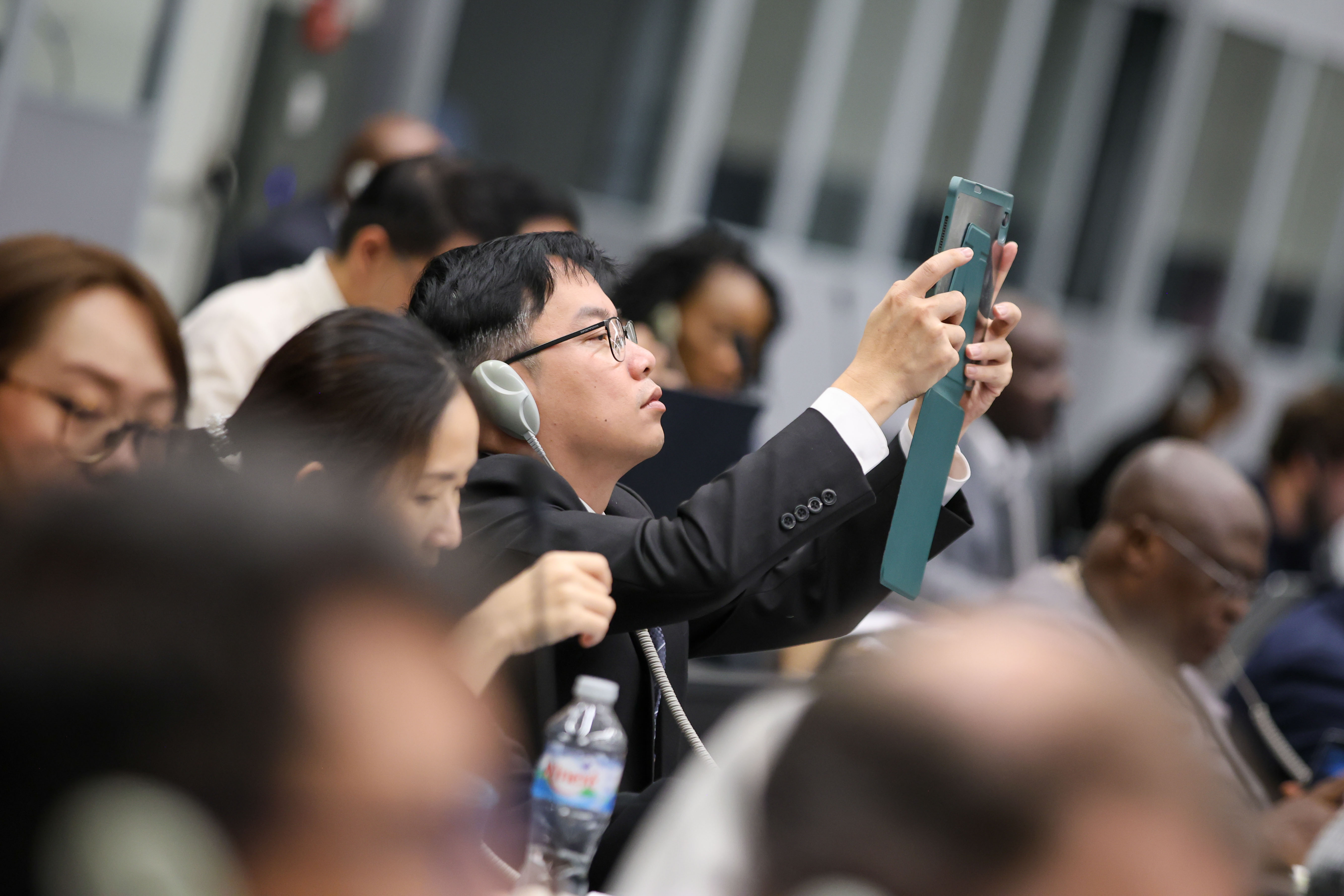
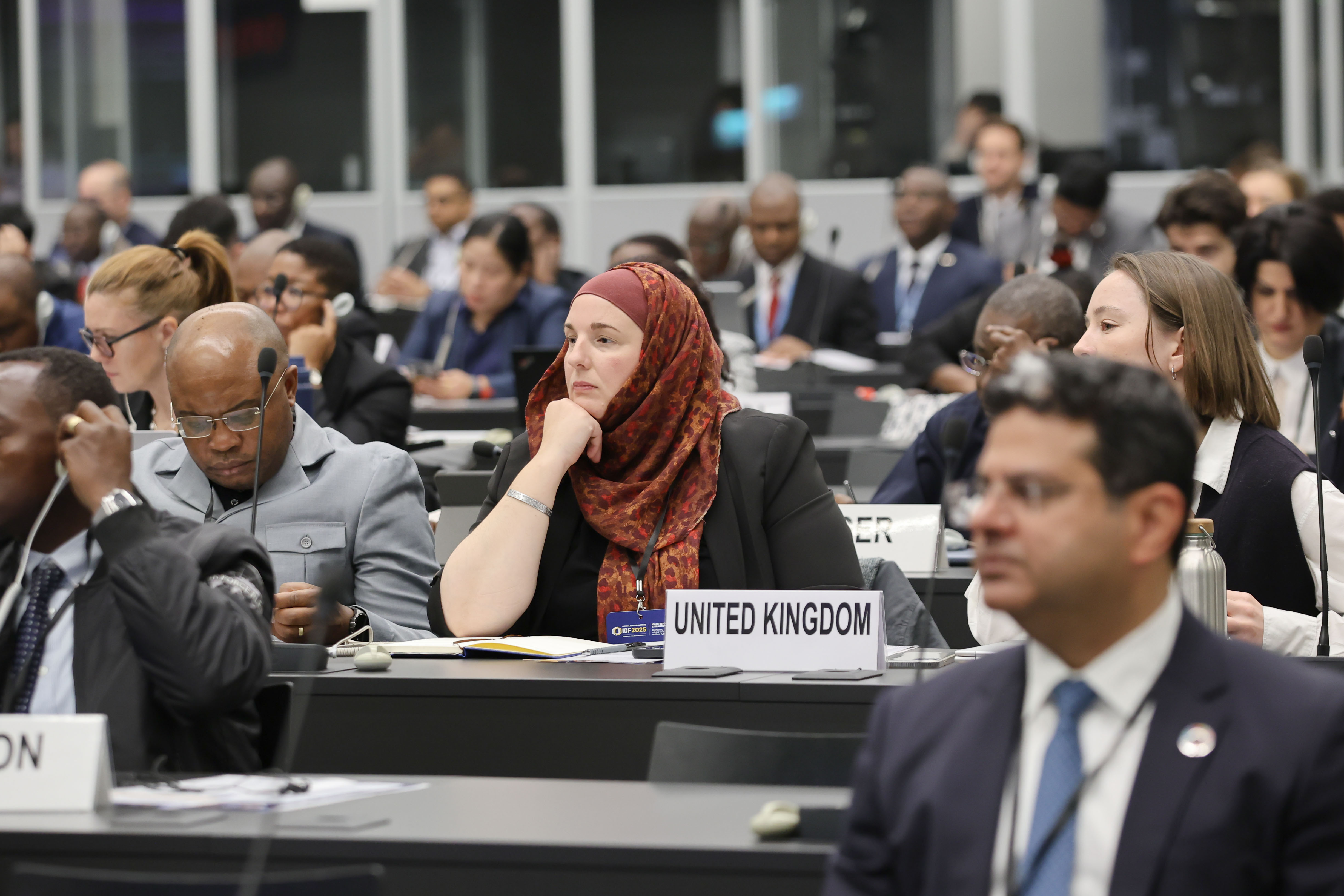
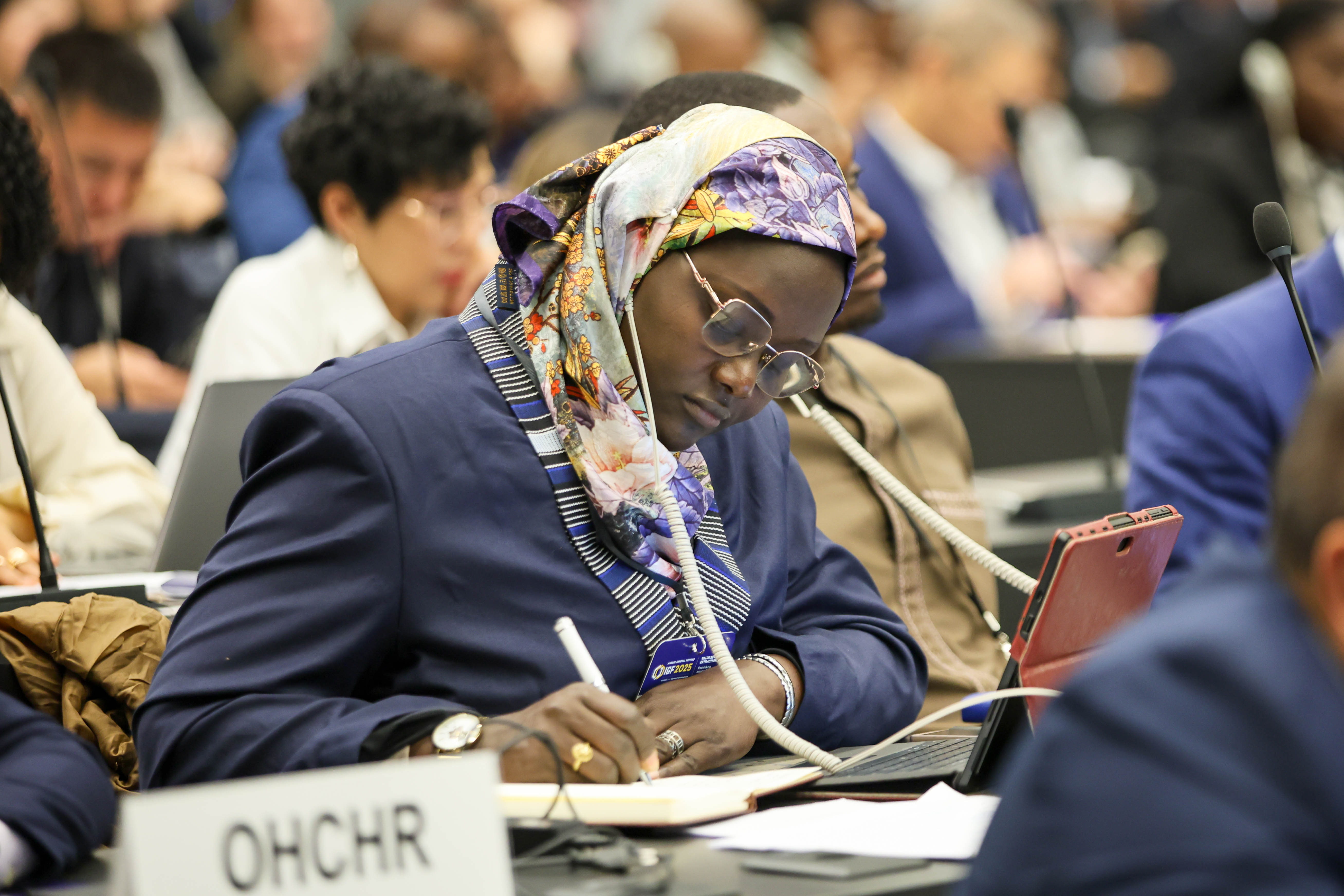
Session 3 | Leveraging Mining Revenue in the Financing for Development Agenda
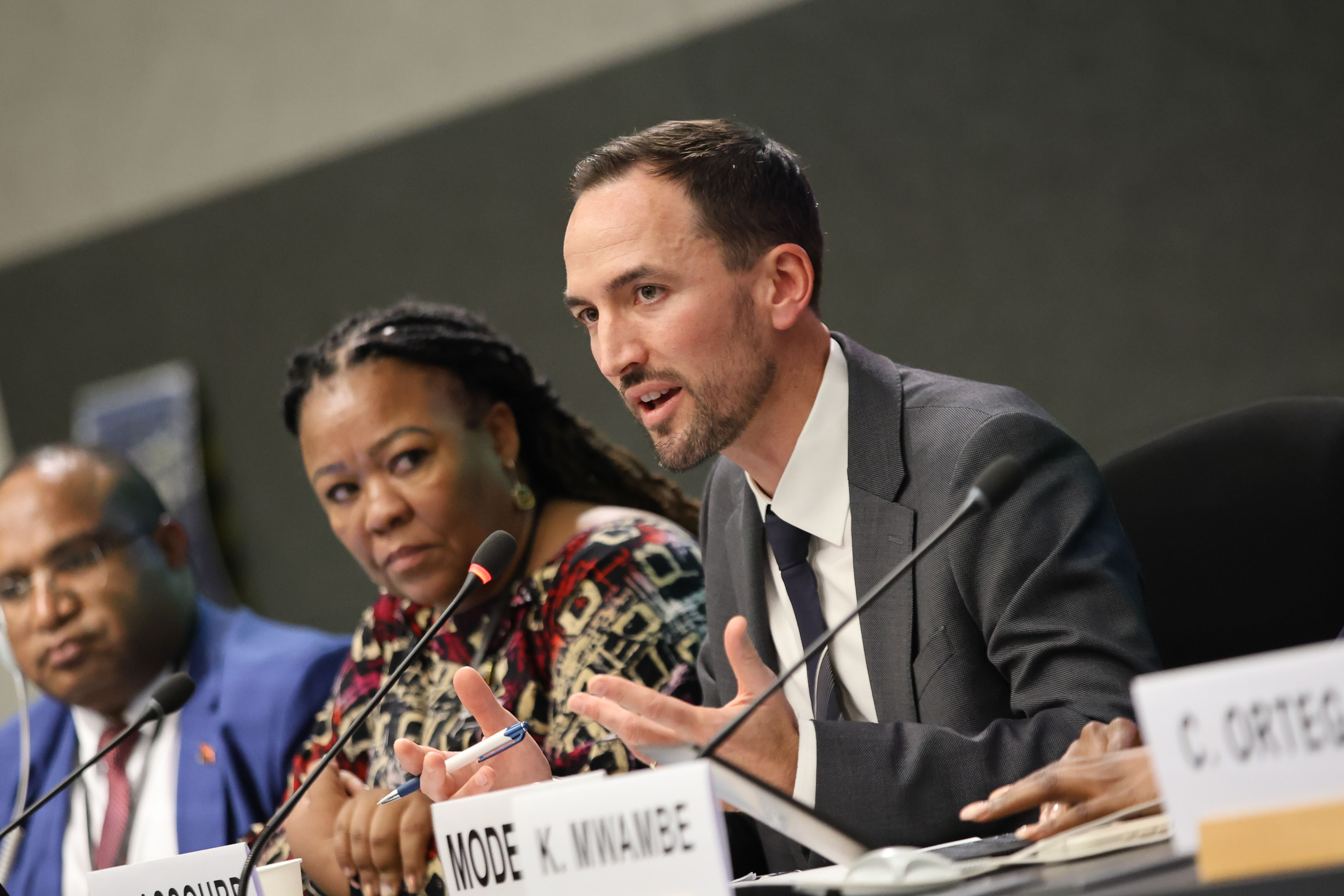
Thomas Lassourd, Lead, Tax and Extractives, IGF
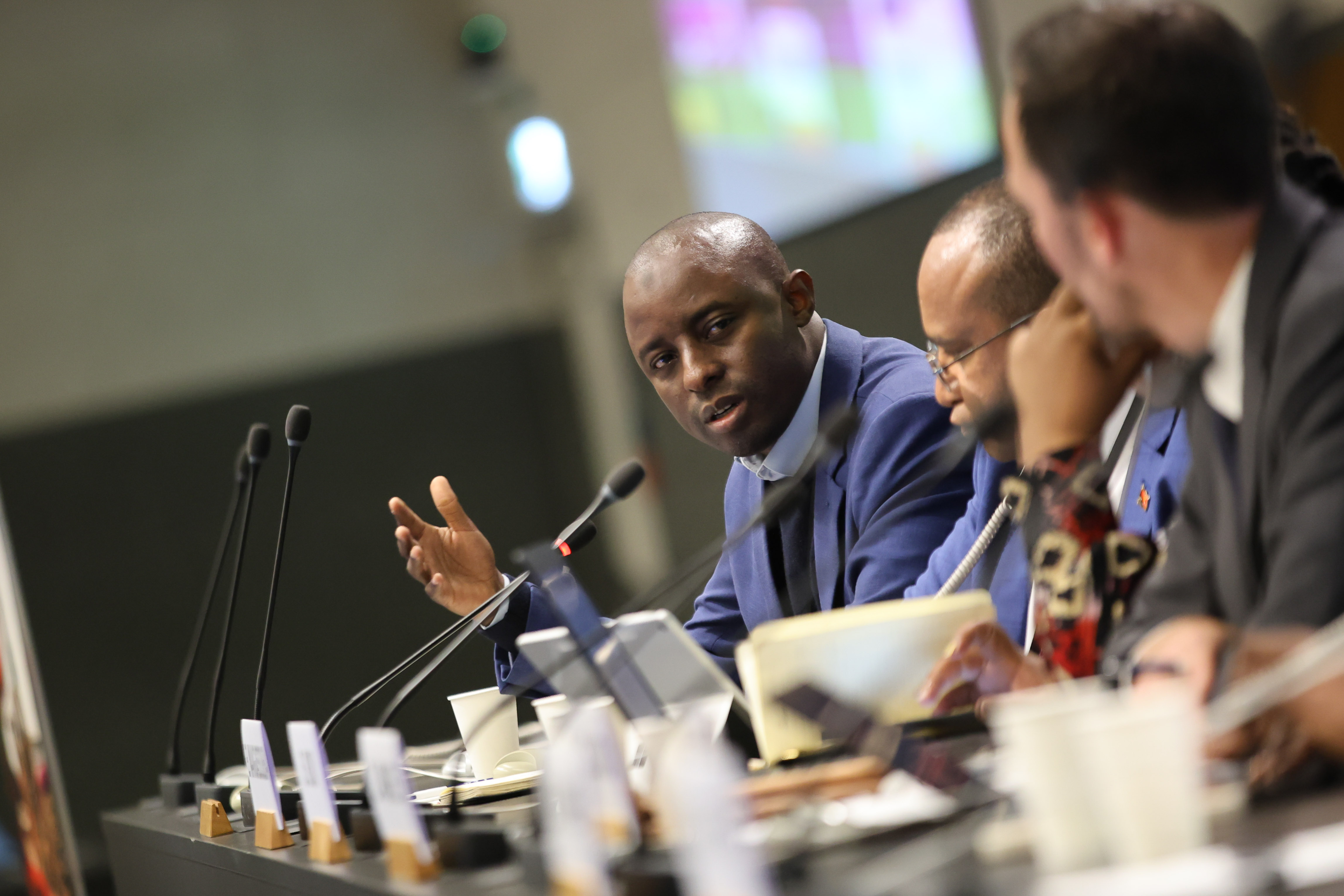
Banta Mangassouba, Ministry of Finance, Senegal
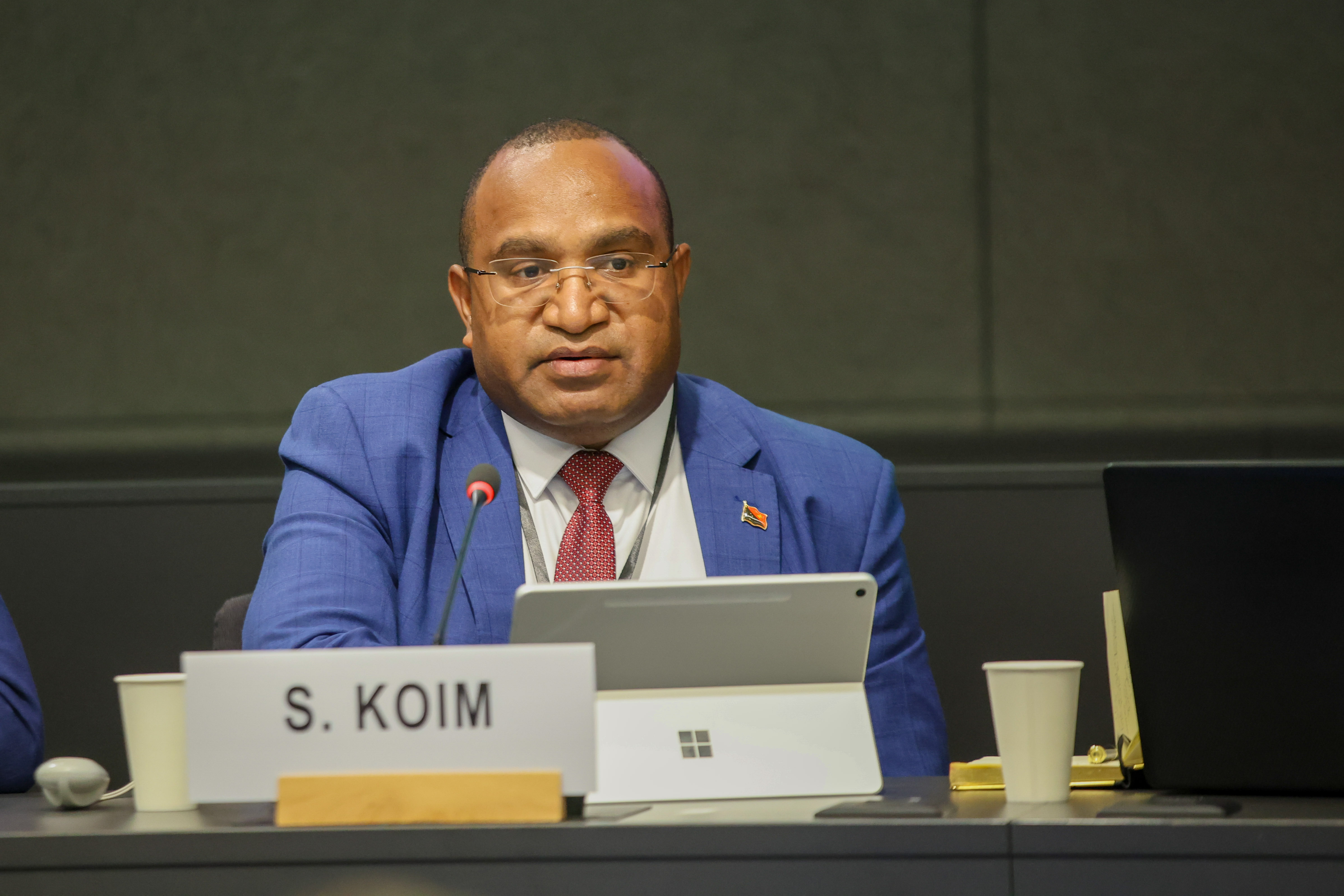
Sam Koim, Commissioner General, Internal Revenue Commission, Papua New Guinea
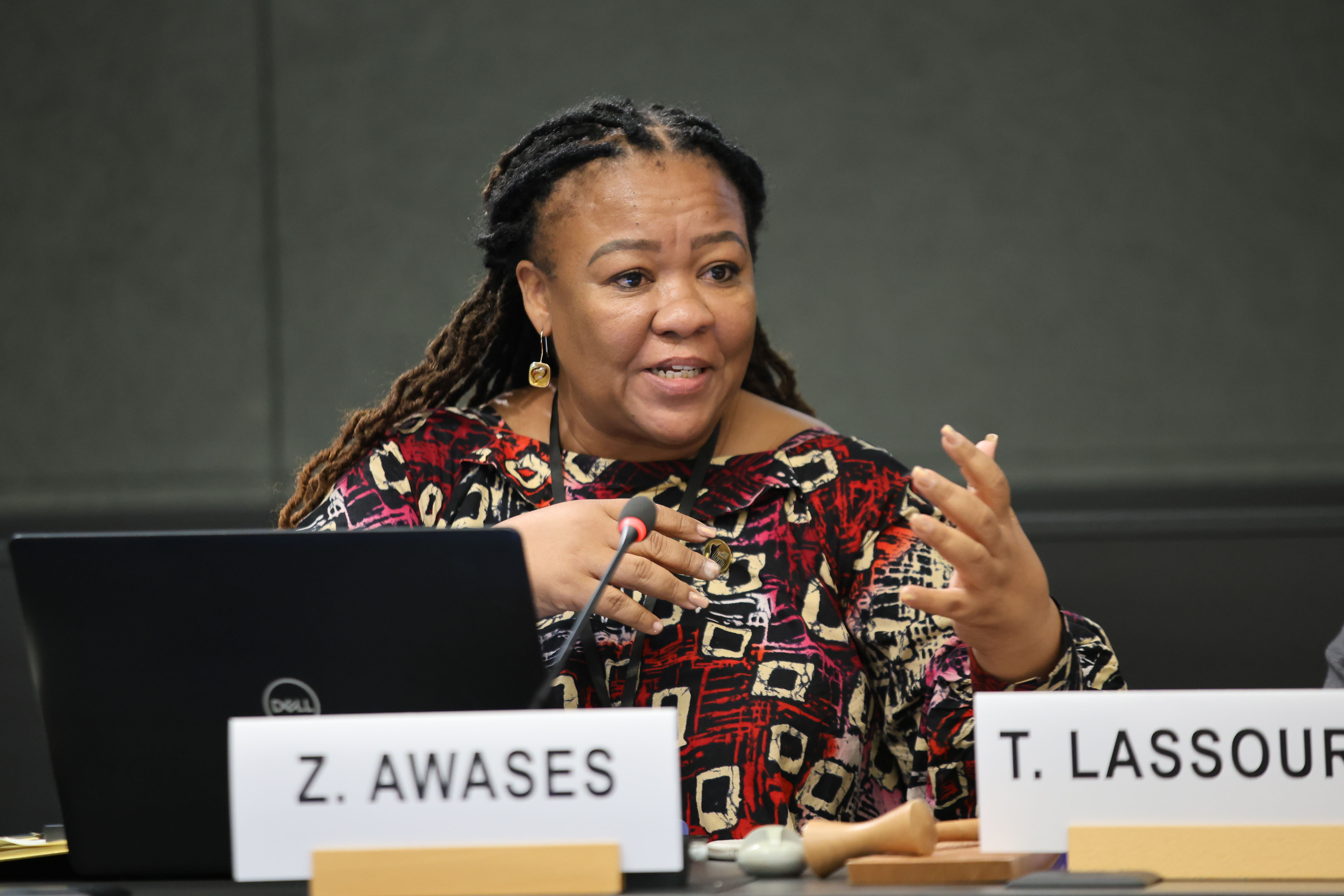
Zenzi Awases, President, Association of Women in Mining in Africa (AWIMA)
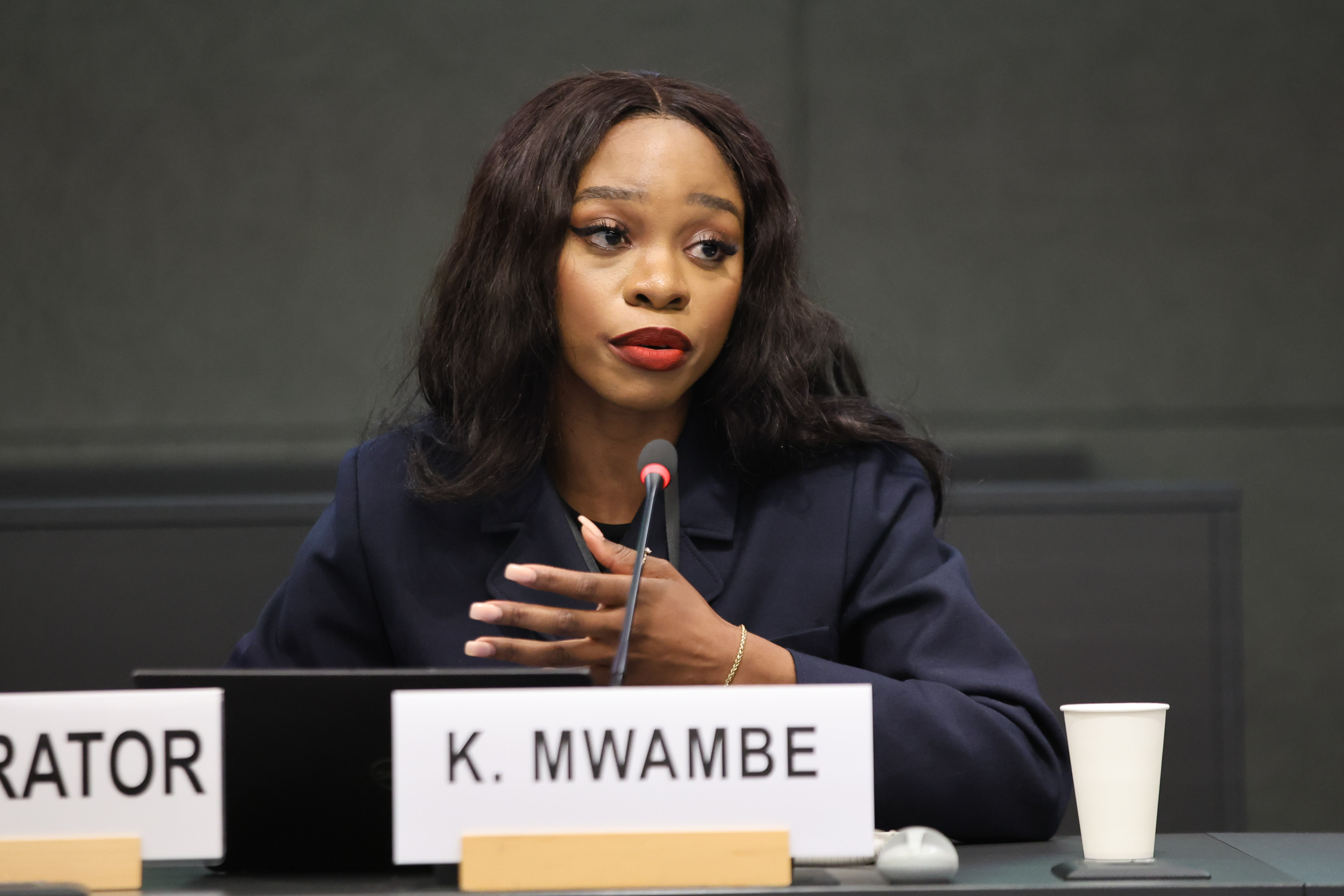
Kalale Mwambe, Tax Inspectors Without Borders
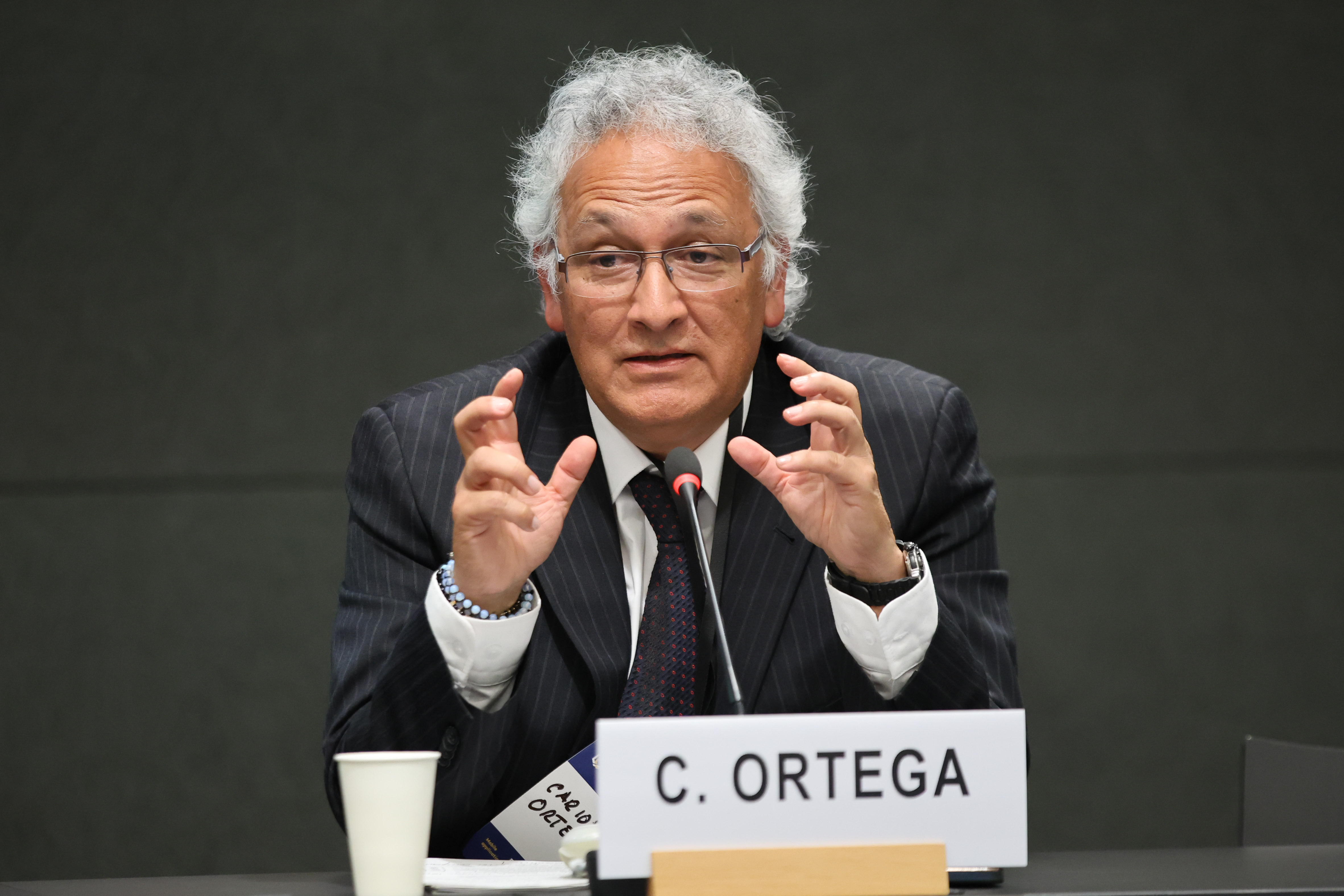
Carlos Ortega, National Mining Agency, Colombia
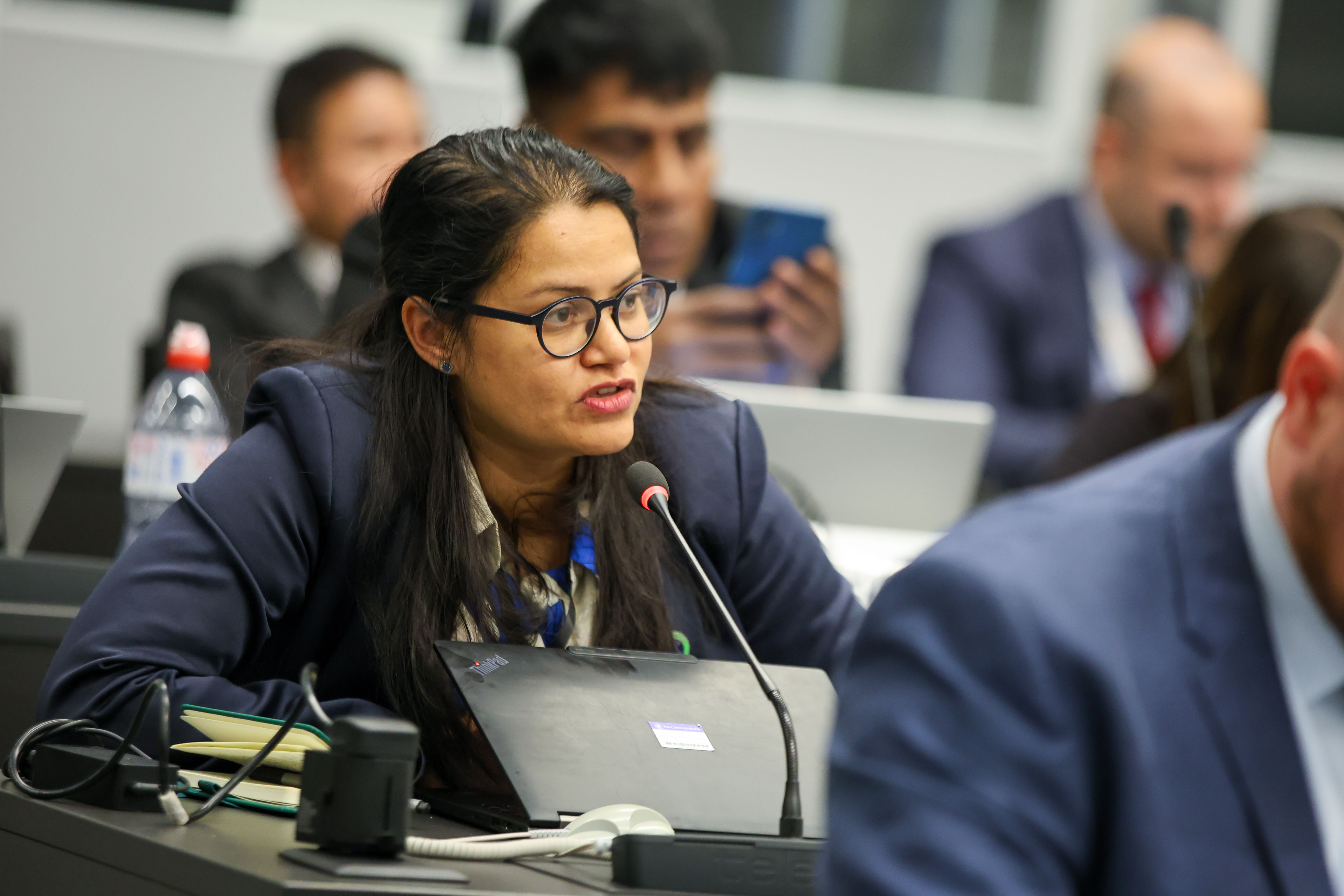
Naadira Ogeer, Commonwealth Secretariat
Session 4 | Diversifying Value in Small-Scale and Non-Metallic Mining
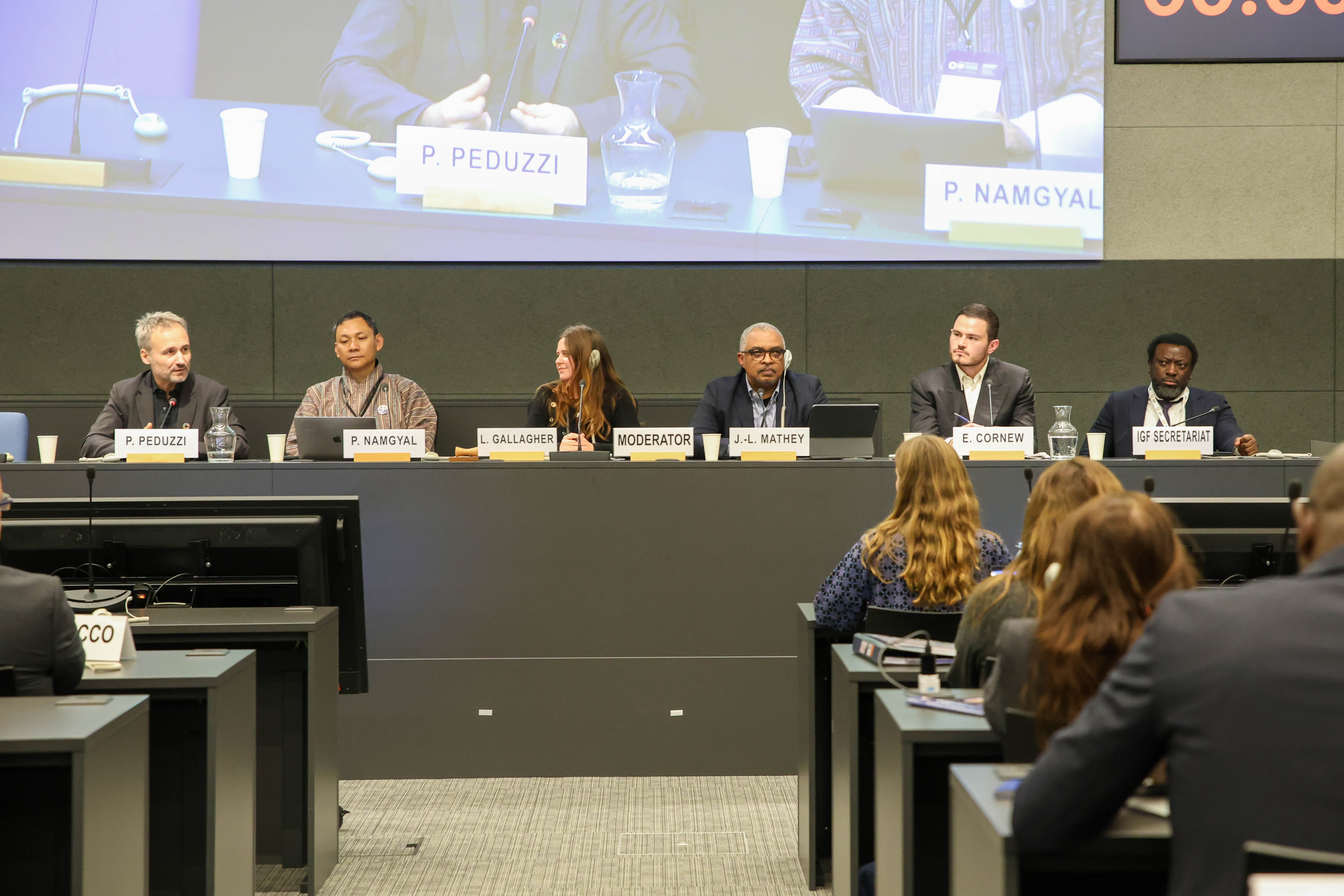
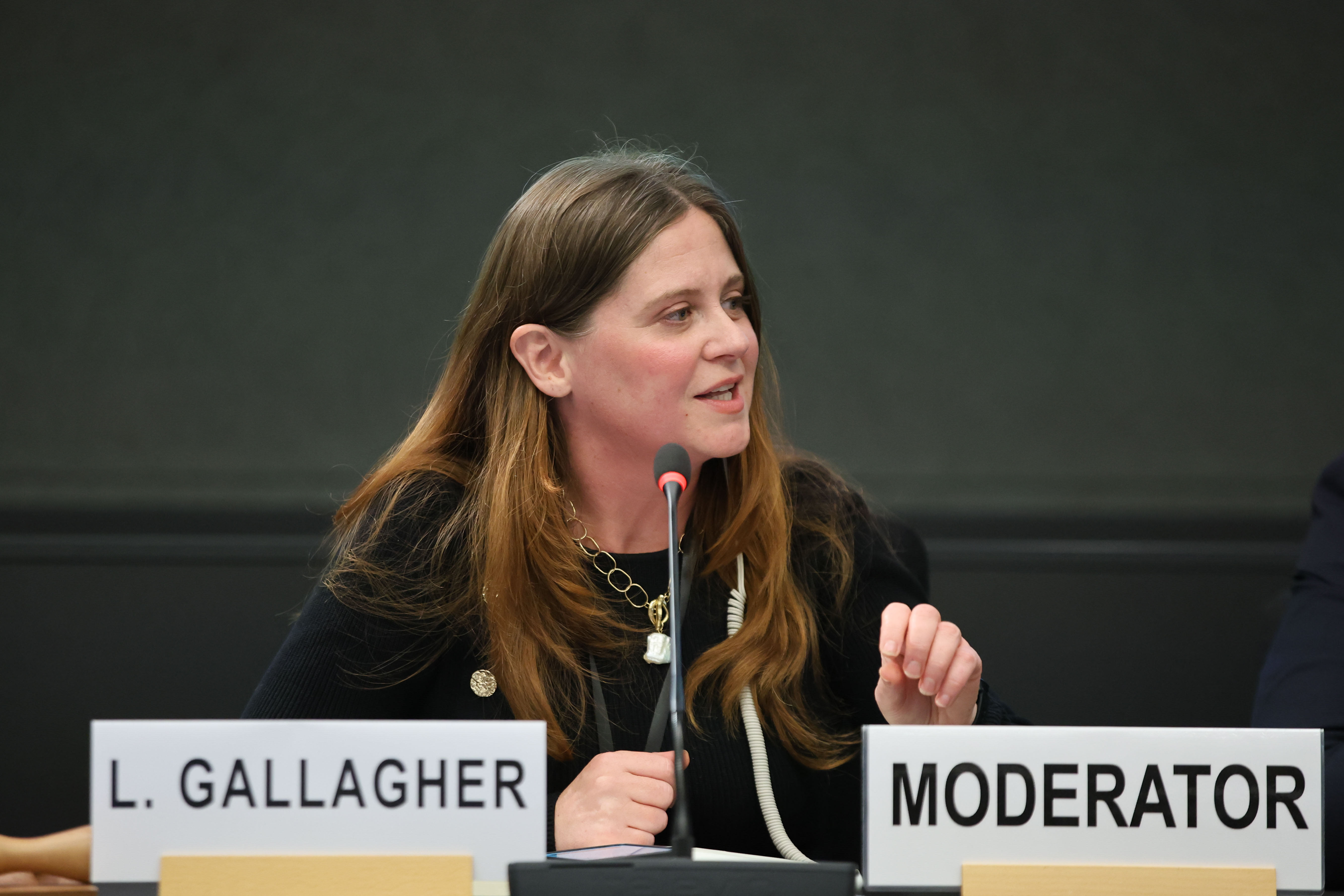
Louise Gallagher, Global Centre for Mineral Security, Sustainable Minerals Institute, University of Queensland
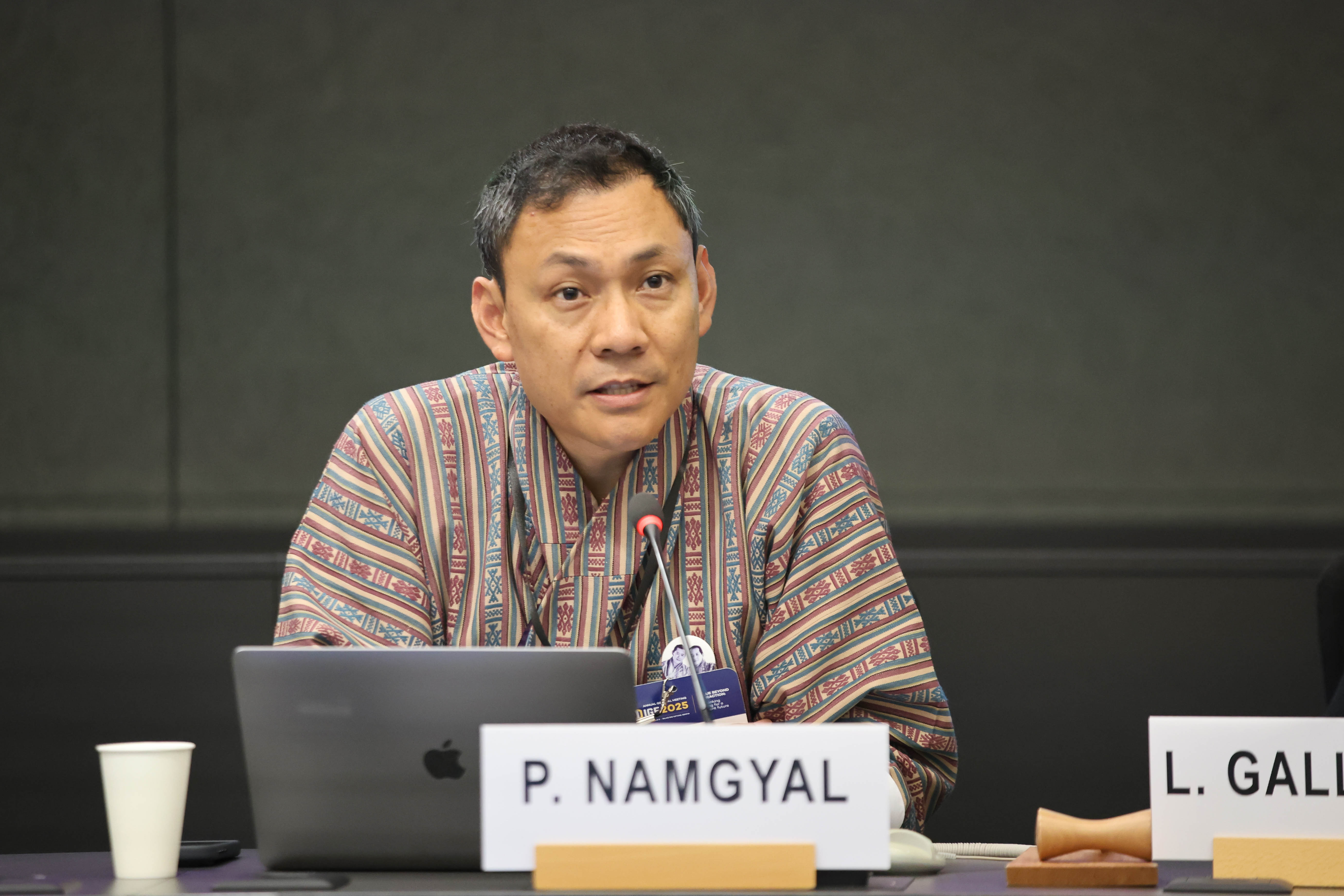
Phuntsho Namgyal, Director, Department of Geology and Mines, Bhutan
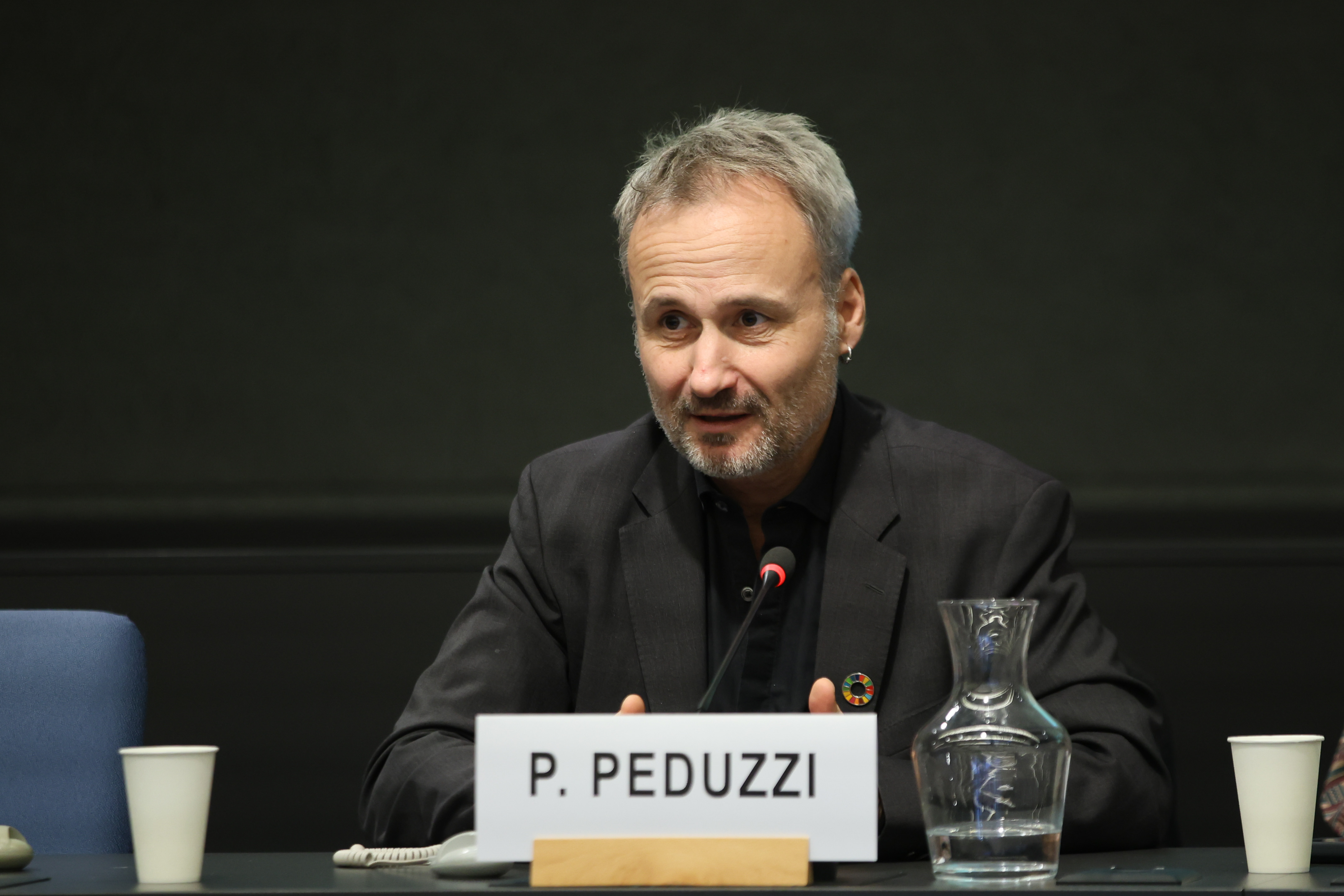
Pascal Peduzzi, Director, Global Resource Information Database (GRID) - Geneva, UNEP
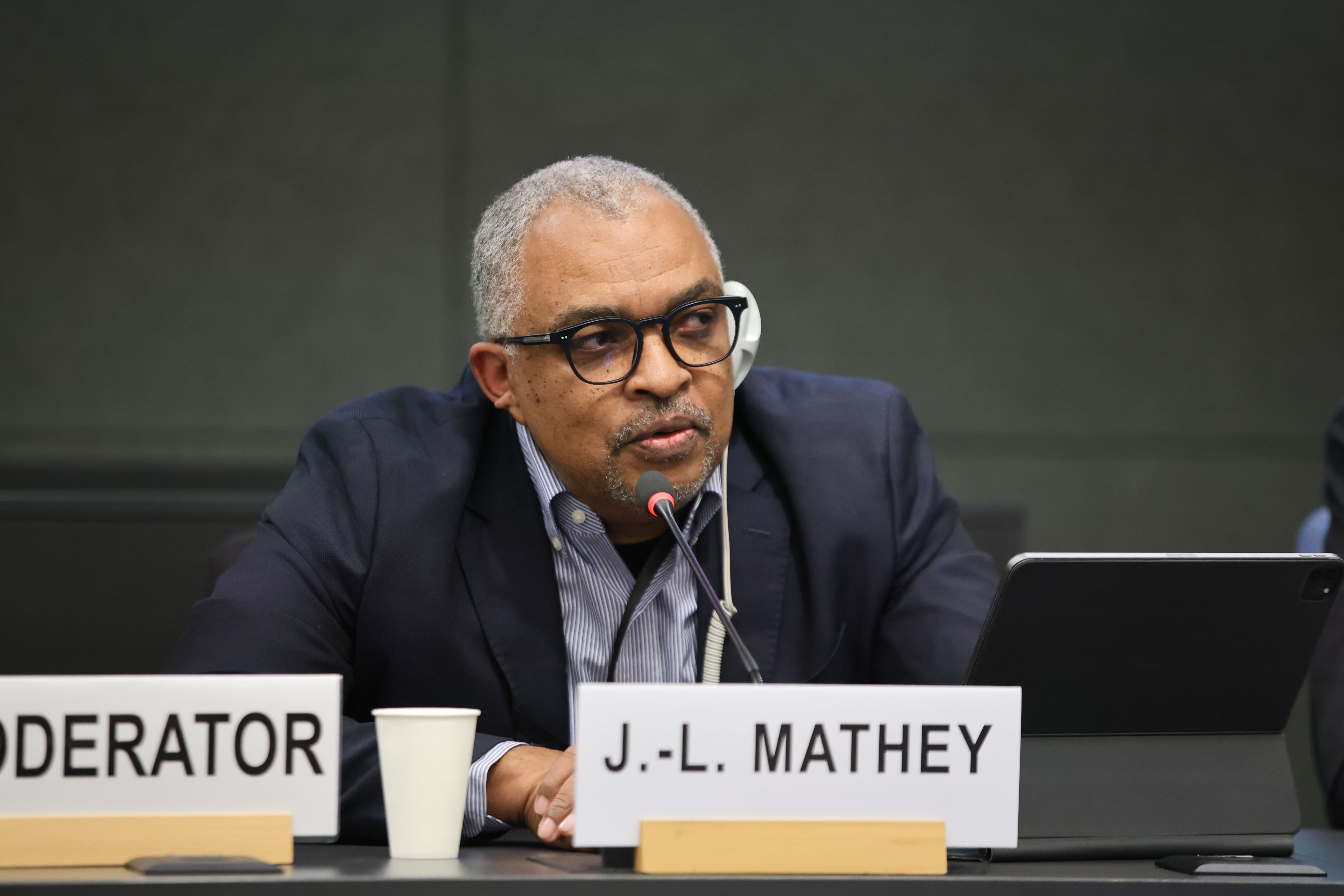
Jean-Luc Mathey, Deutsche Gesellschaft für Internationale Zusammenarbeit (GIZ) GmbH
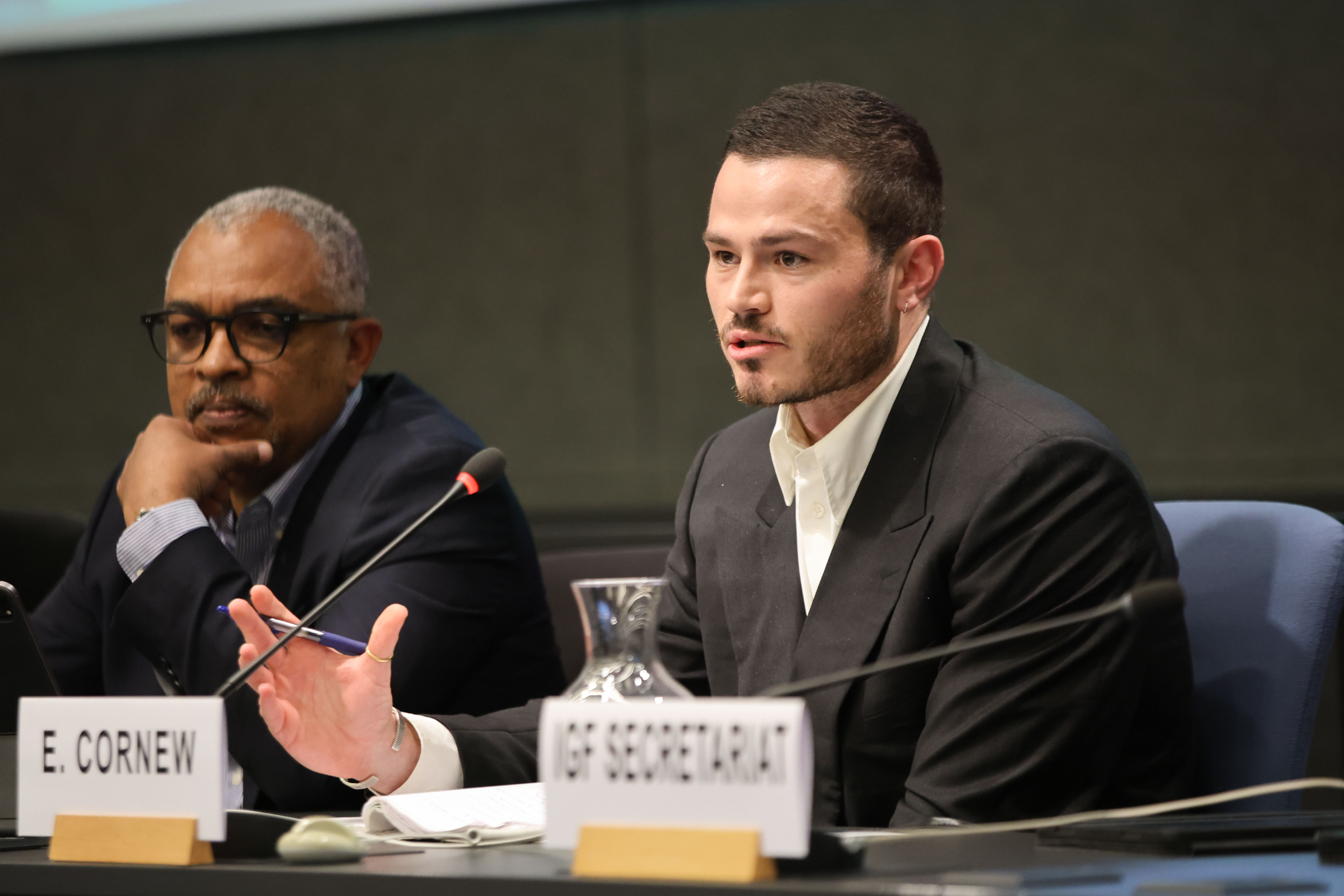
Eduard Cornew, Co-Founder & President of the mining company Mwamba, Tanzania
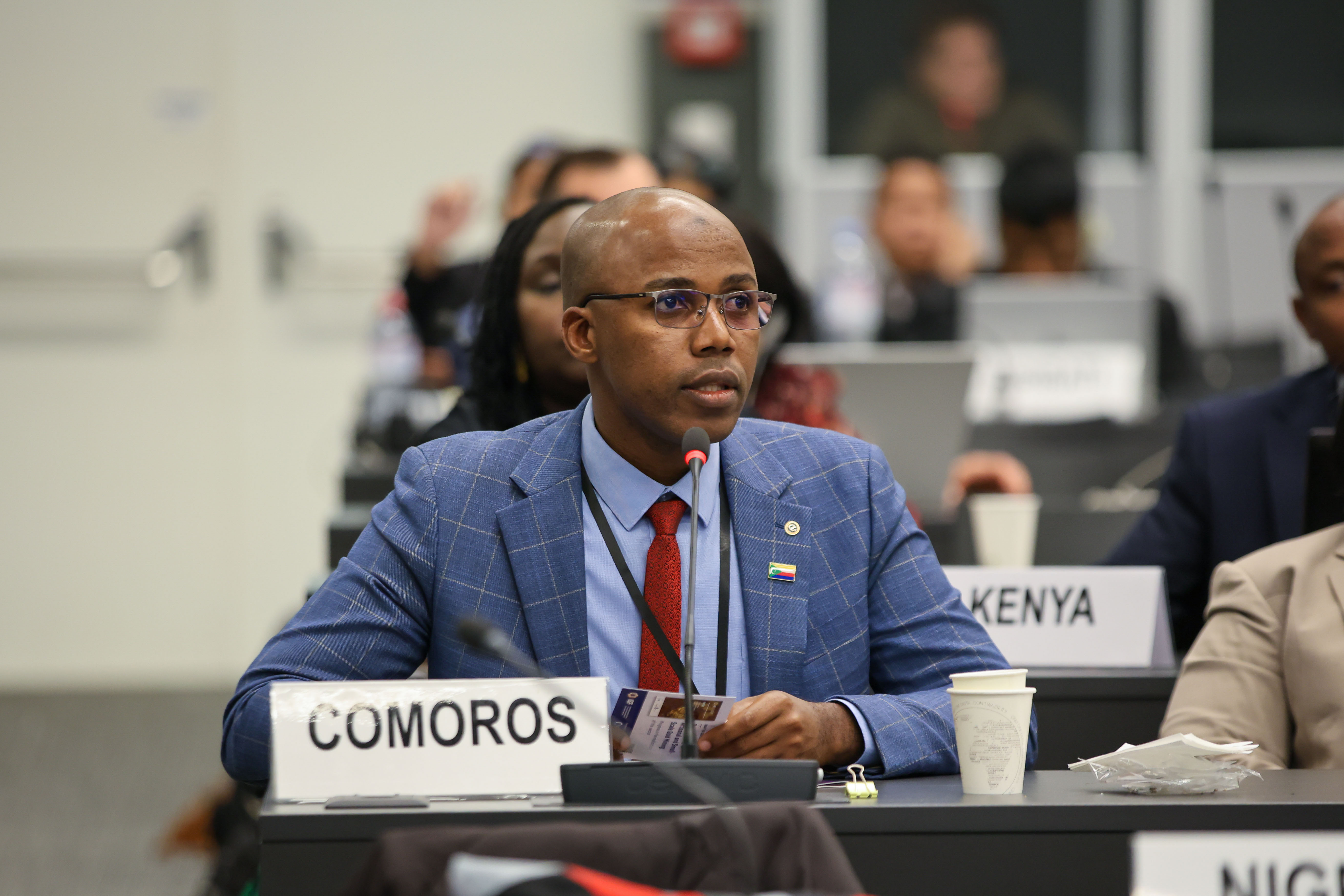
Nakib Ali Mhoumadi, Comorian Geological Survey, Comoros
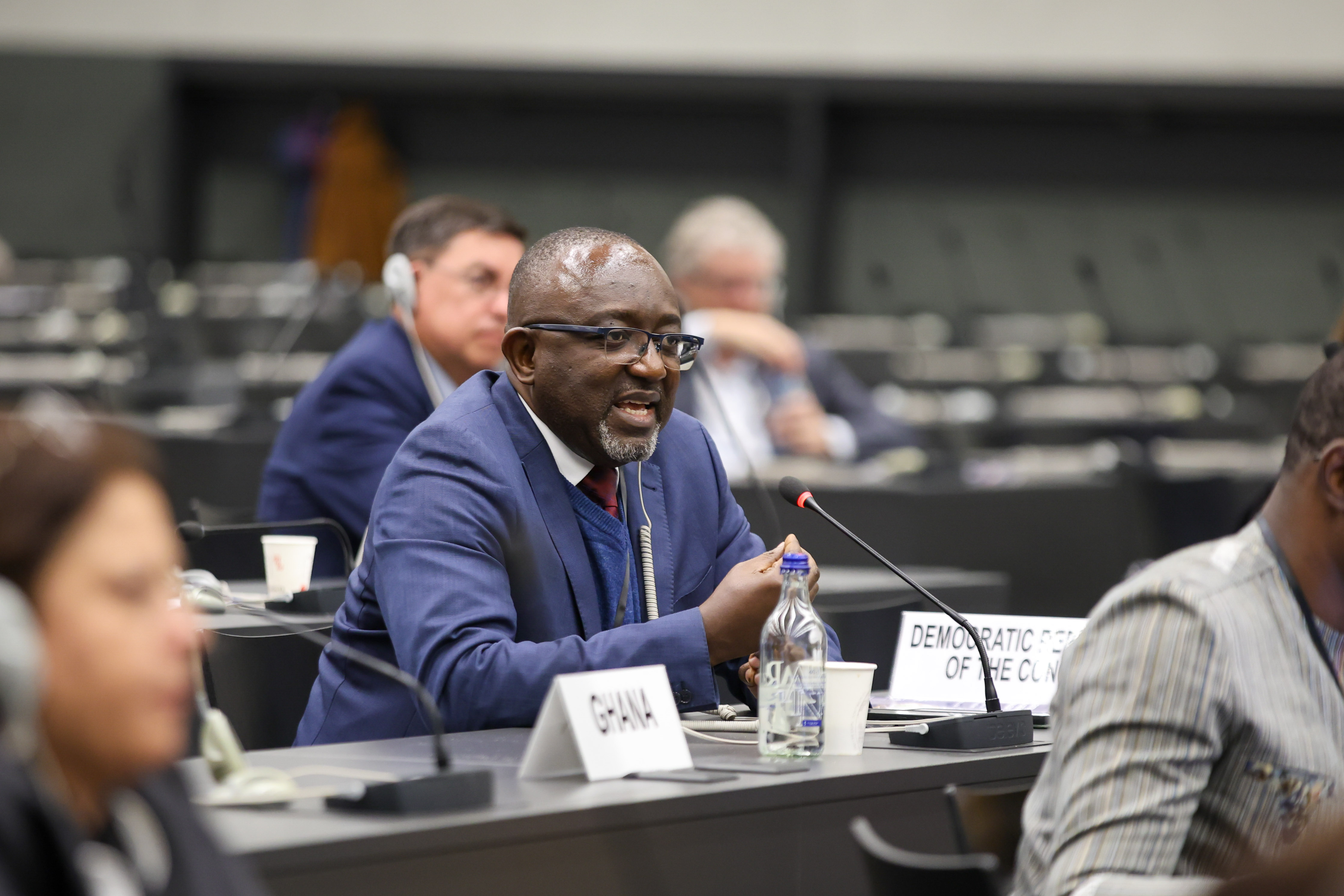
Jean Jacques Kayembe Mufwankolo, DRC
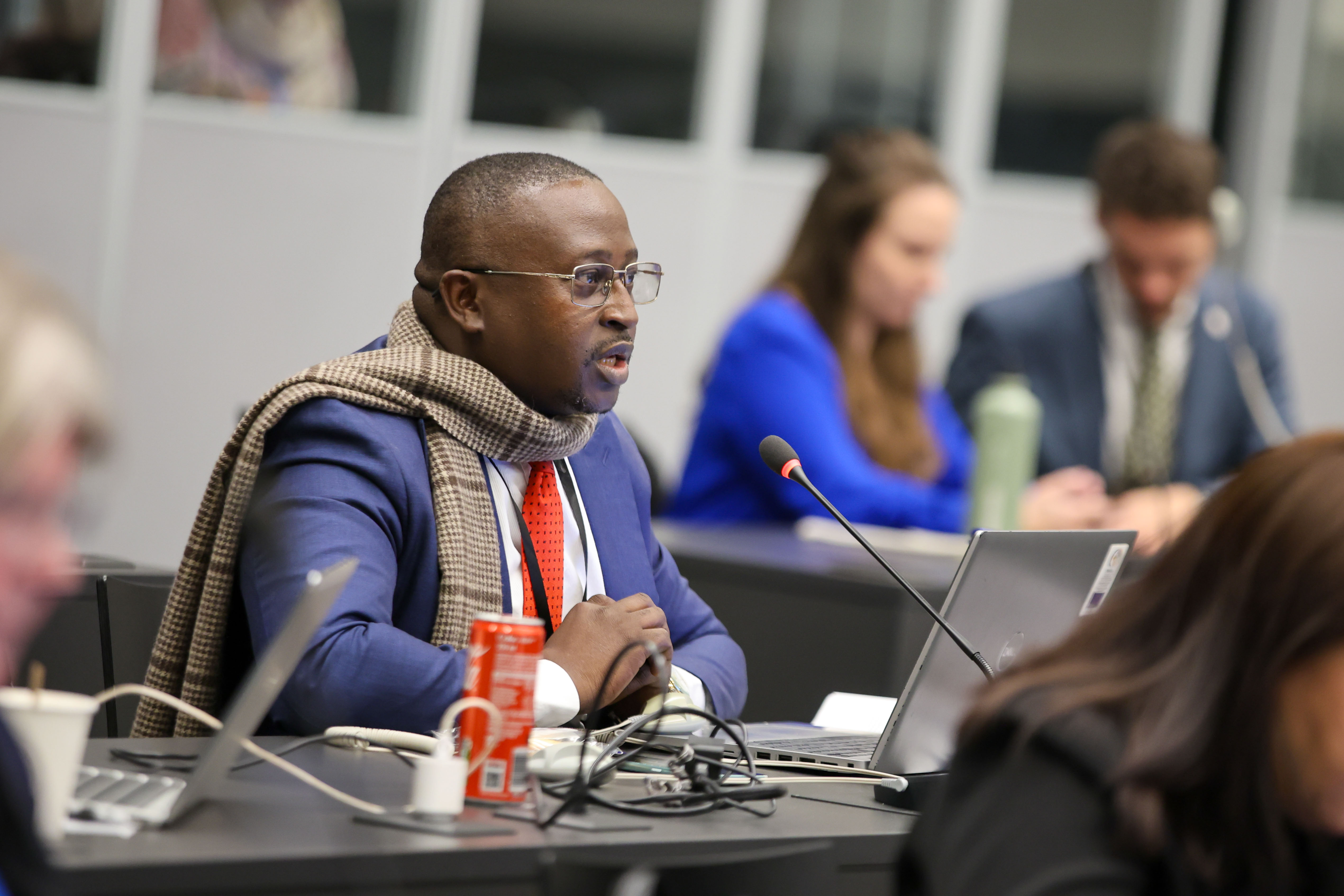
Ghynel Reagab Frydarious Kounkou, Republic of the Congo
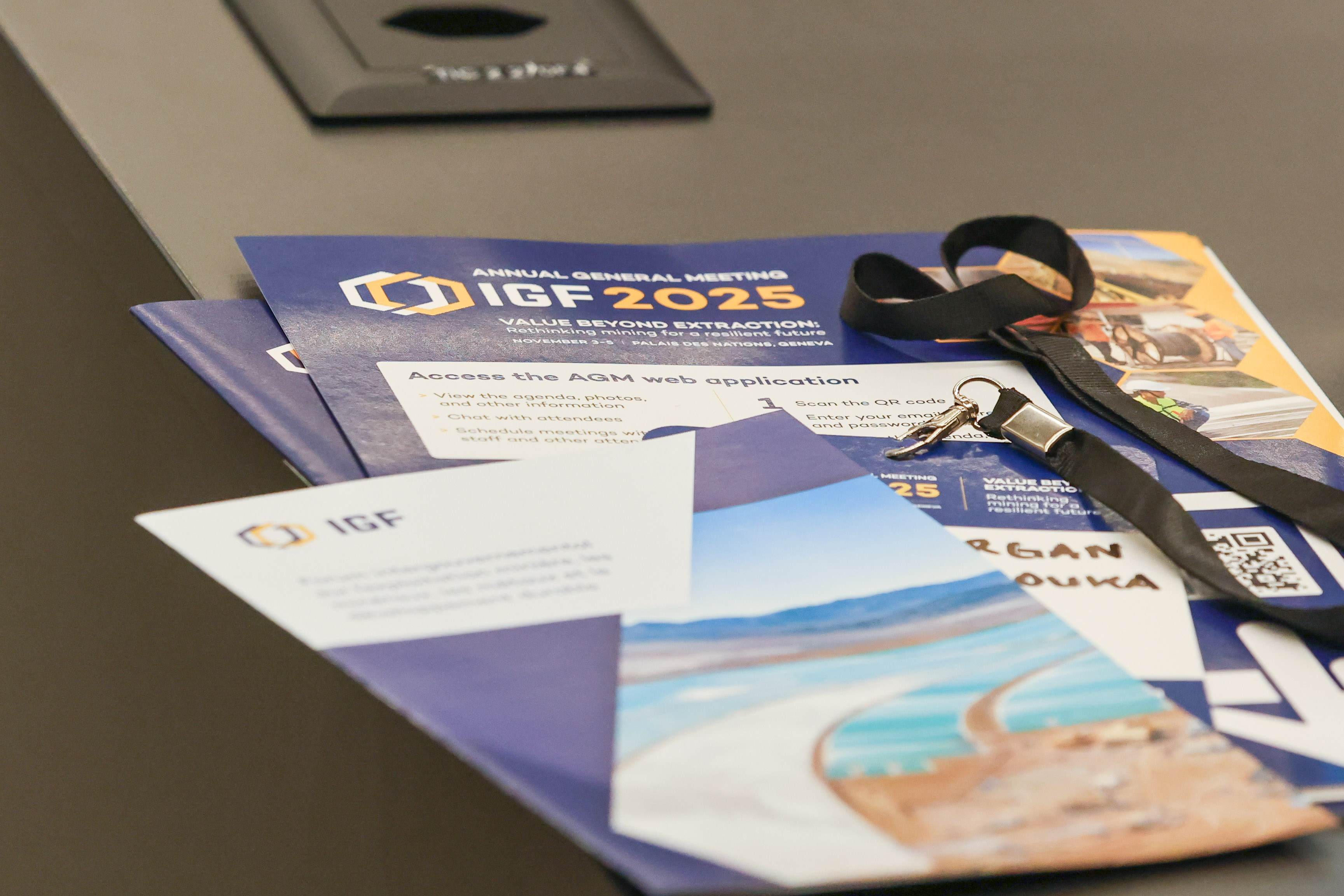
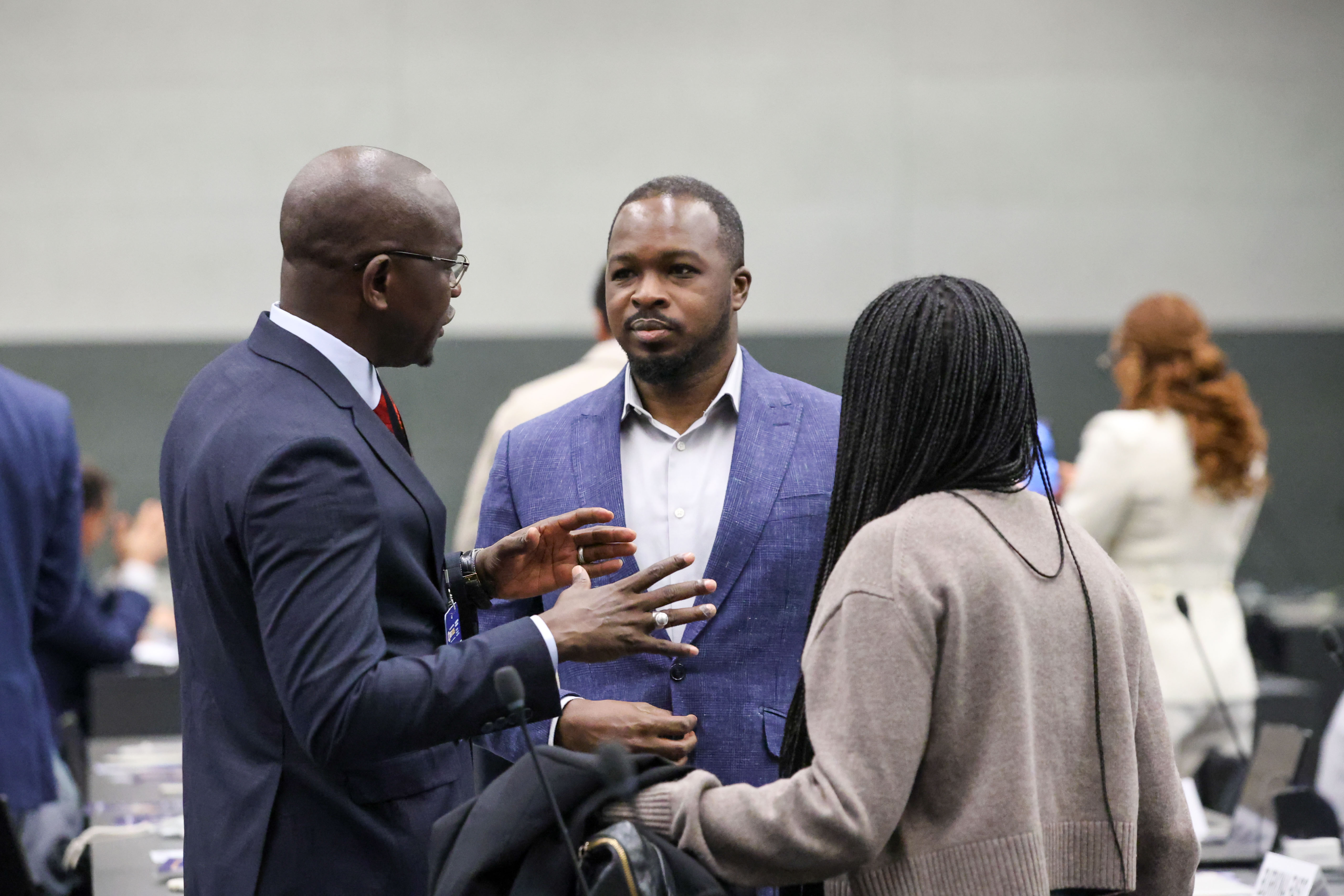
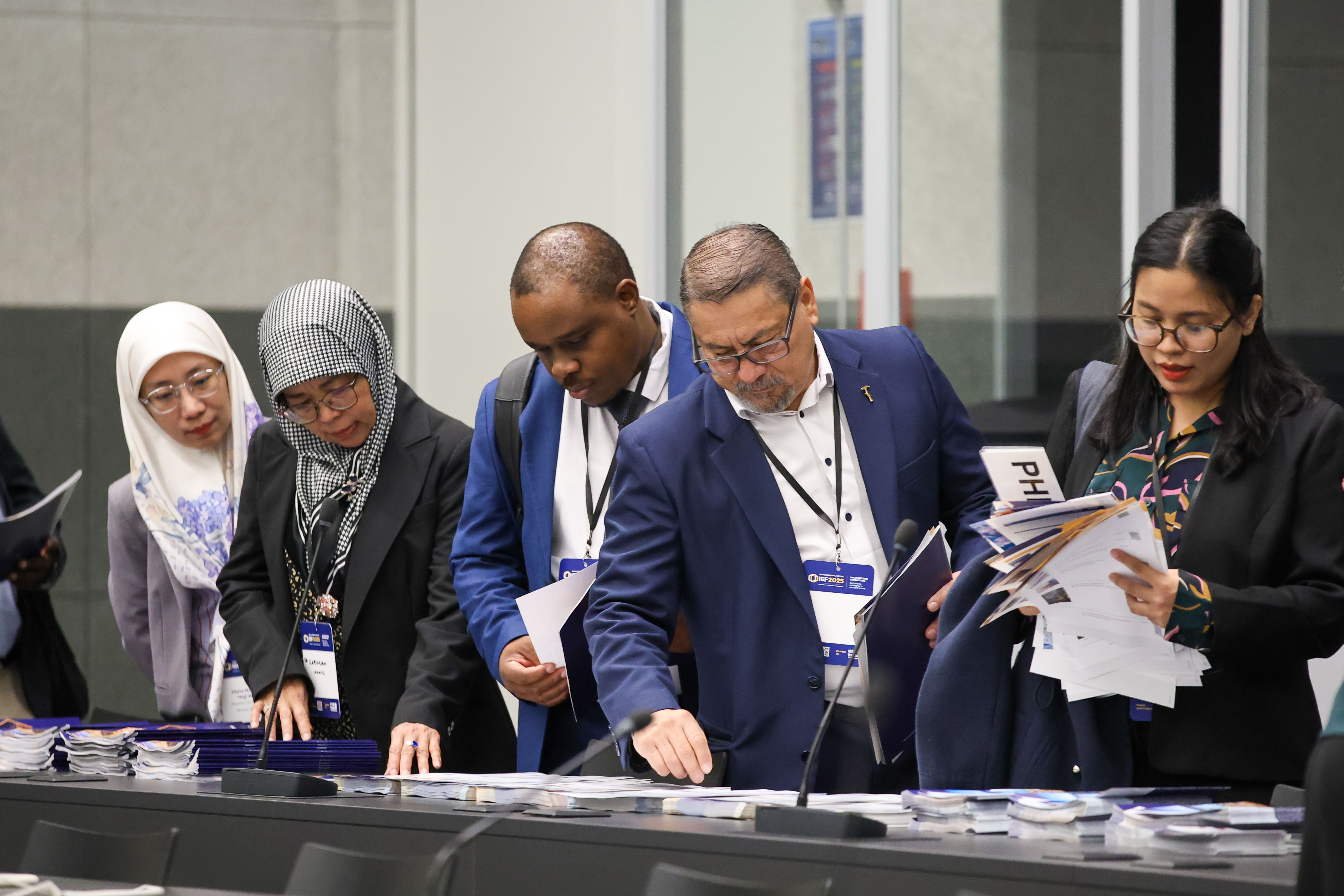
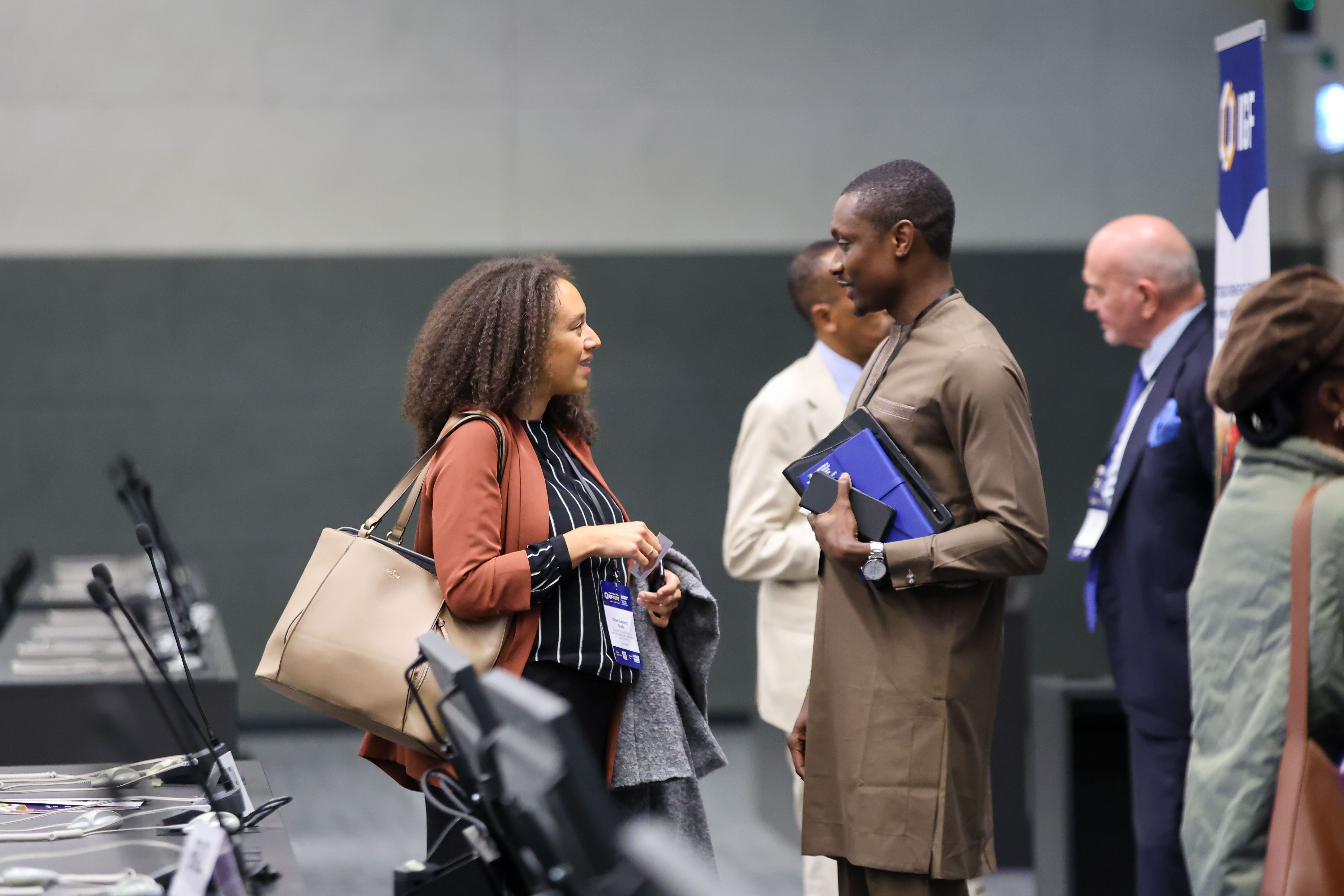
Between Sessions
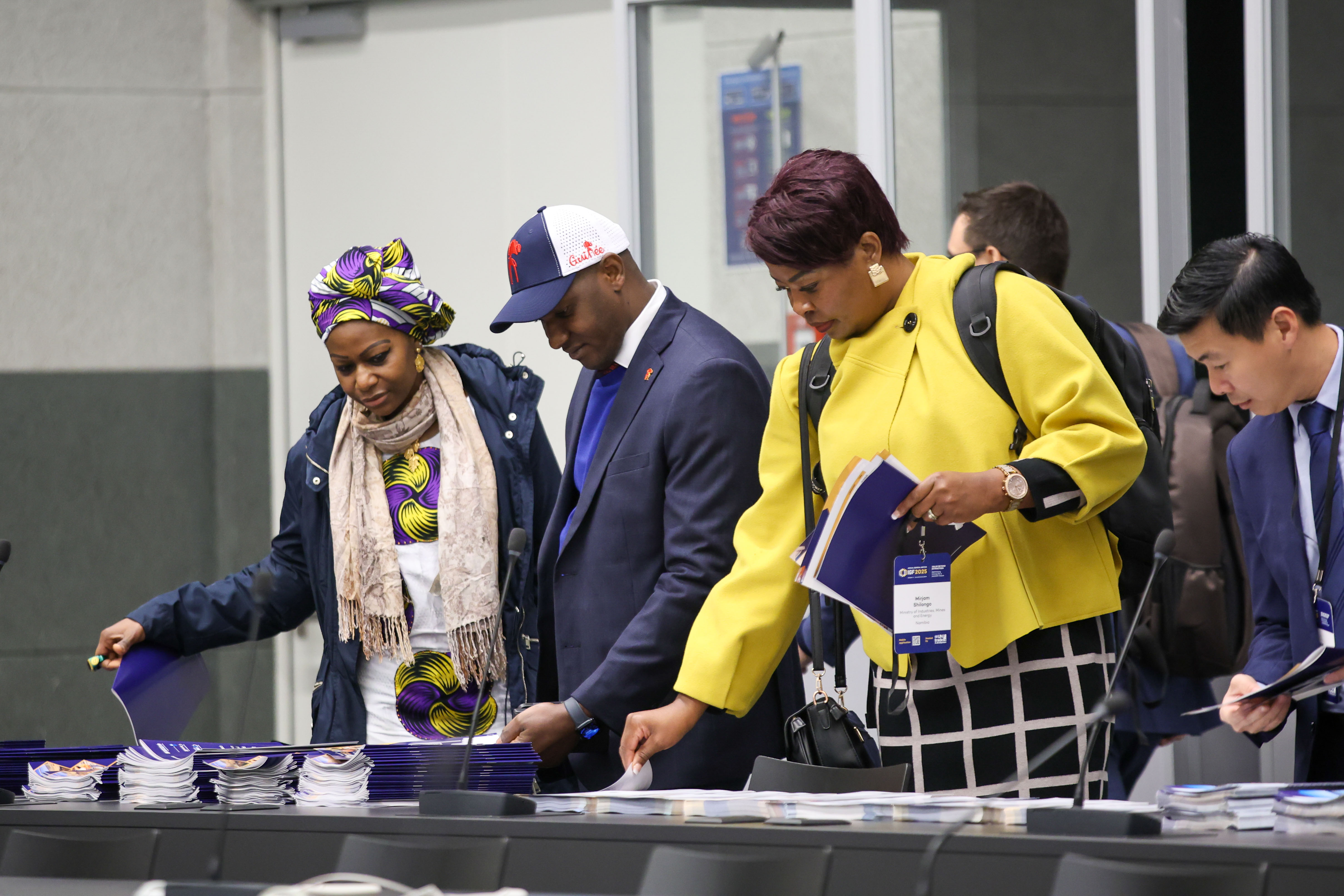
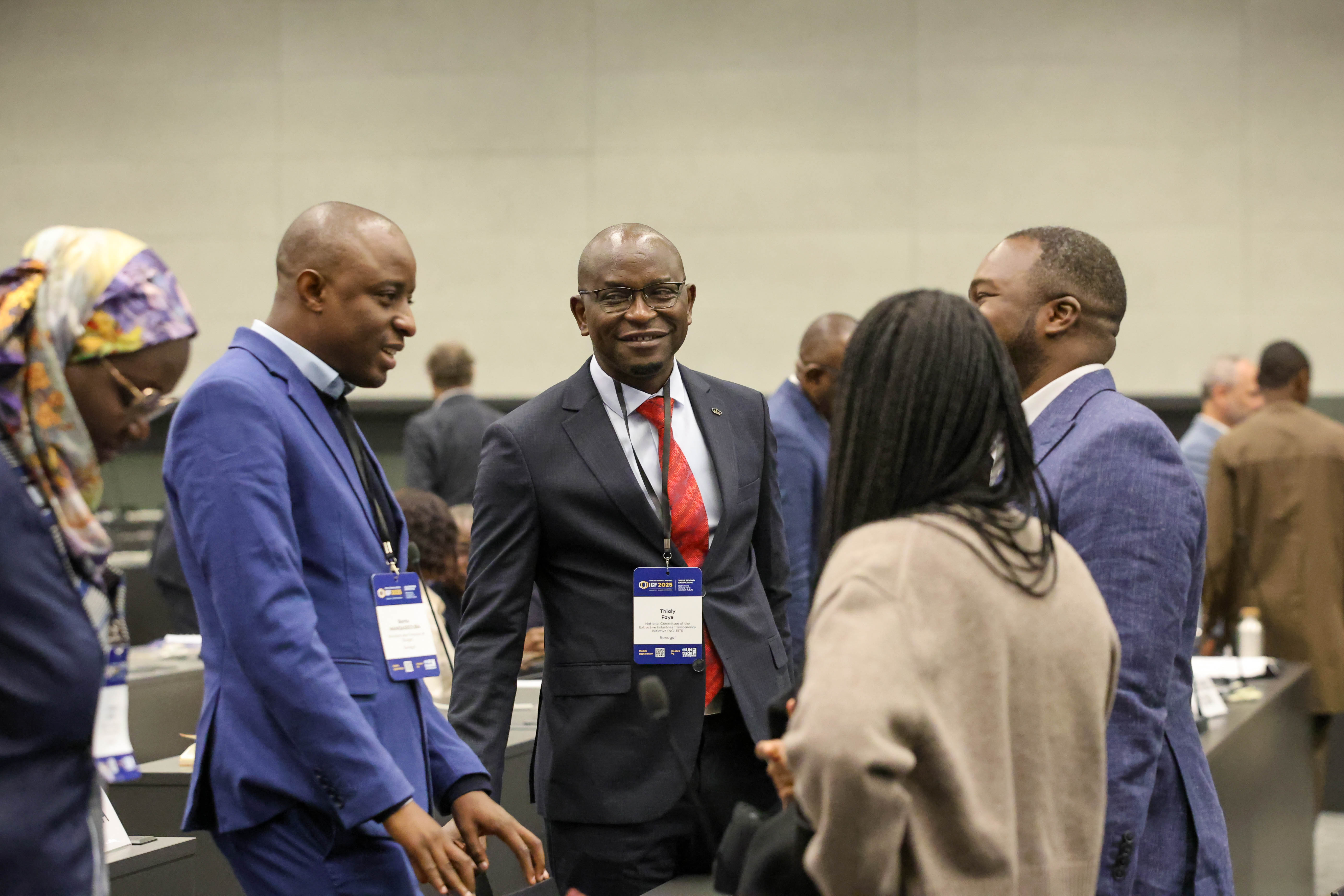
Around the Venue