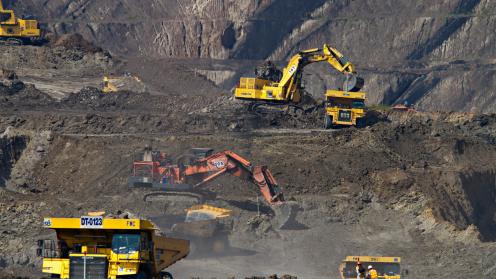
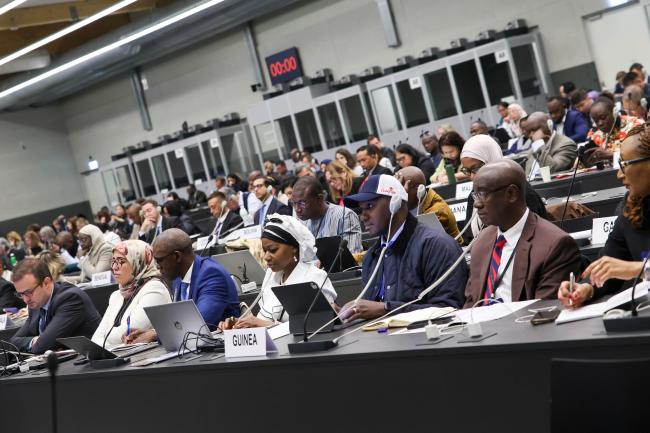
How can value addition in mineral supply chains be achieved? At the midpoint of the three-day Annual General Meeting of the Intergovernmental Forum on Mining, Minerals, Metals and Sustainable Development (IGF), delegates addressed this question by considering examples of successful policies and practices. Governments, mining companies, and independent experts shared experiences from diverse countries and contexts, including from Chile, the Dominican Republic, Morocco, Saudi Arabia, Senegal, Sweden, and many others.
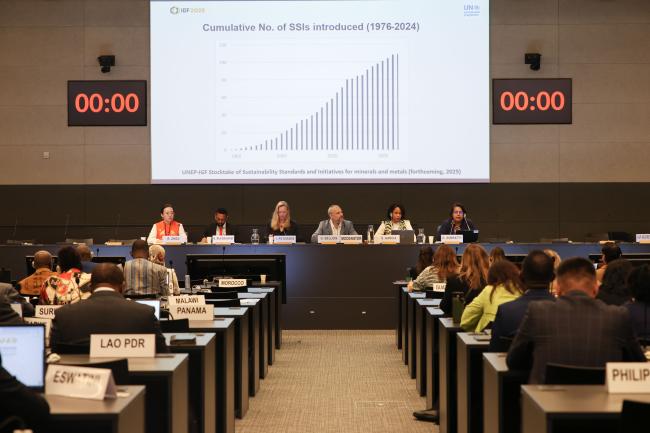
On sustainability standards and producing countries, speakers acknowledged the array of existing standards, and argued that standards for different products ought to be comparable. Presenting the findings from a stocktake by the UN Environment Programme (UNEP) and the IGF, Djaheezah Subratty, UNEP, warned against creating a new standard for every emerging issue in the mining sector. Instead, she recommended that public policy and voluntary standards should work toward common goals.
Presenting the experience of Chinese companies conducting mining operations overseas, Rachel Zhou, Reach Advisory International and consultant to the China Council for International Cooperation on Environment and Development (CCICED), said Chinese companies are gradually aligning with international practices but many due diligence processes led by Chinese institutions are not recognized internationally.
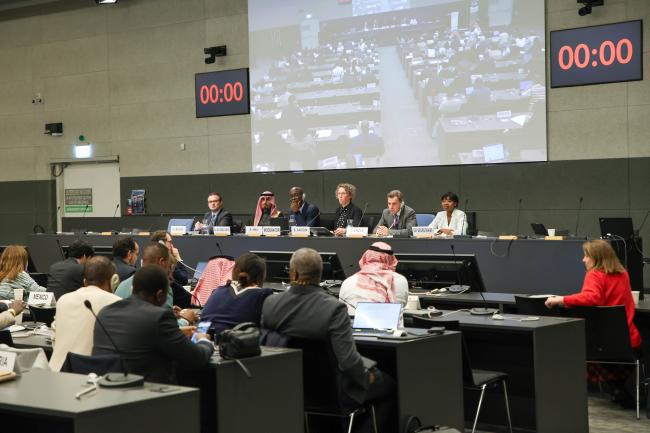
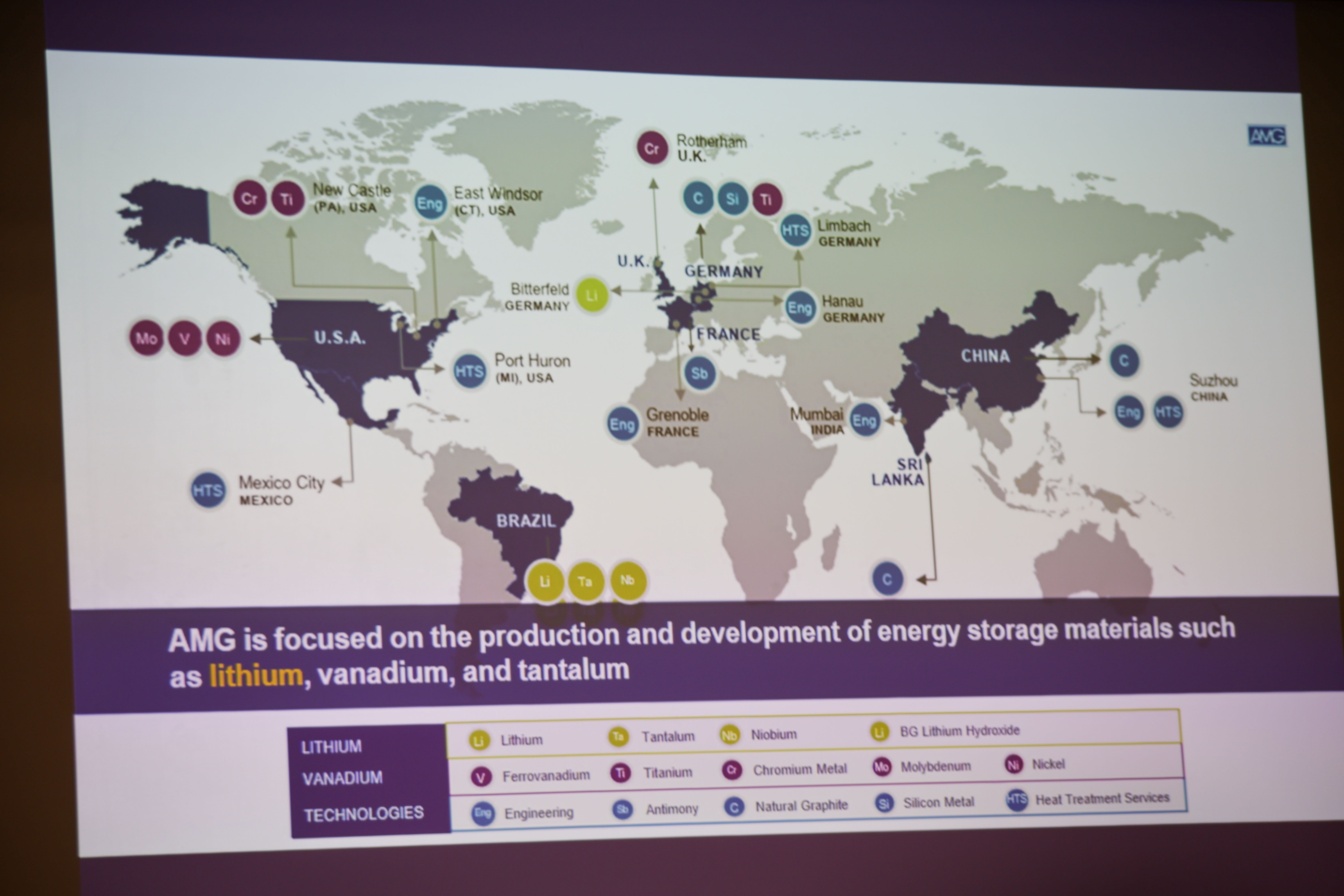
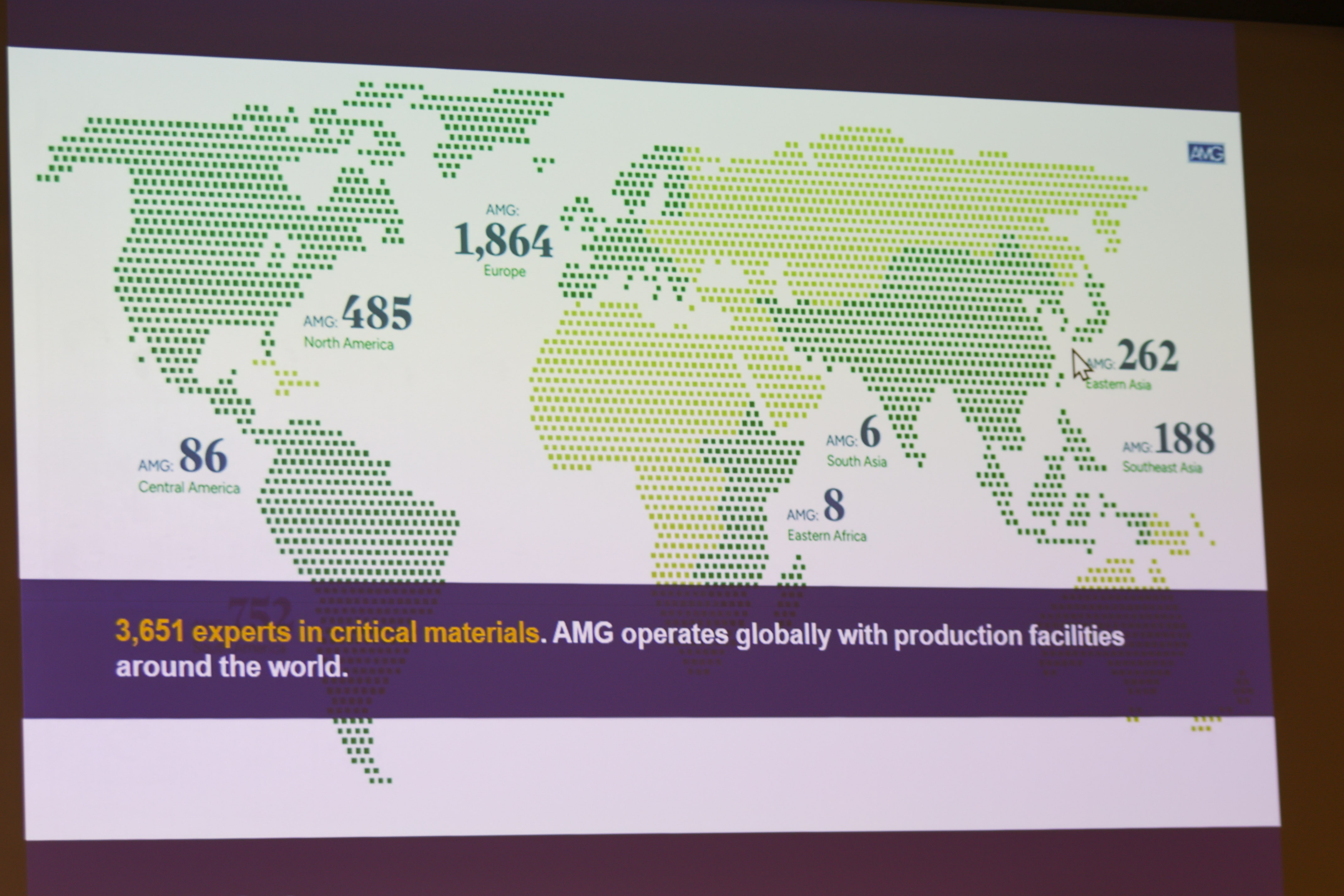
The AGM then considered a range of policy case studies. Abdulrahman Al-Belushi, Ministry of Industry and Mineral Resources, Saudi Arabia, presented his country’s diversification and moving away from oil and gas to creating the conditions for the expansion of other extractive industries, such as phosphate, aluminium, and zinc, as well as promoting tourism and sporting events. Speakers from Morocco, Chile, and the private sector emphasized key enabling factors for value creation, including a stable policy environment, adequate infrastructure and logistics networks, and investment in science, research, and development. Britta Sadoun, AMG Critical Minerals, further highlighted the importance of strong local partnerships.
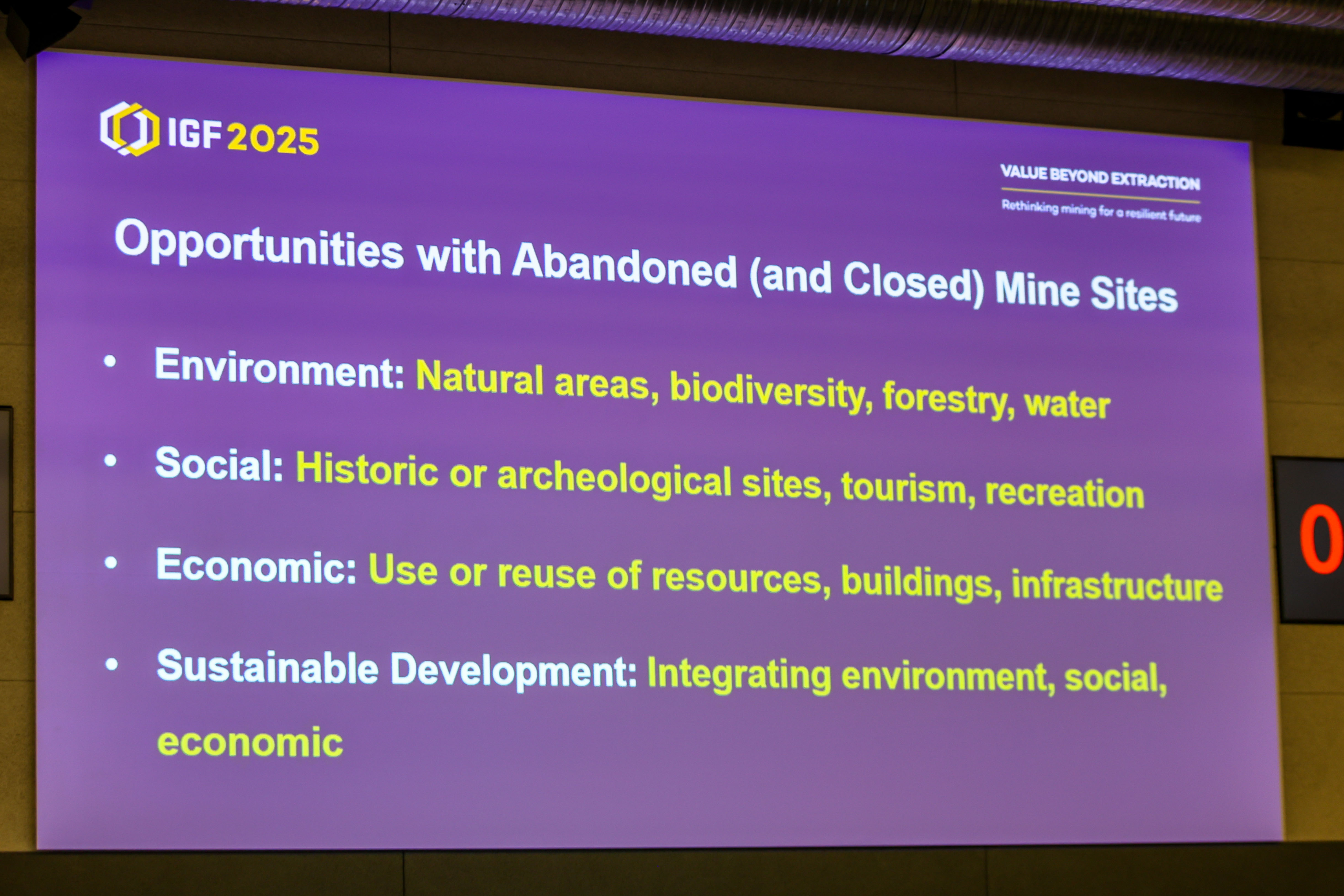
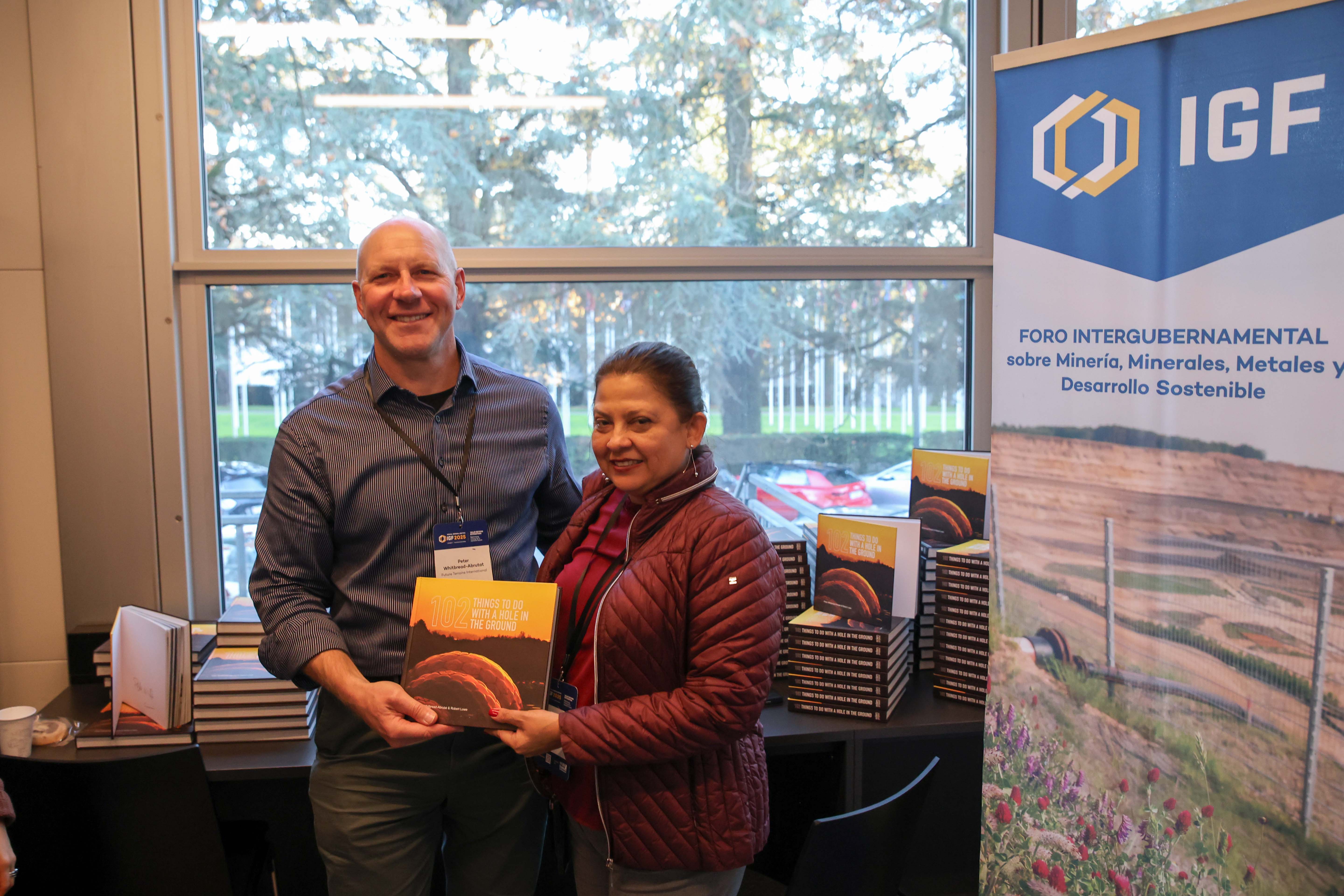
In the afternoon, participants turned their attention to what remains after a mining operation is over. Speakers presented ways in which abandoned mine lands have been turned into opportunities for nature rehabilitation and the development of cultural and recreational amenities. Peter Whitbread-Abrutat, Future Terrains International Ltd, presented the example of the Eden Project in Cornwall, UK, where gardens and other attractions have been built inside a former china clay pit. He said it has generated more than GBP 2 billion for the regional economy since its opening in 2001, after investments of around GBP 141 million in construction costs.
Joseph Ng'ang'a Kuria, Ministry of Mining, Blue Economy and Maritime Affairs, Kenya, presented Kenya’s work on transforming former artisanal and small-scale mining (ASM) sites into reforestation hubs, as part of its policy target to plant 15 billion trees by 2032. Estelle Levin-Nally, Founder and CEO, Levin Sources, drew attention to the possibilities for re-mining tailings, noting benefits such as reducing pollution and disaster risks, and enabling circularity.
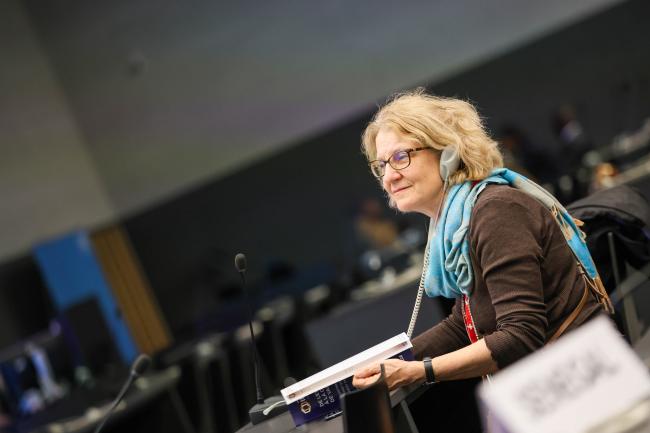
The final plenary of the day reviewed environmental policies for mineral value chains beyond mining. Speakers affirmed the need for circularity and for bringing all stakeholders to the same table. As an example, Perrine Fournier, Trade and Forest Campaigner, Fern, highlighted ways to reduce the deforestation impact of the EU’s electric vehicle sector, which could favor technologies, such as sodium-ion batteries that have a smaller environmental footprint.
To receive free coverage of global environmental events delivered to your inbox, subscribe to the ENB Update newsletter.
All ENB photos are free to use with attribution. For the IGF AGM 2025 please use: Photo by IISD/ENB | Anastasia Rodopoulou
Session 5 | Sustainability Standards and Producing Countries: From Impact to Agency
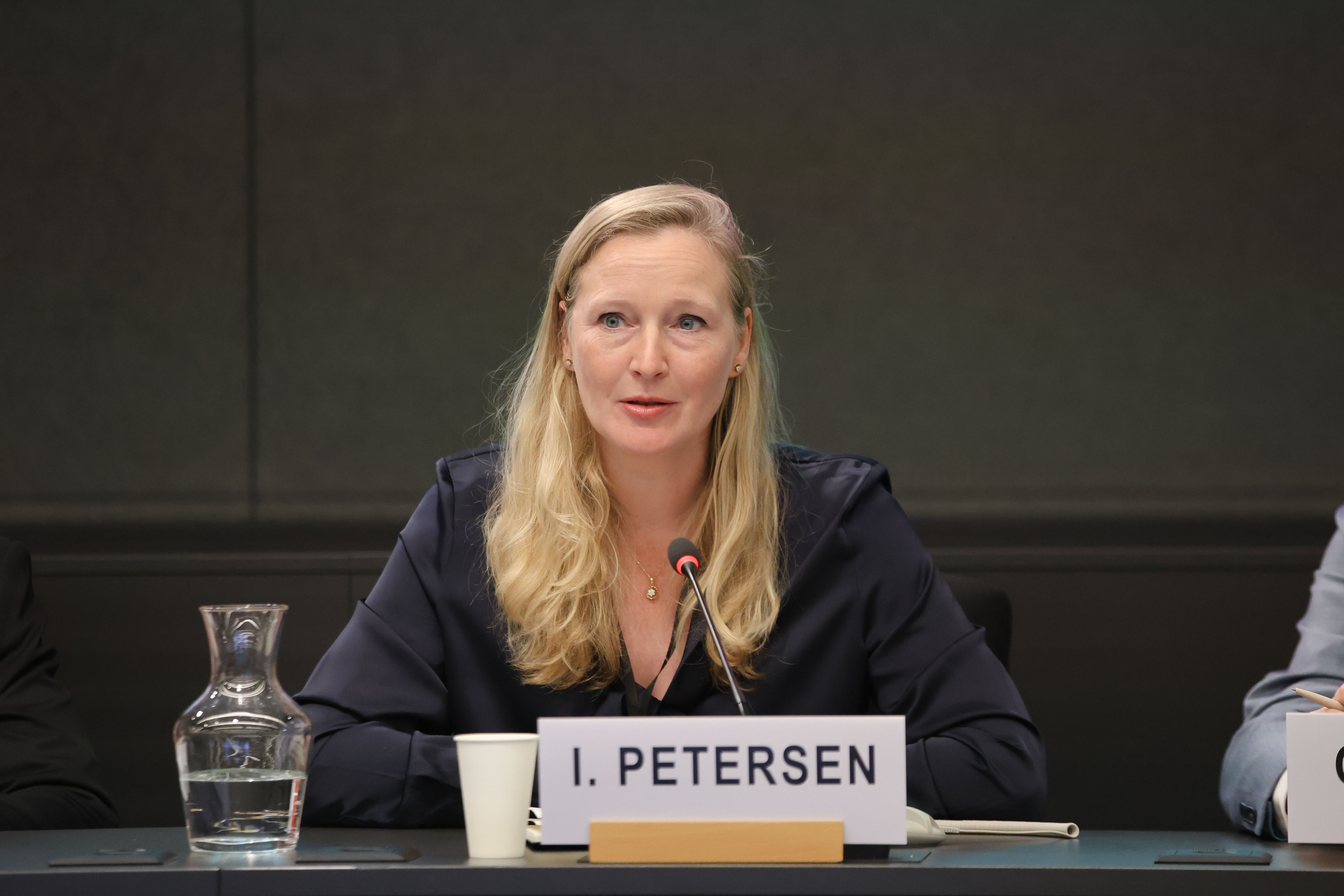
Inga Petersen, Executive Director, Global Battery Alliance
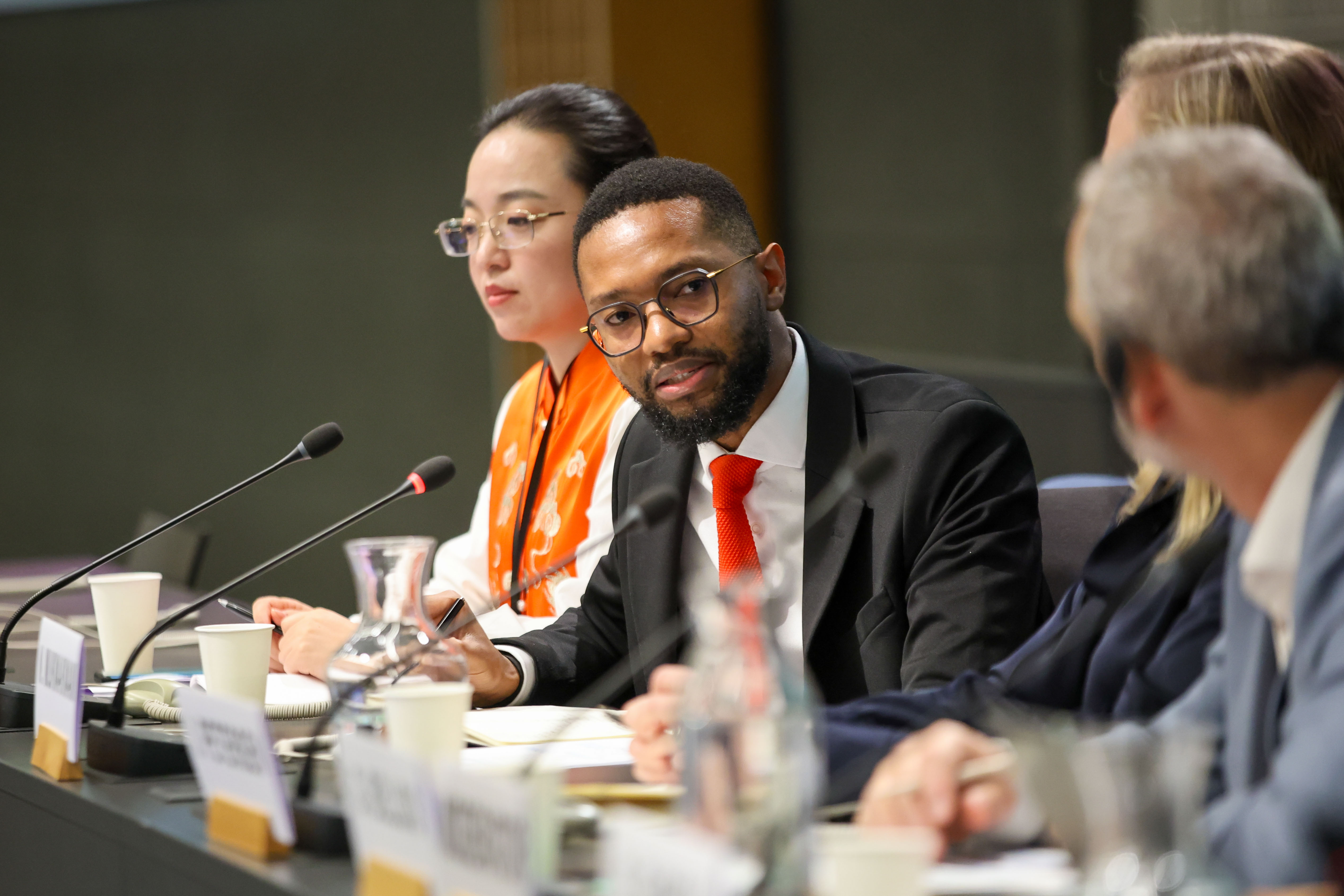
Norman Mukwakwami, Trafigura
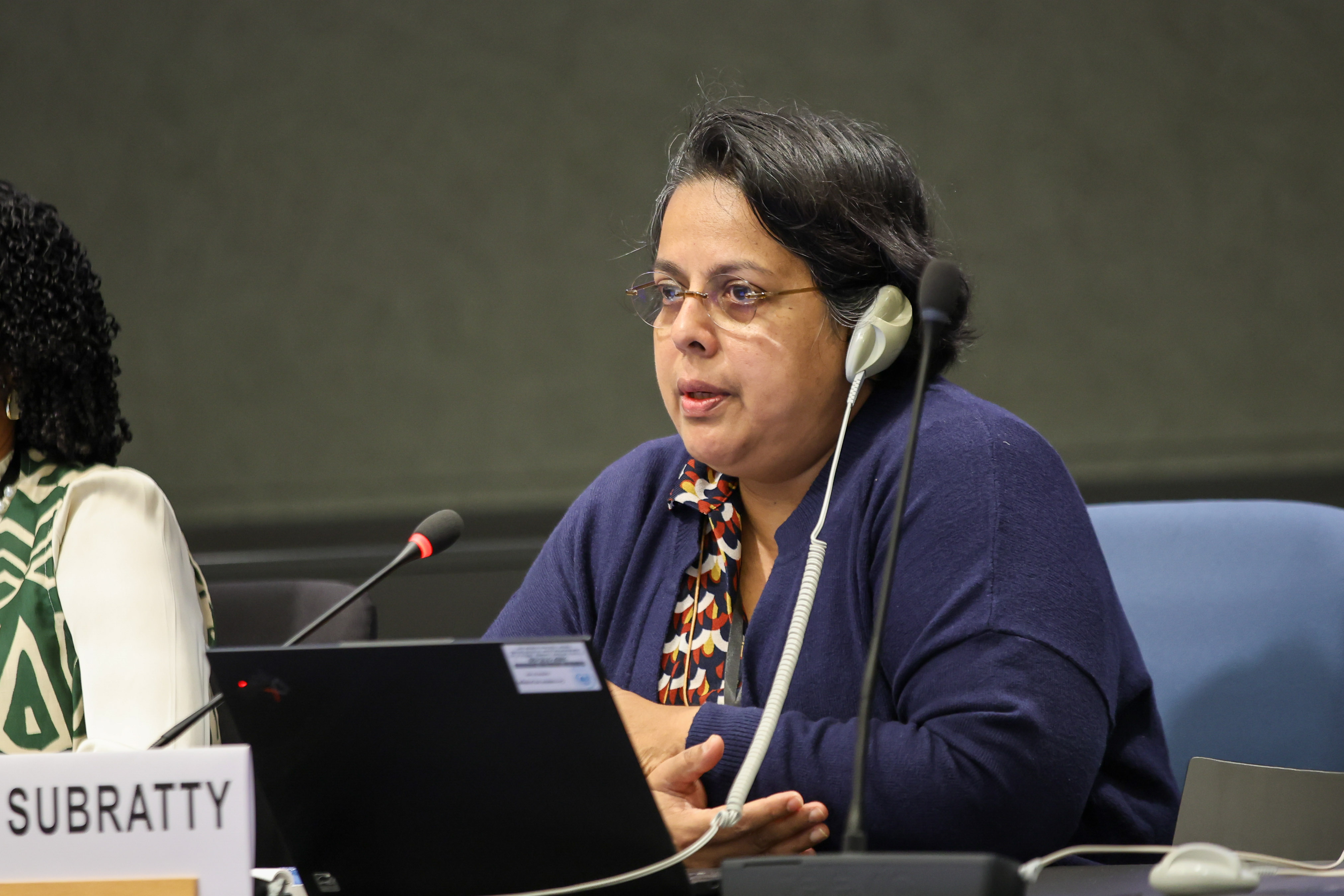
Djaheezah Subratty, UNEP
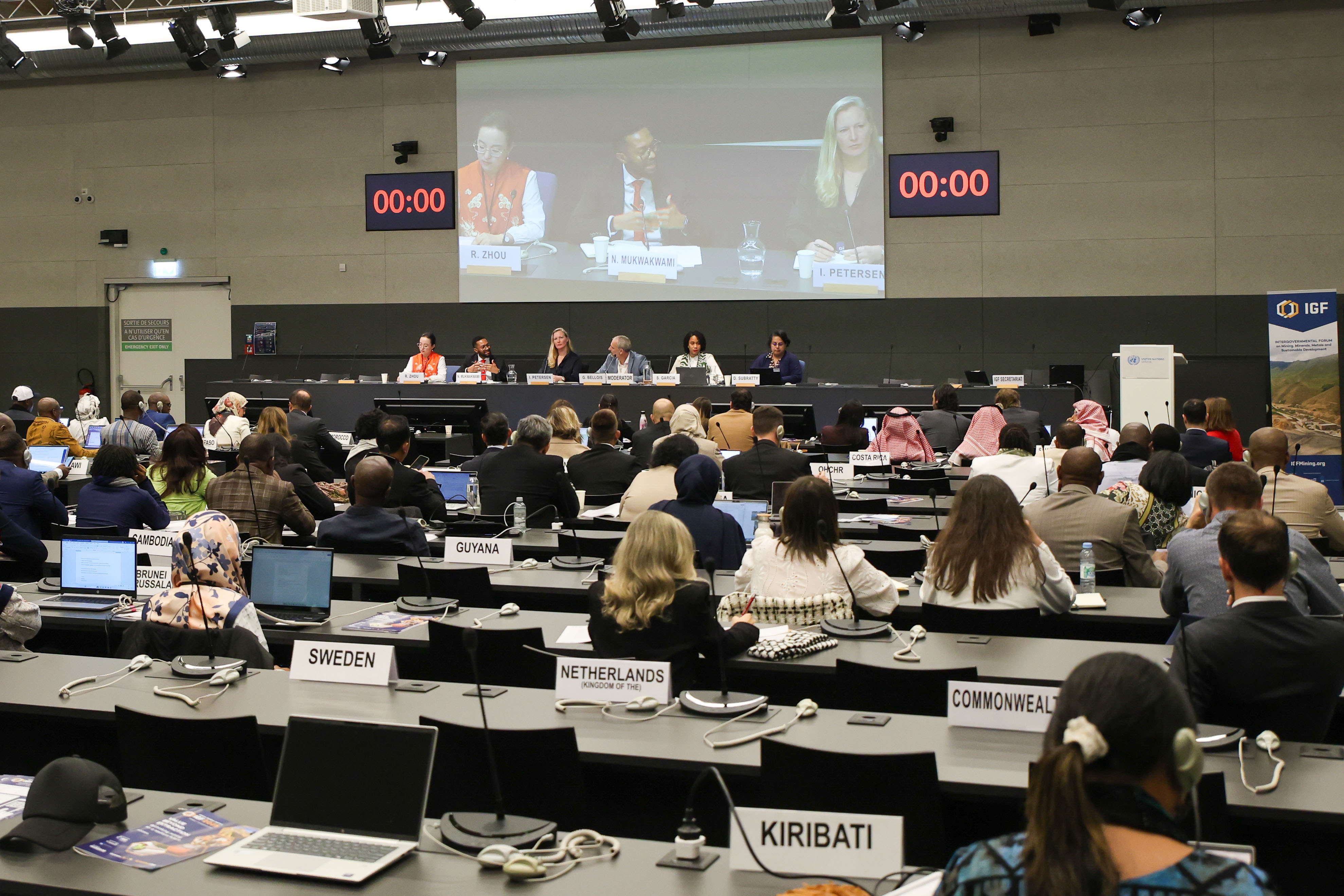
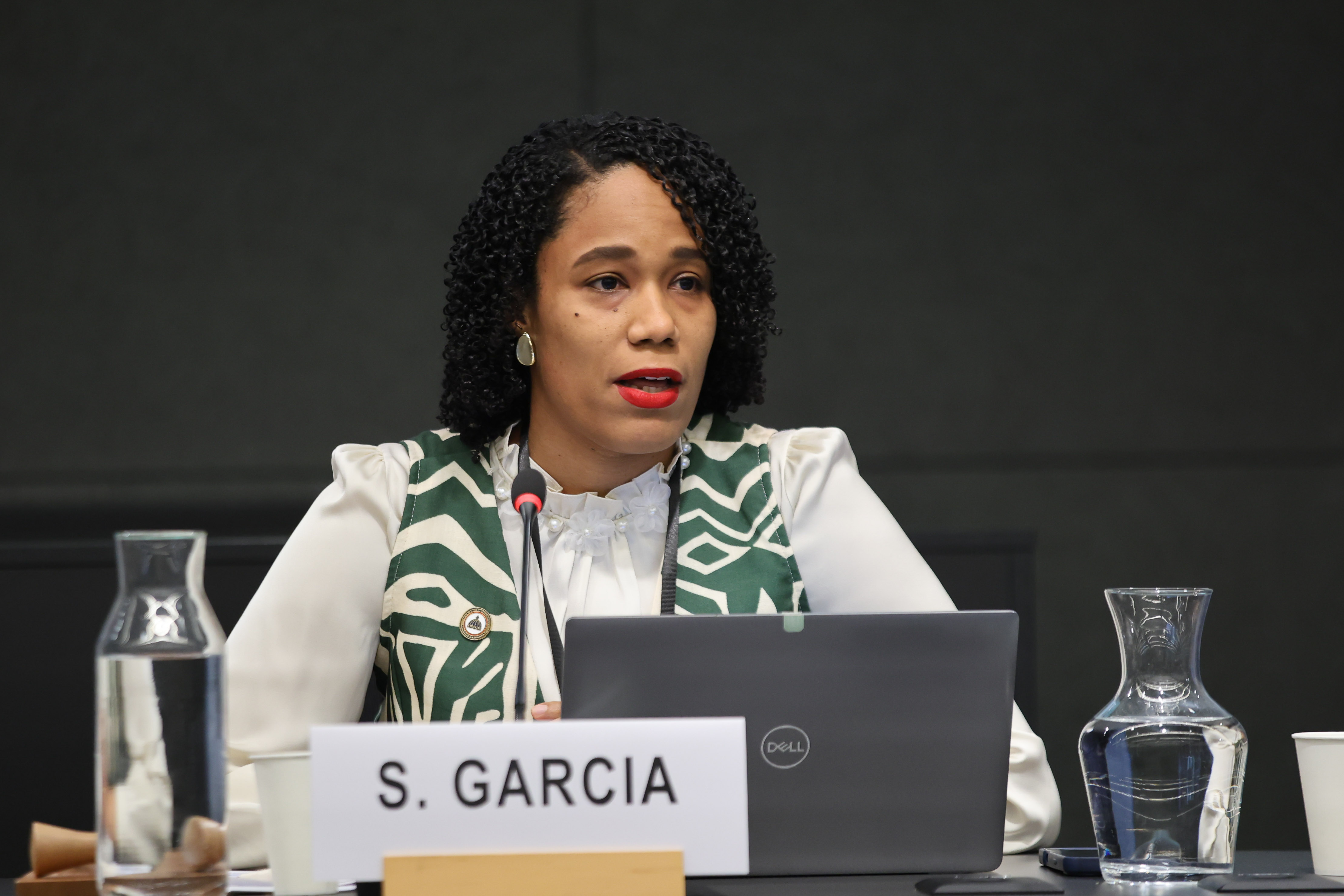
Scarlet Garcia Caro, Ministry of Energy and Mines, Dominican Republic
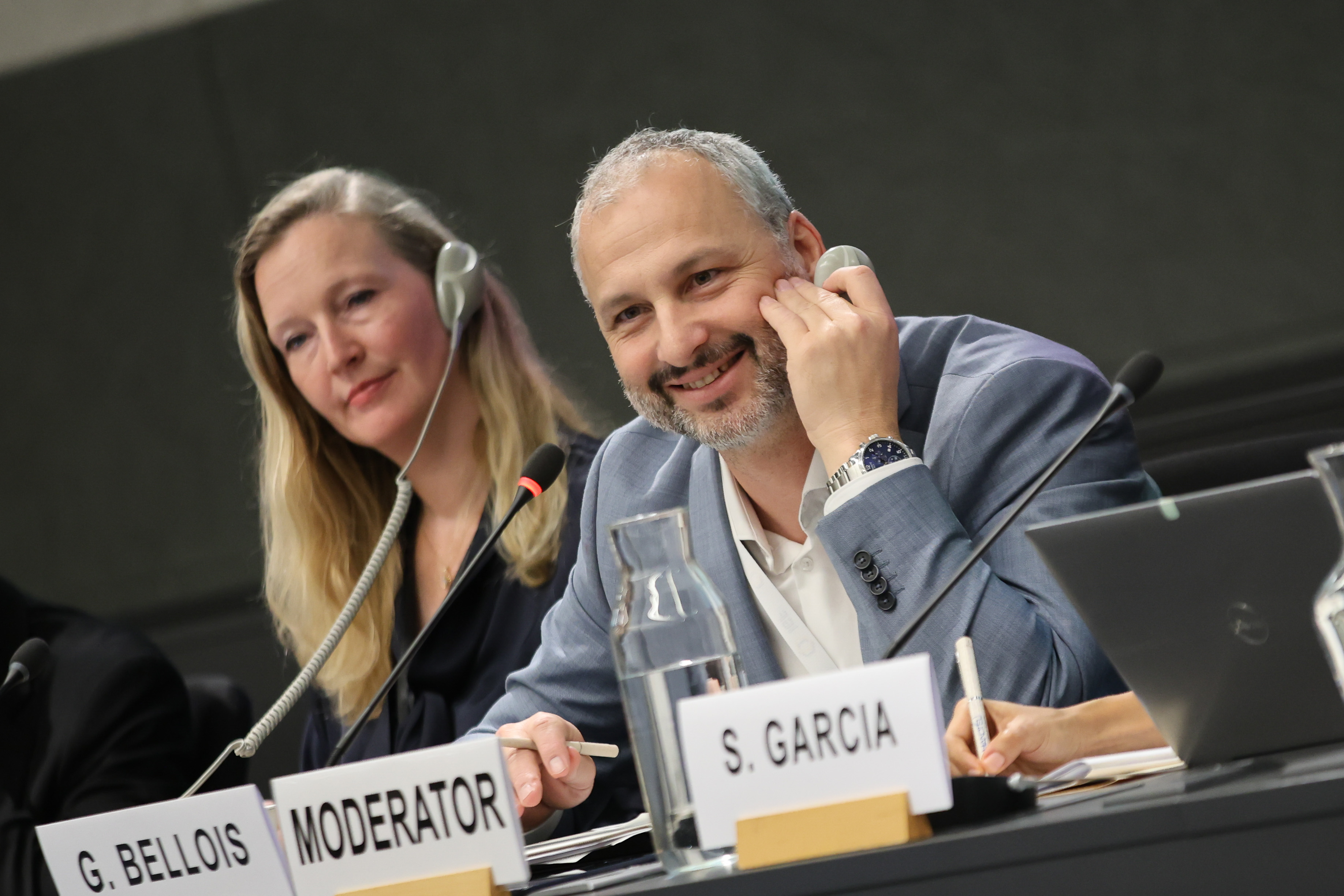
Grégoire Bellois, Lead, Critical Minerals and Geology, IGF
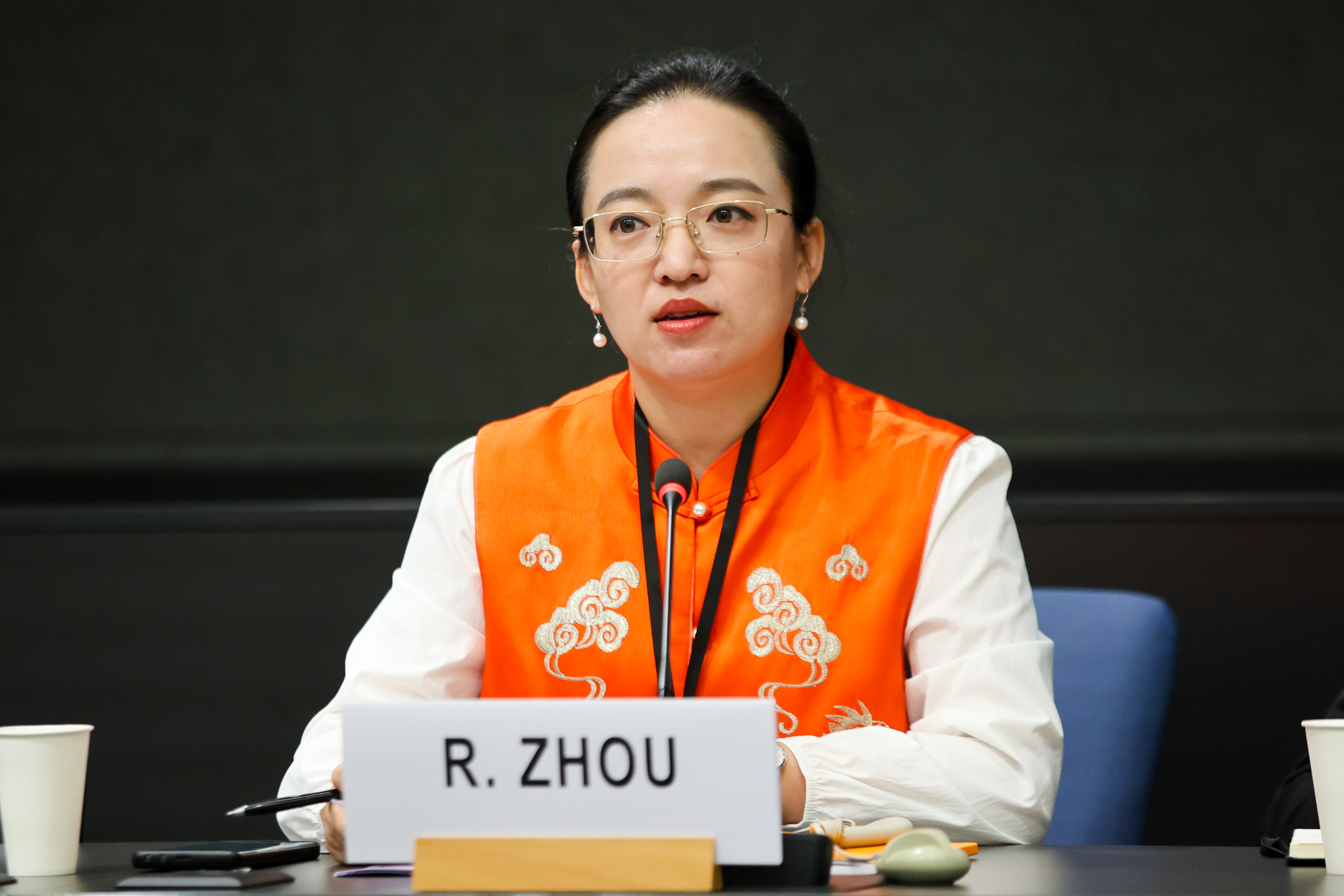
Rachel Zhou, Founder, Reach Advisory International
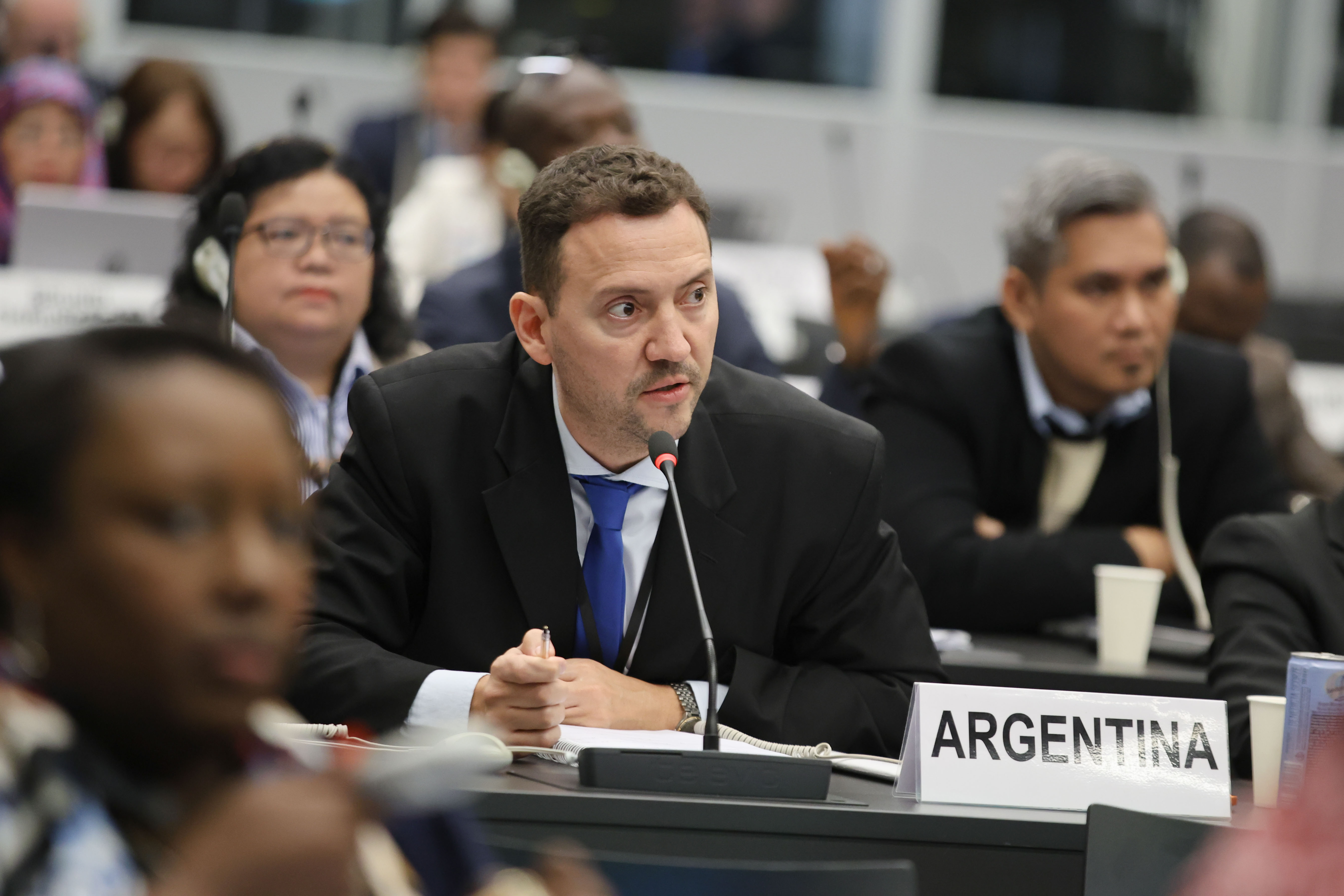
Pablo Bergese, Argentina
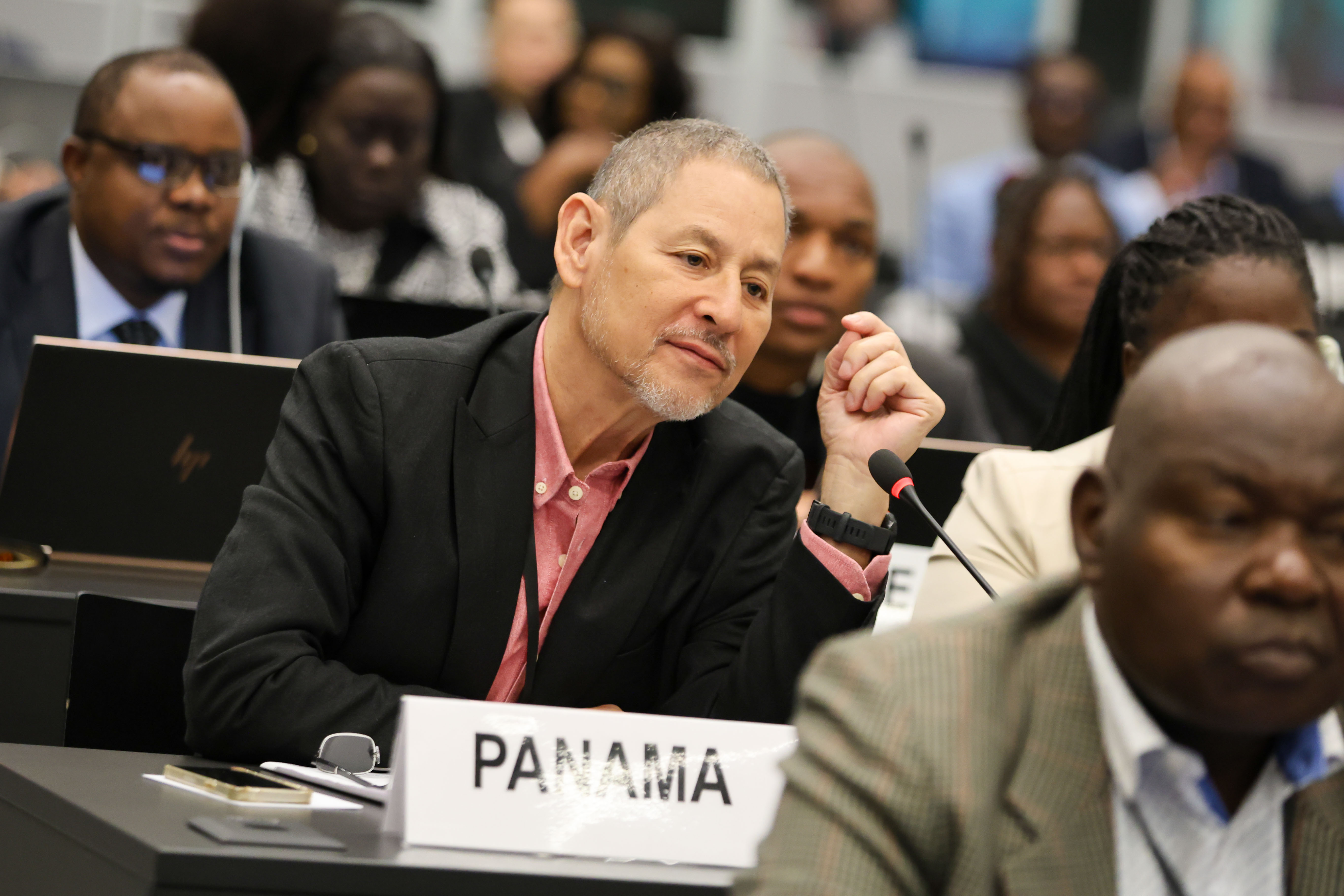
Alfredo Burgos, Panama
Session 6 | From Extraction to Economic Transformation: Value Addition Policy Case Studies
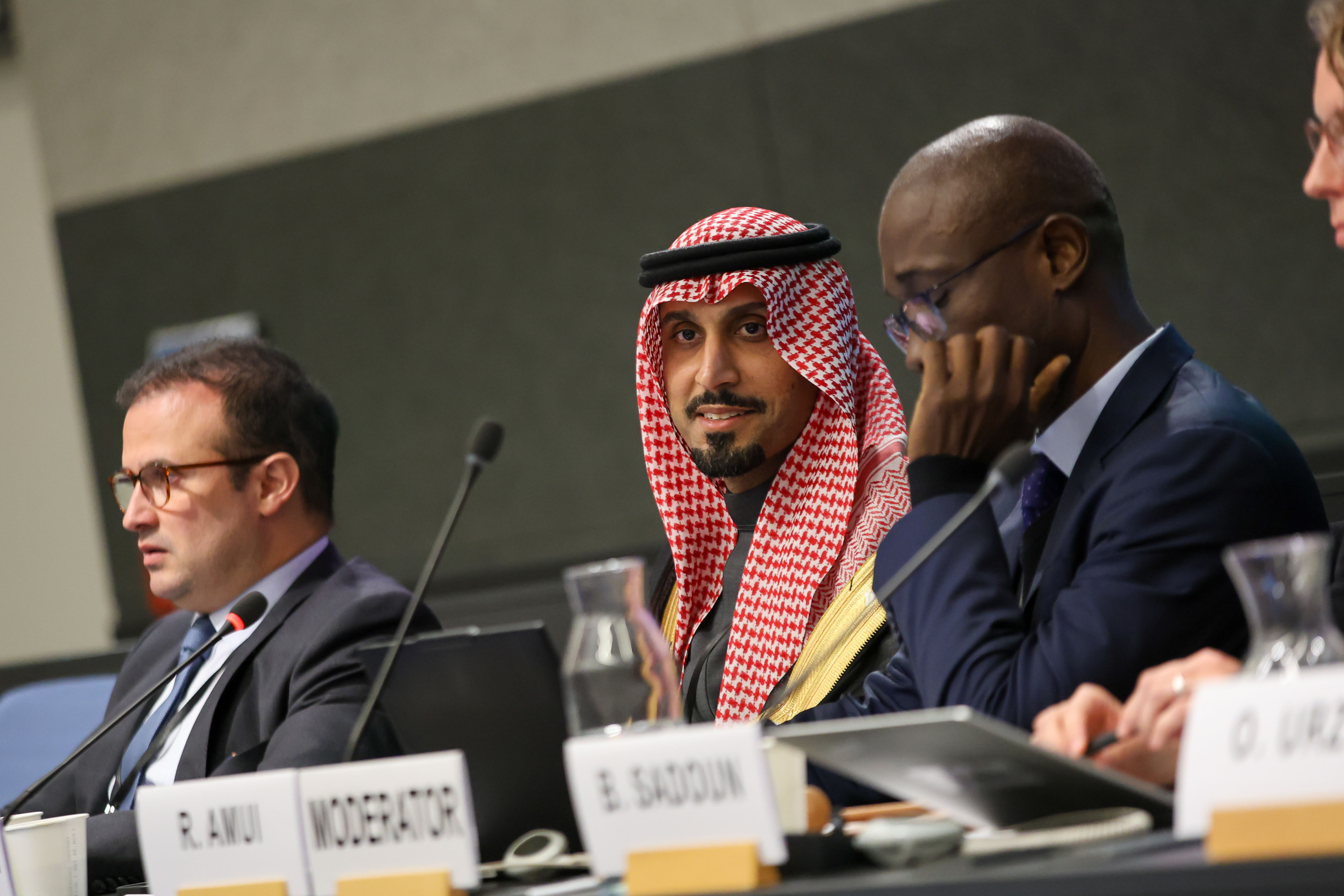
Abdulrahman Al-Belushi, Ministry of Industry and Mineral Resources, Saudi Arabia
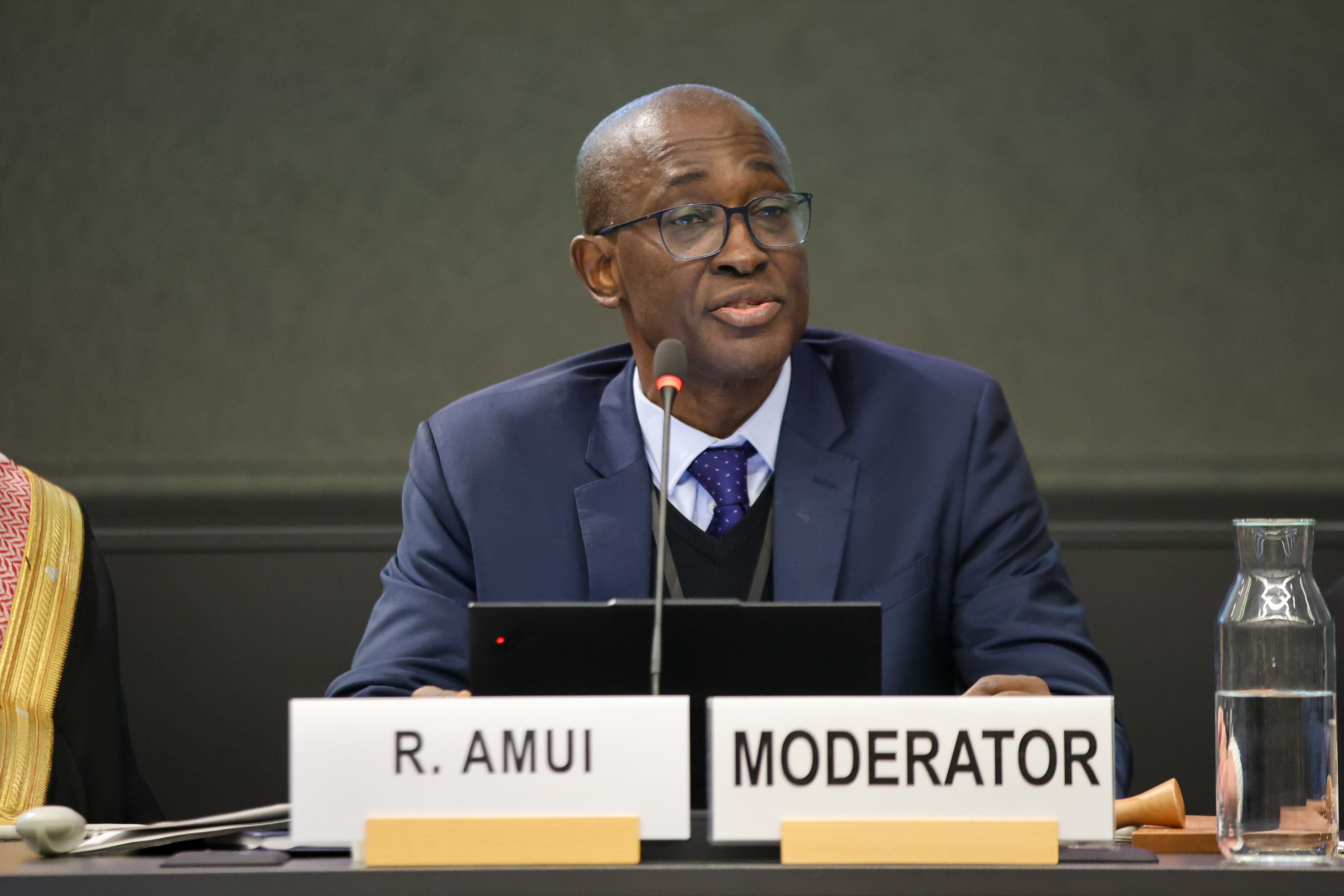
Rachid Amui, UN Trade and Development
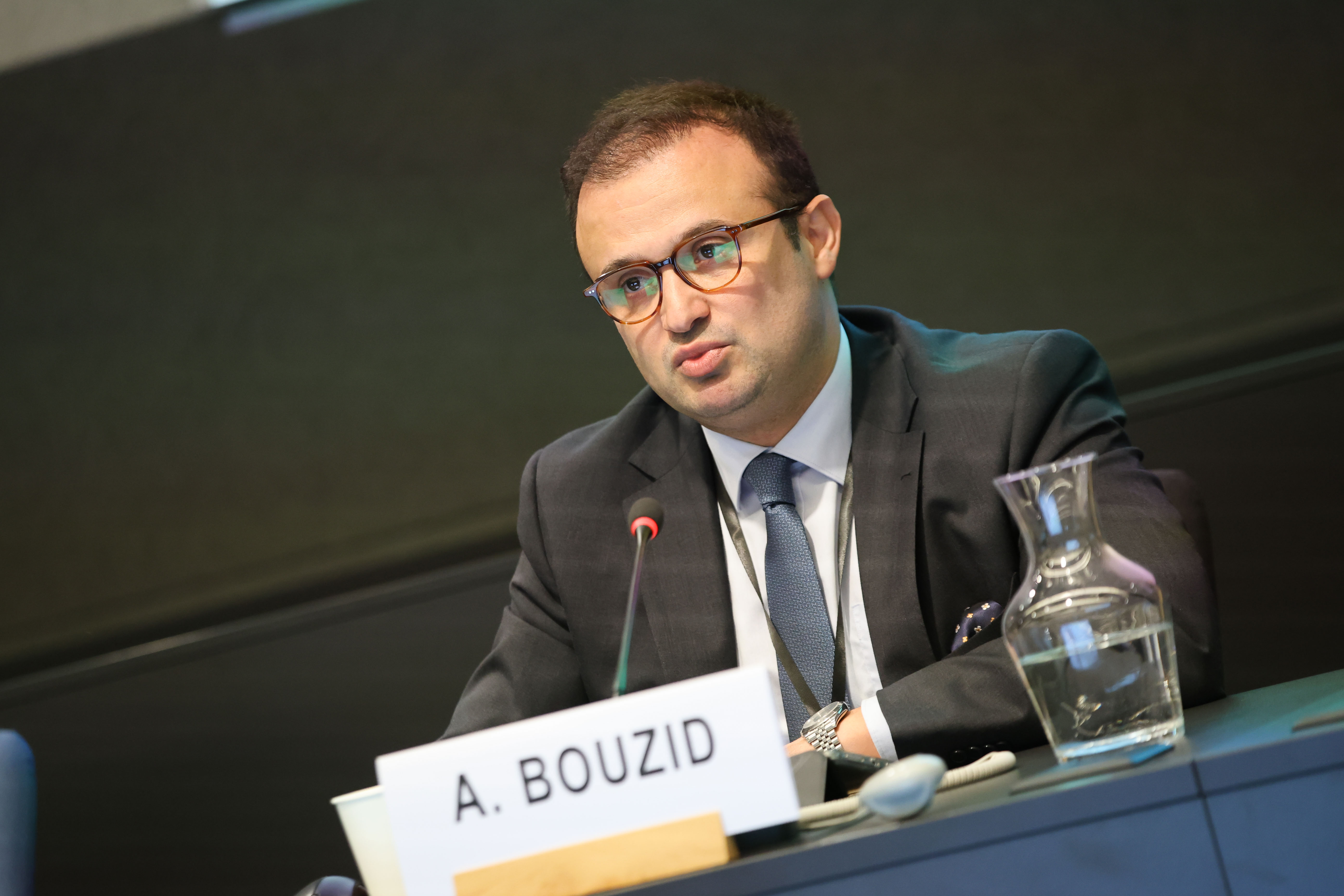
Ahmed Bouzid, Ministry for Energy Transition and Sustainable Development, Morocco
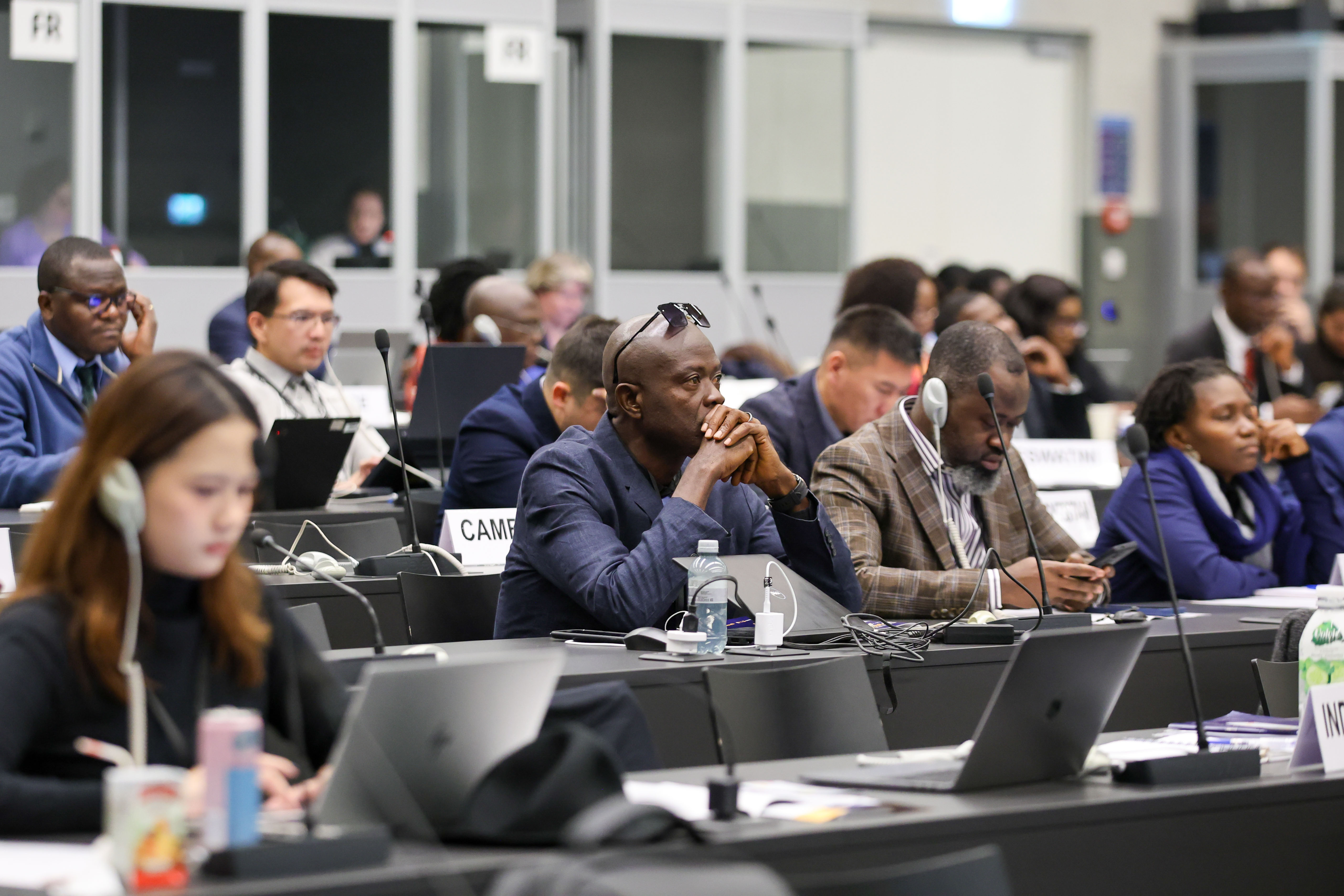
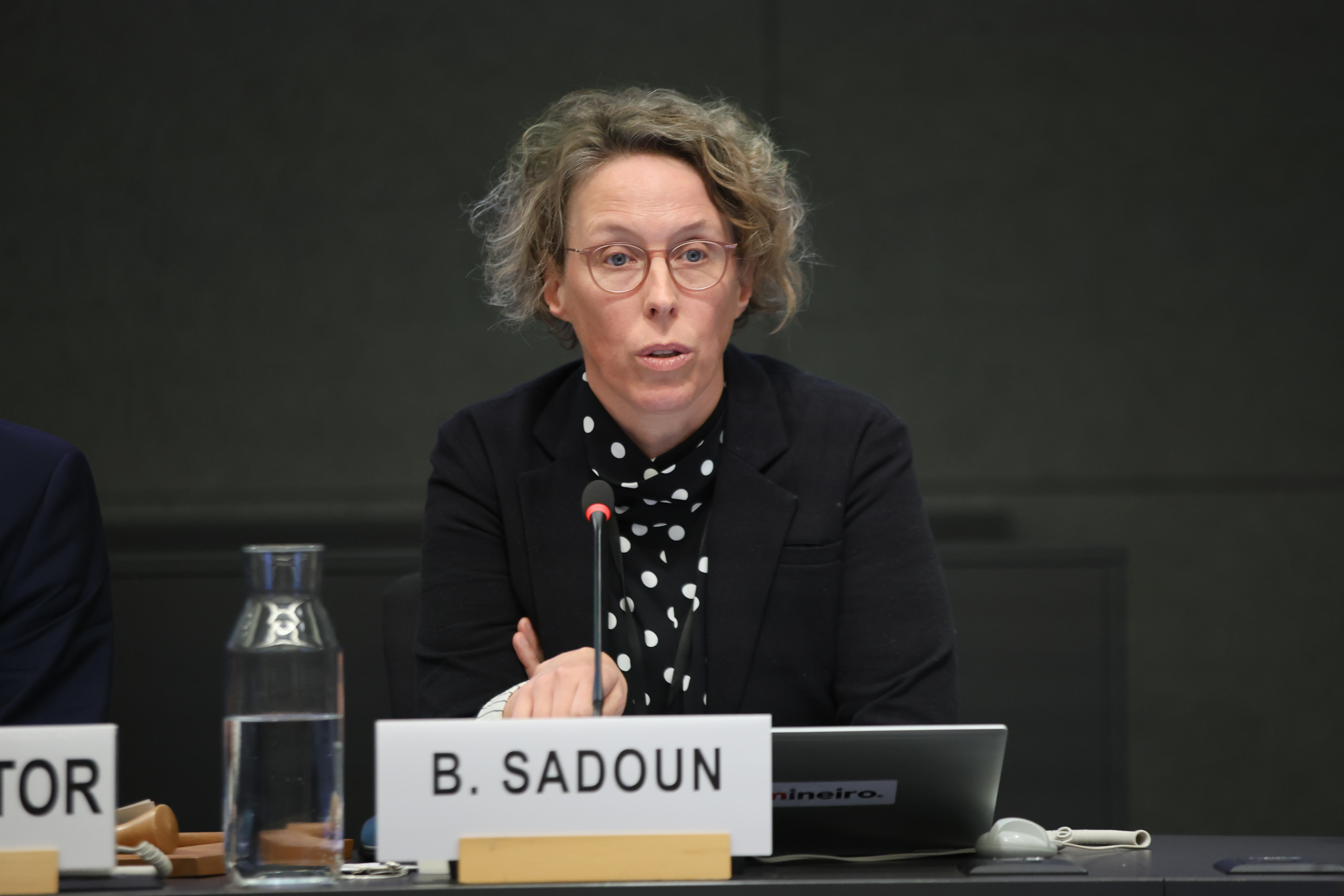
Britta Sadoun, Director of Social Impact, AMG Critical Minerals
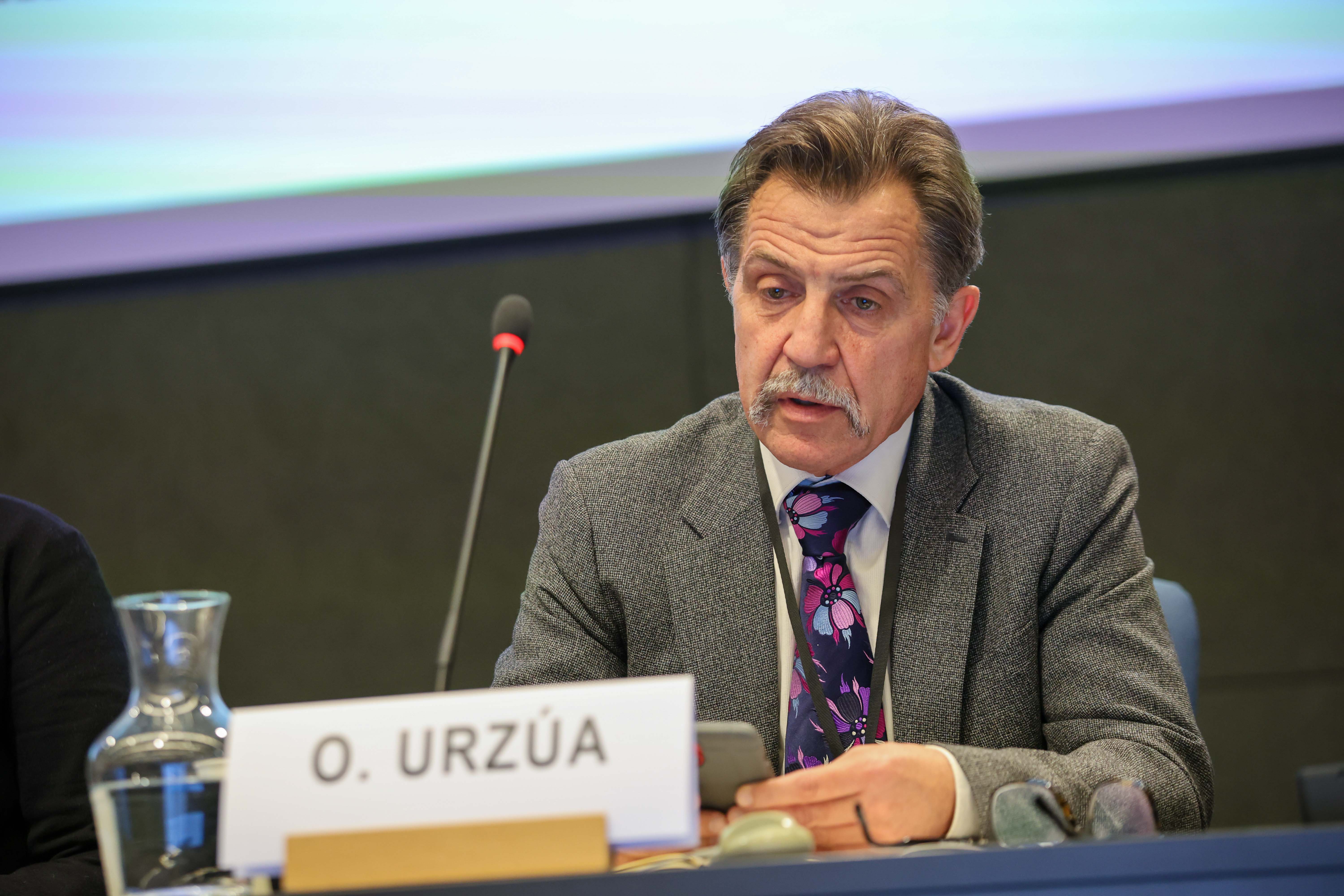
Osvaldo Urzúa of Chile's National Mining Company (ENAMI), a state-owned enterprise
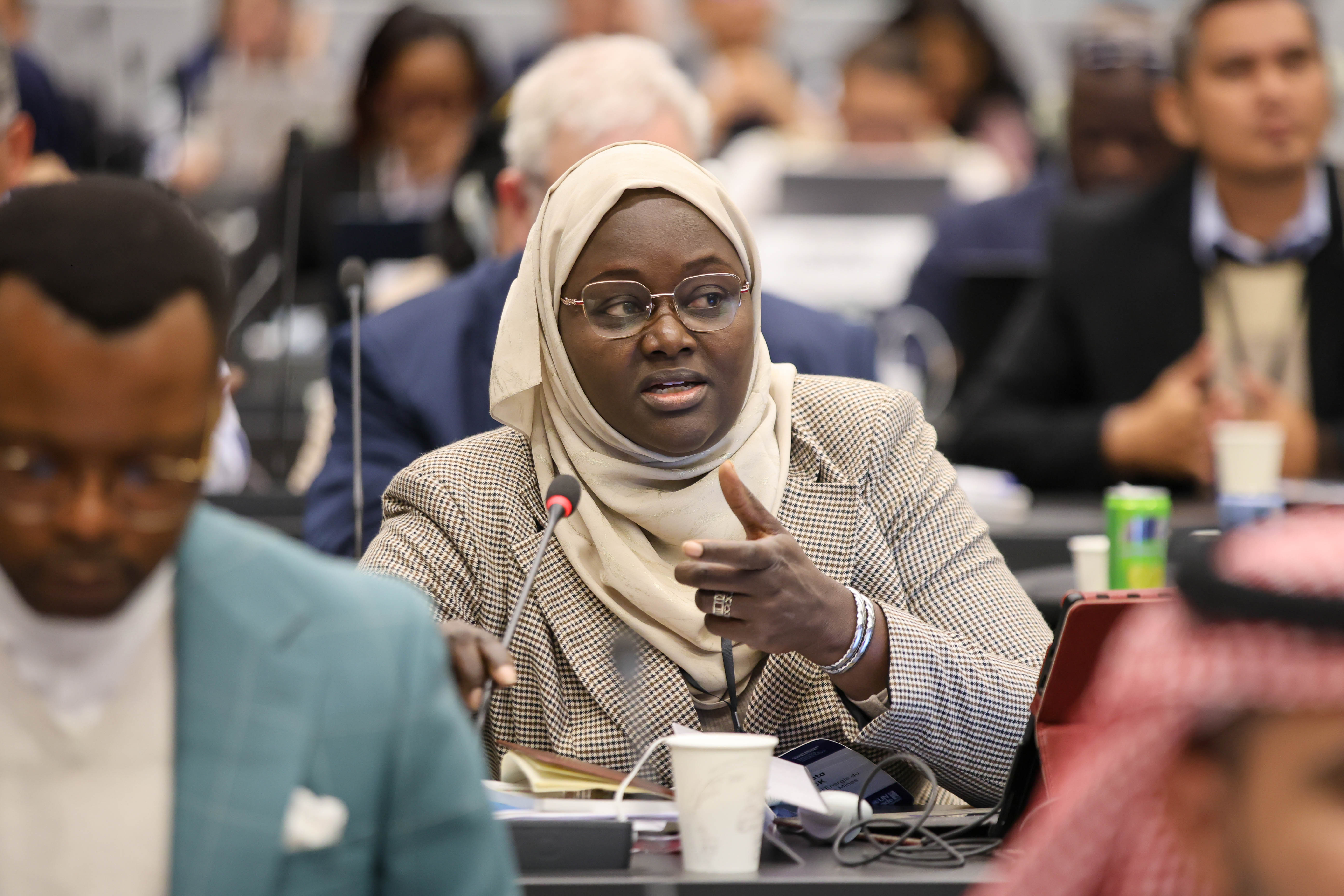
Aminata Seck, Senegal
Session 7 | Abandoned Mine Lands: Addressing Challenges through Opportunities
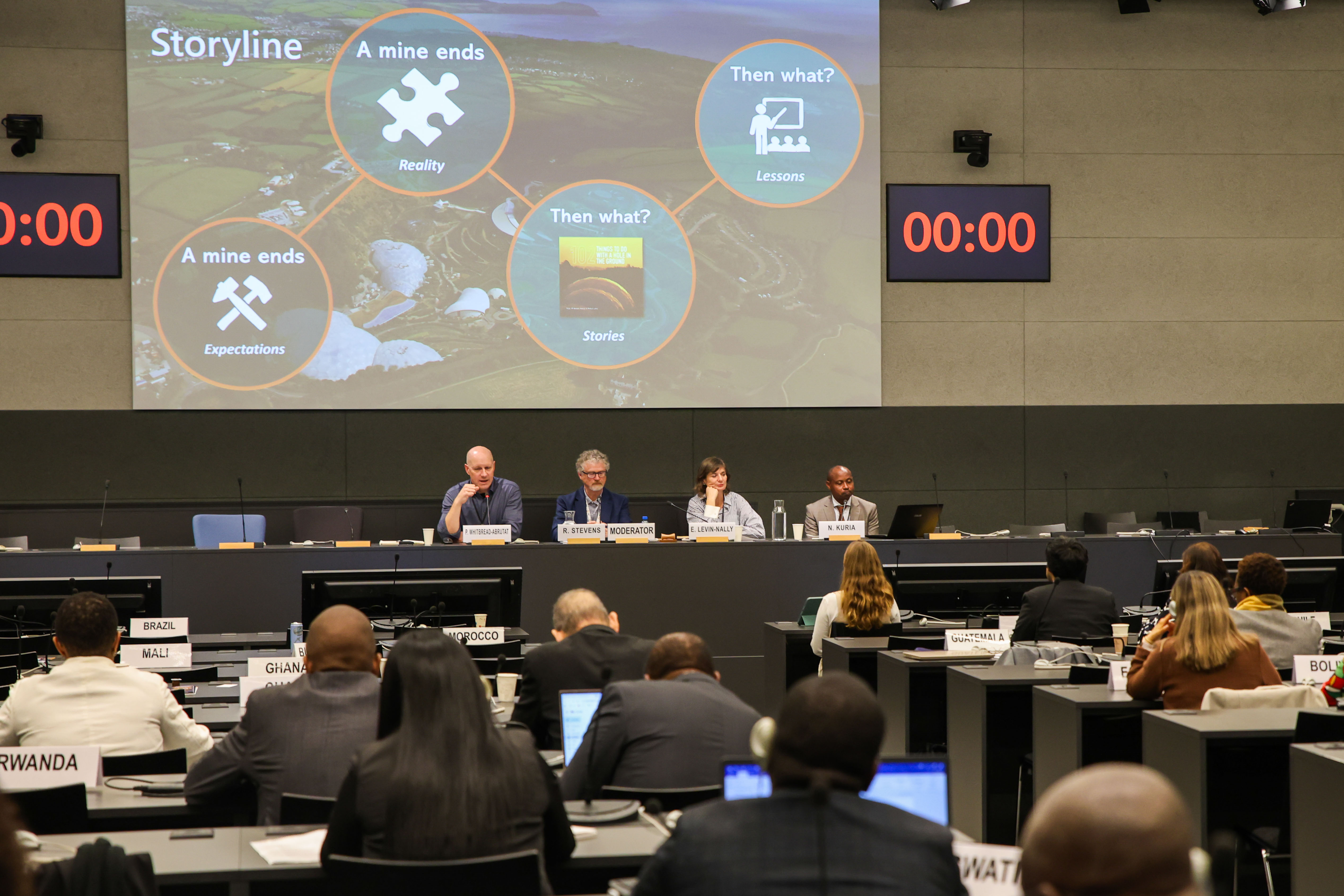
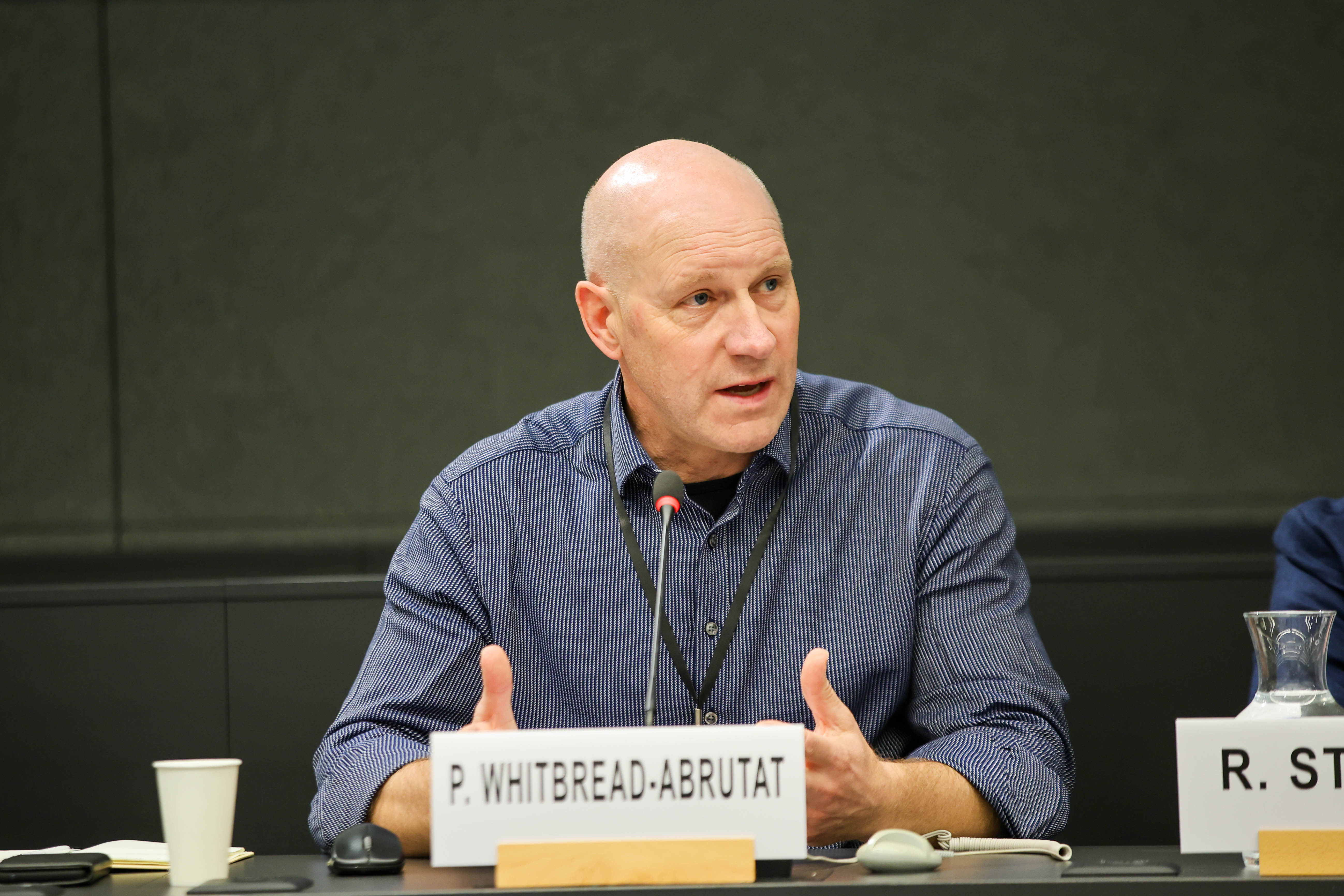
Peter Whitbread-Abrutat, Future Terrains
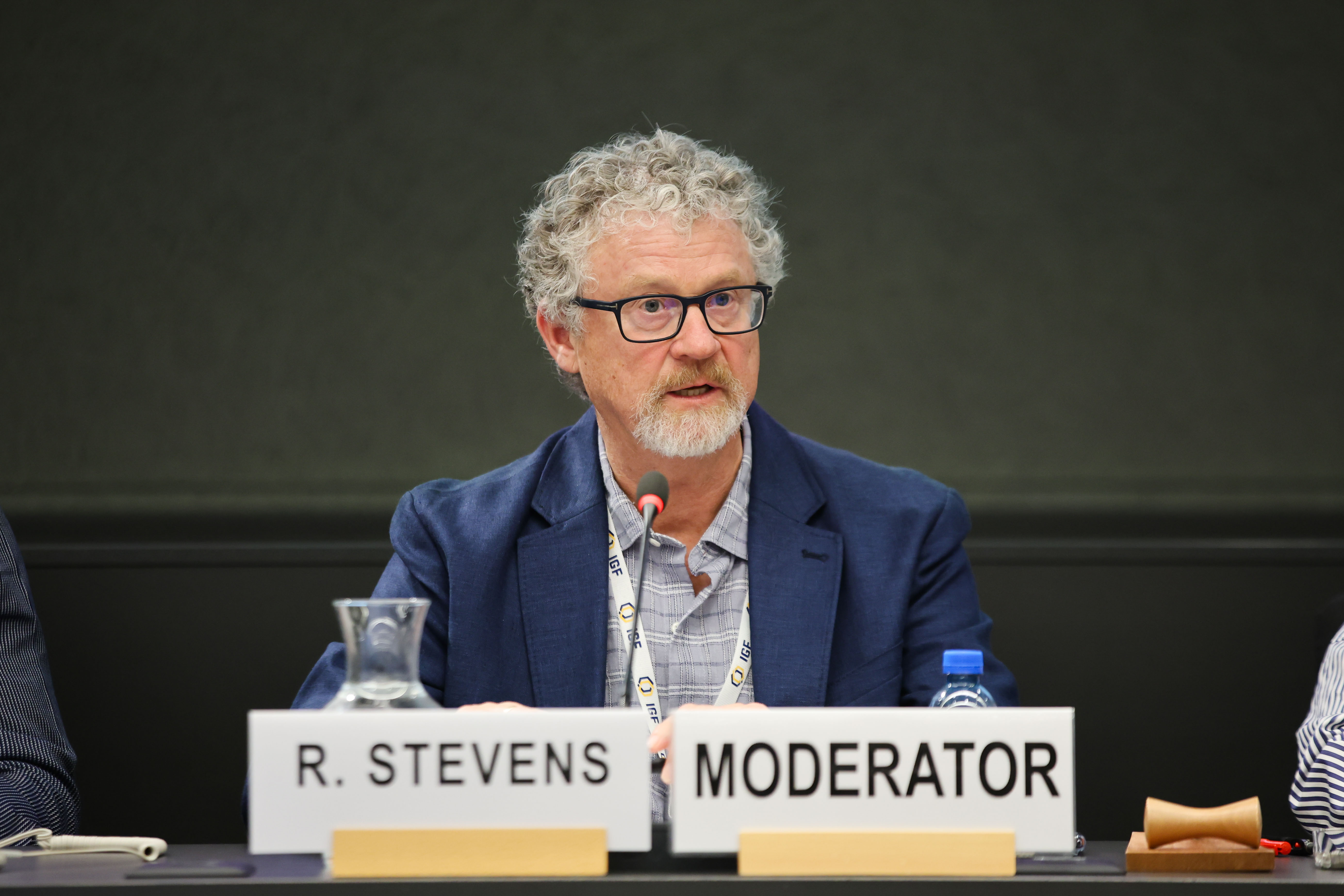
Robert Stevens, IGF Secretariat
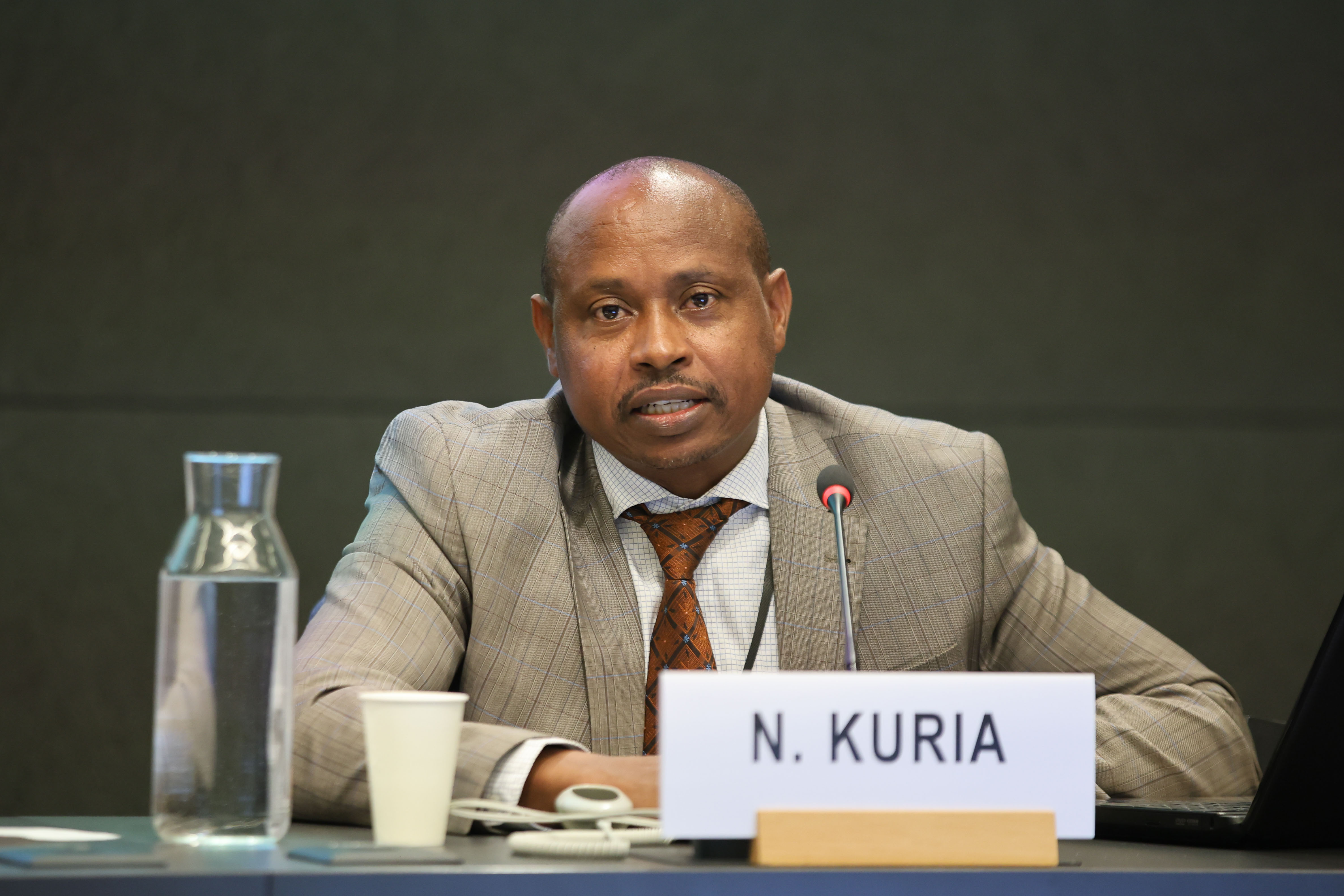
Joseph Ng'ang'a Kuria, Ministry of Mining, Blue Economy and Maritime Affairs, Kenya
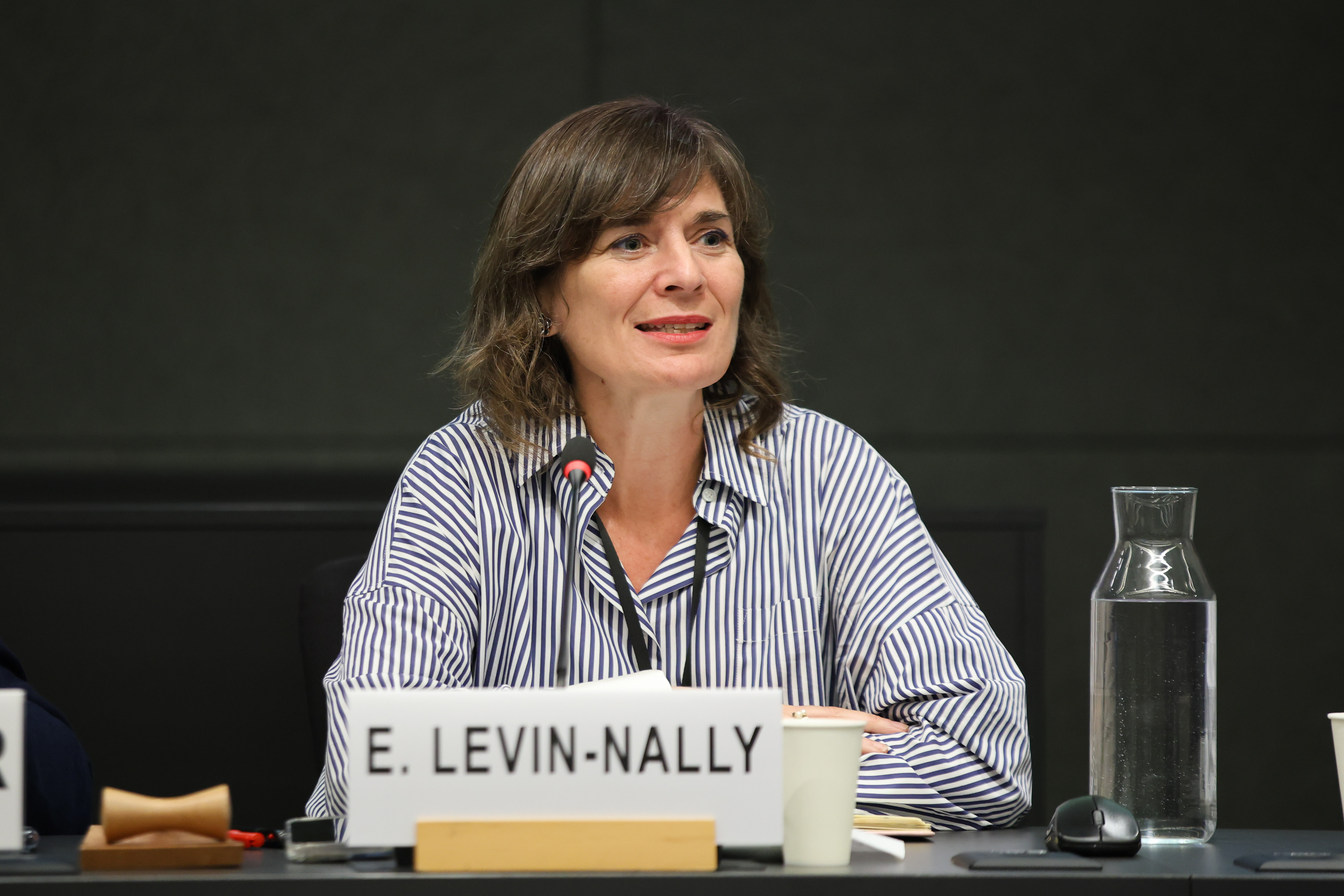
Estelle Levin-Nally, Founder and Chief Executive Officer, Levin Sources

Peter Whitbread-Abrutat, Future Terrains, distributed signed copies of his book, "102 Things to Do with a Hole in the Ground" to the delegations.

Session 8 | Ensuring Value Addition Really Adds Value: Environmental Policies for Mineral Value Chains beyond Mining
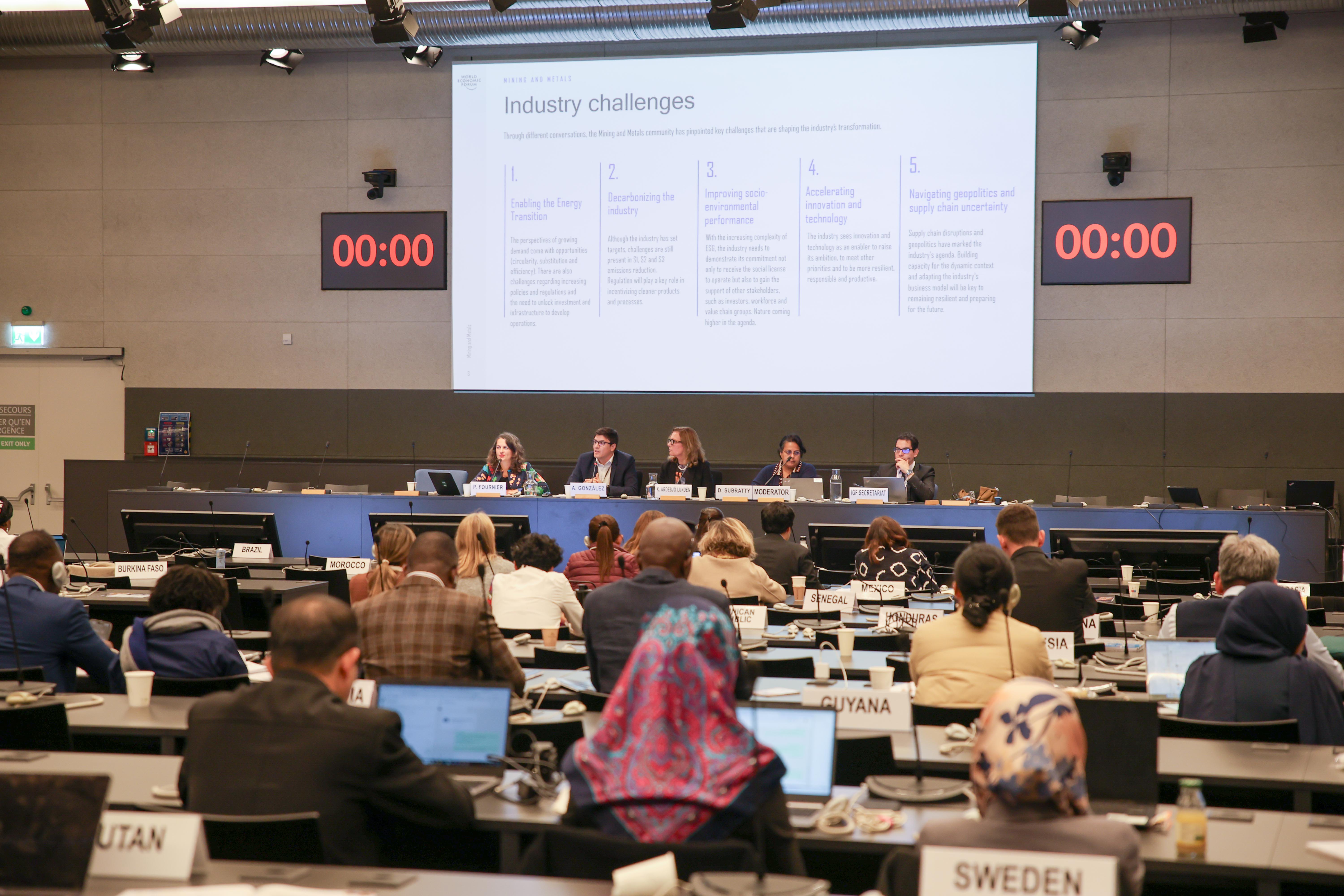
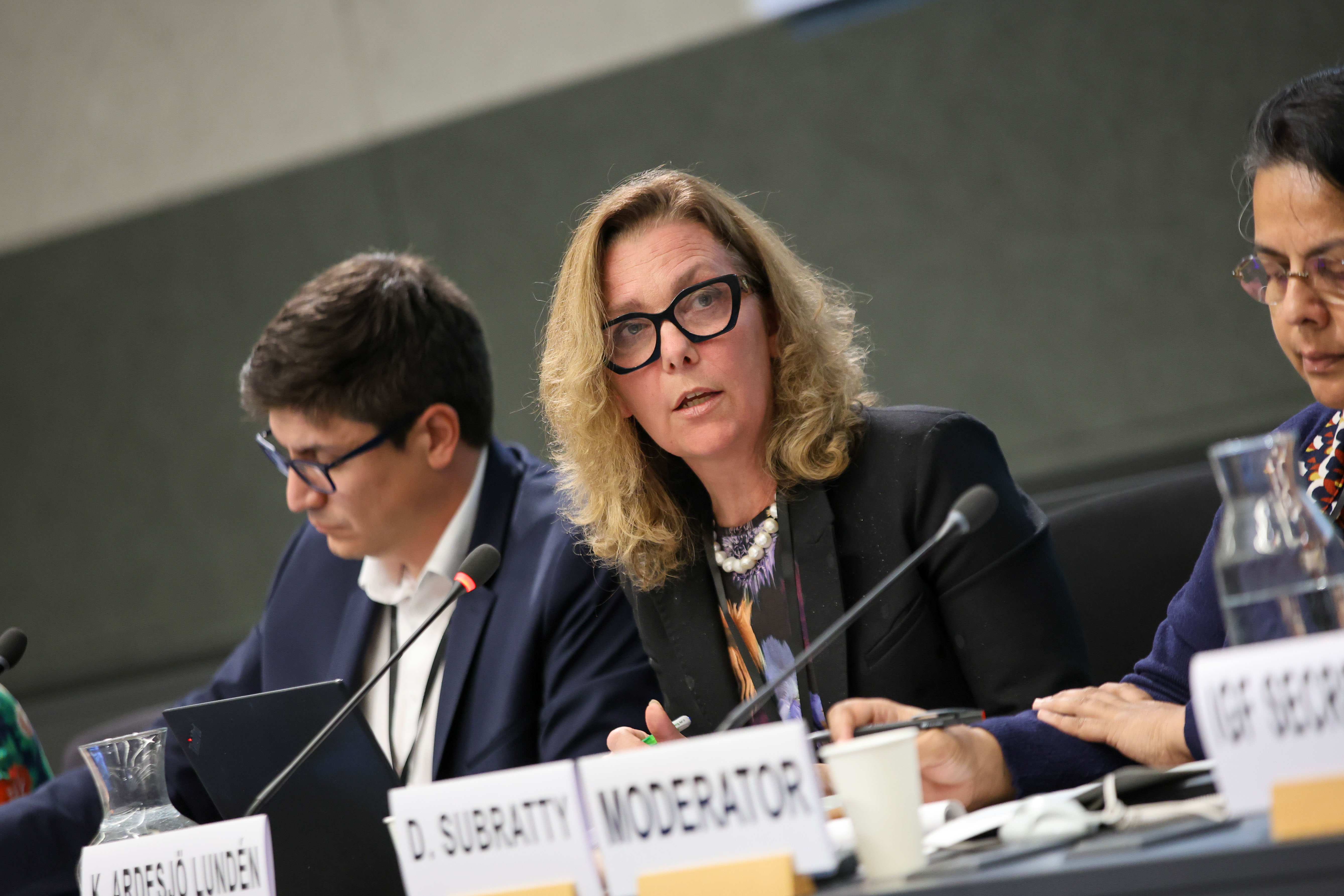
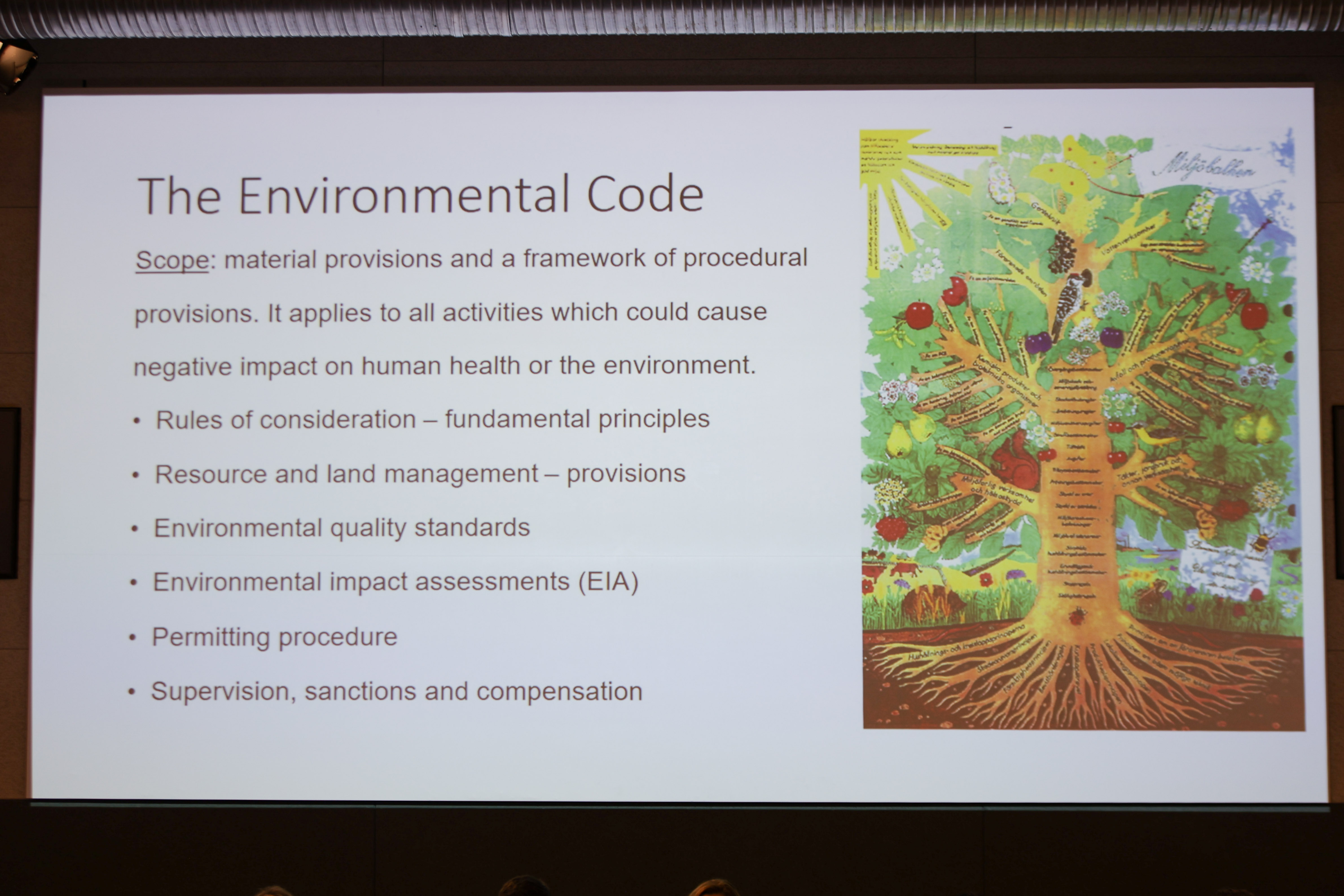
Karolina Ardesjö Lundén, Head, Swedish Environmental Protection Agency
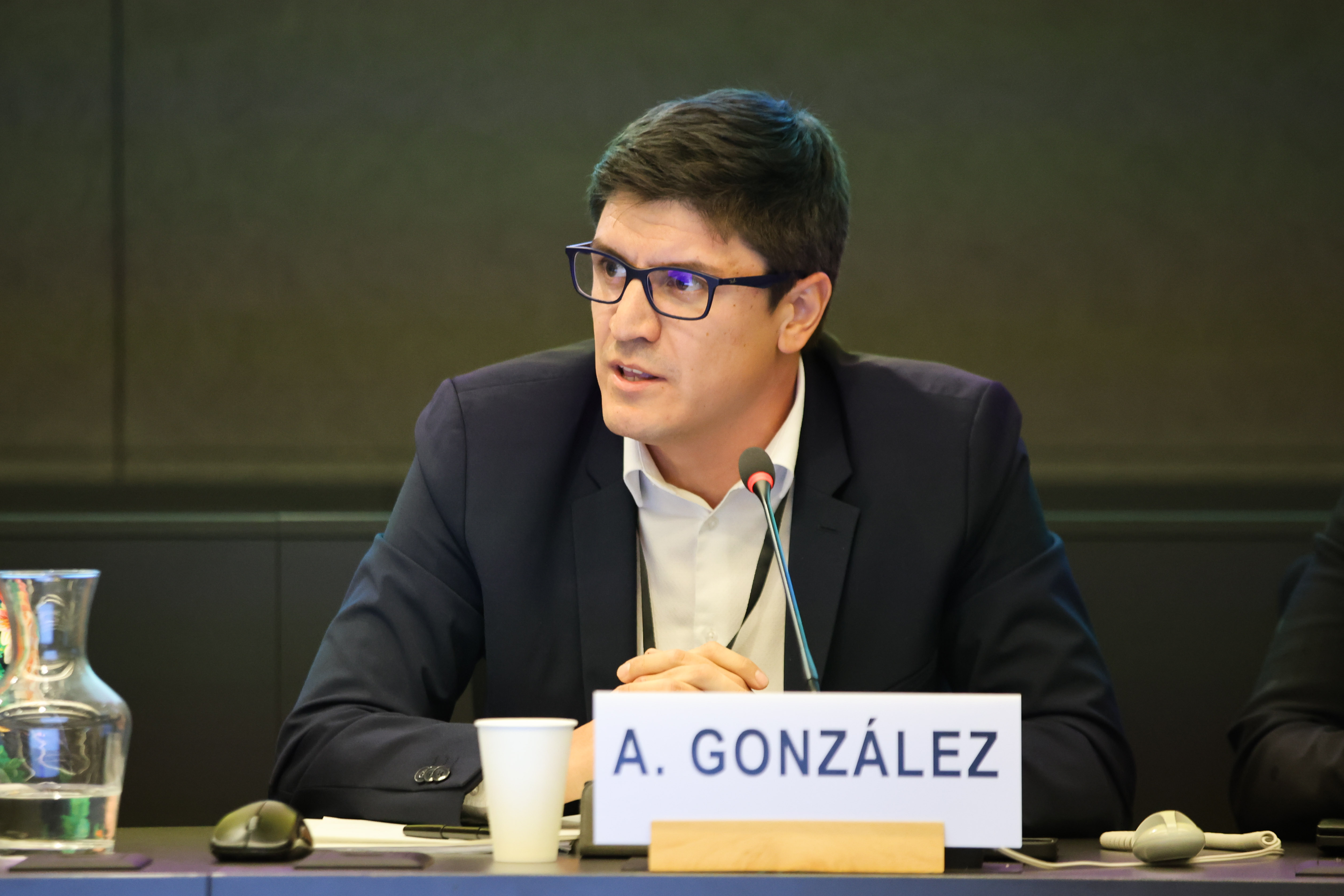
Alan González, World Economic Forum
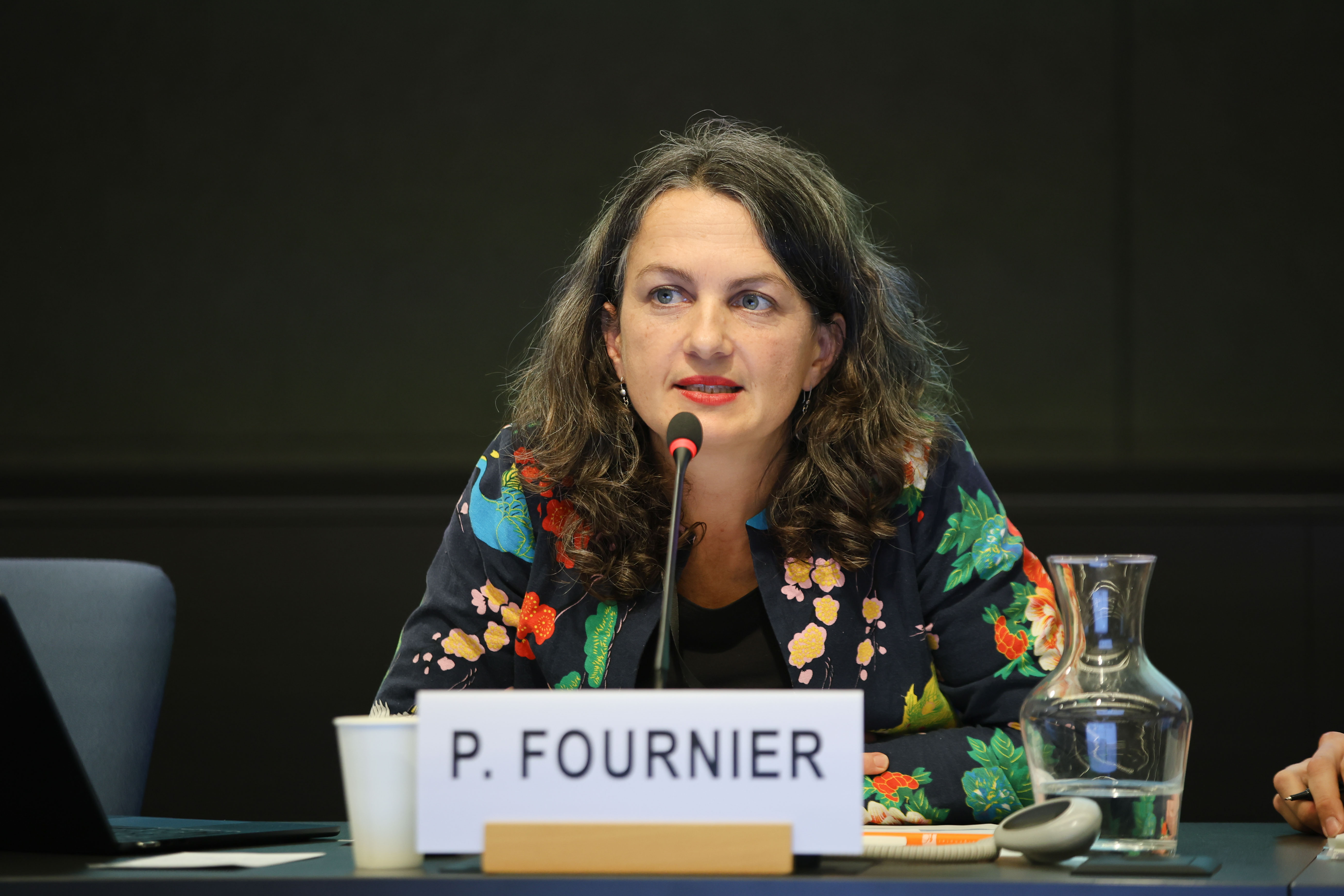
Perrine Fournier, Fern
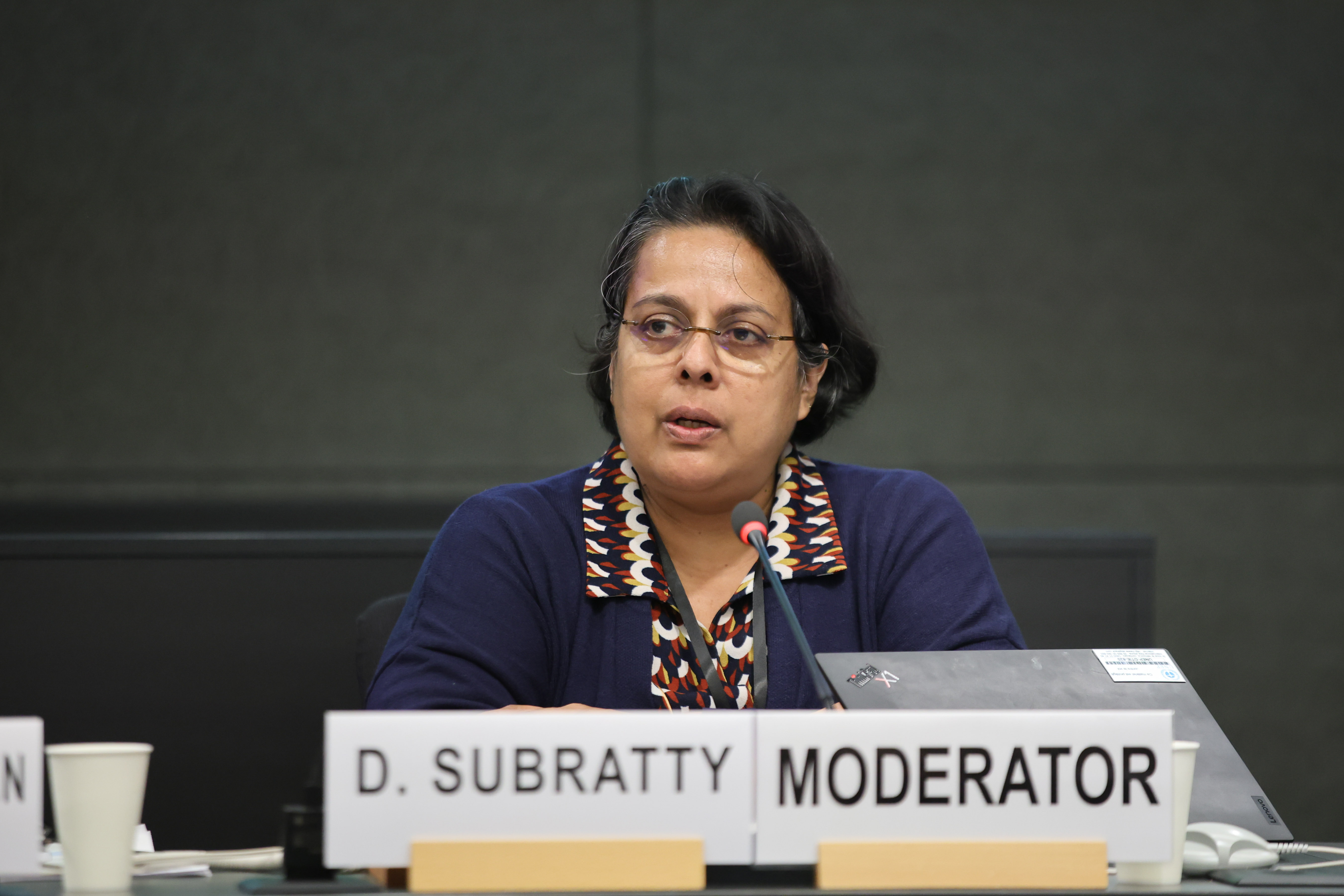
Djaheezah Subratty, UNEP
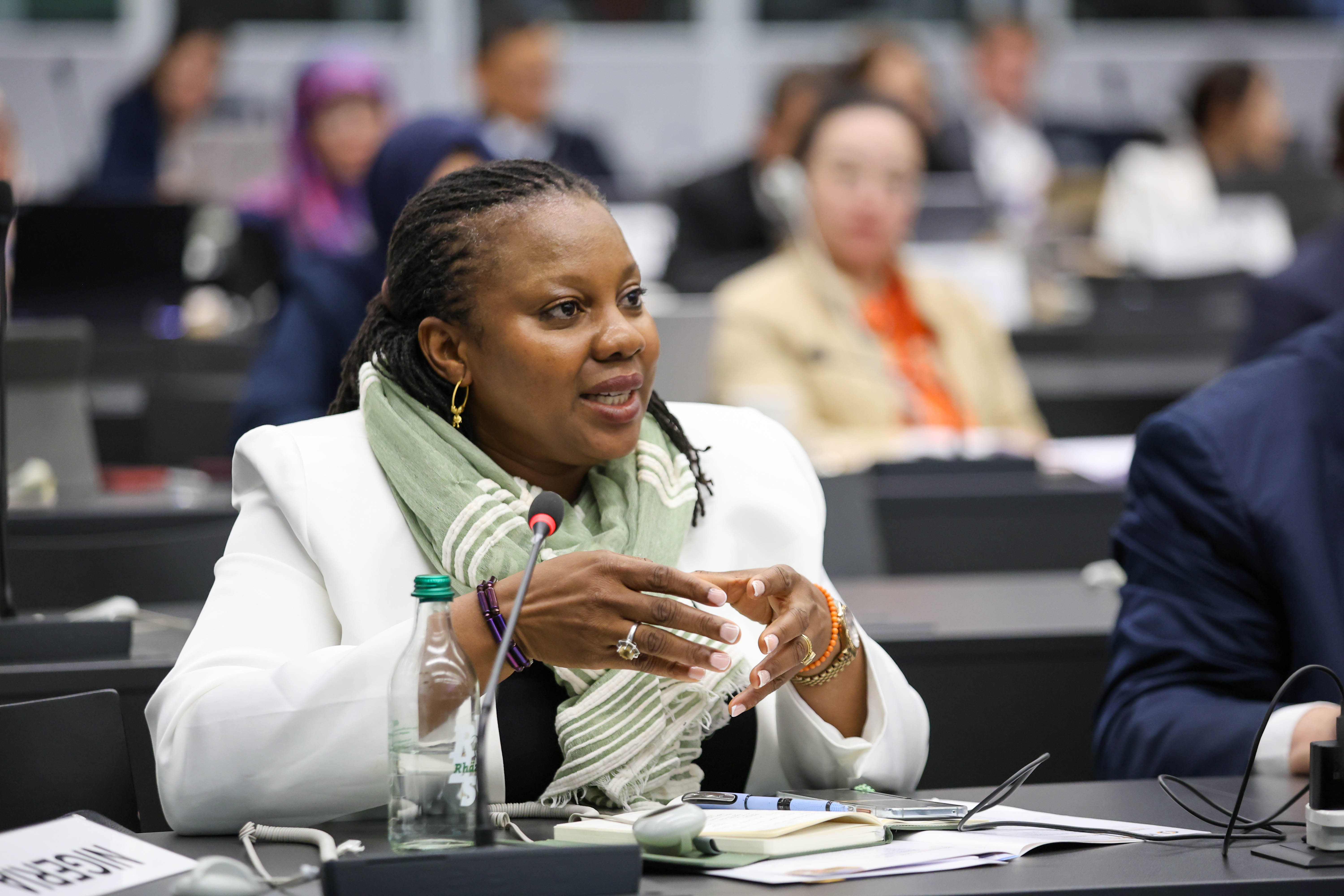
Emily Offodile, Nigeria
Between Sessions
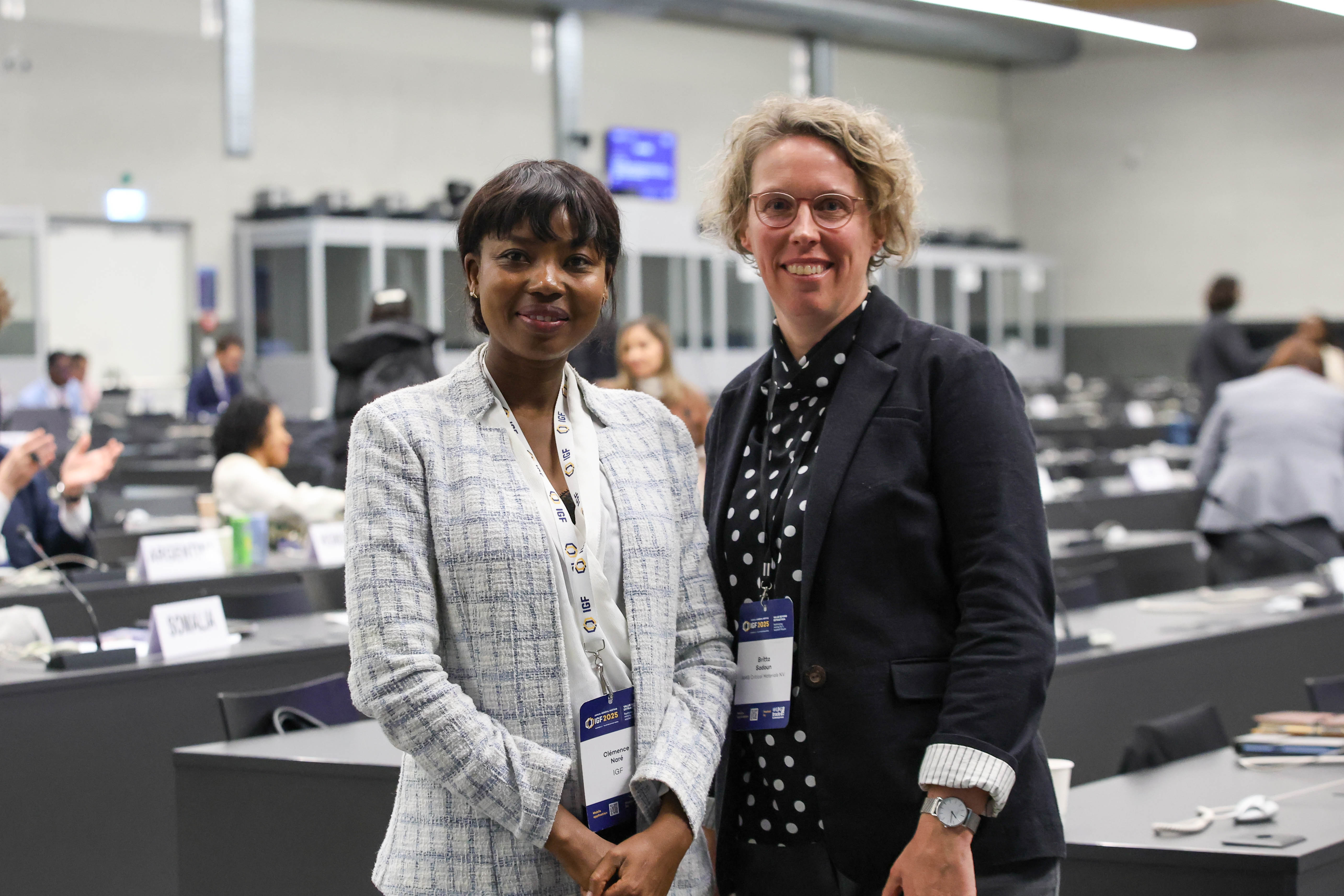
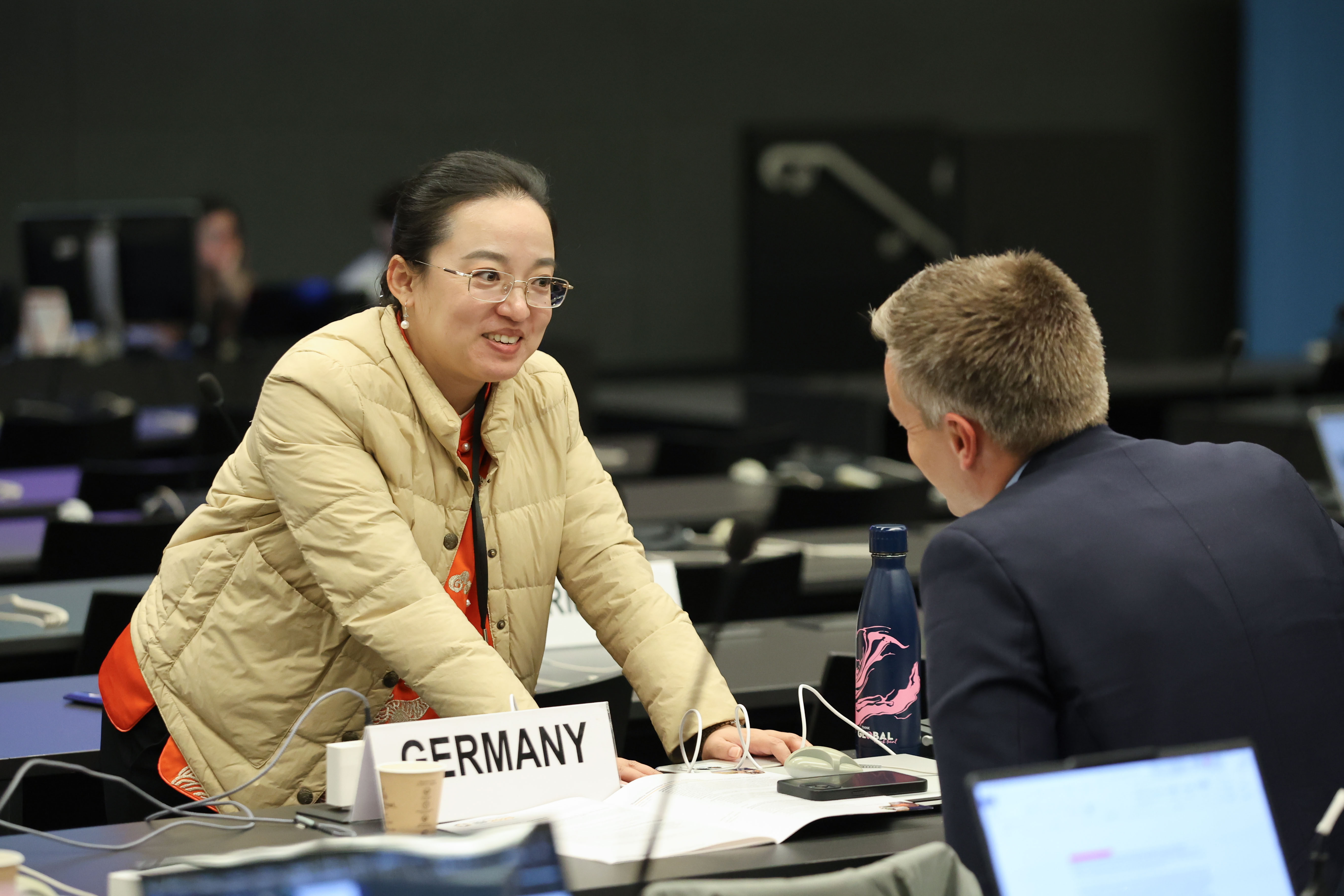
Clémence Naré, IGF, and Britta Sadoun, Director of Social Impact, AMG Critical Minerals
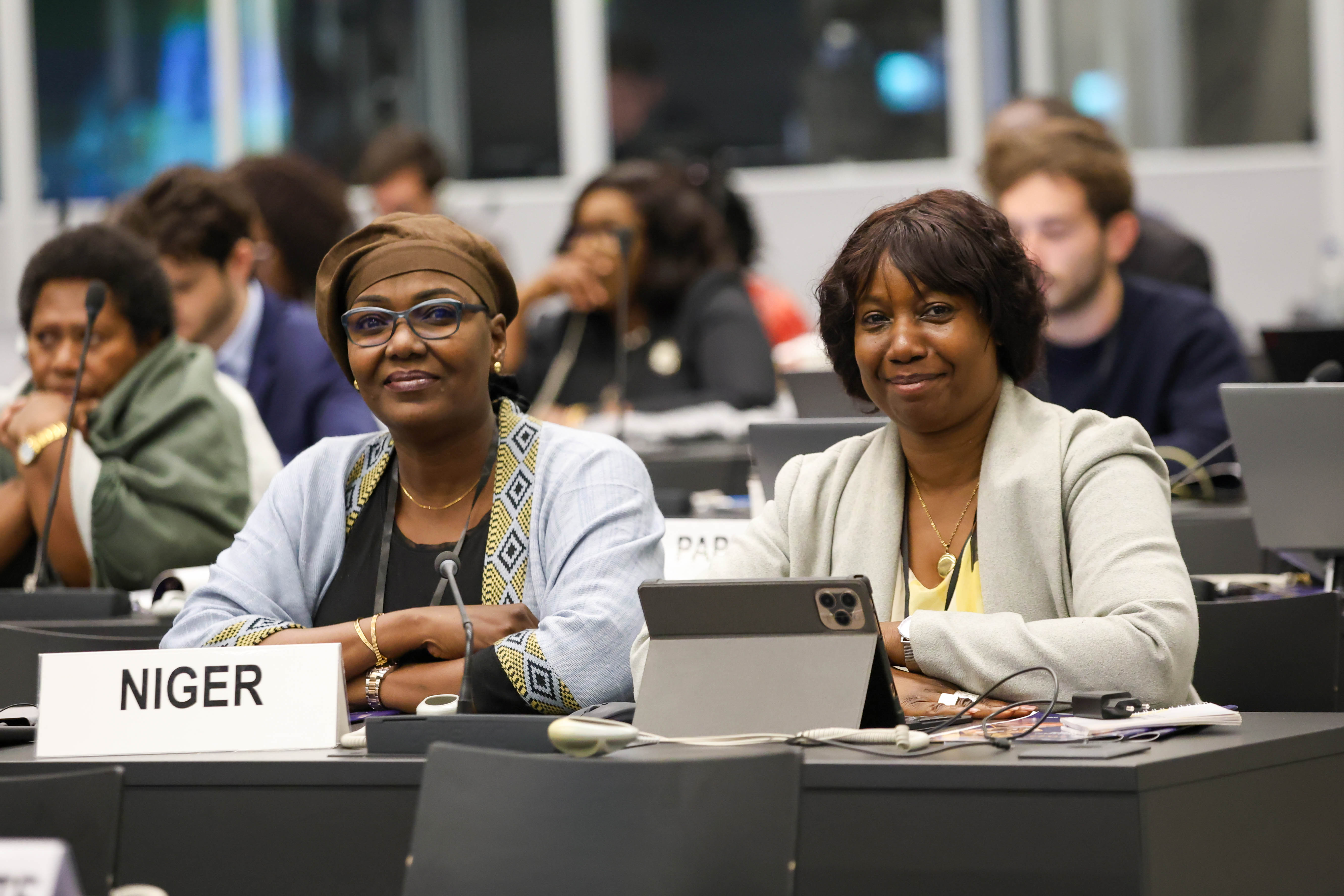
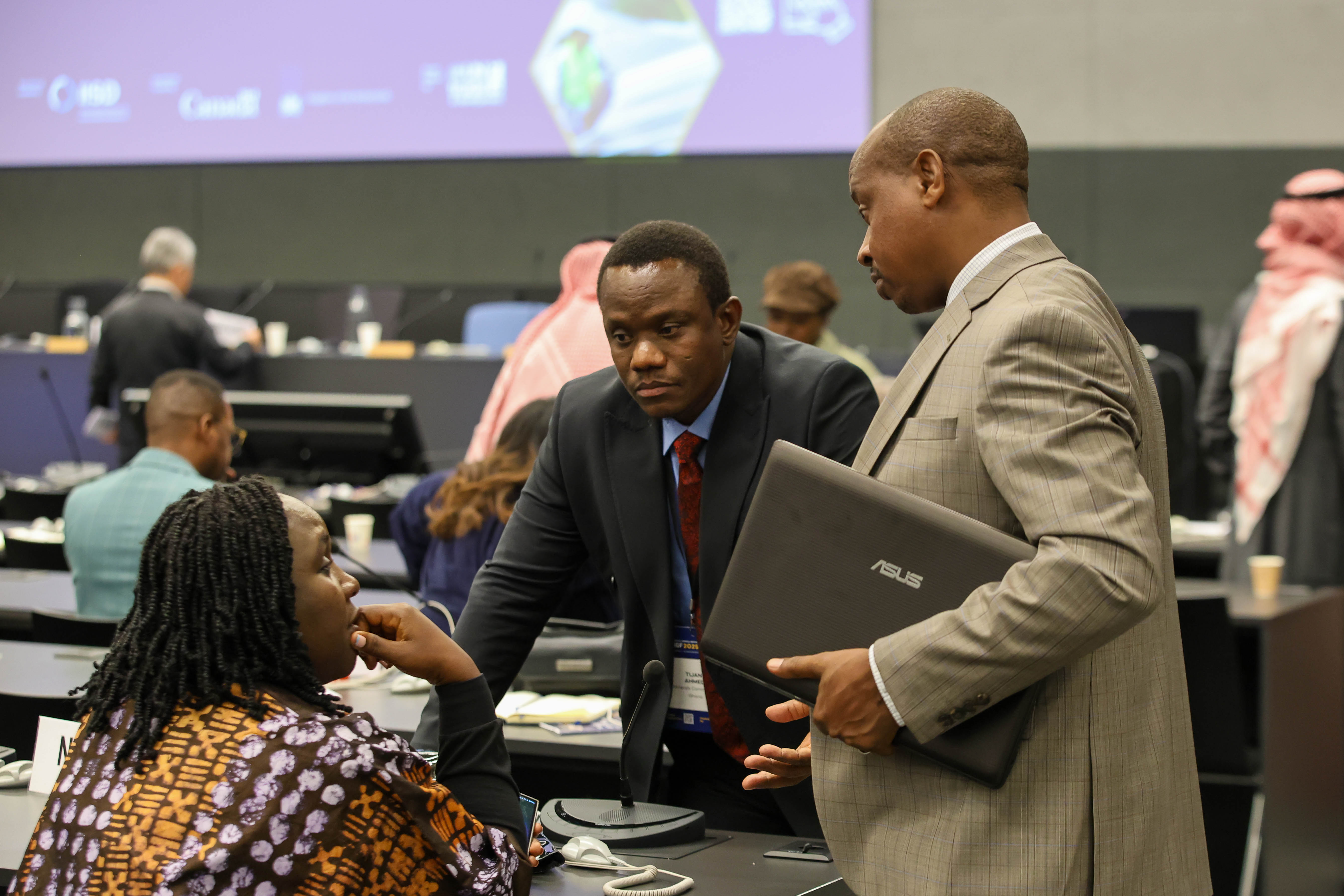
Delegates from Niger
Around the Venue