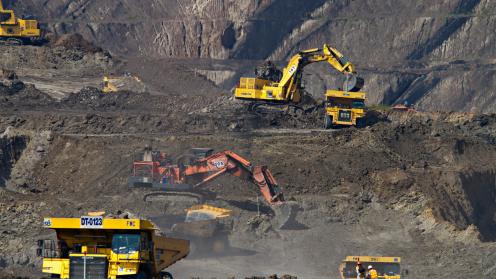
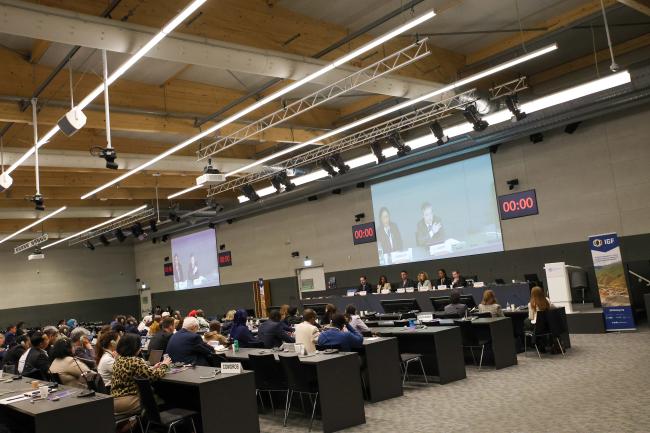
Mining operations may be associated with negative environmental impacts, but an informal poll of Annual General Meeting (AGM) participants showed most believe mining projects can achieve a net-positive impact on surrounding water bodies. Discussions through the last day of the AGM of the Intergovernmental Forum on Mining, Minerals, Metals and Sustainable Development (IGF) addressed water governance, opportunities for women in mining, and national strategies on critical minerals. A wrap-up session offered international and regional perspectives.
On strengthening water governance, speakers discussed the value of strategic environmental assessments (SEAs) of potential mining sites and the application of Integrated Water Resource Management (IWRM). They recommended collaborative governance and multistakeholder partnerships that include companies, governments, and communities.
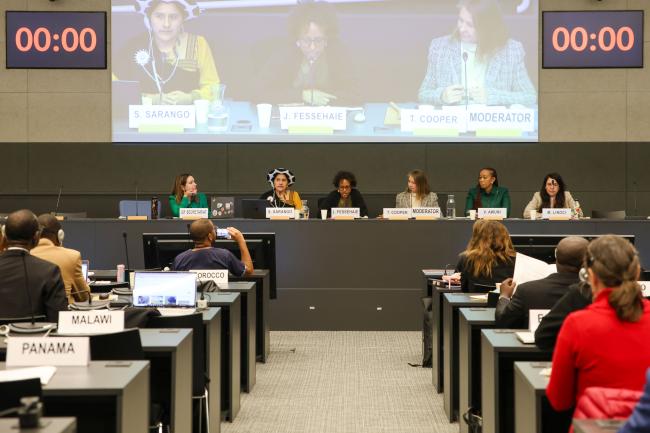
In a session on inclusive strategies across mineral value chains, speakers emphasized the business case for empowering women entrepreneurs, noting they create jobs and have a higher tendency to give back to the community. As an example, Sonnia Sarango, founder of the Soy Emprendedora Initiative, Ecuador, showcased women’s achievements in producing sustainable food products and beverages, providing technical services, managing events, and running circular economy activities, while acquiring increased skills in marketing and administration.
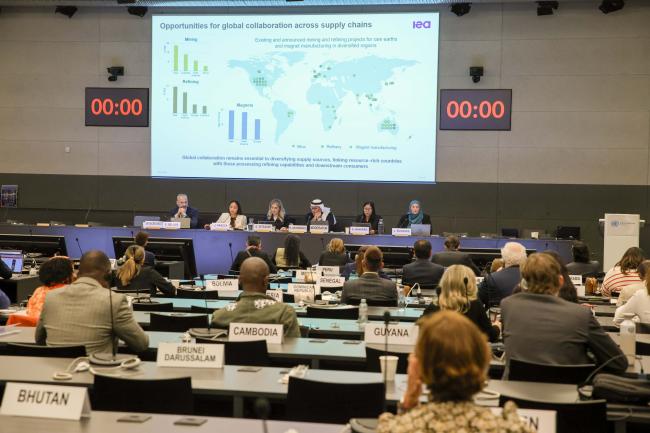
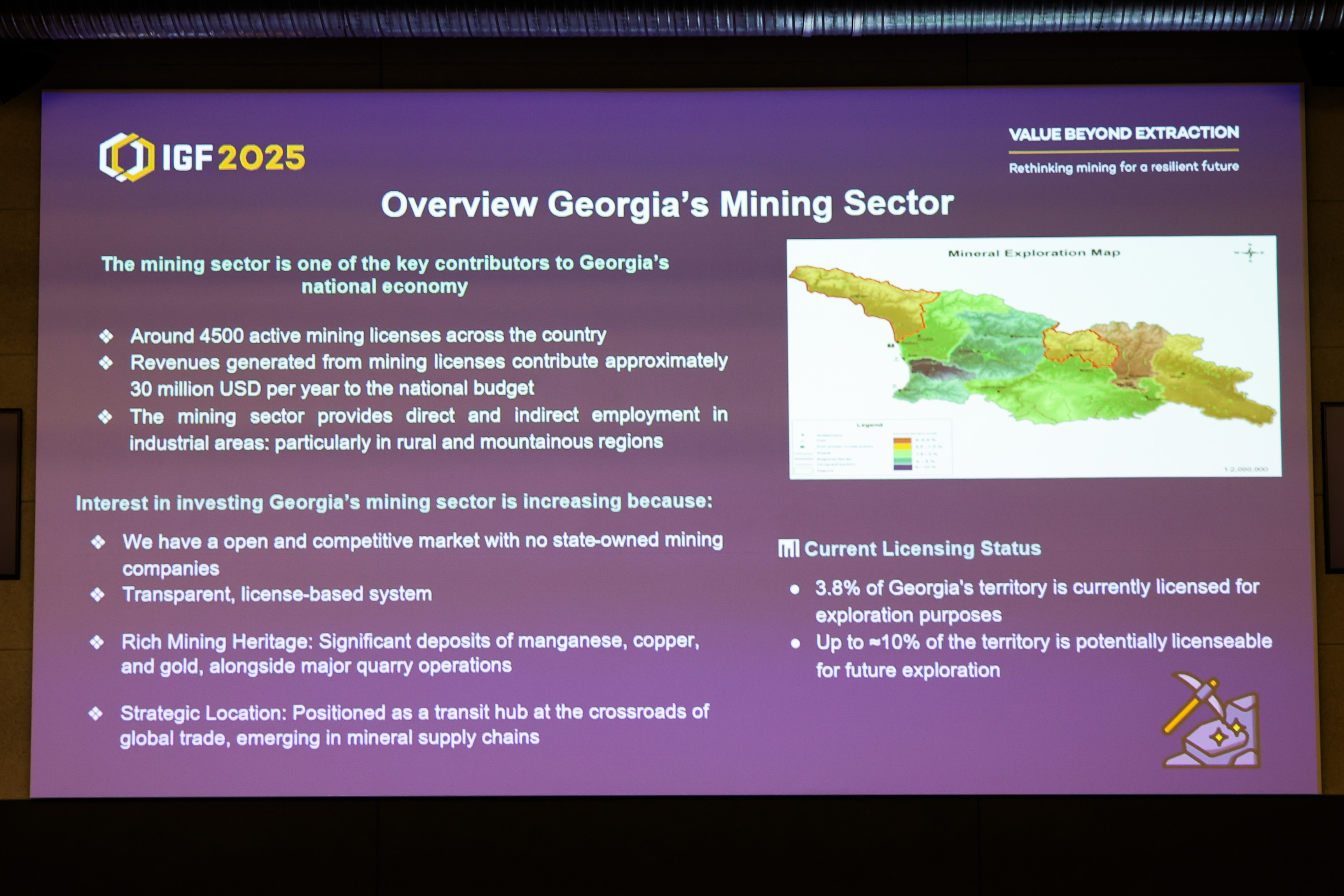
On national strategies for critical minerals, the International Energy Agency (IEA) considered experiences from Georgia and the Philippines. Both countries are managing change in their respective mining sectors: in Georgia, updating Soviet-era data on mineral resources; and in the Philippines, preparing for increased mineral exploration and activity. Laura Blizzard, Foreign, Commonwealth and Development Office, UK, highlighted the UK’s support for international collaboration, including partnerships between the British Geological Survey and developing countries, which will make resource data available via an open-source platform.
In the final plenary, Nathalie Bernasconi-Osterwalder, Vice-President, Global Strategies and Managing Director, Europe, International Institute for Sustainable Development (IISD), reflected that the concept of “value” had been discussed from all angles over the three days of the AGM.
Daniel Hill, Natural Resources Canada, drew attention to Canada’s role as the holder of the 2025 G7 Presidency. Referring to the G7 Critical Minerals Action Plan, he noted that G7 countries are working on a roadmap to promote standards-based markets for critical minerals. He announced Canada’s allocation of CAD 10 million to support developing countries in benefiting from the global energy and digital transition.
Marit Kitaw, UN Economic Commission for Africa, highlighted the region’s Green Minerals Strategy, adopted by the African Union in February 2025, which supports sustainable mining, building resilient supply chains, the green economy, and ensuring Africa’s mineral wealth leads to broad-based socioeconomic development.
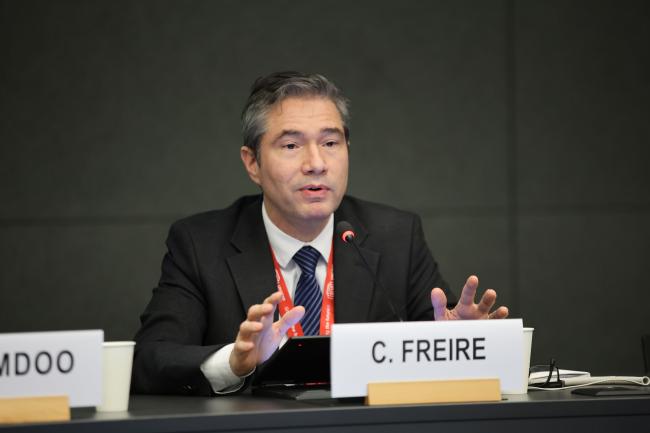
Clovis Freire, Chief, Extractive Commodities Section, UN Trade and Development (UNCTAD), summarized key takeaways from the AGM, including: the need for economic diversification to reduce countries’ exposure to price volatility and exclusion; the impetus to reinvest mining revenues in people and the planet; the untapped potential of non-metallic minerals to enable inclusive growth; and the importance of wise resource management and transparency. Among several international initiatives, he highlighted the newly established UN Task Force on Critical Energy Transition Minerals.
IGF Secretariat Director Isabelle Ramdoo expressed appreciation for how the AGM has grown each year, and thanked everyone for their contributions.
The meeting closed at 5.45 pm.
To receive free coverage of global environmental events delivered to your inbox, subscribe to the ENB Update newsletter.
All ENB photos are free to use with attribution. For the IGF AGM 2025 please use: Photo by IISD/ENB | Anastasia Rodopoulou
Session 9 | Strengthening Water Governance: Innovative, Collaborative, and Principled Approaches
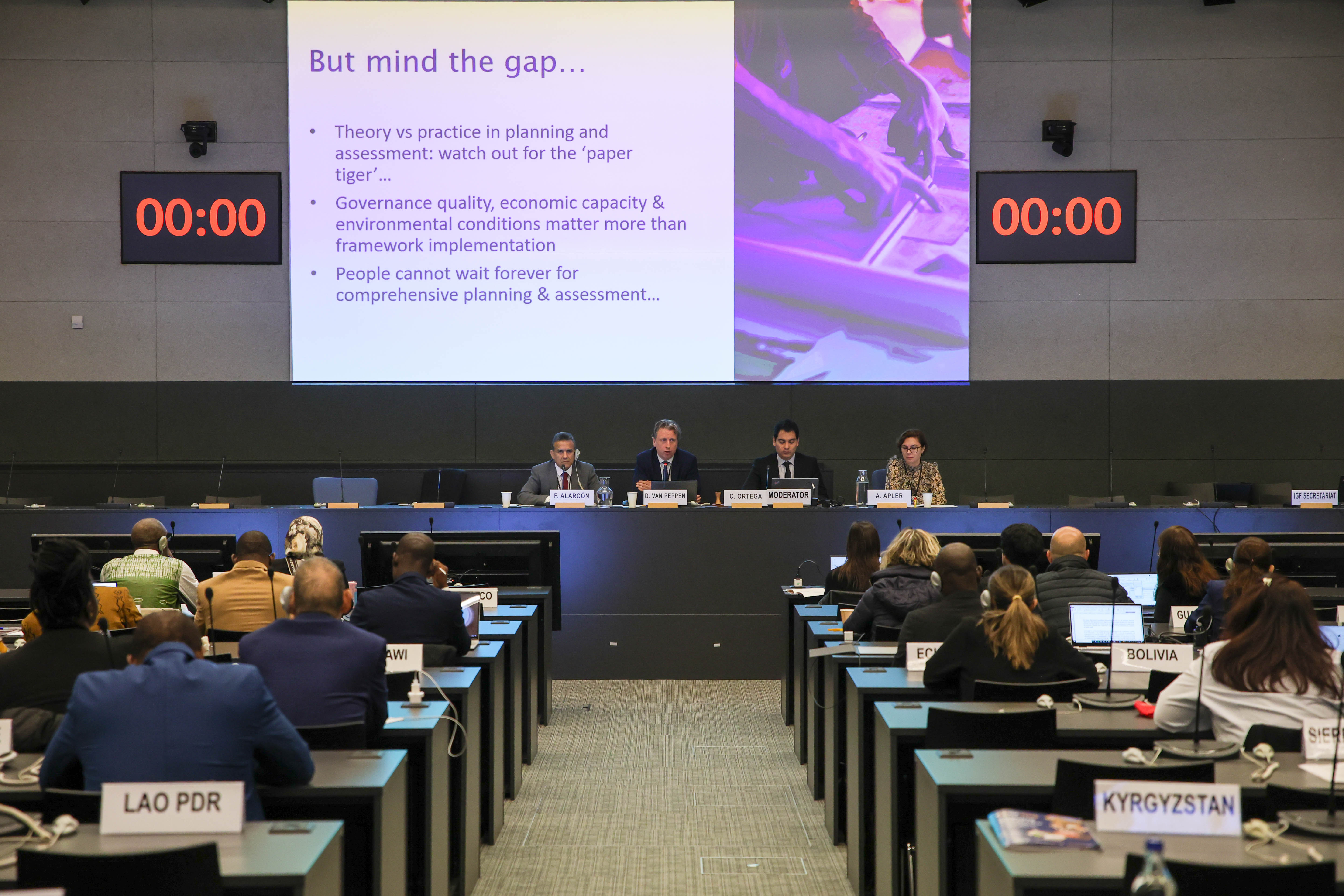
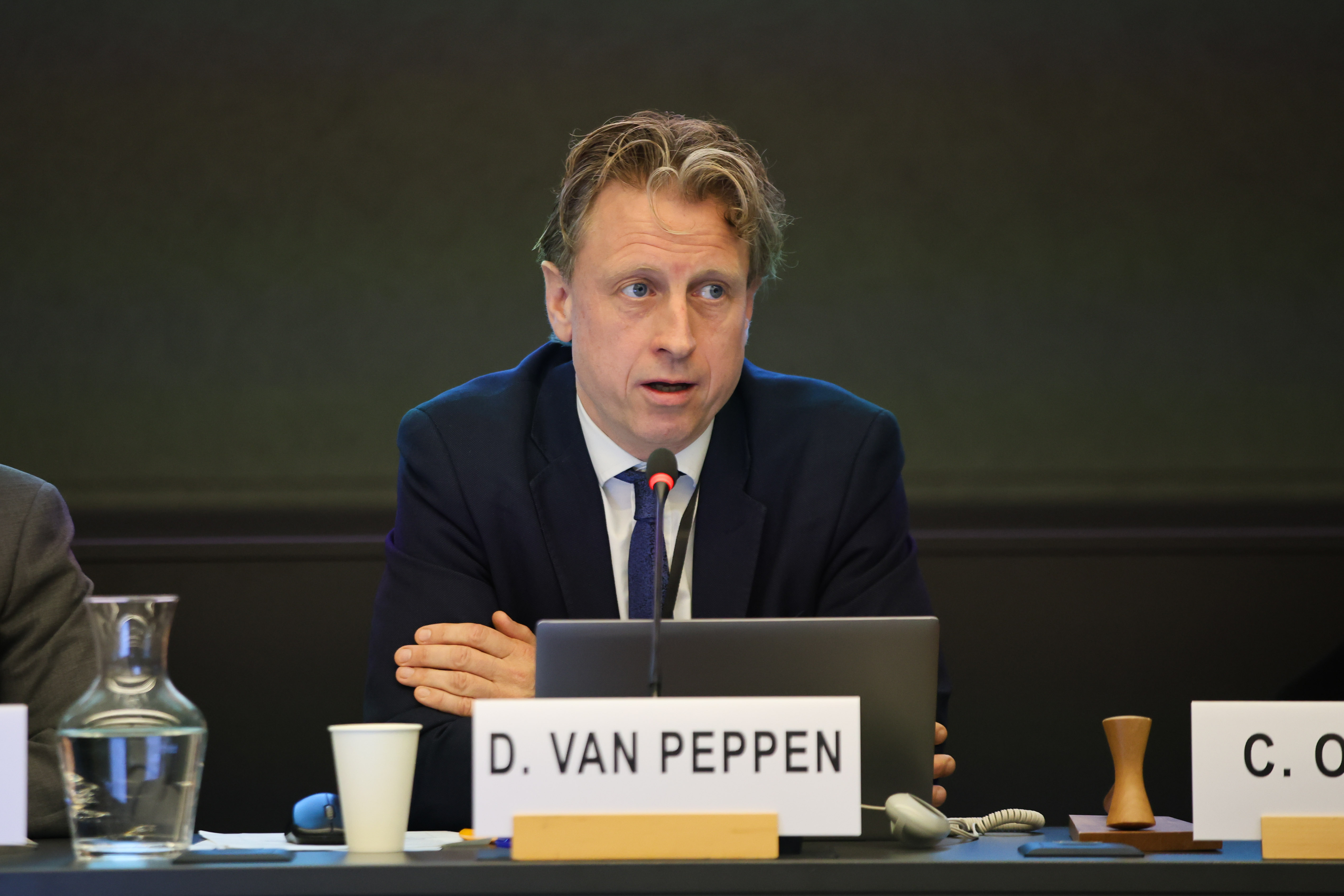
Dennis van Peppen, Director, Commission for Environmental Assessment, the Netherlands
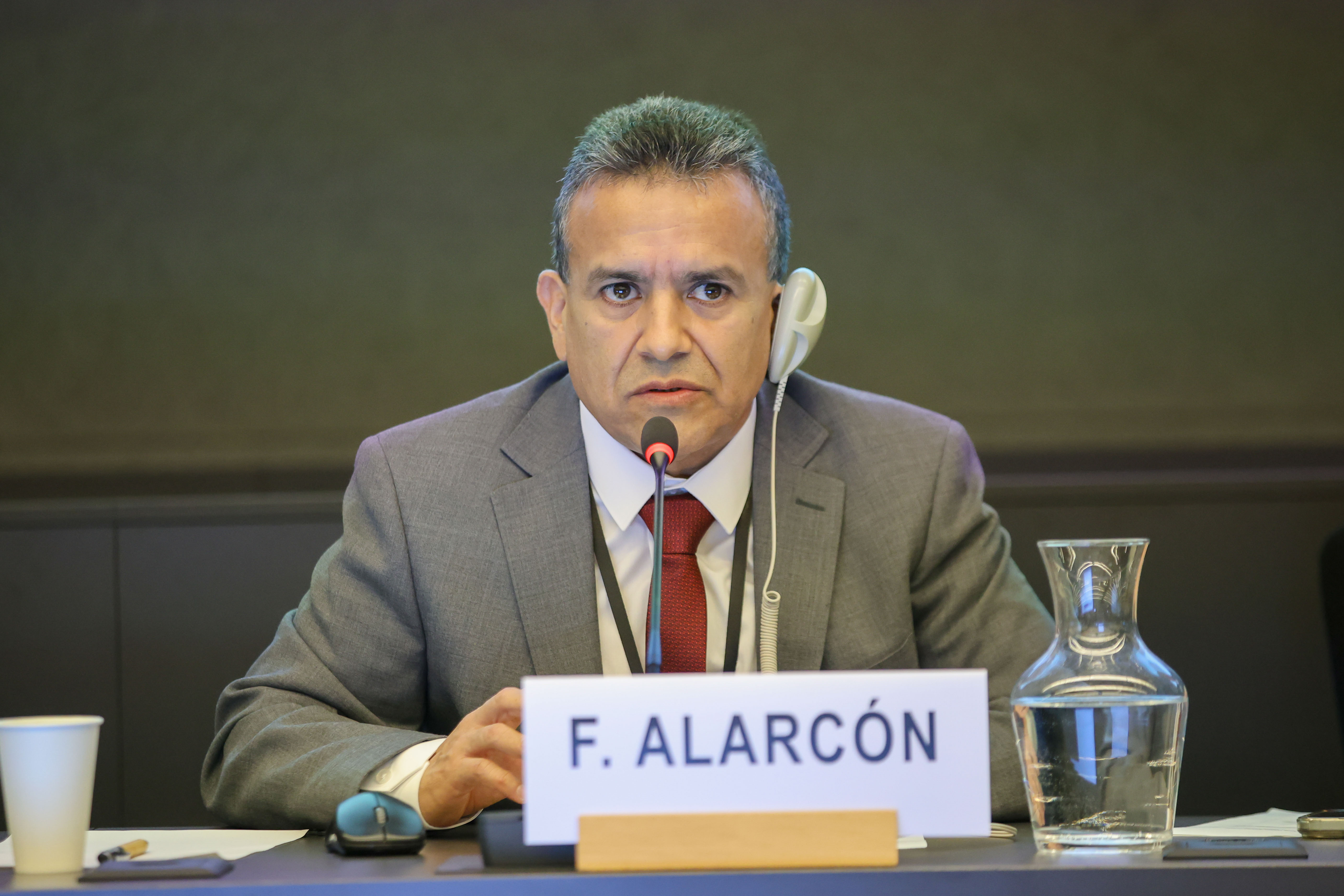
Fernando Alarcón, Chief Executive Officer, AFS Engineering & Consulting, Peru
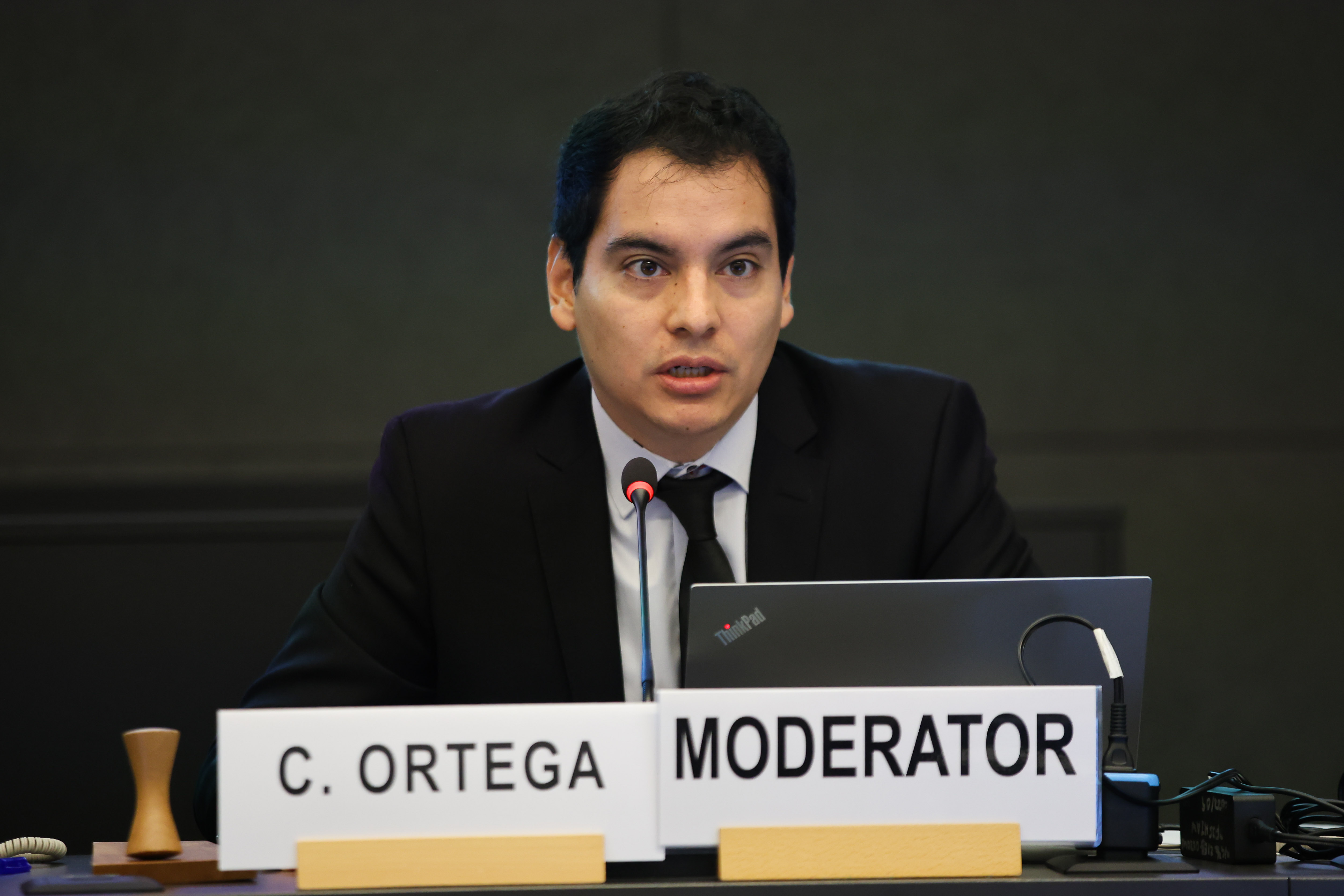
Carlos Alberto Ortega, IGF Secretariat
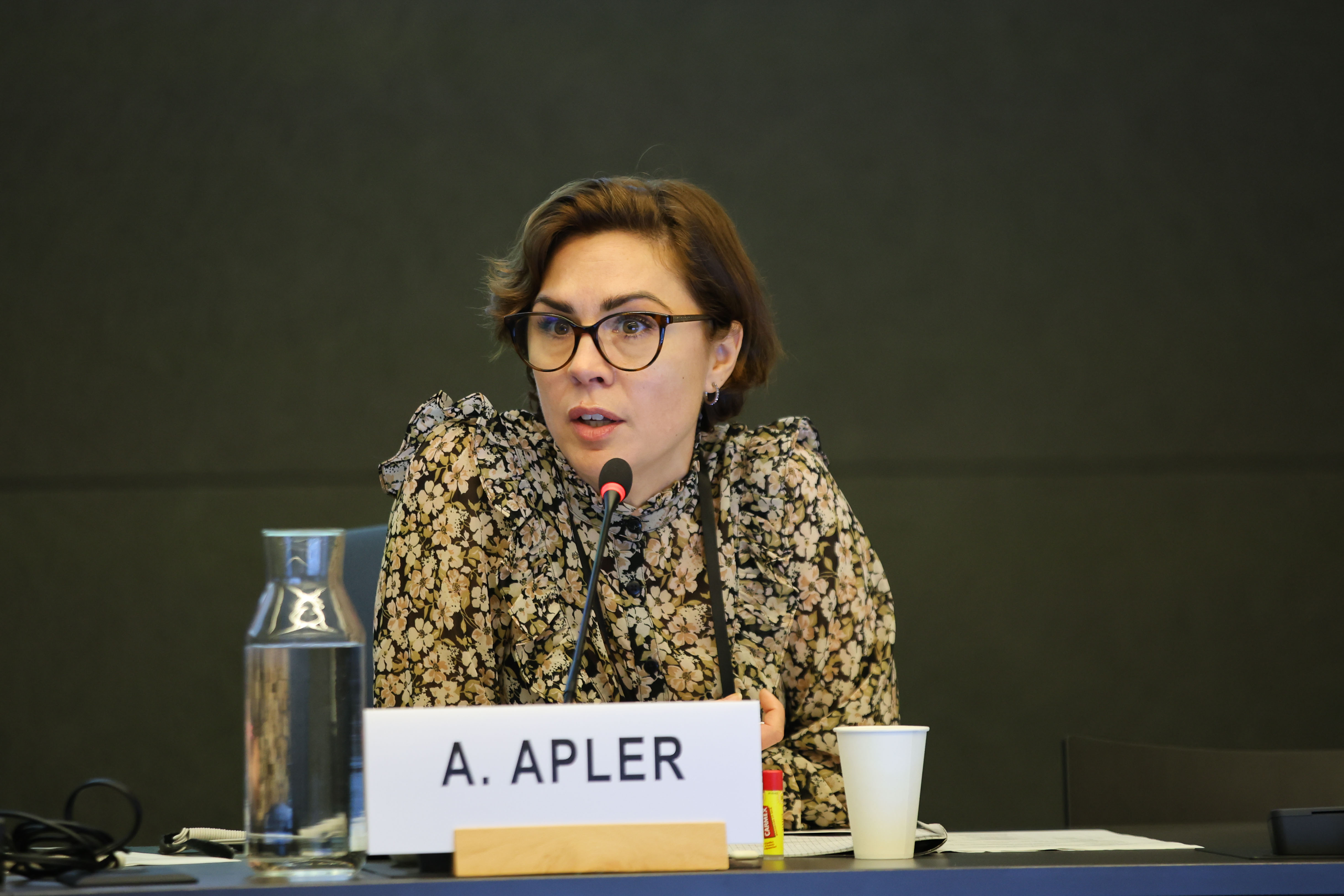
Anna Apler, Geological Survey of Sweden
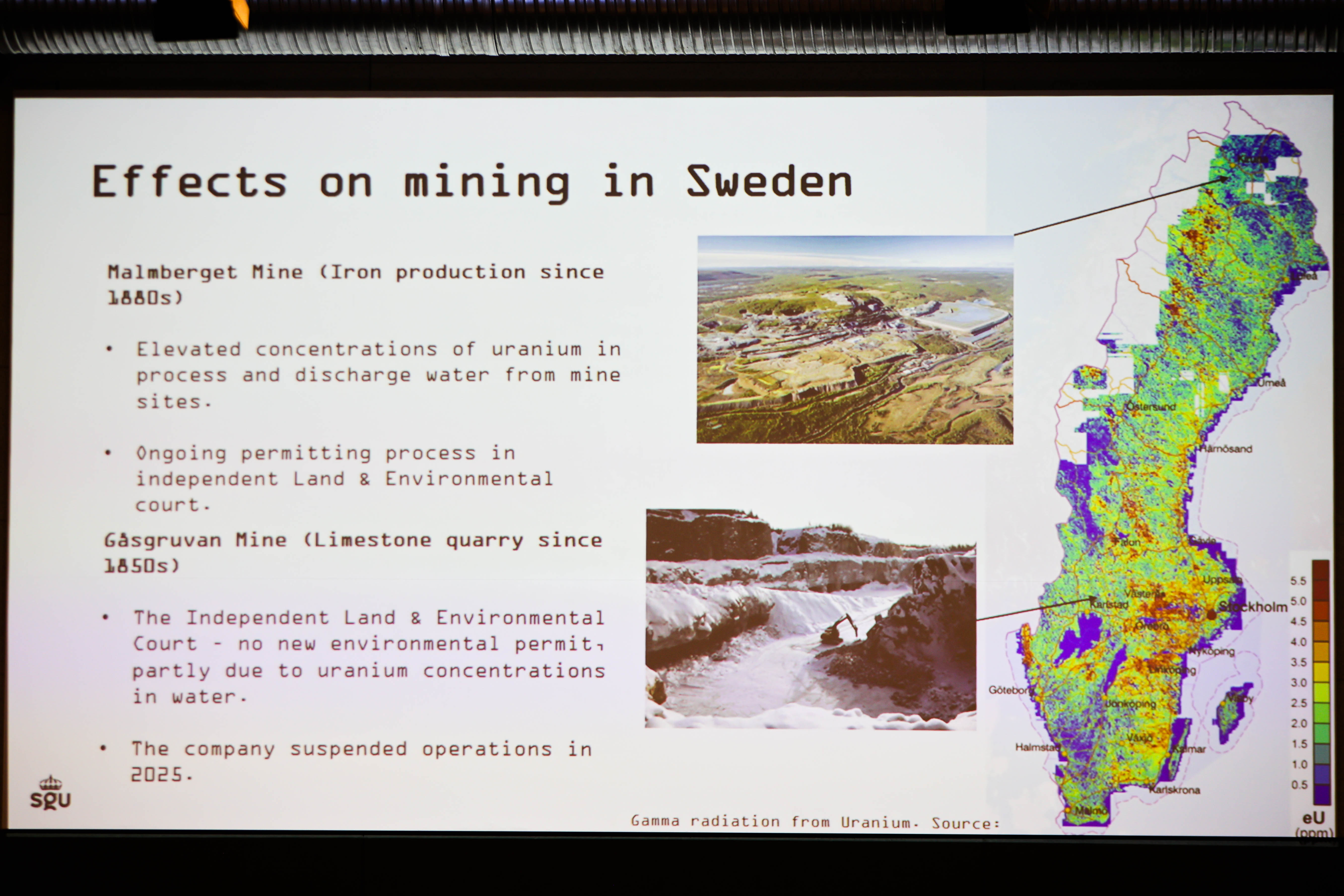
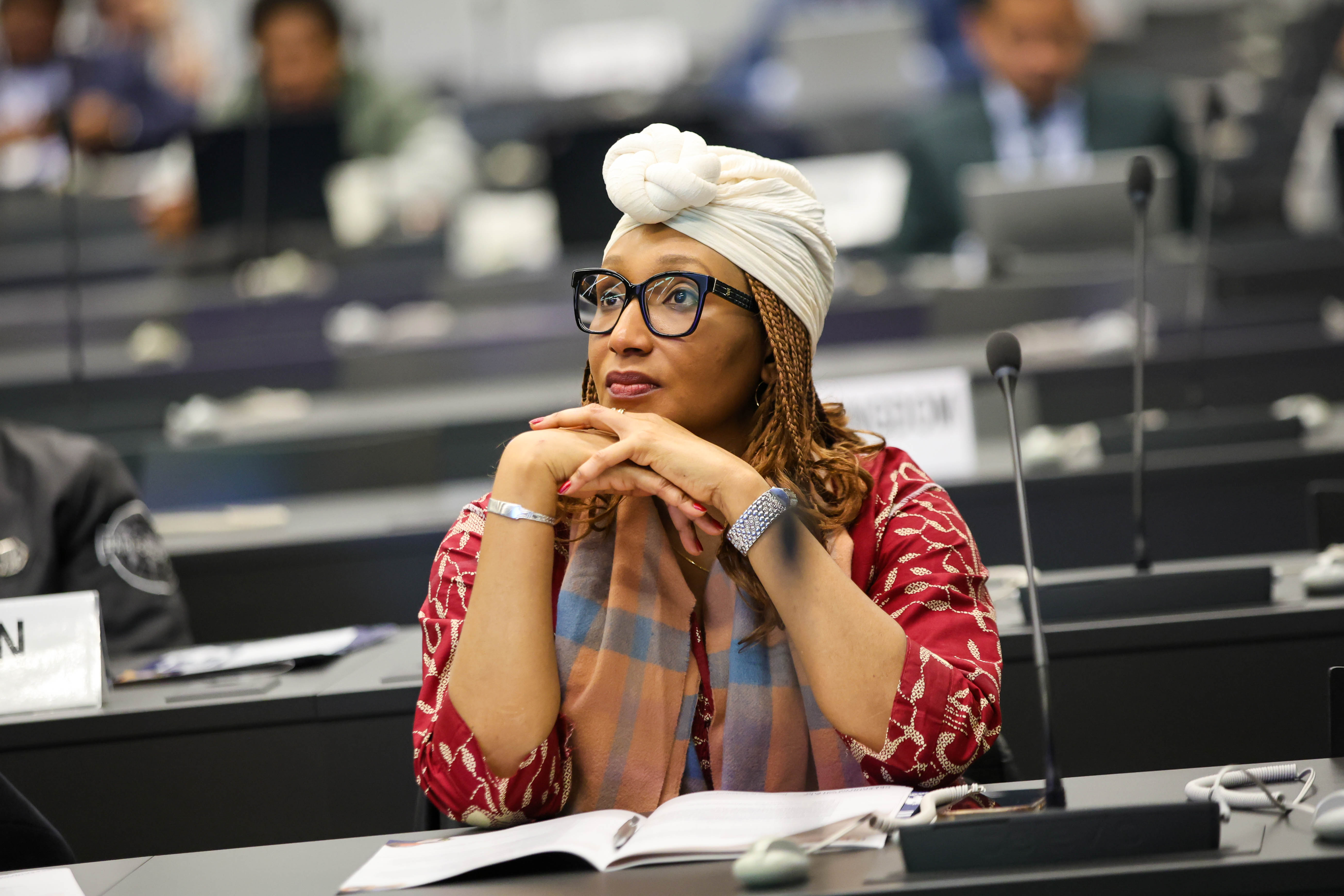
Maria Camara, Société Guinéenne du Patrimoine Minier (SOGUIPAMI), Guinea
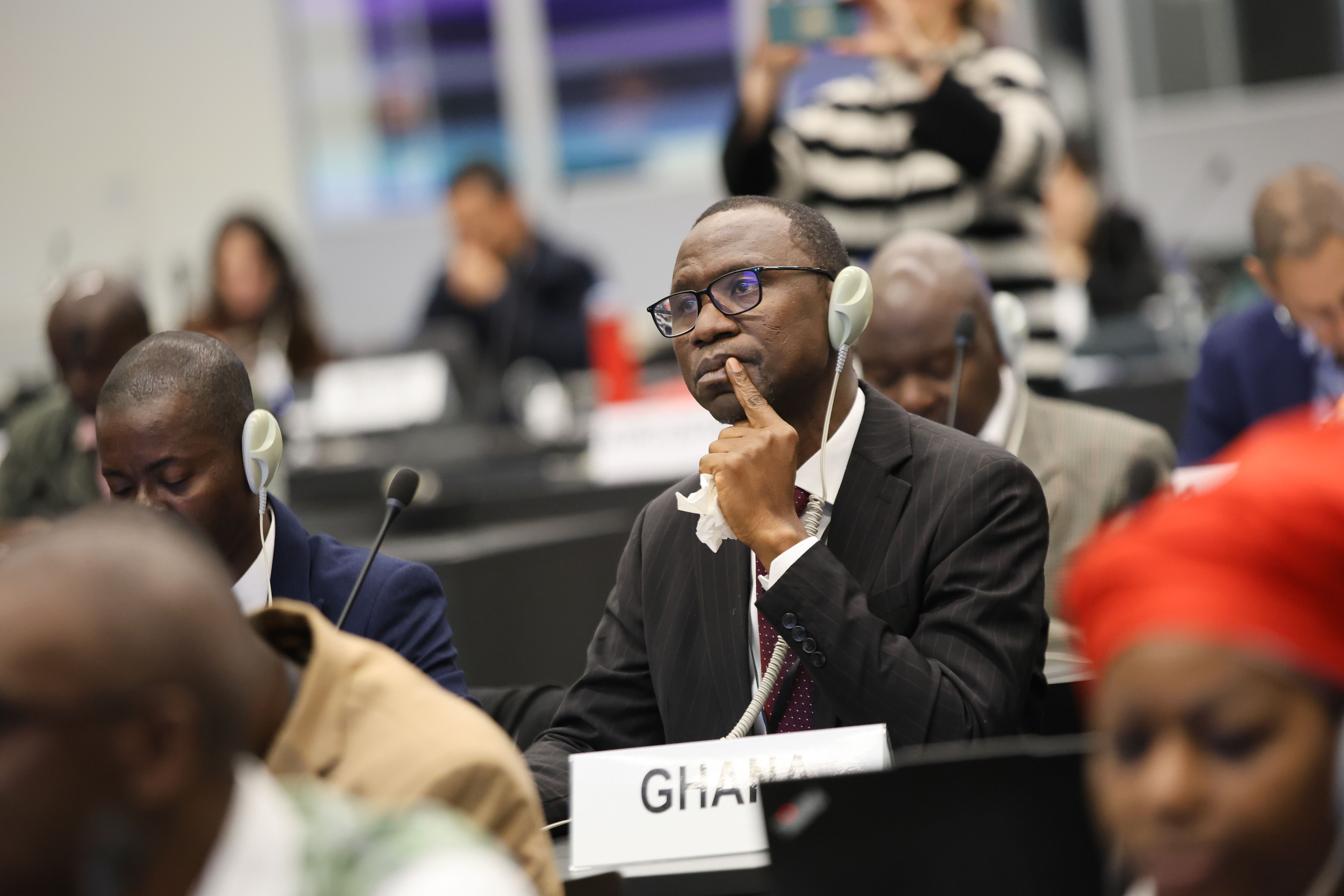
Gabriel Gaanu, Ghana
Session 10 | Value for All: Inclusive Strategies Across Mineral Value Chains
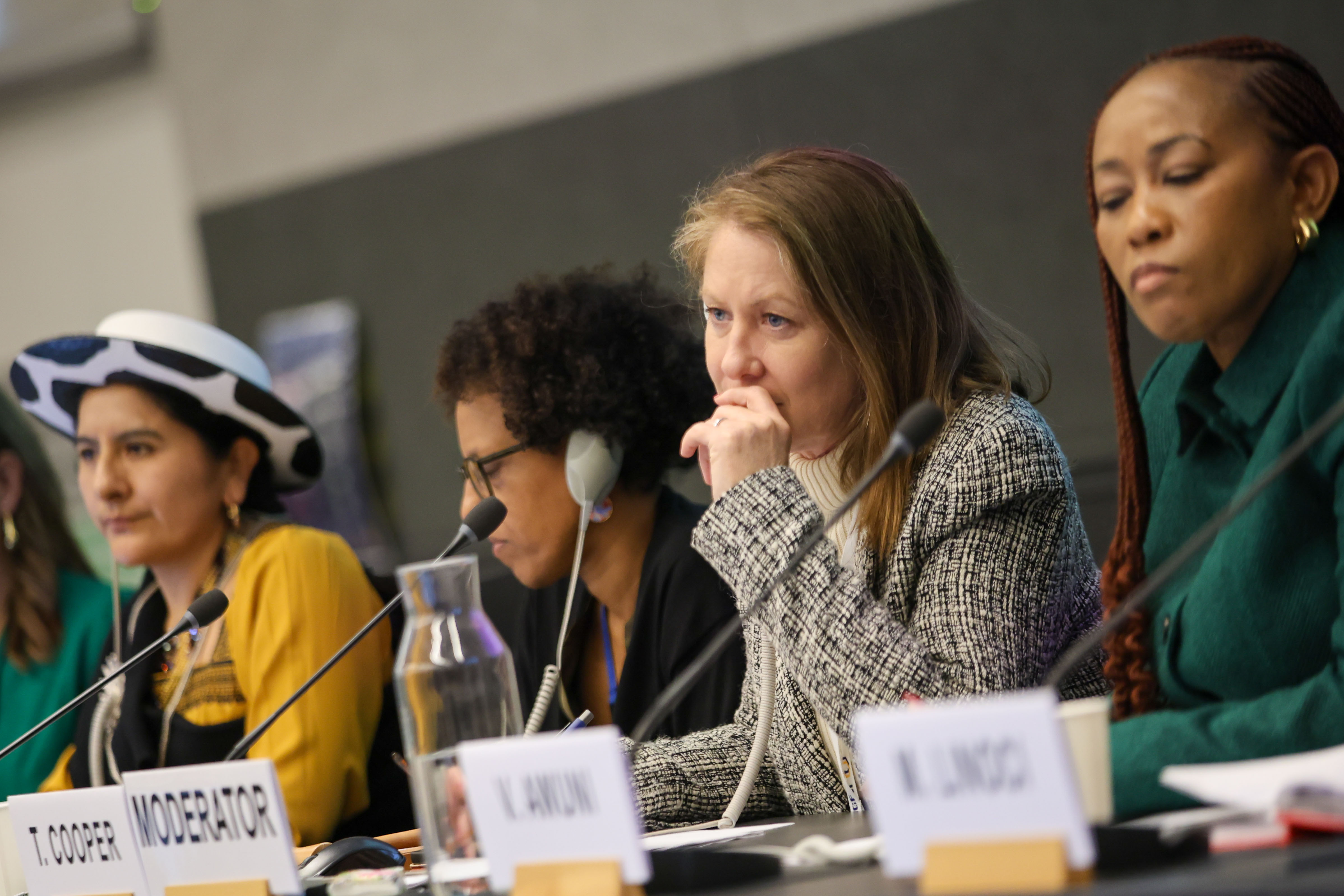
Tracey Cooper, Facilitator, Member of Advisory Boards
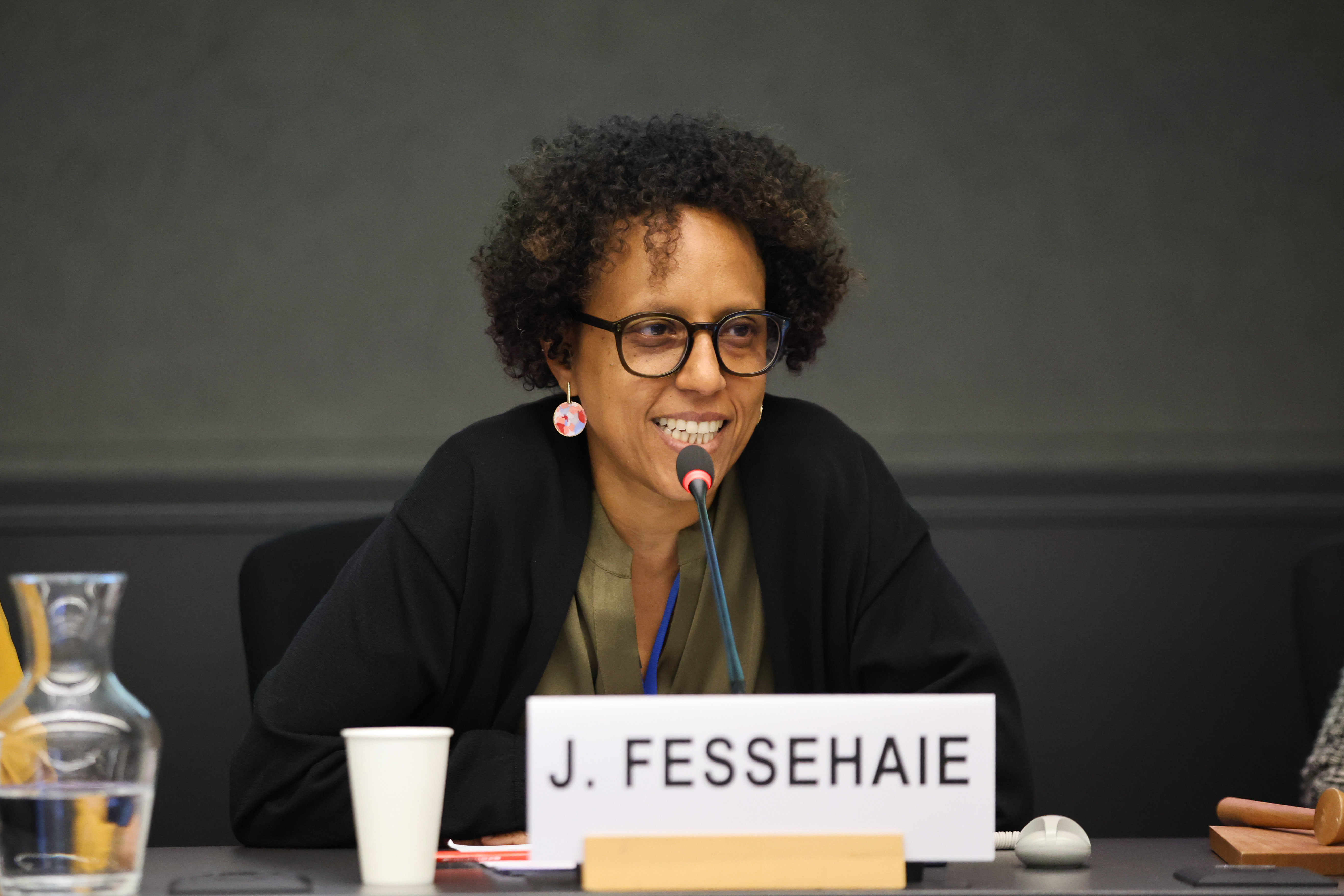
Judith Fessehaie, Head, SheTrades Initiative, International Trade Centre (ITC)
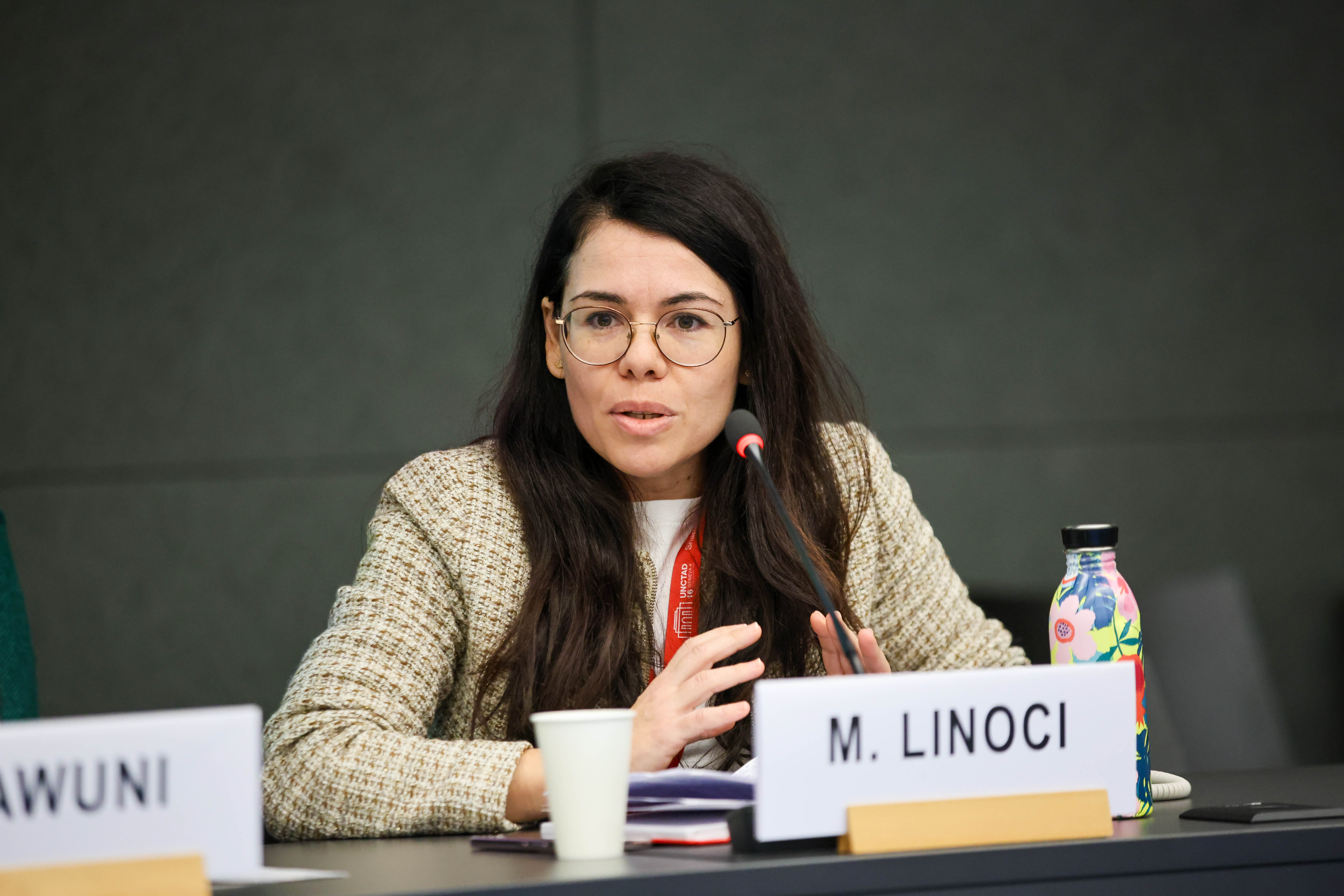
Mariangela Linoci, UNCTAD
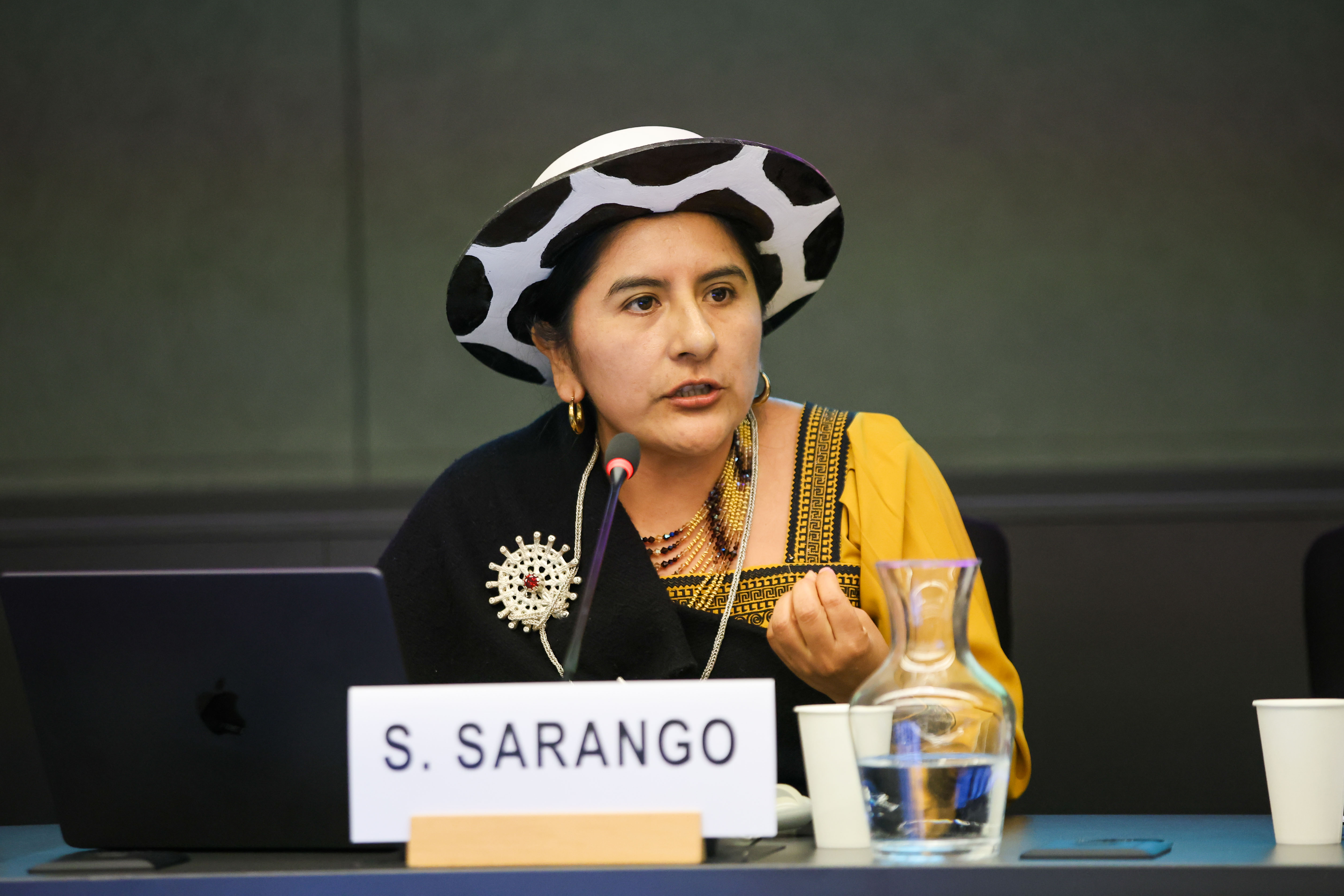
Sonnia Sarango, Founder, Soy Emprendedora Initiative, Ecuador
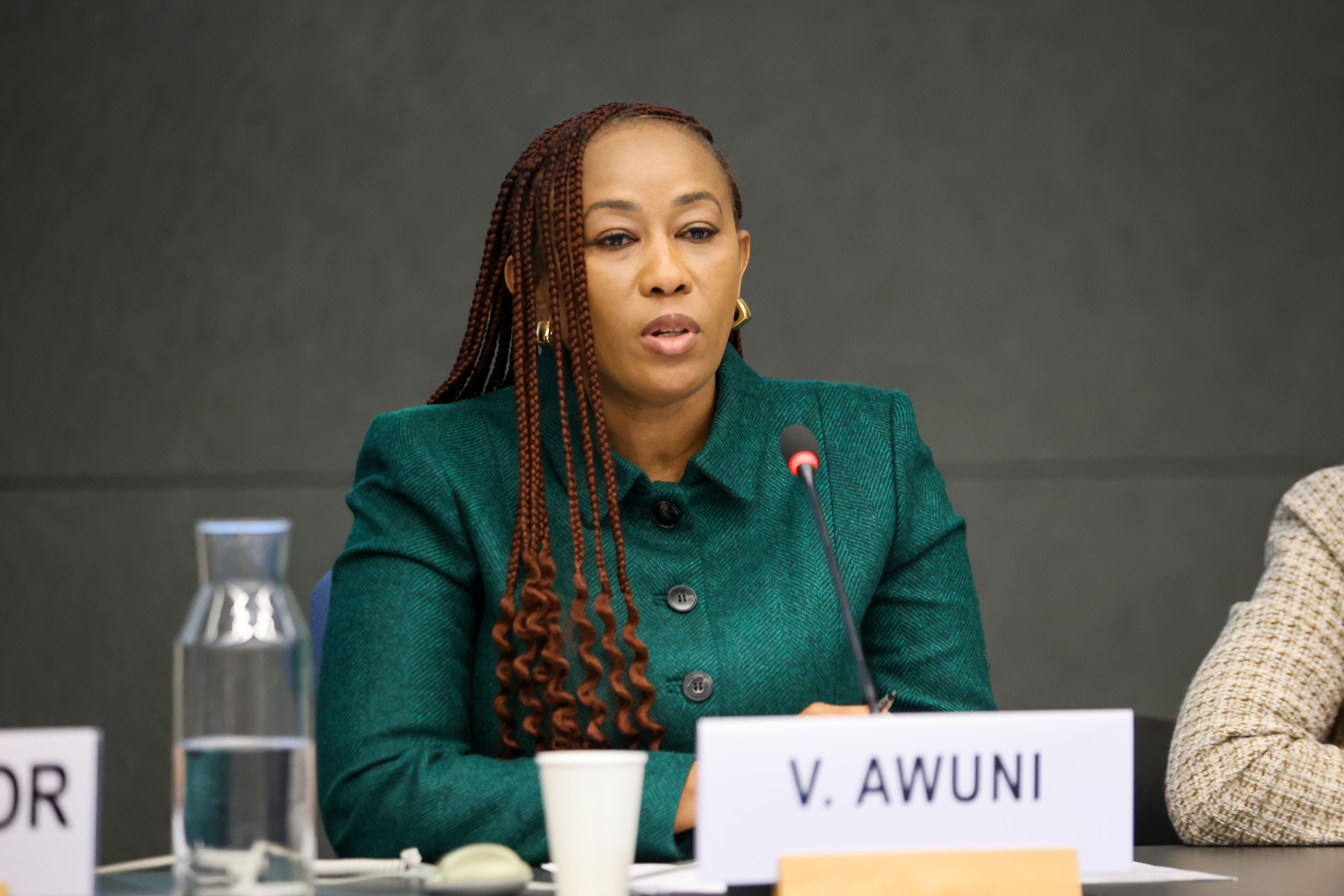
Victoria Awuni, Minerals Commission, Ghana
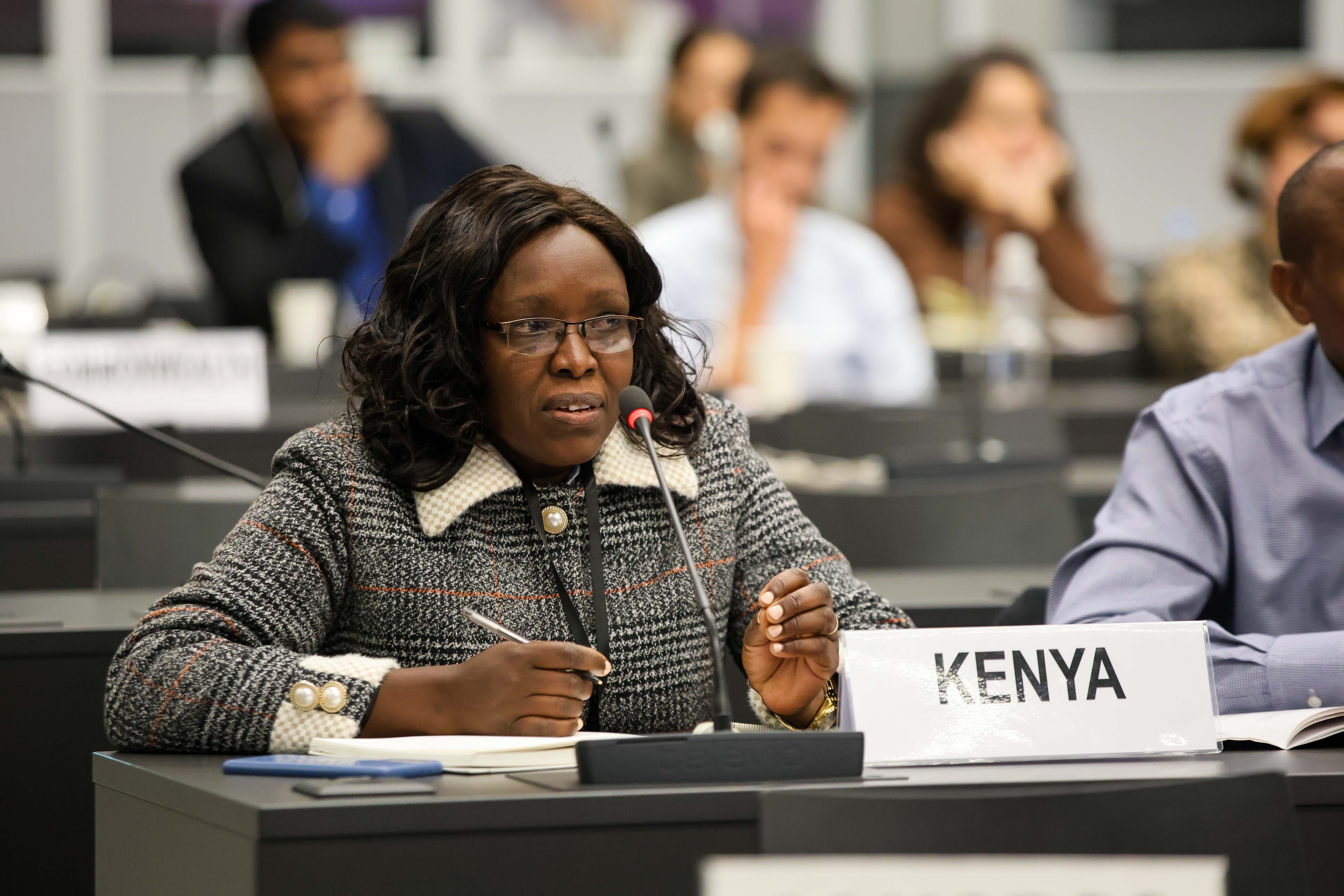
Sarah Bungei, Kenya
Session 11 | Critical Minerals: National Strategies in a Global Rush
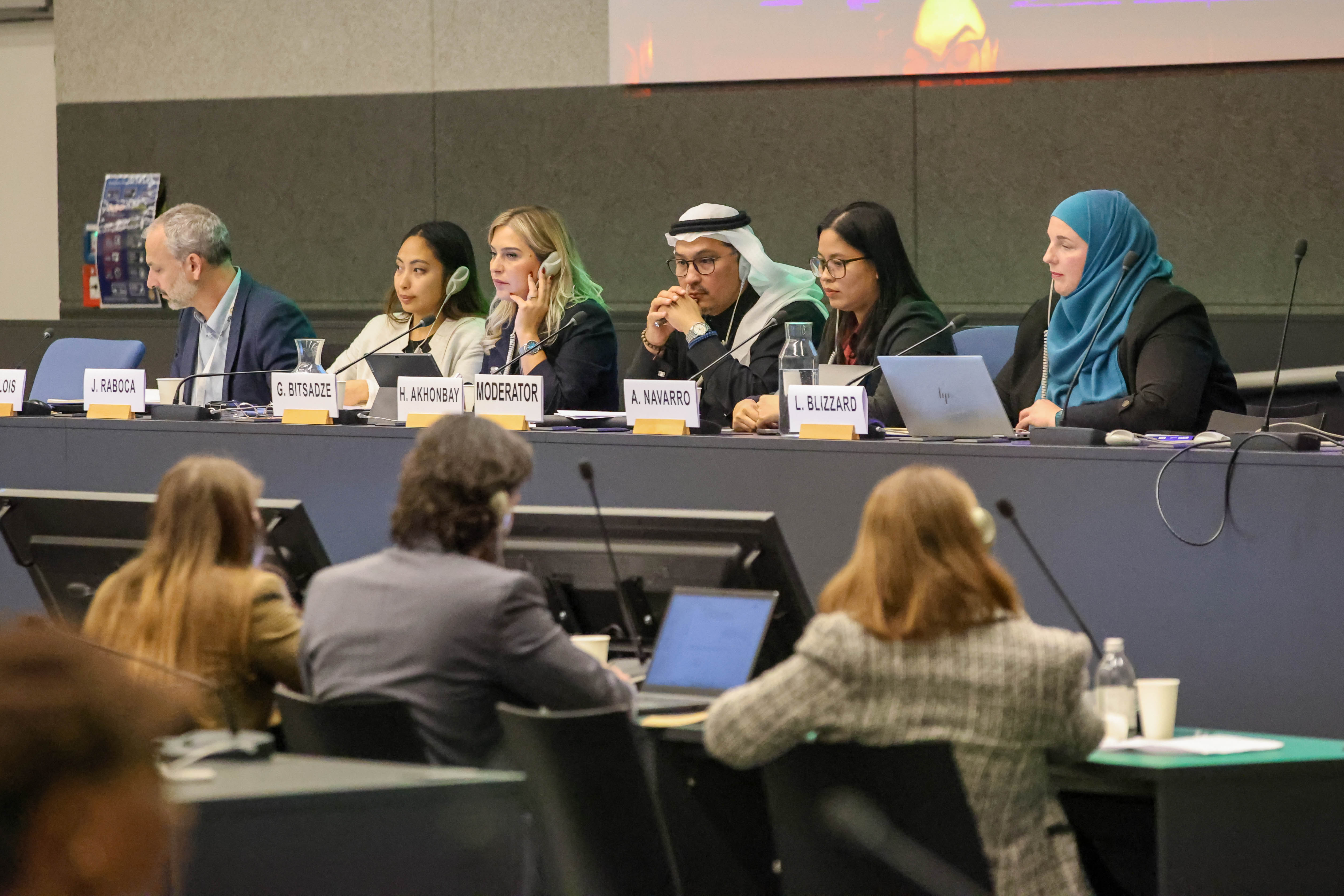
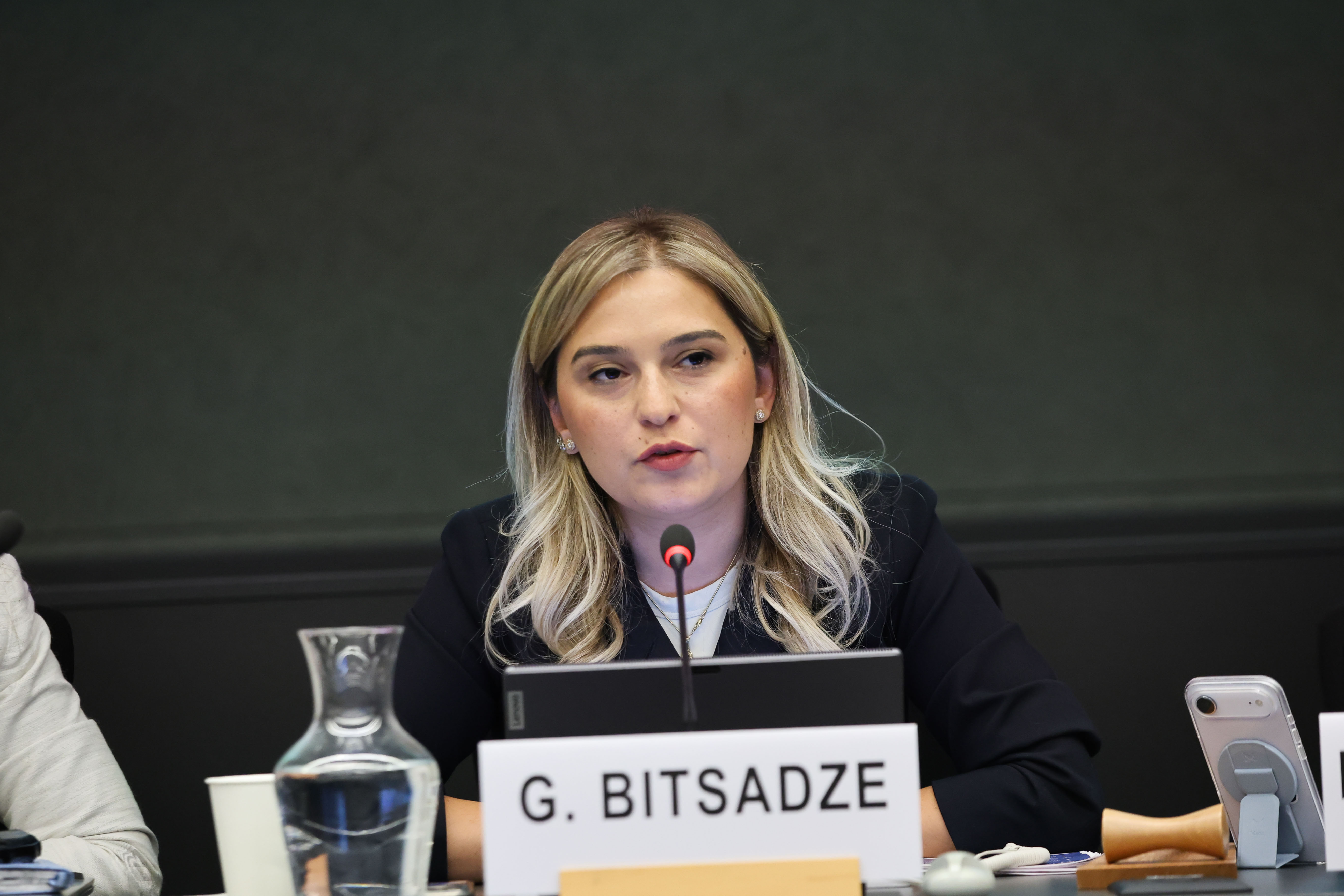
Galina Bitsadze, National Agency of Mineral Resources, Georgia
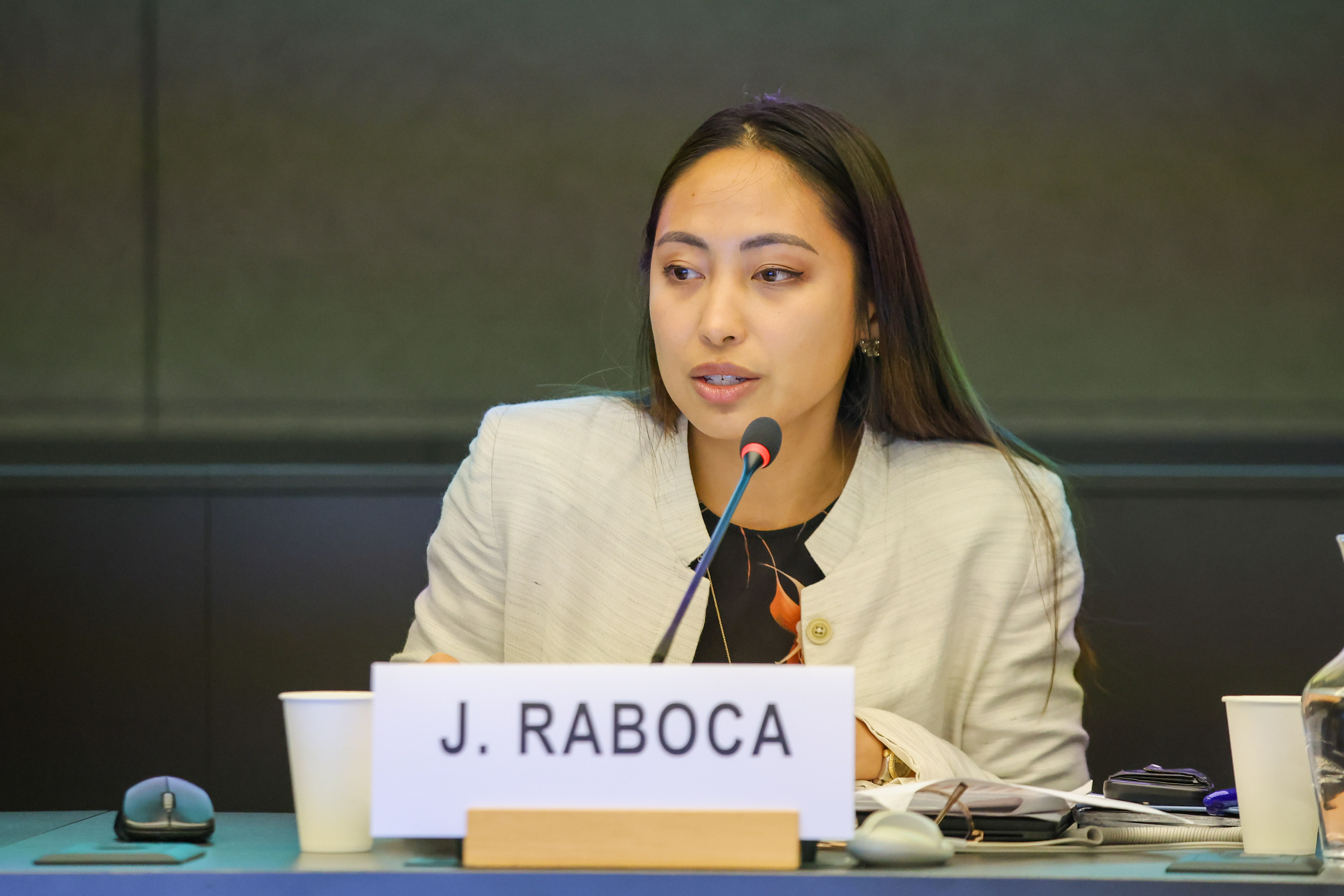
Joyce Anne Raboca, International Energy Agency (IEA)
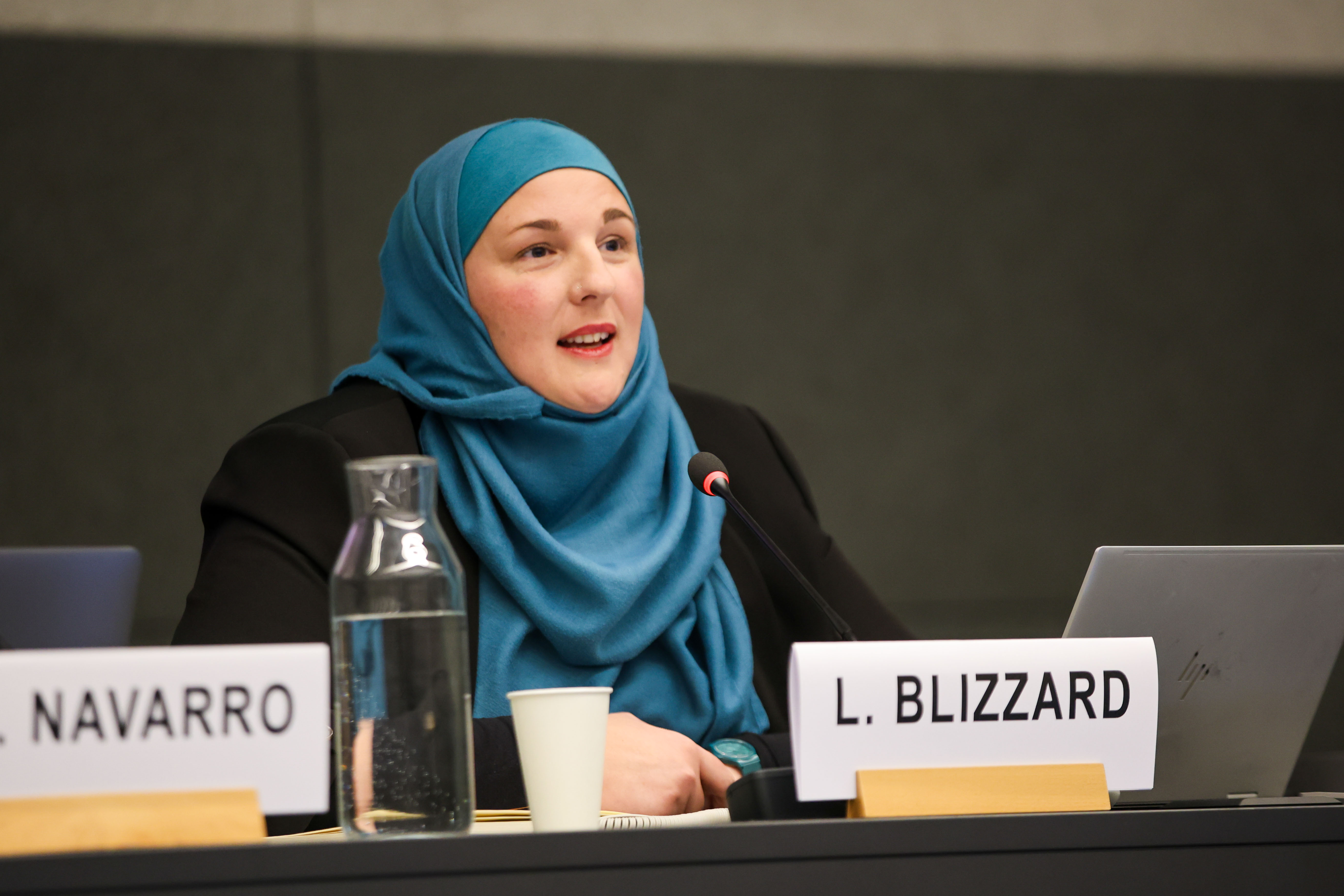
Laura Blizzard, Head, Development Strategy for International Critical Minerals, Foreign, Commonwealth & Development Office
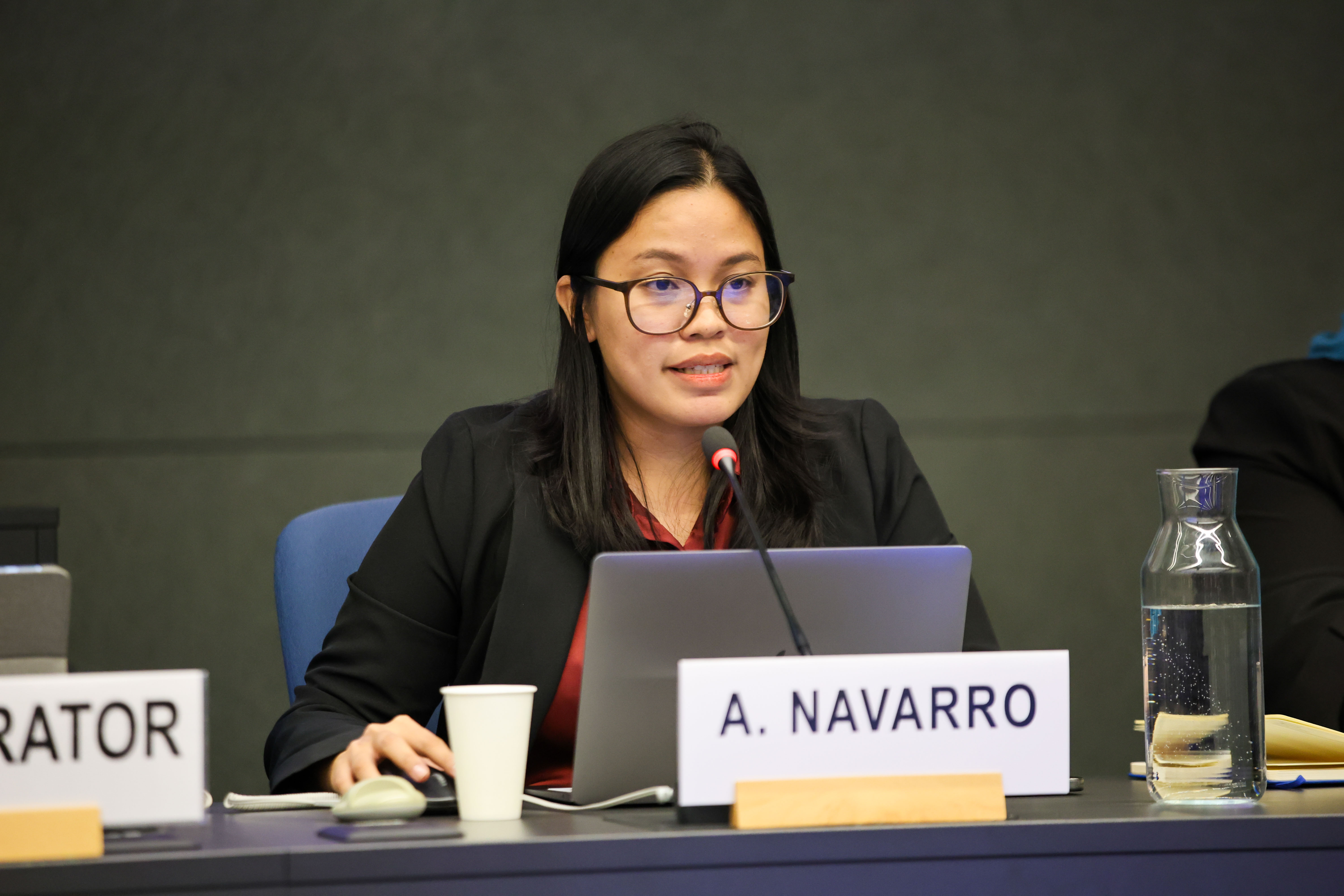
Anne-Karla Navarro, Mines and Geosciences Bureau, Department of Environment and Natural Resources, the Philippines
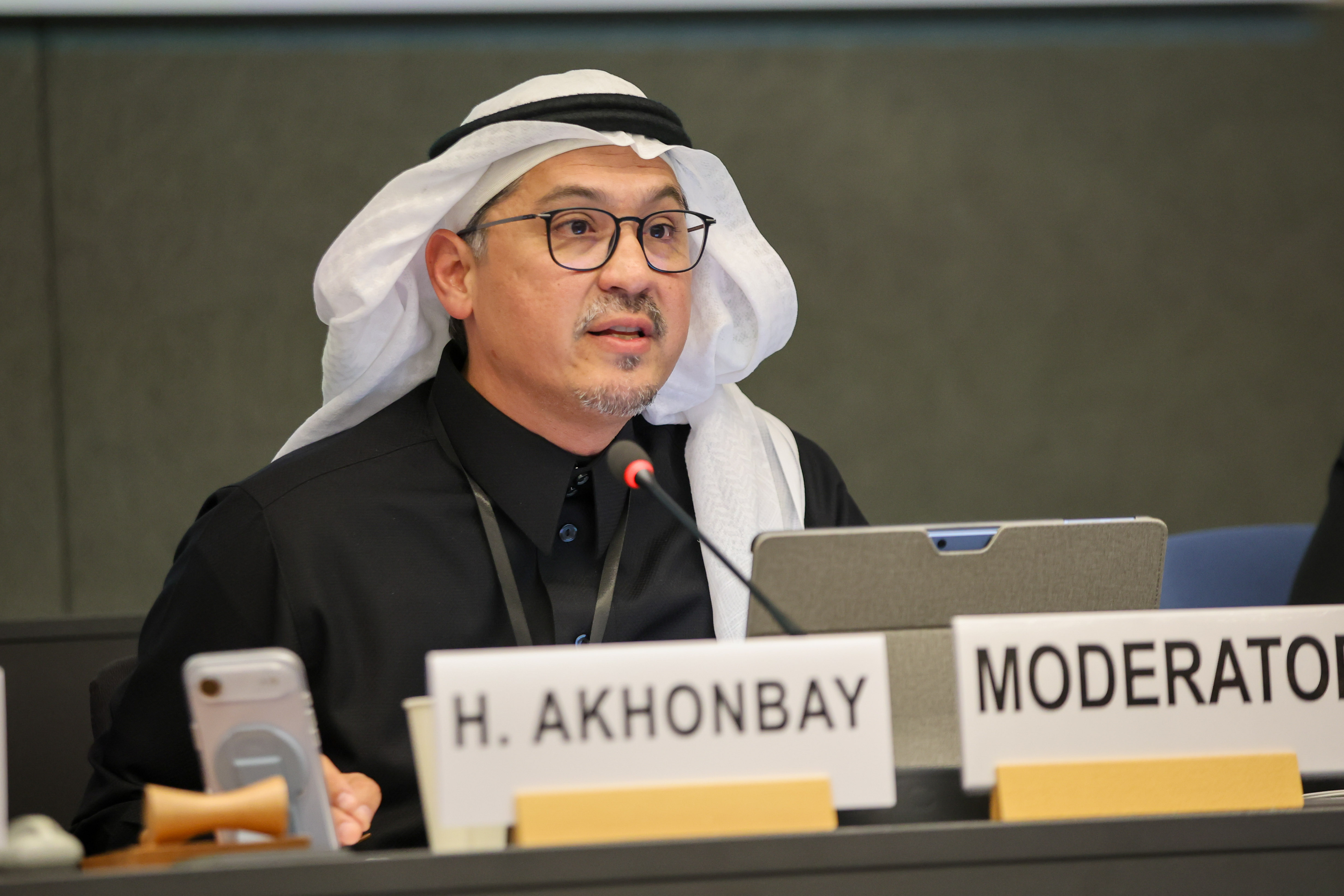
Hisham Akhonbay, Ministry of Industry and Mineral Resources, Saudi Arabia
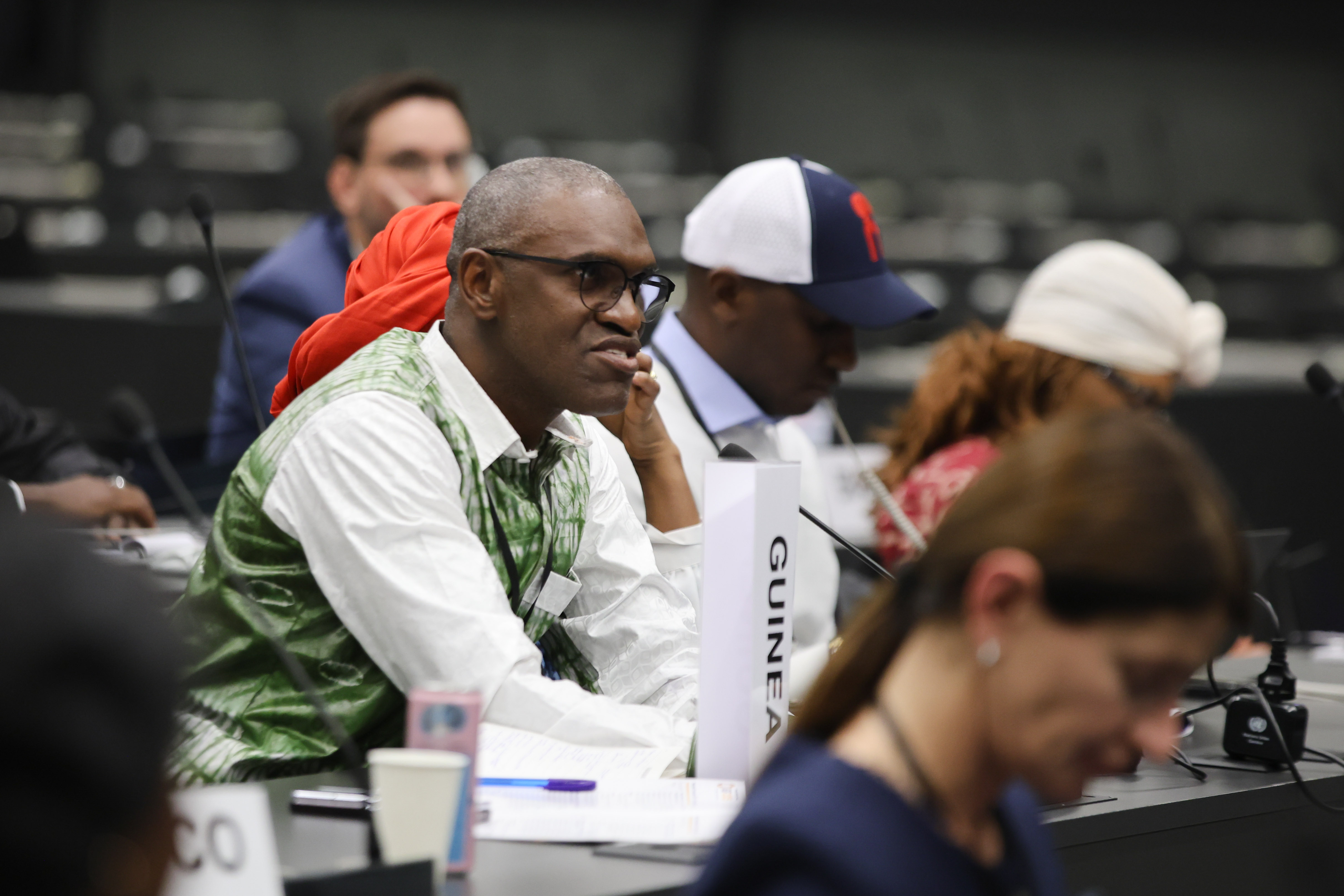
Mamadou Saidou Bimbiriko Barry, Guinea
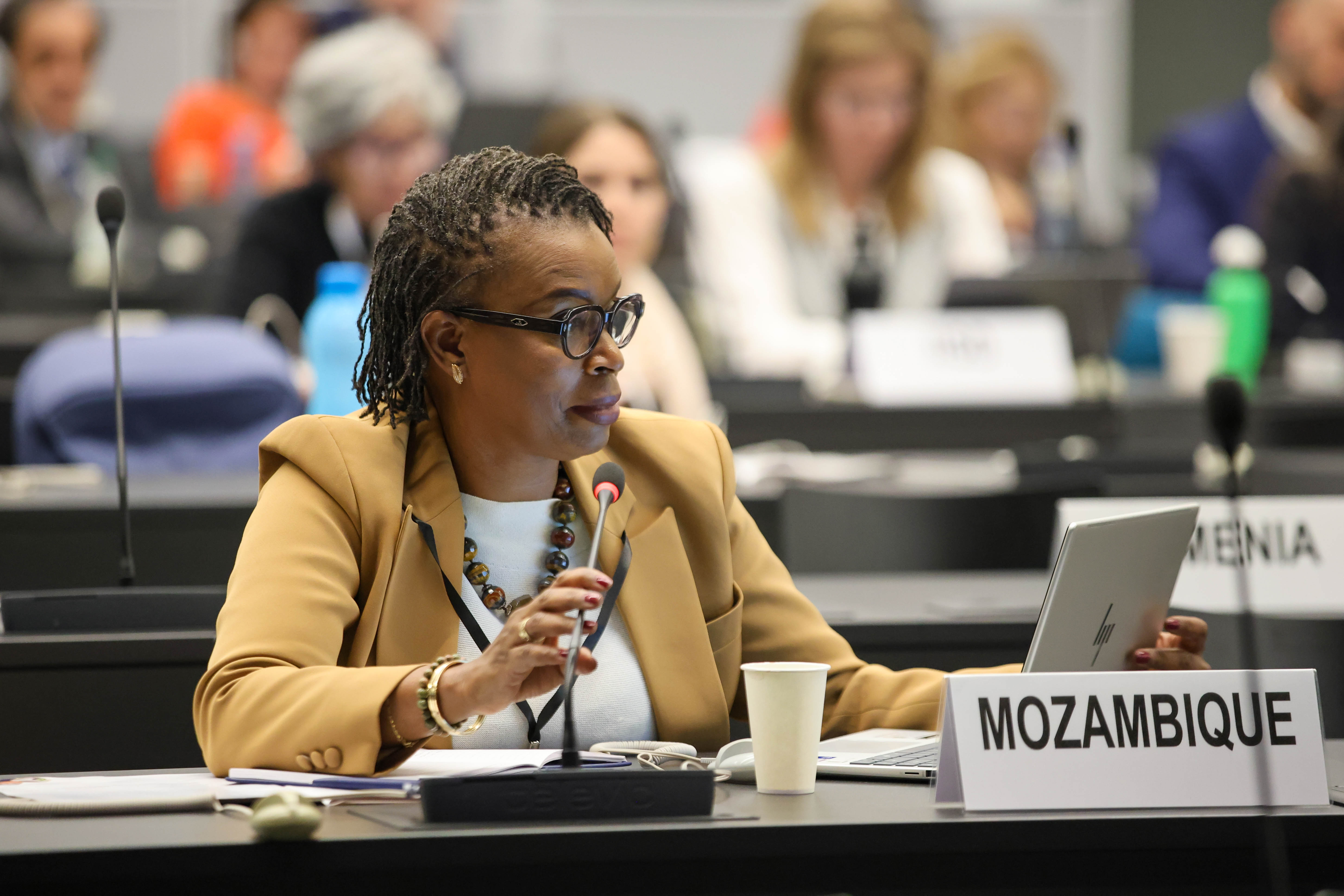
Maura Jorge Ingora, Mozambique
Session 12 | Forward Looking Regional Perspectives and Official Closing
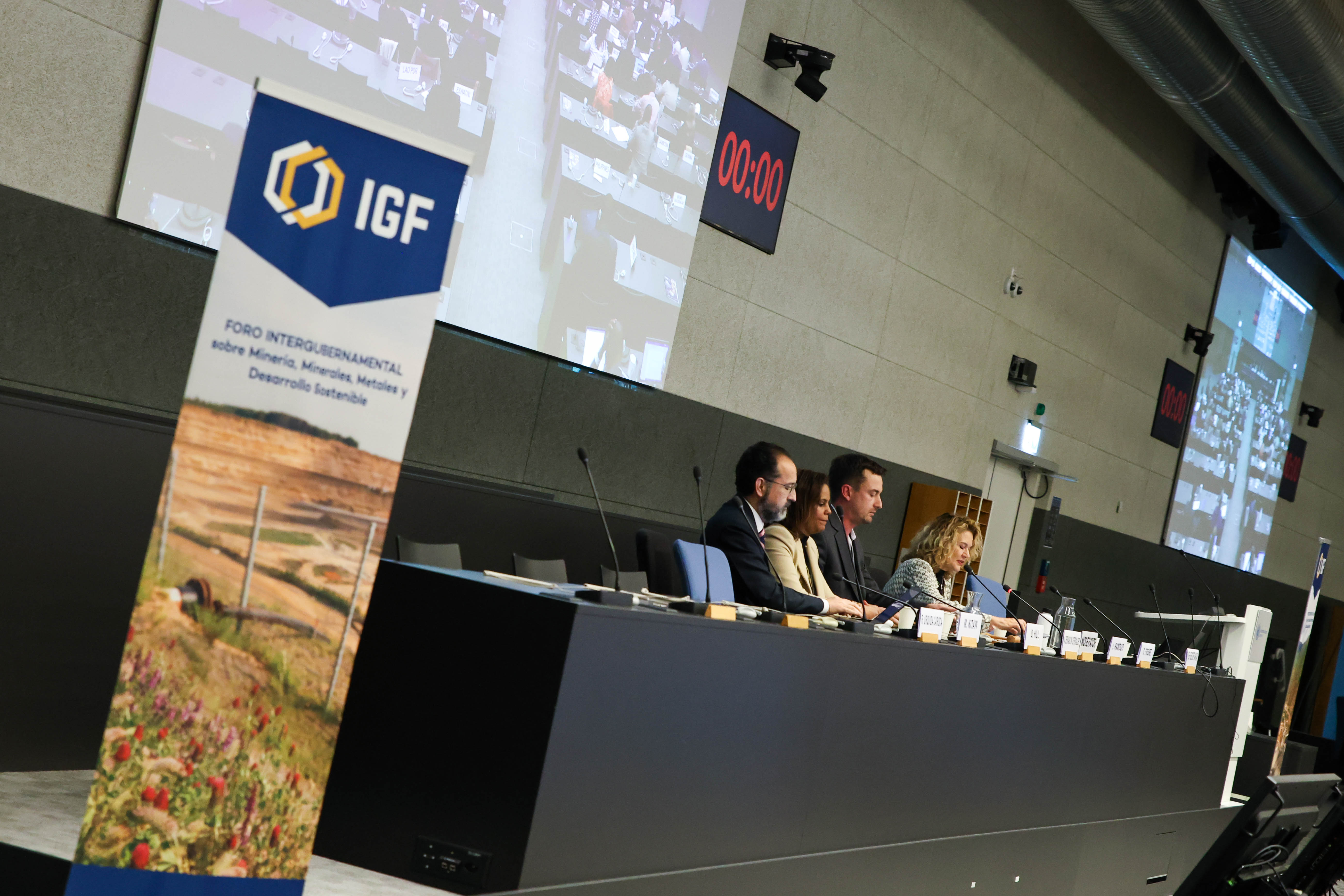
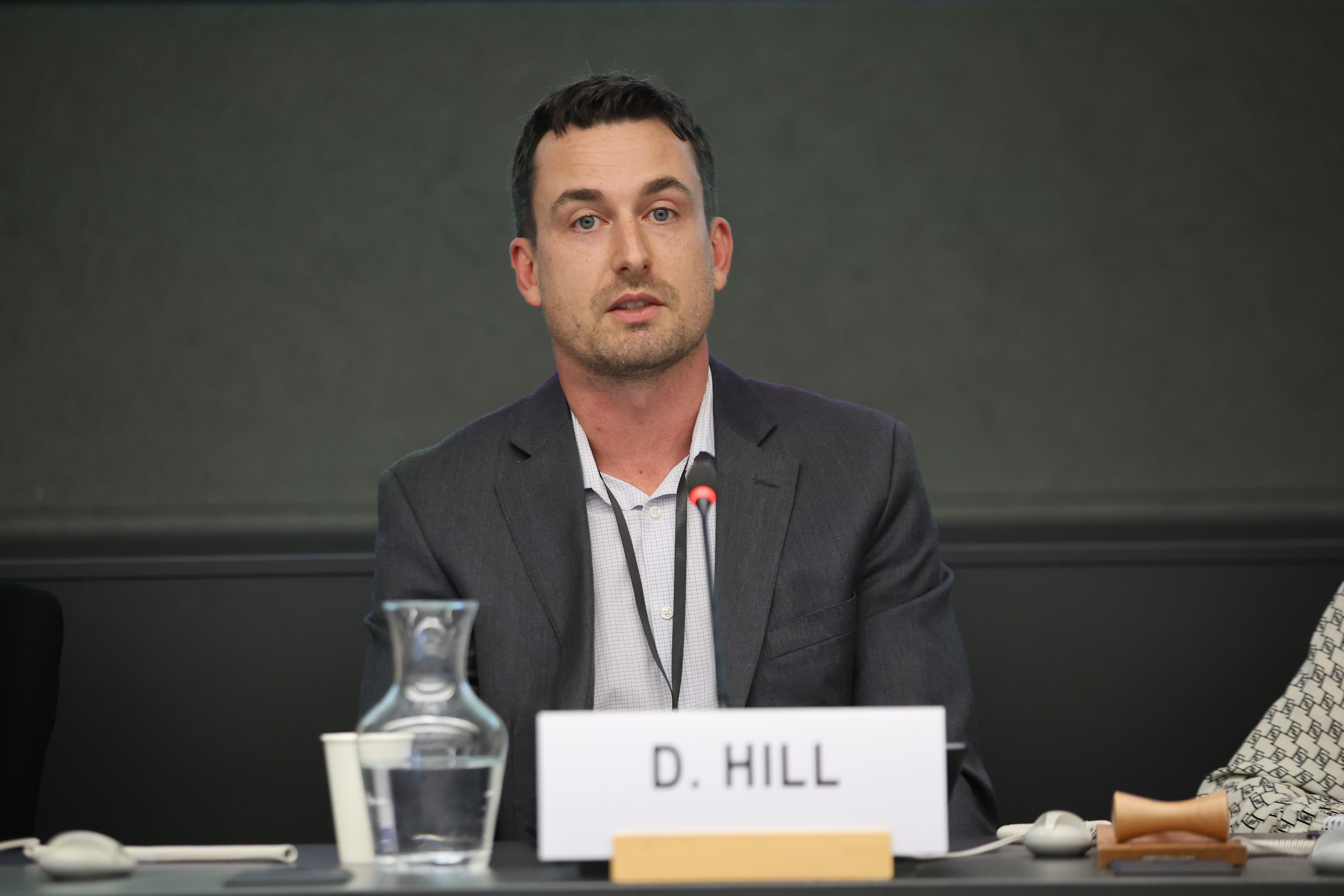
Daniel Hill, Natural Resources Canada

Isabelle Ramdoo, Director, IGF
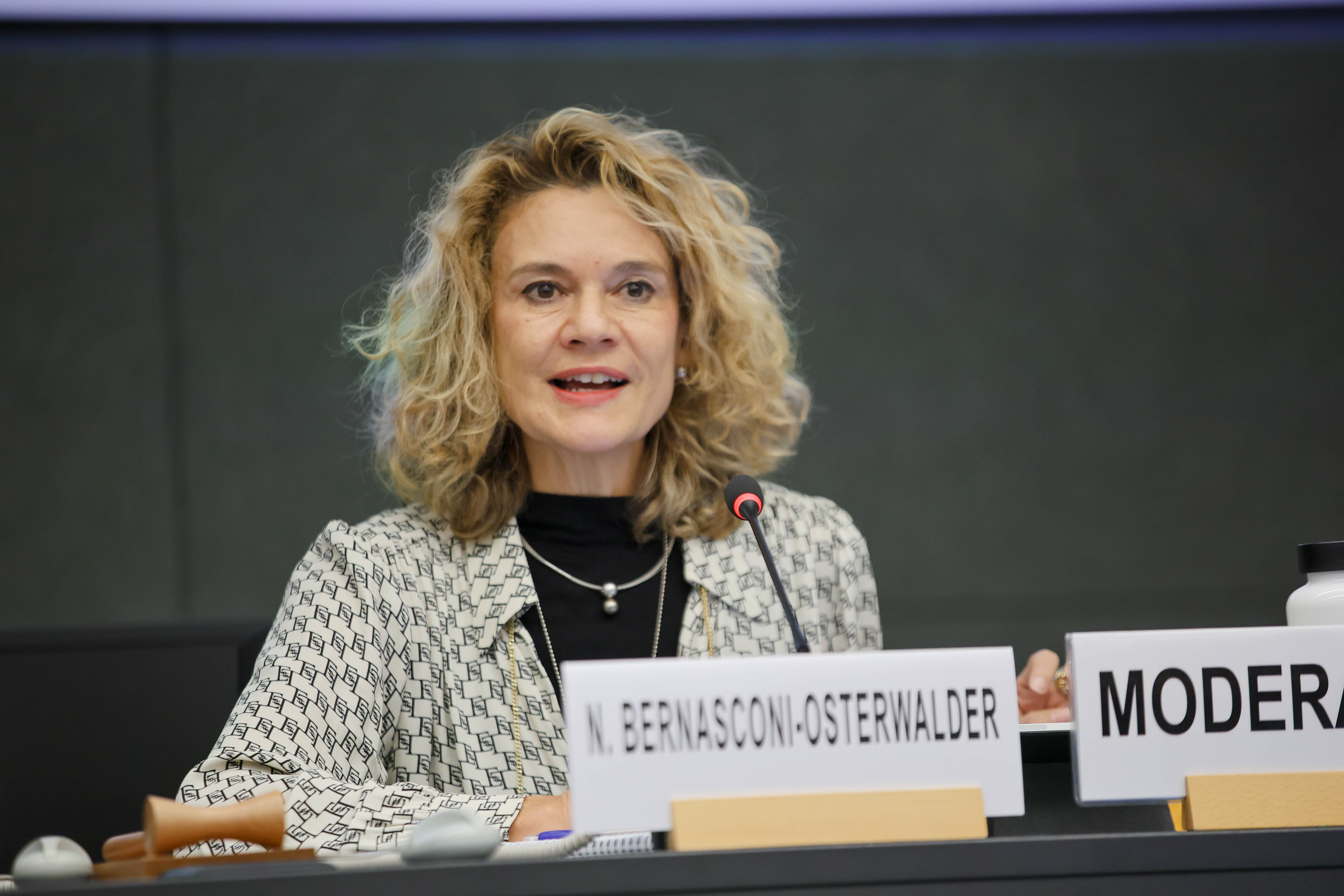
Nathalie Bernasconi-Osterwalder, Vice-President, IISD
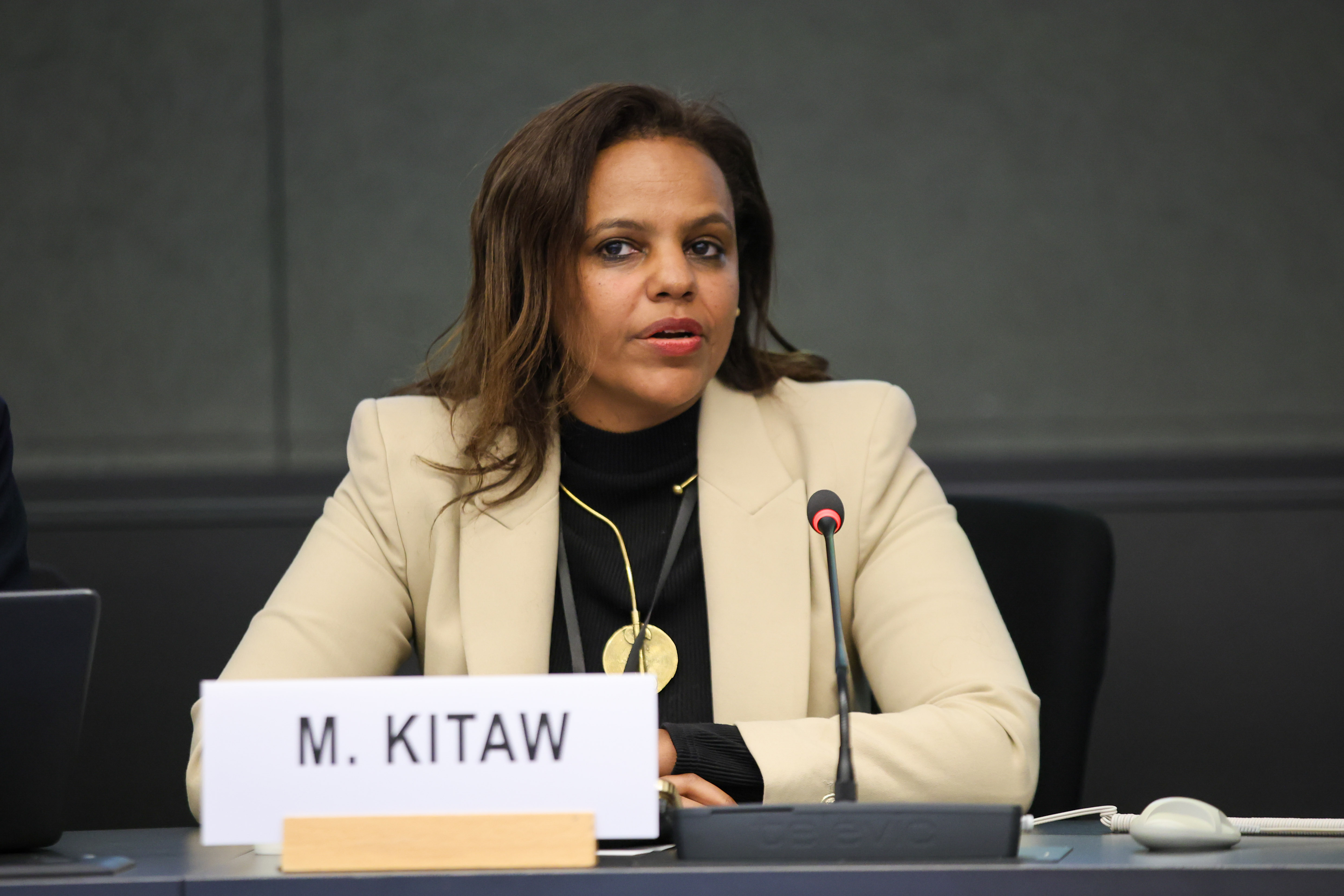
Marit Kitaw, UN Economic Commission for Africa
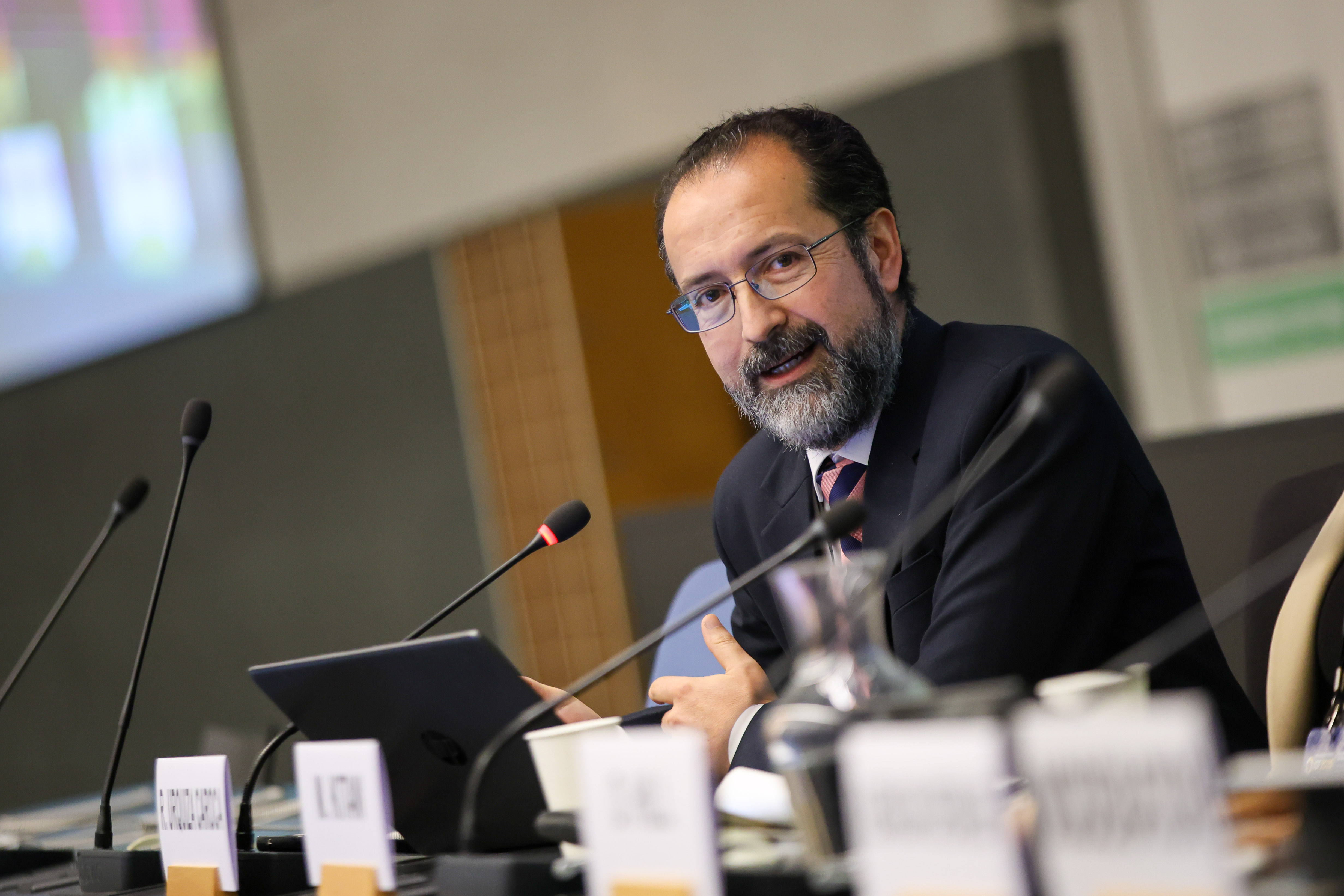
Rodrigo Urquiza, Conference of Mining Ministries of the Americas (CAMMA), Chile
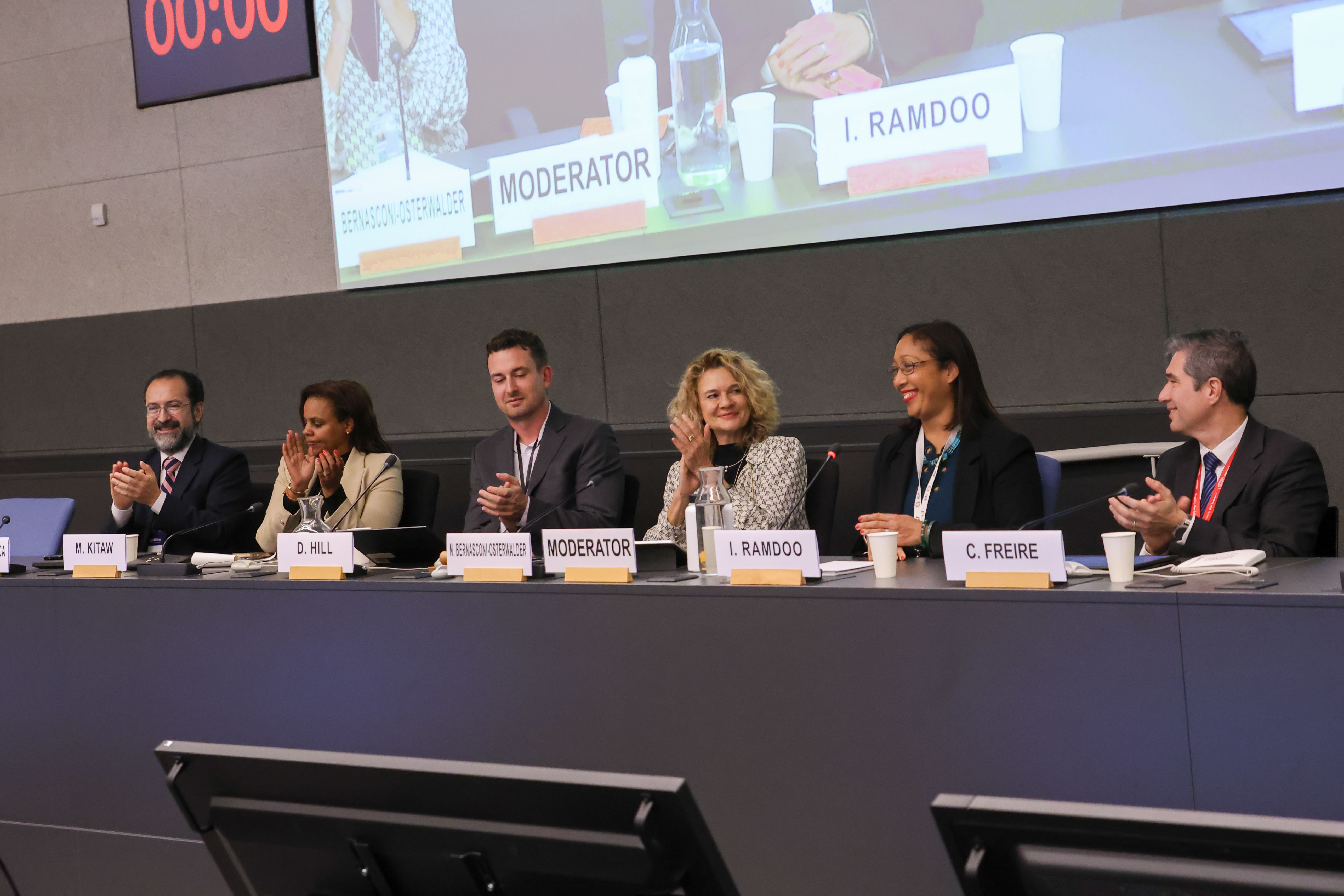
Members of the panel applaud following the closing of the meeting.
Selected Images
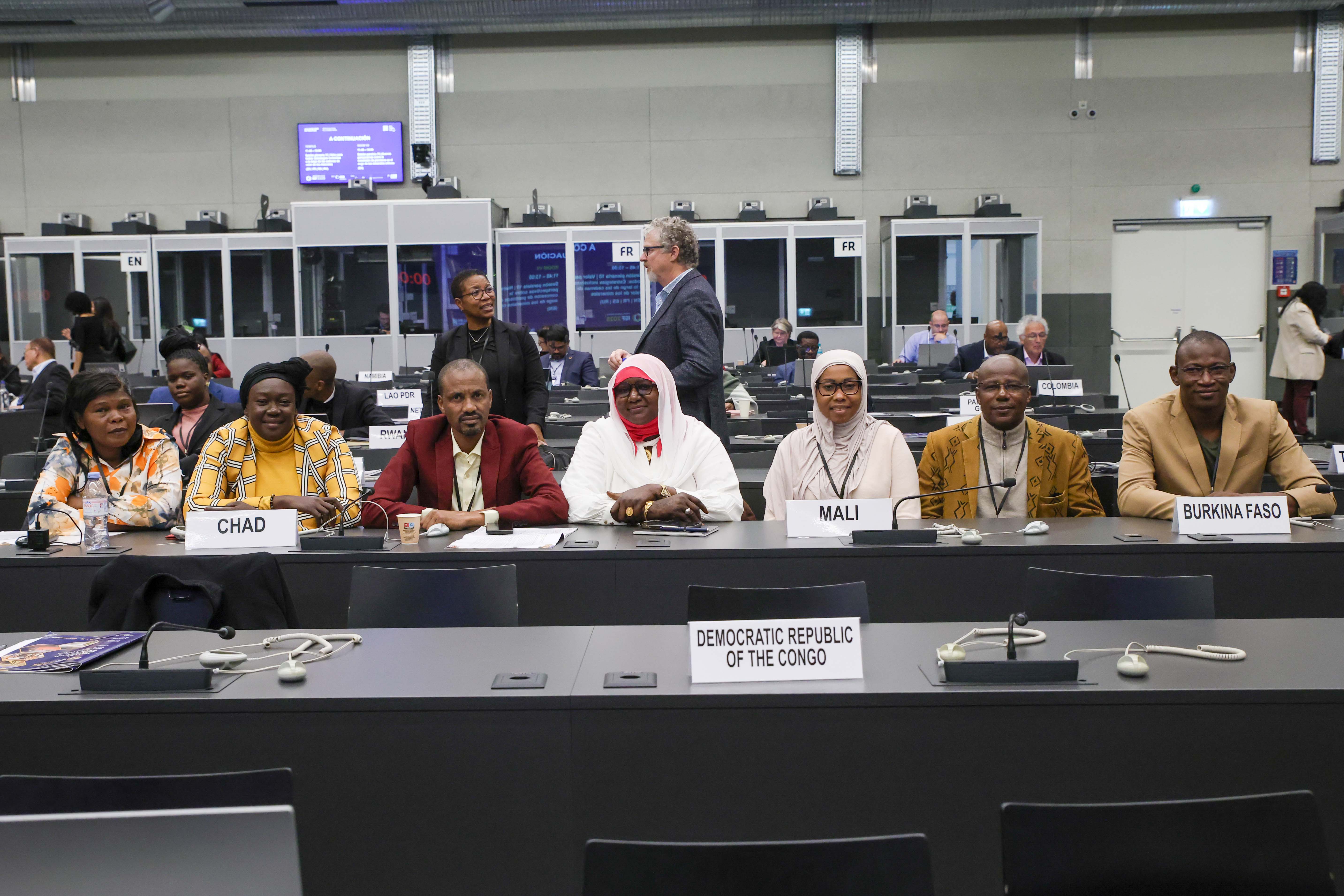
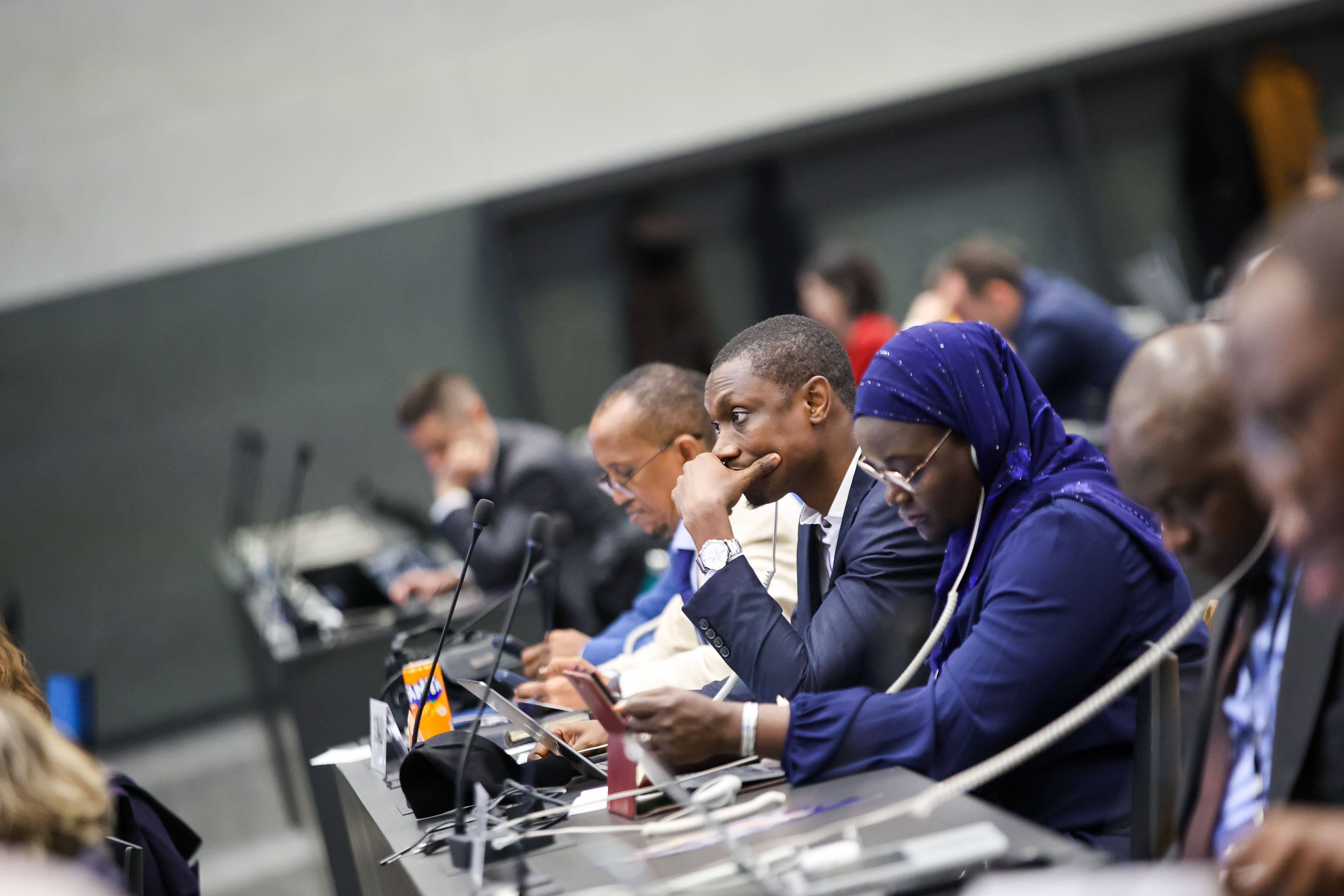
Delegates from Chad, Mali, and Burkina Faso
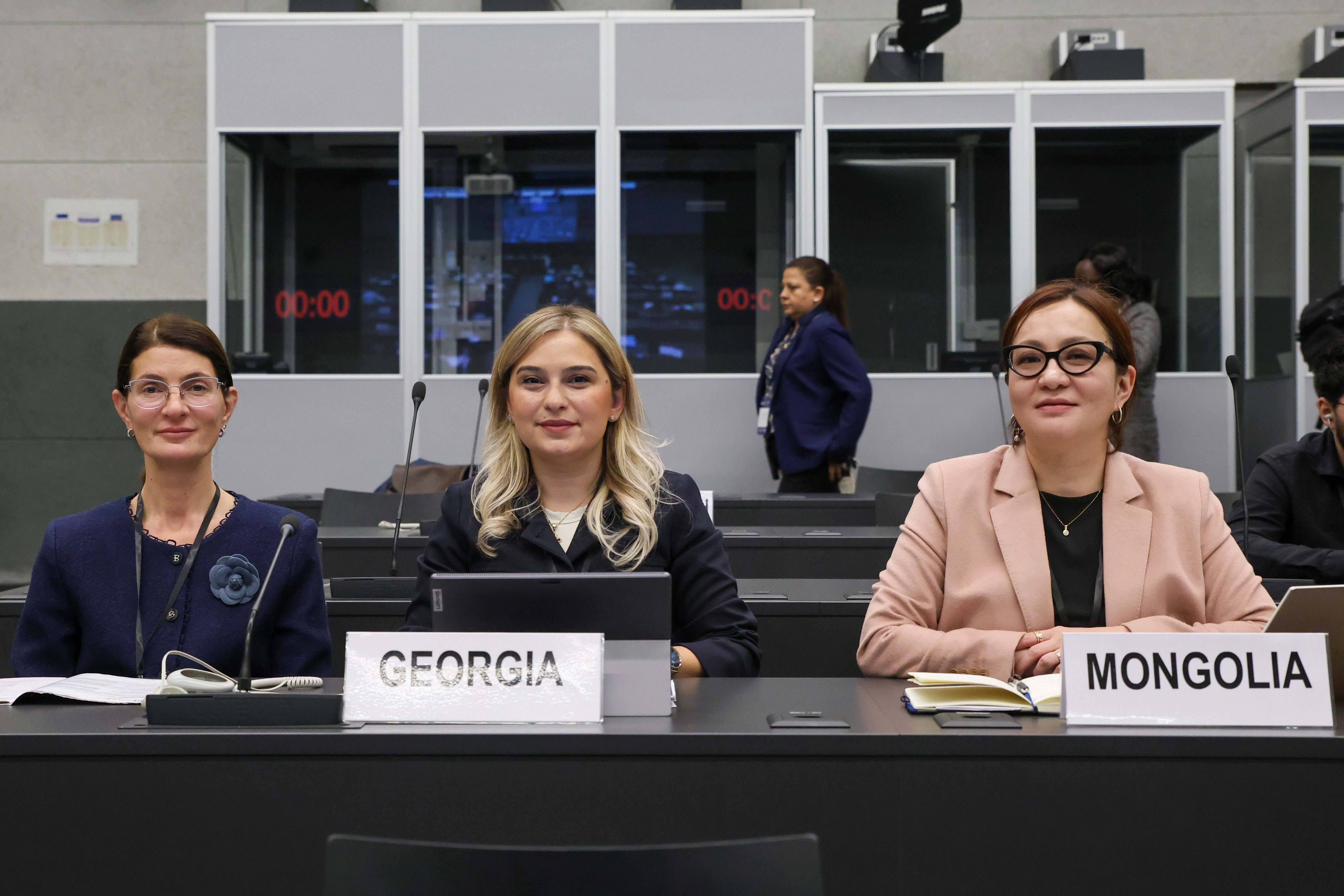
Delegates from Georgia and Mongolia
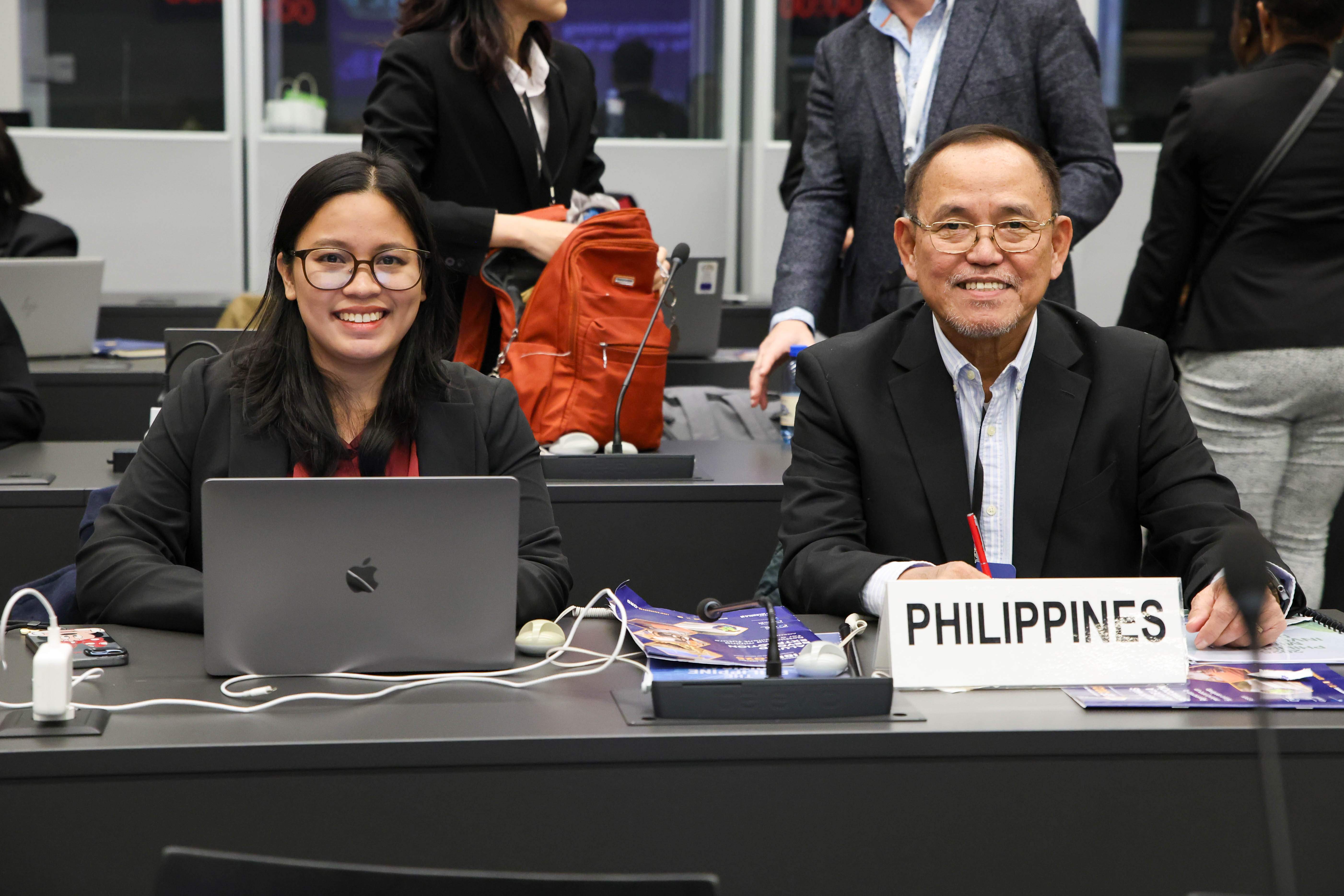
Delegates from the Philippines
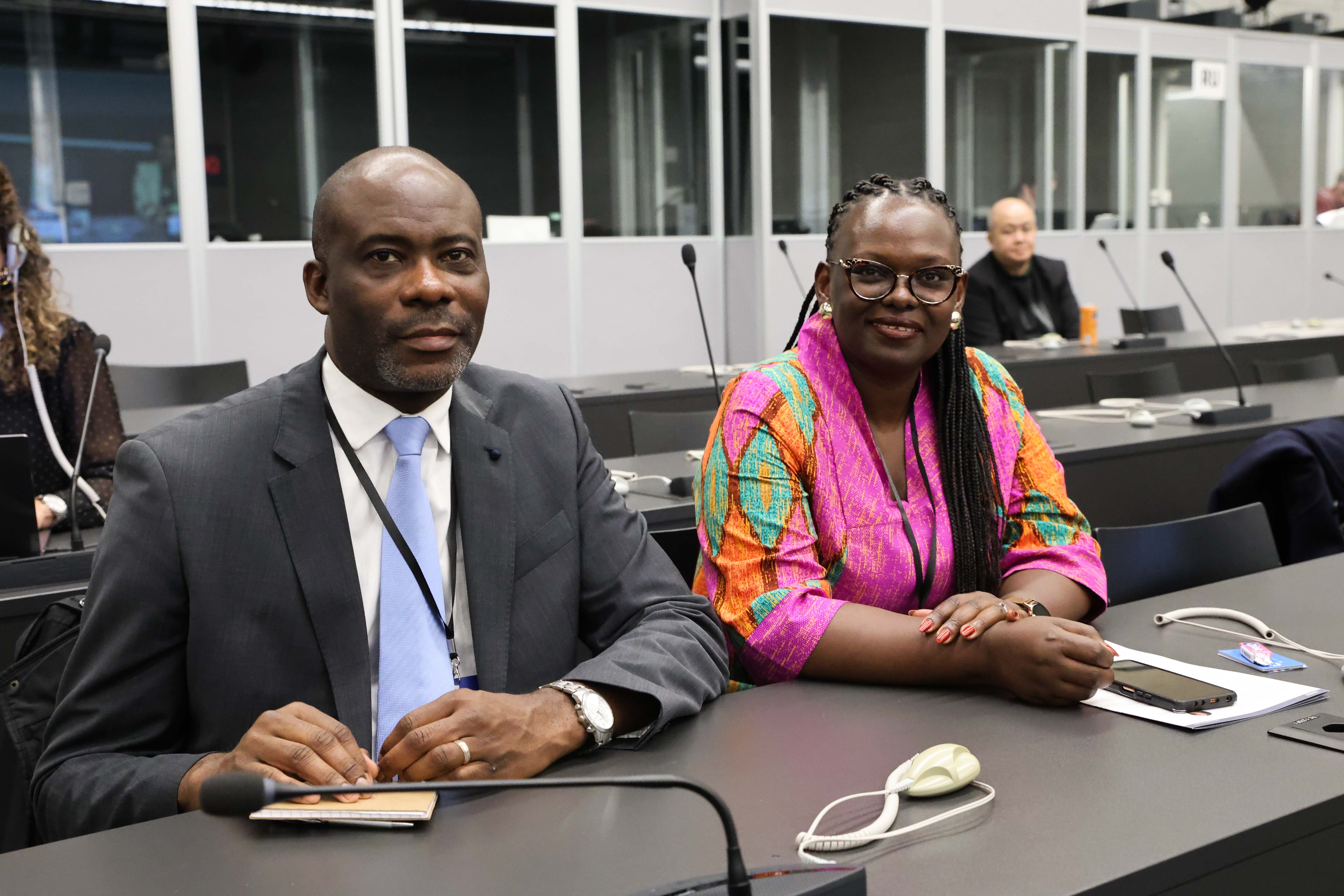
Fanny Lubambu Kaziama, Amex Canada, and Lynn Gitu, Impact Canada
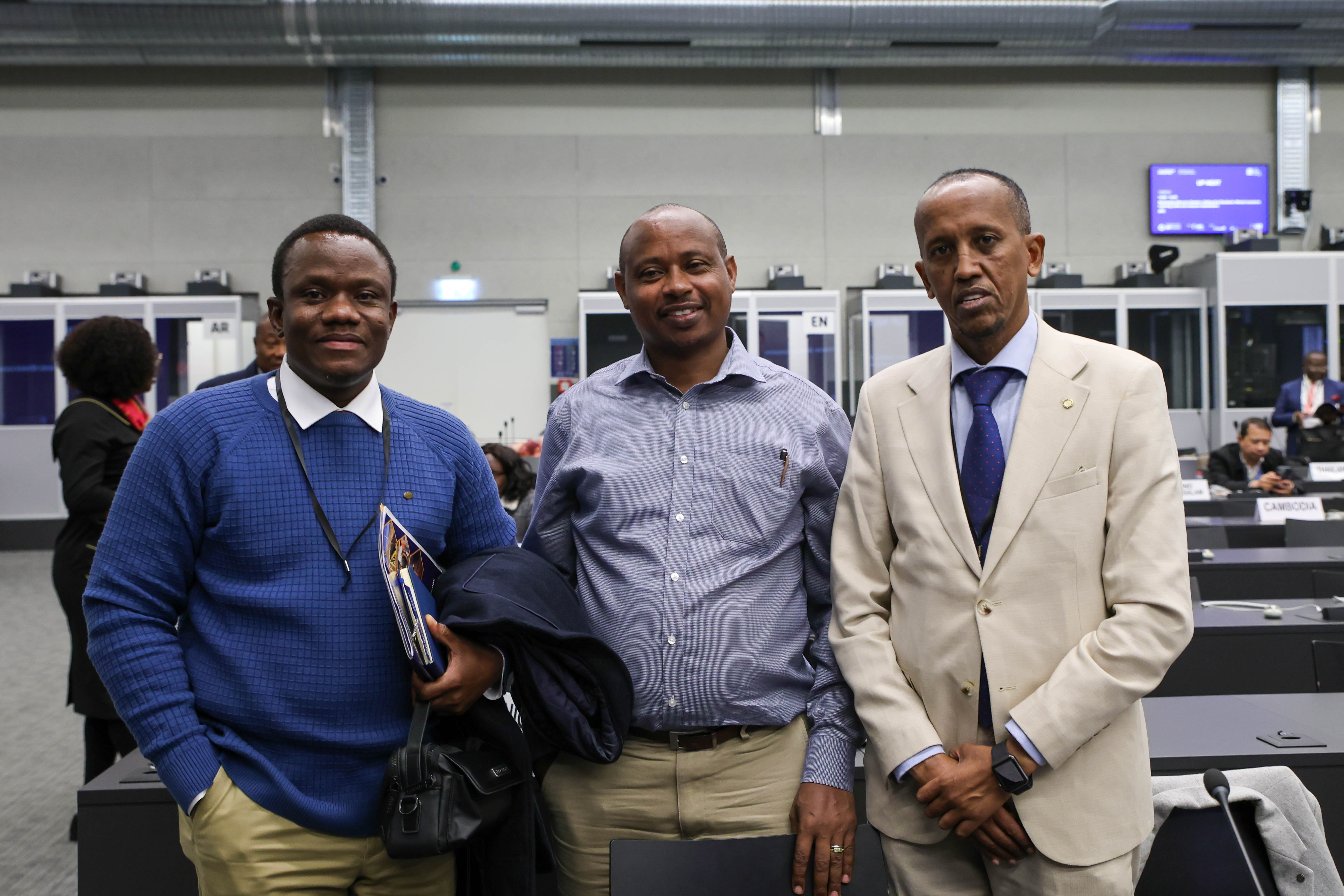
Ahmed Tijani, Ghana, Joseph Ng'ang'a Kuria, Kenya, and Arabey Hashi Abdi, Somalia
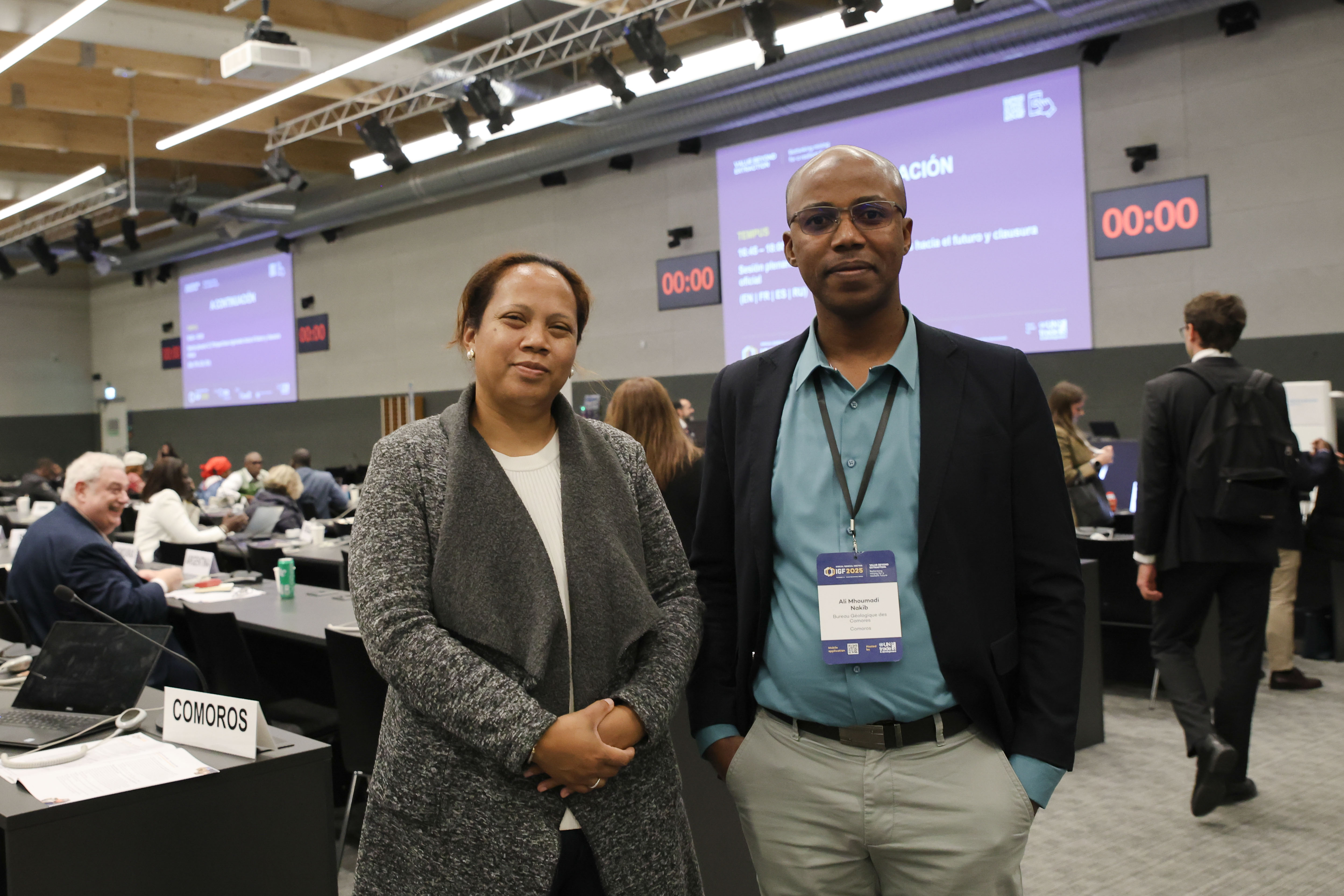
Mirana Hortensia Rakotobe Ep Hajasoa Rakotoarimanana, Madagascar, and Nakib Ali Mhoumadi, Comoros
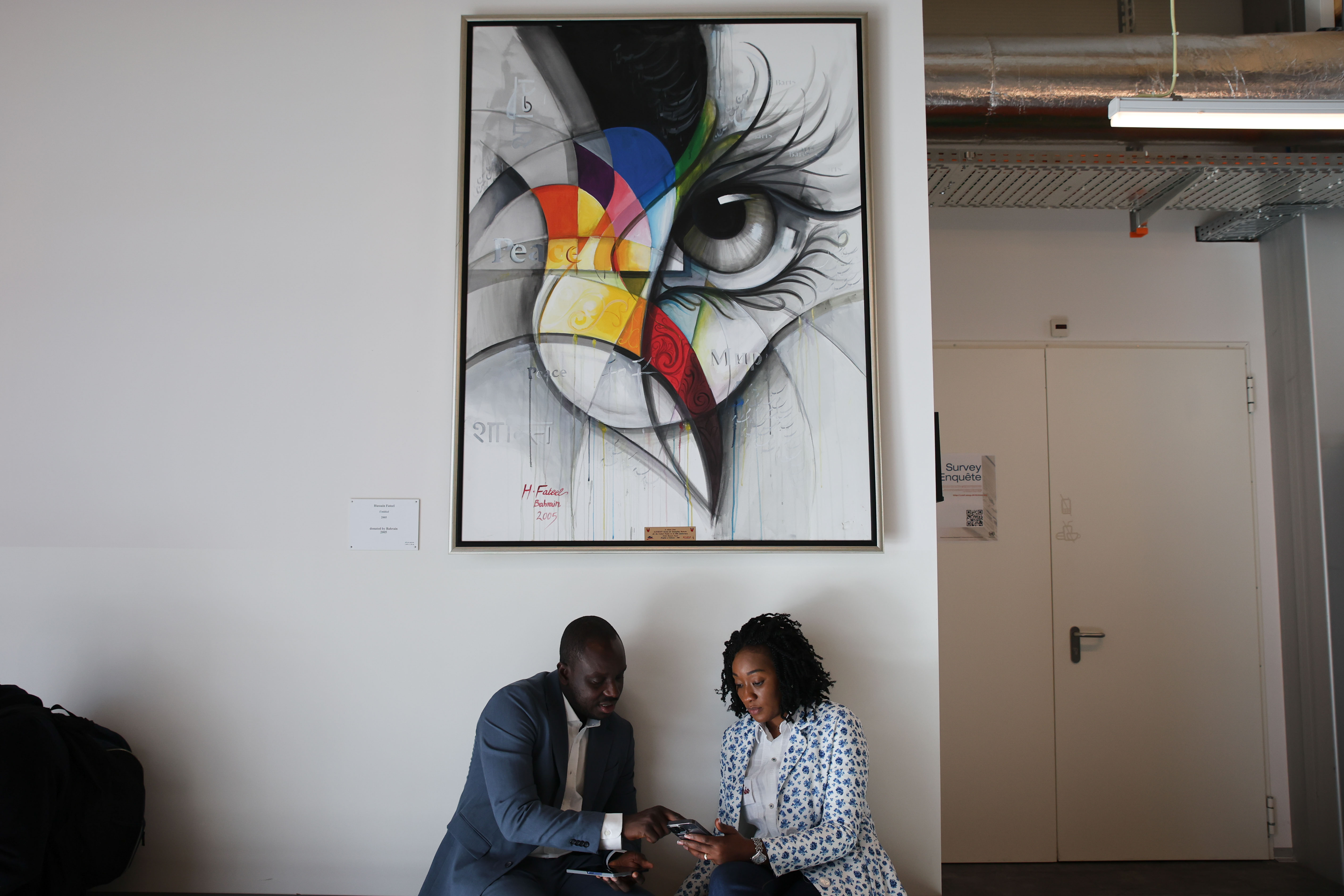
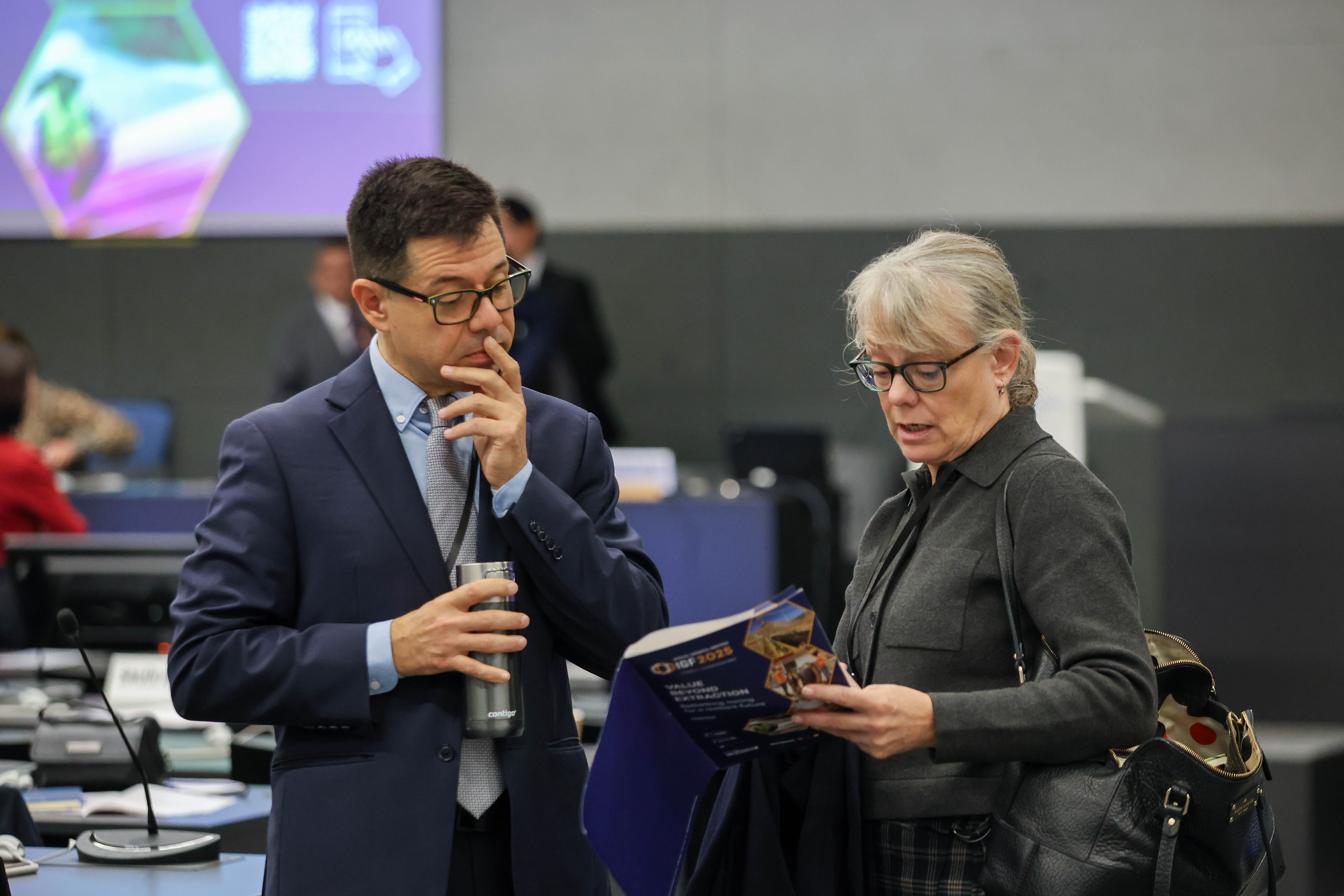
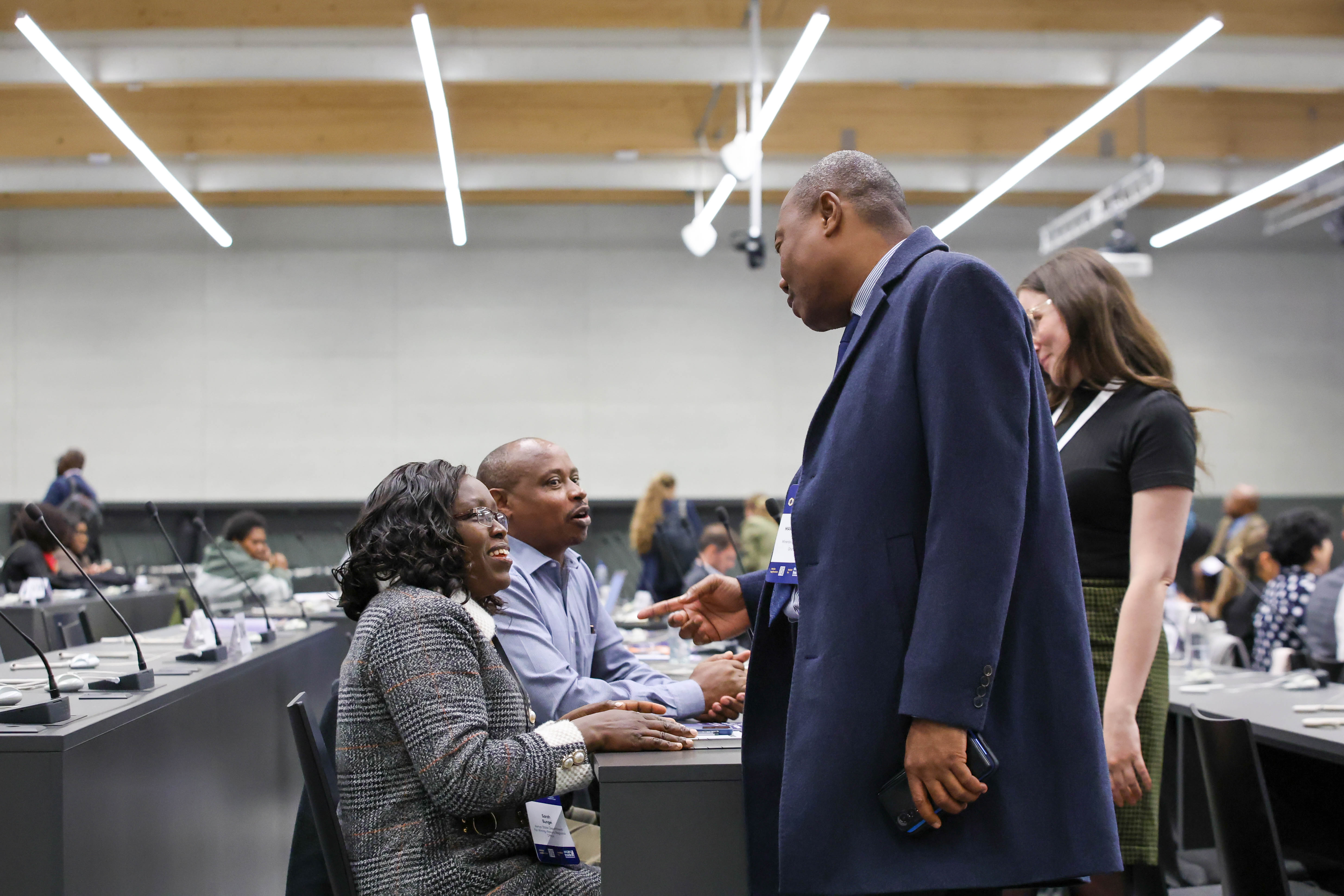
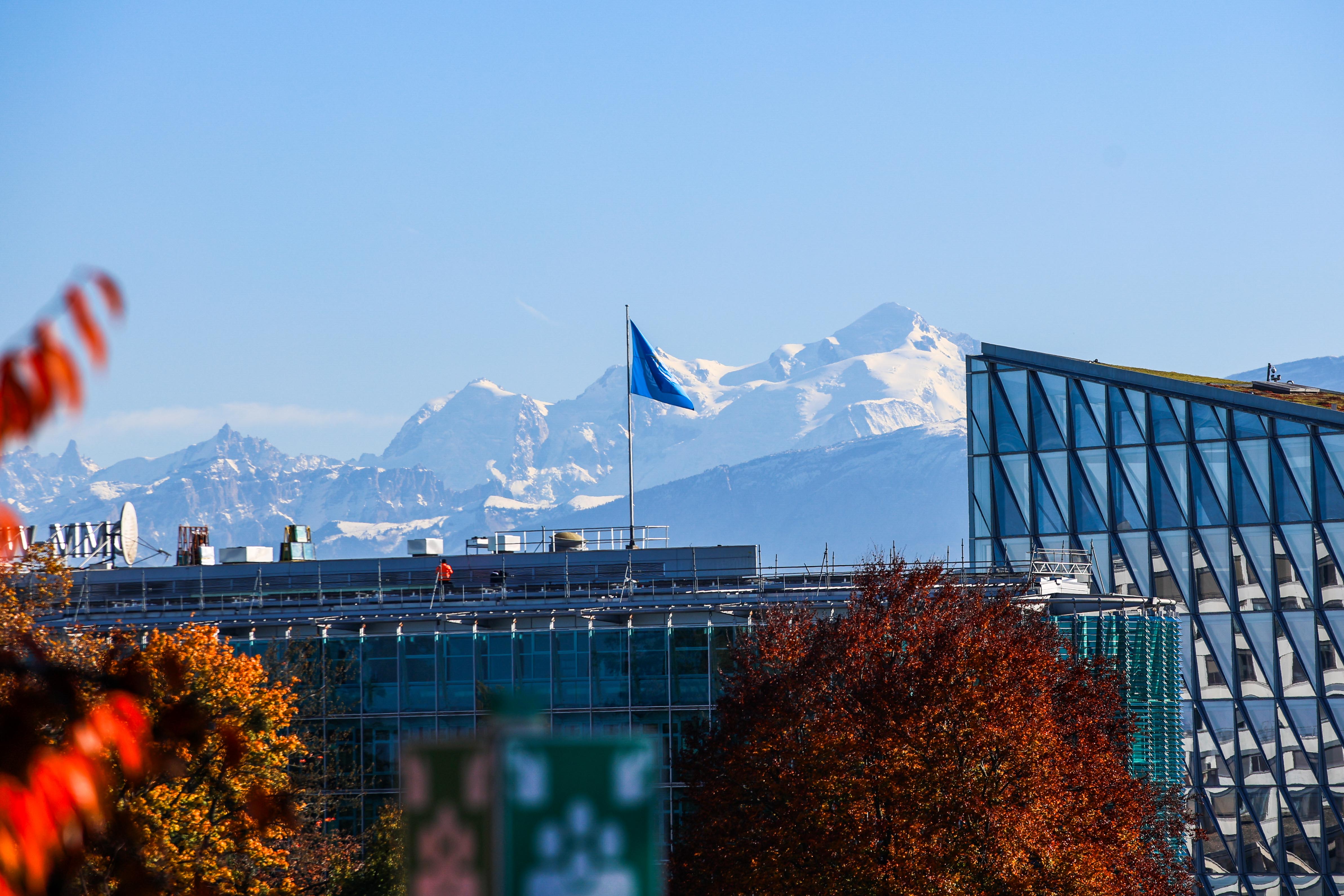
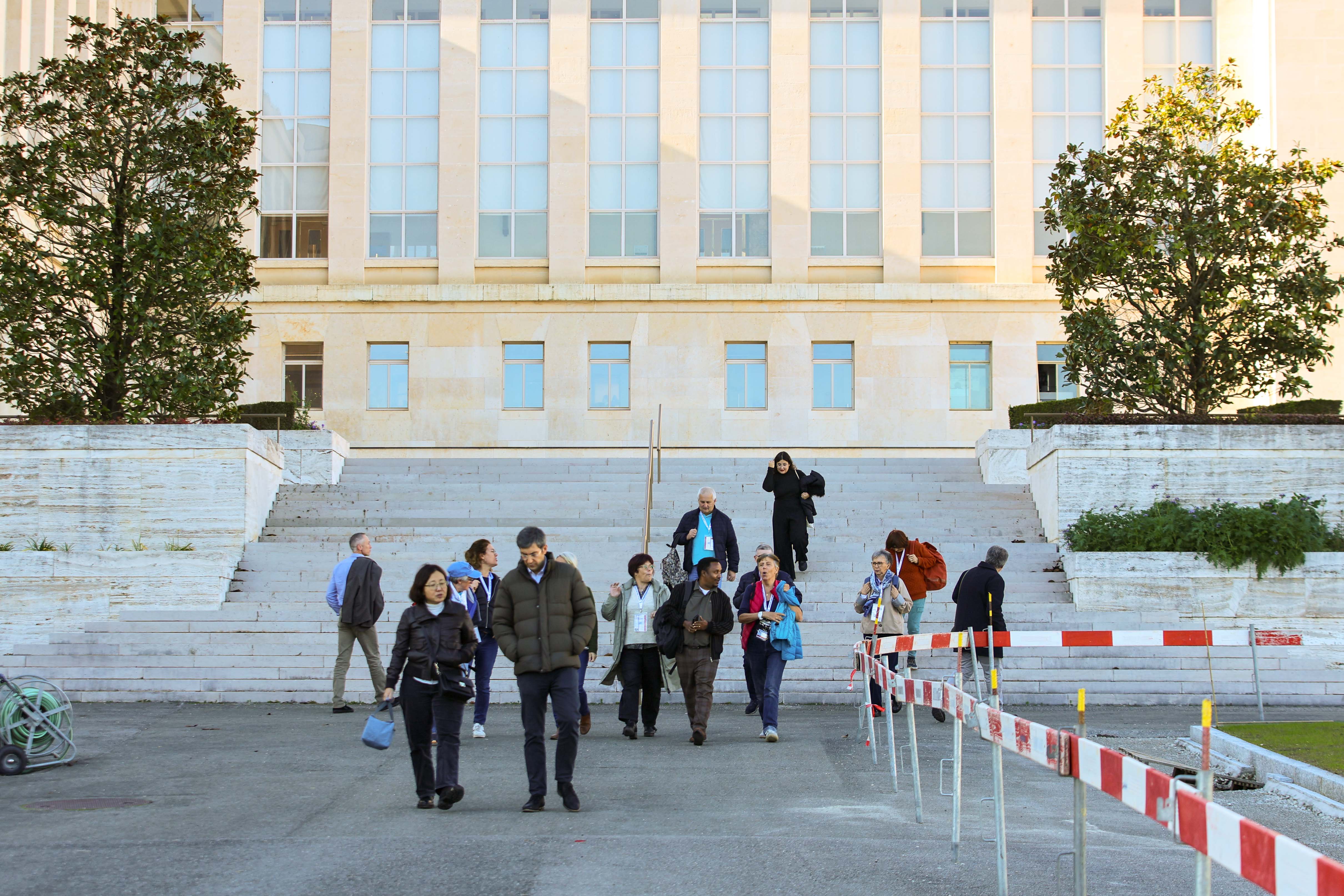
Around the Venue

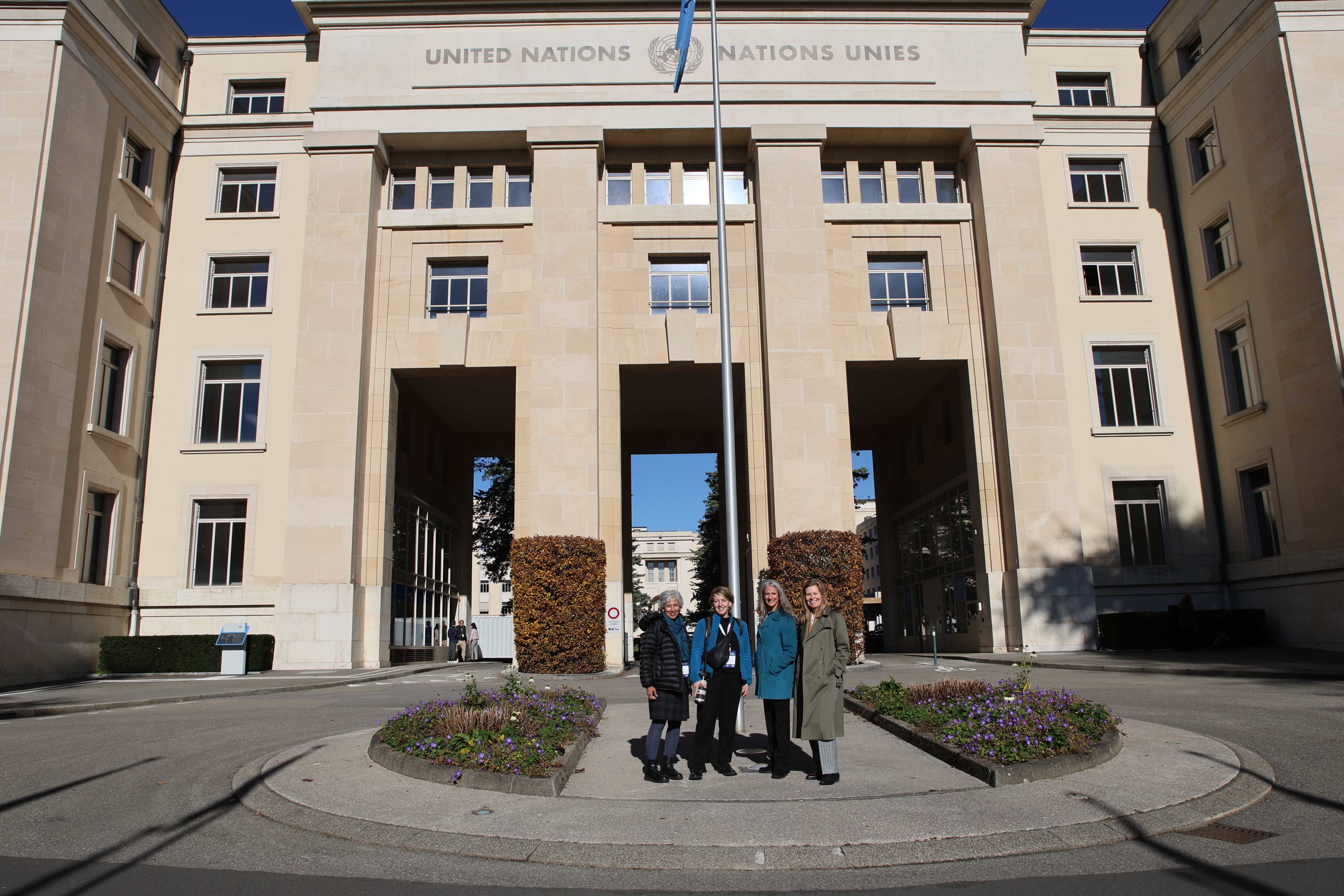
Earth Negotiations Bulletin team: Delia Paul, Malaysia/Australia, Anastasia Rodopoulou, Greece, Olivia Pasini, Switzerland, and Pauliina Upla, Finland
