
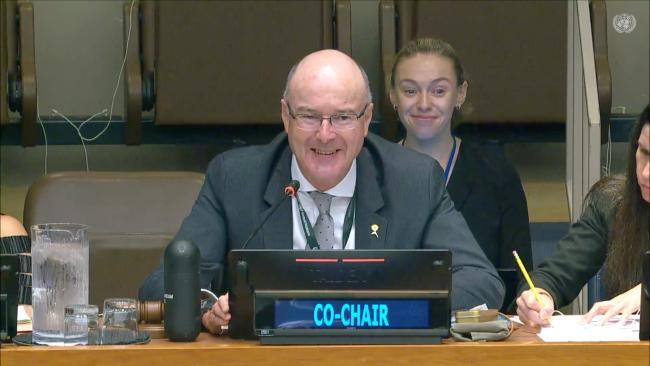
Reaching agreement on establishing an informal expert group to discuss the technical aspects of the operationalization of the Clearing-House Mechanism (CHM) is one of the most urgent tasks at this meeting of the Preparatory Committee (PrepCom), stressed Co-Chairs Adam McCarthy (Australia) and Janine Coye-Felson (Belize).
The day’s negotiations focused on: draft terms of reference for the informal expert group on the CHM; arrangements to enhance cooperation with relevant legal instruments and frameworks and relevant global, regional, subregional and sectoral bodies (IFBs); and arrangements for the functioning of the Secretariat, including its seat.
In the morning, Co-Chair McCarthy introduced a note prepared by the Co-Chairs (A/AC.296/2025/15) including draft terms of reference for the informal expert group as well as a flowchart outlining the functions of the CHM and the possible linkages with other institutional arrangements. He drew attention to the guiding questions on the proposed tasks of the informal expert group, and its optimal size, composition, and working methods.
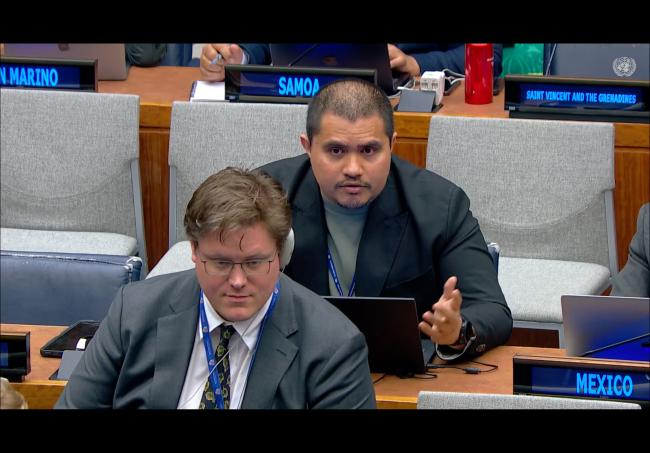
Delegates recognized the importance of the CHM in promoting implementation and transparency, and the need to establish the informal expert group as soon as possible. They expressed divergent views on some issues, however, most importantly on whether the informal expert group should be open-ended or with limited membership.
Many opted for limited membership to ensure coordination and efficiency. Proposals for the informal expert group ranged from 5-50 members. Many emphasized the need for gender balance and equitable geographical representation, including experts from small island developing states (SIDS), least developed countries (LDCs), and land-locked developing countries (LLDCs). Others suggested the informal expert group remain open to “experts of all States Members of the UN, members of the specialized agencies, and Parties to the UN Convention on the Law of the Sea (UNCLOS),” emphasizing that nomination and selection processes will be time consuming.
Many delegates supported a phased approach, prioritizing important tasks for the initial phase. Others stressed that the informal expert group is not a body for negotiations and should prioritize the identification of areas of convergence and divergence or the provision of scientific and technical advice to the PrepCom.
Delegates further discussed inclusive expert participation, including for Indigenous Peoples; selection criteria; meeting modalities with many opting for virtual meetings and some underscoring the need for in-person meetings for decision making; reporting requirements; and observer participation.
In the afternoon, delegates focused on governance issues in two parallel sessions. On arrangements to enhance cooperation with relevant IFBs, Co-Chair McCarthy introduced the Secretariat’s note (A/AC.296/2025/16) and invited delegates to focus on: the kind of guidance or recommendations that the PrepCom should provide to the Conference of the Parties (COP); ways to establish and operationalize cooperation arrangements; cooperation arrangements that are necessary at an early stage; and key elements of such arrangements.
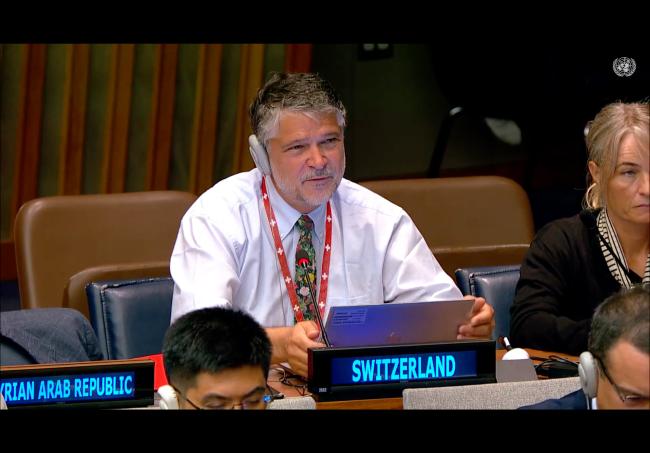
Delegates underscored that cooperation is a key component of the Agreement under UNCLOS on the conservation and sustainable use of marine biological diversity of areas beyond national jurisdiction (BBNJ Agreement) and necessary for effective implementation. Discussions focused on:
- relevant BBNJ provisions on cooperation and the principle of not undermining relevant IFBs;
- different avenues for cooperation via the parties, the COP, subsidiary bodies, the Secretariat, and the CHM, with delegates offering specific ideas on building synergies;
- modalities for cooperation, with many delegates suggesting flexibility and not being overly prescriptive, balancing formal mechanisms and informal approaches to enhance coherence and strengthen partnerships with IFBs;
- ensuring consistency between the measures adopted under the BBNJ Agreement and those under IFBs; and
- the need to integrate traditional knowledge and best available science.
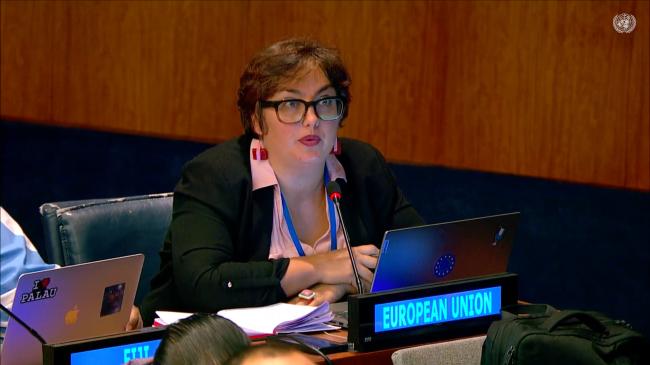
Heads of Secretariat and other Secretariat representatives from various multilateral agreements and bodies expressed their readiness for cooperation and collaboration.
On arrangements for the functioning of the Secretariat, Co-Chair Felson introduced a matrix on the arrangements for the Secretariats of selected instruments (A/AC.296/2025/INF/4).
Discussions focused on, among other things, potential Secretariat models, including: a standalone Secretariat that operates autonomously from the UN; a Secretariat institutionally linked to the UN but enjoying a degree of autonomy; and a Secretariat administered by an existing UN entity.
Delegates further addressed the modalities that would facilitate the selection of the Secretariat seat by COP1 and listened to information about the potential host countries.
To receive free coverage of global environmental events delivered to your inbox, subscribe to the ENB Update newsletter.
Select Photos
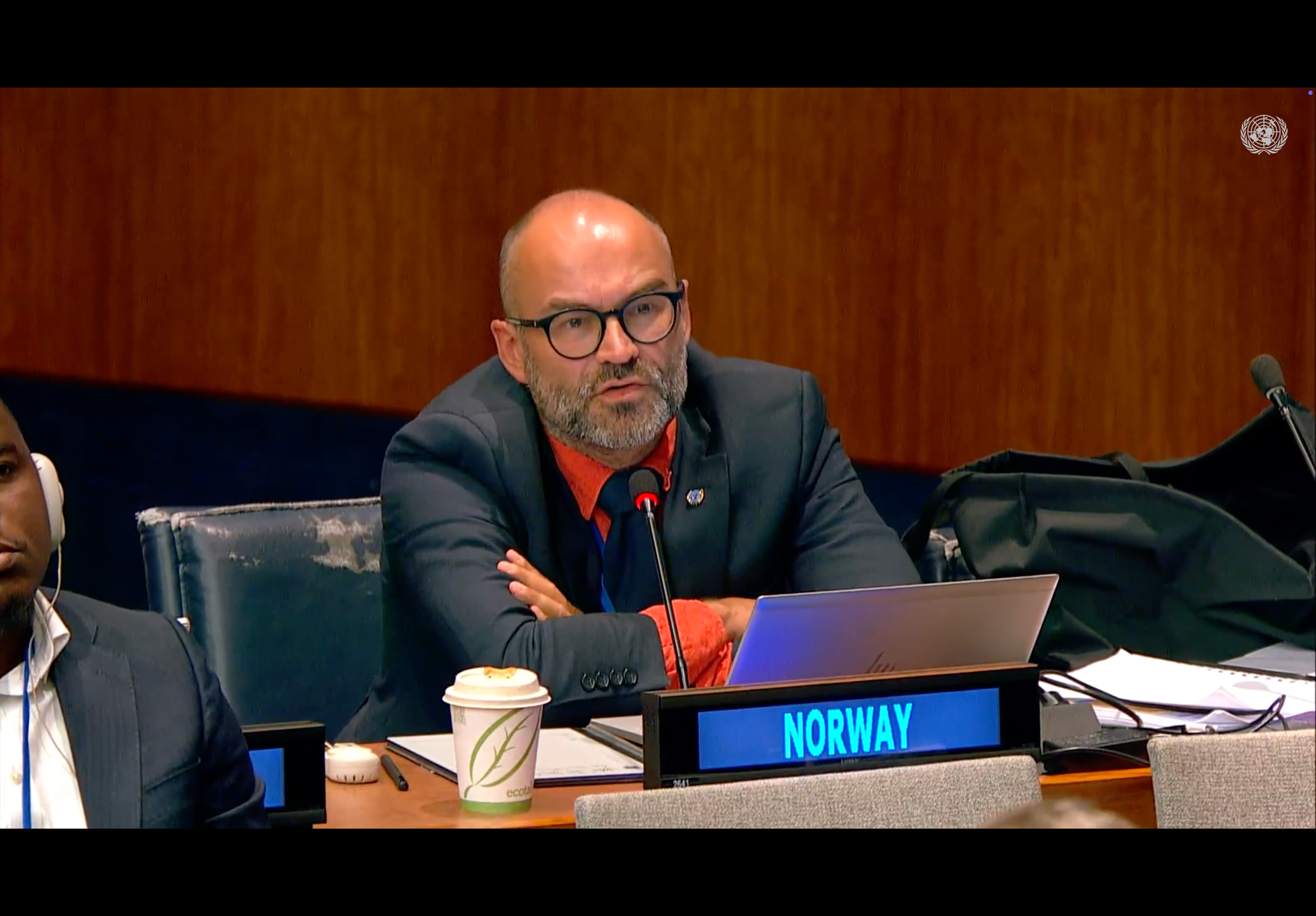
Gaute Hanssen, Norway
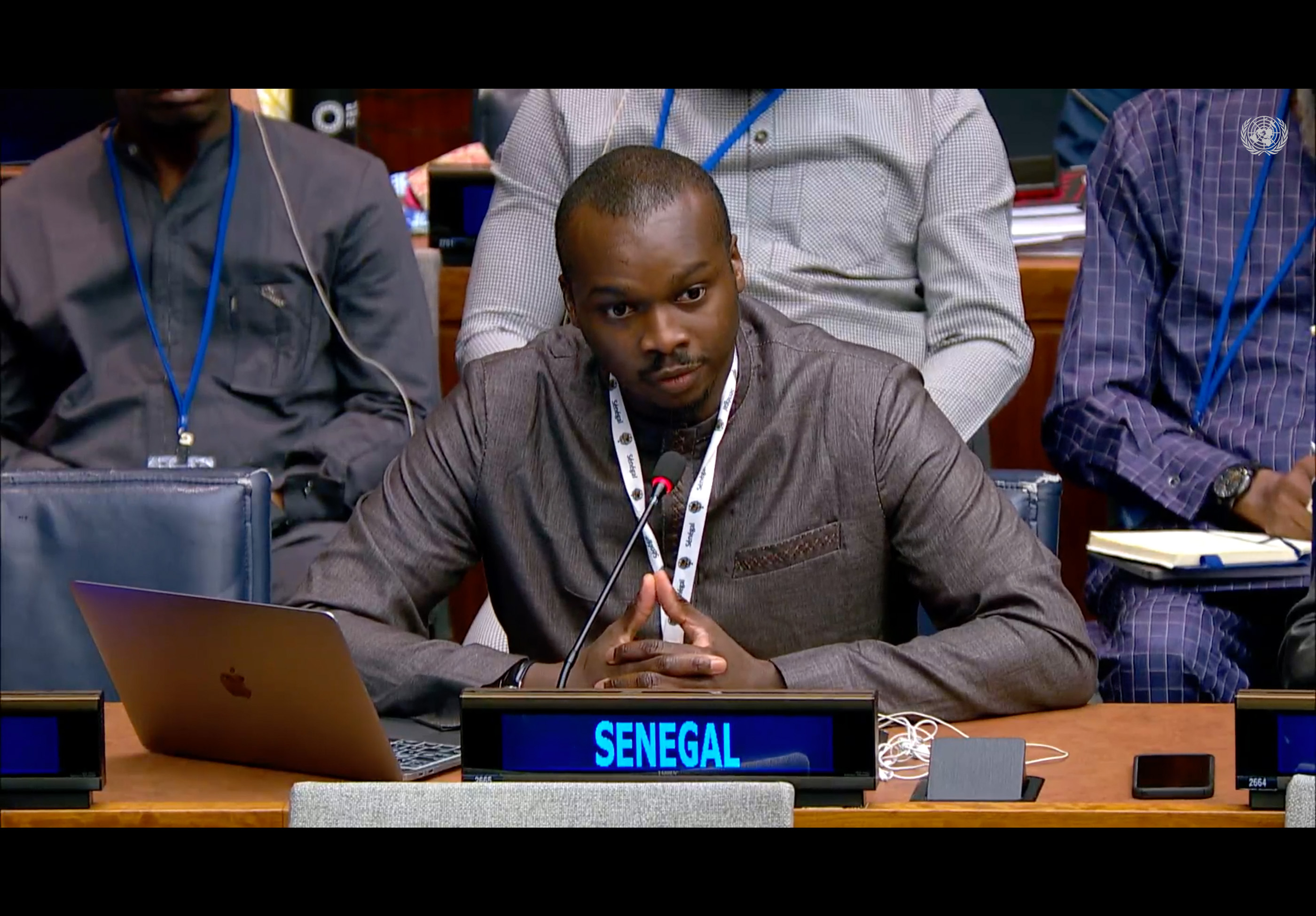
Cheikh Gueye, Senegal, on behalf of the African Group
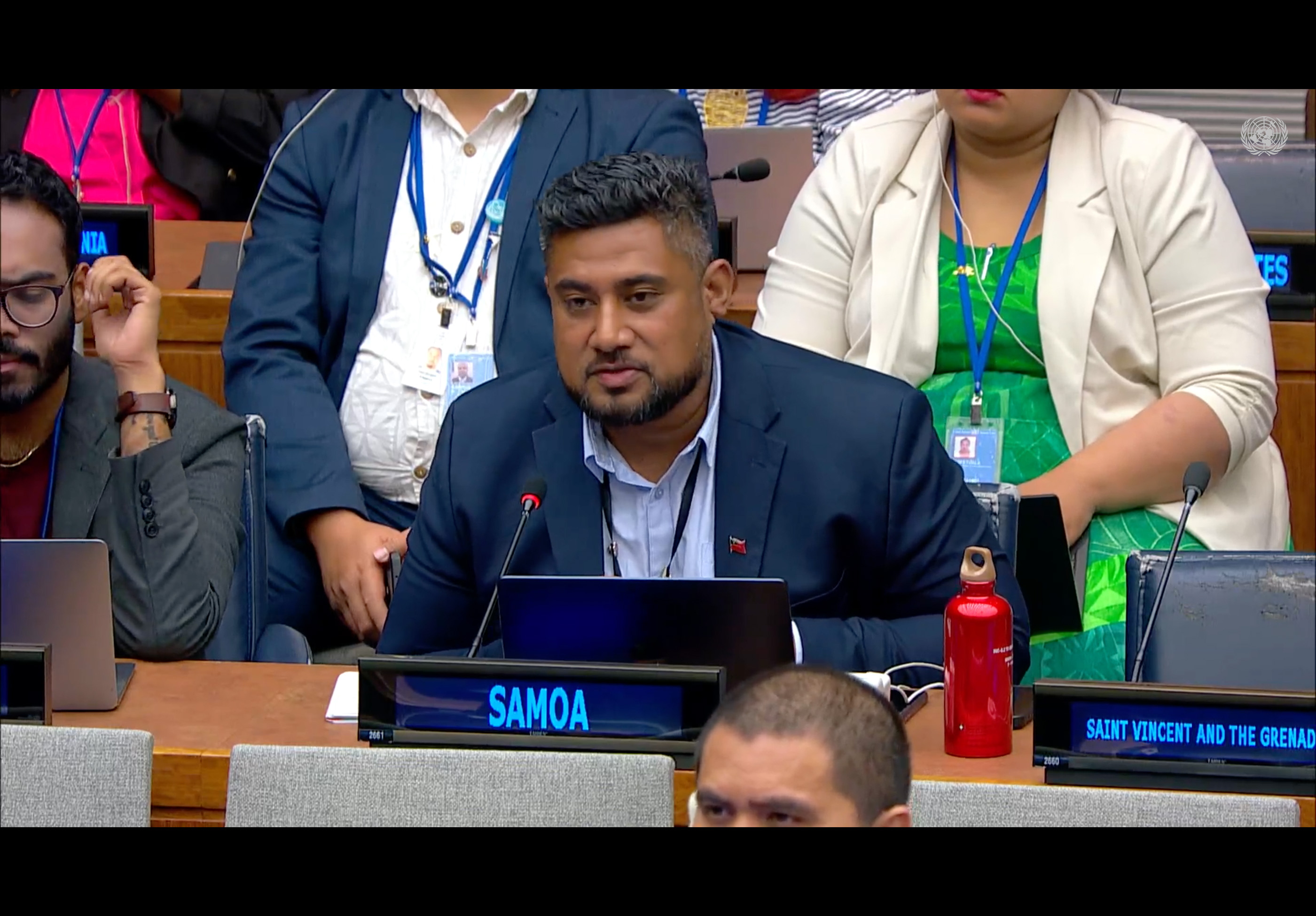
Justin Lima, Samoa, on behalf of the Alliance of Small Island States (AOSIS)
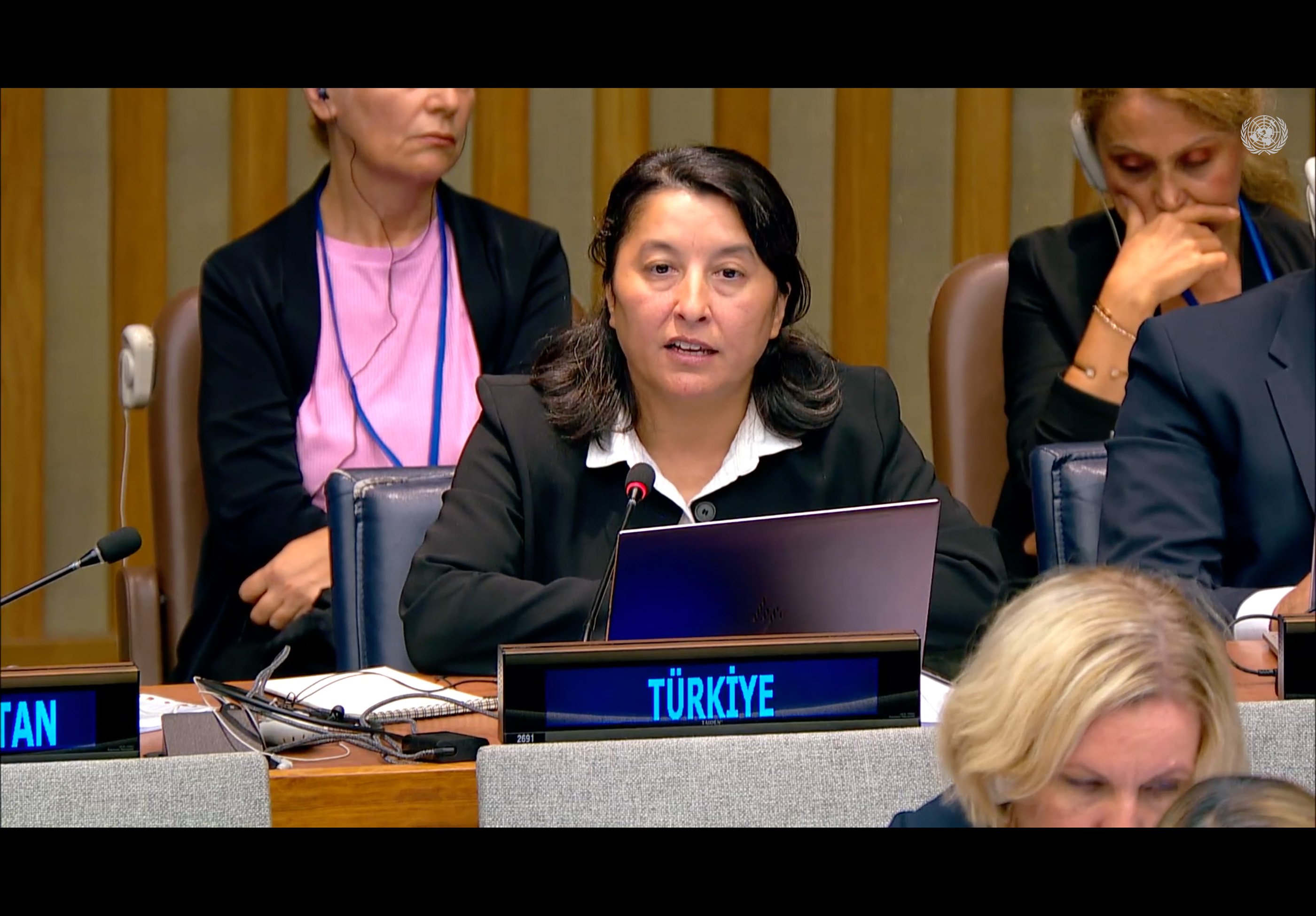
Hatice Şahin, Türkiye
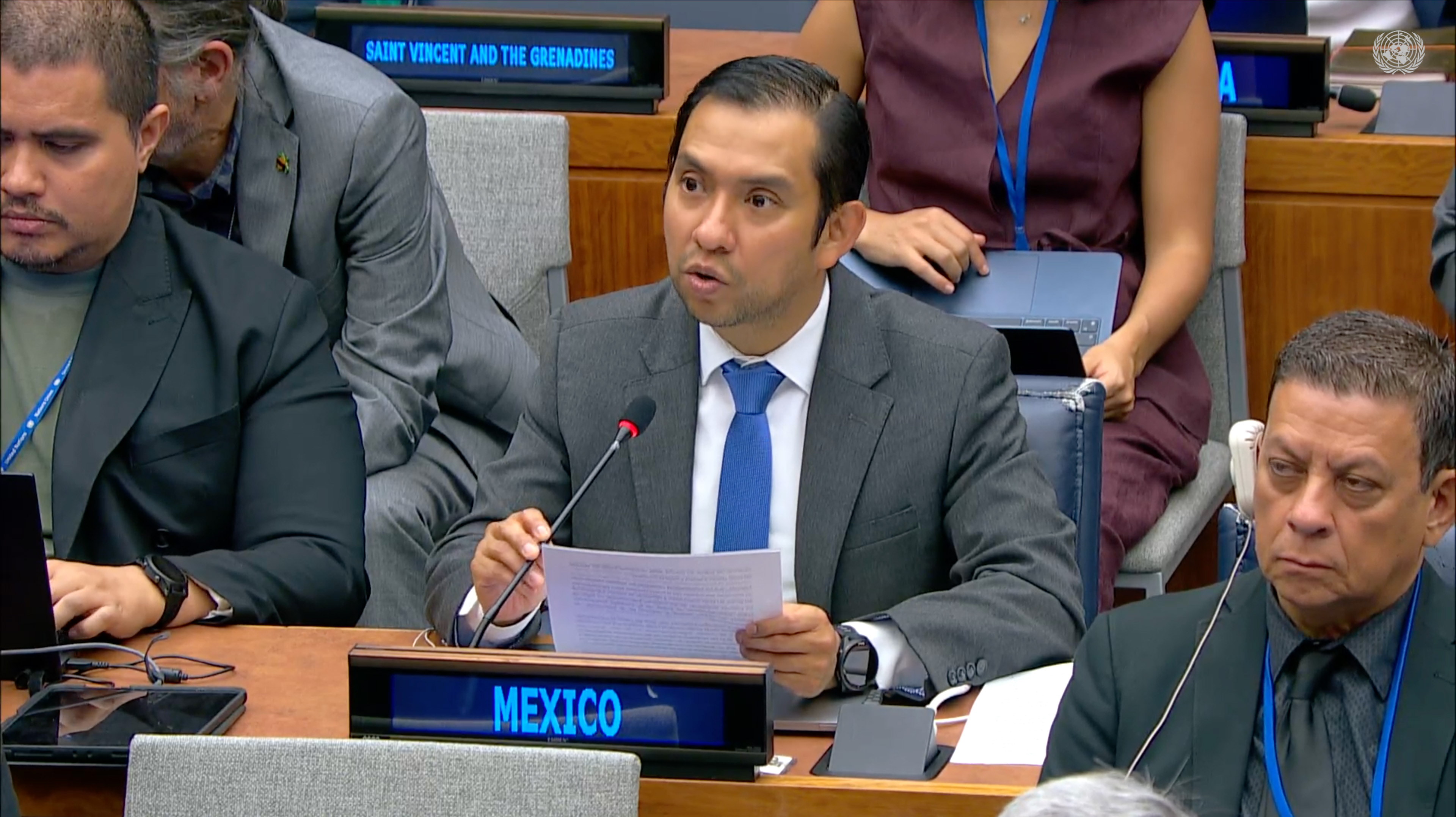
Uriel Pérez, Mexico, on behalf of the Core Latin American Group (CLAM)
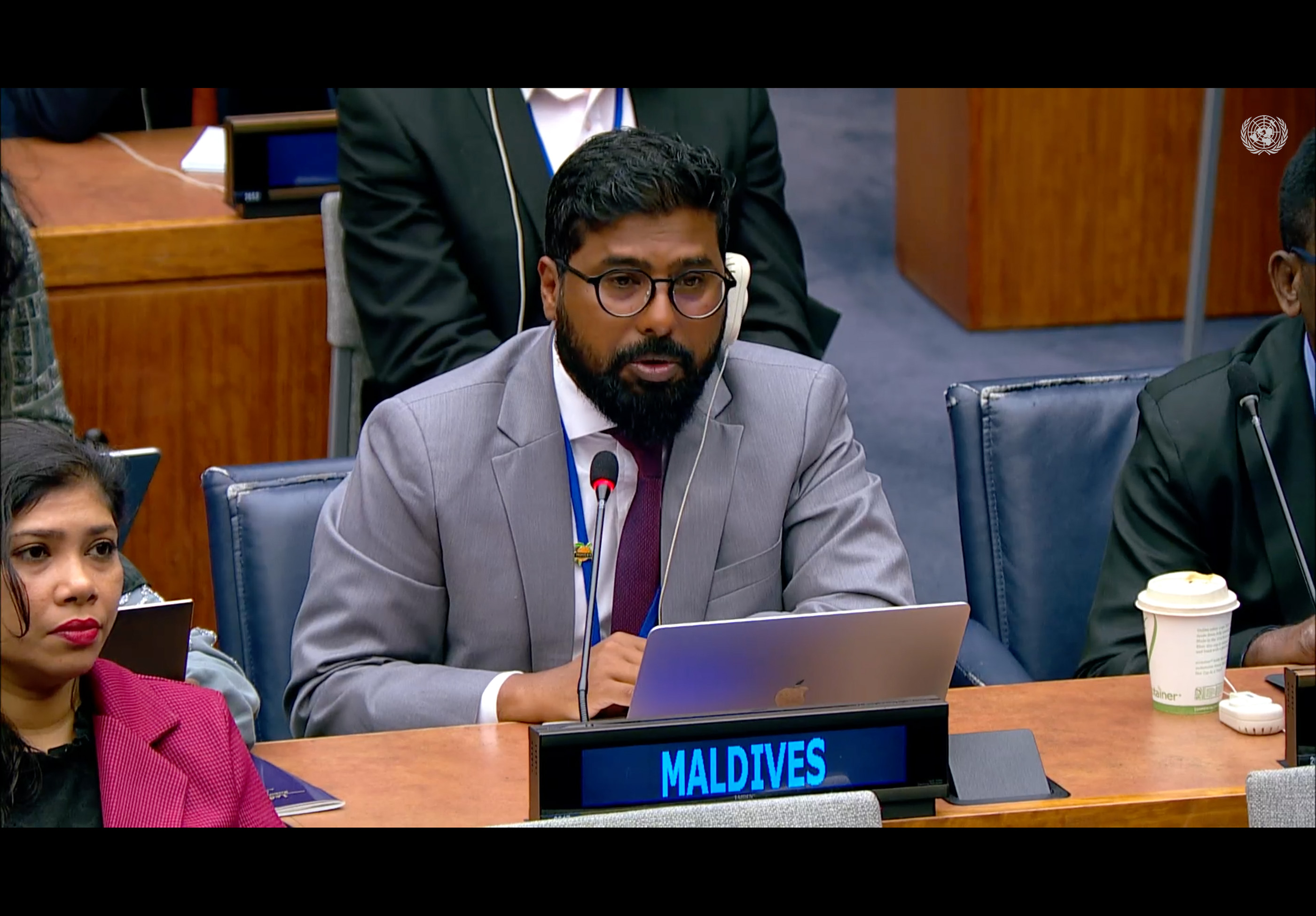
Hussain Sinan, Maldives
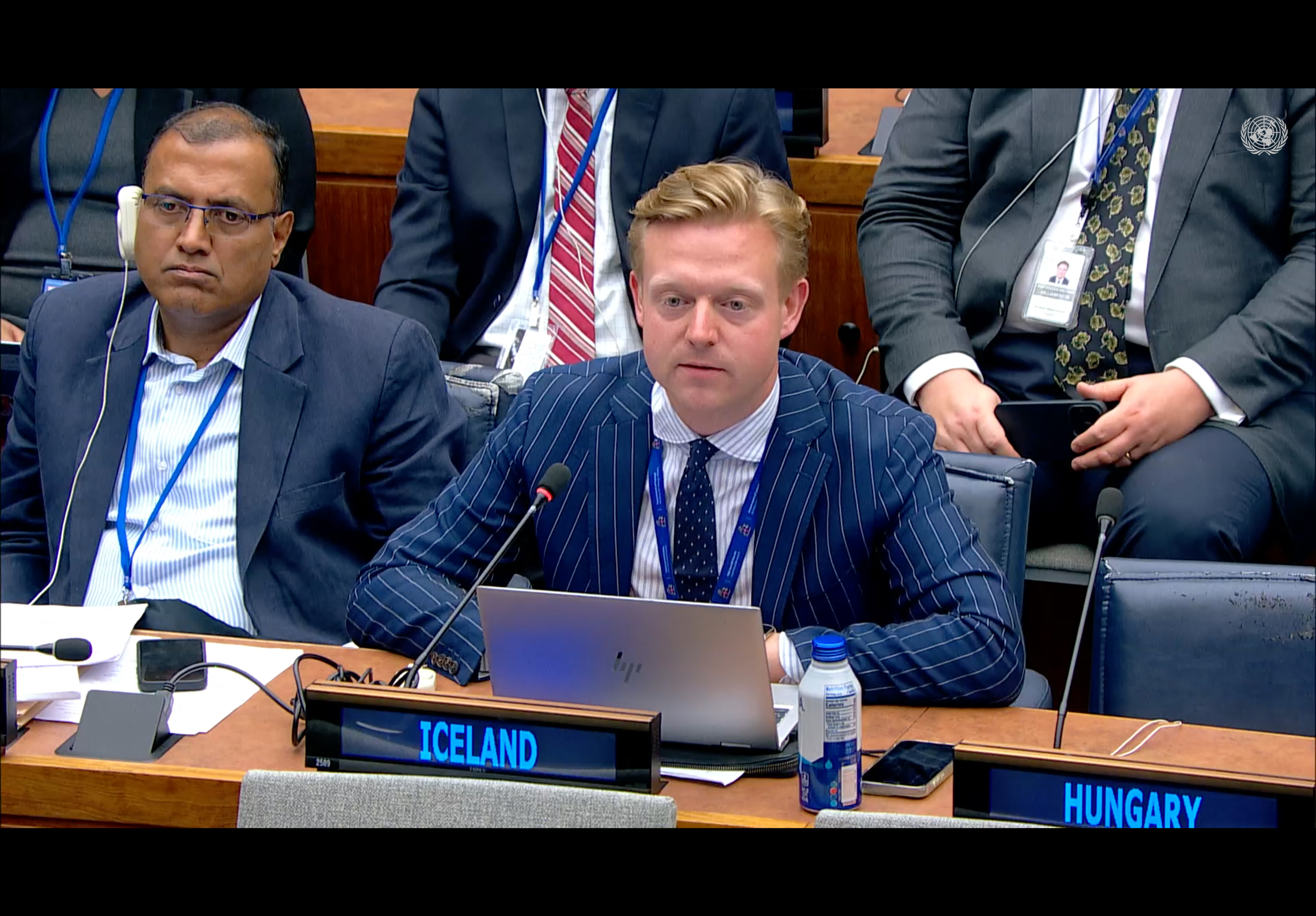
Hendrik Dadi Jonsson, Iceland
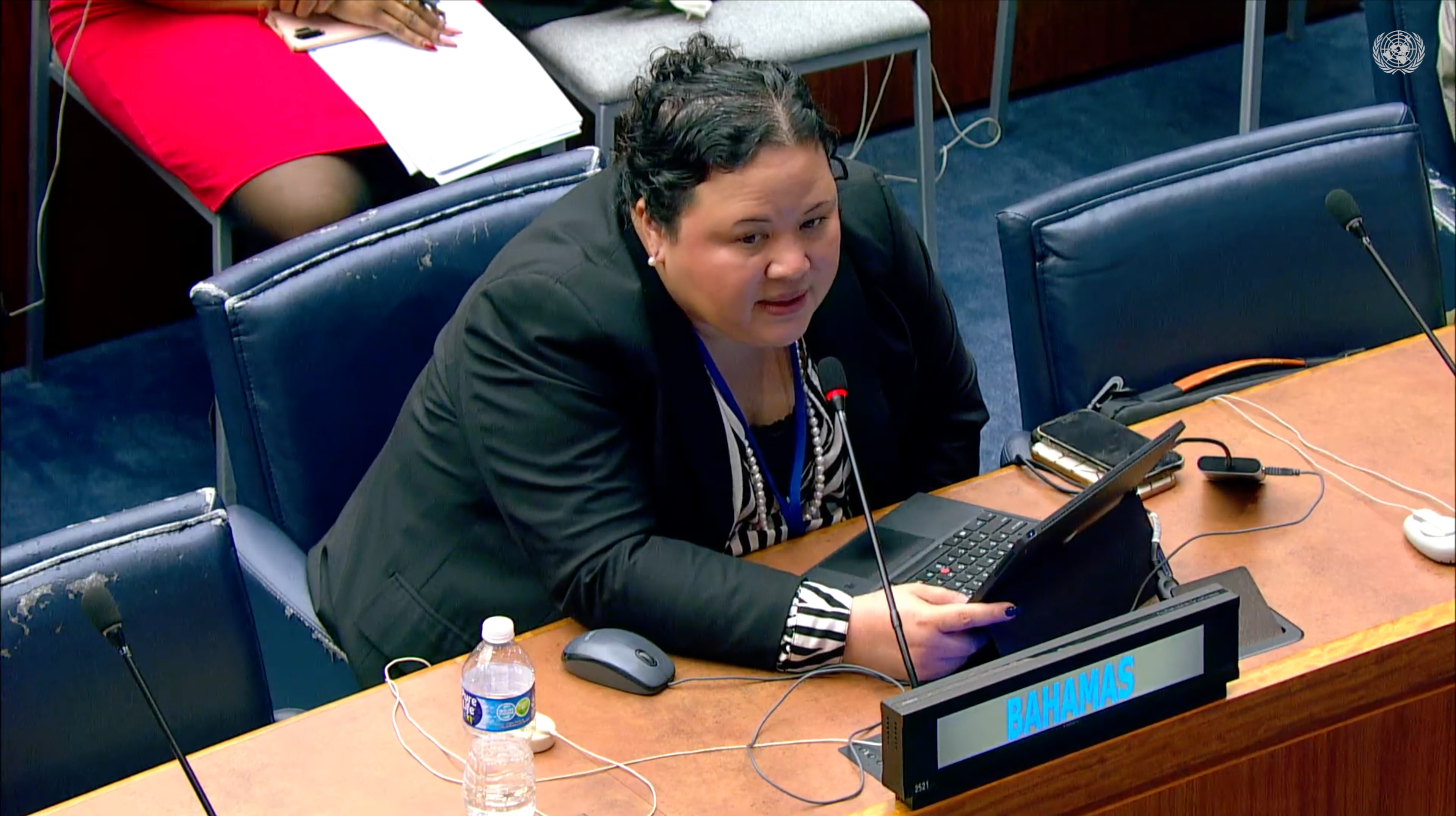
Kimberley Lam, The Bahamas, on behalf of the Caribbean Community (CARICOM)
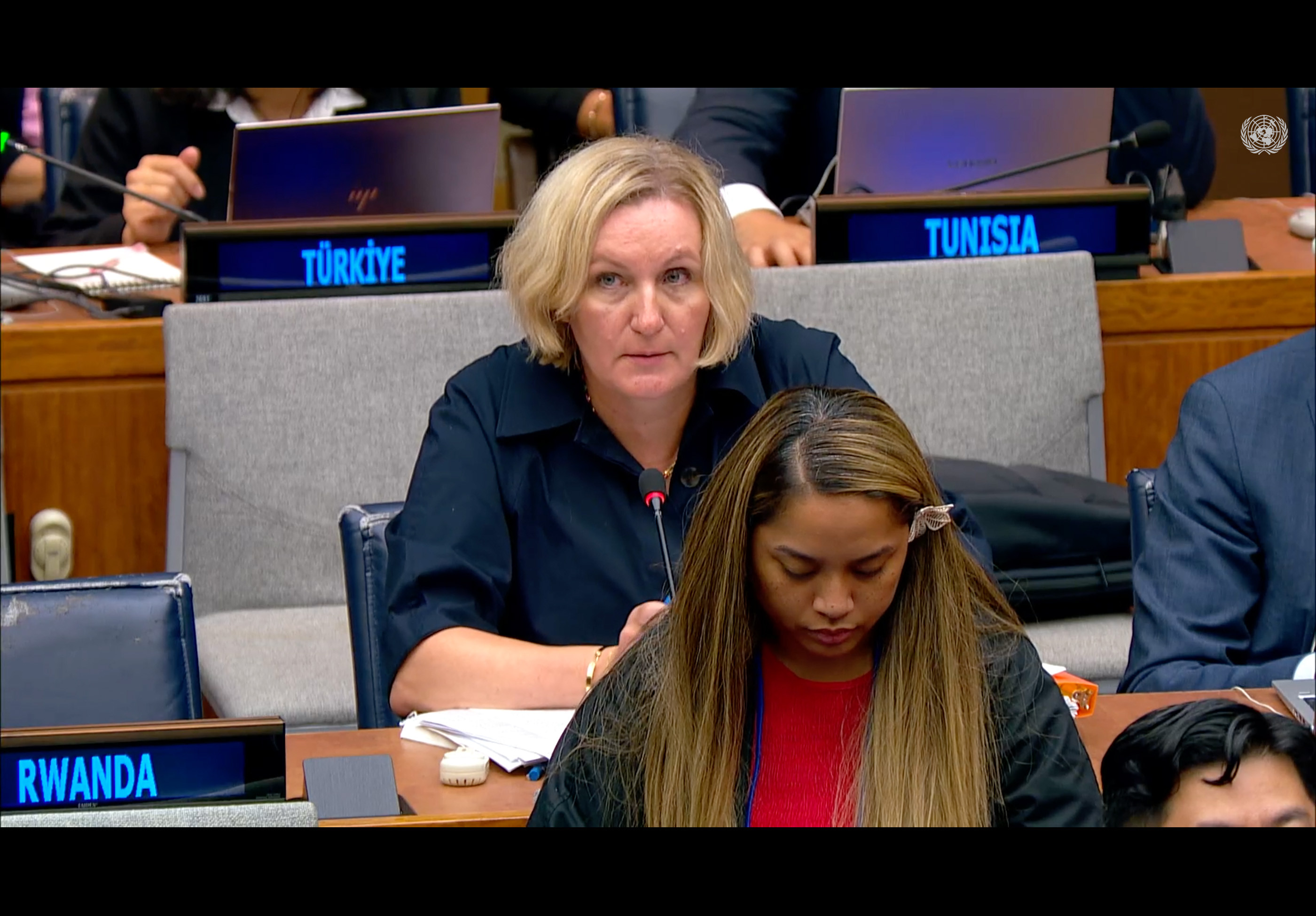
Anna Antonova, Russian Federation
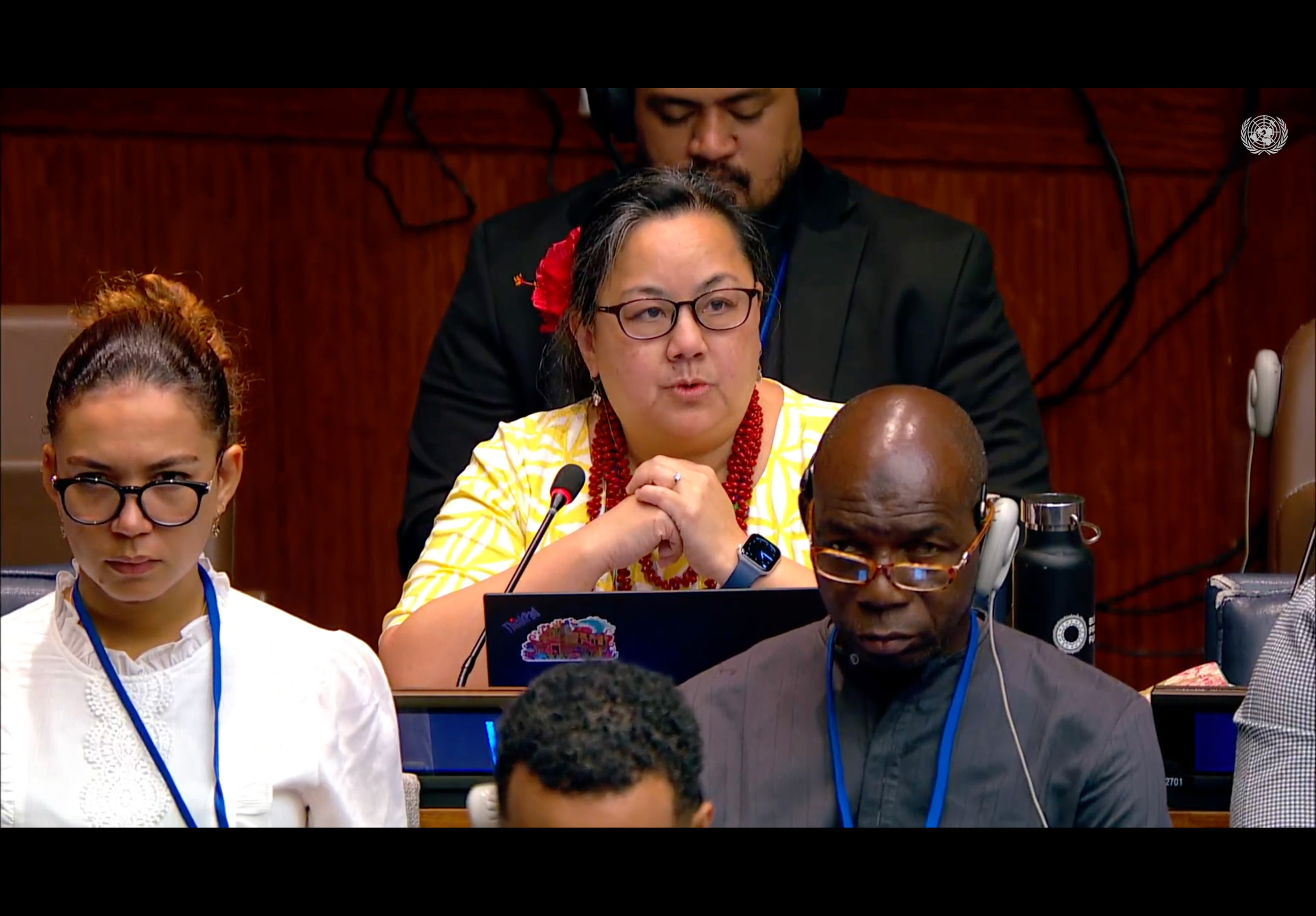
Joan Young, Vanuatu, speaking on behalf of the Pacific Small Island Developing States (PSIDS)
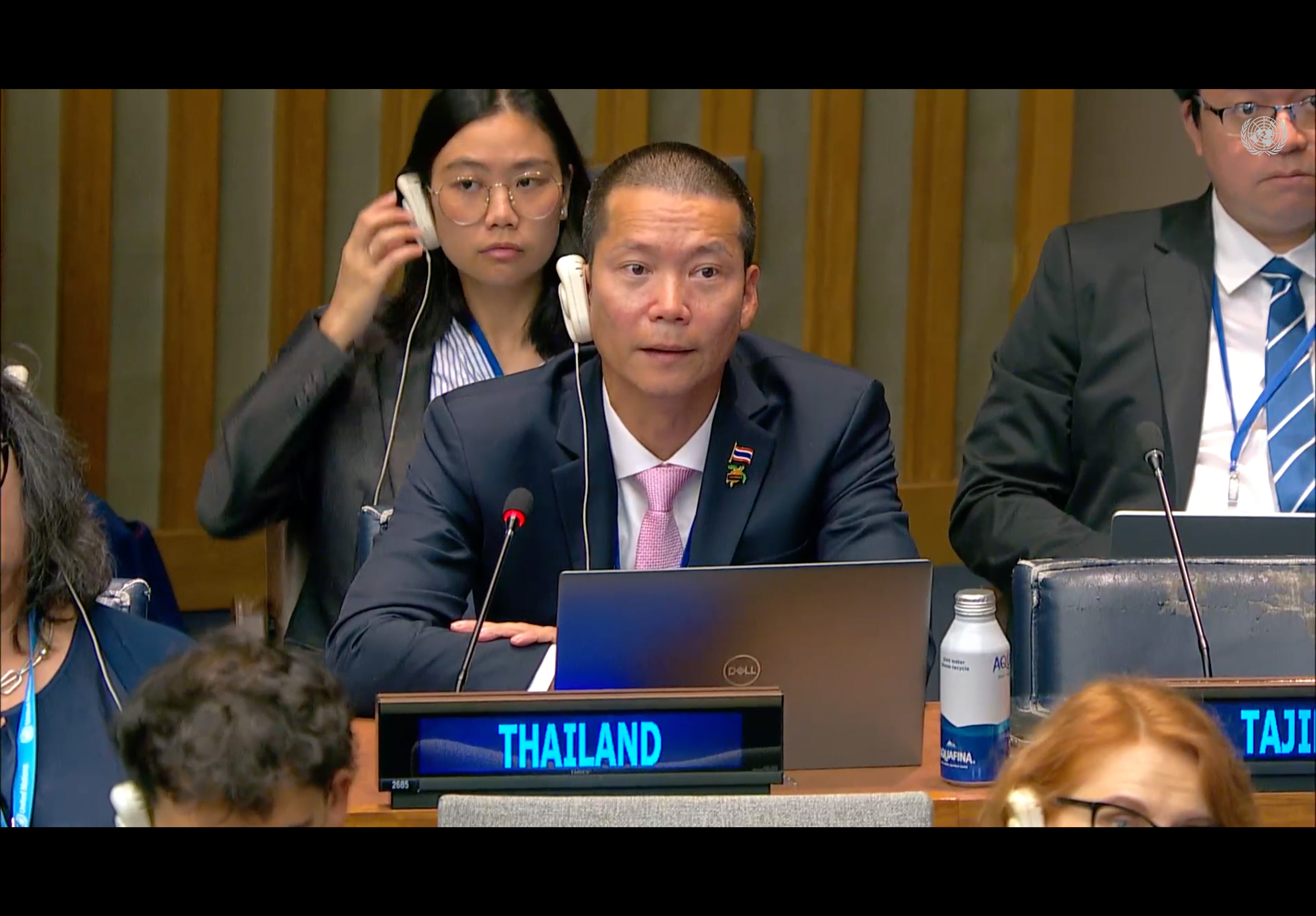
Watchara Chiemanukulkit, Thailand
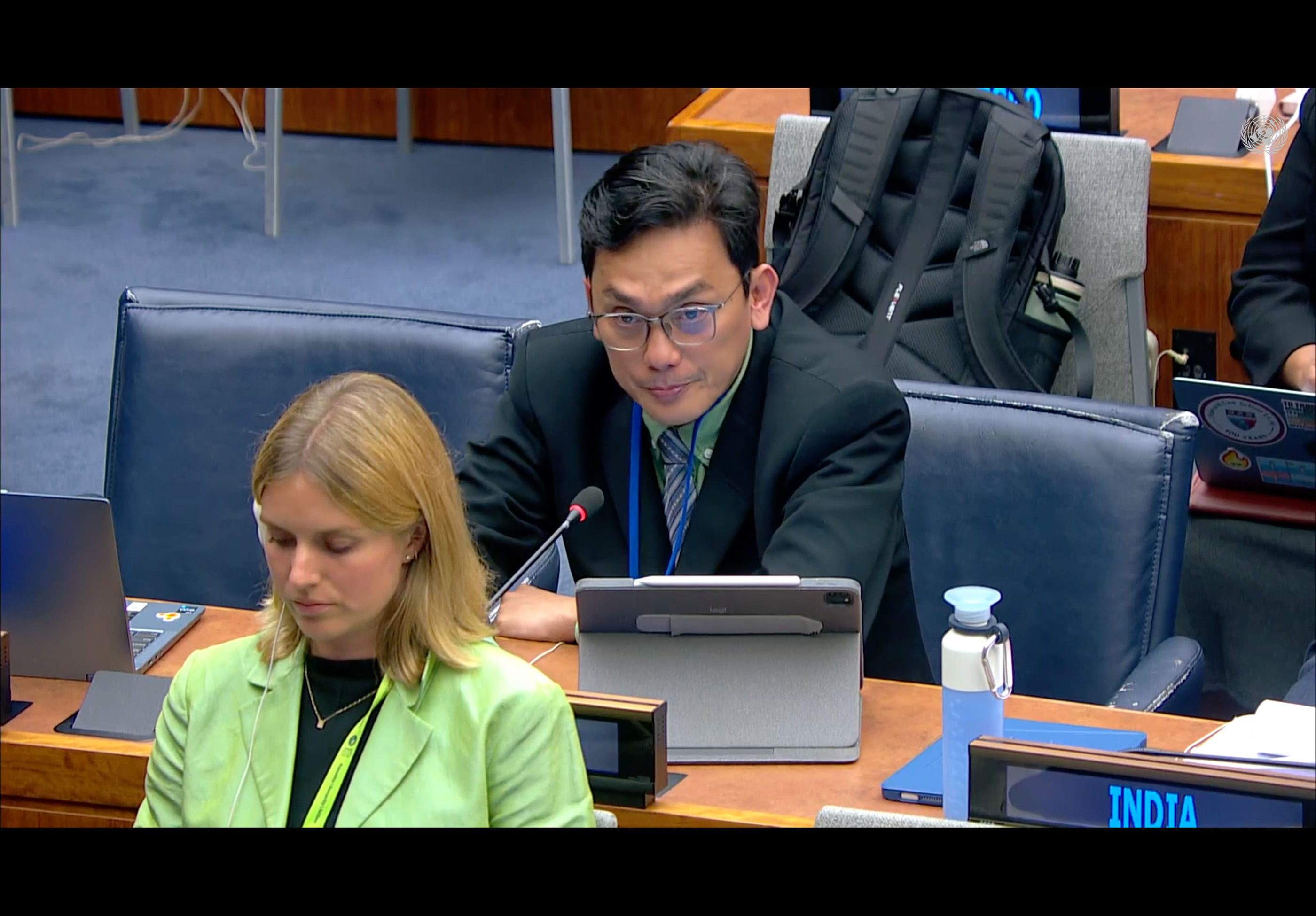
Amehr Hakim, Indonesia
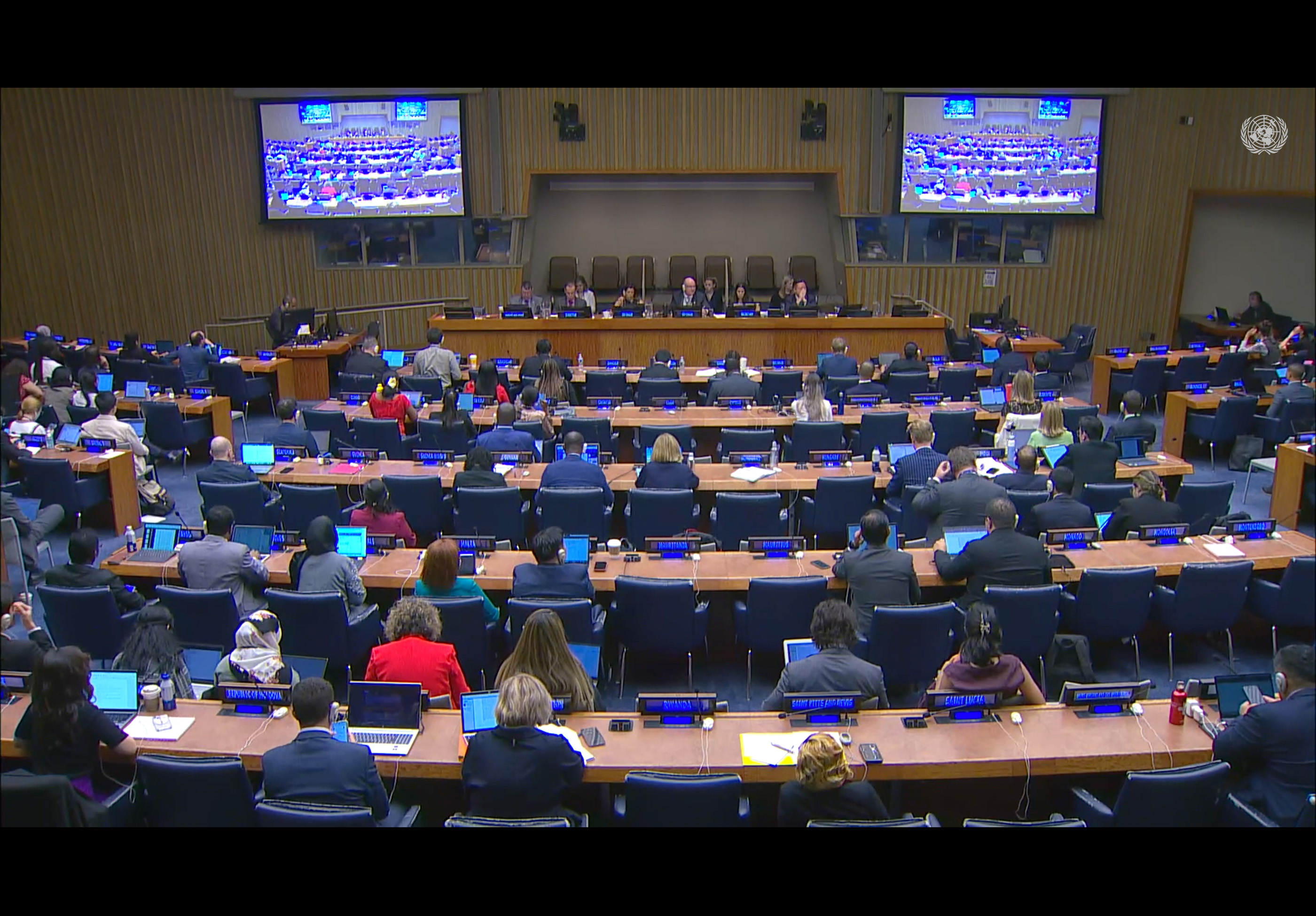
Delegates meet in Conference Room 4 for the third day of the meeting