“We now have a much better sense of the finish line,” and there is greater urgency to conclude our work.
With those words, Co-Chairs Janine Coye-Felson (Belize) and Adam McCarthy (Australia) opened the second session of the Preparatory Commission (PrepCom II) for the entry into force of the Agreement under the UN Convention on the Law of the Sea (UNCLOS) on the conservation and sustainable use of marine biological diversity of areas beyond national jurisdiction (BBNJ Agreement).

Since only eight more ratifications are needed to reach the required 60 for entry into force, the Agreement will likely enter into force in the latter part of 2025 or early 2026. Thus, the PrepCom has a full plate as it needs to finalize all the relevant rules before the first meeting of the Conference of the Parties (COP1).
In opening remarks, Co-Chair McCarthy highlighted progress made during PrepCom I. Co-Chair Felson drew attention to productive intersessional work and the positive momentum created during the Third UN Ocean Conference (UNOC3) for the timely entry into force of the BBNJ Agreement.

In the morning, delegates addressed rules of procedure for the COP on the basis of a revised aid to discussions and negotiations prepared by the Co-Chairs (A/AC.296/2025/12). Many expressed satisfaction that most of the rules of procedure follow a familiar format originating from the UN General Assembly and multilateral environmental agreements, adding that some require further work. Many stressed that the revised document is mature enough for textual negotiations. Discussion focused on, among other things:
- the periodicity of COP meetings, with many supporting that they start on an annual basis before reverting to a biannual format;
- modalities for extraordinary COP meetings and virtual meetings;
- modalities for observer participation;
- rules on cooperation with other relevant instruments, frameworks, and bodies;
- bureau composition;
- quorum requirements and decision-making processes, including voting modalities; and
- provisions for amending the rules of procedure.

In the afternoon, delegates focused on arrangements with the Global Environment Facility (GEF) to give effect to the relevant provisions on funding as well as on the terms of reference and modalities for subsidiary bodies.
On arrangements with the GEF, discussions were based on a revised aid to discussions prepared by the Co-Chairs (A/AC.296/2025/14), including a draft memorandum of understanding between the COP and the GEF Council. Delegates focused on, among other issues:
- the need to support developing states through capacity building and transfer of marine technology, with many highlighting the importance of self-identified needs and others urging for streamlined application, approval, and dispersion processes;
- modalities for the provision of guidance from the COP to the GEF Council;
- modalities around the periodic review of the financial mechanism and whether an independent assessment of the overall performance of the GEF and the GEF Council would be required; and
- reporting requirements, including whether they should contain information on access modalities, programming streams and priorities, and their respective gaps.

Deliberations on the terms of reference and modalities of subsidiary bodies were based on a relevant matrix developed by the Co-Chairs (A/AC.296/2025/INF/3). Delegates addressed, among other things:
- whether the PrepCom should work toward draft terms of reference for all of the subsidiary bodies for consideration at COP1, and whether this should be done in a single document, with many expressing flexibility;
- representation modalities including size and composition of the relevant bodies as well as selection and nomination processes;
- ways to include traditional knowledge considerations across the subsidiary bodies;
- the need to provide the necessary flexibility to subsidiary bodies; and
- cooperation mechanisms.
To receive free coverage of global environmental events delivered to your inbox, subscribe to the ENB Update newsletter.
Select Photos
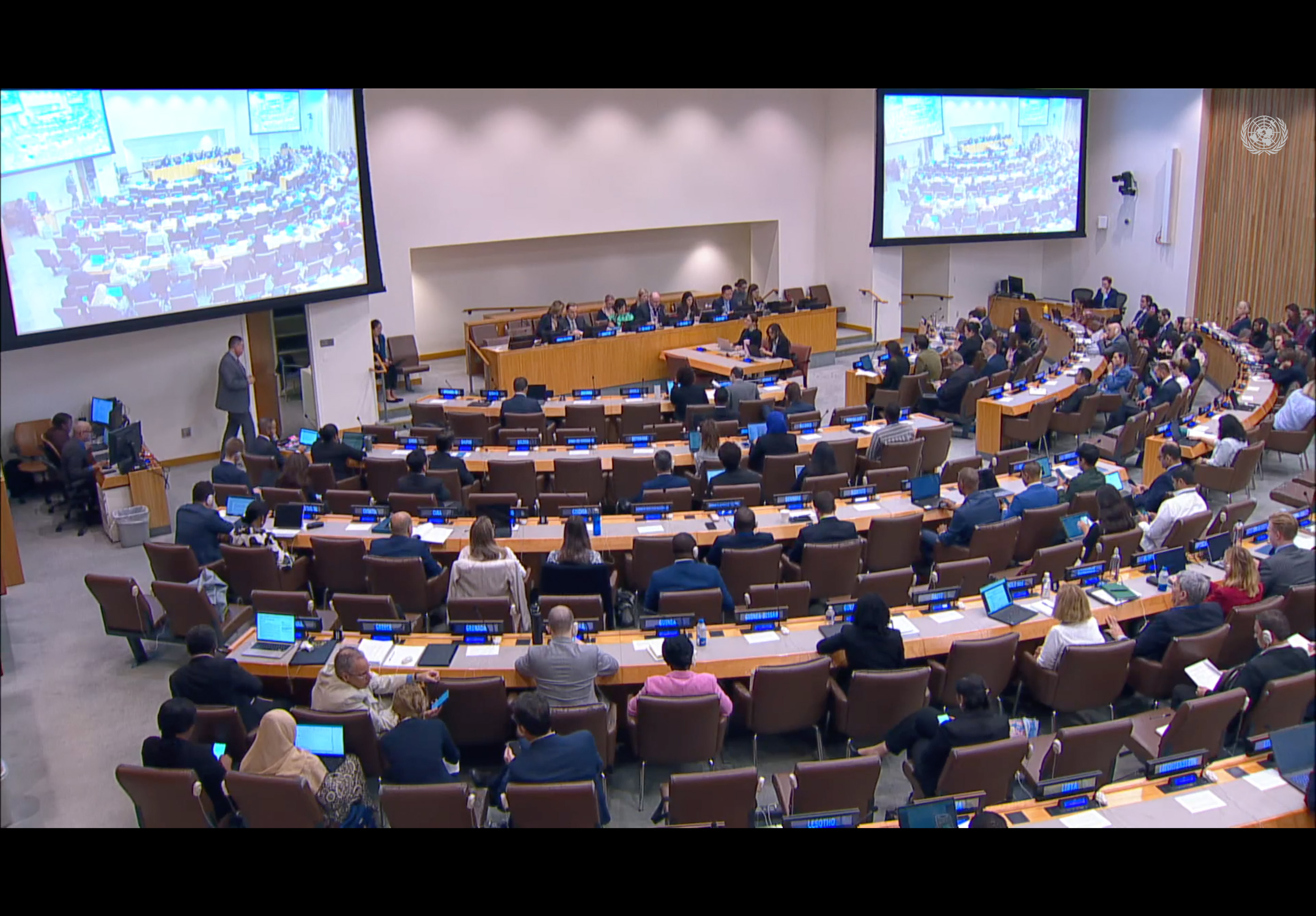
A view of the room during the opening of the meeting
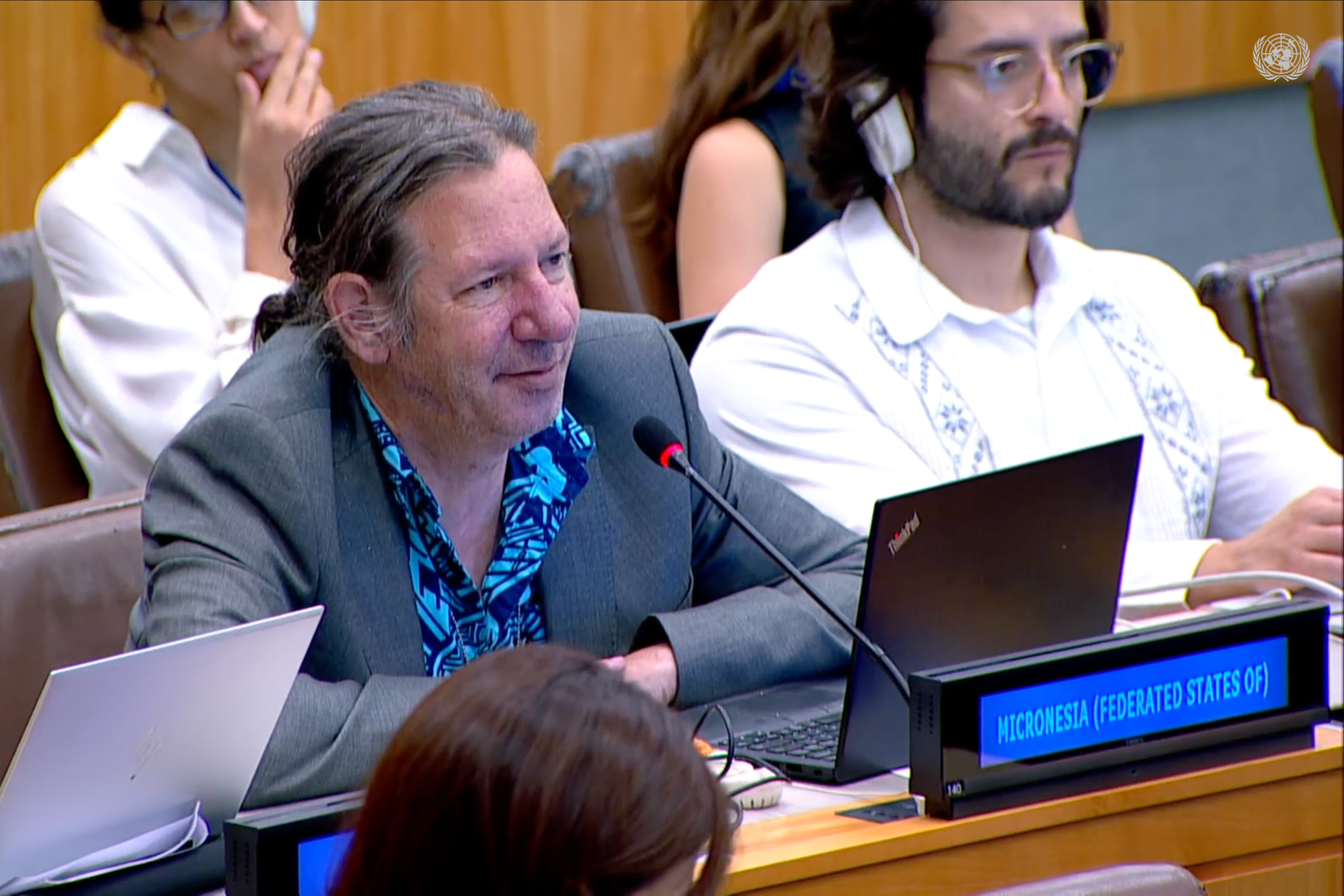
Martin Zvachula, Federated States of Micronesia
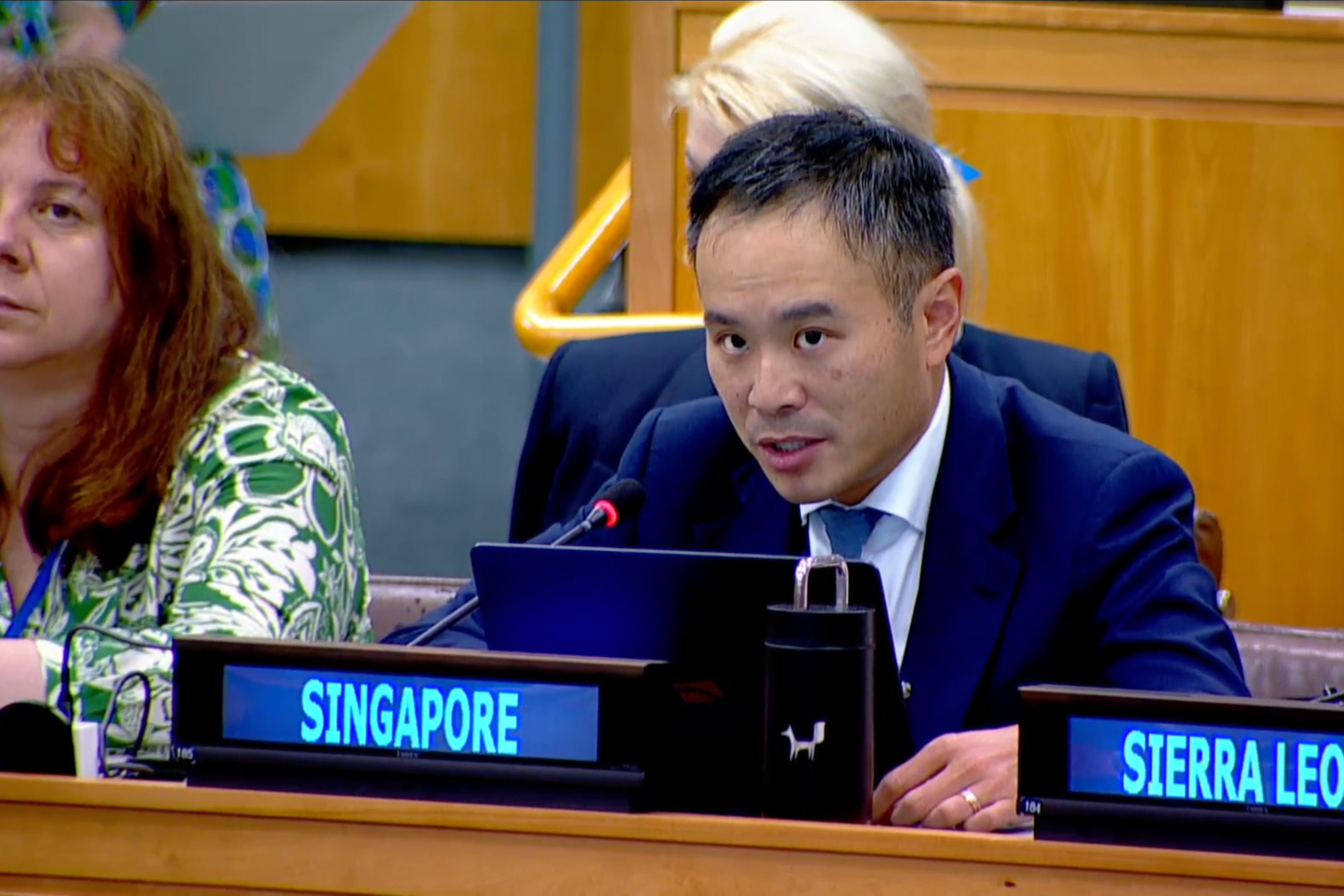
Nathaniel Khng, Singapore
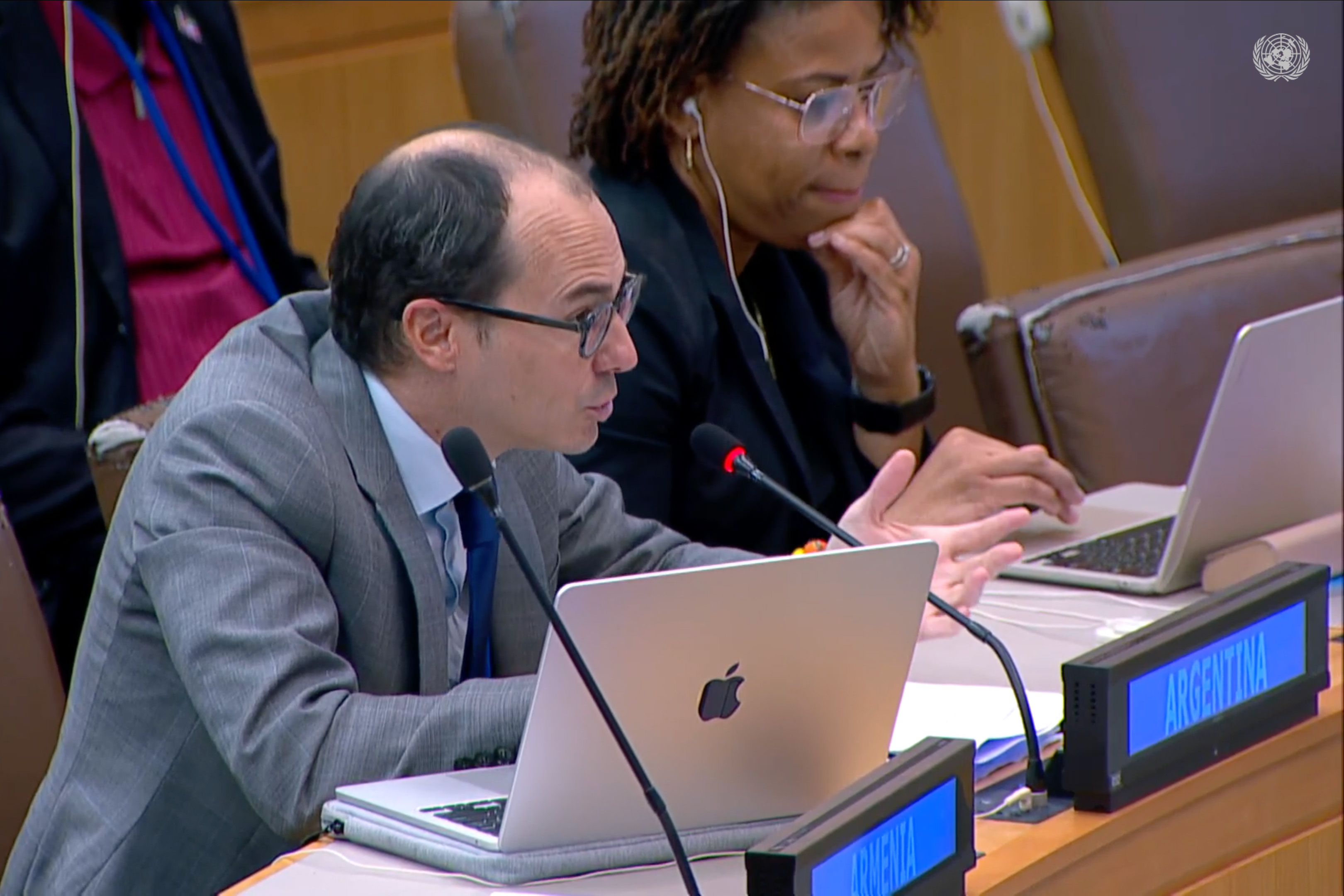
Juan Pablo Paniego, Argentina
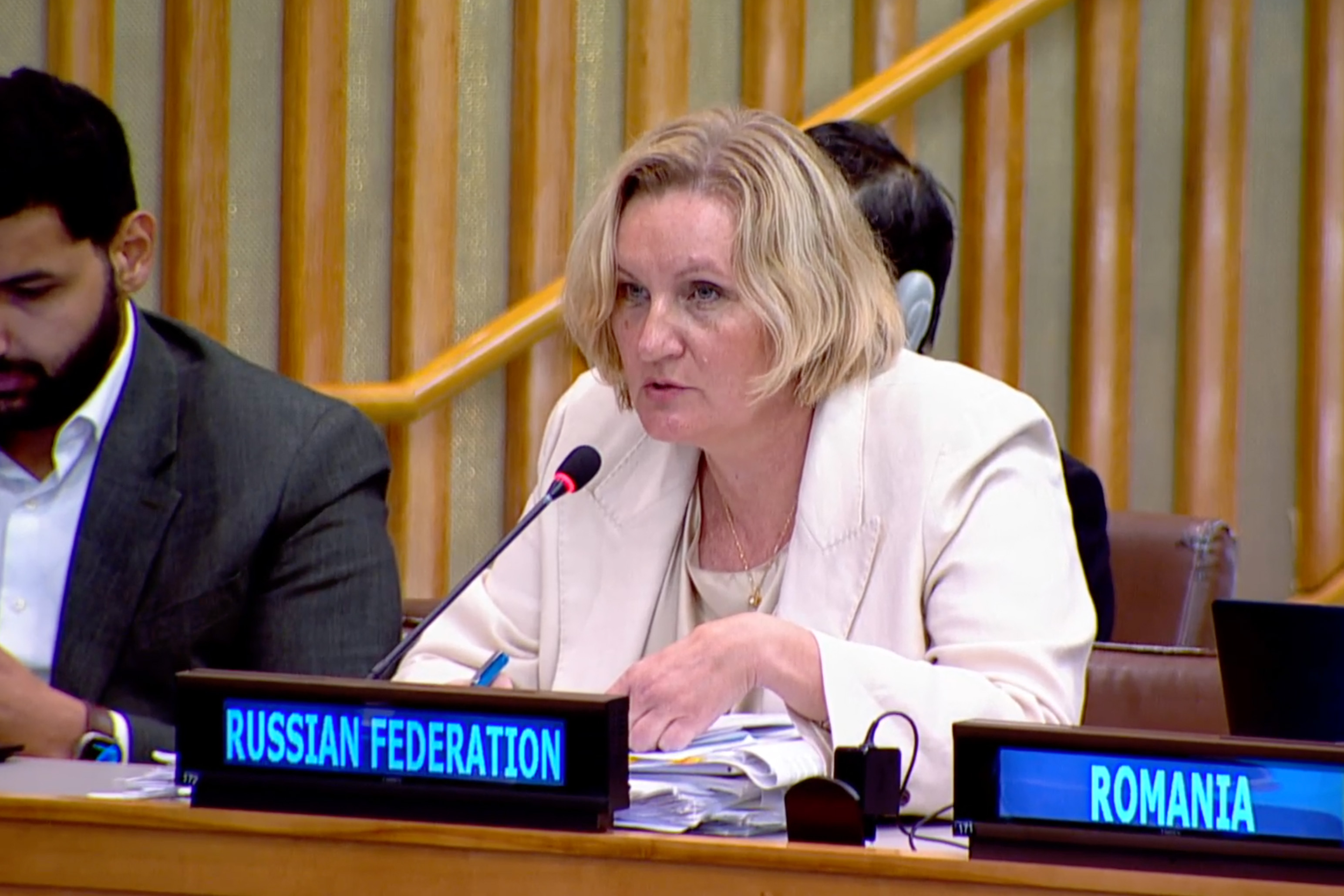
Anna Antonova, Russian Federation
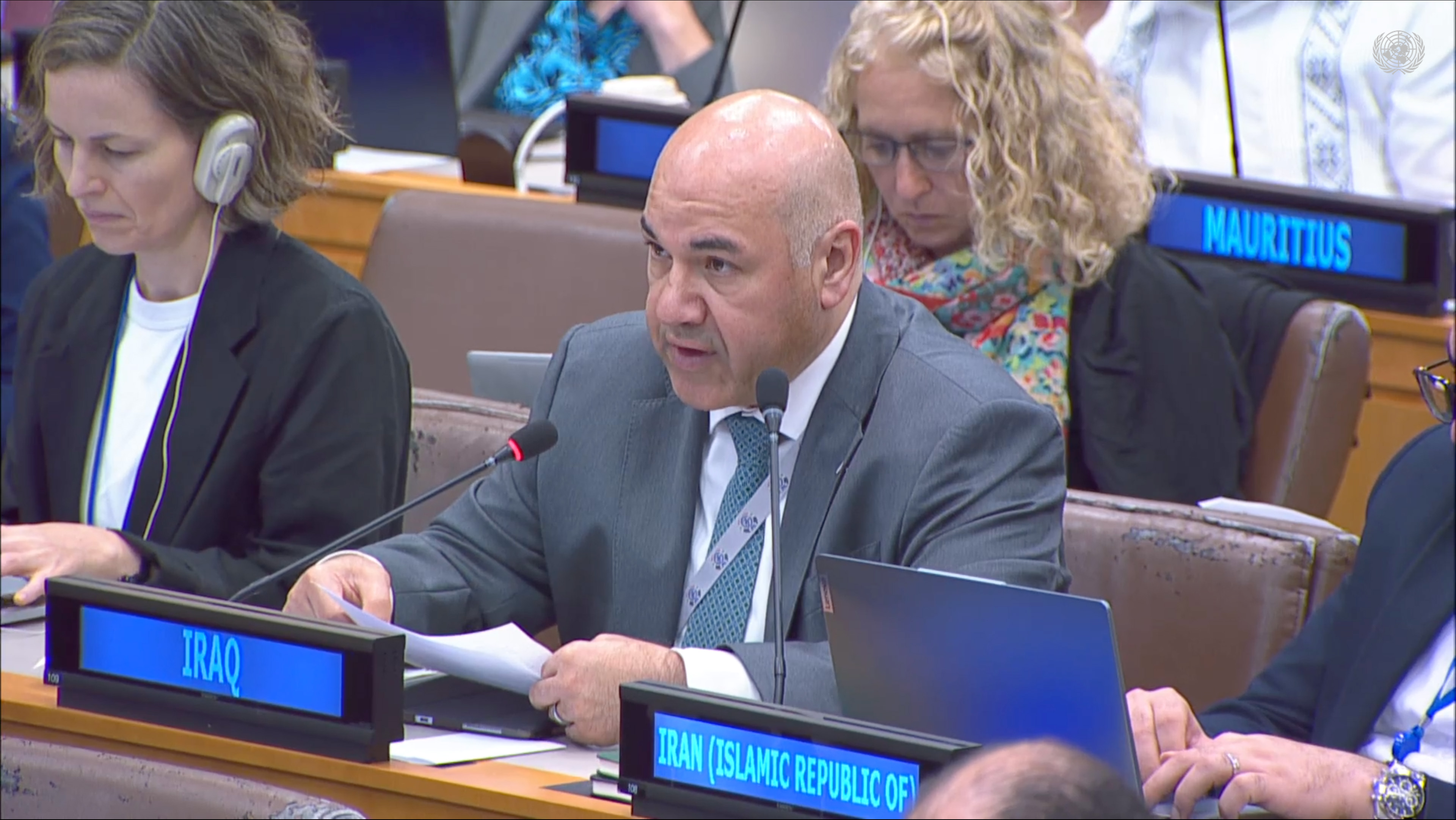
Lukman Alfaily, Iraq
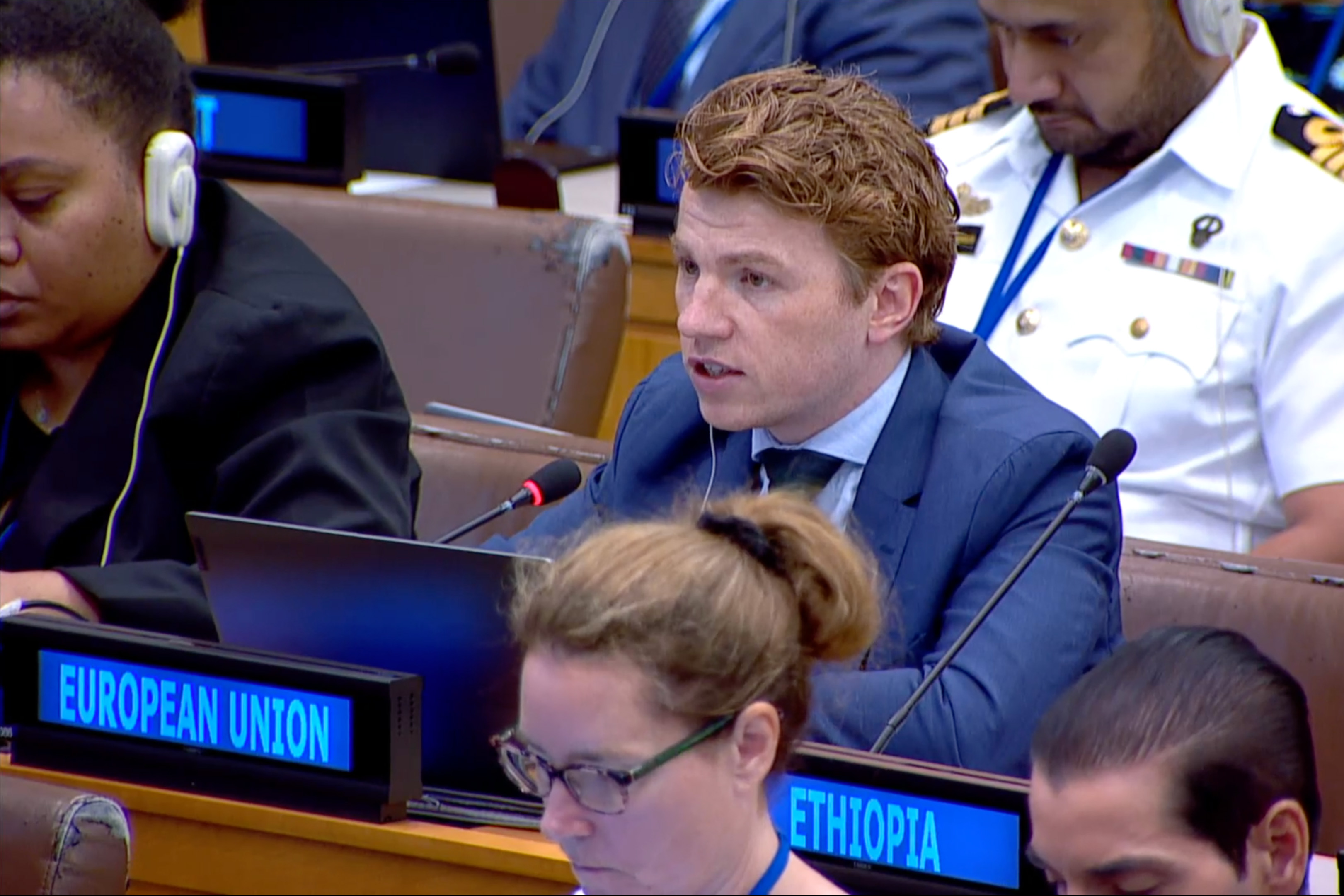
Yannick Bijl, EU
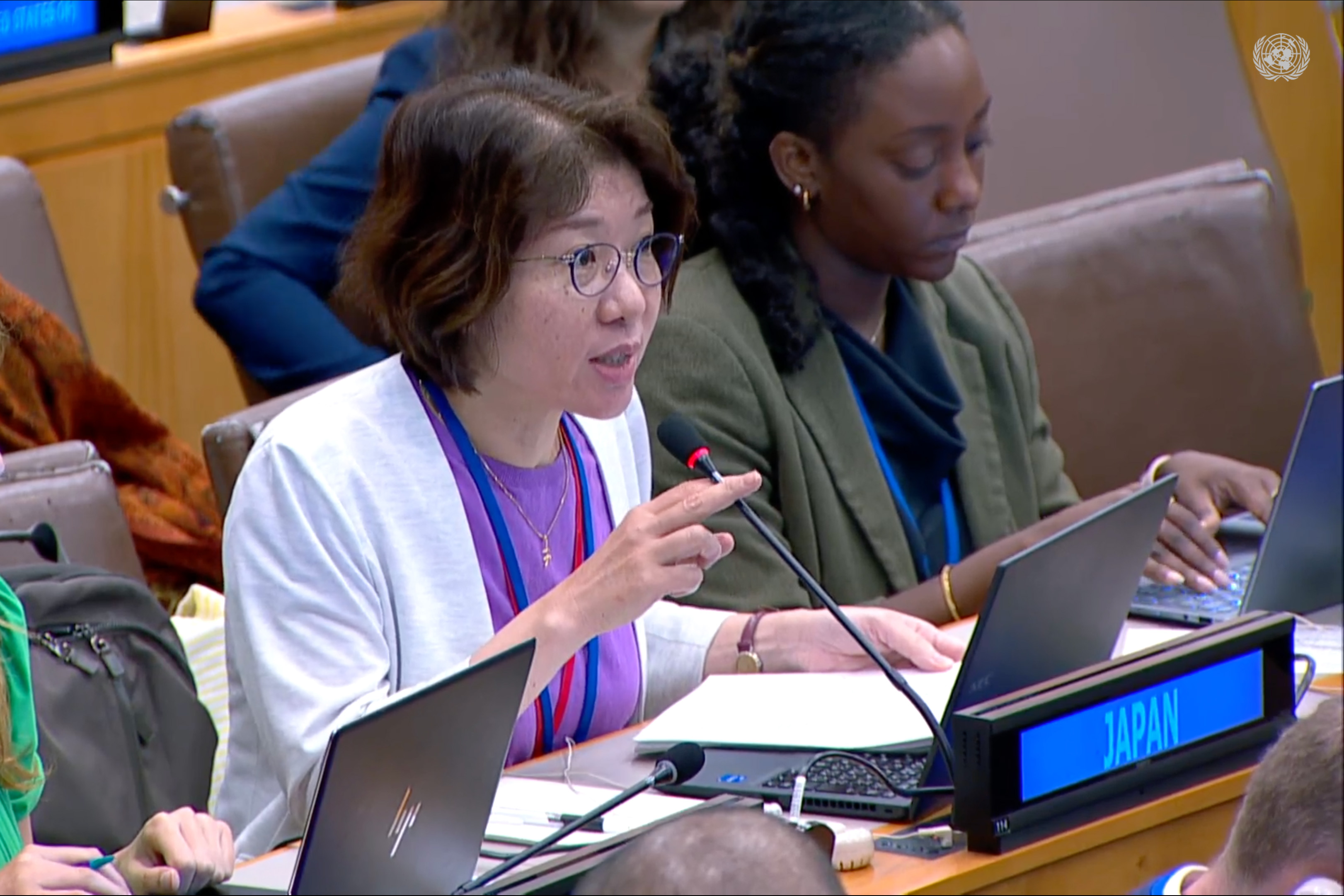
Makiko Murai, Japan
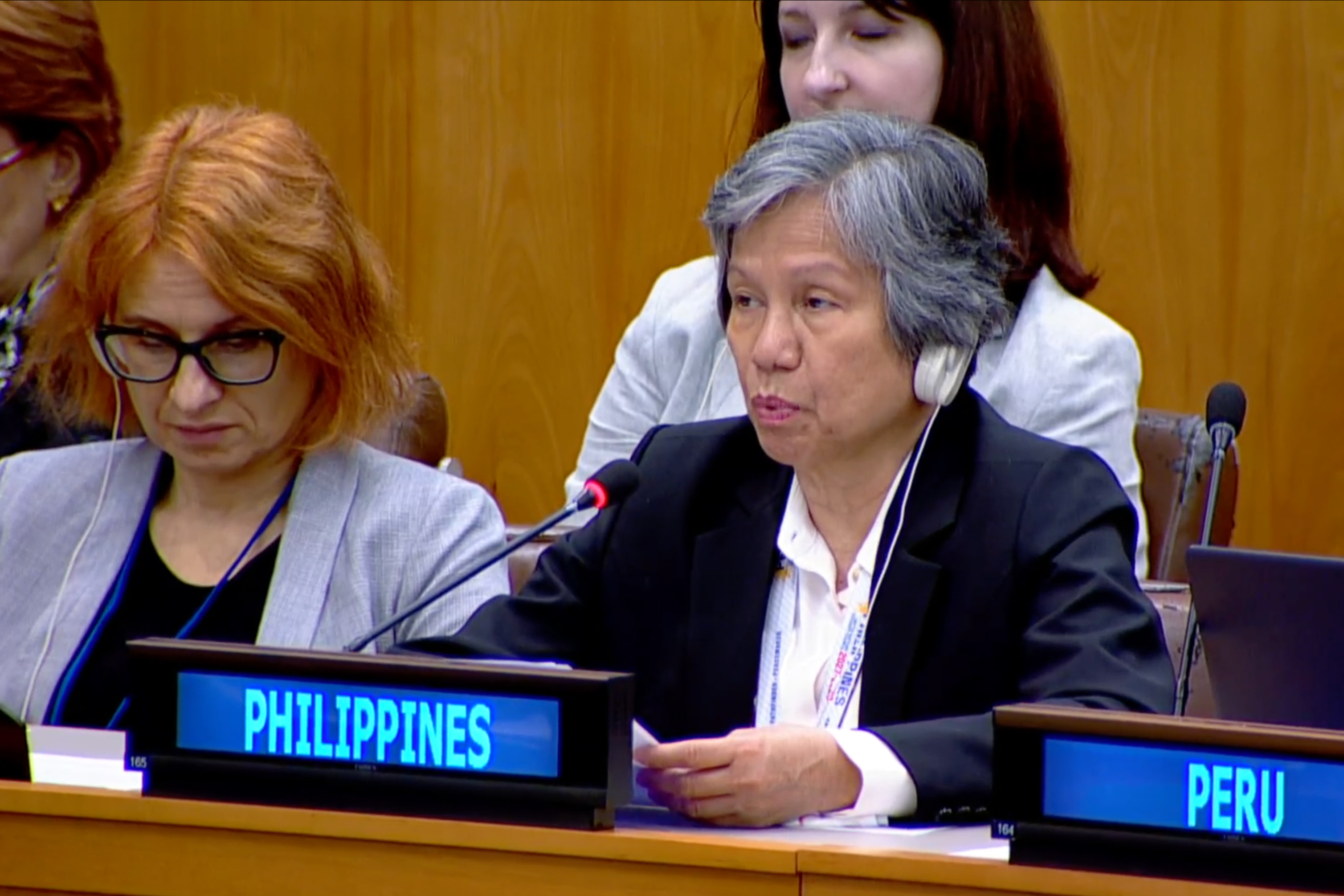
Drusila Ester Bayata, the Philippines
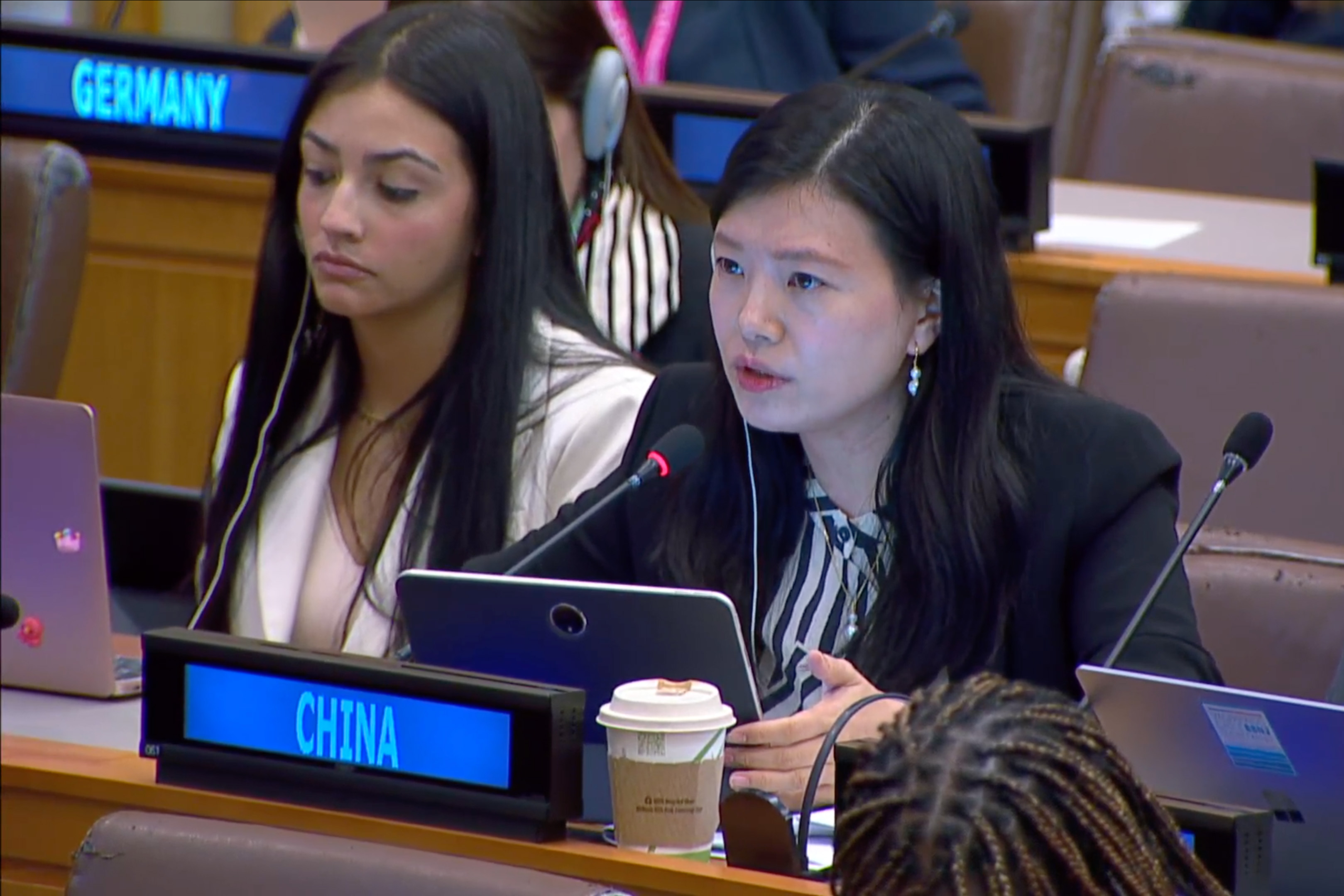
Huang, China
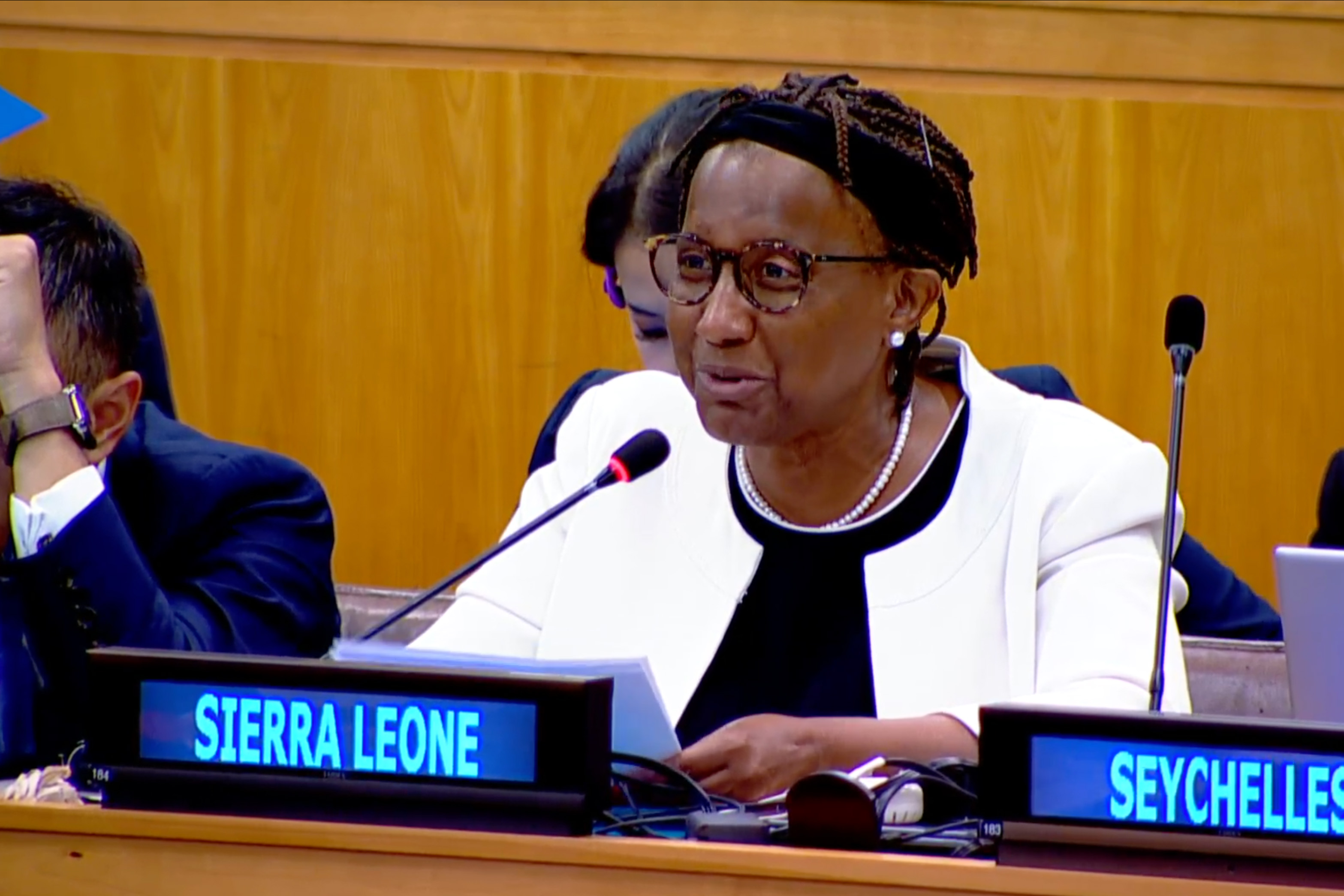
Lanla Kamara-Joyner, Sierra Leone