Concluding their work at the second session of the Preparatory Commission (PrepCom), delegates worked diligently to make progress and create the conditions for a productive intersessional period toward PrepCom III, scheduled to take place from 23 March-2 April 2026. Delegates emphasized the urgency to timely conclude deliberations, highlighting the recent ratifications by Cabe Verde and Saint Kitts and Nevis, bringing the number of ratifications to 55, with five remaining for the Agreement under the UN Convention on the Law of the Sea (UNCLOS) on the conservation and sustainable use of marine biological diversity of areas beyond national jurisdiction (BBNJ Agreement) to enter into force.
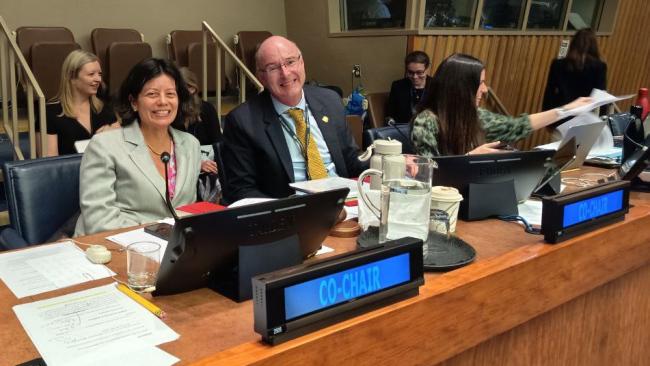
In the morning, Co-Chairs Janine Coye-Felson (Belize) and Adam McCarthy (Australia) convened parallel sessions to address:
- rules of procedure for the Conference of the Parties (COP);
- the operationalization of other provisions on financial resources and mechanism; and
- modalities for the operation of the Clearing-House Mechanism (CHM).
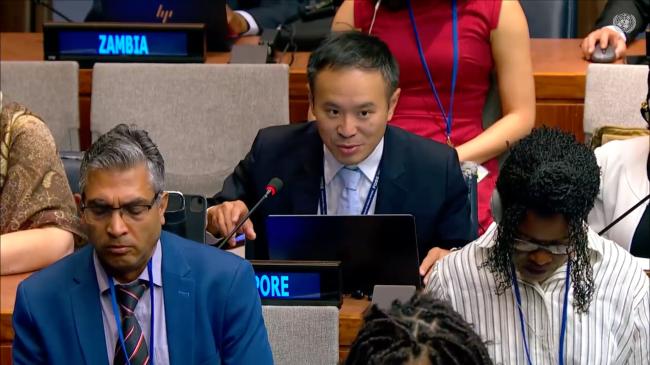
On the rules of procedure for the COP, discussions focused on observer participation, relevant instruments, frameworks, and bodies, and the conduct of business, concluding the reading of the Co-Chairs’ revised text. Norway and Singapore will coordinate proposals intersessionally on modalities on in-person and virtual participation and on interesessional decision making with respect to emergency measures, respectively. A further revised draft aid to negotiations will be produced for consideration at PrepCom III.
Delegates focused their discussions on financial issues on the special fund. Co-Chair Felson highlighted convergence on mandating the Co-Chairs to prepare a draft decision for the purpose of operationalizing the special fund.
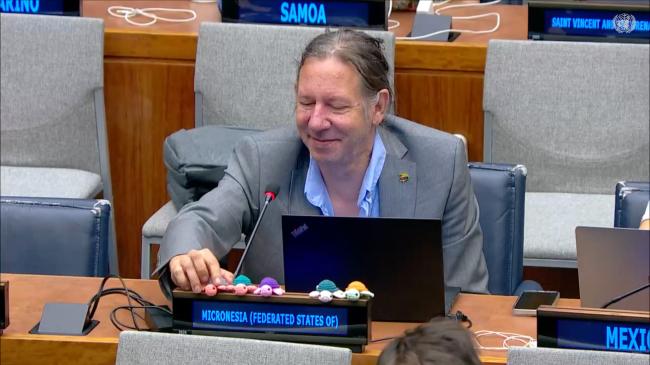
On the CHM, deliberations focused on the terms of reference for an informal expert group on the technical aspects of the operationalization of the CHM. An informal Friends of the Co-Chairs group on the size and composition of the informal group worked throughout the day, trying to reach consensus, including on explicit seat allocation for small island developing states and on a proposal introducing an objection procedure.
Working under time pressure, delegates were not able to reach consensus on the terms of reference for the expert group, expressing general support for specific tasks, which will be finalized by the Co-Chairs following consultations with the Bureau, to be addressed intersessionally to support the operationalization of the CHM.
In the closing afternoon plenary session, delegates considered elements of possible provisional guidance to the Global Environment Facility’s (GEF) ninth replenishment period. Unable to reach consensus, they agreed that the Co-Chairs, in consultation with the Bureau, will consider the question of what guidance, if any, should be provided by the PrepCom to the GEF.
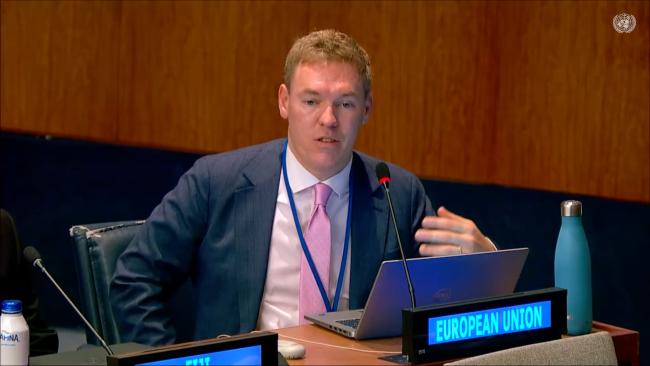
In closing remarks, representatives of regional groups and individual delegates highlighted progress made at PrepCom II as well as the importance of intersessional work for the successful conclusion of deliberations. They underscored the imminent entry into force of the BBNJ Agreement, stressing that PrepCom III and COP1 will be crucial toward ensuring its effective implementation.
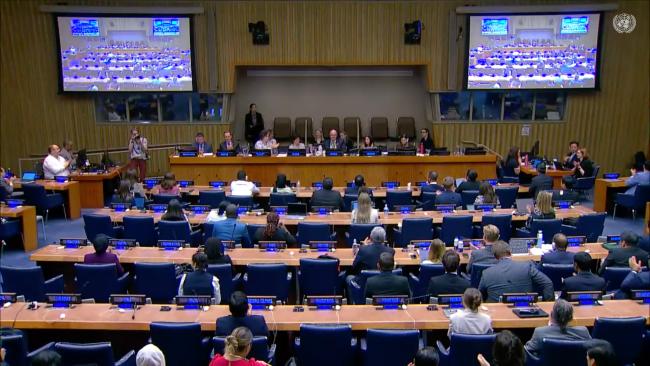
Co-Chairs Felson and McCarthy thanked all participants for their hard work and flexibility, stressing the need to continue open exchange of views, focus on key issues, and continue to offer support, including on intersessional work. They emphasized that, while some issues progressed more rapidly than others, PrepCom II was successful and offered a clear plan for the intersessional period. Noting that “realistically, the Agreement will enter into force soon,” and highlighting the urgency of the tasks at hand, they gaveled PrepCom II to a close at 6:10 pm, renewing delegates’ appointment for March 2026.
To receive free coverage of global environmental events delivered to your inbox, subscribe to the ENB Update newsletter.
Select Photos
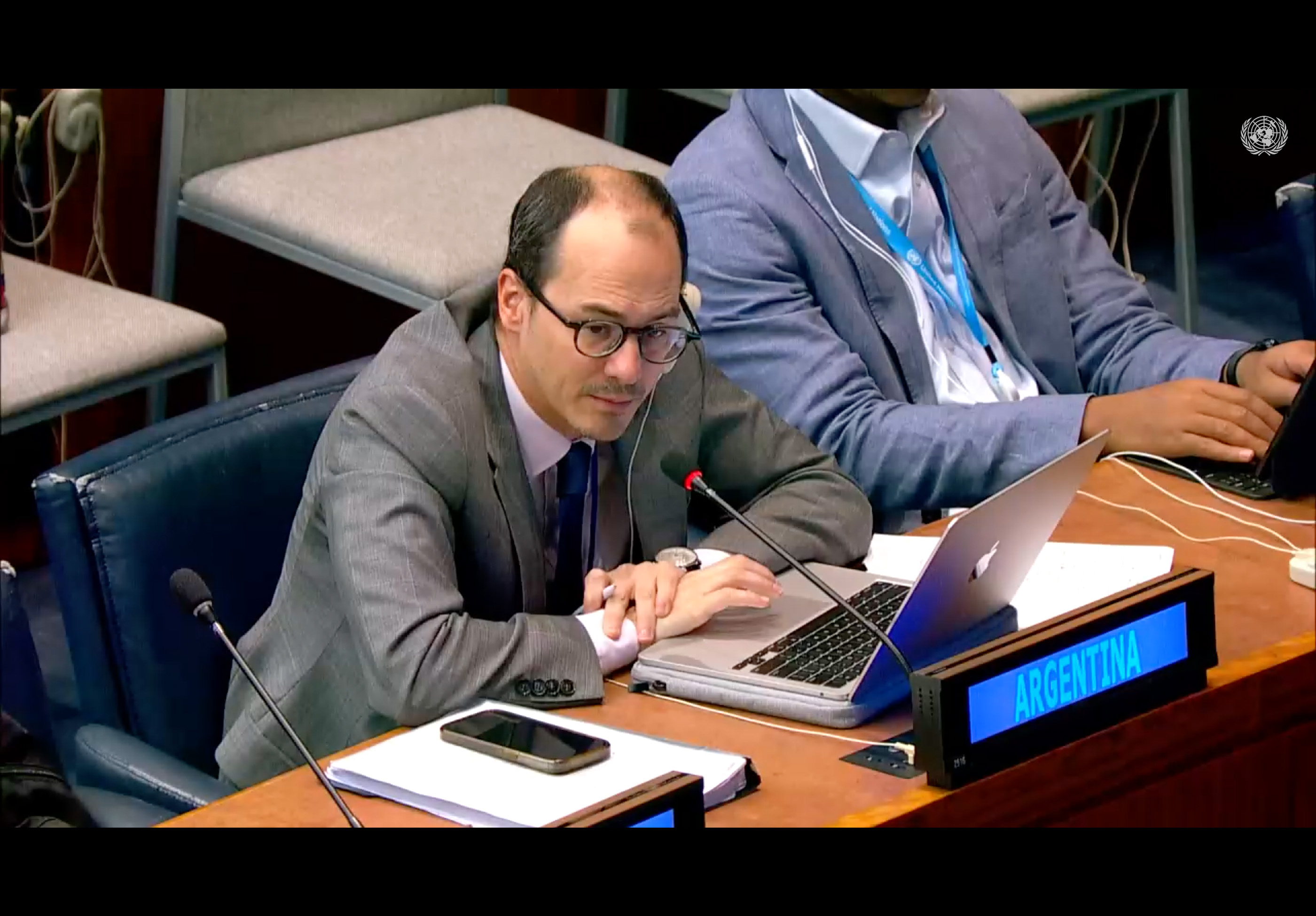
Juan Pablo Paniego, Argentina, speaking for the Core Latin American Group (CLAM)
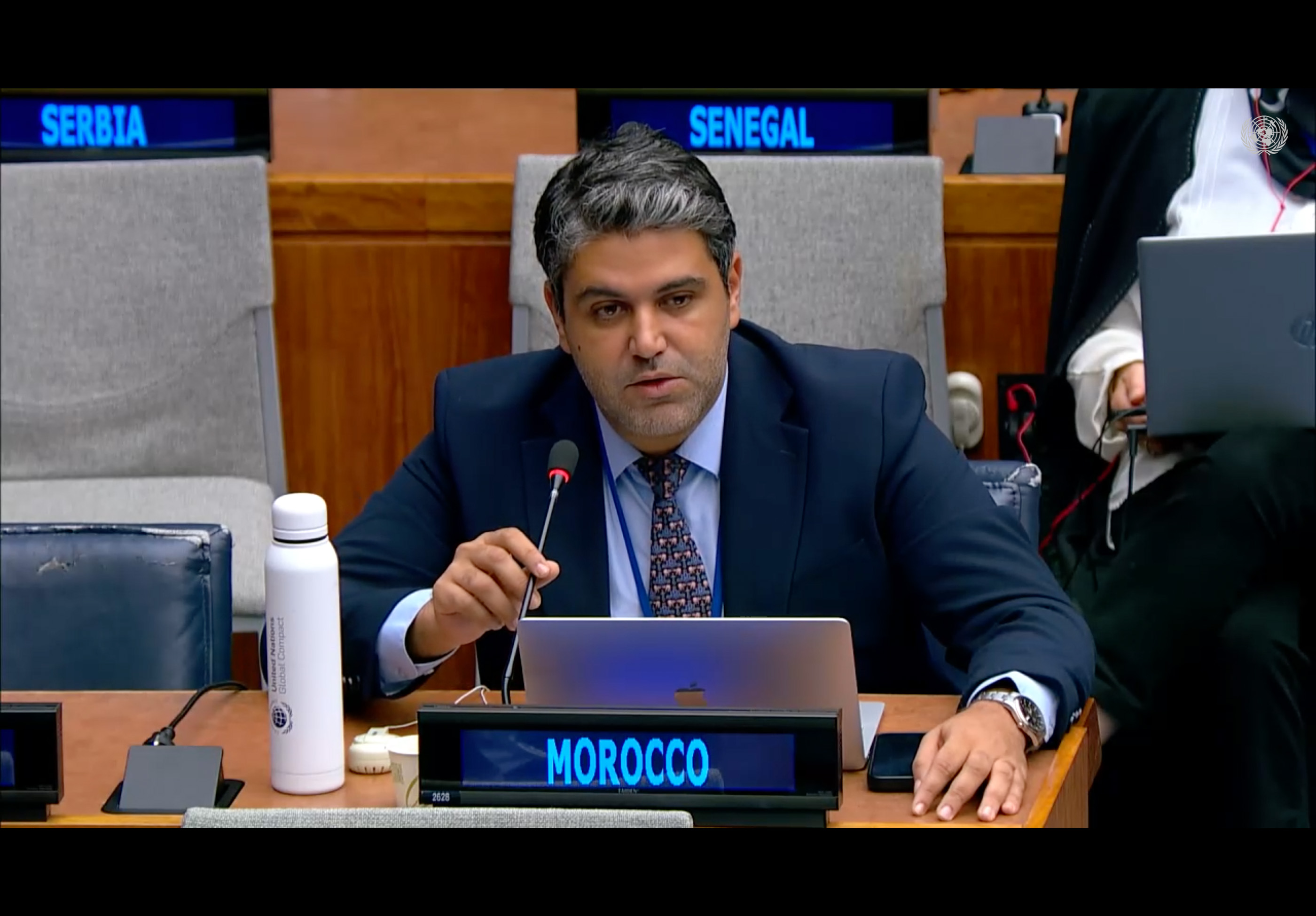
Zakaria Tozy, Morocco, speaking on behalf of the African Group
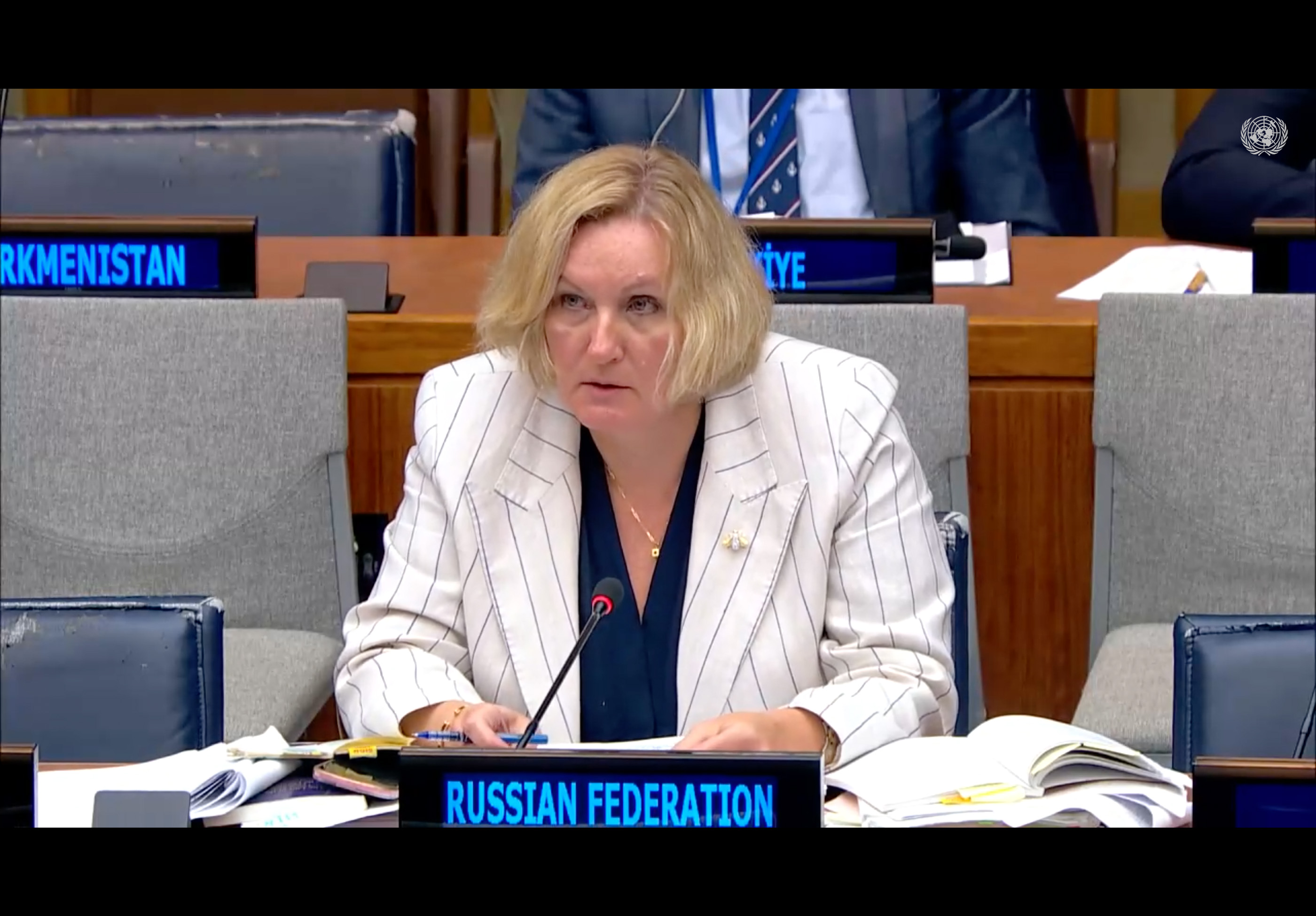
Anna Antonova, Russian Federation
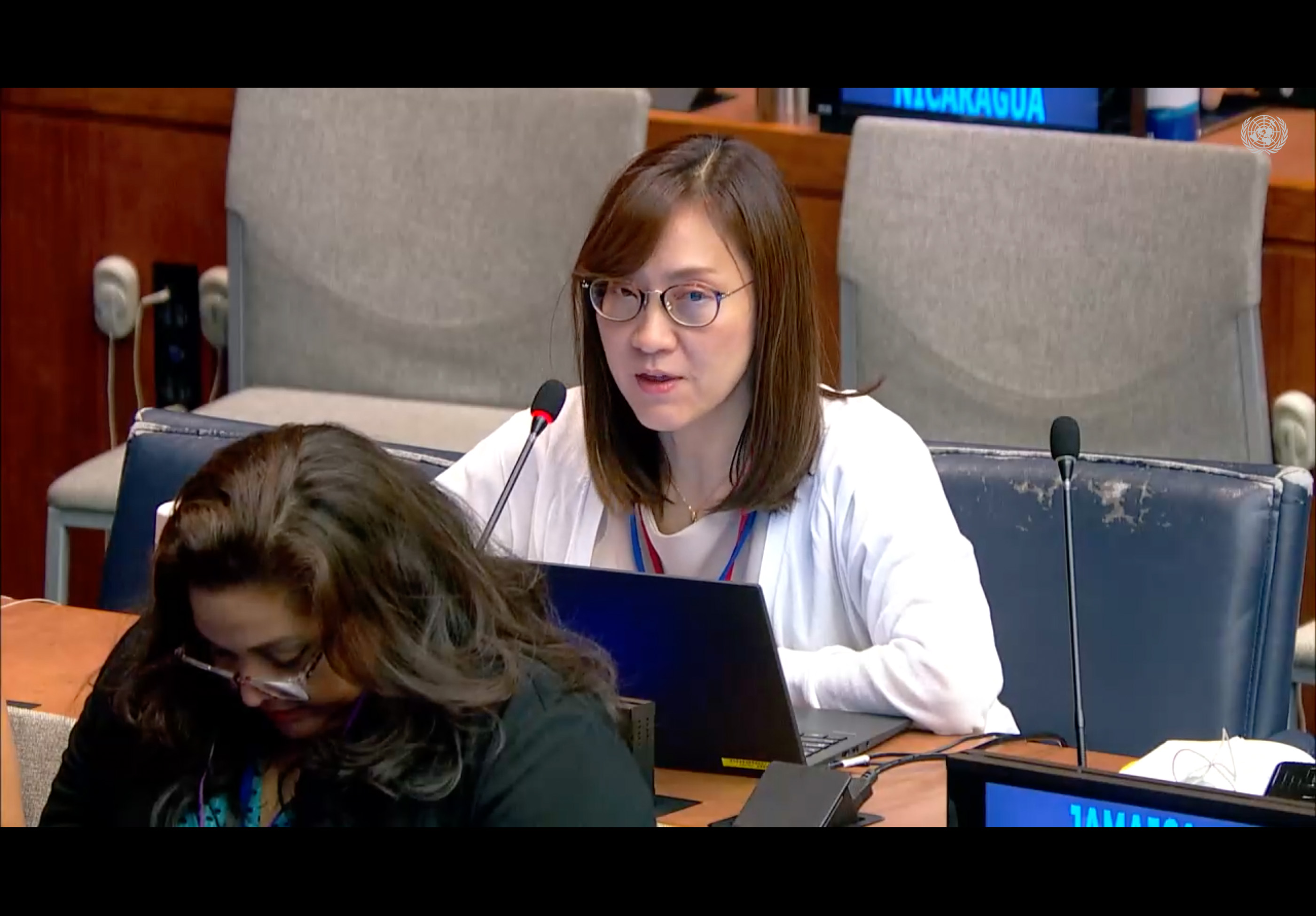
Maki Murai, Japan
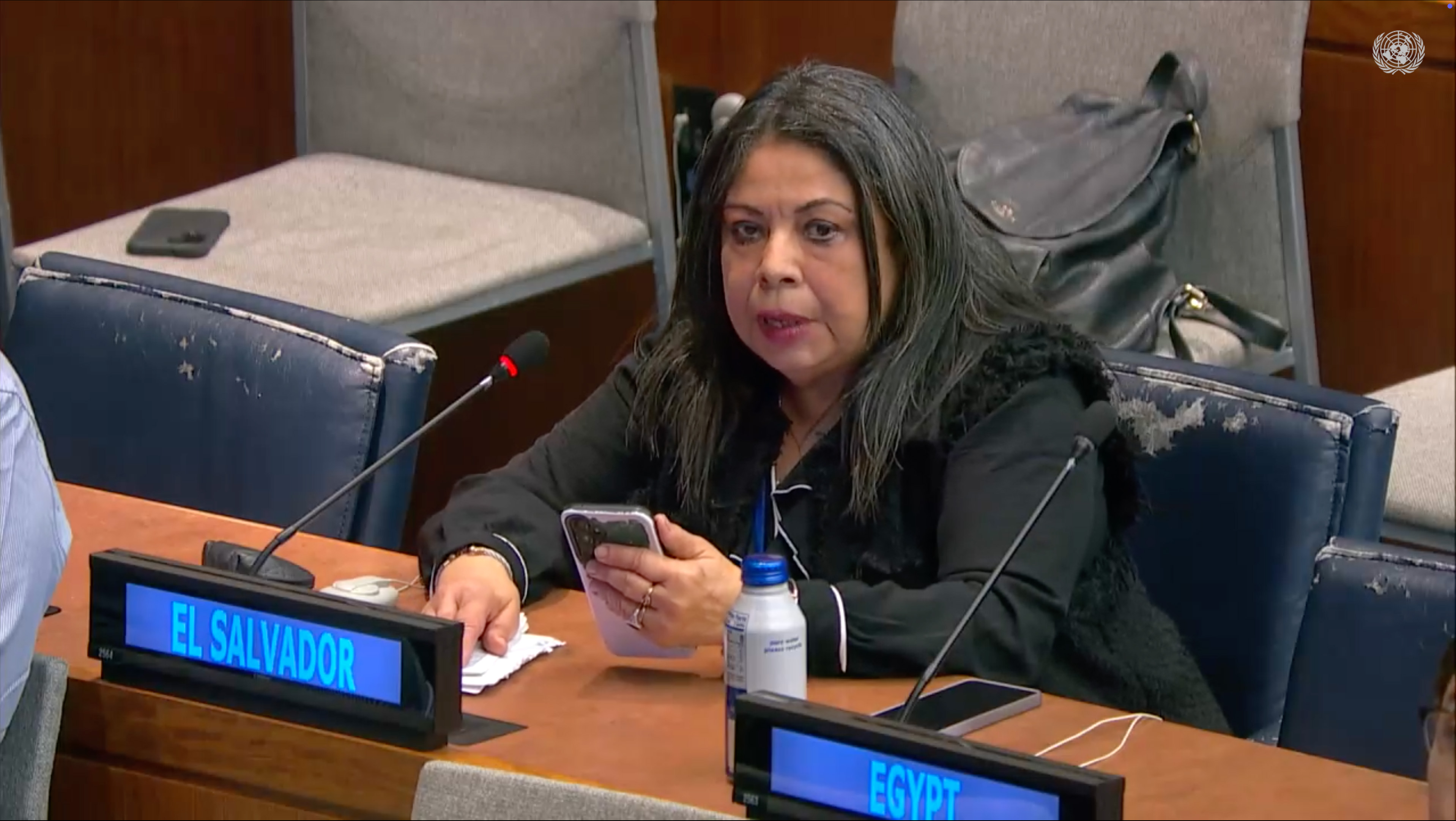
Ana Elizabeth Villalta Vizcarra, El Salvador
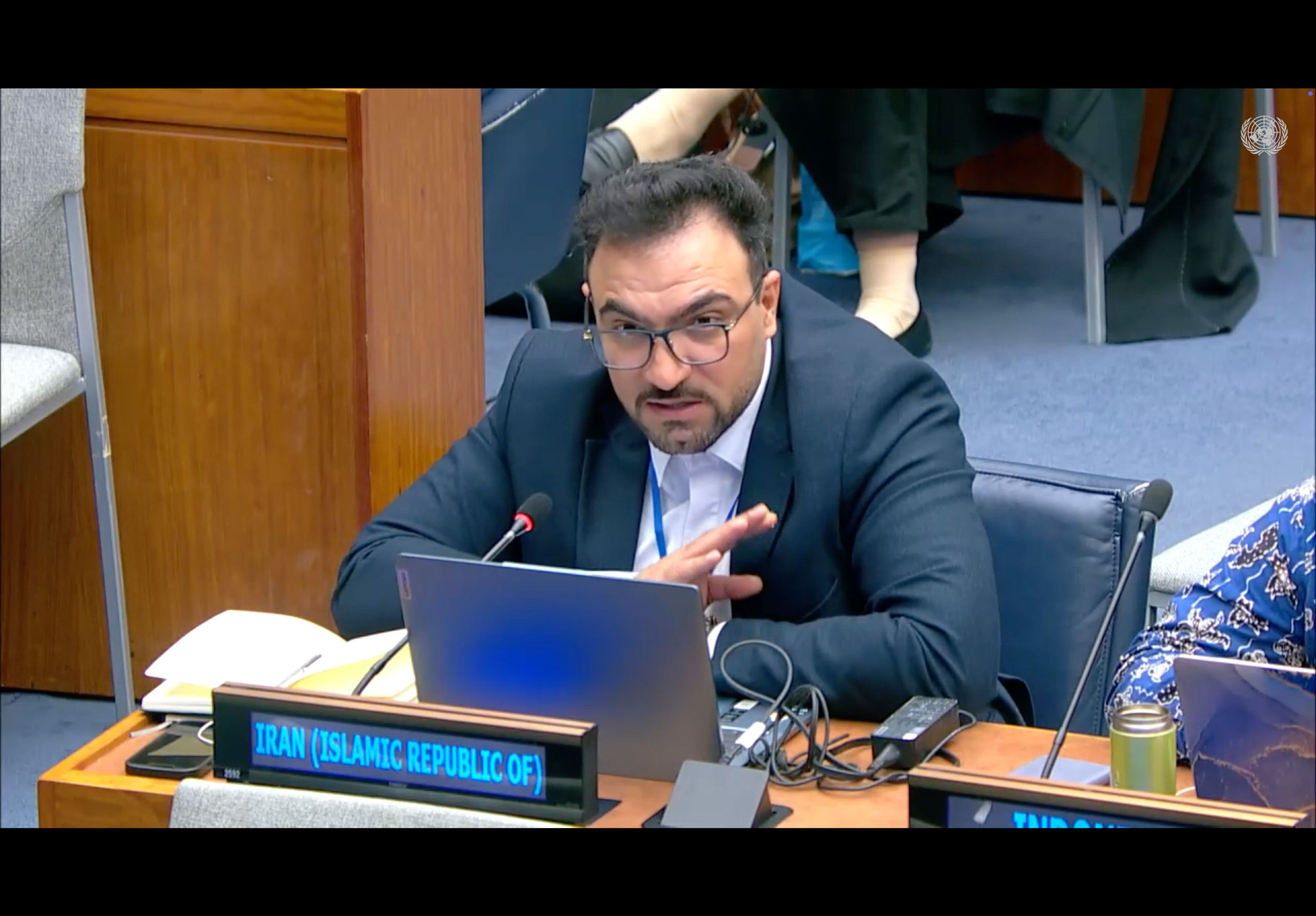
Yahya Aref, Iran
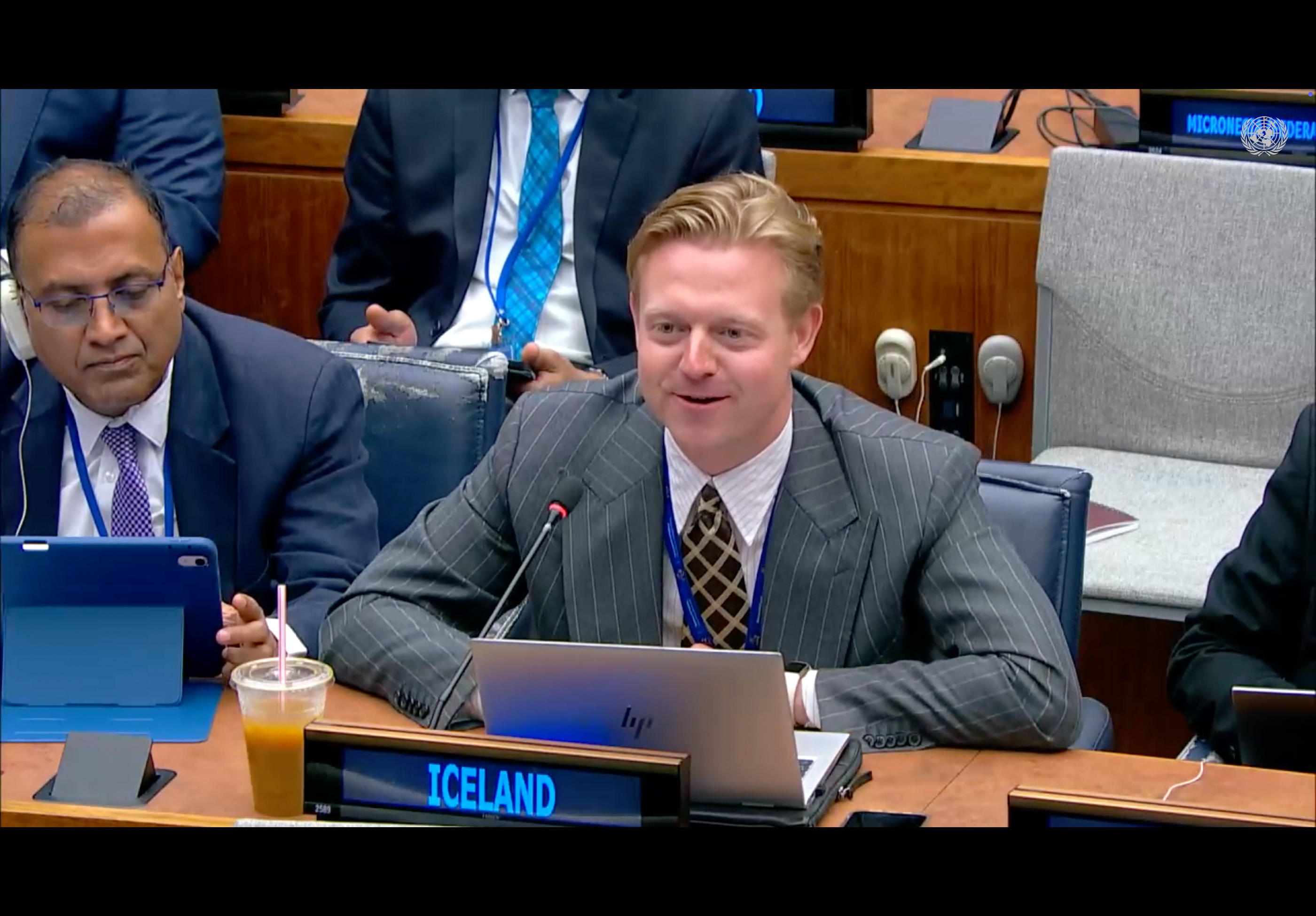
Hendrik Dadi Jonsson, Iceland
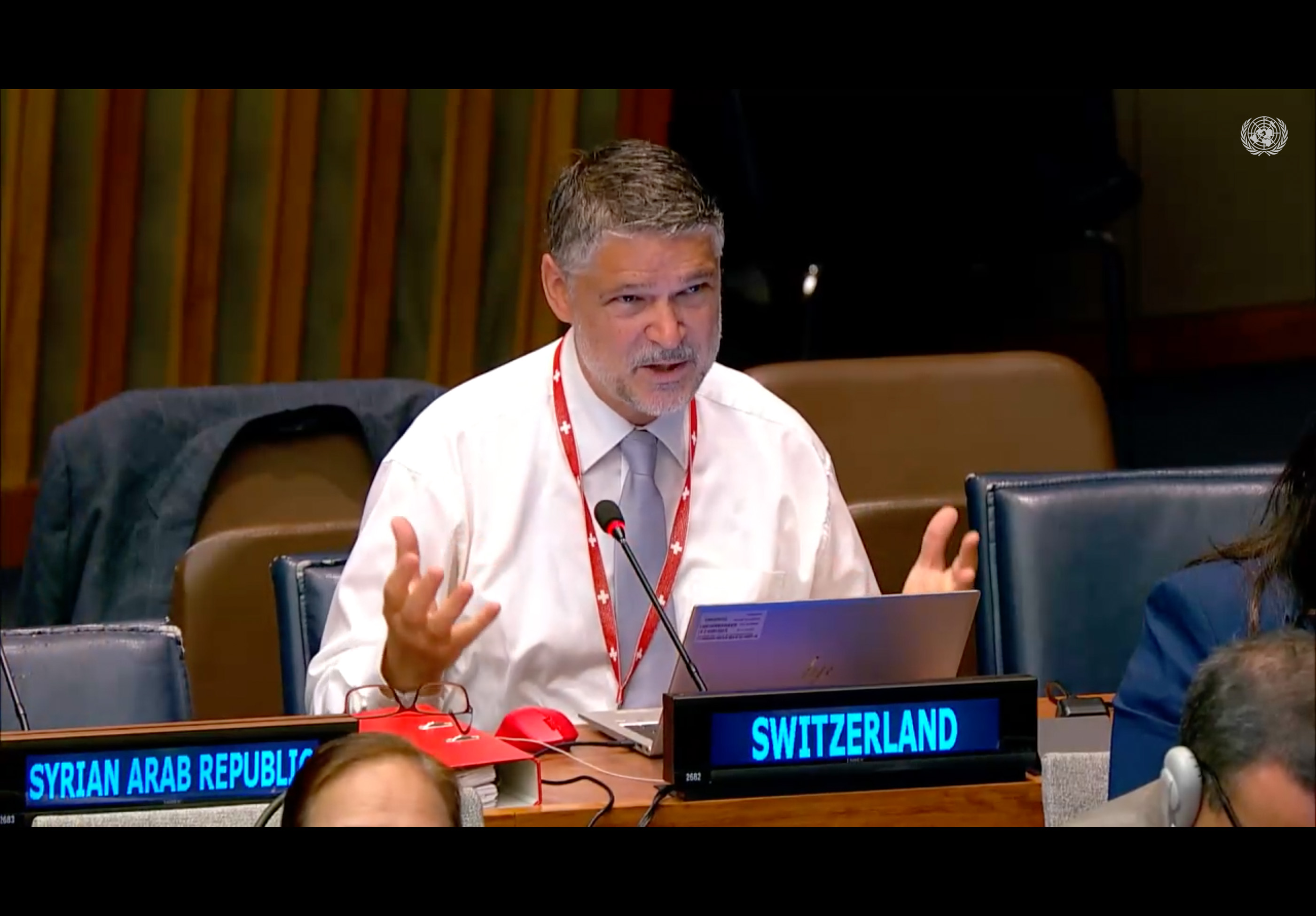
Norbert Barlocher, Switzerland
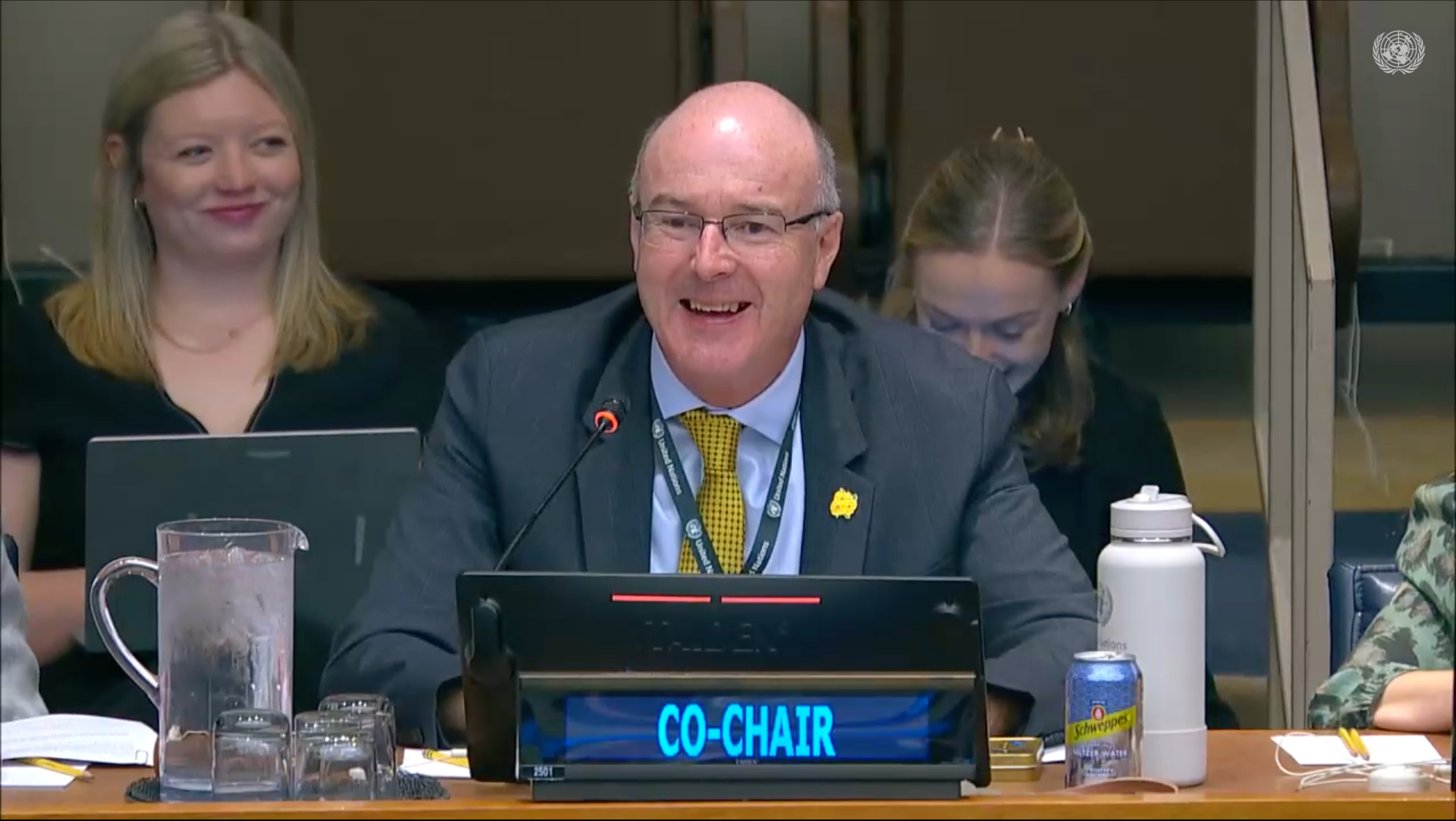
PrepCom Co-Chair Adam McCarthy, Australia
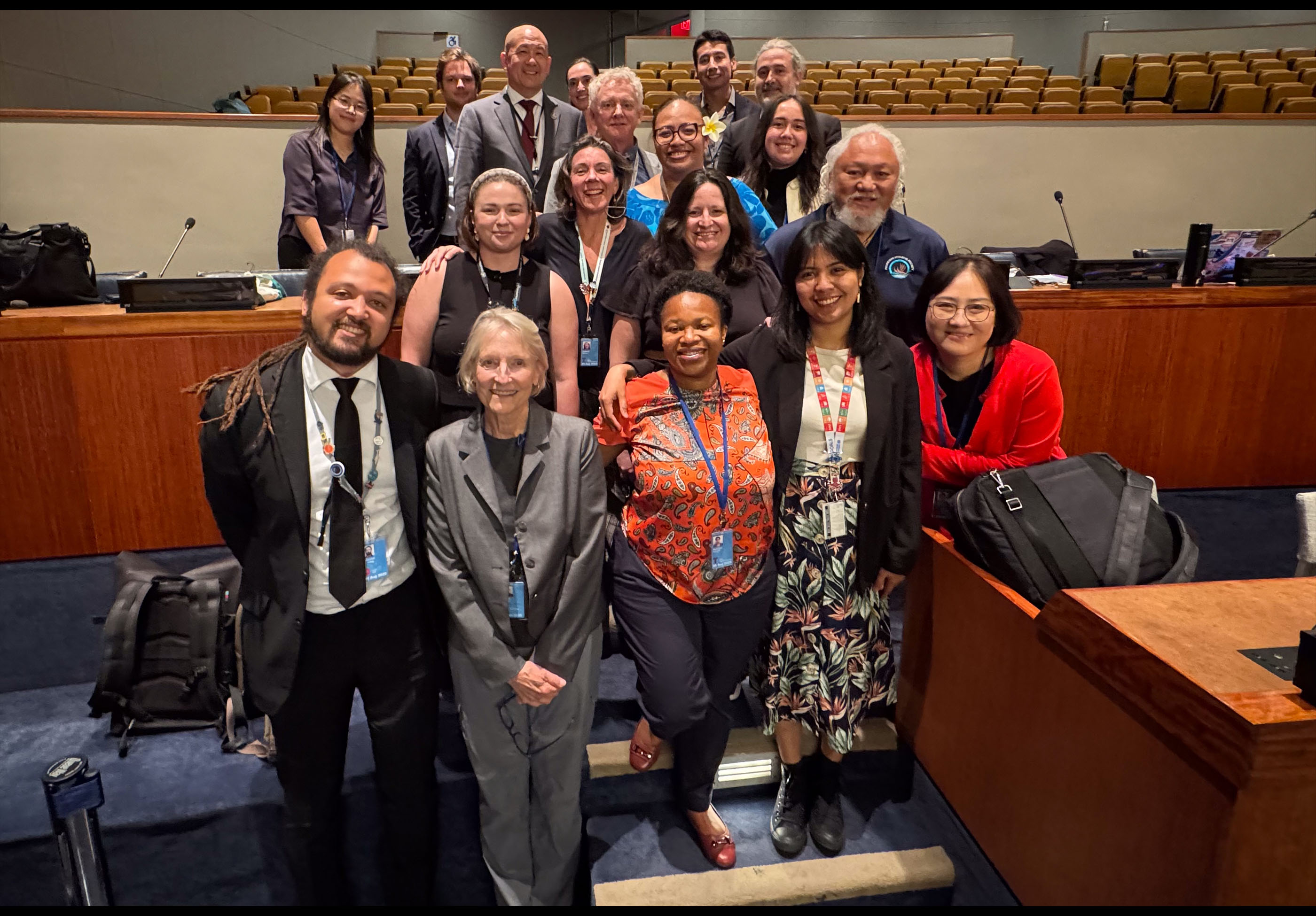
The High Seas Alliance delegation
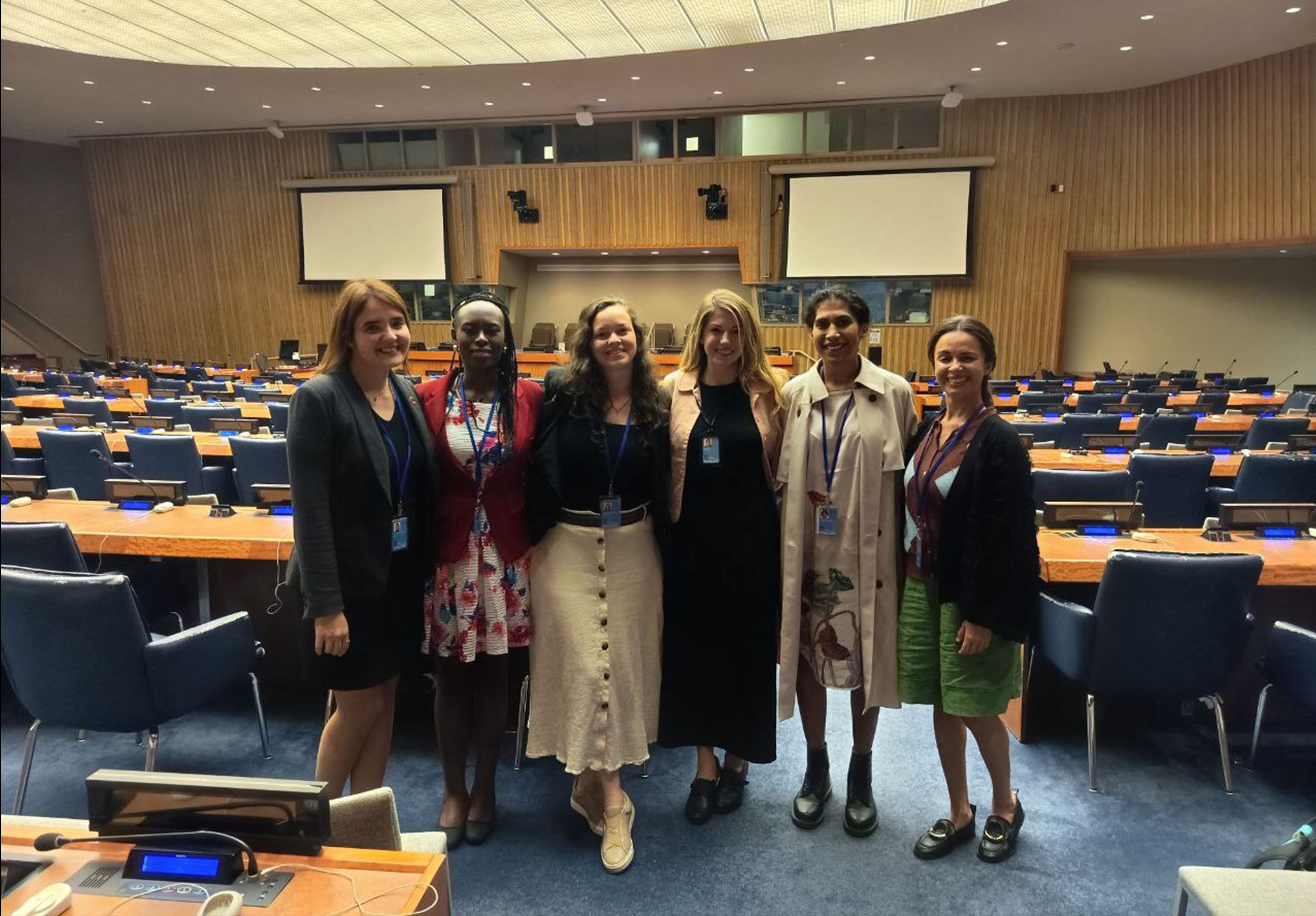
The delegation from the Deep Ocean Stewardship Initiative (DOSI)
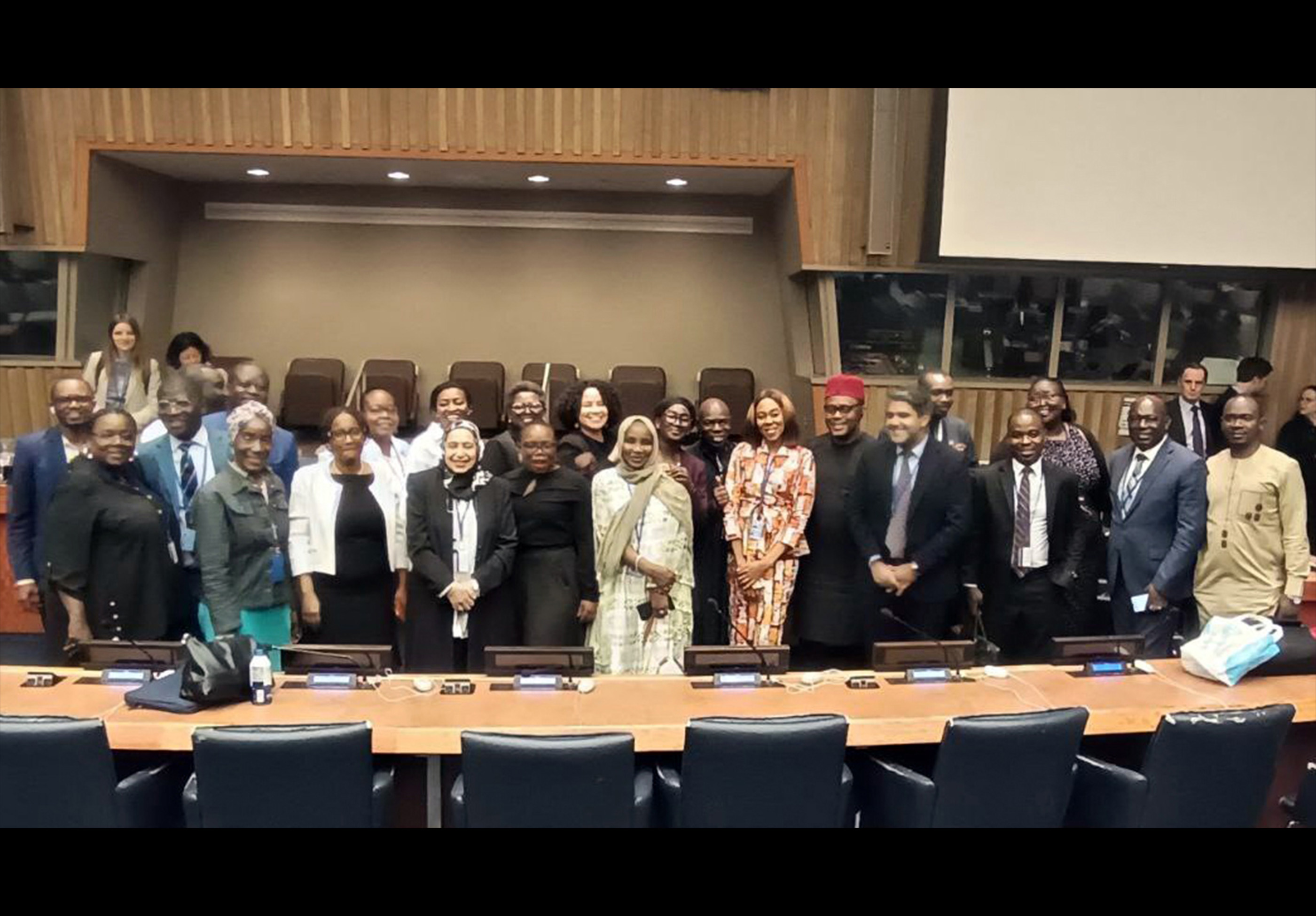
Representatives from the African Group