Concluding the first week of deliberations, delegates at the second session of the Preparatory Commission (PrepCom) worked diligently under the guidance of Co-Chairs Janine Coye-Felson (Belize) and Adam McCarthy (Australia) to make progress on the items under consideration and allow for the development of revised working documents over the weekend for further negotiations.
Throughout the day, discussions focused on:
- arrangements for the functioning of the Secretariat, including its seat;
- rules of procedure for the Conference of the Parties (COP);
- reporting requirements; and
- the ninth replenishment period of the Global Environment Facility (GEF).
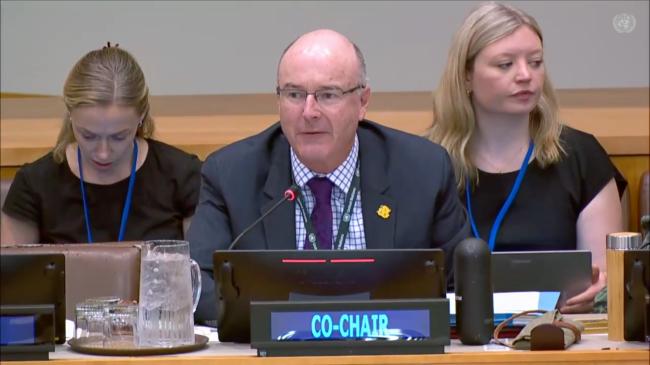
In the morning, delegates resumed consideration of arrangements for the functioning of the Secretariat in an informal working group, on the basis of a revised working document circulated by the Co-Chairs on Thursday, 21 August.
Some delegates suggested developing a document setting up the institutional options available for the functioning of the Secretariat, ranging from standalone institutions to full integration in the UN model, with some reiterating the need for a Secretariat that is tailored to the needs of the Agreement under the UN Convention on the Law of the Sea (UNCLOS) on the conservation and sustainable use of marine biological diversity of areas beyond national jurisdiction (BBNJ Agreement).
They exchanged views on the selection and appointment processes for the head of the Secretariat, with some emphasizing the need for geographical rotation and others stressing the principles of impartiality, competence, and professionalism. On the way forward, some suggested developing two documents: one containing options for the Secretariat model and a draft for the agreement between the Secretariat and the UN. Others called for a letter to the UN Secretary-General setting out the institutional linkages and requesting advice on relevant arrangements, as well as working on a draft decision on other aspects of the functioning of the Secretariat.
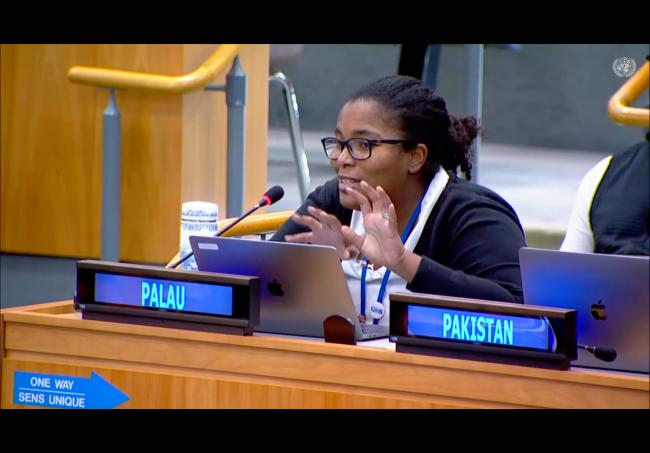
In a brief informal afternoon session, delegates provisionally agreed to invite interested host countries to provide relevant information by a set deadline to be determined during the second week of PrepCom II, providing sufficient time for delegations to consider the information prior to PrepCom III with a view to deciding by consensus at COP1.
In a morning plenary session, Co-Chair McCarthy invited delegates to discuss potential guidance to the GEF Council regarding its ninth replenishment period.
Delegates addressed, among other things, the need for:
- a dedicated focal area for the BBNJ Agreement under the GEF;
- support to developing countries, including direct access modalities;
- continuous support for ratification, as well as for enabling activities, needs assessment and reporting, capacity building, including for Indigenous Peoples, the development of the Clearing-House Mechanism, subsidiary bodies, as well as funding of initial priority initiatives to be defined by the COP, such as the establishment of area-based management tools; and
- the development and operationalization of the special fund, in addition to focusing on the GEF.
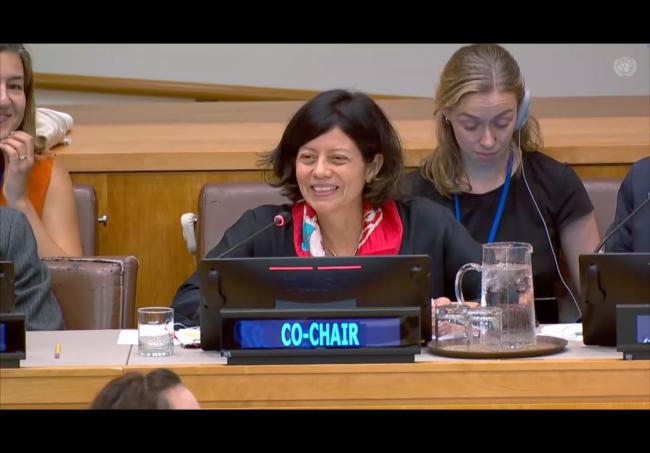
Co-Chair McCarthy noted that a reflection of PrepCom’s views could be transmitted to the GEF Council via the Co-Chairs’ closing statement.
In the afternoon, the PrepCom finalized discussions on the rules of procedure for the COP, with delegates looking forward to a revised aid to negotiations to be produced by the Co-Chairs.
Delegates also initiated deliberations on reporting requirements on the basis of a note prepared by the Secretariat (A/AC.296/2025/17). Discussions focused on: reporting requirements that should be agreed upon at COP1; appropriate intervals, format, and submission processes for reports by parties, subsidiary bodies, and the Secretariat; and the role of subsidiary bodies in determining their own reporting processes.
Prior to entering a technical discussion, many delegates underscored the need for a rigorous, efficient, and fit for purpose reporting system, which supports accountability and decision making, promotes cooperation, and facilitates collective learning. Many underscored the need to fully consider the needs and priorities of developing countries and the special circumstances of small island developing states and least developed countries. Some delegates further called for finding the right balance between meaningful reporting and administrative burden, as well as between transparency and confidentiality.
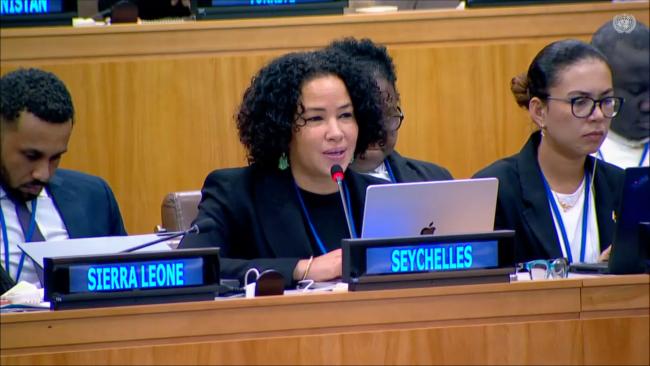
To receive free coverage of global environmental events delivered to your inbox, subscribe to the ENB Update newsletter.
Select Photos
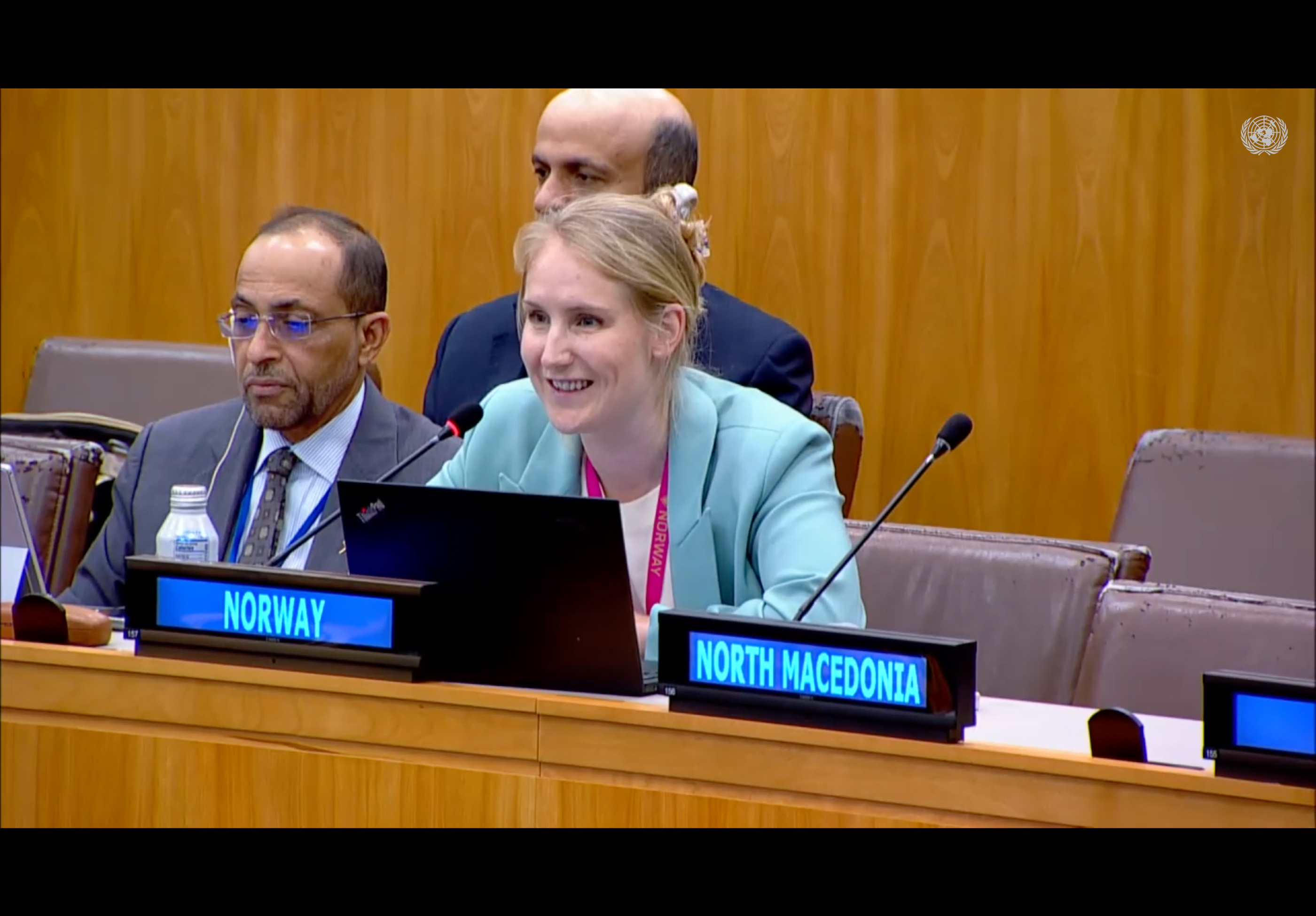
Dagny Hovind, Norway
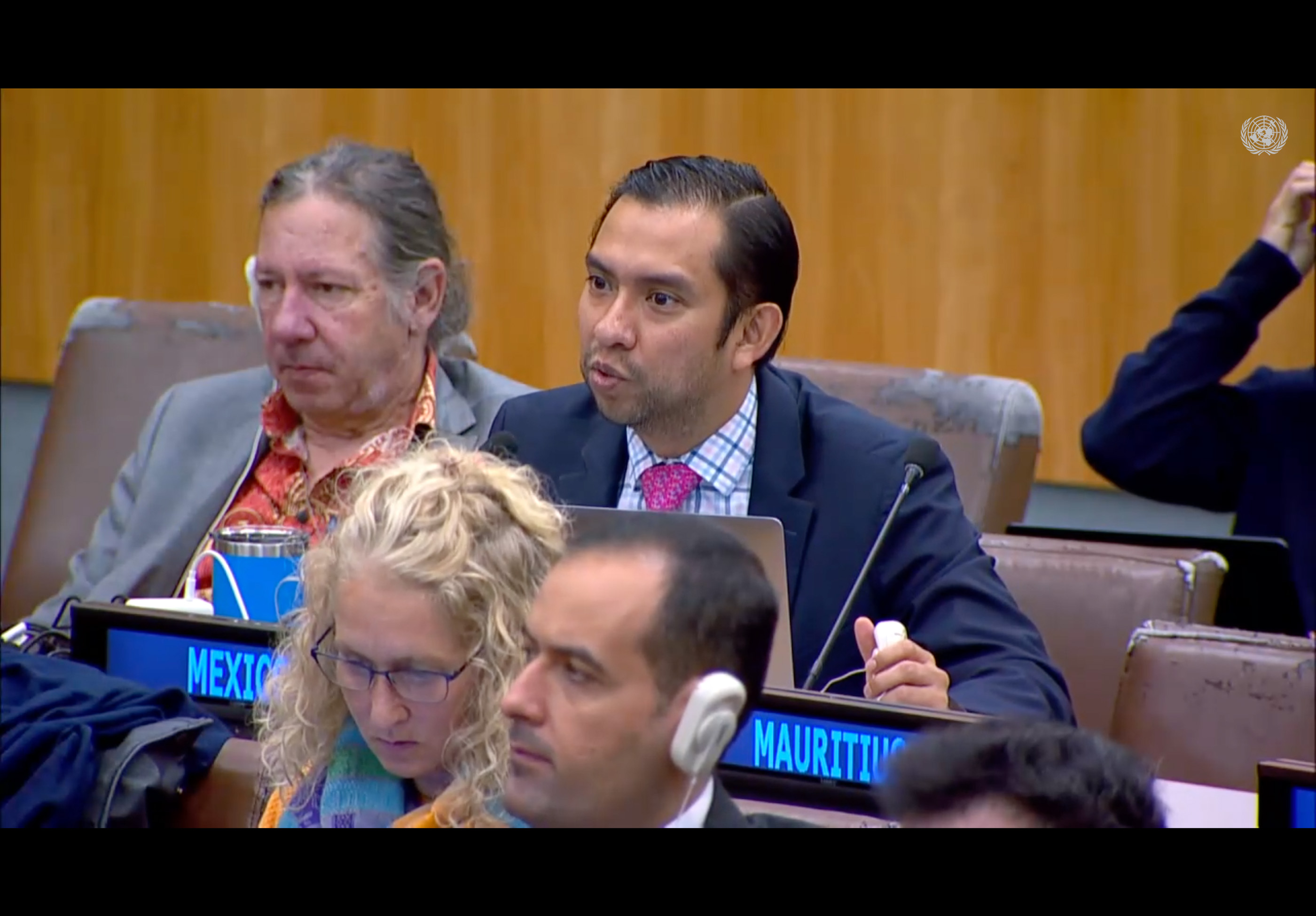
Uriel Pérez, Mexico, on behalf of the Core Latin American Group (CLAM)
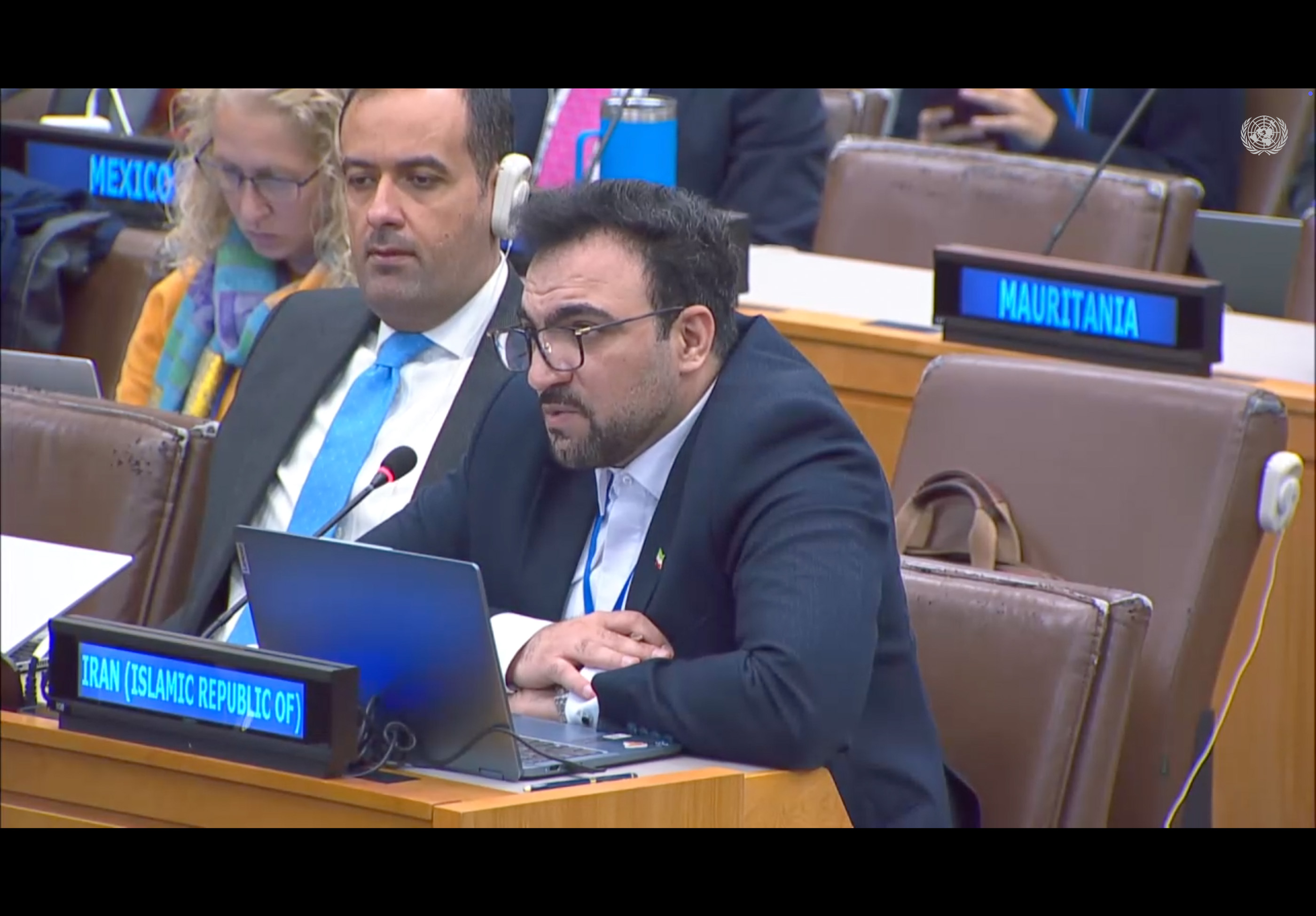
Yahya Aref, Iran
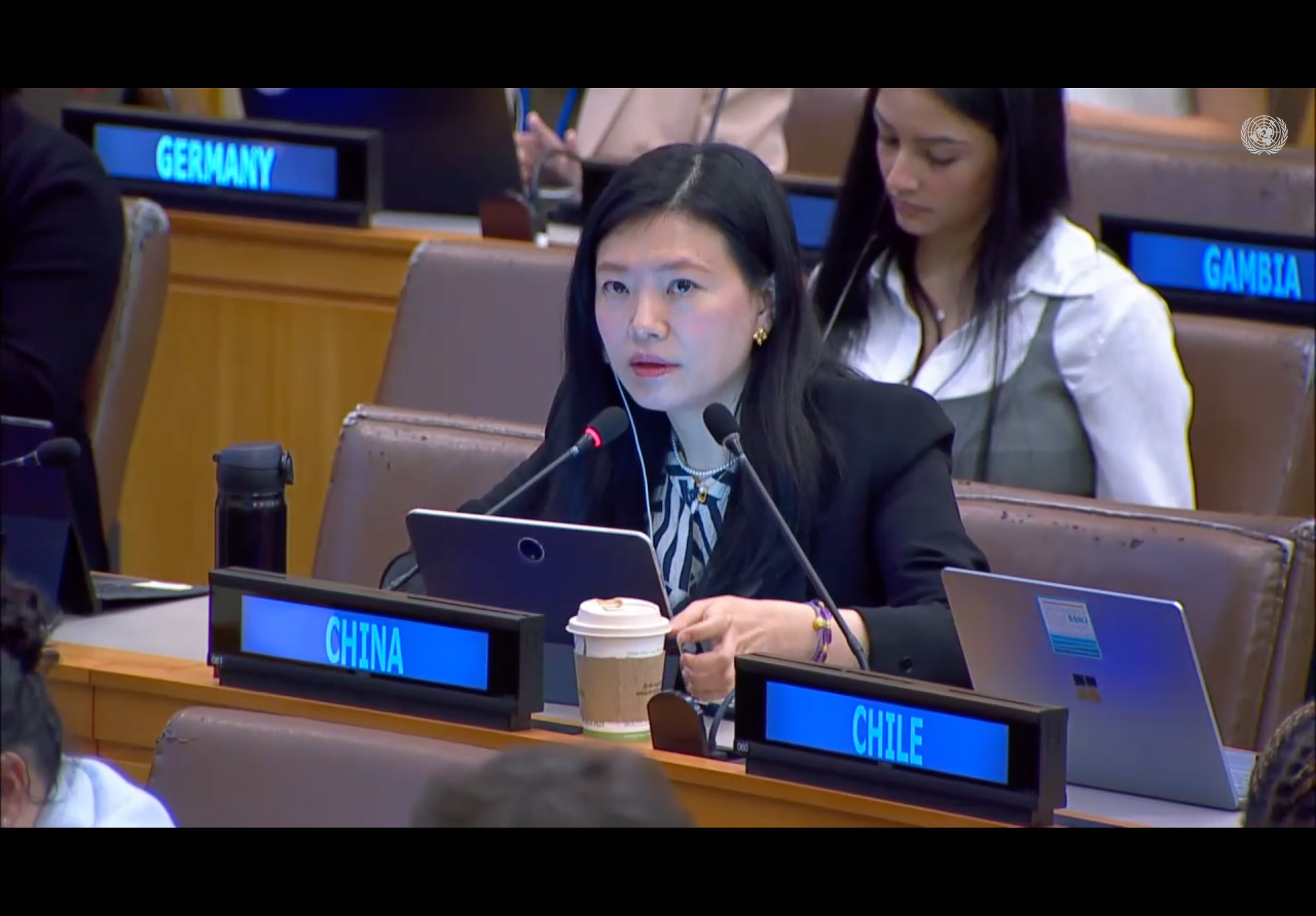
Huang, China
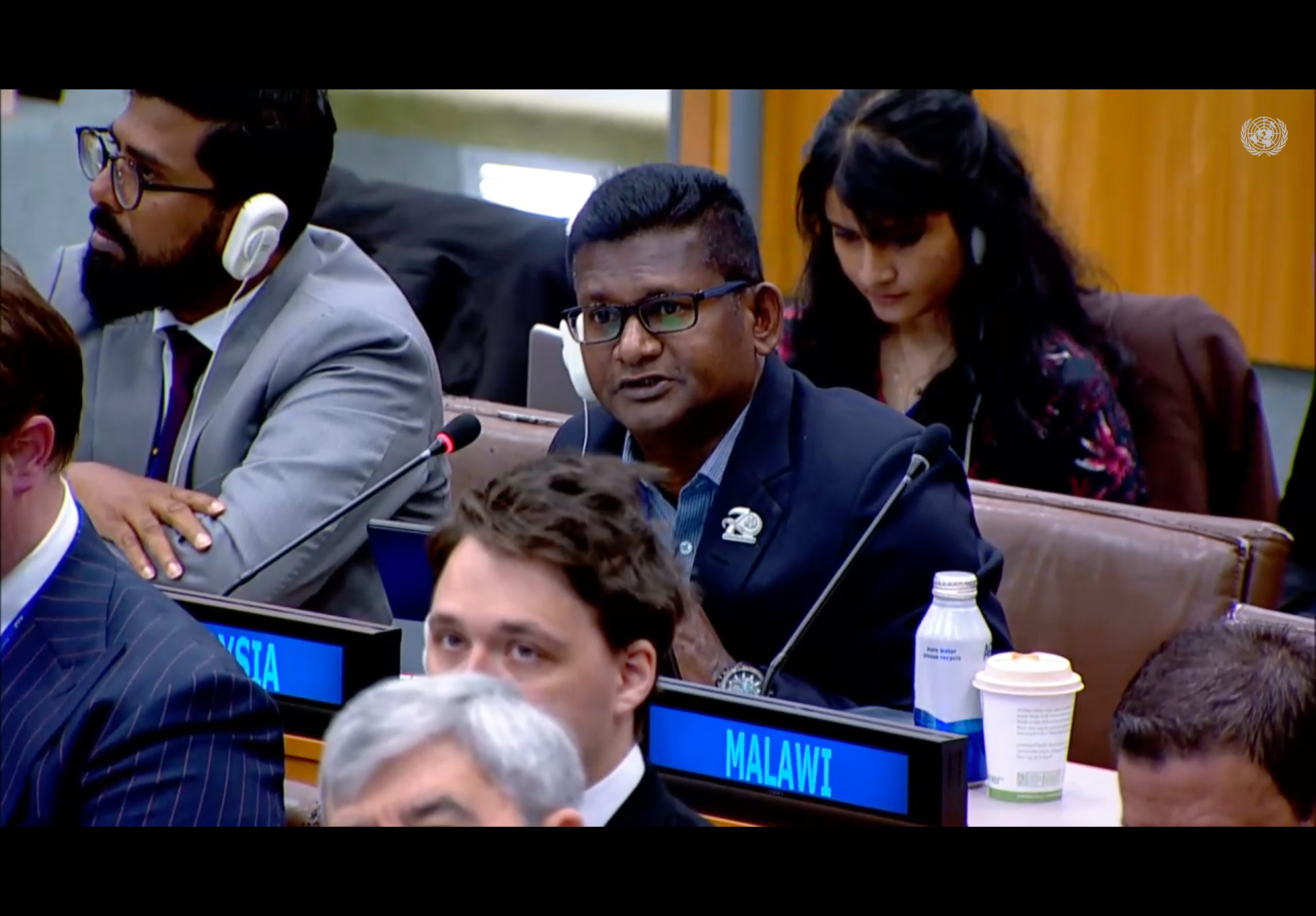
P Jeevananth a/l Palia, Malaysia
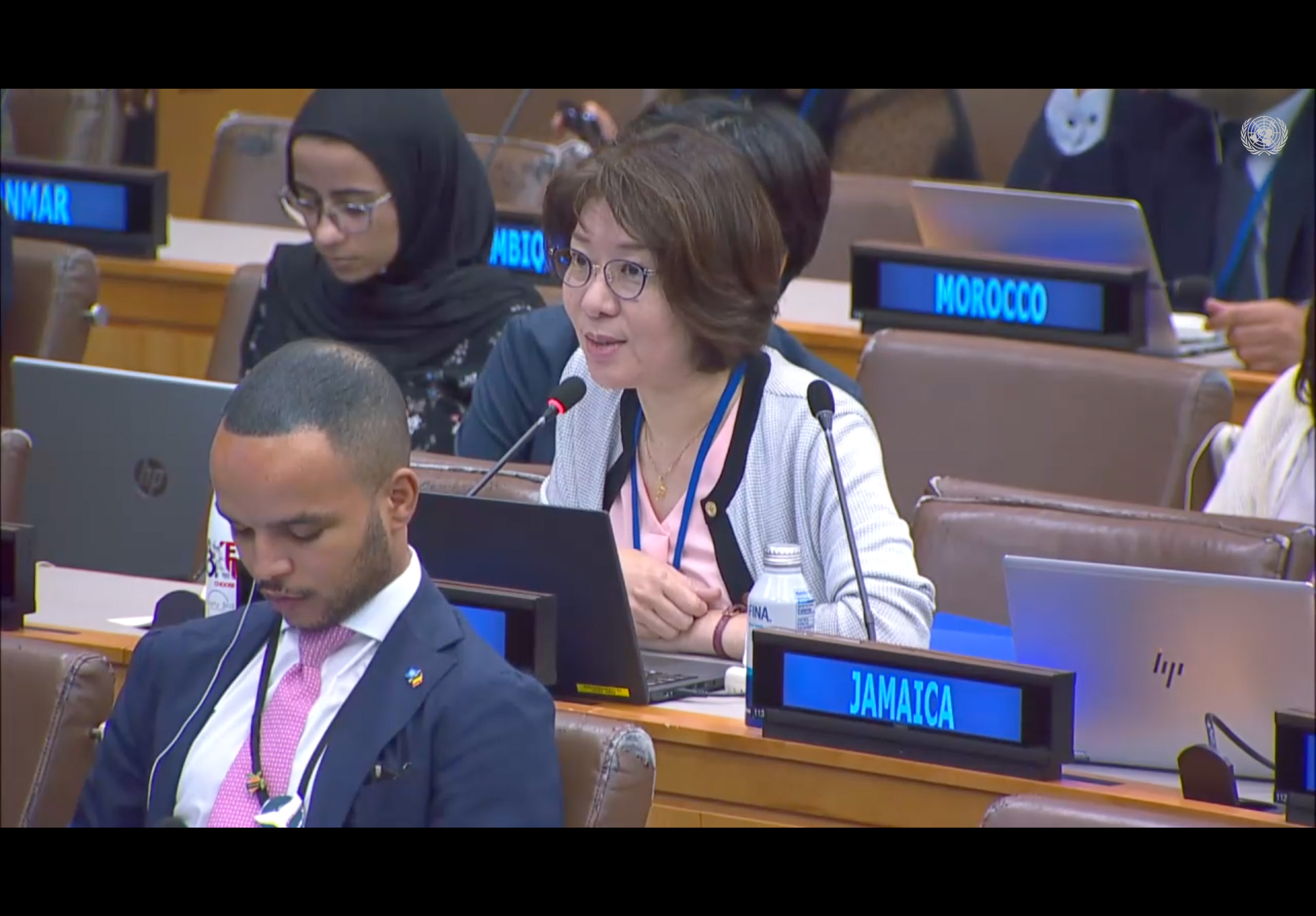
Makiko Murai, Japan
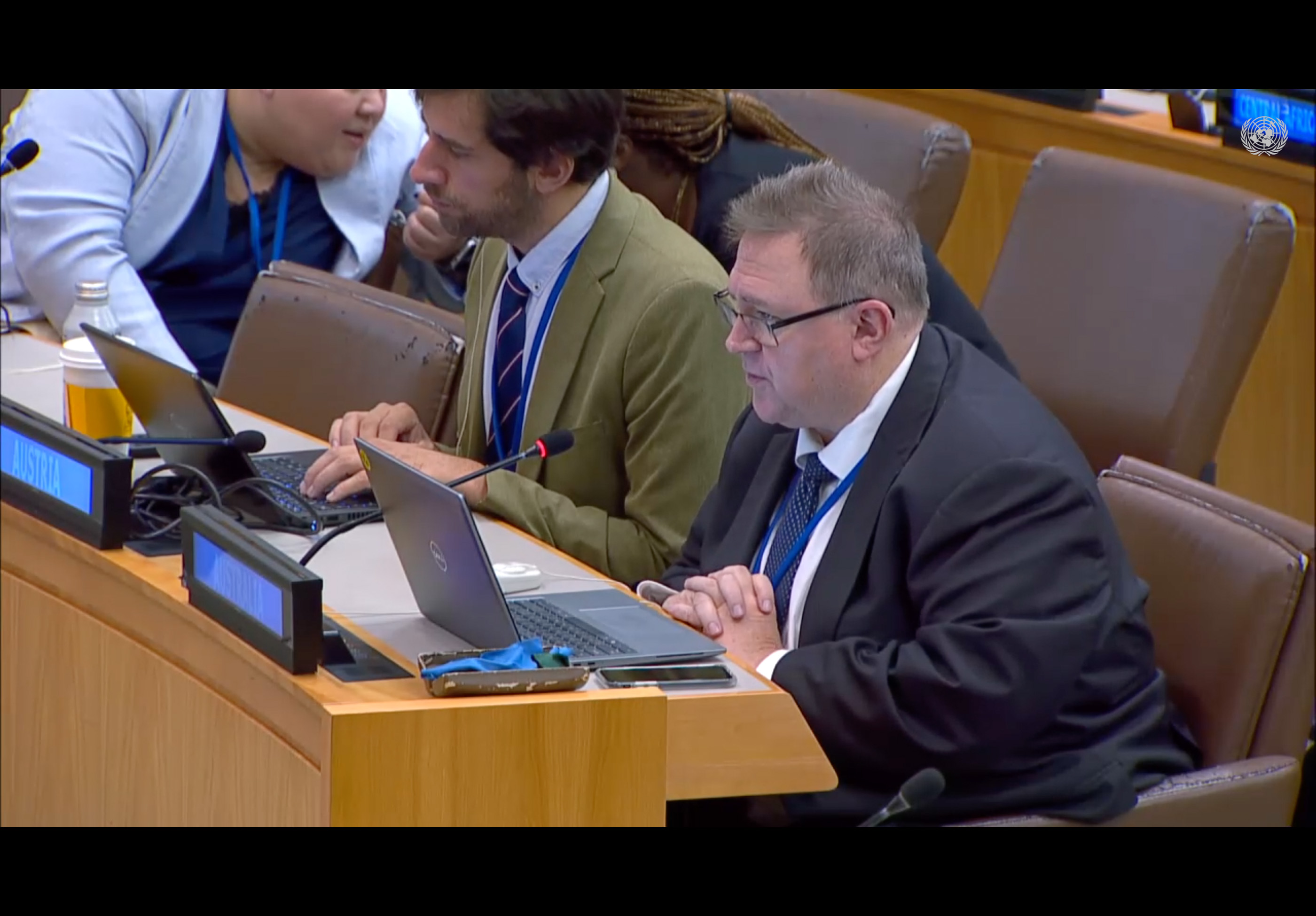
Todd Quinn, Australia
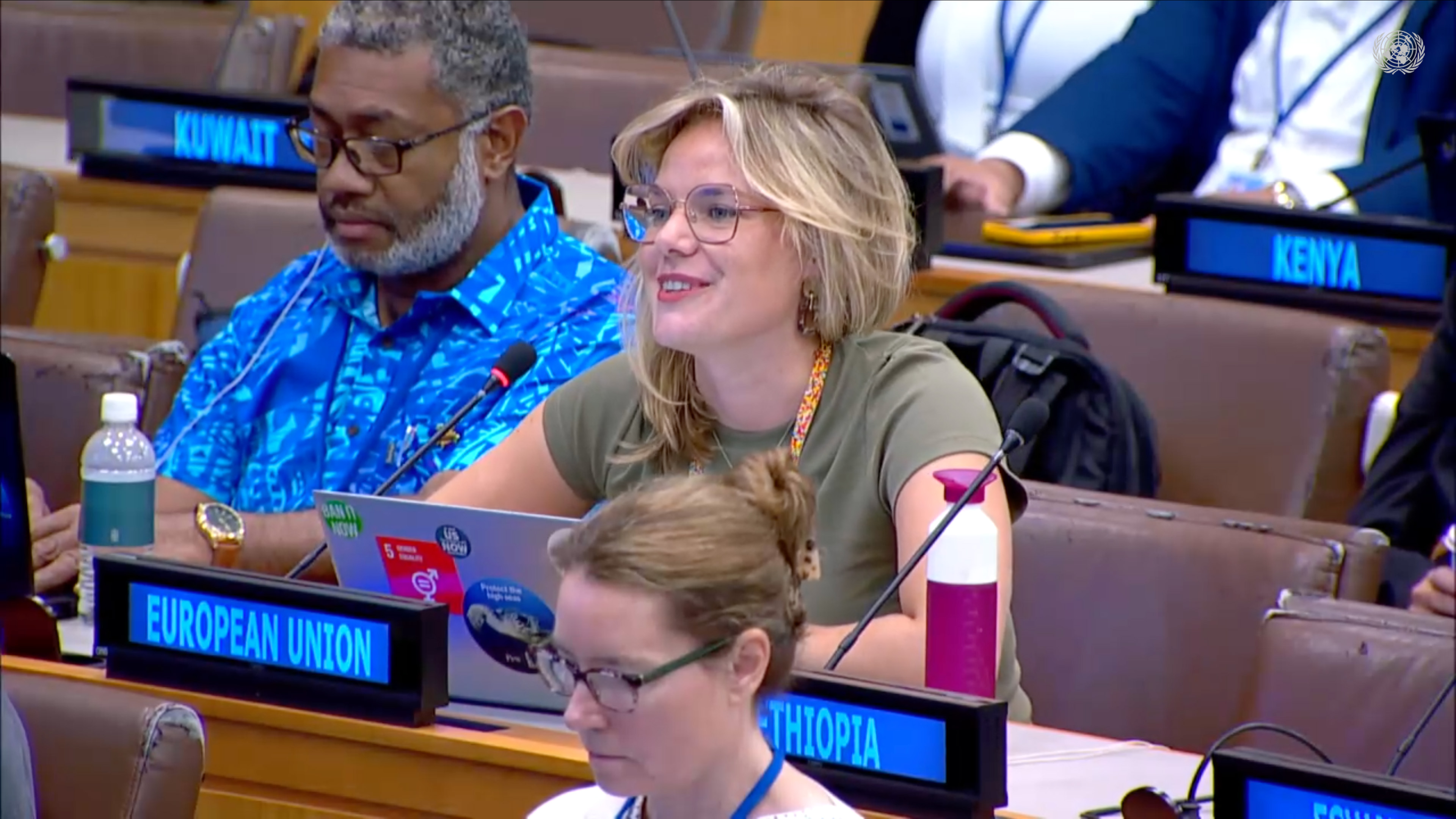
Michelle Duin, the Netherlands, speaking on behalf of the EU and its 27 Member States
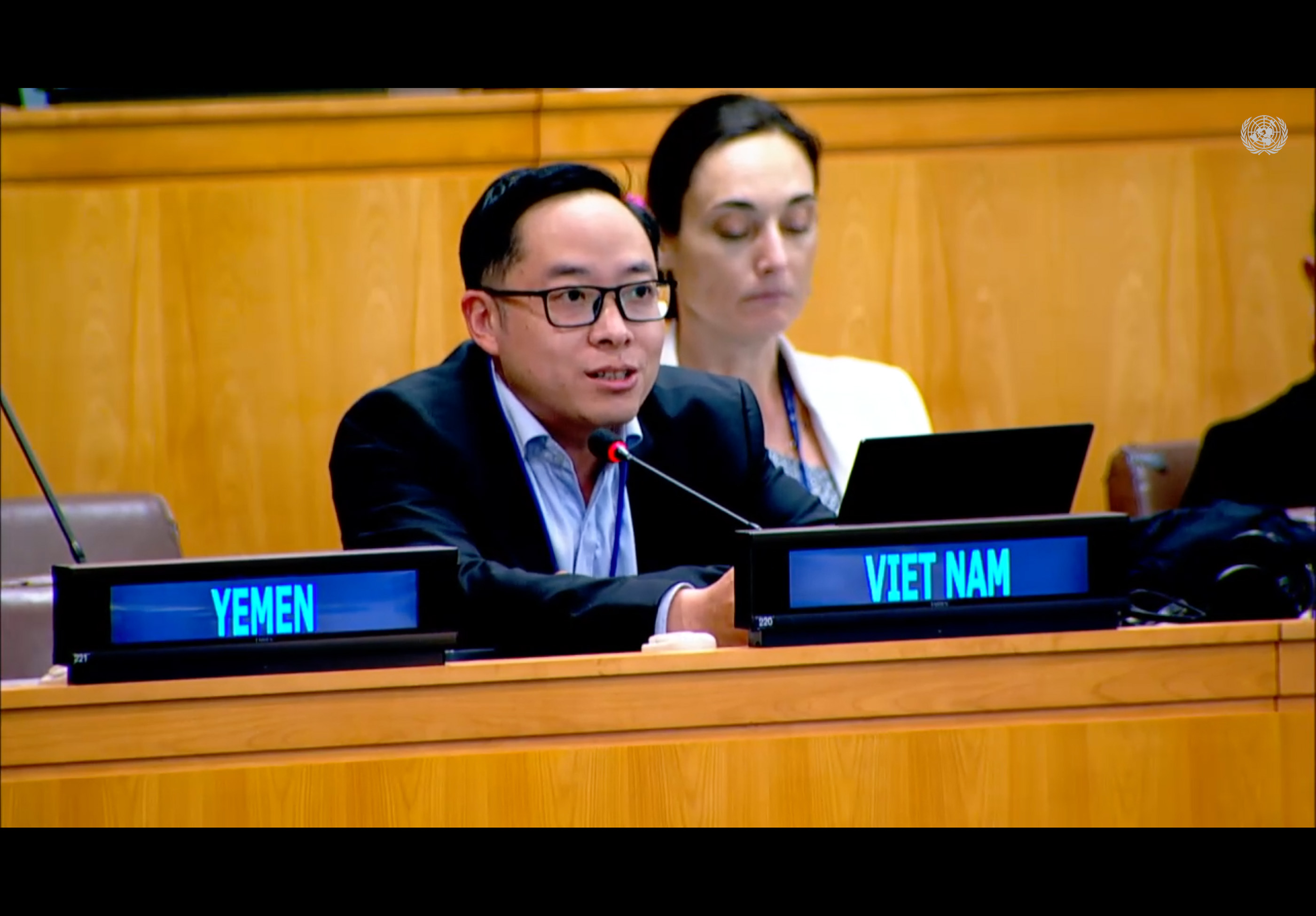
Le Viet Phuong, Viet Nam
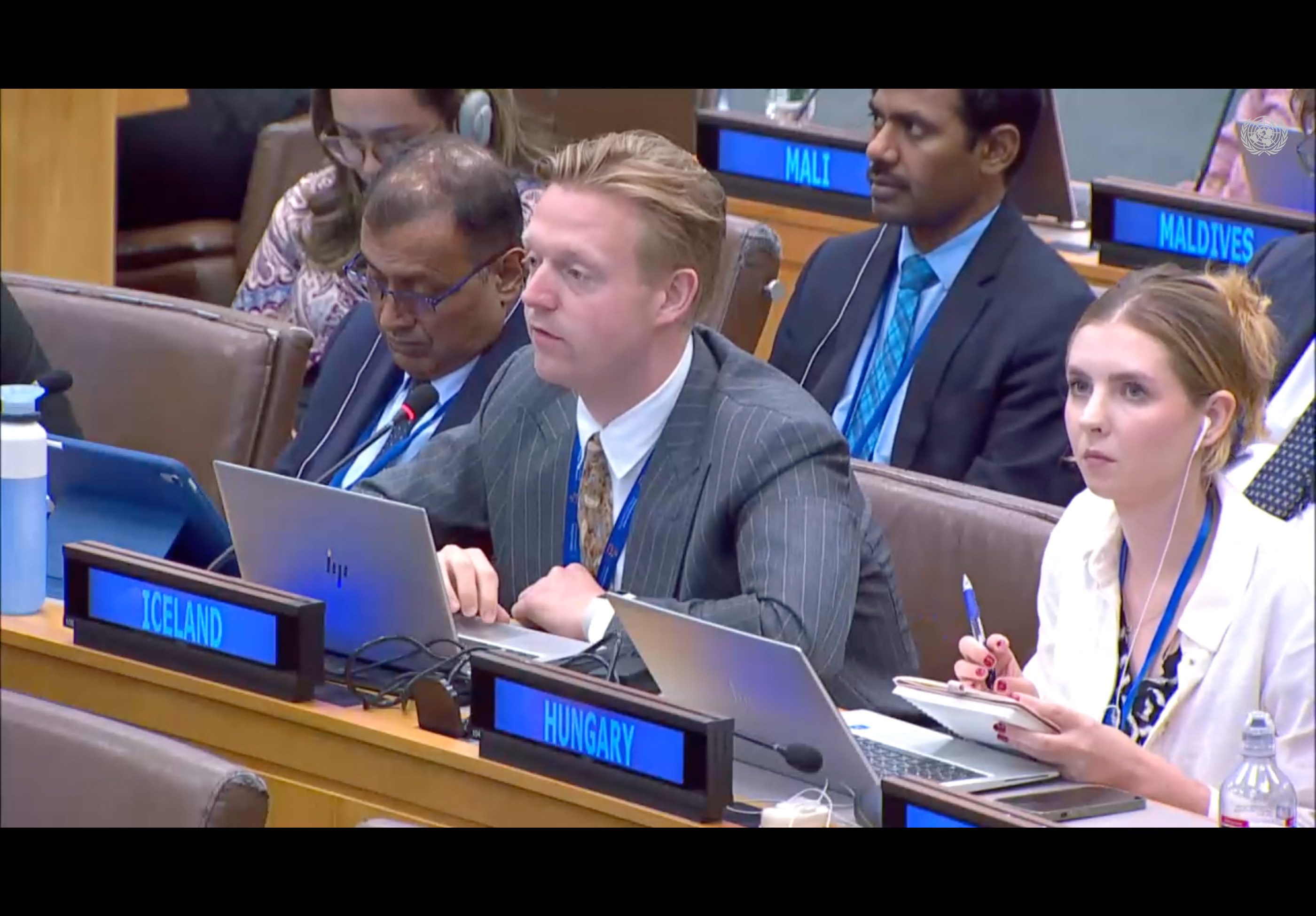
Hendrik Dadi Jonsson, Iceland
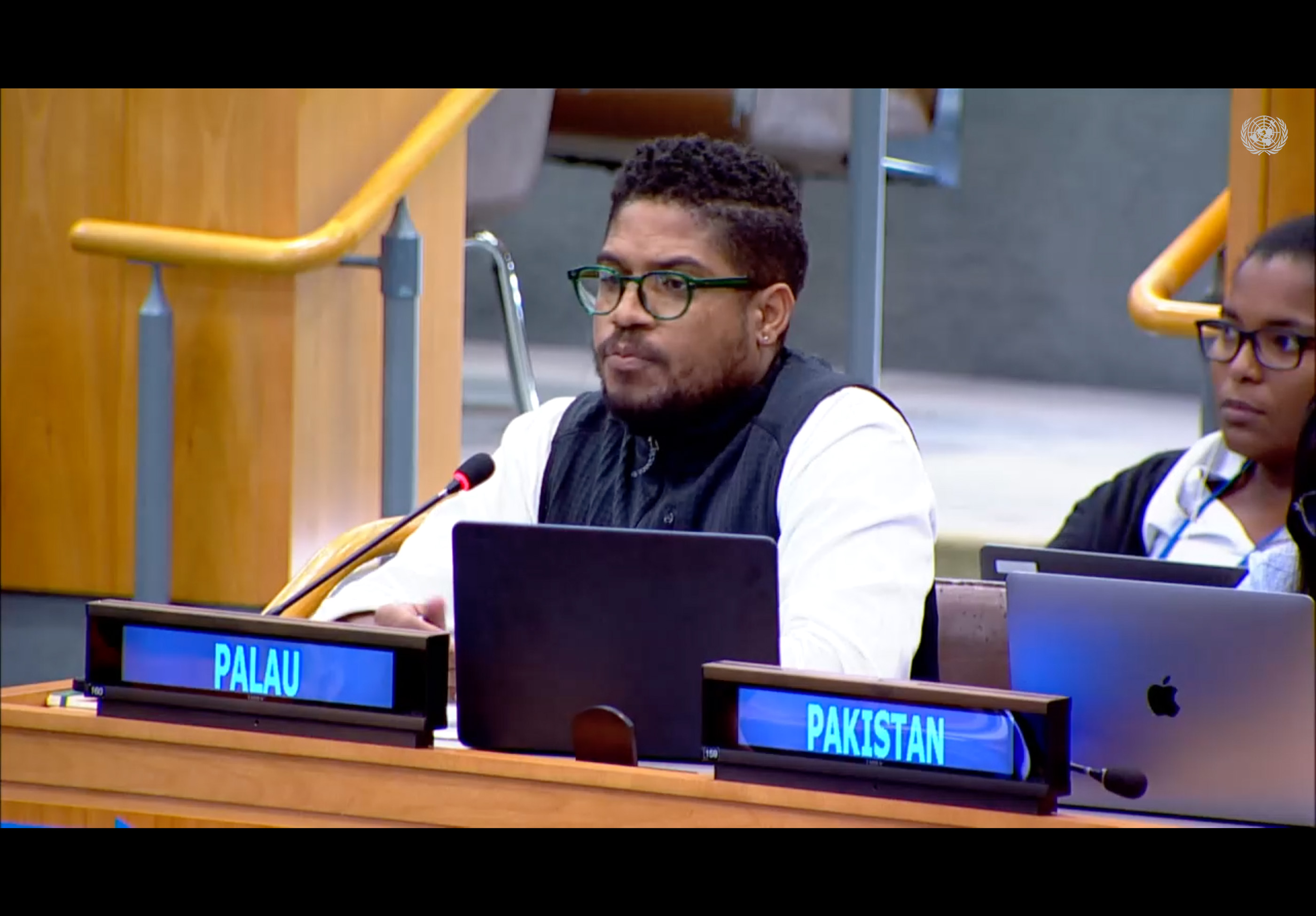
Michai Robertson, Palau, on behalf of AOSIS
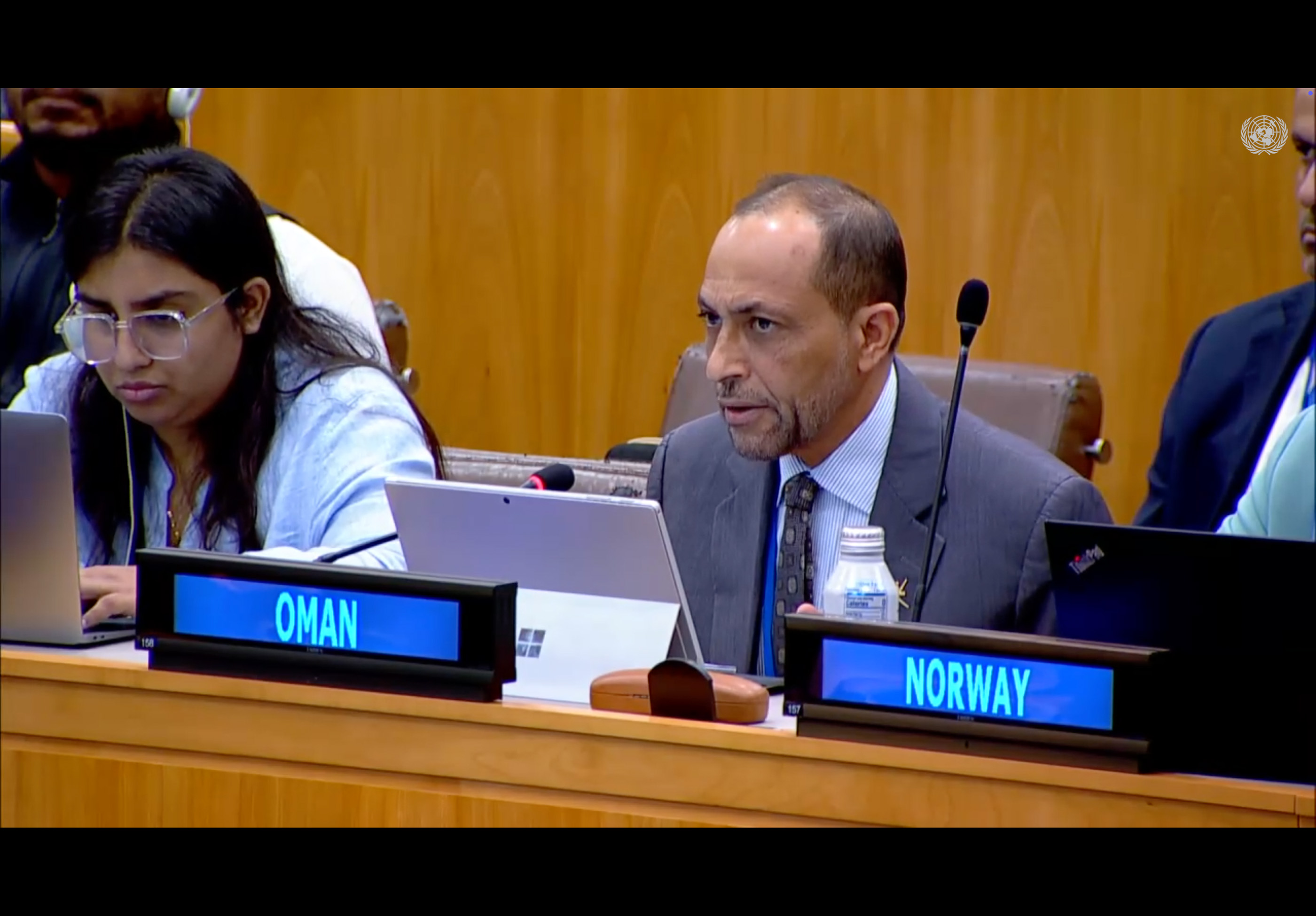
Suleiman Al Akhzami, Oman
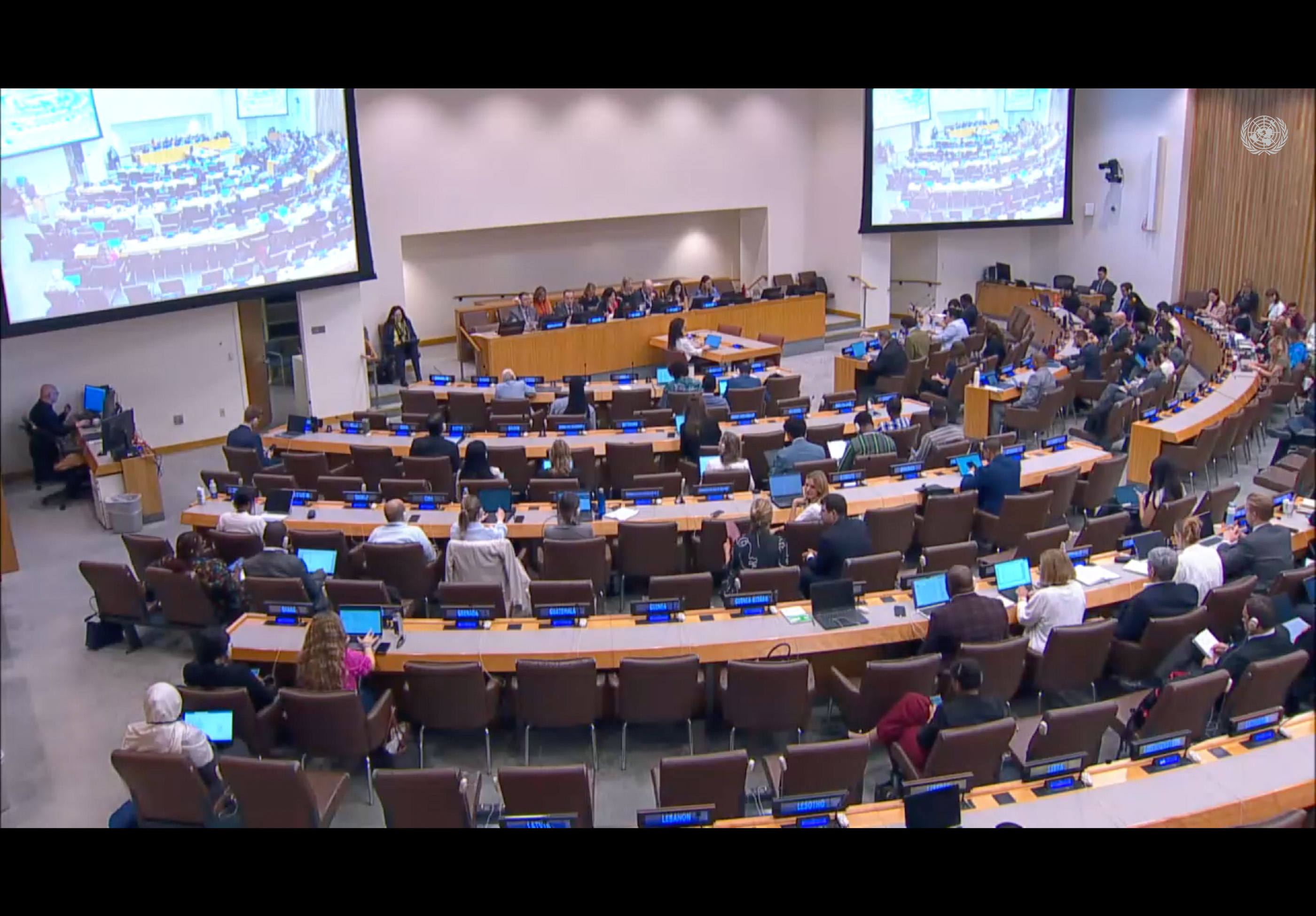
Friday's deliberations continued in Conference Room 2