
“We had a very productive week of negotiations,” stressed Co-Chairs Janine Coye-Felson (Belize) and Adam McCarthy (Australia), opening the second week of the second session of the Preparatory Commission (PrepCom), adding that making further progress this week will be crucial for the successful conclusion of deliberations. They pointed to revised documents circulated over the weekend, thanking the Secretariat for their tireless work. They emphasized that, upon the conclusion of PrepCom II, delegations will be invited to provide their reflections on the state of play and way forward, noting that the intersessional period leading to PrepCom III will be crucial for the PrepCom to successfully fulfill its mandate.
In the morning, deliberations focused on modalities for the operation of the Clearing-House Mechanism (CHM), in particular the terms of reference for an informal group on the technical aspects of the operationalization of the CHM on the basis of a revised document (A/AC.296/2025/CRP.2) circulated on Saturday, 23 August.
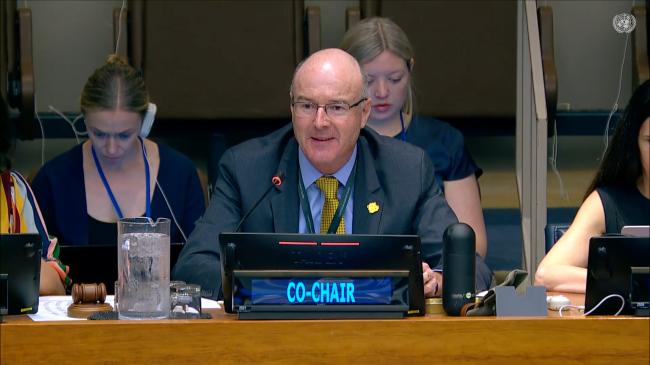
Delegates agreed that the informal group will focus on the “technical” aspects of the operationalization of the CHM, agreeing that “scientific” and other aspects are included in technical considerations. Discussions focused on:
- an indicative list of tasks and functions;
- a review of existing CHMs, with options for either producing a comparative assessment or taking stock of existing CHMs as a baseline for developing a roadmap for CHM’s operationalization;
- interim arrangements for the CHM, with some delegates noting that the Agreement under the UN Convention on the Law of the Sea (UNCLOS) on the conservation and sustainable use of marine biological diversity of areas beyond national jurisdiction (BBNJ Agreement) is likely to enter into force prior to PrepCom III;
- working methods; and
- an indicative list of desirable qualifications for experts to the informal group.
Co-Chair Felson noted that discussions on composition and nomination processes will continue in an informal friends of the Co-Chairs group, facilitated by Barbados and the UK.
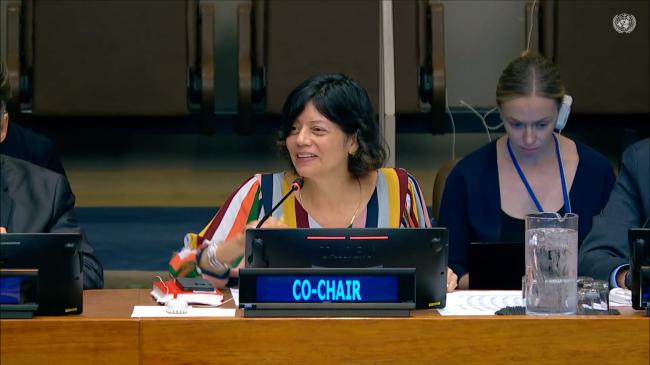
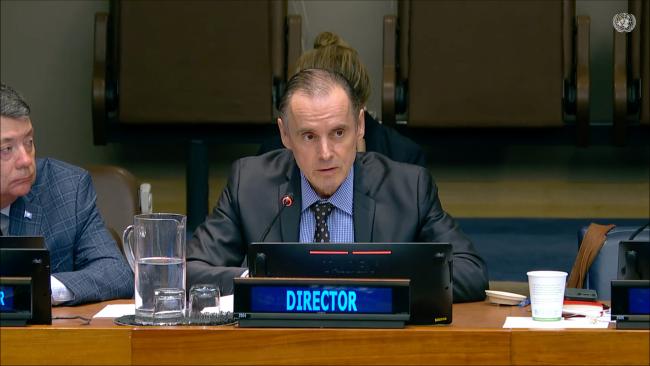
In the afternoon, delegates turned their attention to arrangements with the Global Environment Facility (GEF) to give effect to the relevant provisions on funding, focusing on a revised draft memorandum of understanding (MoU) between the BBNJ Conference of the Parties (COP) and the GEF Council (A/AC.296/2025/CRP.1), circulated on Friday, 22 August.
Delegates agreed to reference "the GEF" and the "GEF Council" in different places in the MoU, on a case-by-case basis. They formed an informal Friends of the Co-Chairs group, facilitated by Brazil and Canada, for further deliberations.
Discussions focused on, among other things:
- the MoU’s purpose;
- provisions on guidance from the COP, with delegates discussing whether an indicative list of categories of activities that could receive support from the GEF Trust Fund should be included in the draft MoU as well as provisions on potentially additional arrangements beyond the MoU; and
- conformity with guidance from the COP, with discussions focusing on provisions granting preferential treatment to, and considering the specific needs and special circumstances of, developing countries, in particular small island developing states, least developed countries, and landlocked developing countries.
To receive free coverage of global environmental events delivered to your inbox, subscribe to the ENB Update newsletter.
Select Photos
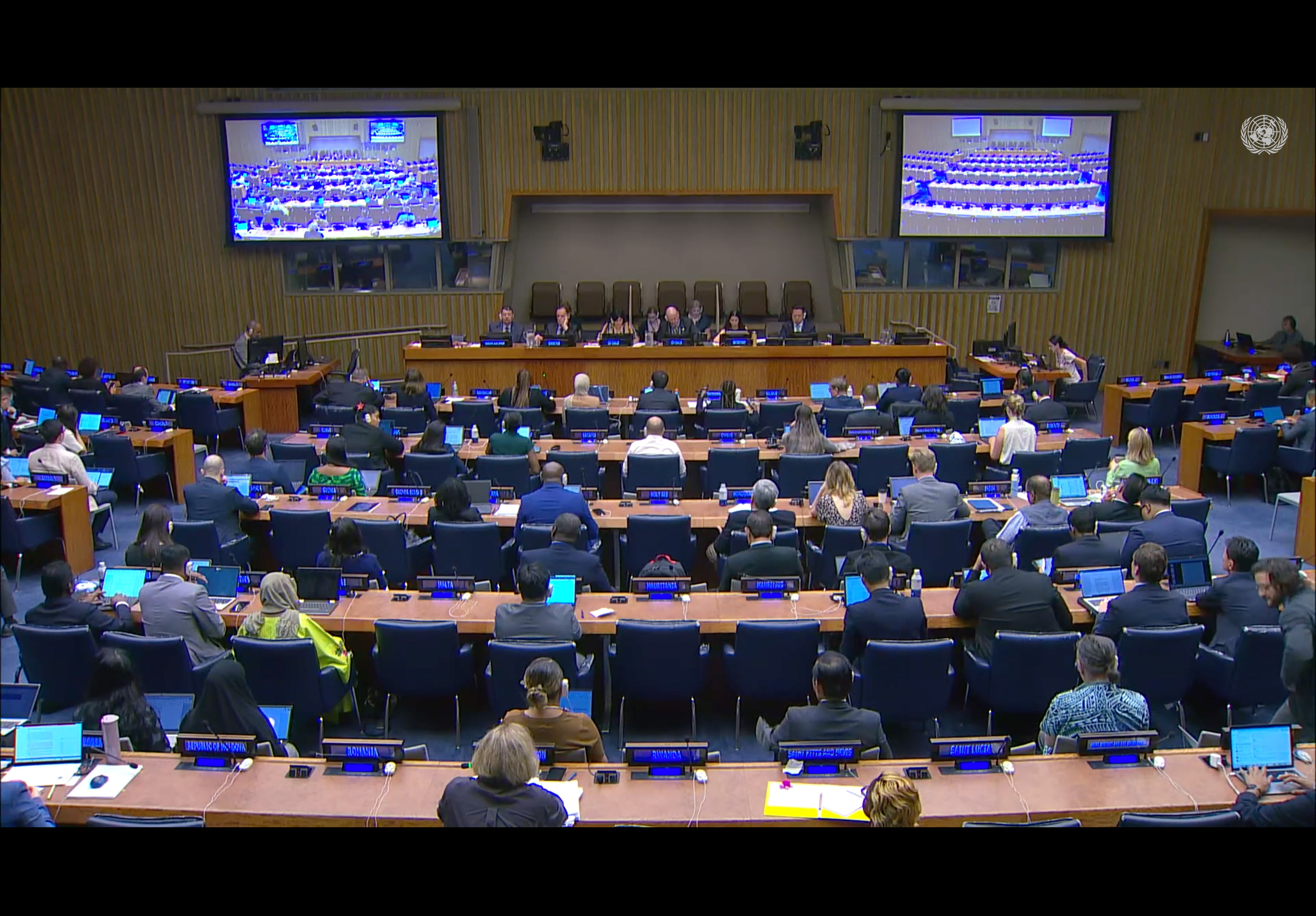
Delegates meet for the second week of the PrepCom
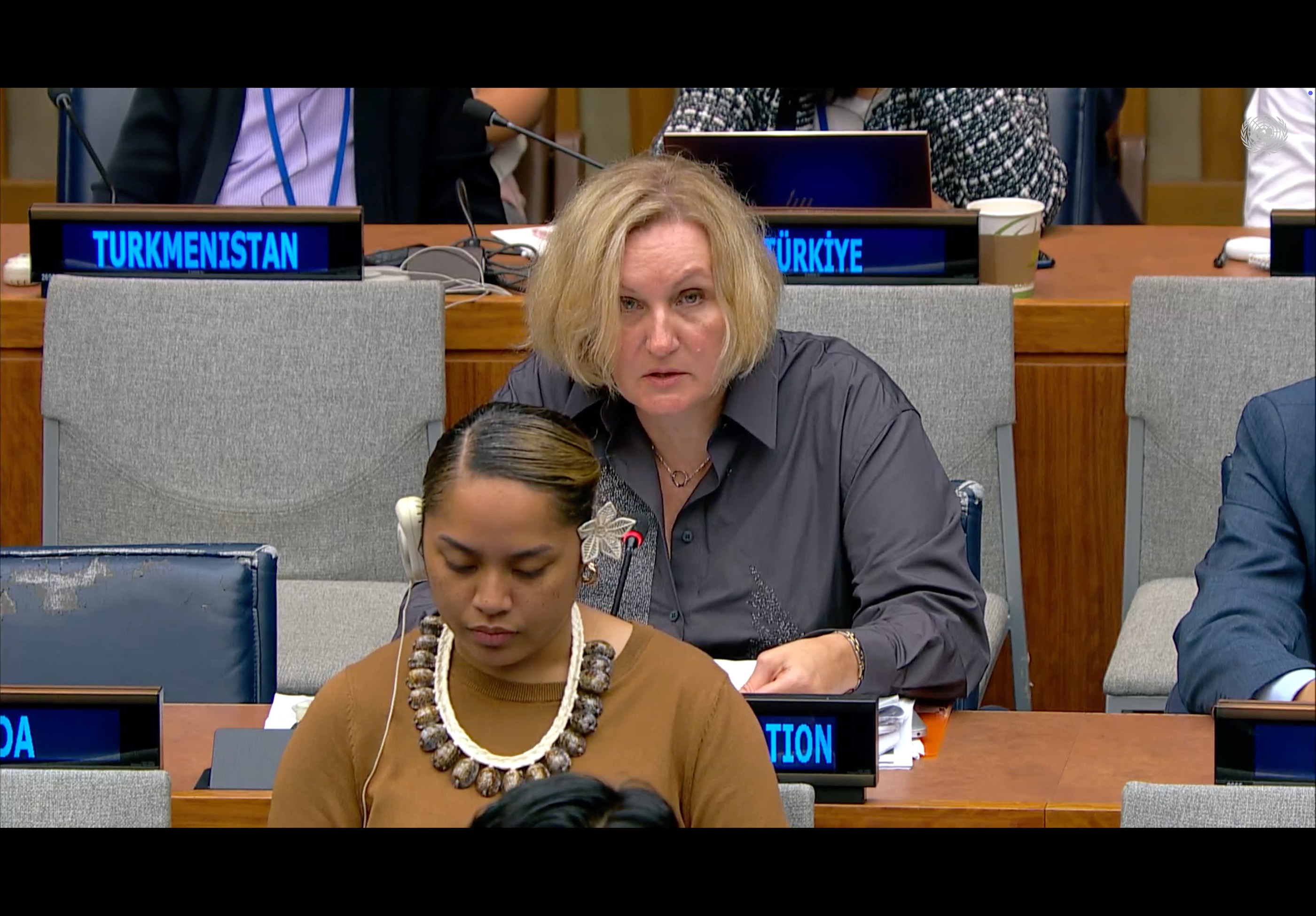
Anna Antonova, Russian Federation
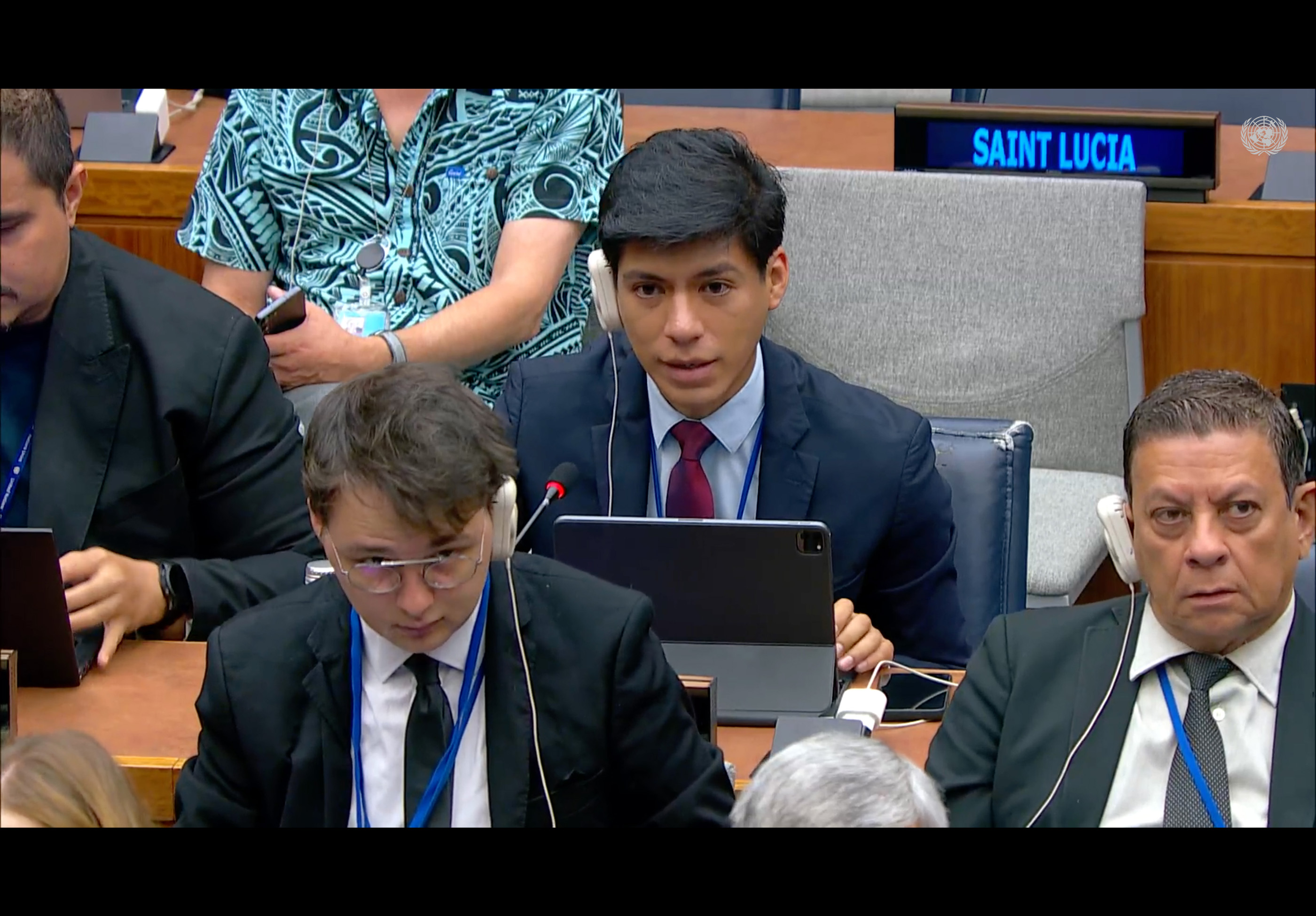
Edgar Noriega, Mexico, speaking for the Core Latin American Group (CLAM)

Gaute Hanssen, Norway
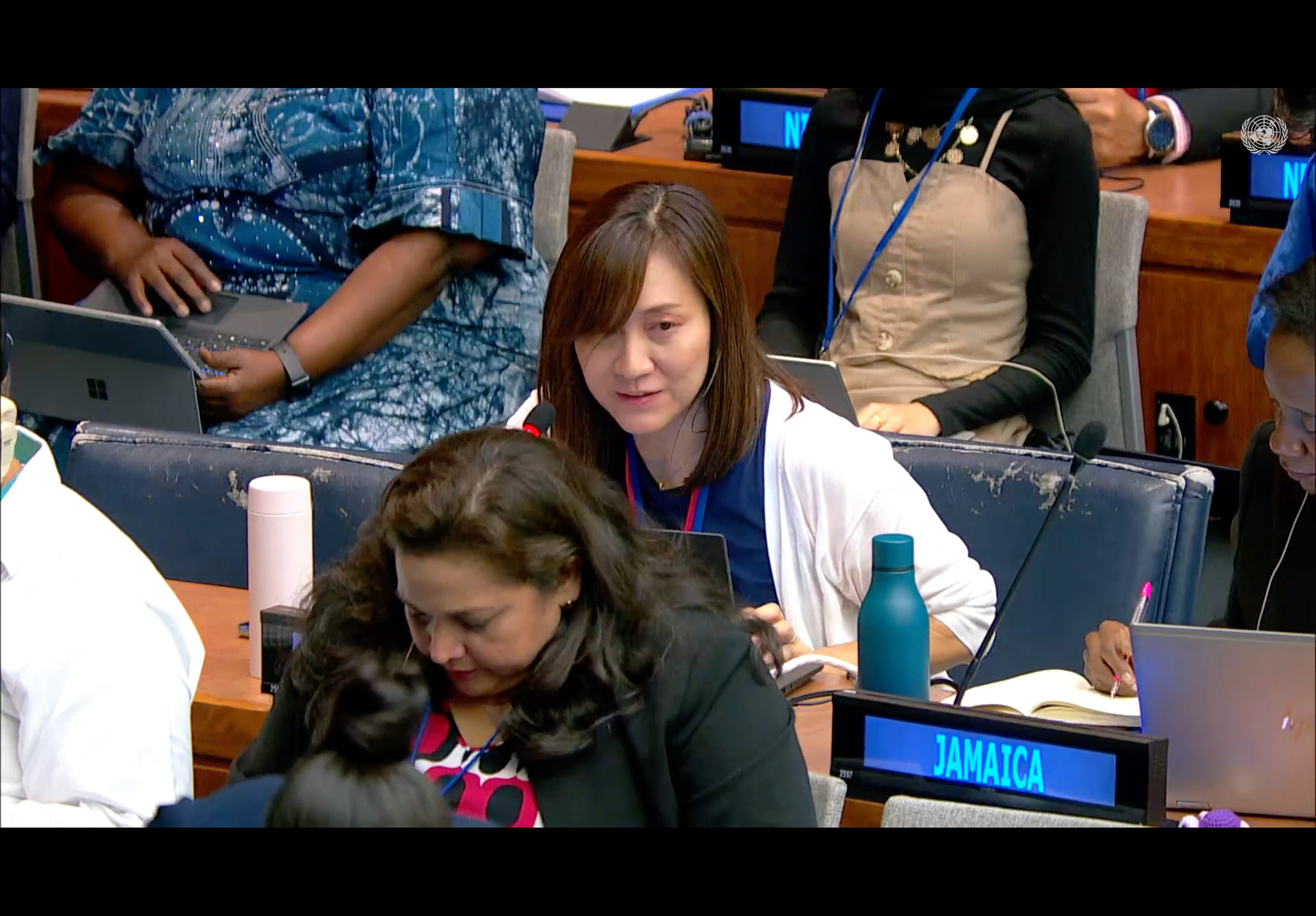
Maki Murai, Japan
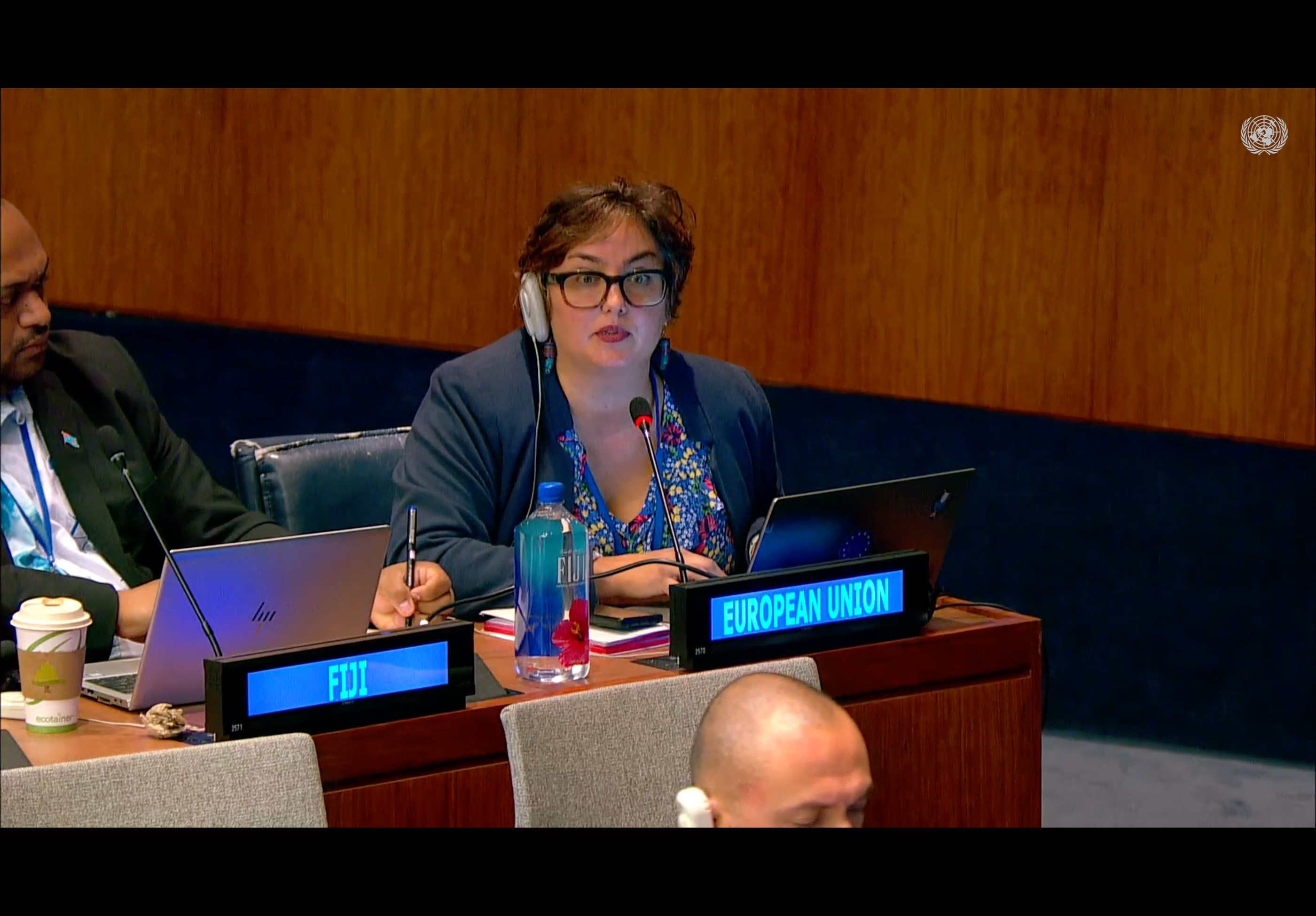
Arianna Broggiato, EU

Tim Witten-Sage, New Zealand
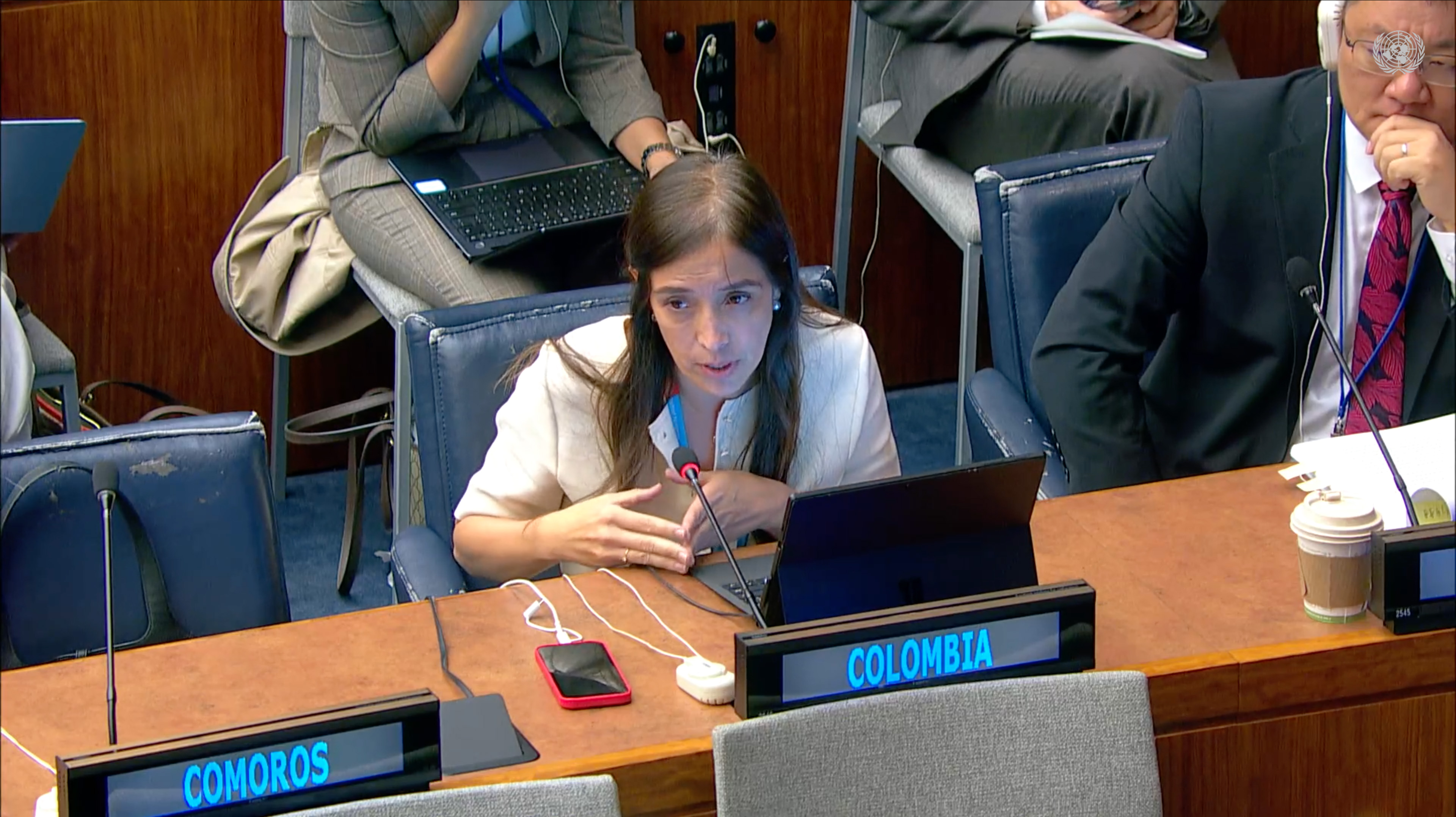
Lucía Solano, Colombia, on behalf of CLAM
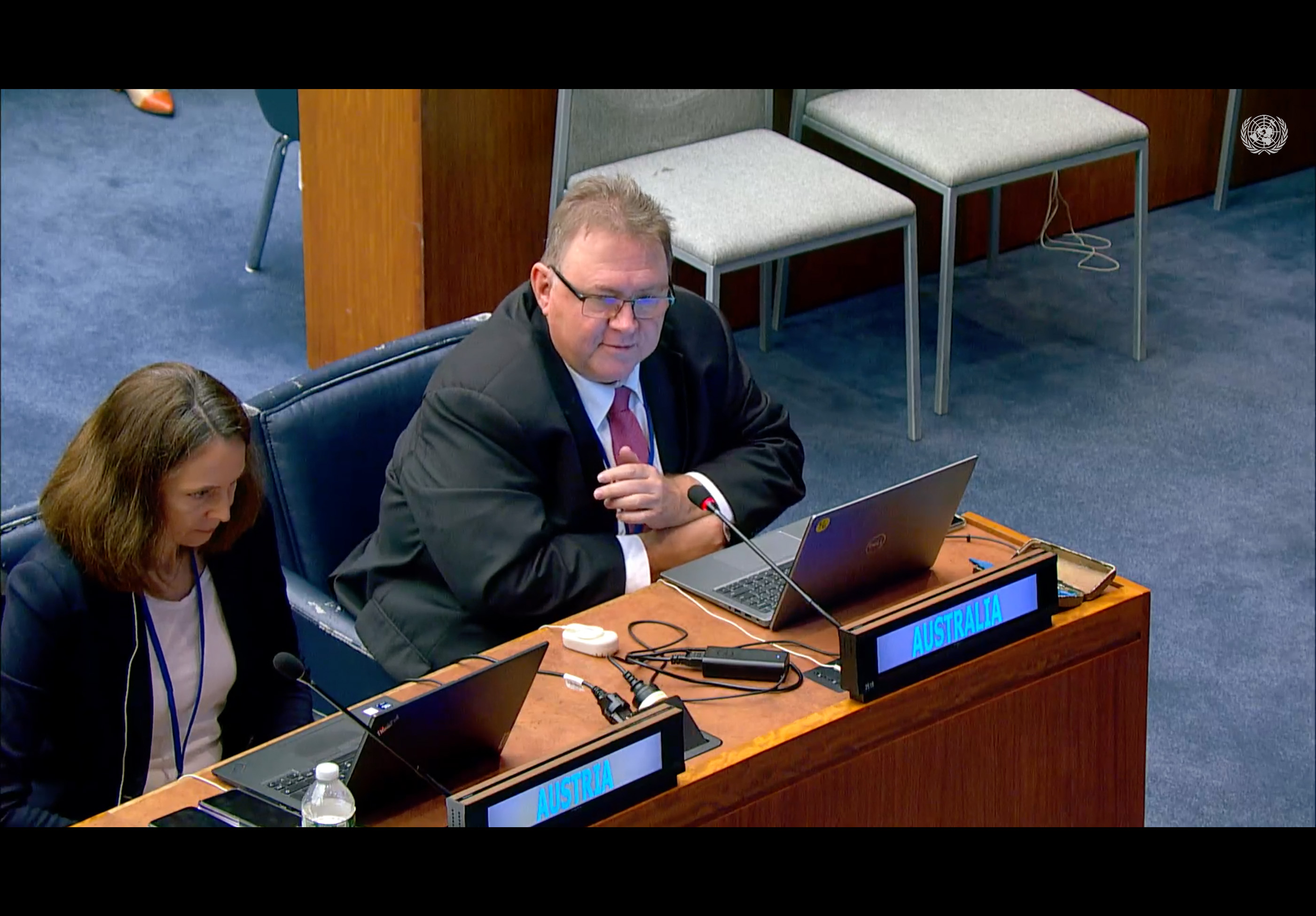
Todd Quinn, Australia

Erick Avelino, the Philippines÷
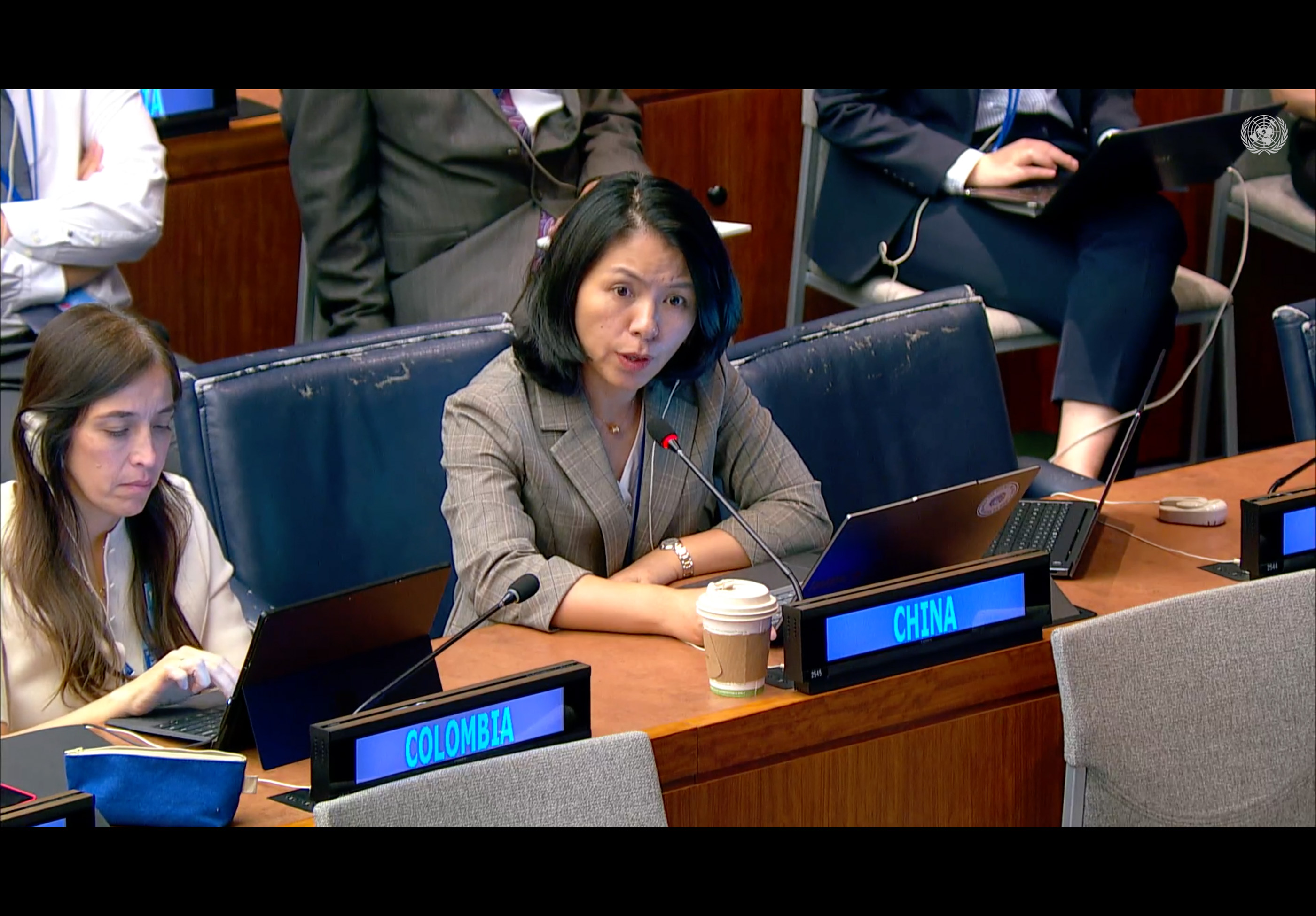
Tang Dongmei, China
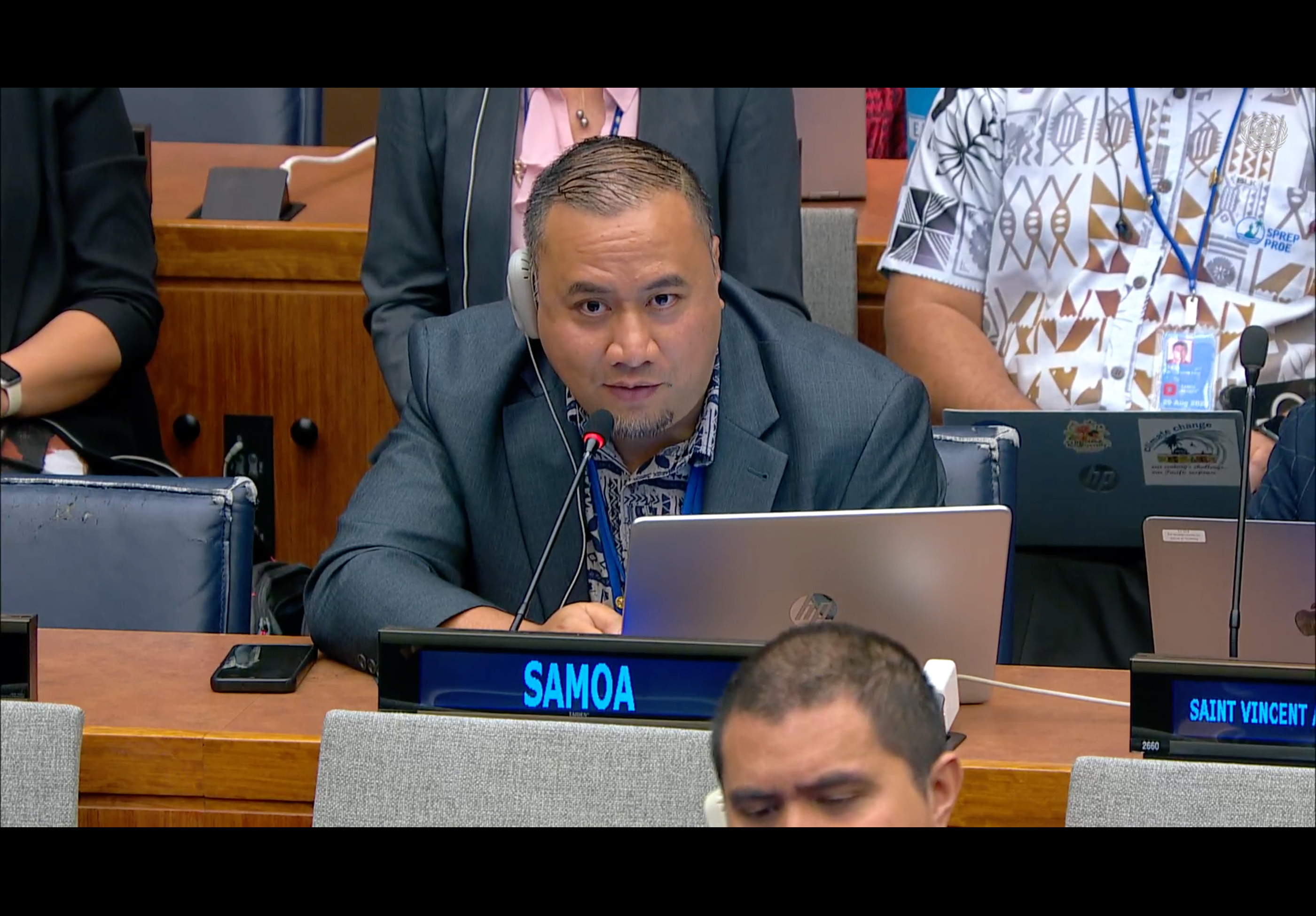
Tau Jurgen Kappus, Samoa, on behalf of the Alliance of Small Island States (AOSIS)
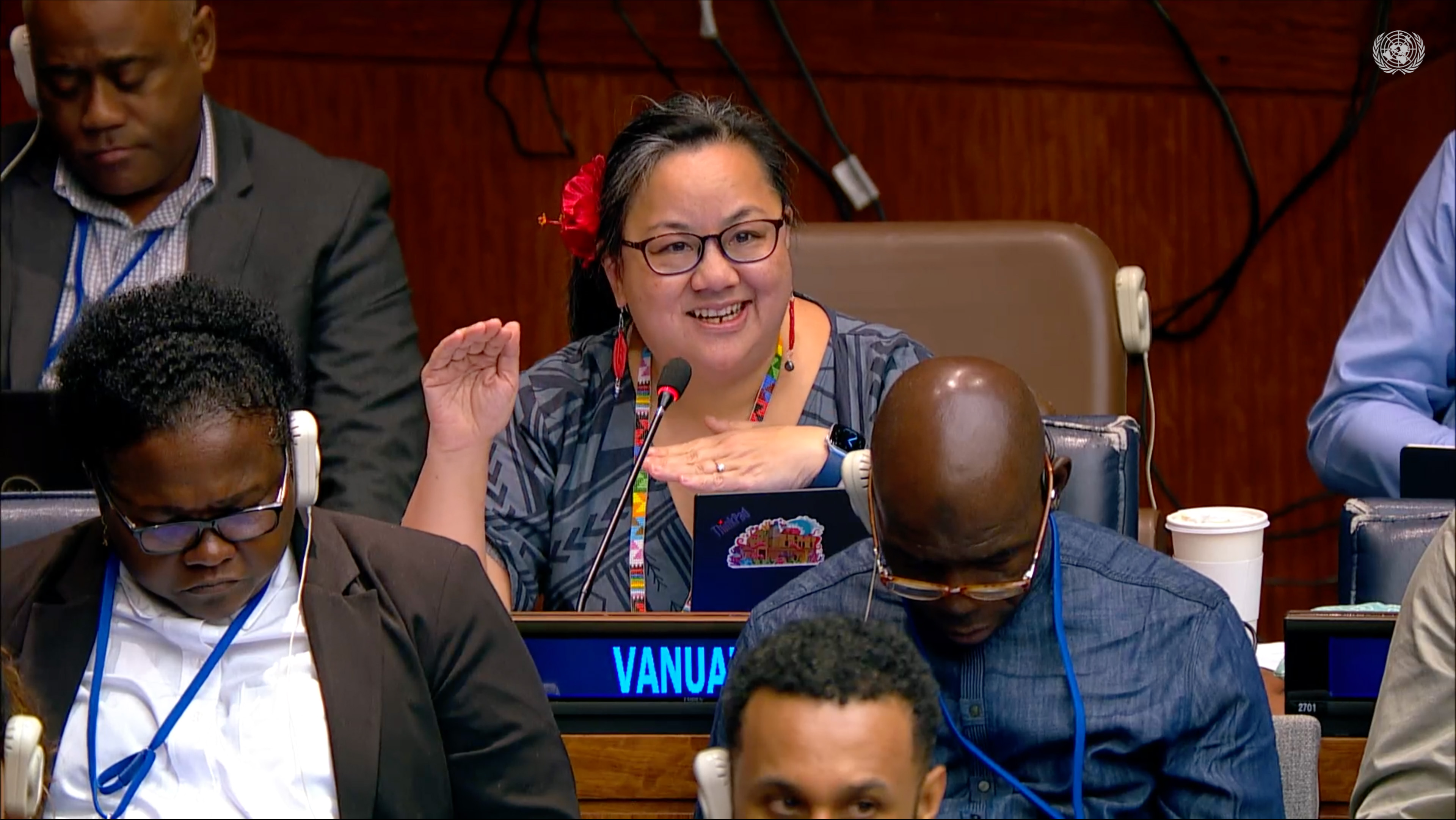
Joan Young, Vanuatu, speaking on behalf of the Pacific Small Island Developing States (PSIDS)