

“Things are never as good or as bad as they seem,” noted Adam McCarthy (Australia), Co-Chair of the Preparatory Commission (PrepCom), summarizing progress thus far. On a busy penultimate day, delegates focused on agenda items that need urgent consideration, in particular governance issues.
In the morning, deliberations addressed the rules of procedure for the Conference of the Parties (COP), with delegates focusing on sections on representation and credentials, officers, subsidiary bodies, and the Secretariat.
Delegates generally agreed on the need for regional balance in the COP Bureau but expressed divergent opinions on potential representation proportional to the size of the regional groups, the number of representatives, and the explicit allocation of seats to small island developing states and least developed countries.
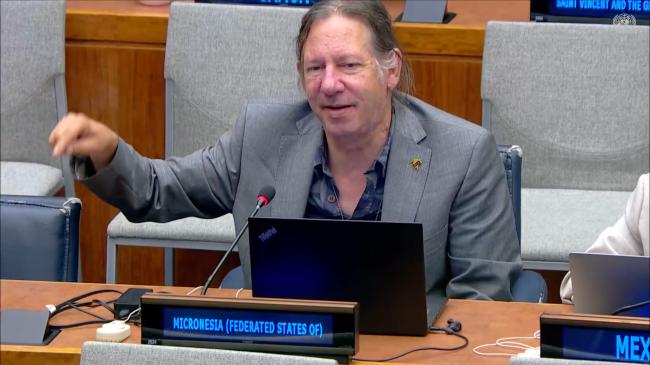
Many delegates supported providing subsidiary bodies the autonomy and independence to agree on their meeting dates and develop their programmes of work, with the COP providing final approval. Delegates further addressed decision-making modalities and highlighted the need for cooperation among subsidiary bodies and for public meetings, with some stressing the potential need for closed sessions in exceptional circumstances.
In the afternoon, delegates focused on provisions on decision making, elections, and amendments to the rules of procedure. They debated, among other things, voting rights for regional economic integration organizations, proxy voting, voting thresholds, and modalities for amending the rules, discussing five possible options. The sections on conduct of business and observers will be addressed on Friday, 29 August.
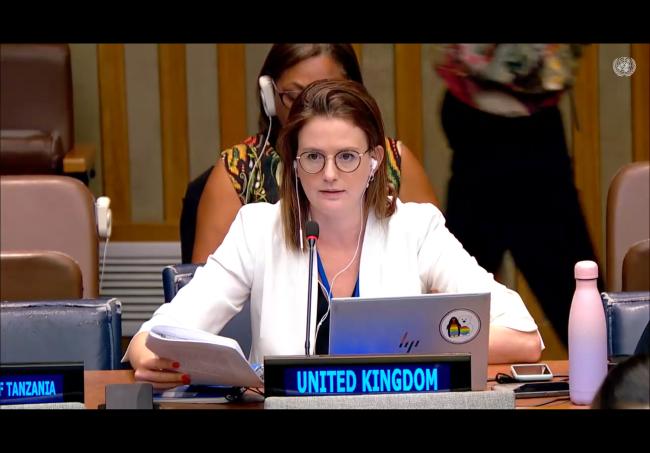
Deliberations in parallel afternoon sessions further addressed:
- arrangements for the functioning of the Secretariat, including its seat;
- arrangements to enhance cooperation with relevant legal instruments and frameworks and relevant global, regional, subregional, and sectoral bodies (IFBs); and
- the operationalization of other provisions on financial resources and mechanism.
Delegates agreed to request further information on institutional arrangements through a letter to the UN Secretary-General and discussed the content of such a request. Many delegates highlighted the merits of electing the Head of the Secretariat either through a decision by parties or through appointment by the UN Secretary-General.
They queried the effect on the international legal personality and operational independence of the Secretariat, as well as potential implications on privileges and immunities of the two options. They further asked how the level of financial independence would affect linkages to conference and document services and administrative support.
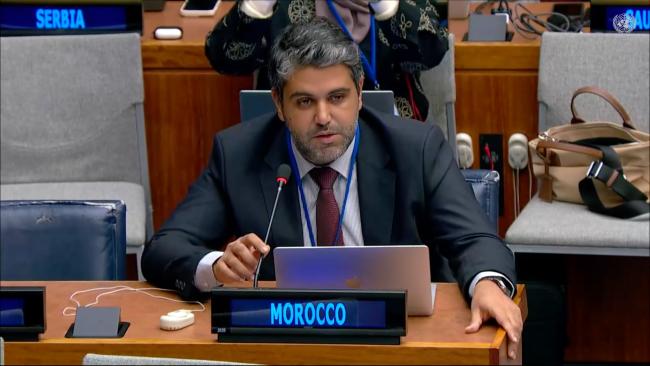
Delegates suggested developing various documents for further consideration, including: potential models for the Secretariat structure and cost estimates; a document giving effect to the Secretariat’s international legal personality; and a draft decision on the institutional arrangements for the Secretariat, including as annexes a list of elements necessary for a possible link with the UN and a draft host country agreement.
Delegates expressed appreciation for the bids presented by Belgium and Chile for hosting the Secretariat and discussed the deadline for the submission of relevant information on the candidacies for consideration by PrepCom III.
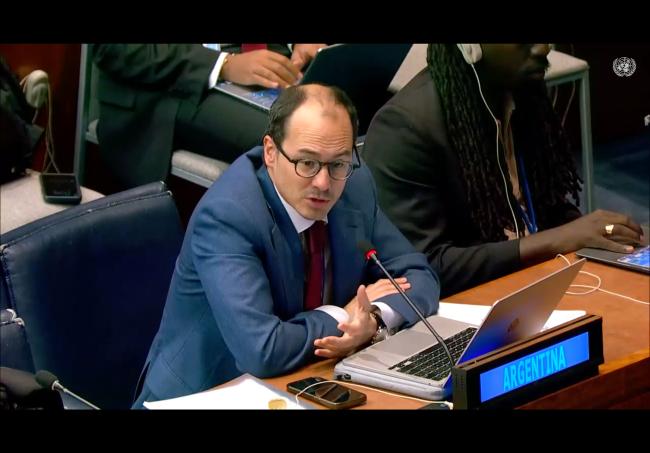
On cooperation with IFBs, Co-Chair Janine Coye-Felson (Belize) proposed that a possible outcome from the PrepCom could be a draft COP decision providing relevant guidance. She invited delegates to discuss the content of such a draft decision, with many reiterating their priority areas. Numerous representatives of international and observer organizations and IFBs offered their views on cooperation modalities. Co-Chair Felson noted that, on the basis of the discussions, a draft decision will be prepared for further consideration at PrepCom III.
Regarding financial resources, discussions focused on the way forward on the operationalization of the special fund, further guidance on the voluntary trust fund, and the interplay between these rules and other financial rules considered by the PrepCom. Co-Chair Felson suggested developing a document setting out the process for the operationalization of the special fund with a view to taking a decision at COP1.
To receive free coverage of global environmental events delivered to your inbox, subscribe to the ENB Update newsletter.
Select Photos
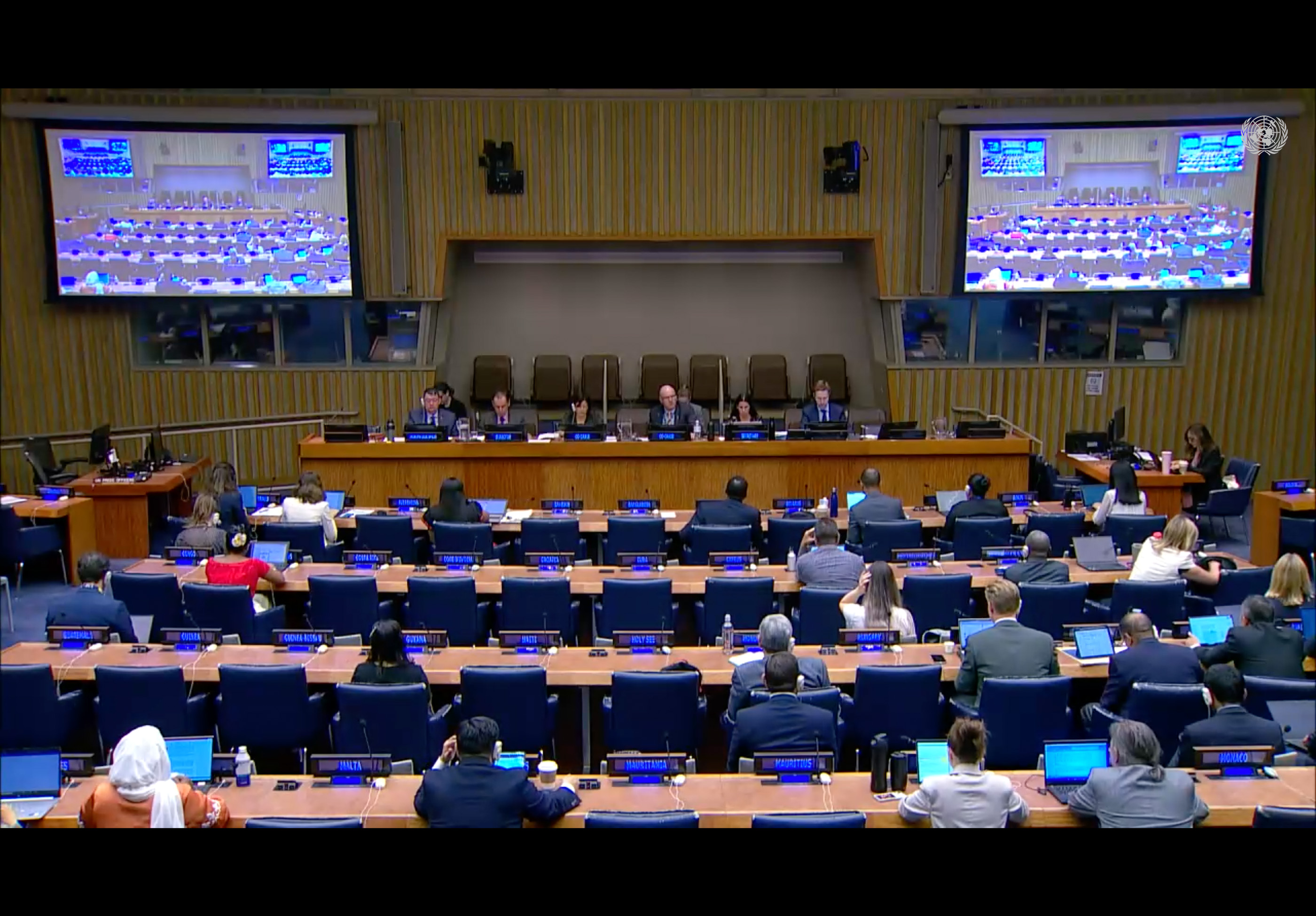
Deliberations on the rules of procedure for the COP were carried out in Conference Room 4.
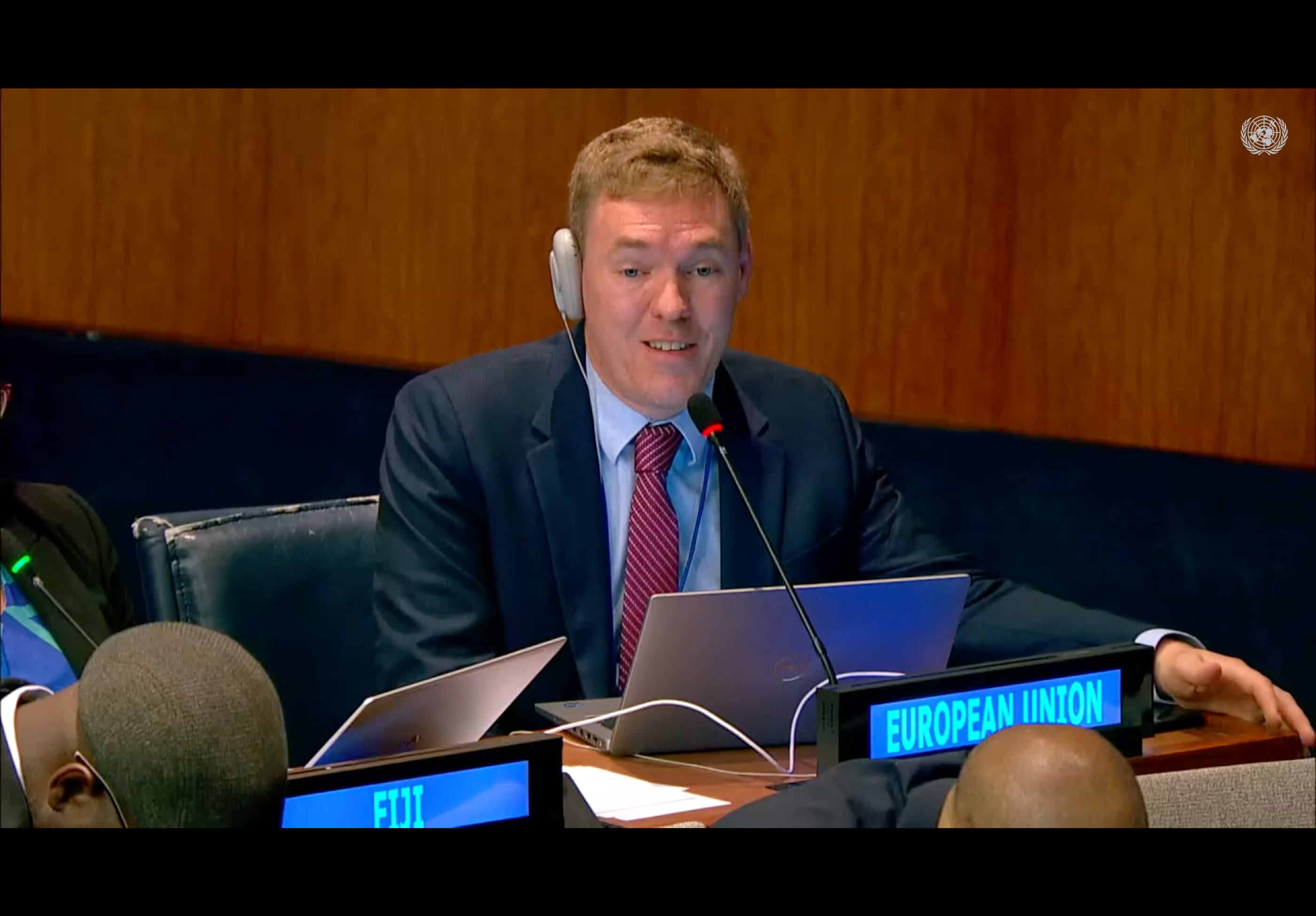
Barry Lennon, Ireland, on behalf of the EU
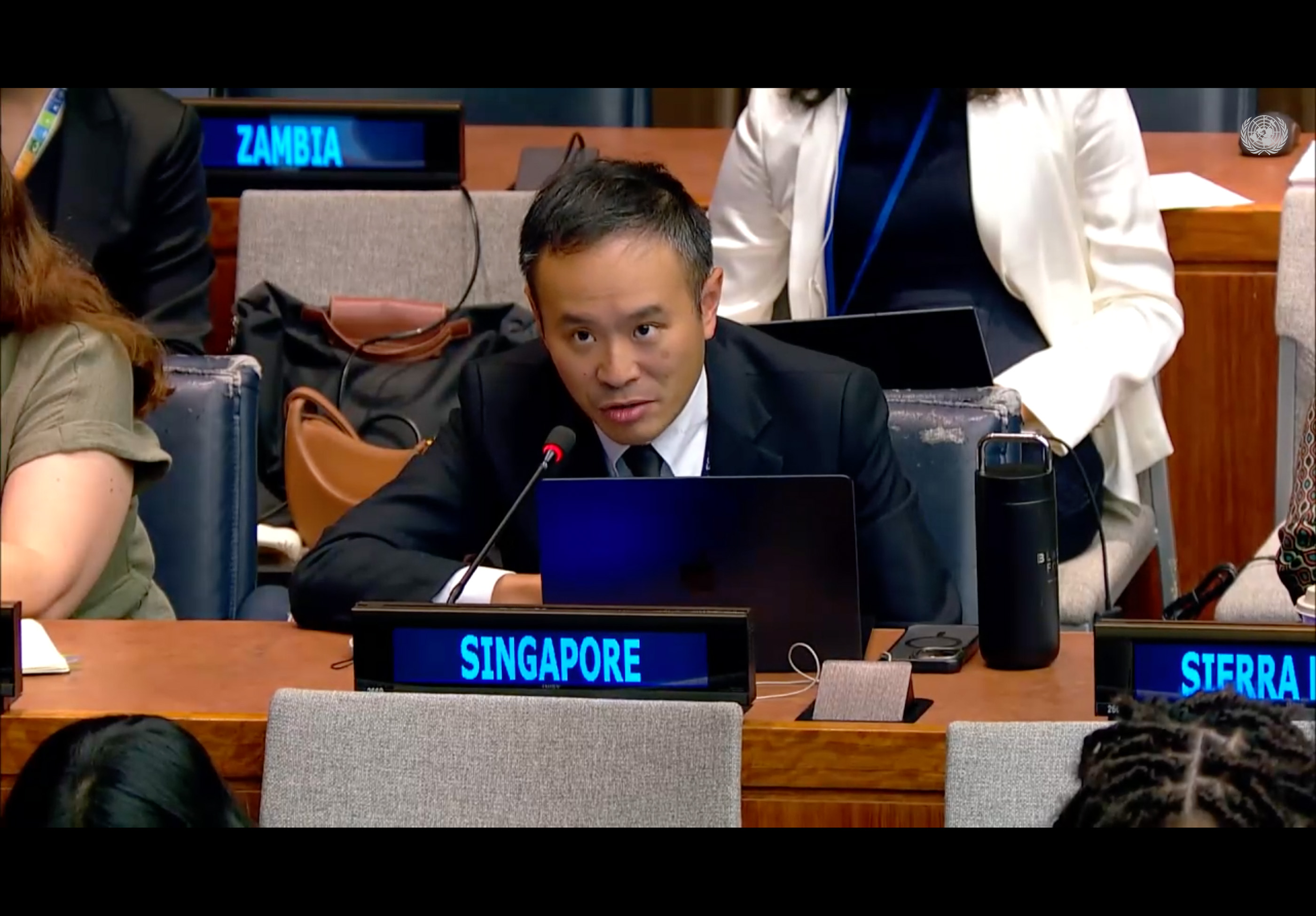
Nathaniel Khng, Singapore, speaking for the Alliance of Small Island States (AOSIS)
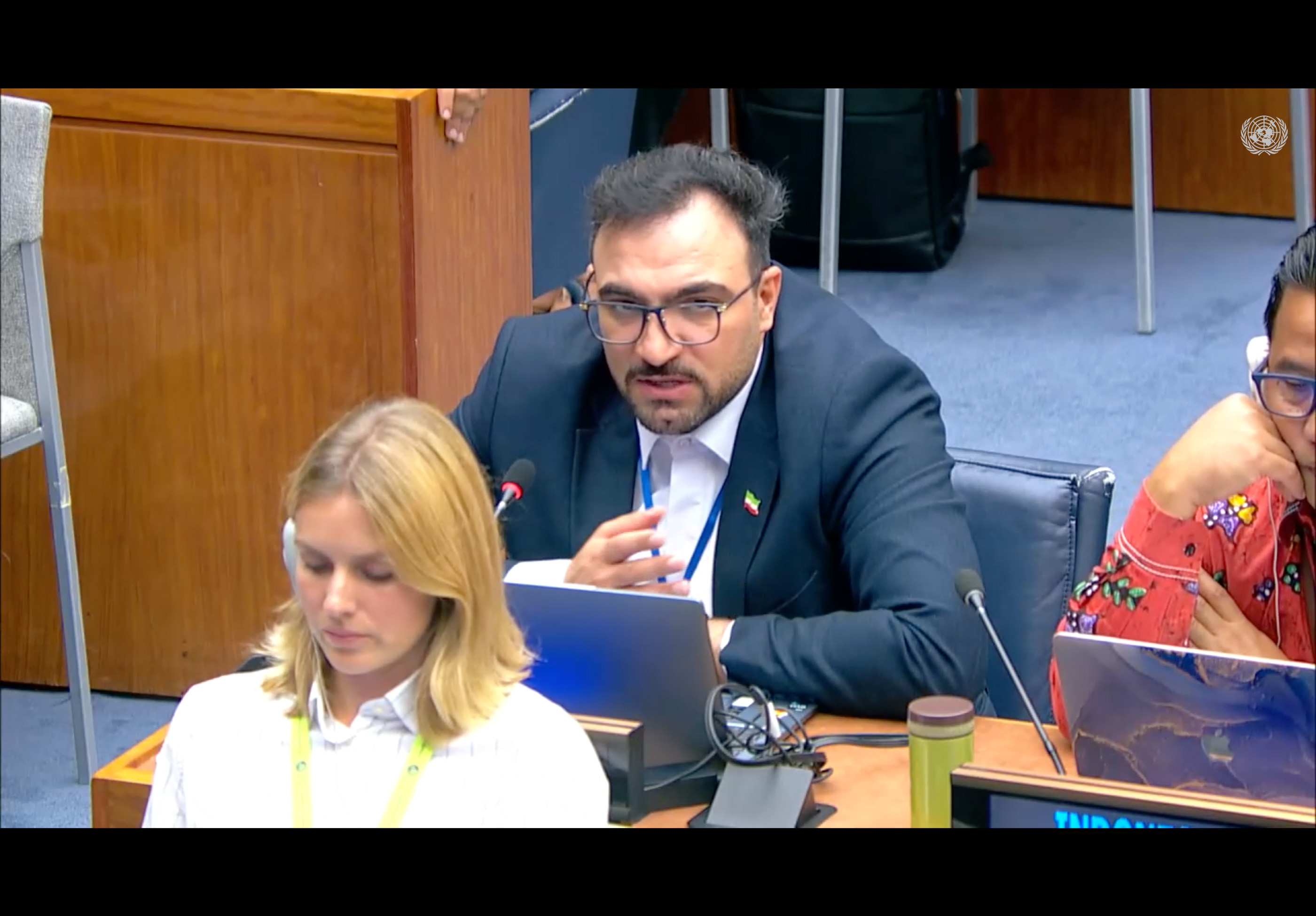
Yahya Aref, Iran
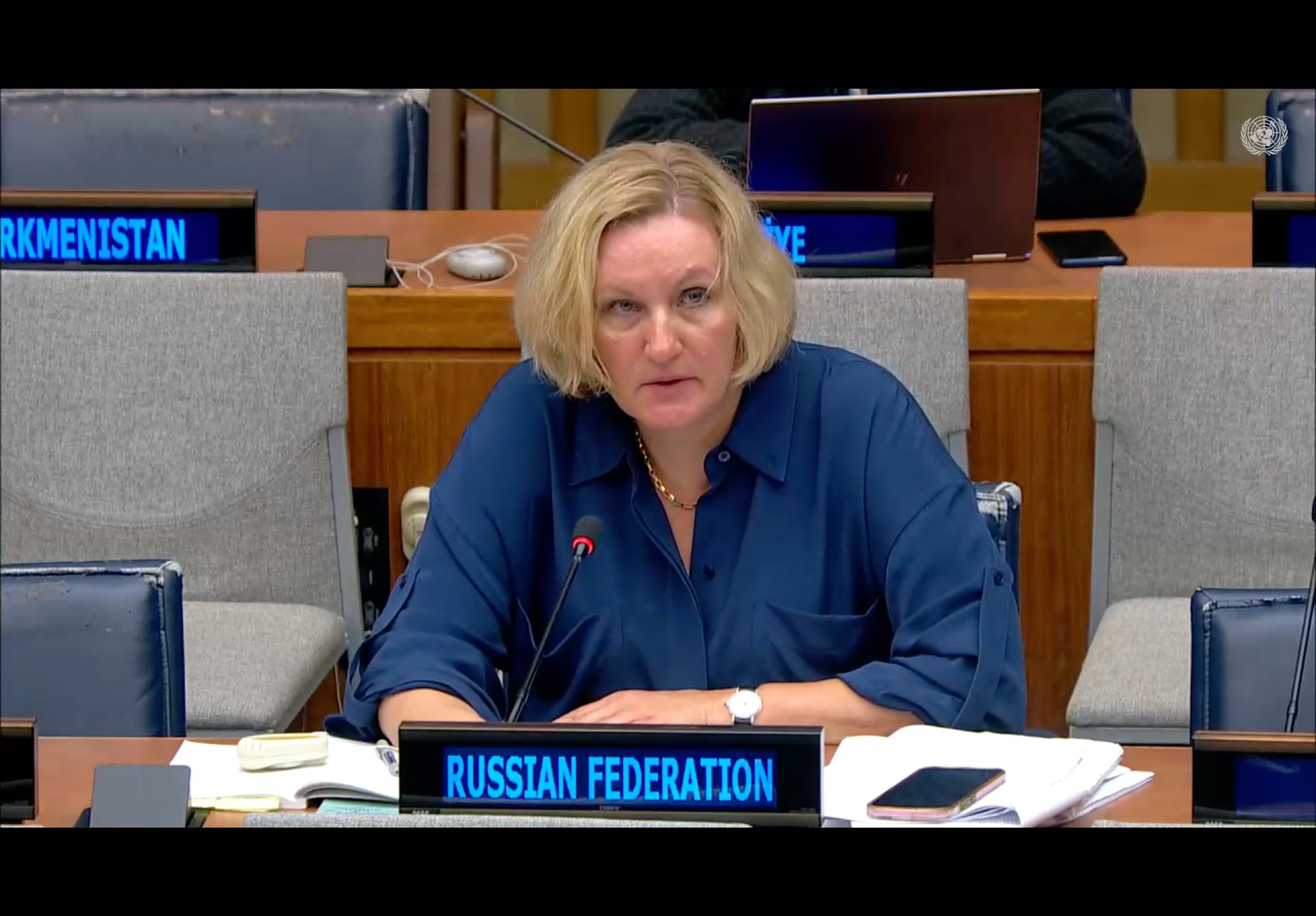
Anna Antonova, Russian Federation
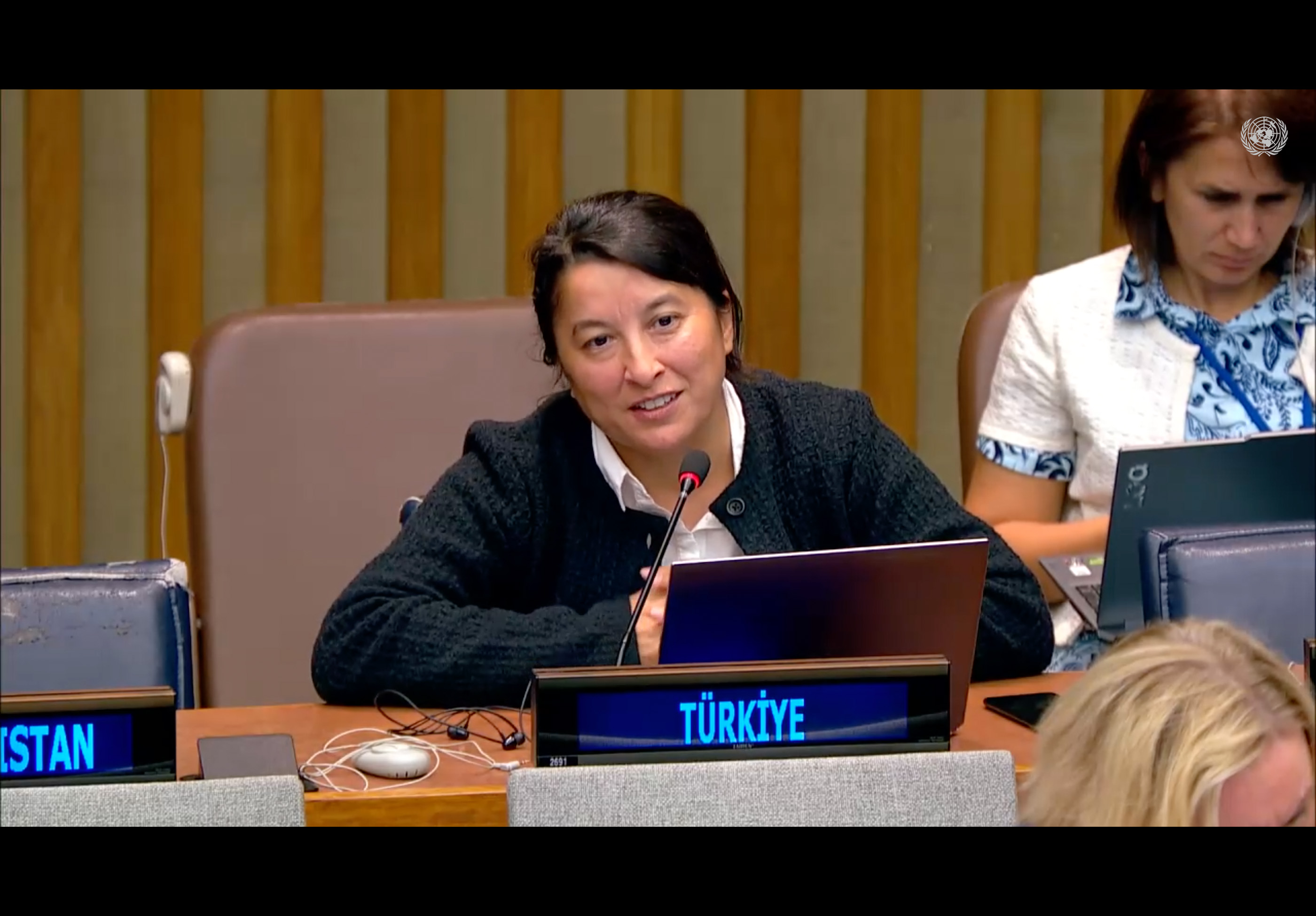
Hatice Şahin, Türkiye
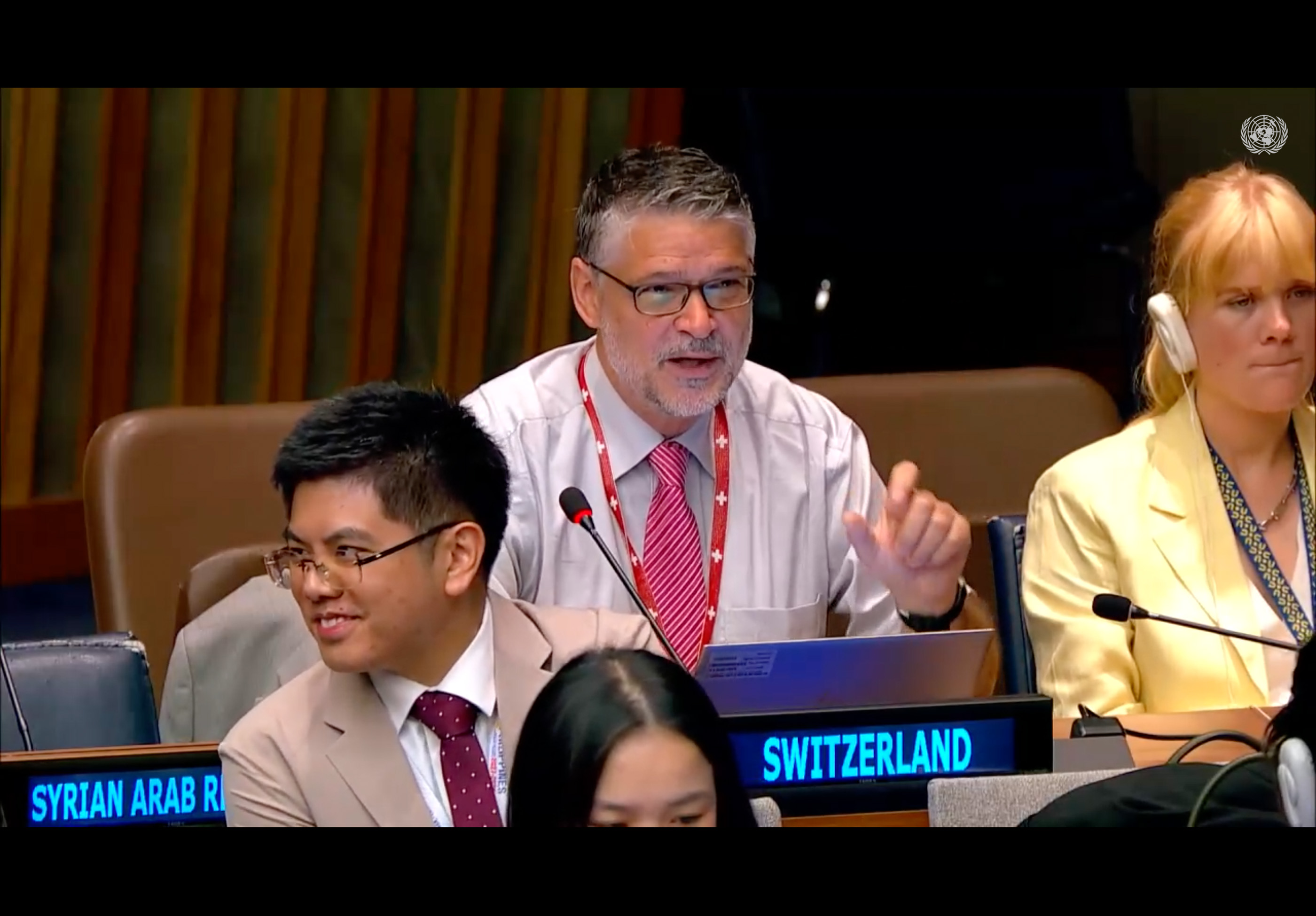
Norbert Bärlocher, Switzerland
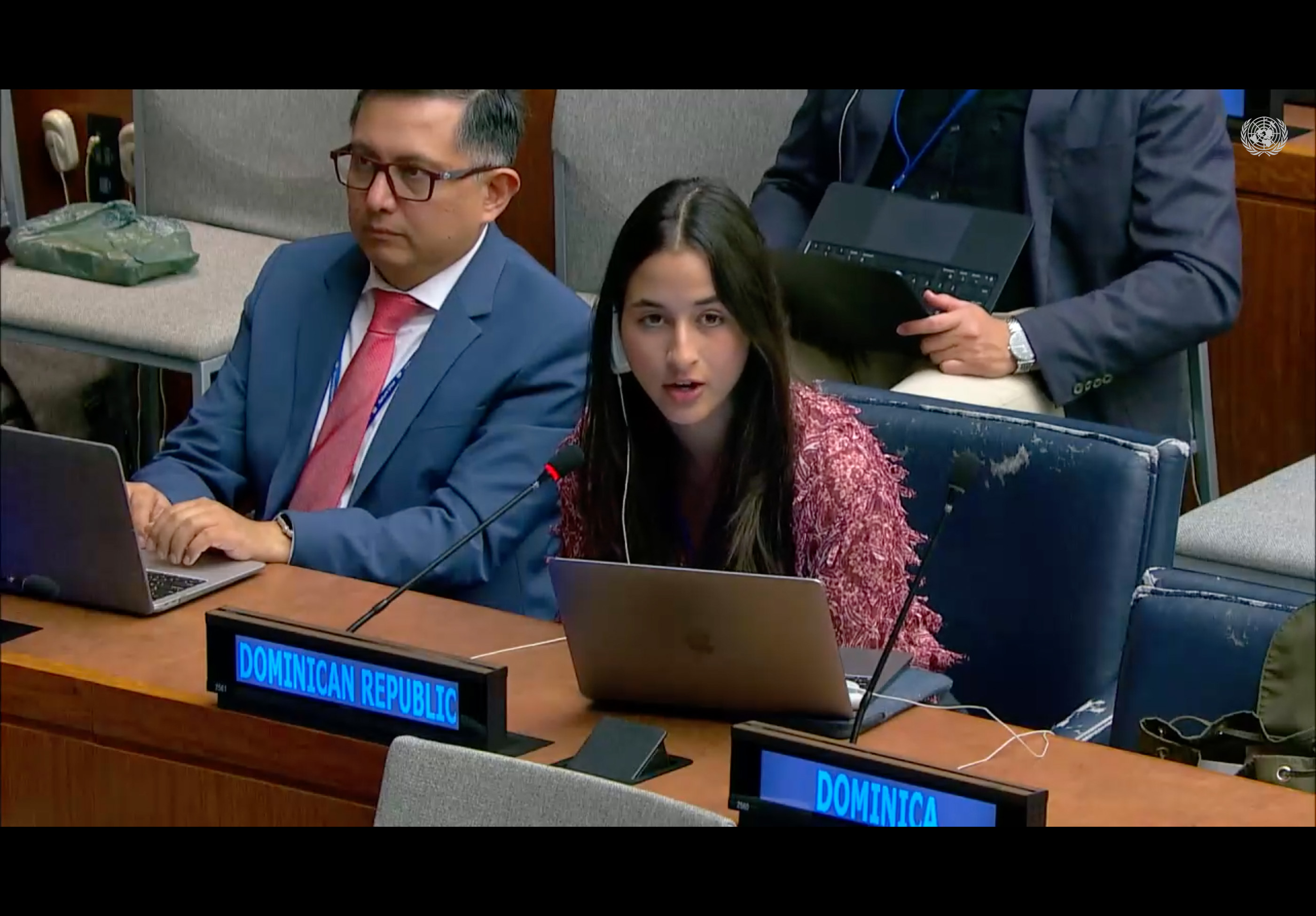
Sarah Martínez, Dominican Republic
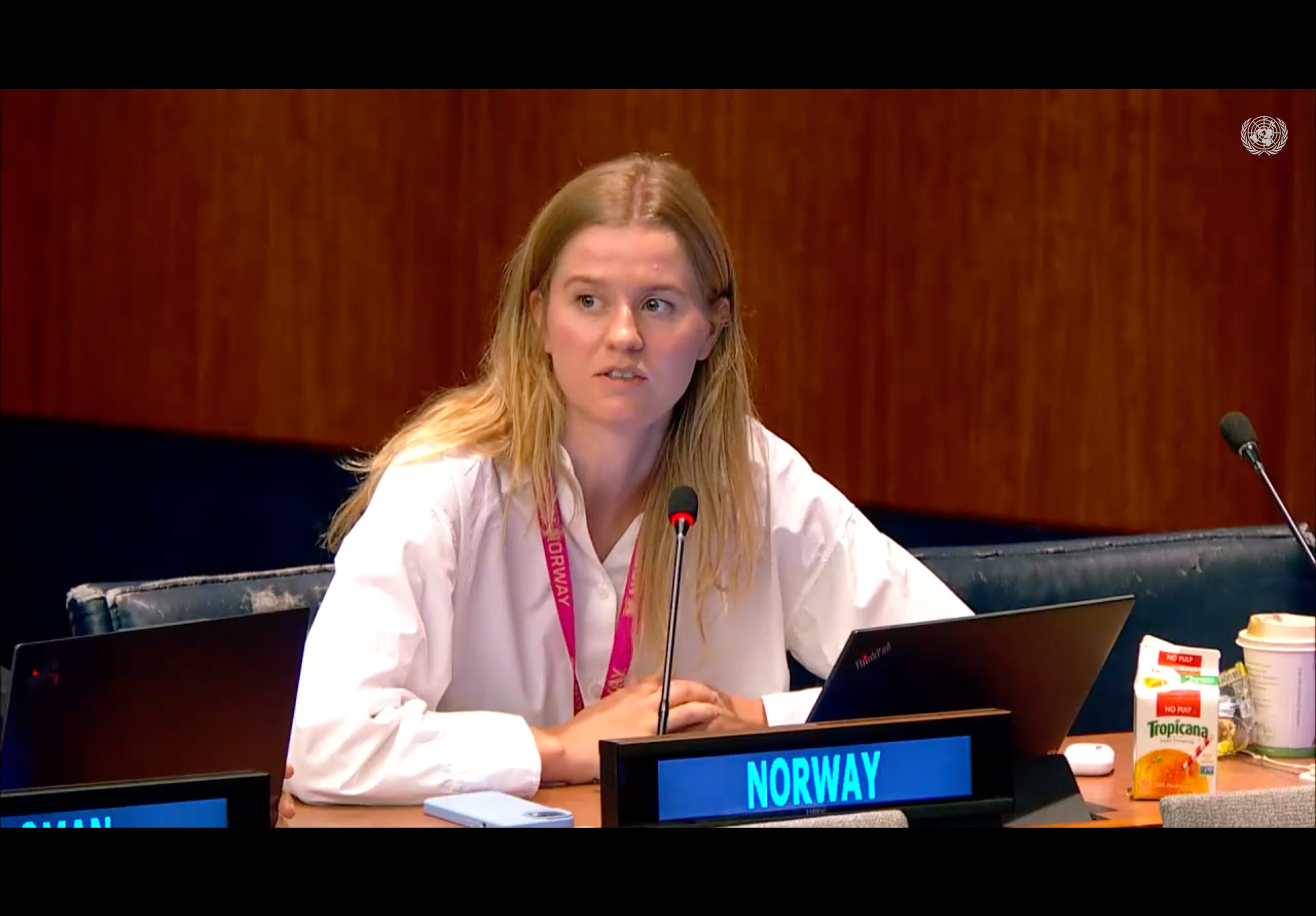
Marie Legernes Teigen, Norway
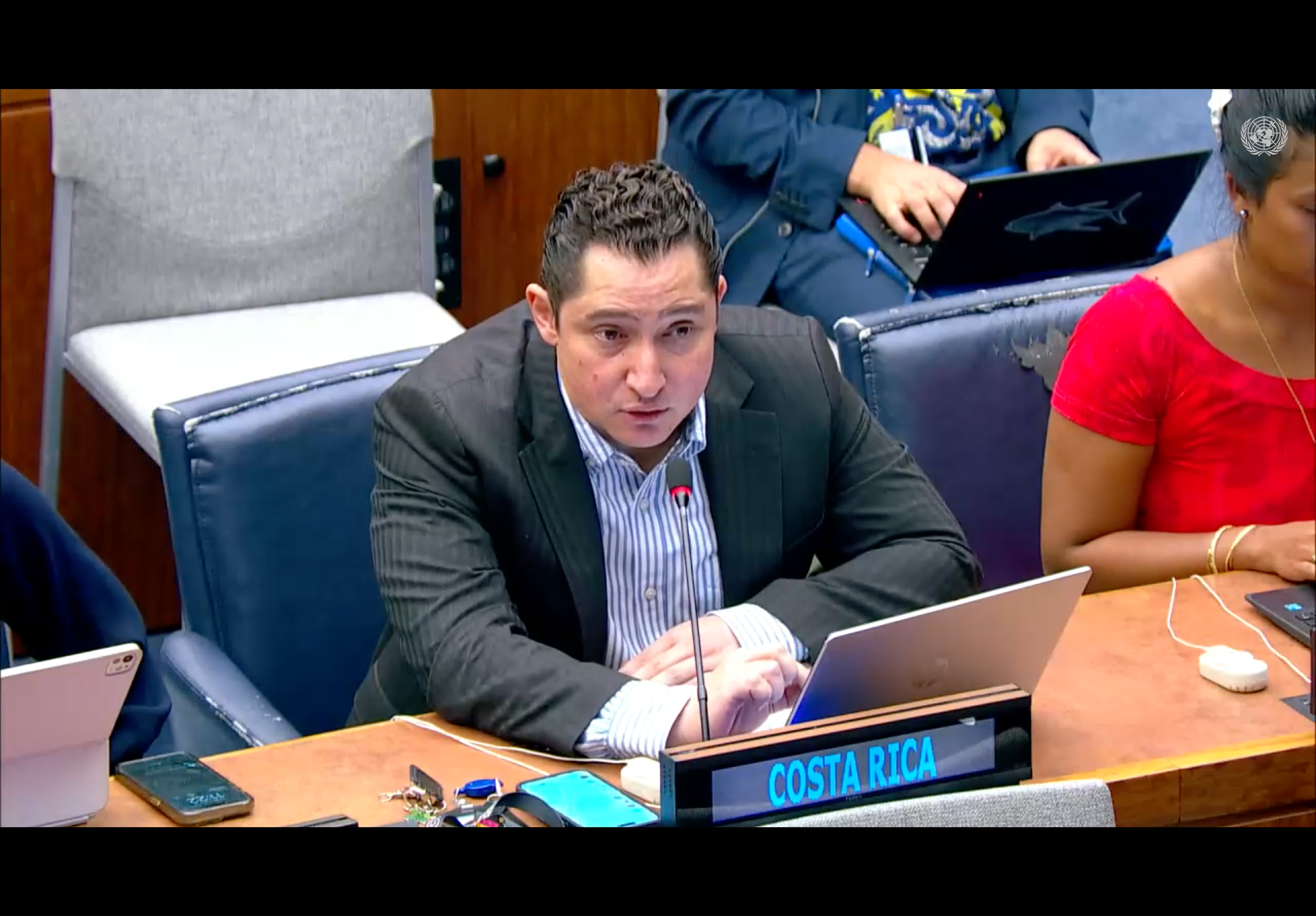
Gustavo Ramírez Baca, Costa Rica
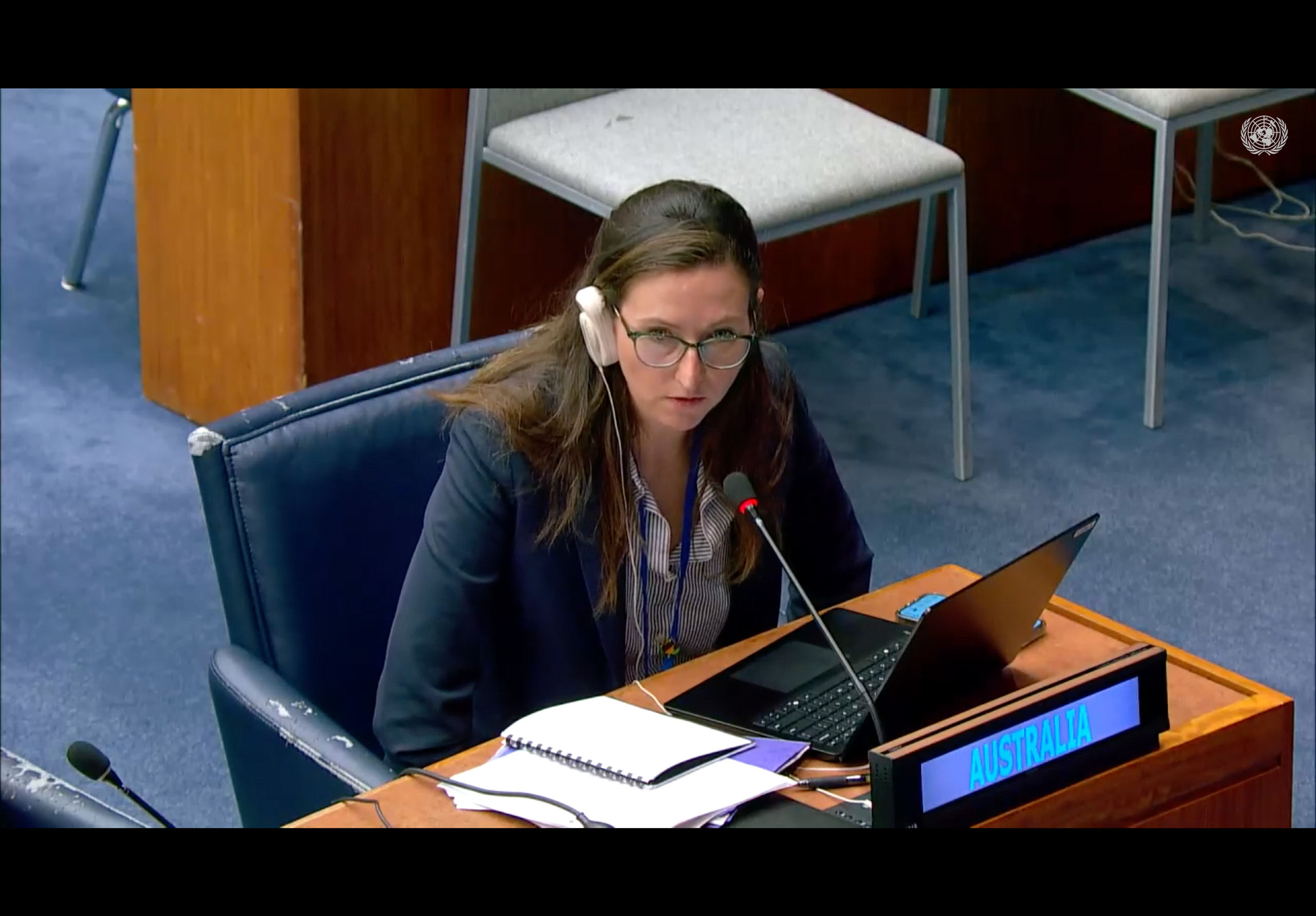
Thea Chesterfield, Australia
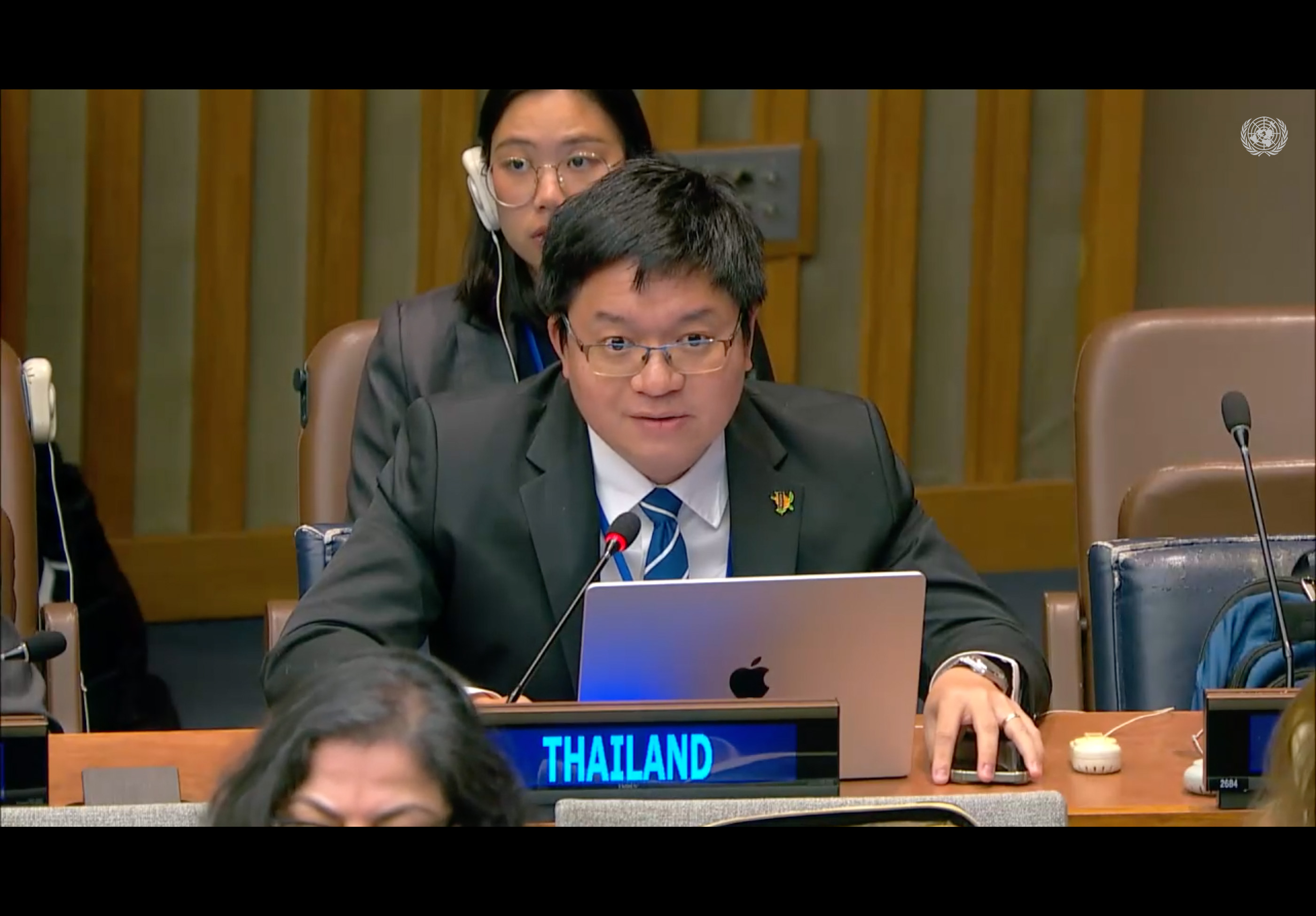
Paween Thanarat, Thailand
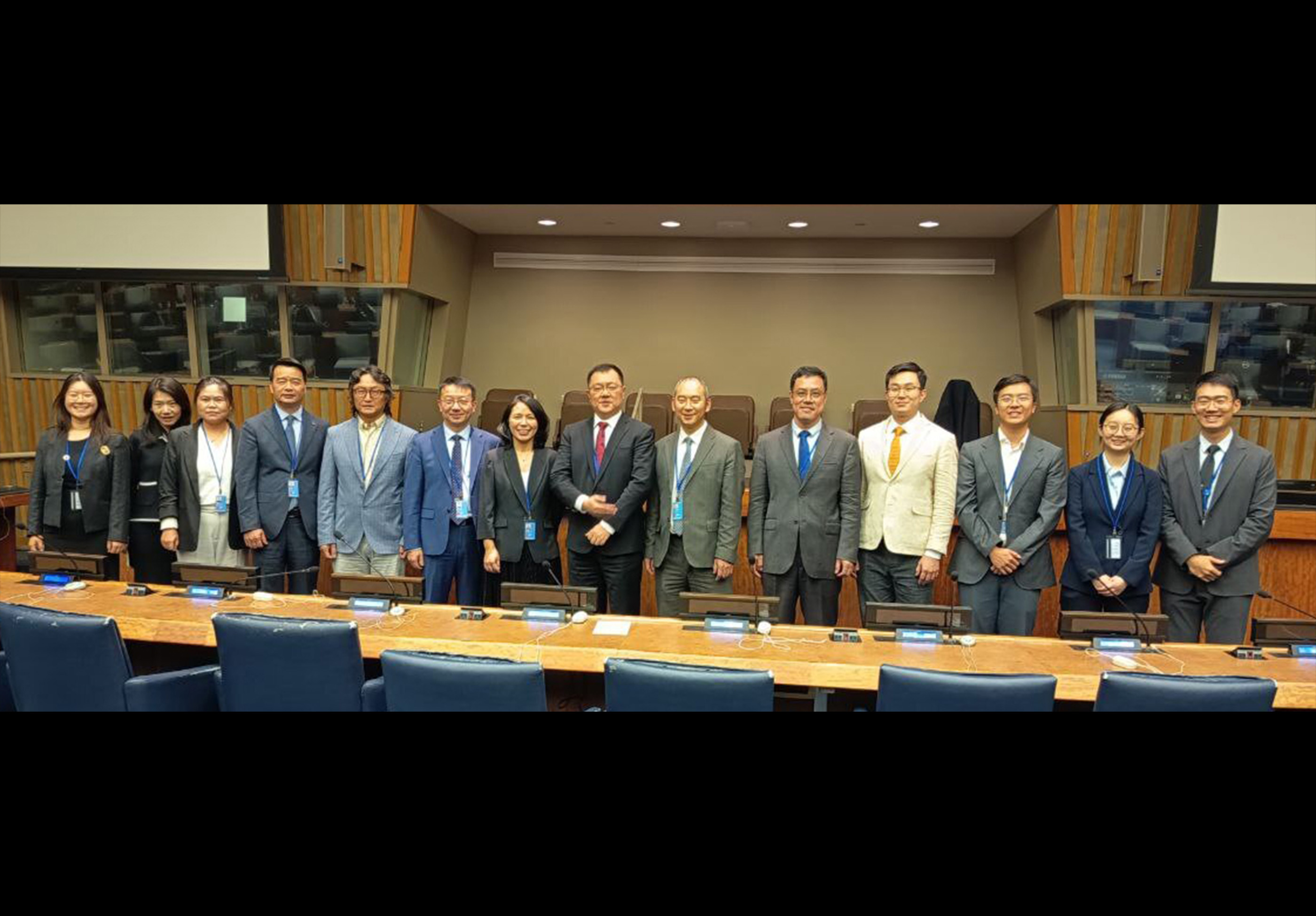
The Chinese delegation