
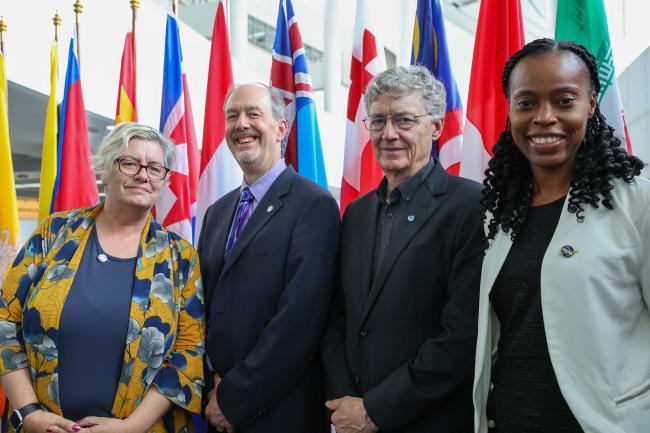
On Thursday, delegates rolled up their sleeves and spent the day in various contact groups and informal meetings to advance discussions and negotiate draft decisions to be submitted to the 37th Meeting of the Parties (MOP 37) in November 2025.
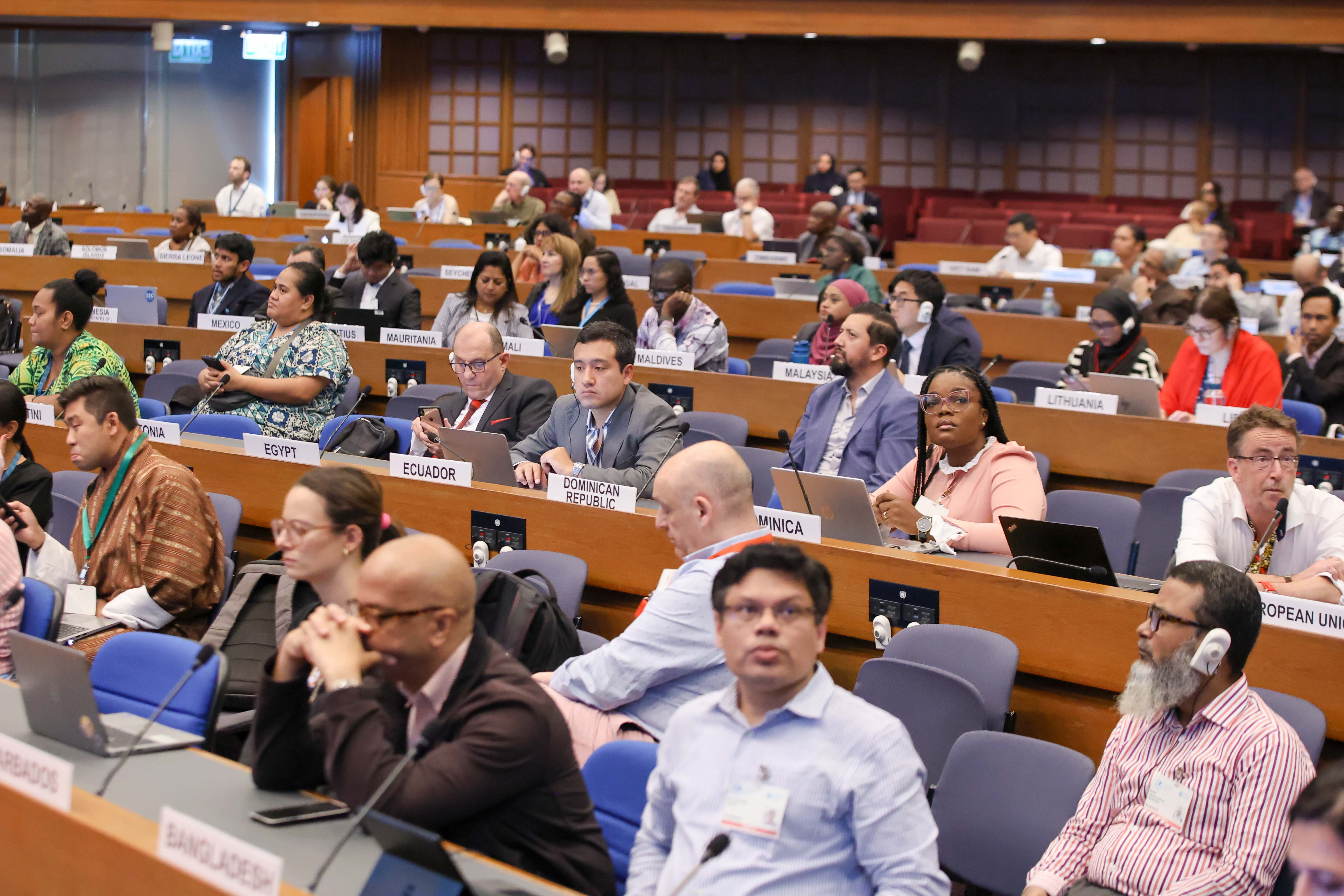
The contact group on lifecycle refrigerant management (LRM) convened in the morning to discuss a draft decision on the development of studies and strategies to find solutions for the accumulation of inventories of refrigerant gases nearing the end of their life cycles in developing country parties. Delegates streamlined the draft decision, with co-sponsors Chile, Cuba, and the Dominican Republic agreeing to reorganize the operative paragraphs to have a more structured text.
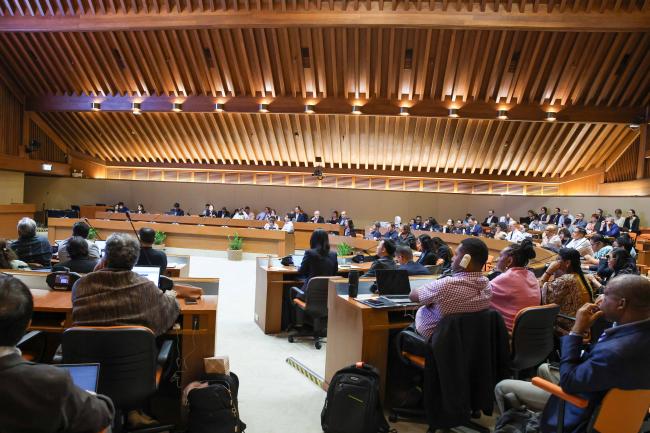
A brief stocktaking plenary convened at noon to review progress. The Co-Chairs of the contact groups on regional initiatives to support the Kigali Amendment, feedstocks, halon 1301 and fire suppressants, and the terms of reference for the Multilateral Fund replenishment study all requested additional time for discussions.
The Secretariat highlighted Thursday morning’s informal consultations on the issues to be covered in the informal meeting to be held directly before MOP 37. They reported calls for meaningful discussions on licensing systems, illegal trade, and systemic compliance issues. The Secretariat noted that they had taken “copious notes” on the discussions, which will help them plan the informal meeting. Co-Chair Shontelle Wellington then closed discussions on this agenda item.
In the afternoon, the informal group on atmospheric monitoring considered how best to allocate the funding targeted for the identification and establishment of additional monitoring facilities, given that the funds come from different sources.
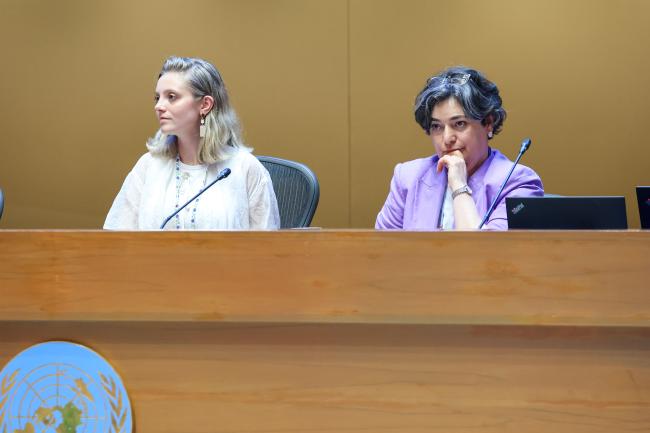
The contact group on feedstocks first looked at the revised timelines for reporting emissions and the analysis by the Technology and Economic Assessment Panel (TEAP). One delegate pointed out that it was “awkward” to be negotiating the text on the timelines without clarity on what parties are being asked to submit in their reports. Concern was also expressed that governments may not have the data on emissions of controlled substances used as feedstocks to submit.
In the contact group on the terms of reference for the Multilateral Fund replenishment study, delegates continued discussing potential scenarios the TEAP Task Force may be asked to consider in their study. There was disagreement on whether to qualify the status of some developing country parties and whether to refer to specific technologies such as “natural refrigerants” and hydrofluoroolefins (HFOs).

The contact group on halons and other fire suppressants resumed consideration of the draft proposal submitted by Australia, Canada, the European Union, Norway, New Zealand, Switzerland, the United Kingdom, and the United States on the continued use of halon 1301 in the civil aviation industry and the management of other controlled substances used for fire suppression. Among other issues, they addressed whether to narrow the scope to only consider halon 1301, with some delegations underlining the need to also include other controlled substances used for fire suppression.
With one day remaining for this meeting of the Montreal Protocol’s Open-ended Working Group (OEWG), weary delegates will try to make as much progress as possible to facilitate work at MOP 37, where the final decisions will be adopted.
To receive free coverage of global environmental events delivered to your inbox, subscribe to the ENB Update newsletter.
All ENB photos are free to use with attribution. For the 47th meeting of the Open-ended Working Group of the Parties to the Montreal Protocol (OEWG 47), please use: Photo by IISD/ENB | Anastasia Rodopoulou.
Plenary Session

Morgan Simpson, United Kingdom
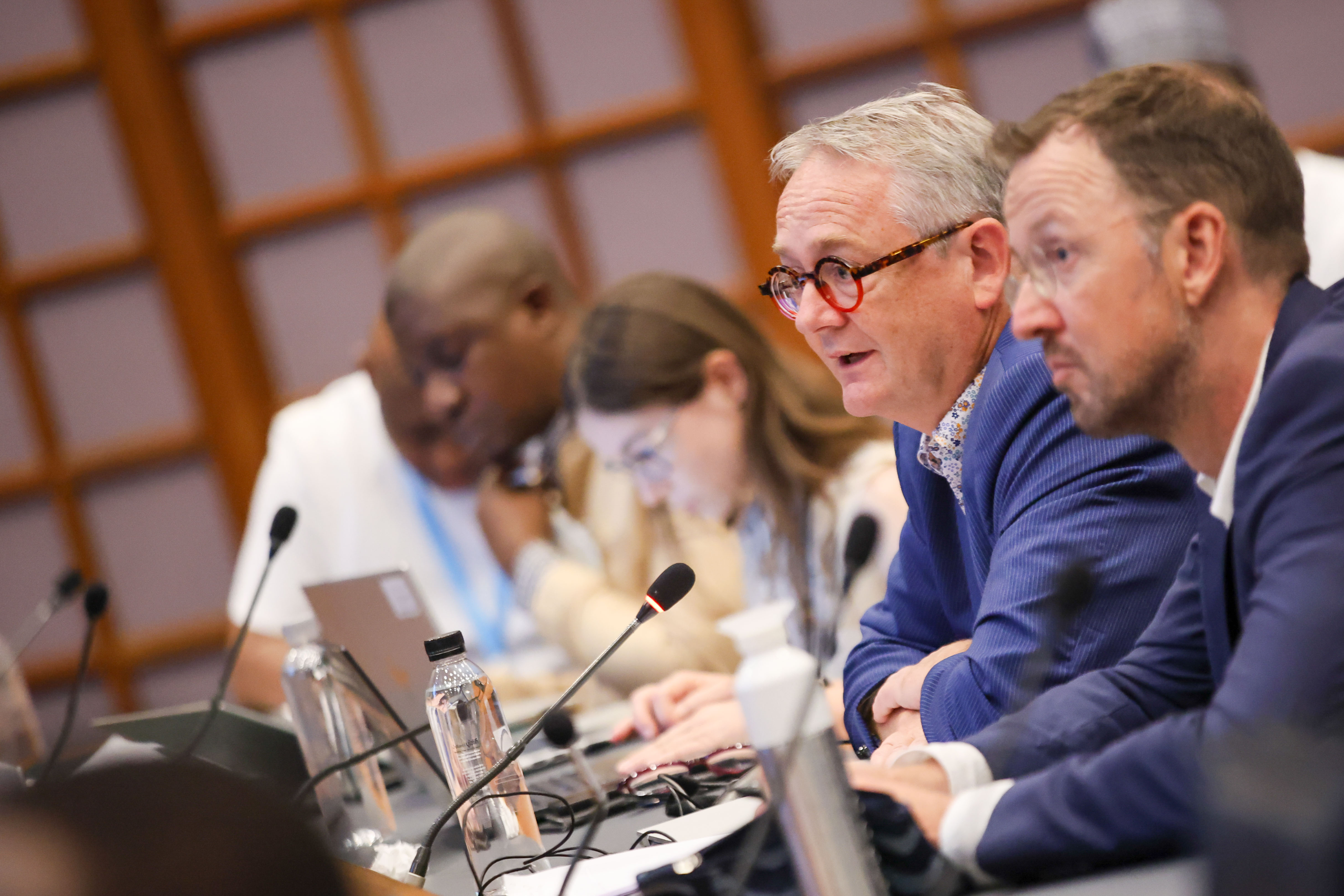
Ralph Brieskorn, the Netherlands
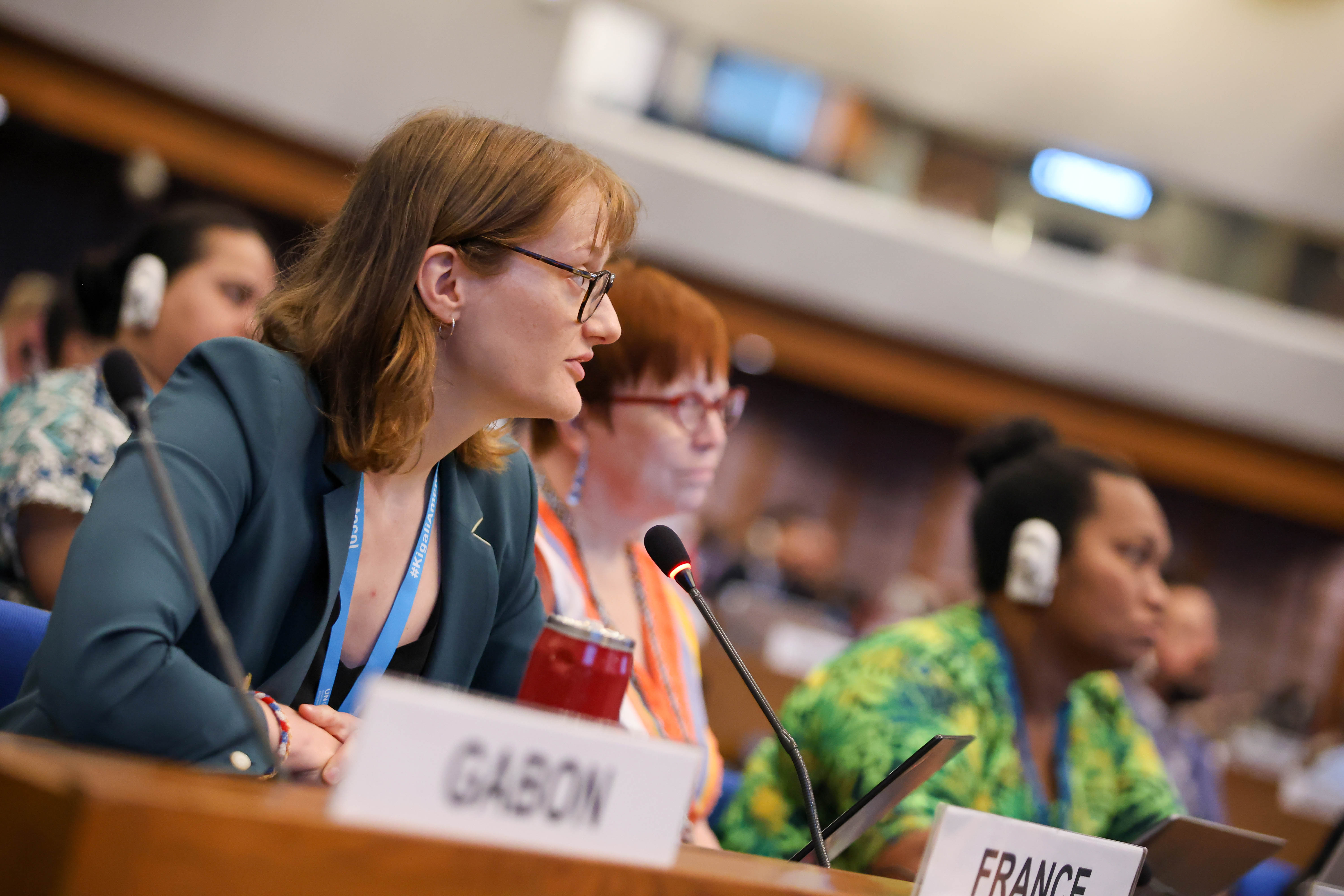
Morane Godfrin, France
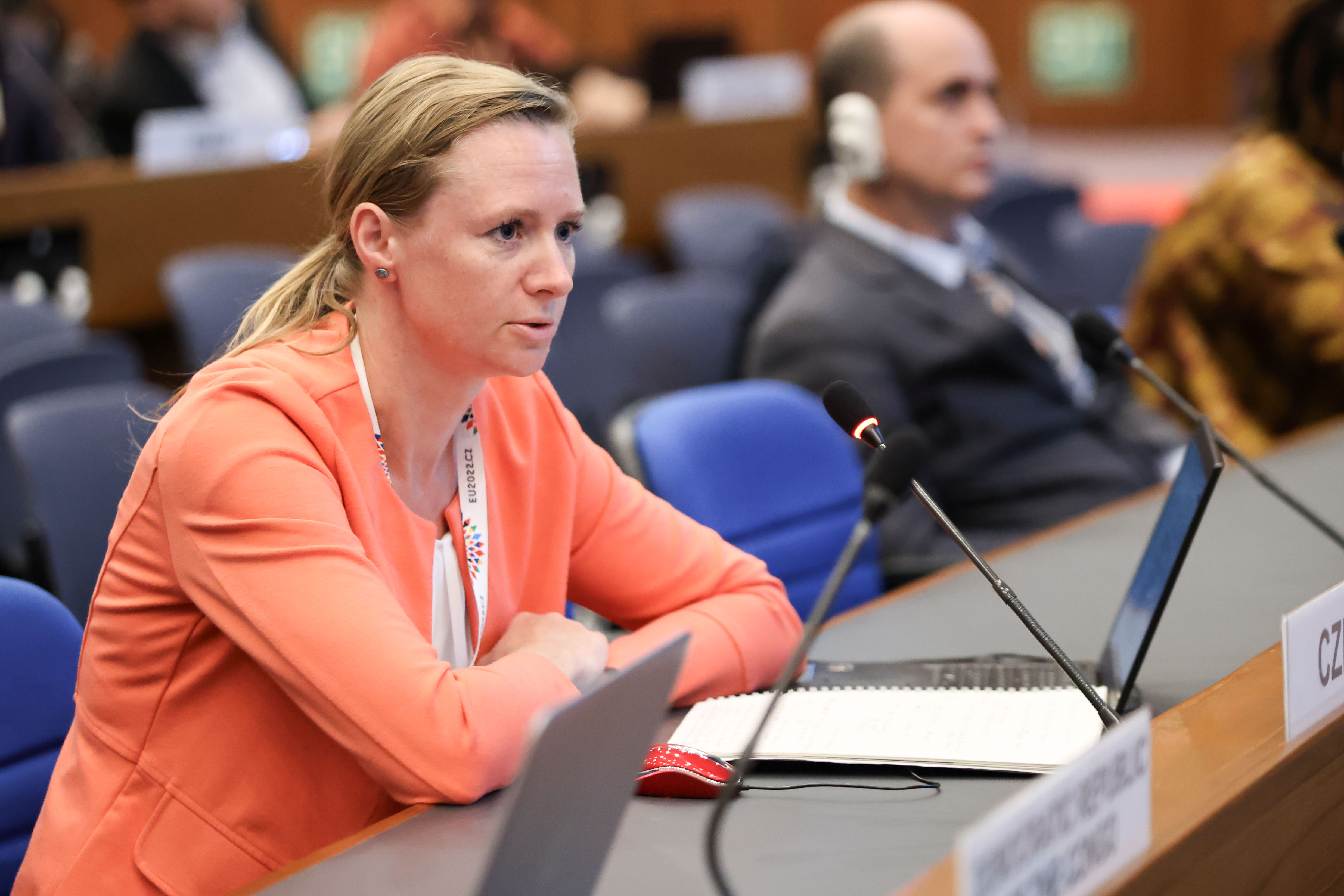
Jana Mašíčková, Czech Republic
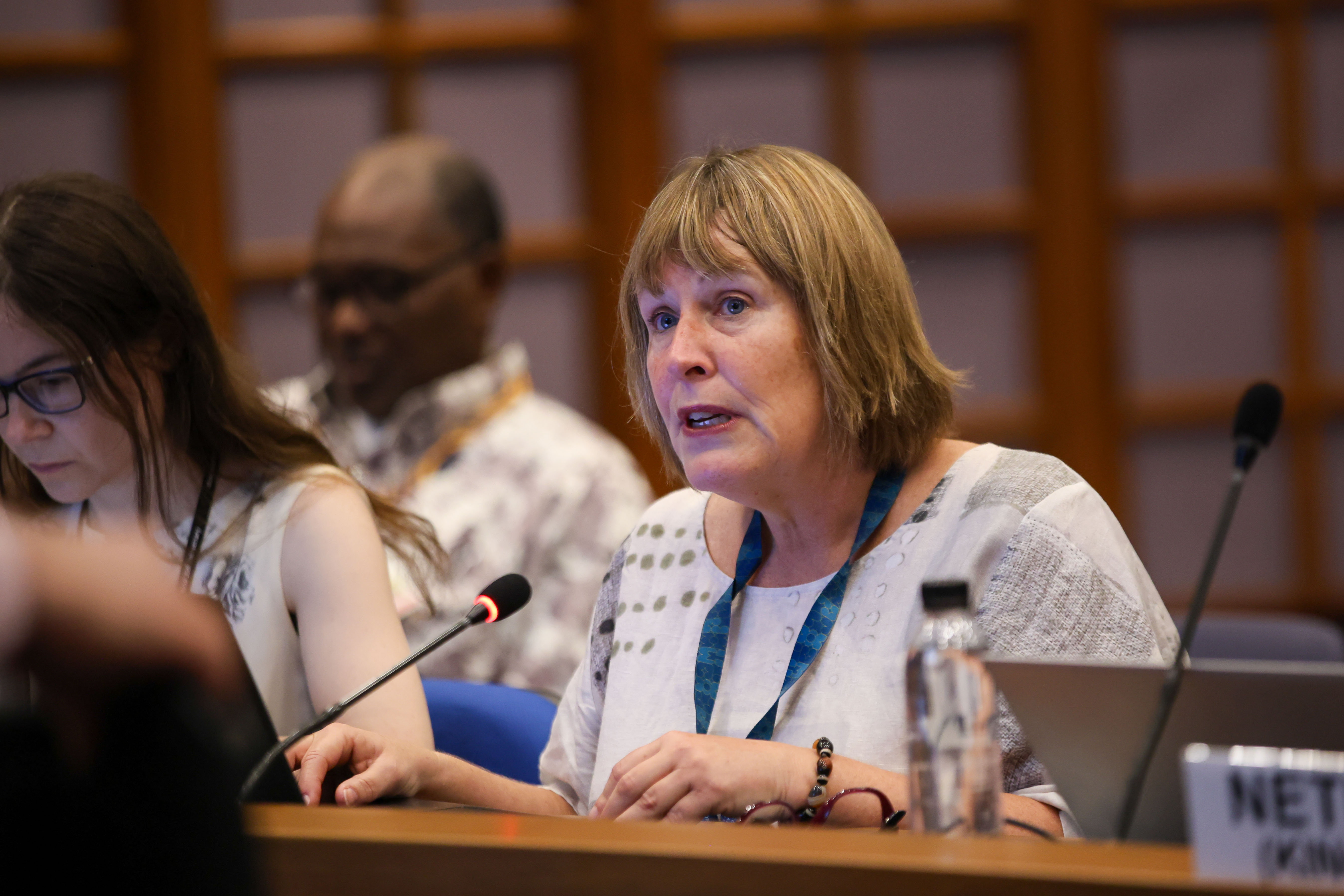
Mariska Wouters, New Zealand
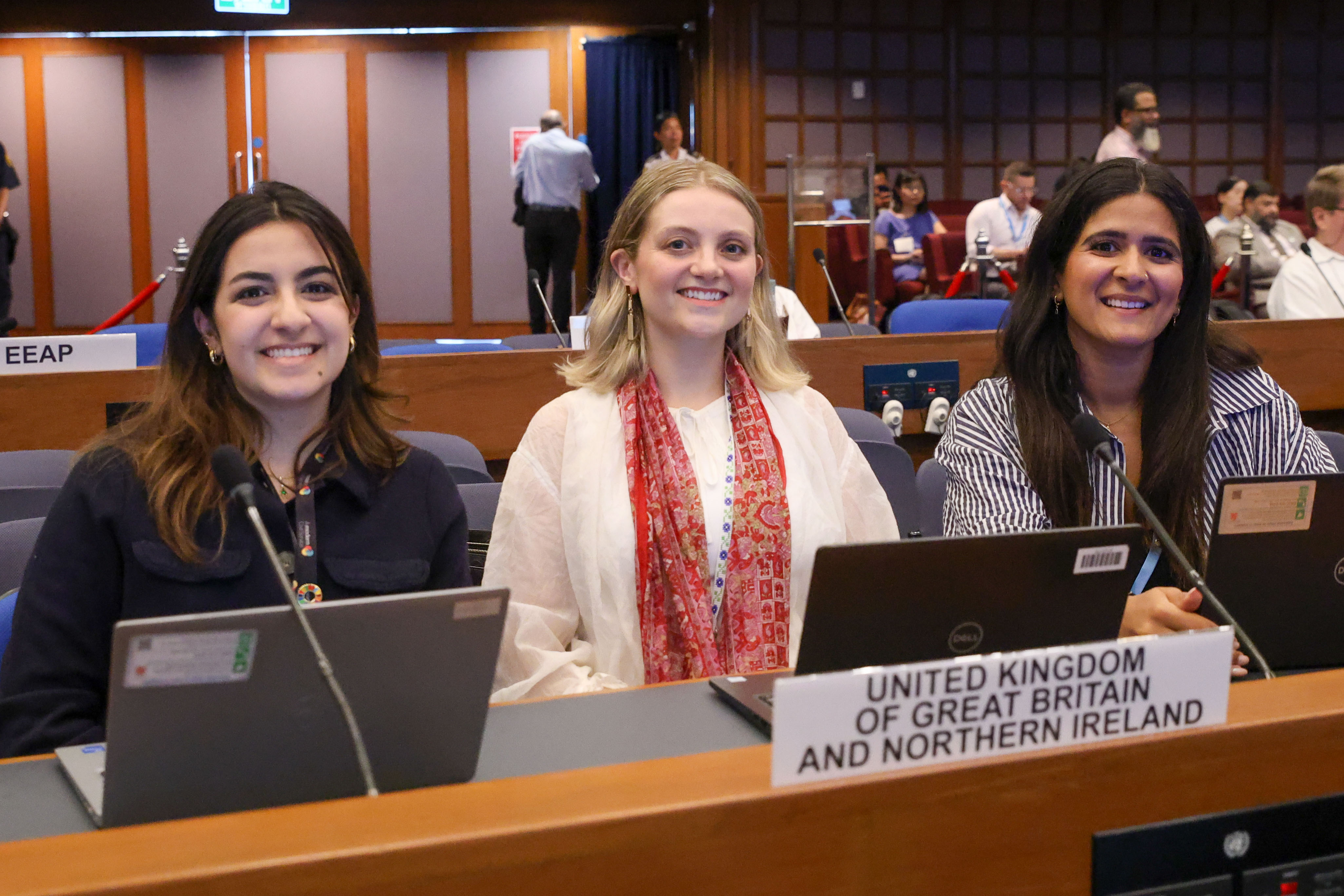
Delegates from the United Kingdom
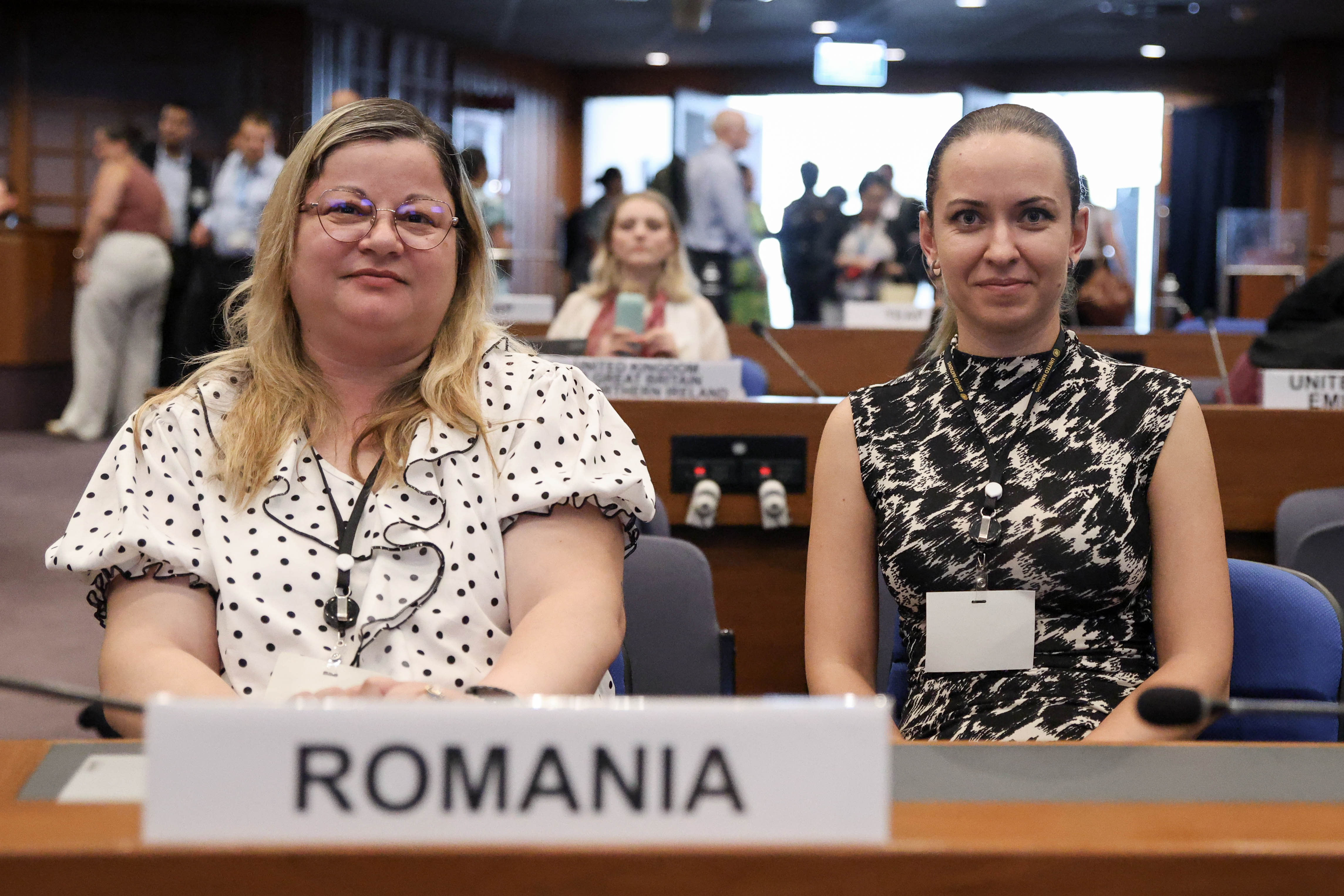
Delegates from Romania
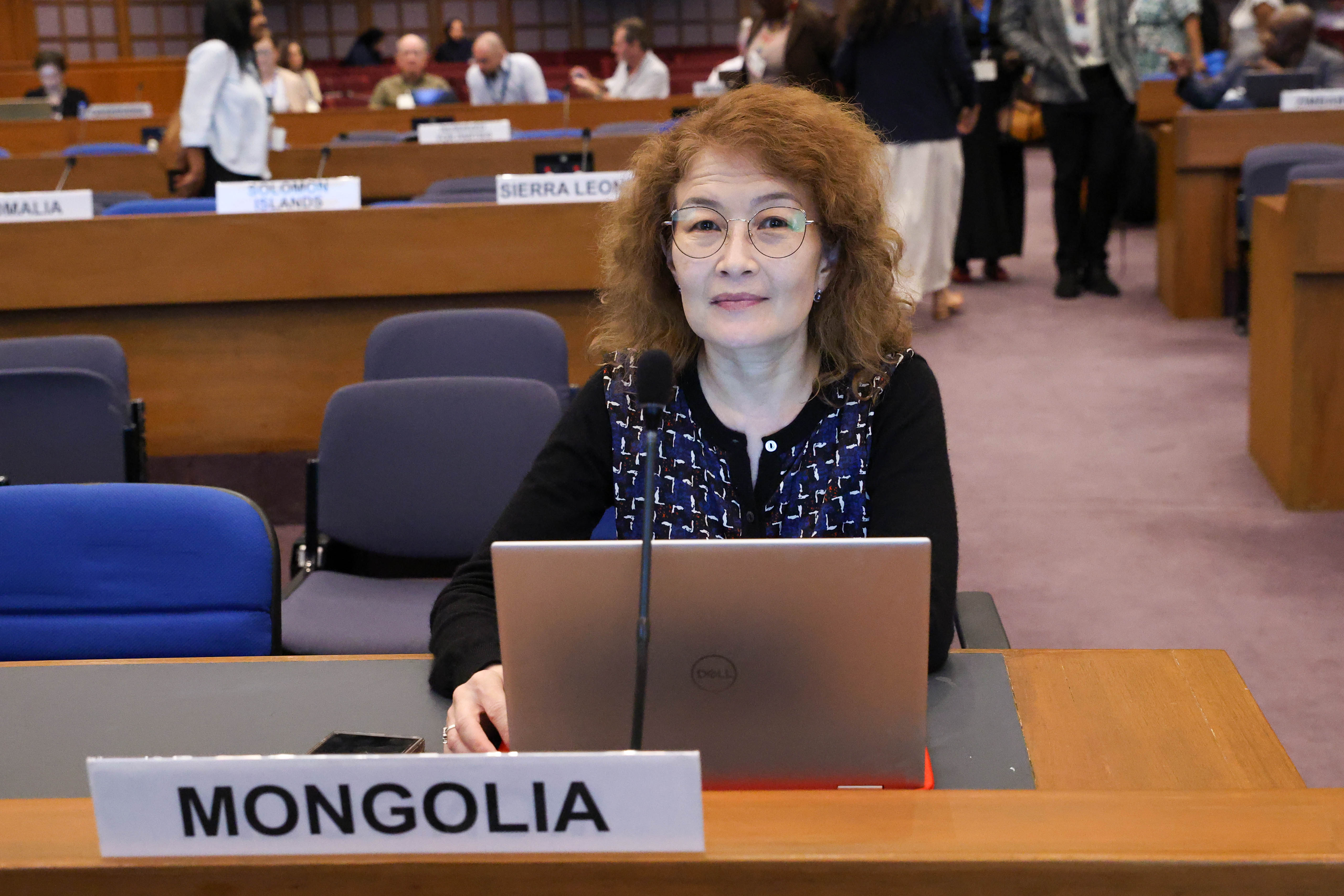
Dulamsuren Dashdorj, Mongolia
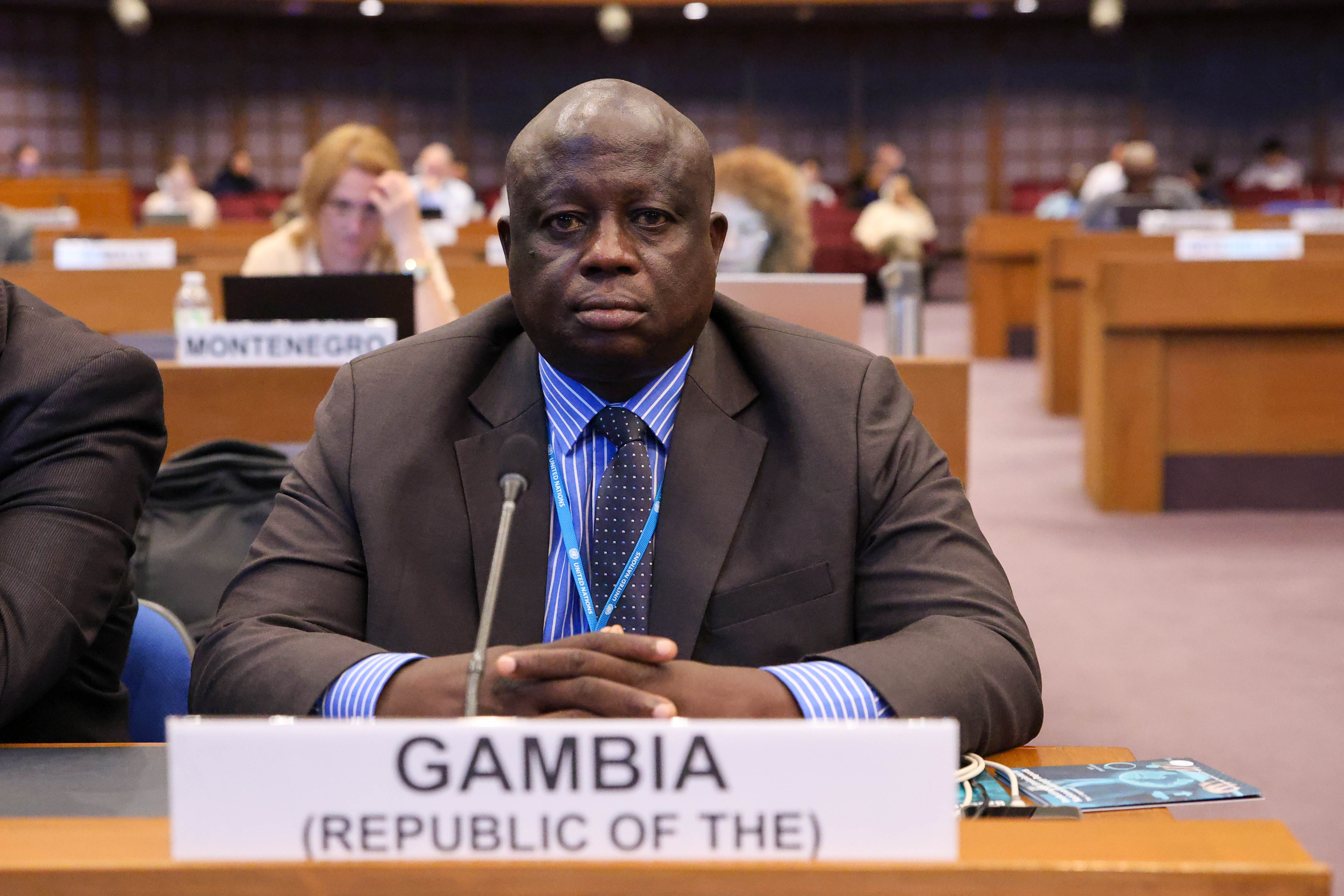
Alhagie Sarr, The Gambia
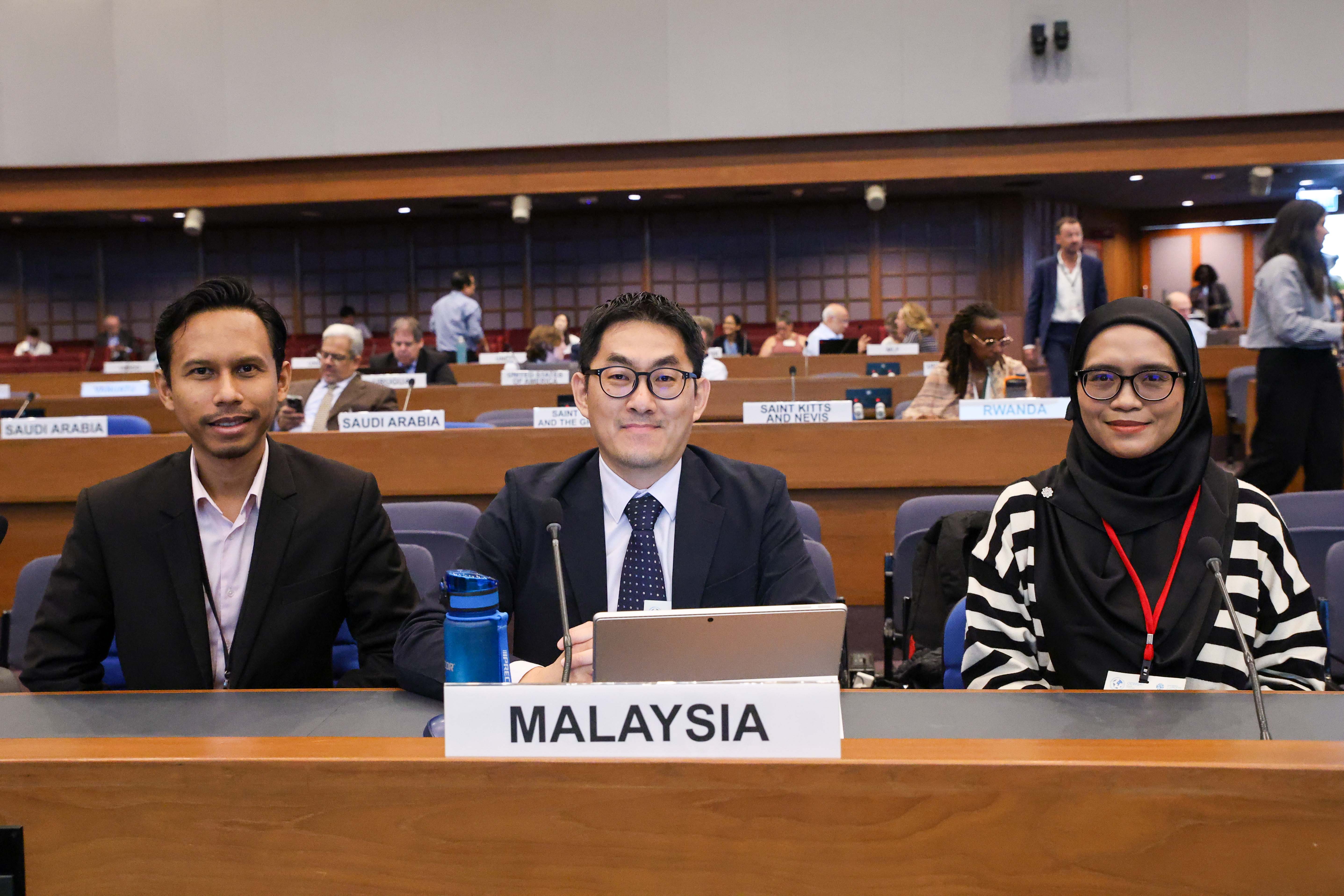
Delegates from Malaysia
Contact and Informal Groups
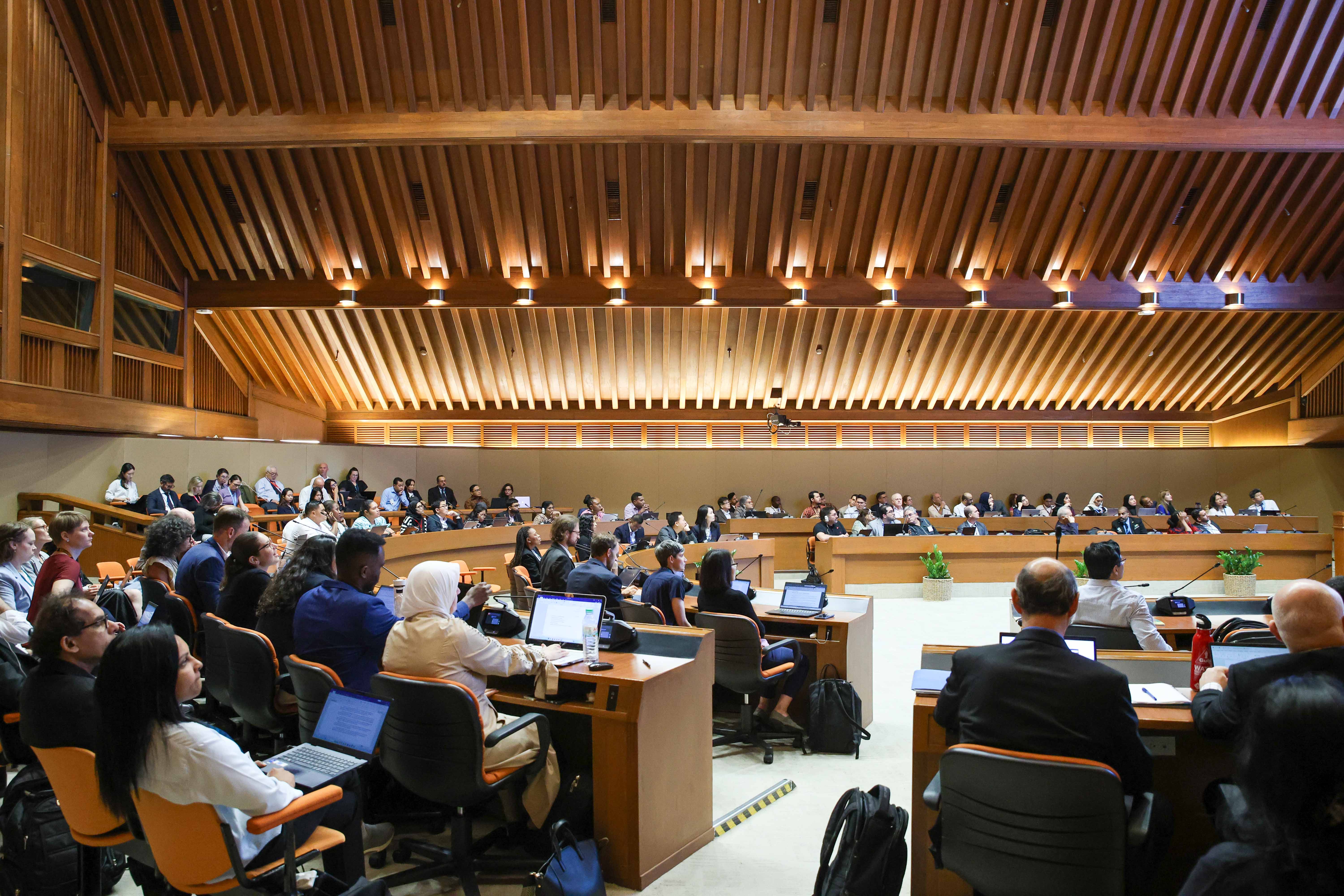
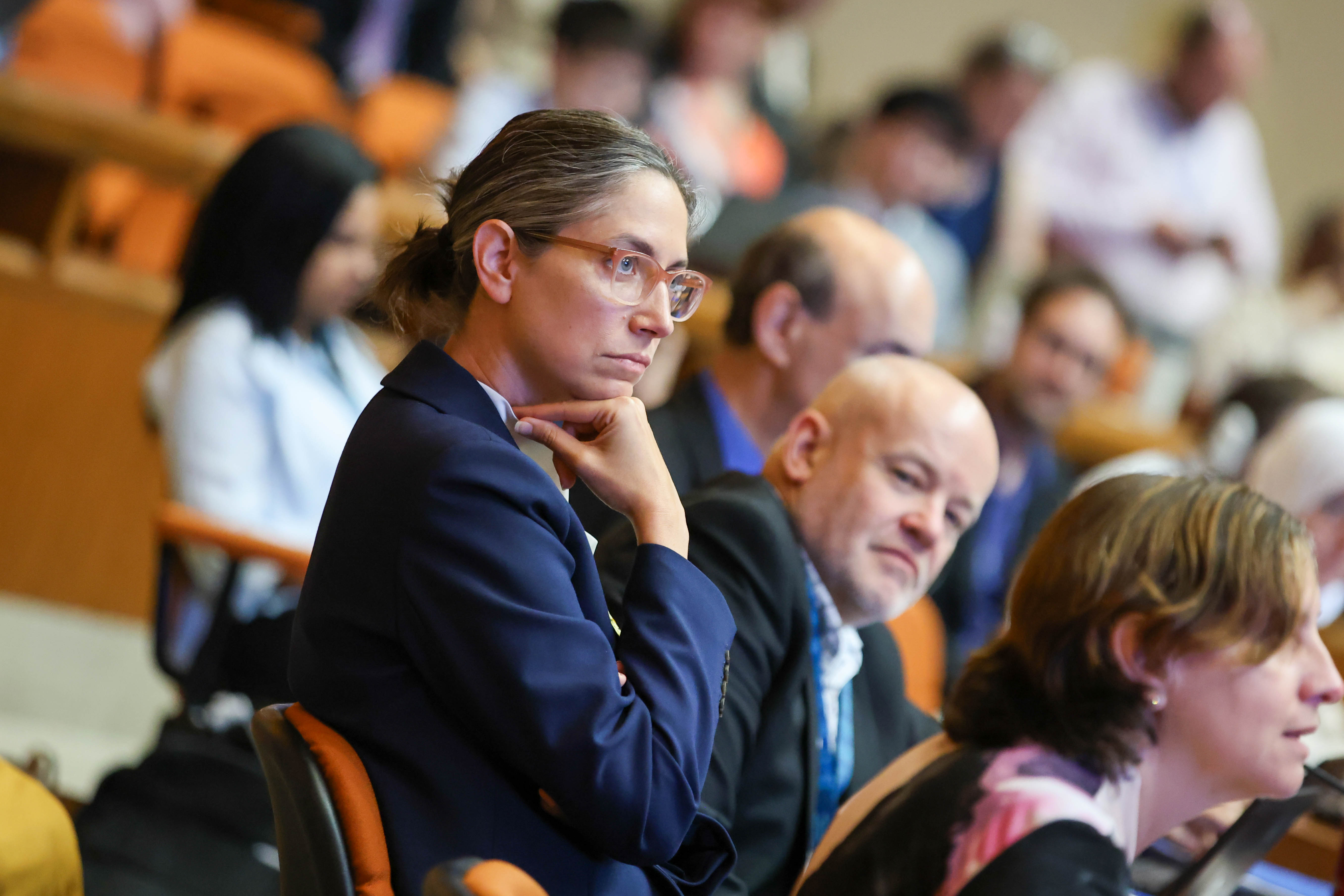
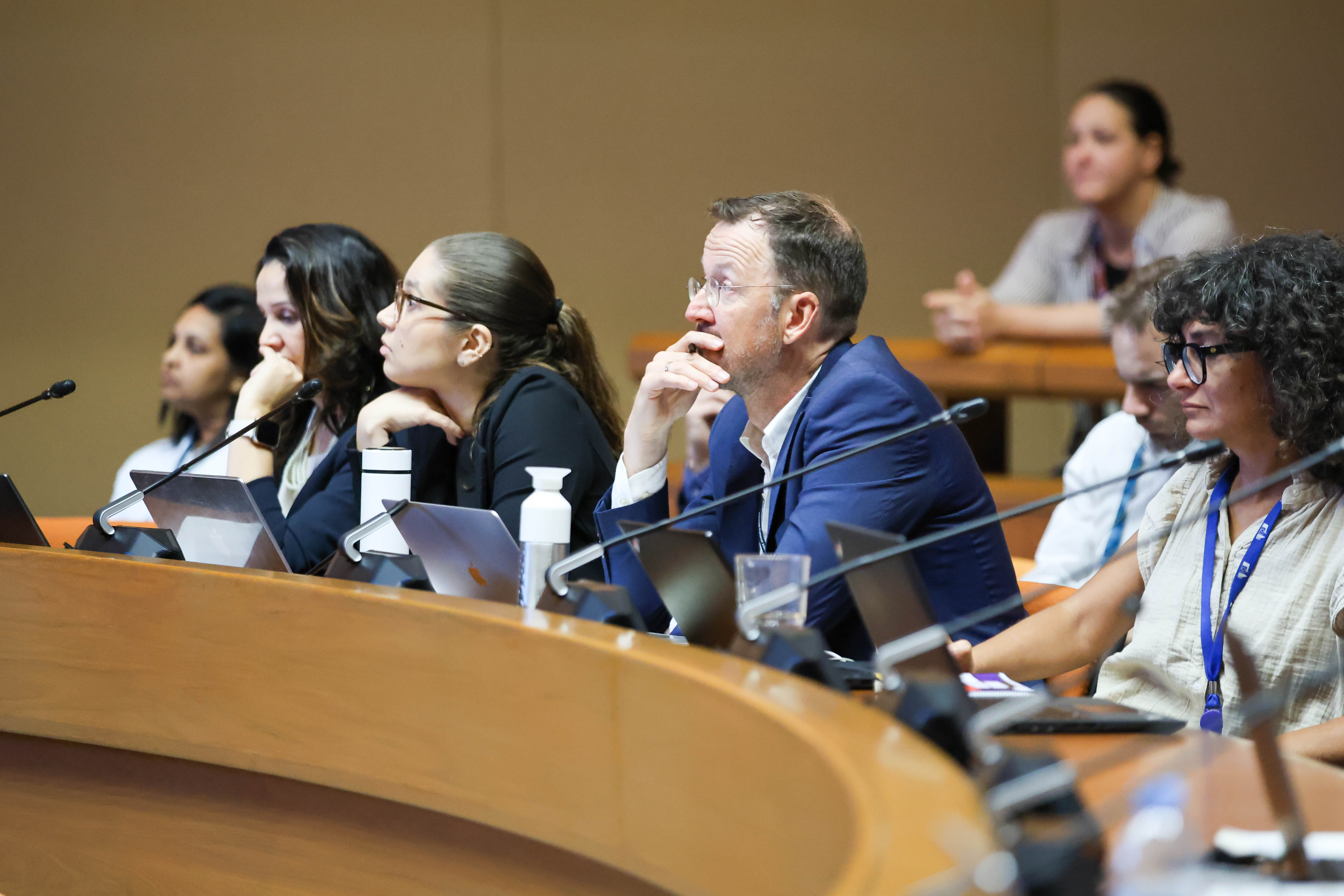
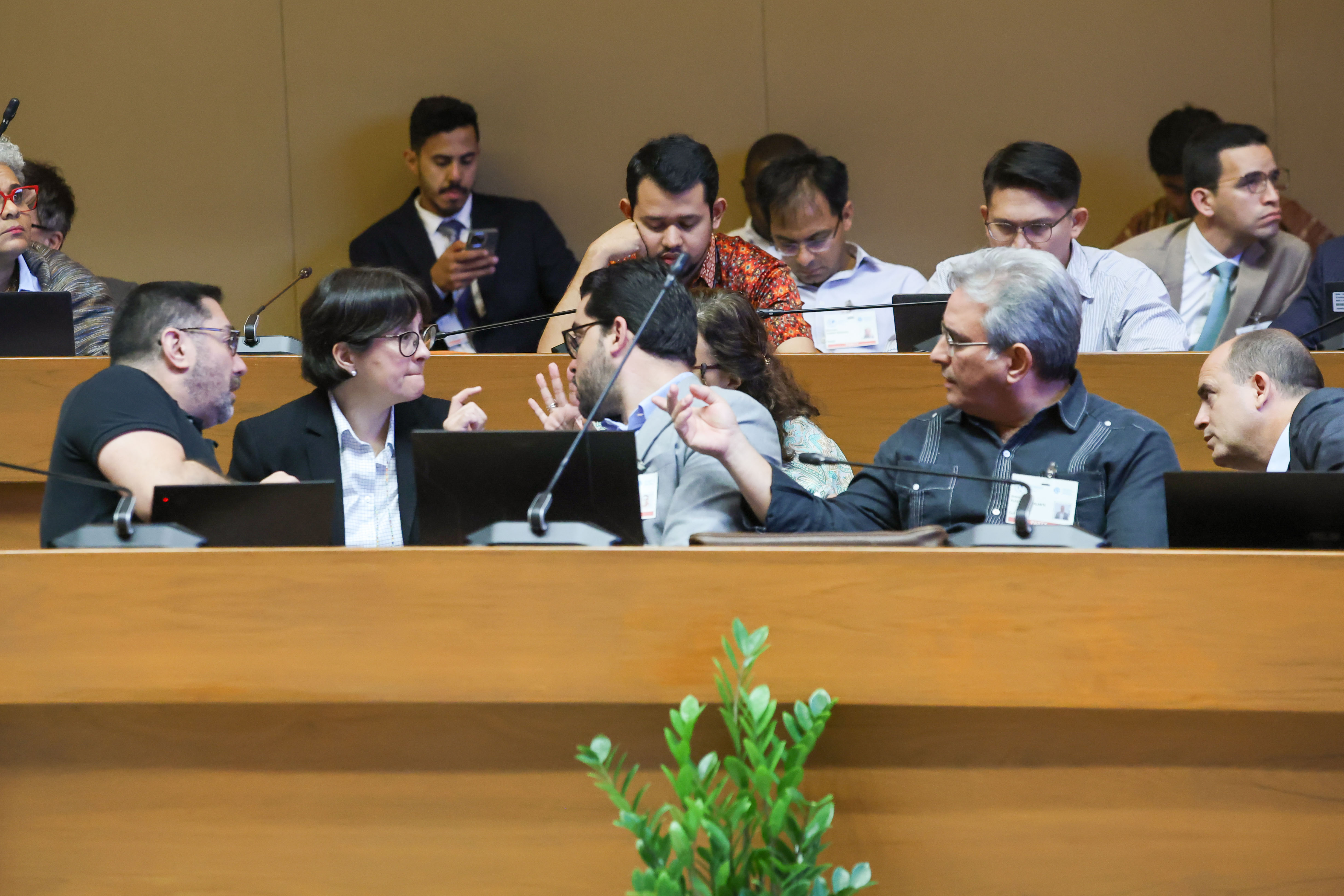

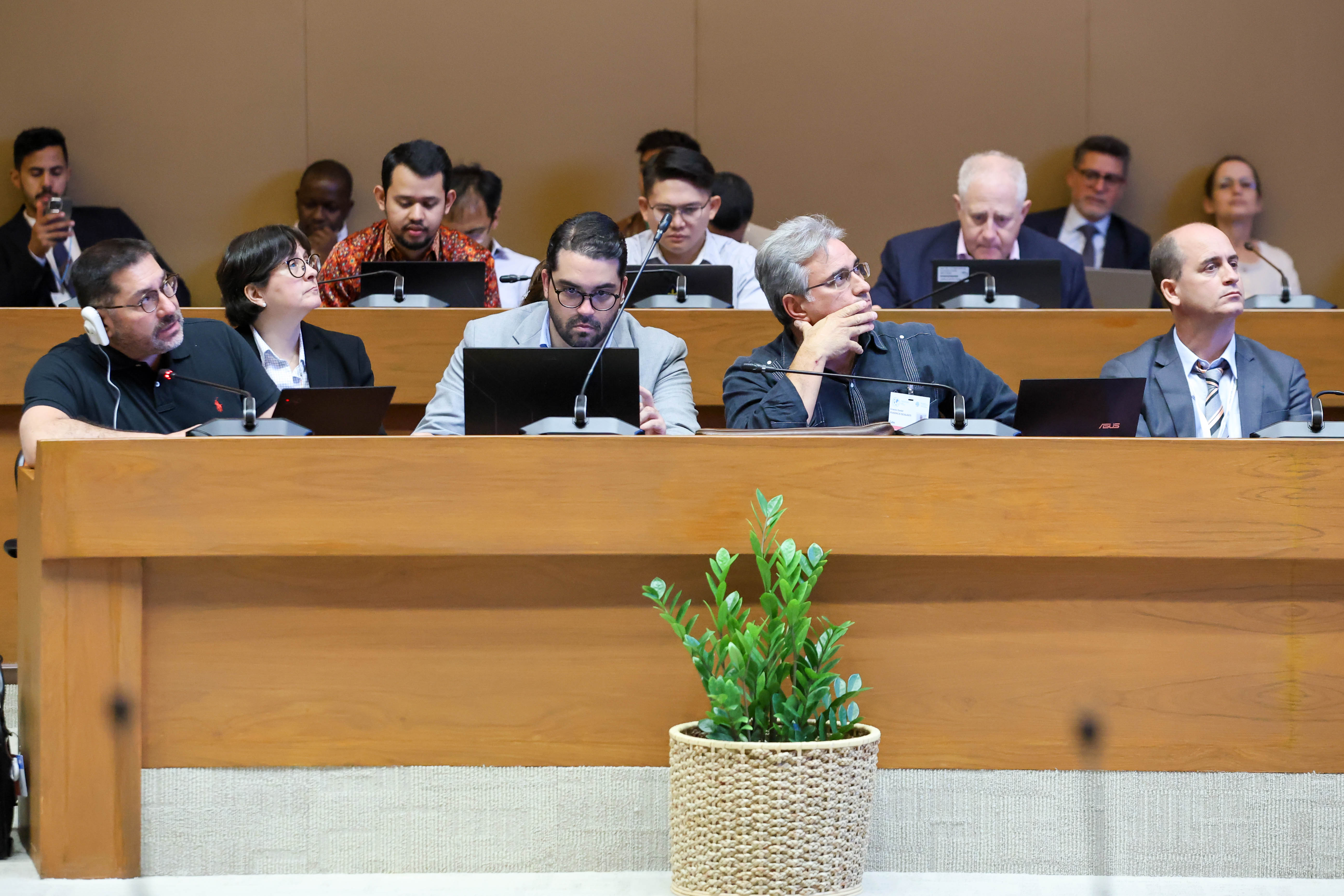
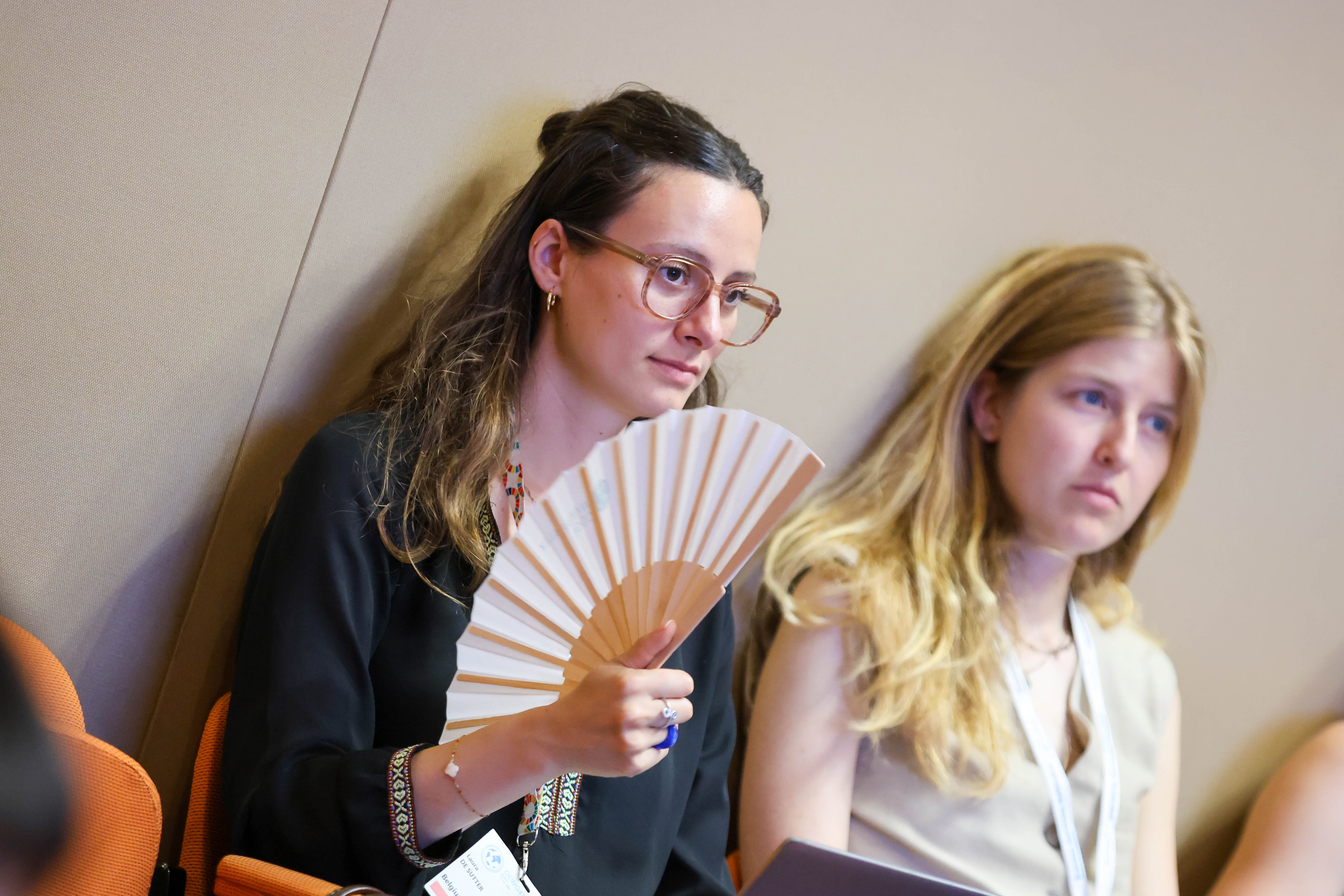
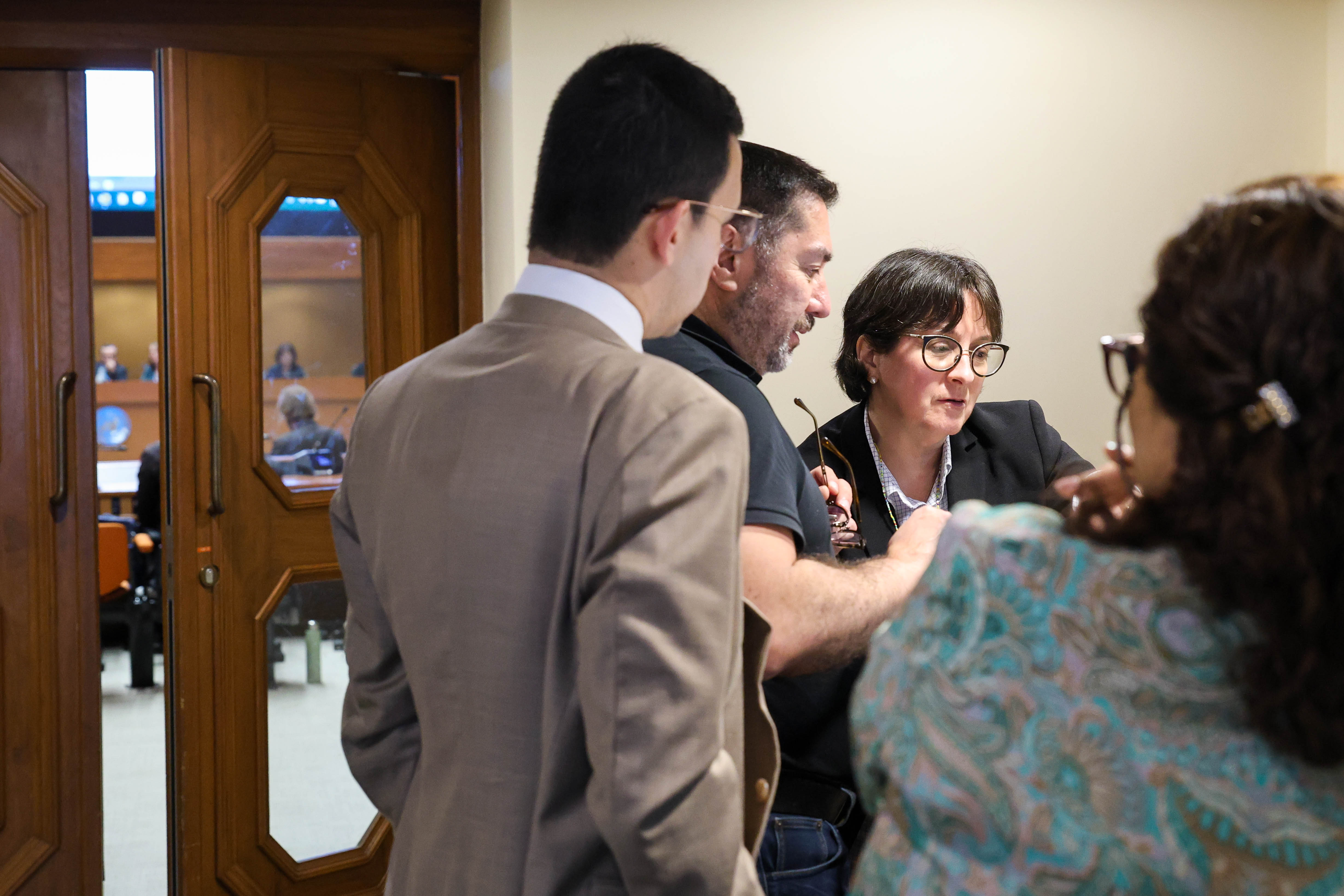
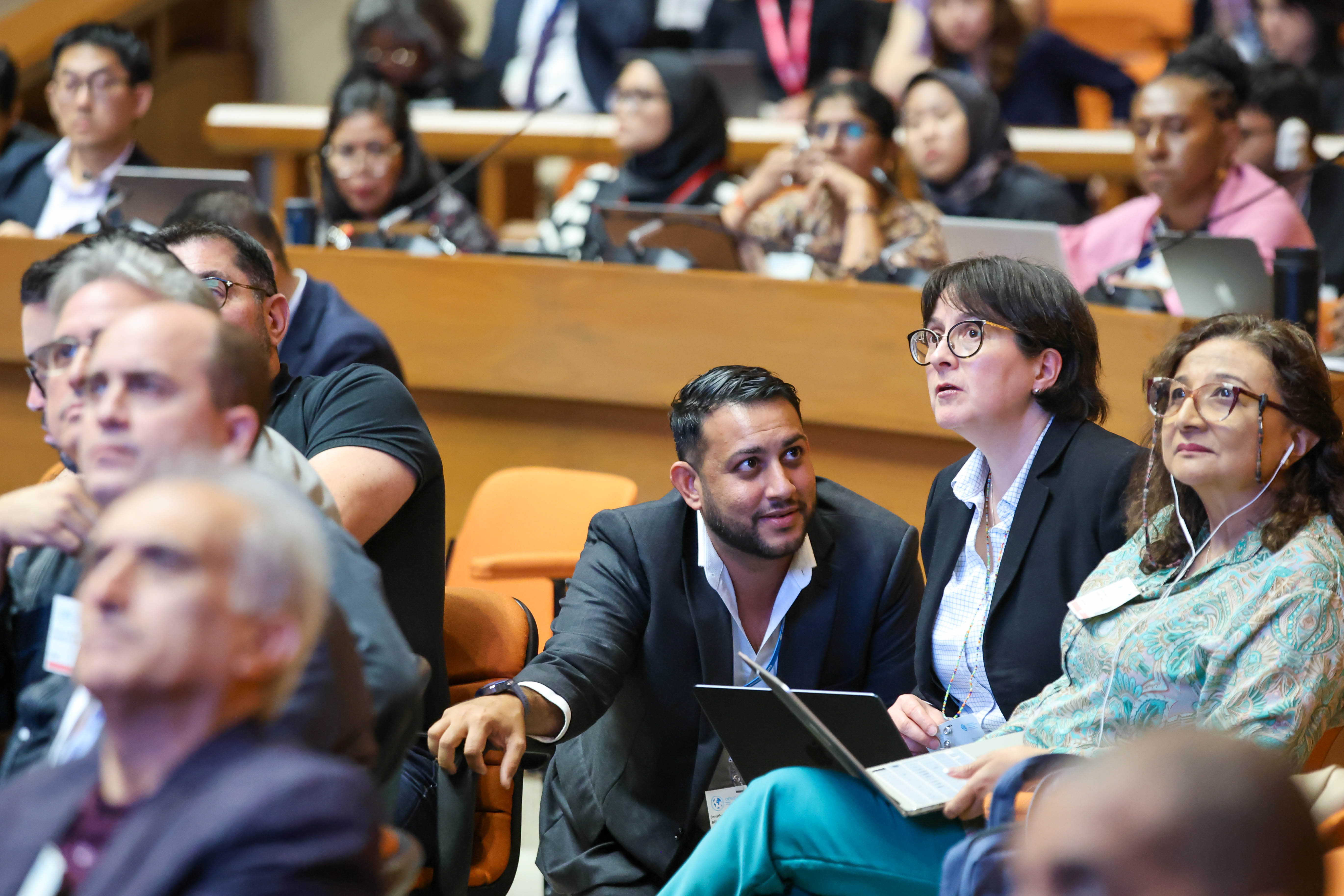
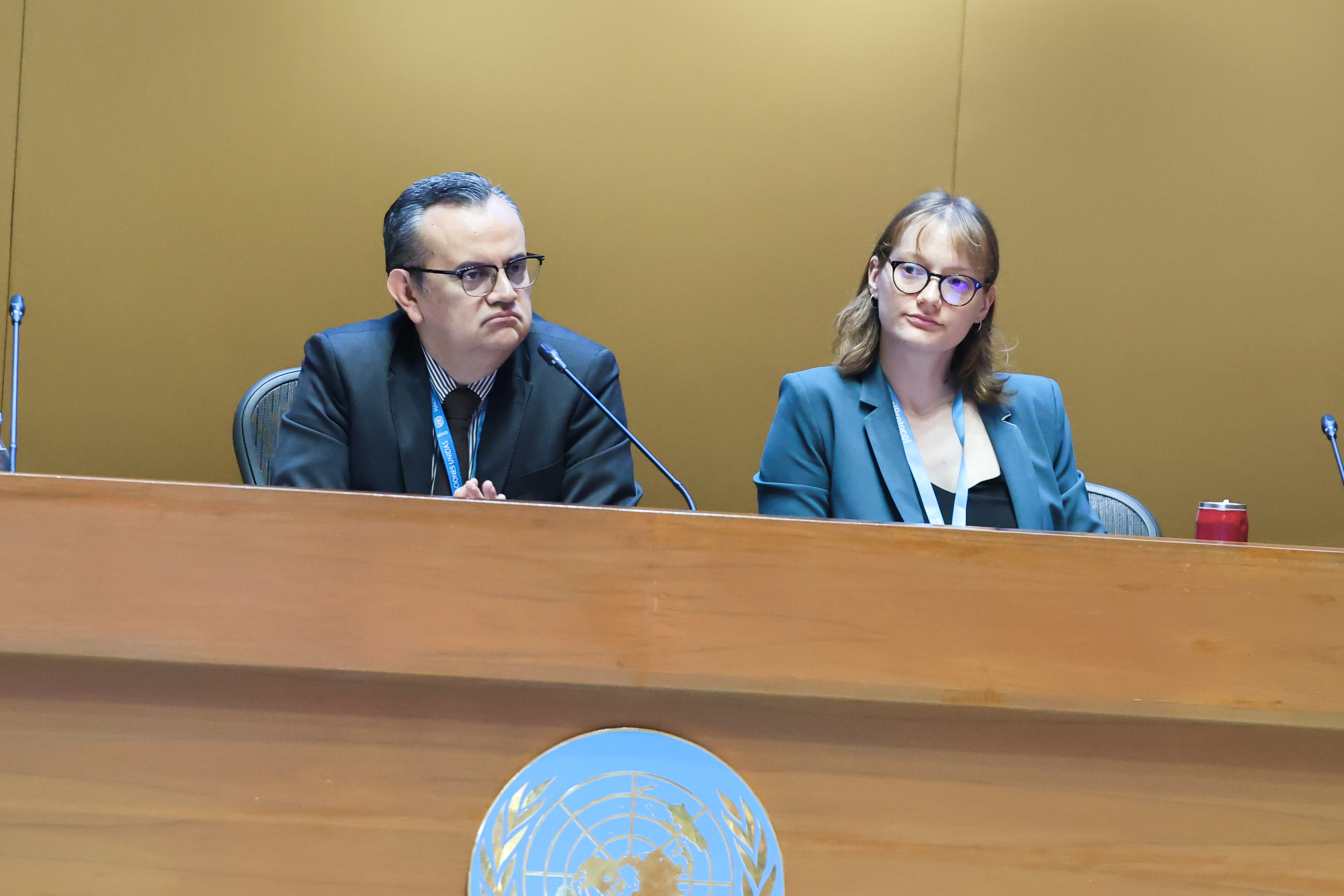
Sergio Merino, Mexico, and Morane Godfrin, France, Co-Chairs of the contact group on LRM studies
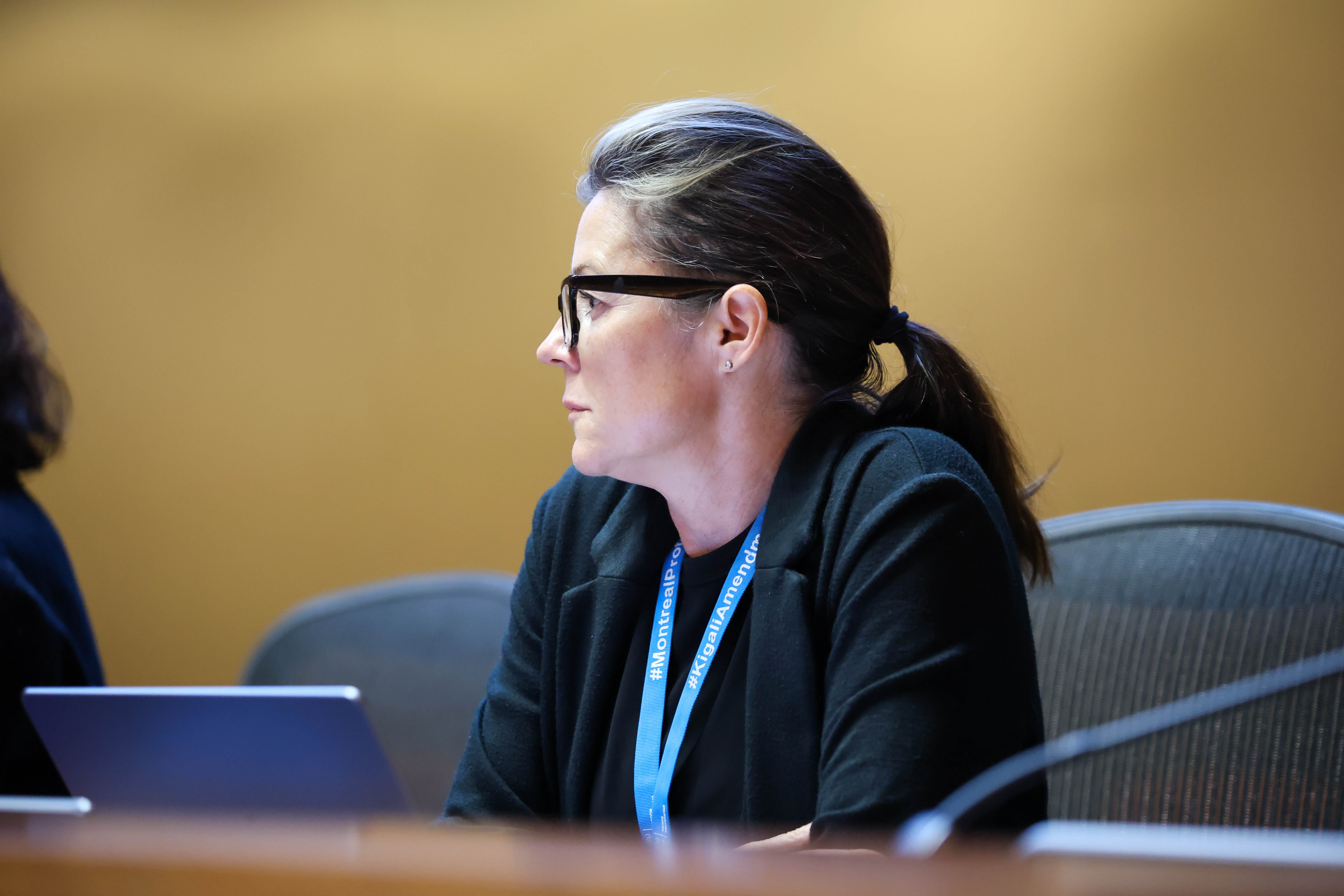
Stephanie Egger Haysmith, Ozone Secretariat
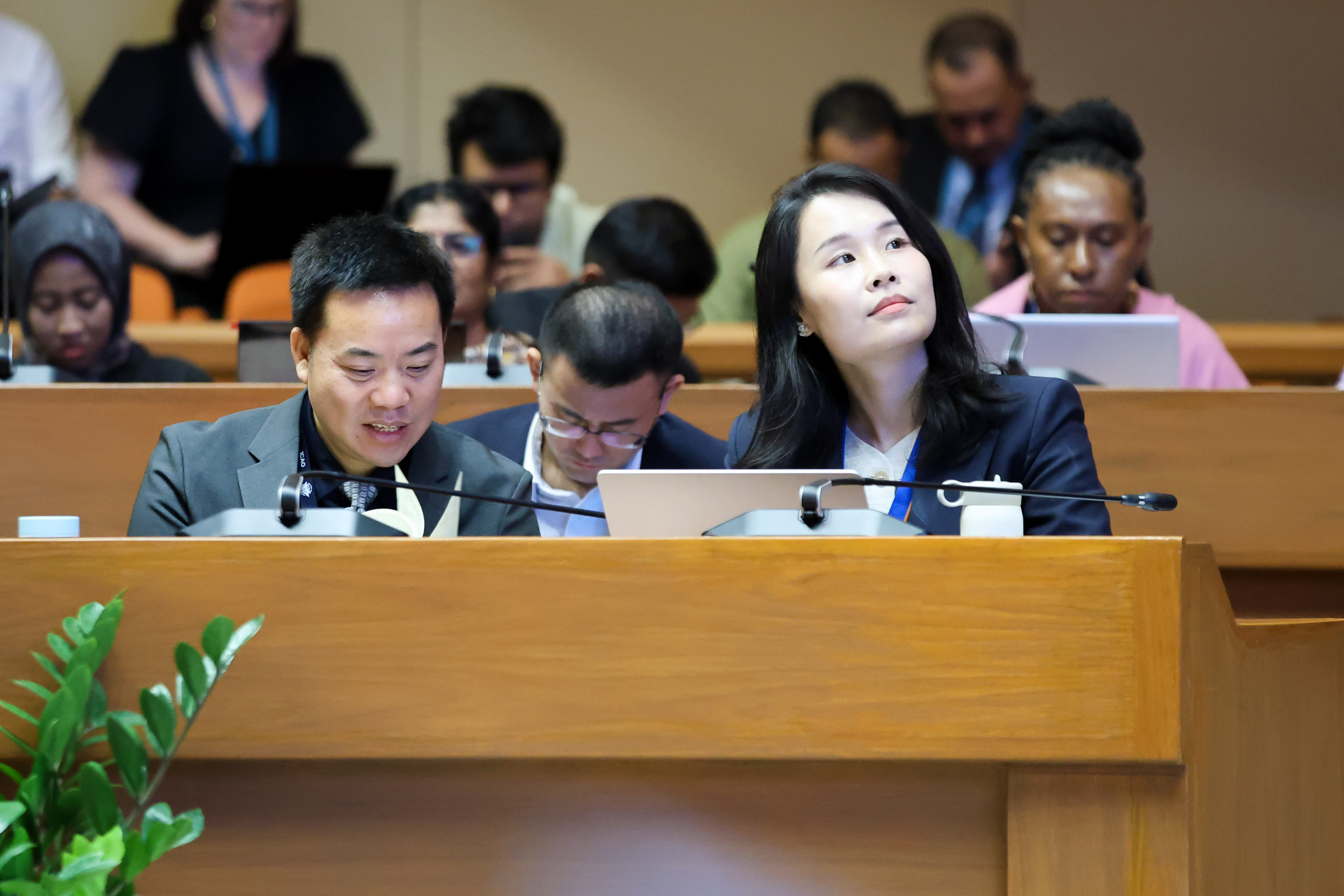
Siyu Huang, China
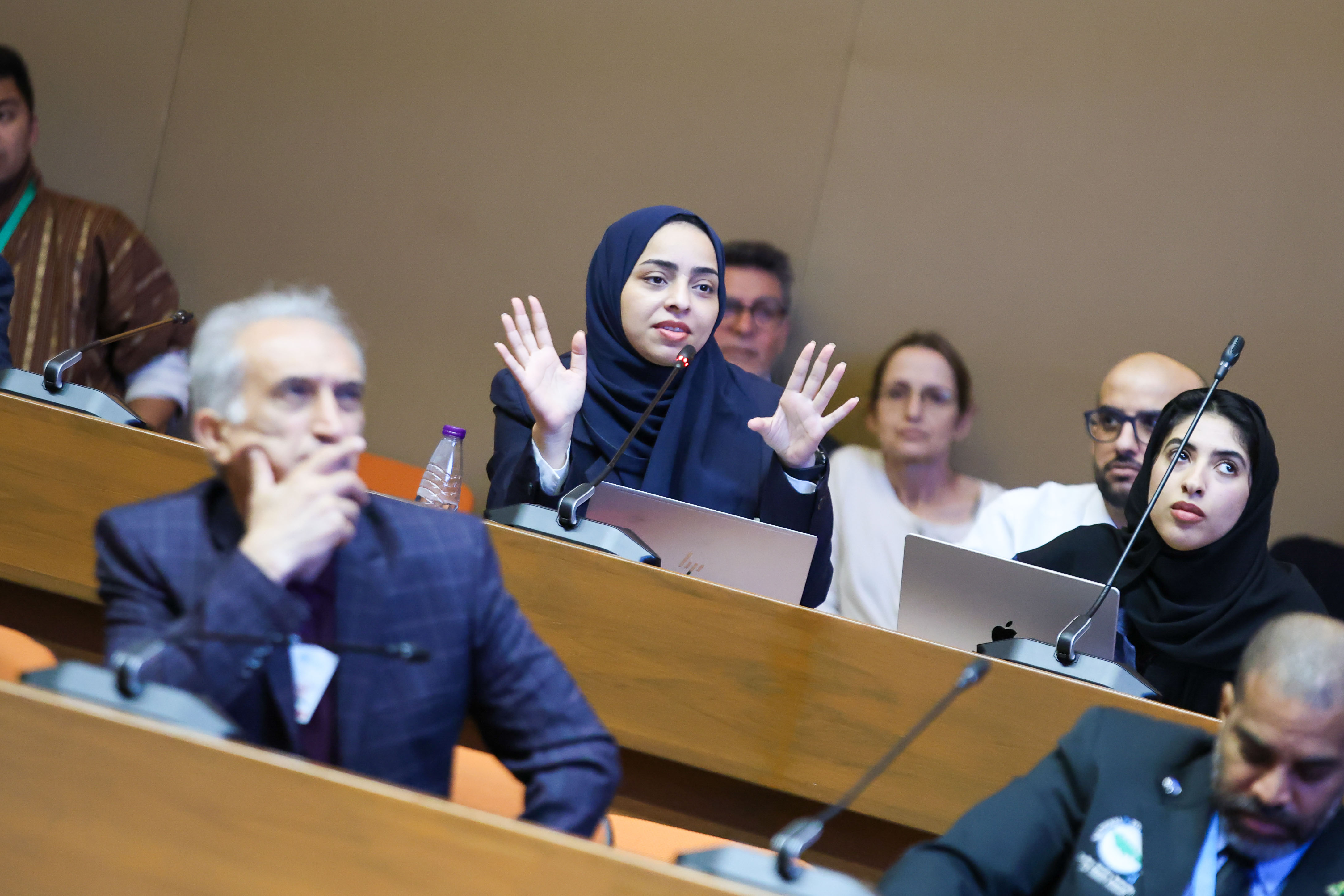
Mai Jarad, Saudi Arabia
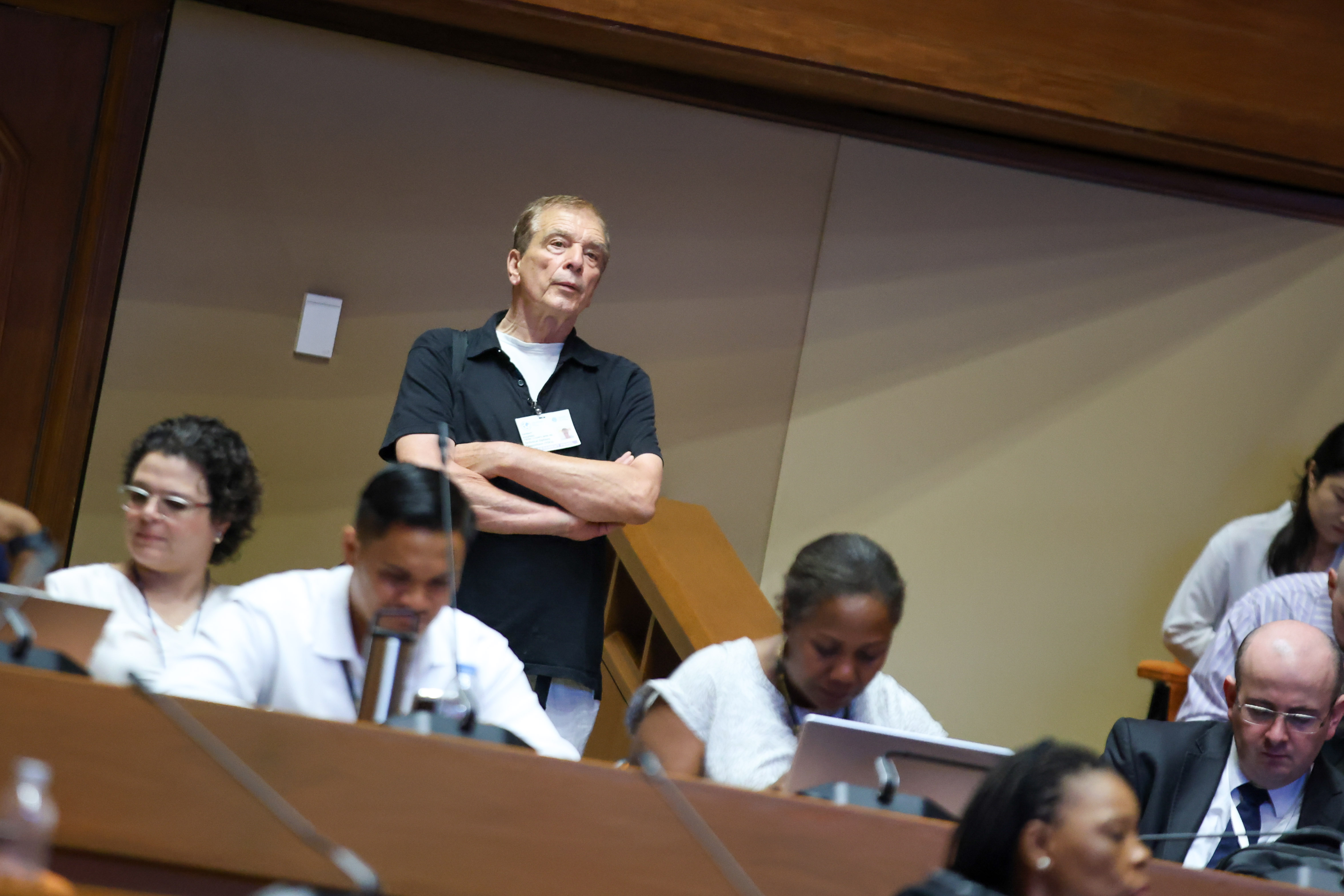
Lambert Kuijpers, TEAP
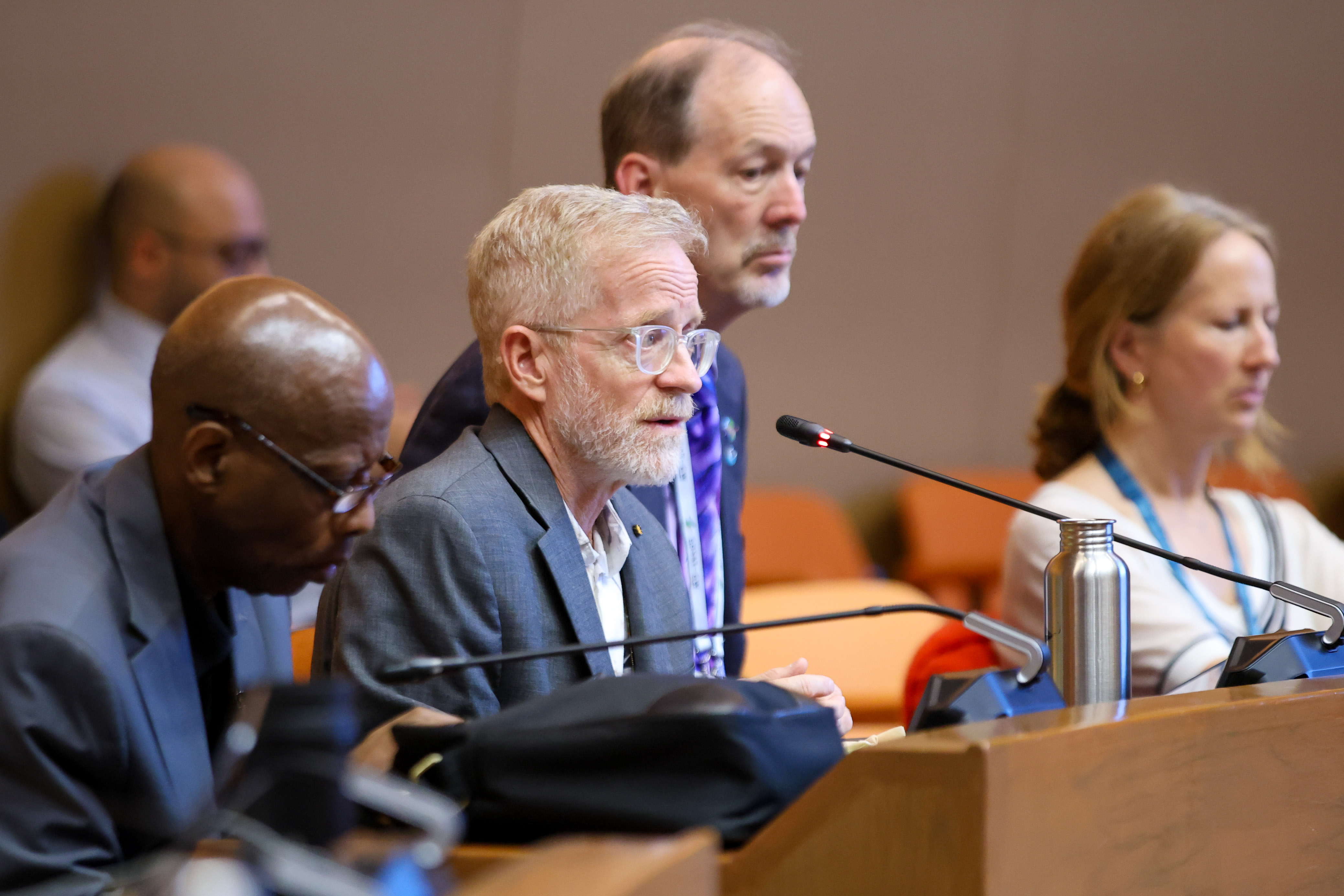
Stephen Montzka, Scientific Assessment Panel (SAP)
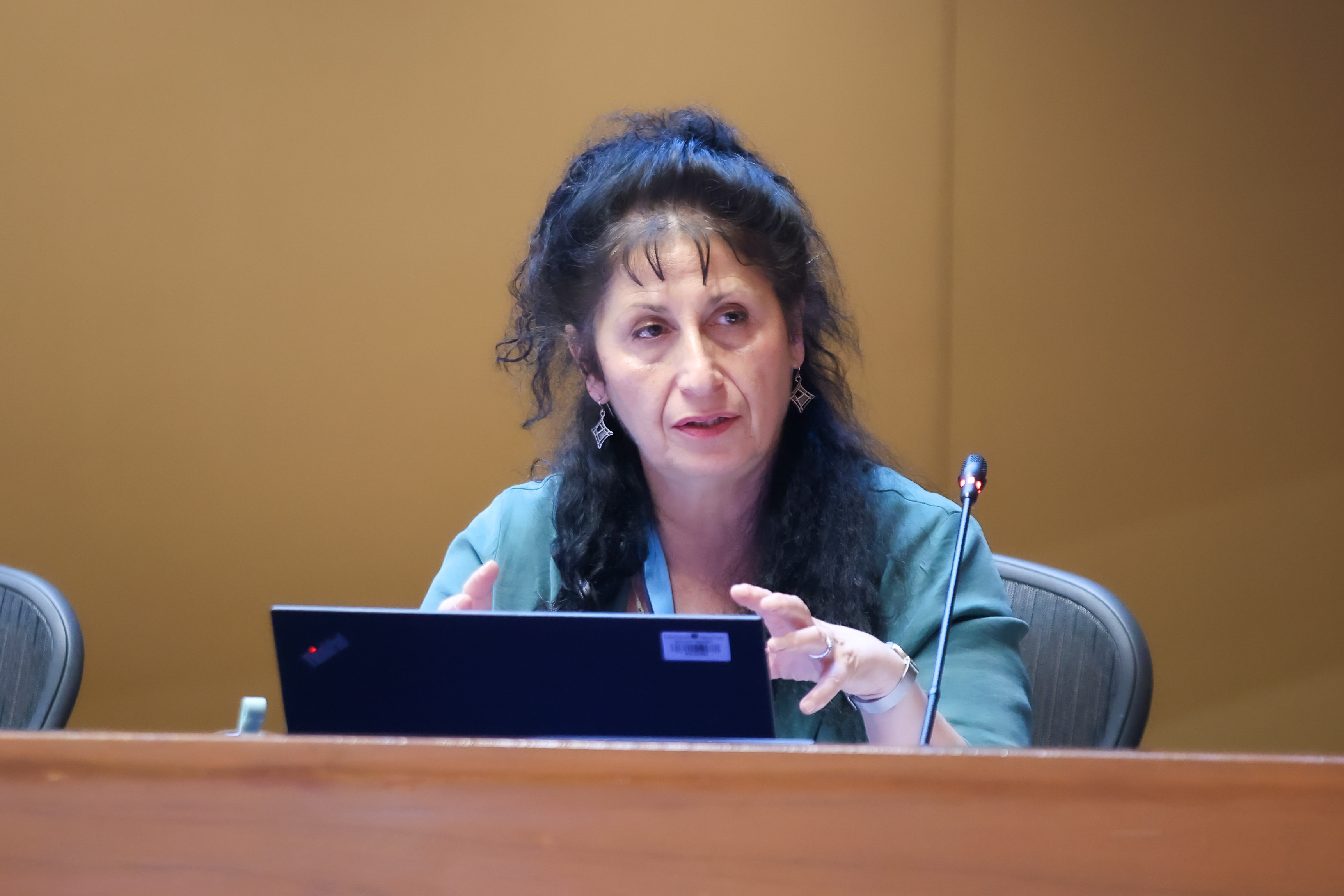
Sophia Mylona, Ozone Secretariat
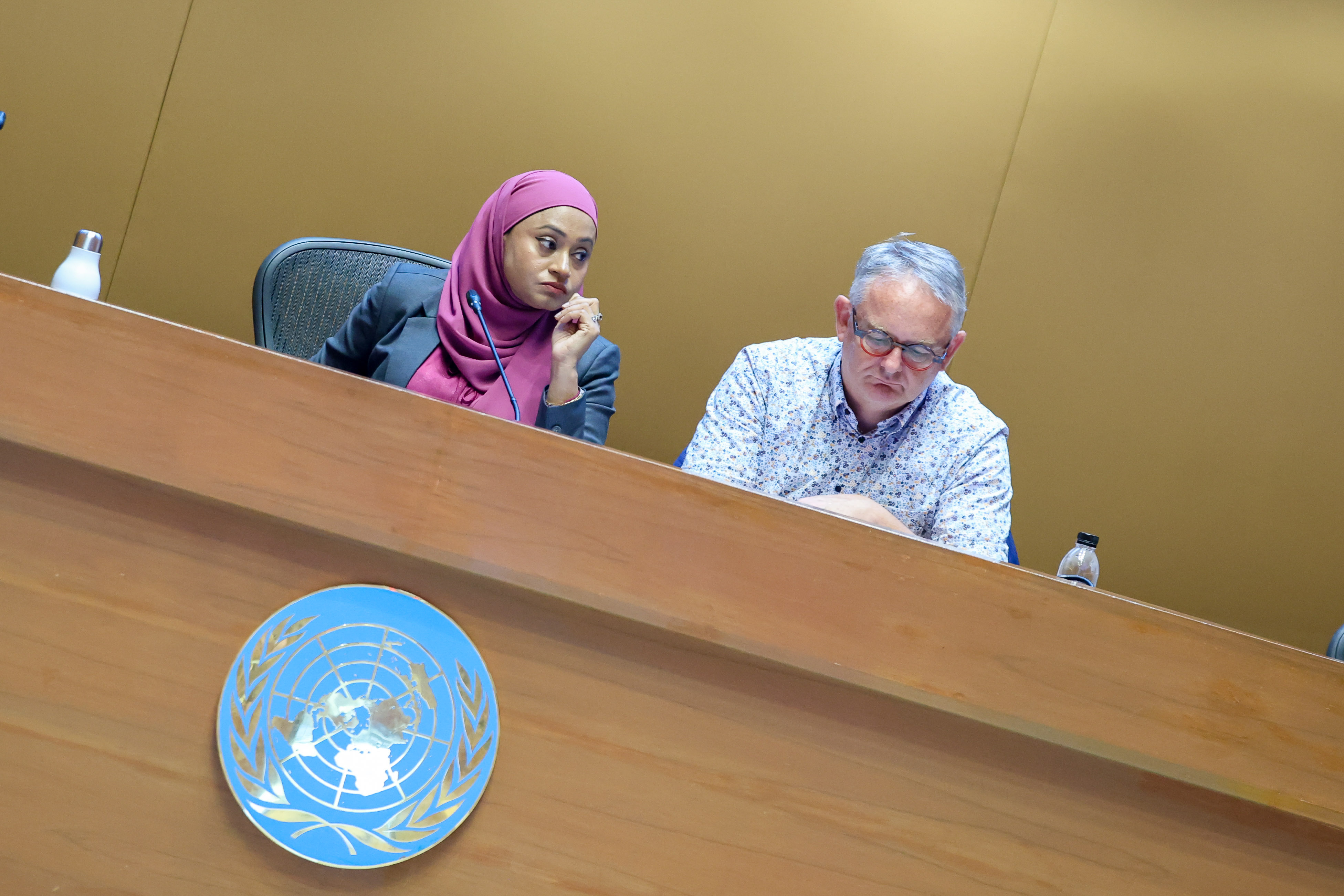
Miruza Mohamed, Maldives, and Ralph Brieskorn, the Netherlands, Co-Chairs of the contact group on terms of reference for the replenishment study
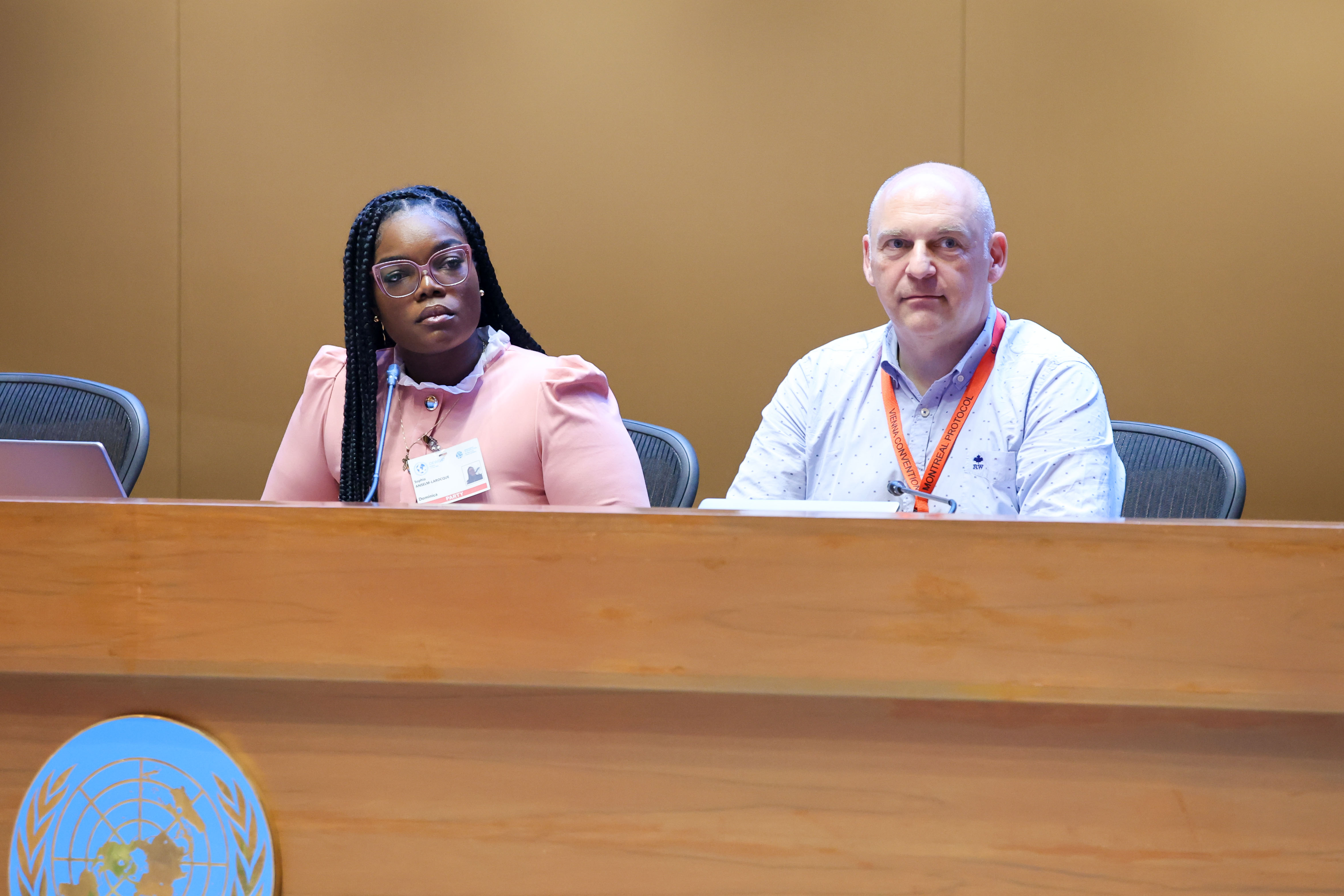
Sofia Anselm-Larocque, Dominica, and Alain Wilmart, Belgium, Co-Convenors of the informal group on atmospheric monitoring
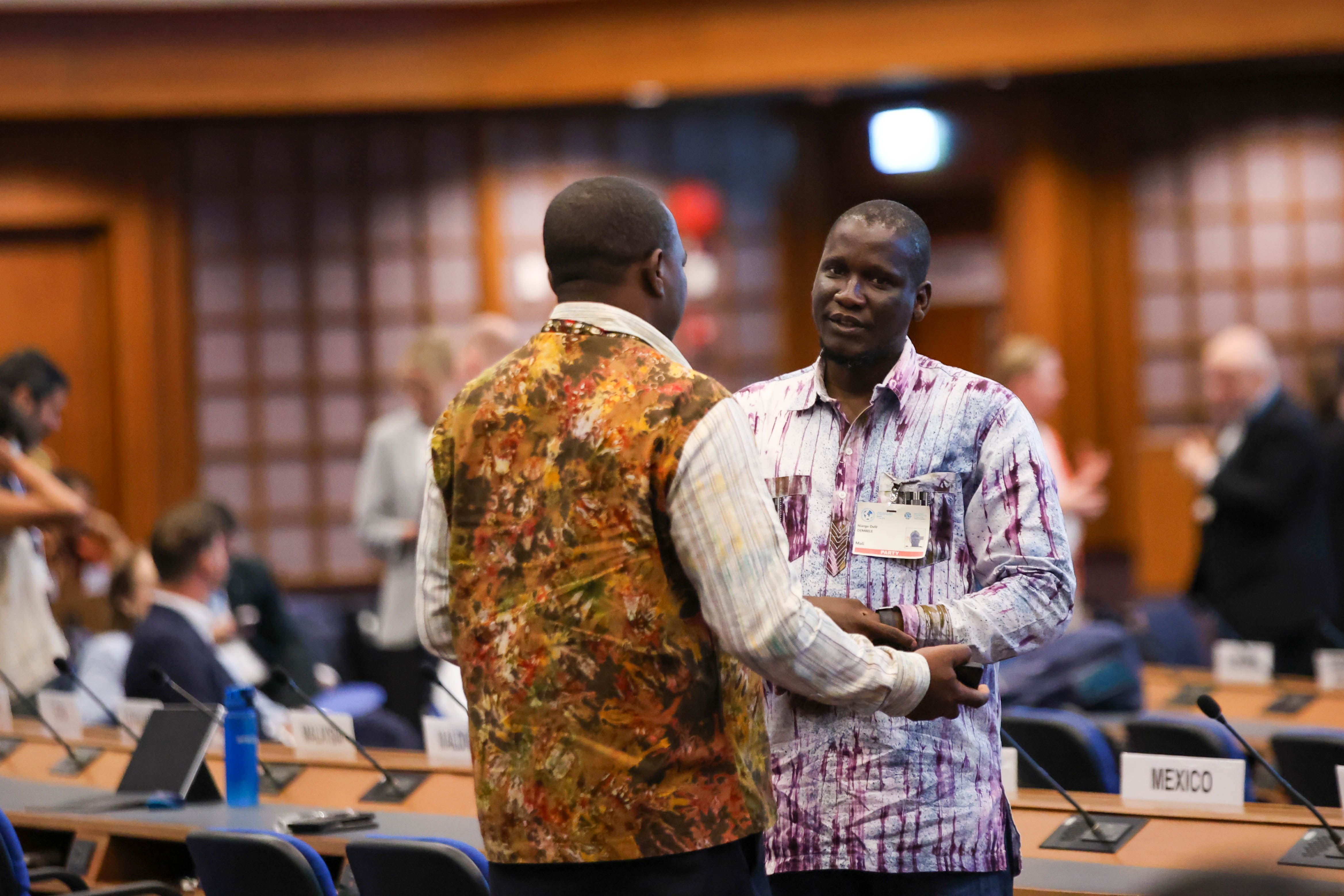
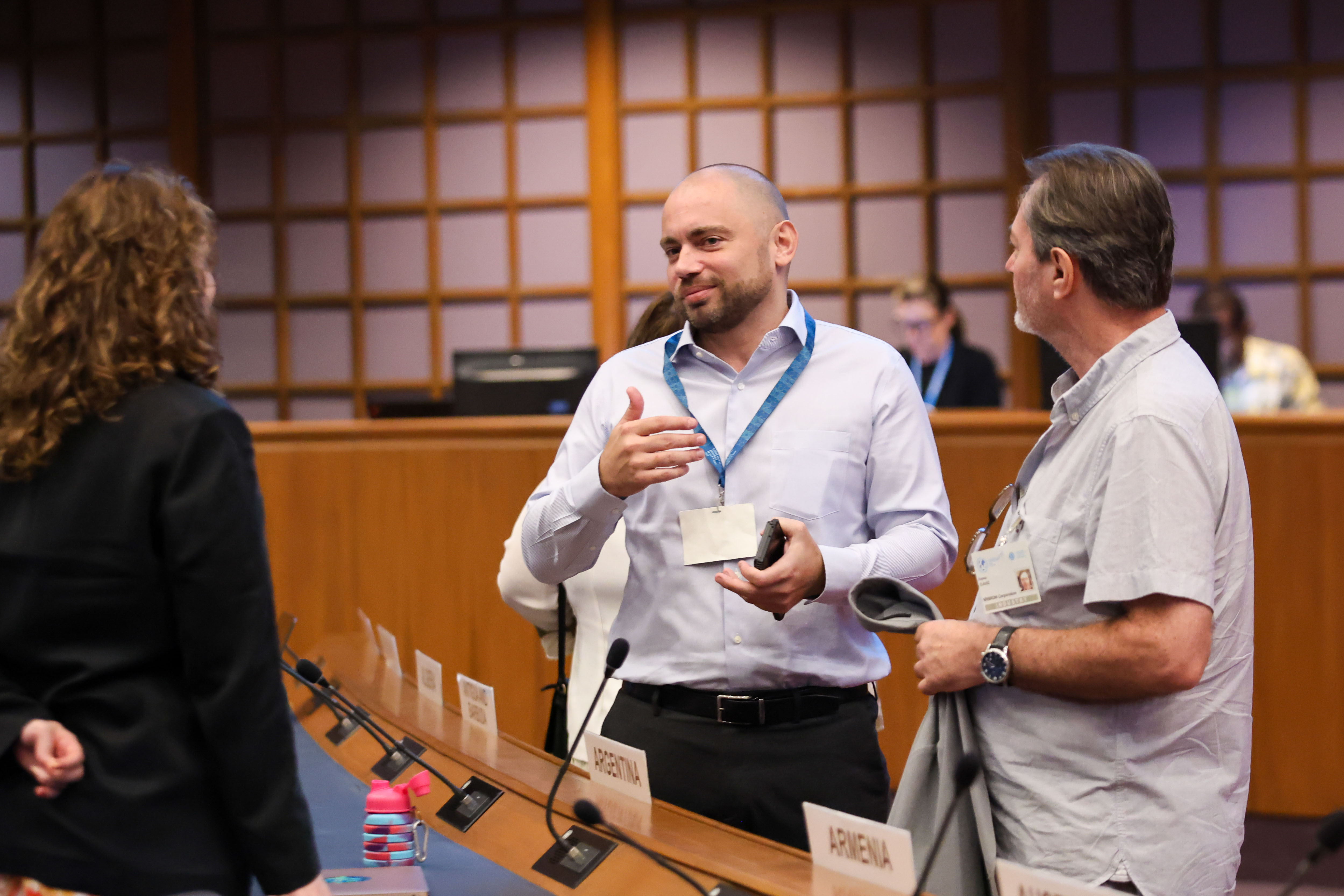
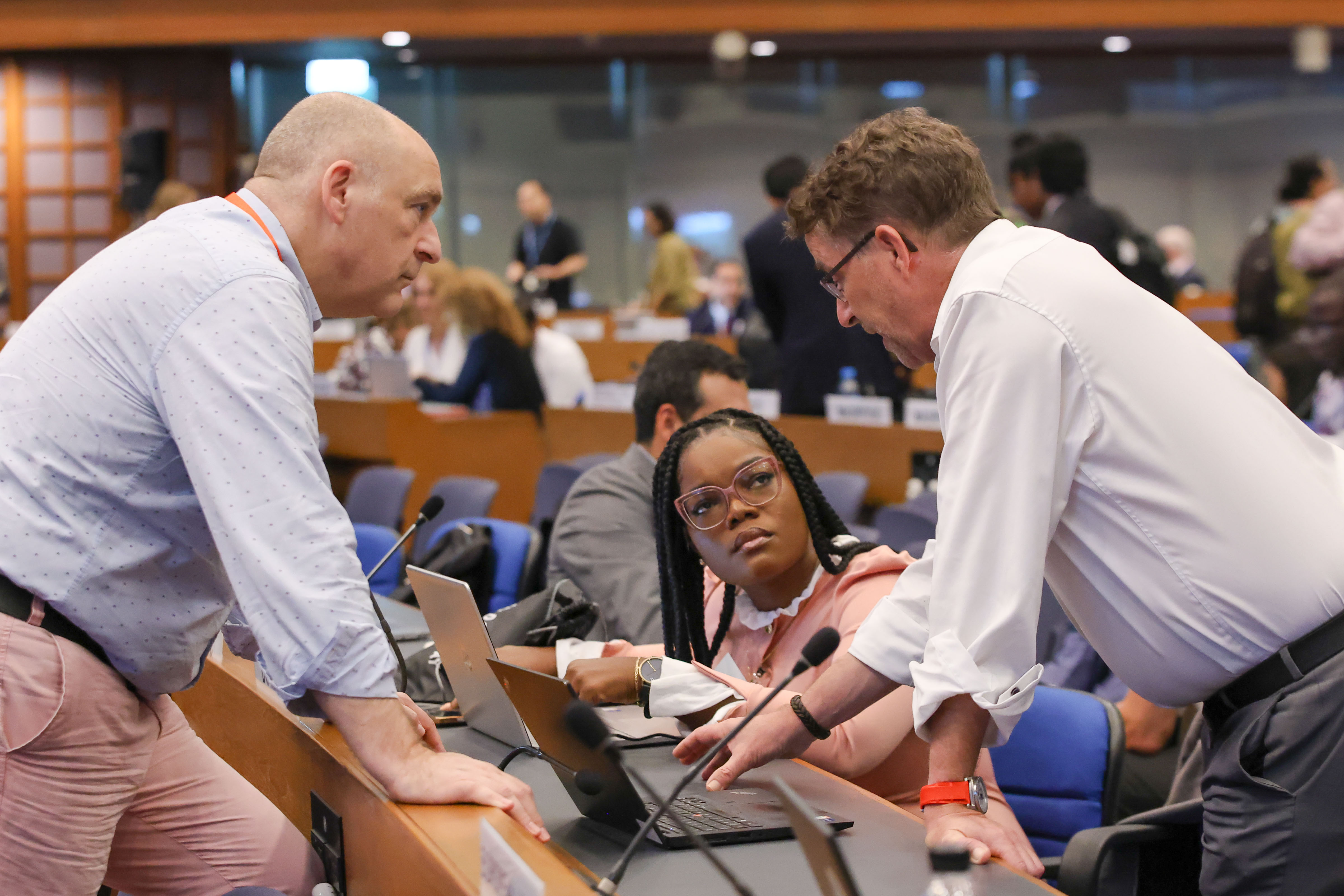
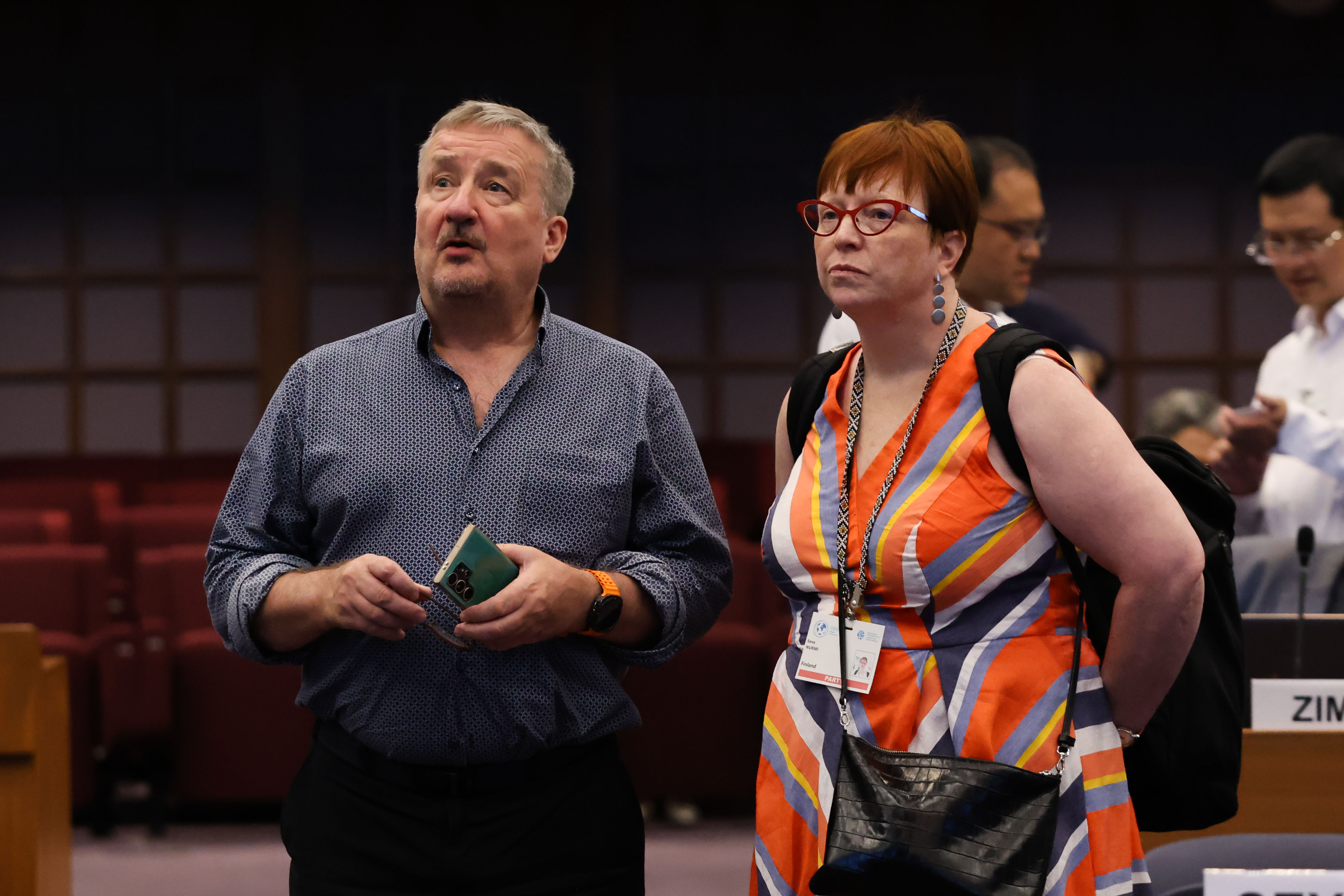
Between Sessions


Around the Venue
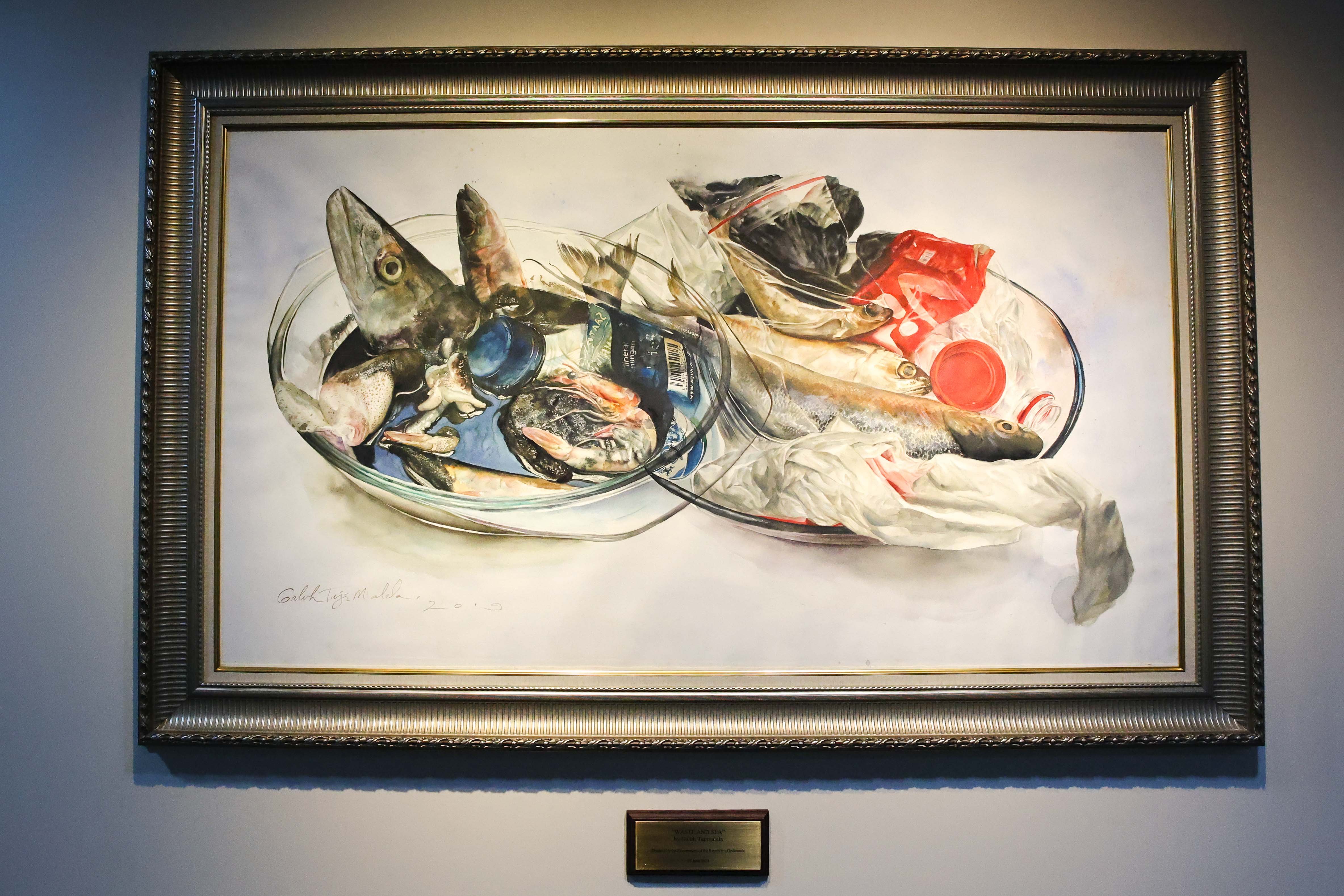
Waste and Sea, by Galuh Tajimalela
