By noon on Wednesday, parties completed initial discussions on all agenda items and didn’t shy away from tackling sensitive and contentious issues. But they also showed signs of harmony and concluded one agenda item early. The Open-ended Working Group (OEWG) reassessed and confirmed that developing countries phasing out hydrochlorofluorocarbons (HCFCs) by 2030 should still be able to consume 2.5% of their original production average for the servicing of existing refrigeration and air conditioning equipment until 2040.
On how best to strengthen the Protocol's institutions, the OEWG considered a compilation of submissions from parties on illegal trade, a summary report on the features of licensing systems, as well as an advance report on systemic issues of compliance. They also considered convening a one-day informal meeting of the parties back-to-back with the next Meeting of the Parties (MOP 37) in November 2025. Delegates agreed that interested parties would meet informally with the Secretariat to consider discussion topics for the informal meeting.
Parties had a long discussion on the State of Palestine’s proposal to be classified as an Article 5 (developing country) party under the Protocol, which would give it the right to access funding from the Multilateral Fund (MLF). While 27 parties spoke in support of the proposal, the US reiterated its long-standing position that the proponent was not eligible to join the Ozone Treaties. Some parties encouraged the State of Palestine to ratify the London Amendment to the Protocol to enable it to access MLF funding. Since there was lack of consensus, parties agreed to have informal discussions in the margins of the meeting to determine a way forward.
Rwanda and the UK introduced a proposal on national and regional initiatives to support the implementation of the Kigali Amendment to the Montreal Protocol. The proposal includes a suggestion to hold a one-day workshop before MOP 38 in 2026 to share information and experiences of existing regional centers of excellence and their approaches in promoting sustainable cooling and cold chains as well as a related funding window. Many parties supported the proposal, but some expressed concerns about the funding implications of convening a workshop in a resource-constrained environment.
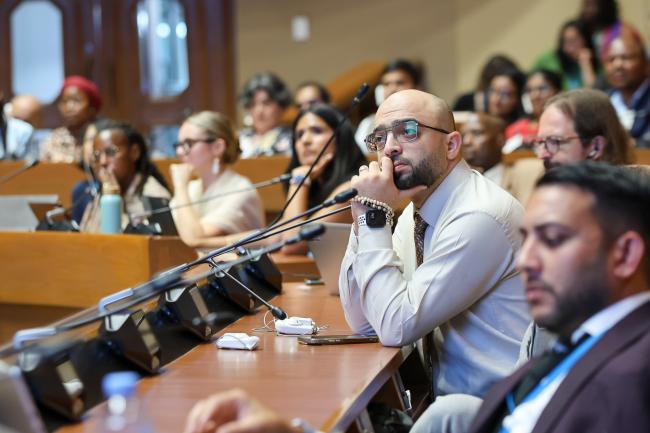
Throughout the day and into the evening, contact group sessions were held on: terms of reference for the study on the MLF replenishment for 2027-2029; initiatives to support the Kigali Amendment; feedstocks; and halons and fire suppressants. Delegates are expected to convene in contact groups throughout the day on Thursday.
To receive free coverage of global environmental events delivered to your inbox, subscribe to the ENB Update newsletter.
All ENB photos are free to use with attribution. For the 47th meeting of the Open-ended Working Group of the Parties to the Montreal Protocol (OEWG 47), please use: Photo by IISD/ENB | Anastasia Rodopoulou.
Plenary Session
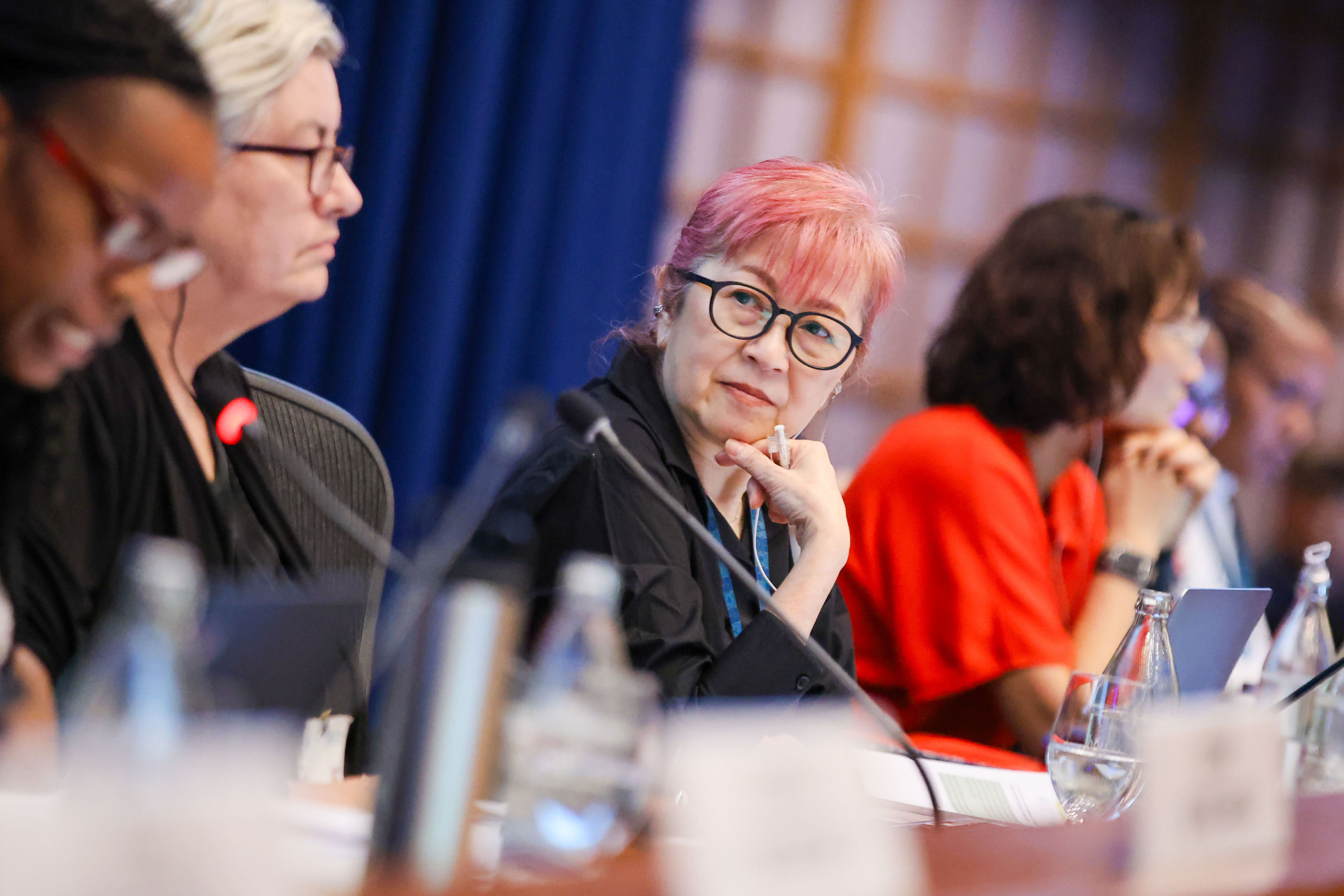
Megumi Seki, Executive Secretary, Ozone Secretariat
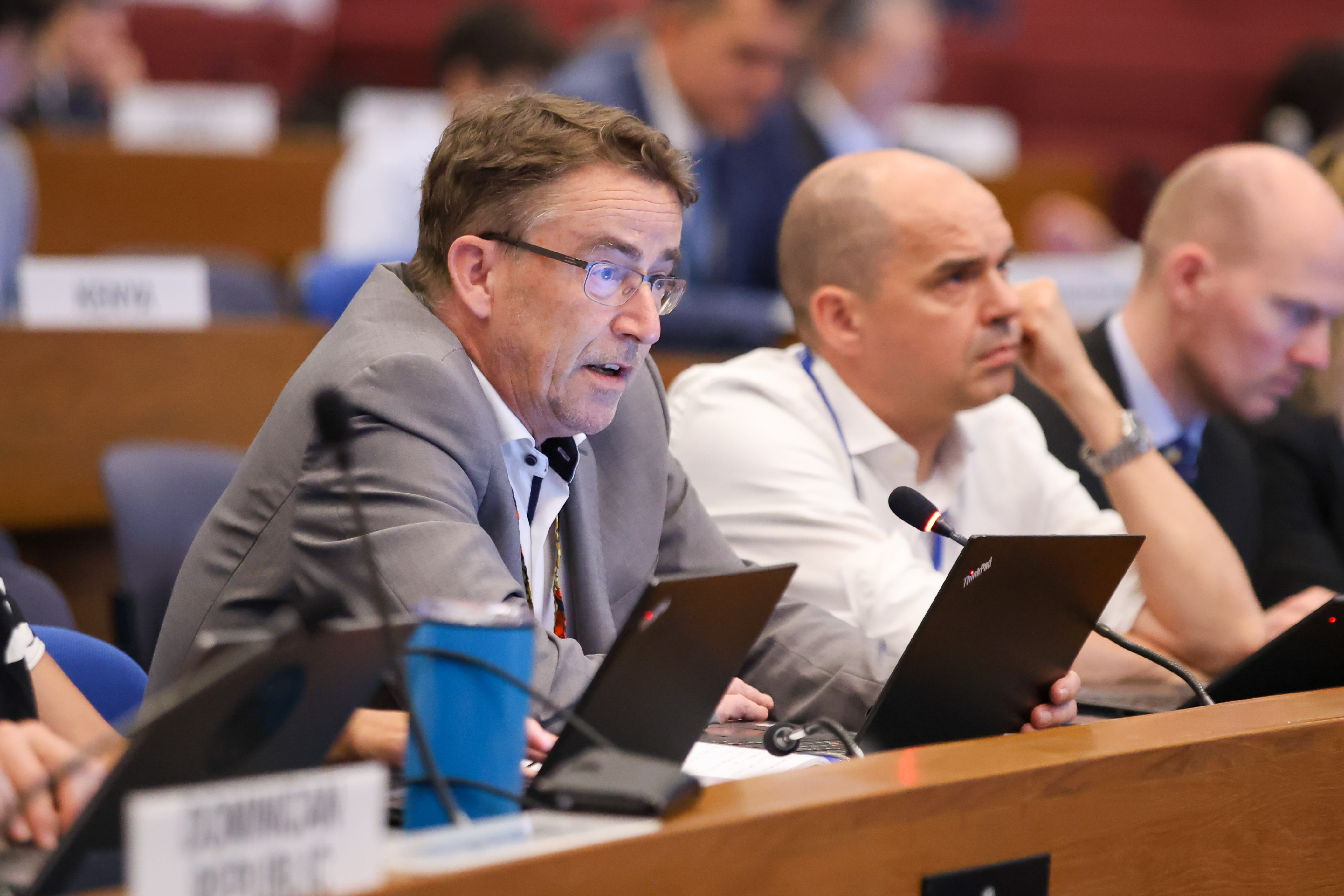
Cornelius Rhein, EU
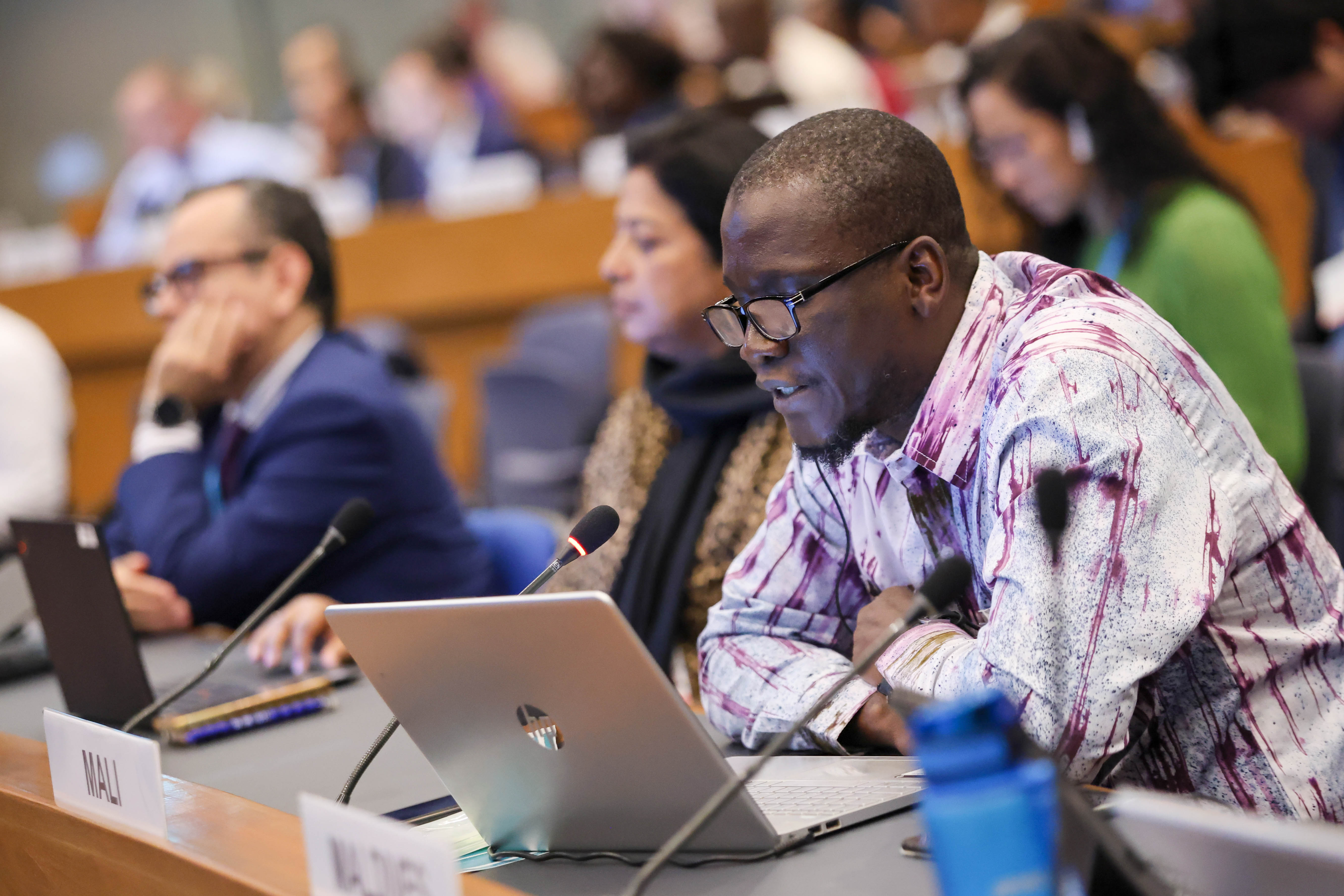
Niagara Oulé Dembele, Mali
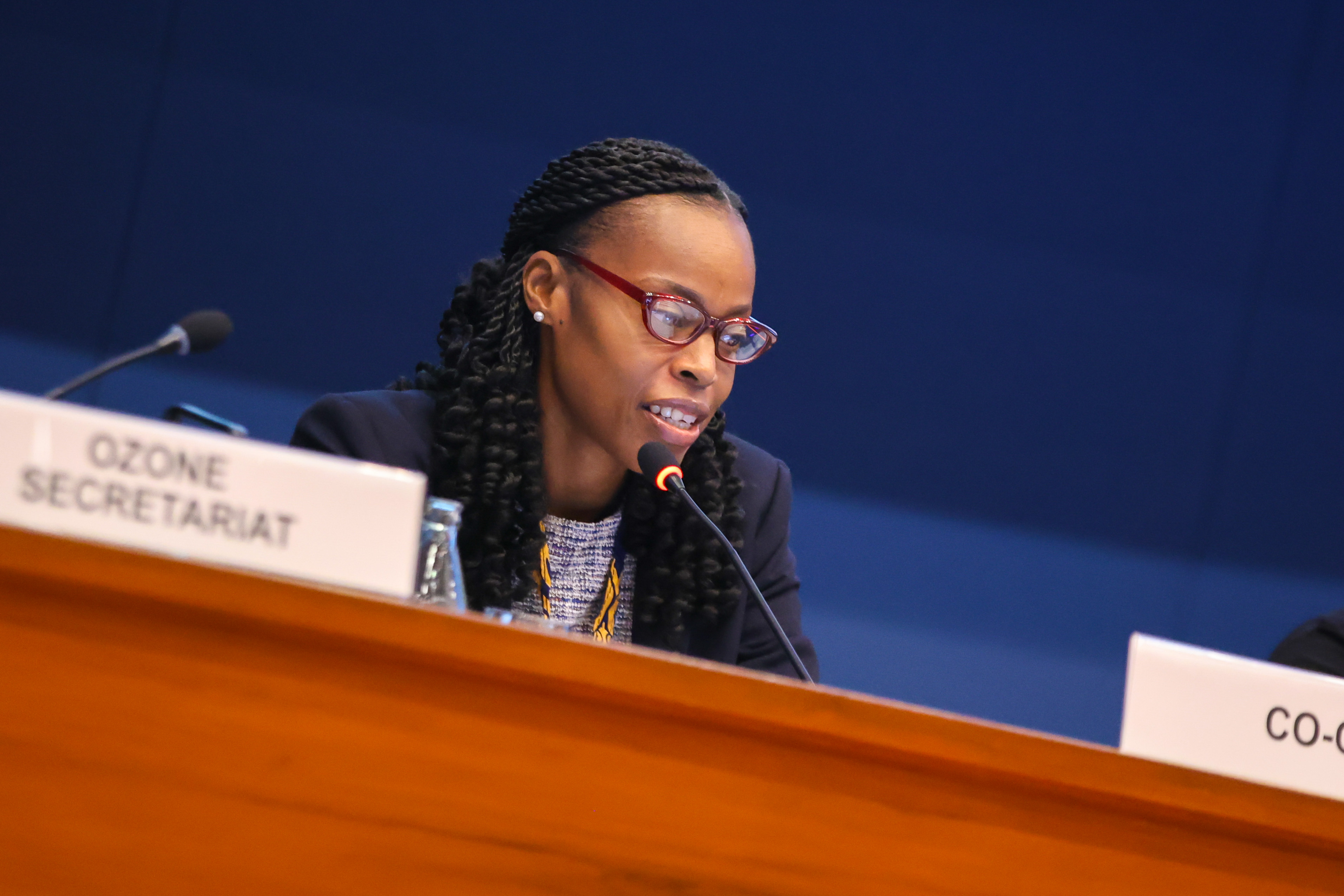
Shontelle Wellington, Barbados, OEWG 47 Co-Chair
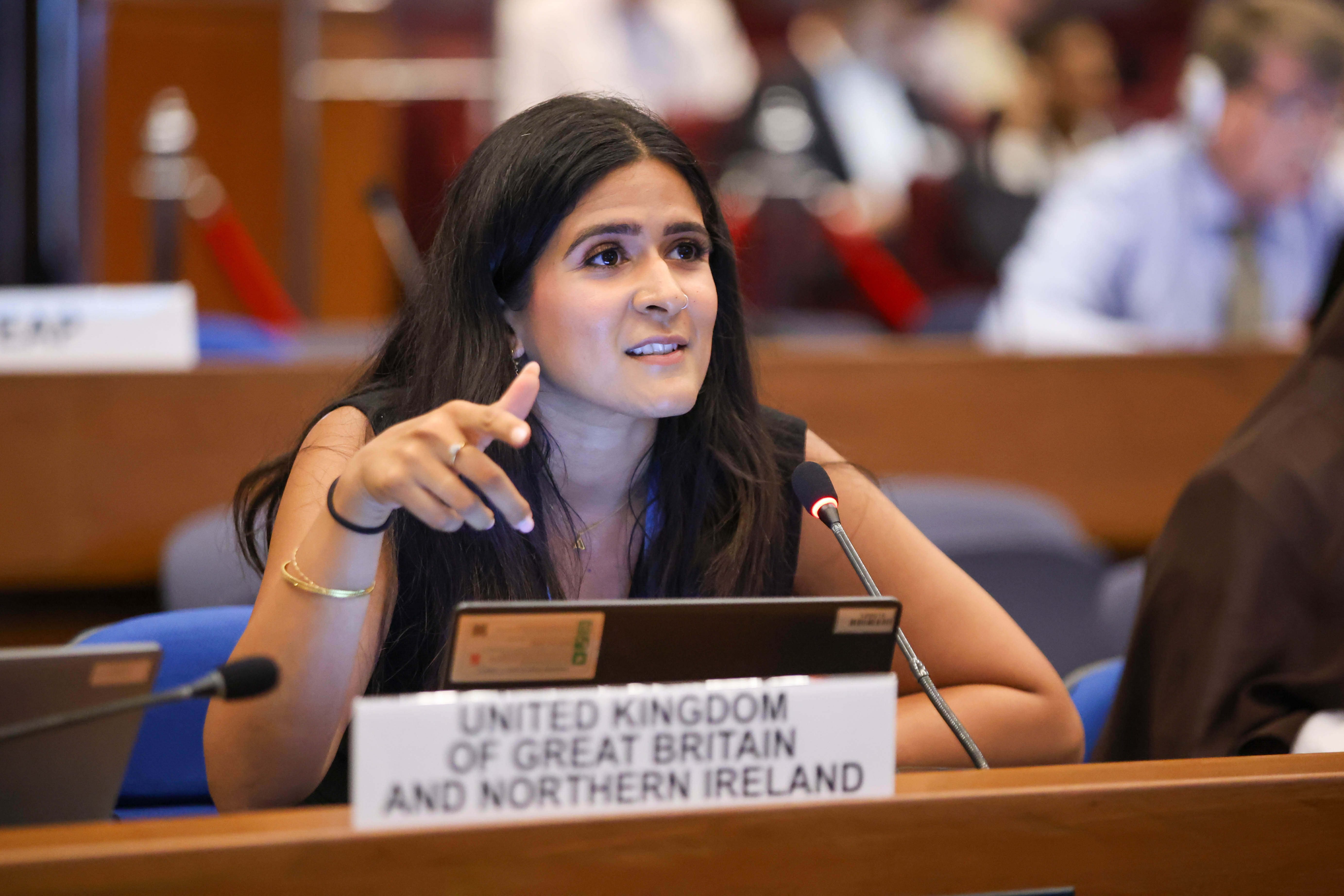
Avani Sharma, United Kingdom
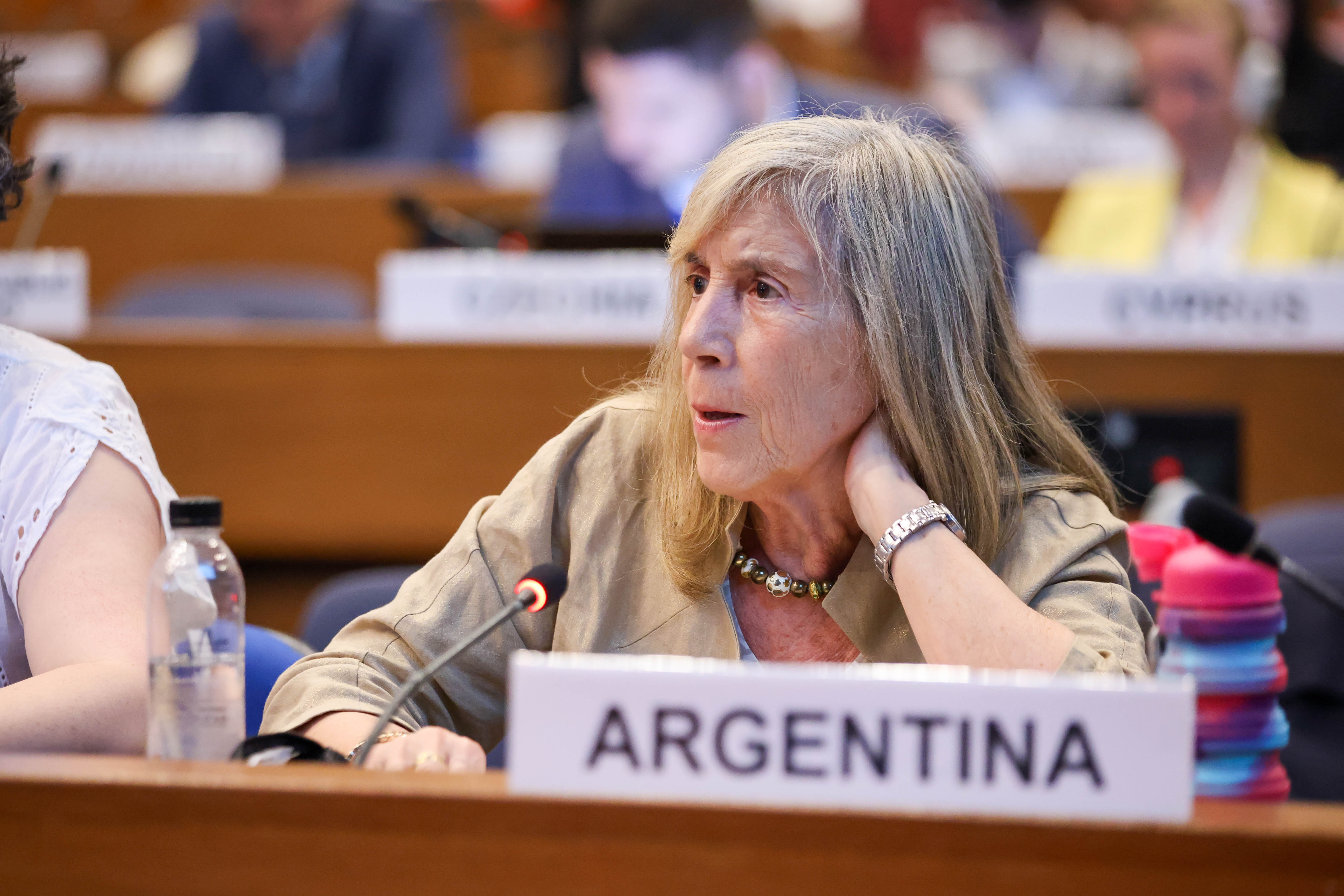
Laura Estella Beron, Argentina
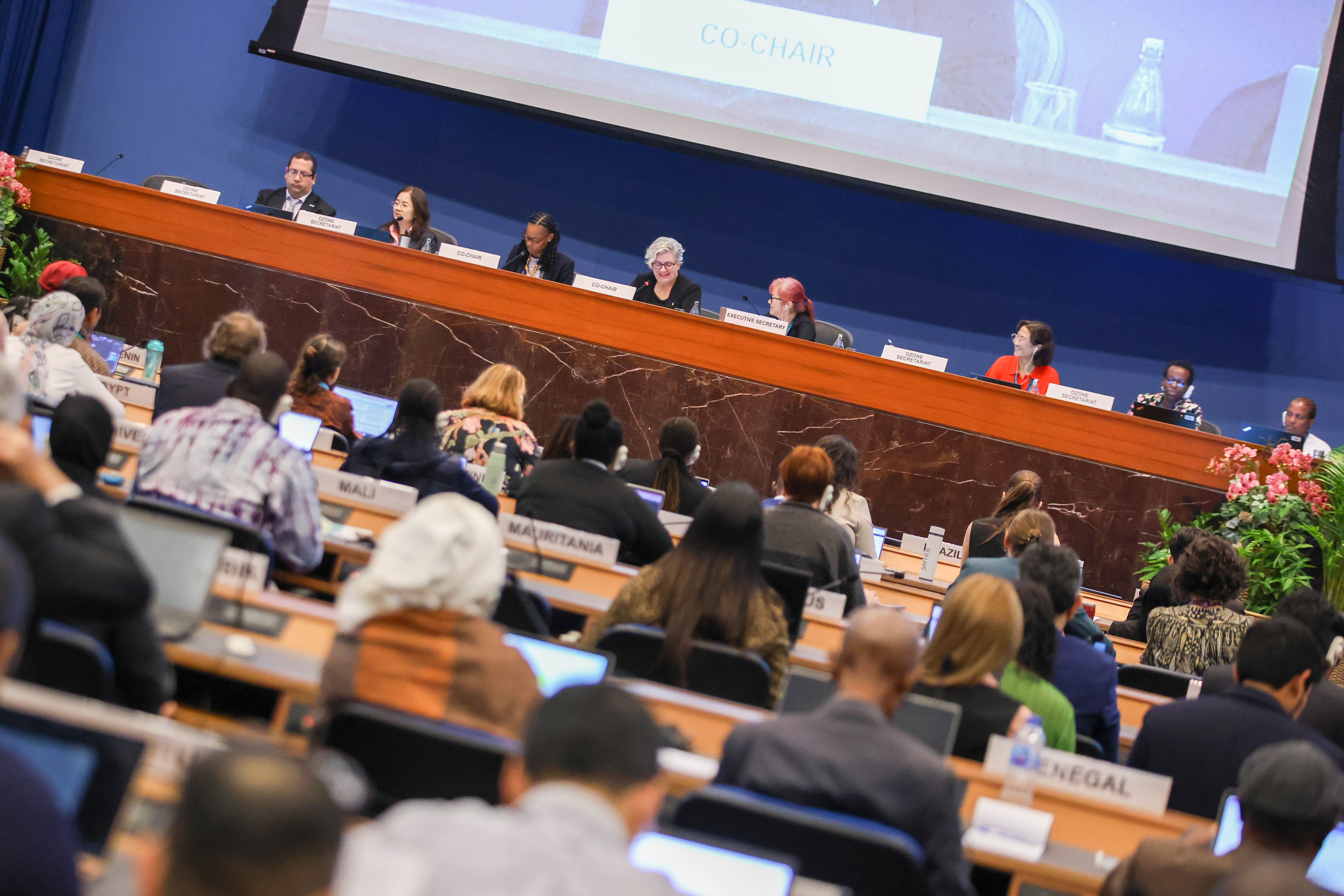
A view of the dais
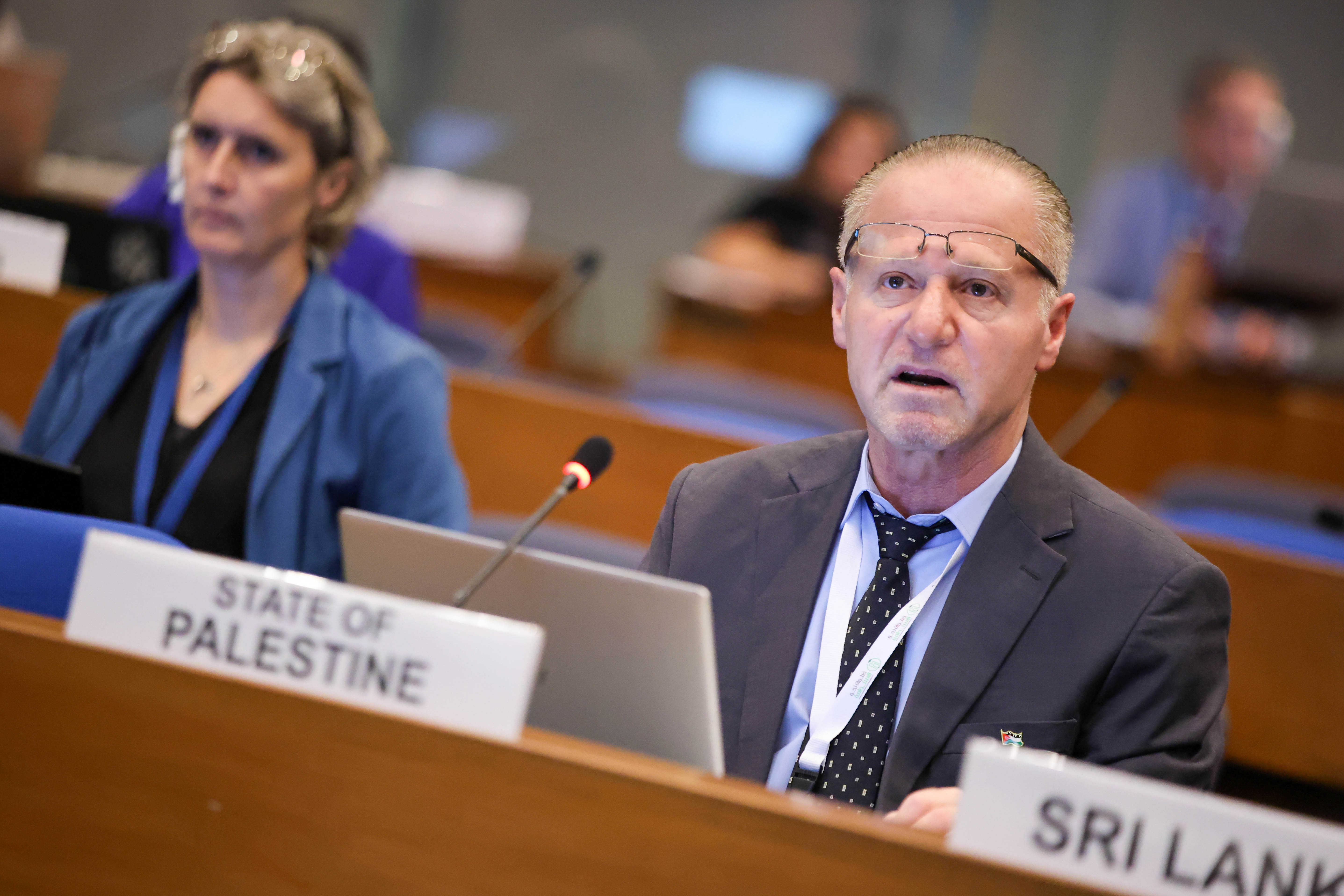
Adnan Judeh, State of Palestine
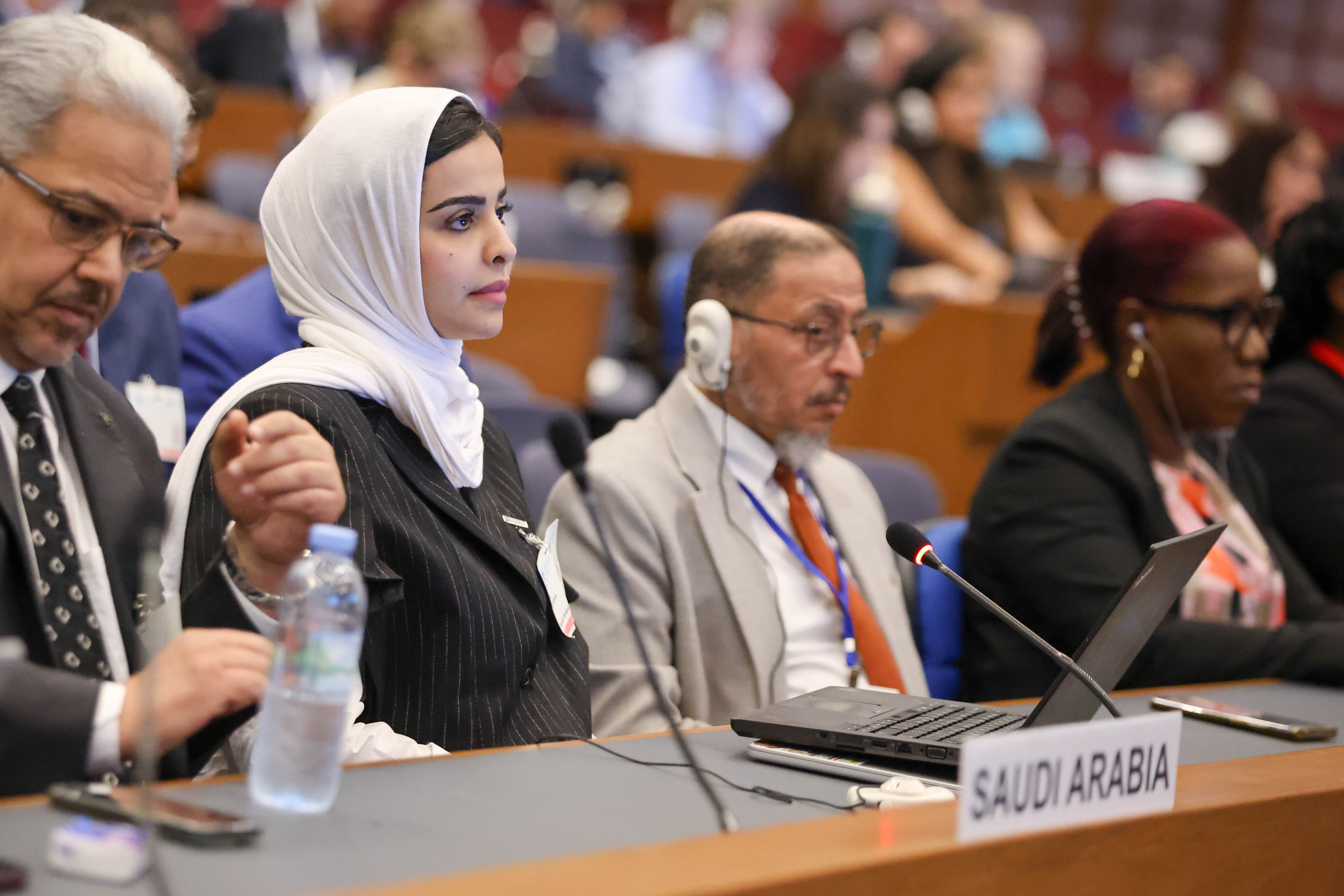
Ather Aljarboa, Saudi Arabia

Busron Sodikun, Indonesia
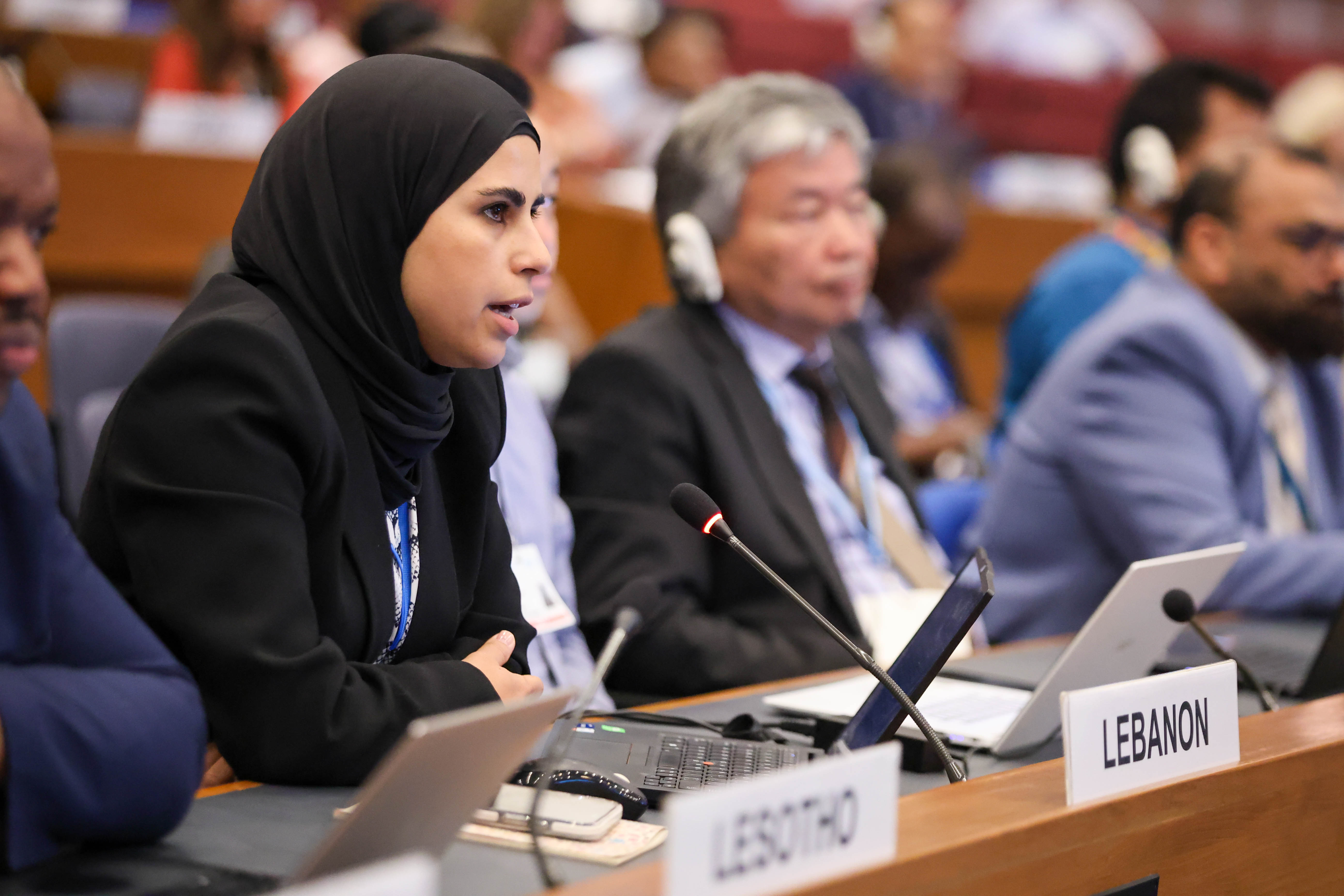
Lara Haidar, Lebanon
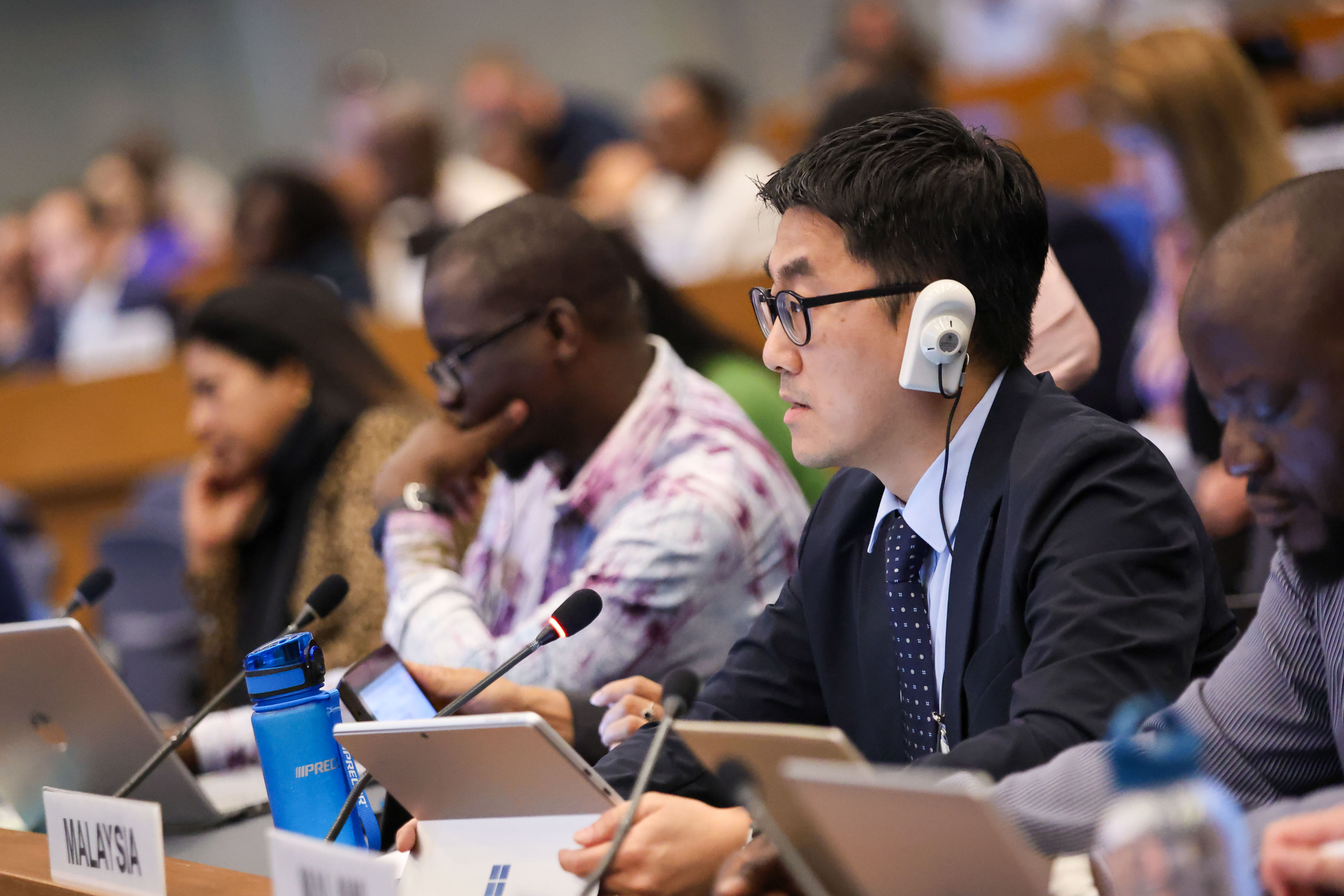
Ryan Ooi Chean Weai, Malaysia
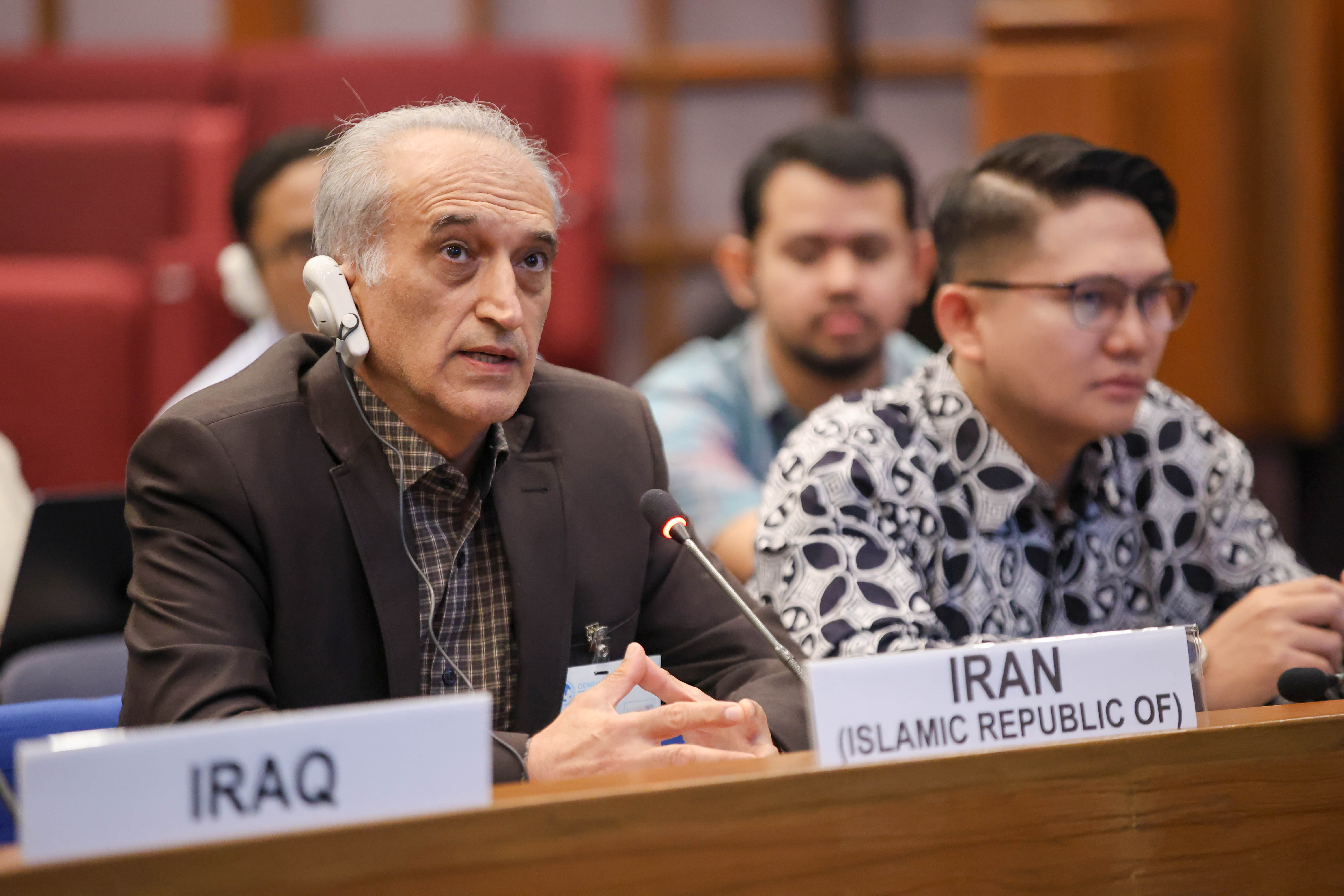
Hossein Shahbaz, Iran
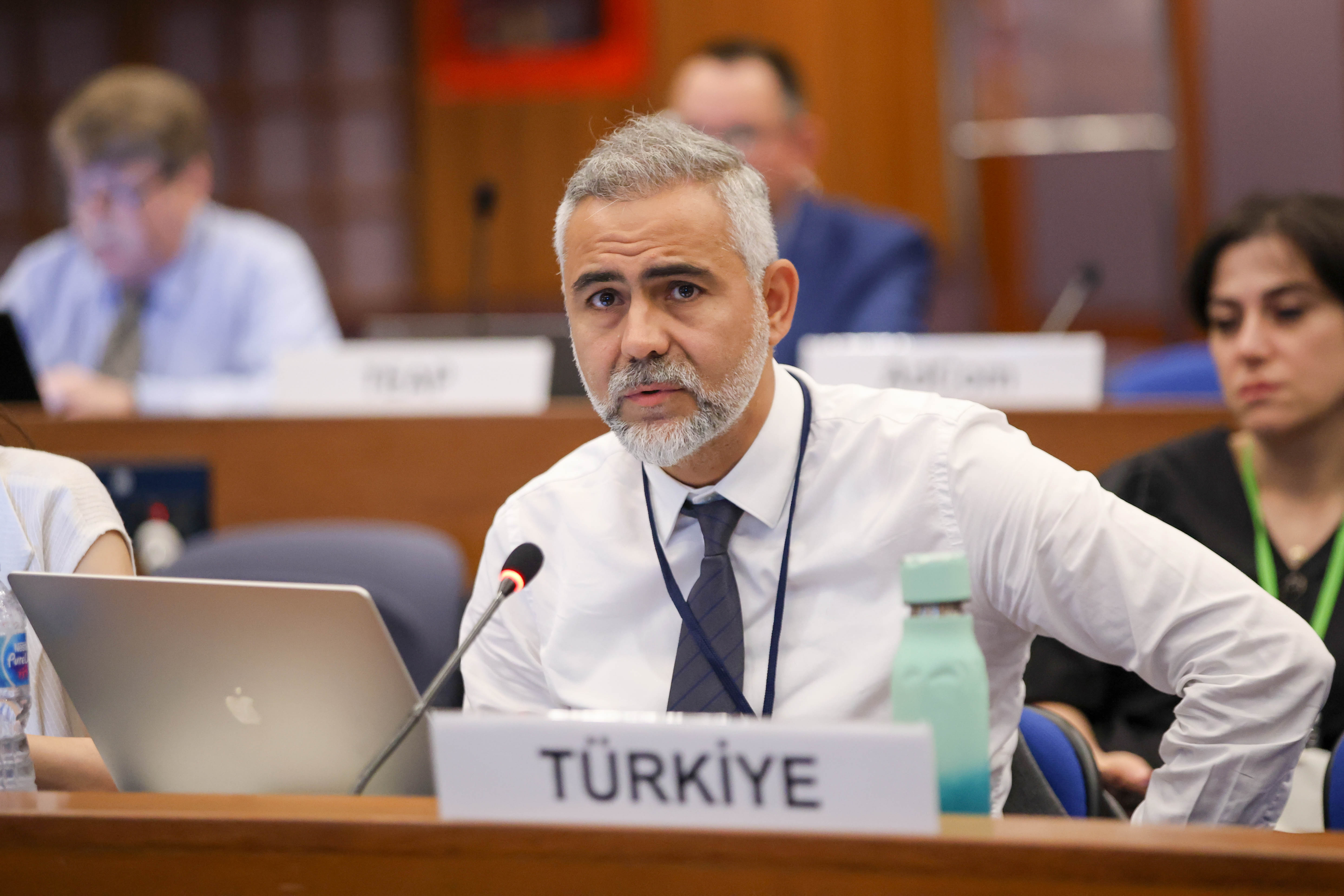
Volkan Polat, Türkiye
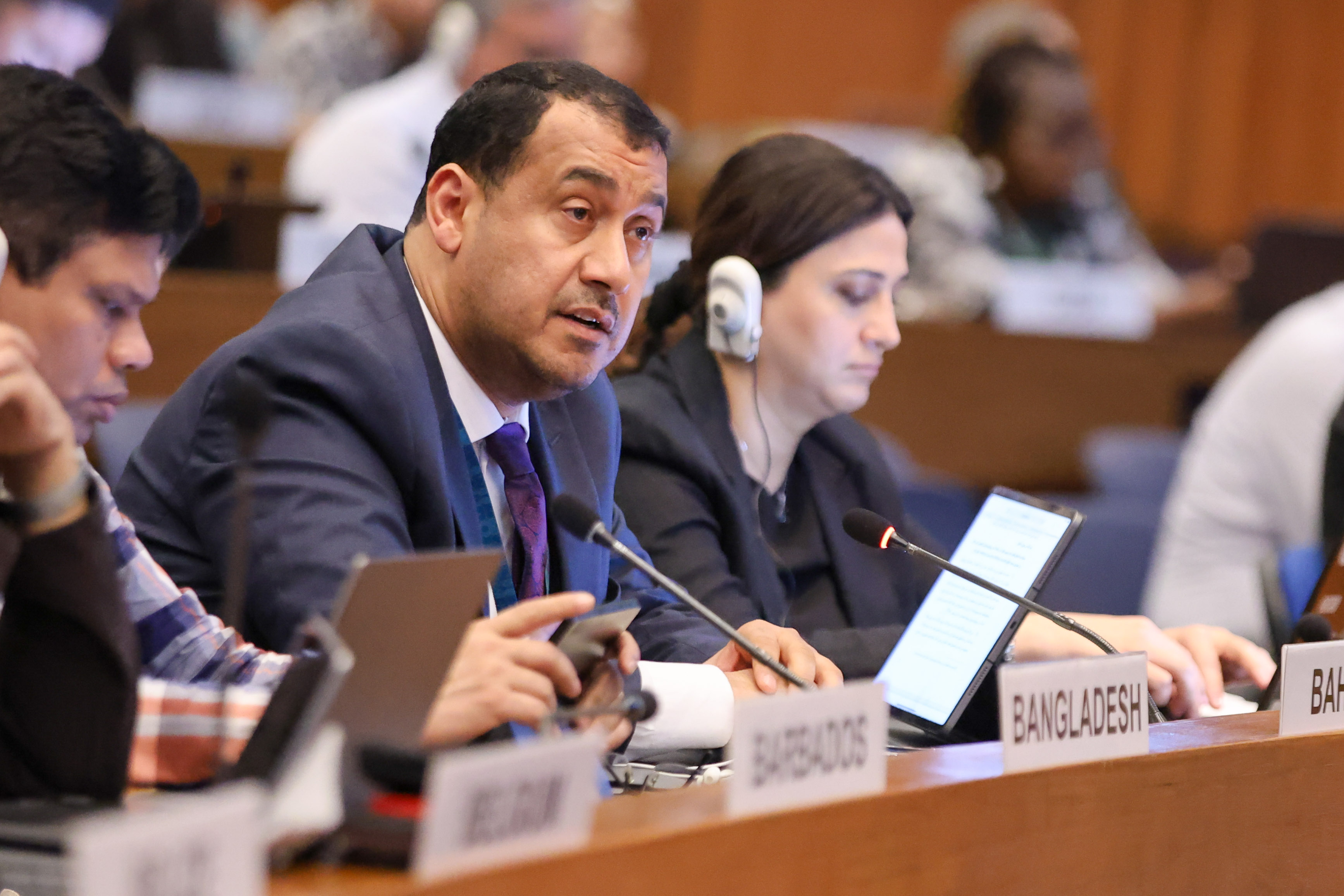
Hasan Ali Mubarak, Bahrain
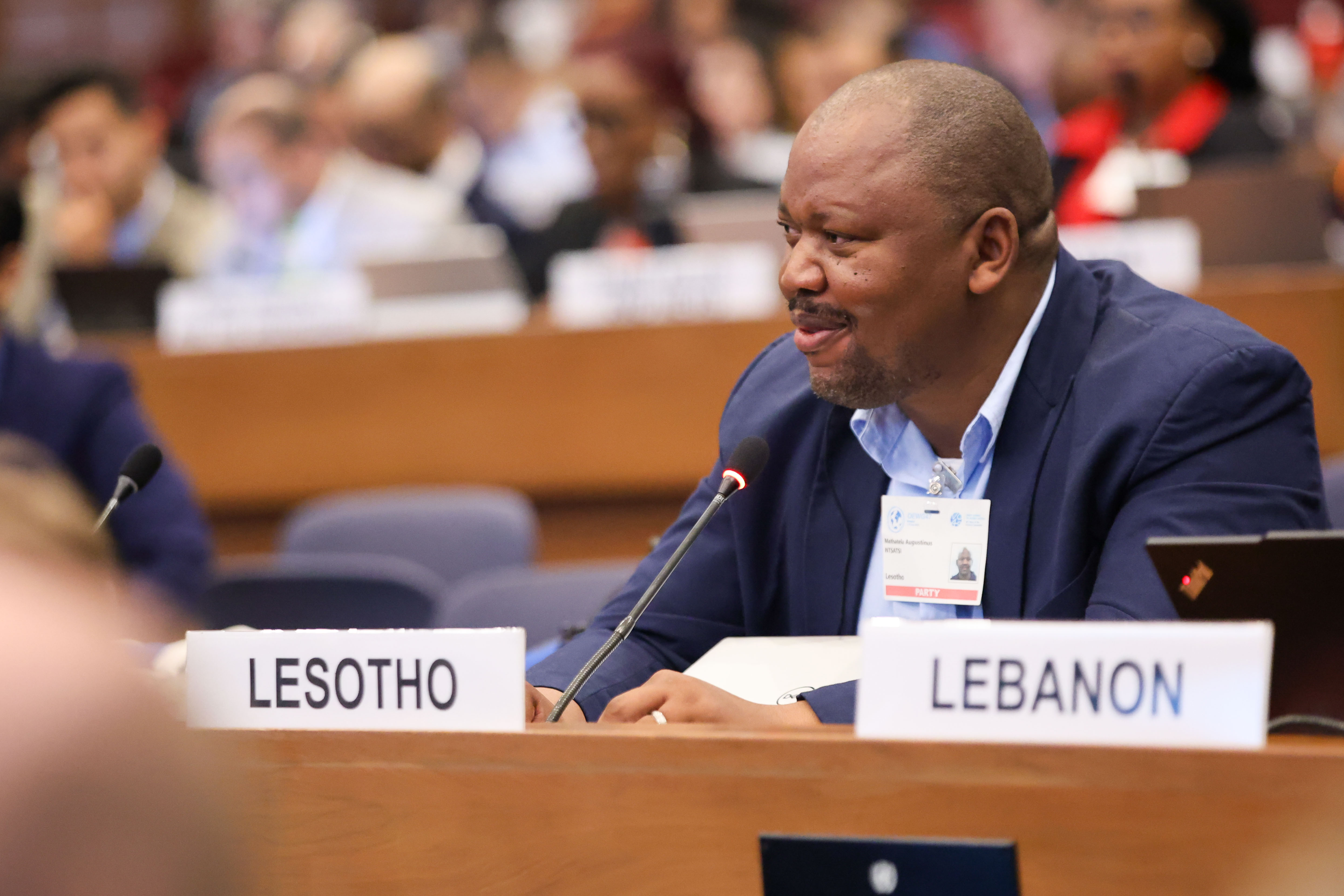
Mathatela Augustinus Ntsatsi, Lesotho
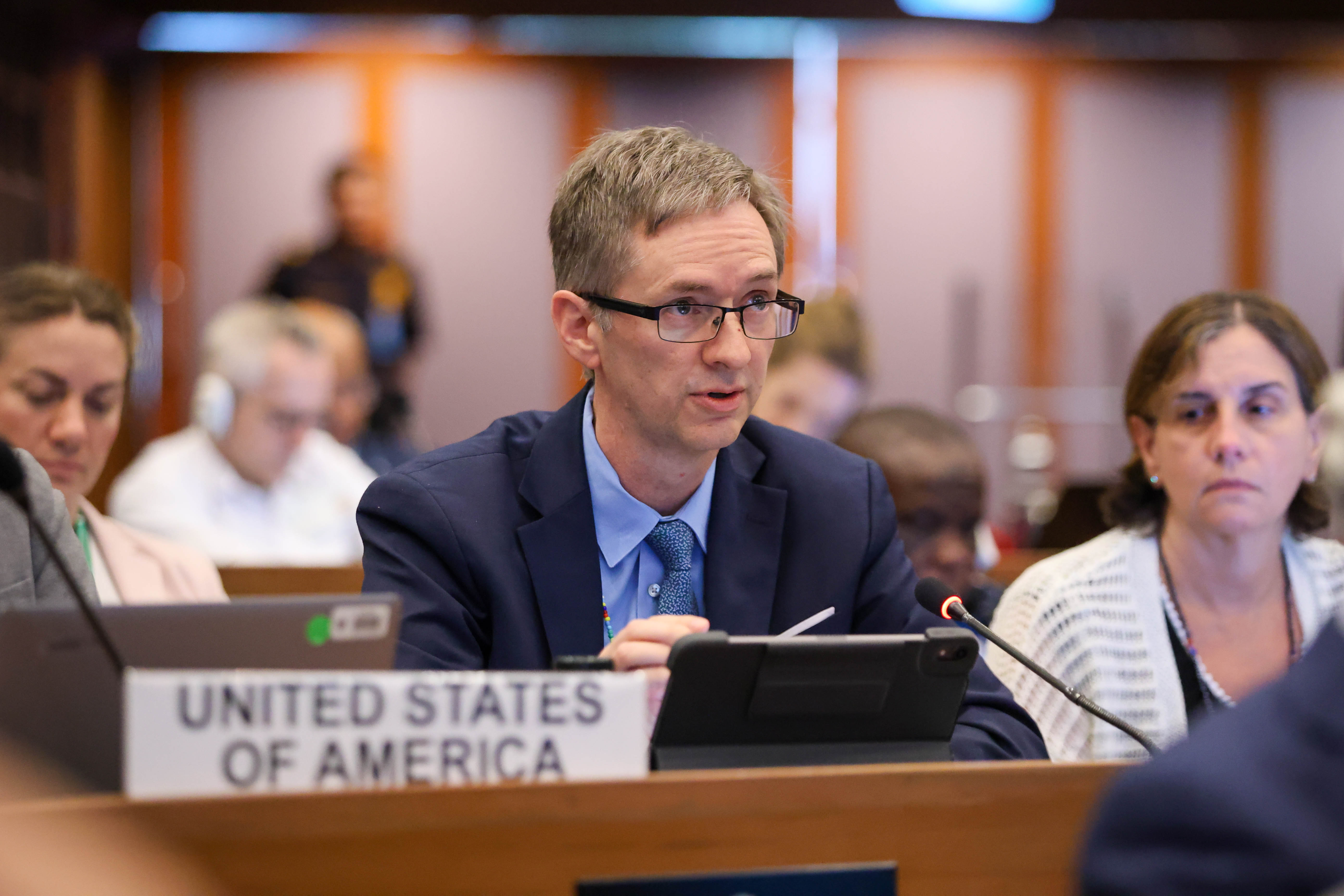
John Thompson, US
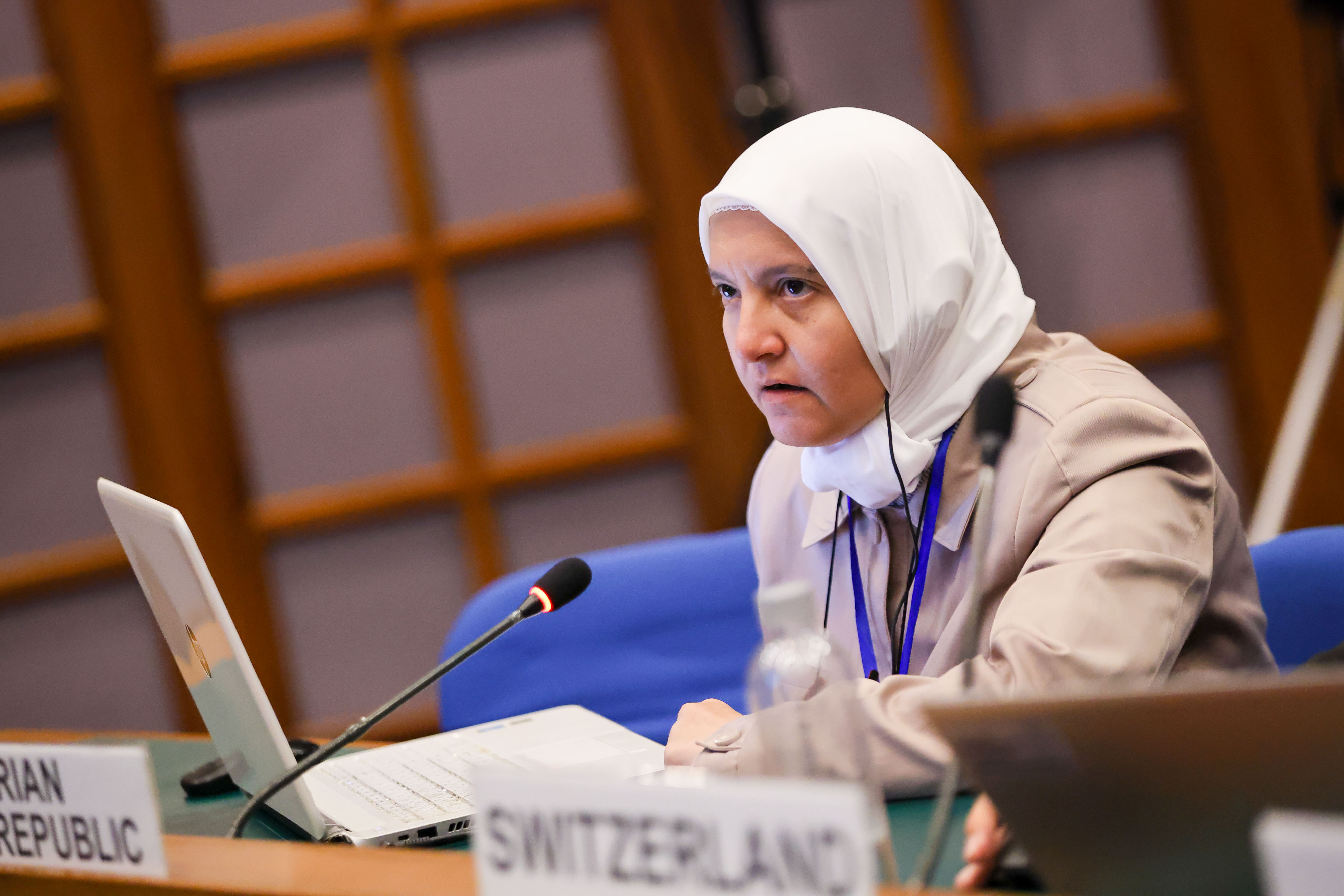
Hakima Alhawash, Syria
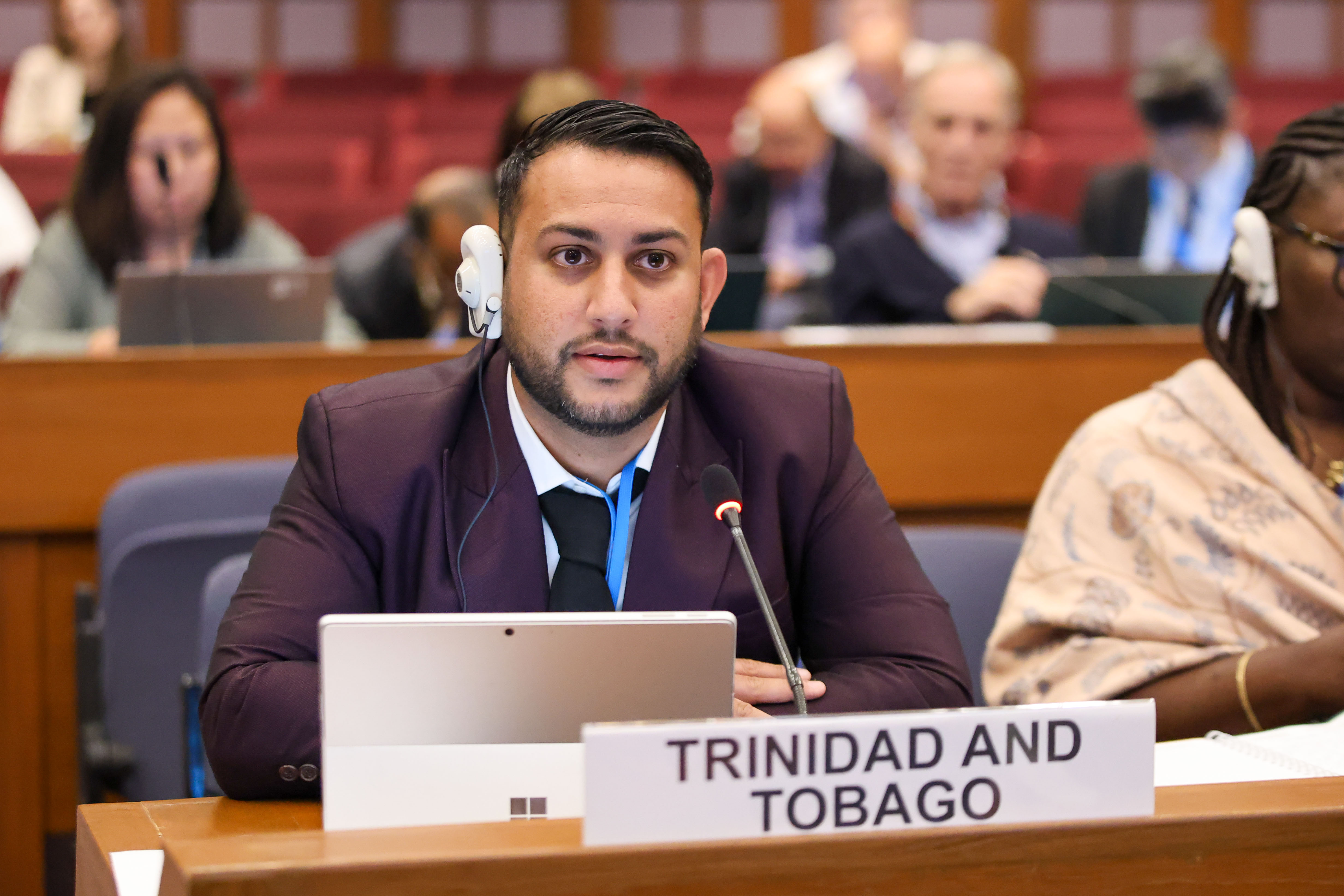
Jonathan Bolai, Trinidad and Tobago
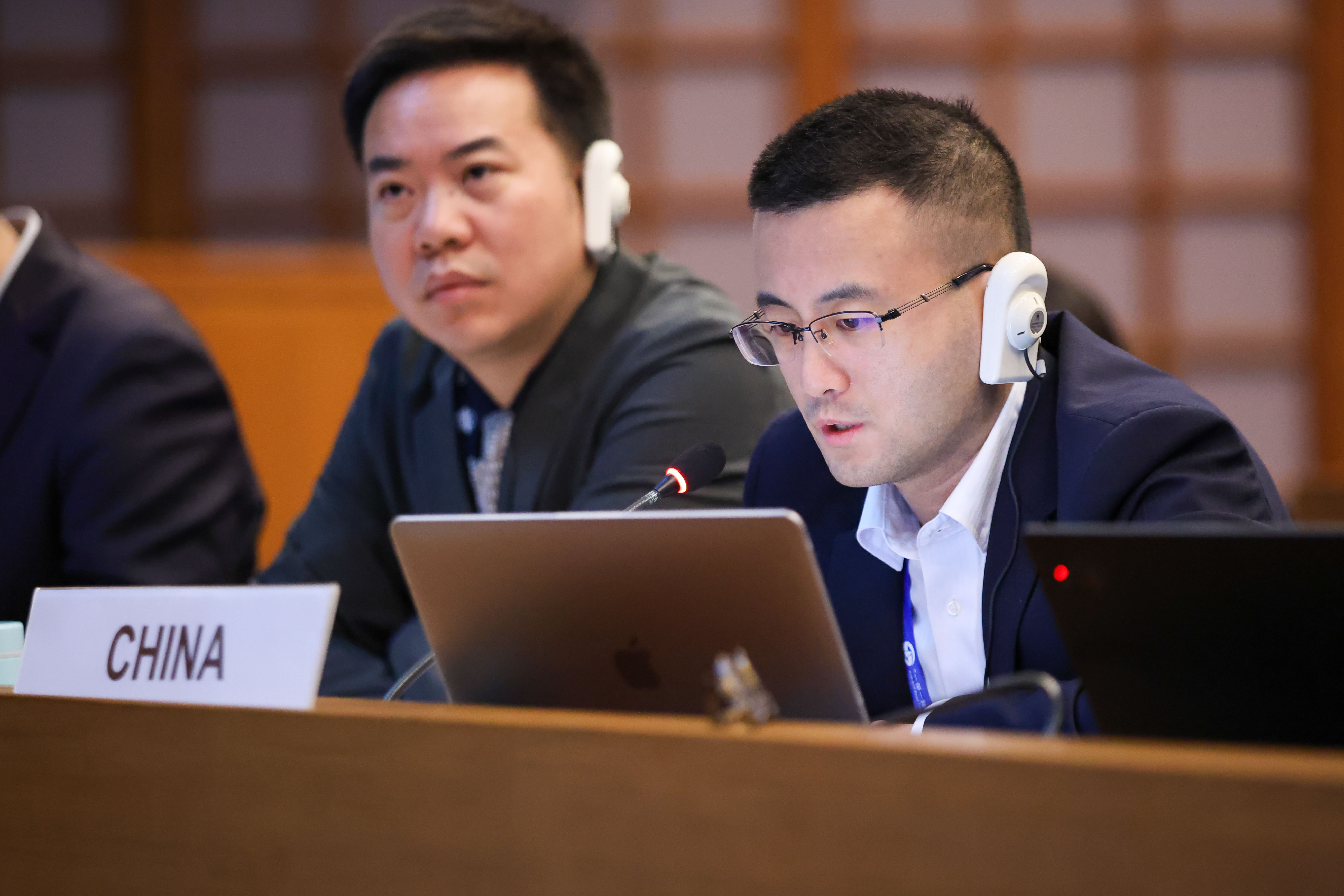
Jiansheng Hu, China
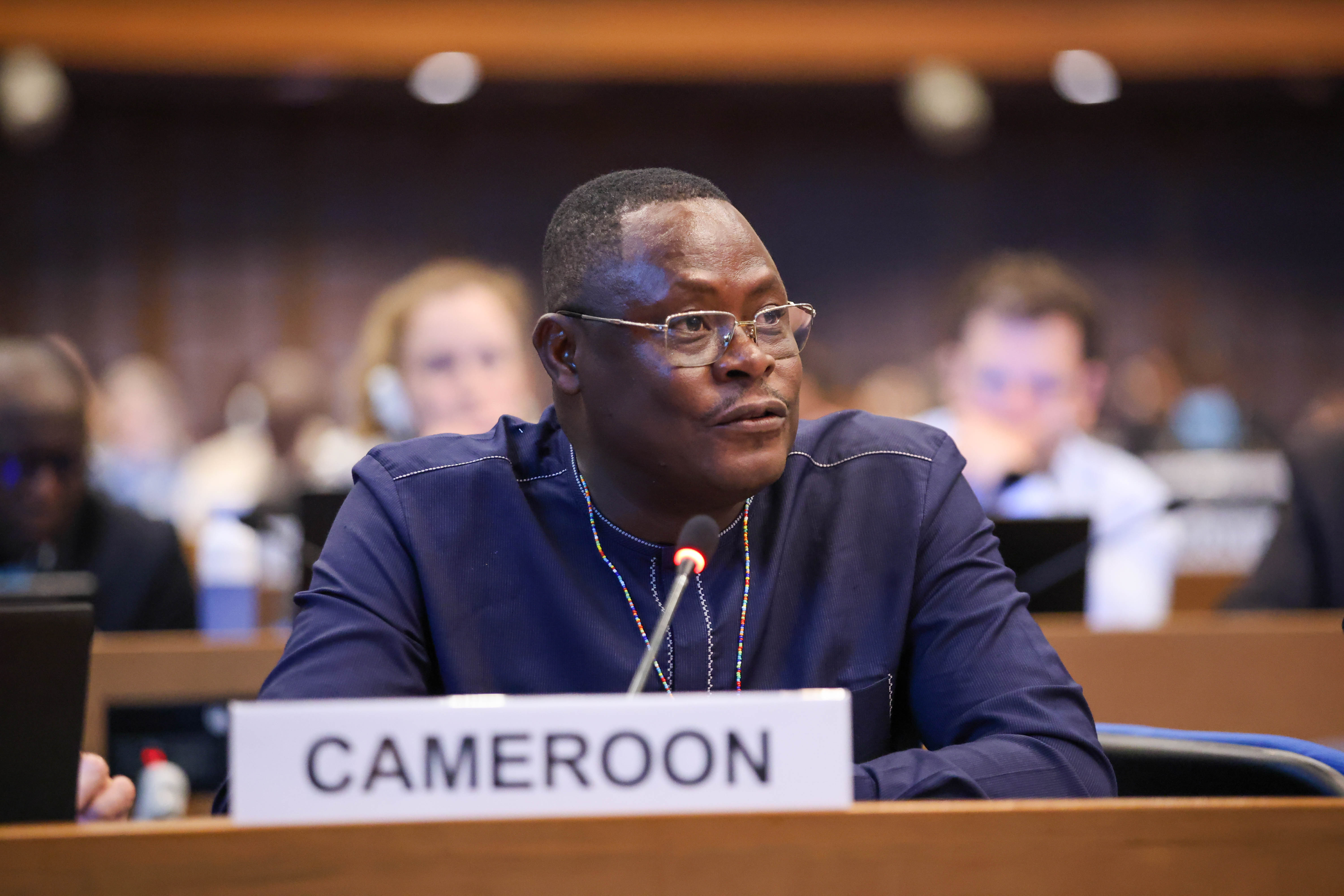
Mboh Hyacinth, Cameroon
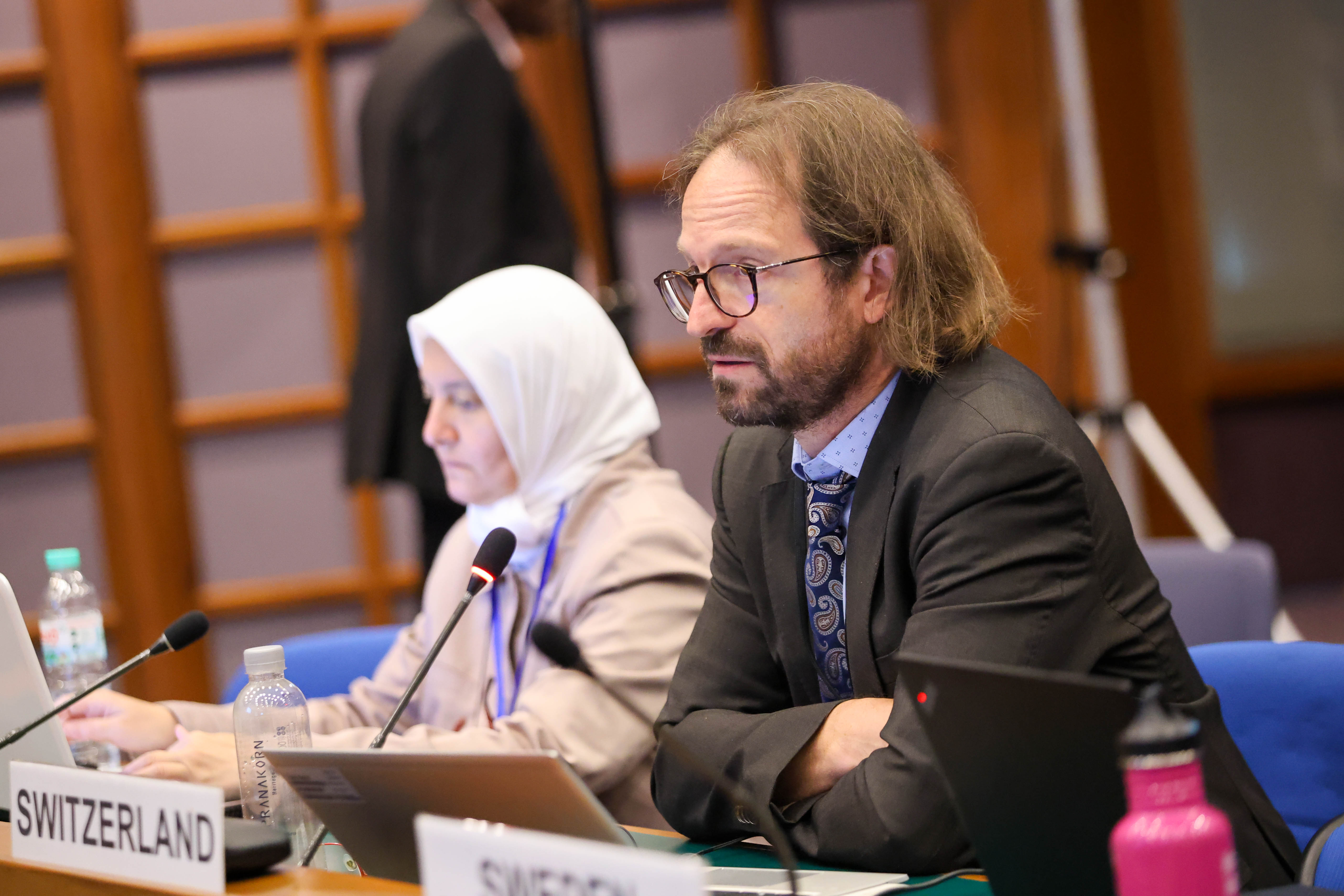
Henry Wöhrnschimmel, Switzerland
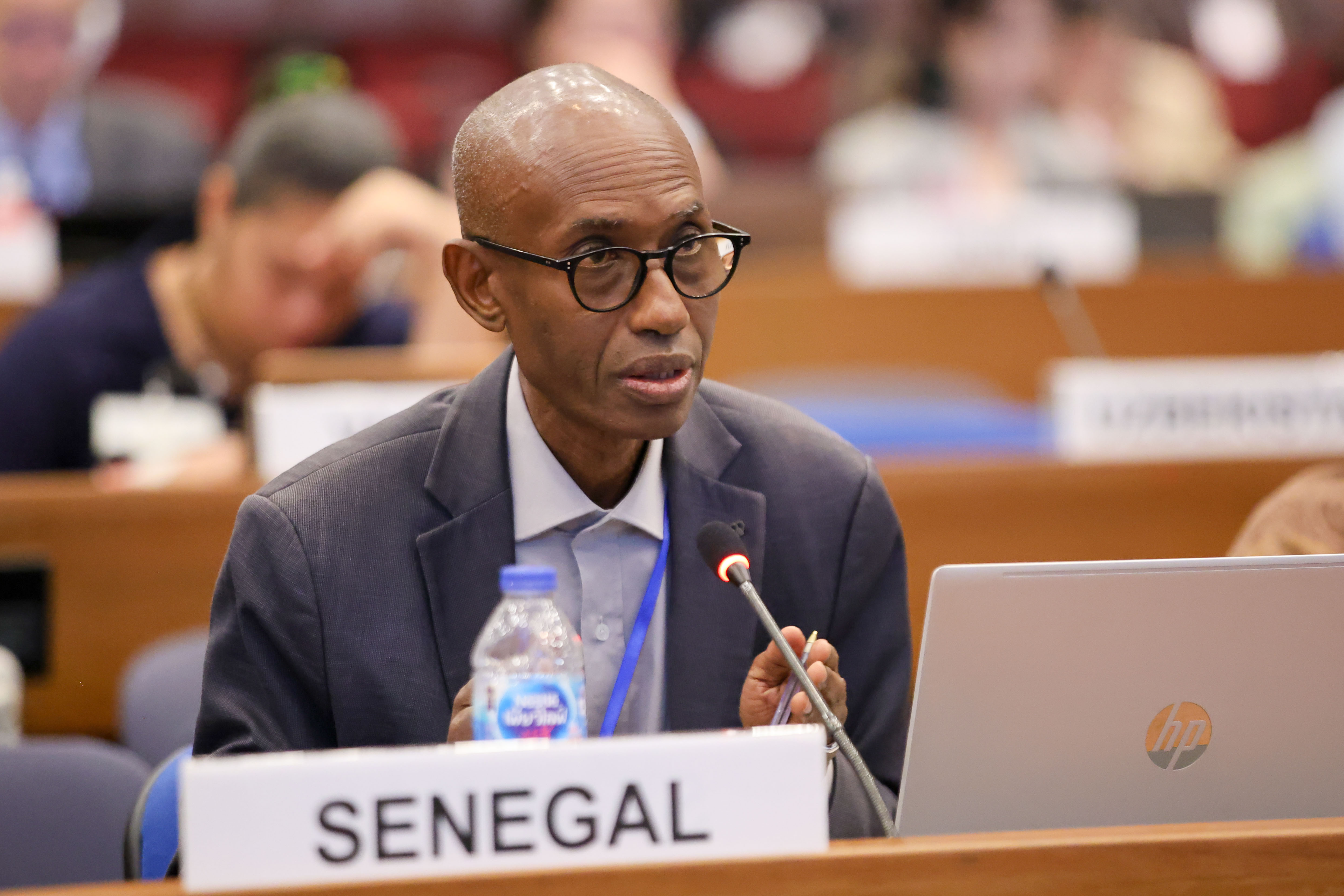
Ibrahima Amel Kane, Senegal
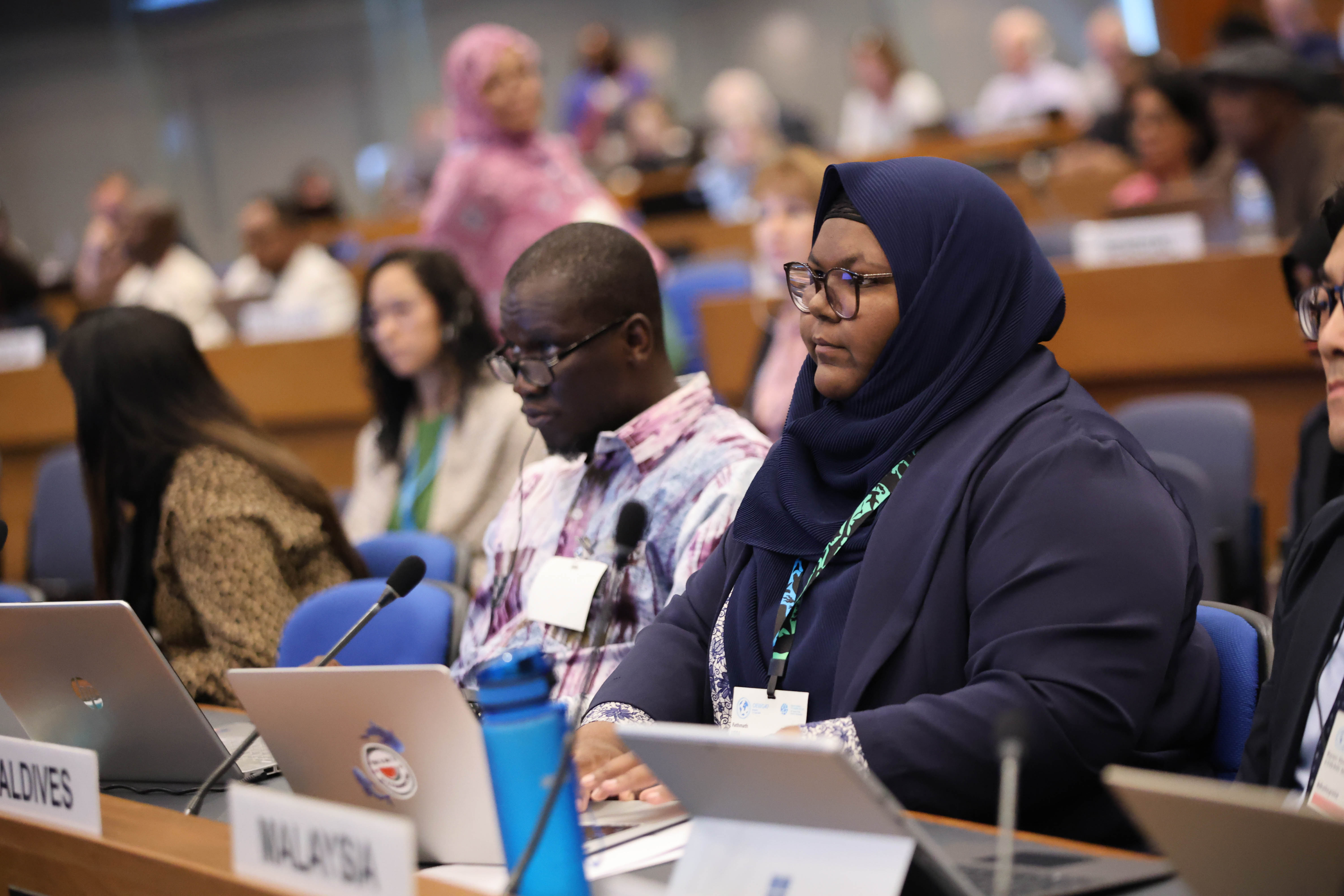
Fathmath Usra, Maldives
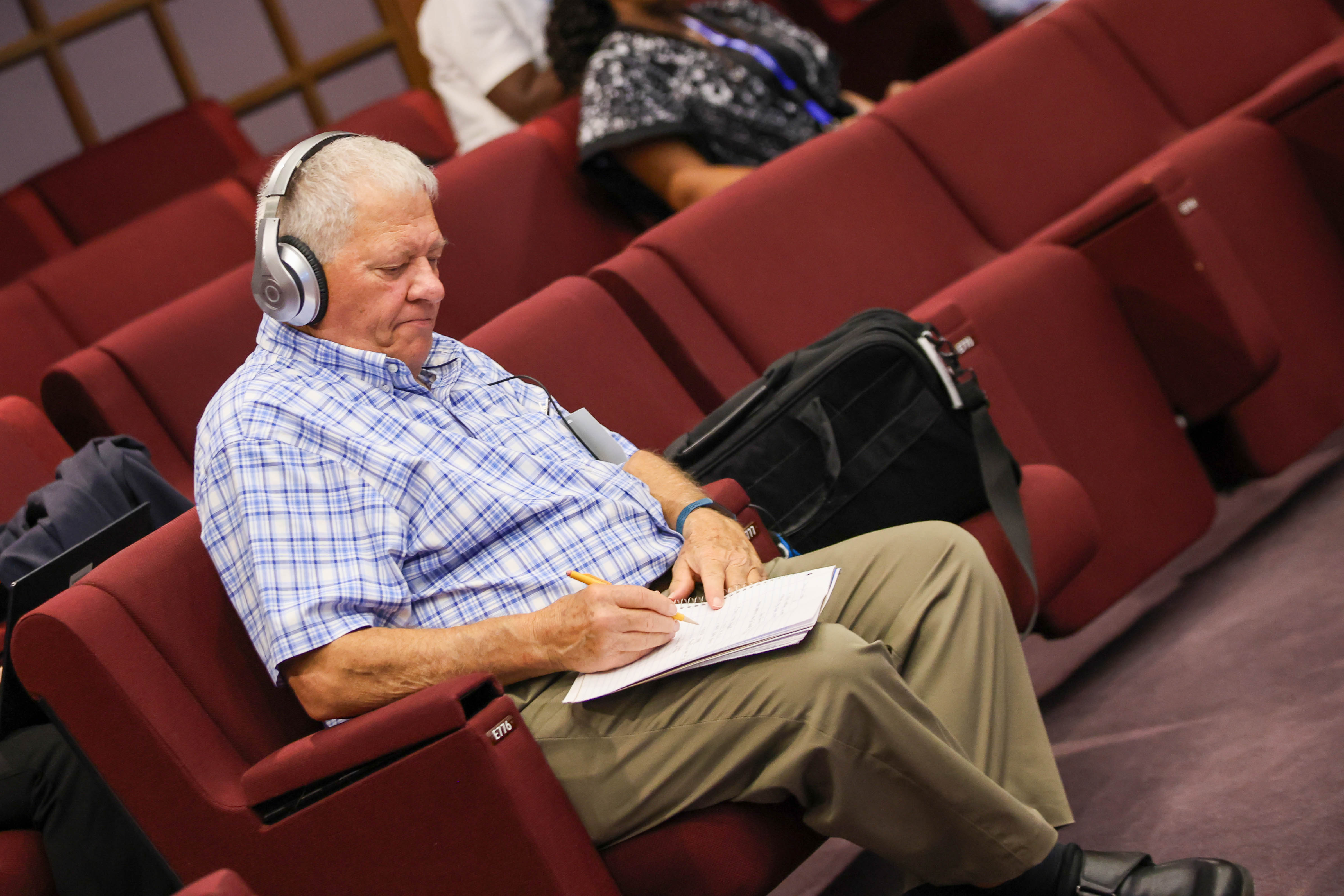
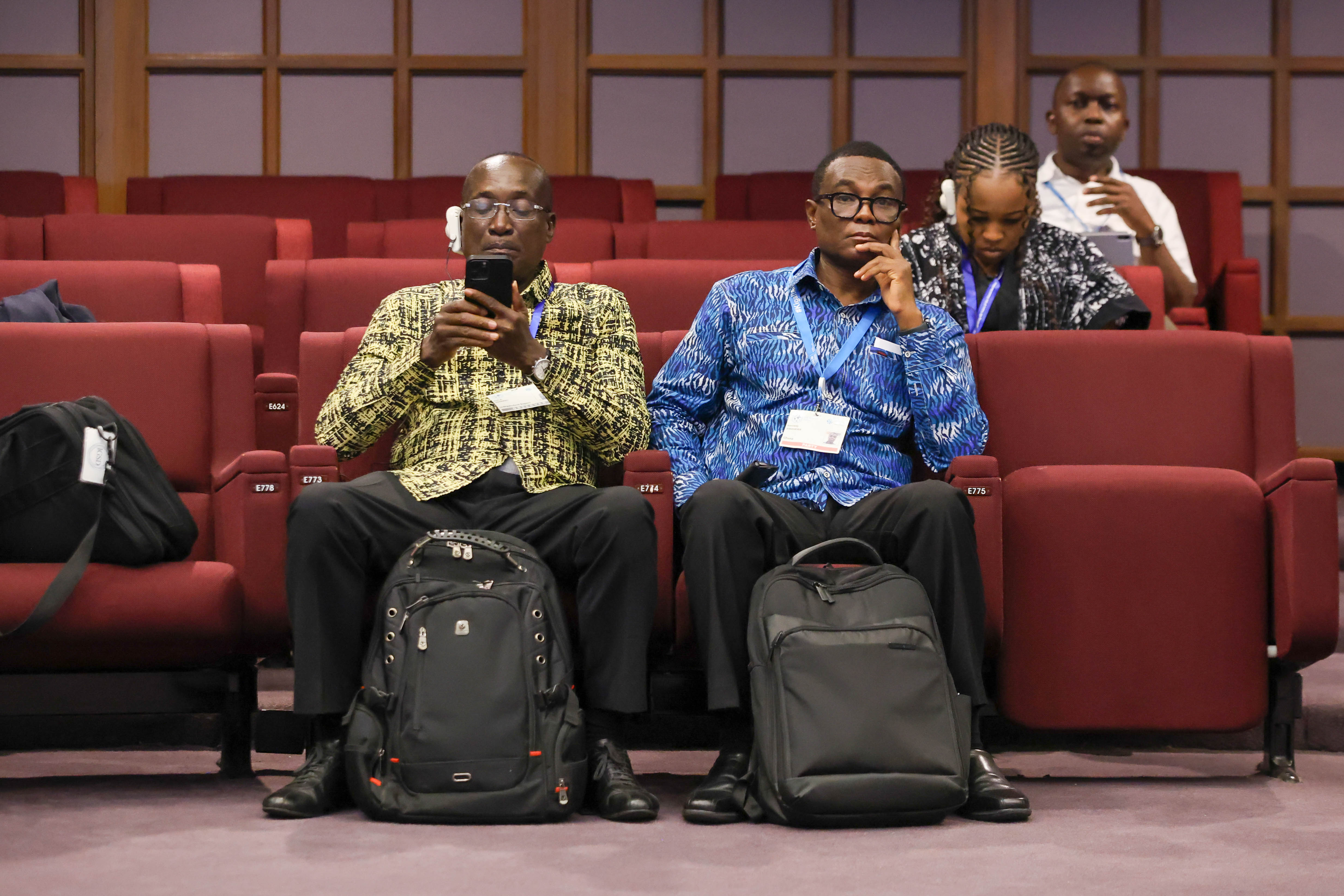
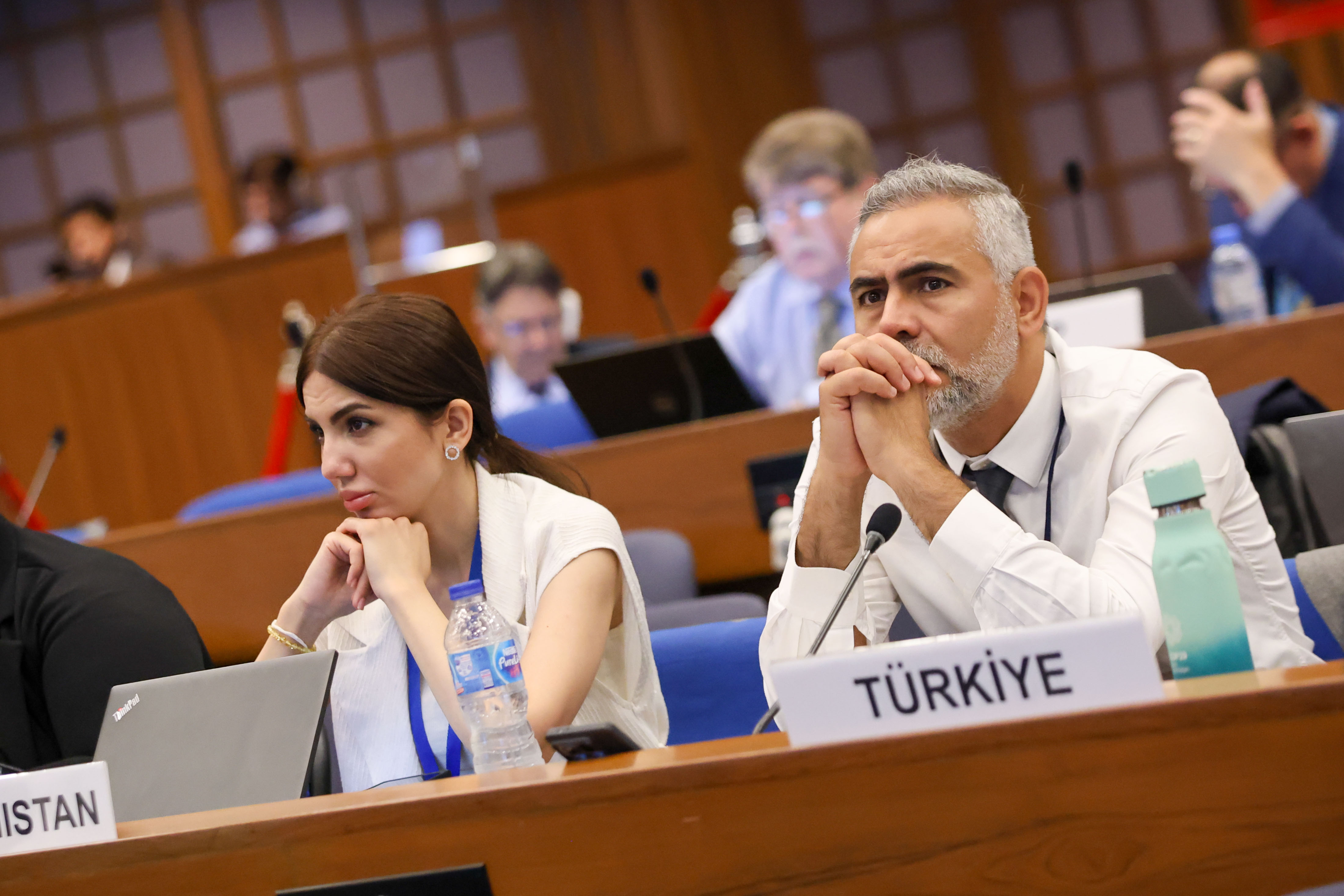
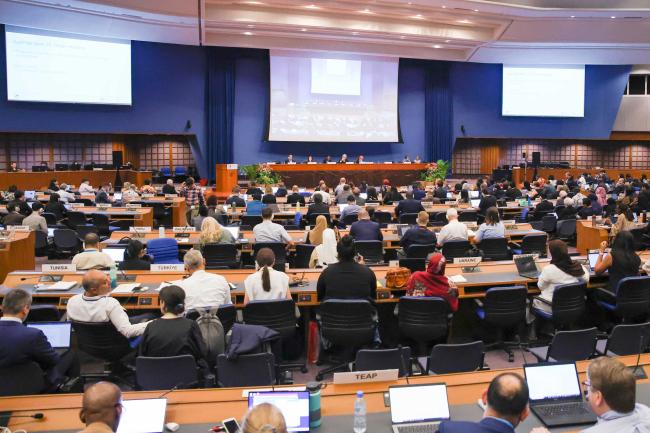
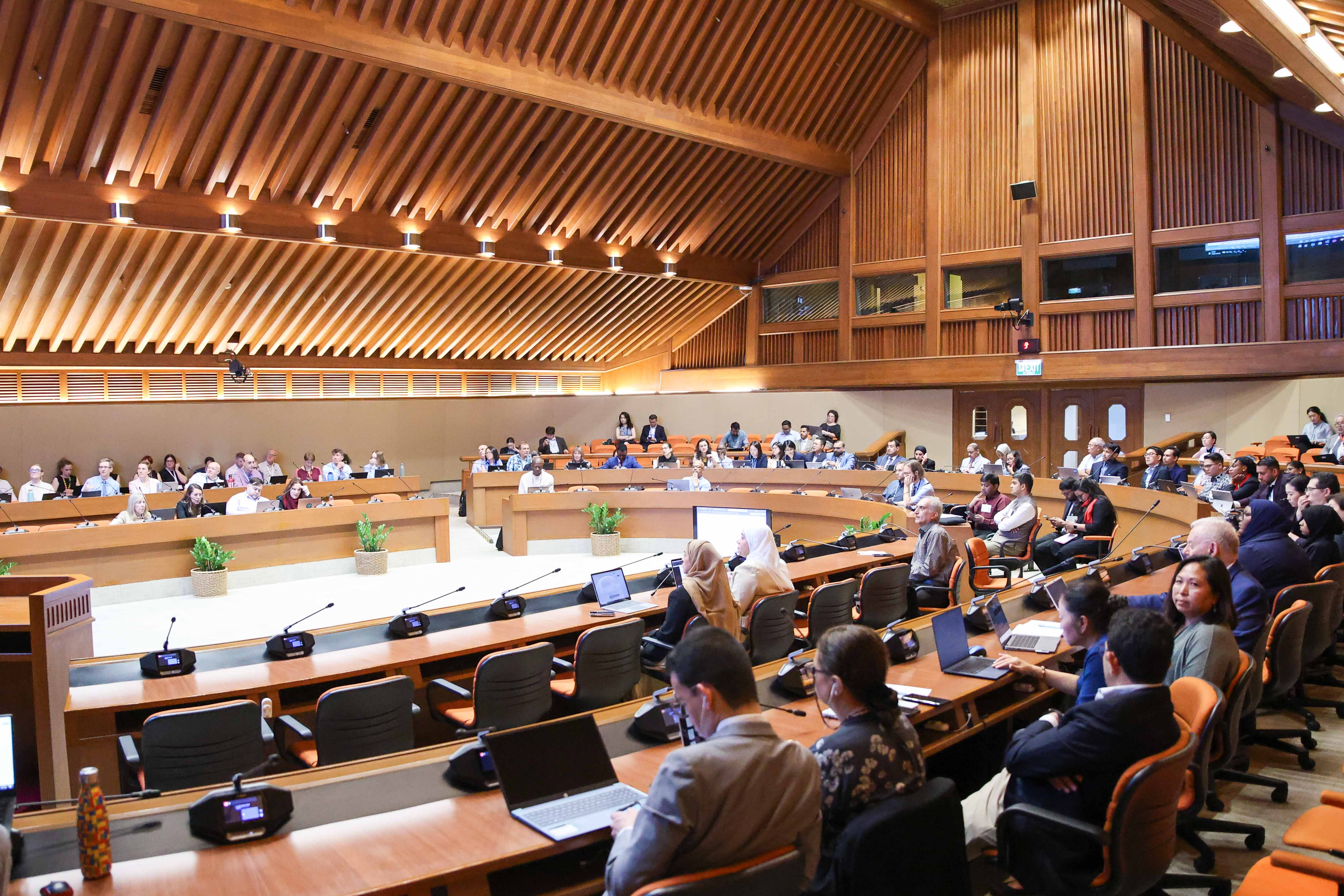
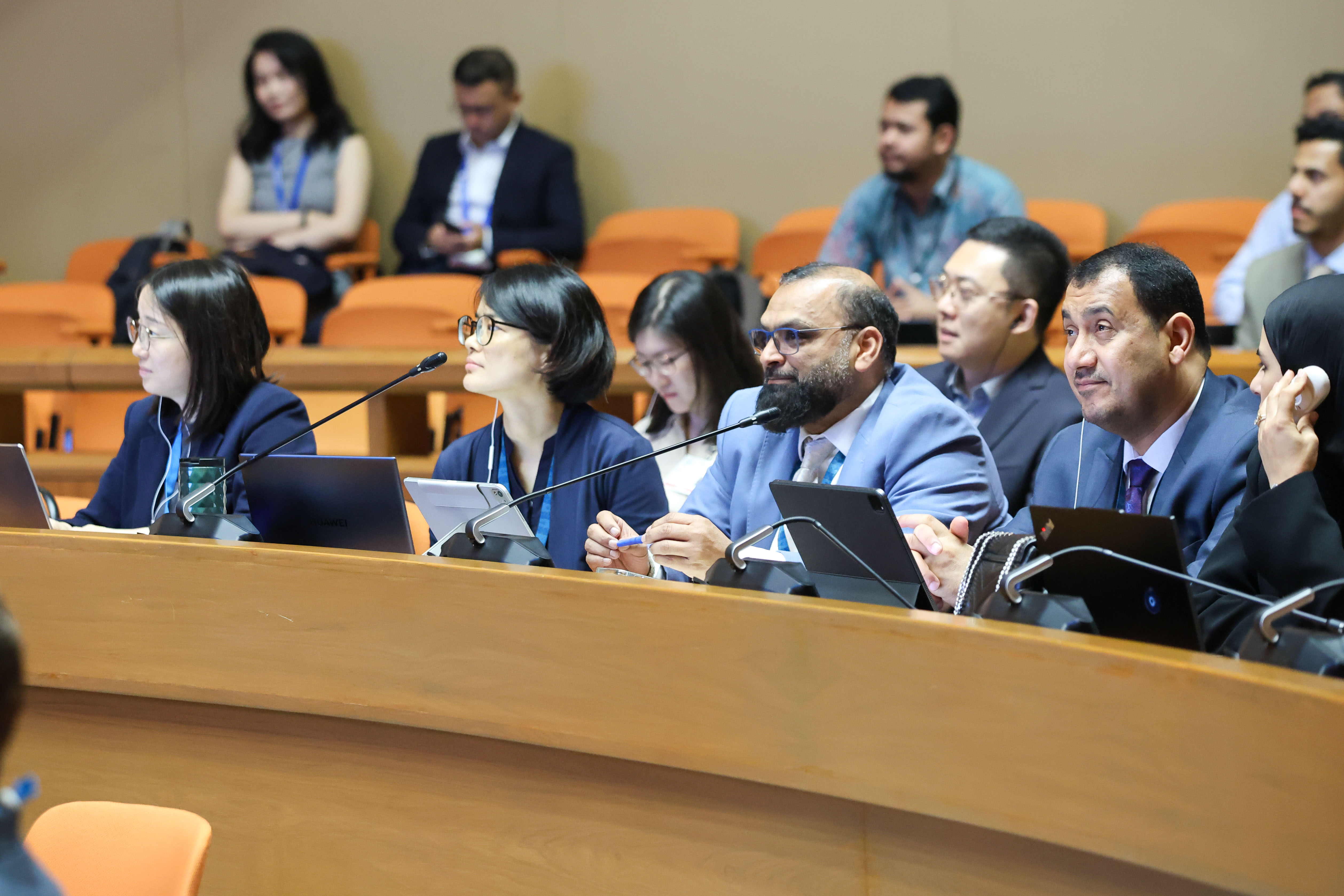
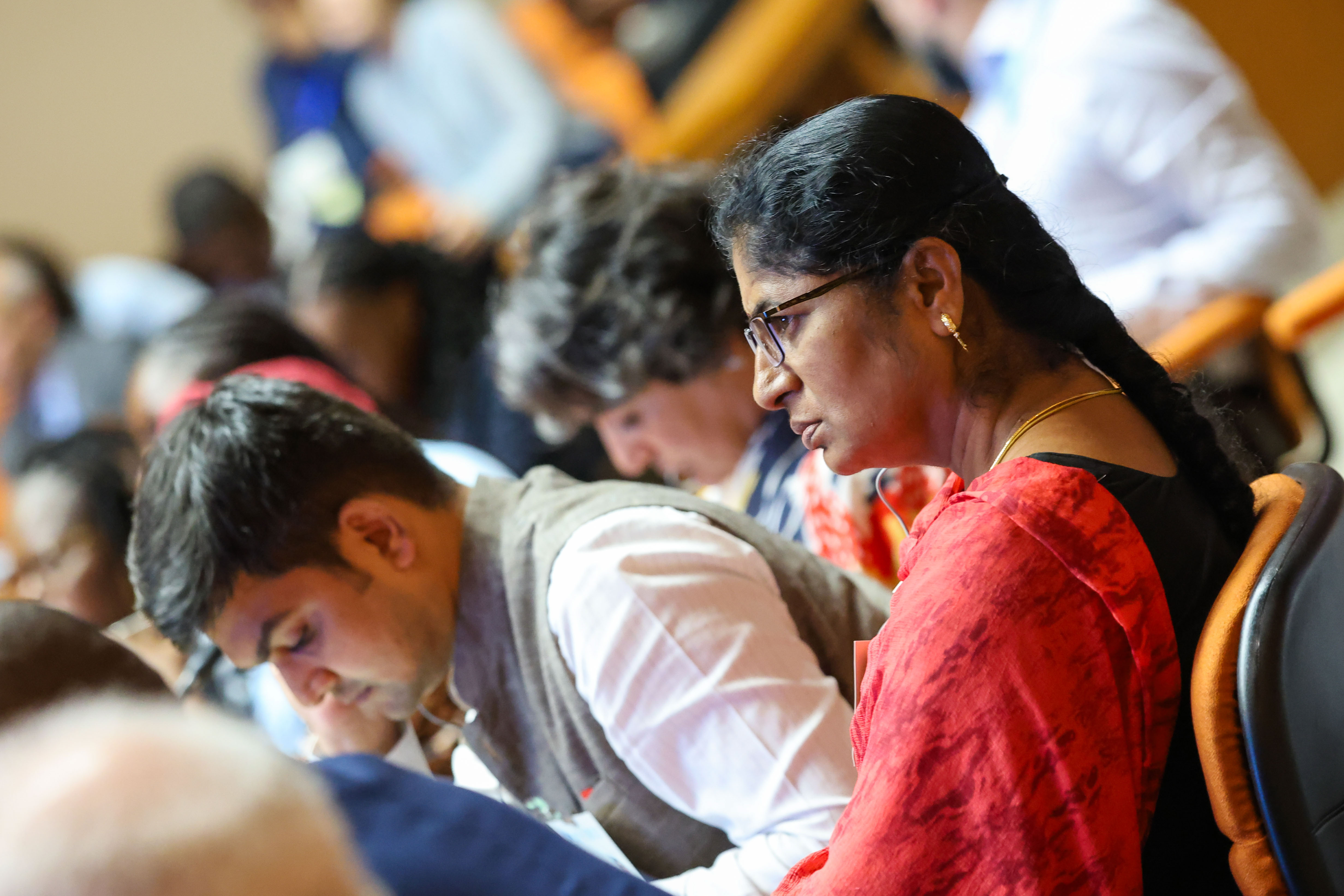
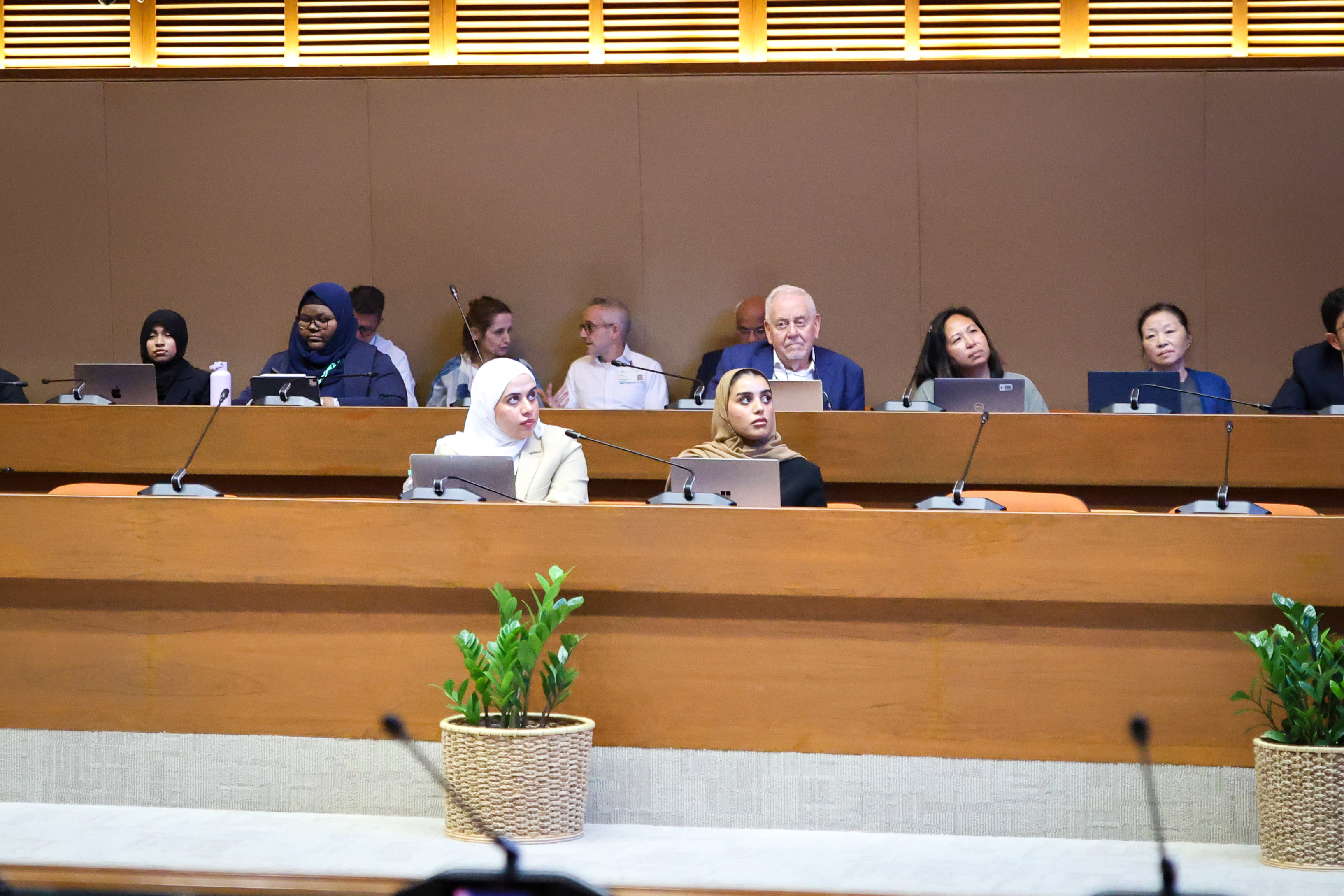
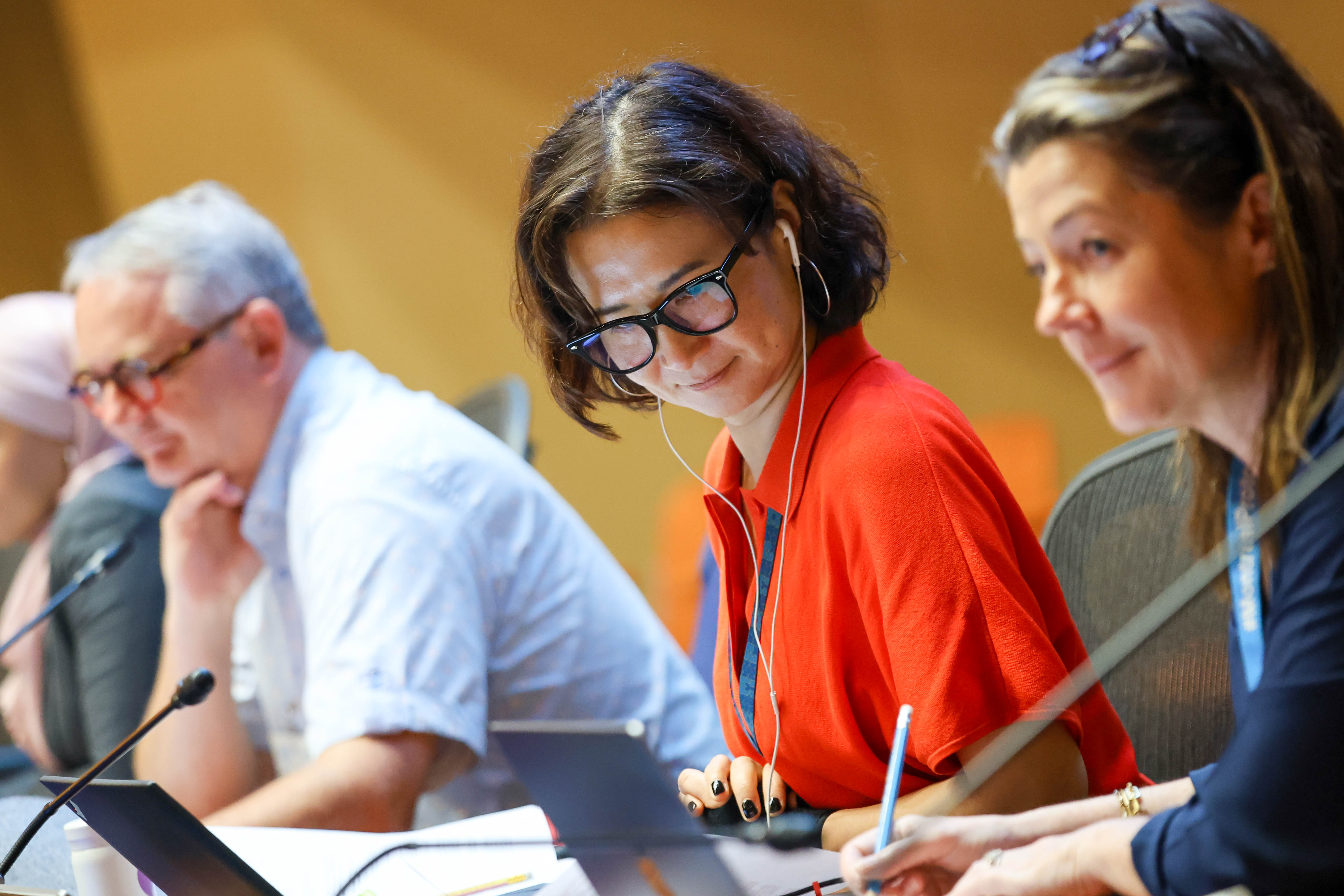
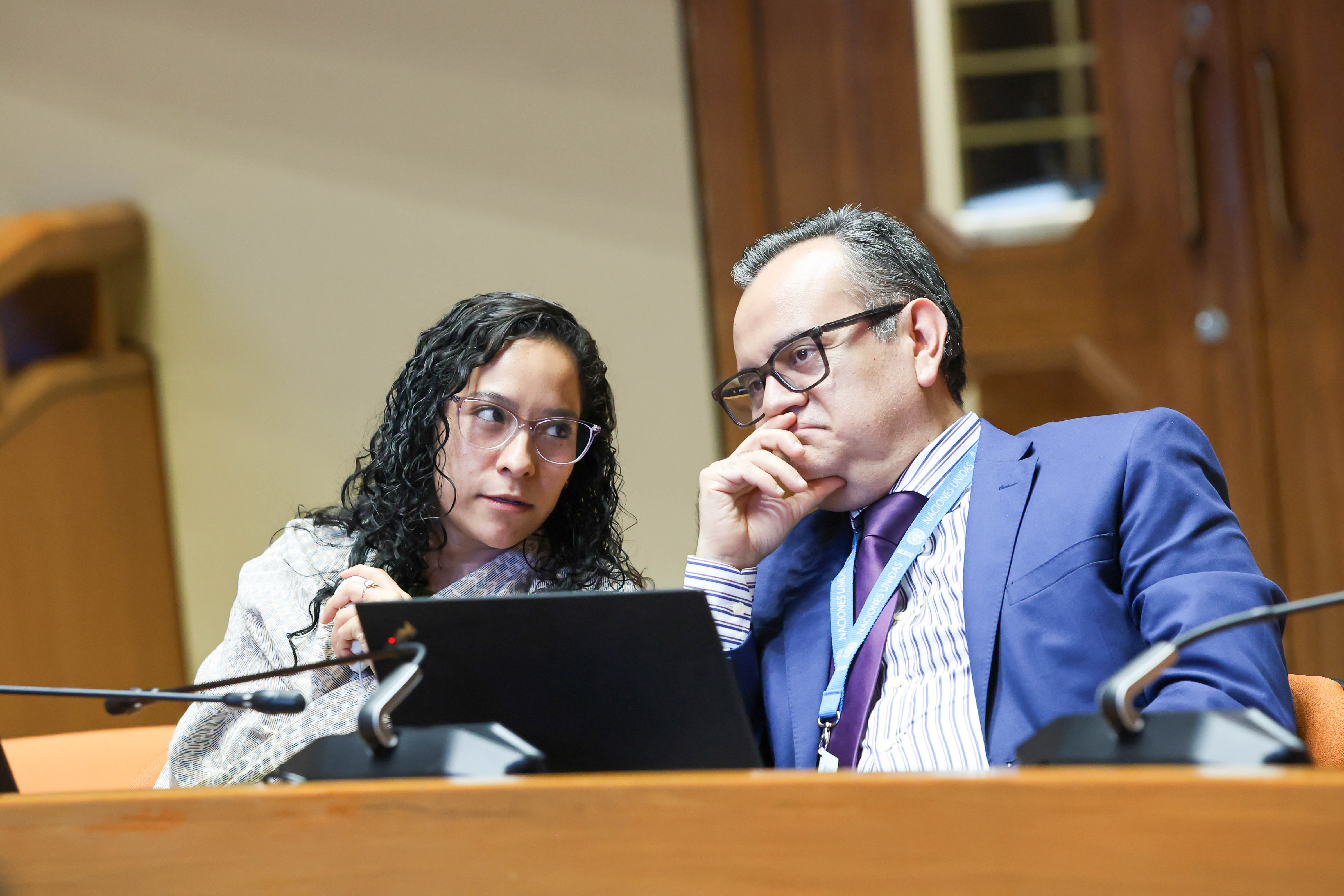
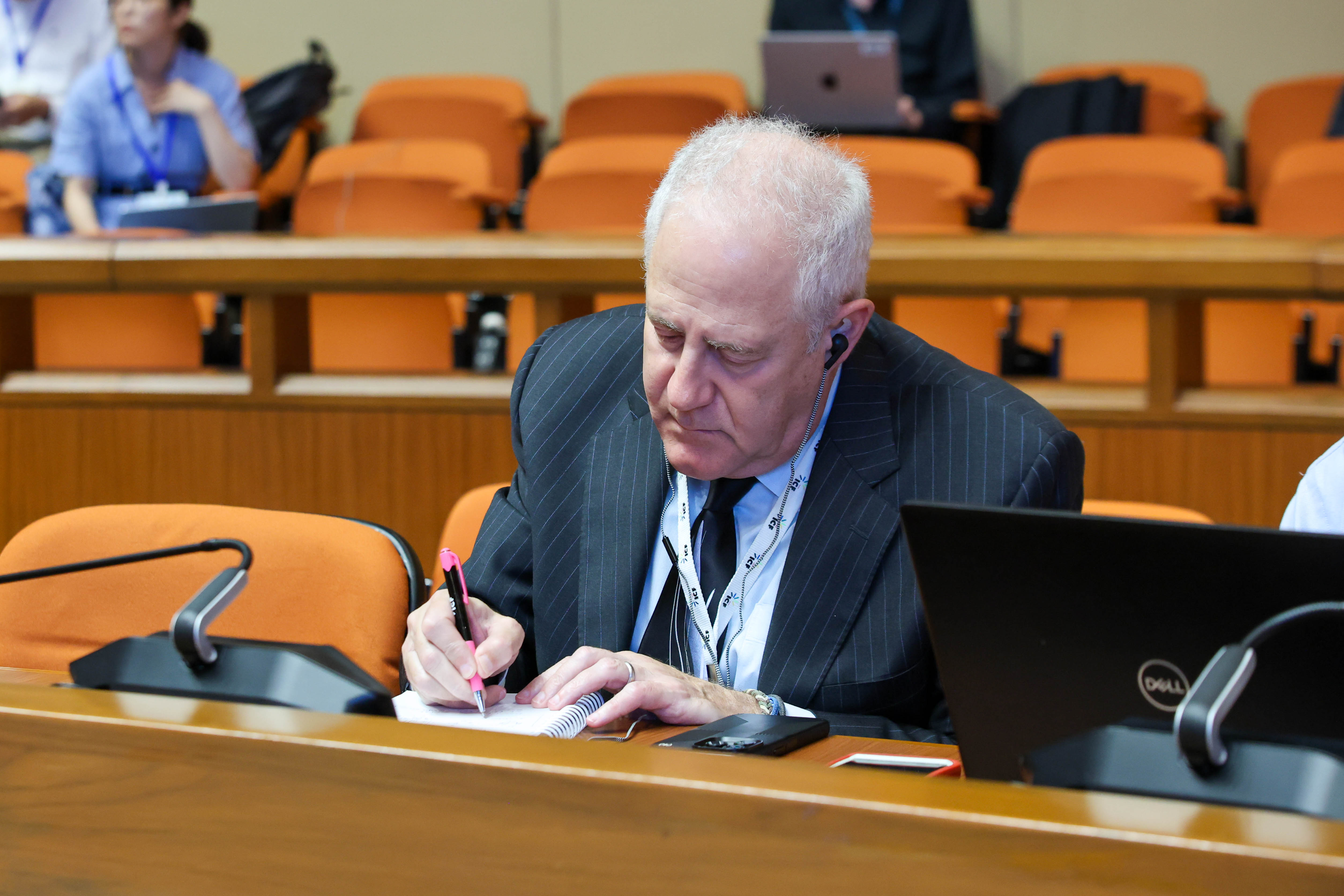
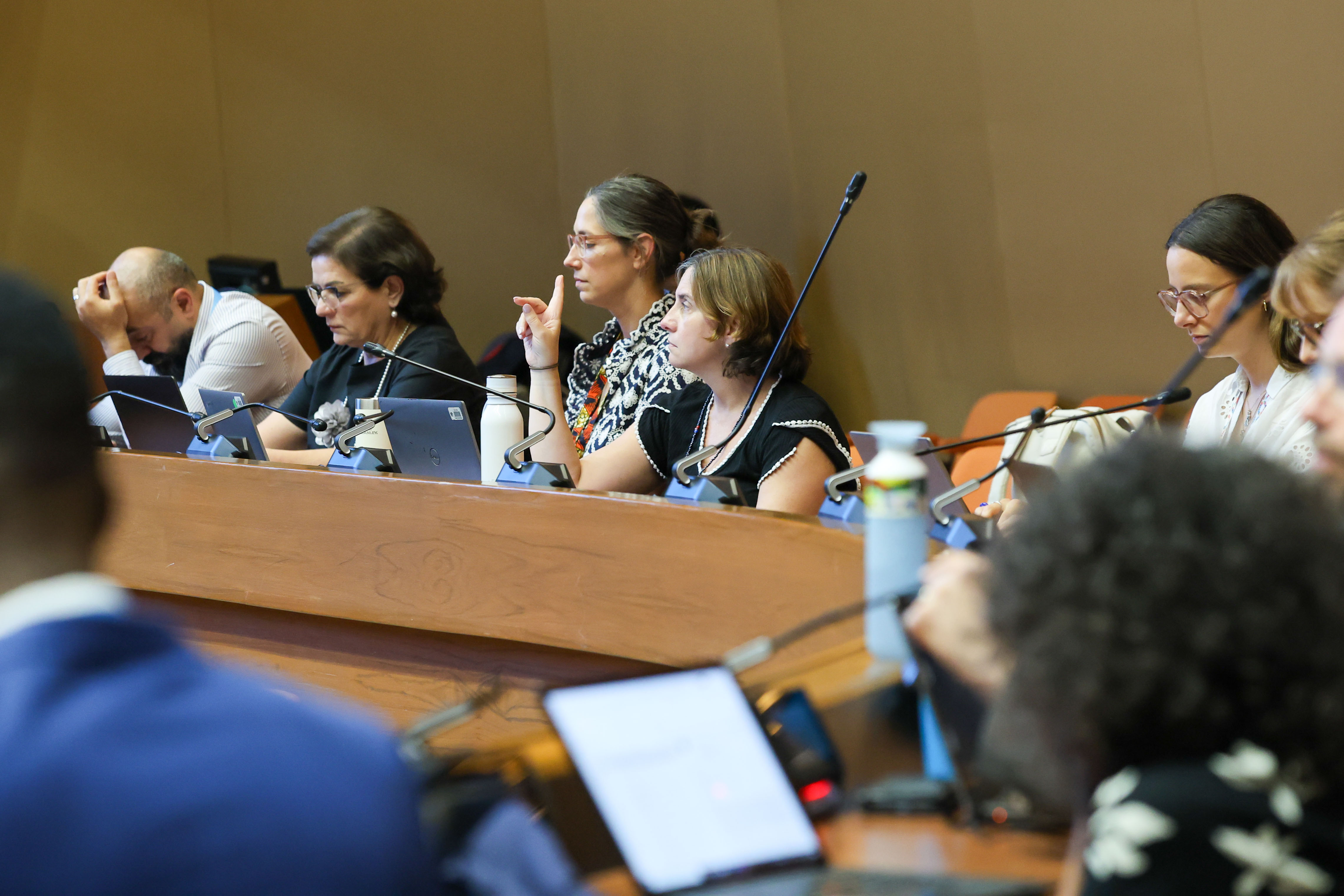
Delegates listen to the discussions.
Contact Groups
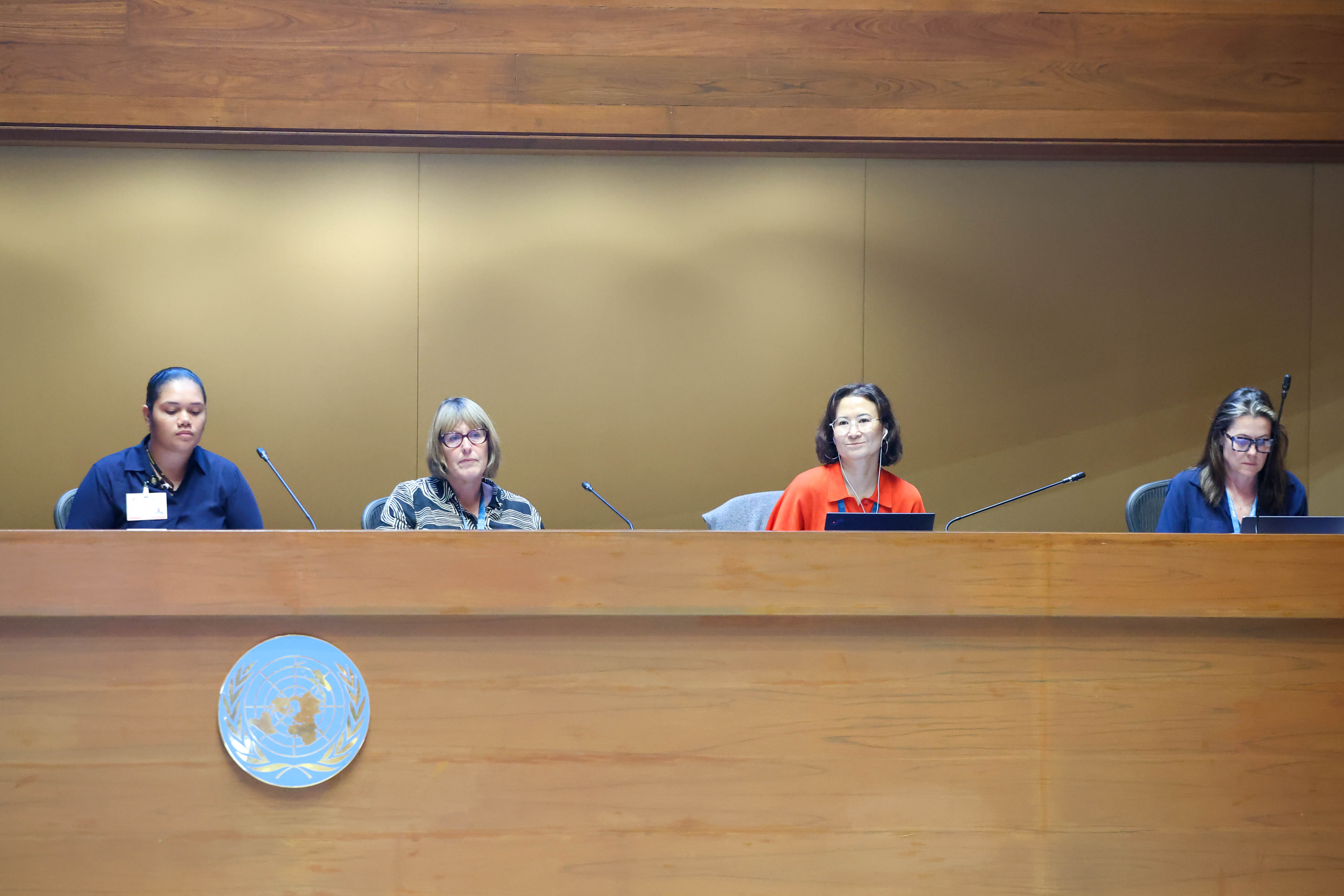
L-R: Camilla Noel, Vanuatu, and Mariska Wouters, New Zealand, Co-Chairs of the Contact Group on Regional Initiatives to support the Kigali Amendment, Liazzat Rabbiosi and Stephanie Egger Haysmith, Ozone Secretariat
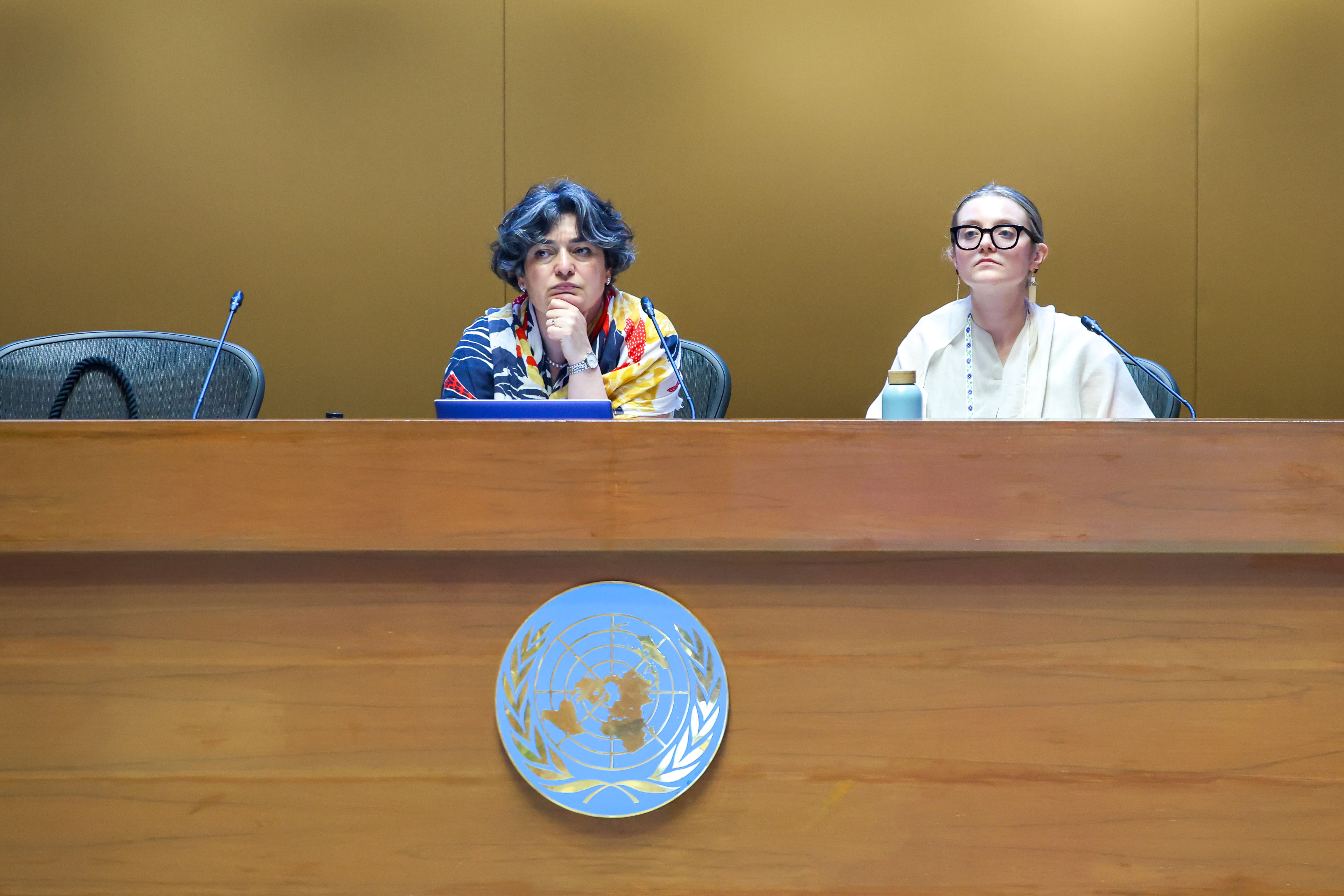
Liana Ghahramanyan, Armenia, and Morgan Simpson, United Kingdom, Co-Chairs of the Contact Group on Feedstocks
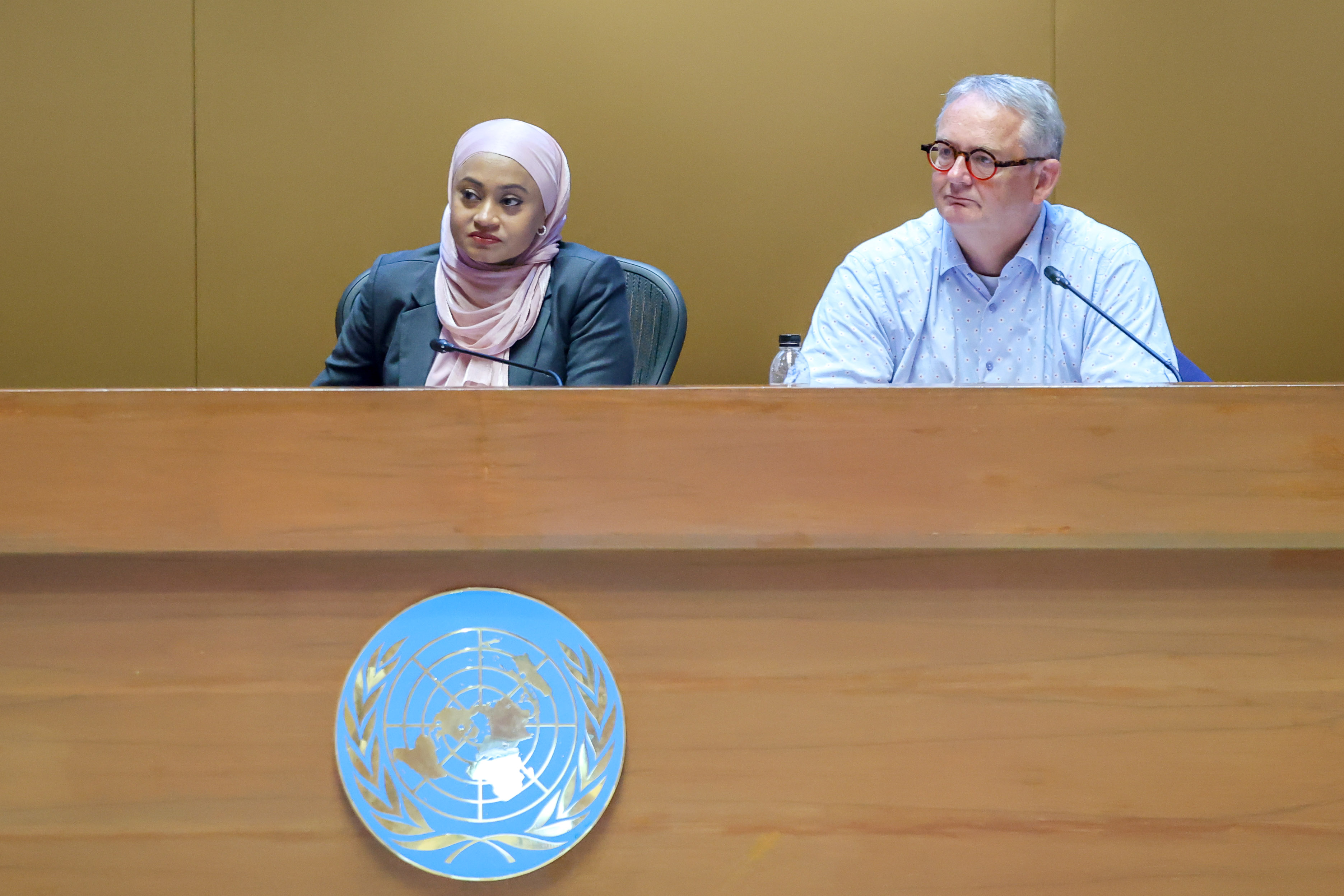
Miruza Mohamed, Maldives, and Ralph Brieskorn, the Netherlands, Co-Chairs of the Contact Group on terms of reference for the replenishment study
Between Sessions
Around the Venue