How does the ozone family make sure it sets the right priorities for the 2027-2029 funding cycle? This was one of the key questions discussed on the first day of the 47th session of the Open-ended Working Group (OEWG) of the Montreal Protocol on Substances that Deplete the Ozone Layer.
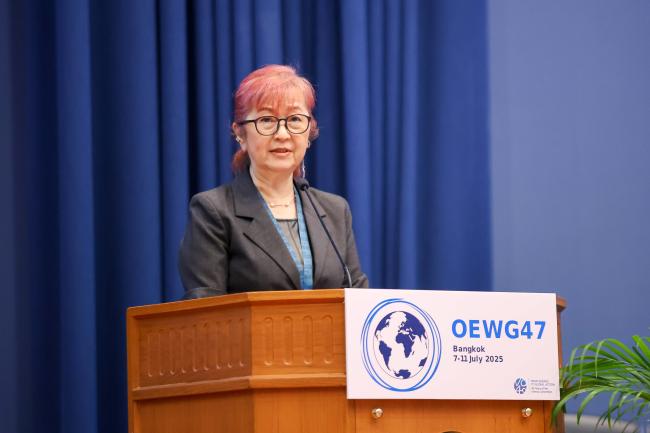
In her opening remarks, Megumi Seki, Executive Secretary, Ozone Secretariat, highlighted the importance of developing the terms of reference (ToR) for the study on the 2027-2029 replenishment of the Multilateral Fund (MLF), among other key issues on the agenda at this OEWG meeting.
The ToR for this study were at the center of attention right from the beginning. Many parties pointed to the need for realistic funding estimates established by a transparent process led by a Task Force of the Technology and Economic Assessment Panel (TEAP). Nigeria, Mozambique, Indonesia, China, and others highlighted the funding needs of Article 5 (developing) countries. Delegates considered whether it would be institutionally appropriate for members of the MLF Secretariat to join the Task Force.
Guided by presentations of the TEAP’s 2025 Progress Report, delegates considered current challenges under the Montreal Protocol. These include the potential Essential Use Nomination (EUN) of halon 1301 in the global civil aviation industry due to the significant long-term uncertainty and apprehension caused by potential regulations against per- and polyfluoroalkyl substances (PFAS).
Concerns were also raised about a consistently high atmospheric concentration of methyl bromide due to continuing quarantine and pre-shipment (QPS) uses and emissions from unknown sources. For metered-dose inhalers (MDIs), delegates discussed the need for additional investment and clinical testing.
The TEAP also presented options to restructure and reorganize the Panel and its technical options committees (TOCs) from 2027, highlighting that over 150 independent experts from parties around the world are currently serving as unpaid volunteers. The TEAP stressed that ensuring a manageable workload and maintaining an independent, consensus-based approach are becoming more difficult.
Participants dedicated most of the afternoon to technical, economic, and policy-related questions and answers on the TEAP’s Progress Report.
At the end of the afternoon, Canada, also on behalf of Australia, Japan, and the UK, introduced a conference room paper (CRP) on the ToR for the study on the 2027-2029 replenishment of the MLF. After a brief discussion, delegates agreed to establish a contact group, co-chaired by Ralph Brieskorn (the Netherlands) and Miruza Mohamed (Maldives), which will hold its first meeting on Tuesday morning.
To receive free coverage of global environmental events delivered to your inbox, subscribe to the ENB Update newsletter.
All ENB photos are free to use with attribution. For the 47th meeting of the Open-ended Working Group of the Parties to the Montreal Protocol (OEWG47), please use: Photo by IISD/ENB | Anastasia Rodopoulou.
Plenary Session
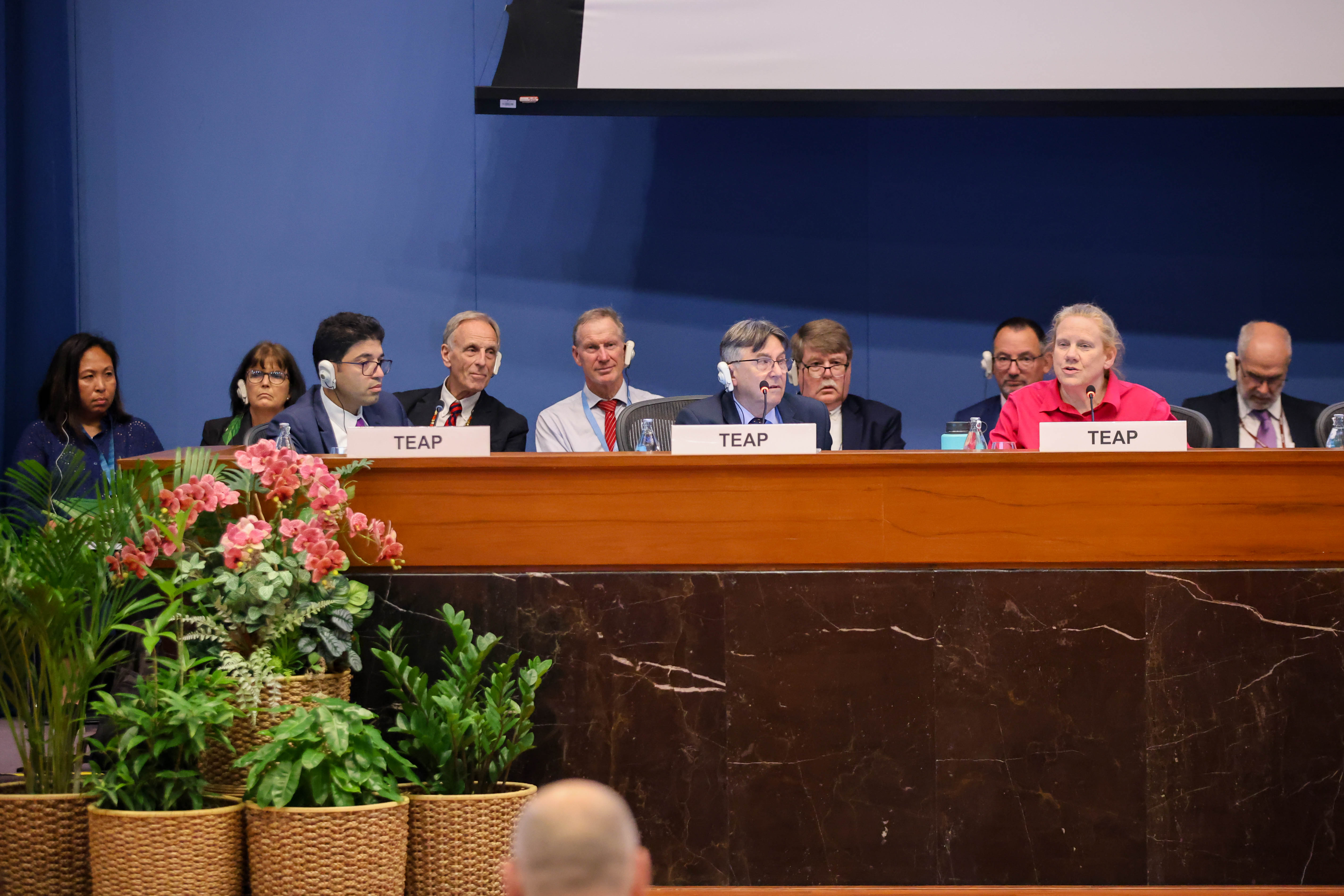
Members of TEAP present their 2025 progress report.
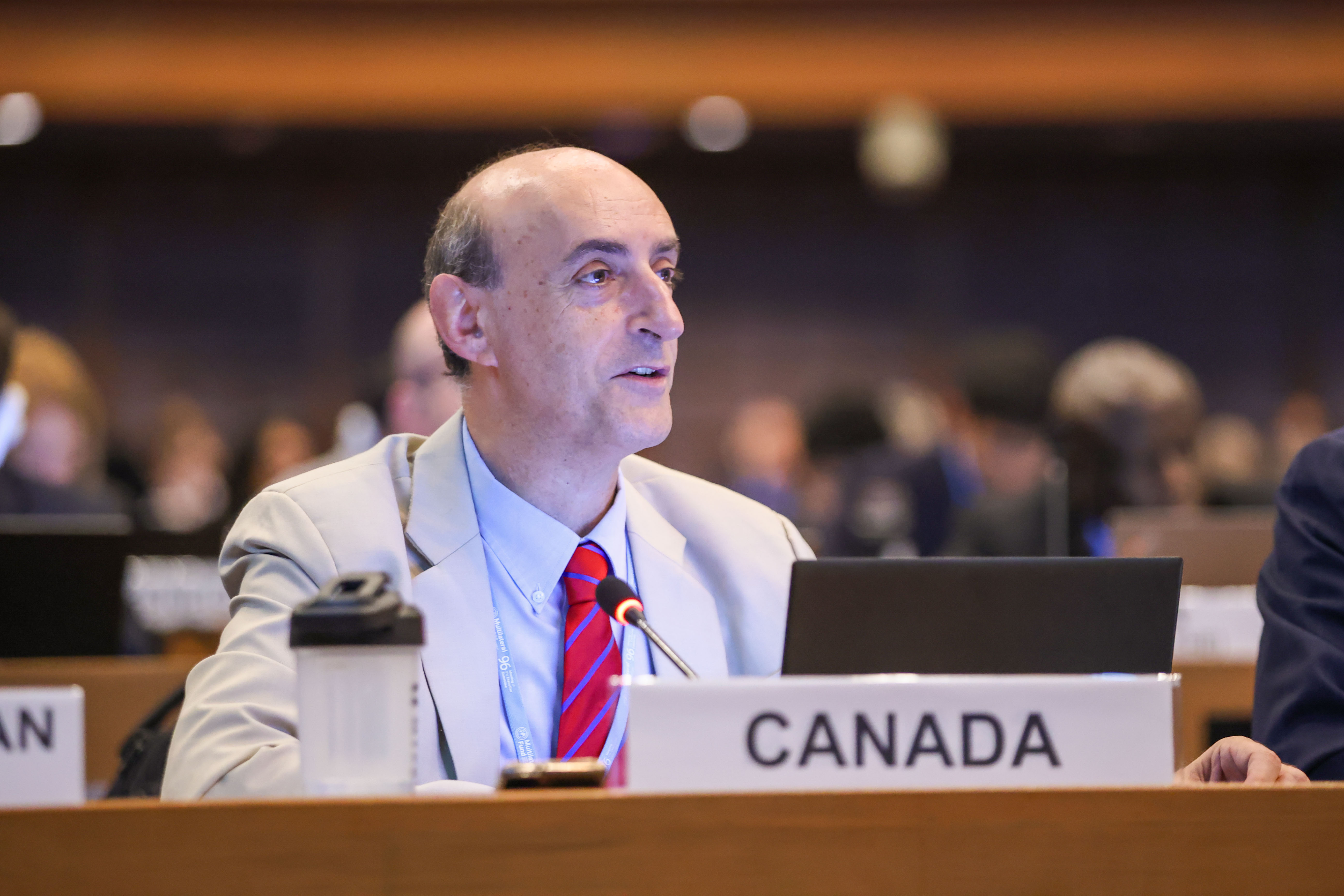
Philippe Chemouny, Canada
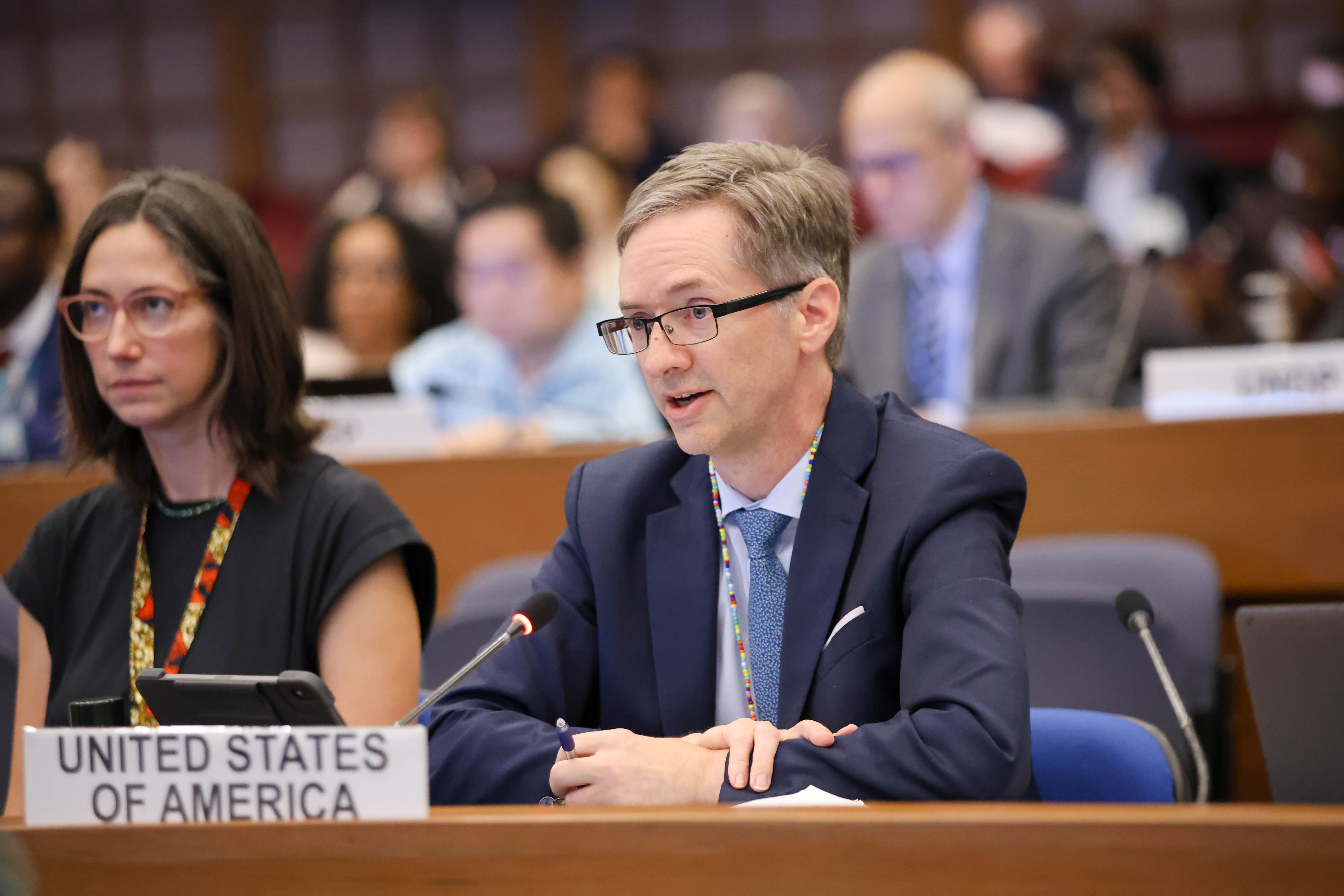
John Thompson, US
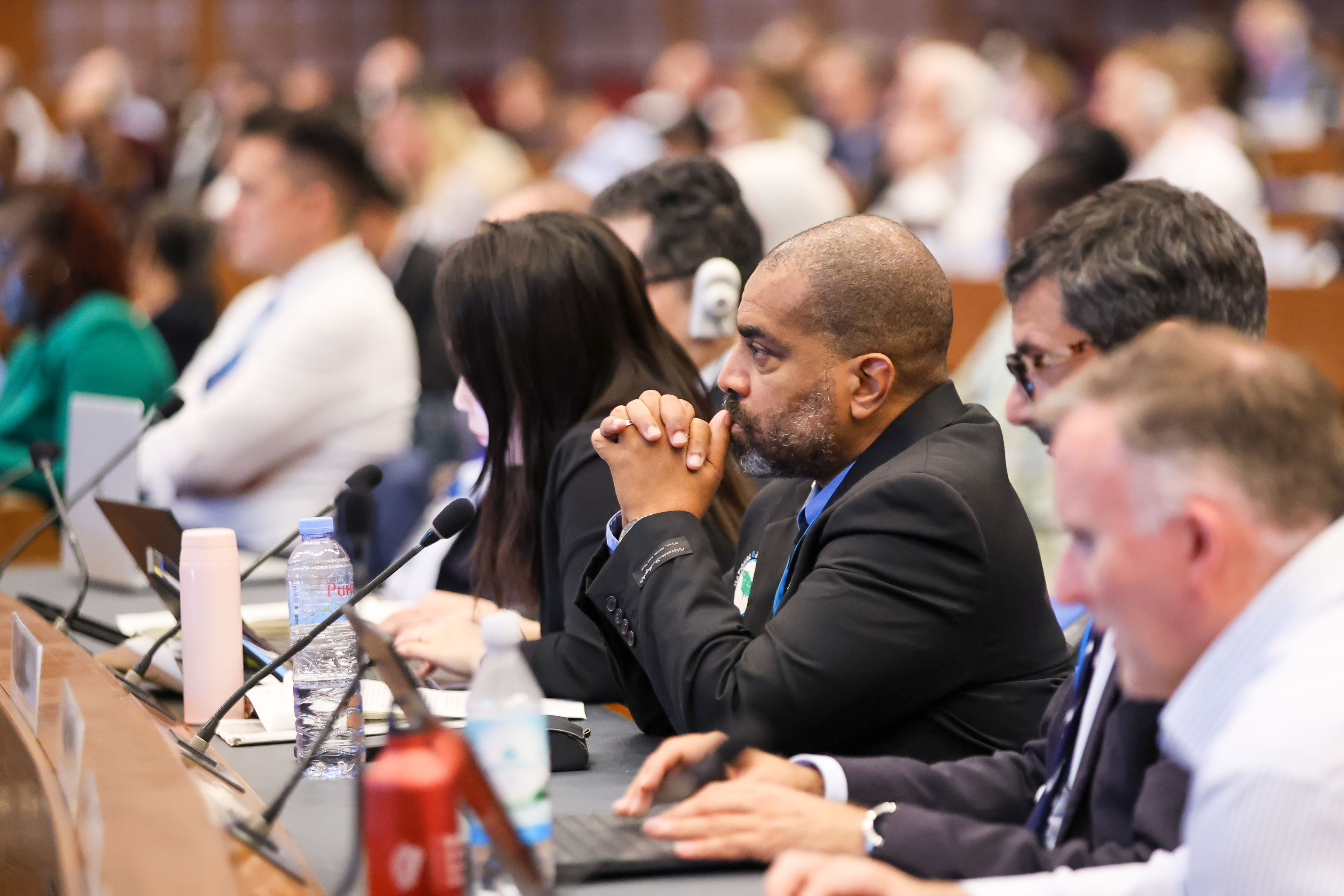
Delegates listen to TEAP's presentation.
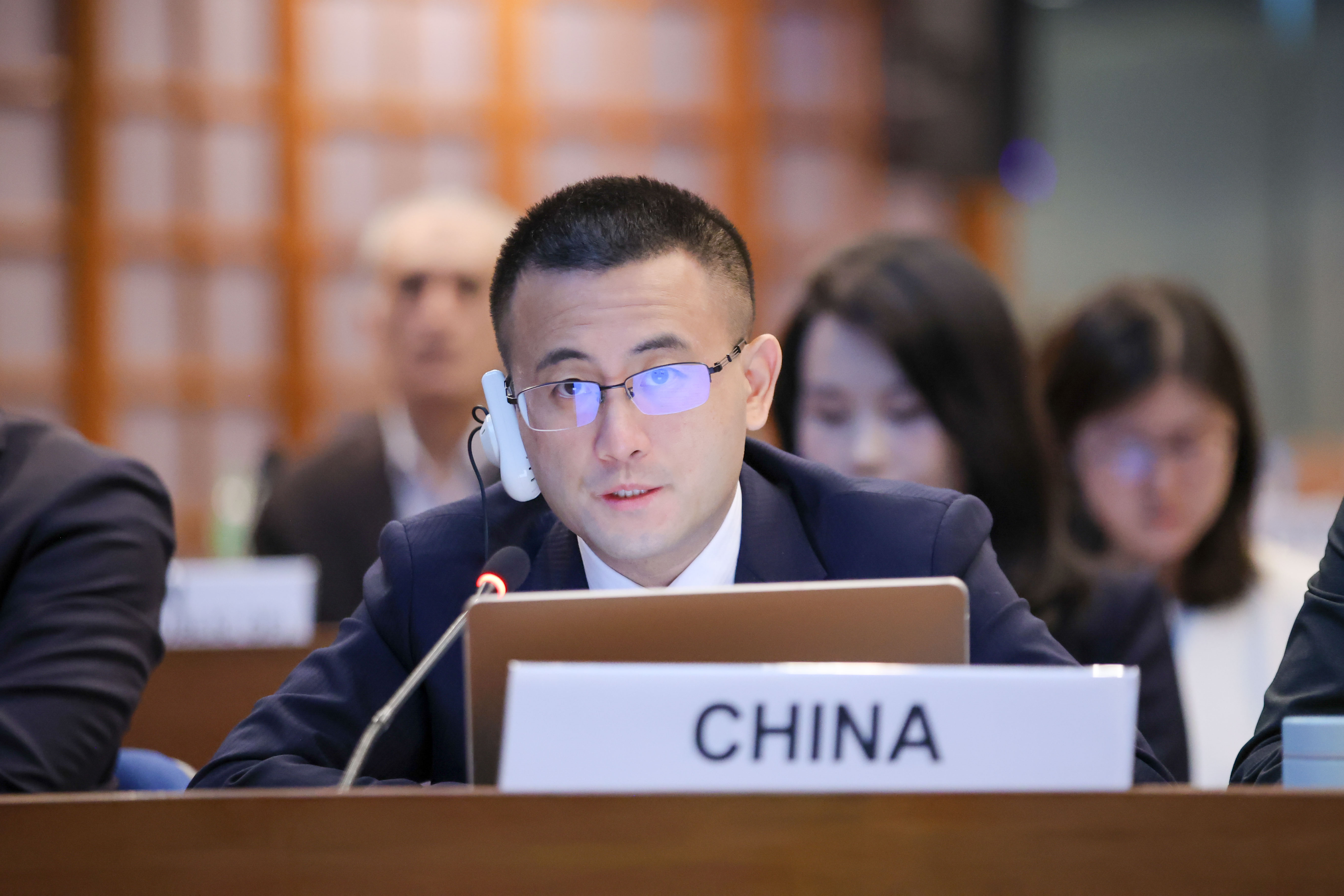
Jiansheng Hu, China
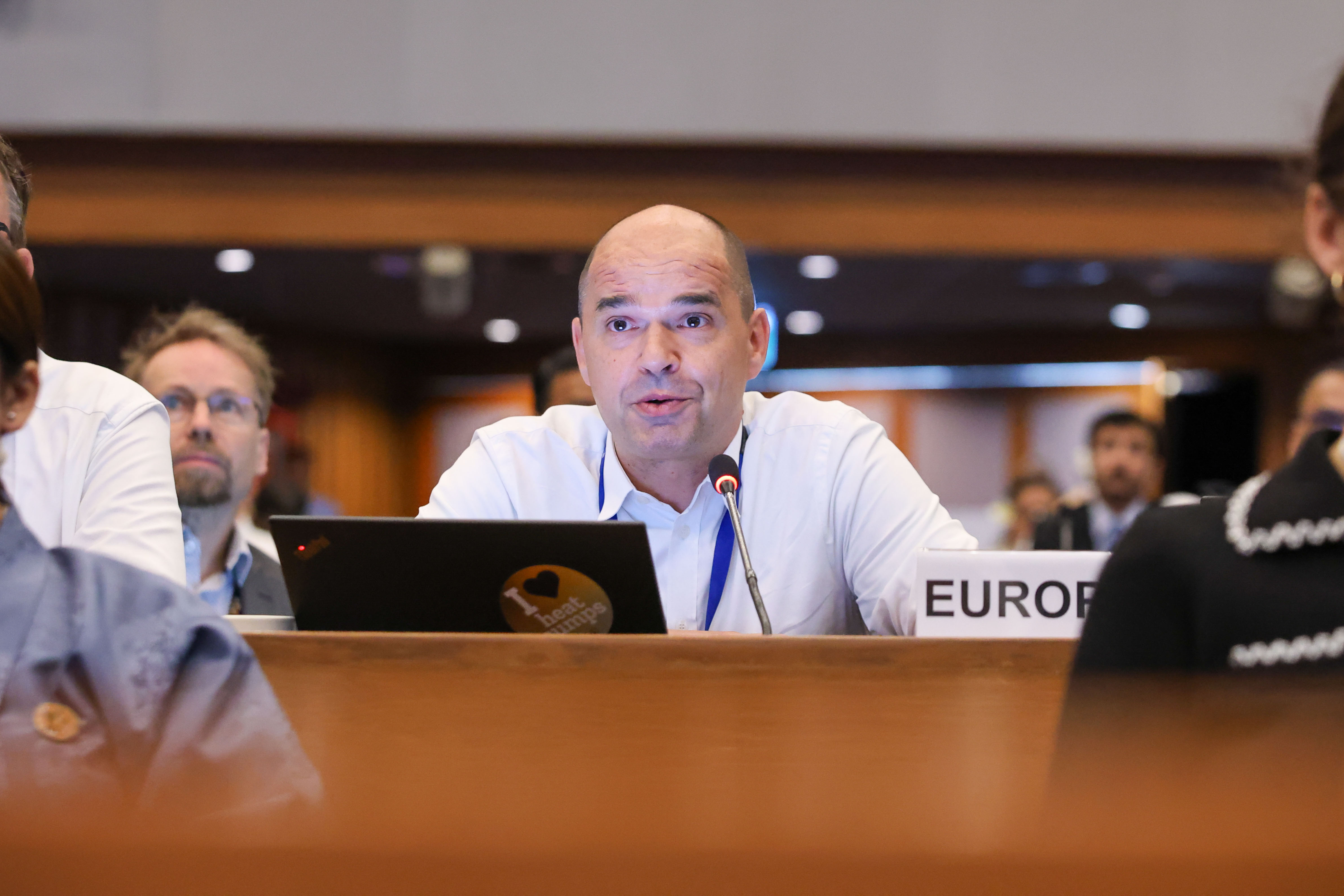
Tom Van Ierland, EU
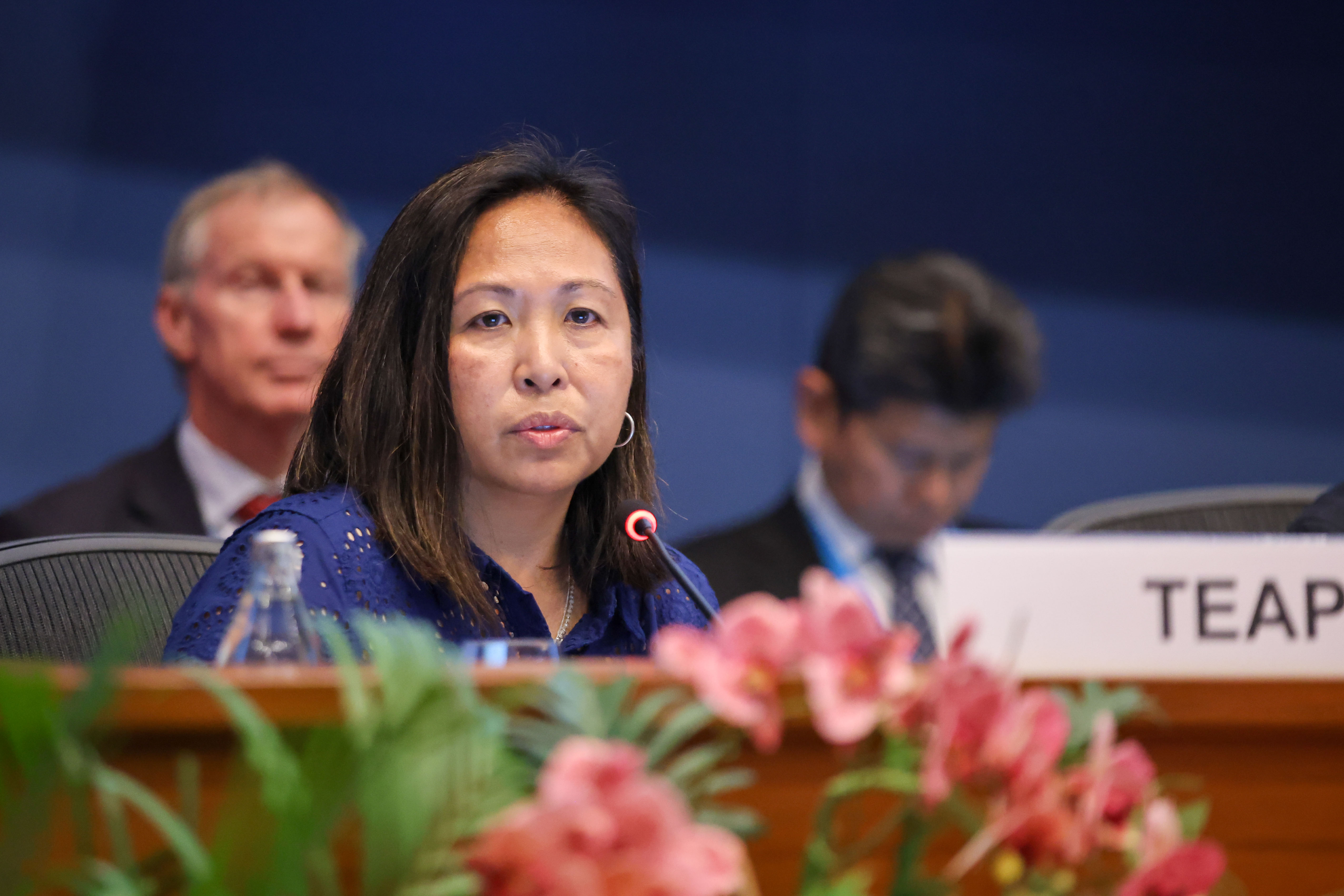
Bella Maranion, TEAP Co-Chair
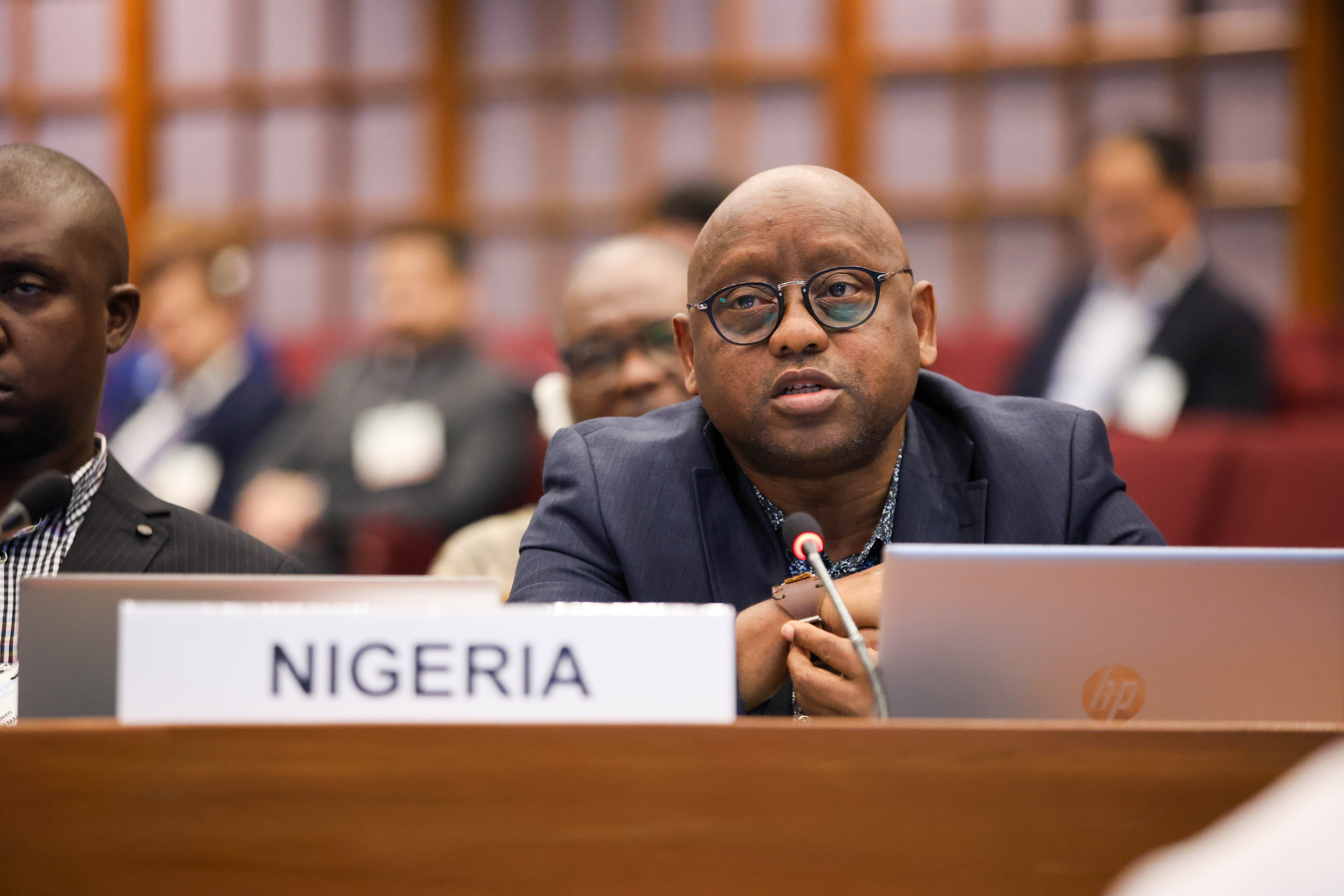
Idris Abdullahi Ishaka, Nigeria
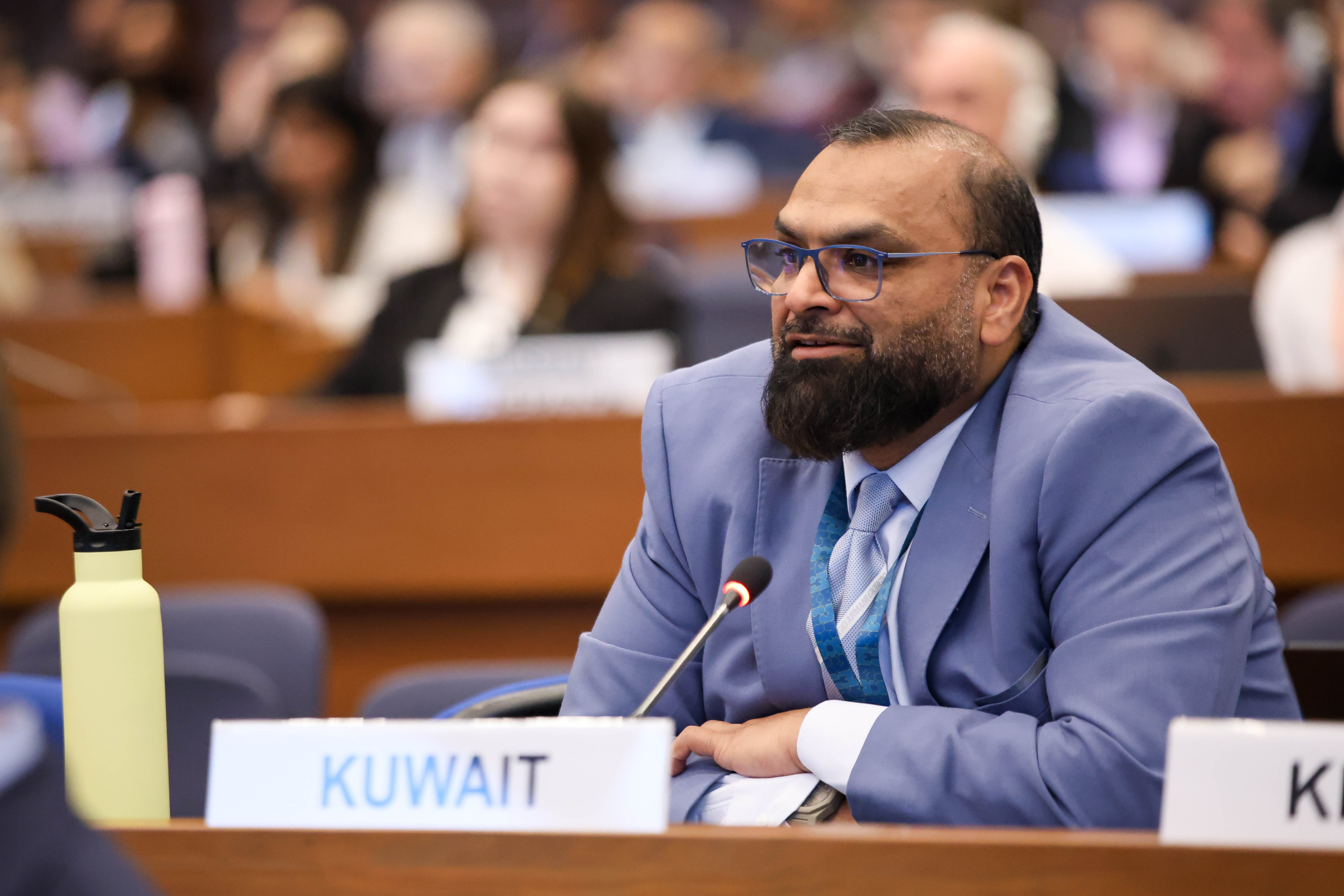
Yaqoub Almatouq, Kuwait
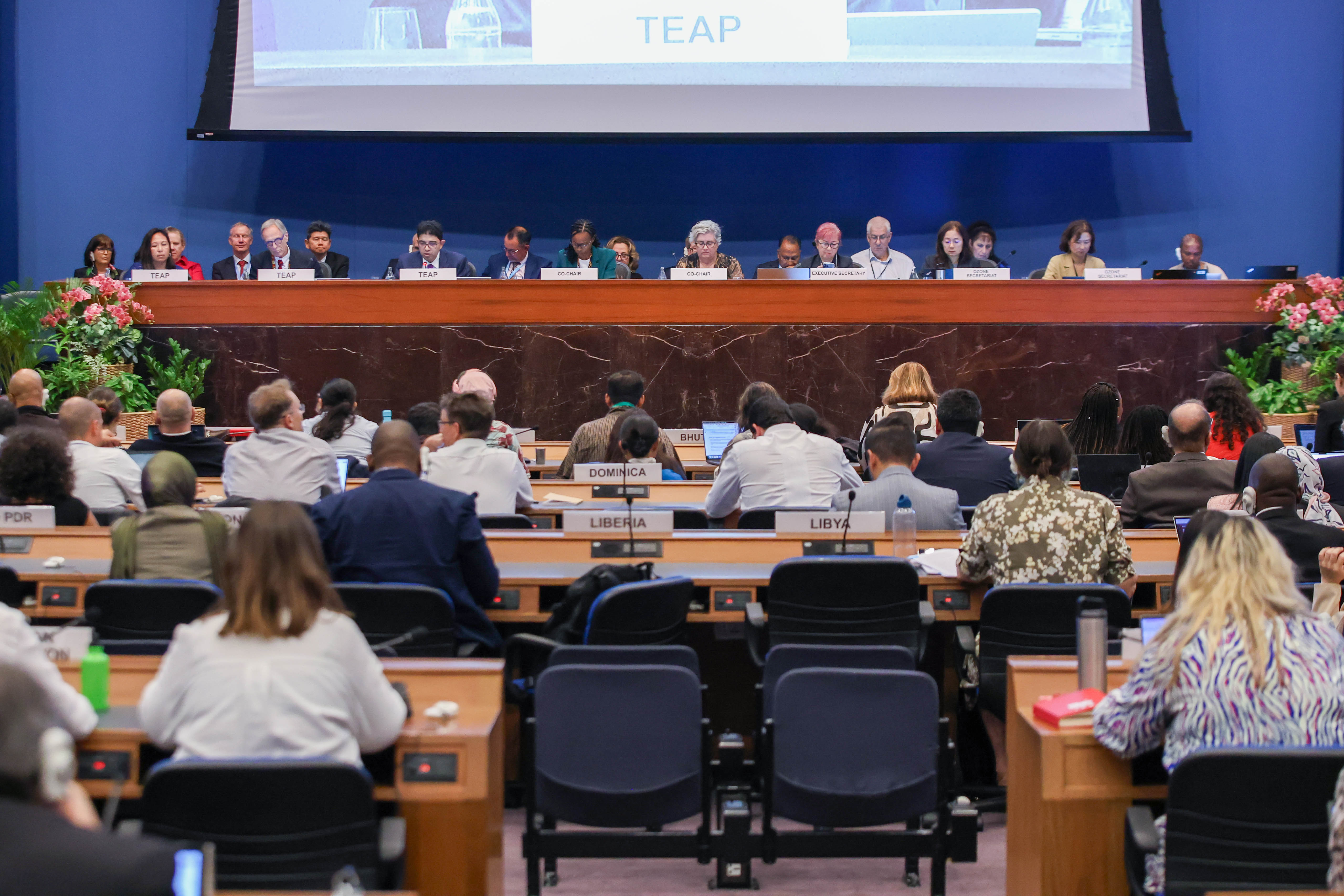
View of the dais during TEAP's presentation
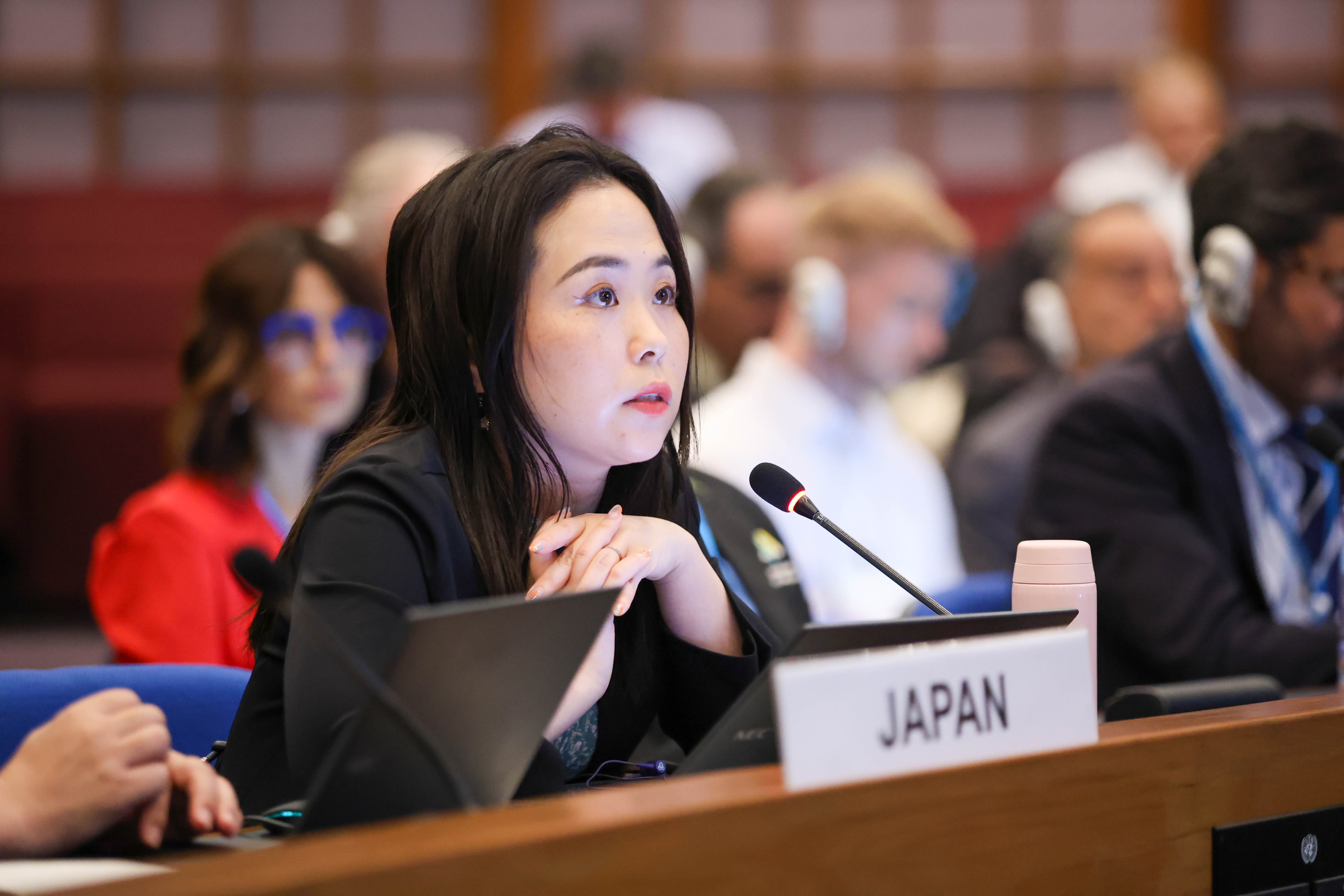
Misaki Hashimoto, Japan
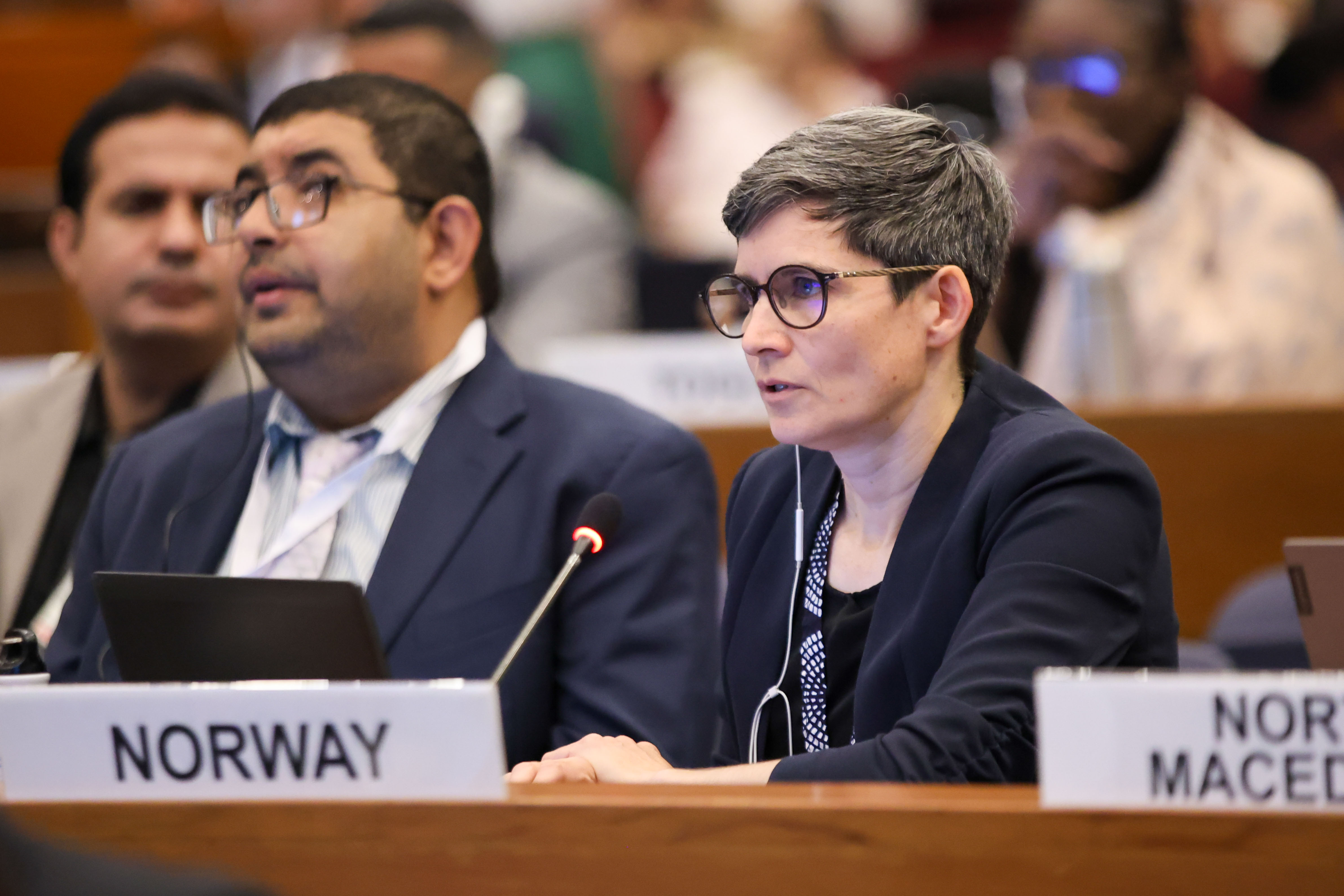
Sandrine Benard, Norway
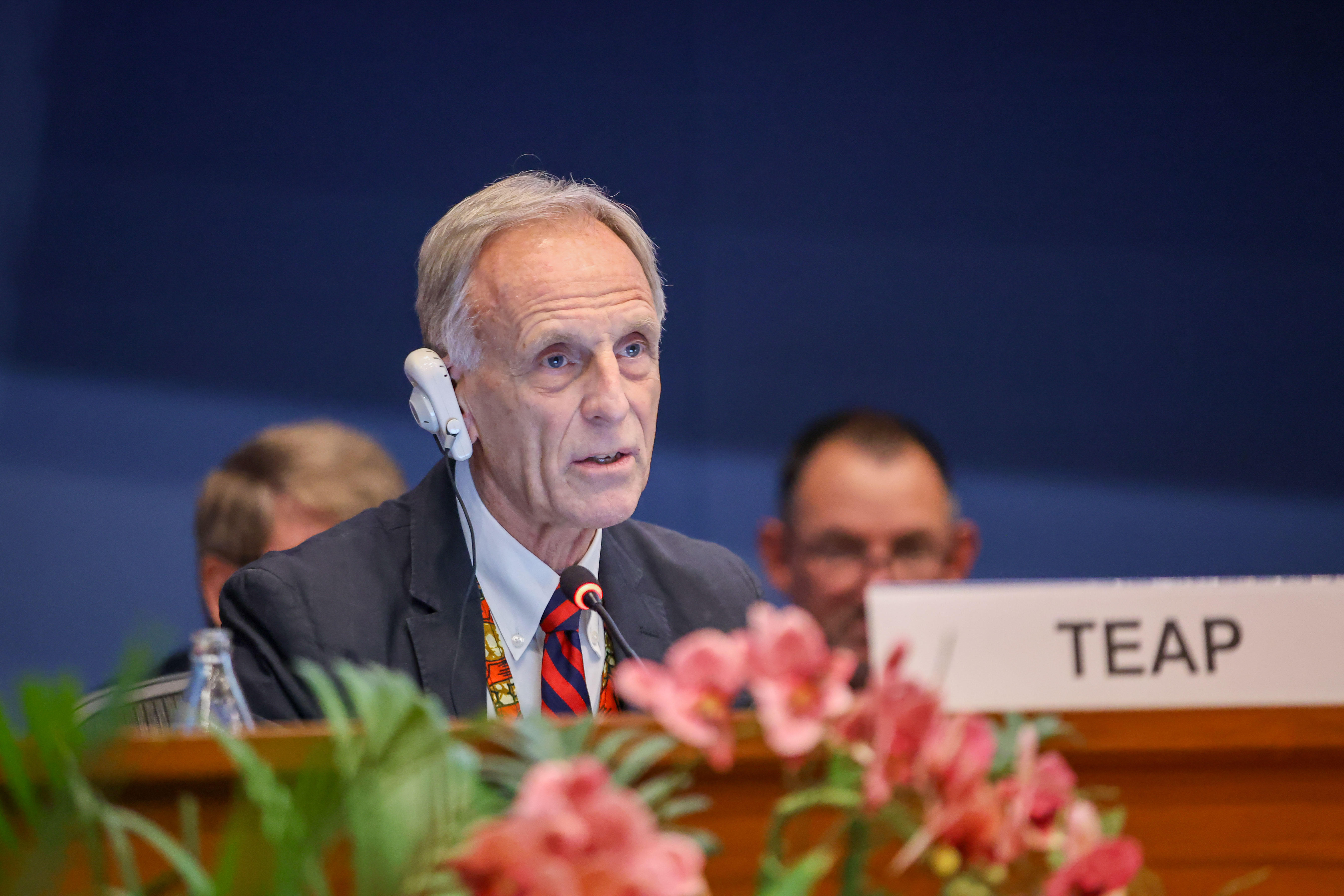
Ashley Woodcock, TEAP Co-Chair
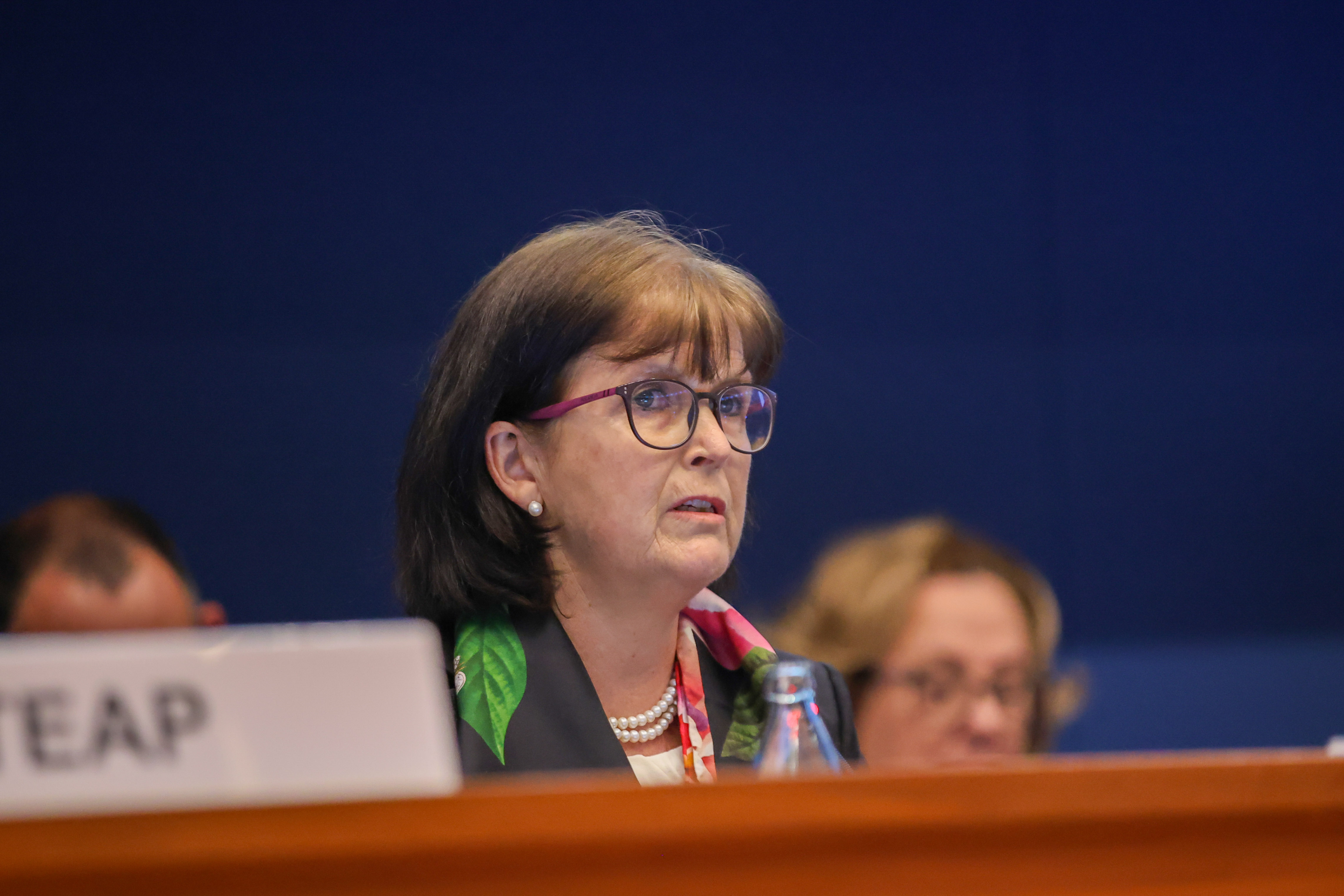
Marta Pizano, TEAP Co-Chair
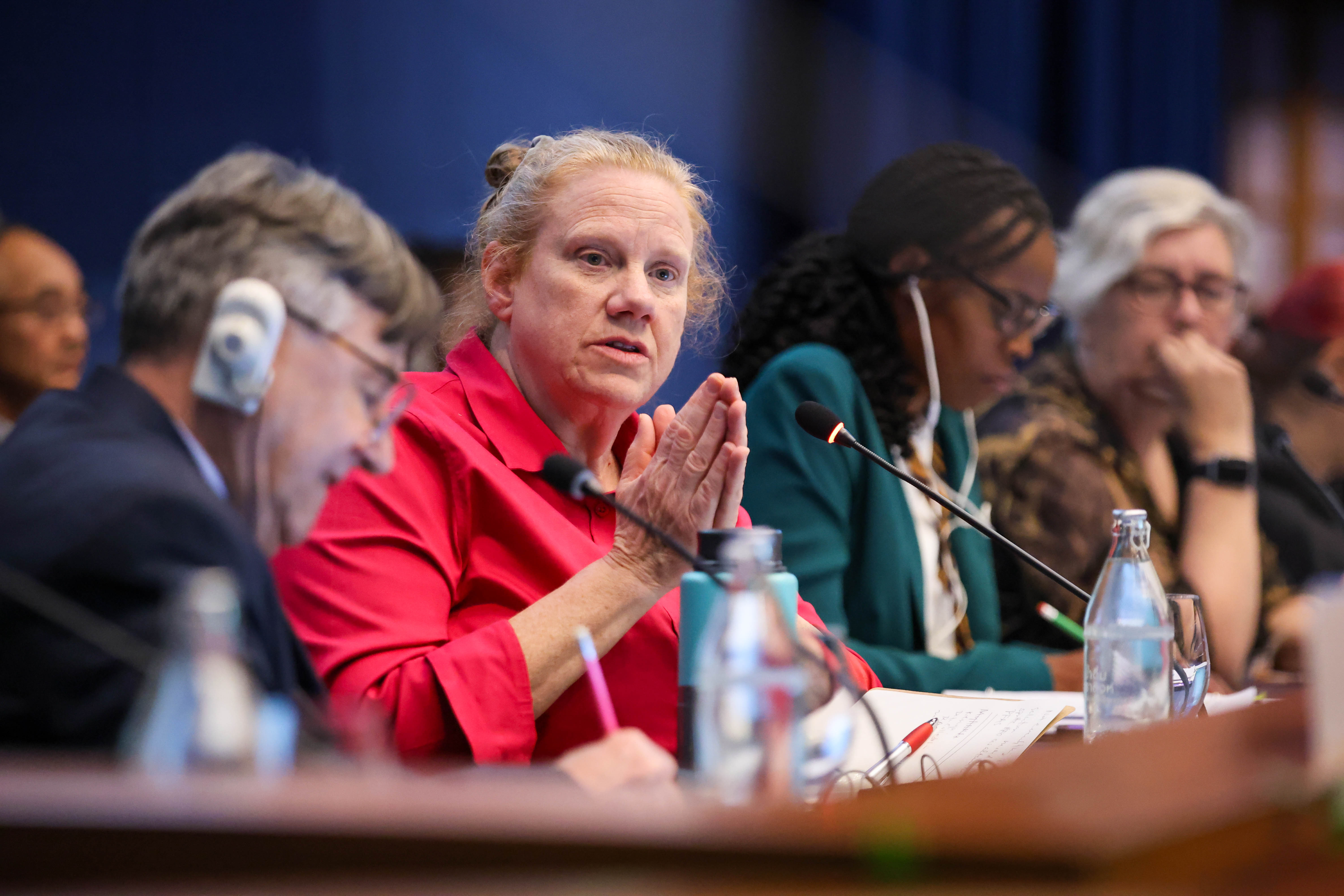
Helen Walter-Terrinoni, Technical Options Committee Co-Chair
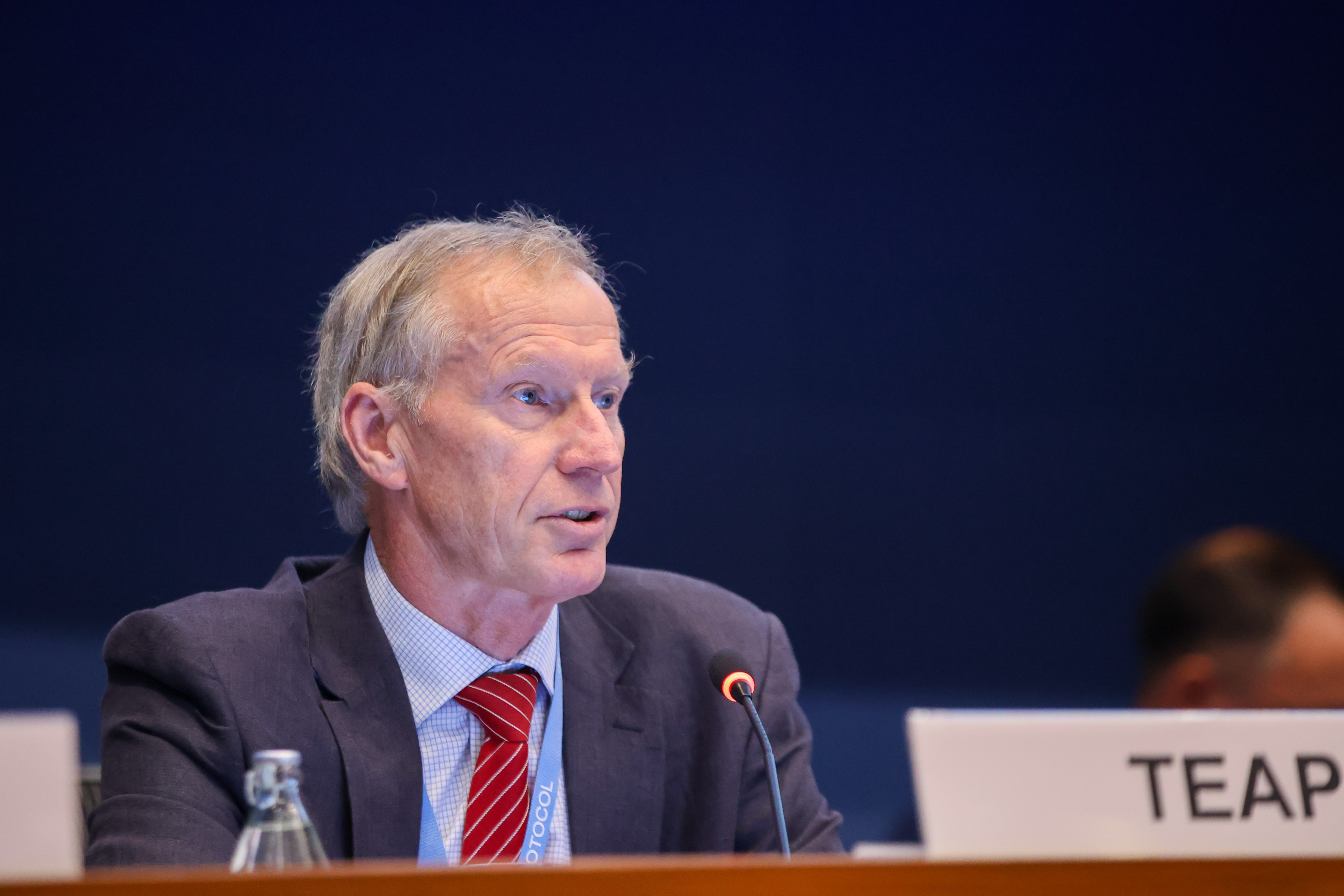
Ian Porter, TEAP
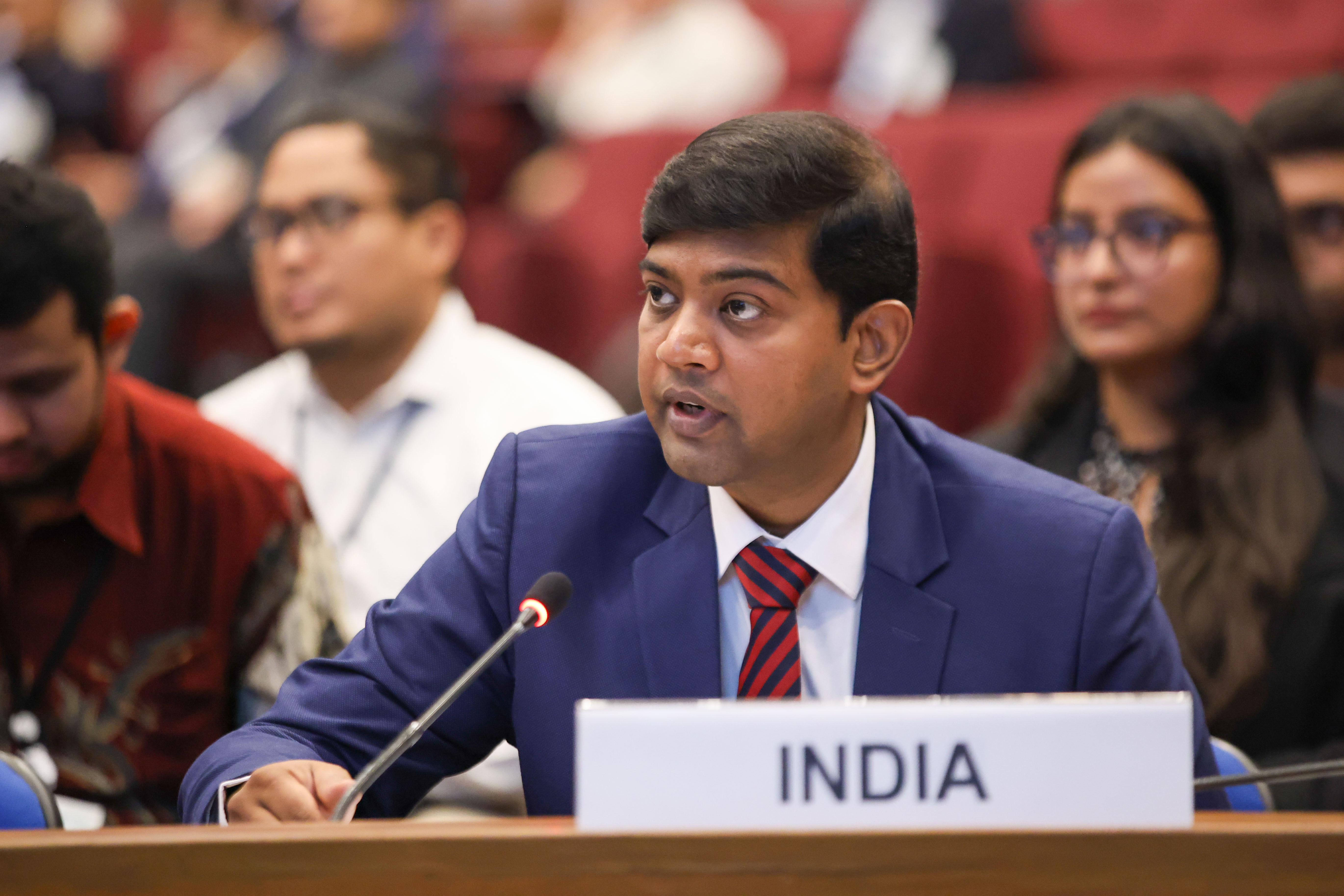
John Daniel Marcus Knight, India
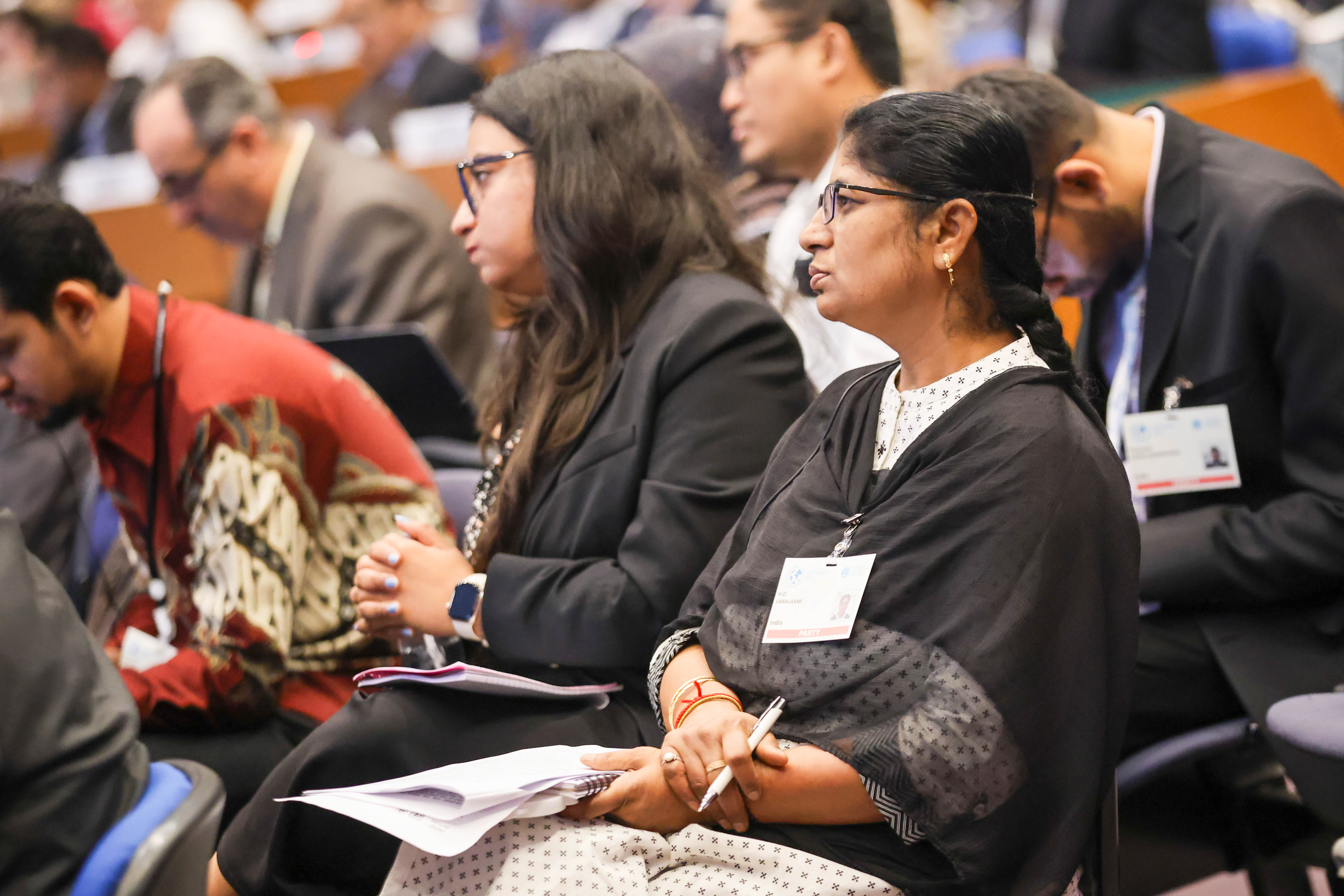
Delegates follow the proceedings.
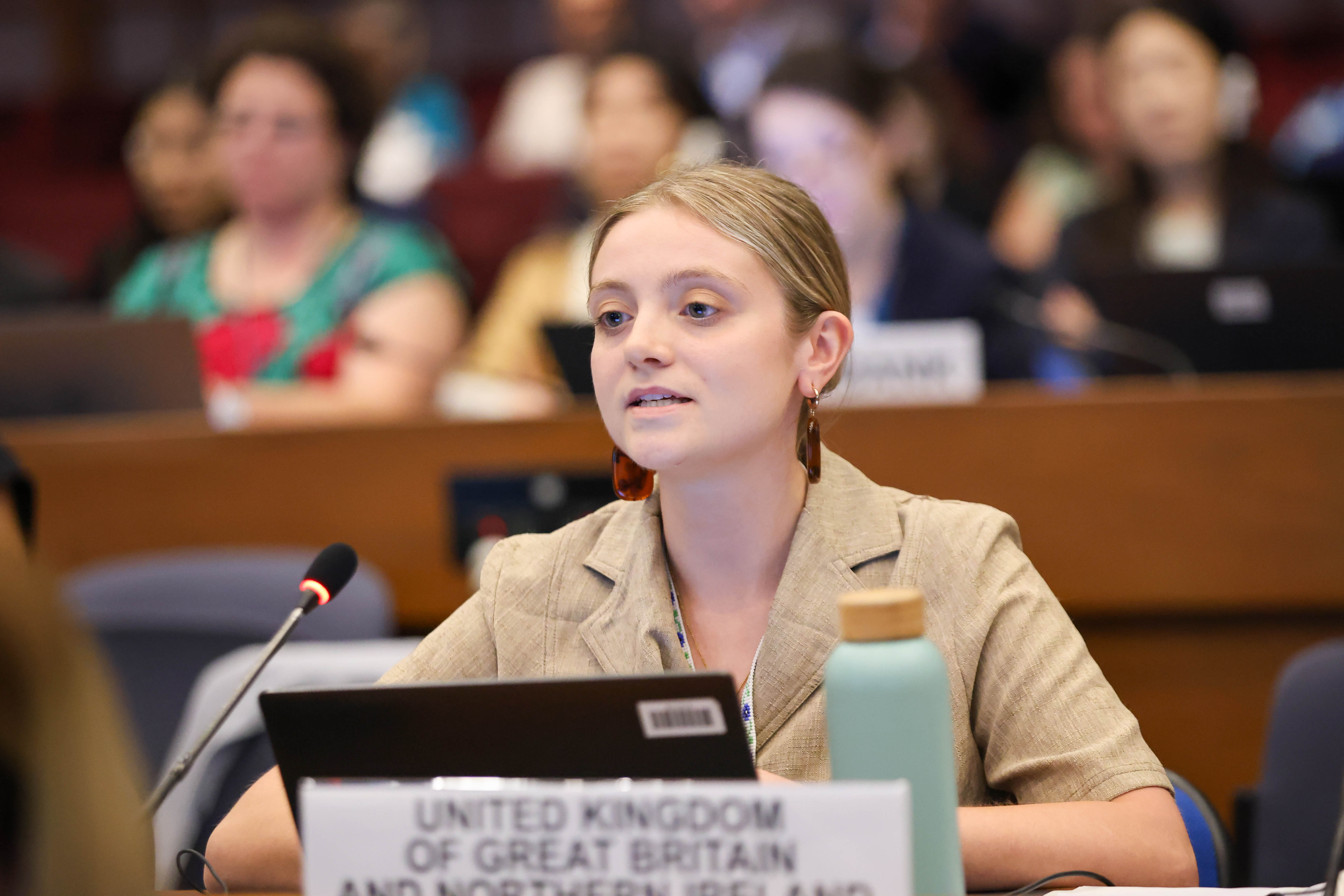
Morgan Simpson, United Kingdom
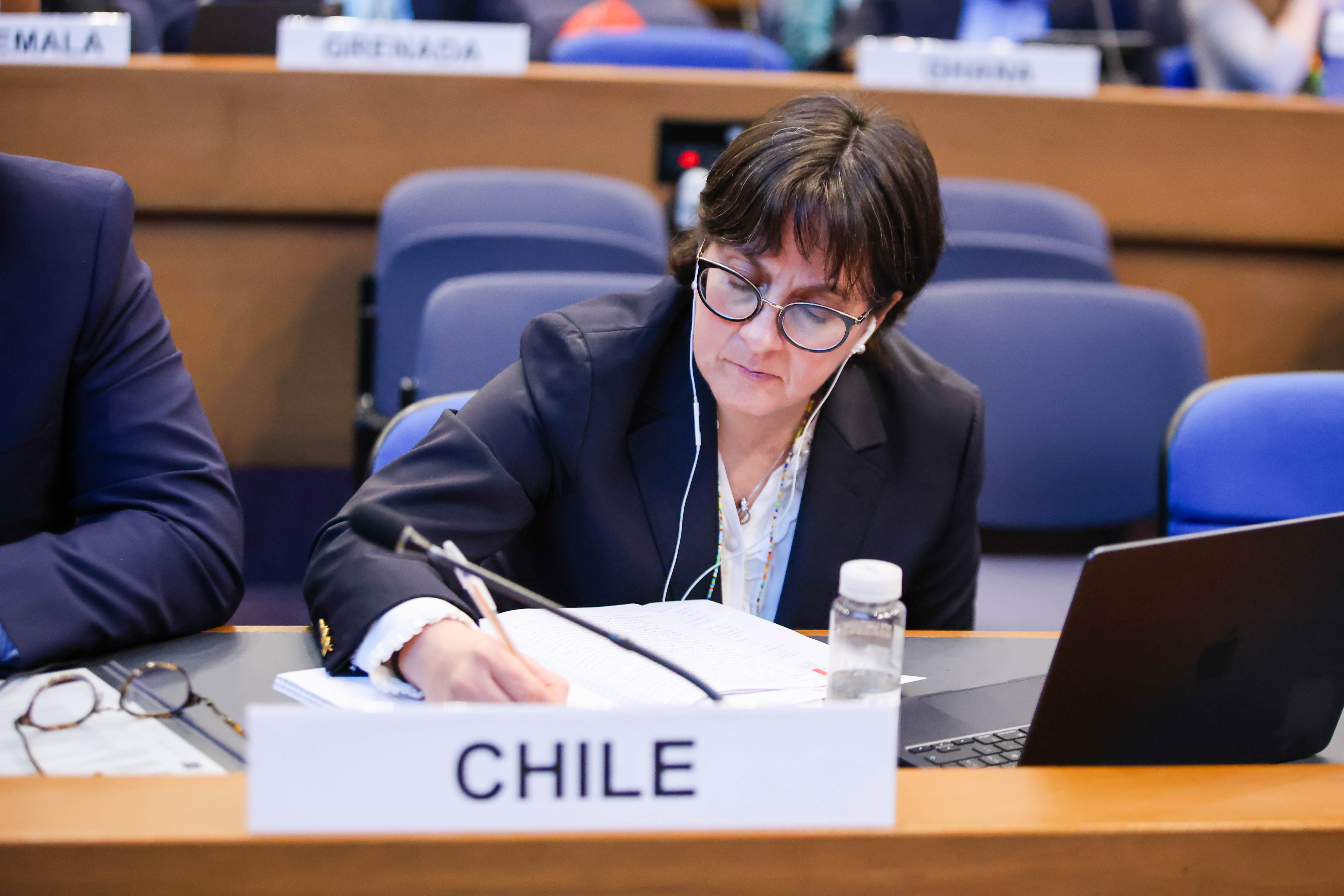
Claudia Paratori, Chile
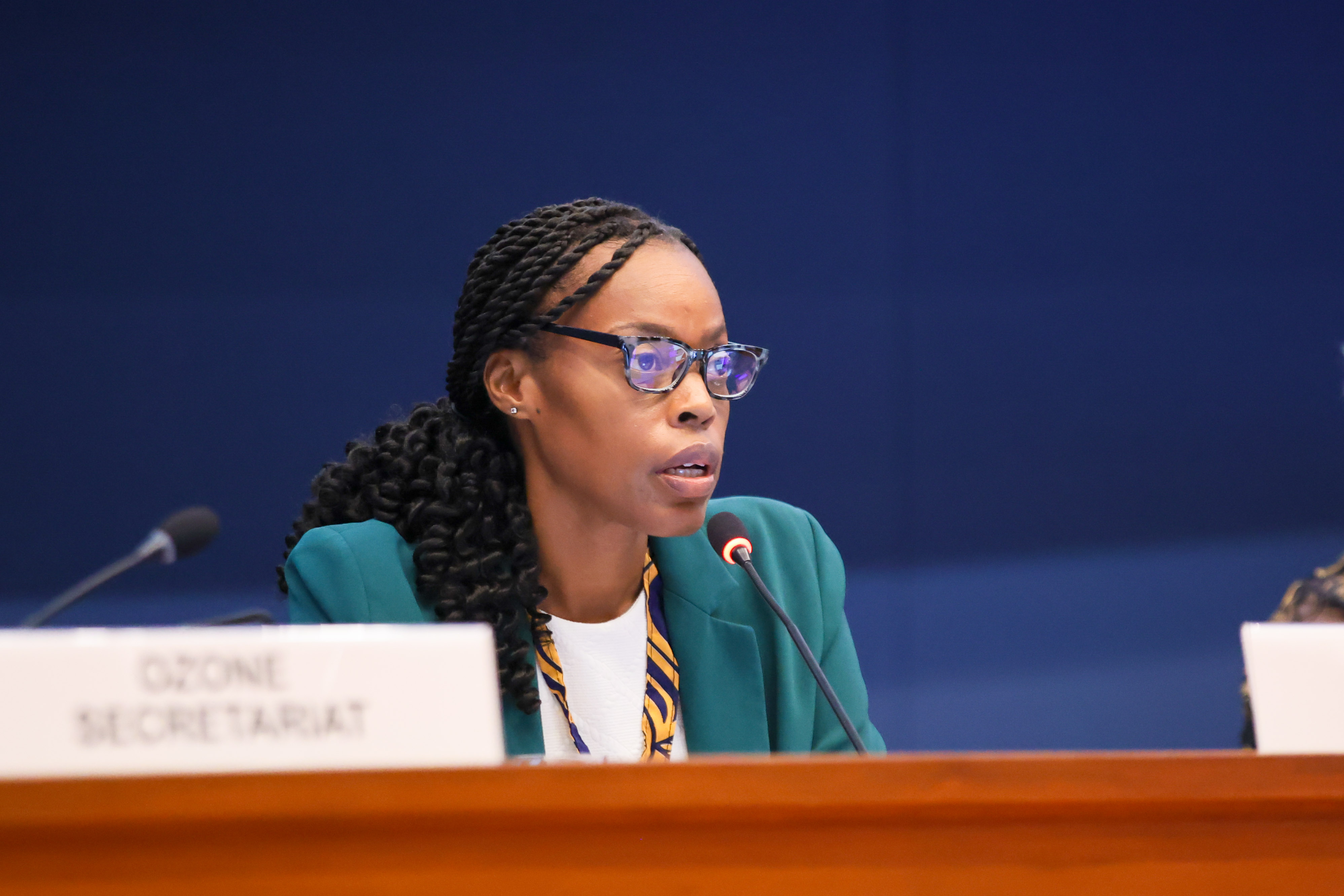
Shontelle Wellington, Barbados, OEWG 47 Co-Chair
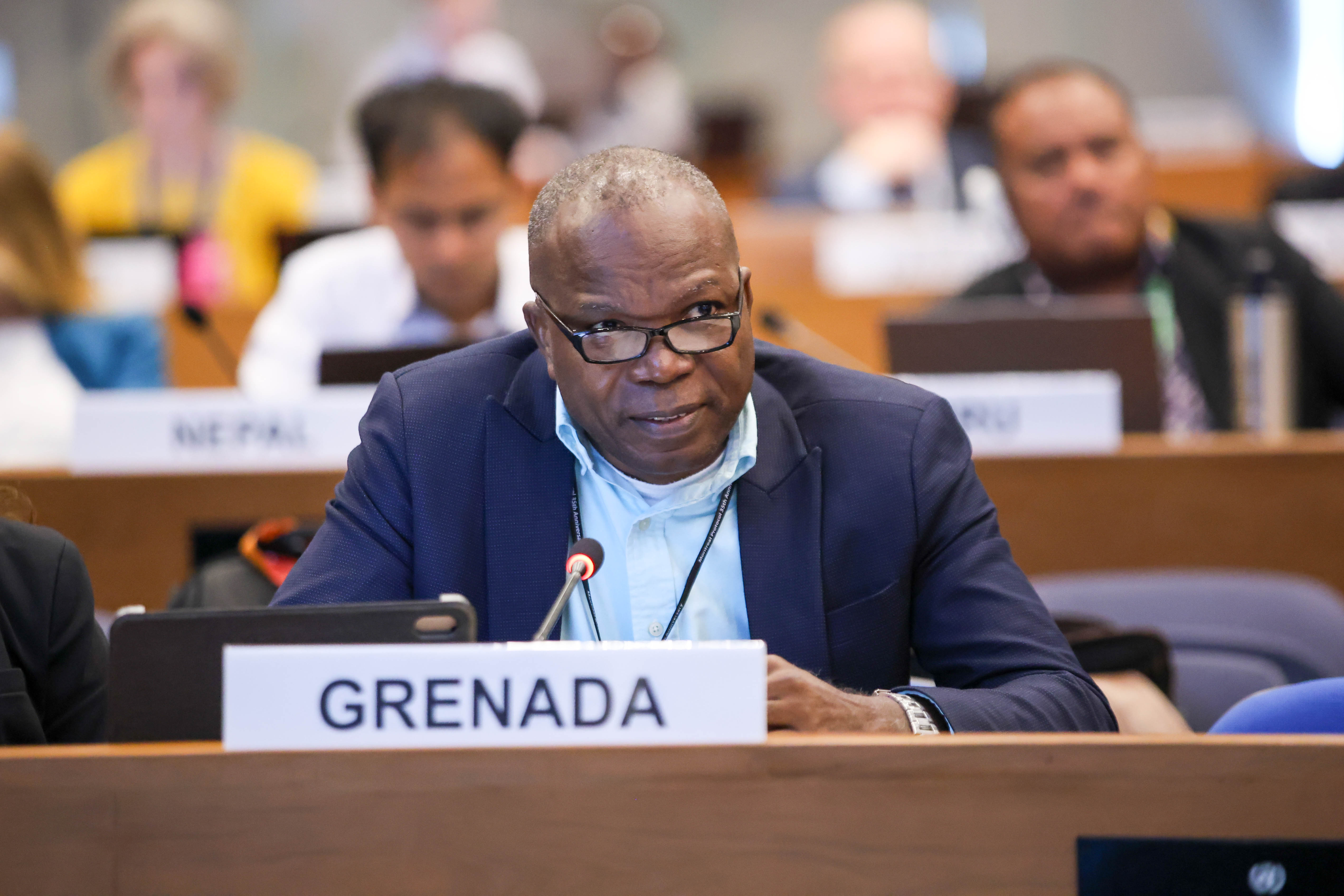
Leslie Smith, Grenada
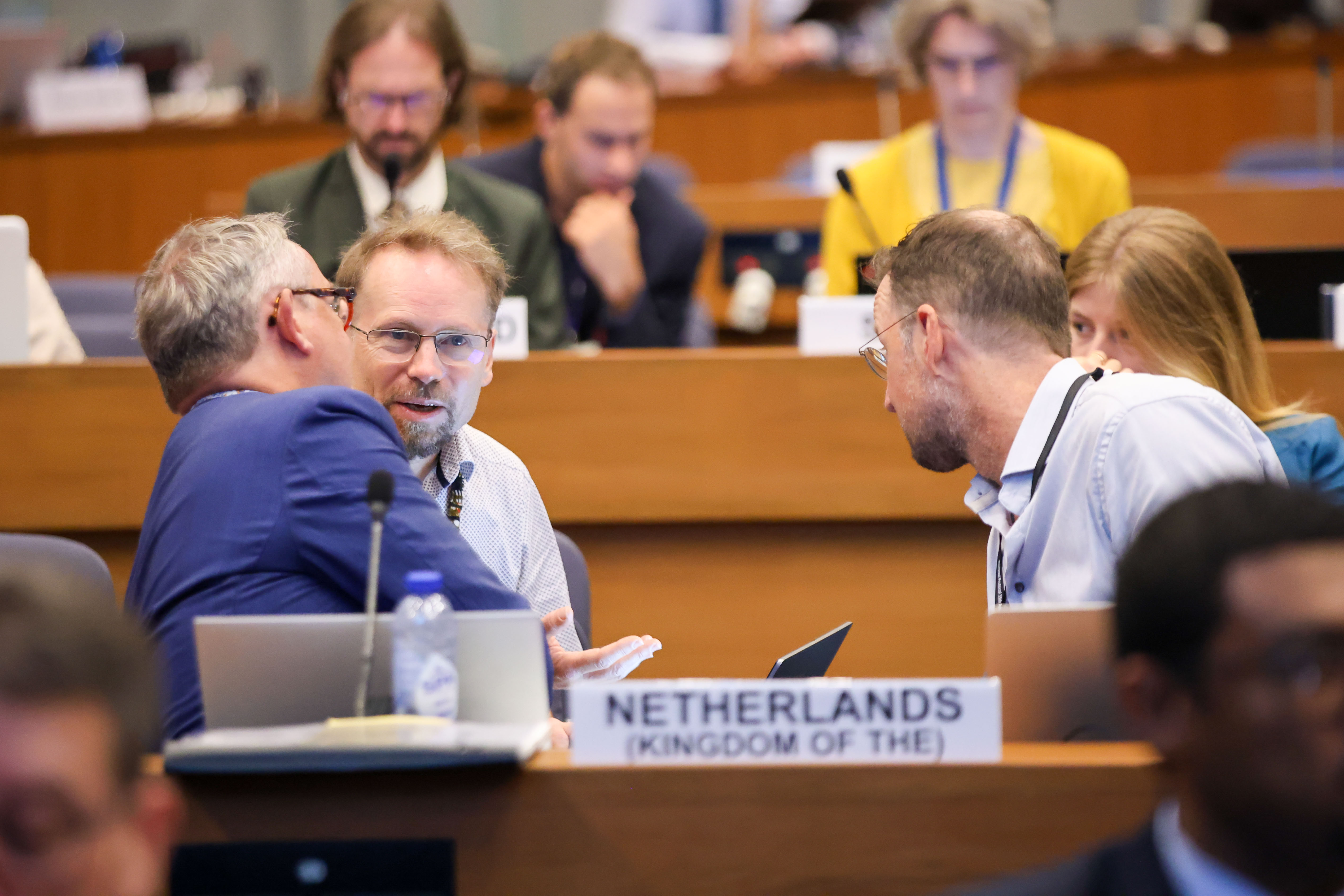
Delegates from EU consult during the session.
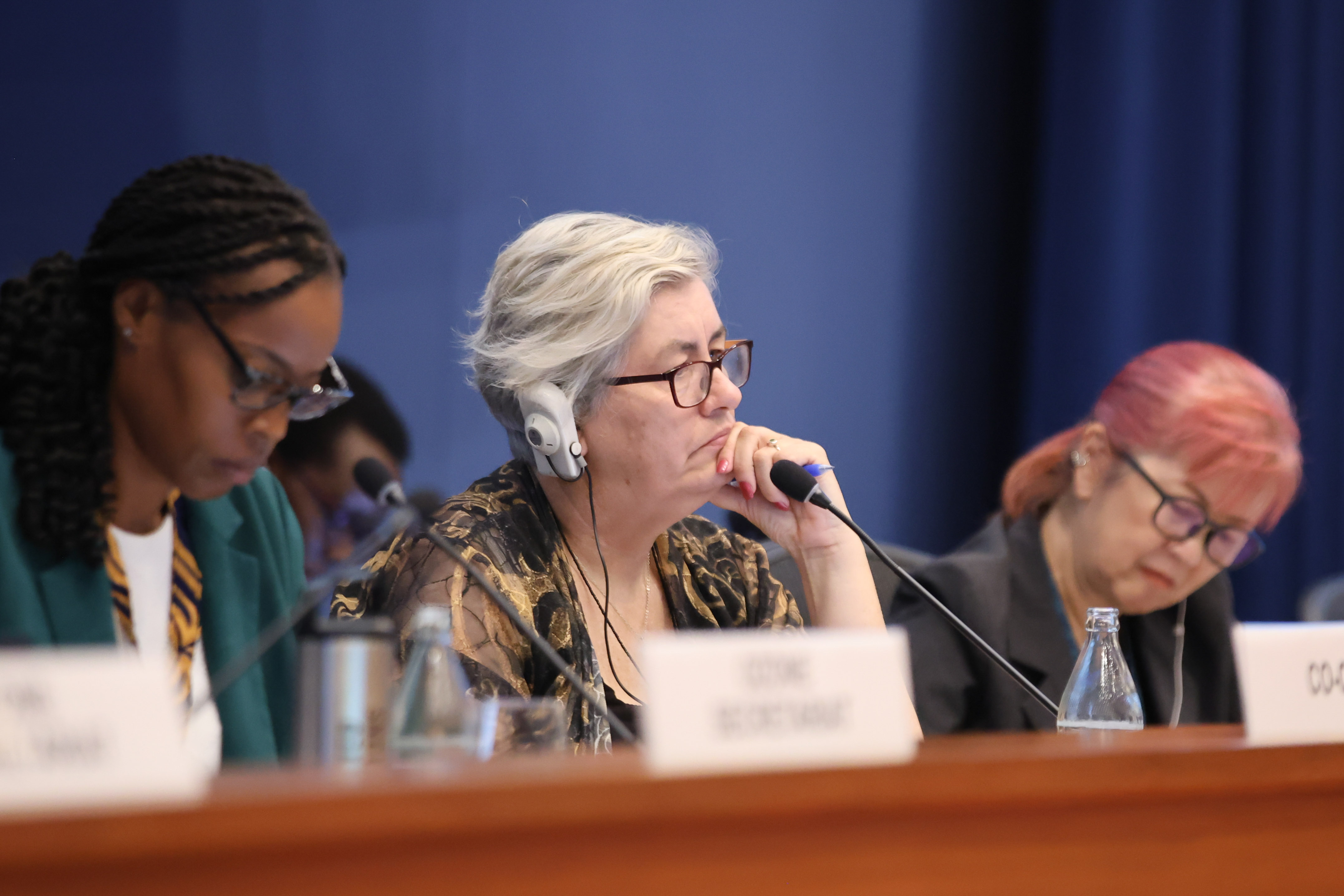
Annie Gabriel, Australia, OEWG 47 Co-Chair
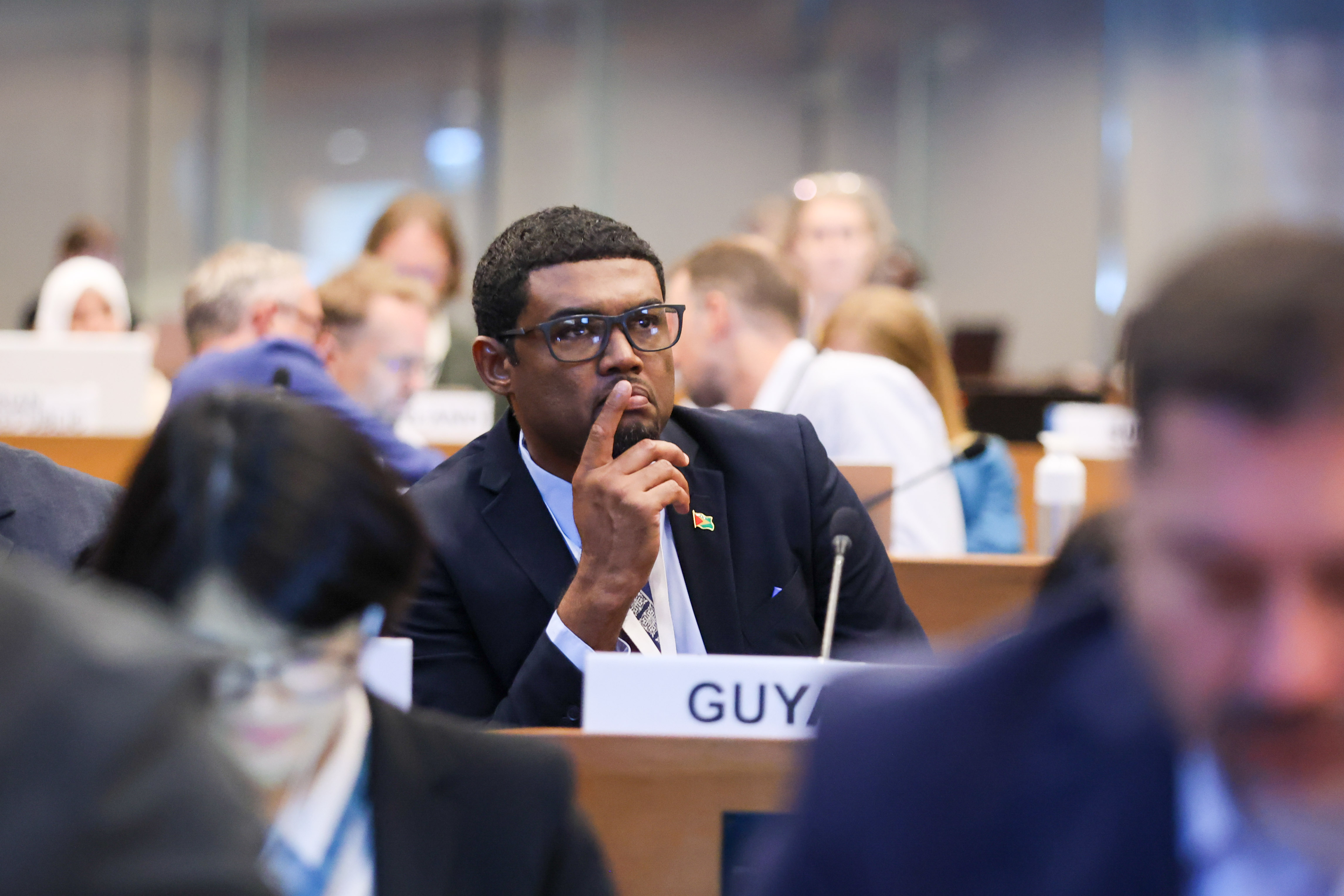
Garvin Cummings, Guyana
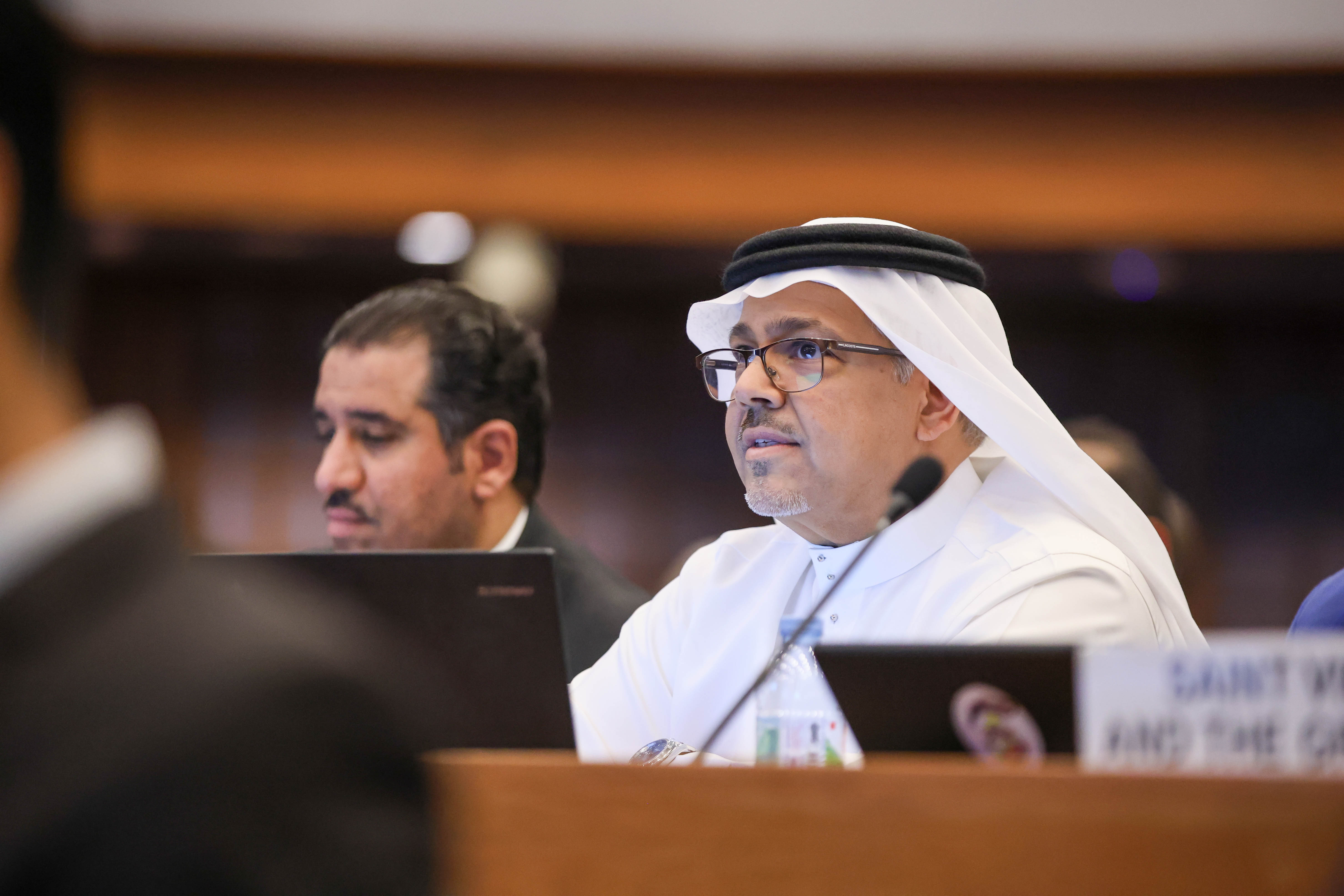
Abdulrahman Jastaniah, Saudi Arabia
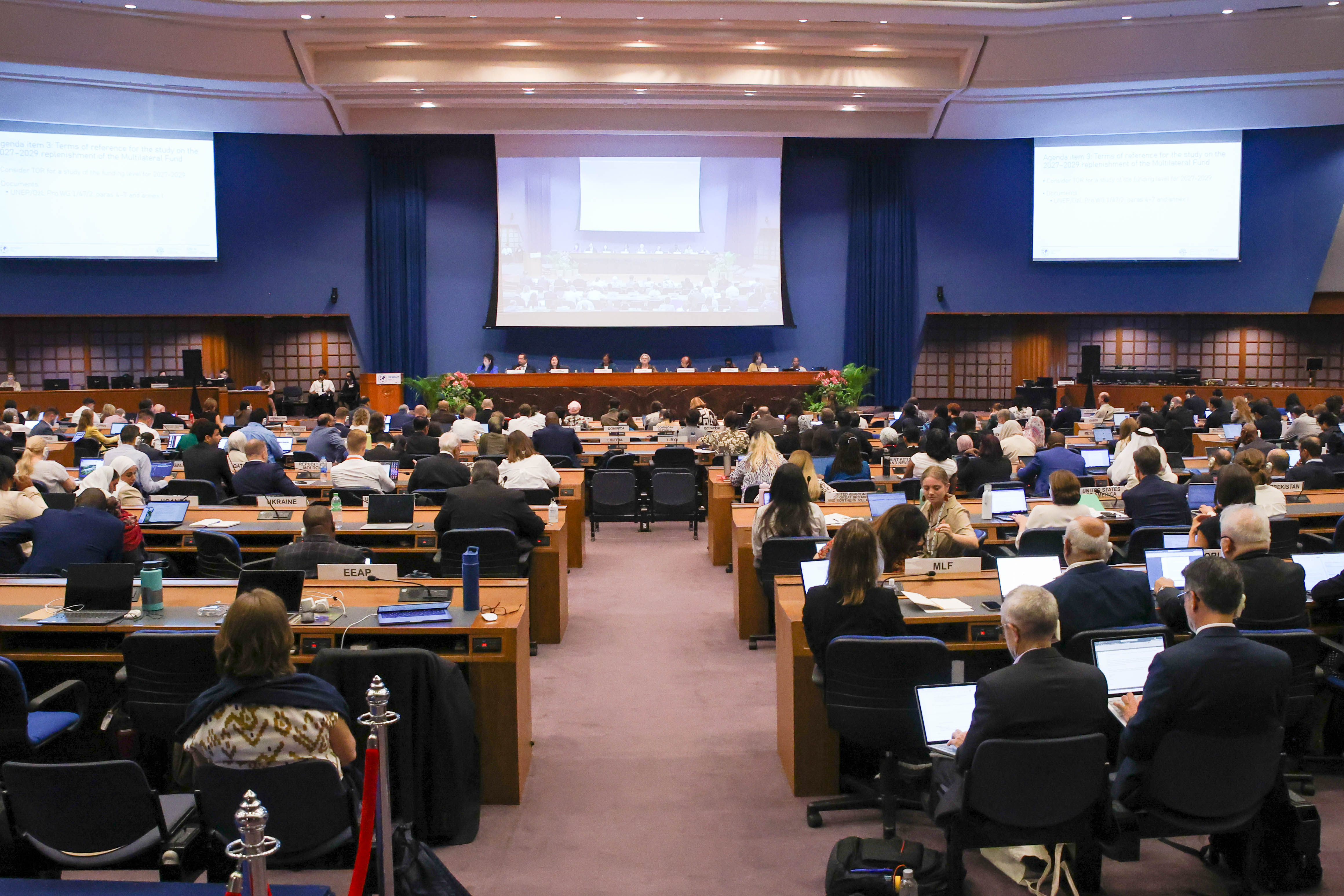
A view of the room
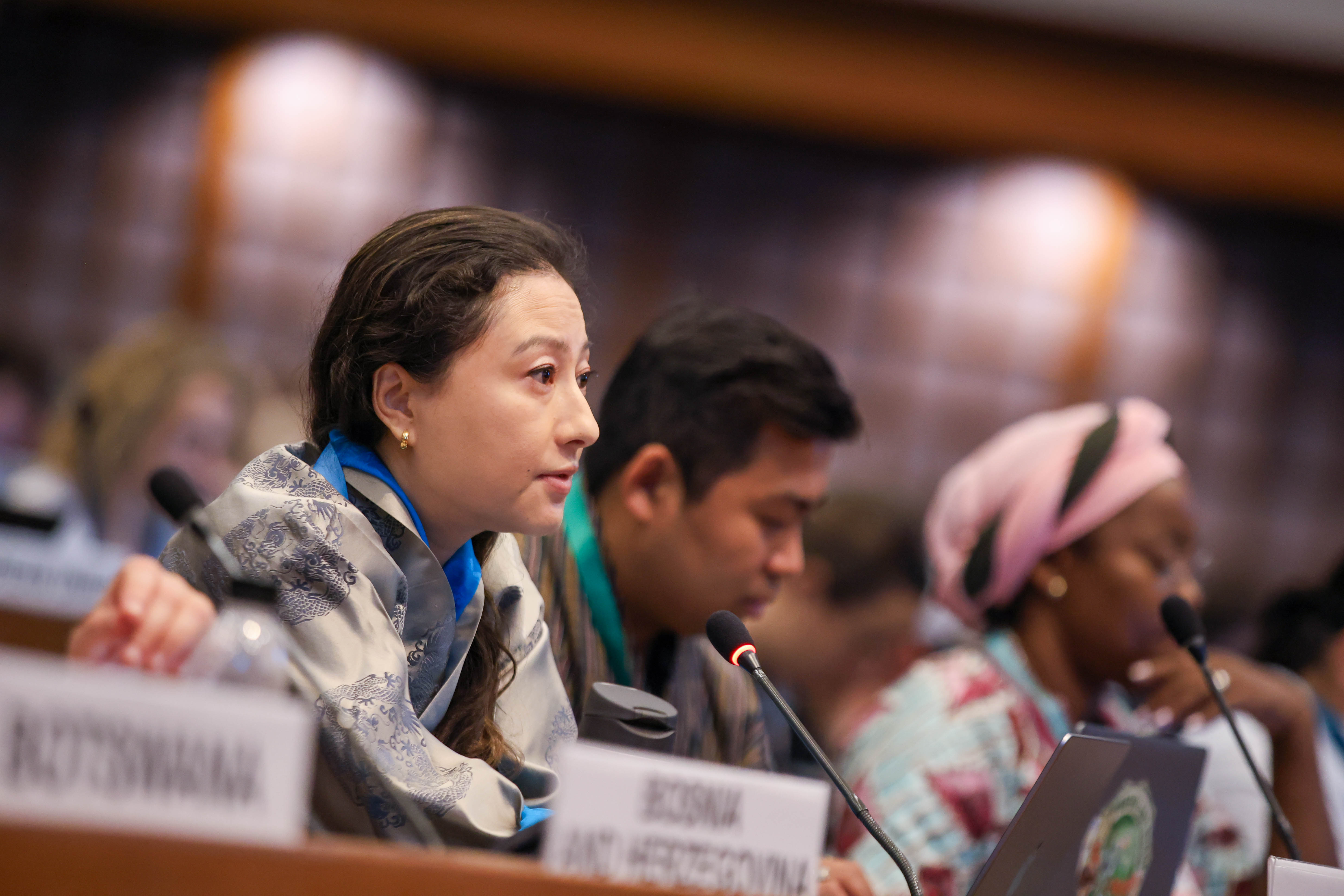
Tshering Choden, Bhutan
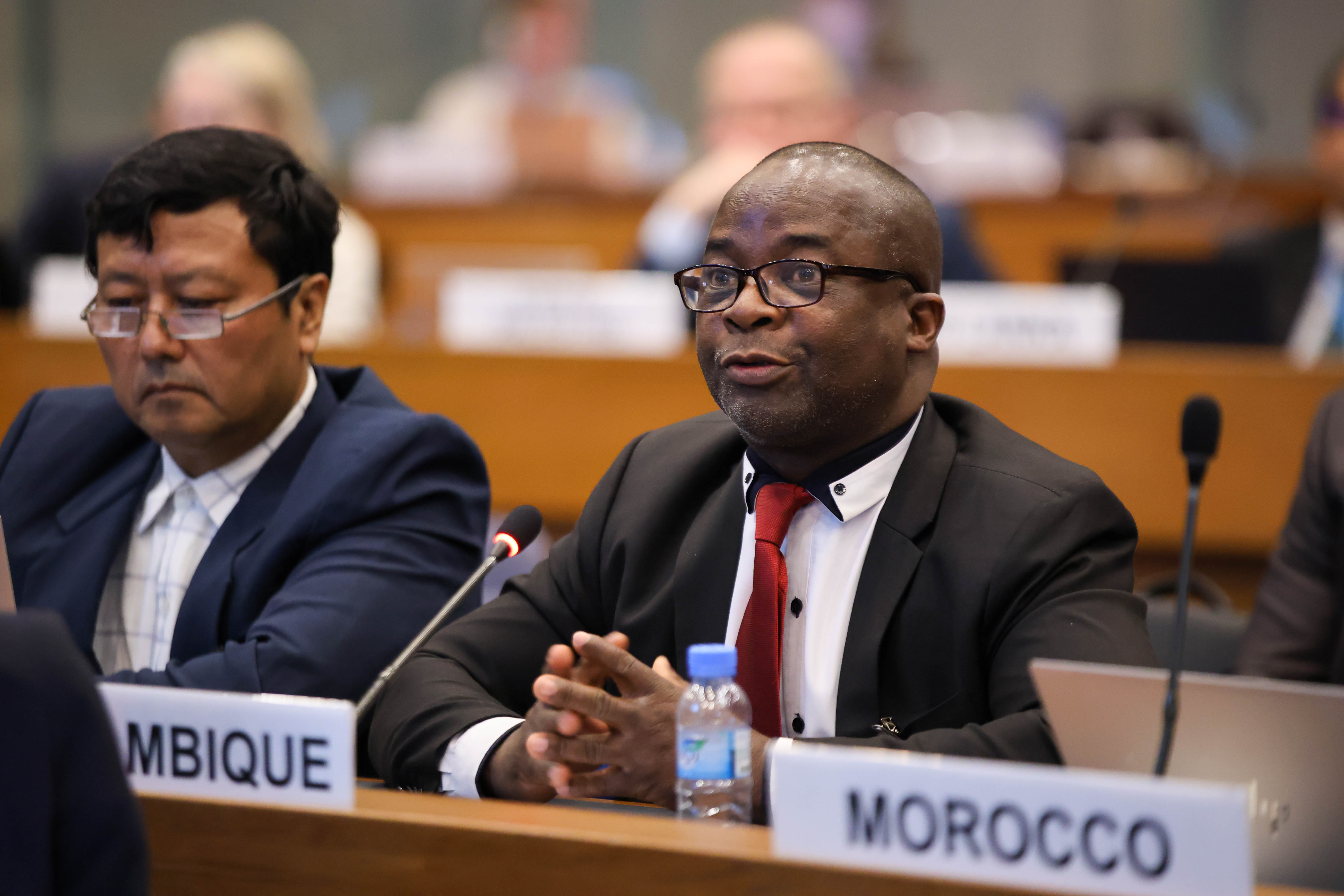
Leonardo Manuel Sulila, Mozambique
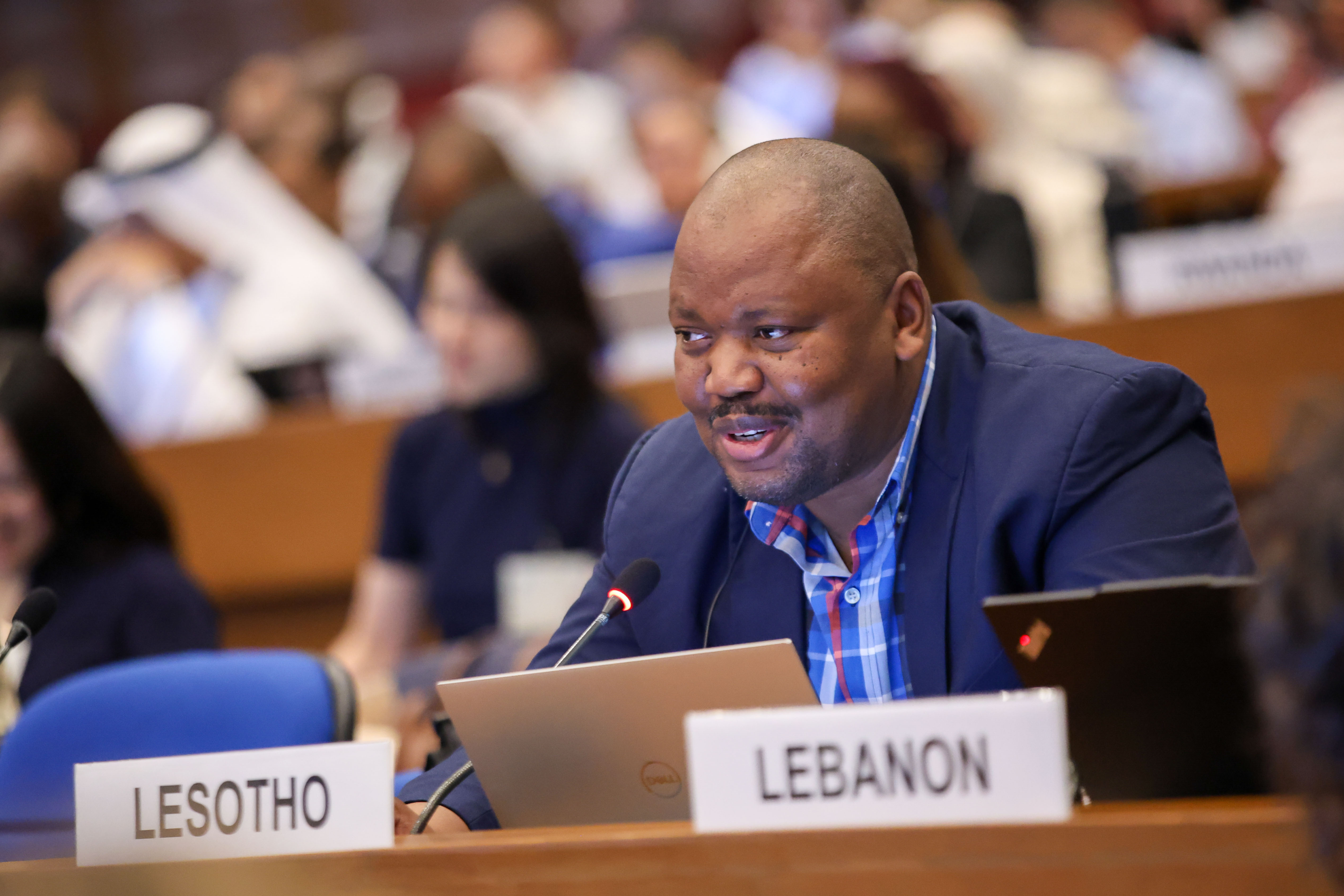
Mathatela Augustinus Ntsatsi, Lesotho
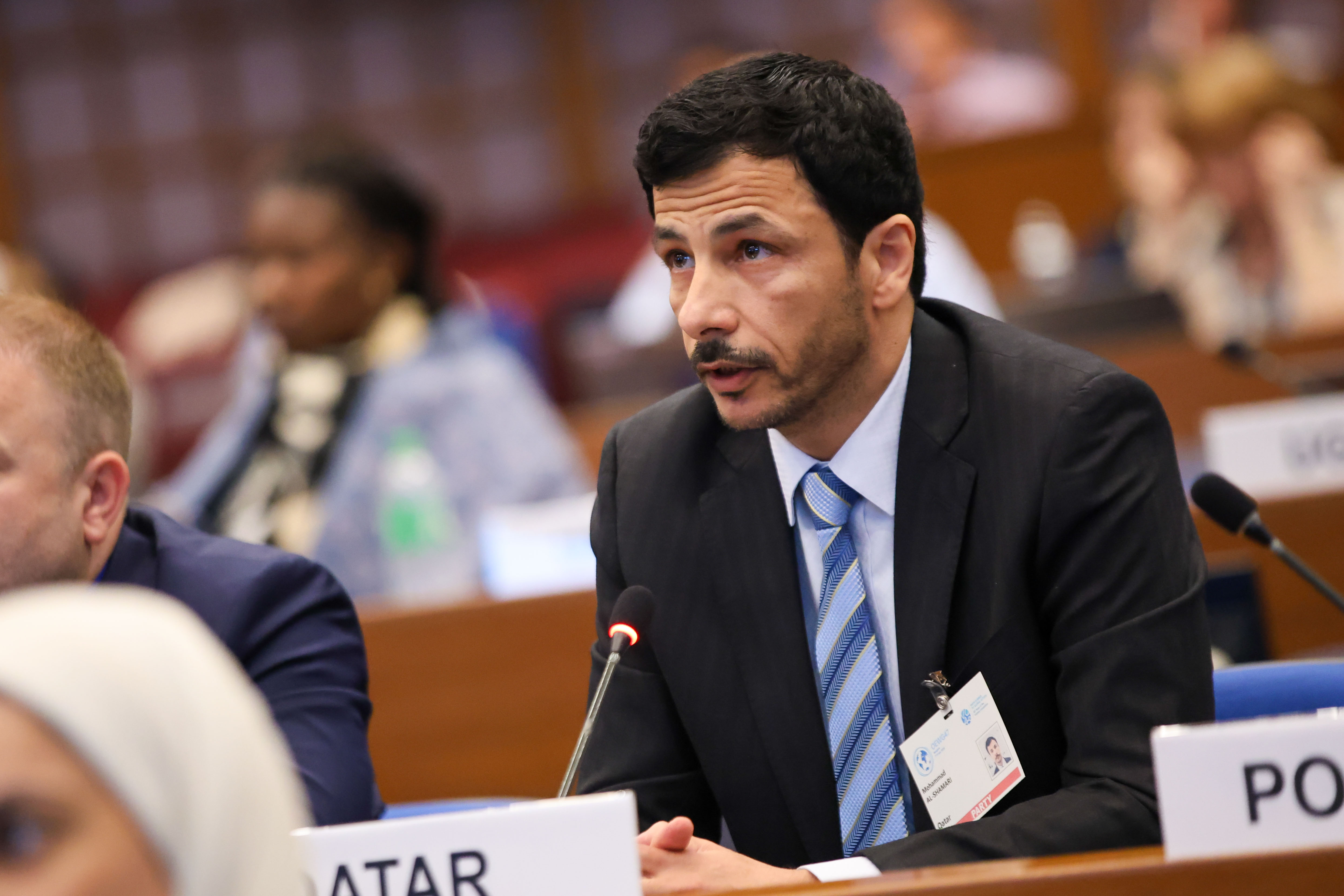
Mohammad Al-Shamari, Qatar
Between Sessions

Around the Venue