Tuesday’s discussions illustrated how many challenges still remain in protecting the ozone layer and the global climate. It became clear that the many volunteer experts on the Montreal Protocol’s scientific bodies are increasingly challenged by a burgeoning workload, and that there are still too many harmful substances for which there are no equivalent alternatives yet available at a global scale.
For metered-dose inhalers (MDIs) used by over 600 million people worldwide suffering from asthma and chronic obstructive pulmonary disease (COPD), delegates weighed the interests of the protection of both human health and the environment. The EU expressed hope that dry powder inhalers (DPIs) would soon be able to replace propellants with a high global-warming potential, although others noted the Herculean task required to make this shift at the global level.
For halon 1301 used in the global civil aviation industry, delegates wondered how they could inform and influence the discussions within the International Civil Aviation Organization (ICAO) on a proposed extension of the use of halon 1301 in cargo compartments to 2035.
The challenge is that ICAO discussions will take place before the Montreal Protocol’s next Meeting of the Parties in November 2025, which led some parties to suggest resorting to informal engagements with ICAO contacts. Delegates also discussed to what extent the product 2BTP could represent a viable alternative to halon 1301 considering it is a harmful per- and poly-fluoroalkyl substance (PFAS).
Delegates had different opinions on how to deal with PFAS, specifically the discrepancies between risk assessments by international, regional, and national bodies for controlled and non-controlled substances that are PFAS, including by the Montreal Protocol’s Environmental Effects Assessment Panel (EEAP).
For life-cycle refrigerant management (LRM), Cuba advocated for a process to eventually address the significant global accumulation of refrigerant gases at end of life and the need for appropriate reclamation and destruction facilities. The proposed next step is for the Technology and Economic Assessment Panel (TEAP) to conduct a study and to provide further information on this topic.
On feedstock uses of controlled substances for downstream manufacturing, some delegates expressed concern that feedstock production and related emissions are higher than previously assumed, and this will delay the recovery of the ozone layer. Feedstock uses are currently exempted under the Protocol, based on the understanding that emissions would be insignificant, but this is no longer the case.
Parties also took note of the work by the Advisory Committee of the Vienna Convention General Trust Fund for Financing Activities on Research and Systematic Observations (GTF) which presented on the progress on decision XXXVI/1. The Committee evaluated the suitability of potential sites for monitoring regional emissions, noting that these sites could benefit from lessons learned from establishing the Bhola Island monitoring station in Bangladesh. Potential sites would address gaps in the existing infrastructure and could be situated in India, Viet Nam, Saudi Arabia, Mexico, Algeria, Botswana, Brazil, the Russian Federation, and Ecuador.
An informal group on the organization of TEAP and its Technical Options Committees (TOCs) met during the lunch break to give interested delegations the opportunity to ask the TEAP and its TOCs questions about the options they have presented for the reorganization and their needs going forward given the increased workload, the retirement of experts, and a growing number of requests from parties.
Contact groups met in the morning and evening to address the terms of reference for the study on the 2027-2029 replenishment of the Multilateral Fund (MLF) and Cuba’s proposal on LRM.
To receive free coverage of global environmental events delivered to your inbox, subscribe to the ENB Update newsletter.
All ENB photos are free to use with attribution. For the 47th meeting of the Open-ended Working Group of the Parties to the Montreal Protocol (OEWG 47), please use: Photo by IISD/ENB | Anastasia Rodopoulou.
Plenary Session
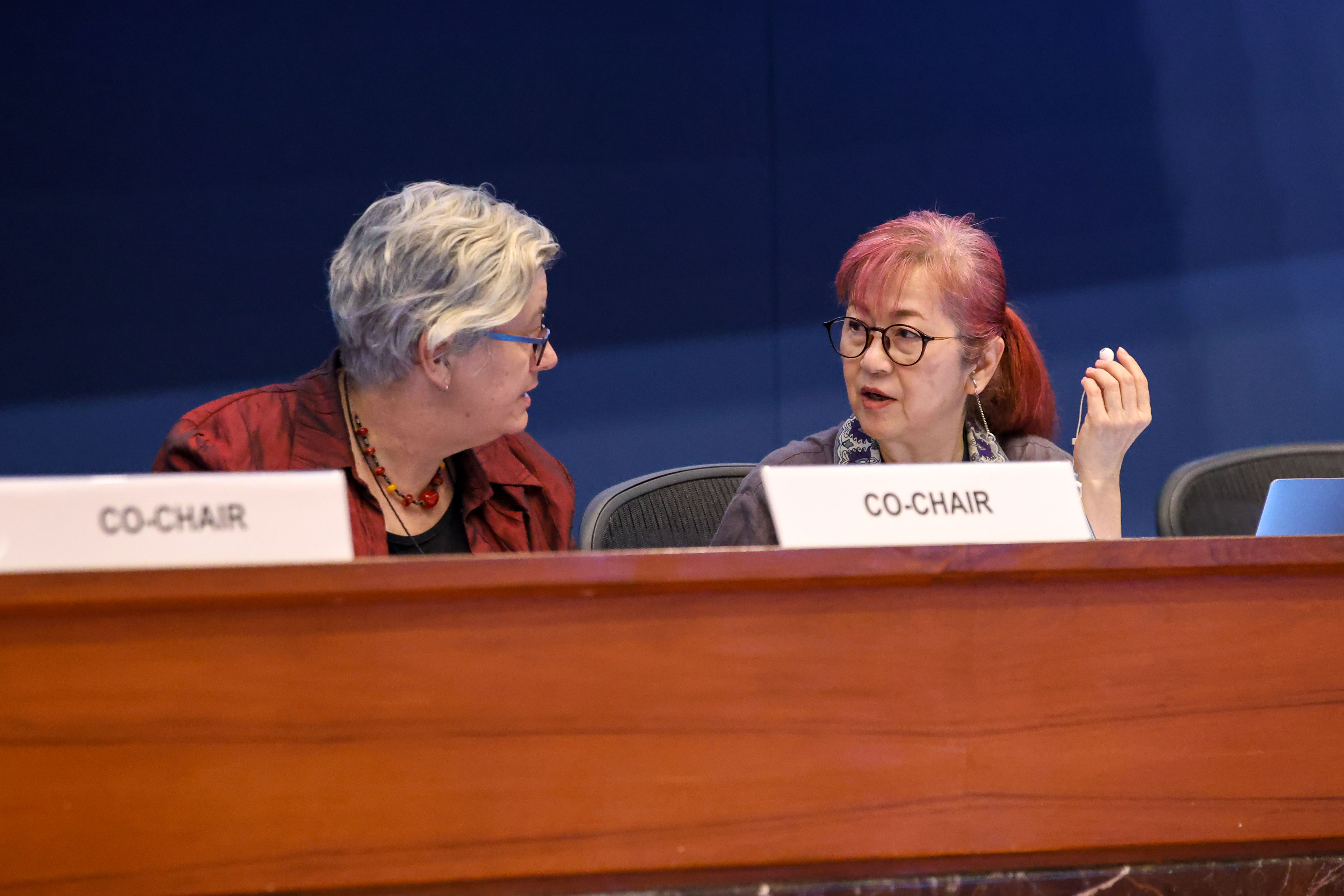
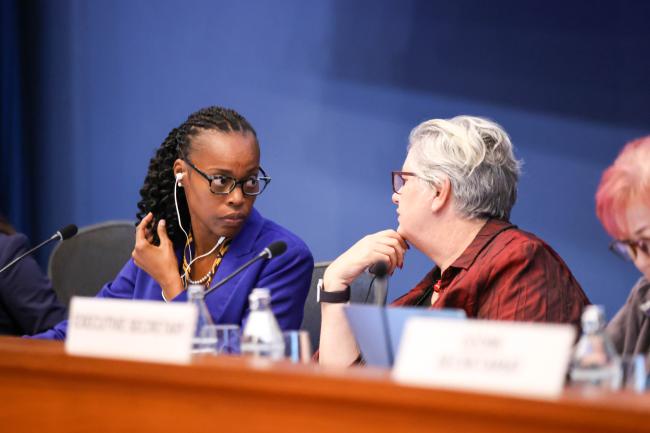
Annie Gabriel, Australia, OEWG 47 Co-Chair, consults with Megumi Seki, Executive Secretary, Ozone Secretariat.
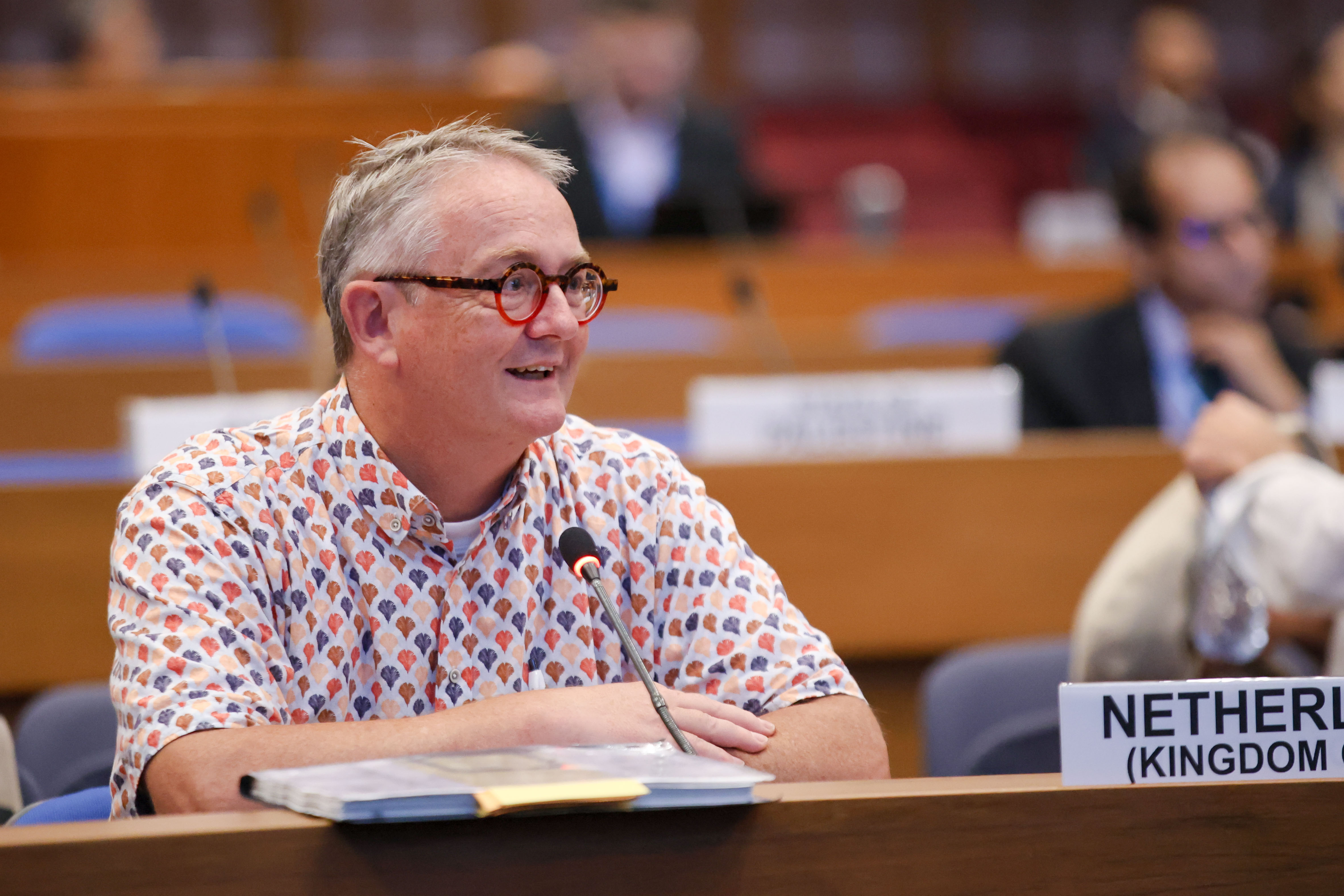
Ralph Brieskorn, the Netherlands
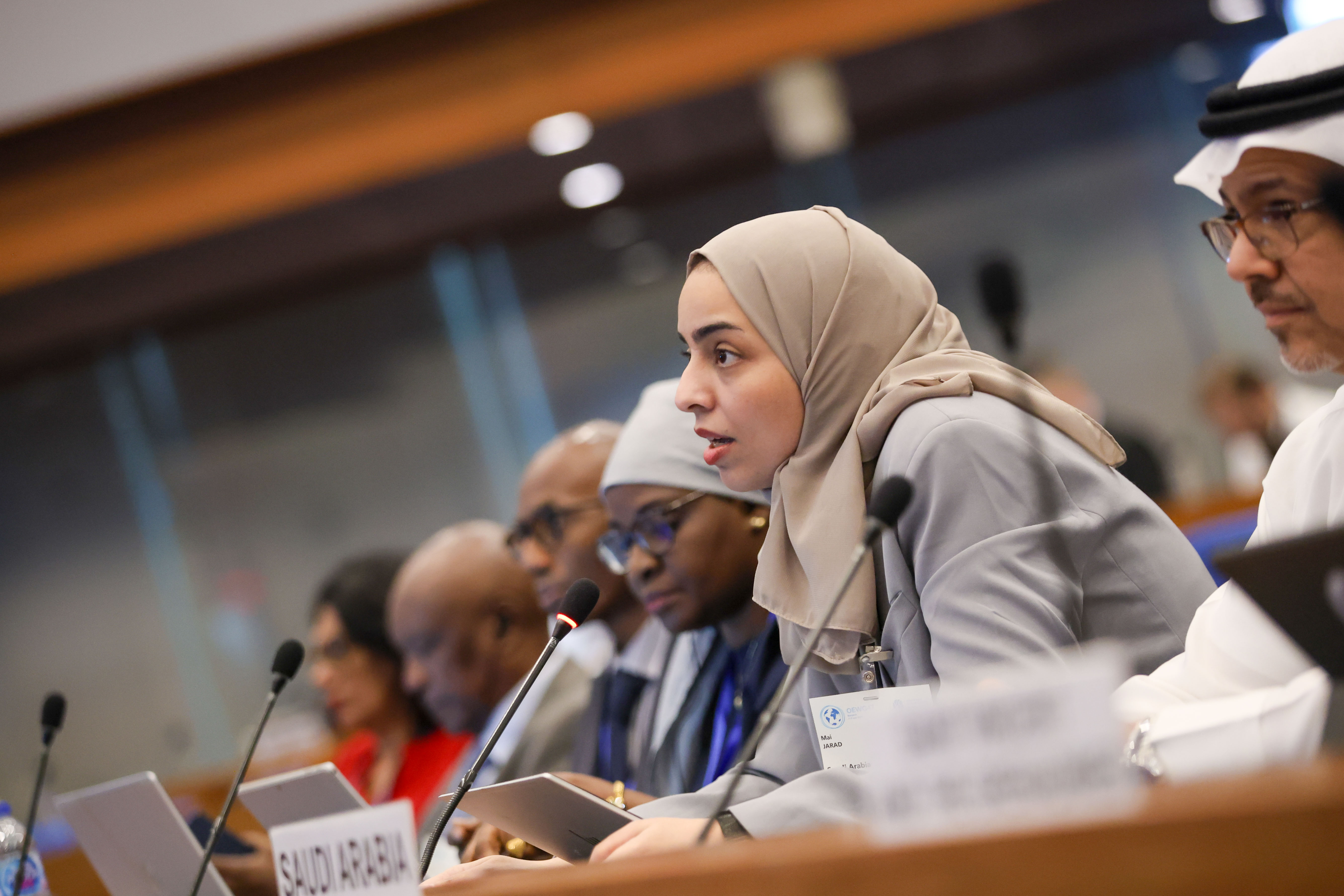
Mai Jarad, Saudi Arabia
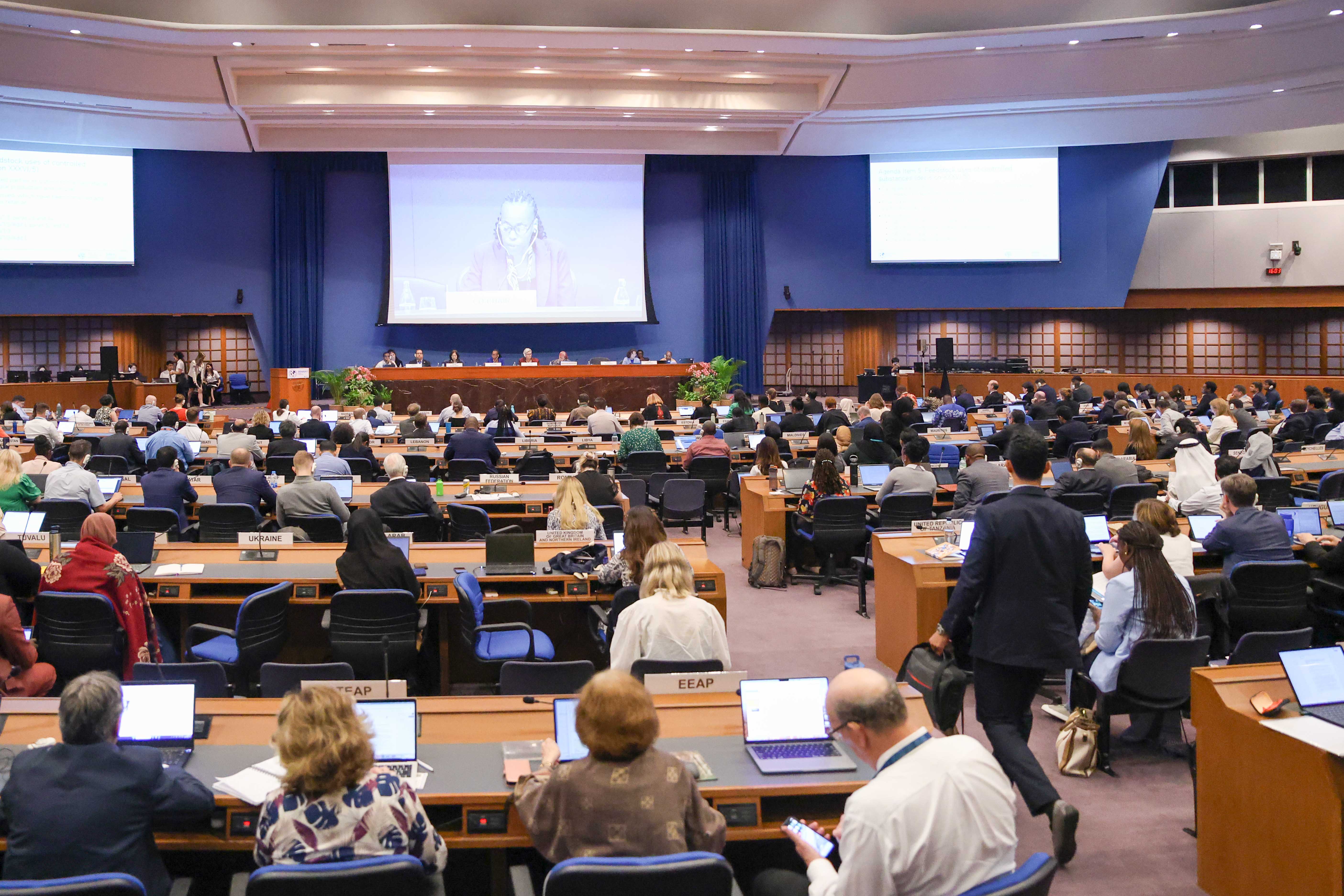
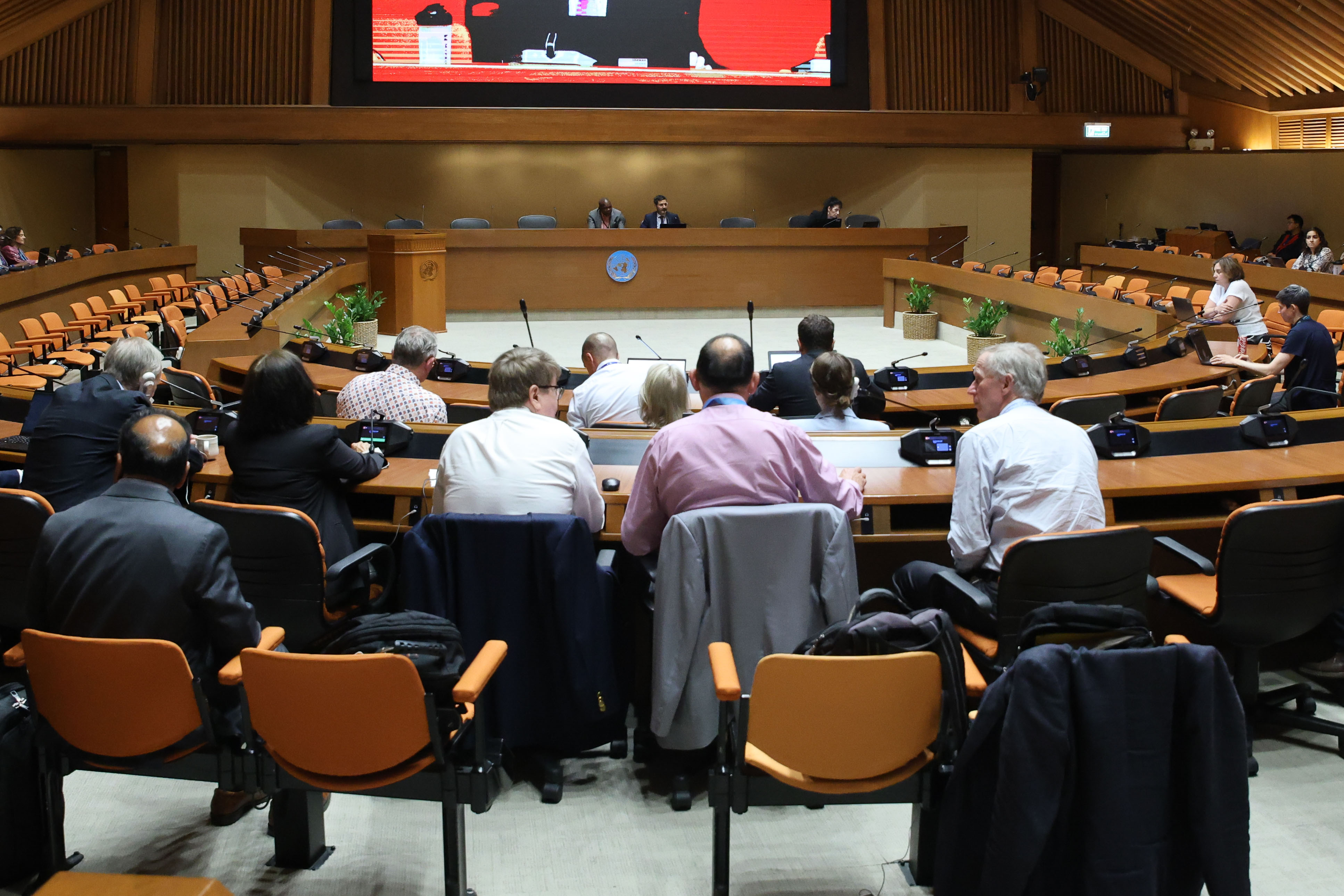
A view of the plenary room
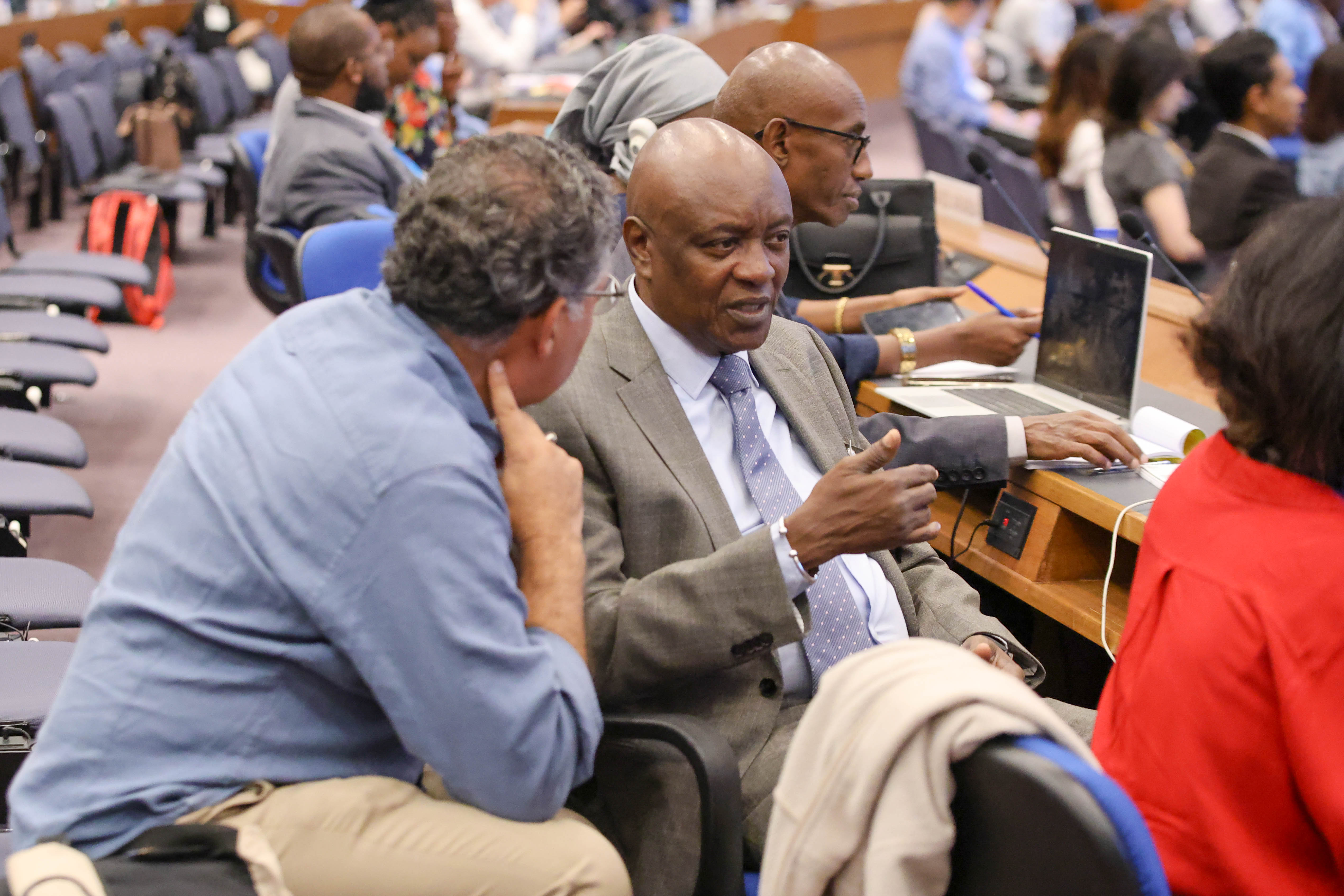
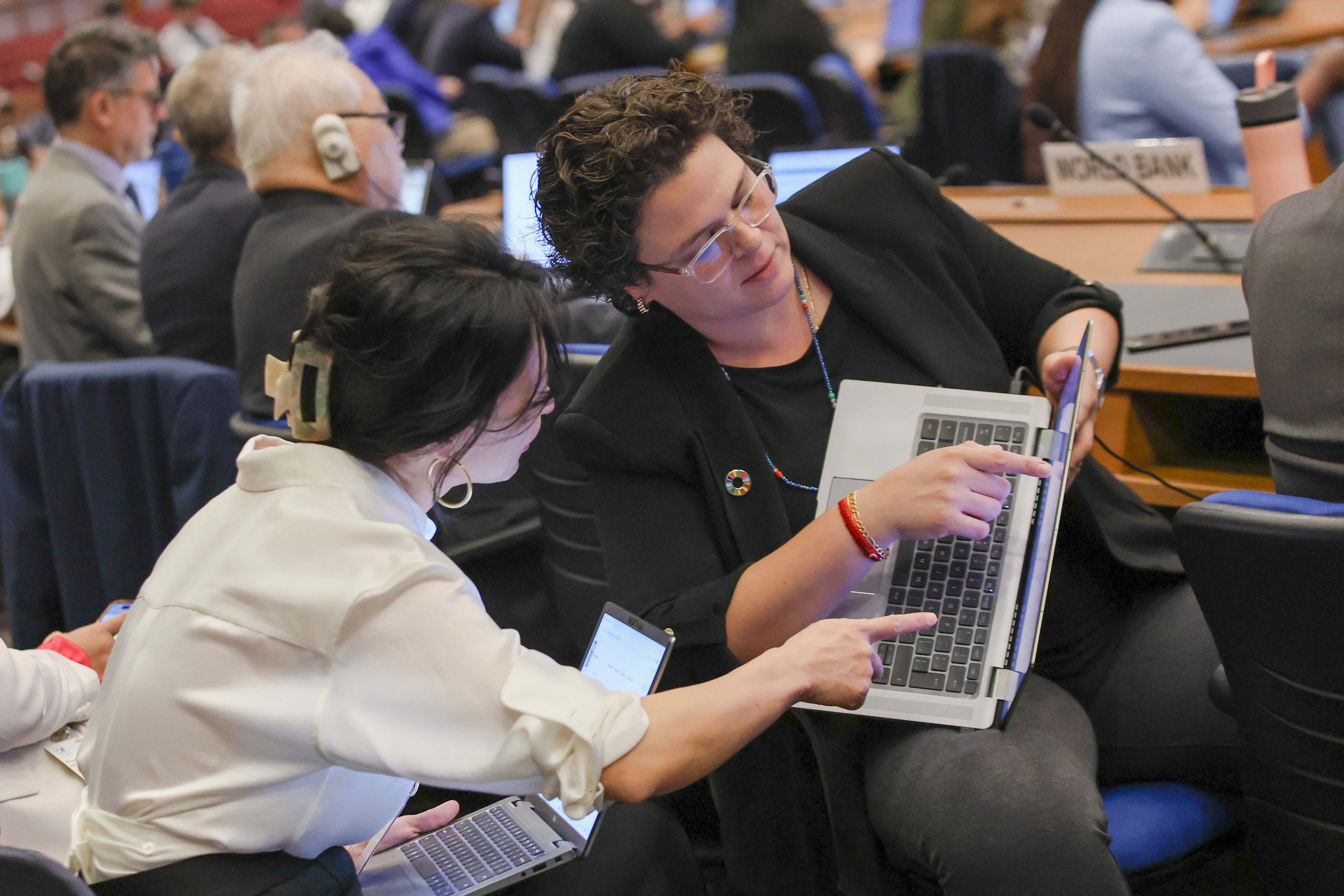
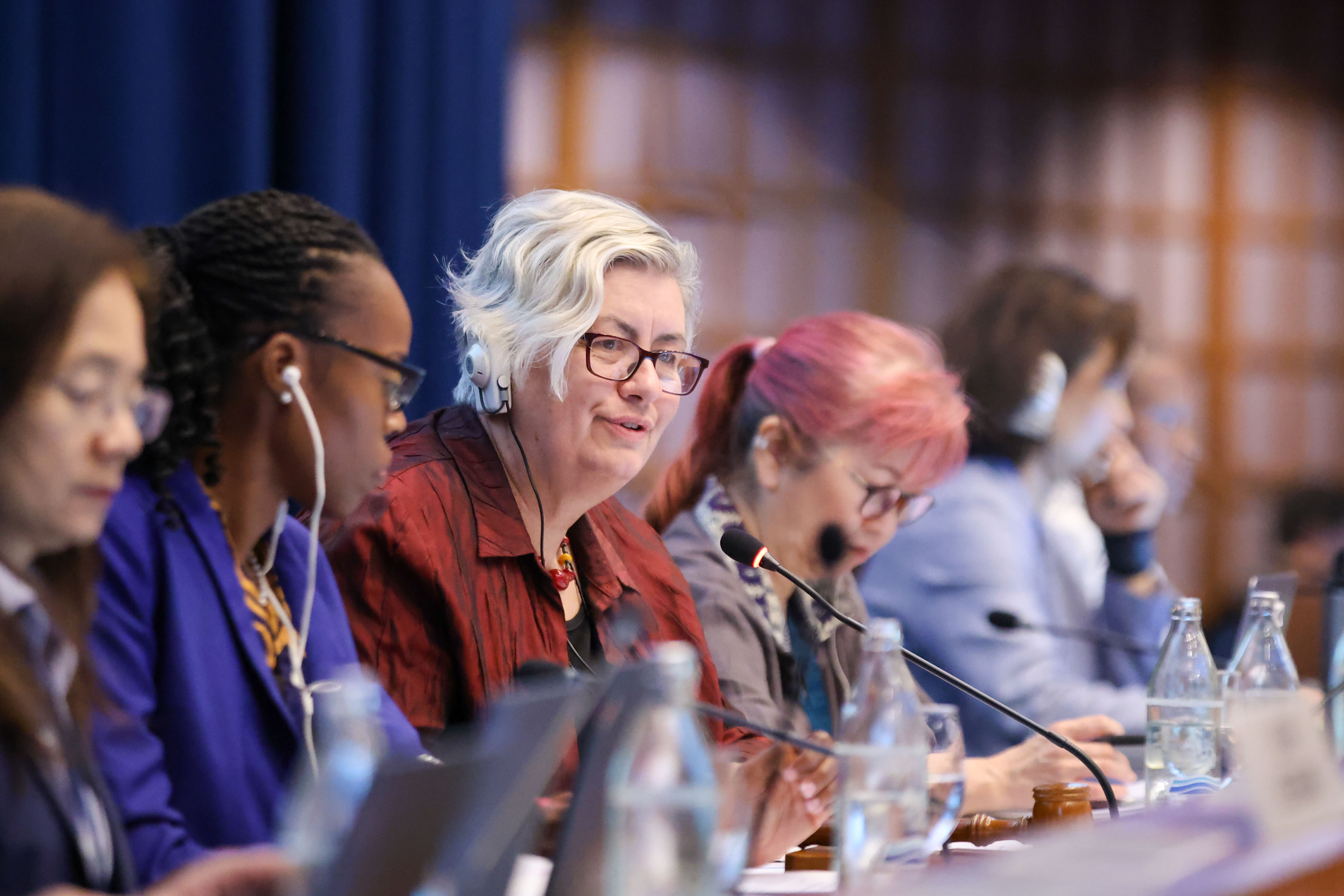
Annie Gabriel, Australia, OEWG 47 Co-Chair
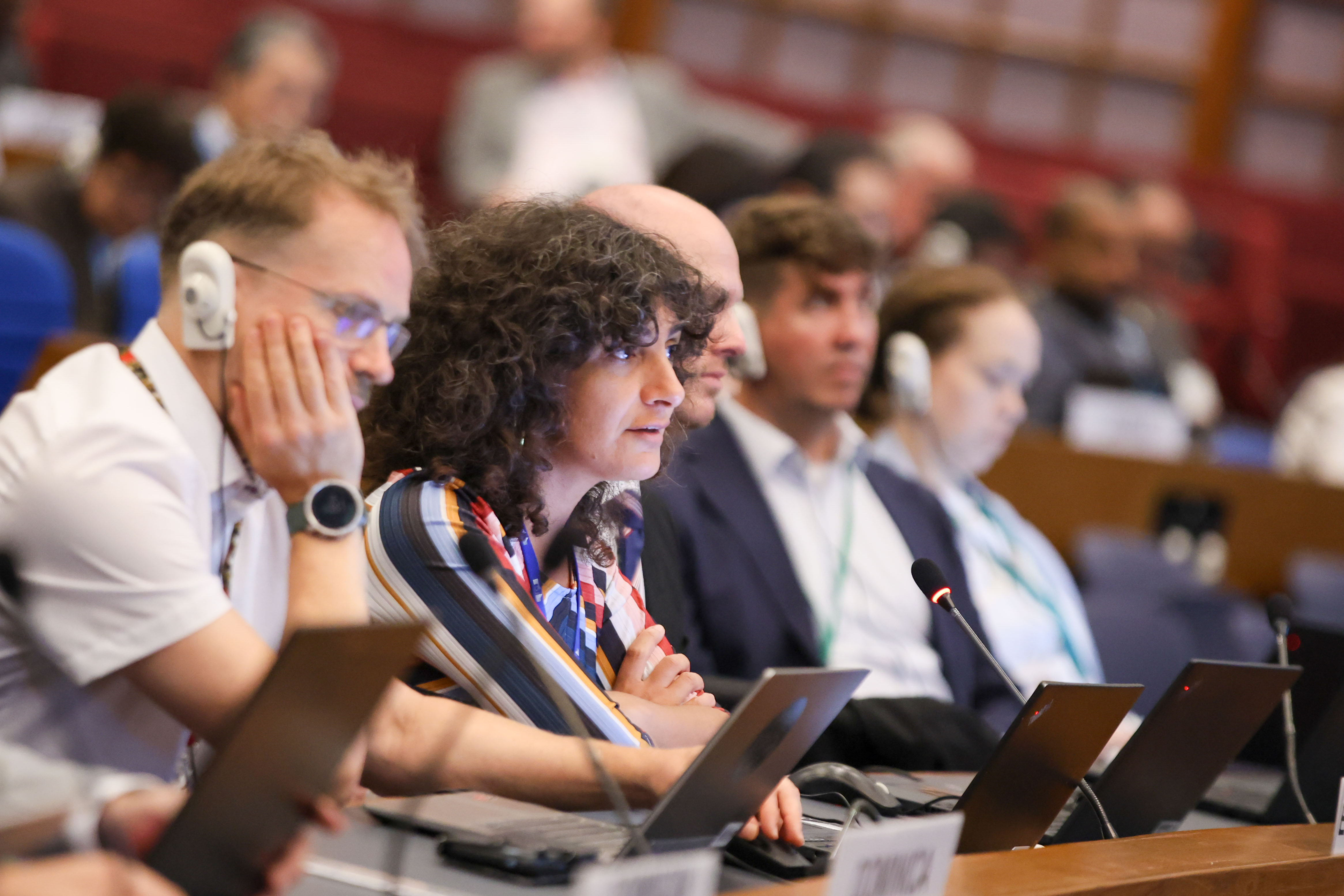
Xenia Messariti, EU
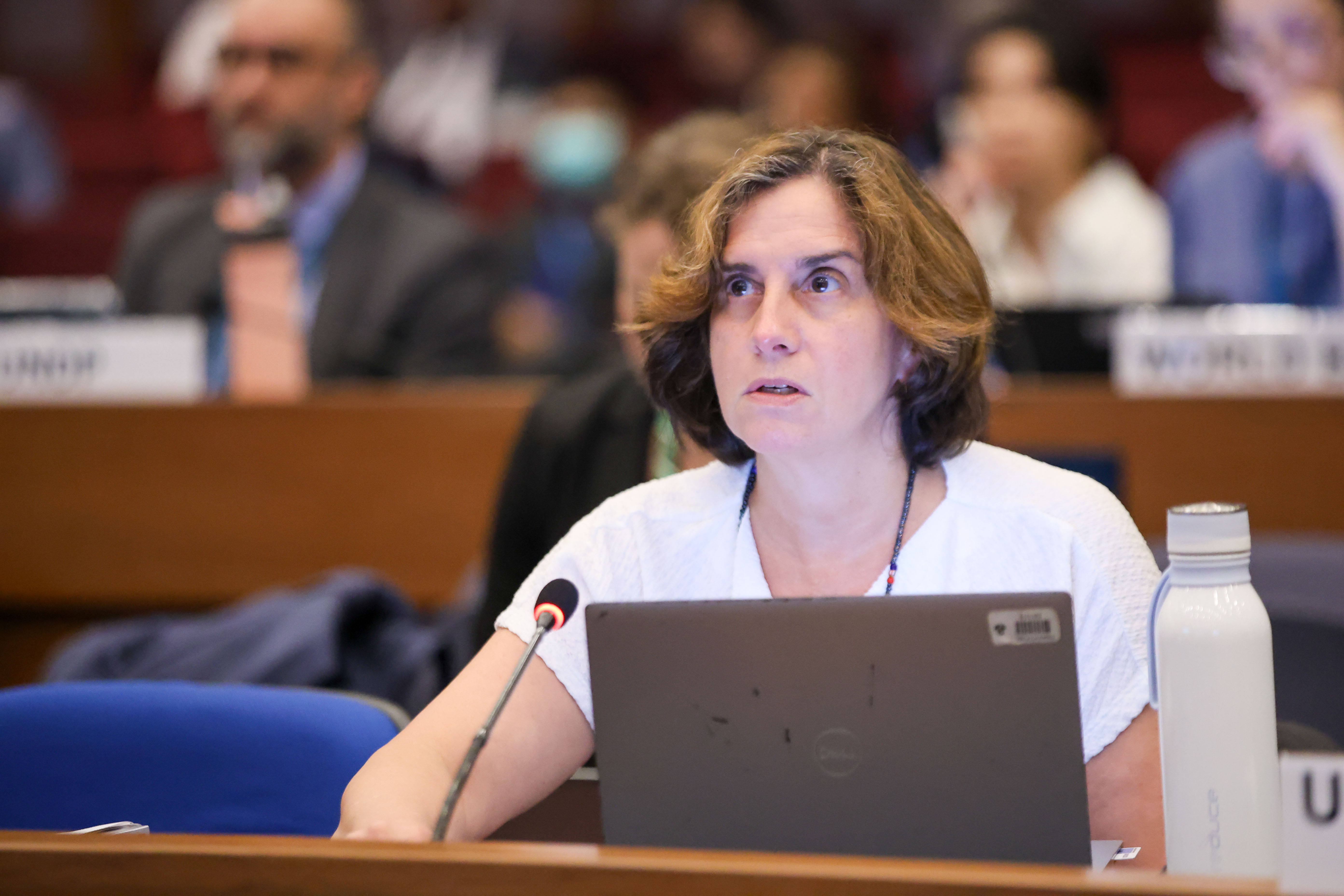
Cindy Newberg, US
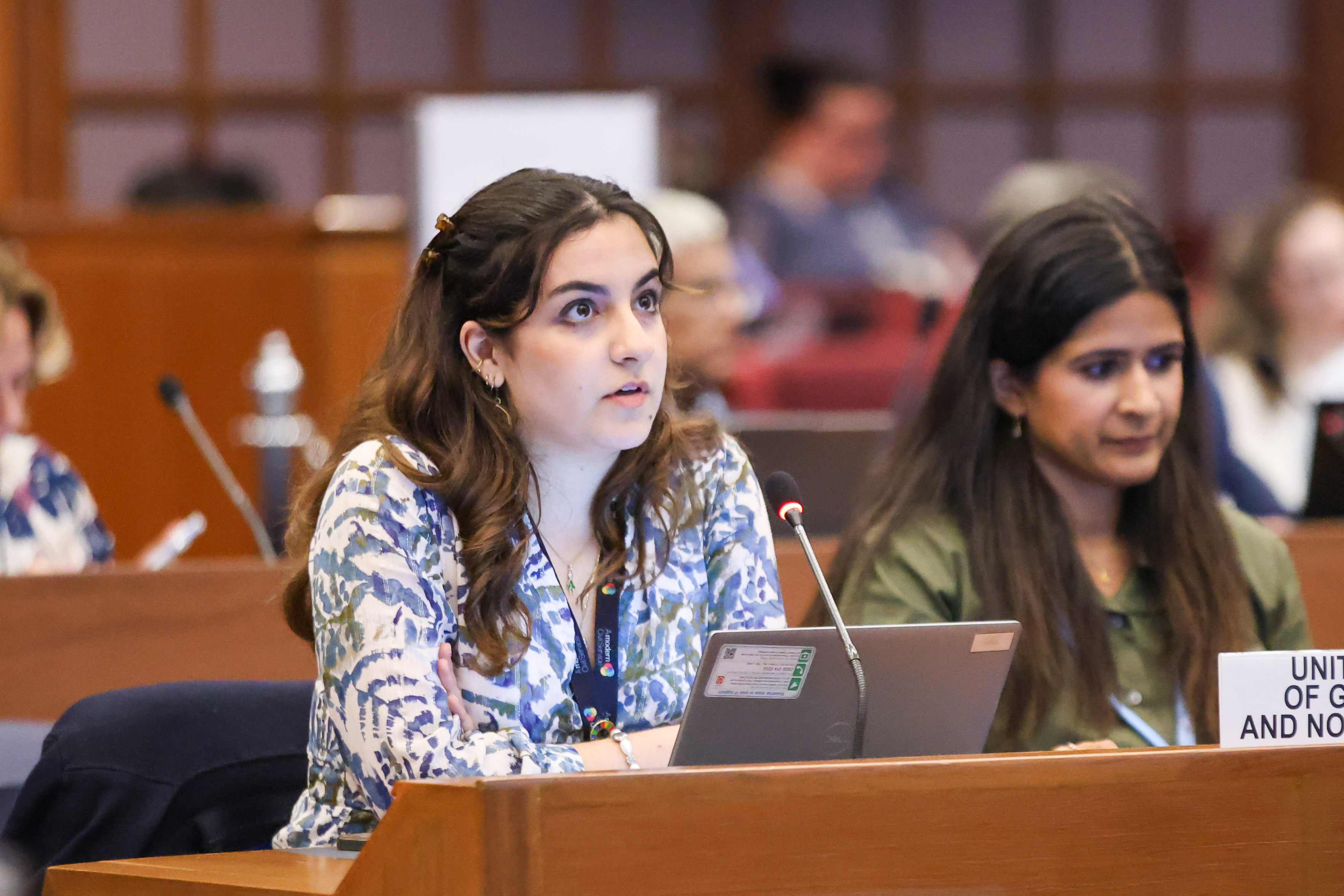
Lydia Anderlini, United Kingdom
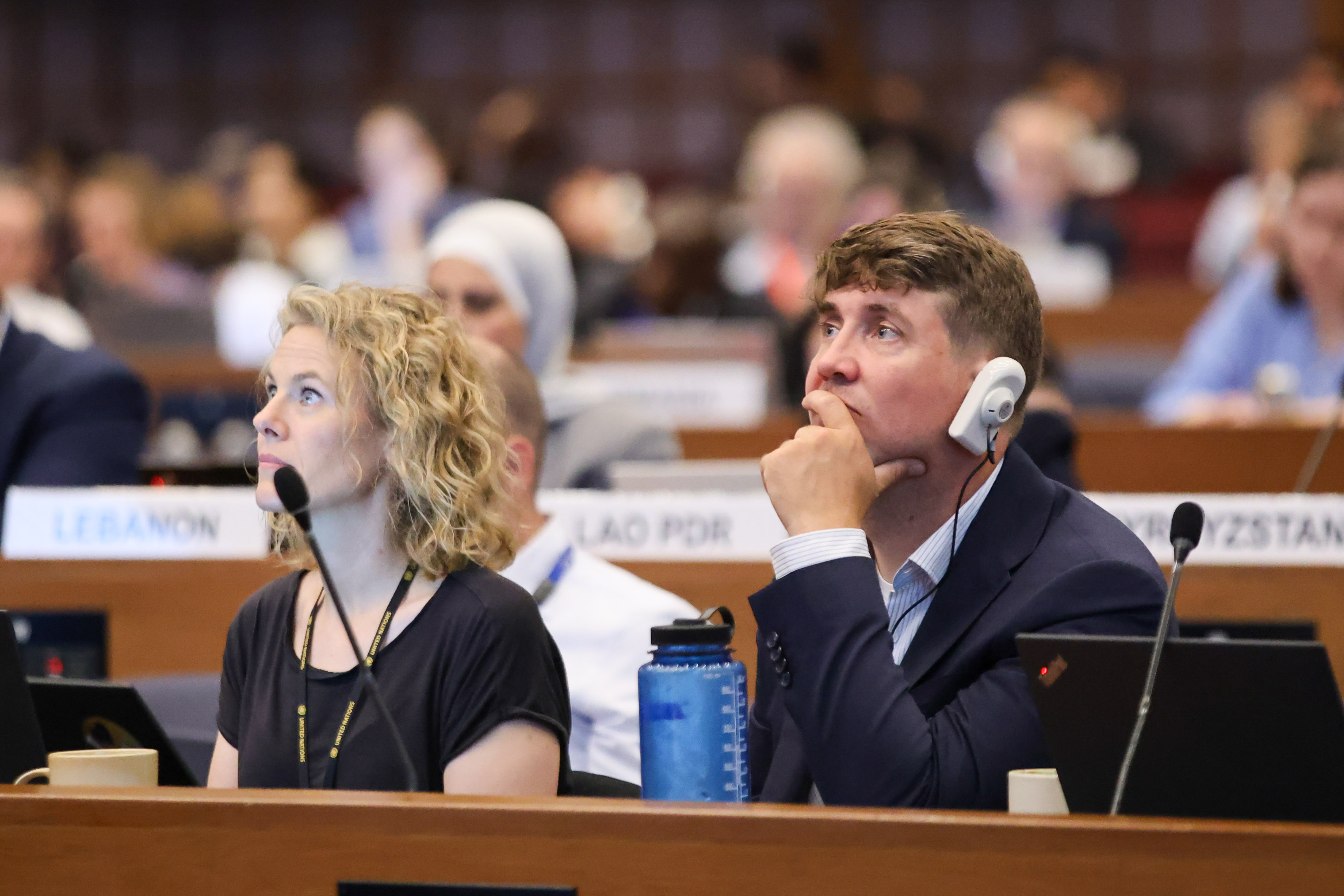
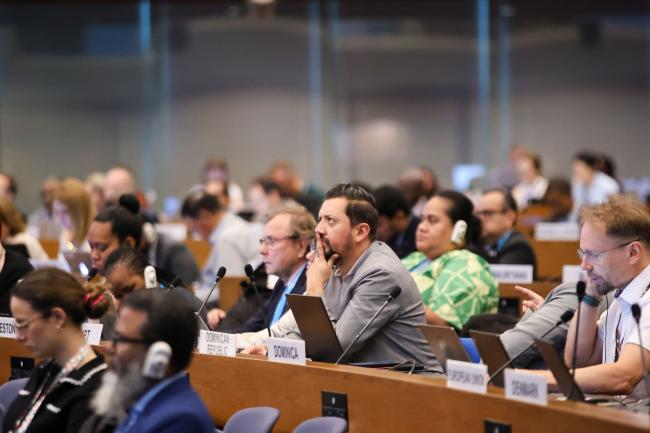
Delegates listen to the discussions.
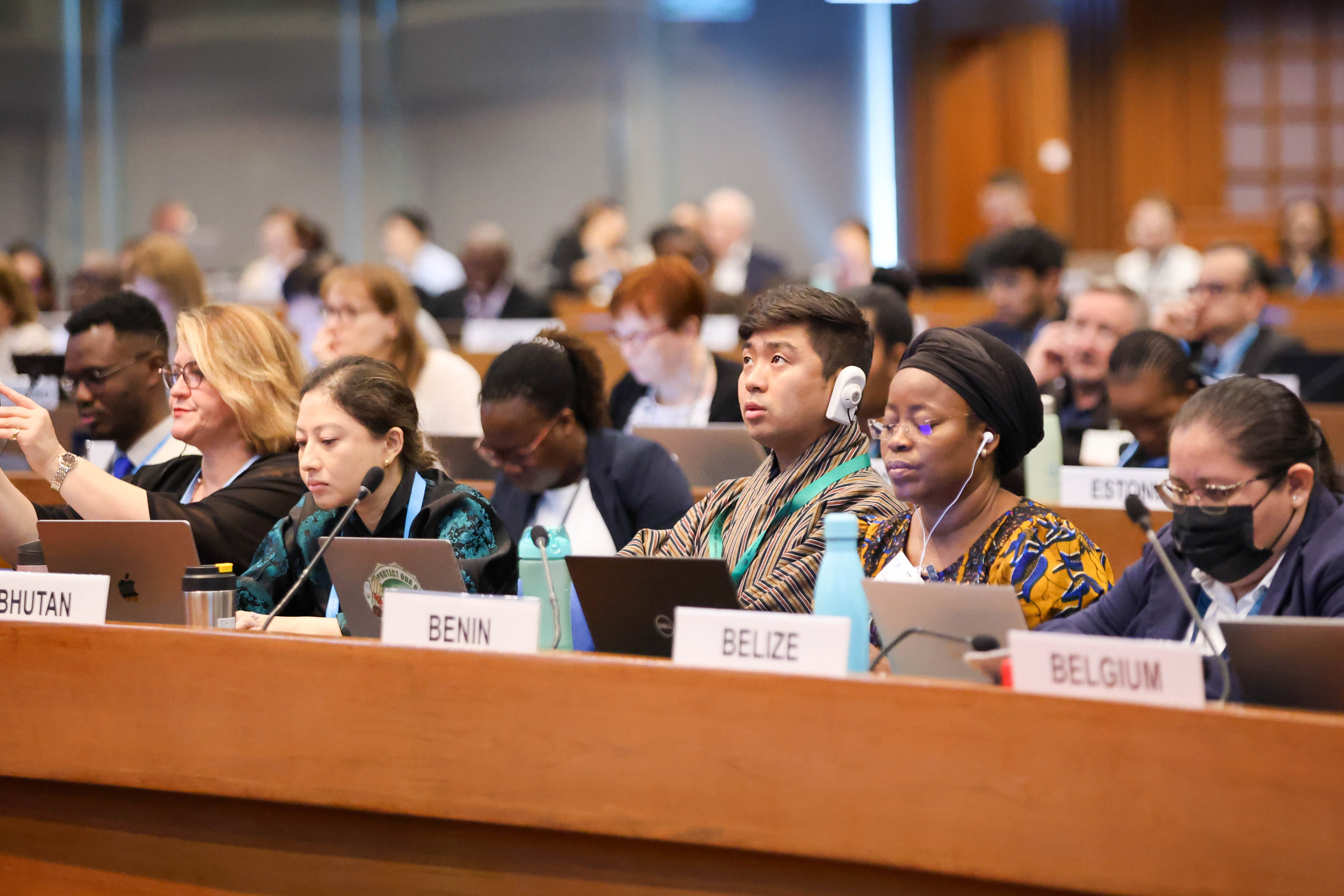
Delegates follow the proceedings.
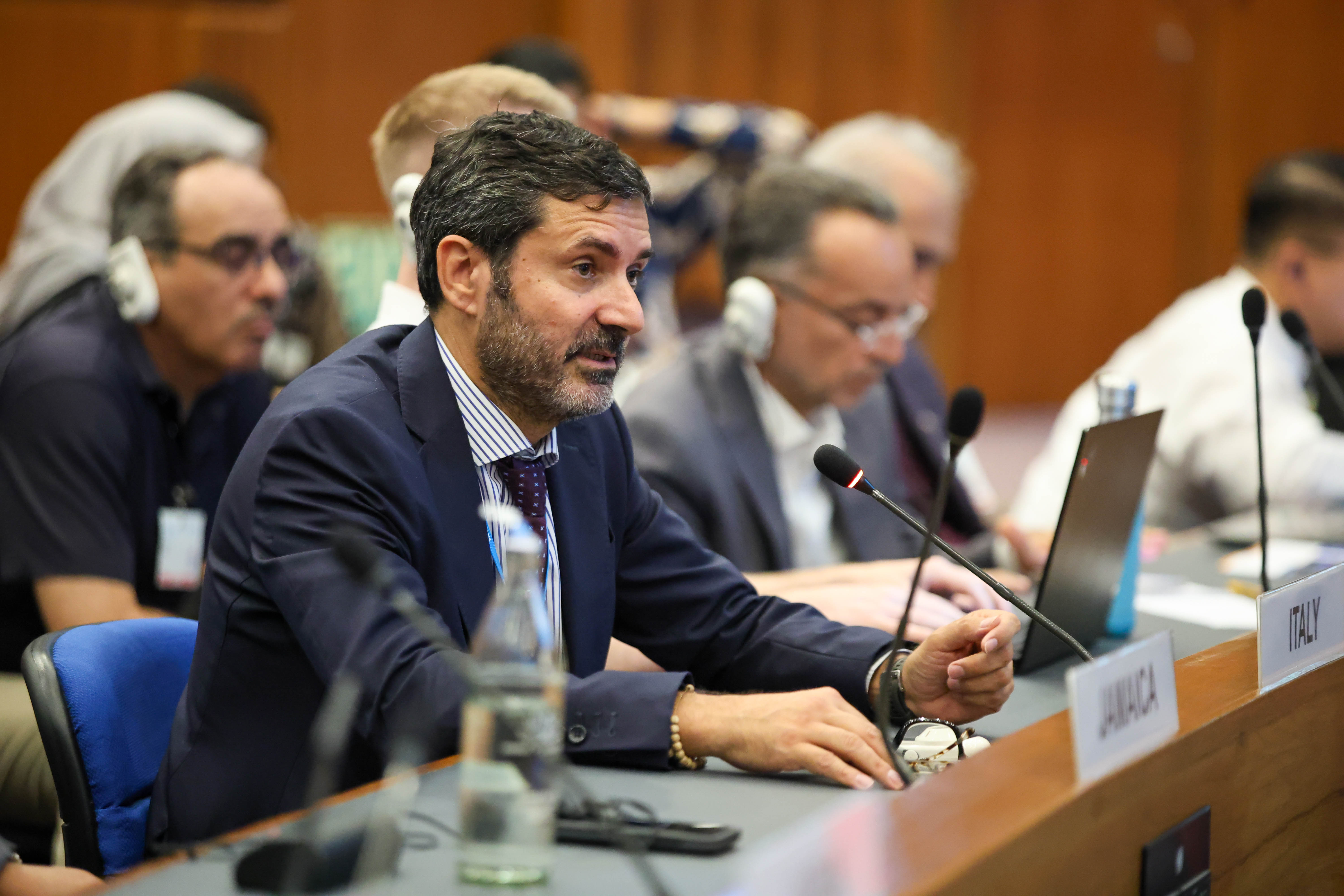
Alessandro Giuliano Peru, Italy
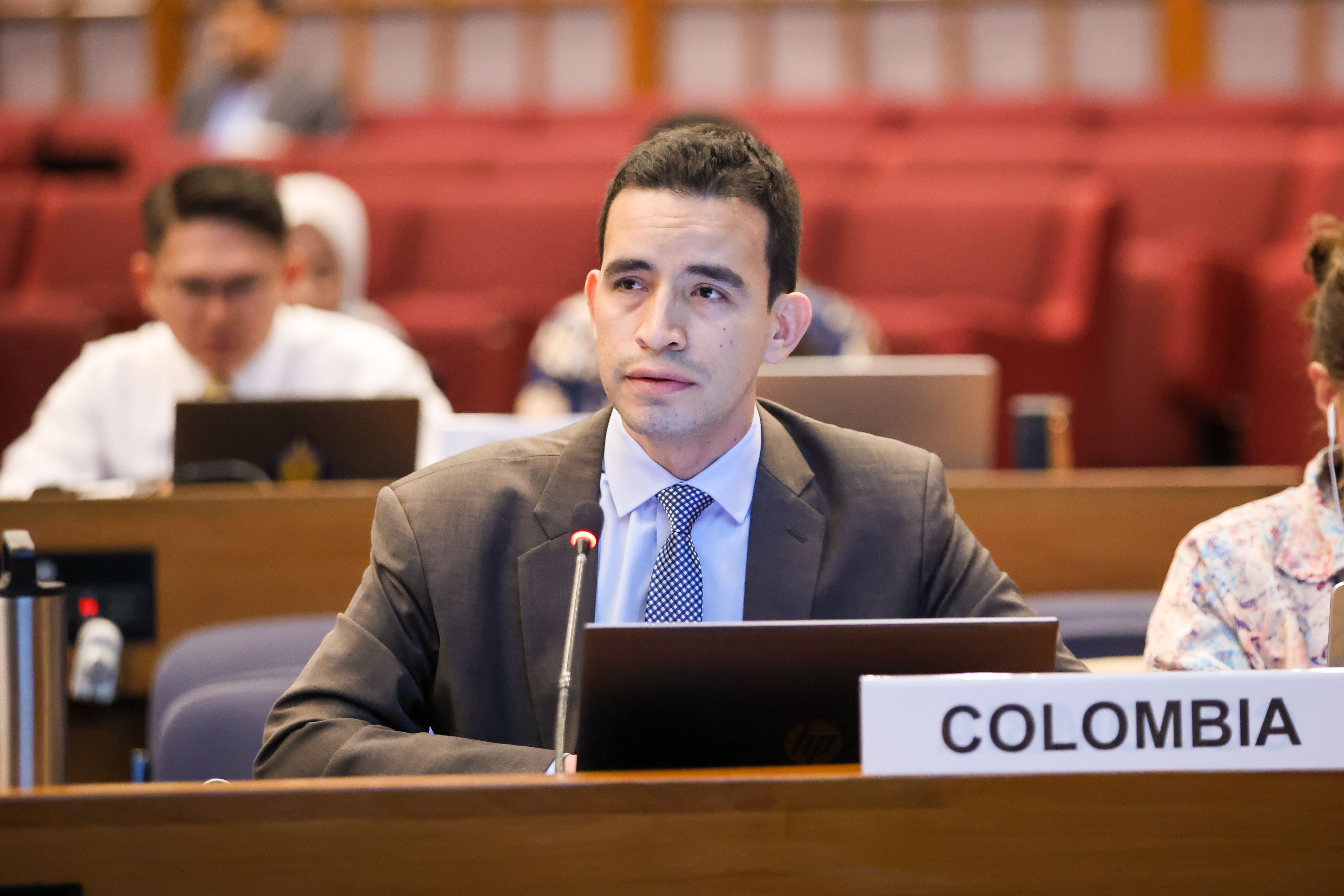
Víctor Alfonso Rey Arismendy, Colombia
Bella Maranion, TEAP Co-Chair
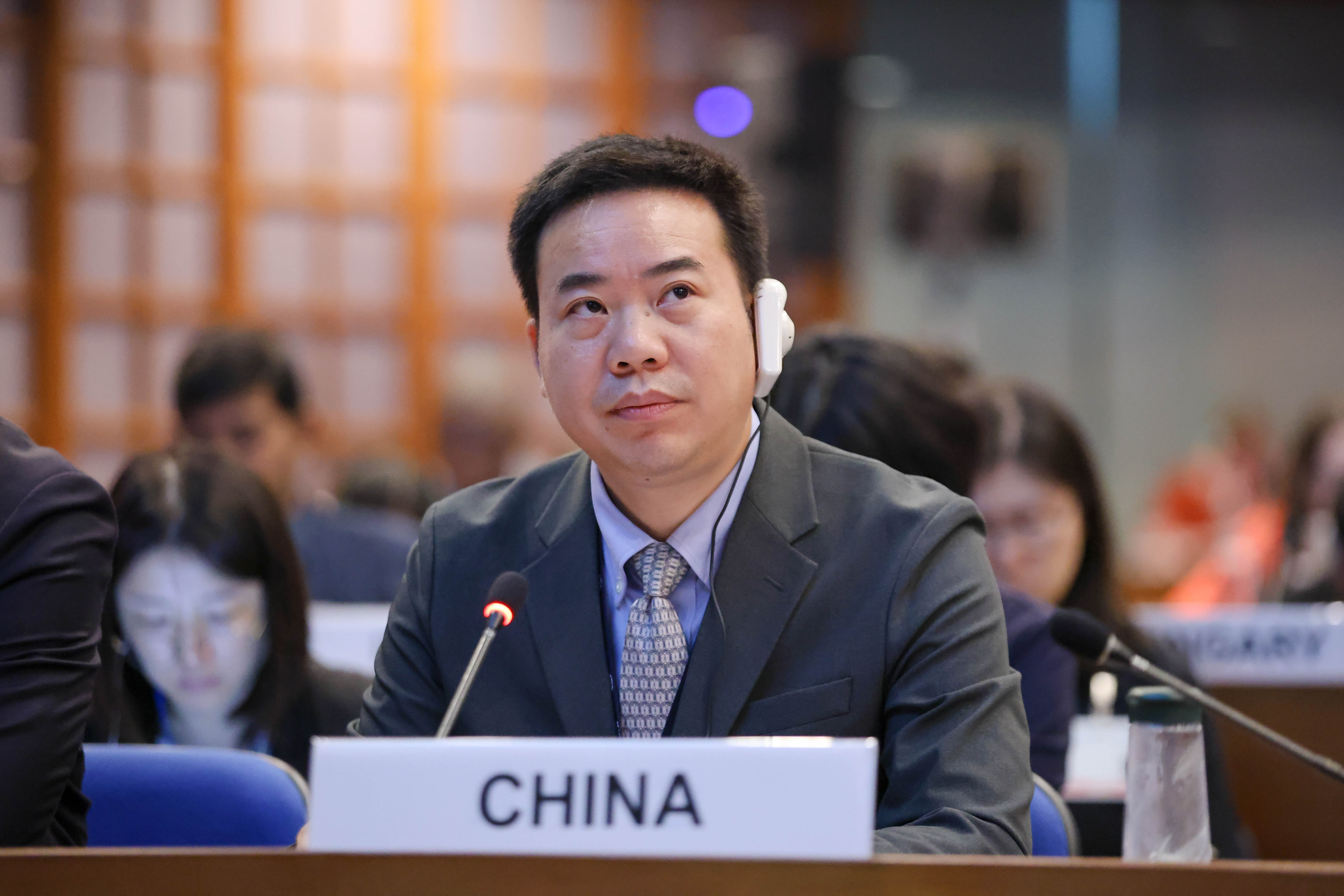
Wenfu Dong, China
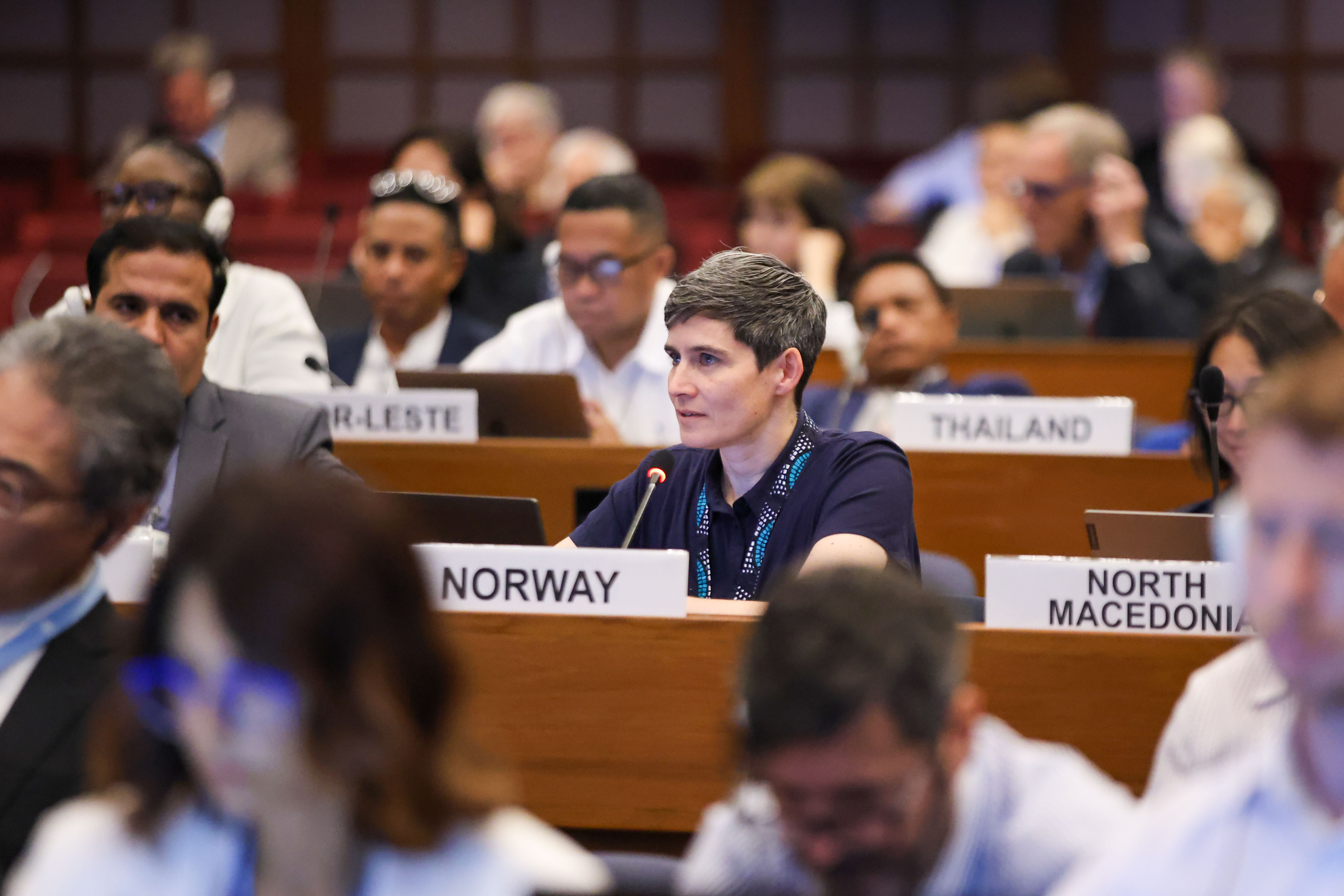
Sandrine Benard, Norway
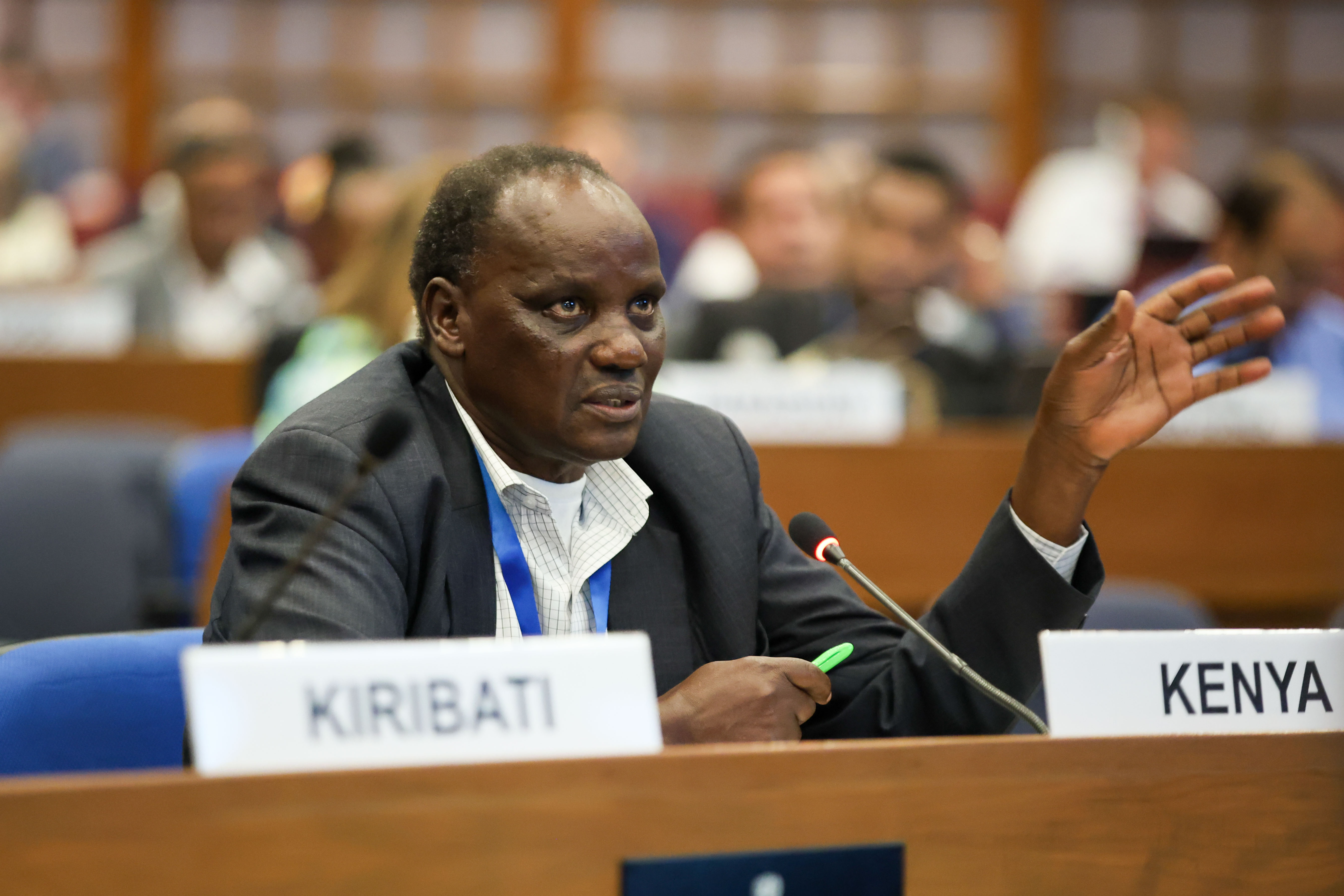
Marindany Kirui, Kenya
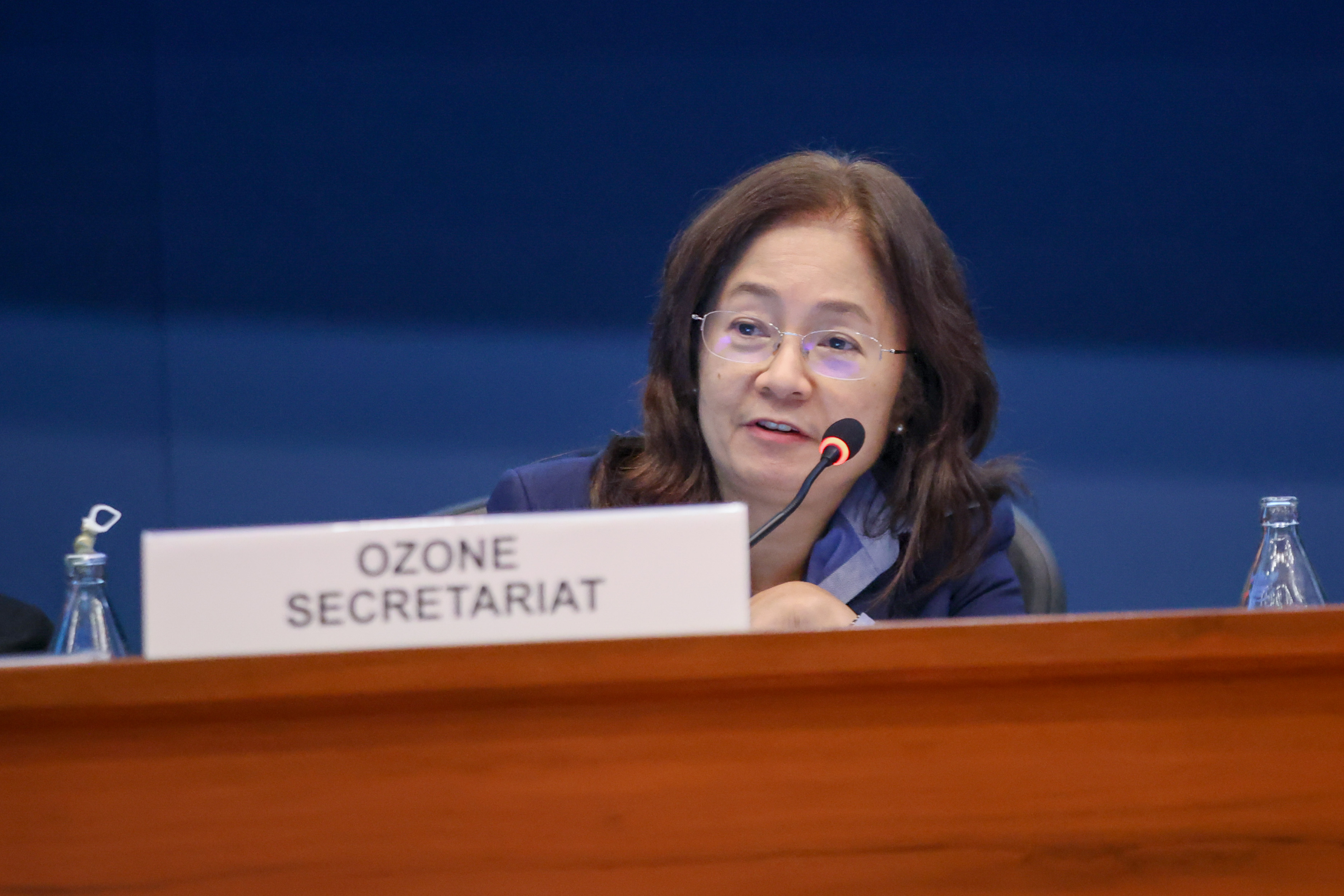
Maria Socorro Manguiat, Deputy Executive Secretary, Ozone Secretariat
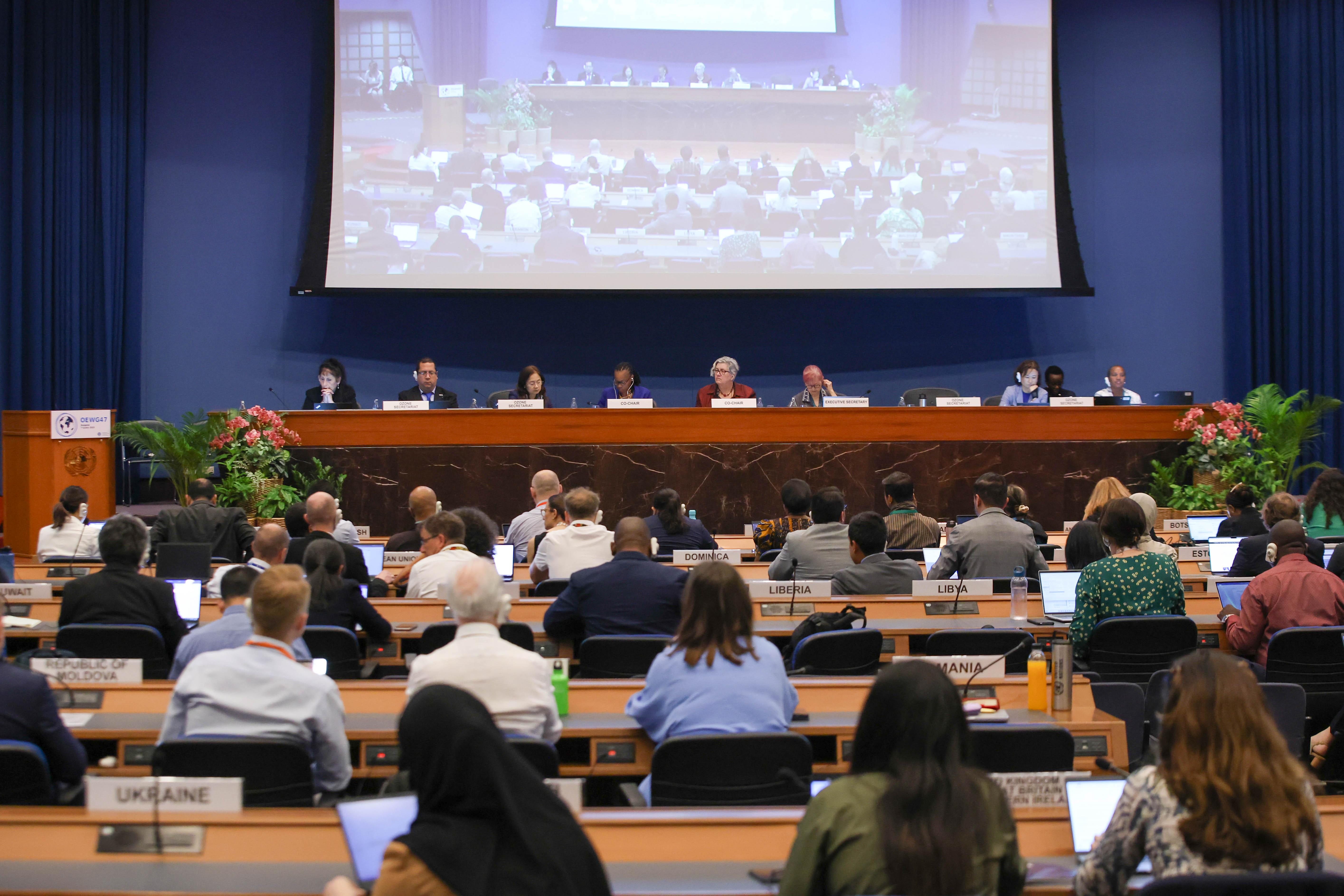
A view of the room
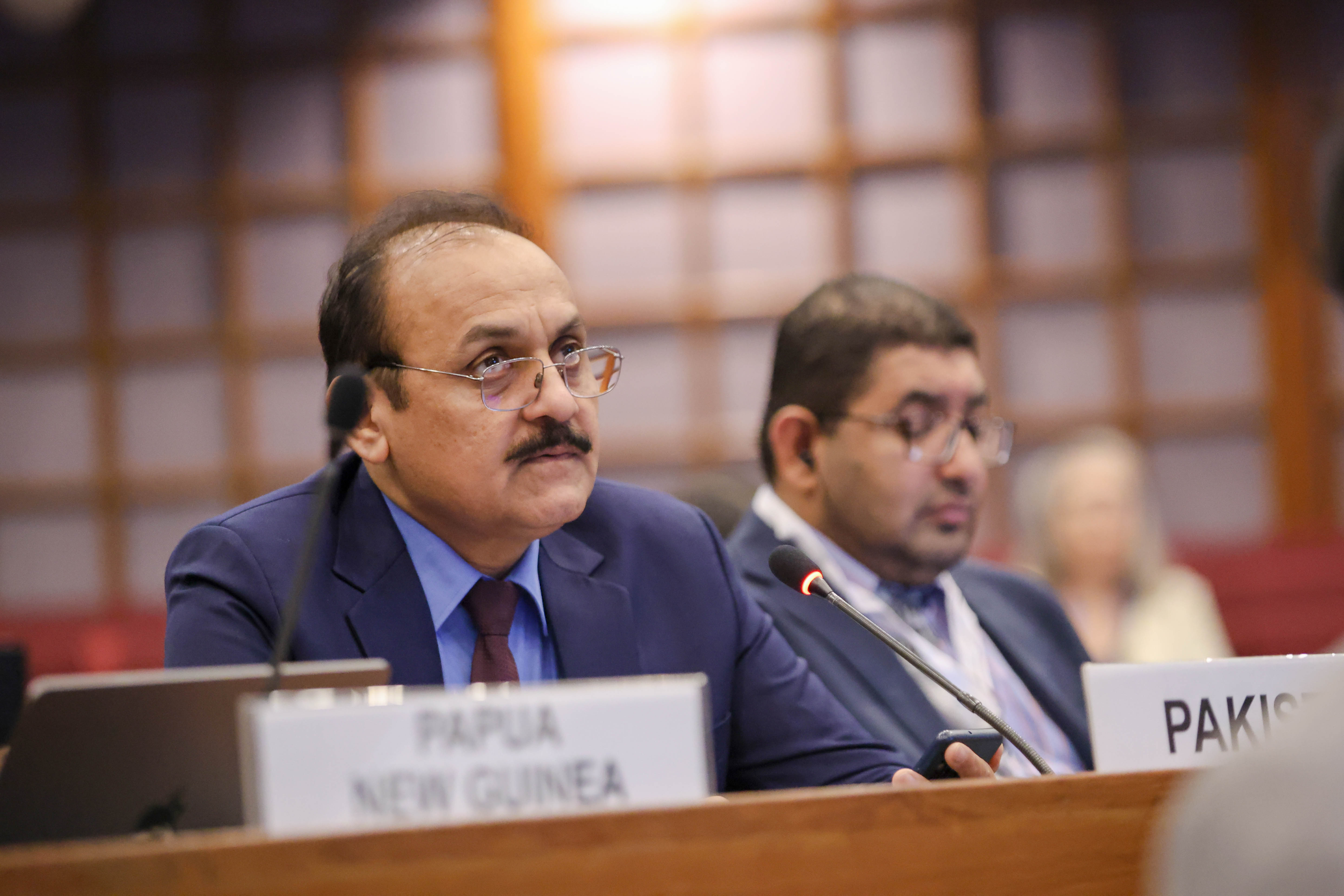
Saleem Janjua, Pakistan
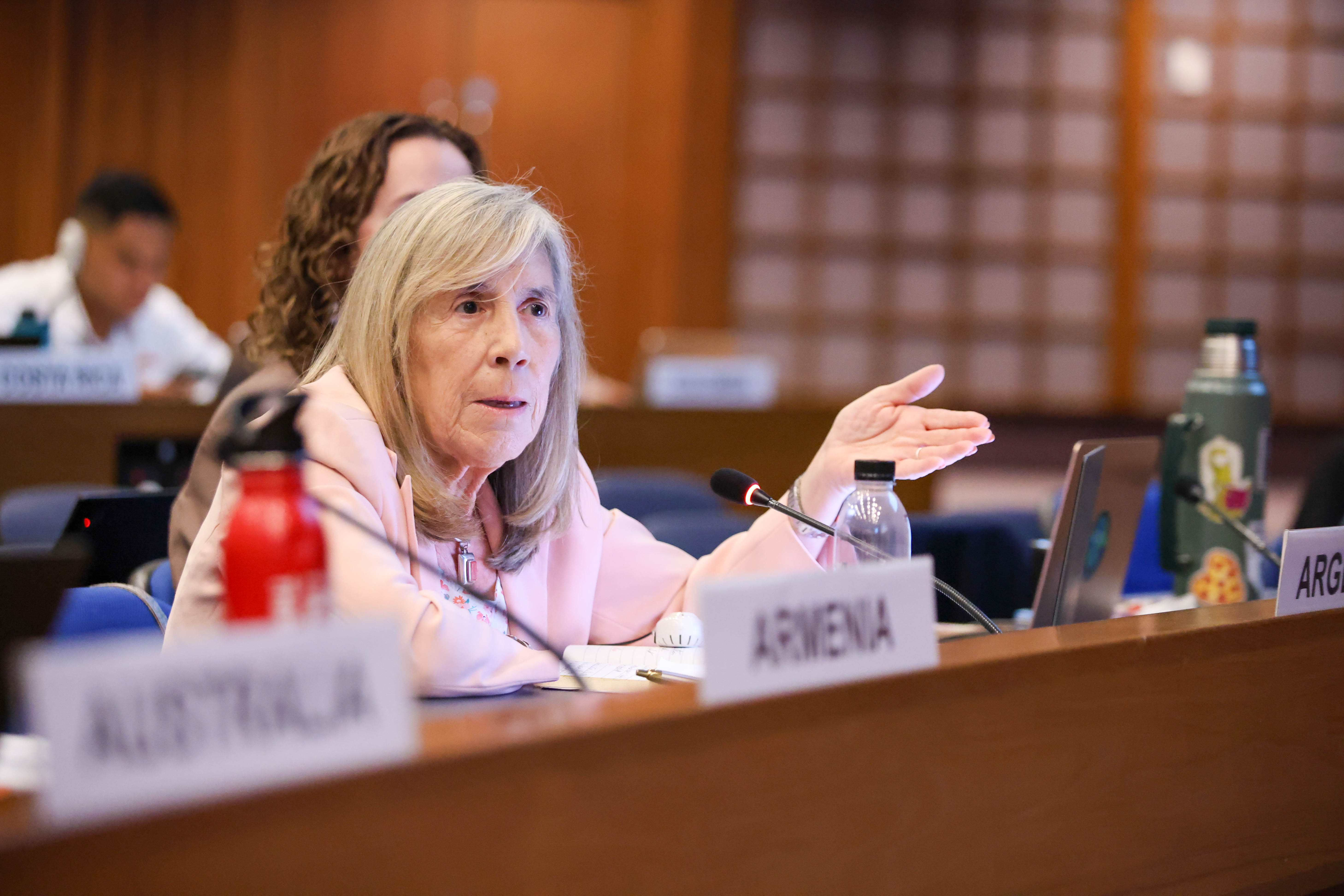
Laura Estella Beron, Argentina
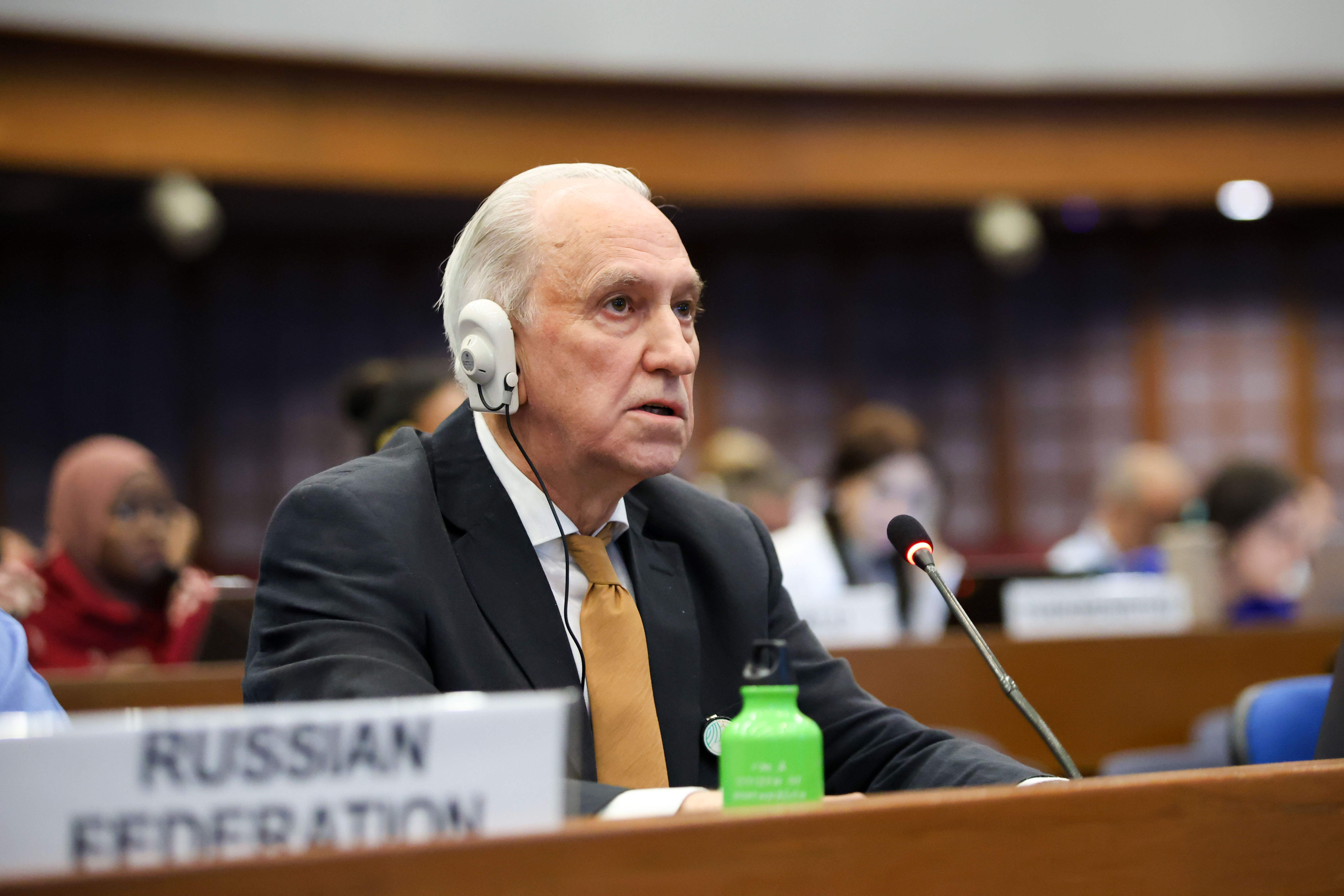
Sergey Vasiliev, Russian Federation
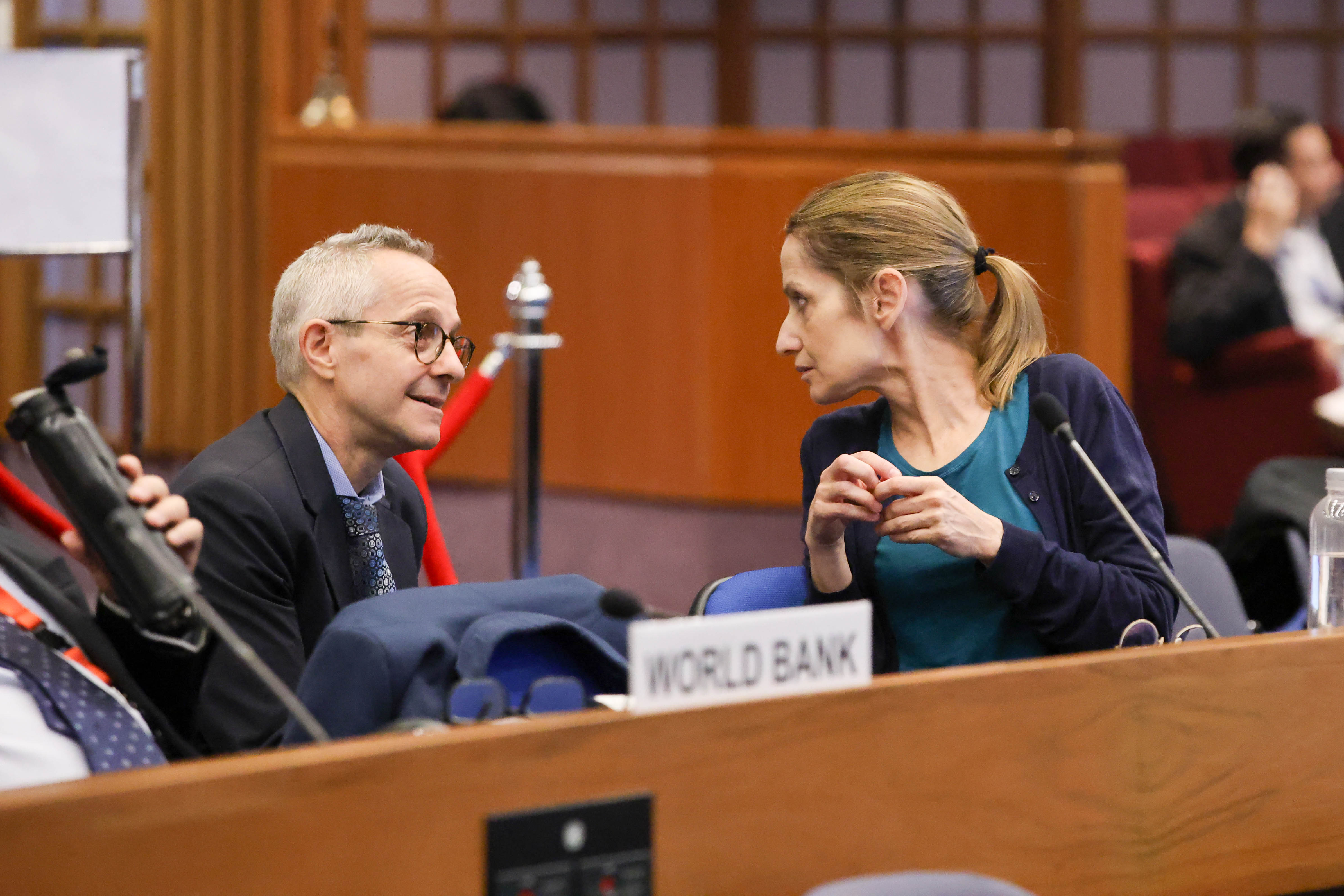
Federico San Martini and Tina Birmpili, Multilateral Fund Secretariat
Informal Group
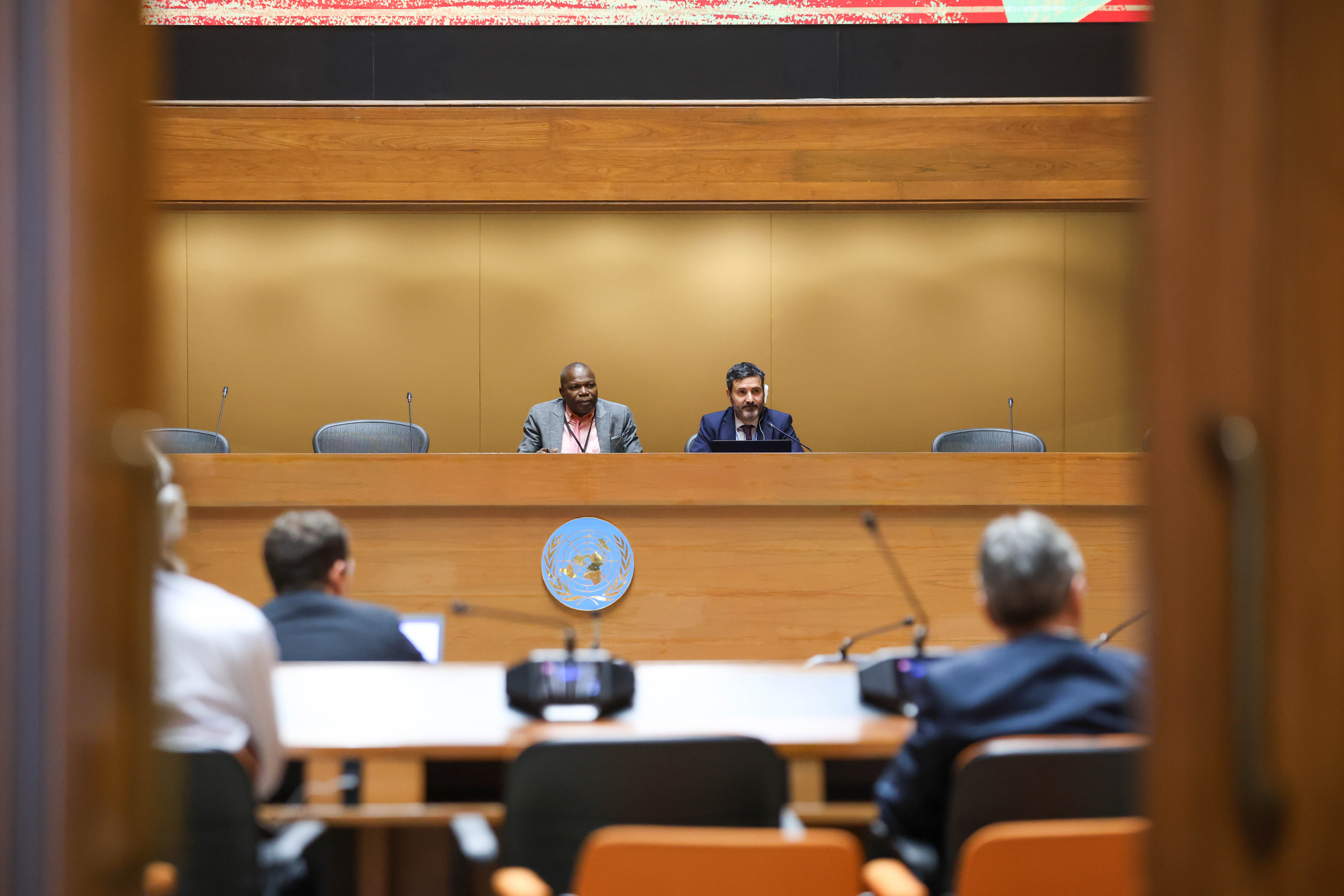
Leslie Smith, Grenada, and Alessandro Giuliano Peru, Italy, Co-Facilitators of the Informal Group on the TEAP restructuring
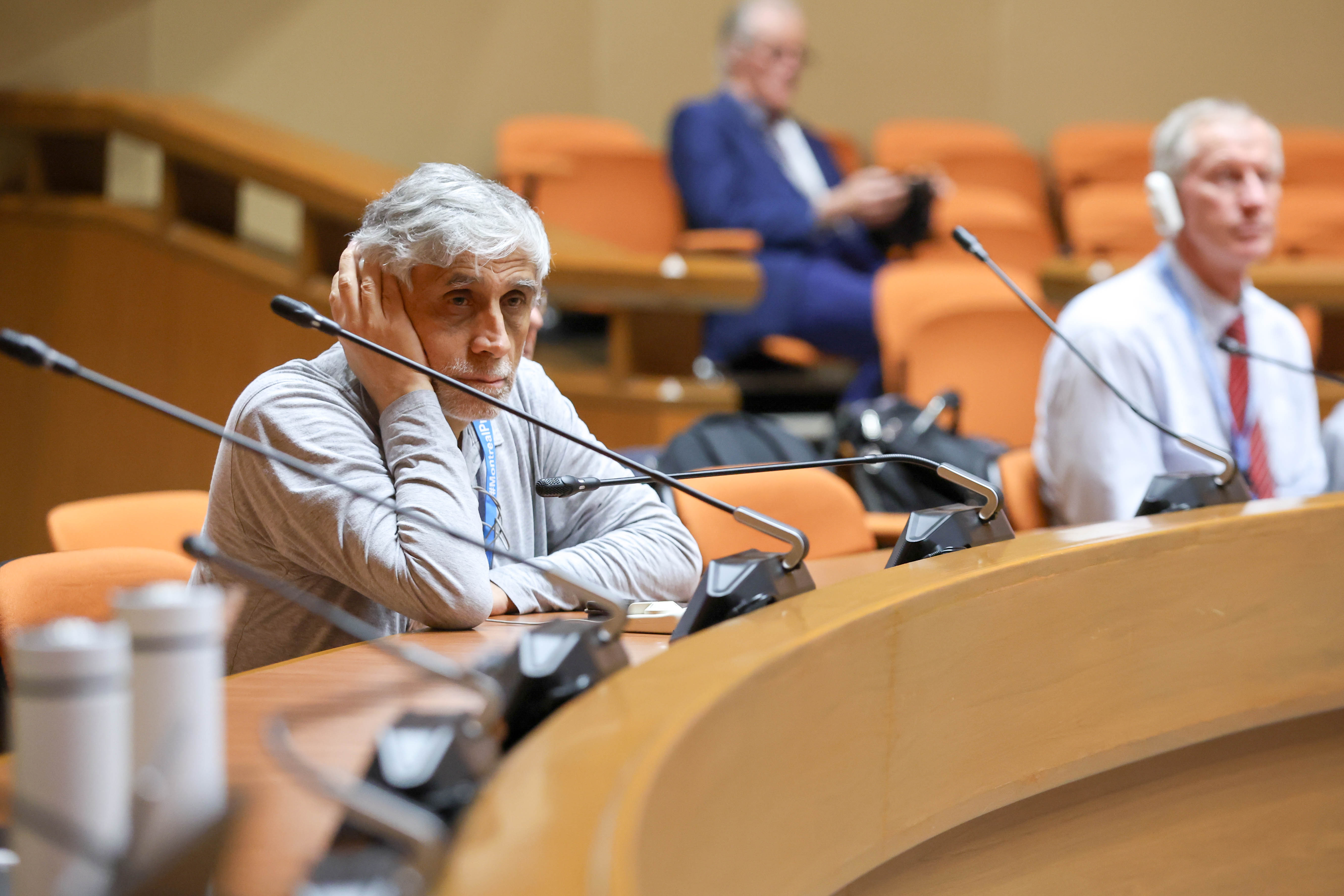
Fabio Polonara, TEAP
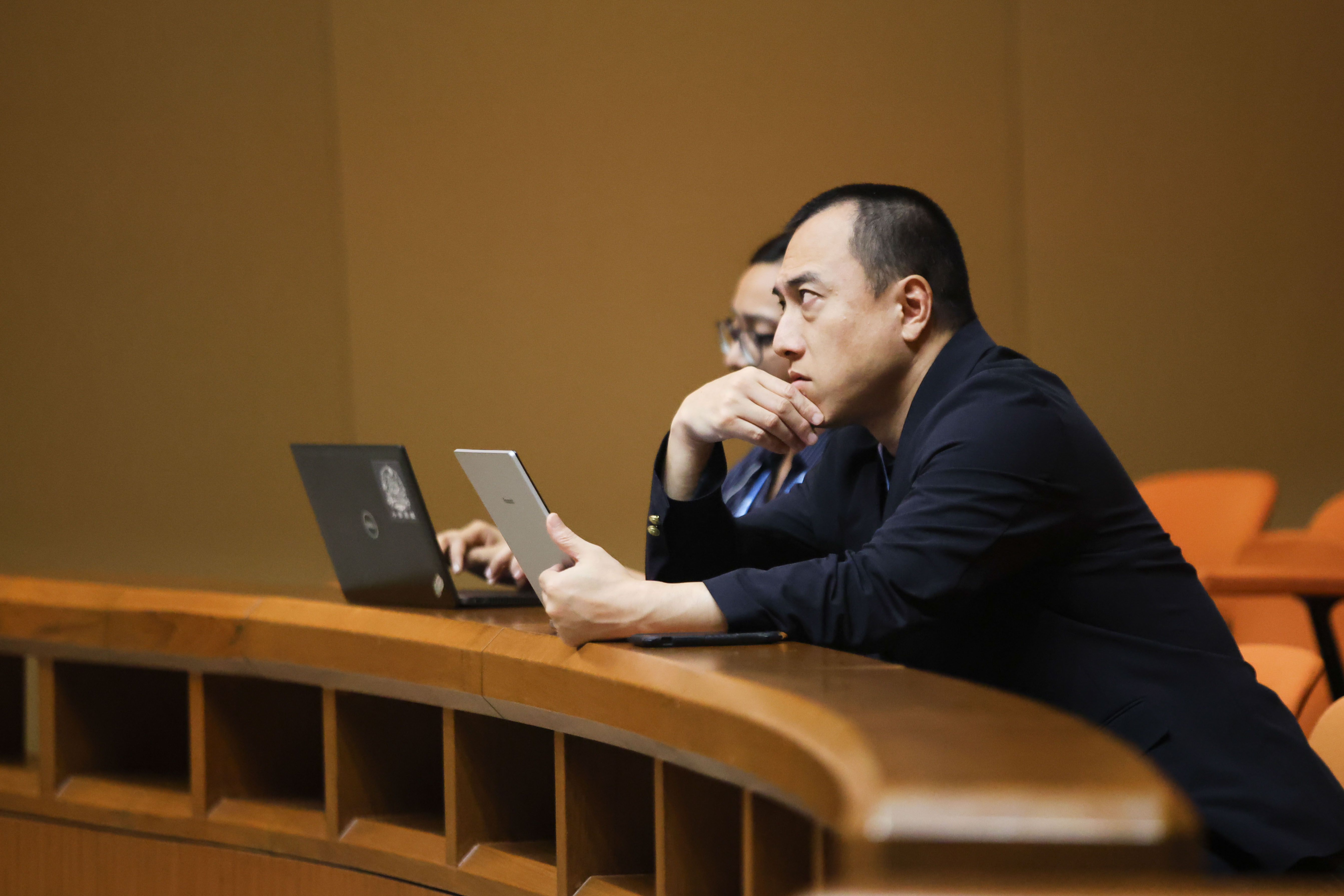
Norihito Miwa, Nomura Research Institute (NRI)
Between Sessions
Around the Venue