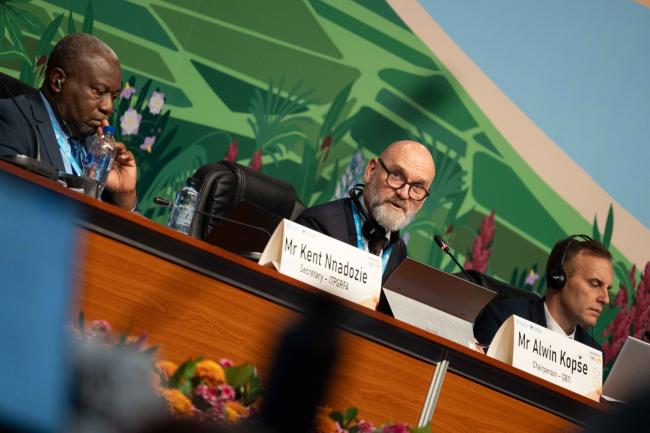
With the end of the meeting rapidly approaching, delegates worked hard to clean draft resolutions for adoption. In the meantime, with no report coming out of the closed-door consultations, observers wondered on the state of negotiations on the enhancement of the Multilateral System (MLS). “There will be no outcome,” some predicted, noting that positions on benefit-sharing from digital sequence information / genetic sequence data (DSI/GSD) are impossible to bridge; others pointed to small interregional groups working on the payment structure and rates, highlighting a real possibility for a limited but effective reform.
Want to dig deeper into today's talks? Read the full Earth Negotiations Bulletin daily report.
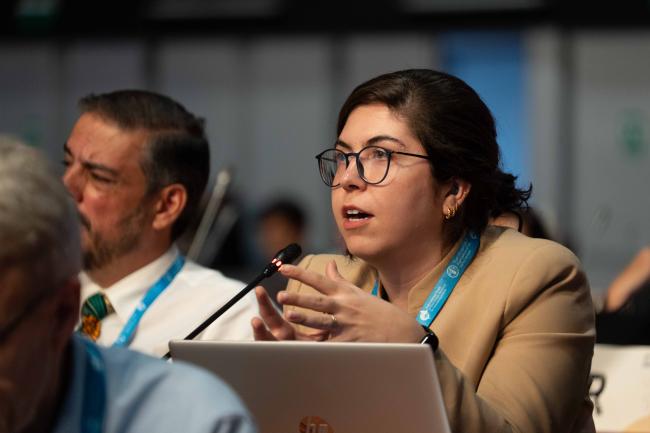
Much remains to be done. The Governing Body (GB) has one more day to reach agreement on a series of draft resolutions, including on farmers’ rights, conservation and sustainable use of plant genetic resources for food and agriculture (PGRFA), and the budget. Delegates are also expected to agree on the items related to the enhancement of the MLS, including a revised standard material transfer agreement (SMTA), a draft resolution, and possibly a Treaty amendment.
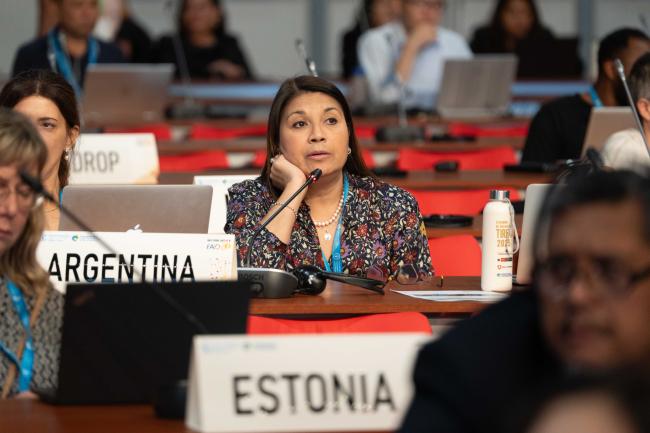
In plenary, text-based negotiations ensued throughout the day and in the evening. Delegates engaged in the review of draft resolutions on the Treaty’s capacity-development strategy and action plan, cooperation with other international instruments and processes, the Global Information System (GLIS), and the Funding Strategy, among other items.
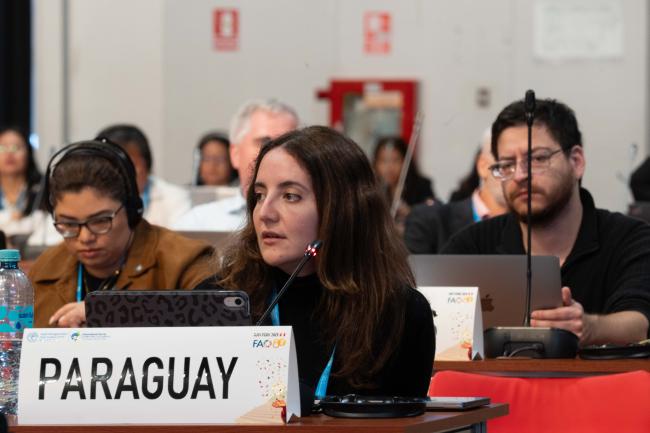
Deliberations on farmers’ rights continued in a contact group and in various informal settings. Debates on the implementation and operations of the MLS highlighted the need for transparency and traceability of PGRFA accessions shared under the SMTA. Discussions on the implementation of the Funding Strategy addressed a tentative target range for the Benefit-sharing Fund. Two proposals were kept in brackets: a target range of USD 6-8 million proposed by GB 11 Chair Alwin Kopše (Switzerland) to assist with deliberations; and an alternative one of USD 8-12 million proposed by Brazil.
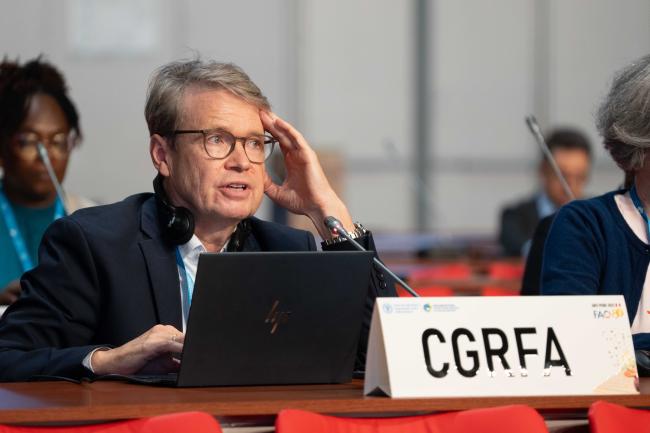
Well-known divergences emerged, as delegates addressed topics that are divisive across processes, such as the terminology regarding Indigenous Peoples and local communities, but also issues that have been deemed controversial recently, including references to the Sustainable Development Goals, climate change, and gender.
To receive free coverage of global environmental events delivered to your inbox, subscribe to the ENB Update newsletter.
All ENB photos are free to use with attribution. For the 11th Session of the ITPGRFA Governing Body (2025), please use: Photo by IISD/ENB | Andrés Felipe Carvajal Gómez
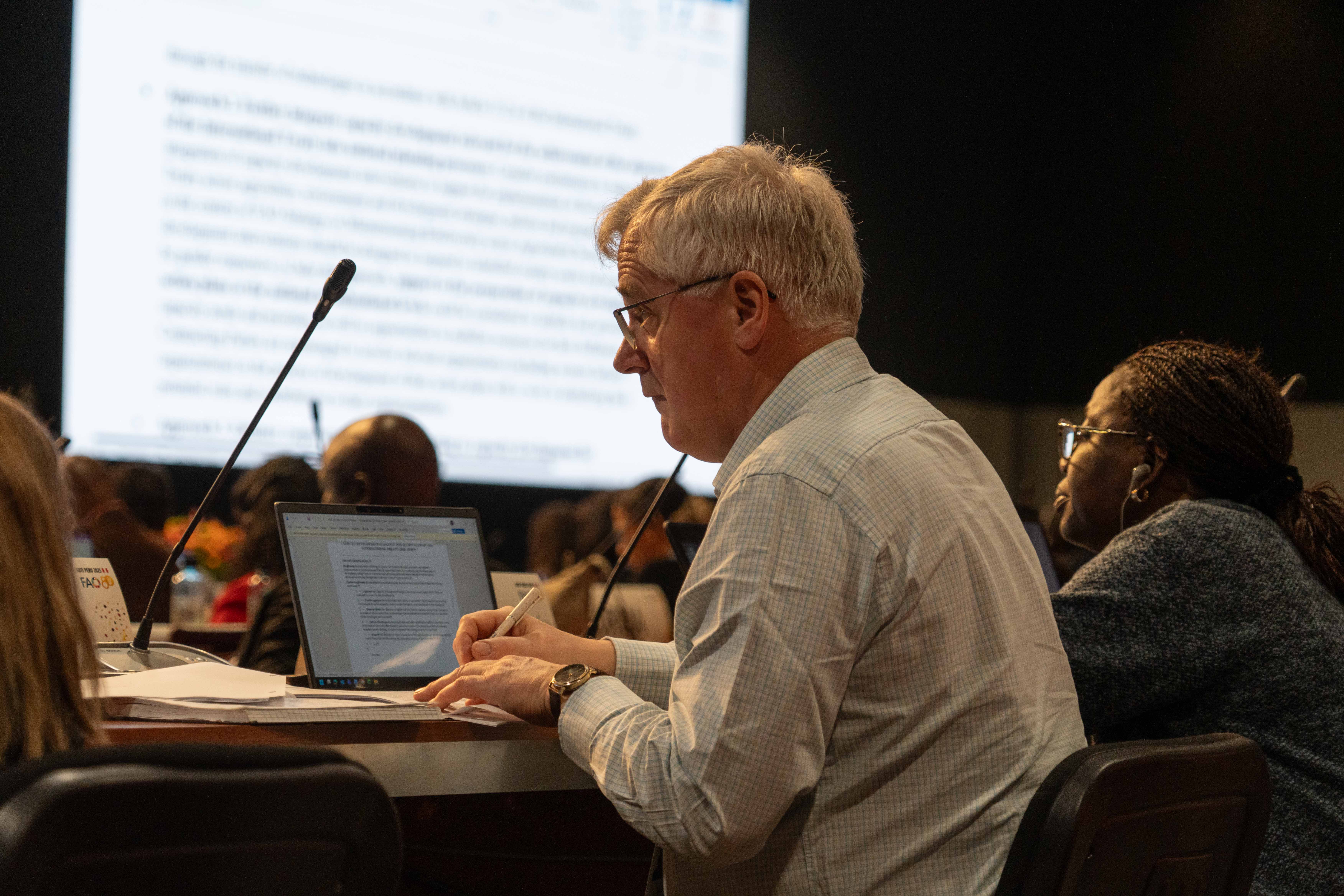
Plenary Session
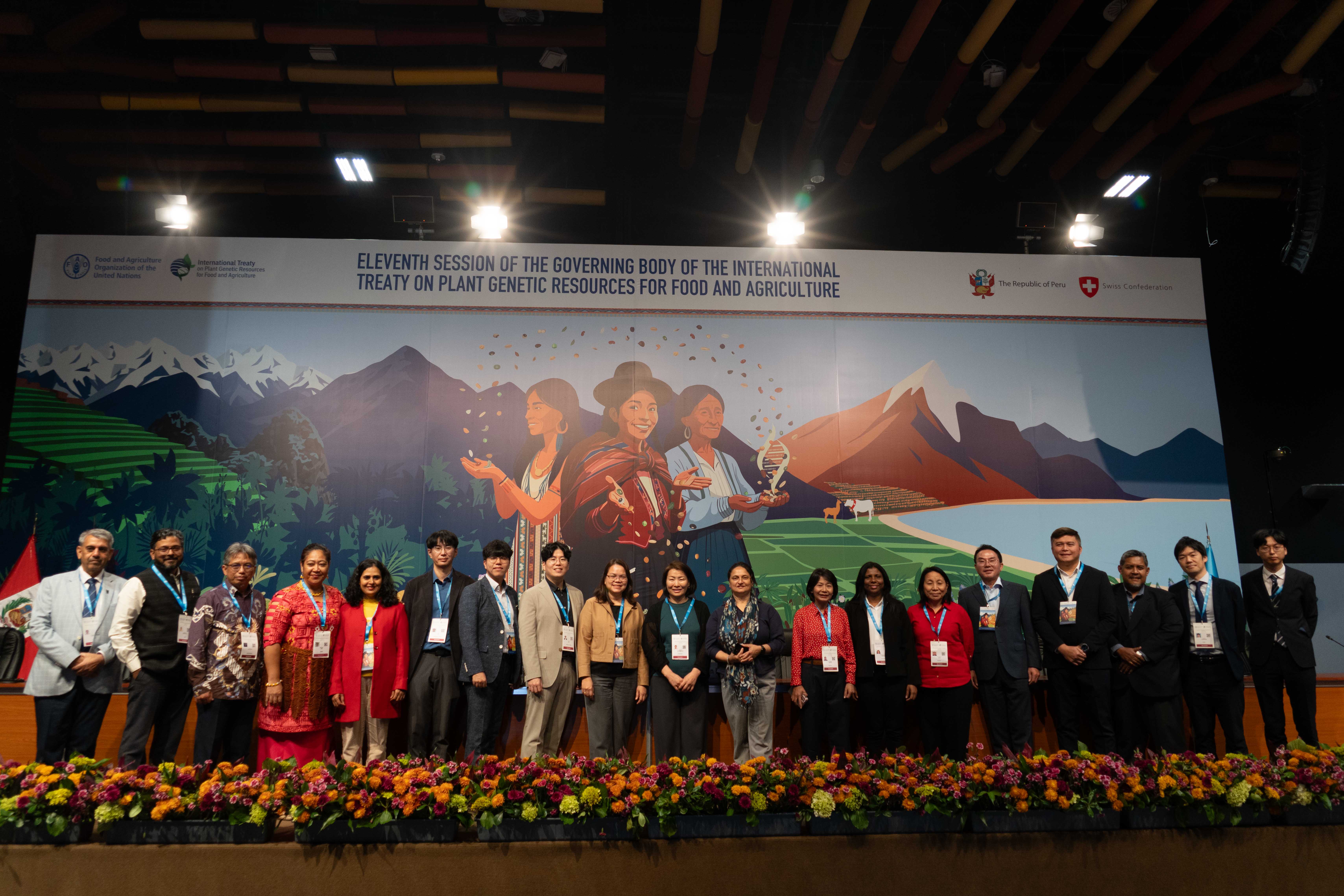
Delegates from the Asian group
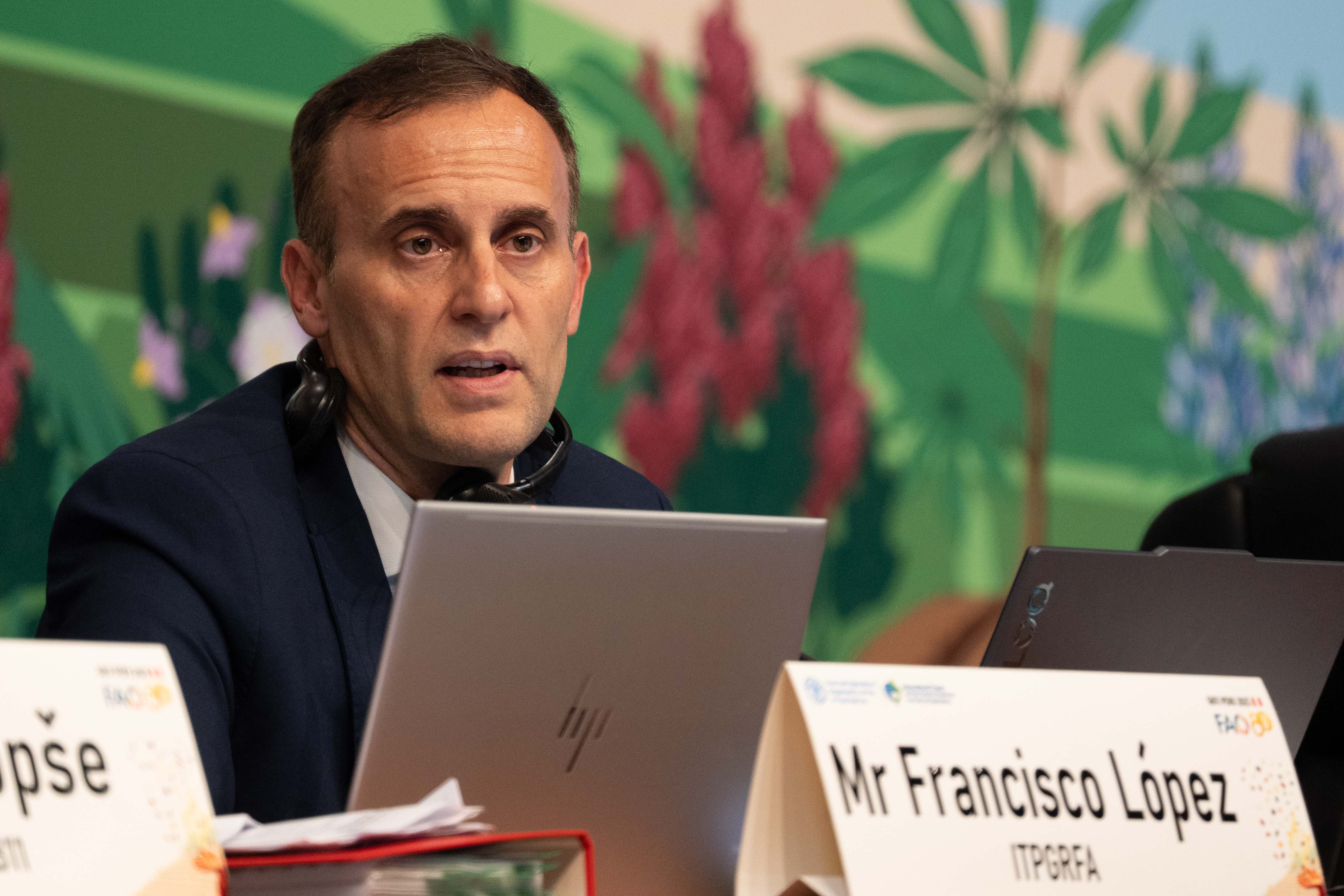
Francisco López, ITPGRFA Secretariat
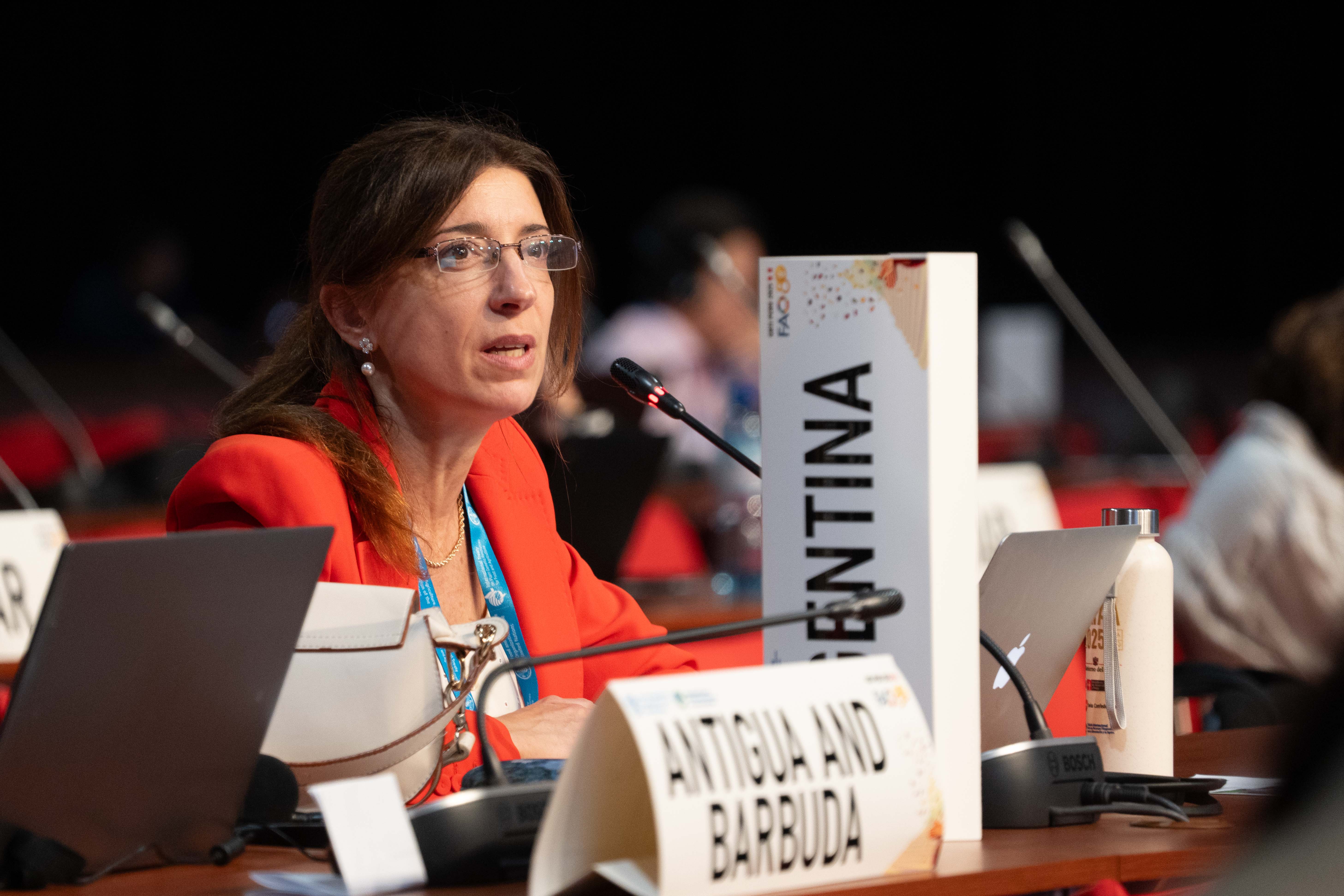
Andrea Laura Mackielo, Argentina
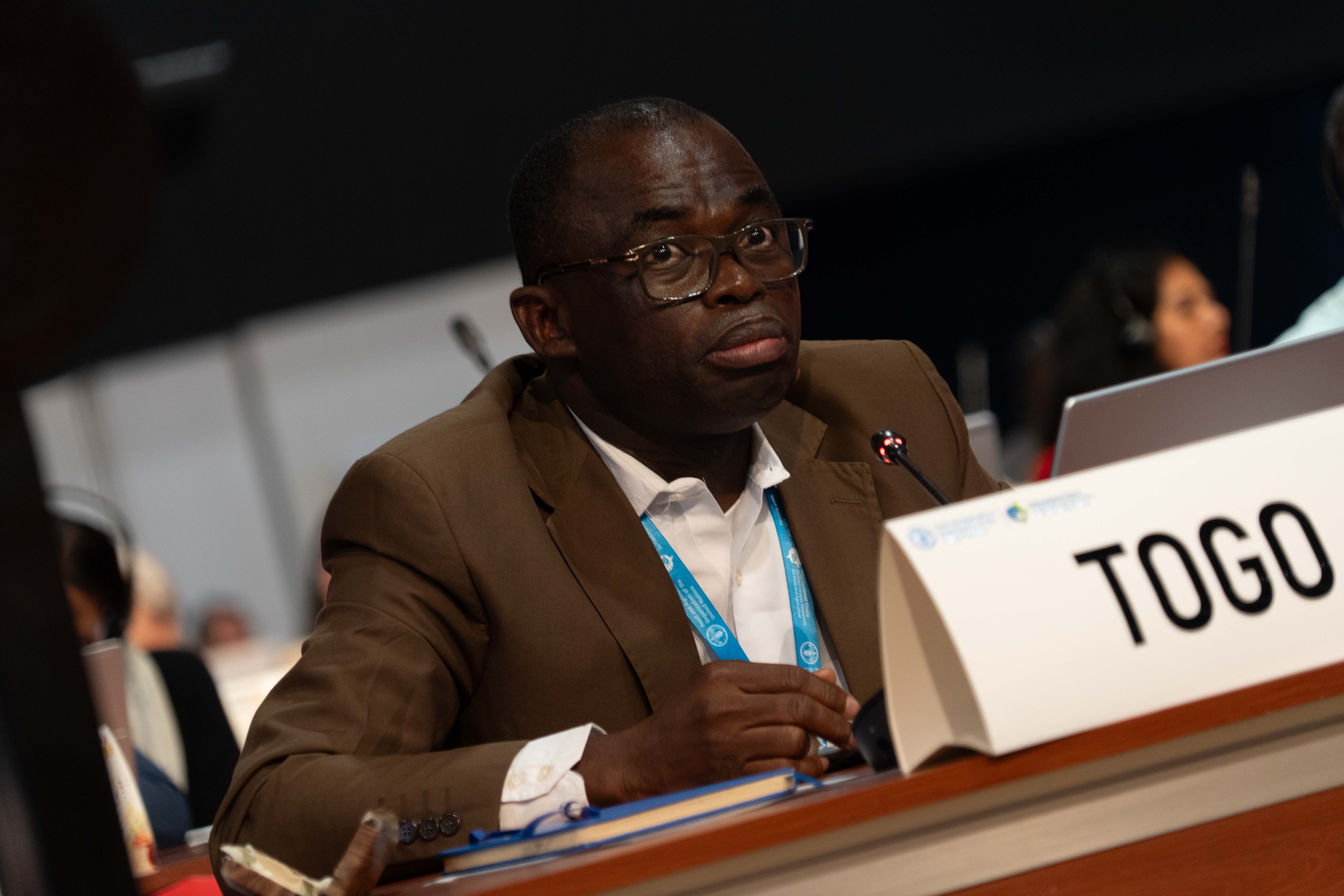
Koffi Kombate, Togo
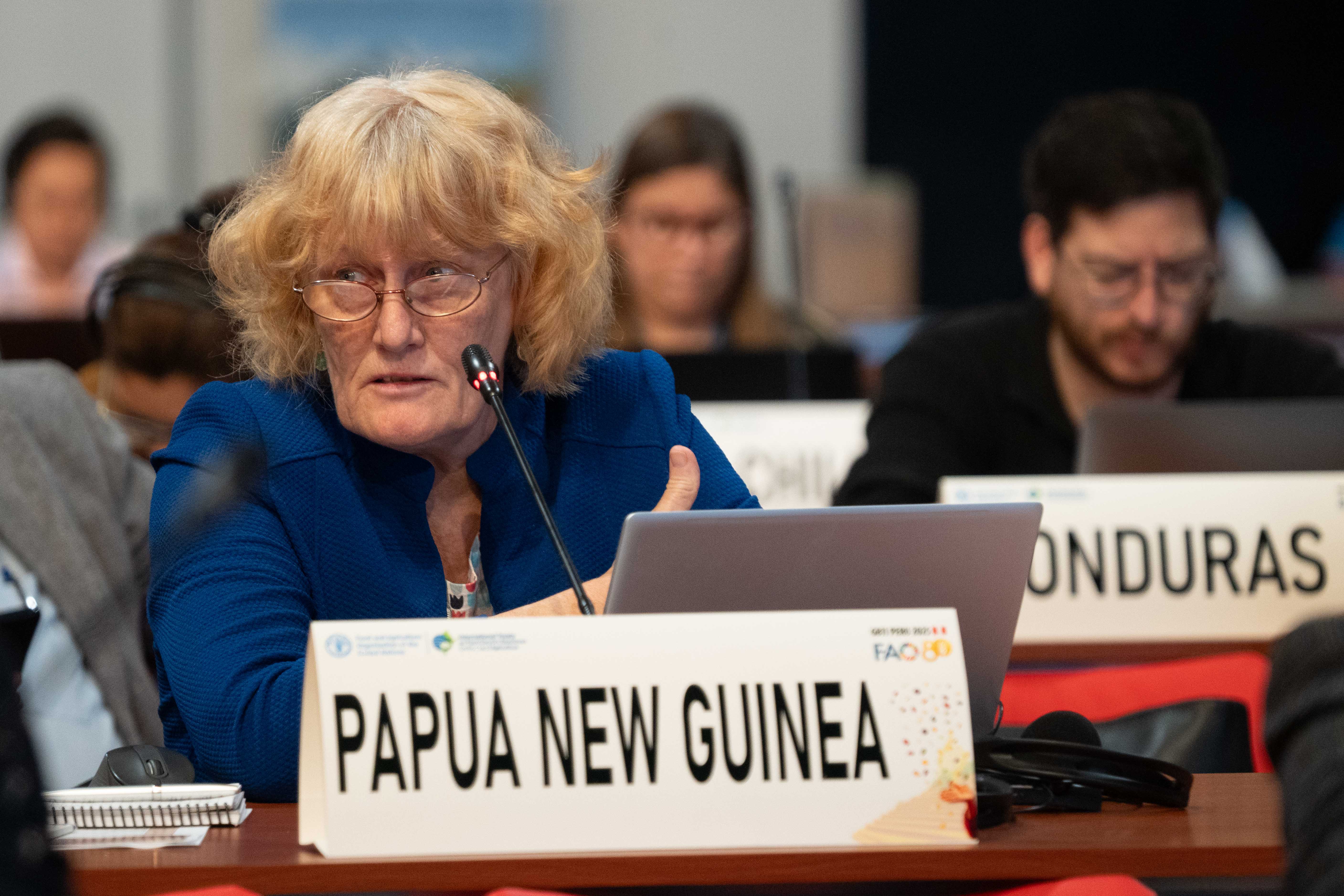
Birte Komolong, Papua New Guinea
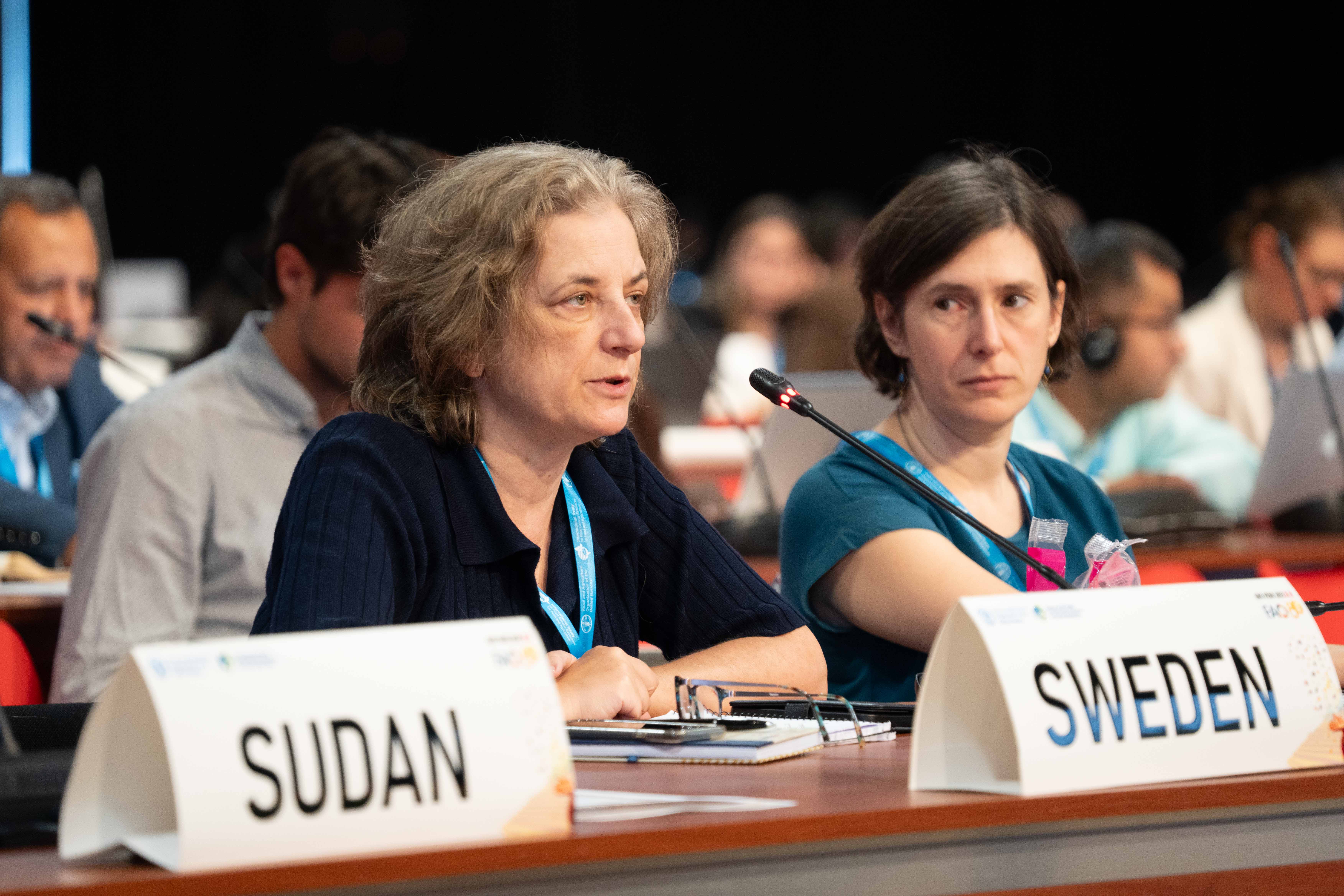
Carina Knorpp, Sweden
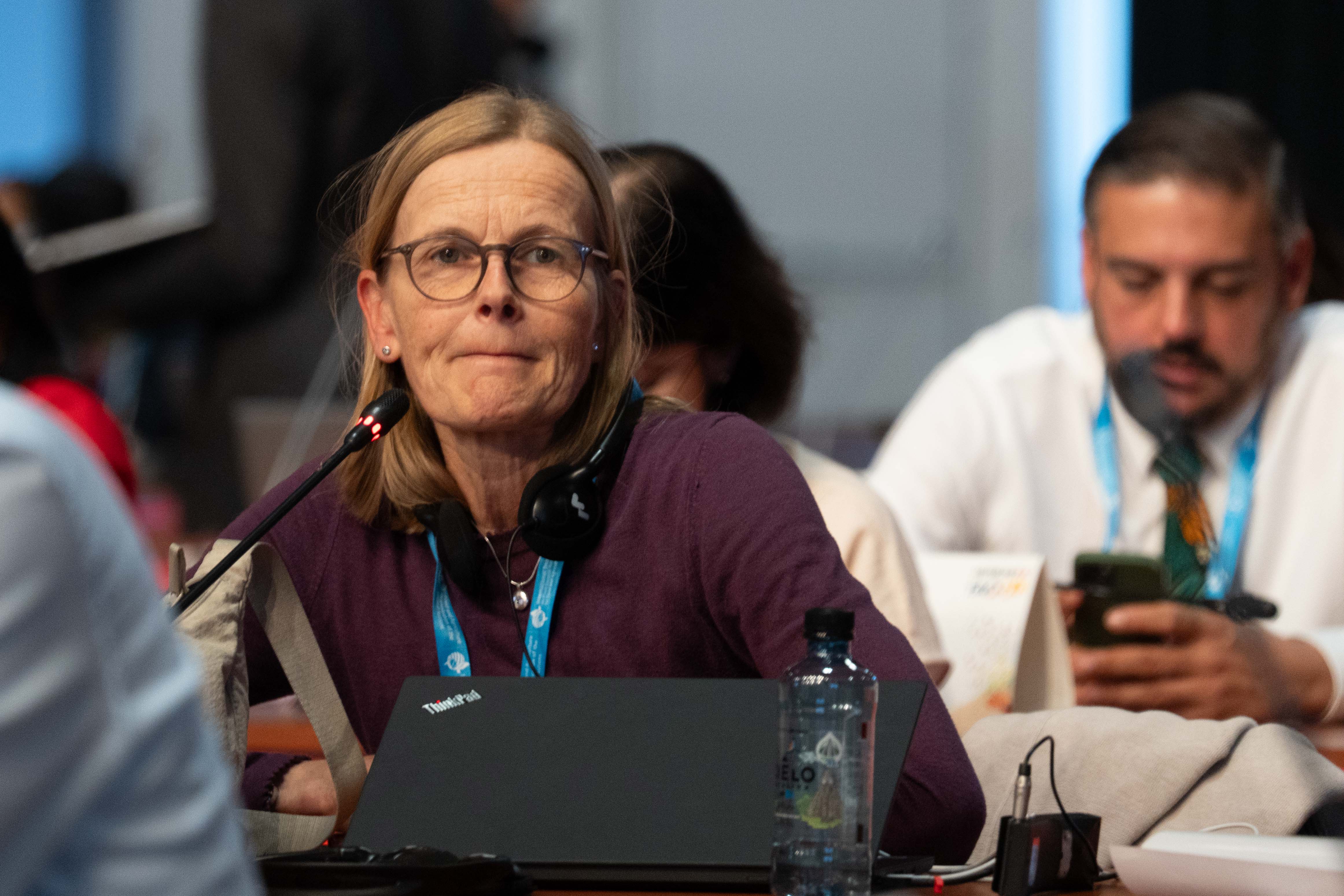
Imke Thormann, Germany
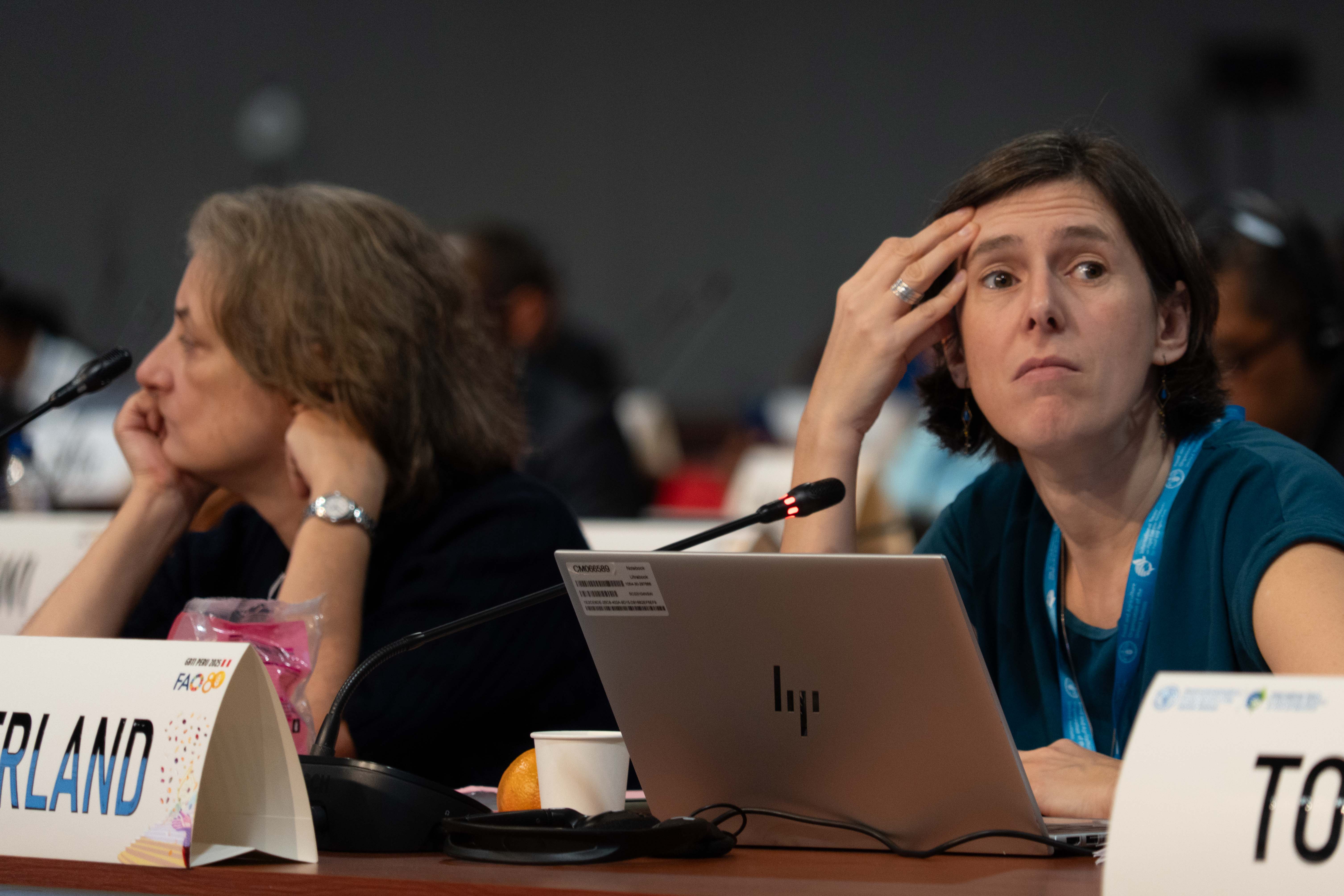
Isabelle Fragnière, Switzerland
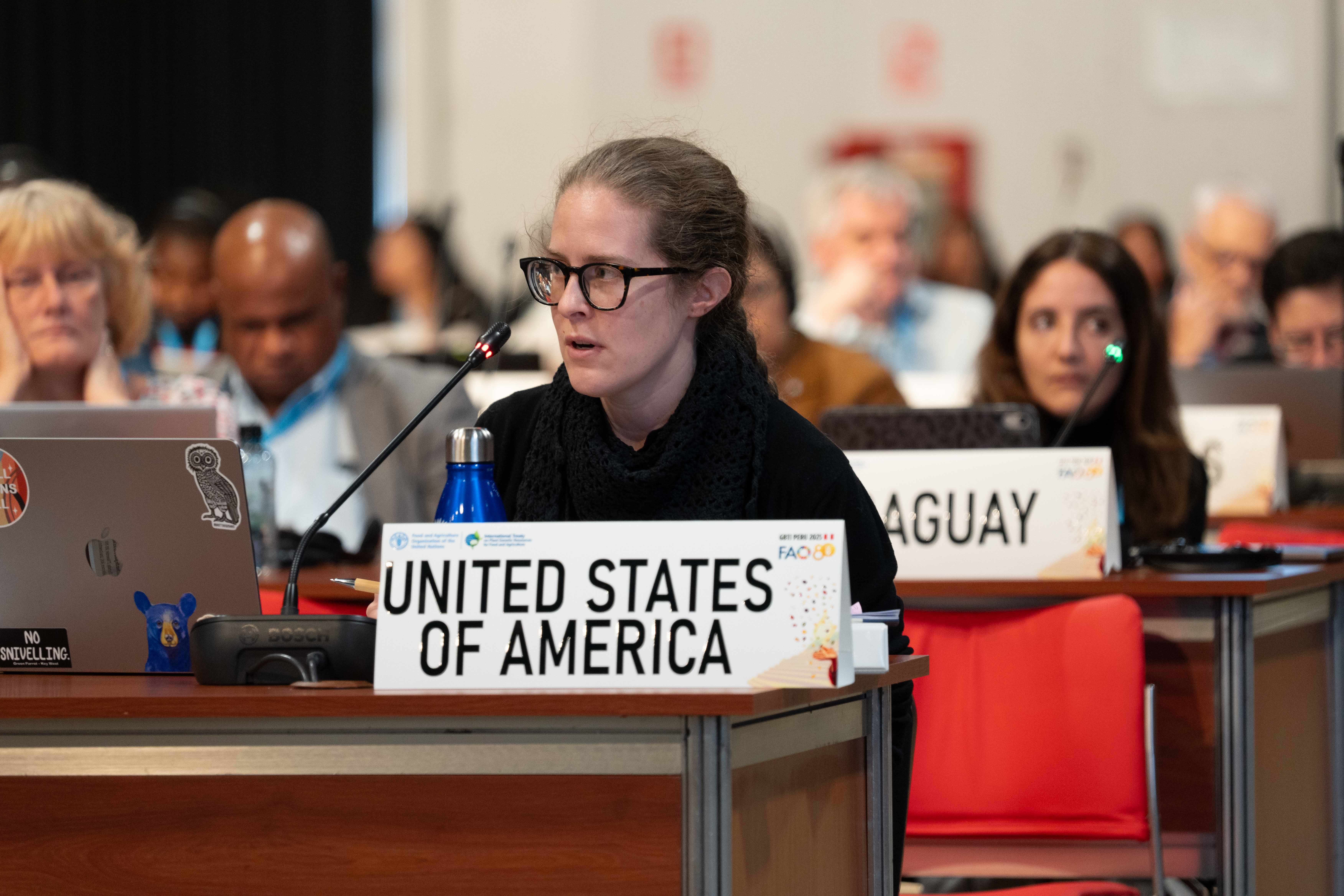
Katlyn Scholl, US
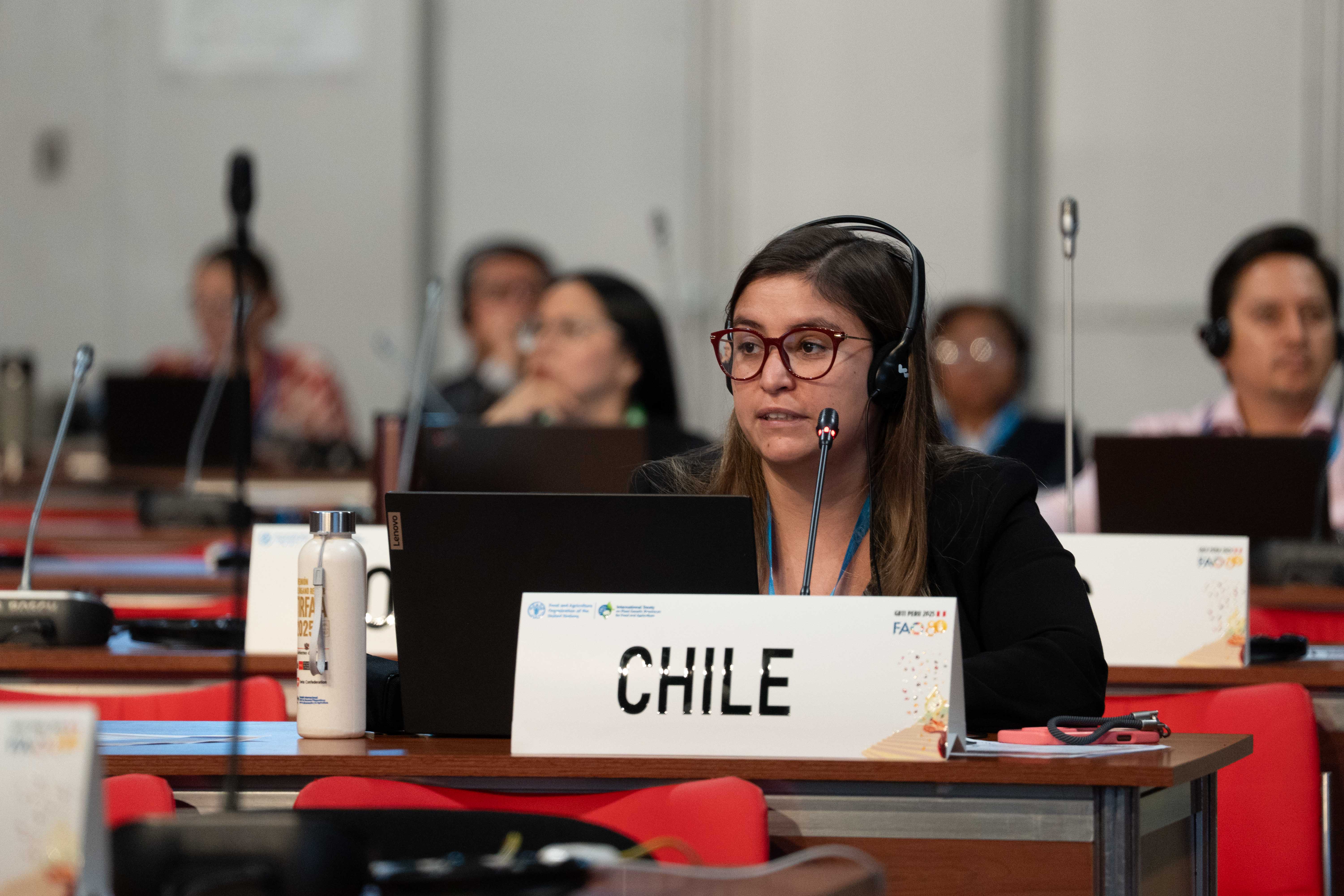
María José Pizarro Álvarez, Chile
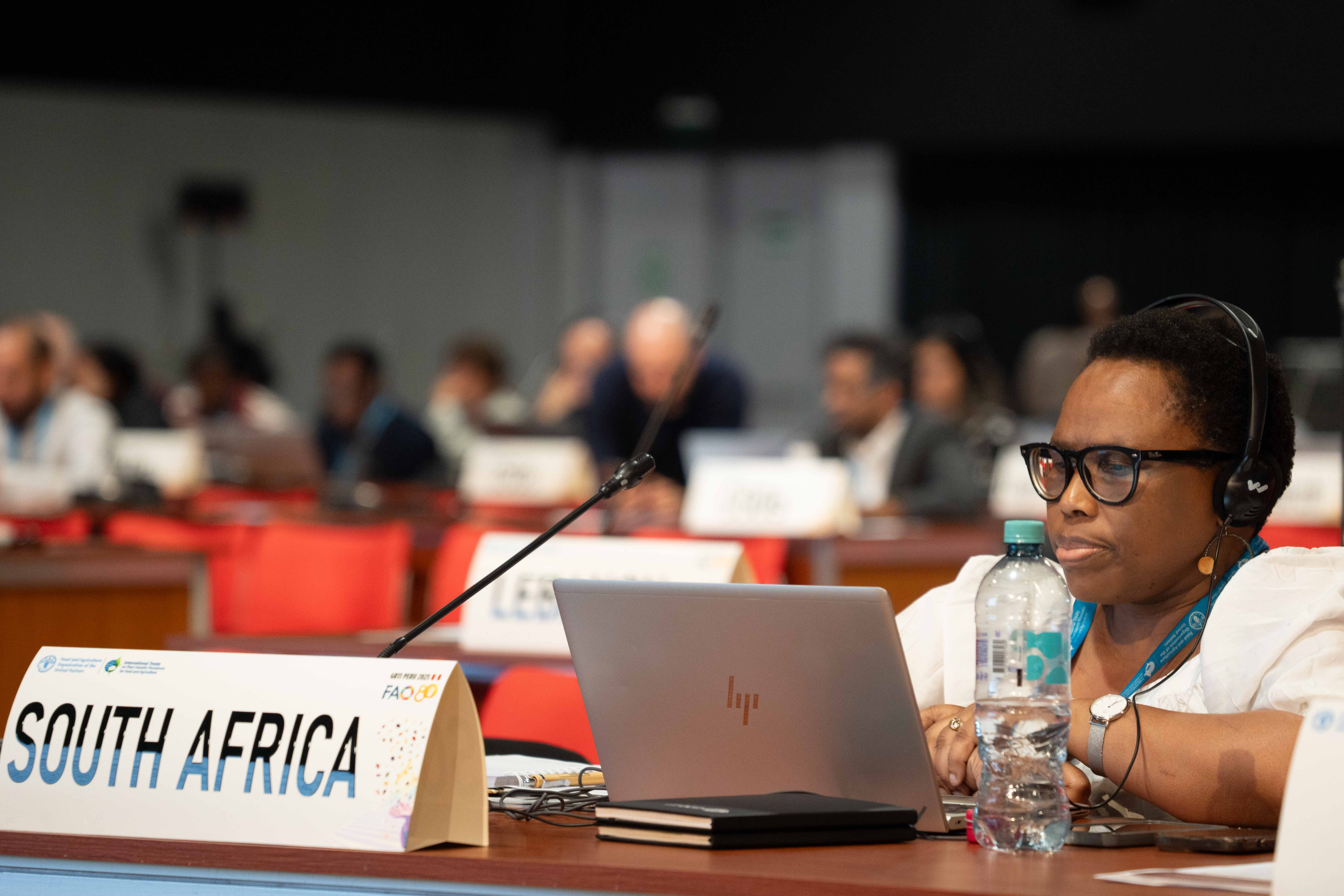
Noluthando Netnou-Nkoana, South Africa
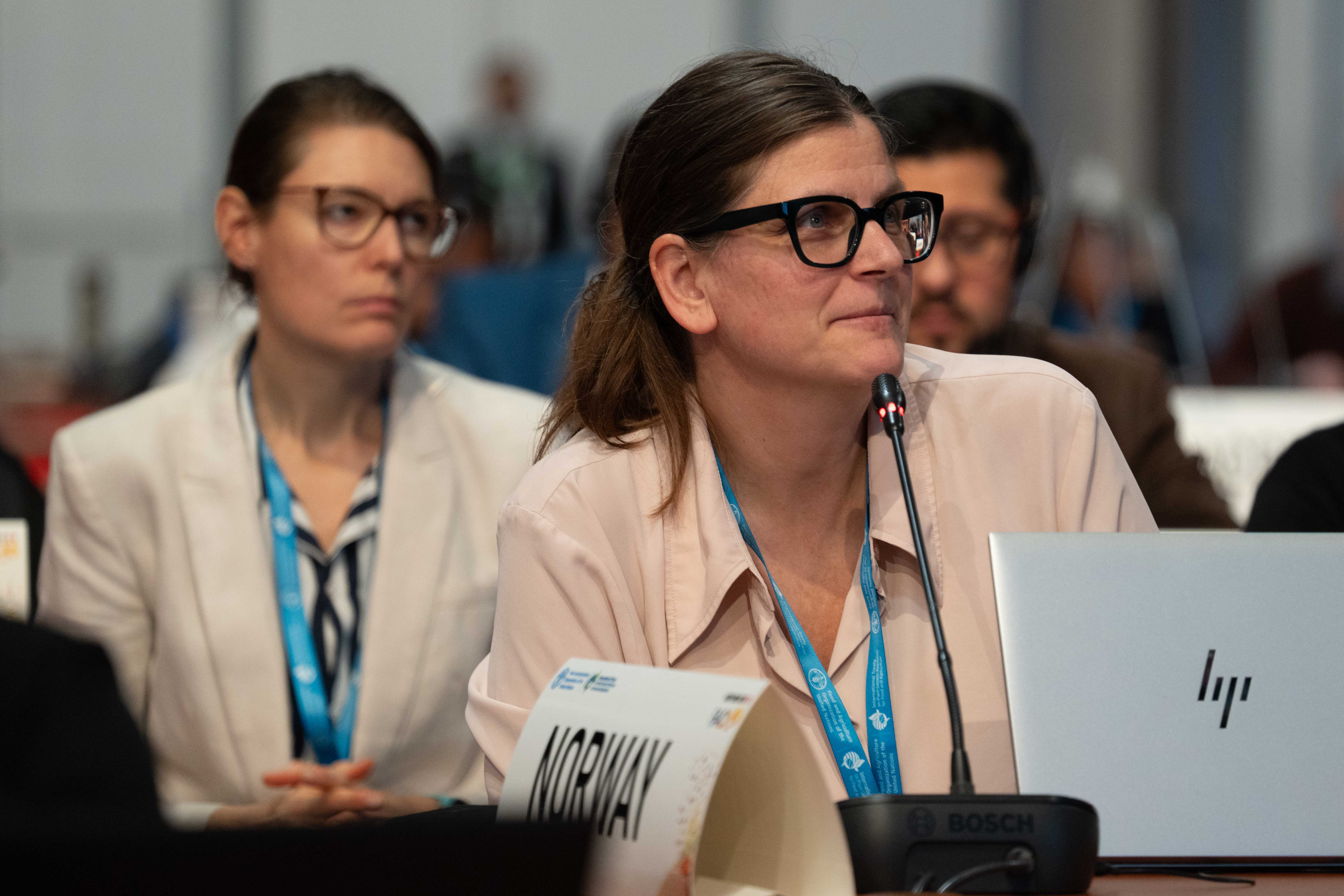
Svanhild-Isabelle Batta Torheim, Norway
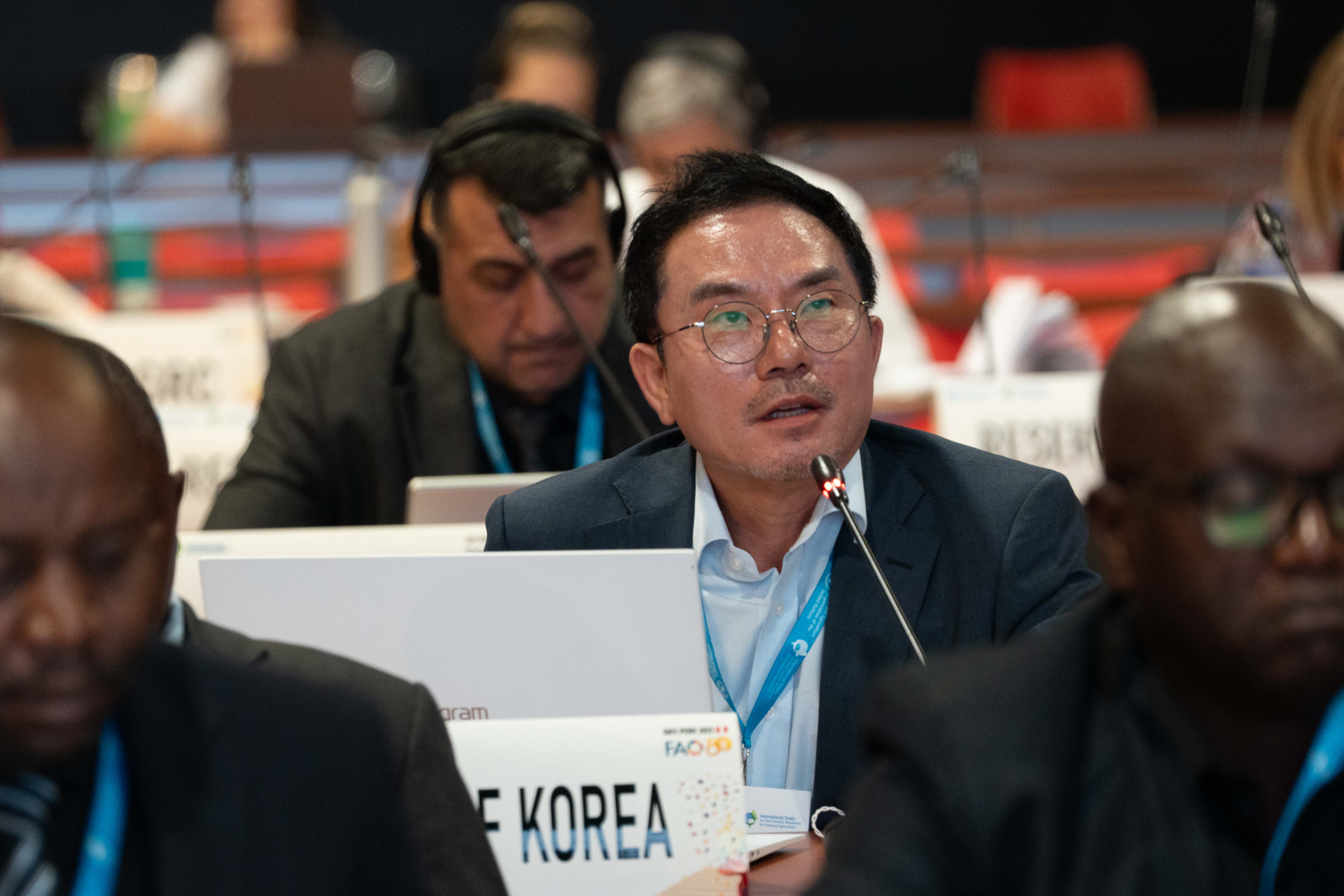
Won Seog Park, Republic of Korea
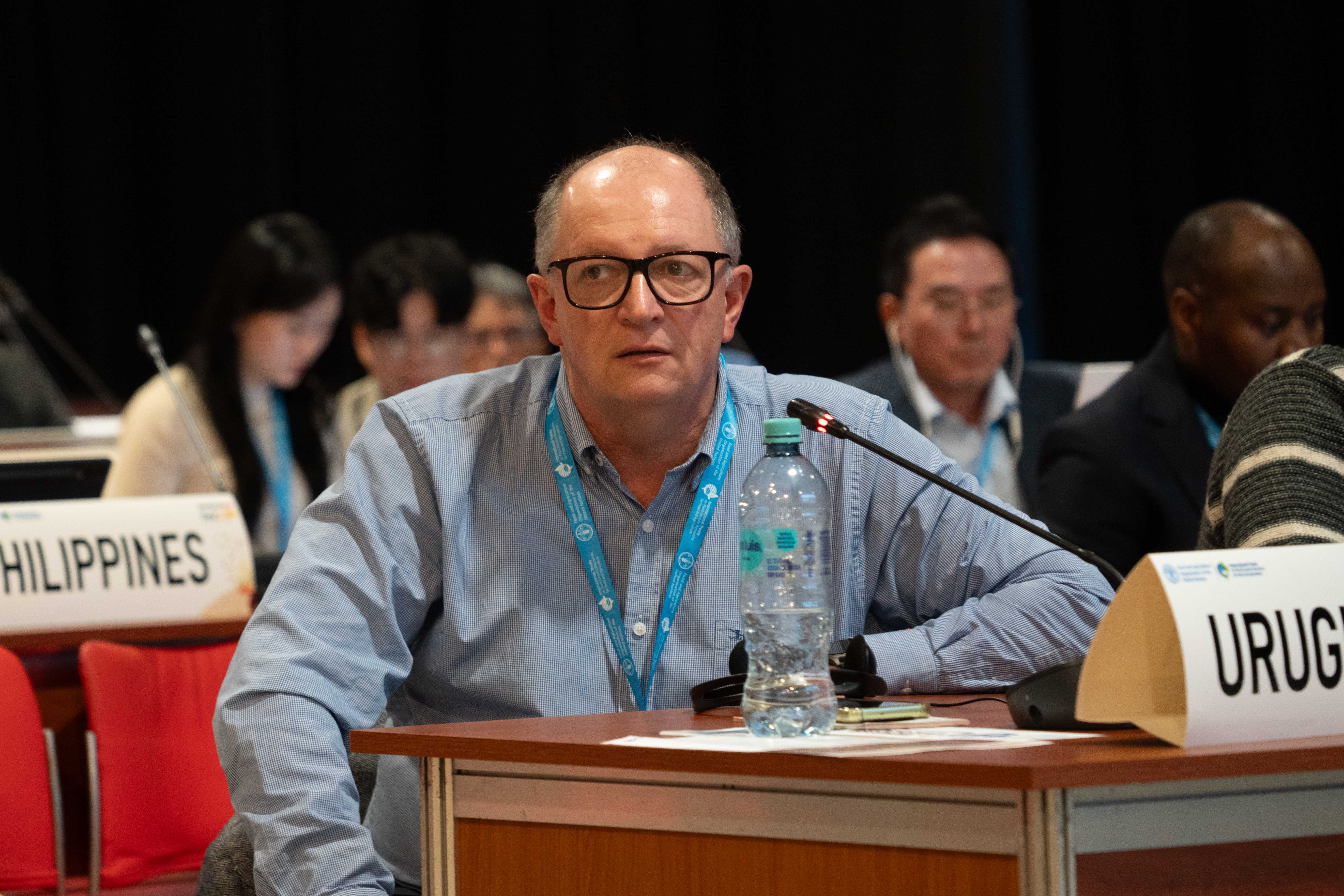
Federico Condón Priano, Uruguay
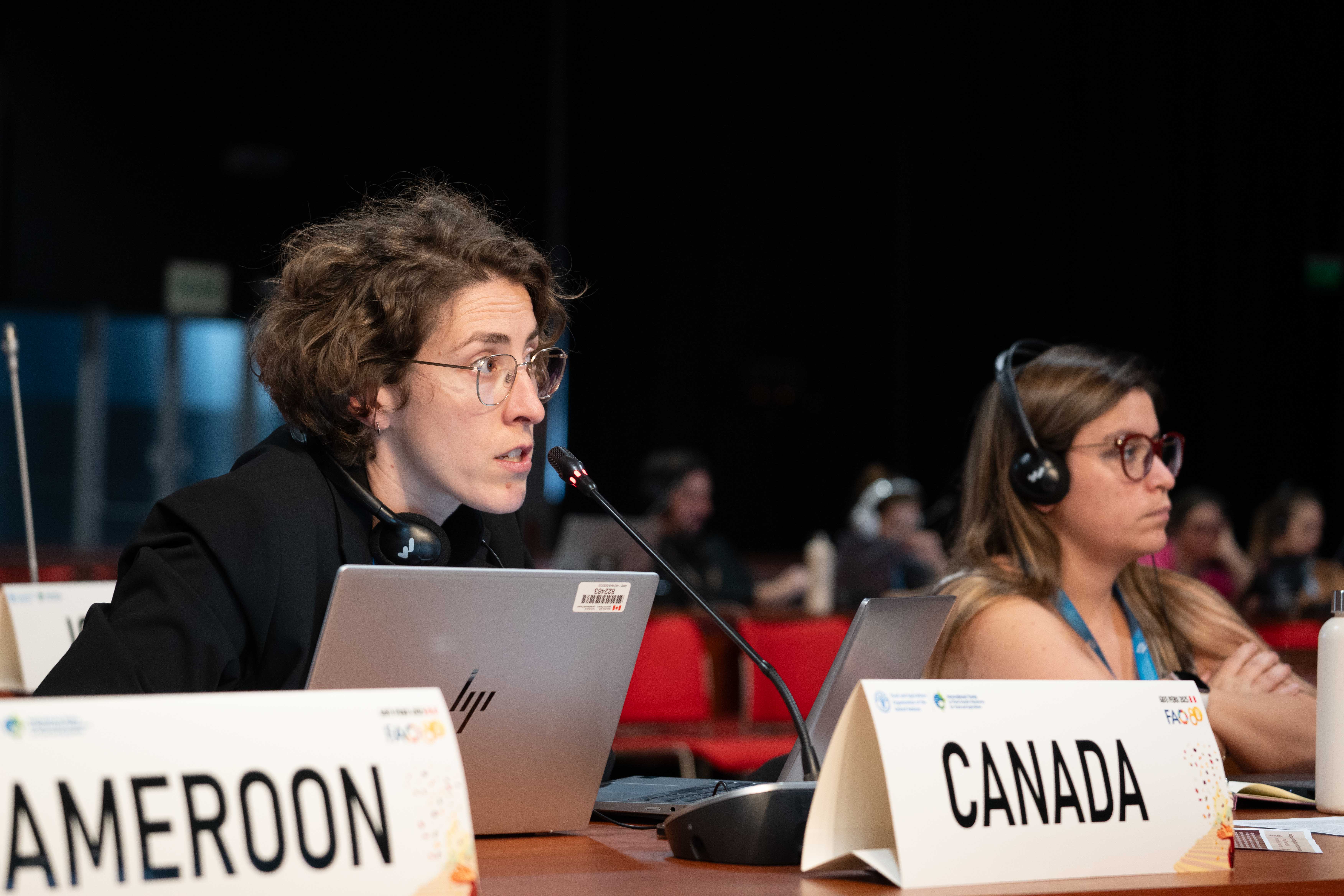
Catherine Blanchard, Canada
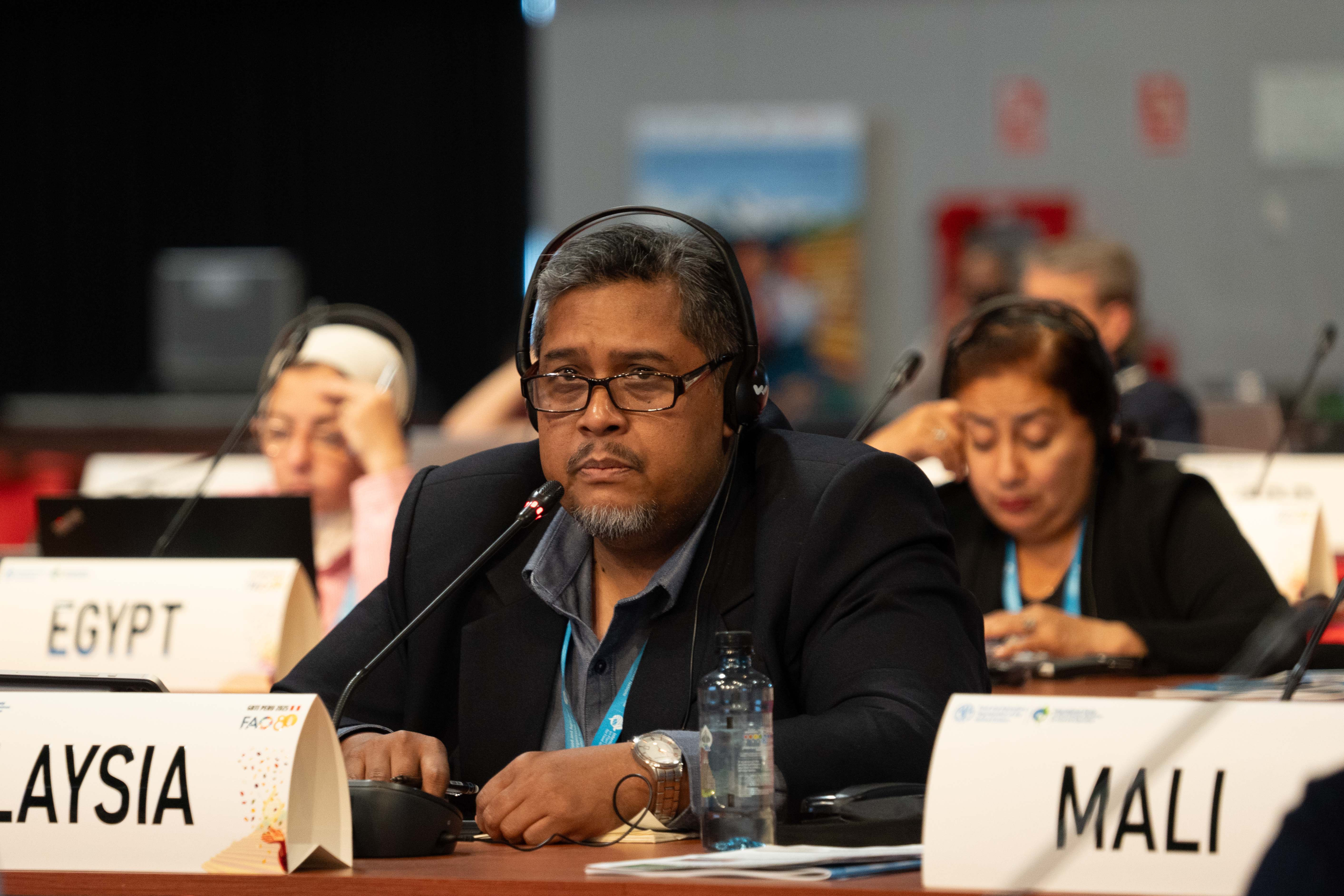
Mohamed Shukri, Malaysia
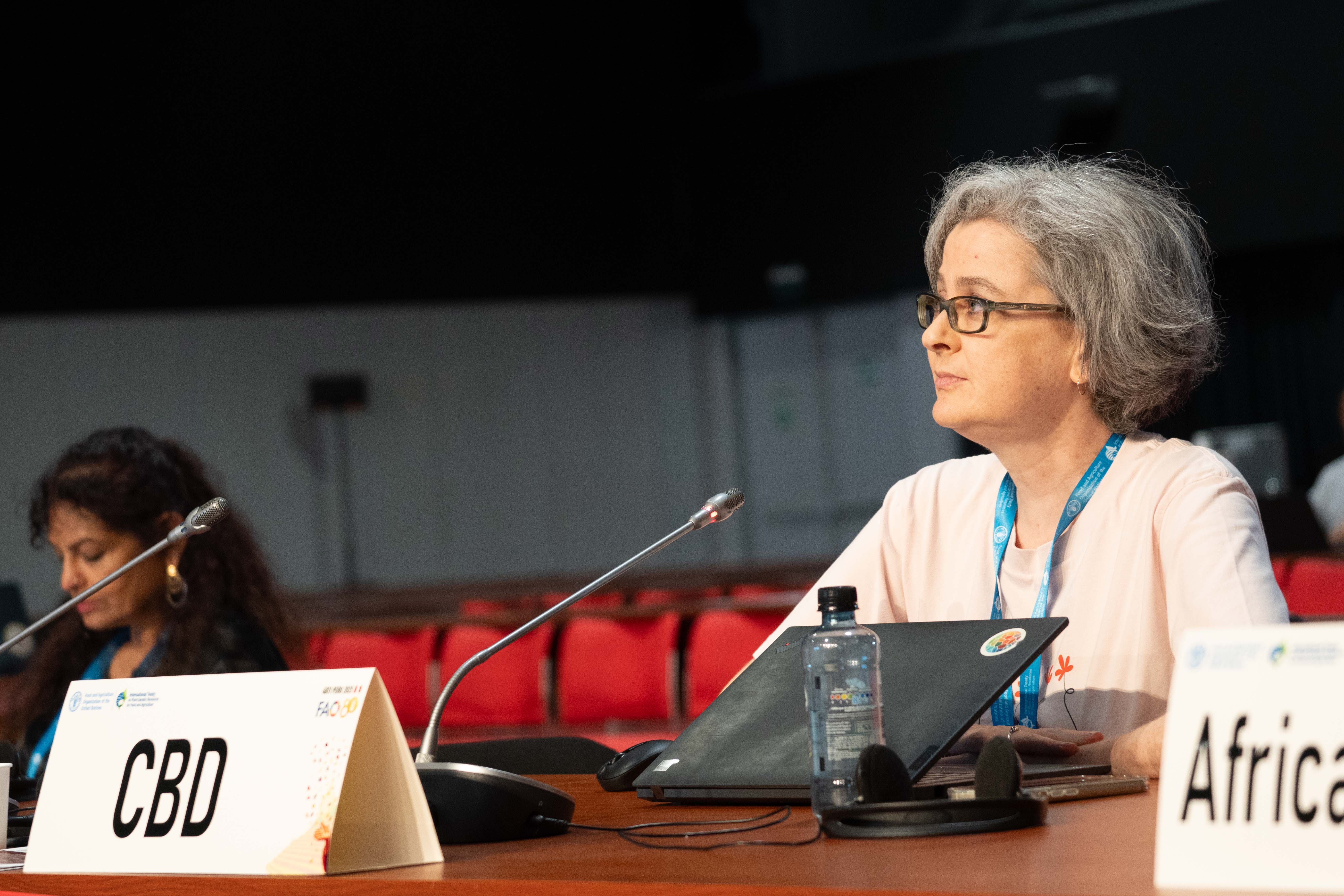
Kathryn Garforth, CBD Secretariat
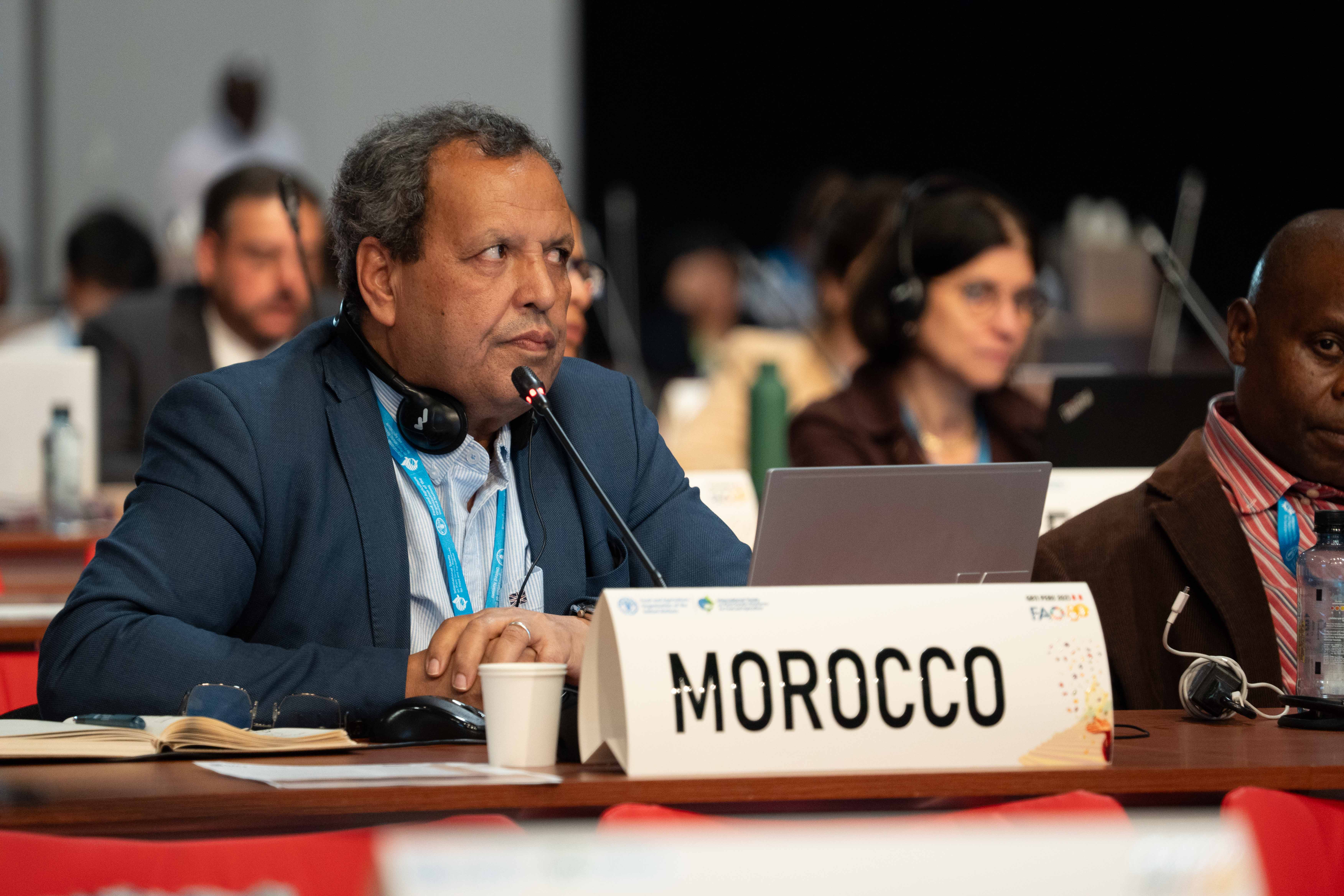
Moha Ferrahi, Morocco
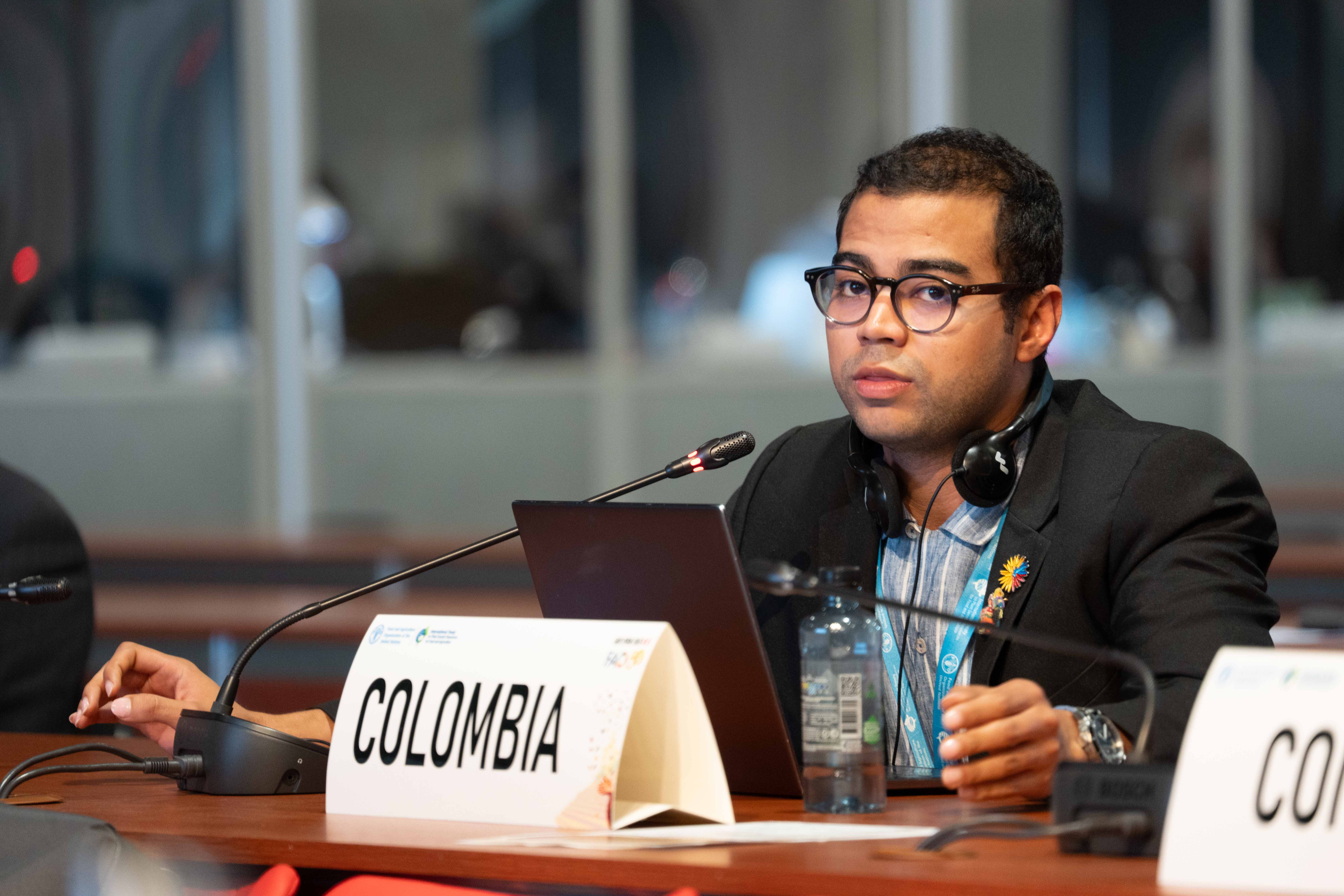
Rafael Daza, Colombia
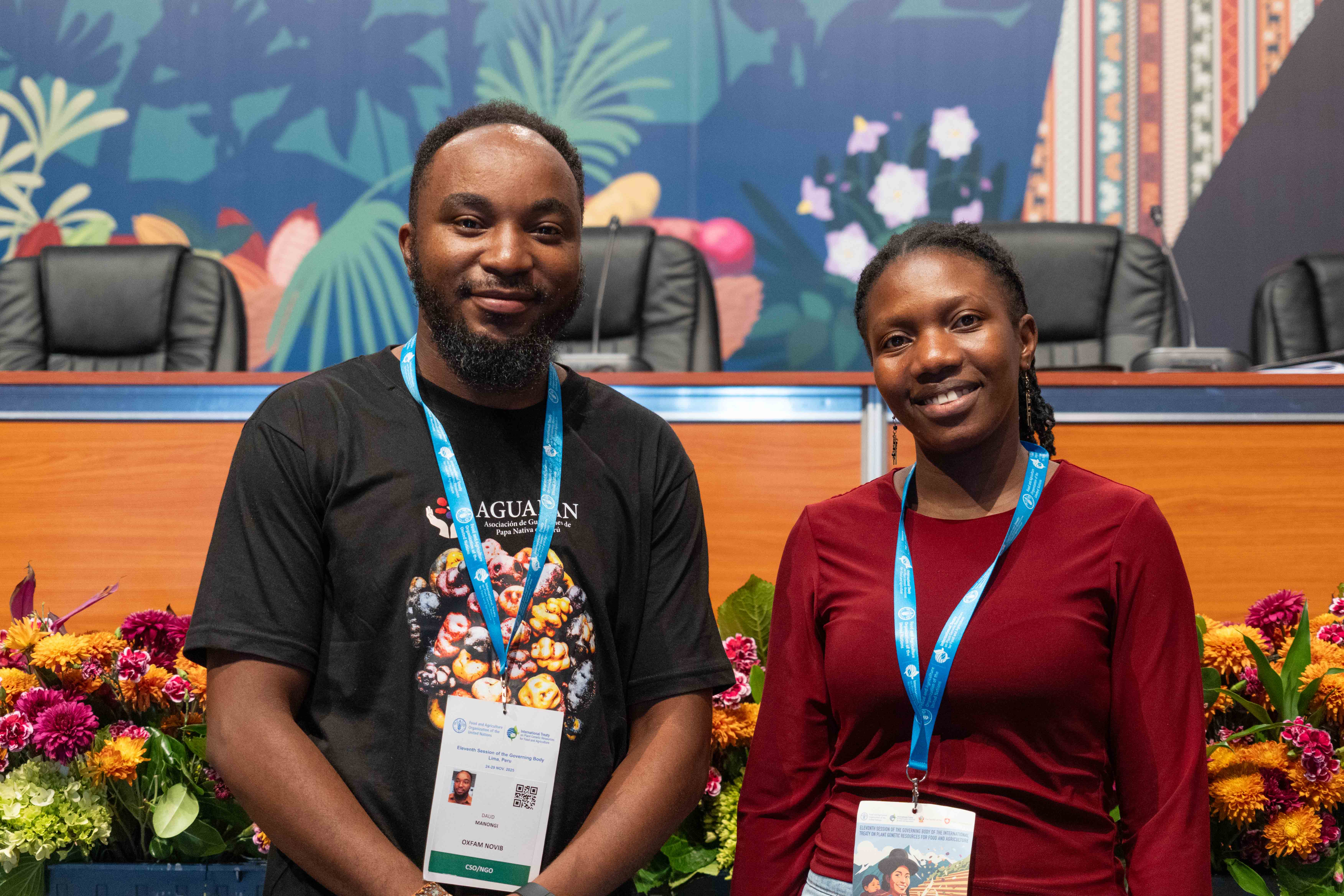
Daud Manongi, and Naume Kalinaki, Oxfam Novib
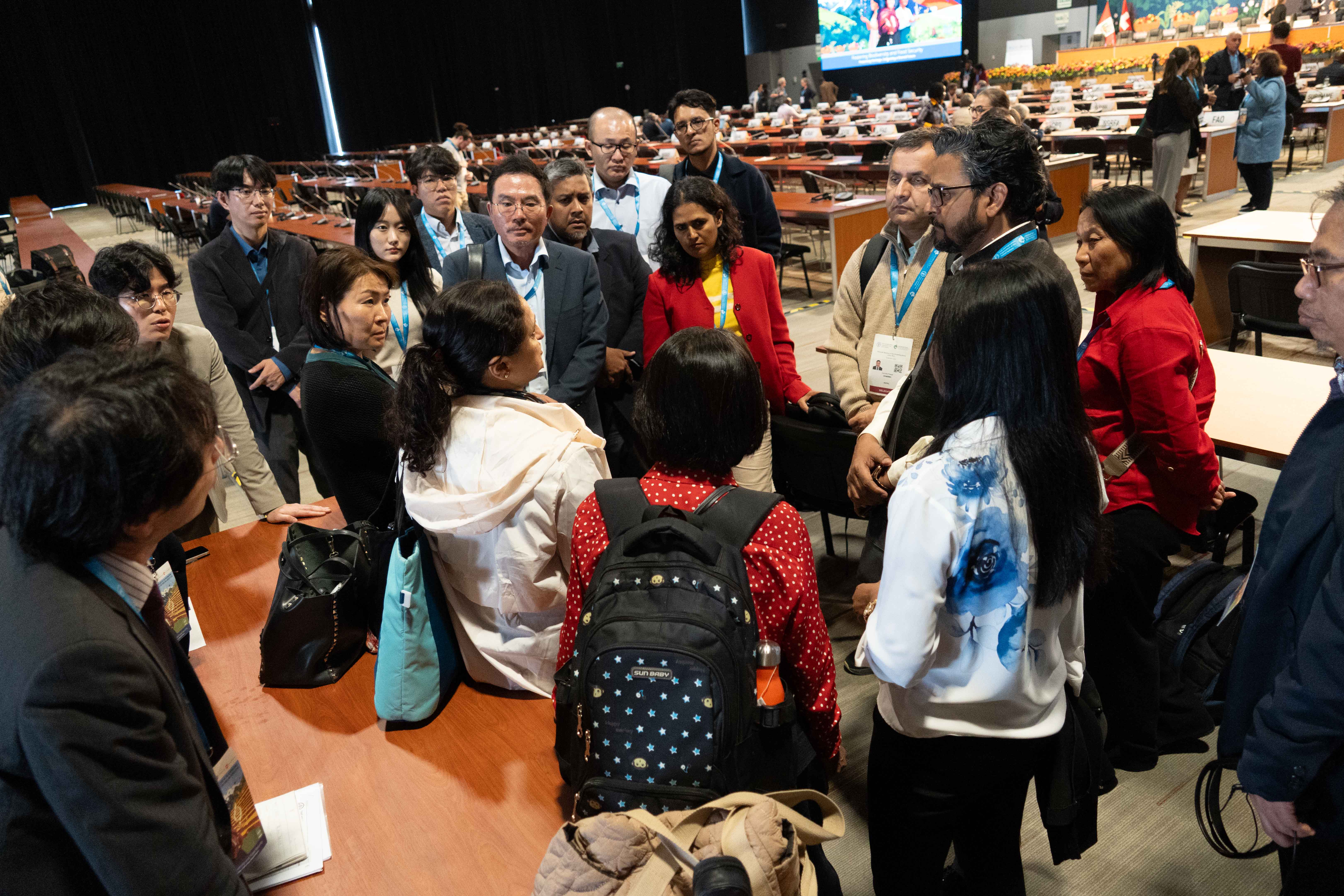
The Asian group conferring after the morning session of the plenary
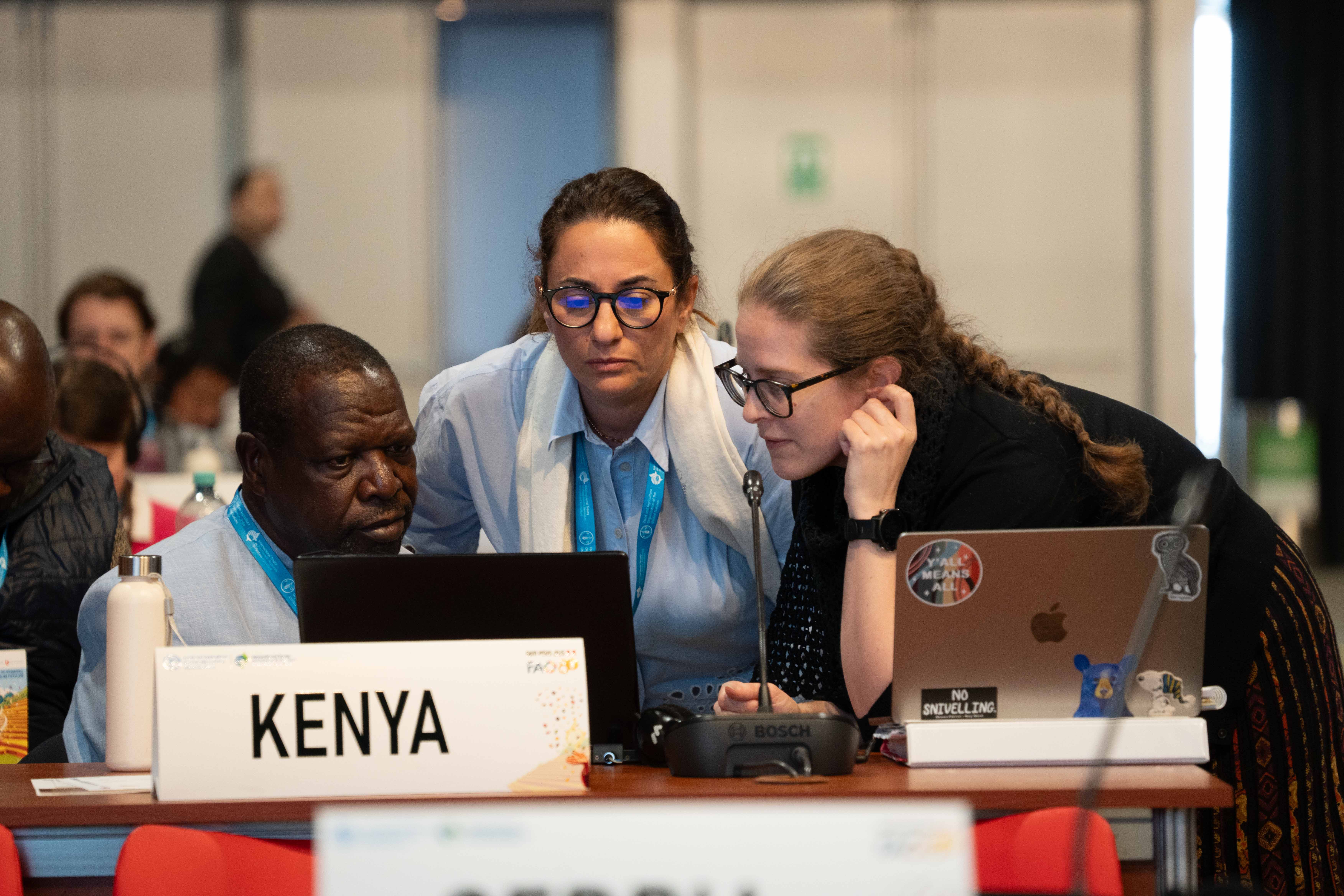
From L-R: Desterio Nyamongo, Kenya; Mariem Bouhadida, Tunisia; and Katlyn Scholl, US
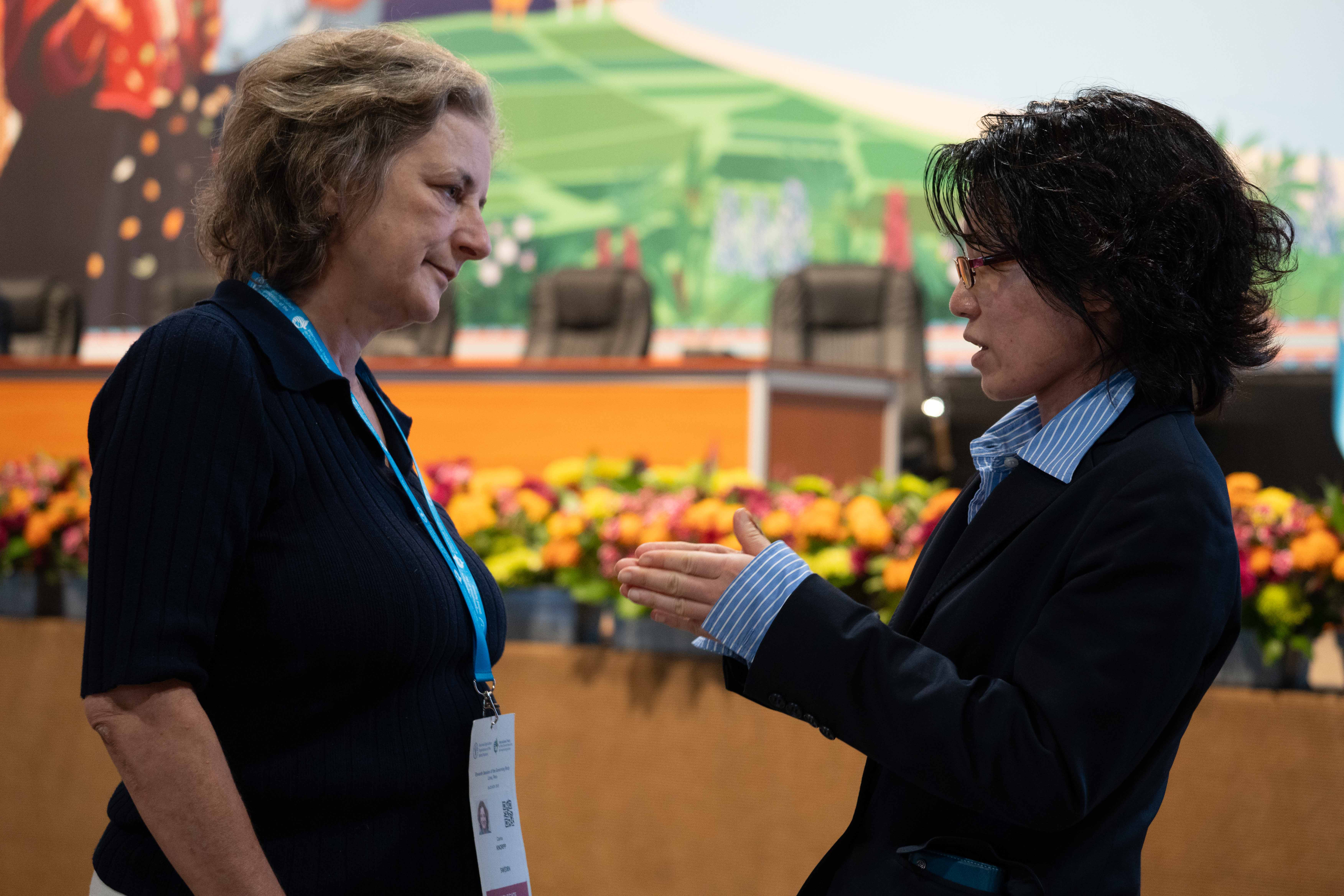
Carina Knorpp, Sweden, with Minori Nakahira, Japan
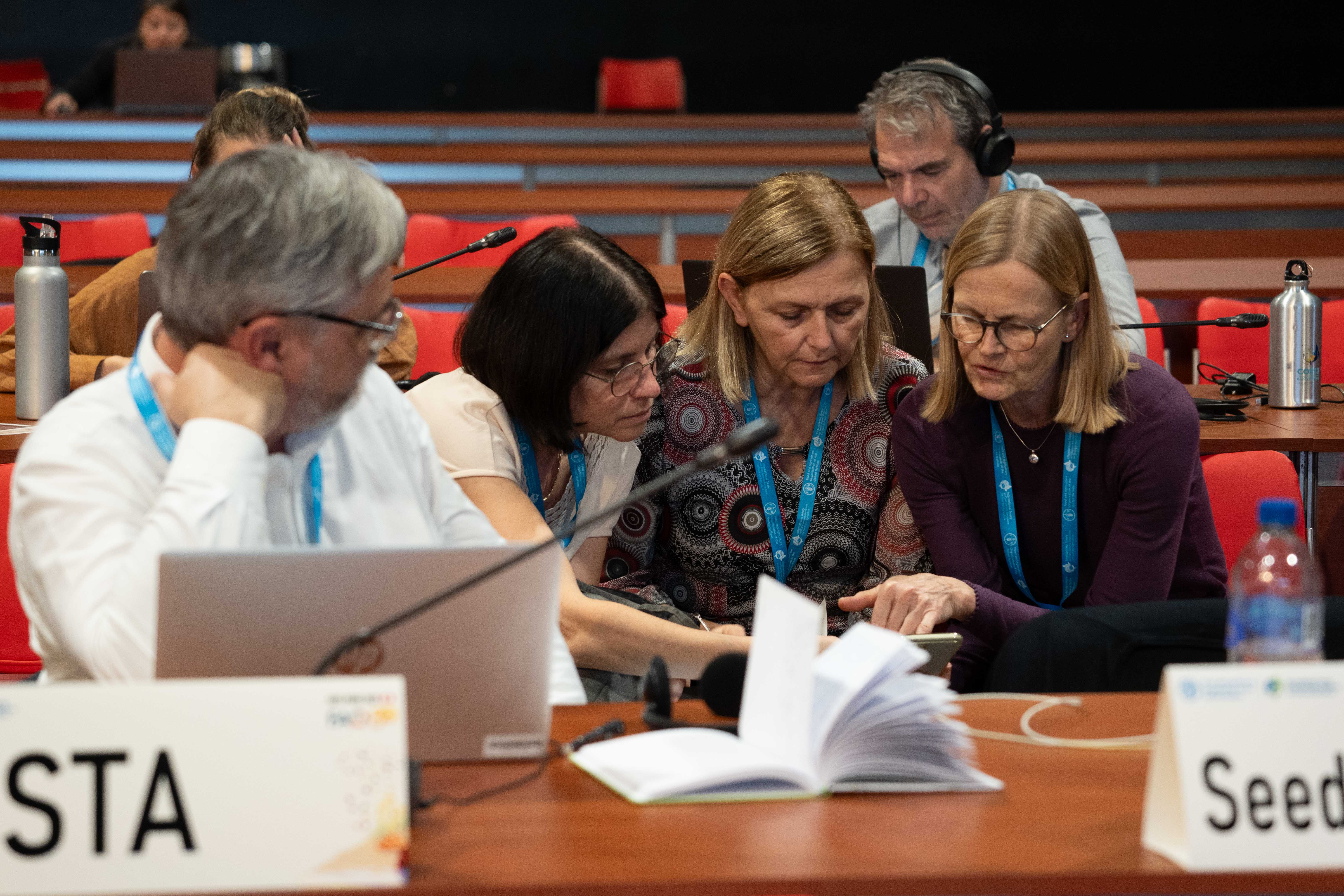
From L-R: Ludovic Paris, International Seed Federation (ISF); Marliese von den Driesch, Germany; Imke Thormann, Germany; and Jasmina Muminovic, ISF
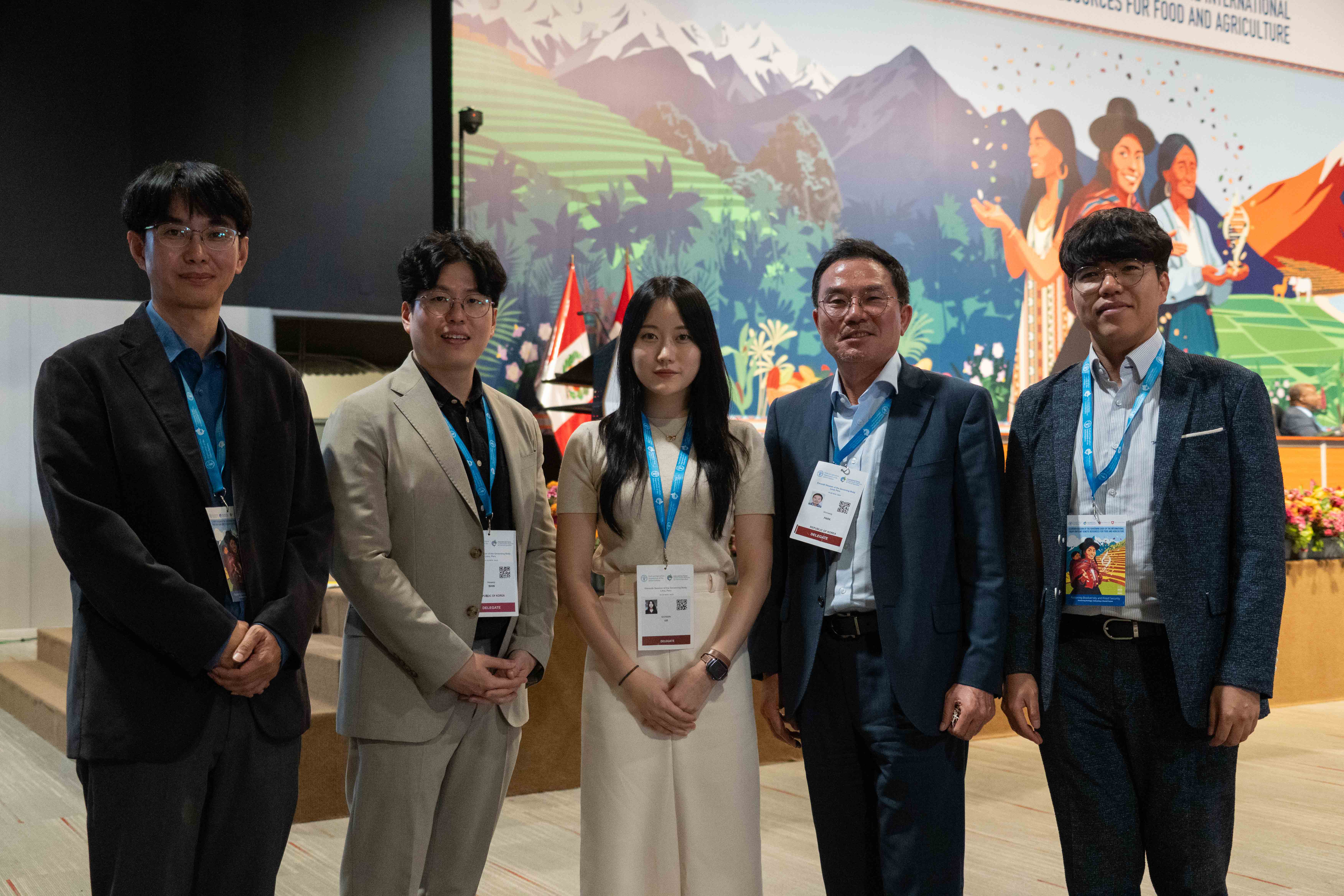
Delegates from the Republic of Korea

Around the venue