“Does travel bring wisdom? I think there is probably no better place to find out than Peru,” Anthony Bourdain, explorer of world food cultures and the human condition once said. The 11th session of the Governing Body of the International Treaty on Plant Genetic Resources for Food and Agriculture (ITPGRFA) concluded at 12:05 am in Lima, Peru. The next two years will show if delegates found wisdom in Peru.
The last day of the meeting was dedicated to rounds of consultations on outstanding matters, some more and some less substantial. Closed-door deliberations continued throughout the day on the meeting’s main agenda item, the enhancement of the Treaty’s Multilateral System (MLS) of access and benefit-sharing (ABS).
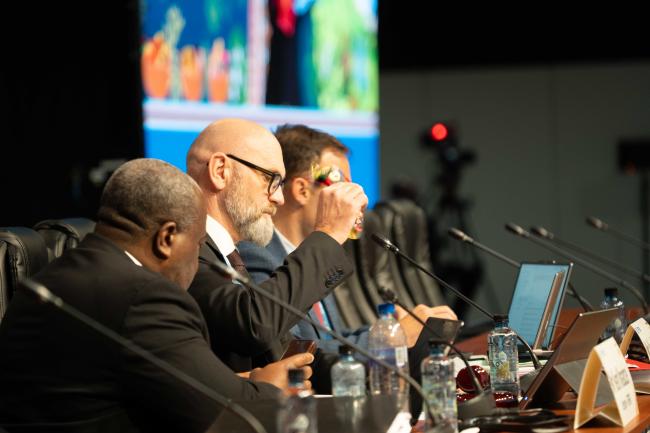
Concluding that adoption of the full package of measures for the enhancement of the MLS would not be possible at this session, GB 11 Chair Alwin Kopše proposed a compromise package during the evening plenary:
- adopting the revised standard material transfer agreement (SMTA), while deciding that adequate payment rates and thresholds will be approved at GB 12;
- deciding that the amendment of Annex I (list of crops in the MLS) will be finalized at GB 12;
- establishing an Ad Hoc Technical Expert Group on Annex I expansion;
- requesting the Bureau to develop a draft text for the amendment;
- deciding to establish an Ad Hoc Advisory Group on measures integrating digital sequence information / genetic sequence data (DSI/GSD) within Treaty implementation mechanisms; and
- noting that benefit-sharing payments under the subscription option of the revised SMTA could be considered to address monetary benefit-sharing from the use of DSI/GSD on plant genetic resources for food and agriculture.
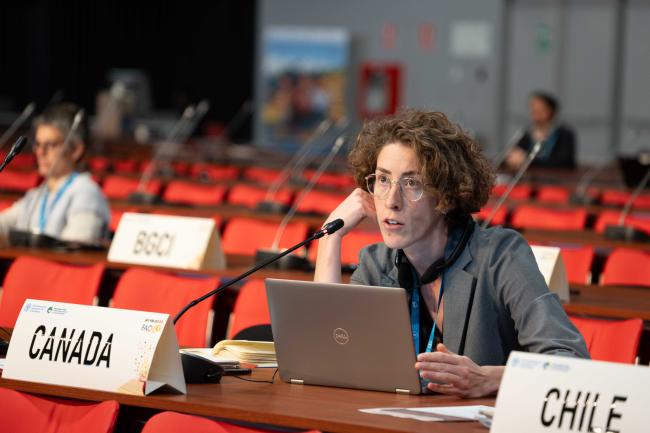
India, for Asian developing countries, the Latin America and Caribbean group, and Near East, expressed concerns over the process followed, including lack of transparency and presentation of the text to plenary at a very late hour. They stressed their disagreement with the payment architecture and provisions on DSI/GSD in the revised SMTA, further highlighting confidentiality-related conflicts; and suggested “taking note of” the proposal, for consideration at GB 12.
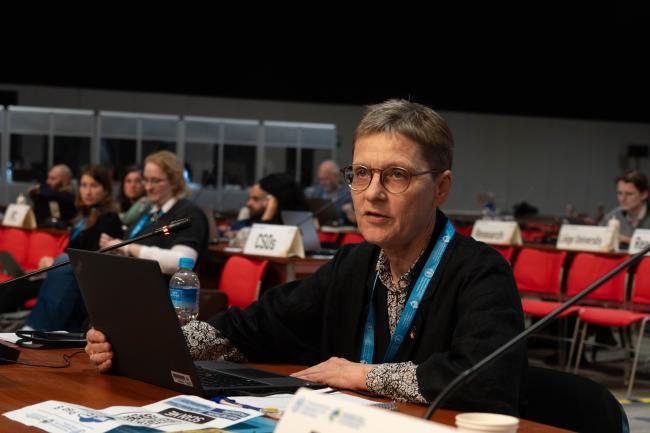
Delegates noted that several hours were spent on admittedly less crucial matters, including references to climate change and the Sustainable Development Goals across draft resolutions; and called for additional time to reflect on the proposal and consult in their respective regions. Uganda, for Africa, expressed further disagreement with the proposed process for expansion of Annex I.
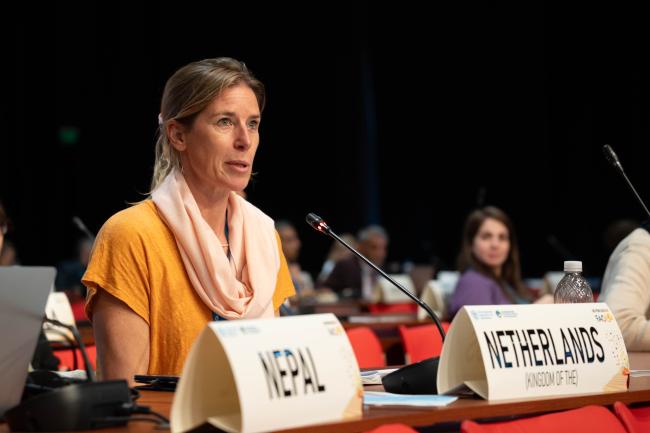
“We had a long journey,” Norway said, drawing attention to 12 years of negotiations. Followed by several developed countries, they urged delegates to recognize the achievements made so far and support the Chair’s proposal, including clear terms of reference for the intersessional process. The US specified they do not have a mandate to extend the process if the SMTA is not adopted.
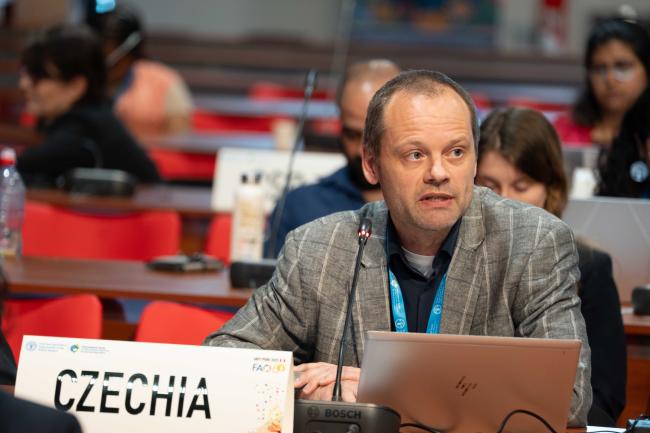
Following a lengthy discussion and several attempts to maintain the proposal for deliberations to continue at GB 12, Chair Kopše acknowledged that consensus was not possible. Plenary then adopted the remaining resolutions and the report of the meeting.
To receive free coverage of global environmental events delivered to your inbox, subscribe to the ENB Update newsletter.
All ENB photos are free to use with attribution. For the 11th Session of the ITPGRFA Governing Body (2025), please use: Photo by IISD/ENB | Andrés Felipe Carvajal Gómez
Plenary Session
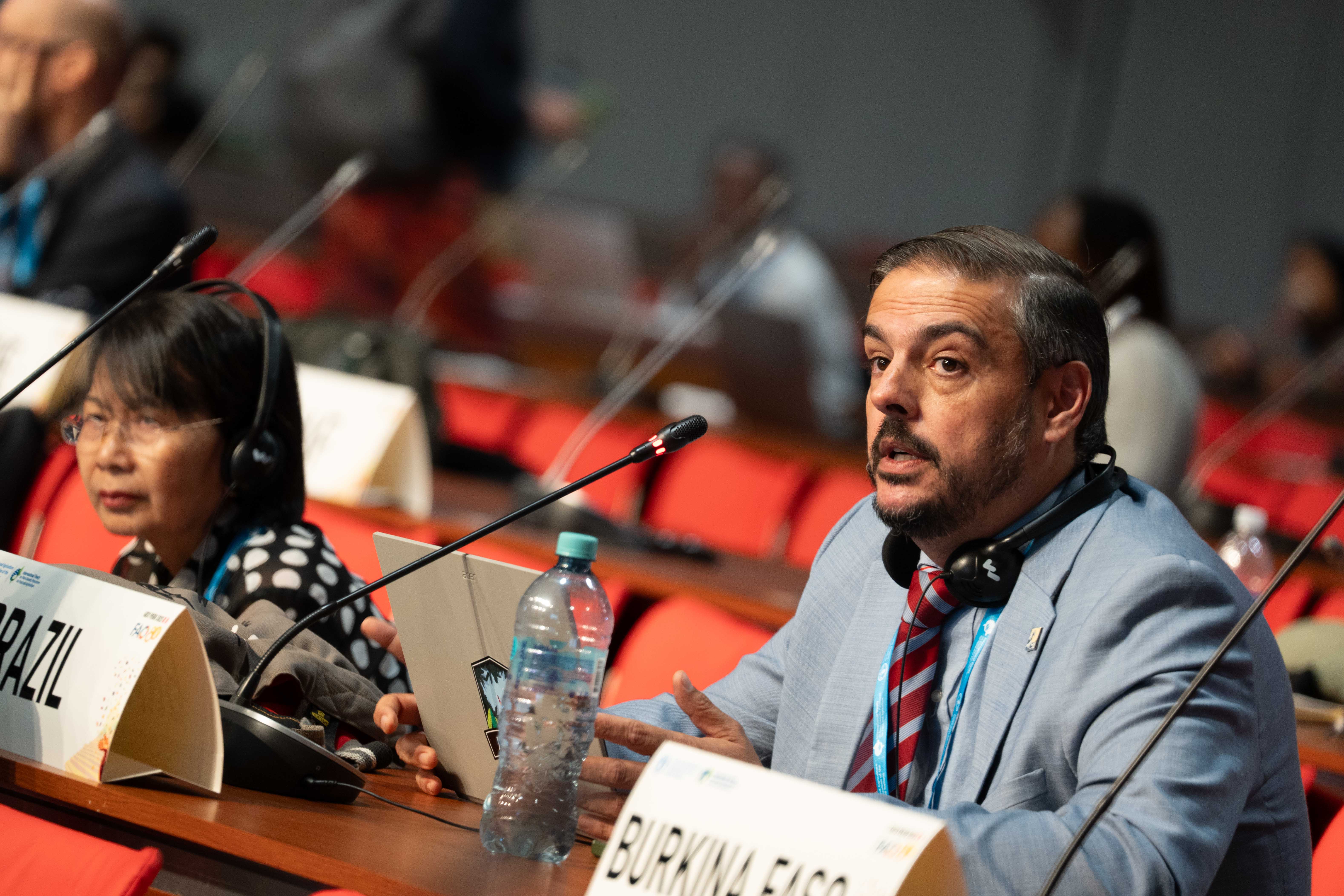
Henry Philippe Ibañez de Novion, Brazil
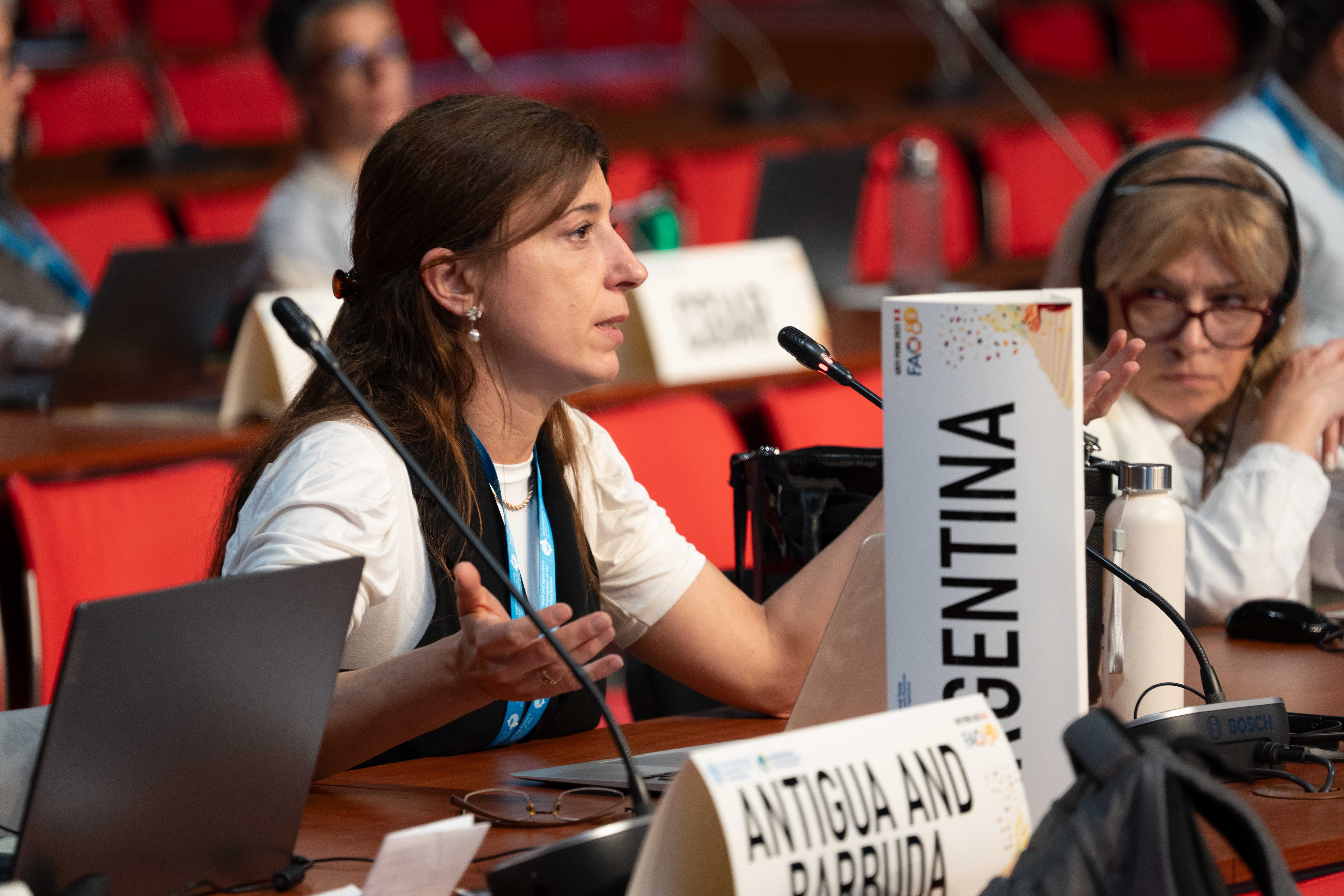
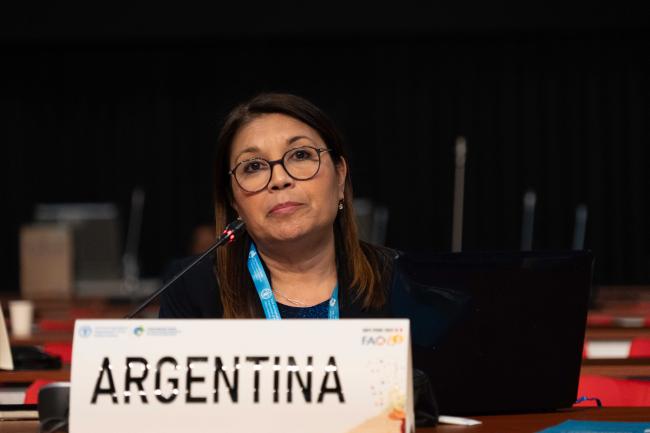
Andrea Laura Mackielo, Argentina
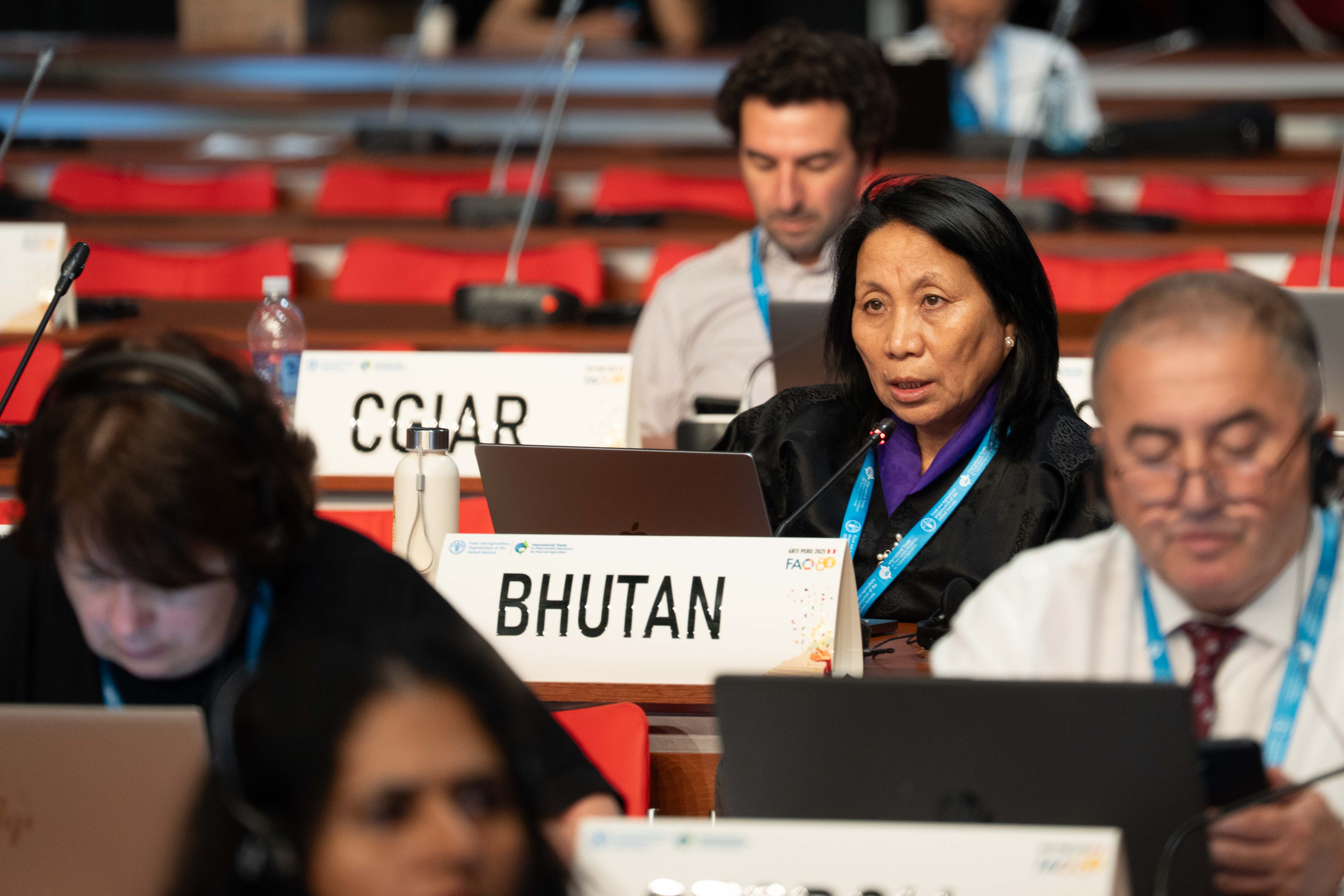
Karma Dema Dorji, Bhutan
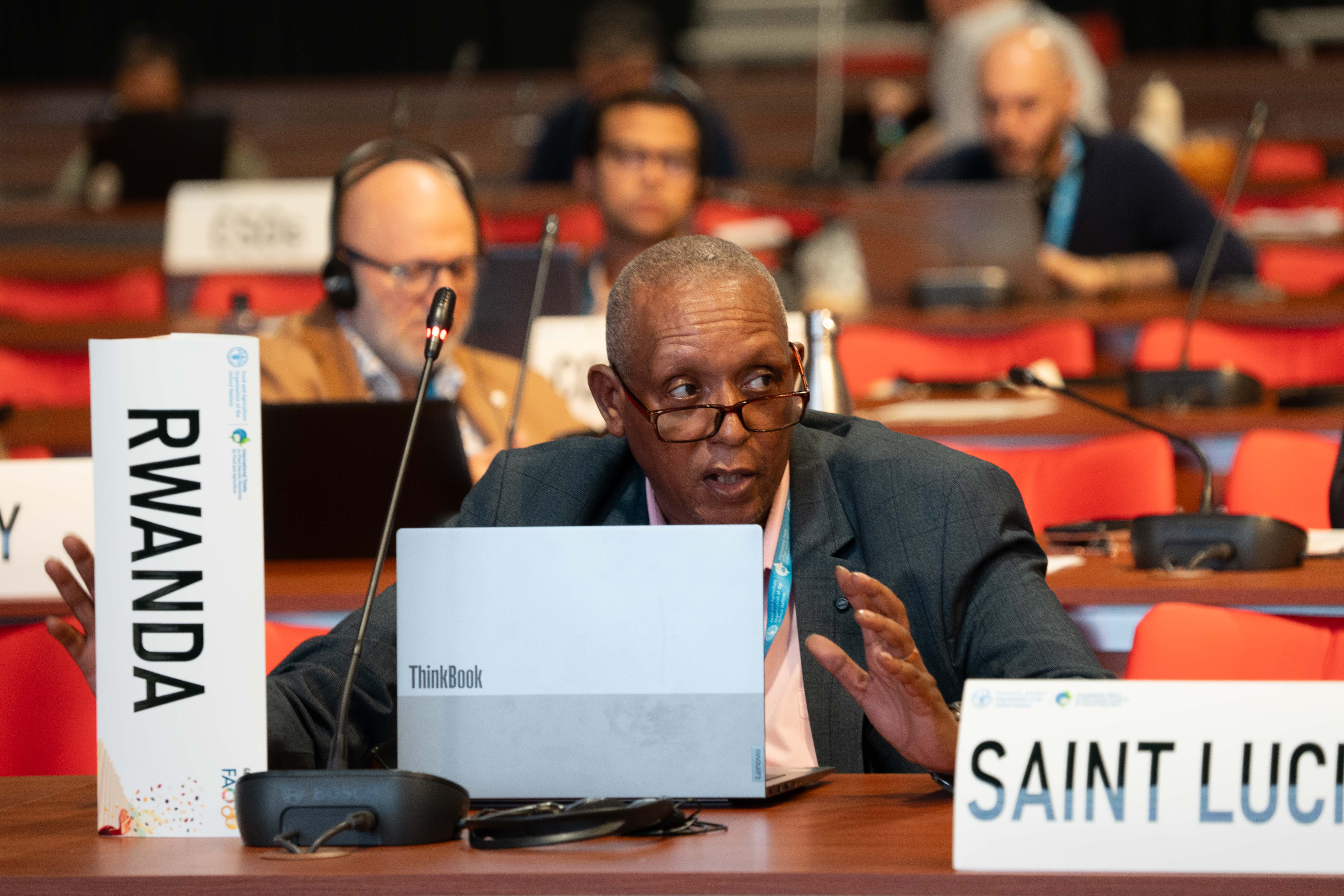
Claver Ngaboyisonga, Rwanda
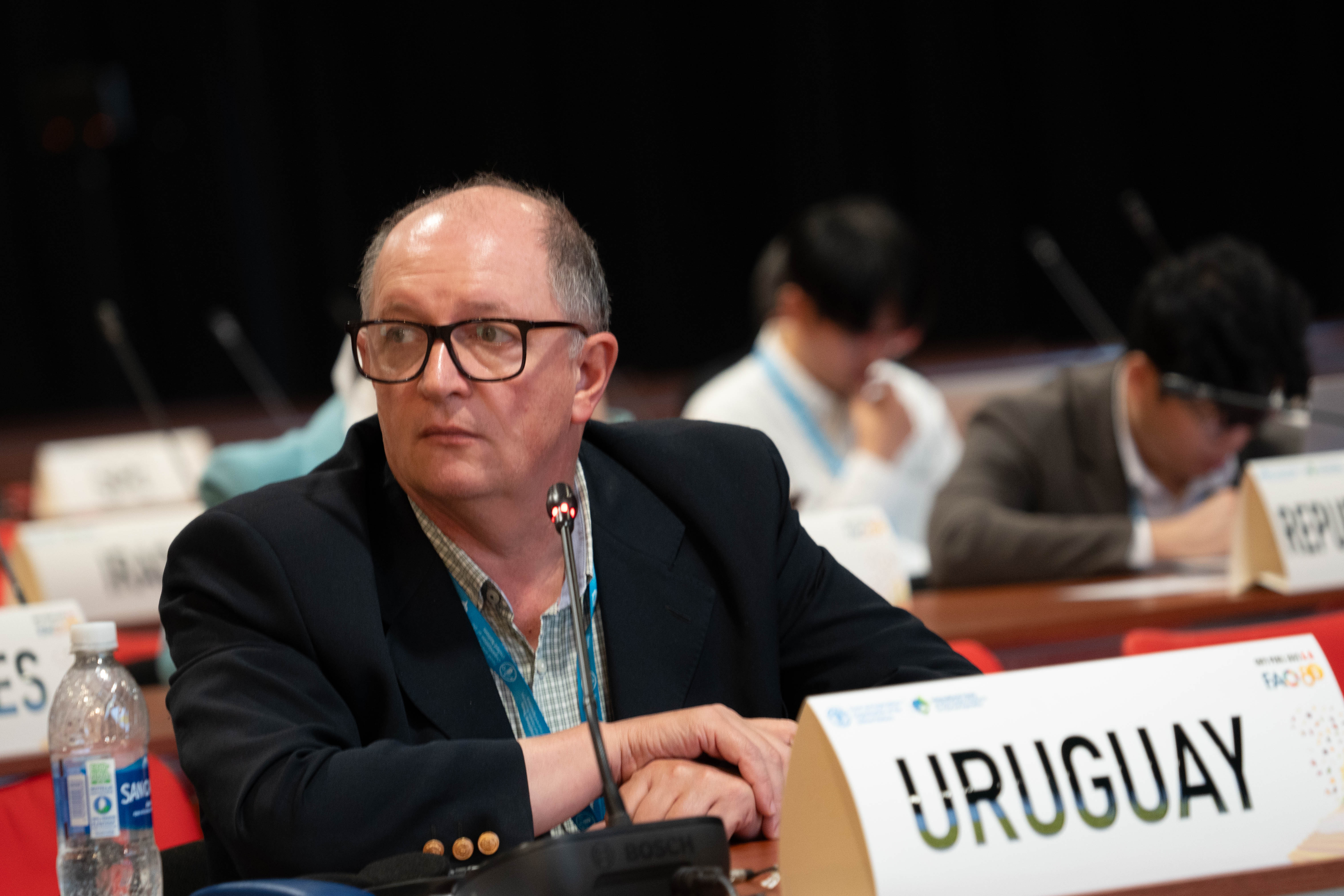
Federico Condón Priano, Uruguay
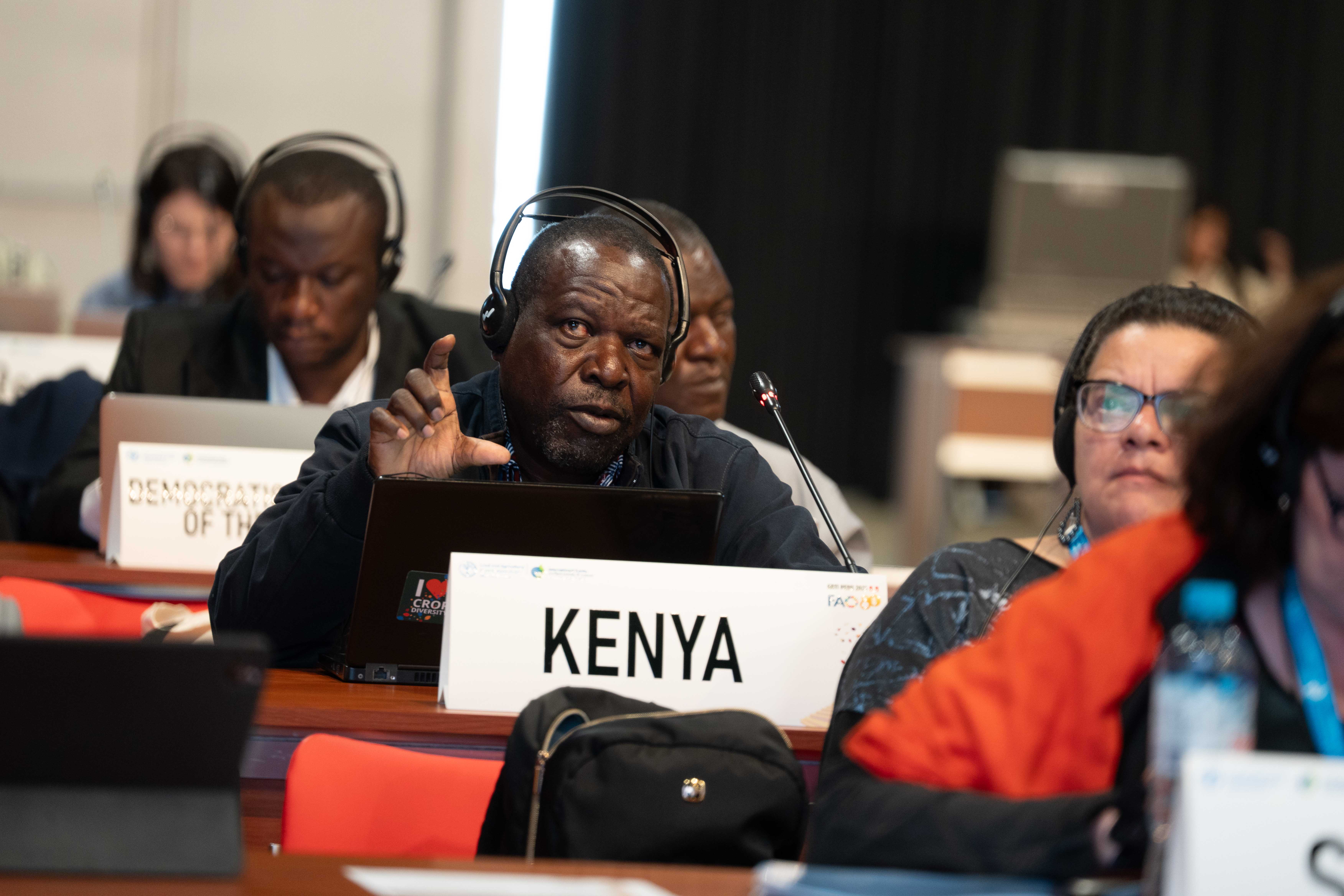
Desterio Nyamongo, Kenya
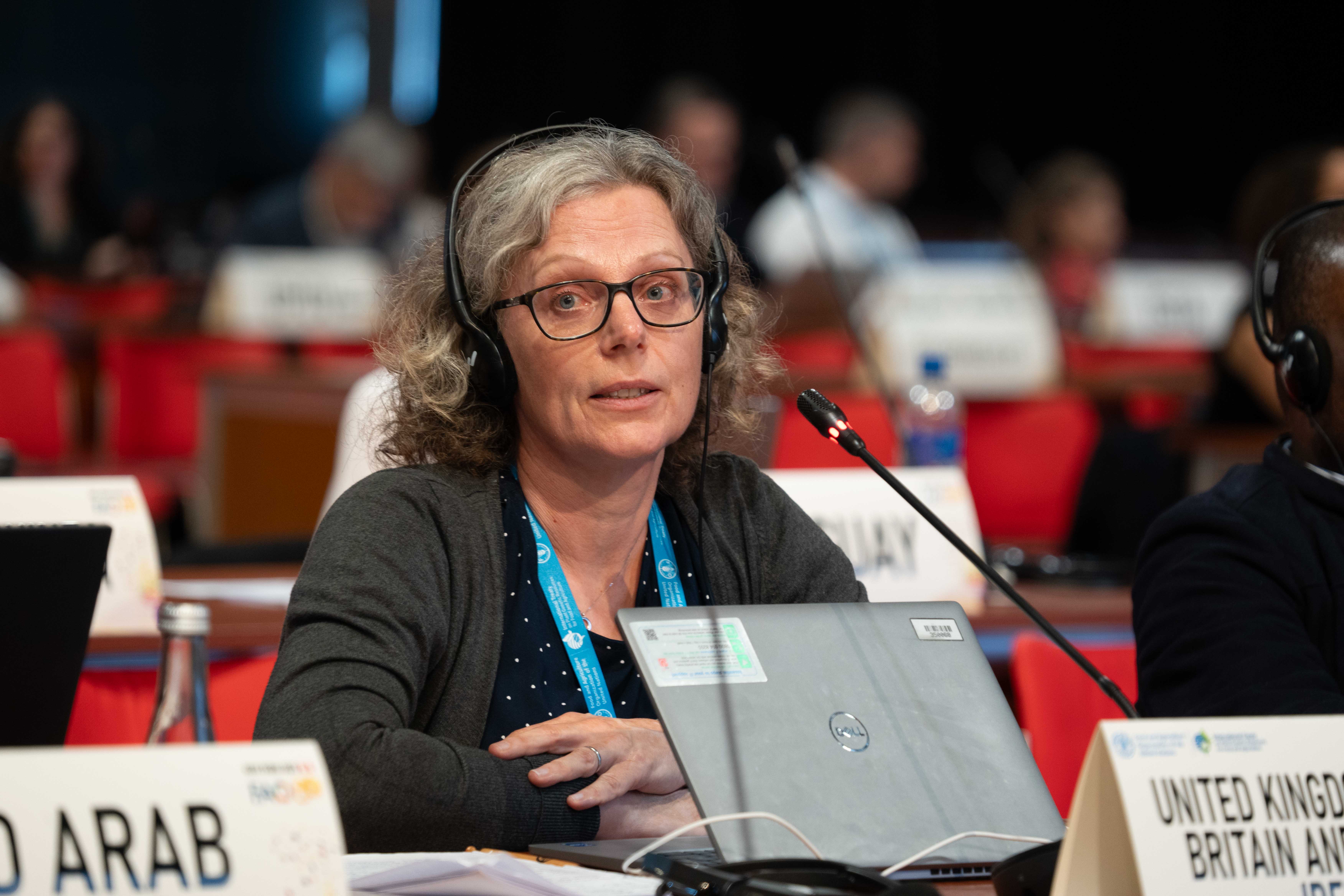
Claire Williams, UK
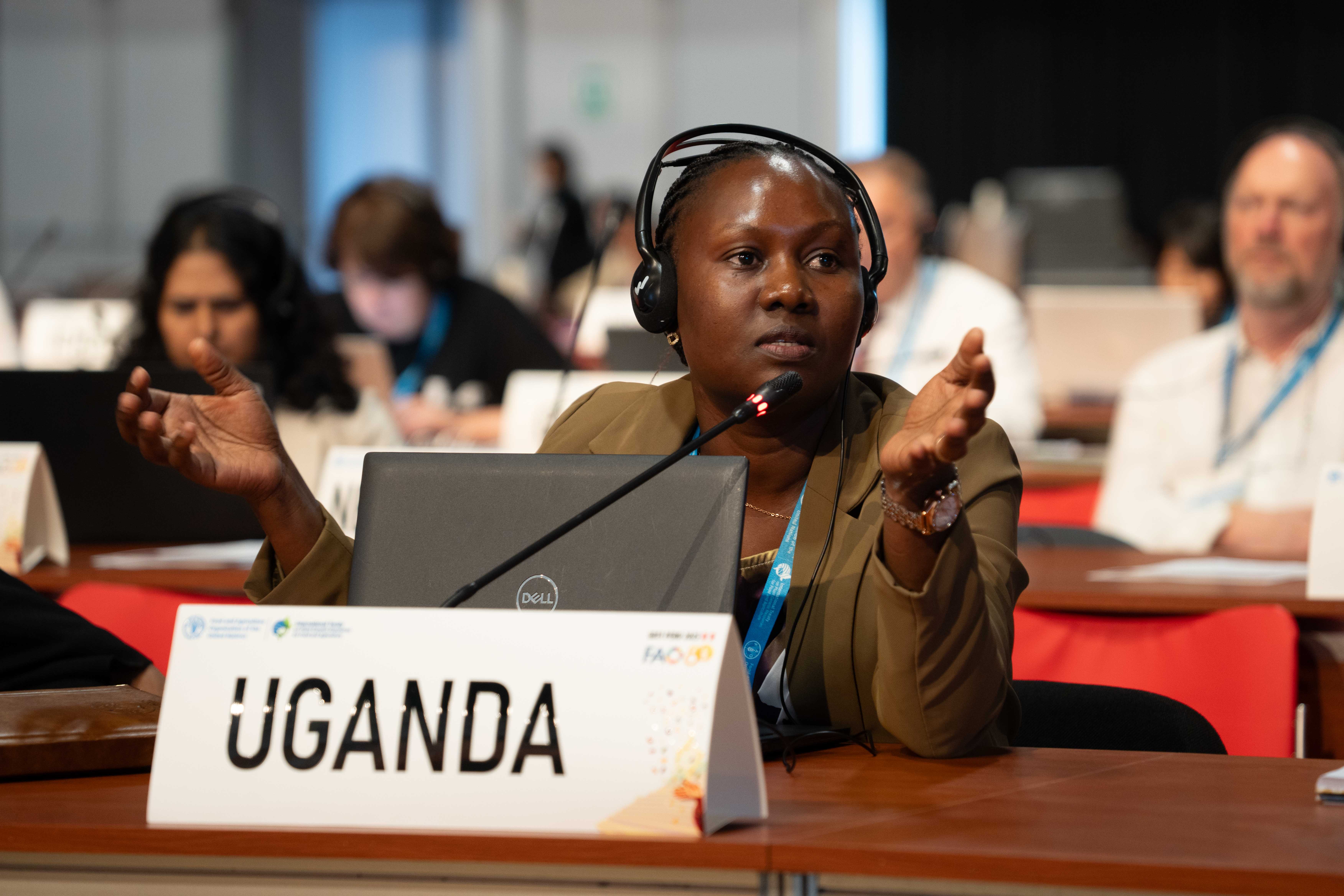
Catherine Kiwuka, Uganda
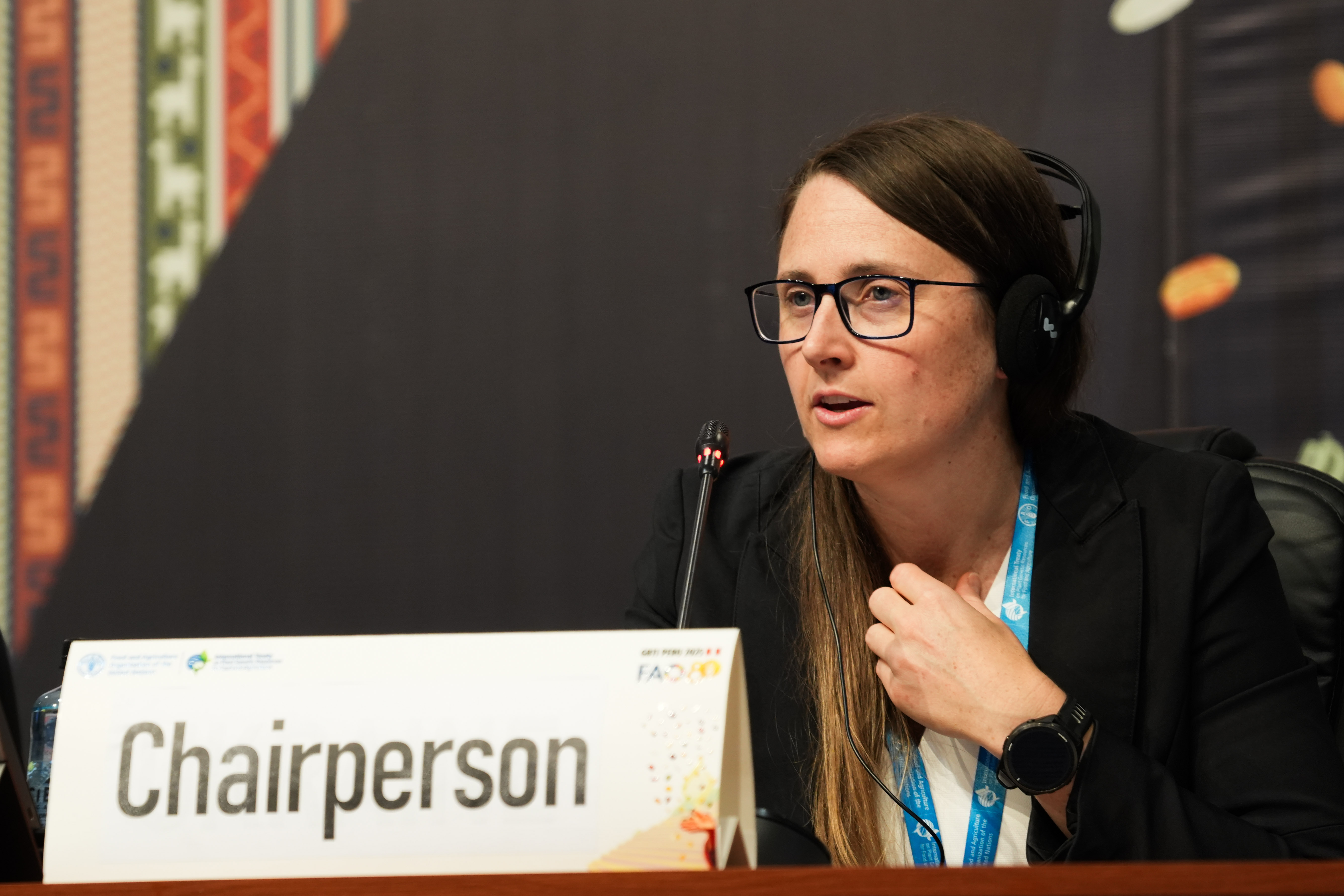
Acting Chair Emily Carroll, Australia, during the afternoon plenary
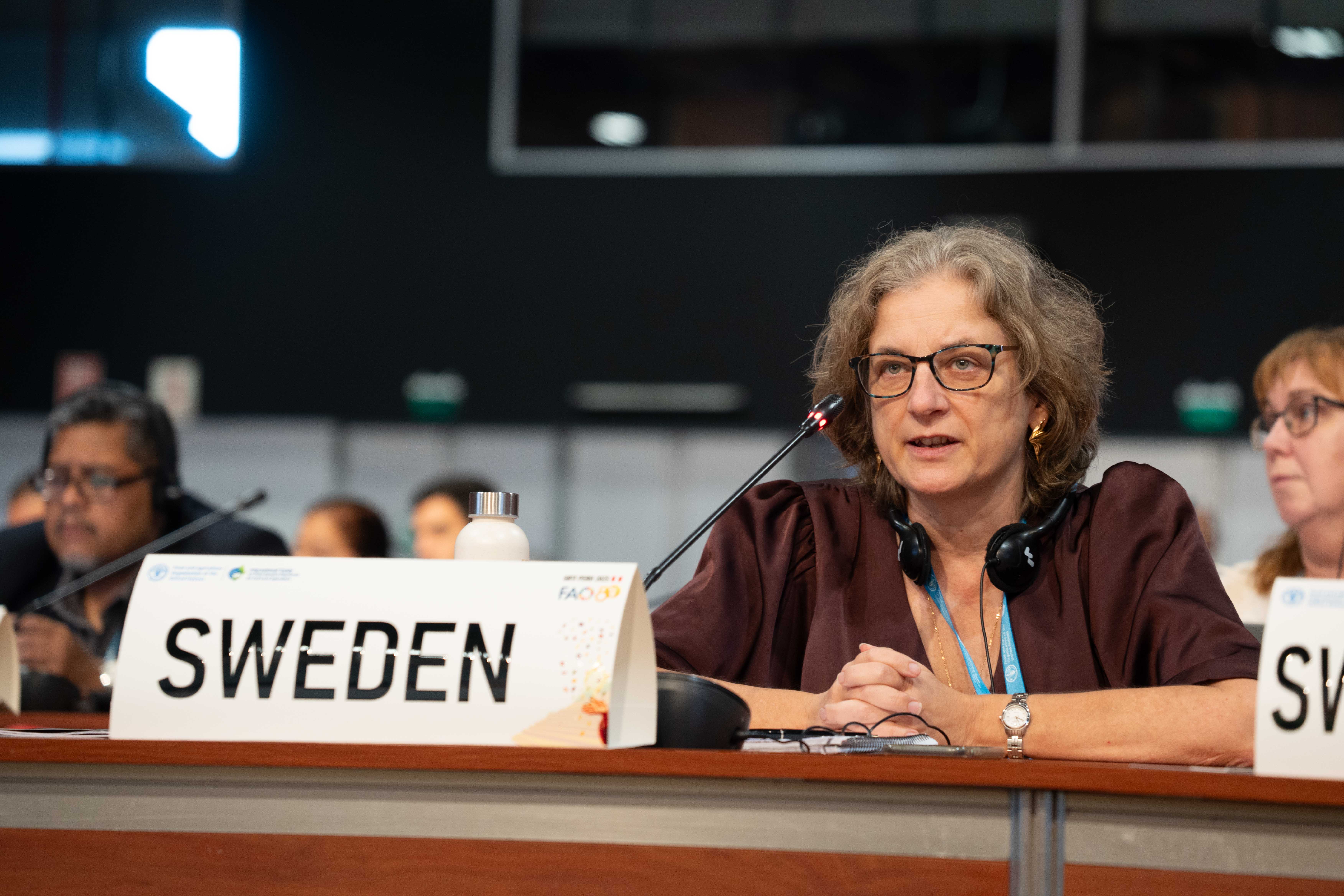
Carina Knorpp, Sweden
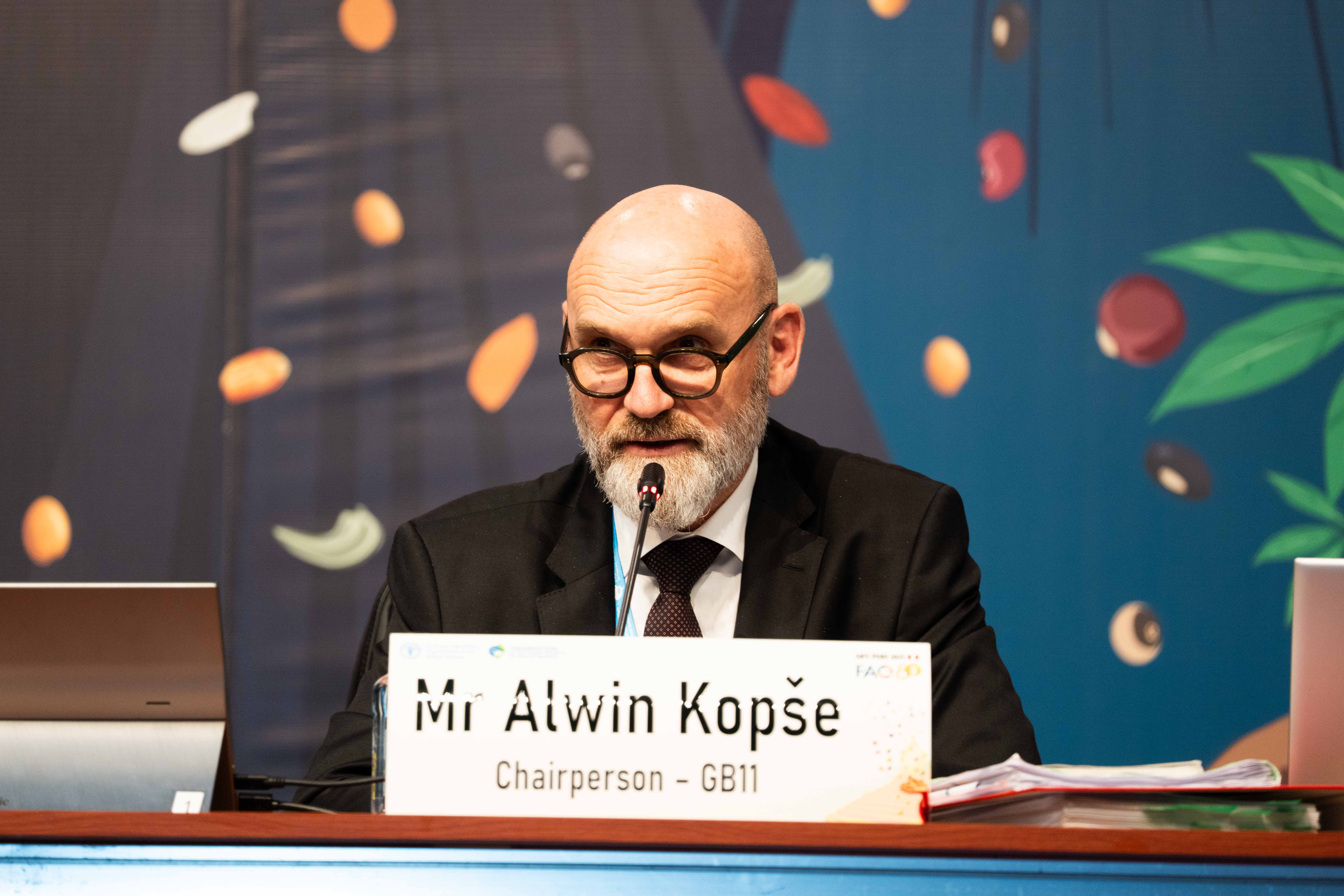
GB 11 Chair Alwin Kopše
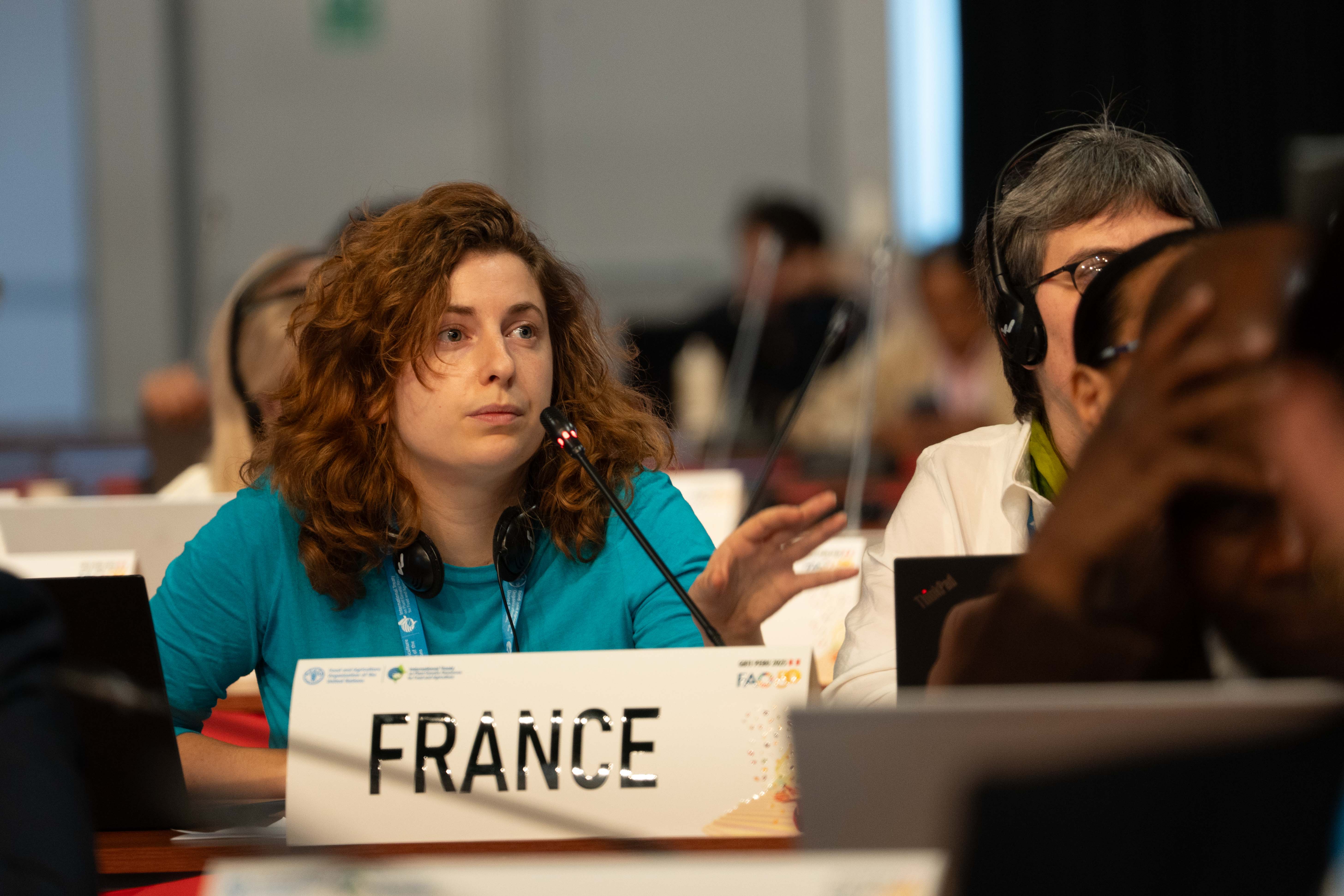
Camille Rameau, France
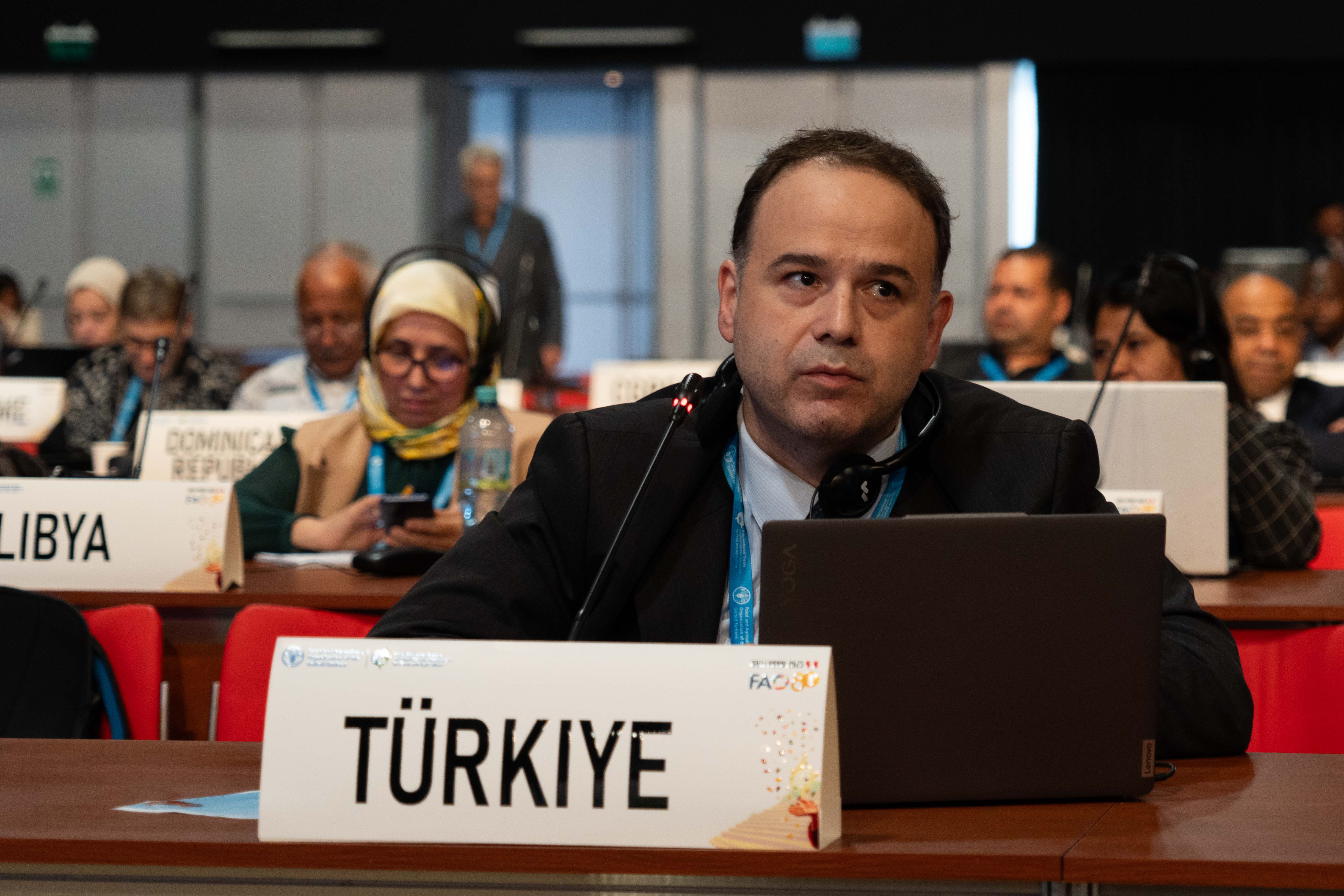
Aykut Ordukaya, Türkiye
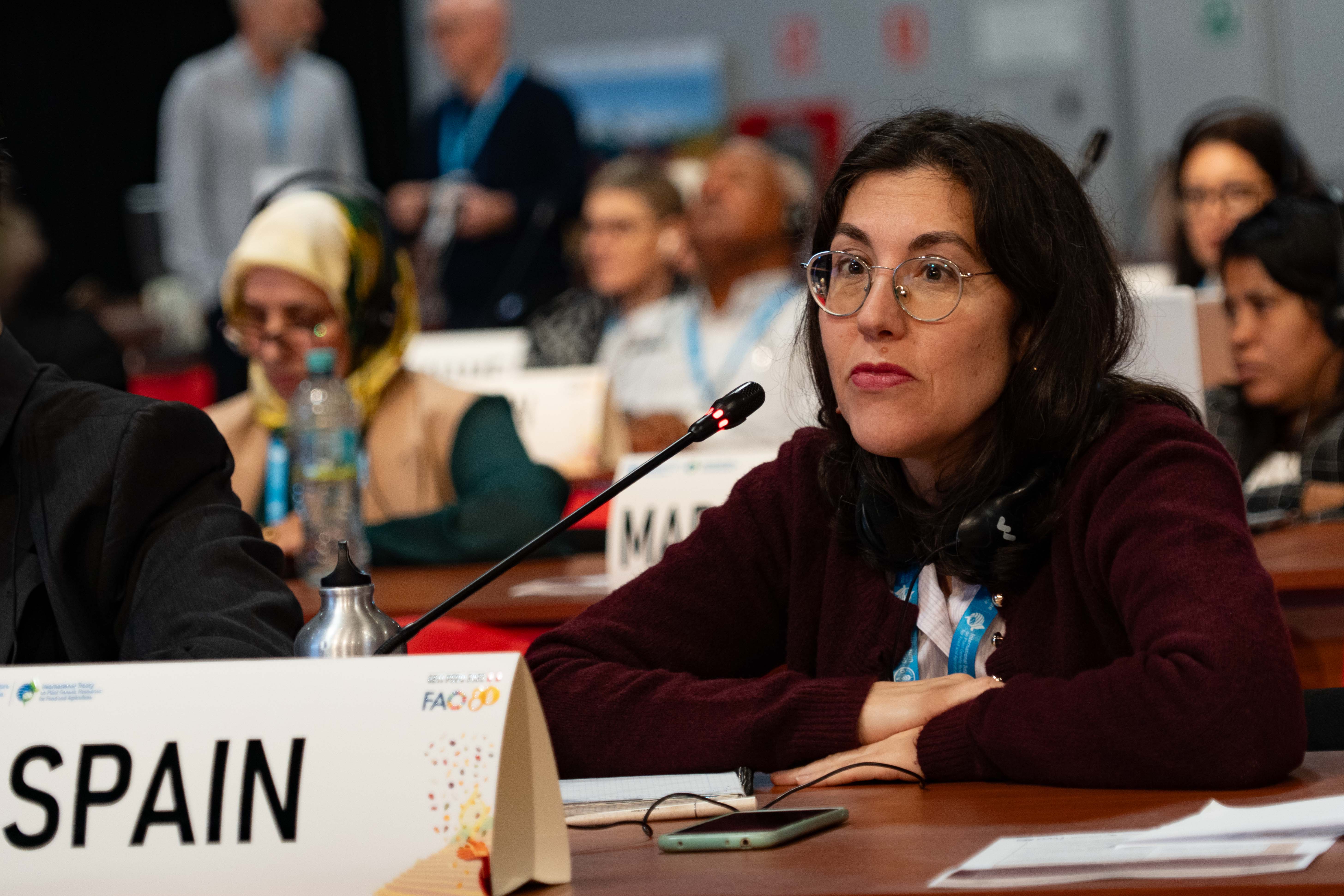
Bibiana Rodríguez, Spain
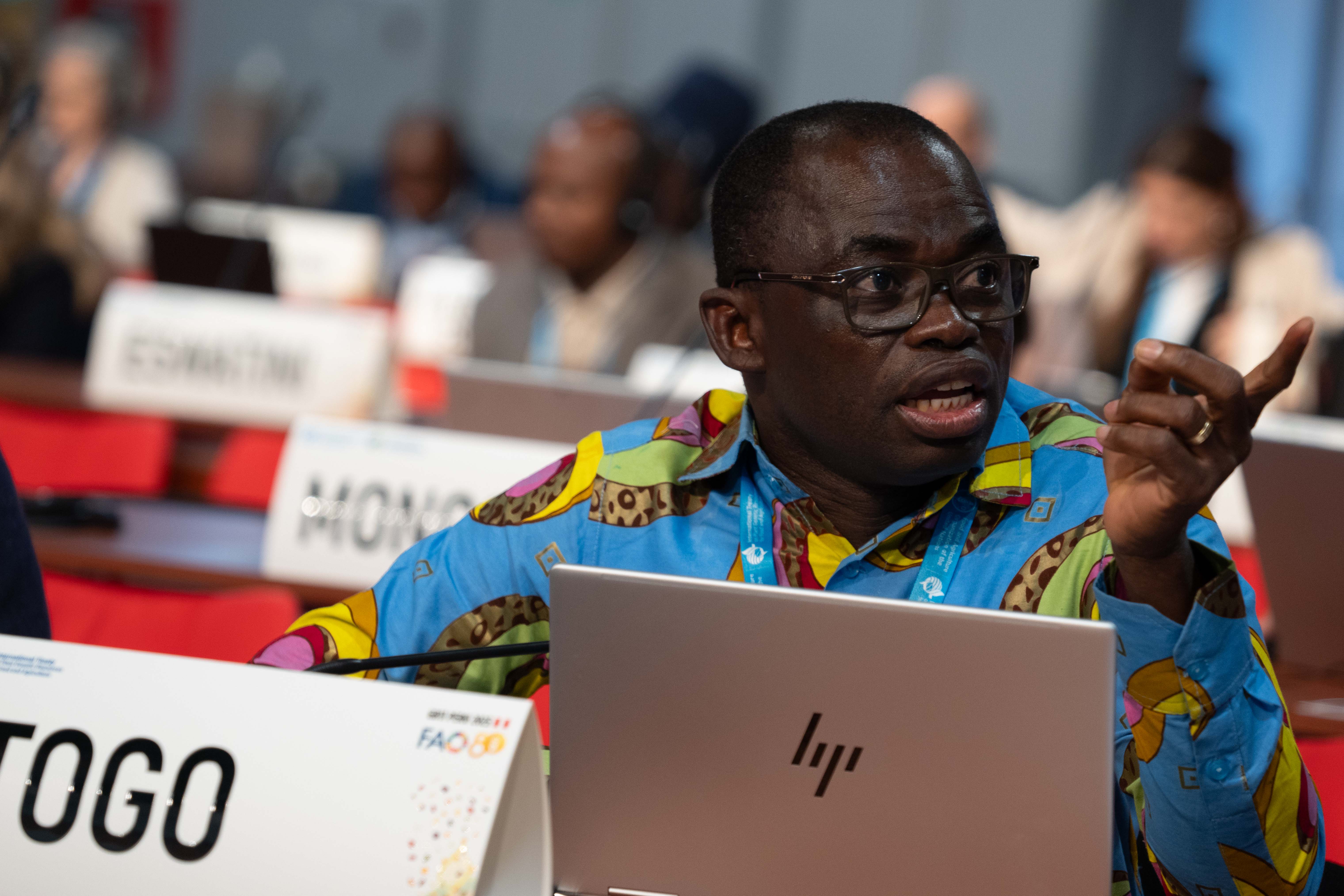
Koffi Kombate, Togo
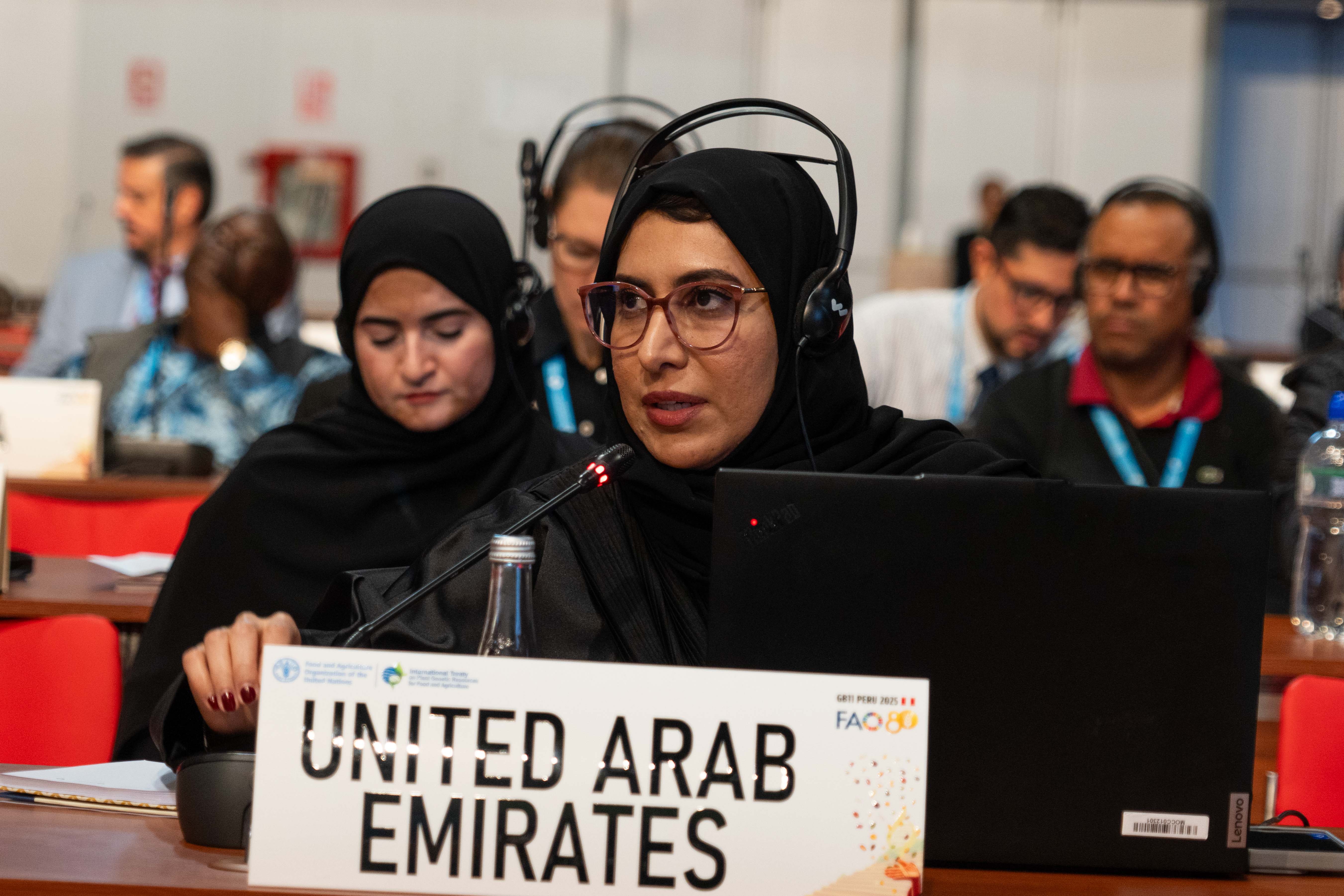
Laila Ahmed Al Dhaheri, United Arab Emirates
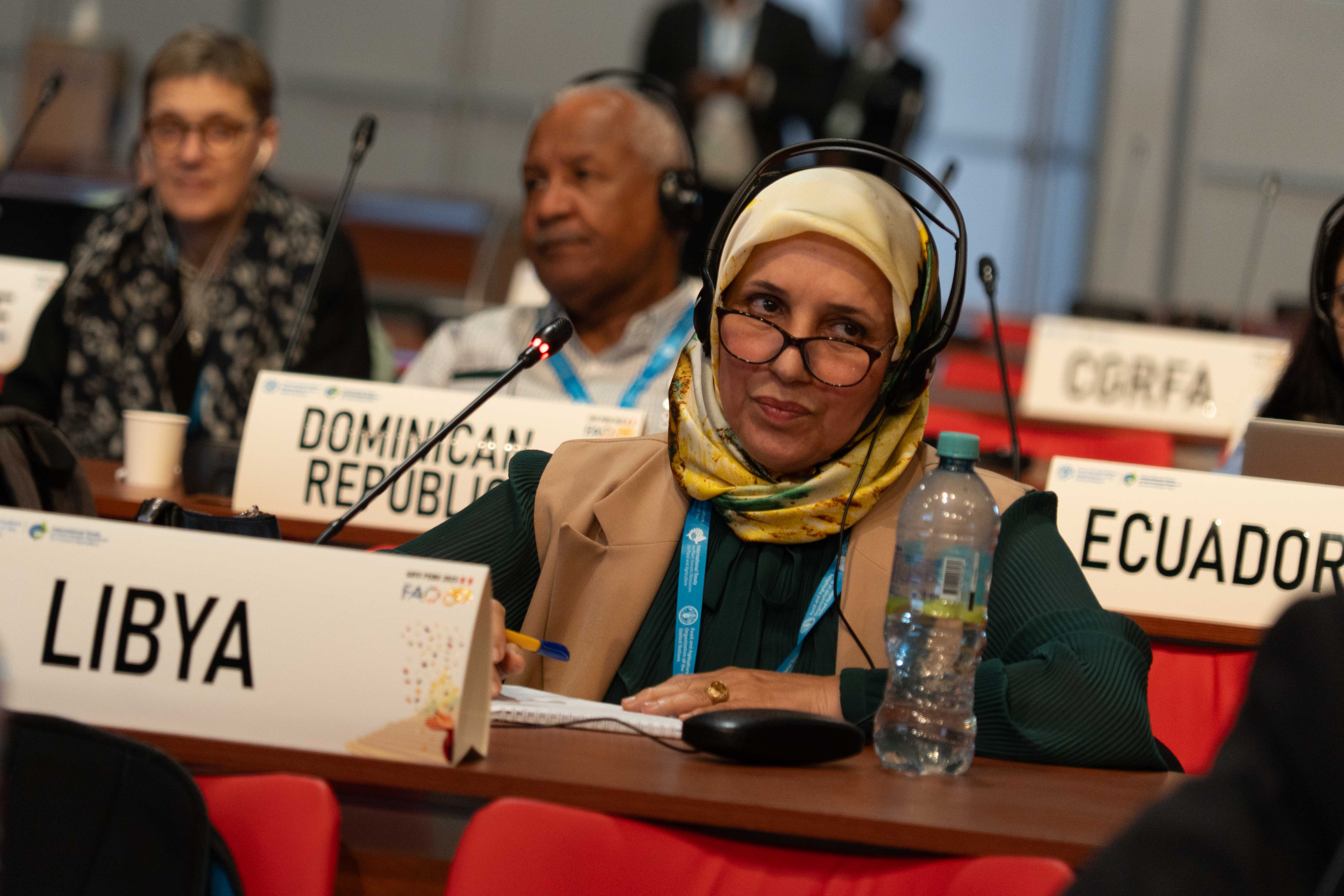
Laila Sassi Younes, Libya
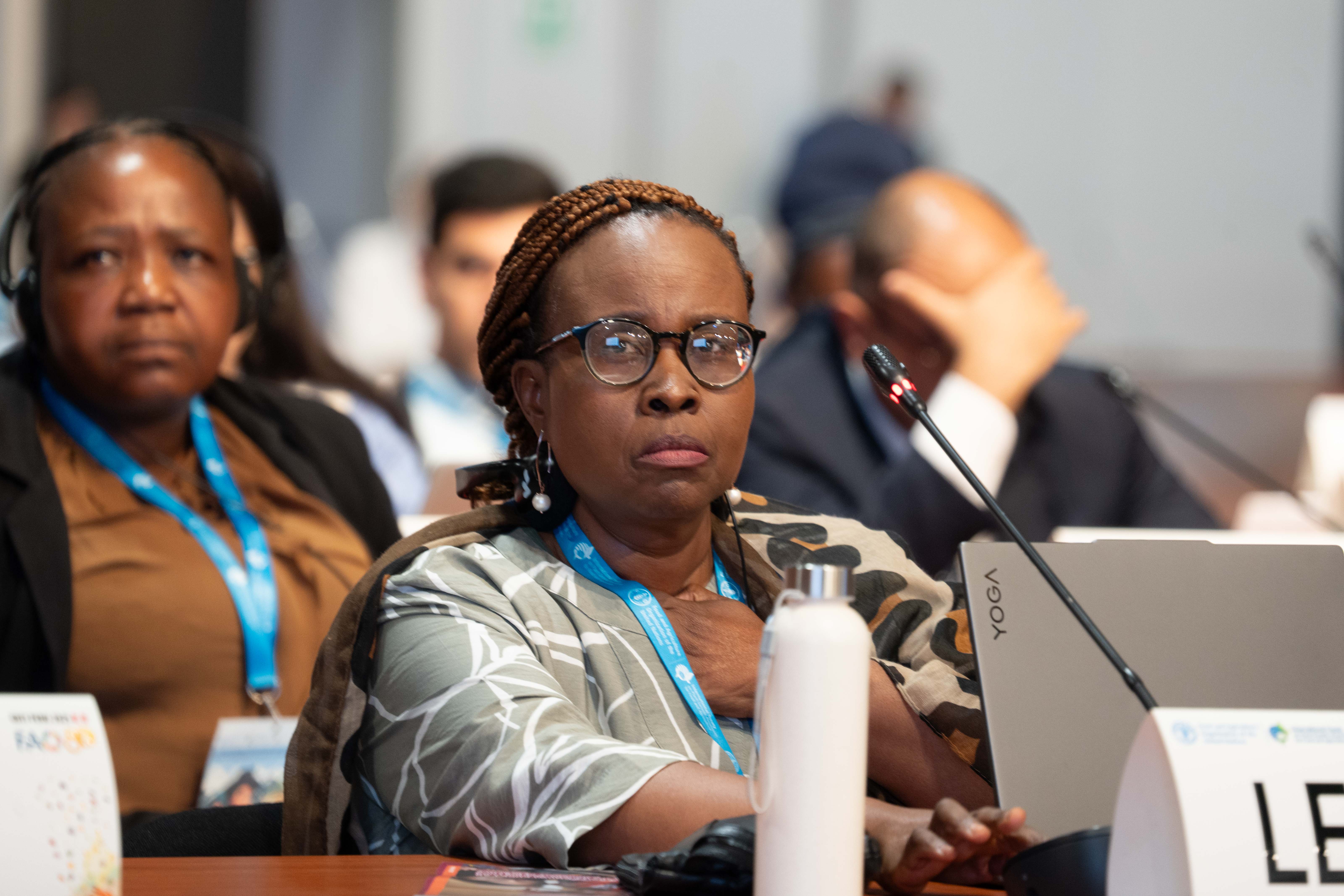
Lefulesele Lebesa, Lesotho
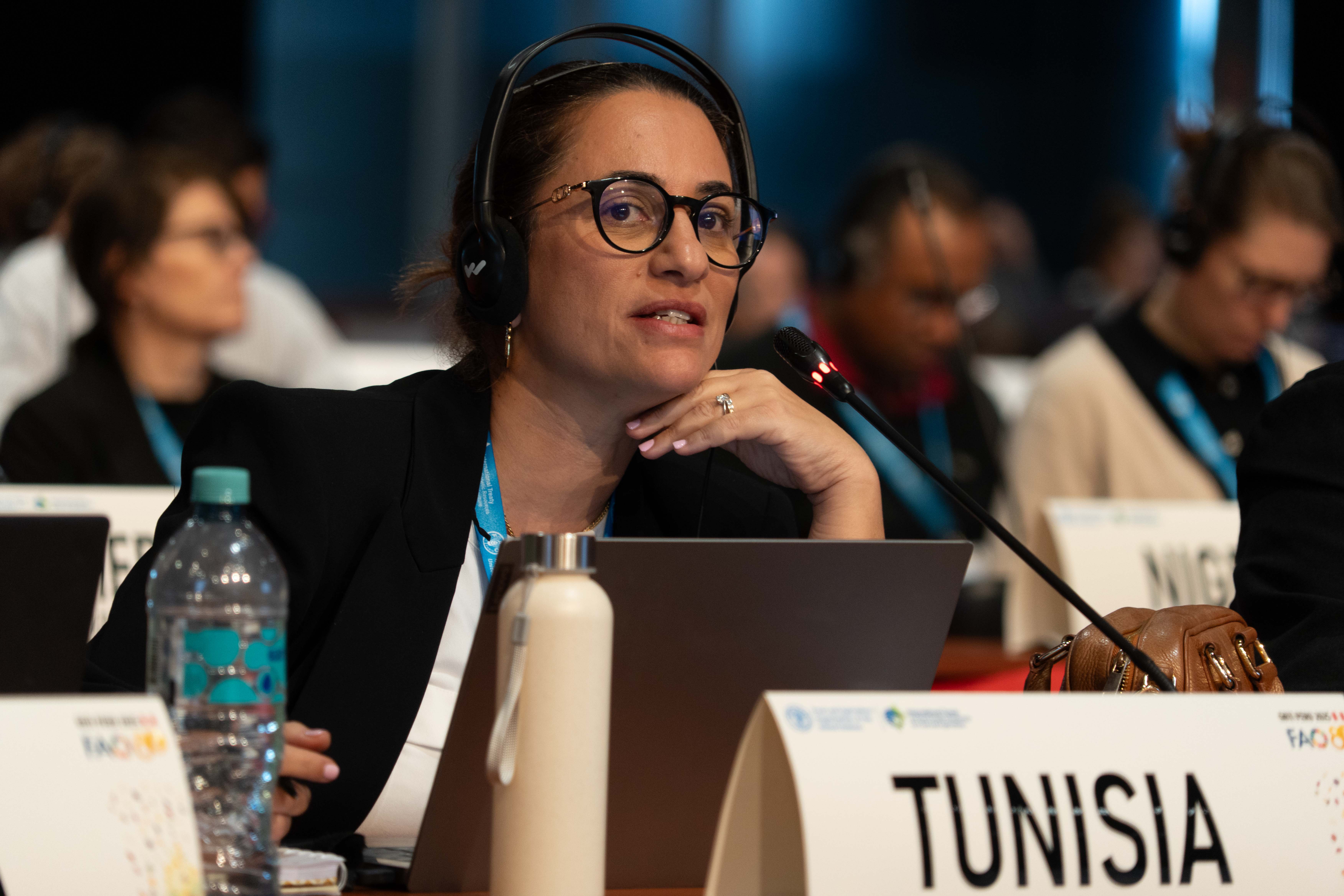
Mariem Bouhadida, Tunisia
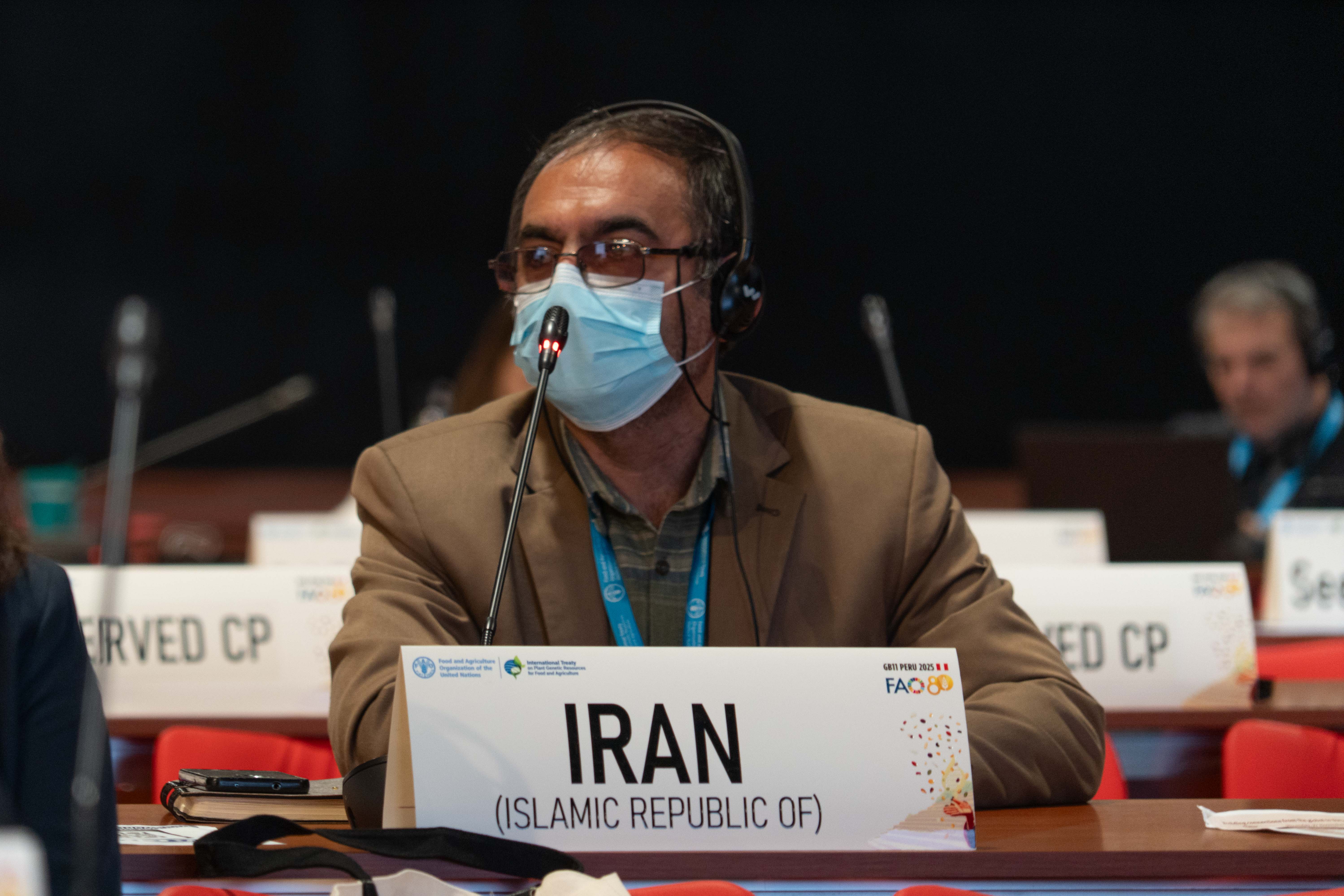
Masood Soltani Najafabadi, Iran
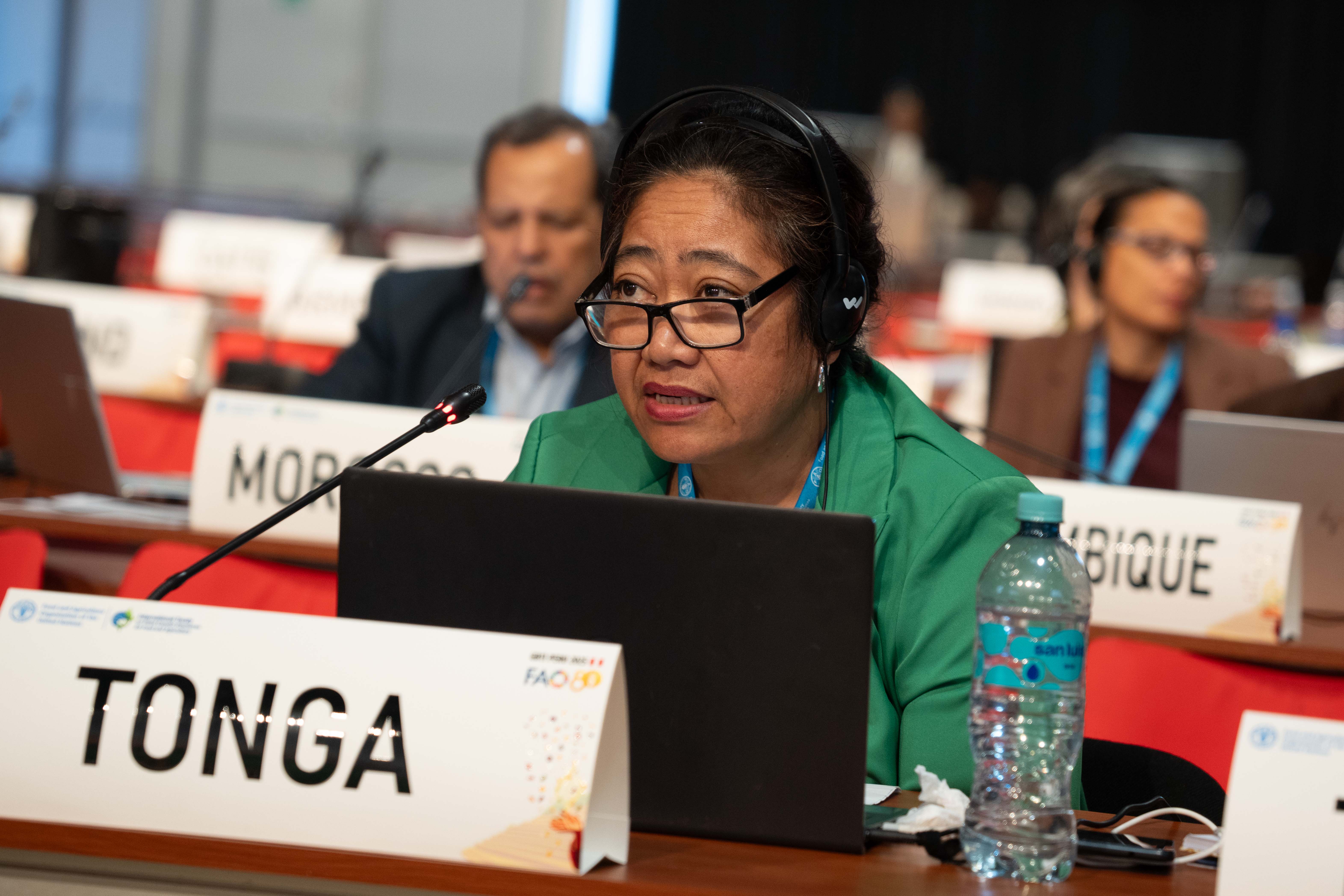
Mele Taipe Kioa, Tonga
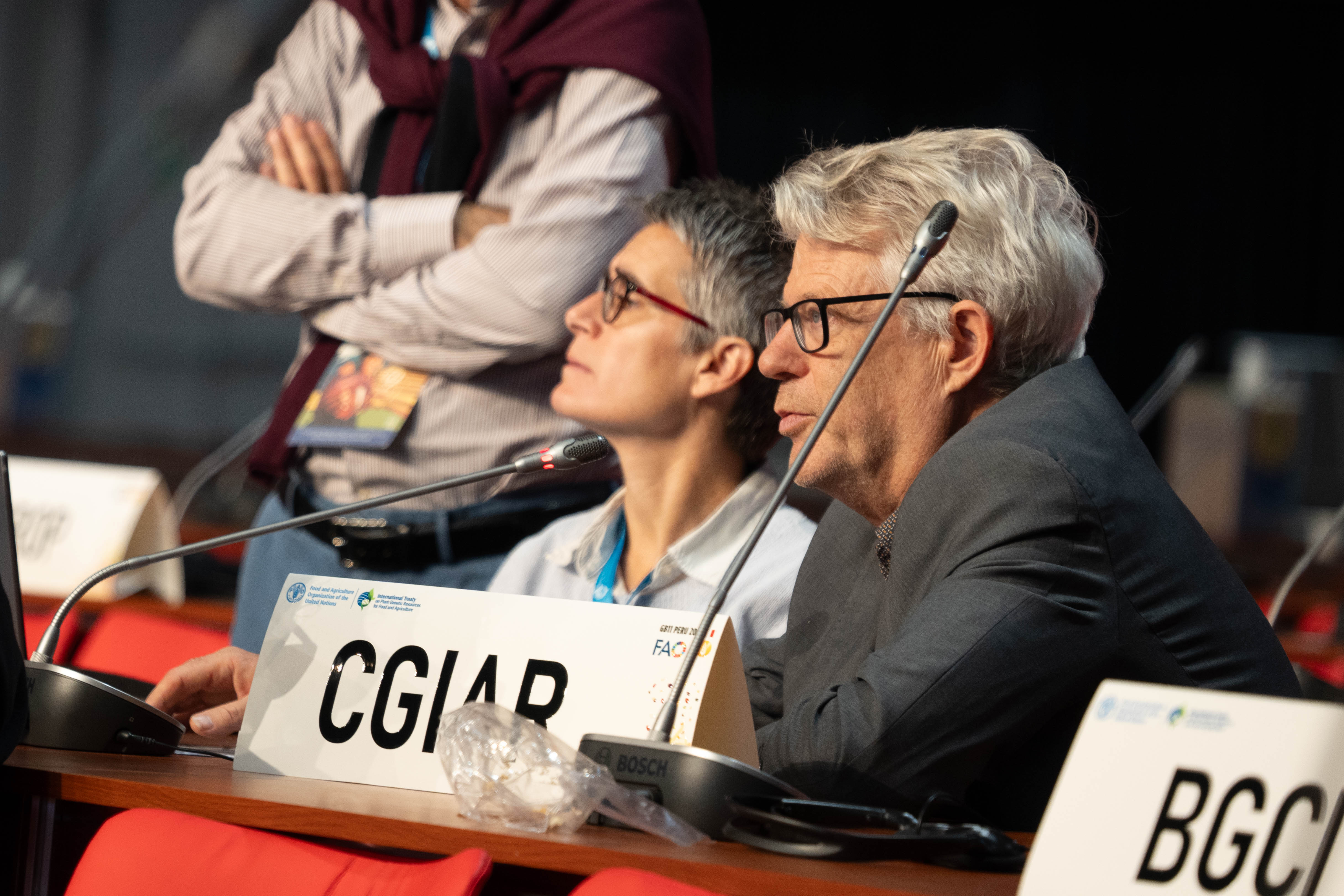
Michael Halewood, CGIAR
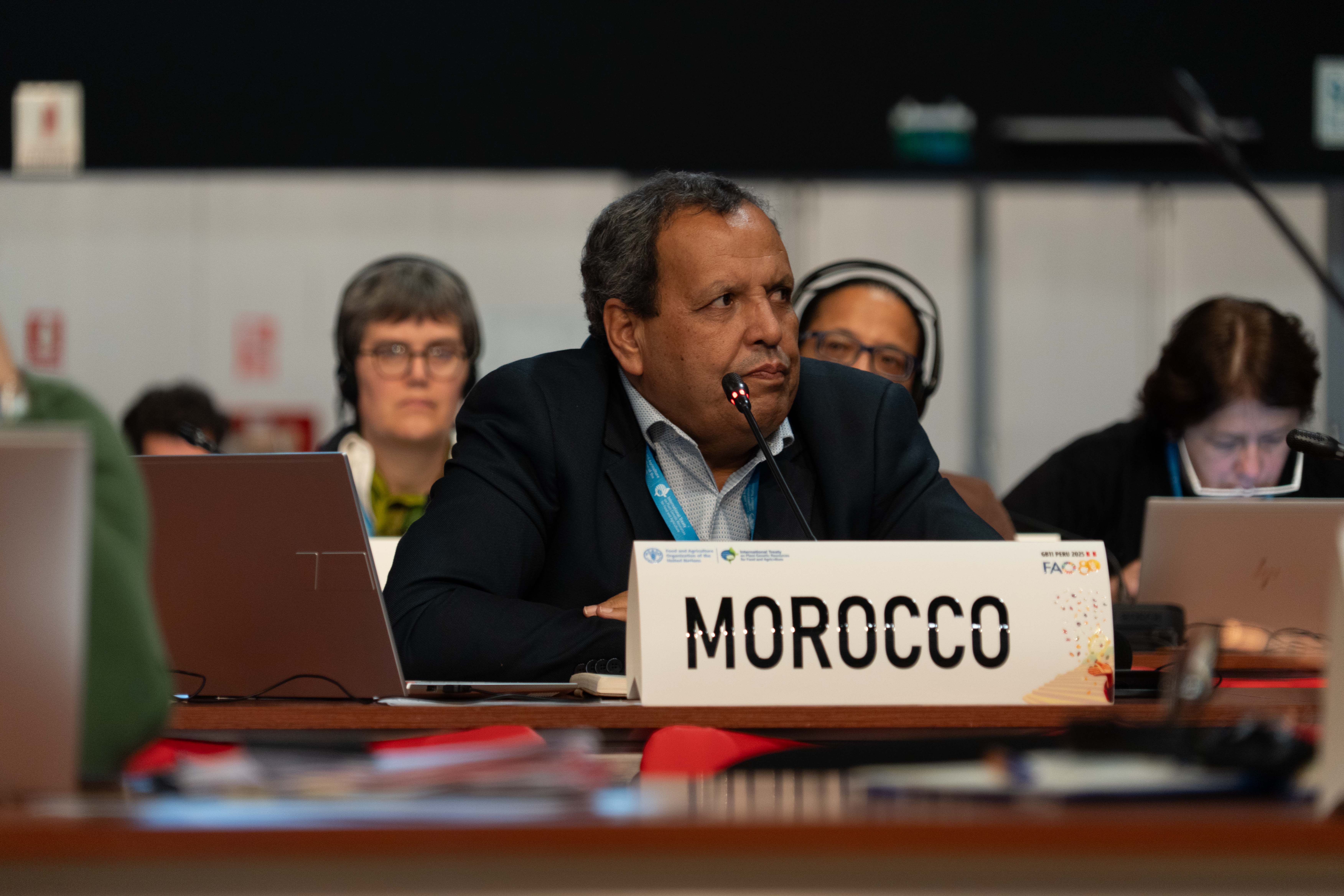
Moha Ferrahi, Morocco
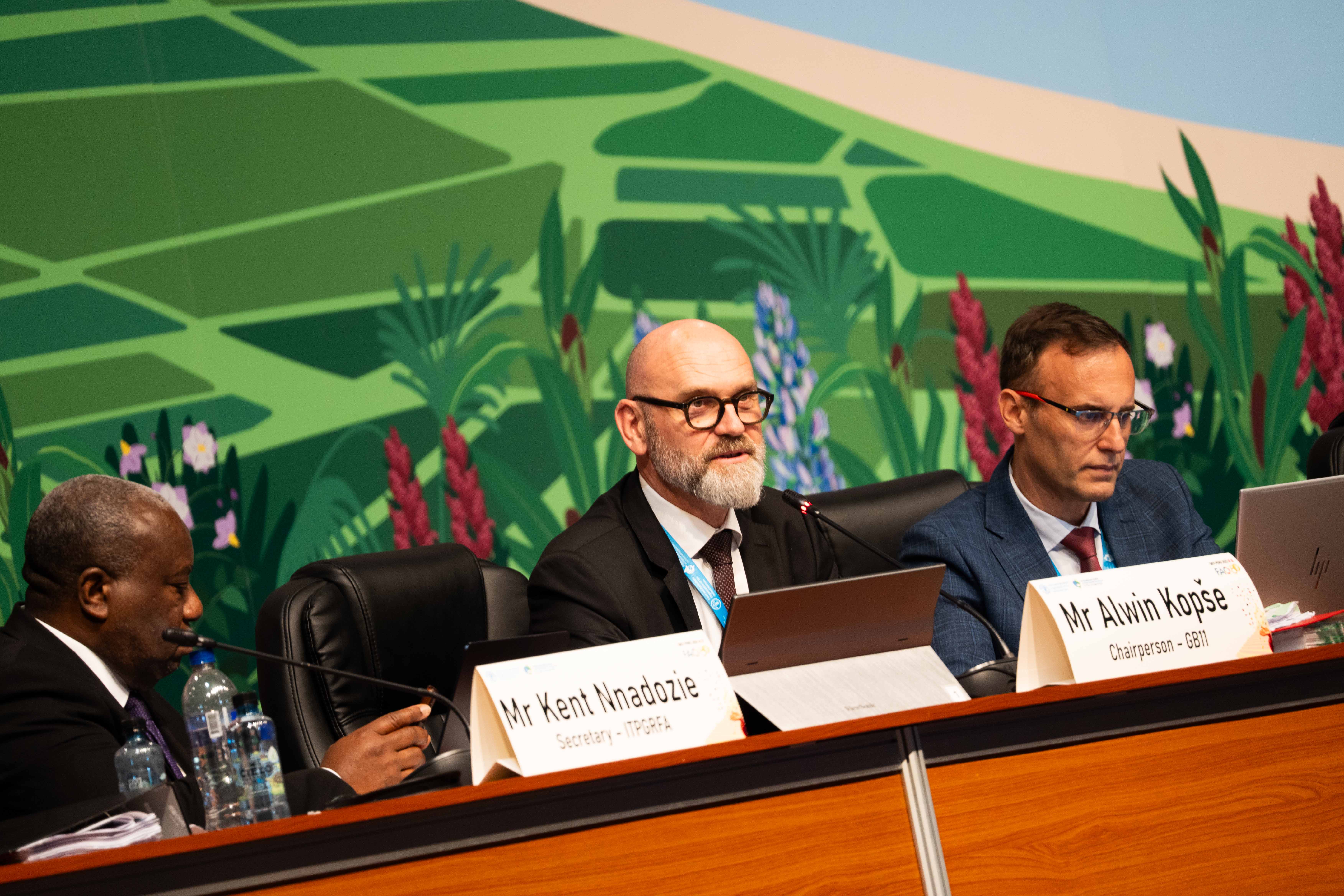
View of the dais
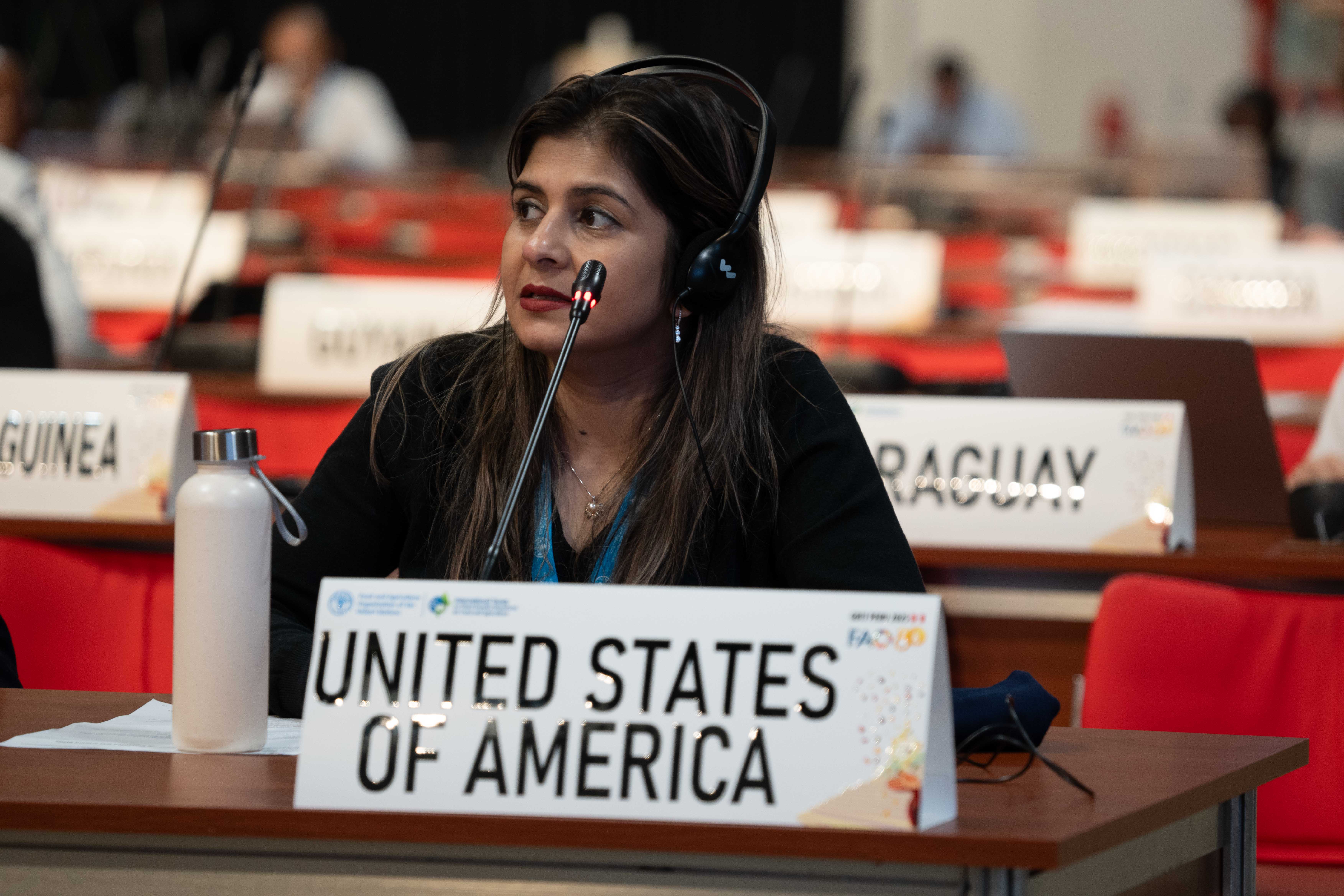
Neha Kothari, US
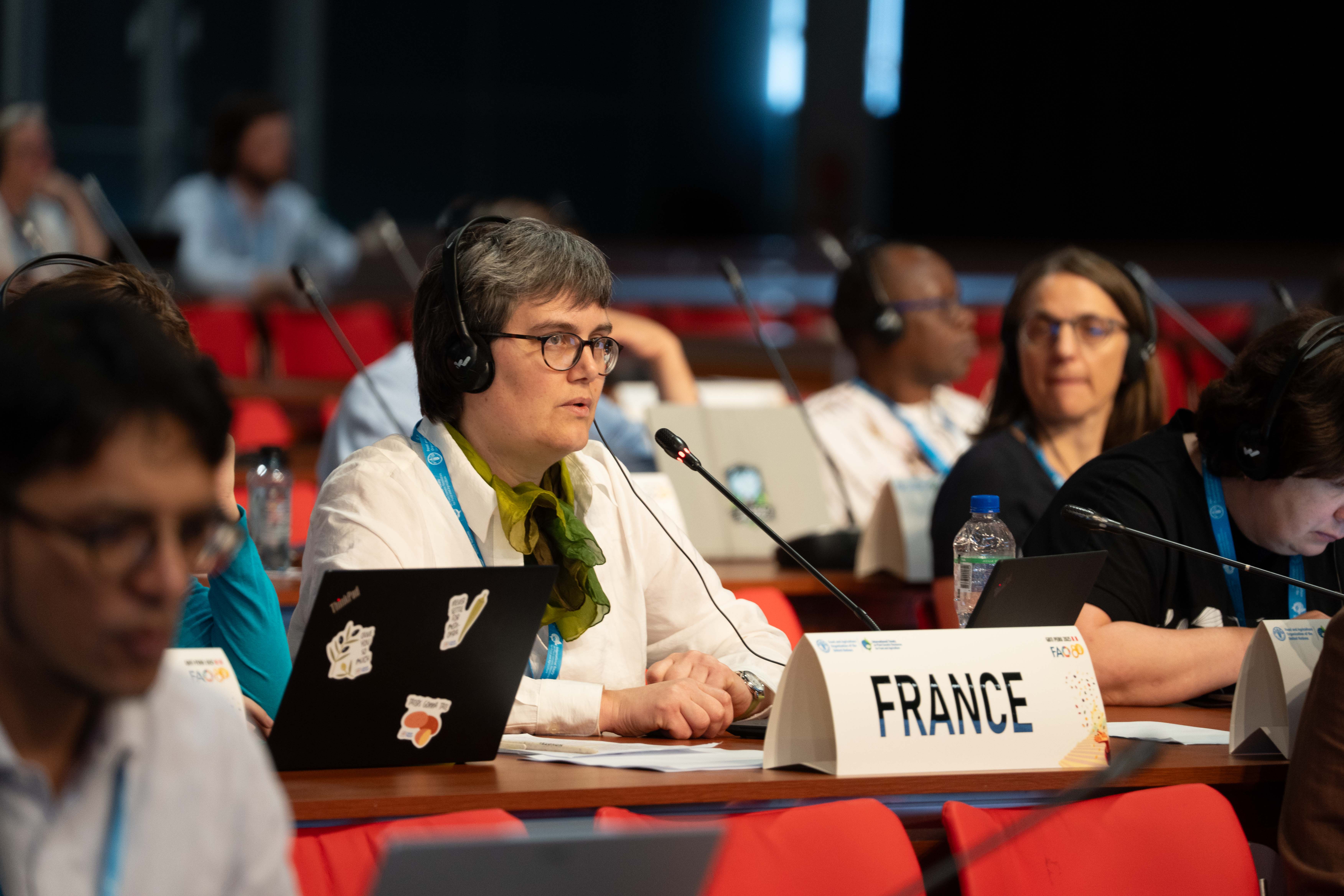
Pétronille Delorme, France
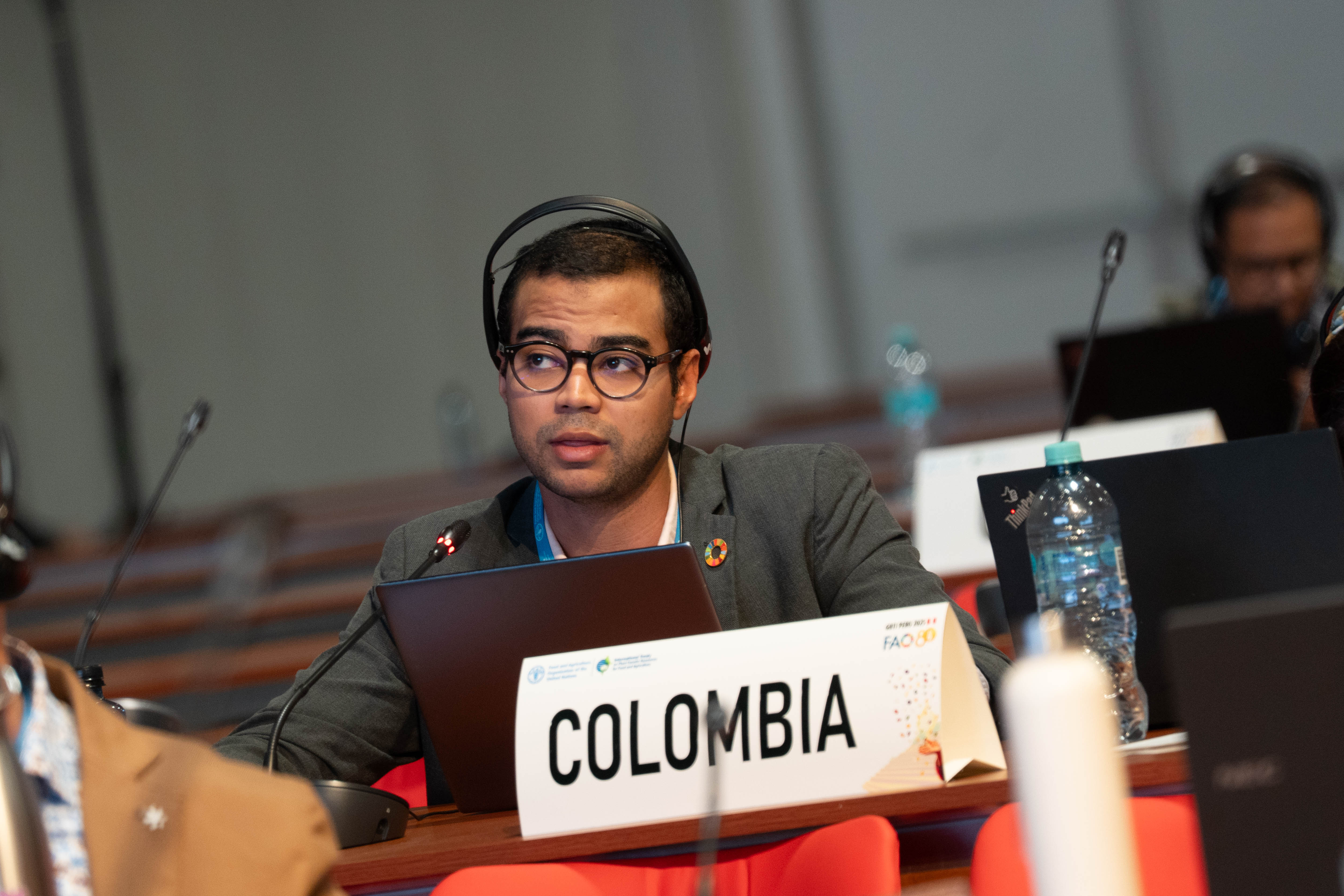
Rafael Daza, Colombia
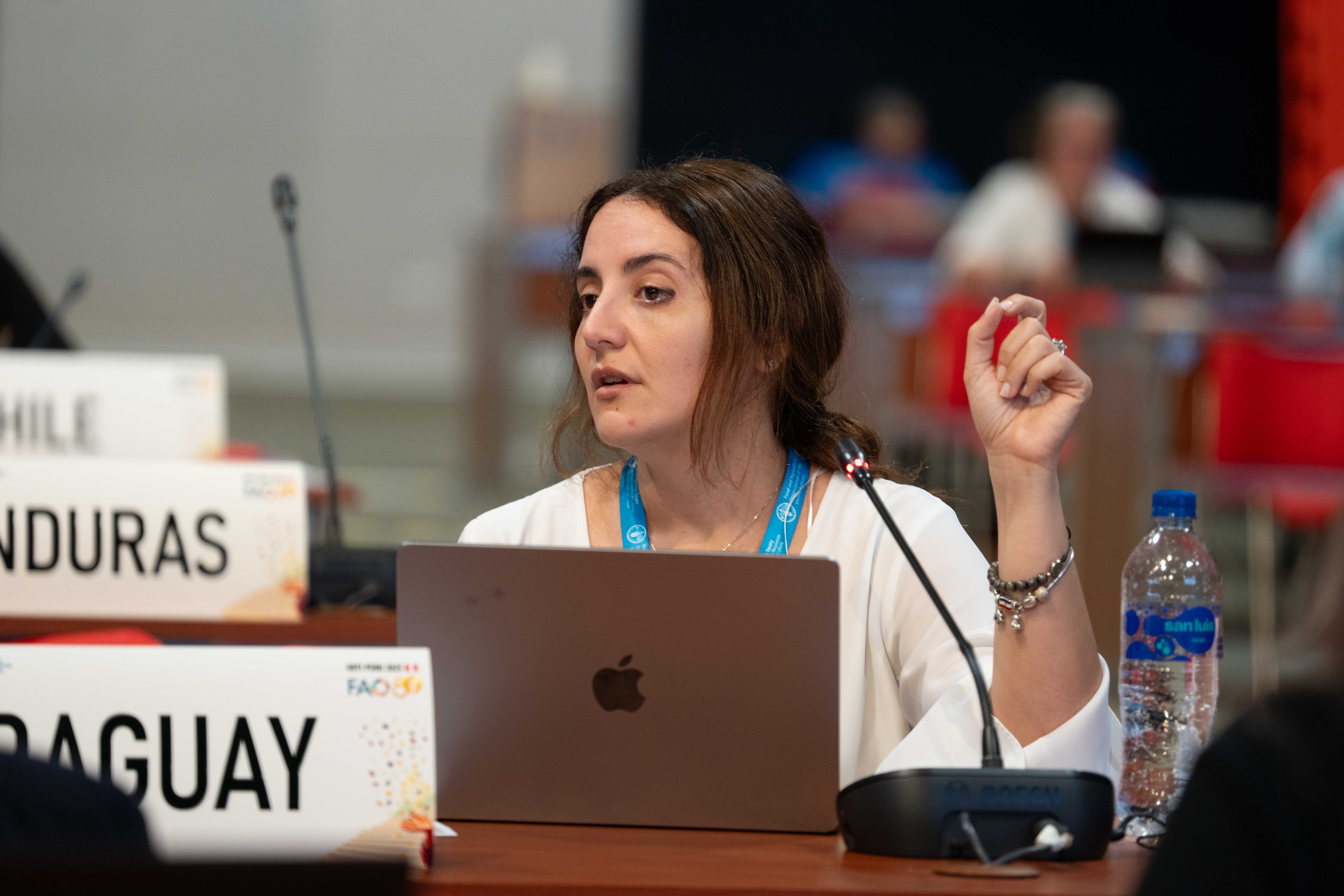
Renata Cristaldo, Paraguay
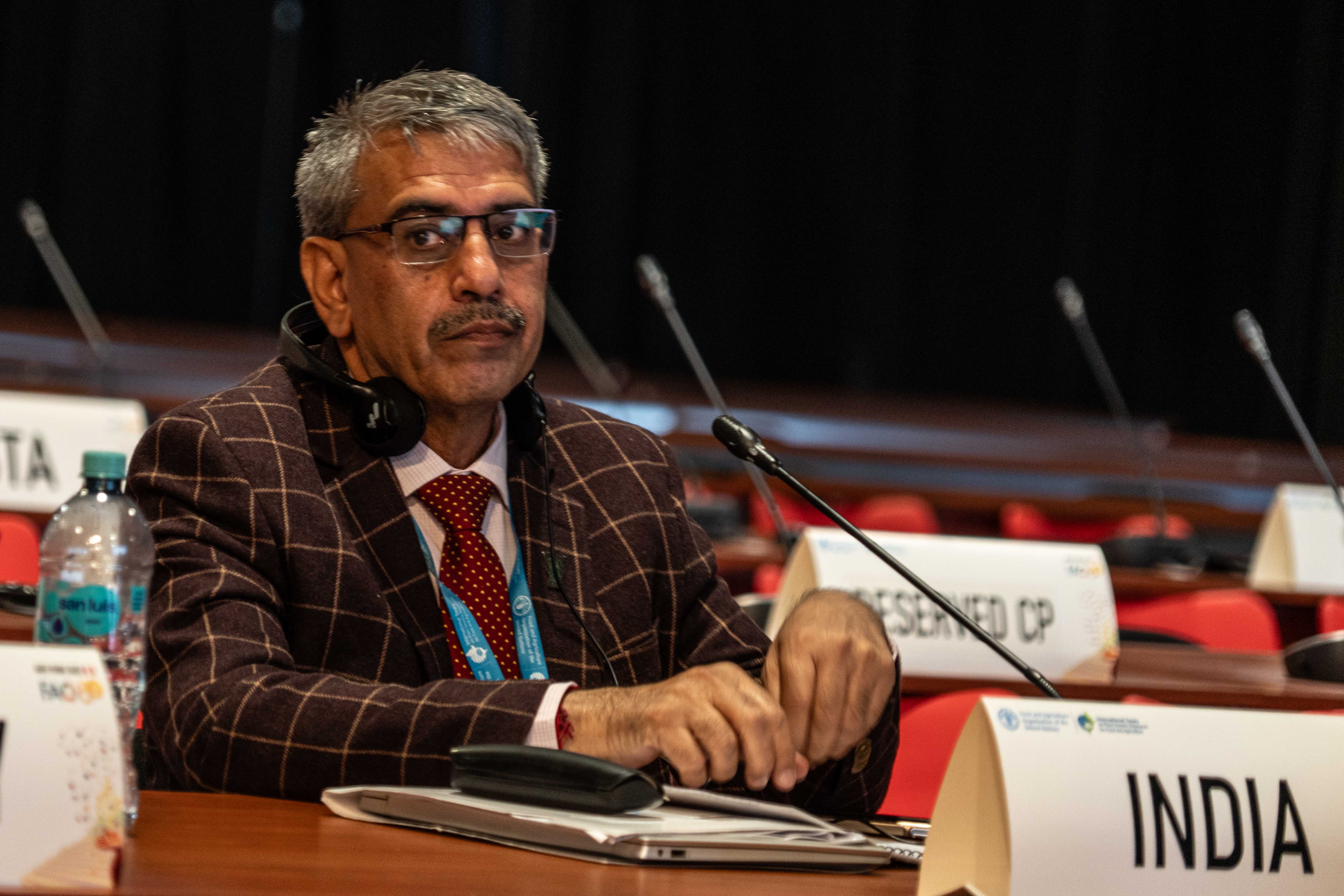
Shri Ajeet Kumar Sahu, India
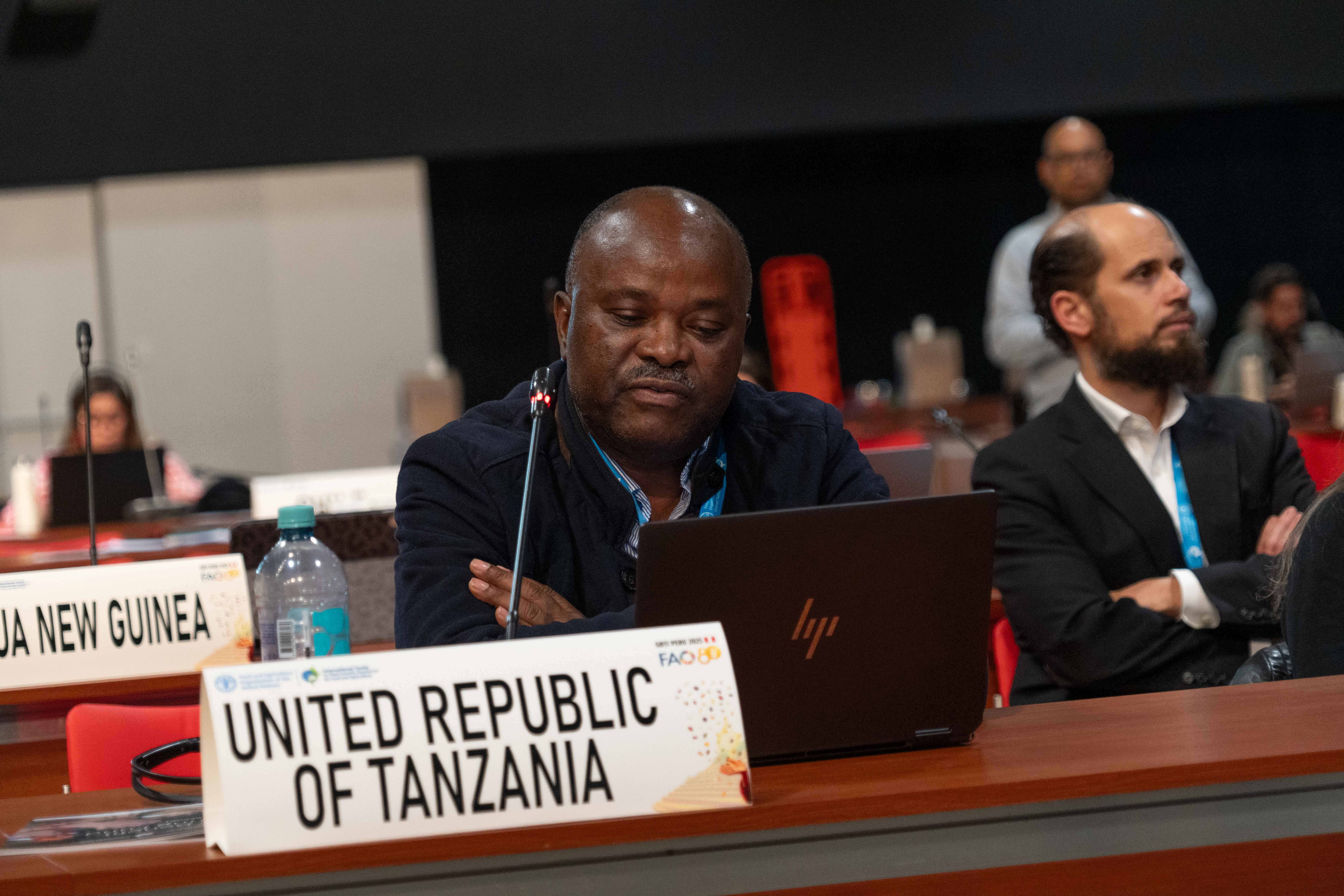
William Chrispo Hamisy, Republic of Tanzania
Selected Images
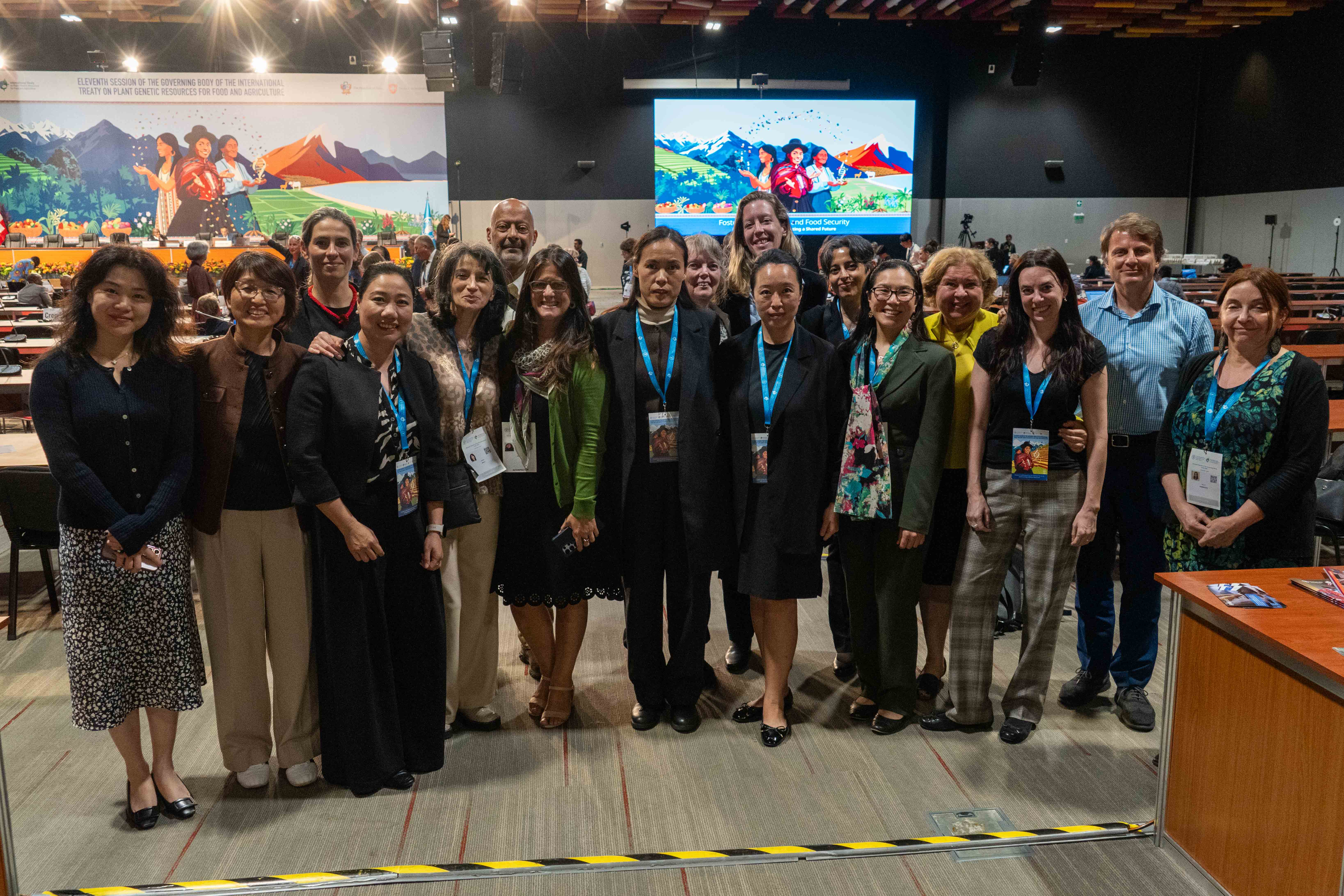
Interpreters family photo
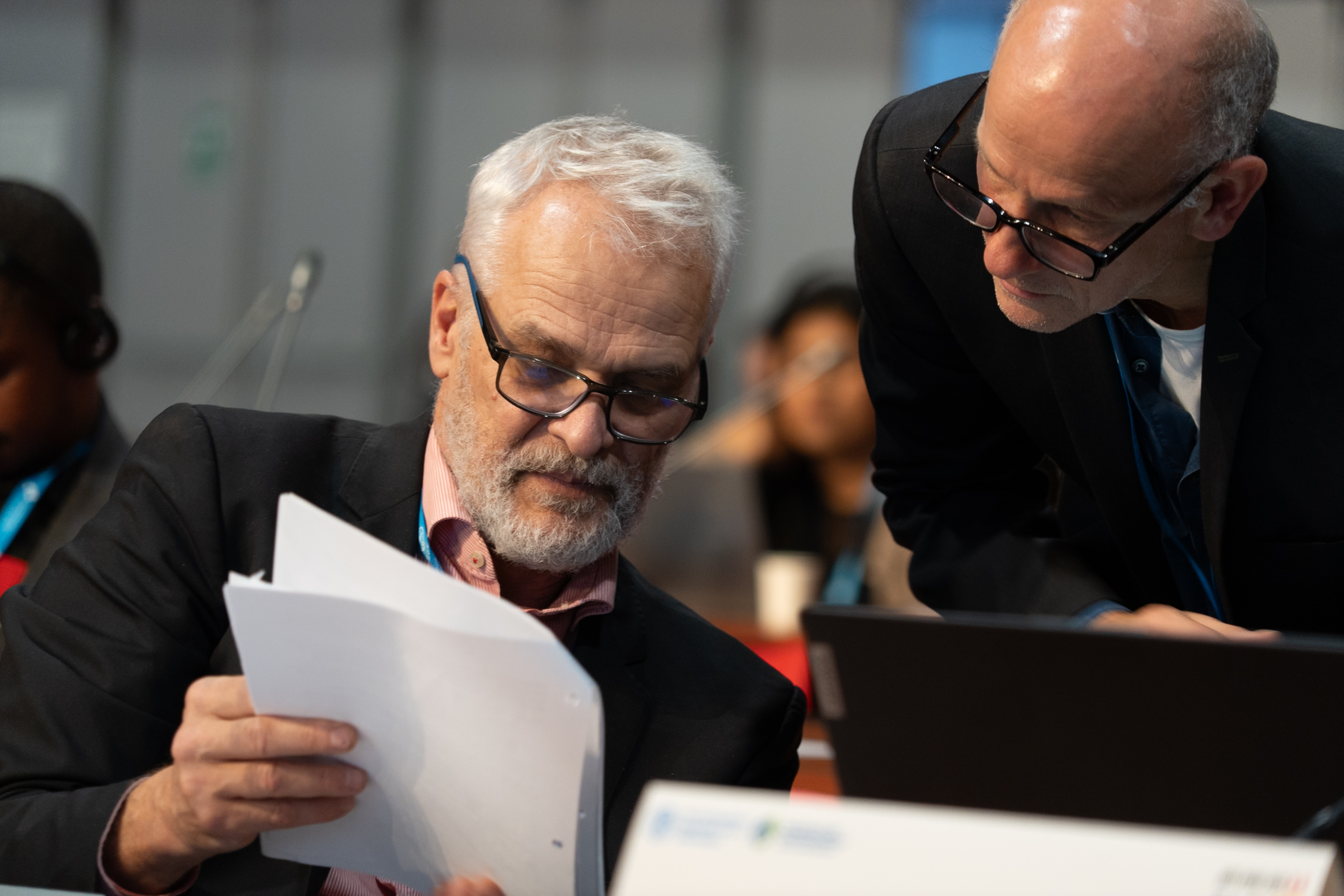
Benoit Girard, Canada, with François Meienberg, Pro Specie Rara
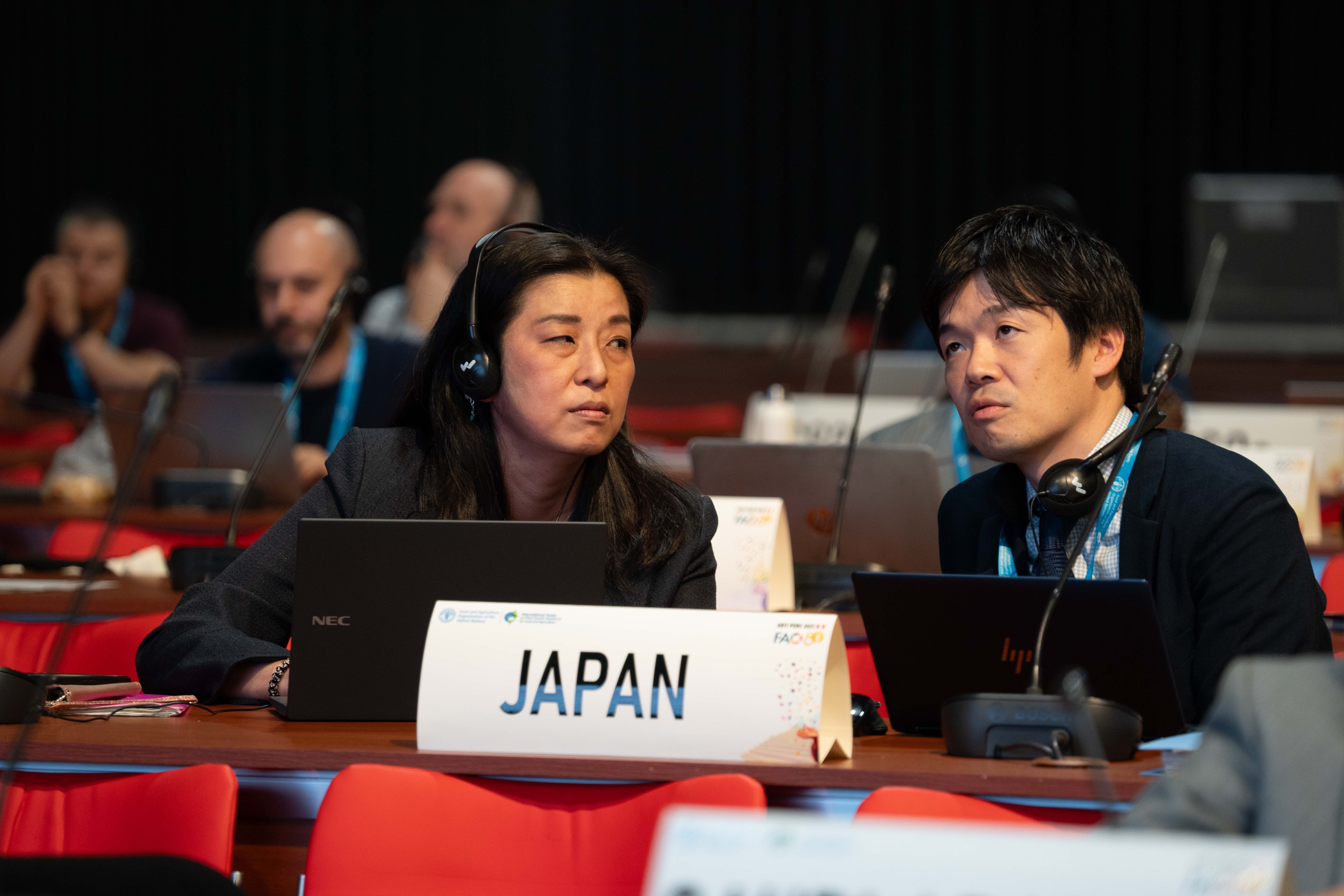
Yoko Yamoto and Ryusuke Kawamura, Japan
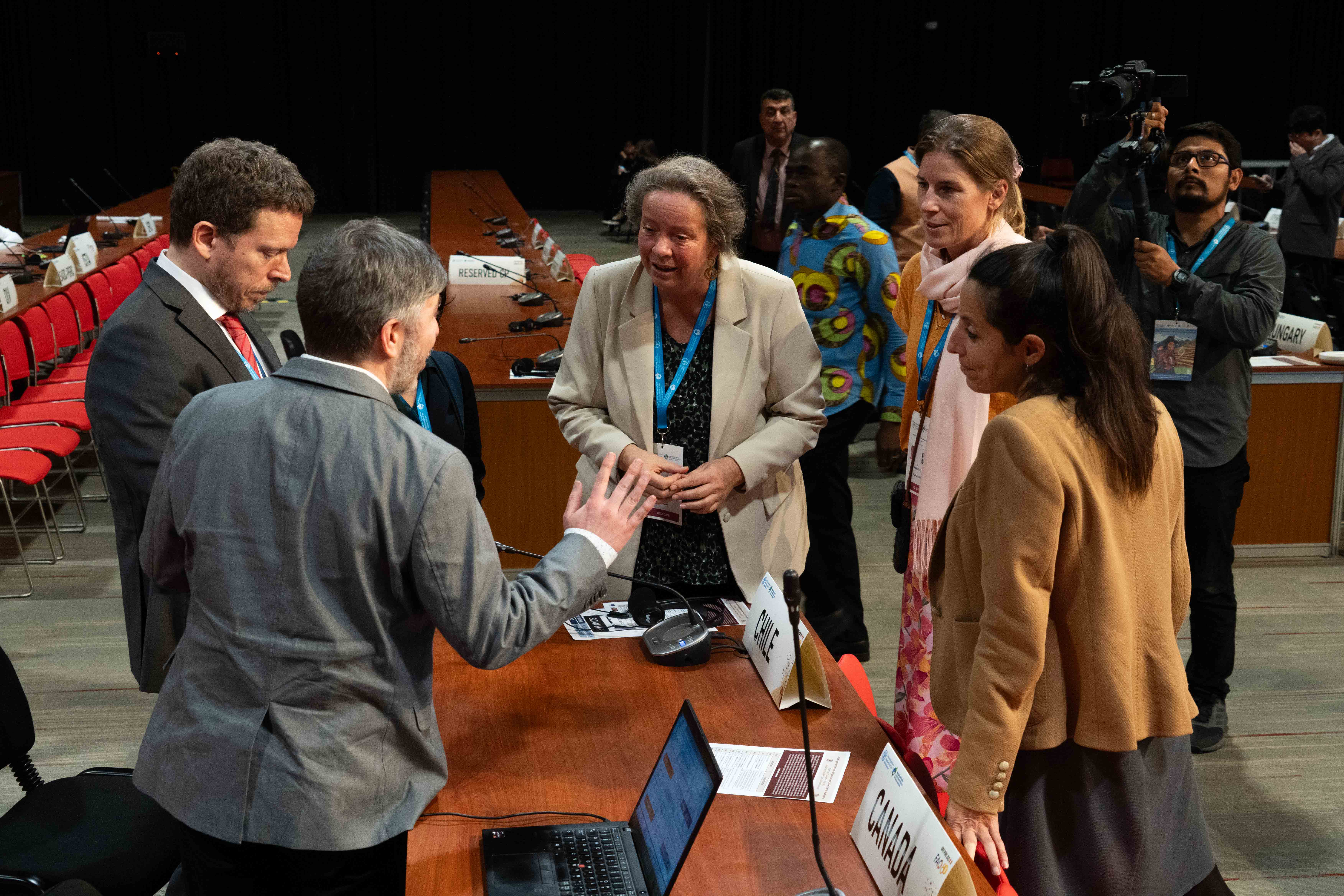
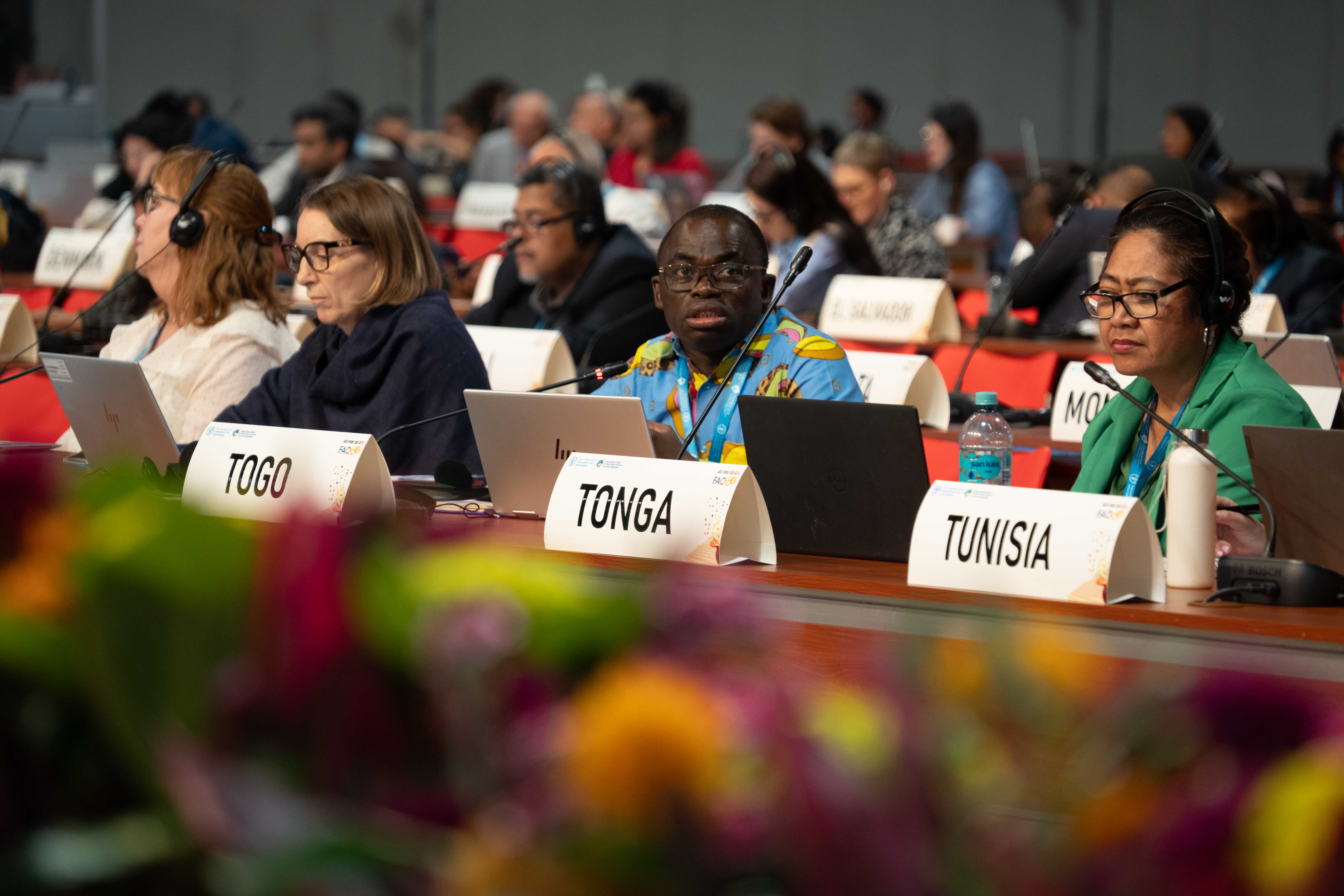
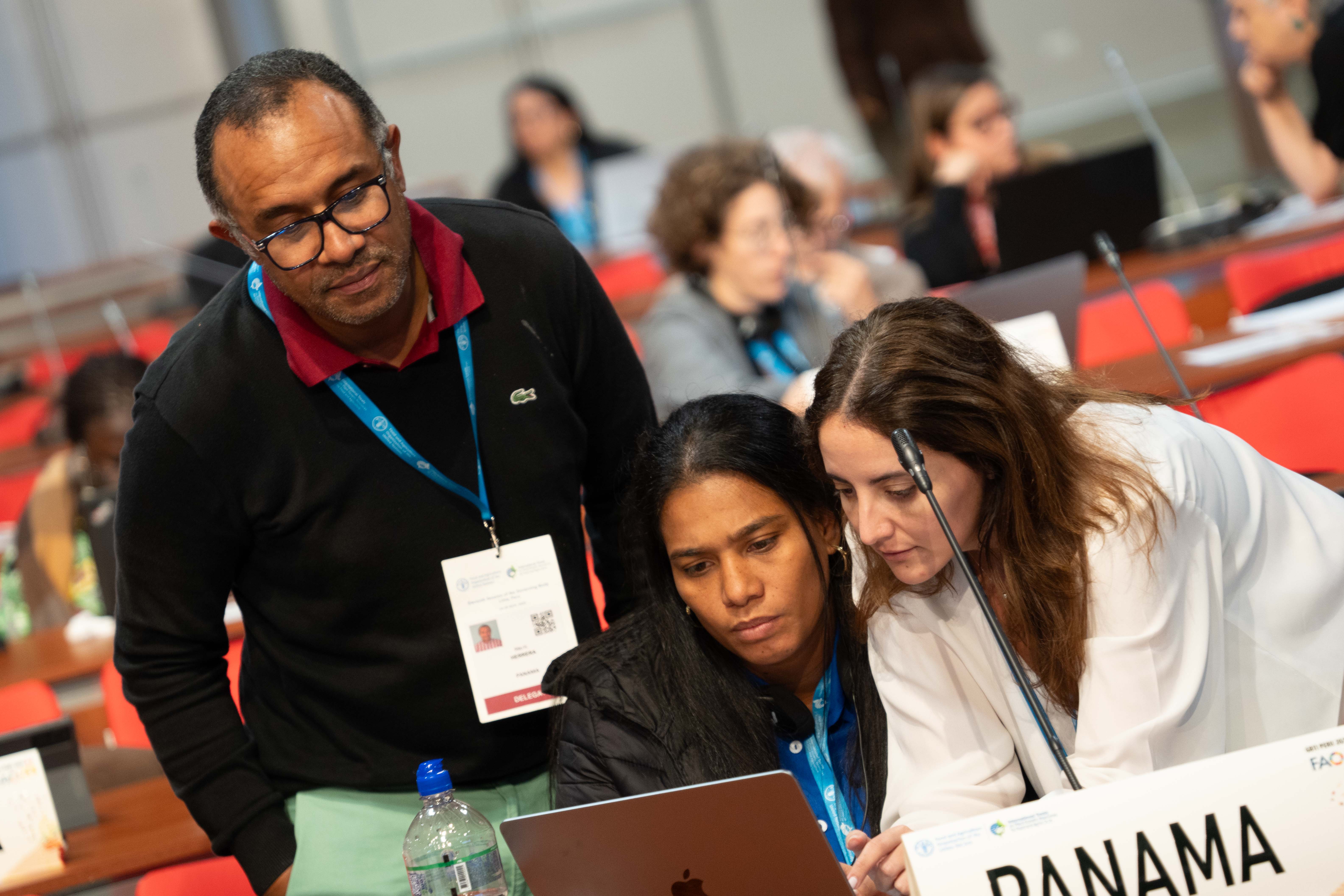
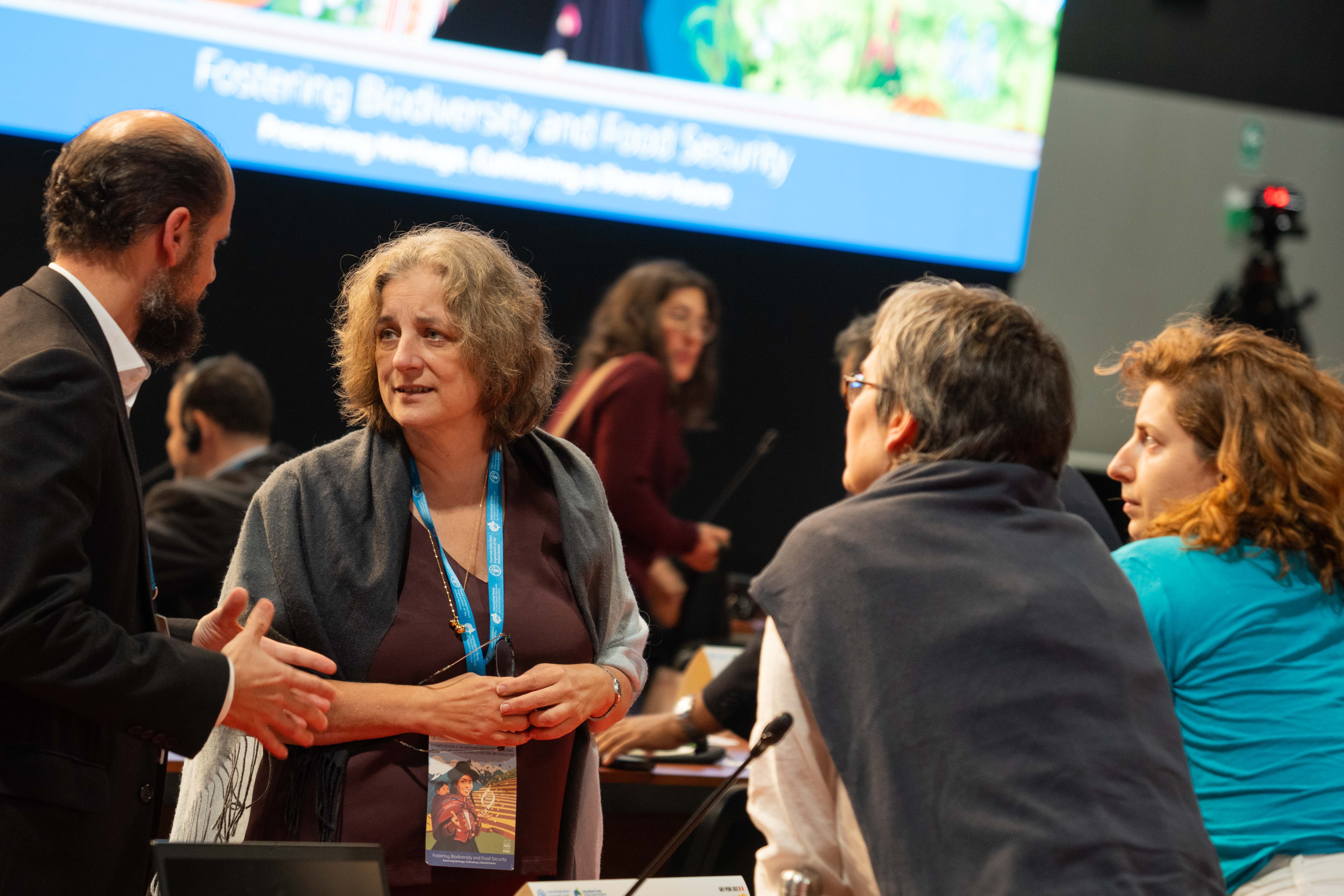
From L-R: Pace Lubinsky, US; Carina Knorpp, Sweden; Pétronille Delorme and Camille Rameau, France
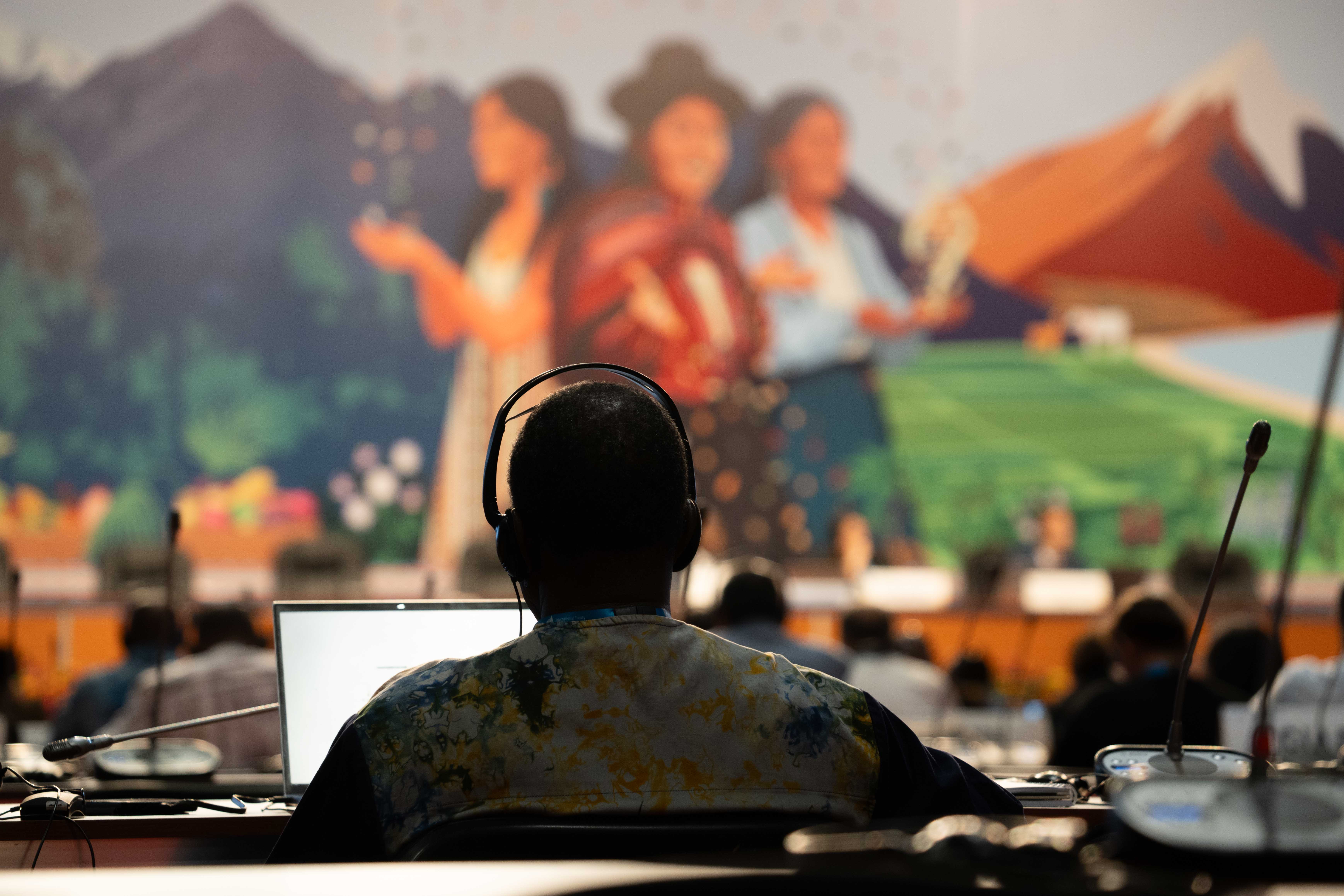
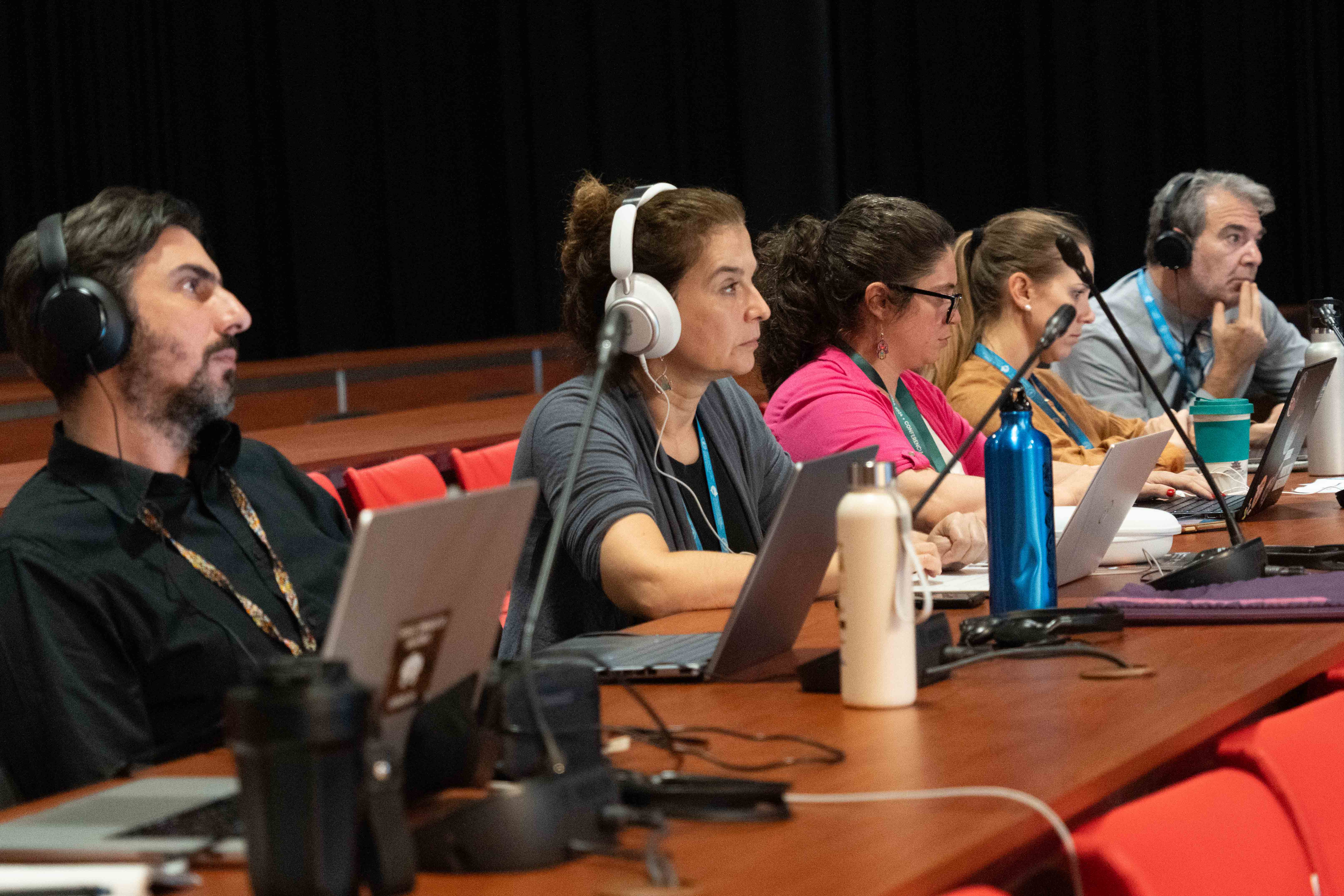
Earth Negotiations Bulletin writers Mike Muzurakis, Elsa Tsioumani, María Ovalle, Gabriella Prado, and Asterios Tsioumanis
Around the venue
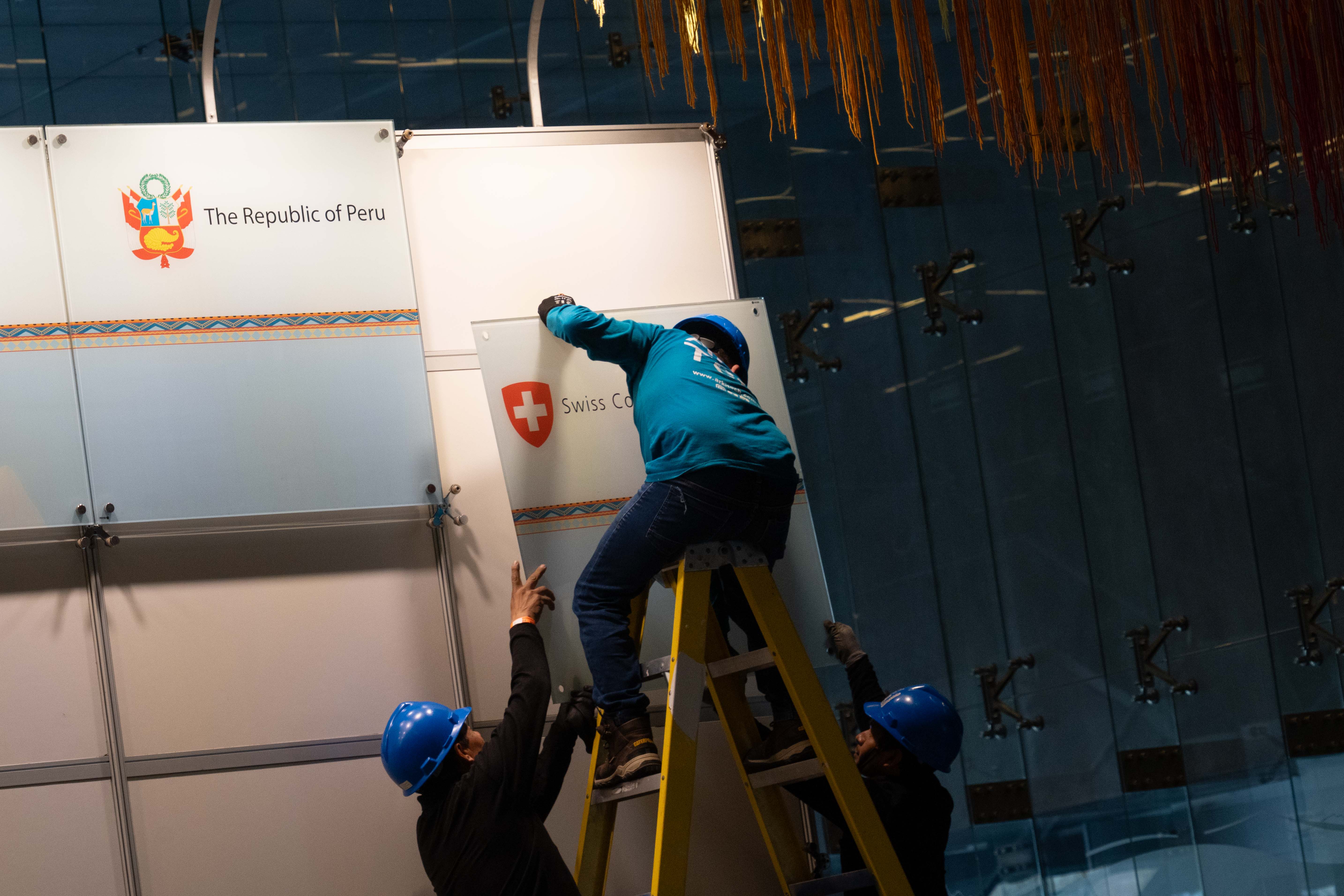


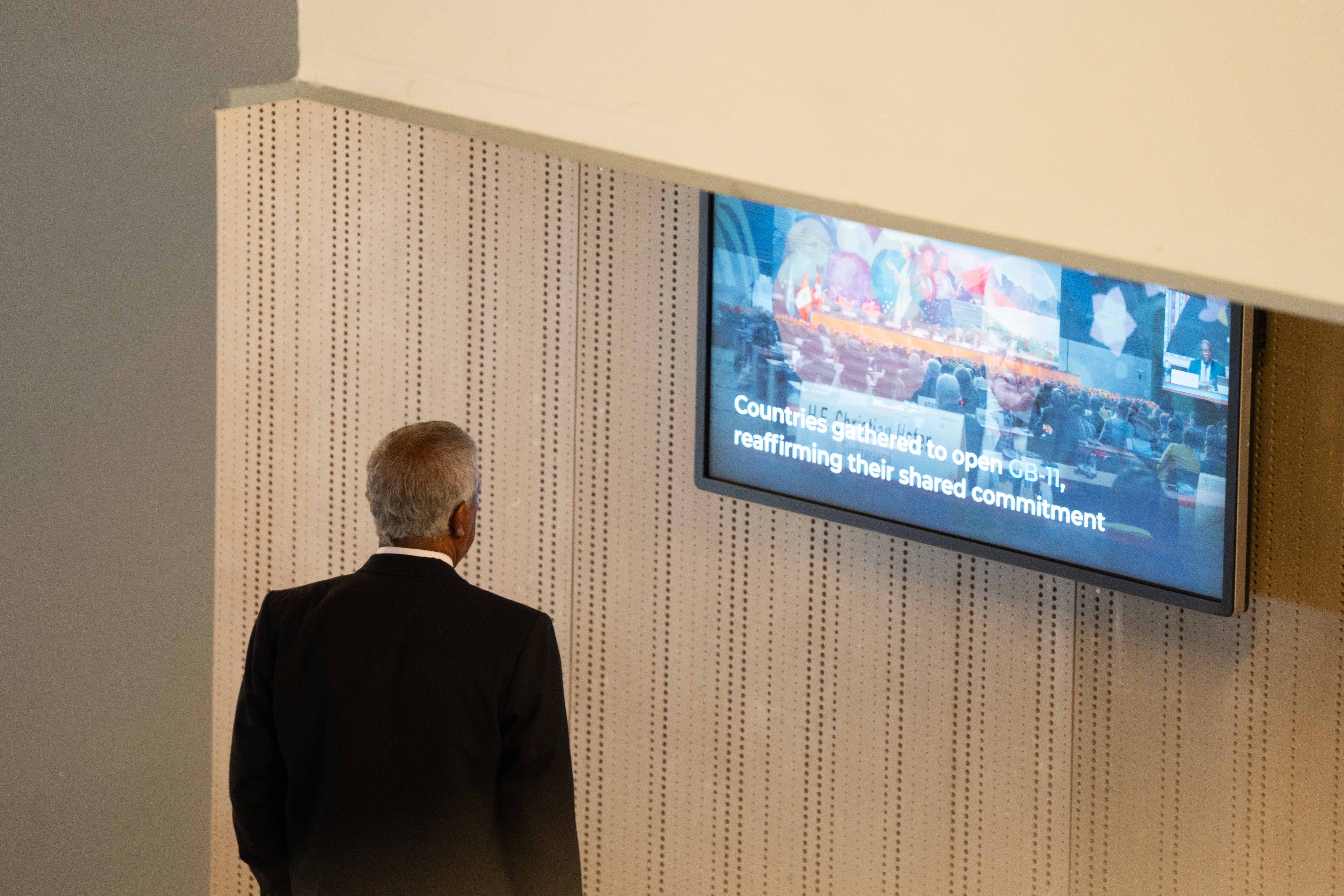
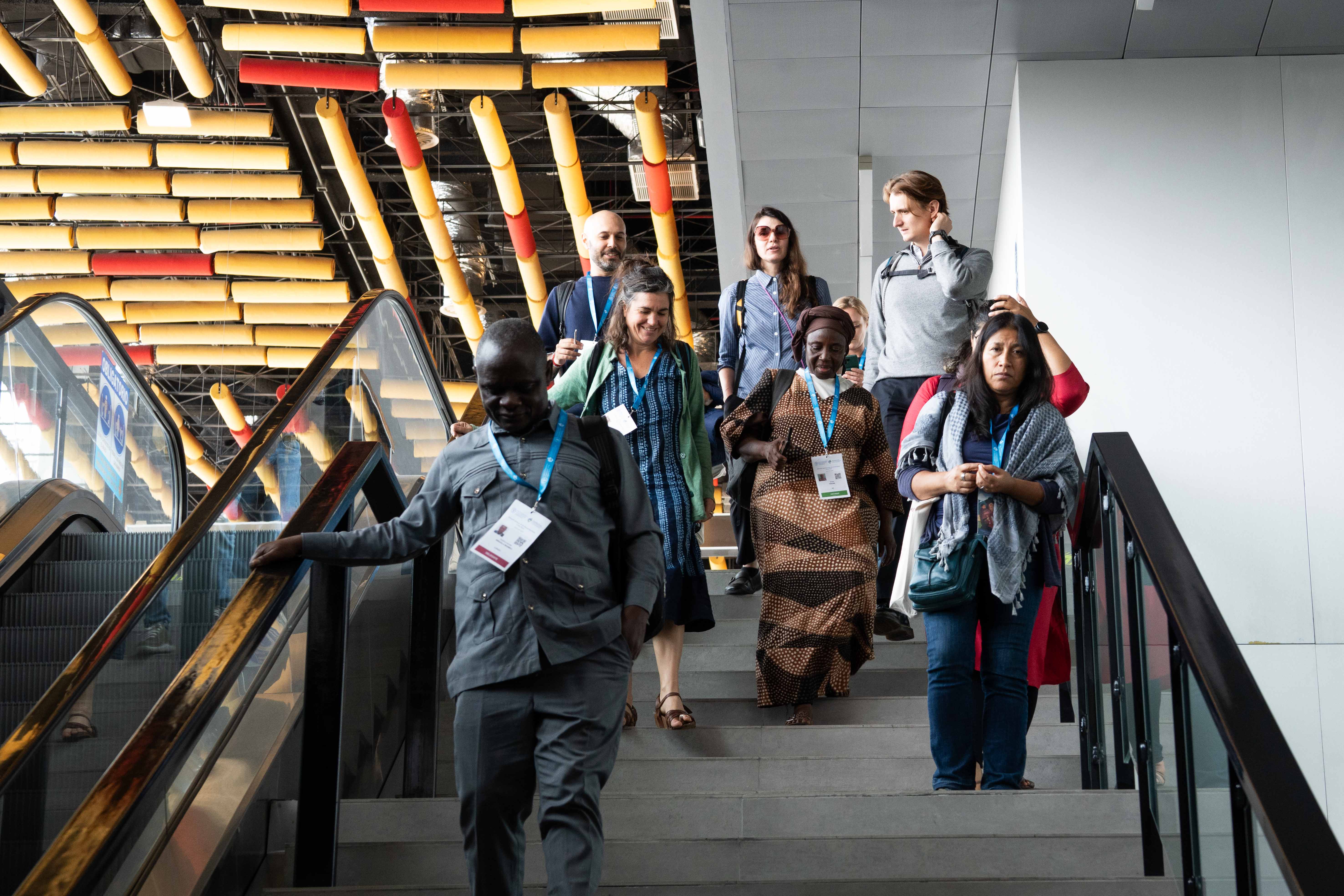

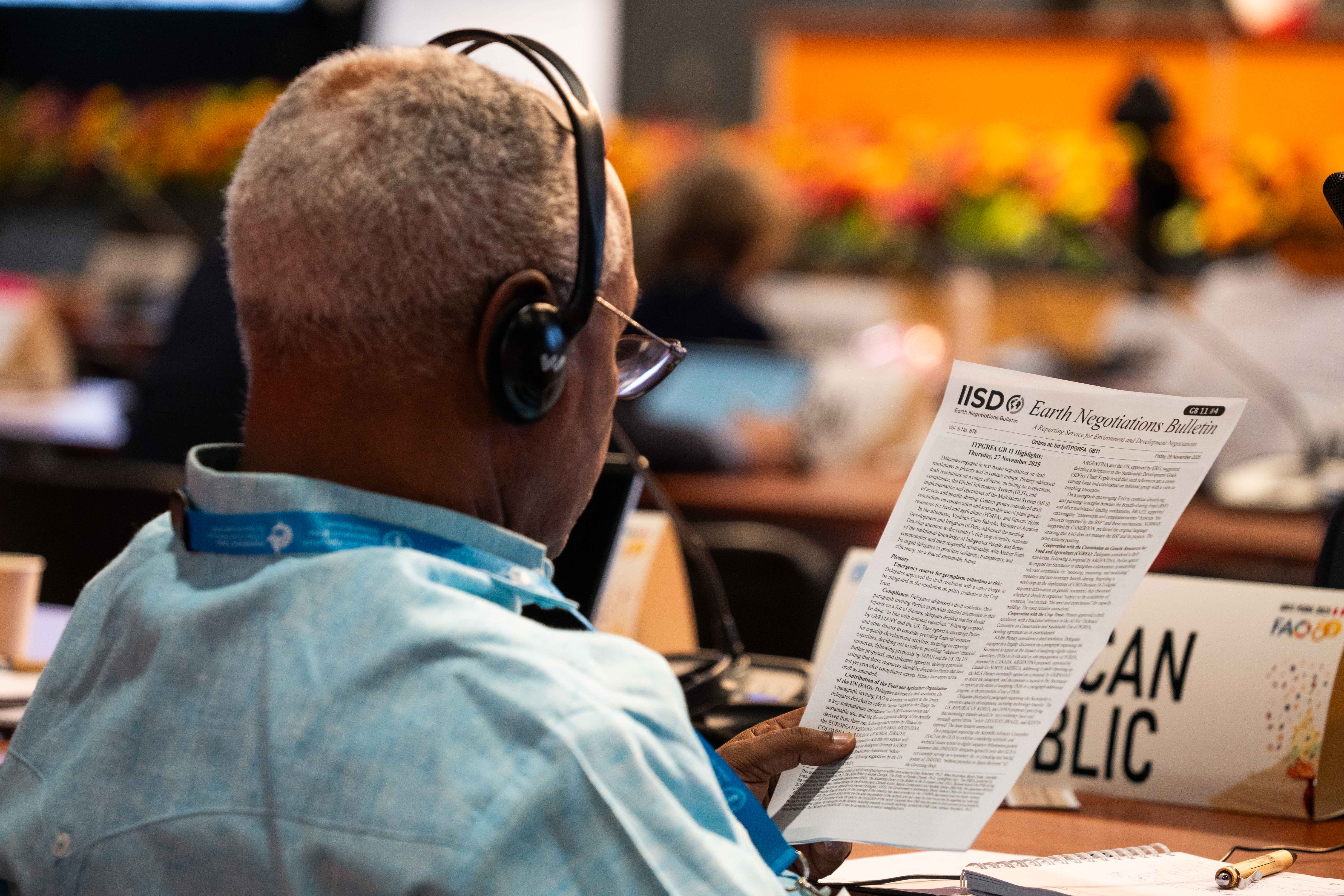
Omali Phiri, Zambia Alliance for Agroecology and Biodiversity
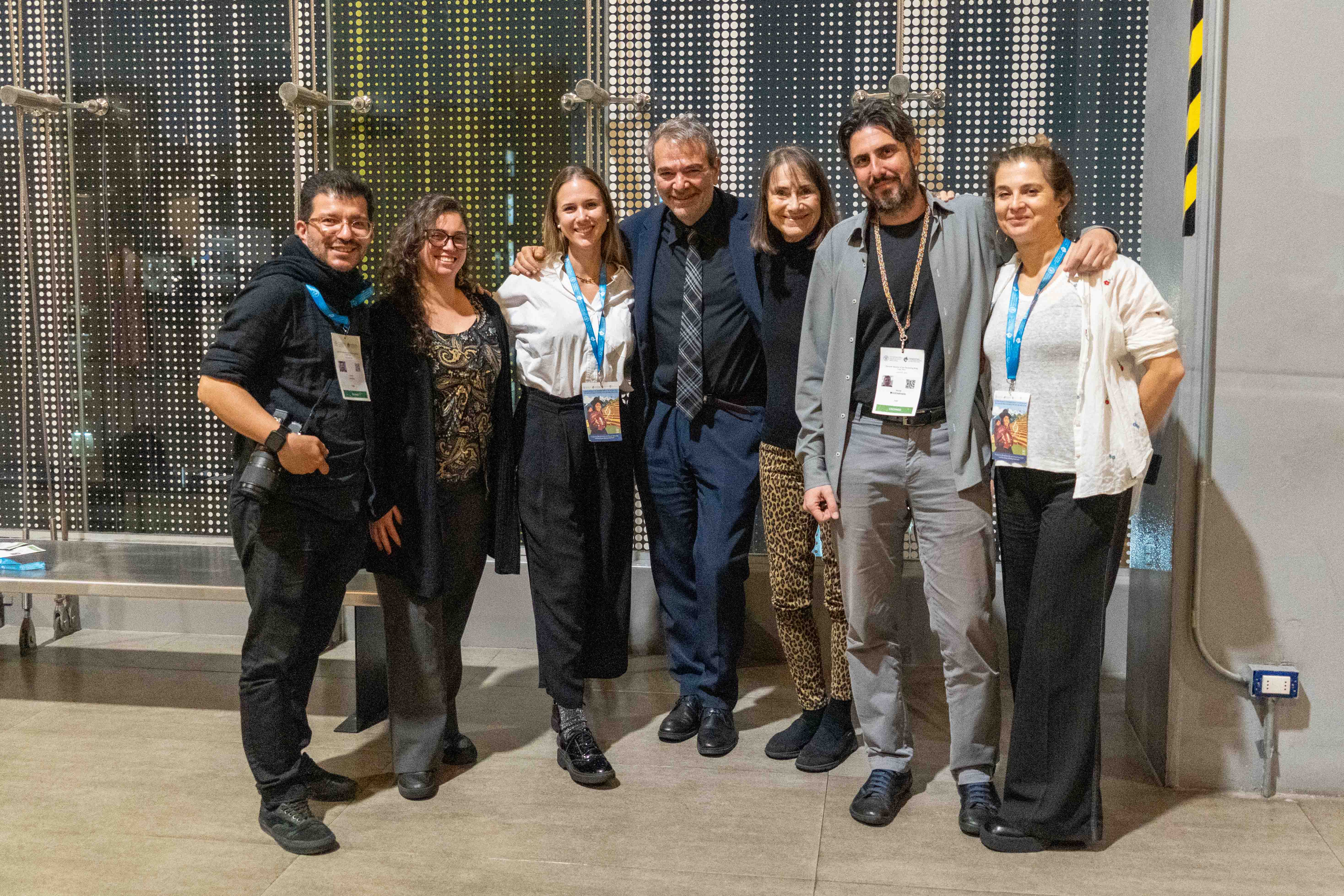
The Earth Negotiations Bulletin team at ITPGRFA GB 11 Andrés Carvajal, María Ovalle, Gabriella Prado, Asterios Tsioumanis, Nancy Williams, Mike Muzurakis and Elsa Tsioumani