With only five years left before the world is supposed to achieve the Sustainable Development Goals (SDGs), agreed in 2015, the Earth is in the throes of nested crises and multilateralism is suffering a deficit of trust. These crises include global conflicts, climate change, food insecurity, biodiversity loss, corruption, elevated pollution, and increasing inequality. Discussions on financing for development are not immune to these crises, and there is a need to reflect current international realities in delivering a strong outcome document.
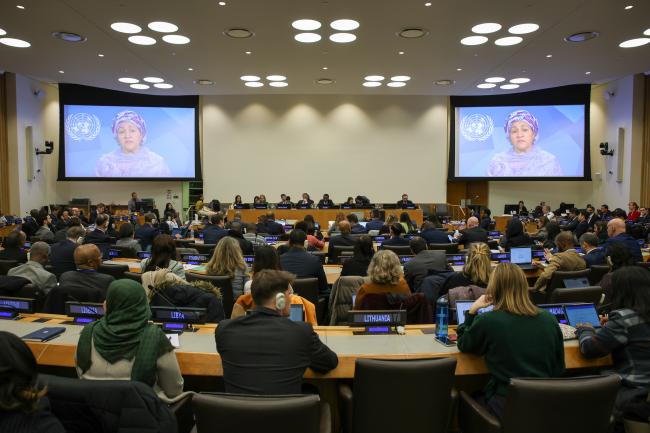
In her video message to delegates attending the opening of the third session of the Preparatory Committee (PrepCom3) for the fourth International Conference on Financing for Development (FfD4) at UN Headquarters in New York, UN Deputy Secretary-General Amina Mohammed underlined that finance is the fuel for sustainable development. She called for a decisive break from the systems of the past to deliver sustainable development for all.
Led by FfD4 Co-Chairs Zéphyrin Maniratanga, Burundi, and Rui Vinhas, Portugal, PrepCom3 delegates adopted the meeting’s organization of work and a decision related to the dates of PrepCom4, the first session of which is scheduled for 30 April – 1 May 2025. Delegates then engaged in a ministerial scene setter, under the theme “bringing political momentum to the negotiations of the FfD4 Outcome Document.”
Li Junhua, Under-Secretary-General for Economic and Social Affairs and Secretary-General of the FfD4 Conference, cited rising debt and constrained fiscal space in developing countries as major challenges. He called for reflections on delivering a large-scale, publicly-led investment push and a reform of the sustainable development finance infrastructure to reduce the cost of capital and improve crisis response mechanisms.
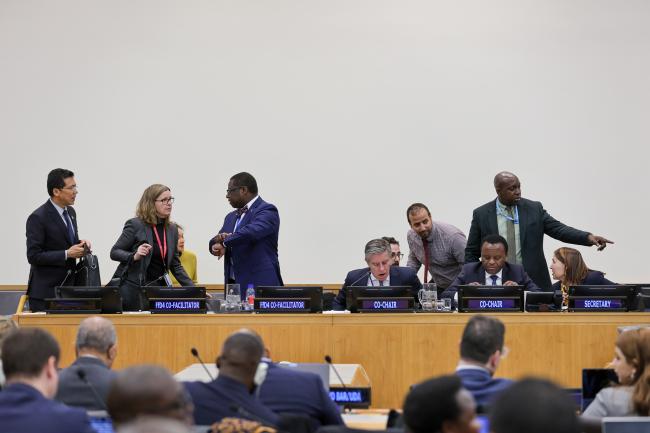
Moderator Mahmoud Mohieldin, Special Envoy on Financing the 2030 Agenda, called for a systems approach to financial flows and pointed out growing trade restrictions, suggesting digitalization and regional action among solutions to unlocking finance. Achim Steiner, Administrator, UN Development Programme, welcomed the work on the Zero Draft so far, in light of the financially stressed circumstances characterizing current international realities, including the chronic defunding and underfinancing of existing public sector commitments.
Stressing the key role of the private sector, Egypt highlighted the need to reduce borrowing risks and role of blended finance to unlock private finance. To improve resource mobilization, he suggested digitalization and widening tax base.
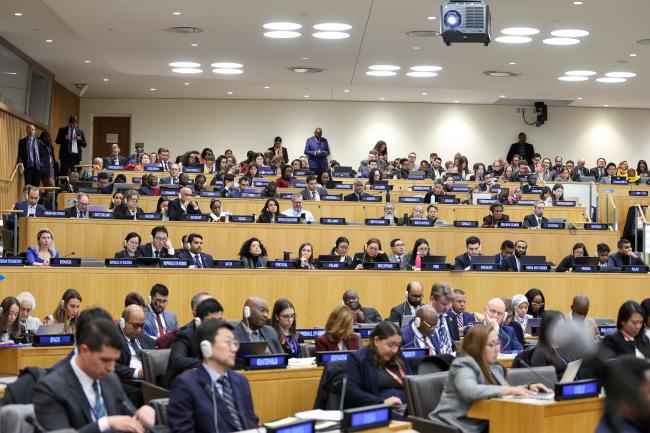
Ethiopia stressed the need to develop integrated approaches to development and humanitarian interventions, explaining that this coordination should happen on national, domestic, and international levels. Guatemala emphasized that “declarations are not enough,” noting that political will must be reflected in resource allocation and the establishment of effective accountability mechanisms.
India called for rebuilding trust and solidarity in the current geopolitical climate, achieving multi-level policy coherence, and providing developing countries with the necessary space to develop their own development pathways. Germany called for focus on strengthening existing institutional structures to deliver practical solutions for high-priority challenges.
In the afternoon, delegates commented on the Zero Draft of the FfD4 Outcome Document in an informal session, which will run until Friday, 14 February 2025. They addressed a section on a global financing framework, with many calling for bridging the development financing gap, and reforming the international financial architecture towards achieving the SDGs. Discussions on the Zero Draft will continue on Tuesday.
All ENB photos are free to use with attribution. For the 3rd Session of the Preparatory Committee for the 4th International Conference on FfD, please use: Photo by IISD/ENB | Mike Muzurakis
Plenary
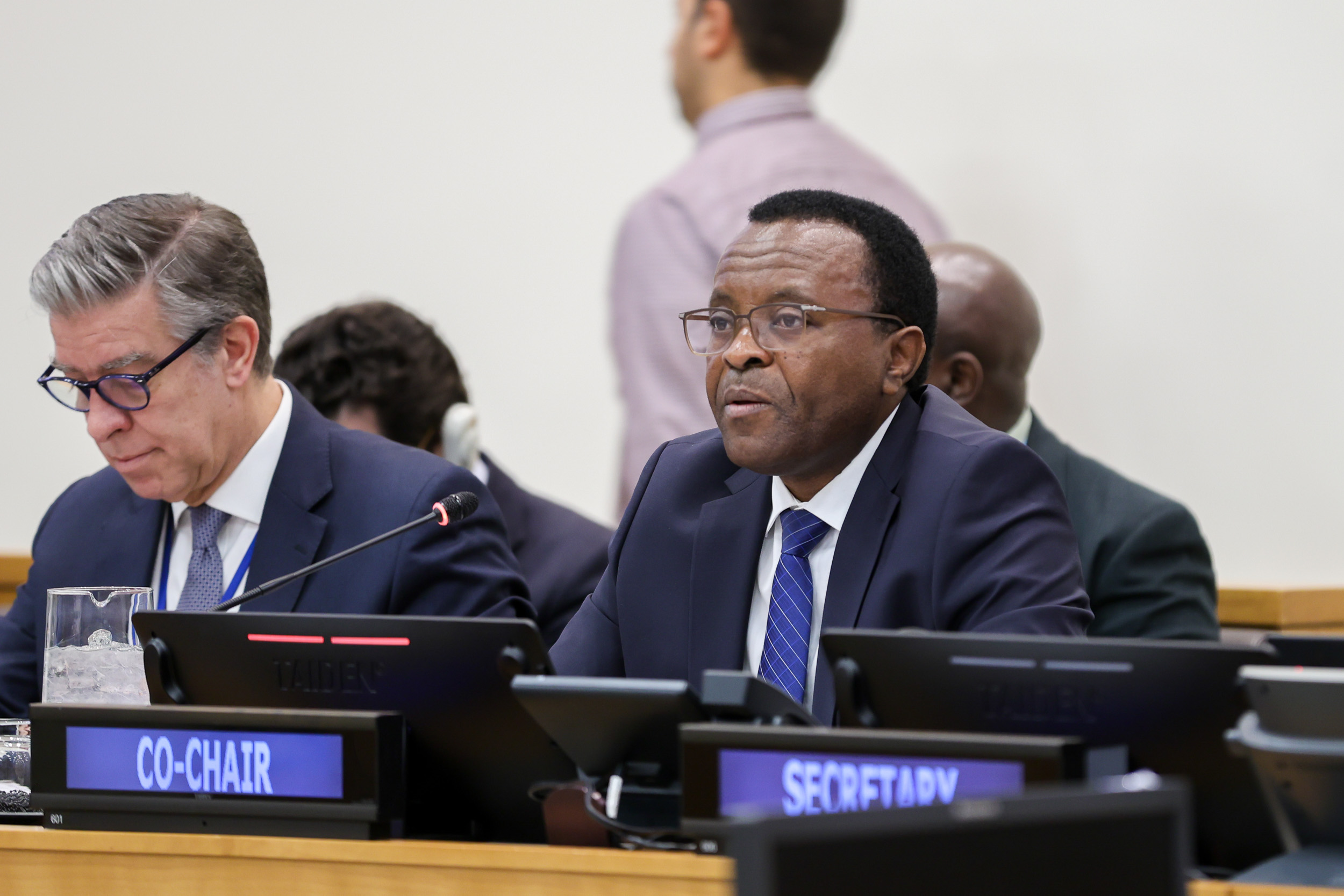
Co-Chair Zéphyrin Maniratanga, Burundi
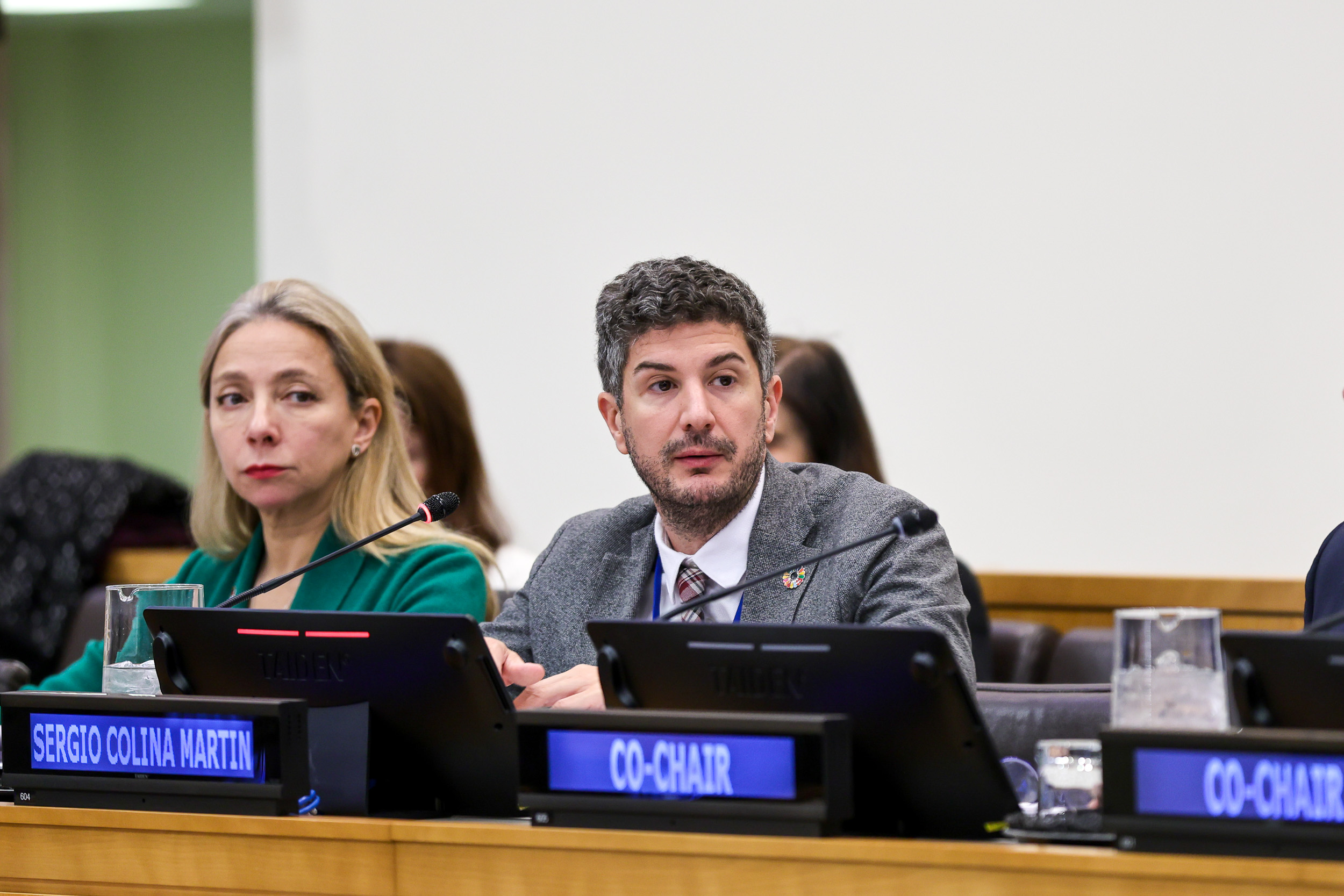
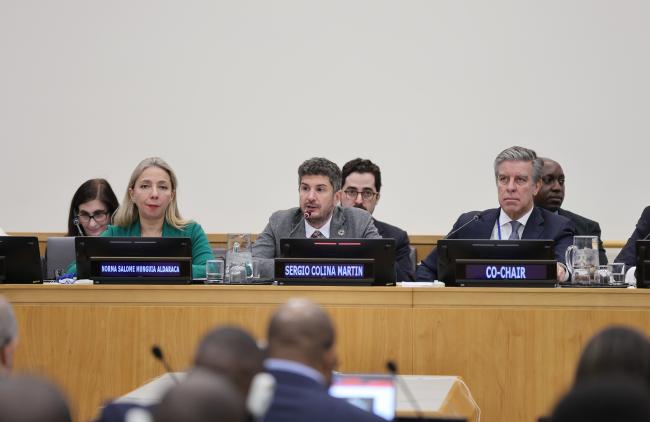
Sergio Colina Martín, Director-General for Sustainable Development Policies, Ministry of Foreign Affairs, European Union and Cooperation, Spain
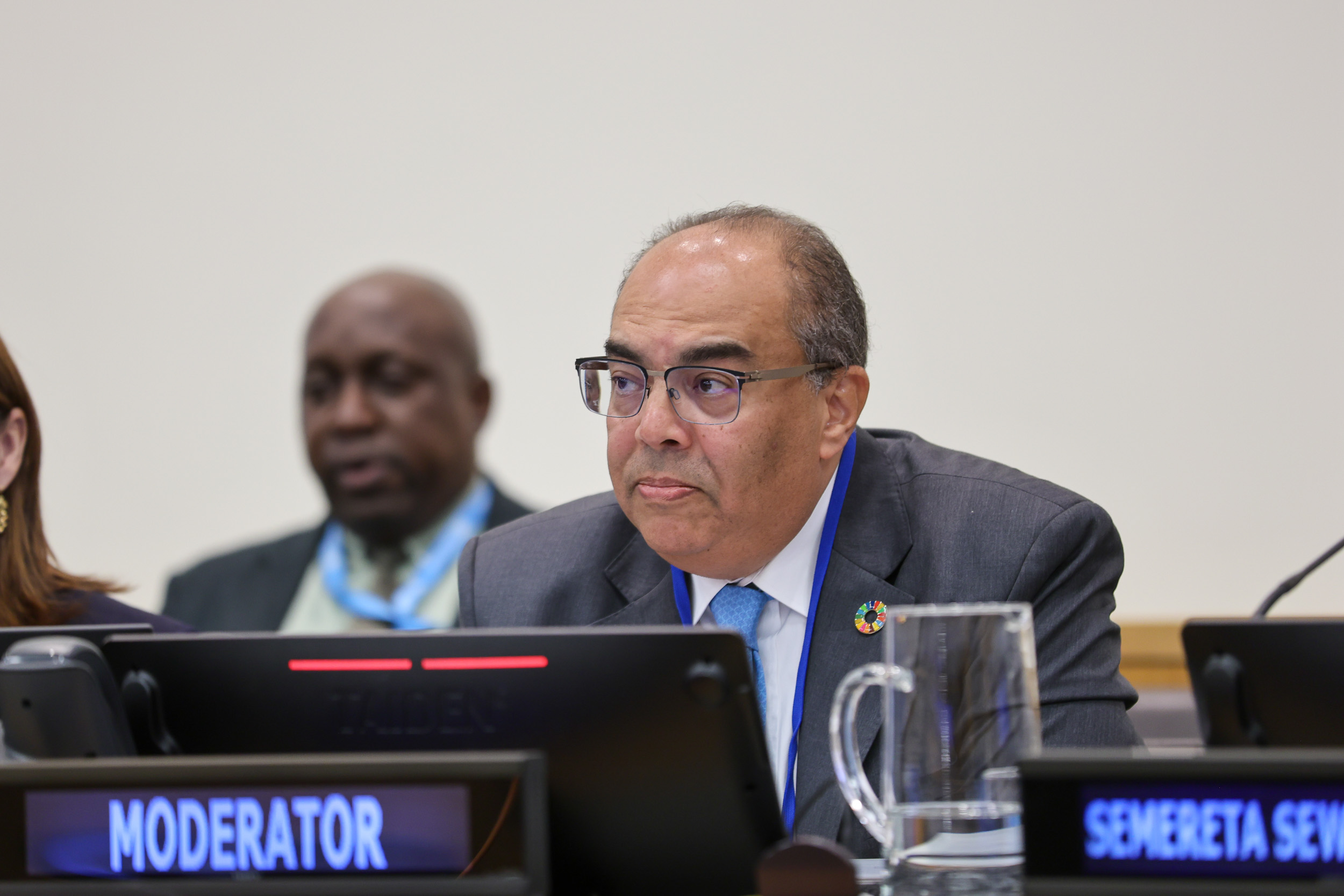
Mahmoud Mohieldin, Special Envoy on Financing the 2030 Agenda
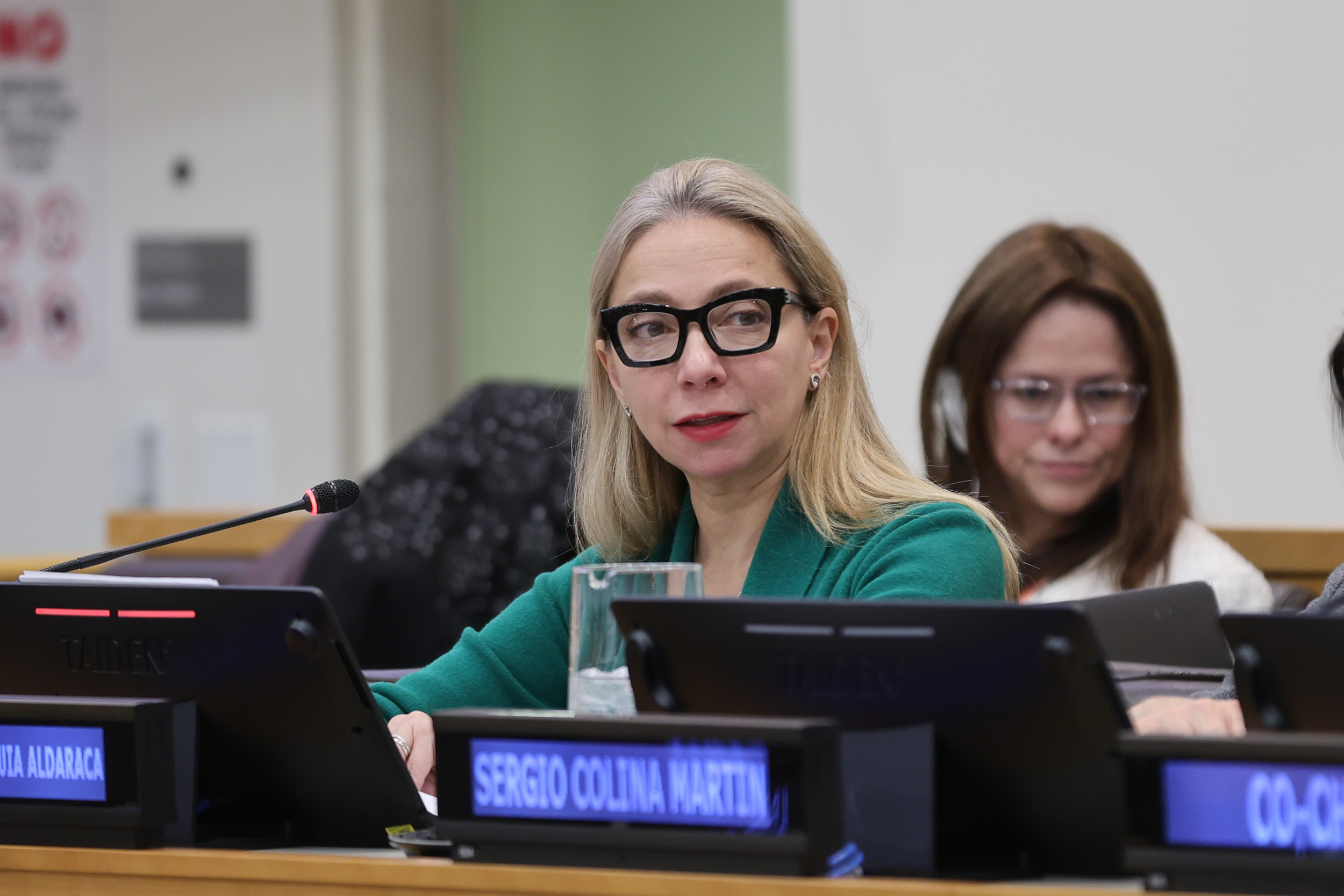
Norma Salomé Munguía Aldaraca, Director General for Global Affairs, Ministry of Foreign Affairs, Mexico
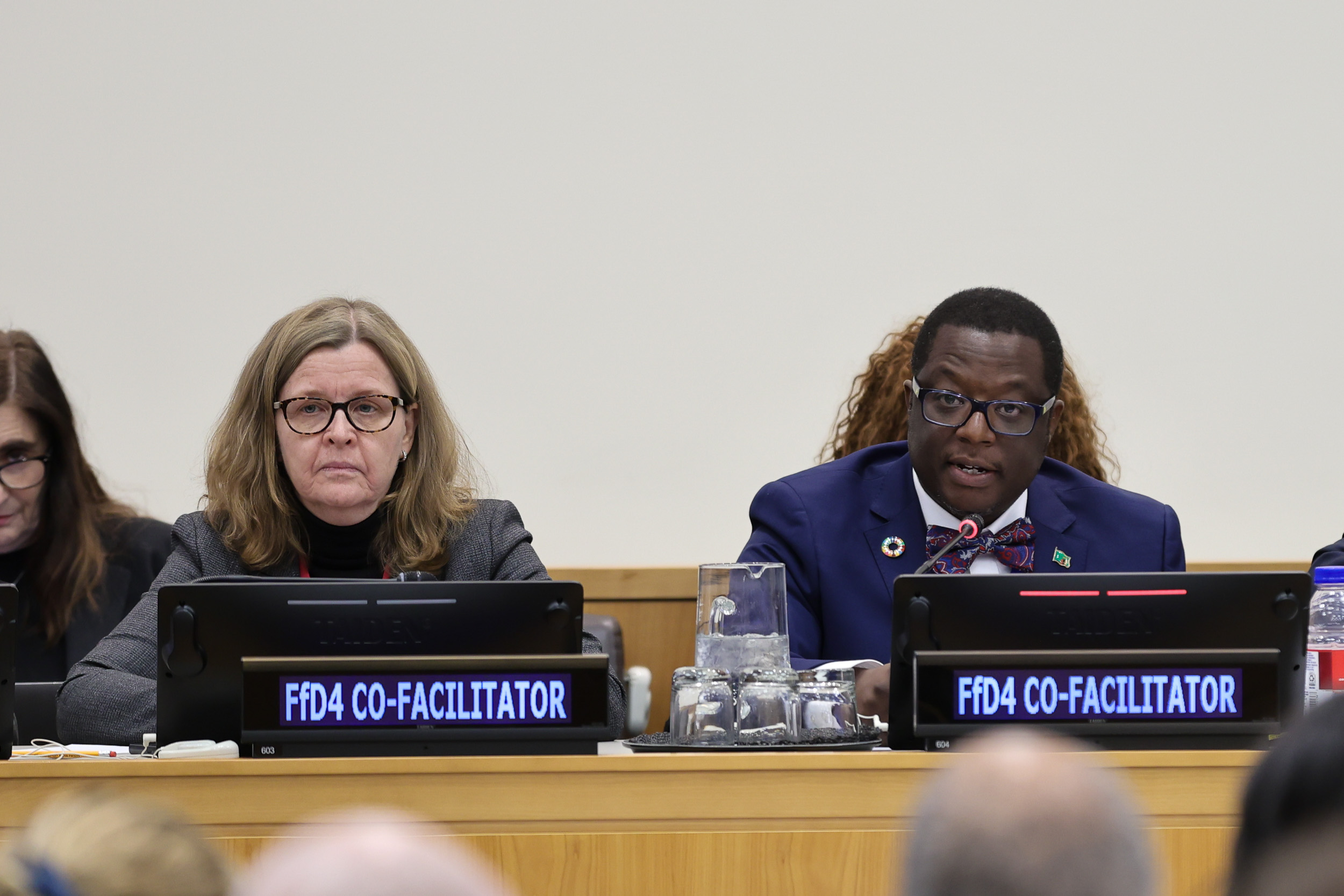
Co-Facilitators Merete Fjeld Brattested, Norway, and Chola Milambo, Zambia
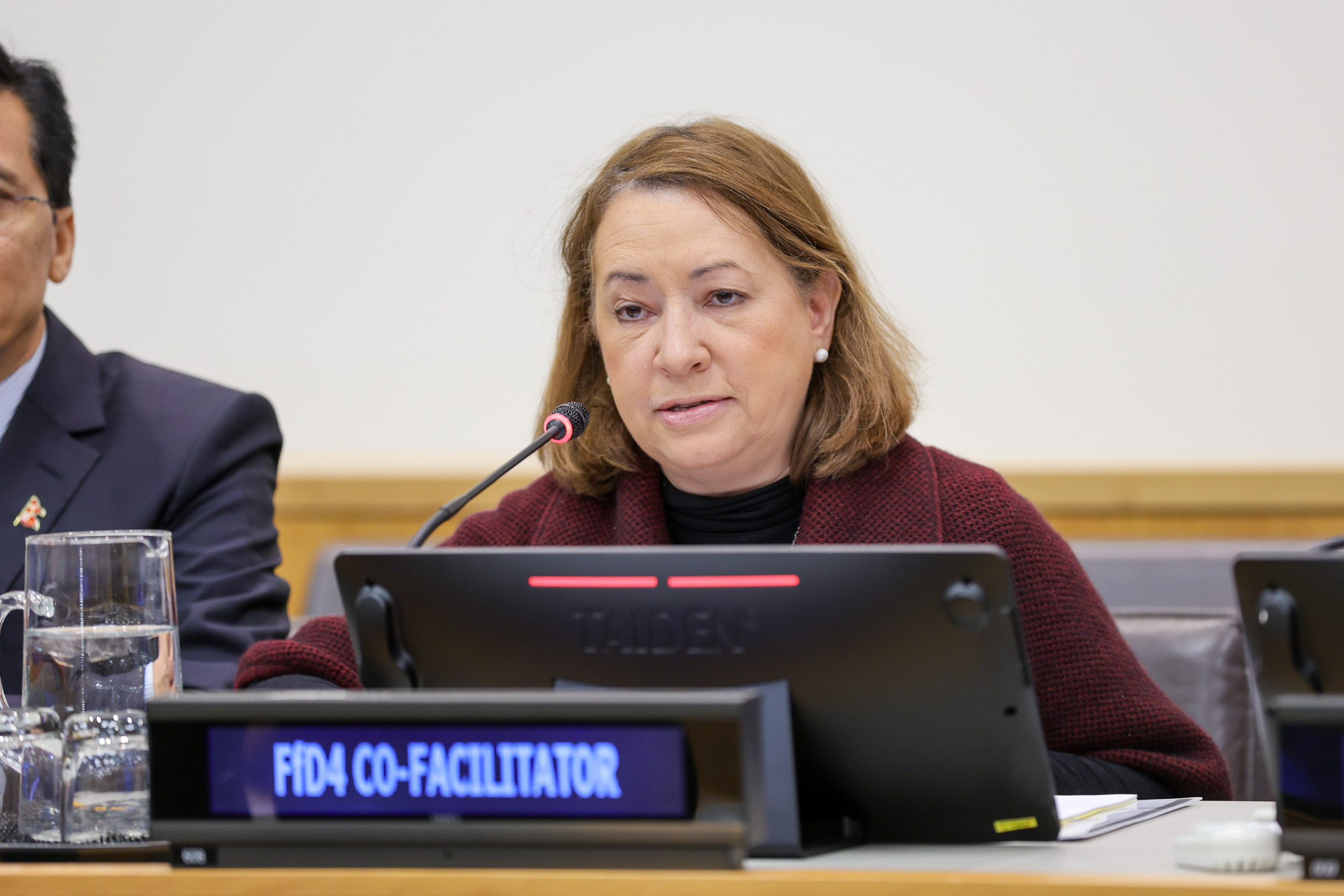
Co-Facilitator Alicia Buenrostro Massieu, Mexico
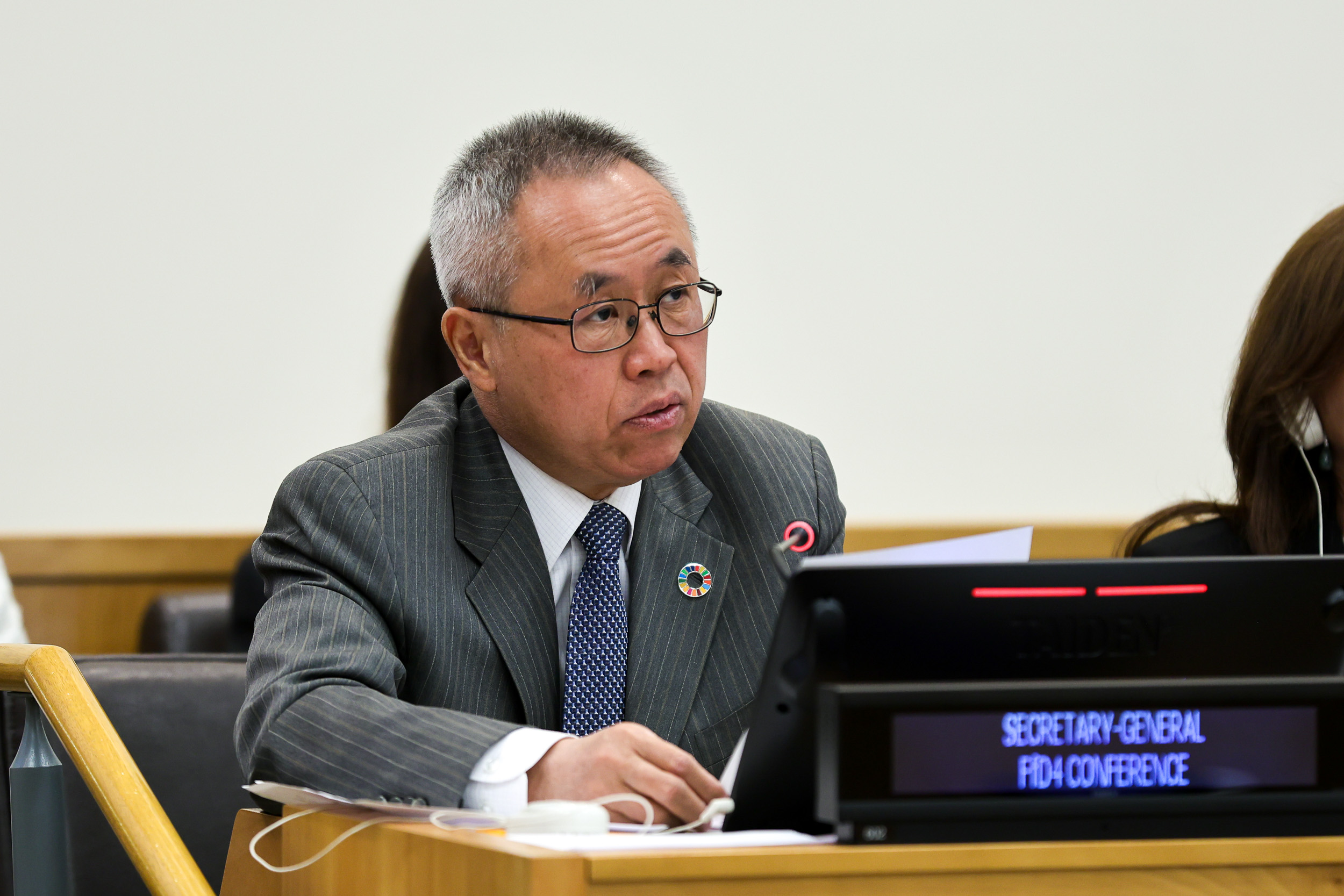
Li Junhua, 4th International Conference on FfD Secretary-General and UN Under-Secretary-General for Economic and Social Affairs
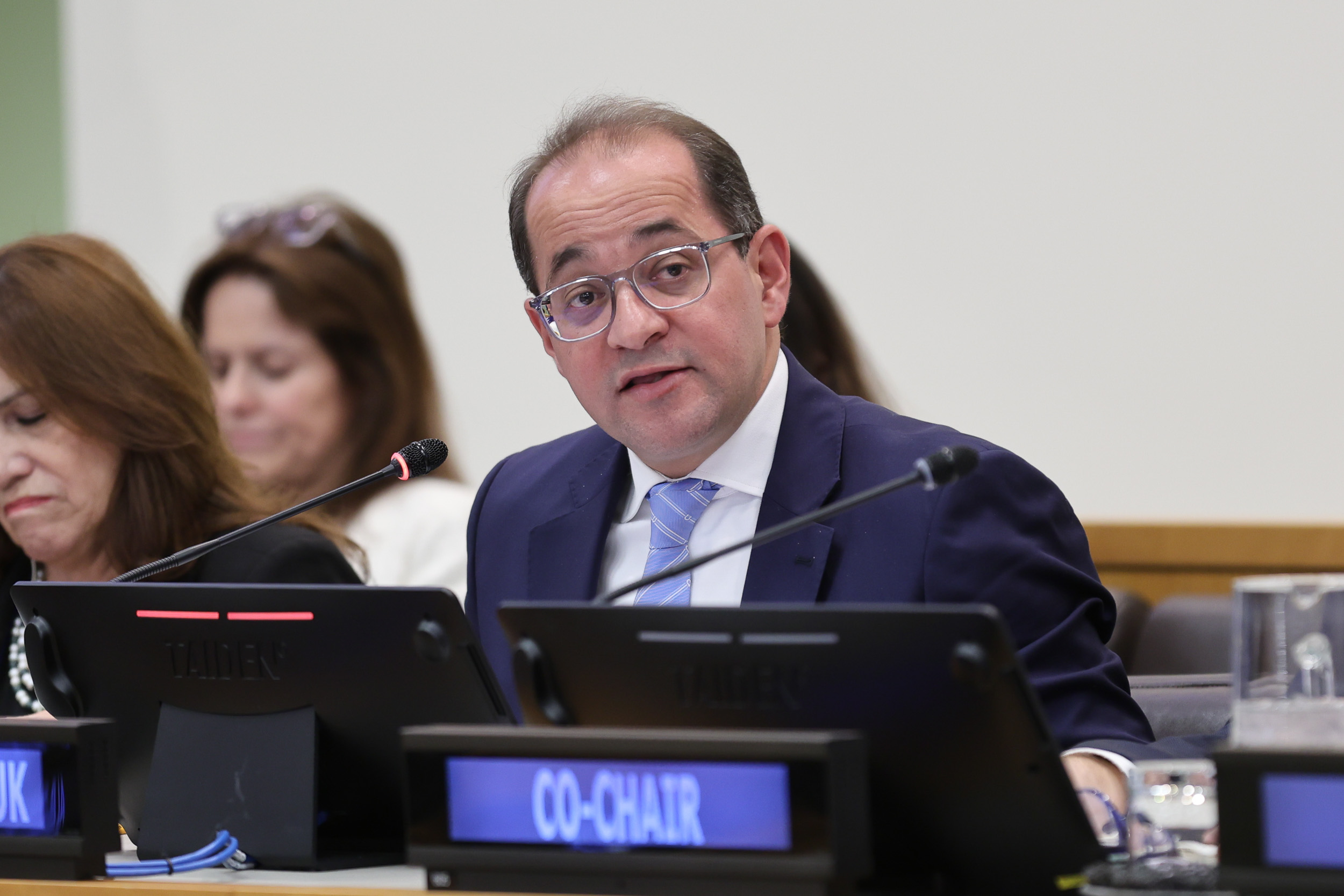
Ahmed Kouchouk, Minister of Finance, Egypt
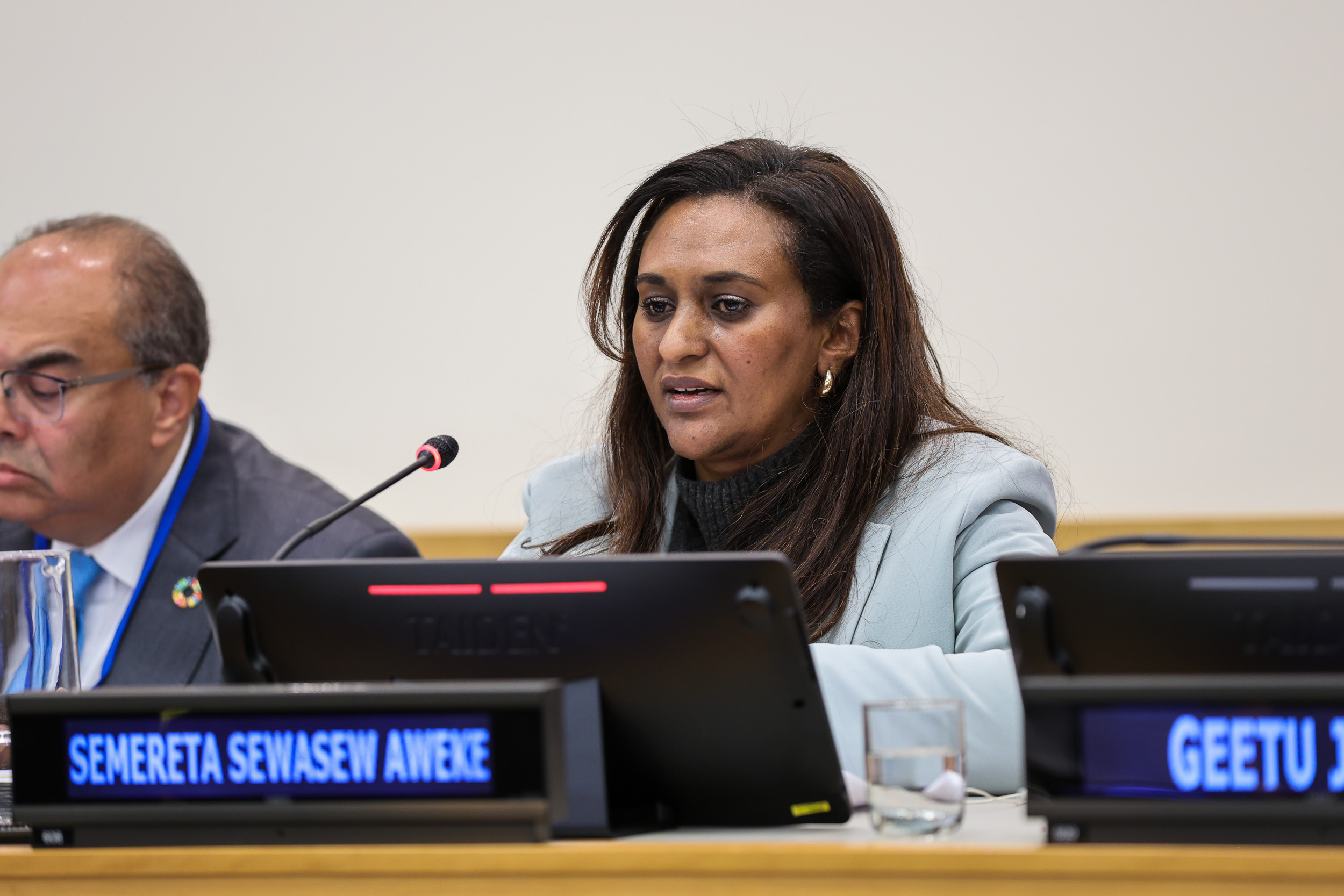
Semereta Sewasew Aweke, State Minister of Economic Cooperation, Ethiopia
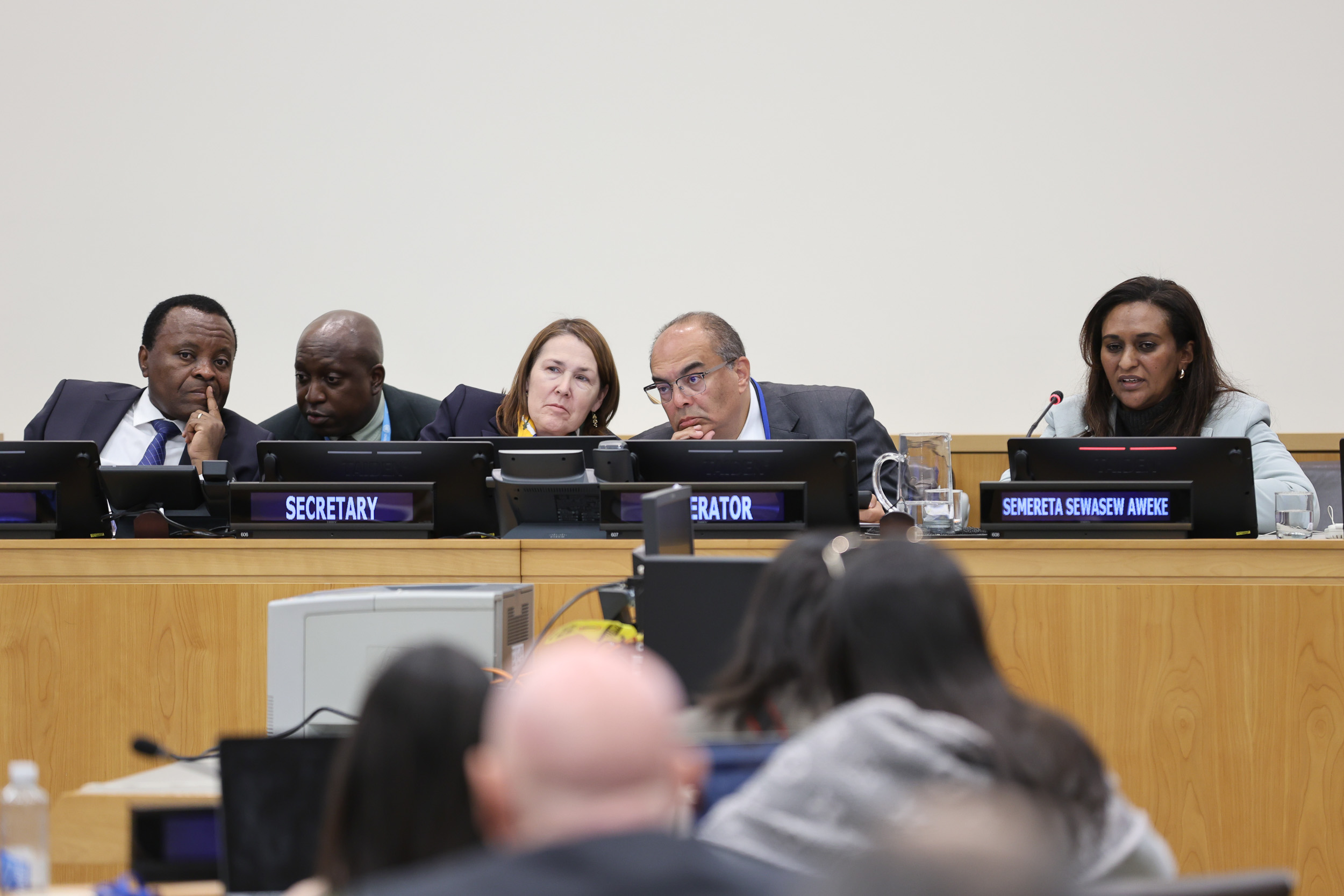
View of the dais during the opening session
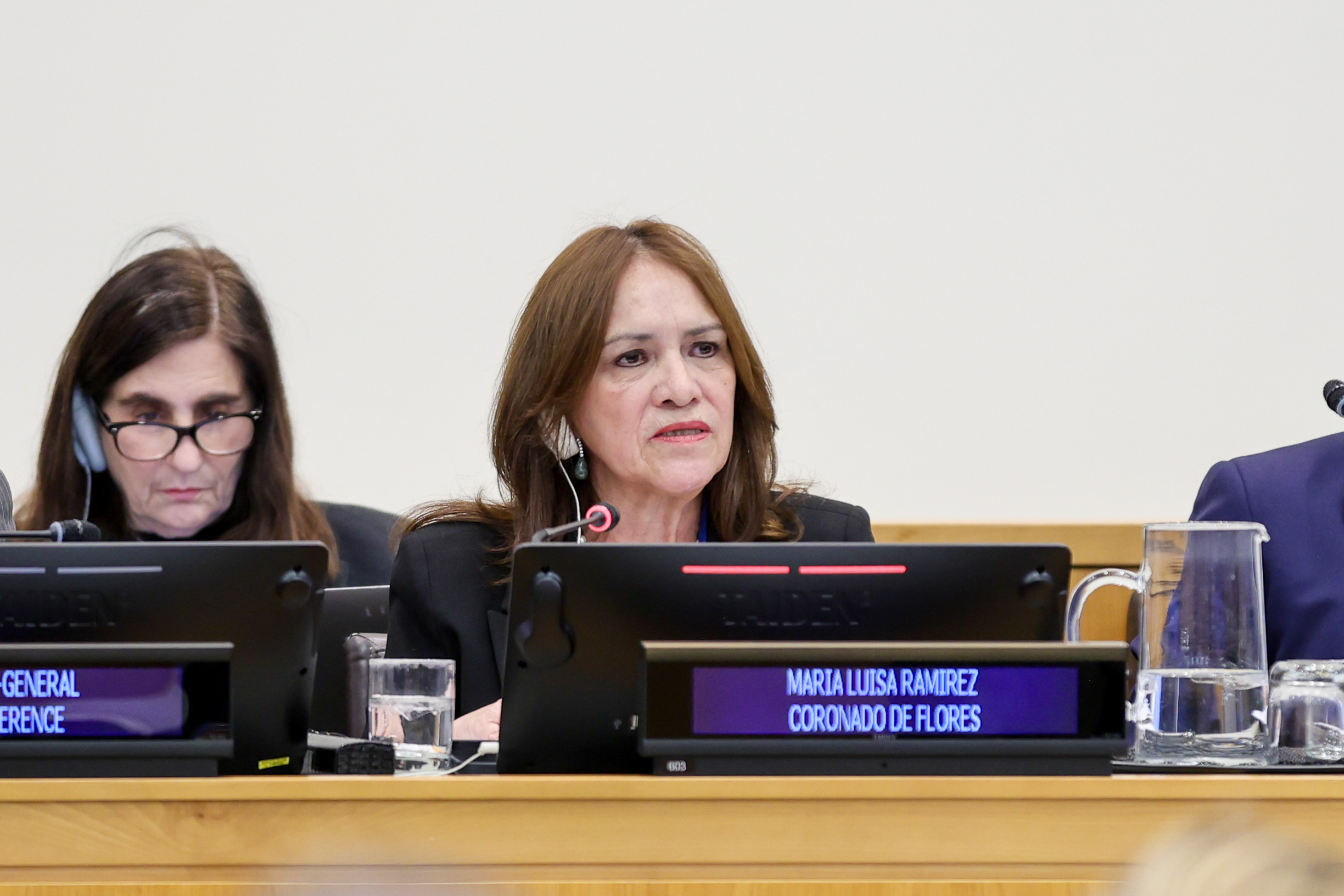
María Luisa Ramírez Coronado de Flores, Vice Minister of Foreign Affairs, Guatemala
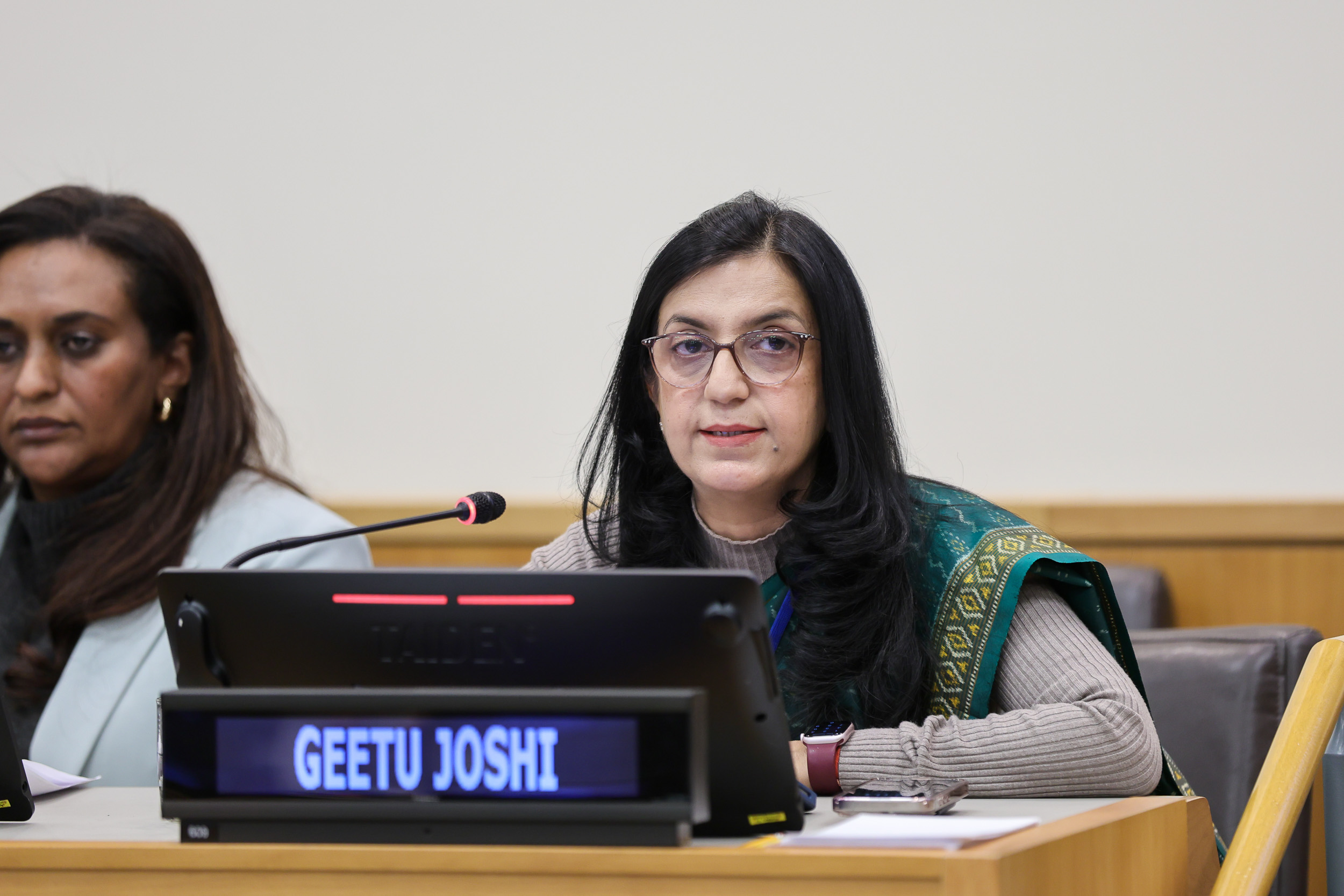
Geetu Joshi, Advisor, Department of Economic Affairs, Ministry of Finance, India
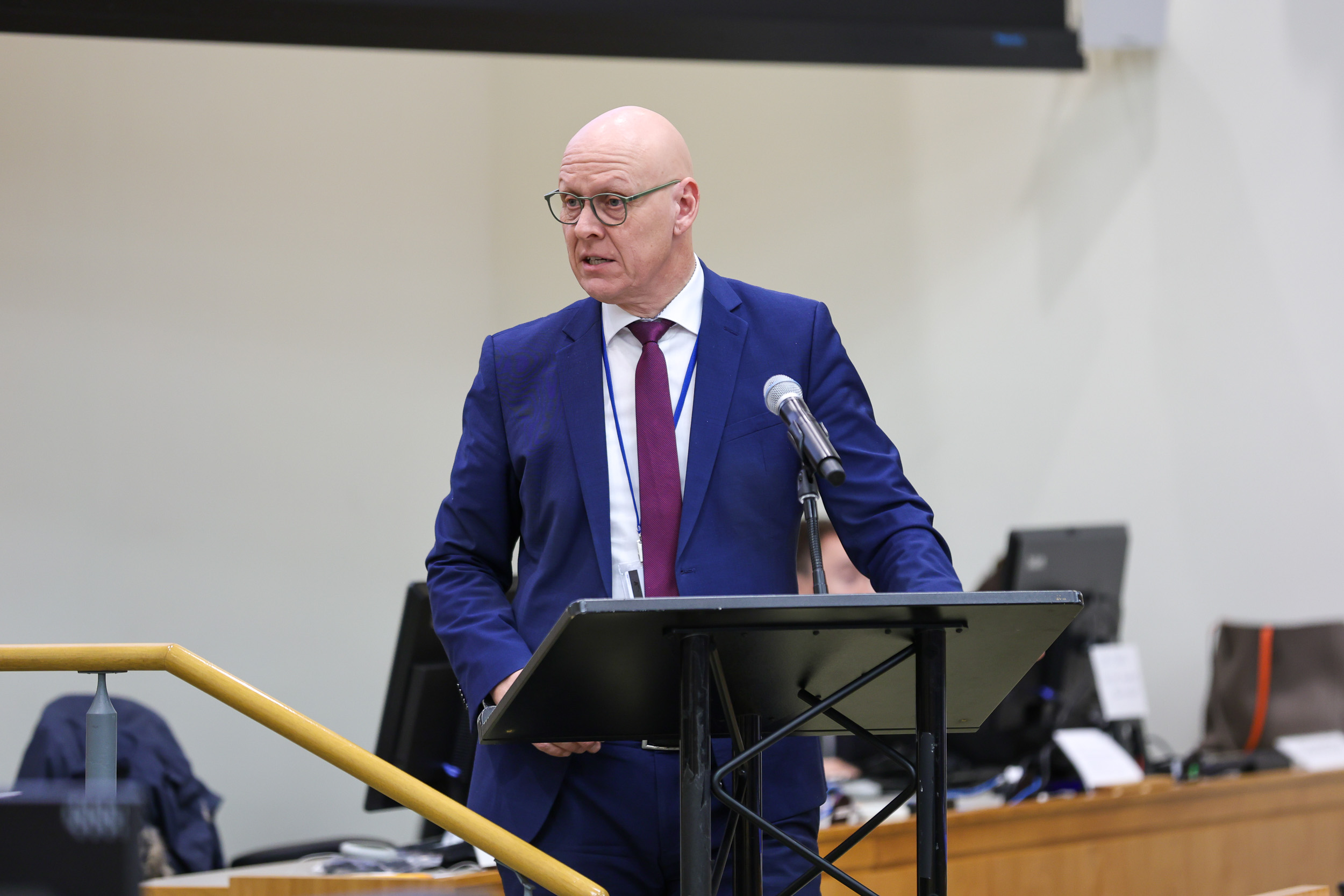
Dirk Meyer, Federal Ministry for Economic Cooperation and Development (BMZ), Germany
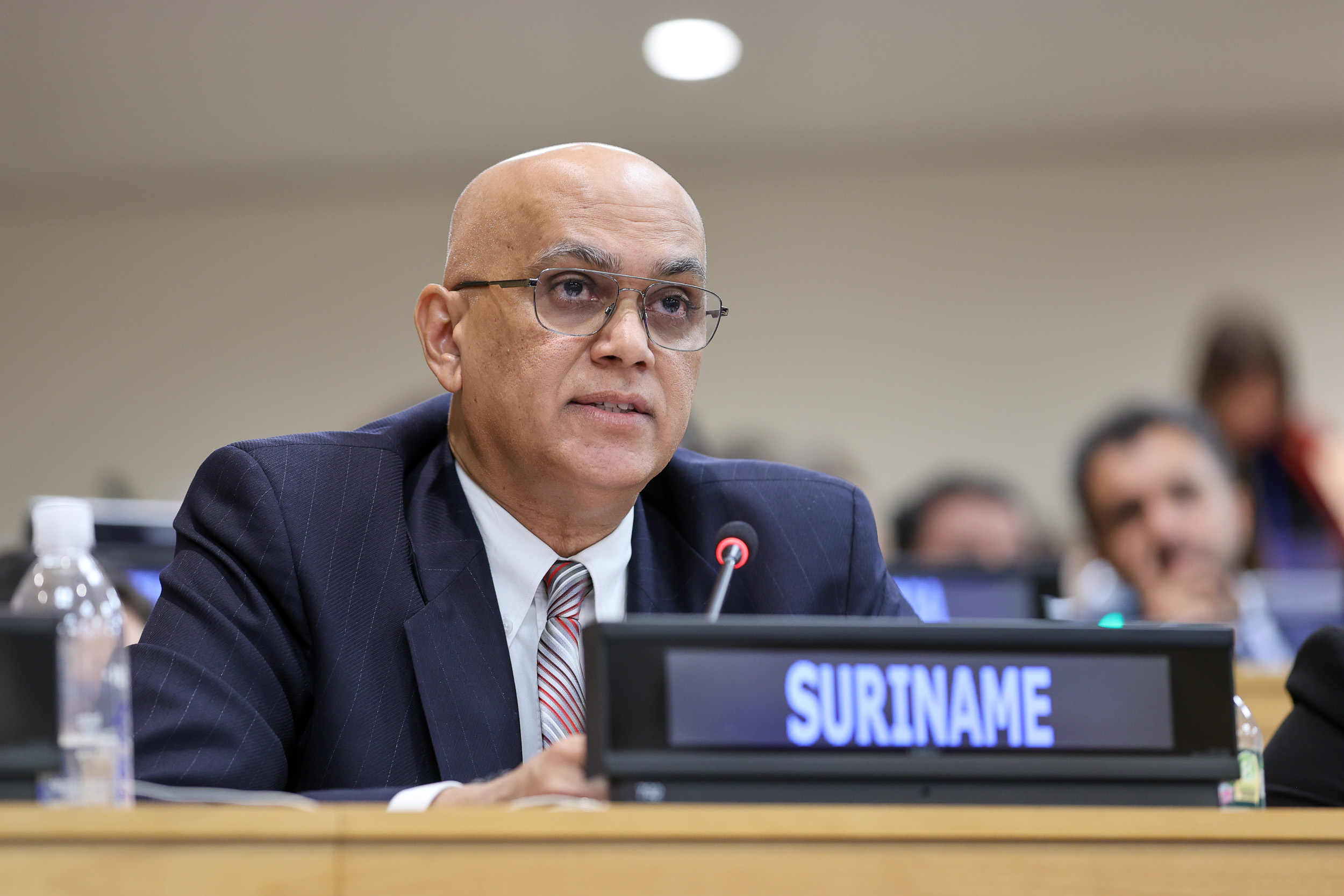
Sunil Sitaldin, Suriname
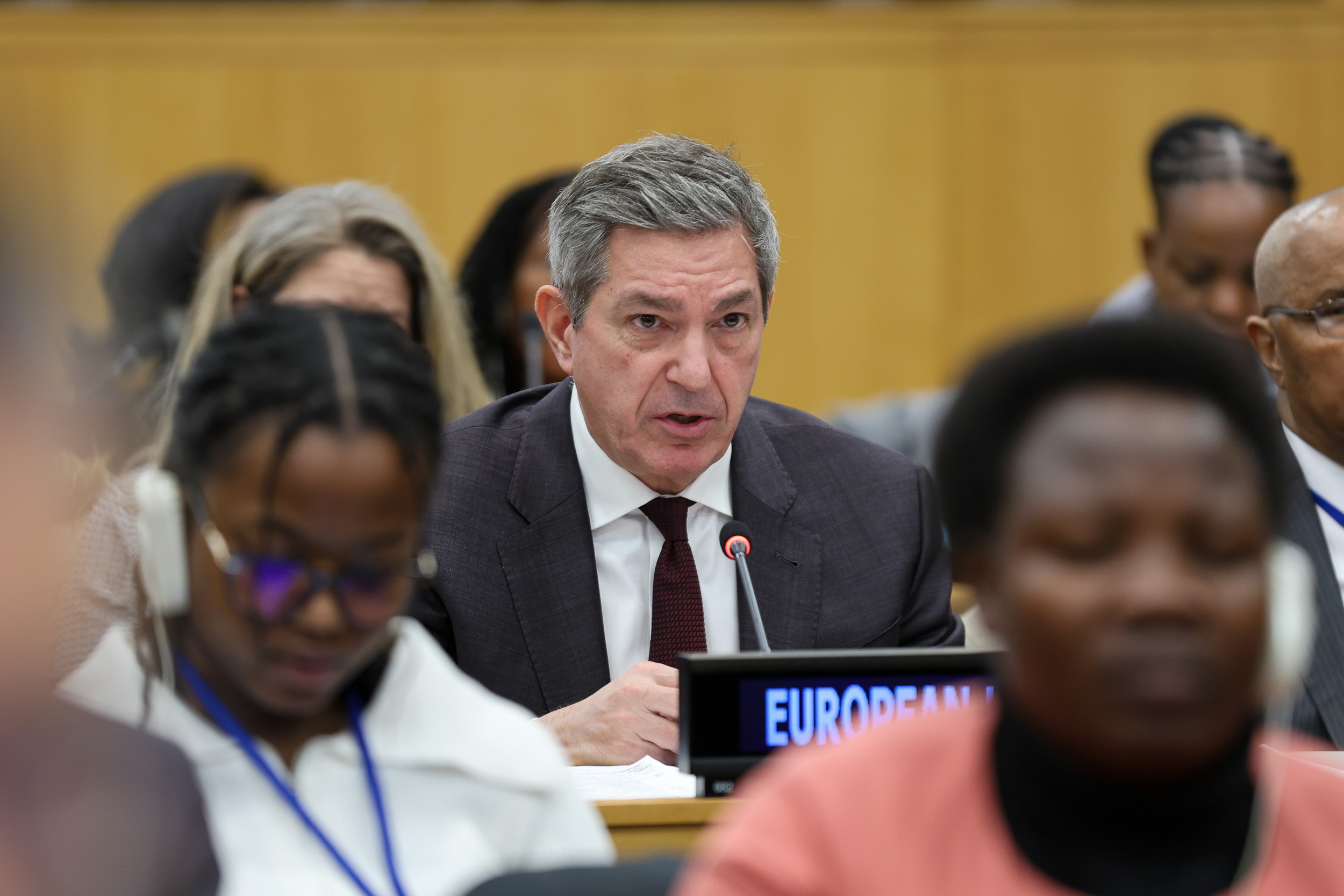
Stavros Lambrinidis, EU
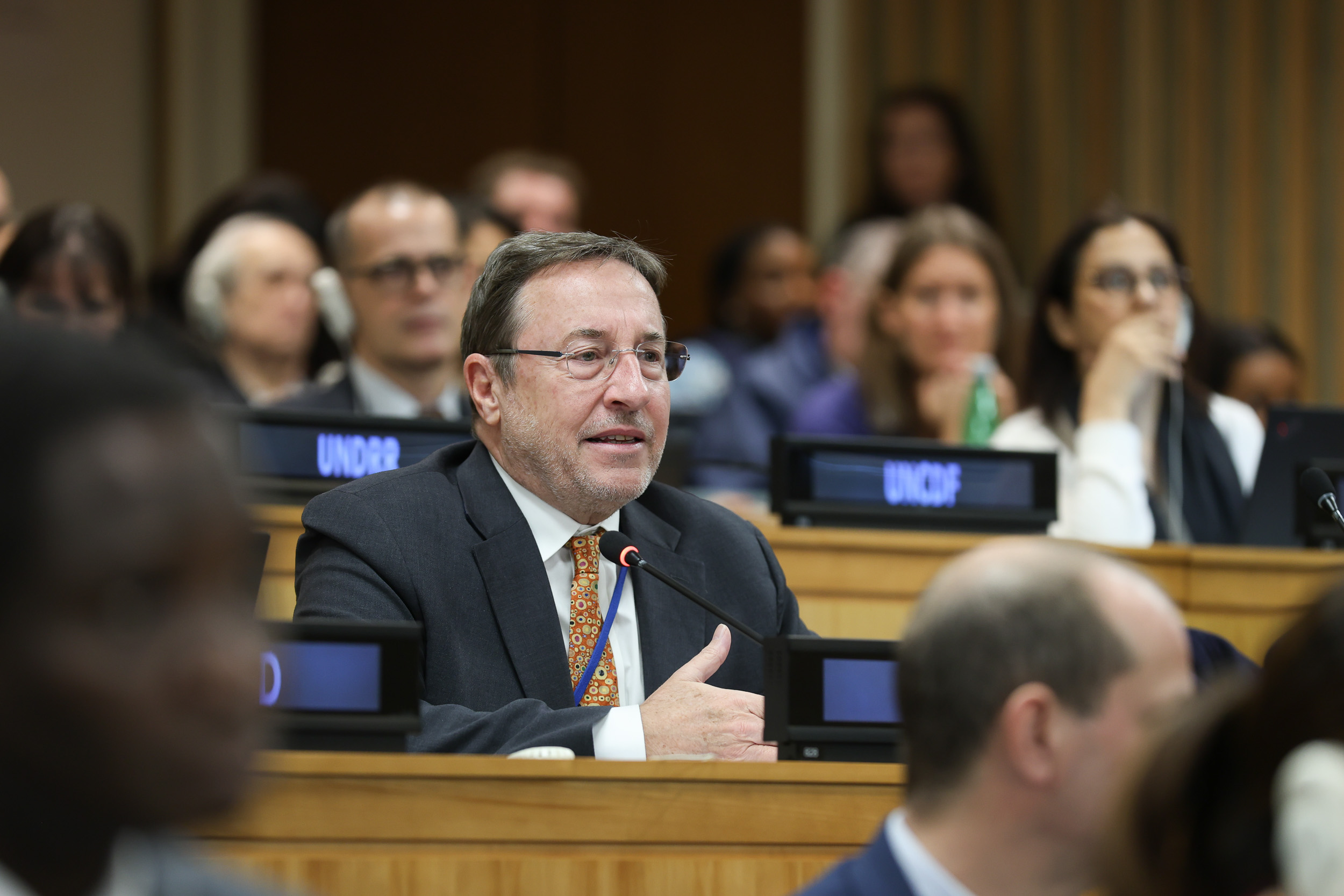
Achim Steiner, Administrator, UN Development Programme
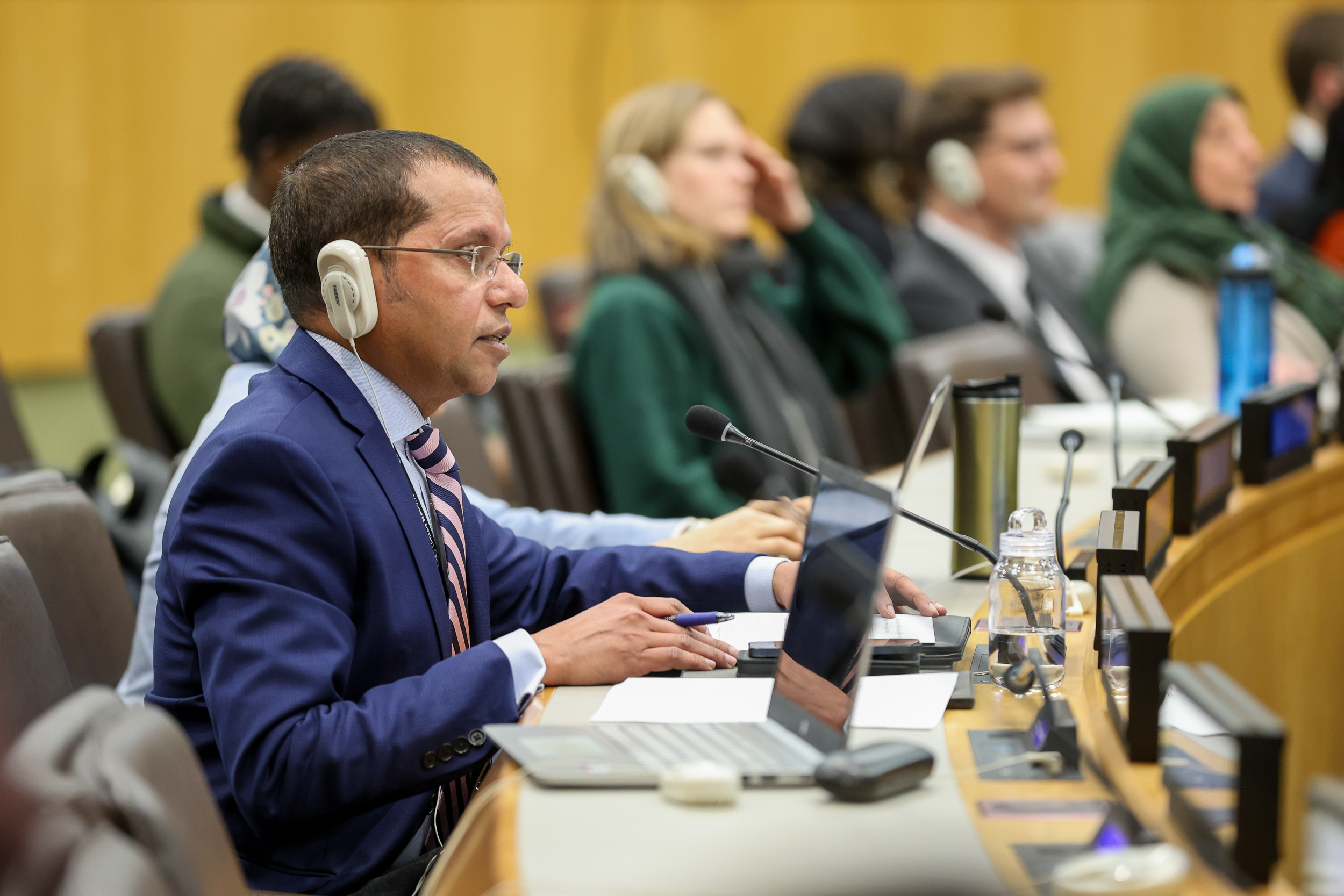
Ali Naseer Mohamed, Maldives

Mathu Joyini, South Africa
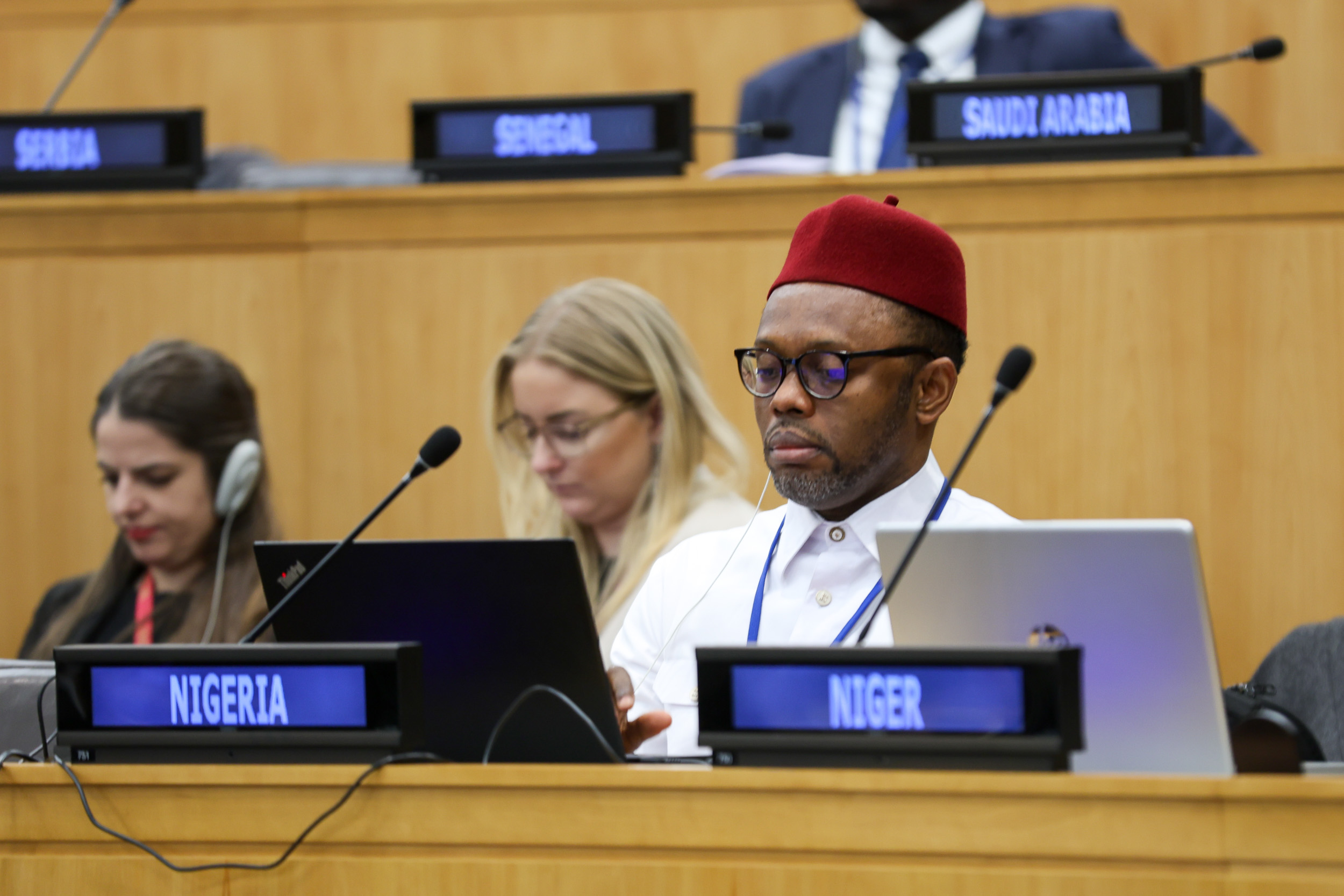
Emmanuel Ikechukwu Nweke, Nigeria
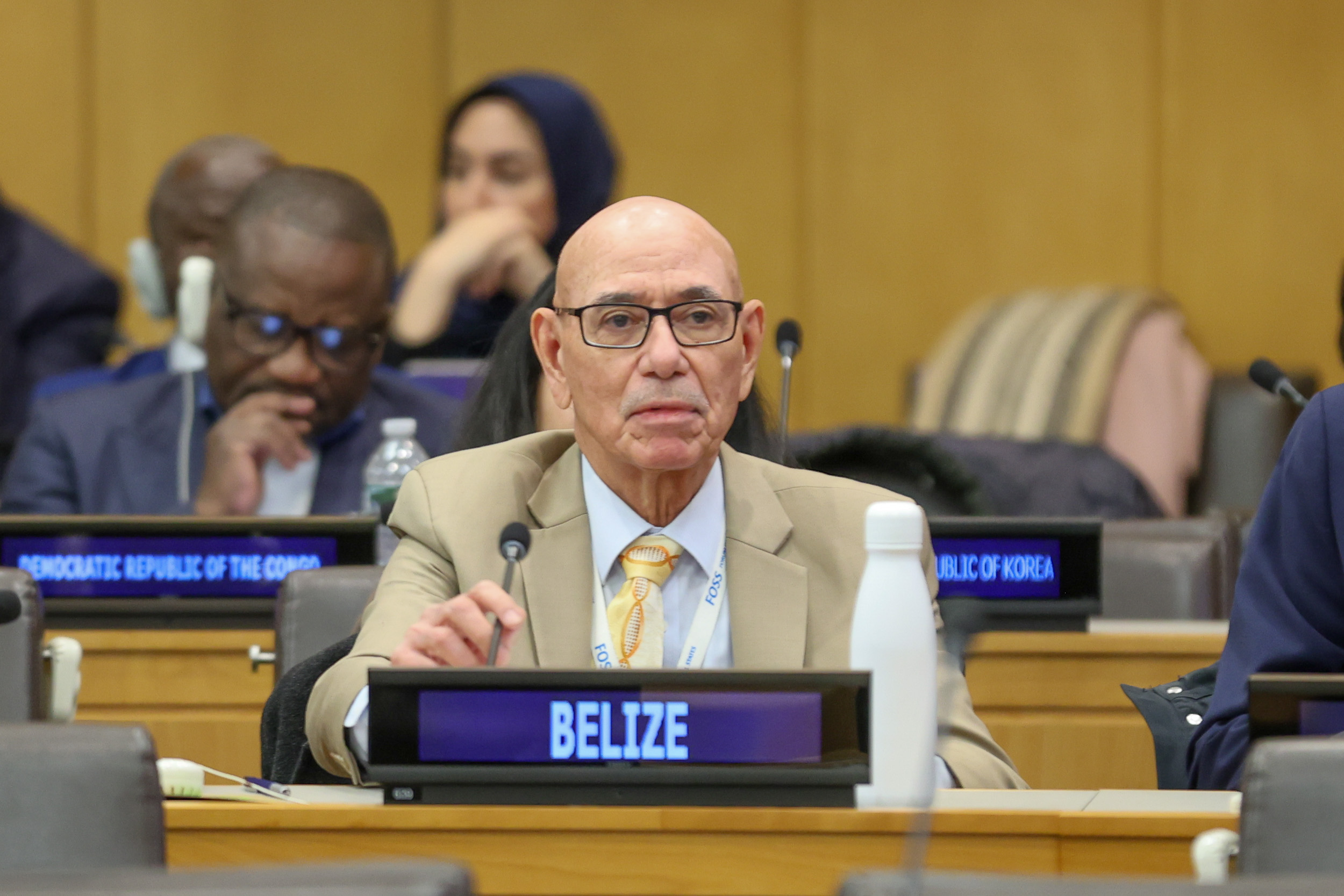
Carlos Fuller, Belize
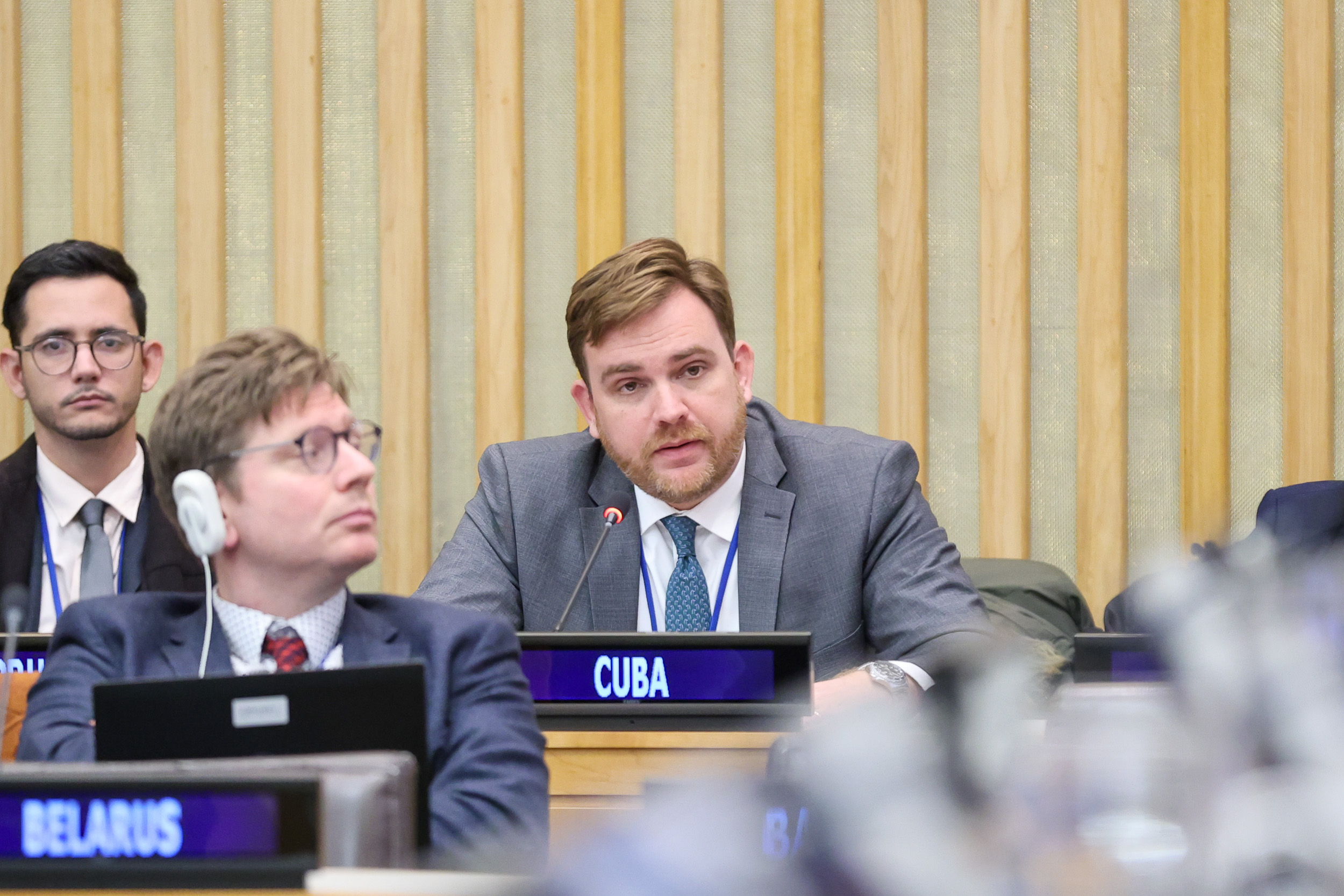
Alejandro González Behmaras, Cuba
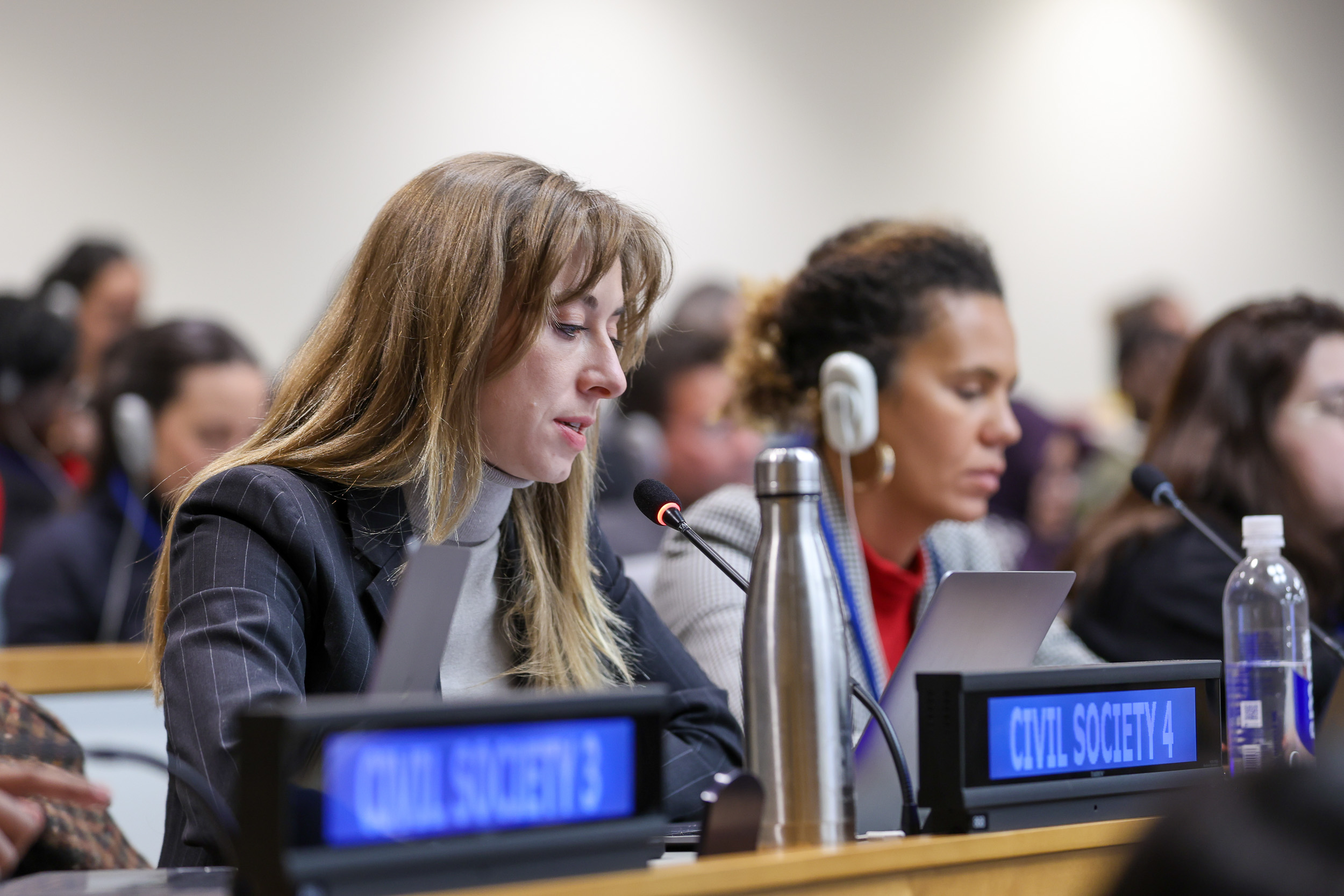
Lena Simet, Human Rights Watch
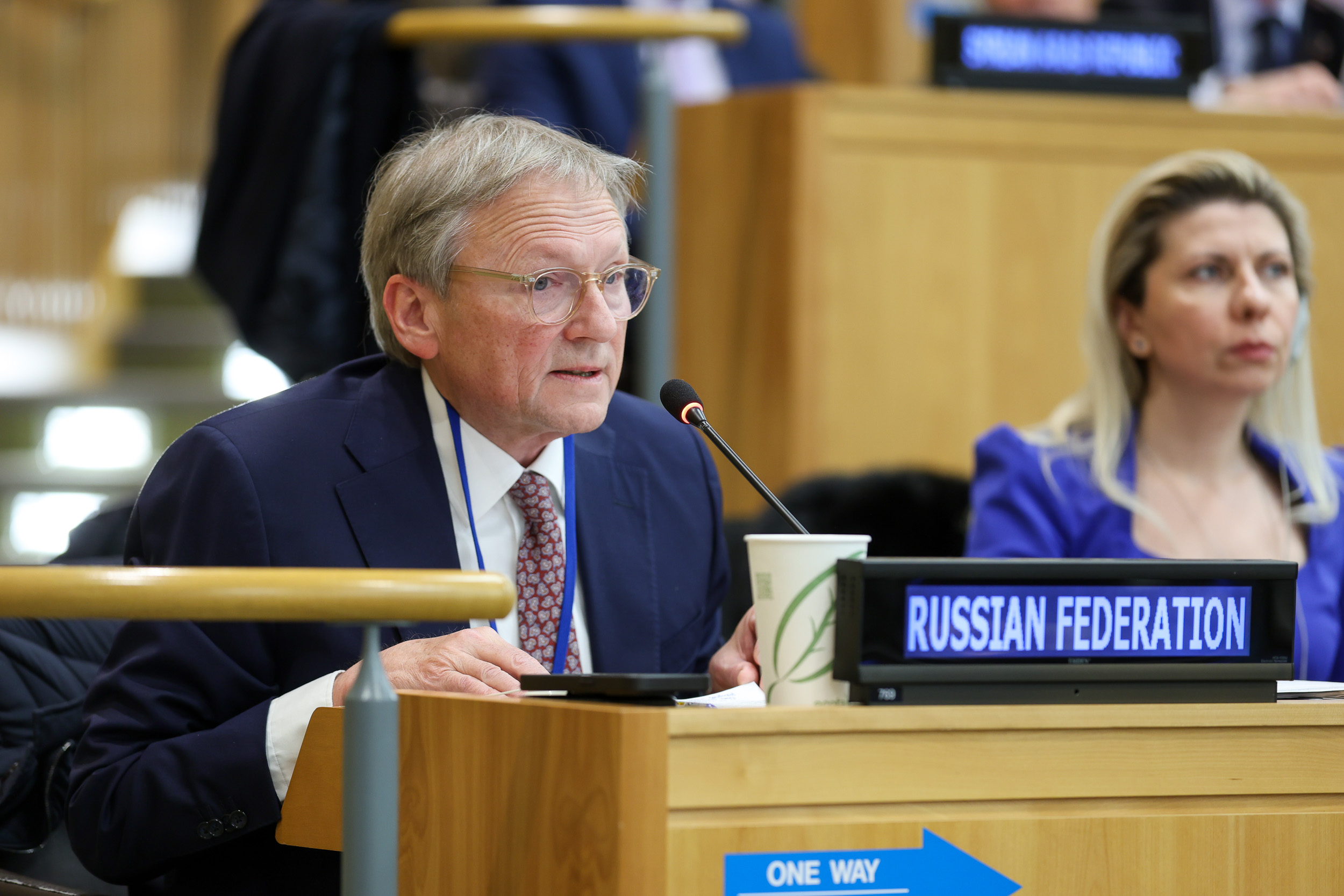
Boris Titov, Russian Federation
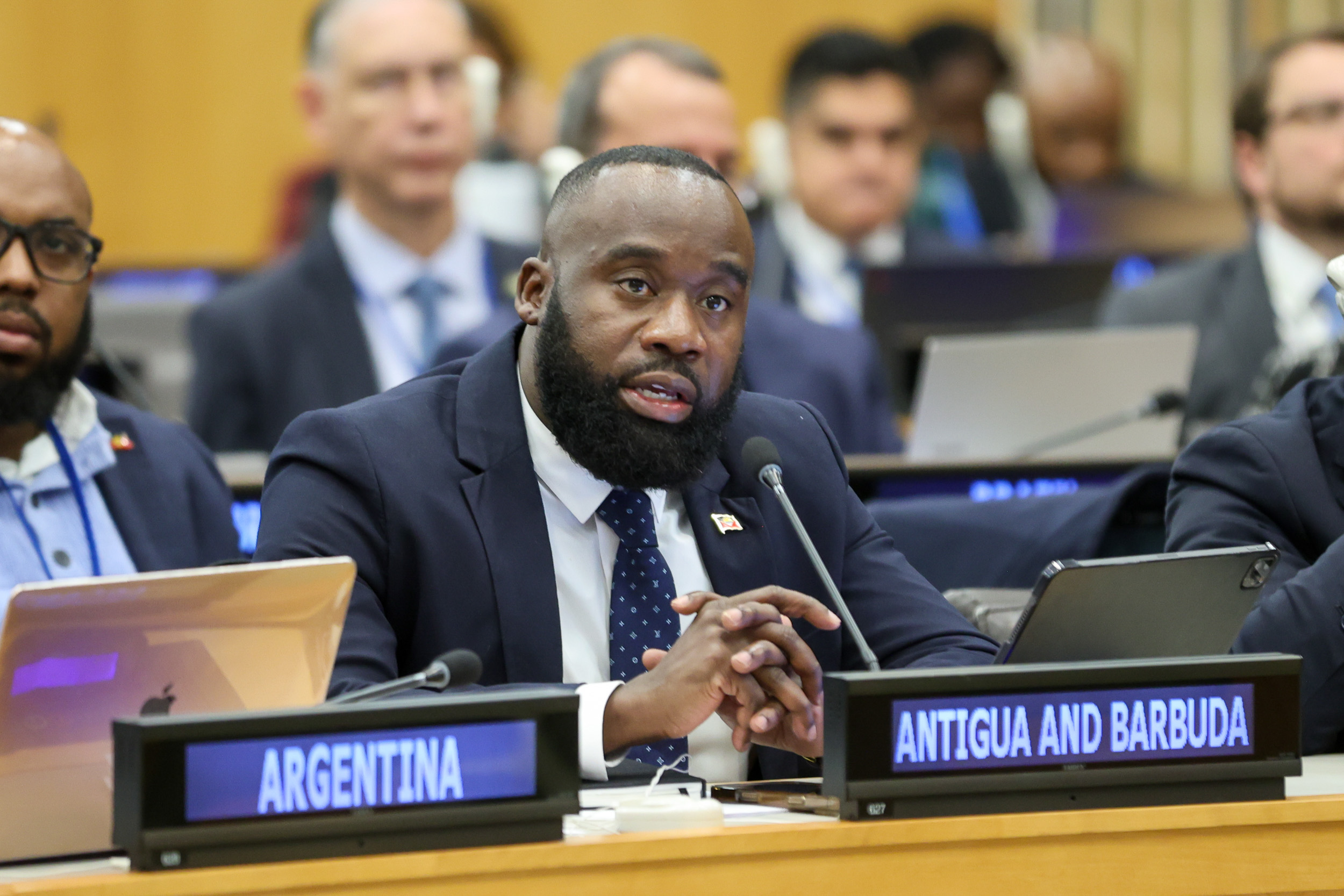
Tumasie Blair, Antigua and Barbuda
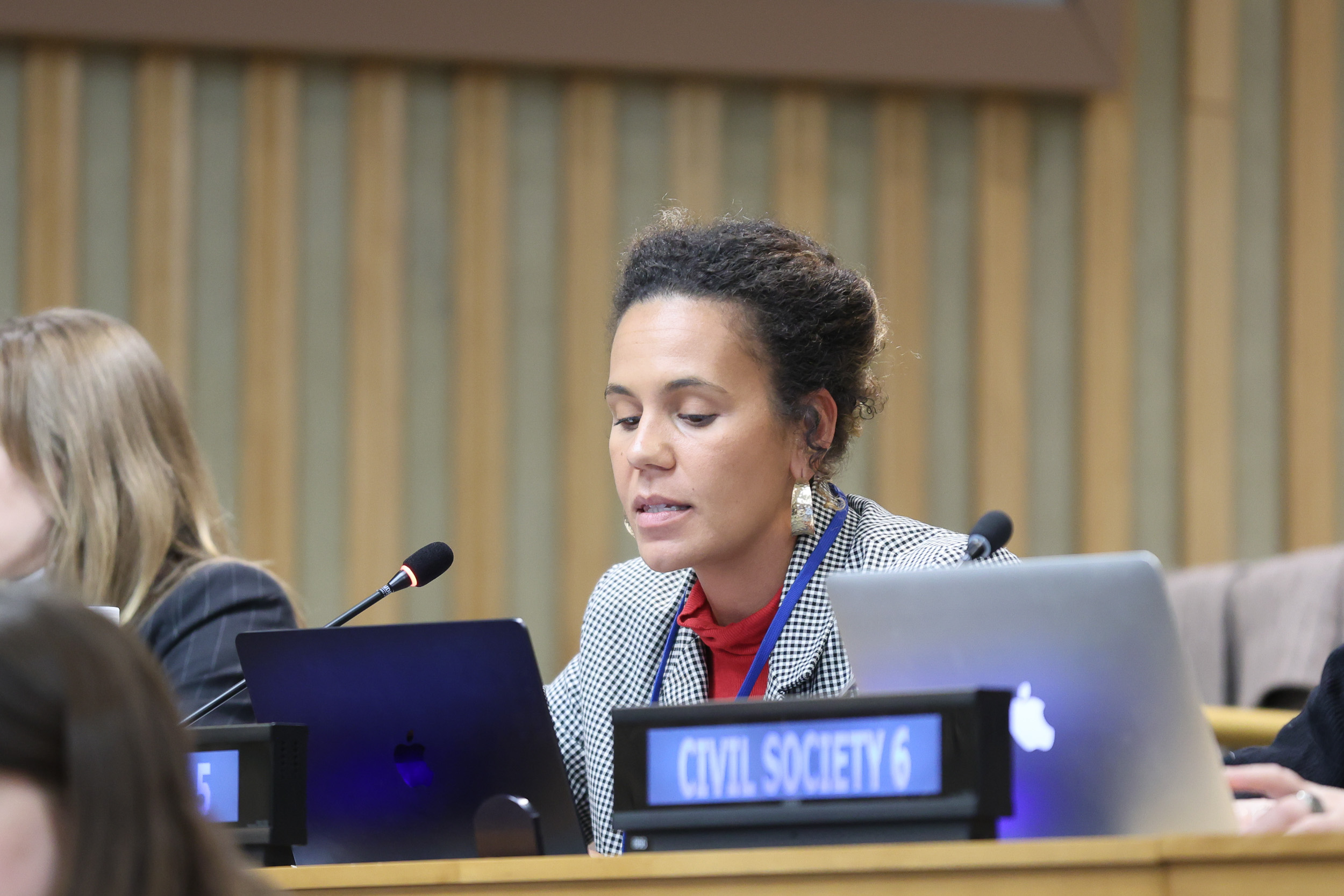
Letícia Leobet, Geledés - Black Women's Institute
Selected Images
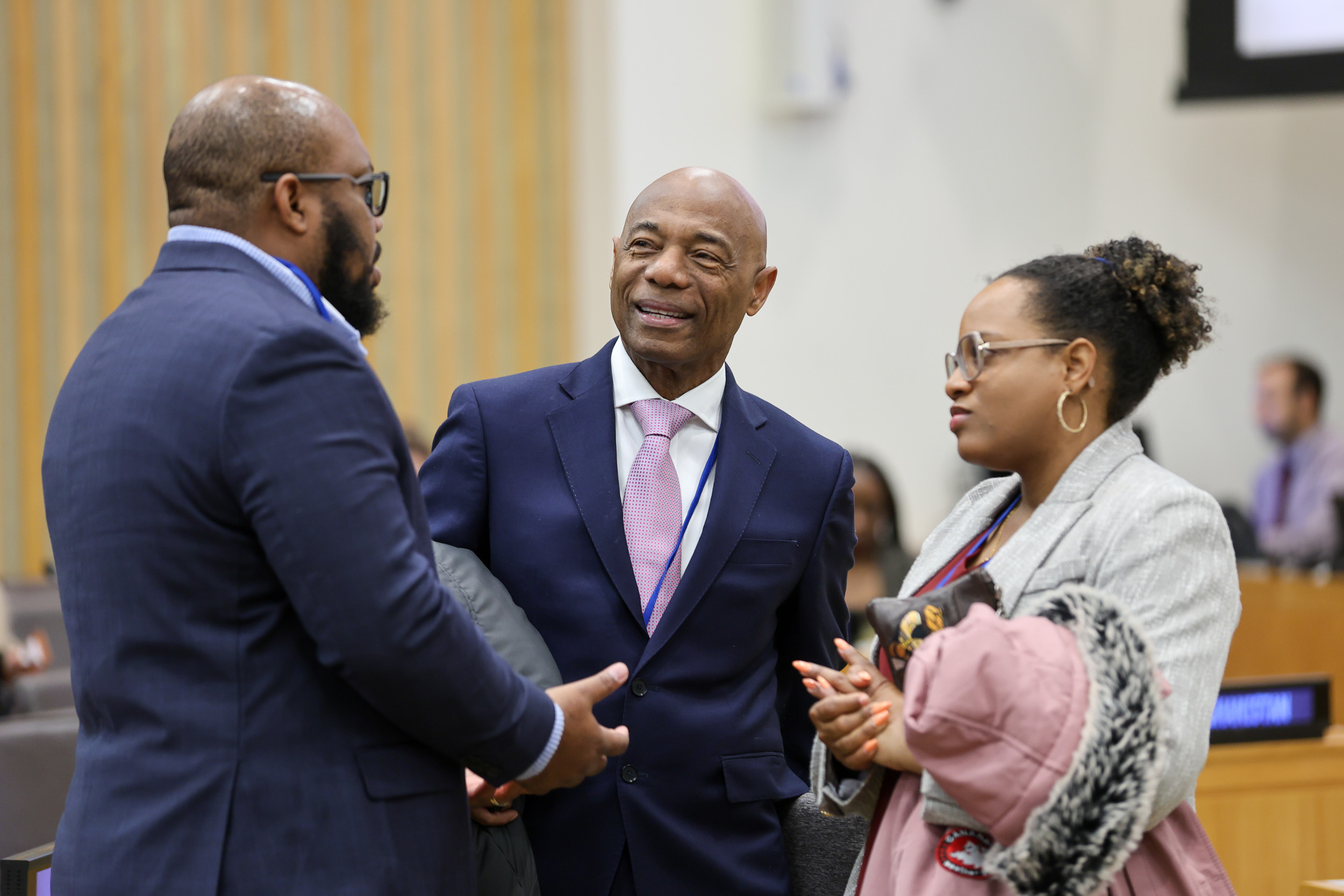
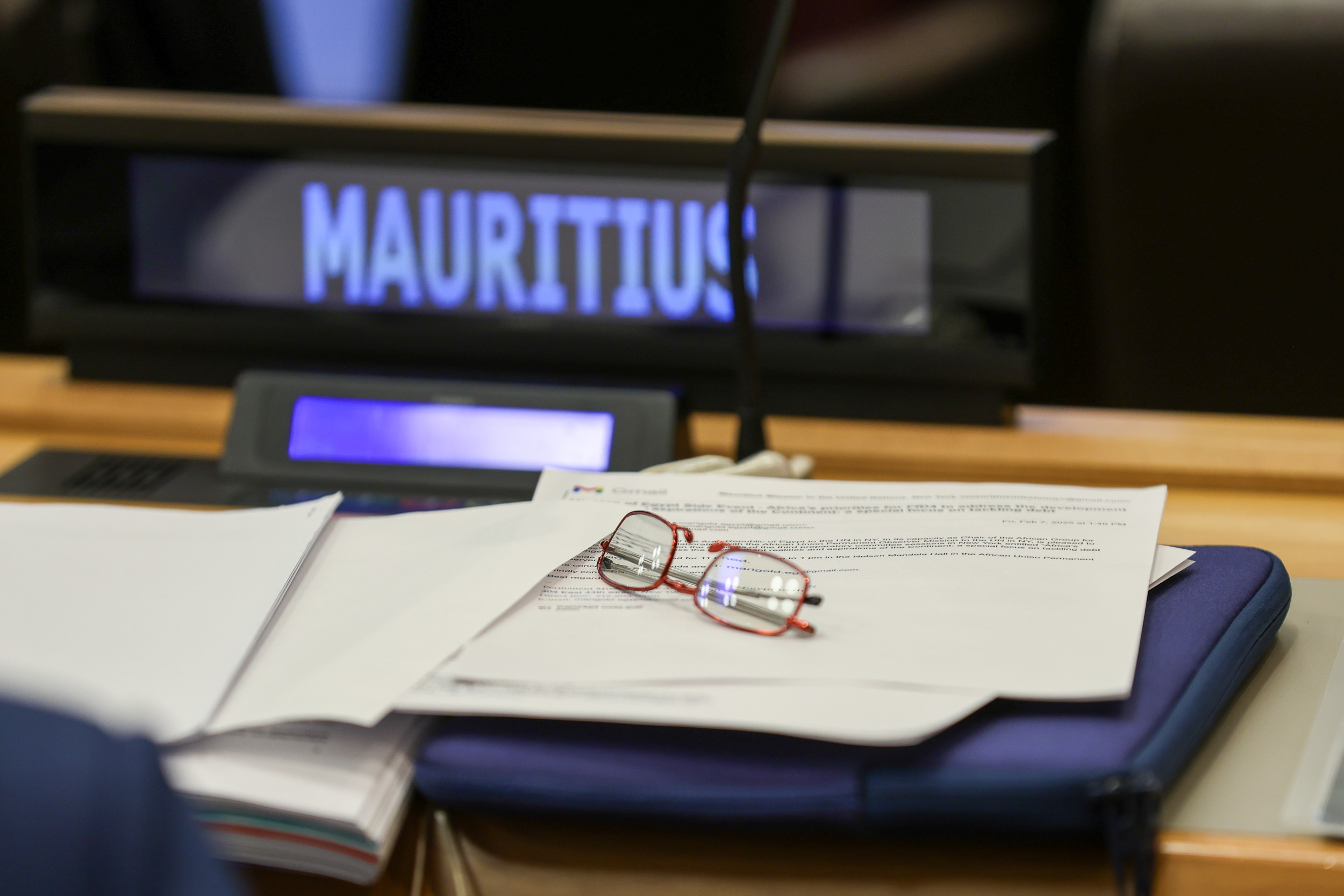
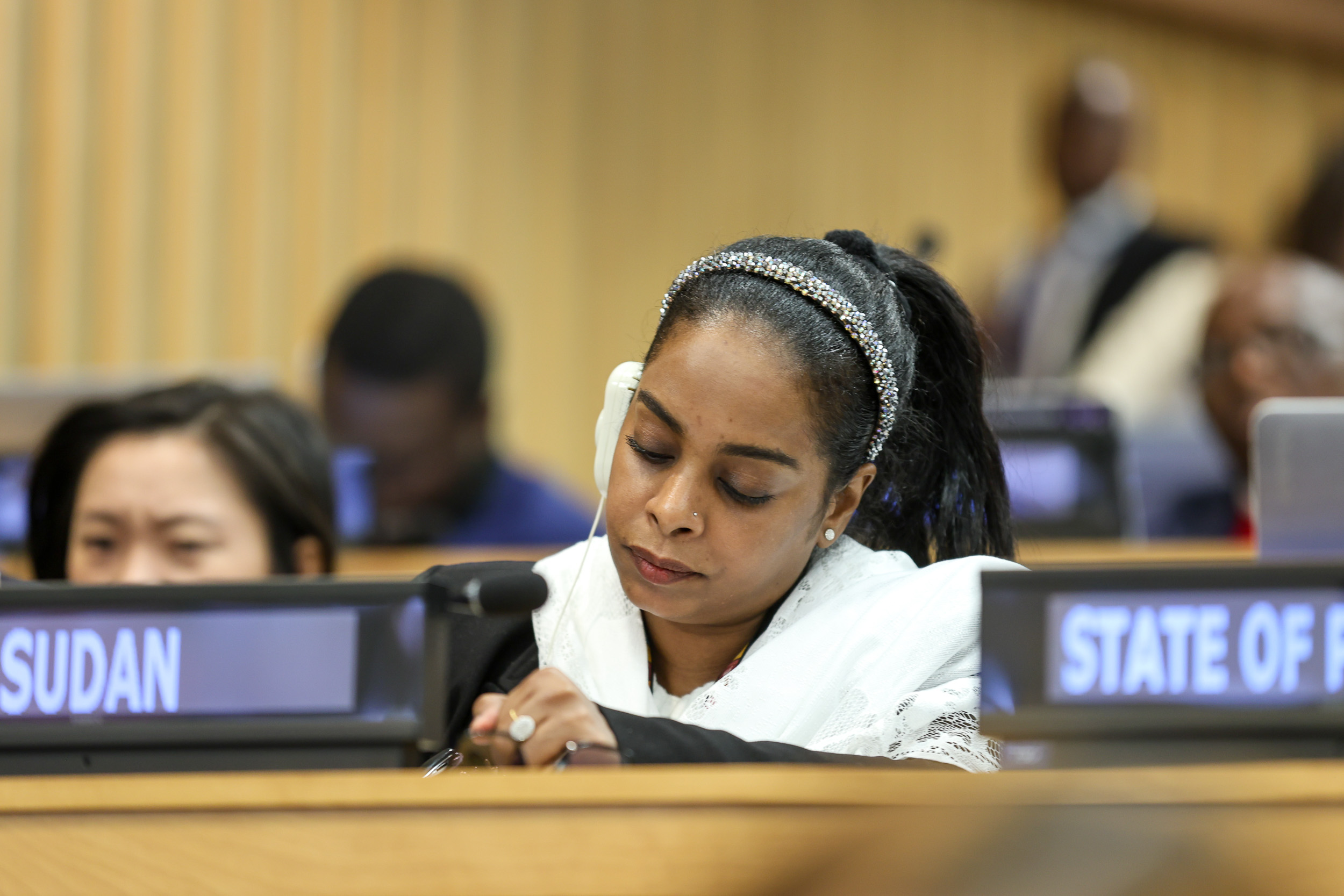
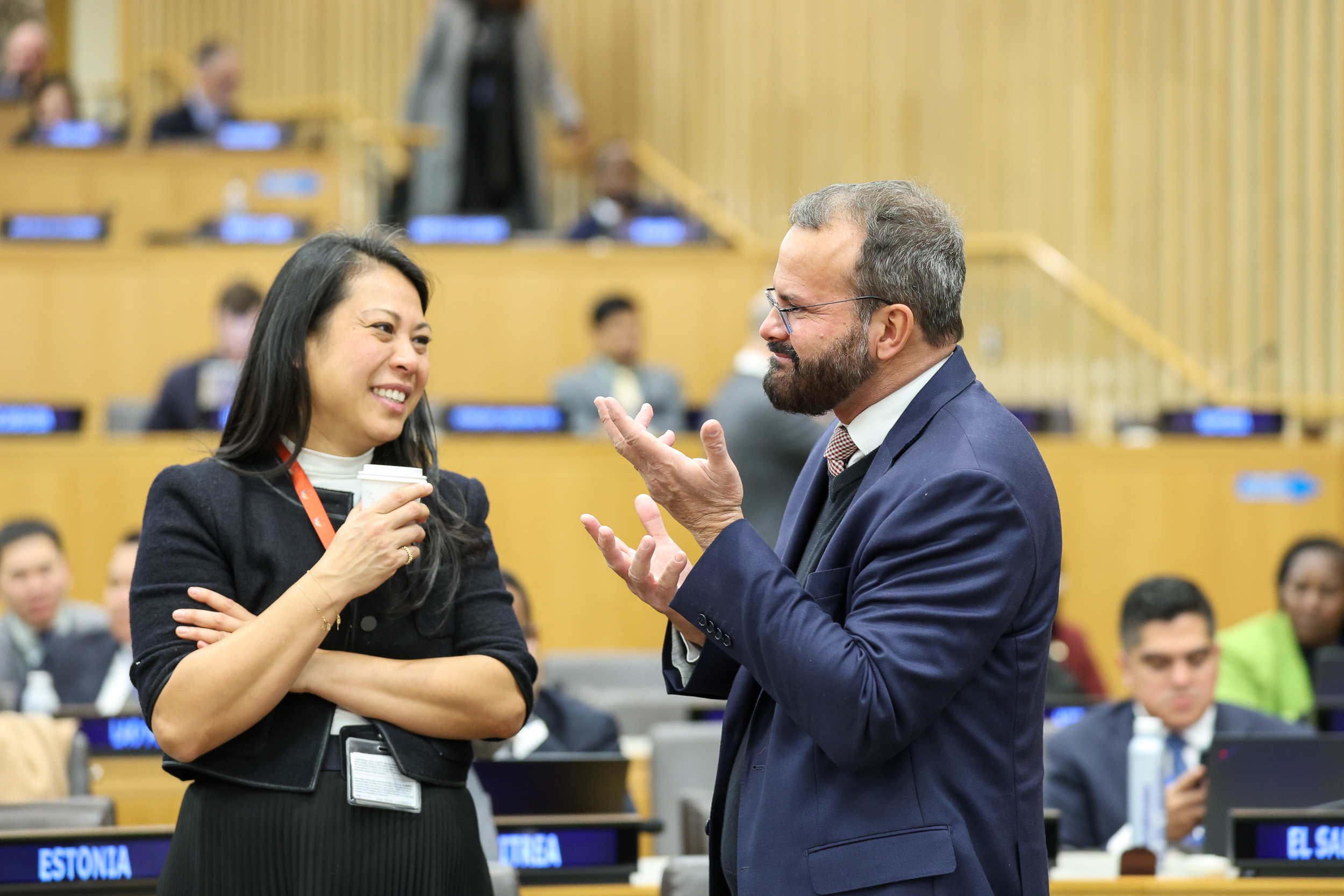
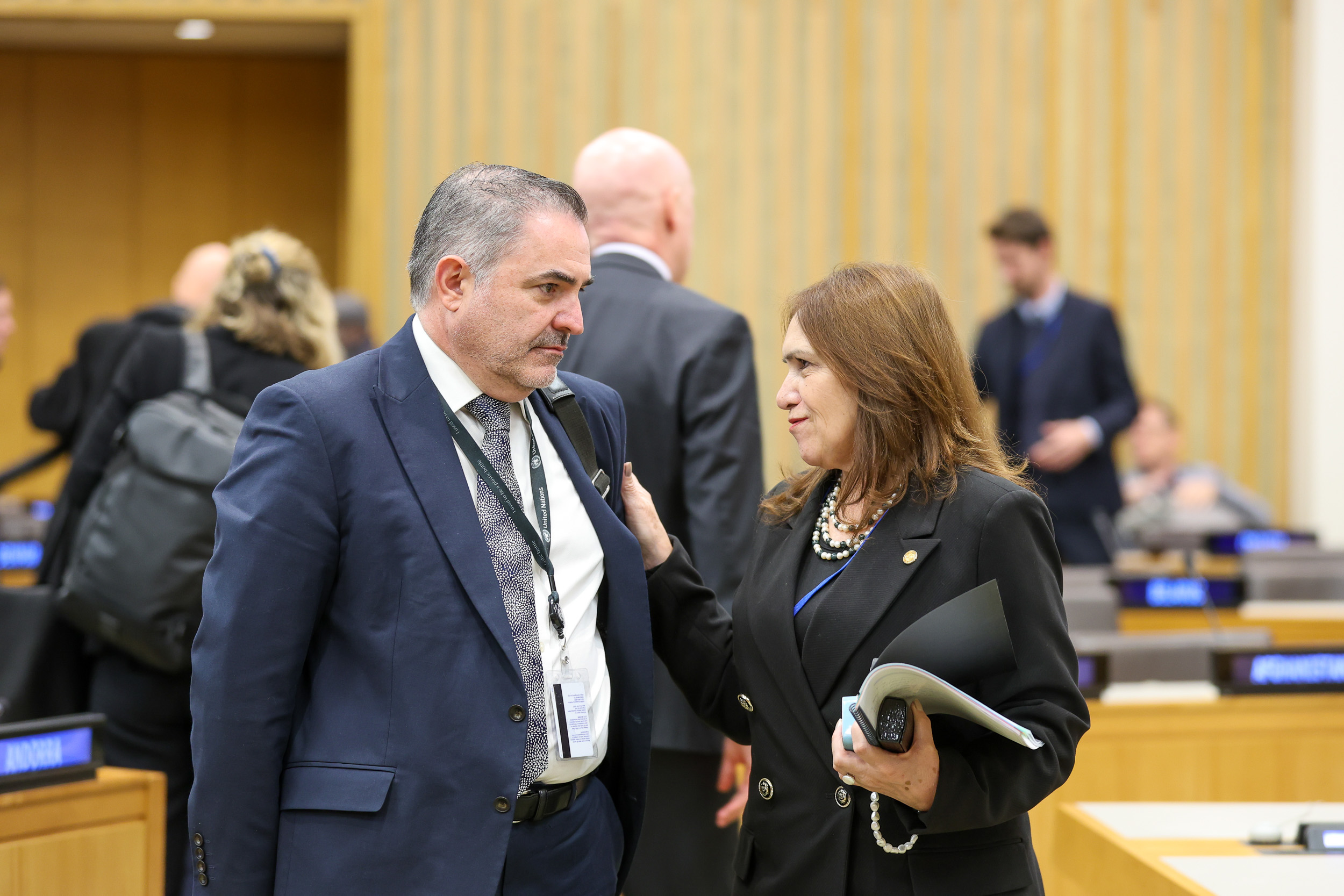
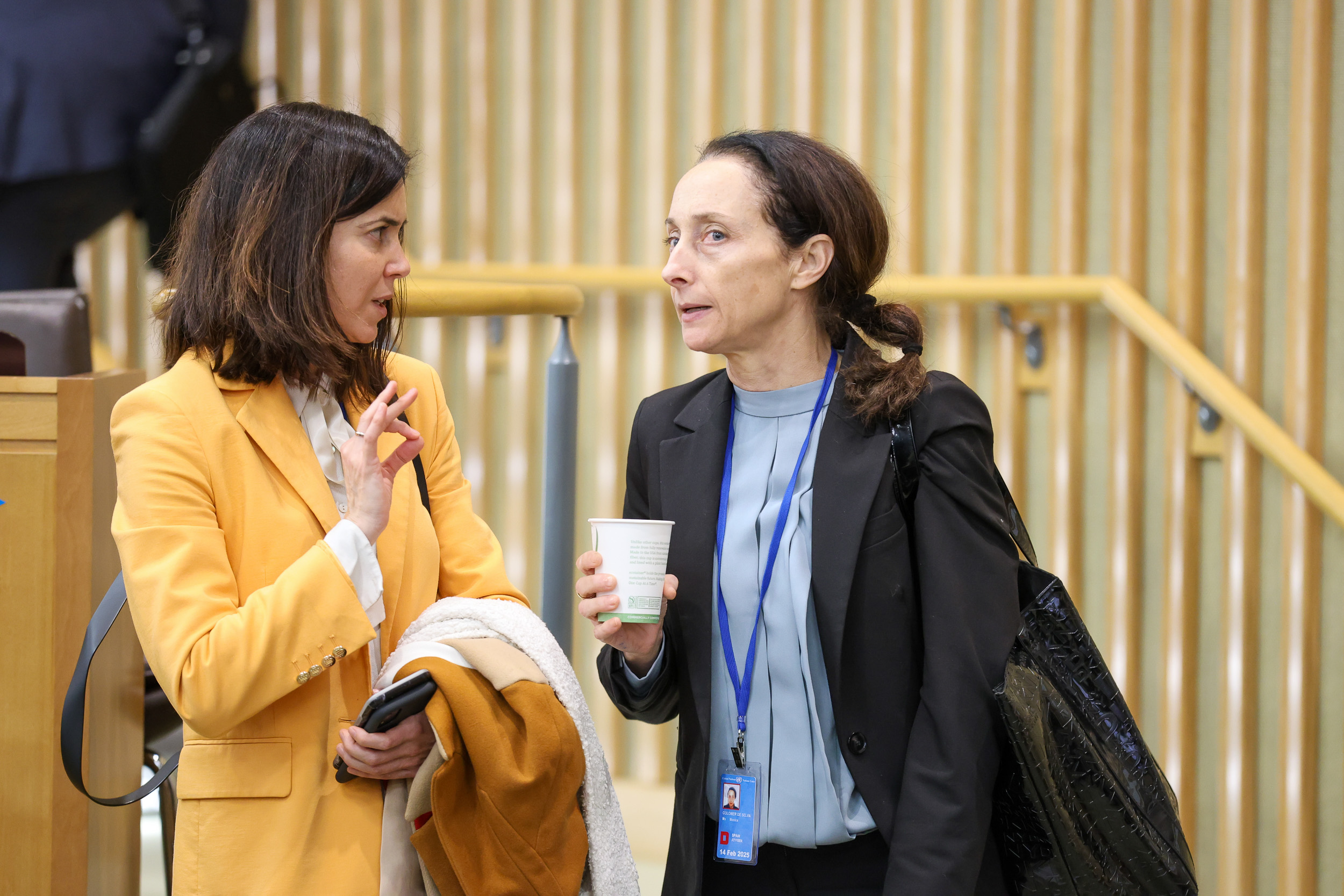
Around the Venue