Debt, debt sustainability, and reforming the global debt architecture have been matters of global concern for decades. As inequalities between developed and developing countries widen further, positions from lenders and borrowers about the debt architecture have grown more hardline. On one hand, donors underscore that maintaining sustainable debt levels is the responsibility of the borrowing countries. On the other, borrowing countries have faulted the global debt architecture, which seems to allow for donors to lend in ways that undermine the borrowing country’s debt sustainability, thus creating an unending debt cycle.
On the penultimate day of the third session of the Preparatory Committee (PrepCom3) for the fourth International Conference on Financing for Development (FfD4), discussions revolved around if and how to reform the global debt architecture. Remarking on the already difficult pathway to sustainable development for developing countries, several delegations decried the fact that due to debt servicing requirements, net capital flows actually move from the Global South to the Global North, instead of the other way round.
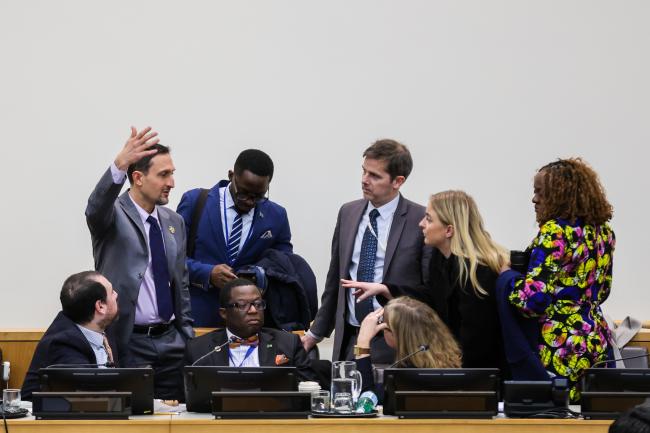
Basing their discussions on the Zero Draft of the FfD4 Outcome Document, delegations debated, among several other things, a proposal to establish an intergovernmental process to close the gaps in the debt architecture and explore options to address debt sustainability, including through a multilateral sovereign debt mechanism.
Many developing countries also lent their support to a proposal for a global debt authority, providing much-called for representation of developing countries’ voices in decision making on debt. Delegations also supported proposals for including climate risks into debt restructuring and debt cancelation considerations.
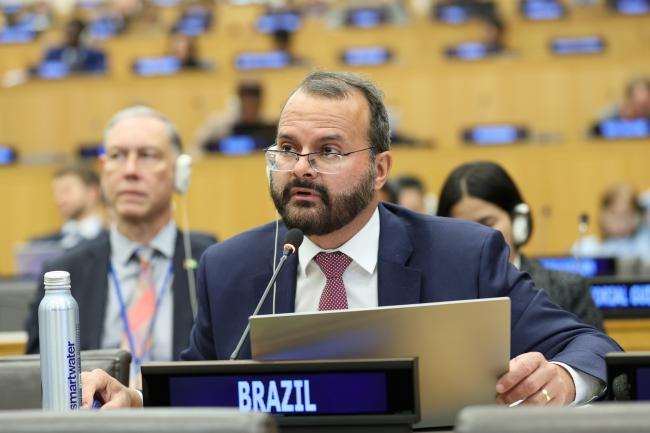
In their discussions on systemic issues, delegates considered solutions related to addressing global financial governance and the global financial safety net, the international aspects of financial regulation, the international monetary system, and global macroeconomic coordination and coherence. Many commented on a call to work with the International Monetary Fund (IMF) on a new playbook for special drawing rights (SDRs), with some underlining that these discussions can only be held under the IMF.
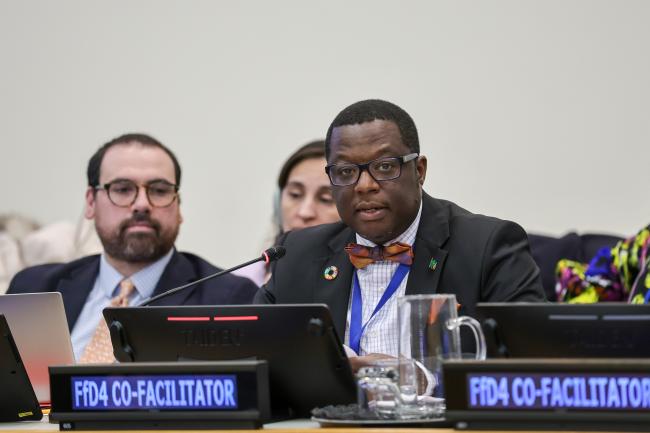
A cross-cutting issue that came up throughout the day was the potential review of the credit rating methodologies of credit agencies. These agencies guide investors in their decision making on risk assessment. Developing country representatives denounced the severe negative implications of credit ratings on their ability to attract capital, often precluding them from seeking debt restructuring. Responding to a “don’t shoot the messenger” statement that cautioned against undermining the credibility of credit rating agencies, one delegation pointed out well-known existing methodologies that incorrectly assess risk and exacerbate existing inequalities, and called instead for FfD4 to adopt a framework akin to the European Union rules governing credit rating agencies.
The first reading of the Zero Draft is set to conclude on Friday.
All ENB photos are free to use with attribution. For the 3rd Session of the Preparatory Committee for the 4th International Conference on FfD, please use: Photo by IISD/ENB | Mike Muzurakis
Plenary
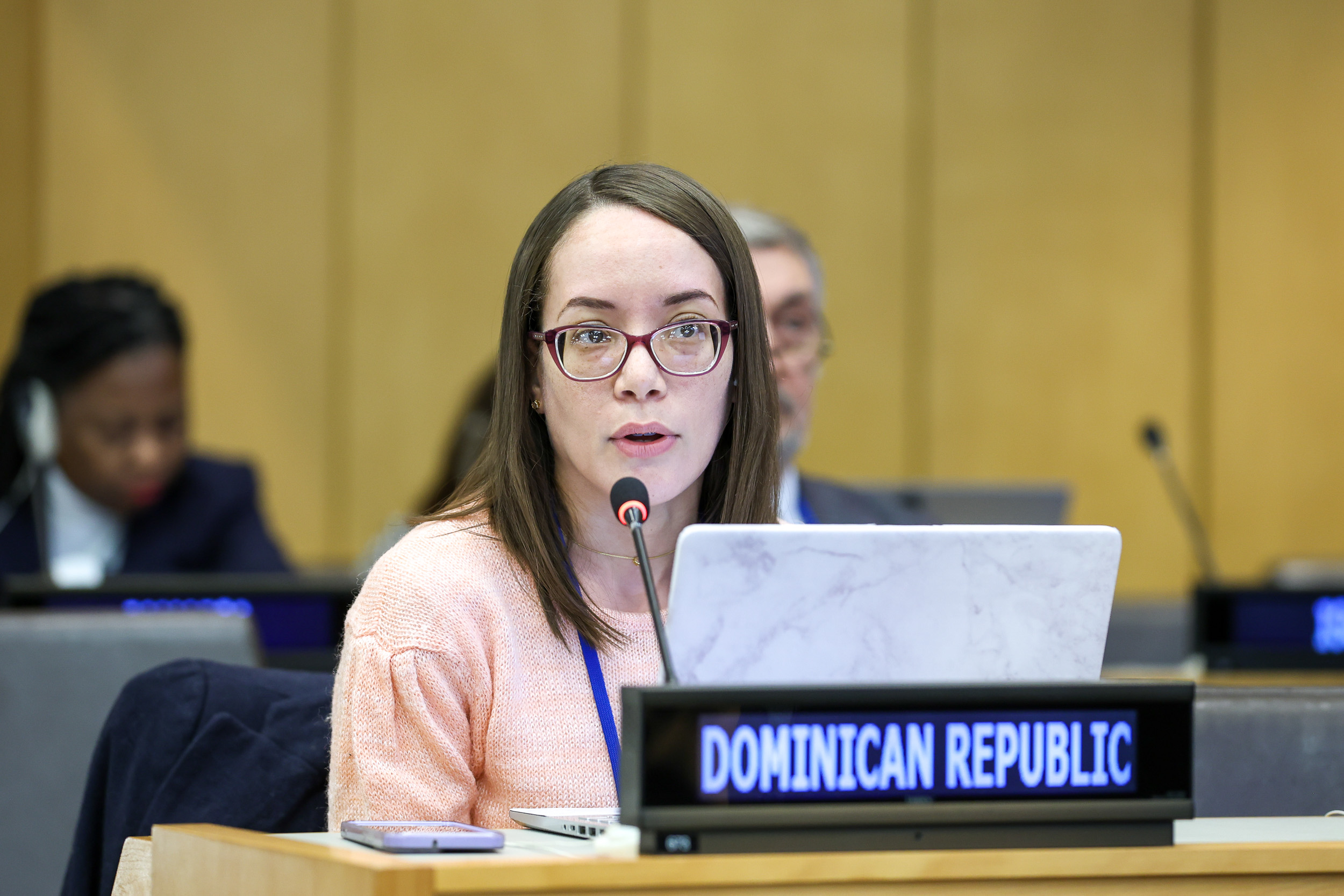
Perla Noemí Soto Veloz, Dominican Republic
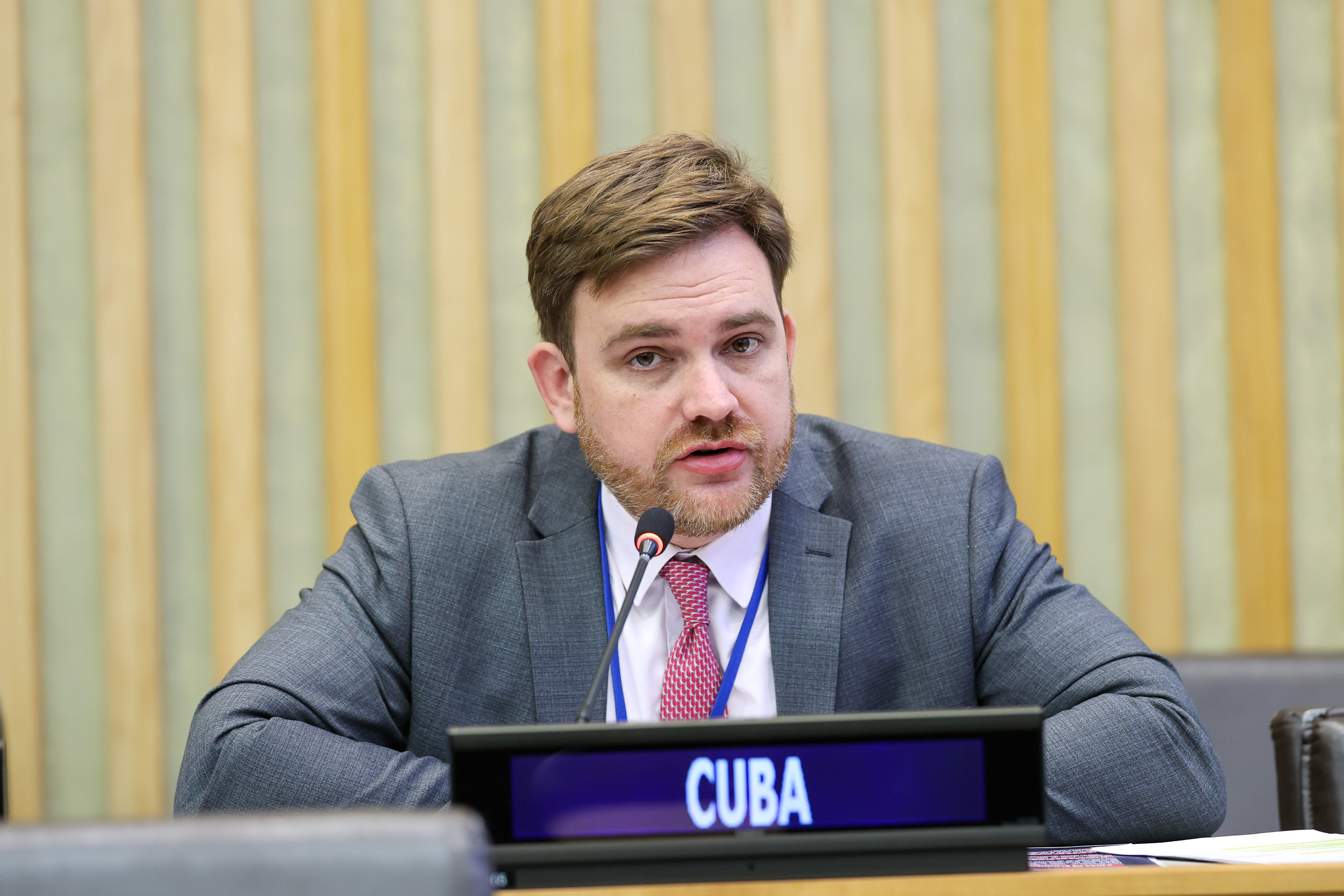
Alejandro González Behmaras, Cuba
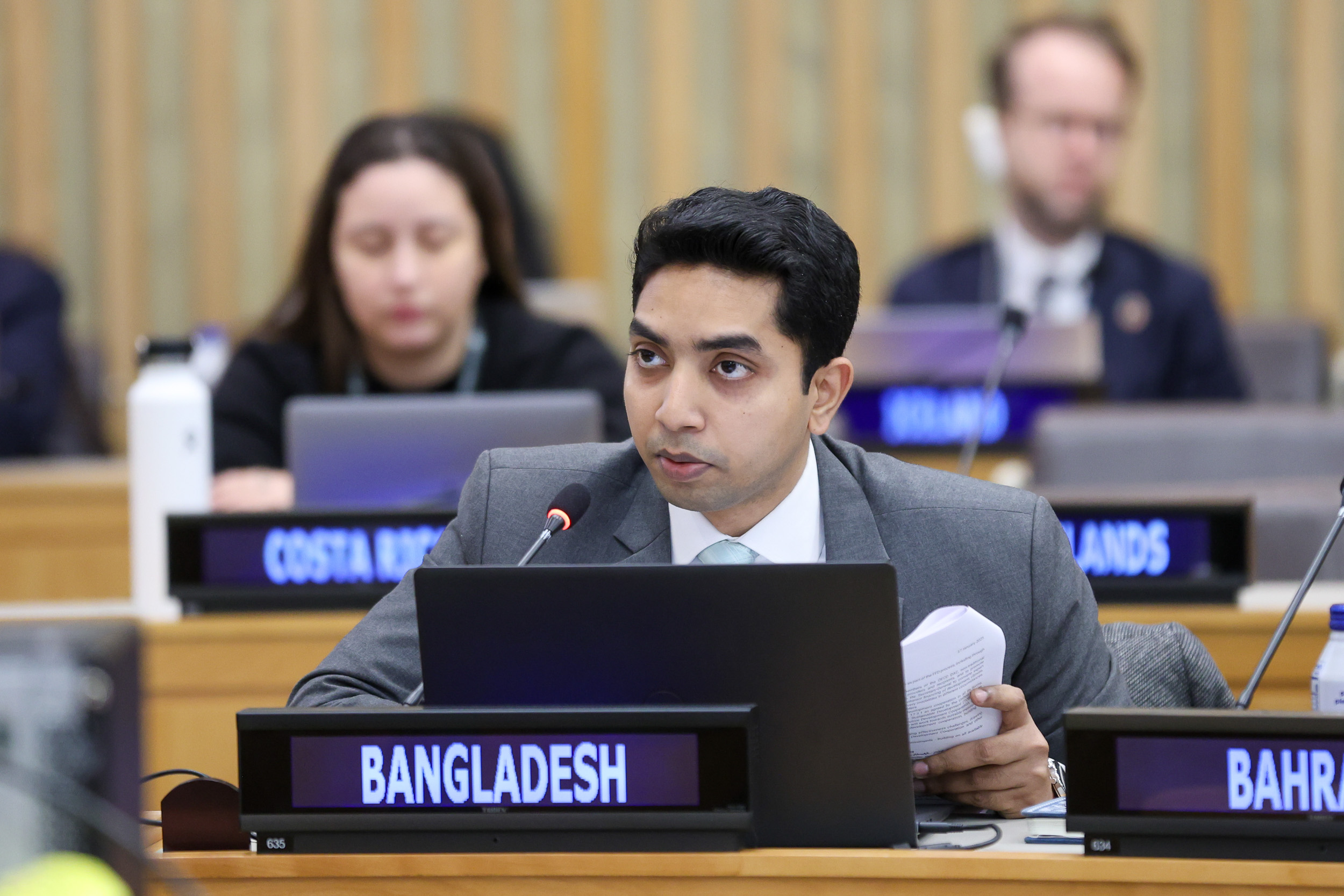
Aminul Islam, Bangladesh
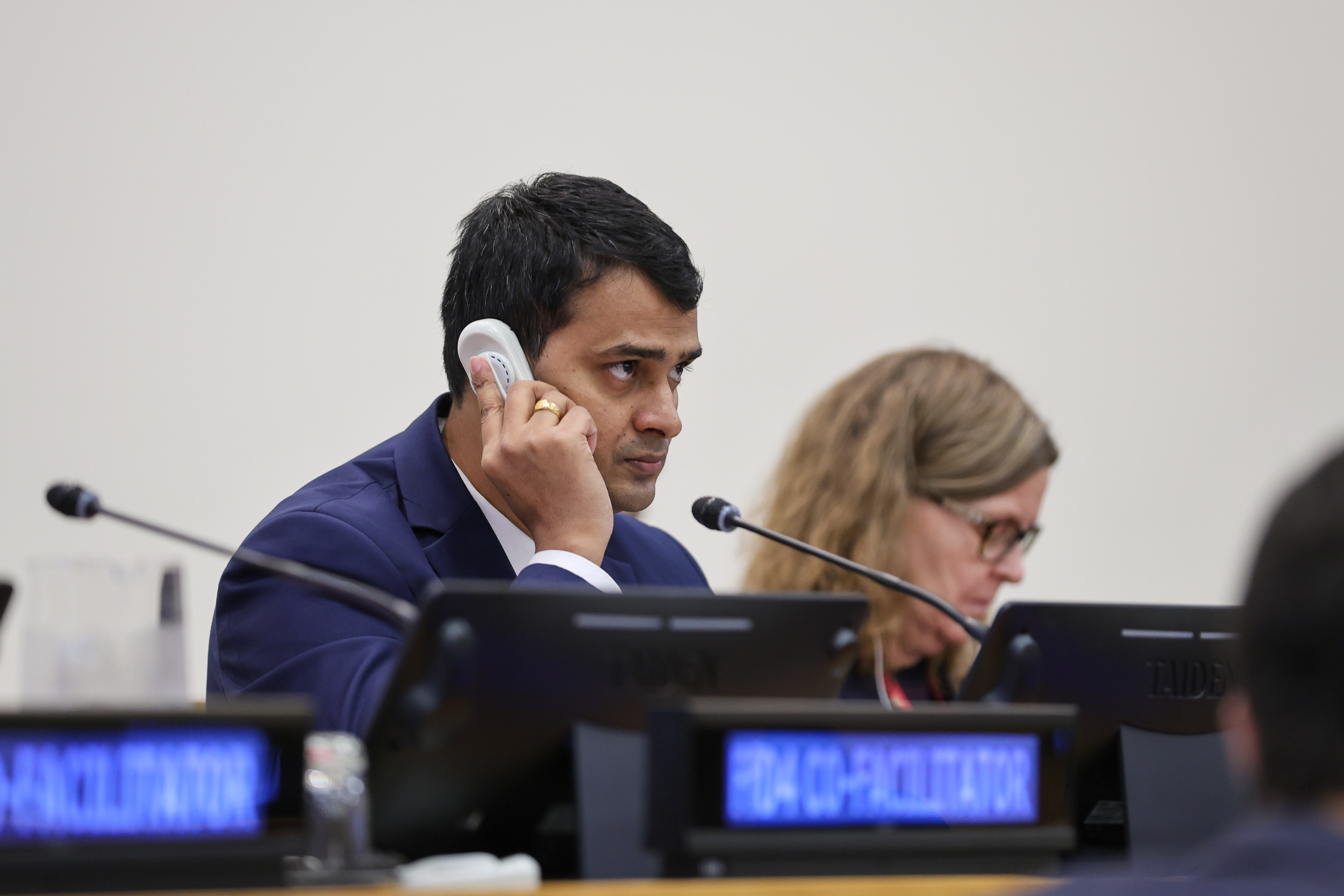
Co-Facilitator Kaushal Kishor Ray, Nepal
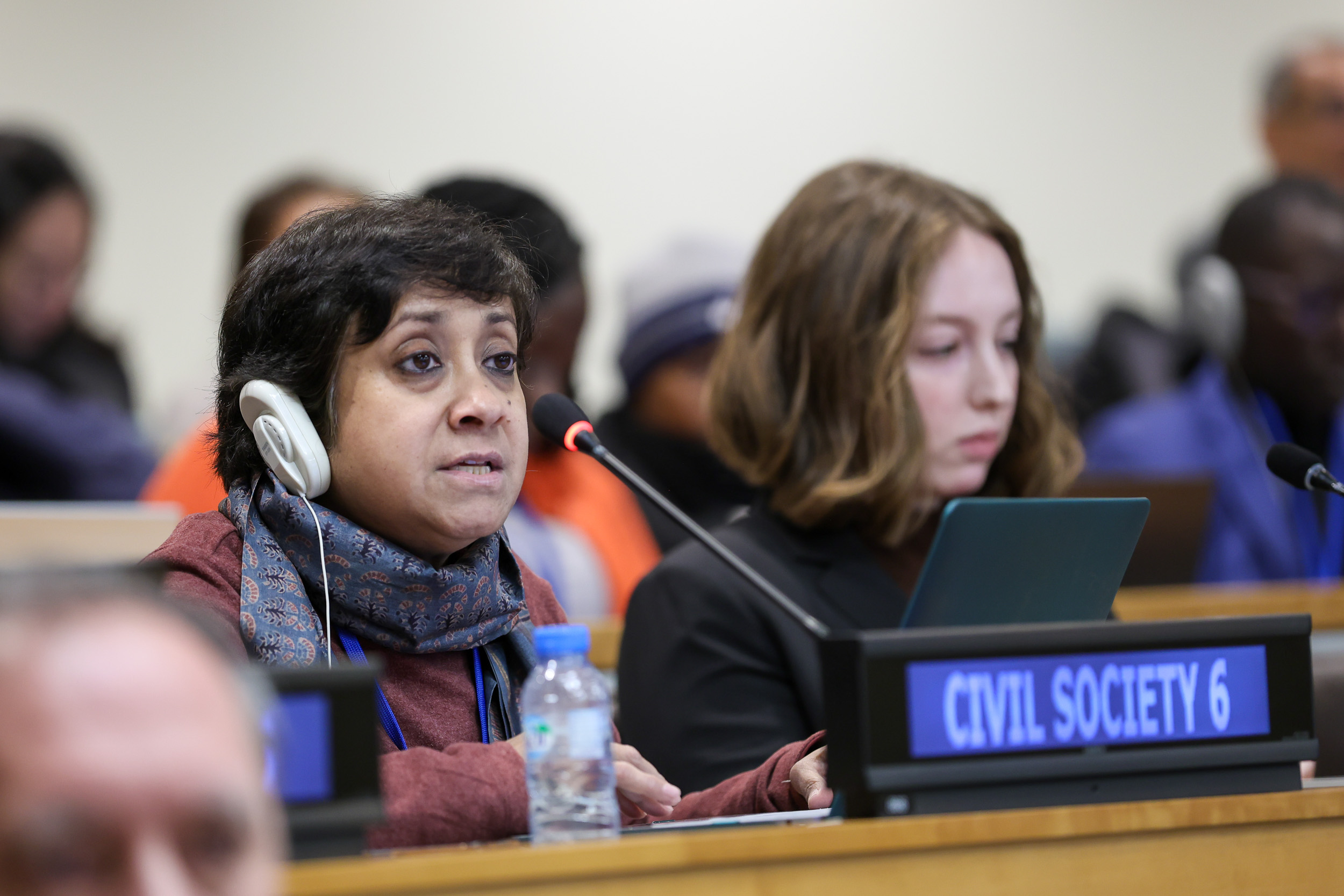
Ranja Sengupta, Third World Network

Erica Levenson, Regions Refocus
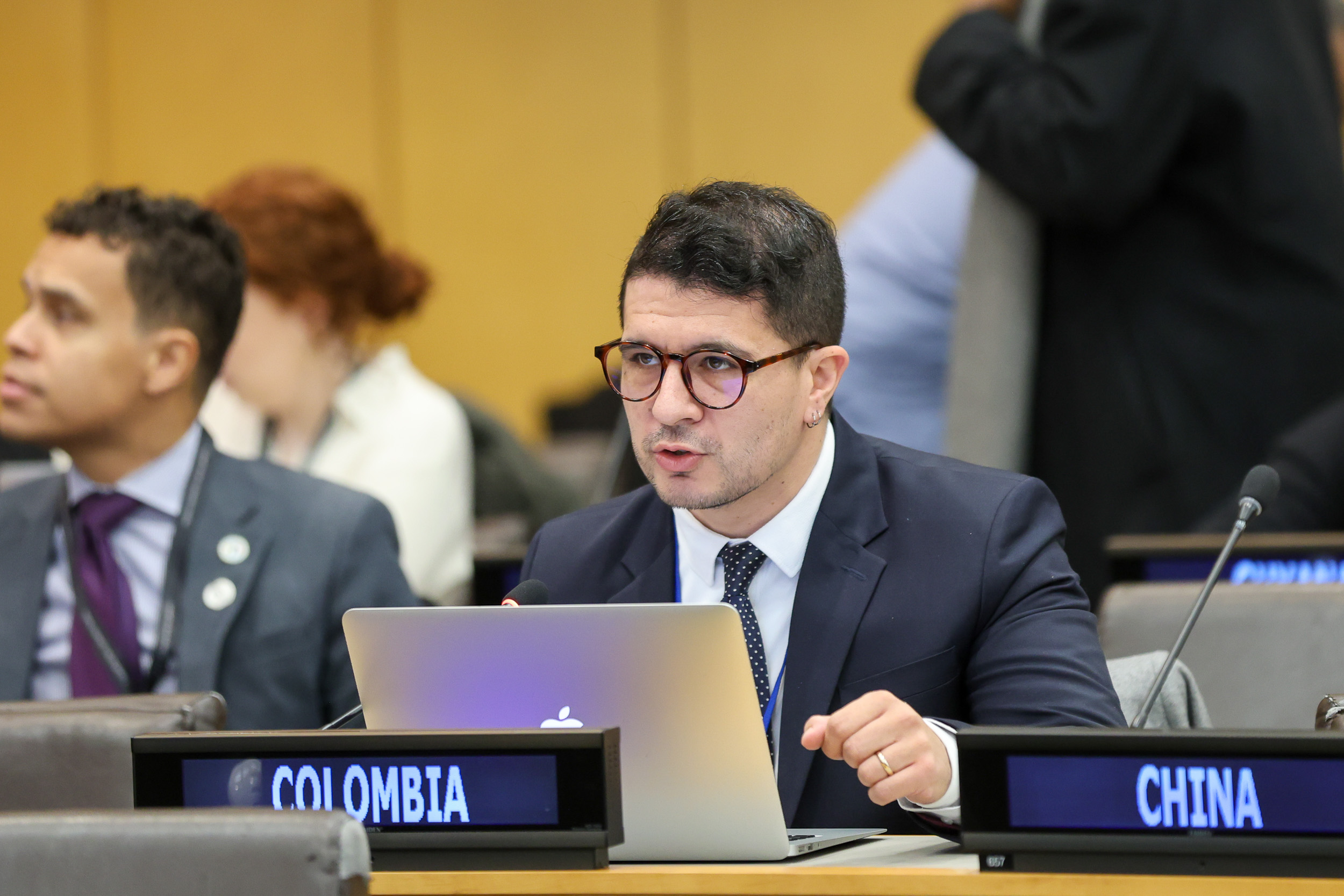
Andrés Rodríguez Durán, Colombia
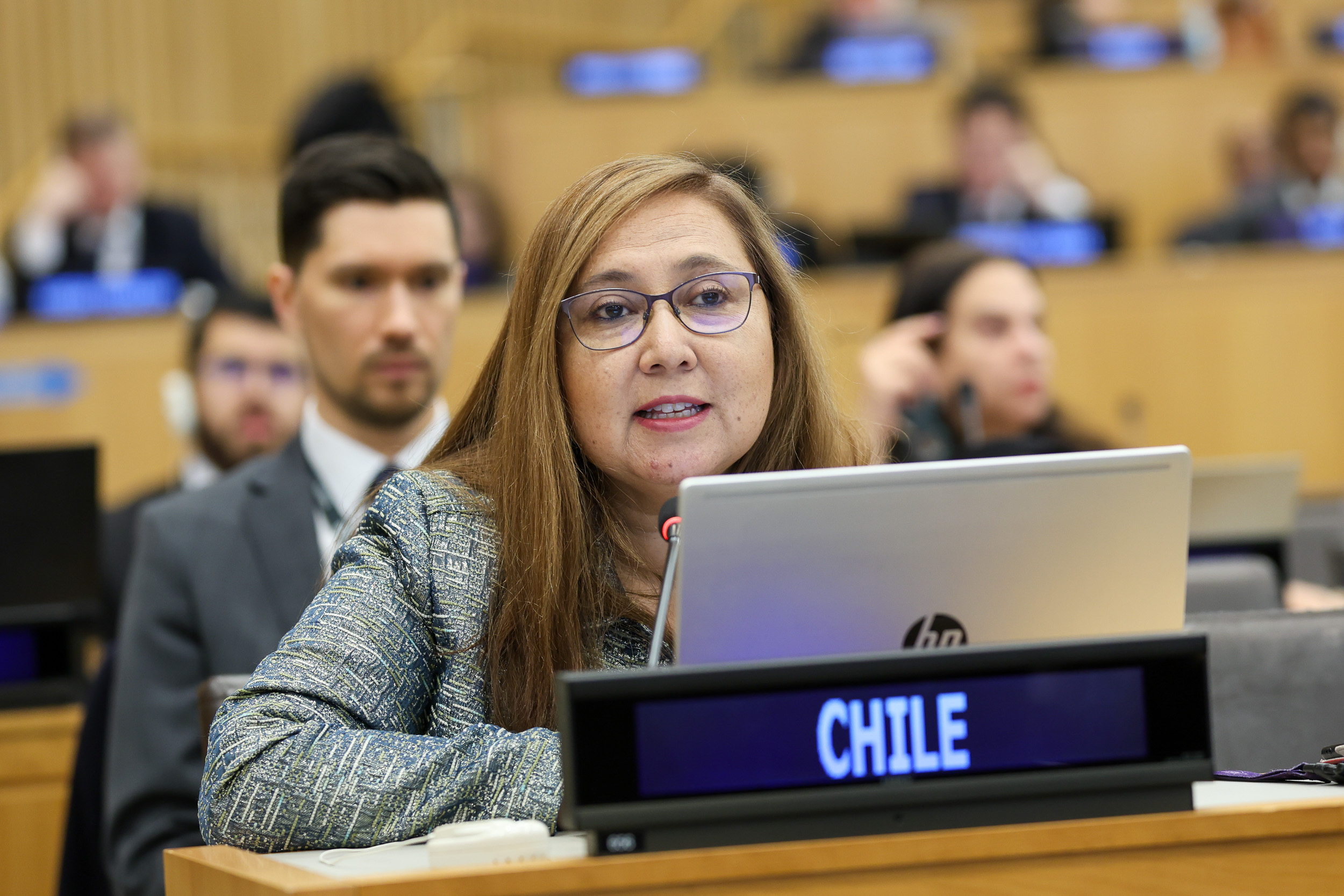
Carla Serazzi, Chile
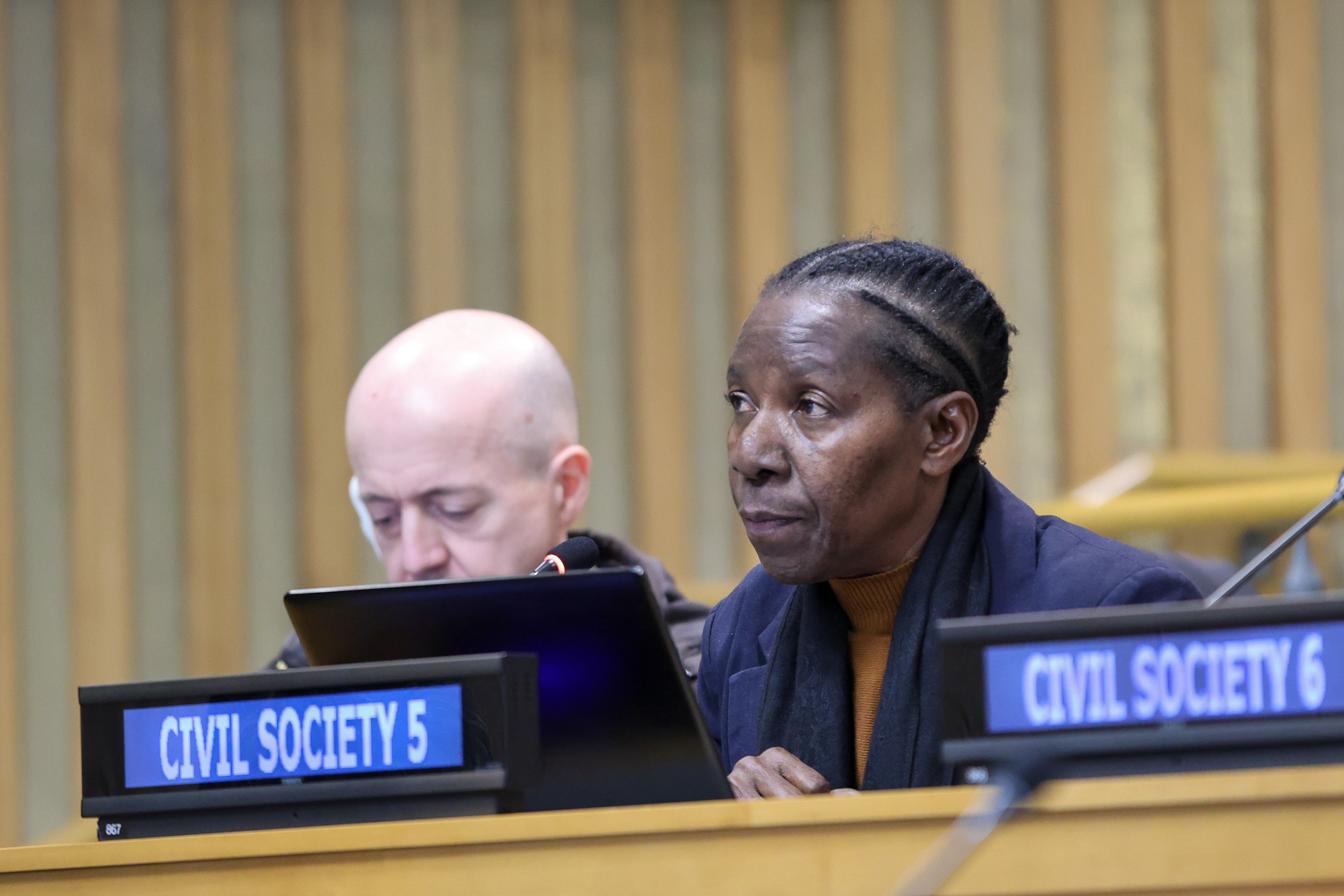
Jane Seruwagi Nalunga, Southern and Eastern Africa Trade Information and Negotiations Institute
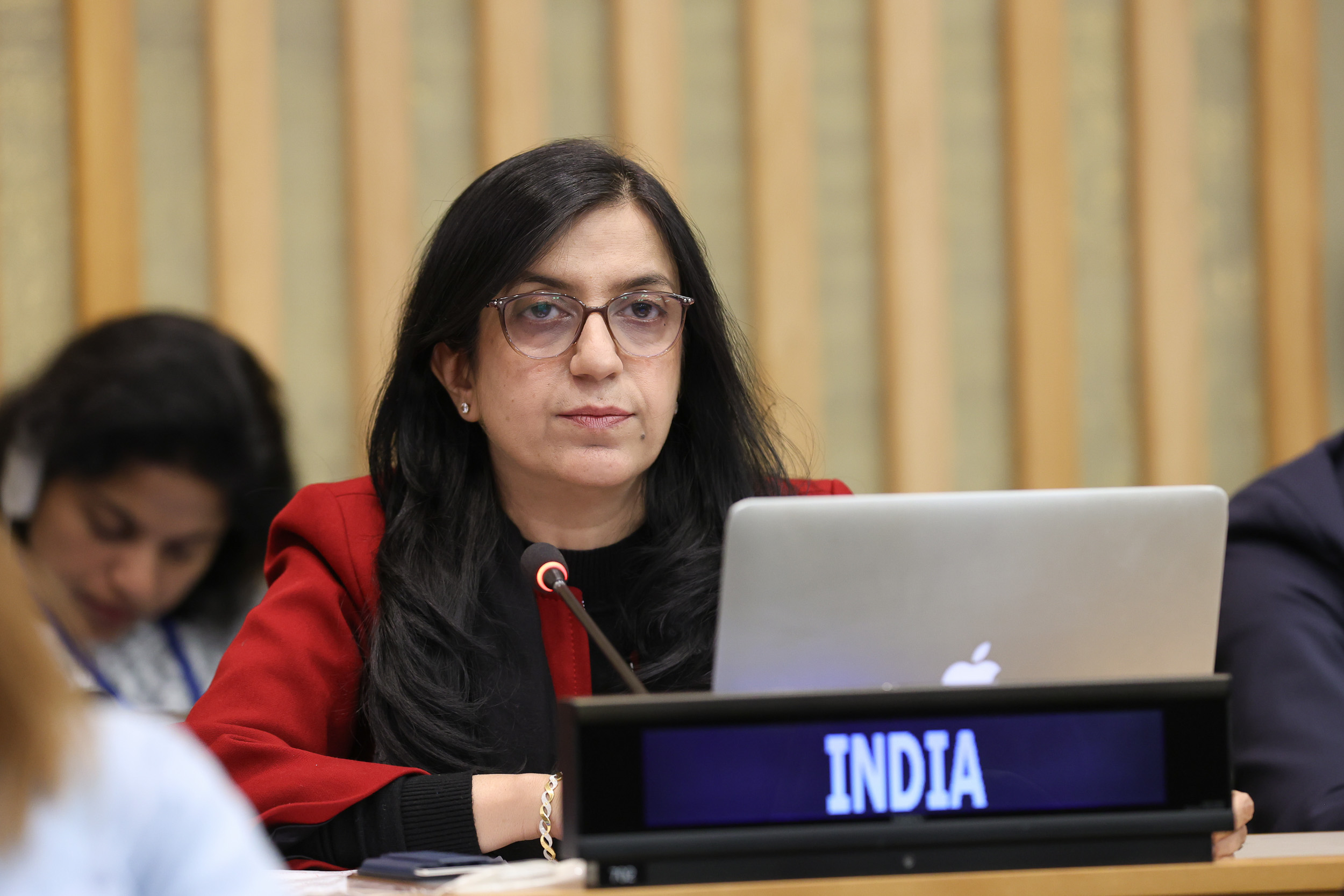
Geetu Joshi, India
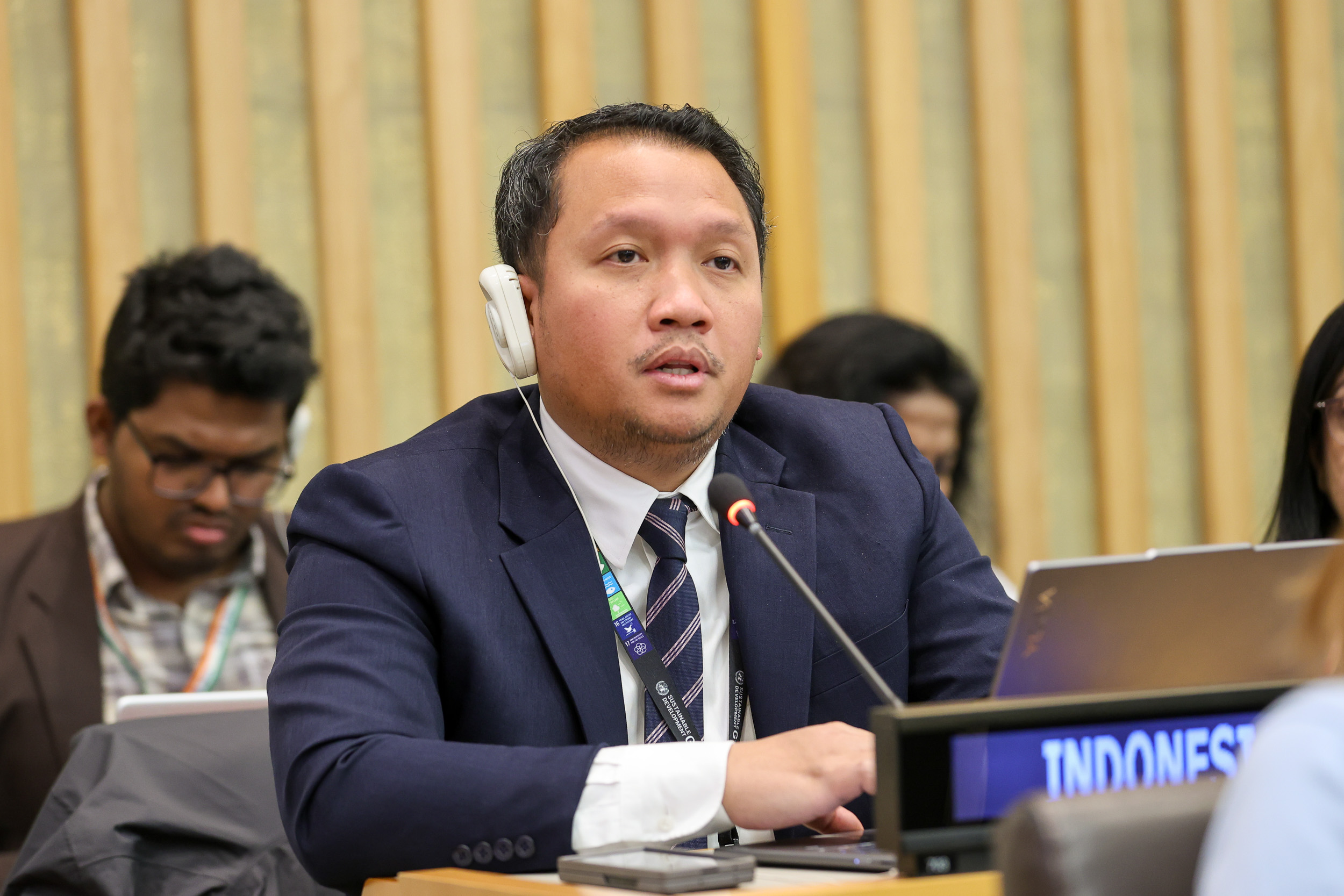
Dwi Wisnu Budi Prabowo, Indonesia
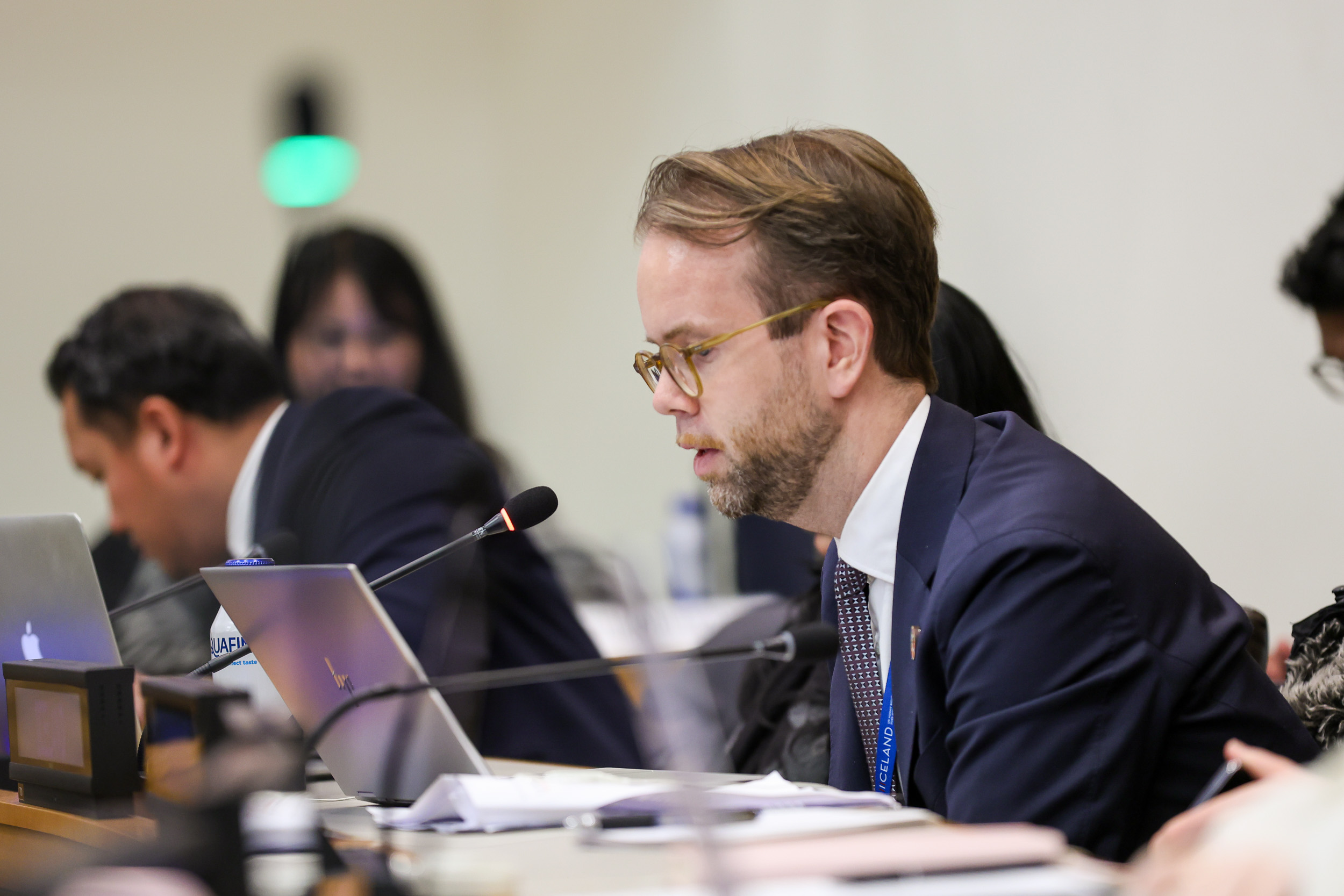
Oddur Stefánsson, Iceland
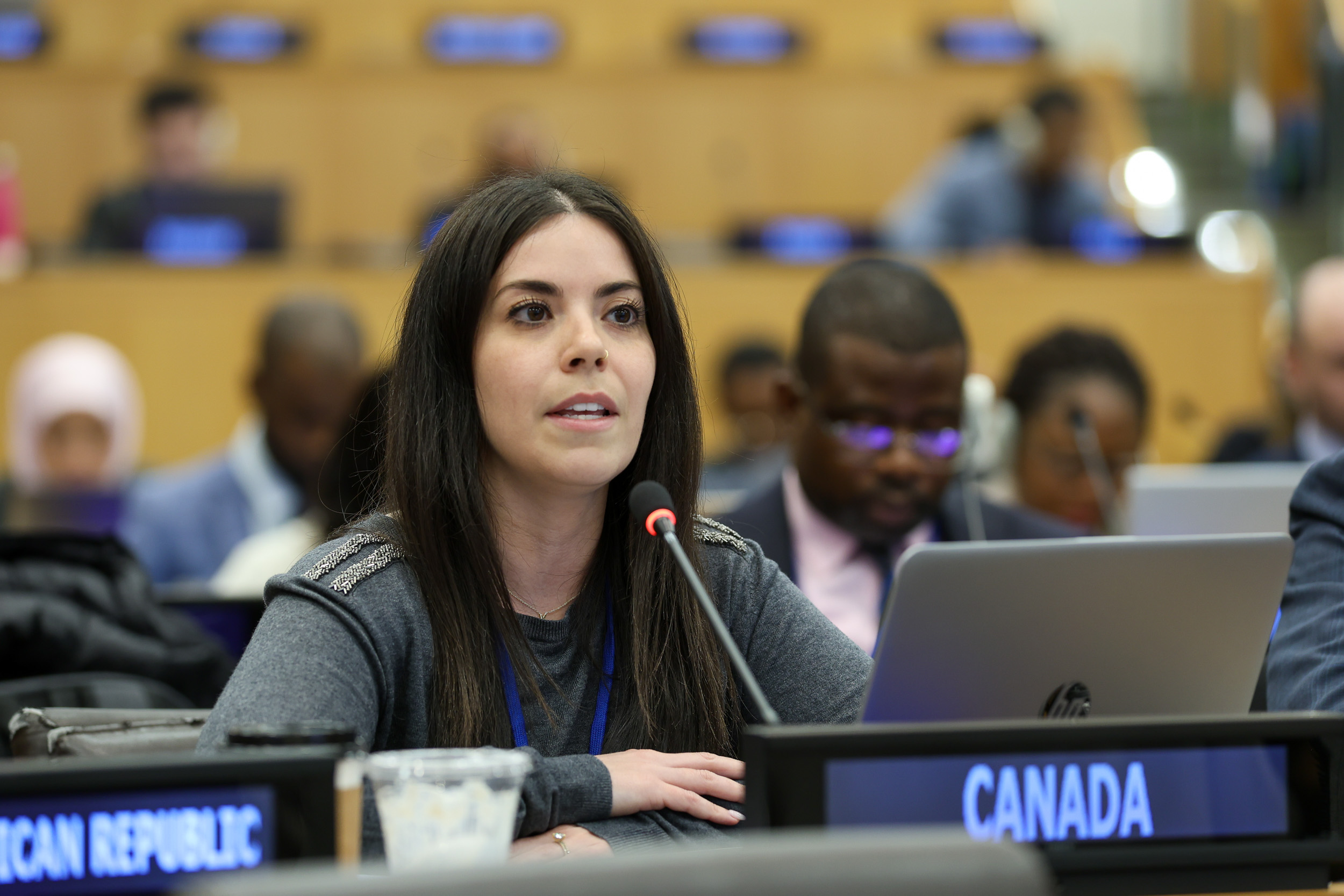
Dina Bettencourt, Canada
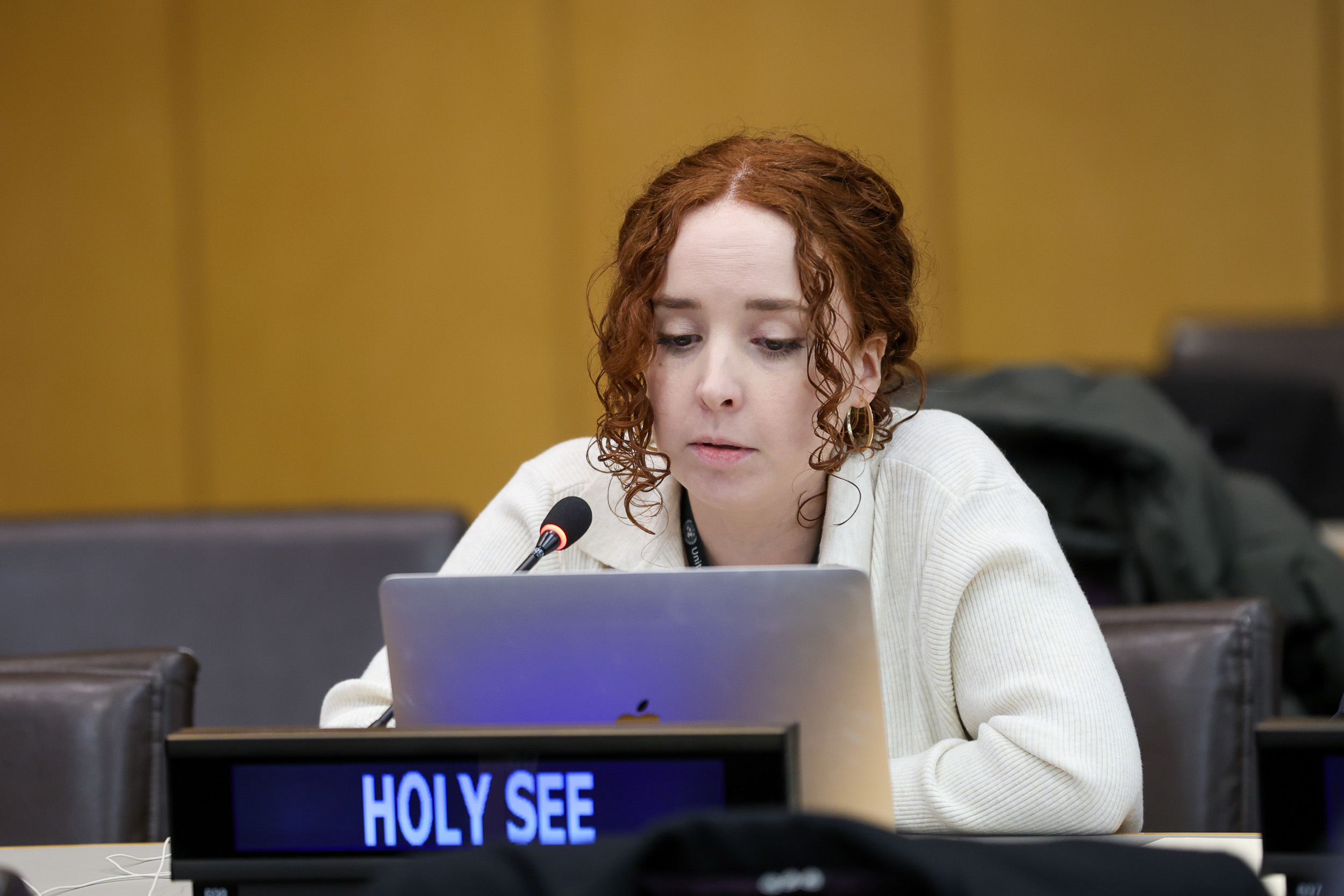
Ciara Hogan, Holy See
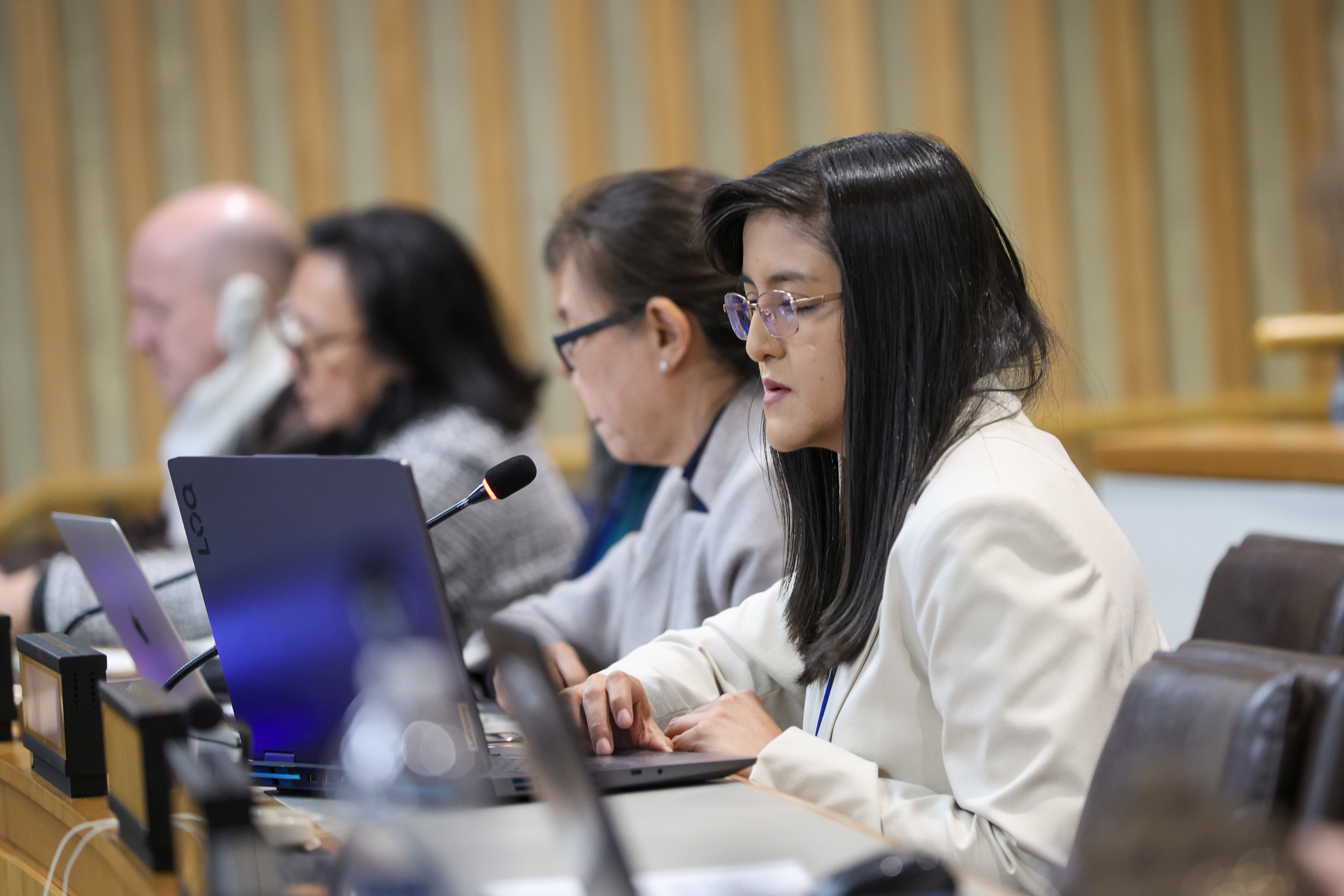
Daniela Berdeja Ruiz, Latin American Network on Debt, Development and Rights (Latindadd)
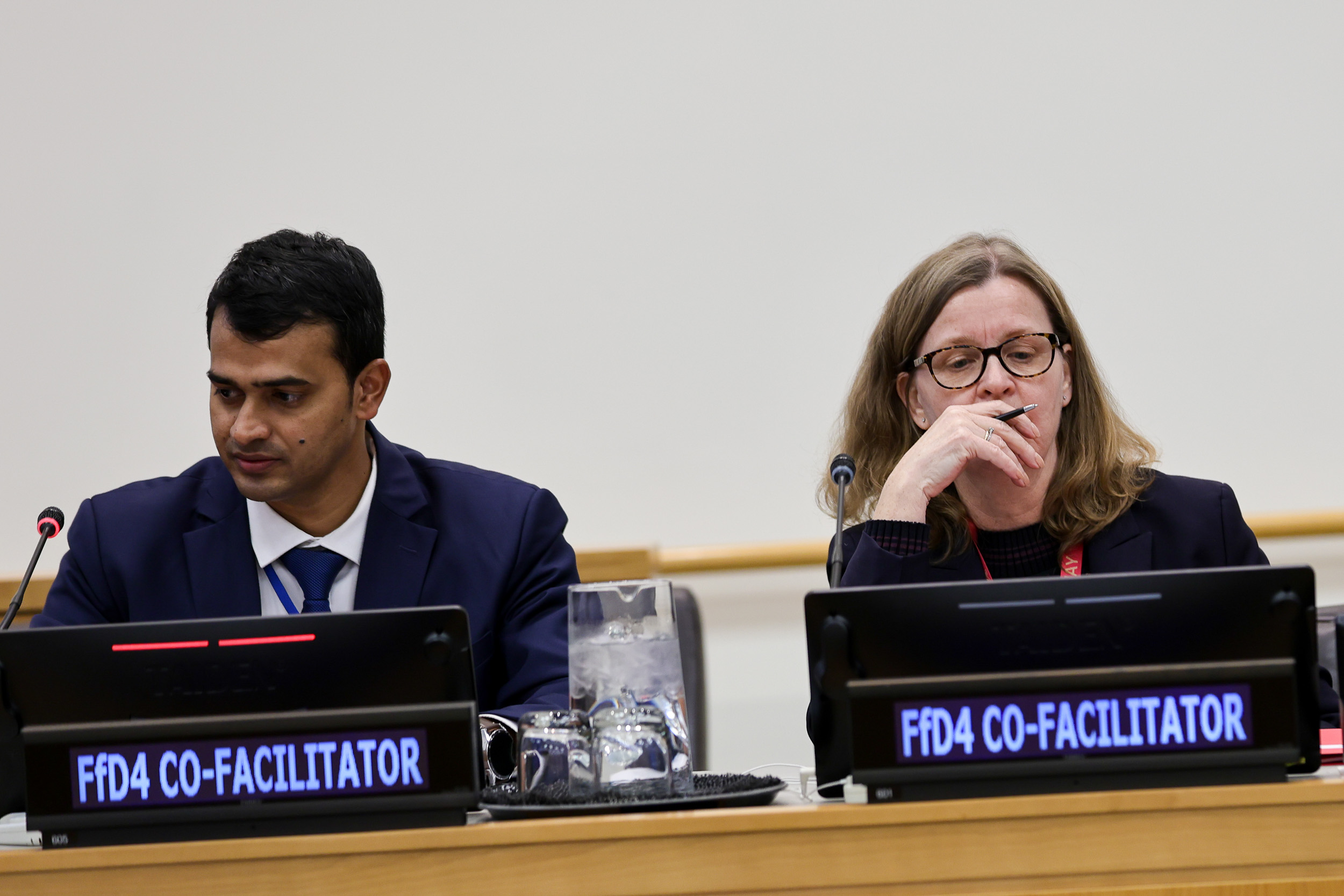
Co-Facilitators Kaushal Kishor Ray, Nepal, and Merete Fjeld Brattested, Norway
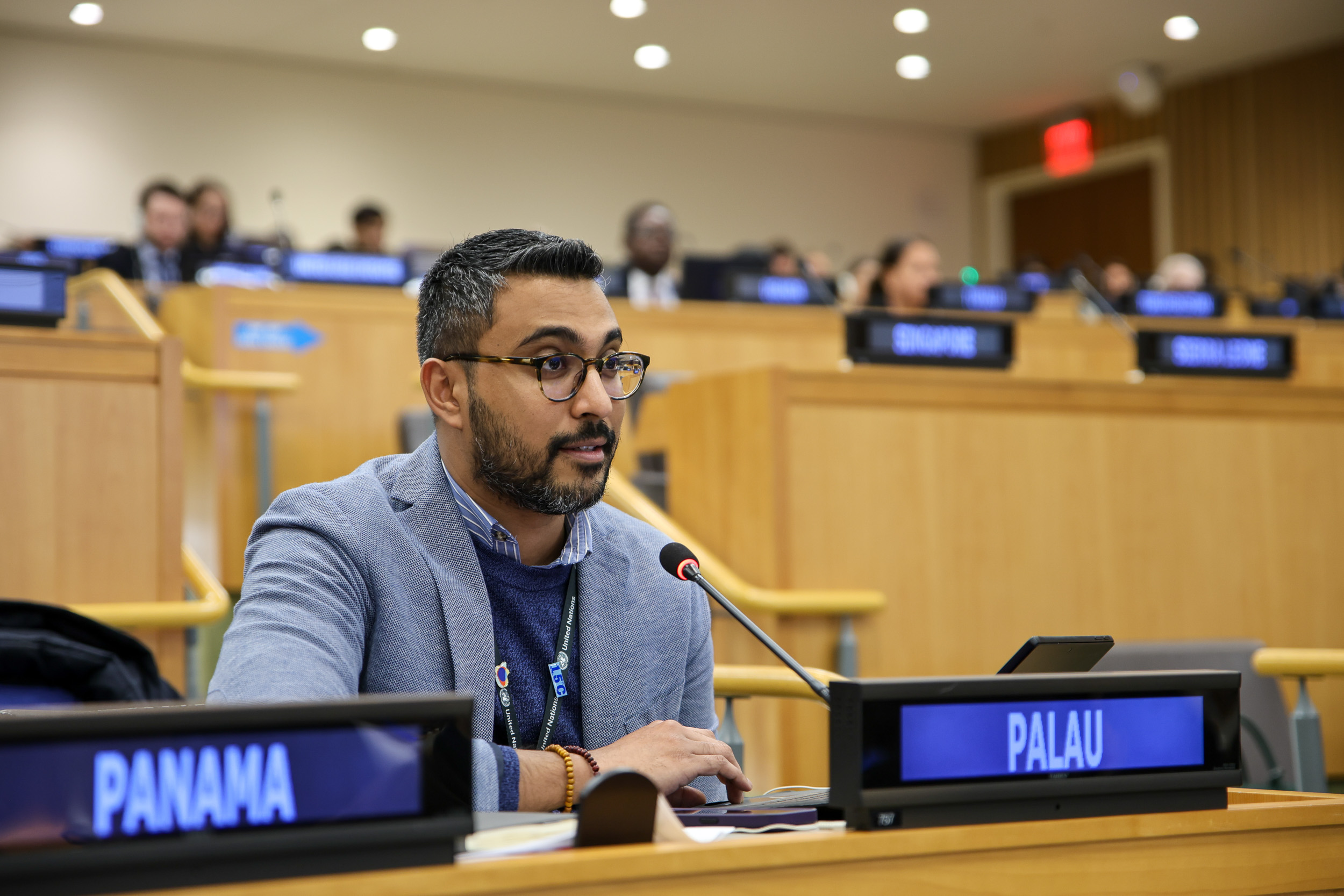
Vladamir Budhu, Palau
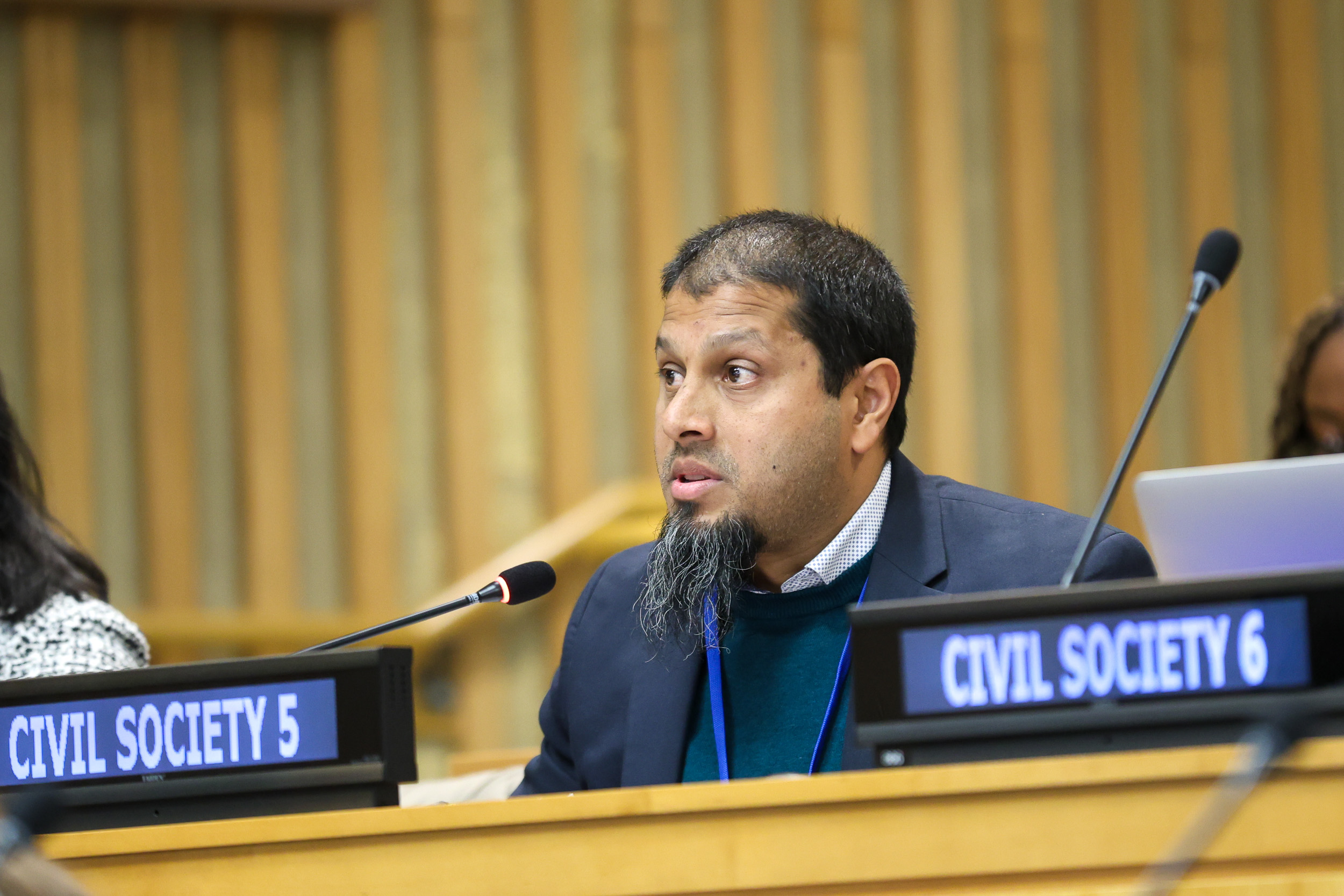
Jason Rosario Braganza, African Forum and Network On Debt and Development (Afrodad)
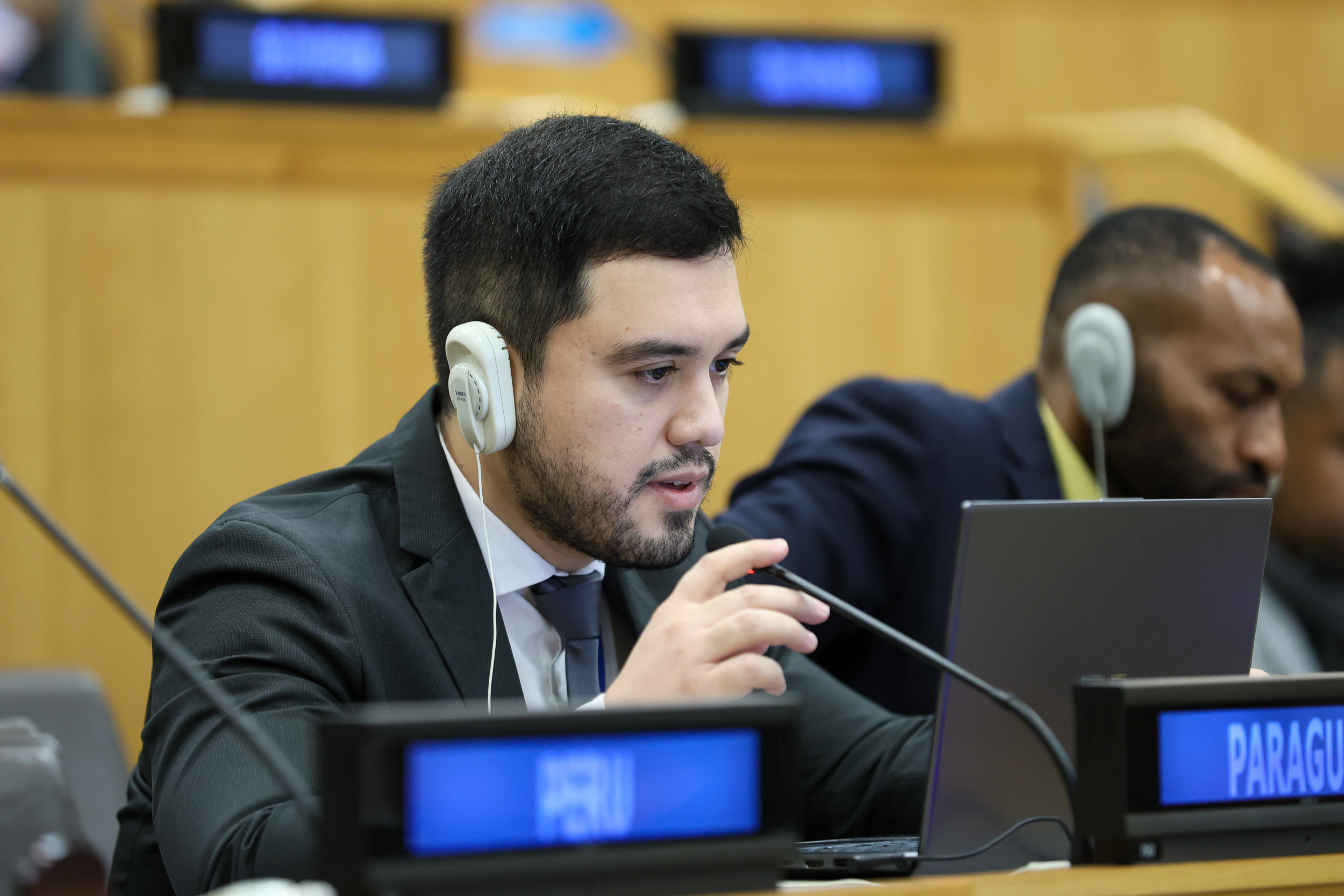
Luis Goiburú, Paraguay
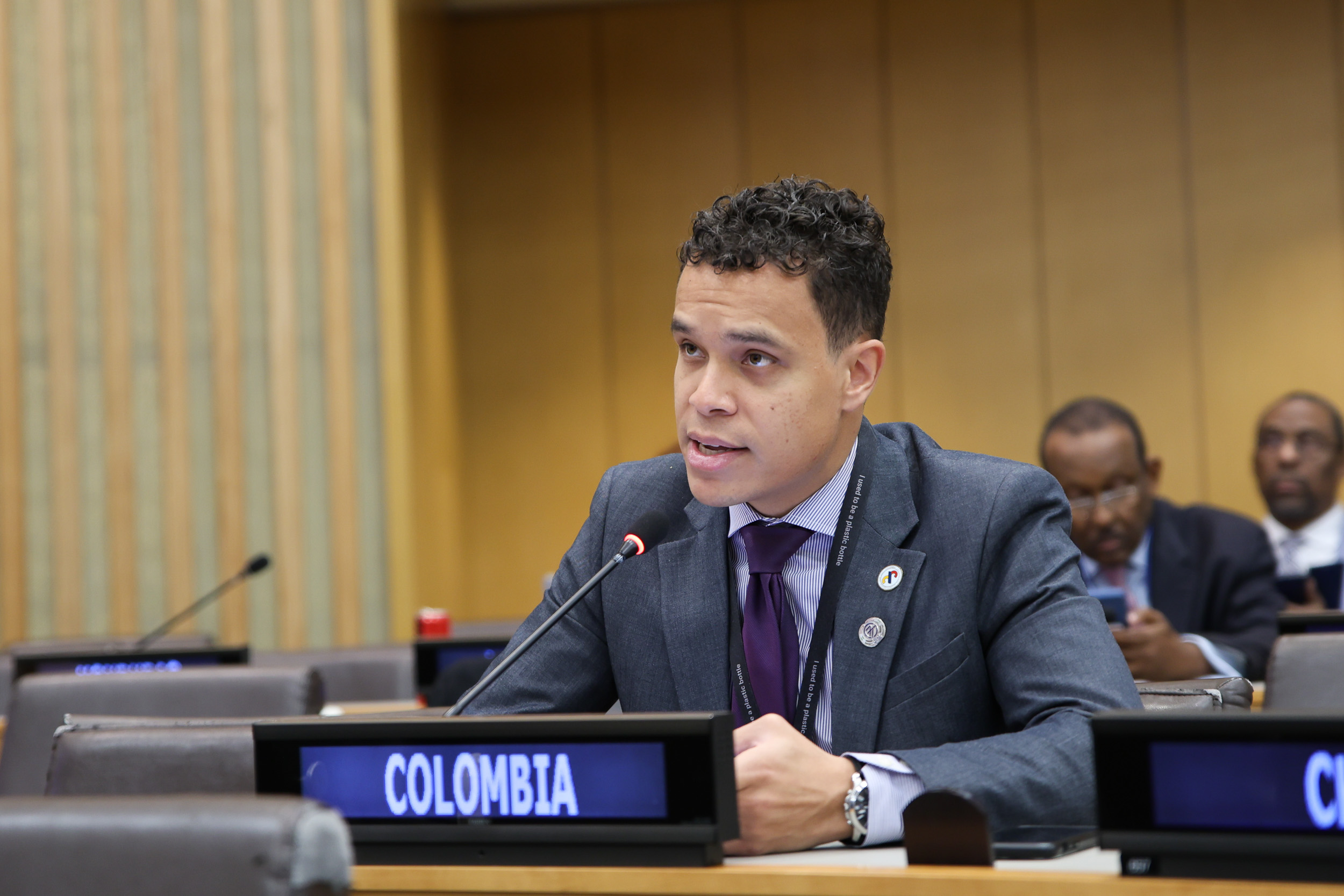
Jorge Adrian Murillo Ferrer, Colombia
Selected Images


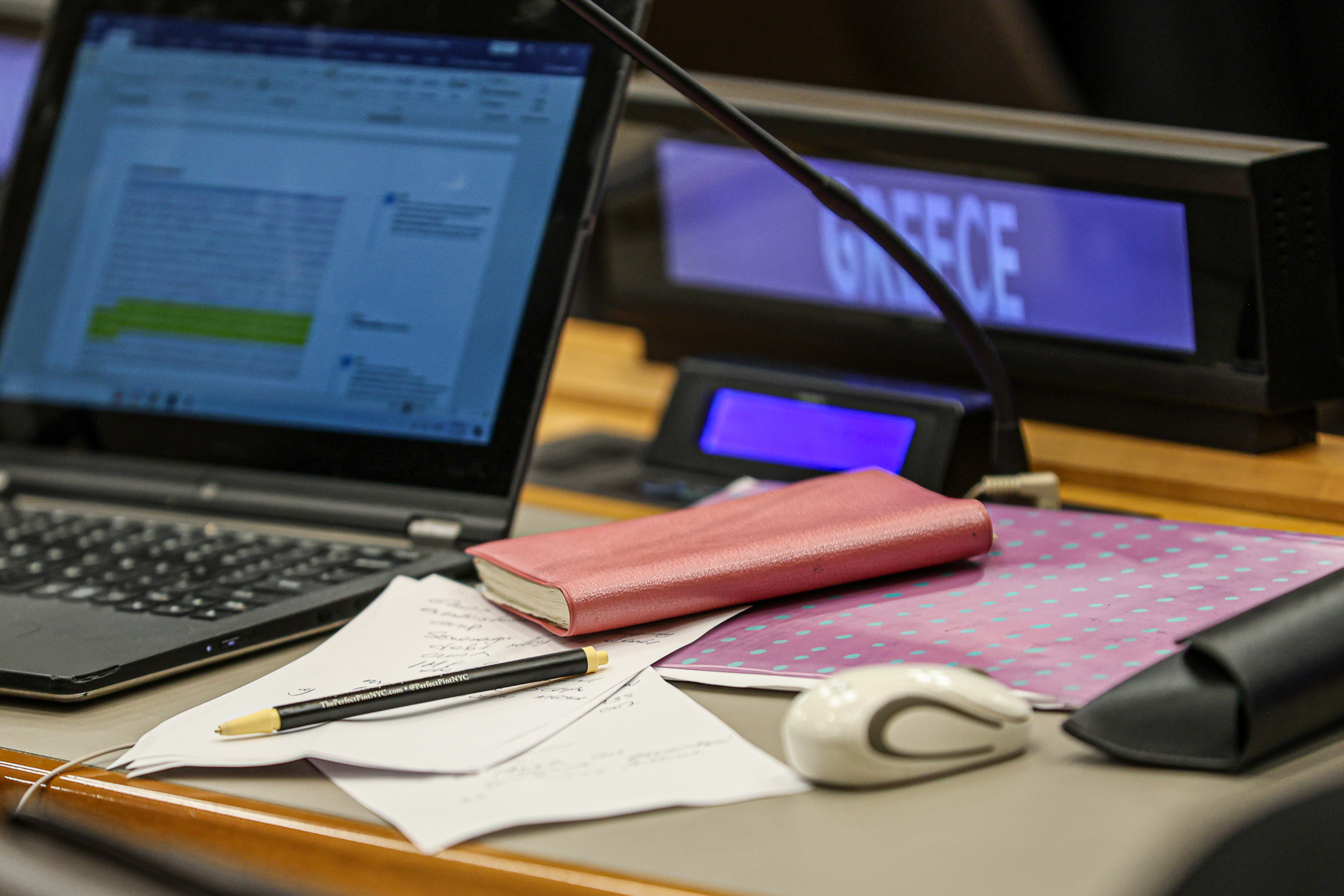
Around the Venue