
“Seville is not a conclusion, but must be a milestone on the way to accelerating the implementation of the change we want.” The curtains closed on the third session of the Preparatory Committee (PrepCom3) for the fourth International Conference on Financing for Development (FfD4), with delegates completing a complete reading of the Zero Draft of the FfD4 Outcome Document.
In the morning, the Committee opened discussions on the part related to science, technology, innovation, and capacity building. Delegations addressed the issue of technological advances for sustainable development and digital divides, with many countries calling for technology transfer to bridge the digital divide, and others underscoring that such transfers must be made on voluntary and mutually agreed terms.
They also considered the fast-moving discussions and realities around artificial intelligence (AI). Some delegations noted ongoing discussions on AI governance under the UN, with others stressed the need to include strong language in the outcome document to ensure equitable access and uptake of AI technologies towards sustainable development. Many pointed to the need to safeguard against AI further entrenching inequalities and systemic barriers.
Addressing the Zero Draft’s final section on data, monitoring, and follow up, many delegations stressed these considerations cannot be an afterthought – highlighting the importance of clear follow-up actions to measure impact beyond Seville. Several delegations called for sustainable financing for, and investment in, data and statistical systems. They discussed a request to the Inter-Agency Task Force on FfD to propose a concise set of financing indicators to measure the progress and implementation of the Addis Ababa Action Agenda and the FfD4 outcome, with several calling for further clarification on the utility of these new indicators.
Delegates considered a section on data frameworks for sustainable development, accessibility, and innovation. Here, they offered comments both for and against the SDG indicator 17.3.1 on financing data, which was developed in 2022 to track resources mobilized for developing countries and measure South-South cooperation.
Outcome Document Co-Facilitator Merete Fjeld Brattested, Norway, outlined the next steps, noting that a revised draft outcome document will be circulated in early March ahead of the first intersessional meeting, where delegates are expected to engage in line-by-line text-based negotiations. Several civil society organizations urged states to include their voices for the entirety of the FfD4 process, calling on them to maintain the inclusive spirit set out during previous FfD processes.
In closing the meeting, FfD4 Co-Chairs Zéphyrin Maniratanga, Burundi, and Rui Vinhas, Portugal, called on delegates to navigate together and encouraged them to muster the political will to give PrepCom4 (to be held at the end of April 2025) the momentum to conclude negotiations. The Co-Chairs closed the meeting at 4:51 pm.
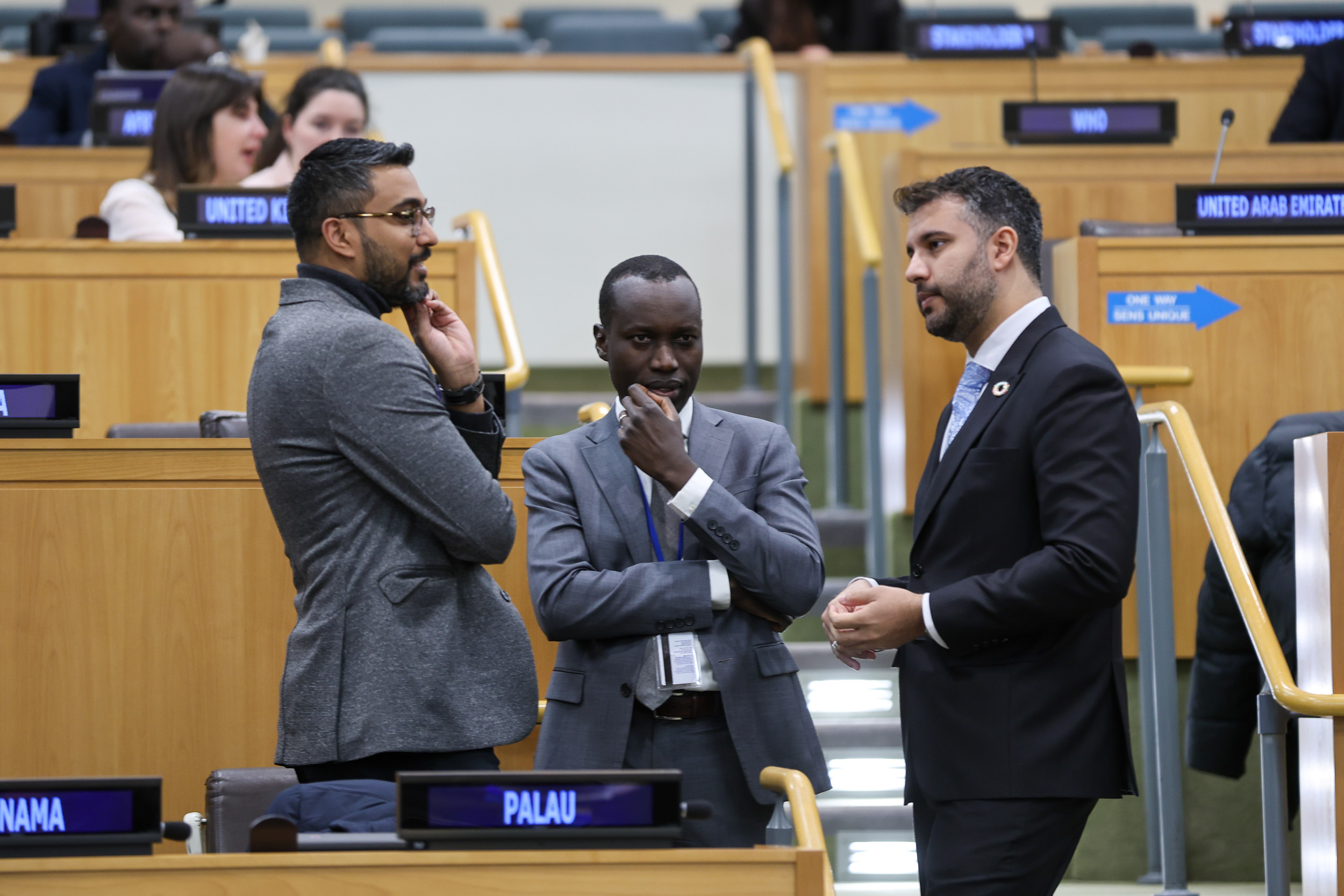
All ENB photos are free to use with attribution. For the 3rd Session of the Preparatory Committee for the 4th International Conference on FfD, please use: Photo by IISD/ENB | Mike Muzurakis
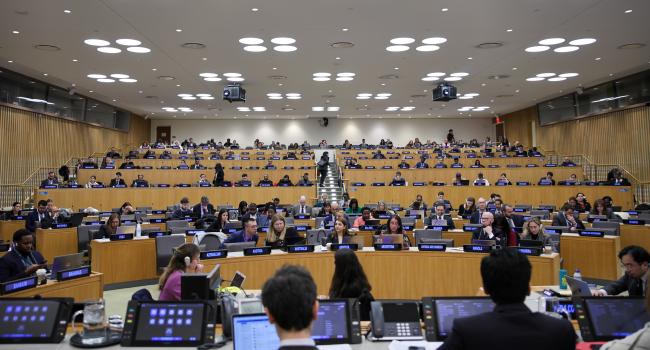
Plenary
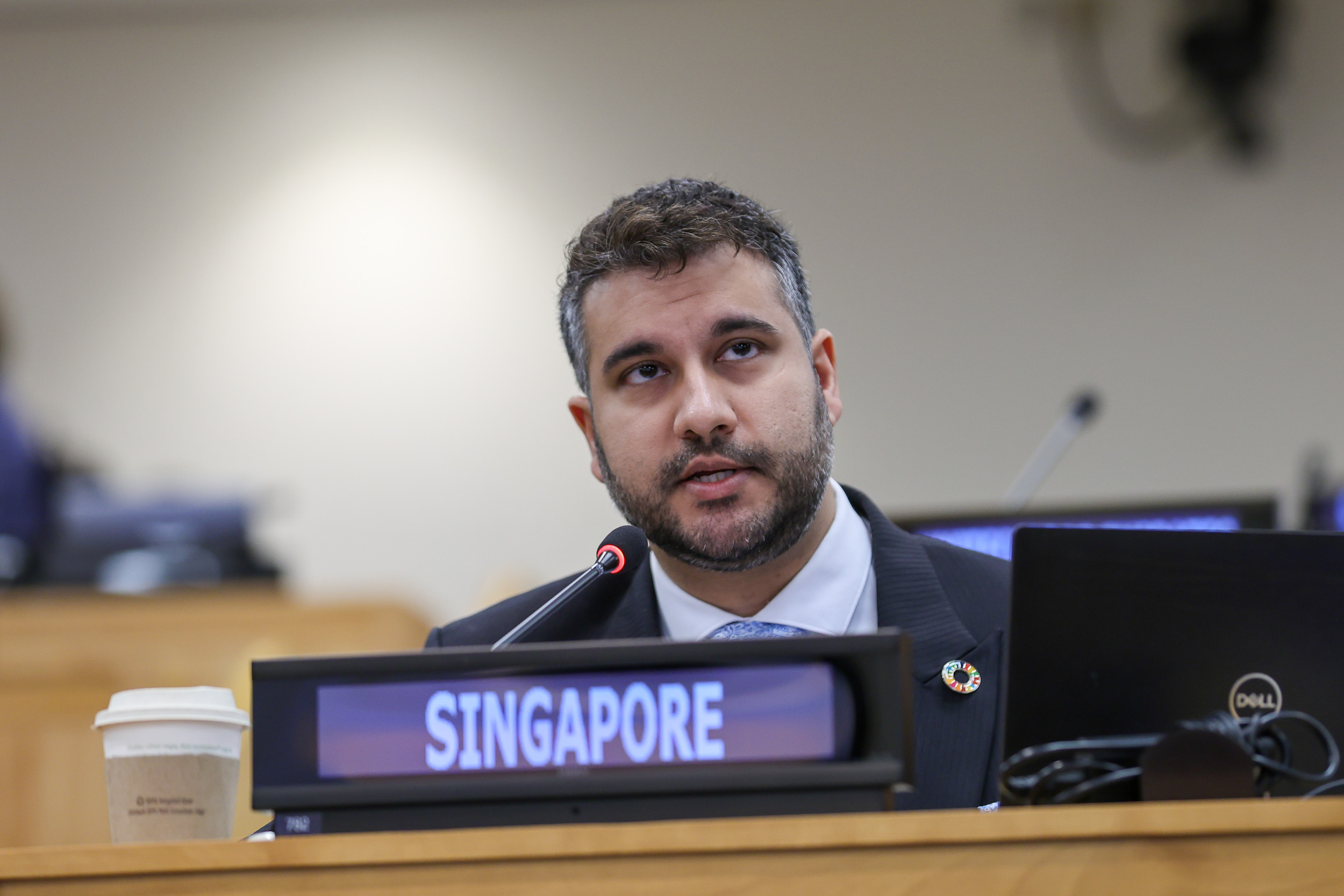
Vivek Ganesh, Singapore
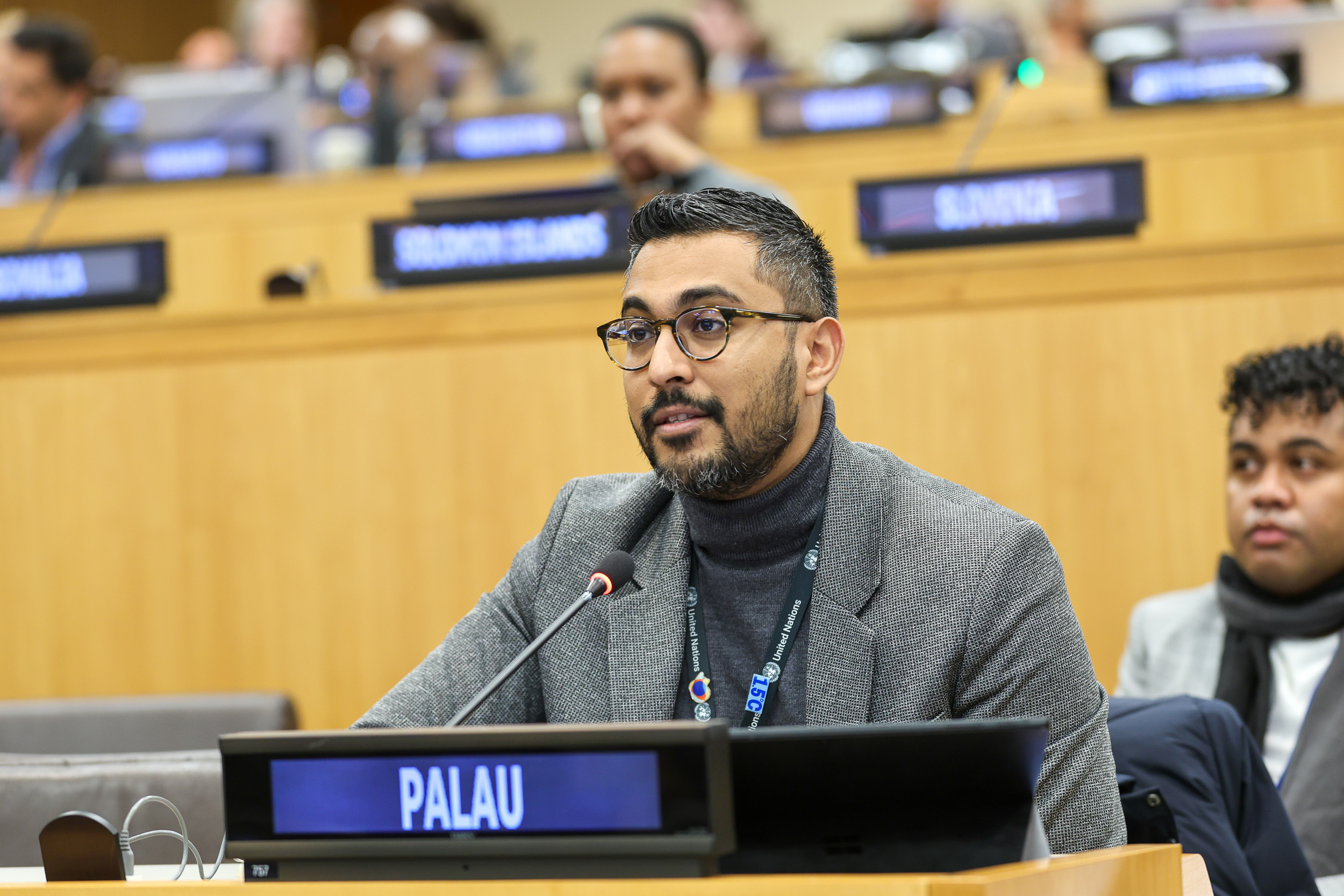
Vladamir Budhu, Palau
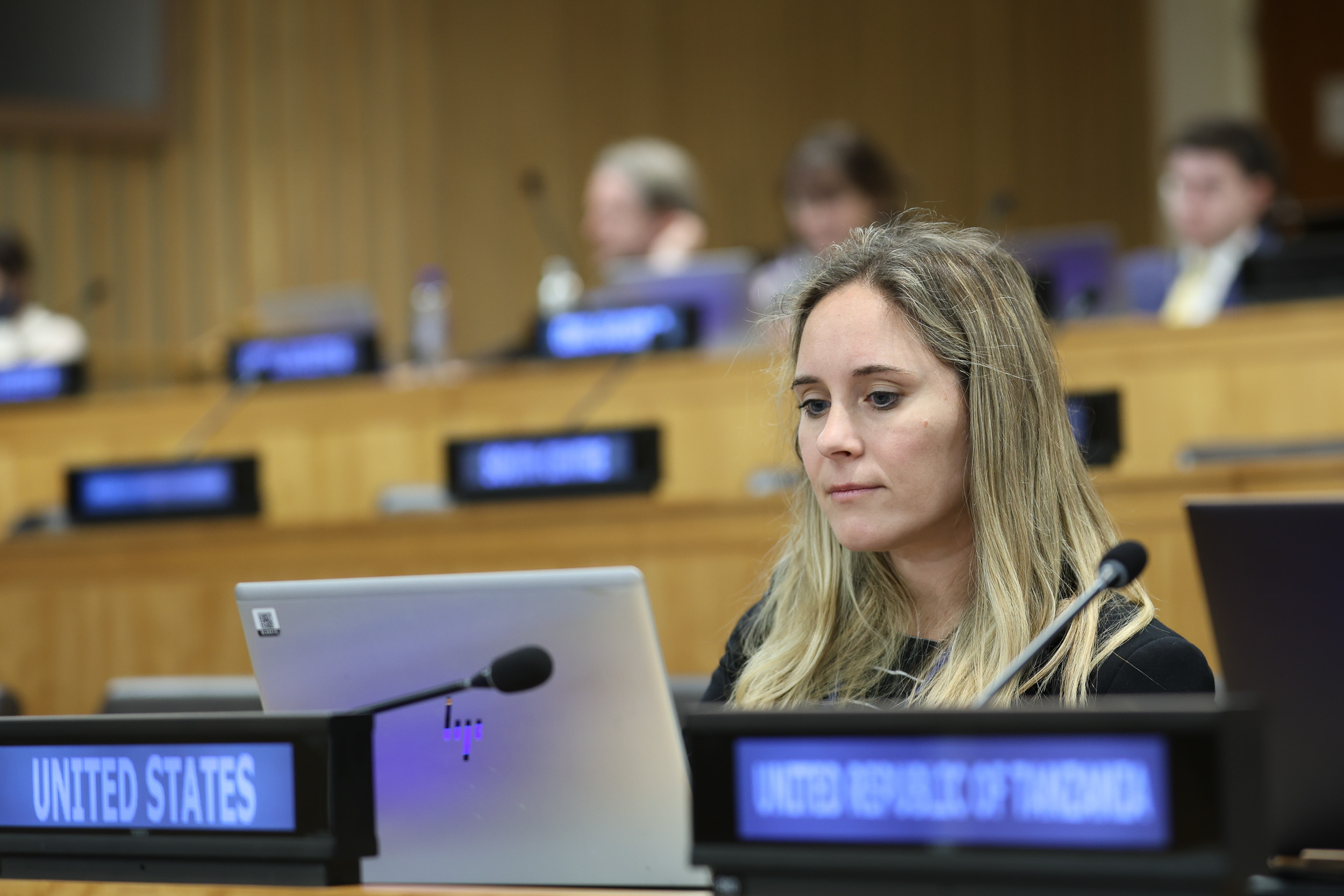
Rose Marks, US
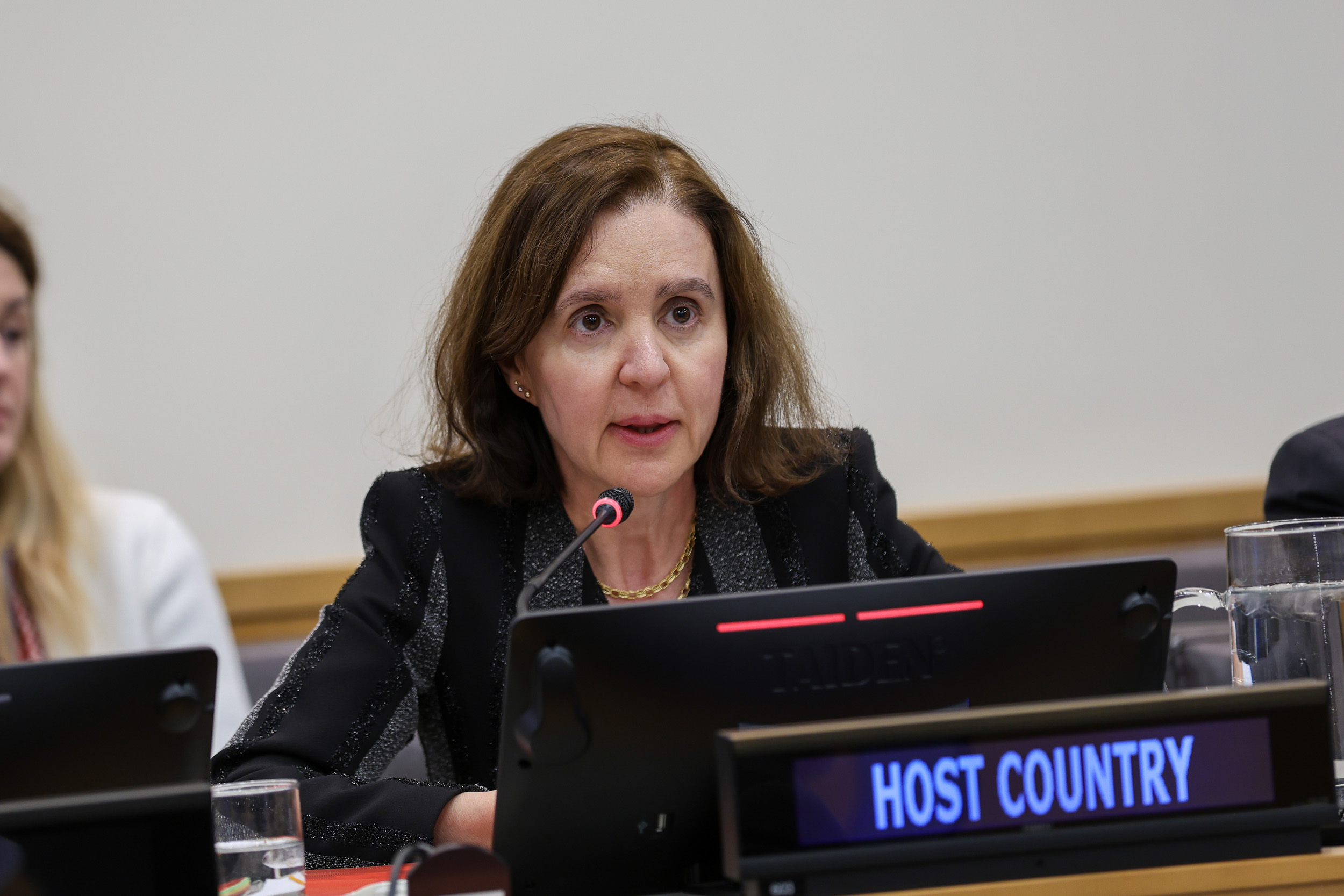
Ana María Menéndez Pérez, Spain
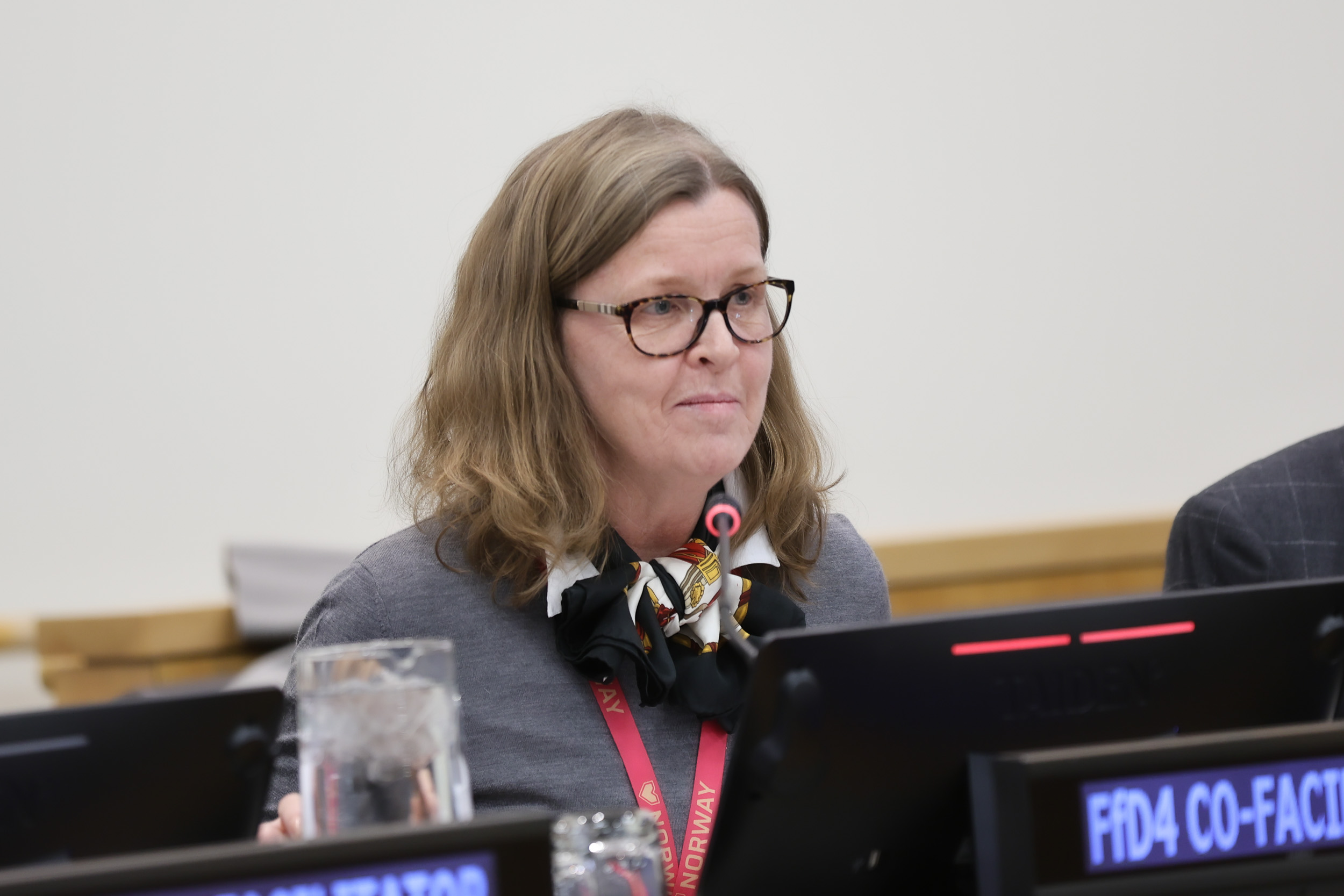
Co-Facilitator Merete Fjeld Brattested, Norway
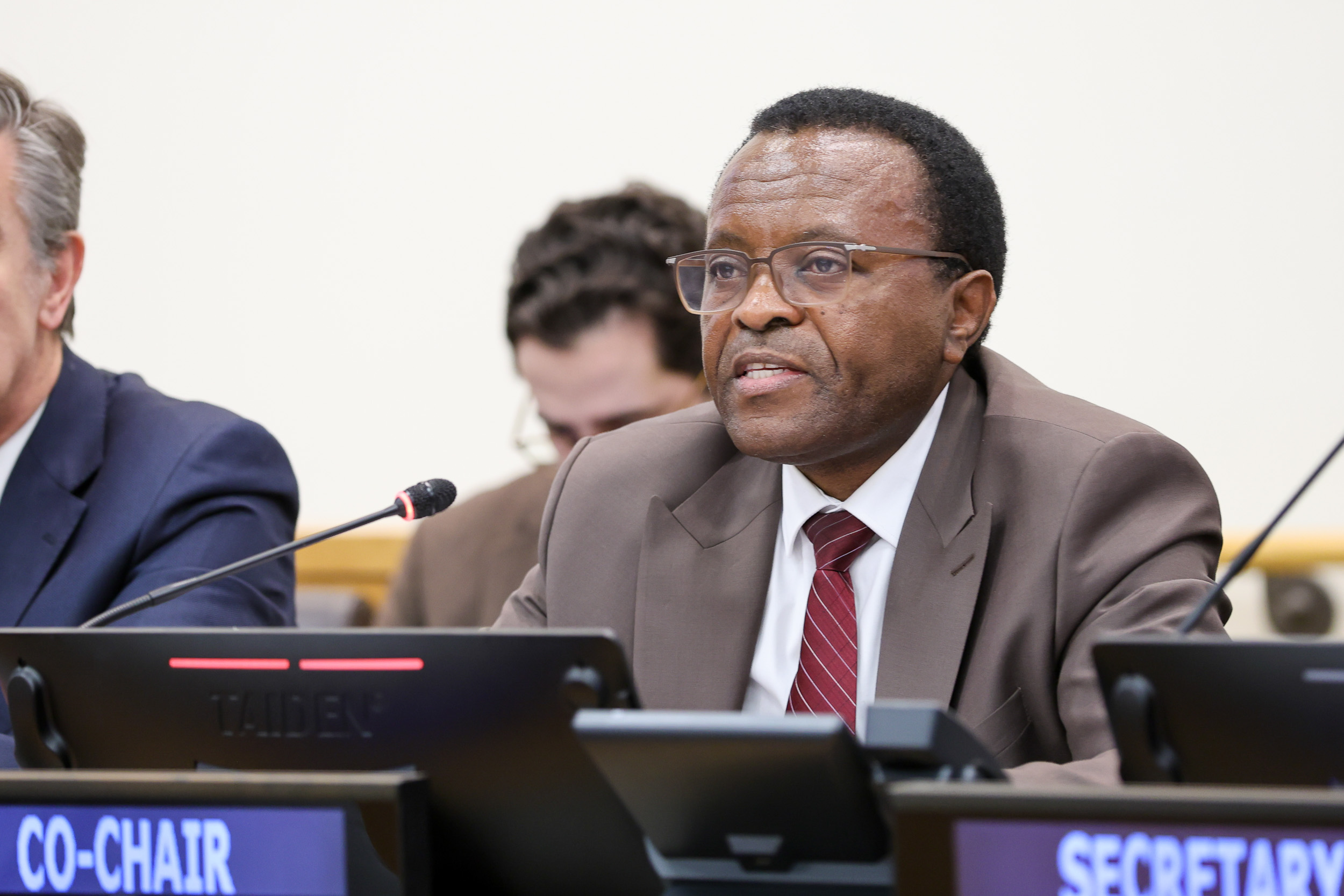
Co-Chair Zéphyrin Maniratanga, Burundi
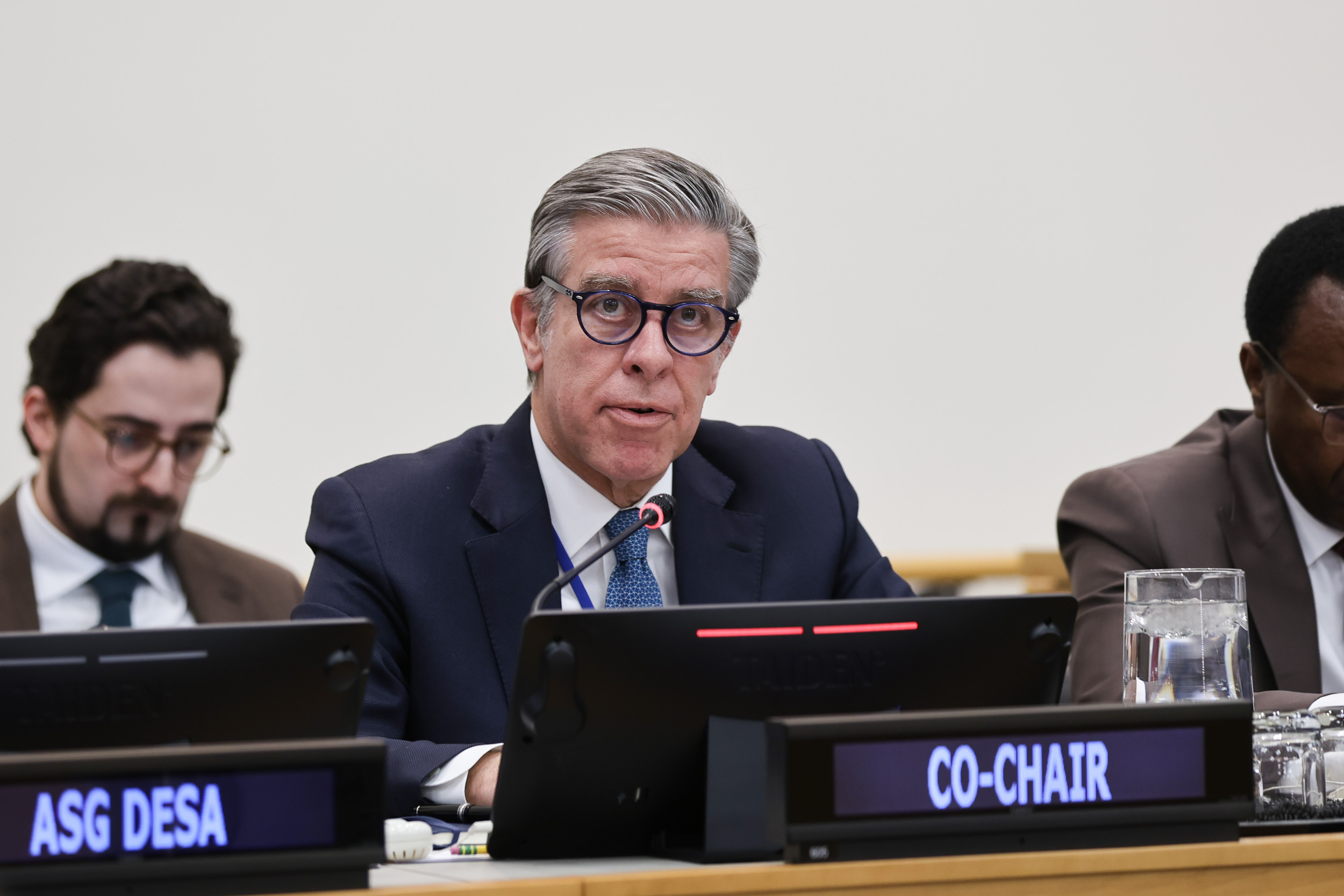
Co-Chair Rui Vinhas, Portugal
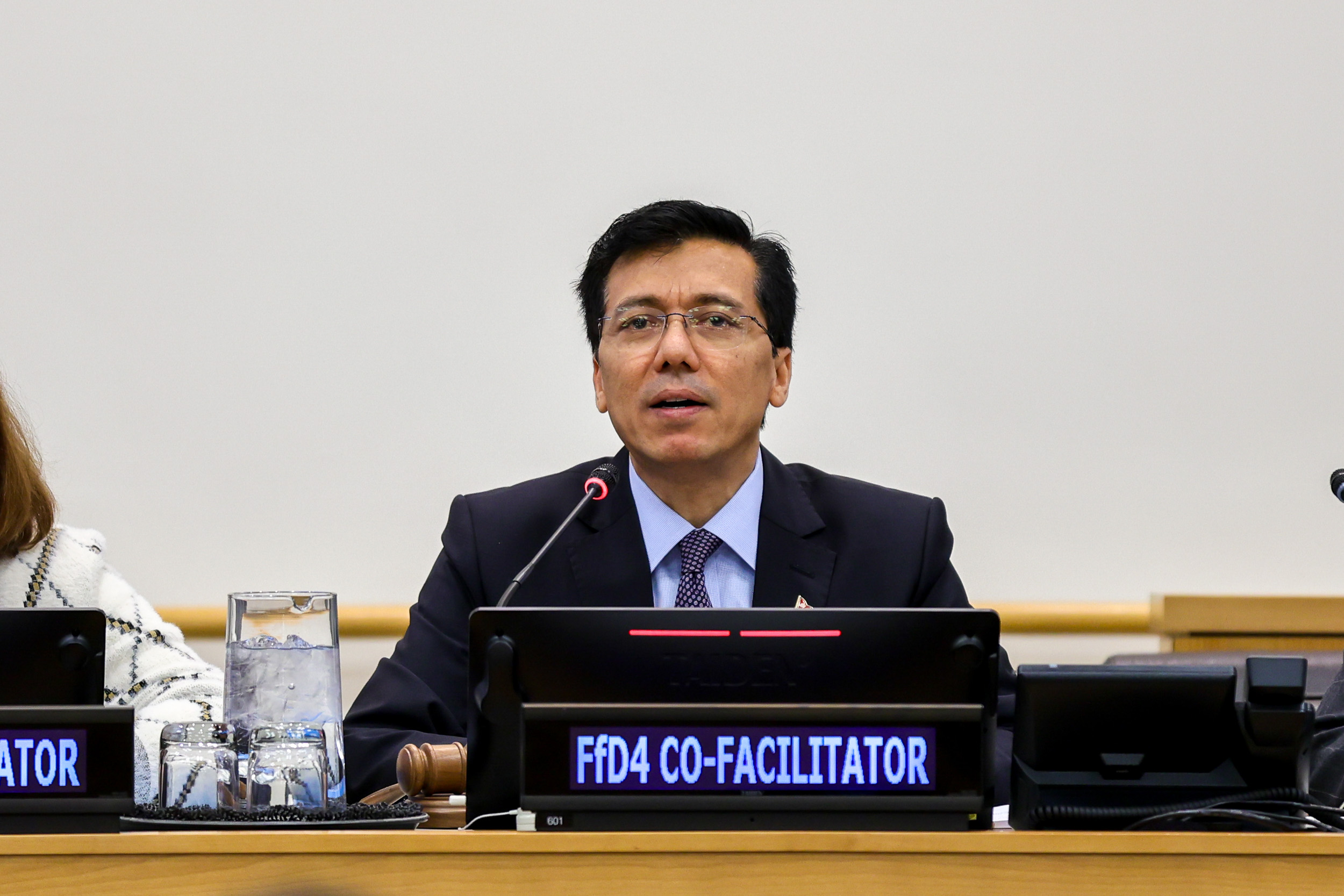
Co-Facilitator Lok Bahadur Thapa, Nepal
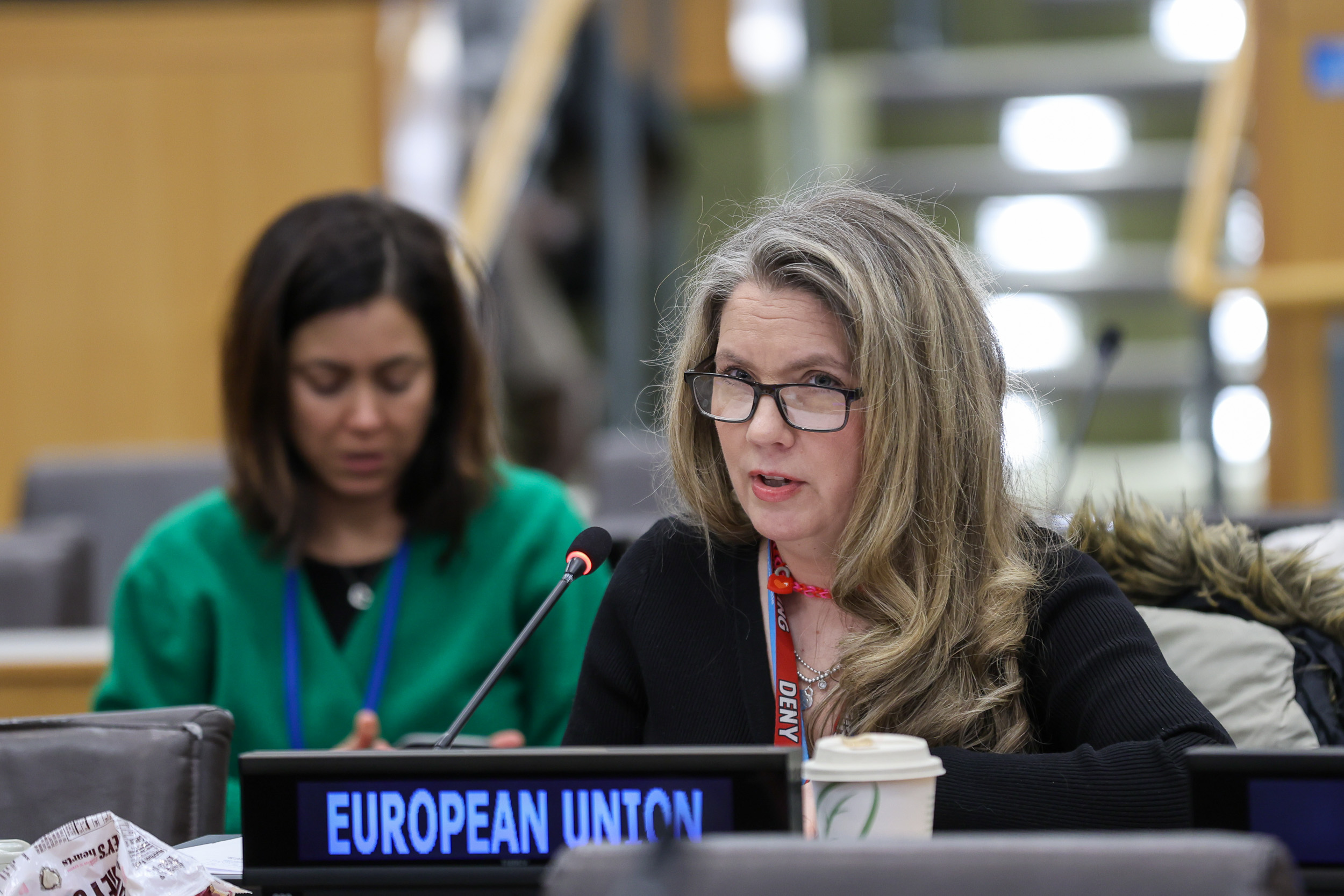
Tiina Satuli, EU
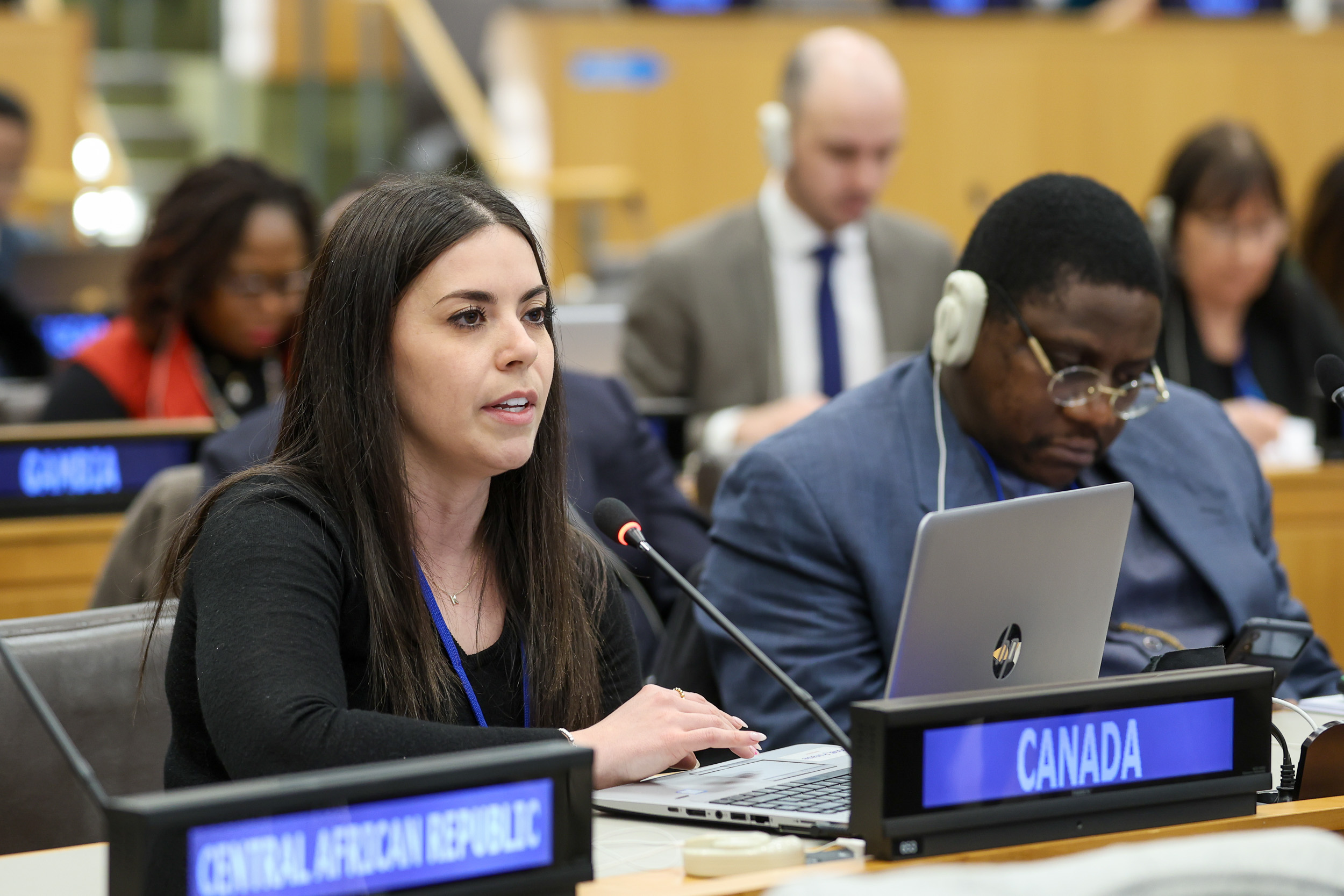
Dina Bettencourt, Canada
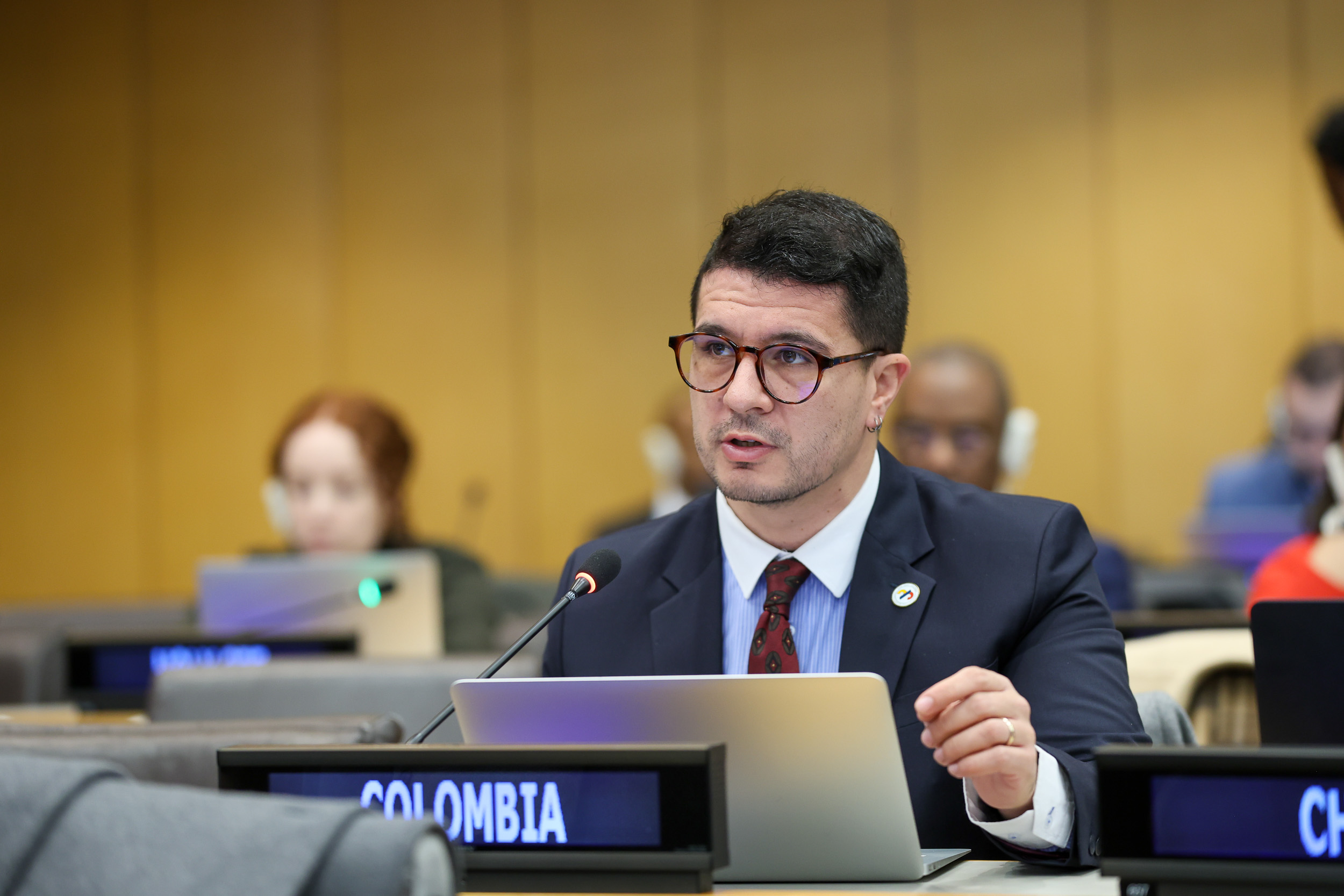
Andrés Rodríguez Durán, Colombia
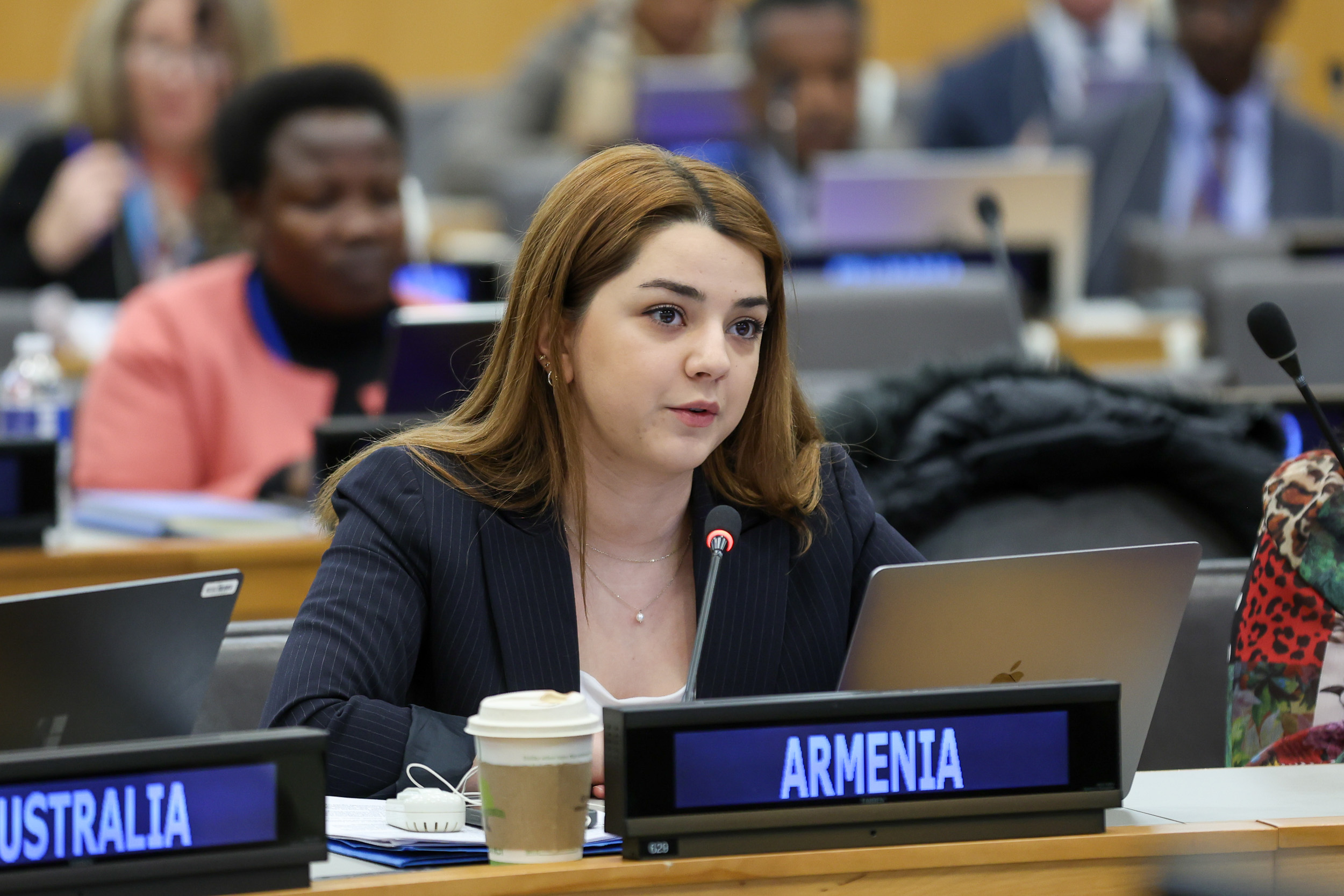
Julieta Tavakalyan, Armenia
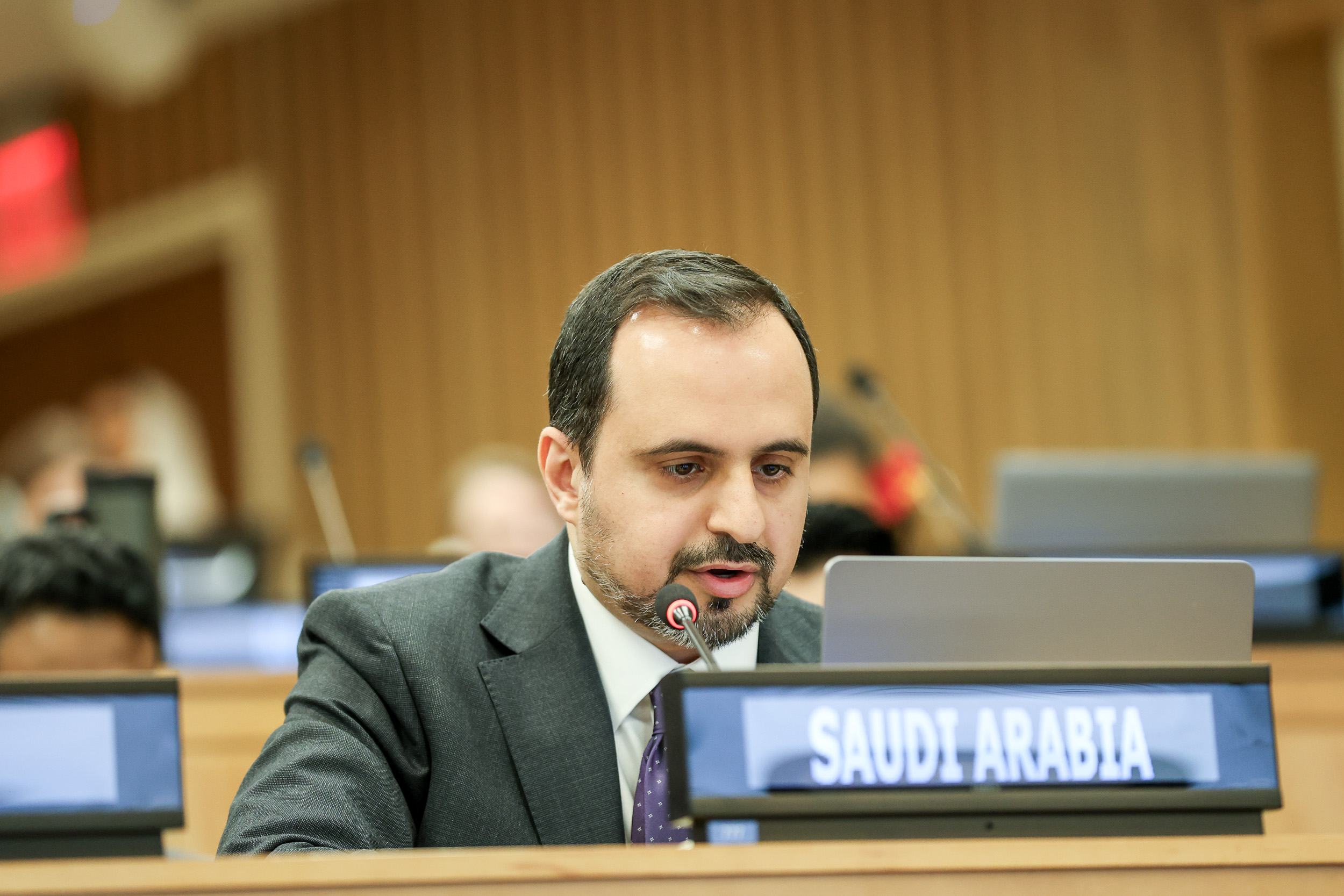
Basil Alrayes, Saudi Arabia

Kohei Yoshino, Japan
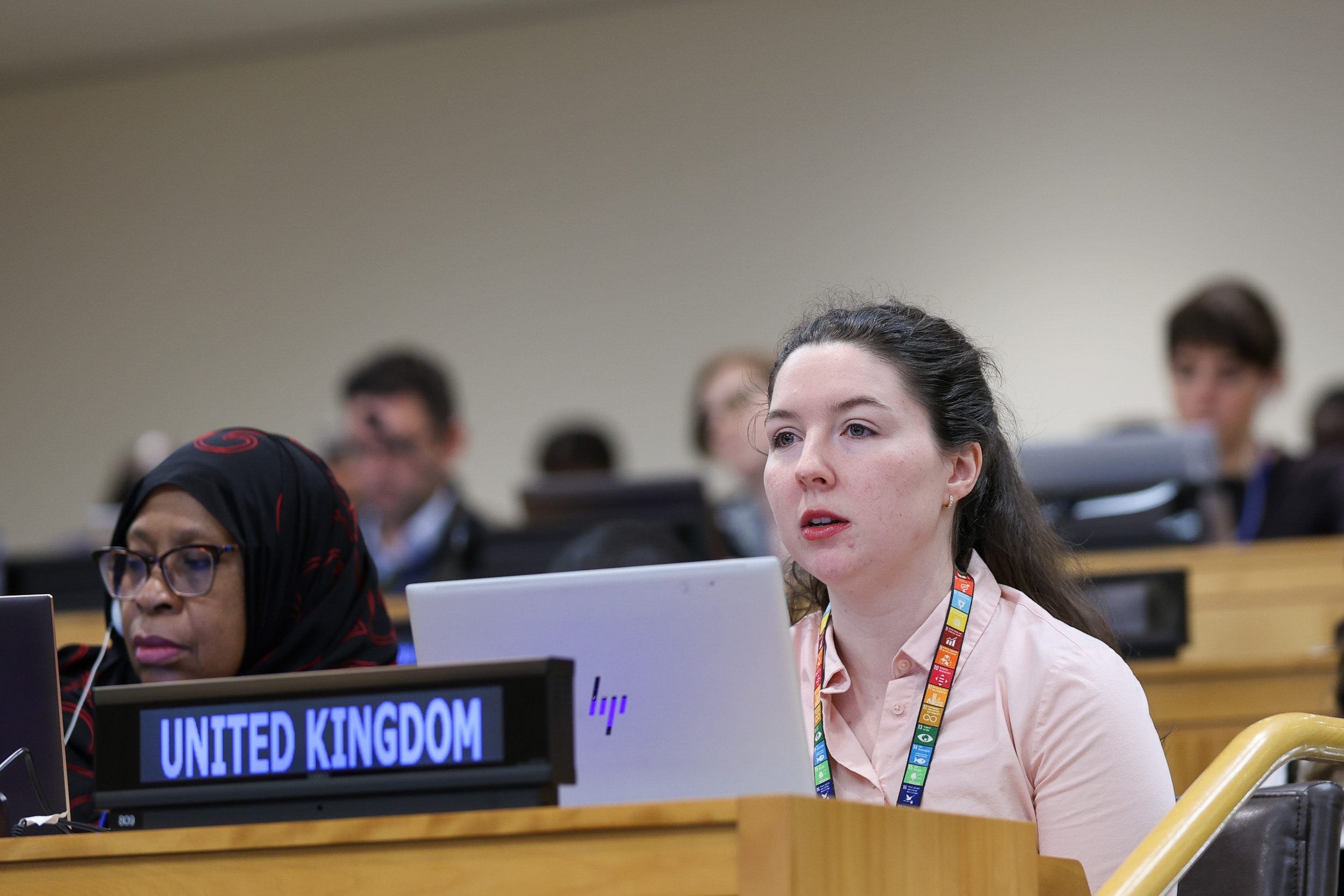
Katie Boyd-Lee, UK
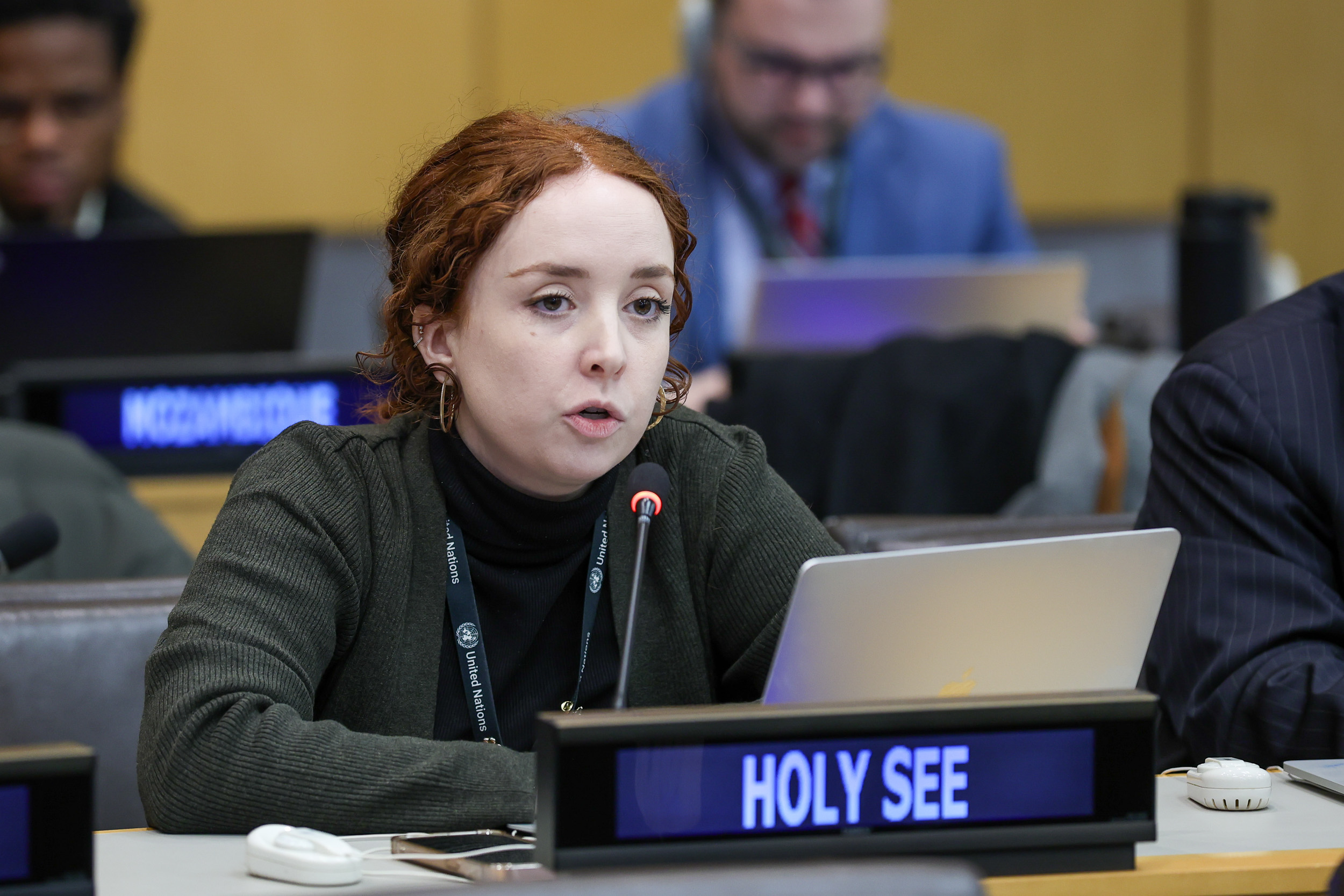
Ciara Hogan, Holy See
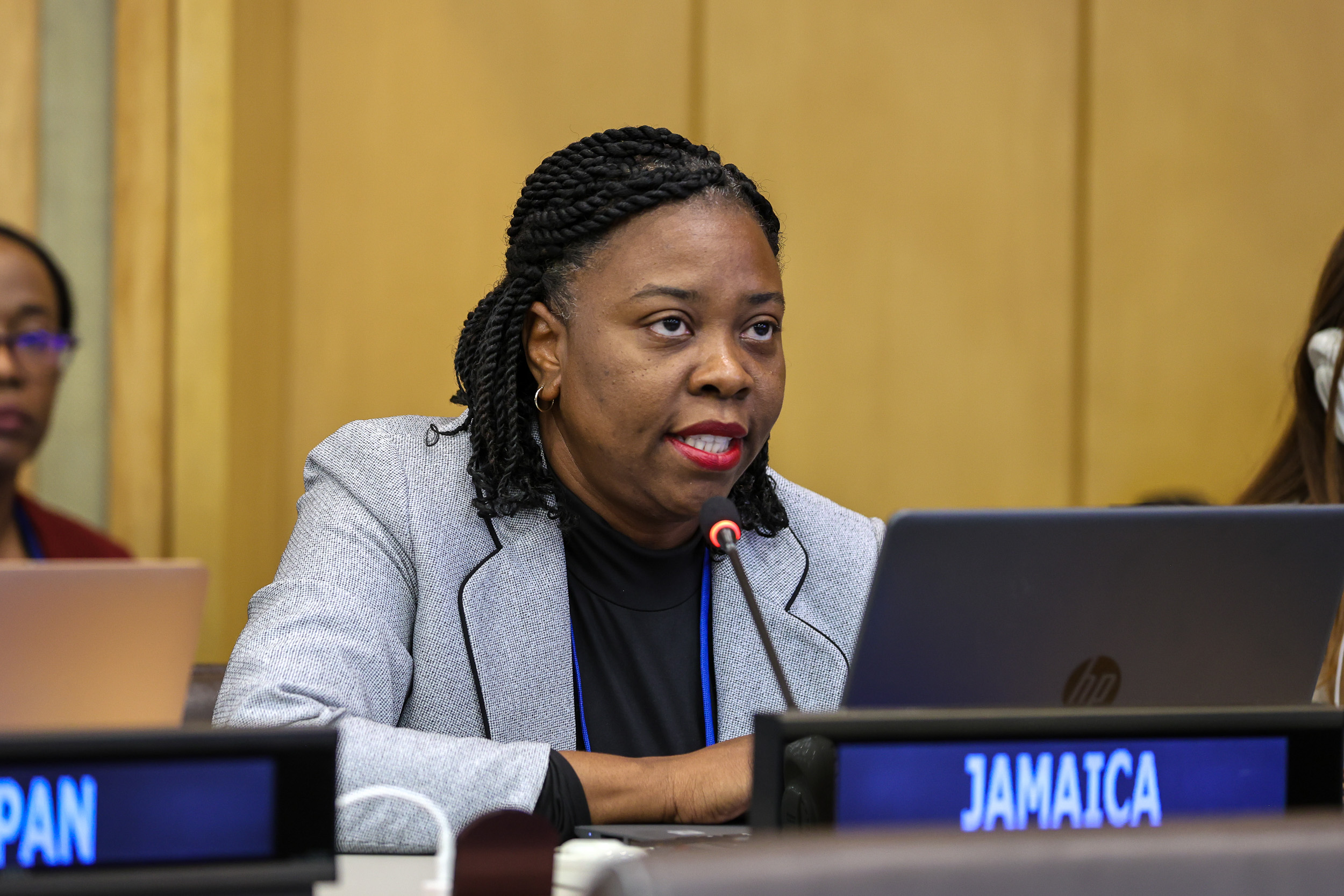
Andrea Dubidad-Dixon, Jamaica
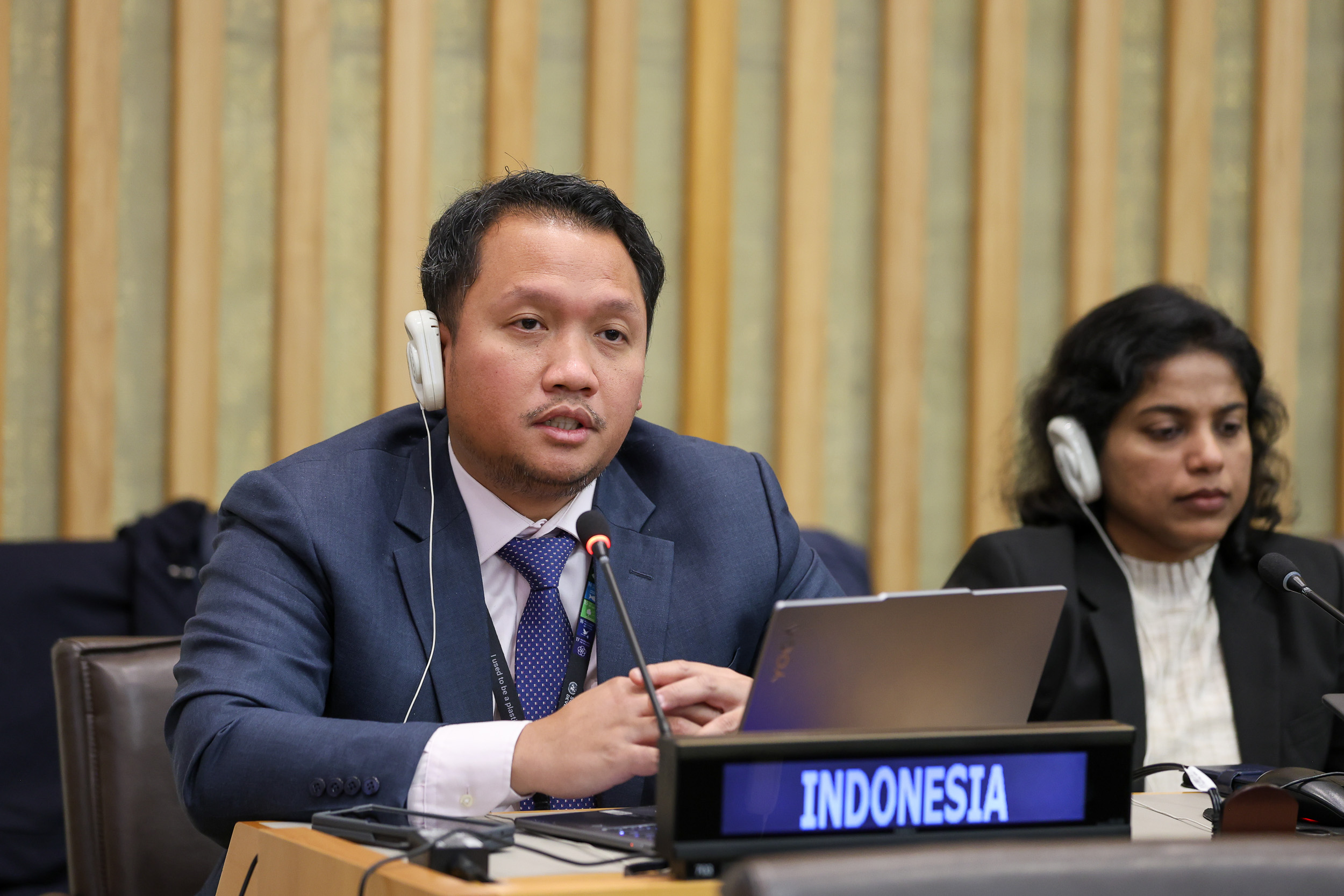
Dwi Wisnu Budi Prabowo, Indonesia
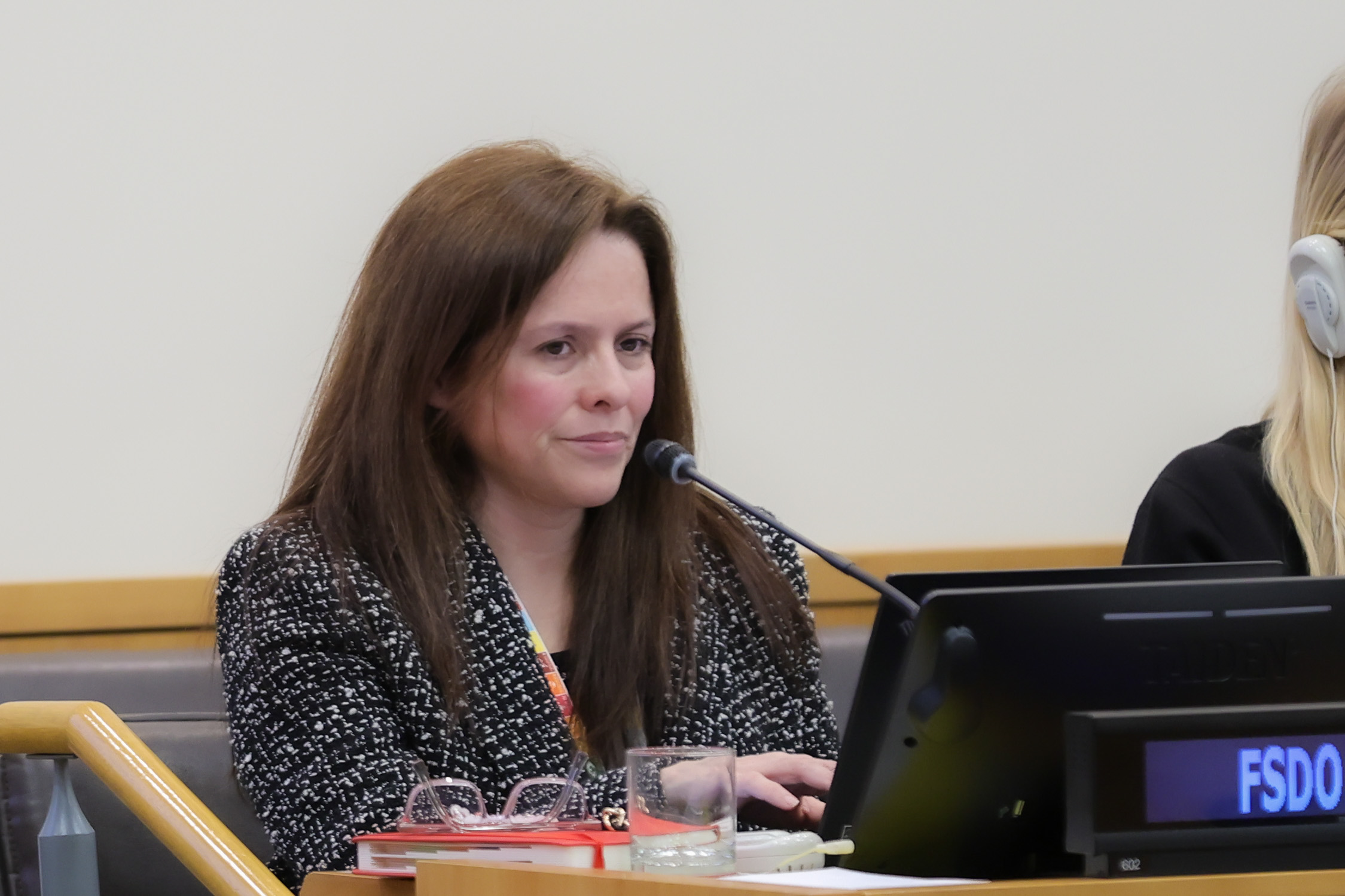
Mariangela Parra-Lancourt, UN DESA
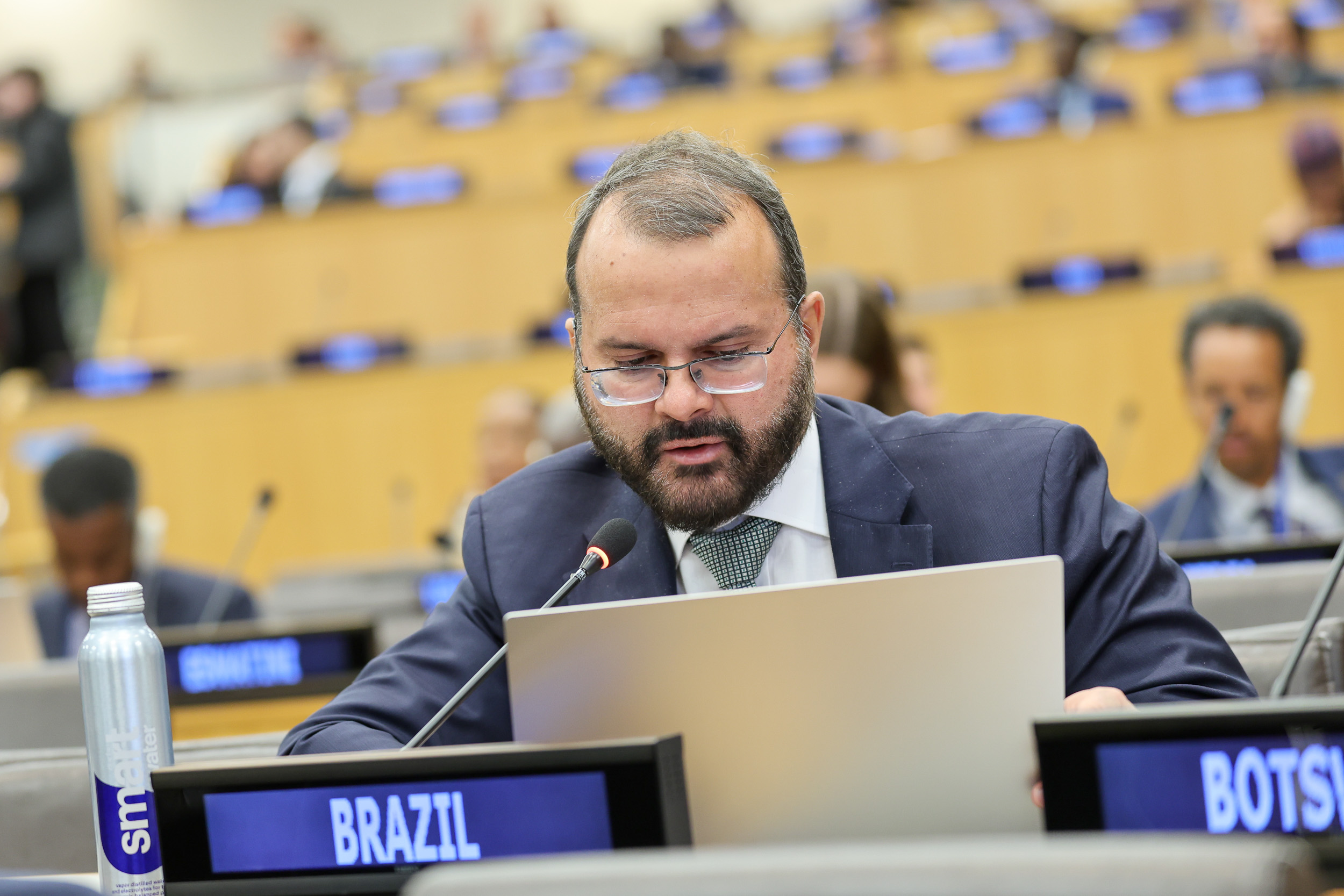
Felipe Costa, Brazil
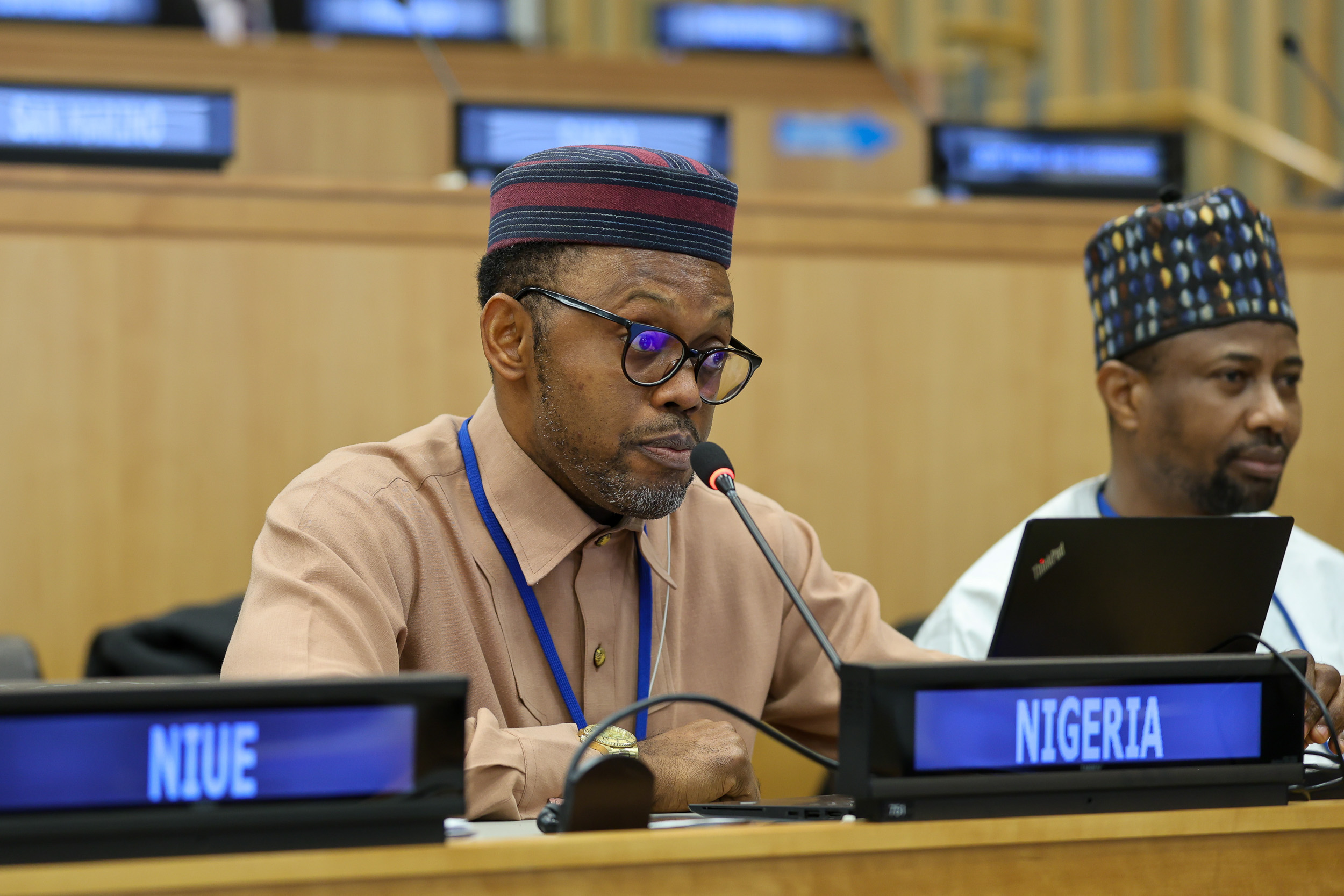
Emmanuel Ikechukwu Nweke, Nigeria
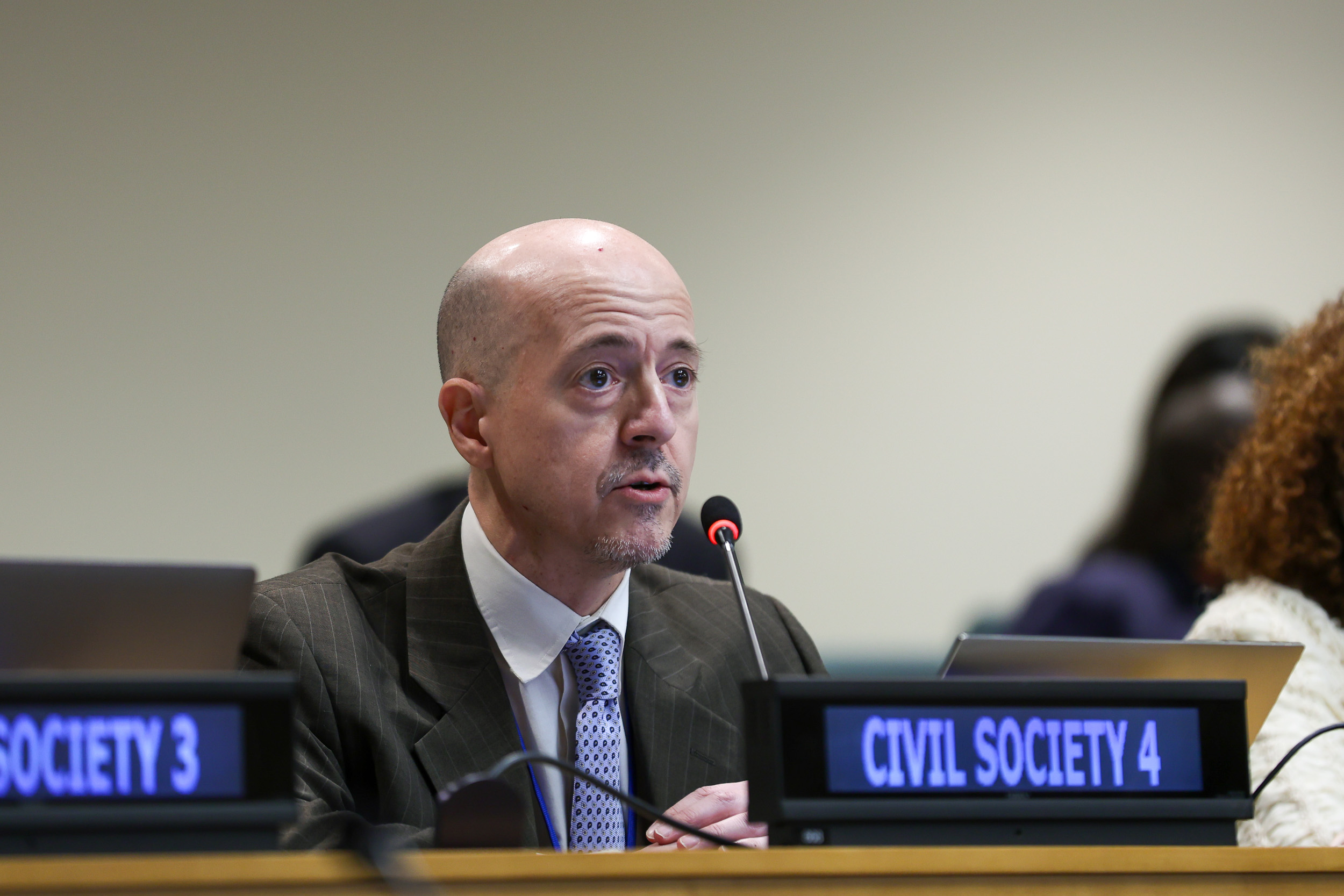
Aldo Caliari, Jubilee USA Network
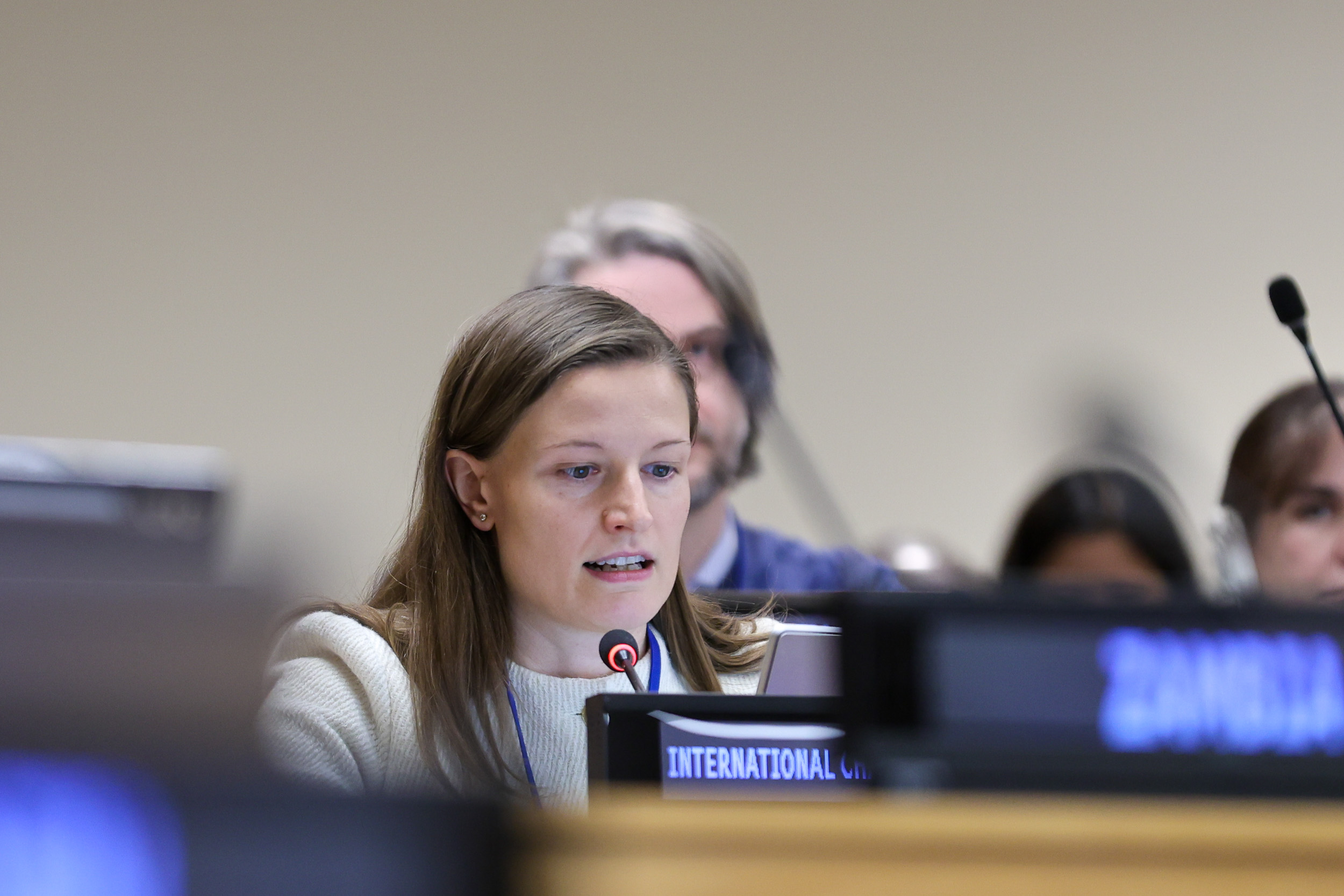
Sandra Hanni, International Chamber of Commerce
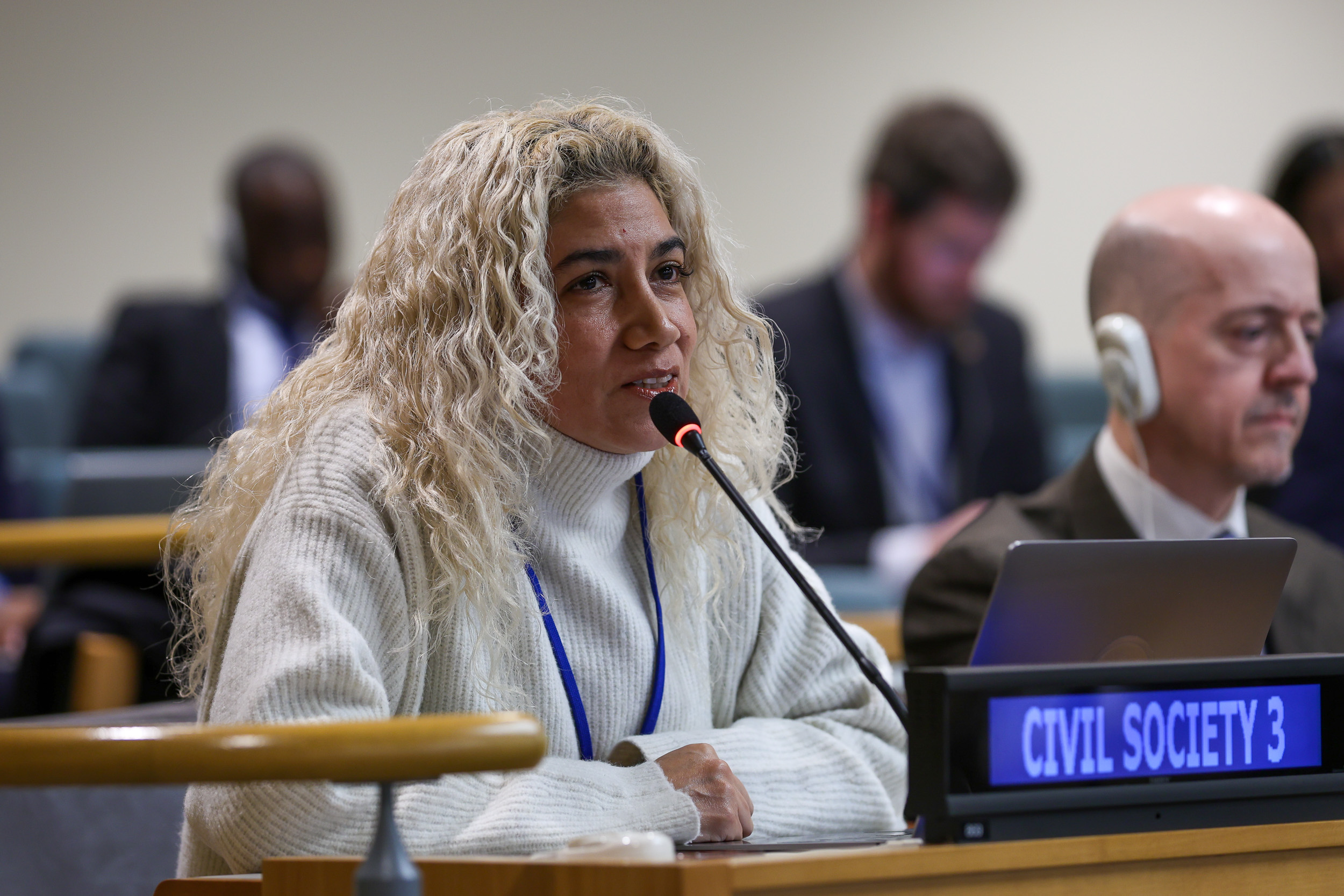
Emilia Reyes, Gender Equity: Citizenship, Work and Family
Selected Images
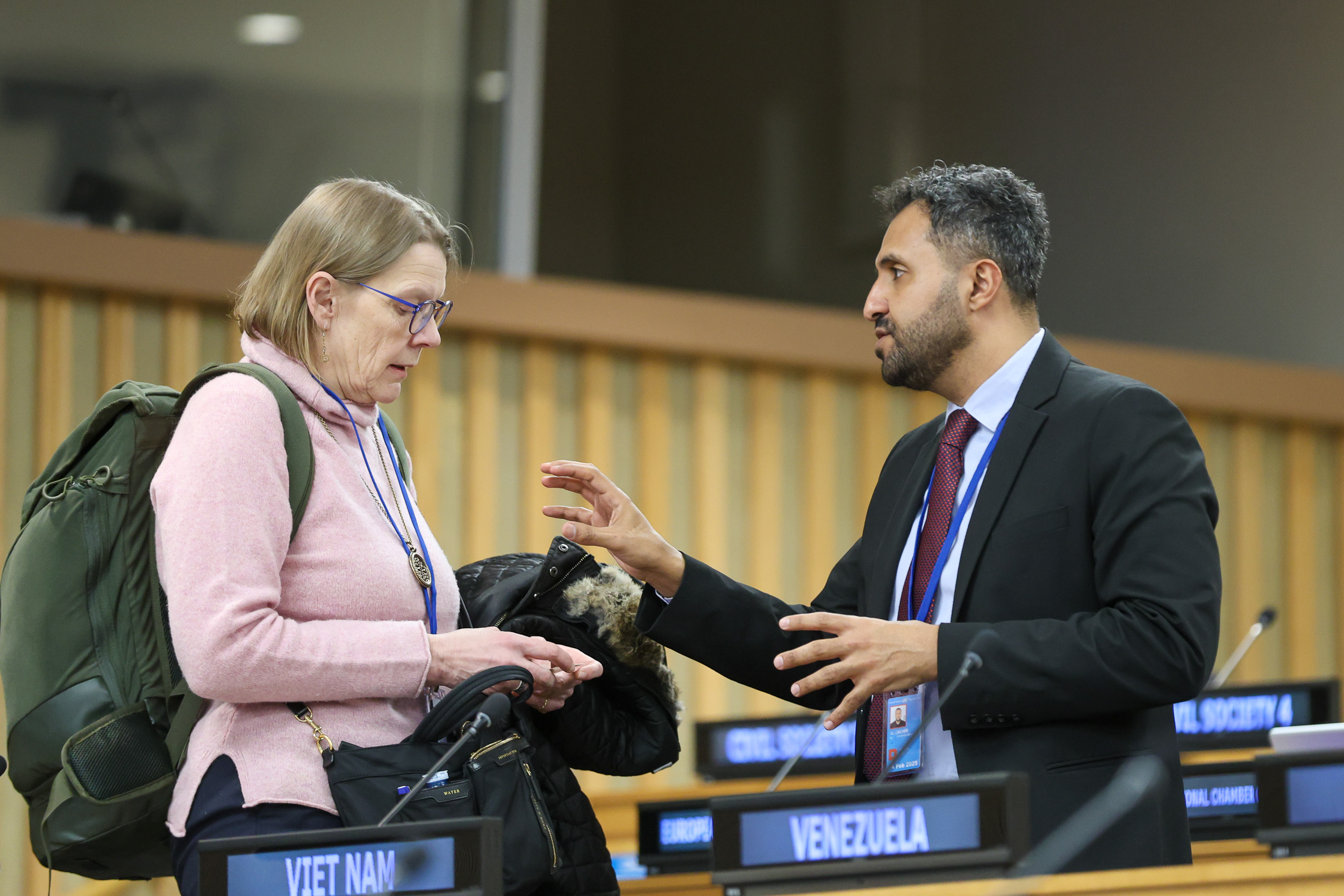
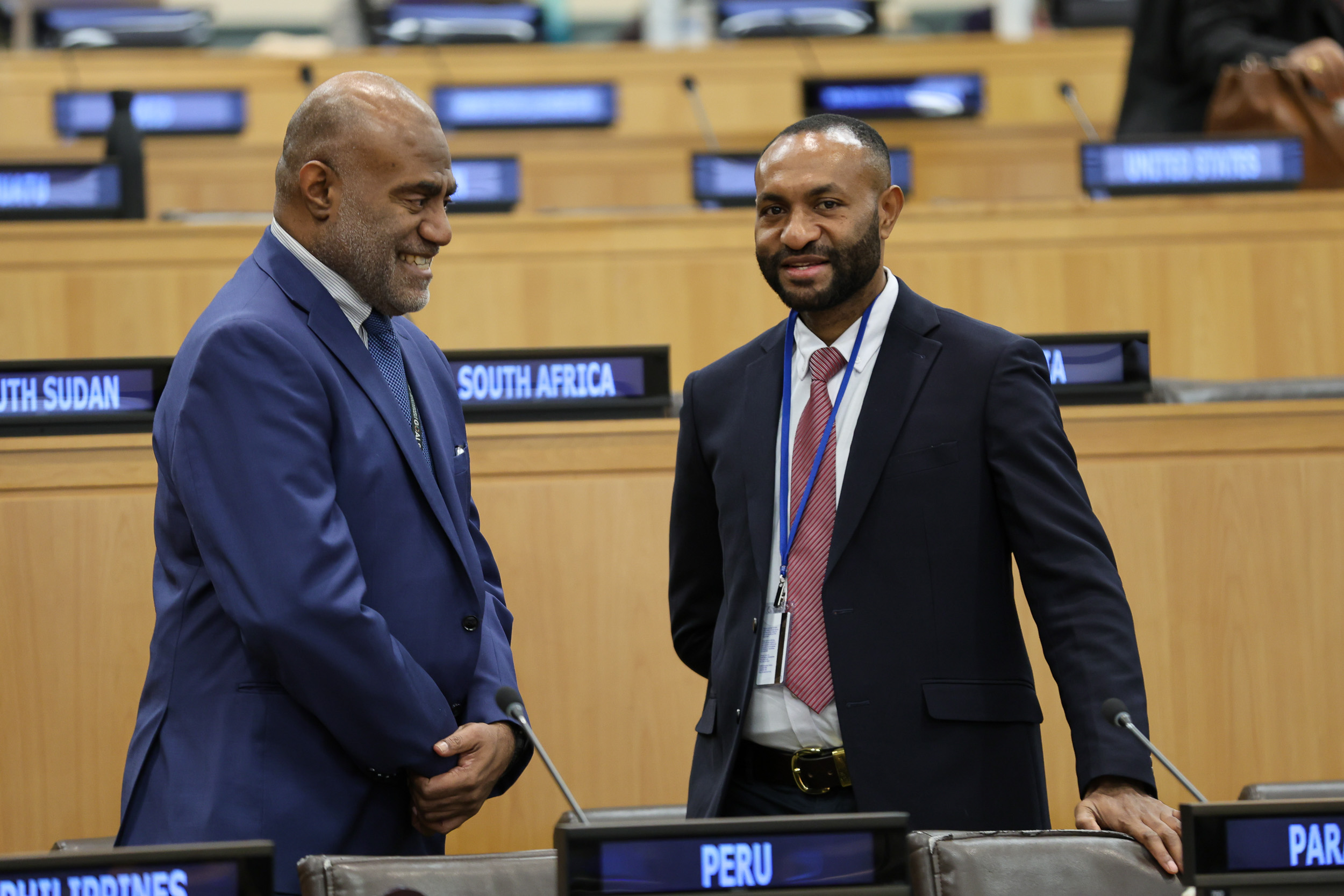
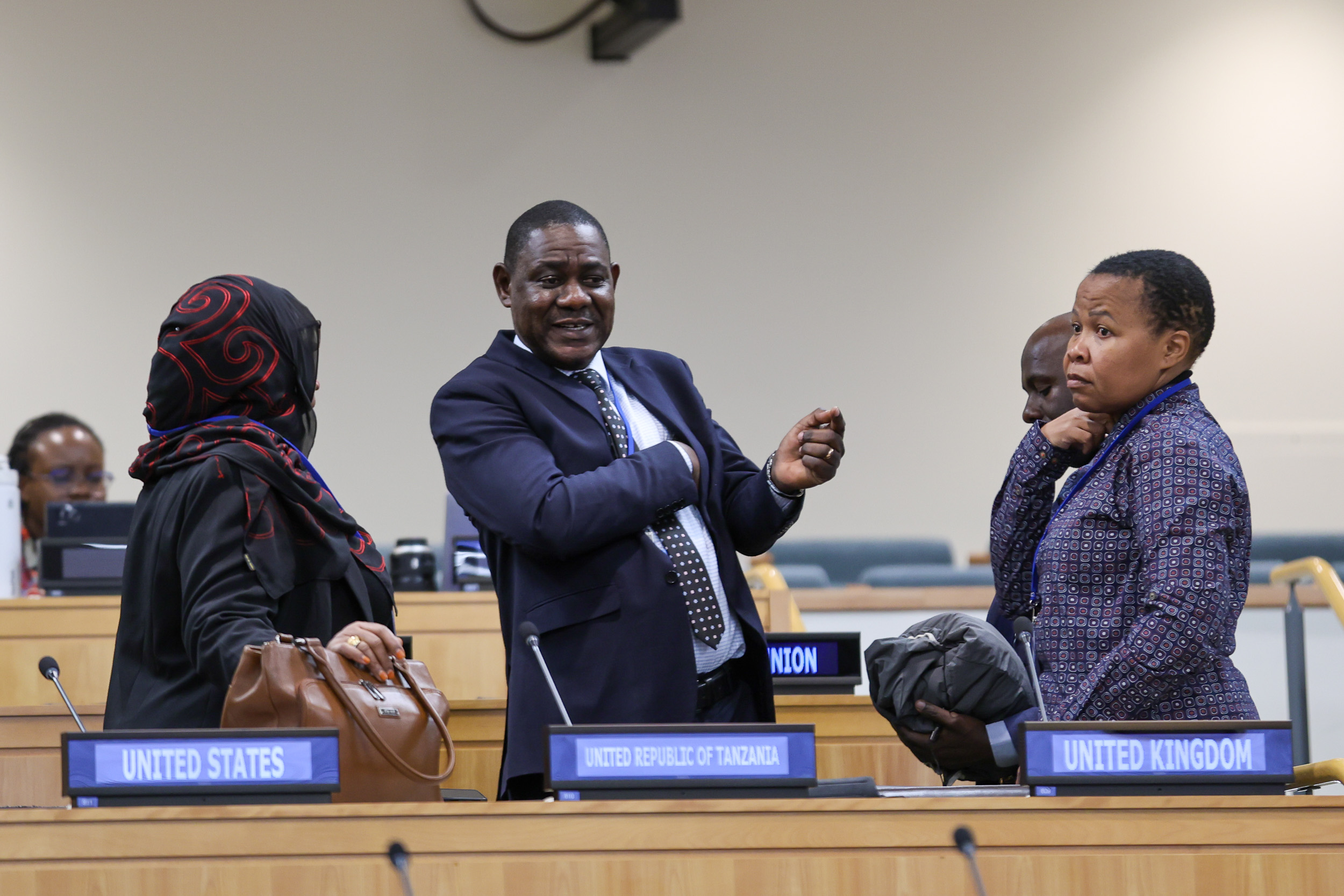
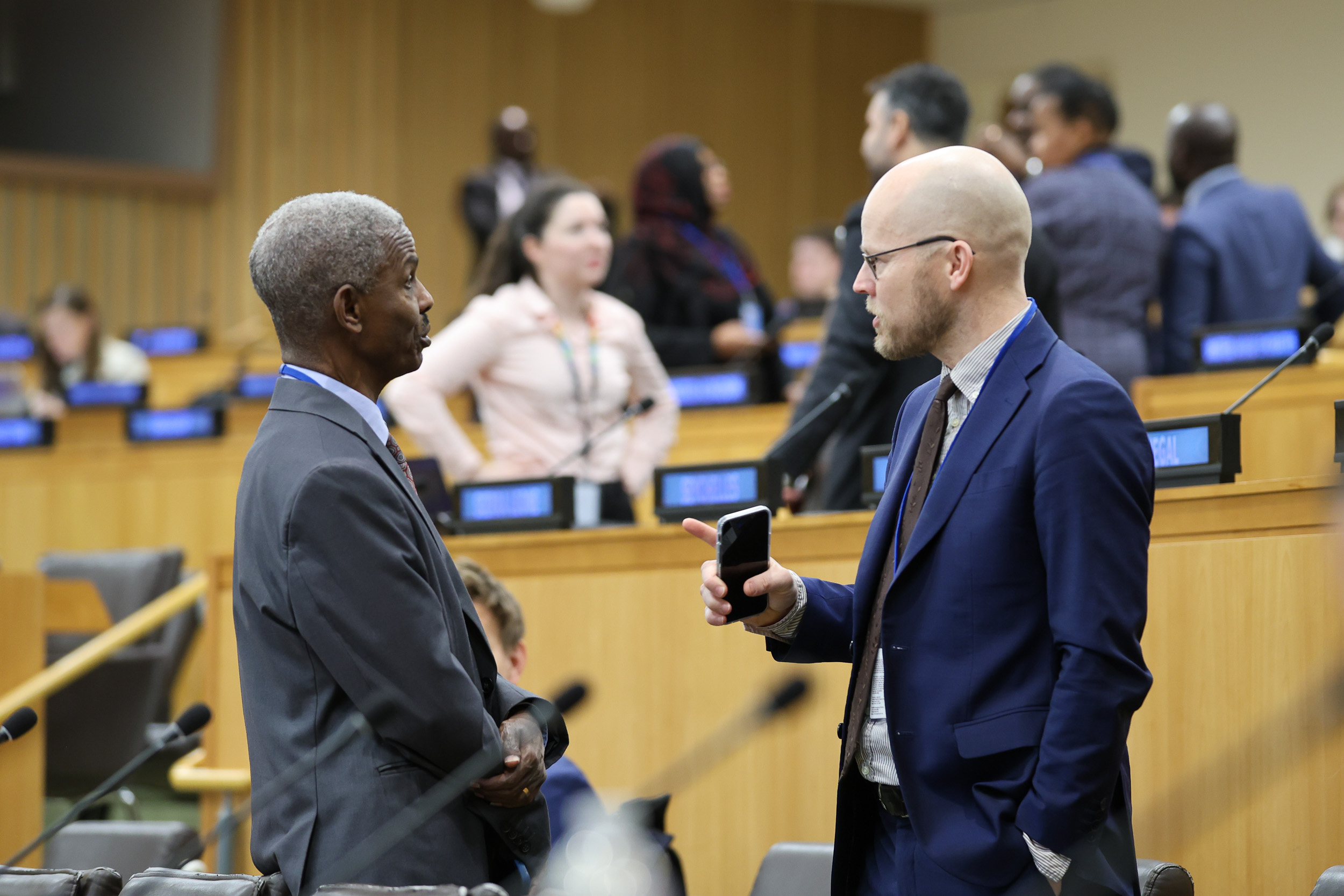
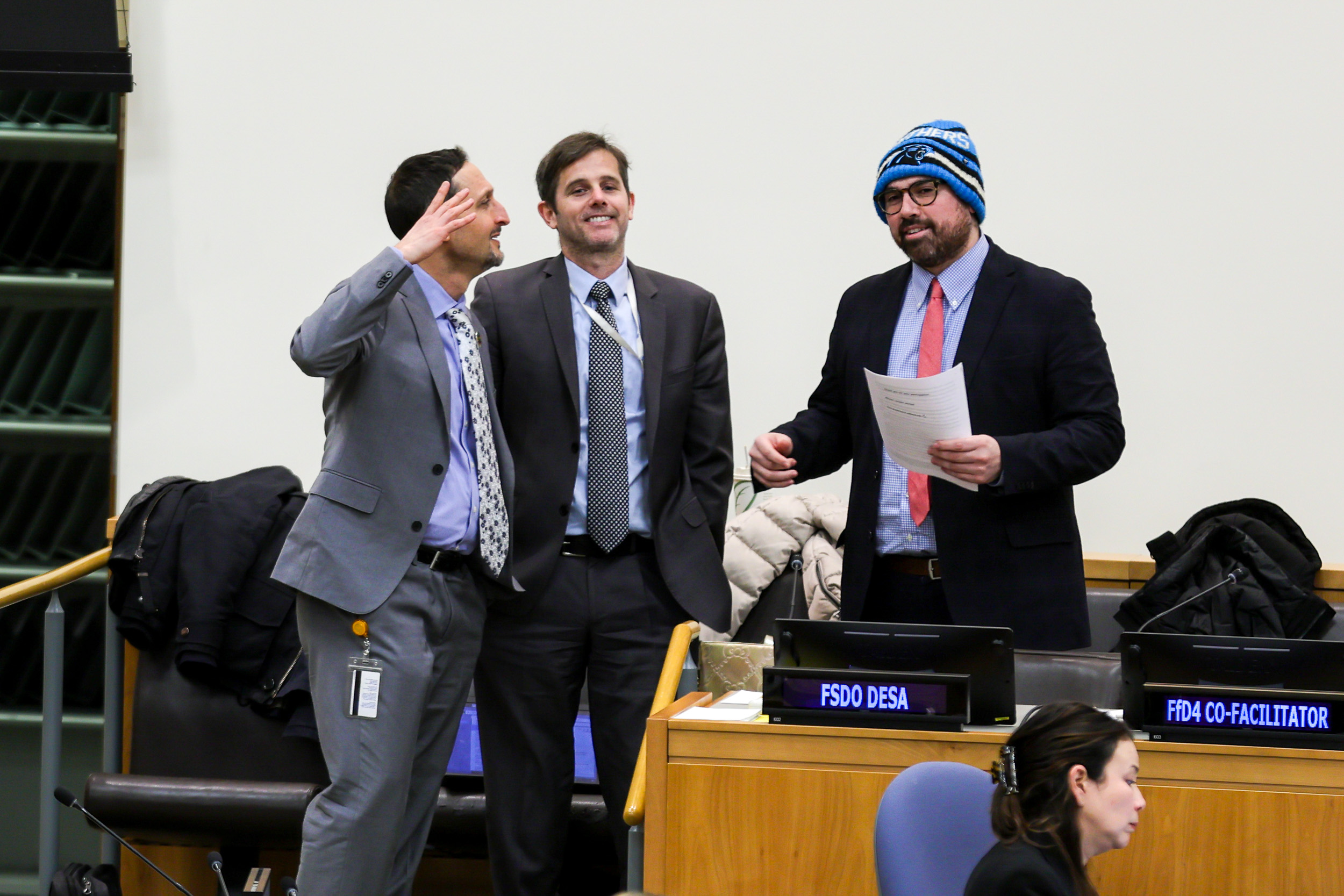
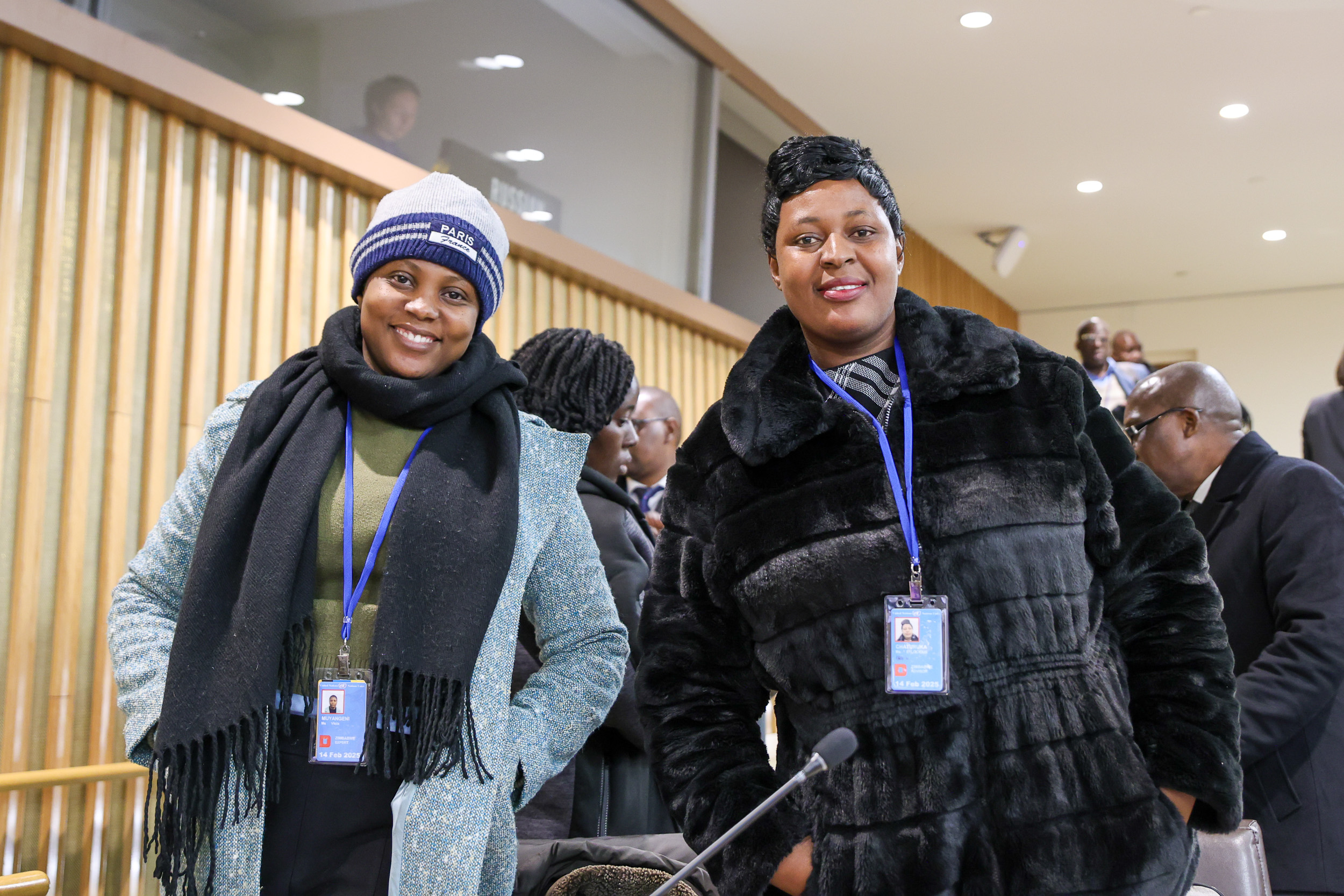
Viola Muyangeni and Sylocious Chaturuka, Zimbabwe
Around the Venue



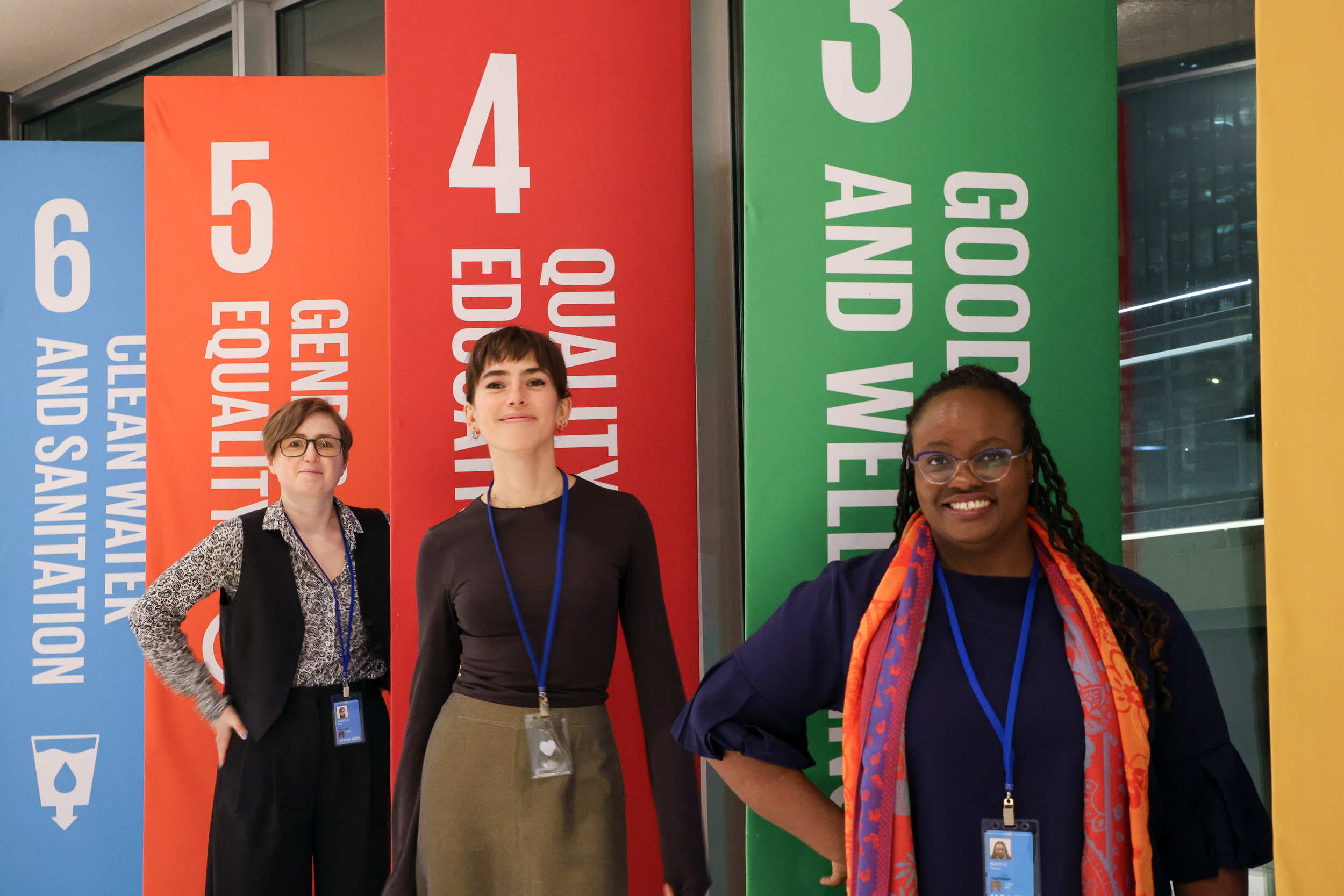
The ENB writing team. From L-R: Anna Dubrova; Emma Vovk; and Tallash Kantai. Photo by Mike Muzurakis.