International development cooperation has been the bedrock of development for almost 80 years. Official development assistance (ODA) has historically moved in one direction: from developed nations to developing nations, and has taken the form of grants, loans, and concessional financing. In earlier rounds of financing for development talks, most developed countries committed to setting aside 0.7% of their gross national income (GNI) to service development cooperation obligations.
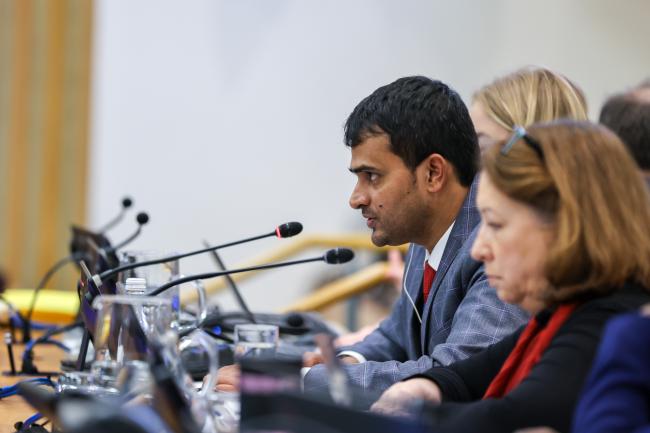
This commitment has never been met by all countries, hindering the progress of developing countries trying to meet their socio-economic needs on issues such as poverty eradication, health, education, and social protection. When delegates convened for the mid-week meeting of the third session of the Preparatory Committee (PrepCom3) for the fourth International Conference on Financing for Development (FfD4), the elephant in the room was the withdrawal of ODA by some development partners, notably the US’ recent actions to halt operations of its primary ODA facility, the US Agency for International Development (USAID).
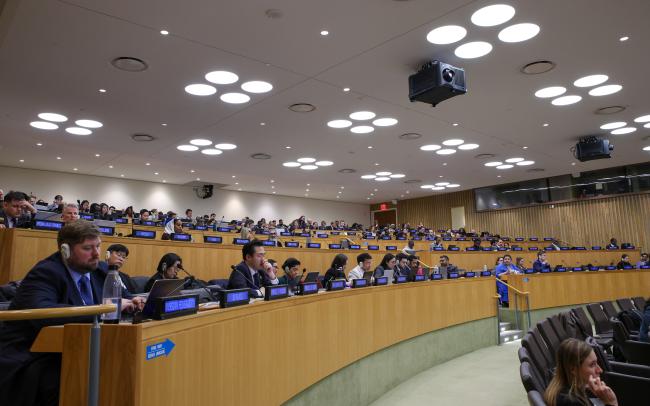
During the prolonged discussions on this chapter, several countries made calls for the Zero Draft of the FfD4 Outcome Document to include language to compel relevant states to fulfil their ODA obligations. Many delegations also underlined that international development assistance should not also be counted as climate financing. In impassioned speeches, some small island developing states (SIDS) underscored the need for grant funding to build resilience and adapt to the realities of climate change, with Tuvalu noting that climate finance is “not just about dollars and cents, it is about survival.”
Delegates also addressed the Draft’s mention of the multidimensional vulnerability index (MVI) as a measure of development beyond gross domestic product (GDP), with several SIDS and least developed countries welcoming its inclusion. Most delegations also supported language on South-South and triangular cooperation, with some stressing that this cooperation is complementary to traditional North-South financing (that is, ODA).
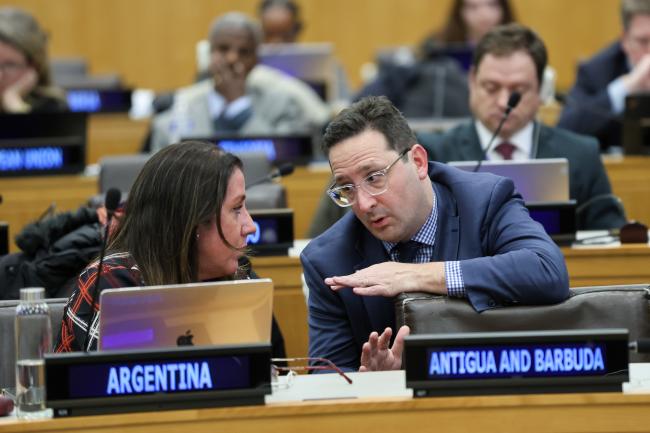
In the afternoon, running slightly behind schedule, delegations opened discussions on another hot-potato issue: international trade as an engine for development. With its close ties to the rules-based system of the World Trade Organization (WTO), delegates focused their interventions on aligning the language in the future Outcome Document to their interpretations of the WTO system. They also debated how to best reflect concerns and aspirations related to the trade in critical minerals.
Discussions on the Zero Draft will continue on Thursday.
All ENB photos are free to use with attribution. For the 3rd Session of the Preparatory Committee for the 4th International Conference on FfD, please use: Photo by IISD/ENB | Mike Muzurakis
Plenary
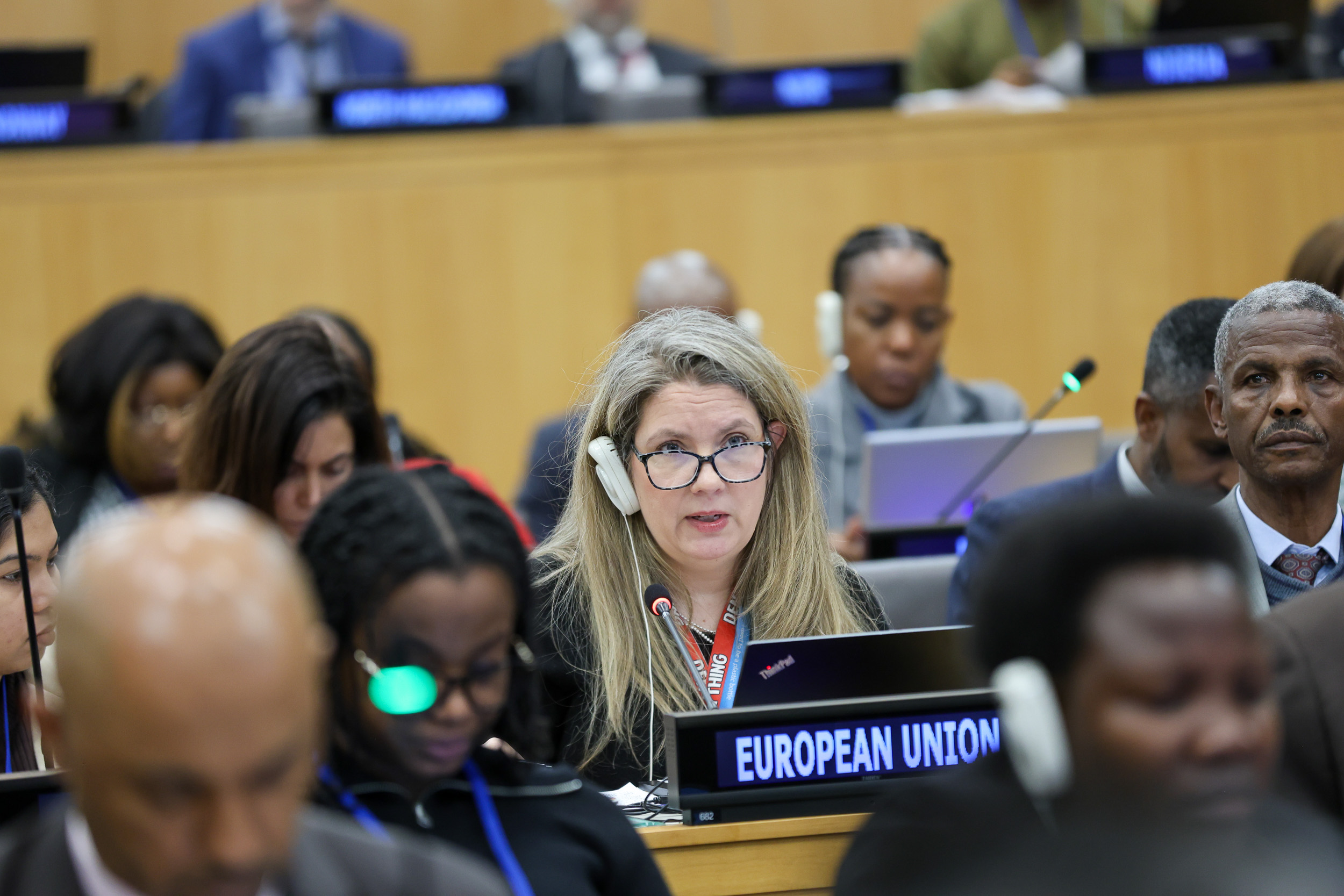
Tiina Satuli, EU
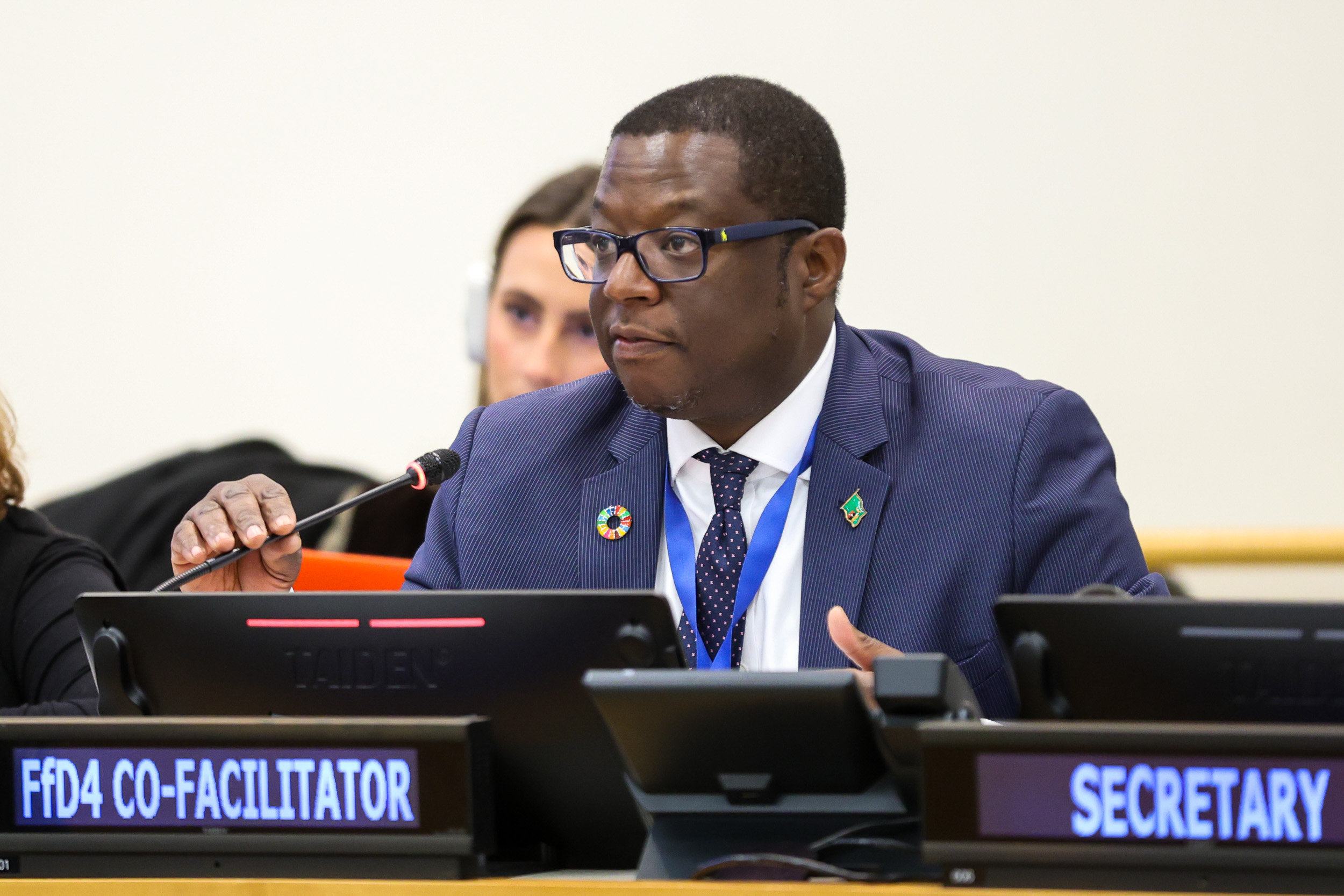
Co-Facilitator Chola Milambo, Zambia
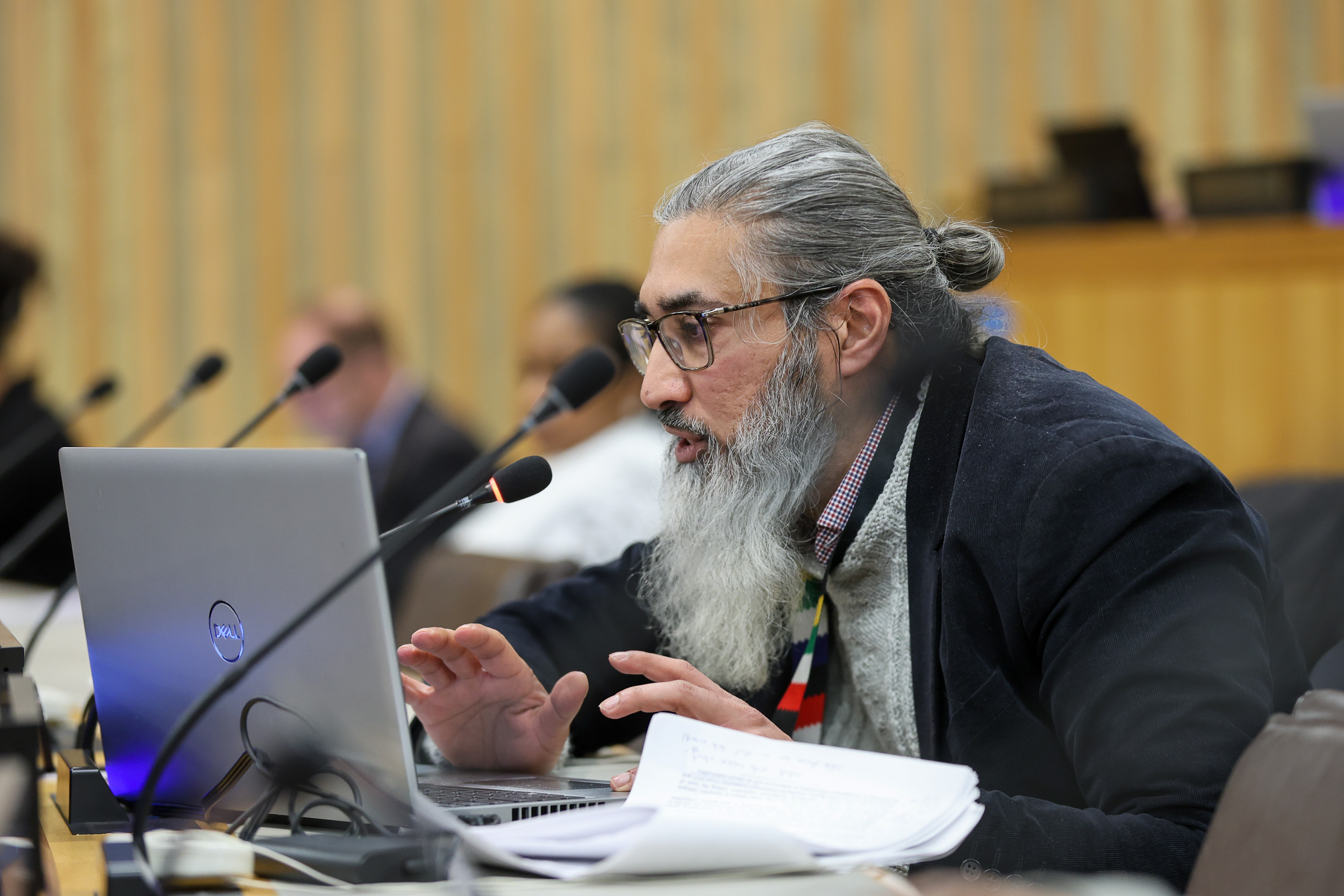
Ahmed Seedat, South Africa
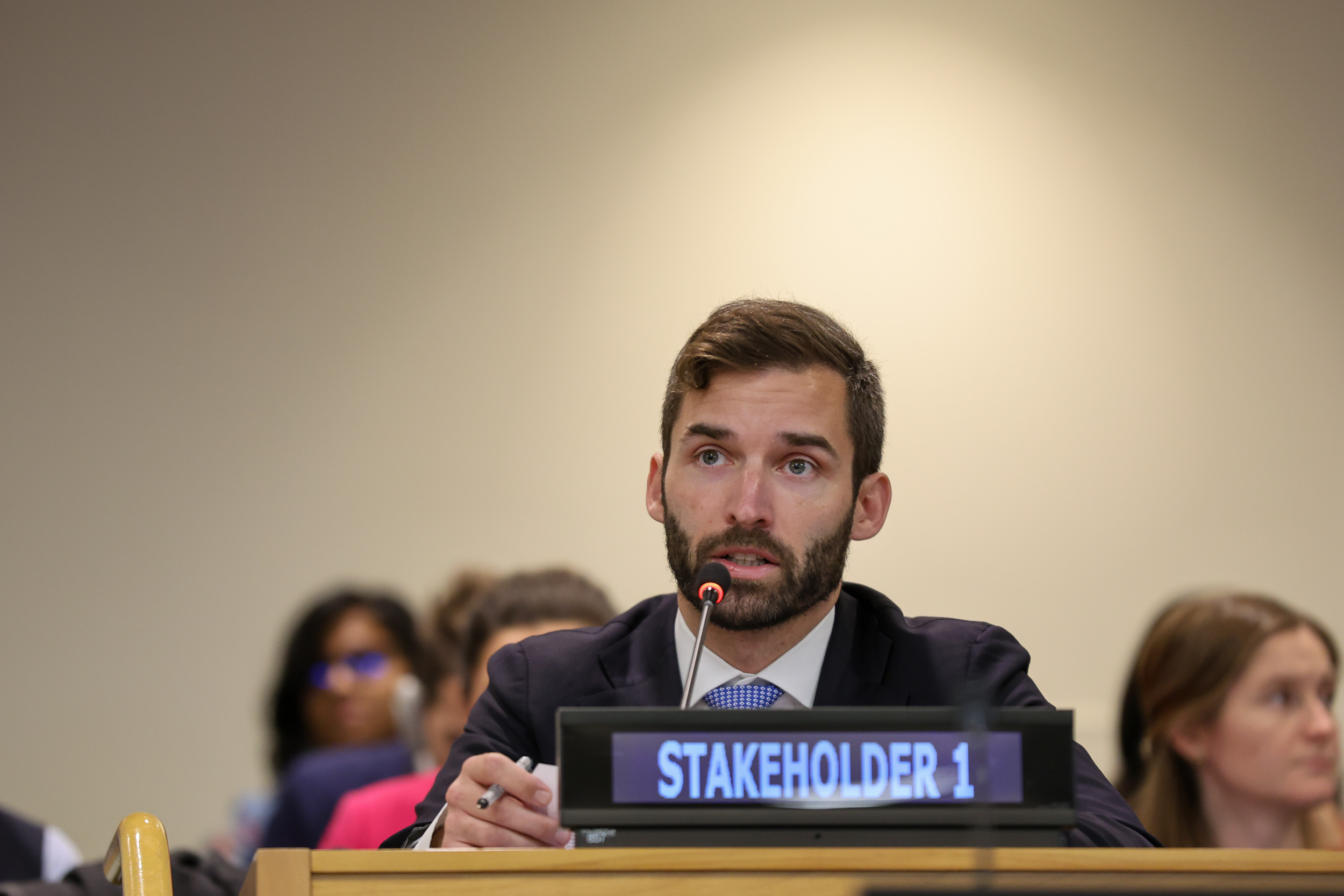
Wyatt Yankus, Standard Chartered Bank
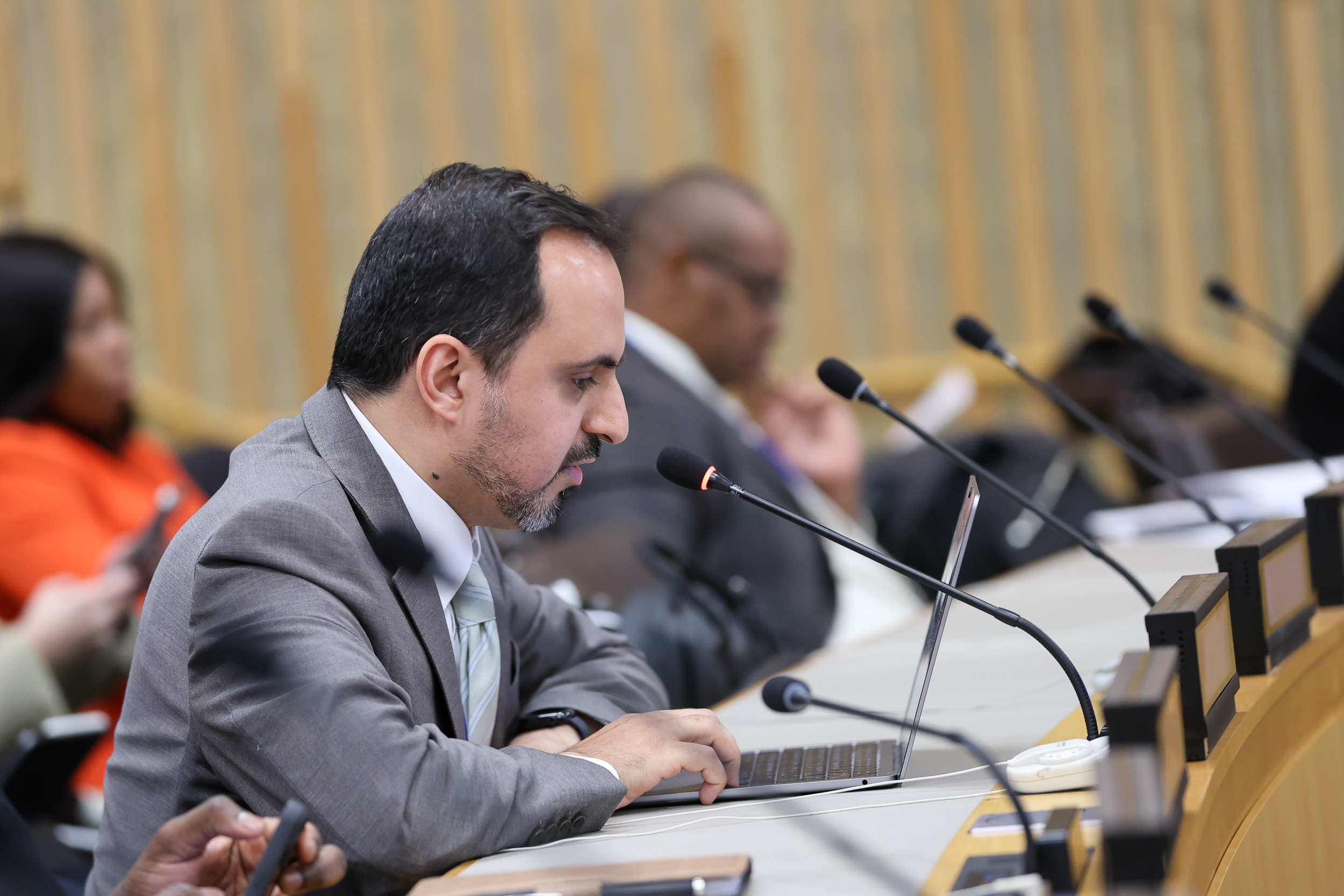
Basil Alrayes, Saudi Arabia
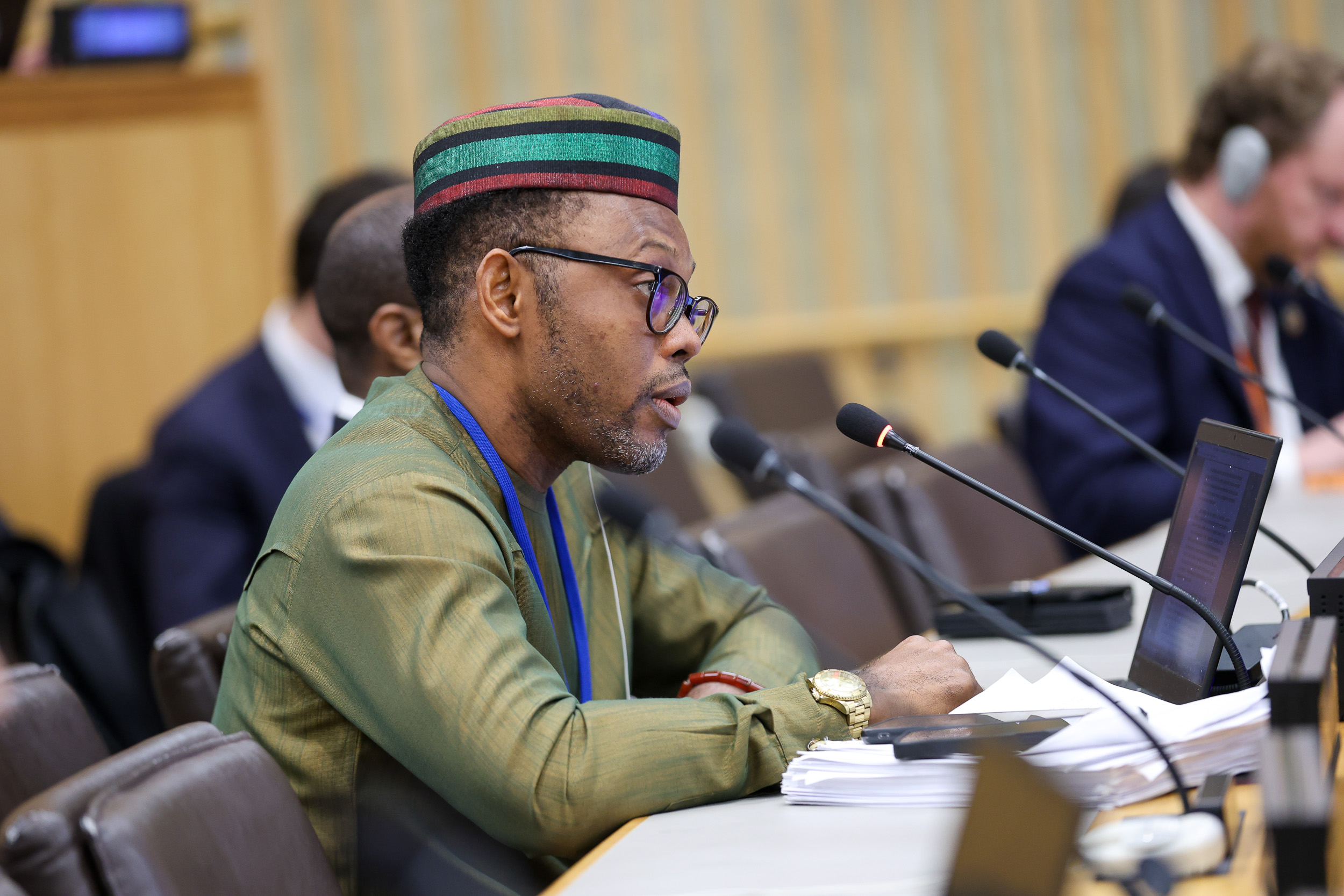
Emmanuel Ikechukwu Nweke, Nigeria
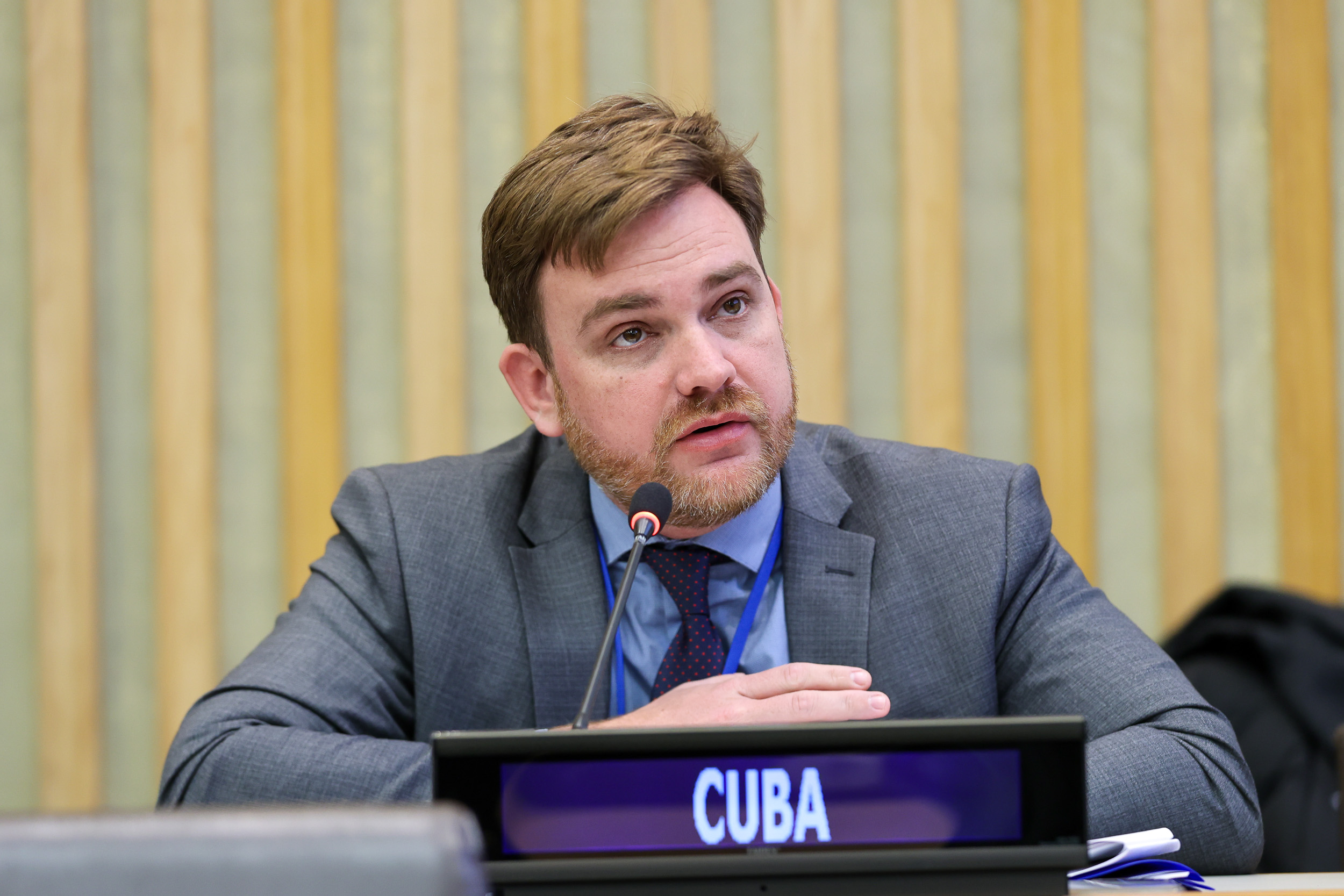
Alejandro González Behmaras, Cuba
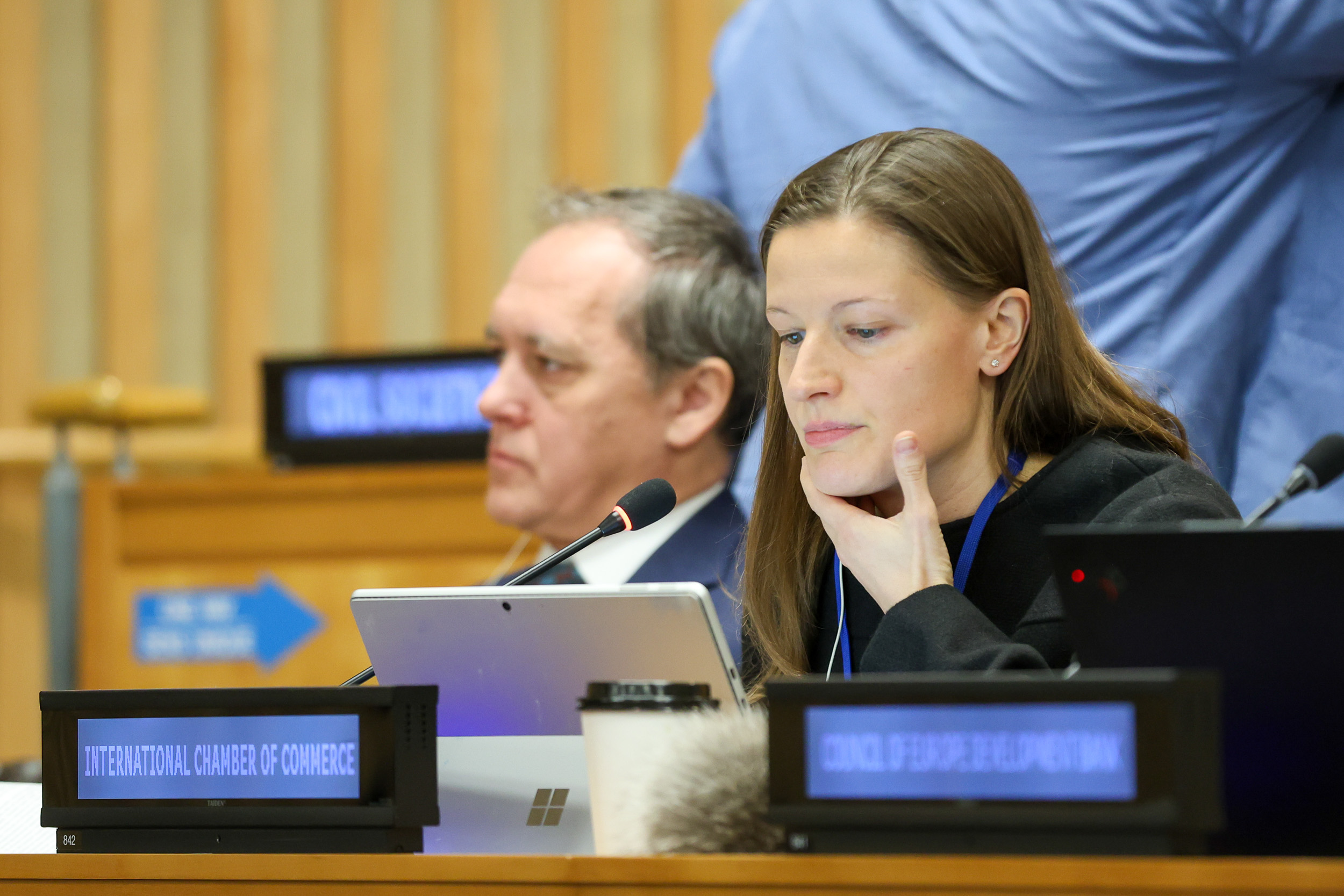
Sandra Hanni, International Chamber of Commerce
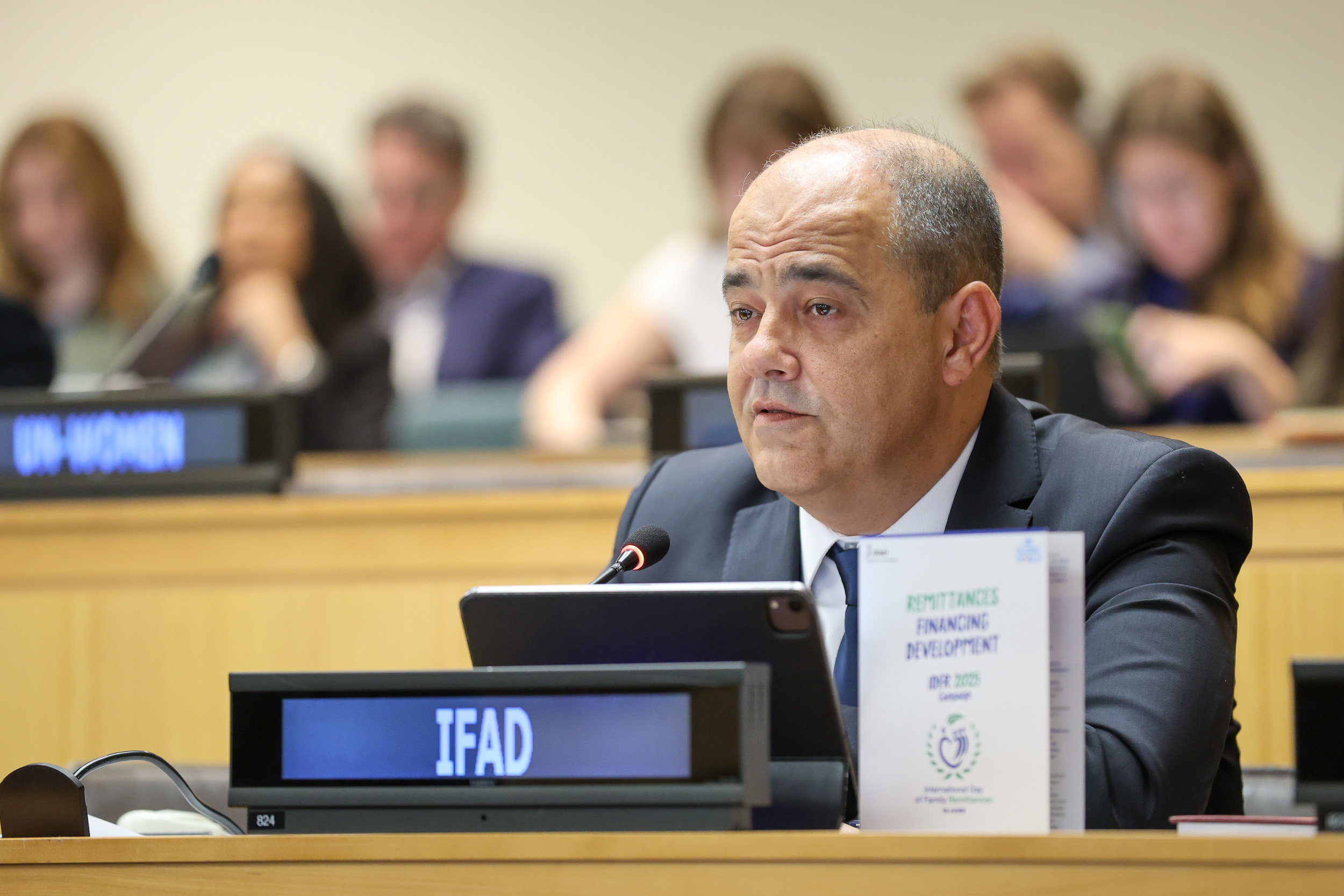
Pedro de Vasconcelos, International Fund for Agricultural Development
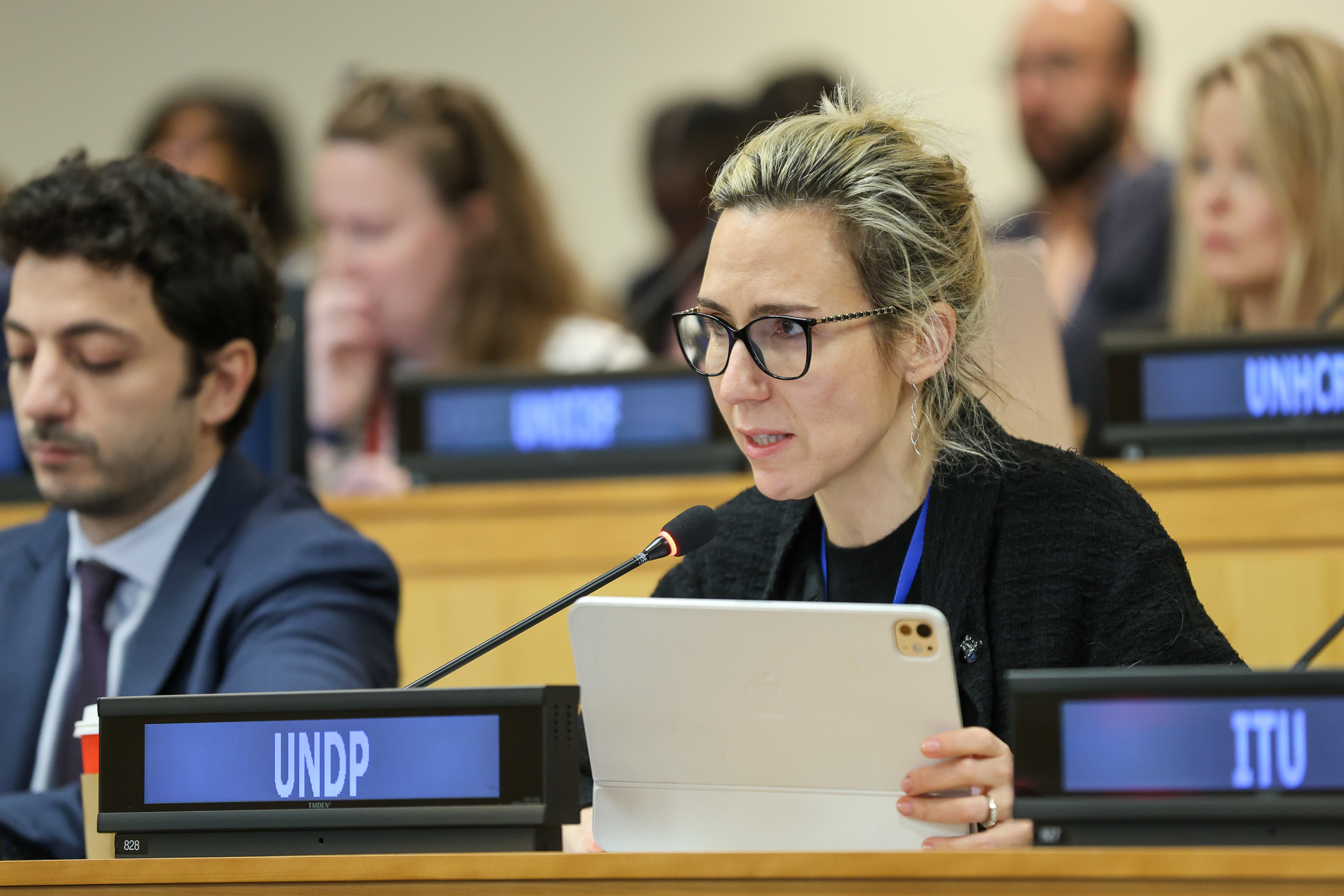
Şebnem Şener, UN Development Programme
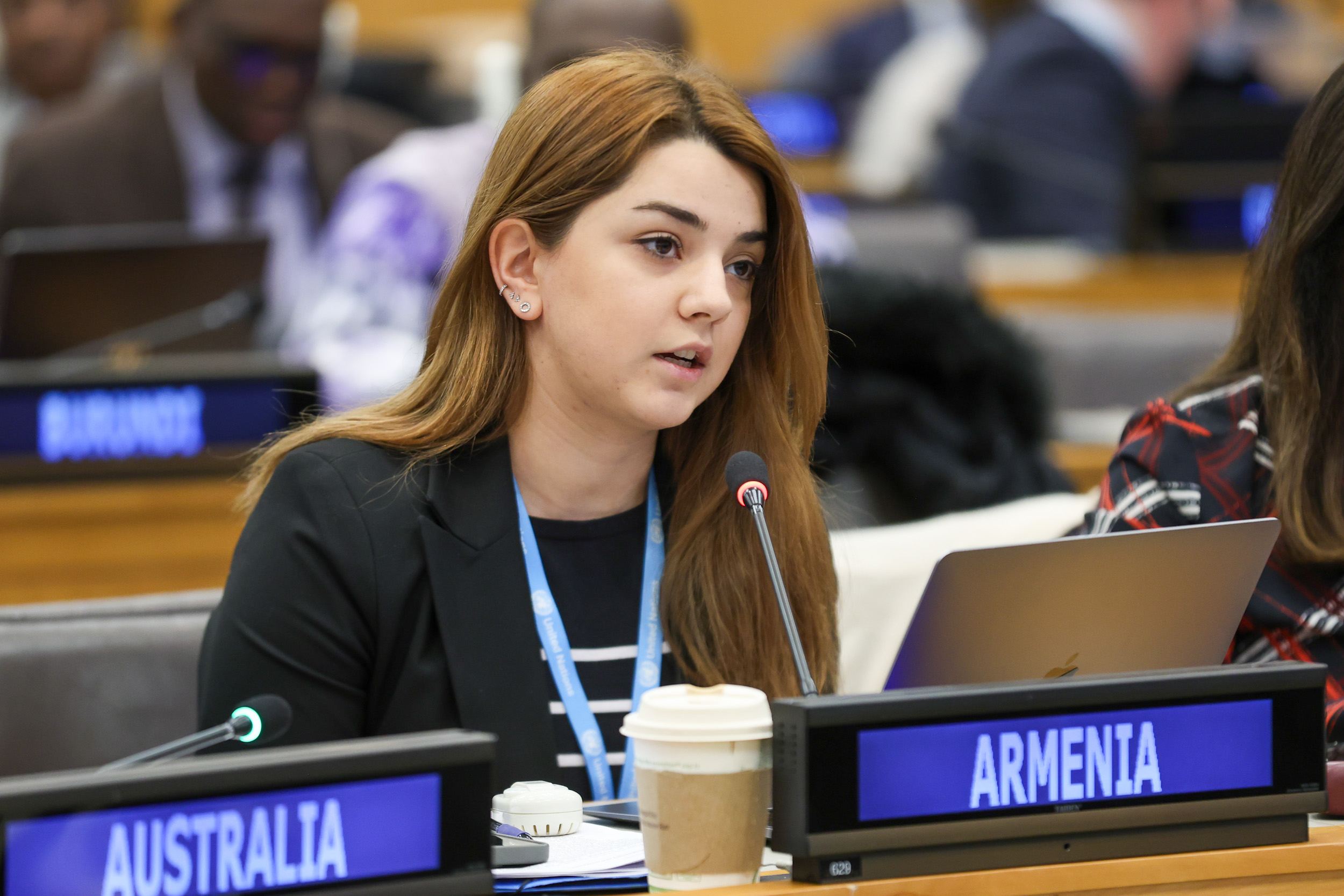
Julieta Tavakalyan, Armenia
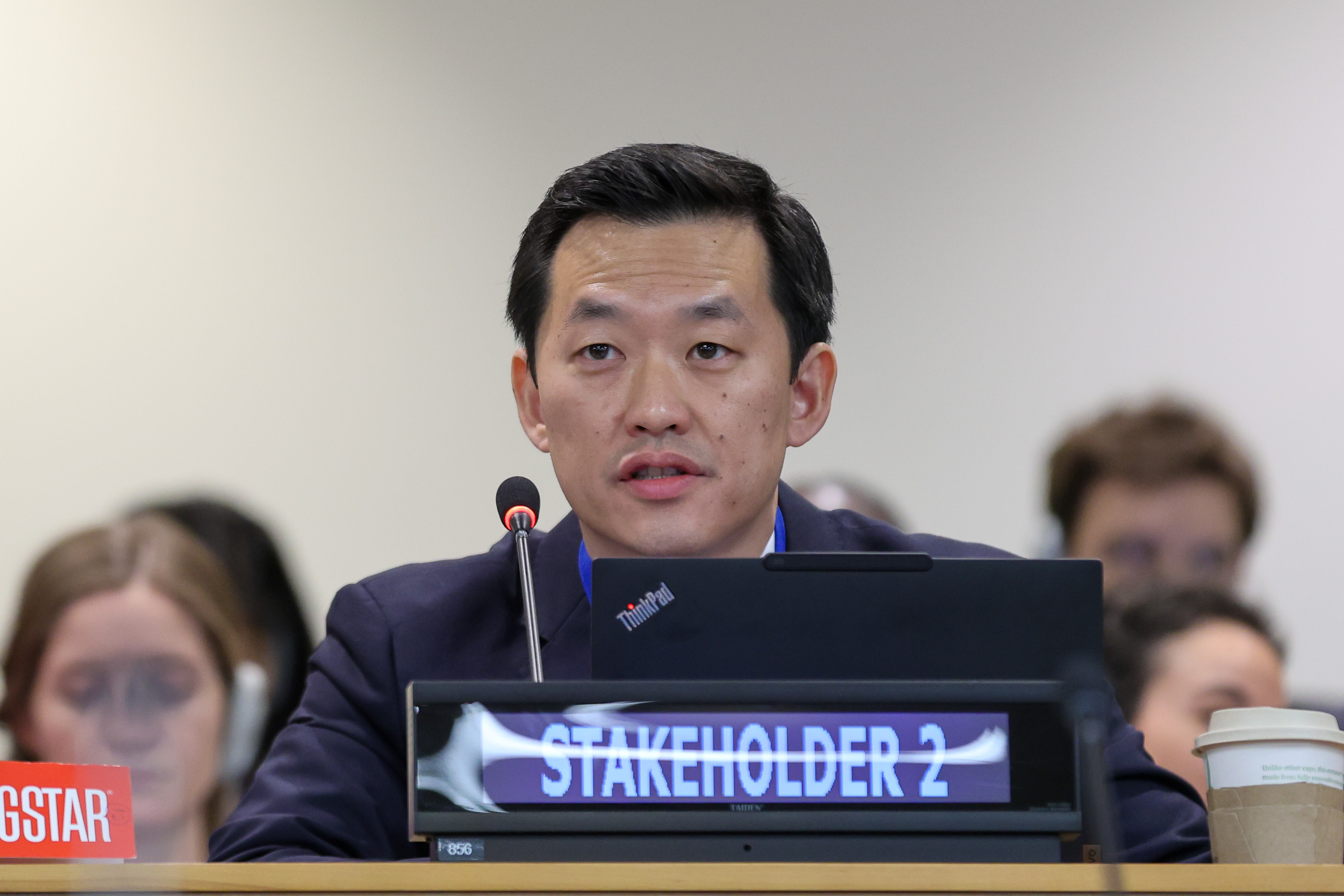
Andy Shen, Principles for Responsible Investment
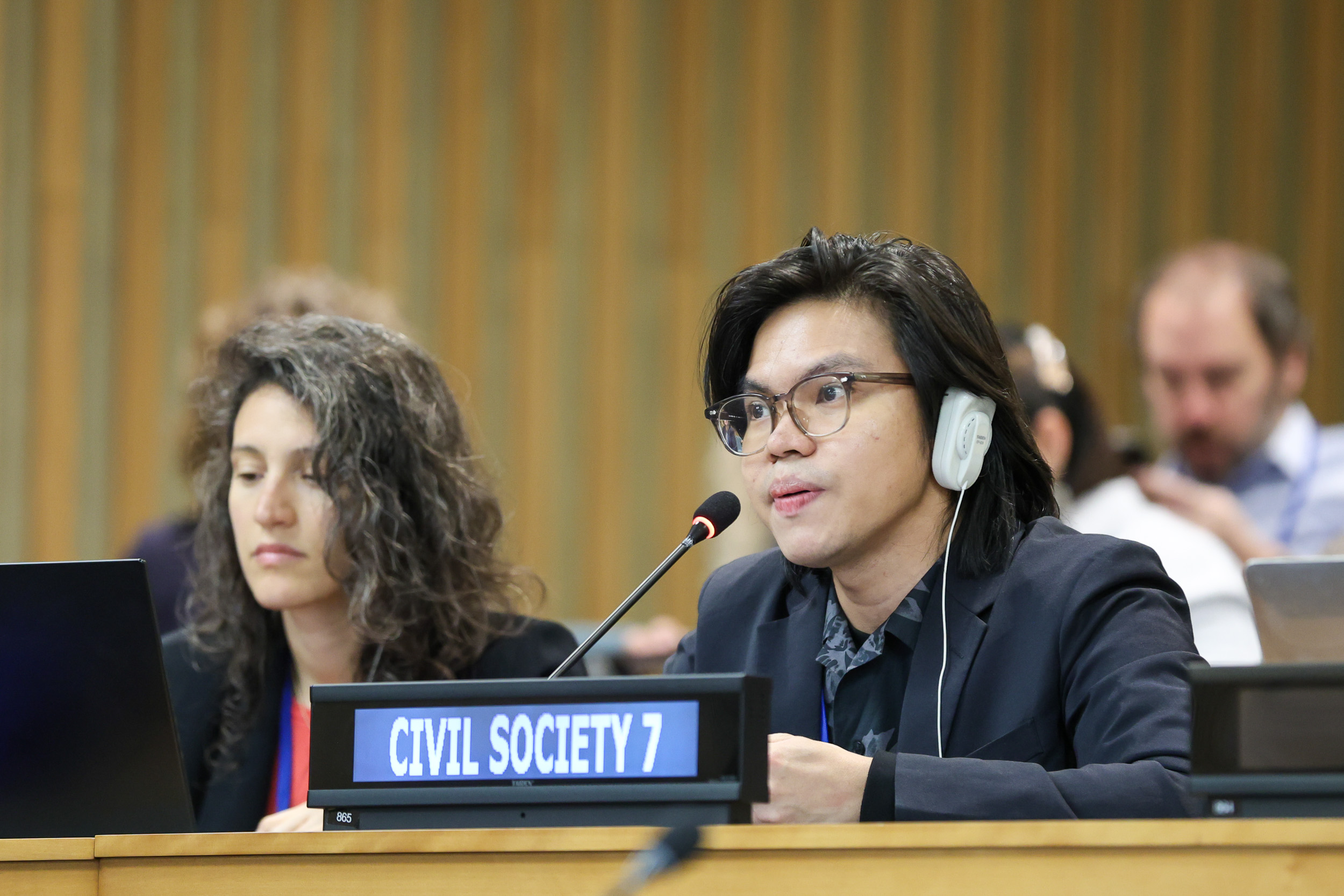
Rodolfo Lahoy, IBON international
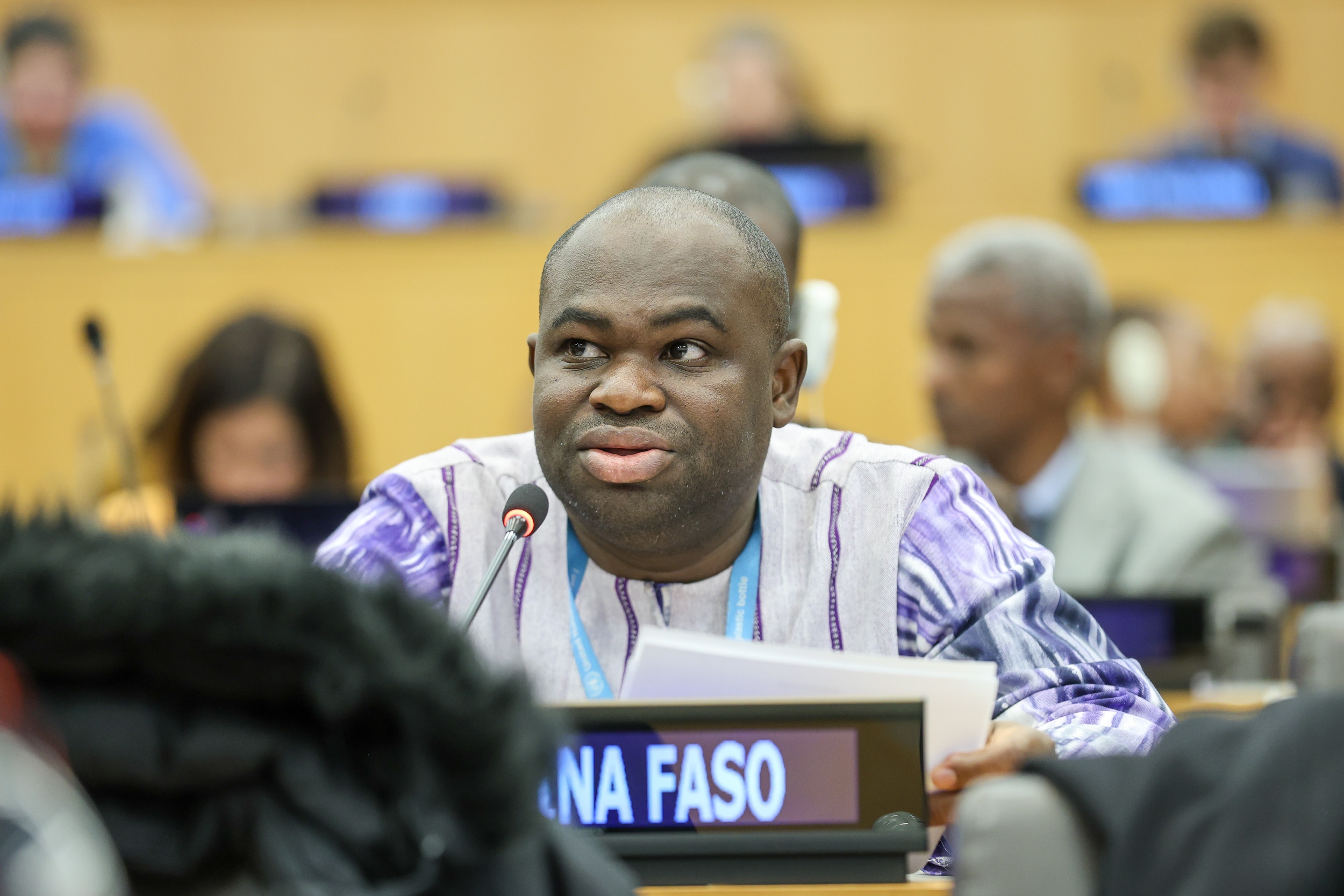
Dofini Aubin Tiahoun, Burkina Faso
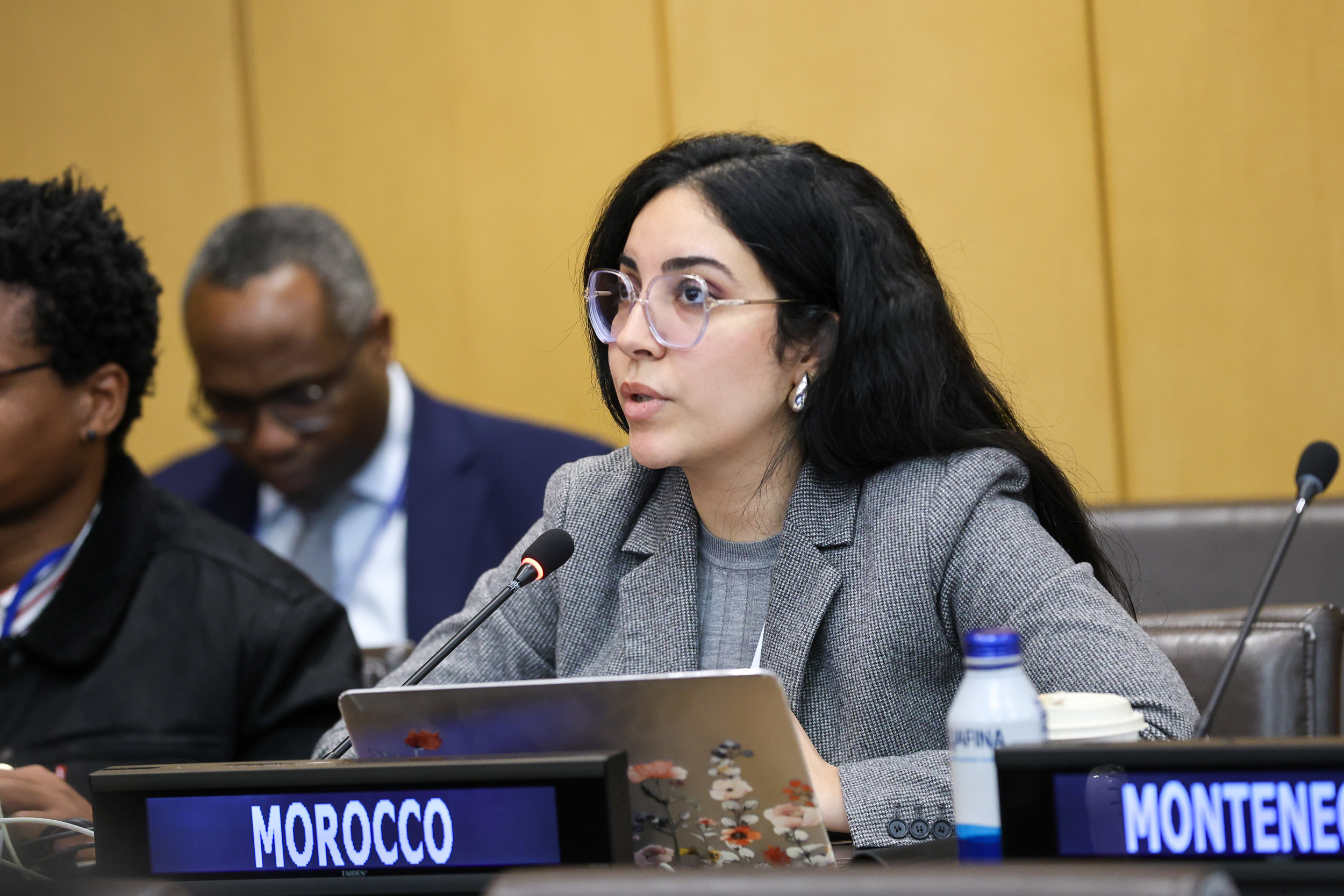
Meryem Hamdouni, Morocco
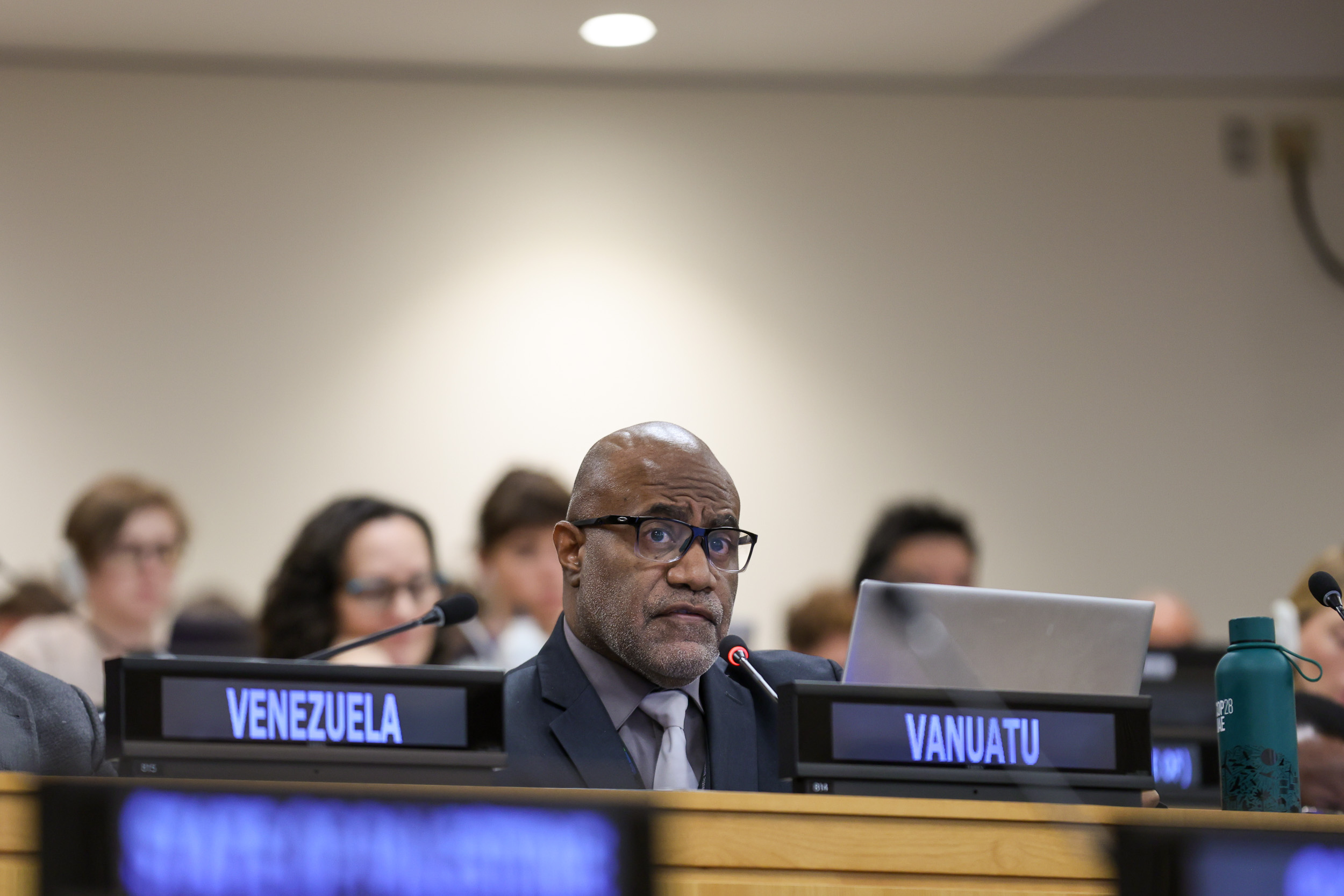
Malcolm Dalesa, Vanuatu
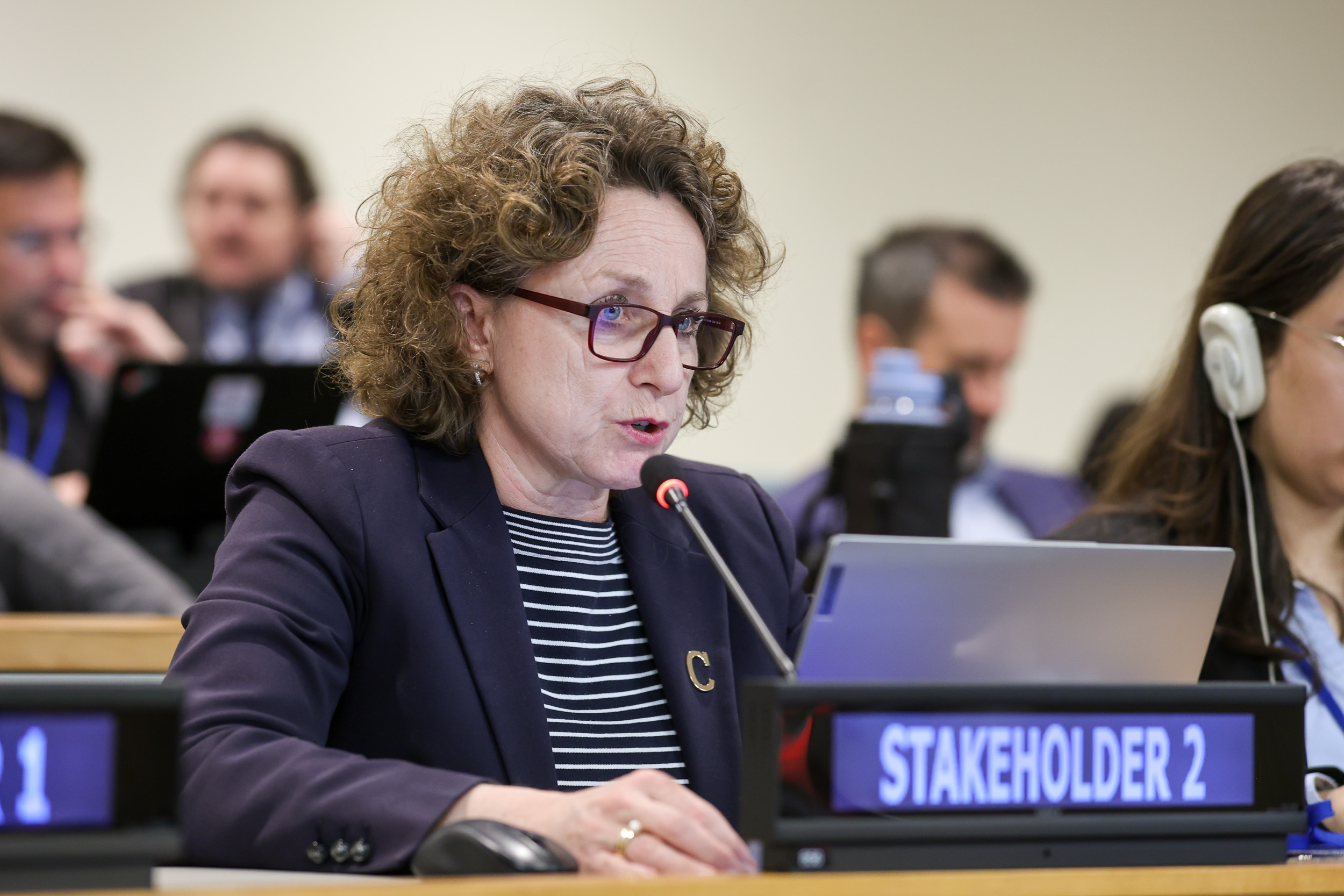
Claudia Hopman, Global Women Leadership Foundation
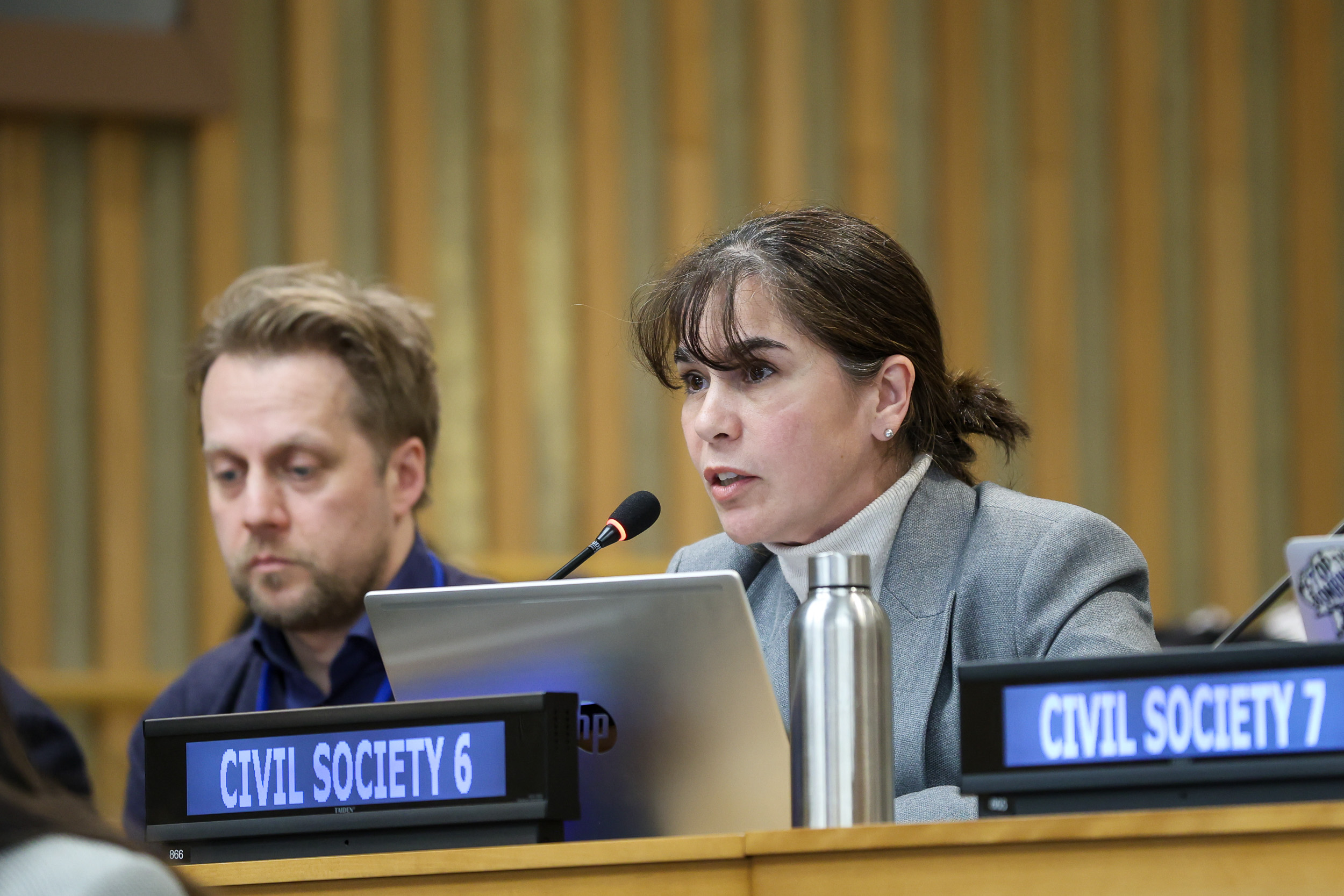
María José Romero, European Network on Debt and Development
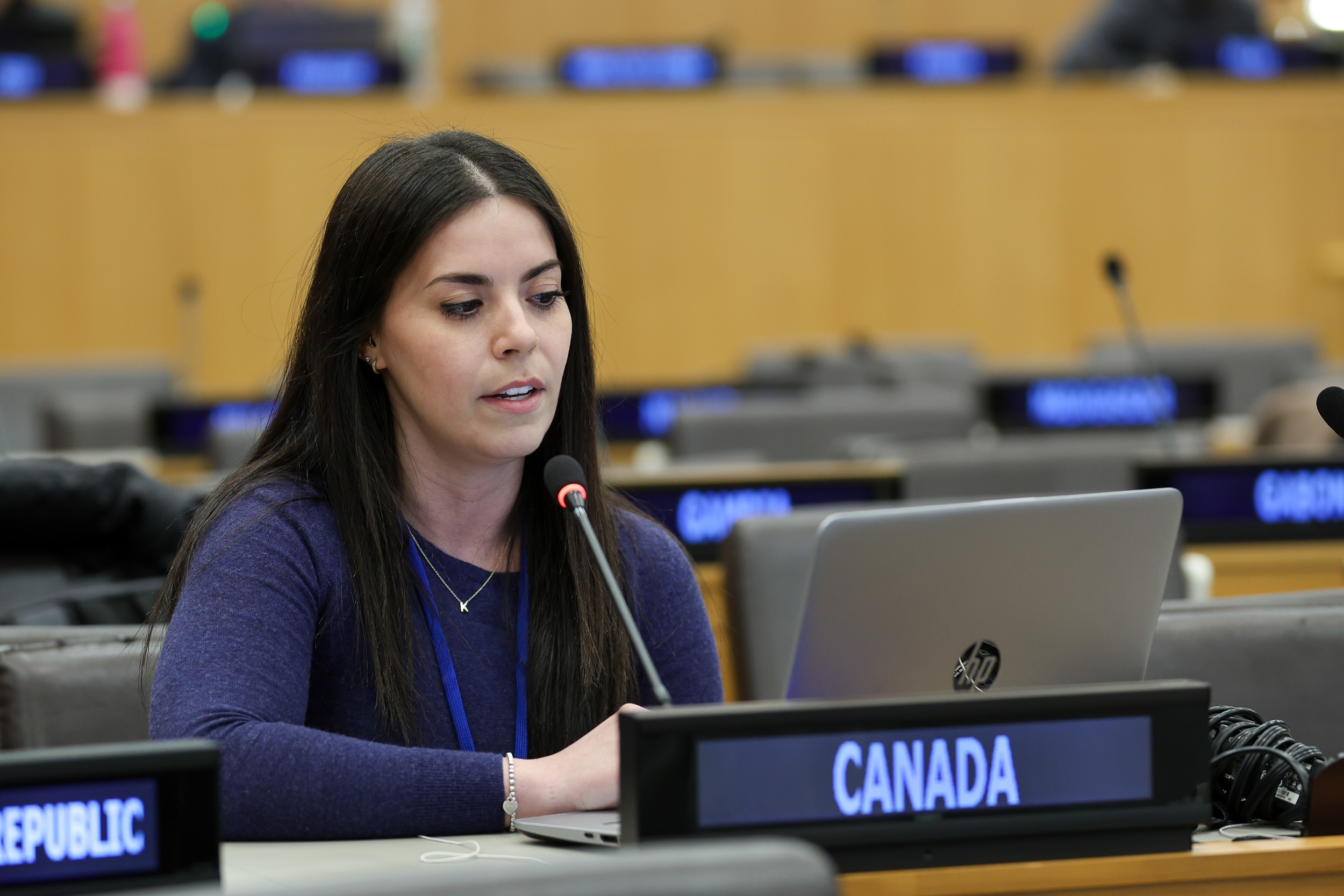
Dina Bettencourt, Canada
Selected Images
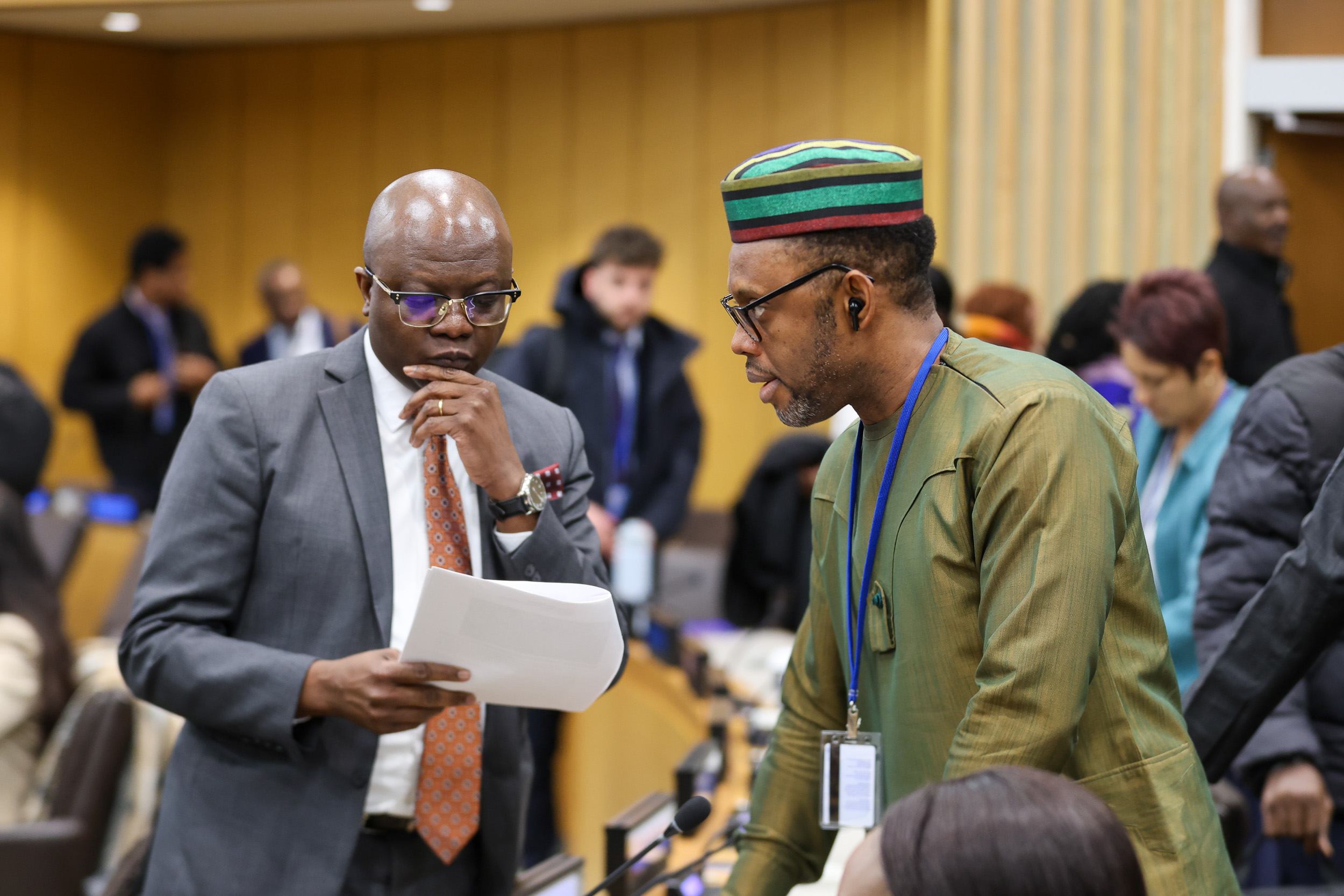
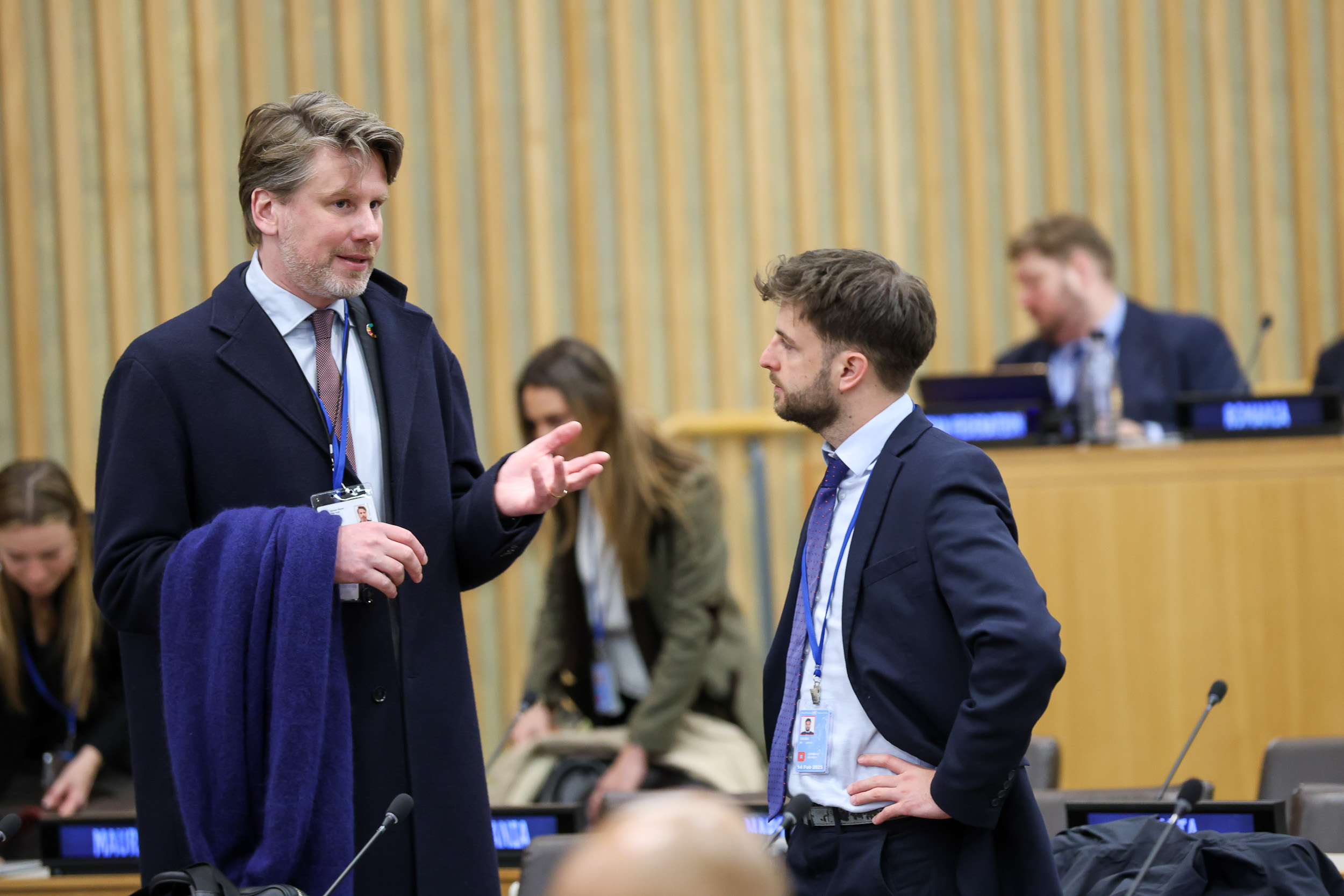
Around the Venue