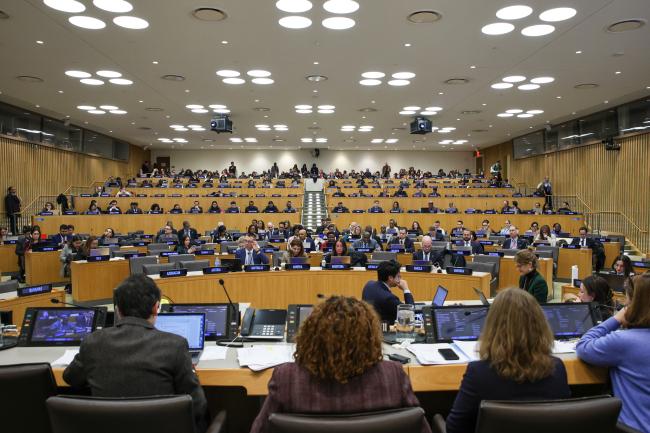
The Global Partnership was enshrined in the Sustainable Development Goals, adopted by UN Member States in 2015. This Partnership would provide the means to implement all the SDGs, with the expectation that finances would flow from the developed to the developing world. As delegates gathered for the second day of the third session of the Preparatory Committee (PrepCom3) for the fourth International Conference on Financing for Development (FfD4), they considered how best to implement this Partnership, given the persistent and growing inequalities between rich and poor countries.
In their discussions on the Zero Draft of the FfD4 Outcome Document, they continued commenting on a section related to realizing sustainable development. Several countries supported integrating anticorruption as a cross-cutting issue, and others welcomed the Zero Draft’s strong language on gender equality.
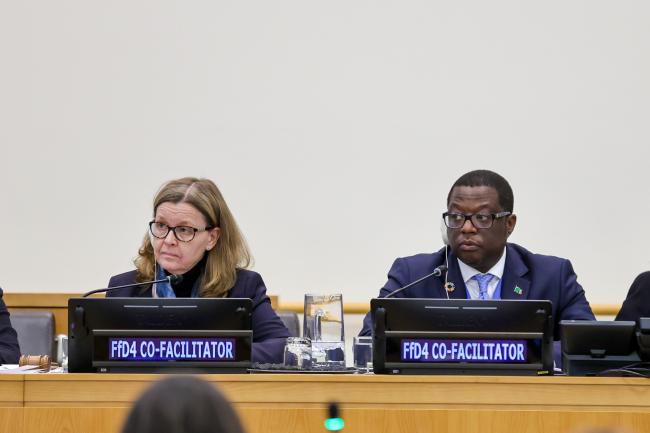
On the section related to domestic public resources, the text in the Zero Draft was critiqued by some for having an overly heavy focus on domestic revenue mobilization. Some countries called for balance between domestic and global public financing to ensure adequate financing for development goals in developing countries.
Other points of contention included the use of wording relating to gender-responsive budgeting and taxation, with some states opining that this language breaches state sovereignty. The inclusion of language on environmental and climate considerations in fiscal programming was also unwelcome in some quarters.
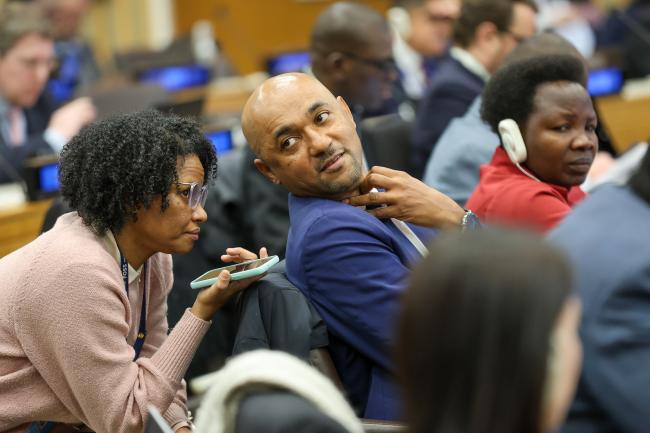
Delegates also provided comments on a Zero Draft section related to international tax cooperation and innovative taxes, with many welcoming the links to the ongoing discussions towards a UN Framework Convention on International Tax Cooperation. Several countries also pointed to the need to enhance measures to prevent illicit financial flows.
In the late afternoon, delegates opened discussions on domestic and international private business and finance. Many highlighted the need to close the private sector investment gap in developing countries, particularly for least developed countries.
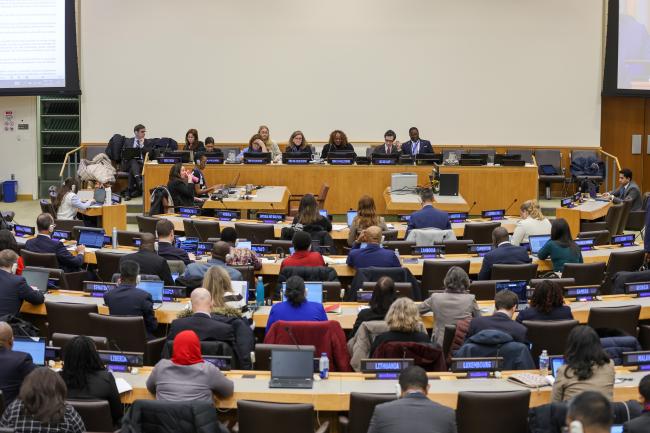
Alongside these substantive discussions, members of civil society continued calls to be included in the entirety of the FfD4 negotiation process, including the upcoming intersessional meetings, which are currently scheduled to be held behind closed doors. Some PrepCom members were optimistic that the intersessional meetings will include some participation from non-state actors, but whether this will pan out remains to be seen.
Discussions on the Zero Draft will continue on Wednesday.
All ENB photos are free to use with attribution. For the 3rd Session of the Preparatory Committee for the 4th International Conference on FfD, please use: Photo by IISD/ENB | Mike Muzurakis
Plenary
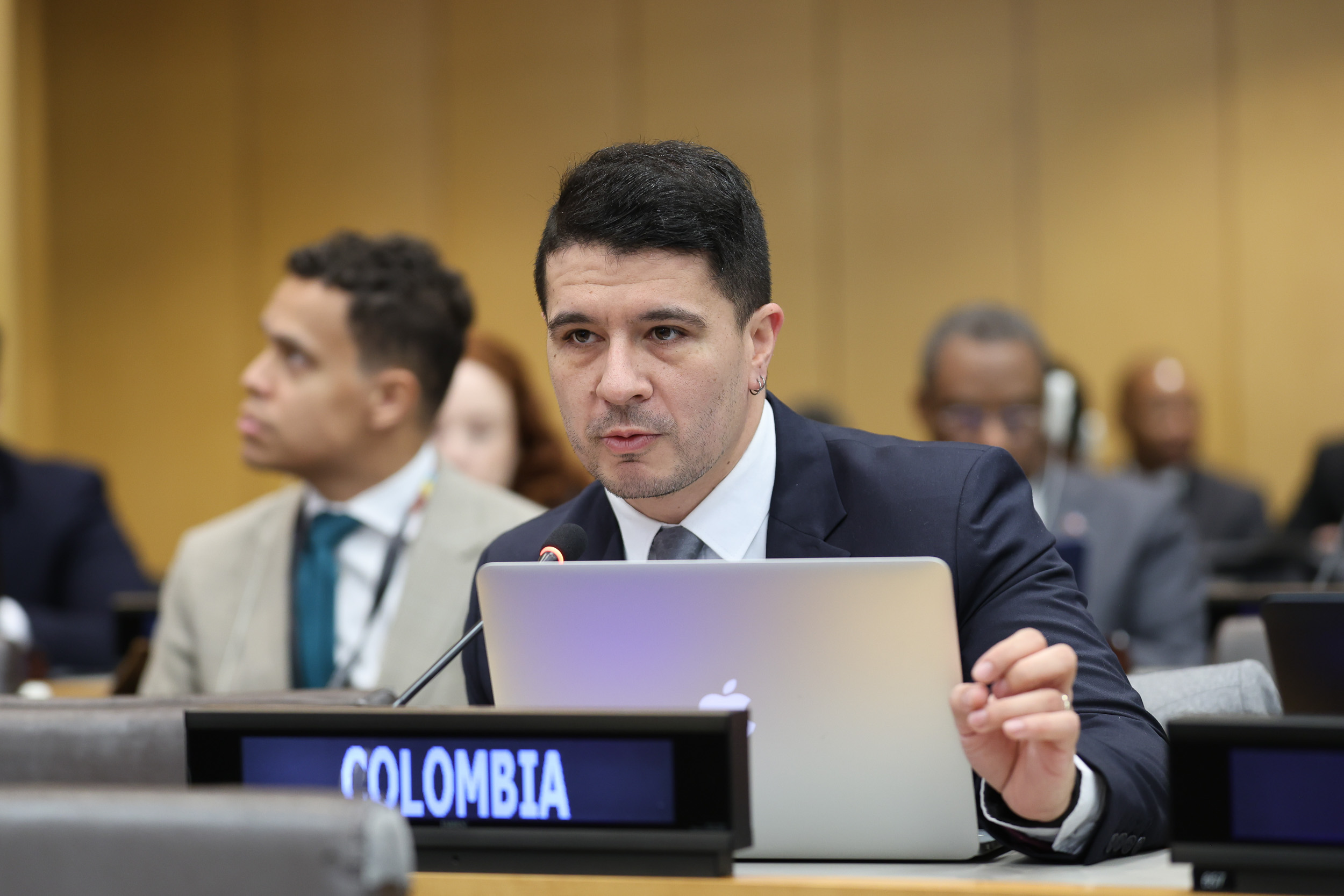
Andrés Rodríguez Durán, Colombia
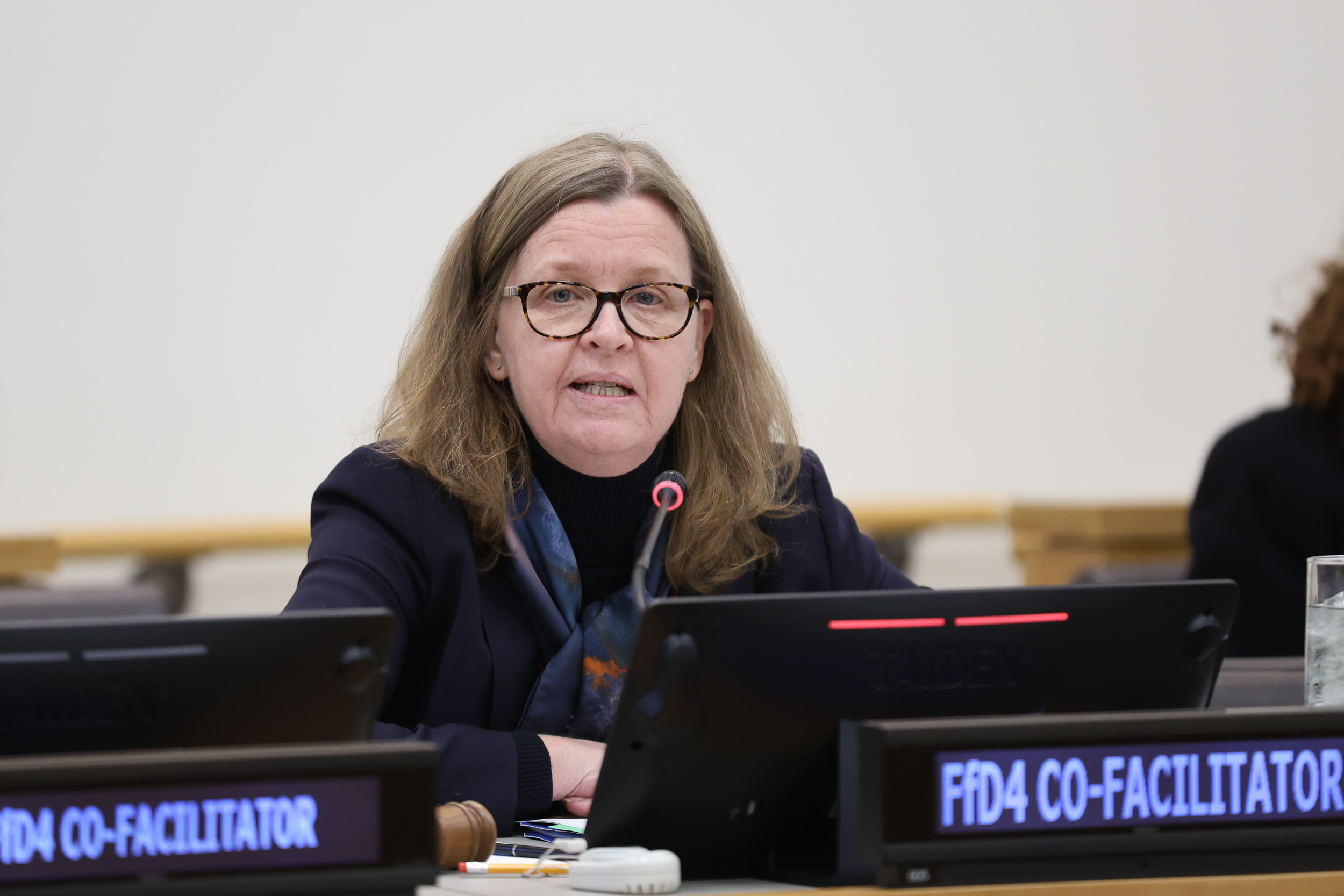
Co-Facilitator Merete Fjeld Brattested, Norway
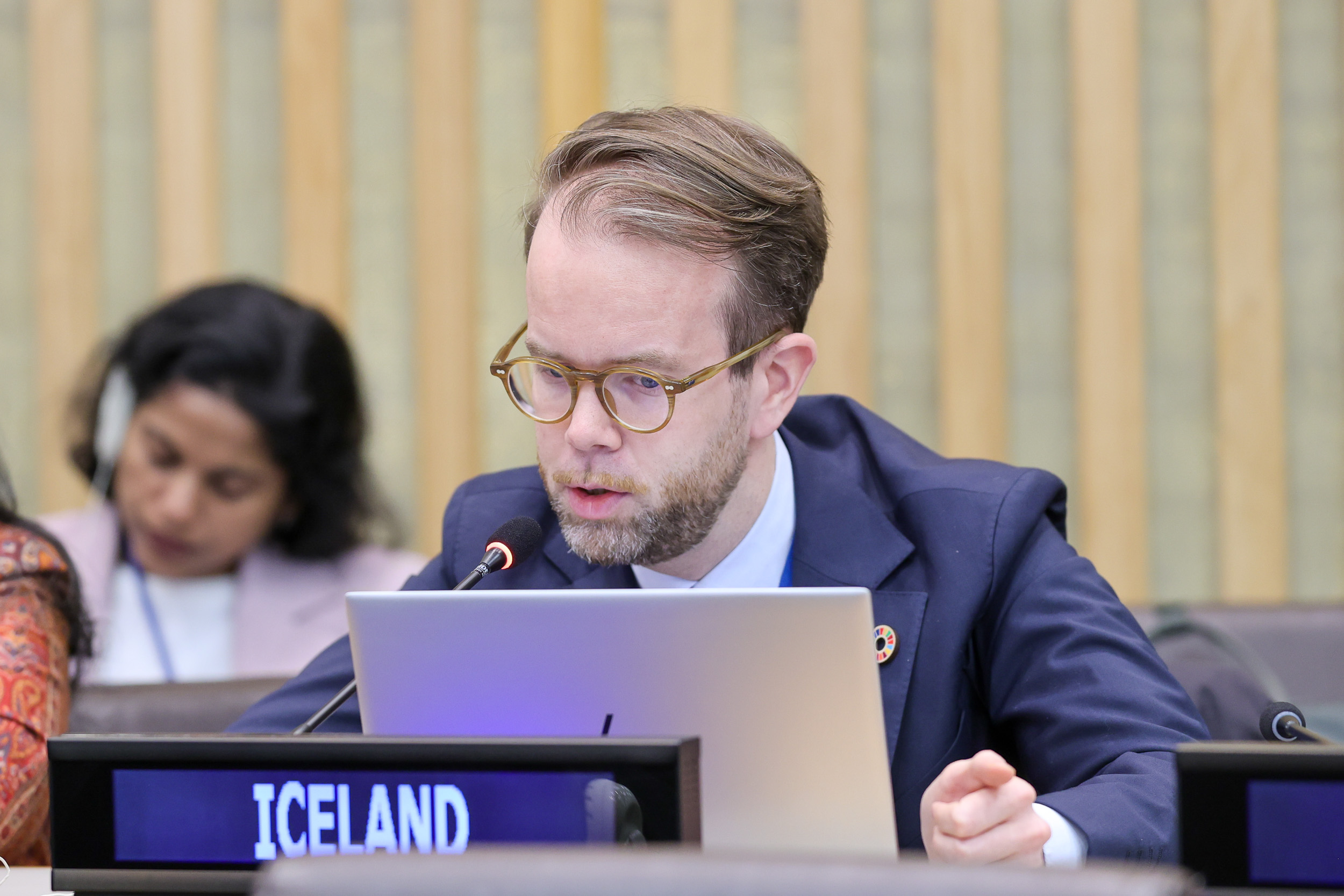
Oddur Stefánsson, Iceland

Anthony Swan, Australia
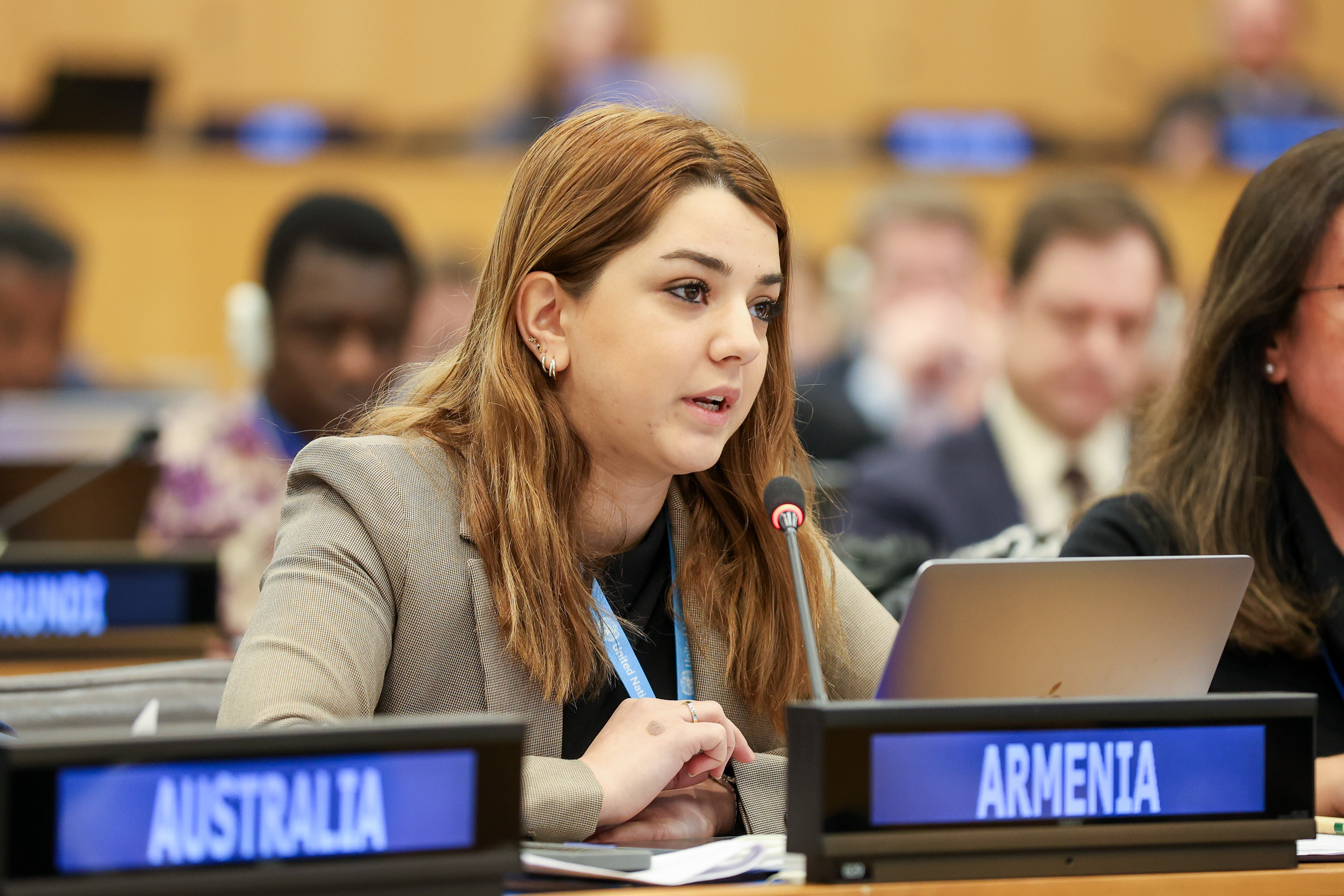
Julieta Tavakalyan, Armenia
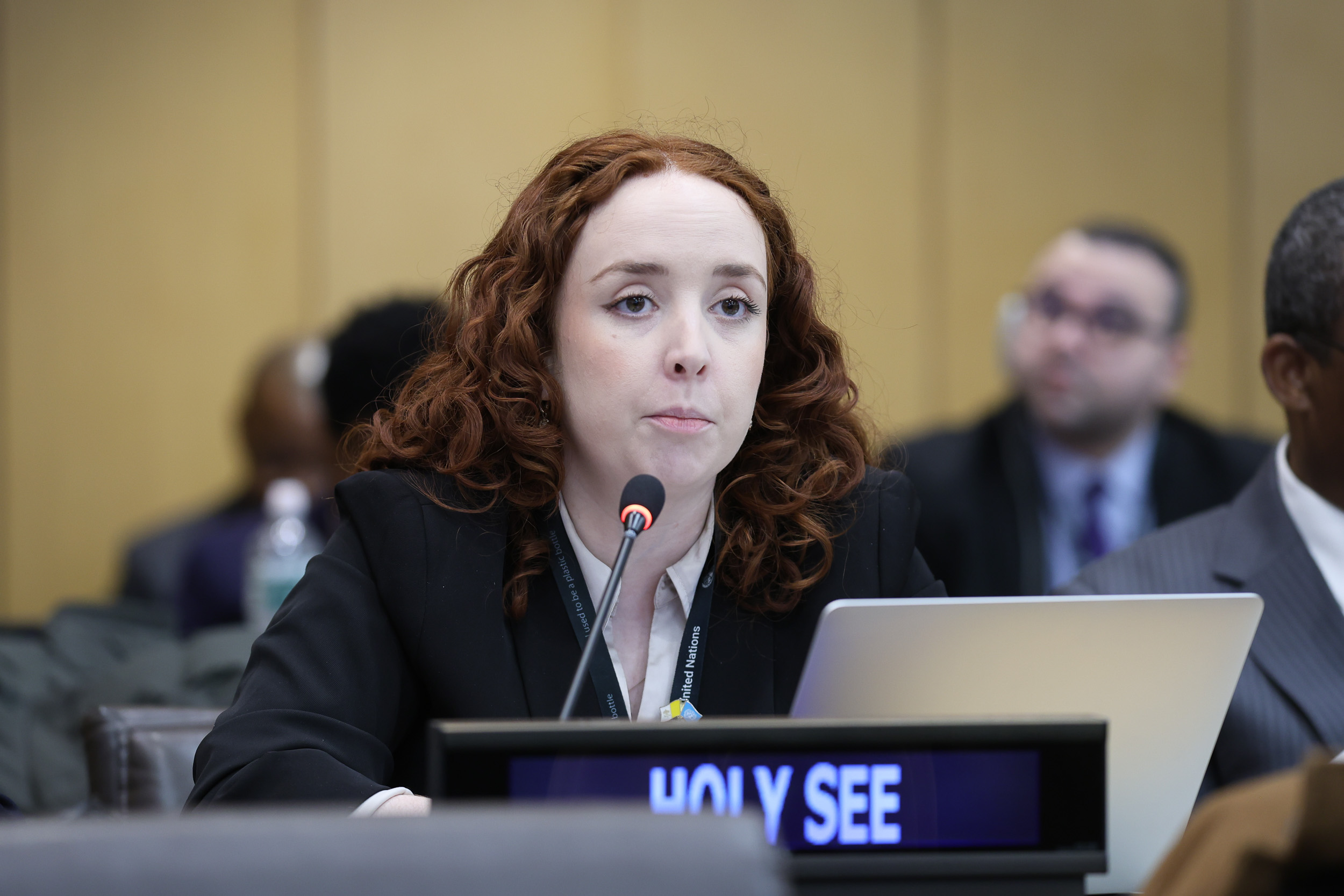
Ciara Hogan, Holy See
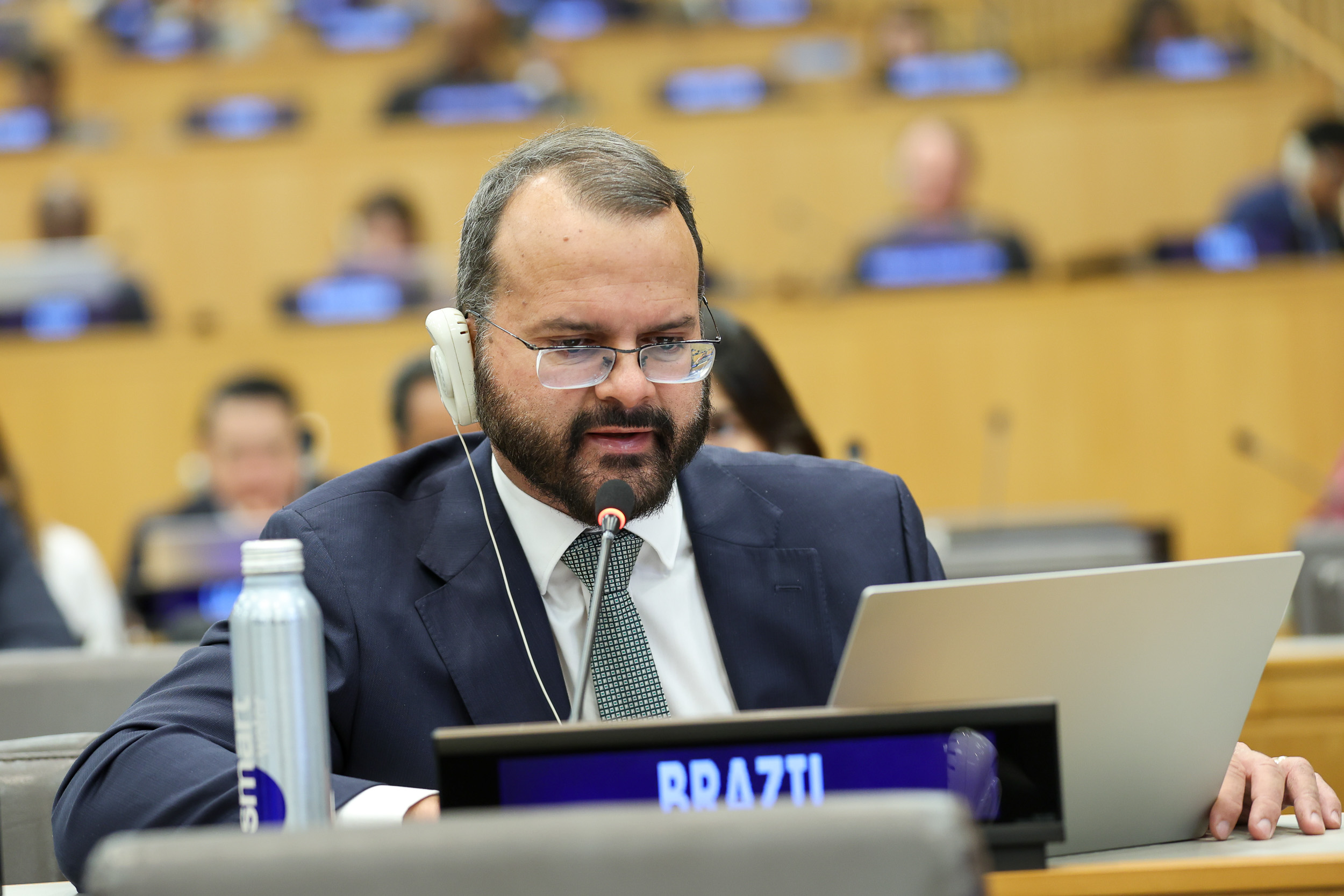
Felipe Costa, Brazil

Erick Estuardo Echeverría Mazariegos, Guatemala
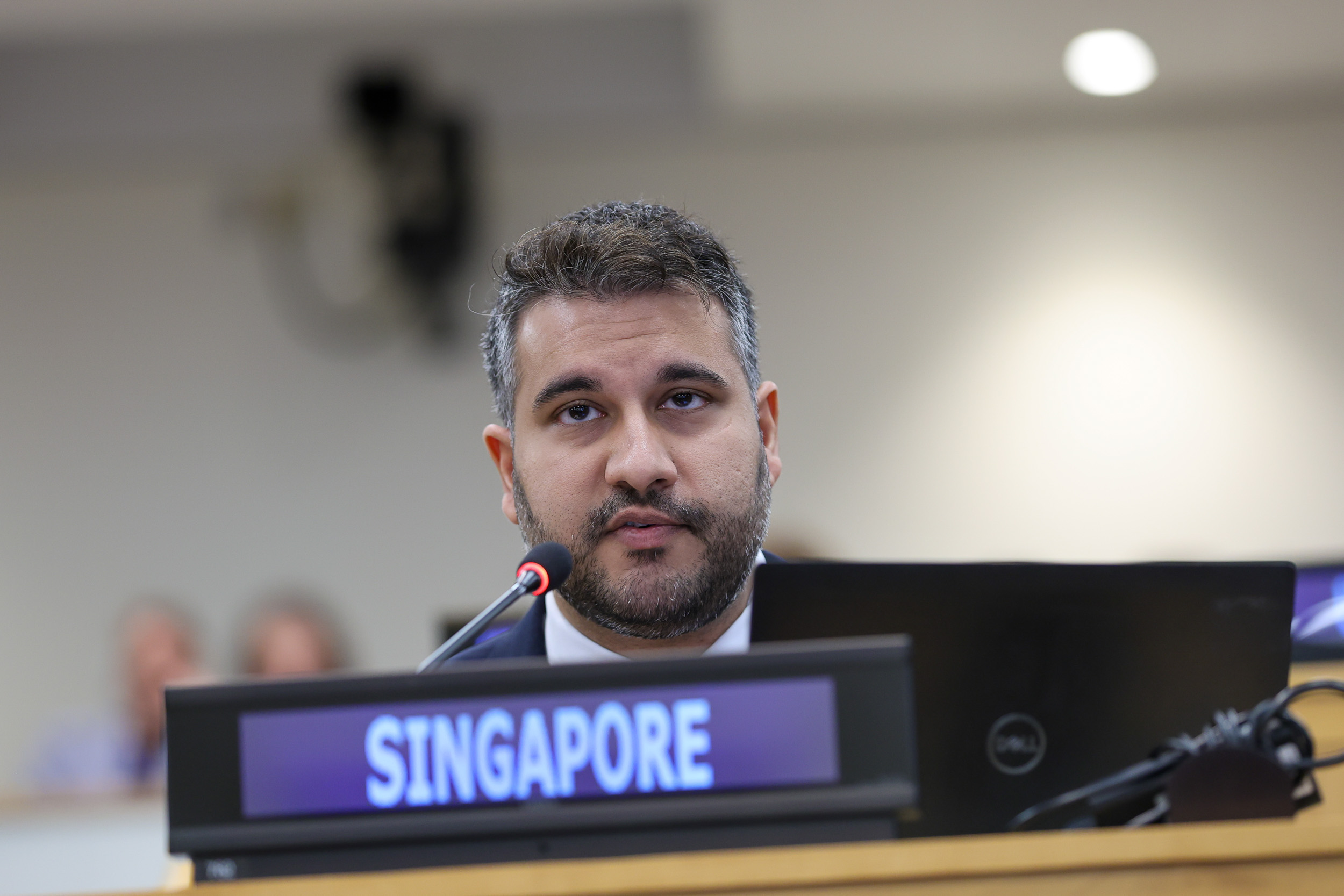
Vivek Ganesh, Singapore

Geetu Joshi, India

Katie Boyd-Lee, UK
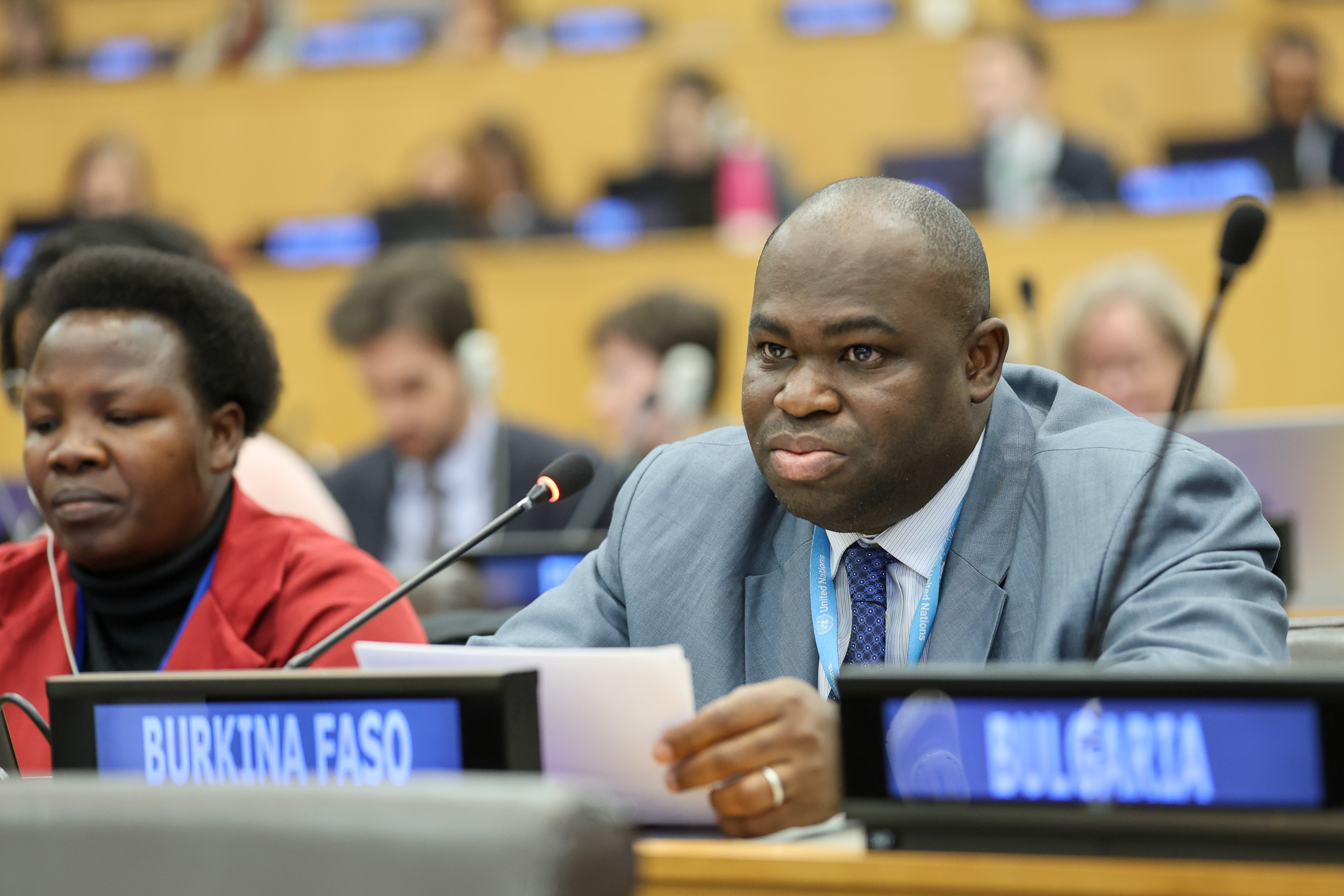
Dofini Aubin Tiahoun, Burkina Faso
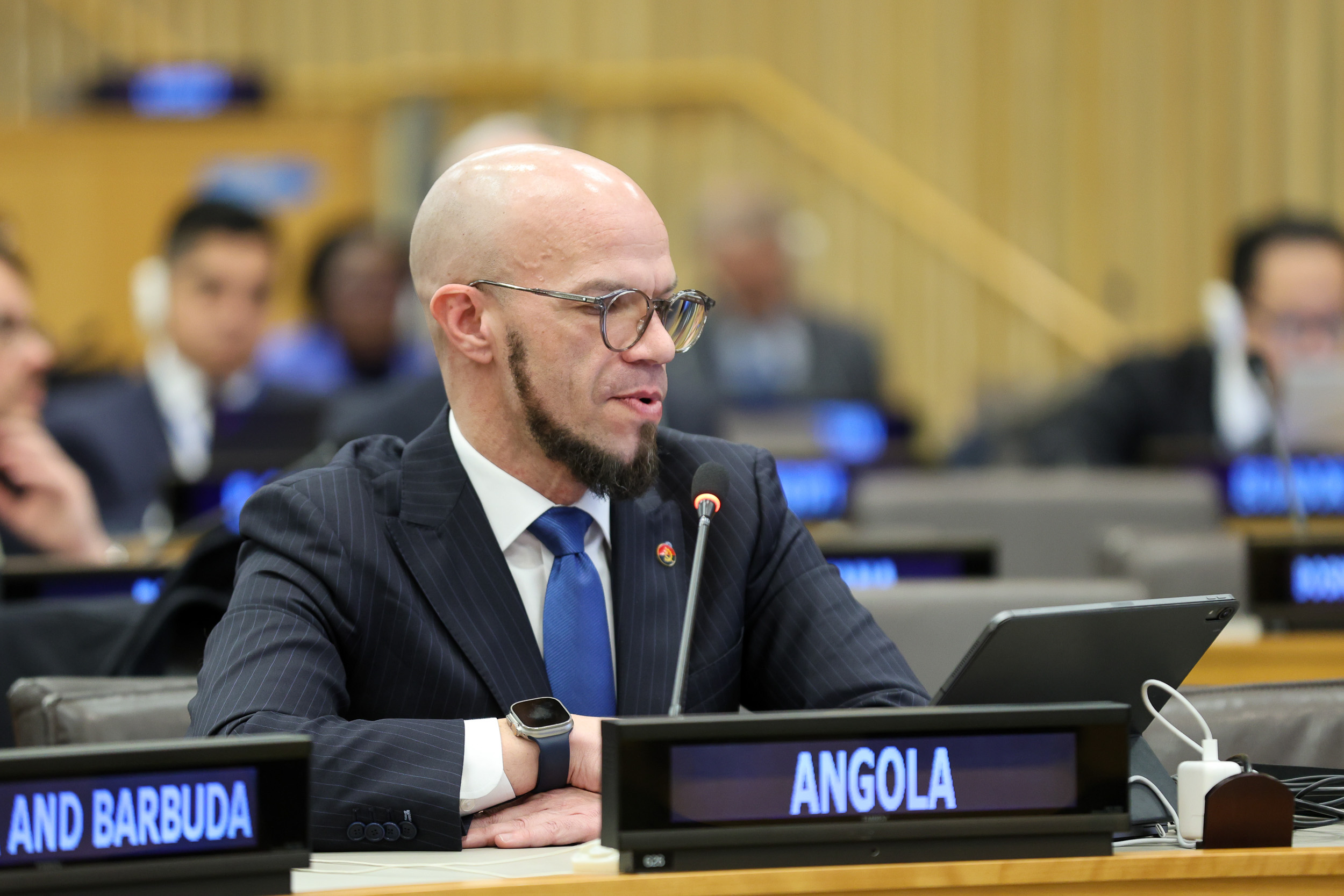
Ivo Rubio, Angola
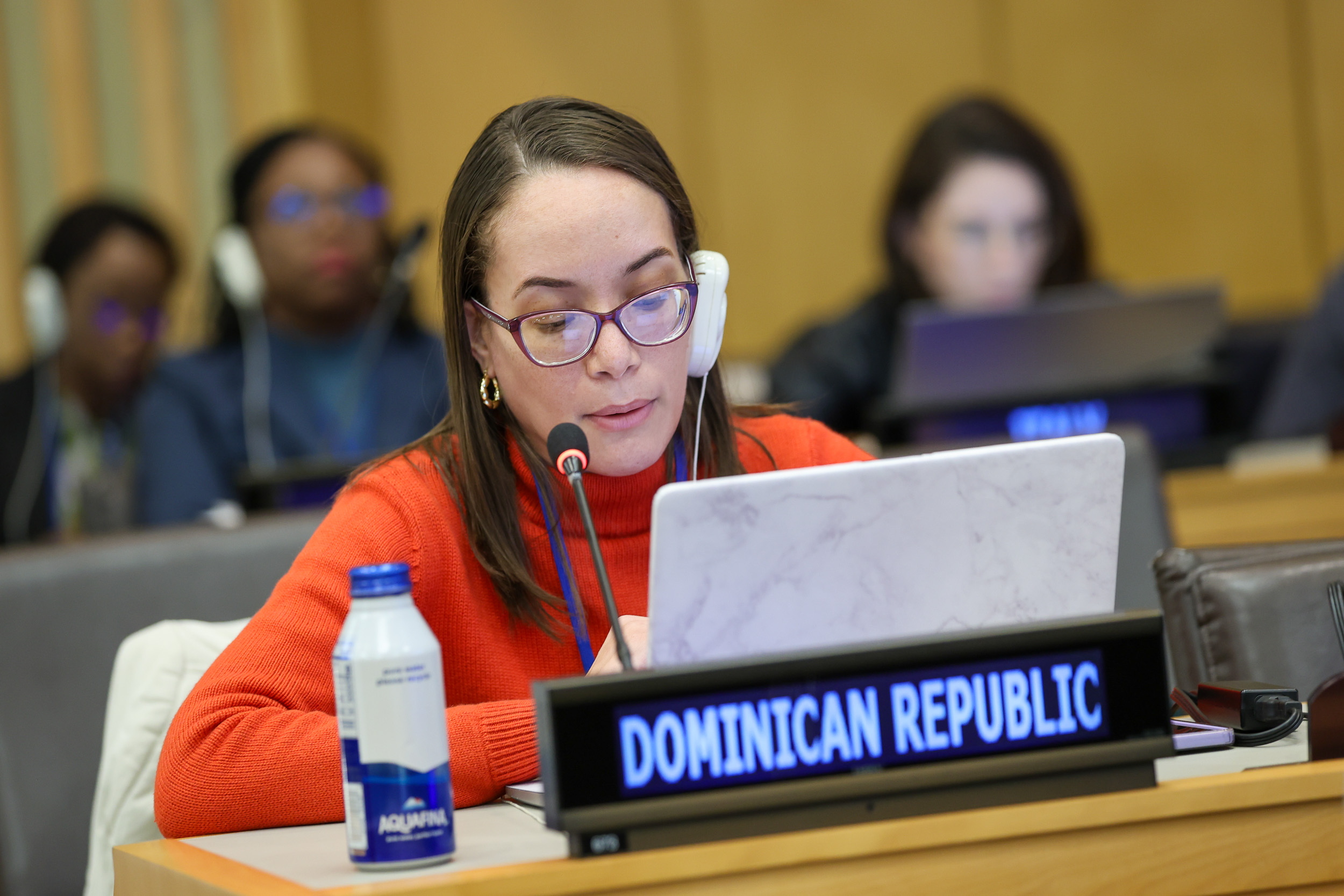
Perla Noemí Soto Veloz, Dominican Republic
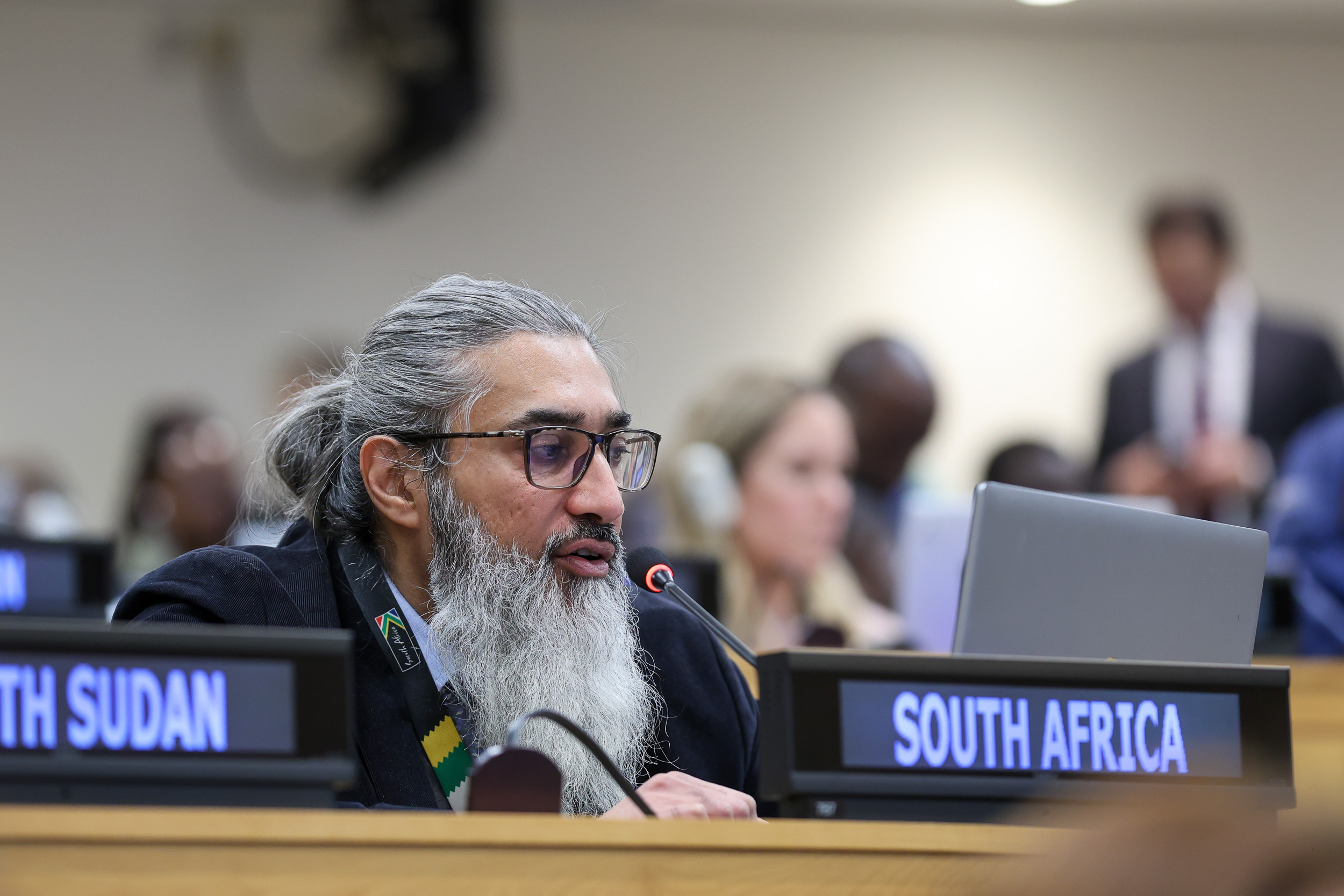
Ahmed Seedat, South Africa
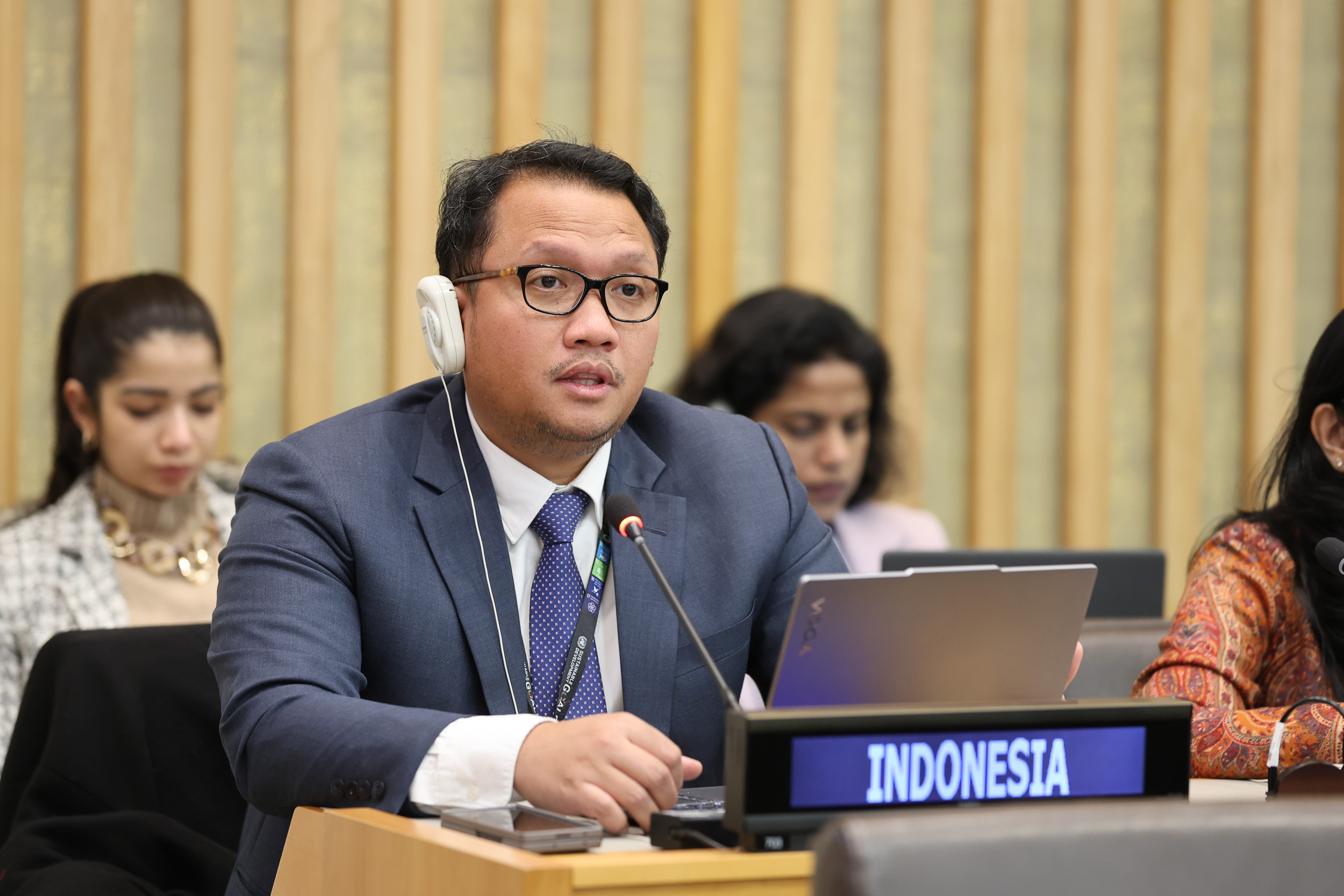
Dwi Wisnu Budi Prabowo, Indonesia
Selected Images
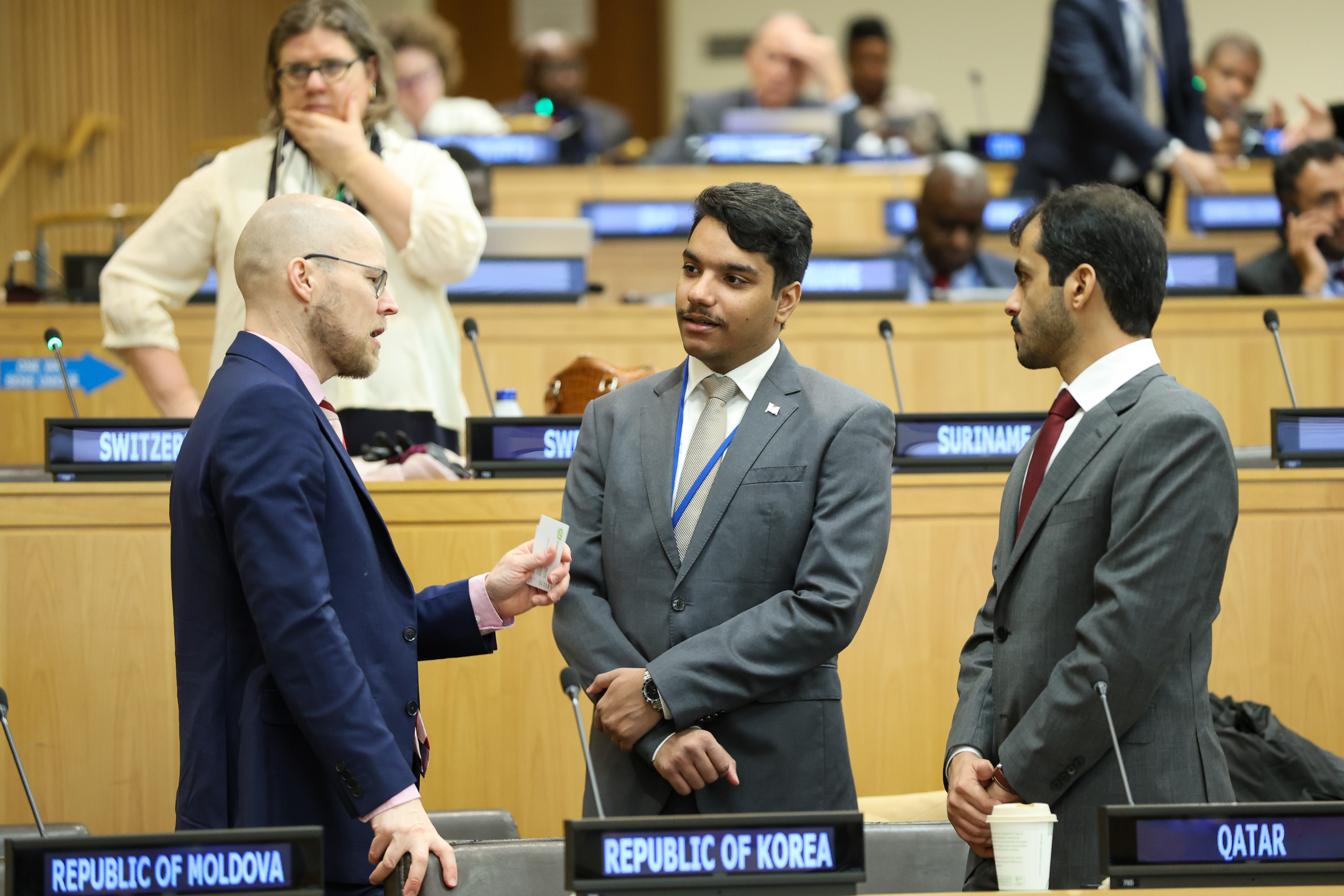
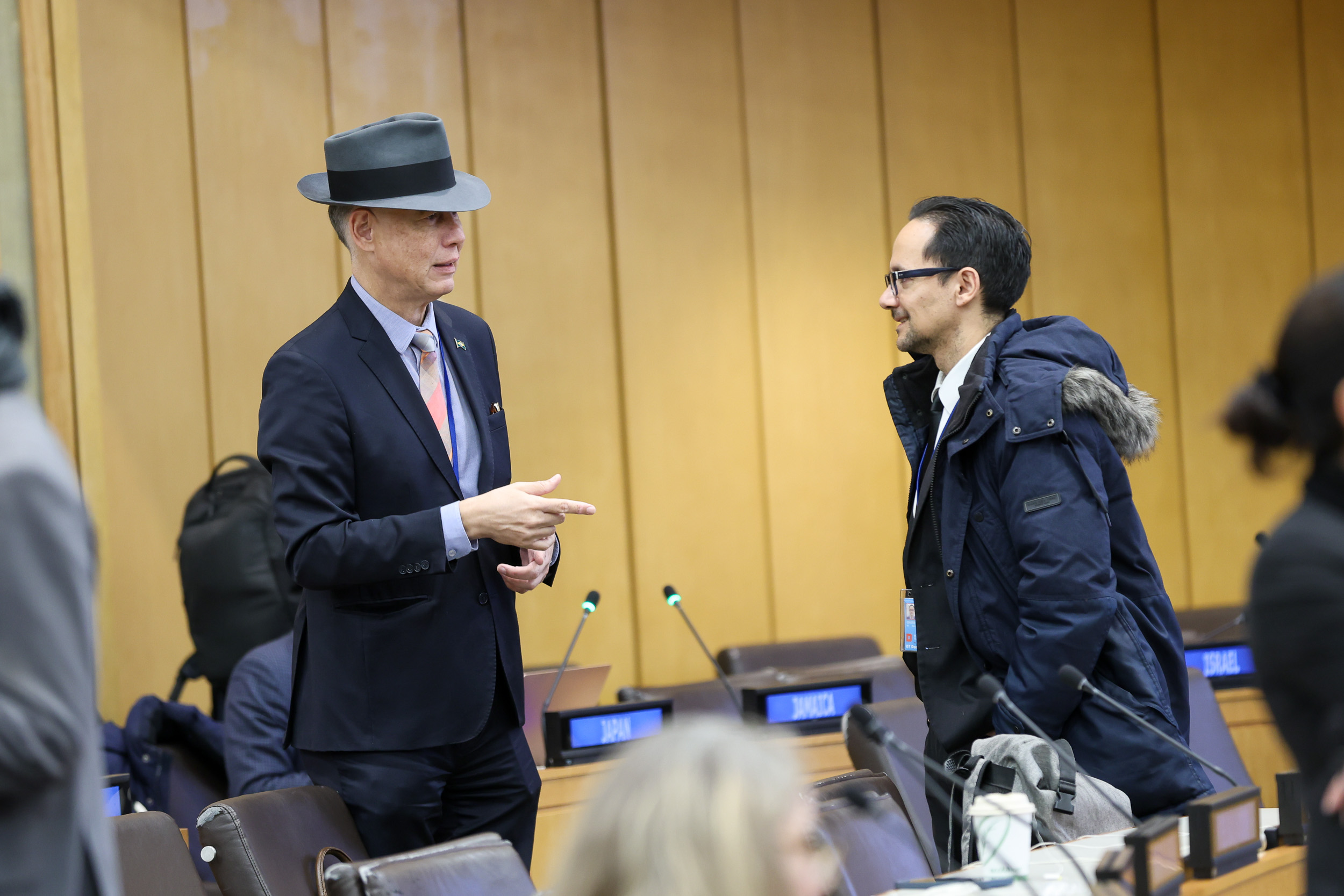
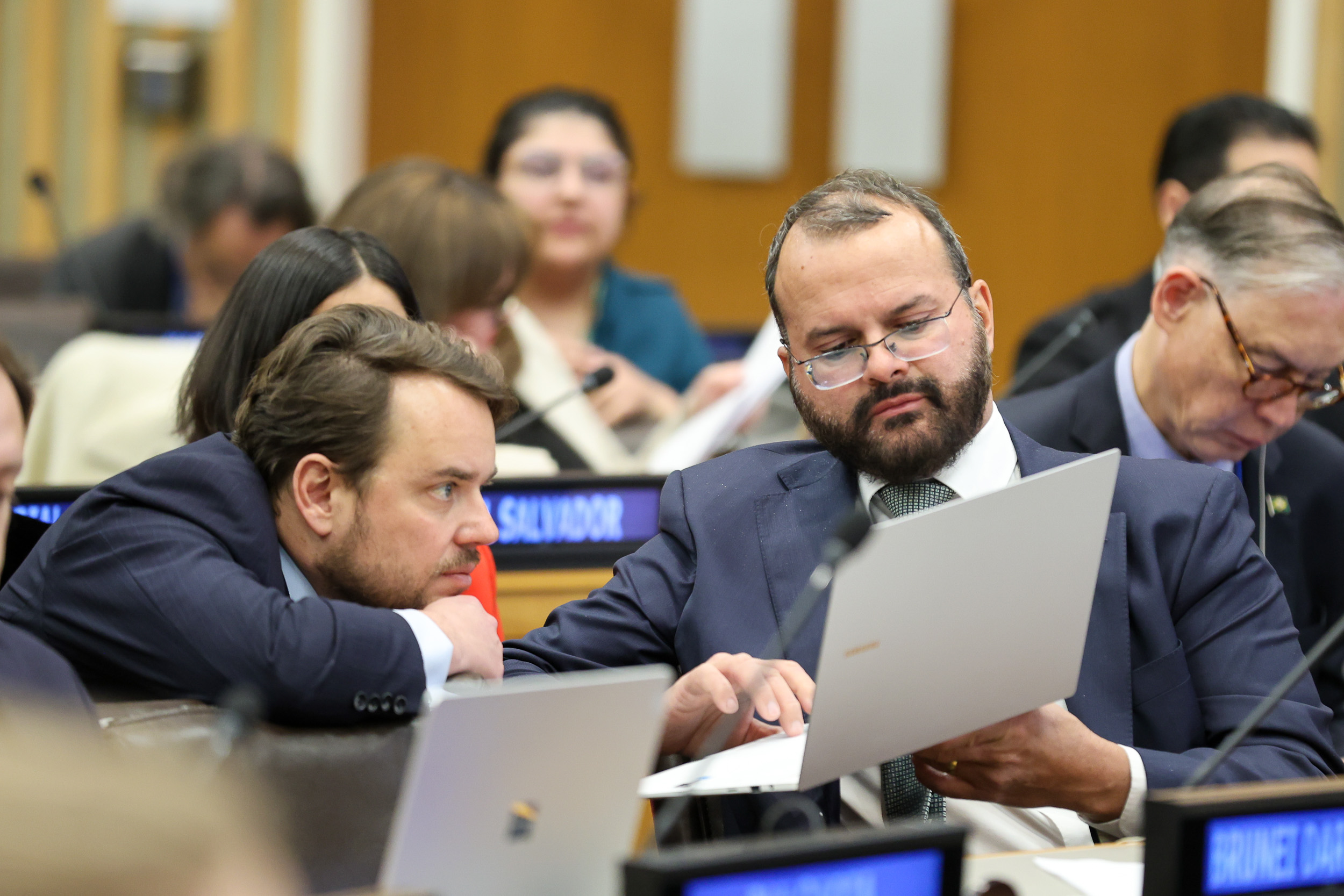
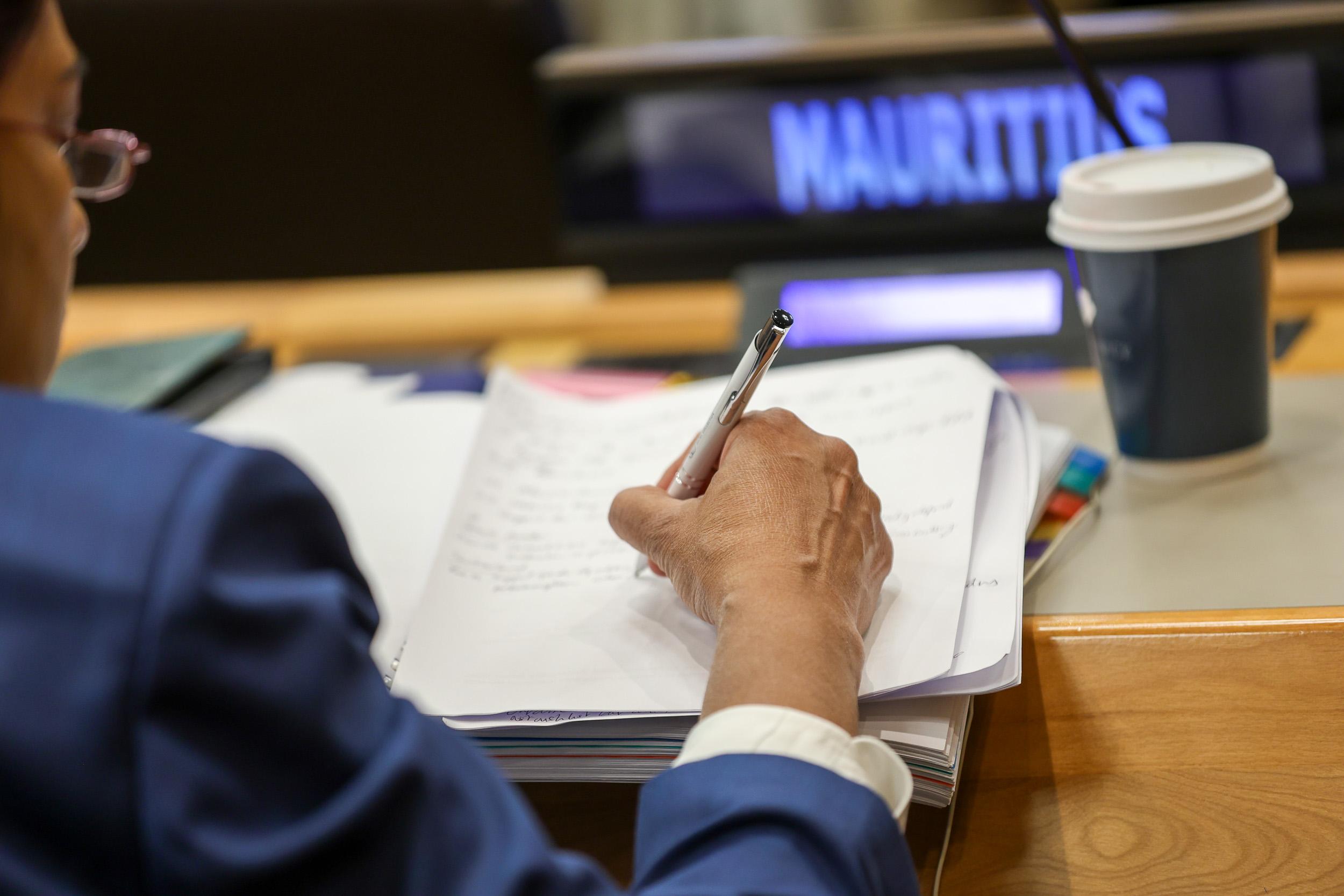


Around the Venue
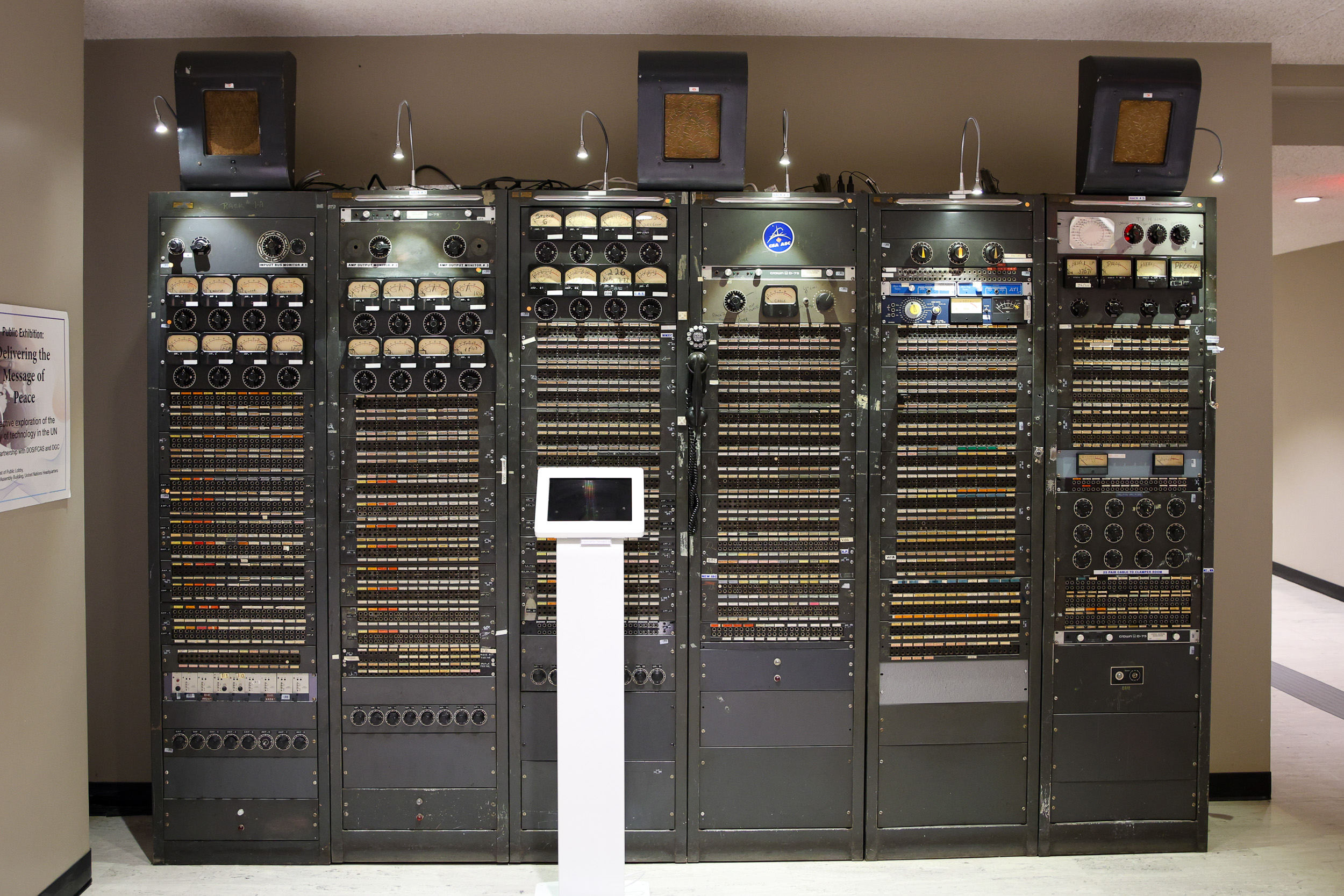
An out-of-service analogue interpretation and audio control system on display at UNHQ